Medisplint
Medisplint
Medisplint
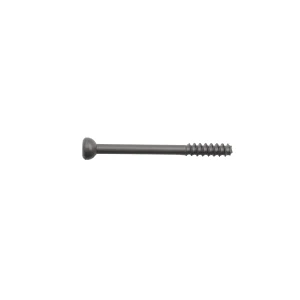
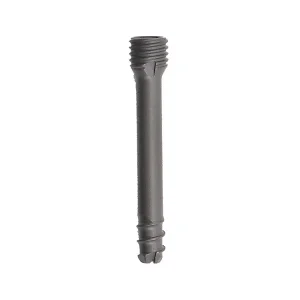
Explore our elite portfolio of clinical-grade titanium and alloy cannulated compression screw systems engineered for trauma, extremity, and reconstructive surgeries.
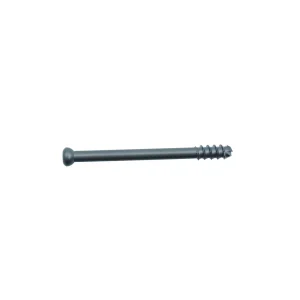
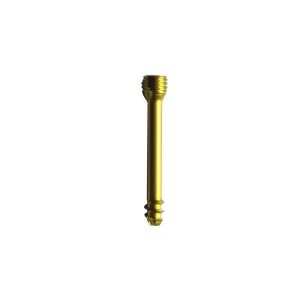
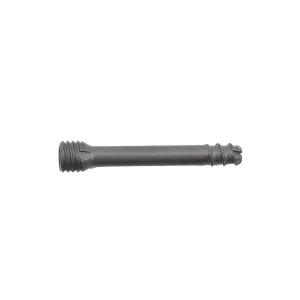
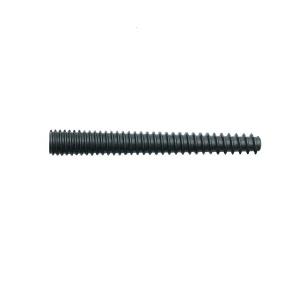
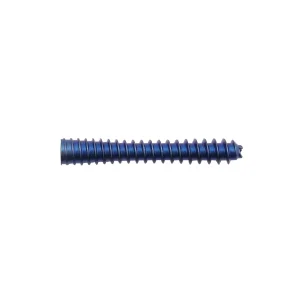
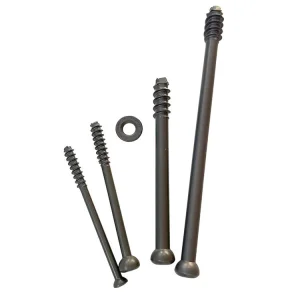
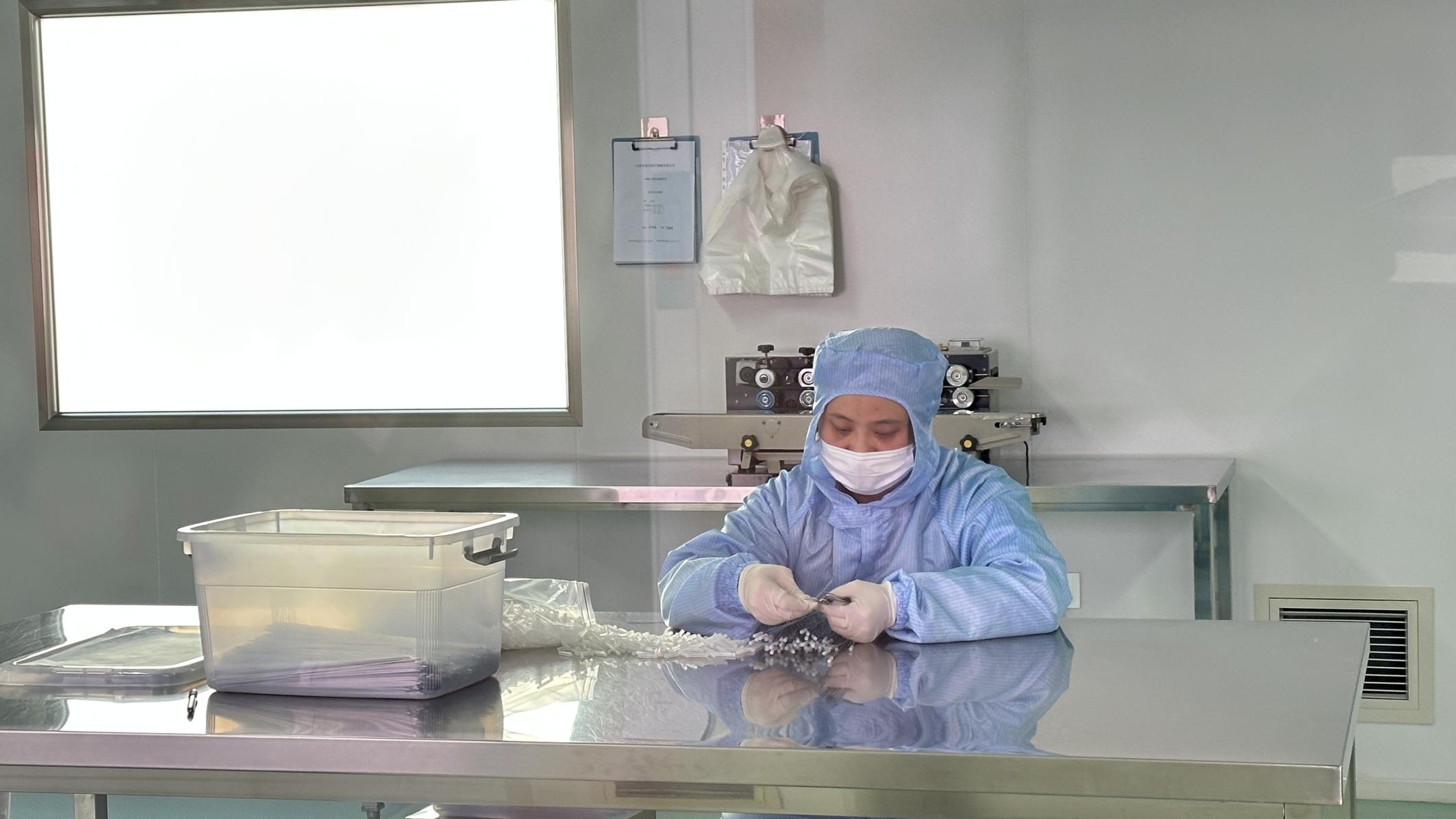
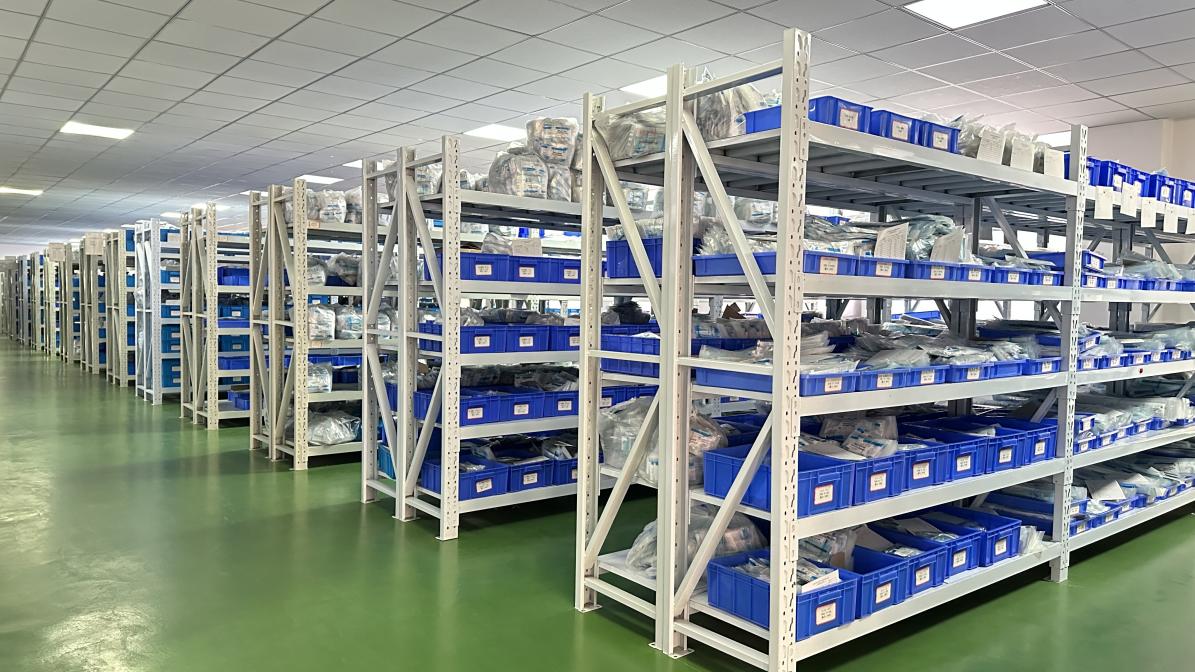
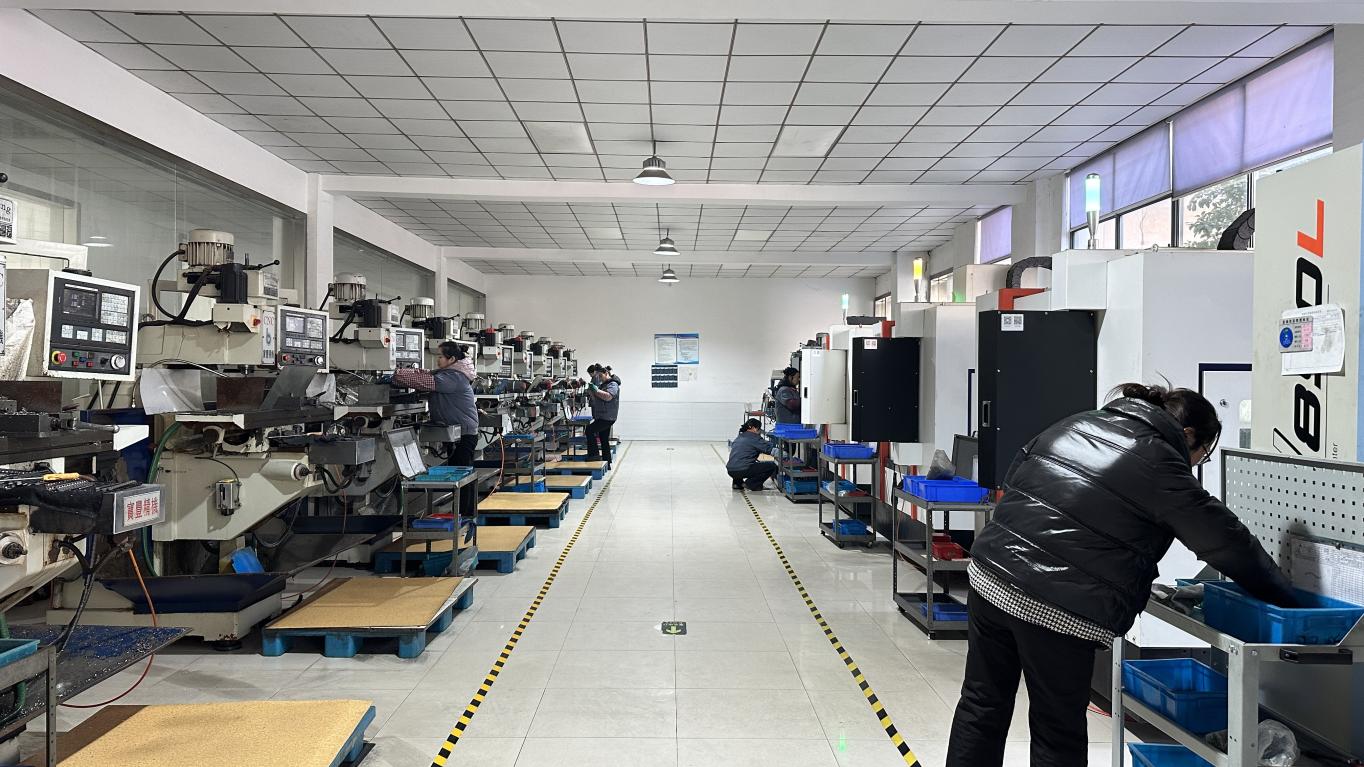
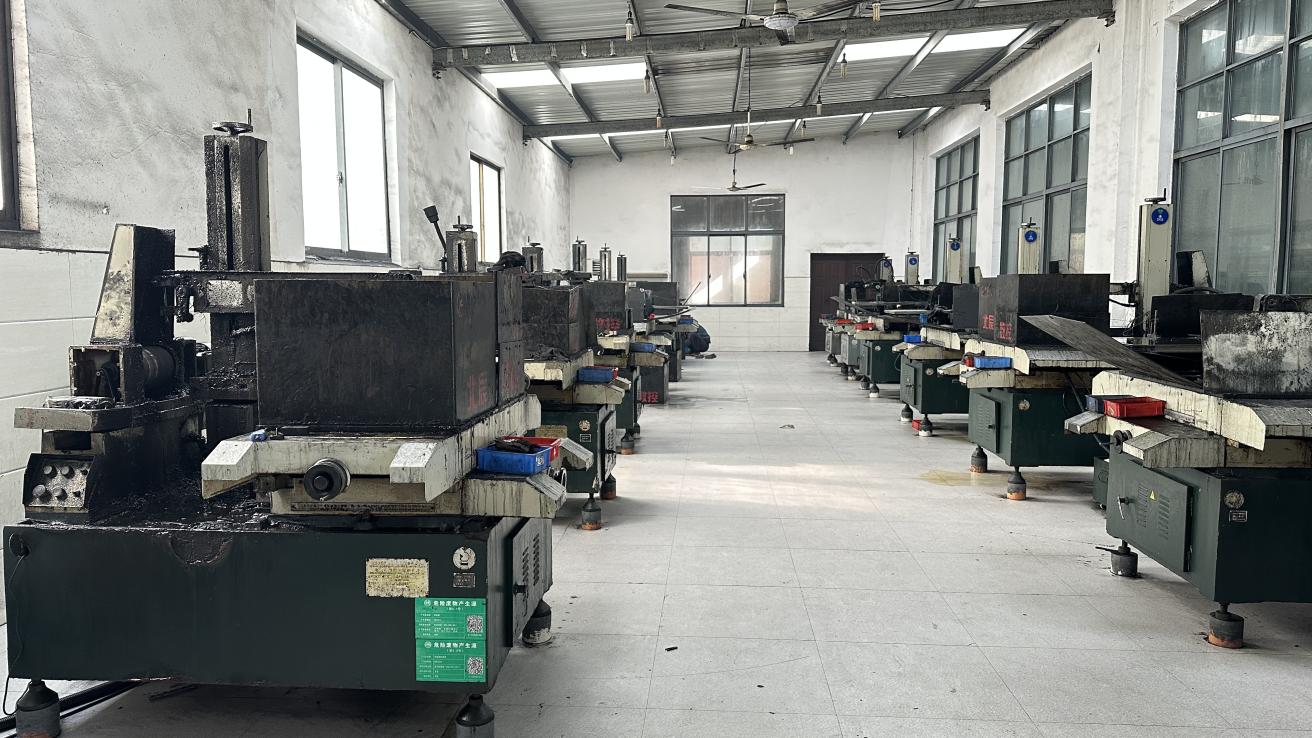
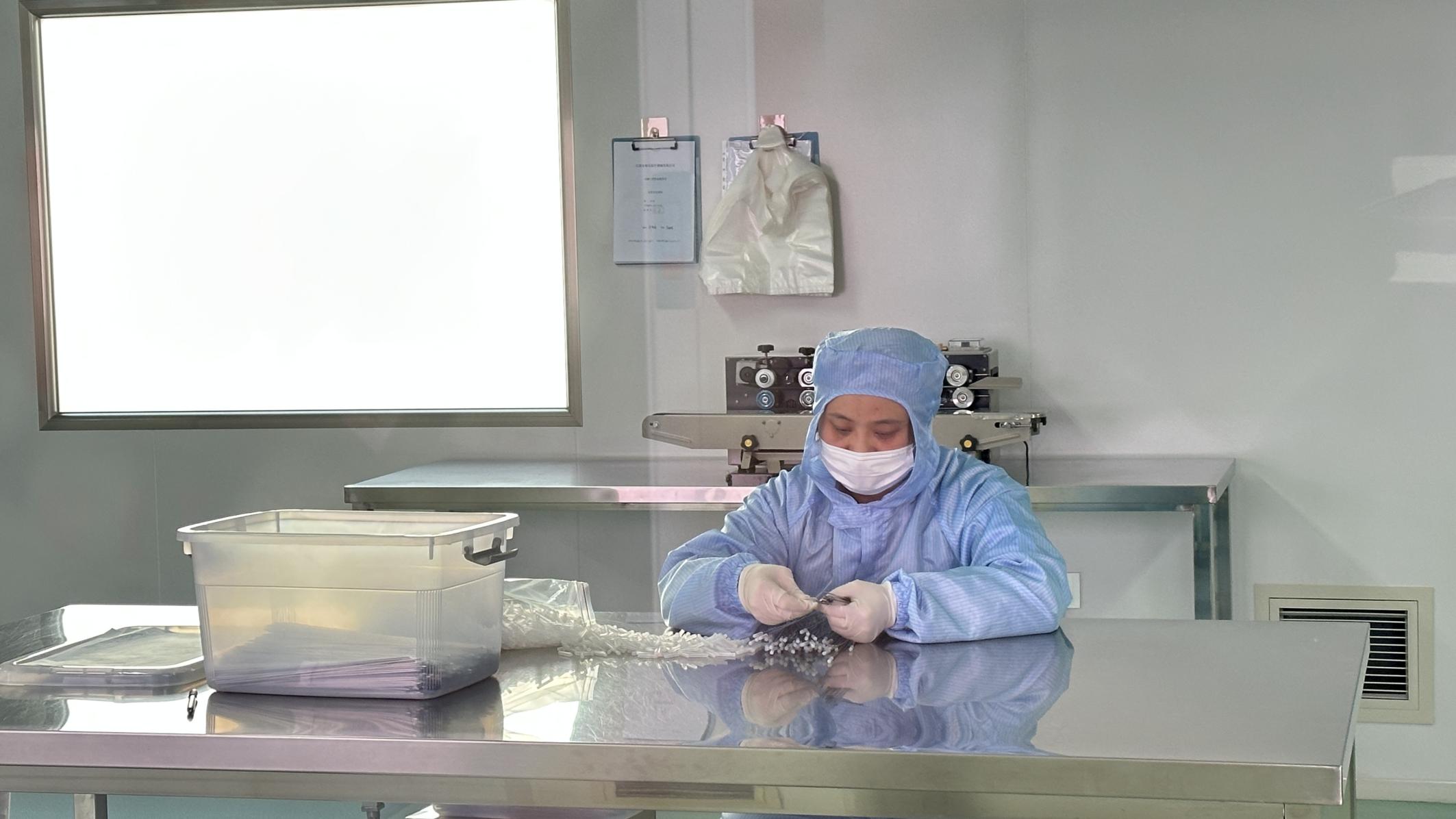
Founded in 2016, Medisplint Orthopedic Instruments Co., Ltd. has established itself as an industry-leading manufacturer specializing in orthopedic implants, trauma fixation systems, and high-precision surgical instruments. Covering an expansive modern facility of approximately 18,500 square meters, we oversee an integrated manufacturing ecosystem, from metallurgy procurement to sterile pack assembly.
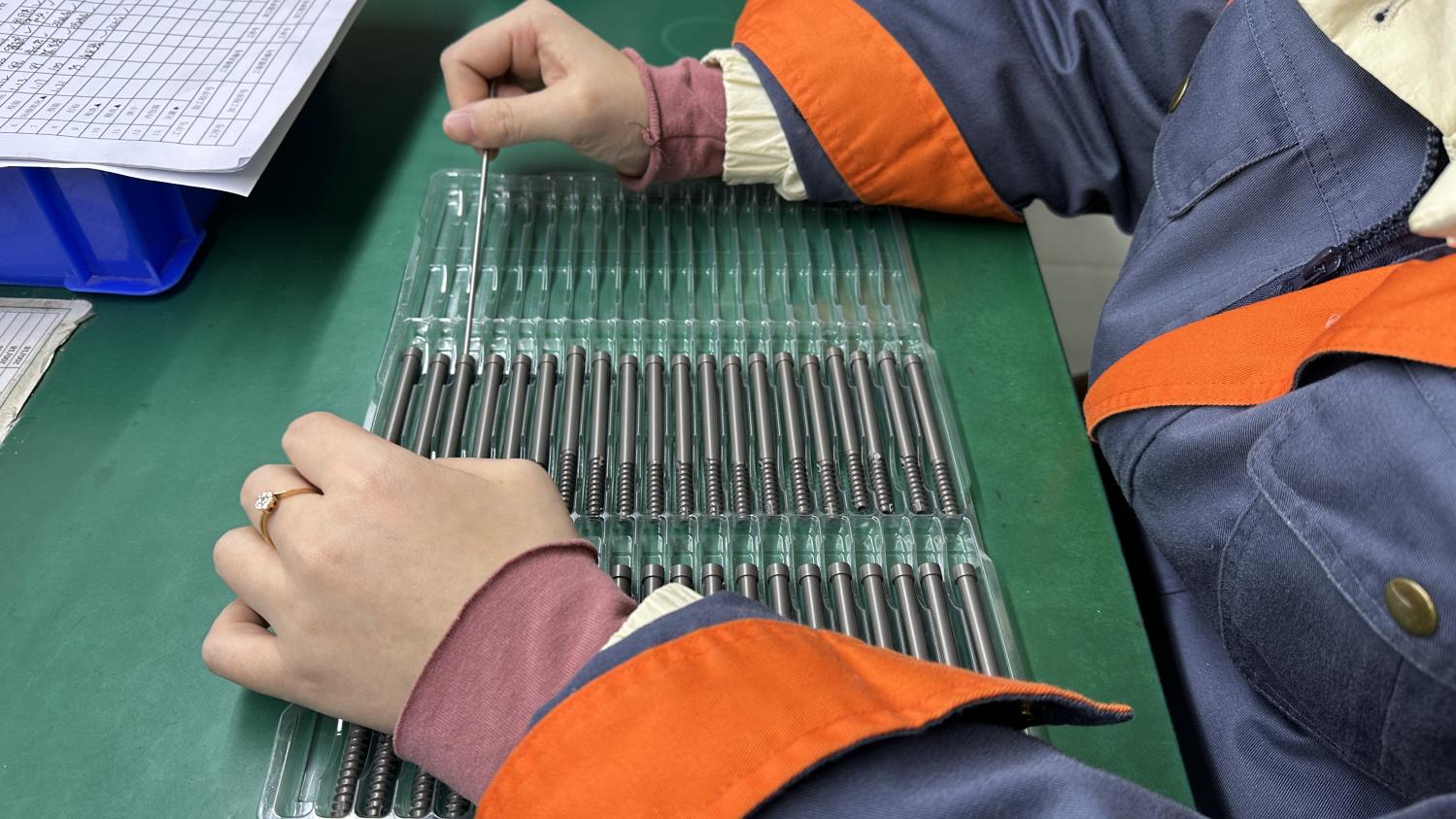
Our commitment to patient safety and biomechanical excellence is backed by strong R&D with over 85 engineering specialist brains working daily to innovate bone healing mechanisms. Operating under strict ISO 13485 certification and European CE standards, we ensure that every cannulated screw leaves our factory doors with full material traceability and performance assurance.
With over 1,200 trusted supply chain partners and a diverse engineering team, we deliver OEM/ODM support, custom packaging design, private labeling, and comprehensive surgical instrument kit layouts to meet localized registry mandates.
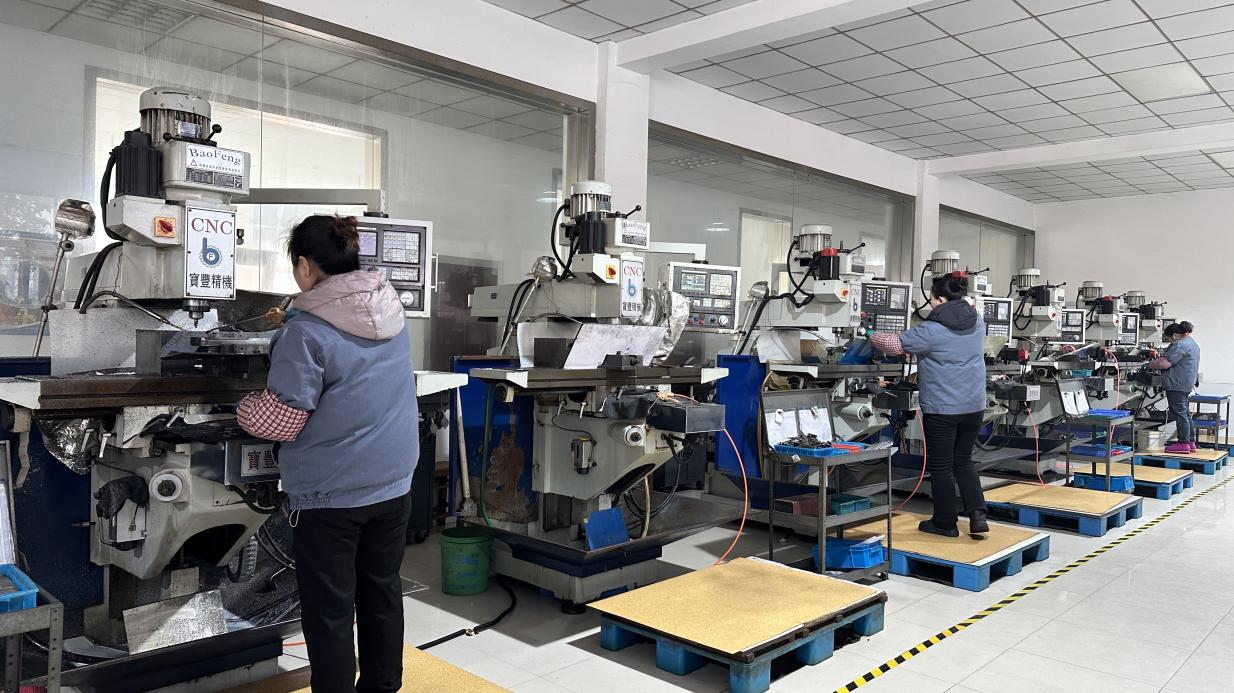
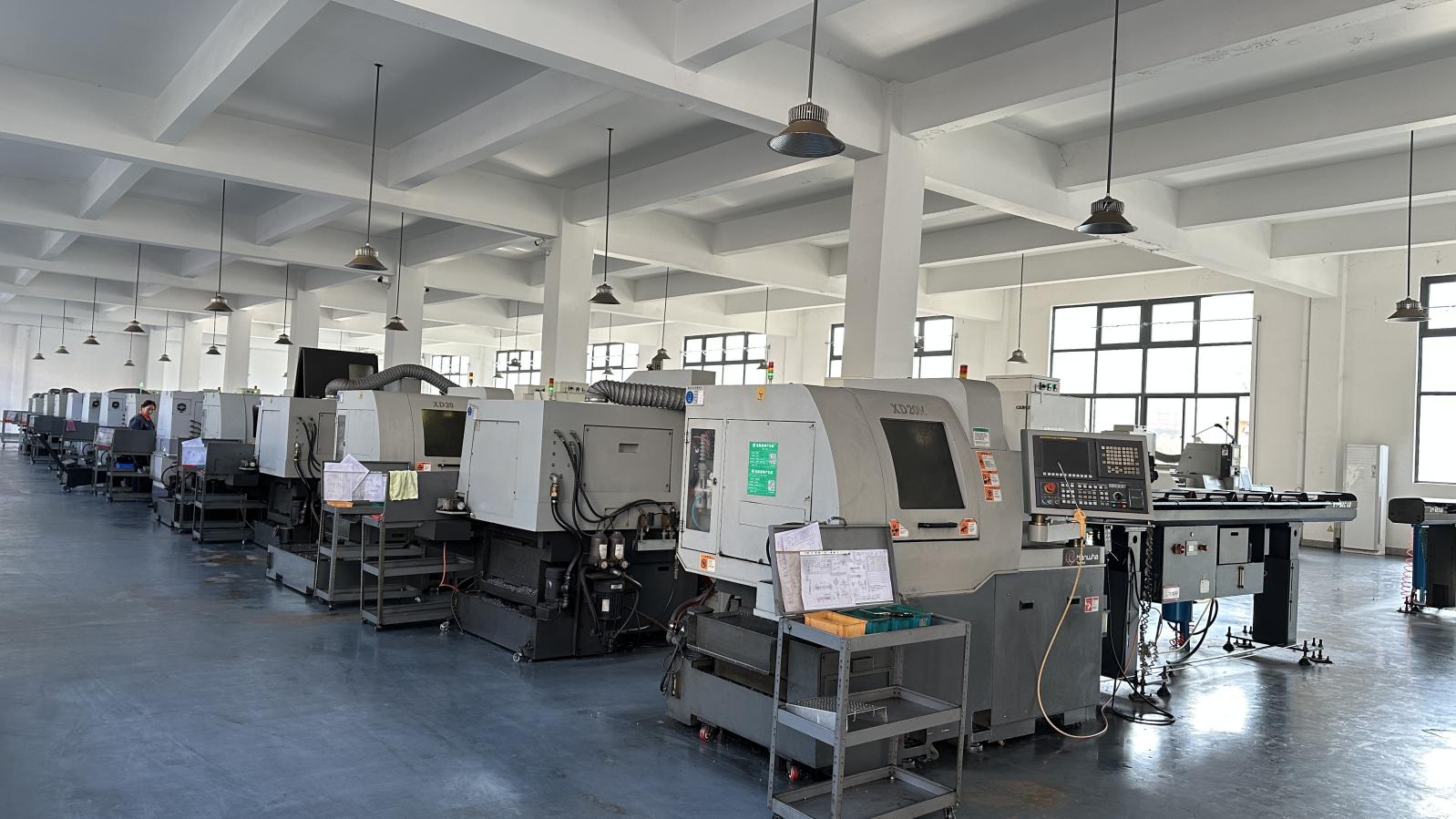
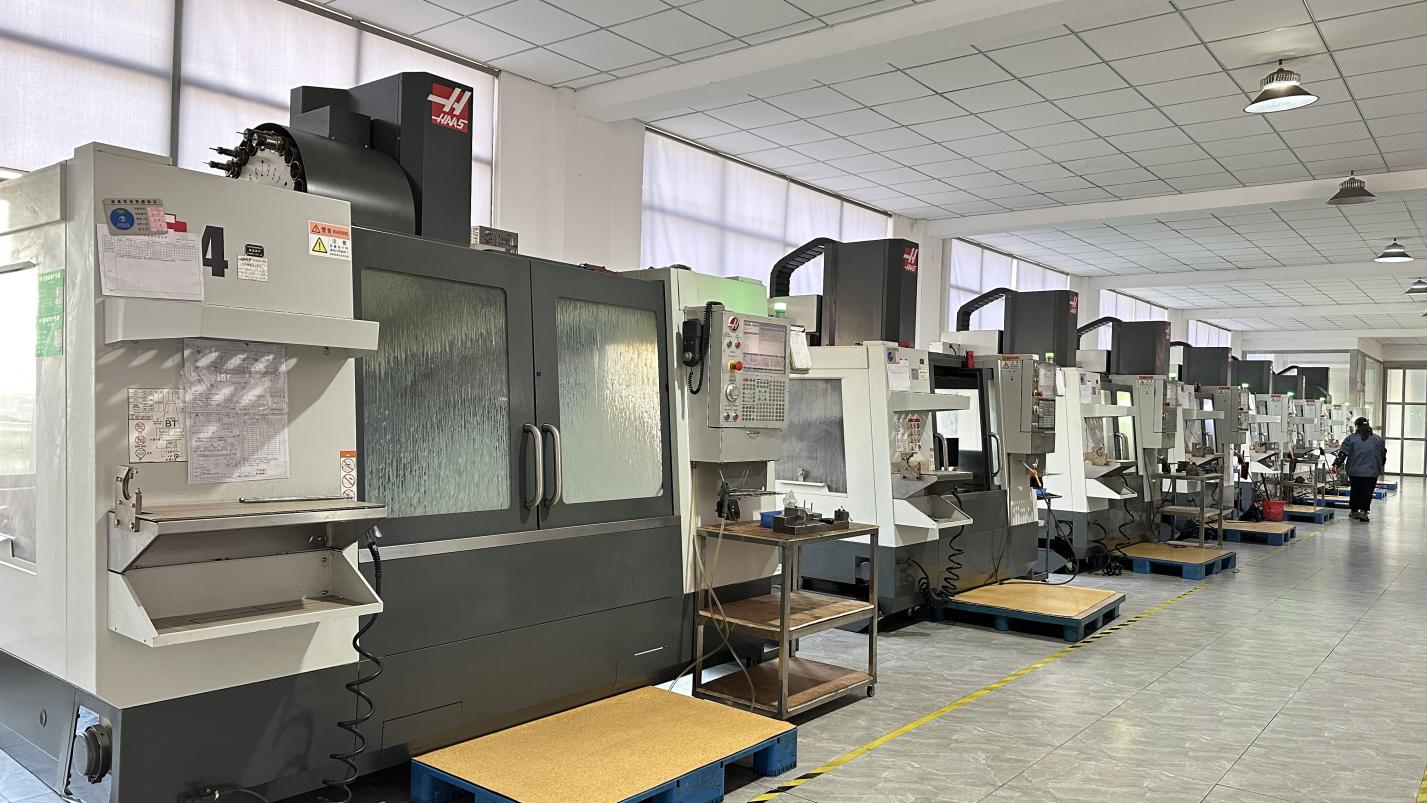
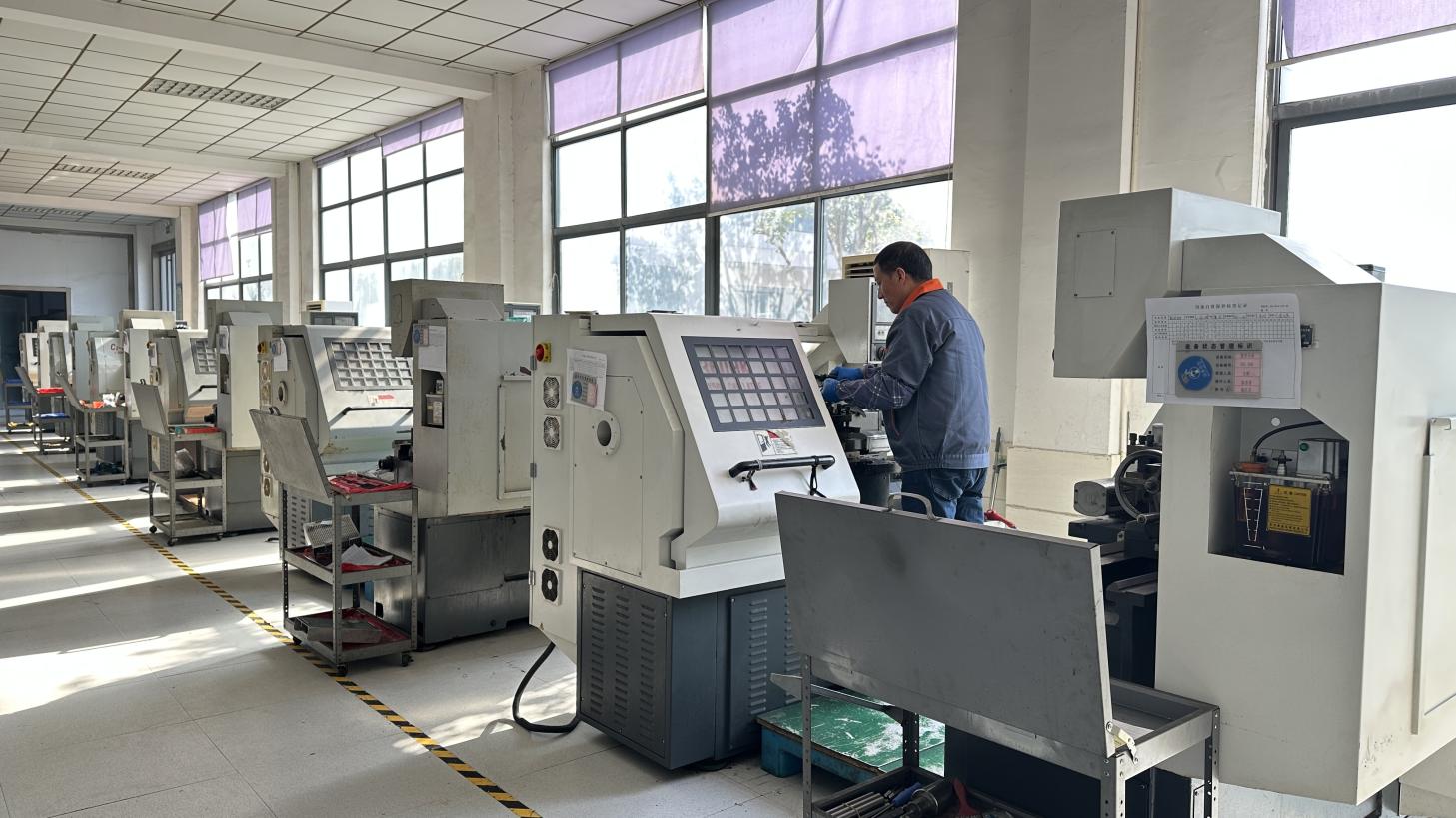
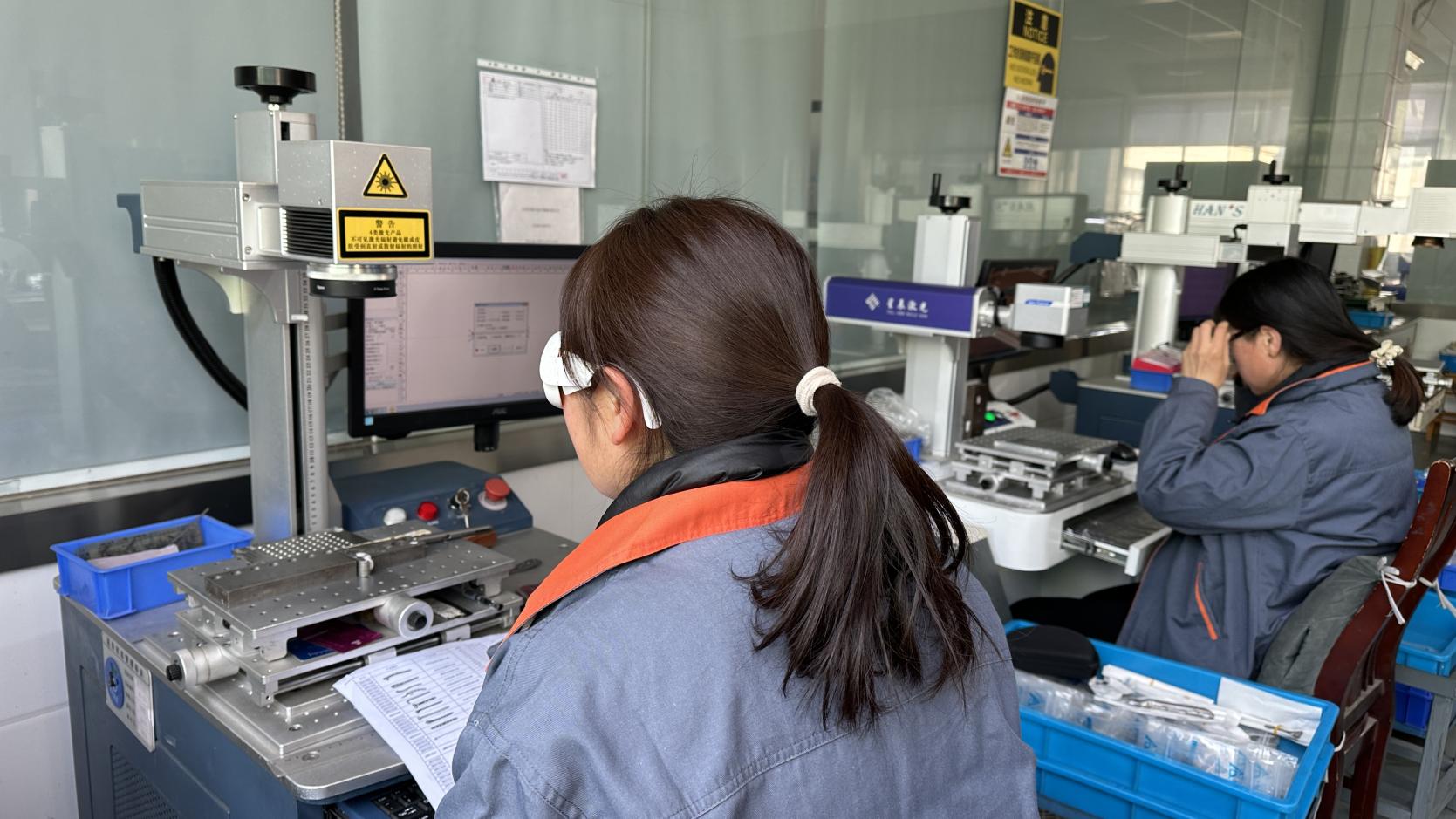
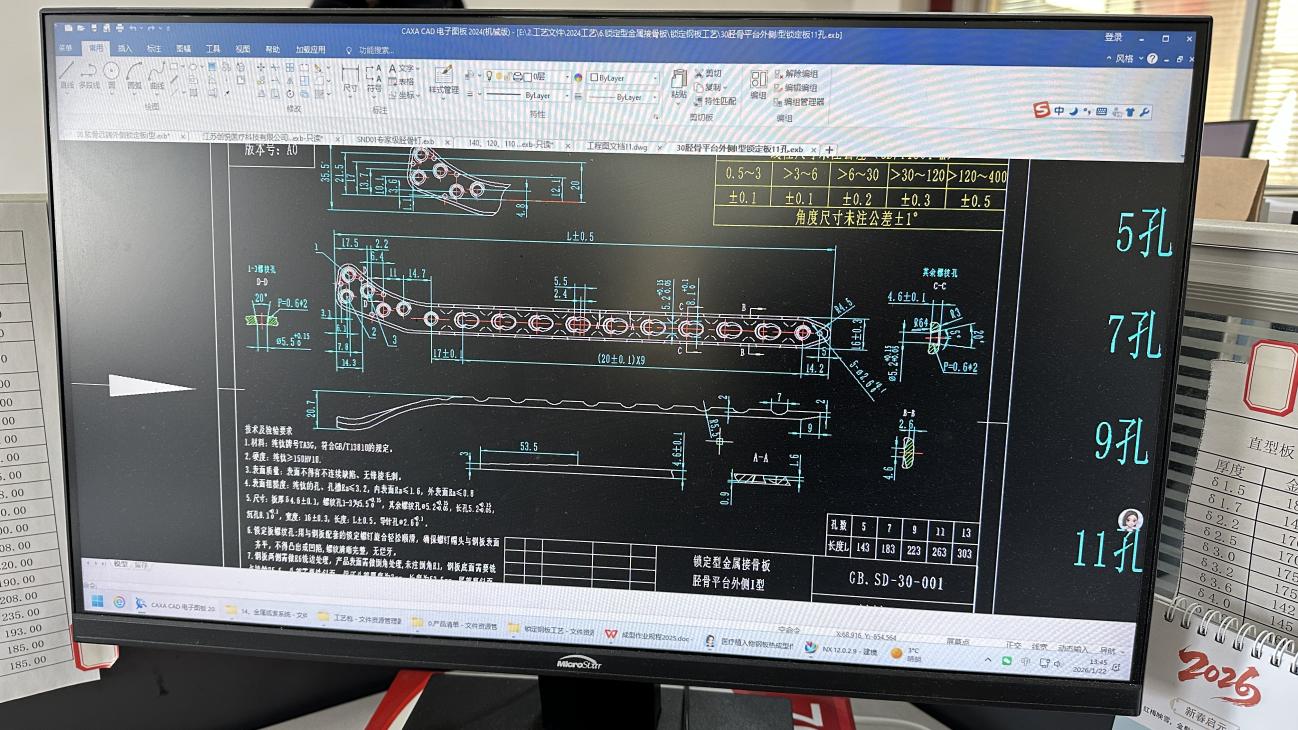
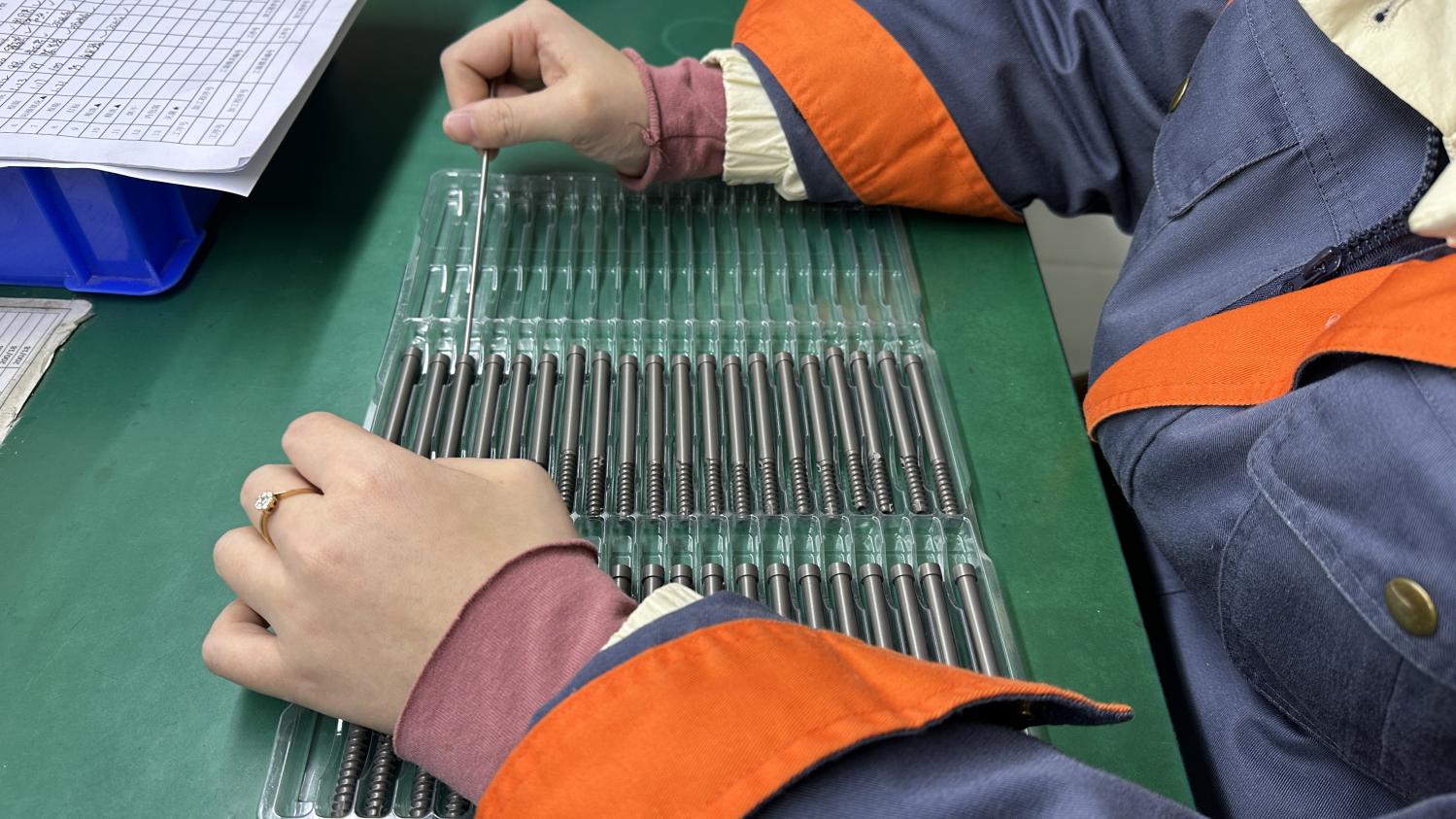
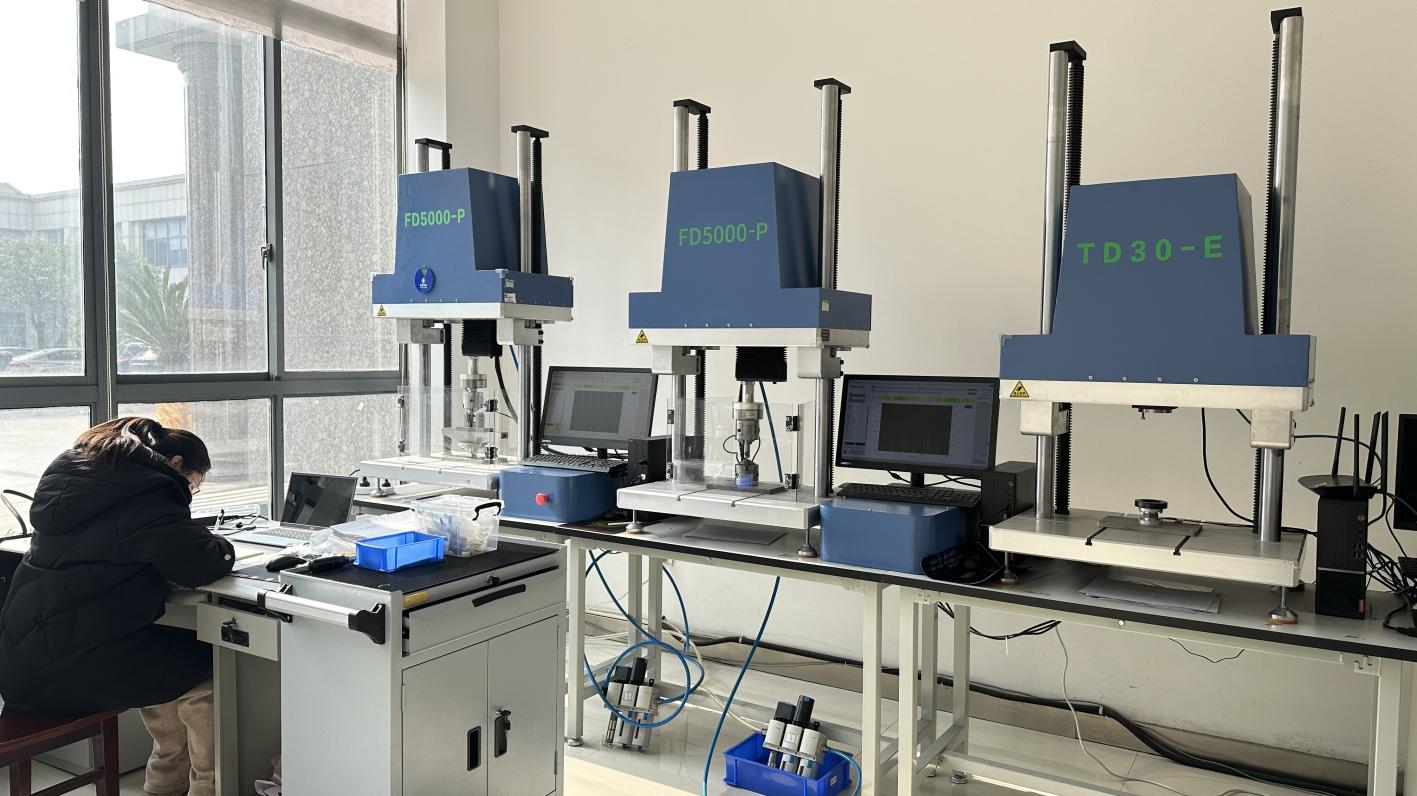
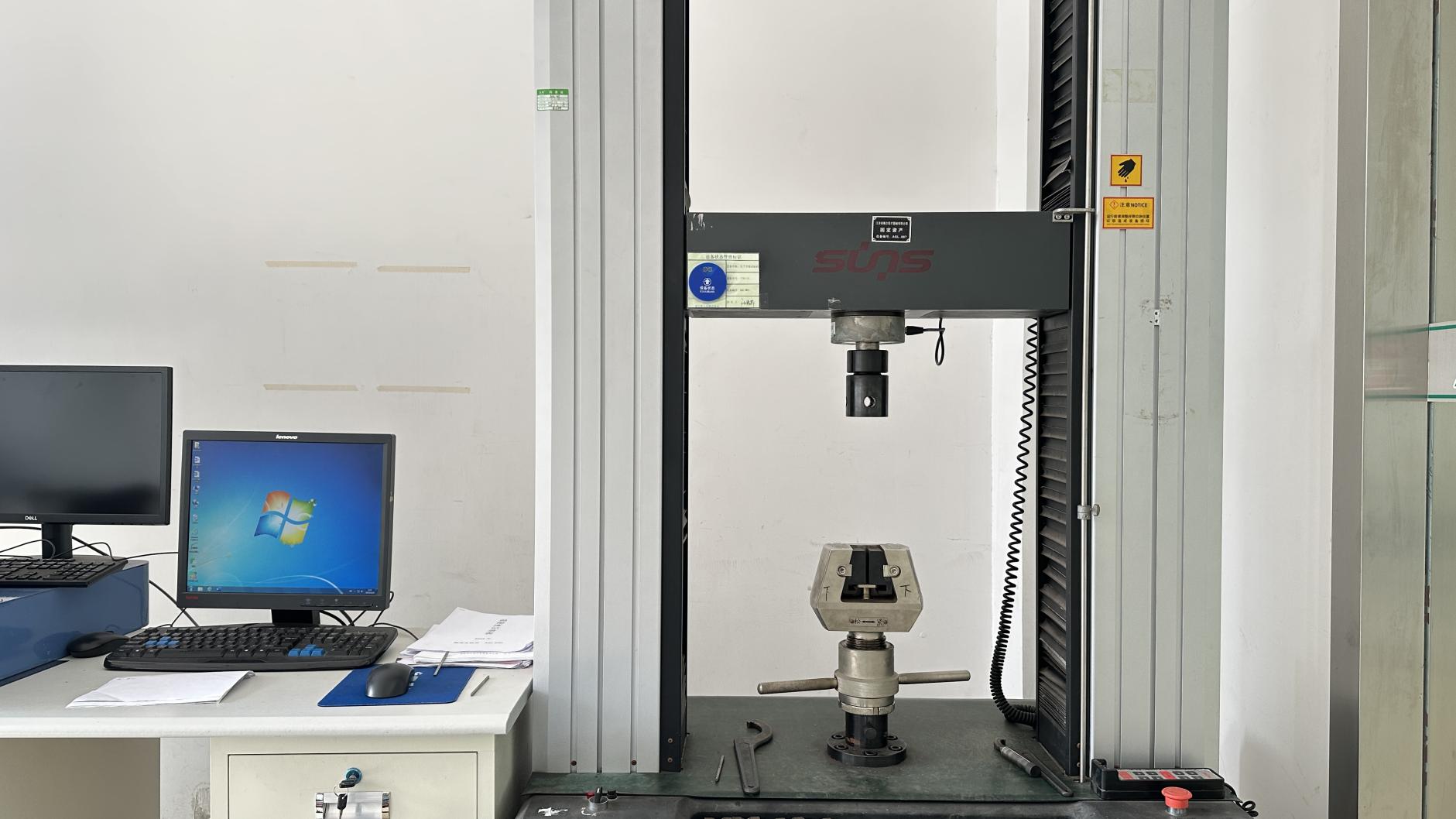
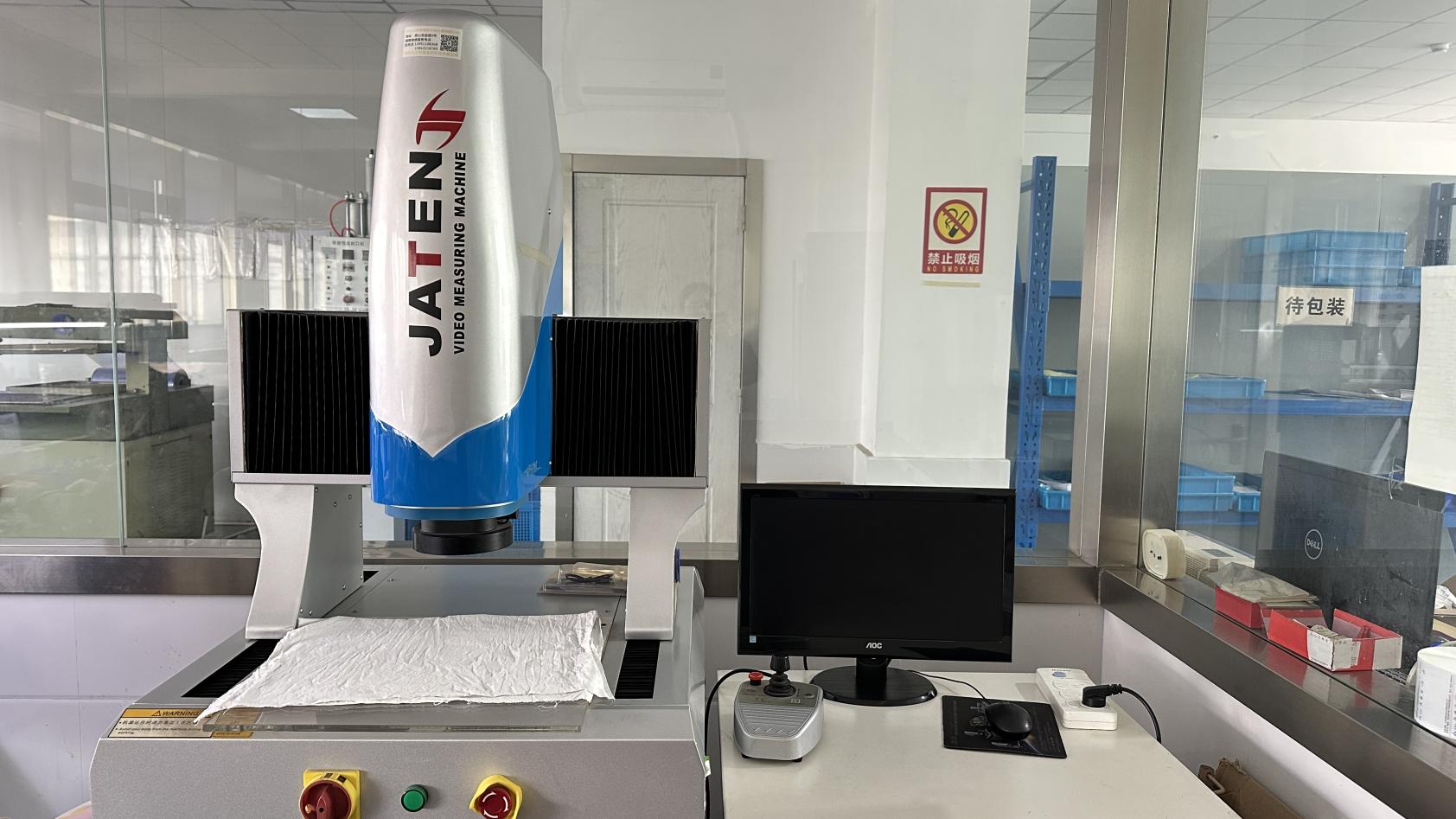
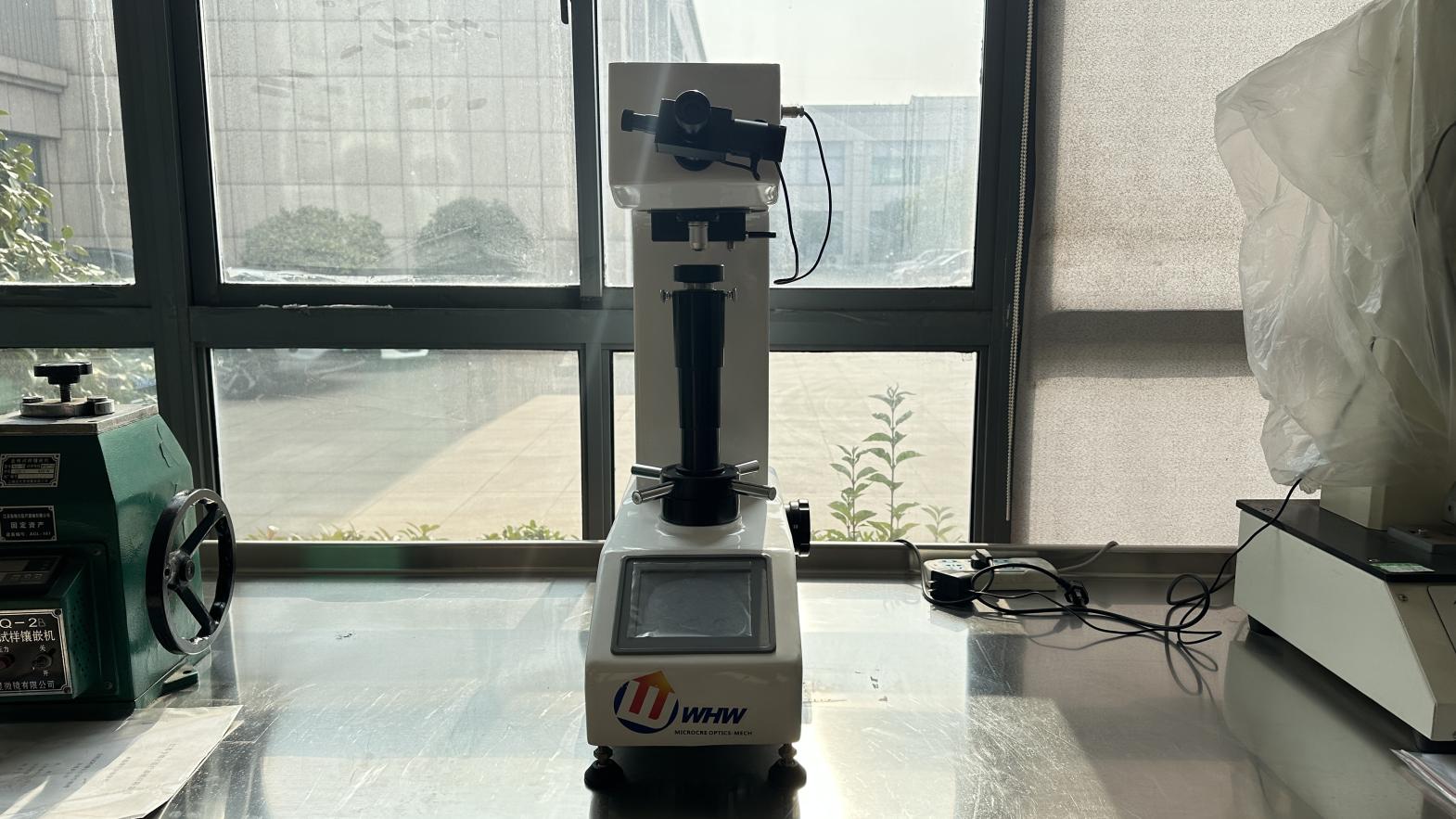
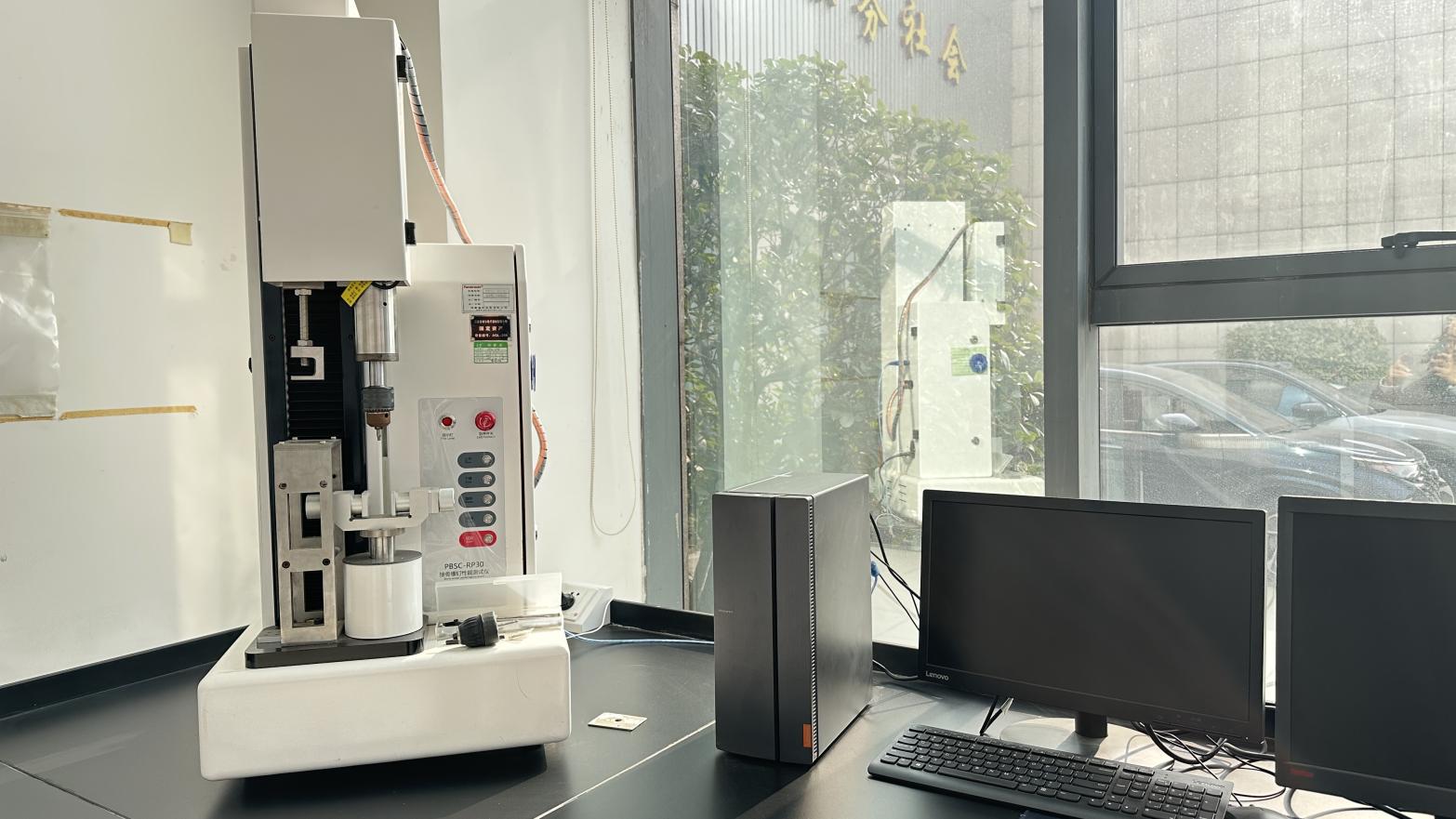
Equipped with cutting-edge Swiss-type longitudinal CNC turning machines, high-precision milling apparatus, and an advanced orthopedic testing laboratory.
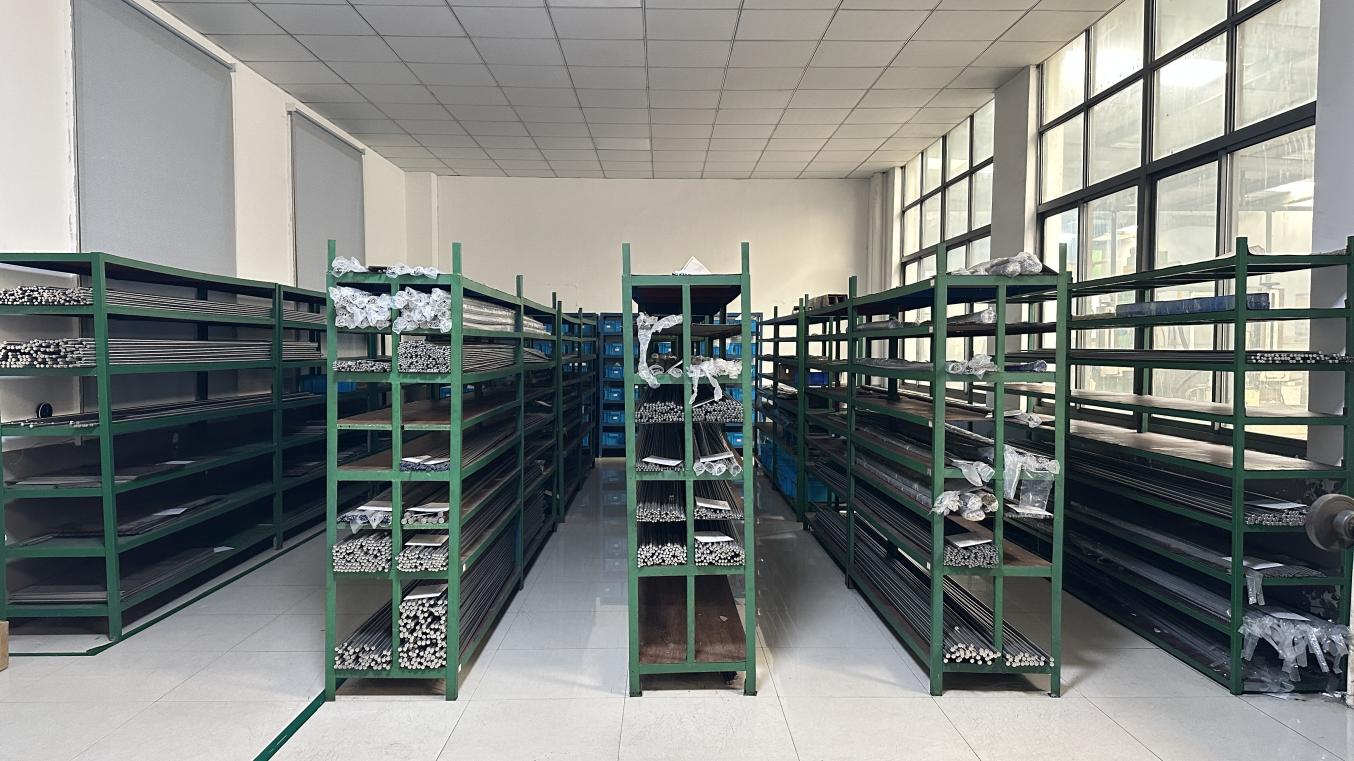
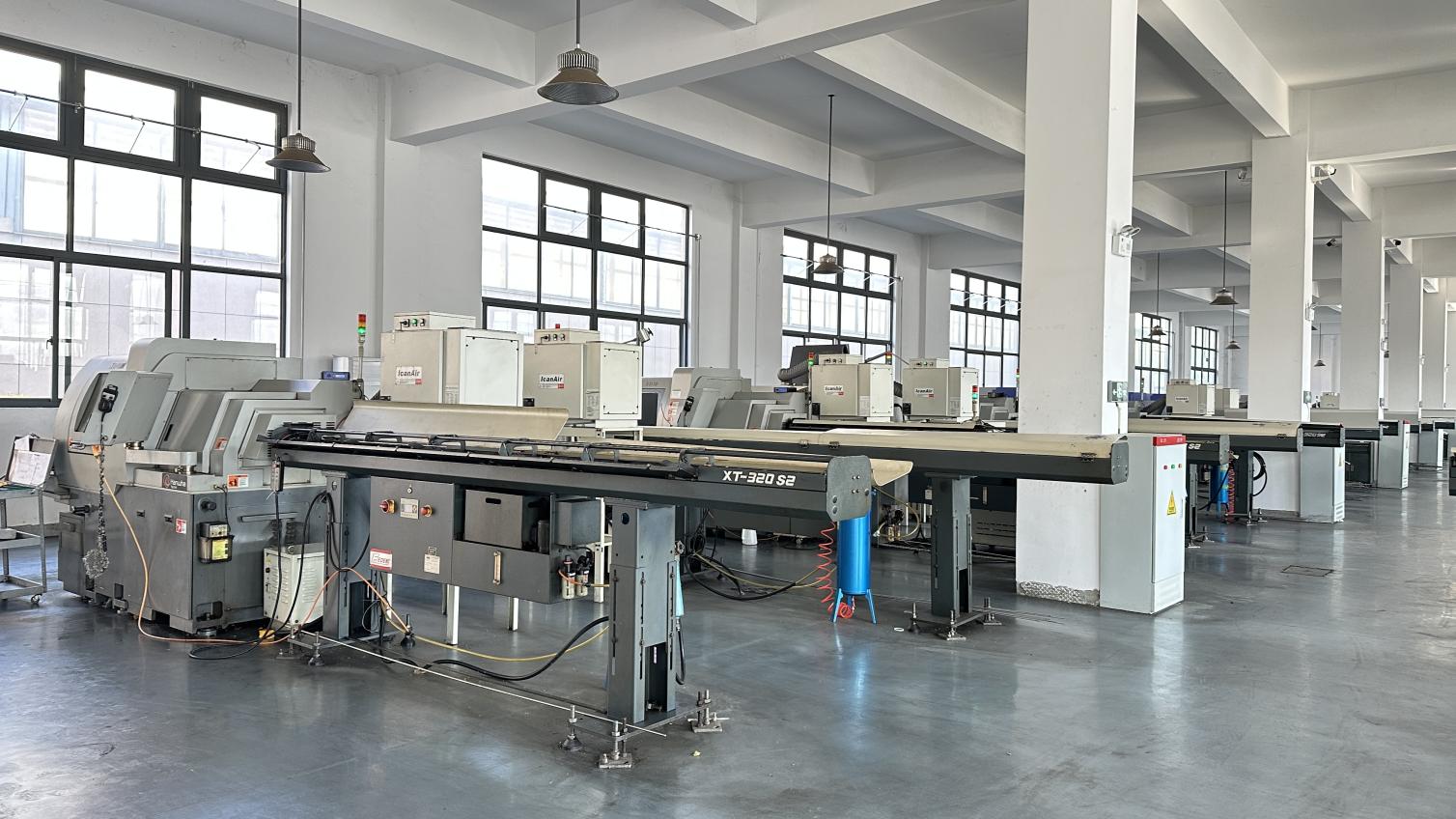
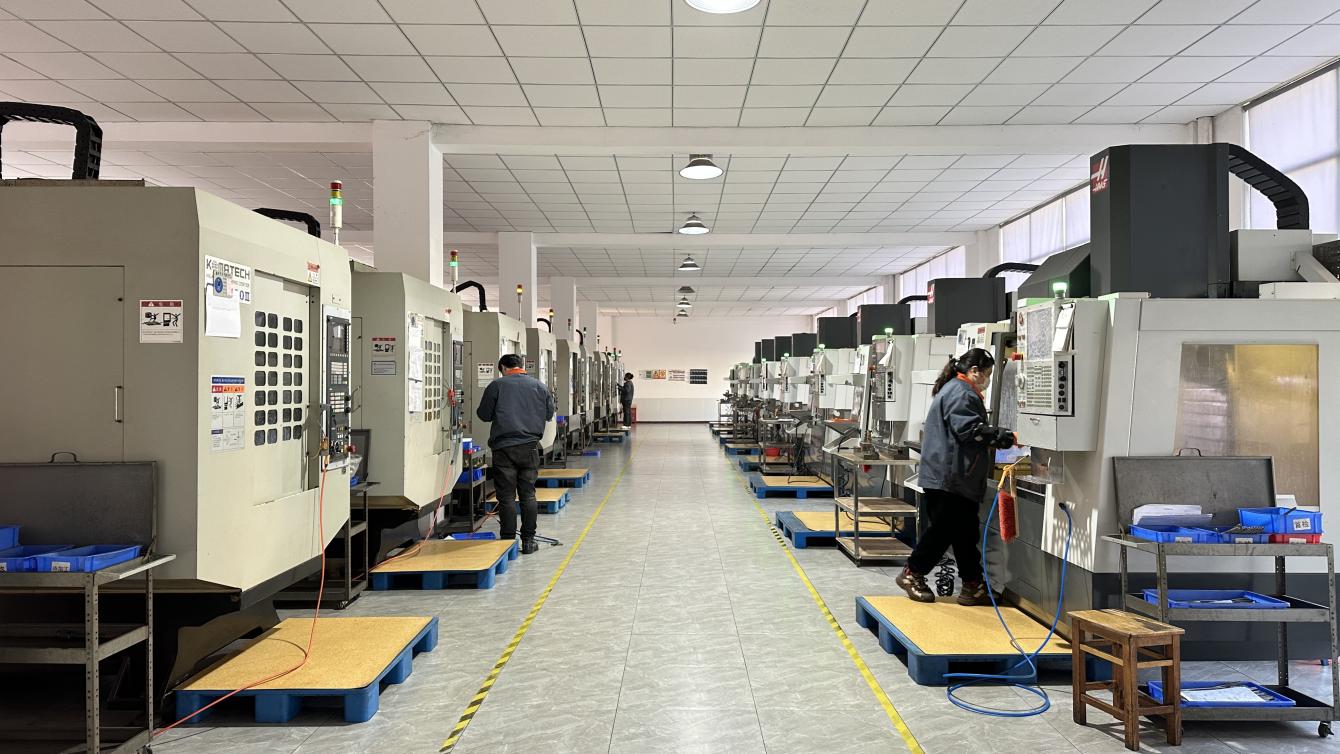
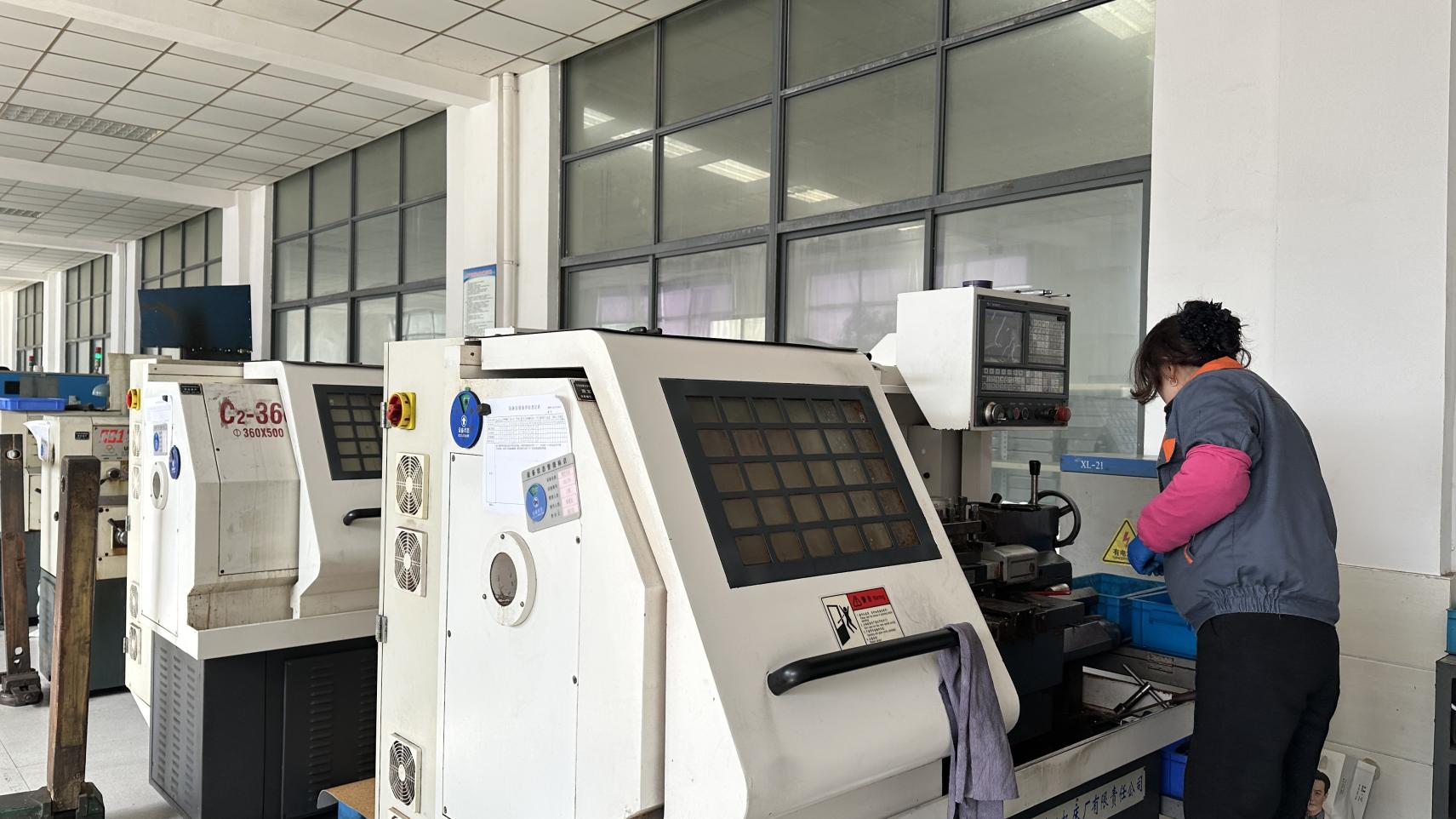

A deep dive into the engineering, market dynamics, regulatory environments, and localized clinical adaptations of cannulated screw systems globally.
The global orthopedic fixation device market has experienced profound restructuring due to shifts in demographics and regulatory standards. Cannulated screws remain the cornerstone of orthopedic trauma surgeries, offering minimal surgical disruption while securing high compression forces across bone fractures. Today, the global cannulated screw market is valued at over several hundred million USD, with demand propelled by the rise in geriatric hip fractures, high-impact athletic injuries, and pediatric limb revisions.
North America and Europe constitute the largest consumption hubs due to mature healthcare systems and high adoption of minimally invasive surgery (MIS). However, the Asia-Pacific region, led by emerging healthcare infrastructure in Southeast Asia, China, and India, showcases the fastest growth. As regional hospitals align with CE MDR and local equivalents, international trade requires exporters to showcase robust clinical evidence, transparent supply chains, and extensive validation testing (ISO 13485 compliance, fatigue limits, and biocompatibility protocols).
Historically, stainless steel (such as 316L) dominated orthopedic implants due to its stiffness and raw strength. Modern clinical environments, however, demand materials that mitigate stress shielding and reduce imaging artifacts. This has driven the industry toward Titanium Alloys (specifically Ti-6Al-4V ELI / Grade 23) and advanced bio-absorbable polymers.
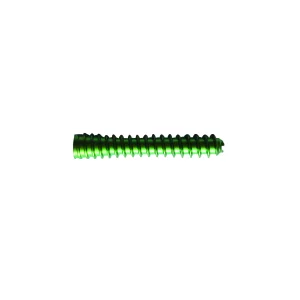
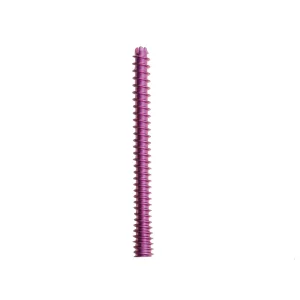
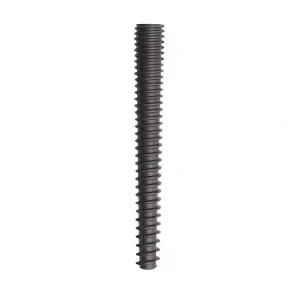
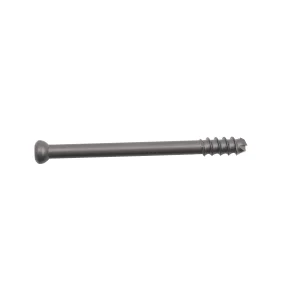
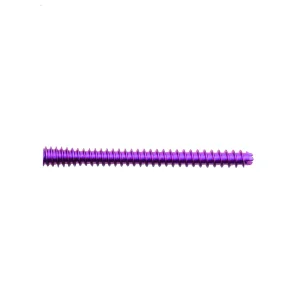
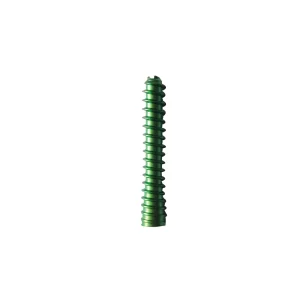
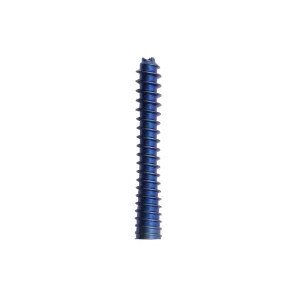
Titanium alloy offers a lower modulus of elasticity closer to cortical bone, reducing bone resorption risk. Additionally, titanium exhibits superb biocompatibility and osseointegration when treated with specialized surface textures (such as anodic oxidation or sandblasting). In terms of engineering designs, the industry is witnessing the replacement of traditional headed screws with headless compression screws (Herbert design). This layout leverages variable thread pitches that draw bone fragments together as the screw is driven home, burying the trailing end below the articular cartilage to prevent soft tissue impingement.
Different clinical regions exhibit varying preferences based on surgeon training and hospital procurement protocols. Standardizing sizes simplifies logistics across different surgical theaters:
In developing nations, dual-threaded self-tapping screws are highly requested as they eliminate steps in the surgical flow (e.g., pre-tapping), reducing overall anesthesia time and saving valuable hospital operating theater hours.
For international orthopedic distributors, navigating Class III medical registrations requires more than just high-quality hardware. Medisplint addresses these macro bottlenecks with three strategic pillars:
Regulatory Documentation Packs: We compile comprehensive technical dossiers including ISO 13485 certificates, material safety data sheets (MSDS), mechanical test results (tensile/torque curves), and clinical evaluation reports (CERs) to expedite registration with local ministries of health.
Systemized Instrumentation Kits: A common pain point for hospital operating rooms is instrument-to-screw mismatch. Medisplint designs custom-engineered sterilization trays holding both the screws (with color-coded sizes) and the corresponding guide wires, drill bits, depth gauges, and torque-limiting drivers. This turns standalone implants into unified surgical solutions.
Technical responses satisfying search intent regarding application, materials, and biomechanical parameters.
Additional surgical implants and instrument solutions designed to optimize surgical workflows and post-operative healing outcomes.