Medisplint
Medisplint
Medisplint
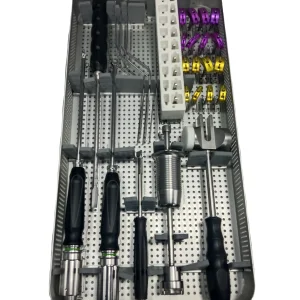
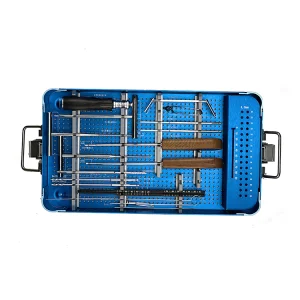
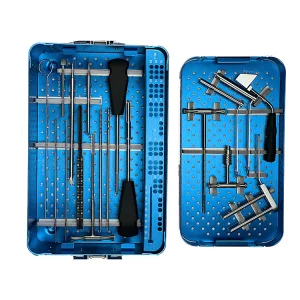
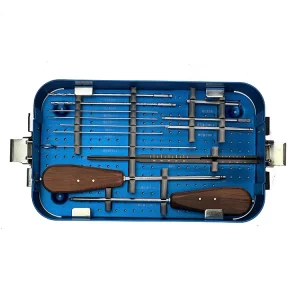
Explore our elite selection of specialized surgical kits, precision cannulated screw systems, and biocompatible interbody fusion tools engineered to reduce intraoperative complications.
The global market for orthopedic implants and associated surgical tools is entering a hyper-mature phase. Rapid technological advances, coupled with an aging demographic worldwide and rising sports injury profiles, have forced modern hospitals and orthopedic distributors to demand higher micro-tolerances, faster validation turnarounds, and robust OEM capabilities.
Surgical instruments are no longer considered simple steel accessories. They are integral to the success of complex reconstructive procedures, spinal fusions, and trauma fixations. For procurement offices, sourcing orthopedic instrumentation requires dealing with strict biological testing metrics, mechanical fatigue constraints, and critical international clearance regimes. In particular, the shift toward minimally invasive surgeries (MIS) demands the creation of complex hollow screw guides, specialized retractors, and micro-machined cannulated screw drivers that function with high precision under digital guidance.
Understanding where surgical technologies are heading in 2025 and beyond is crucial to maintaining supply chain superiority.
Standard surgical steel is increasingly replaced by Titanium Grade 5 and medical-grade PEEK (Polyetheretherketone). These materials align with the elastic modulus of human bone, reducing stress shielding and improving osteointegration.
Surgical fatigue is a primary factor in intraoperative errors. Multi-functional surgical handles, custom anatomical guide-wires, and torque-limiting screwdrivers protect both implants and tissues from localized structural overloading.
Surgical tools require superior wear resistance and absolute rust prevention over repeated sterilization cycles. Standard anodizing, laser marking, and advanced citric passivation build a robust oxide layer that defends against pitting corrosion.
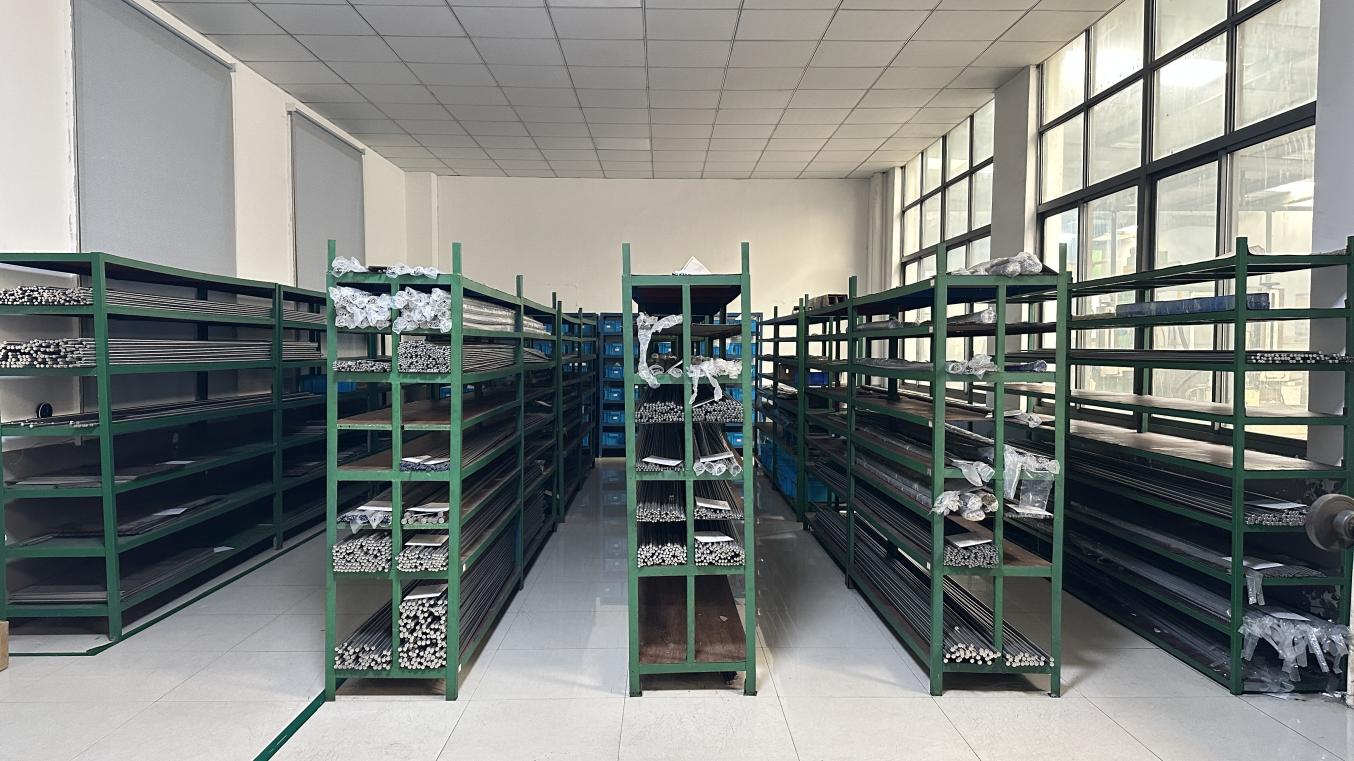
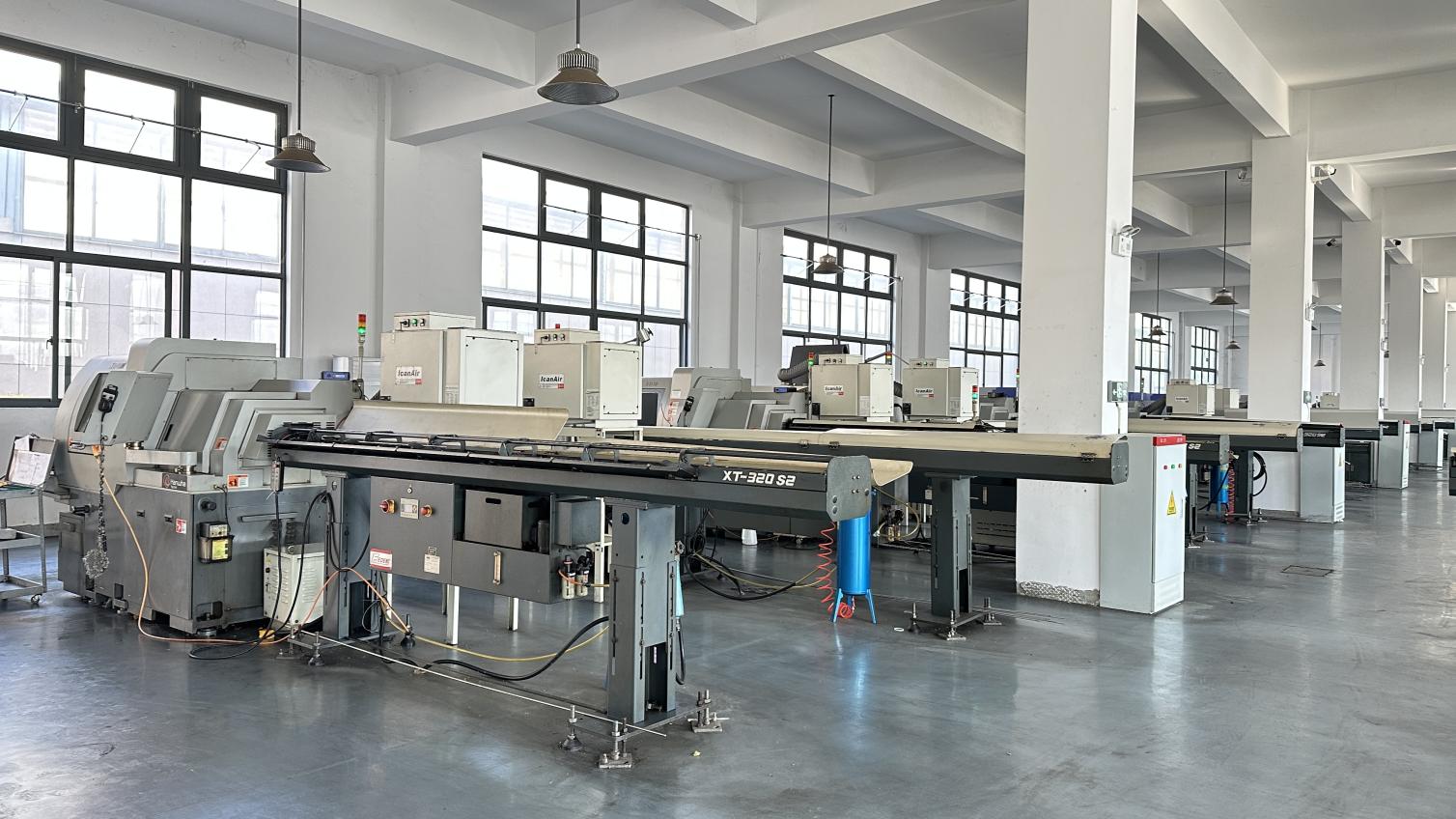
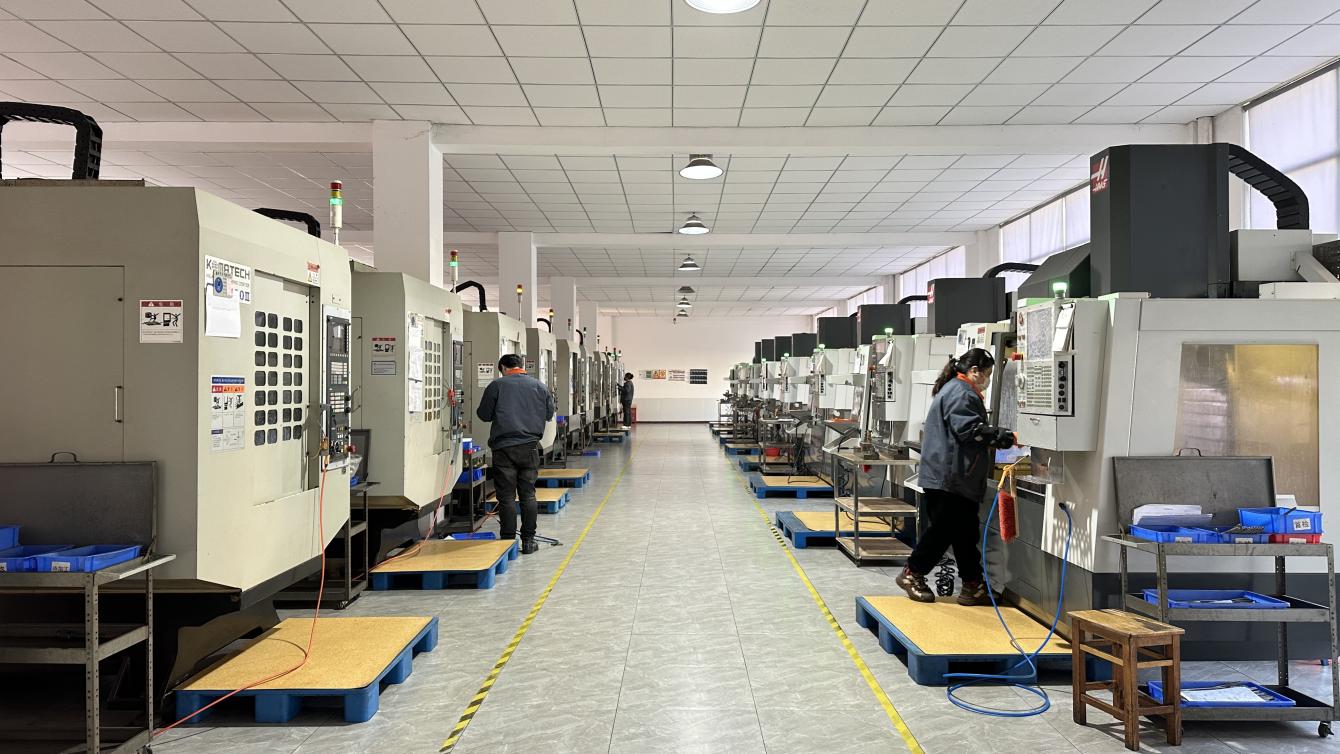
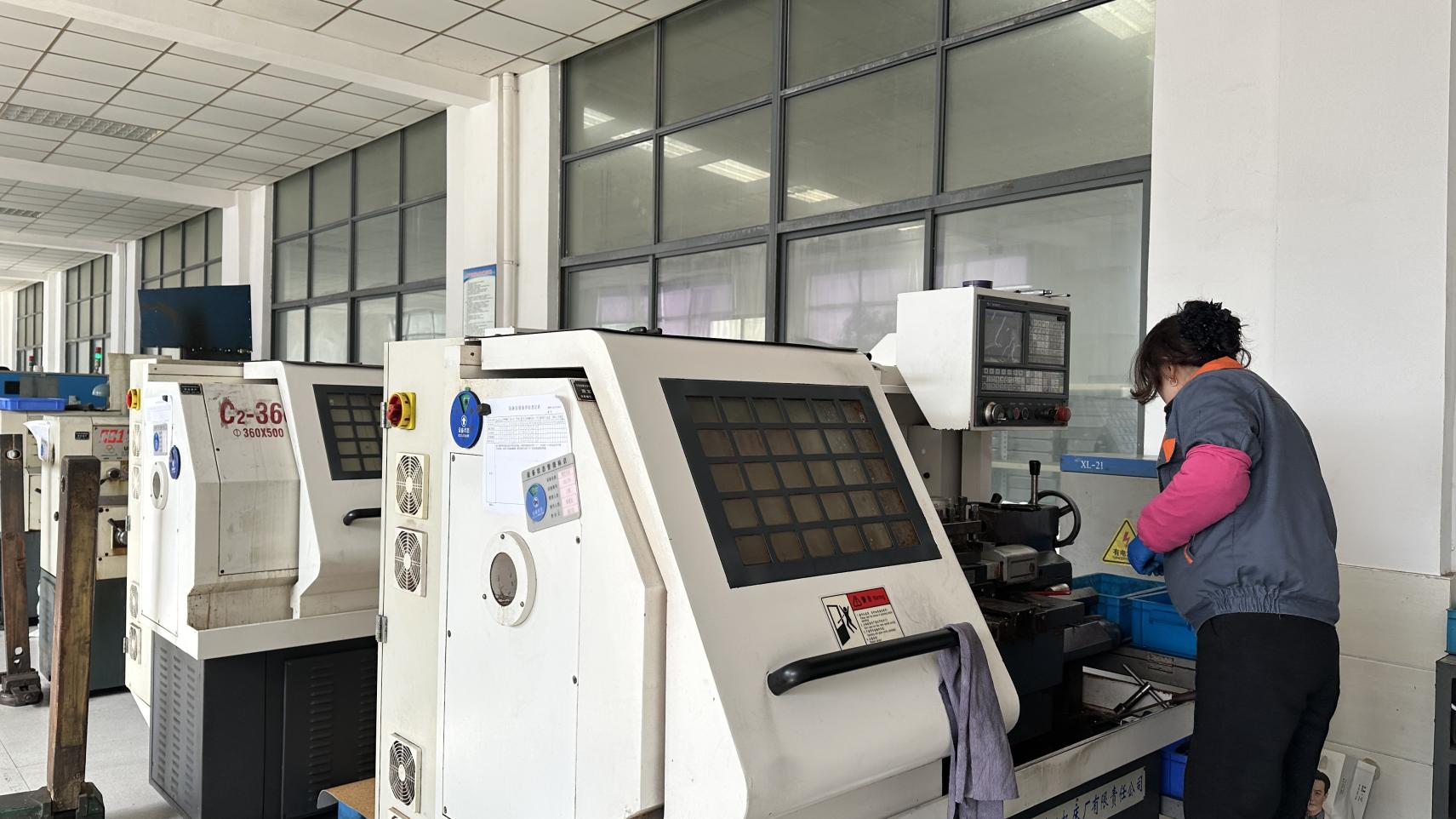
How our vertical production flow guarantees high-tolerance consistency from raw material reception to structural fatigue validation.
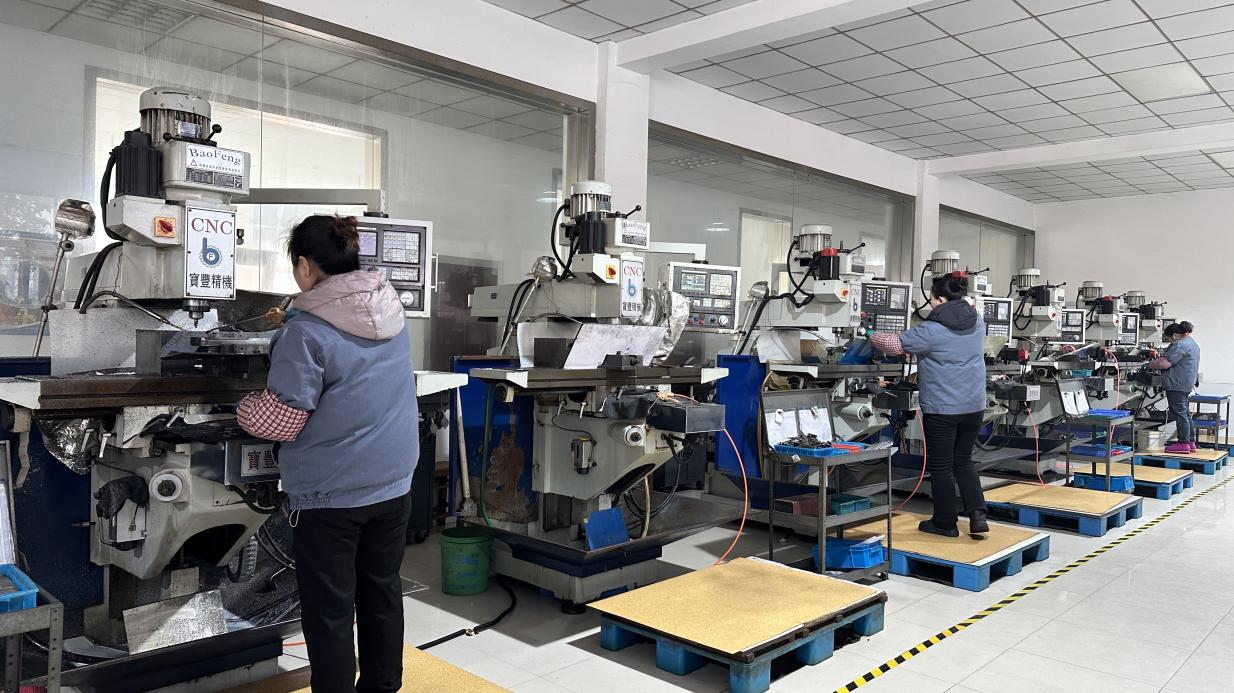
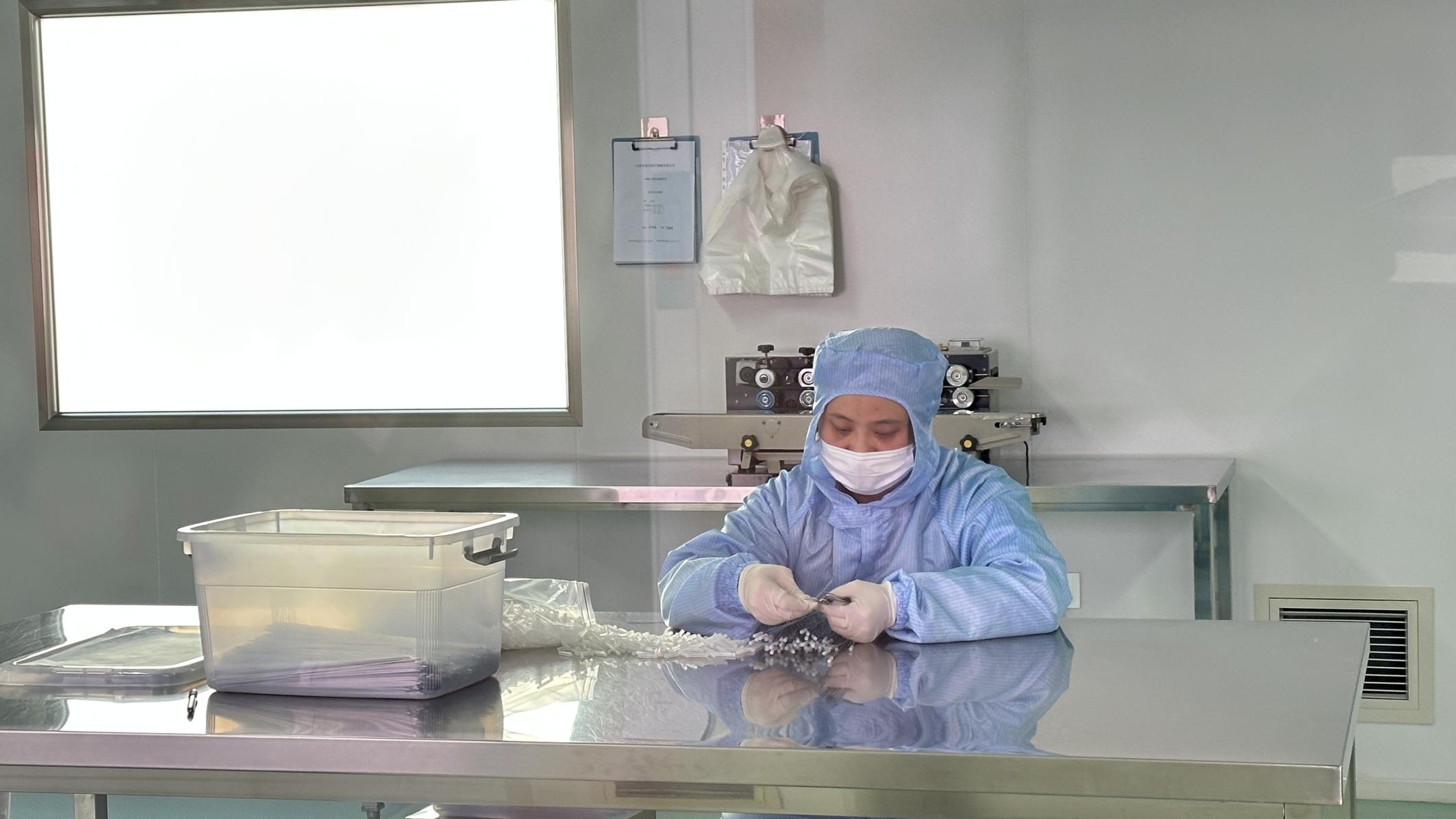
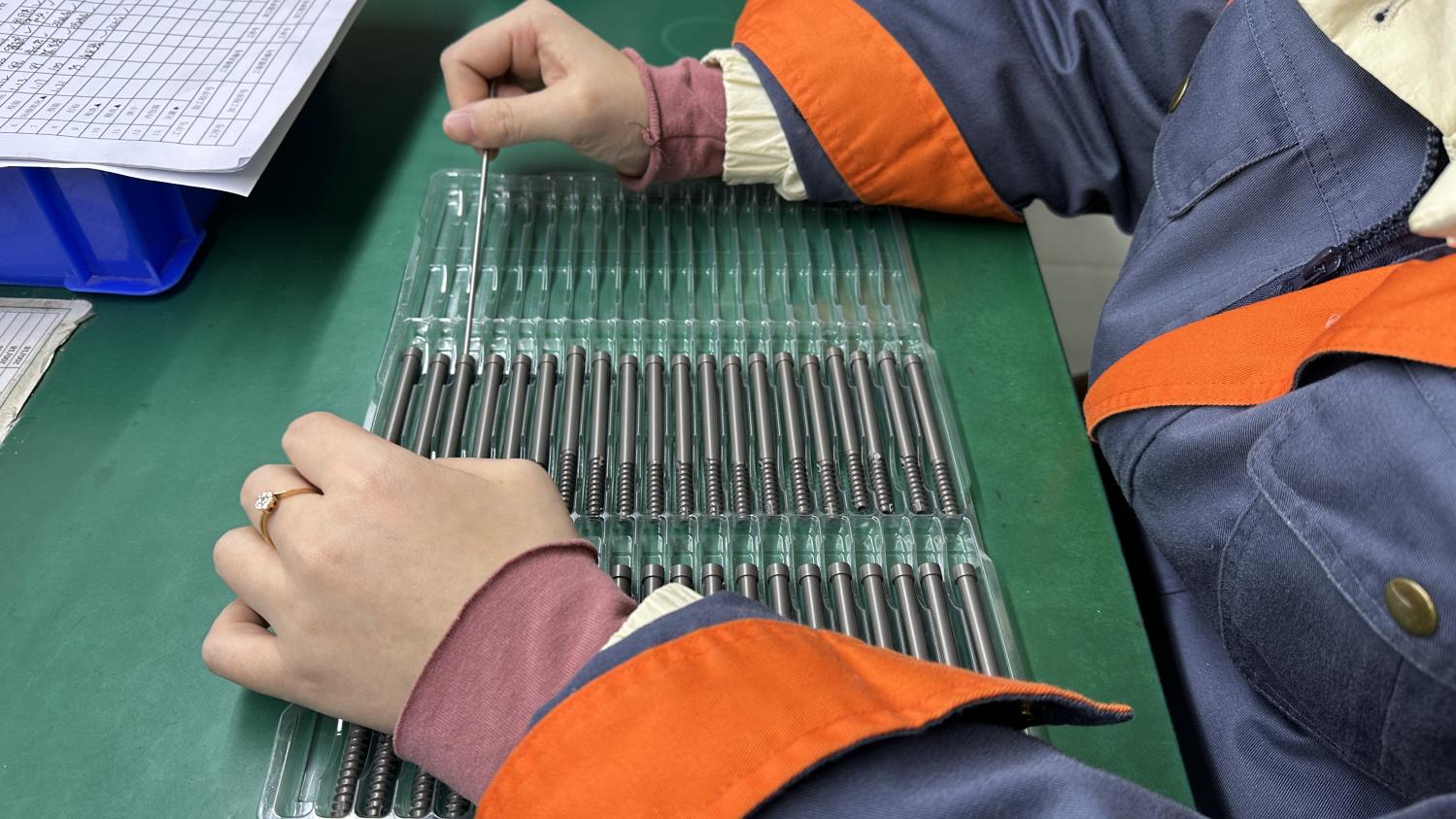
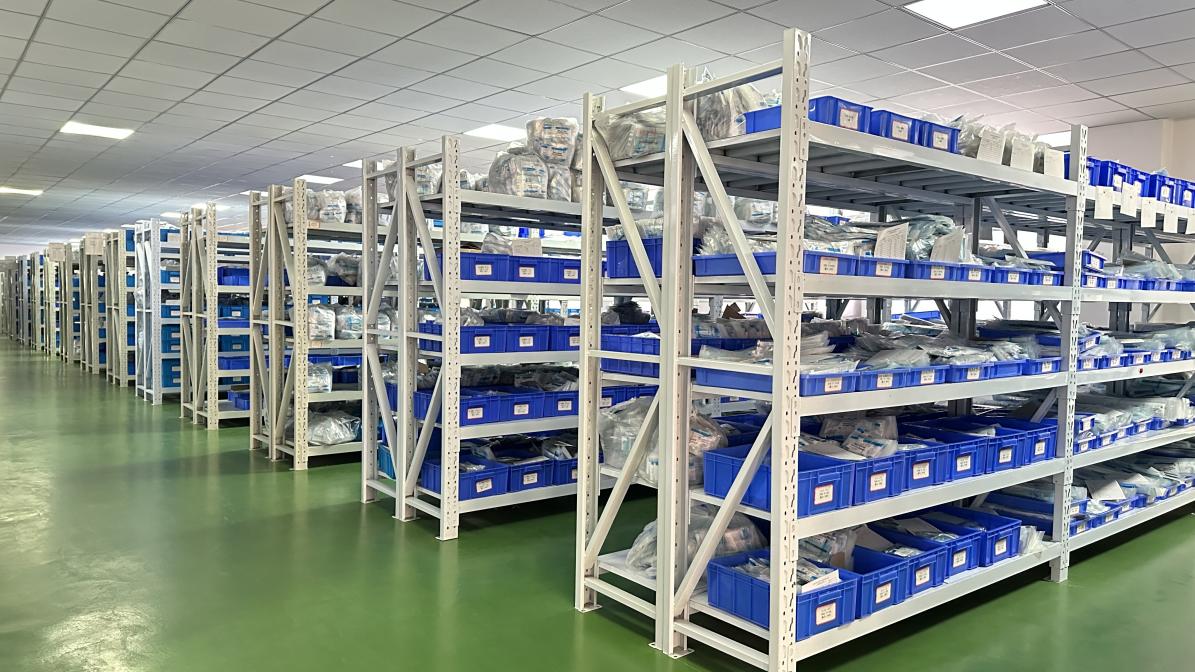
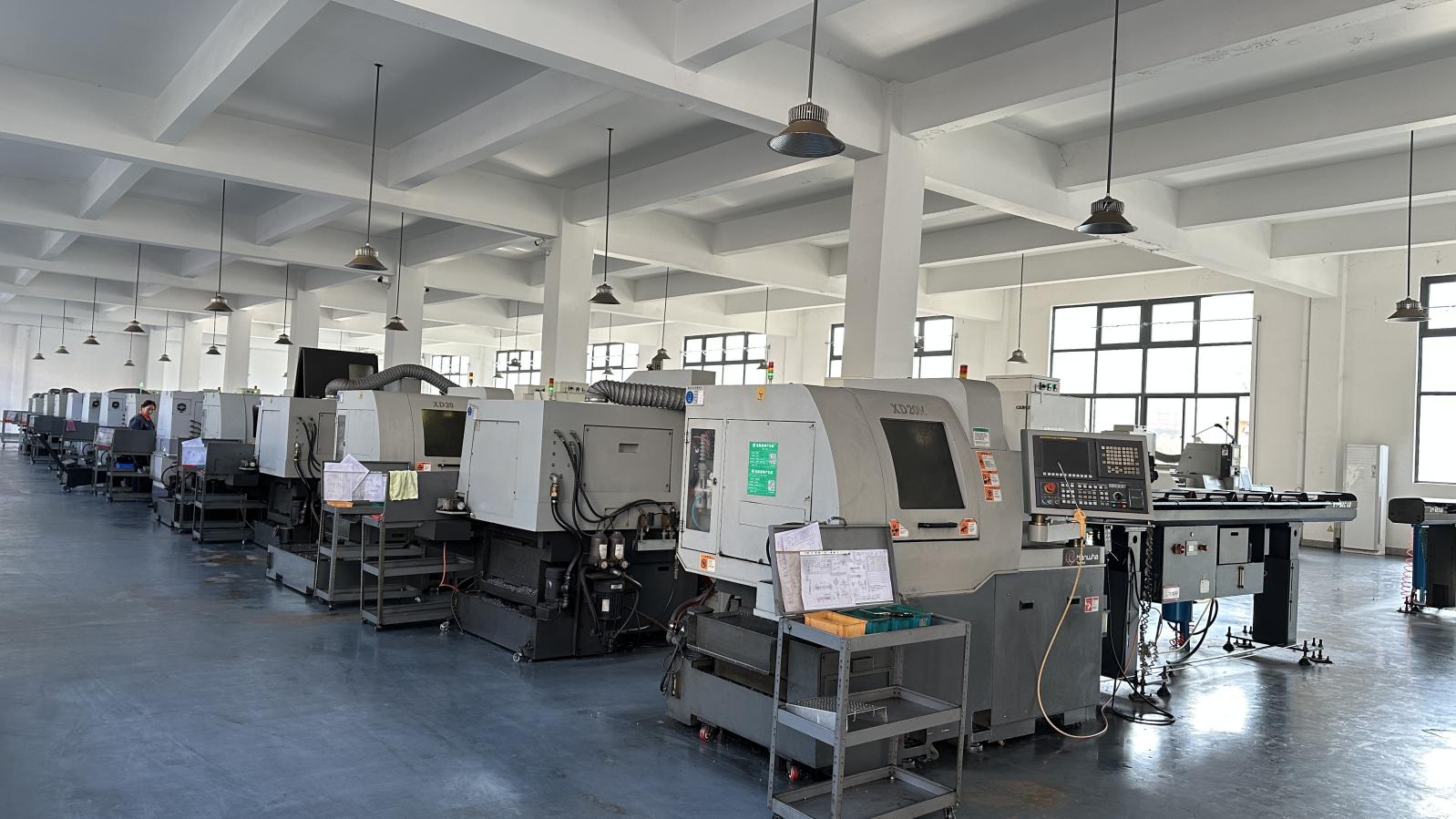
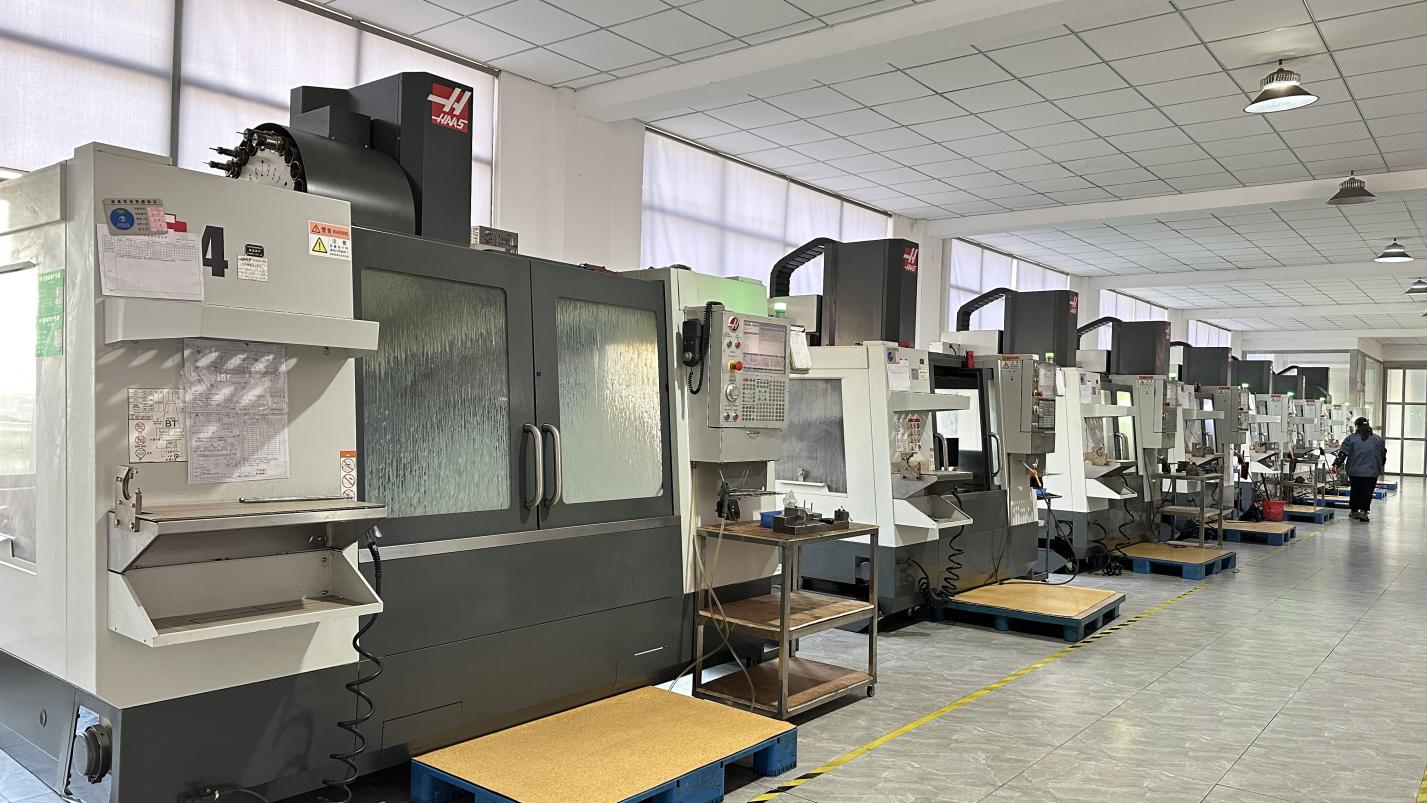
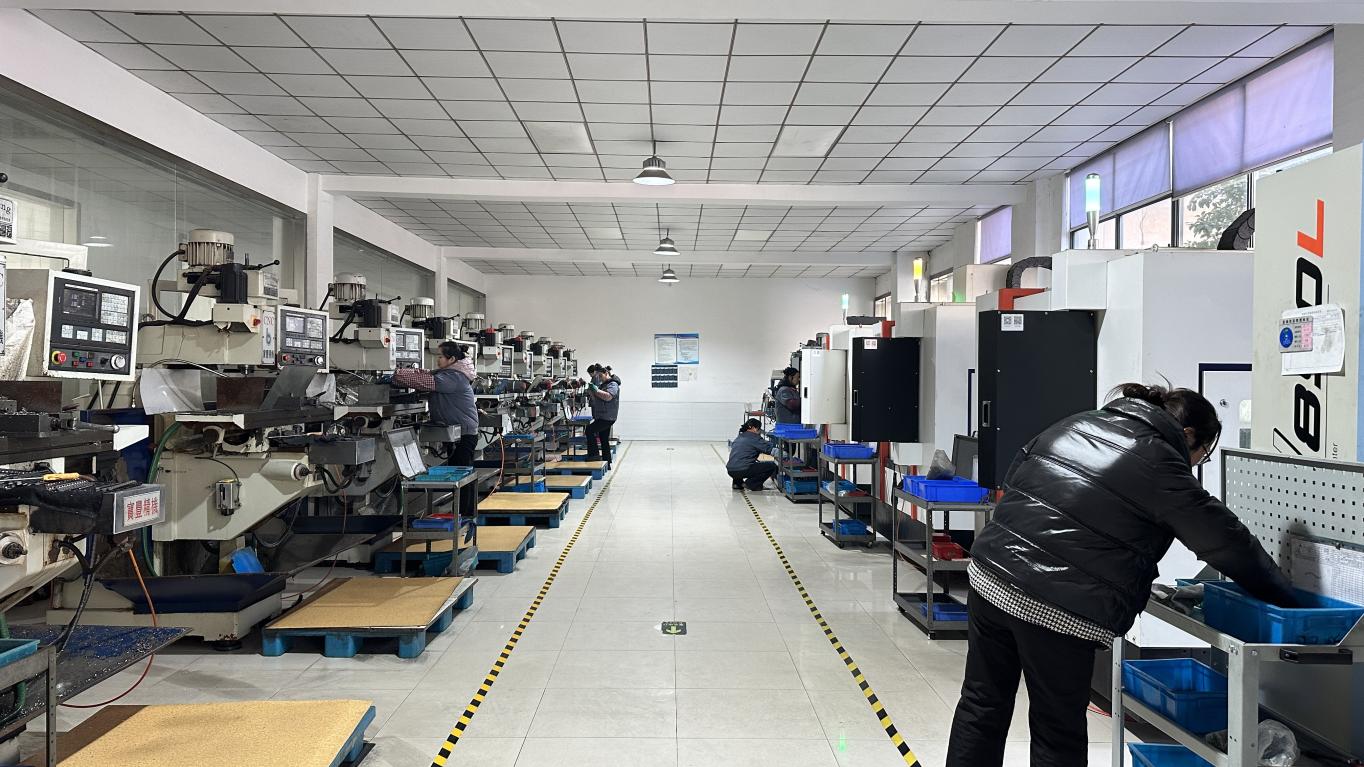
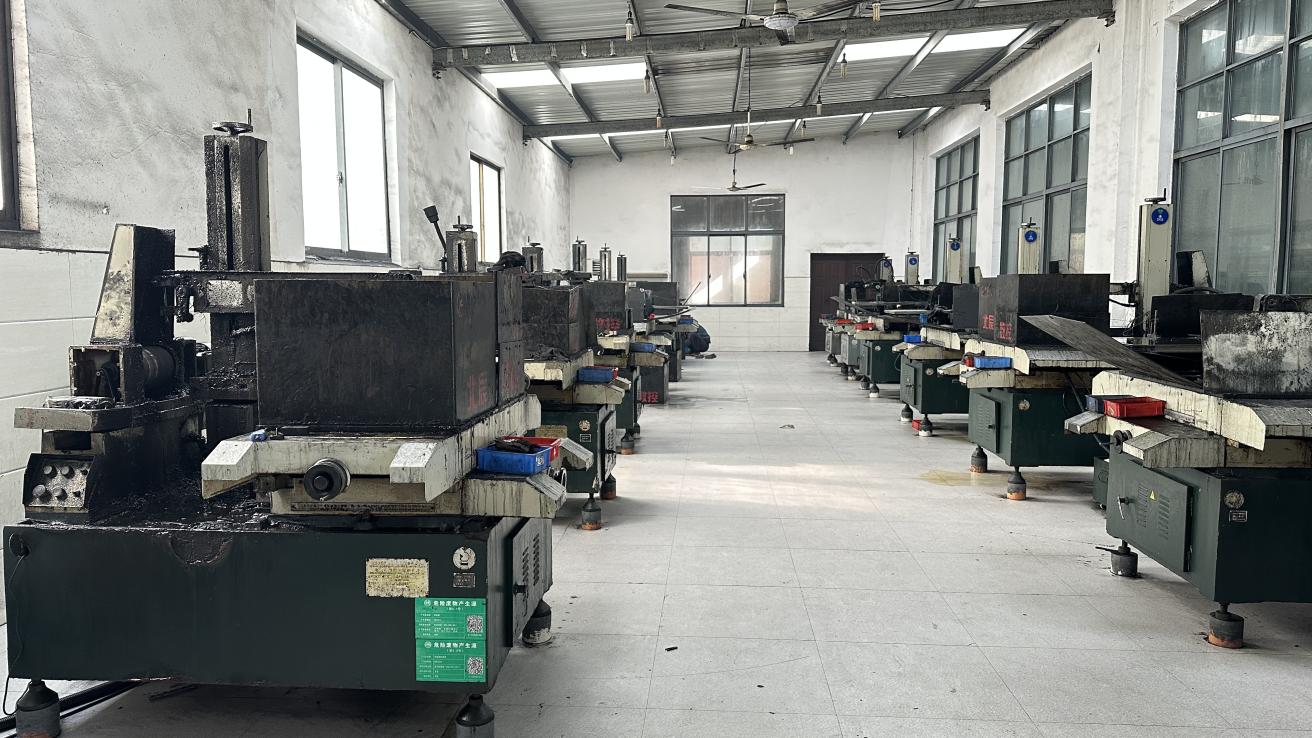
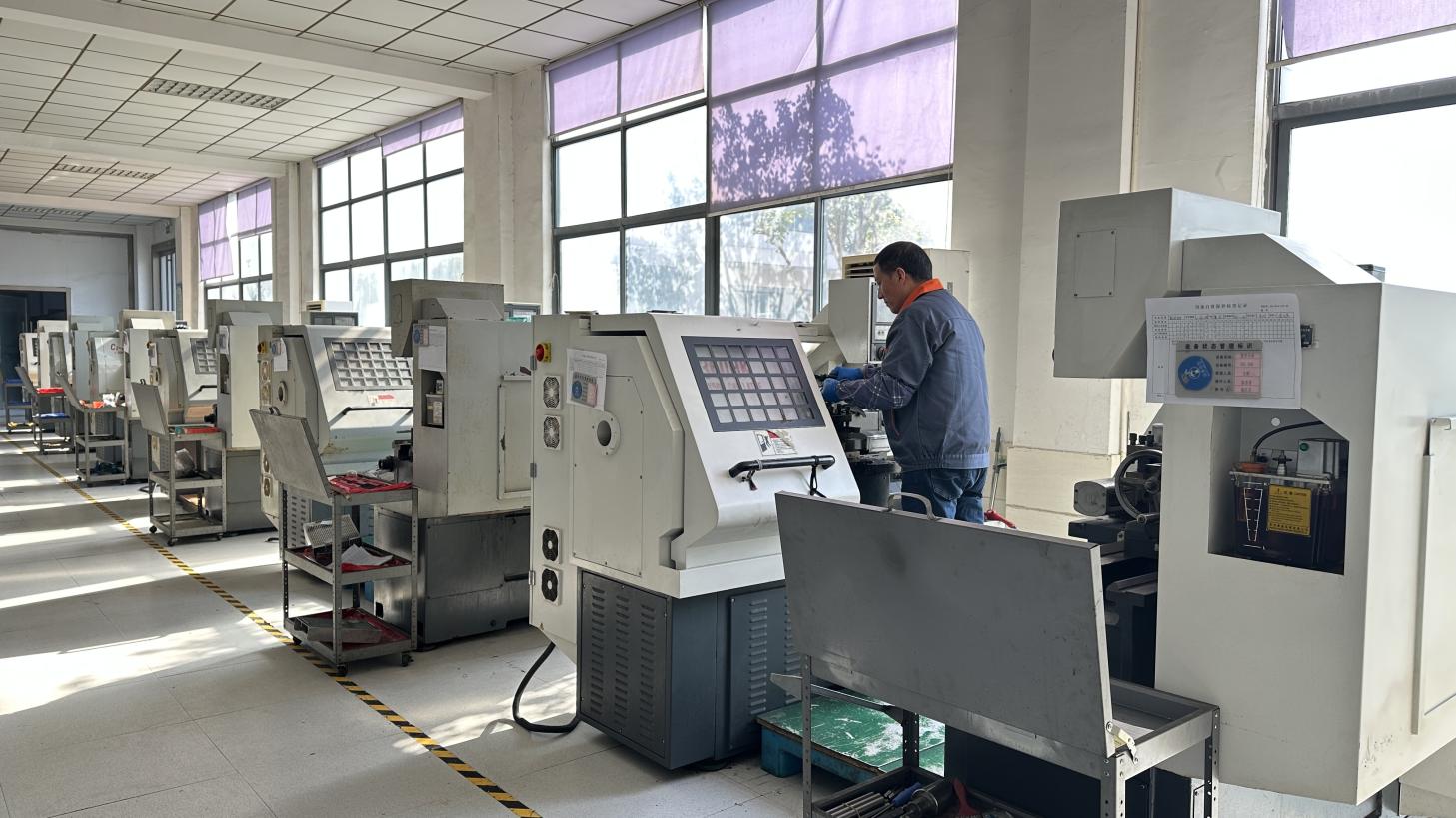
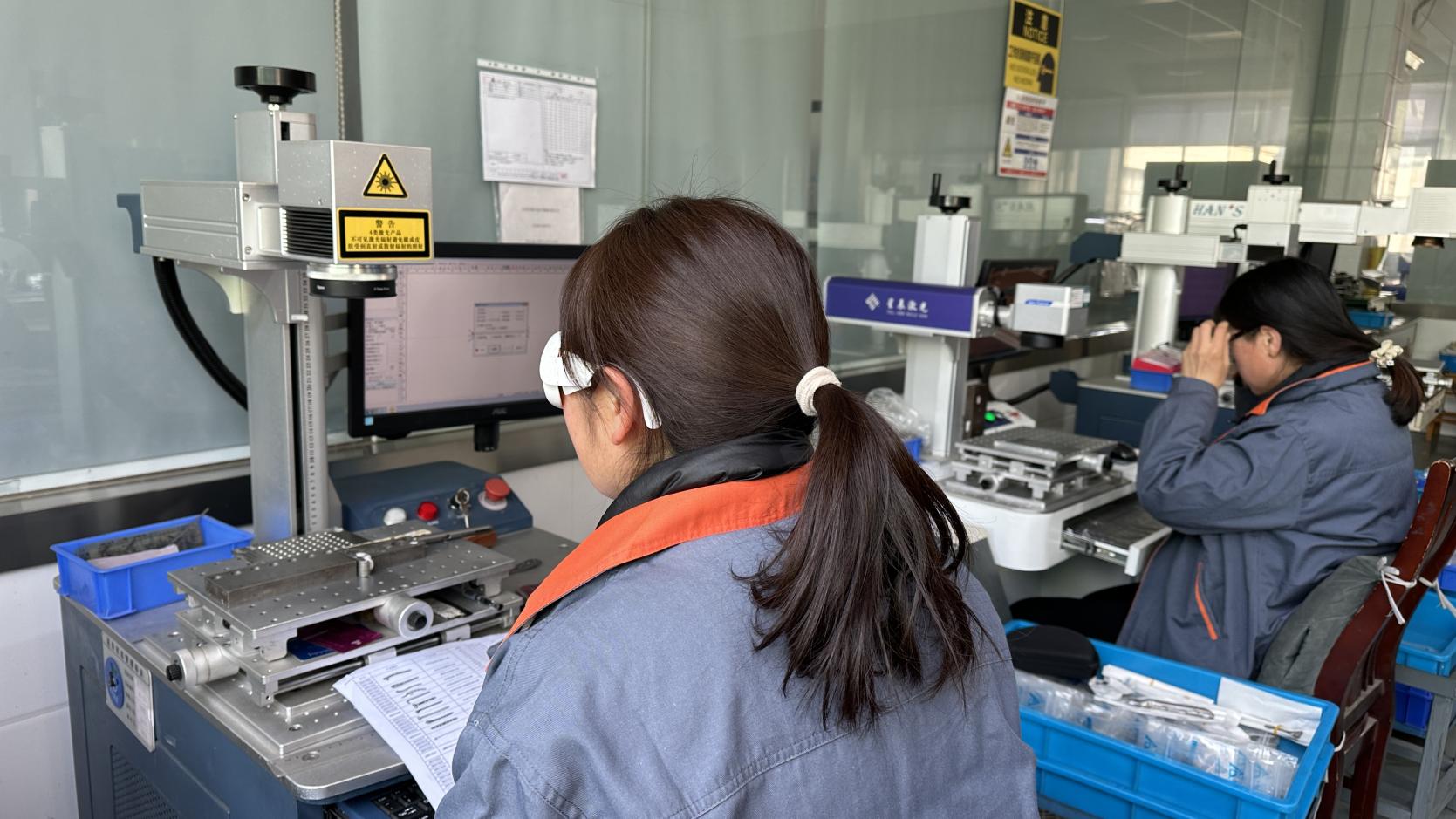
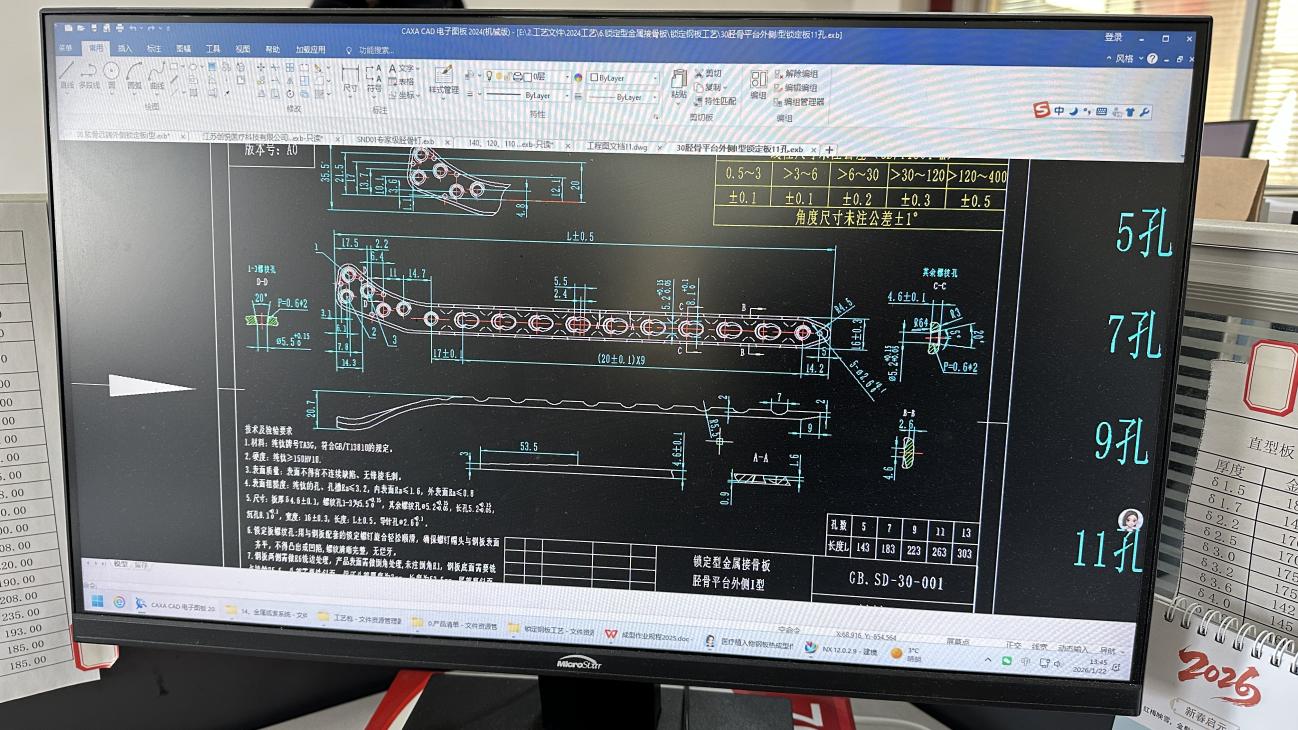

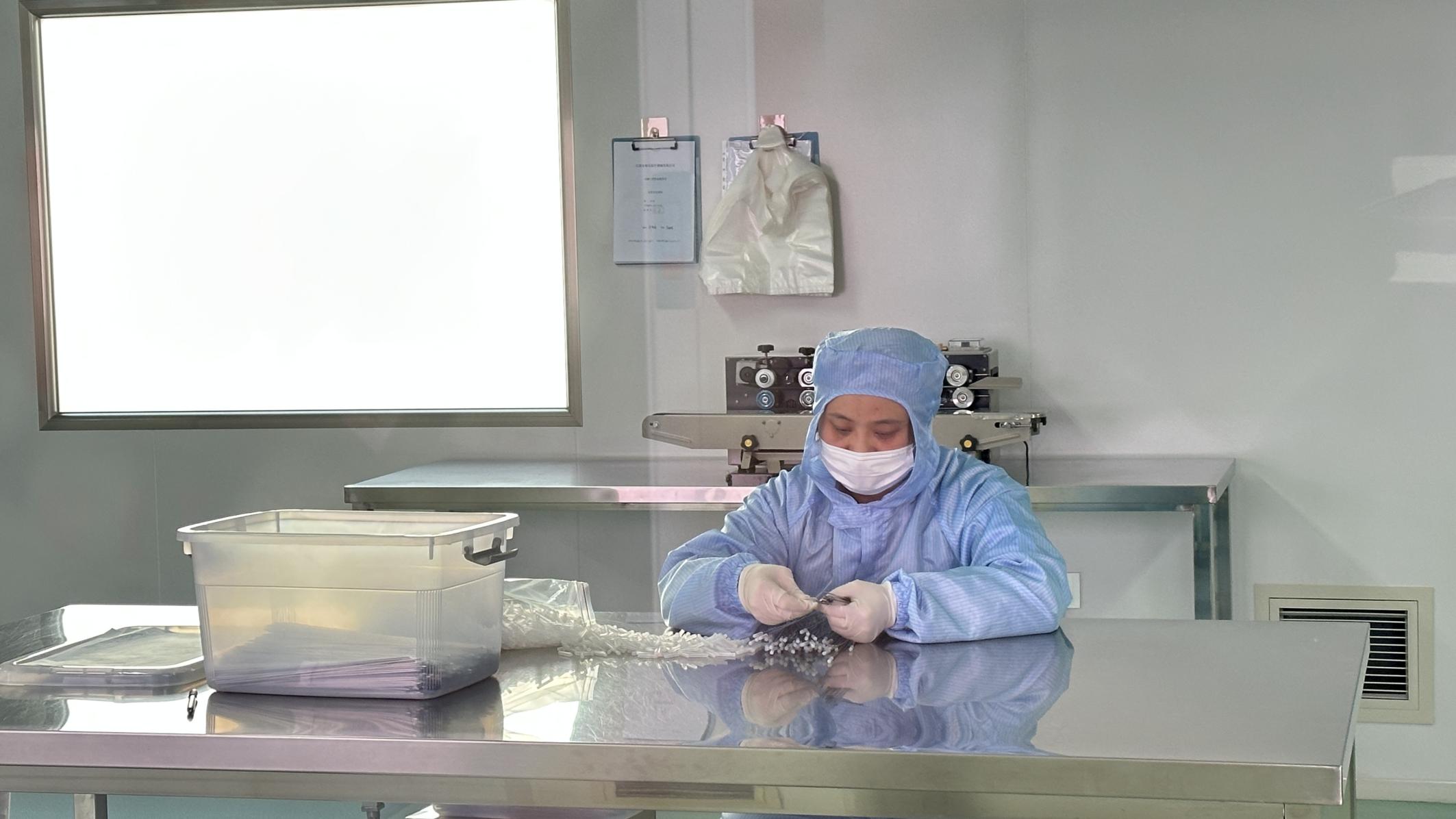
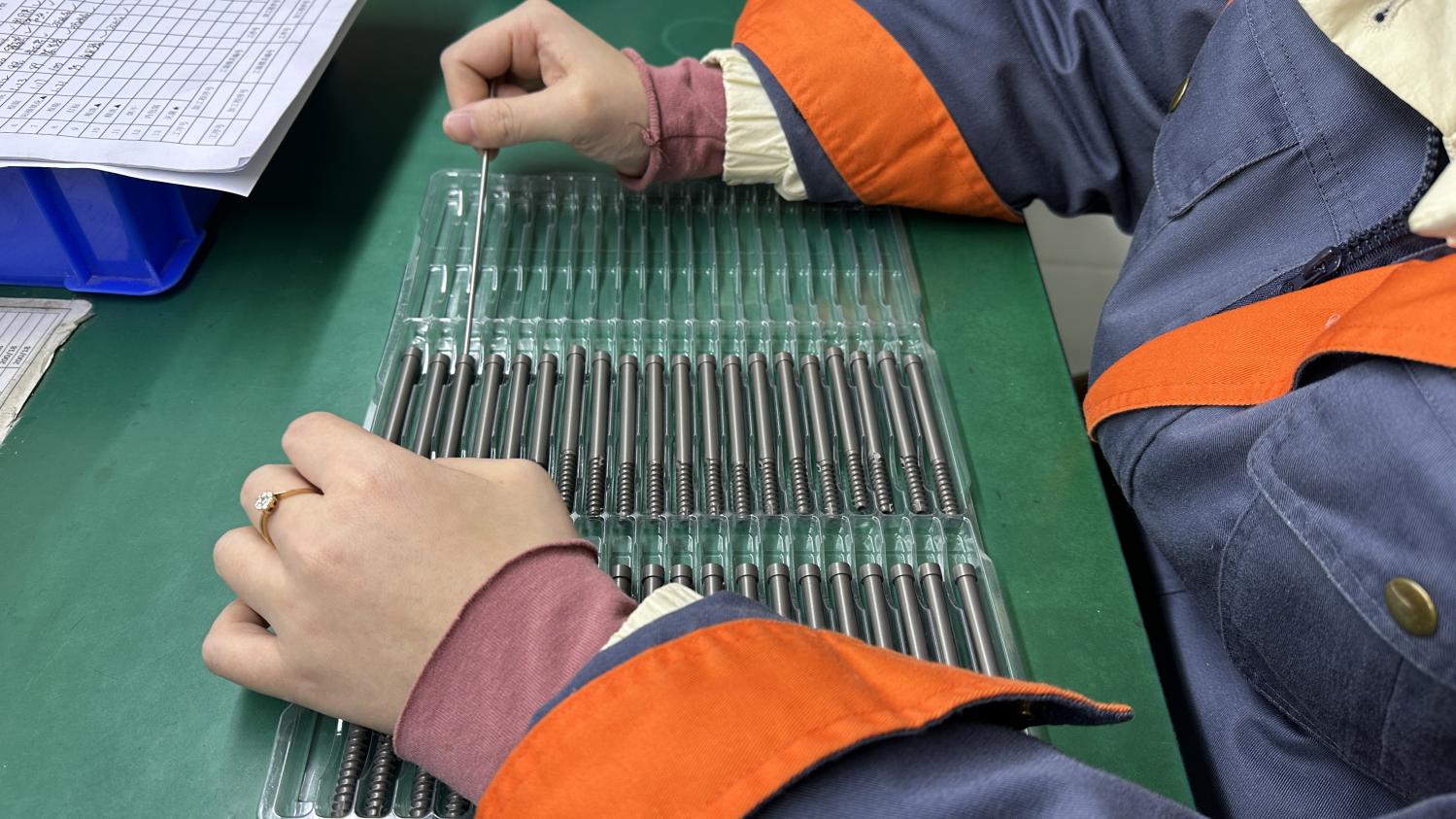
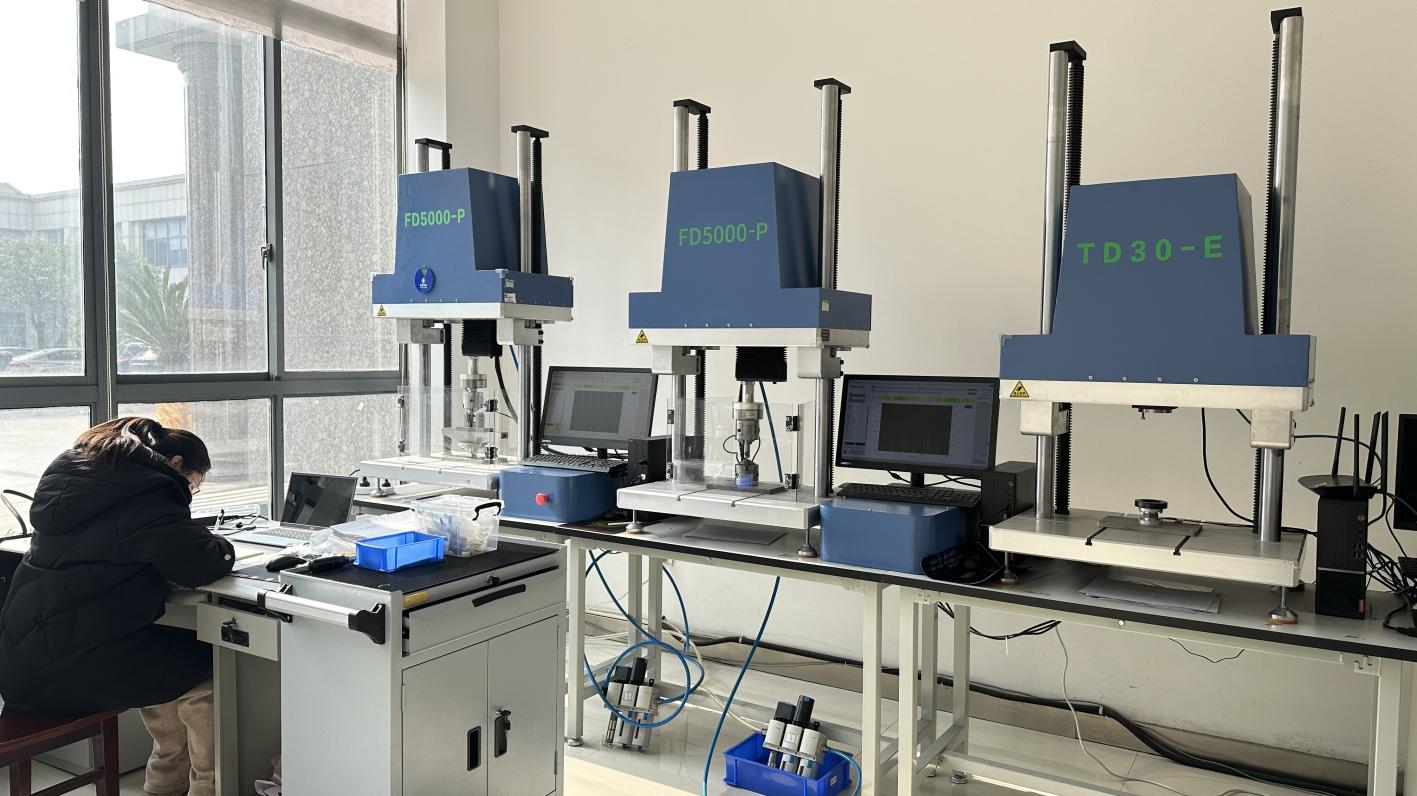
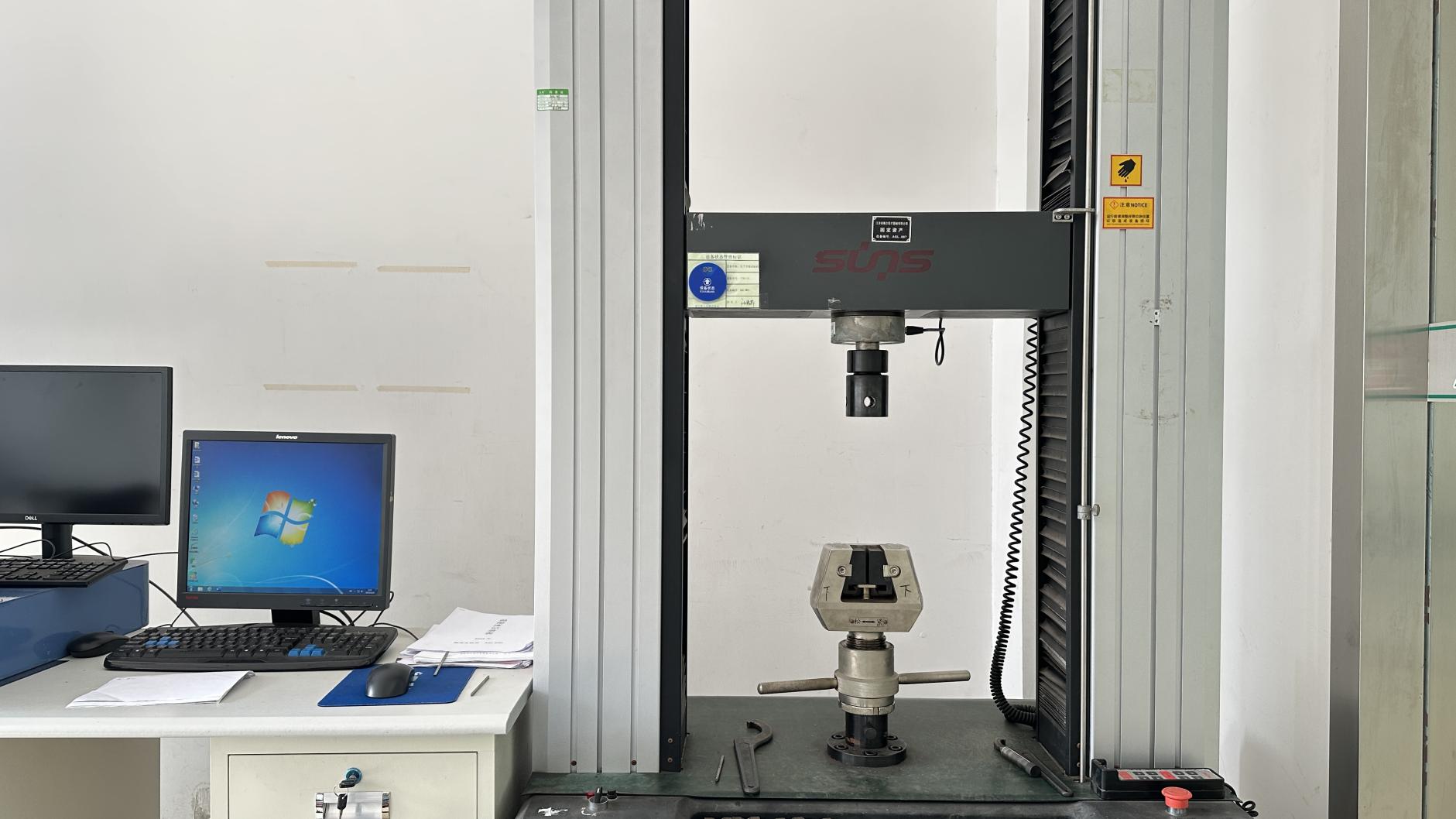
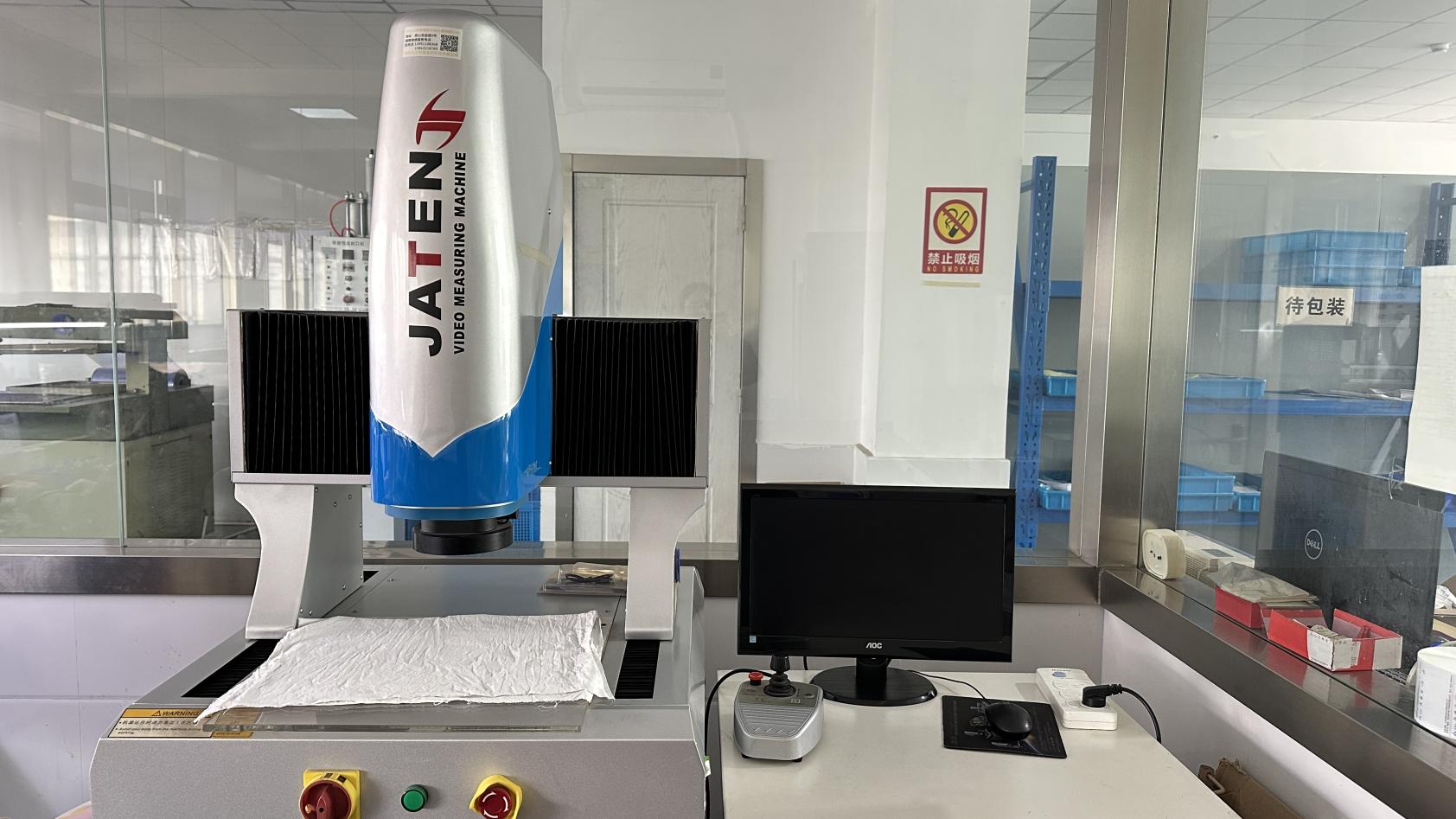
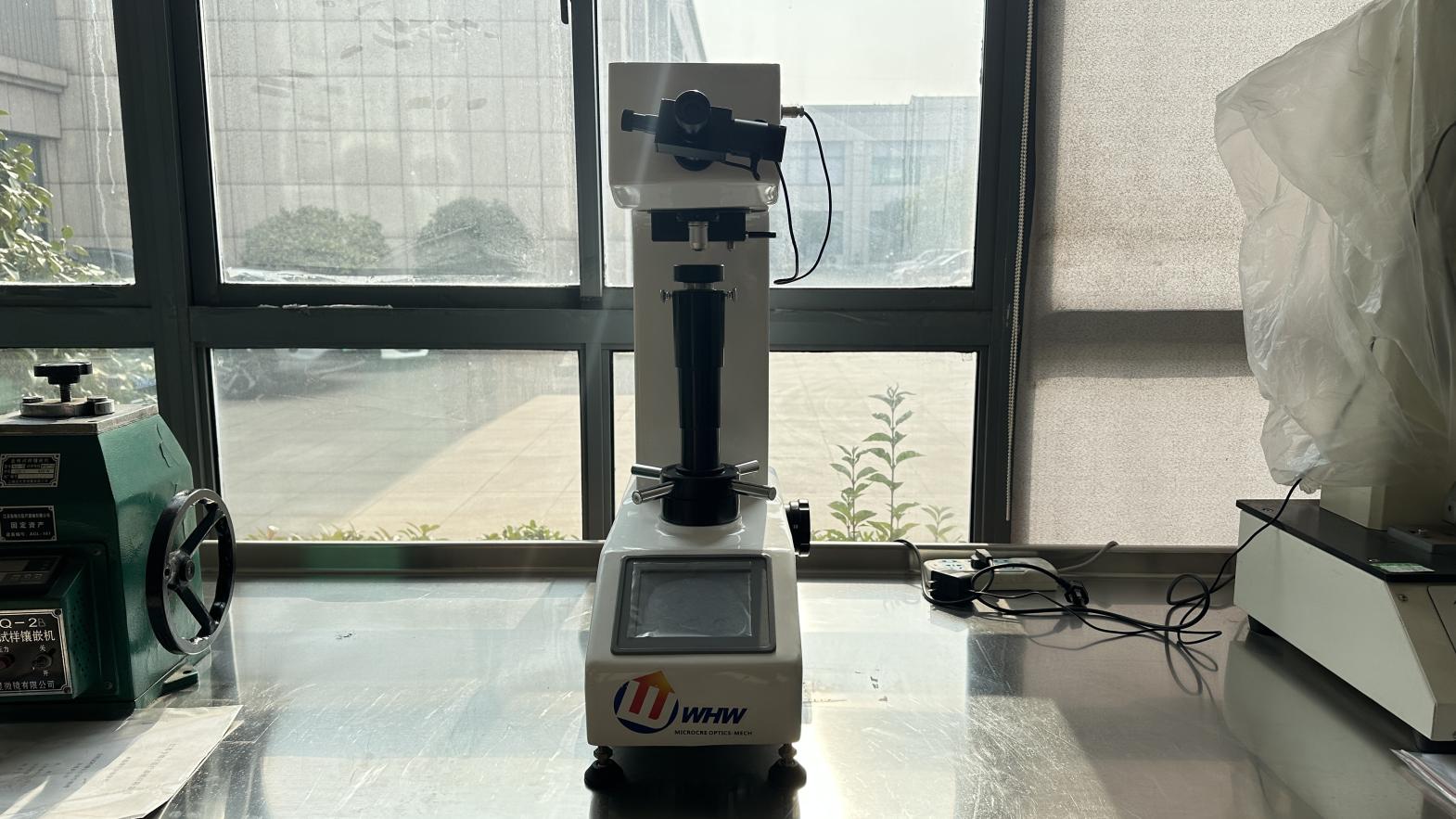

Standard, off-the-shelf devices often fail to meet the localized regulatory protocols and surgical methodologies of specific regions. Medisplint resolves this limitation through full OEM/ODM agility, adapting instruments to local practices.
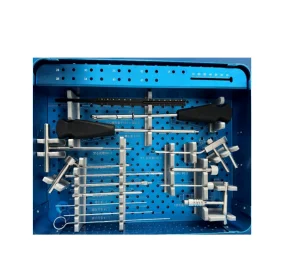
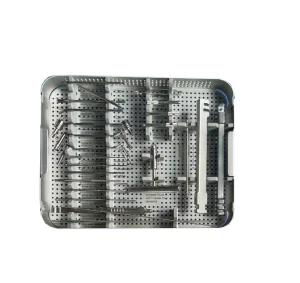
In spinal surgery, implants such as PEEK cages and bullet-nose PLIF implants require highly specific instrument insertion tools. The inserting shaft must feature precise mechanical mating mechanisms to avoid stripping the implant’s connection point. Our custom-engineered spinal implant sets provide clean alignment and structural support during high-torque cage positioning.
Rib stabilization presents a unique clinical challenge due to the thin profile of the rib bone and the proximity of the intercostal nerves. Our specialized titanium rib plates and trauma kits feature anatomically pre-contoured designs. Combined with precise locking-screw instrumentation, surgeons can perform rapid rib fracture fixation without intraoperative manual contouring.
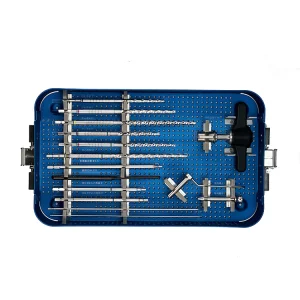
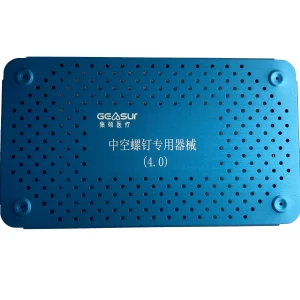
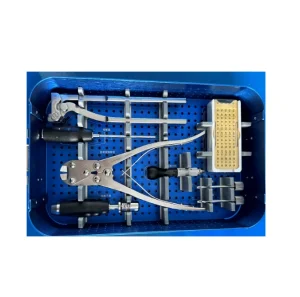
For femoral neck, scaphoid, and ankle arthrodesis surgeries, cannulated screws provide robust compression. The associated instrumentation—ranging from parallel guide-wire sleeves to cannulated drivers—must maintain hollow alignments with absolute concentricity. Even a minor deviation in concentricity will result in guide-wire binding or fracture during drilling. Our testing laboratory checks every single batch with dedicated bone screw testers to guarantee trouble-free surgical execution.
Answers to critical questions asked by orthopedic procurement managers, clinical evaluators, and distributors.
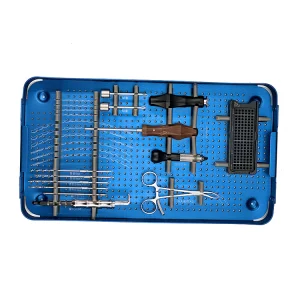
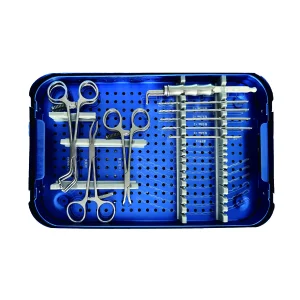
Ensure stable fragment alignment during complex reconstructive surgeries with our high-grade stainless steel and titanium trauma sets.