Medisplint
Medisplint
Medisplint
Explore our premium portfolio of titanium alloy implants, engineered for orthopedic stability, surgical versatility, and physiological load-bearing performance.
Medisplint Orthopedic Instruments Co., Ltd. stands as a premier global manufacturer and specialized exporter of advanced orthopedic implants and internal fixation systems. With deep competence established since our founding in 2016, we integrate end-to-end design, micro-precision manufacturing, and rigorous biomechanical validation to supply the global orthopedic market with high-performance spinal solutions.
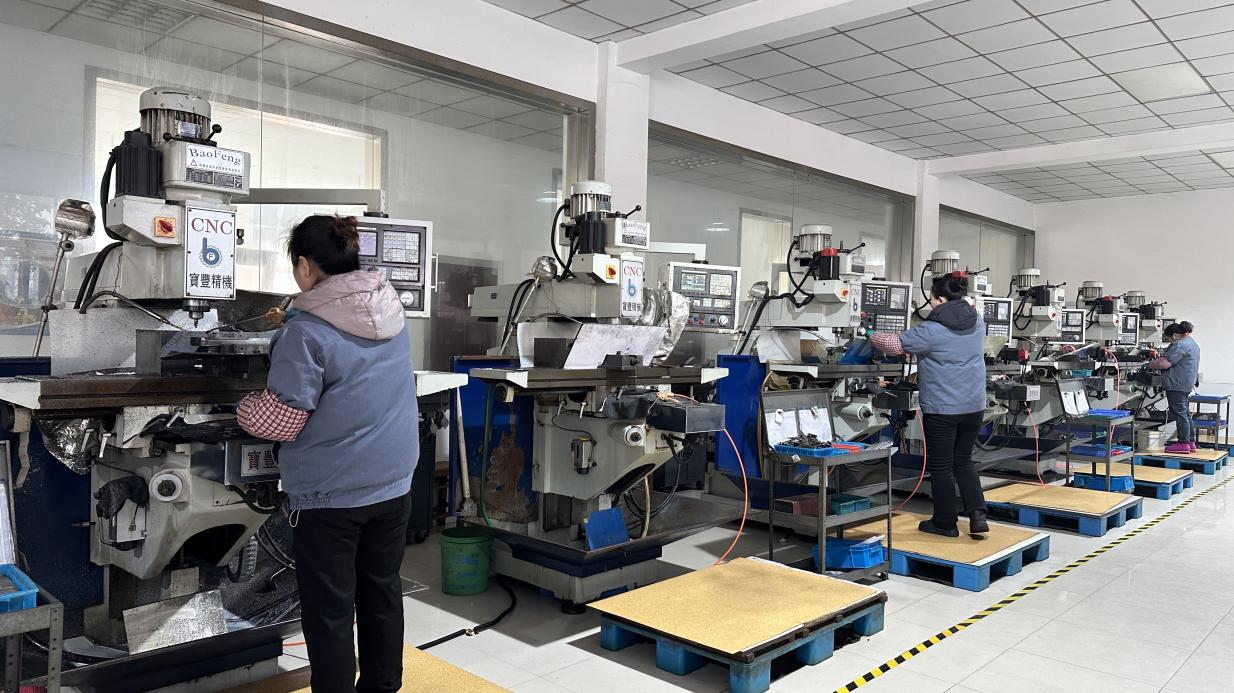
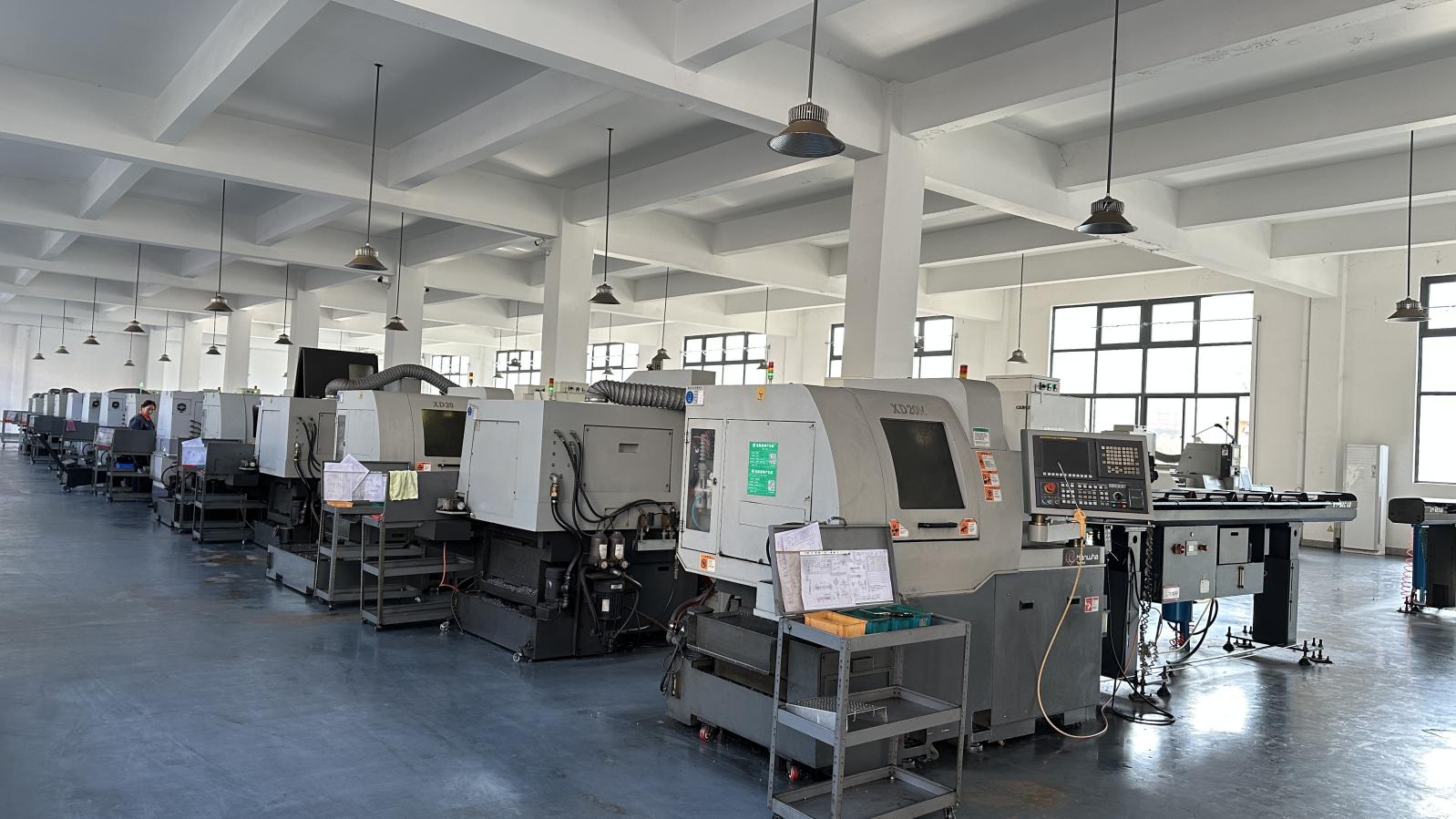
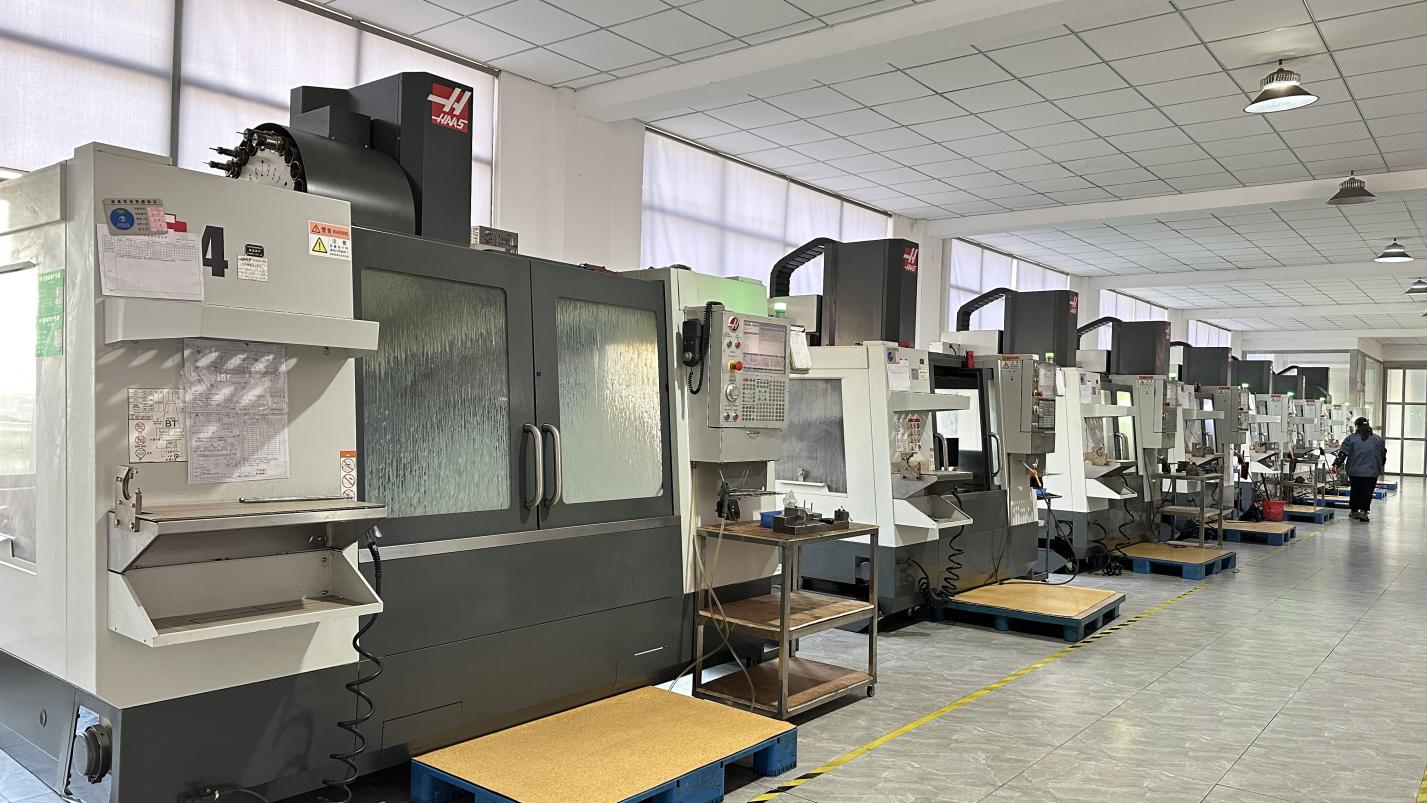
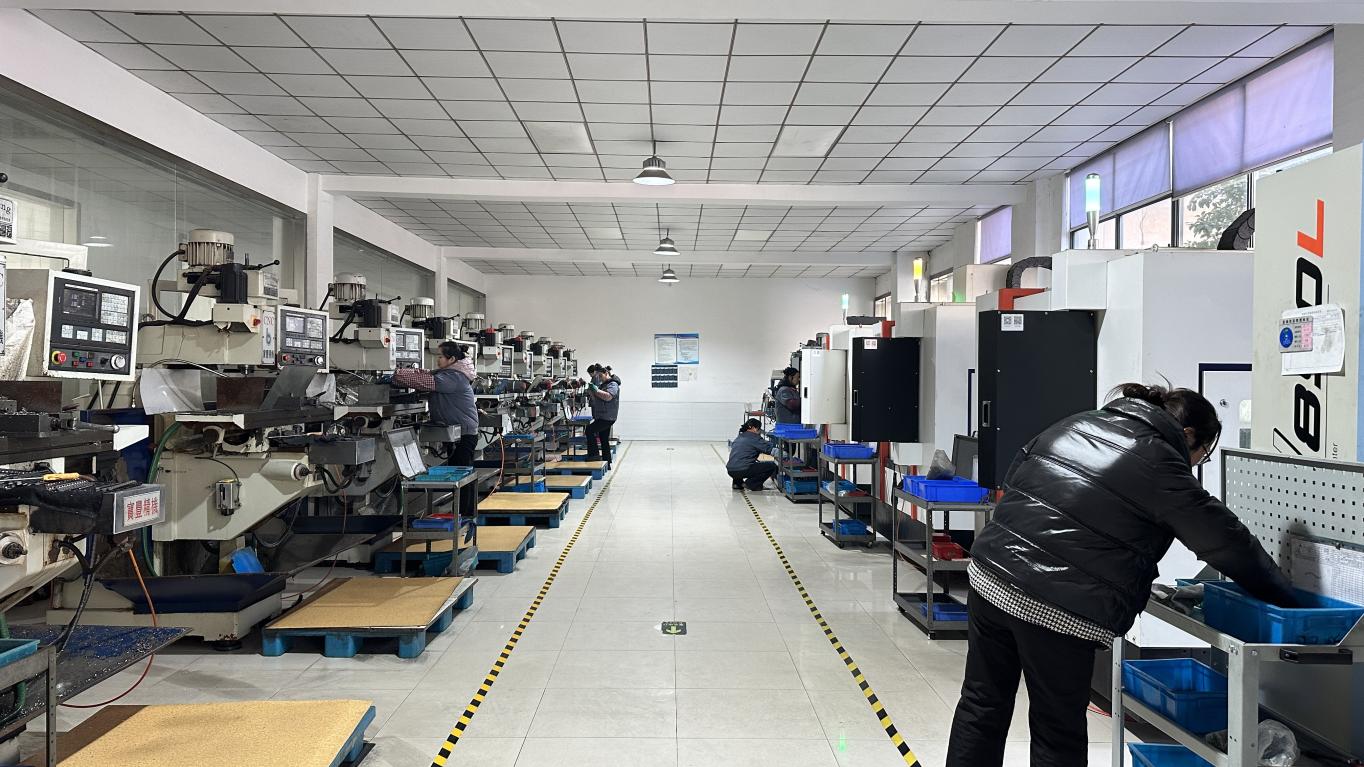
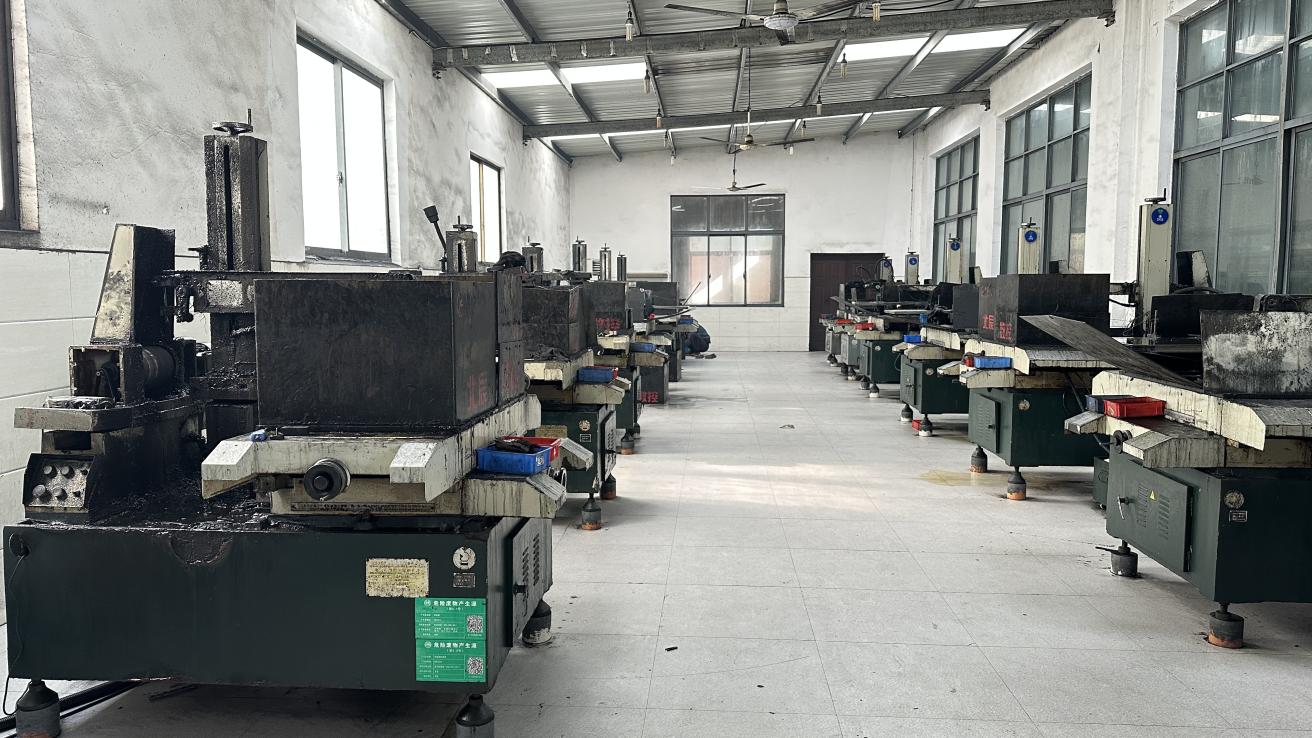
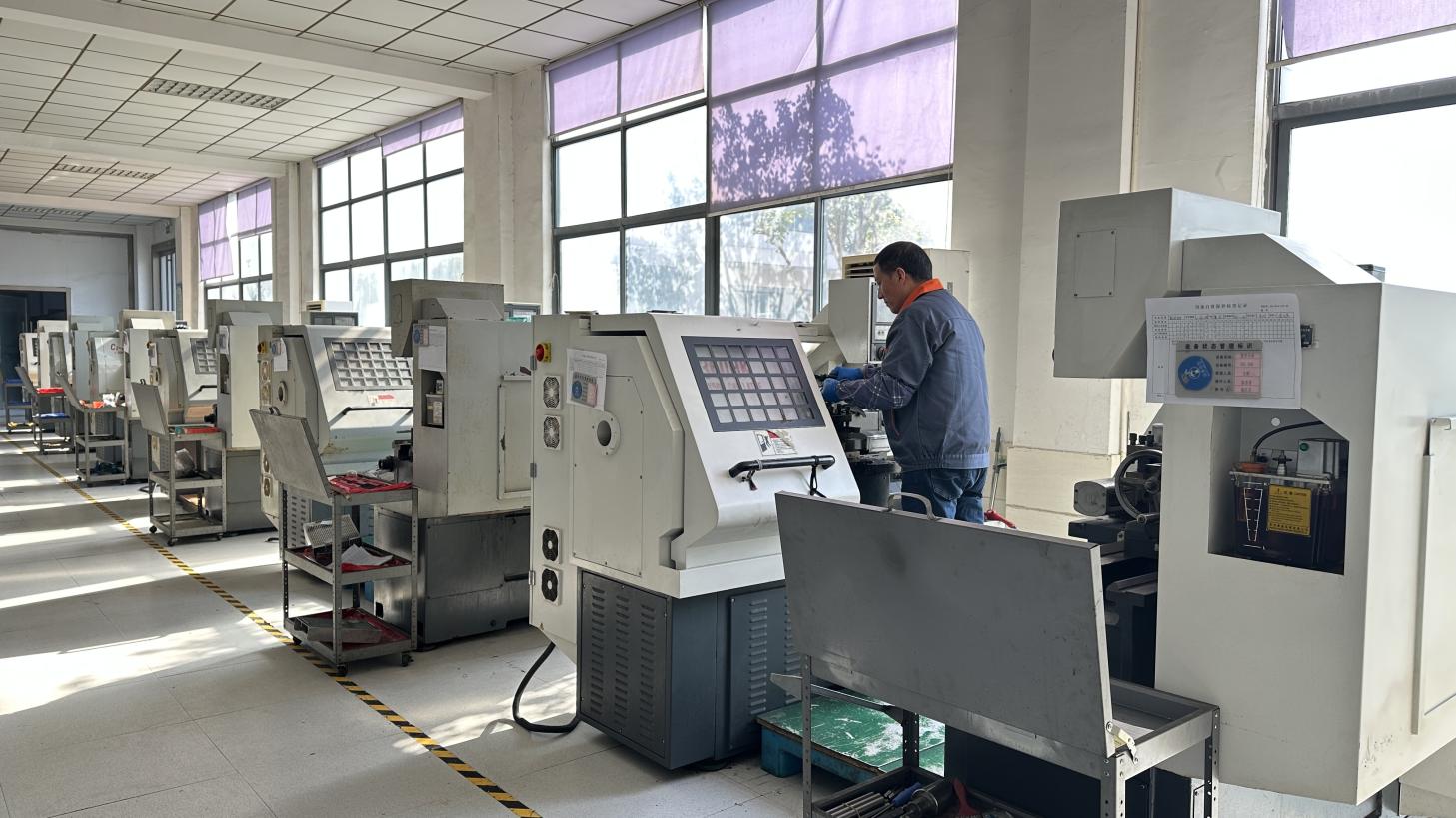
Operating a modernized facility sprawling over 18,500 square meters, Medisplint leverages state-of-the-art multi-axis CNC Swiss lathe systems, automated inspection protocols, and cleanroom environments. Over the decade, our technical and engineering capabilities have evolved, securing stable supply relations with medical device distributors, neurosurgery hubs, and clinical importers across Europe, Southeast Asia, South America, and the Middle East.
Addressing the biomechanical realities of spinal arthrodesis, patient demography, and the rise of Minimally Invasive Surgery (MIS).
The global spinal implant market is undergoing rapid evolution. Driven by an aging population susceptible to degenerative disc disease (DDD), spinal stenosis, and osteoporotic vertebral compression fractures, clinical demand has shifted heavily towards systems that reduce operating theater time, preserve healthy muscle structures, and facilitate rapid postoperative recovery. This shift directly maps to the growing demand for Minimally Invasive Surgery (MIS) percutaneous pedicle screws, specialized cervical micro-fixation hardware, and low-profile systems.
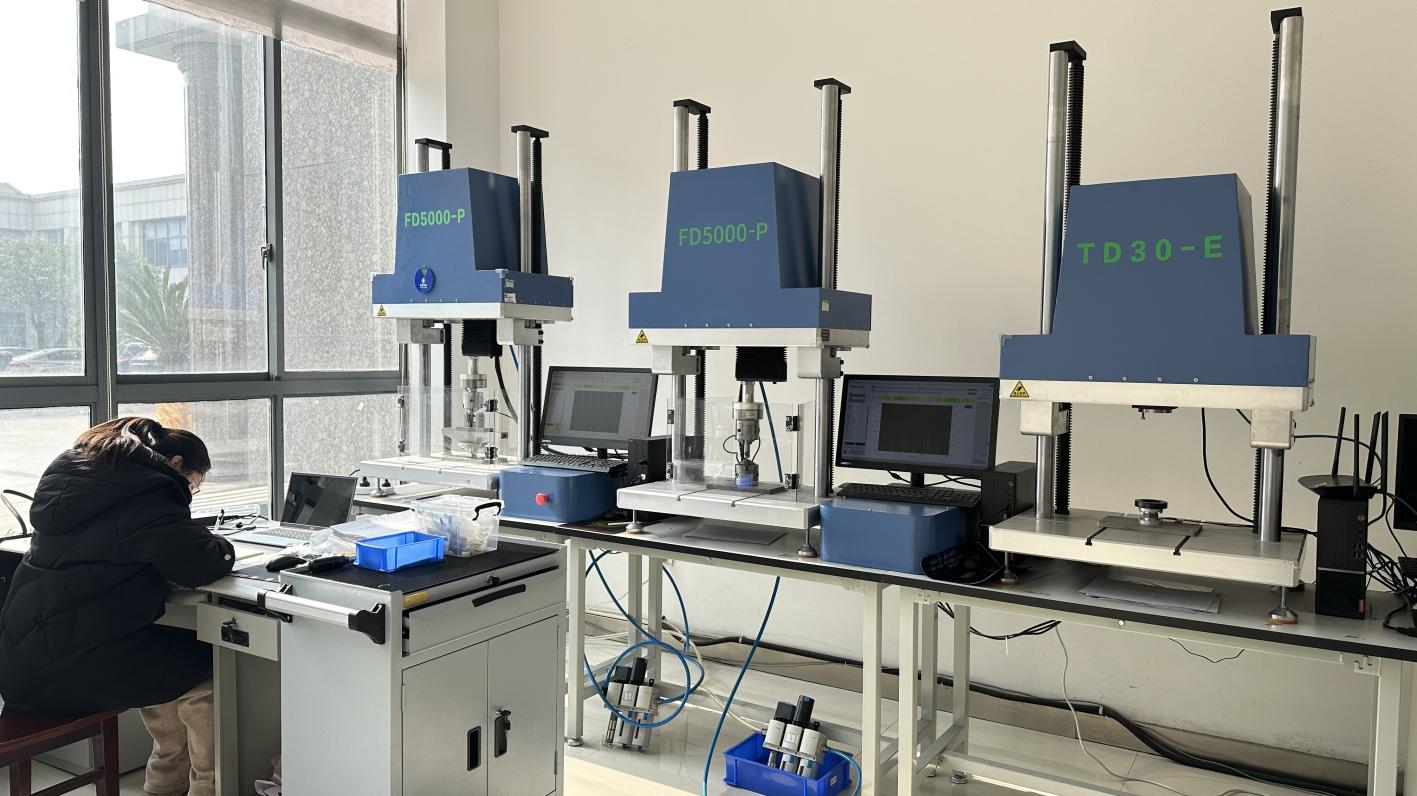
Surgeons and implant distributors prioritize mechanical integration. A spinal implant must withstand dynamic loading cycles exceeding 5 million cycles under ASTM F1717 standards without fatigue failure. Concurrently, the material composition must utilize biocompatible medical alloys, primarily Grade 5 Titanium (Ti-6Al-4V ELI), to prevent cytotoxic responses while ensuring osteointegration. As dynamic fixation gains traction, the demand for polyaxial pedicle screws with wider angulation tolerances and dual-lead threads has intensified, allowing surgeons greater flexibility in navigating complex patient anatomy.
Ambulatory Surgical Centers (ASCs) require highly reliable, single-use sterile packaged implants that minimize inventory holding costs while maximizing clinical outcomes.
Low-profile designs combined with polyaxial capabilities up to 60 degrees ensure seamless placement in narrow pedicle margins, mitigating neurological risks.
Precision surface blasted and anodized titanium coatings enhance raw bone attachment, reducing clinical micro-motion and implant migration risks.
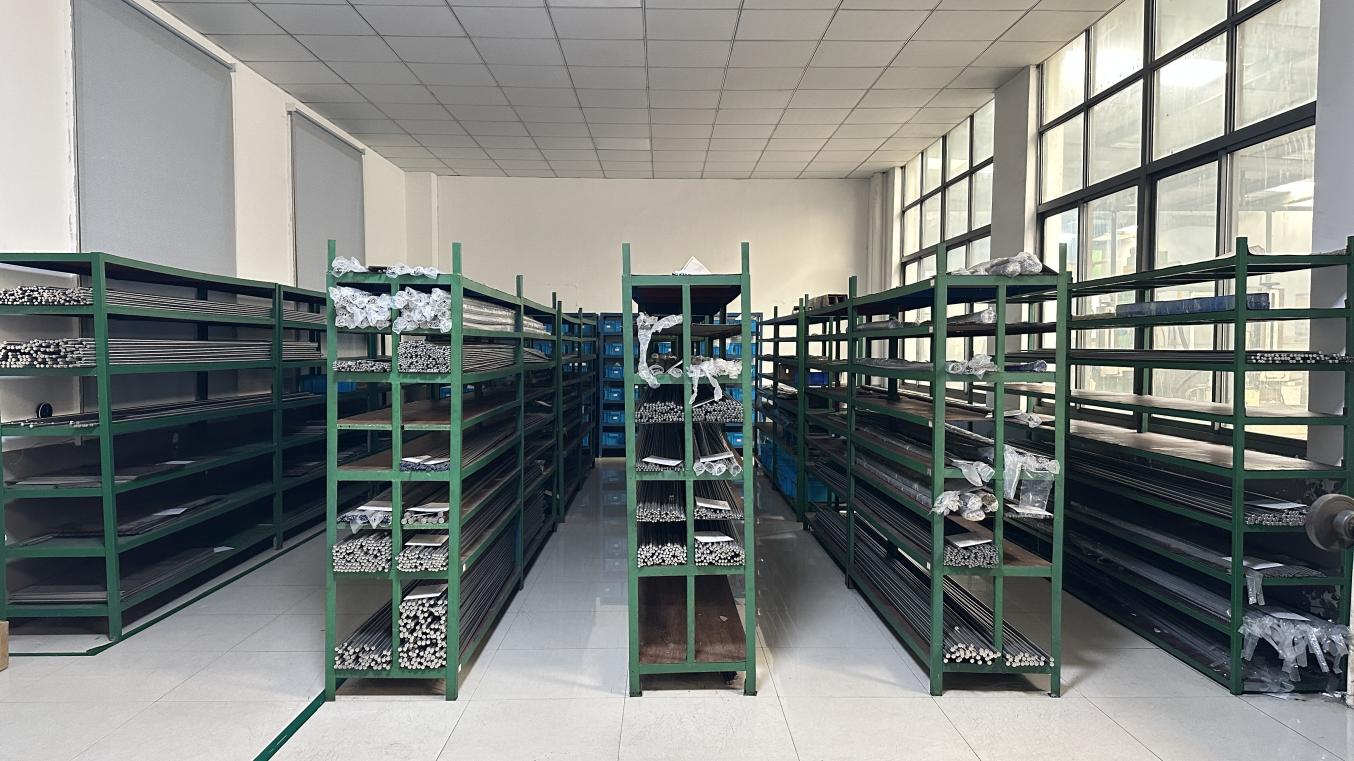
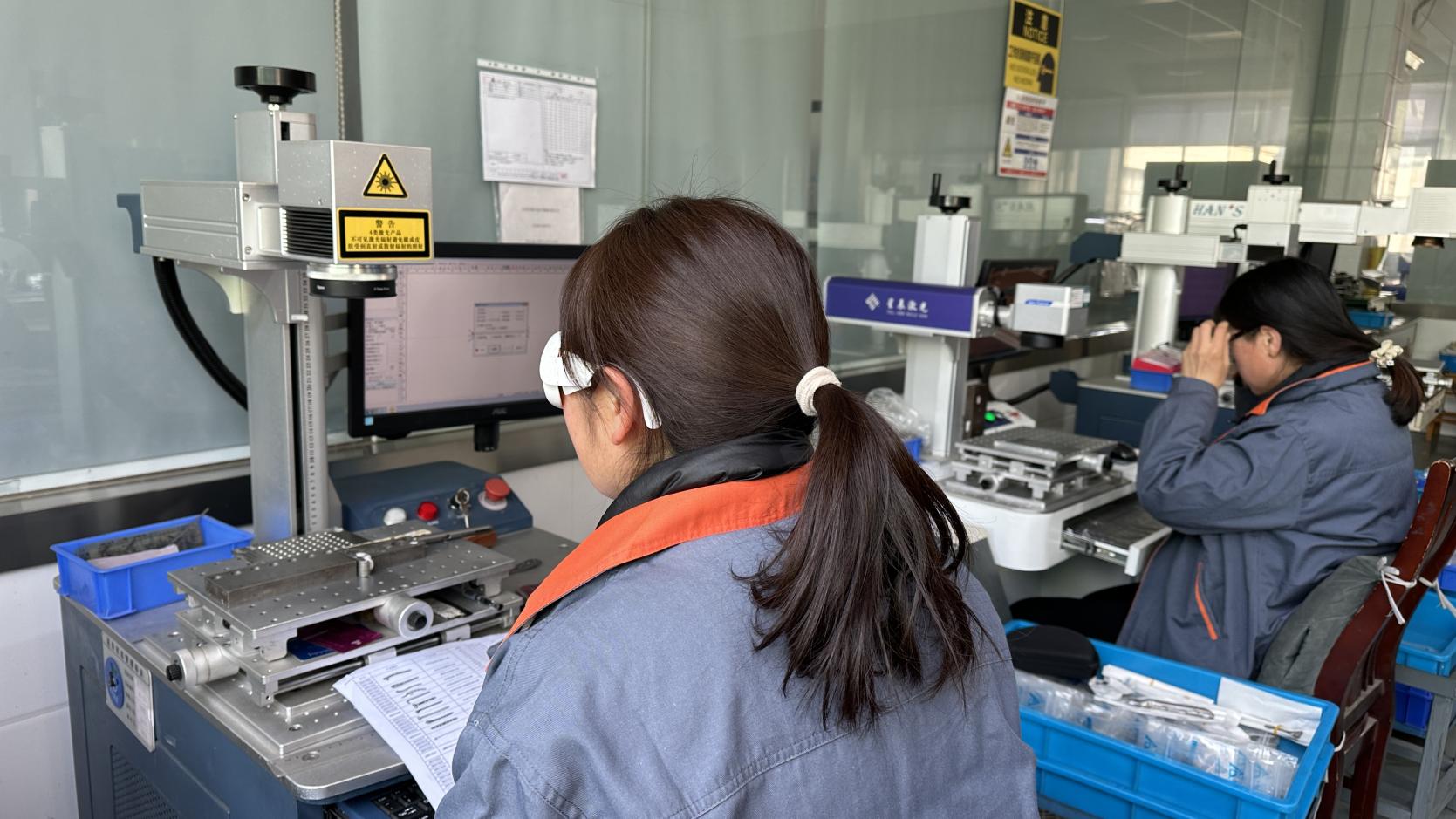
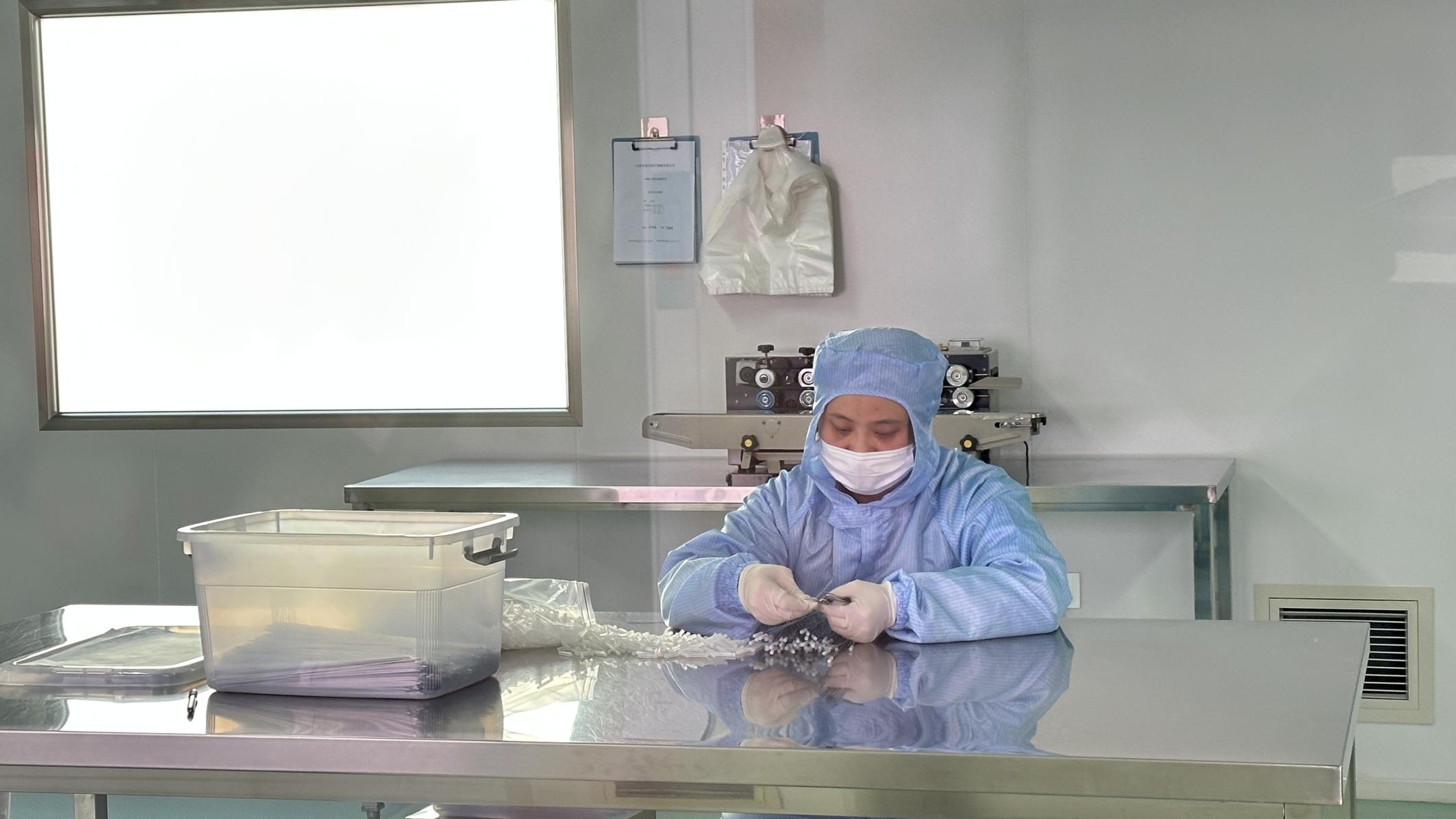
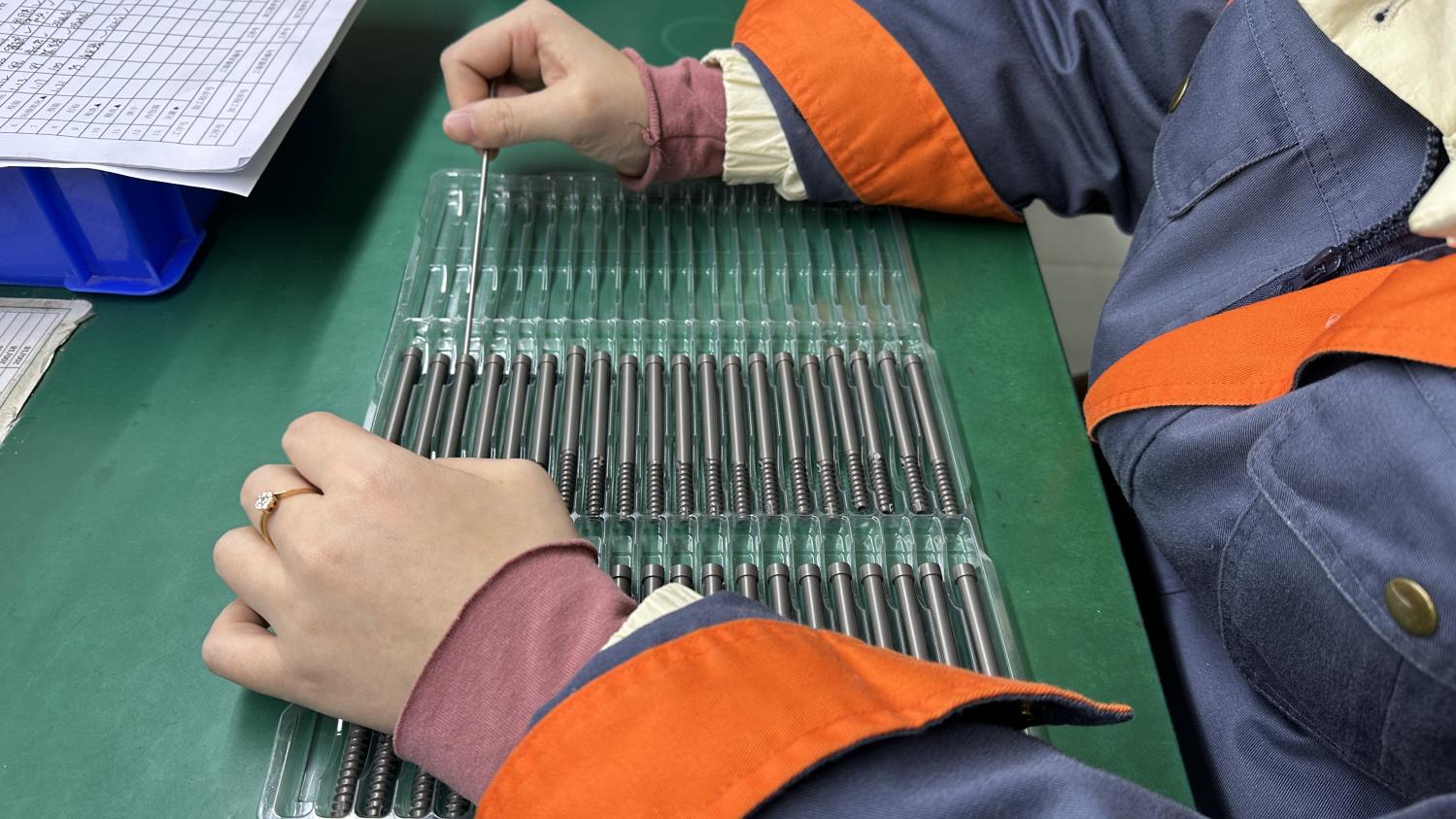
Our automated manufacturing workflow, translating certified raw material bars into micron-precise finished implants.
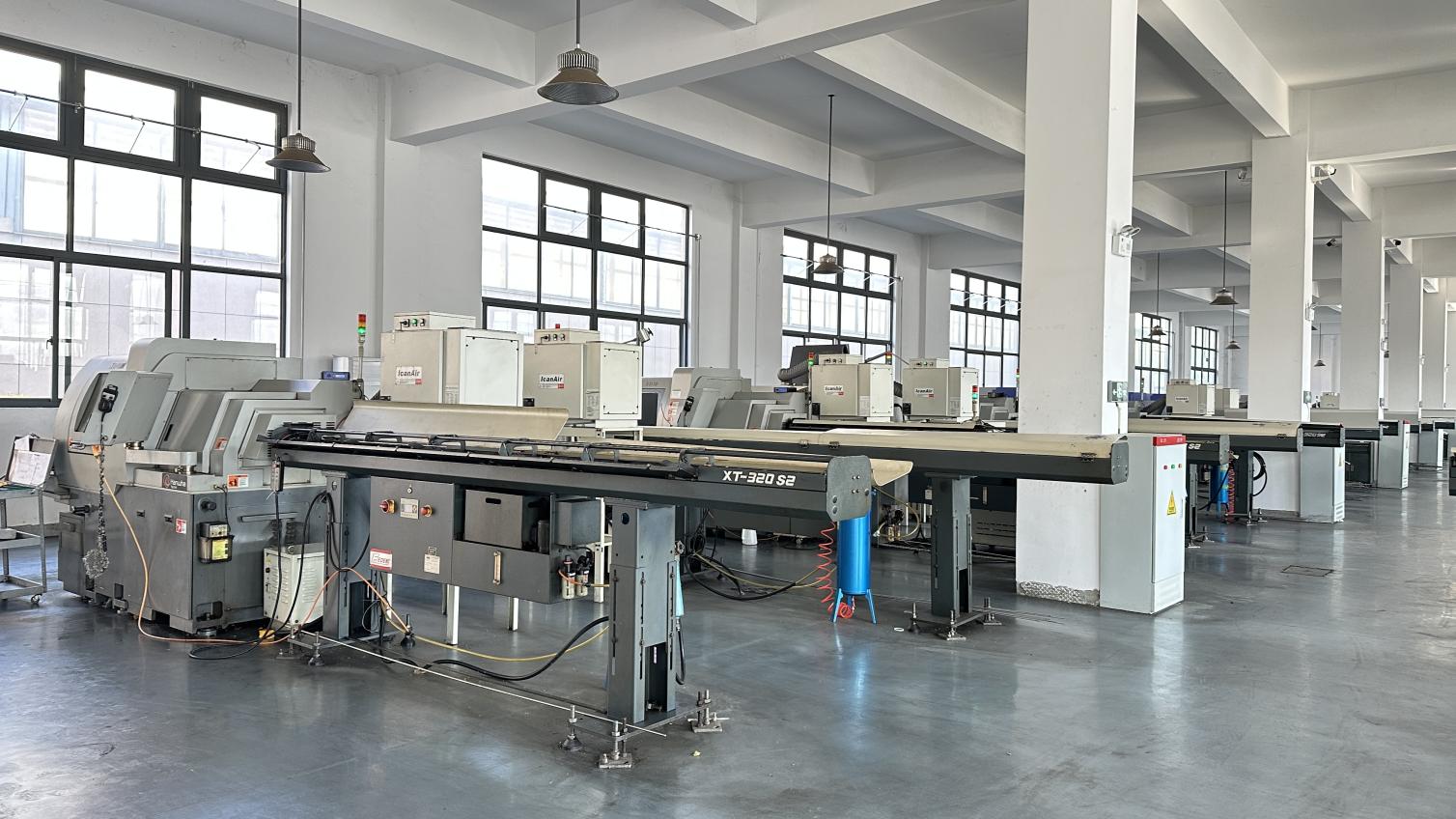
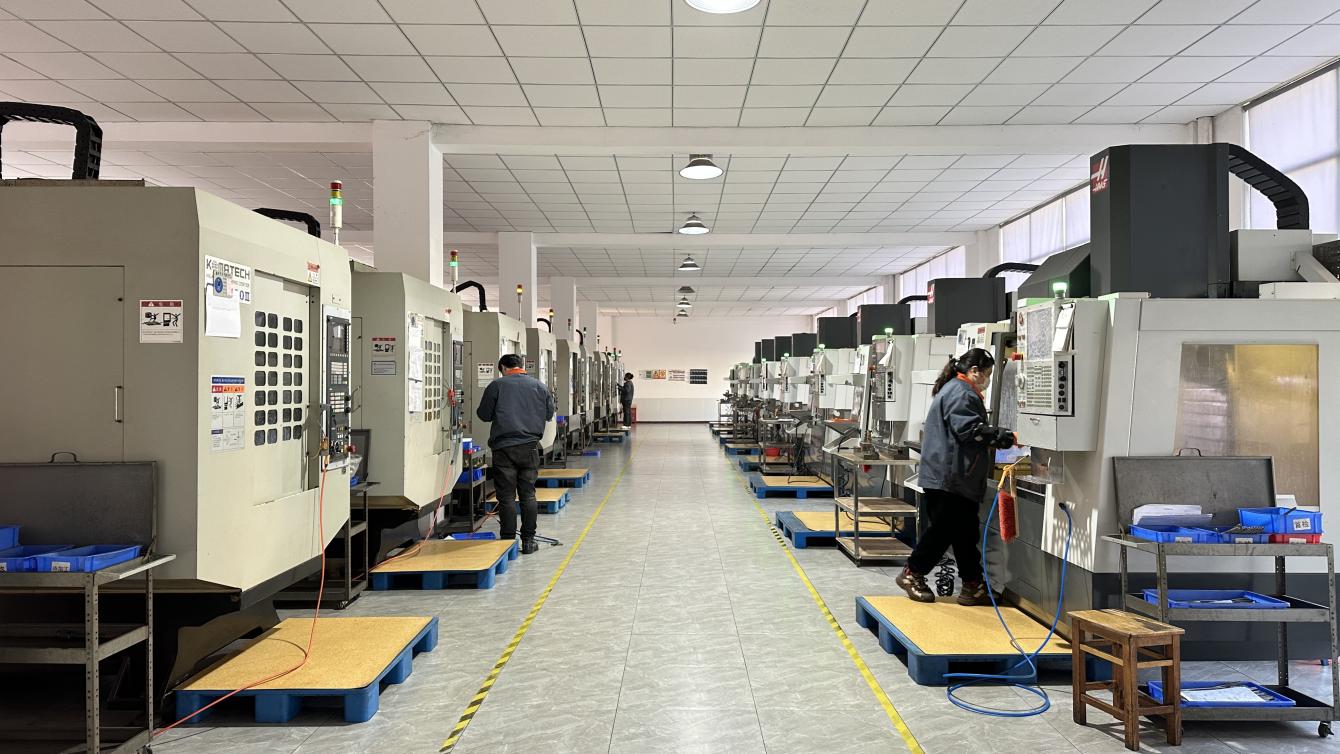
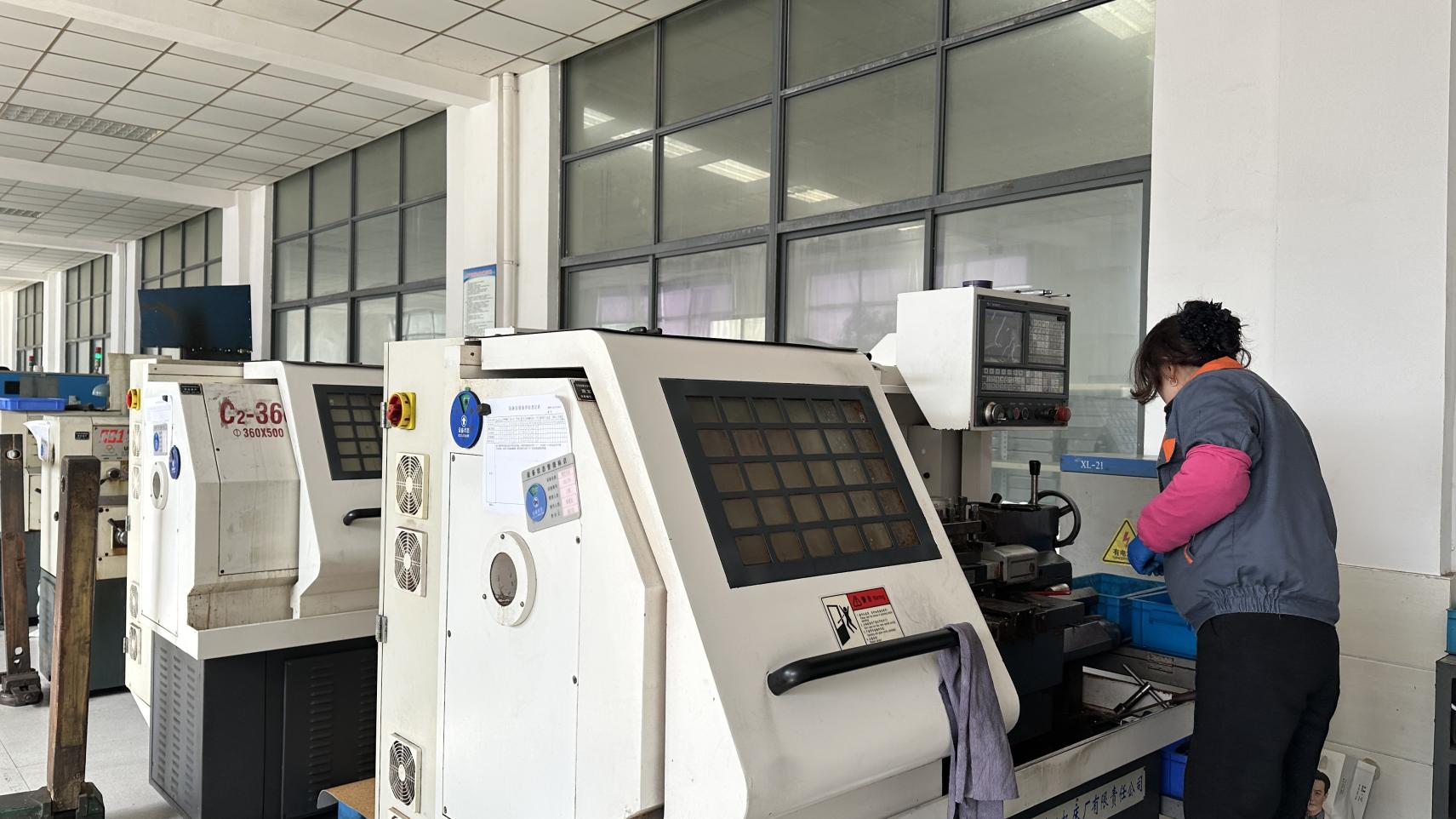
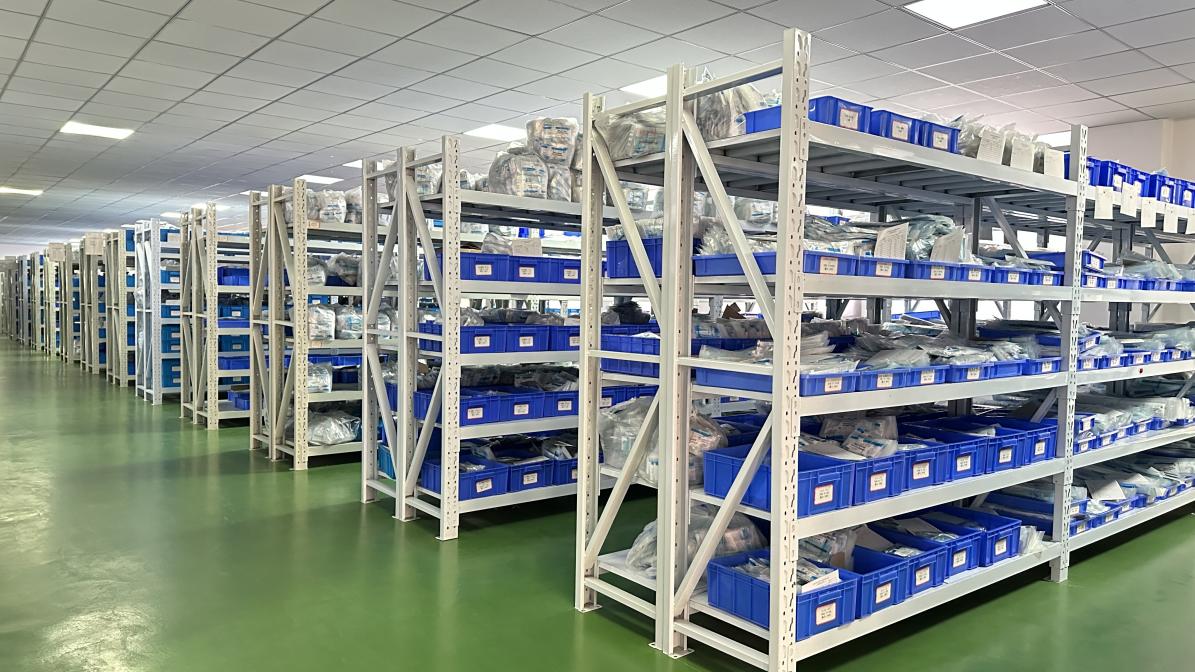
Leveraging industrial agglomeration, raw material stability, and scaling logistics to optimize procurement operations.
For international buyers and OEM partners, source localization and raw materials availability present massive risks. Medisplint leverages China’s highly integrated medical manufacturing clusters, securing immediate access to medical-grade titanium alloys and high-purity PEEK materials. By cooperating with over 1,200 specialized supply chain partners, we eliminate material bottlenecks and insulate global clients from geopolitical market spikes.
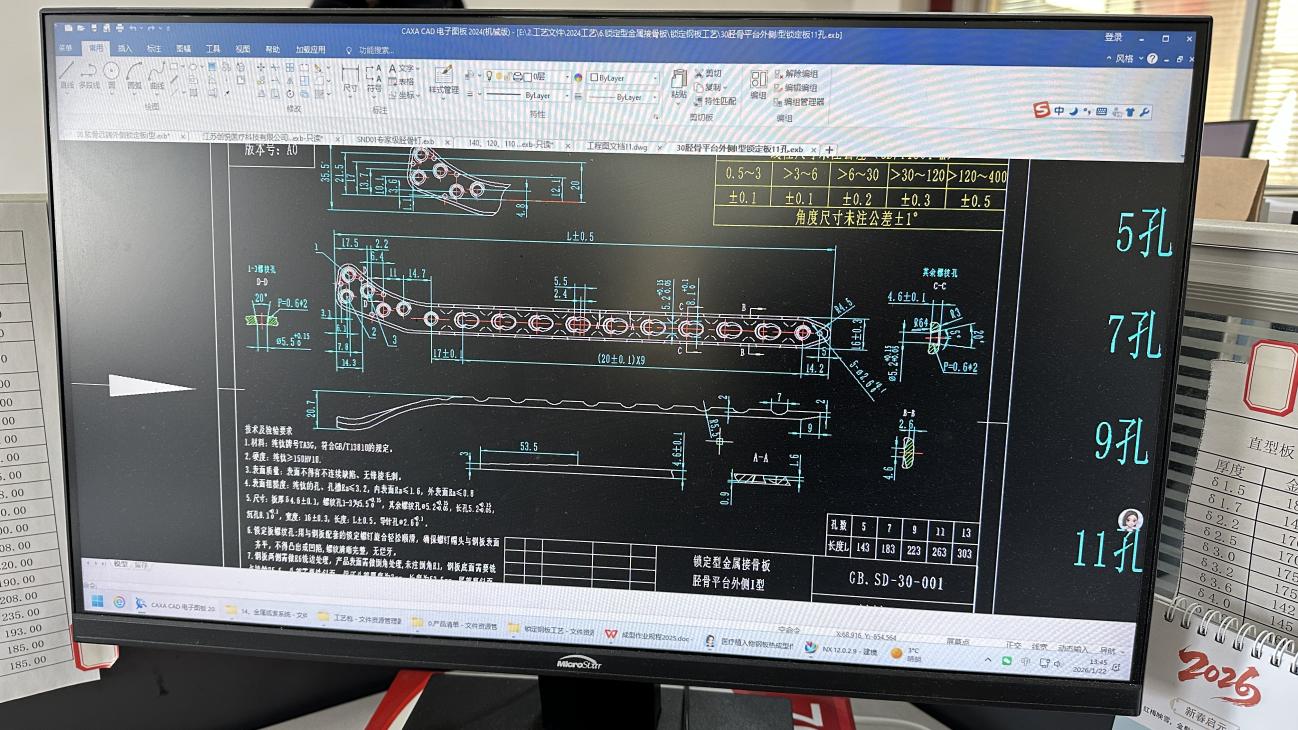
This vertical integration directly drives manufacturing efficiency. Our automated production schedules allow us to maintain agile lead times. For custom orthopedics or urgent clinical distributions, our engineering team can execute CAD design modifications, rapid toolpath reprogramming on CNC lines, and initial prototypes within short turnarounds. Last year alone, Medisplint successfully introduced 68 new orthopedic iterations, demonstrating an active product life cycle development process.
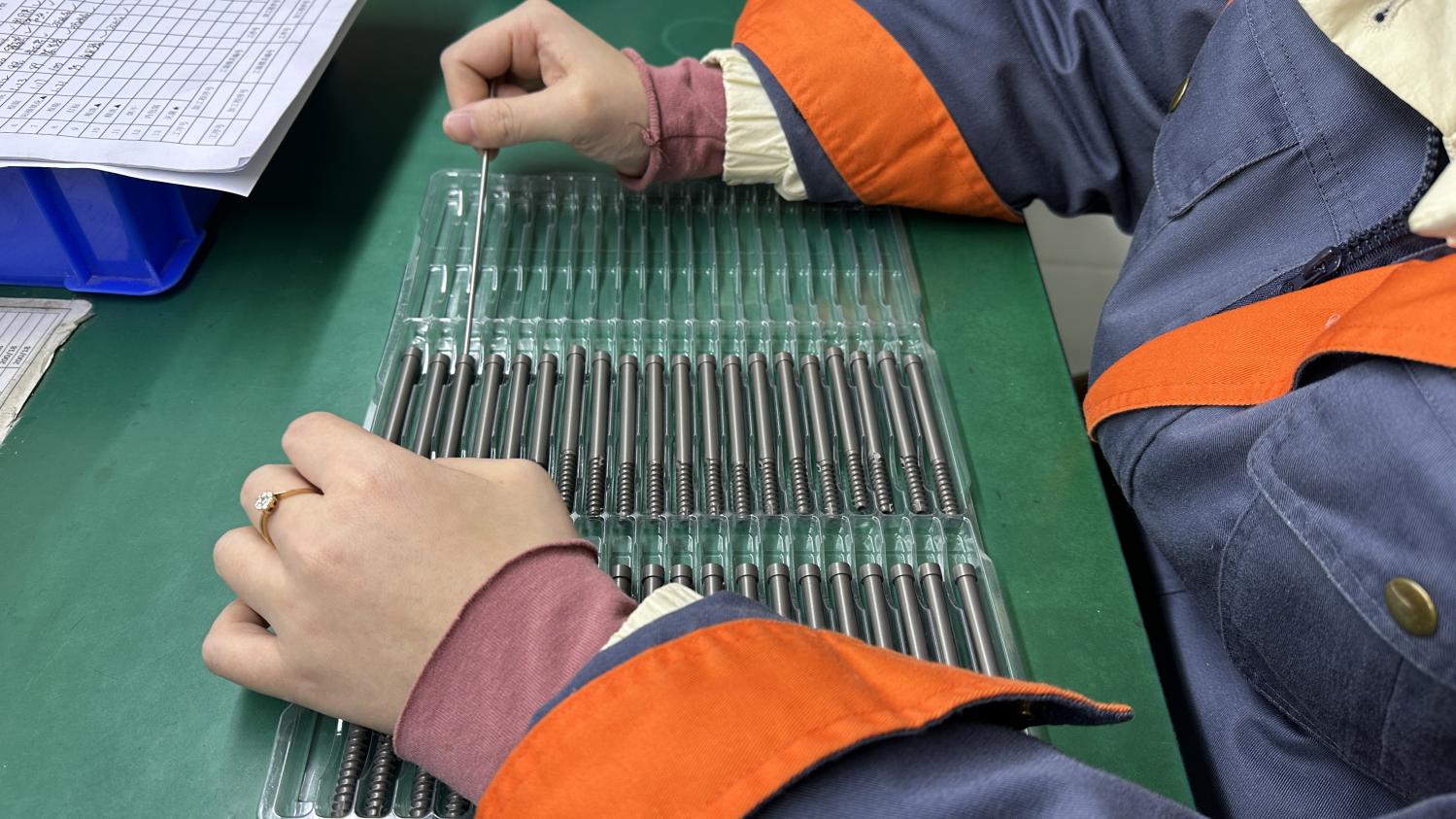
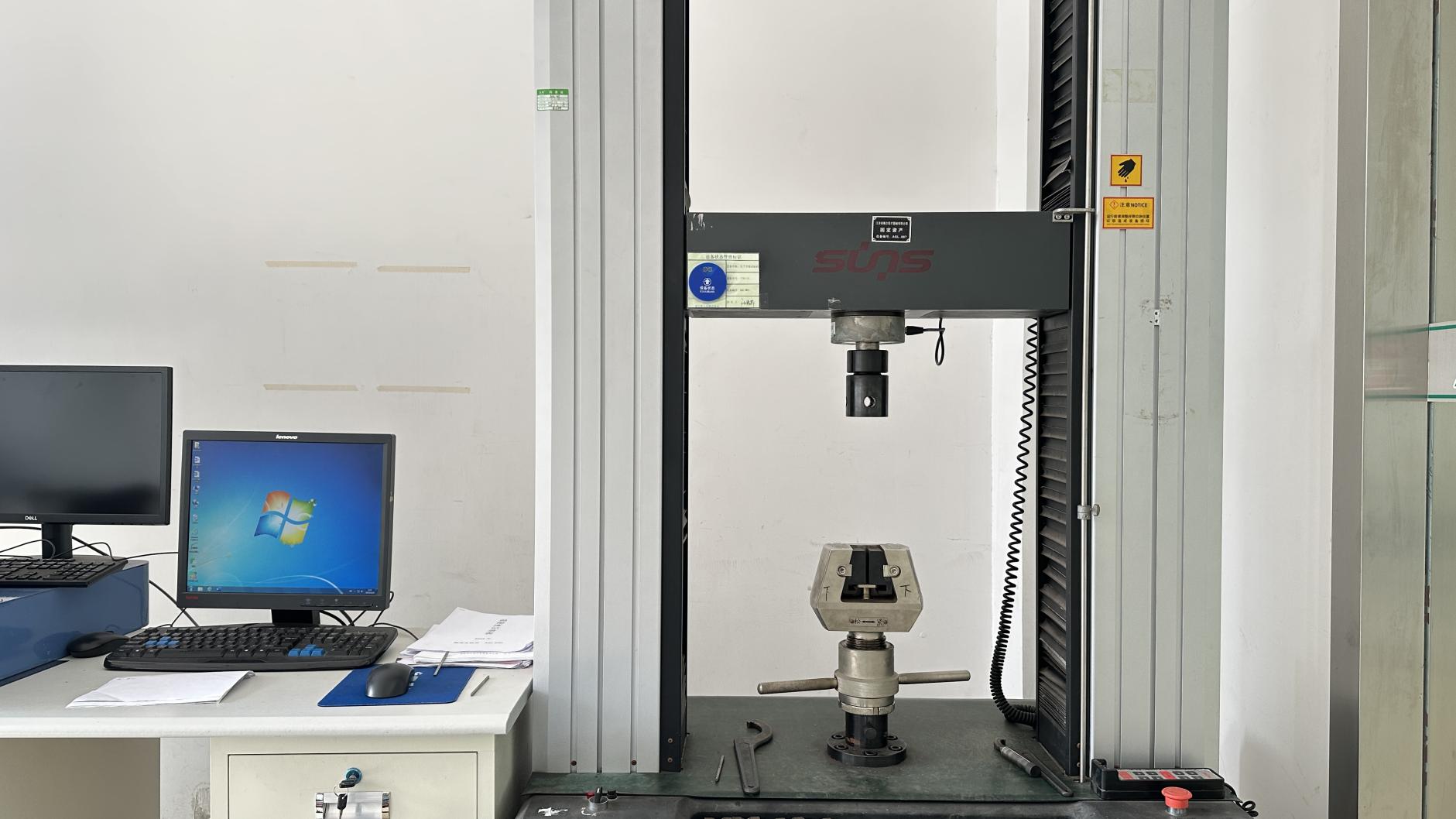
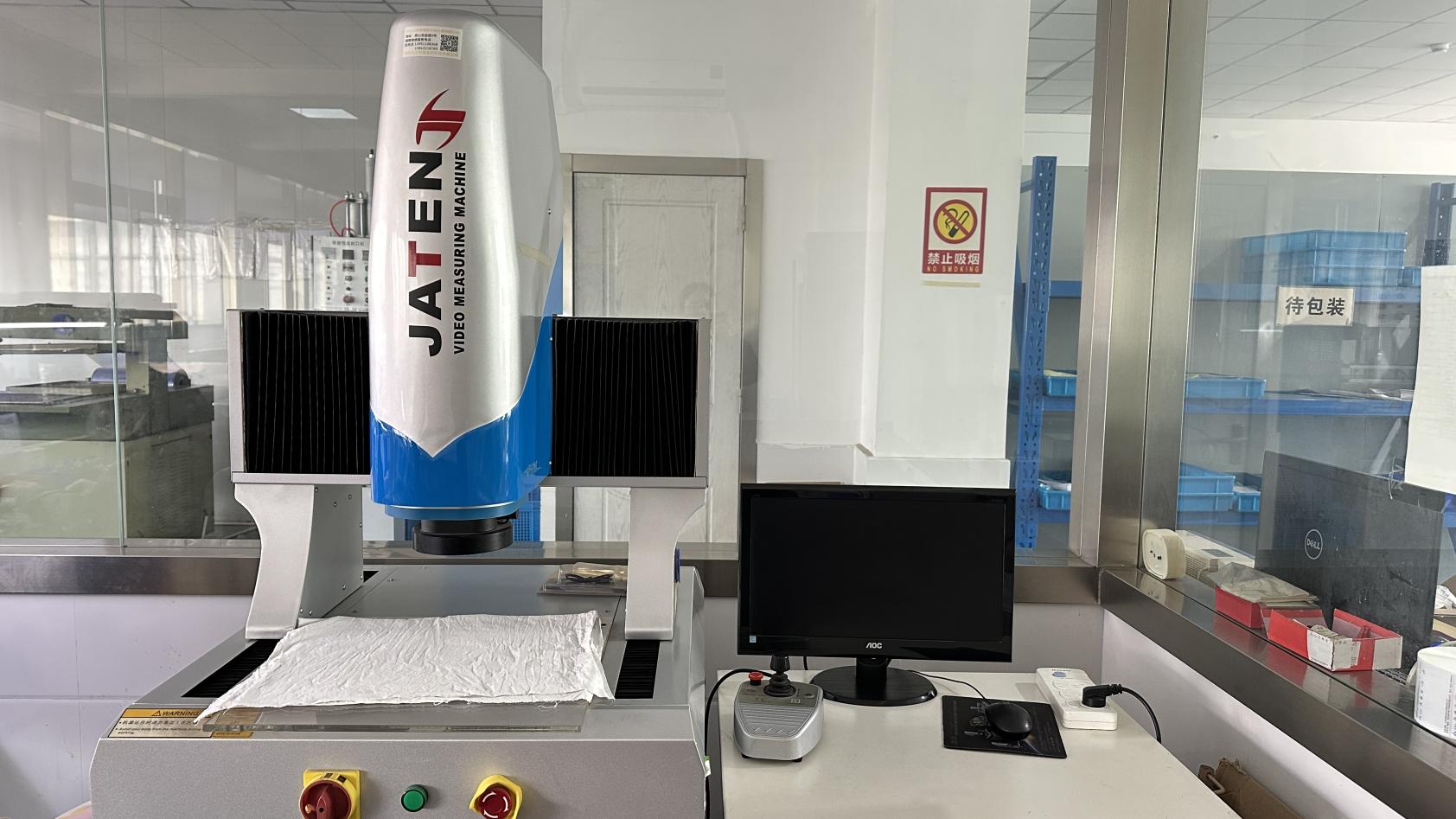
Our internal testing laboratories ensure every batch conforms to strict international biomechanical standards.

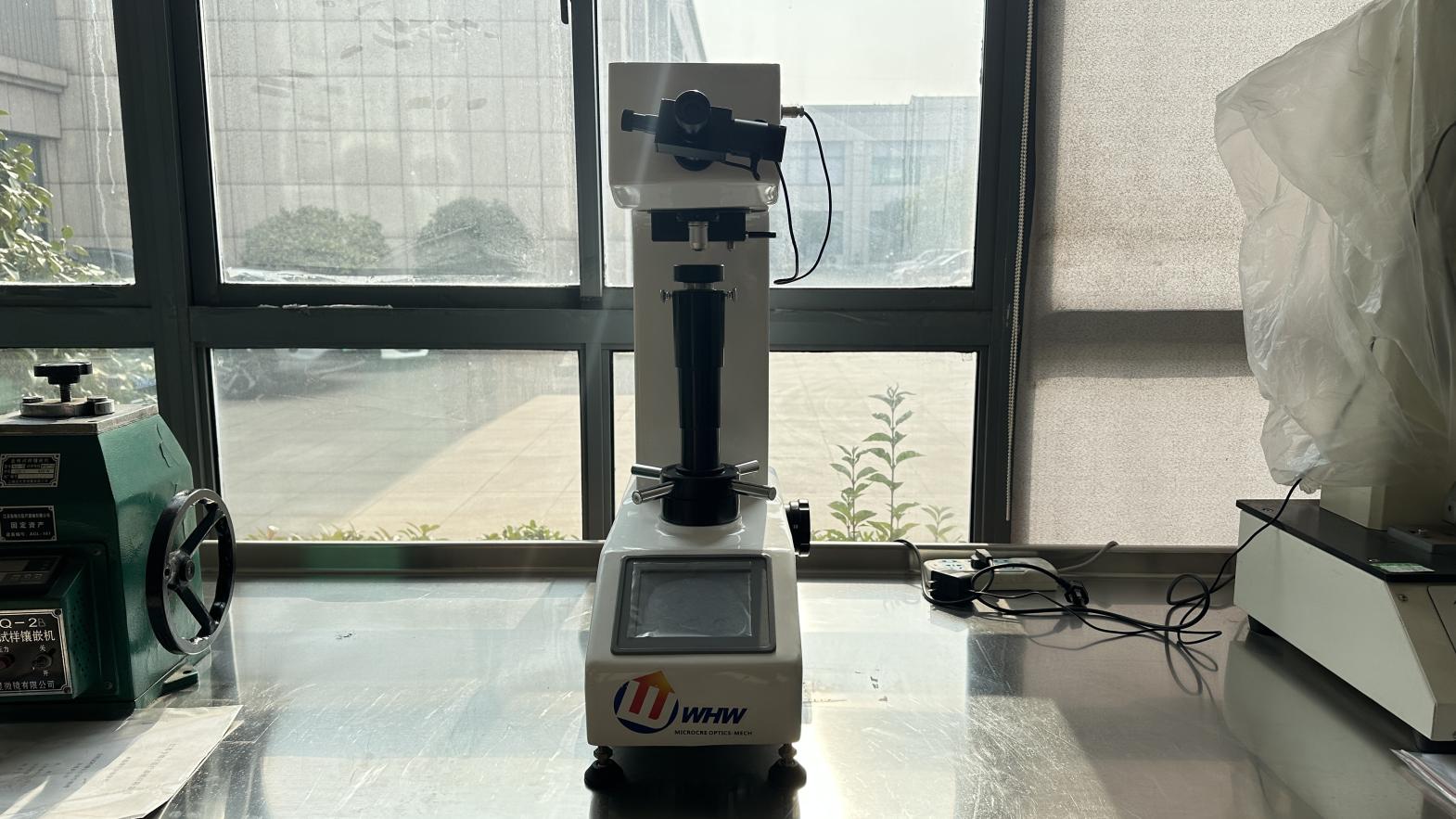
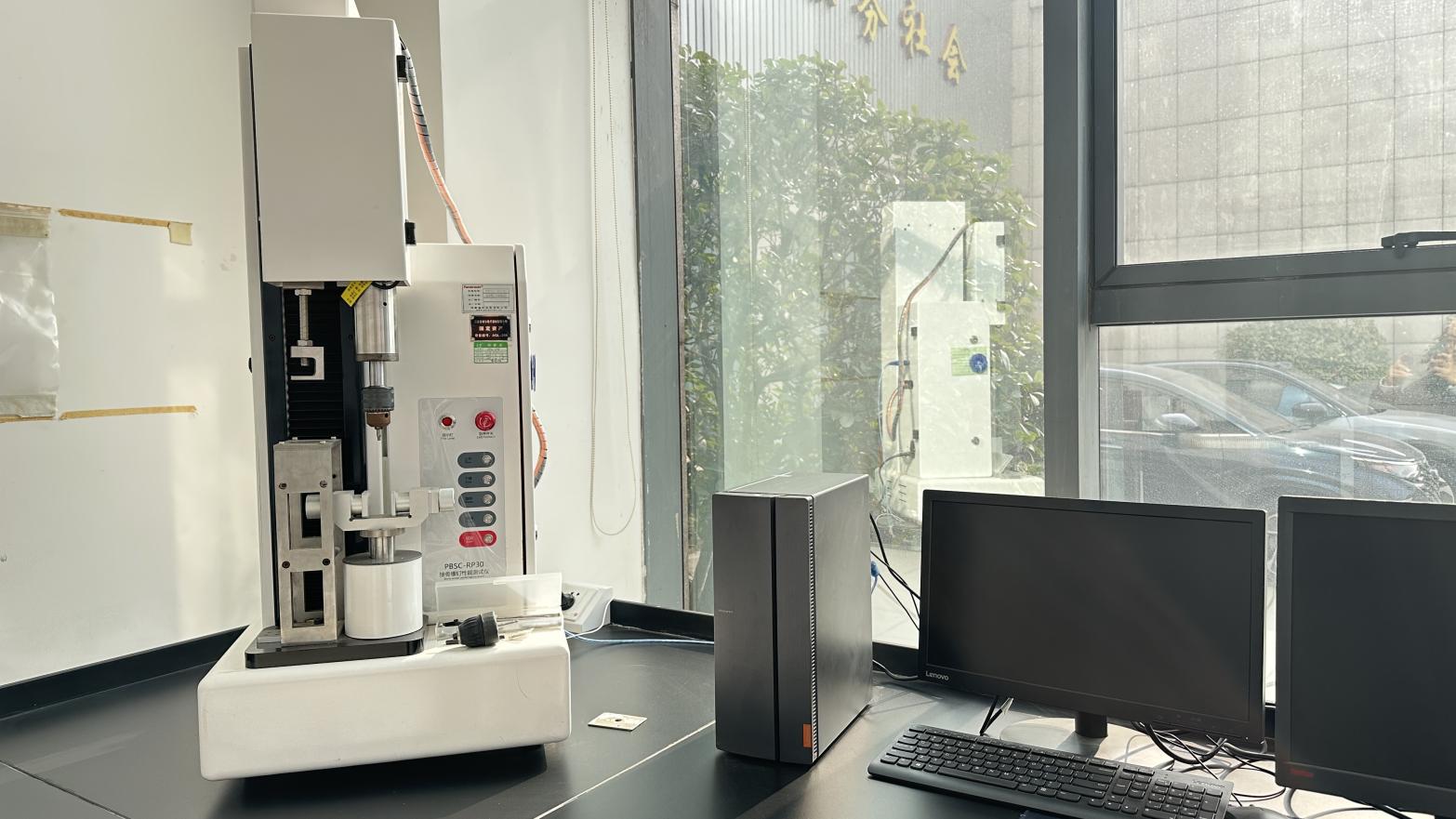
Our implants are customized to comply with regional healthcare frameworks and patient demographics.
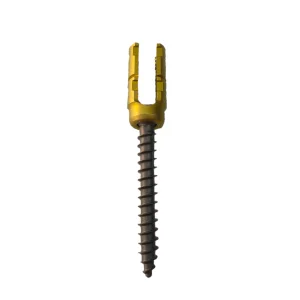
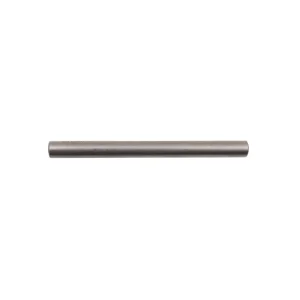
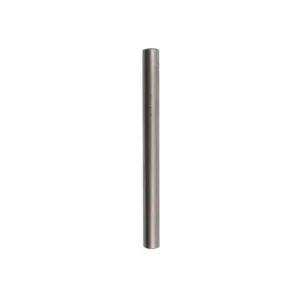
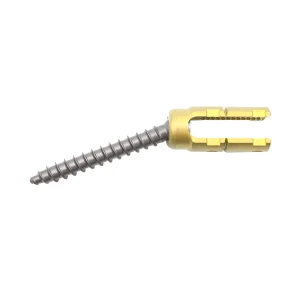
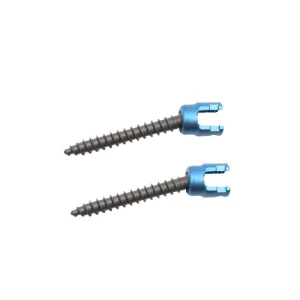
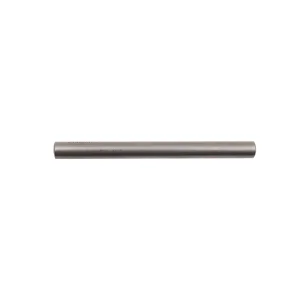
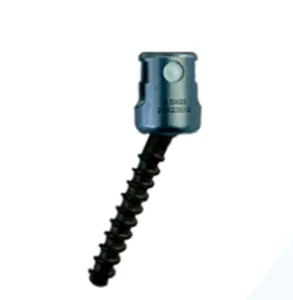
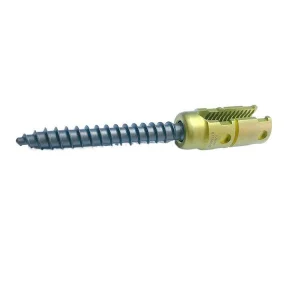
In highly aged markets like Europe and Japan, surgeons perform complex osteotomies for adult scoliosis and severe sagittal imbalance. These procedures demand robust instrumentation. Our 6.0 Reduction Polyaxial Pedicle Screw System provides high mechanical leverage, helping correct complex curvature patterns. Combined with the posterior straight titanium rods, it provides high axial stiffness while allowing load sharing to encourage bony fusion.
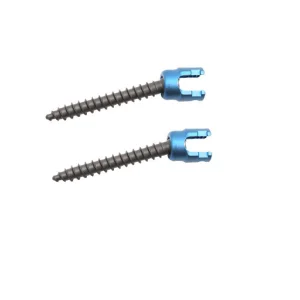
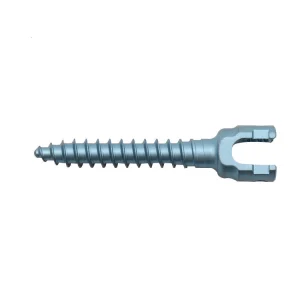
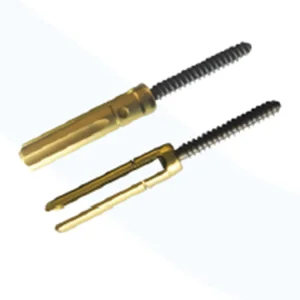
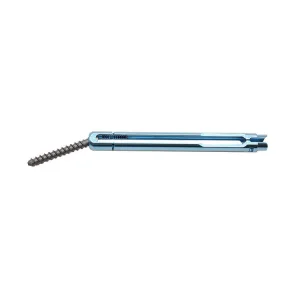
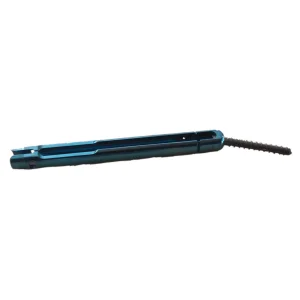
For acute thoracic or lumbar vertebral fractures in trauma centers, surgeons prioritize speed and patient tissue preservation. The Geasure MIS Percutaneous Screw System features built-in guide wire channels and low-friction instrumentation, facilitating rapid screw introduction through percutaneous portals. This reduces blood loss and reduces operative times, offering clinical benefits particularly to elderly or multiple-trauma patients.
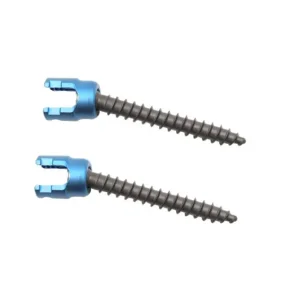
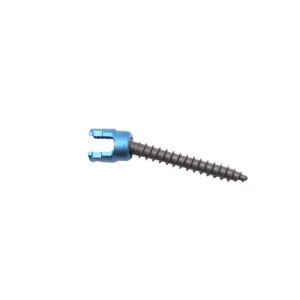
Cervical myelopathy and disc herniations require delicate surgical management. Our 3.5mm Polyaxial Cervical Fixation System is designed with low-profile implant heads, helping minimize soft tissue irritation in the neck region. Self-tapping threads reduce insertion torque, protecting the thin bones of the cervical vertebrae while providing stable internal fixation.
How Medisplint is leveraging digital design, smart material science, and biological integration to shape the future of spinal care.
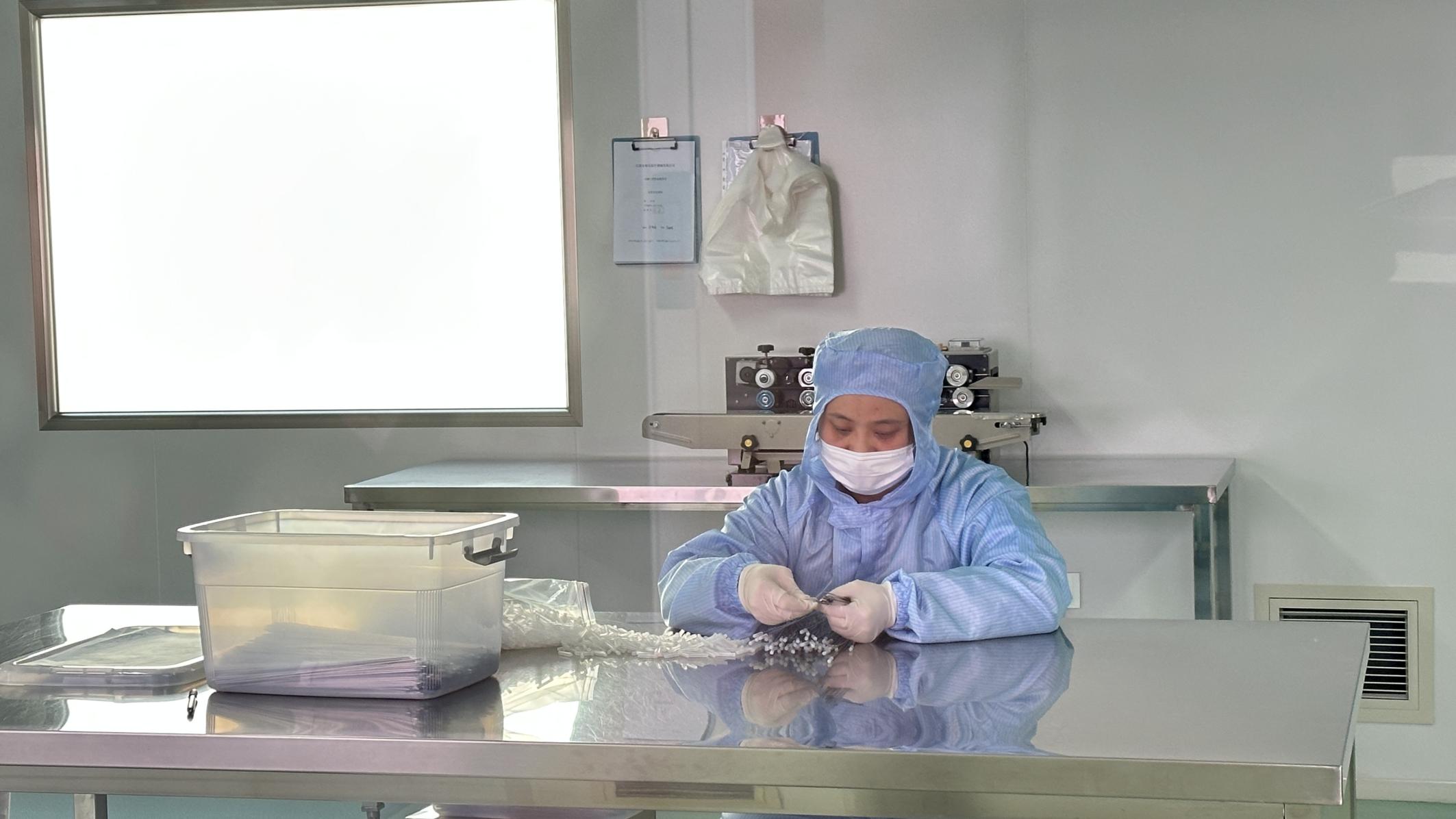
Medisplint operates under a comprehensive quality management system certified to ISO 13485 standards. Our quality department of 42 dedicated inspectors performs multi-stage controls: Incoming material spectroscopy analysis, in-process dimension checks using laser micrometers, and Final Quality Control (FQC) in sterile-ready ISO Class 7 cleanrooms.
Every production batch is traceable, utilizing laser marking systems that record raw material mill numbers, machine tool parameters, and the names of inspecting operators. This guarantees compliance with European CE regulations, South American ANVISA mandates, and clinical audit criteria worldwide.
Technical and commercial questions regarding orthopedic manufacturing, certifications, and product customization.
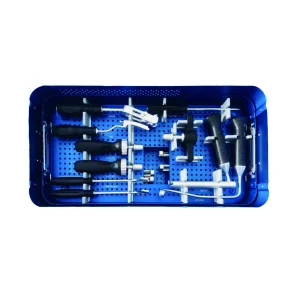
Our complete portfolio includes reduction systems, straight rods, and fixation assemblies for comprehensive spinal reconstructive procedures.