Medisplint Medisplint

External Fixation Manufacturers & Manufacturer

Comprehensive Whitepaper on Orthopedic Fixator Design, Biomechanical Integrity, and Global Supply Chain Excellence

Featured External Fixation & Surgical Orthopedic Systems

Clinical-grade surgical instrumentation and biomechanically tested external skeletal fixation devices optimized for trauma and limb reconstruction.
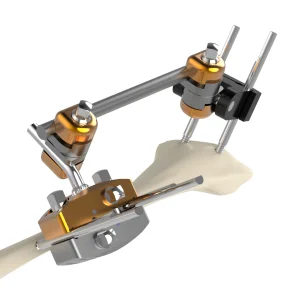
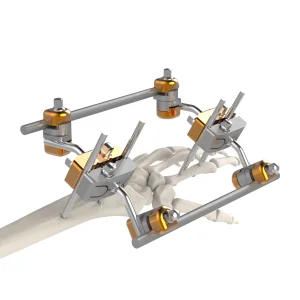
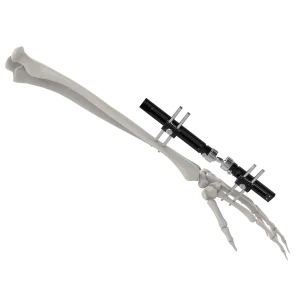
CANWELL External Palm Fixation Instrument Set

CANWELL External Palm Fixation Instrument Set Fit for Hoffmann External Fixator Ankle Compact External Fixator Orthoppedic CE

View Technical Specs
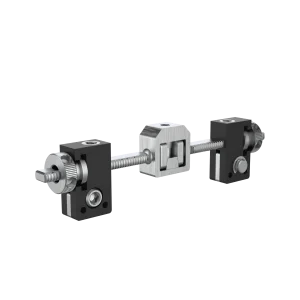
CANWELL Hoffman External Fixator Instrument Set

CANWELL Hoffman External Fixator Instrument Set Rod Rod 11mm Compact System Orthopedic Class III Lifetime Warranty Model Fit for

View Technical Specs
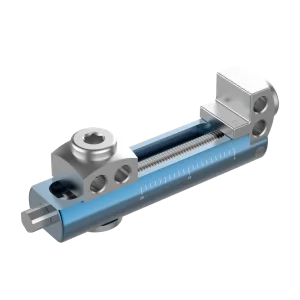
CANWELL Wrist External Fixator

CANWELL Wrist External Fixator Small Bones Fracture Fixation Mini External Fixator Orthopedic Implant Phalanges and Metacarpals

View Technical Specs
CANWELL Small Bones Fracture Fixation

CANWELL Small Bones Fracture Fixation Mini External Fixator Orthopedic Trauma Implant System for Phalanges Metacarpals Class III

View Technical Specs
CANWELL Mini External Fixator

CANWELL Mini External Fixator Orthopedic Trauma Implant Small Bones Fracture Fixation System Model I Class III for Phalanges

View Technical Specs
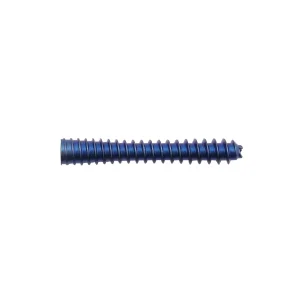
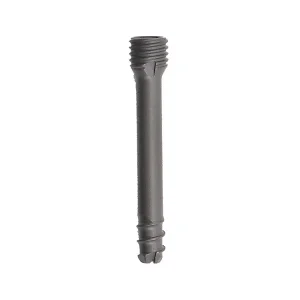
Good Quality Medical Headless Cannulated Compression Screw

Good Quality Medical Headless Cannulated Compression Screw Orthopedic Screw Orthopedic Implant

View Technical Specs
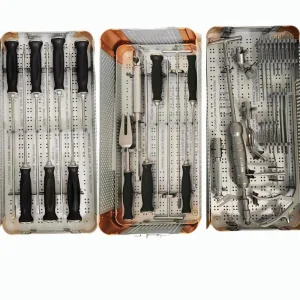
Factory Price General Basic Aluminum Box

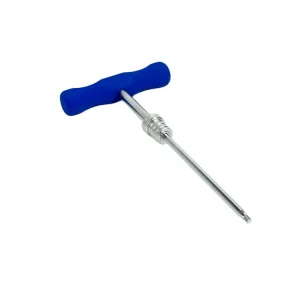
Factory Price General Basic Aluminum Box Orthopedic Surgical Instruments Set Broken Screw Removal Instrument Set of Orthopedic

View Technical Specs
Orthopedic Surgery Instrument Medical Stainless Steel

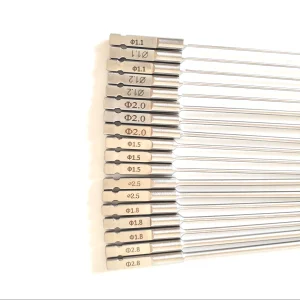
Orthopedic Surgery Instrument Medical Stainless Steel CE ISO Certified AO/Cannulated/General Drill Bit K Wire Intramedullary

View Technical Specs

Overview of Medisplint Orthopedic Instruments Co., Ltd.

A premier Chinese manufacturing entity producing high-accuracy orthopedic solutions under rigorous E-E-A-T guidelines.

Medisplint Orthopedic Instruments Co., Ltd. is a professional manufacturer specializing in orthopedic implants, fixation systems, and surgical instruments for trauma, spine, and joint reconstruction. Since its establishment, the company has operated under a single mission: to design, machine, and deliver reliable orthopedics devices that conform to top-tier medical protocols.

Founded in 2016, the company has developed steadily with a strong focus on innovation and international expansion. The facility covers approximately 18,500㎡, supporting integrated production, assembly, and quality control operations. Over the years, Medisplint has developed a highly dynamic approach to orthobiologic mechanics, trauma instrumentation, and complex ring-and-rod external fixation assembly processes.

18,500㎡
Facility Area
$12M+
Annual Export Revenue
42
QC Inspectors
1,200+
Supply Chain Partners

Medisplint reports an annual export revenue of around USD 12 million, with over 7 years of export experience and 10 years of overall industry experience in orthopedic medical device manufacturing. The company operates under strict quality assurance systems including ISO 13485 certification and CE compliance. Quality inspection methods include incoming material inspection, in-process quality control (IPQC), final product inspection (FQC), and third-party laboratory testing. The quality control department consists of 42 dedicated inspectors ensuring product safety, precision, and compliance with international standards.

"In the past year alone, the company launched 68 new products, reflecting its continuous commitment to innovation and advancement in orthopedic solutions."

With a strong global trade background, Medisplint primarily serves markets in Europe, Southeast Asia, the Middle East, and South America. The company collaborates with over 1,200 supply chain partners, supporting stable production capacity and flexible sourcing strategies. Its main customer types include hospitals, orthopedic distributors, surgical centers, and OEM/ODM partners. Medisplint maintains strong R&D capabilities with approximately 85 engineering and development specialists, offering customization options such as private labeling, design modification, and full OEM/ODM solutions.

Biomechanical Principles of Modern External Fixation

How load transfer, structural rigidity, and micro-motion dynamics dictate fracture healing outcomes.

External fixation systems act as temporary or definitive structural splints that stabilize bone fragments from outside the body. Medisplint’s external fixator designs capitalize on modern osteogenesis dynamics. A successful clinical outcome relies heavily on understanding relative stability. Unlike internal locking plates which provide absolute stability, external fixators allow controlled microscopic displacement (dynamization) at the fracture gap, stimulating callosal bone formation.

1. Structural Component Engineering

Every standard Hoffman-type or wrist mini-fixator consists of three critical sub-assemblies:

  • Schanz Screws & Kirschner Wires: These act as the direct interface between the device and bone. Medisplint manufactures self-tapping, self-drilling Schanz pins in implant-grade Titanium (Ti-6Al-4V ELI) and Stainless Steel 316L. The thread geometry is designed to prevent thermal necrosis during insertion and maximize pull-out strength in both osteoporotic and healthy cortical bone.
  • Connecting Rods and Rings: Carbon fiber rods offer an exceptional strength-to-weight ratio and are 100% radiolucent, enabling surgeons to obtain unobstructed intraoperative X-rays. Carbon fiber rods also provide the necessary structural elasticity to absorb axial loads without permanent deformation.
  • Connecting Clamps / Pin-to-Rod Couplings: Clamps are the weak points of any external frame if engineered poorly. Medisplint utilizes high-tolerance CNC-milled multi-pin clamps that offer high gripping torque, preventing slippage or mechanical collapse under weight-bearing conditions.

2. Stress Shielding Mitigation and Dynamization

Engineers at Medisplint optimize the spacing between the bone and the connecting bar (offset distance) to control bending stiffness. By adjusting the distance of the rod from the bone axis, clinical protocols can safely shift from high-rigidity fixation in the early phase of trauma stabilization to dynamic axial loading during the later stages of cortical bridging. This adaptive mechanical environment minimizes stress shielding and accelerates patient rehabilitation.

Advanced Manufacturing Workflow & Precision Machinery

Step-by-step visual exploration of Medisplint’s advanced industrial manufacturing and material testing laboratory.

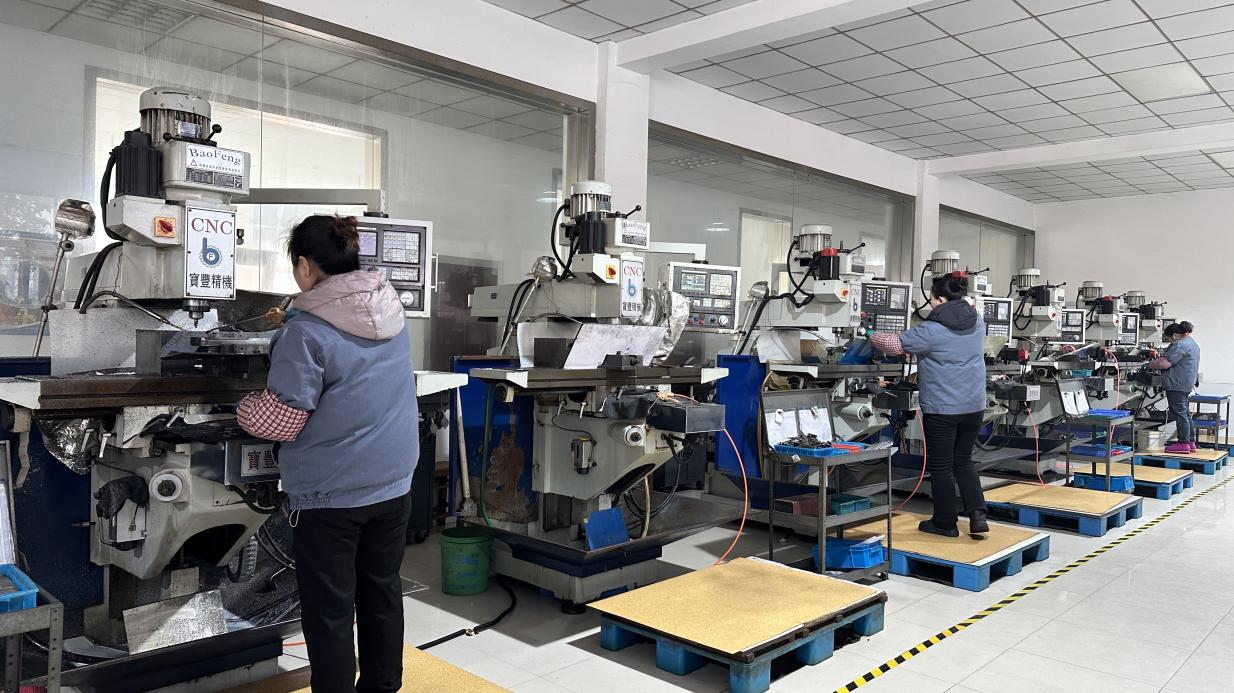
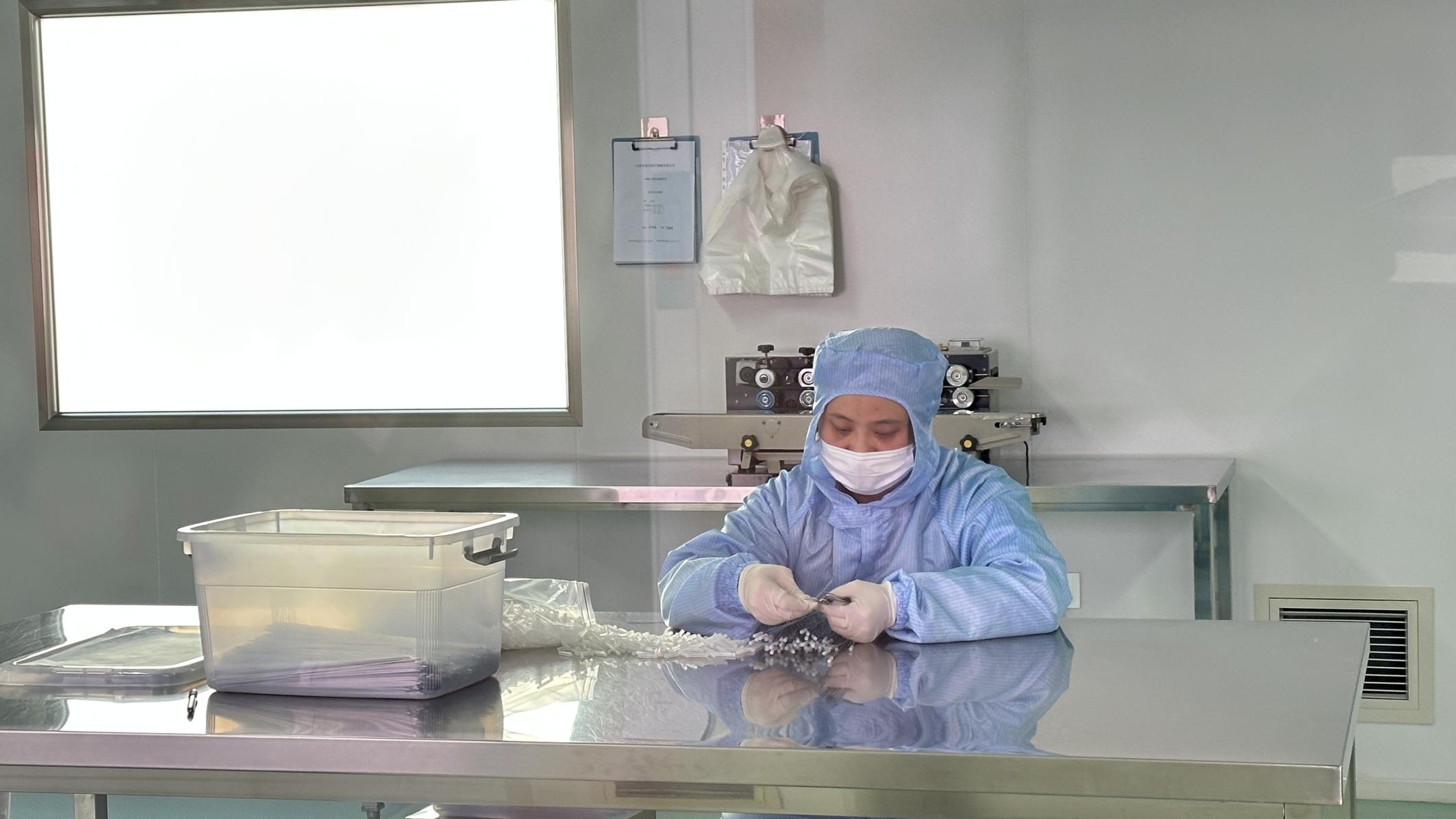
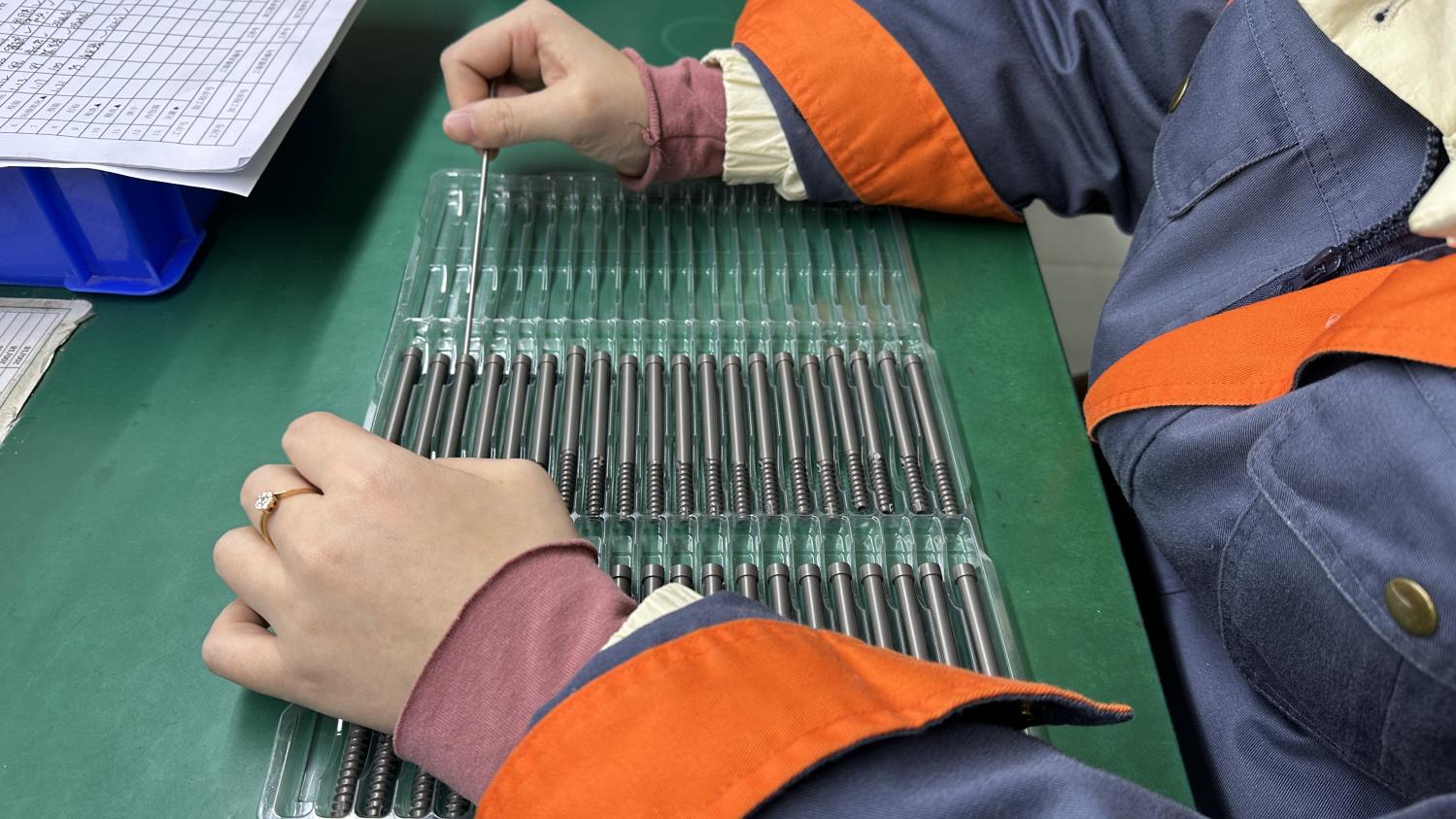
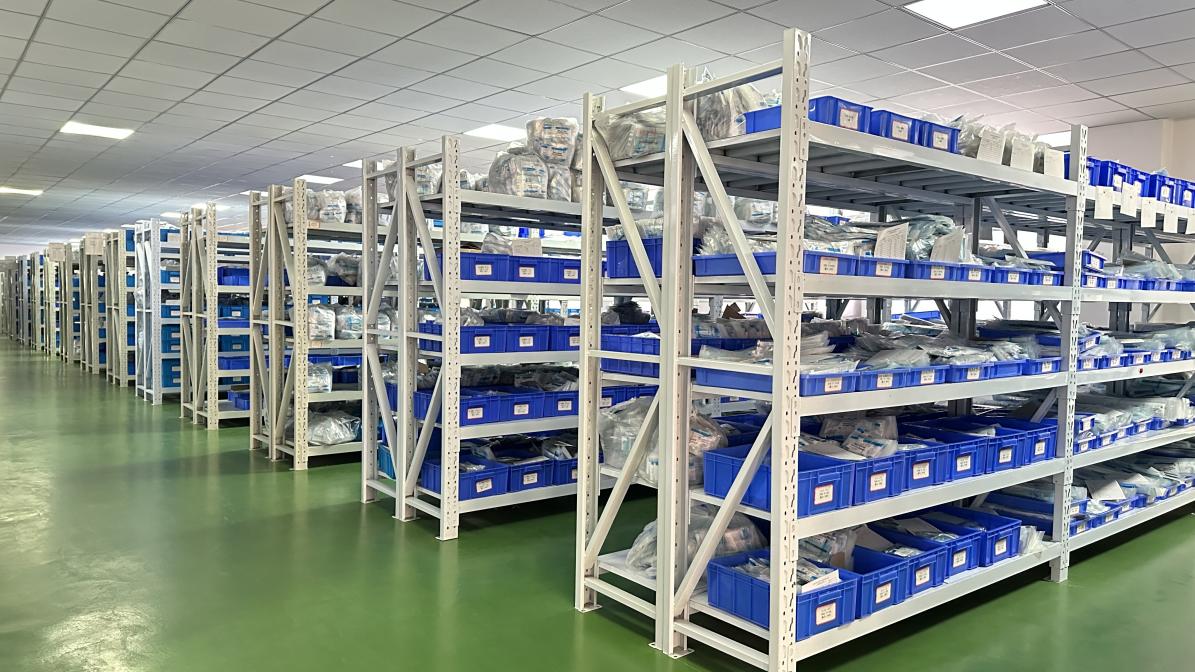
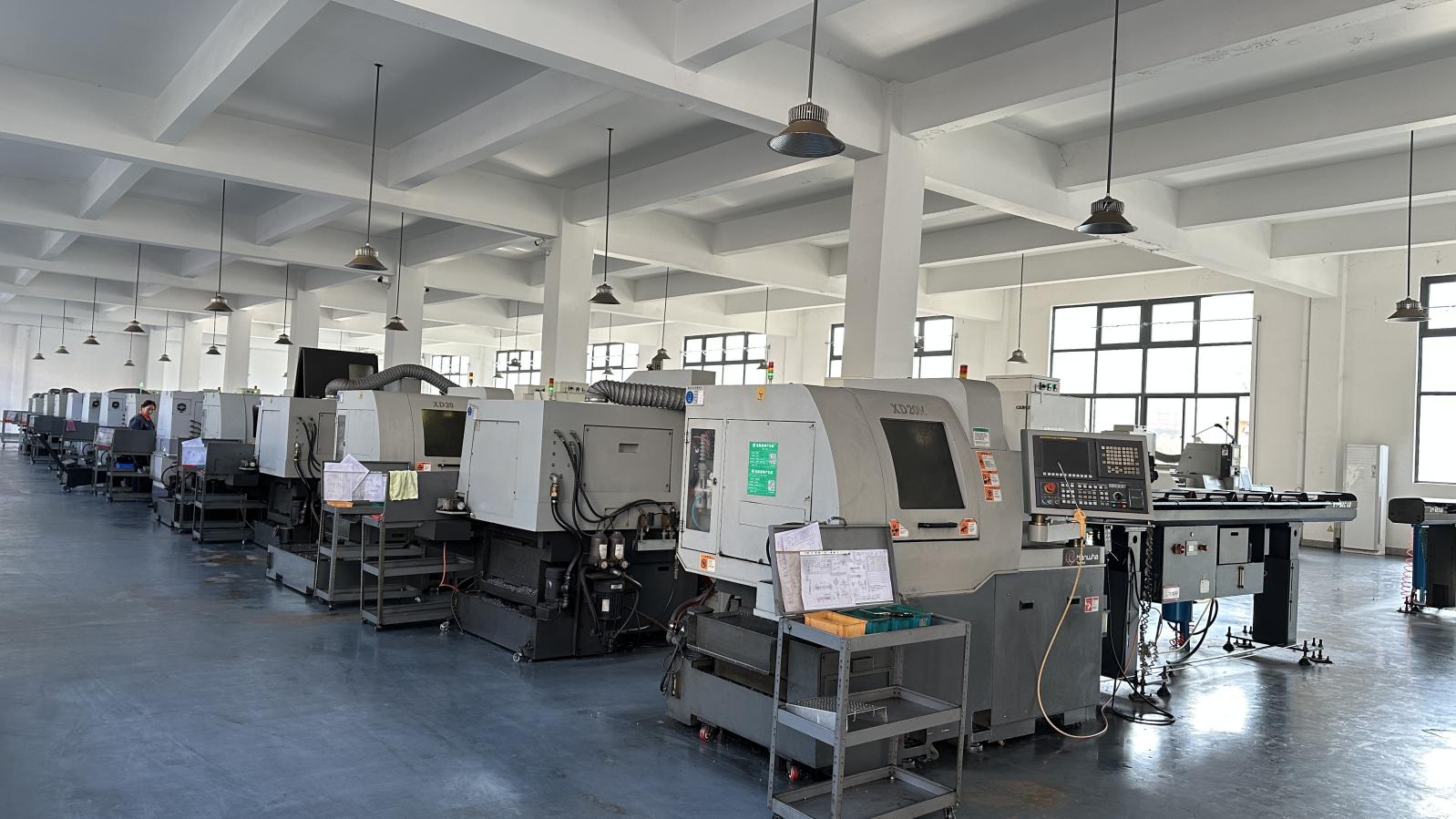
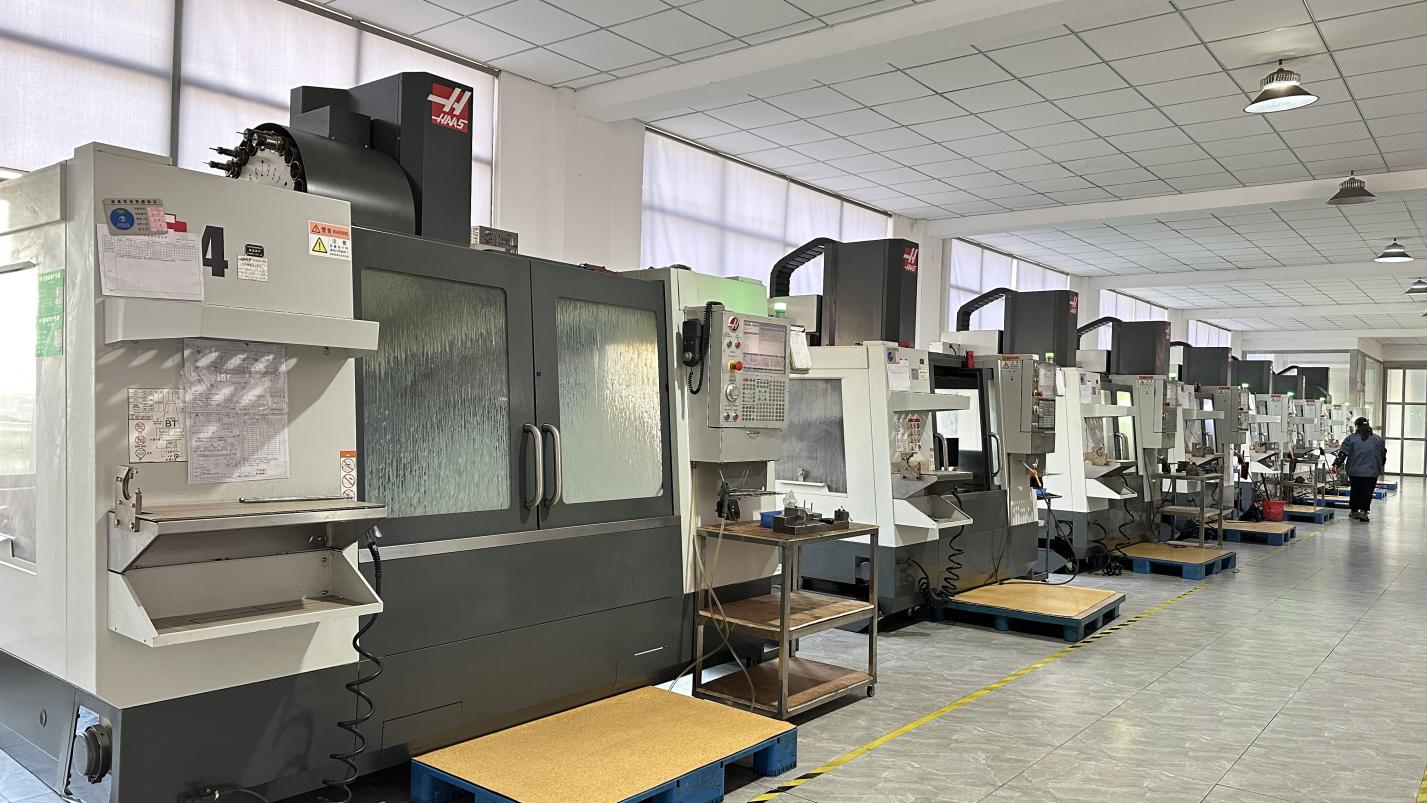
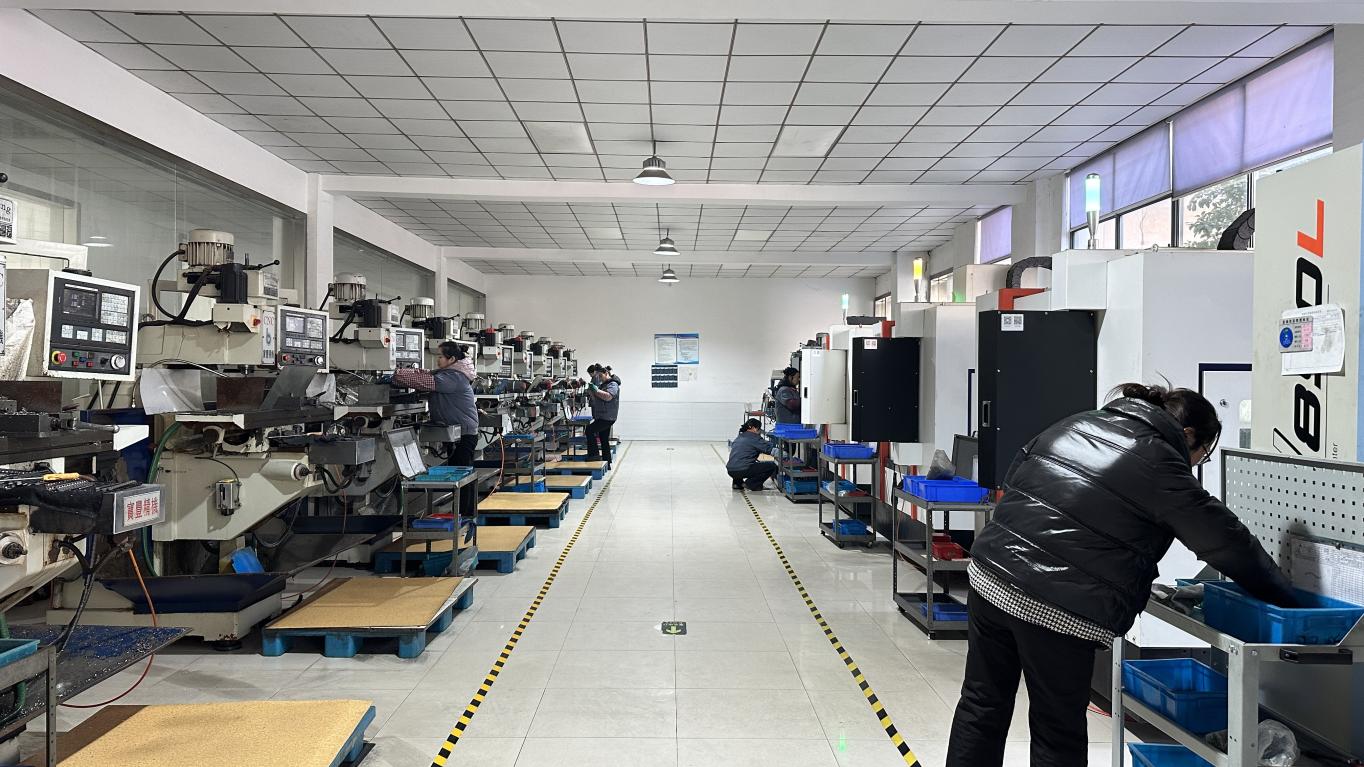
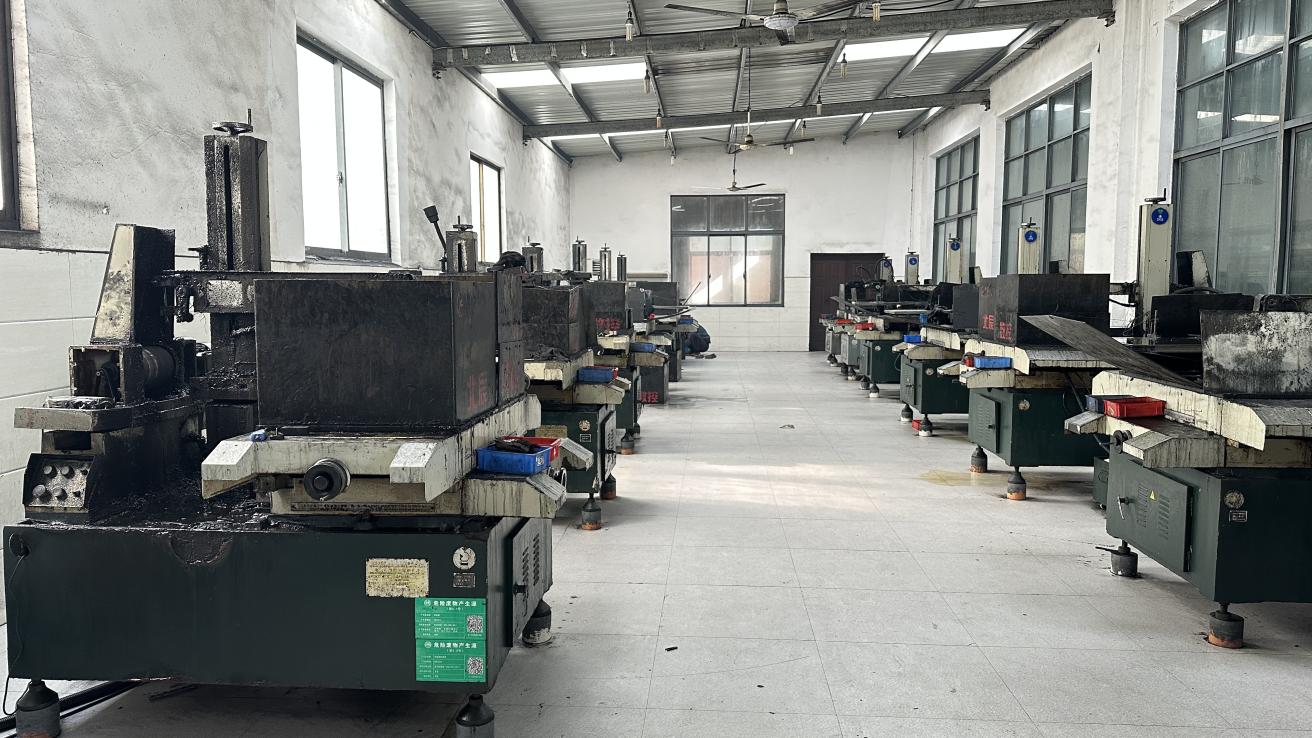
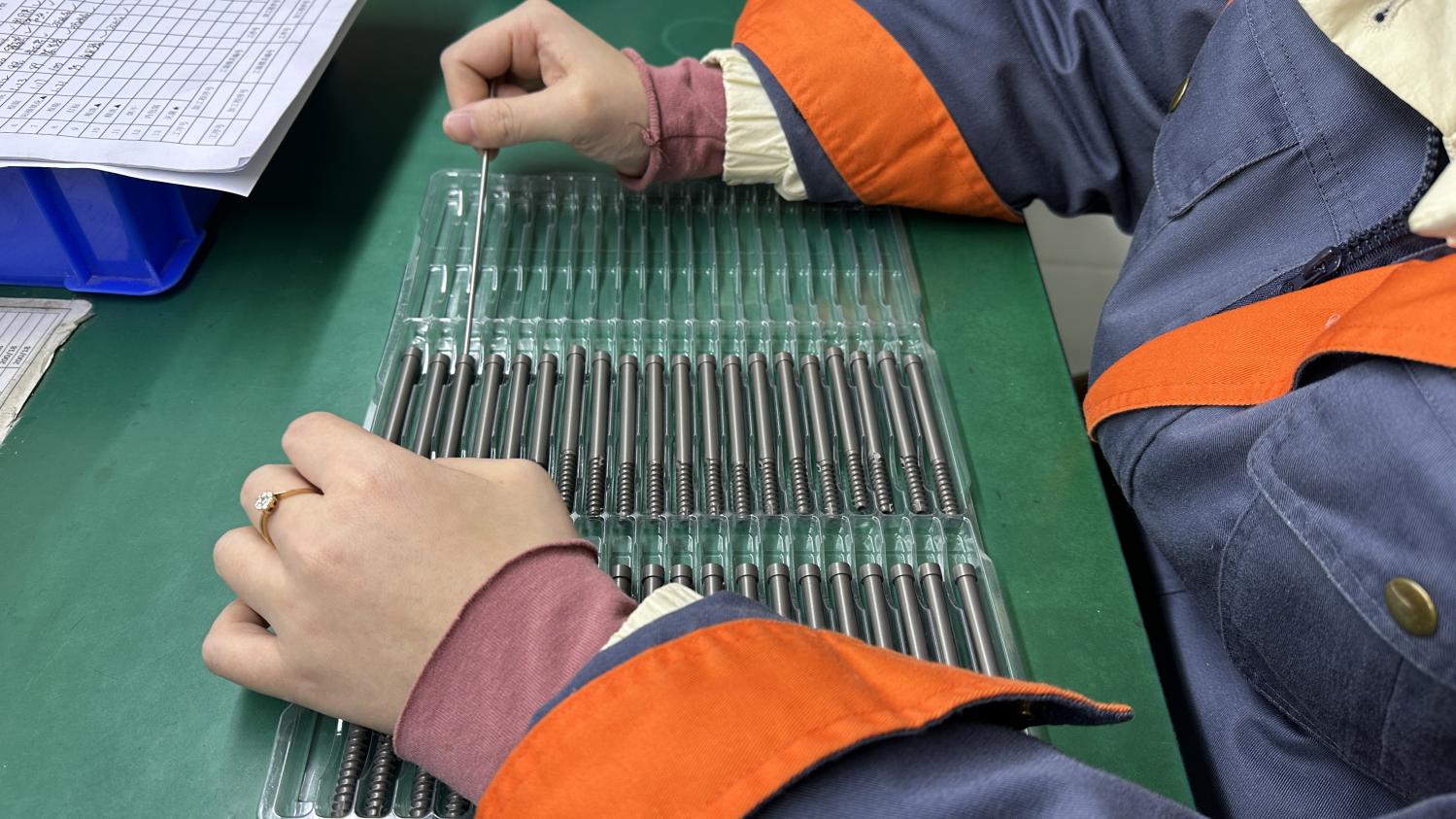
Every surgical instrument and implant manufactured by Medisplint undergoes a strict, vertically integrated production process. Below is the documentation of our mechanical machining, finishing, and testing sequence:
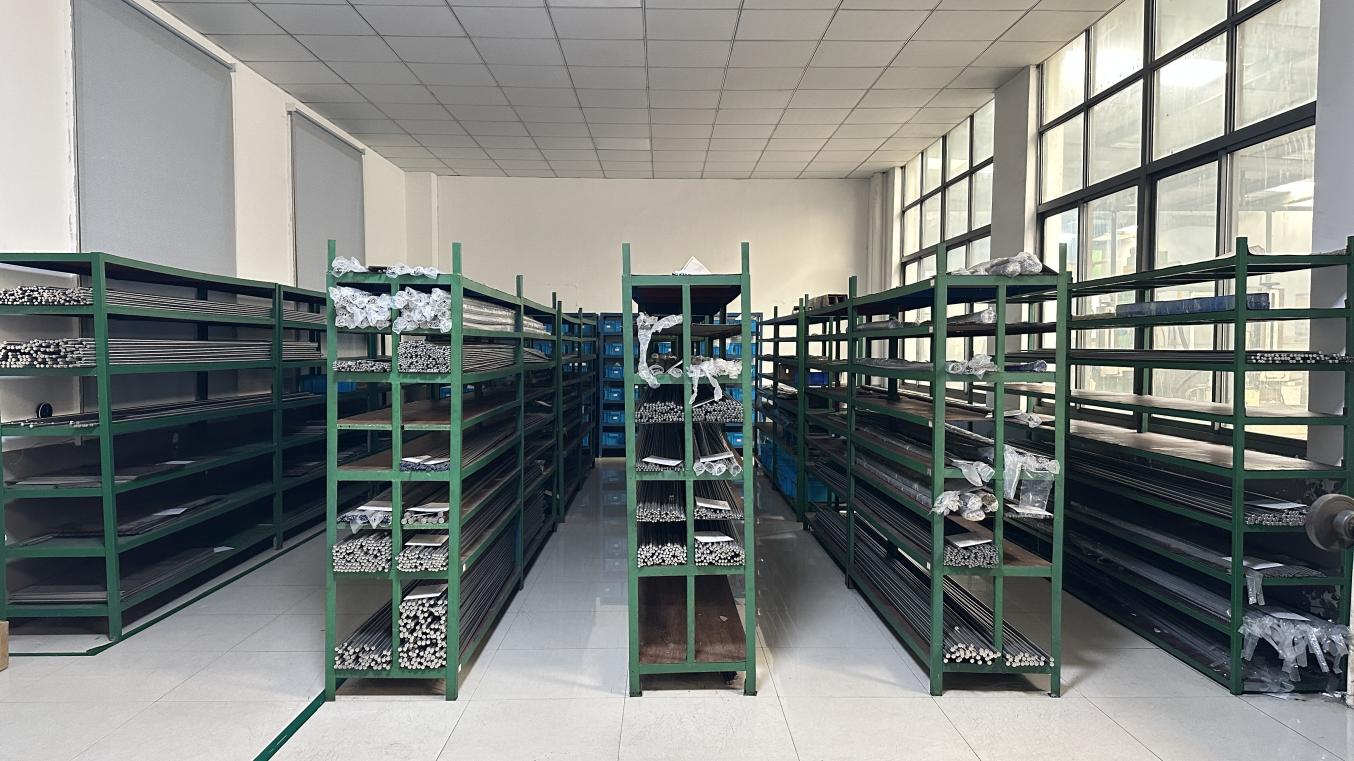
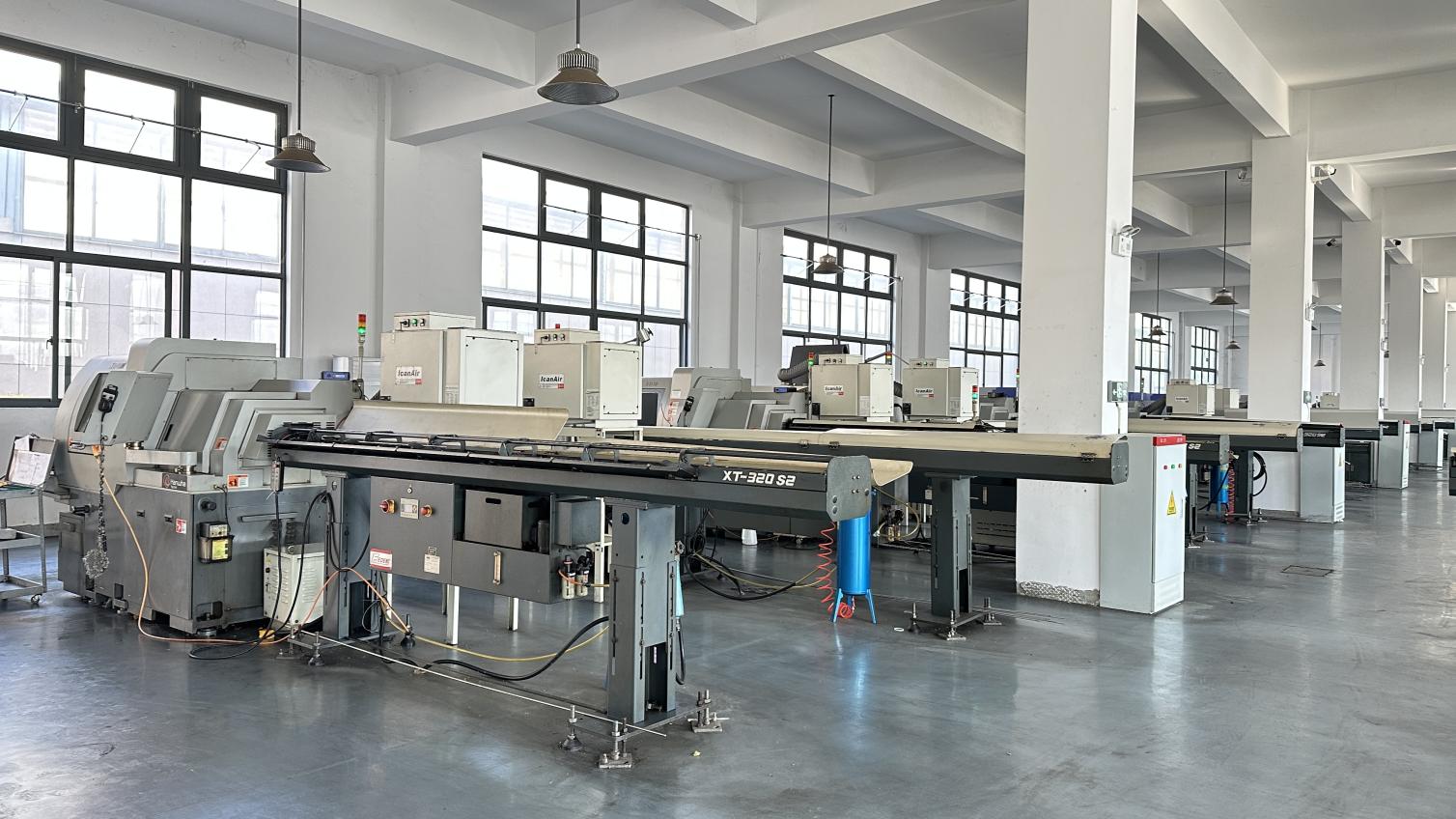
Raw Materials Inspection
Raw Materials
Slitting Material Process
Slitting
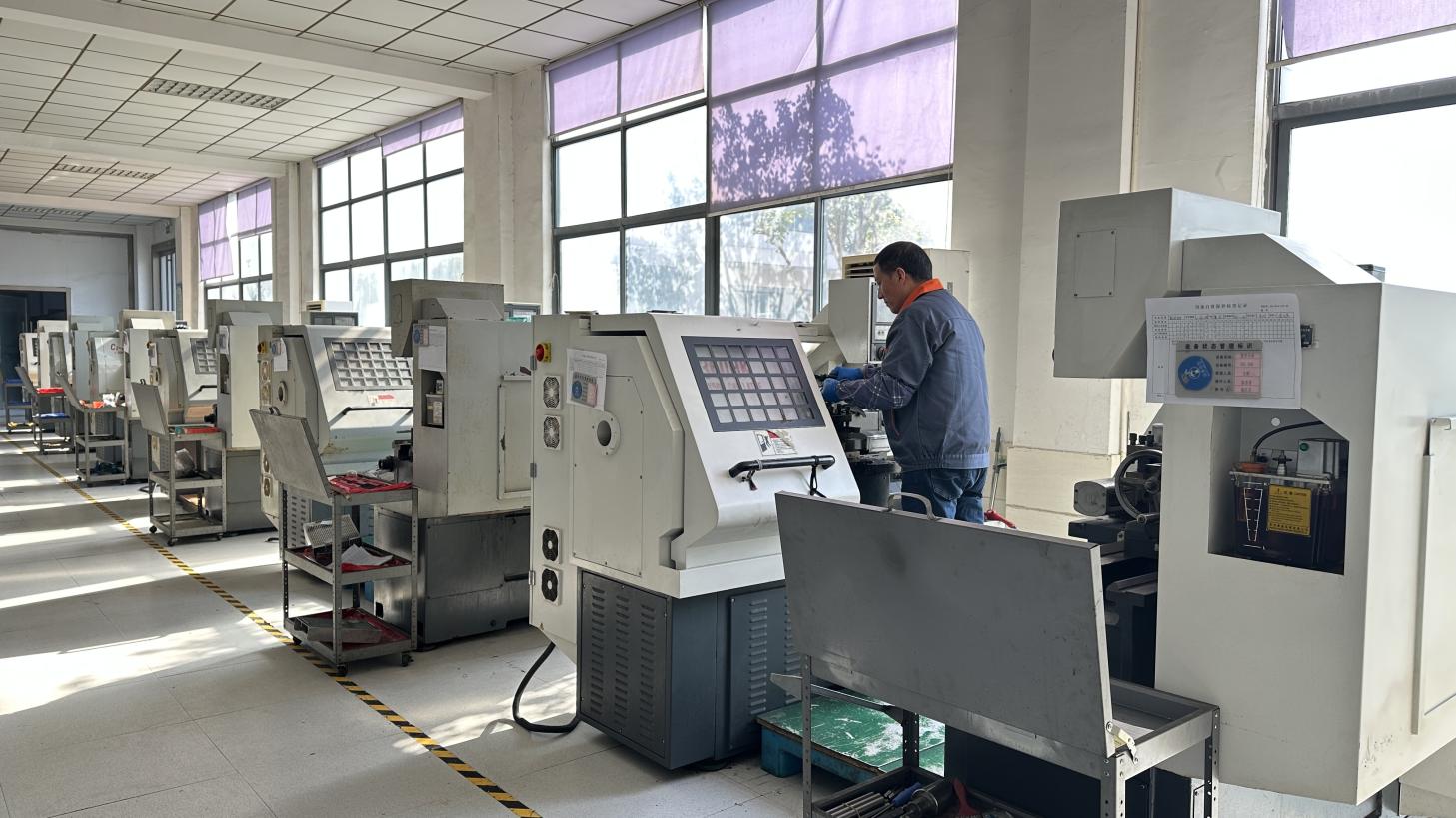
CNC Machining Orthopedics
CNC Machining
Machining Details
Machining
Milling Precision Parts
Milling
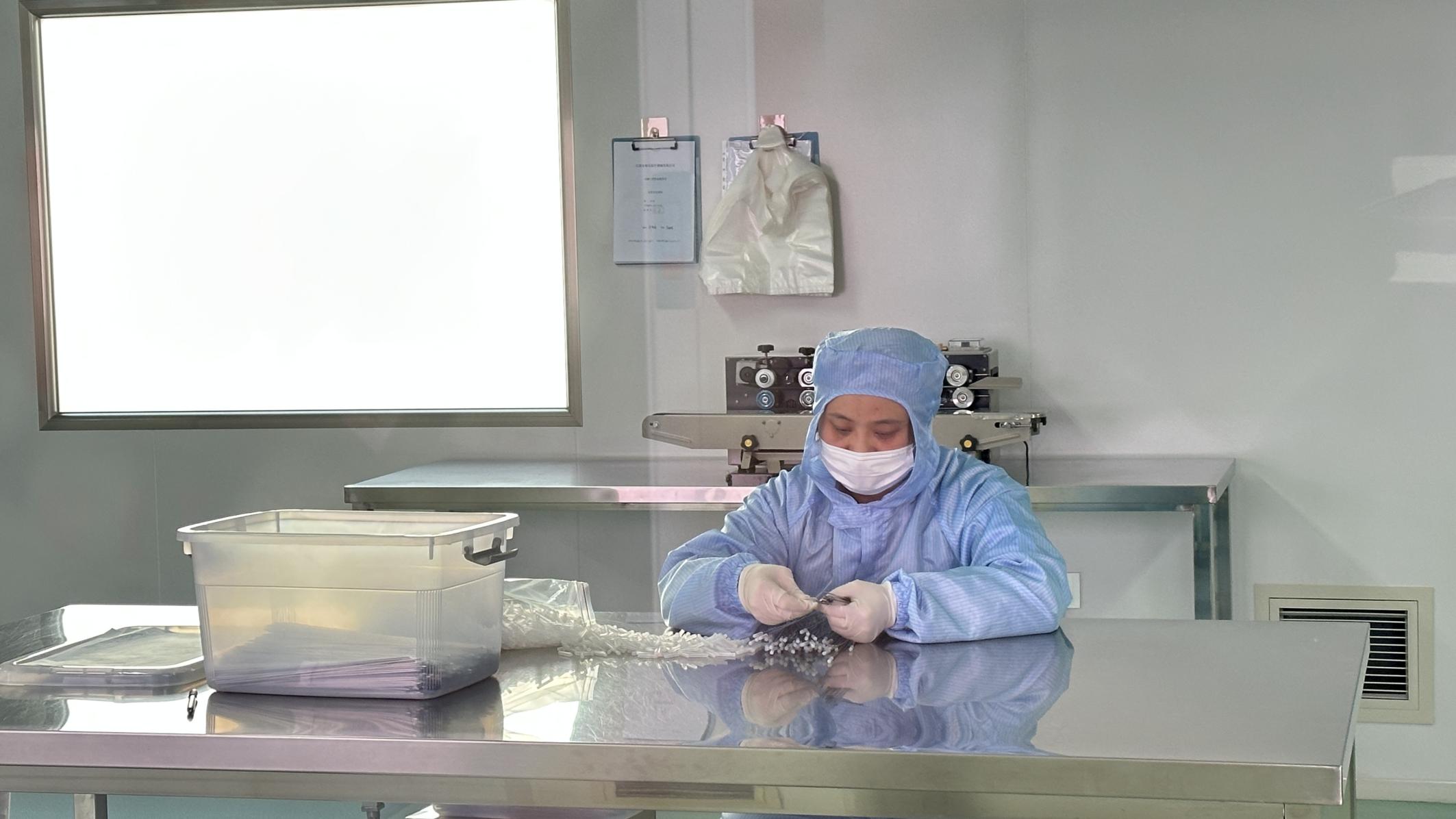
Inspection and Packing Phase 1
Inspection & Packing I
Inspection and Packing Phase 2
Inspection & Packing II
Warehouse Storage
Finished Goods Warehouse
Heavy Slitting Machine
Slitting Machine
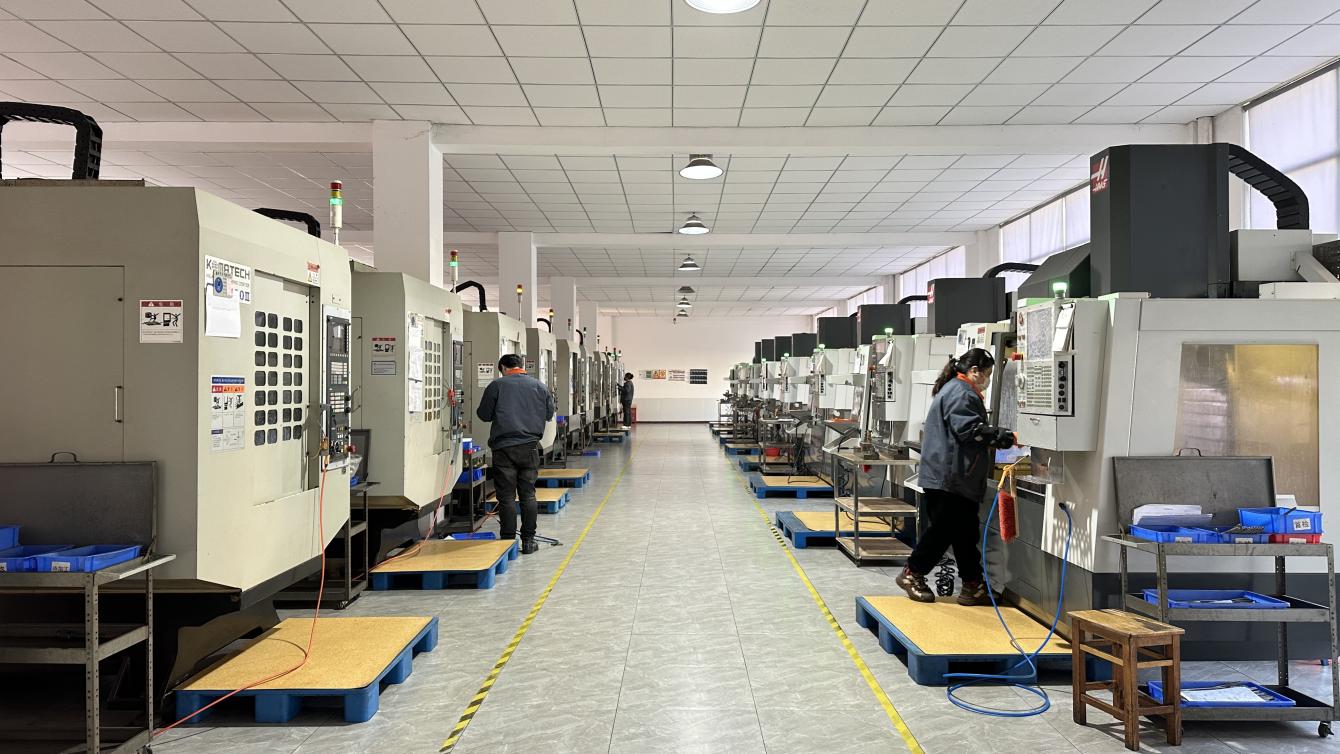
Advanced CNC Machining Center
CNC Machining Center
CNC Milling Equipment
CNC Milling Machine
Wire Cutting Process
Wire Cutting Machine
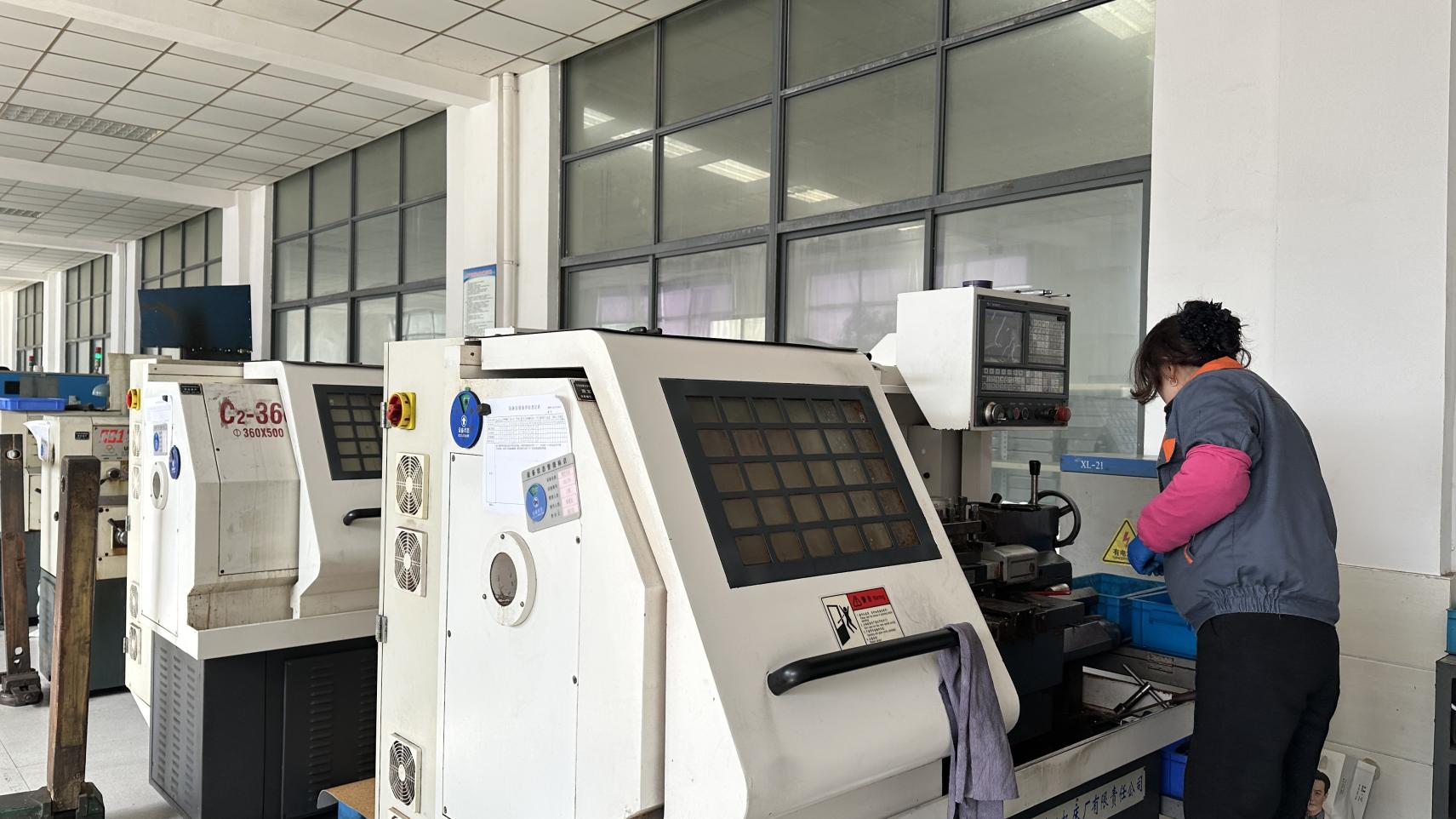
Precision CNC Lathe
CNC Lathe
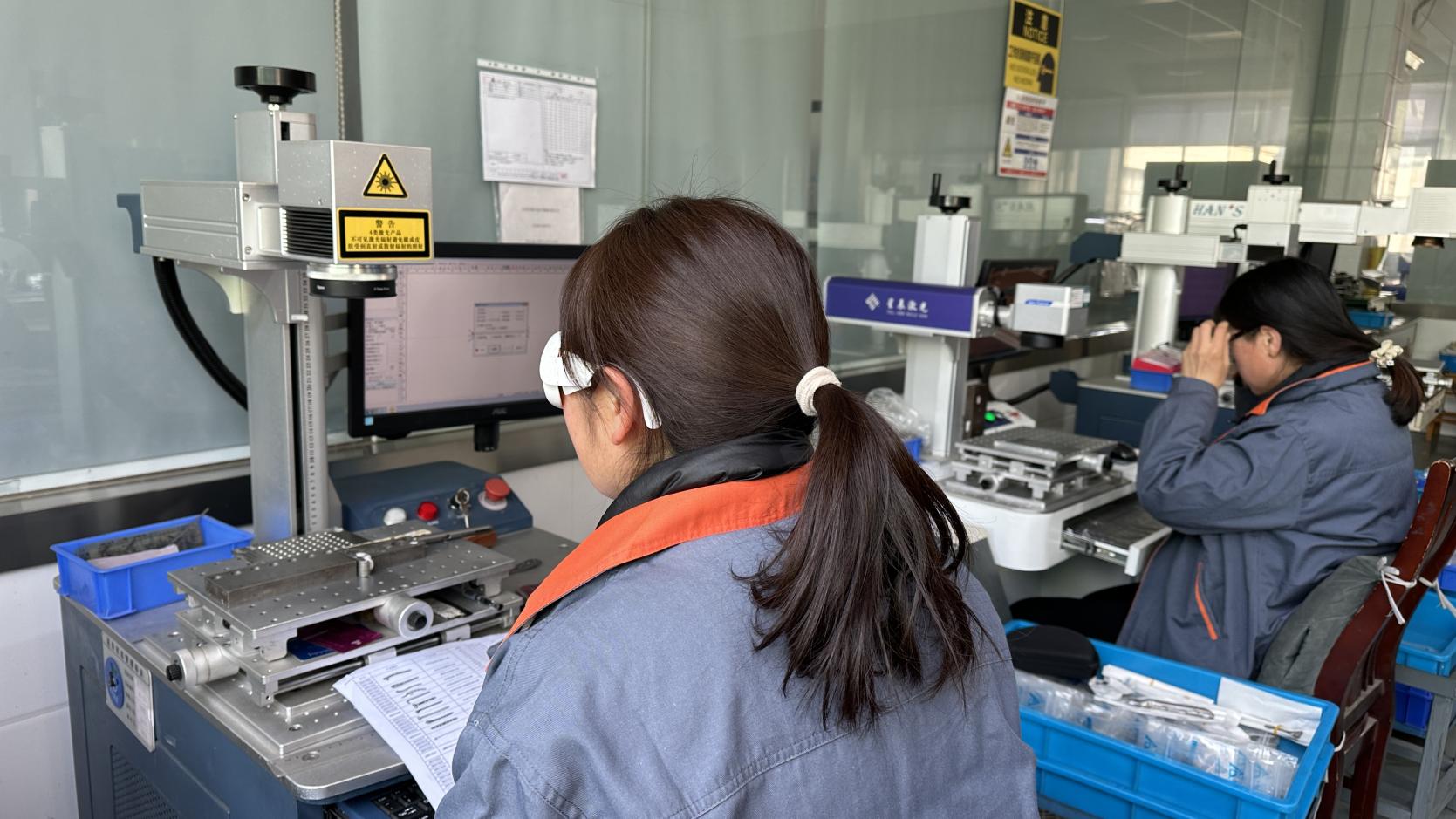
Laser Etching and Marking
Laser Marking Machine
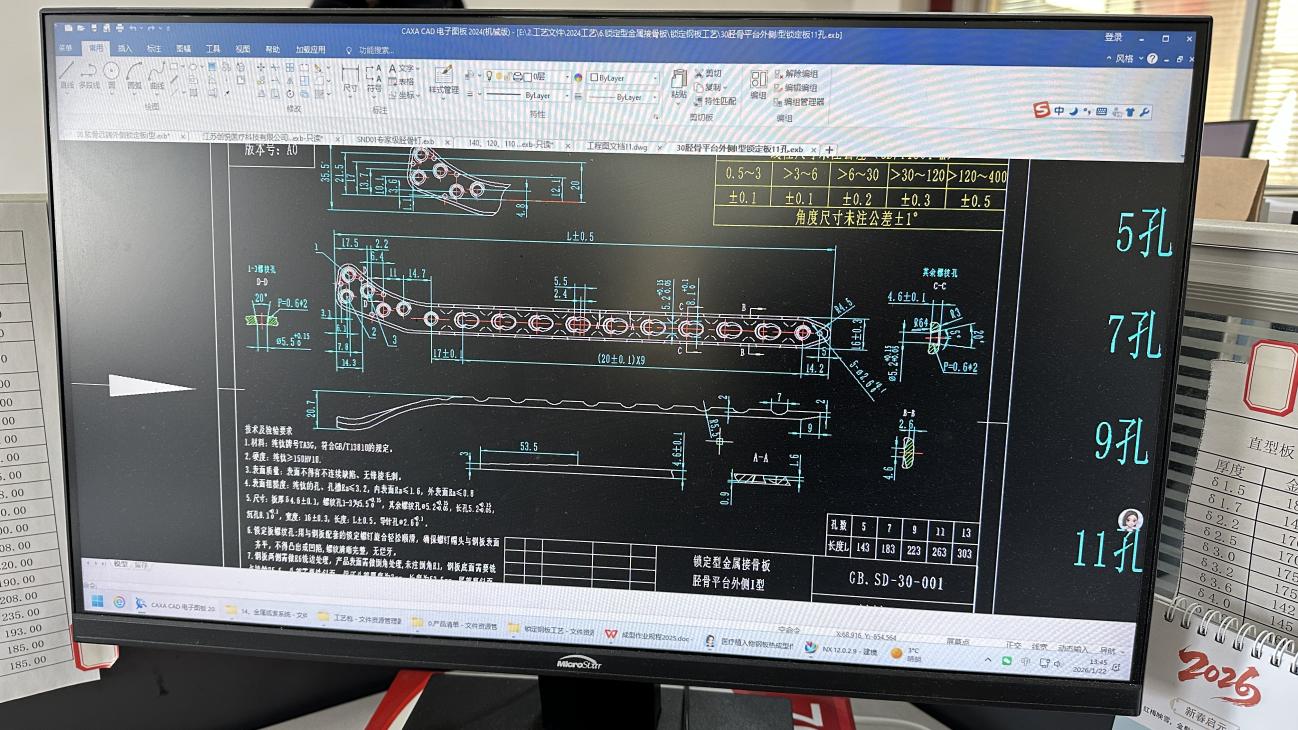
CAD/CAM Design Workstation
Design & Prototyping
Quality Inspection Lab
Testing Laboratory
Dimensional Inspection
QC Visual Inspection
Thread Gauge Inspection
Microscopic QC
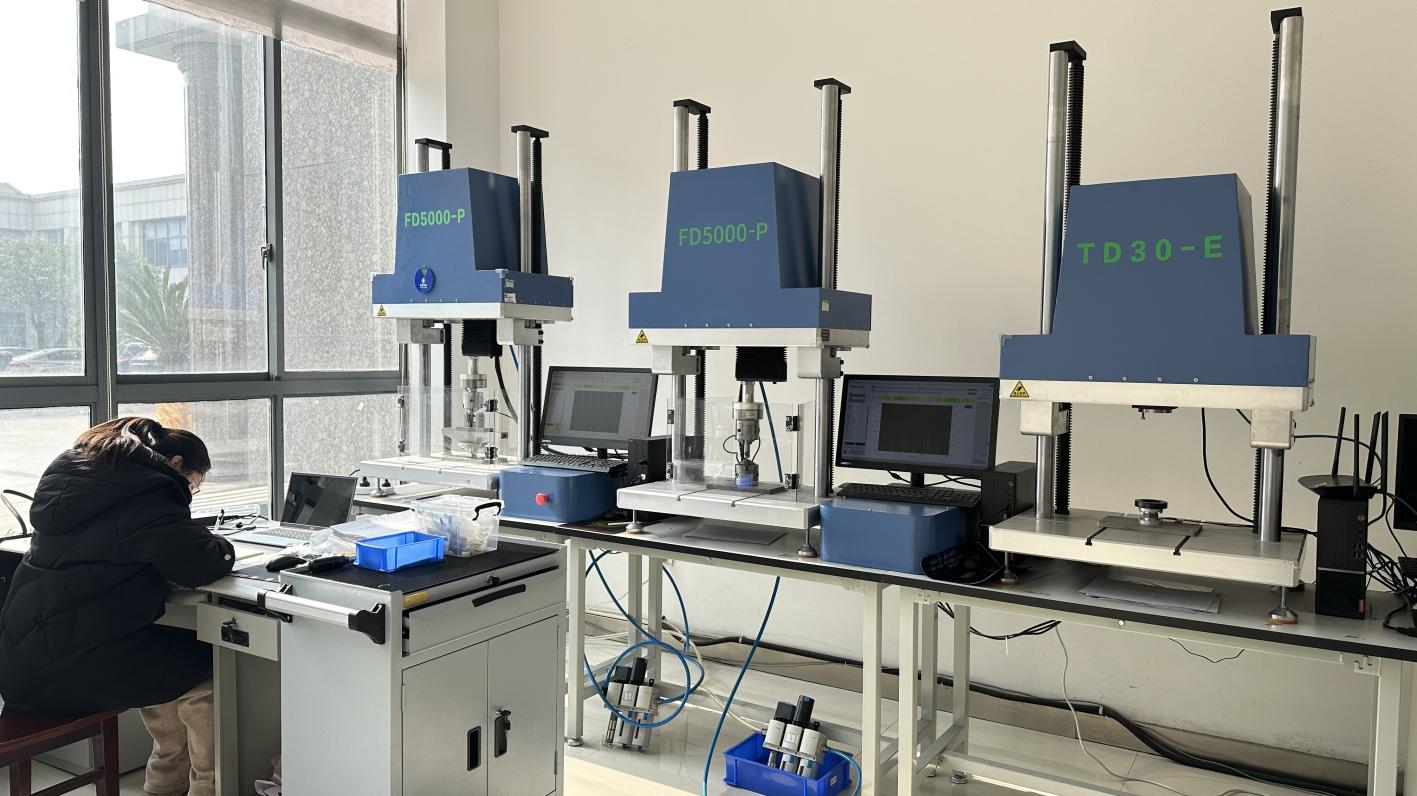
Dynamic Fatigue Testing Machine
Fatigue Tester
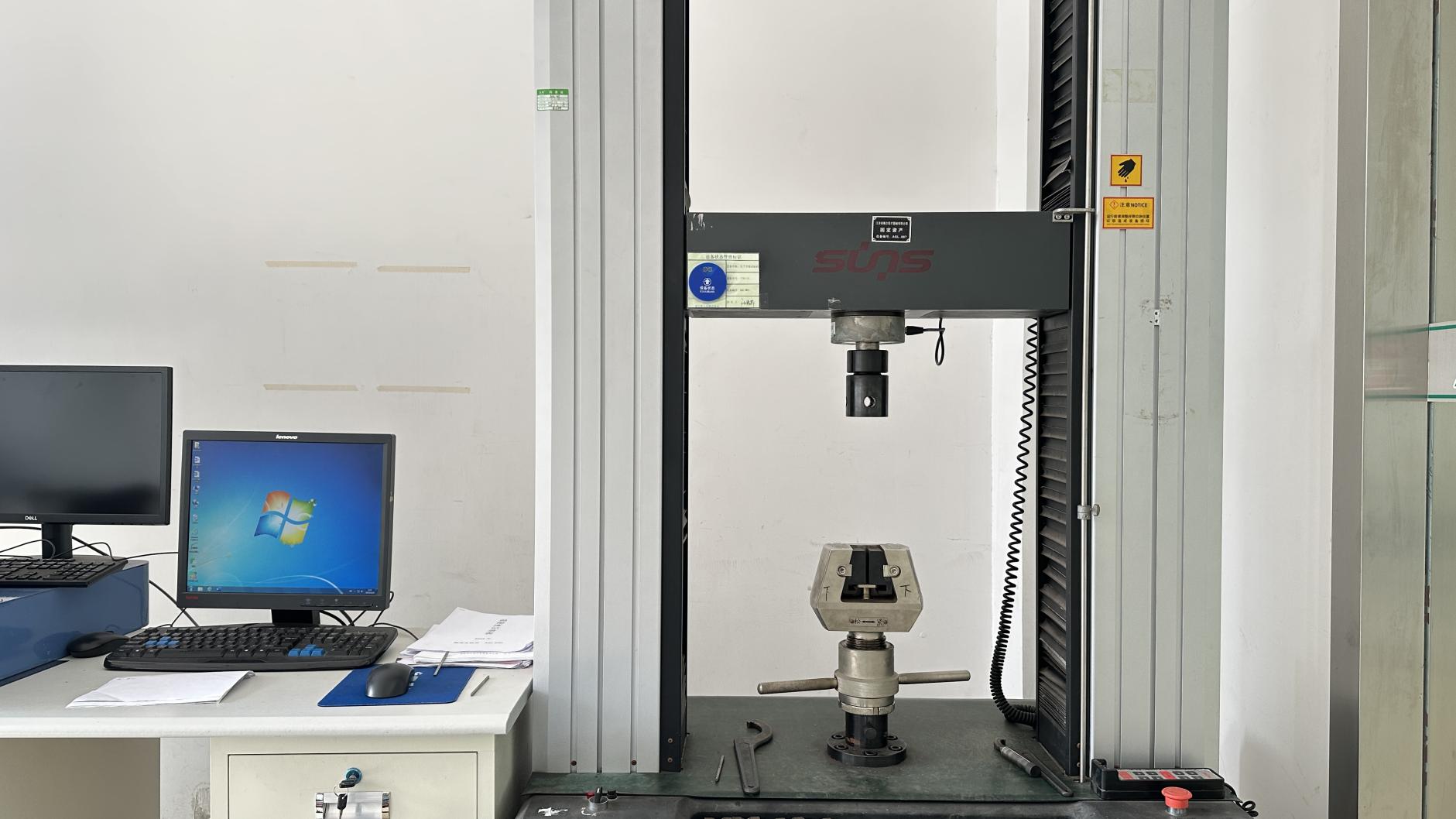
Tensile Strength Testing Machine
Tensile Tester
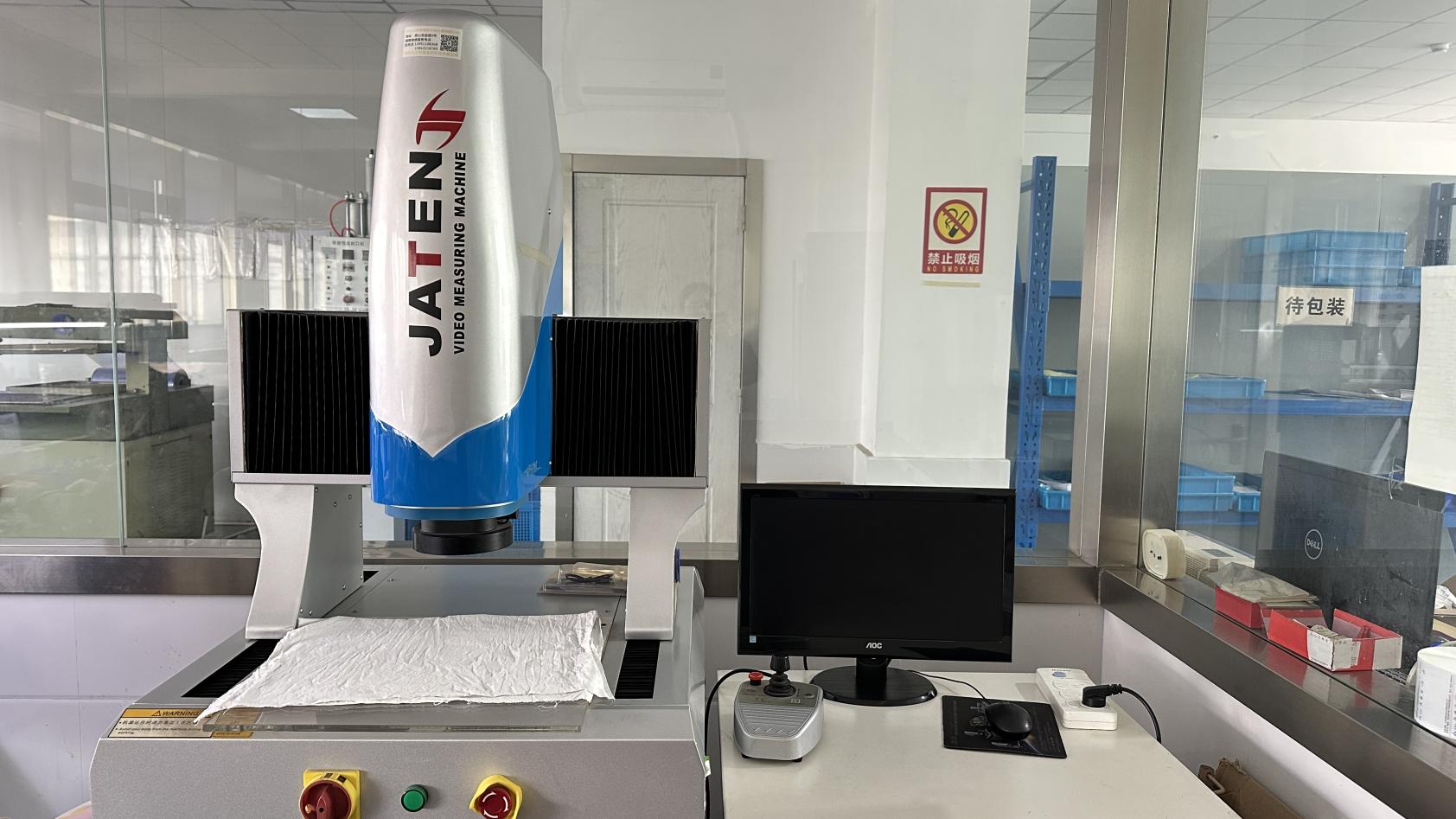
2D Coordinate Measuring Machine
2D Measuring Instrument
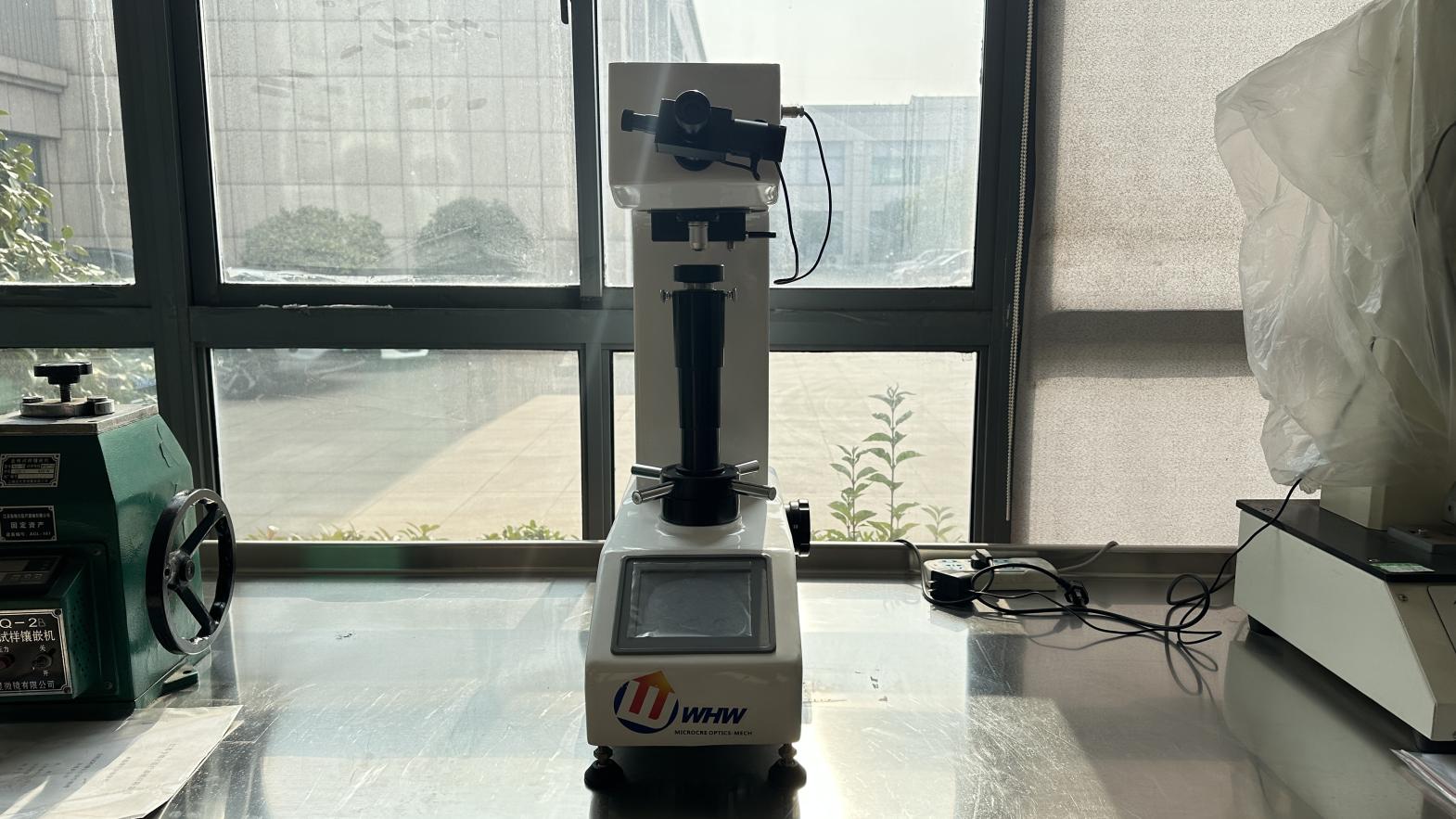
Vickers Hardness Tester
Hardness Tester
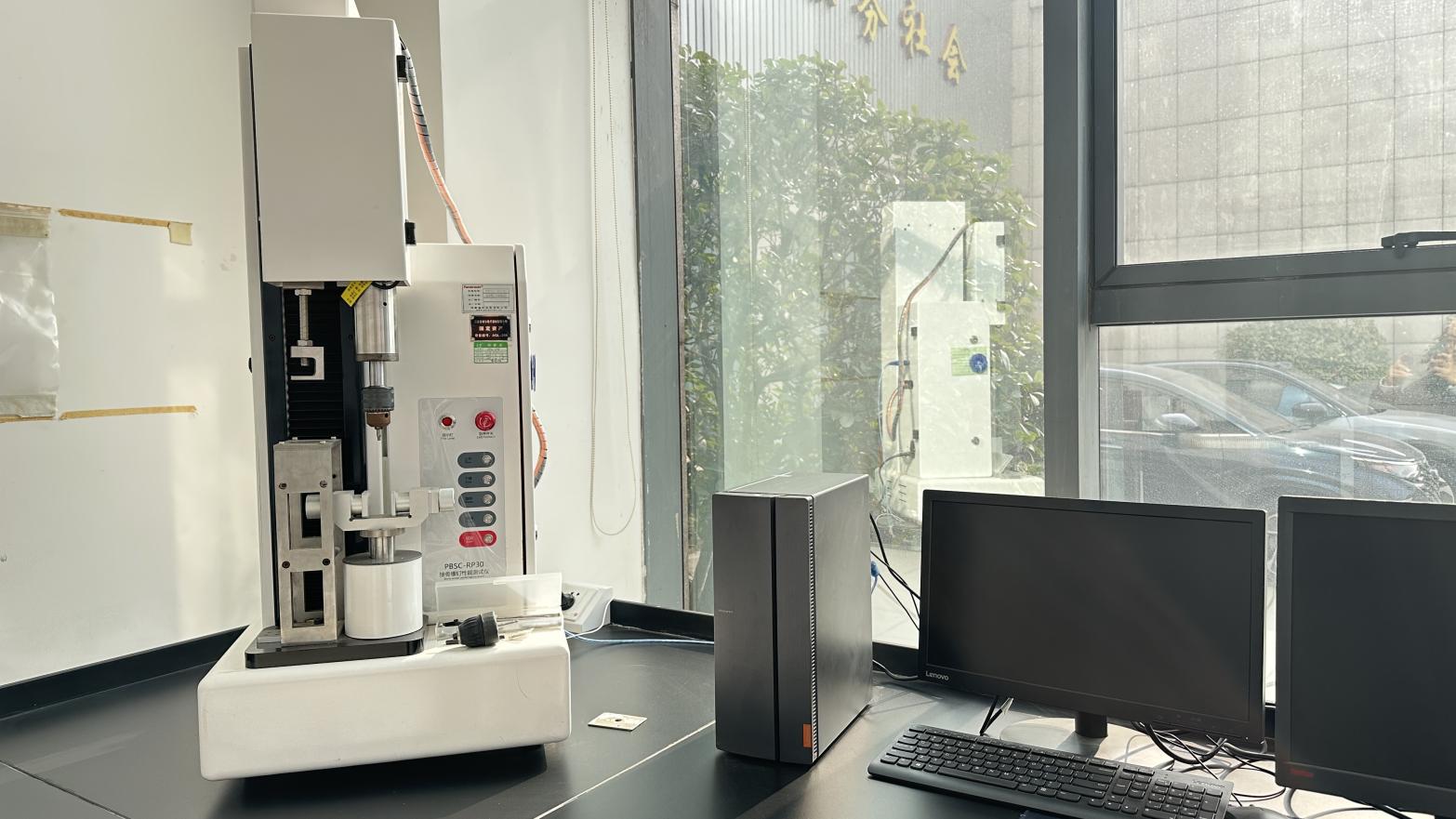
Torsional and Insertion Force Tester
Bone Screw Performance Tester

China's Supply Chain Advantages in Orthopedic Manufacturing

How regional manufacturing ecosystems drive cost-efficiency without compromising international quality benchmarks.

Sourcing orthopedic implants and external fixator instruments from China, particularly through specialized suppliers like Medisplint, offers distinct structural advantages that western OEMs and distributors cannot easily replicate:

  • Raw Material Localization: High-grade medical raw materials (surgical-grade titanium rods, carbon-fiber elements, ultra-clean stainless steel wires) are sourced directly from ISO-certified titanium mills in Shaanxi (Baoji - Titanium Valley) and Jiangsu. This proximity eliminates supply chain latency and reduces transportation costs.
  • Industrial Cluster Efficiencies: Our facility in the Jiangsu manufacturing hub allows us to collaborate with over 1,200 specialized supply chain partners (ranging from surface passivating and anodizing houses to specialized micro-drill bit grinders). This collaborative network permits extreme agility in scaling production capacity on short notice.
  • Advanced Tooling Access: The Chinese machine tool ecosystem provides access to high-accuracy multi-axis CNC machines and Swiss-type lathes at lower capital expenditure levels. We pass these savings directly to our clients through optimized per-unit pricing.

Regulatory Compliance, Certifications & Localized Support

Navigating the stringent global regulatory landscapes for Class II and Class III orthopedic implants.

Medical device distribution demands uncompromised compliance. Medisplint recognizes that regulatory friction can halt clinical distribution channels. Our internal quality management systems and export services are optimized to support partners in navigating regulatory bodies:

1. ISO 13485 & CE Certification

Our entire facility operates under ISO 13485:2016 (Medical Devices — Quality Management Systems). For European markets and countries recognizing CE markings, our external fixation sets, mini-fixation systems, and compression screws are manufactured to meet the strict directives of the EU Medical Device Regulation (MDR 2017/745), ensuring seamless customs clearance and hospital procurement approval.

2. Stringent Quality Control Framework (42-Inspector Protocol)

Every production batch is subjected to a four-tier testing regime managed by our 42 dedicated quality control inspectors:

  • Incoming Material Inspection (IQC): Validation of metallurgical certificates, chemical composition testing (via spectral analysis), and structural integrity verification of incoming raw material stocks.
  • In-Process Quality Control (IPQC): Real-time dimensional checks utilizing high-precision optical comparators and micrometer calipers at the CNC machining station.
  • Final Product Inspection (FQC): Ultrasonic cleaning validation, laser marking integrity inspection, thread profile inspection under microscope, and mechanical tolerance matching.
  • Destructive & Non-Destructive Lab Testing: Using our state-of-the-art laboratory to perform dynamic fatigue tests (ISO 14801/ASTM F2193), tensile testing for rod gripping strength, hardness evaluation, and bone screw torsion/insertion performance tests (ASTM F543).

3. Global Customization & OEM/ODM Support

We provide comprehensive localized support, including customizable surgical trays with bilingual instructions for use (IFU), surgical training manuals, private labeling (laser etching of logo and custom catalog numbers), and packaging designed for steam autoclaving or ethylene oxide (EO) sterilization.

Global Sourcing Dynamics & Clinical Application Scenarios

Matching institutional purchasing requirements with real-world trauma and orthopedic scenarios.

Global Sourcing Dynamics

Institutional procurement departments in hospitals, Group Purchasing Organizations (GPOs), and international distributors balance three main priorities when selecting an external fixation manufacturer:

  • System Modularity: External fixation needs to be modular. A single instrument tray must be compatible with multiple configurations. Our ankle and wrist fixator systems are engineered to interoperate with Hoffmann-style frames, reducing the footprint of surgical trays in sterile processing departments.
  • Lead Time and Supply Security: Stock-outs are unacceptable in trauma care. Thanks to our 1,200+ partner ecosystem and large finished-goods warehouse, Medisplint maintains safety stock for standard external components (rods, clamps, pins), guaranteeing rapid shipping and delivery.
  • Value Engineering: Hospital margins are constantly squeezed. Buying factory-direct from Medisplint cuts out intermediate brokerage markups, lowering the total cost of care.

Clinical Application Scenarios

External fixation systems are utilized across several clinical situations, each requiring specific design characteristics:

  1. High-Energy Polytrauma (Damage Control Orthopedics): When patients present with systemic instability, long-bone fractures must be temporarily stabilized within minutes. Our modular external fixators feature quick-clamp mechanics that allow surgeons to achieve rapid skeleton alignment without opening the fracture site.
  2. Open Fractures (Gustilo Grade II/III): Internal fixation is contraindicated due to high risk of deep bone infection (osteomyelitis). An external fixator provides rigid stabilization outside the zone of soft tissue injury, allowing wound care, skin grafting, and negative-pressure wound therapy (NPWT) to occur concurrently.
  3. Pediatric Deformity & Limb Lengthening: Mini-fixation frames (such as our Small Bones Fracture Fixation systems) are ideal for pediatric patients and hand/foot reconstruction. The low-profile clamps and 3mm/4mm pins ensure adequate structural holding power in smaller skeletal frames without fracturing delicate bones.

Industry Trends and the Future of External Fixation

The technological convergence of digitisation, advanced materials, and personalized medicine in trauma surgery.

The external fixation sector is undergoing rapid evolution. Key industry trends that Medisplint actively monitors and integrates into our product roadmap include:

  • Carbon Fiber & Radiotranslucent Polymers: Traditional heavy steel frames are being replaced by carbon fiber rods and advanced PEEK (Polyether ether ketone) clamps. These materials reduce the overall weight of the frame, improve patient comfort, and prevent visual artifacting during postoperative CT and MRI scans.
  • Computer-Aided Hexapod Systems: Software-driven deformity correction is now standard for complex limb lengthening. Ring fixators connected by six software-adjusted struts allow precise, multi-planar adjustment of bone segments based on digital radiographs.
  • Antibacterial Pin Coatings: Pin-tract infection remains a common complication of external fixation. Research into antibacterial titanium coatings (such as silver-ion plating or hydroxyapatite coatings) is underway to prevent biofilm formation along the pin shaft.

Frequently Asked Questions (FAQ)

Technical and logistical insights for global procurement managers and medical distributors.

Q1: Are Medisplint's external fixator clamps compatible with Hoffmann systems from other major brands?
Yes. Our CANWELL External Palm Fixation and Hoffman External Fixator sets are engineered to interoperate with standard 11mm rod-based systems (such as the Hoffmann II compact system). We maintain precise tolerances on all rod diameters and clamp interfaces to ensure seamless mechanical compatibility.
Q2: What materials are used in your external fixation rods and pins?
Our connecting rods are primarily made of carbon fiber for maximum radiolucency and high tensile strength. The orthopedic pins, Schanz screws, and Kirschner wires are made from implant-grade Titanium Alloy (Ti-6Al-4V ELI conforming to ASTM F136) or surgical Stainless Steel (316LVM conforming to ASTM F138) to guarantee excellent biocompatibility and high corrosion resistance.
Q3: How does your quality control department ensure pin performance and prevent slippage?
We use a dedicated Bone Screw Performance Tester to validate the insertion torque, torsional yield strength, and pull-out force of every screw batch. Additionally, our clamps undergo rigorous cyclic load testing in our fatigue testers to ensure they can withstand patient mobility without mechanical slippage or loss of frame stiffness.
Q4: Do you offer OEM/ODM services for custom surgical instruments or implants?
Yes. Medisplint features an R&D department staffed by approximately 85 engineering experts. We support design customization, rapid prototyping, custom CAD modeling, private labeling, and custom sterilization tray layouts. We launched 68 new products last year to support our OEM partners.
Q5: What are the lead times for high-volume orders?
Depending on the configuration and volume, standard products can ship within 2 to 4 weeks. By maintaining strong relationships with our 1,200+ partner supply chain network and maintaining high stock levels in our warehouse, we minimize logistical lead times for urgent orders.
Q6: What certifications are available for international customs clearance?
We provide complete certification documentation including ISO 13485:2016 certificates, CE declaration of conformity, material mill test certificates (showing chemical analysis and physical testing data), sterilization validation records (if applicable), and detailed user instruction sheets.

Extended Surgical Systems & Specialty Implants

Additional clinical systems including spine, joint revision, cannulated locking screws, and veterinary surgical sets.
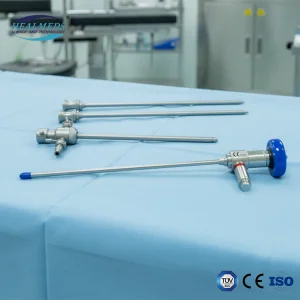
Veterinary Instruments Trocar Set

Veterinary Instruments Sheath 30 Degree Arthroscopic Stainless Steel Ctrocar and Scope Surgical Trocar Set for Arthroscopy

View Technical Specs
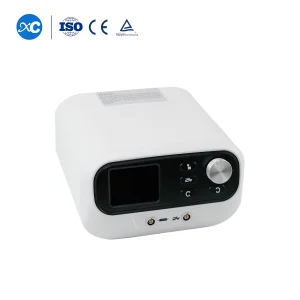
XC MEDICO High Speed Orthopedic Power Drill

XC MEDICO High Speed Orthopedic Power Drill | Micro Spine Surgical Drill Class III 2-Year Warranty

View Technical Specs
Factory Price Orthopedic Surgical Herbert Cannulated Screws

Factory Price Orthopedic Surgical Herbert Cannulated Screws Self Tapping Cortical Locking Screw Titanium Implant Surgical Screw

View Technical Specs
Orthopedic Joint Revision Stem Extractor Set

Orthopedic Joint Revision Surgery General Stem Extractor Set

View Technical Specs
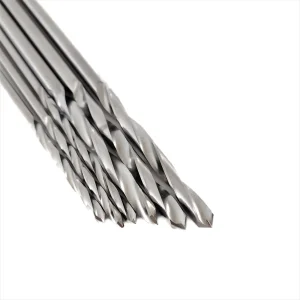
Orthopedic Surgery Instrument Drill Bit Kirschner Wire

Orthopedic Surgery Instrument Surgical Medical AO/Cannulated/General Drill Bit, Kirschner Wire, Orthopedic Drill Bit

View Technical Specs
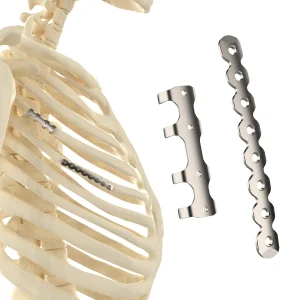
CANWELL Titanium Rib Locking Plate

CANWELL Titanium Rib Locking Plate Bone Fixation Orthopedic Trauma Implant for Fracture Surgery CE ISO

View Technical Specs
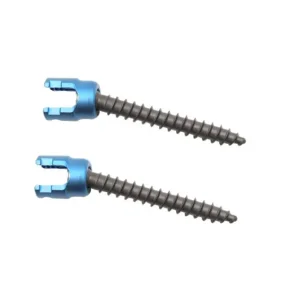
Geasure Titanium Spine System Pedicle Screws

Geasure Factory Price Ortopedia 6.0 System Titanium Spine System Polyaxial Pedicle Screws for Spine Surgery

View Technical Specs
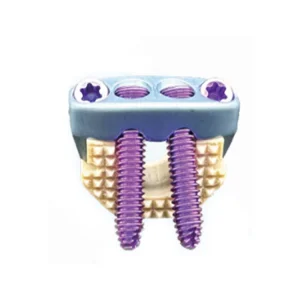
Zero Profile Anterior Cervical Cage Implants

Zero Profile Anterior Cervical Cage Orthopedic Spine Implants

View Technical Specs
All External Fixation Products