Medisplint Medisplint

Orthopedic Trauma Implant Manufacturer & Supplier

Precision-Engineered Internal Fixation Systems, Anatomical Plates, and Surgical Instruments to Restore Anatomical Function Worldwide

Premium Orthopedic Trauma Implants

Anatomically Pre-Contoured Plates and Fixation Systems Designed for Rigid Bone Stabilization
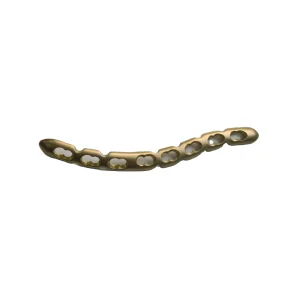
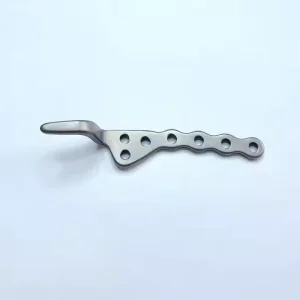
3.5 mm Clavicle Reconstruction Compression Locking Plate
3.5 mm Clavicle Reconstruction Compression Locking Plate Manual Power Orthopedic Implant for Trauma Bone Fracture Treatment
View Details
Best Price Manual Power Steel Clavicular Implants
Best Price Manual Power Steel Clavicular Implants 3.5mm Titanium Clavicle Plate Plastic Locking Hook Surgical Instruments Basis
View Details
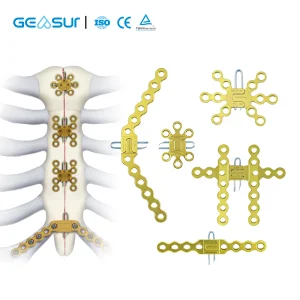
Titanium Alloy Sternal Locking Reconstruction Plate
Titanium Alloy Sternal Locking Reconstruction Plate, Straight-type Implant, Surgical Metal Bone Plate, Orthopedic Implant
View Details
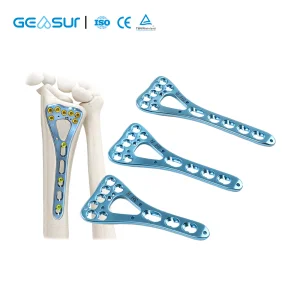
Variable-Angle Distal Radius Locking Plate
Variable-Angle Distal Radius Locking Plate for Orthopedic Trauma
View Details
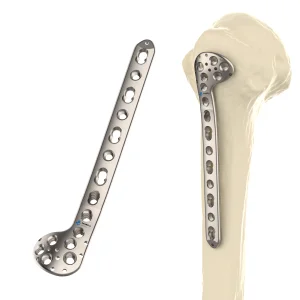
CANWELL Proximal Humerus Titanium Locking Plate
CANWELL Proximal Humerus Titanium Locking Plate Compression Orthopedic Manufacturer Trauma Factory OEM CE Certified
View Details
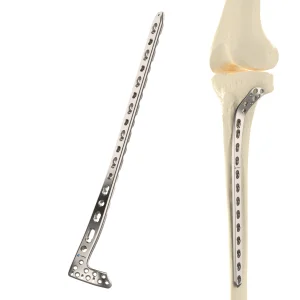
CANWELL Distal Tibial Low Profile Locking Plate
CANWELL Distal Tibial Low Profile Locking Plate Titanium Metaphyseal Compression Fixation System Orthopedic Trauma CE ISO
View Details
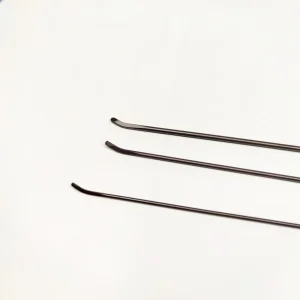
Canwell Titanium Elastic Nail
Canwell Titanium Elastic Nail Intramedullary Nail Femur Telescopic Flexible Pediatric Orthopedic Implant Fractures Surgery
View Details
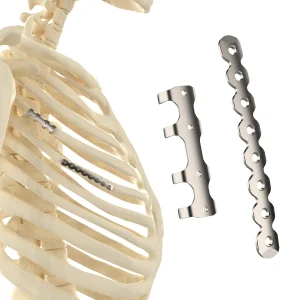
CANWELL Titanium Rib Locking Plate
CANWELL Titanium Rib Locking Plate Bone Fixation Orthopedic Trauma Implant for Fracture Surgery CE ISO
View Details

Global Orthopedic Trauma Implant Market: Industry & Technological Whitepaper

Navigating Material Science, Biomechanical Challenges, and Market Demands in Fracture Fixation Systems

Biomedical Grade Titanium

Utilizing high-grade titanium alloys (Ti-6Al-4V ELI) and pure titanium to achieve optimal biocompatibility, high fatigue limit, and minimized elastic modulus mismatch with cortical bone.

ISO 13485 & CE Compliance

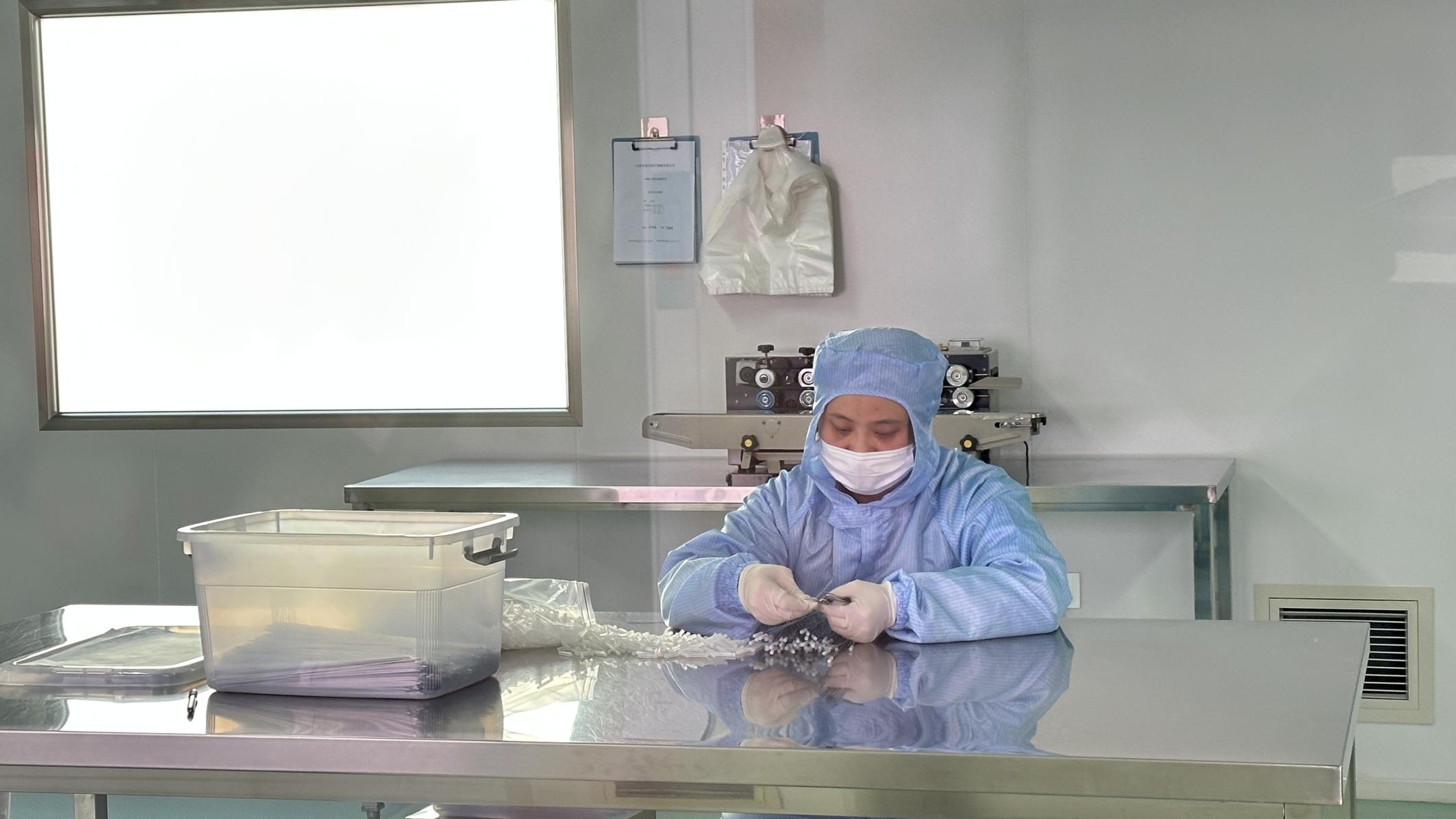
Strict quality assurance systems governing every step from raw material melting analysis, precision CNC milling, to biomechanical validation and cleanroom sterile packaging.

Advanced Biomechanics

Combines dynamic compression mechanics with locking stability, ensuring vascular preservation beneath the plate while avoiding screw pull-out in osteoporotic bone structures.

1. Global Market & Industrial Status of Orthopedic Trauma Implants

The global orthopedic trauma implant sector is experiencing structural expansion, driven by two distinct macroeconomic demographic patterns: a rapidly aging global population susceptible to low-energy osteoporotic fractures, and rise in urbanization and high-energy road traffic accidents (RTAs) in developing regions. Globally, trauma fixation devices constitute one of the largest market segments within the orthopedic industry. International regulatory landscapes, particularly the transition from MDD to MDR in Europe and stringent FDA 510(k) clearances, have elevated the barrier of entry. Modern clinical settings demand not only mechanical structural reliability, but also biological safety profile verification, establishing premium orthopedic trauma implant manufacturers as critical industrial anchors.

2. Future Technological Roadmap: Smart and Dynamic Fixation

The evolution of bone plates and intramedullary nails is shifting from passive mechanical splinting toward biologically active, dynamic osteosynthesis. Key developmental tracks include:

  • Variable-Angle (Polyaxial) Locking Mechanisms: Giving surgeons the flexibility to angle screws up to 15 degrees from the plate’s perpendicular axis, avoiding articular surfaces and existing implants while securing optimal bone purchase.
  • Additive Manufacturing (3D Printing): Utilized to manufacture customized, patient-specific implants (PSIs) for complex comminuted joint reconstructions, accommodating atypical bone morphology.
  • Surface Modification Science: Advanced anodization protocols and plasma spray coatings (such as Hydroxyapatite or PEEK-based composites) are employed to alter implant surface topography. This accelerates osseointegration, prevents bio-film formation, and reduces bacterial adhesion.
  • Bioresorbable and Smart Implants: Ongoing clinical testing of magnesium alloys and polymer composites that gradually degrade as the bone heals, neutralizing the clinical requirement for secondary implant removal procedures.

3. Localized Application Scenarios and Clinical Challenges

The clinical application of orthopedic trauma implants requires meticulous engineering adaptability to suit various anatomies and healthcare infrastructure constraints:

In mature markets with high healthcare capitalization, the preference is for single-use, sterile-packed anatomical implants, which reduce hospital sterilization costs and limit surgical site infections (SSIs). Conversely, in emerging healthcare corridors across Southeast Asia, Latin America, and Africa, durable, reusable surgical instrumentation kits supporting highly versatile compression locking plates (like 3.5mm clavicular and distal radius plates) are vital for cost-efficiency. Anatomically, population-specific bone shapes differ significantly between demographics; for example, curvature differences in East Asian femurs necessitate intramedullary nail adaptations with a shorter radius of curvature to avoid anterior cortex perforation.

4. Macro Industry Solutions for Healthcare Logistics & Distribution

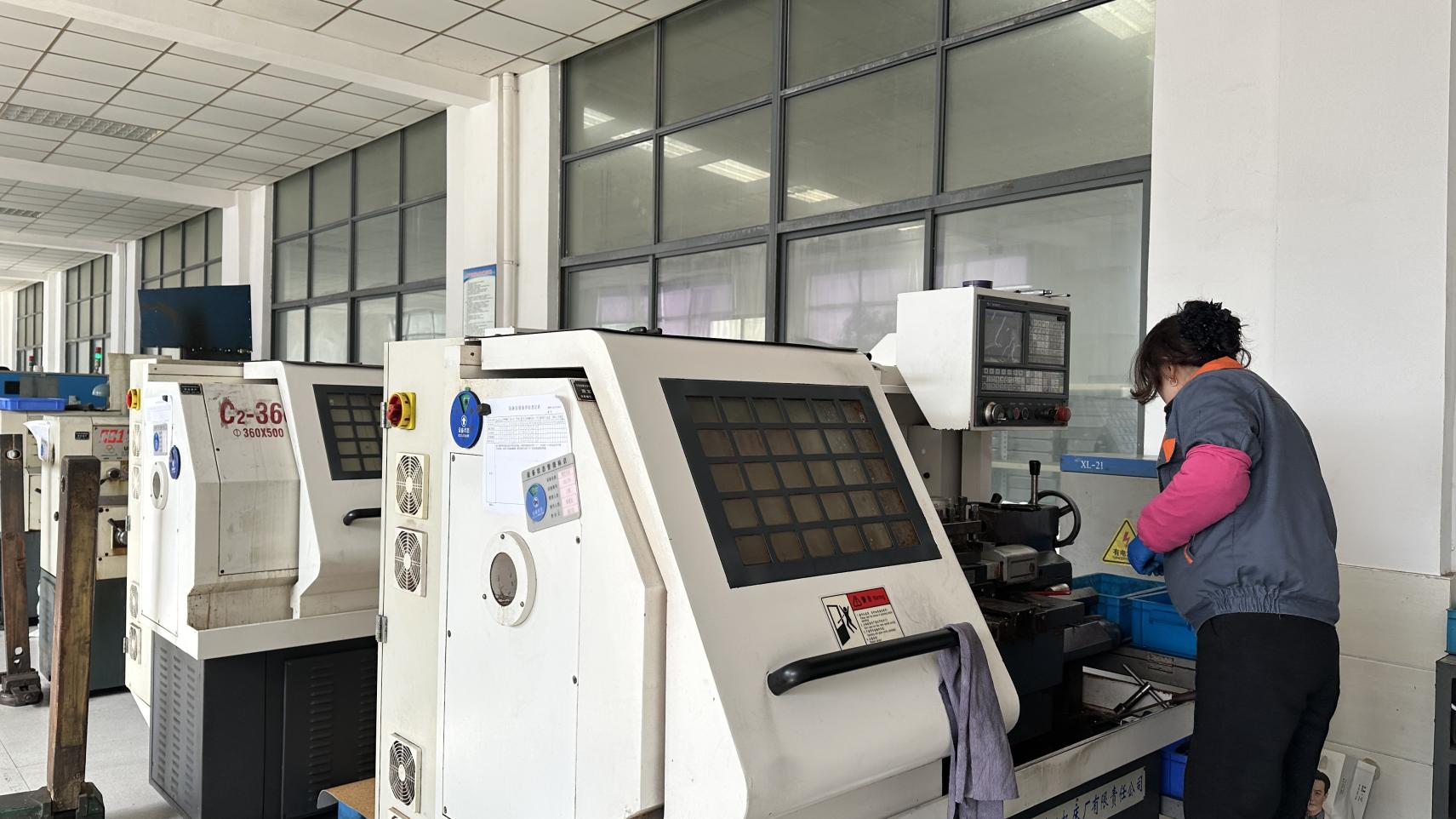
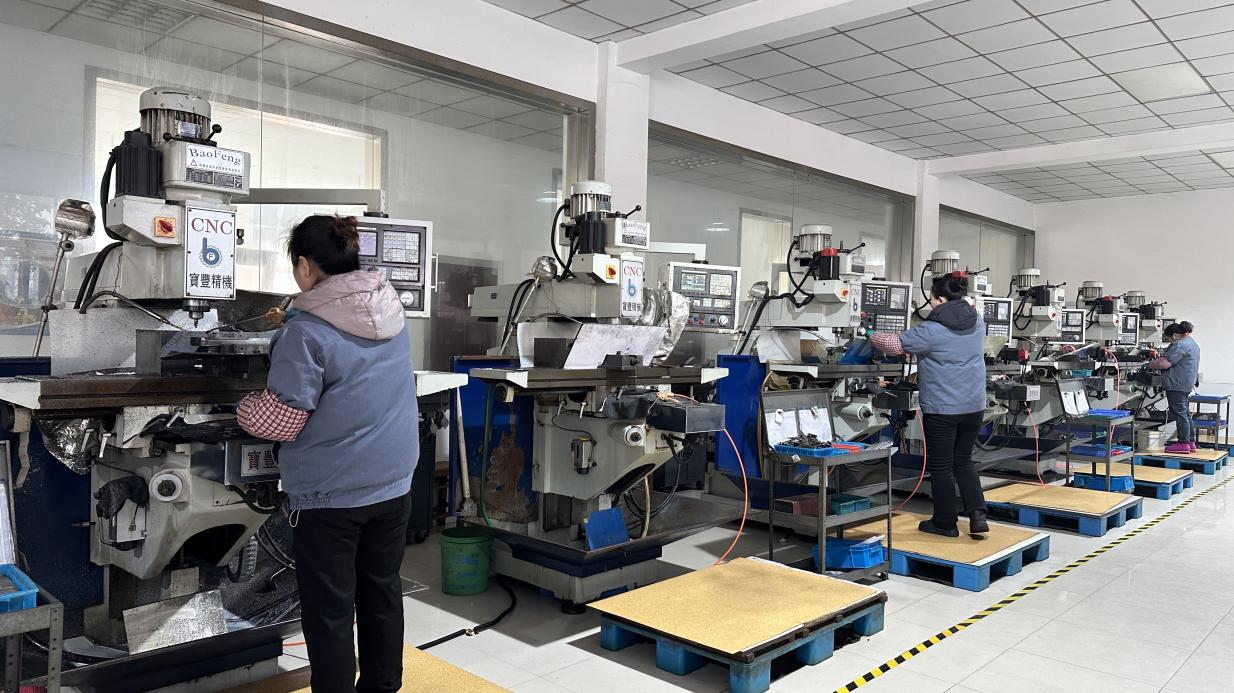
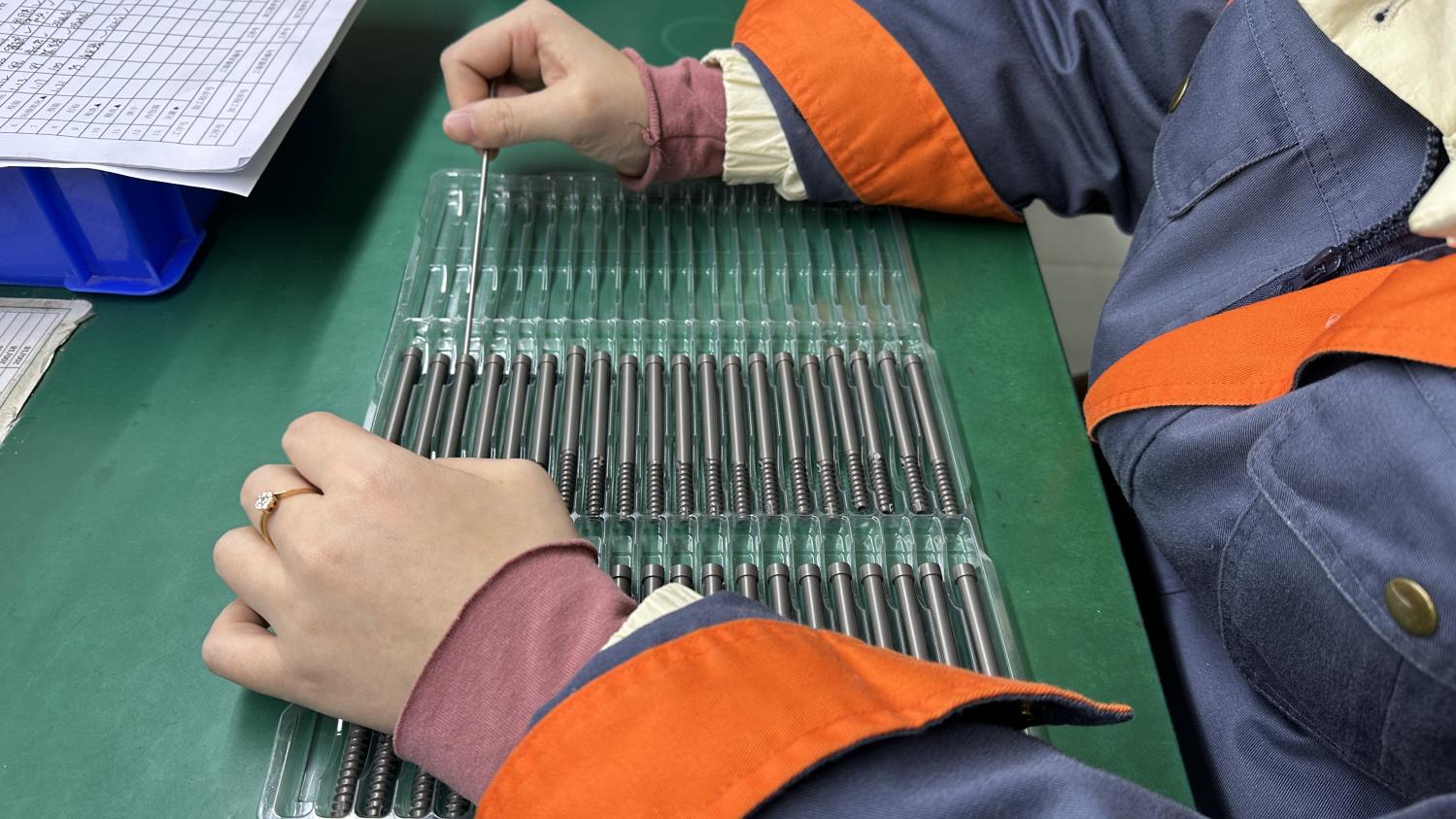
For large-scale medical distributors, surgical centers, and OEM/ODM buyers, managing the procurement cycle is a logistical challenge. Modern trauma systems require a full matrix of plate lengths, screw variations (cancellous, cortical, locking, and non-locking), and custom drilling/tapping tools. Importers face quality consistency concerns. To counter this, reliable manufacturers must implement an integrated quality chain that covers raw material trace-analysis, automated CNC tolerances down to the micrometer, visual QA checking, and ready-to-use surgical instrument kits. This reduces operational downtime and ensures orthopedic implant longevity.

Medisplint Orthopedic Instruments Co., Ltd.

A Globally Recognized Infrastructure for Advanced Traumatology and Reconstruction Systems

Founded in 2016, Medisplint Orthopedic Instruments Co., Ltd. is a leading manufacturer specializing in orthopedic implants, fixation systems, and specialized surgical instruments for trauma, spine, and joint reconstruction. Over the last decade, we have scaled our production to serve advanced clinical requirements, operating an integrated facility covering approximately 18,500 square meters.

Our production operations are backed by strict quality assurance systems, including ISO 13485 certification and European CE compliance. With an export footprint spanning Europe, Southeast Asia, the Middle East, and South America, we collaborate with over 1,200 supply chain partners. This robust system supports a stable production capacity and allows for flexible sourcing strategies.

Medisplint holds strong R&D capabilities, supported by about 85 engineering and development specialists. We offer extensive customization services, including private labeling, design modifications, and full OEM/ODM solutions. Last year alone, we launched 68 new orthopedic products to keep pace with evolving surgical techniques.
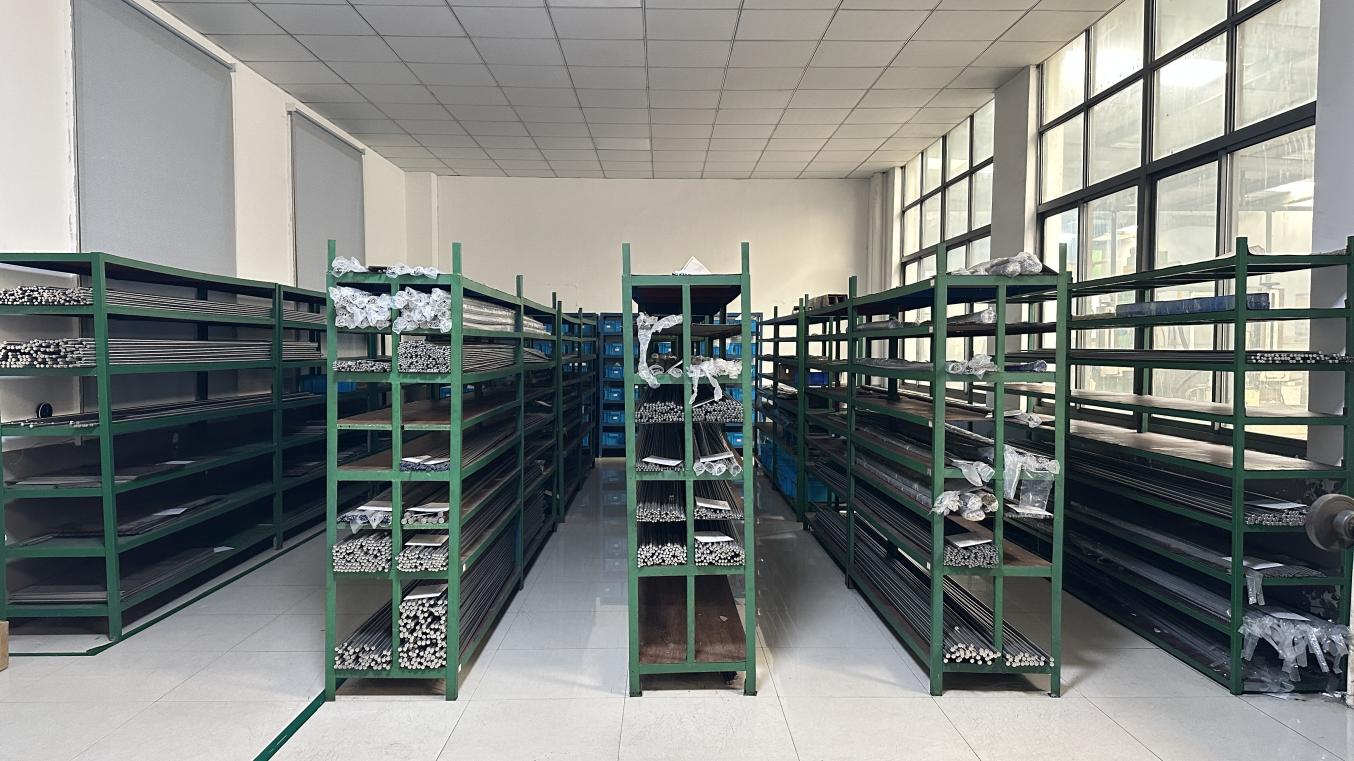
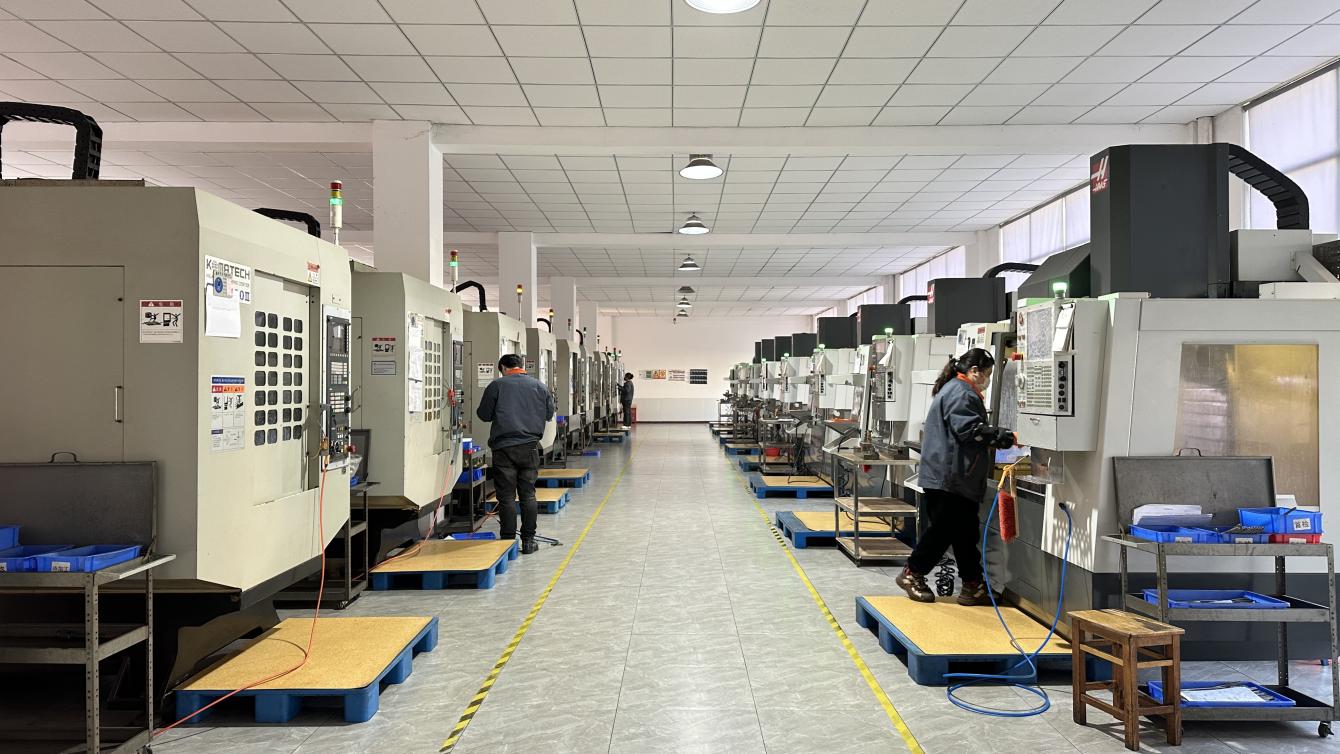
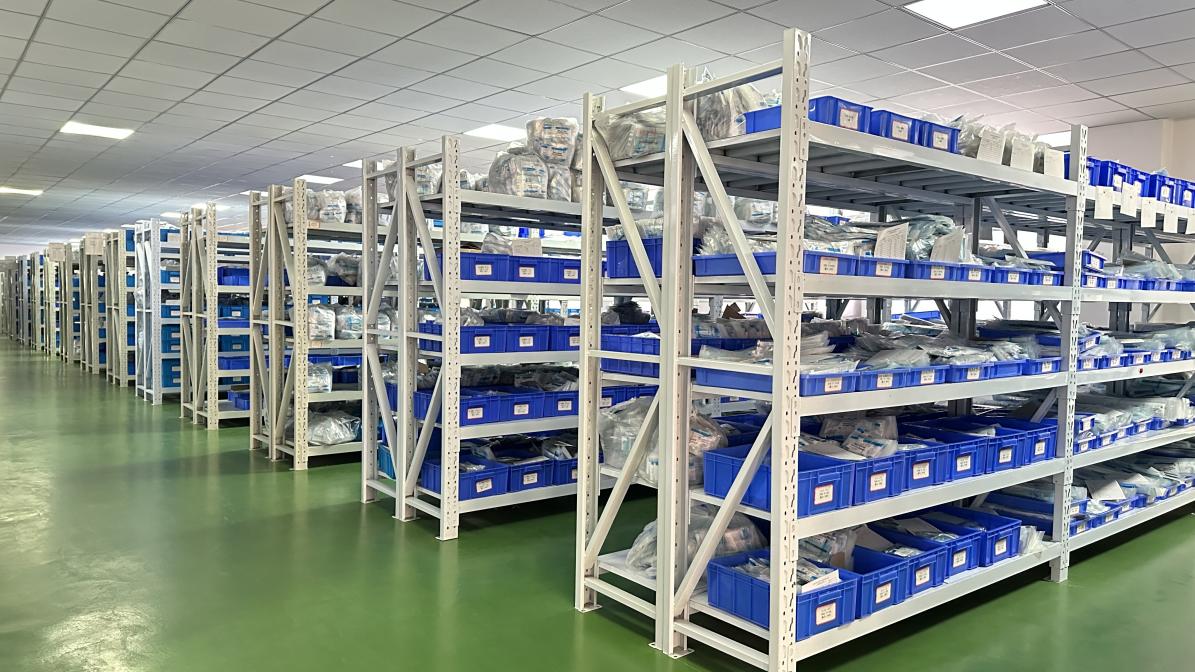
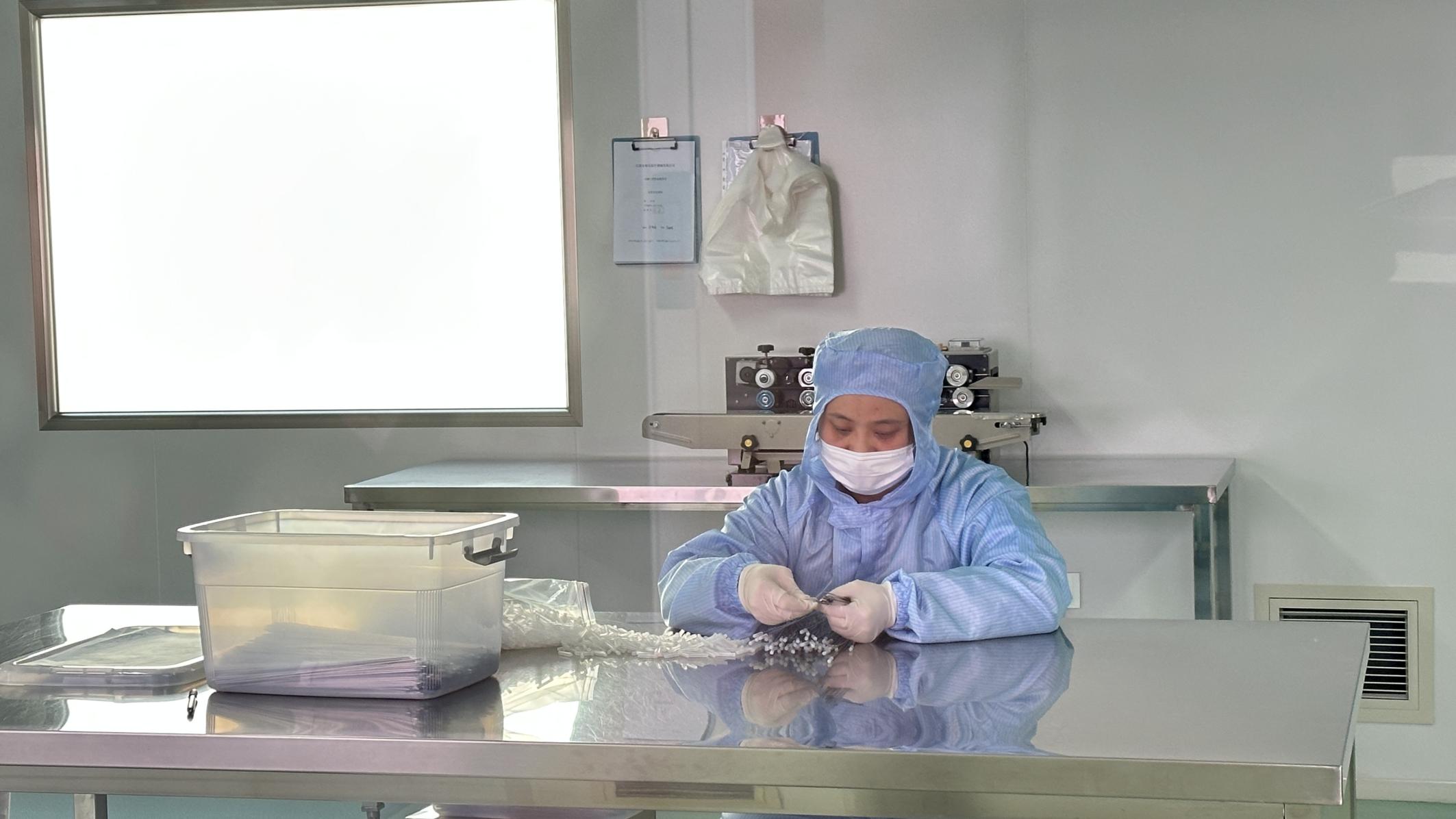
Medisplint Orthopedic manufacturing Facility Raw Materials Testing

18.5k ㎡

Production Facility

85+

R&D Engineers

42

QA Inspectors

$12M

Annual Export Value

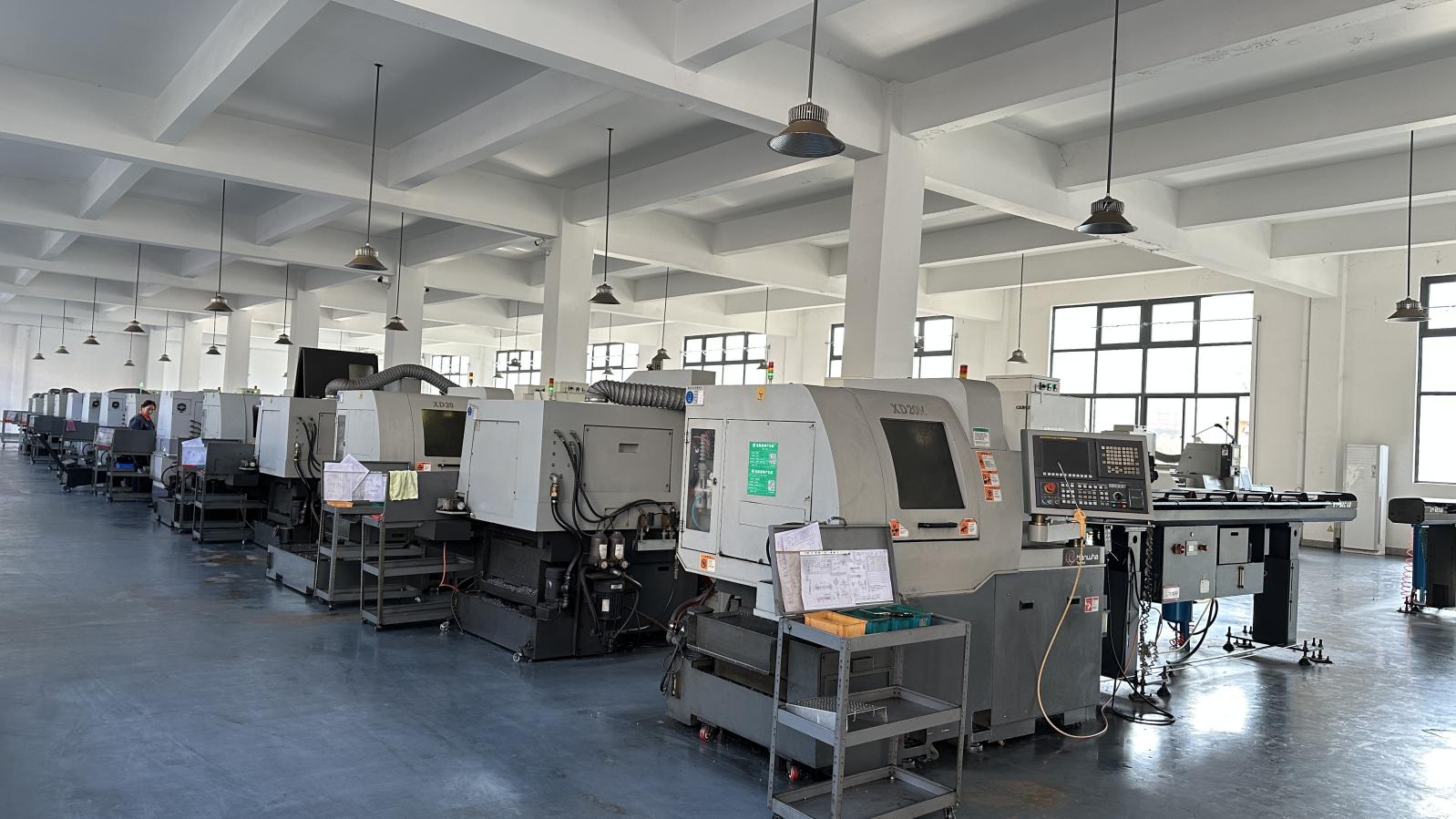
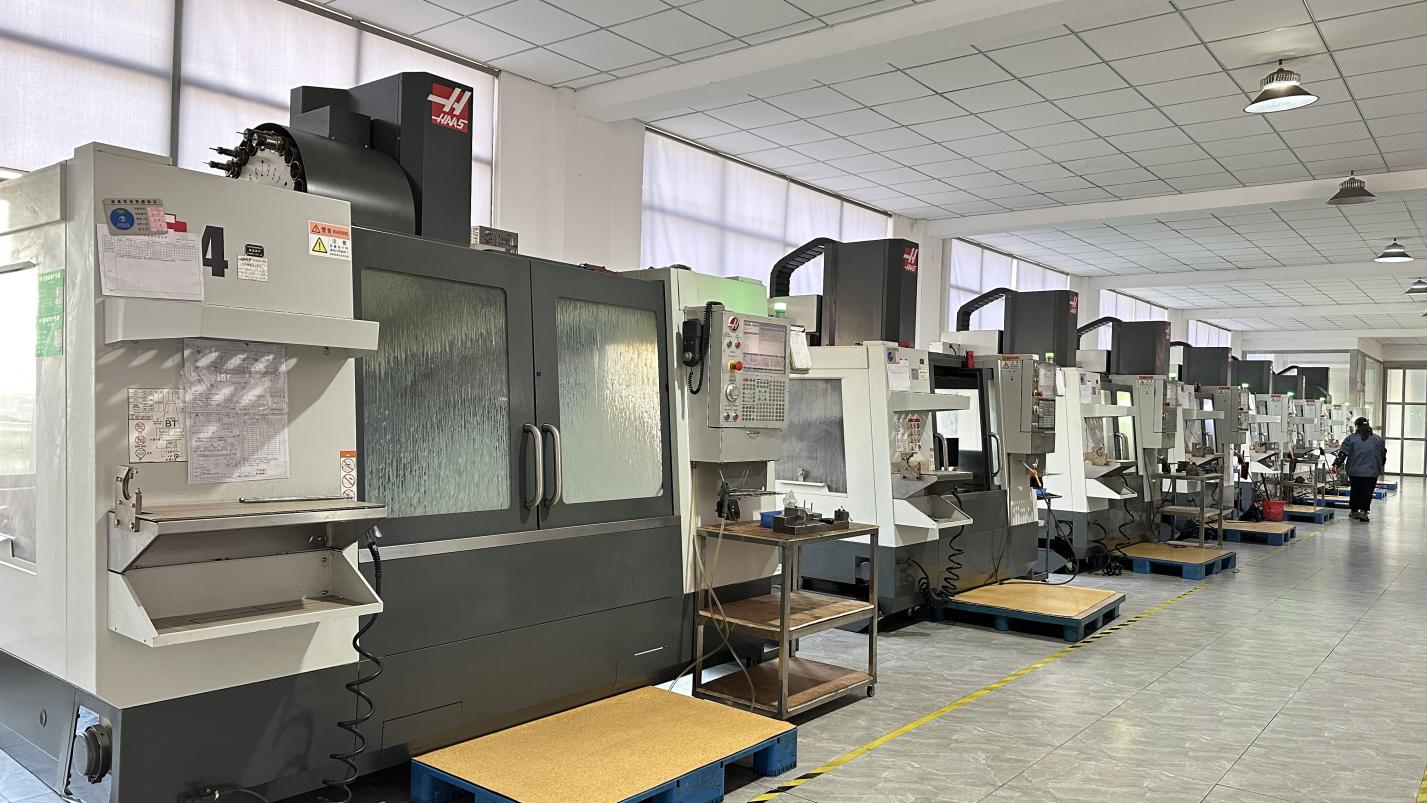
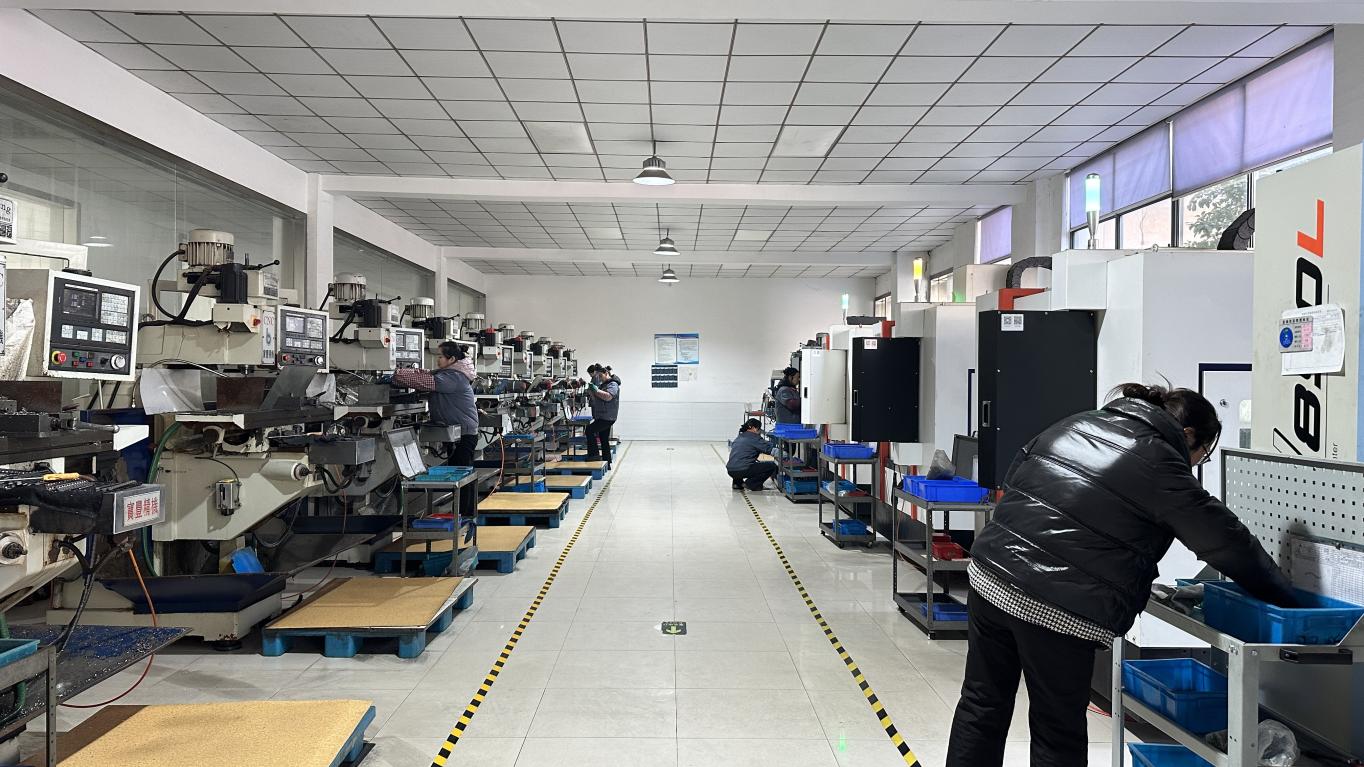
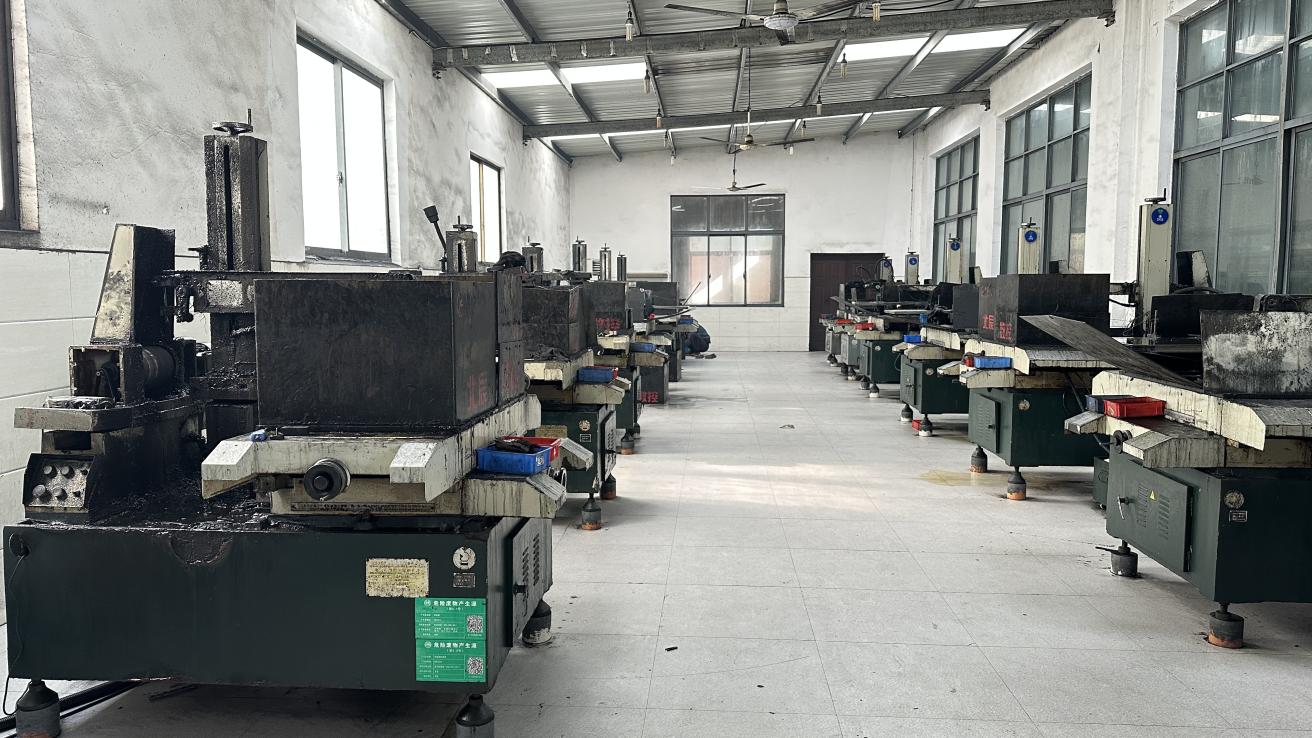
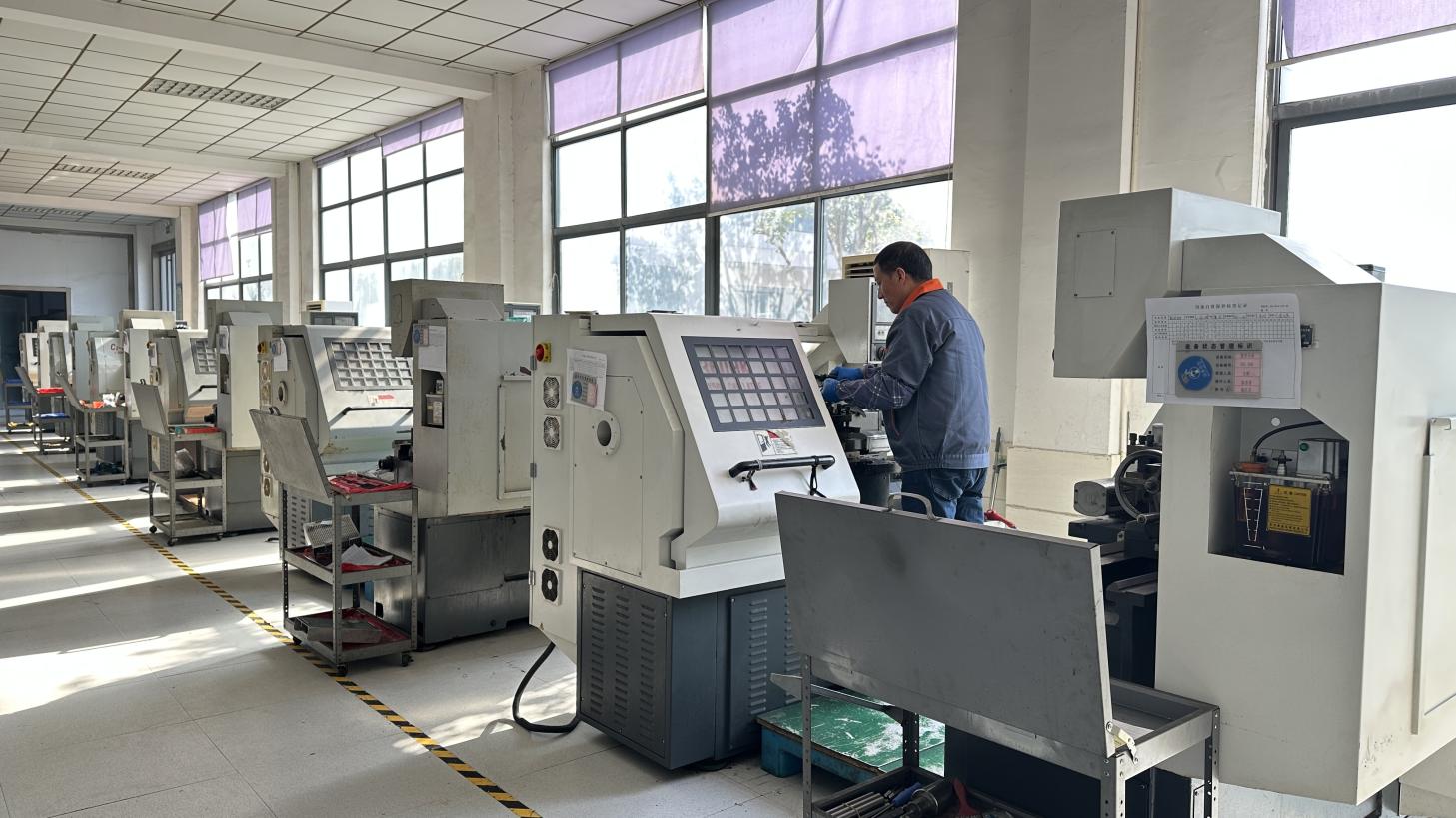
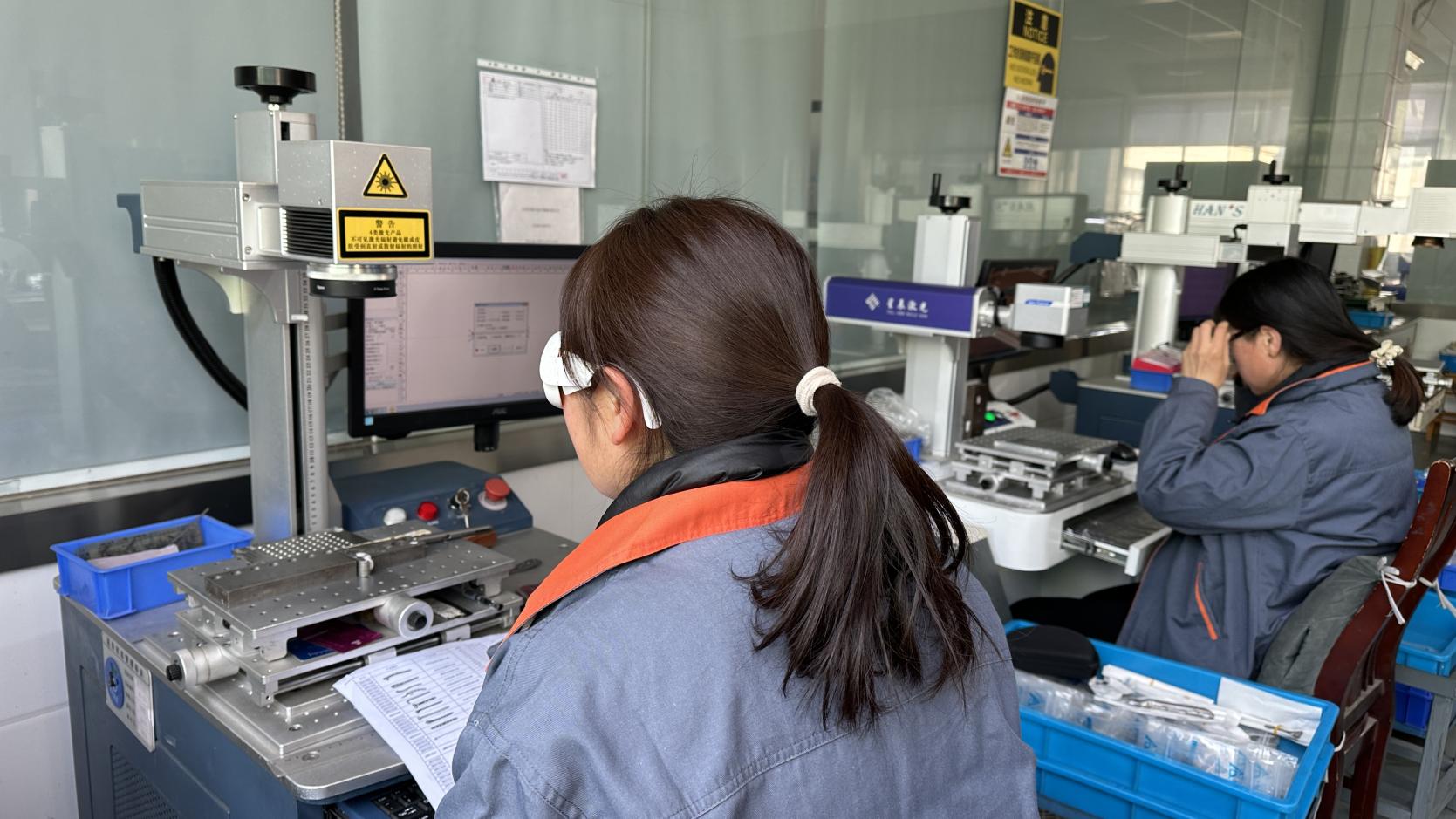
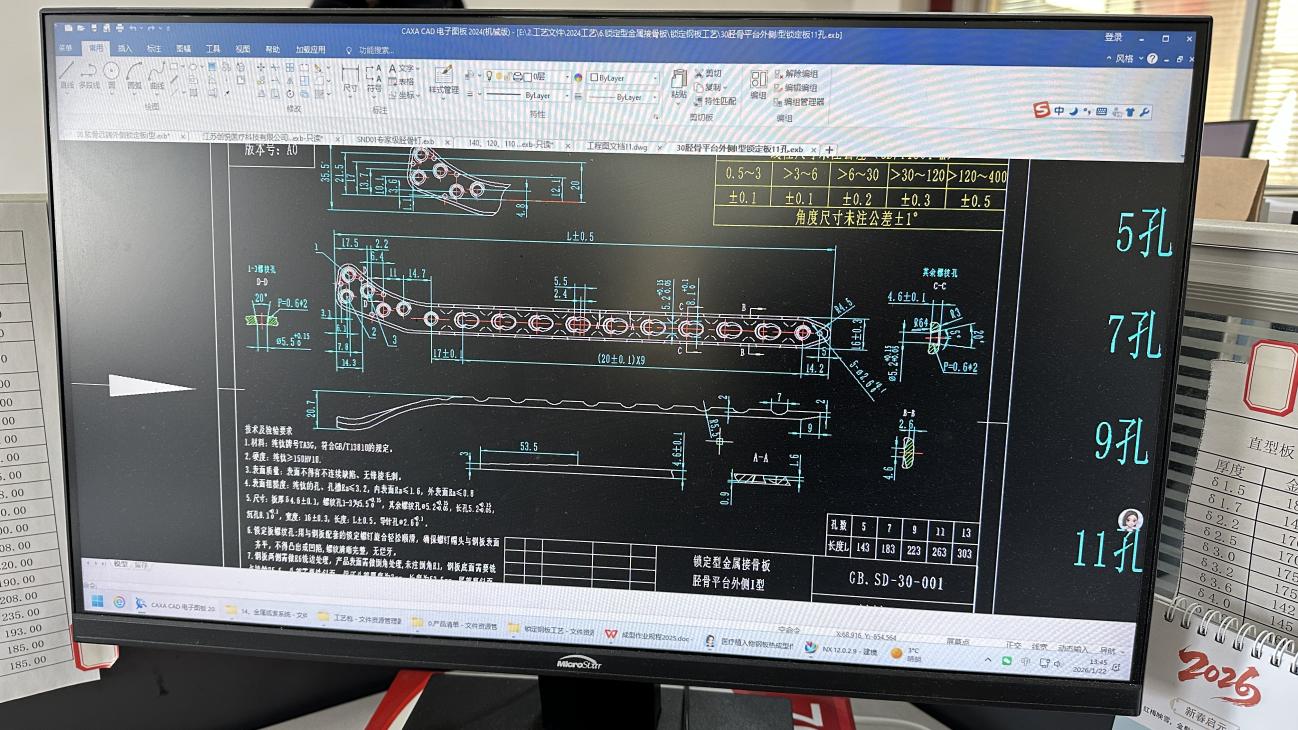
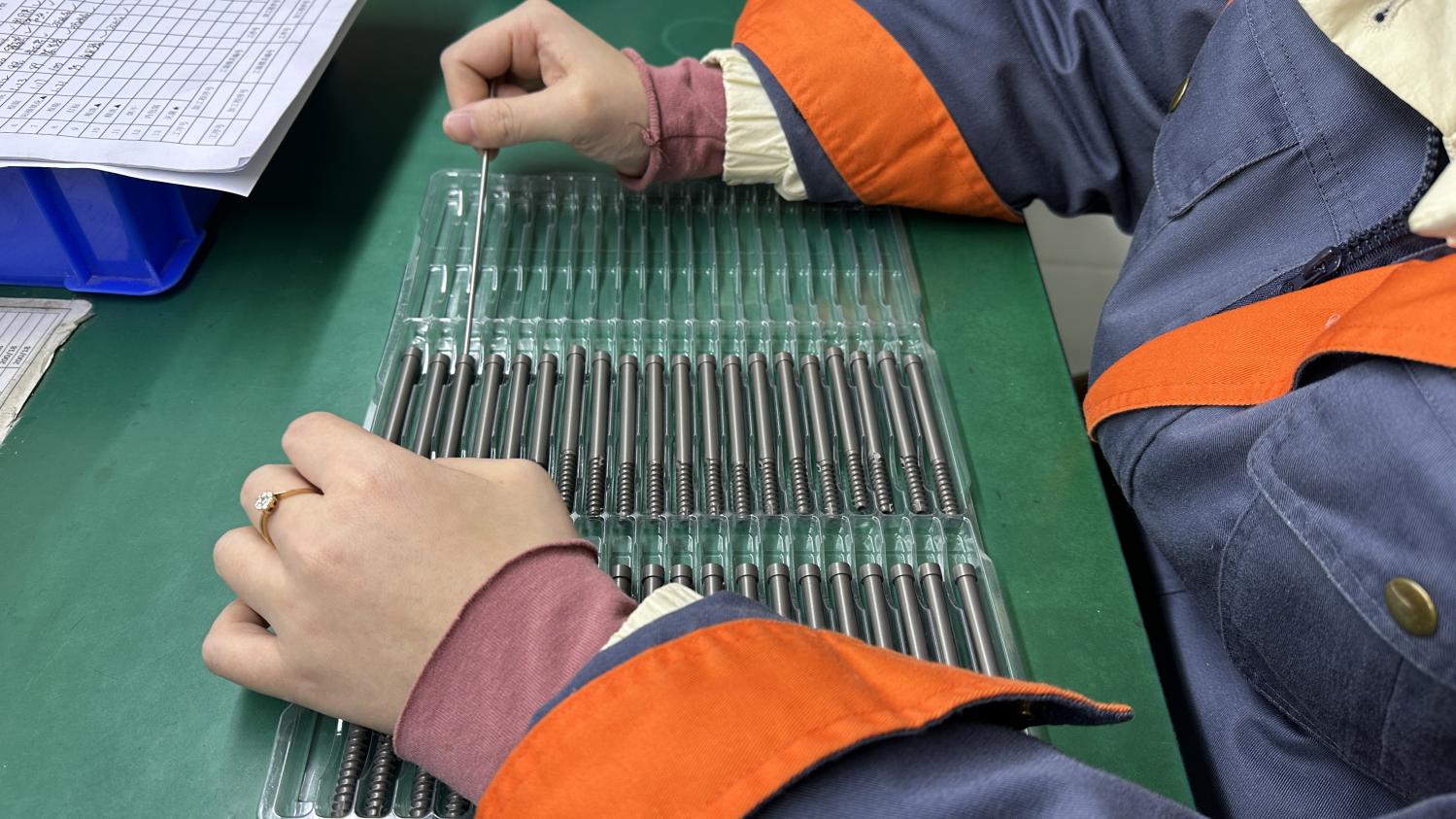
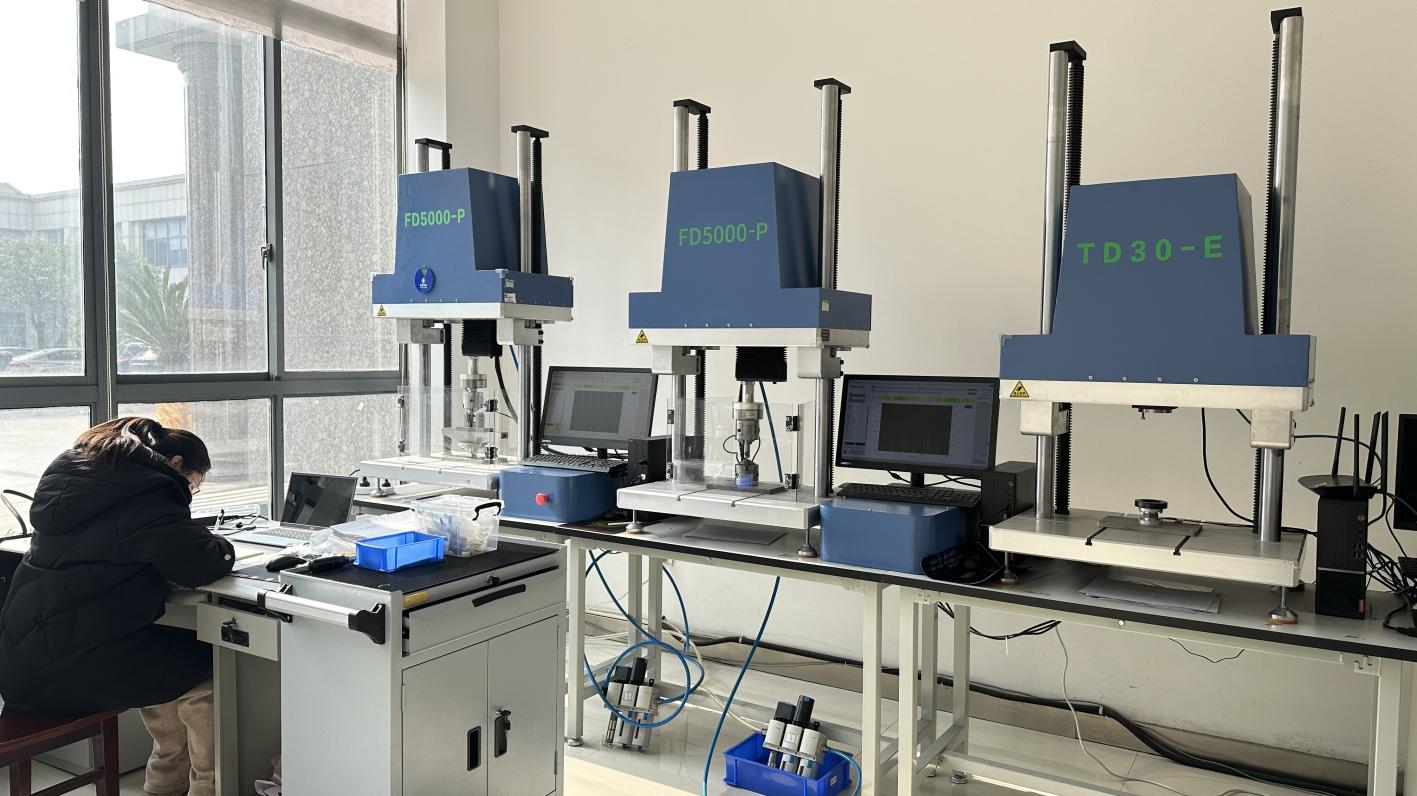
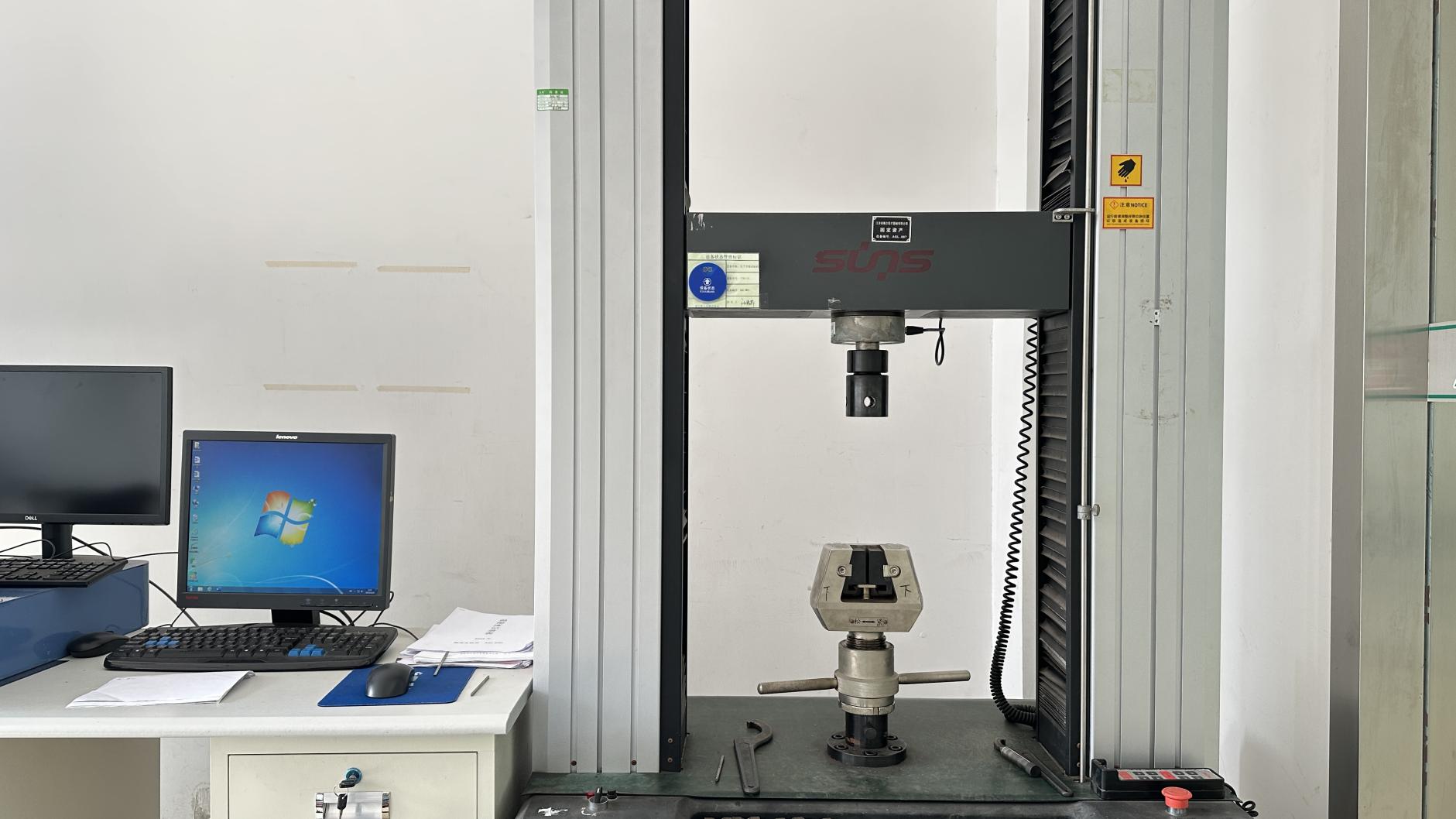
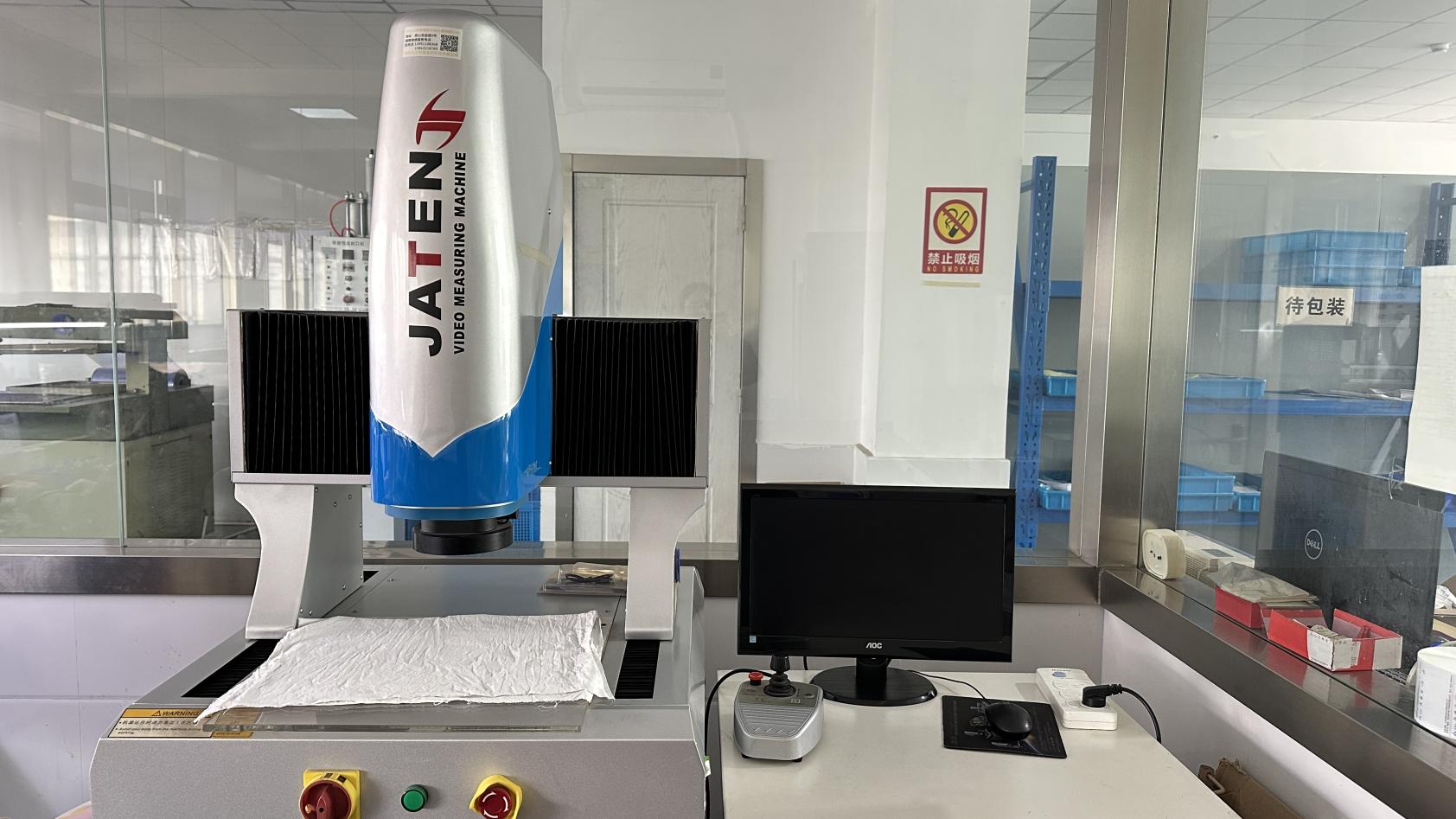
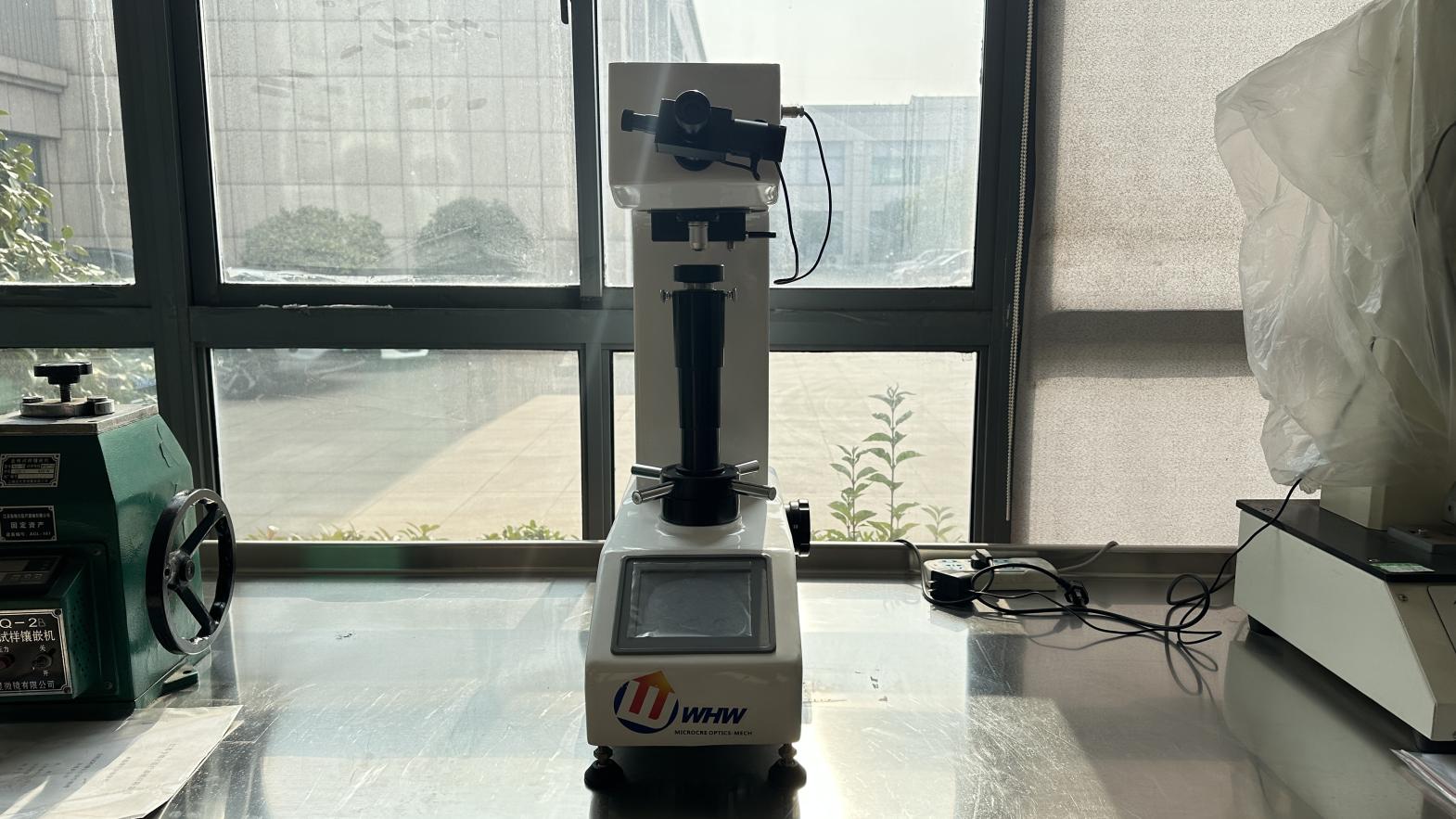
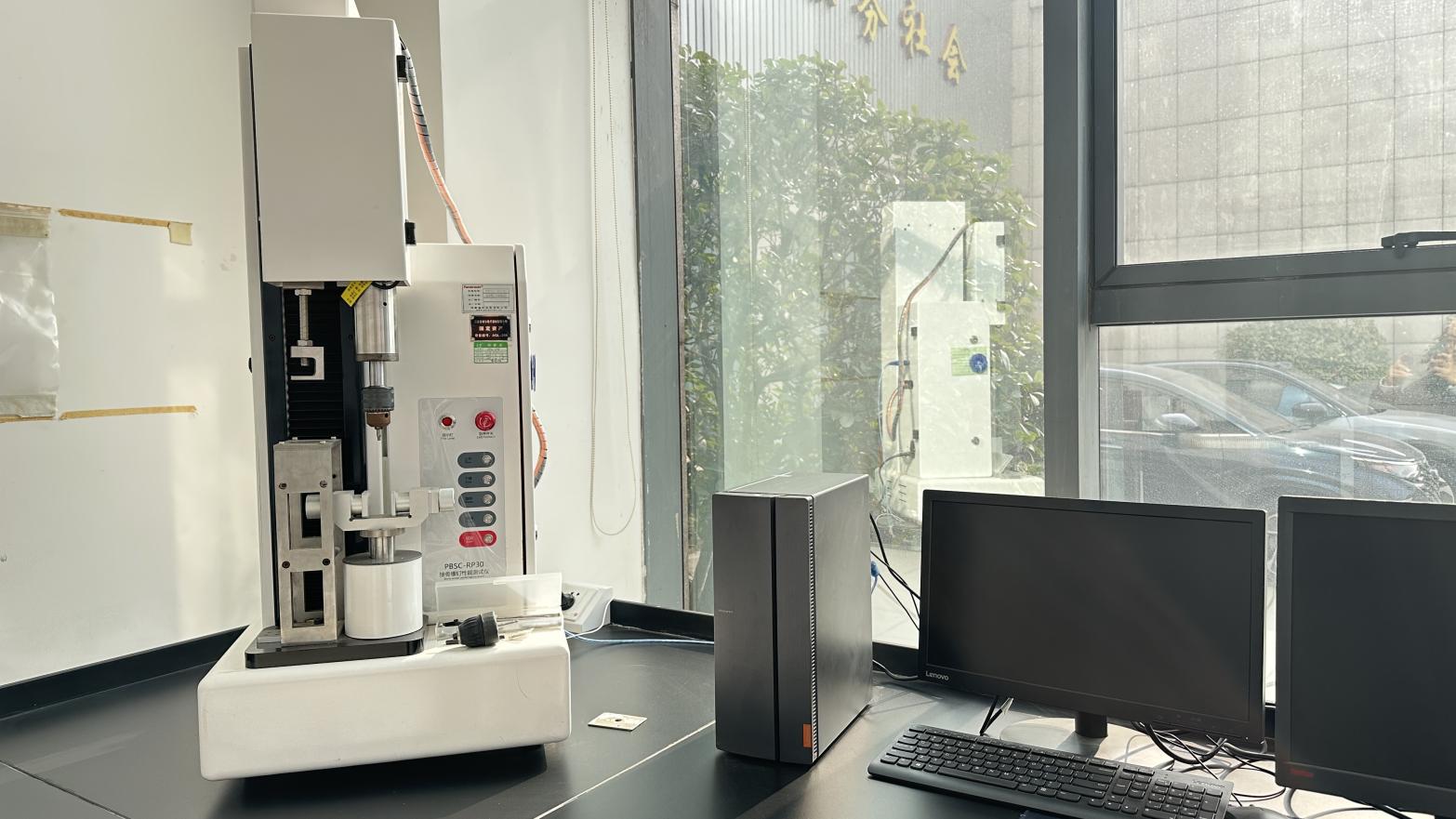
Industrial Production & Biomechanical Verification

A Visual Breakdown of Our CNC Machining and Mechanical Performance Diagnostics Laboratory
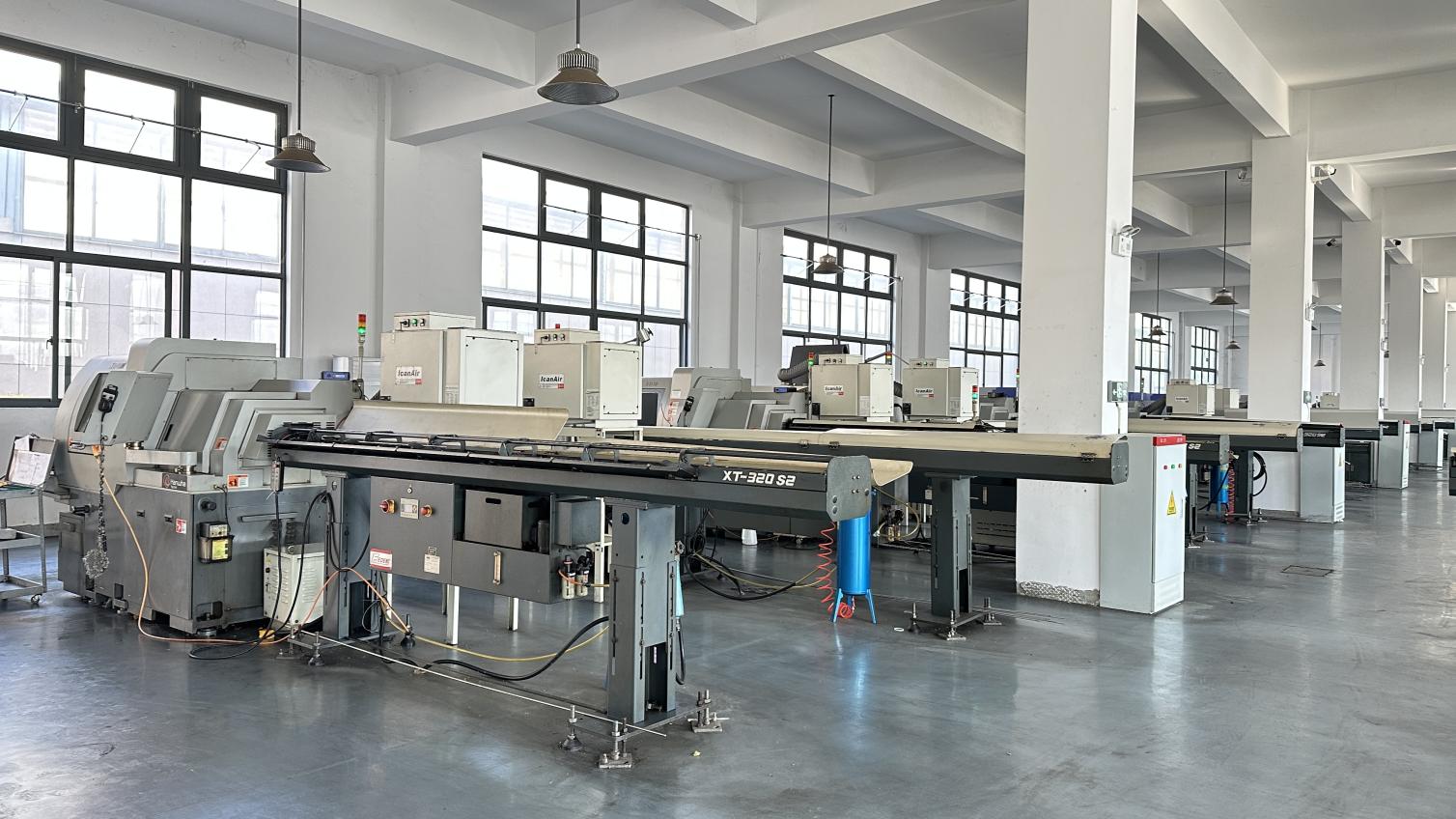
Production & Machining Shop Floor

Research, Development & Biomechanical Testing Labs

Advanced Anatomic Plates & Cannulated Screws

Premium Medical-Grade Titanium Systems Built to Withstand High Cyclic Load Environments
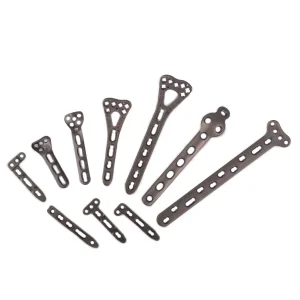
CANWELL Distal Radius Titanium Locking Plate Volar Wrist
CANWELL Distal Radius TItanium Locking Plate Volar Wrist Orthopedic Trauma Implant Bone Fracture Suppliers Manufacturer CE ISO
View Details
CANWELL Proximal Lateral Tibial Locking Plate
CANWELL Proximal Lateral Tibial Locking Plate Orthopedic Trauma Implant Hospital Bone Plate 5.0mm Screw Orthopedic Manufacturer
View Details
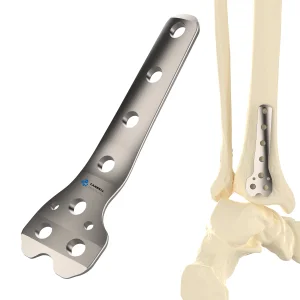
CANWELL Distal Tibial Titanium Locking Plate
CANWELL Distal Tibial Titanium Locking Plate Posterior Limb Compression Orthopedic Trauma Fracture Implant CE OEM
View Details
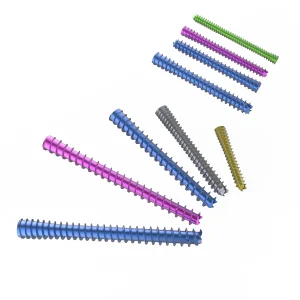
CANWELL 6.5 Cannulated Locking Screw
CANWELL 6.5 Cannulated Locking Screw Orthopedic Implant 7.3 Headless Compression Titanium Herbert Screw
View Details
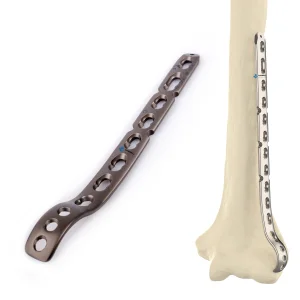
Canwell Distal Humeral Middle Metaphyseal Titanium Locking Plate
Canwell Distal Humeral Middle Metaphyseal Titanium Locking Plate Orthopedic Implants Trauma Fracture Surgery CE ISO
View Details
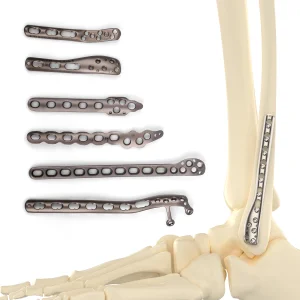
CANWELL Fibula Plate VA Distal Lateral Anatomic
CANWELL Fibula Plate VA Distal Lateral Anatomic Titanium Locking Plate Bone Orthopedic Implants Factory Trauma Surgery CE ISO
View Details
CANWELL Proximal Ulnar Radius Plate
CANWELL Proximal Ulnar Radius Plate Titanium Locking Plate Volar Wrist Orthopedic Trauma Implant Bone Fracture
View Details
CANWELL Titanium Distal Radius Dorsal Locking L Plate
CANWELL Titanium Distal Radius Dorsal Locking L PlateVolar Wrist Orthopedic Implant Head 2 Fixation Bone Fracture CE ISO
View Details

Expert Q&A: Orthopedic Trauma Fixation Systems

Key Considerations for Material Selection, Compliance, and Biomechanical Performance

What is the structural advantage of combining locking and dynamic compression holes in trauma plates?
The hybrid design allows surgeons to choose between compression and locking fixation within a single construct. Standard compression screws allow dynamic axial compression, aligning fractured ends and stimulating primary bone healing. Meanwhile, locking screws provide rigid angular stability, turning the plate-and-screw assembly into a single internal fixator. This combination is especially effective in osteoporotic bone or comminuted metaphyseal fractures, where screw pull-out must be prevented.
Why is Titanium alloy (Ti-6Al-4V) preferred over 316L Stainless Steel in distal radius and clavicle reconstructions?
While both metals are bio-compatible, Titanium alloy provides an elastic modulus (~110 GPa) that is closer to human cortical bone (~10-30 GPa) than stainless steel (~200 GPa). This closer match helps prevent stress shielding, where the metal plate carries too much weight and leads to bone resorption. In addition, titanium's superior fatigue limit and excellent corrosion resistance make it ideal for areas with minimal soft tissue coverage, like the clavicle or distal radius, reducing chronic pain and soft-tissue irritation.
How does Medisplint ensure raw material traceability and quality consistency across manufacturing runs?
Every batch of raw medical-grade titanium or cobalt-chromium alloy undergoes a strict entry quarantine, including chemical composition validation and microstructure analysis. We log heat treatment and melting history numbers in our traceability database. Process controls involve IPQC audits during CNC machining, followed by automated coordinate measuring machine (CMM) testing to confirm dimensions match design models within micron tolerances.
Which biomechanical performance testing is mandatory for CE/ISO regulatory approval of orthopedic bone plates?
Per ASTM F382 standards, bone plates undergo cyclic dynamic fatigue testing to simulate physiological loads over millions of cycles, ensuring they do not fail prematurely under normal weight-bearing. Bone screws are tested under ASTM F543 for torsional yield strength, insertion torque, and pull-out resistance in polyurethane foam substrates, verifying that the thread profile holds secure fixation without fracturing.
Can Medisplint support private labeling and custom engineering (OEM/ODM) for medical device companies?
Yes, our facility supports full private labeling and OEM/ODM services. Backed by 85 R&D specialists, we can adjust plate curvature, design dedicated instrumentation kits, and laser-mark custom logos. We provide comprehensive documentation packages to assist partners with regulatory submittals.
All Orthopedic Trauma Implant Products