Medisplint Medisplint

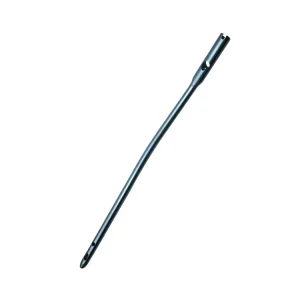
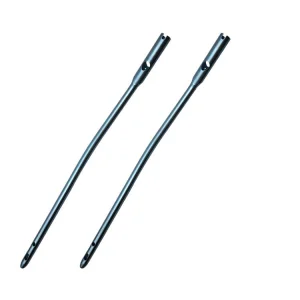
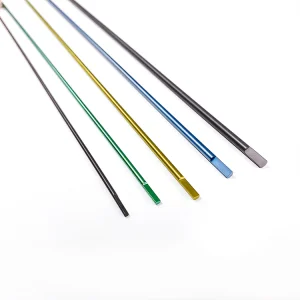
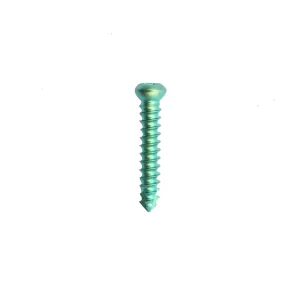
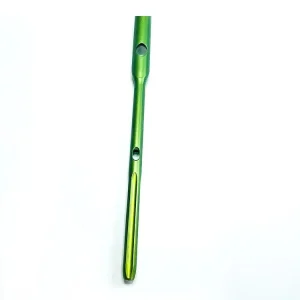
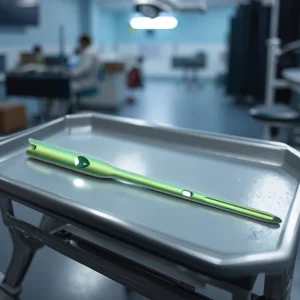
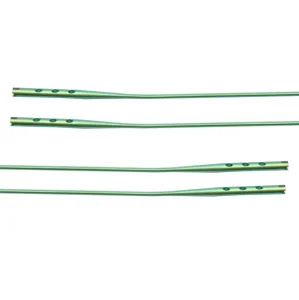
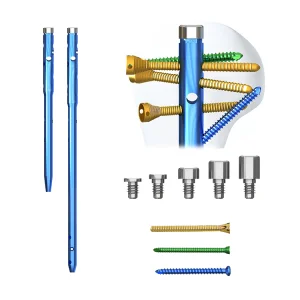
Intramedullary Nails Factory & Exporter

Precision-Engineered Orthopedic Implants, ISO 13485 & CE Certified Manufacturing Solutions for Global Trauma Surgery and Joint Reconstruction

Medisplint Orthopedic Instruments Co., Ltd.

Established in 2016, Medisplint Orthopedic Instruments Co., Ltd. stands as a premier global developer and specialized manufacturer of orthopedic implants, advanced internal fixation systems, and surgical tools. Our manufacturing expertise focuses heavily on clinical solutions for trauma recovery, spinal intervention, and modular joint reconstruction.

Operating from a state-of-the-art 18,500m² manufacturing facility, we integrate full-lifecycle operations from clinical-grade design and raw material sourcing to precise multi-axis CNC machining, structural quality validation, and global logistics execution. Over the past decade, we have scaled our orthopedic ecosystem to achieve an annual export volume exceeding USD 12 million. Our solutions support clinical professionals, international healthcare distributors, and OEM/ODM orthosynthesis brands across Europe, Southeast Asia, Latin America, and the Middle East.

Strict Regulatory Standard Compliance

Every implant produced in our facility conforms to ISO 13485 regulations and European CE compliance guidelines. With 42 quality control professionals managing our QA/QC pipelines, we guarantee 100% traceabilty of surgical-grade titanium and steel alloys.
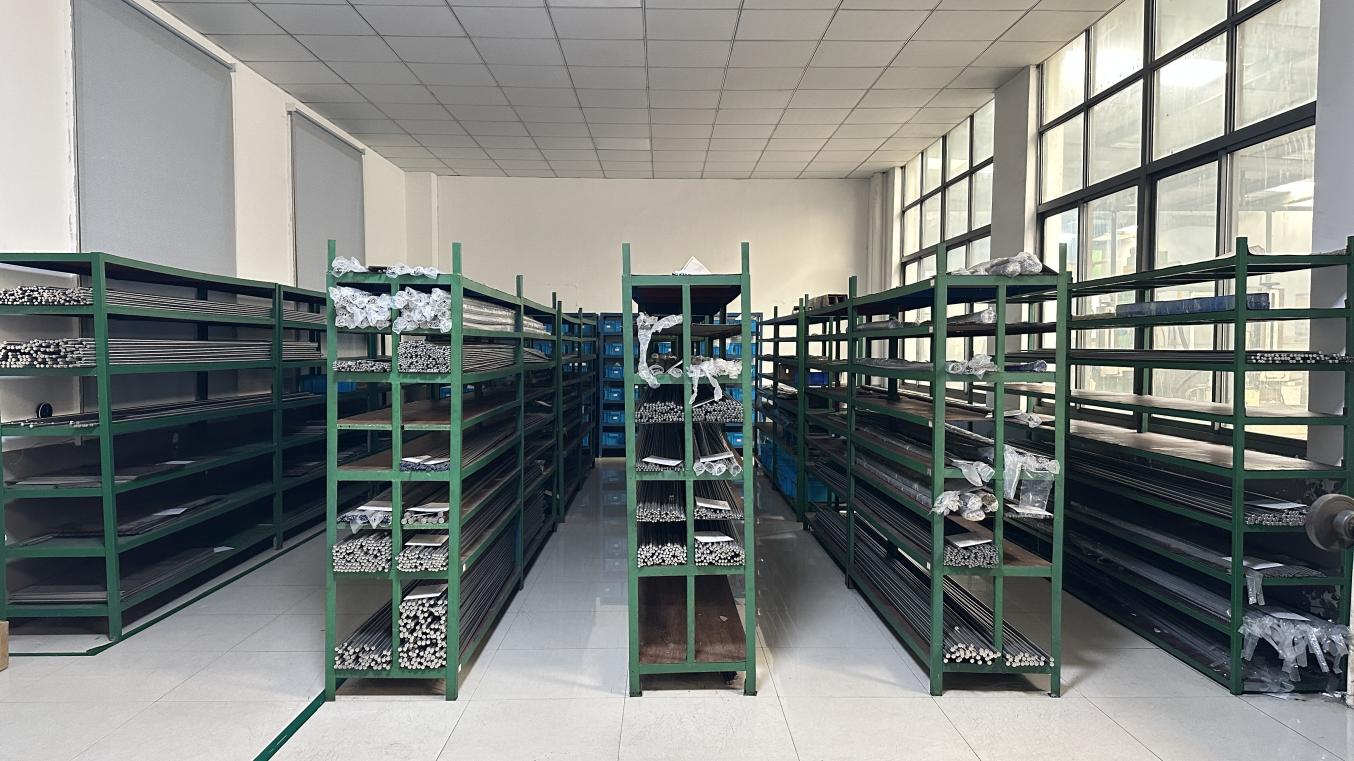
Medisplint Orthopedic Manufacturing Facility
18,500m²
Production Area
$12M
Annual Export Revenue
42
Dedicated QC Inspectors
85
R&D Specialists
68+
New Products Launched (YTD)

Global Industry Outlook: The Evolution of Intramedullary Nails

An in-depth study of market dynamics, biomechanical advancements, and manufacturing standards for osteosynthesis implants.

1. Biomechanical Trends and Clinical Demands

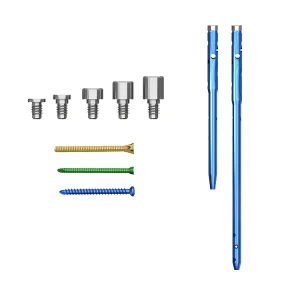
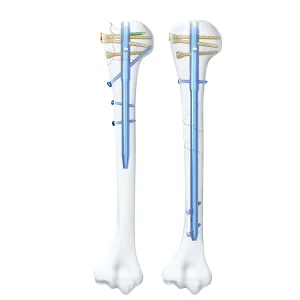
Intramedullary (IM) nailing has long been established as the gold standard for stabilizing diaphyseal fractures of long bones, particularly the femur, tibia, and humerus. Unlike external fixation or compression plating, IM nails act as load-sharing devices. They sit close to the mechanical axis of the bone, absorbing structural strain while allowing controlled micro-motions at the fracture line. This micro-motion triggers secondary bone healing via external callus formation, which significantly accelerates patient mobilization compared to primary healing.

Modern clinical workflows demand highly dynamic implants. The global shift from static locking to dynamic locking mechanisms allows early postoperative weight-bearing without risking implant failure. Over the past five years, the demand for specialized nails, such as Proximal Femoral Nail Antirotation (PFNA) devices, has escalated due to the rising incidence of osteoporotic trochanteric fractures in aging demographics.

2. Material Science: Titanium Alloy vs. Stainless Steel

Choosing the right material is vital for safety and biocompatibility. Medisplint utilizes medical-grade Titanium Alloy (Ti-6Al-4V ELI, conforming to ASTM F136 and ISO 5832-3 standards) as well as premium Stainless Steel (316LVM, conforming to ASTM F138).

  • Biocompatibility: Titanium builds a stable passive oxide layer that integrates well with surrounding tissue and minimizes adverse immune reactions.
  • Modulus of Elasticity: Titanium has a lower elastic modulus than stainless steel (approx. 110 GPa vs. 200 GPa). This closer match to cortical bone reduces stress shielding, promoting natural bone remodeling.
  • Fatigue Performance: Our titanium alloy implants undergo rigorous surface treatment to increase fatigue resistance, preventing premature failure during cycles of physiological loading.

Industrial Manufacturing Excellence & Cleanroom Operations

A step-by-step breakdown of our physical fabrication, high-precision machining, and thorough mechanical testing laboratories.
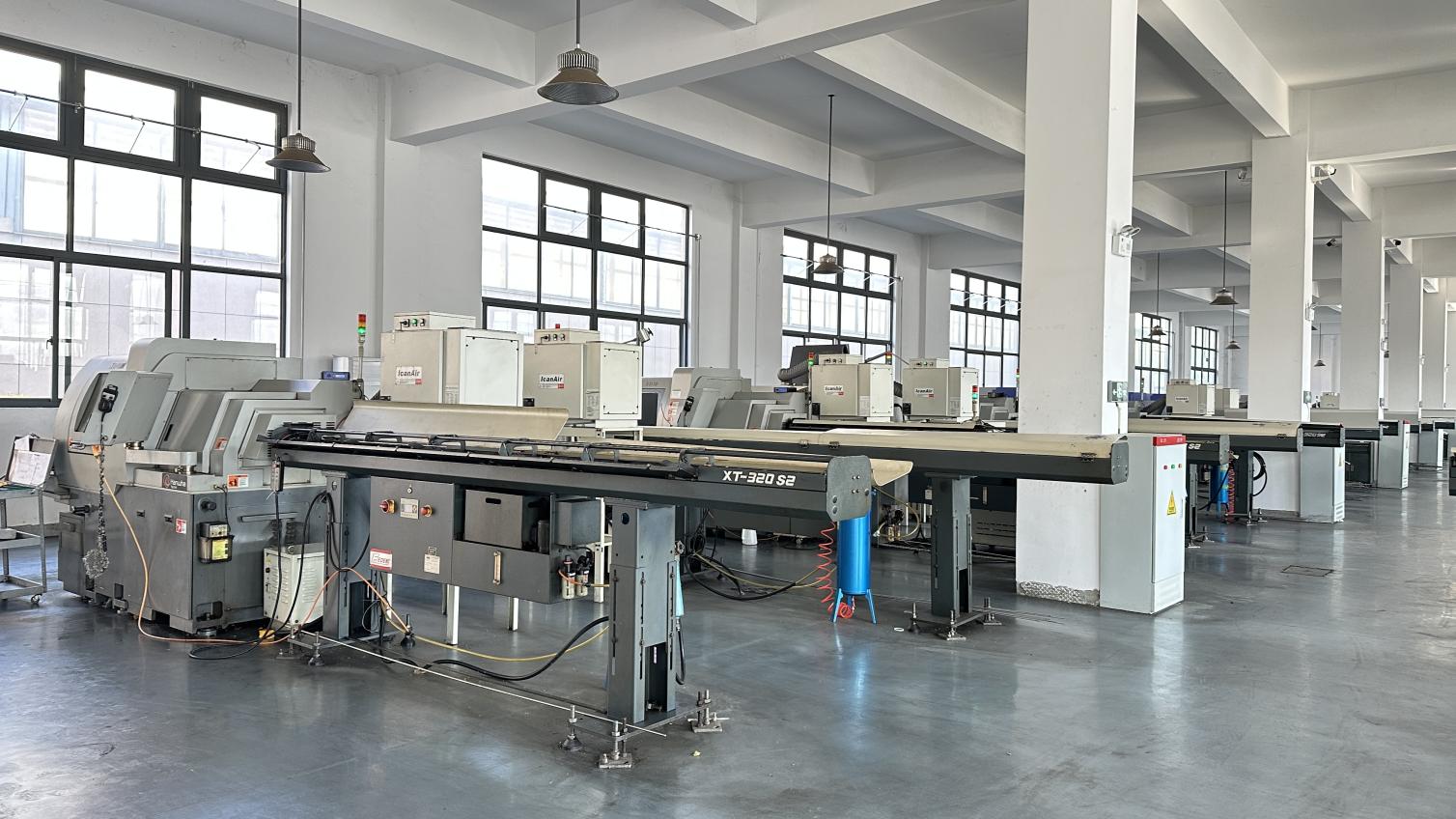
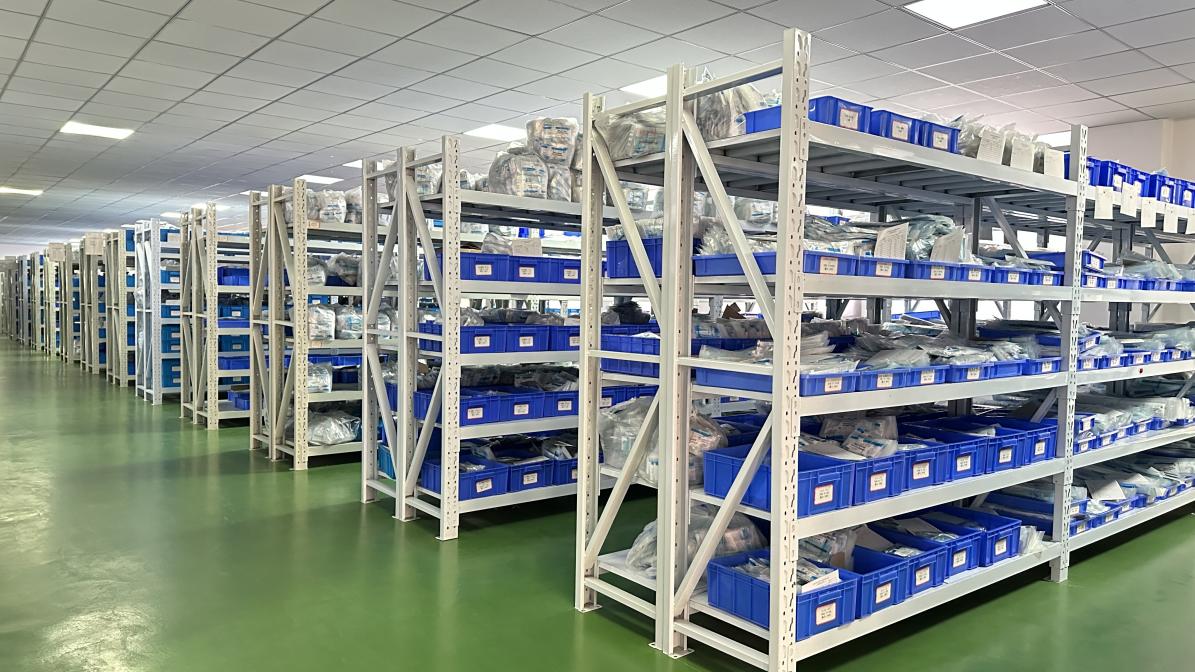
Raw Materials Warehouse
Raw Materials Inspection
Slitting Process
Slitting Operations
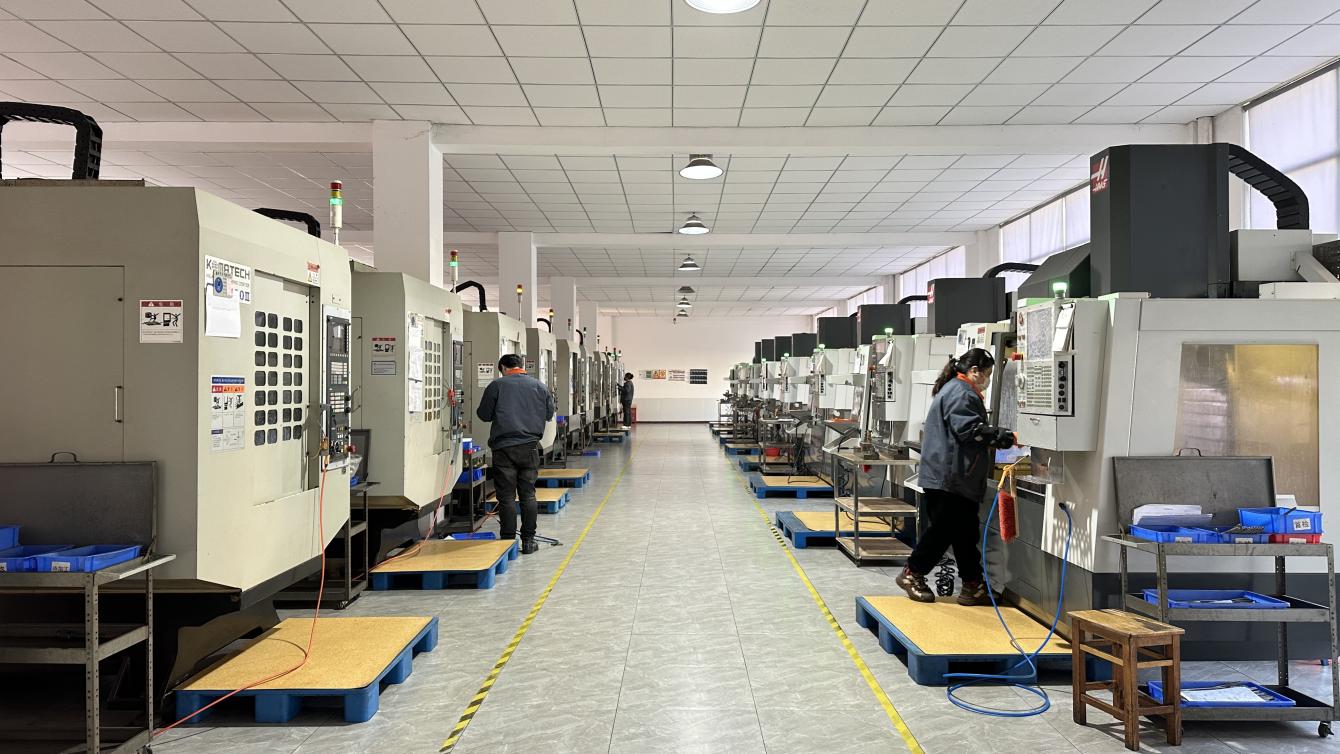
CNC Machining
CNC Micro-Machining
Precision Machining
Precision Milling
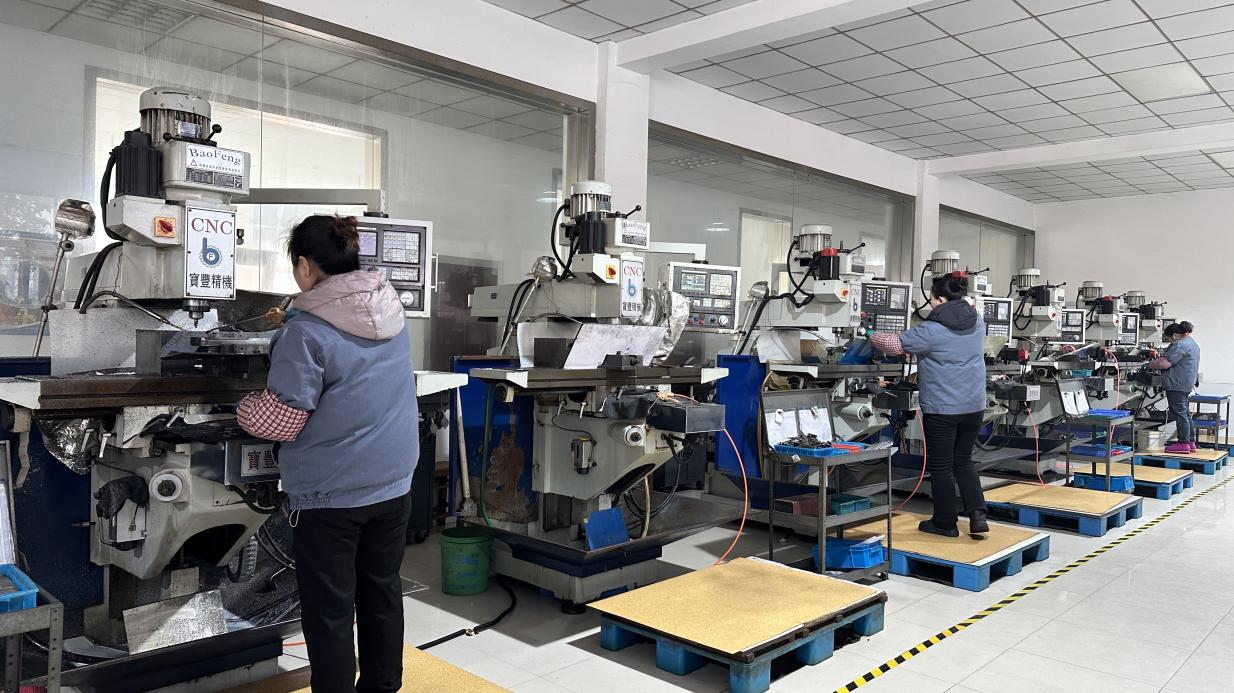
Milling Center
Automated Milling
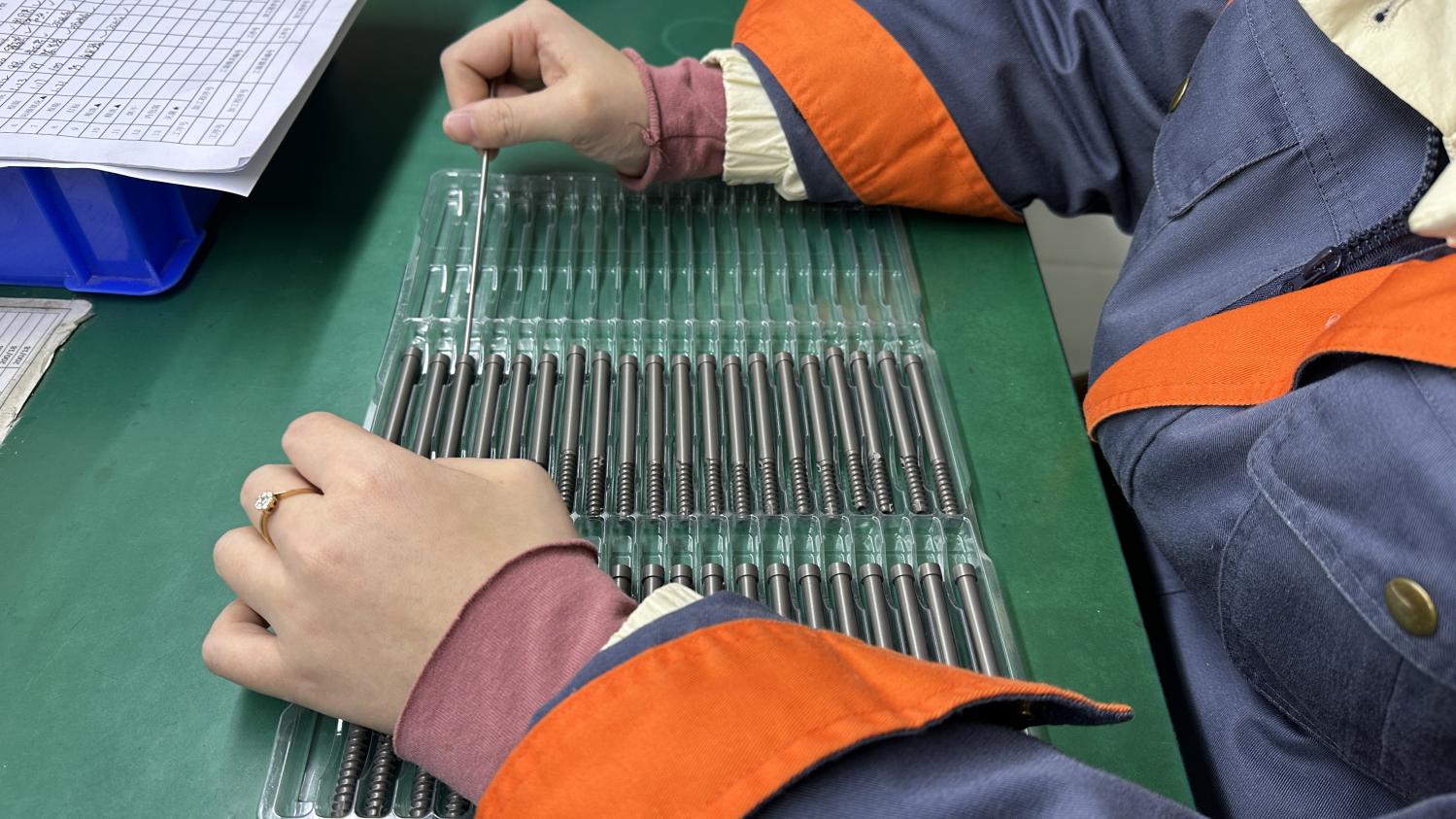
Inspection and Packing
Quality Assurance
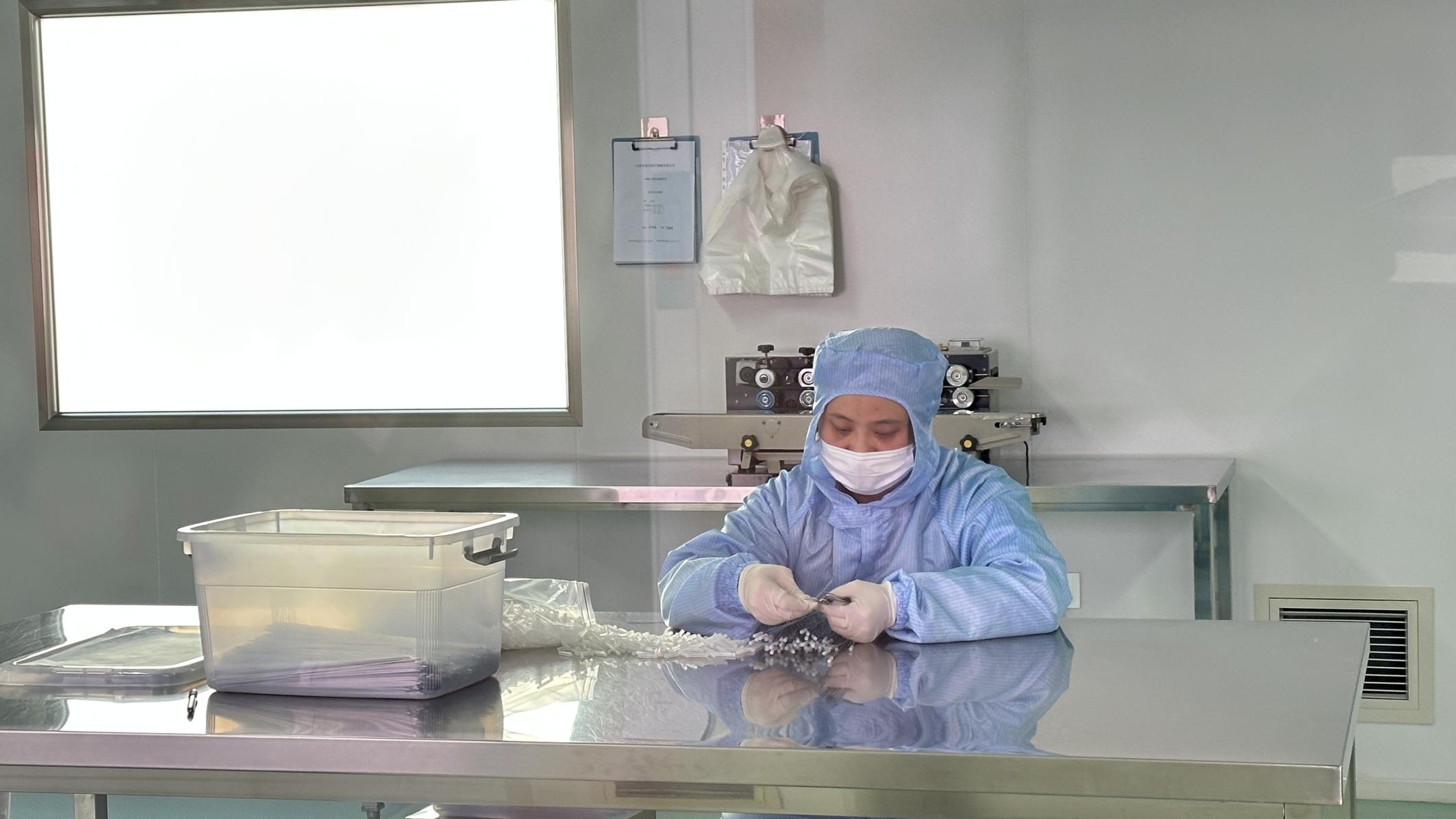
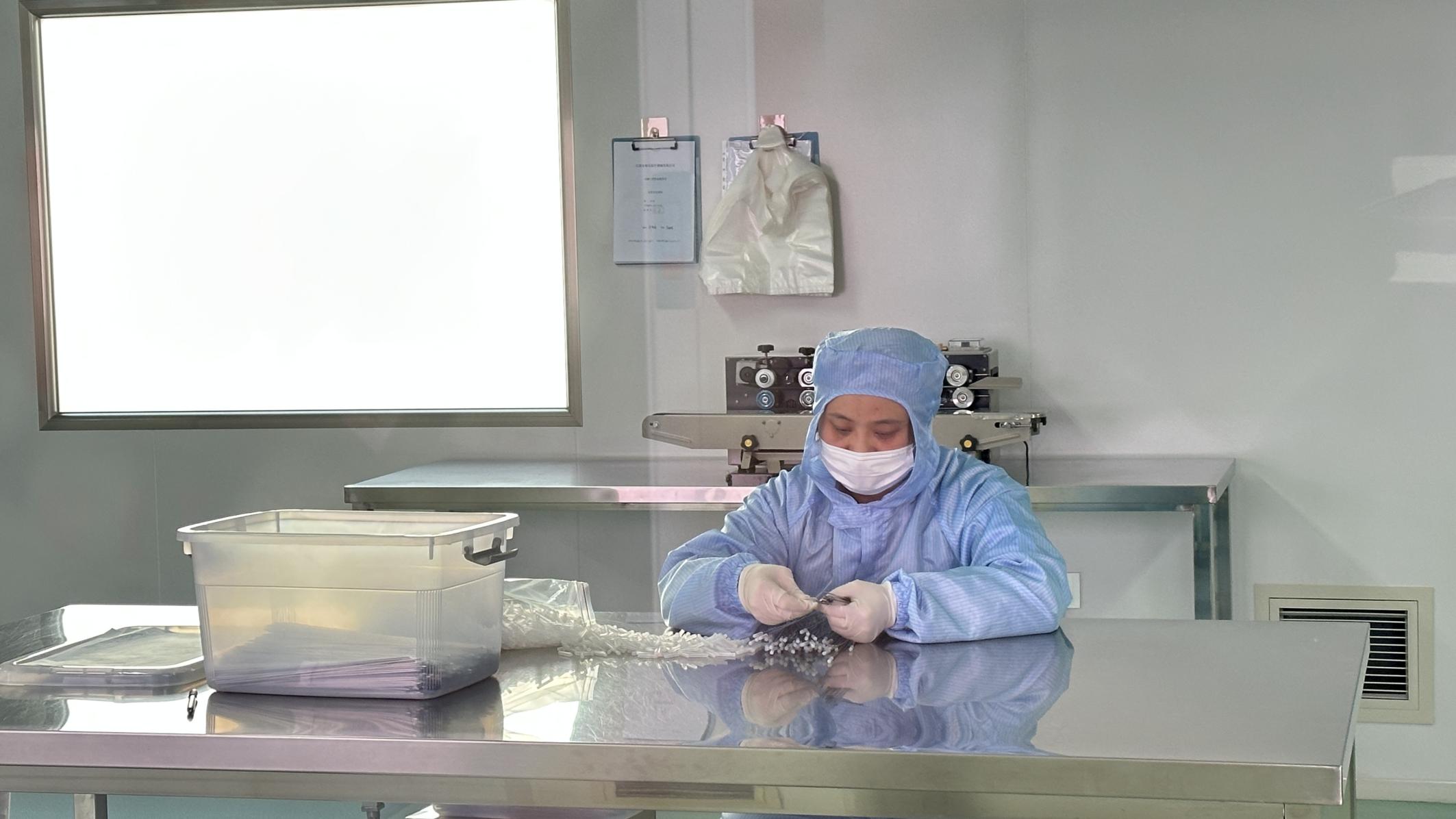
Sterile Inspection
Final Clean Packaging
Inventory Warehouse
Logistics Warehouse
Slitting Machine Equipment
Heavy-Duty Slitting
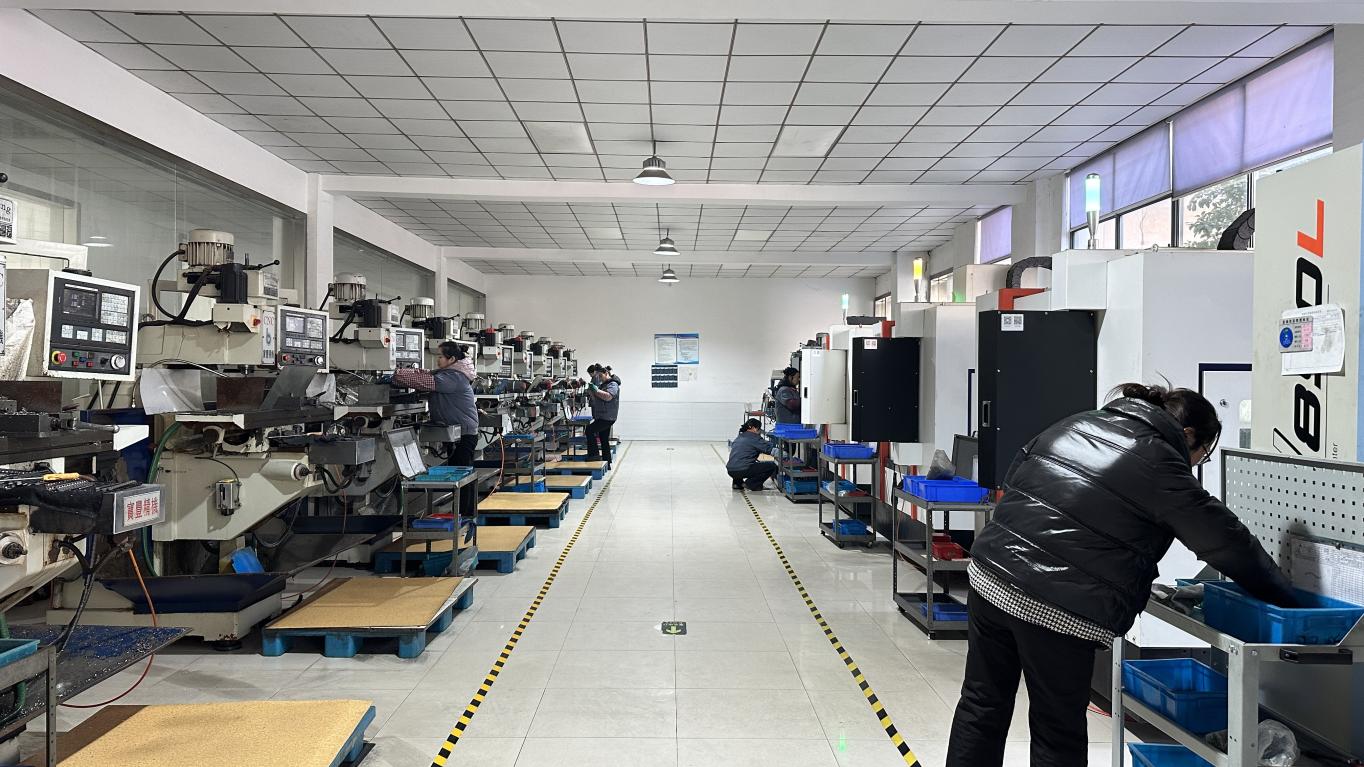
CNC Machining Center Equipment
CNC Machining Centers
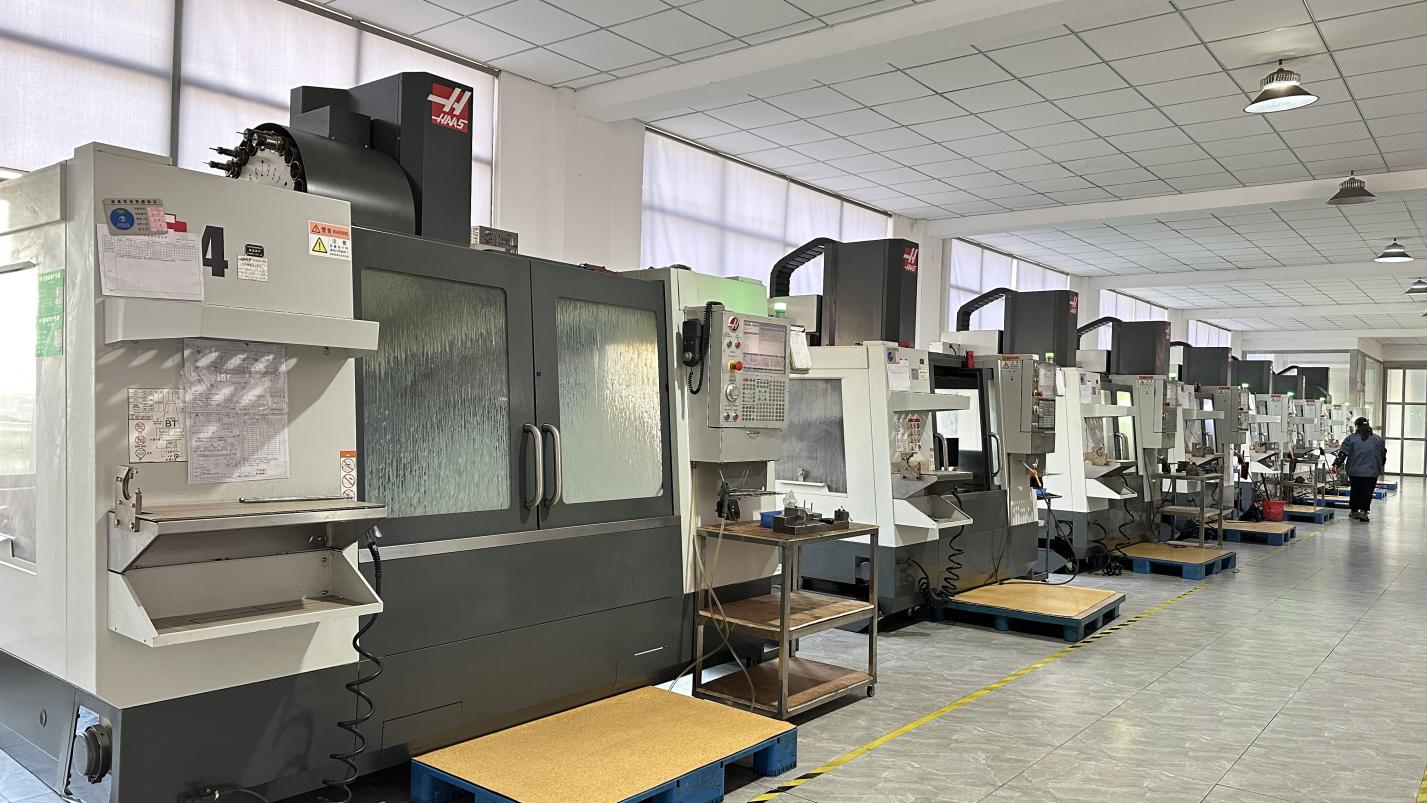
CNC Milling Machine Equipment
High-Speed Milling
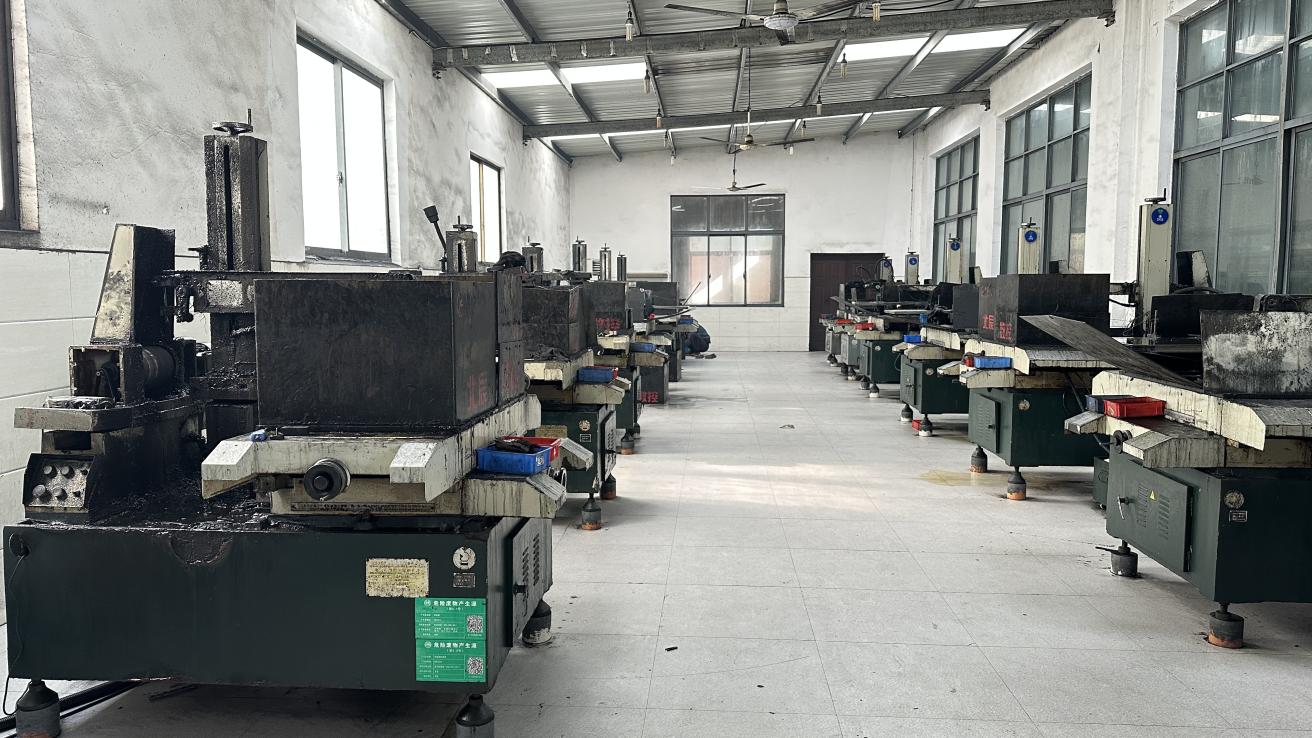
Wire Cutting Machine Equipment
Precision Wire EDM
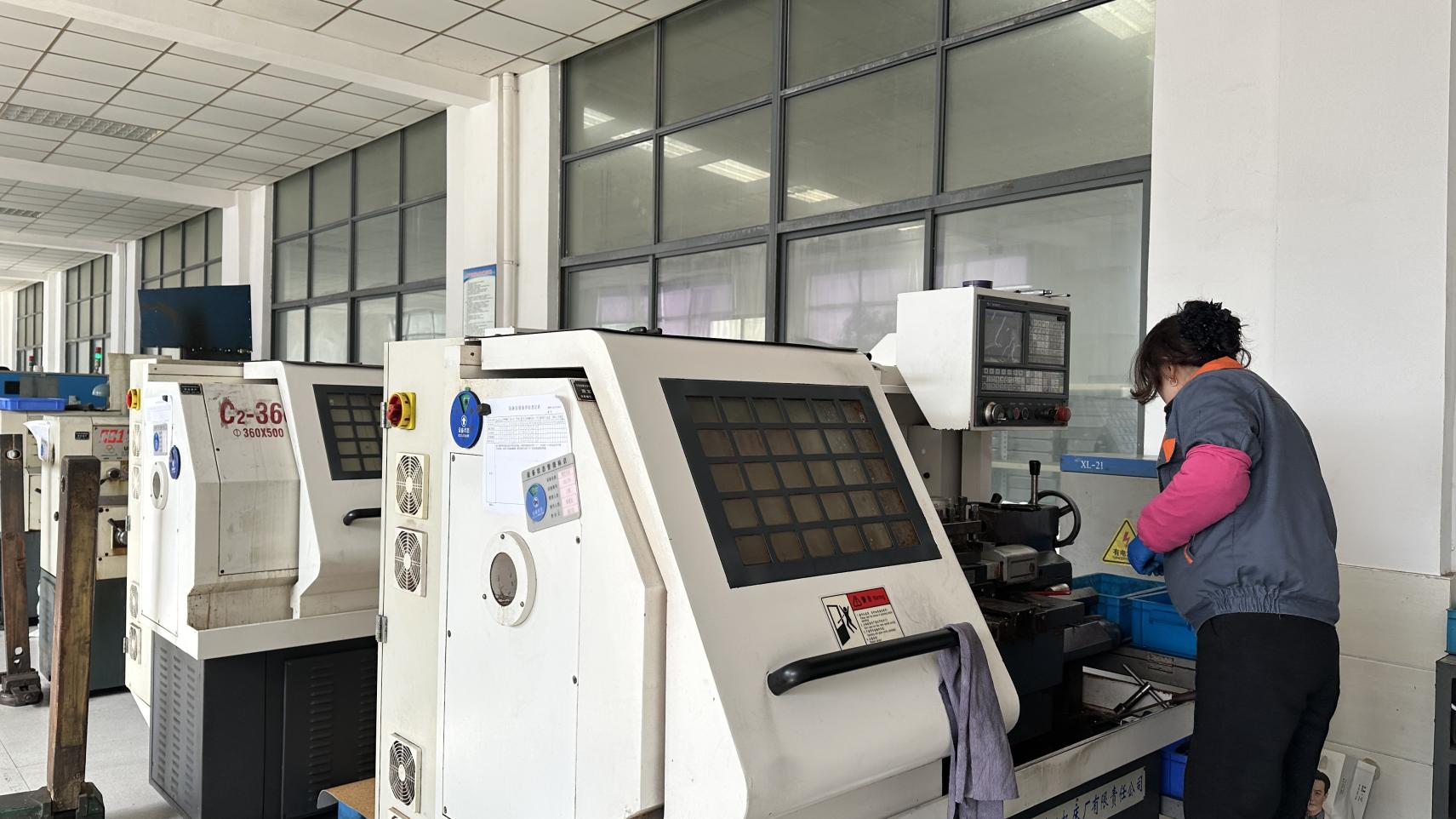
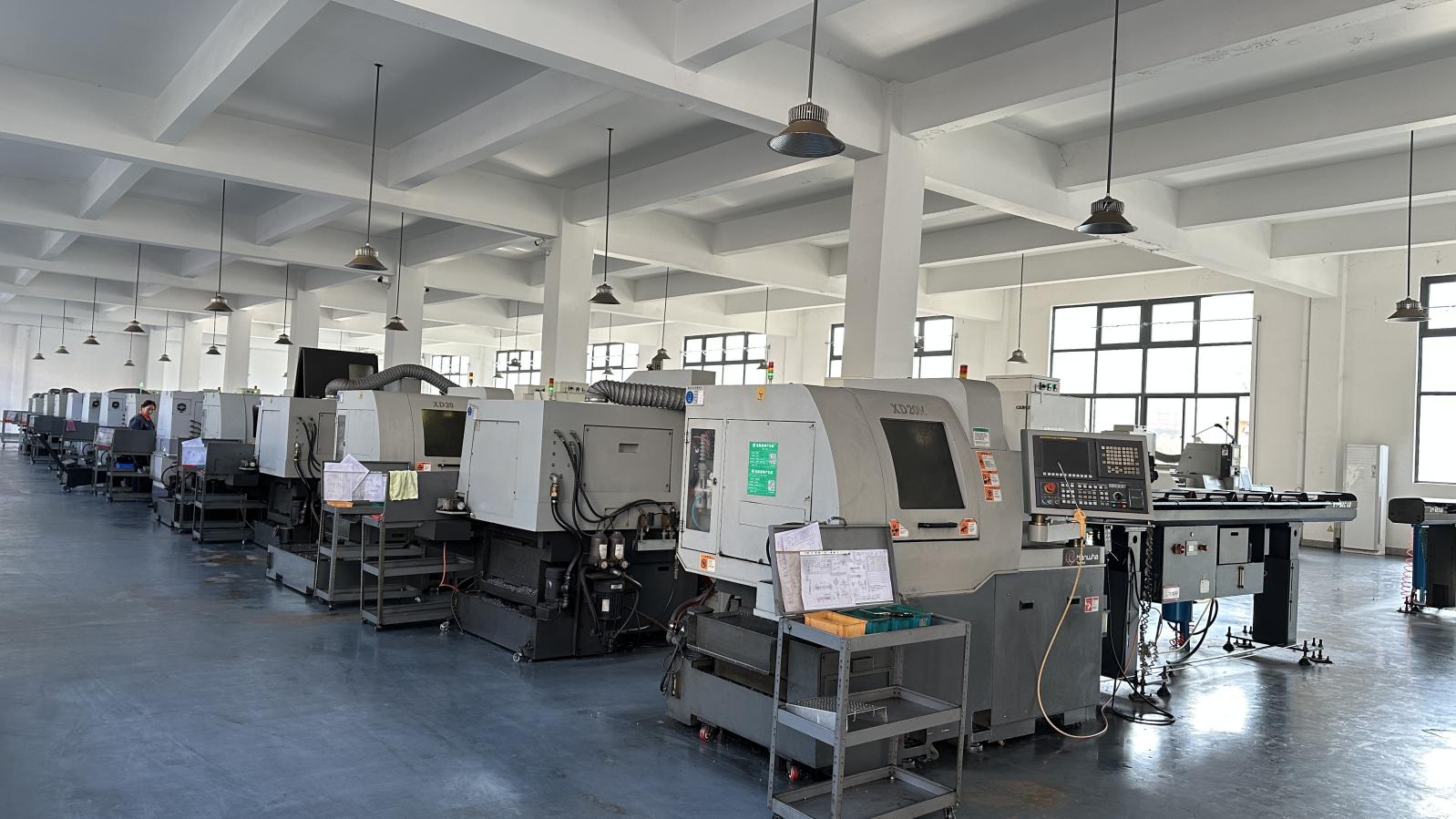
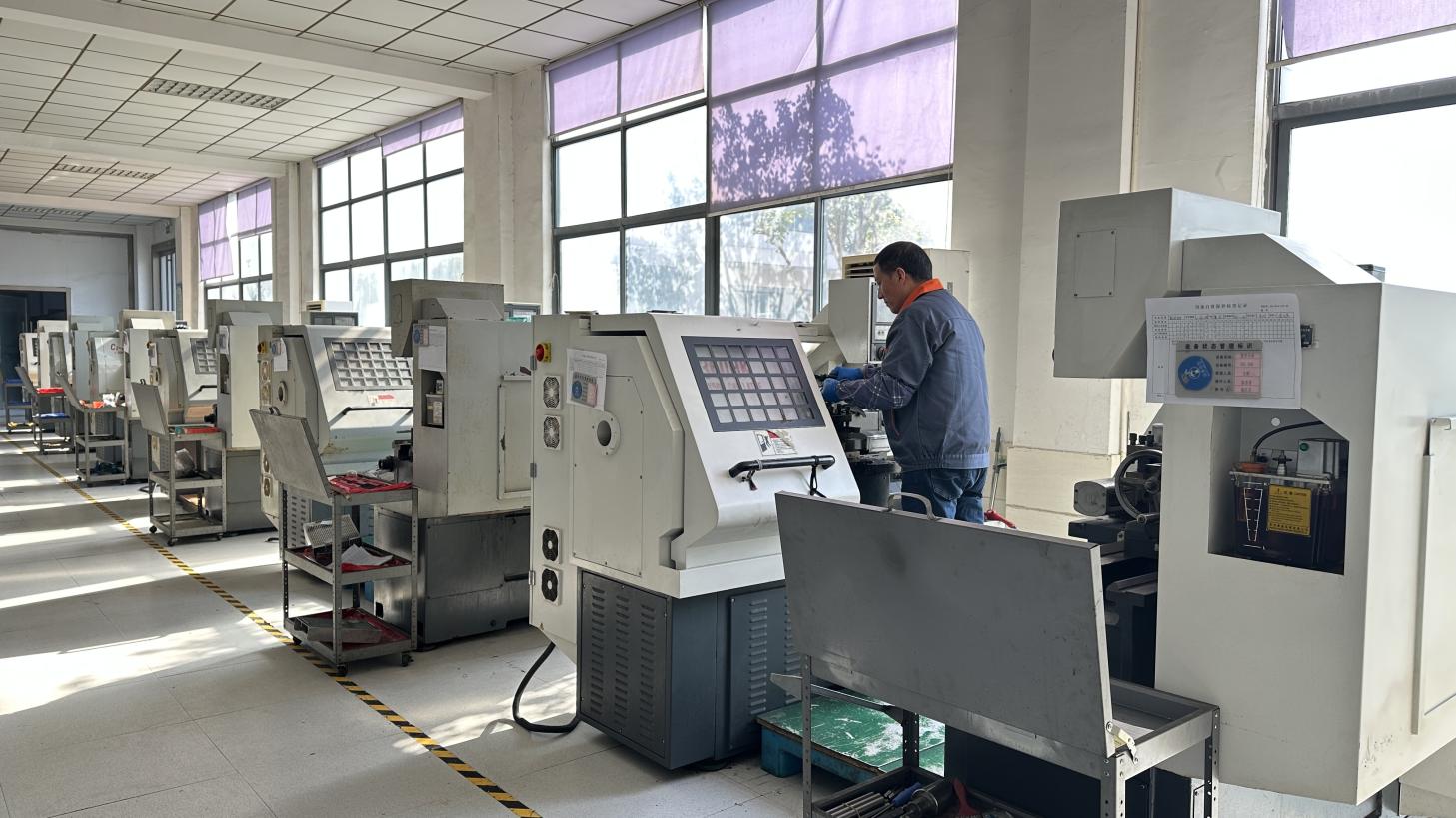
CNC Lathe Machinery
High-Accuracy Lathes
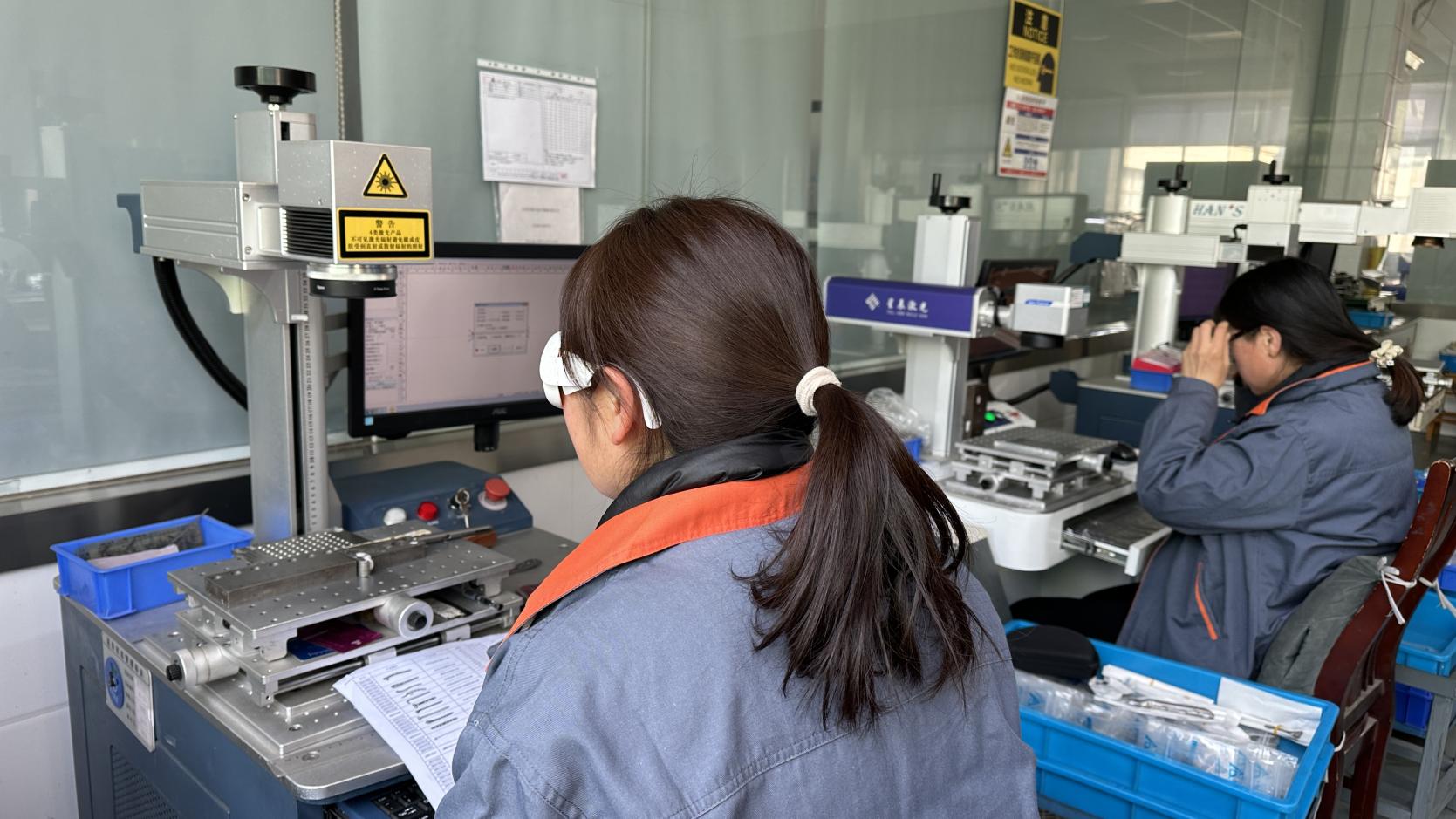
Laser Marking
UDI Laser Marking
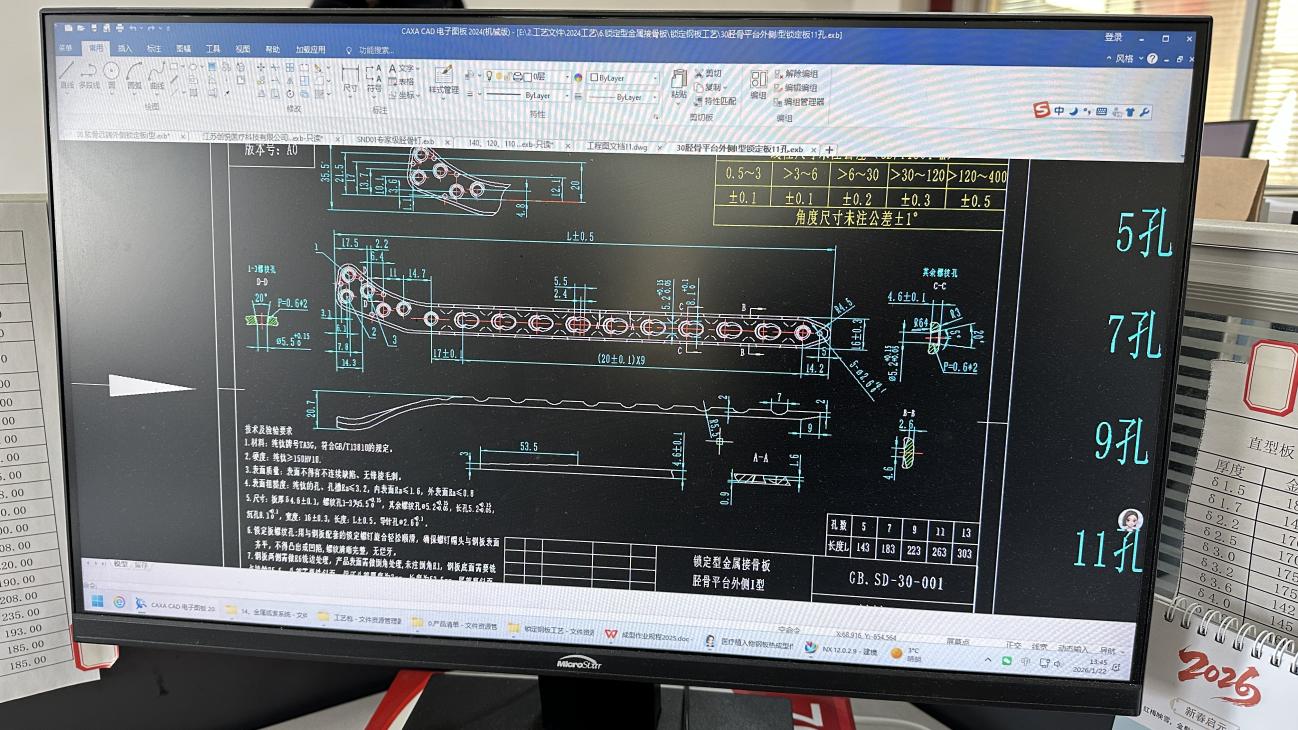
CAD/CAM Orthopedic Design
CAD/CAM R&D
Metallurgical Lab
Materials Testing Lab
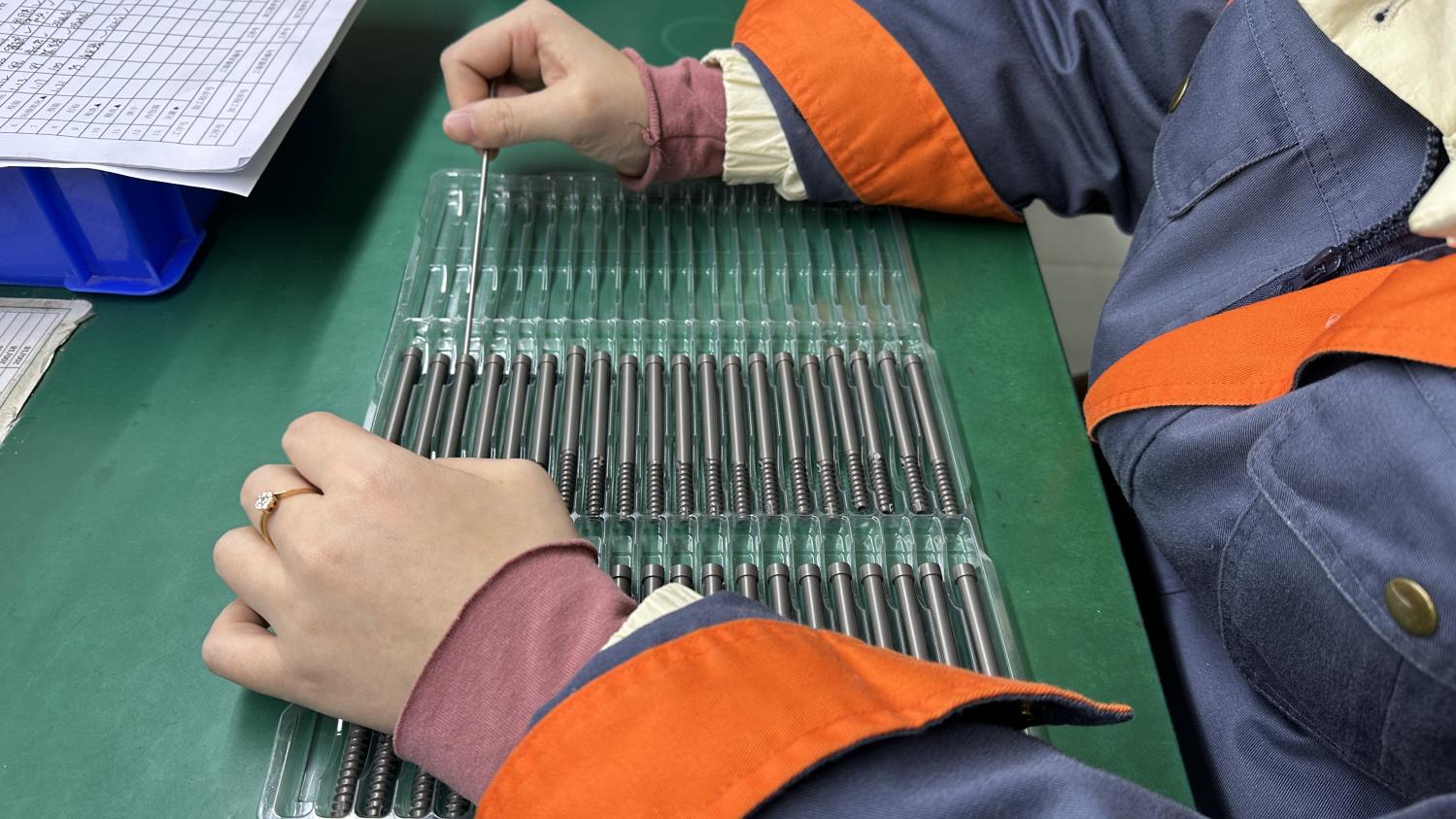
In-process Quality Control
Dimensional Audit
Microscopic Quality Verification
Microscopic Surface Audit
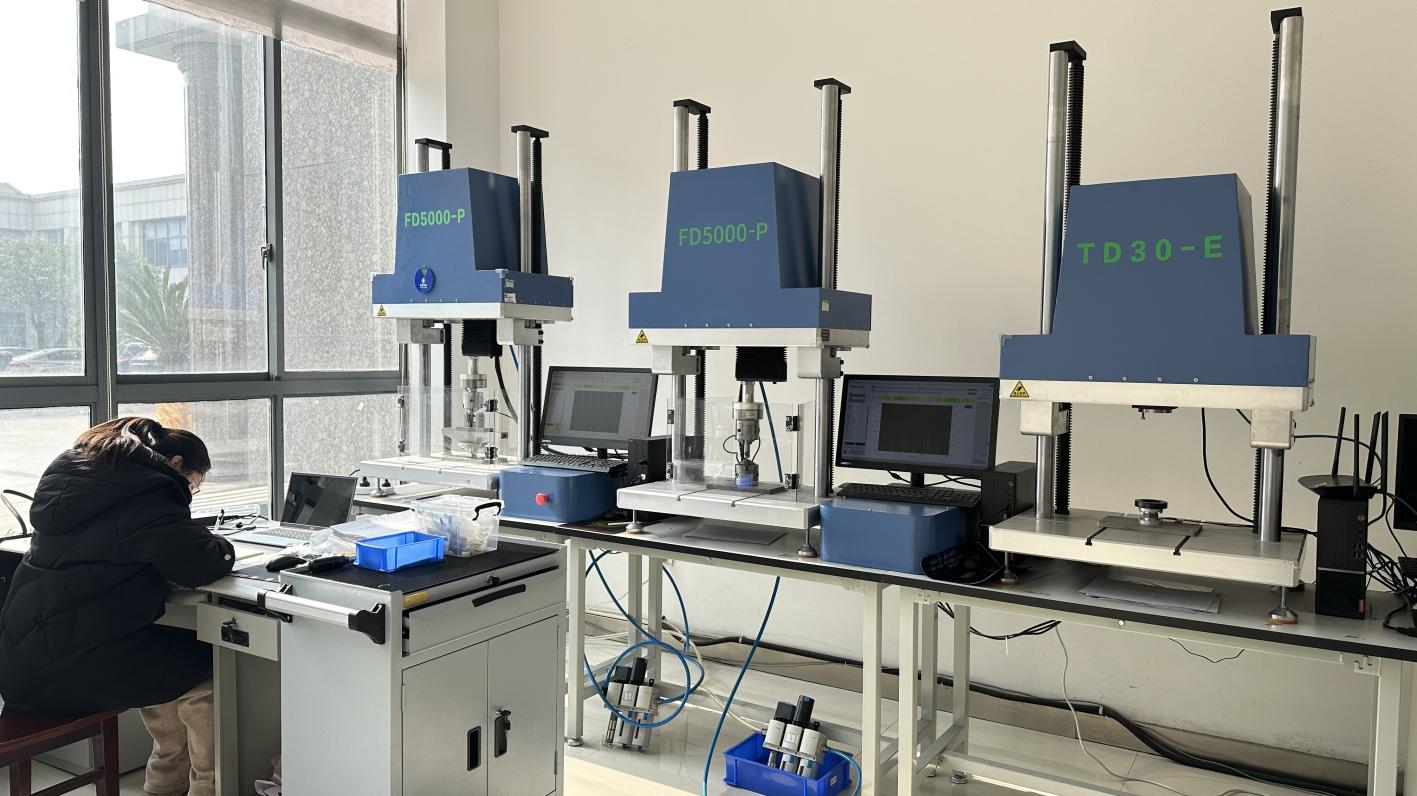
Dynamic Fatigue Tester
Dynamic Fatigue Testing
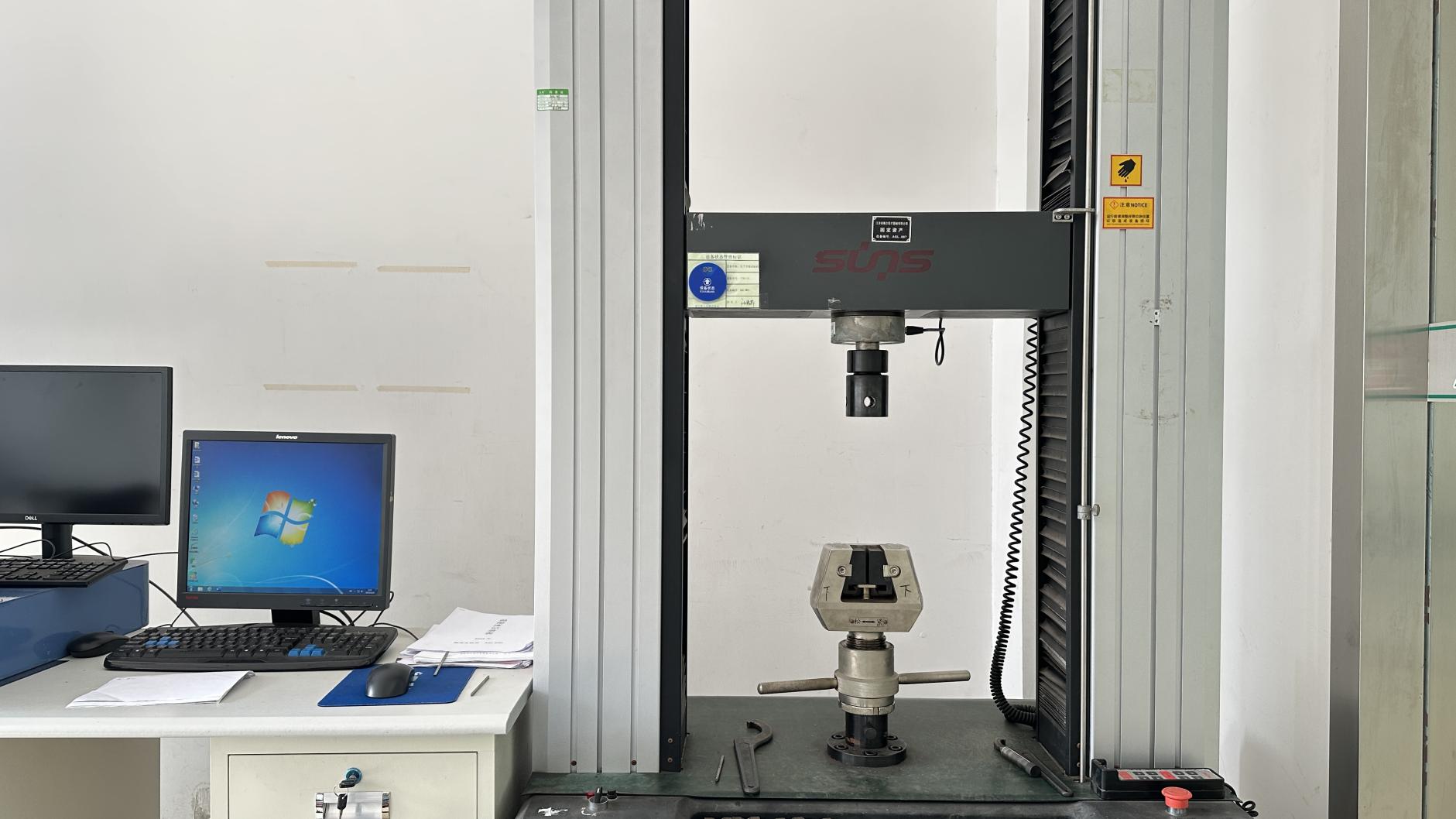
Tensile Strength Testing
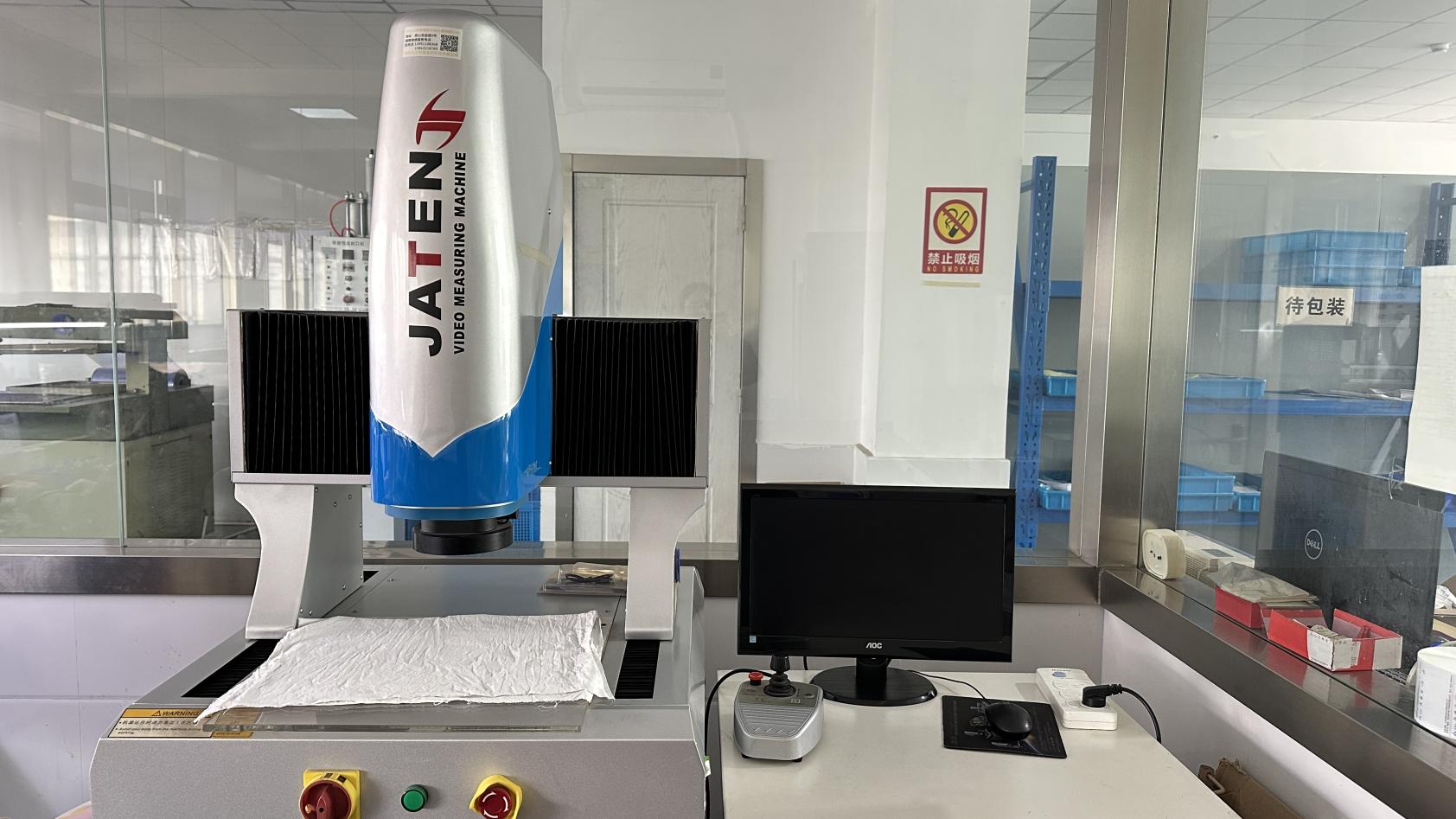
2D Coordinate Metrology
2D Metrology System
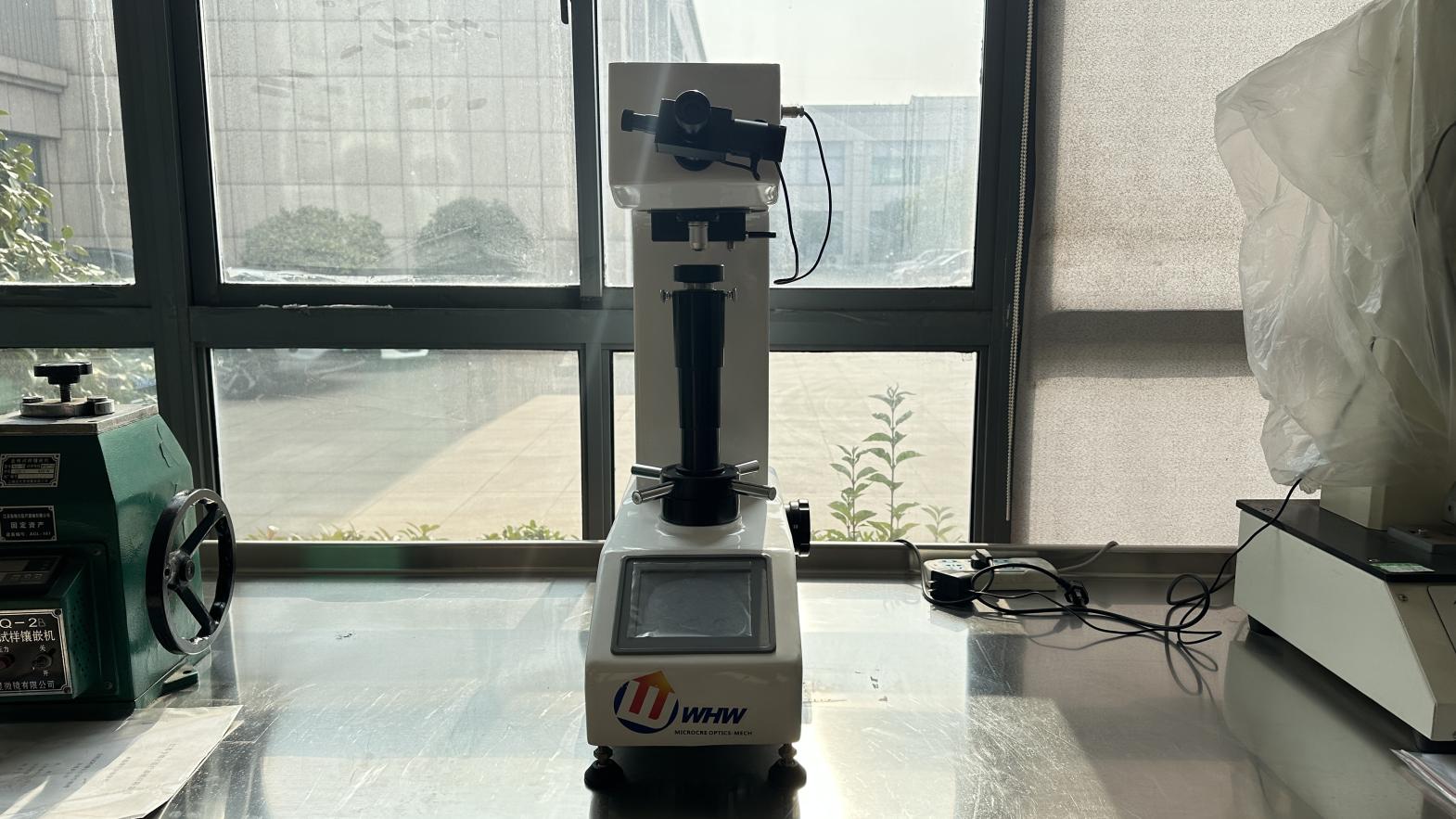
Vickers/Rockwell Hardness Tester
Hardness Verification
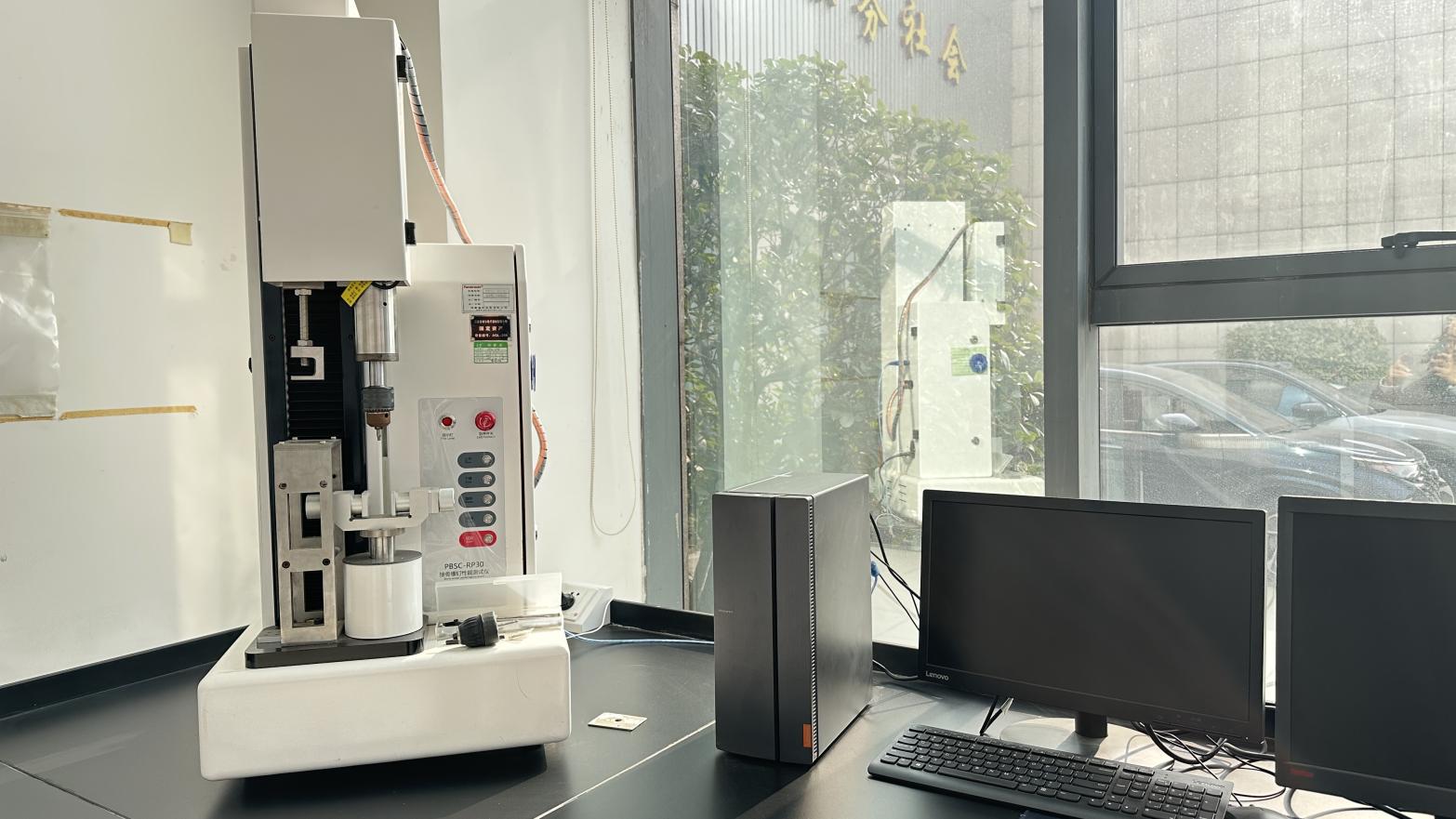
Bone Screw Performance Testing
Screw Performance Testing

The Chinese Manufacturing Edge: Efficiency, Sourcing & R&D Integration

The international orthopedic market requires a balance of high biocompatibility, precise tolerances, and cost-effective manufacturing. Medisplint leverages China's advanced industrial ecosystem to provide world-class medical implants at competitive prices.

Our facility integrates advanced high-axis CNC turning and milling machinery with specialized design studios. This close coordination allows us to move new designs from initial CAD modeling to mechanical validation testing much faster than regional competitors.

By working with over 1,200 verified raw material and logistical partners, we secure reliable access to premium medical-grade metals while keeping production lines running smoothly. This supply chain integration helps insulate our partners from global pricing fluctuations.

OEM/ODM Customization Framework

Our 85 R&D engineers customize nail lengths, distal locking configurations, and proximal angles to match specific regional anatomical needs. We also provide sterile protective packaging and custom labeling to help streamline importing.

Localized Clinical Scenarios

  • Proximal Femoral Fractures (PFNA): Ideal for unstable intertrochanteric fractures, particularly in osteoporotic geriatric patients where rotational stability is critical.
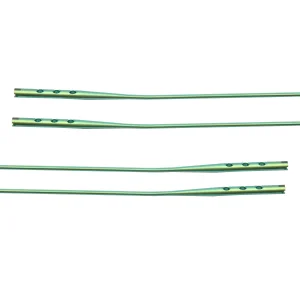
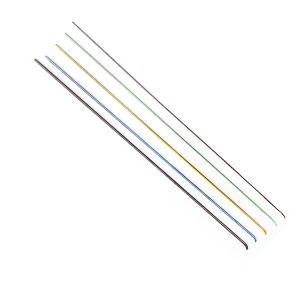
  • Pediatric Trauma: Flexible titanium elastic nails designed to protect physeal plates in pediatric long-bone fractures.
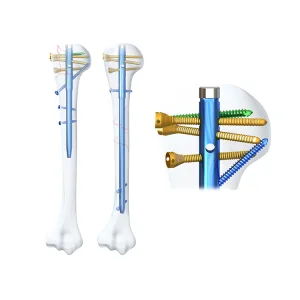
  • Humeral/Tibial Interlocking: High-precision distal locking mechanisms designed to minimize soft-tissue damage during minimally invasive insertion.
  • Pathological Non-Unions: Specially designed multi-lock systems configured to stabilize bones with severe structural damage.

Global Procurement Guide for B2B Sourcing Managers

Key specifications, certification benchmarks, and verification checklists for medical device importers.

Regulatory Verification

Ensure the manufacturer holds current ISO 13485:2016 certifications. For European markets, implants must comply with CE MDR requirements. Ensure all Class III implants have valid CE certificates and biocompatibility reports.

Material Traceability

Always request metallurgical certificates for titanium (Ti-6Al-4V ELI conforming to ISO 5832-3) and stainless steel (316LVM conforming to ISO 5832-1). Ensure the batch matches raw material casting runs to verify purity.

Mechanical Performance

Confirm the factory conducts routine dynamic fatigue testing (to simulate cyclic physiological loading) and pull-out resistance testing for bone screws. These safety records are vital for hospital registration.

Expert Q&A: Intramedullary Nail Manufacturing & Export

Detailed technical answers addressing material selection, regulatory compliance, custom sizing, and global shipping standards.

Q1: What materials are used in your intramedullary nails, and what are their specific standards?
Our intramedullary nails are manufactured from premium Ti-6Al-4V ELI (Grade 5 Extra Low Interstitials) titanium alloy, meeting the strict standards of ASTM F136 and ISO 5832-3. We also supply select implants fabricated from medical-grade 316LVM stainless steel conforming to ASTM F138 and ISO 5832-1. Every shipment is accompanied by original material mill run certificates for traceabilty.
Q2: Can Medisplint support custom anatomical dimensions for OEM distributors?
Yes. Our R&D team features 85 engineers and developers. We offer comprehensive OEM/ODM customization services. We can adjust nail parameters, such as the proximal diameter, bend radius (ROC - Radius of Curvature), distal locking configurations, and total length, based on your technical drawings or CT scans.
Q3: How does your facility ensure consistent quality and dimensional tolerances for locking screws?
We use multi-axis CNC machining centers and advanced lathe systems to maintain tolerances within ±0.01mm. Our quality control division includes 42 inspectors who verify dimensions using 2D and 3D coordinate metrology systems, optical comparators, and automated thread checkers. This careful process ensures clean alignment between locking screws and the nail body.
Q4: What certifications do you provide to facilitate import custom clearances in the EU?
Medisplint holds verified EN ISO 13485:2016 Quality Management System certificates. For EU importers, we provide CE certificates conforming to MDR guidelines, comprehensive Declarations of Conformity (DoC), validation data for cleanroom operations, and biocompatibility studies. This documentation ensures a smooth pathway through regional regulatory audits.
Q5: Do you supply non-sterilized or pre-sterilized intramedullary nails?
We can deliver implants in both formats. We supply non-sterilized titanium alloy intramedullary nails packed in protective medical-grade double-layer packaging, which are sterilized at the hospital prior to surgery. Additionally, we offer pre-sterilized options using validated Gamma Irradiation or Ethylene Oxide (EO) protocols.
All Intramedullary Nails Products