Medisplint
Medisplint
Medisplint
Pioneering reconstructive joints and instrumentation crafted under ISO 13485 and CE standards
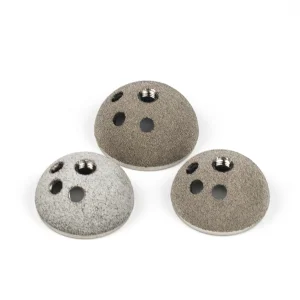
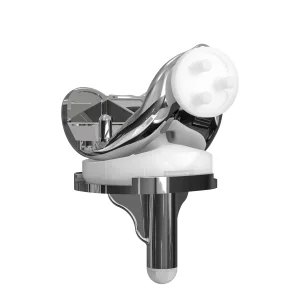
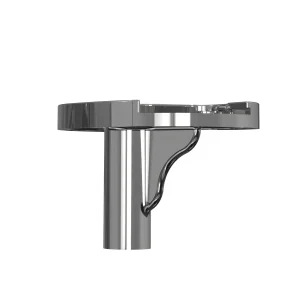
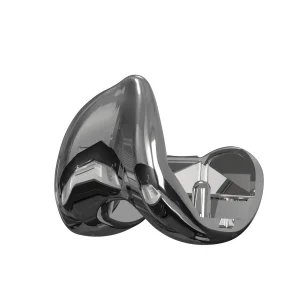
Founded in 2016, Medisplint Orthopedic Instruments Co., Ltd. has established itself as a premier global manufacturer specializing in high-precision orthopedic implants, rigid fixation systems, and specialized surgical instrumentation. Our focus spans across crucial anatomical reconstruction categories: trauma plates, spine fixations, and joint reconstructive components including Total Hip Arthroplasty (THA) and Total Knee Arthroplasty (TKA).
With an manufacturing facility extending over 18,500 square meters, we feature integrated machining shops, chemical post-processing spaces, and certified cleanrooms. Over a decade of deep manufacturing experience in the medical device sector ensures that our procedures meet the stringent global criteria for biocompatibility, tribological lifespan, and structural fatigue resistance.
Through robust international distribution channels and partnerships with global OEM brands, Medisplint supports orthopedic healthcare pipelines in Europe, South America, Southeast Asia, and the Middle East, yielding an annual export value of USD 12 million. We bridge design innovation with massive structural capability, introducing 68 new orthopedic components last year alone to meet evolving surgical procedures and regulatory mandates.
Adapting to the future of orthopedic biomechanics, surface modification, and personalized medicine
Integrating additive manufacturing technologies (electron beam melting and laser sintering) to buildTrabecular-mimicking micro-structures. This optimizes osteo-integration and matches bone elastic modulus, reducing stress shielding.
Developing highly cross-linked ultra-high-molecular-weight polyethylene (HXLPE) infused with Vitamin E to resist oxidation, paired with physical vapor deposition (PVD) TiN or amorphous diamond-like carbon (DLC) coatings to drop particulate wear.
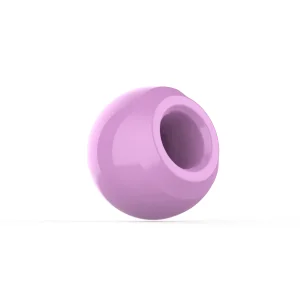
Utilizing high-purity Zirconia-Toughened Alumina (ZTA) composite ceramics for femoral modular heads and liner interfaces. This delivers near-zero wear metrics, avoiding osteolysis and increasing revision cycles to over 25 years.
How Medisplint aligns production to ease the global pressure on orthopedic surgical supply chains
To support implant designers and distribution groups, Medisplint offers a comprehensive OEM/ODM pipeline. We handle the process from 3D CAD design modification to cleanroom packaging. Brand owners can leverage our production facilities to lower capital equipment investments while securing ISO-certified components.
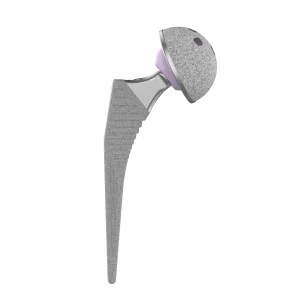
Our dedicated engineering staff collaborates with orthopedic designers, converting conceptual drafts into precision-milled titanium alloy stems or femoral components matching specific sizing templates (such as 12/14 tapers).
Hospital procurement departments and medical device distributors operate under intense cost pressures. Our manufacturing efficiency balances production costs, enabling hospitals to control budgets without compromising patient care.
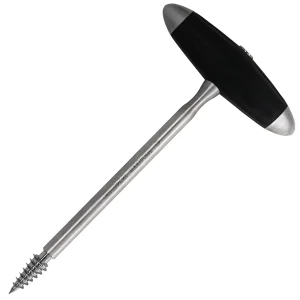
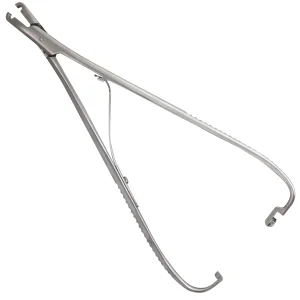
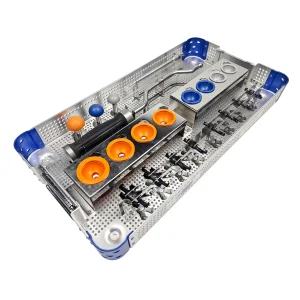
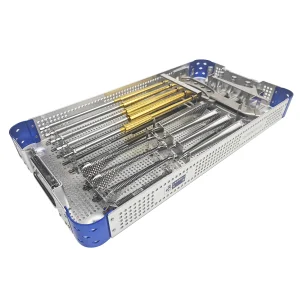
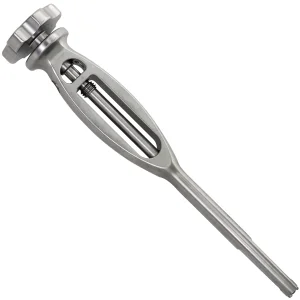
We supply complete surgical instrument systems along with the implants. Providing both instruments and implants minimizes assembly mismatches in the operating room, ensuring orthopedic surgeons have the correct templates, inserters, and extractors on hand.
A deep dive into our advanced 18,500㎡ facility, showcasing our CNC machining centers and workflow
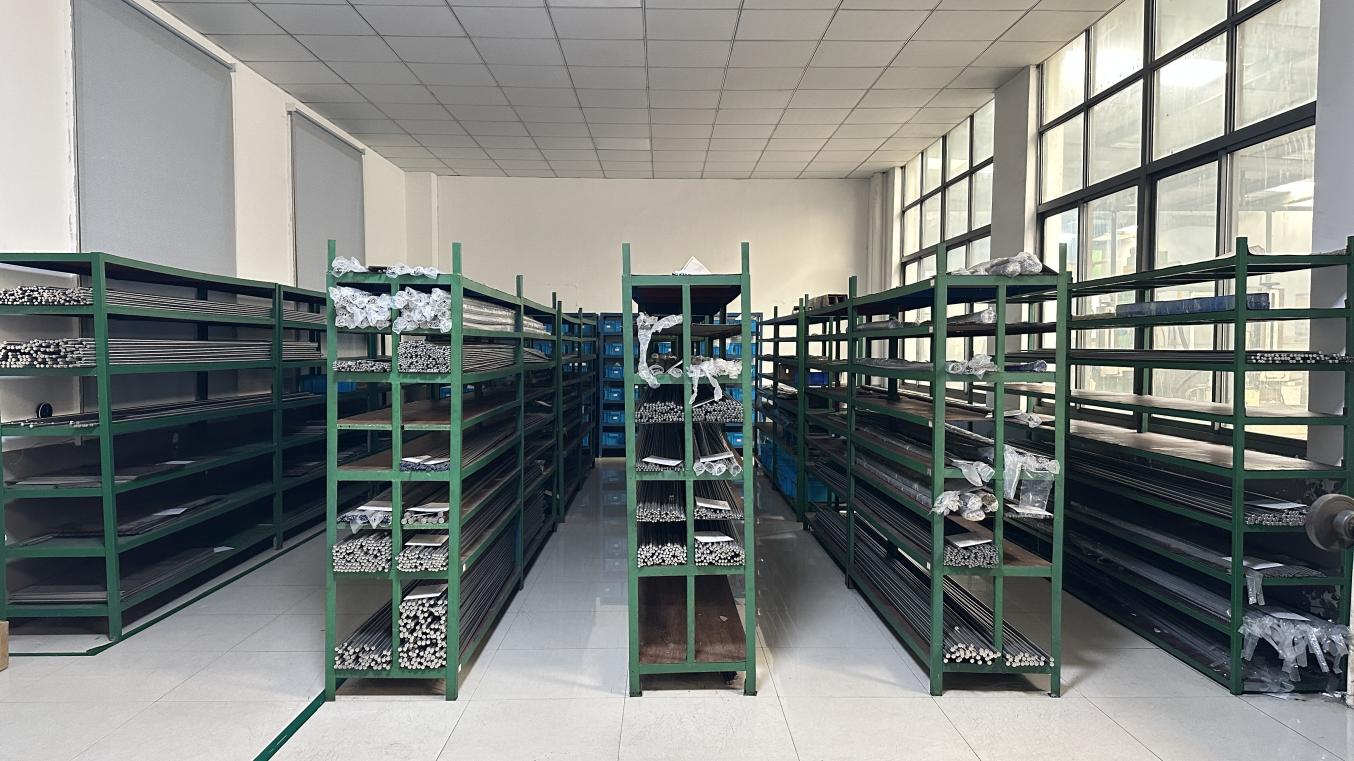
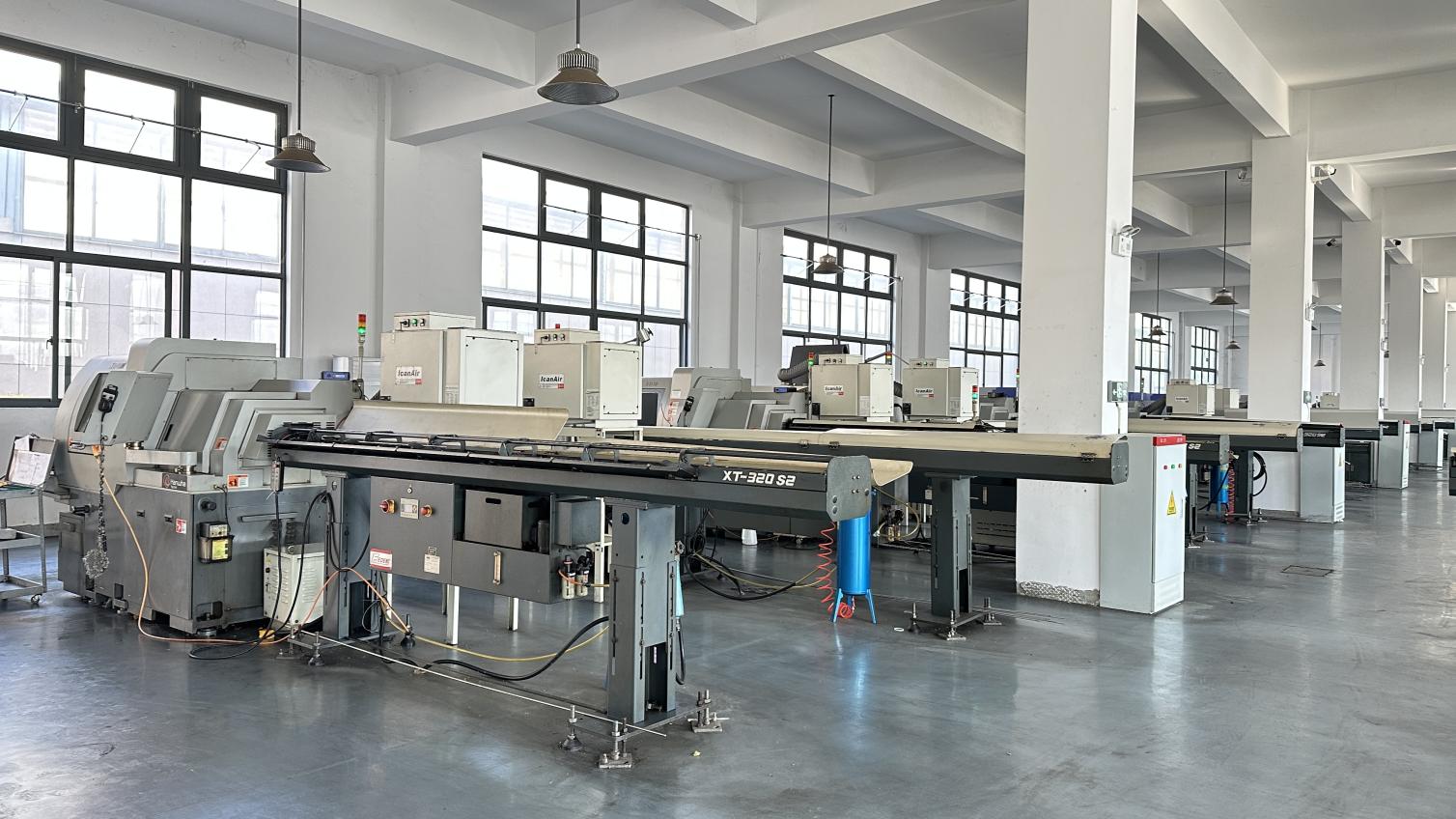
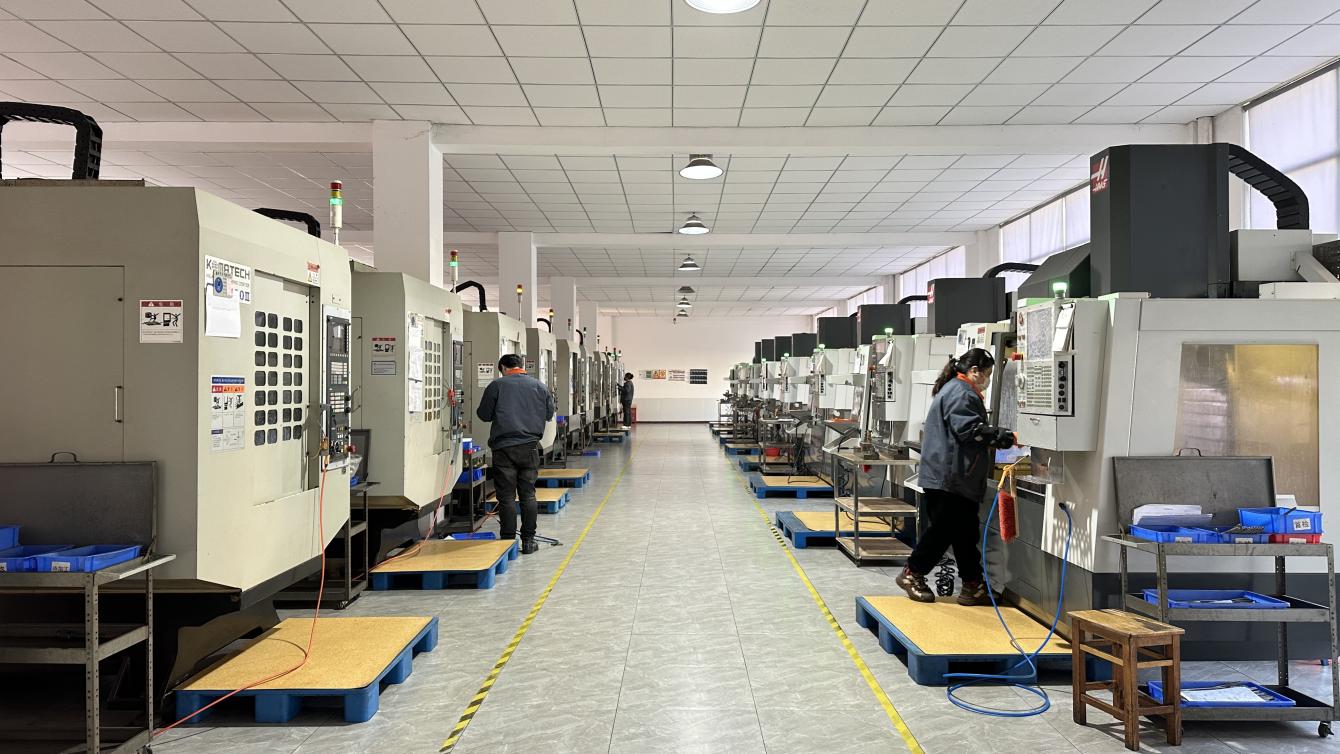
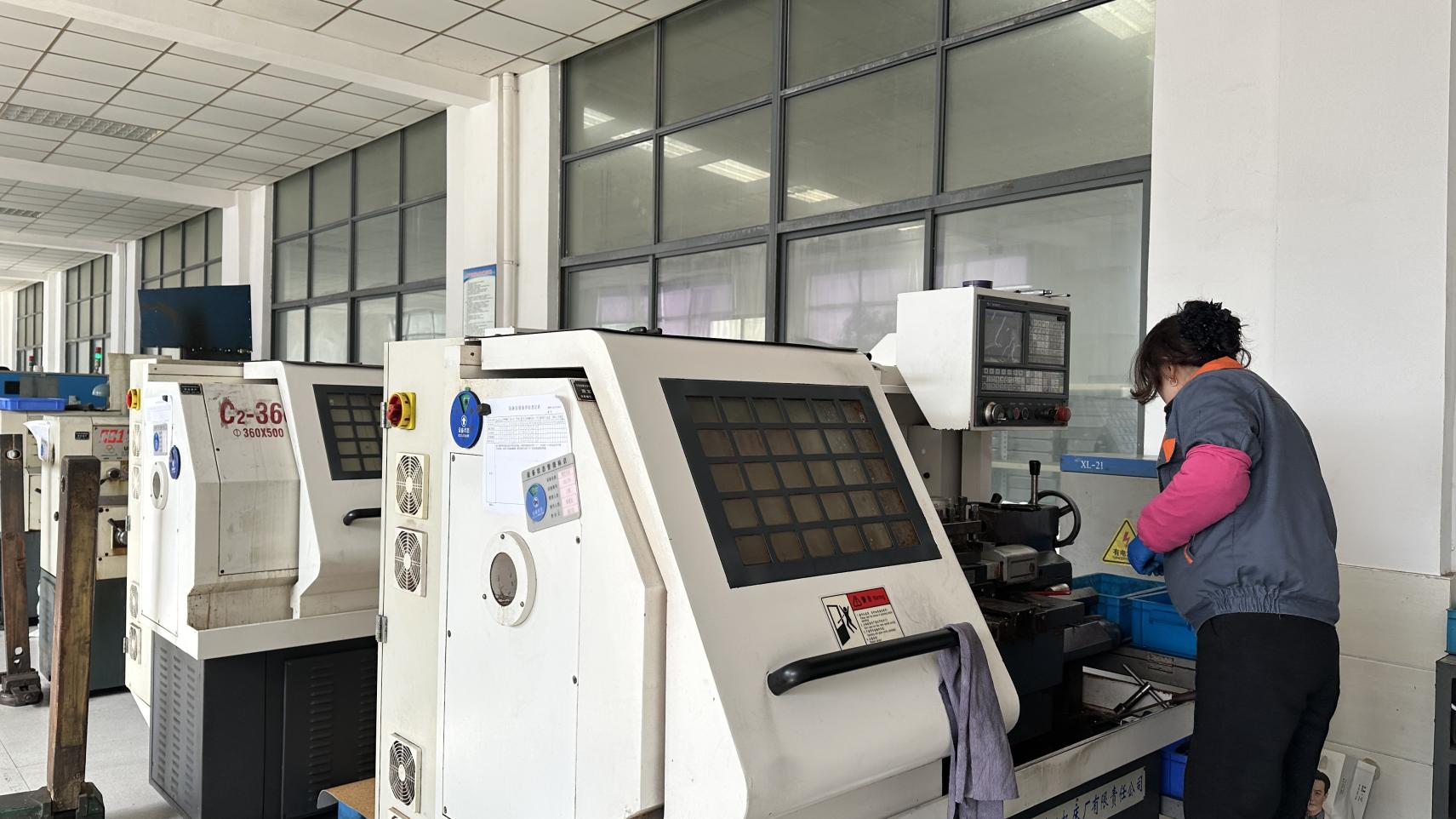
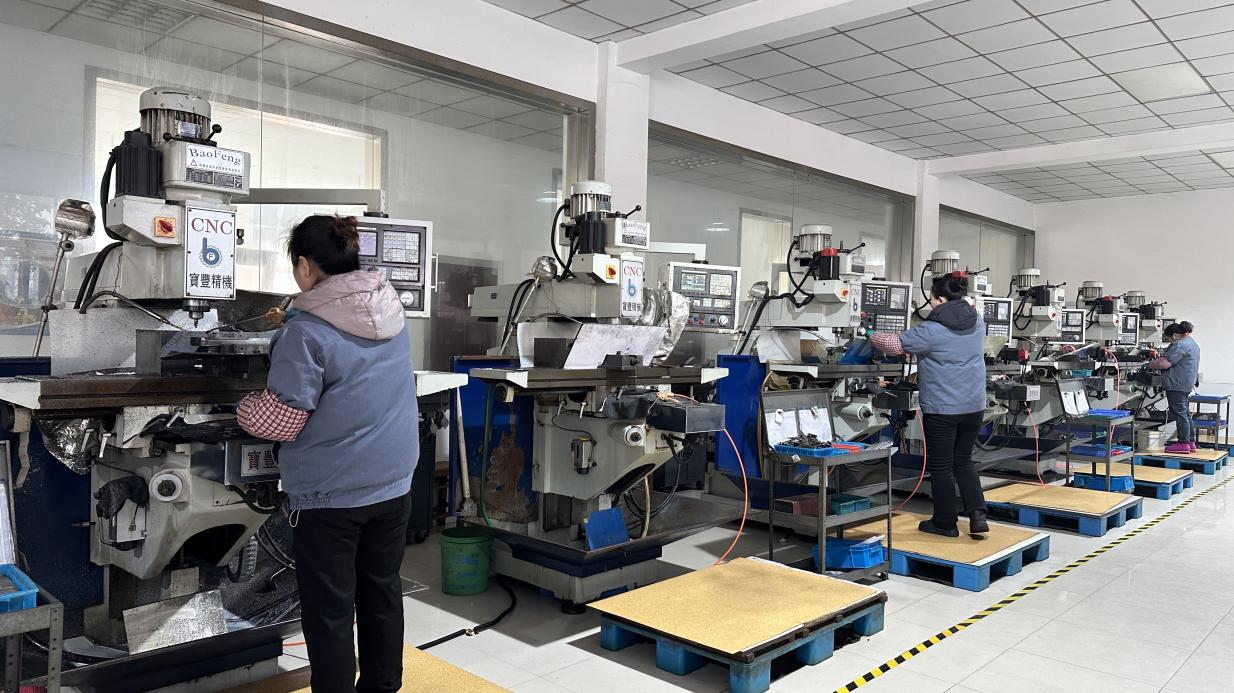
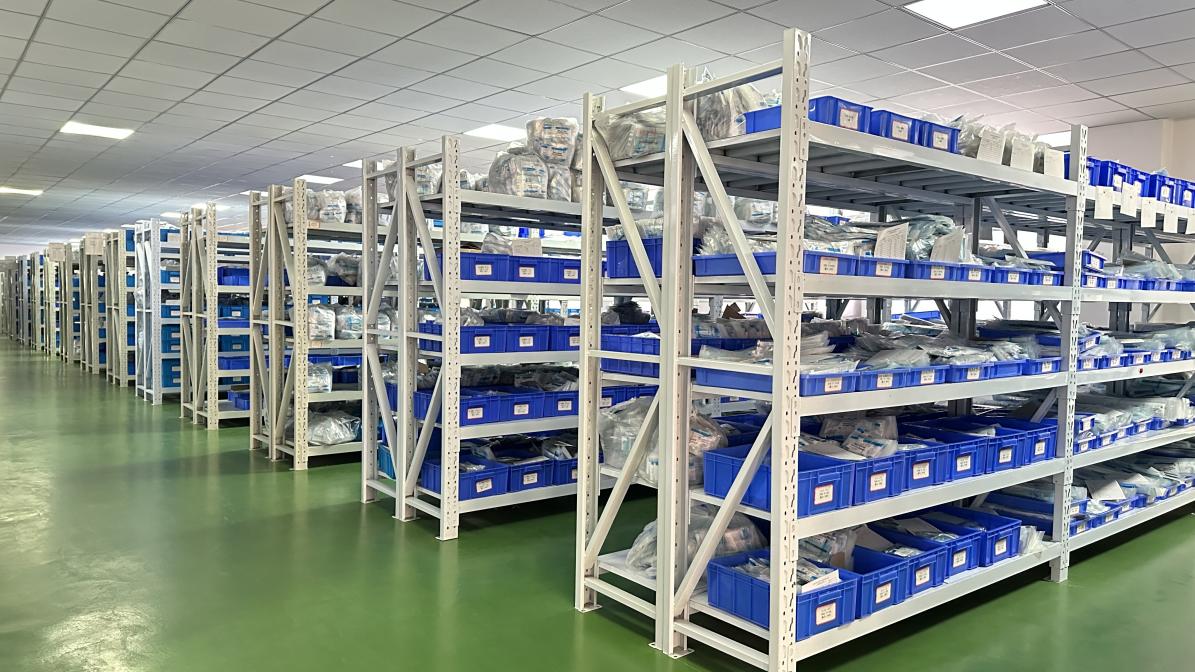
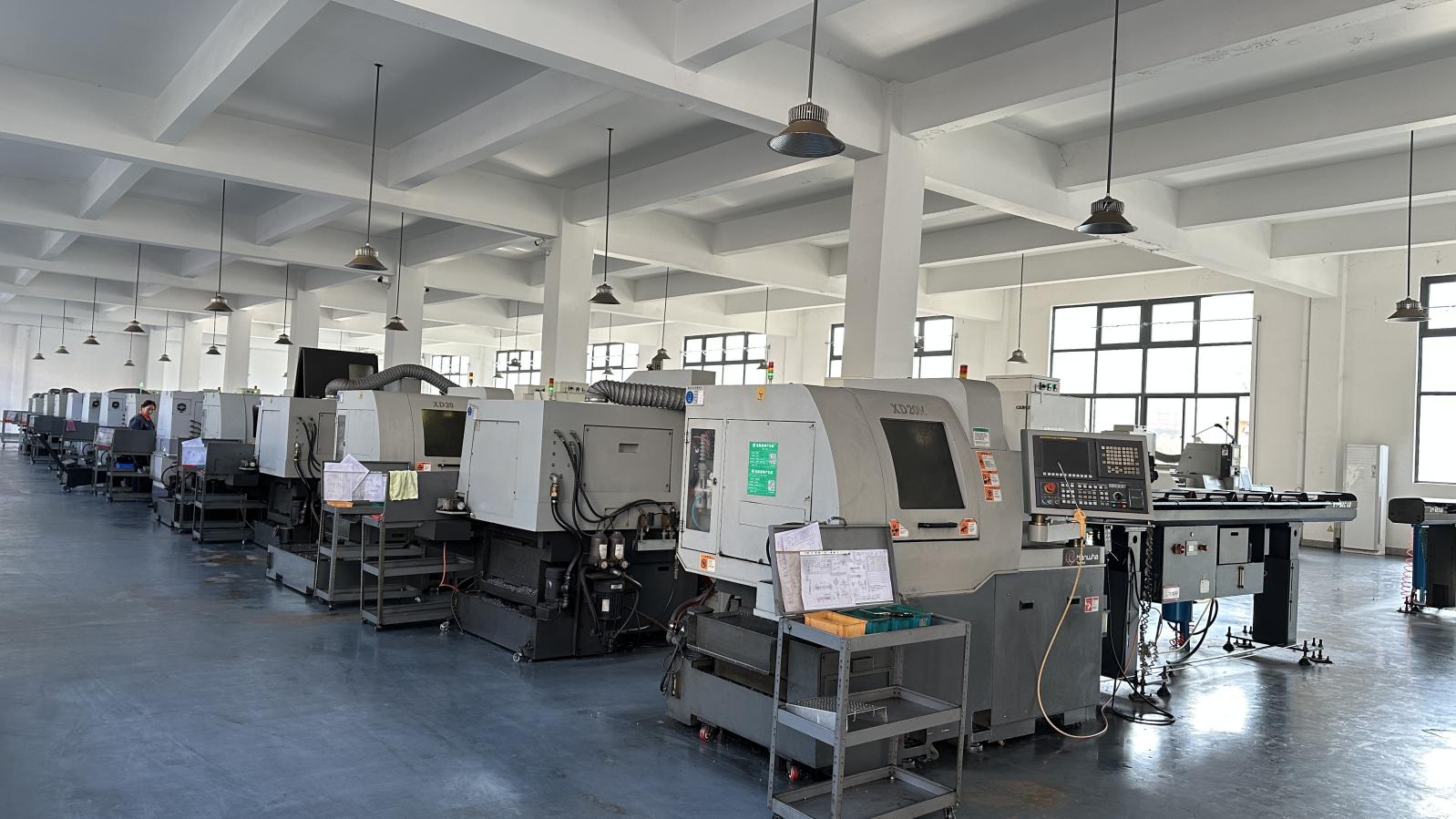
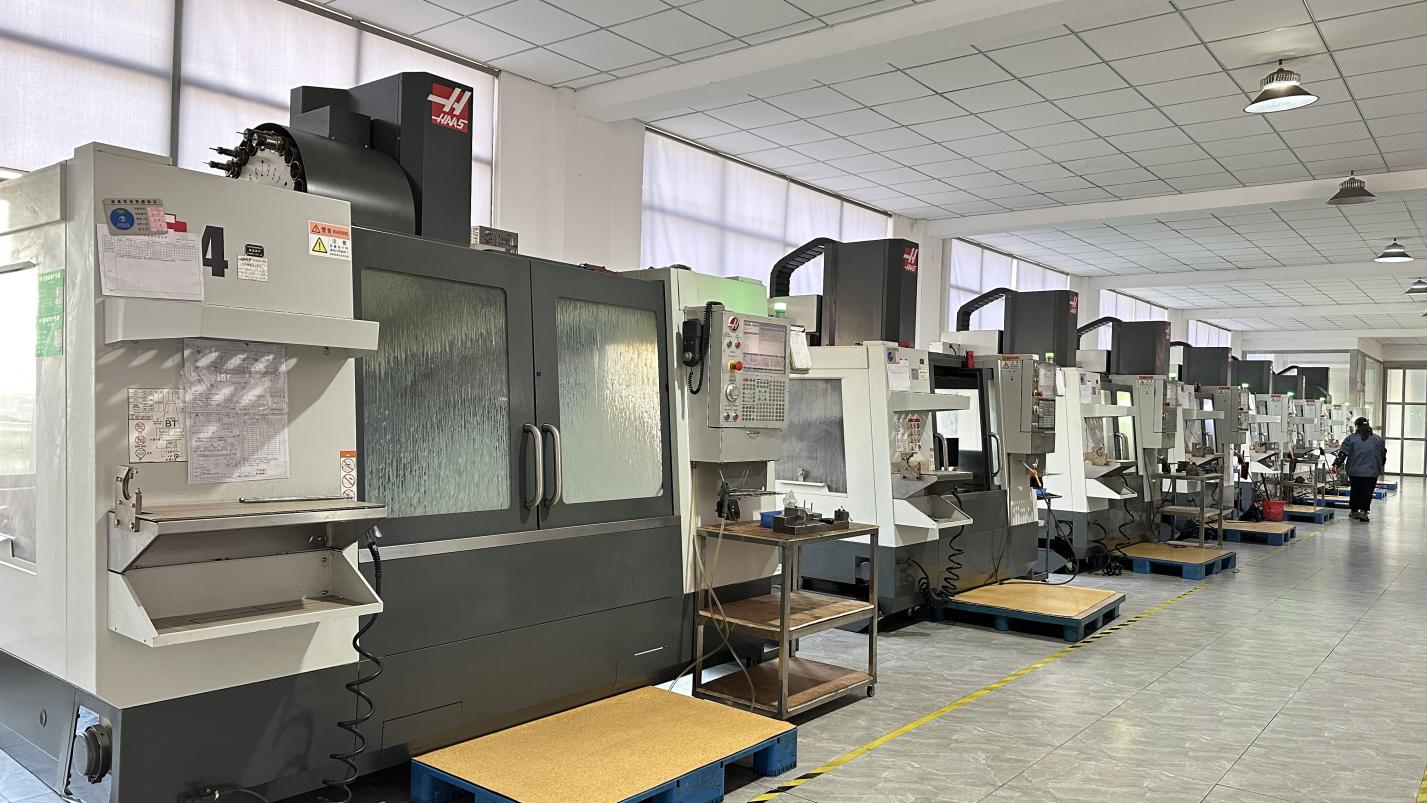
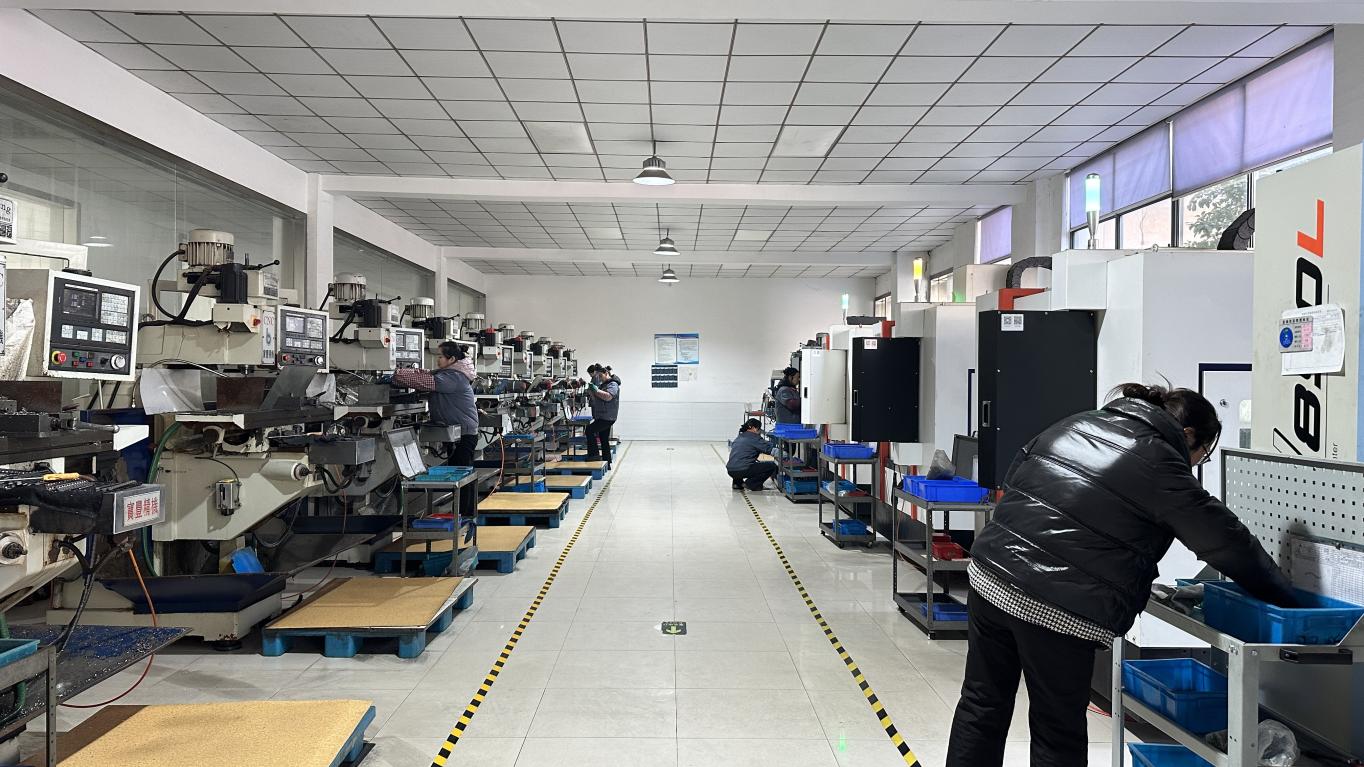
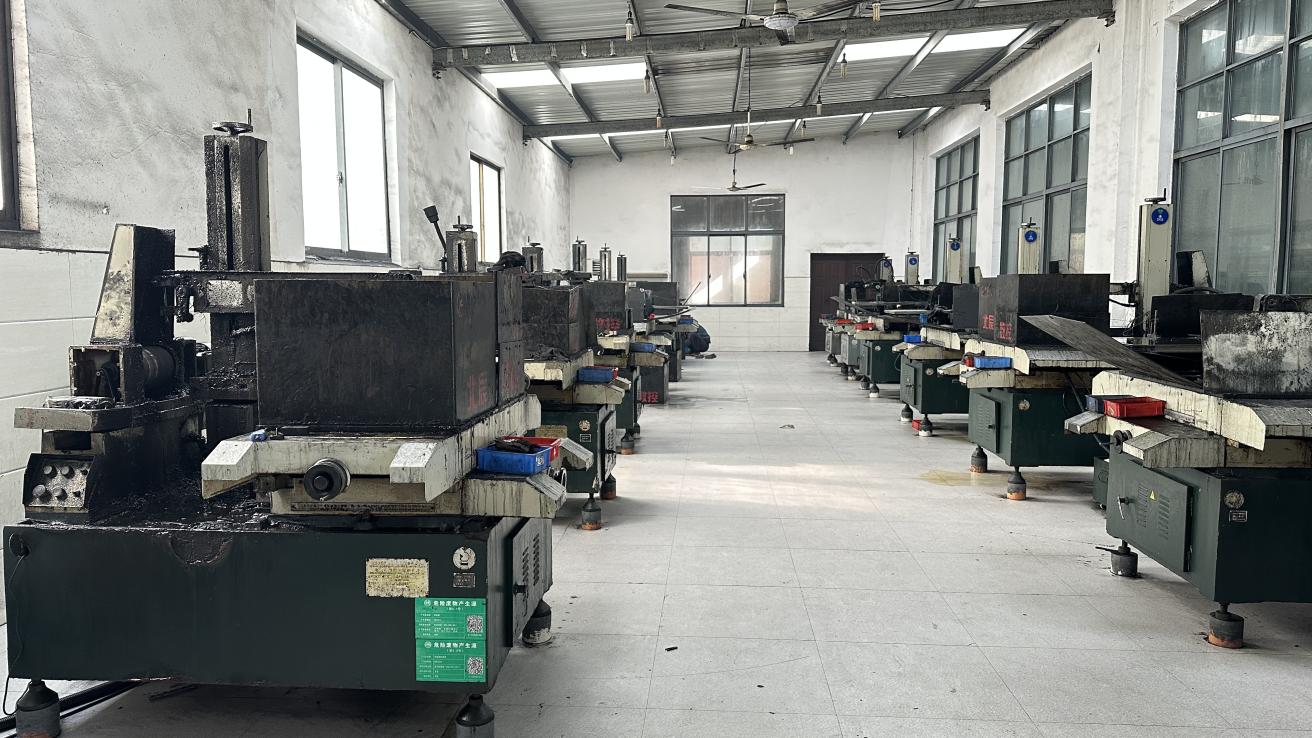
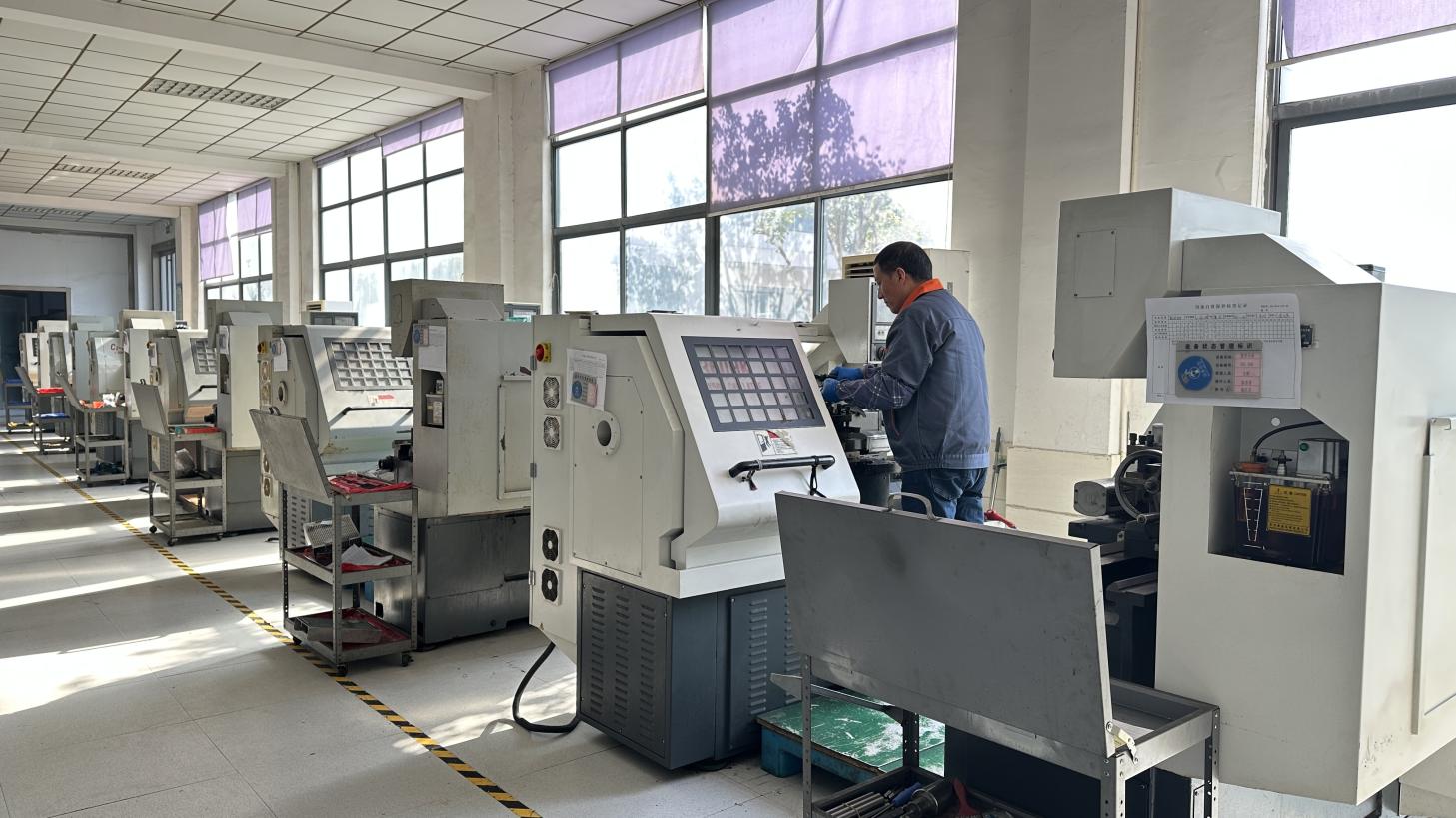
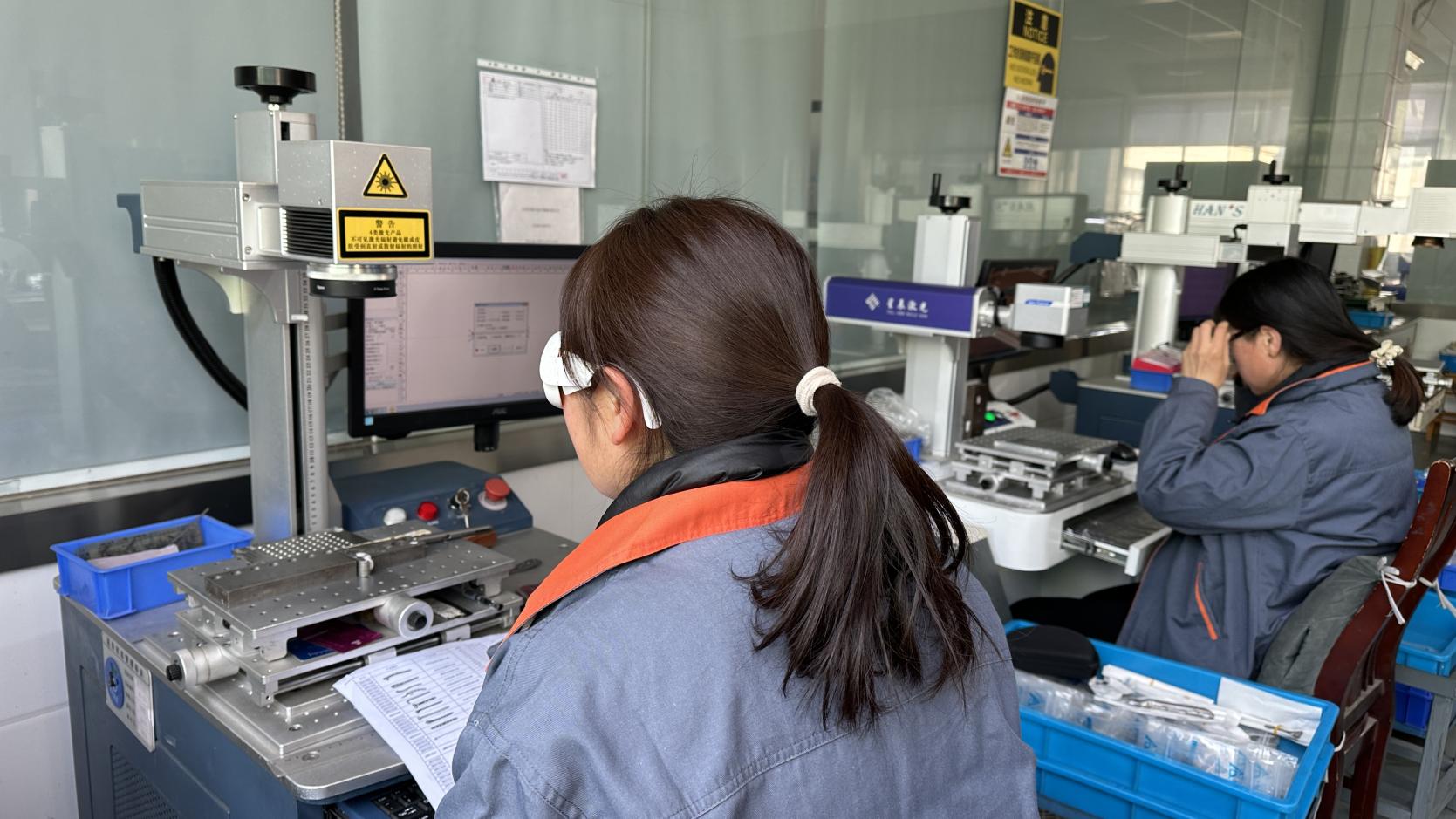
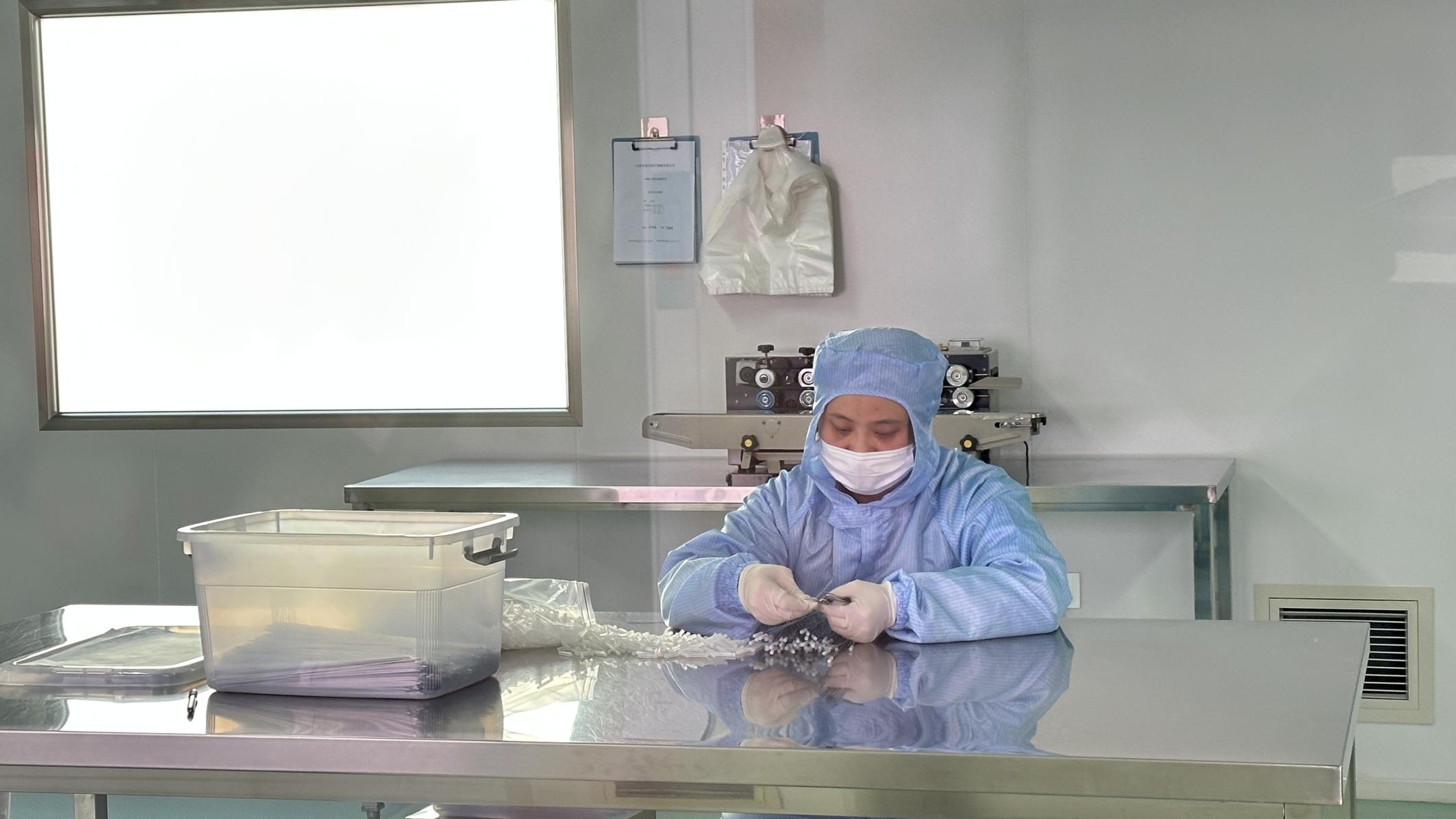
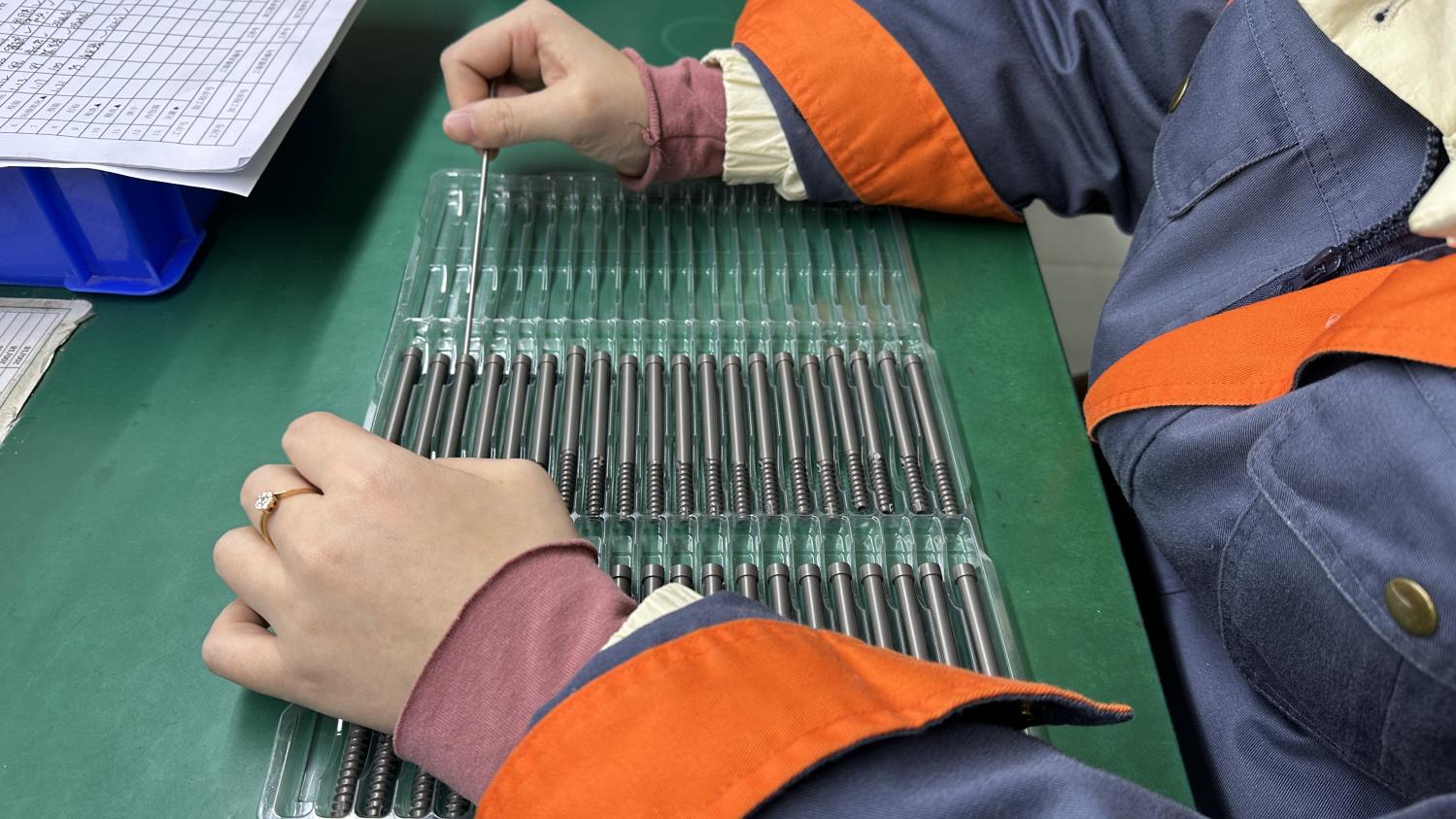
By coordinating medical-grade titanium bar slitting, multi-axis milling, and Swiss lathe operations, our facility achieves sub-micron geometric tolerances. Our ERP manufacturing software logs the machine ID, operator, and raw material heat code for every production step. This ensures that every acetabular cup and femoral stem is traceable back to the source titanium ingot, supporting compliance under EU MDR and US FDA systems.
Ensuring mechanical safety and clinical performance through structured biomechanical verification
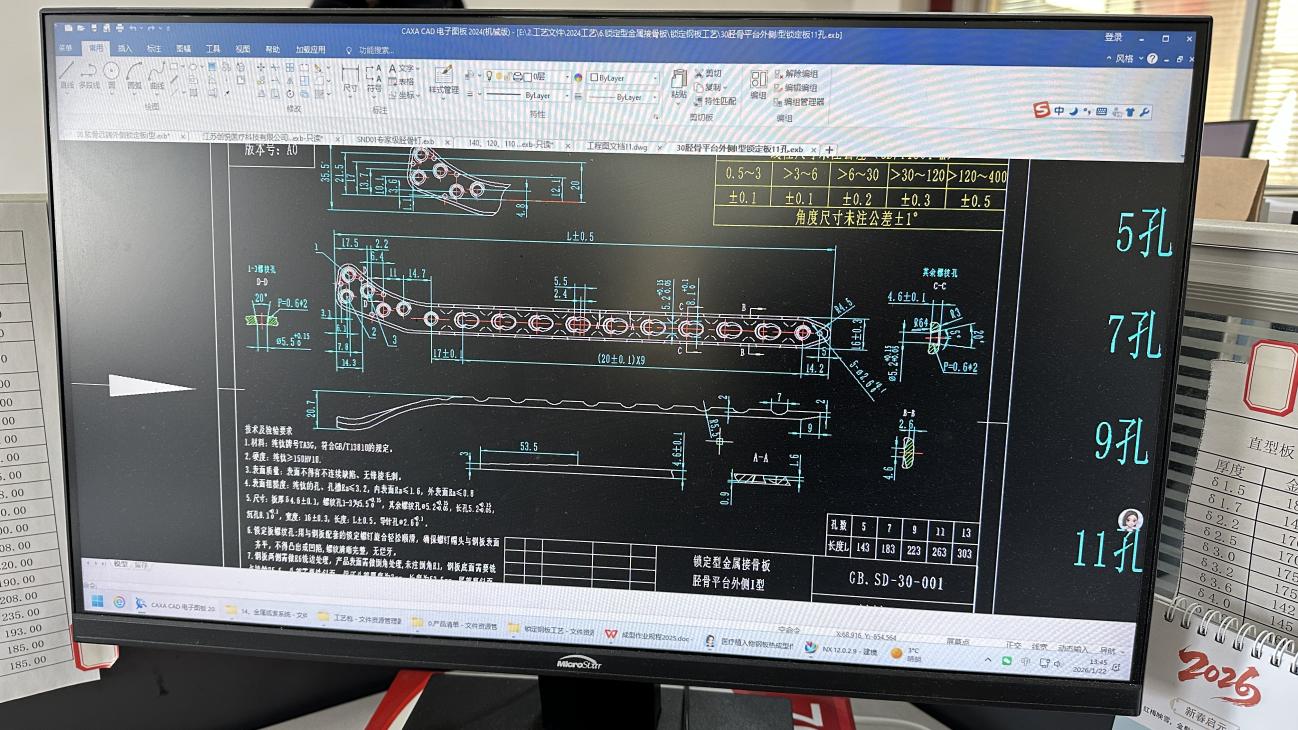

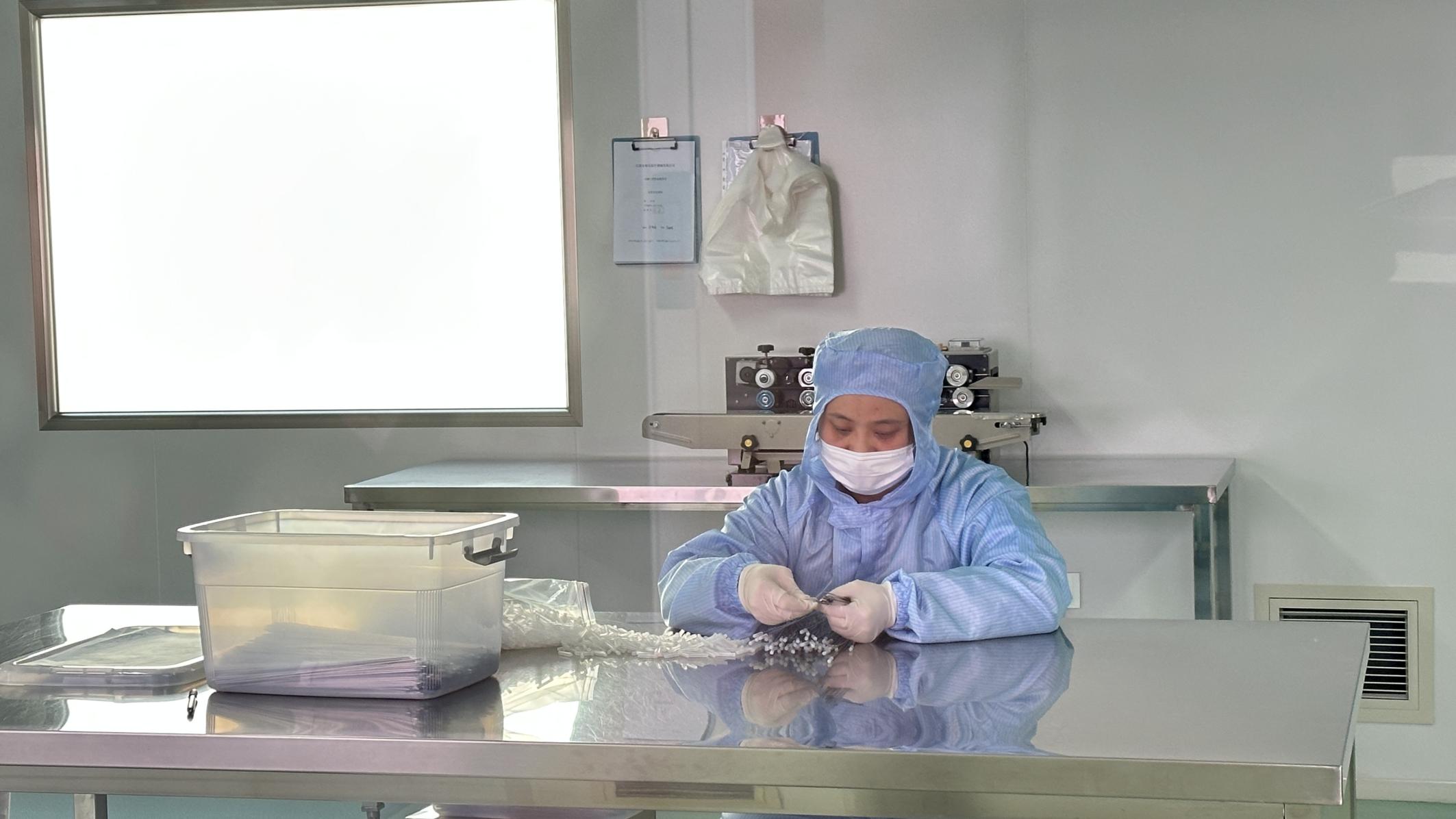
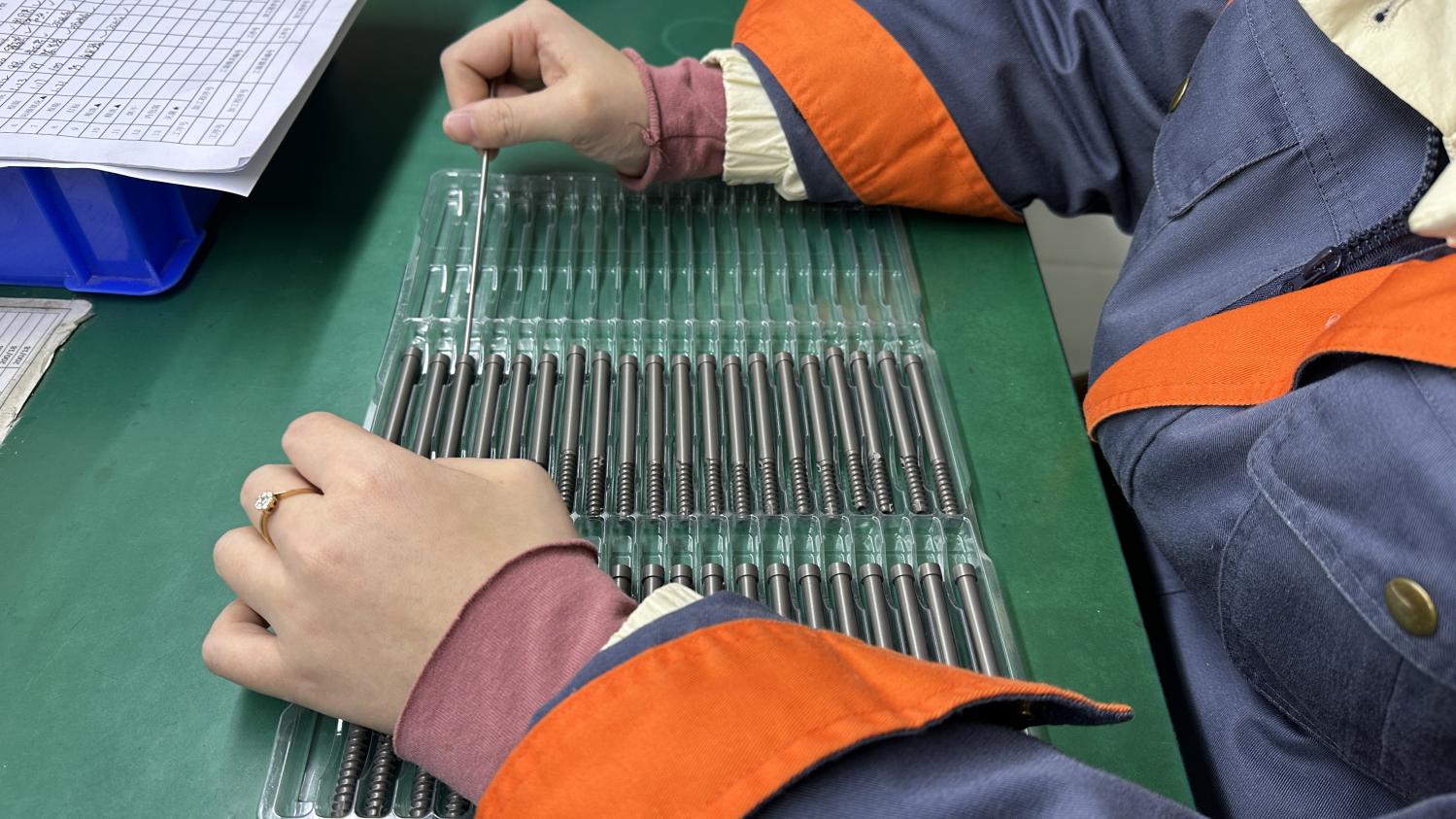
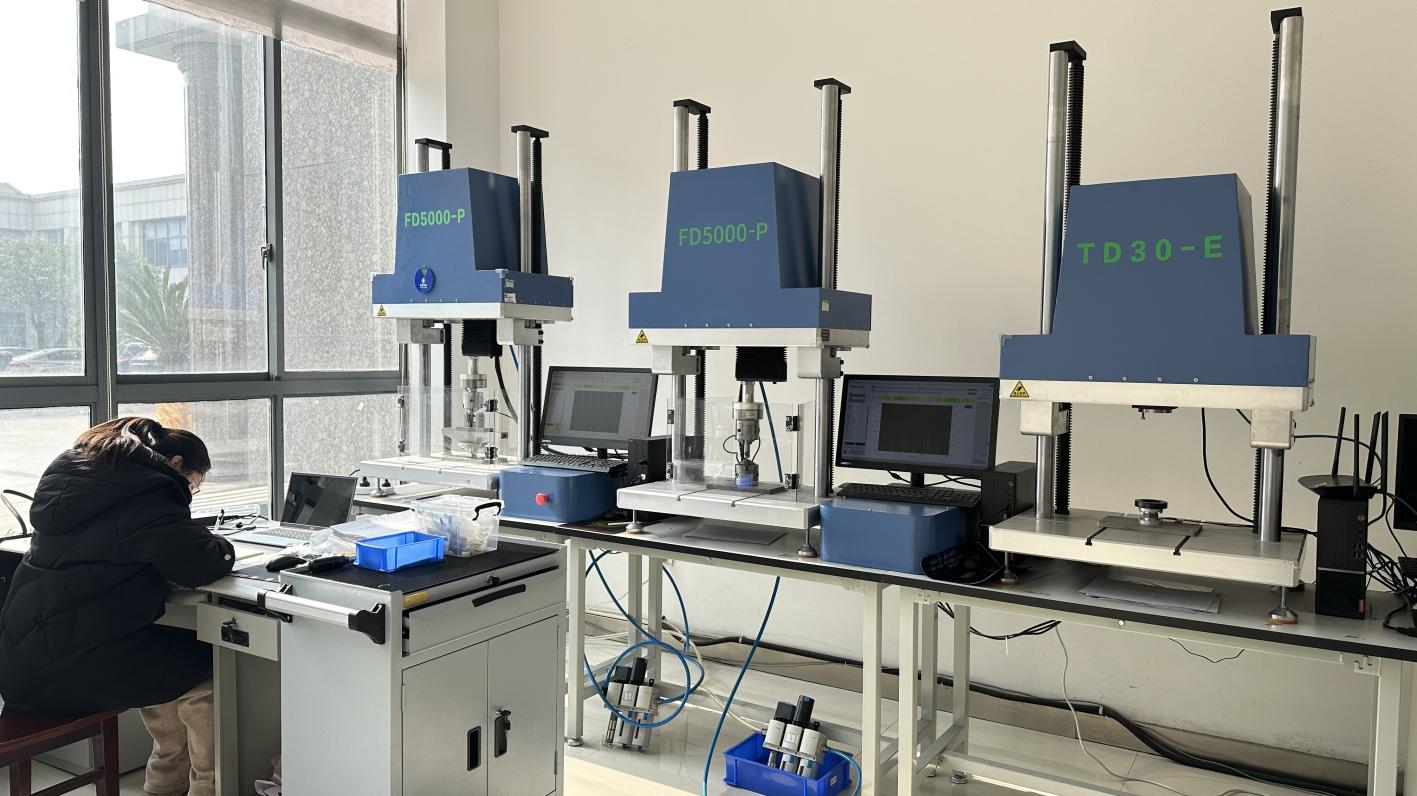
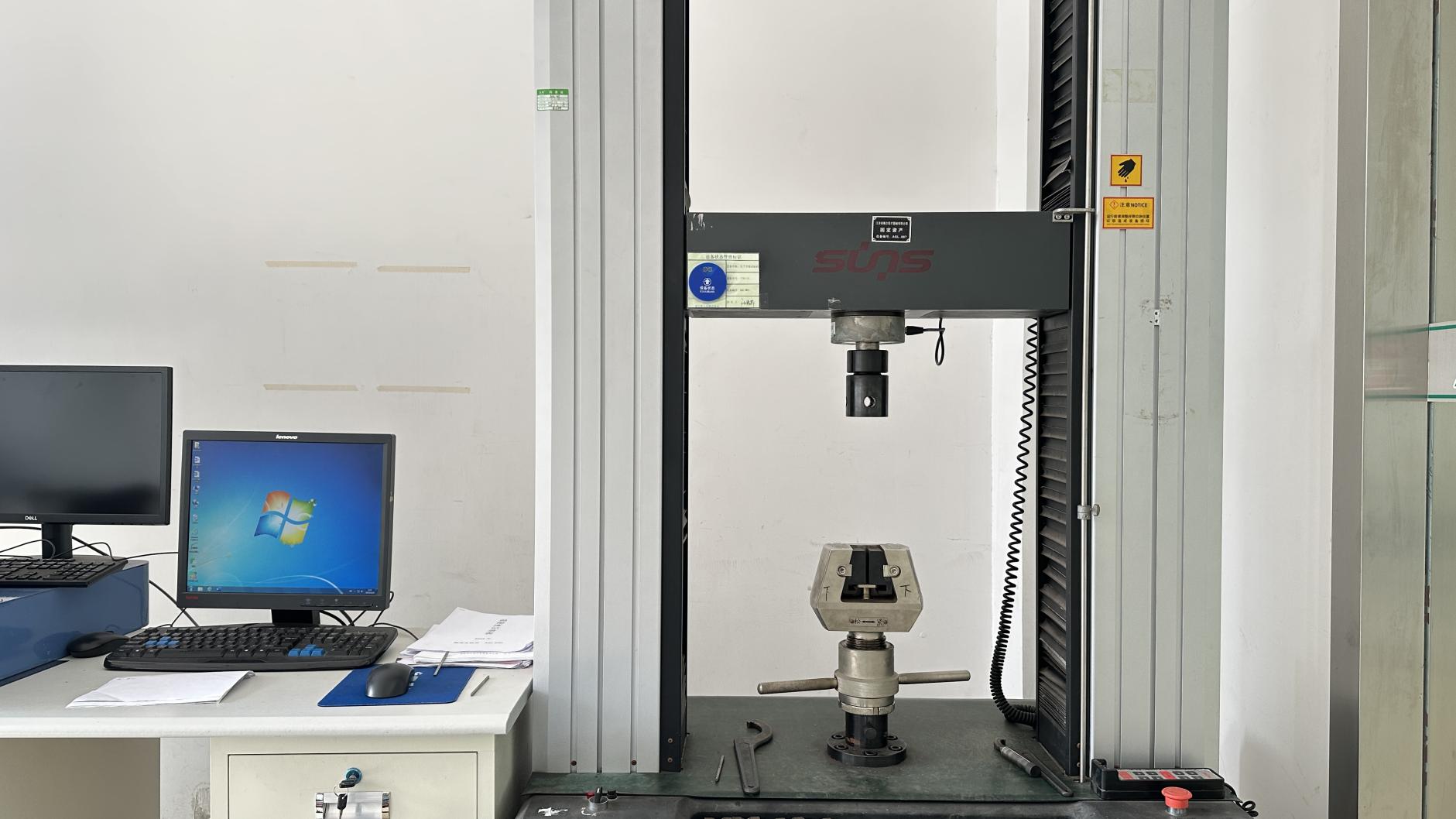
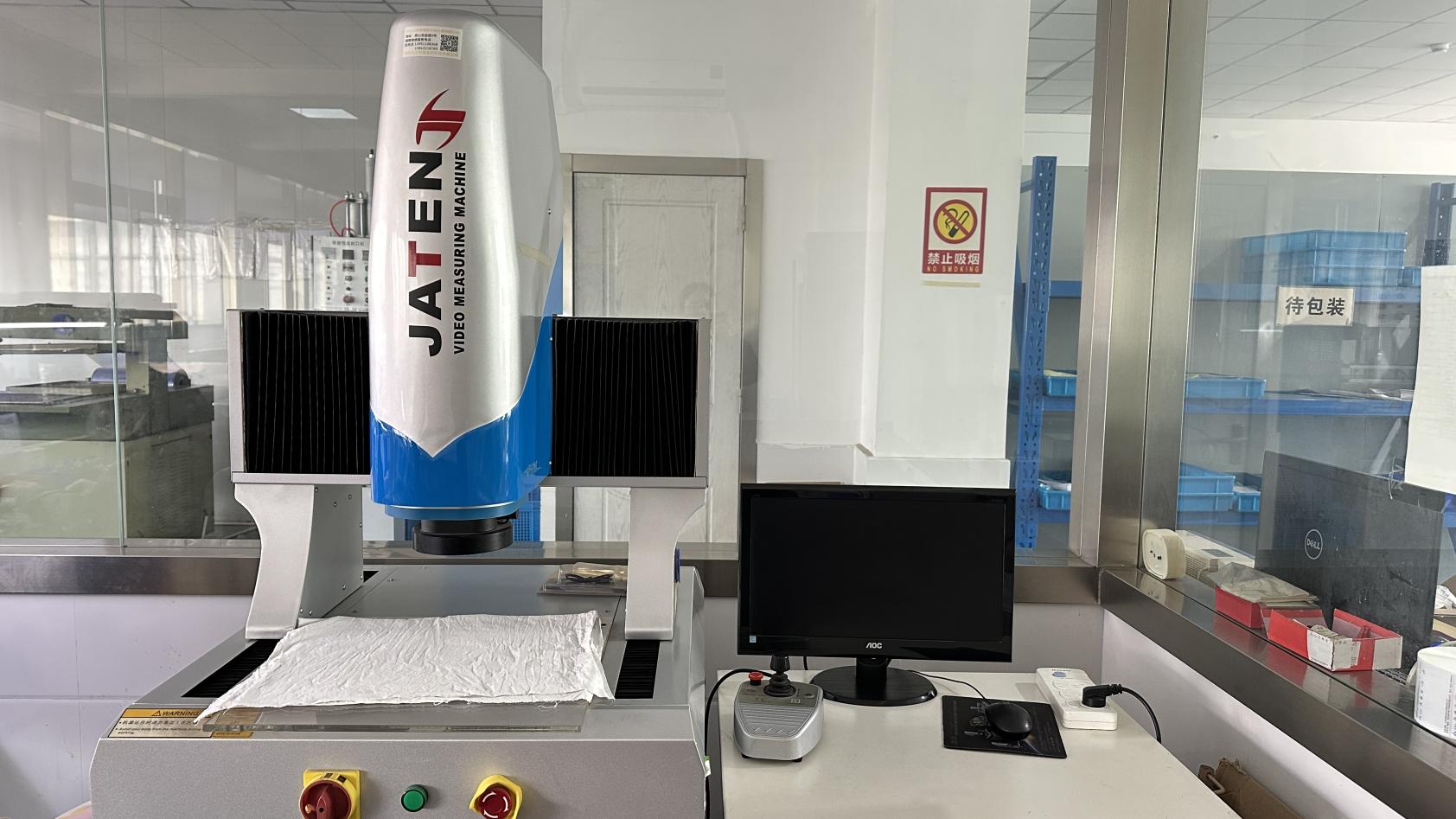
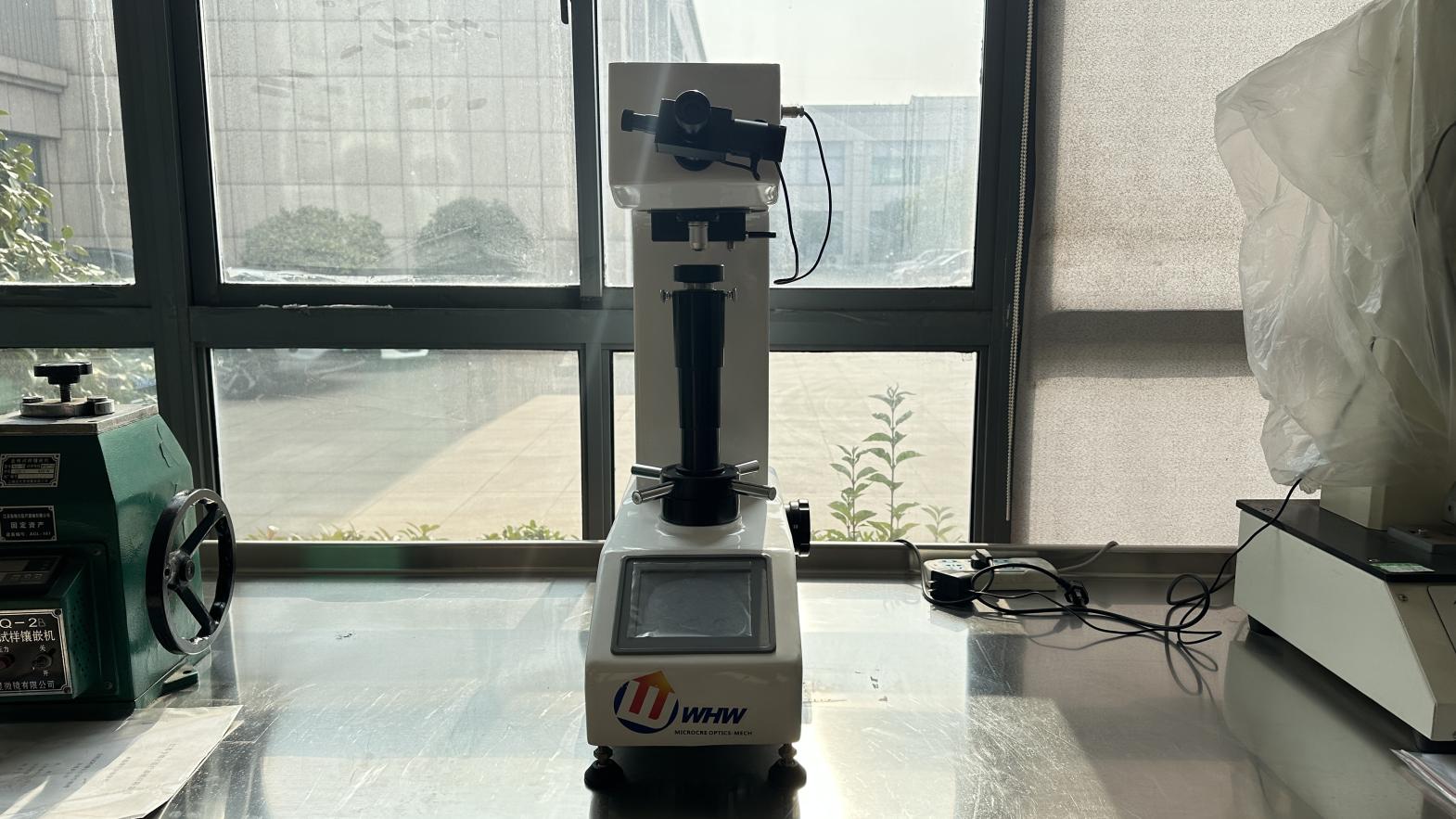
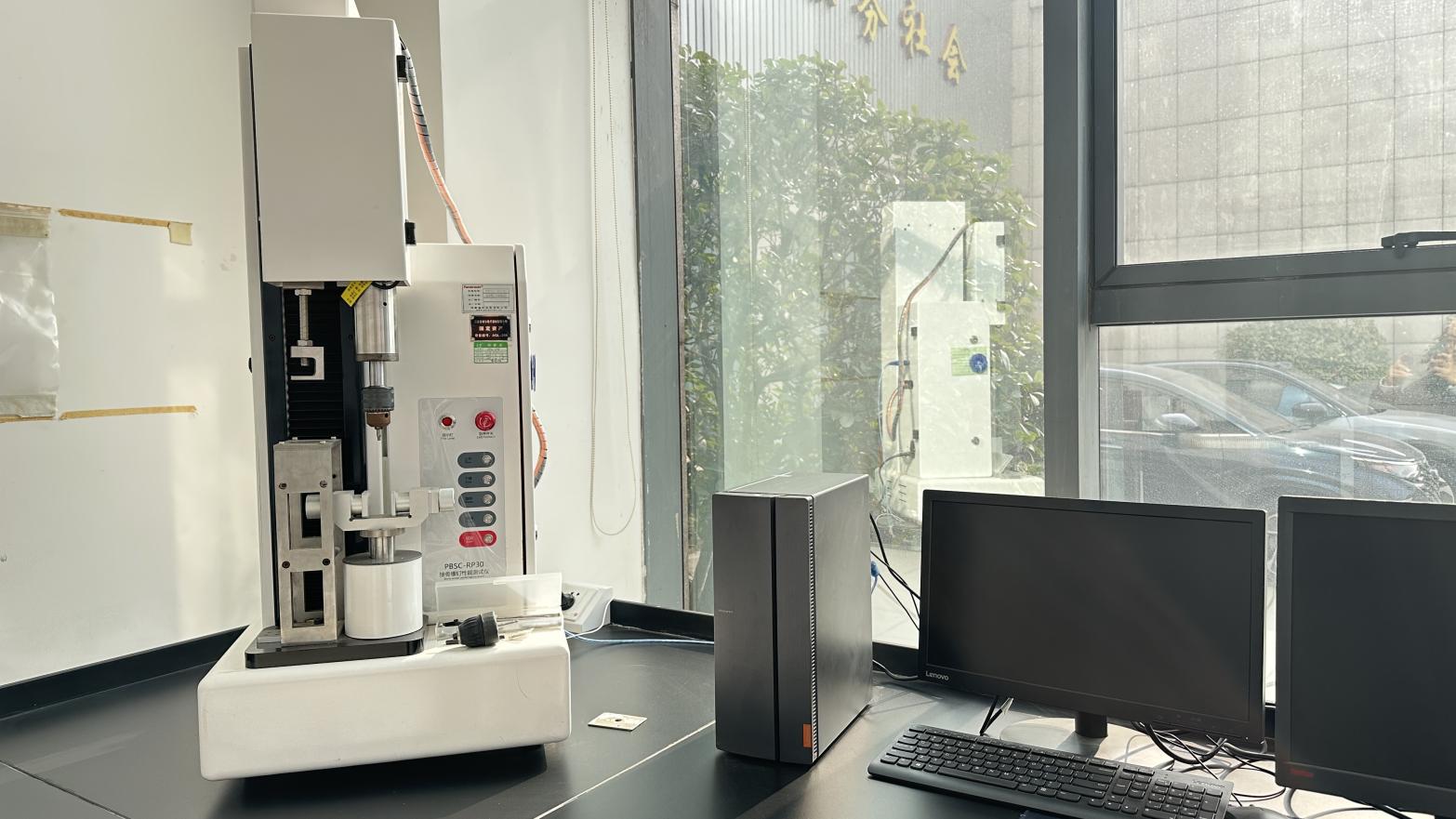
Our testing equipment includes joint and bone screw fatigue testers. These systems simulate millions of walk-and-run load cycles to evaluate implants for micro-cracks or plastic deformation before manufacturing release.
Precision instruments monitor every structural taper, cup thread angle, and surface curvature. Our 2D optical systems inspect tolerances down to the sub-micron scale, reducing revision rates caused by manual assembly variation.
We conduct hardness and tensile testing to verify that titanium alloy (Ti-6Al-4V ELI) and Cobalt-Chromium-Molybdenum (CoCrMo) raw materials meet ASTM and ISO specifications for implant structural integrity.
Meeting the complex regulatory demands of regional healthcare markets
We assist European orthopedic distributors transitioning to the European Medical Device Regulation (MDR 2017/745). Our team provides technical documentation, biocompatibility reports, clinical assessments, and post-market surveillance records.
We provide complete manufacturing documentation and GMP compliance audits for registration in Brazil, Colombia, and Argentina. This helps distributors navigate ANVISA and INVIMA approval processes efficiently.
We supply OEM partners seeking clearance in the United States with full raw material data, design history files, mechanical testing reports (per ASTM standards), and cleaning/sterilization verification data.
Technical parameters required for evaluating orthopedic manufacturing suppliers
Procurement specialists should require raw material certificates for Ti-6Al-4V ELI (ASTM F136) and Cobalt-Chromium-Molybdenum (ASTM F75) alloys. These standards confirm the mechanical strength and biocompatibility required for long-term implants.
Joint implants must be processed and packaged in ISO Class 7 (Class 10,000) or ISO Class 8 cleanrooms. This step controls bioburden and particle contamination prior to gamma-irradiation or EO sterilization cycles.
Verify taper angular tolerances on modular femoral heads and stems (such as 12/14 tapers). Strict tolerances minimize micromechanical movement and fretting corrosion at the metal-on-metal or metal-on-ceramic junction.
Answers to common regulatory, material, and logistical questions from procurement teams
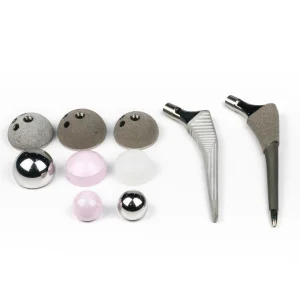
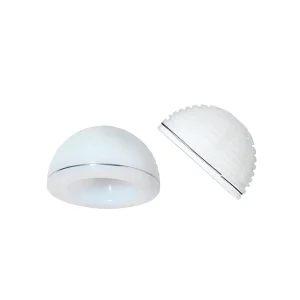
Advanced Cobalt-Chromium-Molybdenum alloys, UHMWPE interfaces, and matching instrumentation kits