Medisplint
Medisplint
Medisplint
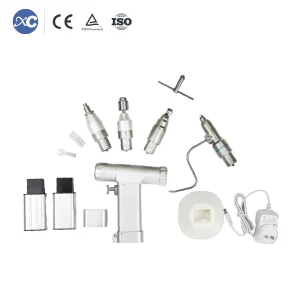
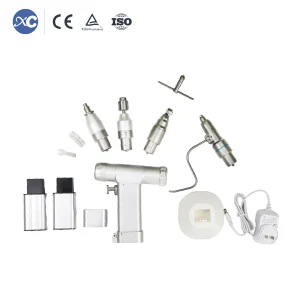
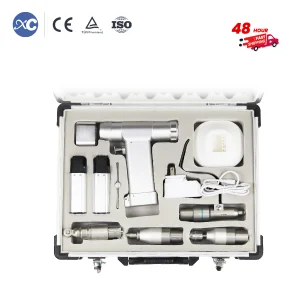
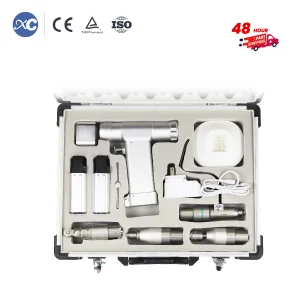
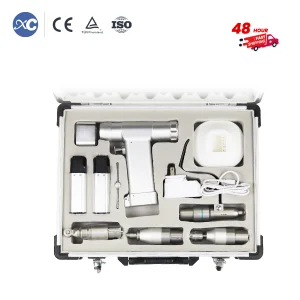
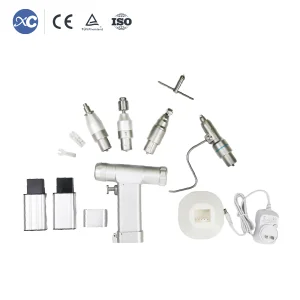
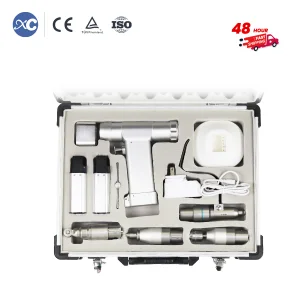
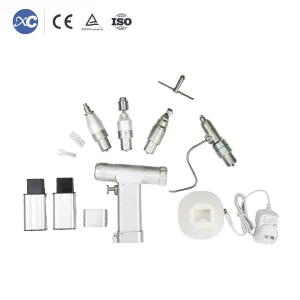
Explore our flagship medical power instruments engineered for high-accuracy resection, drilling, and joint reconstruction. Every device is designed to meet strict Class II/III medical standards, offering seamless ergonomics and autoclavable reliability.
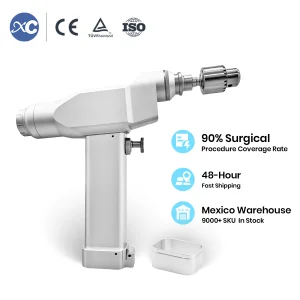
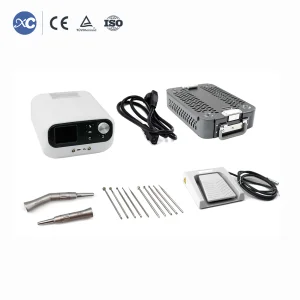
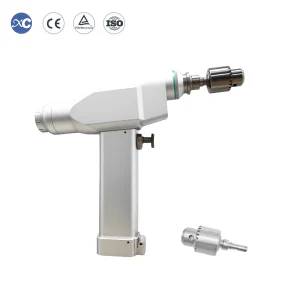
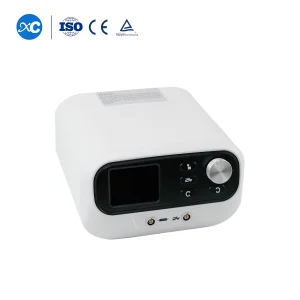
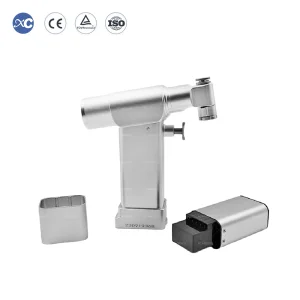
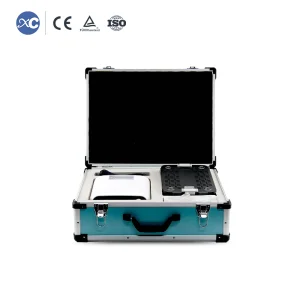
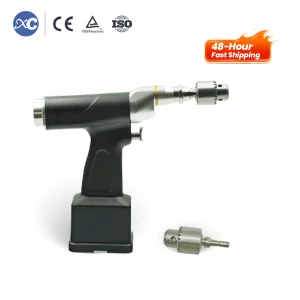
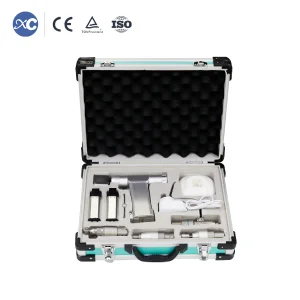
Modern orthopedic surgery relies heavily on high-precision electromechanical systems to drill, ream, and cut bones without inducing thermal necrosis or compromising surrounding soft tissue. As surgeries transition to minimally invasive techniques, the demand for compact, brushless DC motor-driven micro-power tools has surged.
Orthopedic power tools are no longer simple mechanical drills; they are sophisticated medical devices operating with variable speed microprocessors, high-energy-density sterile batteries, and advanced ergonomic balance. Factors such as autoclave compatibility, modularity (fast switching between AO quick couplings, chuck adapters, and wire drivers), and low thermal output determine the efficacy of surgical interventions.
Surgical drills running at high RPMs must maintain cutting edge temperatures below 47°C. Modern systems incorporate high-torque micro-motors that execute precise cuts quickly, preventing prolonged friction that leads to bone tissue degradation.
Quick-release chuck adapters allow surgeons to transition seamlessly between drill, saw, and K-wire driver modes within seconds in critical intraoperative windows, maximizing surgical speed.
Premium medical-grade alloys (Grade 5 Titanium & 316L Stainless Steel) ensure durability across hundreds of 134°C sterilization cycles, keeping handles weight-balanced to reduce fatigue.
Established in 2016, Medisplint Orthopedic Instruments Co., Ltd. has established itself as a leading global manufacturer specializing in orthopedic implants, trauma fixation systems, and precision surgical instruments. We control the complete design-to-delivery lifecycle, enabling high performance across trauma, joint reconstruction, and spine surgery disciplines.
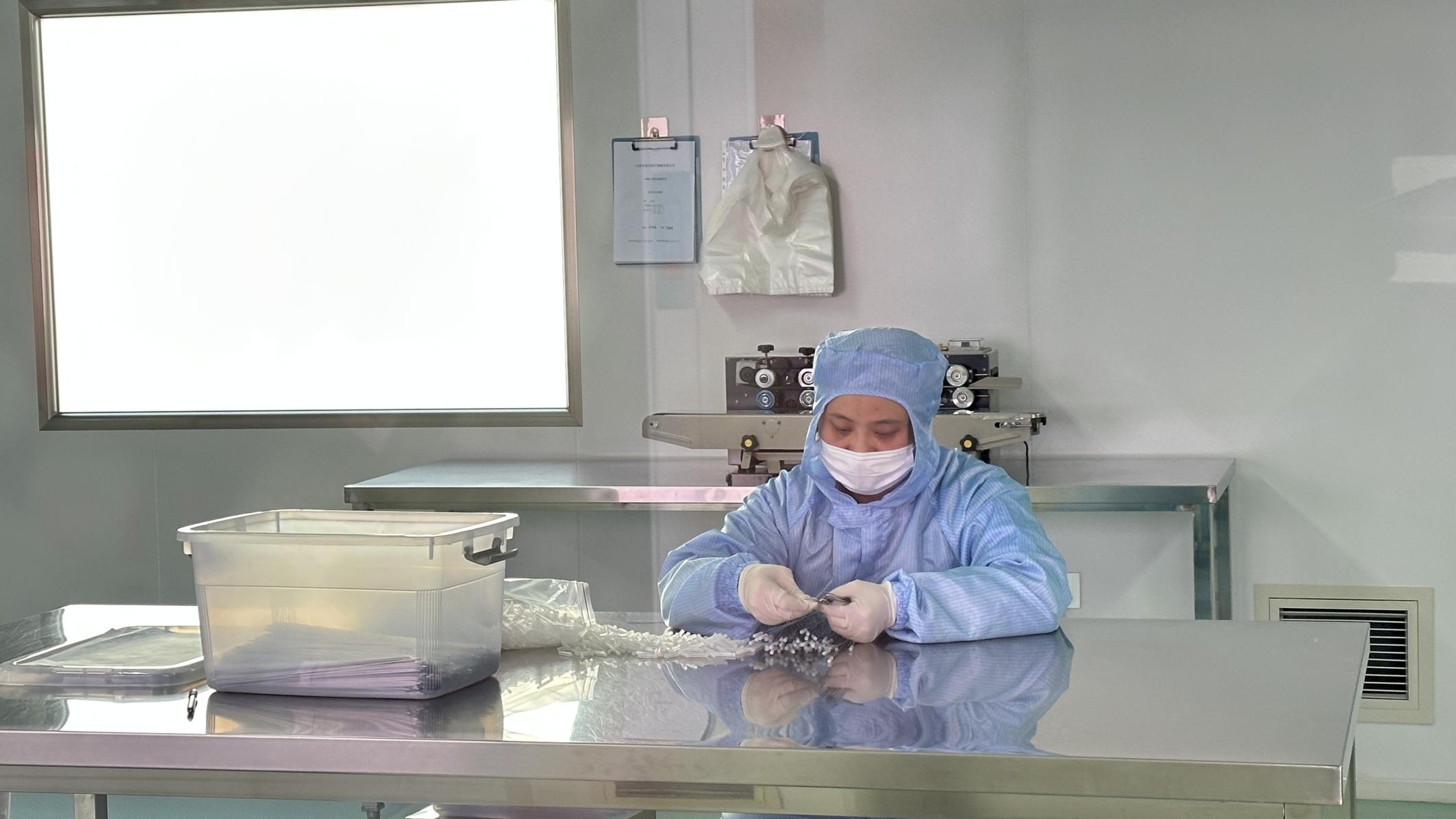
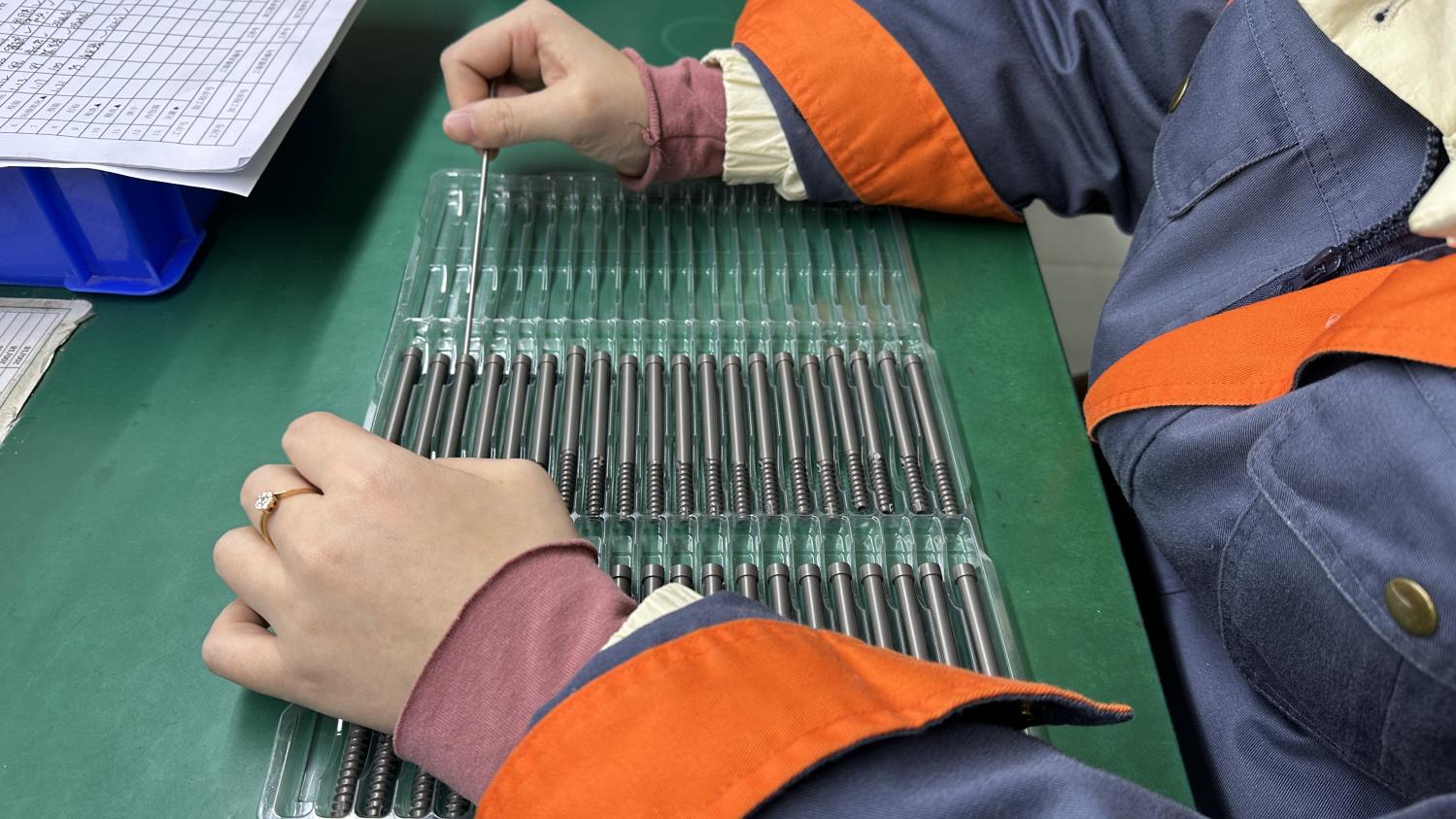
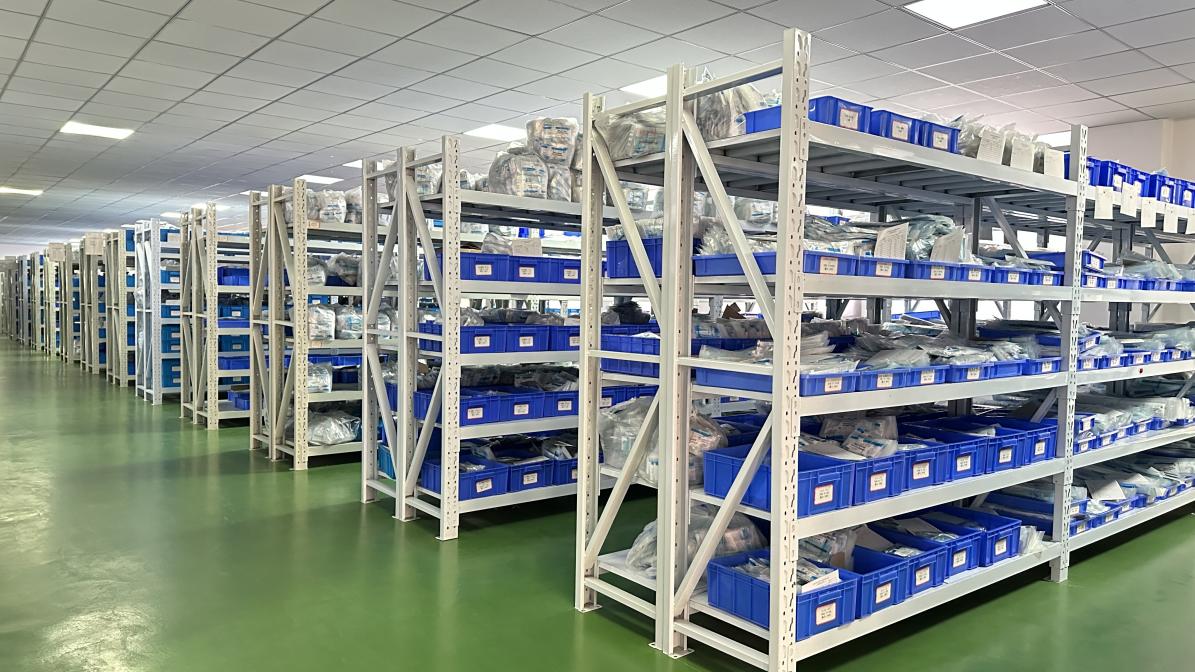
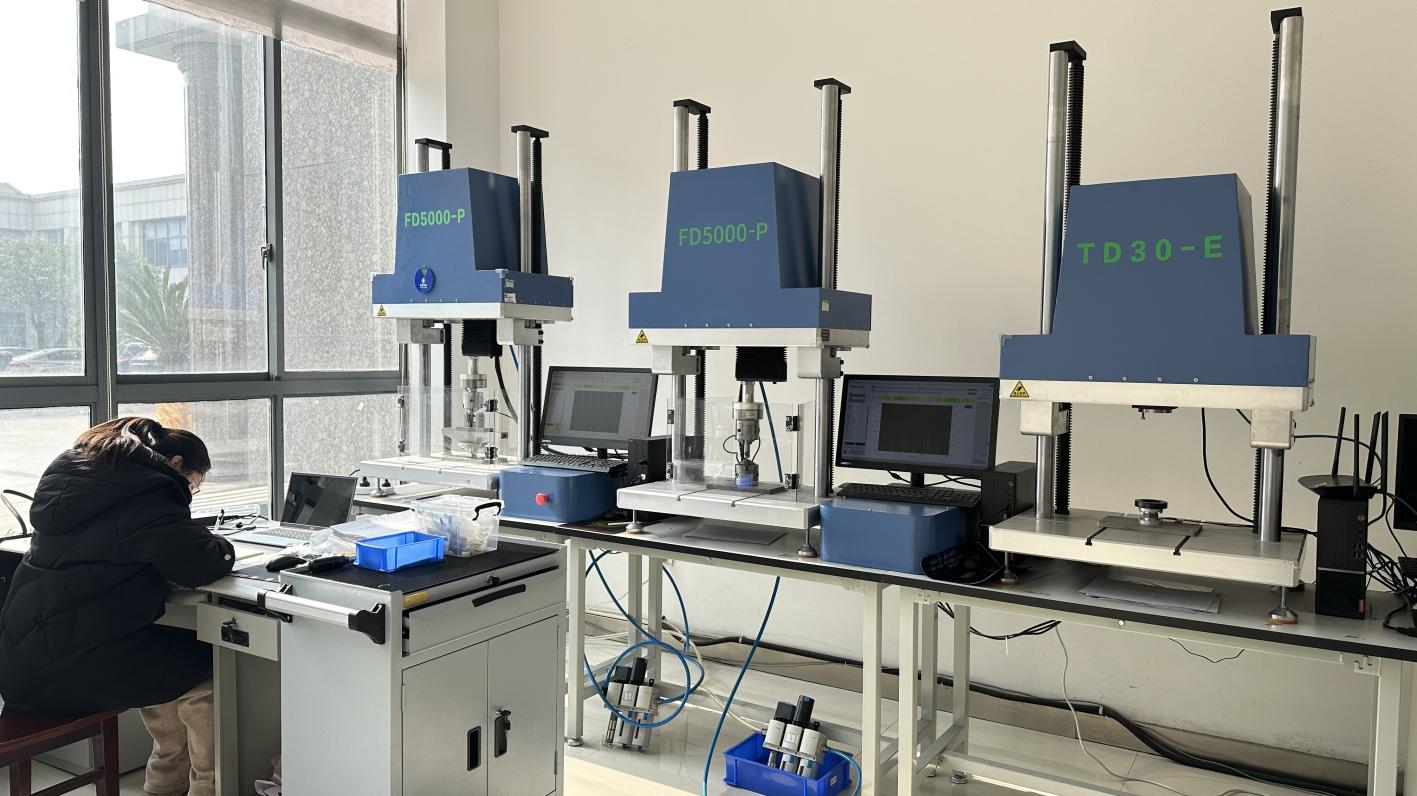
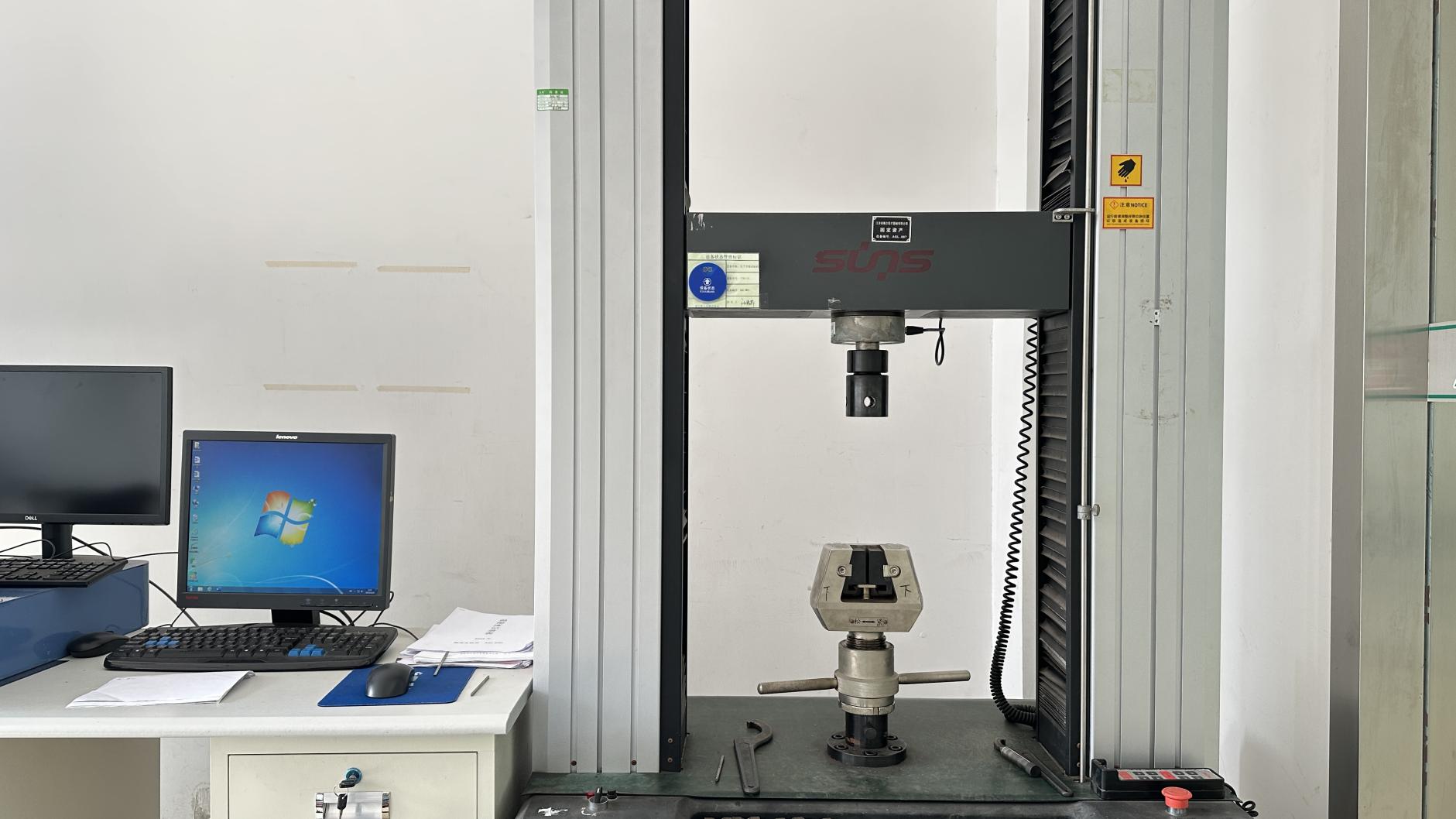
Our infrastructure supports stable volume manufacturing through long-term partnerships with over 1,200 supply chain companies. Backed by 42 dedicated quality assurance inspectors, every single component is verified using rigorous testing methodologies, including fatigue simulation and biomechanical tension analytics.
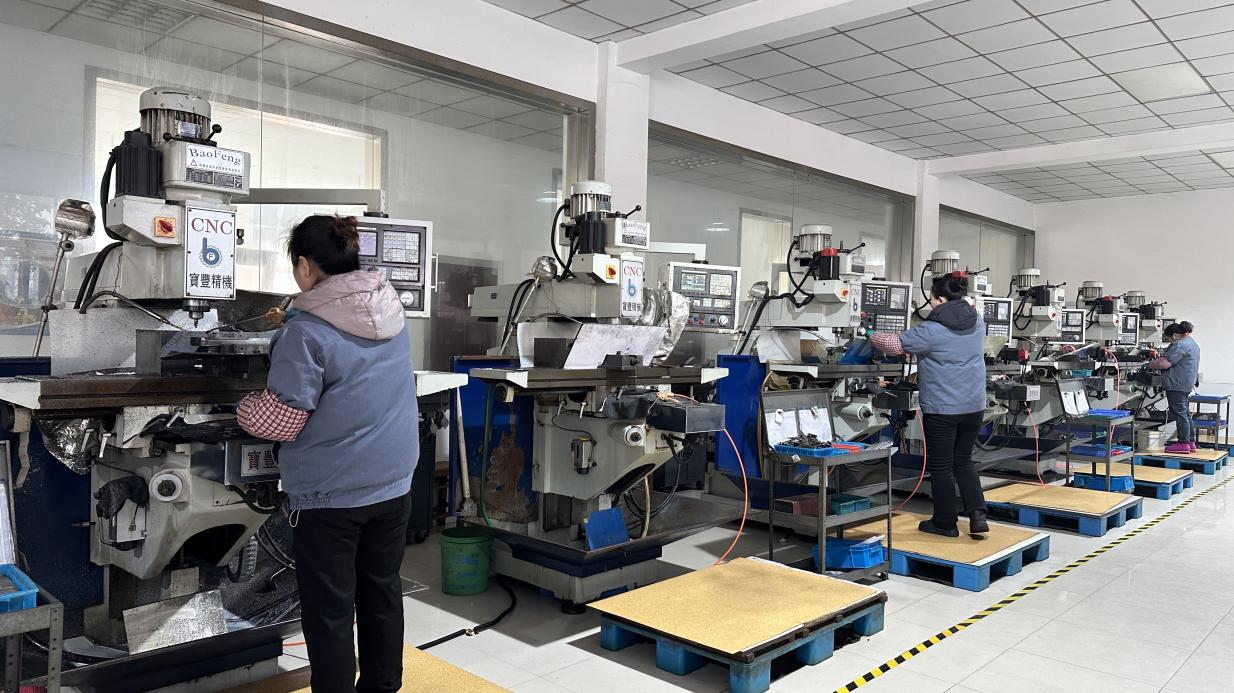
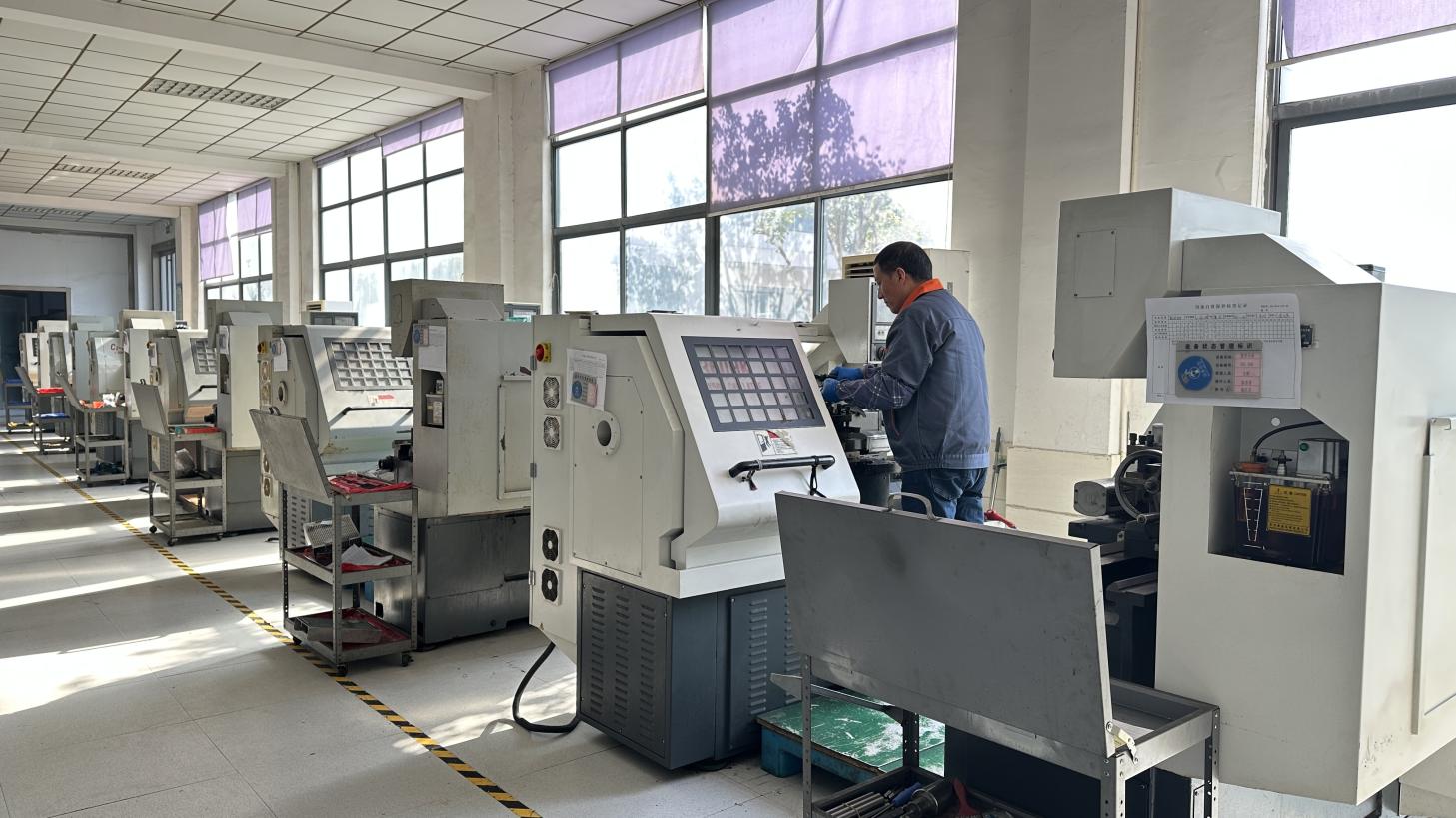
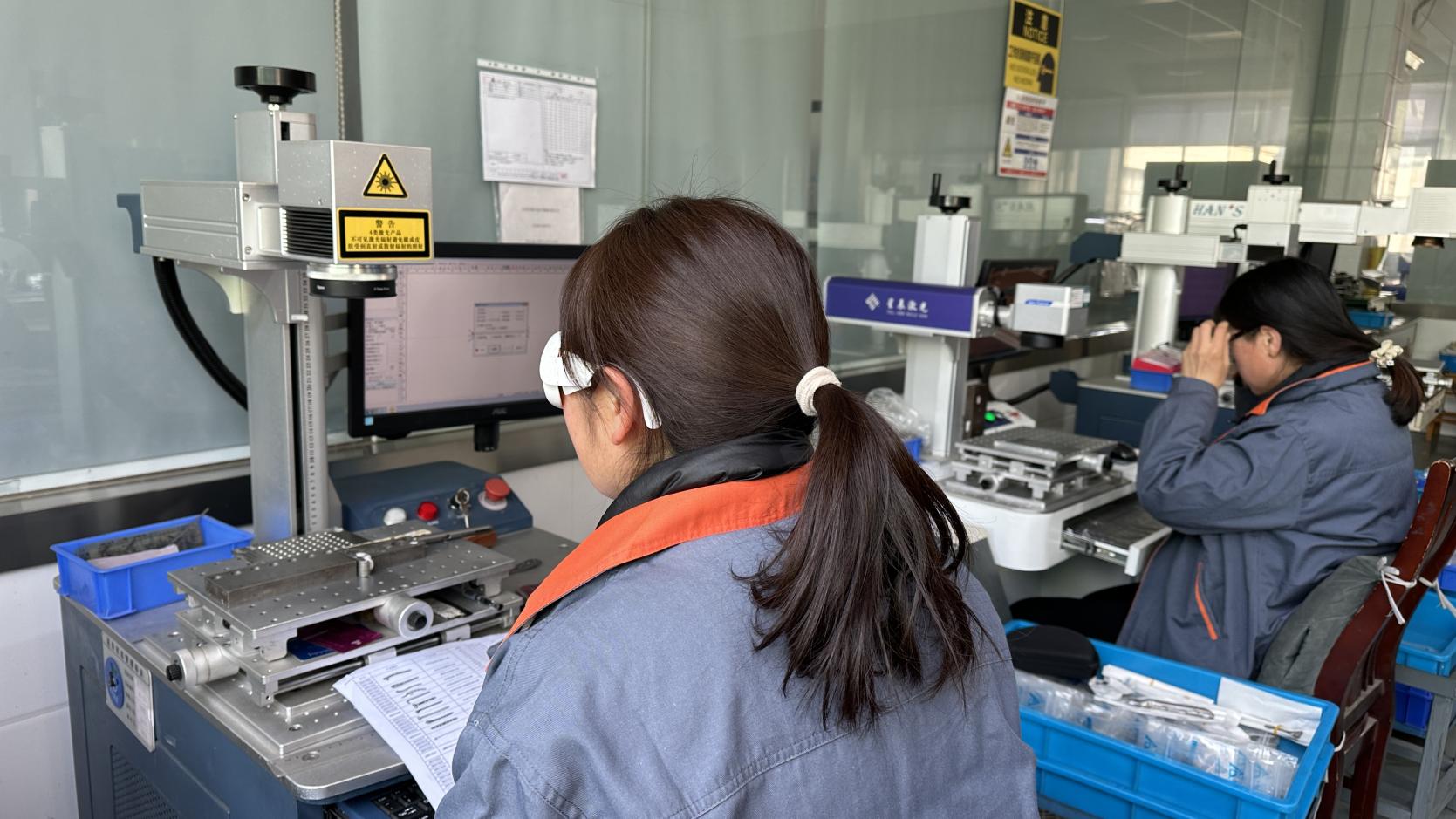
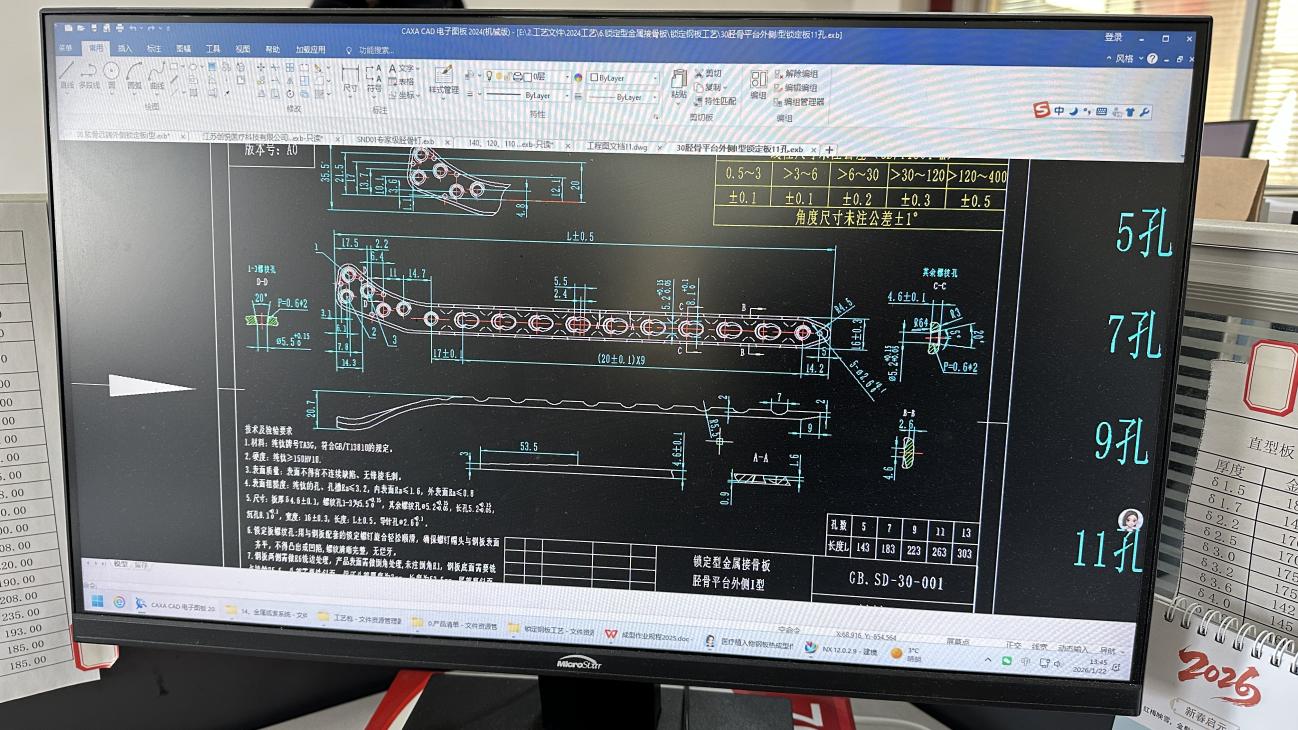
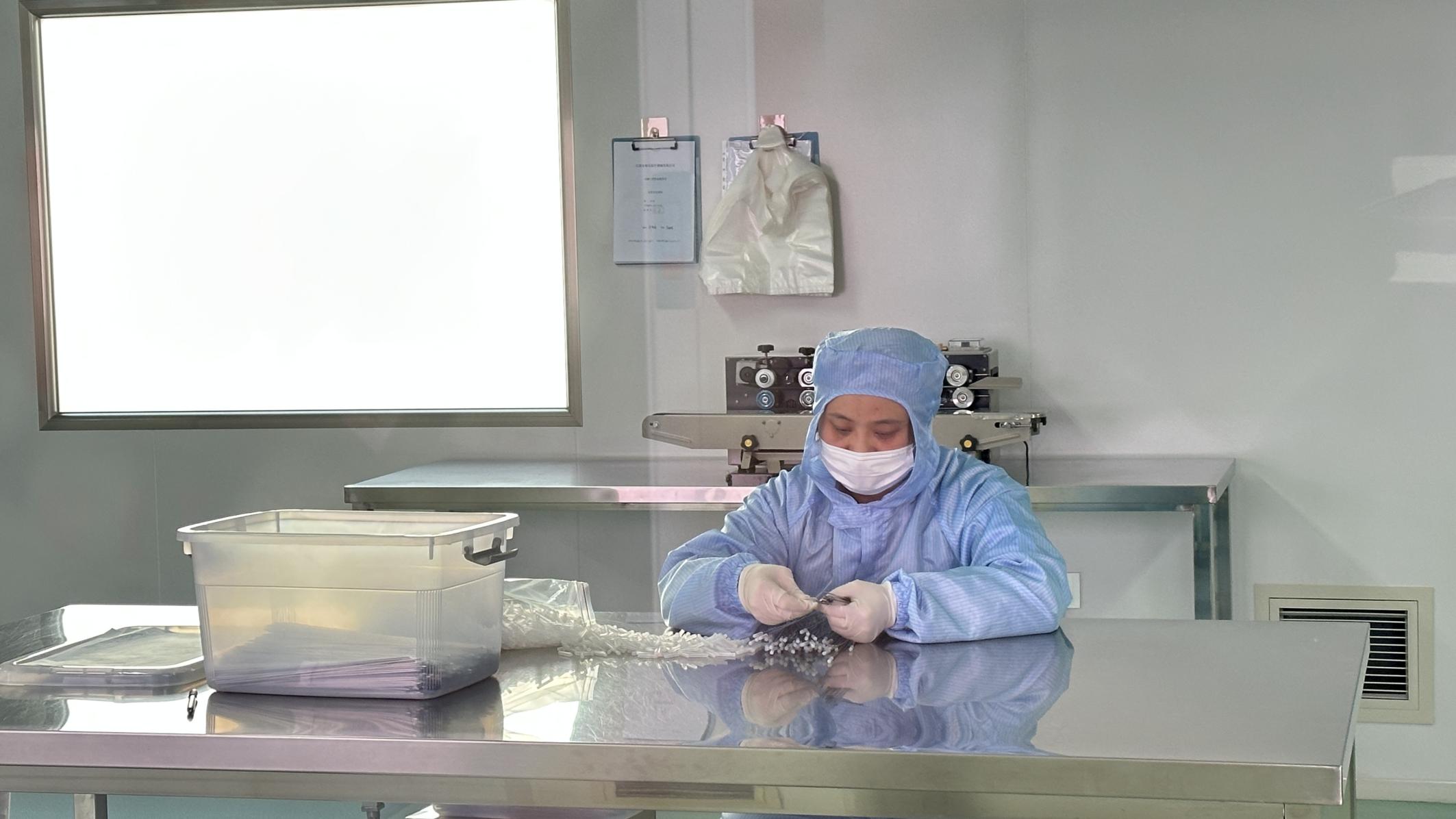
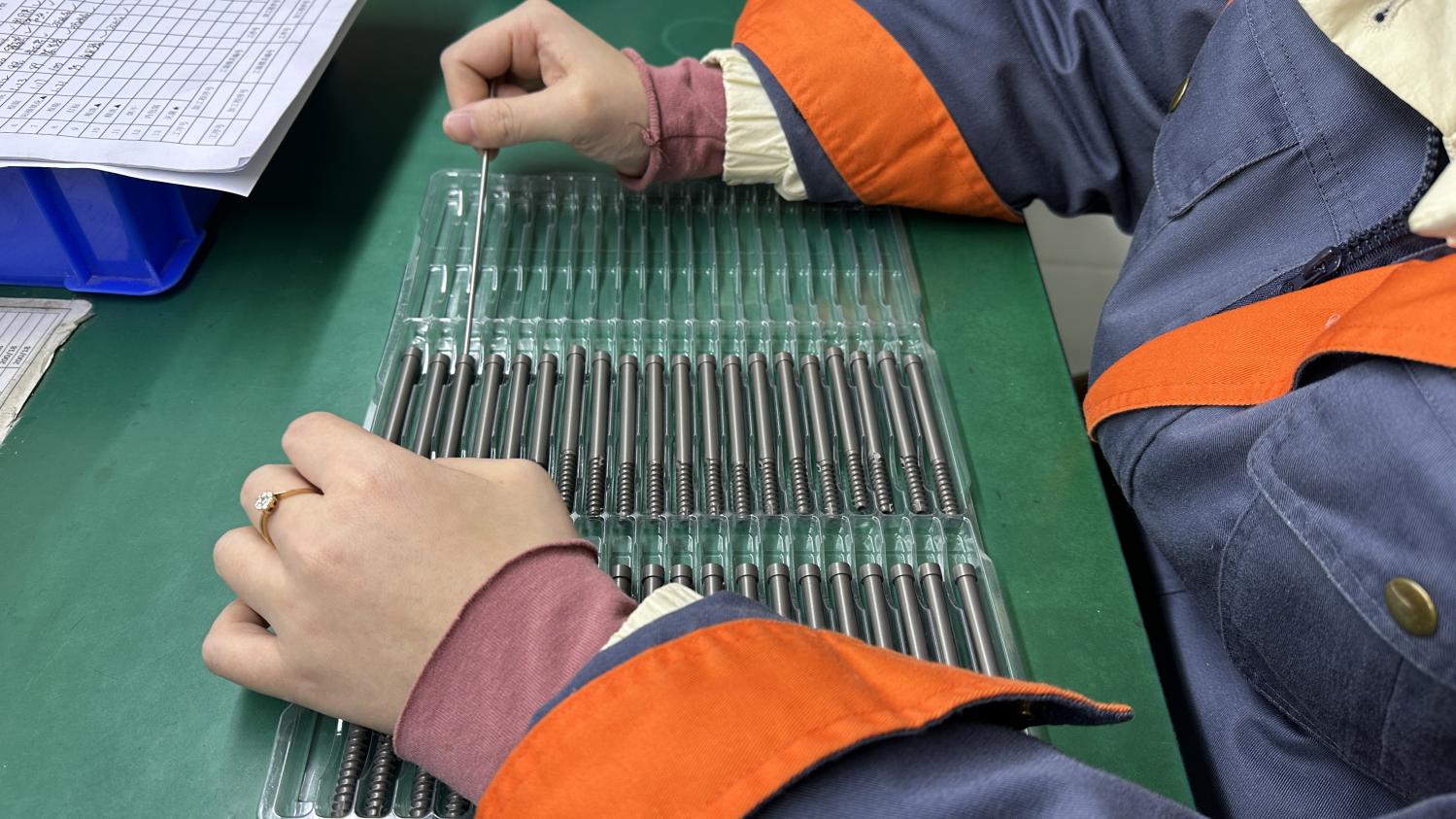
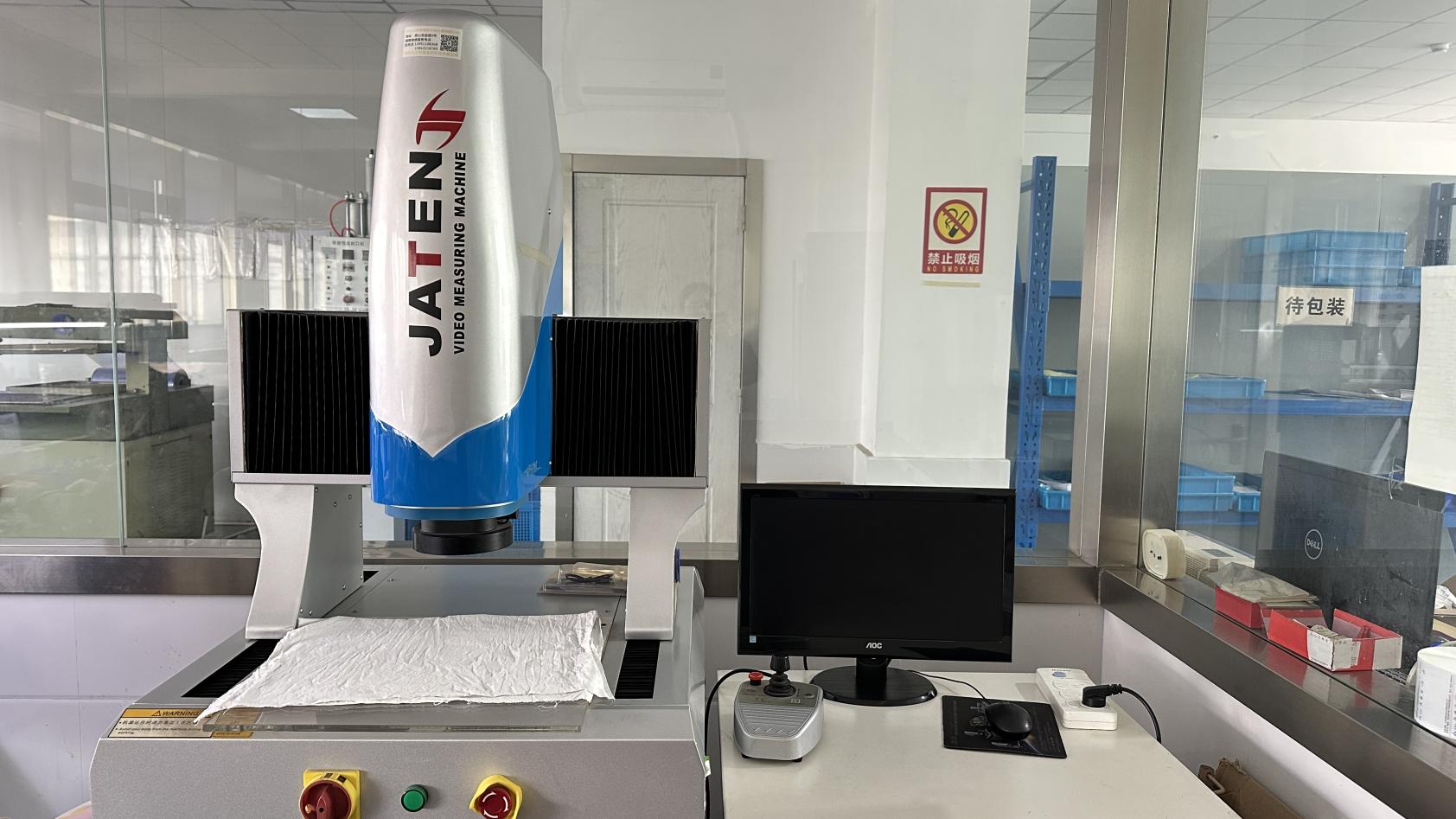
Step inside our integrated production line where medical-grade raw titanium and stainless steel bars are processed into micro-toleranced implants and orthopedic instruments using CNC centers, laser markers, and optical inspection equipment.
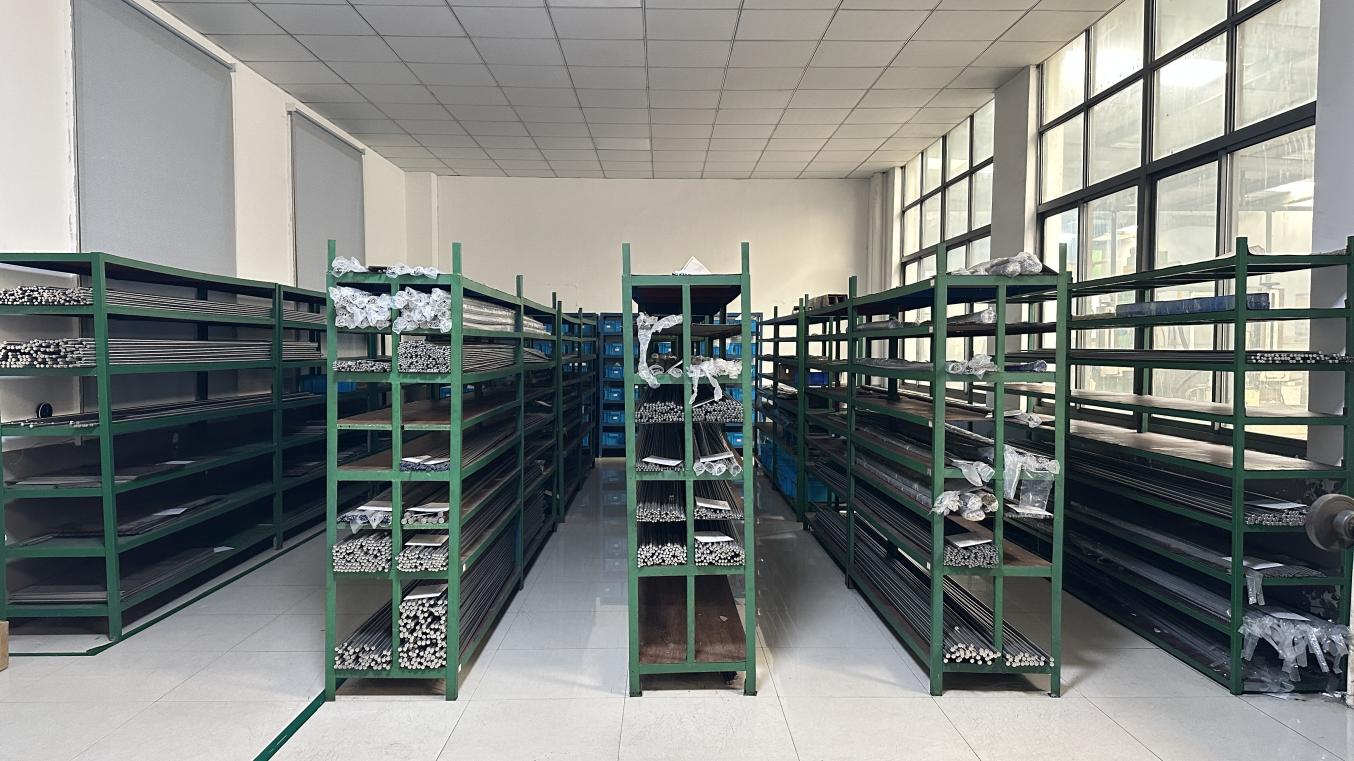
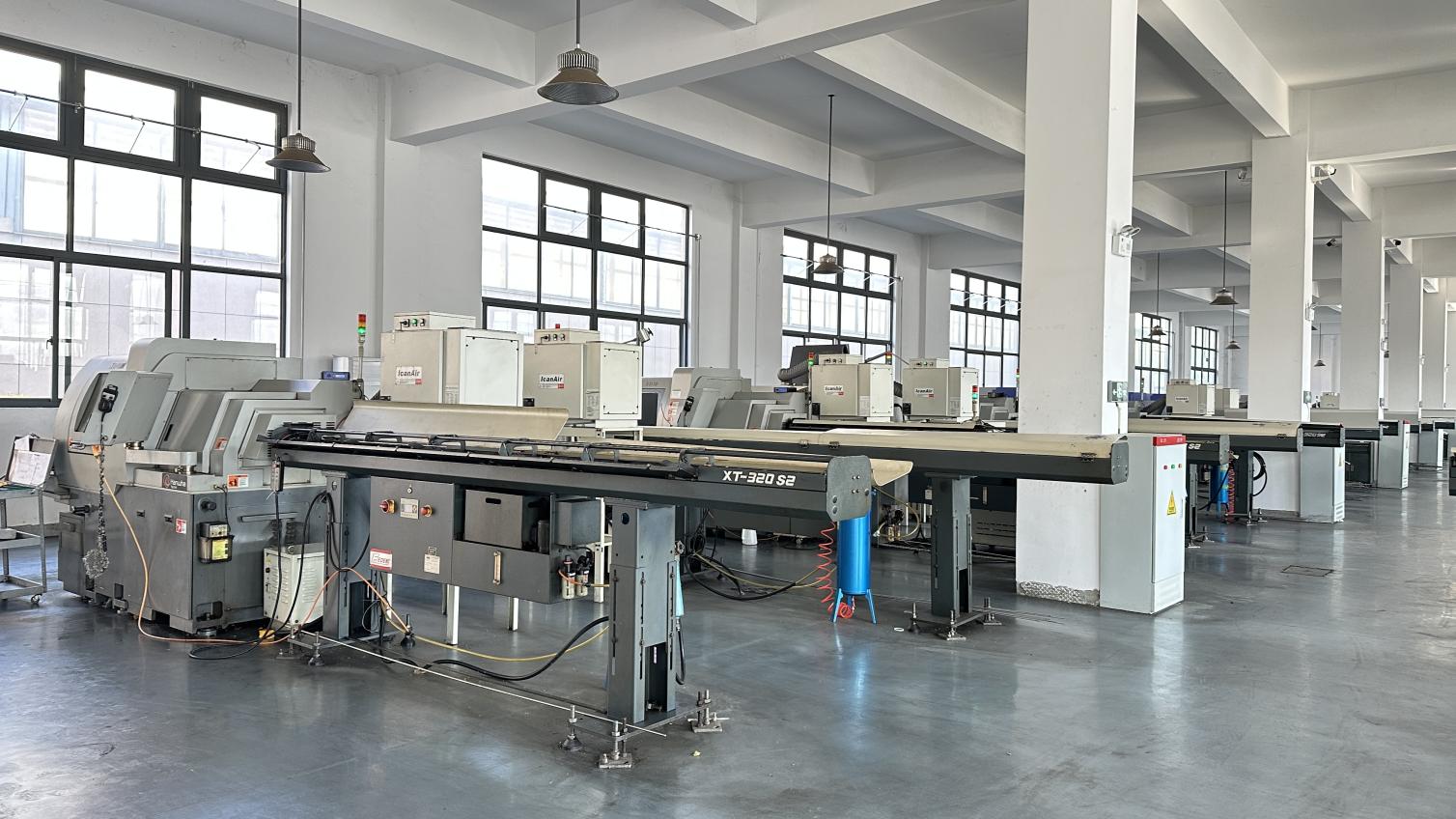
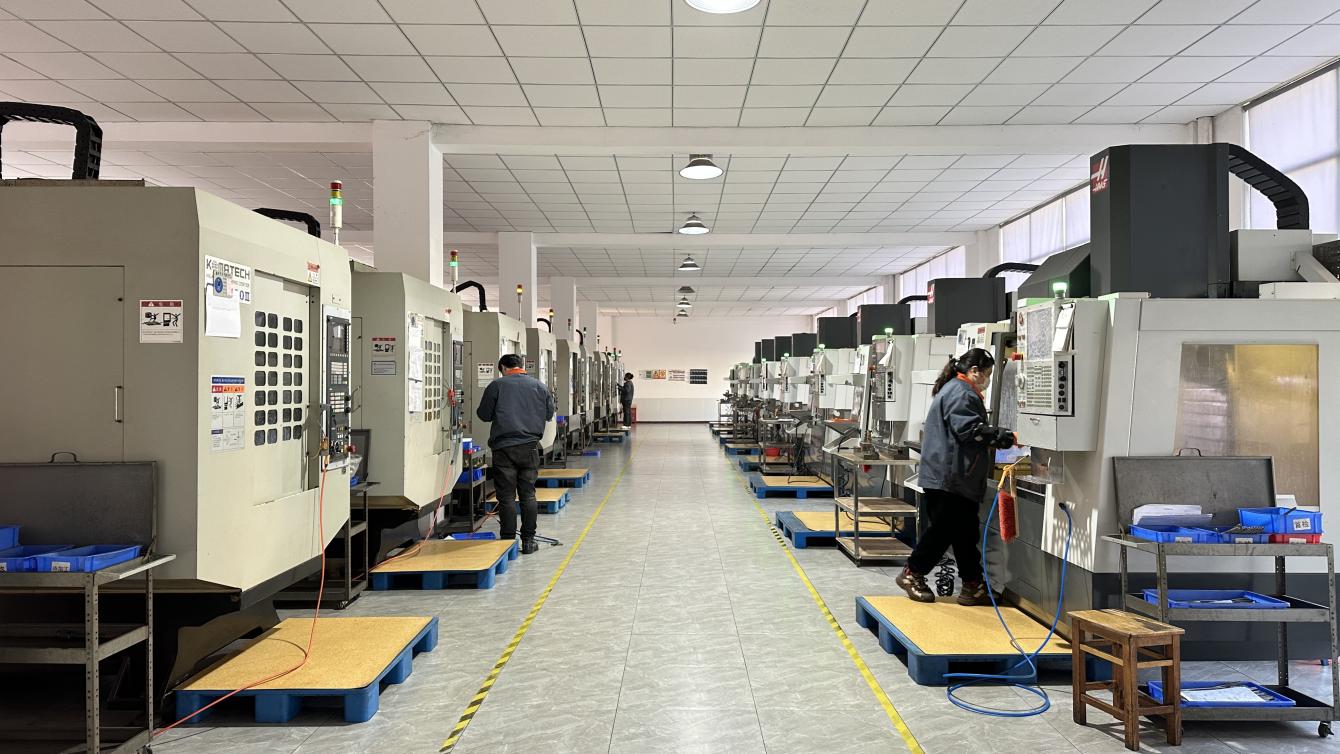
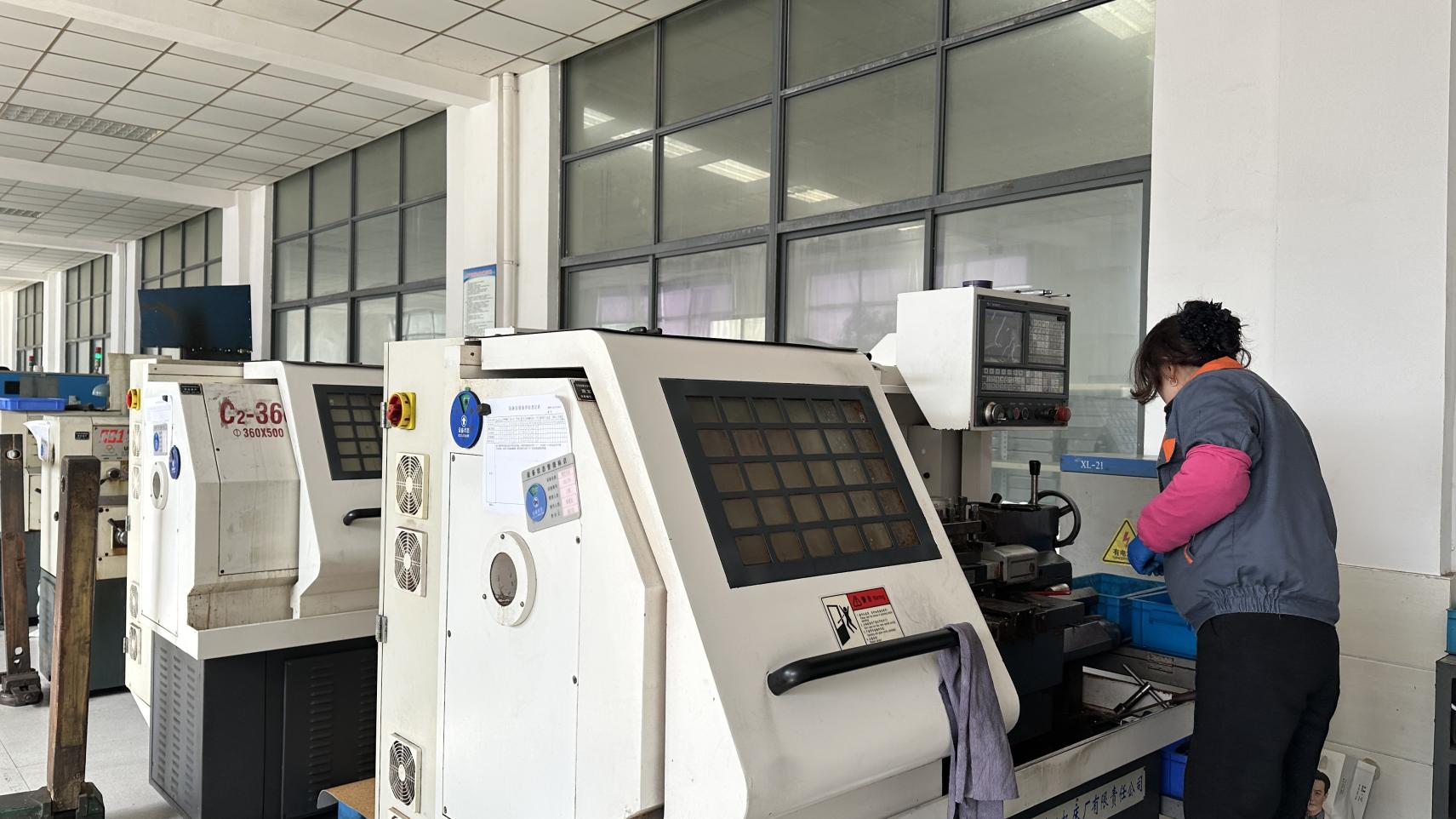
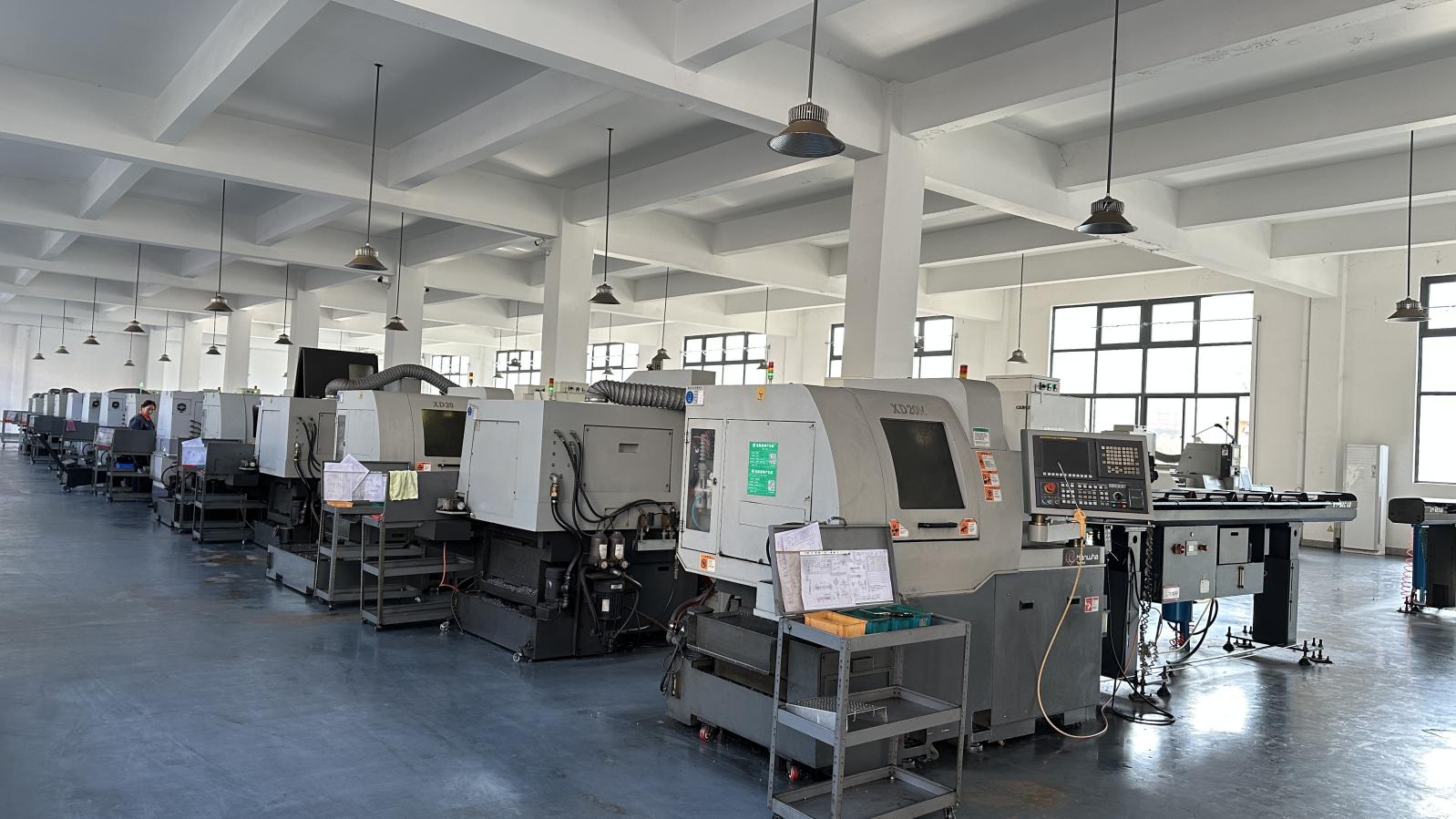
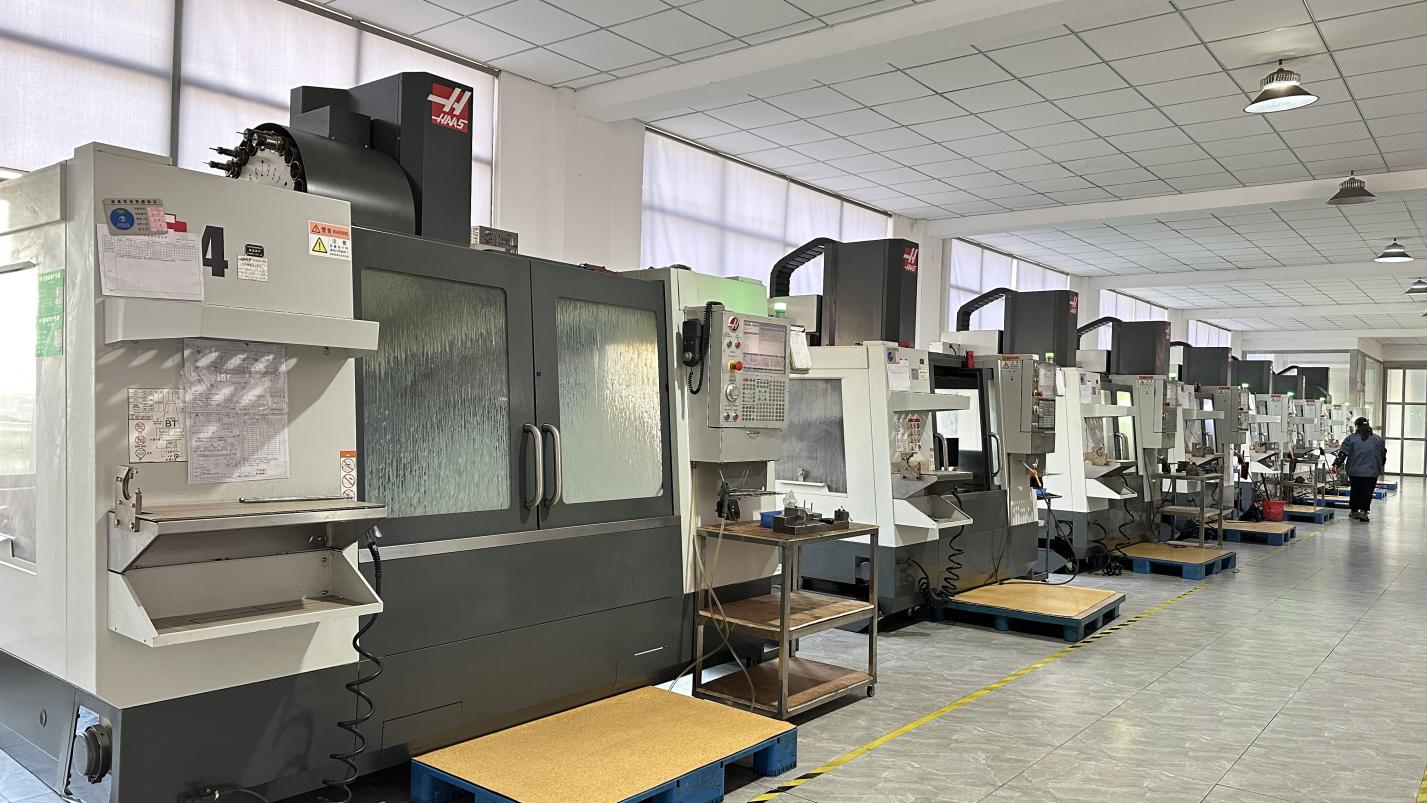
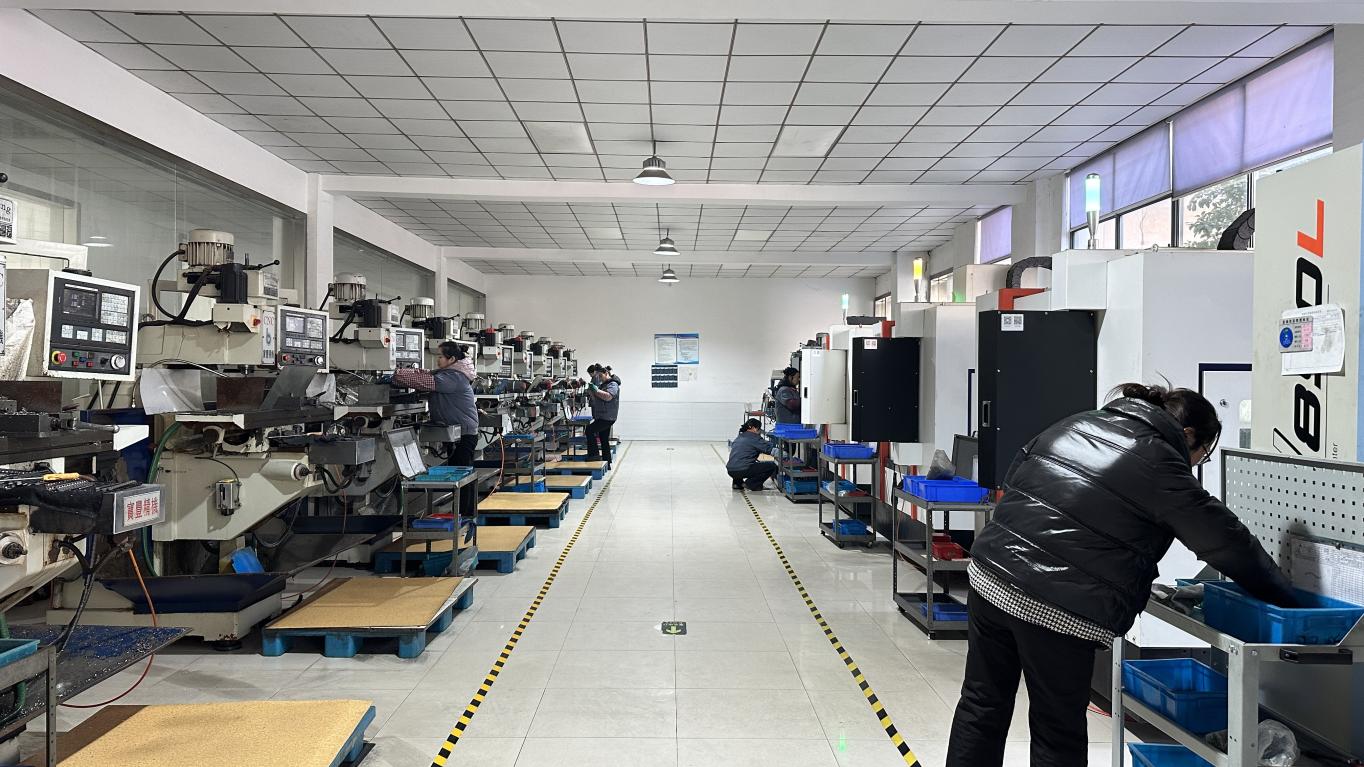
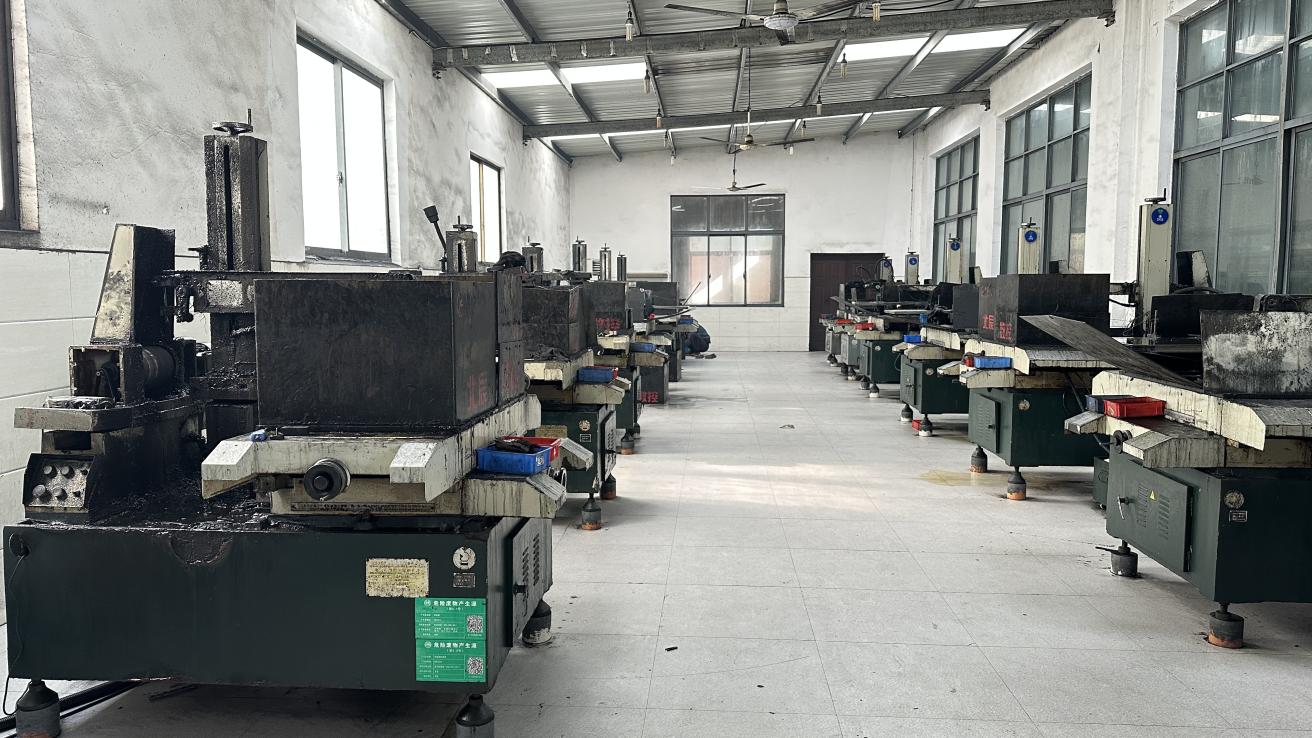

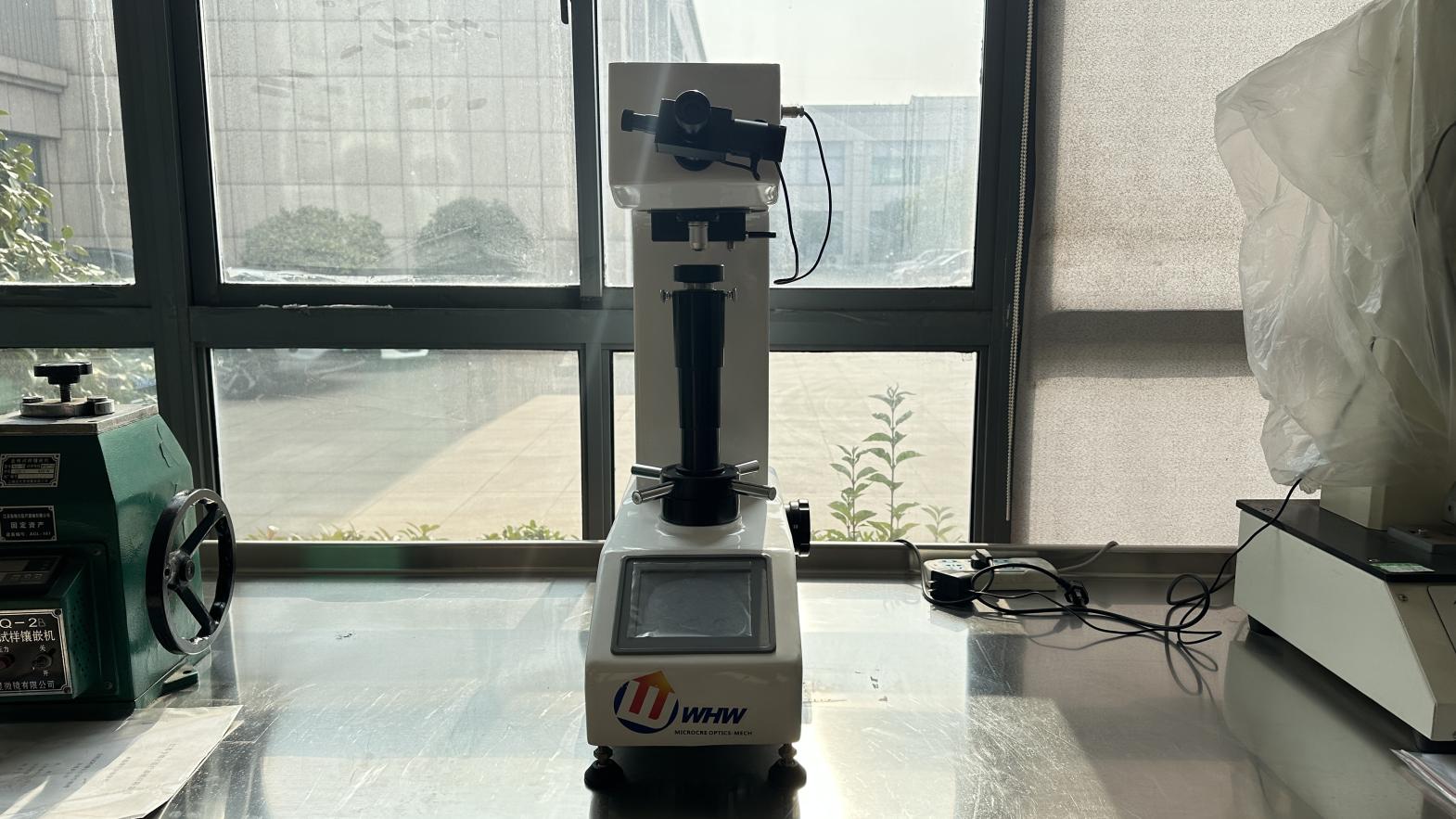
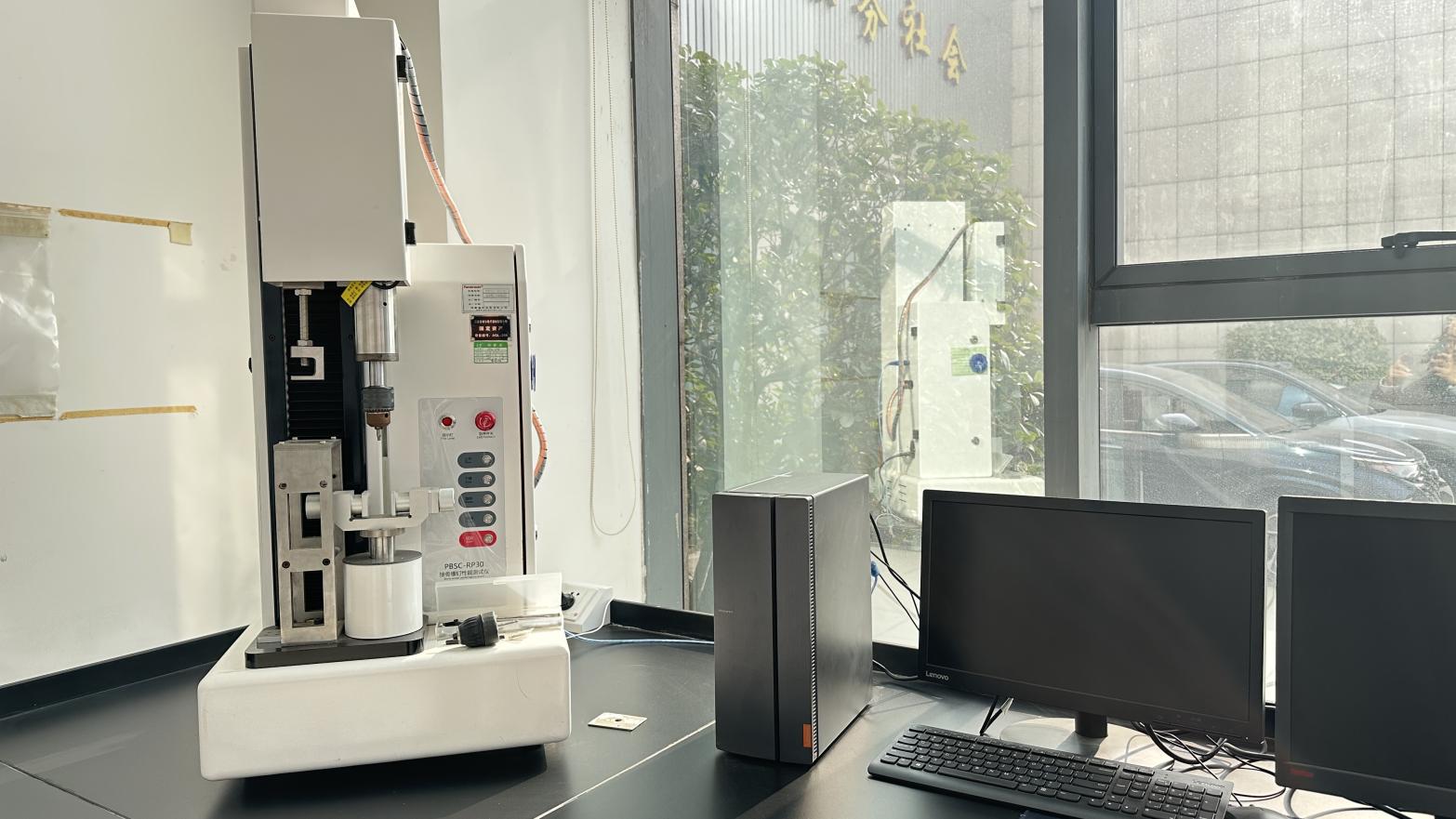
Procuring surgical devices requires deep evaluation of long-term costs, safety metrics, and supply chain consistency. Key purchasing factors vary by buyer category:
Prioritize autoclaving longevity (number of sterilization cycles before motor degradation), ergonomic weight distribution to lower hand strain, and swift maintenance support.
Require regulatory compliance (CE Mark, ISO 13485:2016 certificates), robust warranties (minimum 2-year terms), custom product labeling, and clear manuals.
Seek custom engineering capabilities, design modification flexibility, precise micro-machining, and private labeling options backed by reliable raw material tracking.
| Tool Type | Speed Range (RPM) | Operating Voltage / Battery | Sterilization Method | Common Applications |
|---|---|---|---|---|
| Cannulated Bone Drill | 0 - 1,200 RPM (stepless) | 9.6V - 14.8V Lithium-ion | Autoclavable (134°C / 2.2 bar) | Intramedullary nailing, K-wire insertion |
| Micro Spine/Burr Drill | 0 - 40,000 RPM | Console-powered / Cordless | Gas plasma / Autoclave (specific) | Craniotomy, laminectomy, otology |
| Large Oscillating Saw | 0 - 15,000 OSC/Min | 14.8V high-torque battery | Autoclavable (134°C) | Total joint arthroplasty, osteotomy |
| Veterinary Mini Drill | 0 - 1,000 RPM | 7.2V - 9.6V Compact Pack | Autoclavable (134°C) | Small animal fracture fixation, TPLO |
As computerized and robotic surgery gains traction globally, orthopedic handpieces are evolving from passive mechanical drivers to intelligent, networked surgical systems. Our development roadmap integrates advancements in high-frequency communications, sensory control, and energy density.
Next-generation drills incorporate load cell sensors and real-time resistance monitoring. When transitioning from cortical bone to soft tissue, the system registers the drop in torque and stops automatically, preventing soft tissue injury.
We are researching solid-state lithium chemistry for medical batteries. These cells will tolerate up to 1,000 steam sterilization cycles, reduce handle weight by 35%, and maintain stable power delivery at high torque requirements.
We configure handpieces for active integration with robotic arms. These systems feature digital interfaces that allow control systems to manage speed, torque, and cooling parameters via closed-loop feedback.
Because orthopedic tools are classified as invasive medical devices, we subject them to rigorous validation standards. Our facilities operate under ISO 13485:2016 medical device quality systems. Our products undergo biocompatibility testing (ISO 10993) and electromagnetic compatibility testing (IEC 60601-1-2) to ensure safe operation alongside sensitive hospital life-support machinery.
We track every orthopedic power tool back to its original raw material heat lot. Utilizing fiber laser marking, we apply unique device identification (UDI) matrix codes on every unit, allowing tracing of CNC machining, heat treatment, QC inspections, and sterilization dates across the entire supply chain.
We support our global distributors through dedicated parts depots and training programs. Recognizing that device downtime affects clinical operations, we provide spare motor cores, battery cells, and sealing gaskets to certified regional repair centers, ensuring rapid turnaround times.
Discover our specialized range of lightweight orthopedic drills and saws, optimized for small-bone procedures, veterinary operations, and trauma surgeries. Crafted to high precision tolerances to support complex clinical configurations.