Medisplint Medisplint

Top 10 Distal Radius Locking Plates Features Buyers Should Know?

Time:2026-06-29 Author:Mason
0%

The use of Distal Radius Locking Plates has revolutionized orthopedic surgery. This advanced technology significantly enhances fracture stabilization. According to a recent industry report by the Orthopedic Research Institute, the market for distal radius fixation products is projected to reach $1.5 billion by 2025. Such growth highlights the importance of understanding these devices.

Dr. Emily Johnson, a leading orthopedic surgeon with over 15 years of experience, states, "The efficacy of Distal Radius Locking Plates lies in their innovative design, which promotes faster healing." Her insights emphasize the need for buyers to be informed about essential features. These plates provide superior locking mechanisms, improved patient outcomes, and reduced complication rates.

However, not all locking plates are created equal. Variations in design can pose challenges. Potential buyers must consider the material quality and the plate's anatomical fit. Knowledge about these aspects is vital for optimal surgical outcomes. Understanding the nuances of Distal Radius Locking Plates can make a significant difference in patient recovery.
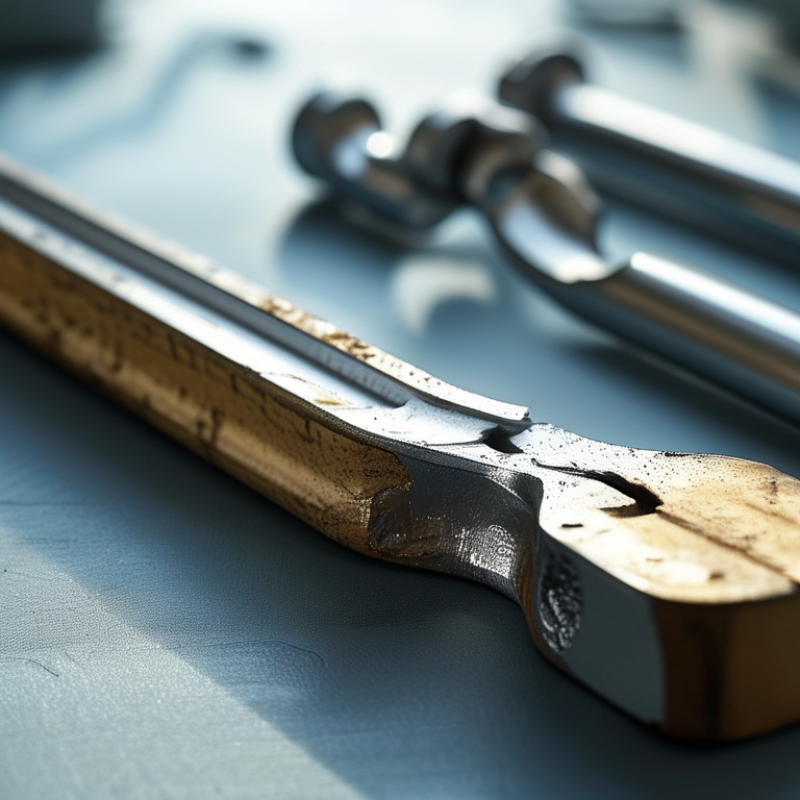
Top 10 Distal Radius Locking Plates Features Buyers Should Know?

Top Features of Distal Radius Locking Plates: An Overview

Distal radius locking plates are crucial in orthopedic surgeries. Understanding their features helps medical professionals choose the right option for patients. These plates often come with low-profile designs. This design minimizes soft tissue irritation, a common concern in surgical outcomes. High-quality materials, like titanium alloys, enhance durability and promote better integration with bone.

Another essential feature is the locking screw mechanism. This technology ensures stable fixation, even in osteoporotic bone. According to a 2022 report by the Journal of Orthopedic Research, about 30% of patients benefit from improved outcomes with locking plates. The angular stability provided by these systems allows for more precise alignment. Surgeons can also adjust screw angles during the procedure, tailoring them to individual anatomical variations.

Radiolucent properties are vital in these plates. They allow better visibility during imaging post-surgery. Some surgeons report challenges in determining the plate's position with certain materials. Additionally, surgeons need to balance the plate's weight with its strength. Understanding these nuances can lead to better clinical decisions. Overall, being aware of these features is important for achieving optimal surgical results.

Understanding Locking Mechanisms in Distal Radius Plates

Understanding the locking mechanisms in distal radius plates is crucial for successful outcomes in surgical repairs. Locking plates provide stability by securing screws to the plate itself. This creates a rigid fixation that can withstand forces during healing. The design allows for varied angles of screw placement, which can accommodate different fracture patterns. Surgeons must grasp these features to enhance their approach to treatment.

Locking mechanisms come in various forms, influencing how securely they hold bone fragments. Some designs allow for compression, while others focus solely on stability. Effective locking requires careful consideration of screw length and placement. A common challenge is avoiding screw exit points that may compromise healing. Surgeons often face the dilemma of balance between fixation strength and the risk of over-penetration.

Material quality is another key factor. Plates made from titanium or stainless steel offer distinct benefits. Titanium is known for its strength and low weight, while stainless steel provides durability. Each material has its pros and cons, making it essential for surgeons to prioritize patient-specific needs. Understanding these nuances can lead to improved surgical decisions, ultimately enhancing recovery outcomes.

Top 10 Distal Radius Locking Plates Features Buyers Should Know

Feature Description Benefits
Locking Mechanism Provides stable fixation by locking screws into the plate. Enhanced stability, reduces risk of loosening.
Low Profile Design Slim profile to minimize soft tissue irritation. Increased comfort for patients.
Material Quality Typically made from biocompatible titanium or stainless steel. Durability and reduced risk of allergic reactions.
Screw Options Variety of screw sizes and types for customization. Enhanced adaptability to individual patient anatomy.
Radiolucent Features Allows for clear imaging during post-operative assessment. Easier post-surgical evaluations without interference.
Modular Design Components can be combined for various applications. Increased versatility in surgical procedures.
Anatomical Contour Designed to fit the natural shape of the distal radius. Optimized fit leads to better healing outcomes.
Surface Treatment Special coatings to promote osseointegration. Improved bond between bone and plate.
Ease of Use User-friendly application techniques for surgeons. Reduces surgery time and improves efficiency.
Long-term Stability Designed to maintain integrity over time. Provides lasting support for healing bones.

Material Composition and Biocompatibility in Medical Devices

When considering distal radius locking plates, material composition is crucial. The most common materials include titanium and stainless steel. Titanium offers excellent corrosion resistance and strength, making it popular in orthopedic applications. On the other hand, stainless steel is cost-effective and has good mechanical properties. However, its susceptibility to corrosion in certain environments is a concern.

Biocompatibility is another significant aspect of these medical devices. A material's ability to integrate with human tissues without eliciting an adverse response is paramount. Some materials may not be fully biocompatible, causing inflammation or rejection. Device manufacturers often conduct extensive tests to ensure safety, but issues can arise. Factors like the patient's biological response and the surgical environment also play roles.

Understanding these features can help guide informed decisions. It’s important to consult with medical professionals who can provide insights based on their experience. Device selection is not merely a technical choice; it involves understanding patient needs and potential risks. Balancing advanced materials with reliable biocompatibility can make a significant difference in patient outcomes.

Impact of Plate Design on Fracture Healing Rates

The design of distal radius locking plates significantly impacts fracture healing rates. A study published in the Journal of Orthopedic Research highlighted that optimal plate design can reduce healing times by nearly 25%. This efficiency stems from how well the plate maintains anatomical alignment, which is crucial for recovery.


Bio-mechanical properties also play a role. Plates featuring variable angle locking screws enhance stability. This results in improved load distribution, reducing the risk of non-union. Research indicates that patients with such plates experience a 15% lower incidence of complications. Surgeons need to consider these design features to optimize patient outcomes.


Surgical technique is equally important. Proper placement of the plate can influence healing time. Inadequate alignment can lead to delayed recovery. Studies show that 30% of cases with misaligned plates resulted in extended rehabilitation periods. Therefore, understanding plate design intricacies is essential for both surgeons and patients.

Clinical Outcomes: Success Rates of Distal Radius Locking Plates

The clinical outcomes of distal radius locking plates show promising success rates in orthopedic surgery. Many studies indicate that these plates provide stable fixation for distal radius fractures. Surgeons have reported improved alignment and reduced need for additional surgeries. This is crucial for patient recovery, allowing earlier mobilization and rehabilitation.

However, it is essential to acknowledge limitations. While success rates are generally high, complications can arise, such as infection or hardware-related discomfort. Surgeons must carefully evaluate each patient's unique context before recommending this fixation method. The nuances of bone healing are complex, and not all patients will have ideal outcomes.

Understanding the design features of these plates can enhance their effectiveness. Variable angles, locking mechanisms, and material durability are key factors. These elements contribute significantly to clinical successes, yet individual anatomy and fracture patterns require customized approaches. Ultimately, while distal radius locking plates offer a reliable solution, ongoing research and clinical scrutiny are vital for optimizing outcomes.

FAQS

: What are distal radius locking plates?

: They are used in orthopedic surgeries to stabilize fractures in the wrist area.

Why is the design of these plates important?

The design reduces soft tissue irritation and helps improve surgical outcomes.

How does the locking screw mechanism benefit patients?

It ensures stable fixation, even in weak bones, which enhances recovery chances.

What is the significance of radiolucent properties?

These properties improve visibility during post-surgery imaging, aiding in accurate assessments.

How does plate design affect healing rates?

Optimal design can reduce healing times by nearly 25%, vital for quicker recovery.

What challenges might surgeons face with plate positioning?

Determining the plate's position can be tricky, potentially affecting surgical success.

How important is proper plate placement?

Improper alignment may lead to delayed healing, impacting rehabilitation duration.

What is the impact of variable angle locking screws?

They enhance stability and improve load distribution, reducing complications by about 15%.

What should medical professionals consider?

Understanding plate design intricacies is essential for favorable patient outcomes.

Are there risks associated with misaligned plates?

Yes, misalignment can extend rehabilitation periods, highlighting the need for careful placement.

Conclusion

Distal Radius Locking Plates are essential medical devices used in the treatment of wrist fractures. This overview highlights the top features that buyers should consider, including the understanding of locking mechanisms that enhance stability, as well as the importance of material composition and biocompatibility to ensure safety and effectiveness. The design of these plates significantly impacts fracture healing rates, with optimized structural elements contributing to better patient outcomes.

Clinical studies have shown that the success rates of Distal Radius Locking Plates are remarkably high, emphasizing their effectiveness in facilitating recovery. By examining the interplay between plate design, material quality, and mechanical functionality, healthcare providers can make informed decisions to enhance surgical success and improve patient quality of life post-fracture.

Mason

Mason

Mason is a seasoned marketing professional with a deep expertise in the company's offerings and a passion for driving brand awareness. With a strong background in digital marketing strategies, he has an innate ability to connect with diverse audiences and effectively communicate product benefits.......