 Medisplint
Medisplint
Medisplint
In the world of orthopedic surgery, the demand for high-quality materials is paramount. Titanium Locking Plates stand out as a preferred choice due to their strength and biocompatibility. These plates have revolutionized fracture fixation by providing secure stabilization while minimizing complications. The increasing global interest reflects their effectiveness and reliability in various medical applications.
However, not every manufacturer can guarantee the same level of quality. Buyers might face challenges in sourcing Titanium Locking Plates that meet stringent standards. Some options may not provide the expected durability or fail to adhere to international safety regulations. This inconsistency drives the need for informed purchasing decisions.
Choosing the right Titanium Locking Plates requires thorough research and understanding of the market. Buyers must consider factors such as design, manufacturing processes, and certifications. Engaging with reputable suppliers is crucial for obtaining reliable products. It's essential to reflect on these aspects to ensure the best outcomes in surgical practice.
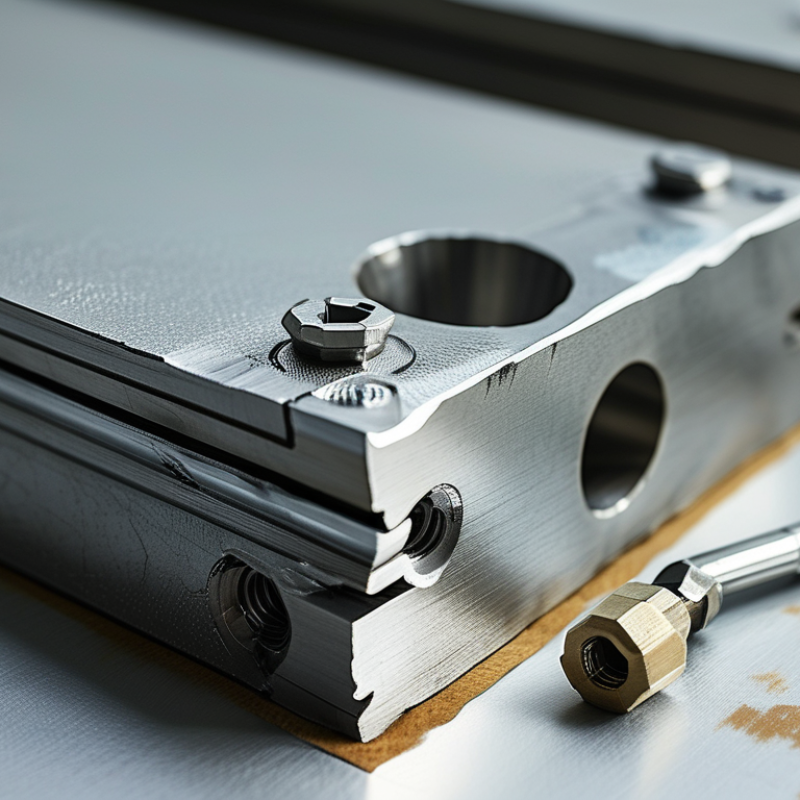
Titanium locking plates have emerged as essential tools in orthopedic surgery. These plates offer superior strength and biocompatibility, making them ideal for bone fixation. A report from the International Journal of Orthopedics highlights that titanium's low corrosion rate contributes to excellent longevity in implants. This material also significantly reduces the risk of allergic reactions compared to other metals.
The benefits of titanium locking plates extend beyond durability. They provide improved stability due to their locking mechanism. This design allows for optimal load distribution, which can accelerate bone healing. According to recent studies, patients with titanium implants recover 30% faster than those with traditional metal plates.
Despite these advantages, challenges remain. The cost of titanium plates is higher, which can limit accessibility for some patients. Furthermore, the surgical learning curve for implementing locking plates can be steep. Surgeons must be well-trained to utilize these systems effectively. Investing in training is as critical as sourcing high-quality materials. The impact on patient outcomes can be profound, requiring careful consideration.
: Titanium locking plates are essential tools in orthopedic surgery. They help fix bones due to their strength.
They offer superior biocompatibility and have a low corrosion rate. This leads to a longer lifespan and fewer allergies.
The locking mechanism improves stability, allowing for better load distribution. This enhances and accelerates bone healing.
Yes. The cost is often higher and can limit access. Additionally, the learning curve for surgeons is steep.
The market is growing, with a projected 6.5% annual increase. The rise in orthopedic surgeries drives this growth.
Manufacturers face raw material shortages and price fluctuations. Nearly 40% report delays in sourcing titanium.
They want reliable suppliers who can assure quality. Compliance with regulatory standards is also a top priority.
Proper training is essential for effective use. Poor implementation can negatively impact patient outcomes.
Studies show patients recover 30% faster than with traditional plates. This is an important consideration for surgeries.
Companies need to optimize operations to meet demands. Addressing supply issues is critical for future success.
Titanium Locking Plates have emerged as a critical component in modern orthopedic surgeries, thanks to their superior strength, lightweight nature, and biocompatibility. This summary delves into the unique properties of titanium that enhance the performance of medical devices, highlighting their corrosion resistance and ability to integrate seamlessly with human tissue. The global market for these innovative plates is witnessing significant growth, driven by increasing demand for advanced surgical solutions and the ongoing innovations in titanium plate technology.
Moreover, an analysis of the global supply and demand trends reveals a robust landscape for manufacturers, who are continuously developing cutting-edge locking plates to meet the evolving needs of the healthcare sector. Compliance with regulatory standards and rigorous quality assurance processes is essential to ensure the safety and effectiveness of titanium medical devices. Overall, Titanium Locking Plates represent a promising avenue for both medical advancements and improved patient outcomes in surgical practices worldwide.
