Medisplint
Choosing the right orthopedic trauma implants is crucial for successful patient outcomes. A recent report from the Orthopedic Implant Association highlights that over 50 million orthopedic procedures are performed globally each year. This vast market emphasizes the importance of selecting high-quality implants tailored to specific trauma cases.
Orthopedic trauma implants, such as plates, screws, and nails, must meet strict regulatory standards. These devices should facilitate healing and restore mobility. However, not all implants are created equal. Variability in material quality and design can affect recovery times and complication rates. Surgeons often face challenges in navigating these options.
An informed choice relies on understanding both the materials and the manufacturer’s reputation. Studies indicate that nearly 30% of postoperative complications are linked to subpar implant choices. It becomes imperative for healthcare professionals to weigh the benefits and drawbacks of each option. Engaging with peers and consulting recent clinical studies can also enhance decision-making.
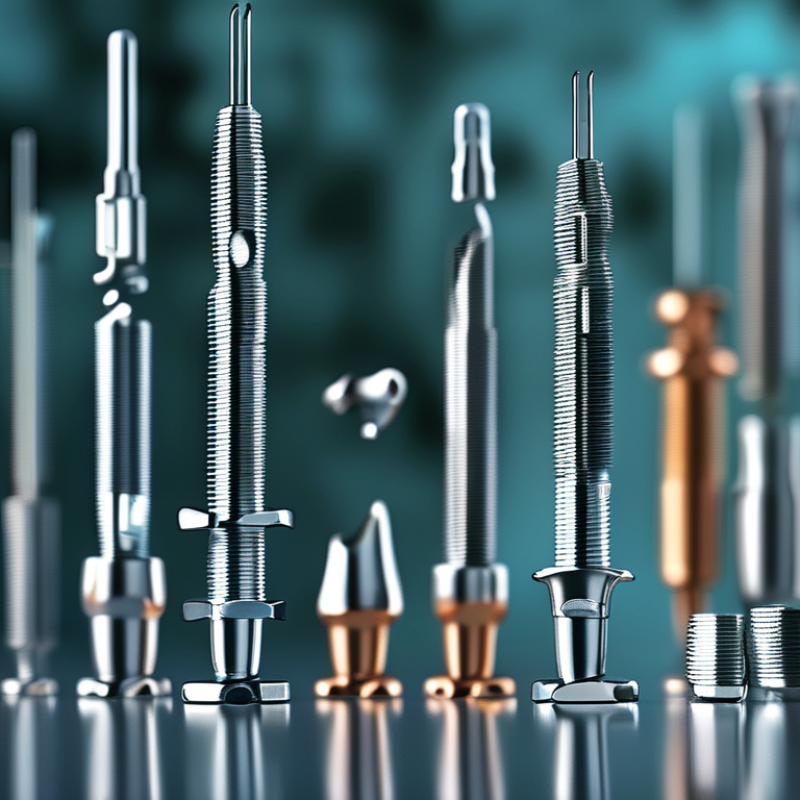
Orthopedic trauma implants play a key role in the recovery of injured bones. These implants help stabilize fractures and support the healing process. Understanding the different types of implants is essential for both patients and healthcare professionals. Each implant type has unique characteristics that cater to specific needs. For example, some are designed for load-bearing, while others prioritize flexibility.
The material of the implant also matters. Titanium, stainless steel, and biodegradable options are common choices. Each material has advantages and disadvantages. Titanium is lightweight and strong but may be too expensive for some cases. Biodegradable implants reduce the need for a second surgery but might not be suitable for all patients. Evaluating the pros and cons of these materials can guide implant selection and influence recovery outcomes.
Choosing the right orthopedic trauma implant requires careful consideration. A thorough understanding of the injury and patient needs is crucial. Health professionals must stay informed about the latest developments in implant technology. Not all solutions are perfect, and sometimes implants may not integrate well with the patient’s bone. Open communication between patients and surgeons can lead to better decision-making and improved healing.
Choosing the right material for orthopedic trauma implants is crucial. Various factors come into play, such as biocompatibility and mechanical strength. Biocompatible materials are vital. They minimize rejection and support healing. Common options include titanium and certain alloys. Each has unique properties that may suit specific cases. For instance, titanium is lightweight yet strong.
Mechanical properties matter too. The implant must withstand stress during recovery. This requires consideration of elastic modulus and tensile strength. A mismatch in these properties can lead to complications. Additionally, weight plays a crucial role. Heavier implants can cause fatigue in the surrounding tissues. This can slow down the healing process.
Surgeons should also reflect on long-term outcomes. How will the implant perform over time? Does it corrode? Will it integrate well with bone? These questions are essential. Evaluating available options is not straightforward. What works for one patient may not work for another. Careful consideration and expertise are necessary to make the best choice.
When evaluating orthopedic trauma implants, design features play a pivotal role. Effective implants must balance strength with weight. Lightweight materials can enhance patient comfort, yet they should not compromise durability. A careful examination of implant shape is essential; anatomical designs can promote better fitting and increased stability within the body.
Innovative locking mechanisms also deserve attention. Secure fixation can reduce the risk of complications, but over-engineering may lead to greater complexity. It's crucial to recognize that a user-friendly design is as important as strength. Surgeons need implants that are straightforward to manipulate during procedures. However, some designs may challenge these ideals, requiring further refinement for improved usability.
Biomechanical performance cannot be overlooked. Implants should mimic natural bone behavior, providing adequate stress distribution. This is vital for achieving optimal healing outcomes. Review available clinical data to assess how well these implants perform in real-world scenarios. Some designs may excel in testing but fail under varied physiological conditions. Continuous feedback from the surgical community is necessary for ongoing improvement in implant technology.
Biocompatibility is essential when selecting orthopedic trauma implants. Research indicates that over 25% of implant failures are due to biocompatibility issues. When an implant is introduced to the body, it must not provoke an adverse reaction. Materials can trigger inflammation or rejection, leading to complications. Biocompatible materials should interact positively with bodily tissues and fluids. This interaction affects healing and the overall success of orthopedic procedures.
Consider titanium and its alloys, which have shown exceptional compatibility. Studies show that titanium implants result in a 95% success rate in osseointegration. However, not all patients react the same way to these materials. Some may experience allergic reactions, causing significant concerns. Reliable data from clinical trials indicate a need for more research on patient-specific responses to implants.
Polymer-based implants, while promising, also reflect this dilemma. They often exhibit good flexibility but may lack long-term stability. Reports suggest a 15% failure rate over ten years for certain polymer implants. This statistic raises questions about their reliability. The variability in patient outcomes calls for a more personalized approach in choosing orthopedic trauma implants based on individual patient profiles and responses.
When considering orthopedic trauma implants, consulting with healthcare professionals is essential. Surgeons and specialists offer invaluable expertise. They help tailor choices based on each patient's specific needs. A recent study indicates that 70% of successful outcomes depend on proper implant selection. This statistic underscores the critical role of professional guidance.
Surgeons have extensive experience with various implants and their compatibility. They assess factors like patient bone density and activity level. According to the Journal of Orthopedic Research, up to 30% of patients experience complications due to improper implant use. This highlights the importance of individual assessments and informed discussions with healthcare providers. Their insights can lead to optimal choices, reducing risks and promoting better recovery.
It’s crucial to be open about past experiences and concerns. Each patient's situation is unique, and what works for one may not suit another. Sometimes, practitioners may recommend lesser-known options. These can be overlooked but may offer benefits tailored to specific conditions. Engaging in thorough conversations is vital for achieving the best results. This collaborative approach not only enhances understanding but also fosters trust in the treatment process.
| Implant Type | Material | Application | Consultation Notes |
|---|---|---|---|
| Intramedullary Nail | Titanium Alloy | Femur and Tibia Fractures | Consider load-bearing capability |
| Plate and Screw System | Stainless Steel | Fractures of the Metacarpals | Ensure alignment with bone contours |
| Locking Compression Plate | Titanium Alloy | Complex Fractures | Discuss with orthopedic surgeon for specific case |
| External Fixator | Aluminum | Severe limb injuries | Evaluate soft tissue condition first |
| Screw System | Polyether ether ketone (PEEK) | Pelvic Fractures | Consult on biocompatibility with soft tissue |
: Key factors include design features, strength, weight, and durability.
Anatomical designs promote better fitting and stability in the body.
Secure fixation reduces complications, but complexity can be an issue.
Surgeons need easy-to-manipulate implants during procedures. Some designs may not meet this need.
Implants should provide adequate stress distribution for optimal healing.
Biocompatibility affects healing and can prevent implant failure due to adverse reactions.
While titanium is highly compatible, some patients may experience allergic reactions.
Polymer implants may lack long-term stability, with a notable failure rate over ten years.
Patient reactions to materials vary, indicating a need for personalized implant selection.
Ongoing feedback from surgeons helps improve design and performance based on real-world scenarios.
Choosing the best Orthopedic Trauma Implants involves a thorough understanding of their characteristics and applications. Initially, one must consider various factors such as the implant materials' properties, which greatly influence their performance and longevity. It is essential to evaluate design features that cater to specific trauma scenarios and ensure they provide optimal support and stability during the healing process.
Moreover, the biocompatibility of the materials used is a critical consideration, as it affects how well the body accepts the implant. Consulting with healthcare professionals can provide valuable insights and recommendations tailored to individual needs, leading to more informed decisions. Ultimately, a comprehensive approach to selecting Orthopedic Trauma Implants can significantly impact recovery outcomes and patient satisfaction.
