Medisplint
Medisplint
Medisplint
Premium biocompatible solutions designed for critical load-sharing fracture stabilization.
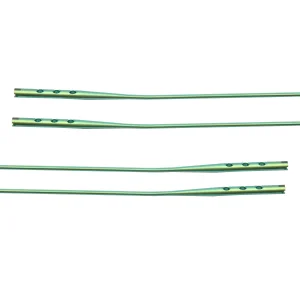
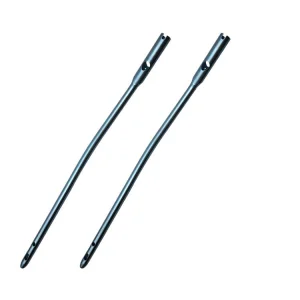
An analytical breakdown of the trauma care system and procurement requirements in the Middle East.
The Iraqi healthcare ecosystem is undergoing a major transitional phase characterized by rapid infrastructure modernization and reconstruction. Decades of socio-political challenges coupled with high incidences of traffic accidents and occupational injuries have made trauma and orthopedic surgery one of the most critical fields in the country. Long-bone fractures (femoral, tibial, and humeral) represent a large percentage of admissions in public and private hospitals across major hubs like Baghdad, Basra, Erbil, and Mosul.
Consequently, the clinical demand for advanced internal fixation devices—specifically interlocking intramedullary (IM) nails—has surged. Intramedullary nailing is globally recognized as the gold standard for treating diaphyseal fractures of the lower and upper extremities. The load-sharing nature of IM nails allows for early weight-bearing, which is highly beneficial for patients seeking a fast return to functional activity, thus minimizing long-term rehabilitation costs in developing regional economies.
Procurement within Iraq's medical sector operates under a two-tiered system: public sector tenders issued by Kimadia (The Iraqi State Company for Marketing Drugs and Medical Appliances) under the Ministry of Health (MOH), and the rapidly expanding private clinic sector. Achieving commercial success in this market requires strict compliance with international medical regulations:
Clinical Focus: The transition toward minimally invasive surgery in Iraq has shifted purchasing behaviors away from traditional compression plates to modern self-guided locking intramedullary nails. These reduce periosteal devitalization and speed up recovery times, mitigating the risk of hospital-acquired infections.
Engineered specifically for pediatric osteosynthesis and specialized bone fracture configurations.
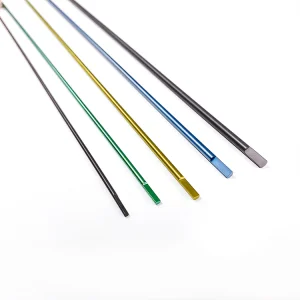
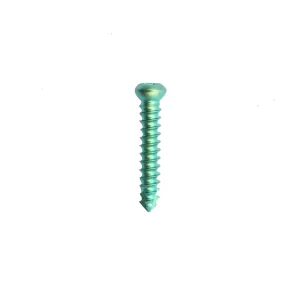
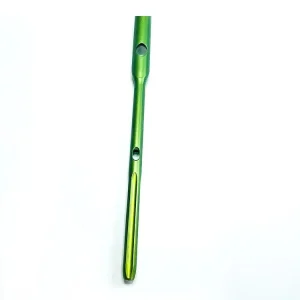
How Medisplint leverages raw material purity and high-precision CNC engineering.
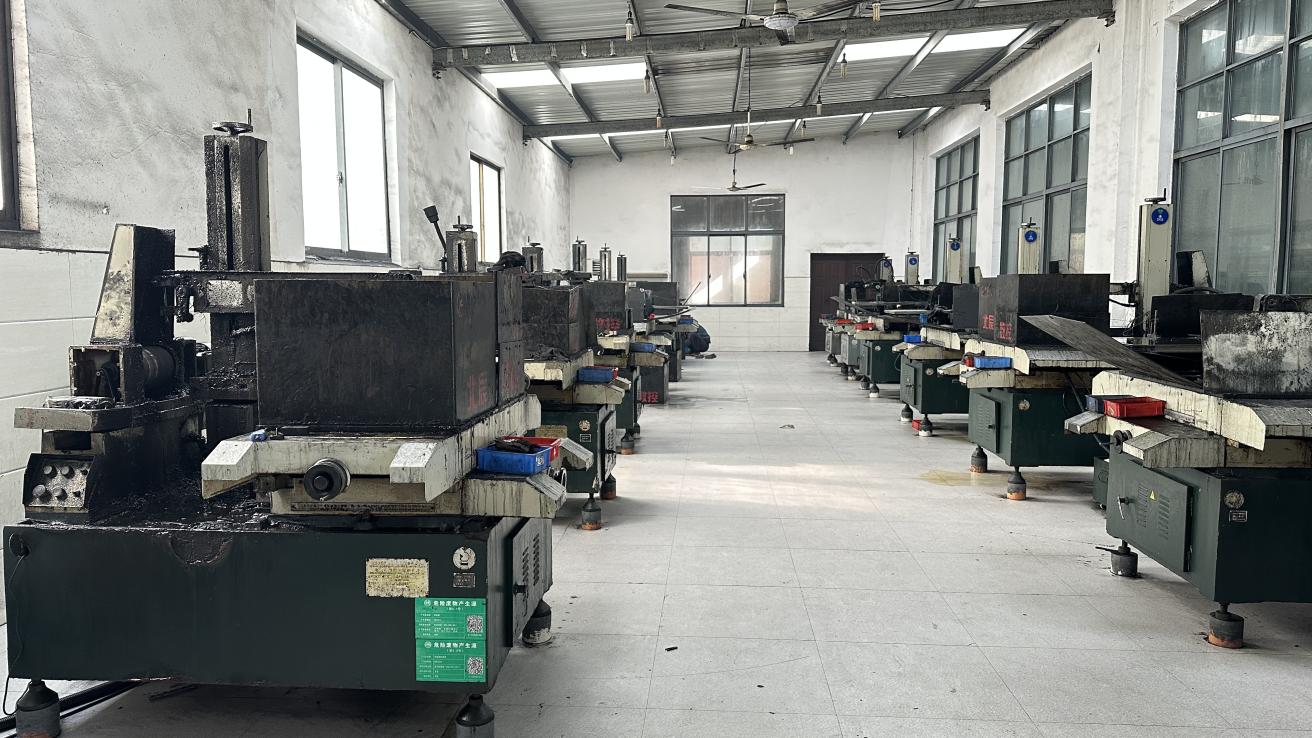
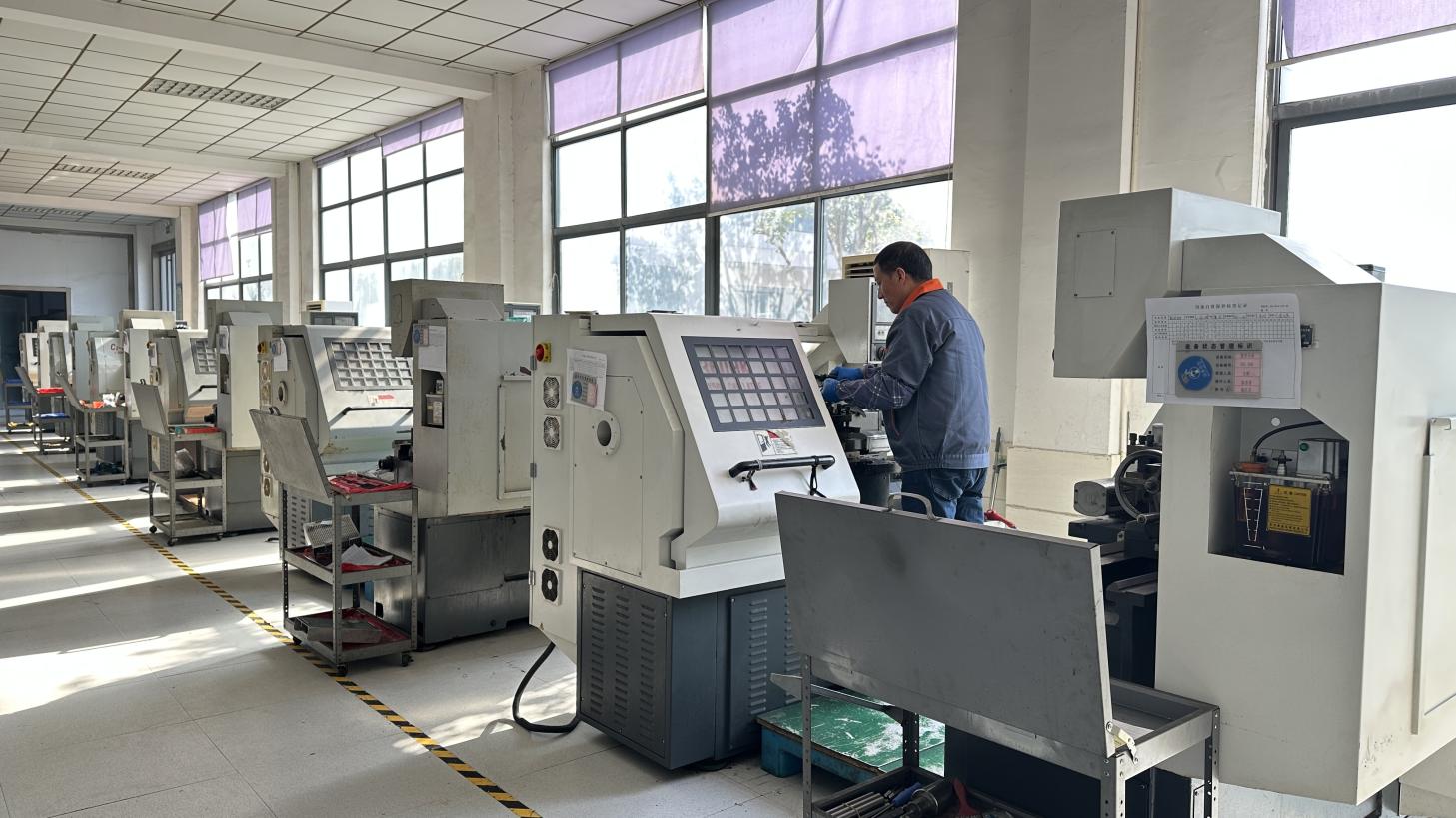
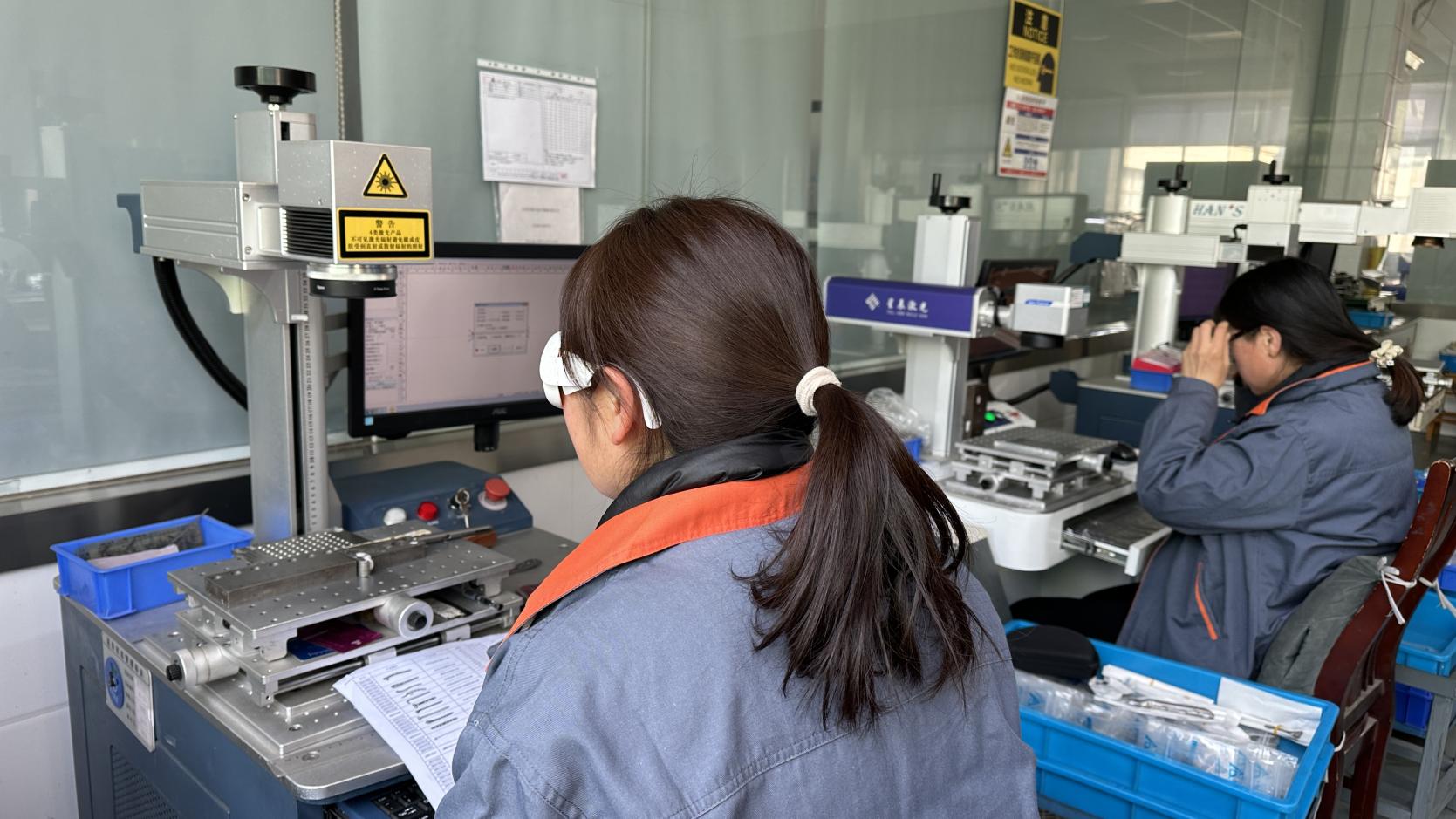
Medisplint Orthopedic Instruments Co., Ltd. (established in 2016) is a professional manufacturer specializing in orthopedic implants, fixation systems, and surgical instruments for trauma, spine, and joint reconstruction. By integrating raw material slitting, Swiss-type CNC machining, multi-axis milling, laser marking, and advanced cleanroom inspection, we deliver Class III medical products to over 1,200 supply chain partners globally.
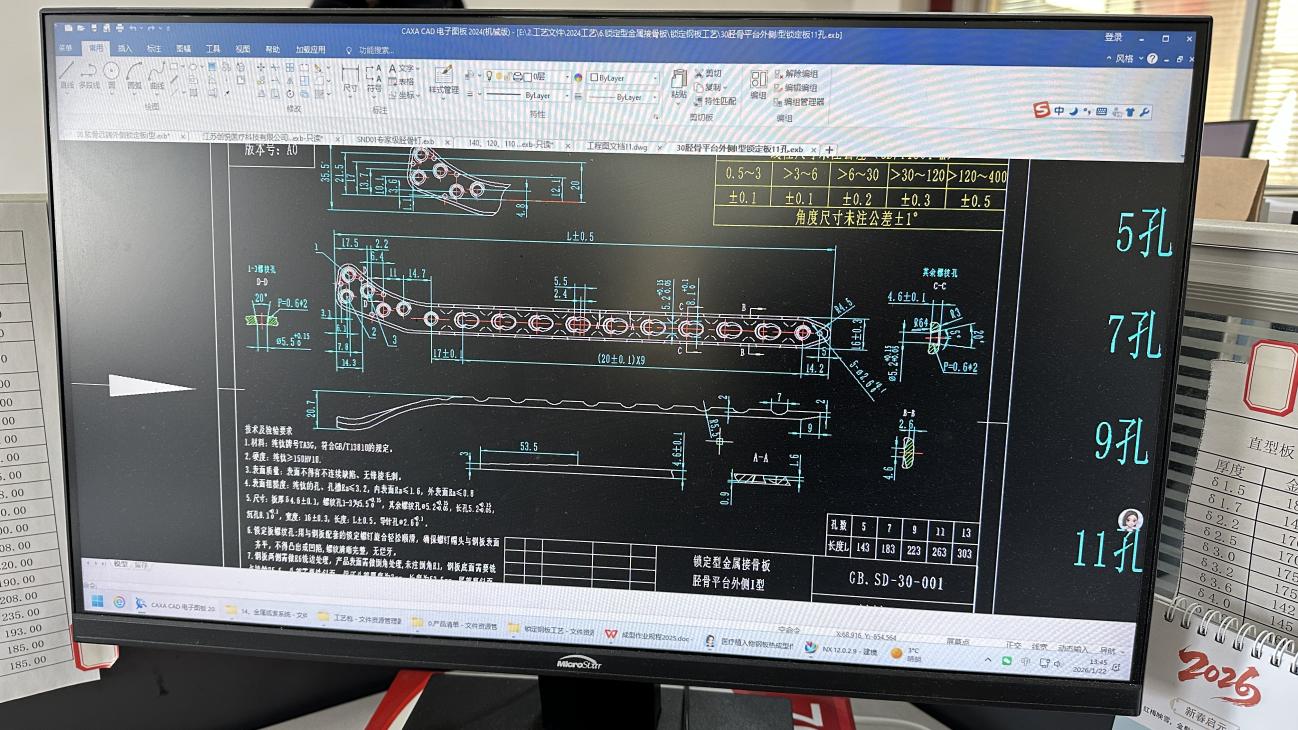
Our operations leverage advanced technological capabilities, utilizing medical-grade titanium alloy (Ti-6Al-4V ELI) and high-strength stainless steel. We guarantee exceptional dimensional precision for interlocking configurations through our dynamic in-process quality control (IPQC) and final quality control (FQC) protocols. Supported by a robust testing laboratory featuring fatigue testers, tensile testers, and bone screw performance testers, Medisplint ensures every implant withstands physiological loads without premature implant fatigue.
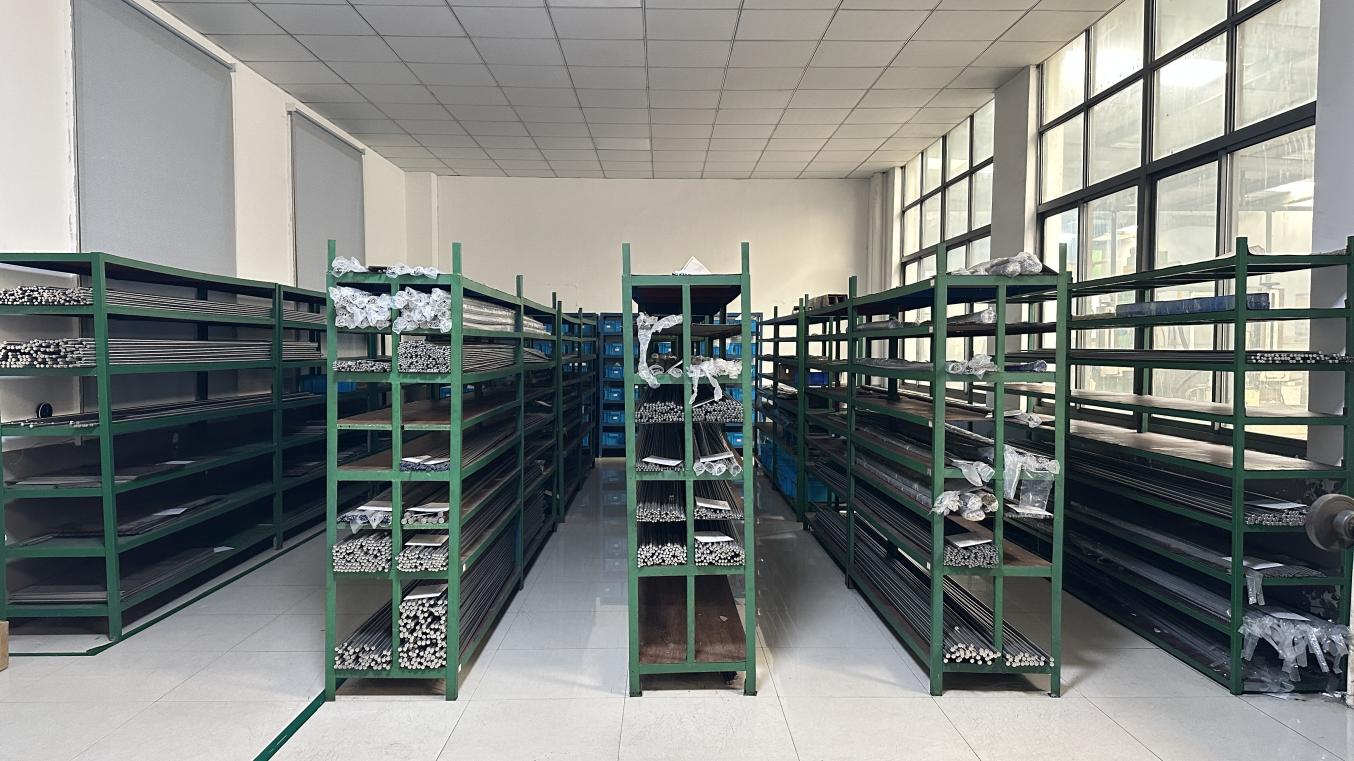
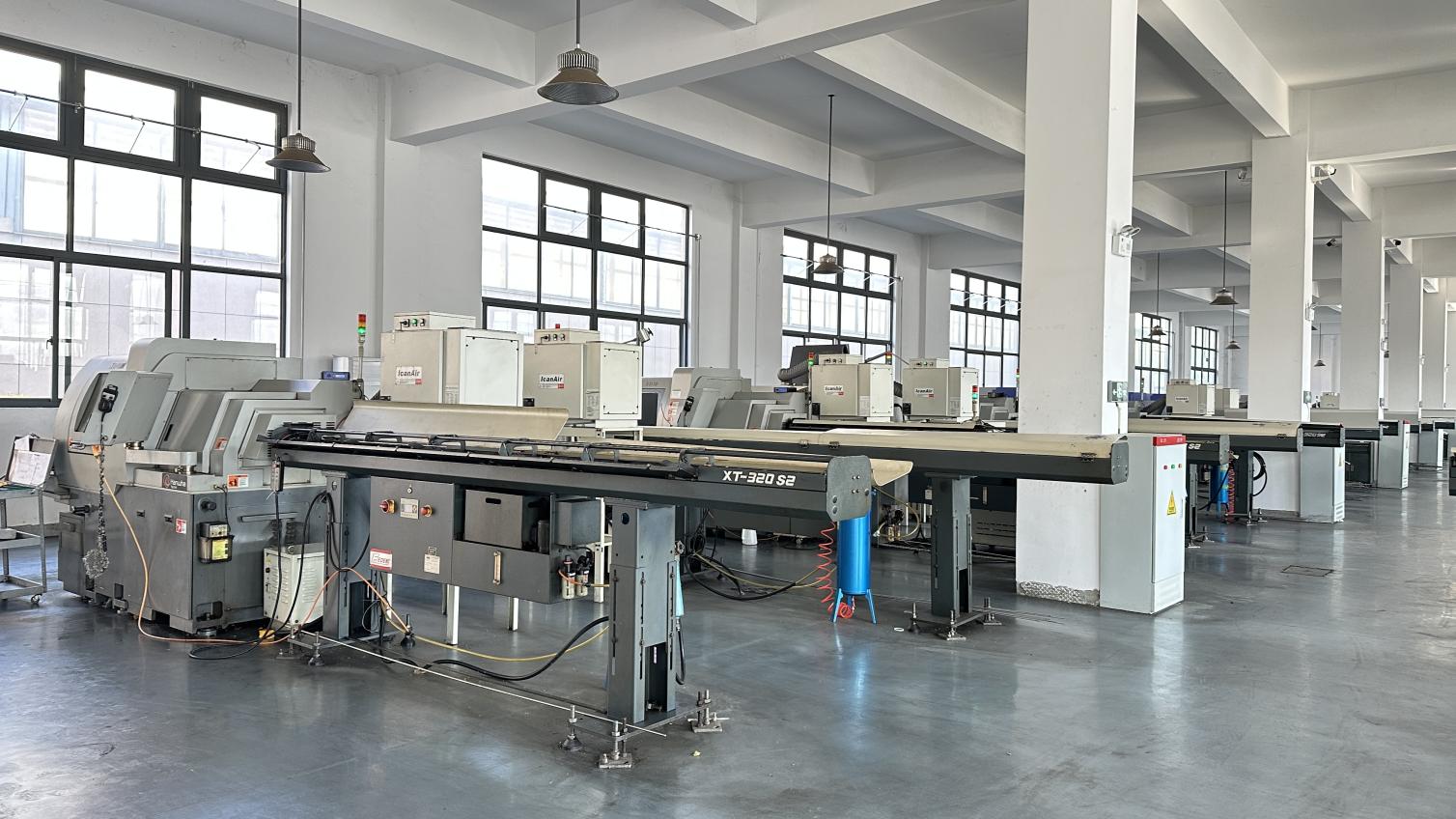
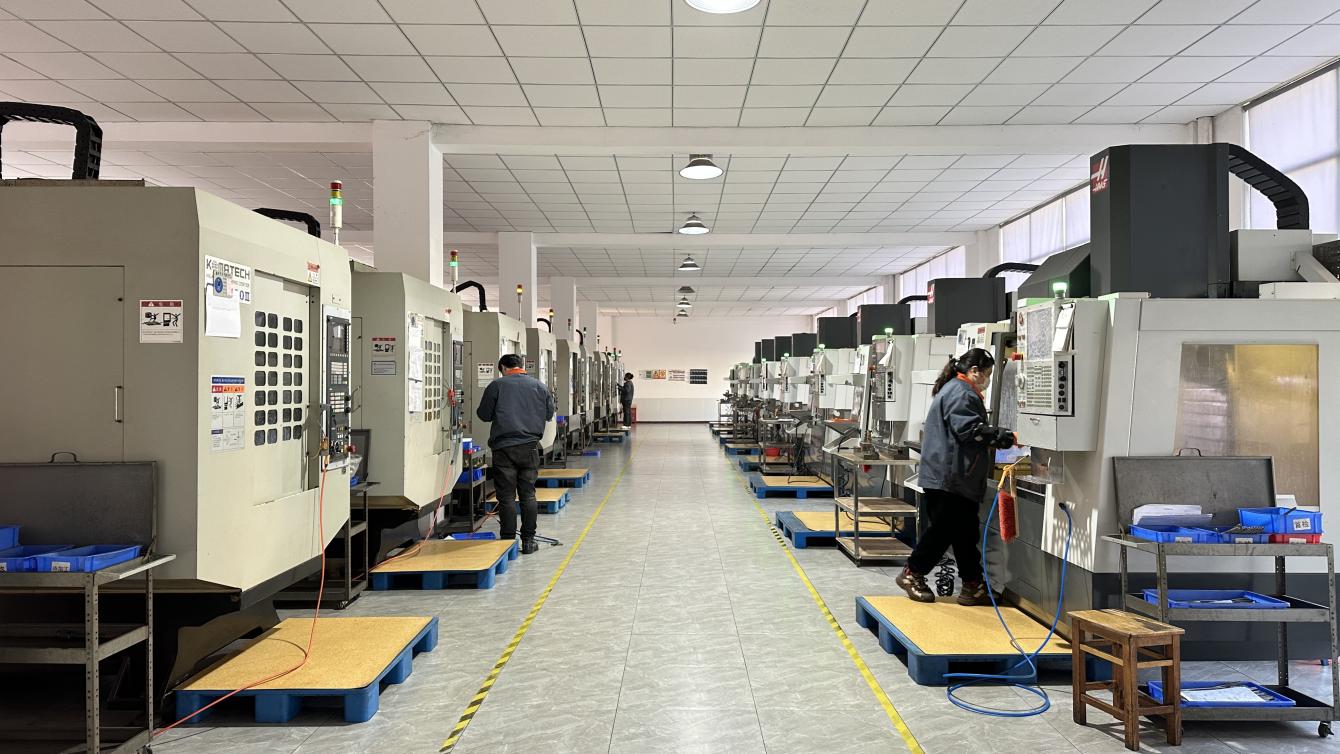
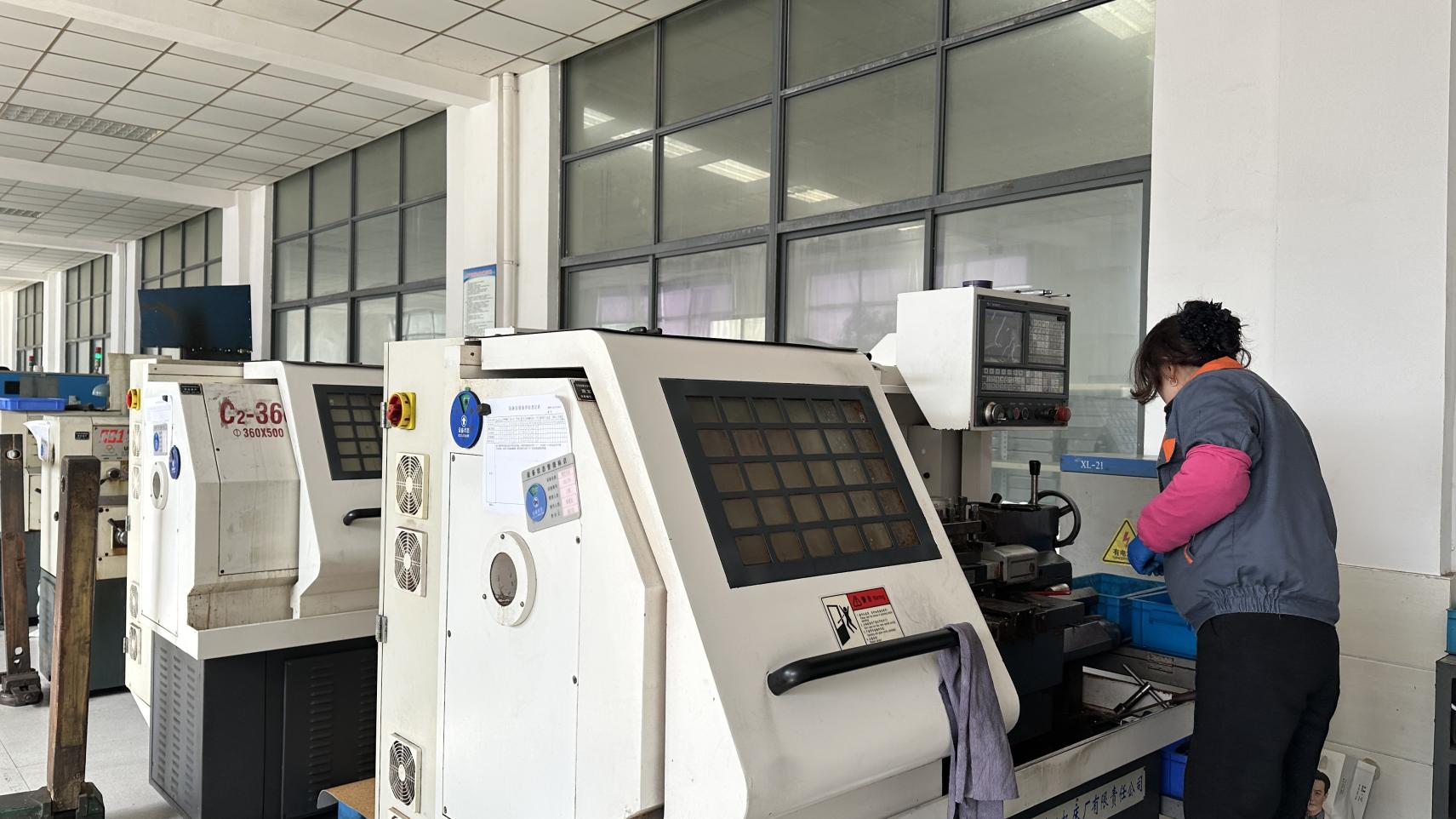
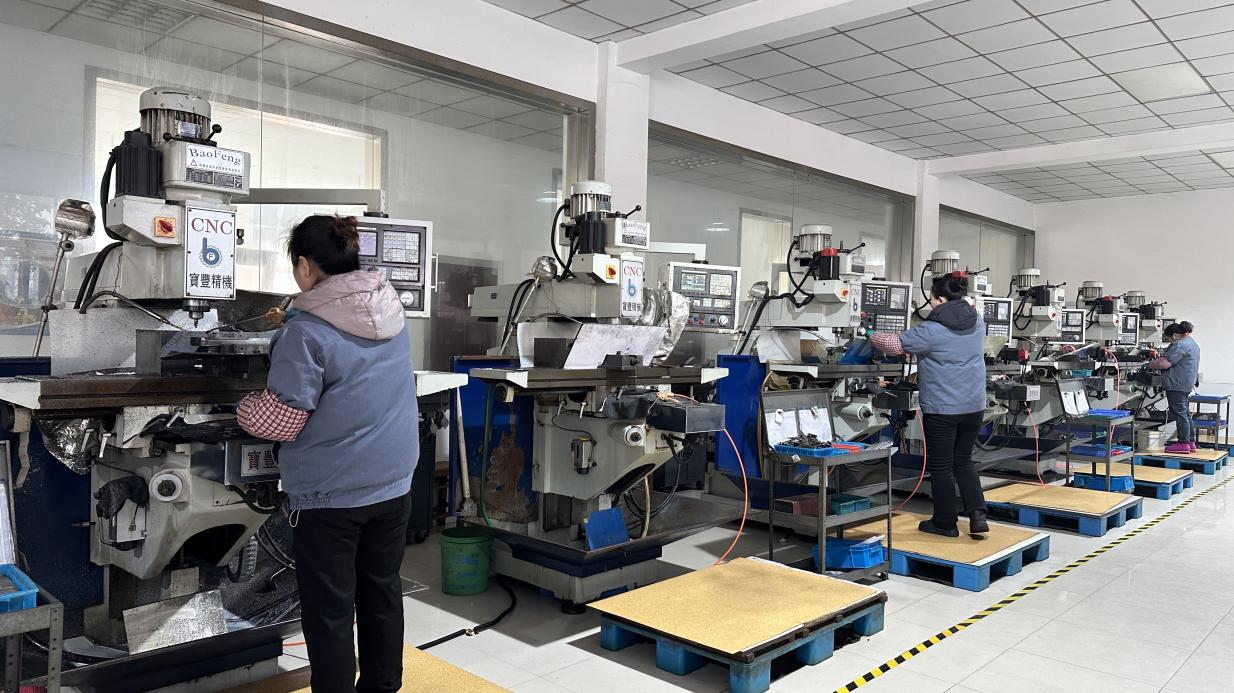
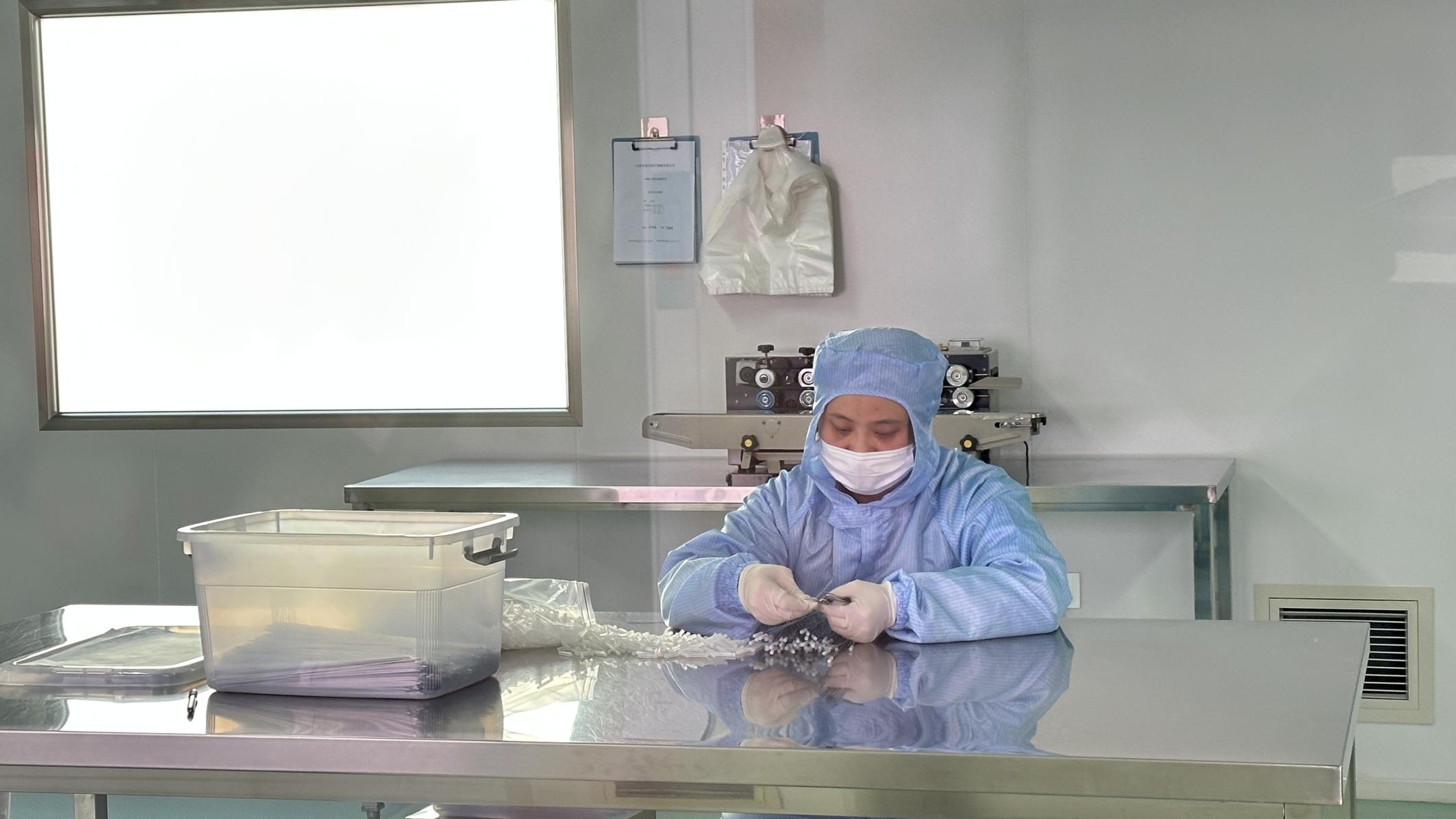
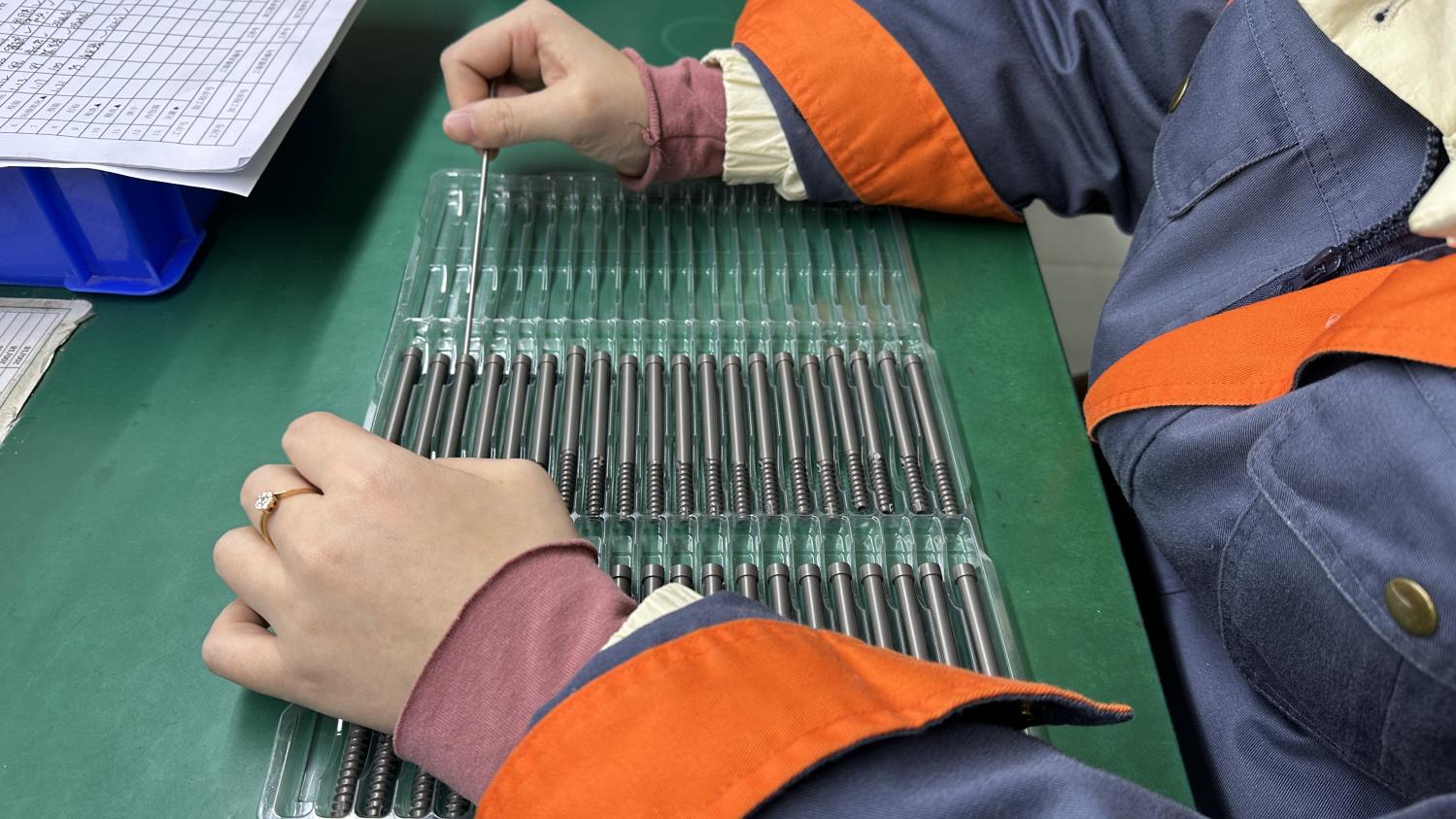
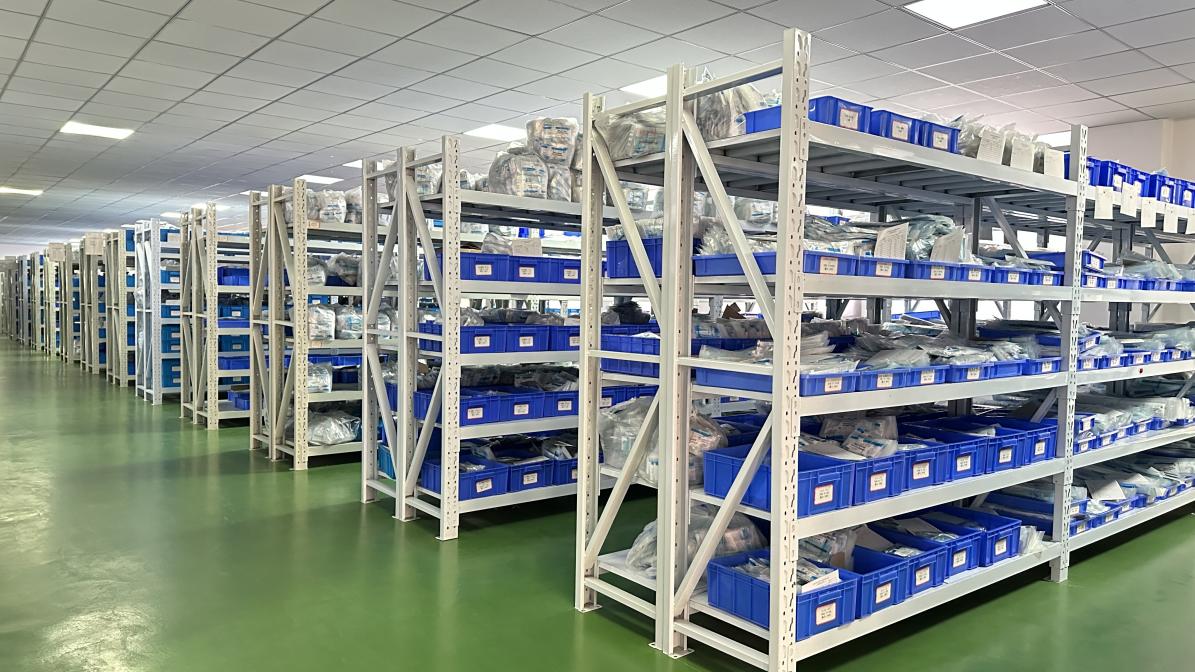
Swiss precision equipment executing sub-micron tolerances for clinical reliability.
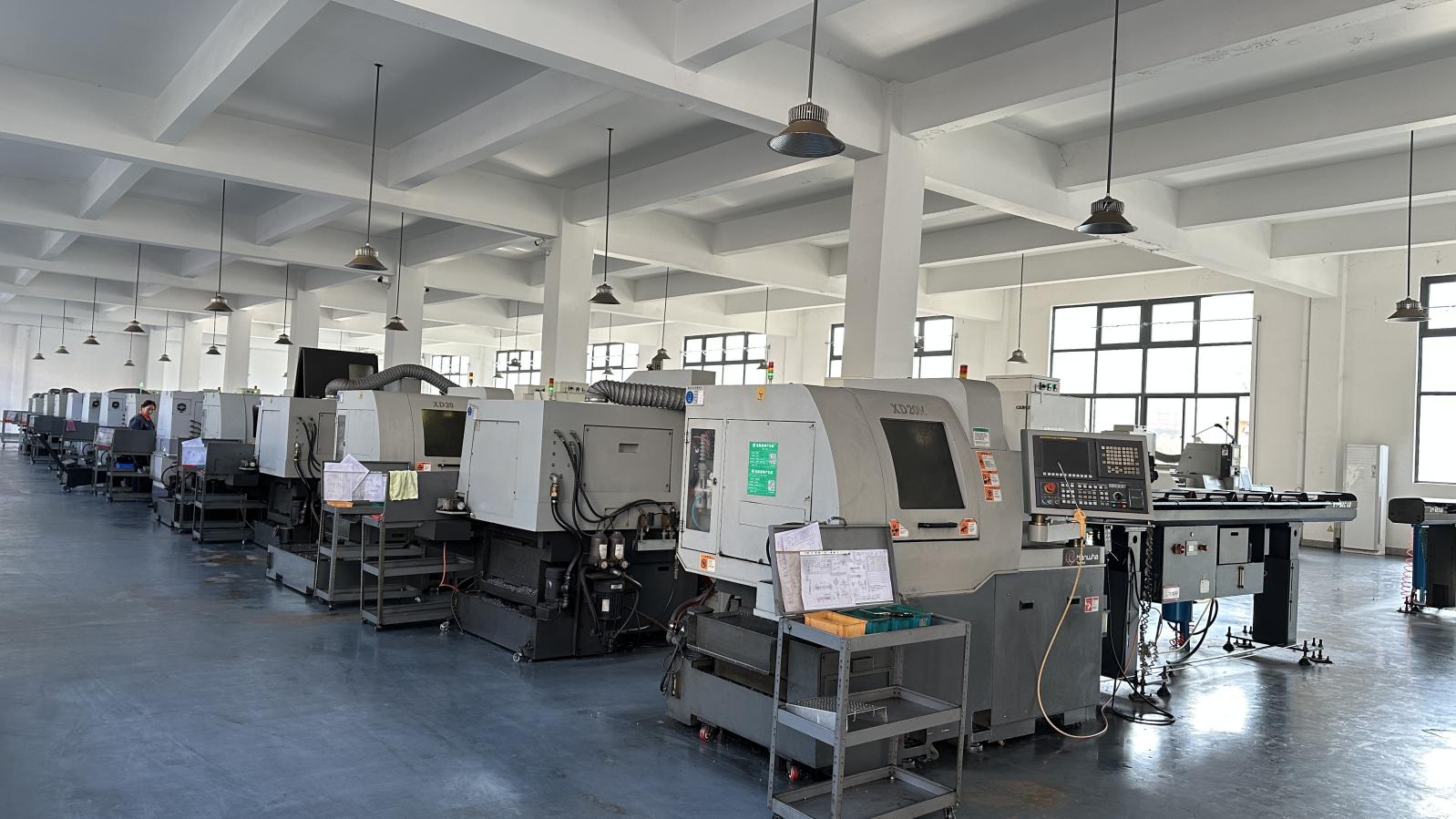
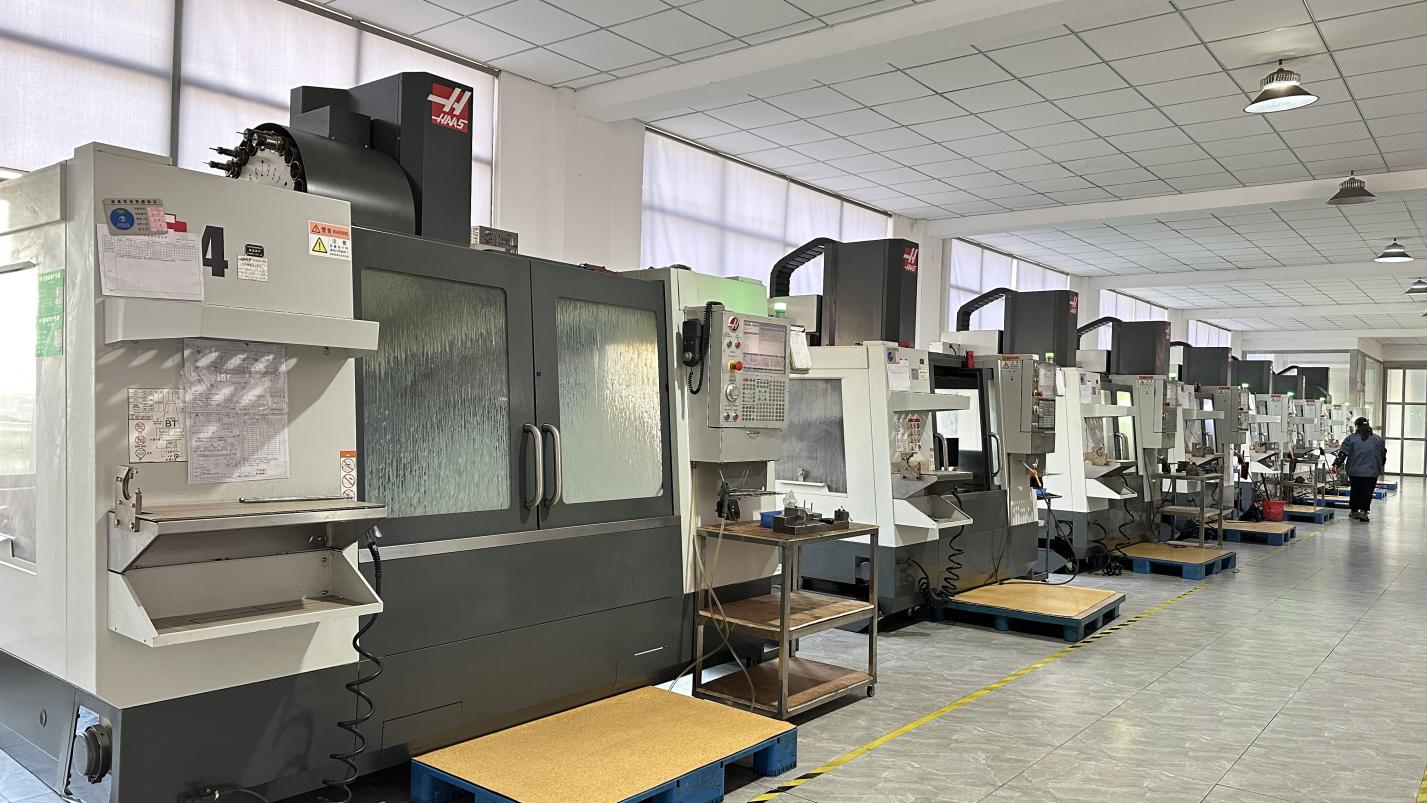
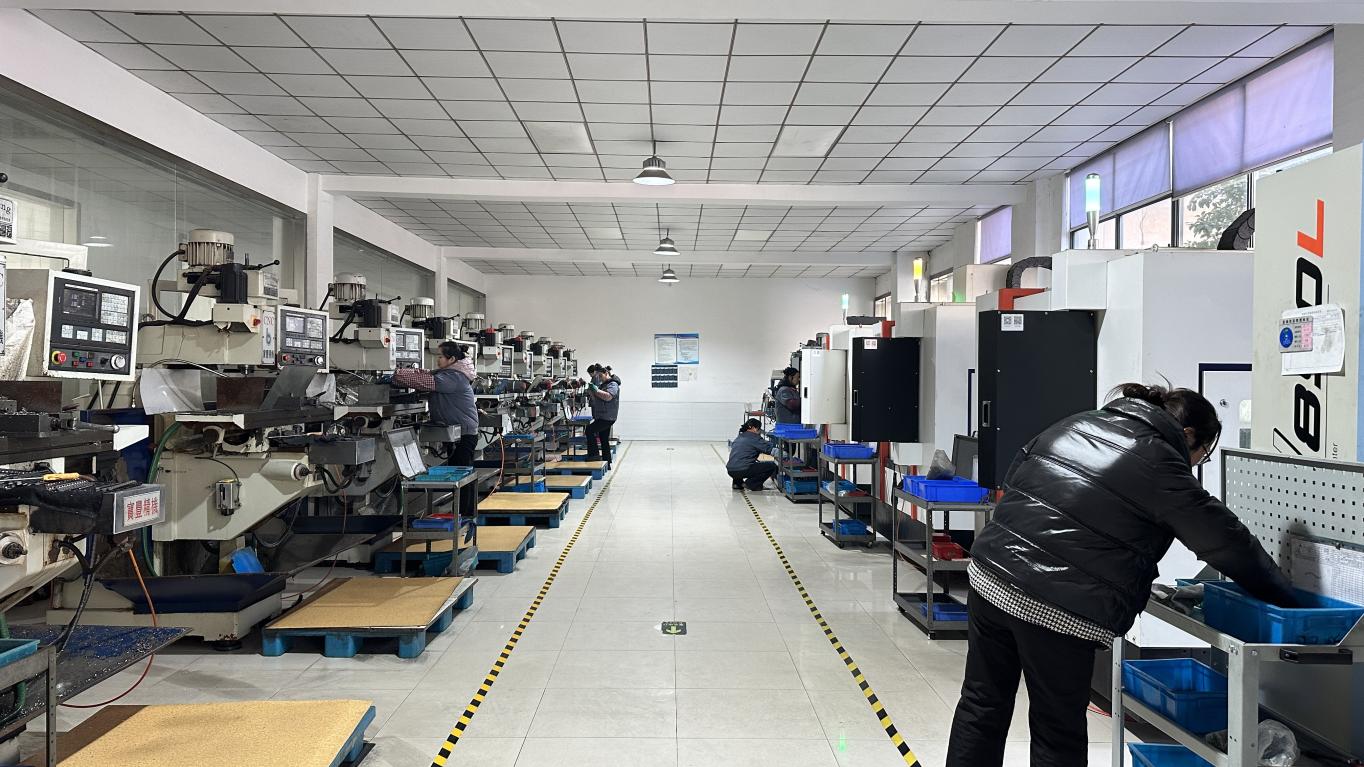

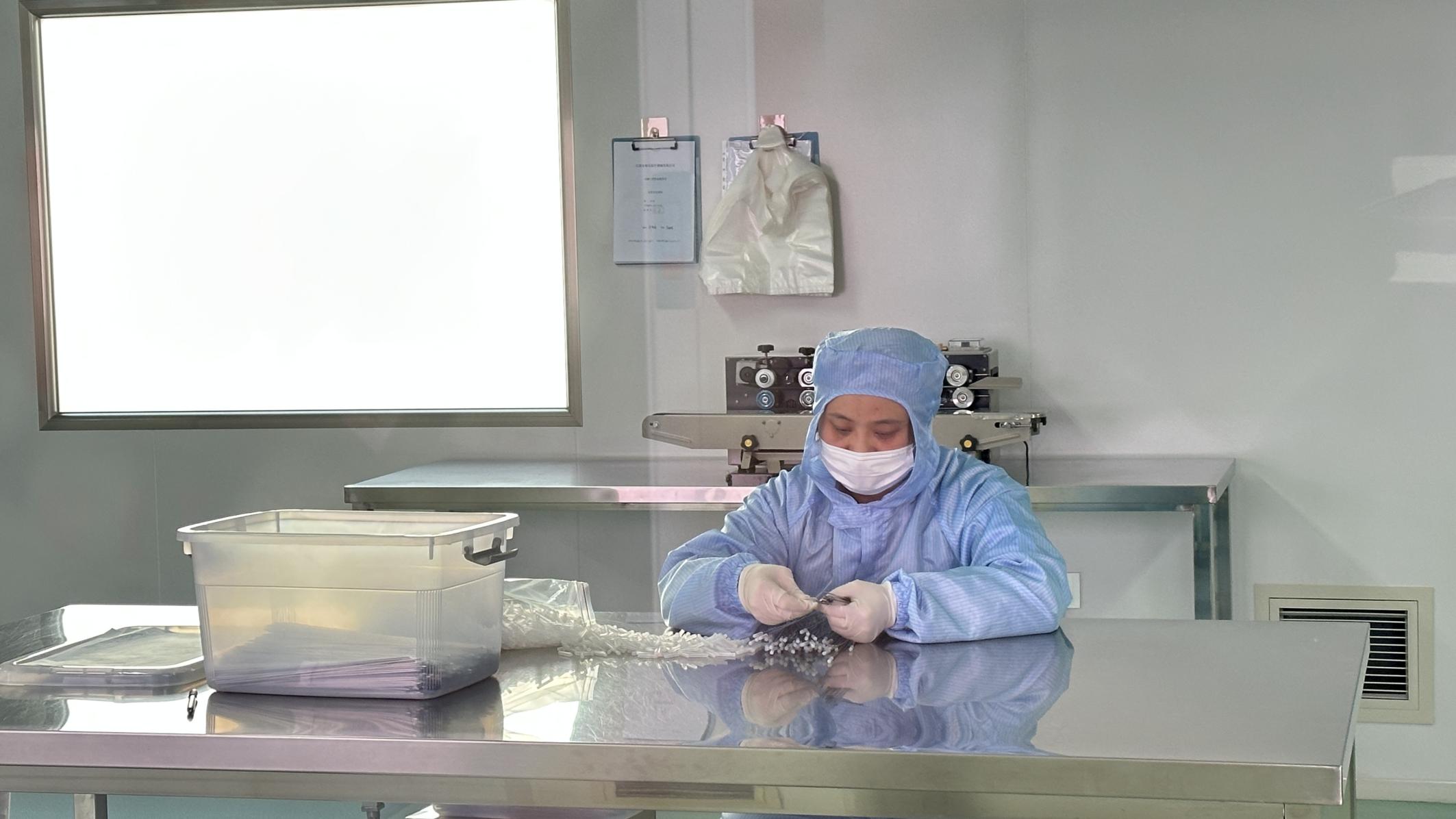
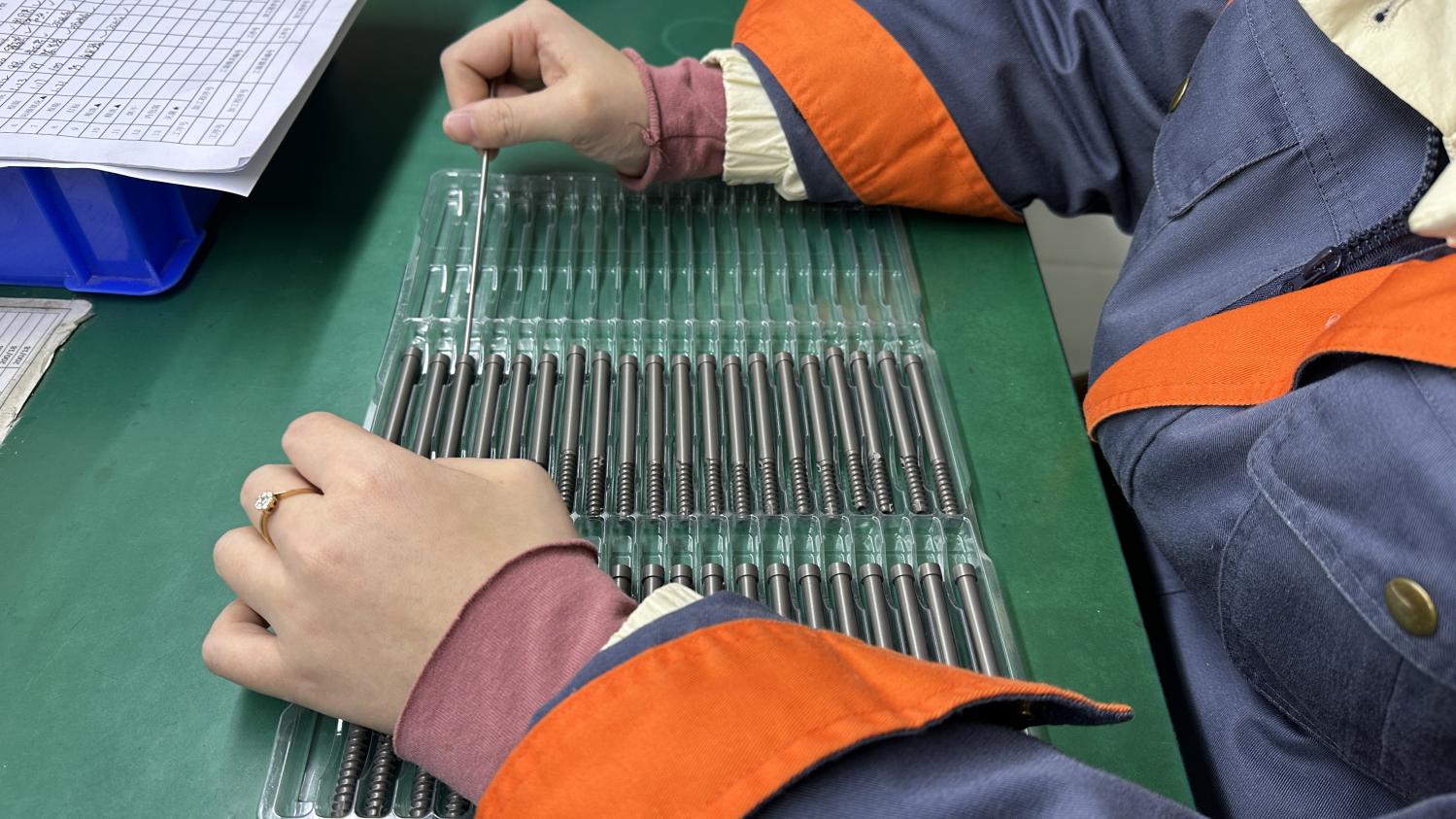
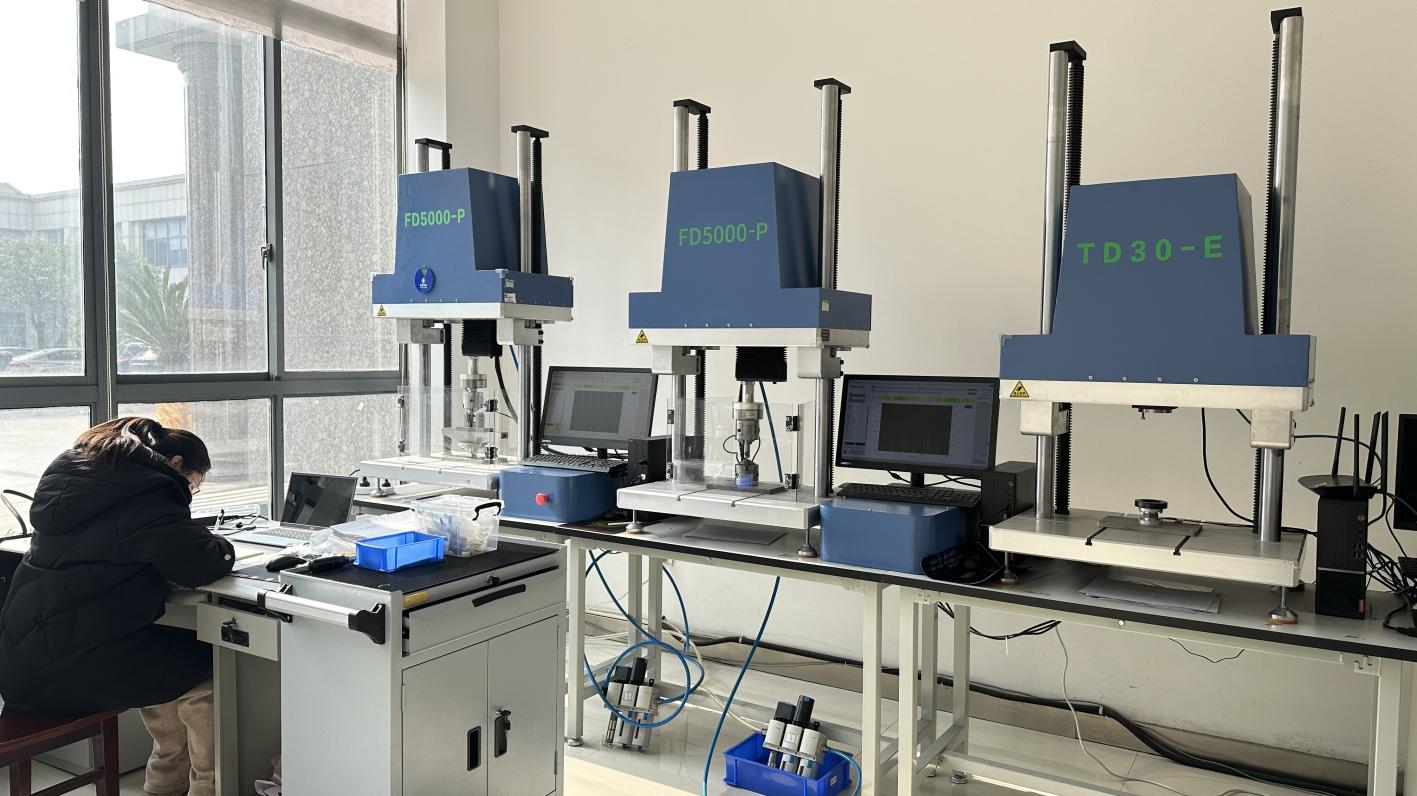
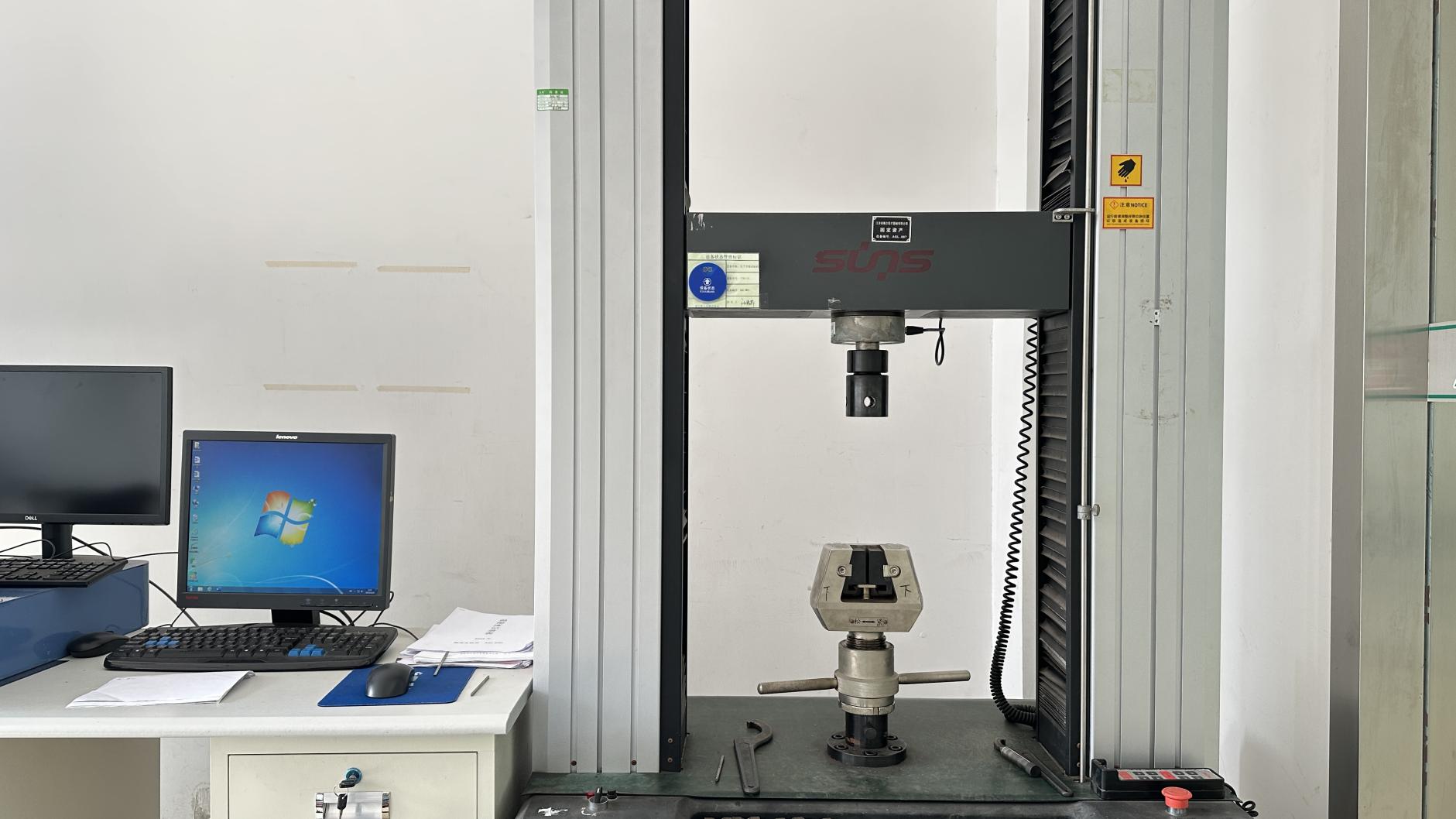
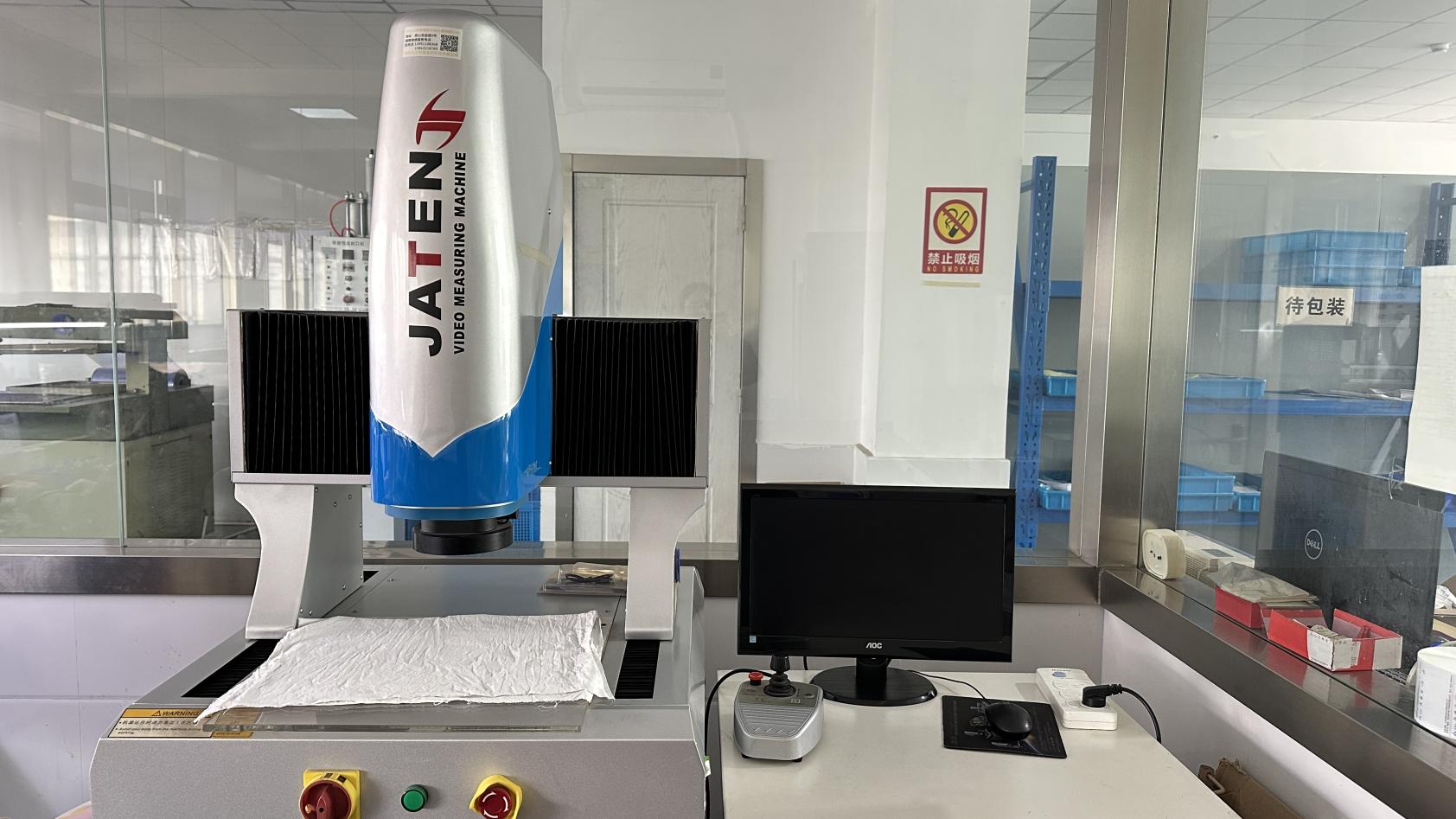
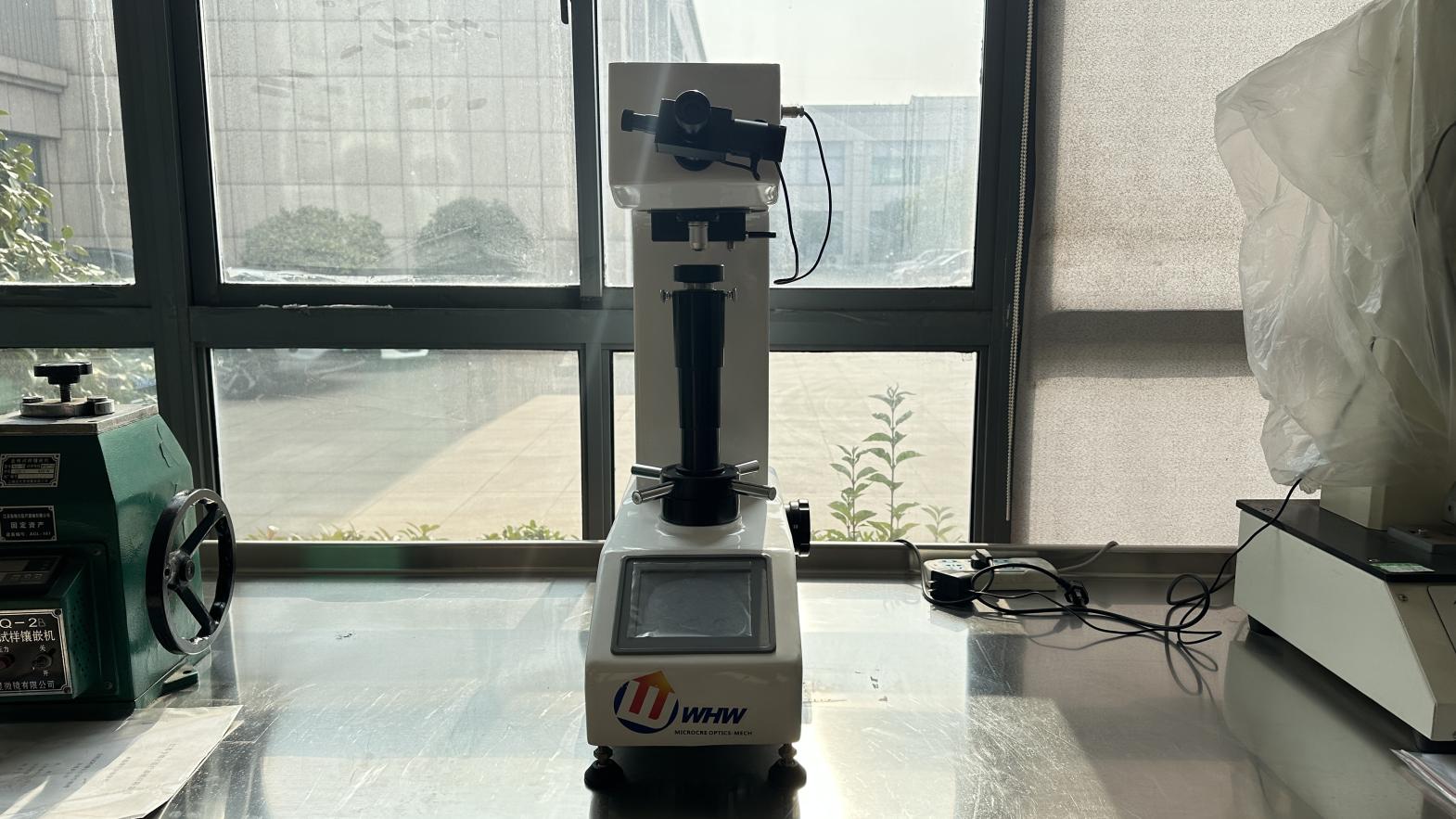
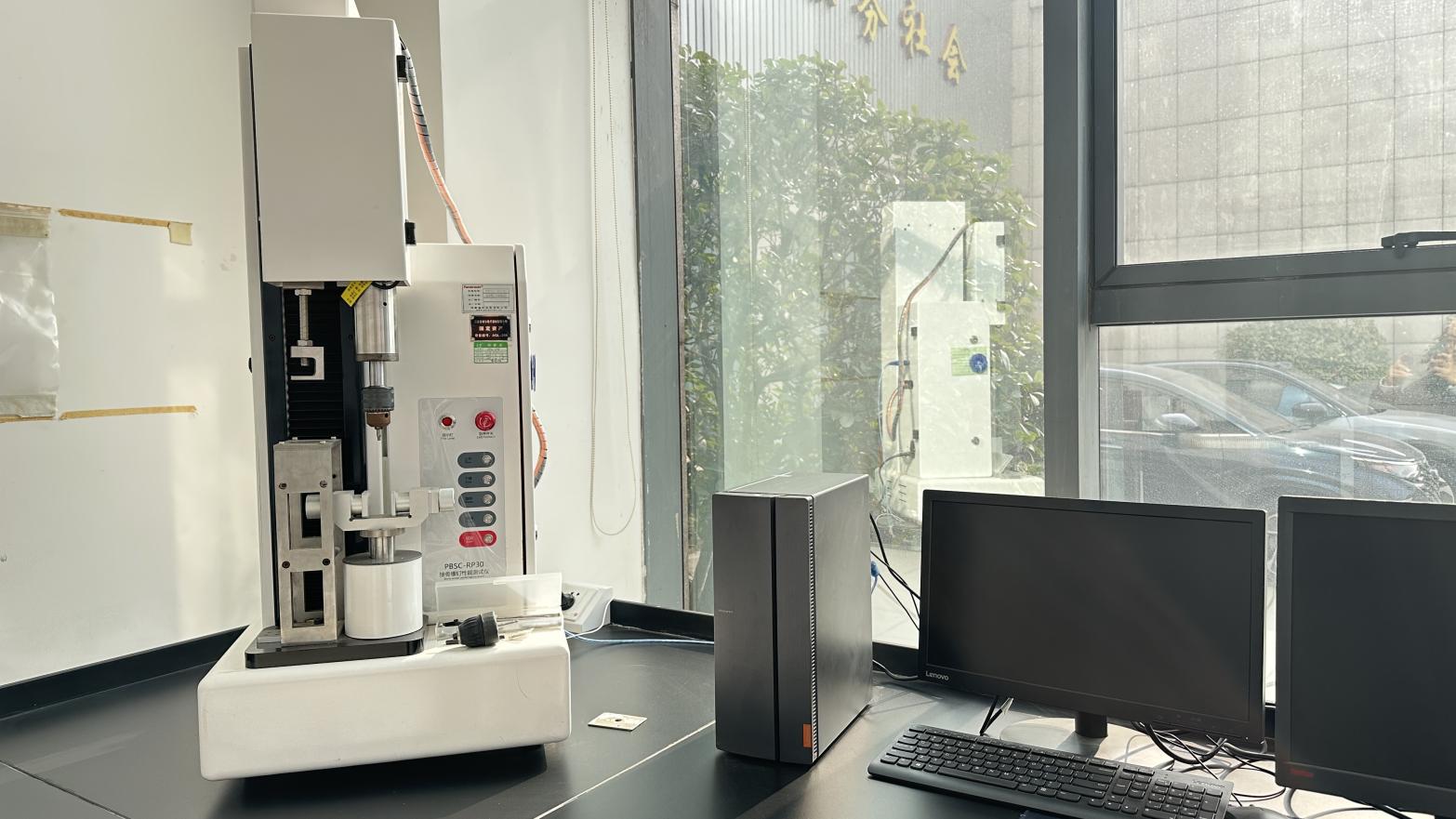
Biomechanical optimization, alloy metallurgy, and advanced clinical indications.
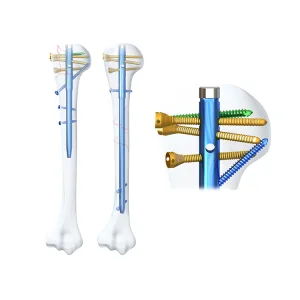
Unlike rigid osteosynthesis plates, which act as load-bearing structures and can cause stress shielding and localized osteopenia, intramedullary nails serve as load-sharing devices. Placed close to the mechanical axis of long bones, they allow controlled micromotion under physiological loads. This stress distribution promotes secondary bone healing through external callus formation, speeding up cortical remodeling.
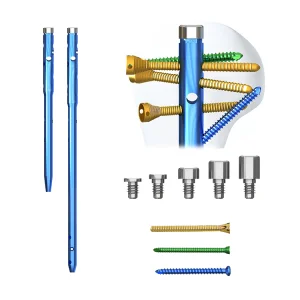
Modern interlocking nails optimize this system with dynamic and static locking holes. Dynamic locking allows axial compression during weight-bearing, while static locking prevents rotation in unstable comminuted fractures. This flexibility enables orthopedic surgeons in Iraq to customize fixation methods based on specific fracture patterns.
Selecting the right alloy is critical for long-term implant biocompatibility and mechanical performance. Medisplint constructs its high-tier interlocking nails using Ti-6Al-4V ELI (Grade 23). This premium alloy offers distinct advantages over standard 316L stainless steel:
First, its modulus of elasticity is closer to that of cortical bone (approx. 110 GPa vs. 200 GPa for steel), significantly reducing the risk of stress shielding. Second, titanium's exceptional corrosion resistance and biocompatibility prevent adverse tissue reactions. Finally, titanium implants minimize artifacts during post-operative MRI or CT scans, enabling clearer radiological evaluation.
Supply Chain Advantage: By operating our own raw material slitting and Swiss-type precision CNC machining lines, Medisplint minimizes quality variation. Our manufacturing efficiency reduces lead times, ensuring distributors in Baghdad and Erbil maintain stable inventory levels even during peak clinical demand.
Quality assurance is embedded in every step of Medisplint's manufacturing workflow. Standard operating procedures (SOPs) are strictly aligned with ISO 13485 regulations. The process begins with raw material verification, verifying chemical composition and mechanical properties via spectral analysis.
During machining, parts undergo coordinate measurements to ensure interlocking screw configurations align within micrometer-level tolerances. Prior to cleanroom packaging, implants undergo validated ultrasonic cleaning to eliminate bioburden. Finally, products are sterilized using EO or Gamma irradiation, ensuring a Sterility Assurance Level (SAL) of 10-6.
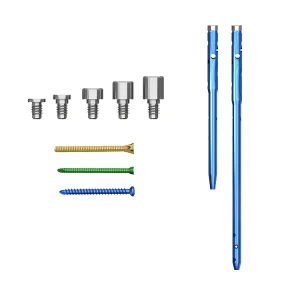
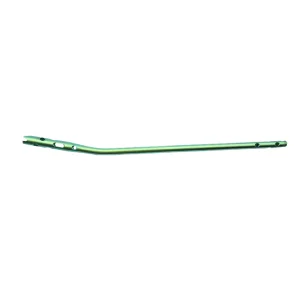
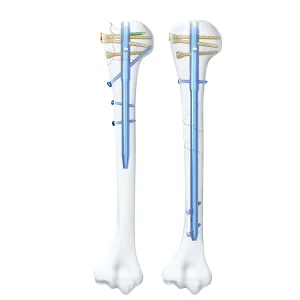
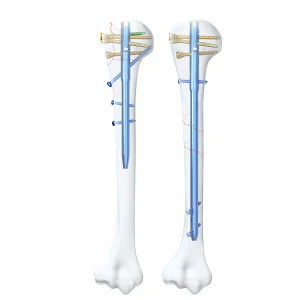
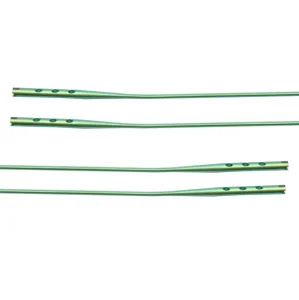
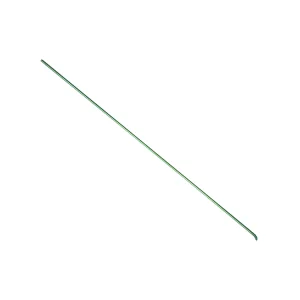
Full selection of pediatric, humeral, tibial, and femoral interlocking reconstruction systems.
Key information on imports, regulations, and custom manufacturing options for Iraqi procurement partners.
Yes, all Medisplint intramedullary nails are manufactured in strict compliance with ISO 13485 and carry CE certification. We provide a complete documentation package—including certificate of analysis, biocompatibility dossiers, sterilization validation reports, and ISO certificates—to assist our local partners in Iraq with the MOH registration process.
We use medical-grade Ti-6Al-4V ELI (Grade 23) titanium alloy, which complies with ASTM F136 and ISO 5832-3 standards. This material is selected for its superior biocompatibility, high fatigue strength, and reduced Young's modulus compared to stainless steel, minimizing stress shielding.
For standard implant designs, our stock availability allows for fast dispatch. For custom OEM or ODM orders, the lead time typically ranges from 15 to 30 days, depending on volume and configuration. We offer flexible MOQ arrangements to help partners establish local supply channels in markets like Baghdad, Erbil, and Basra.
We can supply implants in both formats. We provide double-barrier sterile packaging (Gamma or EO sterilized) ready for immediate OR use, as well as non-sterile bulk packaging for distributors with local sterilization capabilities.
Yes. We design and manufacture system-specific surgical instrument sets (e.g., insertion guides, reamers, lock-screw drivers, and extraction devices). These are supplied in anodized aluminum sterilization containers to ensure precise implant insertion and reduce operating times.