Medisplint
Medisplint
Medisplint
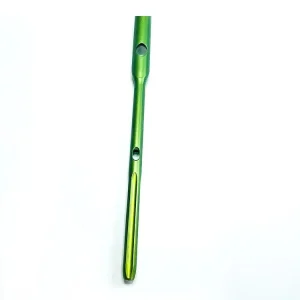
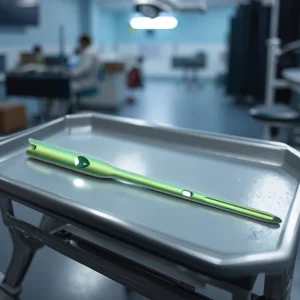
Select high-rigidity and anatomical curvature intramedullary nail systems built for surgical precision.
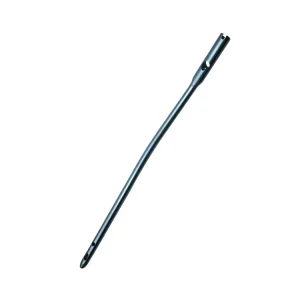
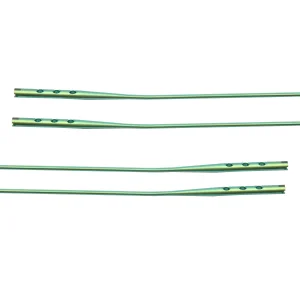
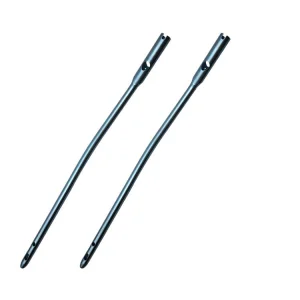
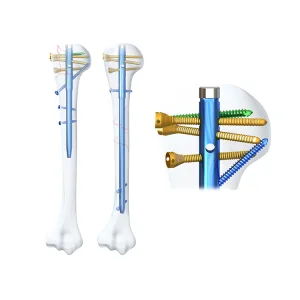
Japan has one of the world's most rapidly aging populations, leading to a high prevalence of osteoporotic fractures, particularly proximal femoral and humeral fractures. For intramedullary nails, this clinical reality translates to a critical demand for implants that offer superior biological fixation, minimal bone loss, and reduced insertion stress to prevent secondary fractures in fragile bone stock.
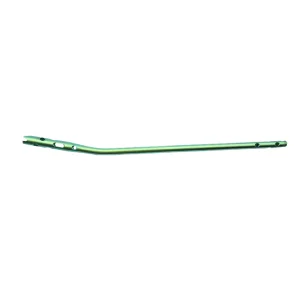
Japanese orthopedic surgeons are known for their exceptional attention to detail, requiring high tactile feedback during nail insertion and strict geometrical matches. Implants must feature specialized curvature rates and dynamic locking options to accommodate the anatomical profile of typical East Asian bone shapes, which often differ from Western dimensions in length and anterior bow.
"According to local clinical reports, the recurrence rate of osteoporotic trochanteric fractures in Japan demands proximal femoral nails with integrated anti-rotation mechanisms and optimized lag screw threads. Delivering products to this market requires not just compliance, but precision engineering matching these exact bone density profiles."
A global player in orthopedic trauma, delivering high-end intramedullary nail solutions.
Founded in 2016, Medisplint Orthopedic Instruments Co., Ltd. has developed into a leading modern manufacturer specializing in orthopedic implants, fixation systems, and surgical instruments. With over 10 years of overall industry experience in medical devices, our production environment conforms strictly to ISO 13485 quality systems and holds CE certification.
We implement comprehensive multi-stage testing, including Incoming Quality Control (IQC) for medical-grade raw materials (primarily Ti-6Al-4V ELI), In-Process Quality Control (IPQC) during high-speed CNC milling, Final Quality Control (FQC), and exhaustive mechanical testing in our third-party certified laboratories.
Entering the Japanese medical device market requires navigating the Pharmaceutical Affairs Act (PMDA) rules. Intramedullary nails belong to Class III medical devices (highly controlled medical devices), demanding rigorous clinical evaluation, foreign manufacturer accreditation, and adherence to QMS Ordinance (Ministerial Ordinance No.169).
Medisplint provides comprehensive dossier support, including raw material biocompatibility test data, structural fatigue analyses, and design verification reports. We work closely with Designated Marketing Authorization Holders (DMAH) in Japan to facilitate the registration process, ensuring that all labeling, instructions for use (IFU) translation, and batch release requirements are flawlessly met.
Direct sourcing of medical-grade Titanium Alloy (Ti-6Al-4V ELI) complying with ASTM F136 and JIS standards for high biocompatibility and excellent fatigue life.
Continuous investment in state-of-the-art milling systems to achieve tolerances within microns, preventing surgical misalignments.
Delivery of implants in both highly secured non-sterile cleanroom packages and validated sterile options utilizing Ethylene Oxide (EO).
Discover how we process raw titanium alloys into premium-grade interlocking intramedullary nails.
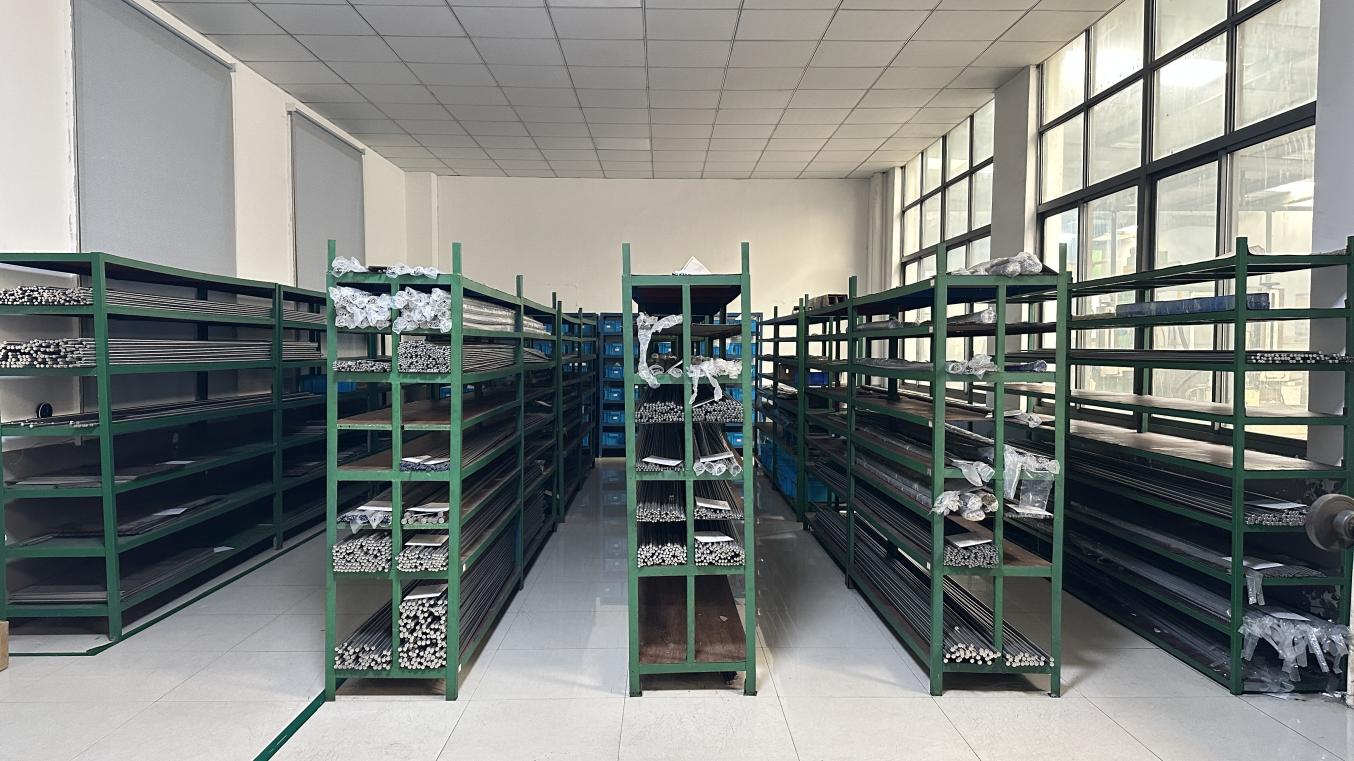
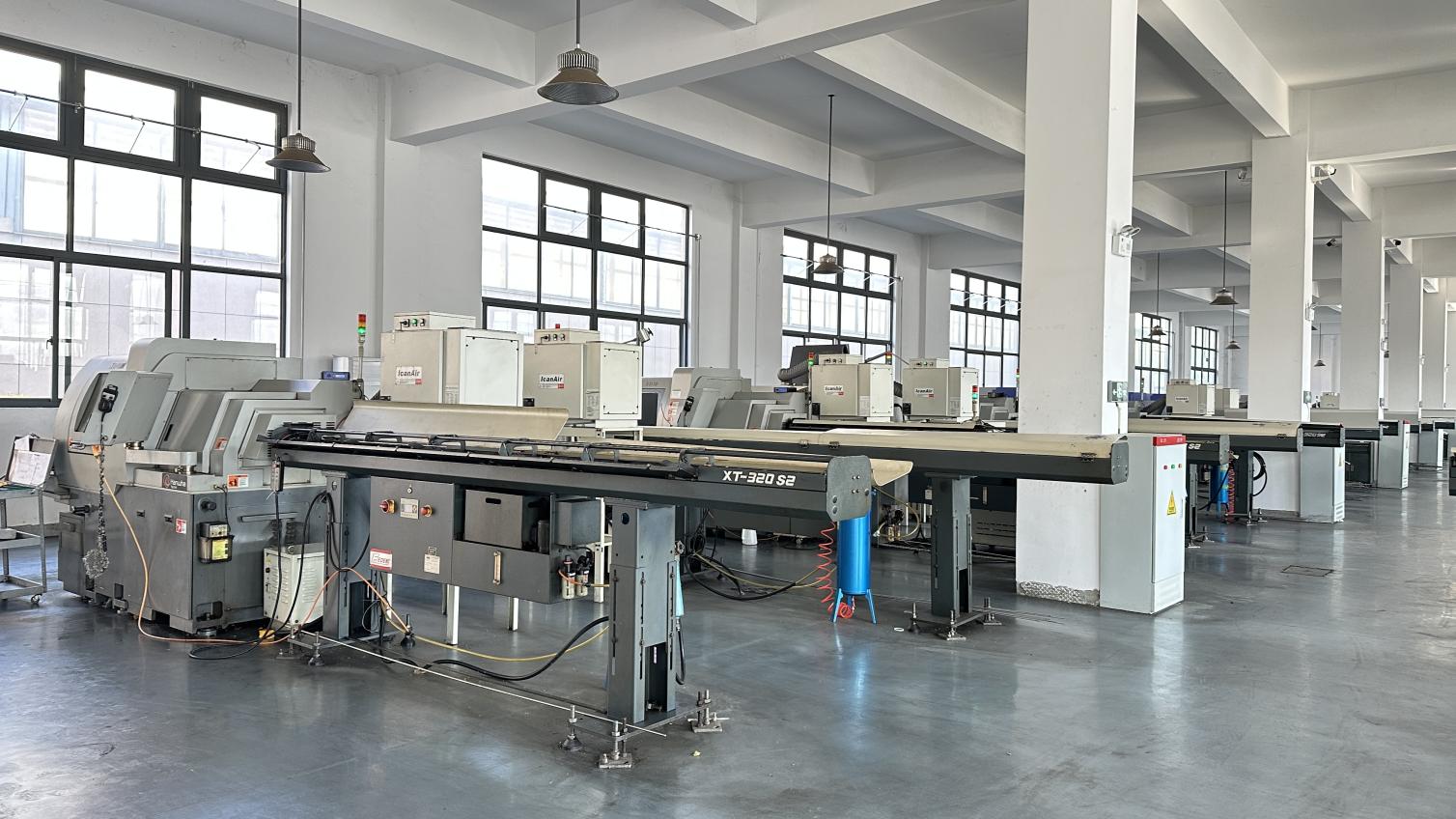
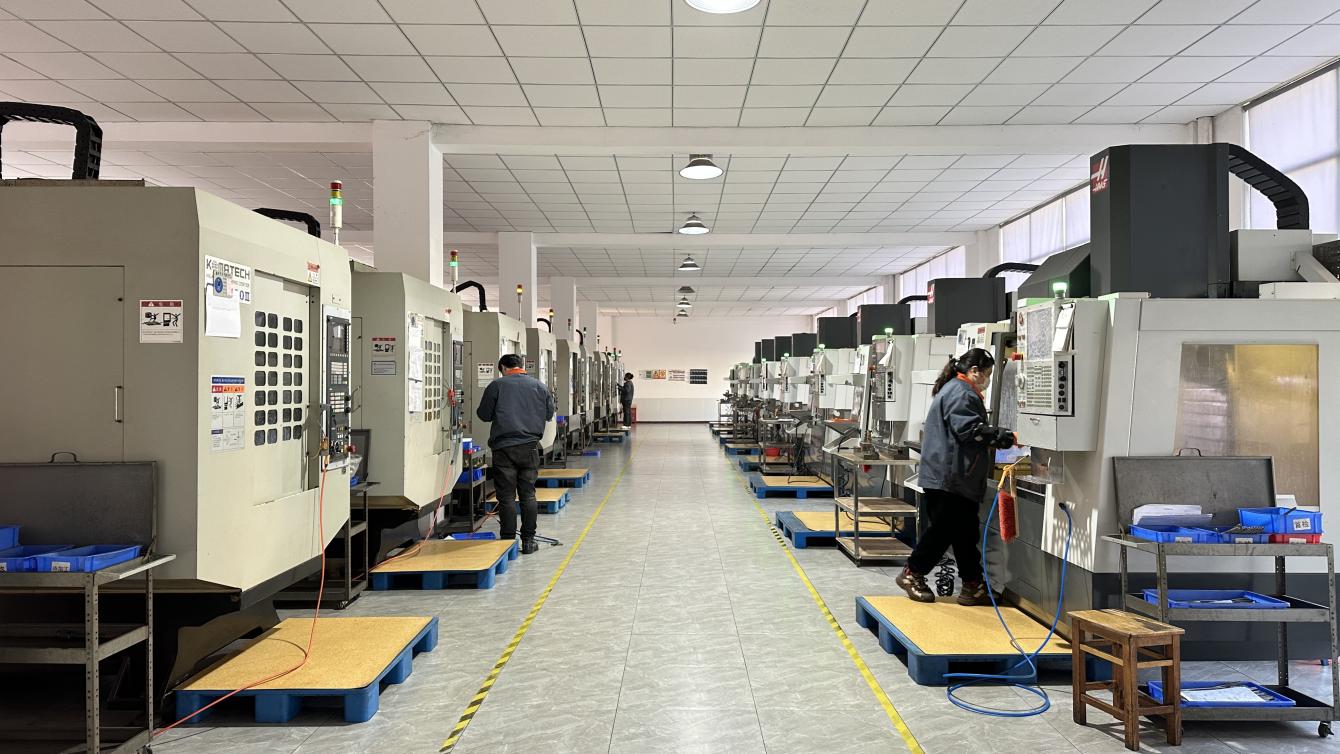
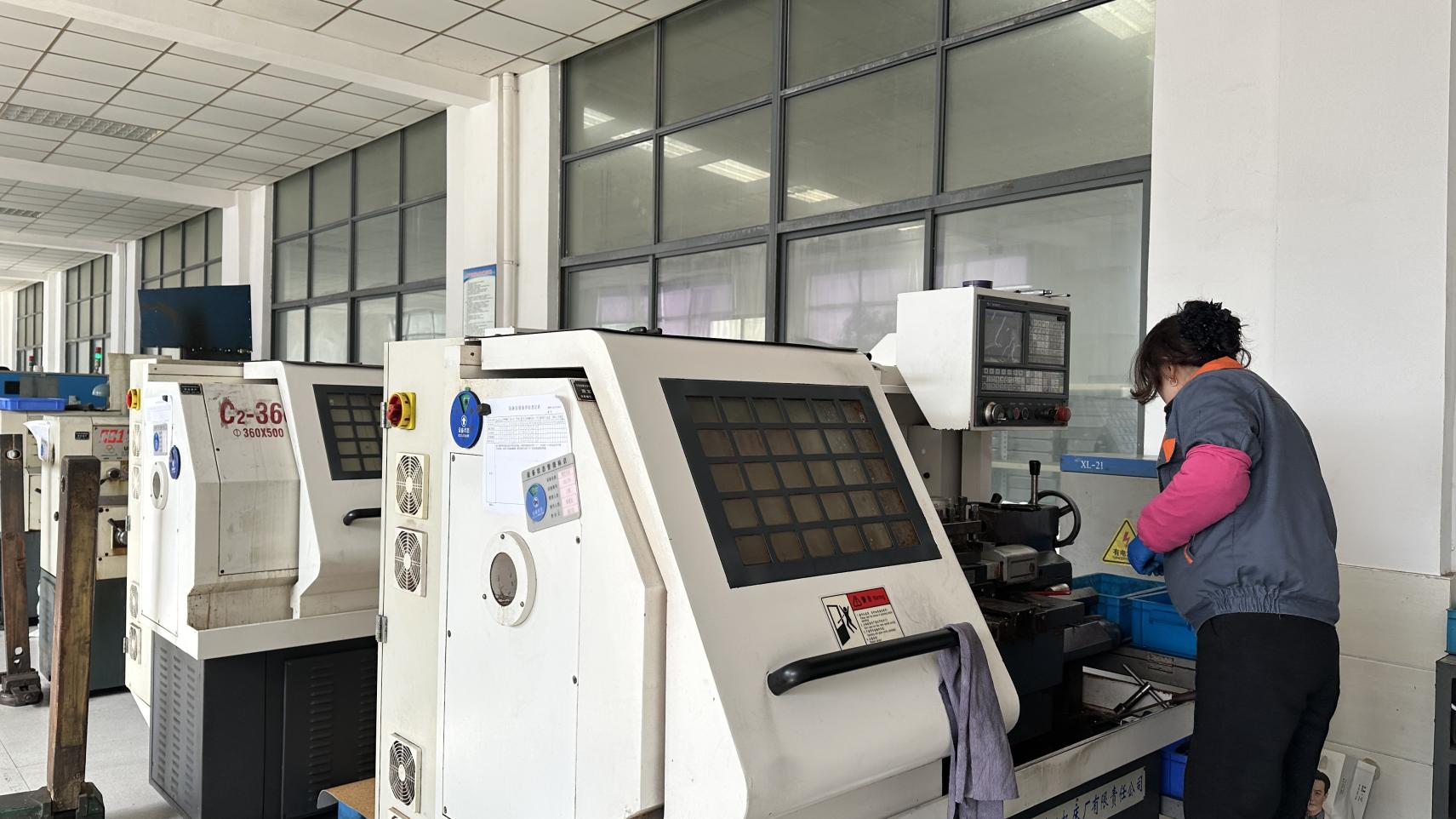
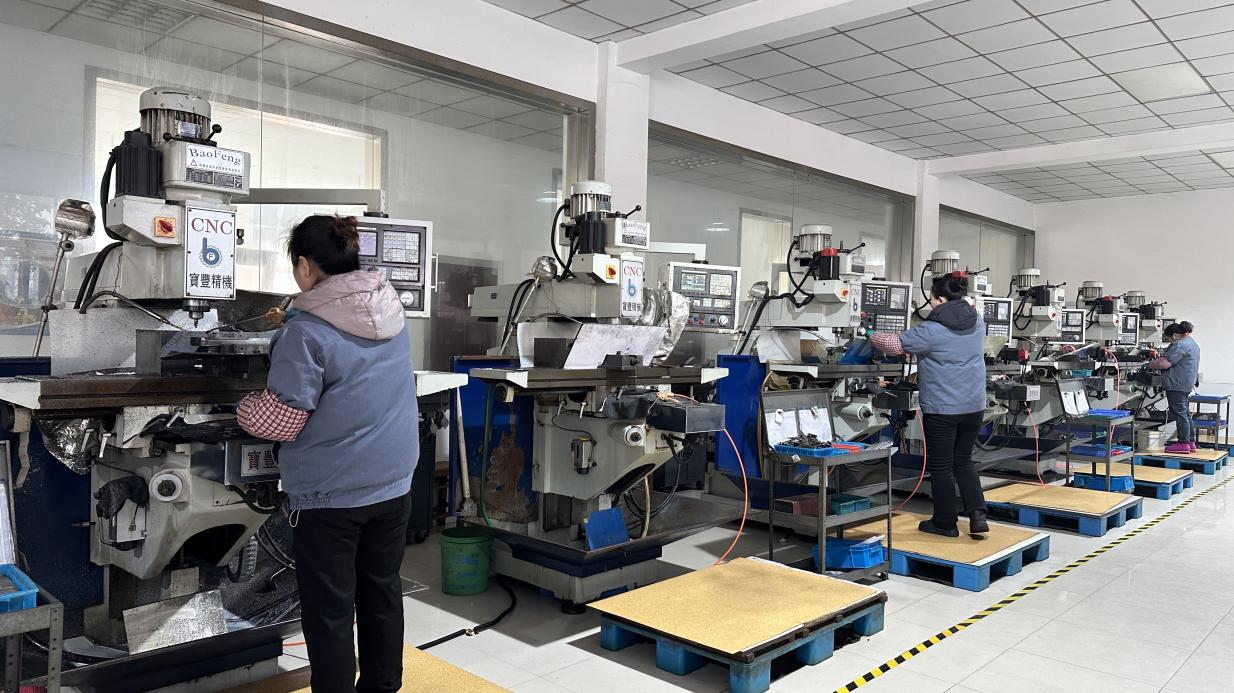
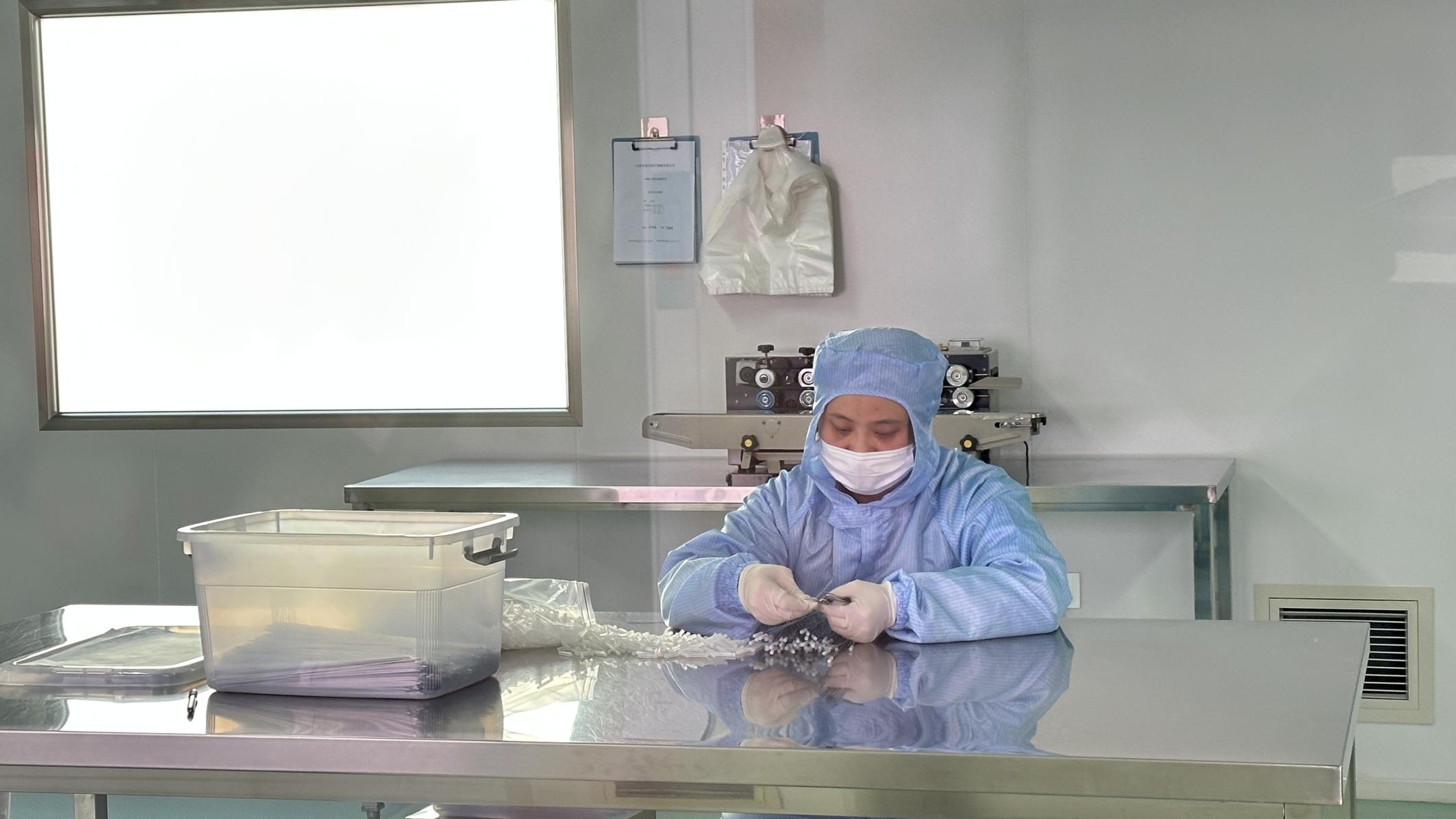
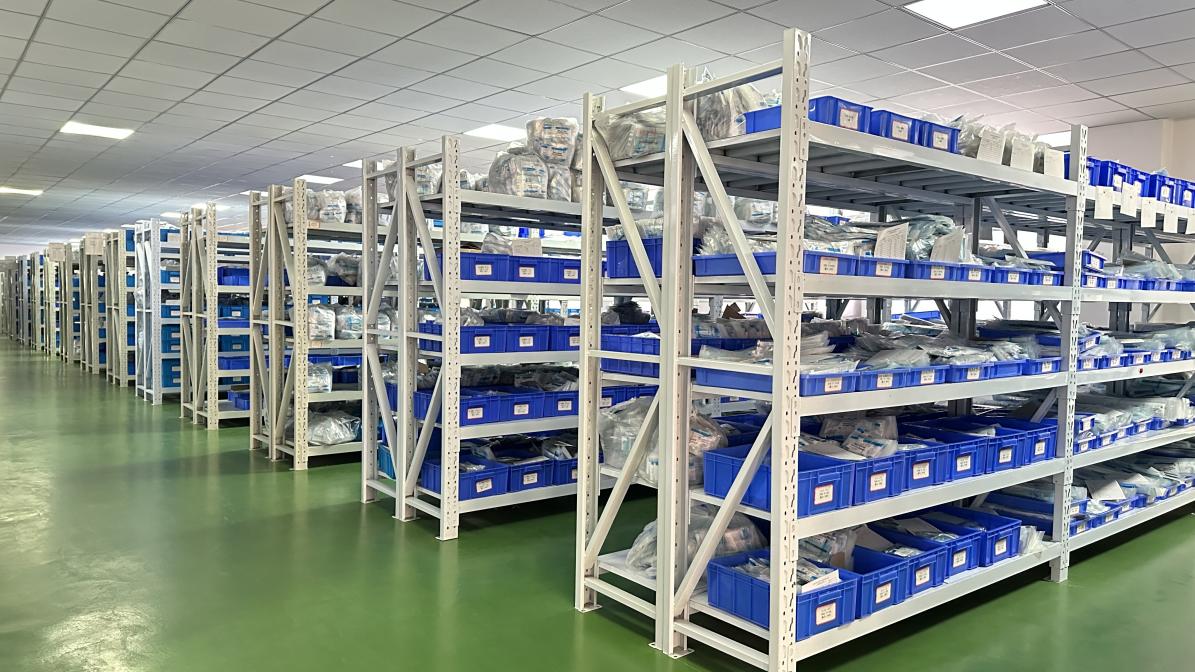
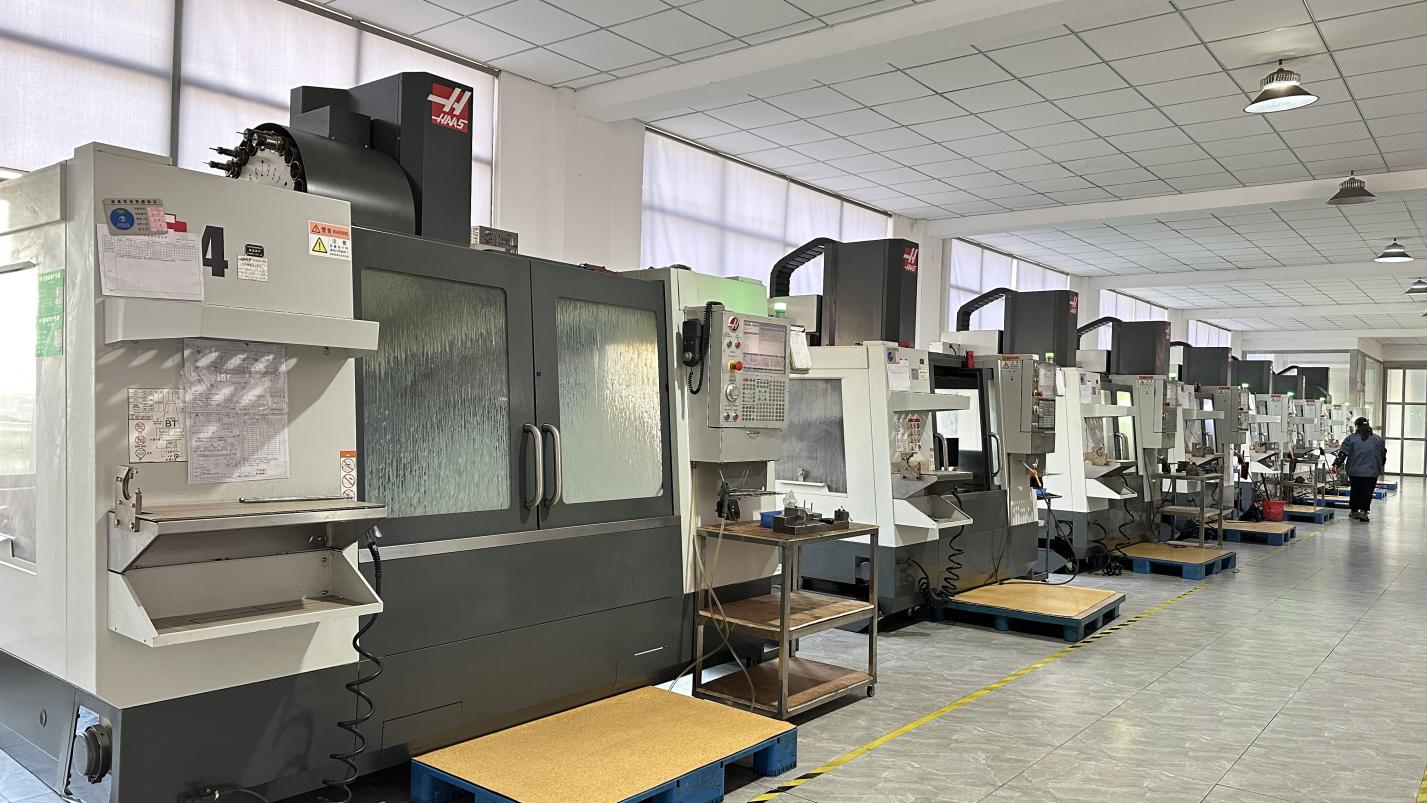
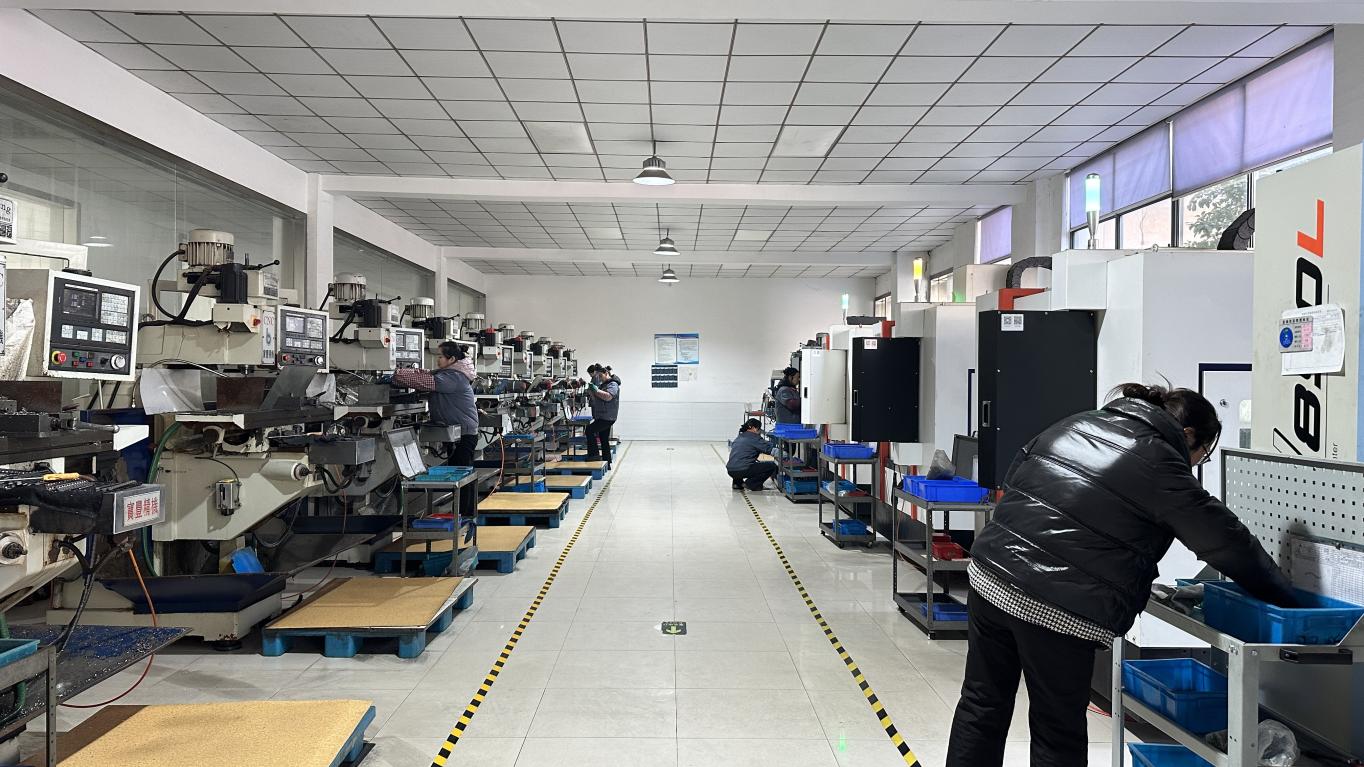
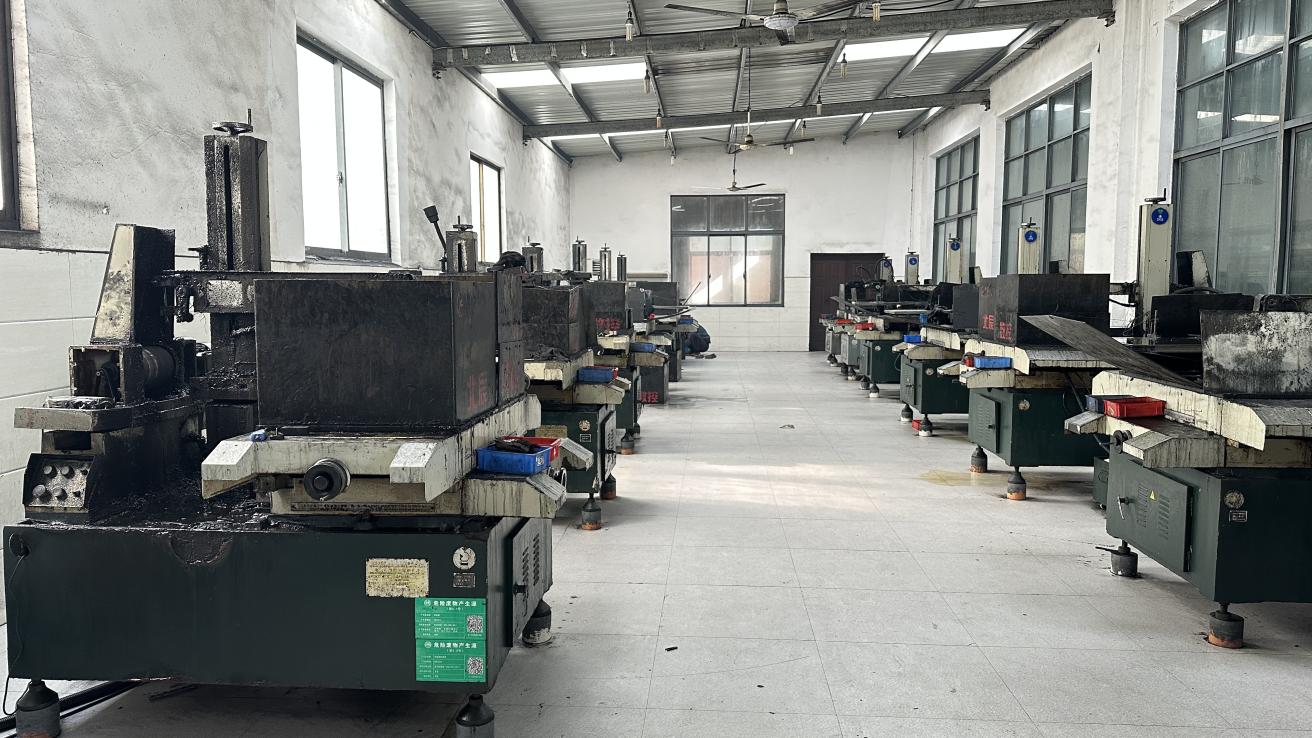
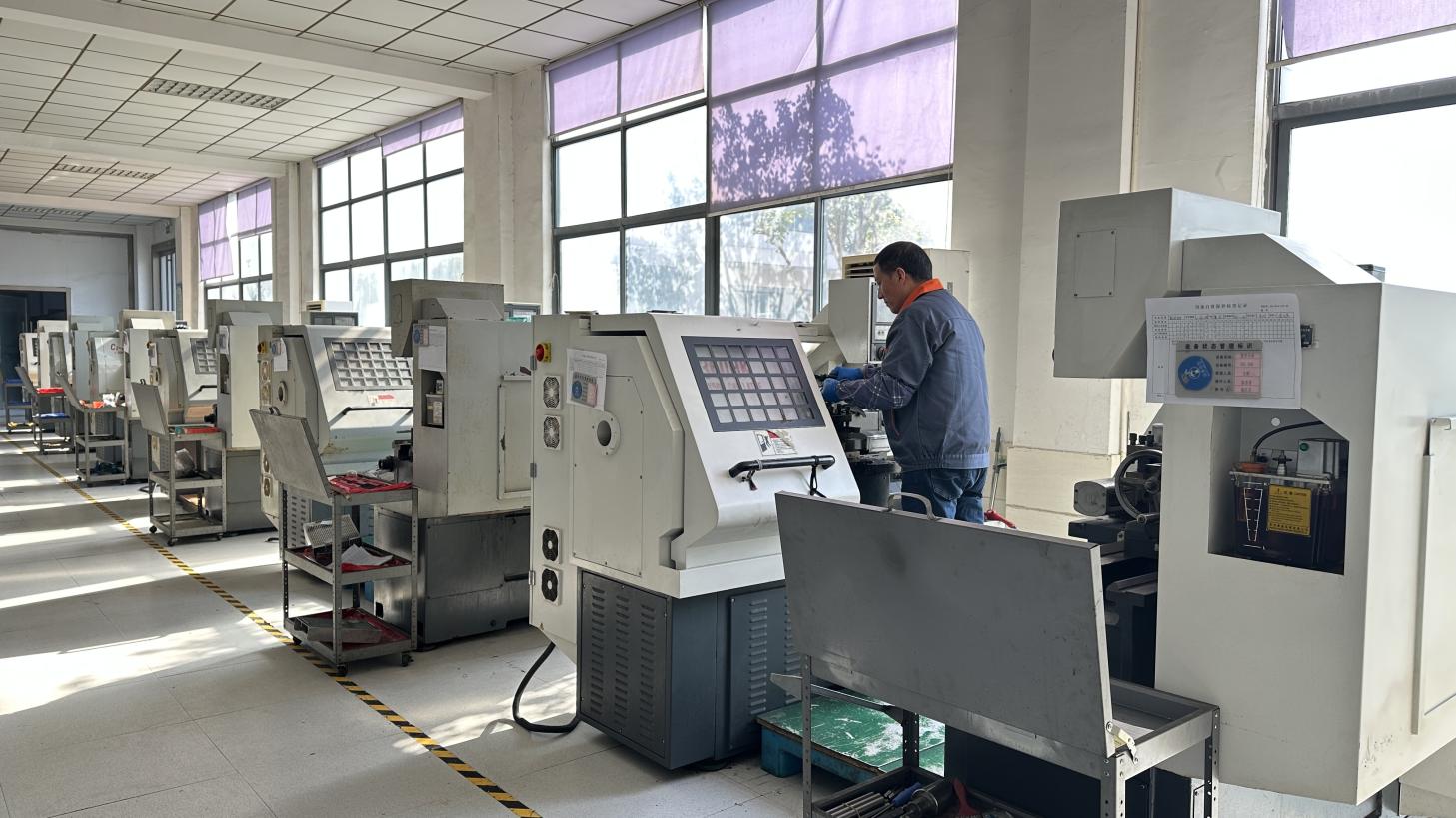
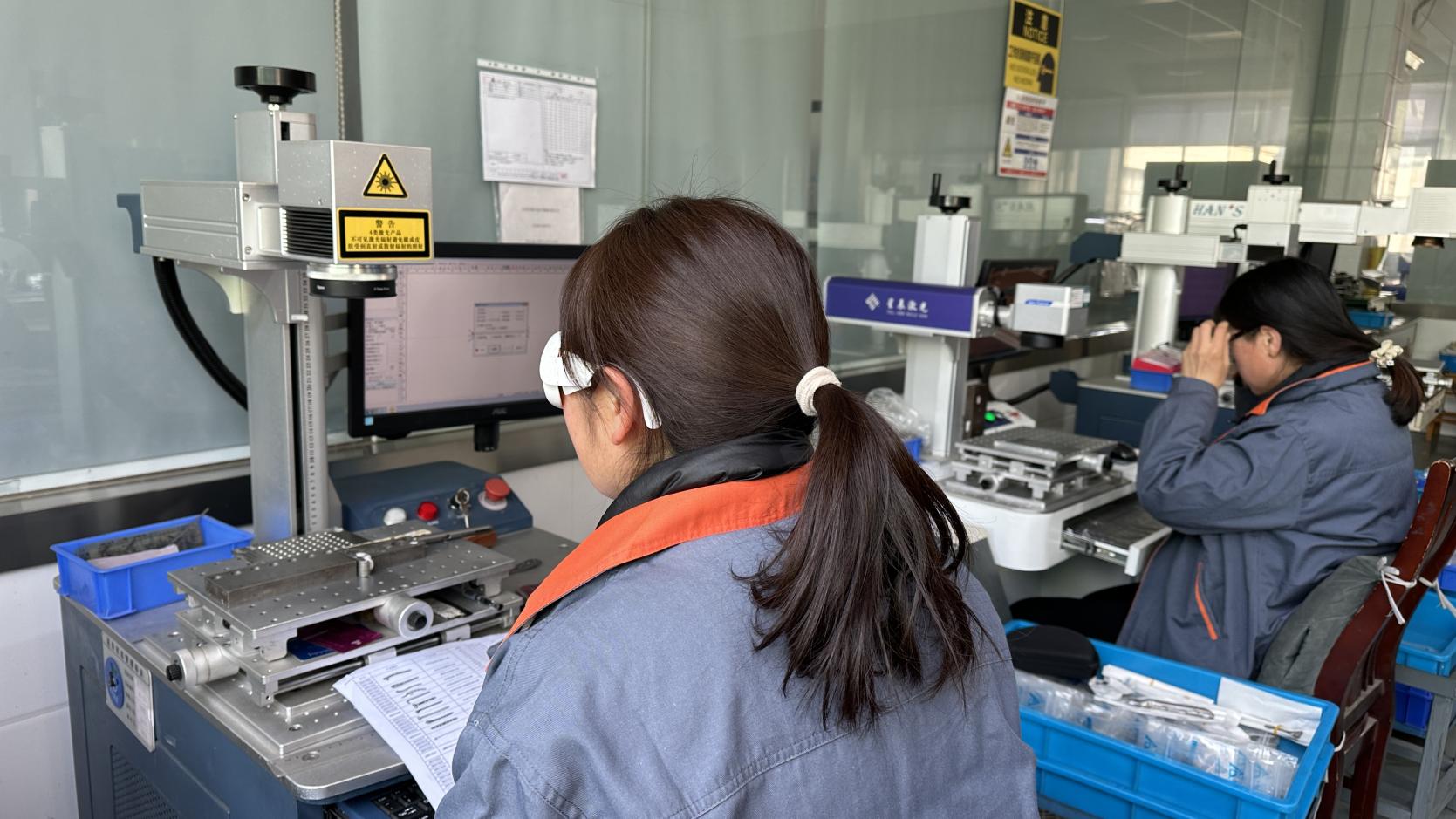
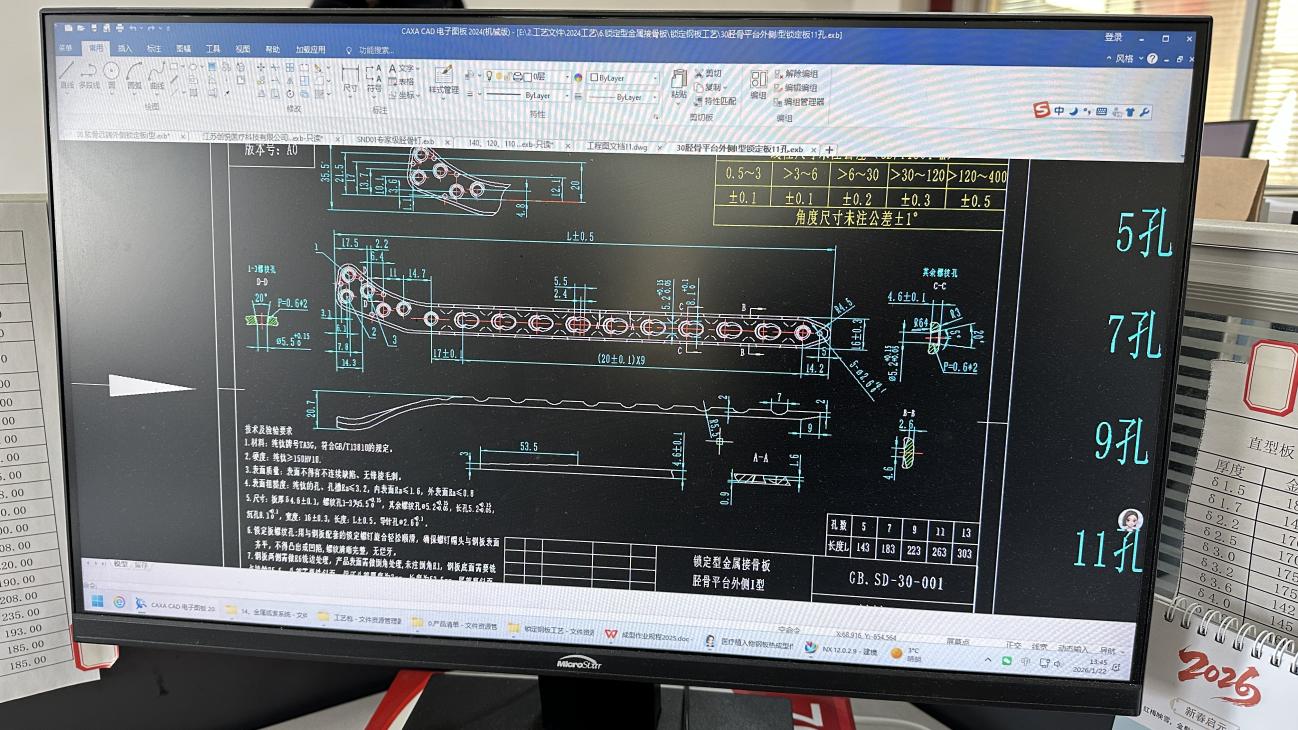
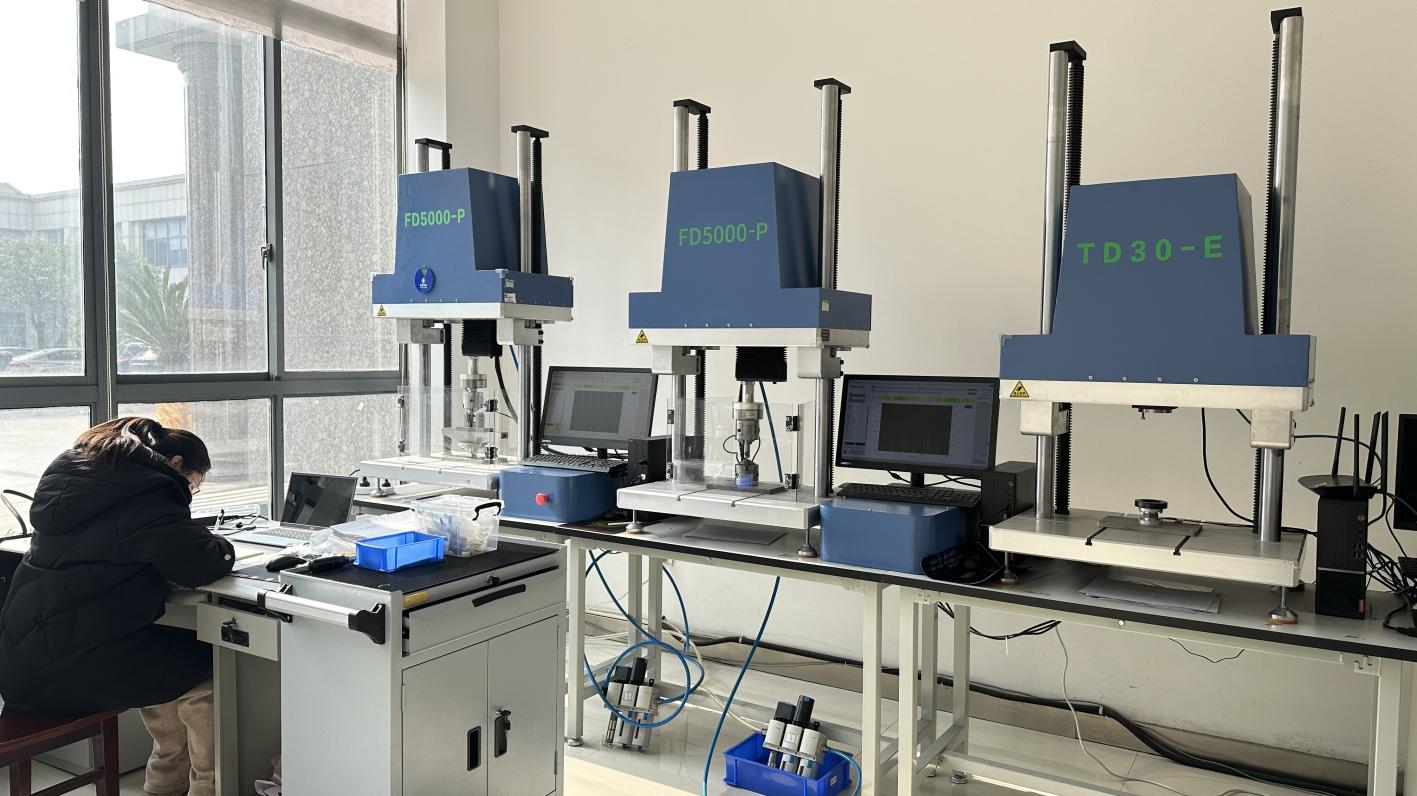
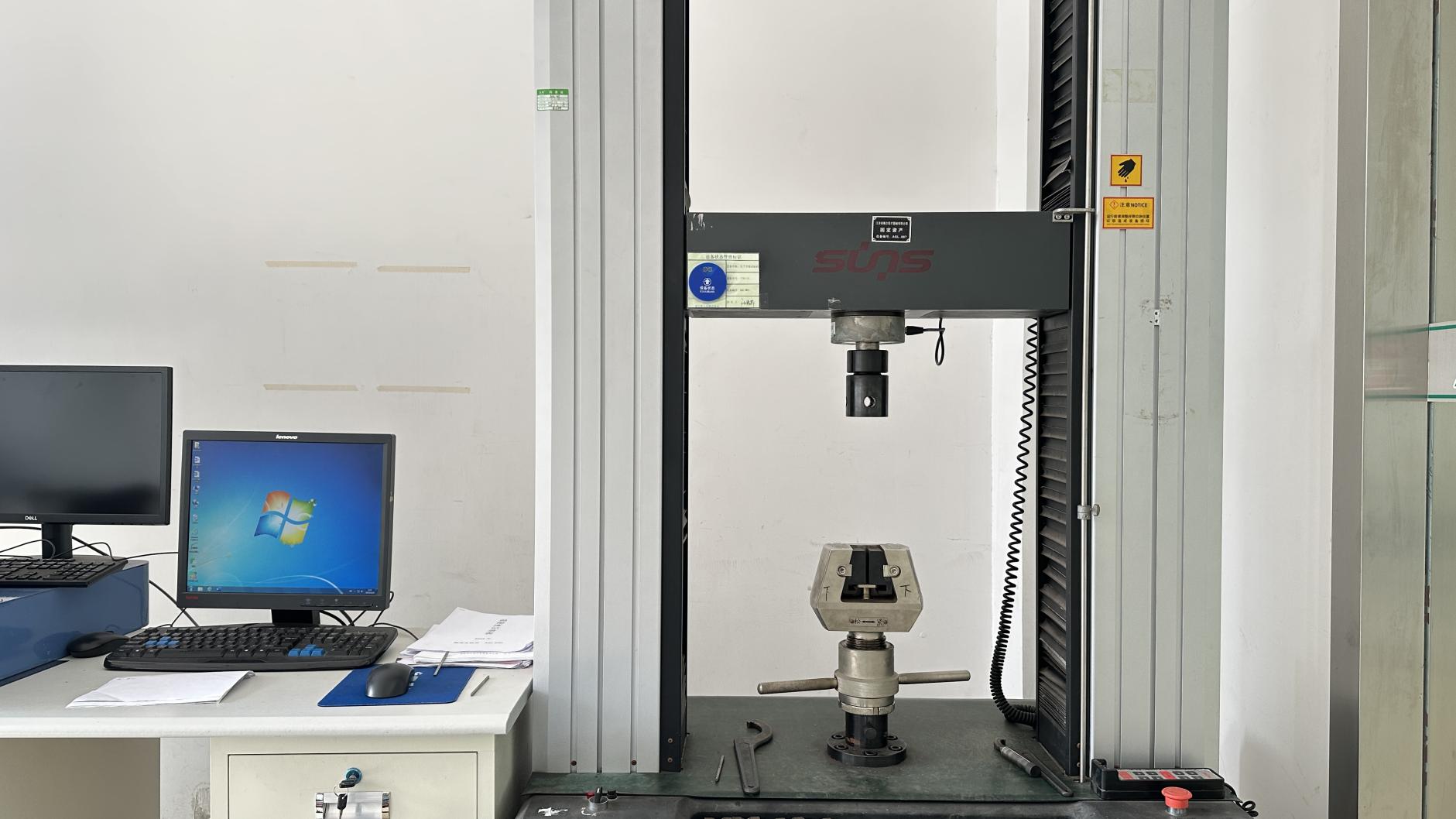
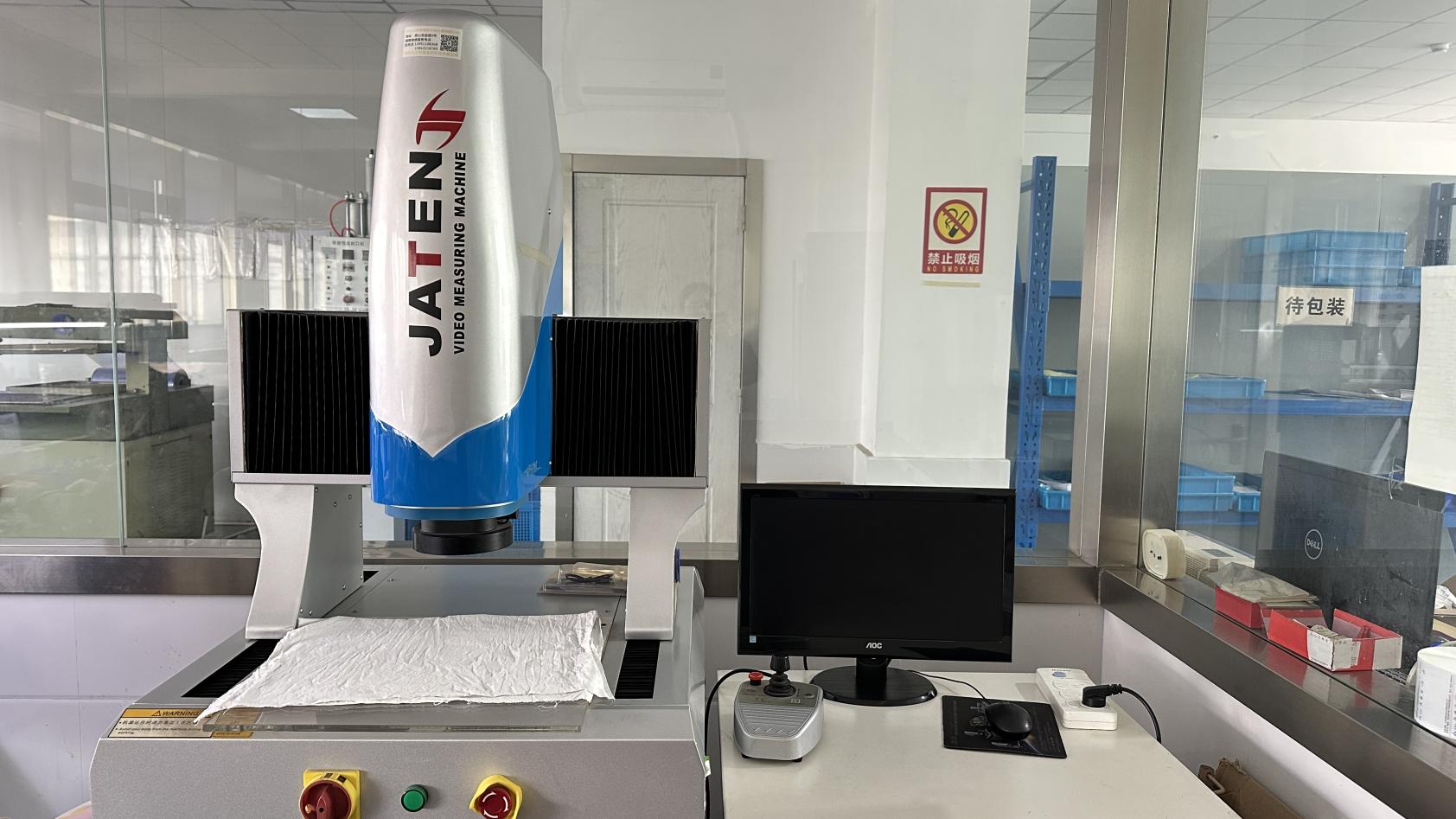
Medical device distributors and hospital groups require robust supply chains that can adapt to changing demographic parameters. Medisplint leverages over 1,200 strategic supply chain partners to source high-grade materials and tooling, guaranteeing structural stability and cost-efficiency.
Our specialized R&D team provides comprehensive customization options, including private labeling, specific anatomical curvatures matching East Asian populations, and dedicated instrumentation sets. We help suppliers and importers reduce operational overhead while keeping lead times exceptionally stable.
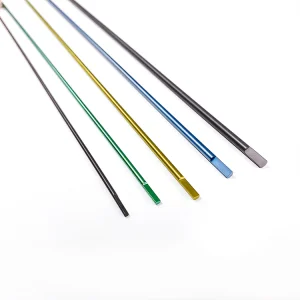
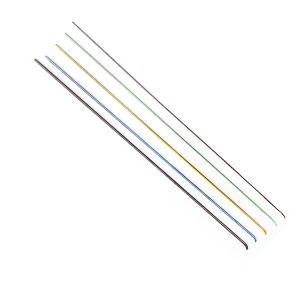
Pediatric Trauma: Children with long-bone fractures benefit highly from Titanium Elastic Nails (TEN), which protect epiphyseal plates and enable fast postoperative mobility without casting.
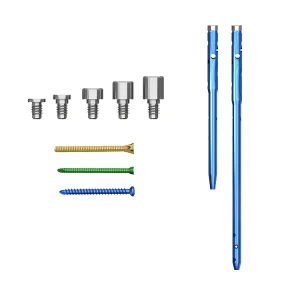
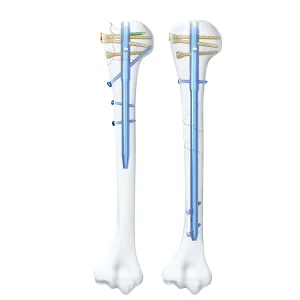
Geriatric Femoral Reconstruction: Proximal Femoral Antirotation Nails (PFNA) are the clinical gold standard in Japan's aging communities, preventing cutout failures in osteoporotic bone tissue.
Key technical and commercial inquiries from global medical device buyers.
Explore our CE & ISO certified trauma implants designed for global healthcare providers.