Medisplint
Medisplint
Medisplint
Engineered for high biomechanical stability, anatomic alignment, and rapid recovery in trauma surgeries across Sri Lanka.
Sri Lanka's healthcare architecture, comprised of both a robust public health system managed by the Ministry of Health (MoH) and a rapidly expanding private clinical sector, has witnessed an escalating demand for advanced internal fixation systems. Public institutions like the National Hospital of Sri Lanka (NHSL) in Colombo, along with teaching hospitals in Kandy, Karapitiya, and Jaffna, face a continuous influx of orthopedic trauma patients. The demographic shift towards an aging population combined with high rates of road traffic accidents (RTAs) and structural work injuries has placed orthopedic trauma surgeries at the forefront of the country's medical priorities.
Within this ecosystem, Intramedullary (IM) Nails represent the gold standard for stabilizing long-bone fractures. These devices offer excellent biomechanical load-sharing properties, reducing the risk of stress shielding and promoting early weight-bearing for patients. However, procuring medical devices in Sri Lanka poses distinct administrative and logistical challenges, demanding that manufacturers offer both competitive pricing and absolute regulatory compliance under the National Medicines Regulatory Authority (NMRA).
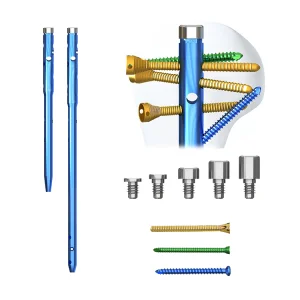
Integrating mechanical stability with biological integration to optimize patient recovery parameters.
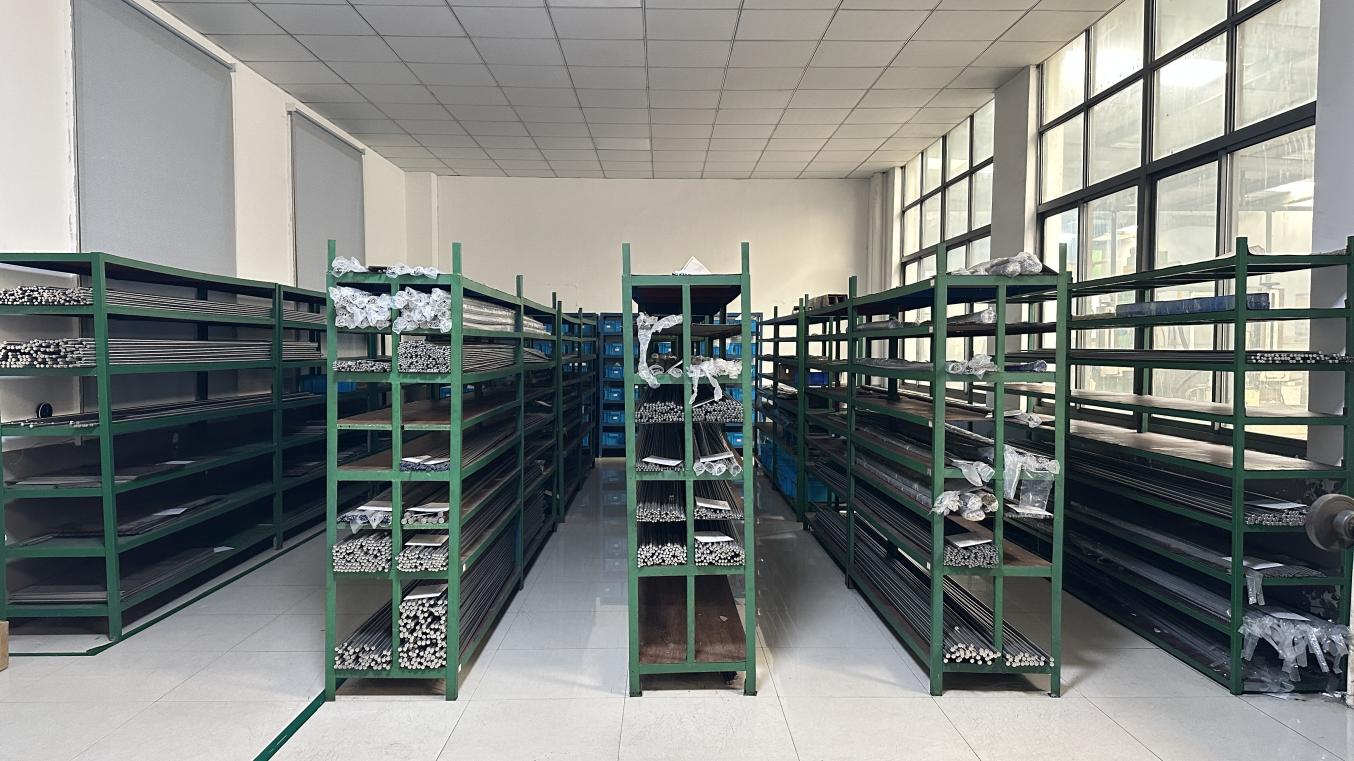
Medisplint utilizes medical-grade Titanium Alloys (Ti-6Al-4V ELI, conforming to ASTM F136) and high-strength surgical Stainless Steel (316LVM, conforming to ASTM F138). These raw materials are selected to balance high tensile strength, fatigue life, and a Young’s modulus that minimizes stress shielding on cortical bone structures.
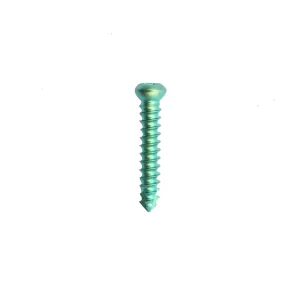
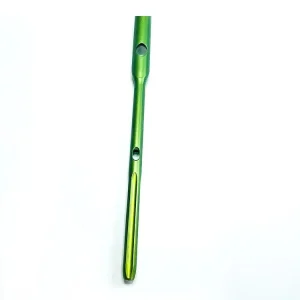
Our intramedullary locking systems are designed with precision engineered distal and proximal locking configurations. This enables dynamic and static interlocking modes to accommodate different fracture morphology requirements. Anodized surface treatments create a controlled oxide layer, enhancing biocompatibility and reducing bacterial adhesion, which is critical in minimizing post-operative osteomyelitis risks.
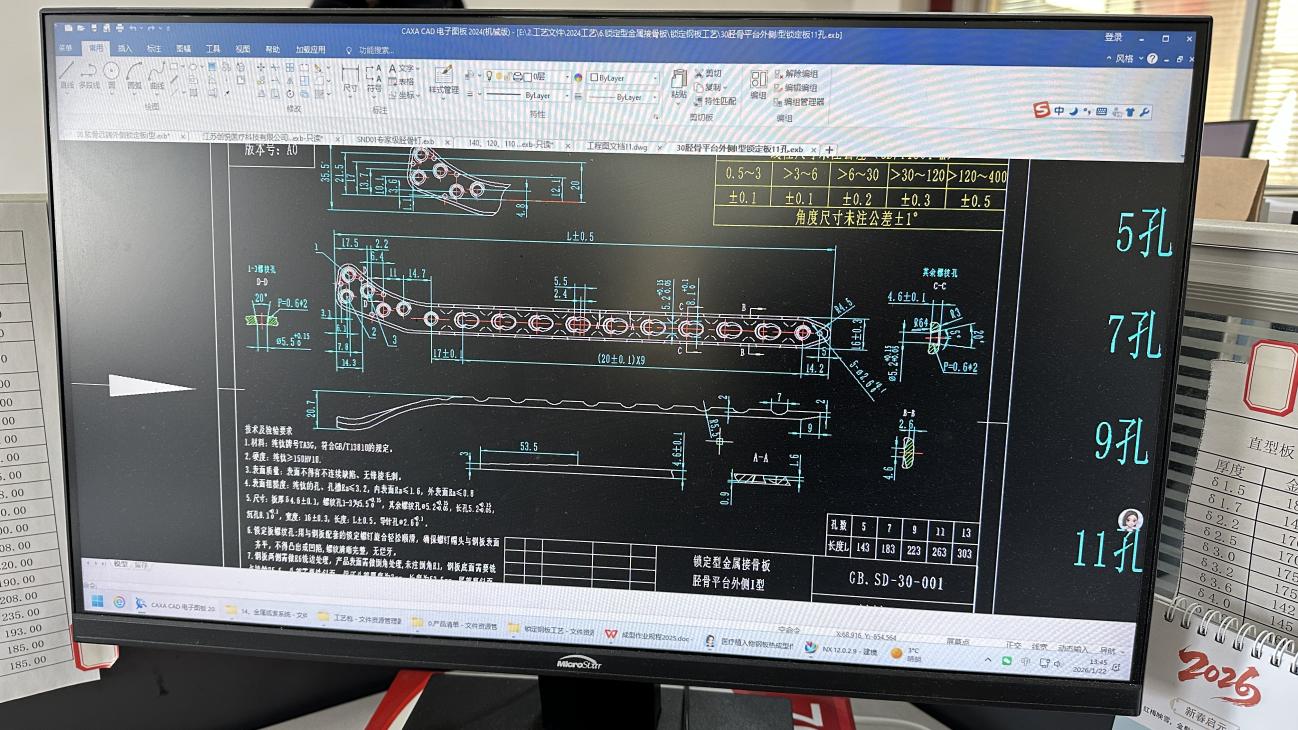
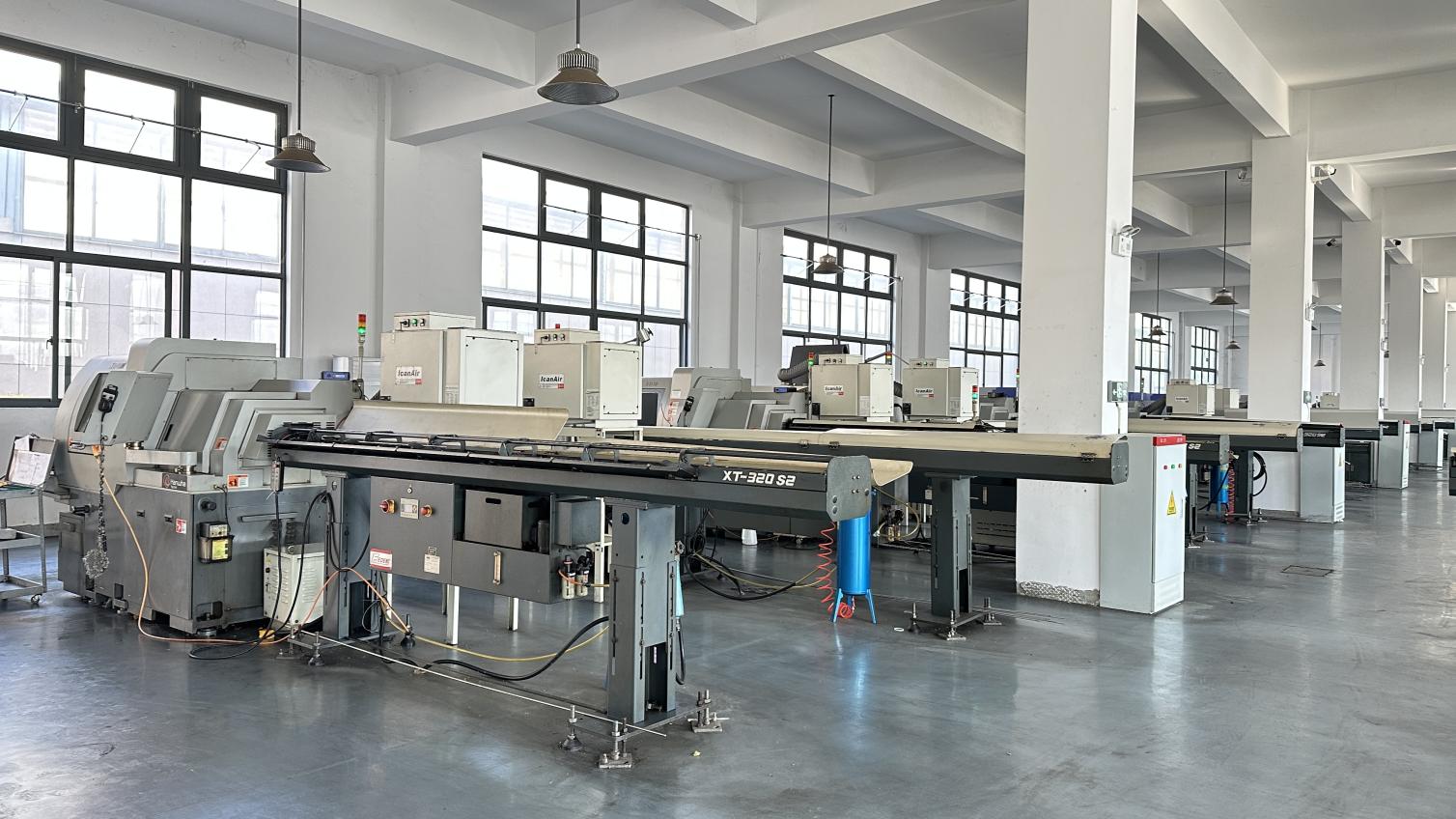
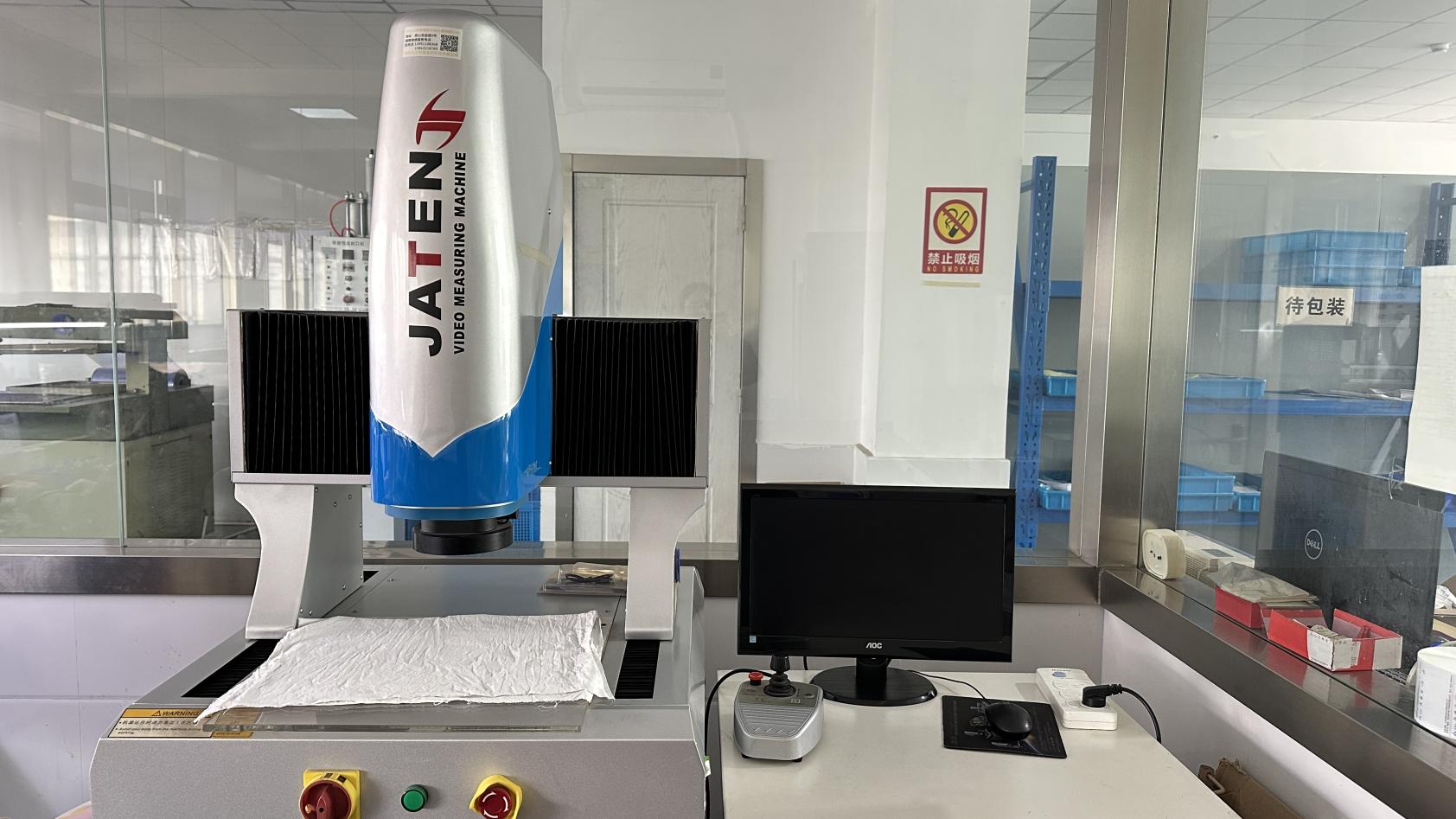
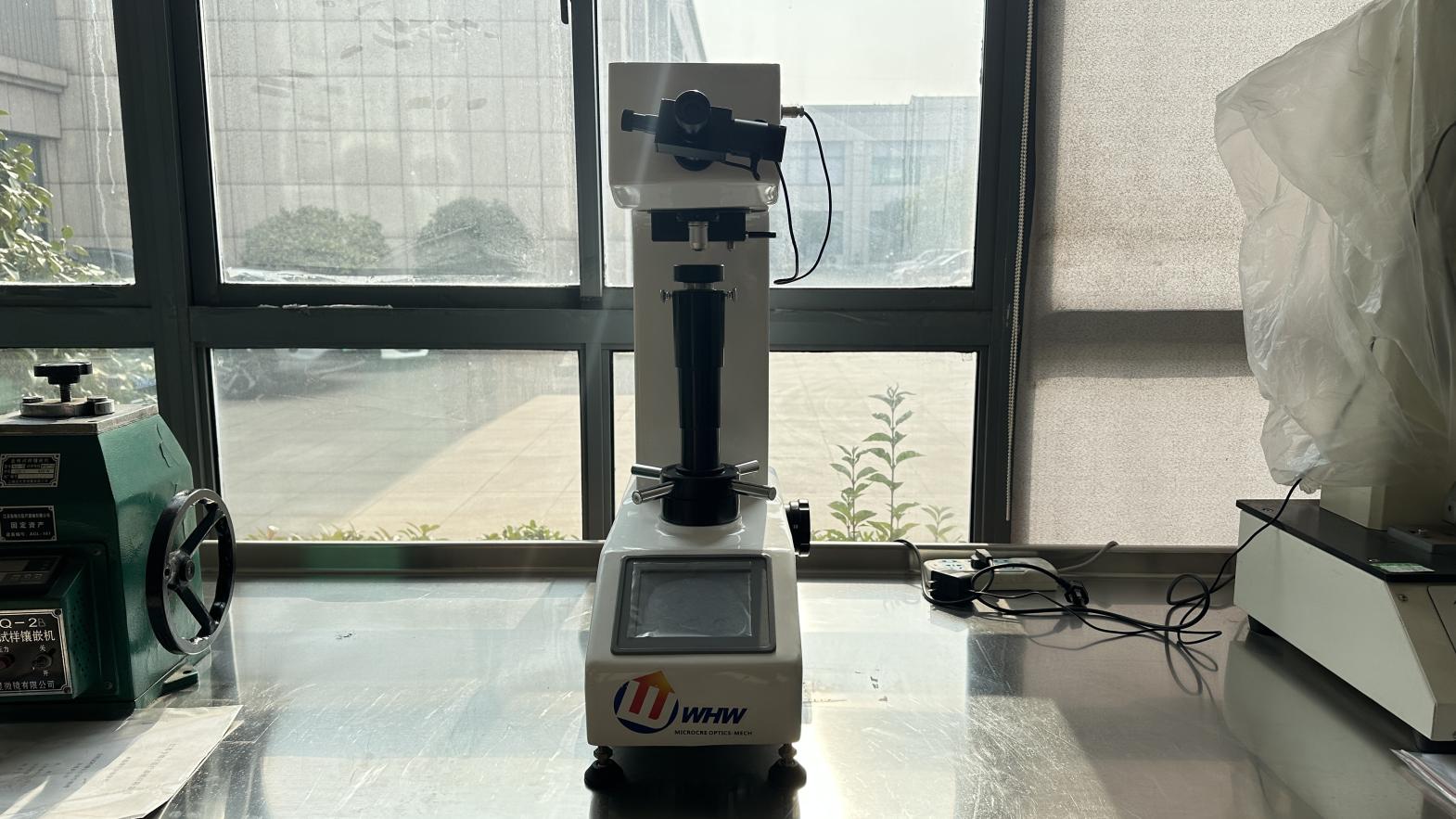
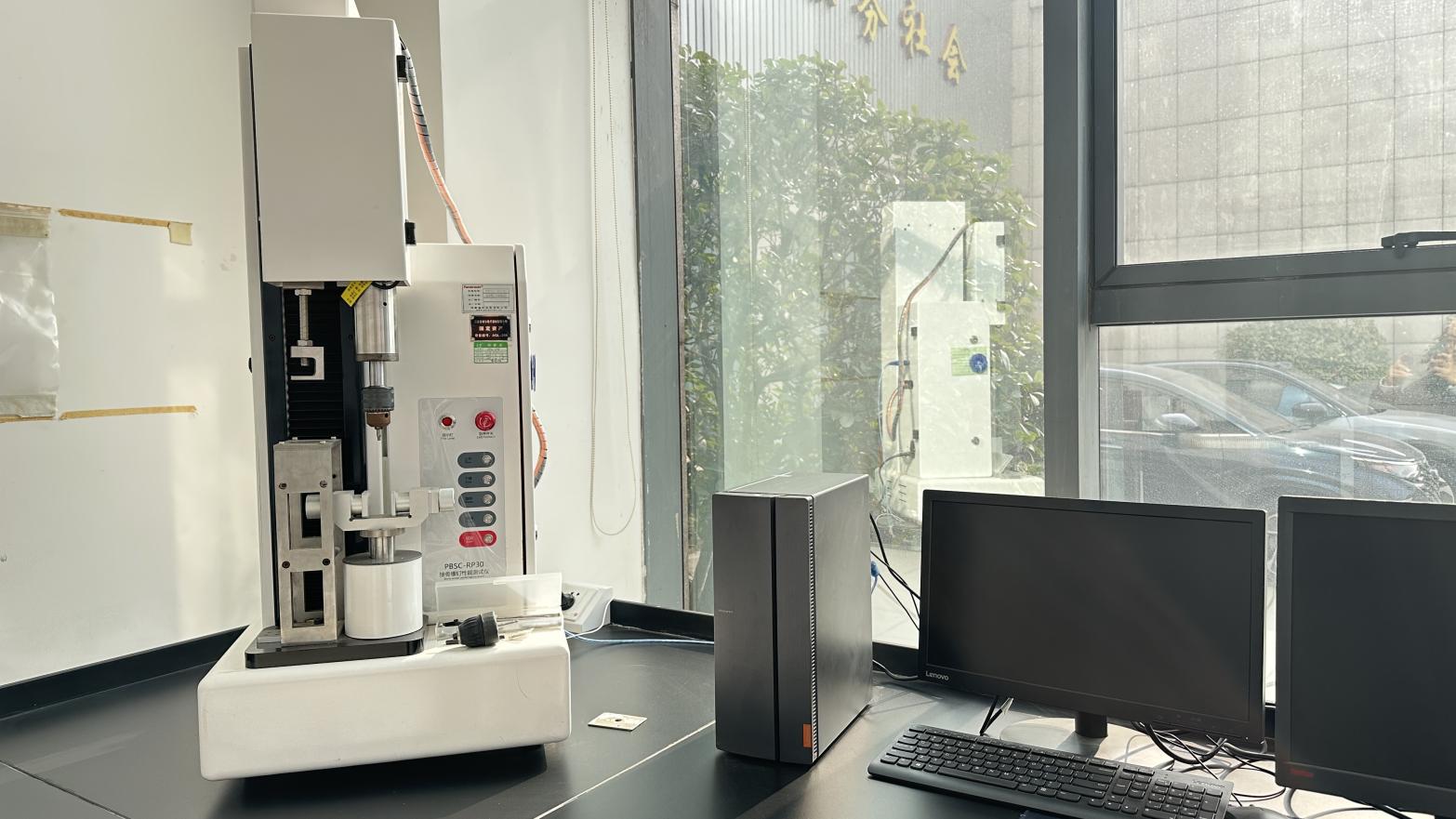
A traceably monitored, state-of-the-art production workflow in our 18,500㎡ facility ensures orthopedic implants achieve sub-micron precision.
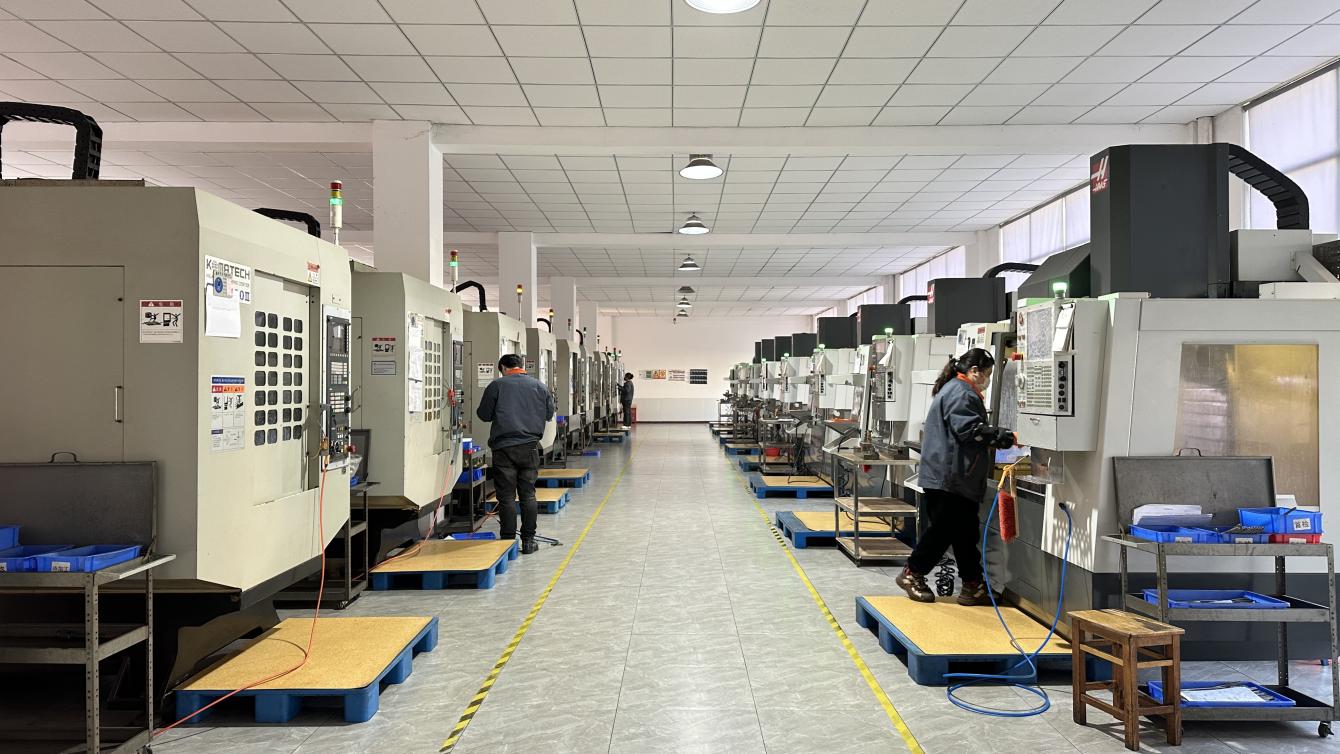
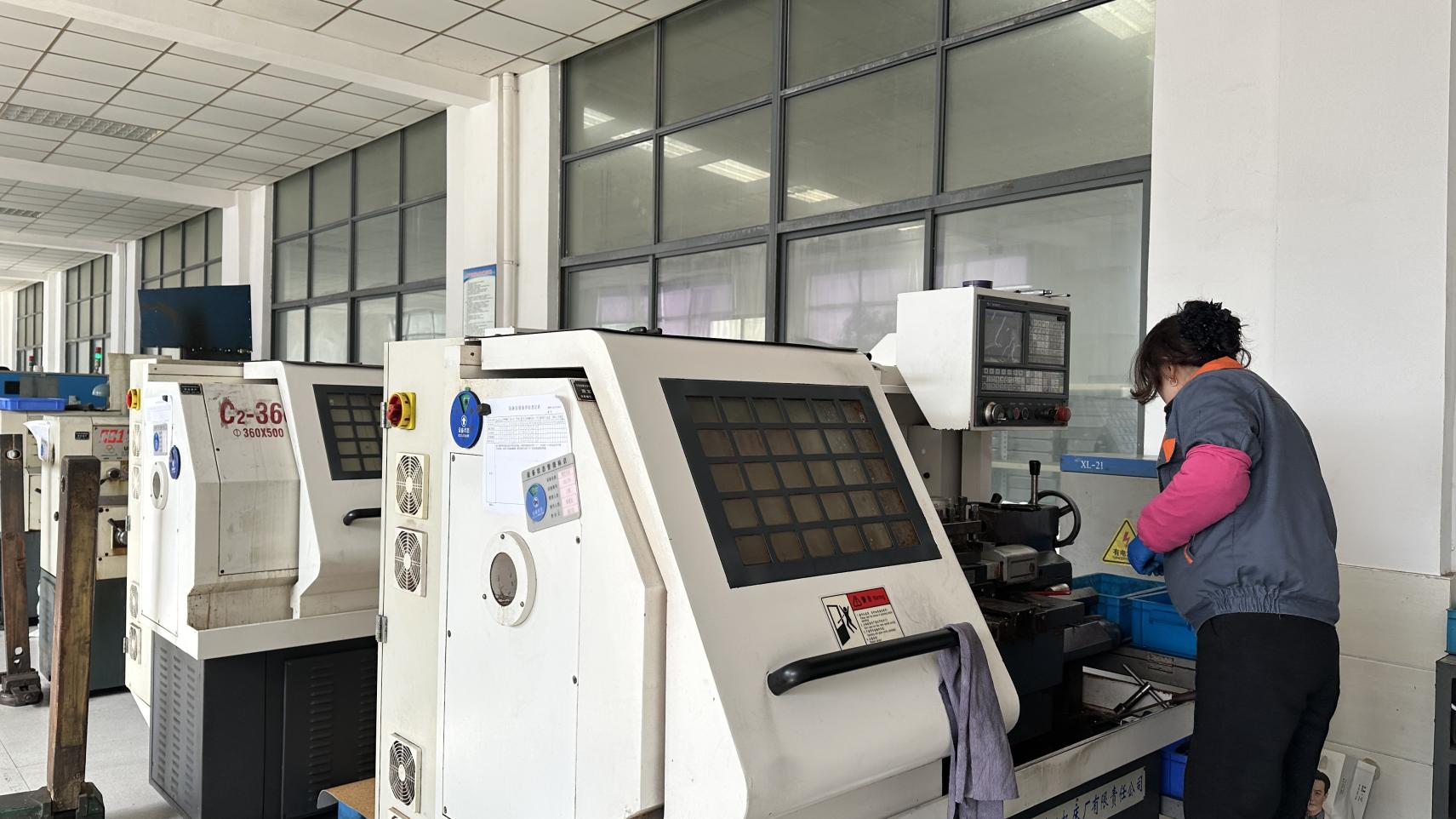
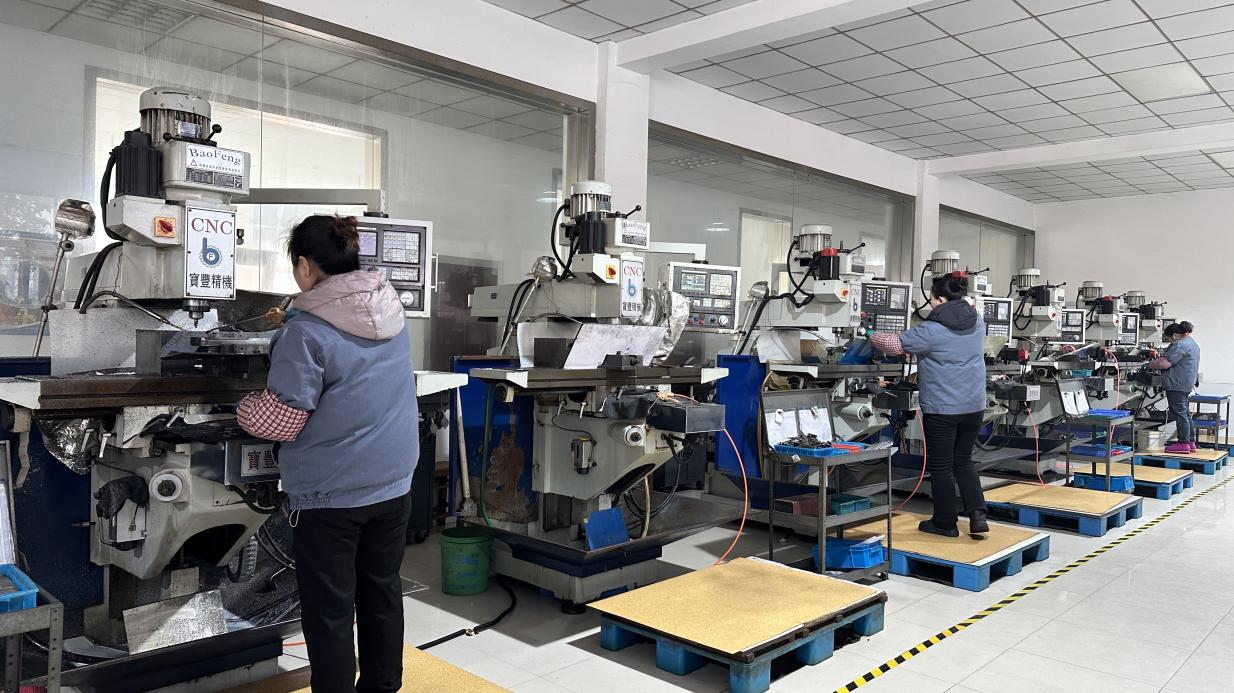
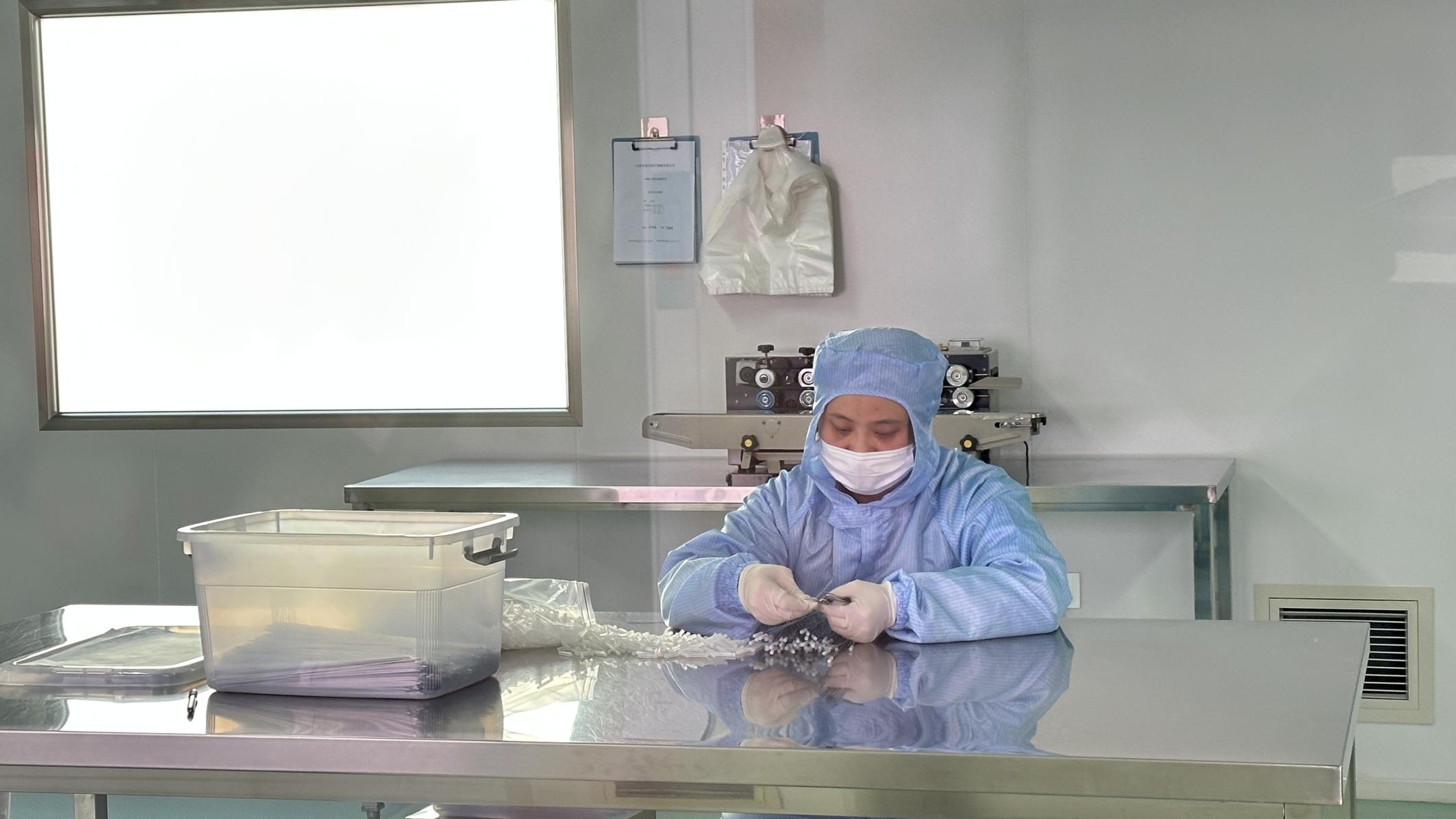
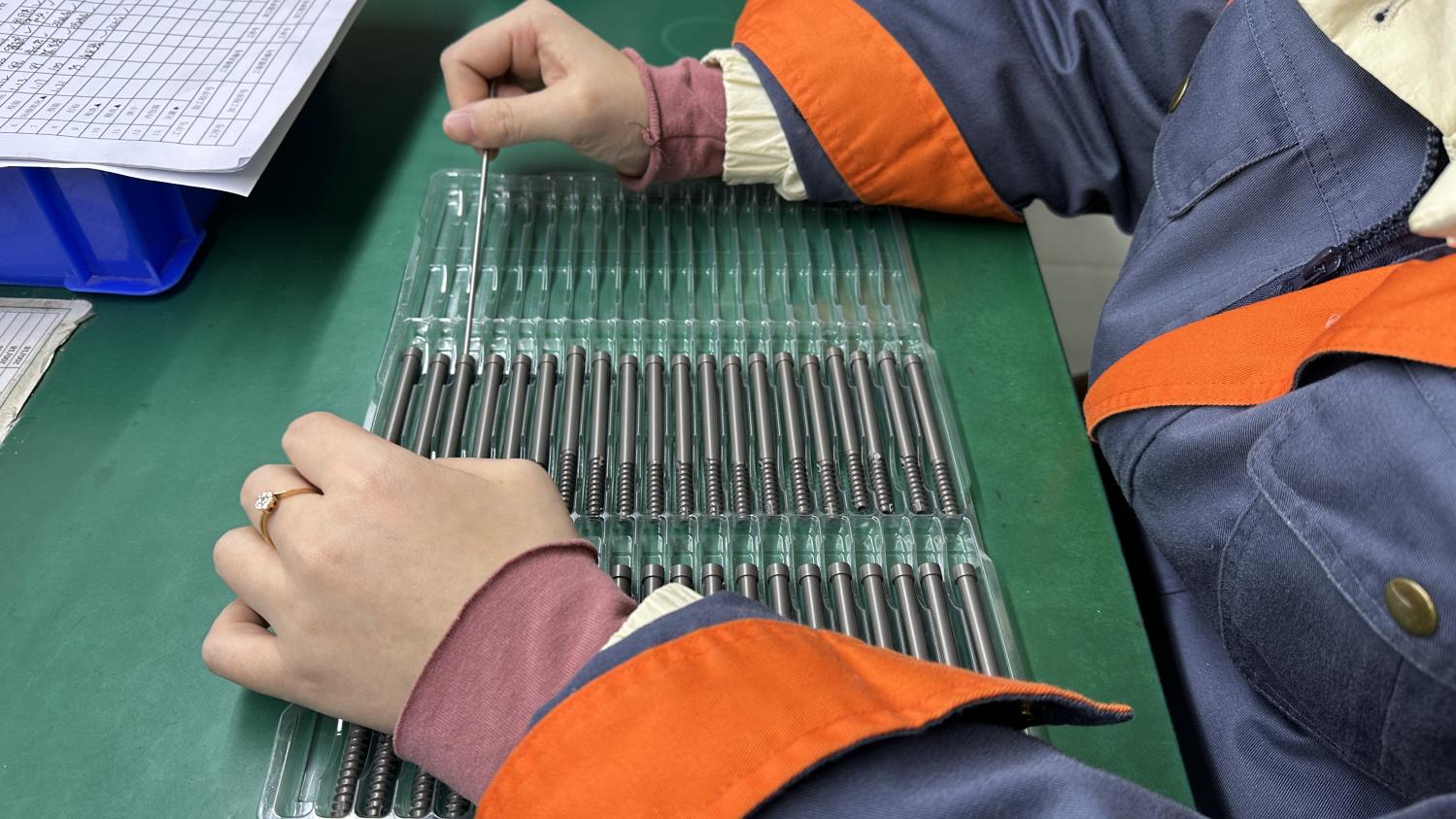
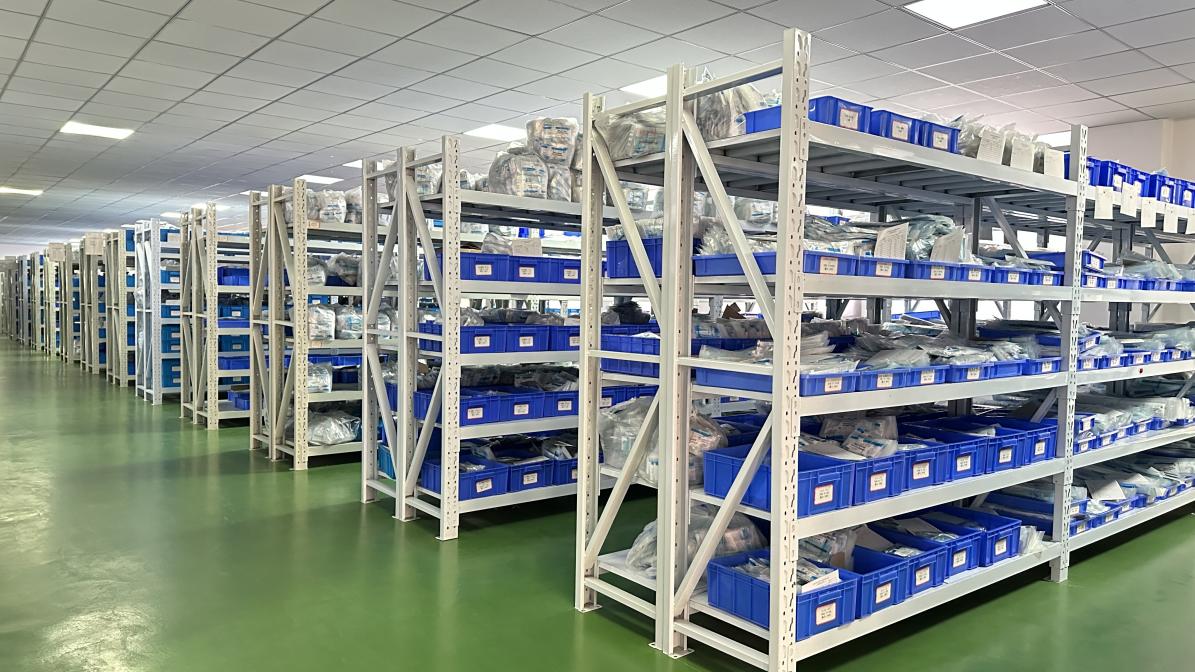
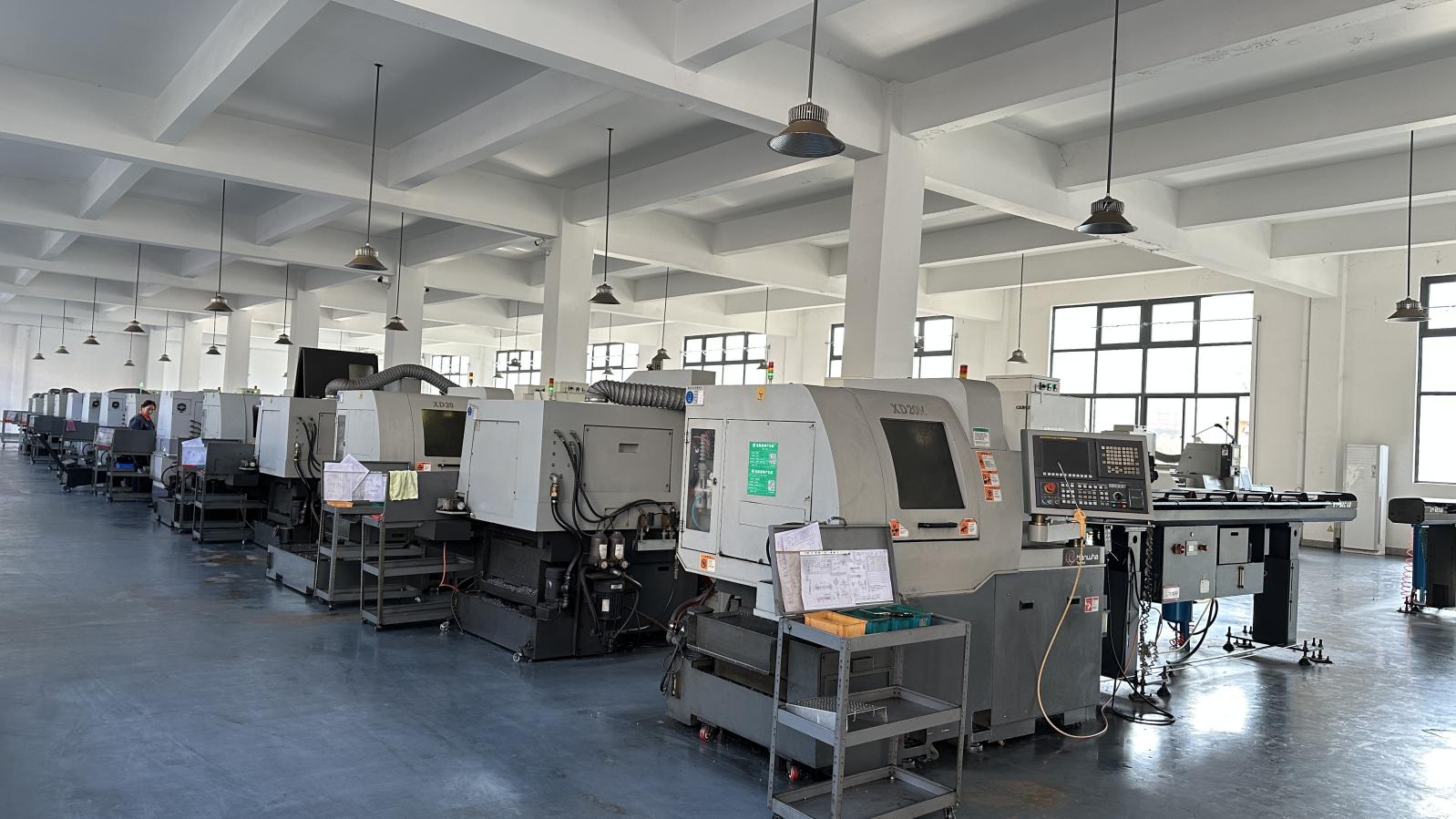
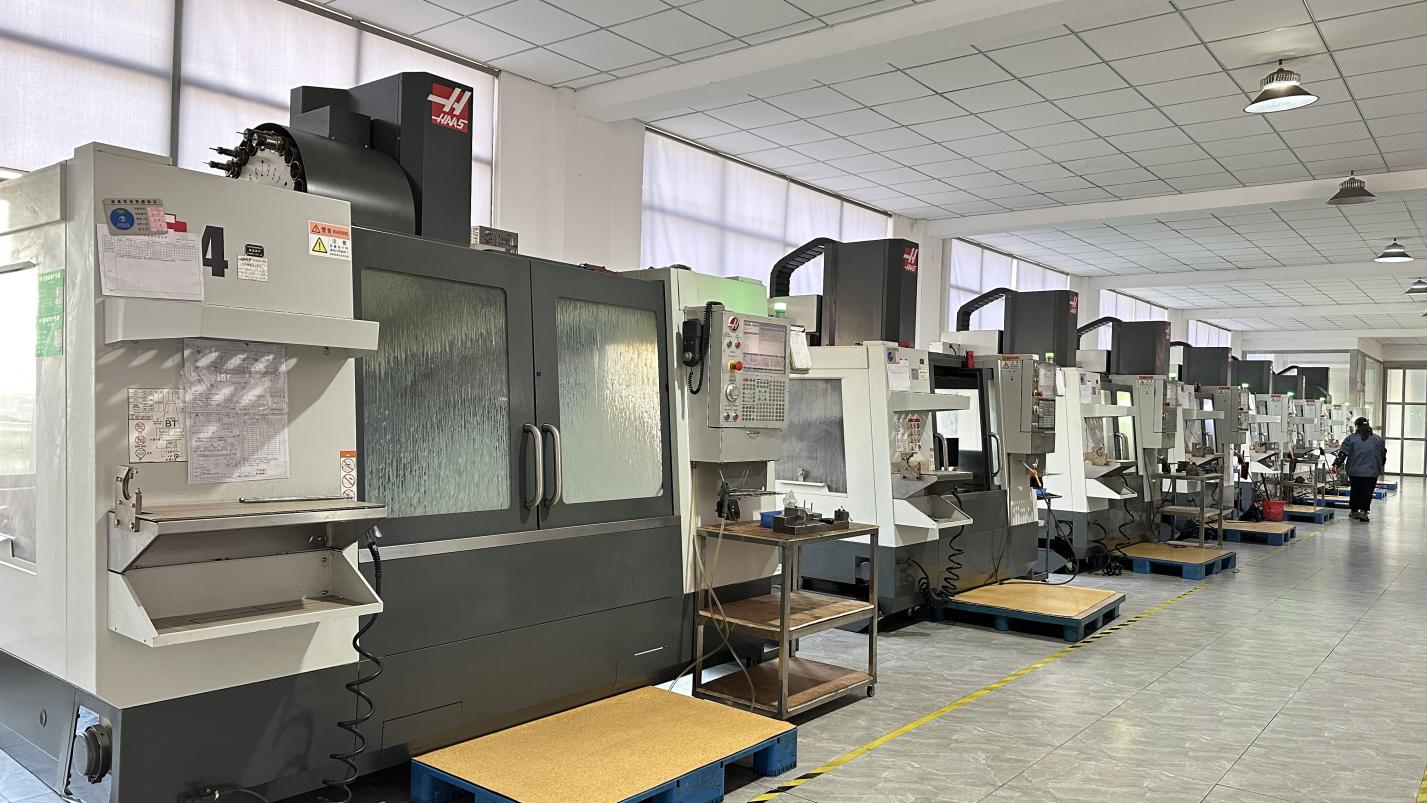
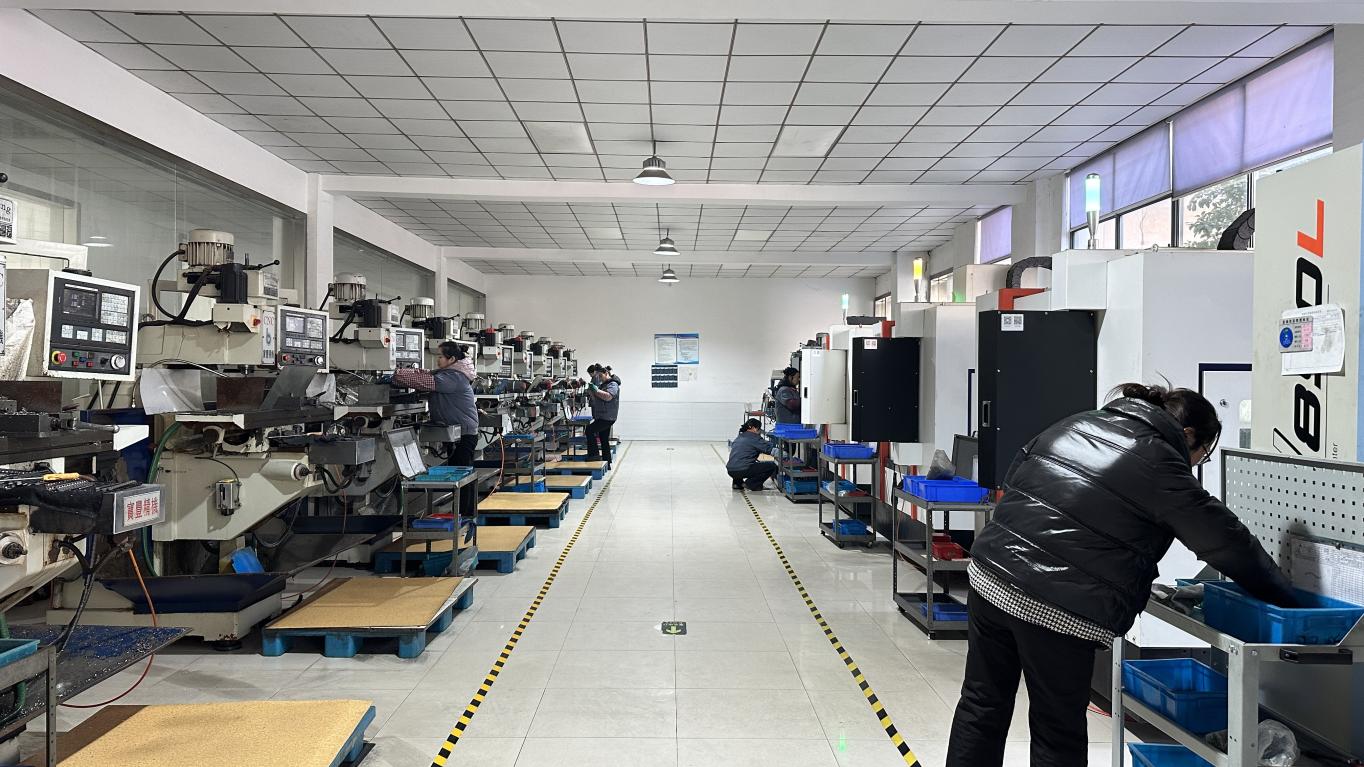
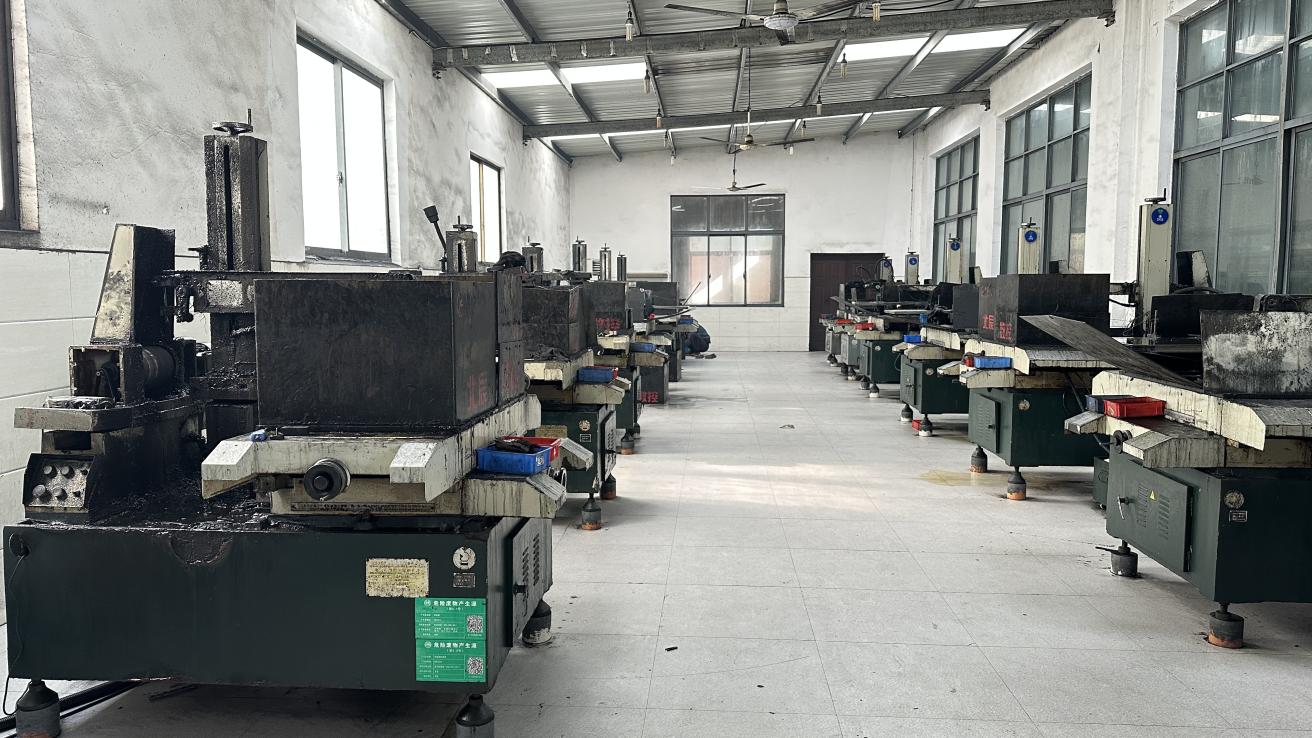
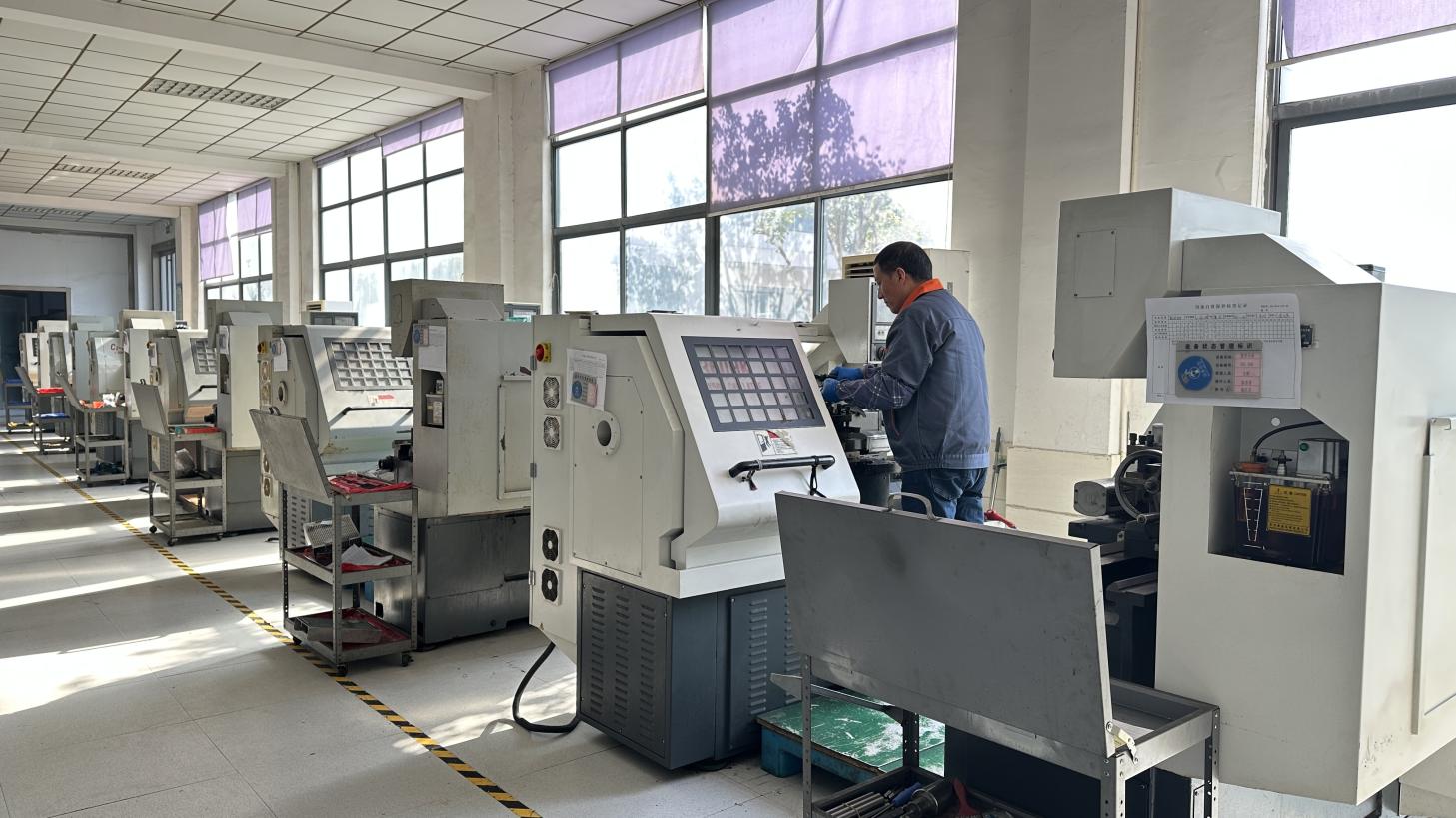
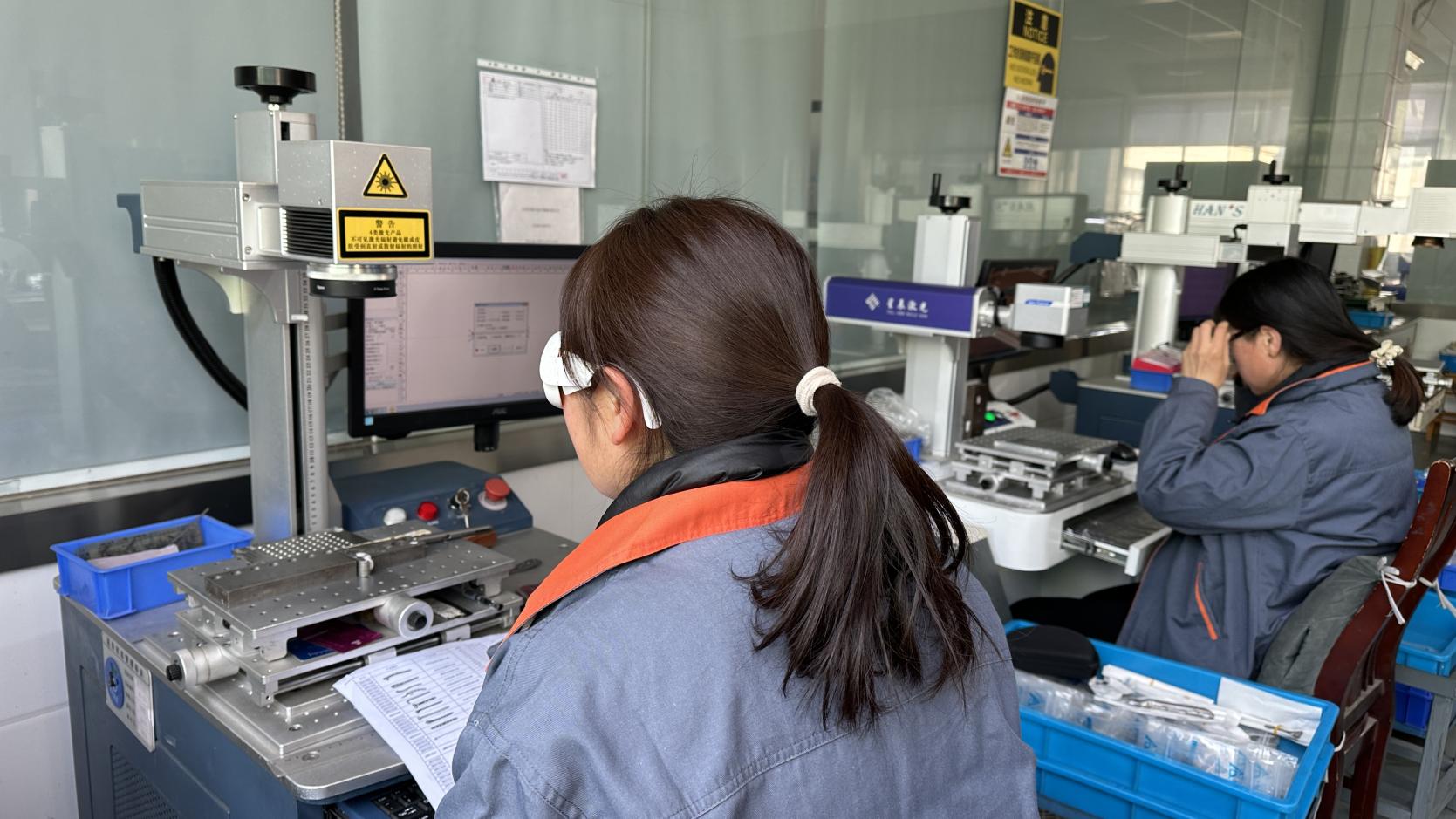

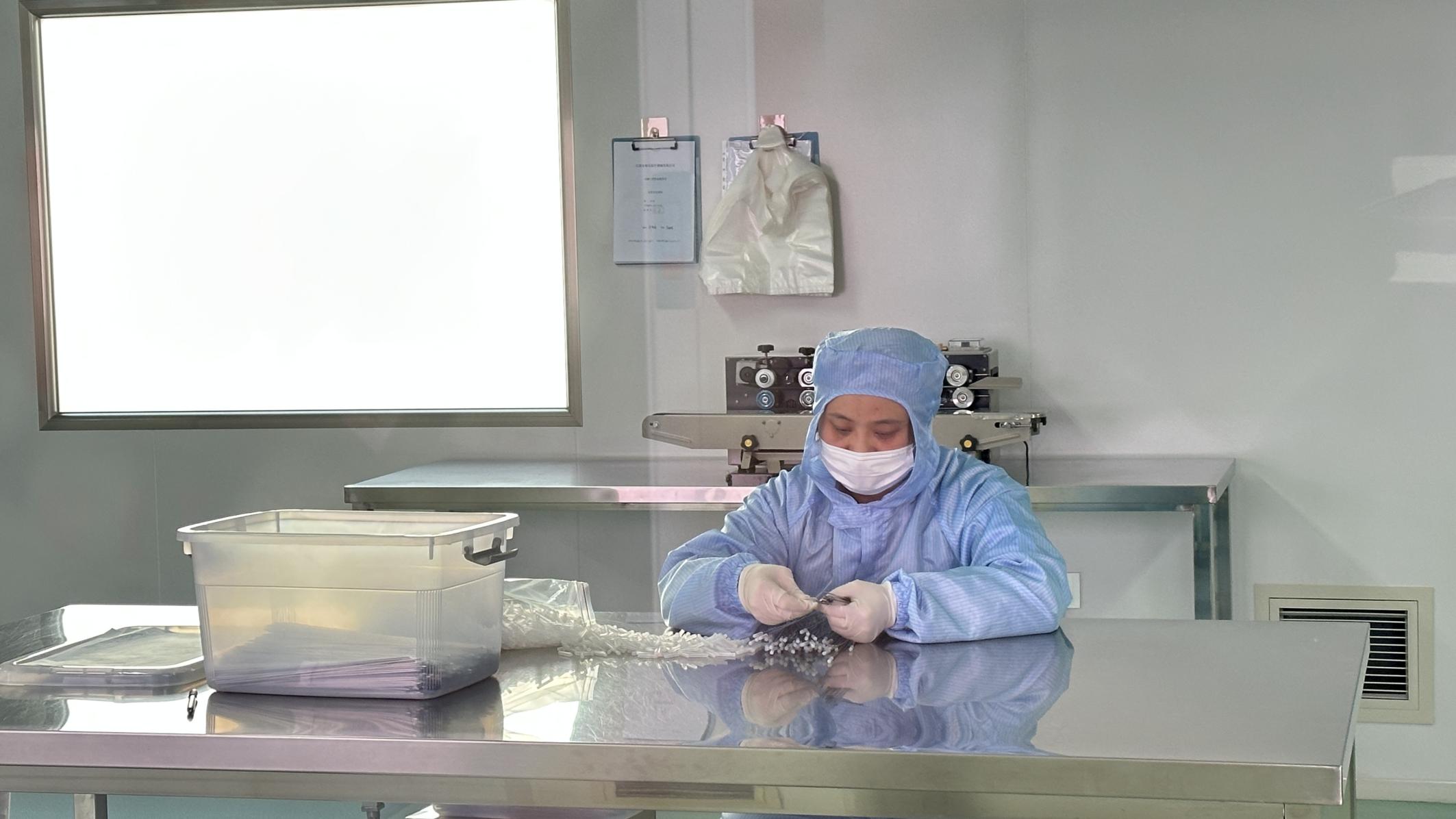
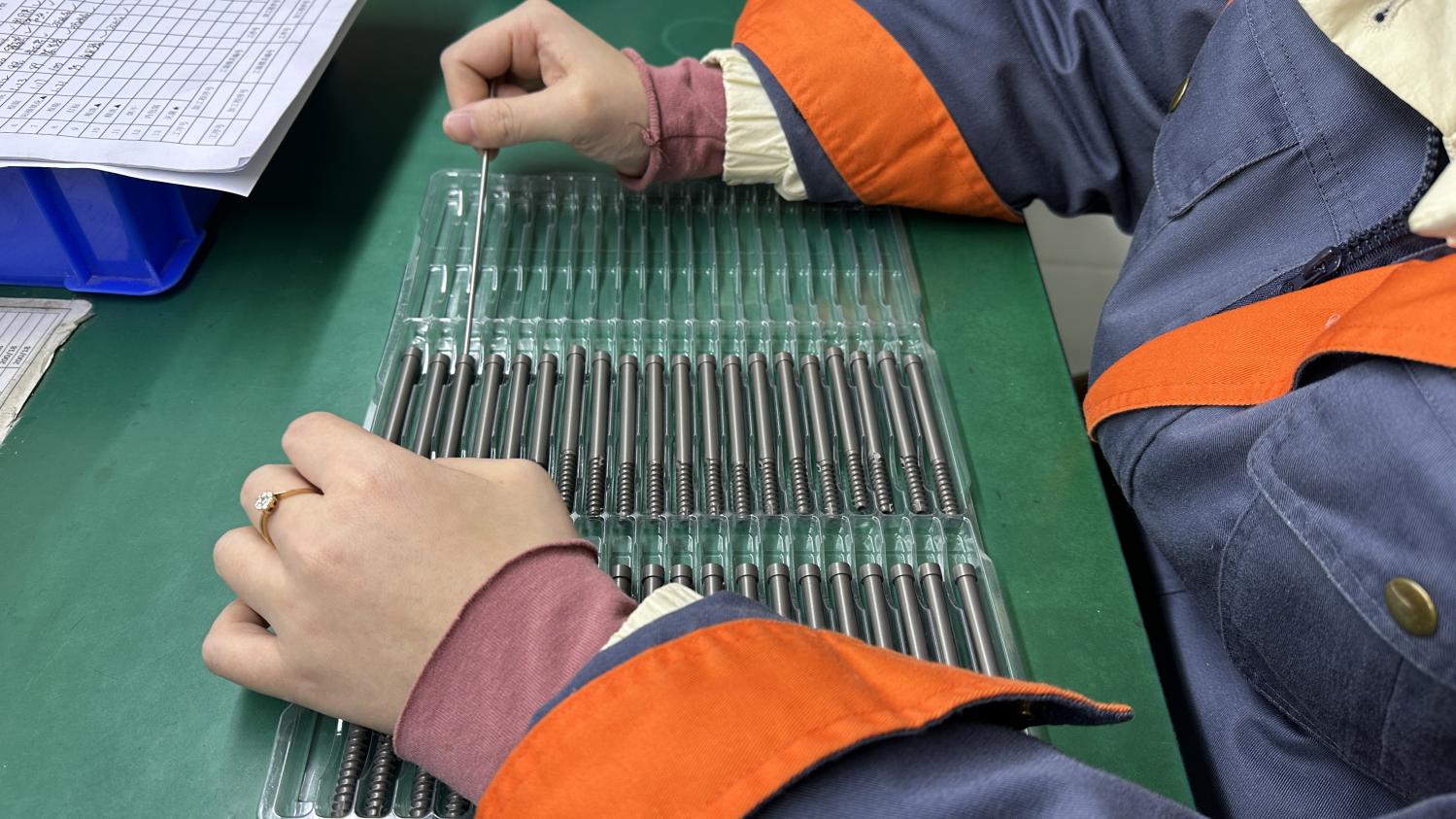
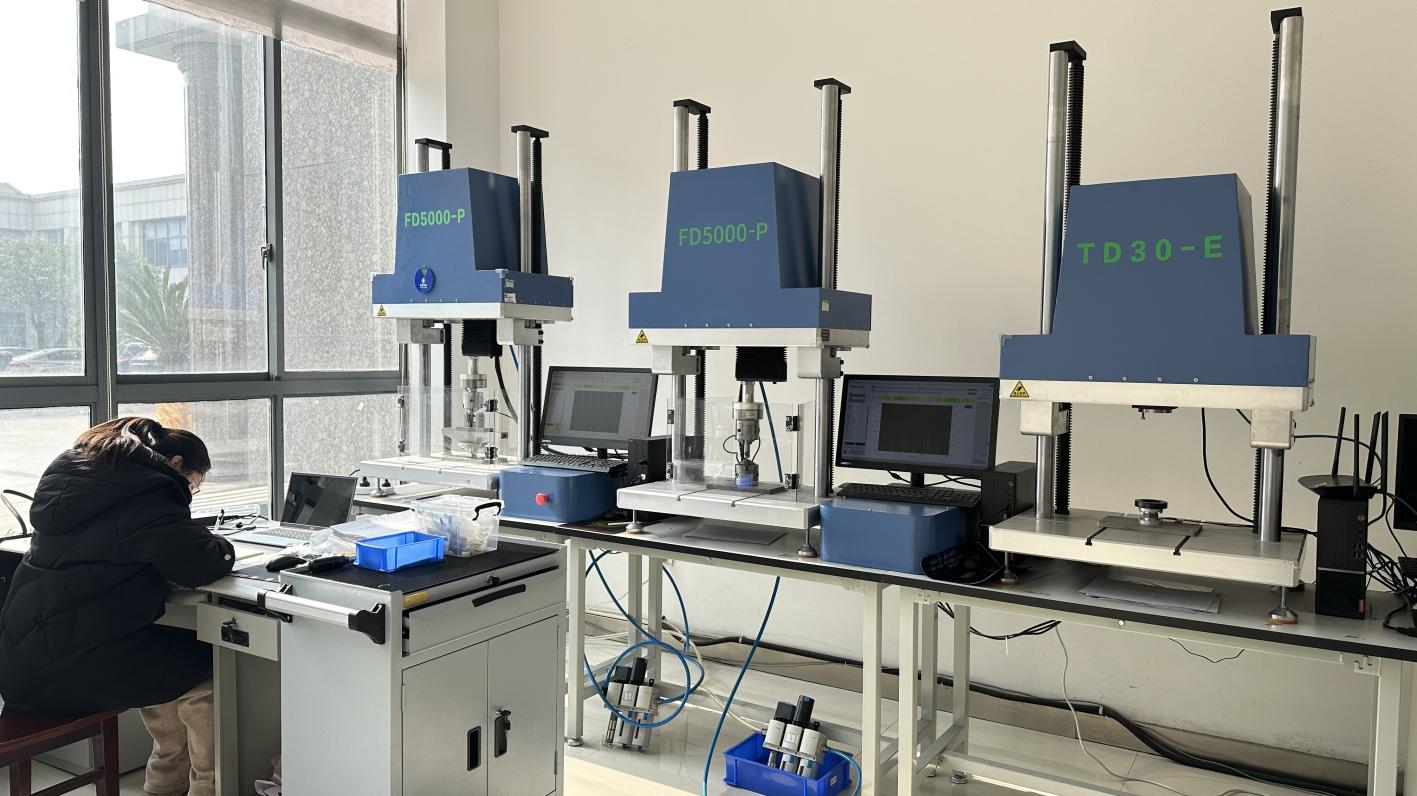
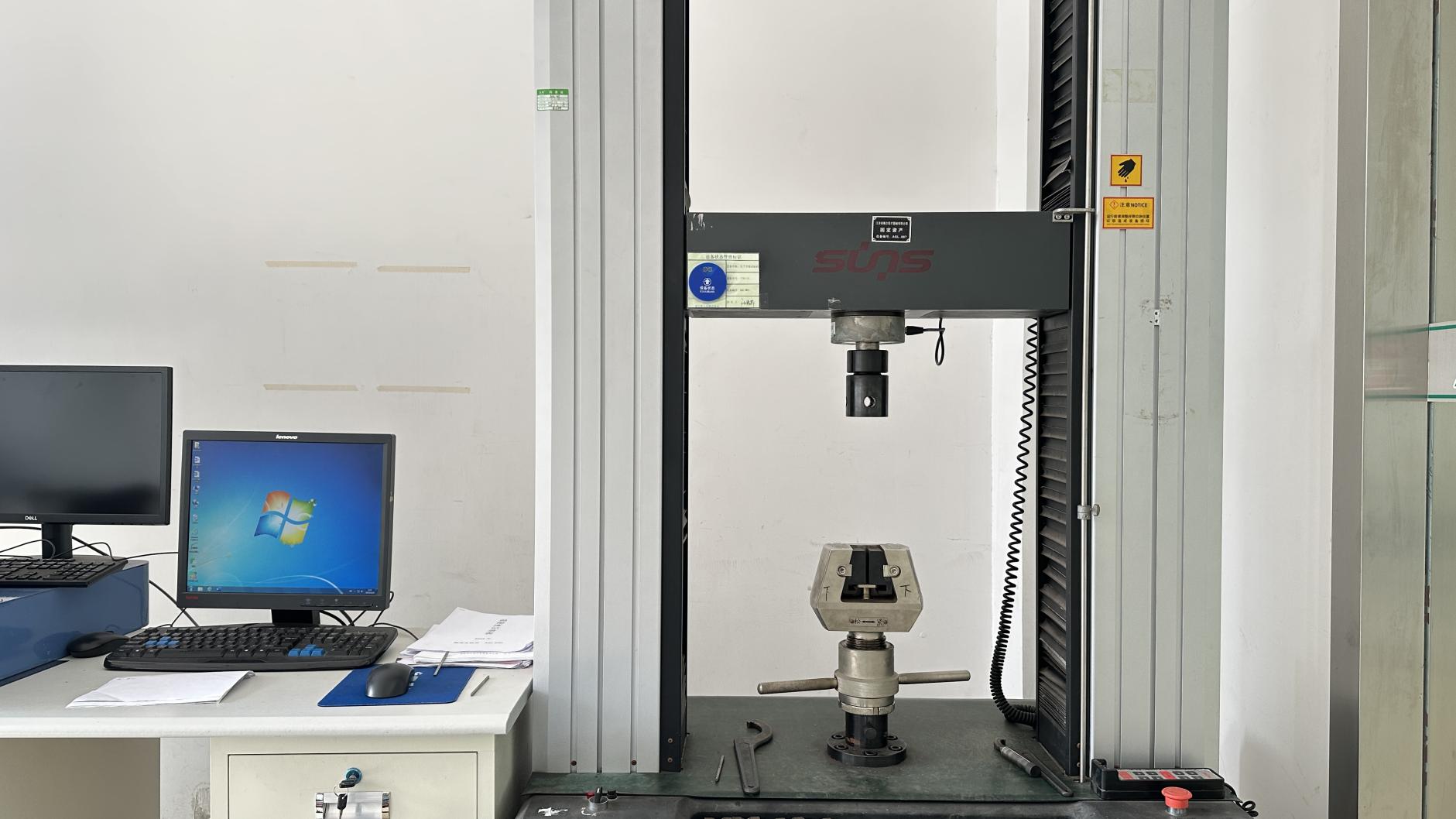
No implant is dispatched without validating its structural integrity, fatigue thresholds, and surface characteristics.
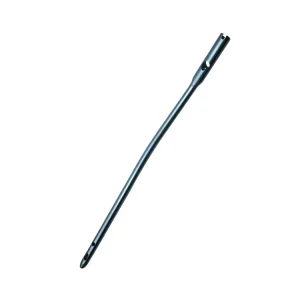
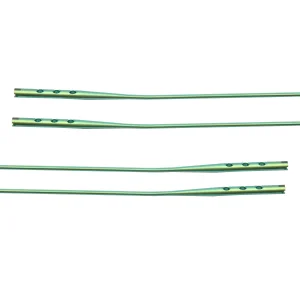
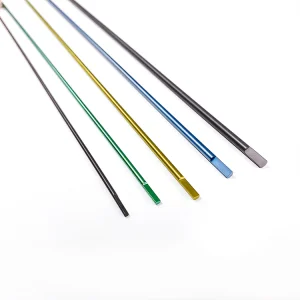
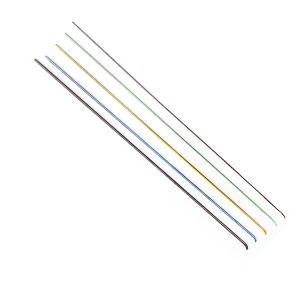
Meeting the anatomical needs of pediatric fracture fixation and localized upper extremity stabilization.
For import into the Sri Lankan market, medical devices must meet the standards set by the National Medicines Regulatory Authority (NMRA) of Sri Lanka. Medisplint supports distributors in this process by supplying comprehensive documentation, including detailed material testing certs, mechanical performance graphs, ISO 13485 audit records, and CE certificates.
Our global operations are structured to address international procurement demands, facilitating customs clearance through the Port of Colombo. We also provide sterilization validation dossiers (gamma irradiation or EO sterilizing pathways) to verify compliance with local clinical standards.
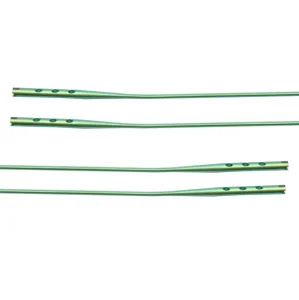
Comprehensive orthopedic implants addressing femoral, tibial, humeral, and pediatric trauma requirements.
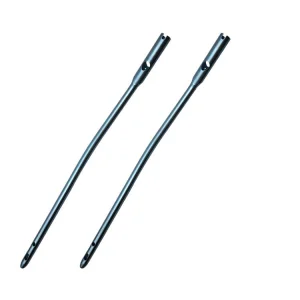
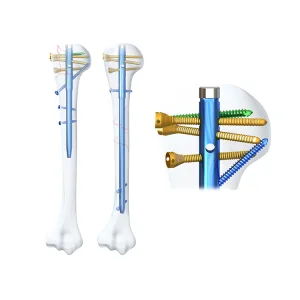
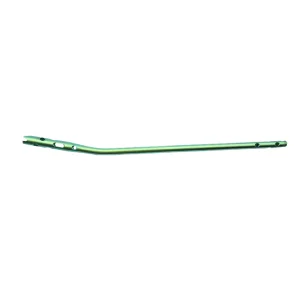
Multiloc Interlocking Intramedullary Humeral Nail Titanium Alloy for Sri Lanka Trauma Units
Request Spec Sheet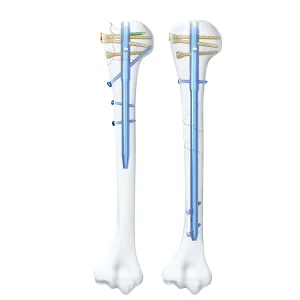
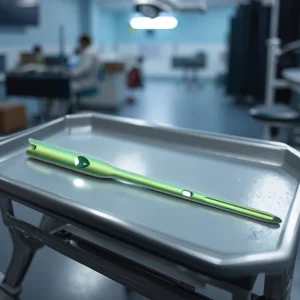
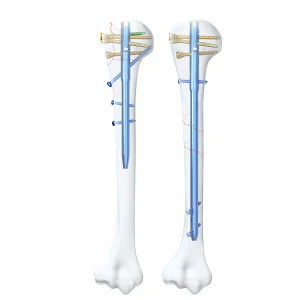
Sri Lanka Geriatric Care Orthopedic Surgical Humeral Nail for Osteoporotic Fixation
Request Spec SheetProviding technical answers to common procurement questions from distributors and orthopedic surgeons in Sri Lanka.
Our intramedullary nails are manufactured under a certified ISO 13485 quality management system. The implants also hold European CE certification (complying with MDD/MDR standards). Our manufacturing facility implements strict incoming material control (verifying titanium alloy grades), in-process QC, and final product fatigue and metallurgical testing, ensuring that each implant meets the mechanical parameters required for surgical stabilization.
We supply a comprehensive technical documentation pack to facilitate registration with the National Medicines Regulatory Authority (NMRA) of Sri Lanka. This documentation includes detailed manufacturing processes, raw material certificates (grade 5 titanium alloy/surgical stainless steel), sterilization validation reports (gamma or ethylene oxide pathways), CE Certificate of Conformity, and Free Sale Certificates (FSC). Our experienced regulatory affairs team can assist your local agent directly to ensure efficient approval.
Yes, we supply matching surgical instrument kits for every intramedullary nail system we manufacture (including PFNA, Tibial, Humeral, and Elastic Pediatric systems). The instruments are manufactured from high-strength stainless steel to ensure durability through repeated autoclave sterilization cycles, and they feature ergonomic designs to assist clinical teams during insertion and locking.
For standard catalog configurations, the production cycle typically ranges between 30 and 45 days. Shipping to the Port of Colombo takes approximately 15 to 25 days depending on the shipping line. For urgent government hospital tenders or emergency stock replenishments, we can establish dedicated buffer stock agreements in our warehouse to enable shipment within 7 days of order placement.
Yes. Our engineering department, consisting of over 85 R&D specialists, has the capacity to support private labeling, design modifications, and full OEM/ODM solutions. We can modify intramedullary nail lengths, anatomical curvature profiles, and locking screw distributions to meet the specific requirements of target demographics or specialized clinical research institutions in Sri Lanka.