 Medisplint
Medisplint
Medisplint
The San Francisco Bay Area stands at the global epicenter of biomedical innovation, demand, and standard-setting. Leading clinical organizations, including UCSF Medical Center, Stanford Health Care, and Zuckerberg San Francisco General Hospital, define the cutting-edge requirements for intramedullary nails and trauma fixation systems. In this high-performing clinical setting, surgeons demand orthopedic implants that minimize recovery times, deliver optimal torsional stability, and integrate seamlessly with advanced diagnostic fluoroscopy systems.
Medisplint Orthopedic Instruments Co., Ltd., a premier manufacturer with deep export capacity, aligns directly with these stringent demands. We provide medical-grade titanium alloy implants engineered to meet FDA requirements, combining precise biological contouring with high fatigue strength. Our manufacturing excellence transforms high-quality raw materials into specialized solutions optimized for surgeons across Northern California and globally.
Empowering Global Orthopedic Supply Chains with Advanced Manufacturing.
Engineered for extreme biomechanical stability and streamlined surgical delivery.
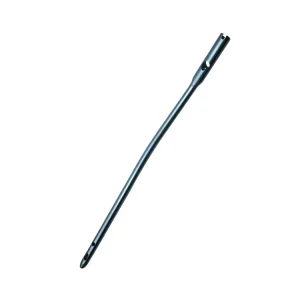
Optimized PFNA system featuring dual-compression mechanisms to treat unstable trochanteric fractures in aging patient demographics.
View Specifications →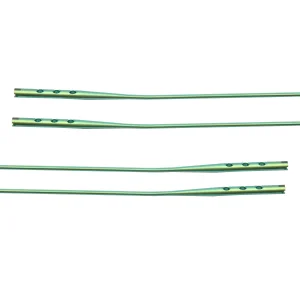
Highly specialized forearm fixation configurations featuring multi-planar locking possibilities for precise rotational control.
View Specifications →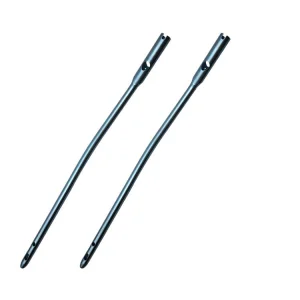
Exceptional biocompatibility profile combined with mechanical strength to facilitate rapid endosteal callus formation.
View Specifications →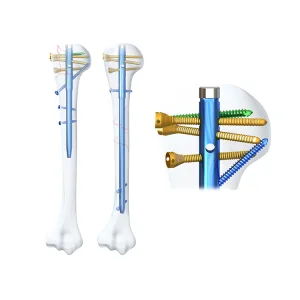
Humeral nailing platforms engineered with distal and proximal multi-angle lock pathways to preserve cortical integrity.
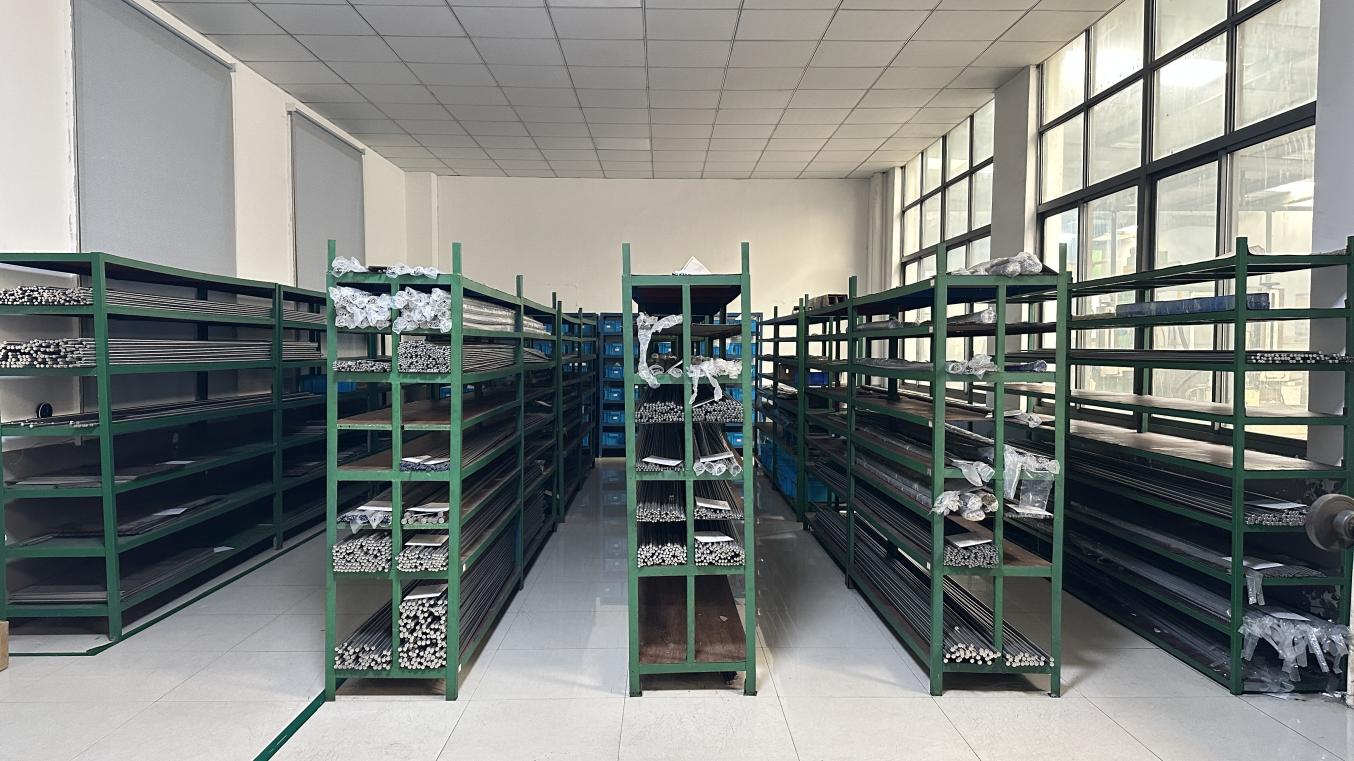
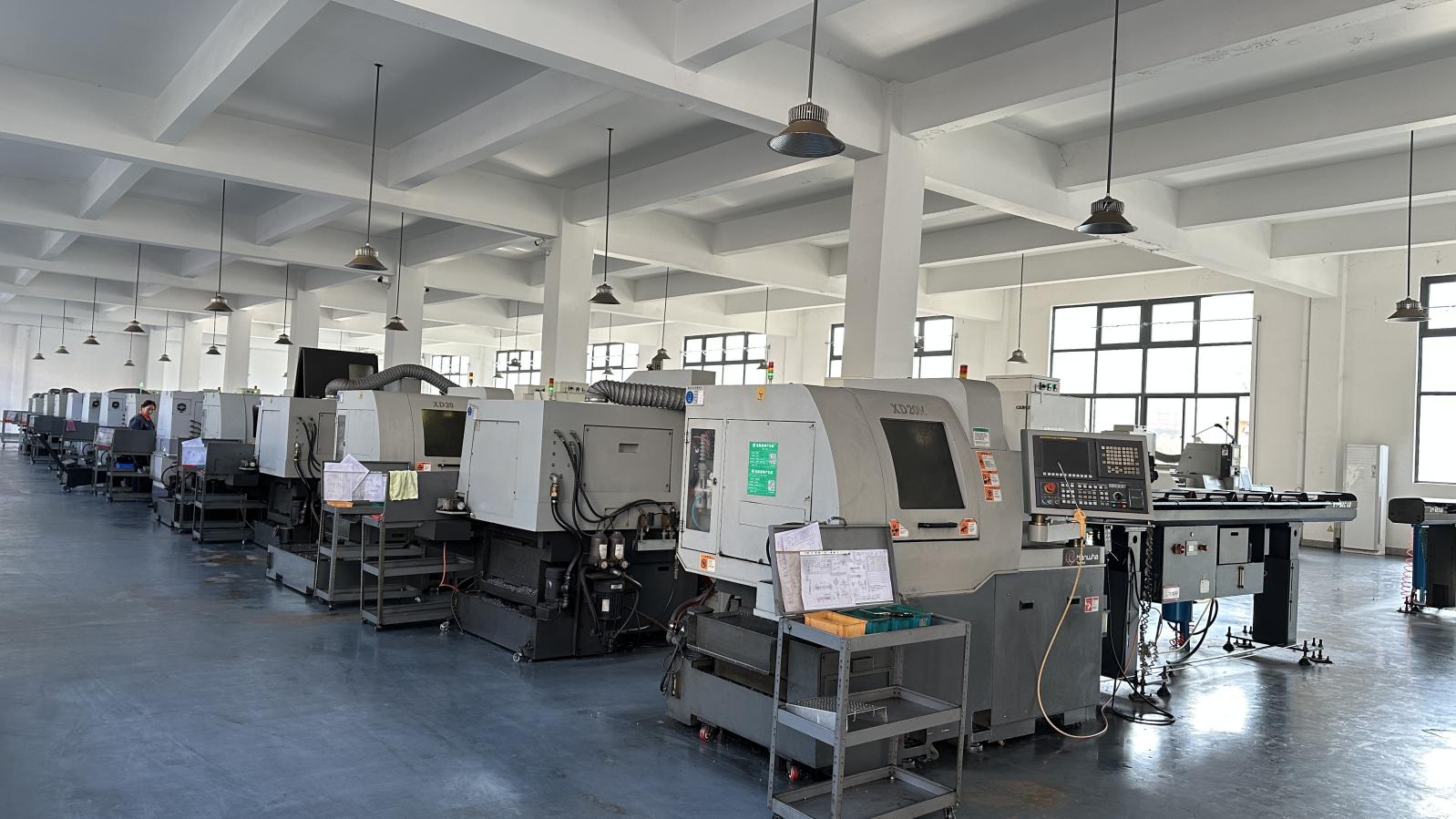
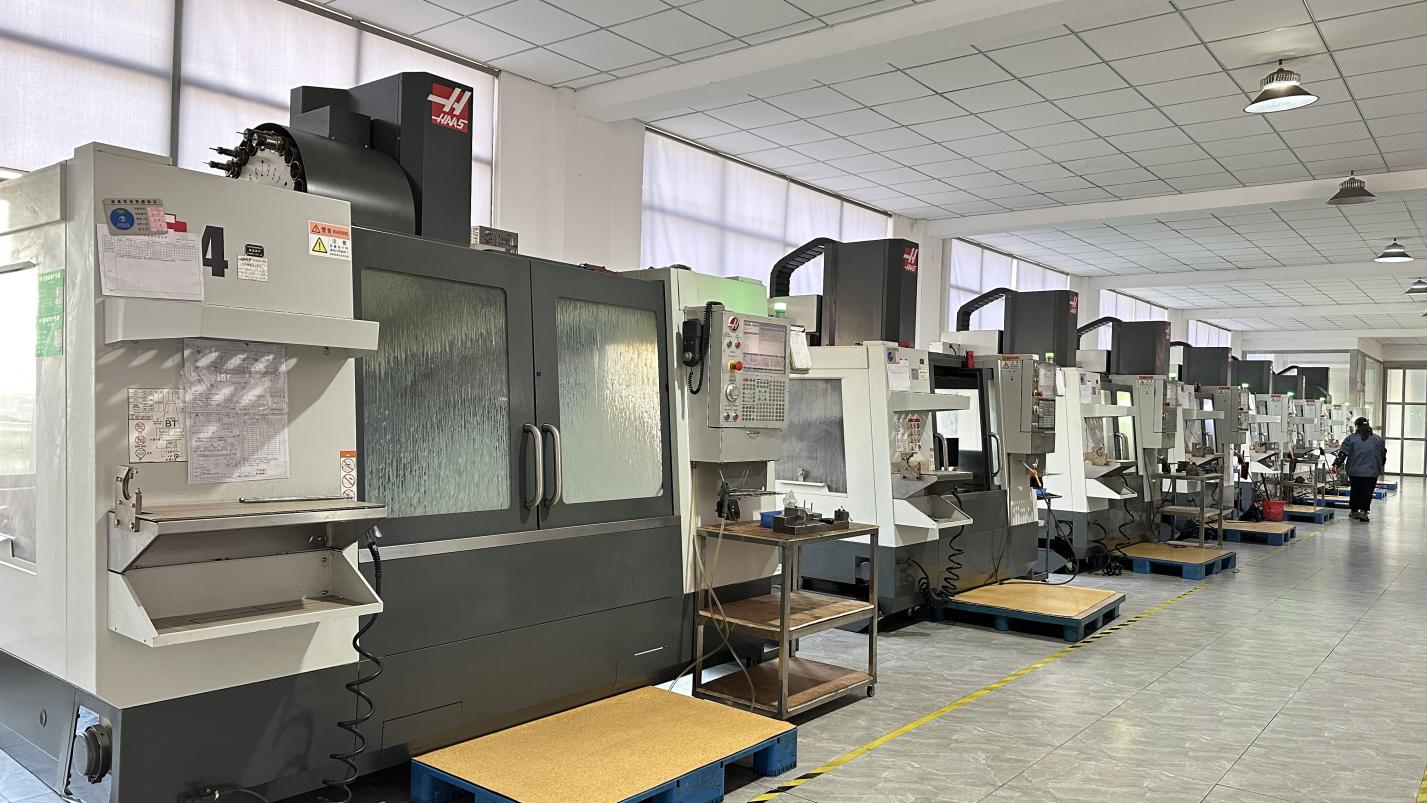
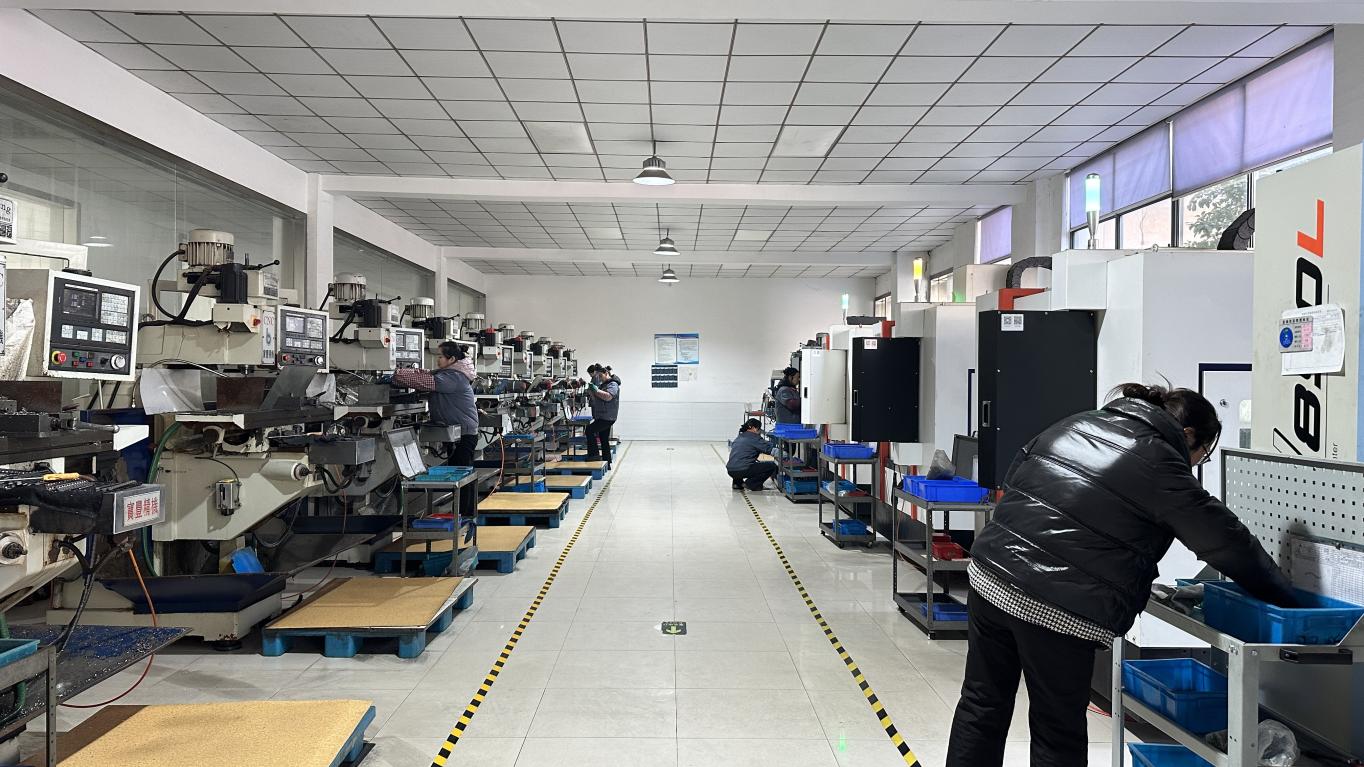
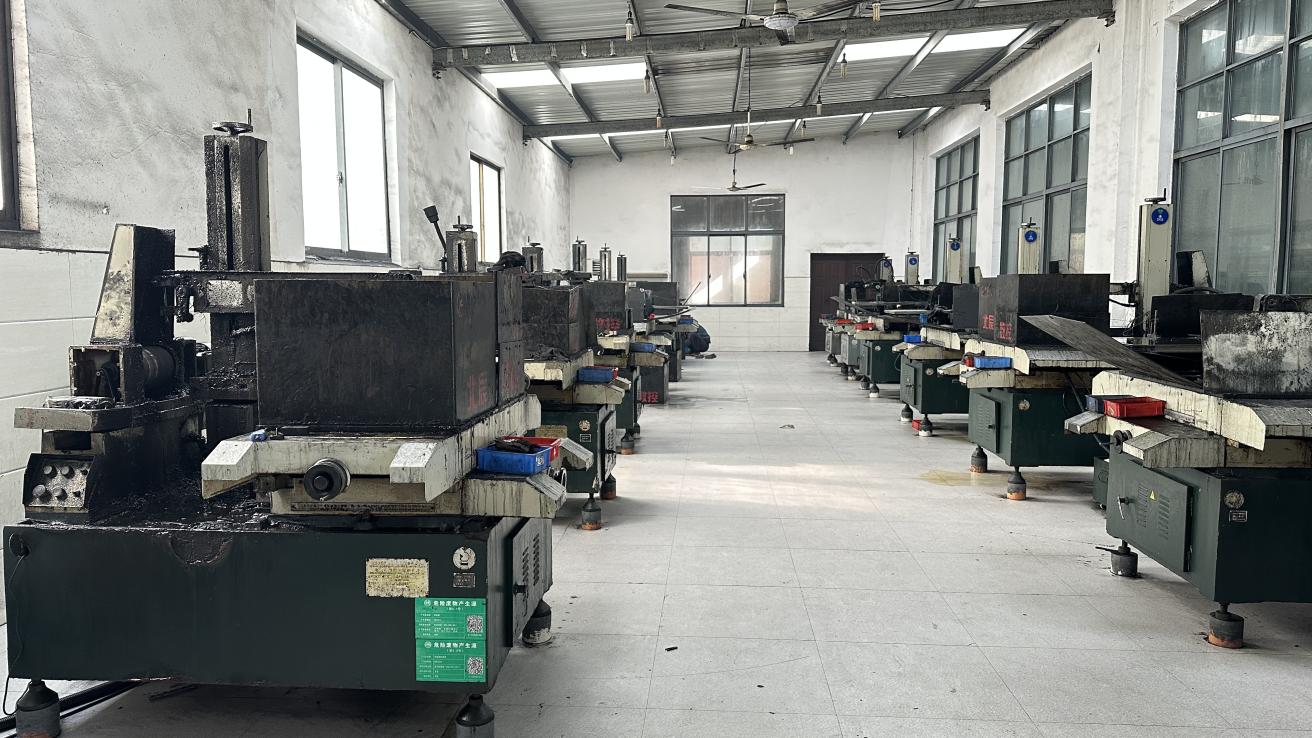
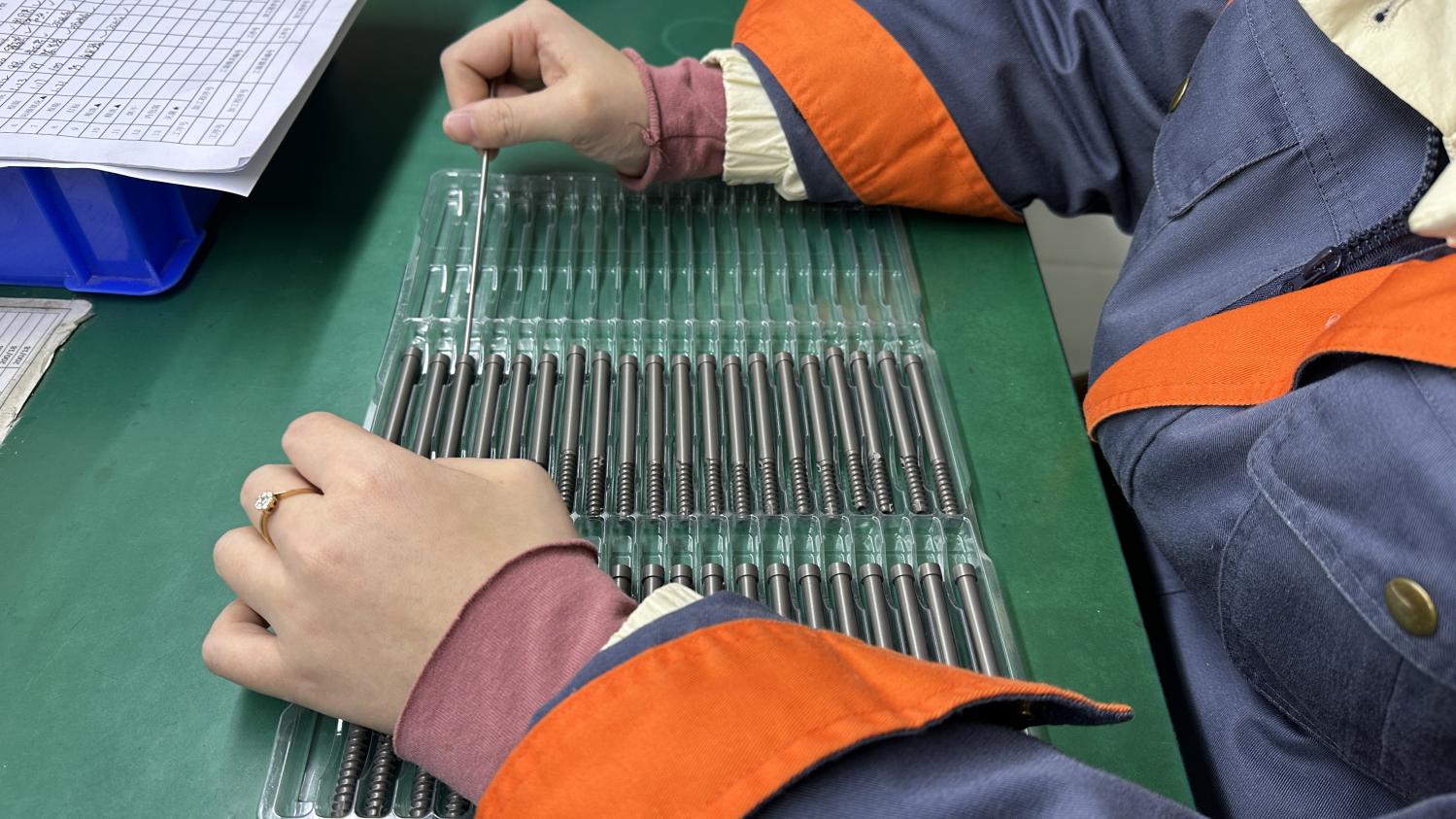
View Specifications →Undergoing rigorous material transformation from raw titanium bar stock to finished clinical-grade implant assemblies.
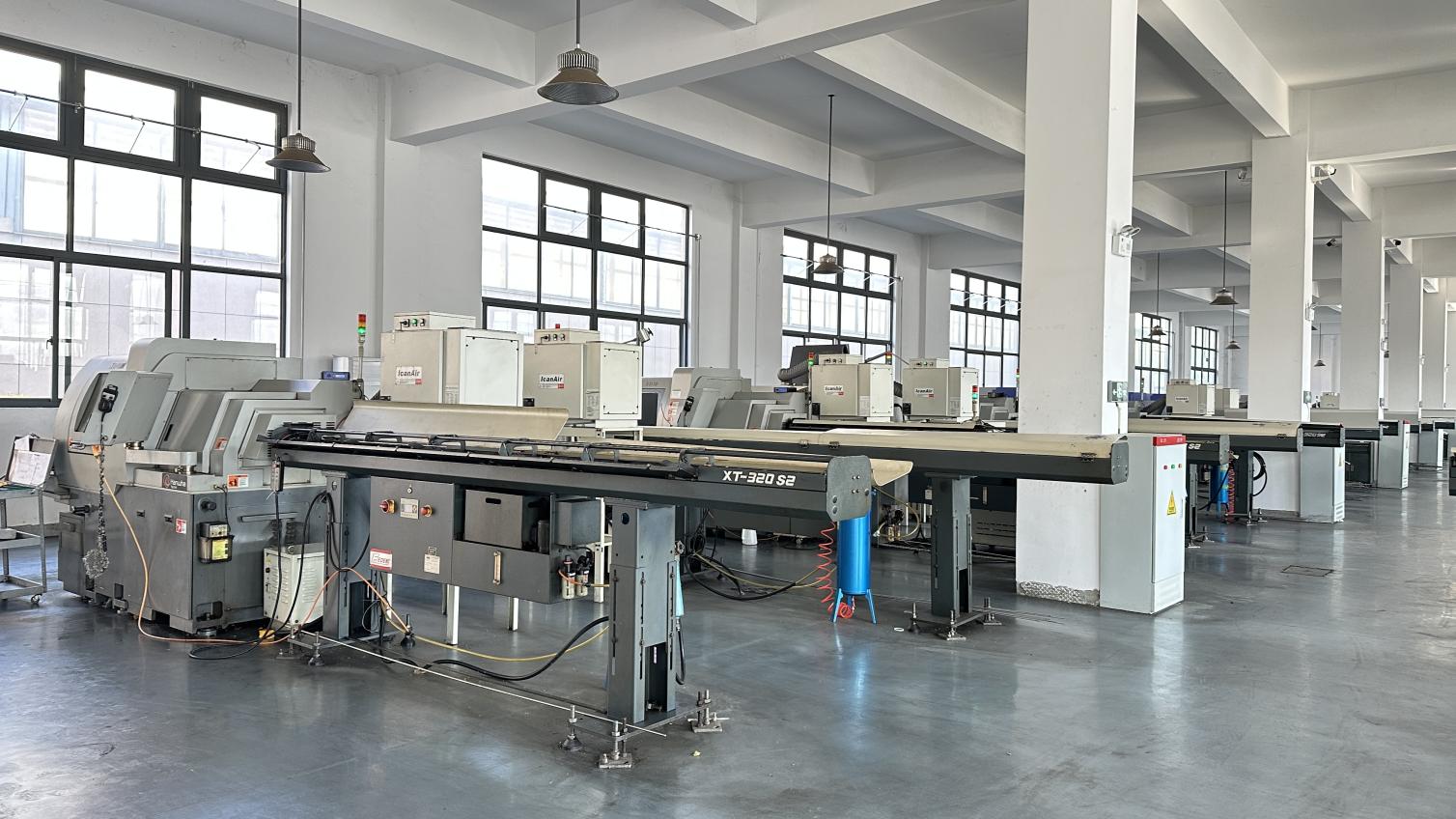
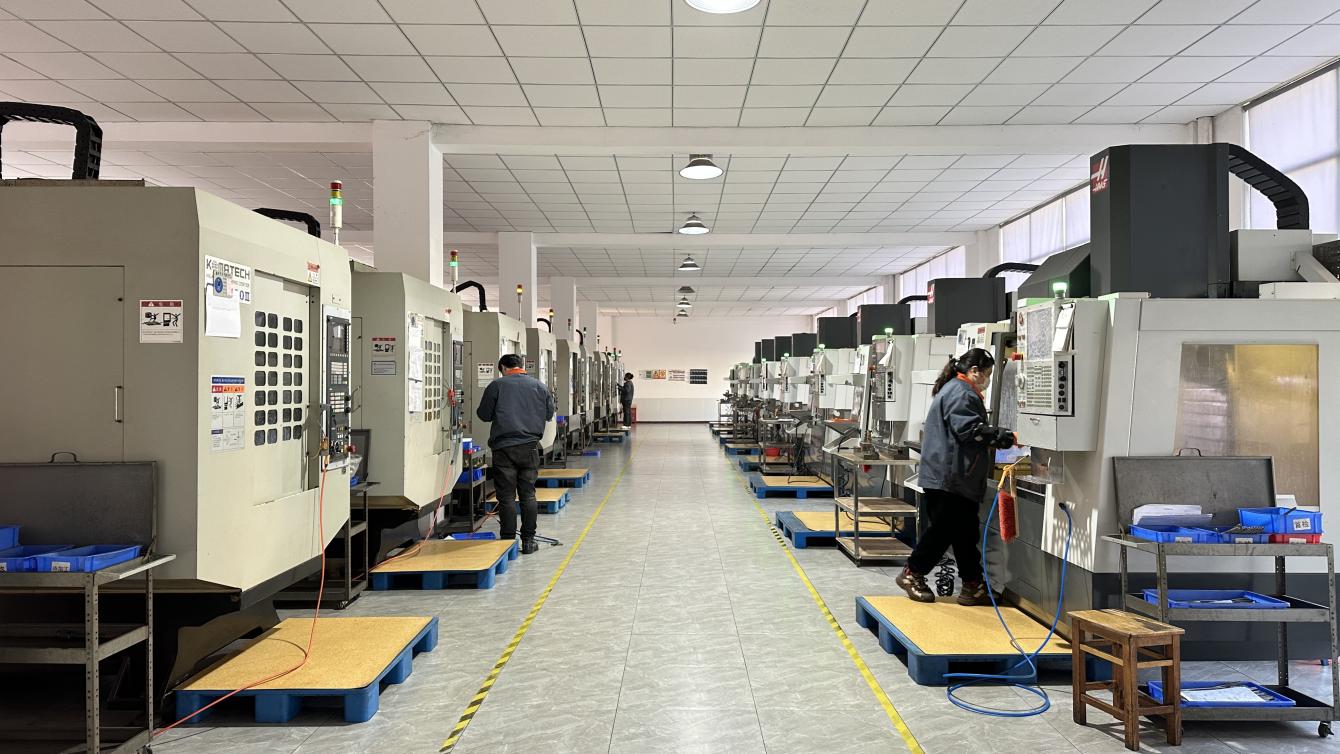
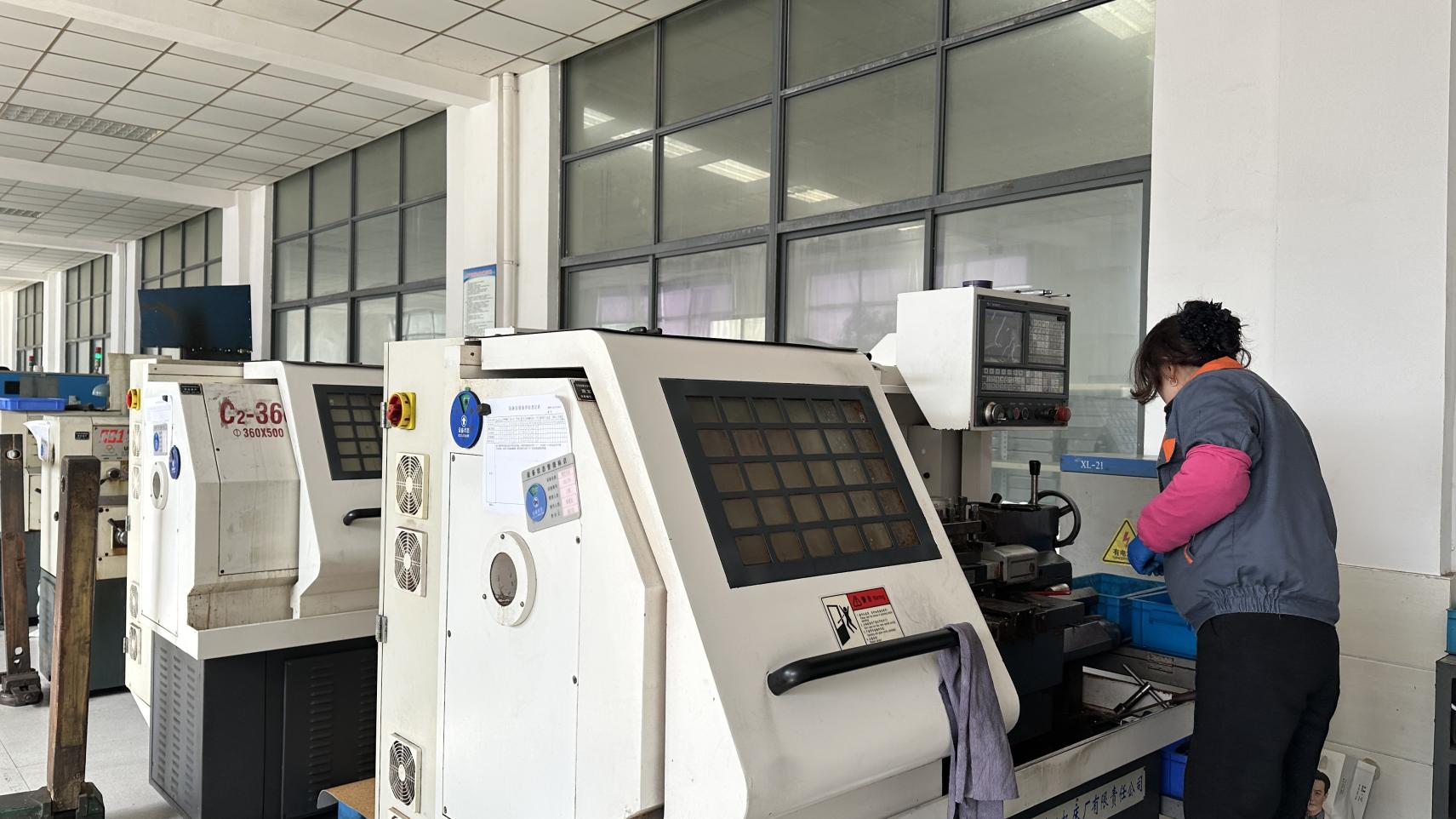
Medisplint operates a complete in-house production system, featuring CNC milling, multi-axis lathe machining, wire cutting, and high-precision laser marking. We maintain absolute transparency over raw material sourcing, utilizing only medical-grade titanium alloys certified for mechanical strength, fatigue threshold, and biocompatibility.
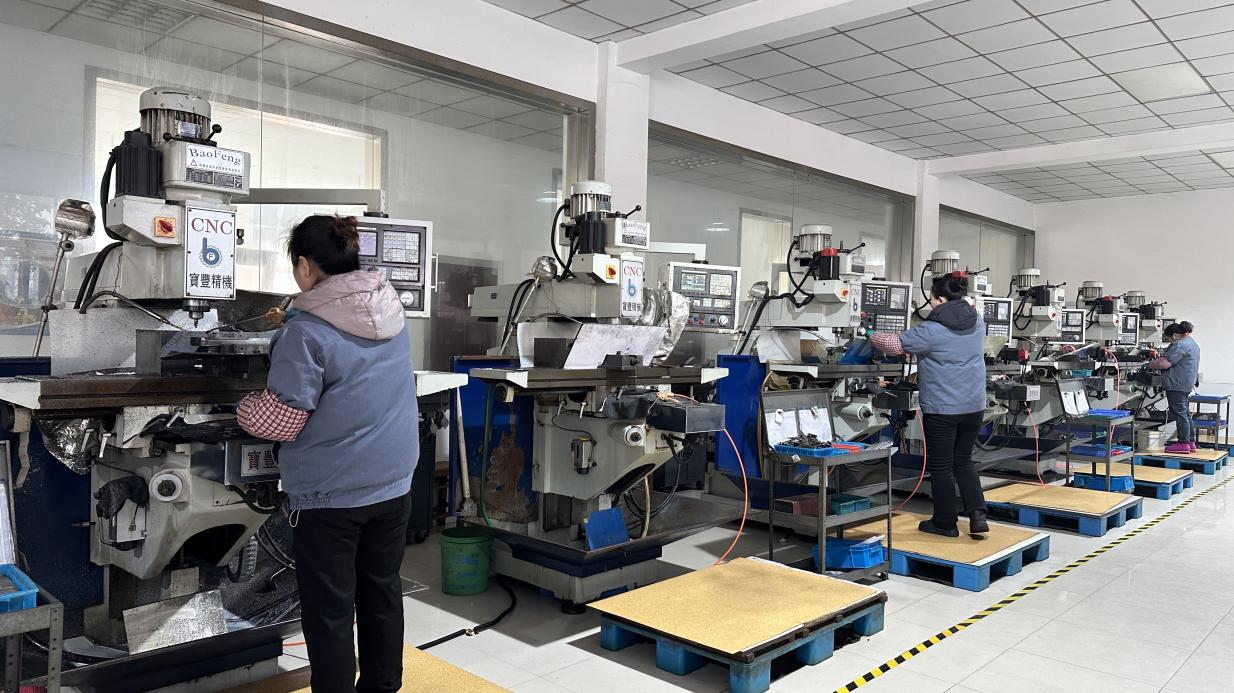
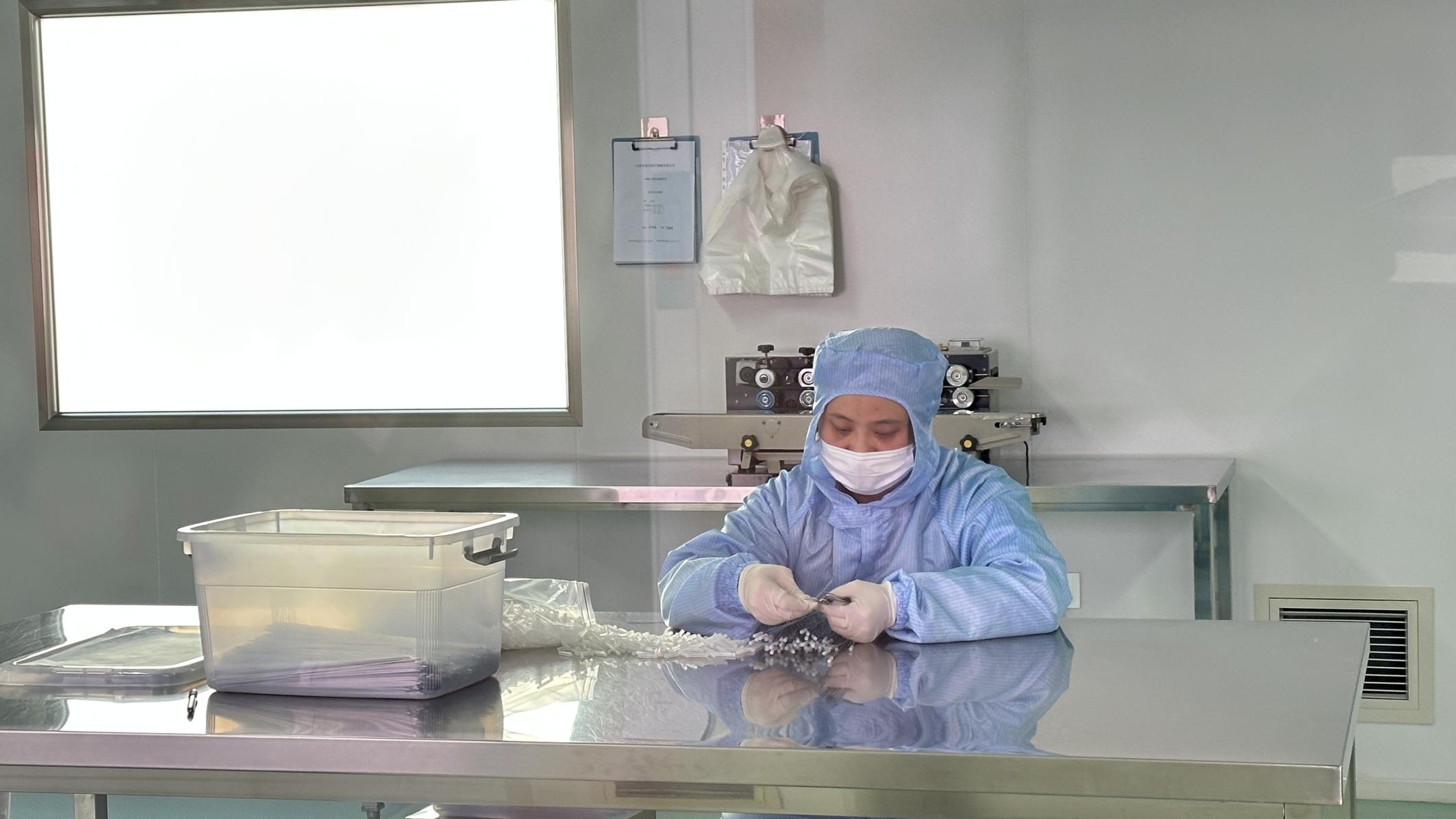
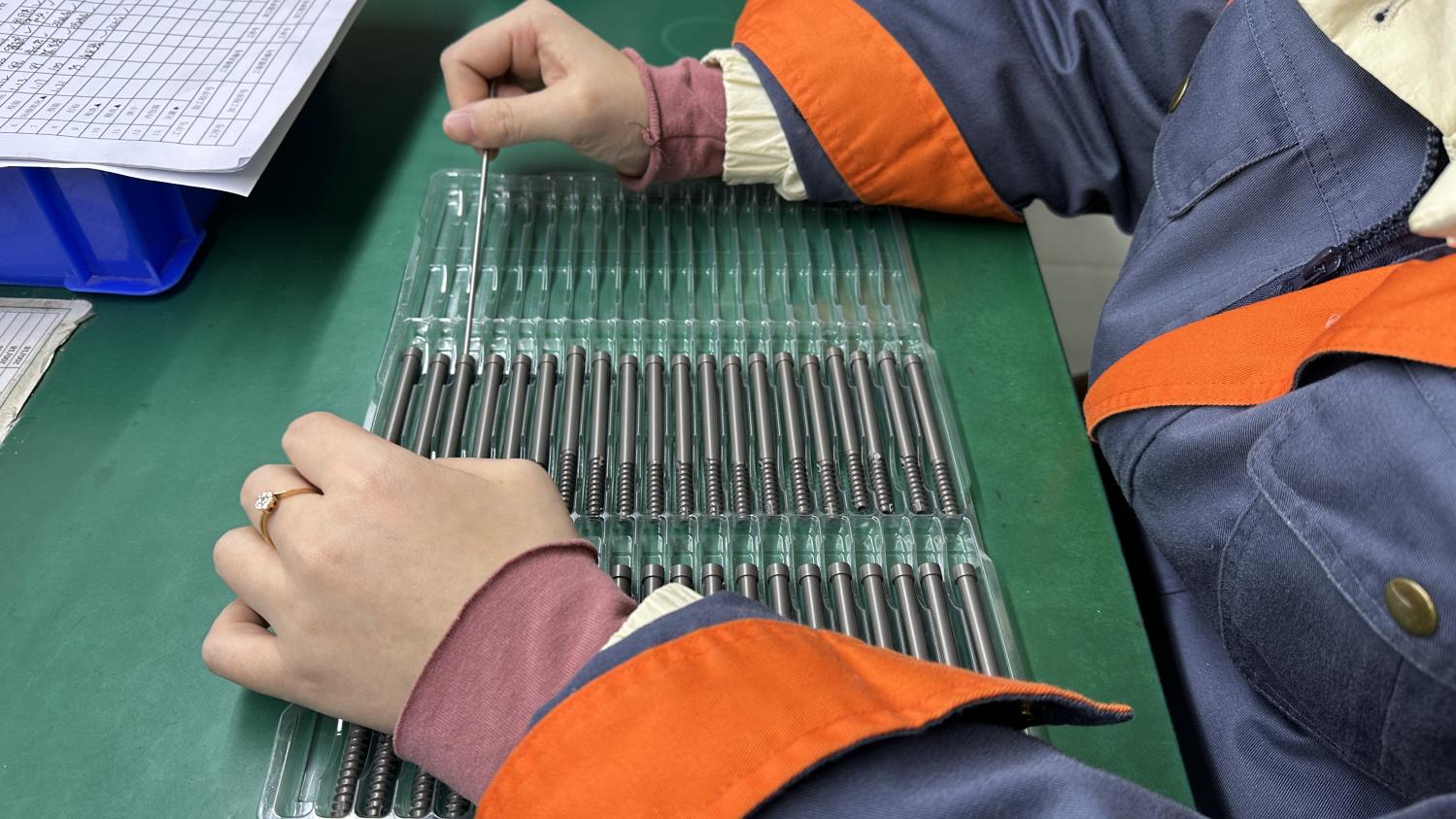
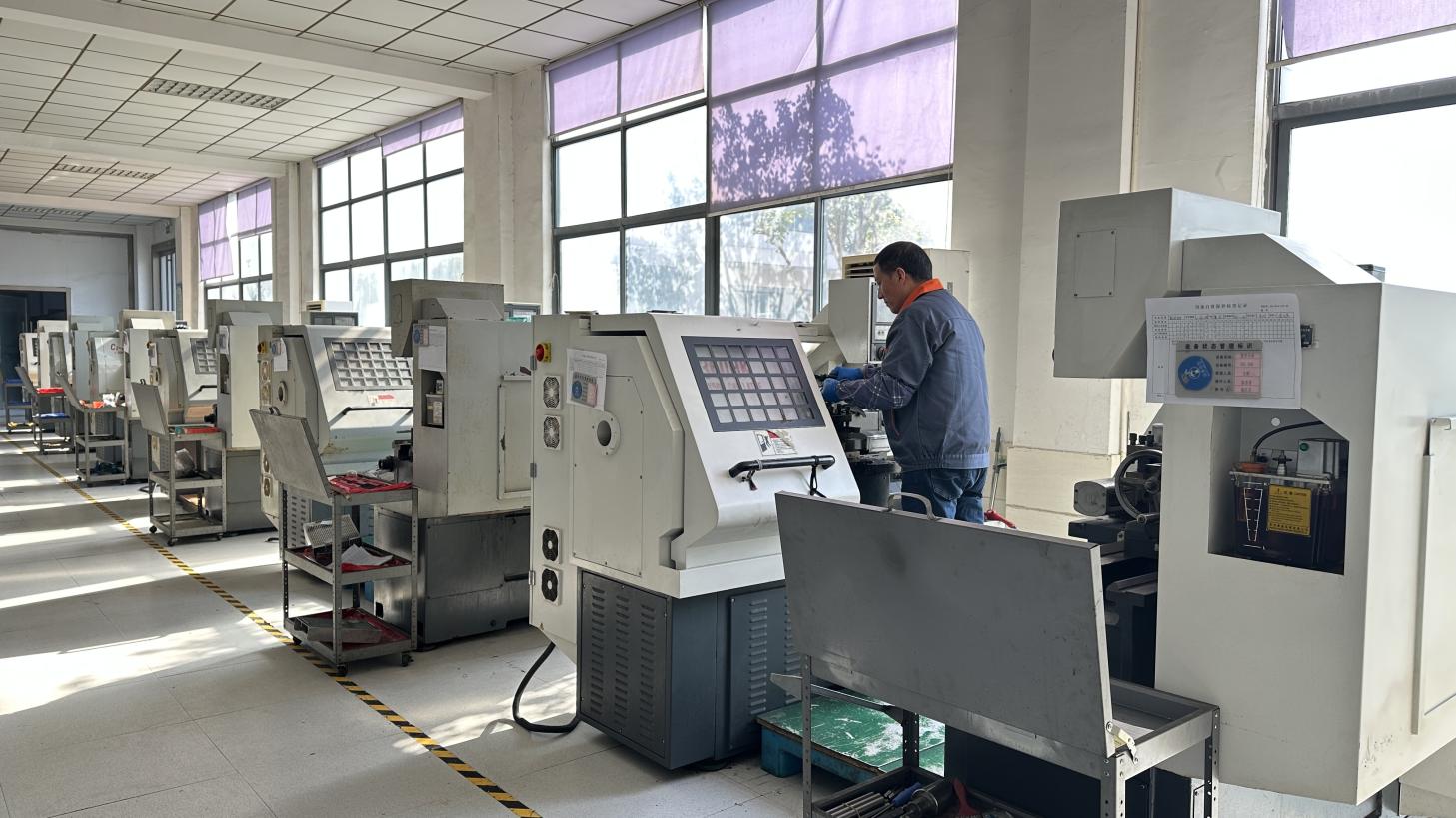
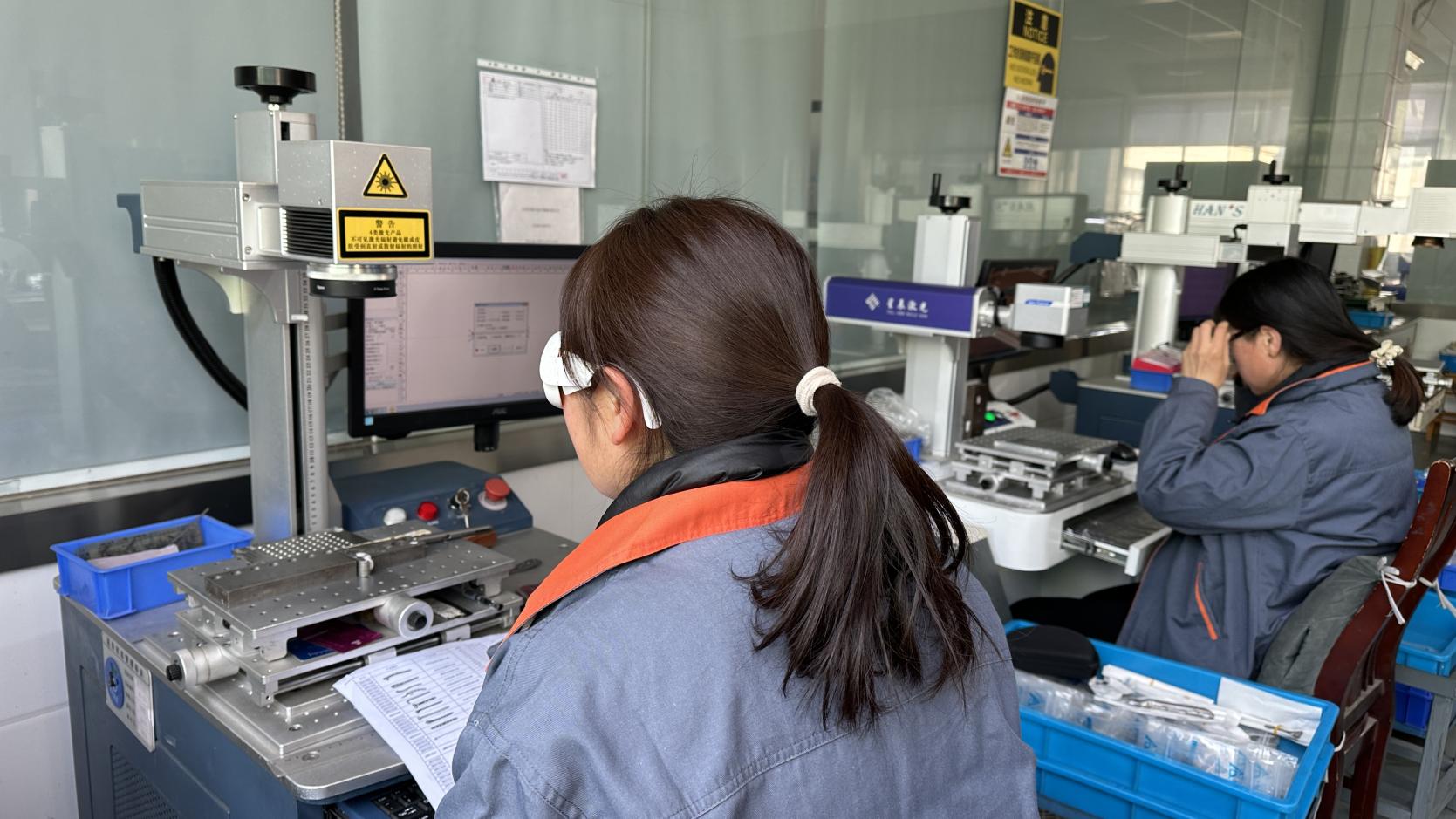
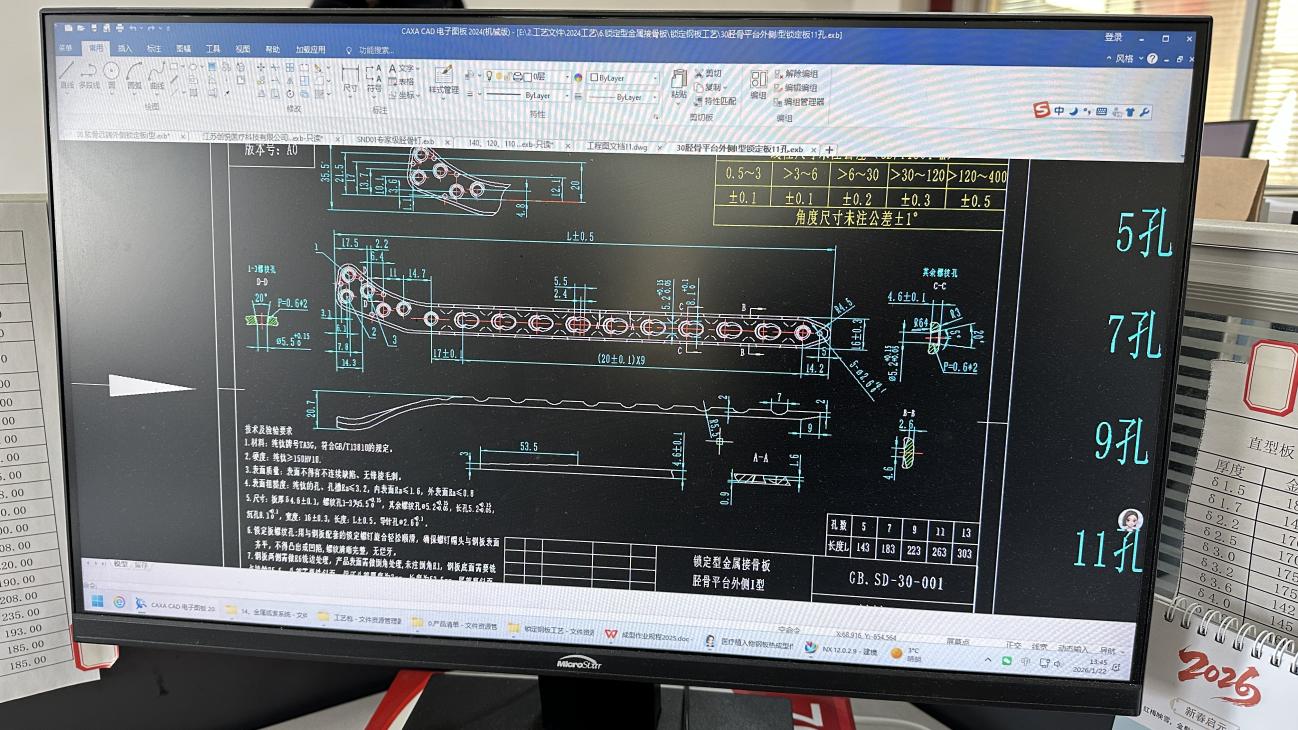

Maintaining strict conformity through advanced mechanical simulation and calibration.
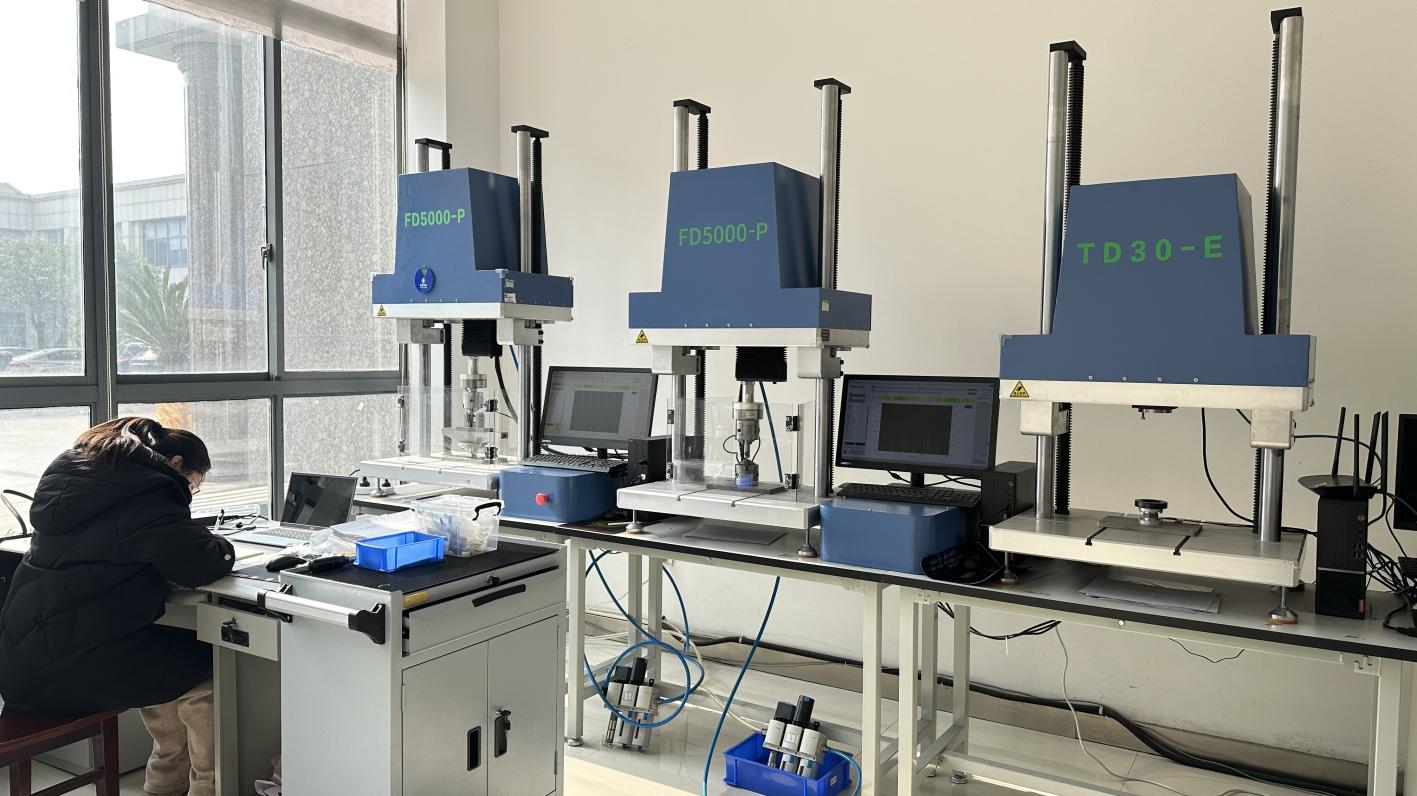
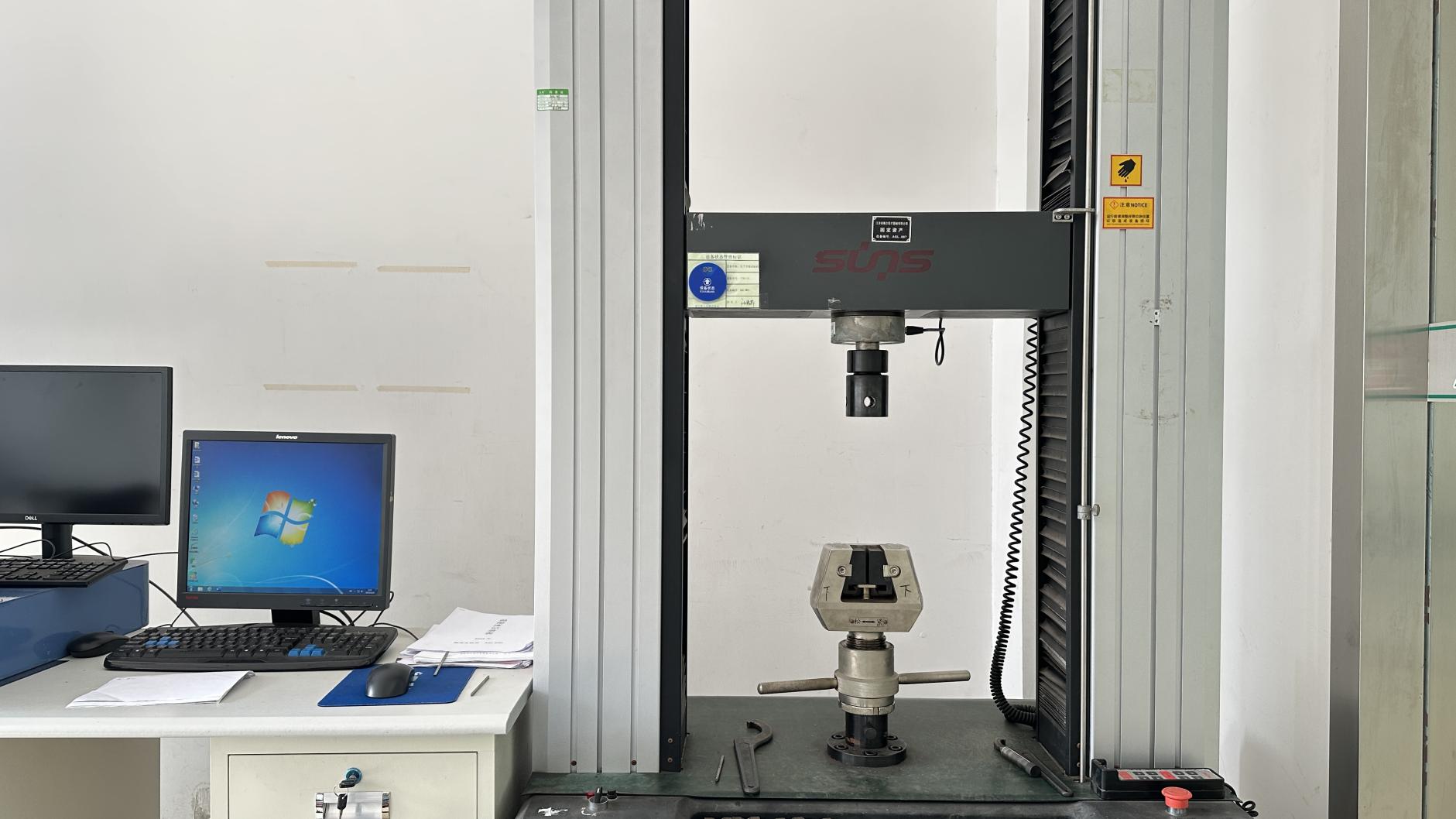
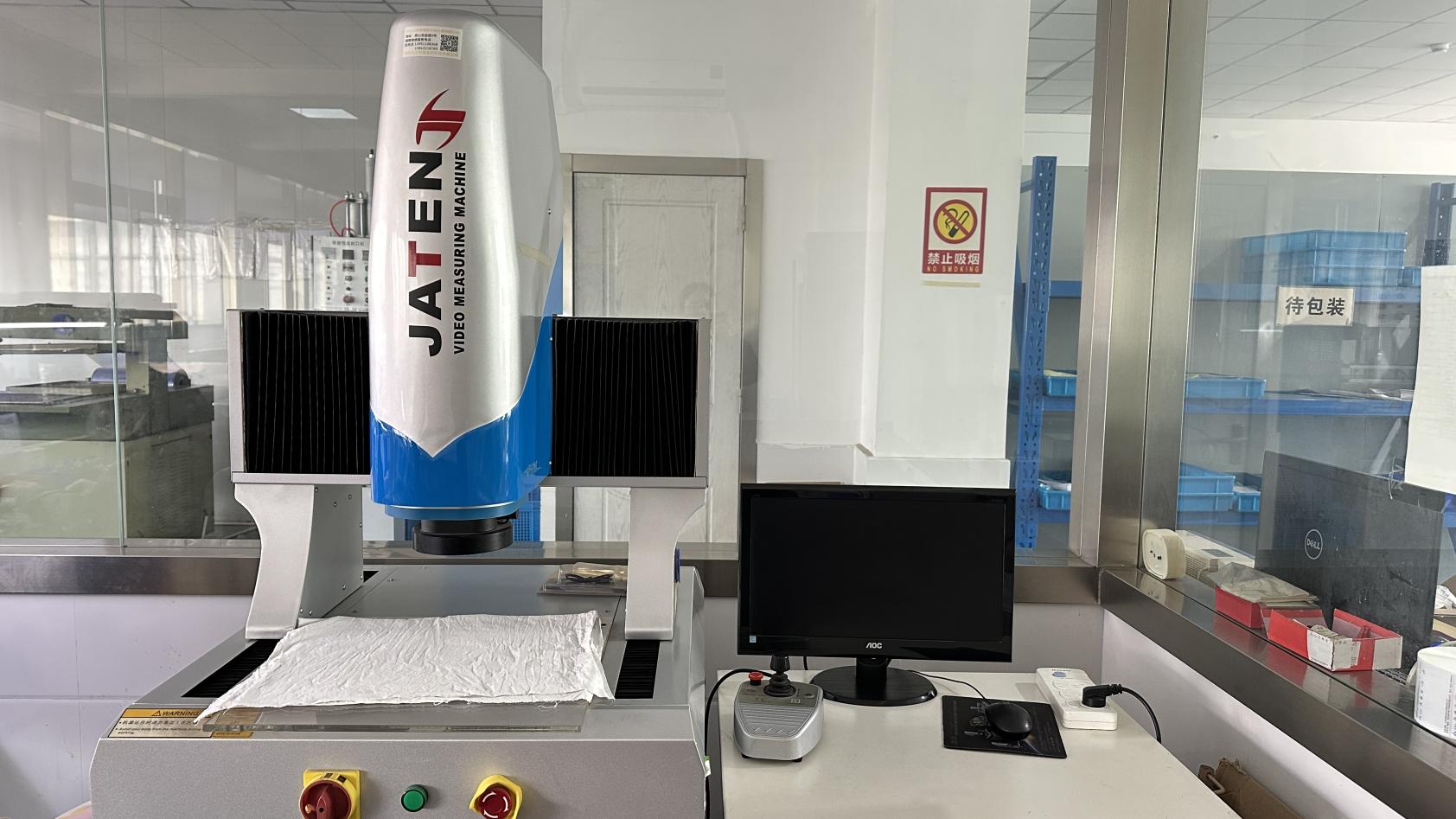
To align with standard ASTM protocols and international medical guidelines, our dedicated quality control department subjects implants to a multi-stage validation regime. The testing laboratory is equipped with state-of-the-art dynamic, tensile, and surface geometry instruments.
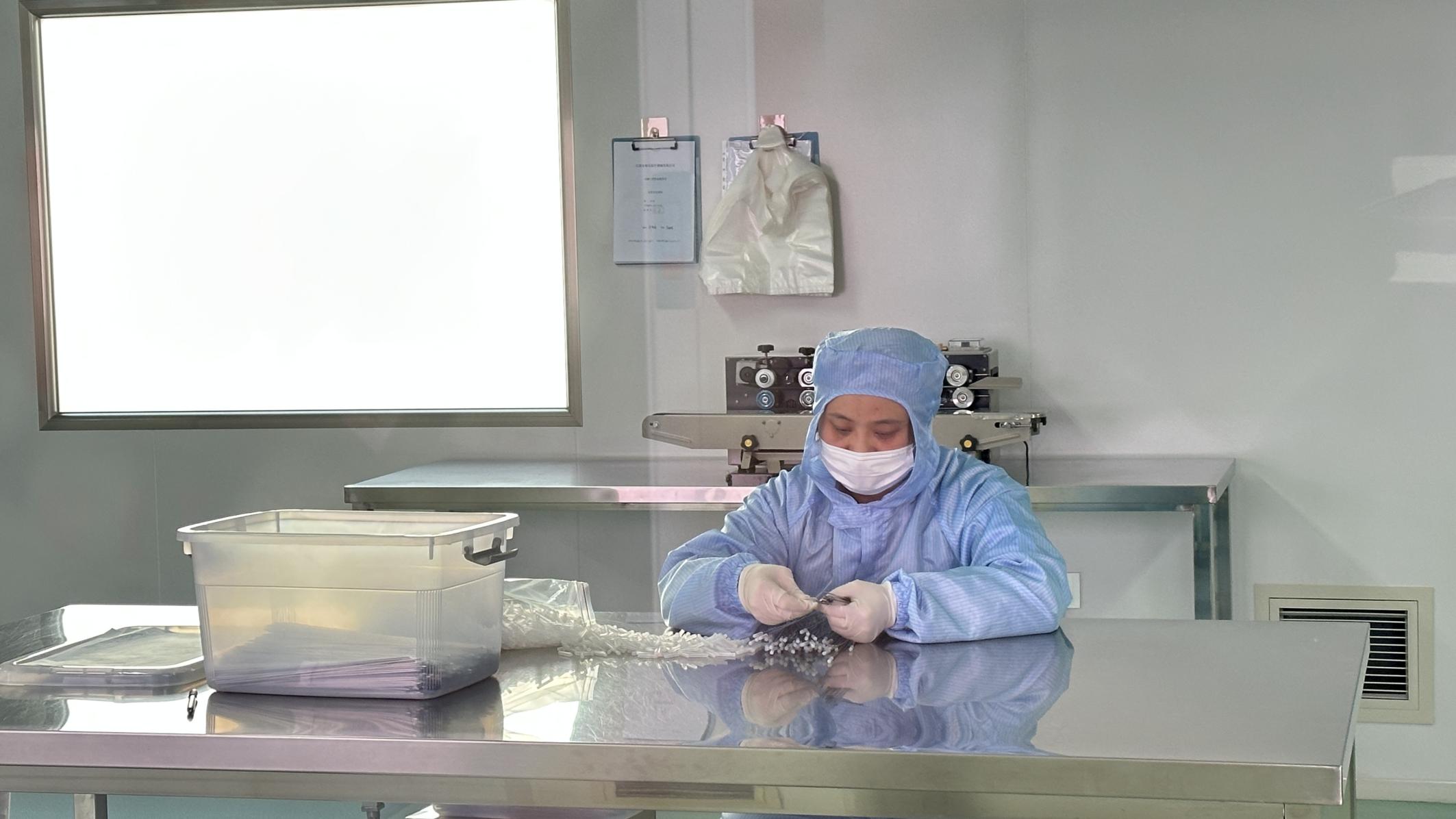
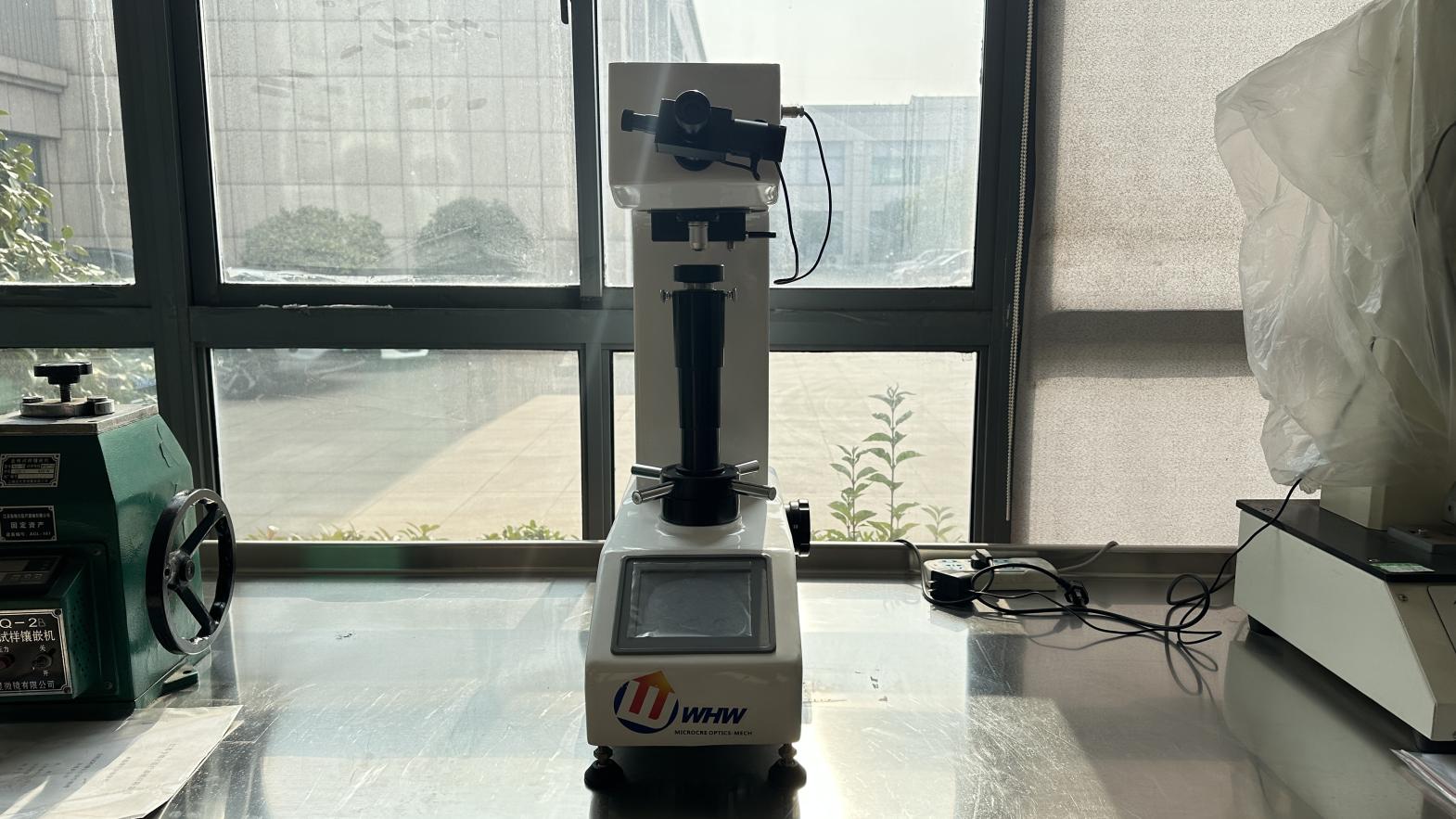
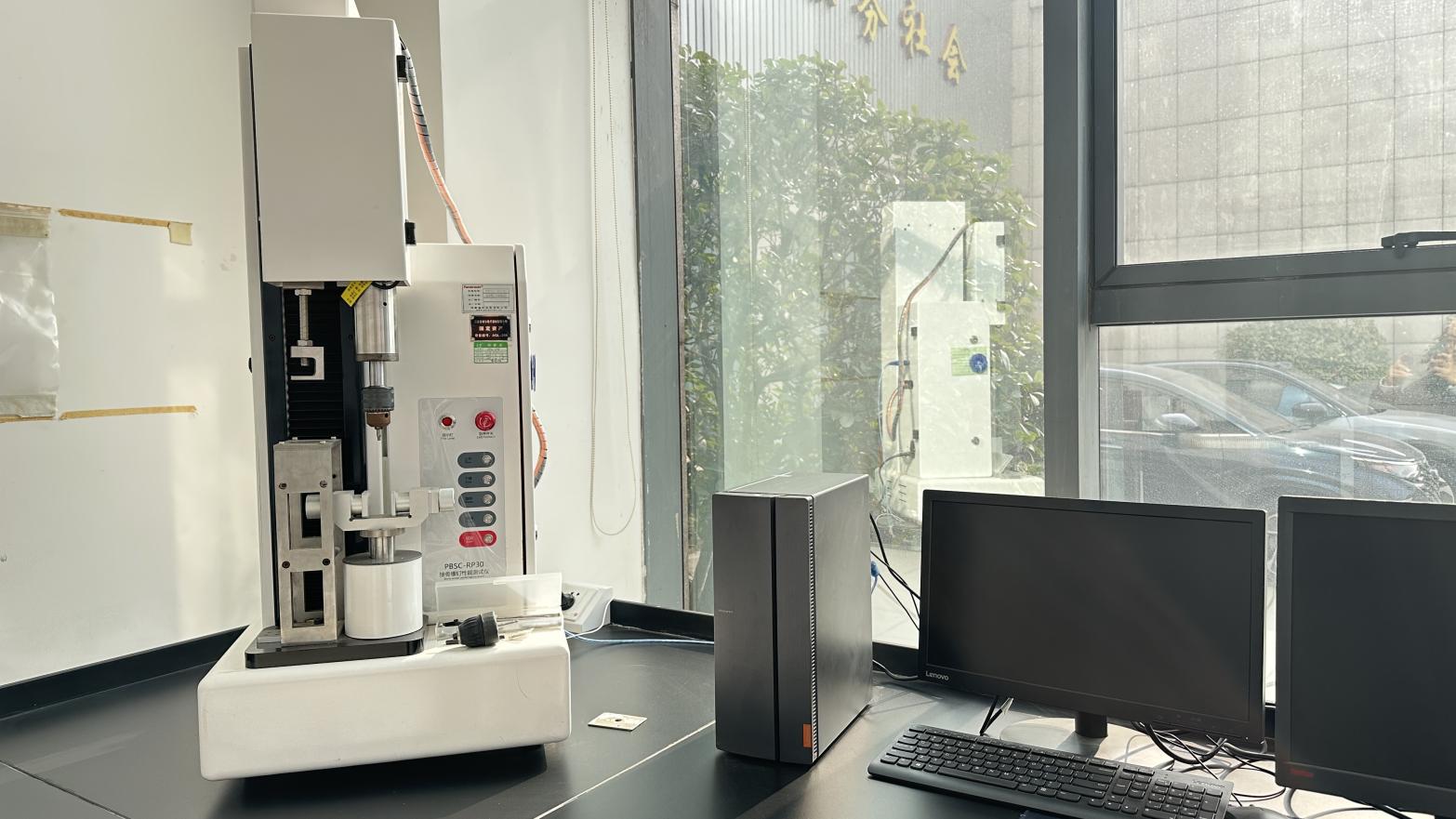
Modern traumatology utilizes Ti-6Al-4V ELI (Grade 23) according to ASTM F136 specifications. This alloy exhibits superior tensile and fatigue strength, coupled with low modulus of elasticity, preventing stress-shielding effects in long bone dynamics. Unlike standard stainless steels, titanium provides a conducive surface topology for osteoblast colonization and subsequent osseointegration, ensuring long-term construct stability.
Prior to release, intramedullary nails undergo comprehensive simulation models. Fatigue Testing verifies the implant can withstand cyclical gait loading patterns without micro-structural failure. Tensile Testing defines the maximum deformation limit, while Vickers Hardness Testing assesses surface wear properties. Crucially, the Bone Screw Performance Tester assesses interlocking screw torque characteristics to guarantee secure cross-locking stabilization.
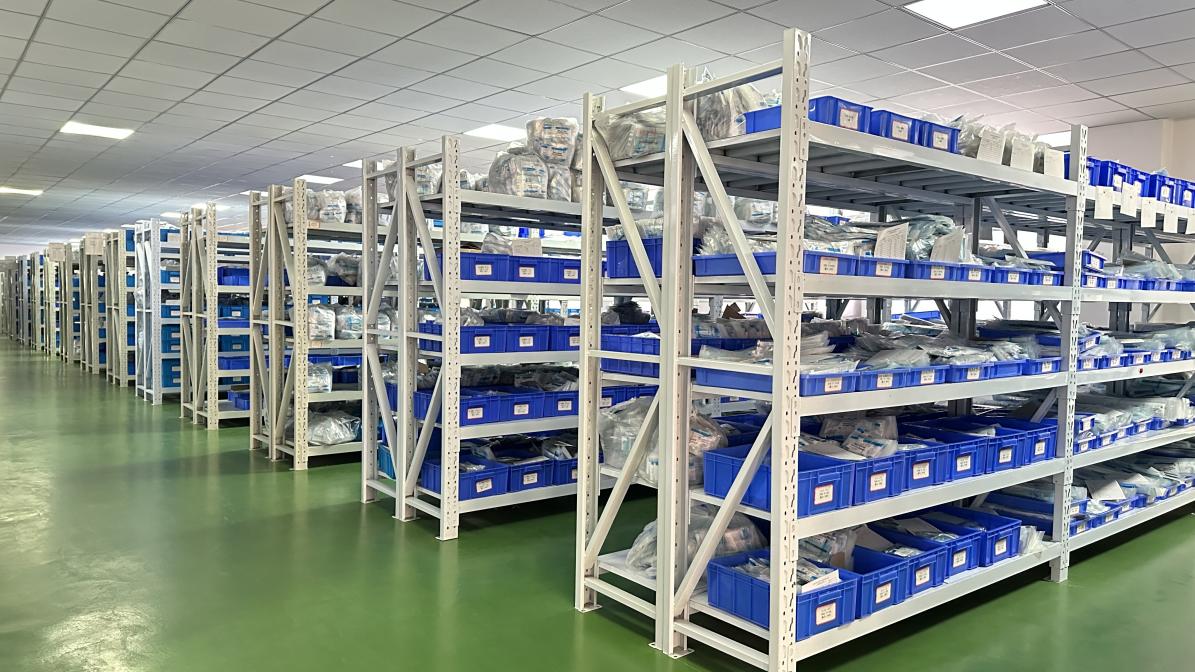
Sourcing departments in California’s trauma networks seek supply chain redundancy. Relying solely on localized distribution hubs can lead to price volatility and inventory bottlenecks. Medisplint resolves this challenge by offering factory-direct access, maintaining a stable reserve of raw materials, and leveraging more than 1,200 regional supply partners. Our global logistical routing delivers reliable lead times directly to orthopedic surgical centers, reducing institutional warehousing costs.
Specialized portfolios addressing unique pediatric bone biology and anatomical variants.
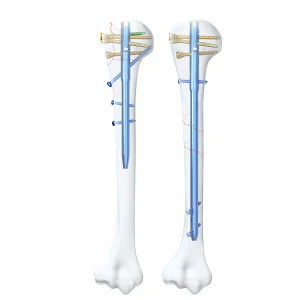
Features multi-planar proximal locking holes, offering optimized stability for complex osteoporotic humeral head fractures.
View Specifications →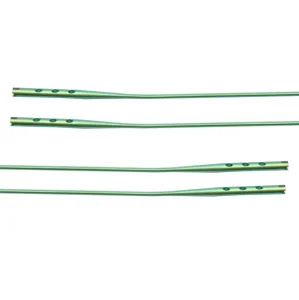
A comprehensive instrument and implant system engineered specifically for anatomical alignment of the shaft of the ulna.
View Specifications →
Specially designed to provide axial stability and load-bearing properties for pediatric spinal and trauma indications.
View Specifications →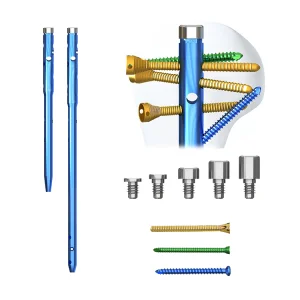
Engineered using anatomical models, providing optimal fit, minimized insertion force, and reduced vascular disruption.
View Specifications →How current manufacturing developments are shaping the future of fracture fixation.
Integration of micro-sensor arrays inside the intramedullary nail cavity. This technology will allow clinicians to monitor bone consolidation, load distribution, and temperature changes in real-time, providing early warnings for non-union or infection.
Development of magnesium-based implants that gradually degrade within the body as bone healing progresses. This eliminates the need for secondary implant removal procedures, particularly beneficial in pediatric and active sports medicine populations.
Applying advanced coatings, such as copper or silver ions, to the nail surface to reduce bacterial colonization and prevent implant-associated osteomyelitis, especially in open, complex compound fractures.
Factory-direct access to our comprehensive product catalog for clinical and distributor supply chains.
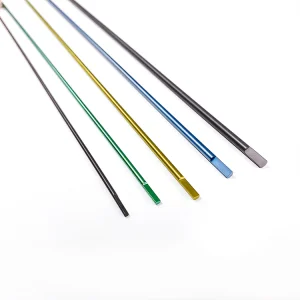
Flexible elastic system designed to respect the active growth plates of young pediatric patient populations.
View Specifications →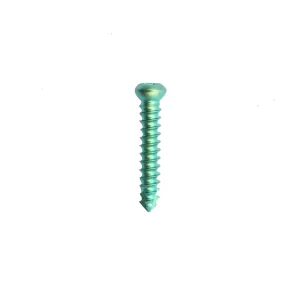
High-precision interlocking screws with optimized pitch to ensure tight cortical engagement and reduce stripping.
View Specifications →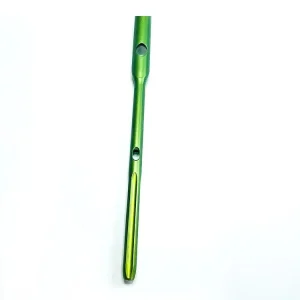
Anatomical curvature reduces insertion resistance and helps avoid distal bone cortex impingement.
View Specifications →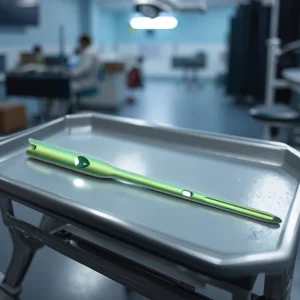
Engineered using medical-grade titanium alloy with high tensile strength for long-term load-bearing applications.
View Specifications →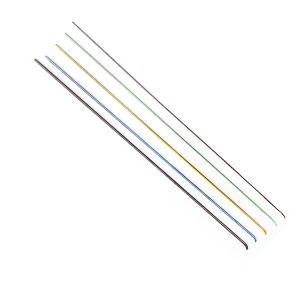
Optimal flexibility helps preserve growth plate zones in pediatric and adolescent patients.
View Specifications →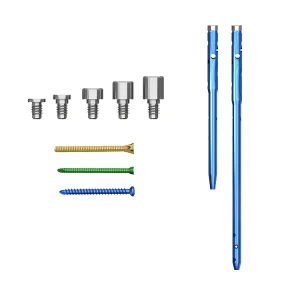
Multi-angle locking options provide optimal stability in complex articular and metaphyseal fractures.
View Specifications →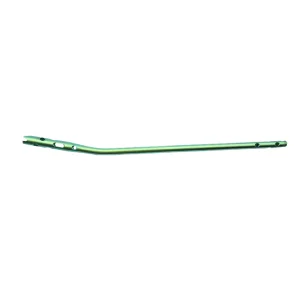
Dynamic-locking mechanisms help manage fracture compression during progressive weight-bearing phases.
View Specifications →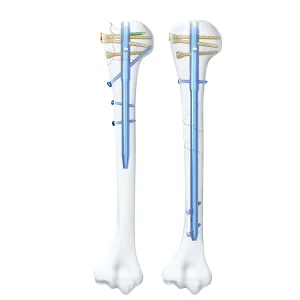
Specialized proximal configurations optimize stability and fixation strength in low-density osteoporotic bone.
View Specifications →Technical and logistical insights for clinical procurement managers and supply chain partners.
Elevate your supply chain efficiency with our certified production systems. Let us assist you with custom quotes, sample evaluation, or technological whitepapers.