Medisplint
Medisplint
Medisplint
Engineered for high mechanical stability and biocompatibility, matching rigid orthopedic protocols across North American healthcare facilities.
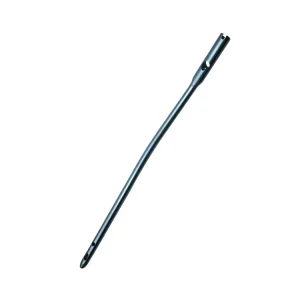
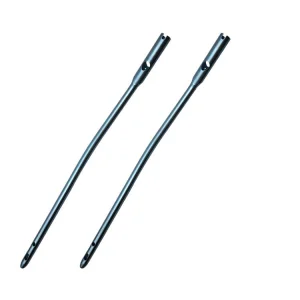
The United States orthopedic trauma fixation sector operates under strict clinical and economic standards. The shift of trauma care toward outpatient systems, specifically Ambulatory Surgical Centers (ASCs), has transformed purchasing criteria. While Level 1 trauma centers focus on high-complexity instruments, ASCs demand value-driven procurement options without sacrificing implant reliability or compliance with regulatory standards.
For intramedullary (IM) nails—the gold standard for long bone diaphyseal fracture stabilization—US healthcare providers prioritize biomechanical stability, reduced surgical steps, and instrument standardization. As Medicare reimbursement guidelines (such as MS-DRGs) push for cost containment, hospital Group Purchasing Organizations (GPOs) are bypass-purchasing from traditional premium brands and sourcing directly from ISO 13485 certified global OEM/ODM manufacturers who provide verified compliance, traceability, and material integrity.
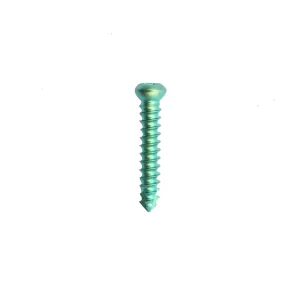
IM nail installations in the US require high mechanical integrity under ASTM F1264 guidelines, utilizing medical-grade titanium alloys (Ti-6Al-4V ELI) conforming to ASTM F136 standards for optimal strength-to-weight ratio and osseointegration.
Ambulatory Surgical Centers (ASCs) have experienced a 15% annual growth rate in long-bone stabilization procedures. Our custom ODM packaging and instrument sterilization setups are designed to lower sterilization costs and operating room prep time.
Addressing clinical challenges through structural engineering, dynamic locking configurations, and material science.
Modern PFNA designs utilize a single helical blade instead of traditional lag screws. This compacts the cancellous bone, providing superior resistance against cut-out and rotation, which is particularly beneficial in osteoporotic bone fixations.
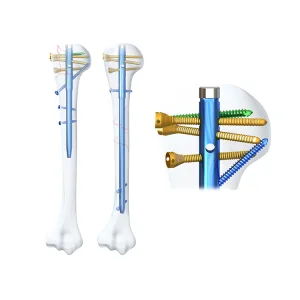
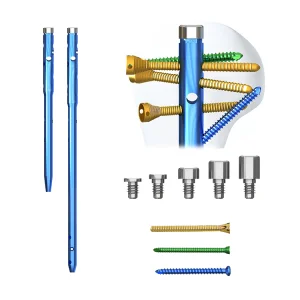
Distal locking configurations now feature multi-planar options to address unstable, distal-third fractures. This multi-directional design minimizes construct deformation and maintains axial stability under immediate weight-bearing protocols.
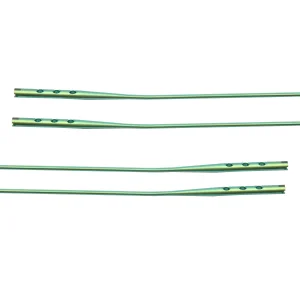
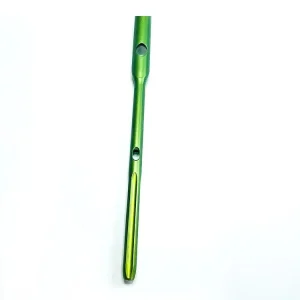
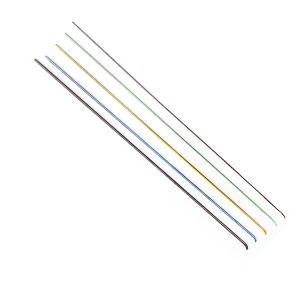
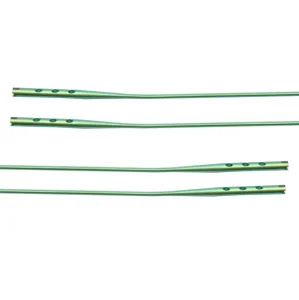
Titanium Elastic Nails (TEN) utilize symmetric elastic deformation principles to stabilize pediatric long-bone diaphyseal fractures, protecting the active growth plates (physeal preservation) without compromising biomechanical alignment.
In the post-pandemic supply environment, major US healthcare networks and orthopedic distributors have shifted from single-source dependencies to diversified supply strategies. Medisplint Orthopedic Instruments addresses this shift by combining large-scale production capabilities with structured regulatory compliance.
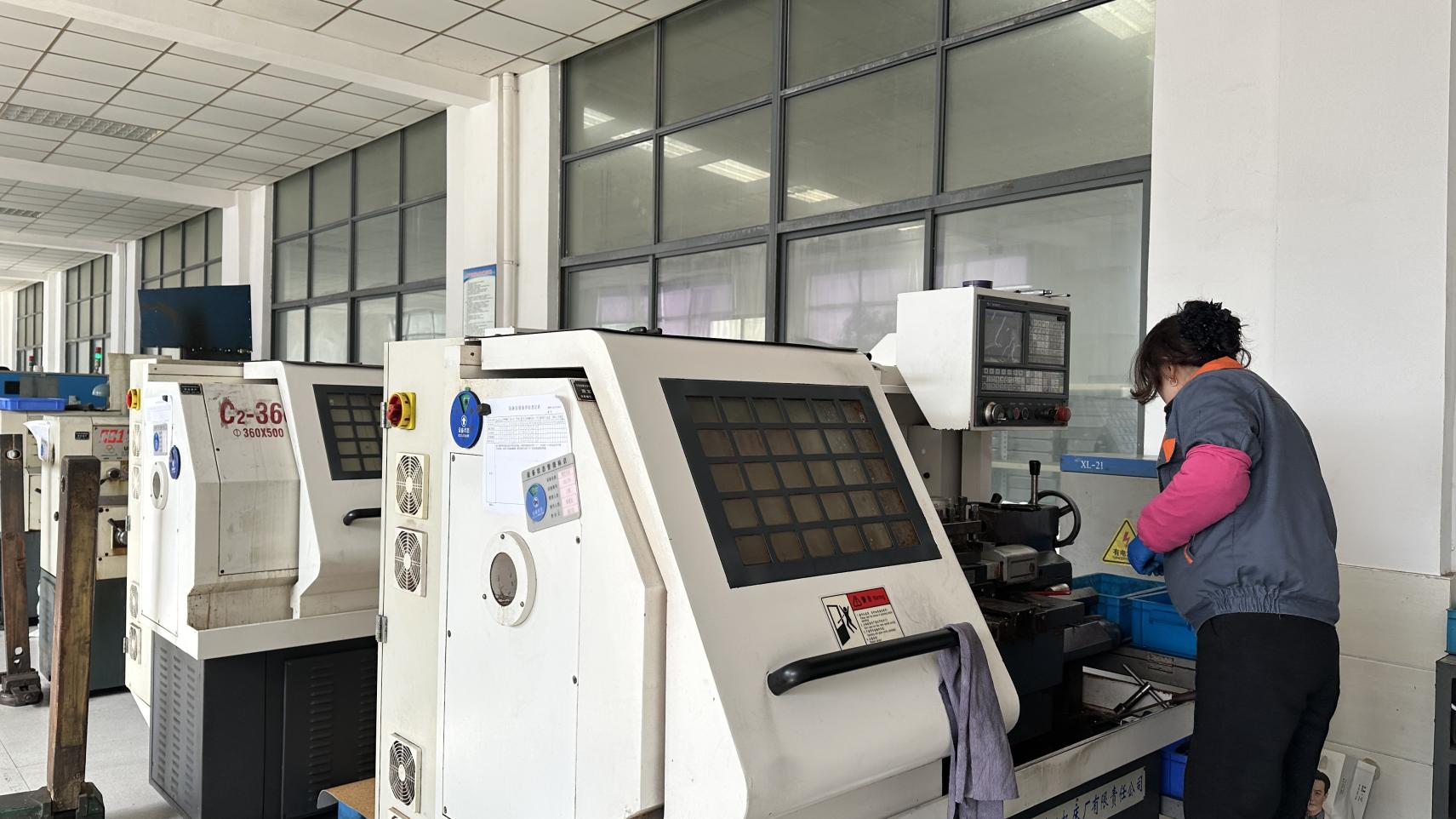
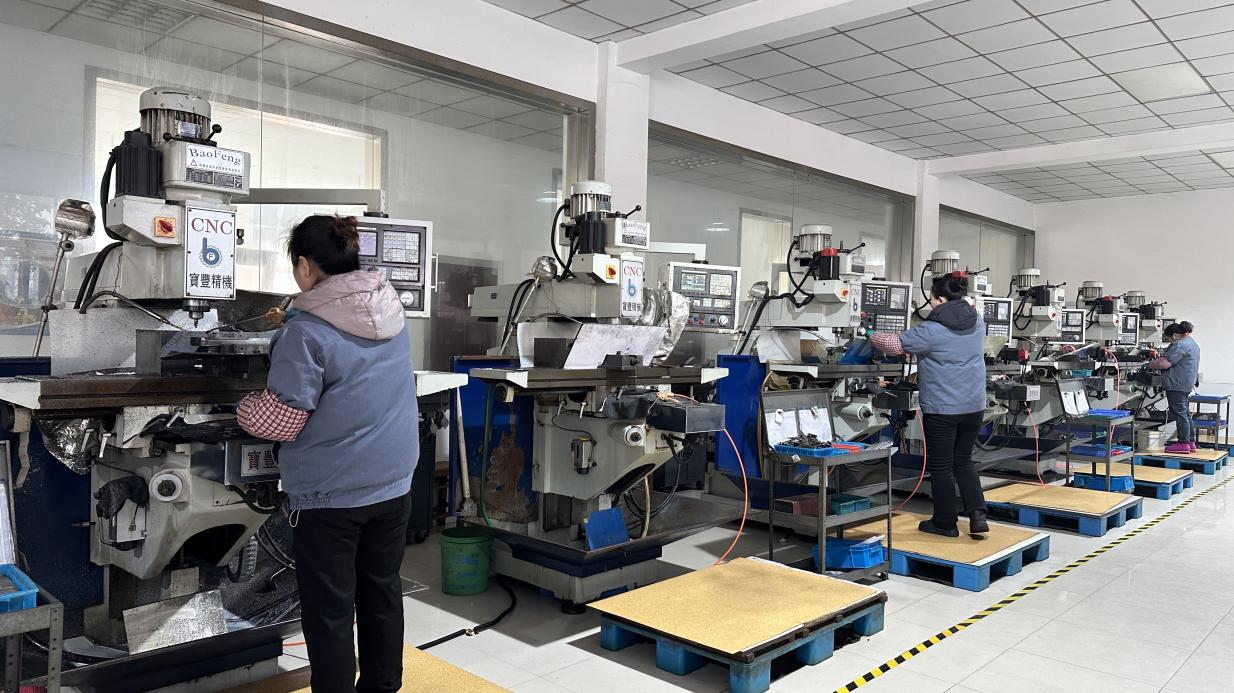
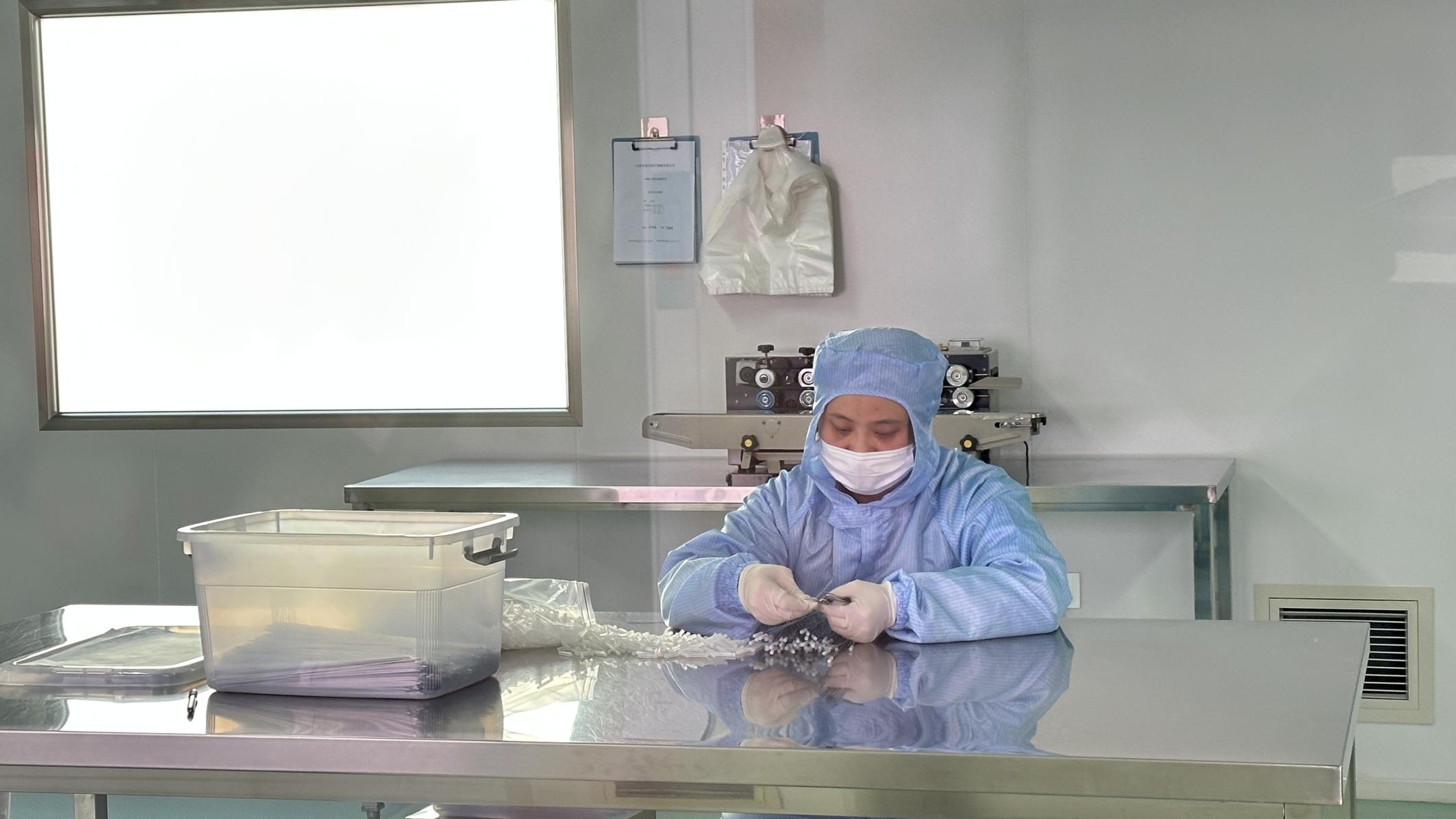
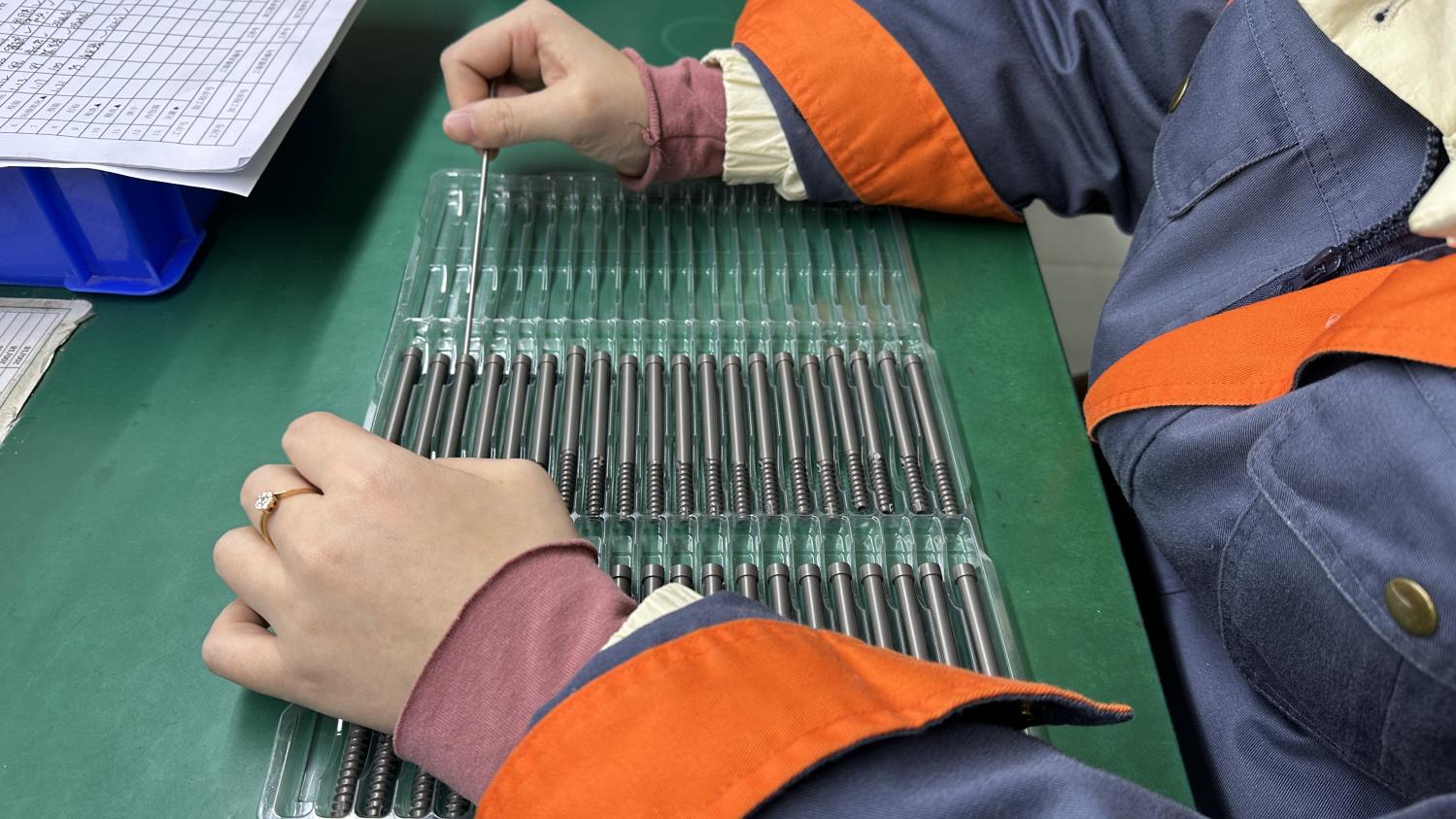
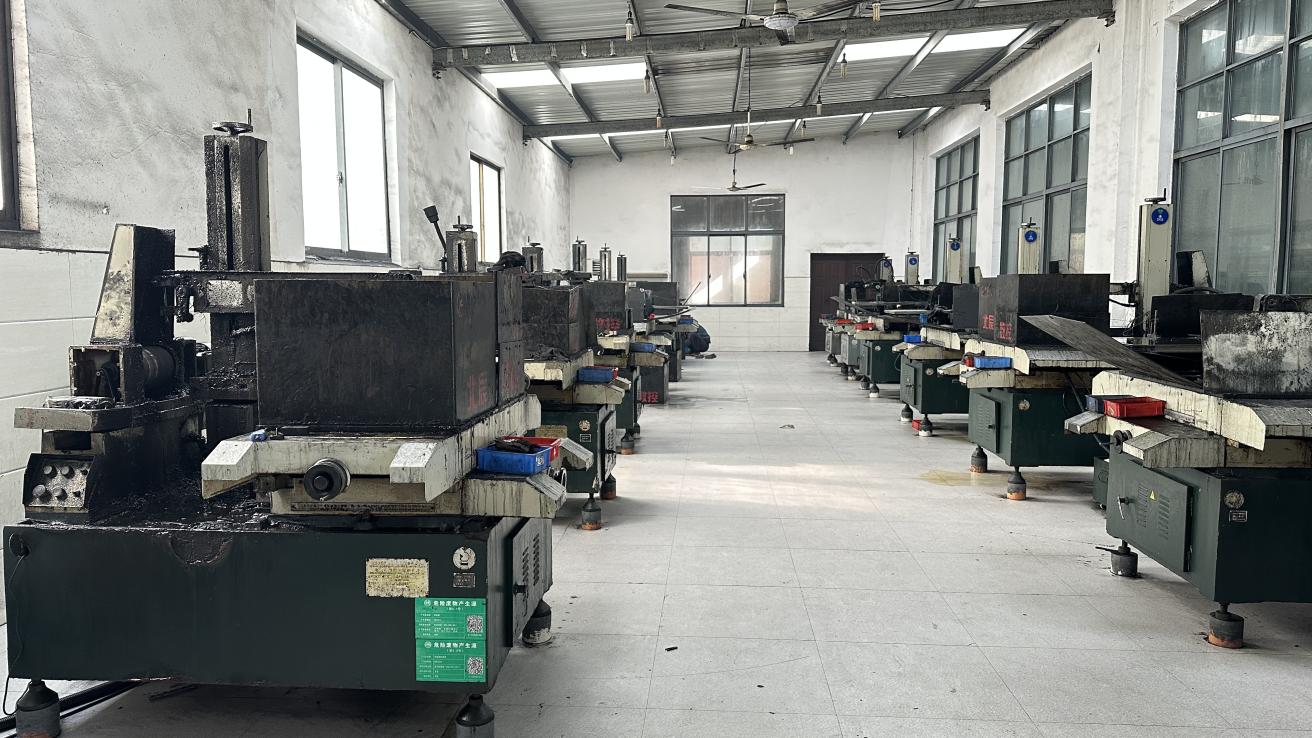
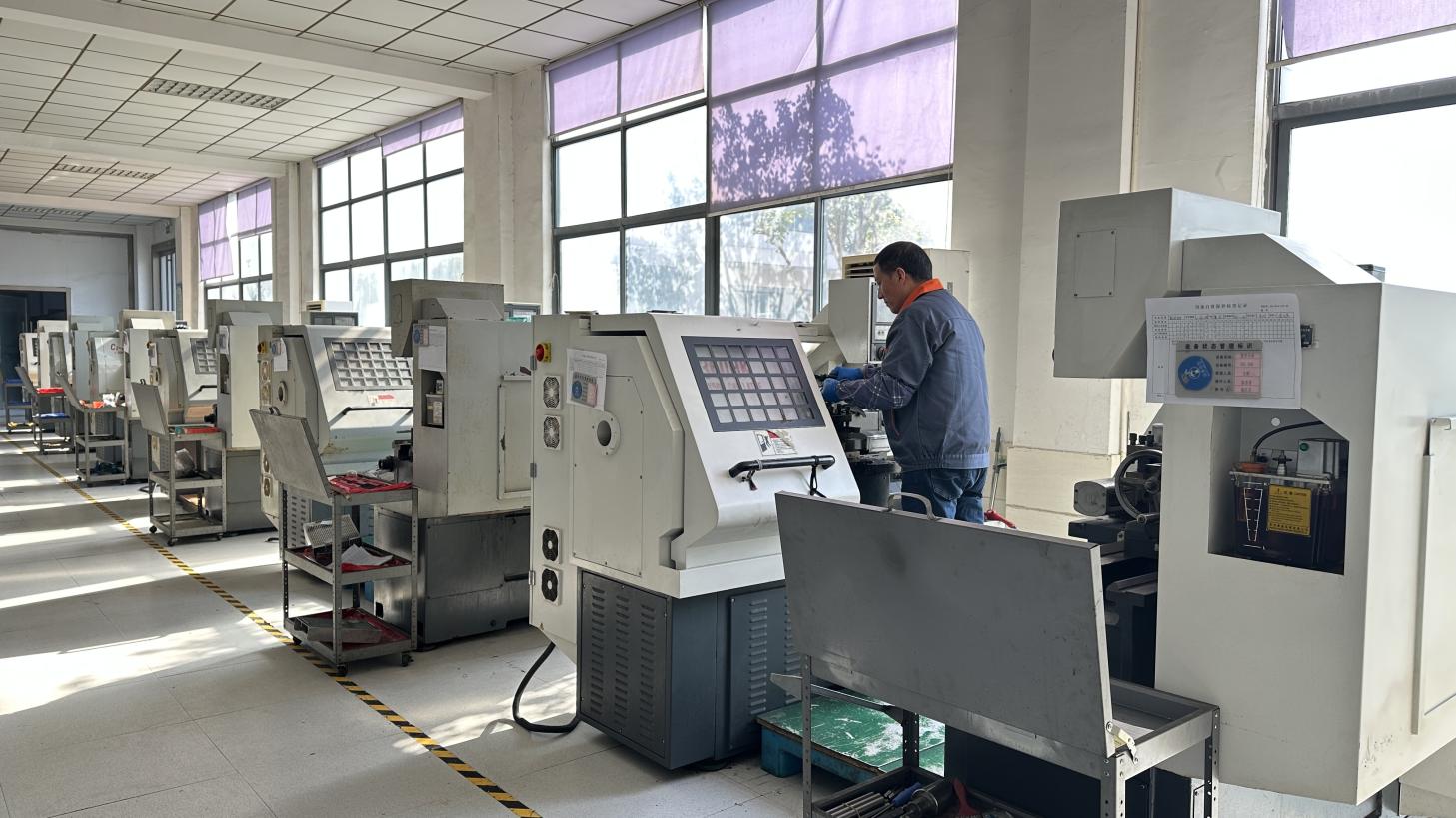
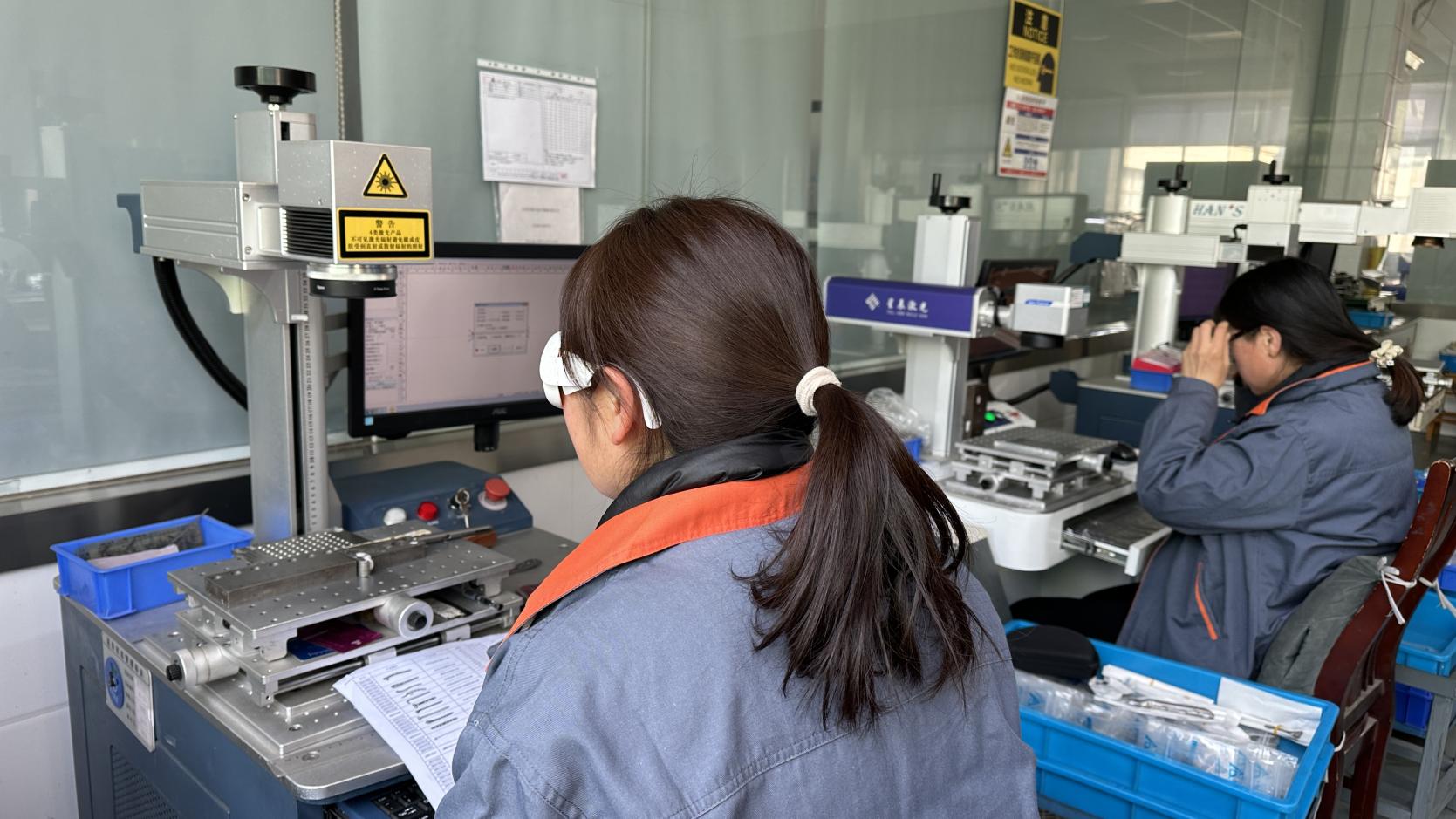
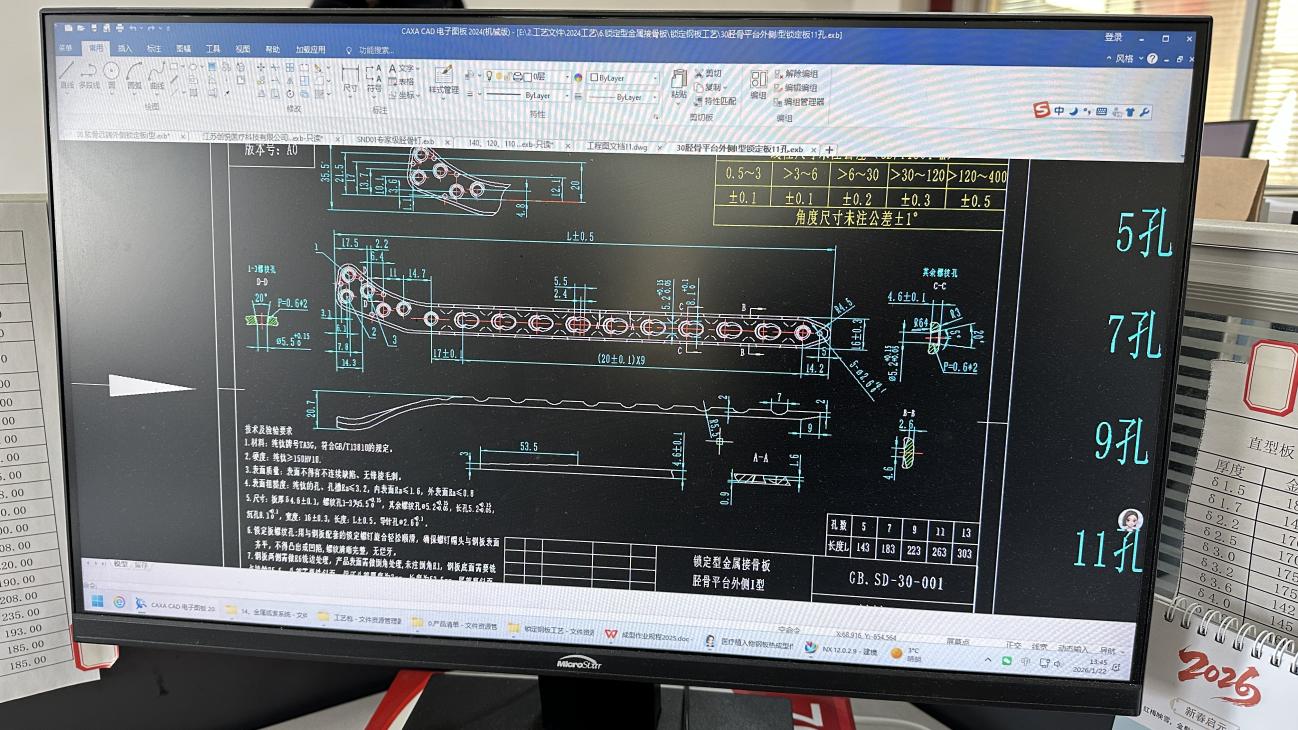
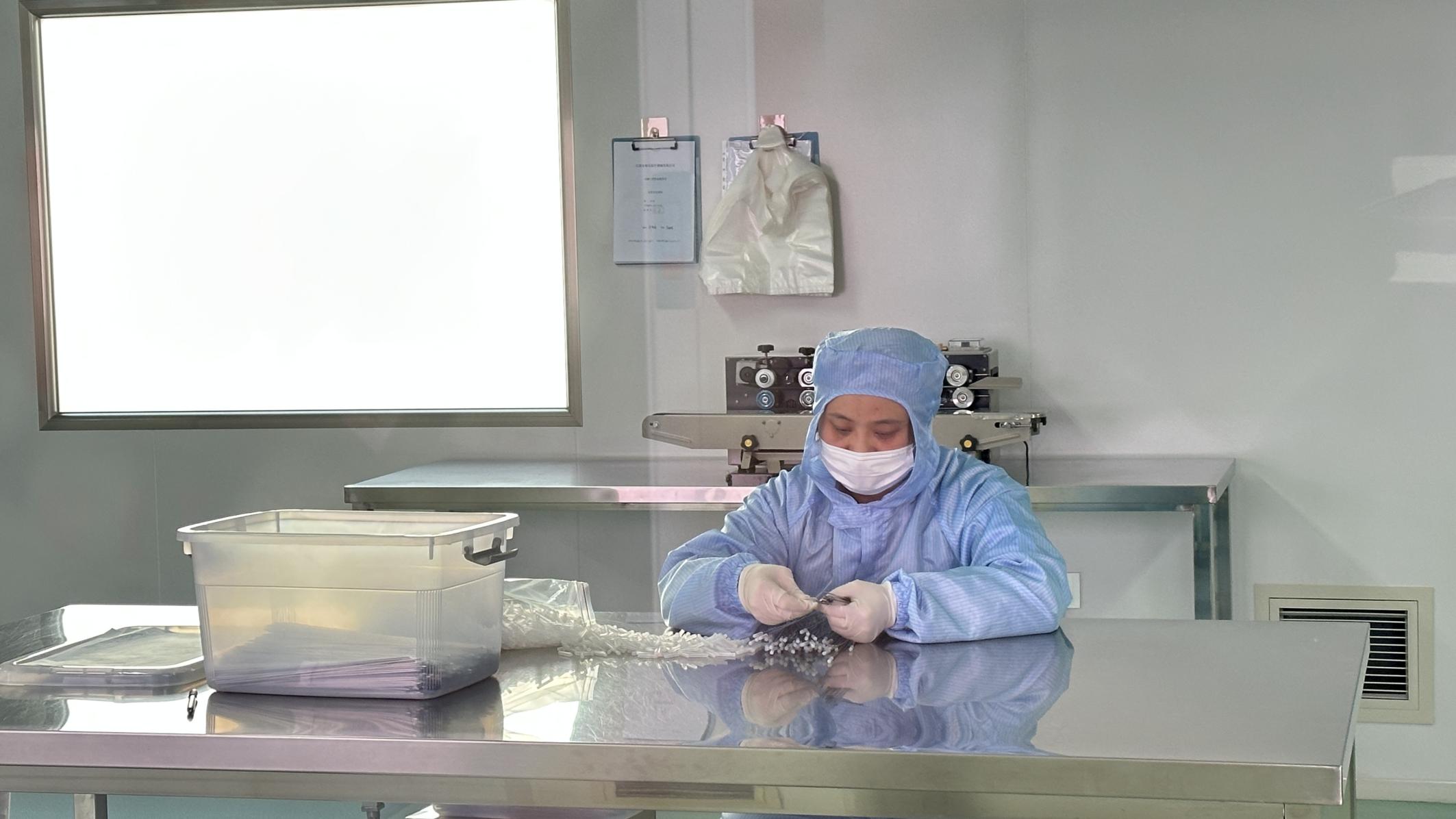
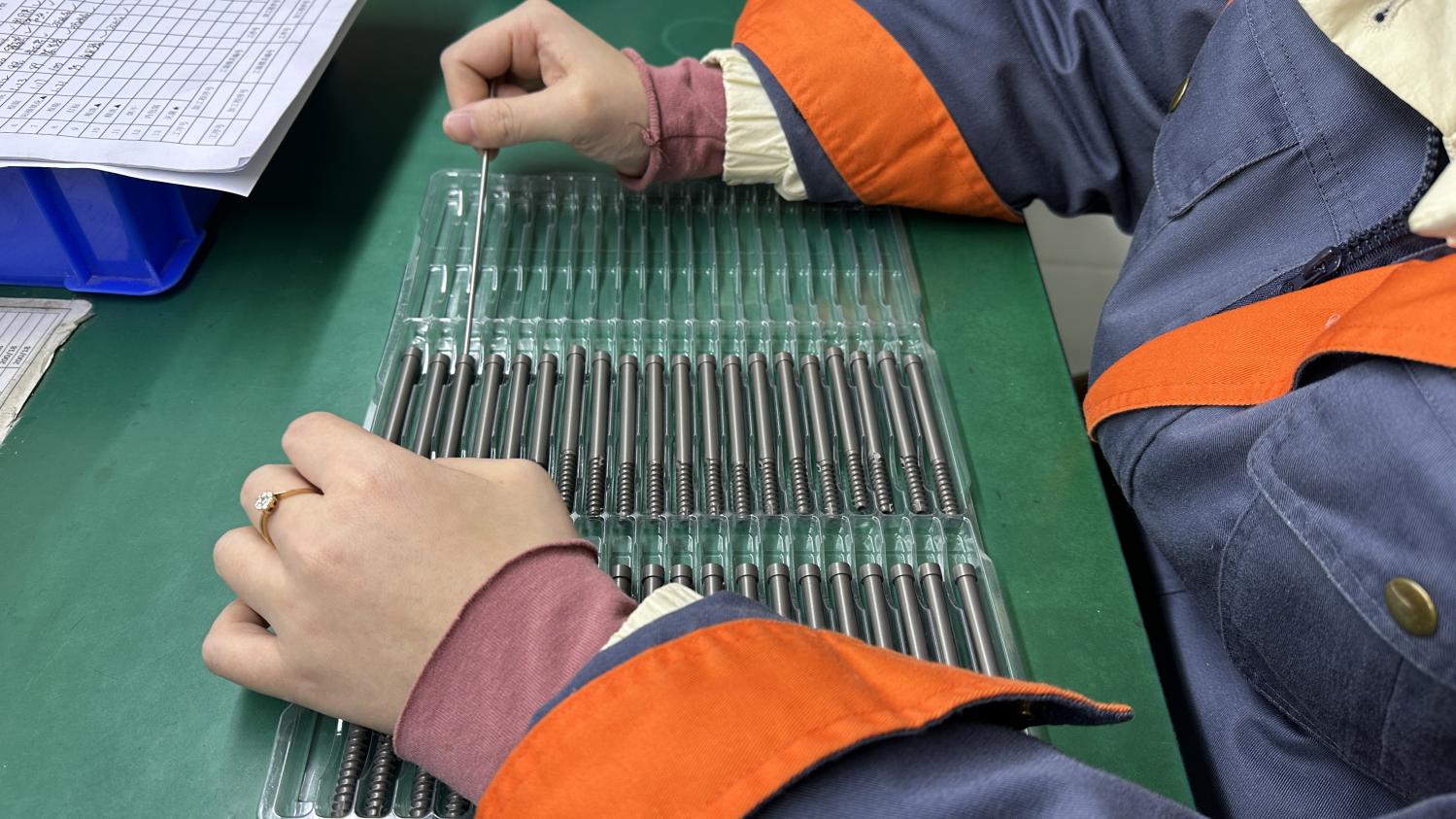
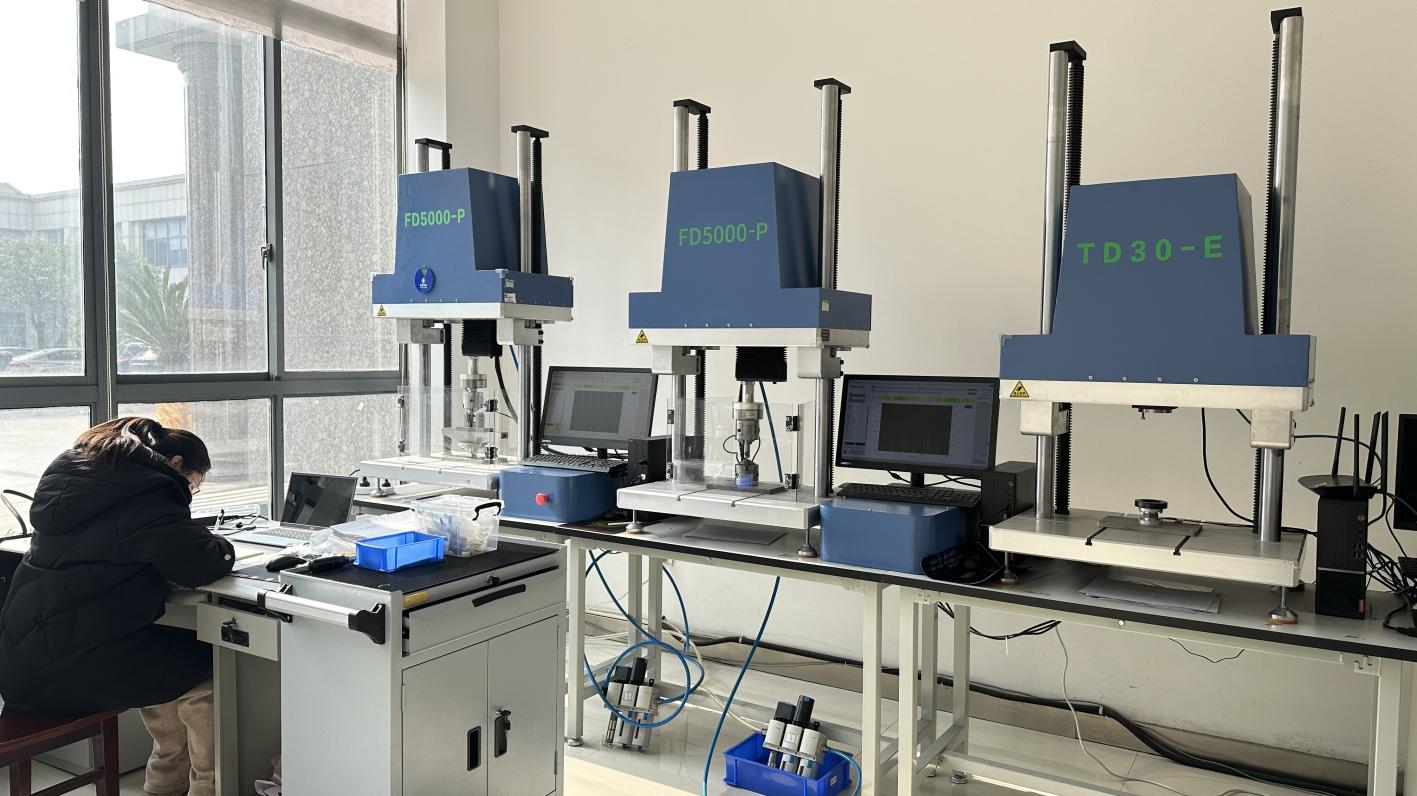
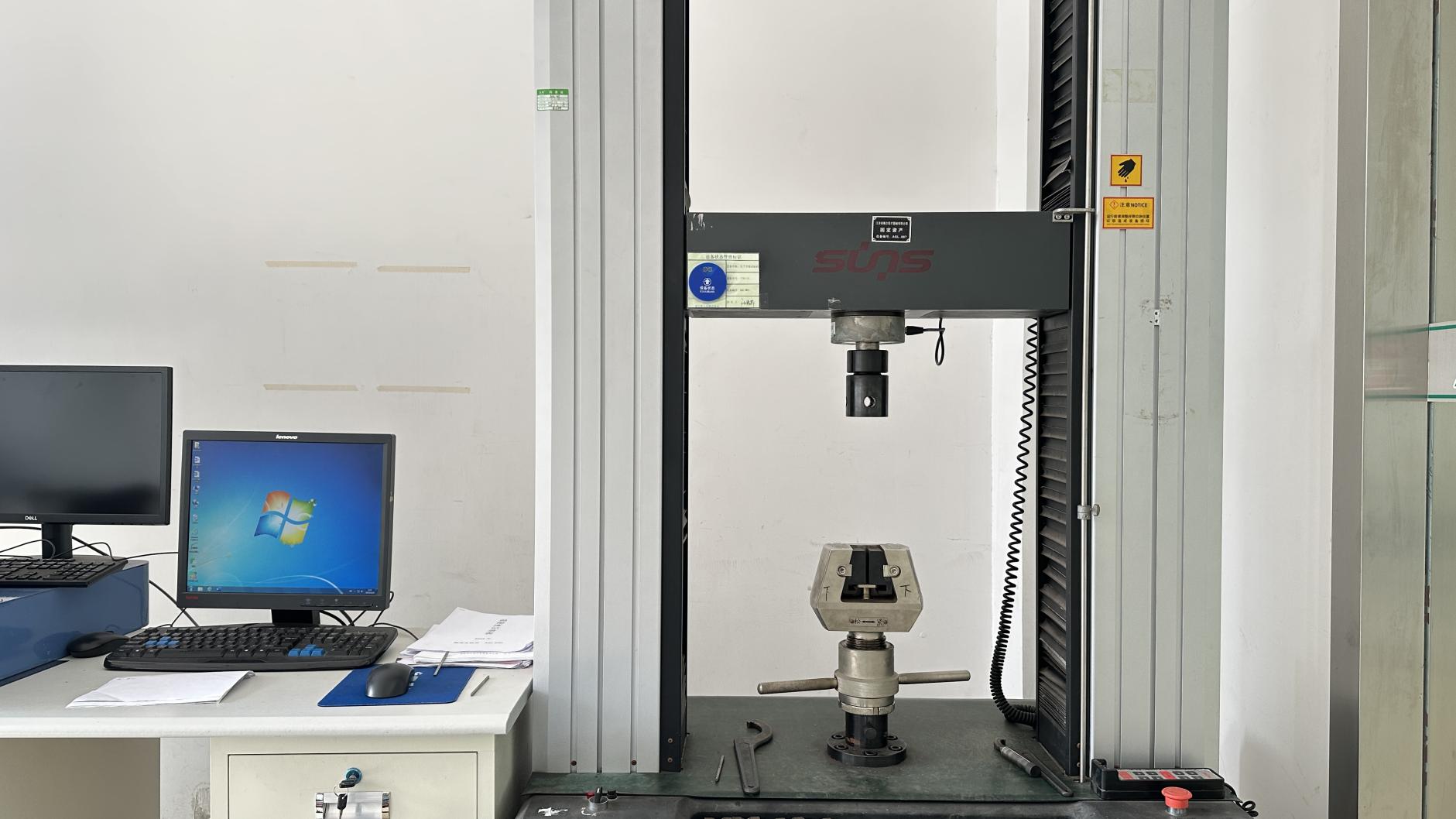
With our global network of over 1,200 supply chain partners, we ensure stable raw material access (specifically ELI titanium rods) and mitigate logistics bottlenecks. Our production processes are vertically integrated—from slitting and precision CNC milling to computerized fatigue testing and final cleanroom inspection. This setup guarantees structural reliability for every batch and ensures uninterrupted delivery schedules for our OEM clients.
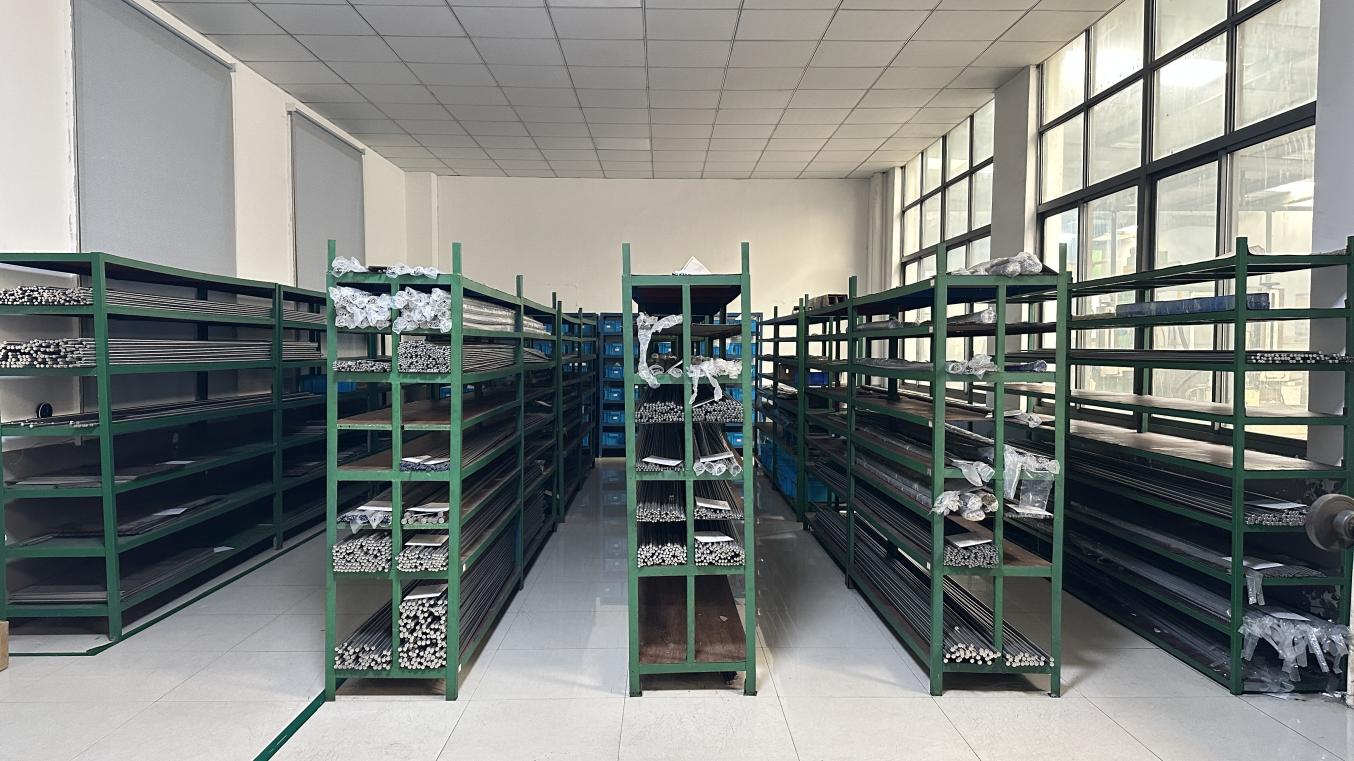
A tour of our advanced production lines, where medical-grade raw materials undergo precision machining and rigorous stress testing.
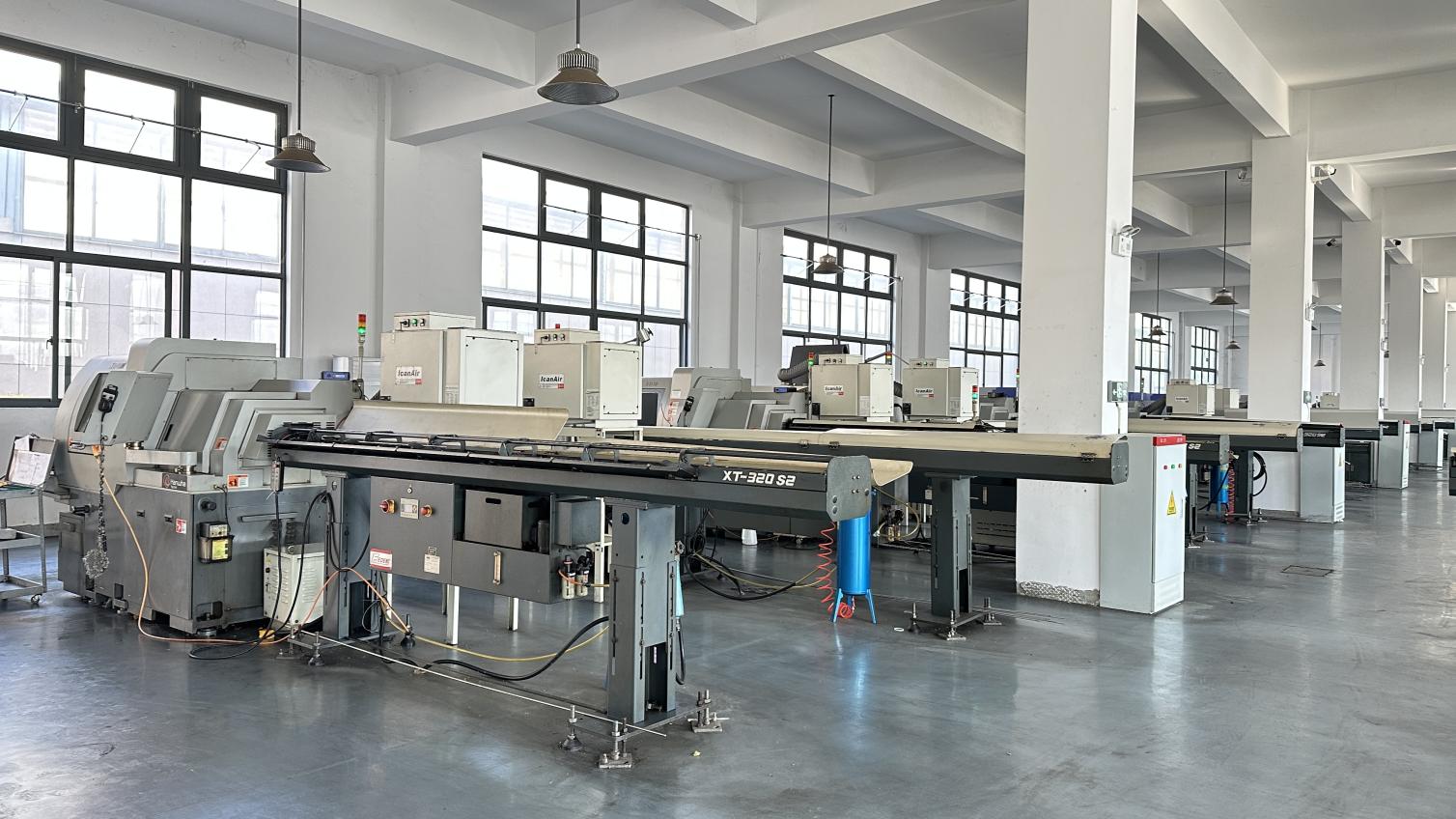
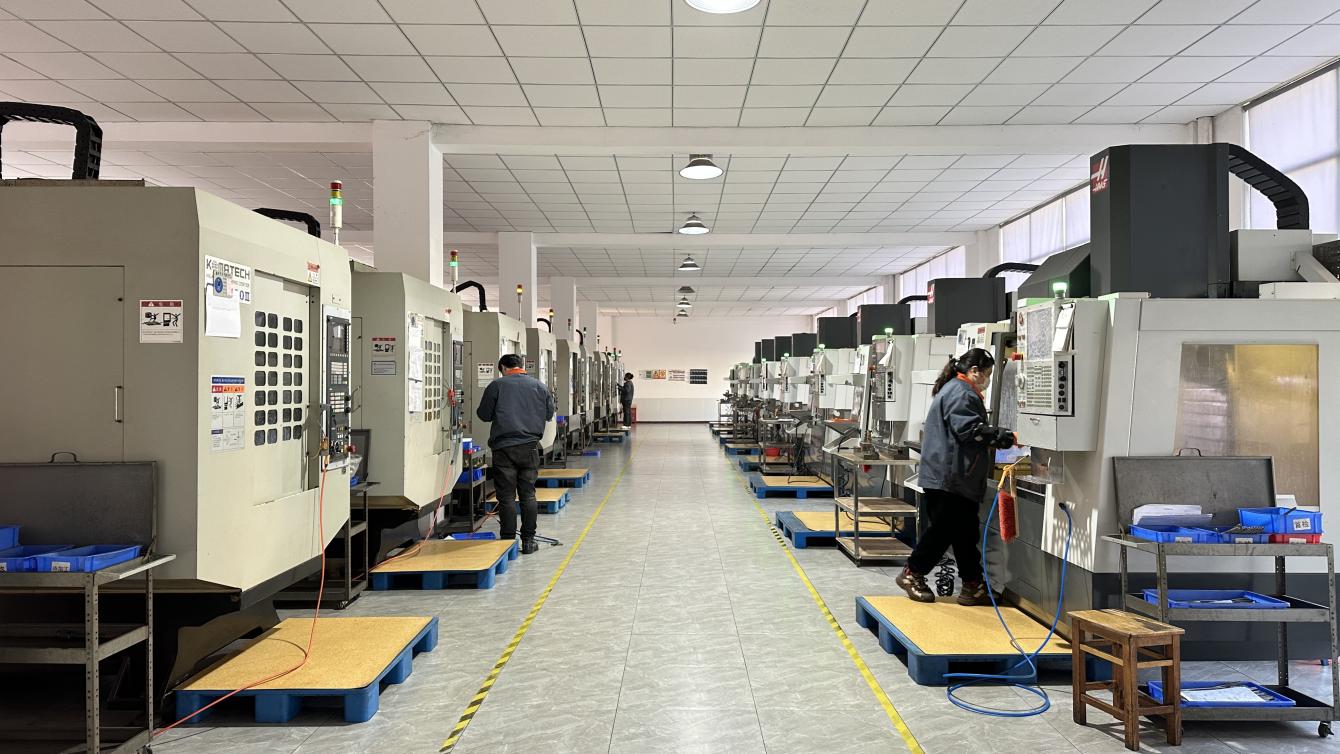
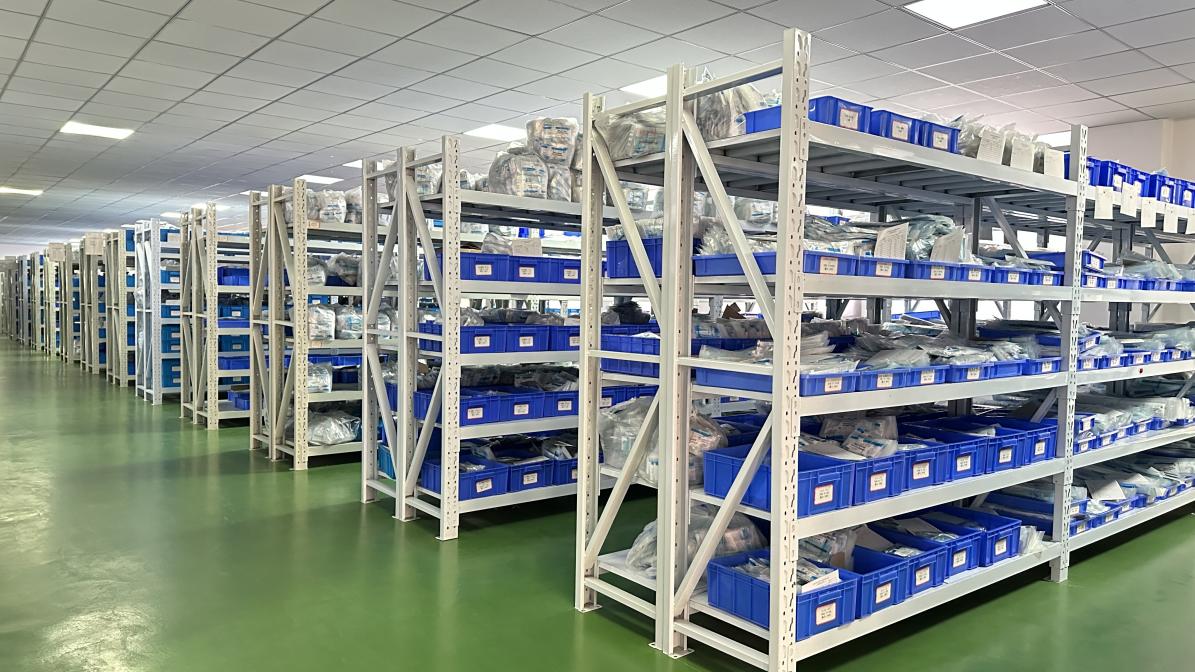
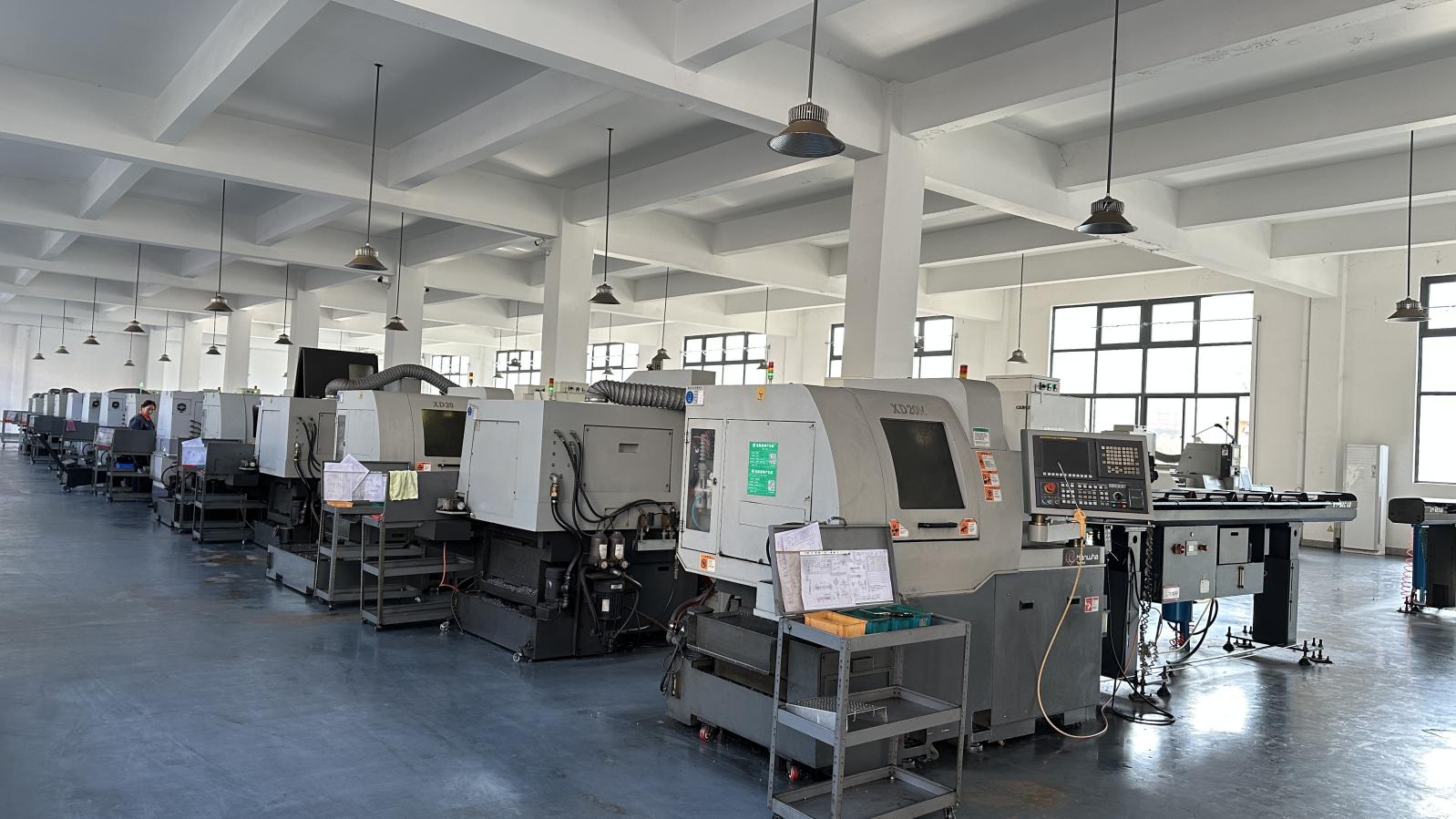
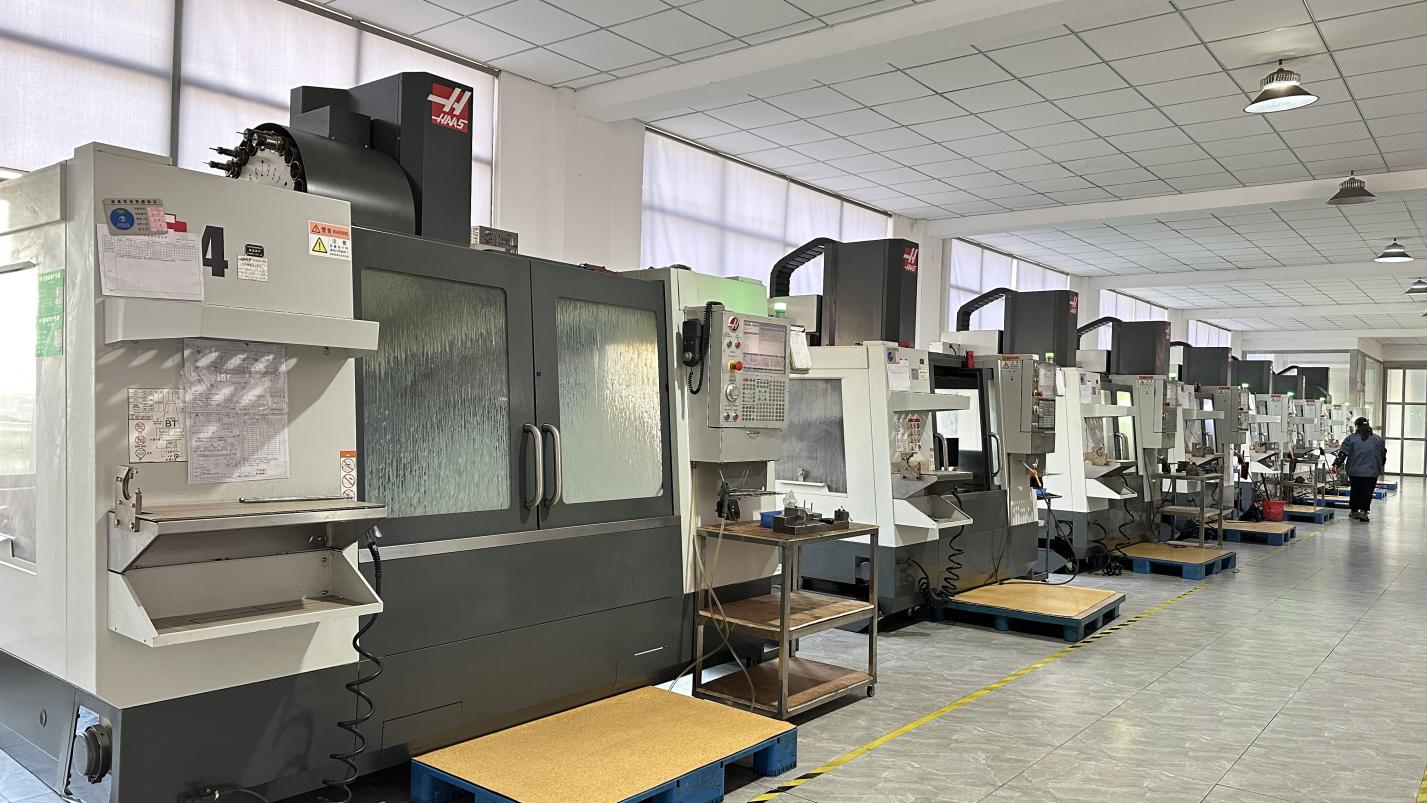
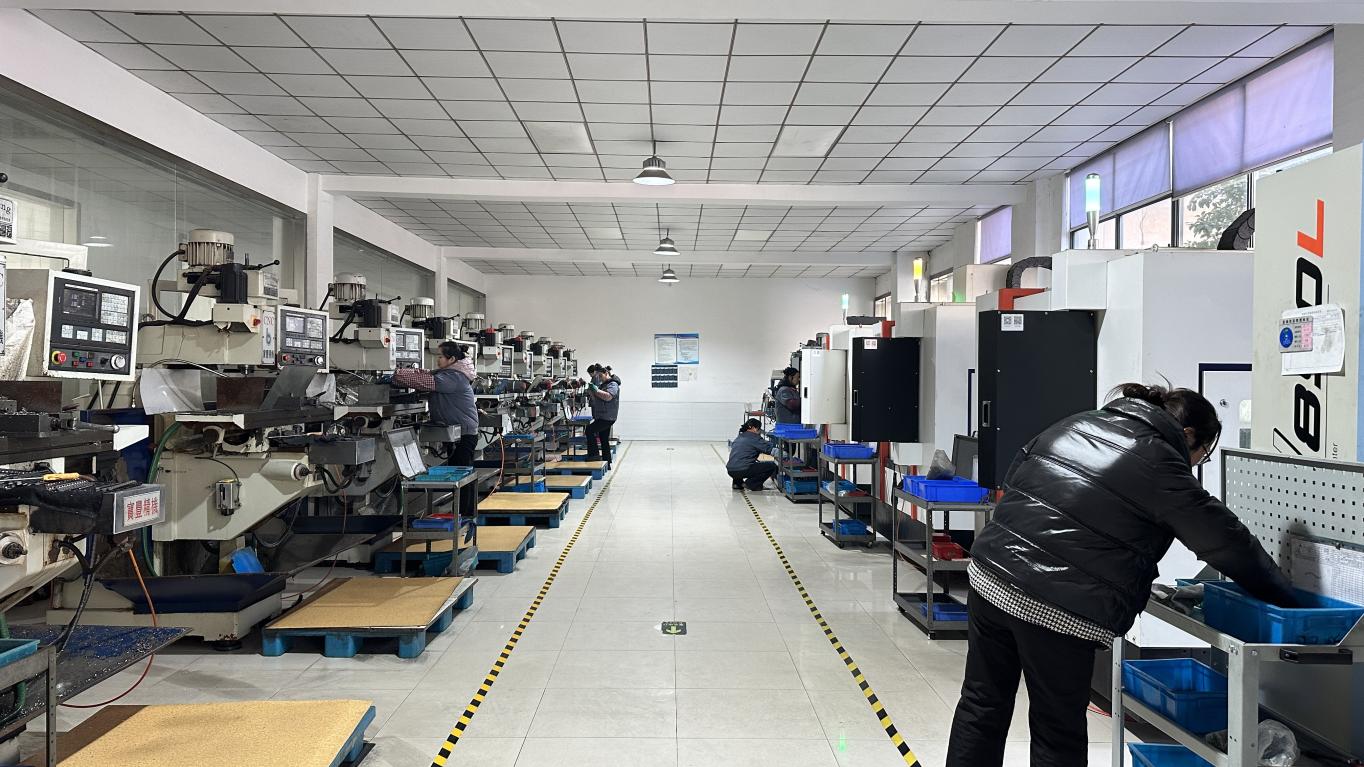

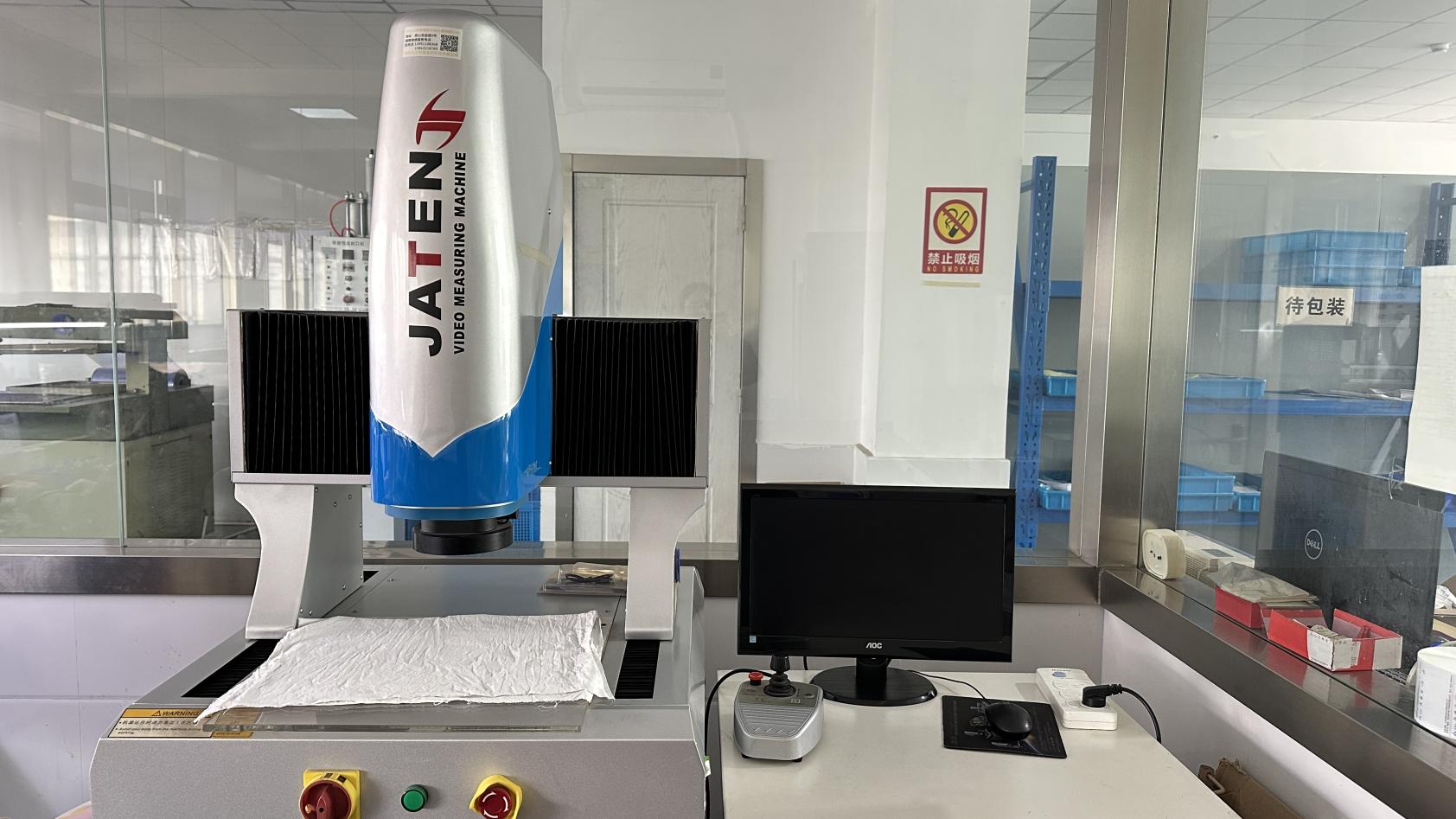
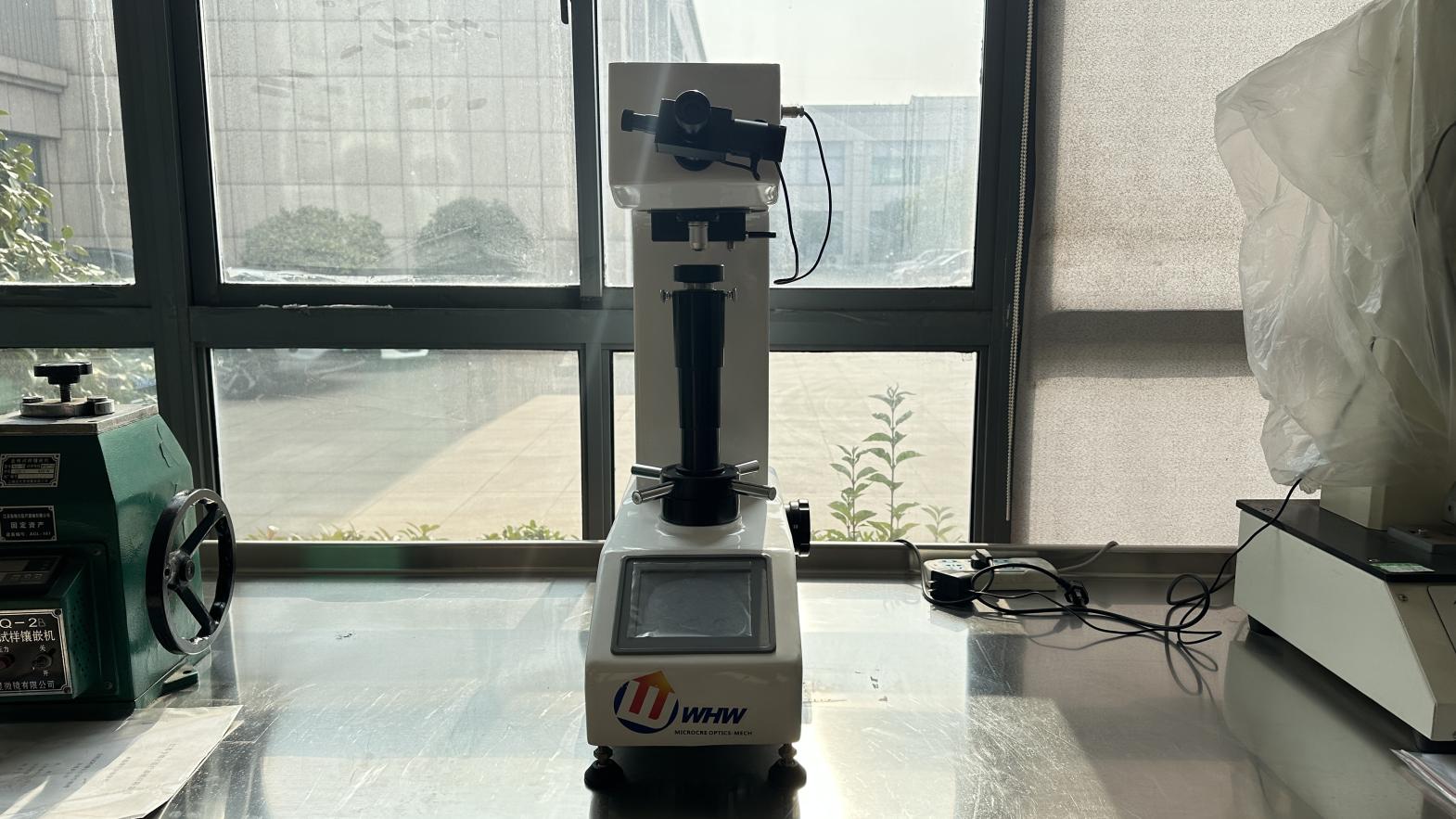
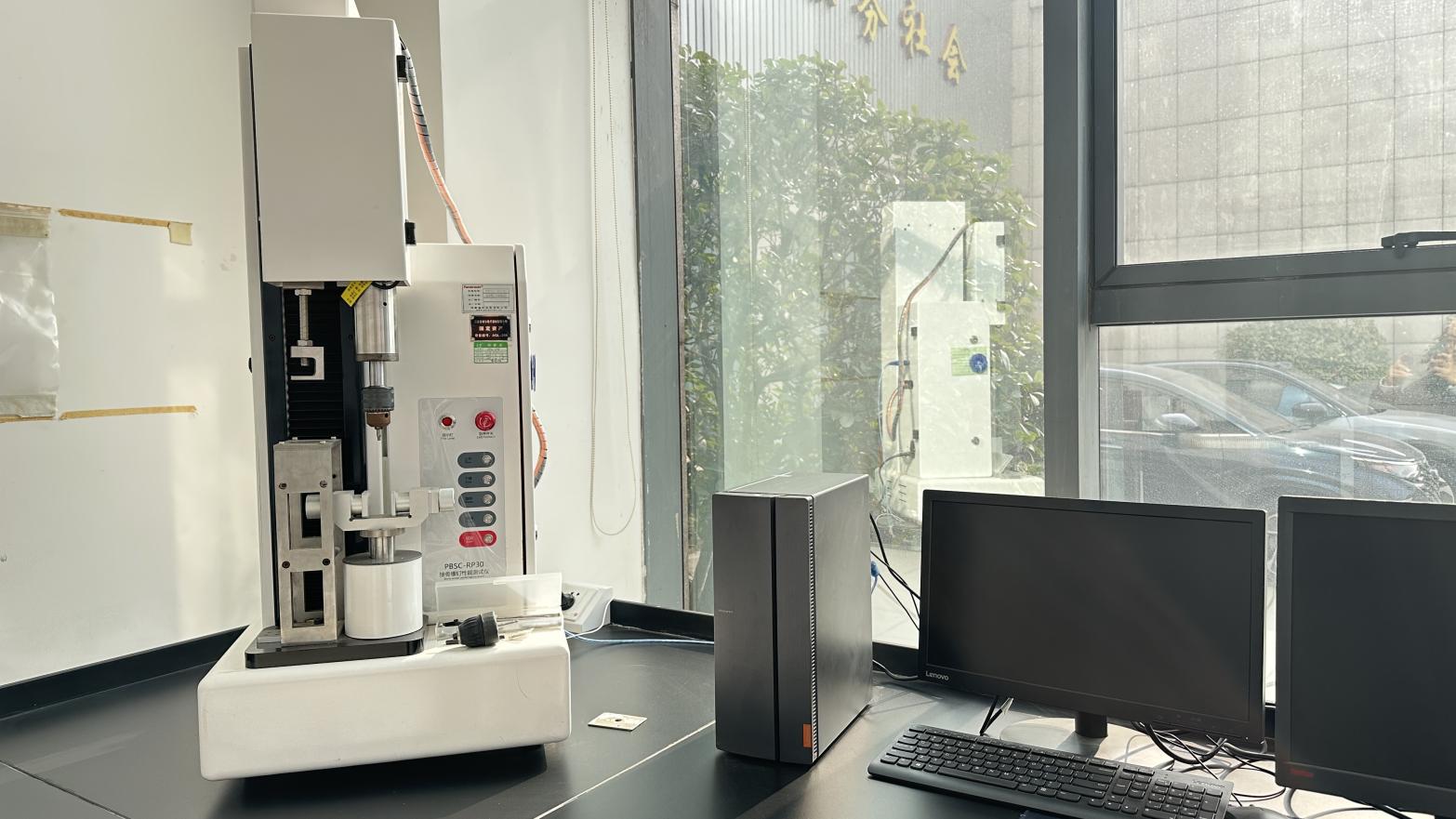
How our orthopedic trauma systems support healthcare teams and improve recovery rates in clinical settings.
ASCs require fast instrument turnaround and simplified insertion steps. By providing pre-configured instrument kits and standardized surgical setups, we reduce reprocessing times and help ASCs decrease per-case operational costs. Our interlocking titanium nails are packaged and coded to integrate with modern digital inventory platforms.
For complex fractures under emergency conditions, surgeons rely on robust instrumentation. Our PFNA and Humeral Multiloc systems offer variable dynamic locking options that allow surgeons to adapt to unexpected bone configurations. This versatility helps minimize intraoperative complications and reduces overall fluoroscopy exposure.
Explore our full range of CE-certified implants and interventional components, designed to cover diverse anatomical and surgical needs.
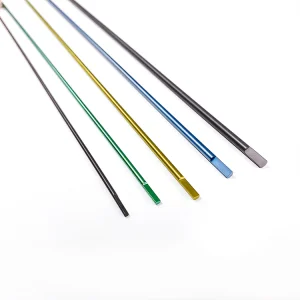
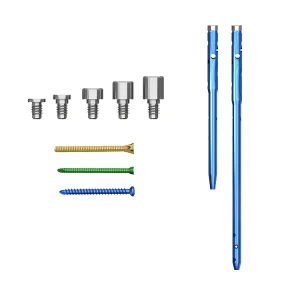
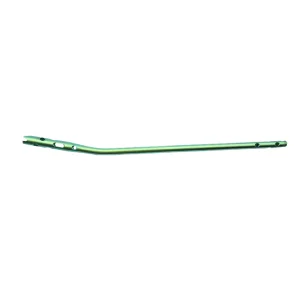
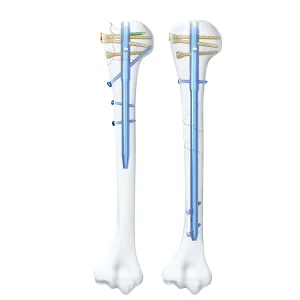
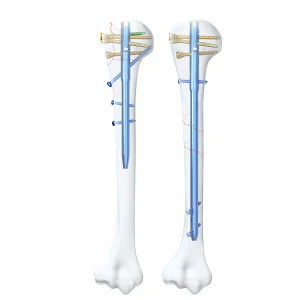

Essential information regarding material grades, mechanical parameters, dynamic customization options, and regulatory pathways.