Medisplint
Medisplint
Medisplint
Premium titanium alloy interlocking intramedullary nails engineered for immediate fracture stabilization, biological healing, and fast recovery.
Mexico City represents one of the largest healthcare hubs in Latin America, driven by a growing network of public health institutions (such as IMSS, ISSSTE, and Pemex) alongside a rapidly expanding private hospital sector (including groups like Hospital Ángeles and Centro Médico ABC). With a population exceeding 22 million in the metropolitan area, the demand for reliable, high-performance orthopedic trauma solutions—specifically intramedullary interlocking nails—is at an all-time high.
Historically, Mexico City's orthopedic market faced challenges in sourcing trauma implants that balance cost-efficiency with uncompromising safety standards. As healthcare providers work within tight public budget allocations and highly competitive private healthcare parameters, the requirement for direct factory integration with an experienced global manufacturer has become essential for local medical device distributors.
Medisplint Orthopedic Instruments Co., Ltd. addresses this gap by offering precision-manufactured orthopedic trauma systems engineered from biocompatible titanium alloys (Ti6Al4V ELI). By providing direct export channels, technical documentation ready for COFEPRIS registration, and flexible OEM/ODM capability, we support local distributors in capturing high-value public procurement contracts and private hospital formulary listings.
A trusted global manufacturer specializing in orthopedic implants, fixation systems, and surgical instrumentation for trauma, spine, and joint reconstruction.
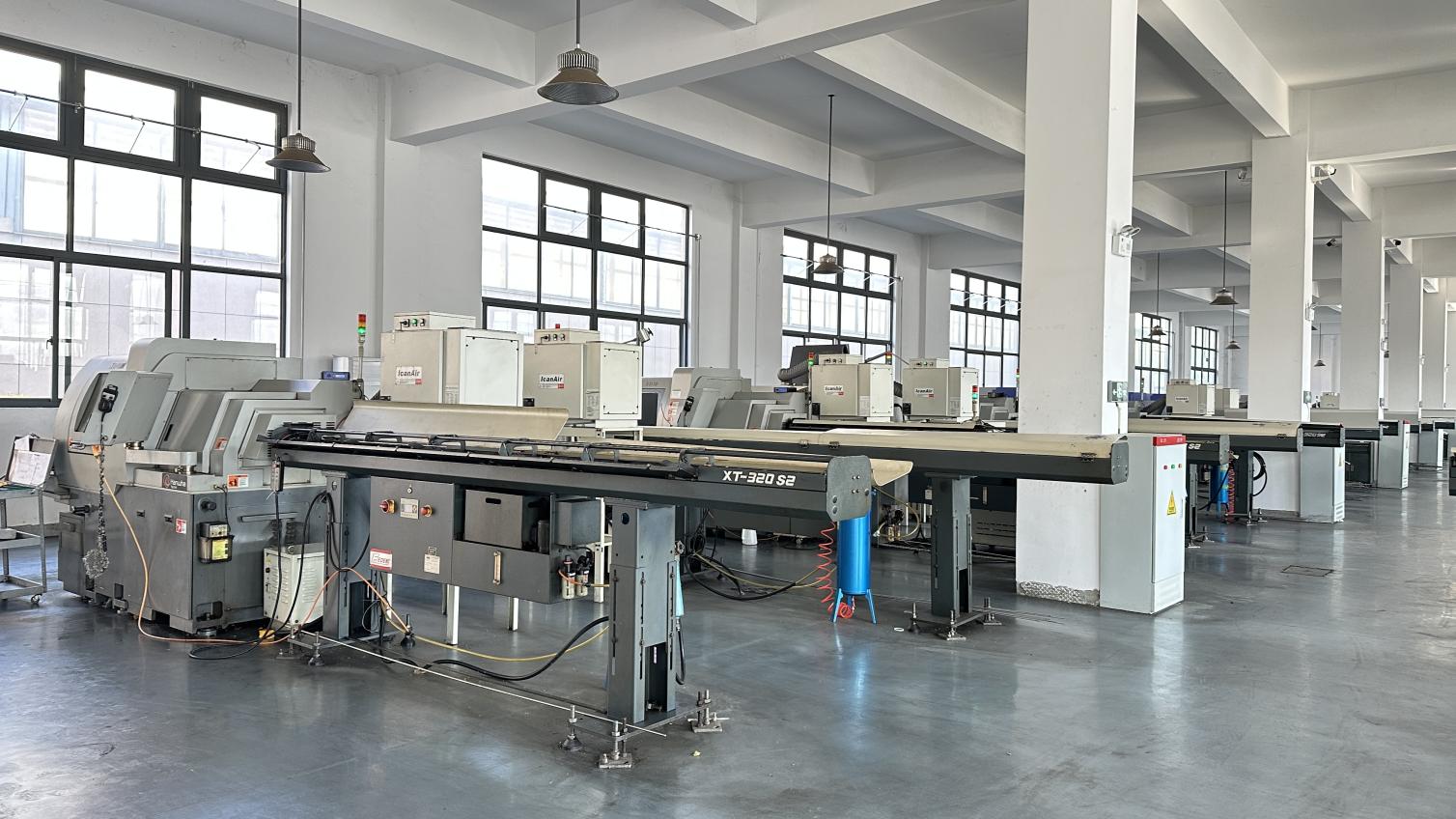
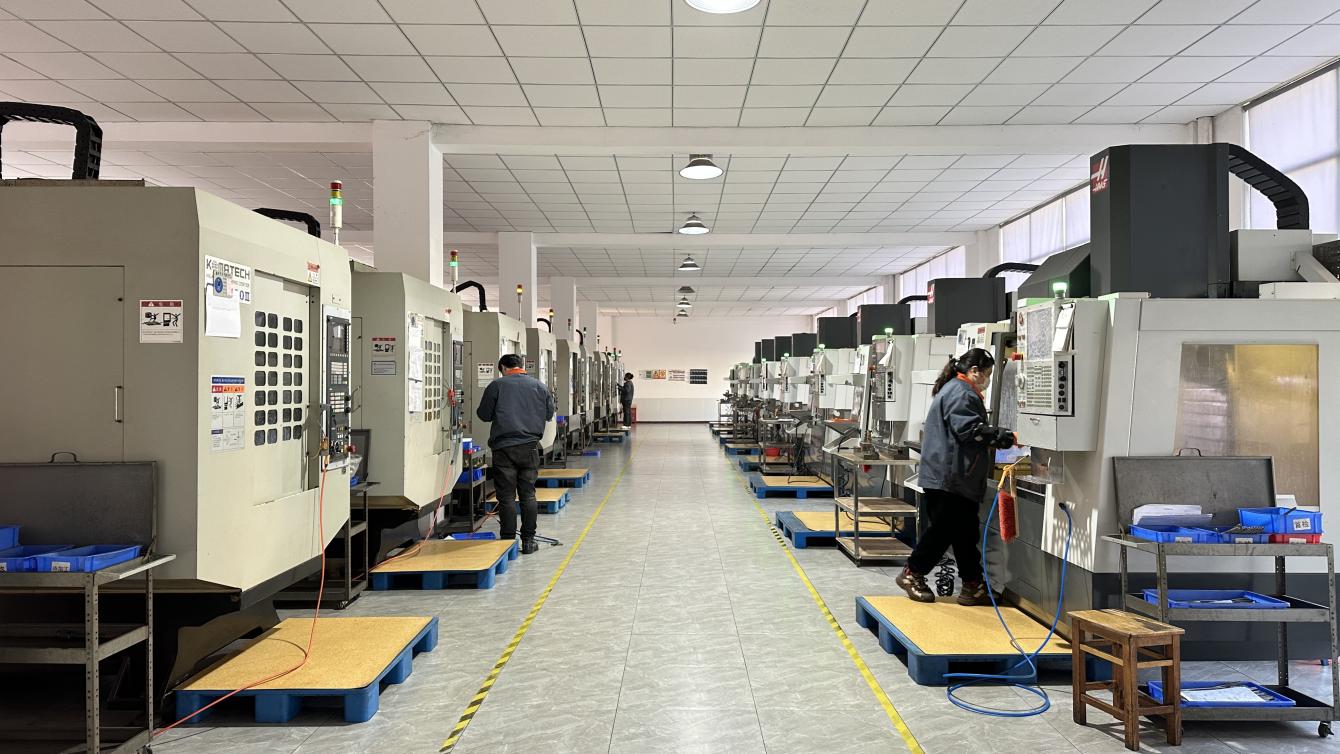
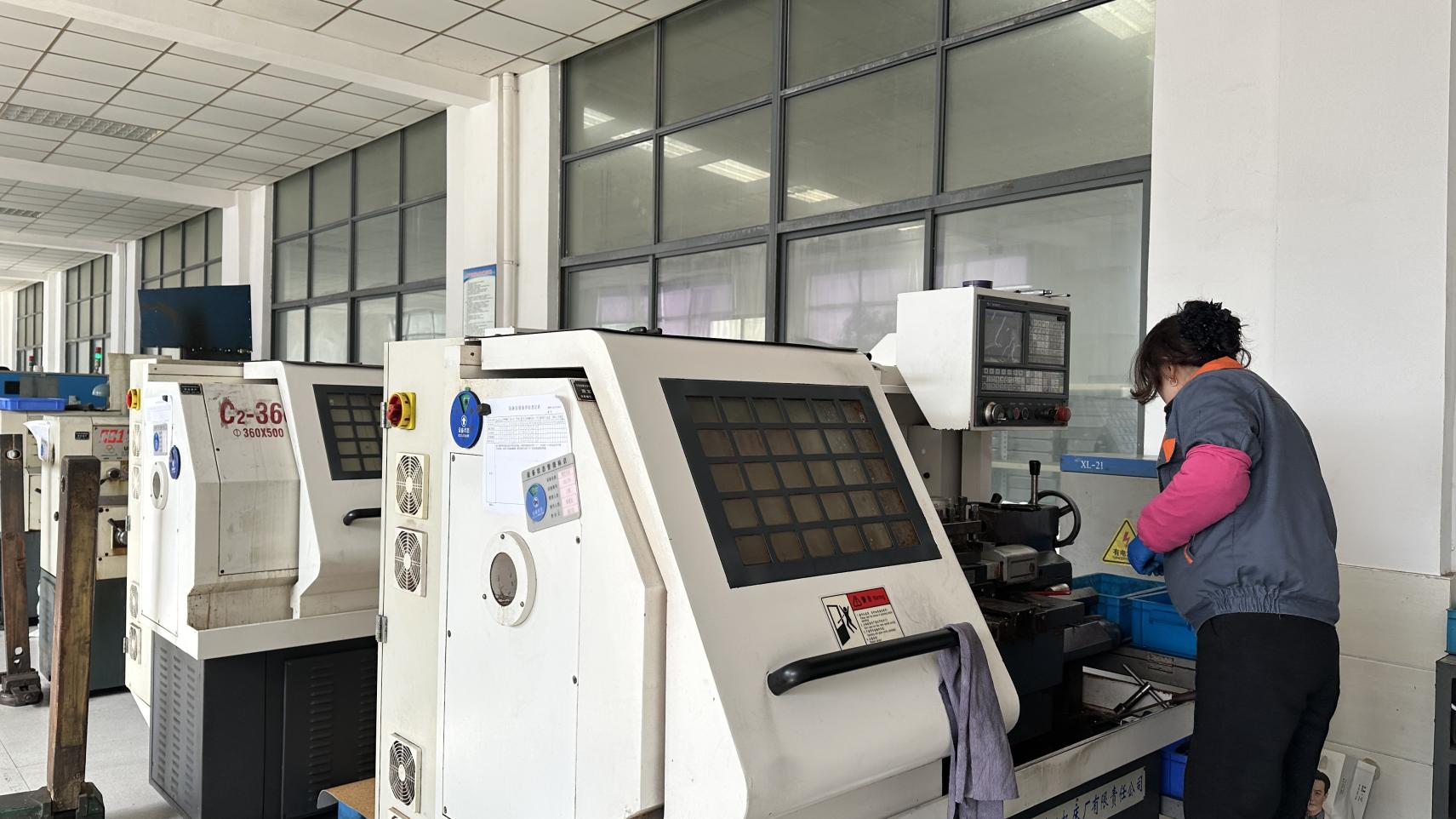
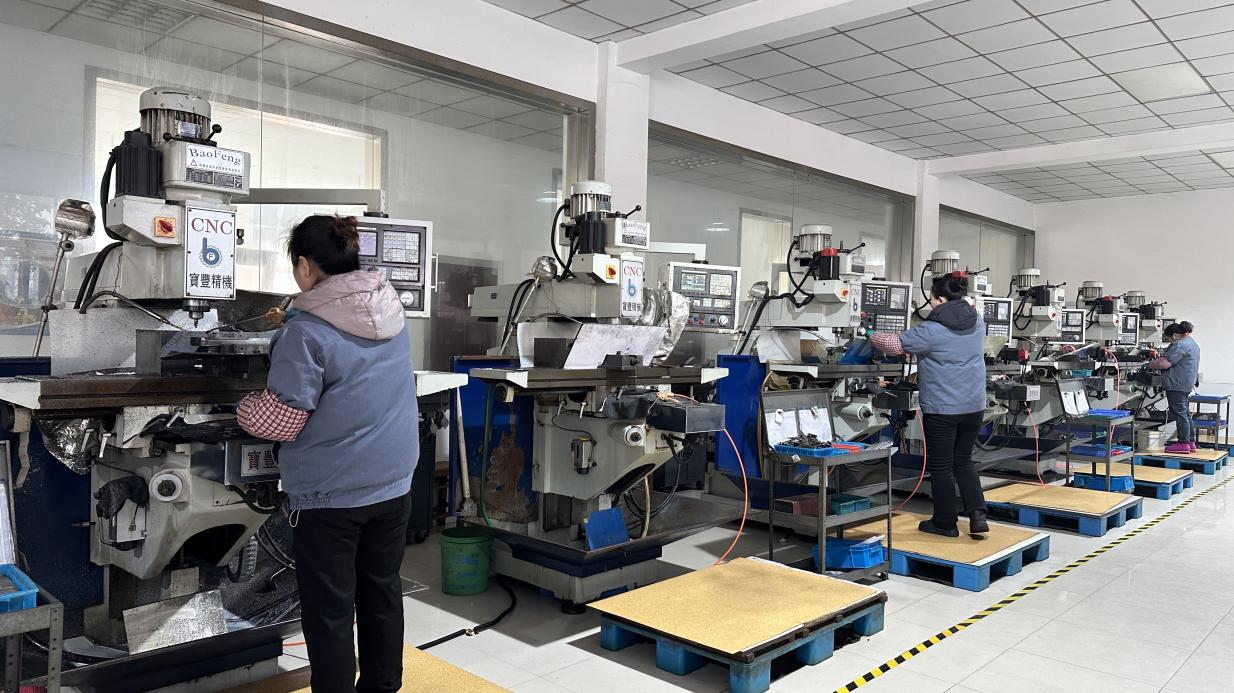
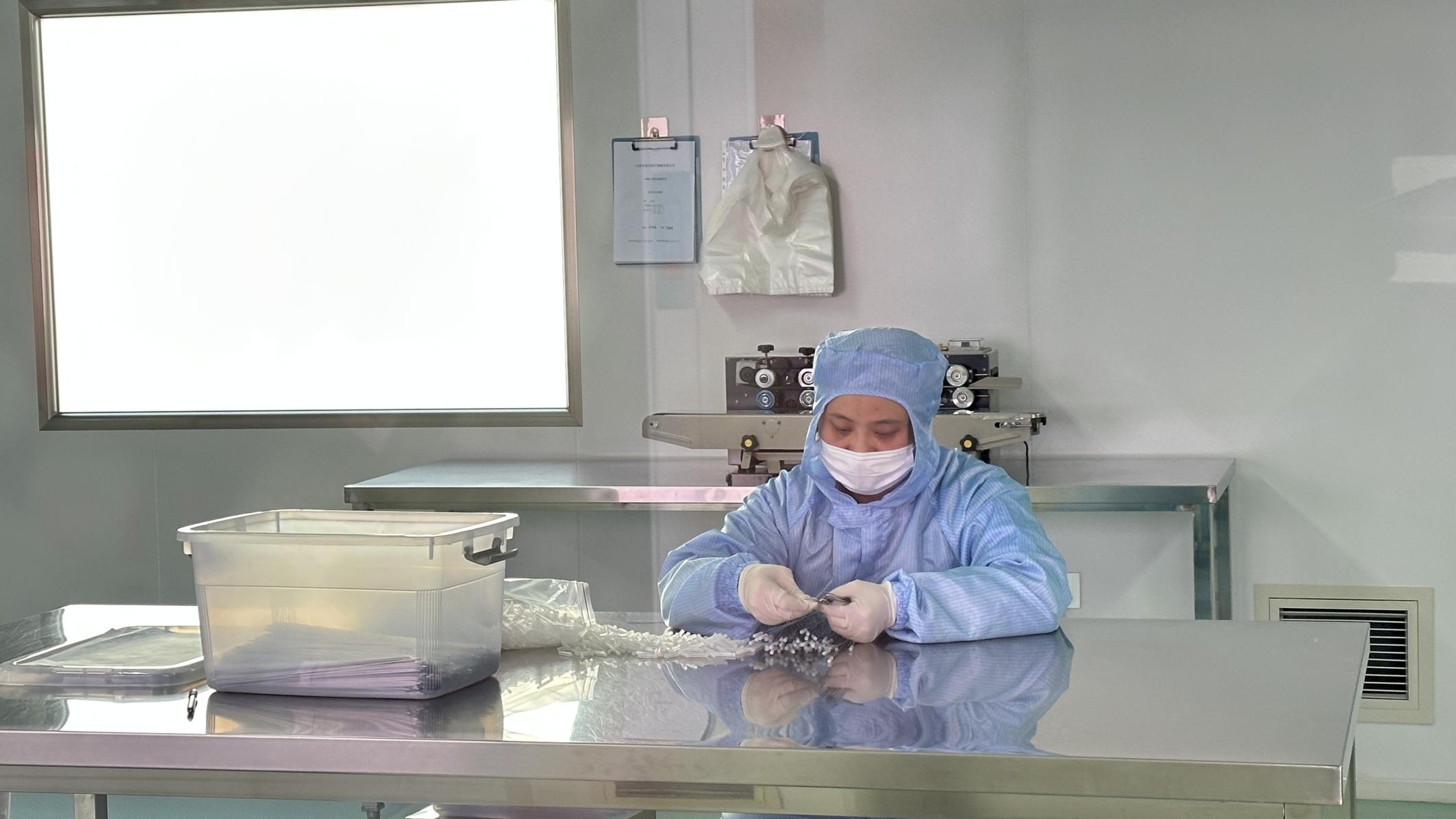
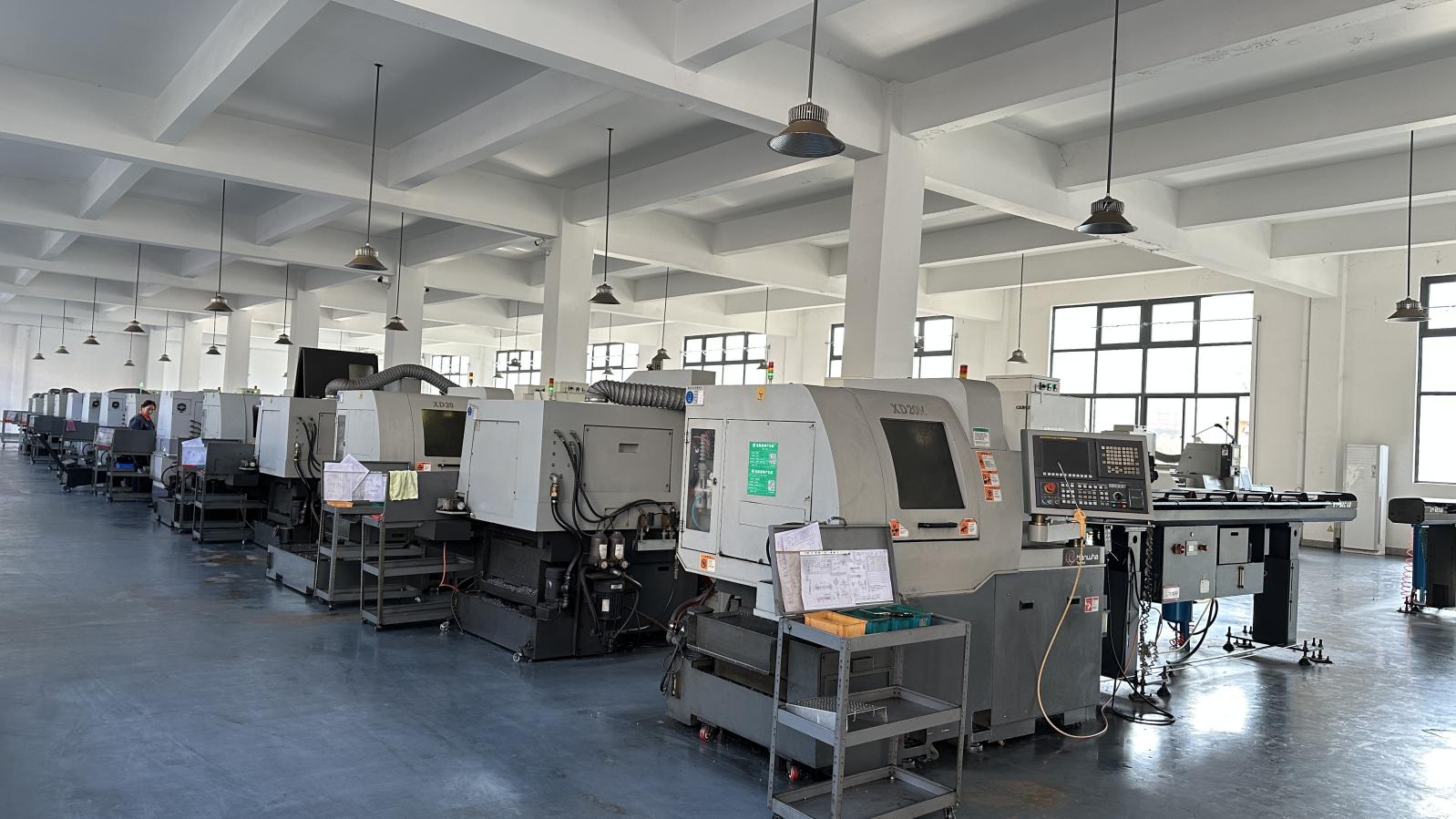
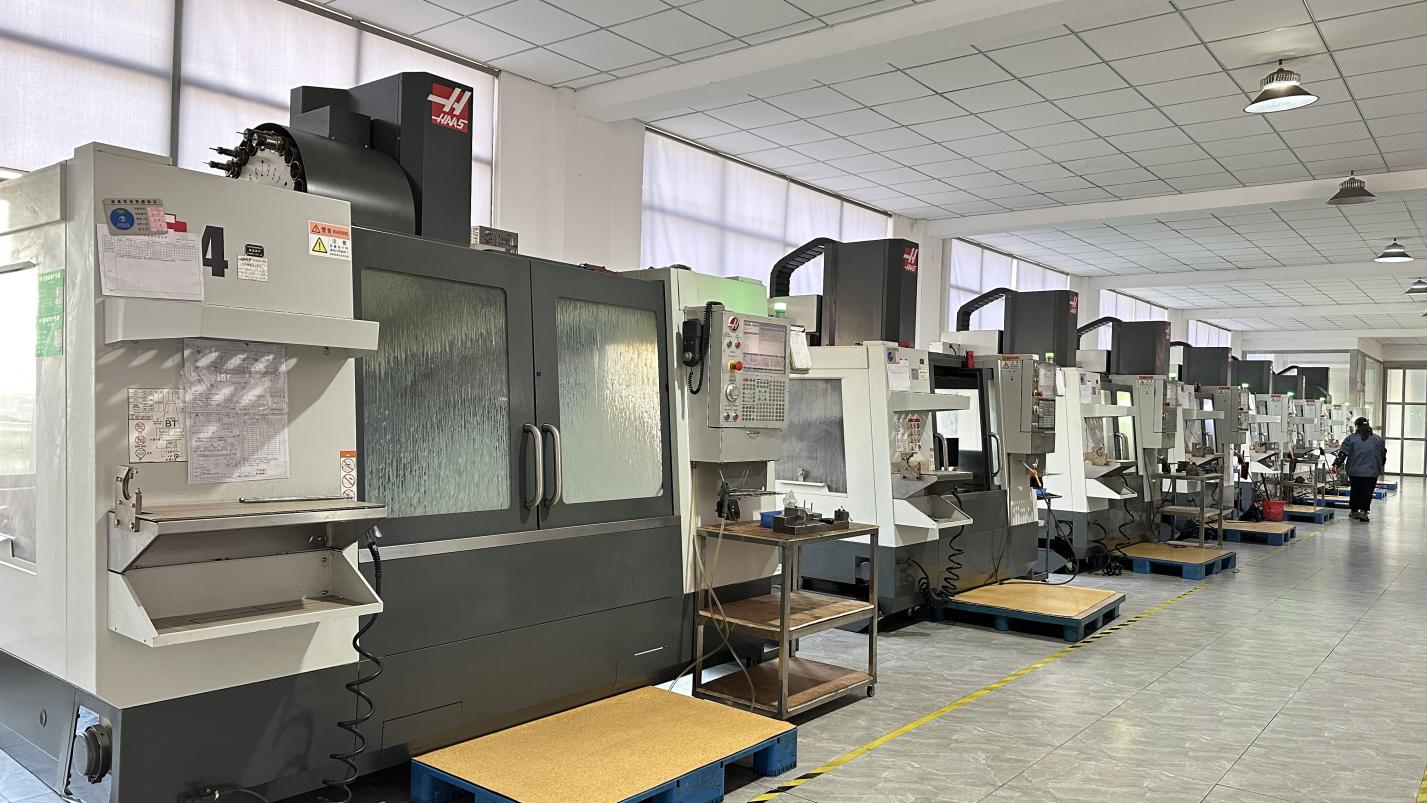
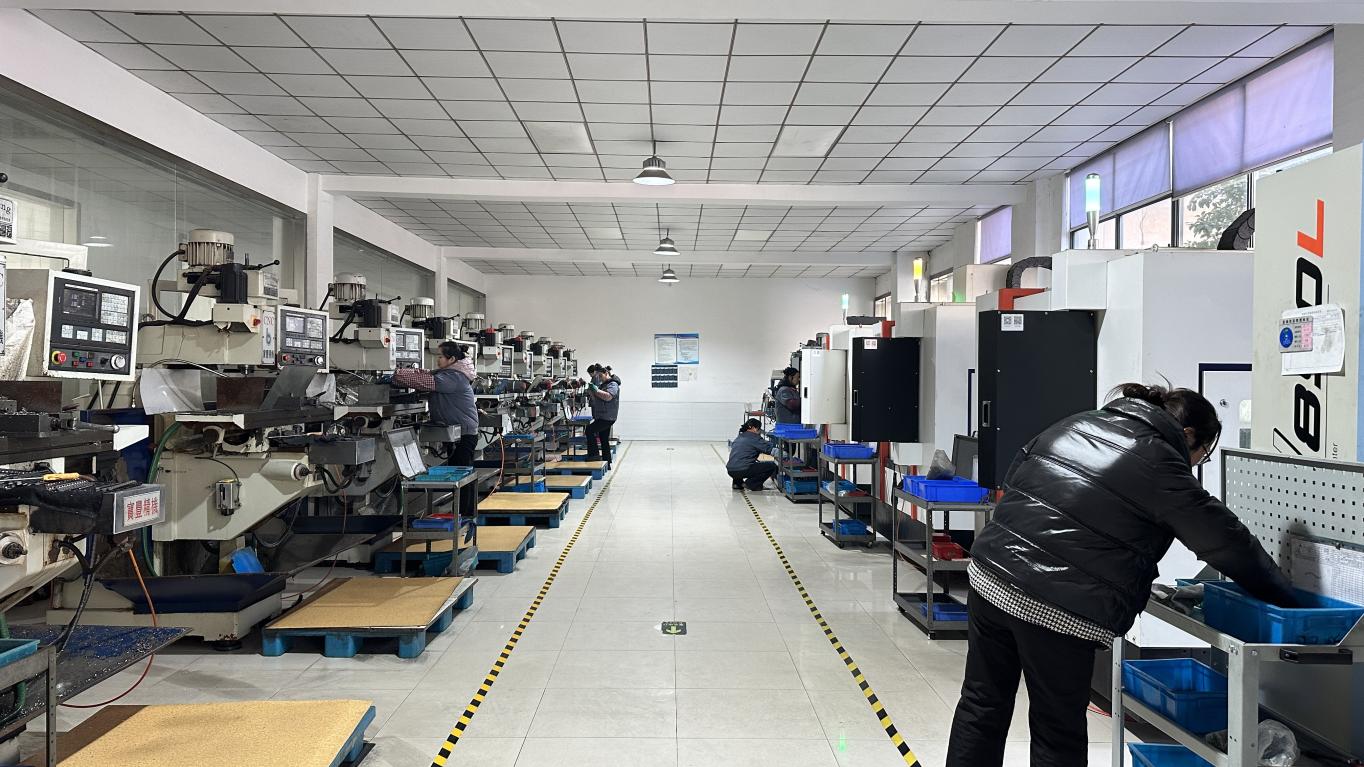
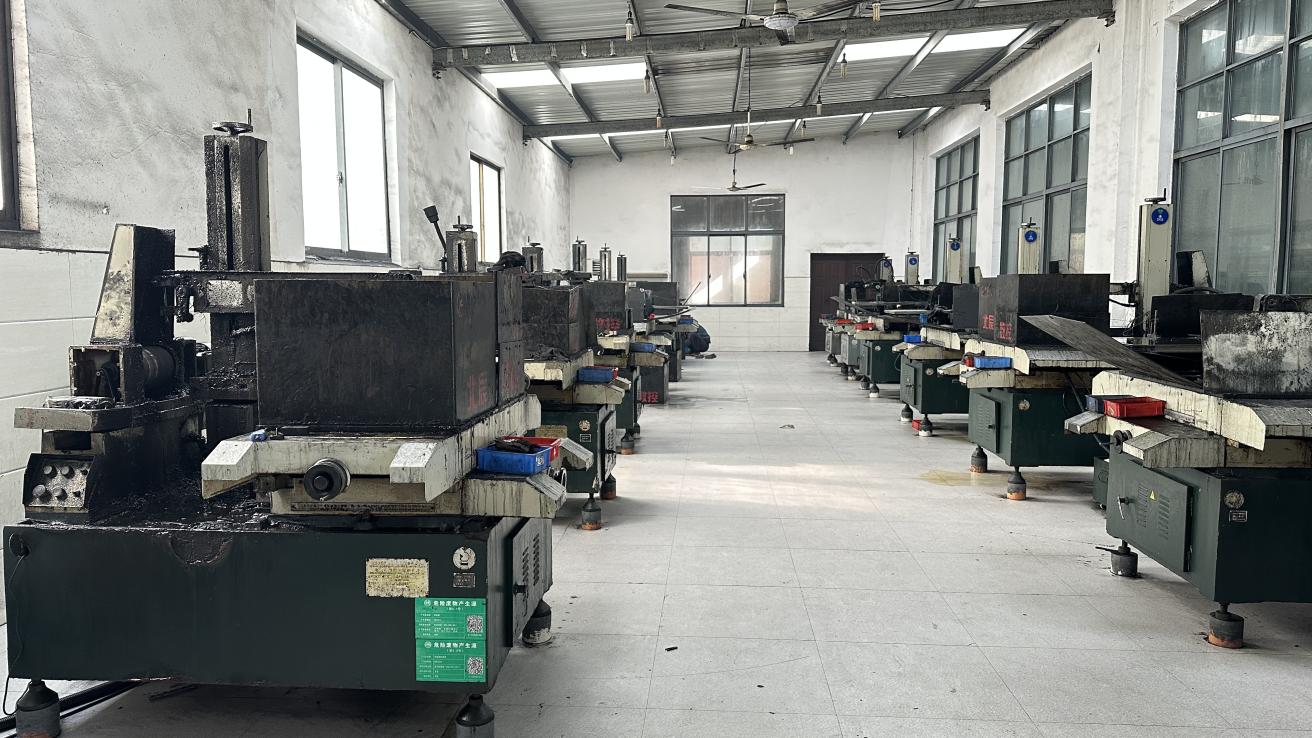
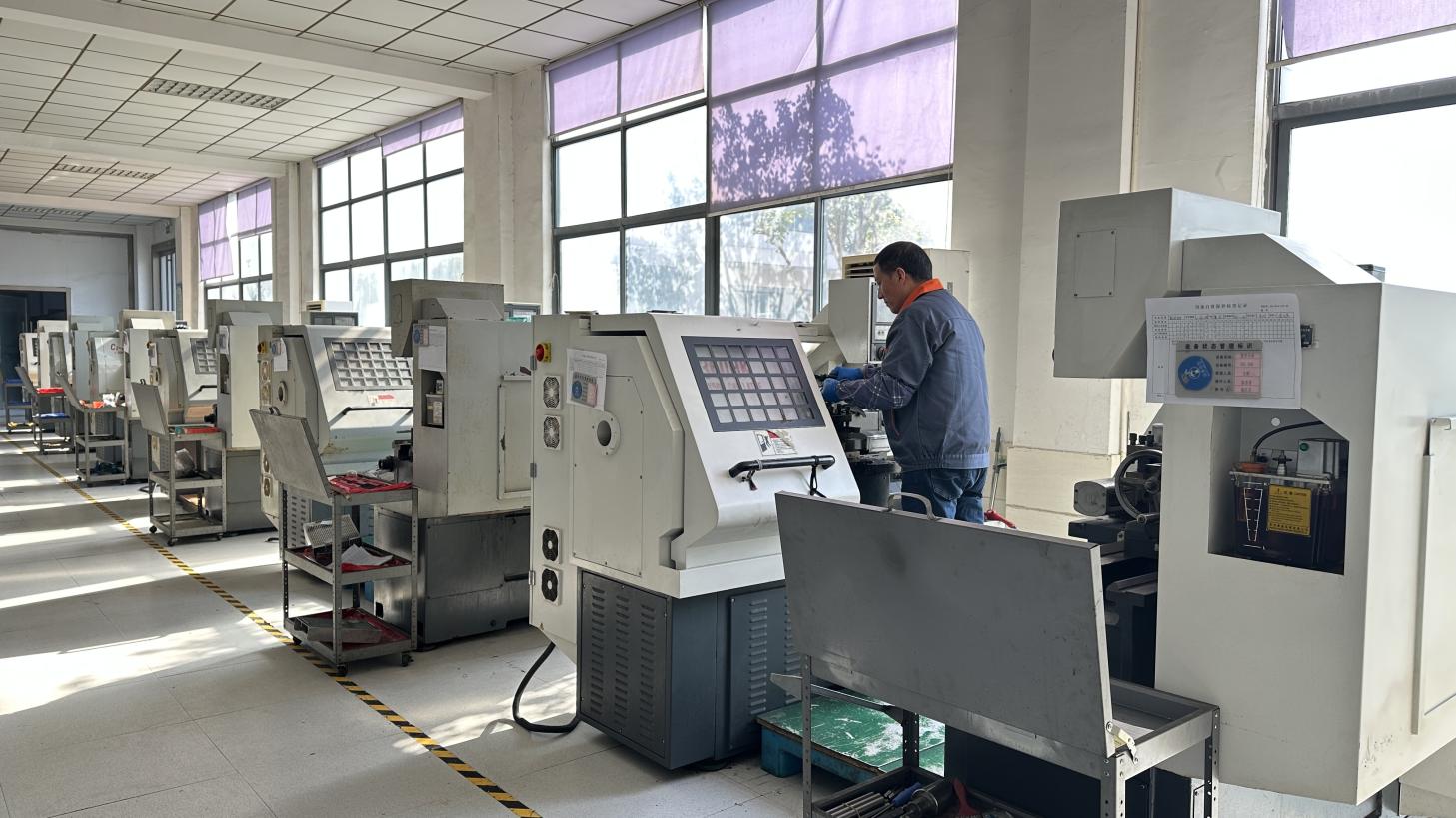
Founded in 2016, Medisplint has built a reputation for high-precision manufacturing. Our facilities house advanced production equipment including multi-axis CNC machining centers, wire cutting systems, precision milling lines, and cleanrooms designed for medical-grade final packing and inspection.
Innovation is central to our expansion strategy. Our R&D division consists of 85 engineering and development specialists dedicated to custom tooling designs, biomechanical performance evaluation, and product optimizations. Last year alone, Medisplint successfully introduced 68 new orthopedic implants to the global market, answering real-world clinical needs.
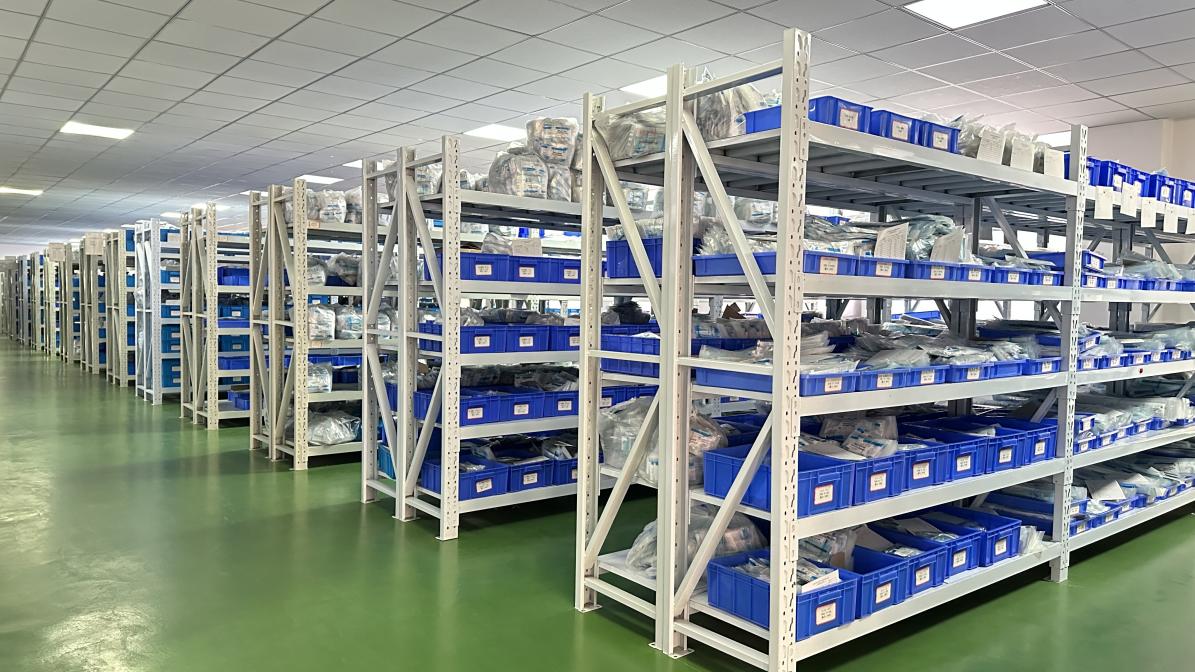
We collaborate with over 1,200 supply chain partners globally, ensuring access to premium raw materials and a reliable logistics ecosystem. This enables us to maintain stable production capacity and offer flexible sourcing options—such as private labeling, structural design changes, and full OEM/ODM integrations—to our clients in Mexico City and across Latin America.
Connect with an ExpertOur operations adhere to a strict quality assurance system certified under ISO 13485 and CE standards. All intramedullary nails undergo comprehensive assessment:
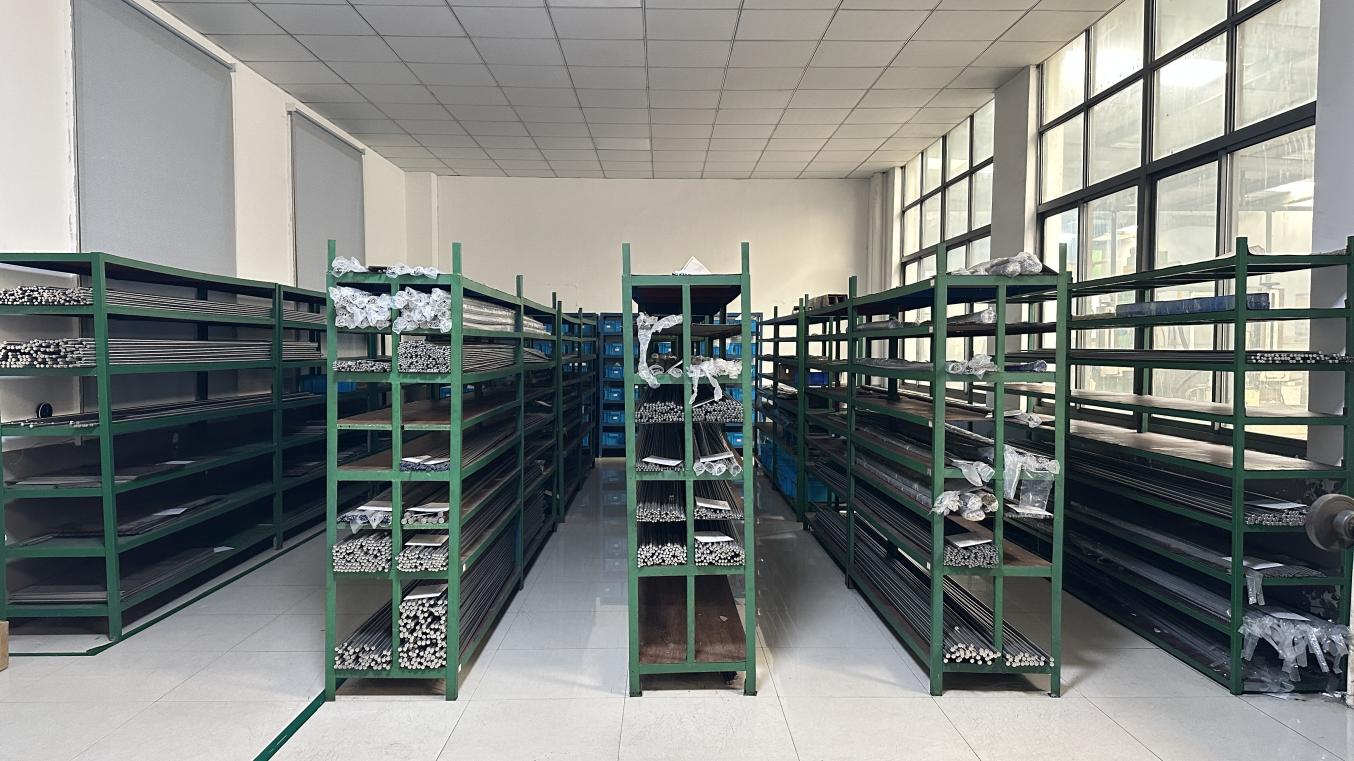
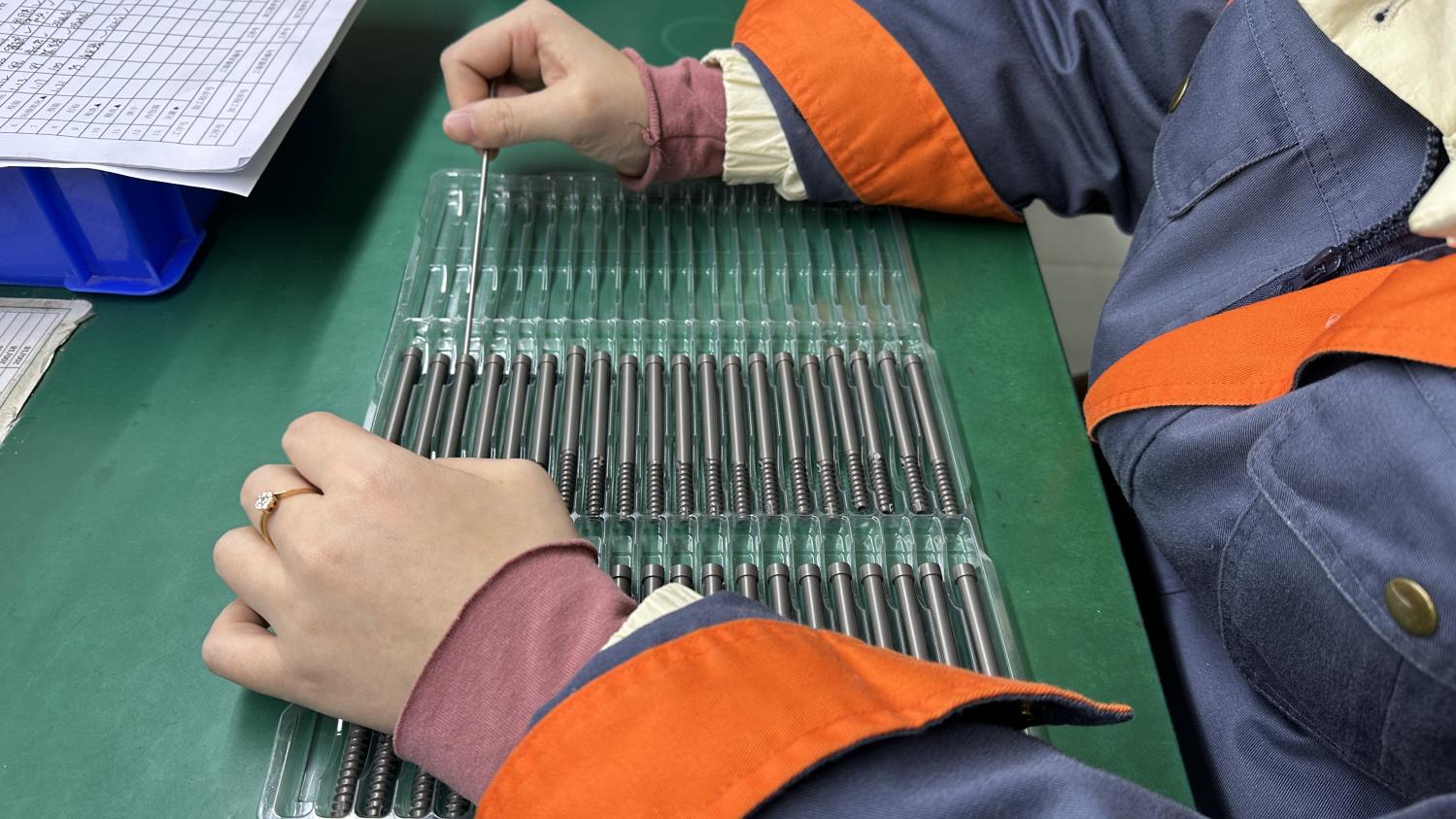
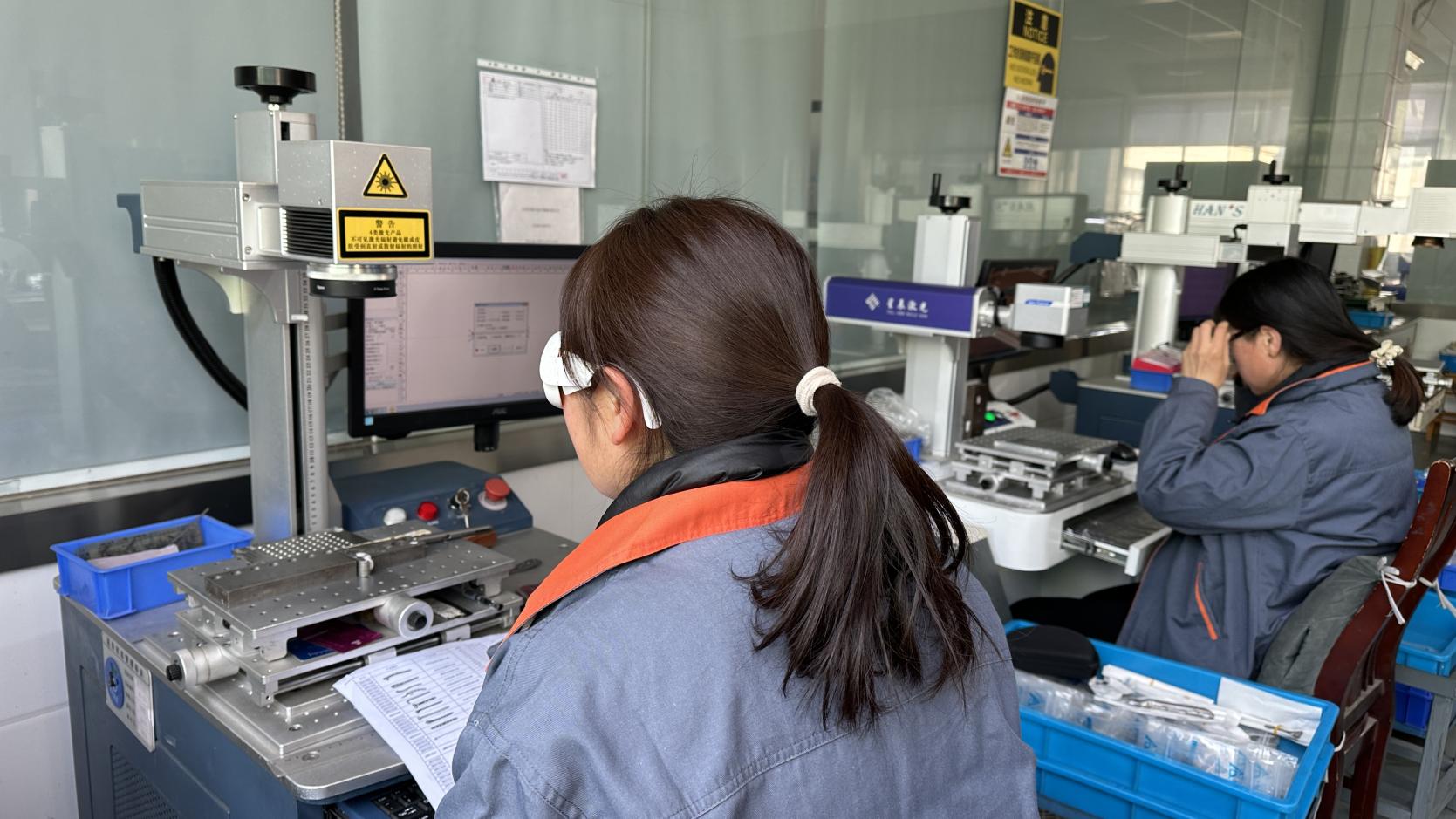
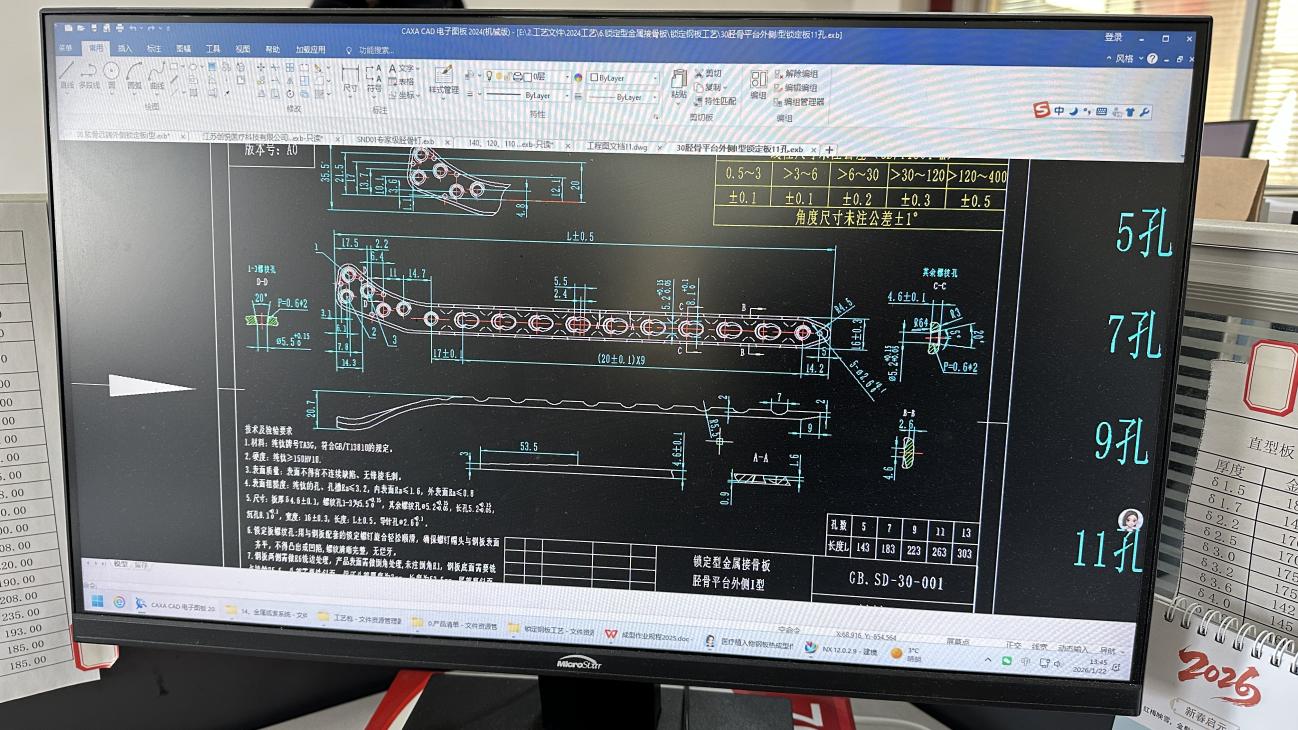
A transparent look into our highly controlled manufacturing steps that ensure structural reliability and clinical safety for every implant shipped.

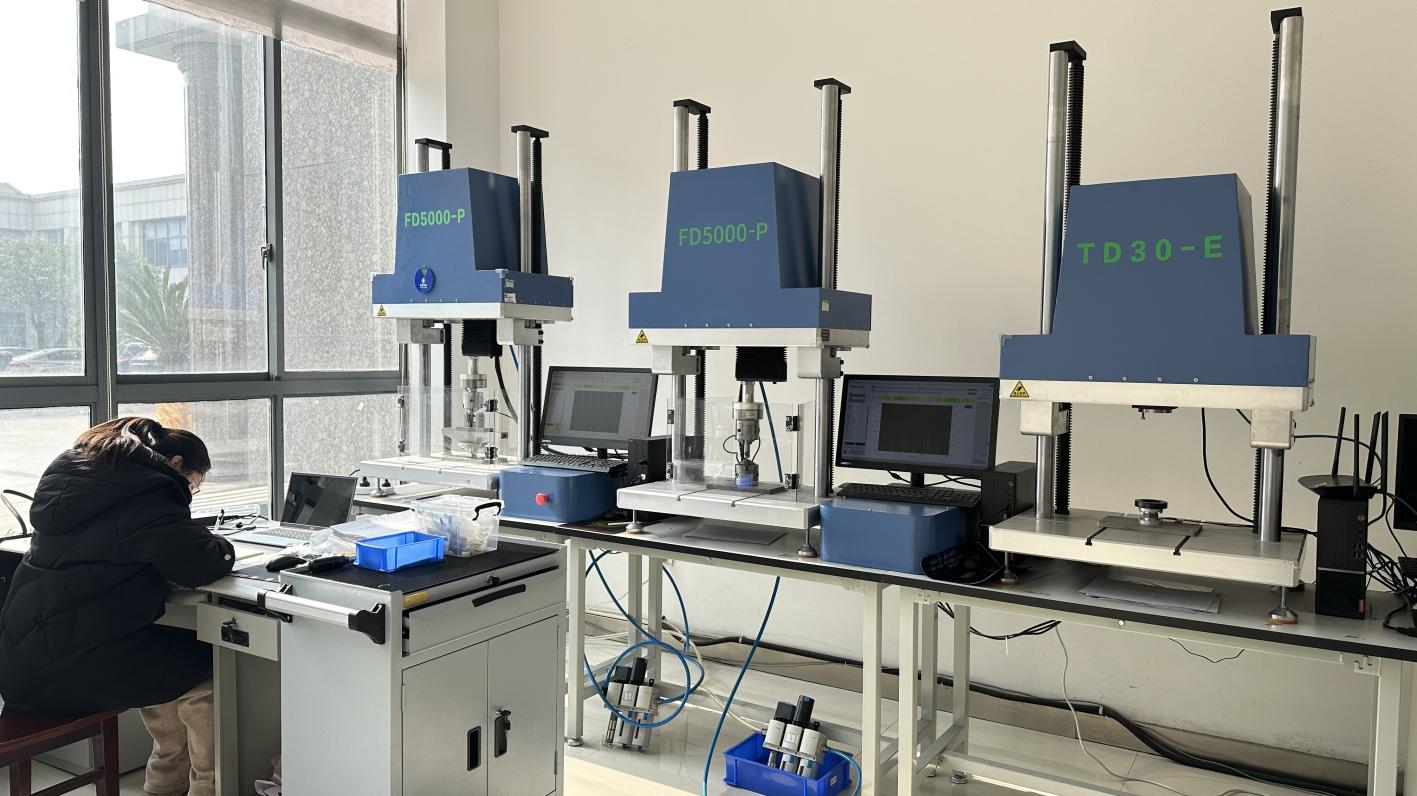
Simulating dynamic cyclic loading patterns to confirm long-term fatigue limit protection under full load.
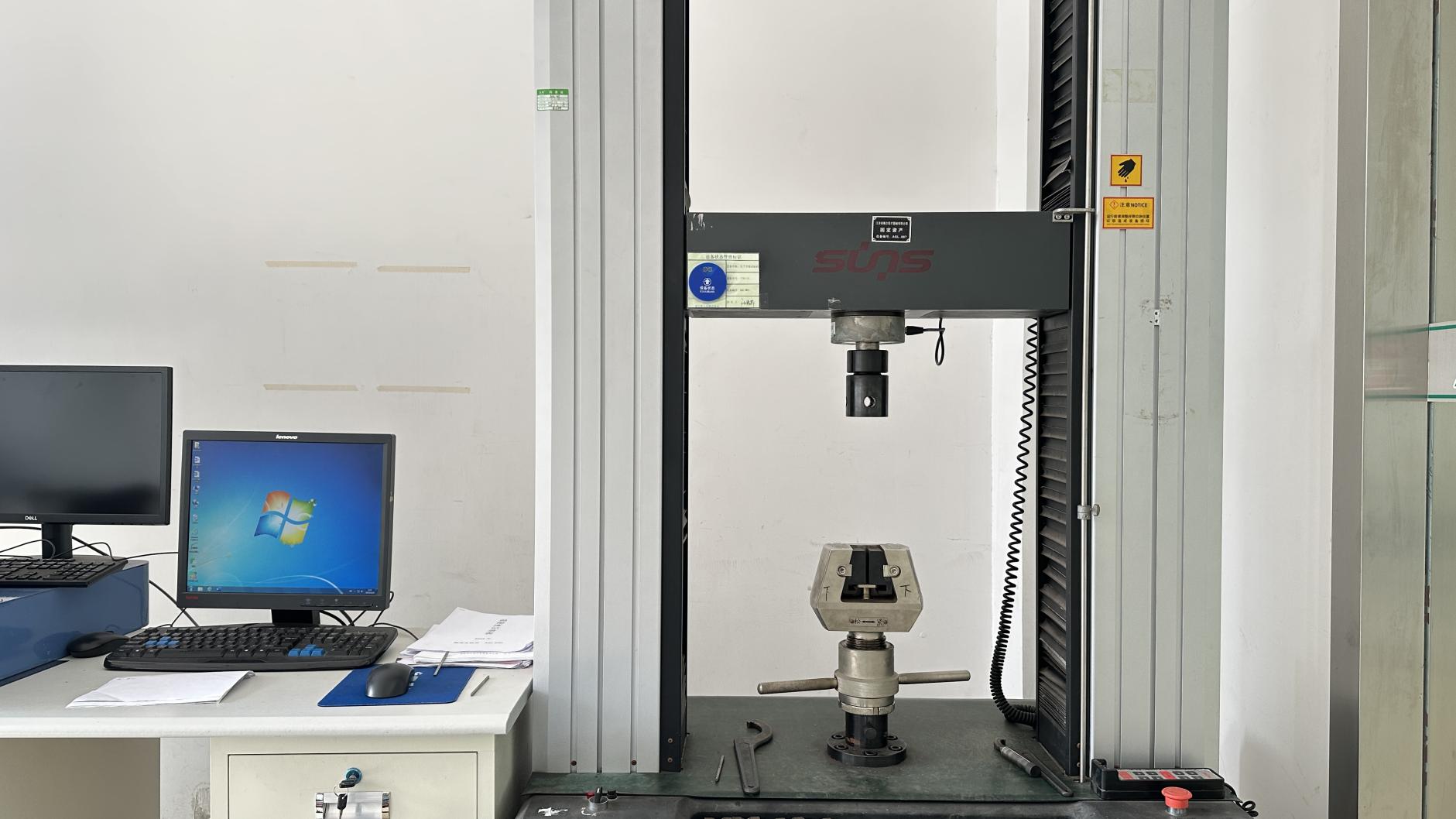
Verifying yield strength and ultimate elongation parameters conform to medical-grade titanium requirements.
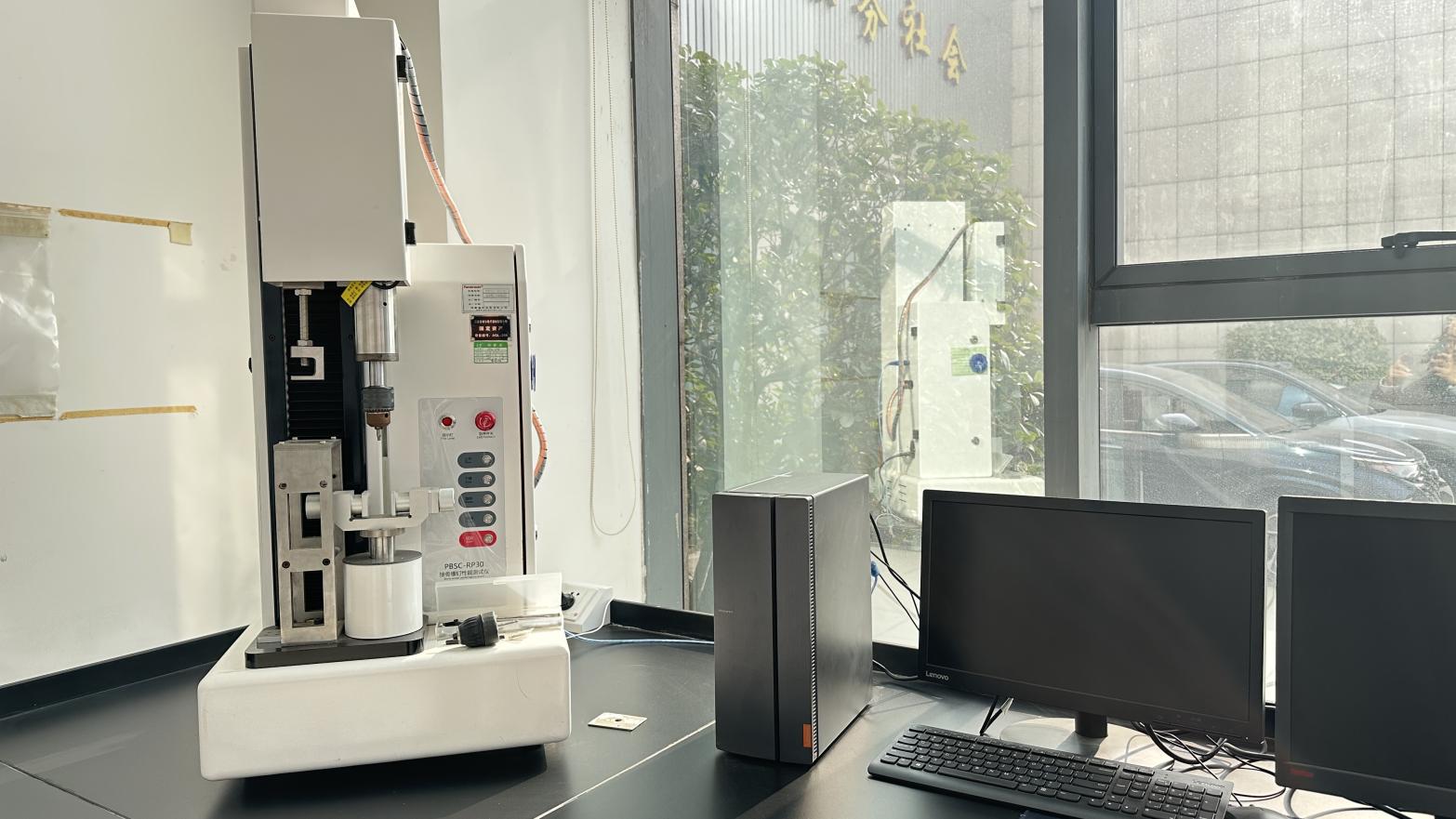
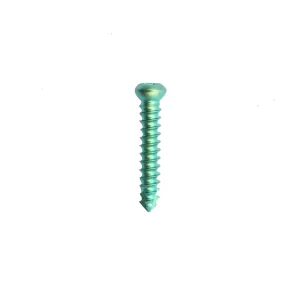
Checking screw insertion/withdrawal torque limits to prevent failure during surgical implantation.
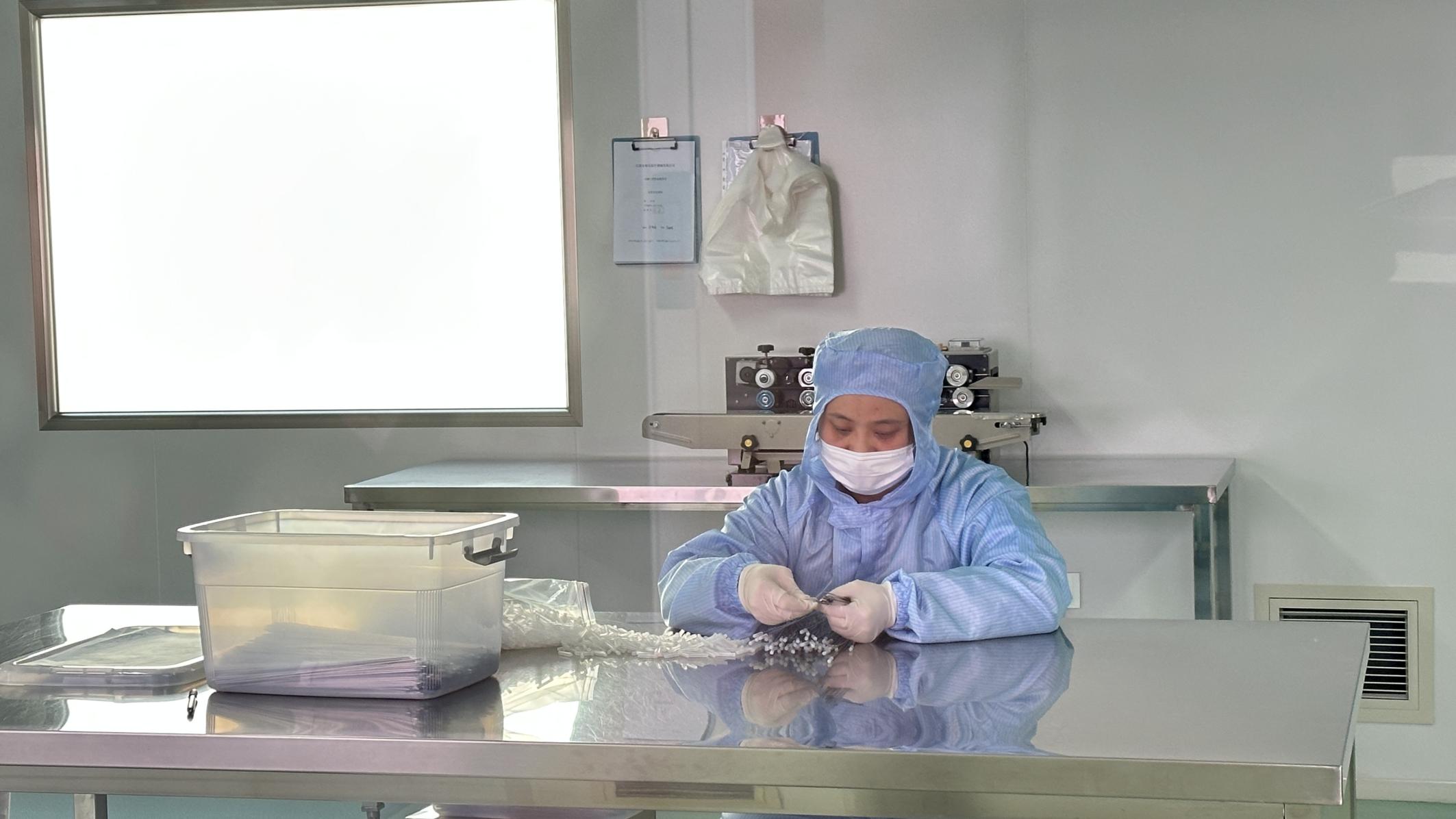
Ensuring zero surface defects, smooth thread transition, and perfect dimensional alignment.
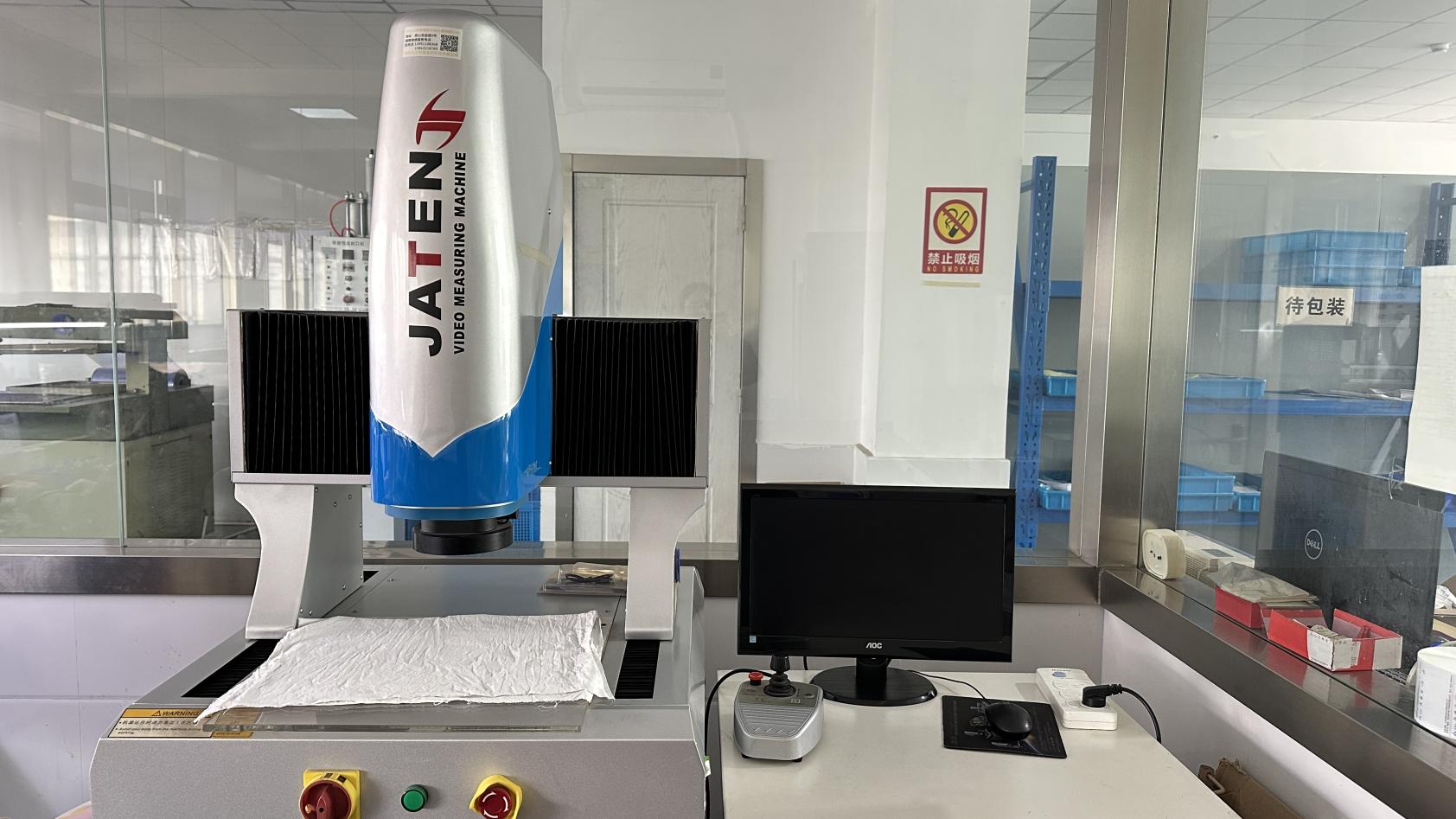
Precise measurements of curvature, entry angle, and locking slot positions using high-end 2D vision tech.
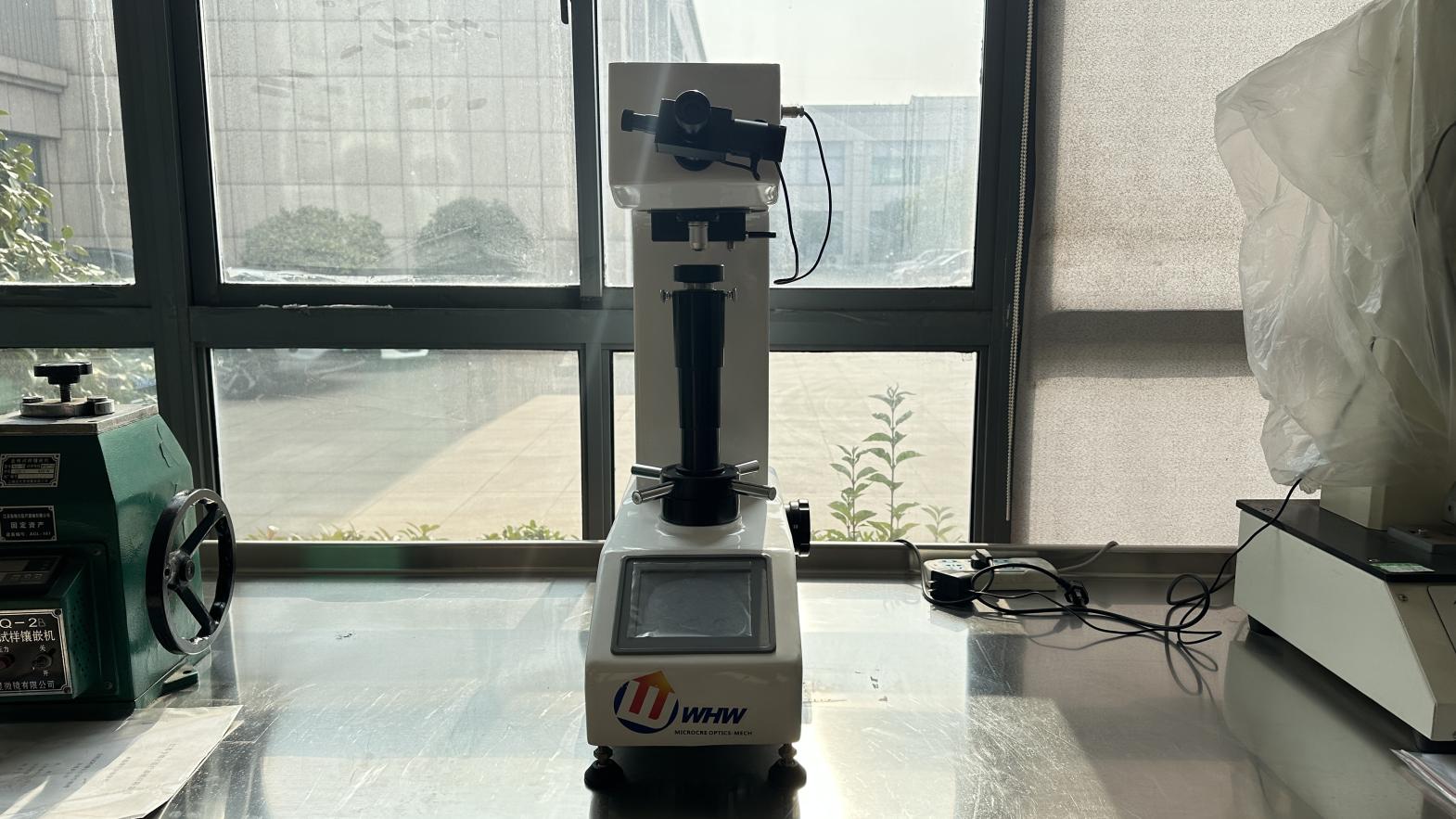
Validating material integrity to confirm durability under the physiological demands of patient mobility.
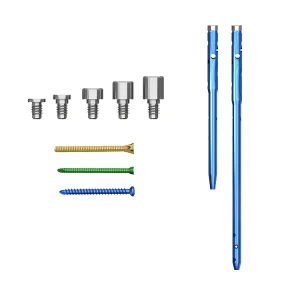
Understanding biomechanical profiles: Medisplint products are configured to optimize insertion angles, reduce soft tissue disruption, and secure mechanical stability.
Designed to address geriatric trochanteric fractures, the PFNA design uses a helical blade instead of traditional locking screws. This provides mechanical compaction of the cancellous bone, significantly increasing cut-out resistance in osteoporotic patients—a major clinical need in Mexico City's aging populations.
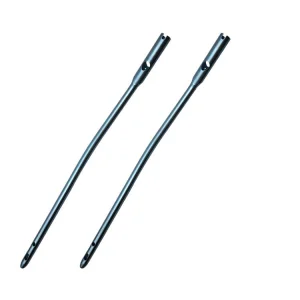
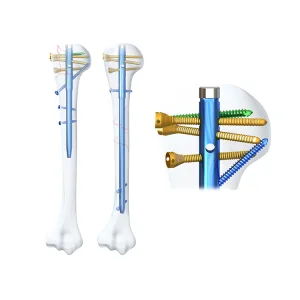
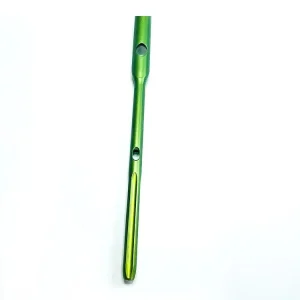
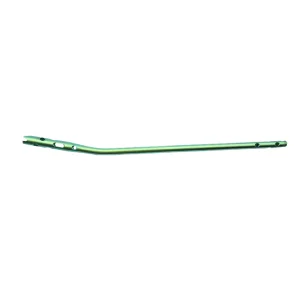
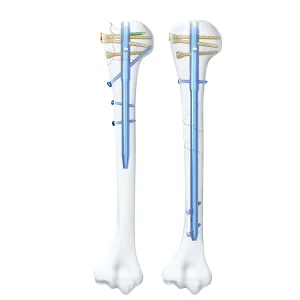
Equipped with multidirectional proximal and distal locking options, our Tibia and Humeral nails ensure multiplanar stabilization of complex metaphyseal fractures. Anatomical bends reduce insertion torque, protecting the entry site and surrounding soft tissues.
| System Type | Available Diameters | Lengths Offered | Material Specification | Key Clinical Features |
|---|---|---|---|---|
| Proximal Femoral (PFNA) | Ø 9.0, 10.0, 11.0, 12.0 mm | 170 mm to 420 mm (Left/Right) | Ti6Al4V ELI (ASTM F136) | Helical blade compaction, 130° CCD angle, dynamic and static locking. |
| Interlocking Tibia Nail | Ø 8.0, 9.0, 10.0, 11.0 mm | 280 mm to 400 mm | Ti6Al4V ELI (ASTM F136) | Herzog bend (10.5°), dynamic distal slotting, proximal multiplanar locking. |
| Interlocking Humeral Nail | Ø 7.0, 8.0, 9.0 mm | 220 mm to 300 mm | Ti6Al4V ELI (ASTM F136) | Multiplanar locking slots, end caps with thread locks, minimal instrumentation. |
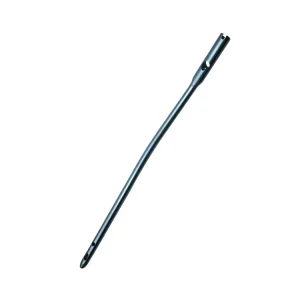
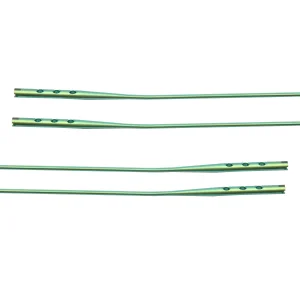
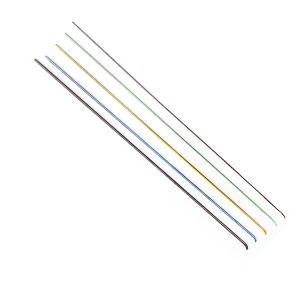
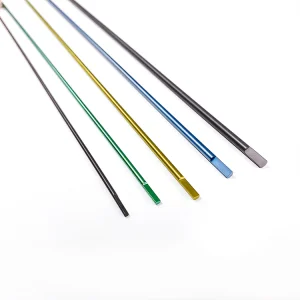
| Elastic Intramedullary Nail (Child) | Ø 1.5, 2.0, 2.5, 3.0, 3.5, 4.0 mm | 300 mm to 450 mm | High-Elasticity Titanium Alloy | Optimized tip design, stable six-point bone contact, ideal for pediatric trauma. |
Securing COFEPRIS (Comisión Federal para la Protección contra Riesgos Sanitarios) clearance is a critical step for importing medical devices into Mexico. Medisplint supports our distribution partners throughout this process by providing comprehensive technical documentation.
We prepare detailed regulatory files, including Device Master Files (DMF), detailed biocompatibility profiles, mechanical performance documentation, and sterilization validation data. Our products meet or exceed international standards, streamlining the submission process to help you secure your Registro Sanitario efficiently.
Our logistics support is structured to serve the Mexico City market. With flexible freight options (air and ocean), reliable custom packaging, and experienced handling of customs documentation, we ensure stable delivery timelines to warehousing facilities in areas like Vallejo and Pantitlán.
Our ongoing development focus center on surface treatments, biomechanical materials, and smart surgical instrumentation.
We are investing in Type II anodization and advanced acid-etched surfaces. These processes improve fatigue resistance and modify the implant surface to support osteointegration, reducing micro-motion at the bone-nail interface.
Developing carbon-fiber reinforced targeting guides that improve visualization under fluoroscopy, helping surgeons achieve quicker distal locking screw insertion with reduced radiation exposure.
Expanding our elastic intramedullary nail line with flexible titanium alloys tailored to child trauma applications, prioritizing growth plate preservation.
Find answers to common questions about international distribution, compliance, custom manufacturing, and logistics support.
Yes. Medisplint provides a complete documentation package for distributors seeking COFEPRIS registry in Mexico. This includes our ISO 13485 certification, CE certification, Certificate of Free Sale (CFS), raw material analysis data (ASTM F136 compliance), biomechanical fatigue and tensile test records, and comprehensive sterilization validation profiles.
MOQs depend on the customization level (e.g., laser marking, custom sterilization boxes, modified implant designs). Generally, standard sizing configurations have flexible requirements, while fully customized OEM orders require minimum runs to optimize CNC setup times. Please contact our sales team to discuss your target quantities.
Ti6Al4V ELI (Extra Low Interstitials) offers reduced levels of oxygen, nitrogen, and iron compared to standard Grade 5 titanium. This configuration provides improved fracture toughness, better ductility, and enhanced fatigue resistance, making it the industry standard for load-bearing orthopedic trauma implants.
We utilize automated multi-axis Swiss-style CNC lathes and high-precision milling machines. In addition to regular equipment calibration, our quality control team performs in-process dimension checks using non-contact optical measuring tools and thread profile go/no-go gauges, keeping deviations within micro-level margins.
For urgent requirements, air freight shipments to Mexico City International Airport (AICM / NLU) typically take 7 to 10 days, including export customs clearance. For larger stock orders, sea freight to Veracruz or Manzanillo ports, followed by inland transit to CDMX warehouses, typically requires 35 to 45 days.
Explore our range of pediatric, humeral, femoral, and tibial stabilization implants engineered to meet international clinical standards.
Are you preparing a public health tender in Mexico City or looking to update your trauma system portfolio? Contact our regulatory and sales engineering team for technical support and custom quotation parameters.
Send Inquiry Now