Medisplint
Medisplint
Medisplint
Engineered for rigid stabilization, anatomical compliance, and rapid mobilization, targeting Uruguay's trauma surgery specifications.
A comprehensive analysis of demand drivers, registration regulations, and supply chain demands in South America's highly stabilized economy.
The healthcare system in Uruguay, overseen by the Ministerio de Salud Pública (MSP), stands out as one of the most developed and highly funded in Latin America. Operating under a dual system—the public sector managed by the Administración de los Servicios de Salud del Estado (ASSE) and the private sector driven by mutual healthcare organizations (Mutualistas)—the country places rigorous demands on medical device sourcing. In recent years, orthopedic trauma care has seen a marked spike in demand due to rising vehicular and industrial accident rates, particularly in urban zones like Montevideo, Salto, and Maldonado.
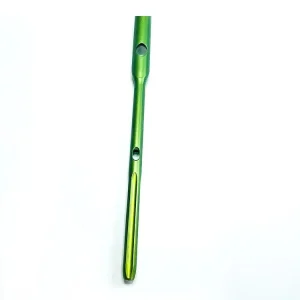
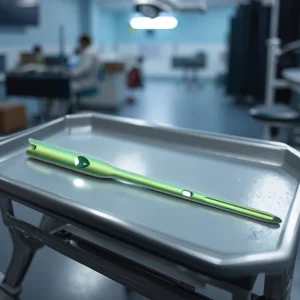
Intramedullary nails (IM nails) have become the gold standard for long-bone fracture stabilization in Uruguay, notably for femur, tibia, and humeral shaft fractures. However, local distributors and hospitals struggle with escalating supply costs when sourcing exclusively from traditional Western European and US manufacturers. This dynamic has opened up significant commercial routes for premium Chinese manufacturers capable of providing CE-certified, ISO 13485-compliant implants that deliver substantial information and cost gain without compromising biomechanical safety.
Registration with the MSP is mandatory for importing Class III orthopedic implants. Success relies on submitting technical files demonstrating ISO 13485 alignment, bio-compatibility certifications, mechanical fatigue test profiles, and free sales certificates (FSC).
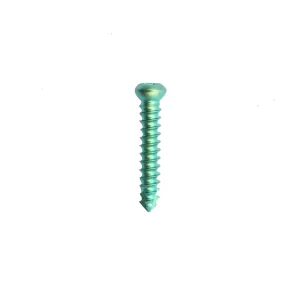
Uruguayan orthopedic surgeons strongly favor titanium alloy (Ti-6Al-4V ELI) over stainless steel for long-term internal fixation due to superior biocompatibility, lighter weight, and reduced interference with MRI/CT scanning procedures.
While Uruguay is part of Mercosur, imports from non-Mercosur nations are subject to the Common External Tariff (AEC). Strategic alignment with factories providing consolidated shipping configurations minimizes clearance lead times and custom taxes.
Global Leading Manufacturer of Class III Medical Devices and Orthopedic Fixation Systems
Founded in 2016, Medisplint Orthopedic Instruments Co., Ltd. is a professional manufacturer specializing in orthopedic implants, fixation systems, and surgical instruments for trauma, spine, and joint reconstruction. The company has developed steadily with a strong focus on innovation, research development, and international market expansion.
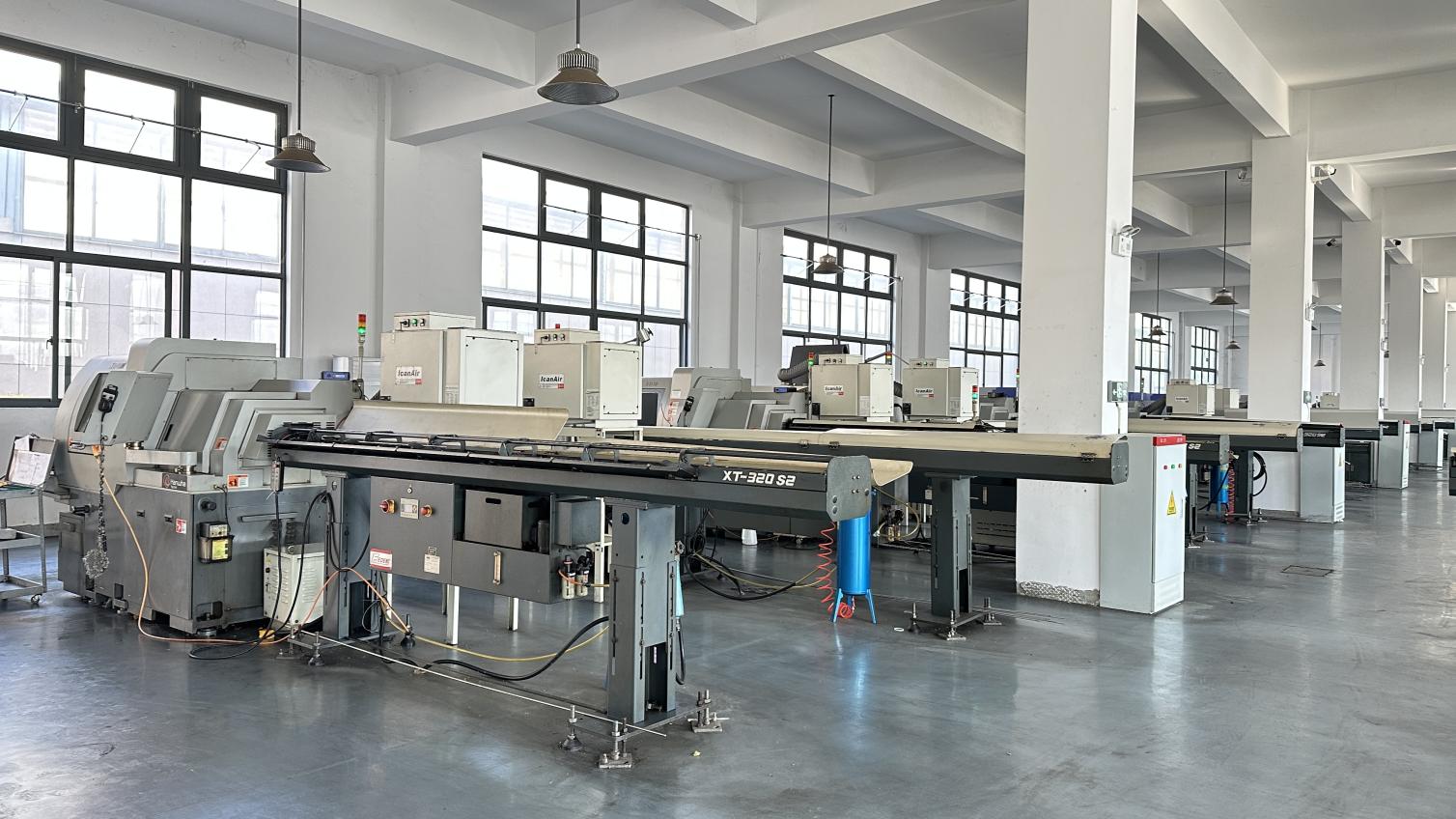
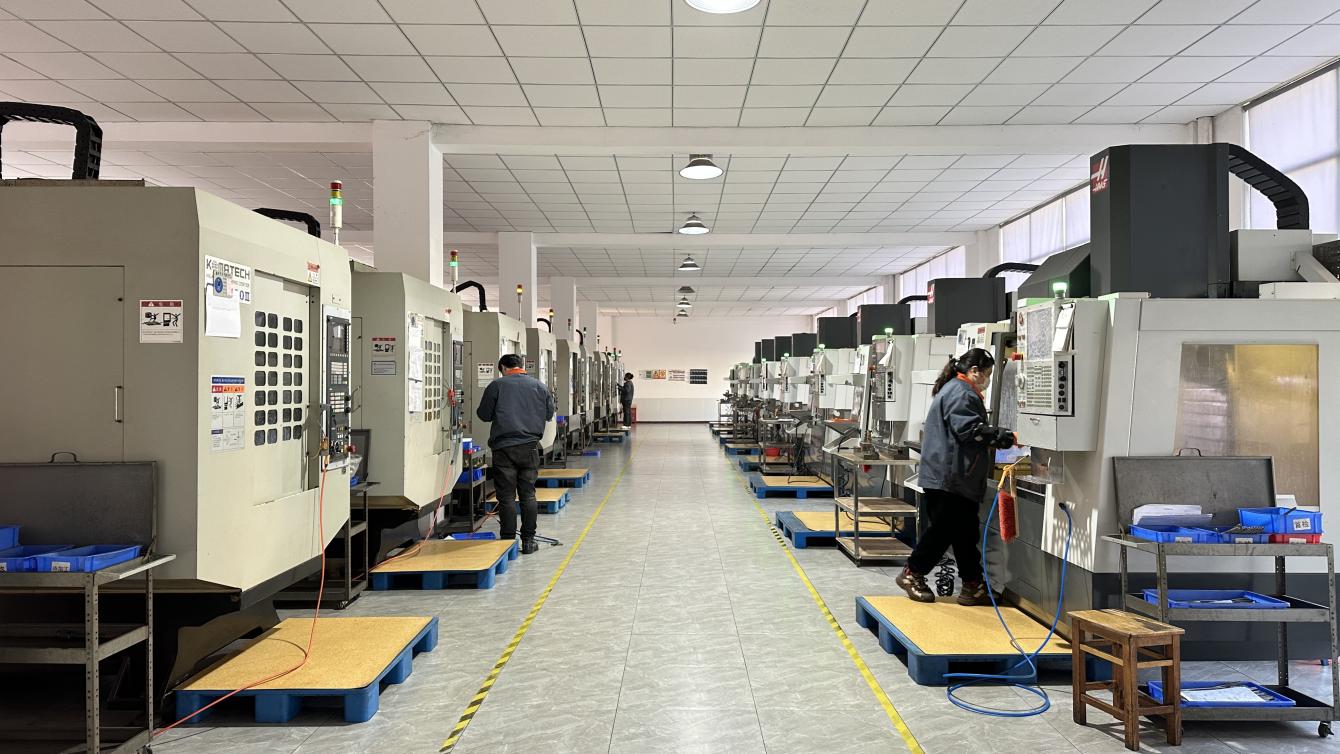
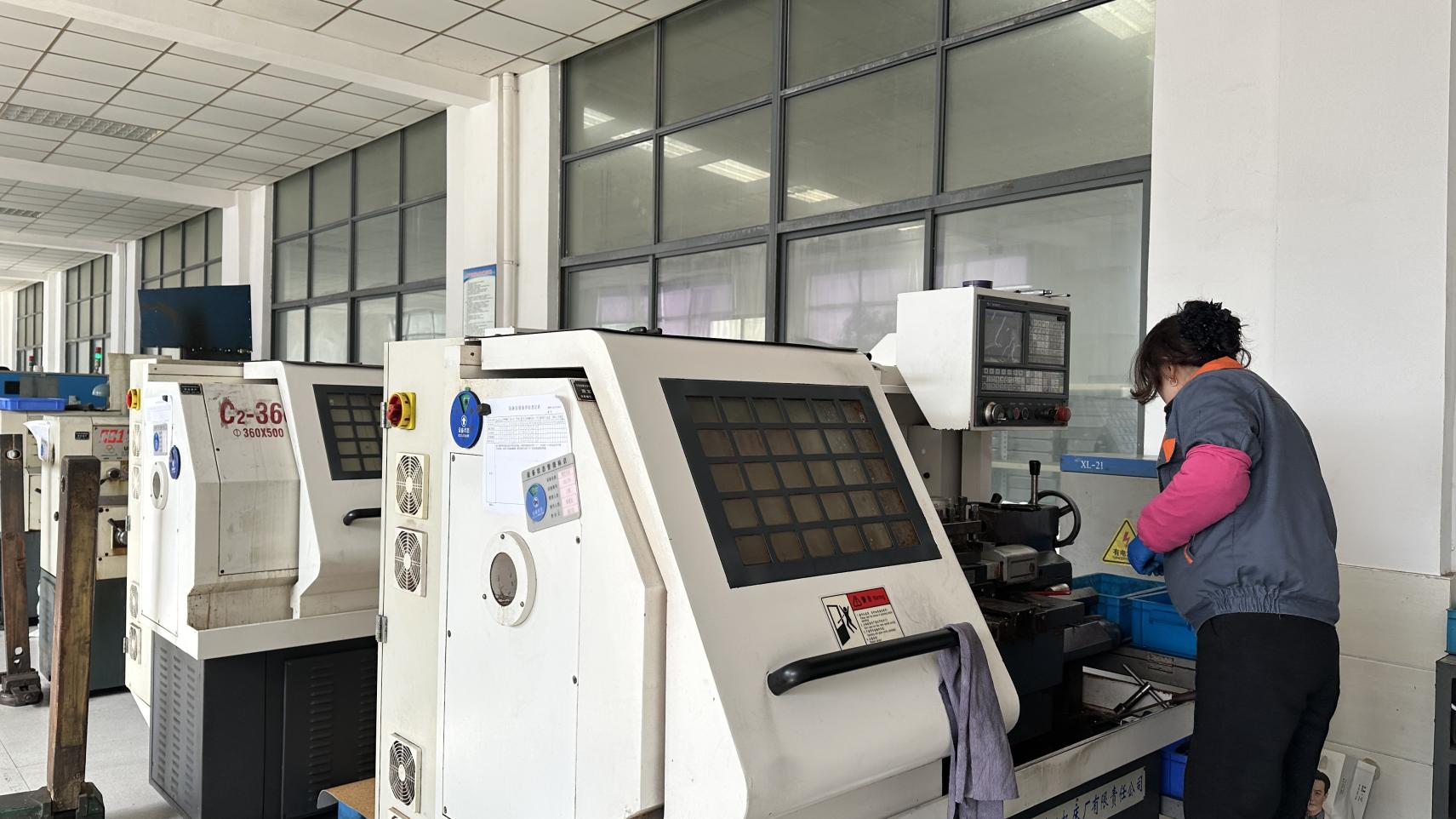
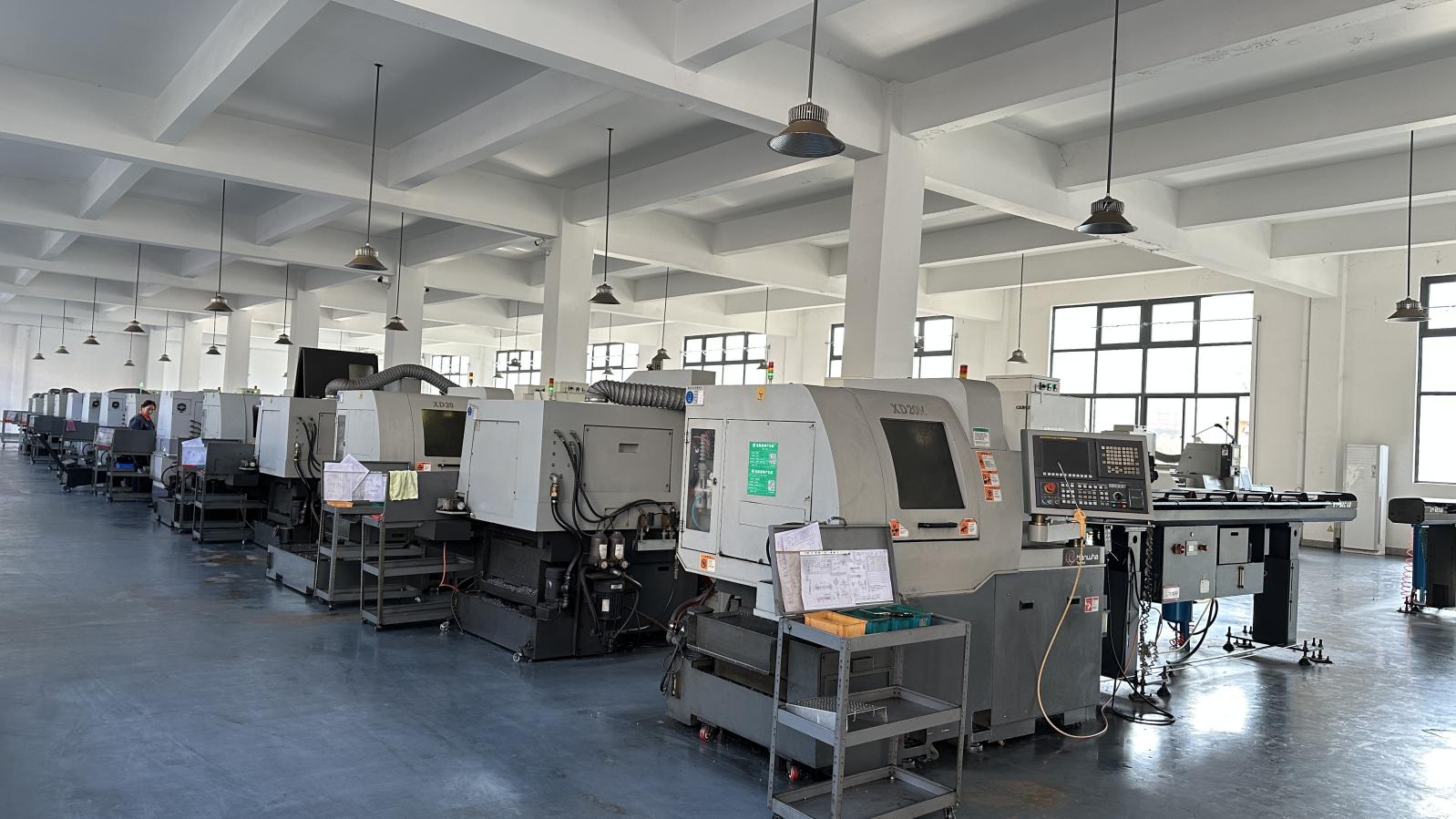
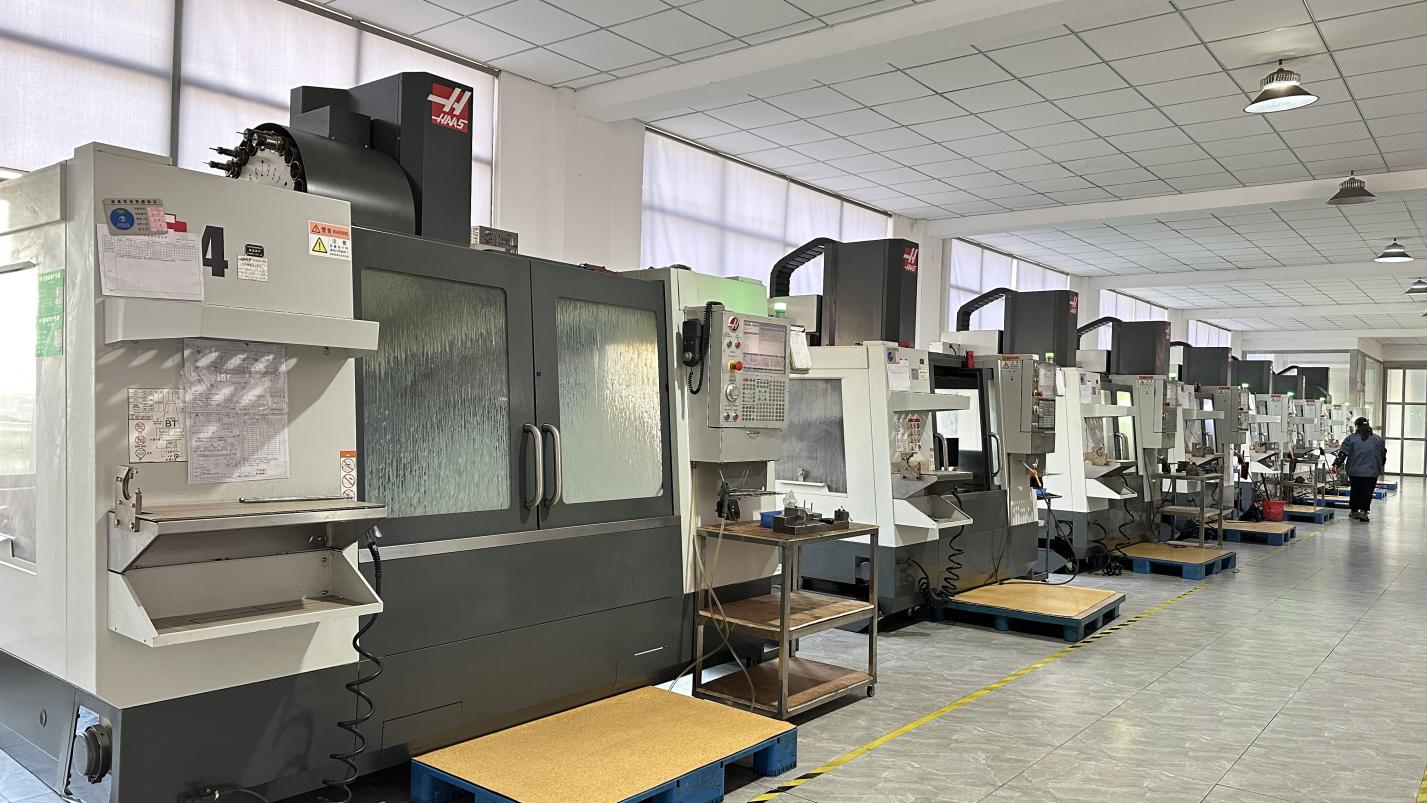
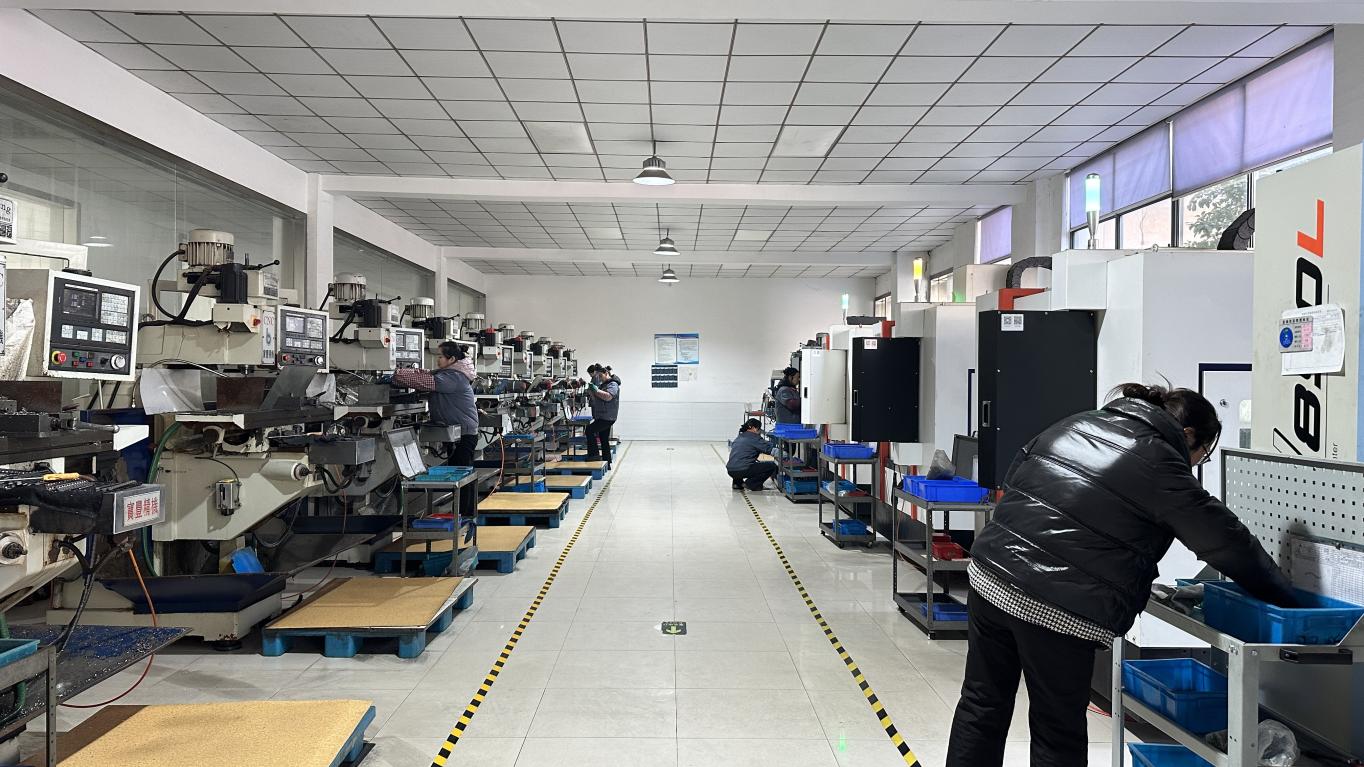
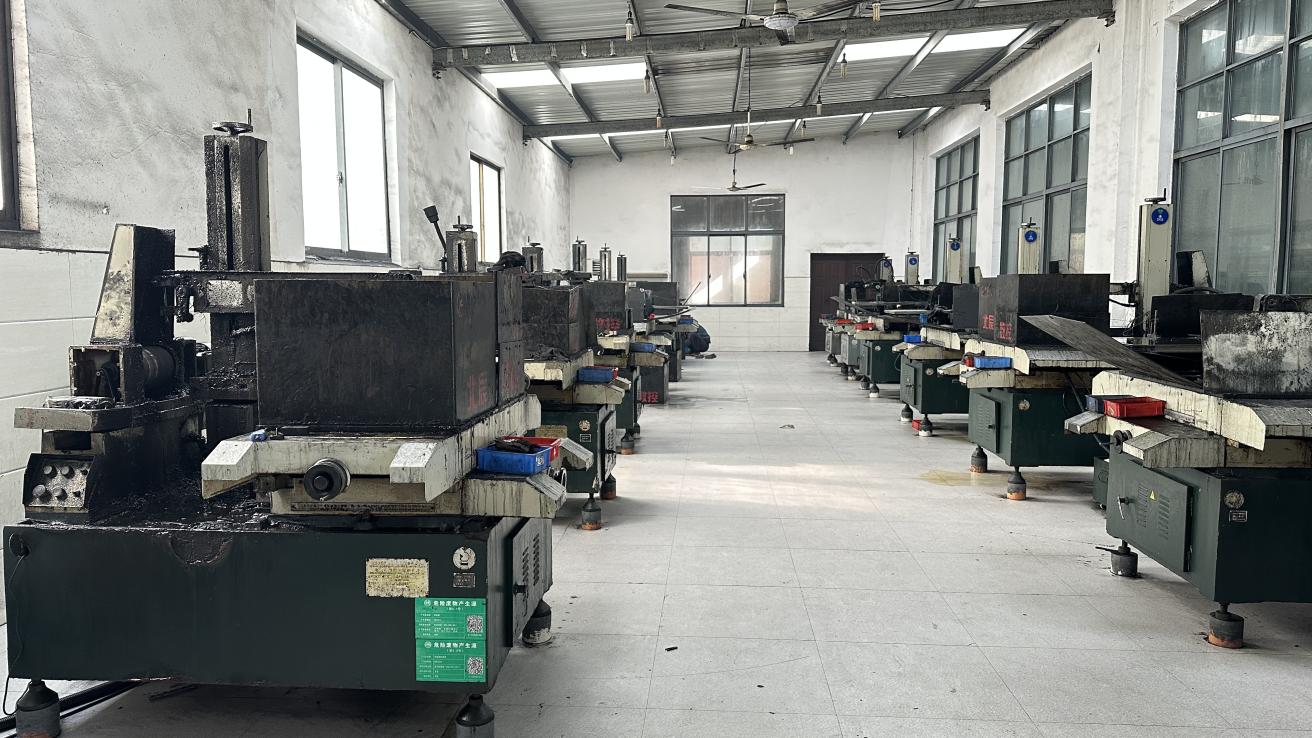
Our integrated facility covers approximately 18,500m², supporting manufacturing, assembly, research, and complete quality control operations. With an annual export revenue of around USD 12 million, over 7 years of direct export experience, and 10 years of overall orthopedic medical device manufacturing excellence, we have proven ourselves as a key global supplier.
We work under strict quality assurance frameworks, maintaining full ISO 13485 certification and European CE compliance. Our products are exported to and registered across clinical networks in Europe, Southeast Asia, the Middle East, and South America, including targeted supply lanes in Uruguay.
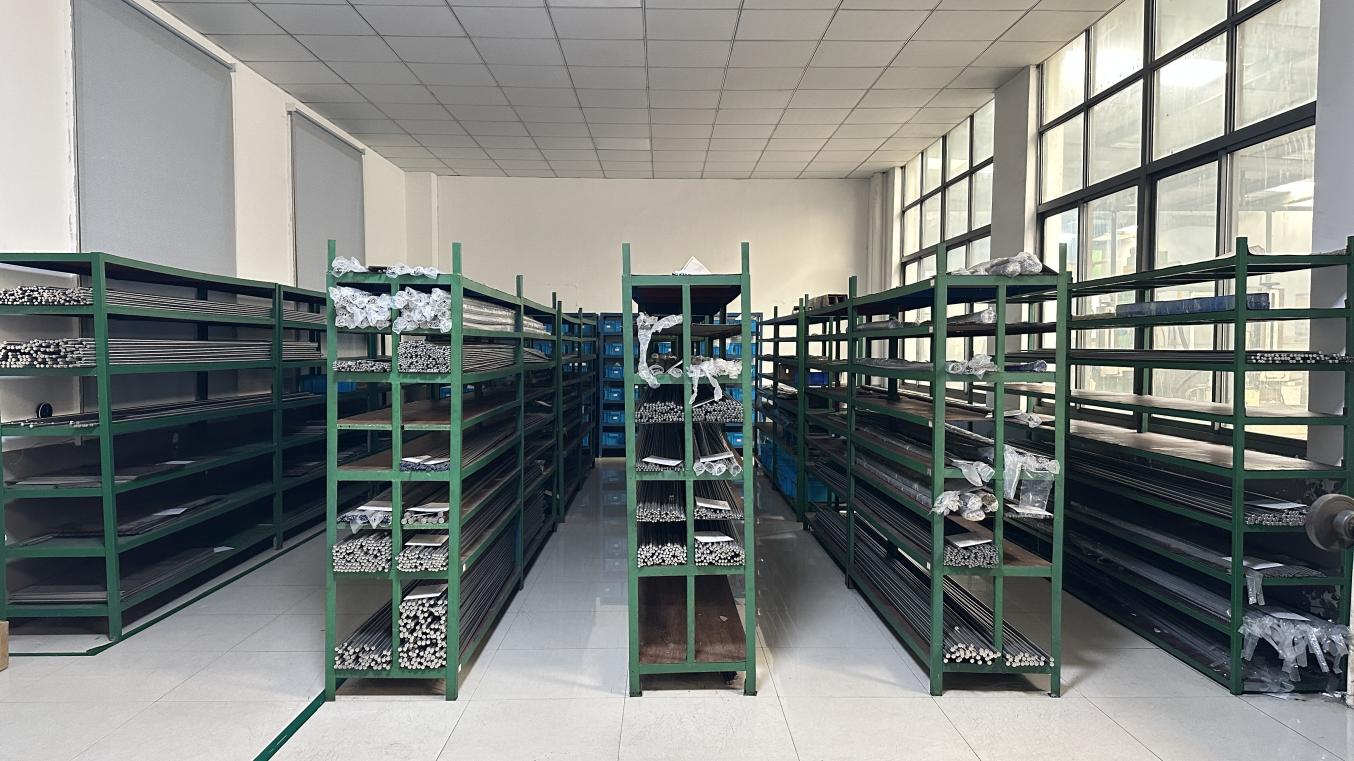
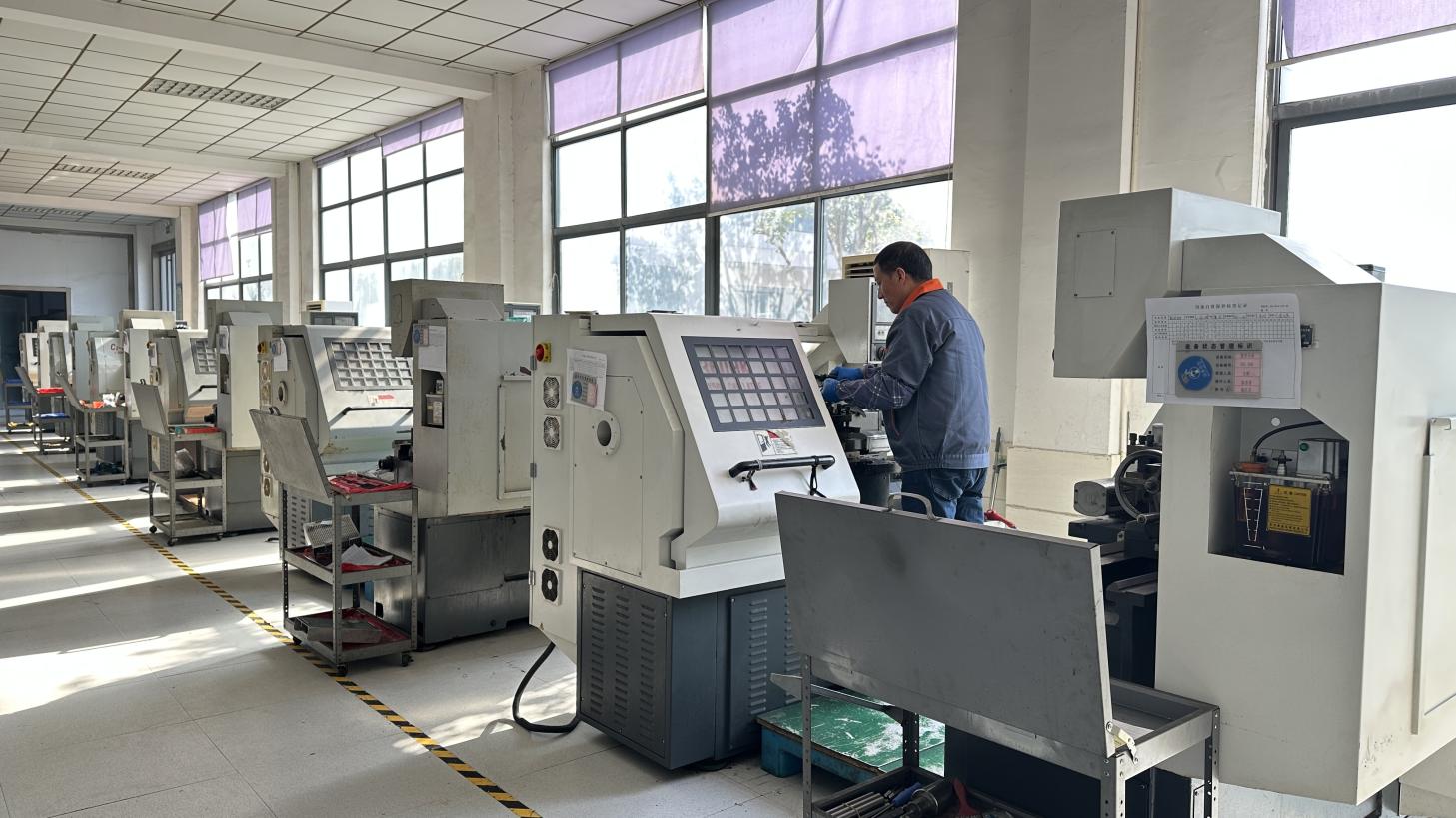
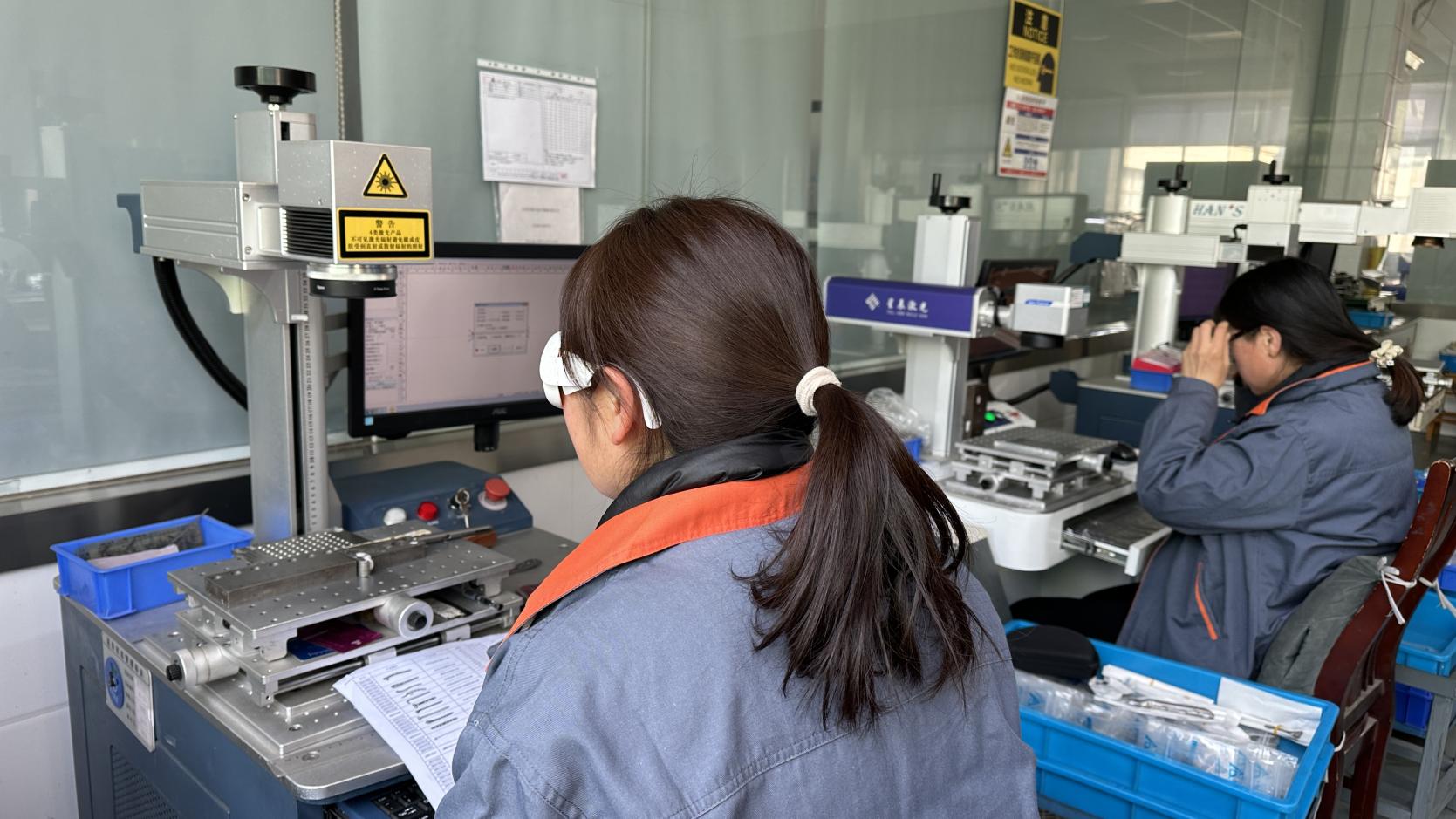
Production Facility
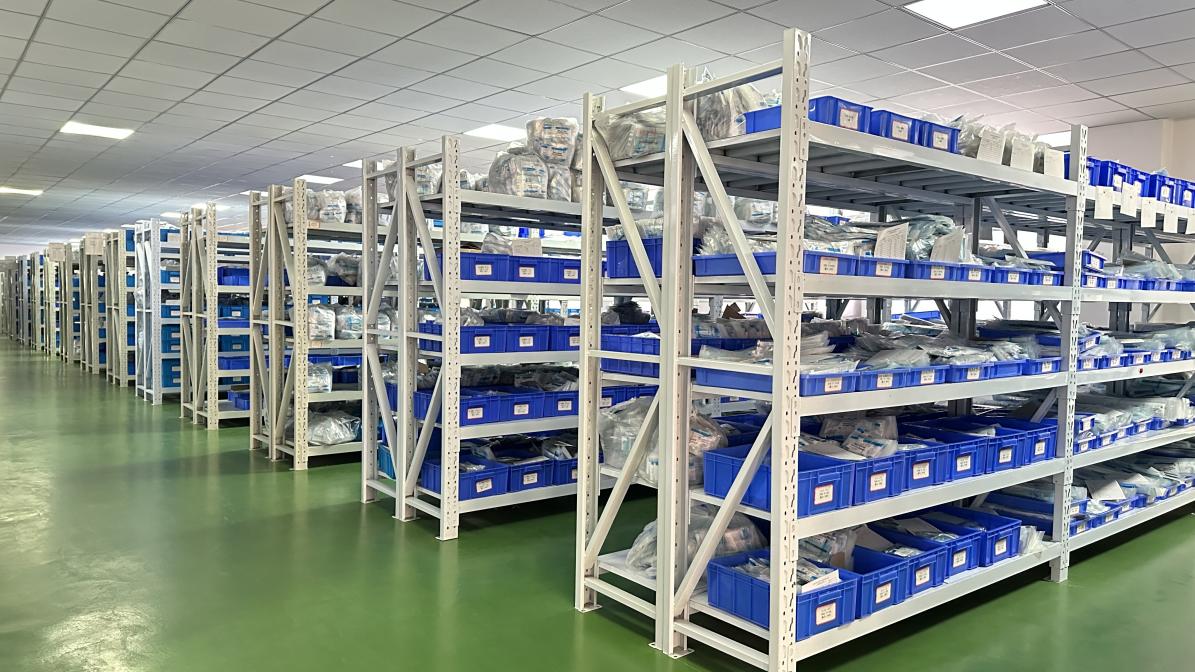
Supply Chain Partners
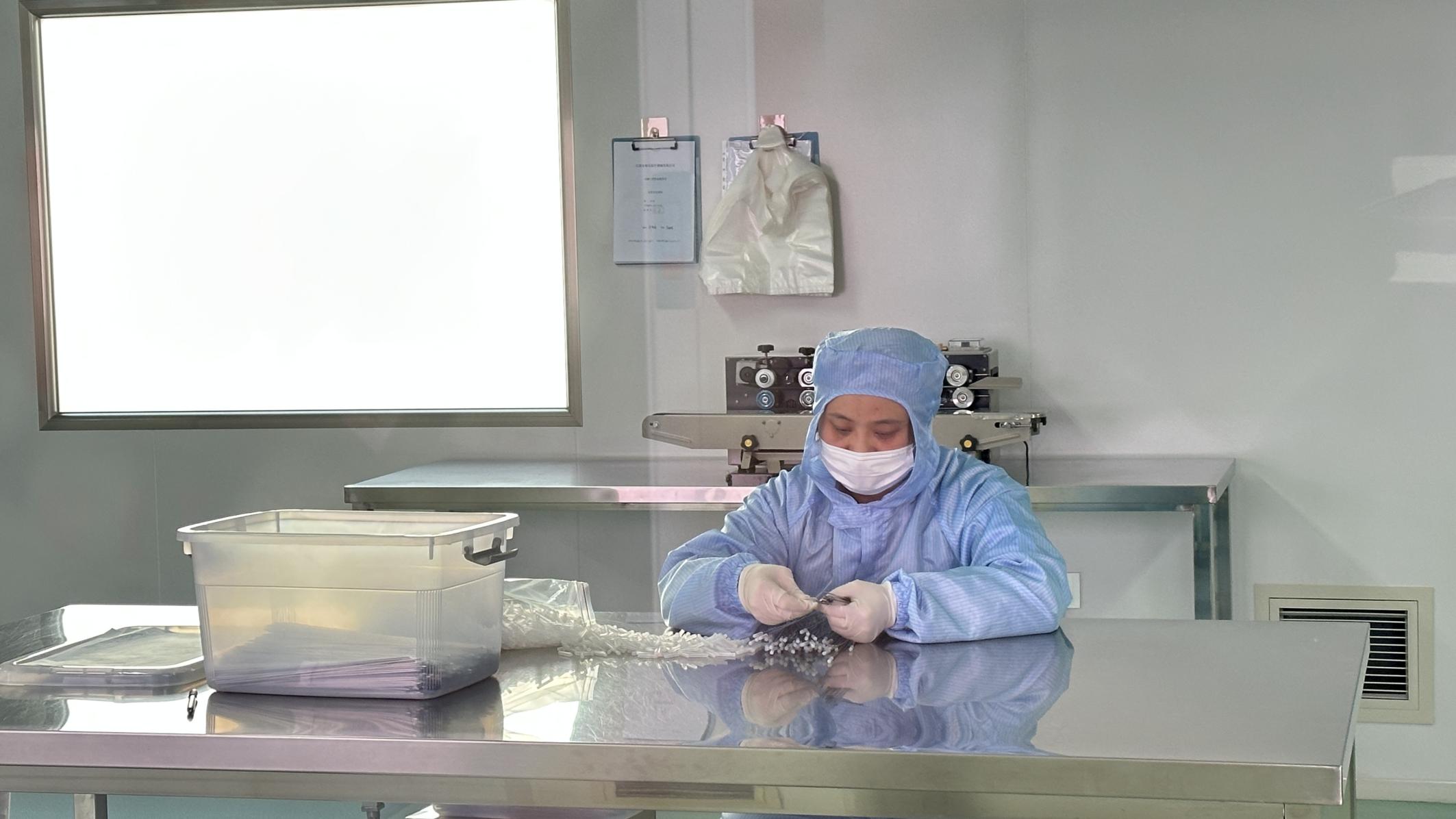
Dedicated QC Inspectors
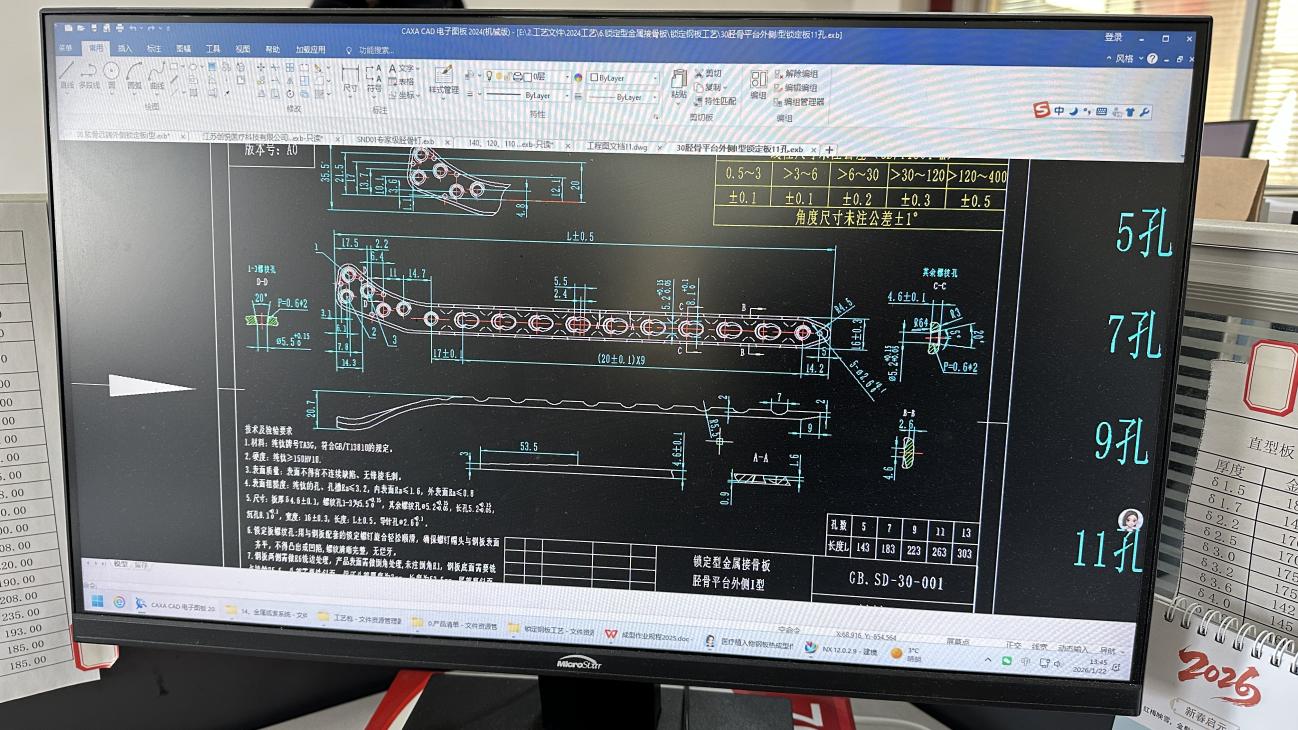
R&D Engineers
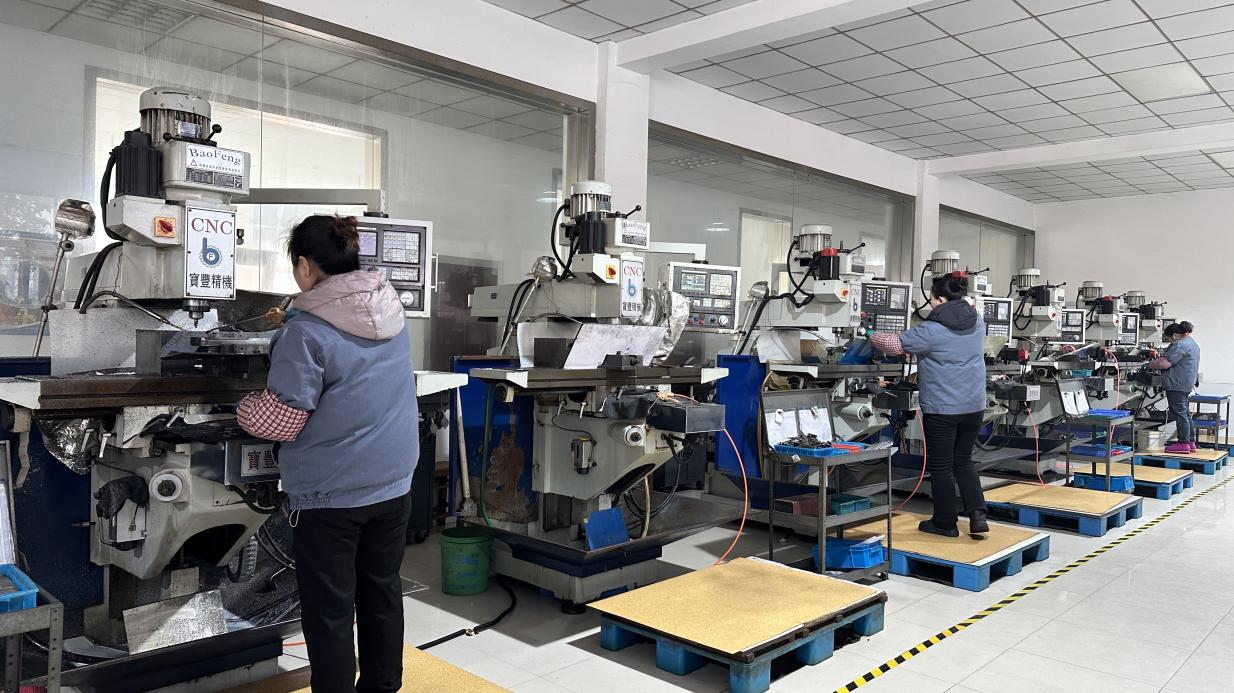
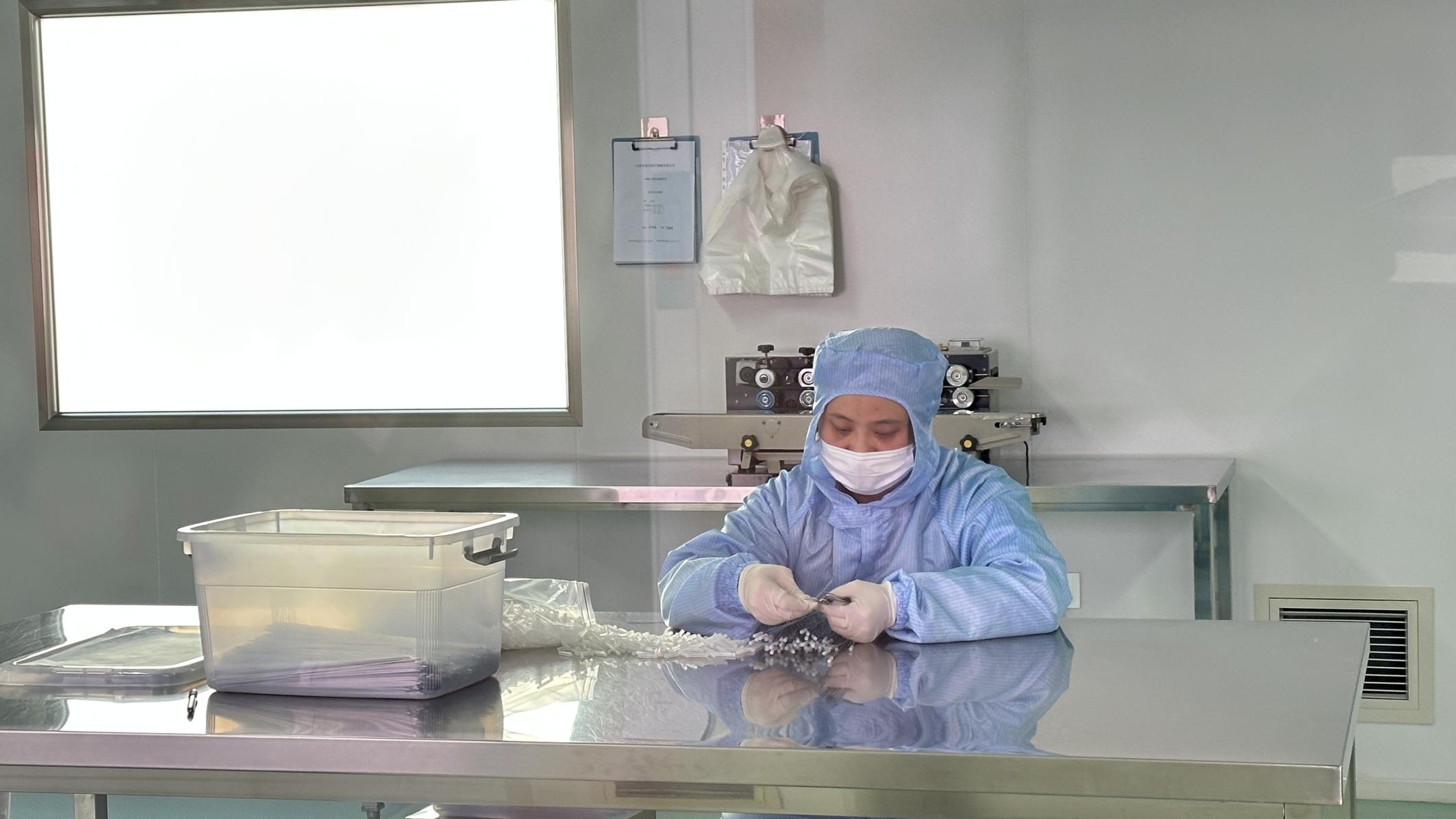
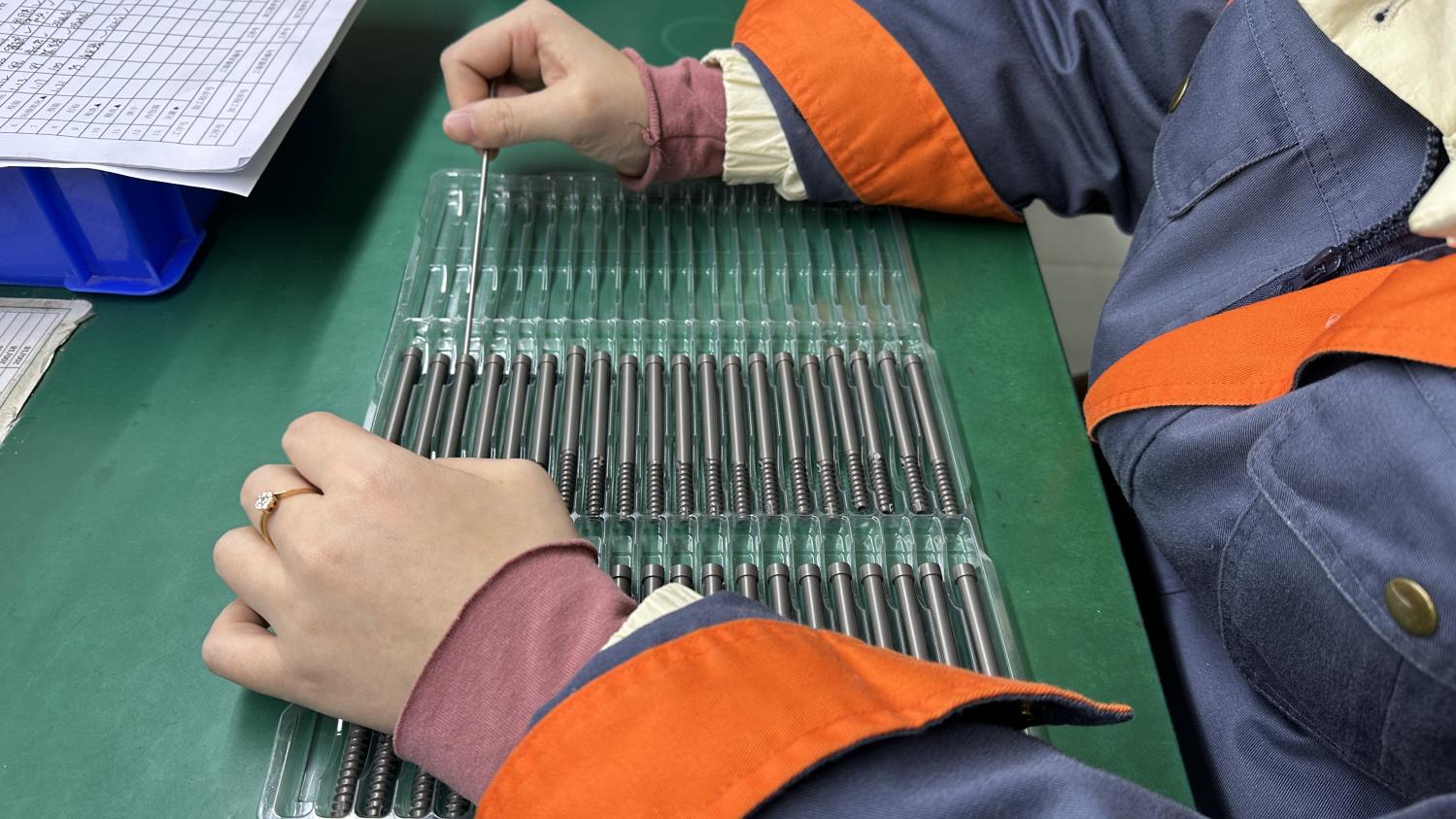
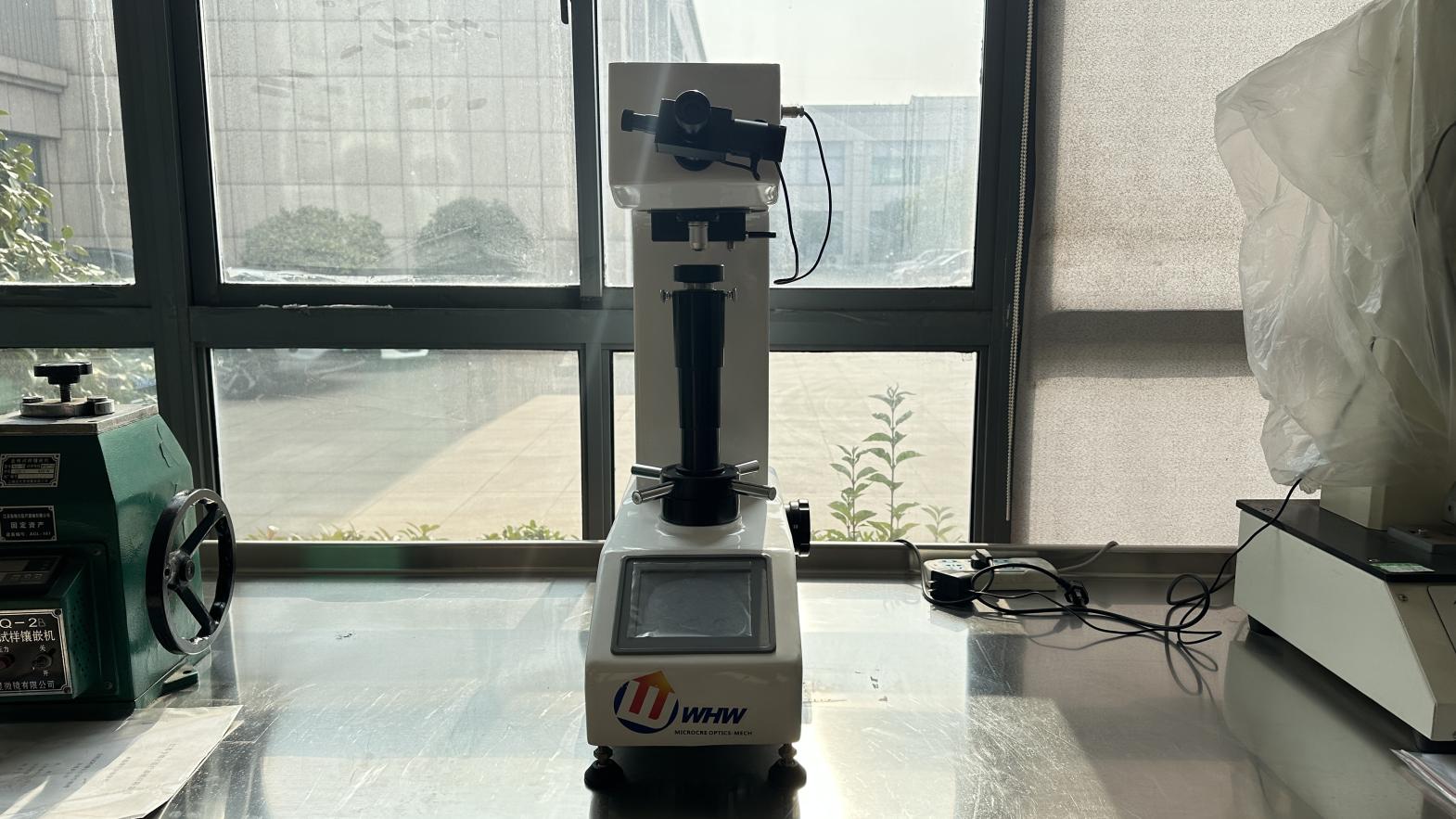
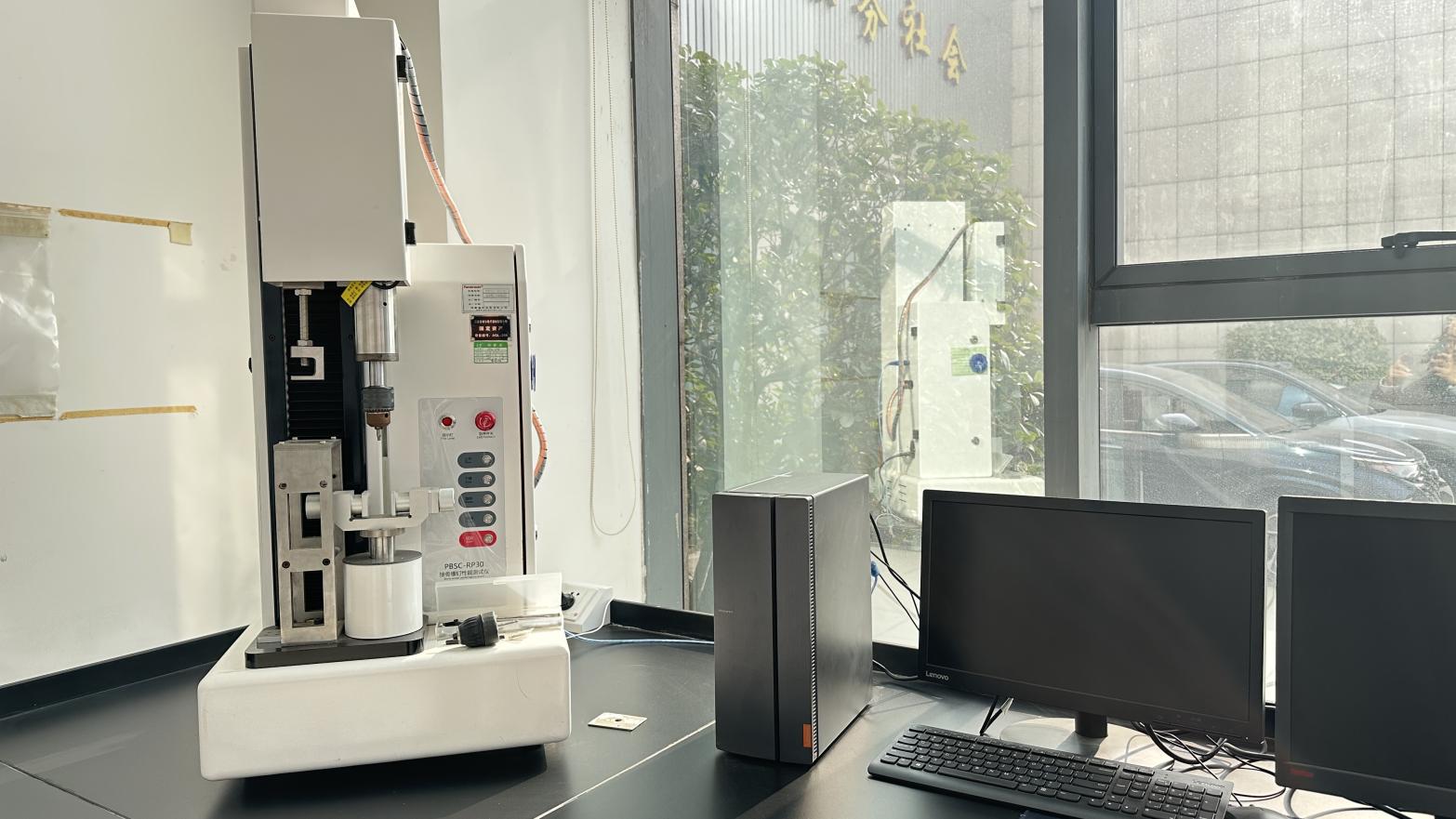
State-of-the-art machinery and comprehensive fatigue, tensile, and dimensional inspections ensure clinical reliability.

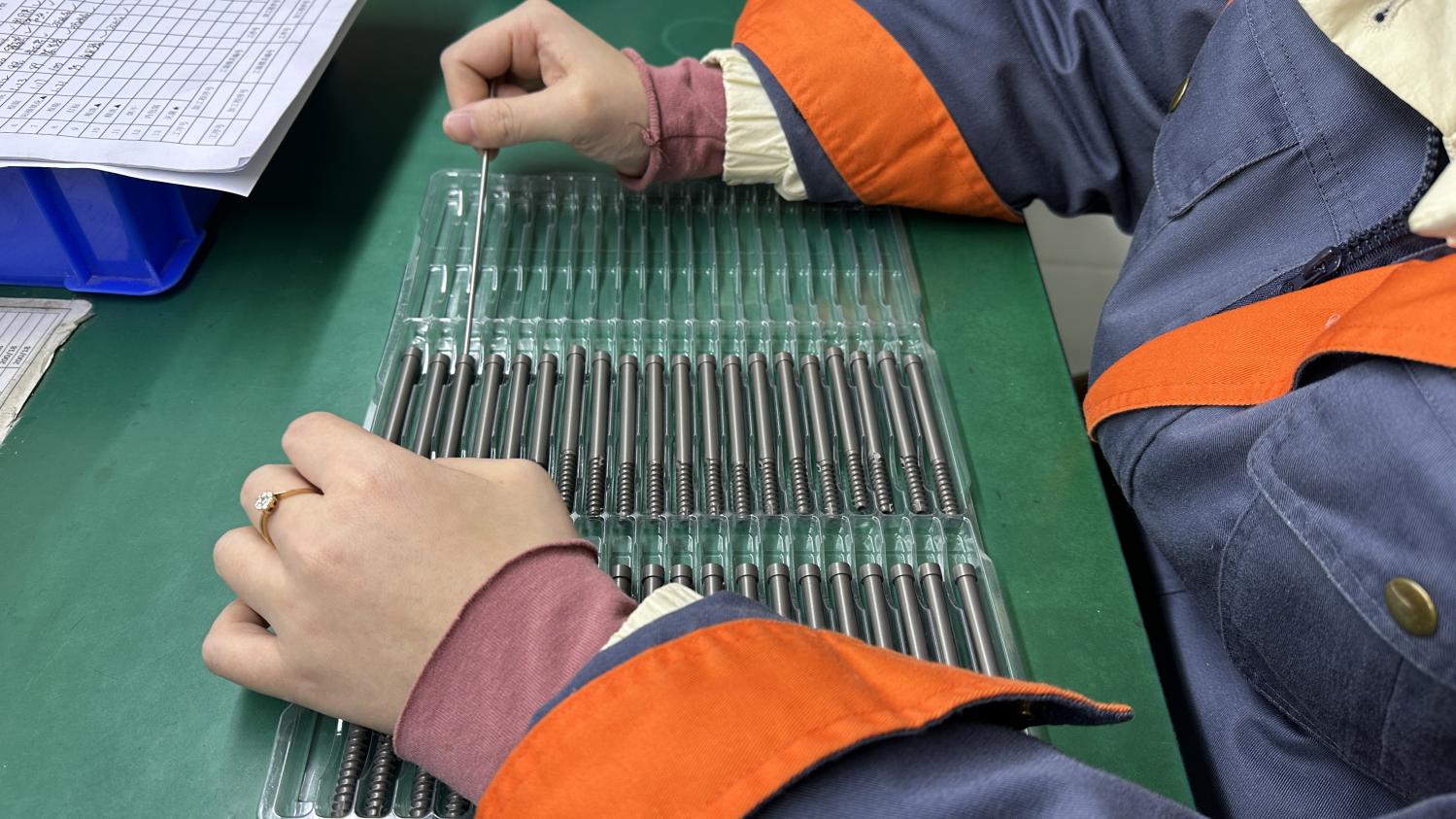
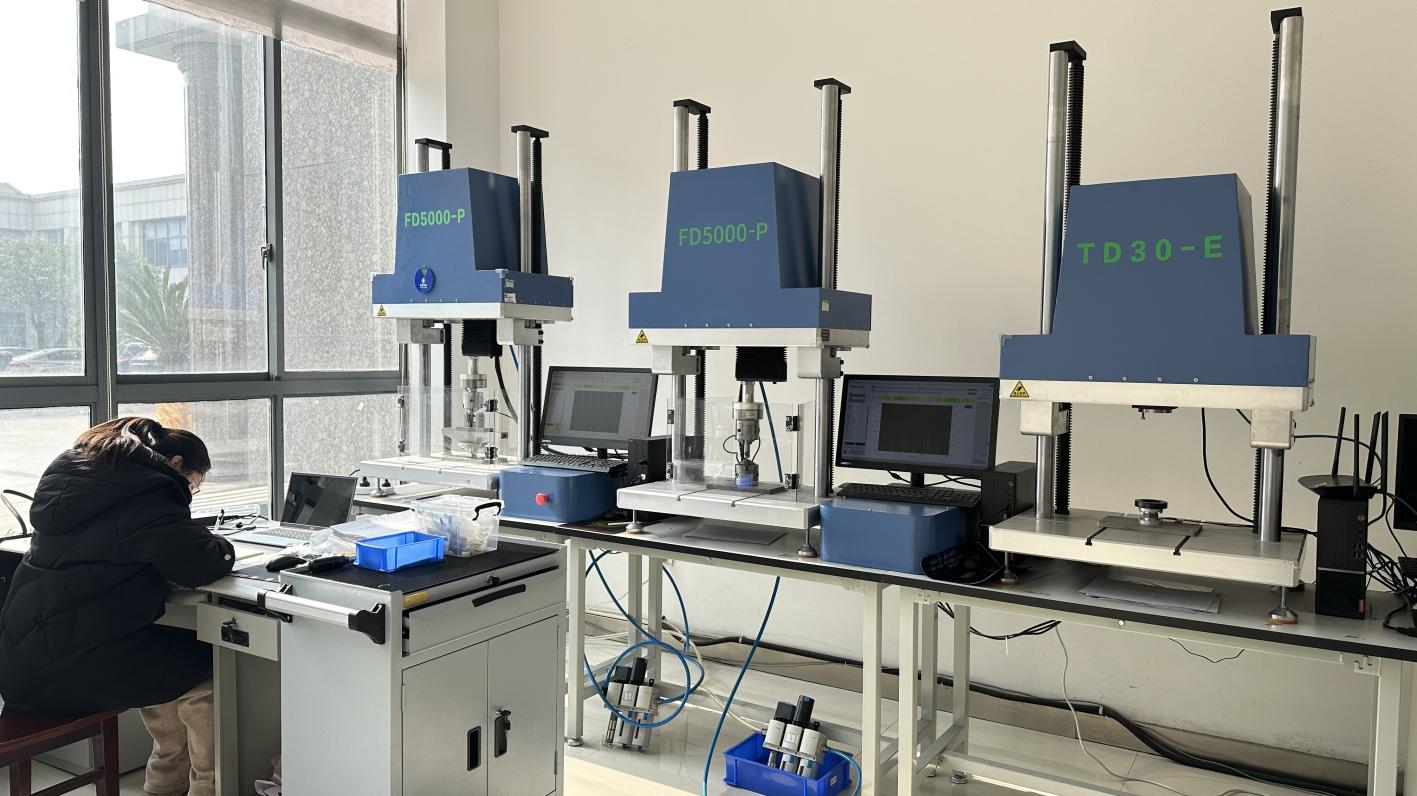
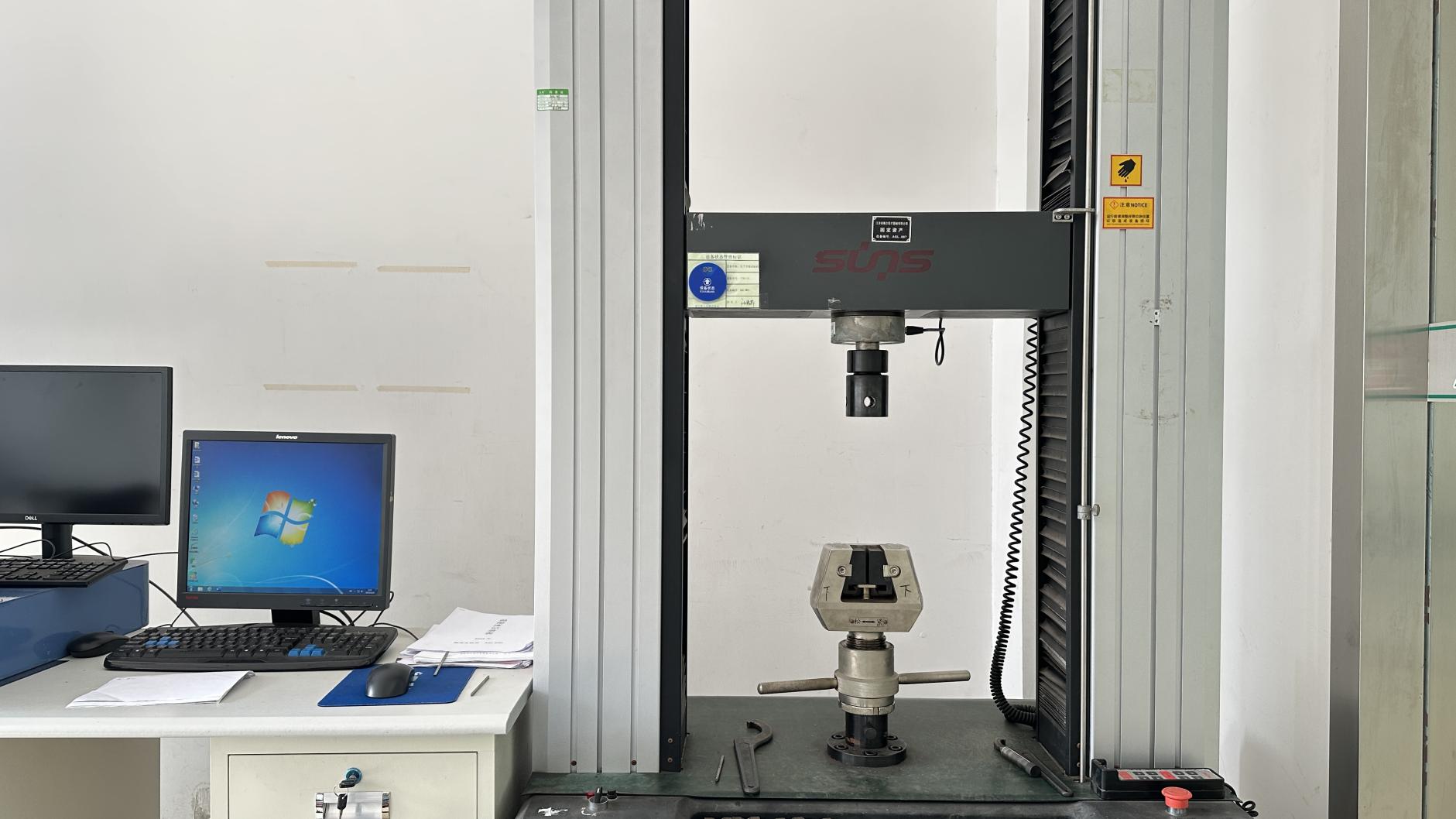
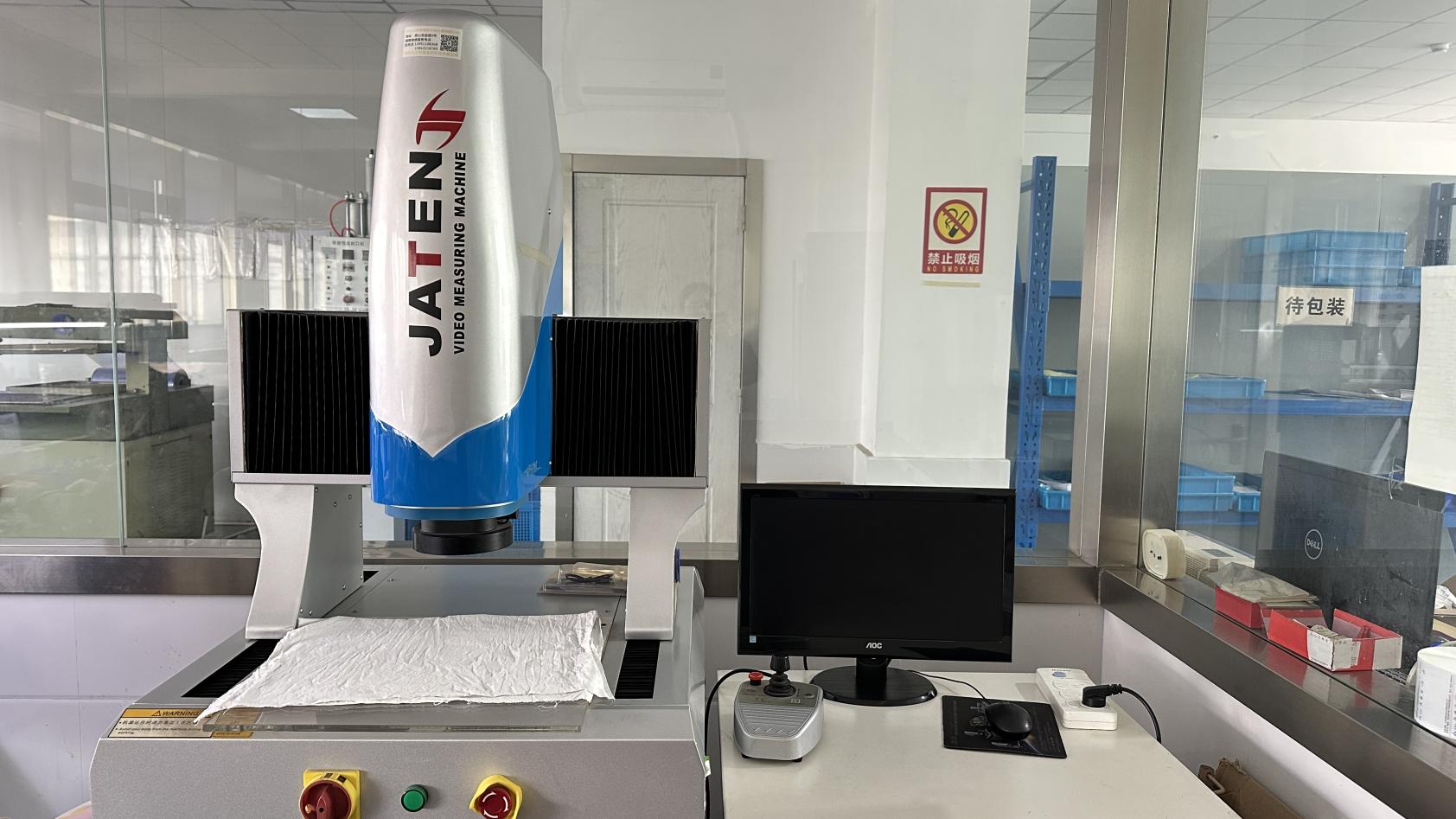
Understanding the balance between technical excellence, economic efficiency, and scale.
Selecting a Chinese manufacturing partner like Medisplint offers clear structural advantages for Uruguayan medical entities:
| Feature Spec | Medisplint (China Origin) | Western Europe / US Implants | Local Uruguayan Value Impact |
|---|---|---|---|
| Base Raw Material | Certified Ti-6Al-4V ELI (Class III) | Certified Ti-6Al-4V ELI (Class III) | Equivalent biomechanical strength & biocompatibility. |
| Lead Times | 4 - 6 weeks | 8 - 12 weeks | Reduced hospital warehousing cost. |
| OEM / Private Labeling | Full custom support & regulatory files | High MOQ restrictions or unsupported | Allows distributors to build domestic brands. |
| Average Unit Cost Factor | Baseline Economy (High Margins) | 2.5x to 4x Premium Pricing | Maximizes competitiveness in public hospital bidding. |
Aligning intramedullary systems with the patient demands of public and private sectors.
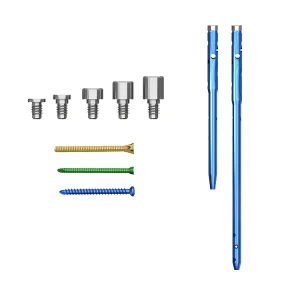
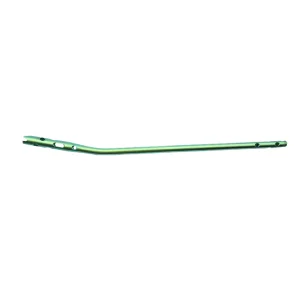
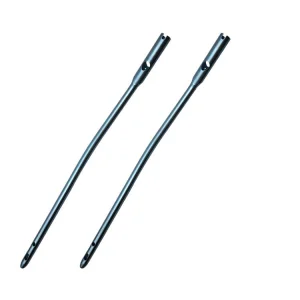
With Uruguay's high aging population index, the need for stable fixation of proximal femoral fractures (PFNA) is constant. Our PFNA systems offer quick rotational stability in osteoporotic bone structures, reducing surgery times.
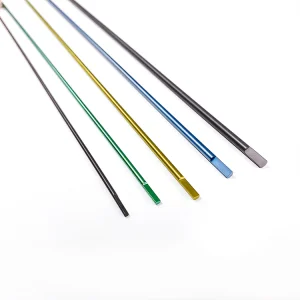
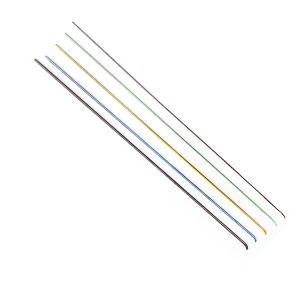
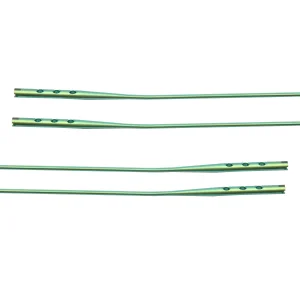
Clinics require elastic titanium intramedullary nails (TEN) for pediatric femoral and tibial shaft fractures. Our pediatric range guarantees elasticity with high mechanical integrity, accelerating natural bone growth patterns.
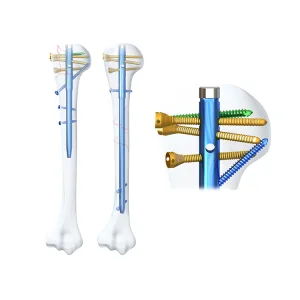
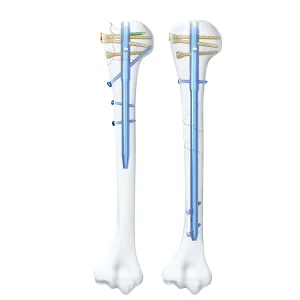
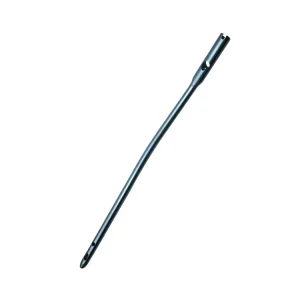
For complex fractures of the humeral shaft, especially proximal fractures, our locking configurations prevent post-op displacement, shortening healing times and improving joint mobility.
Practical and technical guidelines for professional medical buyers, distributors, and orthopedic procurement teams.
Comprehensive clinical options for pediatric, trauma, and osteoporotic reconstruction treatments.