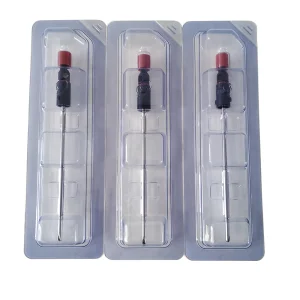
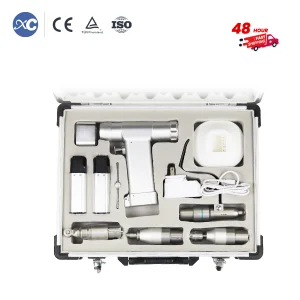
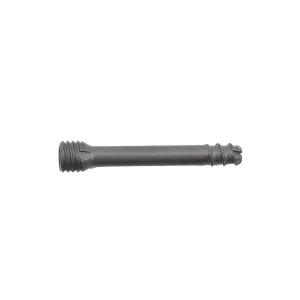
Medisplint
Medisplint
Medisplint
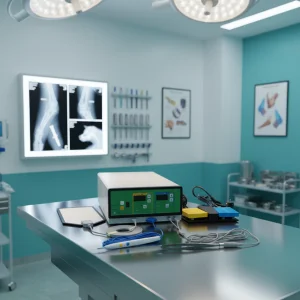
Deploying state-of-the-art power systems, patient-specific orthopedic retractor units, and class III intramedullary locking components designed for optimized structural osteosynthesis.
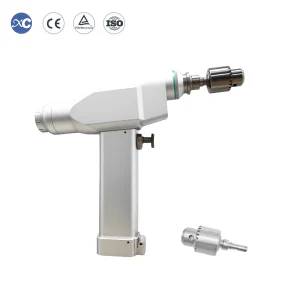
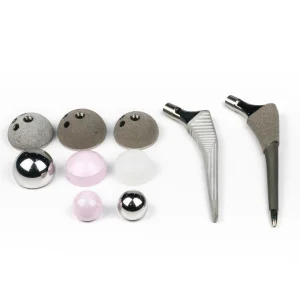
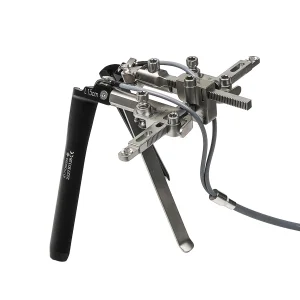
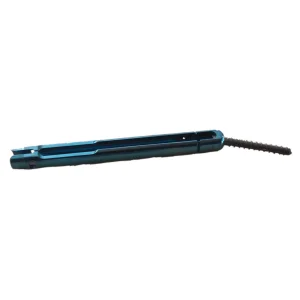
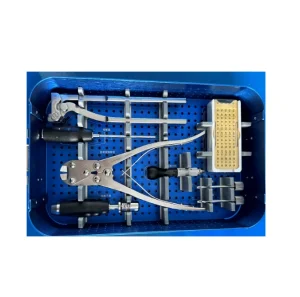
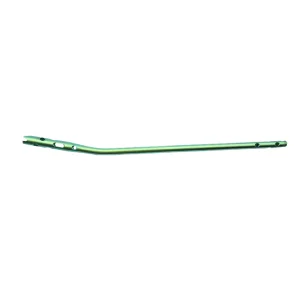
Understanding the structural design, metallurgical superiority, and biomechanical stabilization factors when sourcing reconstruction intramedullary systems.
Reconstruction intramedullary nails are primary implants engineered for high-demand skeletal loads. Unlike standard interlocking nails, reconstruction variants feature dual-lag screw mechanisms directing through the femoral neck to the head. This specific geometry handles extreme torsional forces in complex subtrochanteric fractures, preventing rotation and subsequent non-union.
Optimized stress distribution relies on advanced metallurgical processing. Utilizing medical-grade titanium alloy (Ti-6Al-4V ELI) ensures the implant matches bone tissue's elastic modulus more closely than stainless steel, dramatically minimizing stress shielding and accelerating bone remodeling.
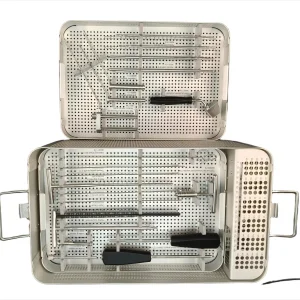
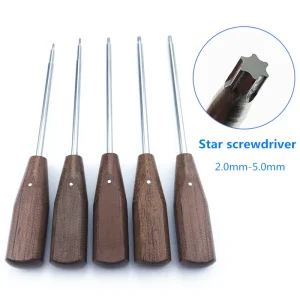
Surgical centers and trauma units rely on a seamless match between implants and dedicated instruments. An unmatched instrumentation set increases surgical time and clinical error rates. System level suppliers ensure that cannulated screwdrivers, insertion jigs, and distal targeting devices feature ergonomic designs and hard wearing coatings to withstand high-volume processing in high pressure hospital suites.
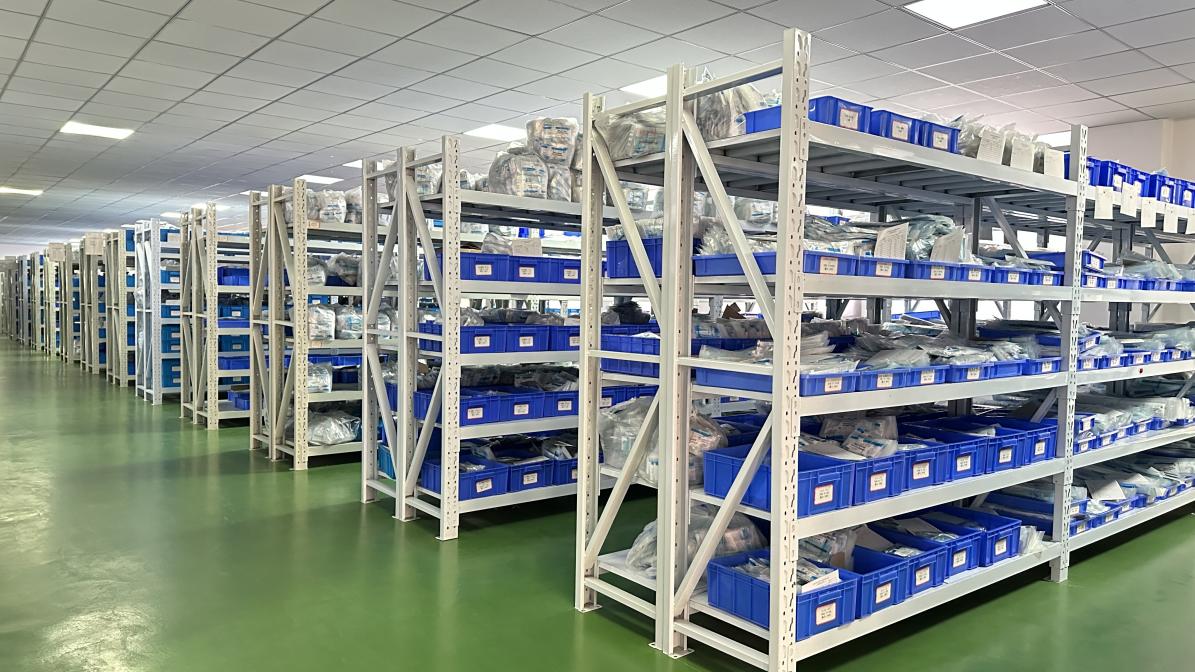
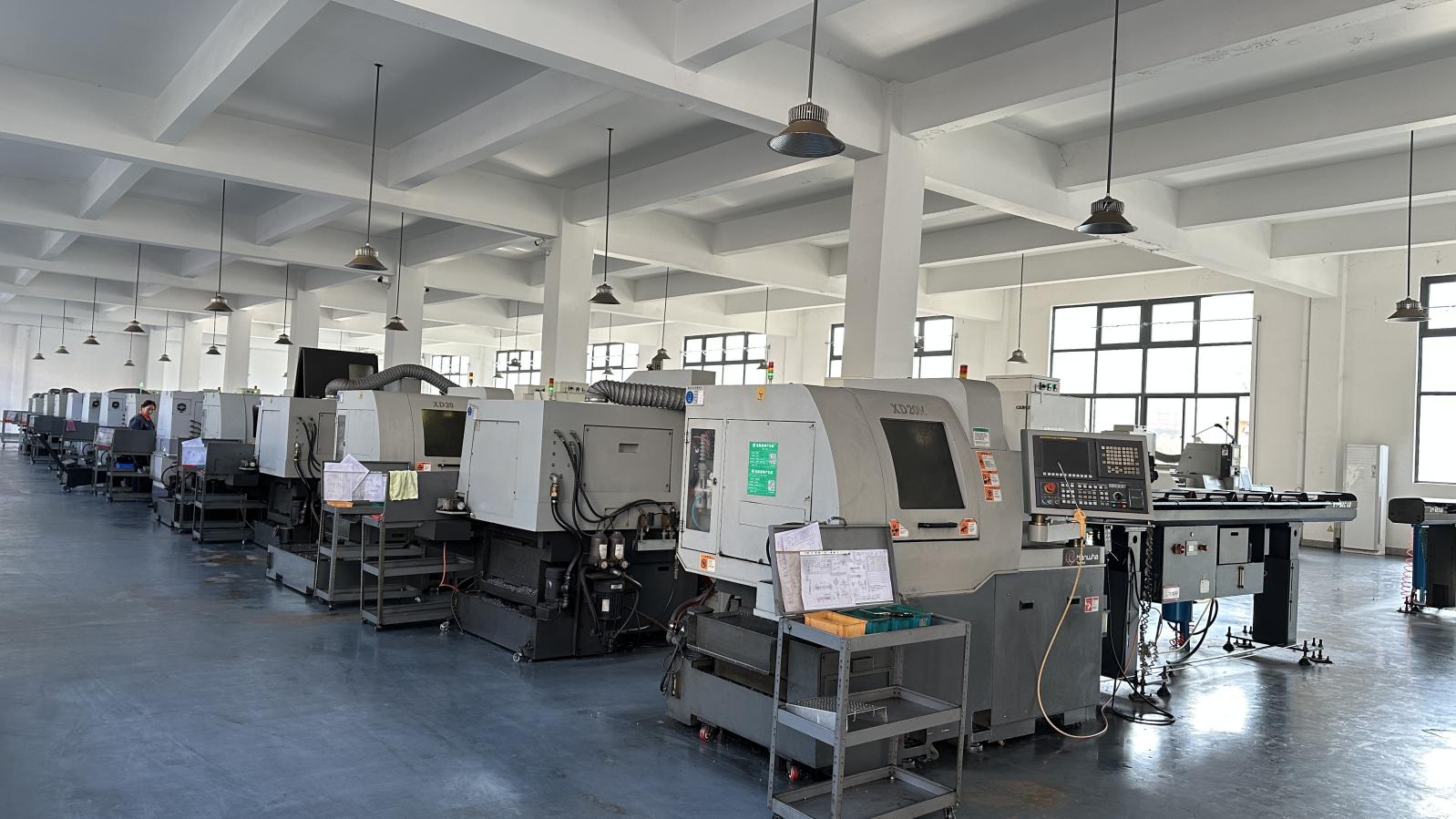
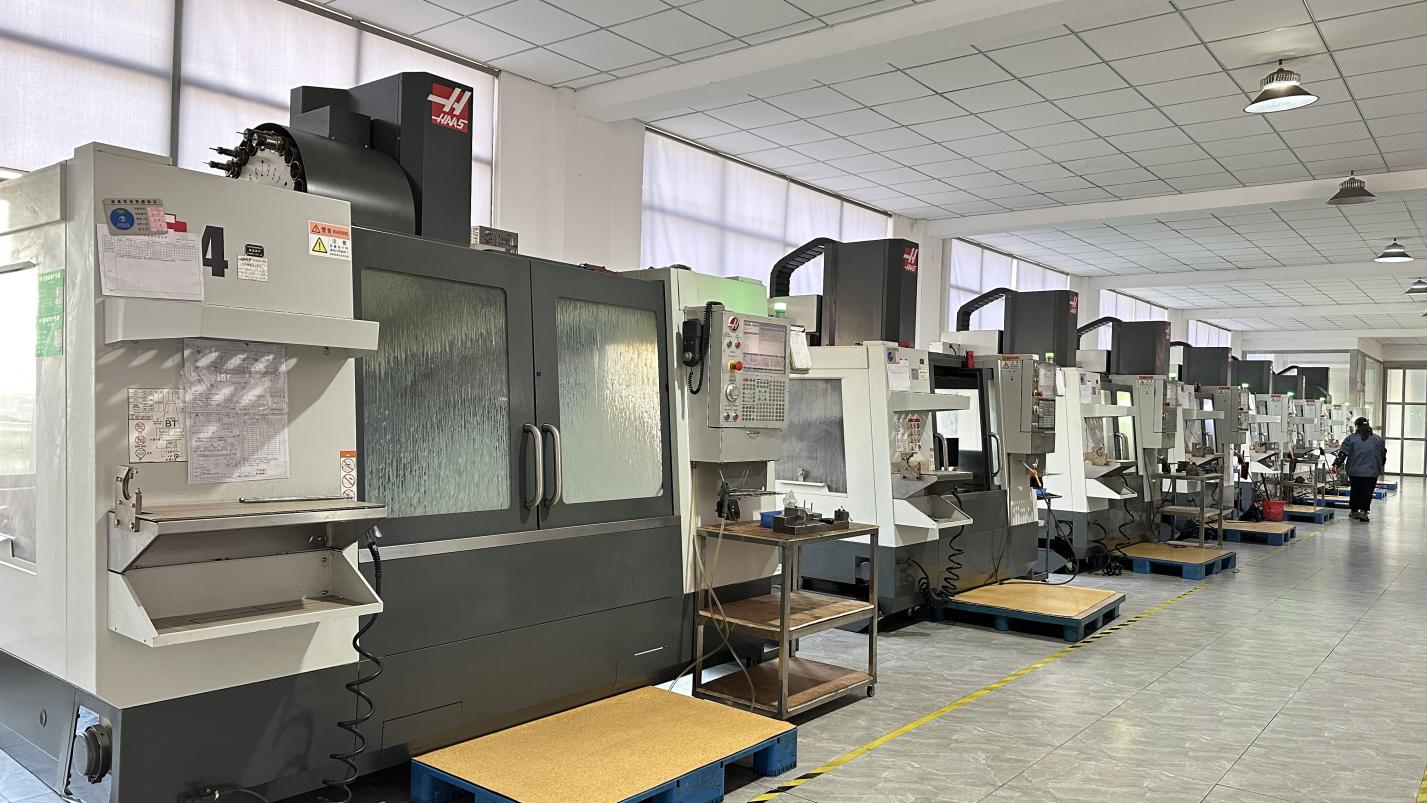
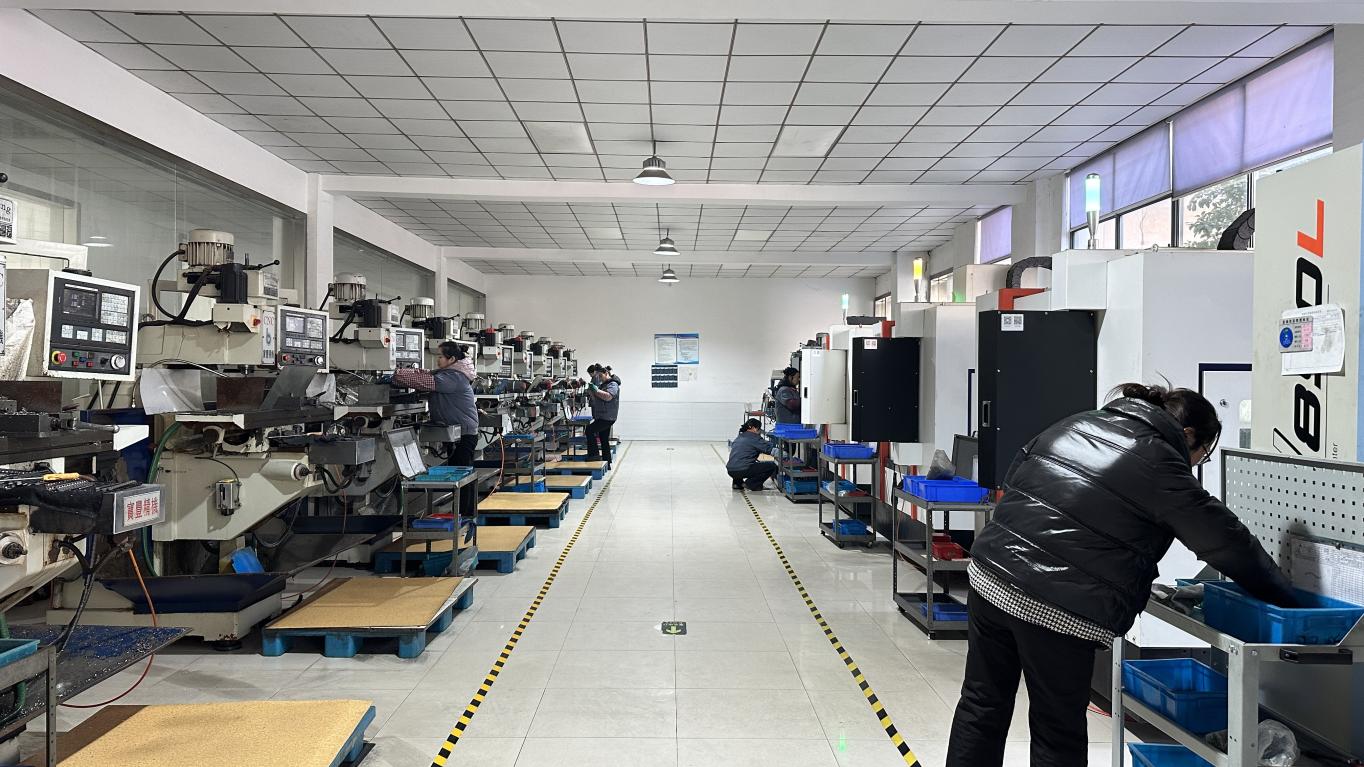
Founded in 2016, Medisplint is a leading international manufacturer specializing in orthopedic implants, fixation systems, and surgical instruments. Operating a state-of-the-art facility covering 18,500m², Medisplint integrates advanced R&D, CNC machining, and rigorous testing lines to produce CE-compliant and ISO 13485-certified clinical solutions.
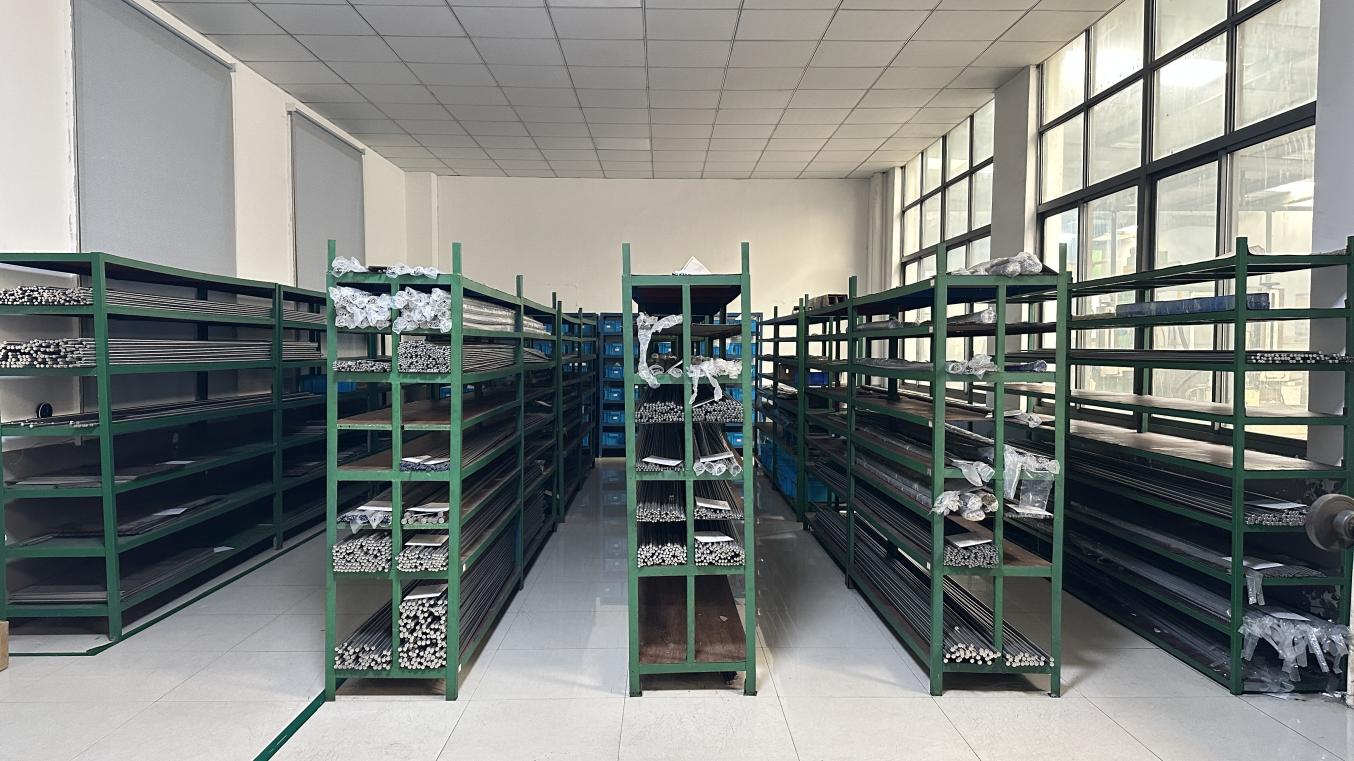
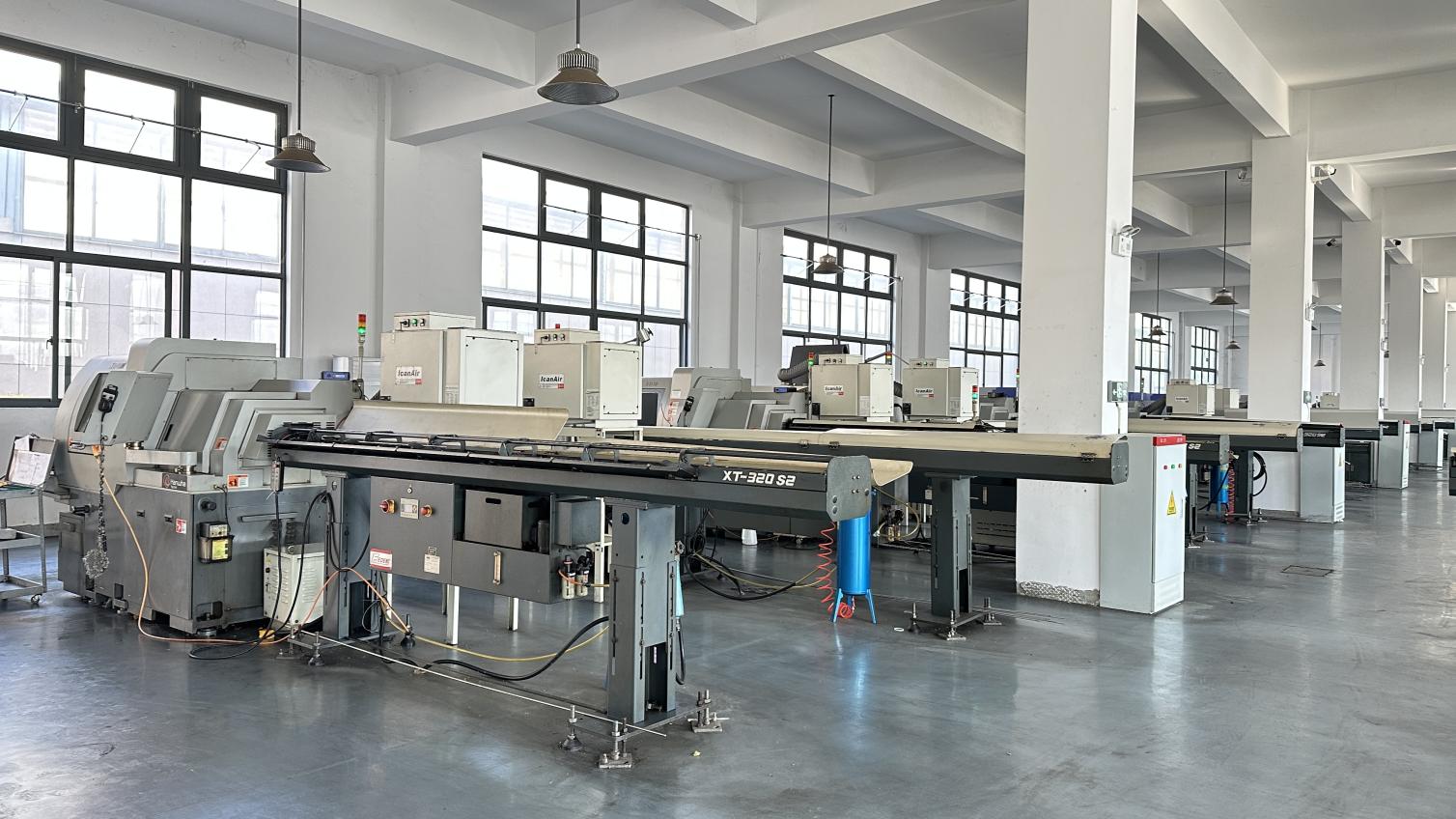
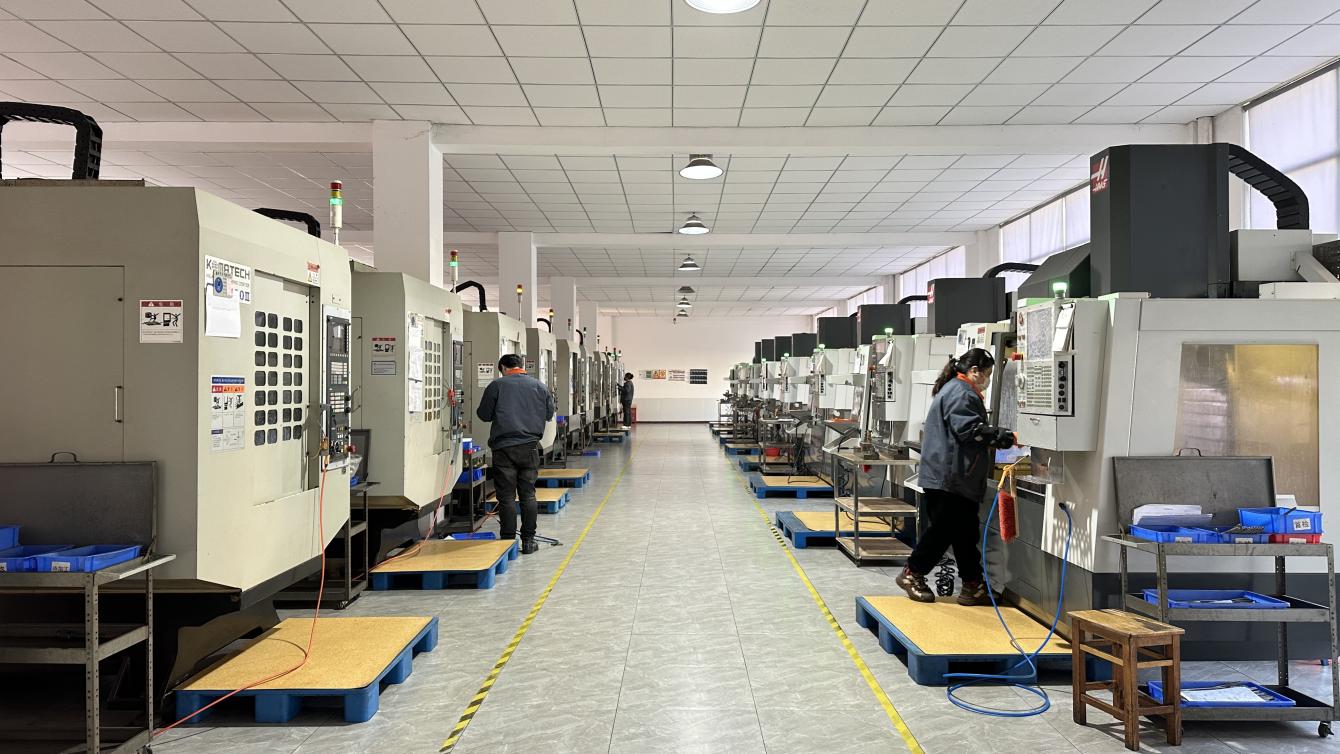
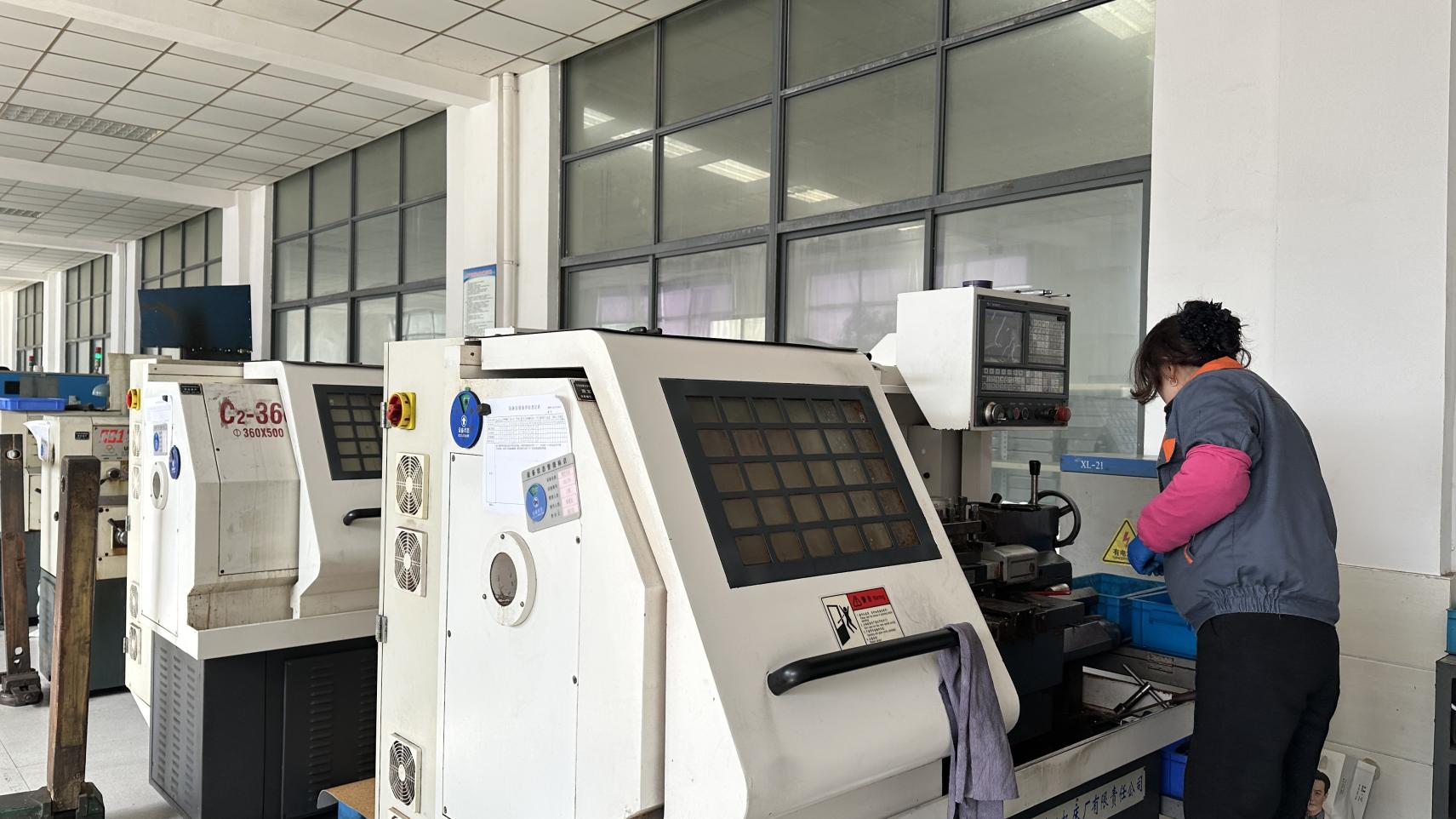
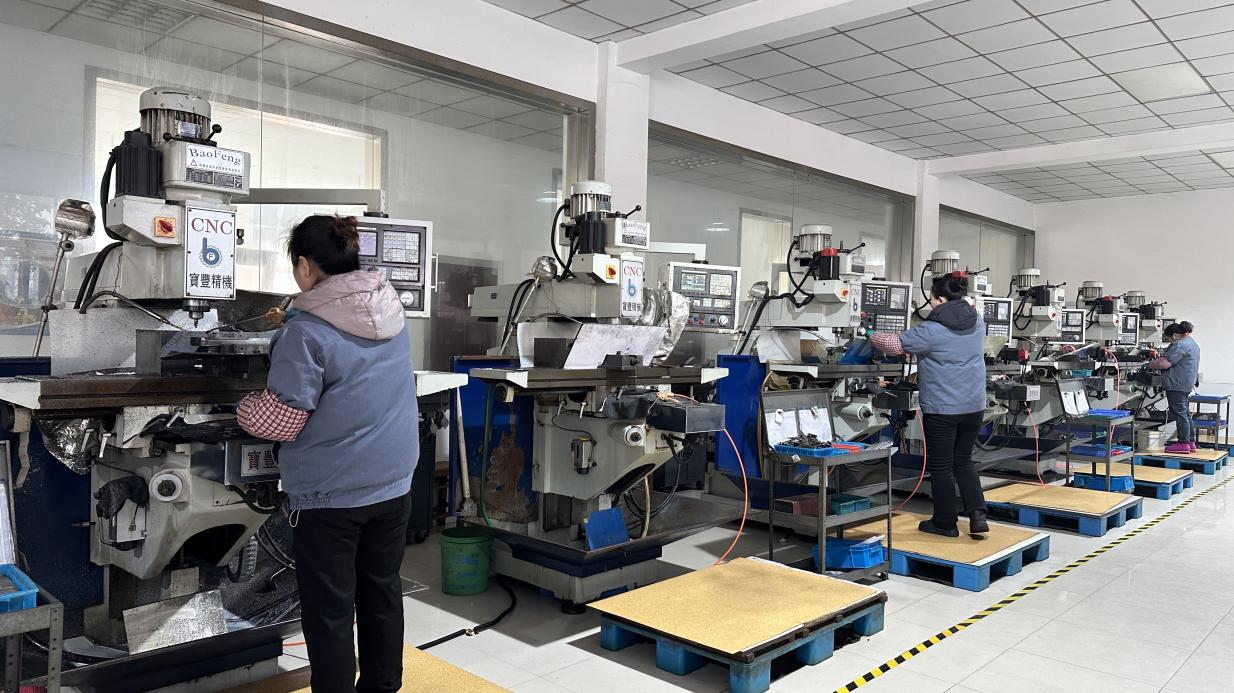
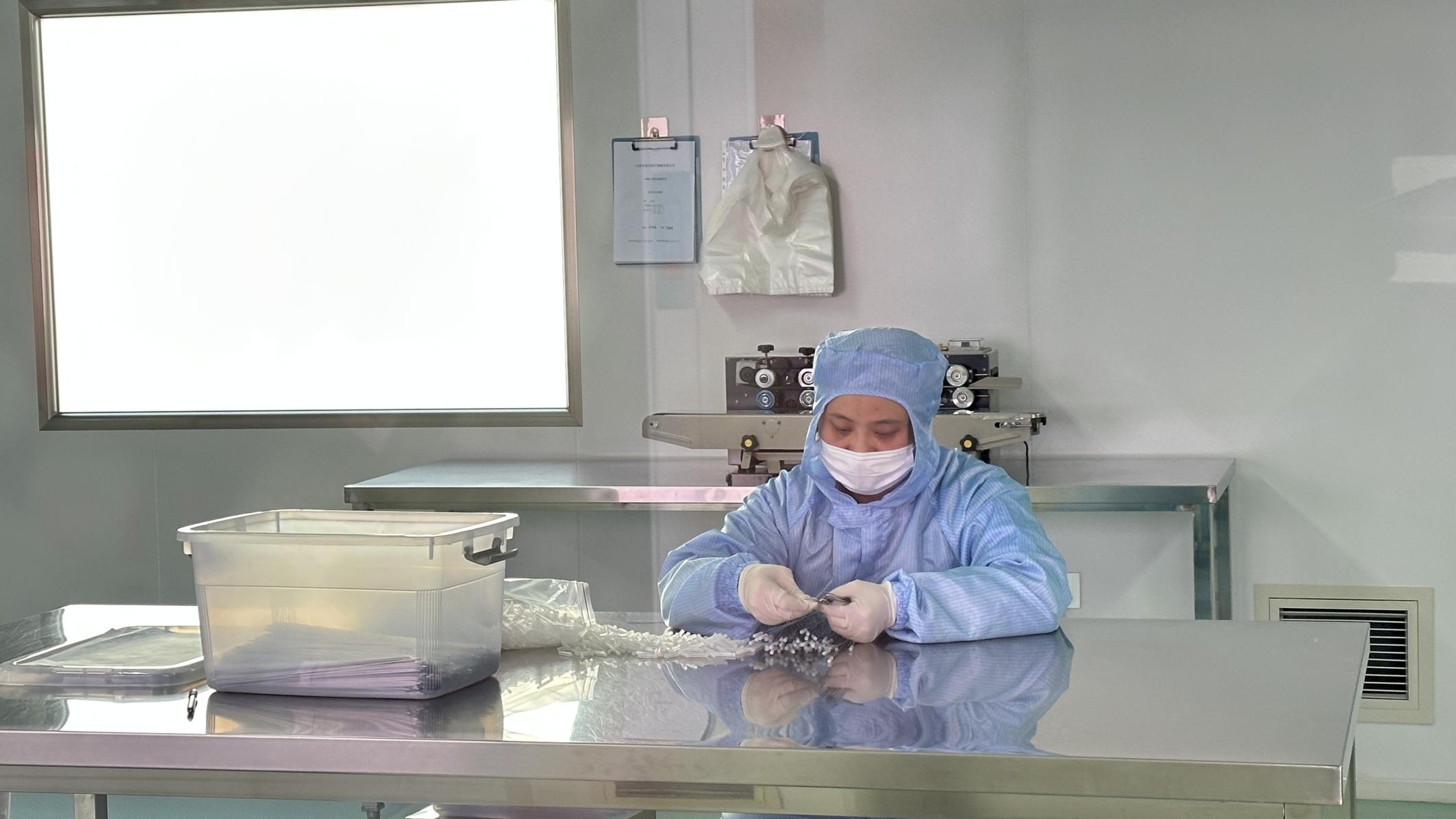
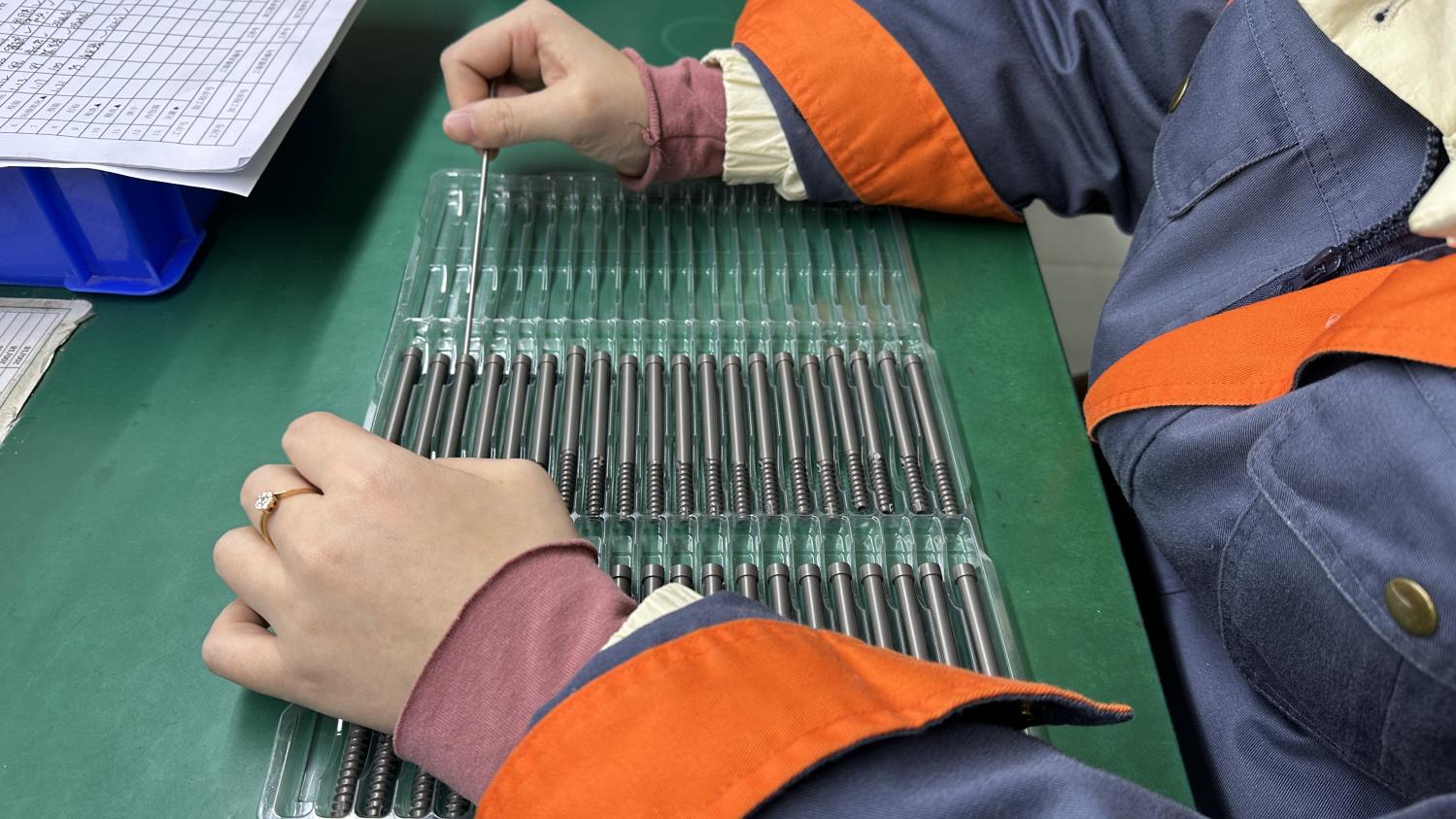
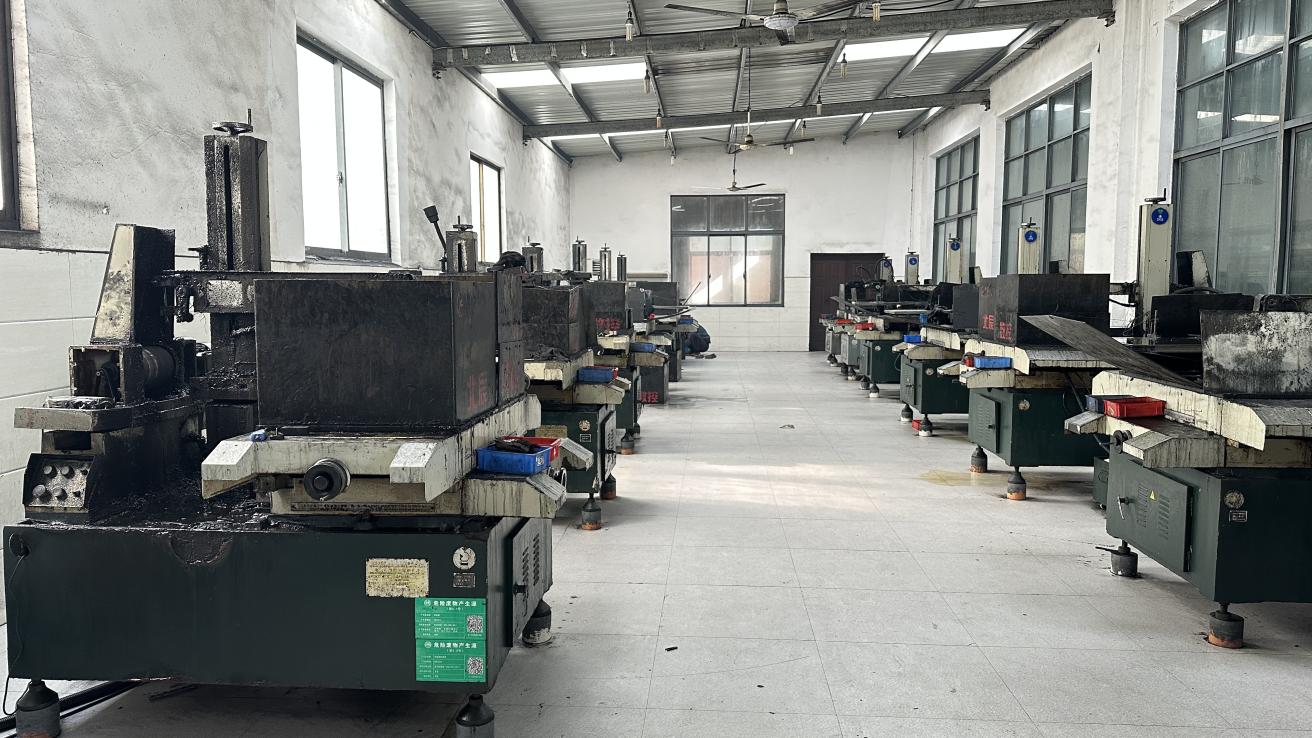
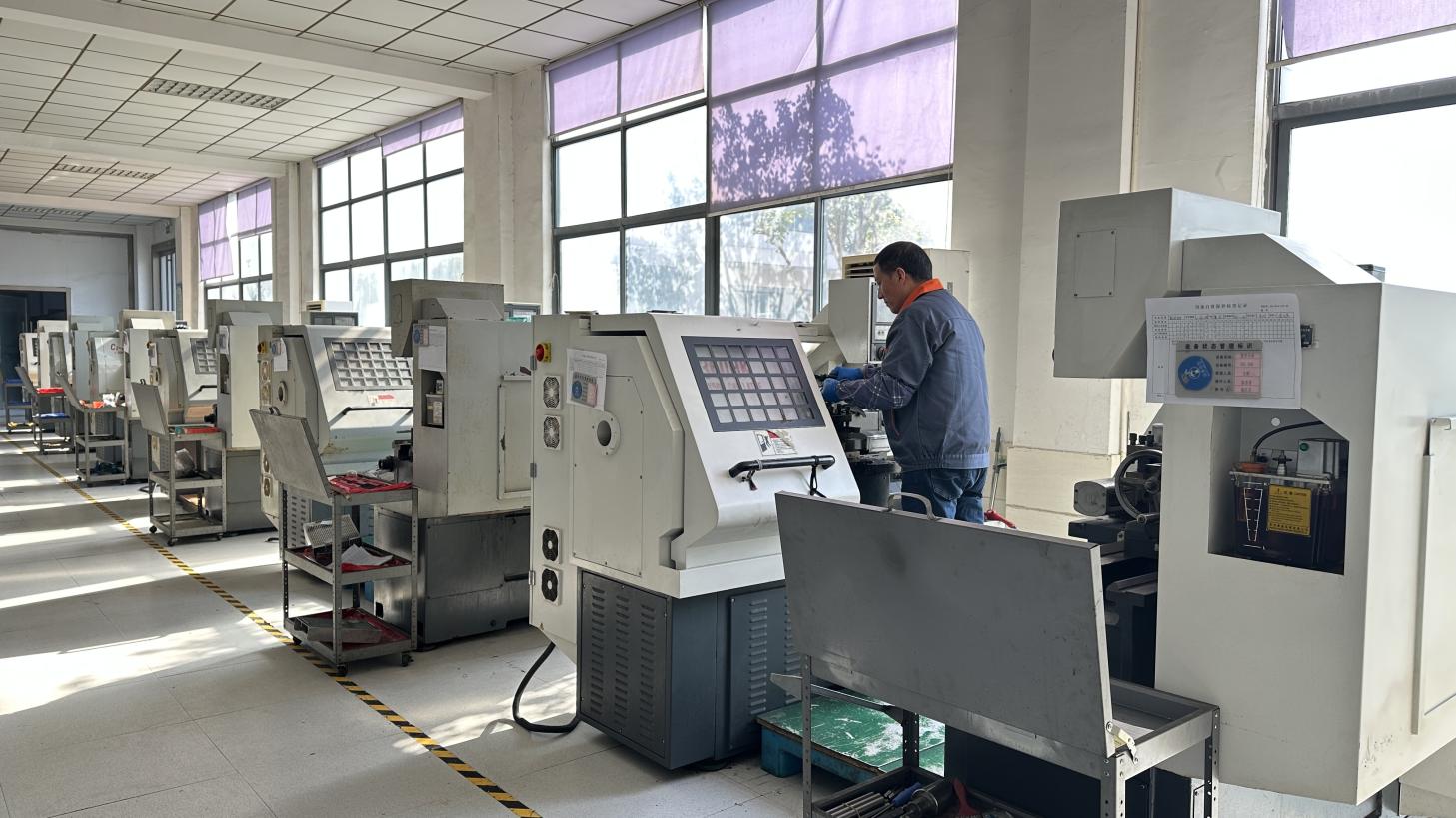
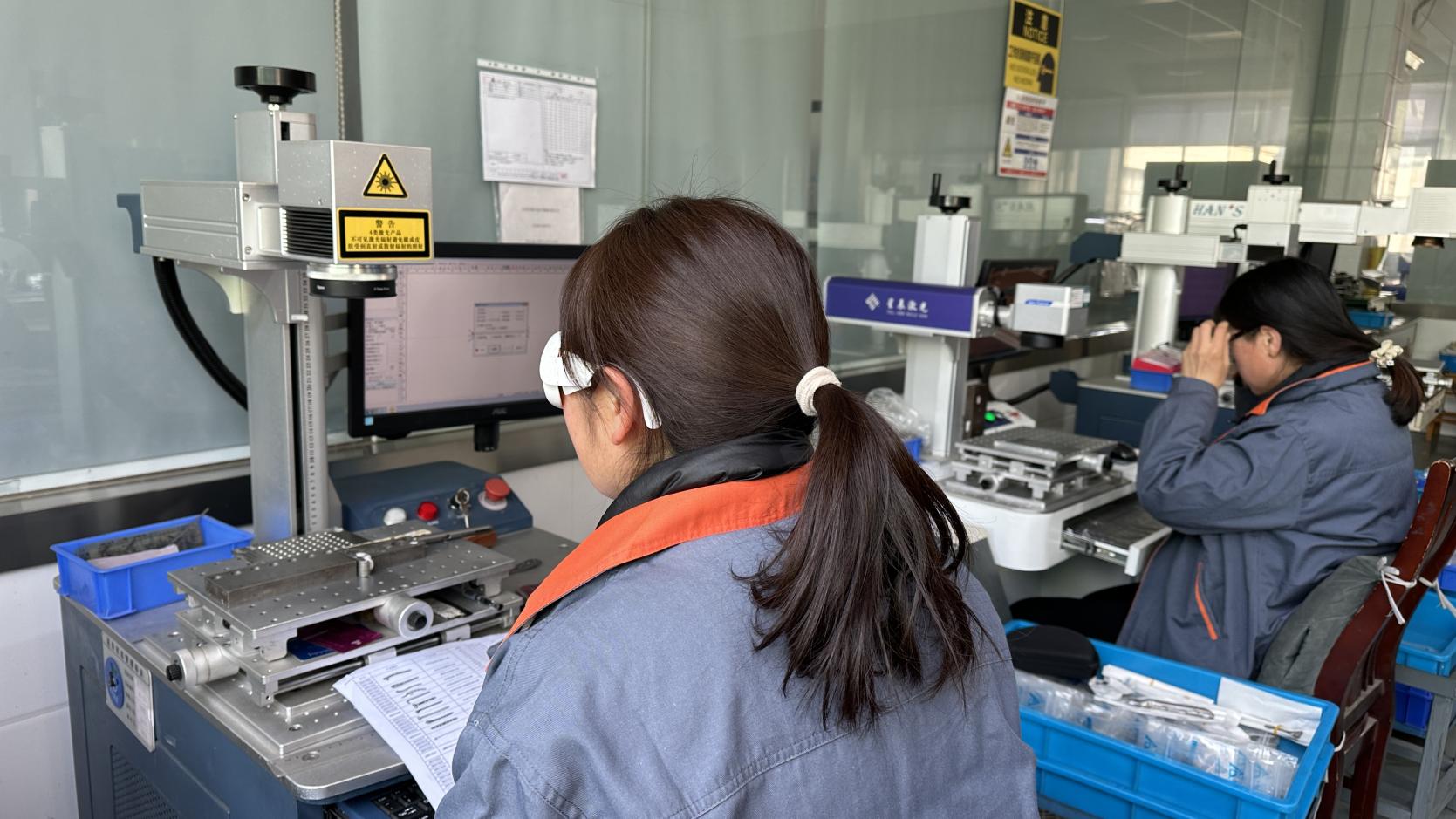
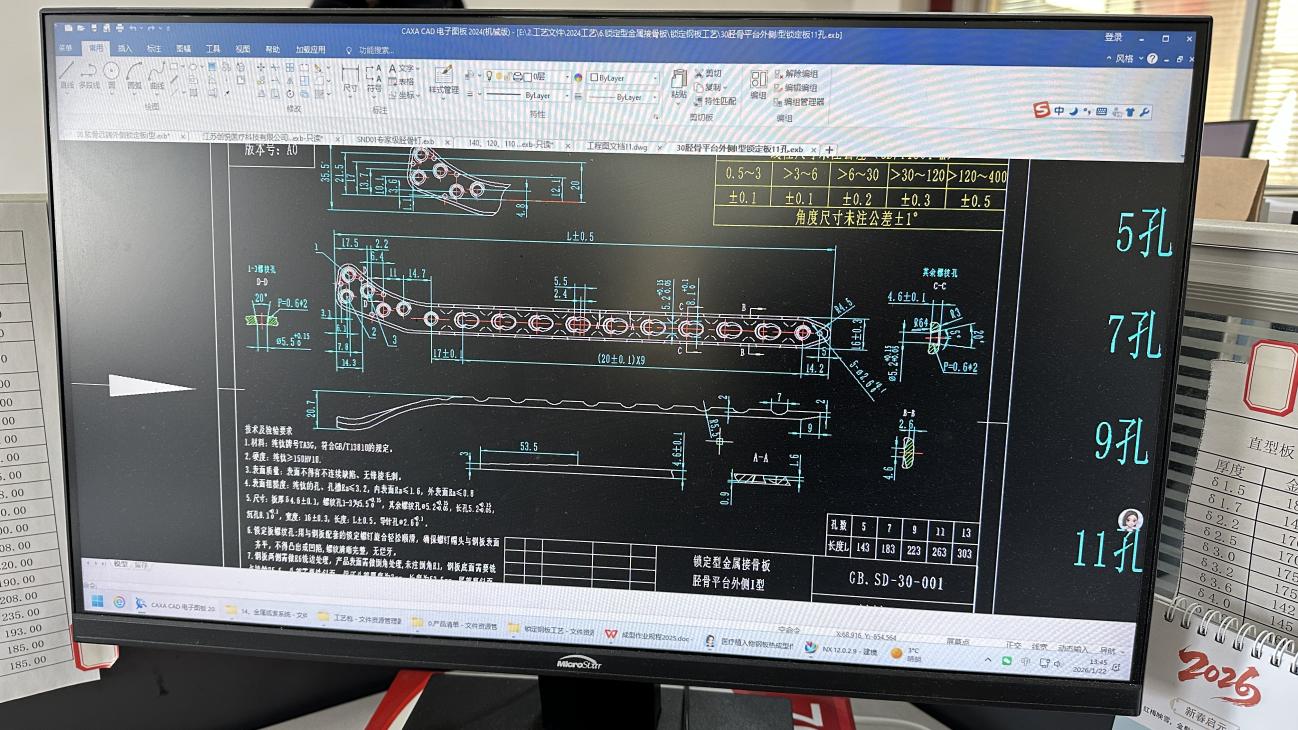

Ensuring zero clinical failures through advanced multi-axial fatigue simulation, tensile verification, and laser geometry inspection.
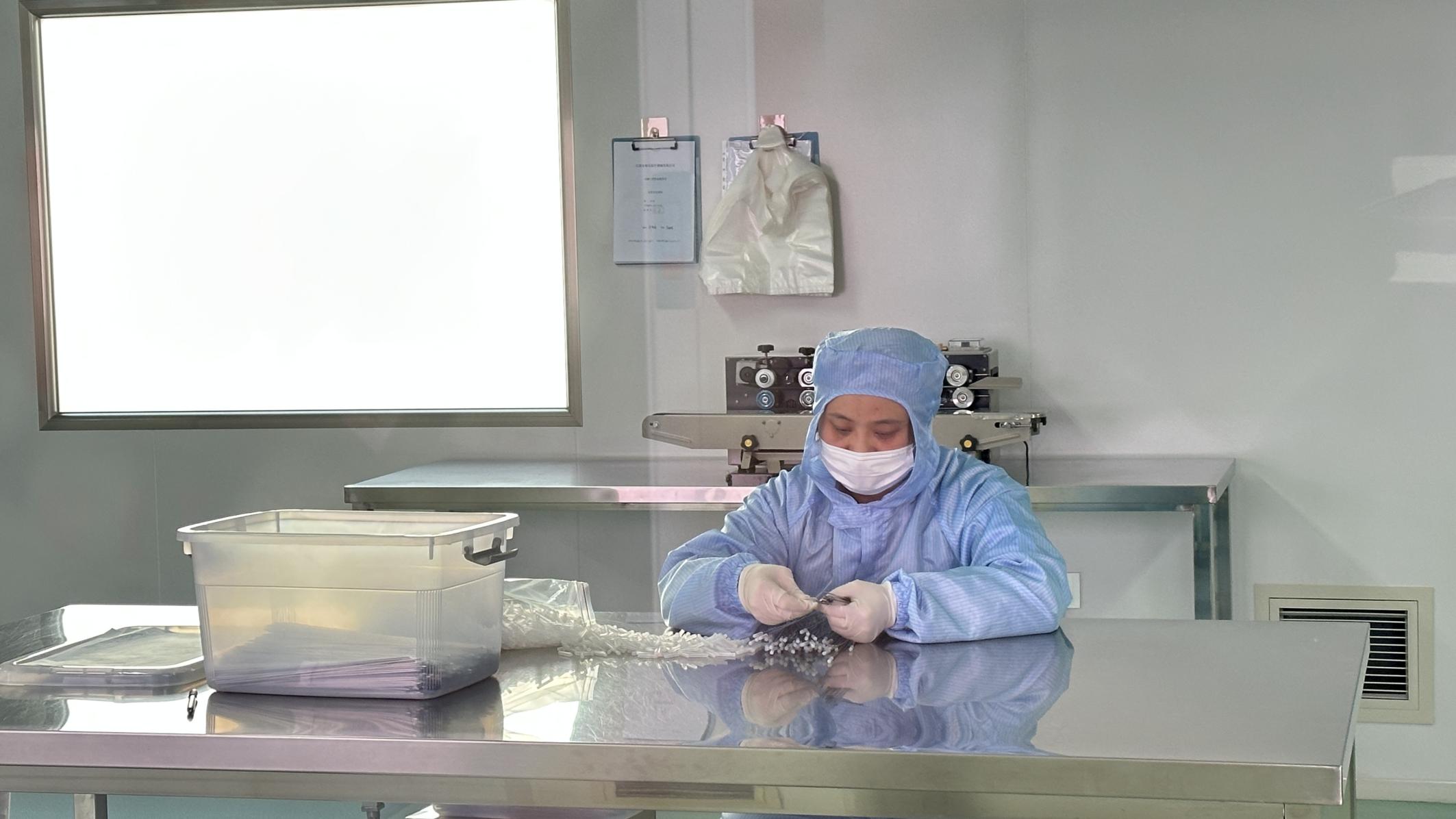
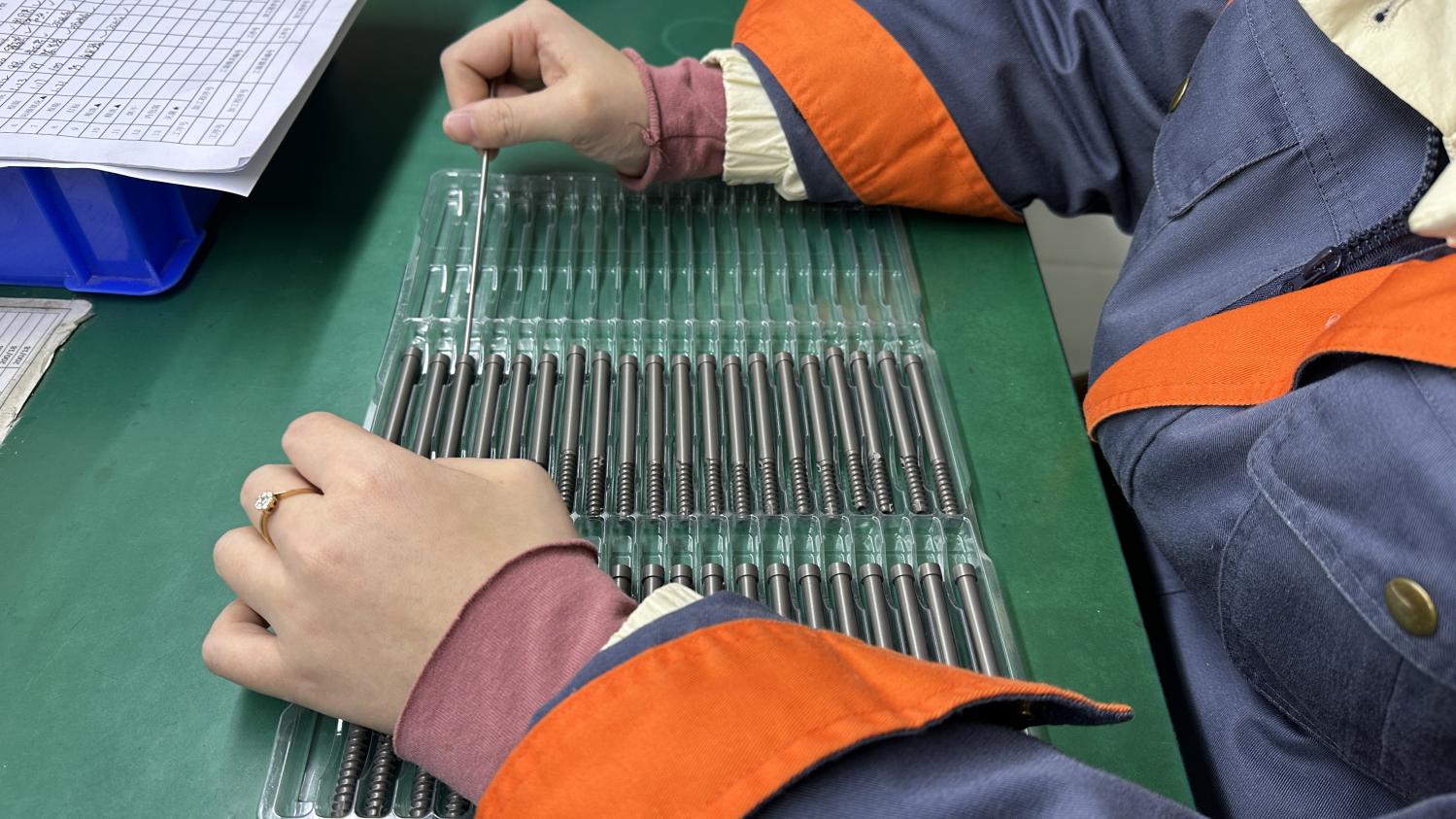
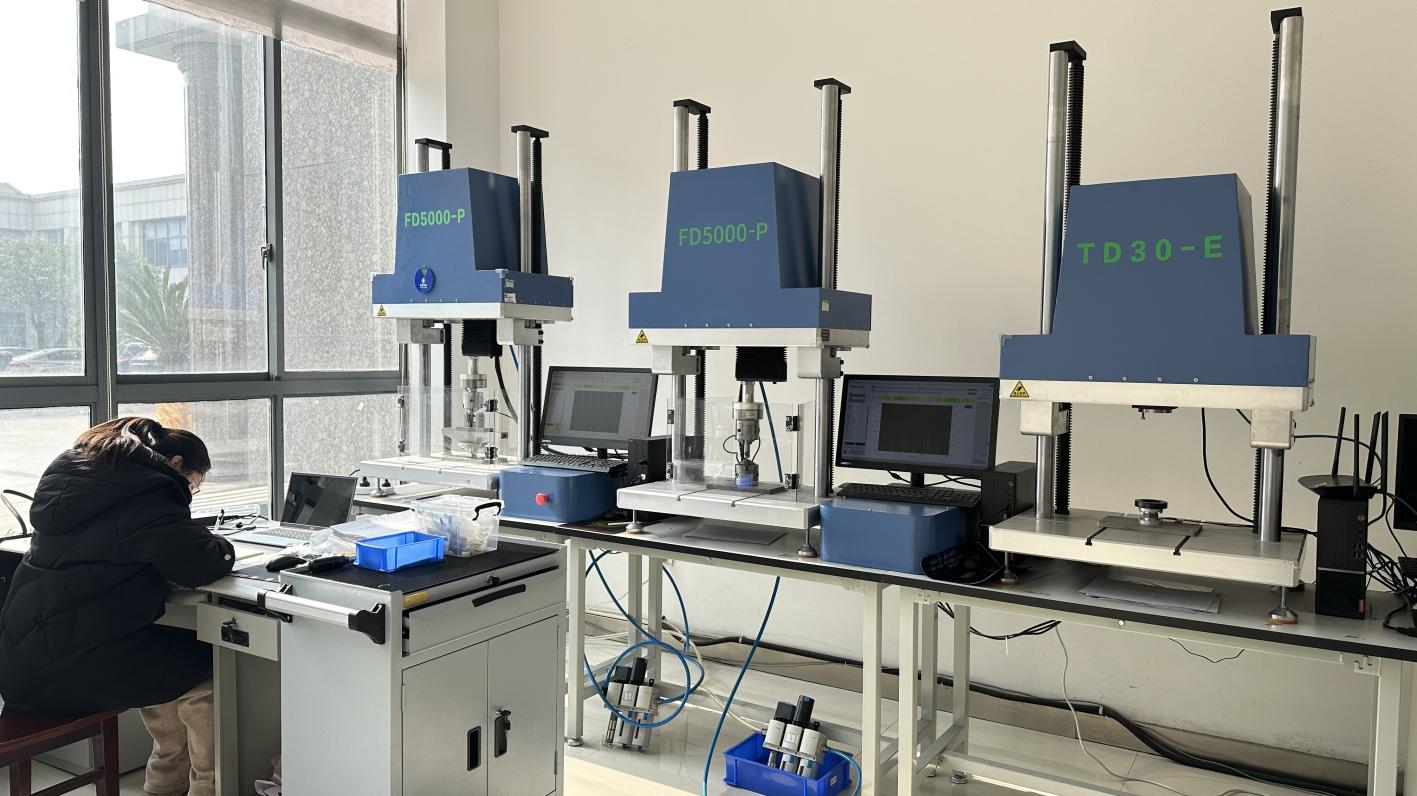
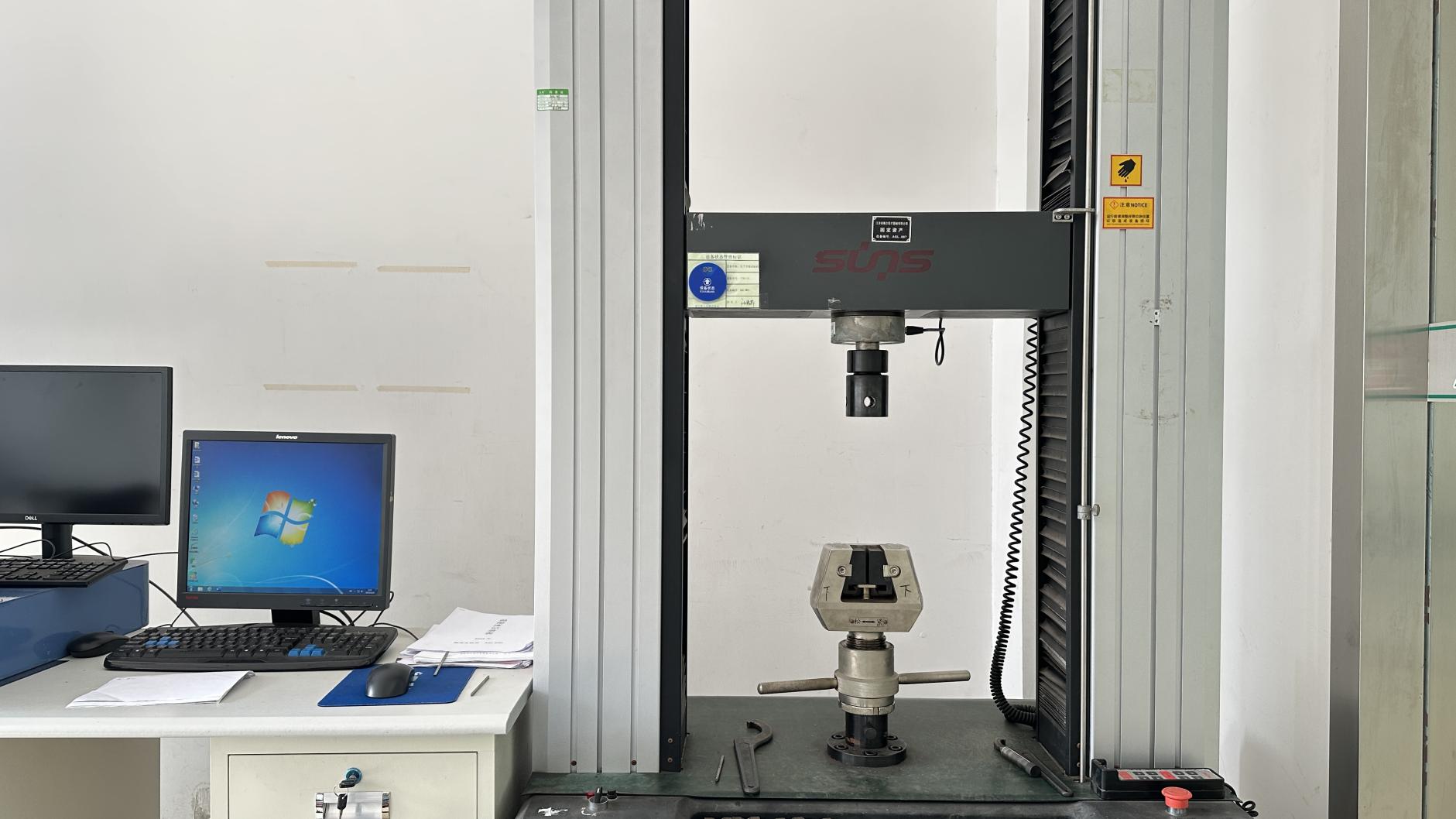
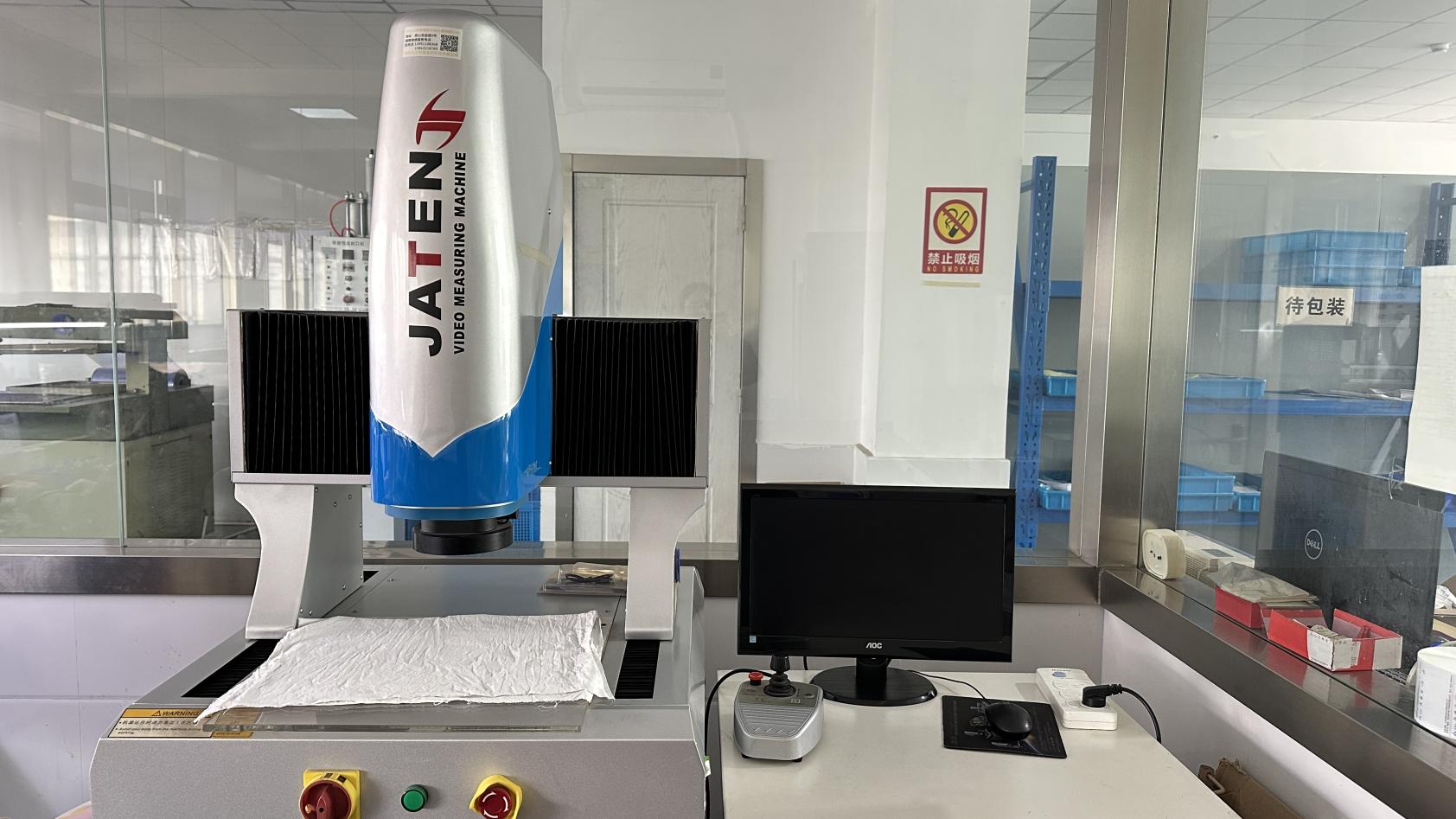
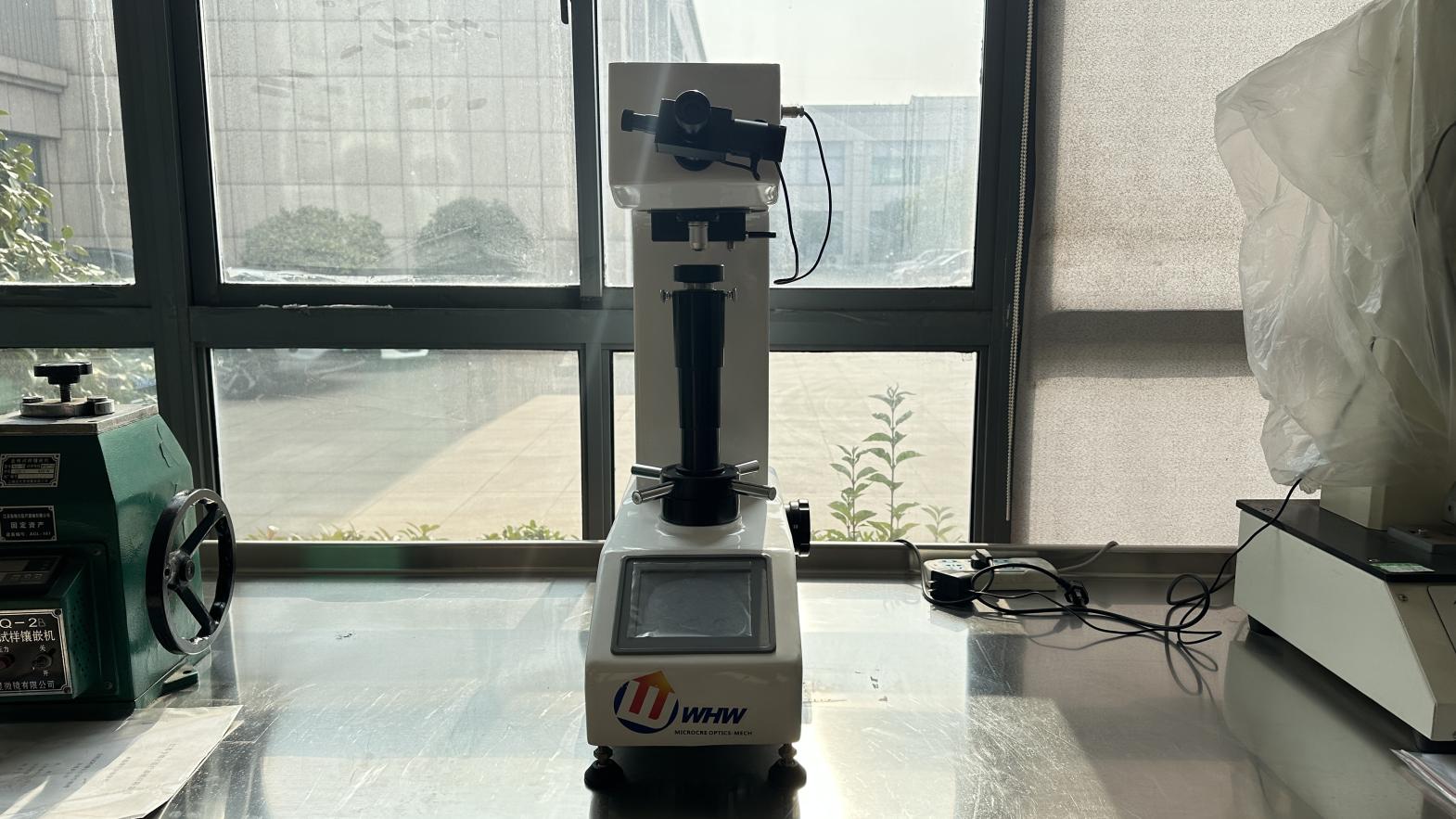
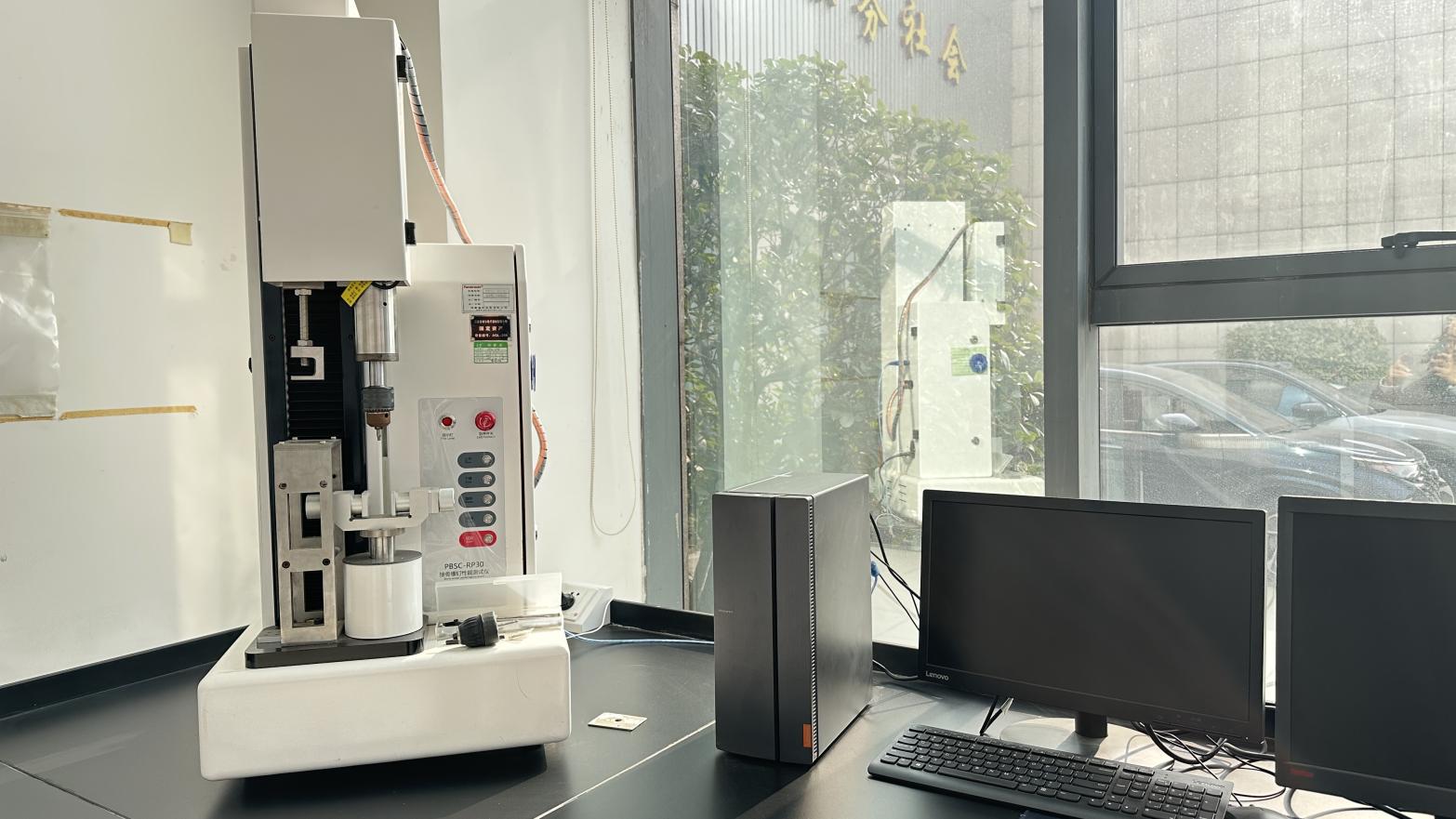
The convergence of localized raw material sourcing, heavy R&D automation, and comprehensive regulatory alignment makes China a prime manufacturing hub for orthopedic systems.
China's medical device clusters, particularly in the Jiangsu and Zhejiang regions, leverage an integrated supply chain. Factories have direct access to raw medical titanium certified by global standards (ASTM F136). This dramatically reduces logistics lead times and allows manufacturers to respond rapidly to large volume bids without relying on imported raw bars.
With massive R&D teams (often averaging 80+ engineering specialists per plant), Chinese manufacturers like Medisplint facilitate swift customized designs. Whether modifying insertion angles or altering lag screw configurations for regional demographic profiles (such as specific femoral geometries for Asian or Western osteological records), turnaround times are 40% faster than traditional Western OEM lines.
By leveraging advanced automation—including Multi-Axis CNC Milling Centers and robotic laser markers—labor costs are minimized, translating to lower per-unit implant costs. Importantly, this cost-efficiency does not reduce quality. Class III sterile environments and multi-phase FQC structures ensure that each implant fulfills identical biocompatibility metrics as Western competitors.
Major hubs offer direct links to international transport networks. Implants undergo cleanroom packaging (sterile dual-pouches) paired with high-definition laser-etched UDI (Unique Device Identification) codes. This allows hospital administration systems globally to track implants seamlessly from manufacturing raw bar batch straight to the patient's surgical registry.
The trauma orthopedic implant sector is evolving rapidly. We monitor and implement clinical technologies to deliver improved clinical outcomes.
Anodic oxidation and micro-arc chemical processes are forming bioactive layers on reconstruction screws. These treatments enhance osseointegration and suppress bacterial biofilm formation on the titanium surface postoperatively.
Developing carbon-fiber radiolucent targeting jigs avoids fluoroscopy interference. Surgeon accuracy increases while radiation exposure in the operating theater drops by 35% on average.
Advanced reconstruction slots let clinicians toggles between static load bearing and controlled axial sliding compression, facilitating targeted callus stimulation.
Addressing crucial engineering, procurement, and regulatory questions from international healthcare institutions and purchasing managers.
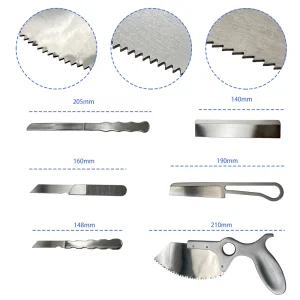
Access full systems covering spine pedicle fixation, joint replacement components, and medical bone cutting systems.
A technical matrix summarizing clinical requirements and engineering standards for global procurement officers.
| Alloy Designation | Ti-6Al-4V ELI (Grade 23) |
| Standard Compliance | ASTM F136 / ISO 5832-3 |
| Biocompatibility | ISO 10993 Certified |
| Modulus of Elasticity | 110 GPa (approx) |
| Proximal Diameters | 11.5mm - 13.0mm |
| Distal Diameters | 9.0mm - 11.0mm |
| Anteversion Bowing | 1.5m to 2.0m radius range |
| Lag Screw Angles | 125° / 130° / 135° Options |
| Dimensional Tolerance | ±0.01mm (CNC Controlled) |
| Surface Roughness | Ra ≤ 0.4 μm |
| Thread Precision | 6H/6g Metric Conformity |
| Sterility Assurance | SAL 10⁻⁶ (Gamma/EO gas) |