Medisplint
Medisplint
Medisplint
Explore our primary portfolio of ISO 13485 & CE-compliant orthopedic hardware, trauma plates, and arthroplasty tools manufactured to the highest clinical tolerances.
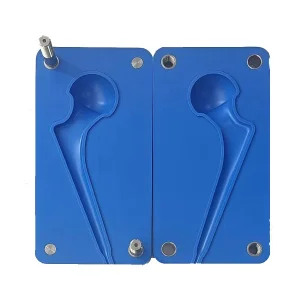
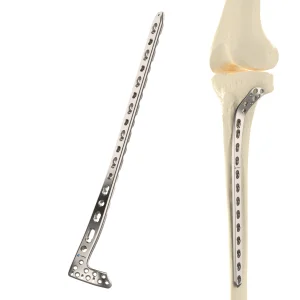
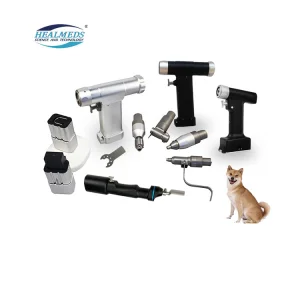
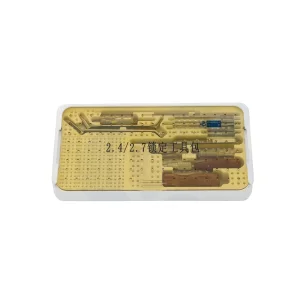
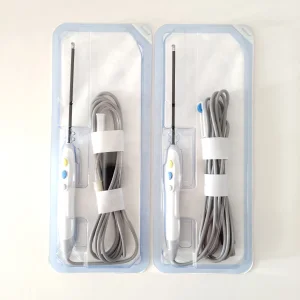
Total Hip Arthroplasty (THA) is undergoing a rapid technical evolution driven by aging demographics, demand for early postoperative mobilization, and advances in bio-interface engineering. Modern orthopedic surgeons require femoral stems that guarantee long-term stability, minimize stress-shielding, and support bone ingrowth.
For medical device distributors, hospitals, and OEM brands, establishing a reliable sourcing pipeline with a high-capacity Chinese manufacturer is critical. China's advanced manufacturing clusters have transitioned from basic contract machining to cutting-edge metallurgical innovation. Today, factories utilize medical-grade titanium alloy (Ti-6Al-4V ELI) and complex vacuum plasma spray coatings to produce implants that match or exceed Western clinical performance standards.
By leveraging Chinese manufacturing scale, distributors reduce costs while gaining access to agile R&D pipelines capable of rapid prototyping. However, choosing the right manufacturer requires assessing more than price; buyers must evaluate structural compliance with international regulatory bodies, material traceabilities, and long-term fatigue testing protocols.
Founded in 2016, Medisplint Orthopedic Instruments Co., Ltd. has developed into a premier manufacturer of high-precision orthopedic implants, surgical fixation systems, and joint reconstruction technologies.
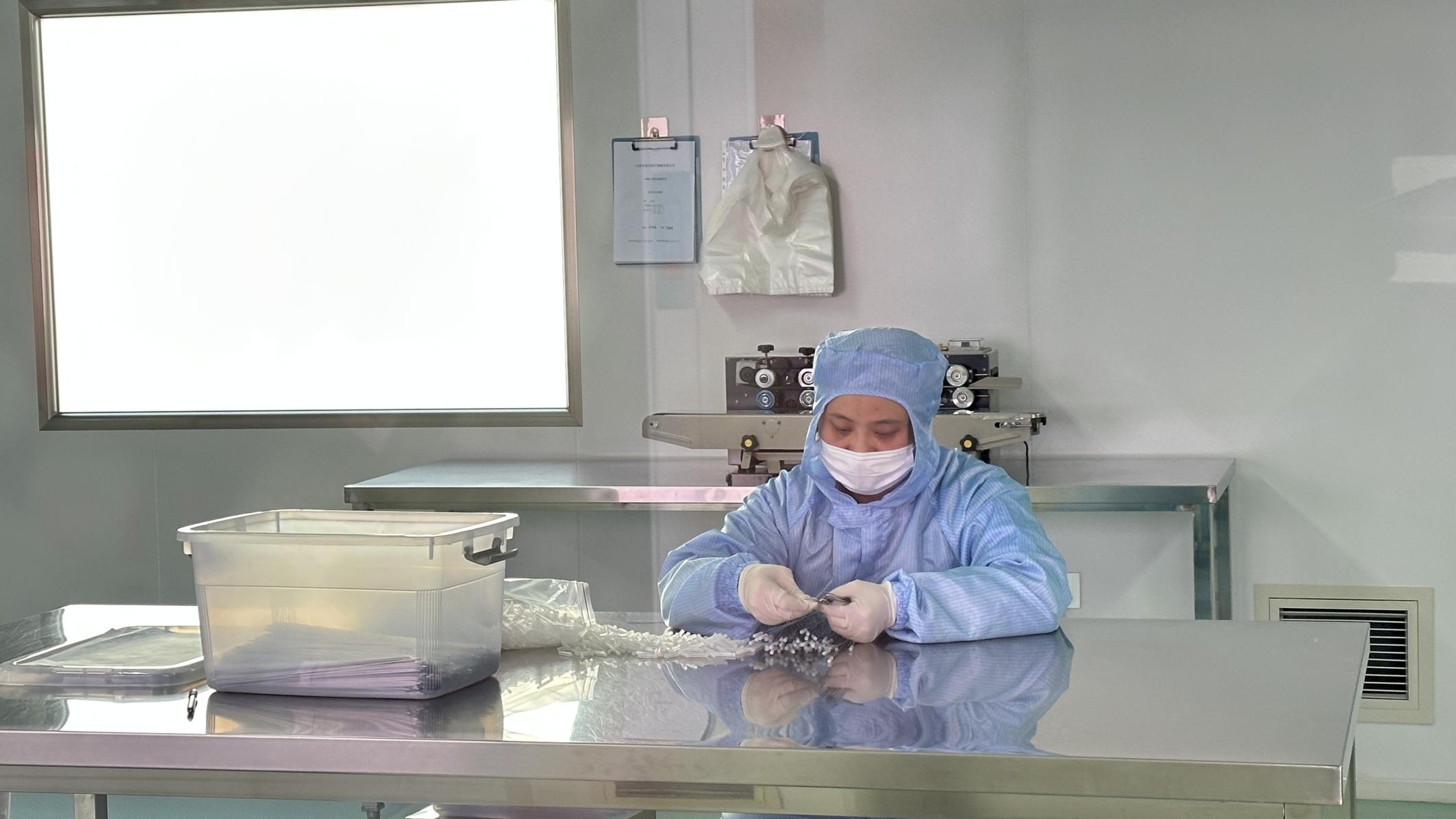
Operating a massive, state-of-the-art facility, Medisplint integrates the entire product lifecycle—from raw material analysis and mechanical design optimization to precision milling, cleanroom cleaning, and sterile packaging. We maintain global partnerships with over 1,200 supply chain companies, ensuring uninterrupted supply runs and rapid response times for custom implant orders.
In the past year alone, Medisplint introduced 68 new orthopedic innovations to the market. Our client portfolio includes top-tier trauma centers, orthopedic distributors, surgical clinics, and global medical device OEMs that require private label production under strict NDA terms.
Designing a high-performance femoral stem requires balancing mechanics and biology. Implants must withstand millions of loading cycles without fatigue failure while stimulating the surrounding cortical bone.
| Feature Parameter | Cementless Press-Fit Stems | Cemented Femoral Stems |
|---|---|---|
| Primary Material | Ti-6Al-4V ELI (ASTM F136) | Cobalt-Chromium-Molybdenum (CoCrMo) |
| Fixation Mechanism | Mechanical press-fit + trabecular bone ingrowth | PMMA Bone Cement interlock |
| Surface Modification | VPS Titanium / HA (Hydroxyapatite) Coating | High-polish mirror surface (Ra < 0.05 μm) |
| Primary Patient Type | Younger, active patients with good bone quality | Geriatric patients, osteoporotic bone (Dorr Type C) |
| Load Distribution | Proximal load transfer, reduces distal stress shielding | Uniform stress transfer via the cement mantle |
Our factory processes focus on modern surface modifications that maximize osseointegration. Hydroxyapatite (HA) coating is plasma-sprayed to a thickness of 50–120 microns, offering a highly osteoconductive scaffold that speeds up patient recovery times. For cementless applications, a roughened titanium plasma spray (TPS) surface with high porosity (30% to 50%) allows host bone tissue to grow directly into the implant, minimizing the risk of aseptic loosening.
In addition to traditional milling, Medisplint's R&D team is continually researching additive manufacturing (3D printed titanium trabecular structures) to optimize the Young's modulus of our implants, bringing it closer to that of cortical bone to prevent stress-shielding-induced bone resorption.
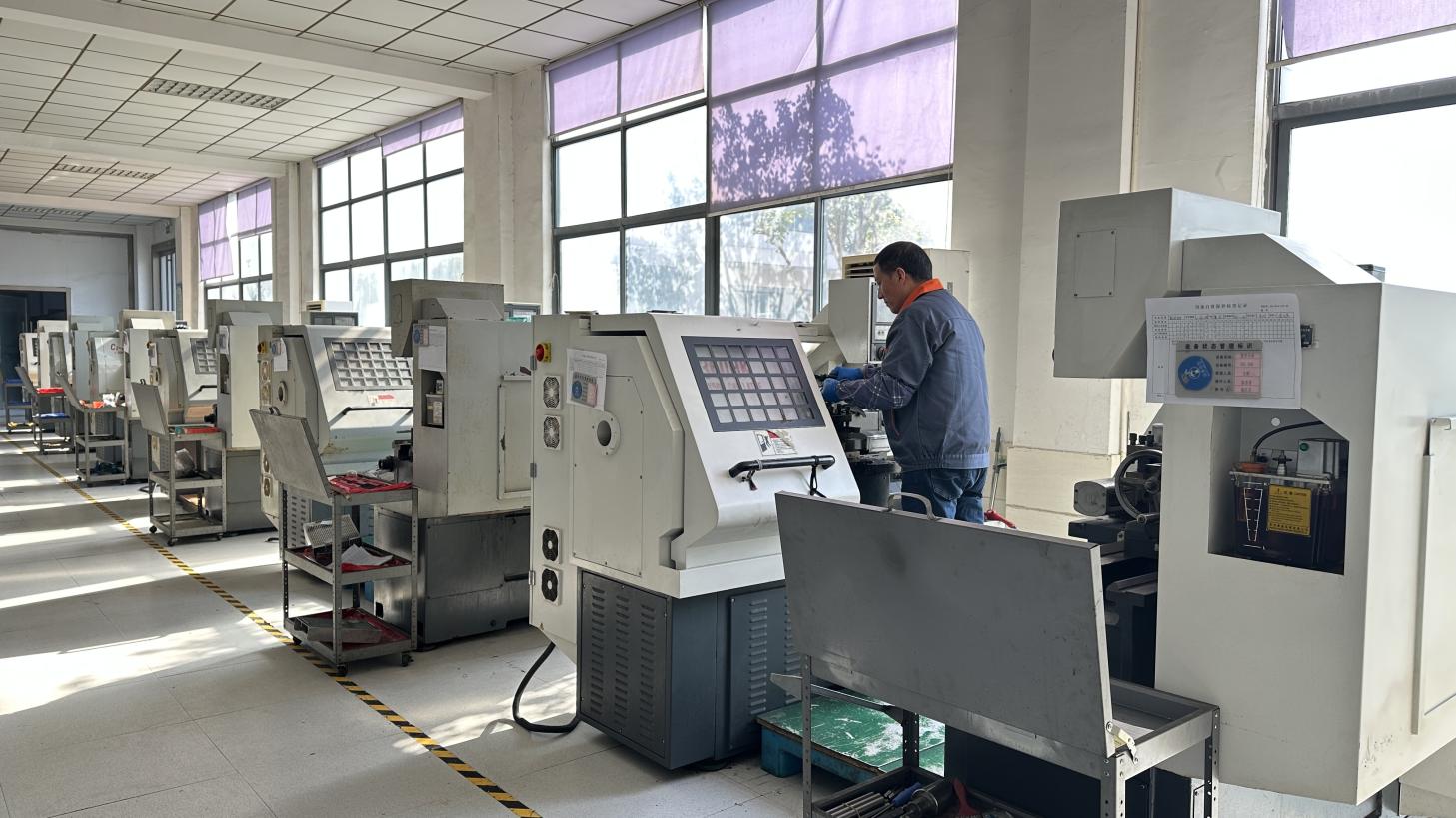
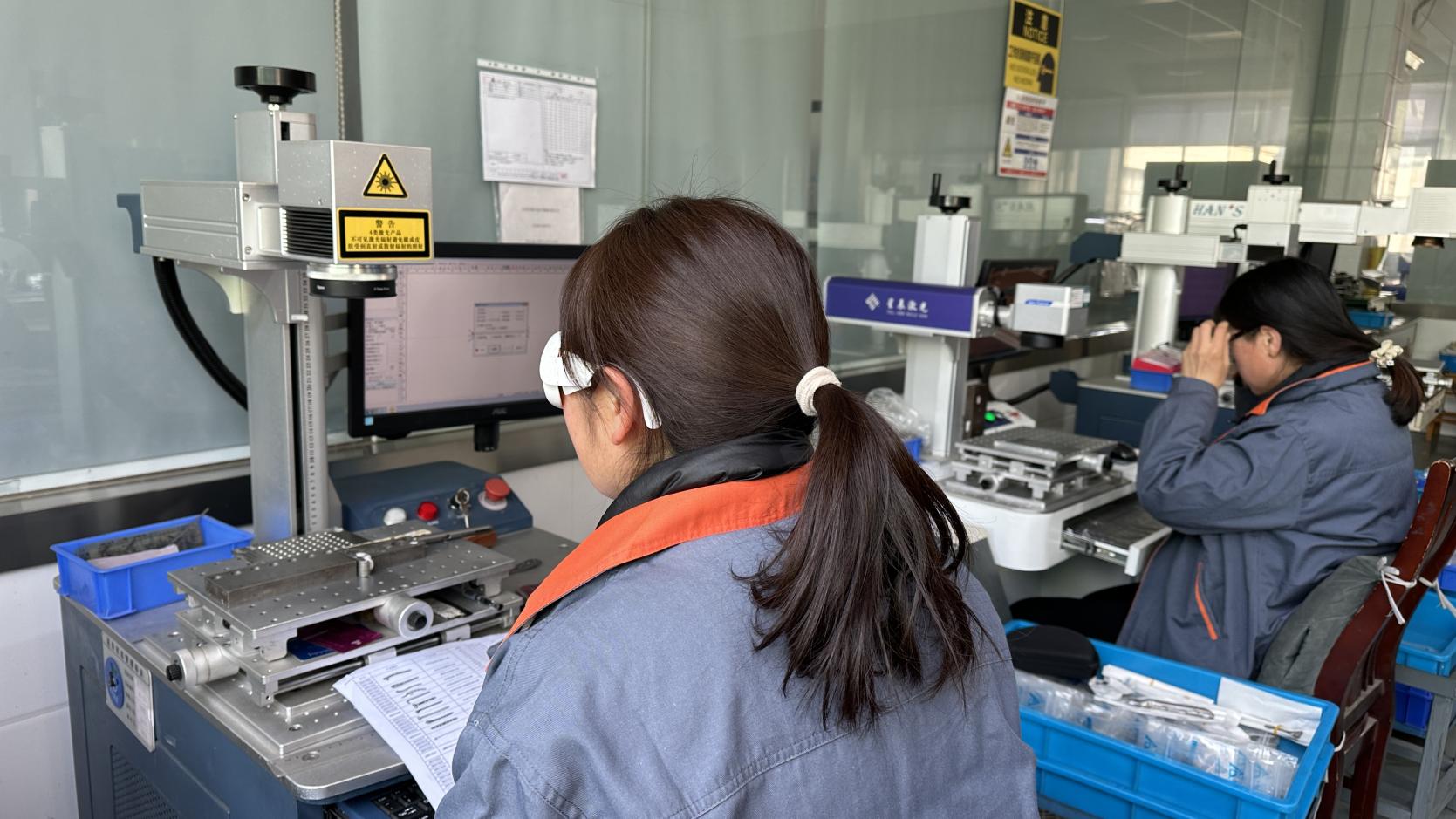
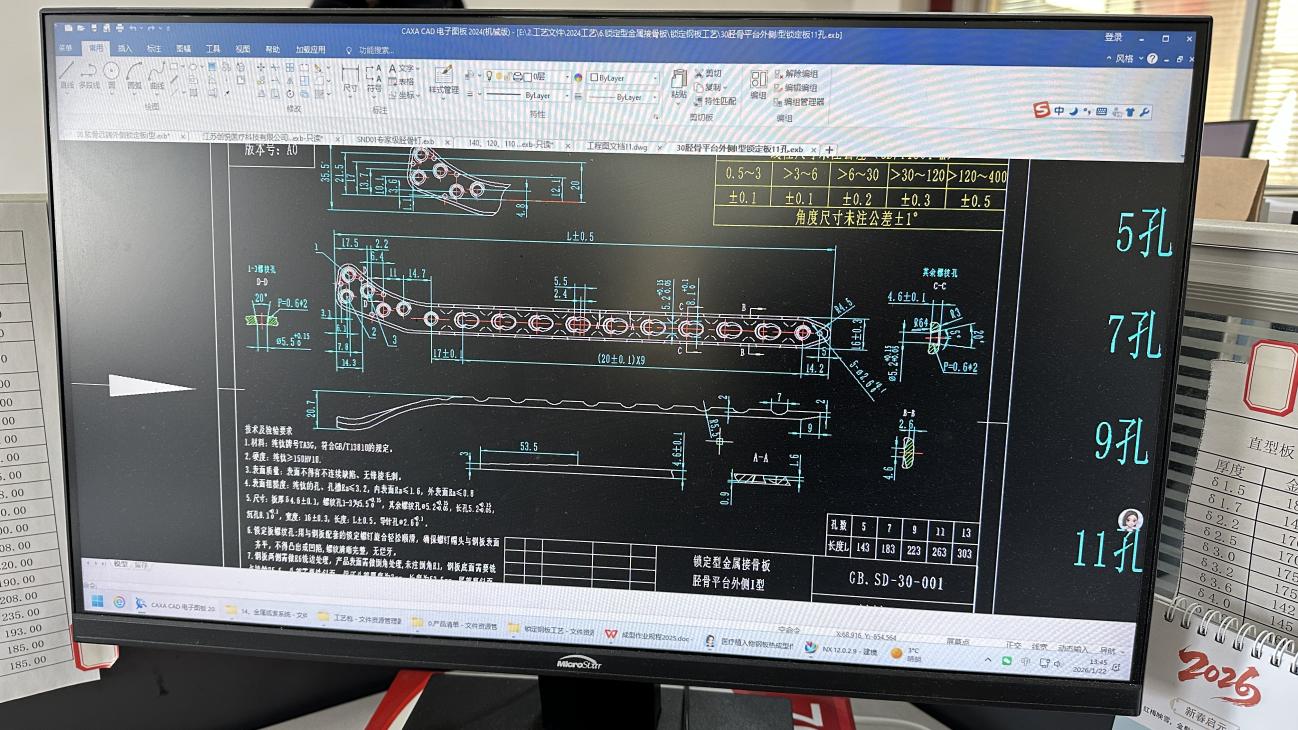
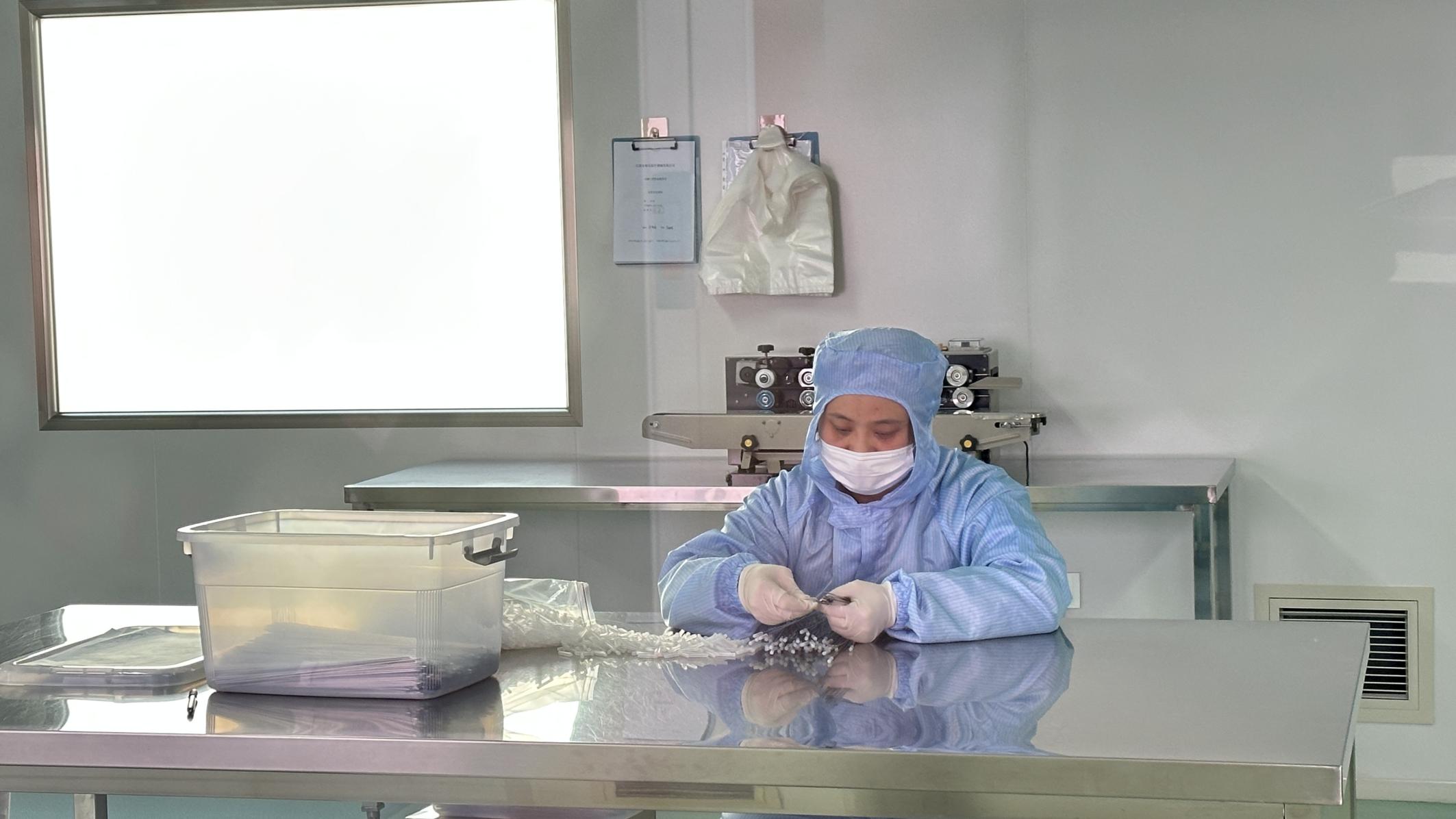
Every medical device manufactured inside our 18,500㎡ facility undergoes a traceable step-by-step production flow, utilizing advanced CNC machinery, laser marking systems, and precision testing labs.
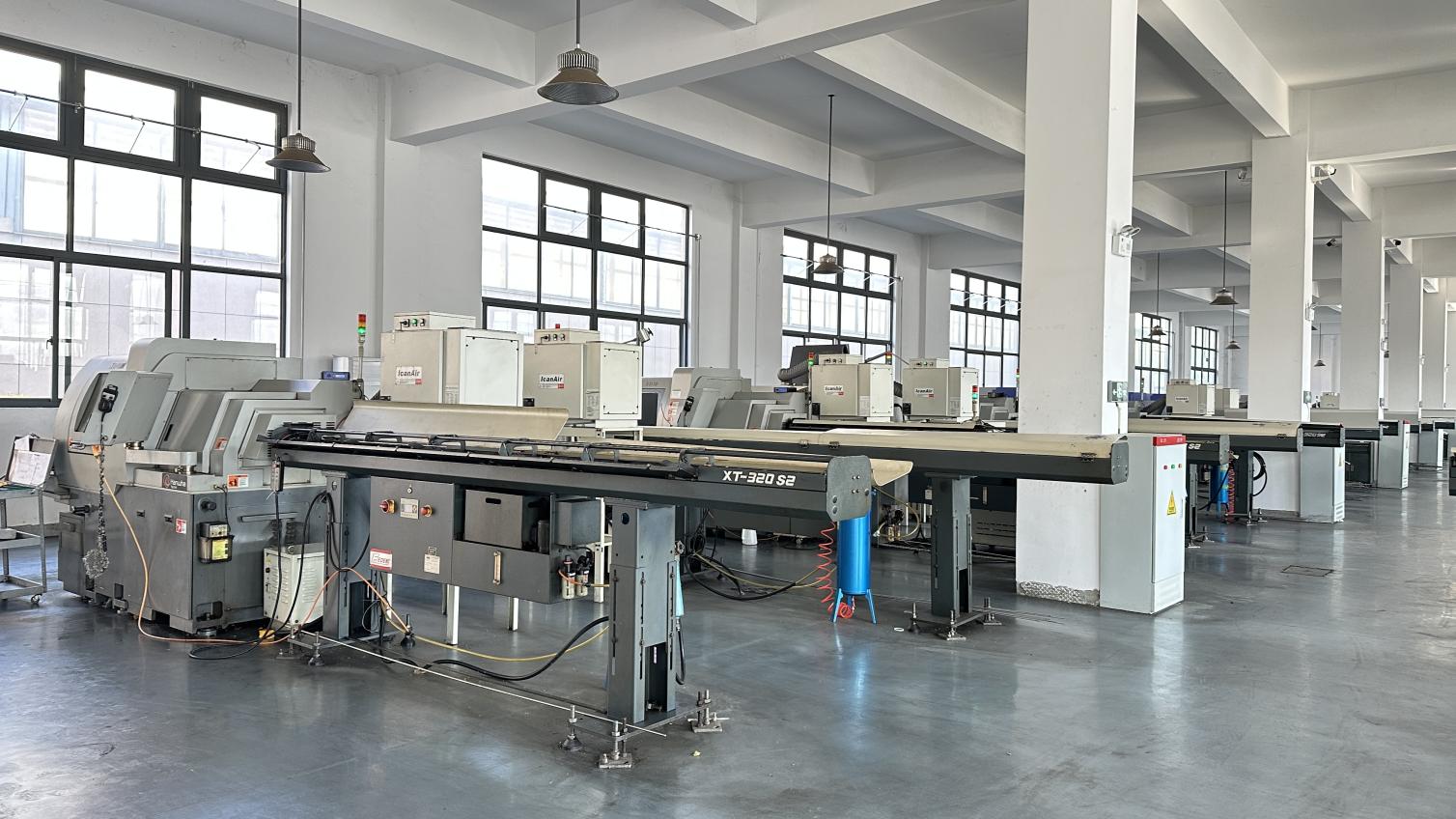
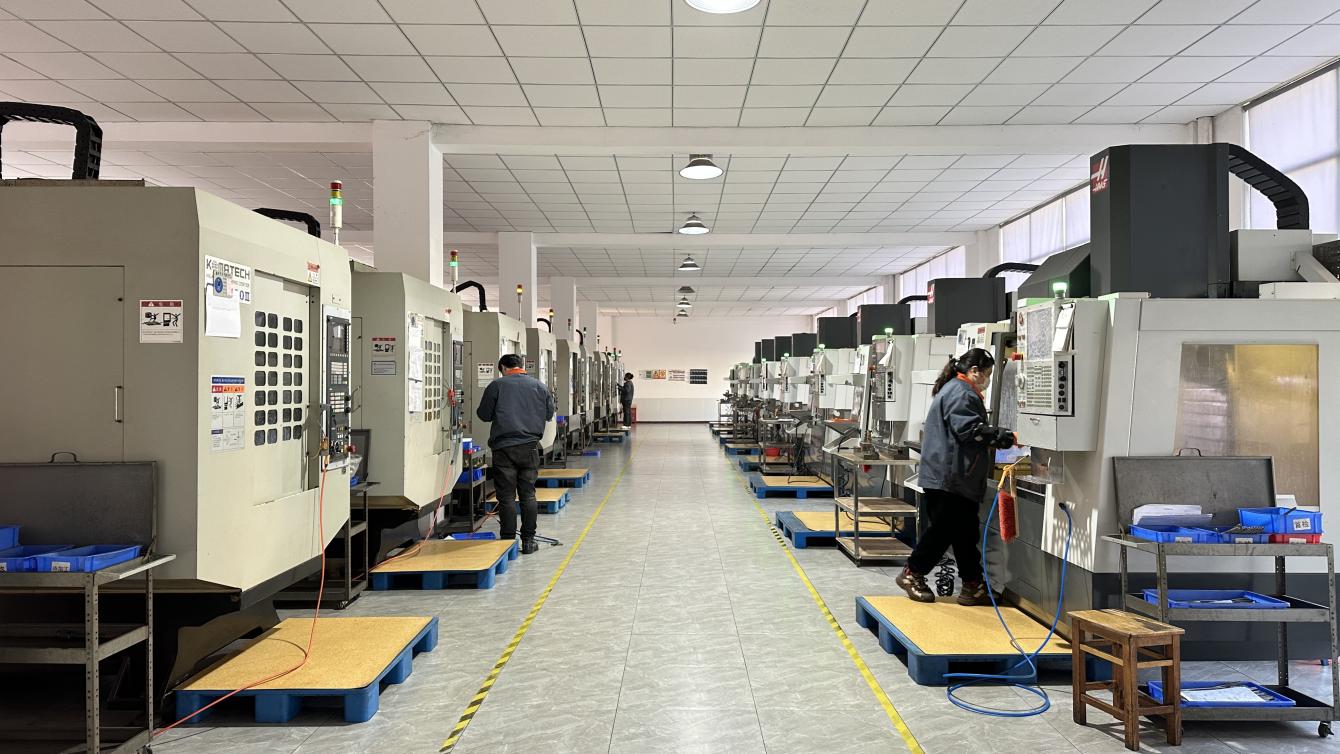
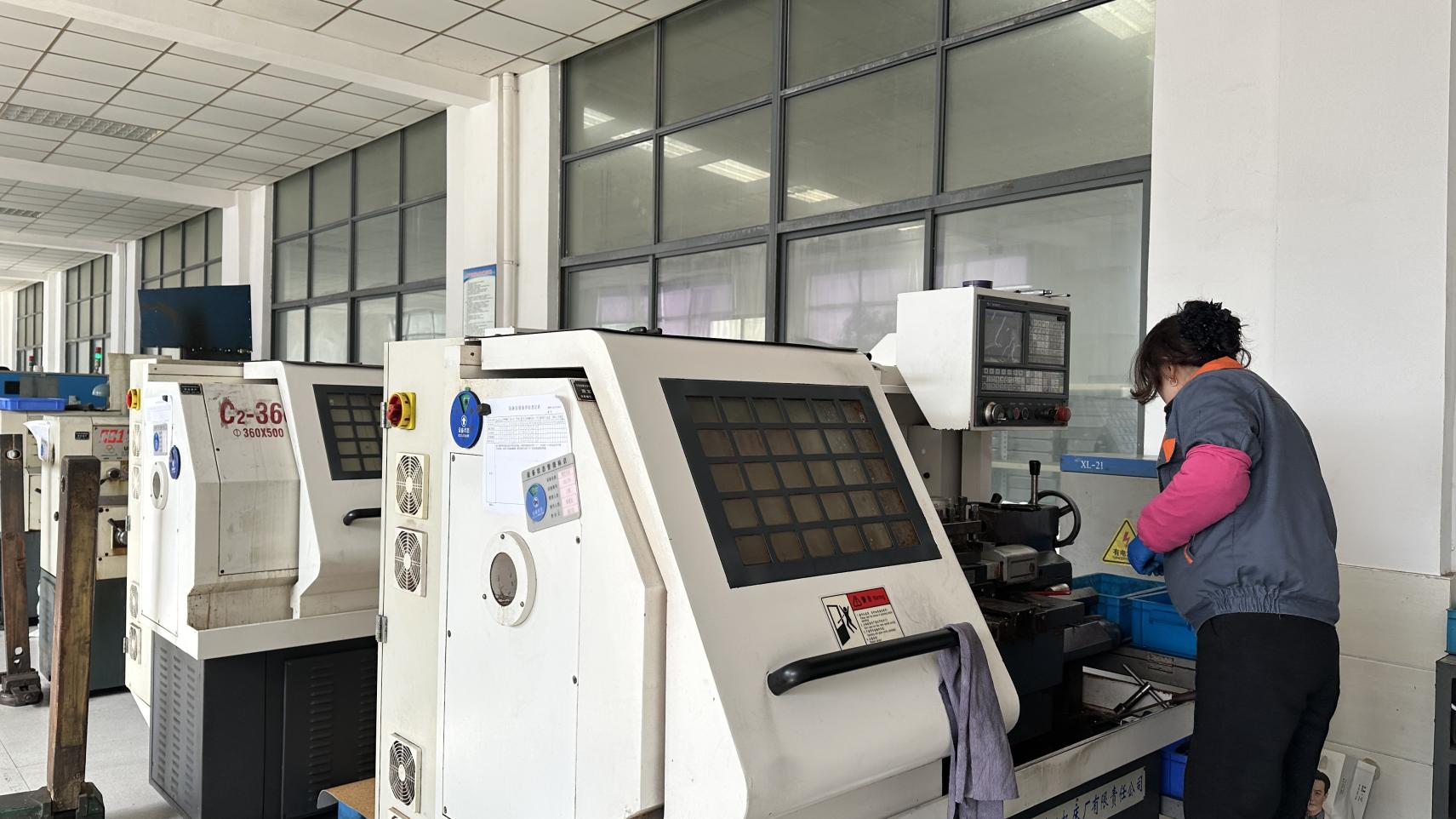
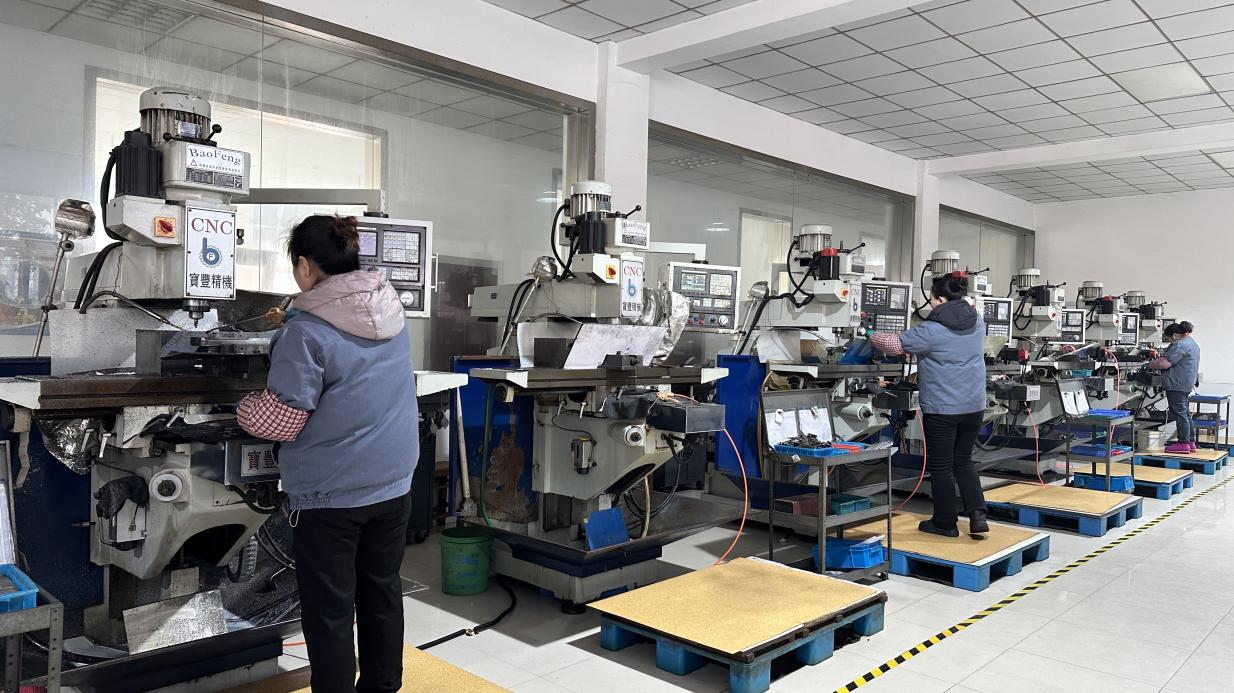
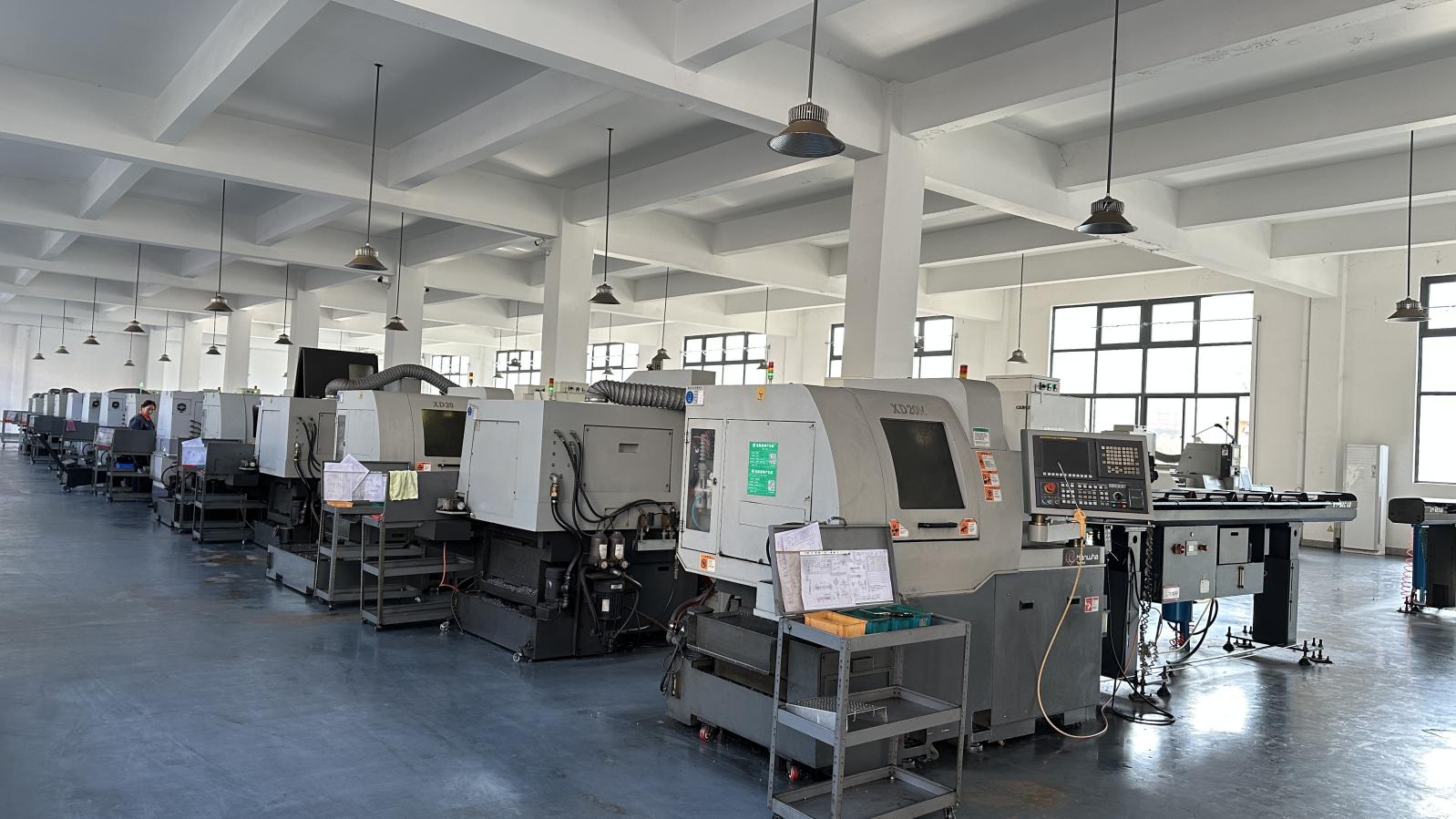
Precision is maintained through continuous investment in advanced heavy machinery. Below is an overview of the production tooling utilized inside our manufacturing plant:
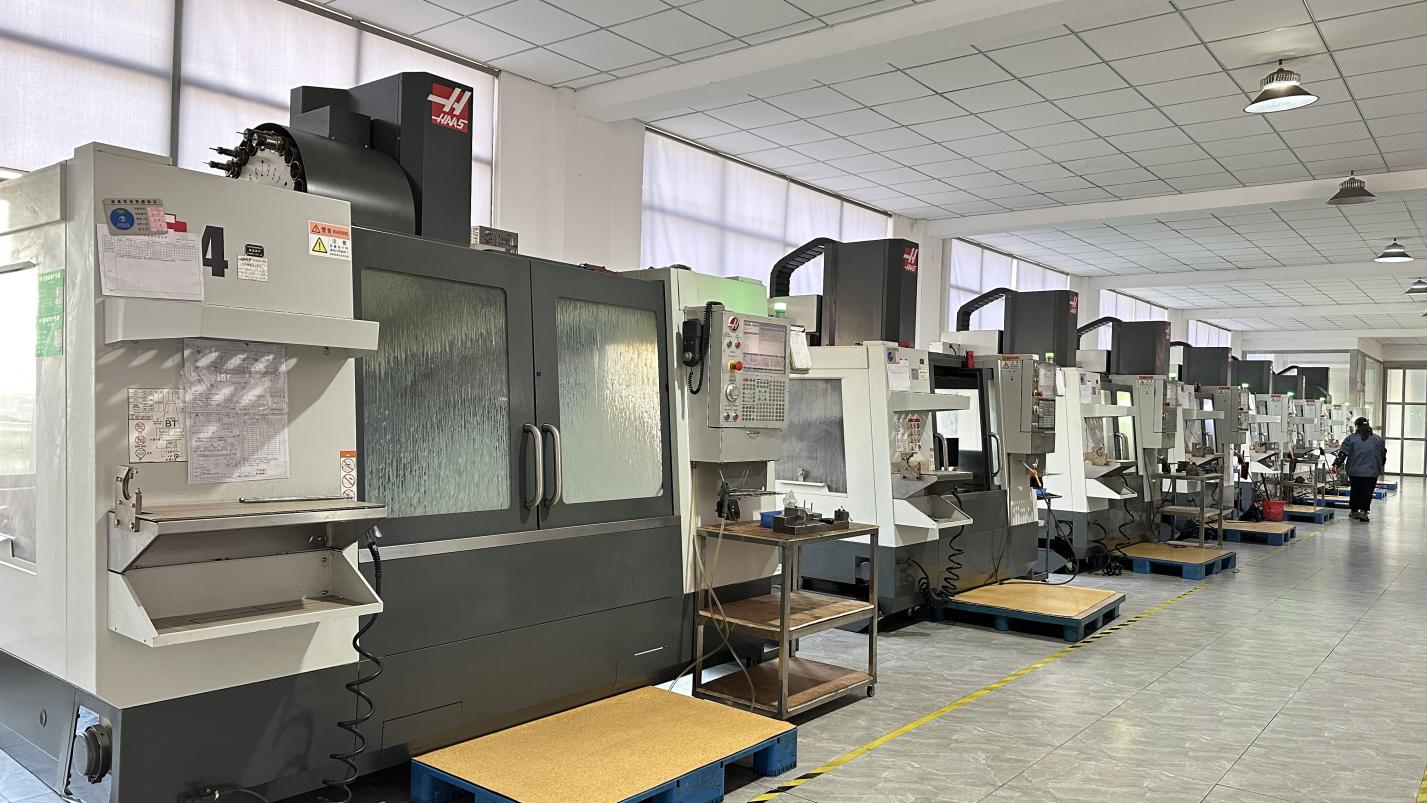
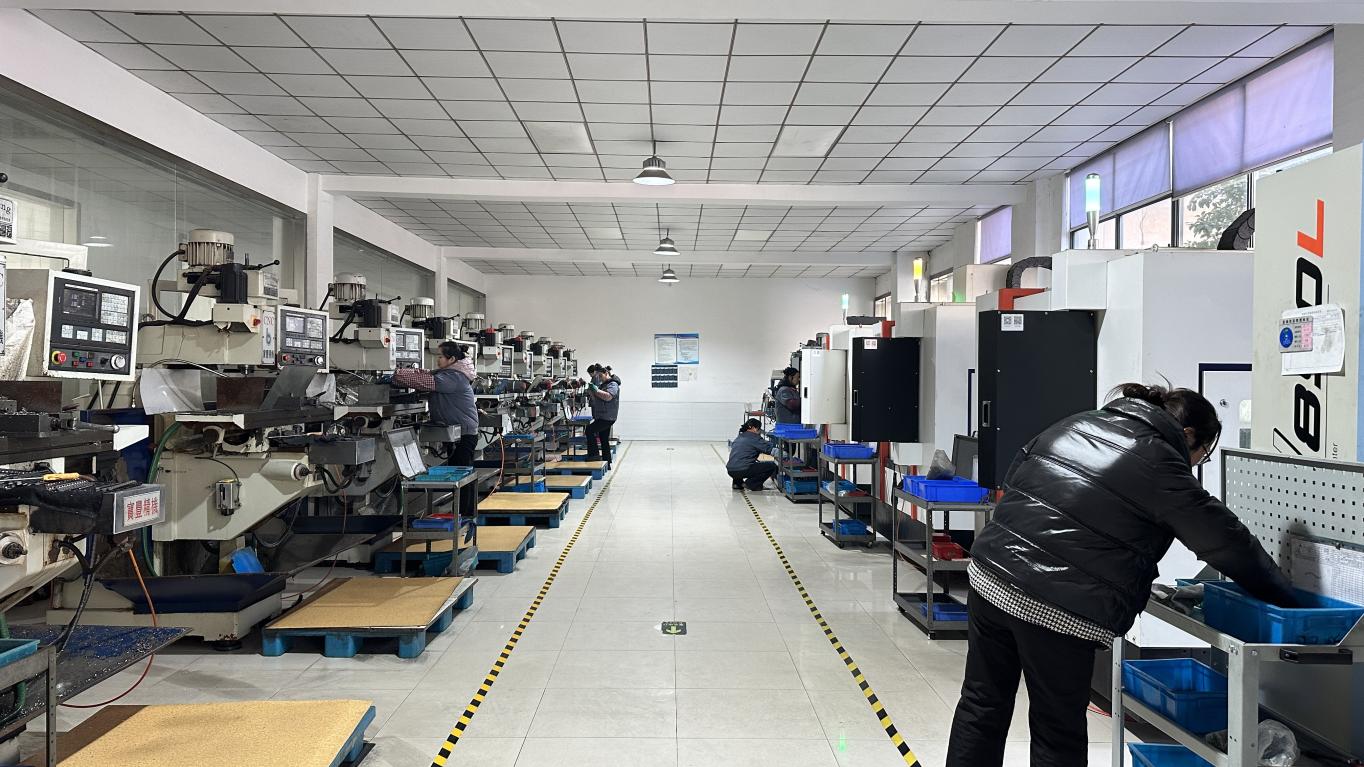
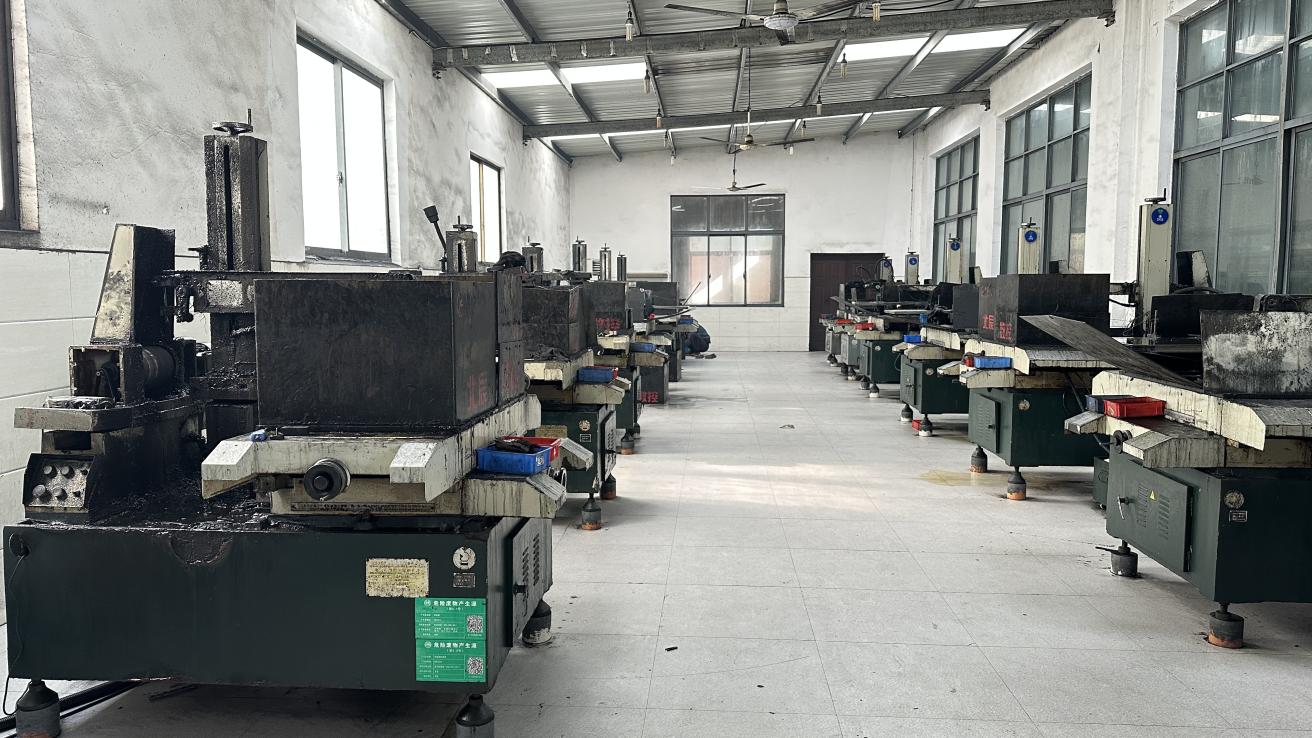

Recent macroeconomic shifts highlighted the importance of supply chain resilience in medical device manufacturing. Medisplint leverages China's industrial clusters to insulate global buyers from pricing volatility and material shortages.
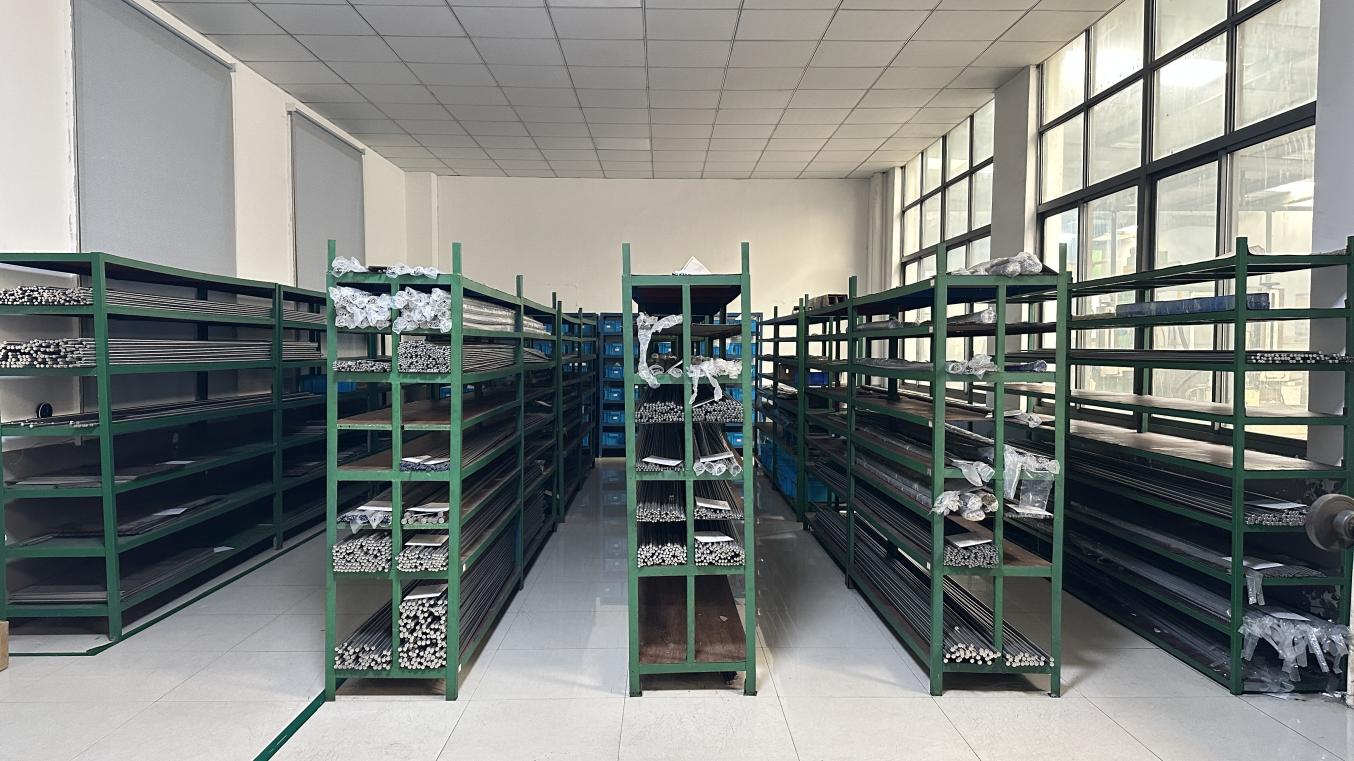
By establishing long-term sourcing contracts with local titanium smelters, we secure high-grade raw titanium bars at stable price points. This integration protects our clients from market fluctuations. Our proximity to domestic raw material suppliers, packaging manufacturers, and sterilization facilities speeds up lead times, allowing us to deliver orders up to 40% faster than European competitors.
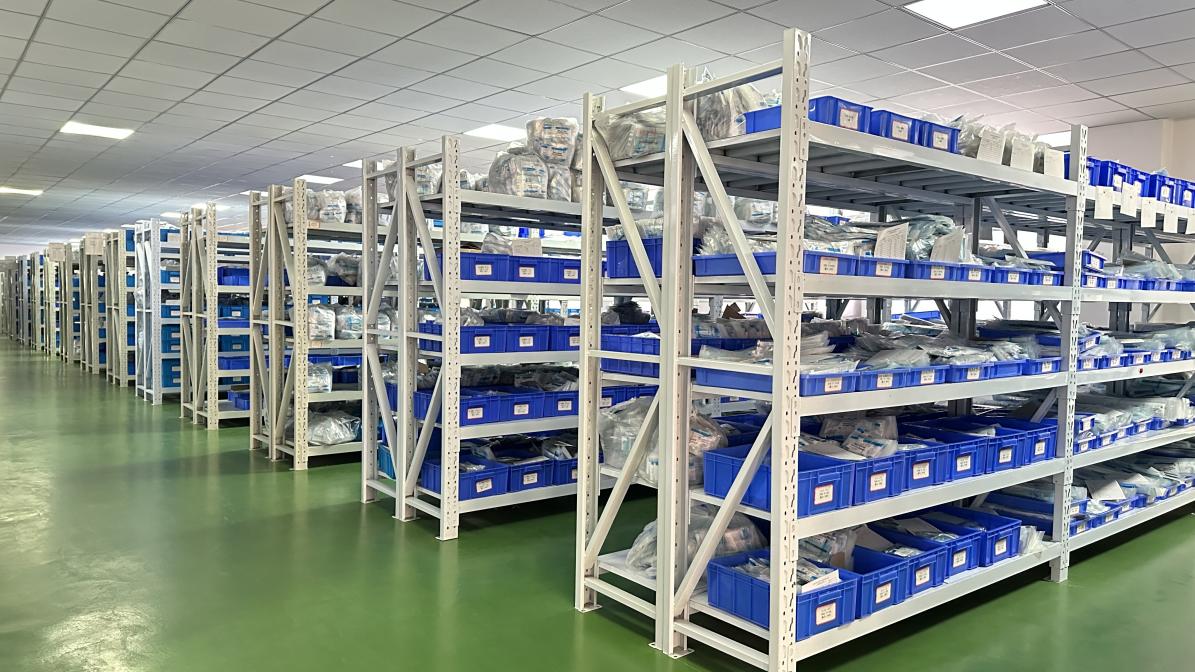
Additionally, our inventory management systems maintain safety stock of both semi-finished components and common surgical instrumentation kits, enabling rapid fulfillment during unexpected demand spikes. We manage container shipping, customs documentation, and international cargo insurance to ensure hassle-free delivery to destination ports in Europe, Southeast Asia, South America, and the Middle East.
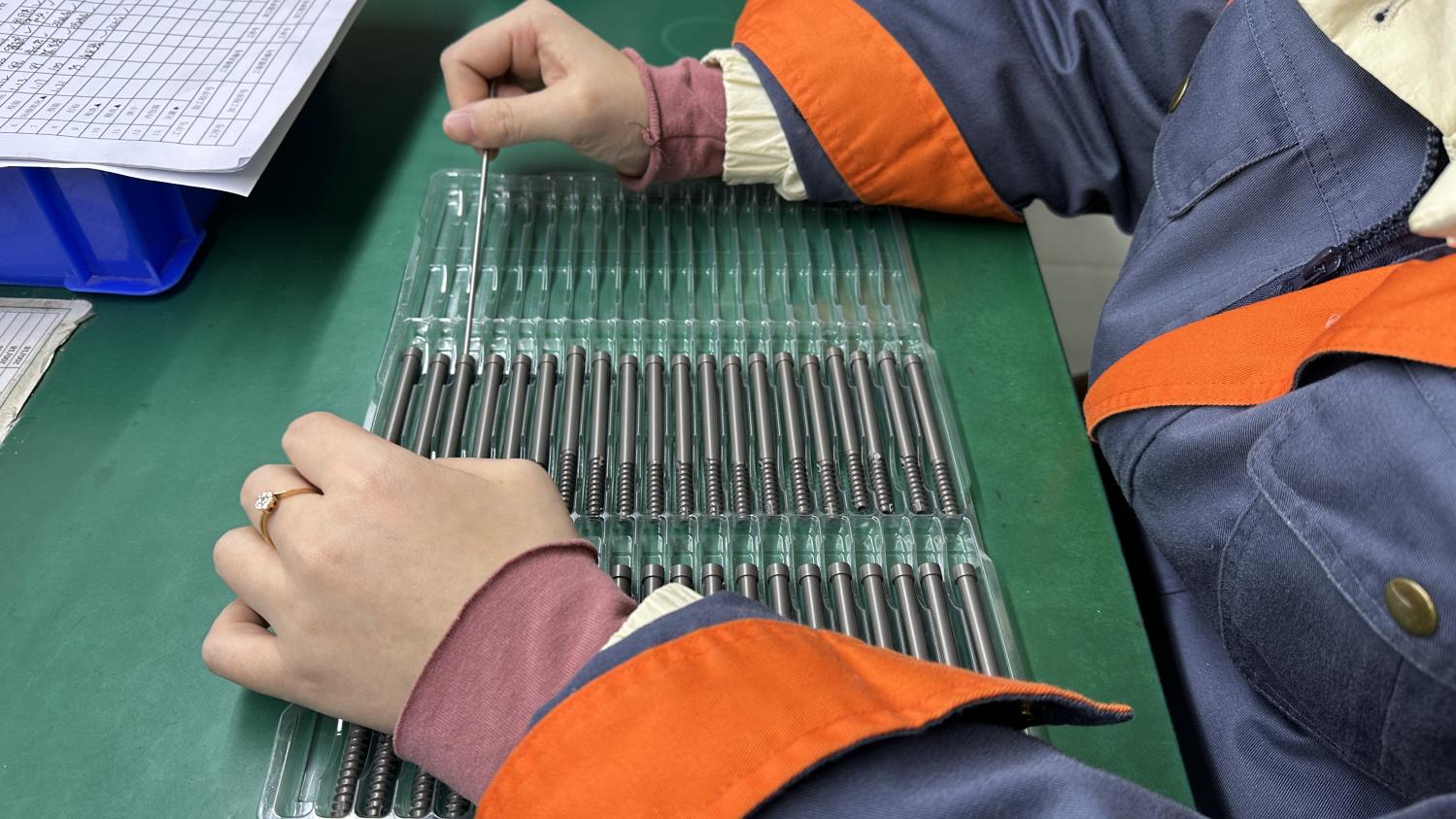
Medisplint operates under a strict ISO 13485 quality system. Our 42-inspector quality department conducts multi-phase testing—from raw materials inspection (IQC) and in-process checking (IPQC) to final quality control (FQC) before shipping.
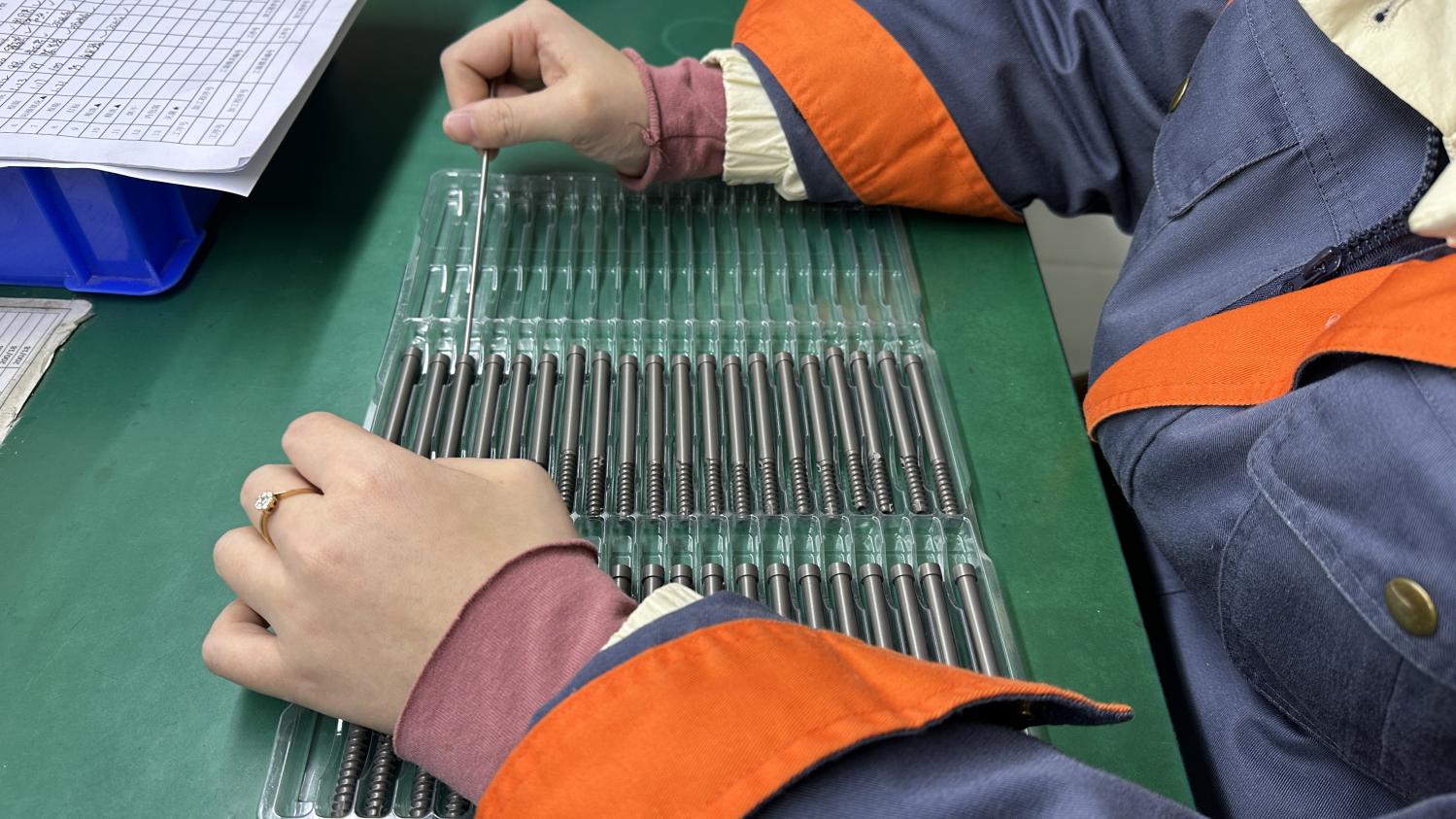
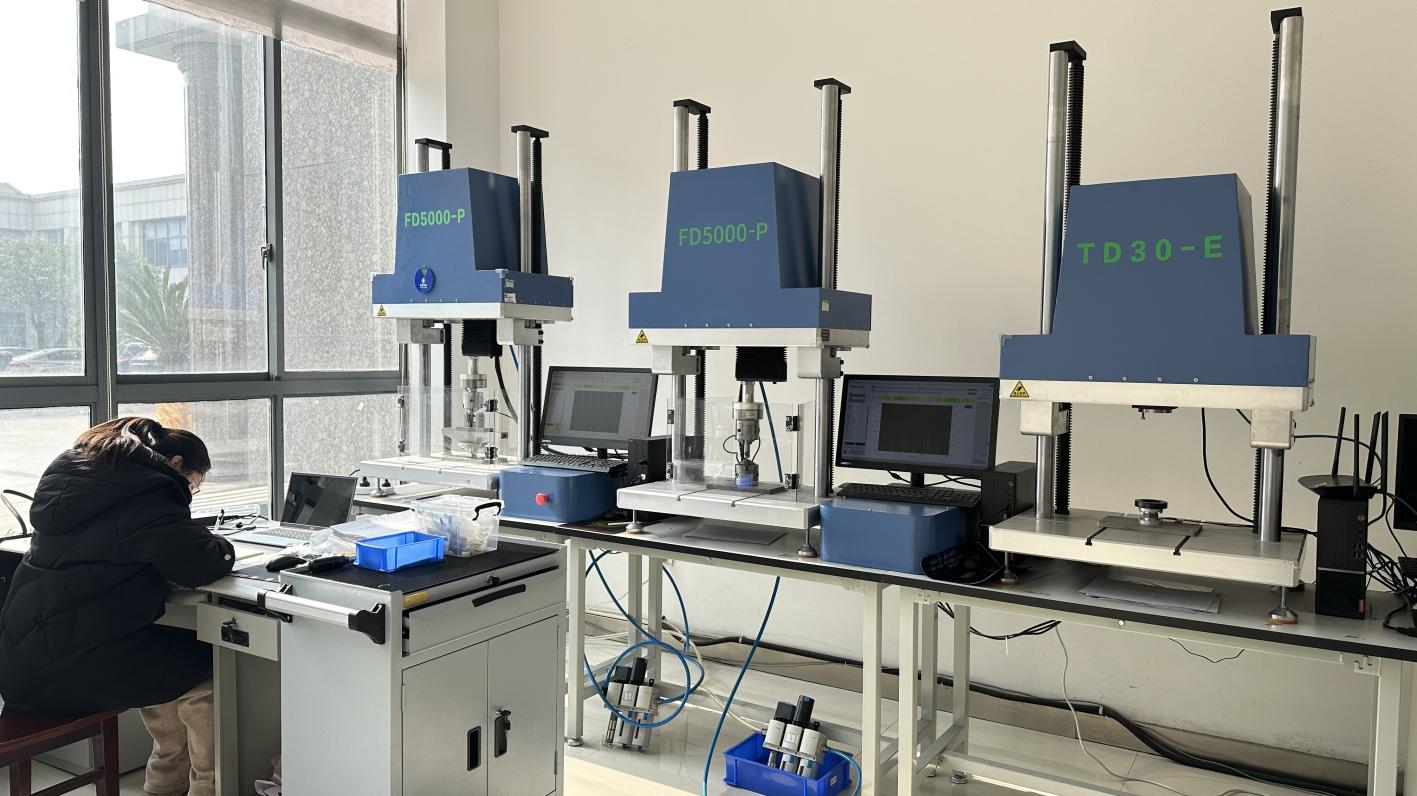
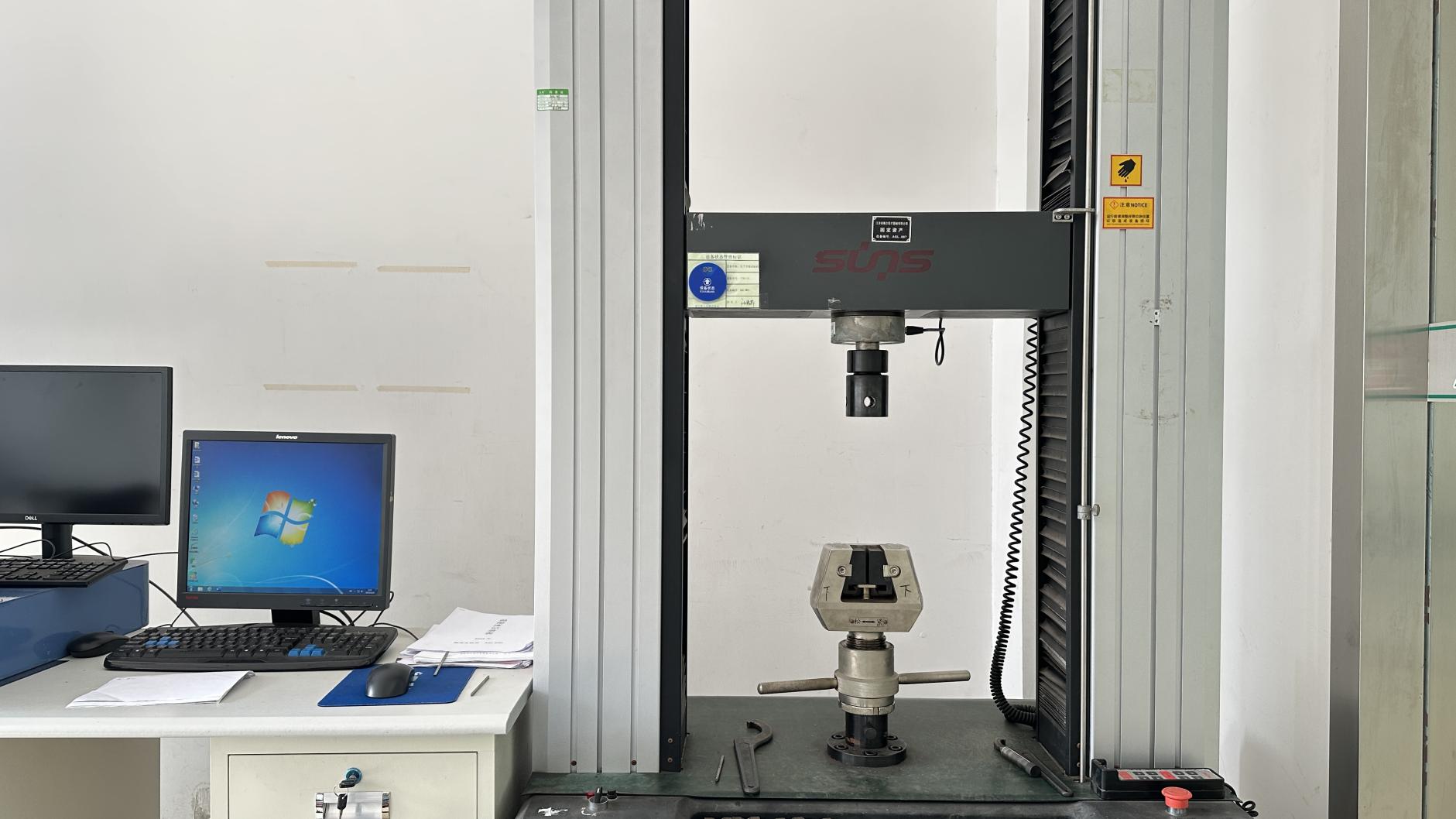
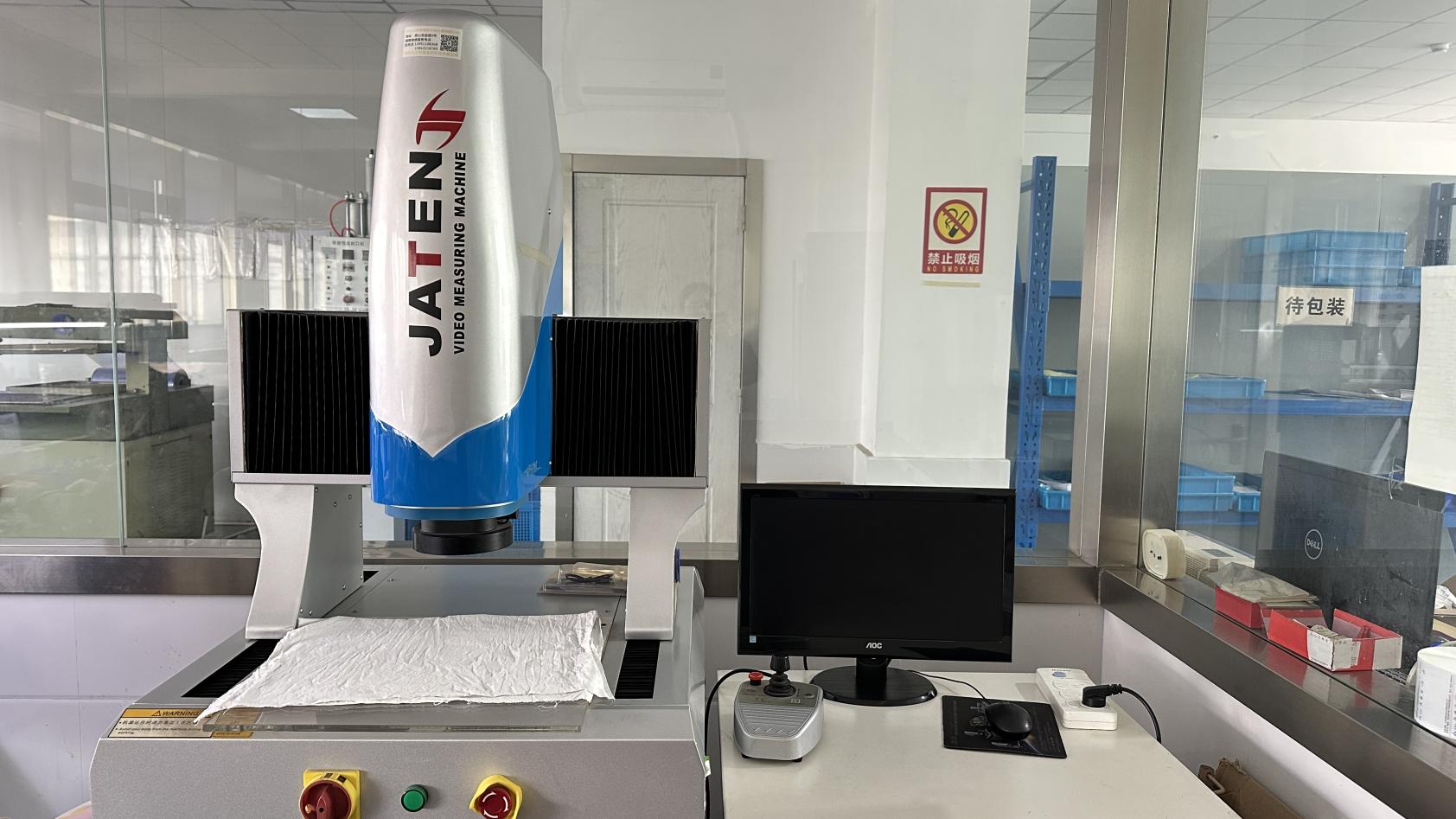
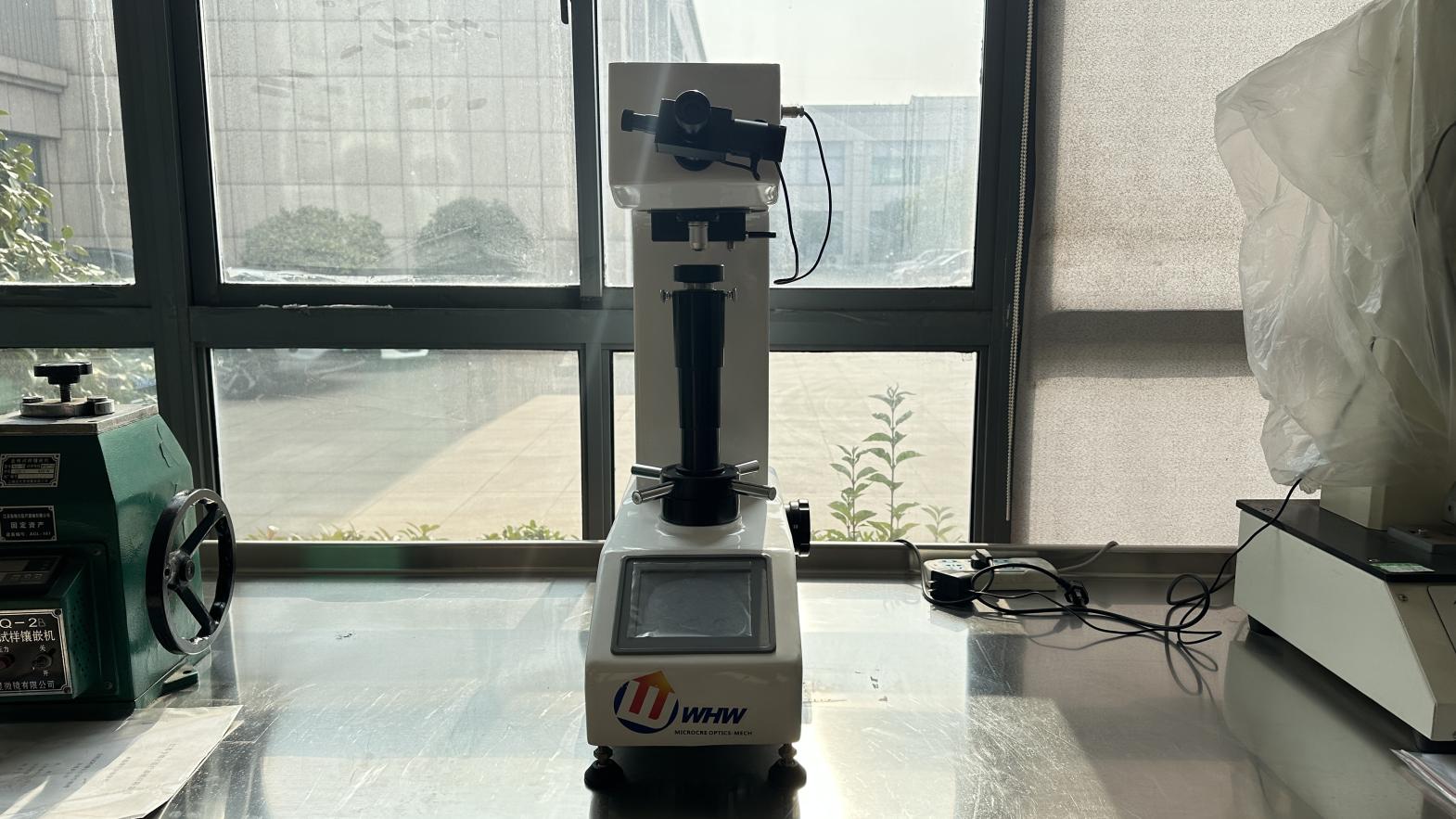
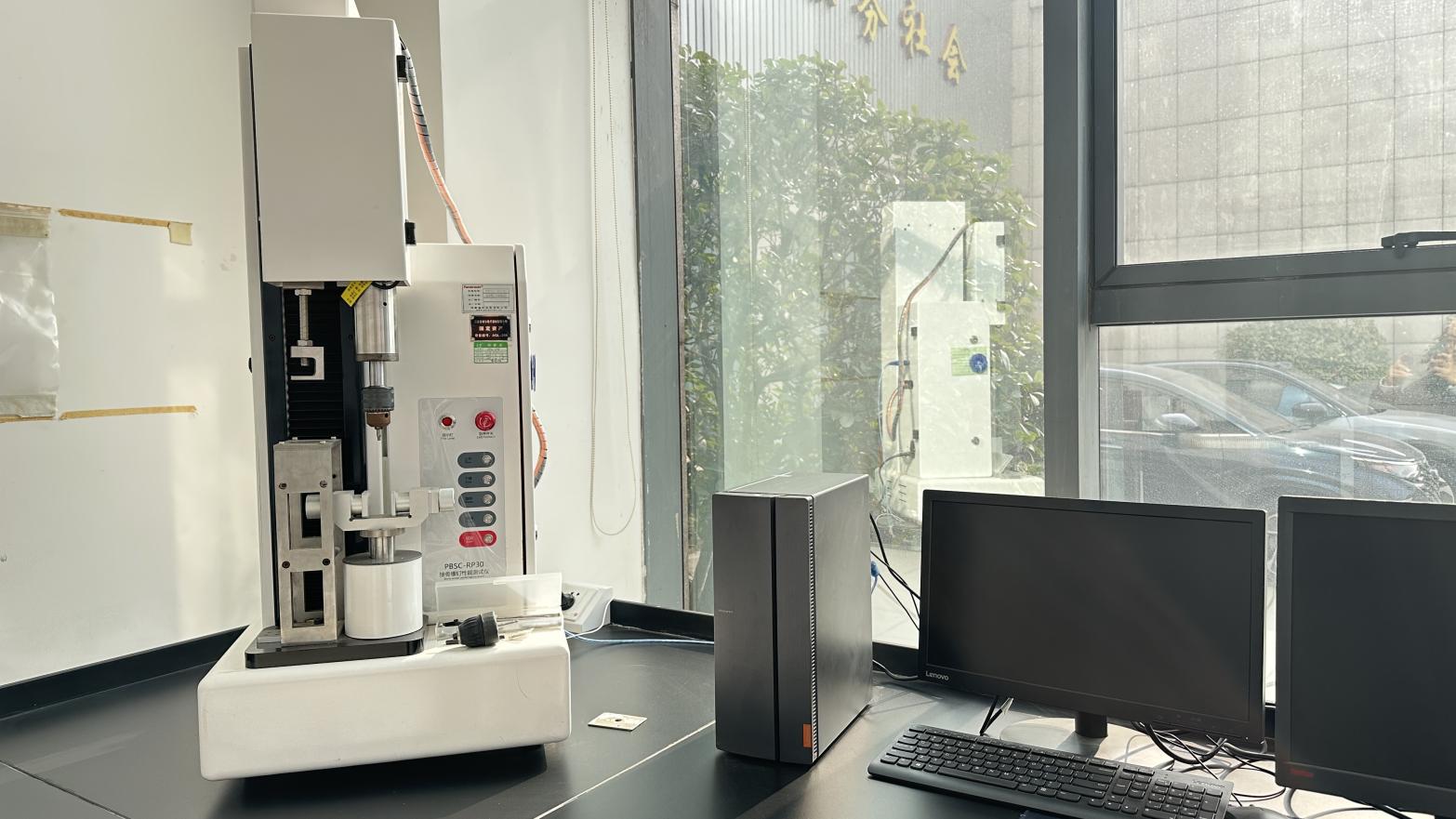
Our testing labs verify physical integrity according to international consensus standards. We run fatigue tests on our femoral stems under simulated physiological conditions (ISO 7206-4/6) to ensure they withstand long-term biomechanical cycling without cracking. Cleanroom protocols are routinely audited to confirm bioburden levels are kept low before sterilization. This attention to detail ensures every implant shipped from Medisplint is safe and ready for surgical use.
Patient anatomy varies significantly across global demographics. An implant design that fits a Western patient cohort may cause sizing challenges, endosteal mismatch, or fracture risks in other populations.
Our engineering team adjusts implant dimensions to match the femoral morphology of different target regions. For instance, populations in parts of Asia often present with smaller femoral canals, higher neck-shaft angles, and distinct curvature rates compared to average Western profiles. Medisplint addresses these variations by offering customizable femoral stem offset options, micro-sizes, and progressive neck geometries that achieve a more natural anatomical fit.
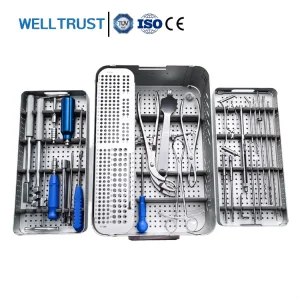
Additionally, we work closely with orthopedic teams to customize surgical instrumentation kits. By modifying bone reamer profiles, trial stems, and impactors, we match local surgical protocols, helping to streamline operations and improve operating room workflow.
The next decade of joint arthroplasty will be shaped by personalized healthcare and digital integration. Medisplint is investing in several key technology initiatives:
Utilizing 3D CT reconstruction files to print titanium femoral stems custom-fitted to the patient's exact bone canal, eliminating intraoperative mismatch risks.
Researching micro-sensor modules embedded within hollow stem sections to monitor post-surgical loading, micro-motion, and early implant loosening.
Applying silver-doped or iodine-incorporated bioactive surfaces to limit bacterial adhesion, lowering the risk of prosthetic joint infections (PJI).
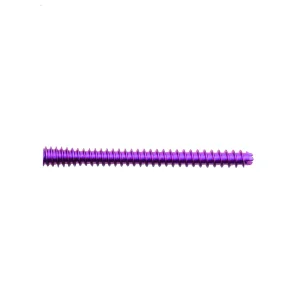
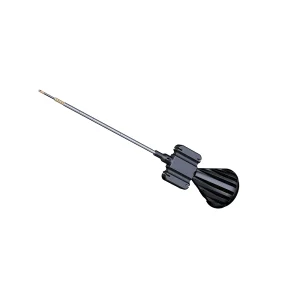
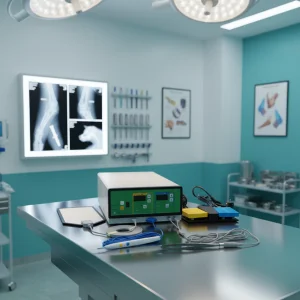
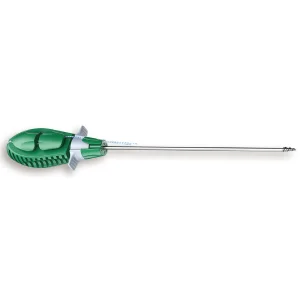
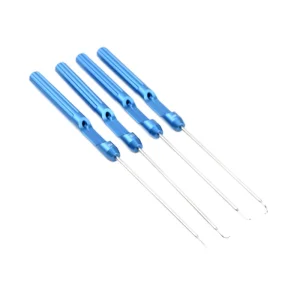
Review additional orthopedic hardware and arthroscopic surgical instruments designed to complete your surgical supply chains.
Professional insights regarding manufacturing materials, regulatory compliance, and OEM/ODM options.