Medisplint
Medisplint
Medisplint
Providing clinical grade, SFDA-compliant implants optimized for arthroscopic knee, shoulder, and extremity reconstruction within Riyadh's specialized orthopaedic networks.
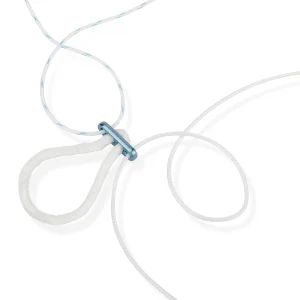
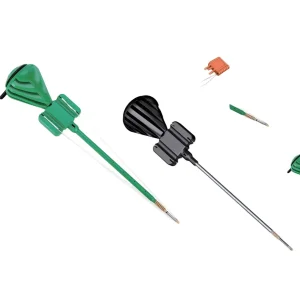
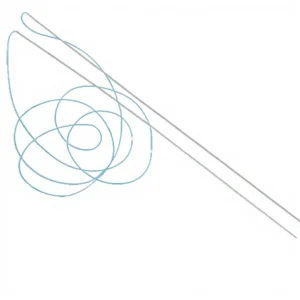
Under the ambitious mandate of Saudi Vision 2030, the Kingdom of Saudi Arabia is undergoing an unprecedented restructuring of its healthcare ecosystem. With the privatization of public health sectors, the formation of distinct health clusters (Takamul), and massive capital deployment in sports infrastructure (such as Qiddiya and the expansion of the Saudi Pro League networks), the demand for high-end sports medicine and orthopedic traumatology solutions in Riyadh has experienced exponential growth.
This demographic shift is accompanied by a dramatic increase in sports-related injury patterns, particularly anterior cruciate ligament (ACL) tears, complex meniscus tear configurations, and shoulder instability. High-profile private and public clinical networks—including the King Faisal Specialist Hospital & Research Centre, Riyadh Military Hospital, and pioneering sports medicine rehabilitation facilities—demand clinical-grade, biocompatible implants that minimize post-operative recovery timelines and maximize surgical predictability.
For international procurement directors, the priority is securing suppliers capable of maintaining constant clinical pipelines, ensuring registration compliance under the Saudi Food and Drug Authority (SFDA), and delivering cutting-edge biomaterials such as Polyether ether ketone (PEEK) and ultra-high-molecular-weight polyethylene (UHMWPE) sutures.
Production Facility
Annual Export Value
Dedicated QC Inspectors
R&D Engineers
How Medisplint leverages automation and vertical integration to secure the global orthopedic implant supply chain against geopolitical and economic volatility.
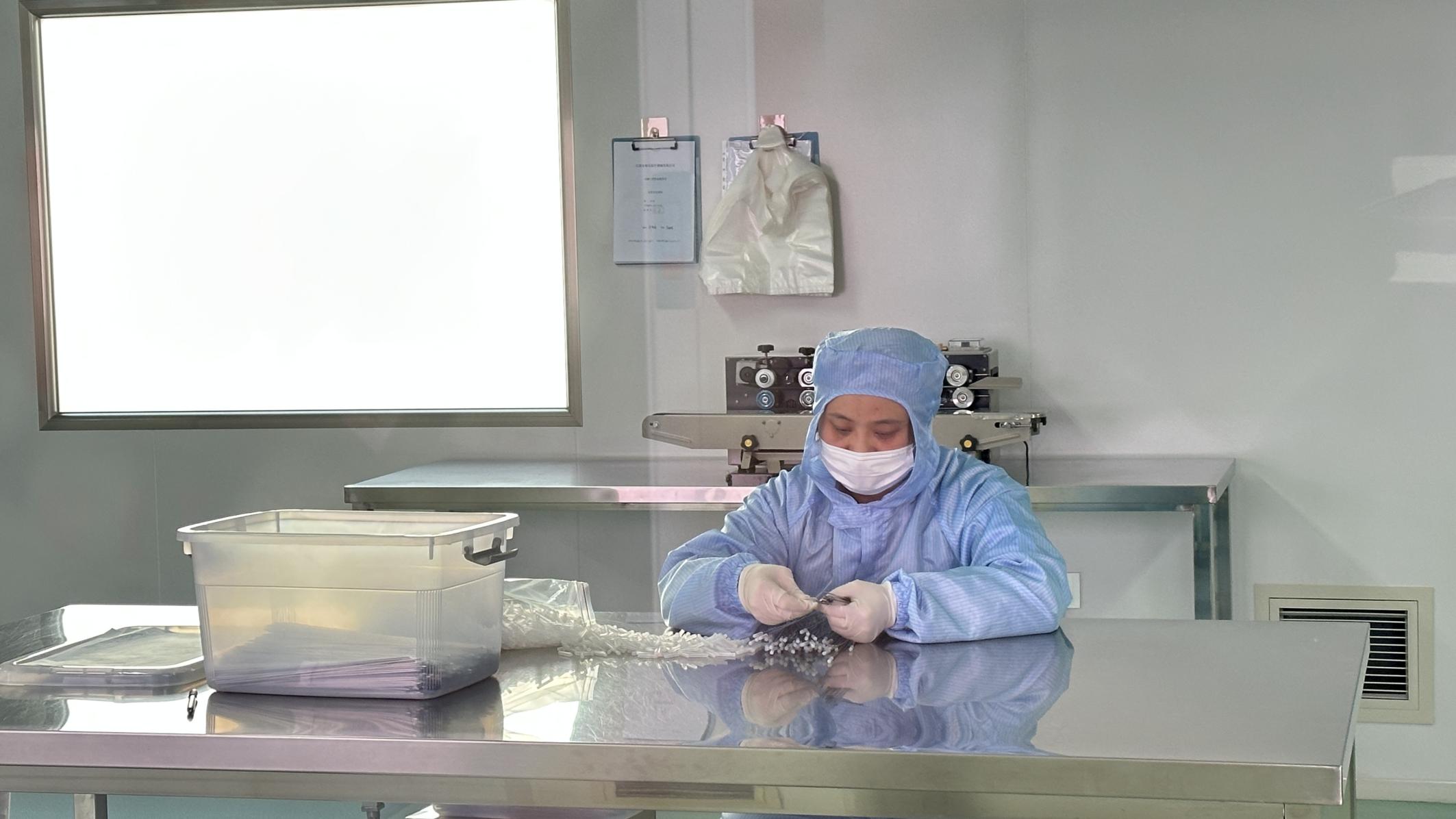
Global orthopaedic procurement has shifted from a pure cost-per-unit metric to a holistic evaluation of supply chain resilience. Shortages in raw surgical materials, coupled with strict regulatory changes in Europe, have left hospitals worldwide vulnerable to procurement delays. In response, Medisplint Orthopedic Instruments Co., Ltd. has established a Factory 4.0 model, integrating advanced CNC machining, cleanroom packaging, and high-precision testing to maintain a robust supply pipeline.
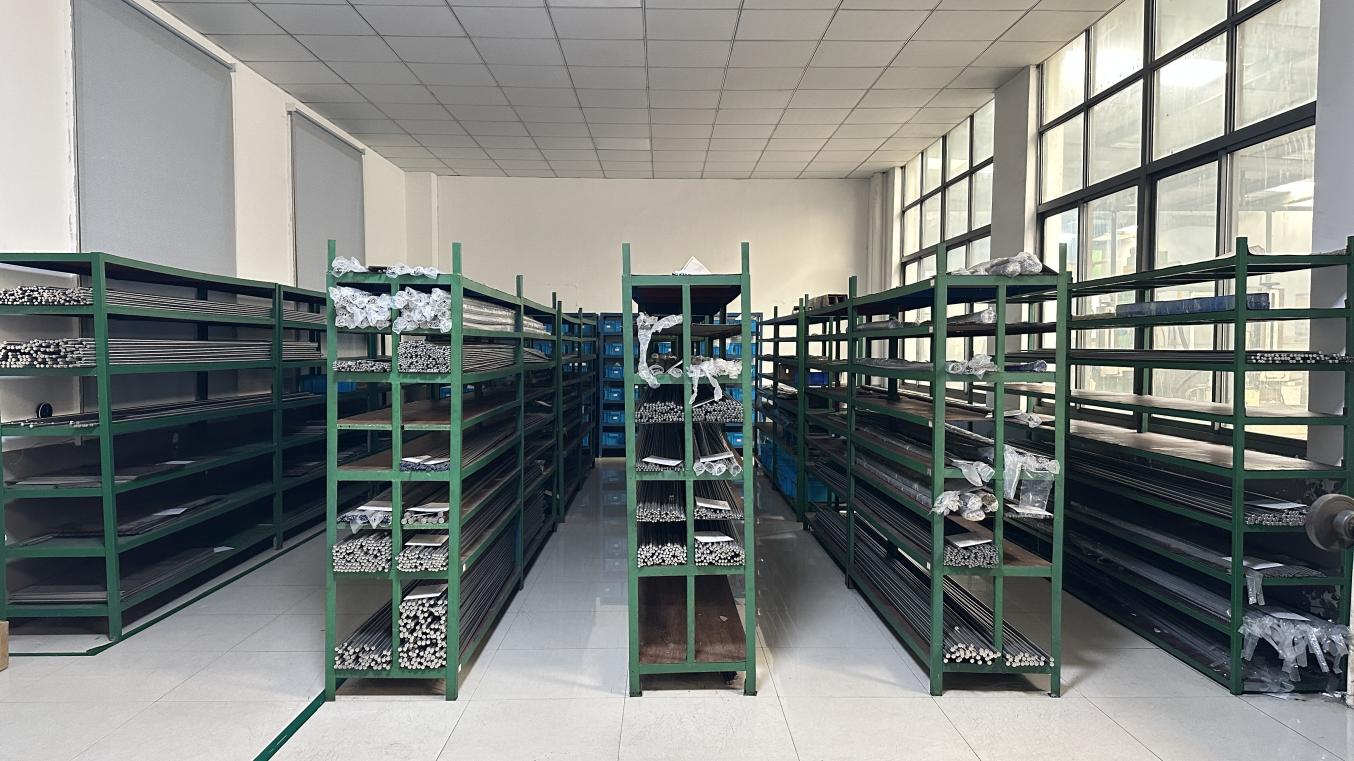
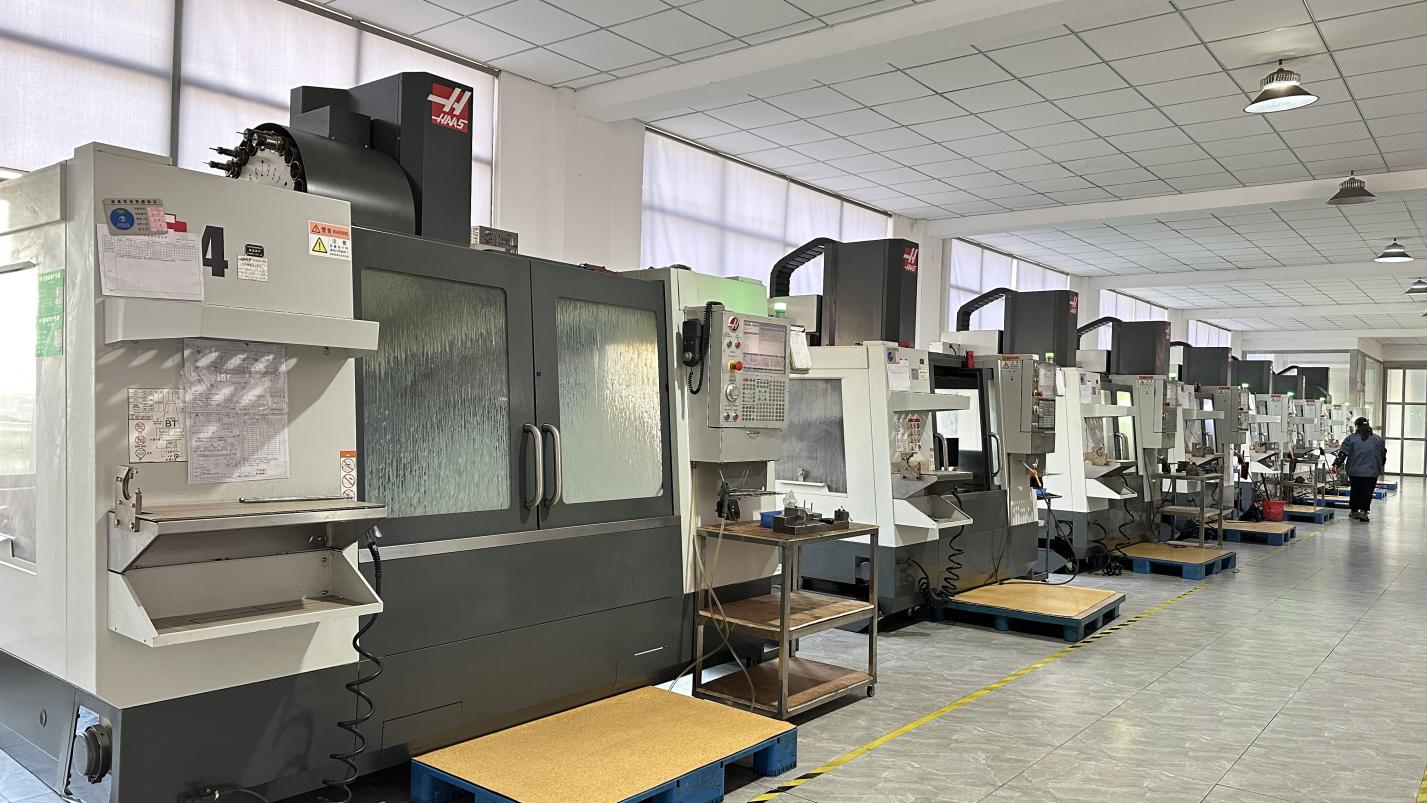
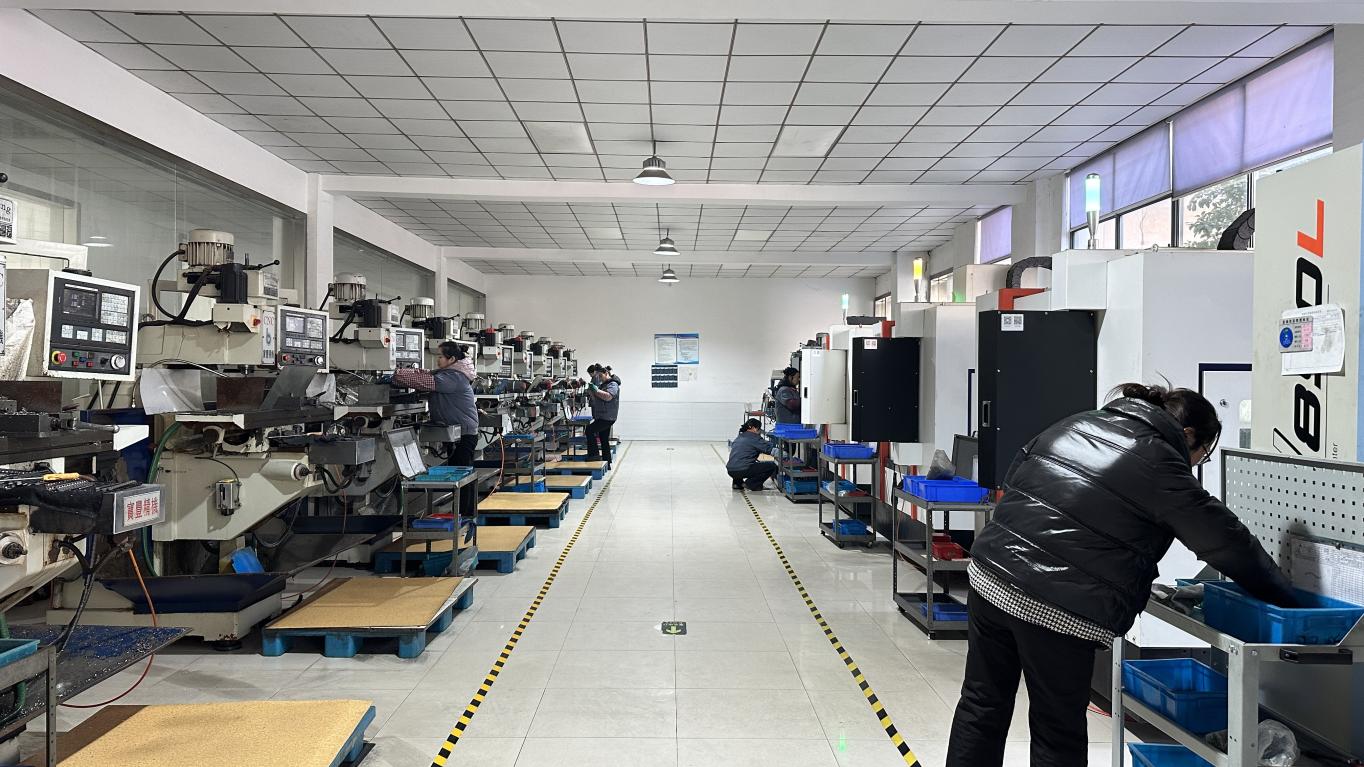
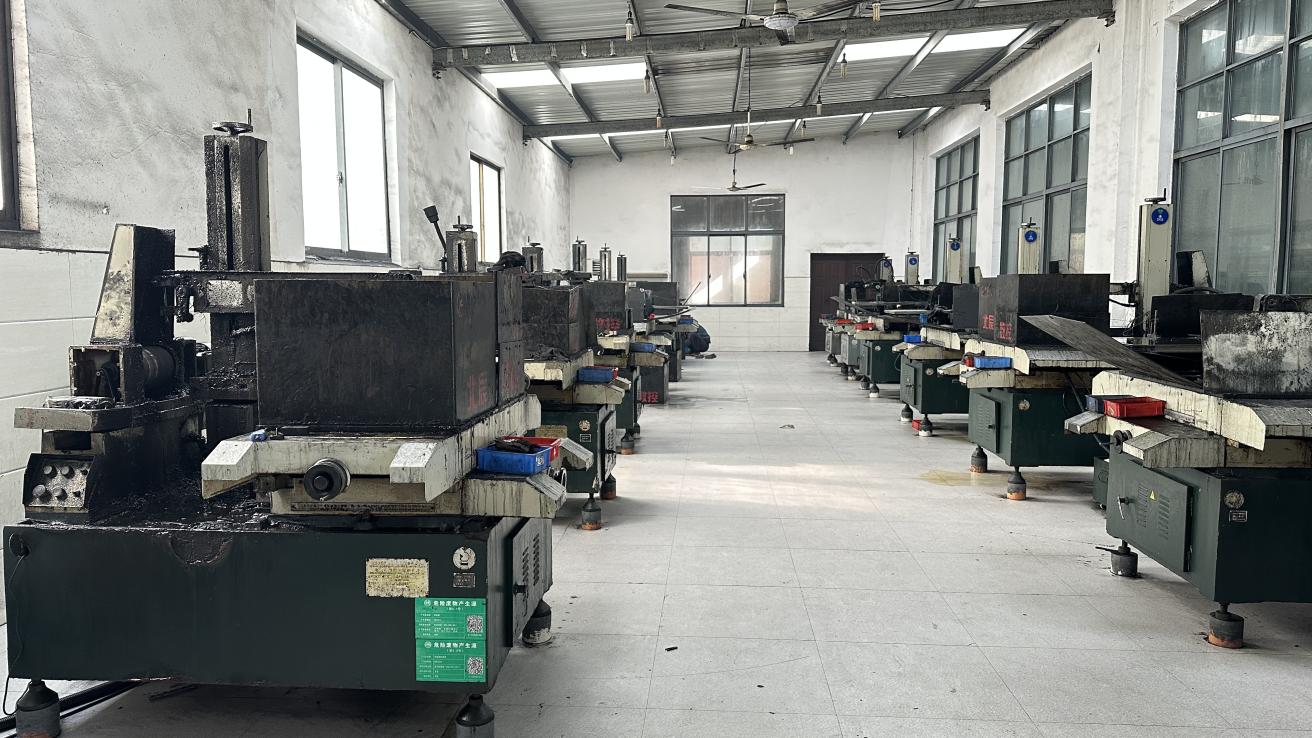
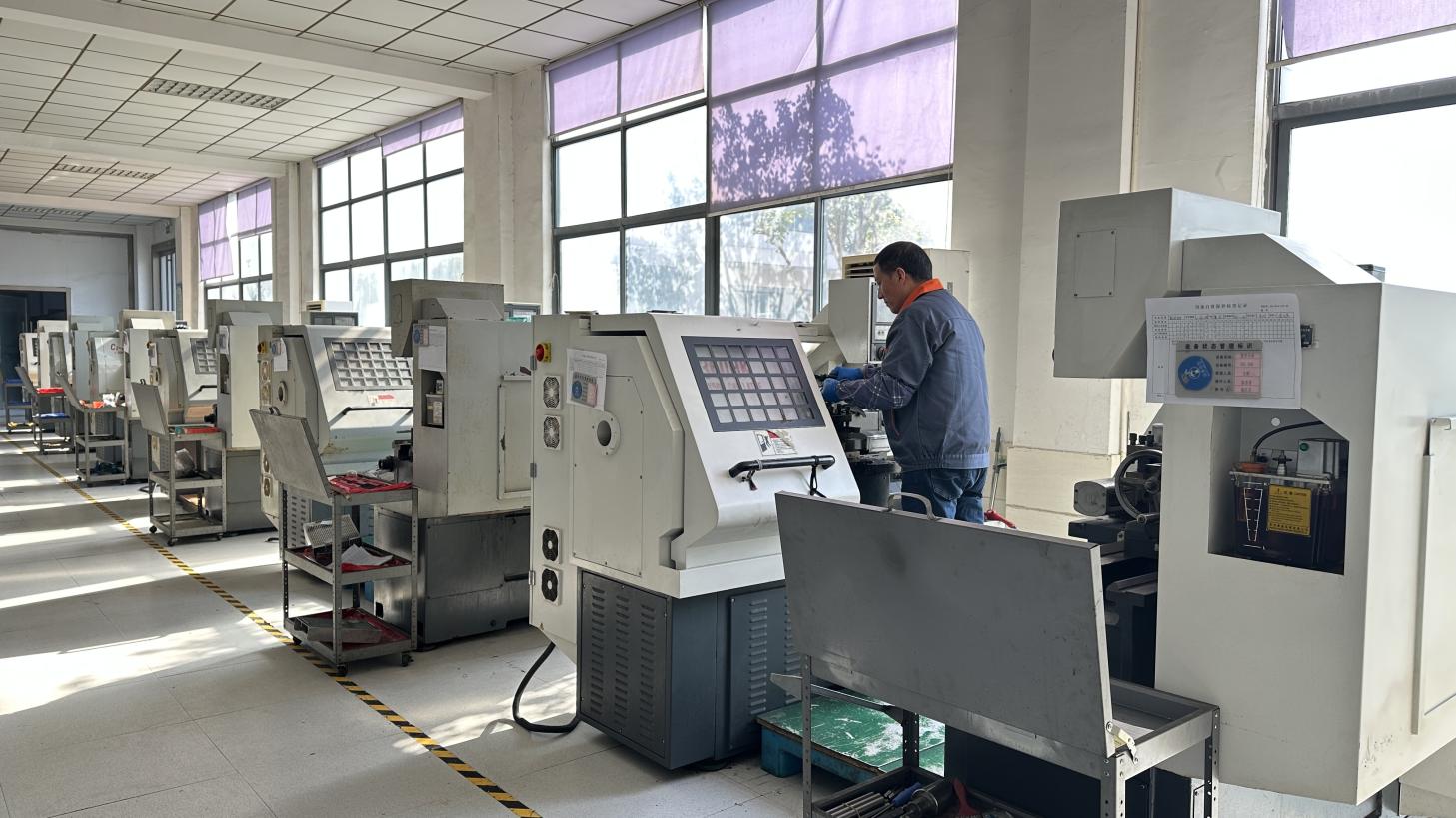
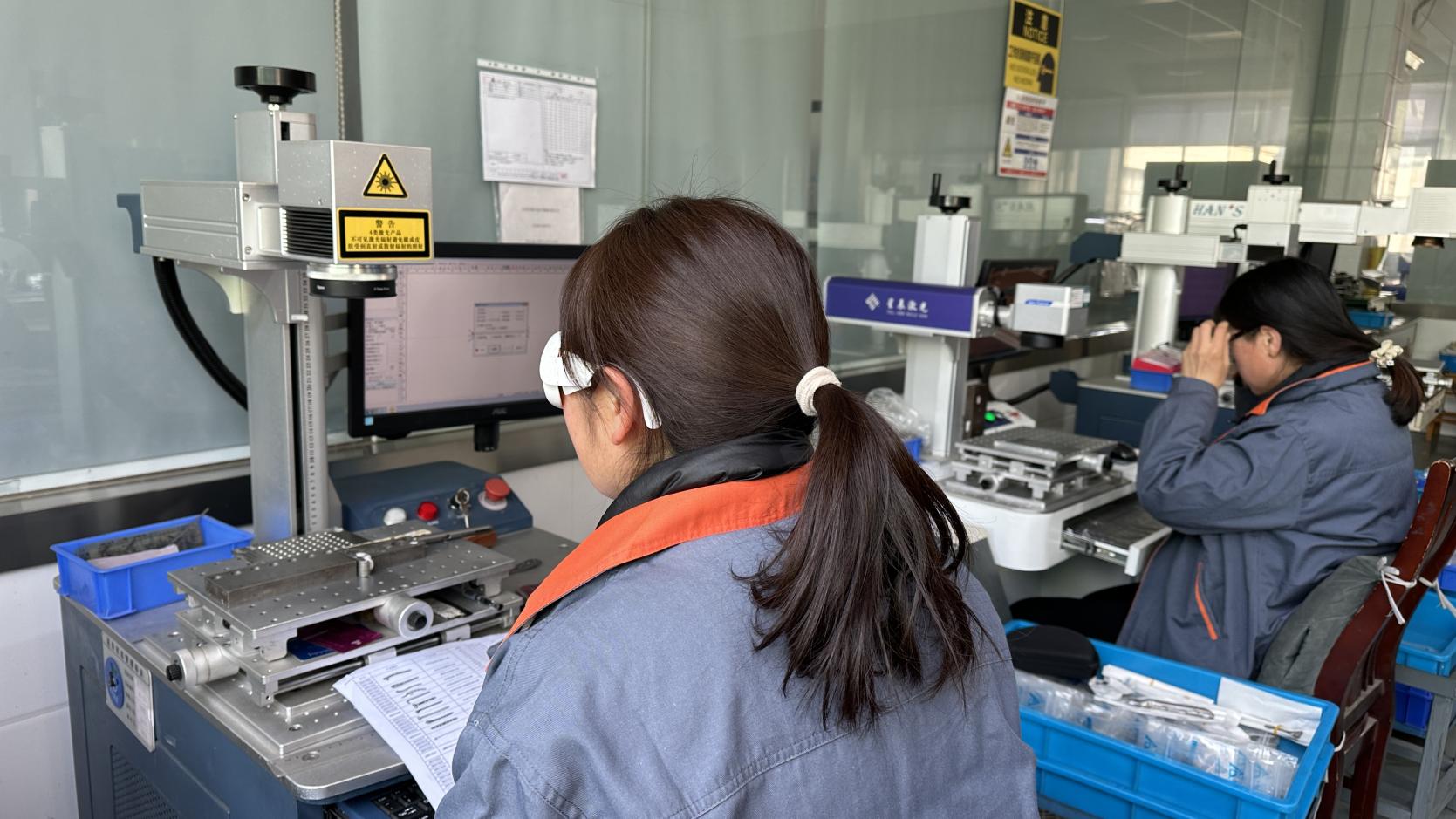
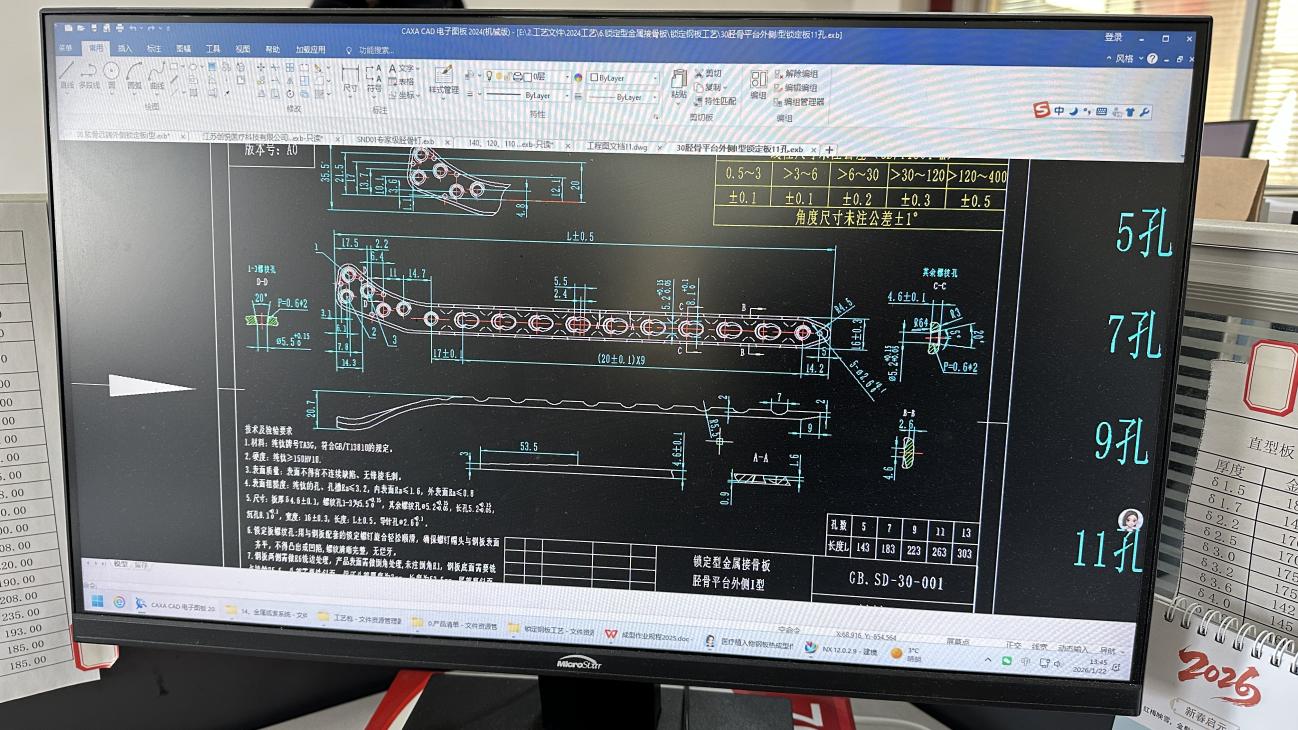
Founded in 2016, Medisplint operates an 18,500㎡ facility featuring automated vertical production lines. By controlling every stage of manufacturing—from raw material slitting and Swiss-type CNC micro-machining to multi-dimensional fatigue testing and laser markings—we eliminate reliance on third-party sub-contractors. This localized control translates to reliable lead times, absolute batch consistency, and significant cost advantages for bulk buyers in Riyadh and globally.
With an annual export revenue of USD 12 million and over a decade of industry experience, our processes align with ISO 13485 quality standards. This ensures that every suture anchor, titanium plate, and meniscus revision instrument meets the rigorous demands of modern sports medicine operating theaters.
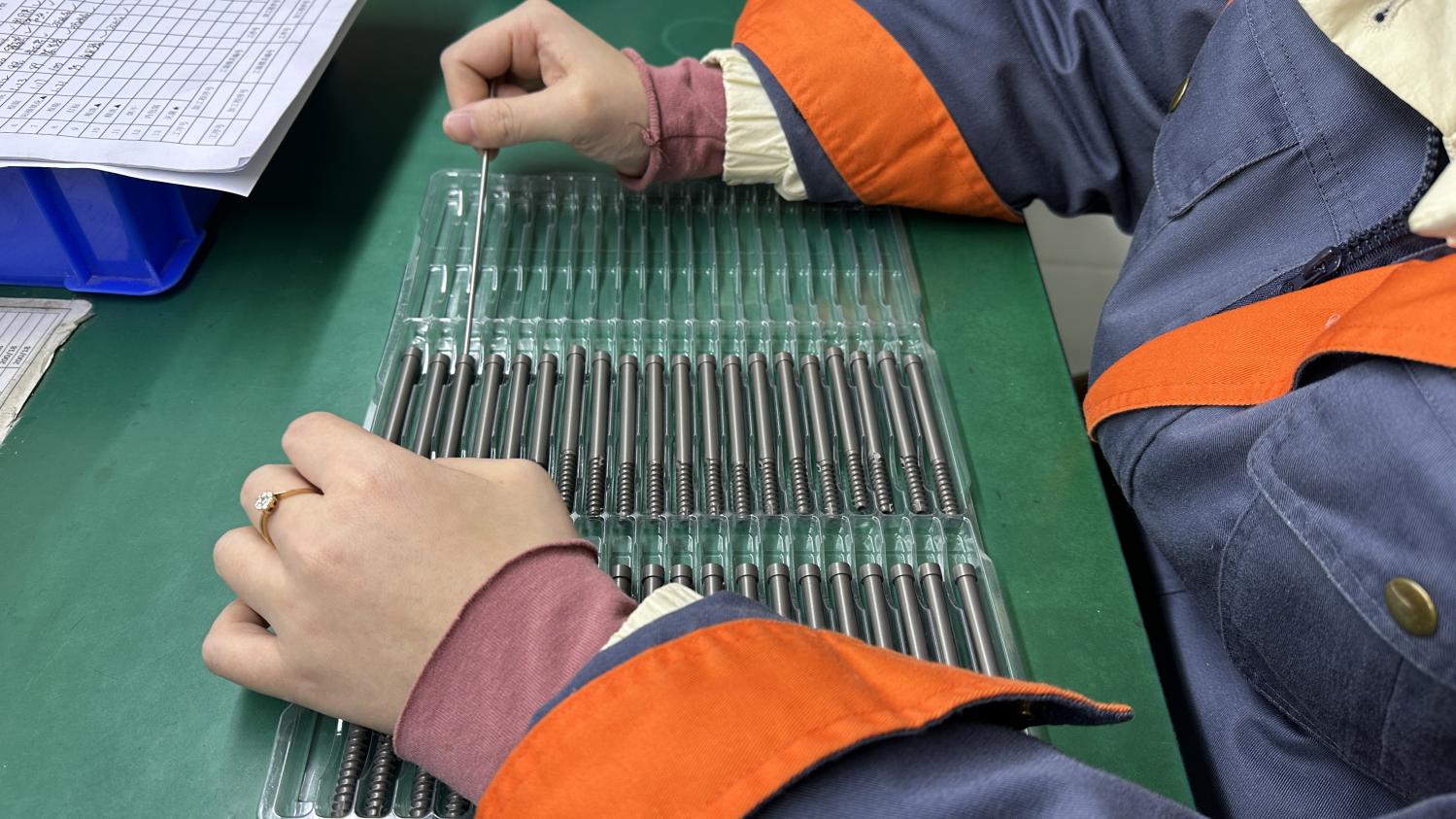
Our quality department is staffed by 42 inspectors executing a strict multi-tier quality control protocol: Incoming Material Inspection, In-Process Quality Control (IPQC), Final Product Quality Control (FQC), and regular third-party laboratory audits. We use coordinate measuring machines (CMM), tensile testers, and cyclic fatigue simulation units to confirm that each batch of loop plates and PEEK anchors can withstand the physiological demands of patient joint reconstruction.
A transparent look into our 18,500㎡ production floor, showcasing high-precision machining, strict QC labs, and automated workflows.
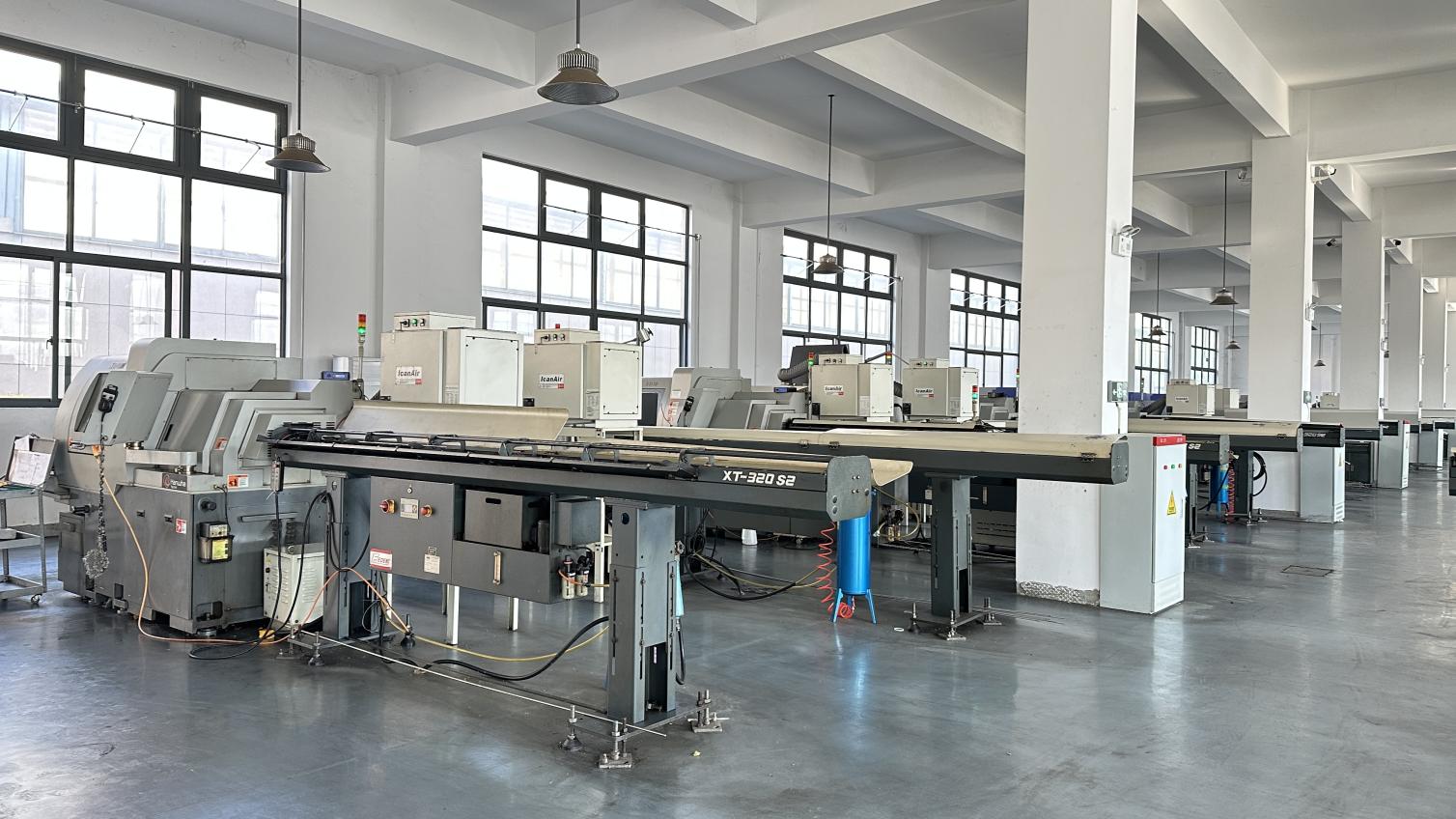
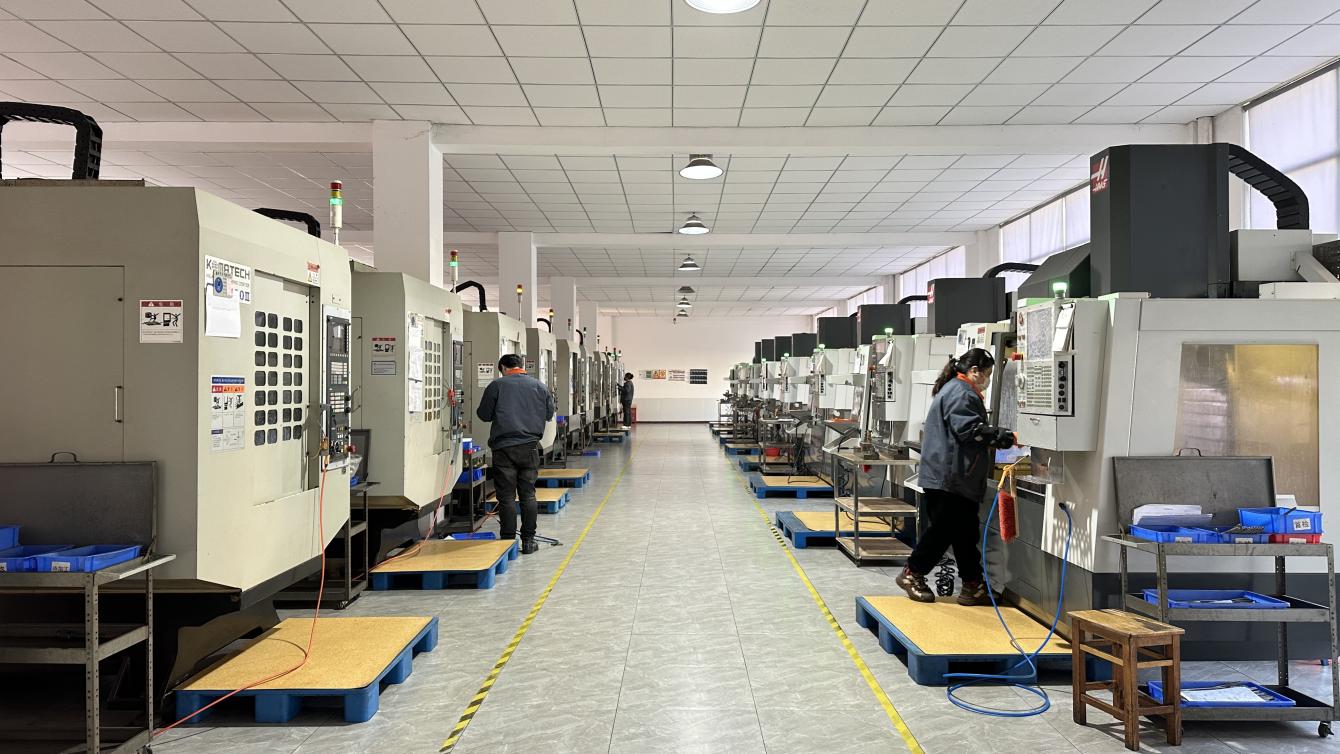
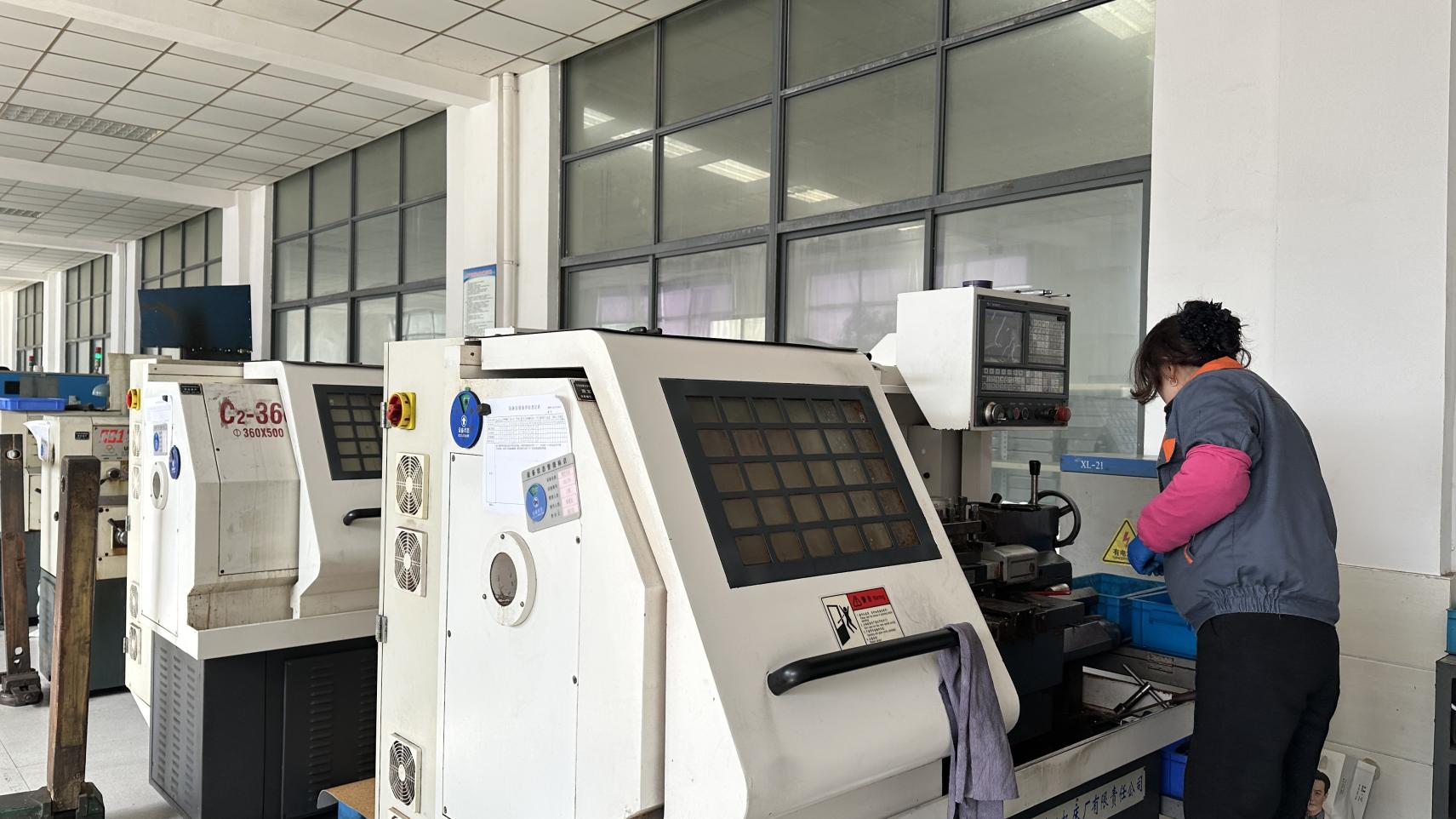
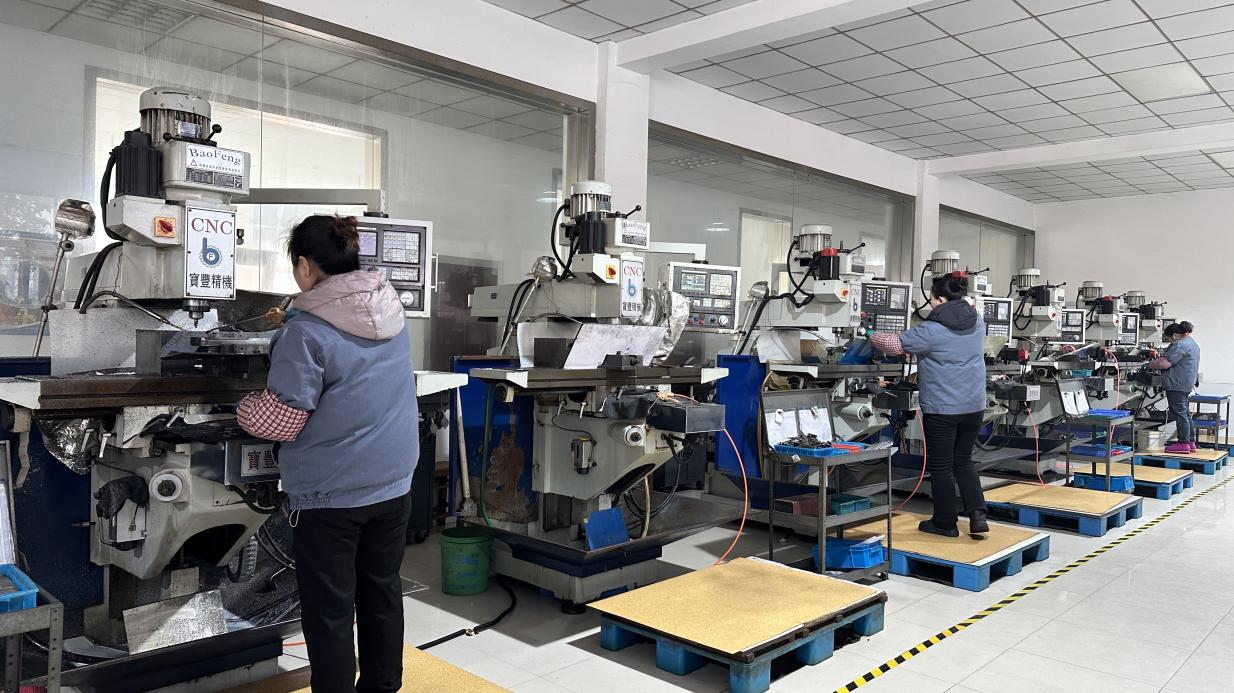
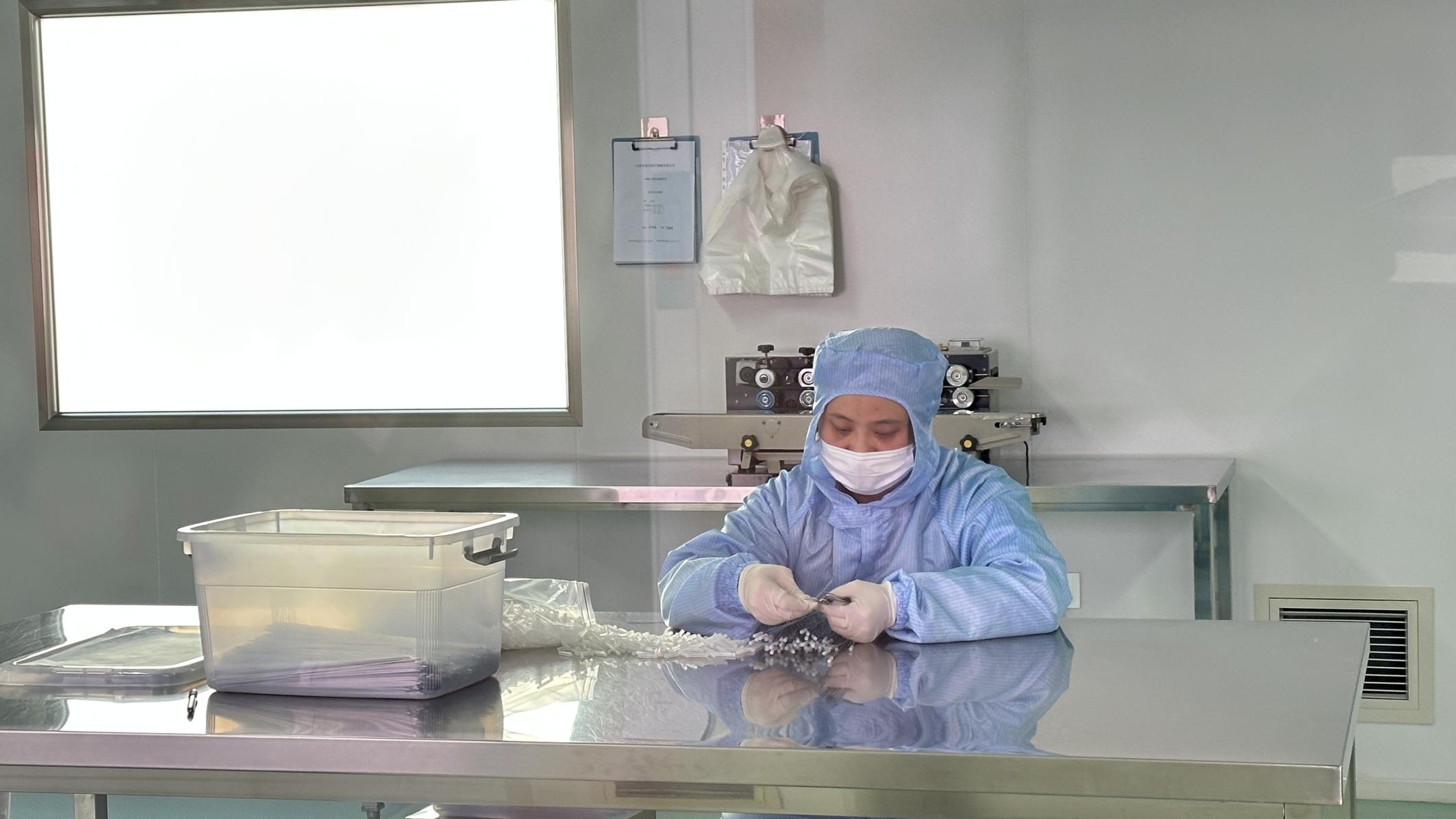
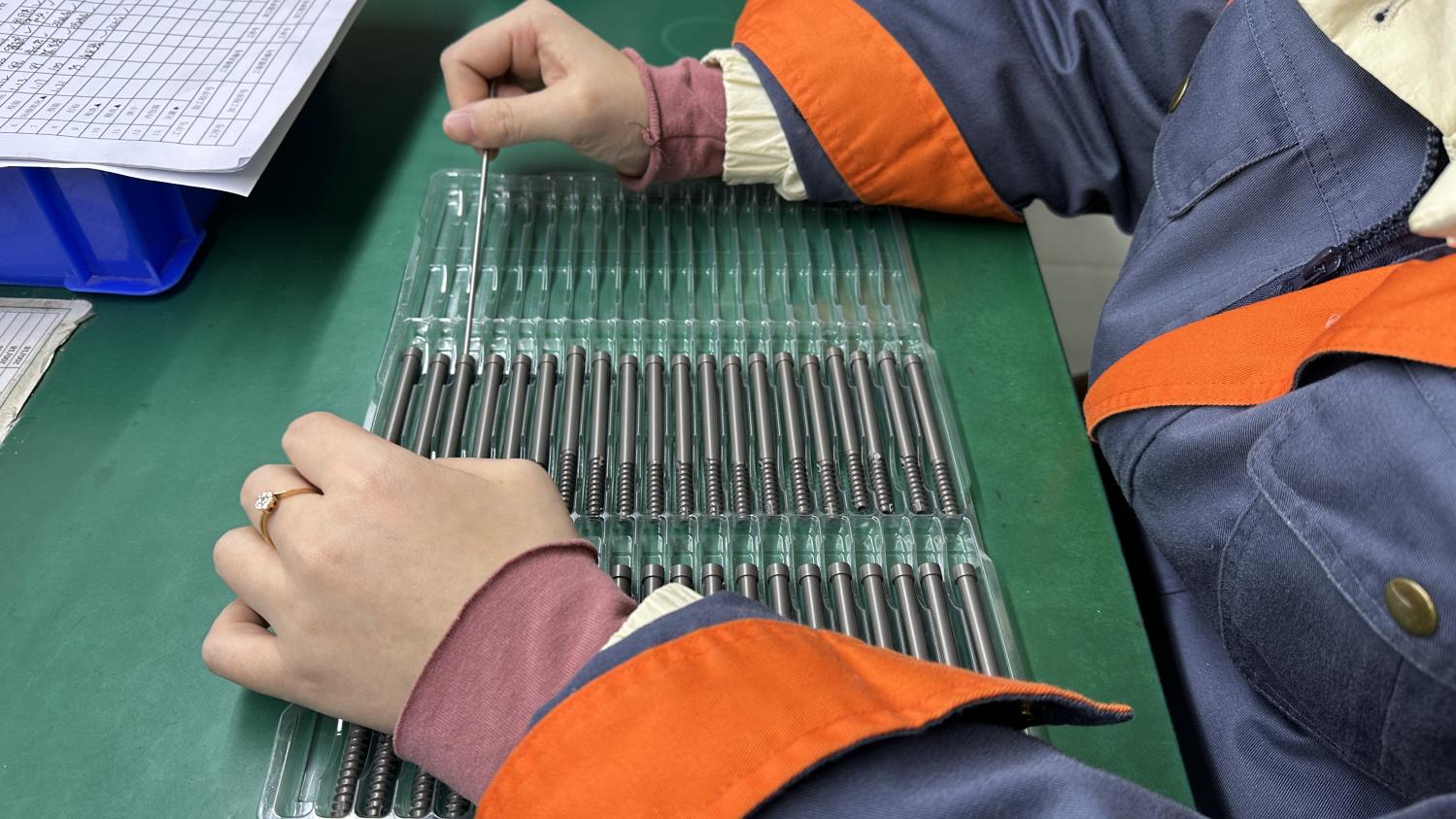
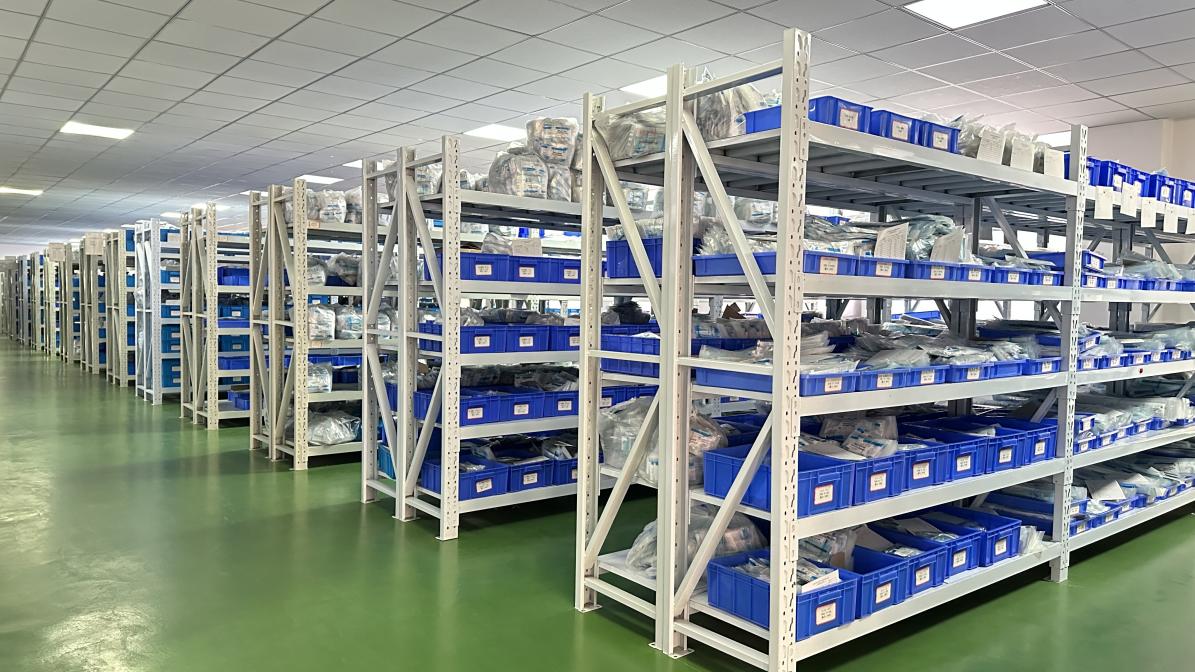
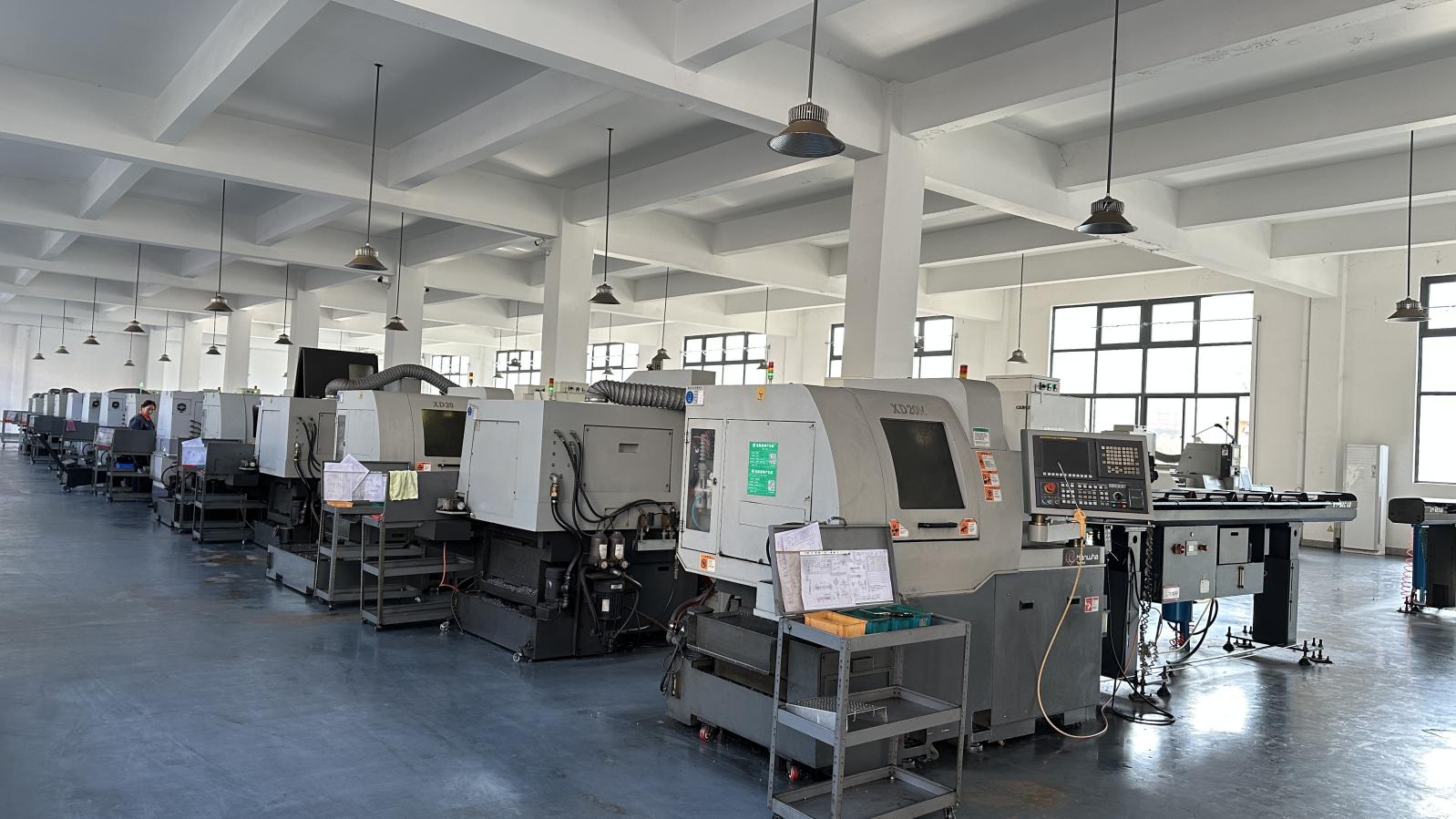

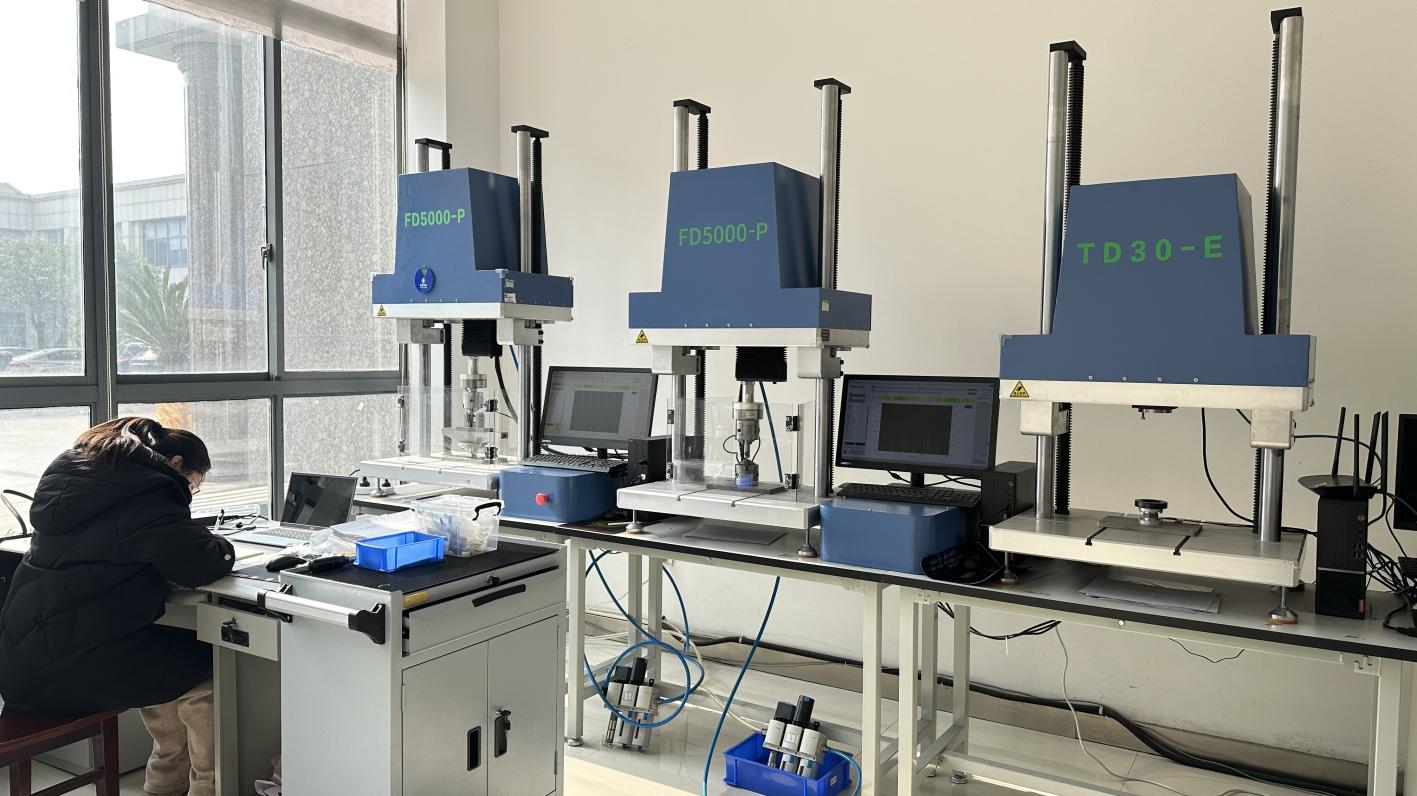
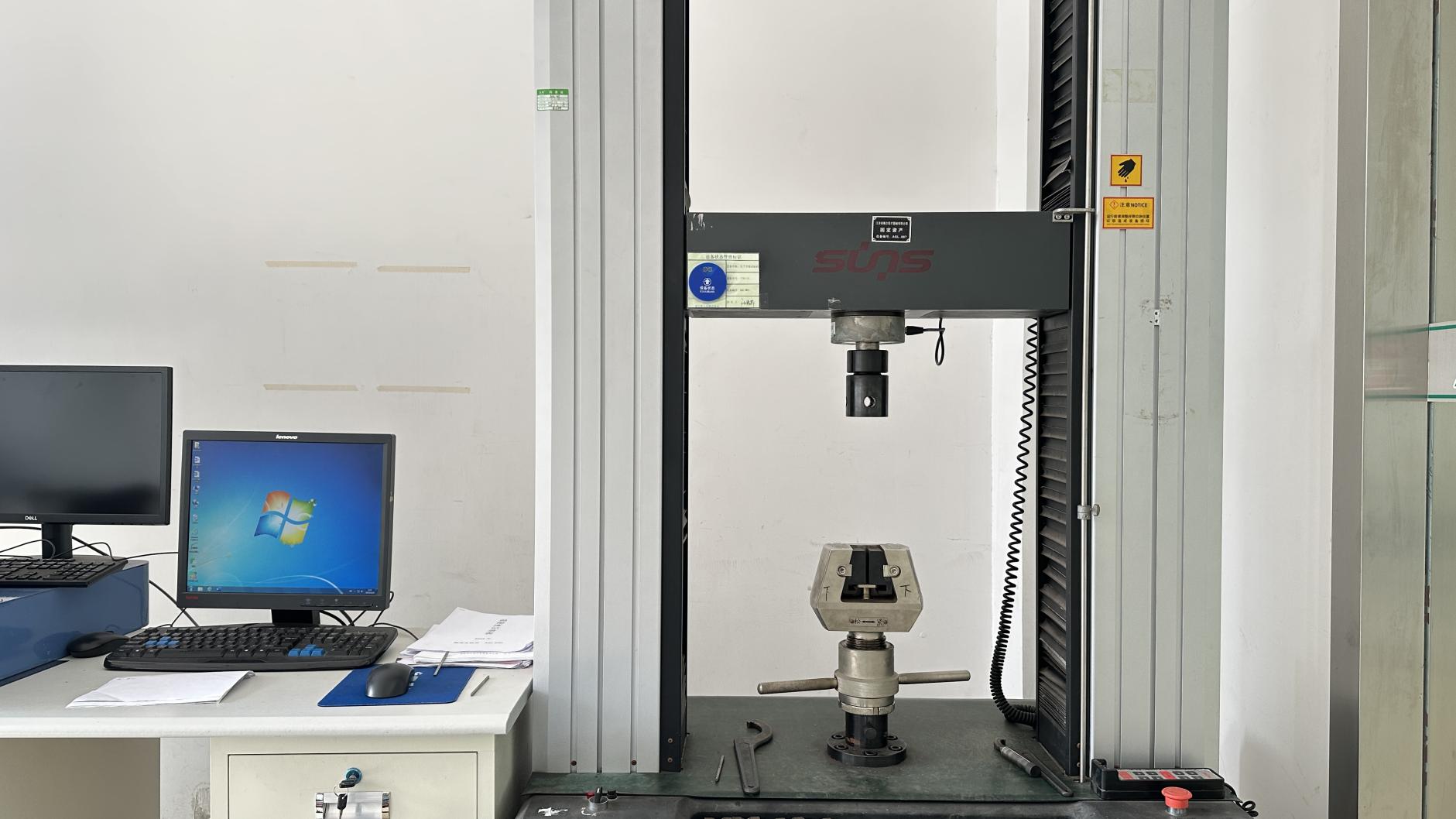
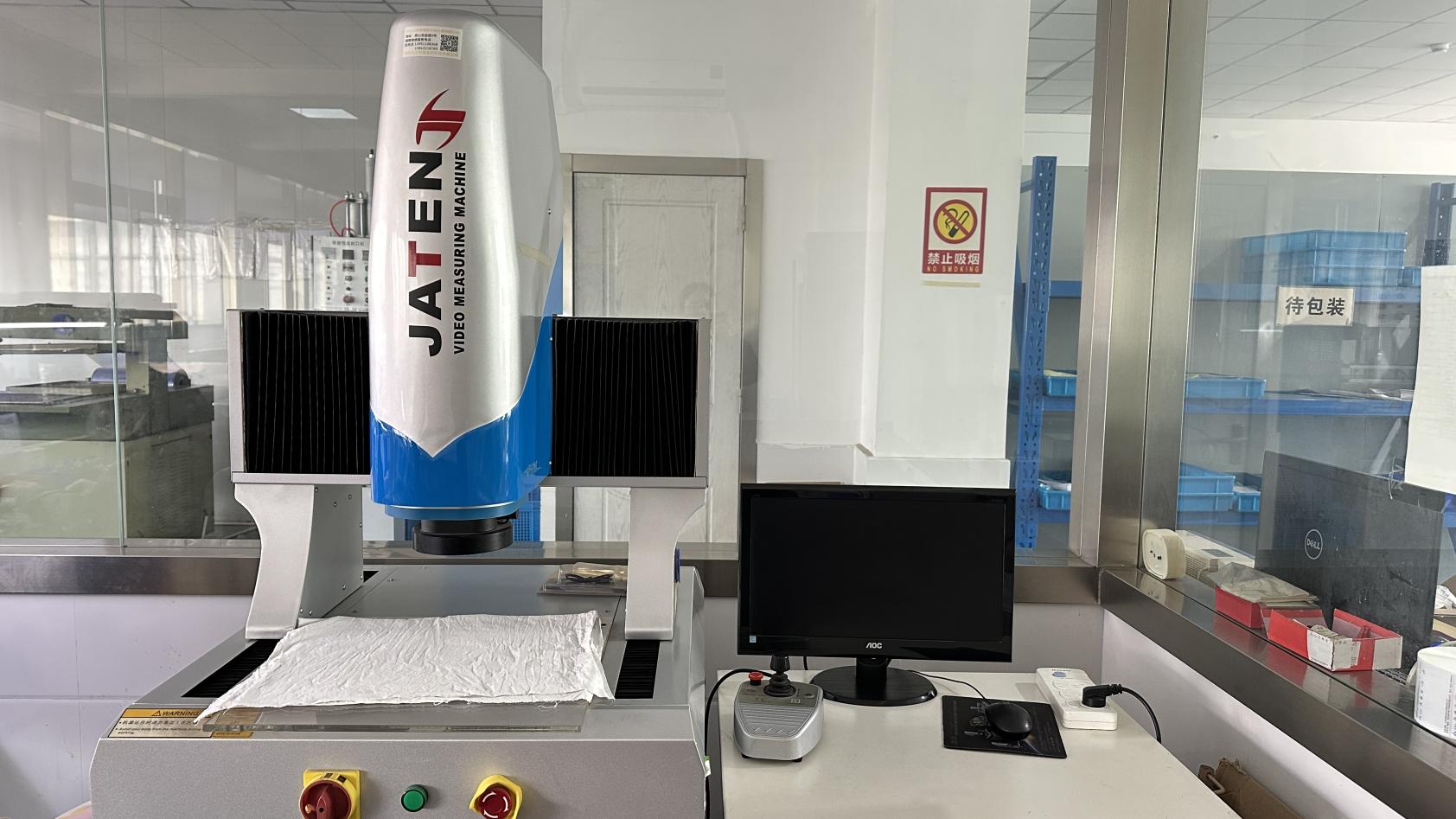
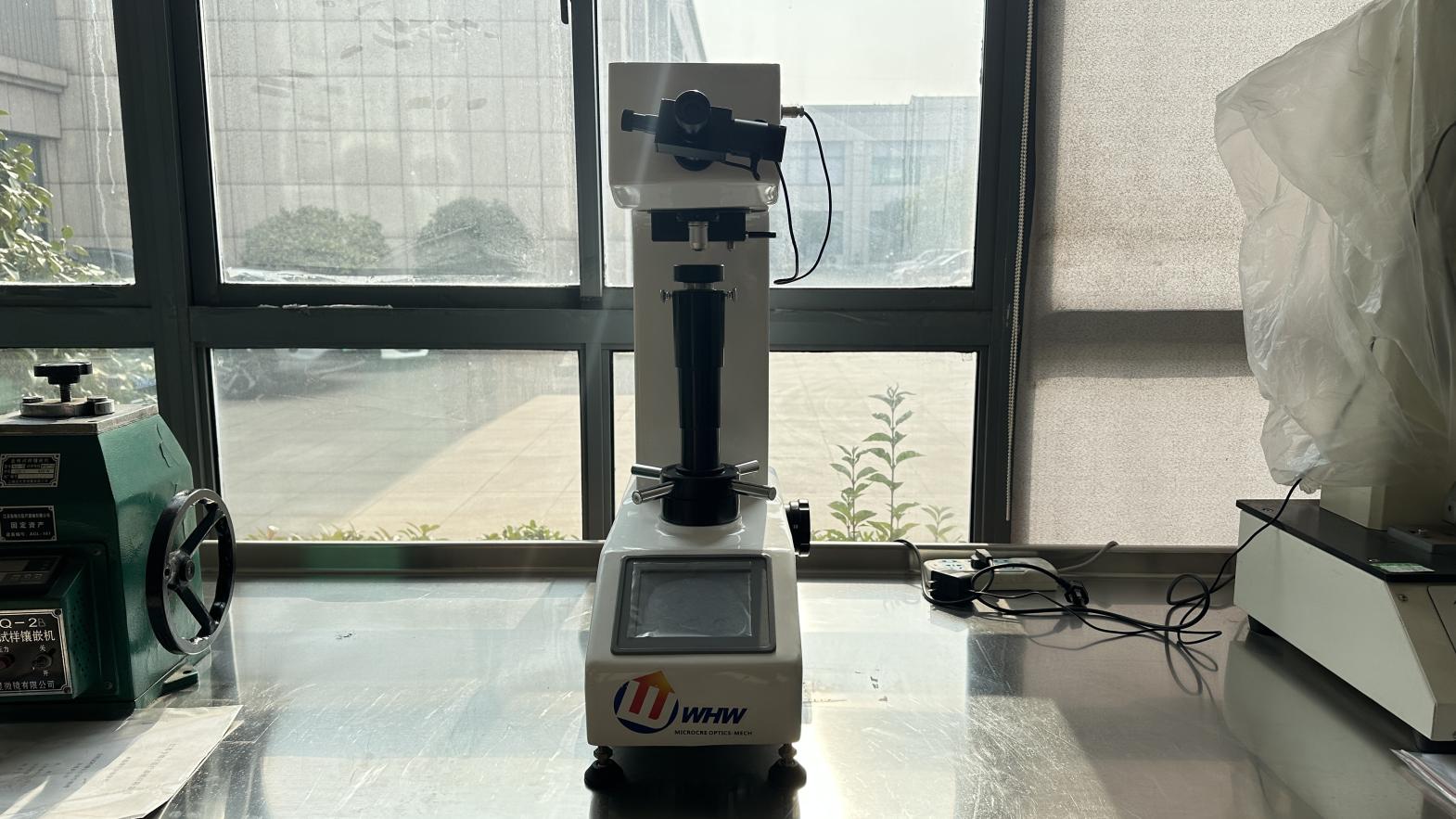
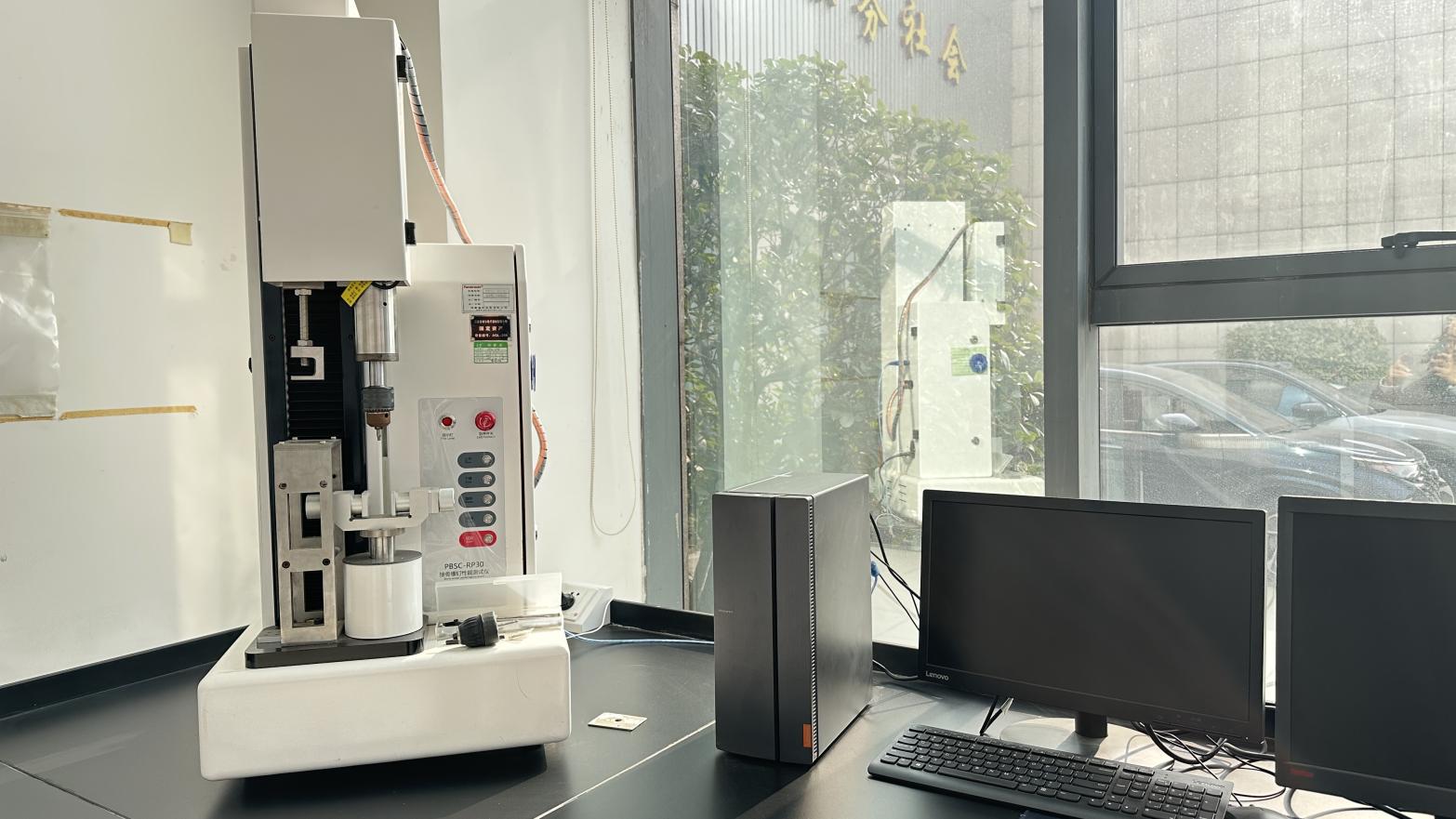
How Medisplint implants integrate with the specific operative pathways of major clinical networks in Saudi Arabia.
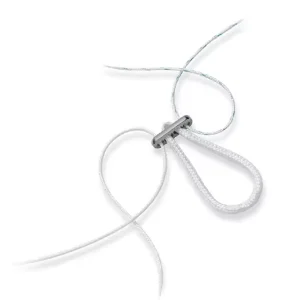
Within Riyadh's private and military hospital systems, the prevalence of anterior cruciate ligament (ACL) reconstructions requires implants with high mechanical stability. Our Knee Lock Titanium Plate with Belt Loop provides cortical fixation that eliminates micro-motion. The loop's fixed design ensures predictable graft tensioning, assisting surgeons during arthroscopic procedures.
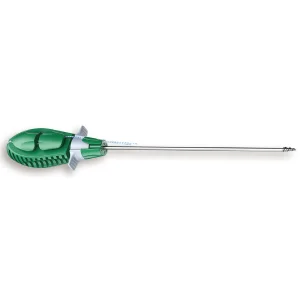
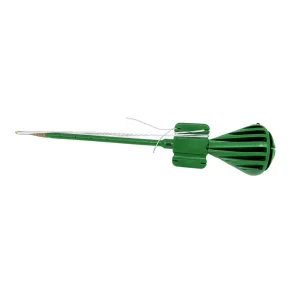
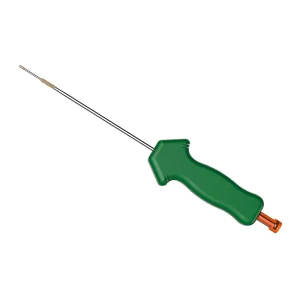
Additionally, inside-out meniscal repair protocols utilize our pre-loaded suture systems with double needles. This allows surgical teams to perform meniscal body and horn repairs with minimal soft tissue disruption, contributing to faster patient rehabilitation.
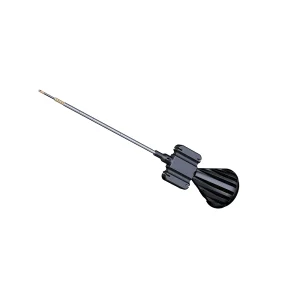
In shoulder pathology management at Riyadh's municipal clinics, the choice of suture anchor is critical. Medisplint's Knotless PEEK Suture Anchors provide strong structural hold in the glenoid rim. The biocompatible PEEK material matches the modulus of human cortical bone, reducing stress shielding and minimizing osteolysis risks.
For high-demand professional athletes and regional sports club members in Riyadh, the combination of knotless insertion and UHMWPE suture bands offers strong biomechanical hold. This stability is key during the critical early healing phase of rotator cuff repair.
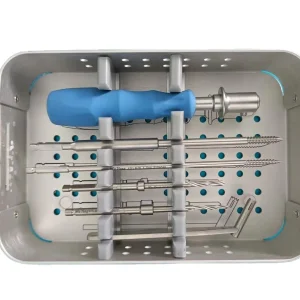
Explore our selection of orthopaedic implants, fixation devices, and specialized instruments designed for knee, shoulder, and extremity reconstruction.
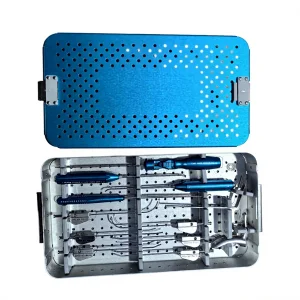
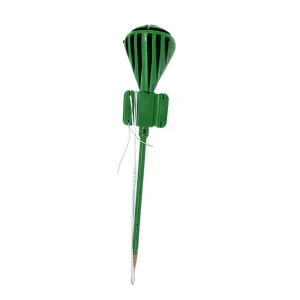
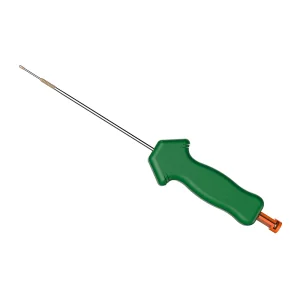
Essential guidance on SFDA compliance, raw material safety, customization parameters, and supply chain logistics for the Saudi Arabian medical market.
Connect with our technical R&D team to evaluate technical files, request sterilized sample batches, or schedule a virtual audit of our 18,500㎡ facility.