Medisplint
Medisplint
Medisplint
Direct-from-factory high-performance fixation technologies designed for knee, shoulder, and extremity reconstruction.
Melbourne is globally recognized as a premier sports capital, hosting major events such as the Australian Open, the AFL Grand Final, and international rugby events. Consequently, Victoria experiences a disproportionately high incidence of soft-tissue sports injuries, particularly Anterior Cruciate Ligament (ACL) tears, meniscus damage, and lateral ankle instability (ATFL). This clinical demand has fostered a sophisticated network of private orthopedic clinics, public teaching hospitals (such as Royal Melbourne Hospital and Alfred Health), and specialized day surgery hubs throughout the metropolitan area.
Historically, the Victorian orthopedic market has been dominated by multi-national brand names, leading to high implant procurement costs that burden both private health insurers and public hospital budgets. In response, Melbourne medical distributors and procurement managers are actively seeking high-quality, CE-certified, and TGA-aligned manufacturing partners. By working with direct manufacturers that control their own raw material sourcing and precision CNC machining, Australian distributors can bypass intermediate markups while maintaining strict biomechanical compliance.
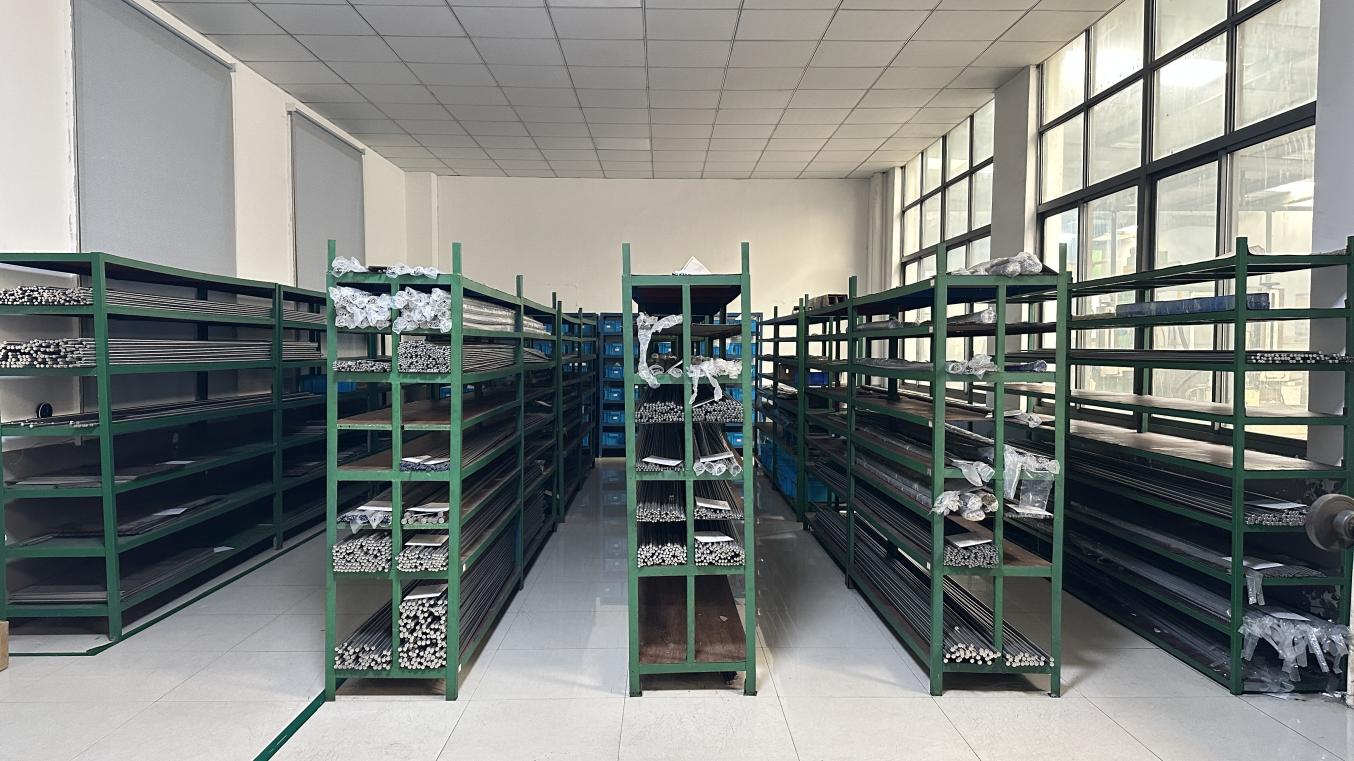
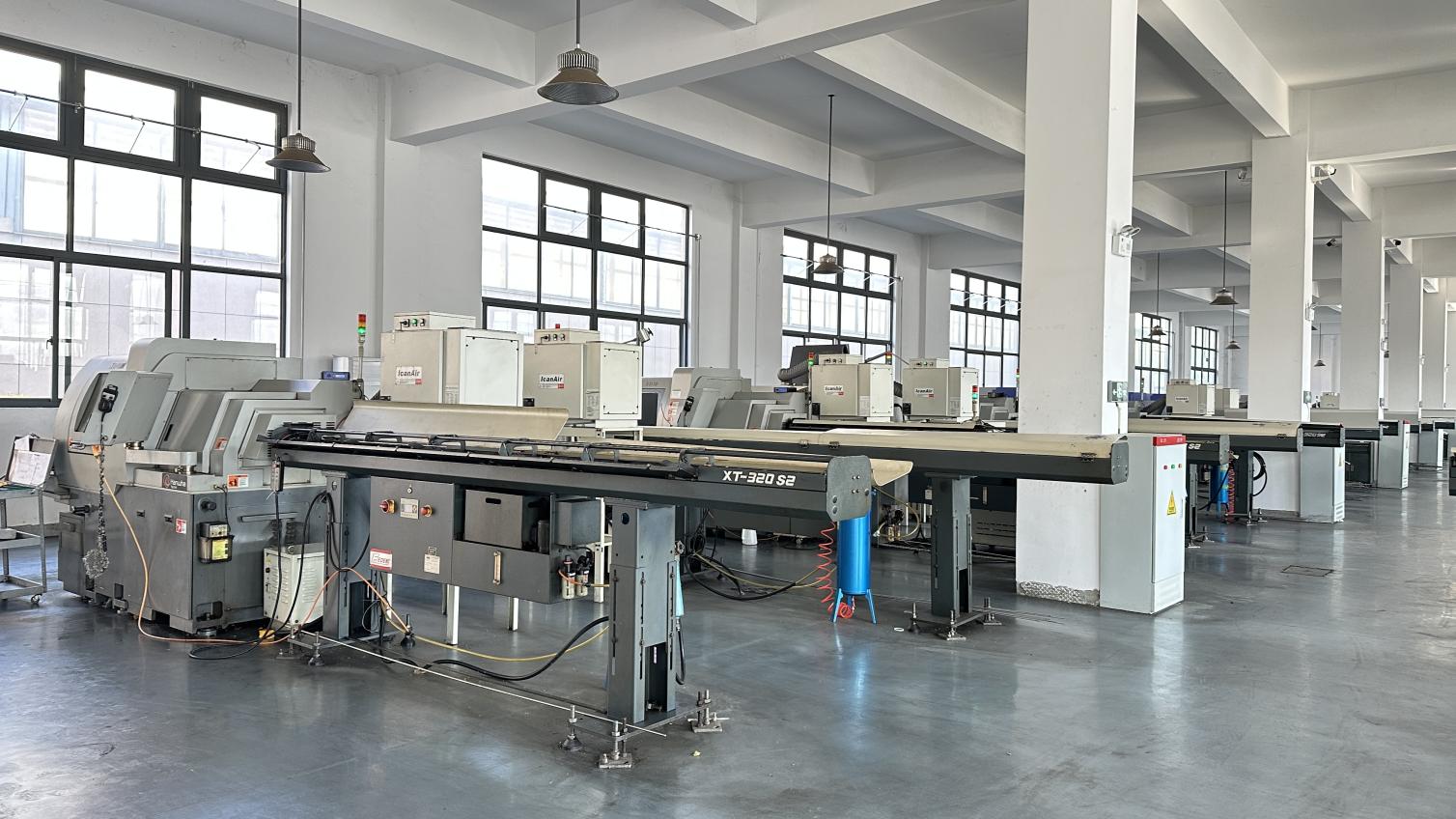
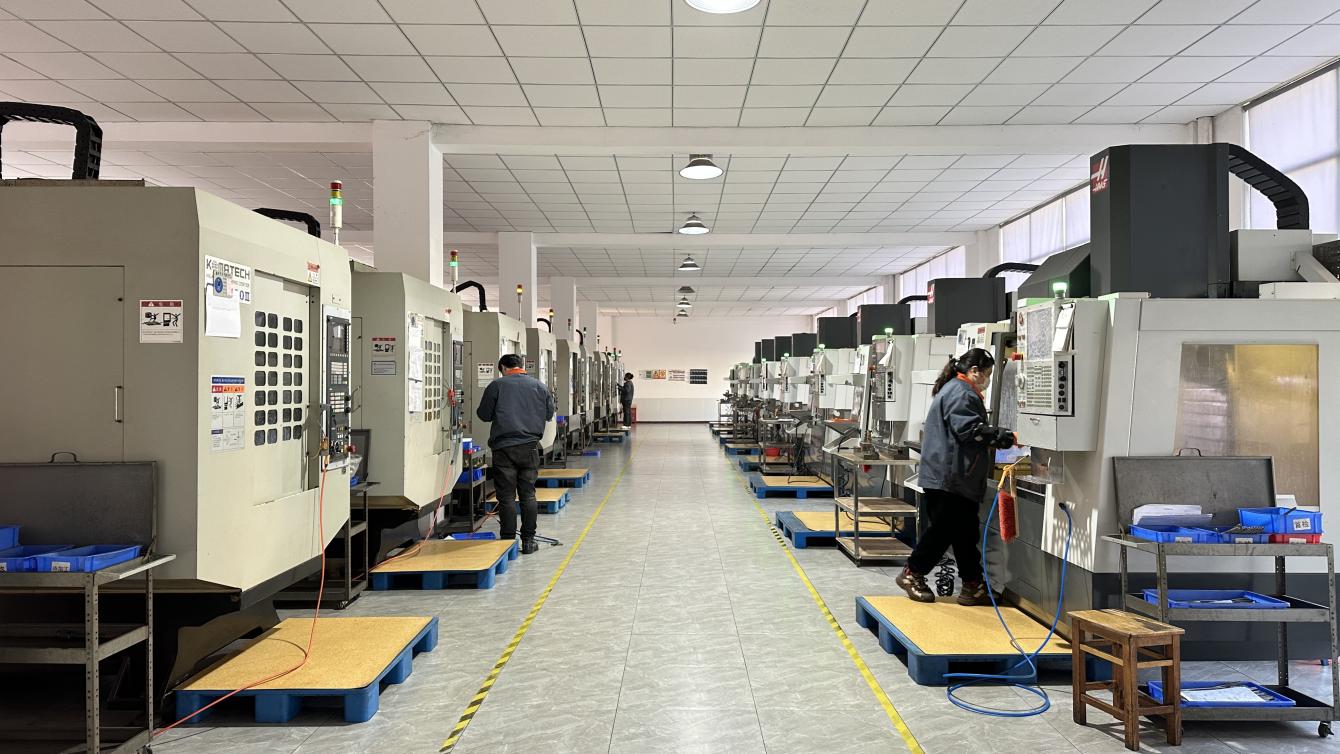
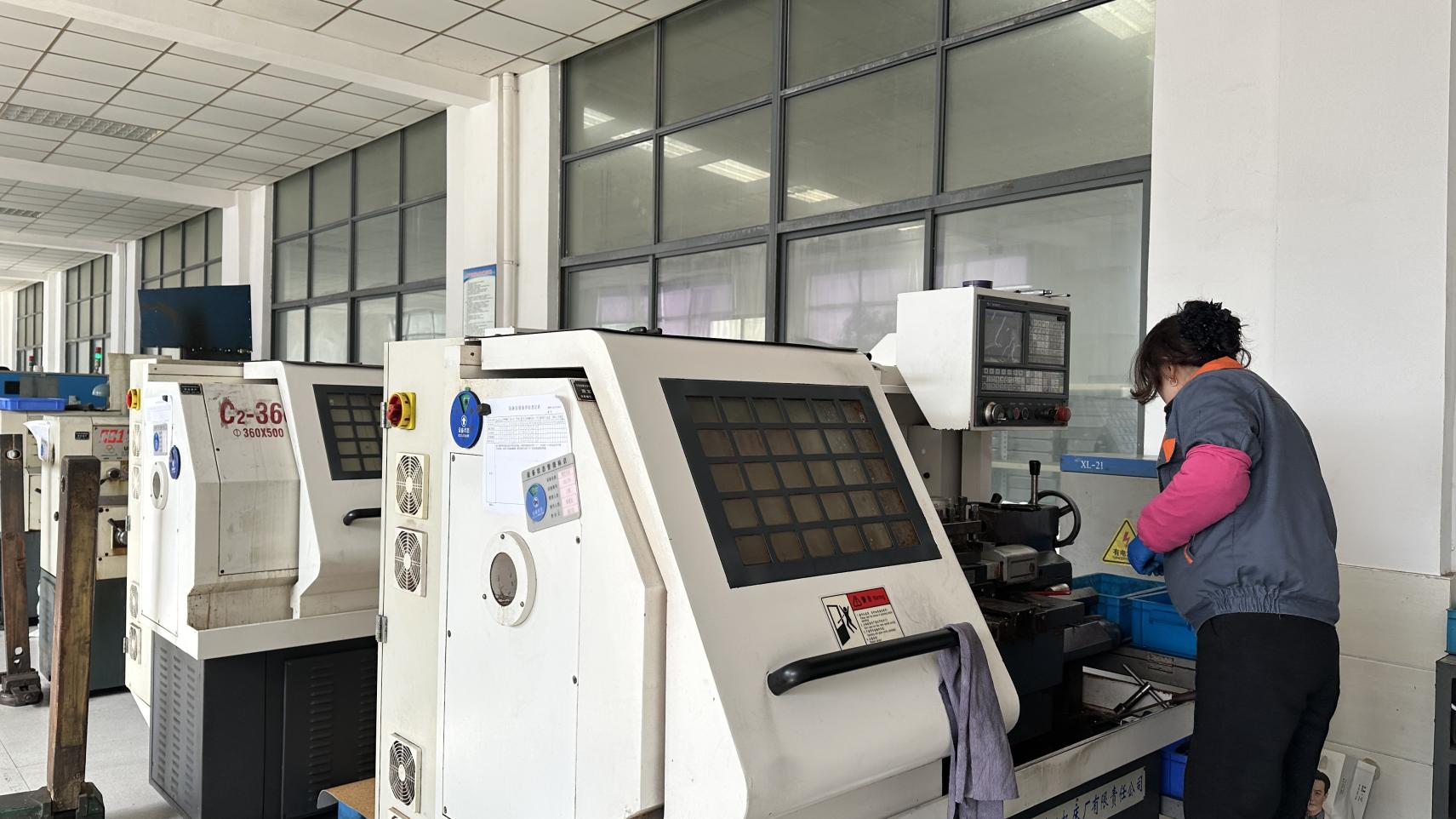
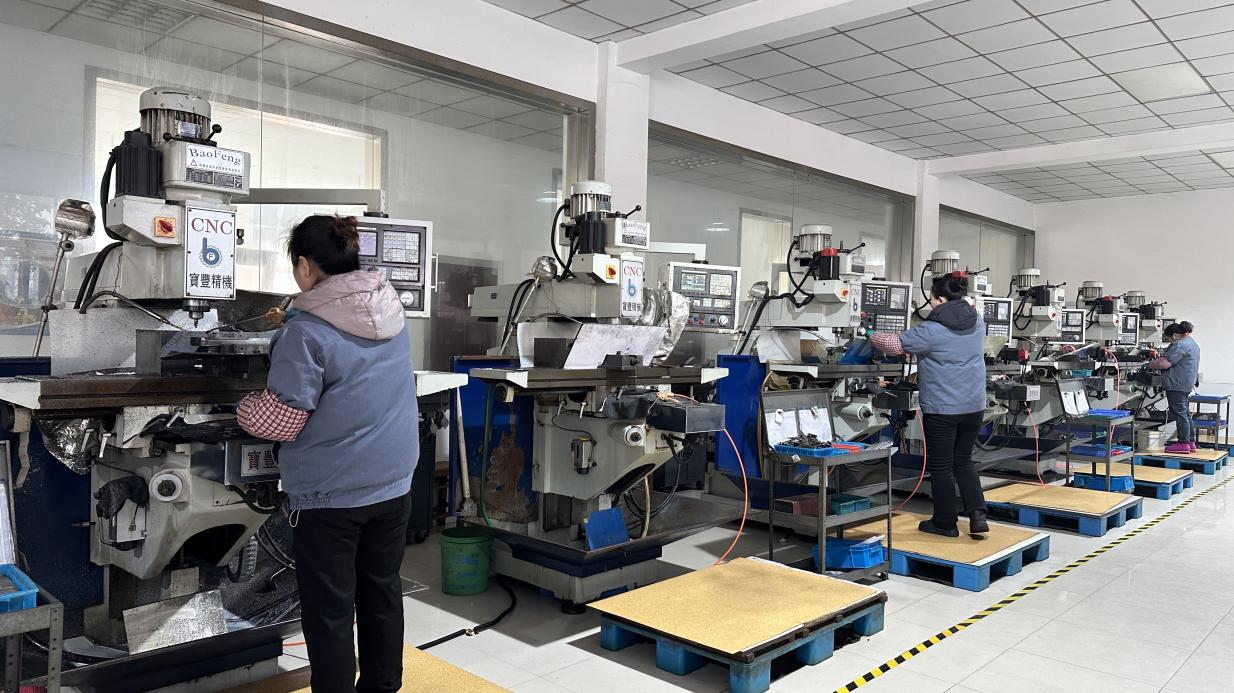
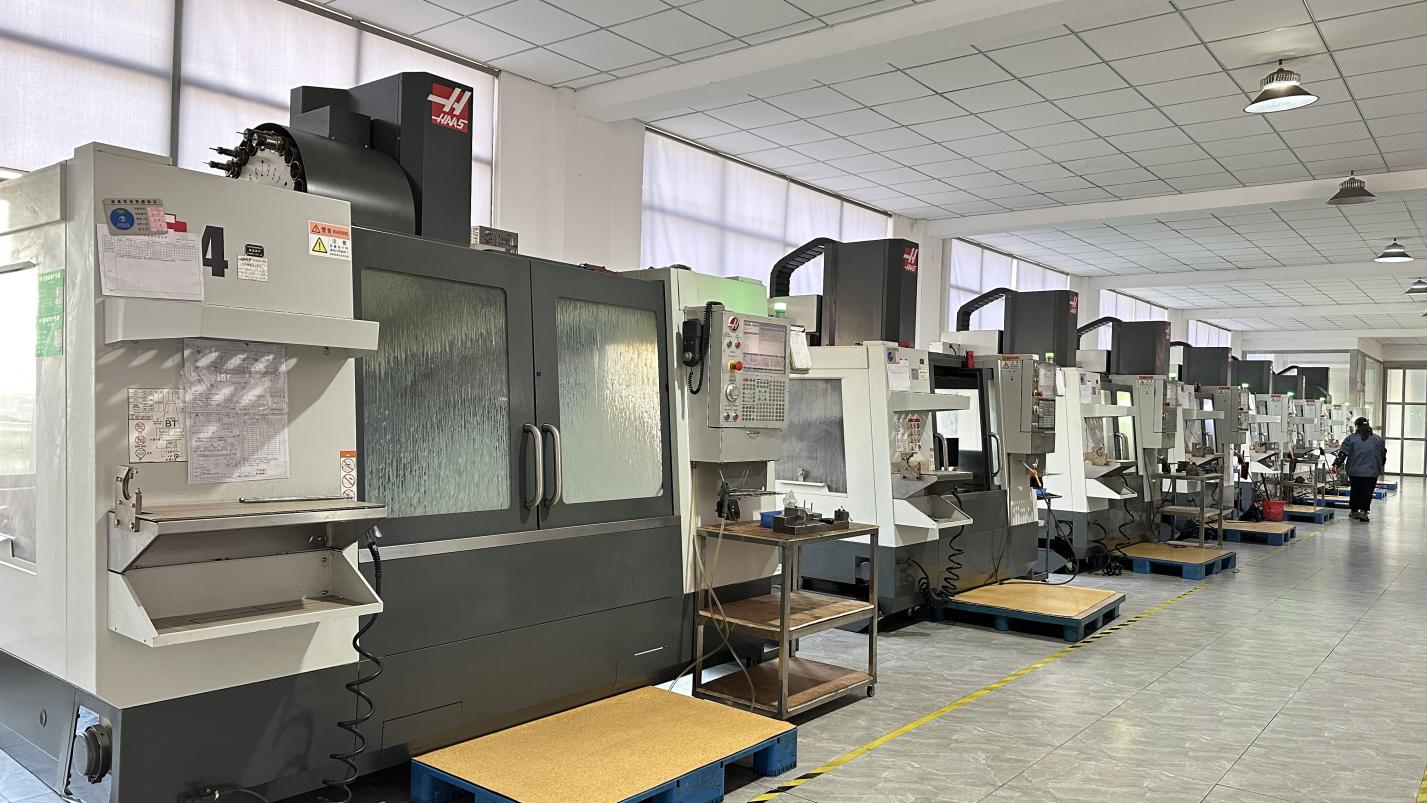
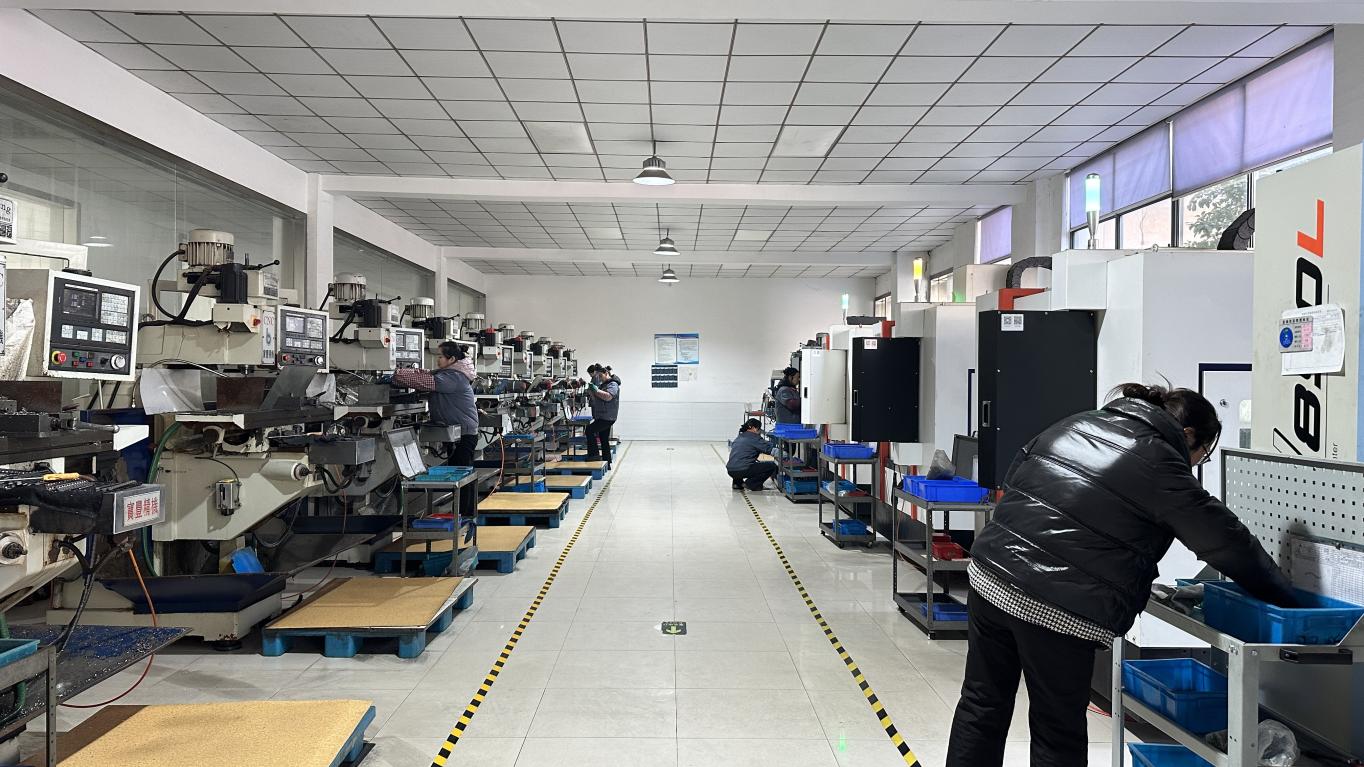
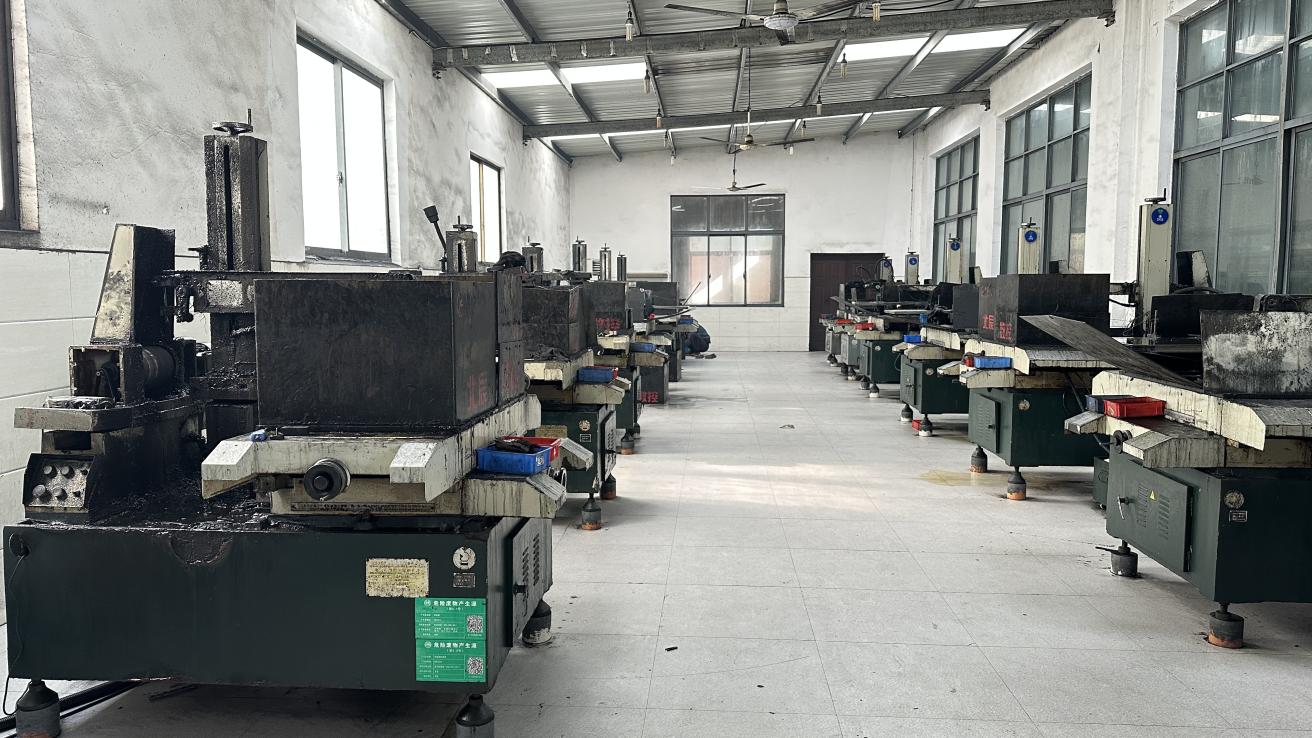
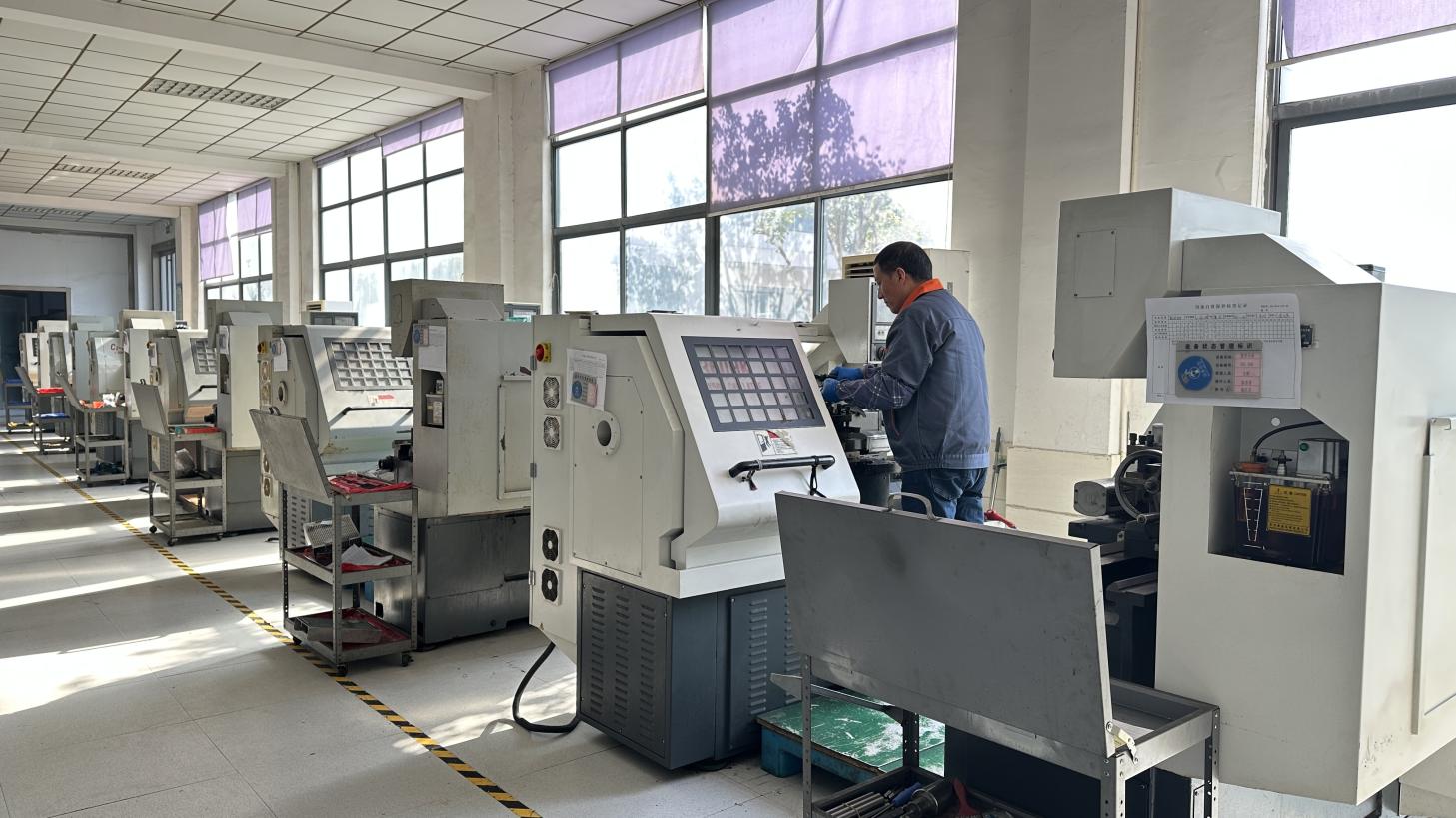
Based in an expansive 18,500㎡ production facility, Medisplint Orthopedic Instruments Co., Ltd. leverages a decade of orthopedic manufacturing expertise to support sports medicine companies in Australia and globally. Operating under stringent ISO 13485 quality systems, Medisplint manufactures high-precision implants using premium medical-grade Titanium and PEEK (Polyetheretherketone).
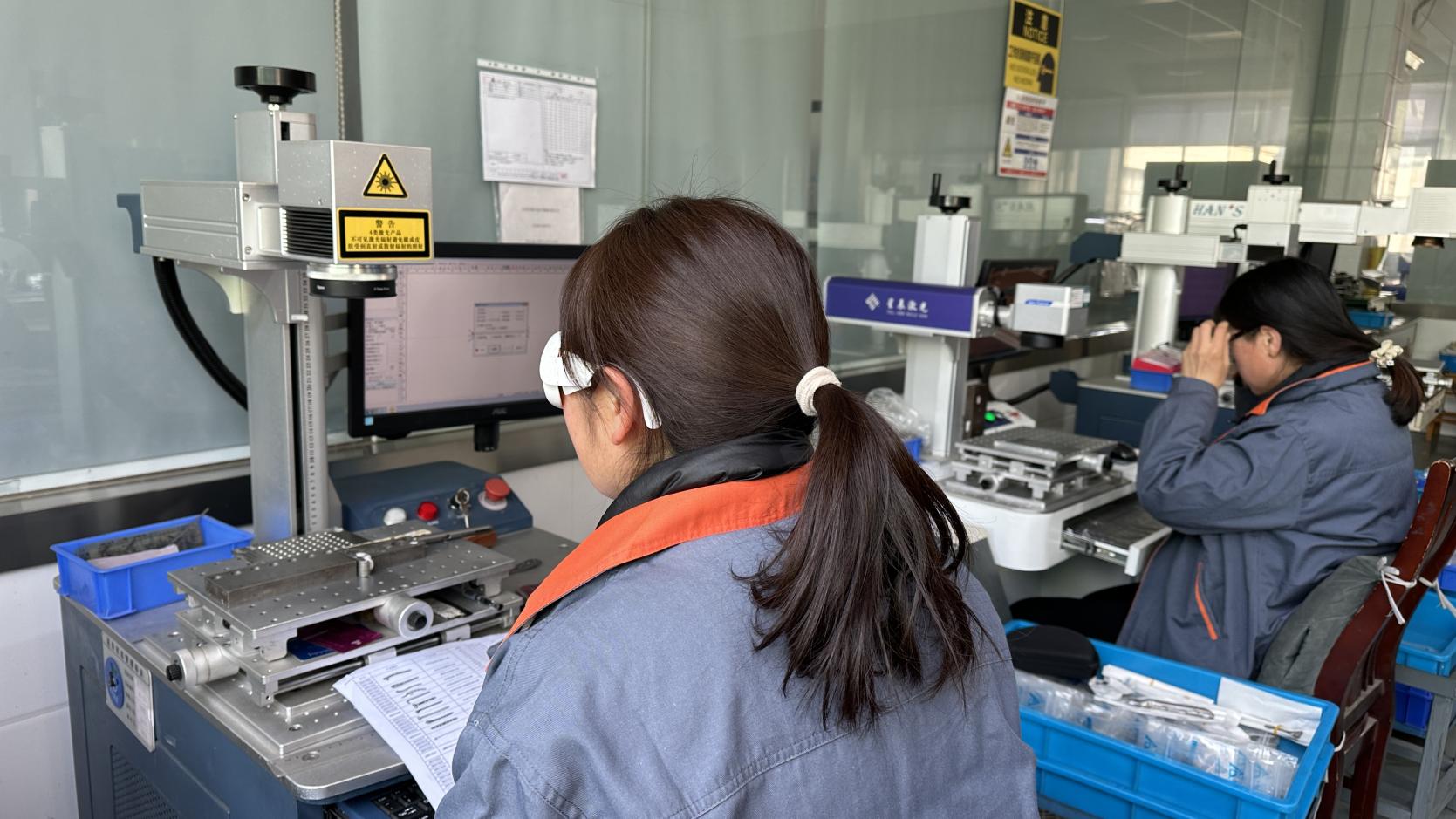
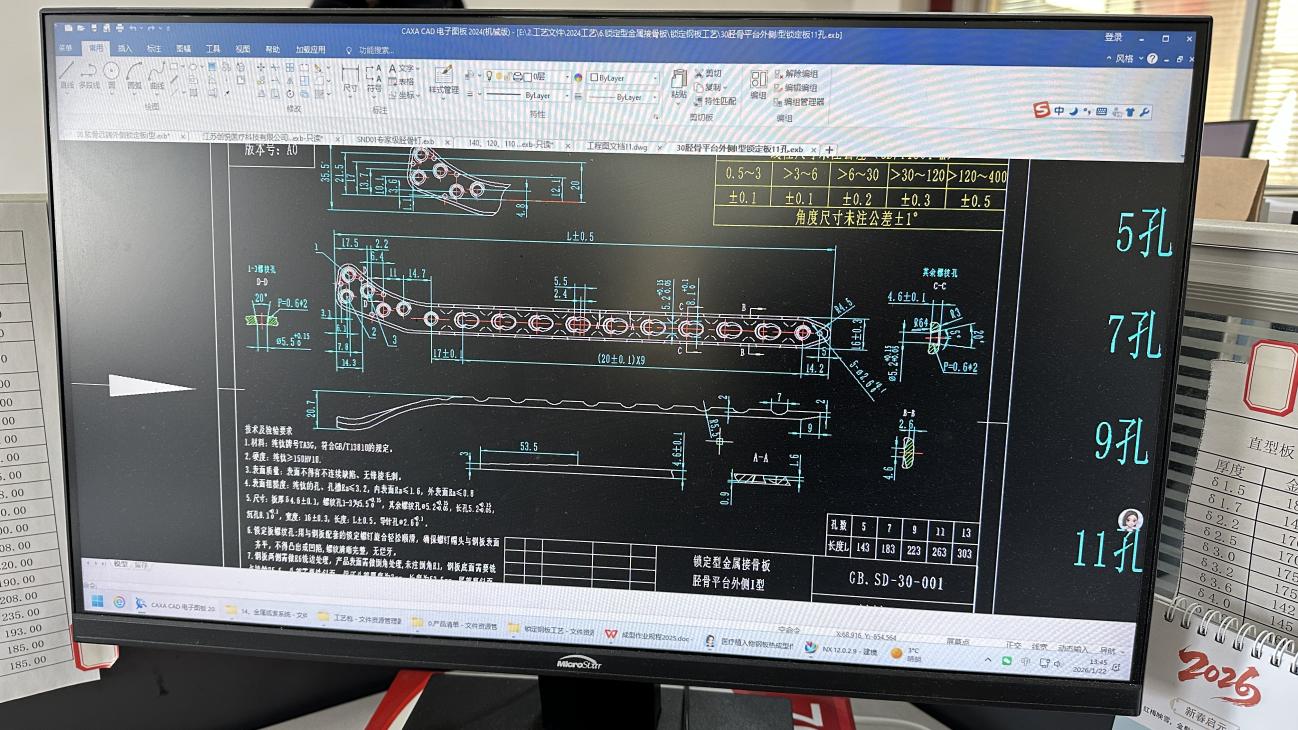
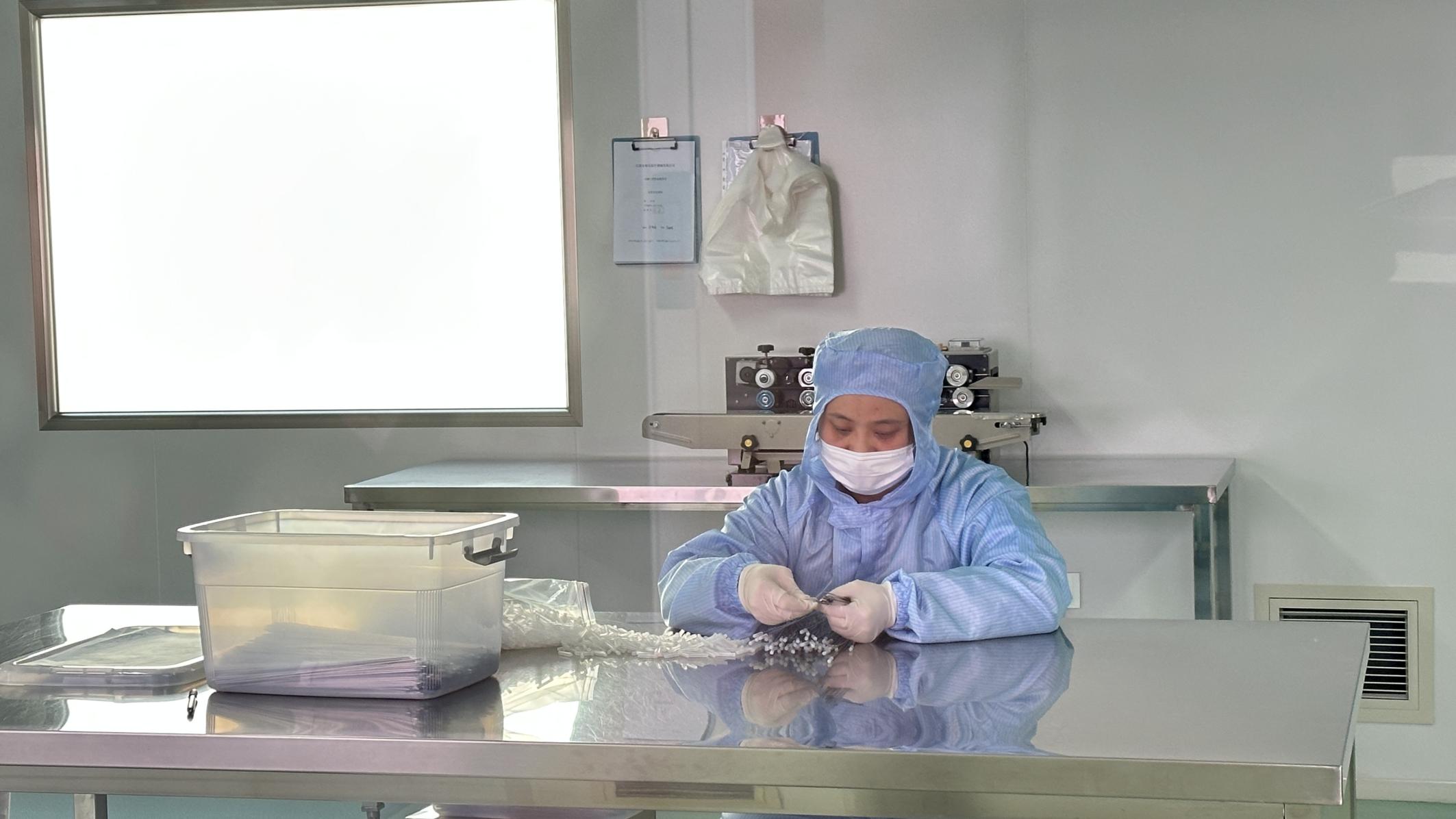
By consolidating slitting, multi-axis CNC machining, laser marking, ultrasonic cleaning, and cleanroom packaging within a single vertically integrated campus, Medisplint achieves unmatched consistency and cost efficiency. For Melbourne suppliers, this translates to competitive pricing on Class III-equivalent implants and customized instrument kits without sacrificing biomechanical fatigue performance or surface finish accuracy.
From validated raw bar stock to finished sterile-ready implants, explore our audited manufacturing phases.
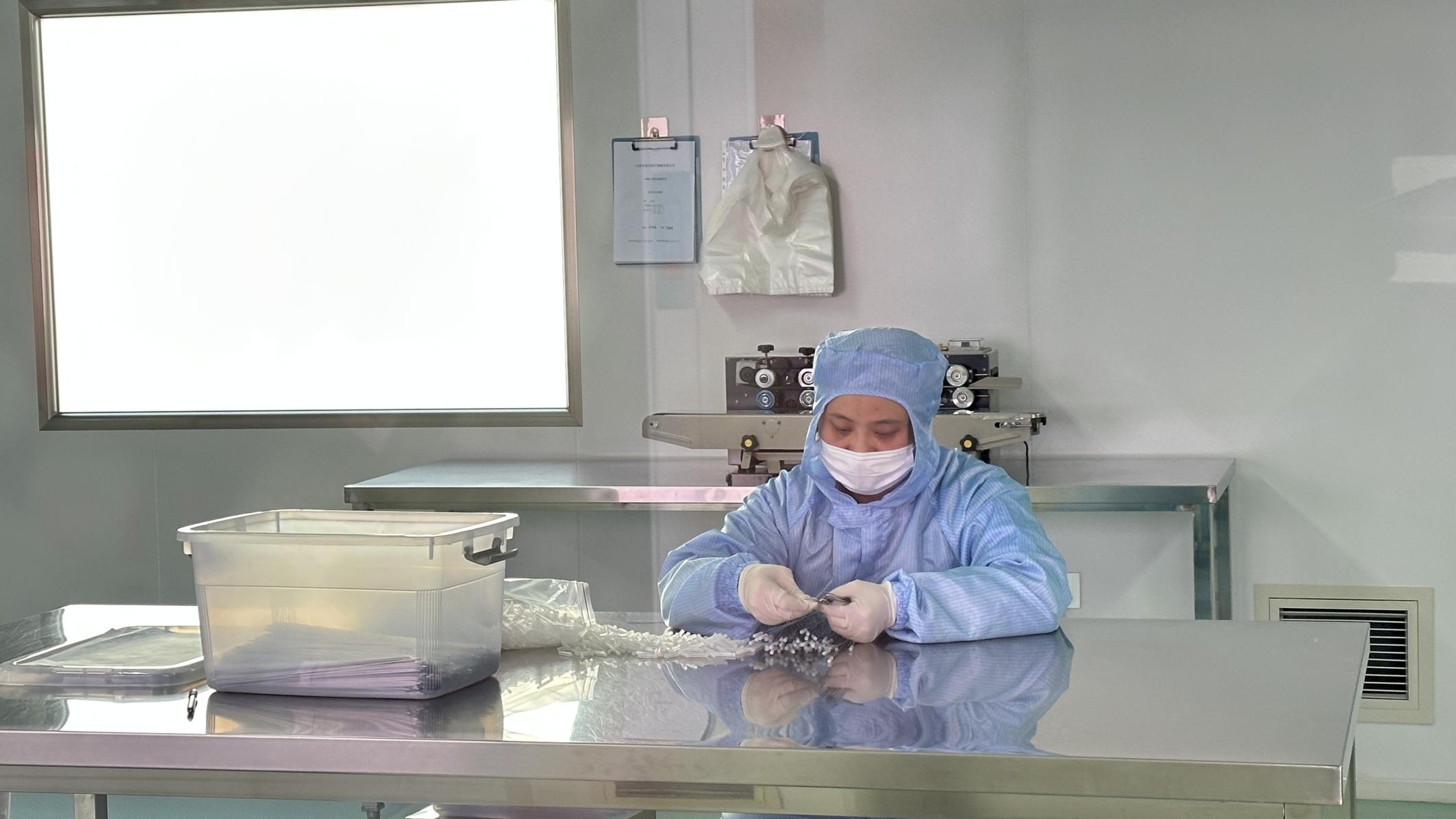
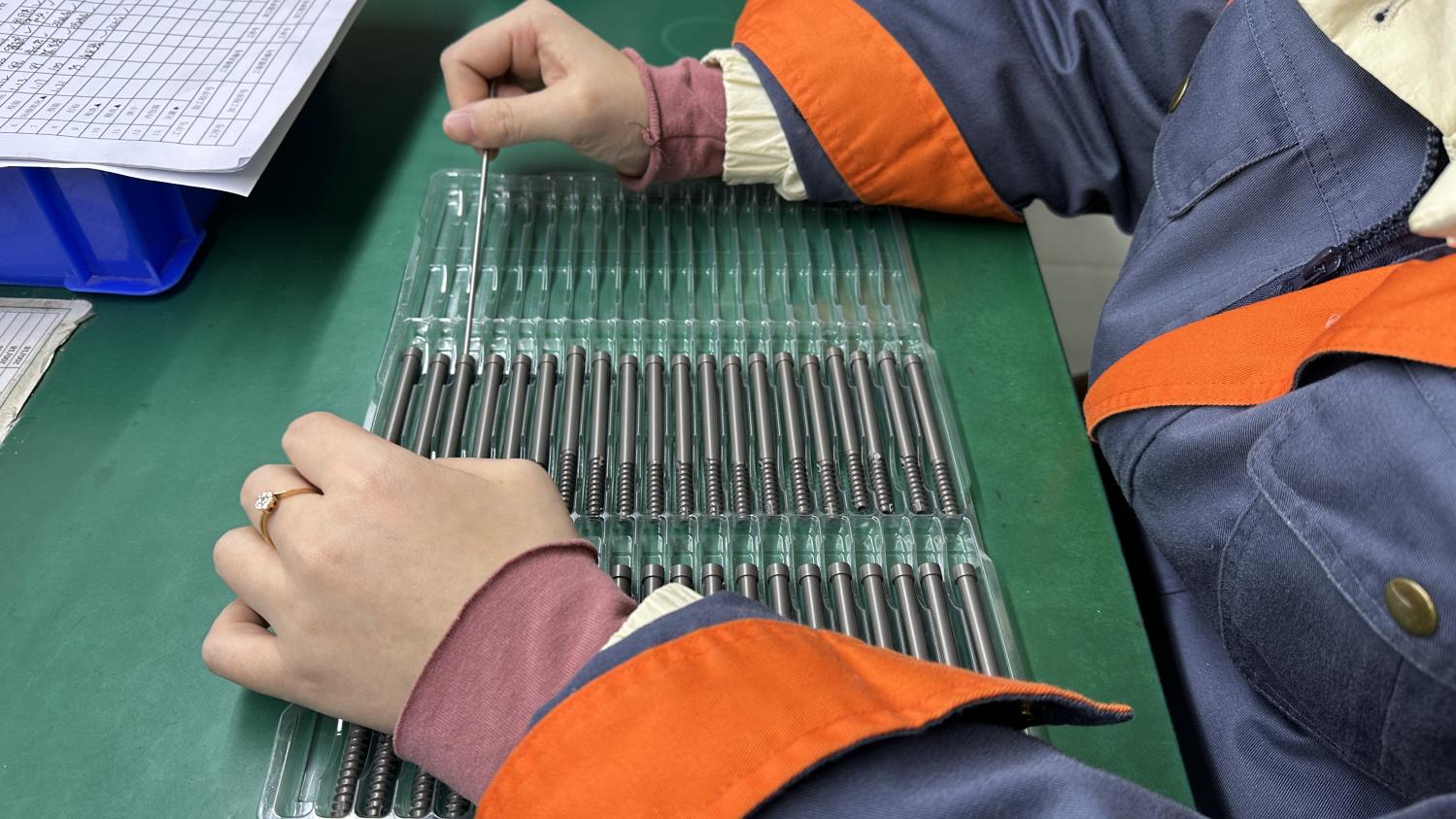
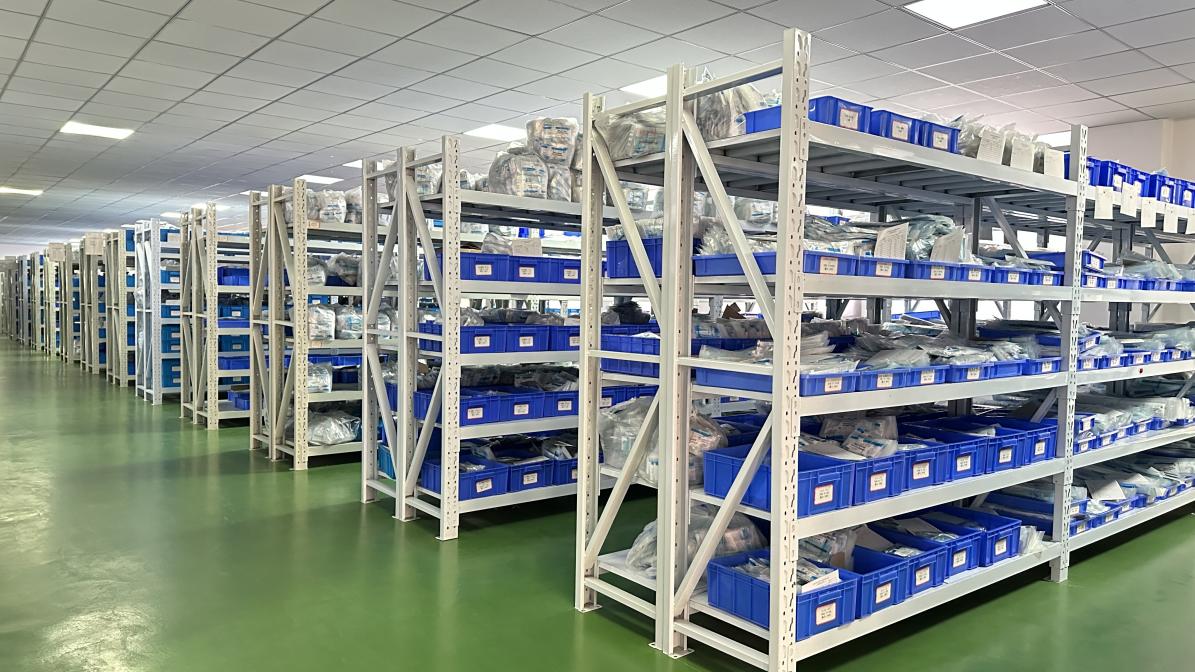
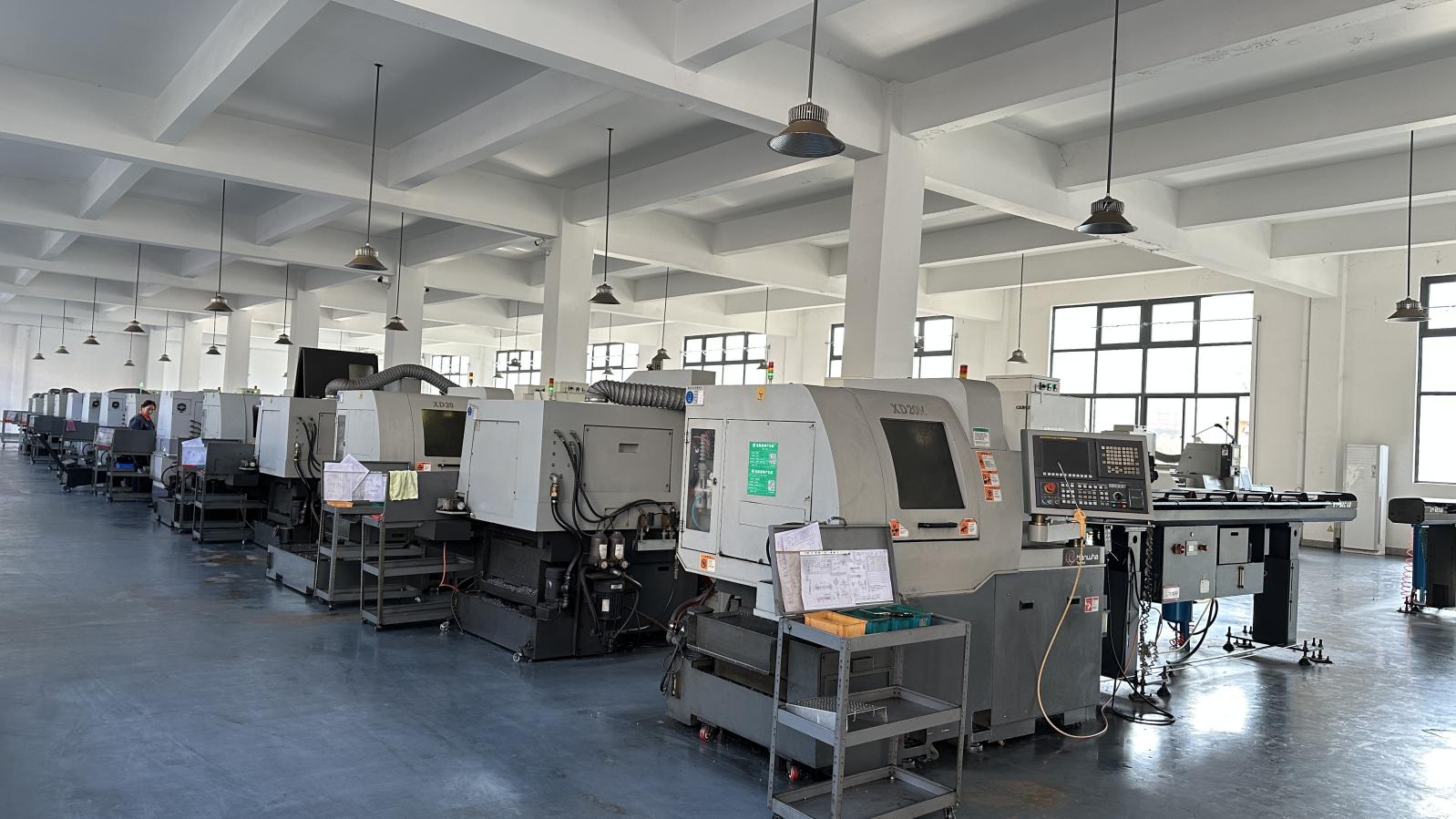

Entering the Australian medical device market requires adherence to regulatory pathways managed by the Therapeutic Goods Administration (TGA). Under Australian regulations, joint reconstruction implants and active suture anchors fall under high-risk classification thresholds (Class III or Class AIMD). Sponsoring these devices on the Australian Register of Therapeutic Goods (ARTG) demands comprehensive technical files containing biomechanical characterization, clinical evaluation reports, and validated sterilization audits.
Medisplint supports Melbourne-based sponsors and distributors by providing comprehensive regulatory documentation. Our manufacturing processes carry recognized ISO 13485 certification, and our product dossiers include full material trace certificates, biocompatibility reports (conforming to ISO 10993 series), and CE certificates. This documentation helps local partners streamline the TGA submission process and accelerate clinical commercialization.
Our specialized in-house laboratory ensures every batch meets or exceeds ISO and ASTM biomechanical standards.
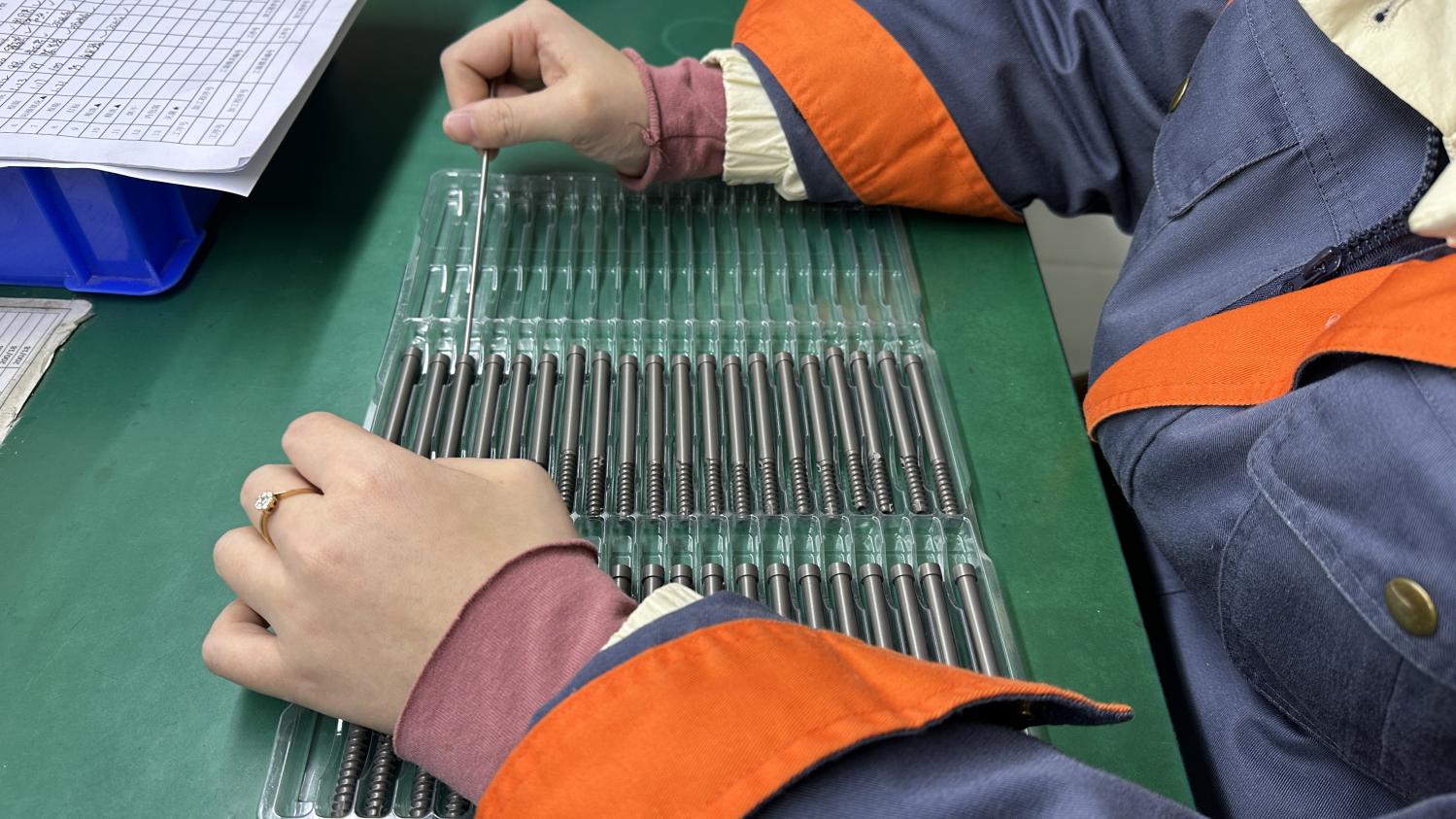
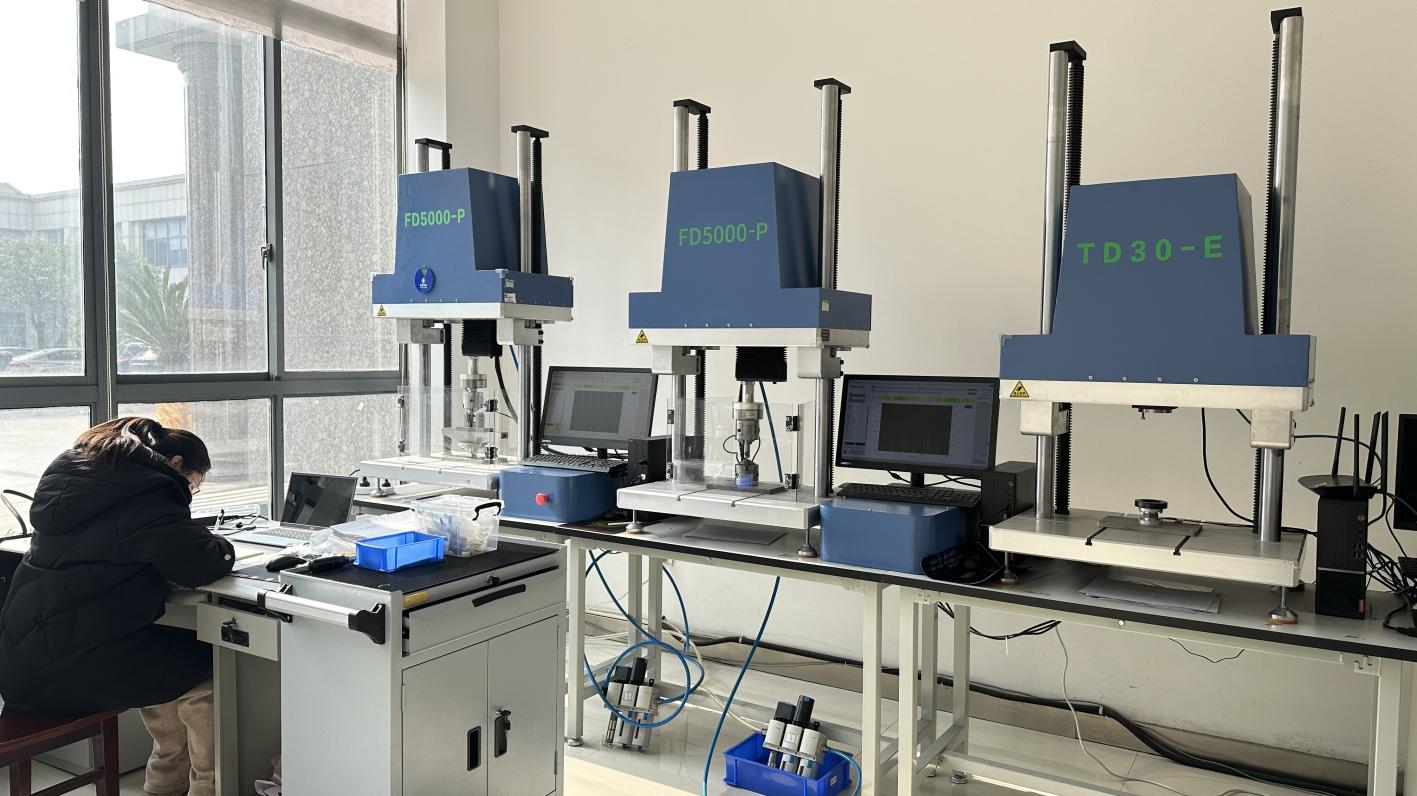
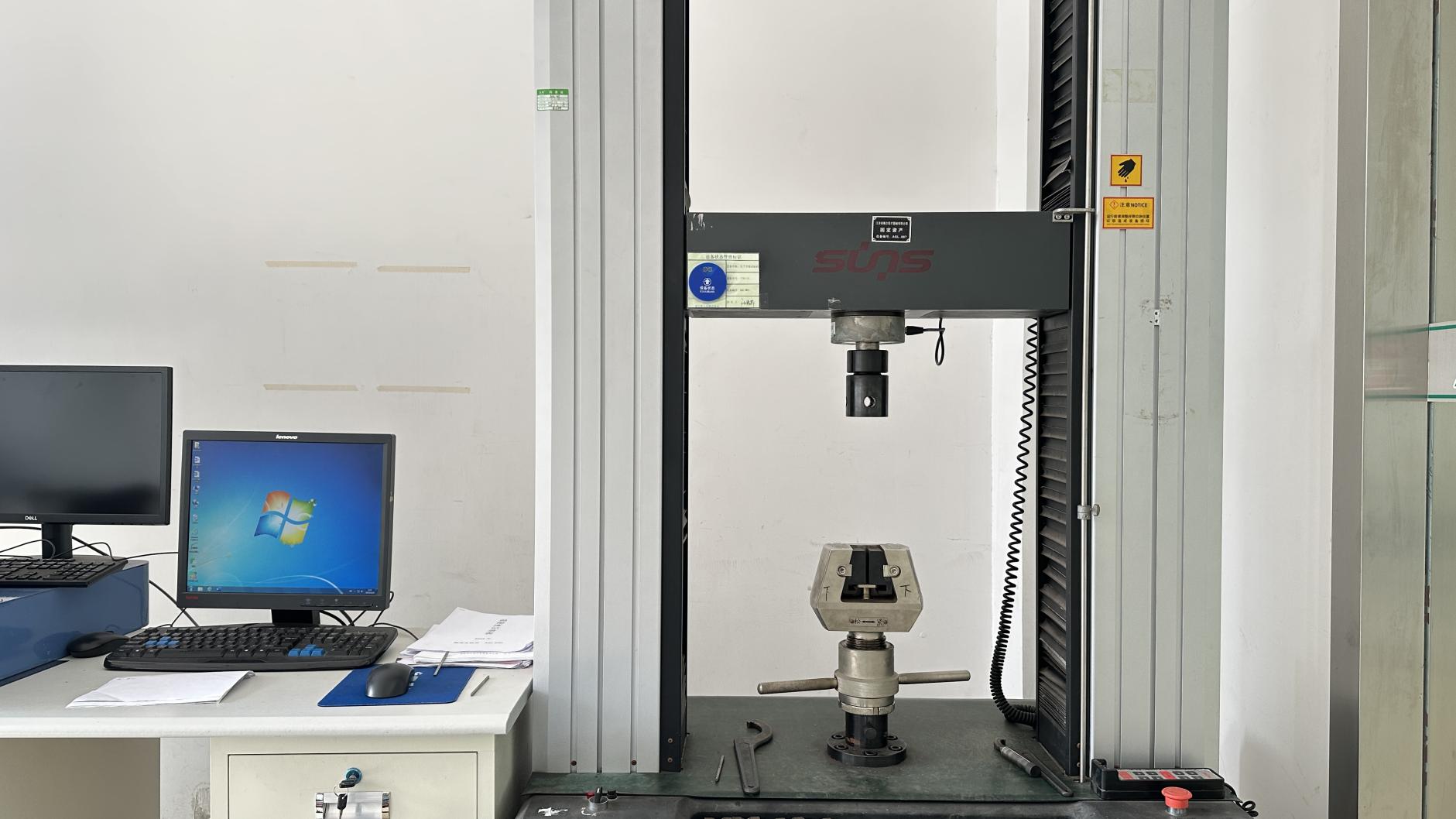
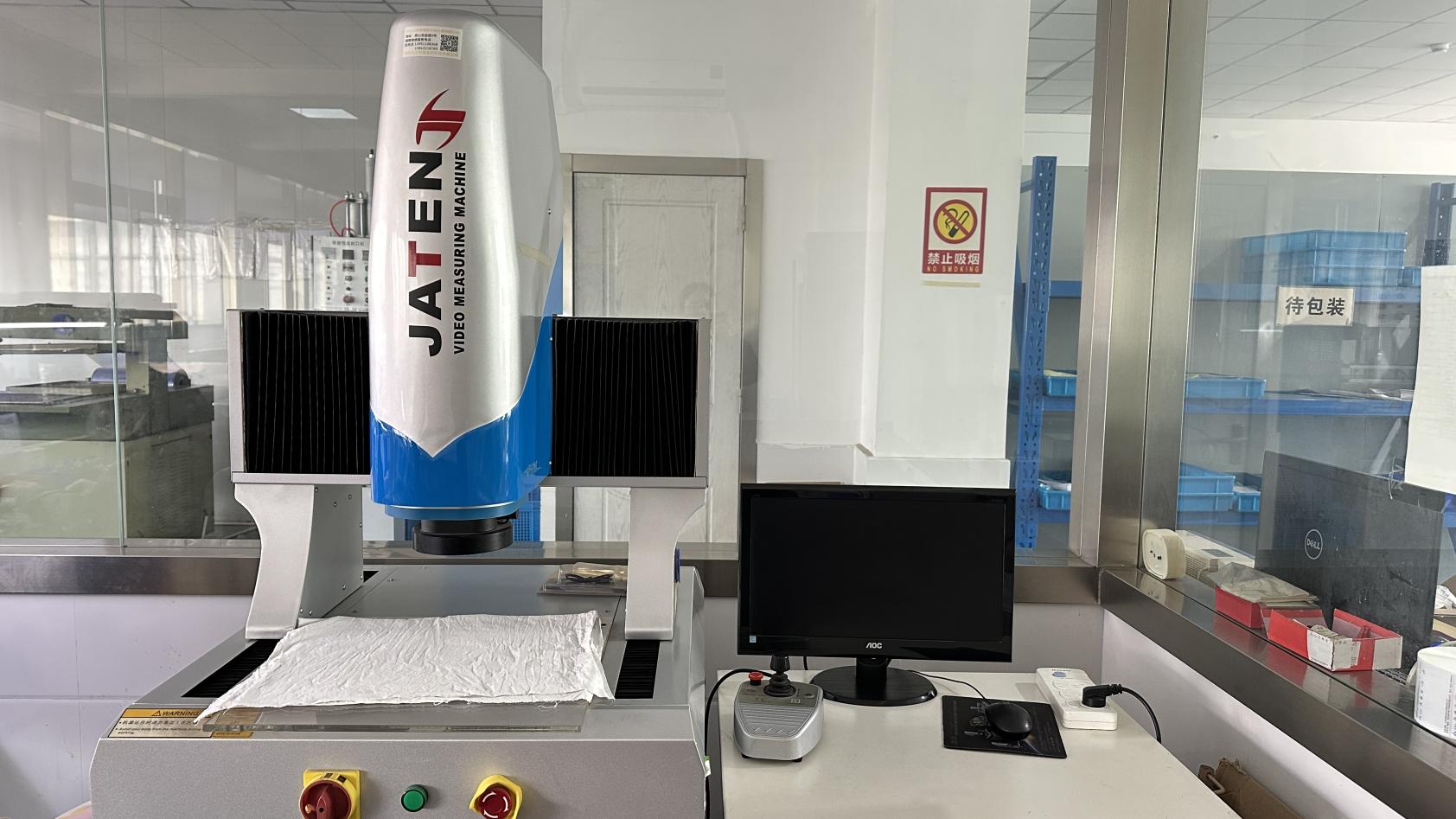
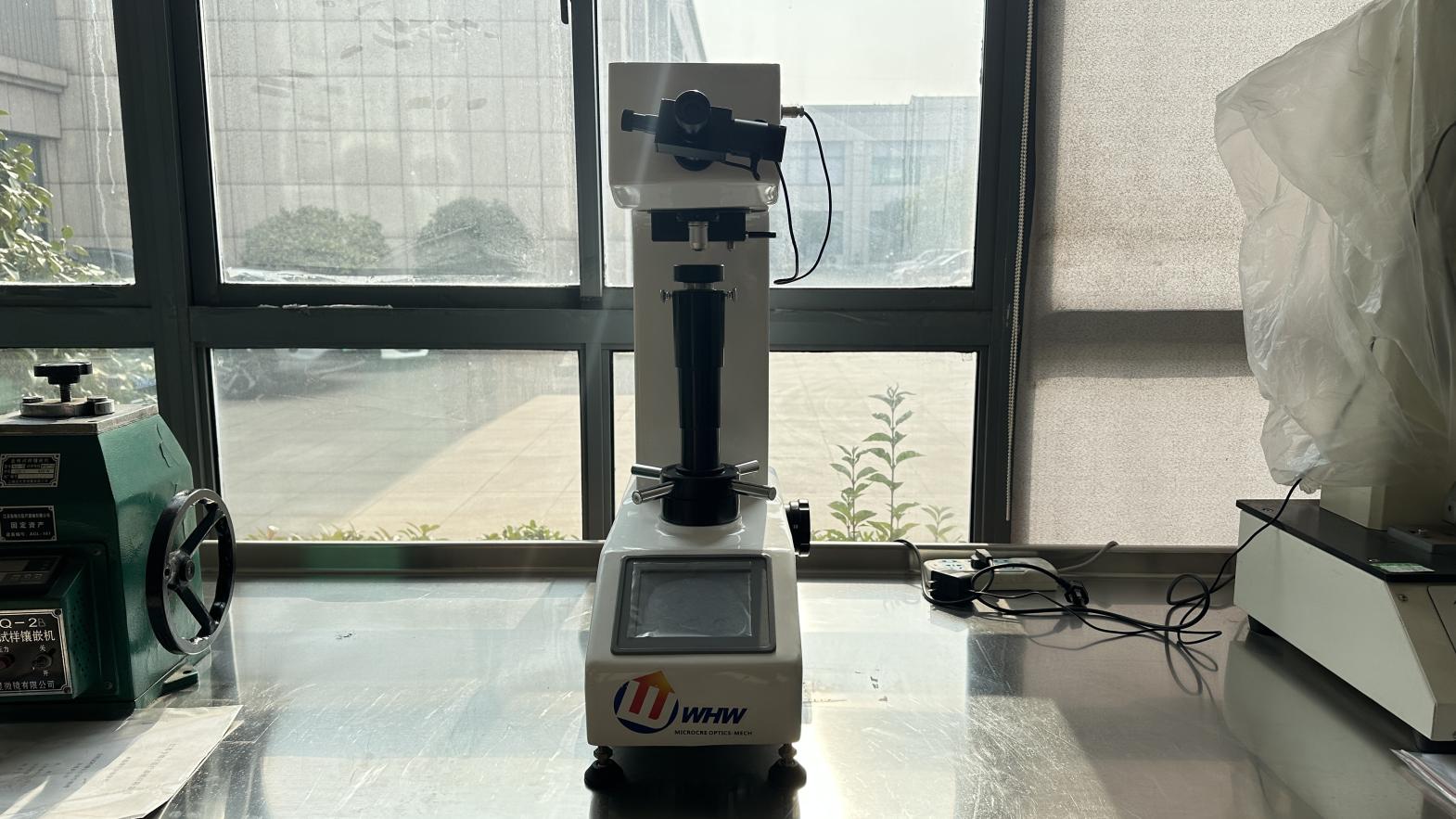
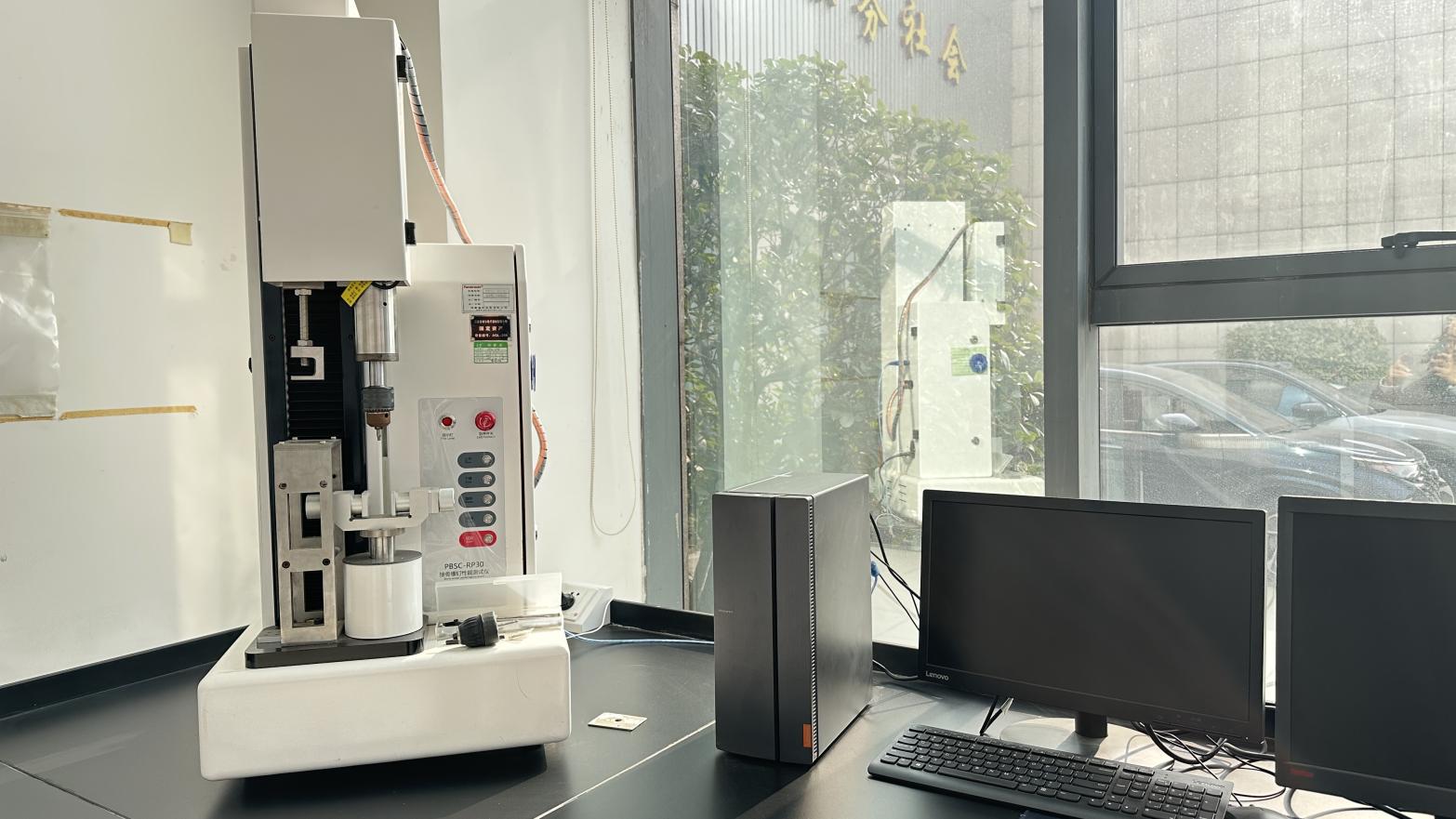
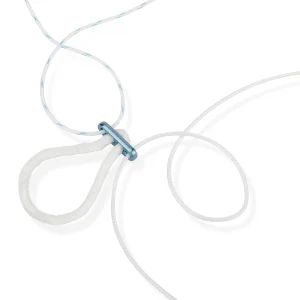
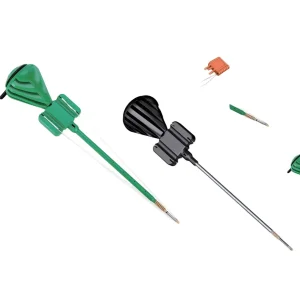
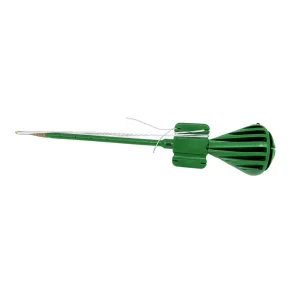
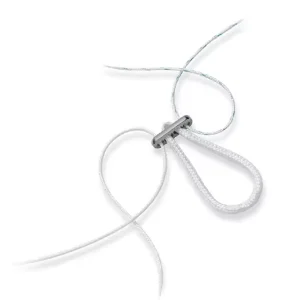
In Melbourne hospitals, arthroscopic procedures require highly reliable fixation. Suture anchors must maintain hold during immediate post-operative rehabilitation. Our titanium and PEEK anchor configurations are designed for specific joint reconstruction protocols:
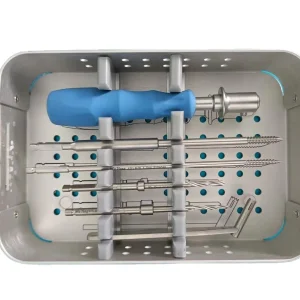
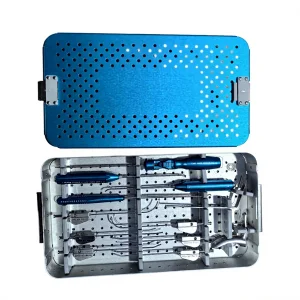
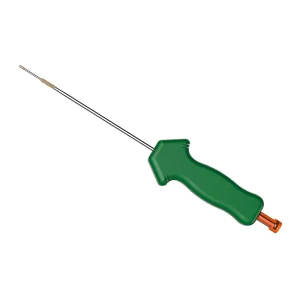
Explore our full line of surgical instruments, suture anchors, and biocompatible implants certified for global markets.
Healthcare systems globally are shifting toward value-based procurement. Historically, medical device sourcing relied on local distributors stocking limited inventory at premium prices. Today, hospital networks demand transparency, consistent quality, and resilient supply chains.
For Melbourne companies, direct collaboration with an established manufacturer offers significant advantages. It ensures supply chain stability during global logistics disruptions and allows for customization to match local surgical preferences. This collaborative approach helps healthcare providers balance rising costs while maintaining high patient care standards.
Material science continues to drive advancements in sports medicine implants. While titanium remains a standard for cortical fixation due to its high tensile strength, PEEK has become a preferred option for suture anchors because of its bone-like elastic modulus, radiolucency, and minimal artifacting on MRI scans.
In addition, biocomposite materials (such as blends of PLGA and Beta-TCP) are increasingly utilized. These absorbable materials provide initial stability and are gradually replaced by natural bone over time. Medisplint remains at the forefront of these innovations, producing implants across all three material categories to meet diverse clinical preferences.
Key regulatory, manufacturing, and supply chain questions for prospective Australian buyers.