Medisplint
Medisplint
Medisplint
Premium trauma and ligament reconstruction implants optimized for Czech Republic sports clinics and international orthopedics.
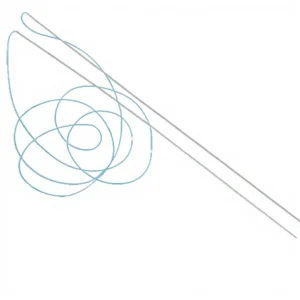
The Czech Republic is rapidly establishing itself as a key European hub for medical technology manufacturing and R&D. Benefiting from a long-standing tradition of high-precision mechanical engineering and a robust metallurgical base in regions like Moravia and Central Bohemia, local manufacturers have successfully transitioned into high-value medical device fabrication. Czech university hospitals in Prague, Brno, and Plzeň are globally recognized for clinical trial excellence, creating a fertile ecosystem where surgeon feedback directly drives product improvement.
As EU Medical Device Regulation (MDR 2017/745) requirements raise the barrier to entry, Czech sport medical exporters and global OEM partners must align with the highest tiers of clinical safety, manufacturing traceability, and documentation. Sports medicine clinics throughout Central Europe demand implant systems that minimize operating room time while delivering superior biomechanical stability for active patients undergoing ACL, meniscus, or shoulder instability surgeries.
Globally, the sports medicine segment is shifting away from traditional metals toward smart polymers and biocomposites. Biopolymer constructs like Poly-L-Lactic Acid (PLLA) and Hydroxyapatite (HA) are setting the standard for absorbable anchor technology, allowing gradual bone ingrowth without the risk of long-term implant migration. For permanent fixations, PEEK (Polyetheretherketone) provides an elasticity modulus closely matching human cortical bone, reducing stress-shielding and improving post-operative MRI clarity.
As global supply chains restructure for resilience, European distributors and healthcare providers are seeking strategic manufacturing partners capable of balancing advanced cleanroom production with competitive pricing models. The focus is transitioning from simple components to complete, sterile-packaged surgical kits ready for outpatient and ambulatory surgery centers.
High-grade implants engineered for reconstruction integrity, compliant with ISO 13485 and CE standards.
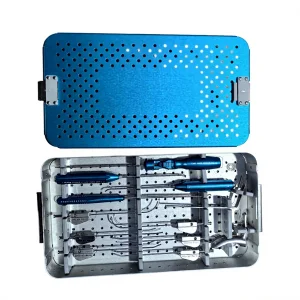
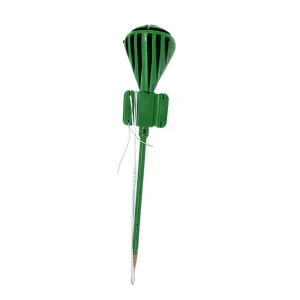
A global medical manufacturer combining precision machining, material sciences, and clinical design validation.
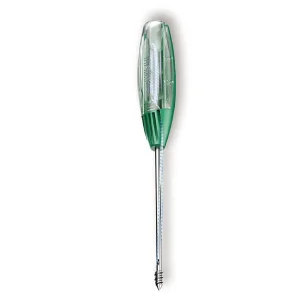
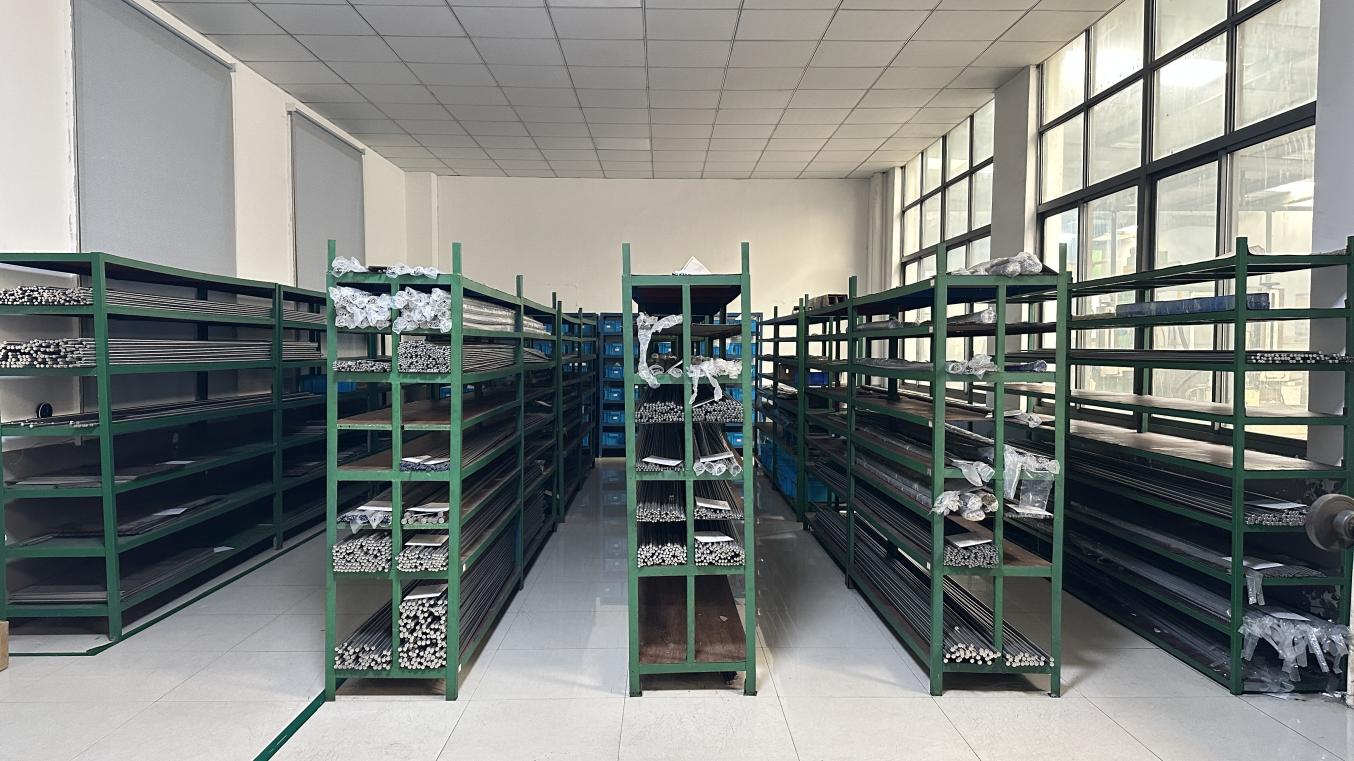
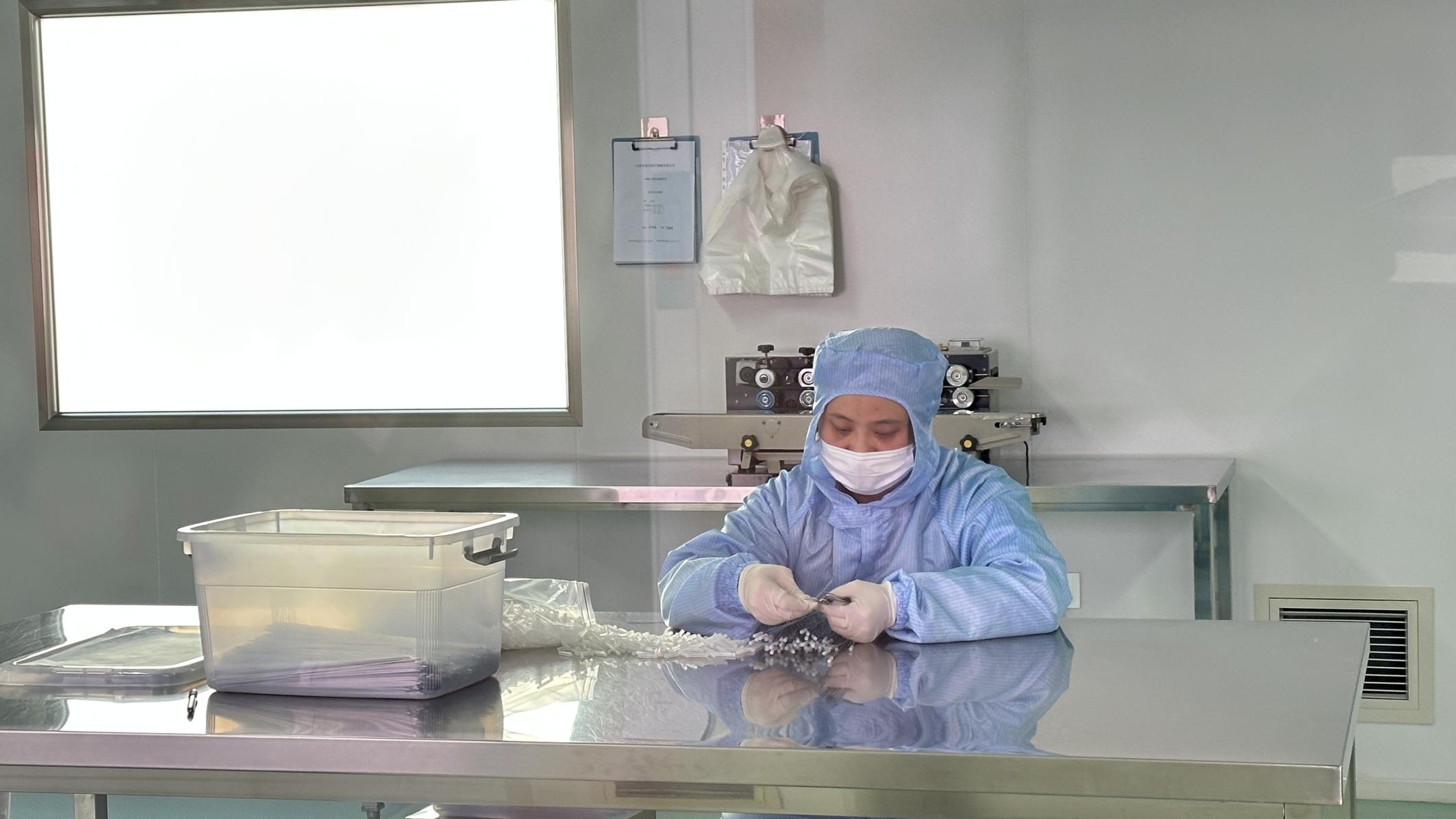
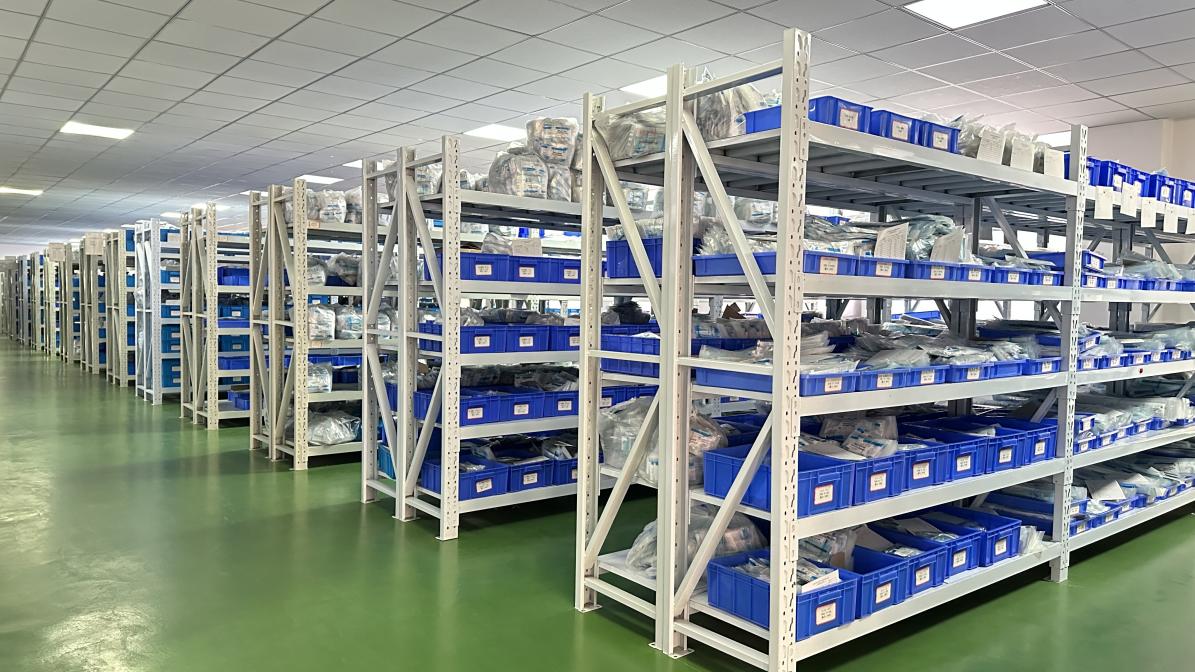
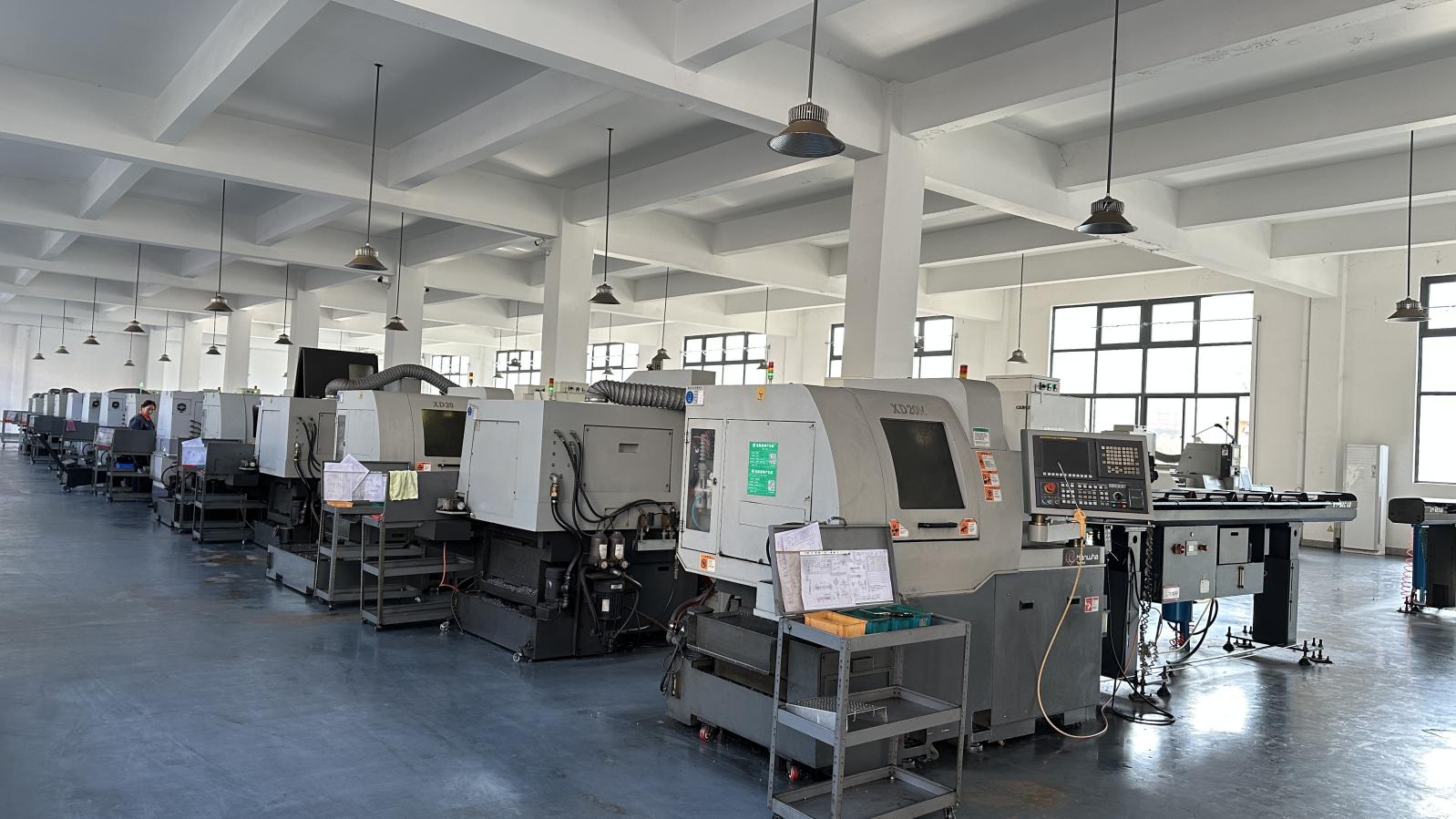
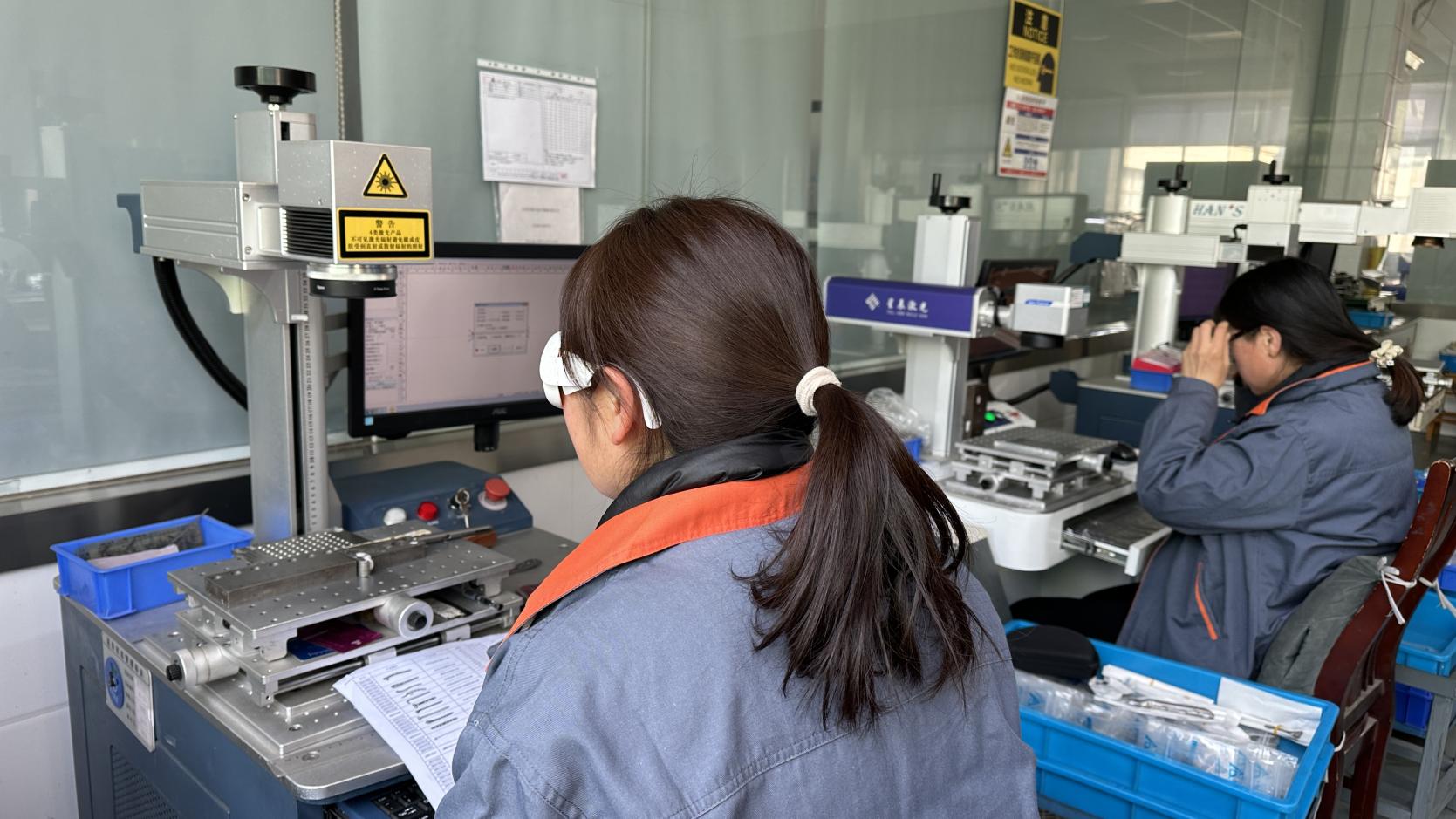
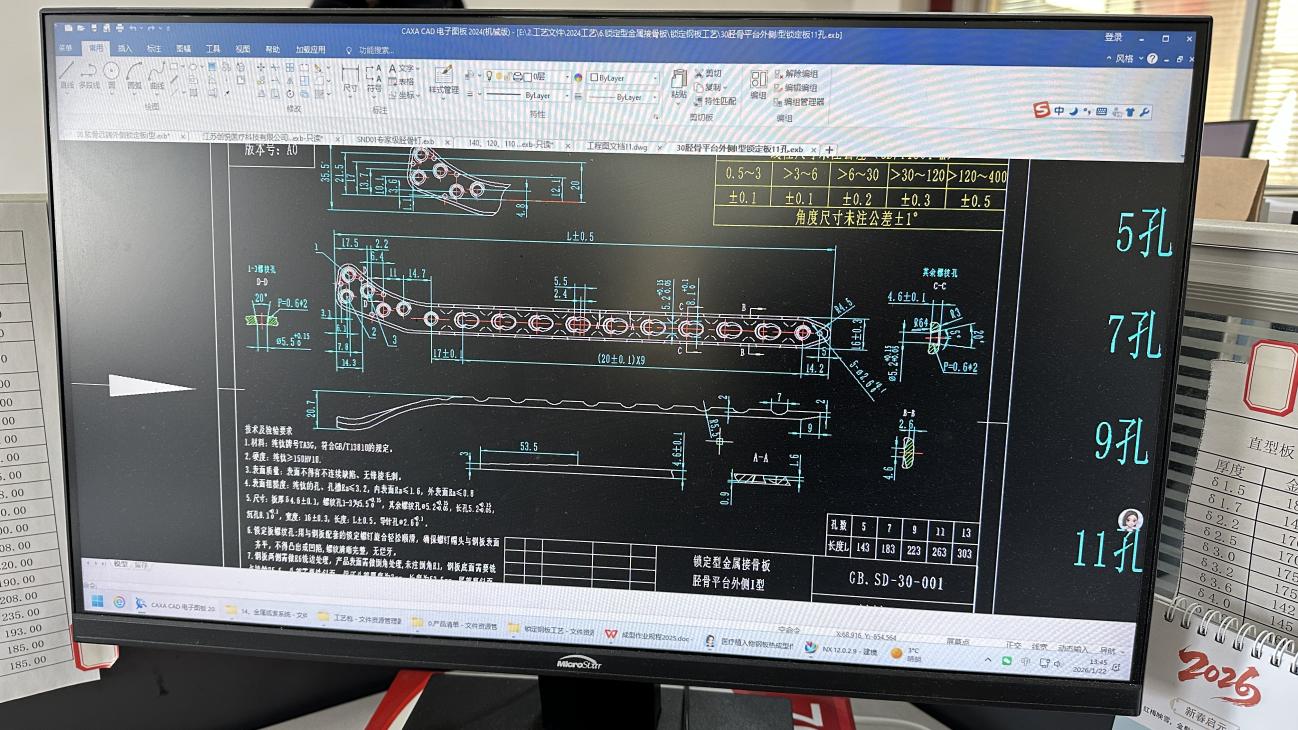
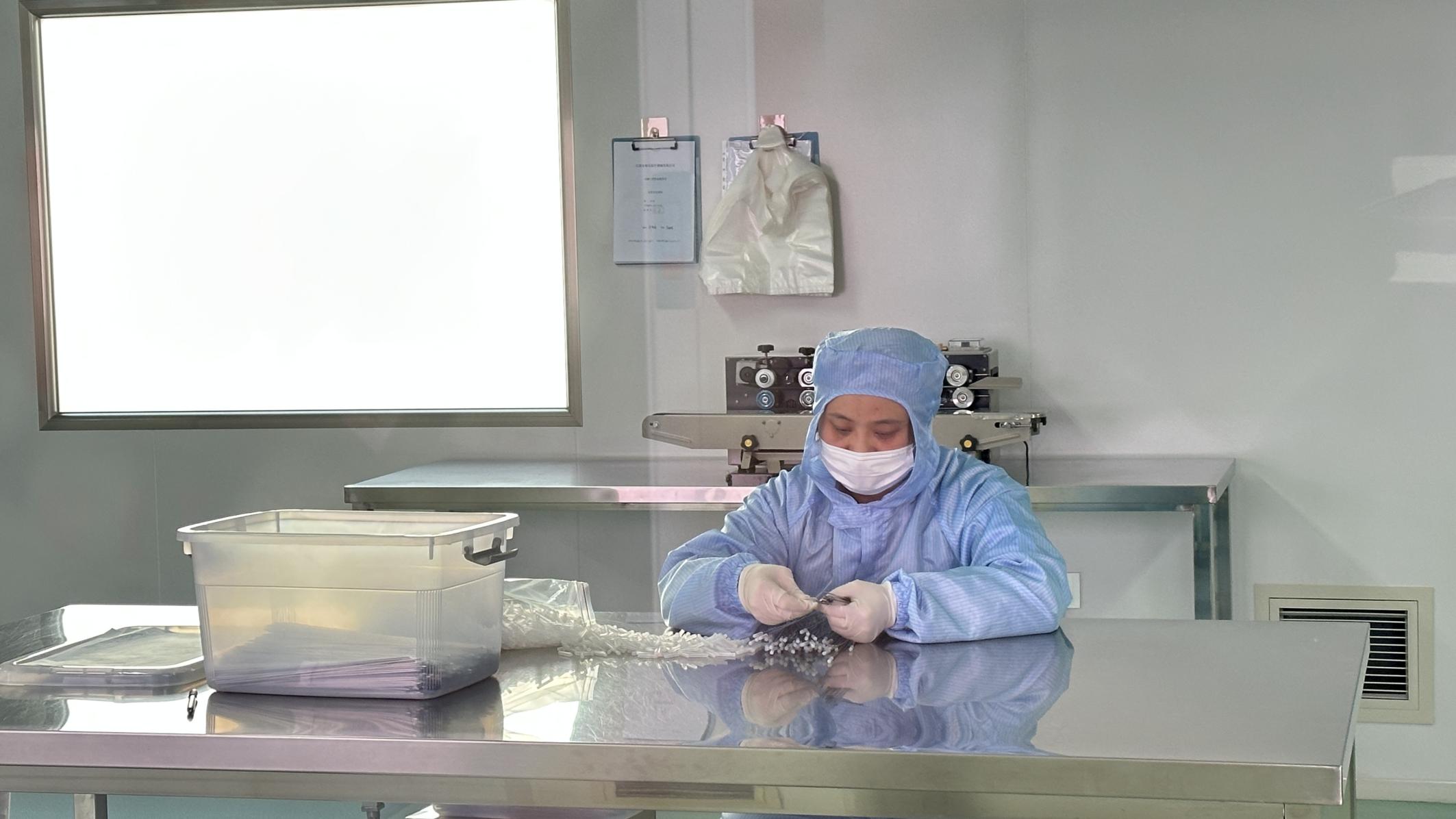
Established in 2016, Medisplint Orthopedic Instruments Co., Ltd. has expanded into a leading international manufacturer of orthopedic implants, joint reconstruction devices, and high-performance surgical instruments. The company's production ecosystem covers a state-of-the-art 18,500 square meter facility, purpose-built to integrate raw material refinement, high-speed multi-axis CNC machining, class-10,000 cleanroom packaging, and rigorous biomechanical testing. This end-to-end control ensures every anchor, suture, and fixation plate matches the precise anatomical demands of sports medicine surgeries.
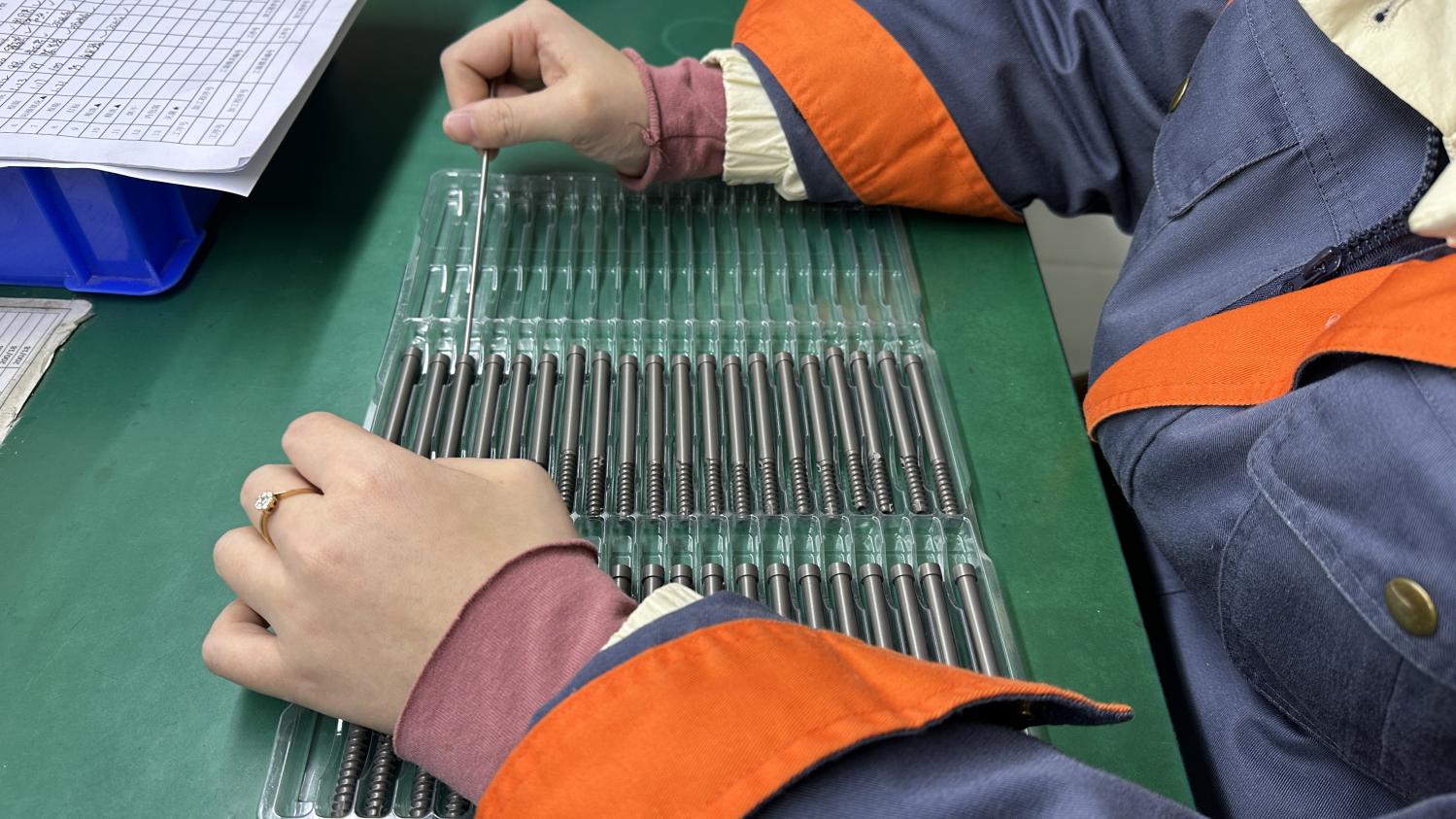
Operating under strict compliance with ISO 13485:2016 and European CE directives, Medisplint leverages a comprehensive quality management strategy. The QA department is staffed by 42 specialized inspectors executing multi-stage verifications: Incoming Quality Control (IQC) for material purity, In-Process Quality Control (IPQC) utilizing advanced coordinate measurement machines (CMM), and Final Quality Control (FQC) validating pullout strength and fatigue durability. This rigorous testing approach supports Medisplint's steady global growth, serving medical networks and OEM distributors across Europe, South America, and Asia with an annual export value exceeding 12 million USD.
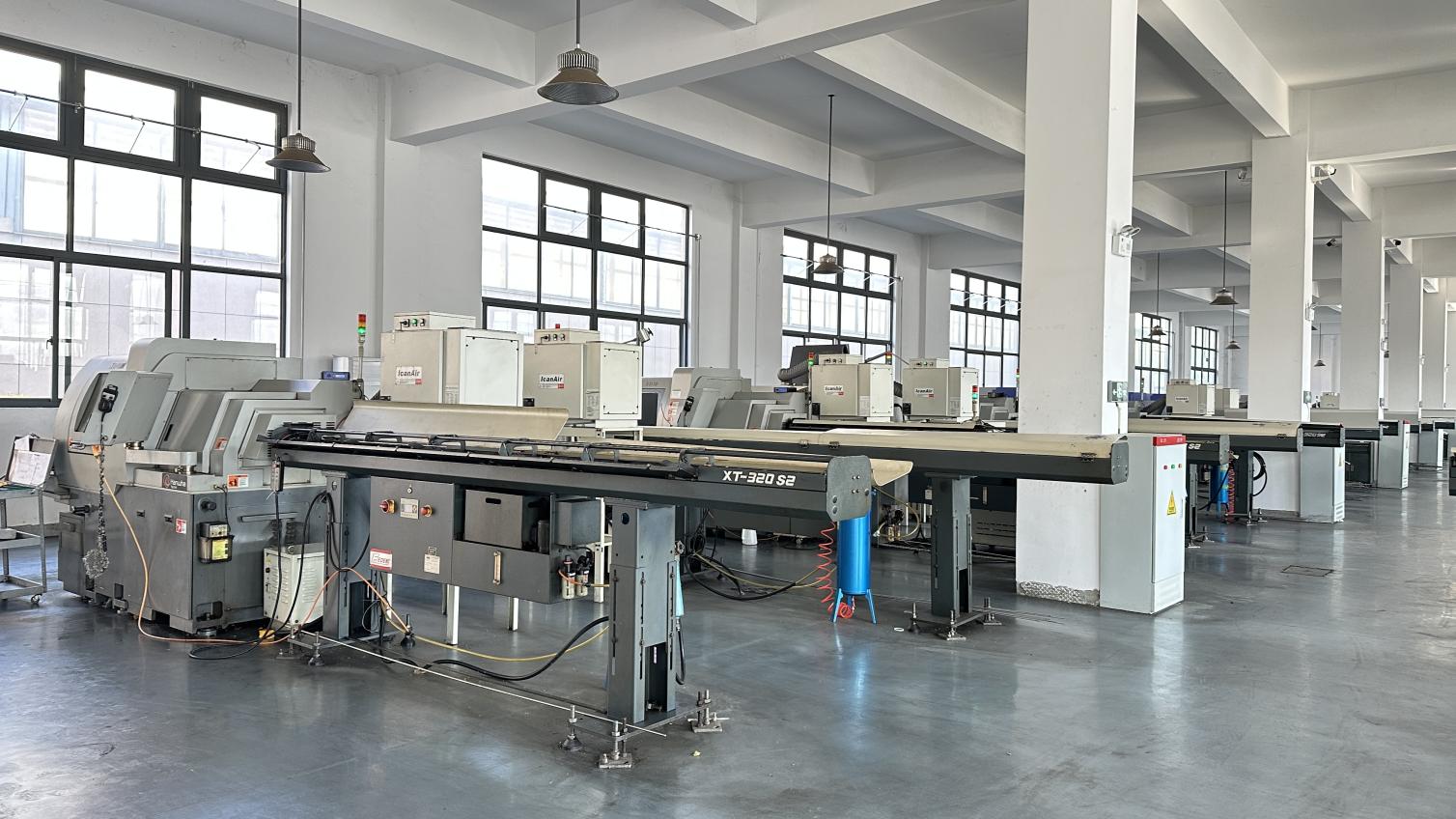
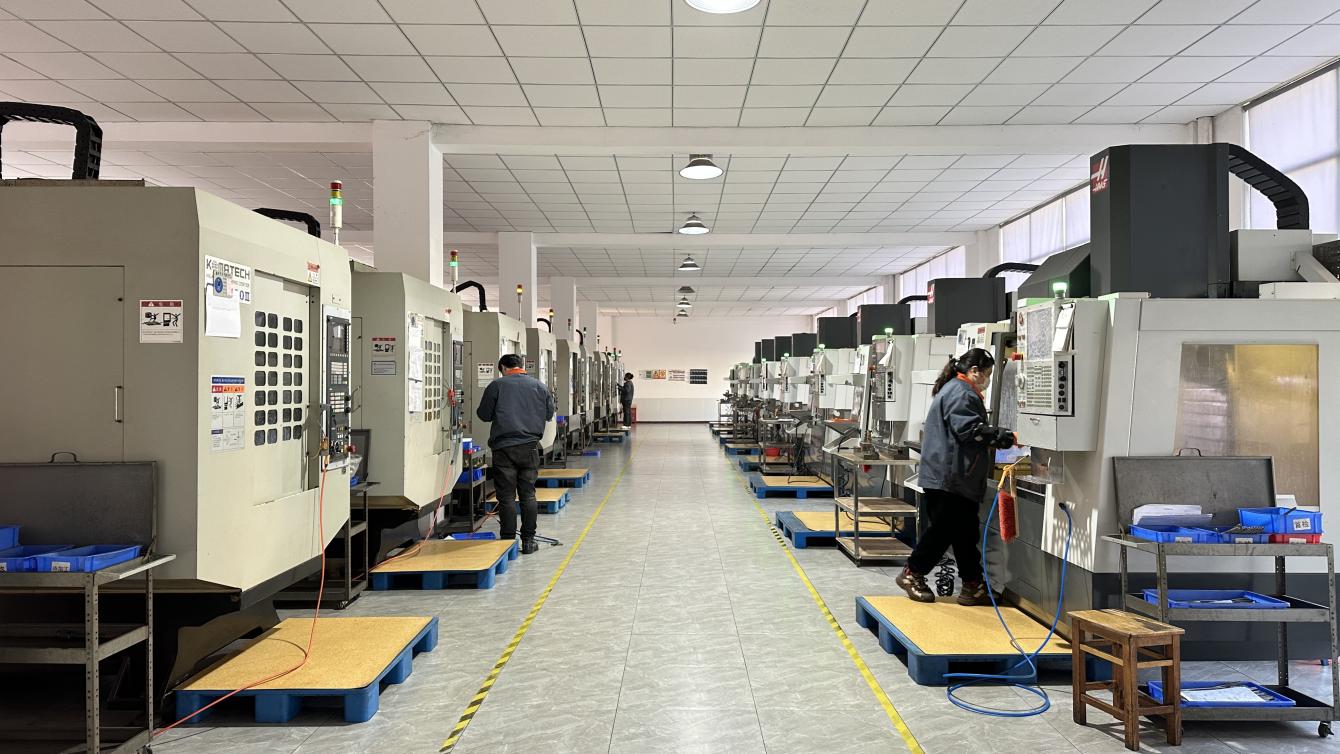
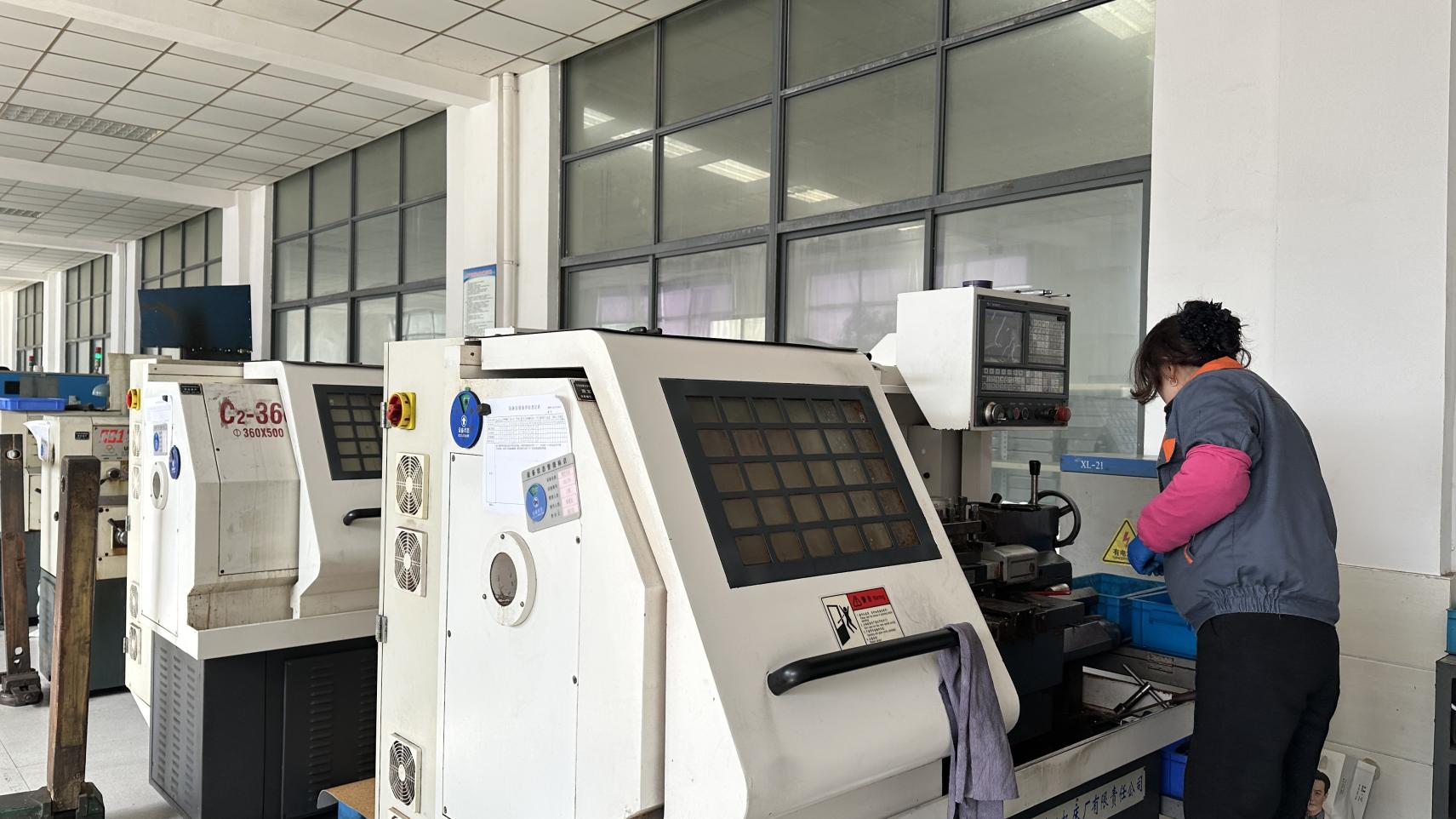
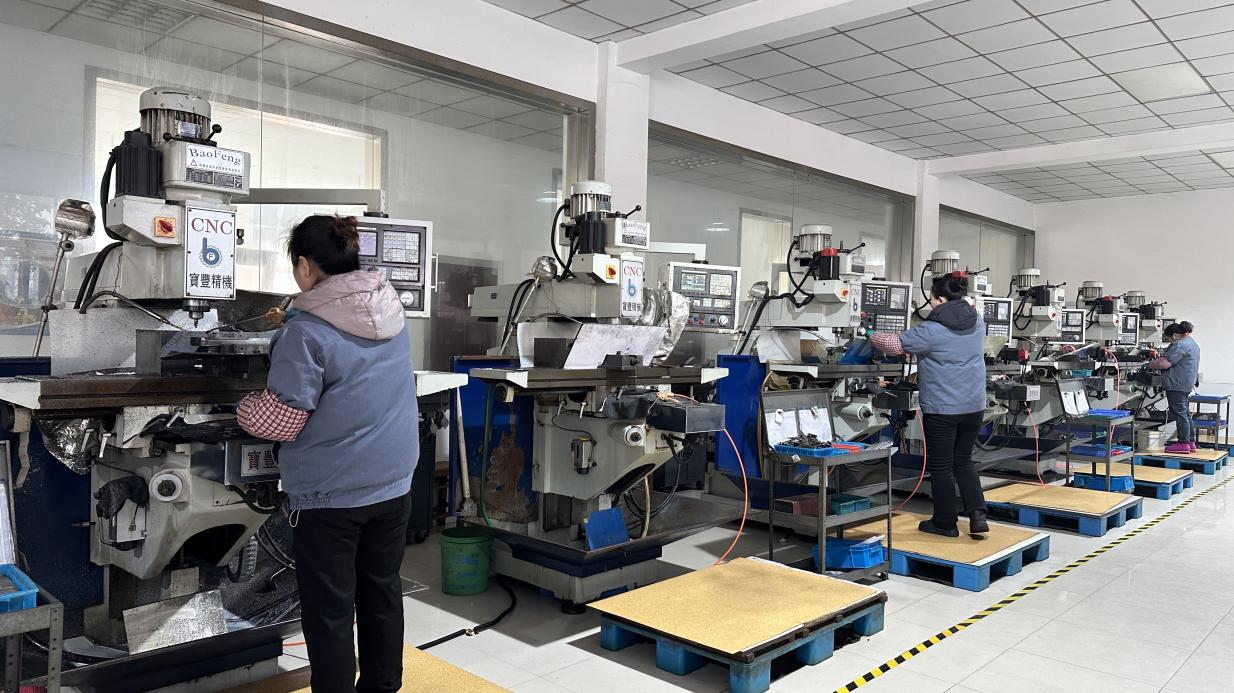
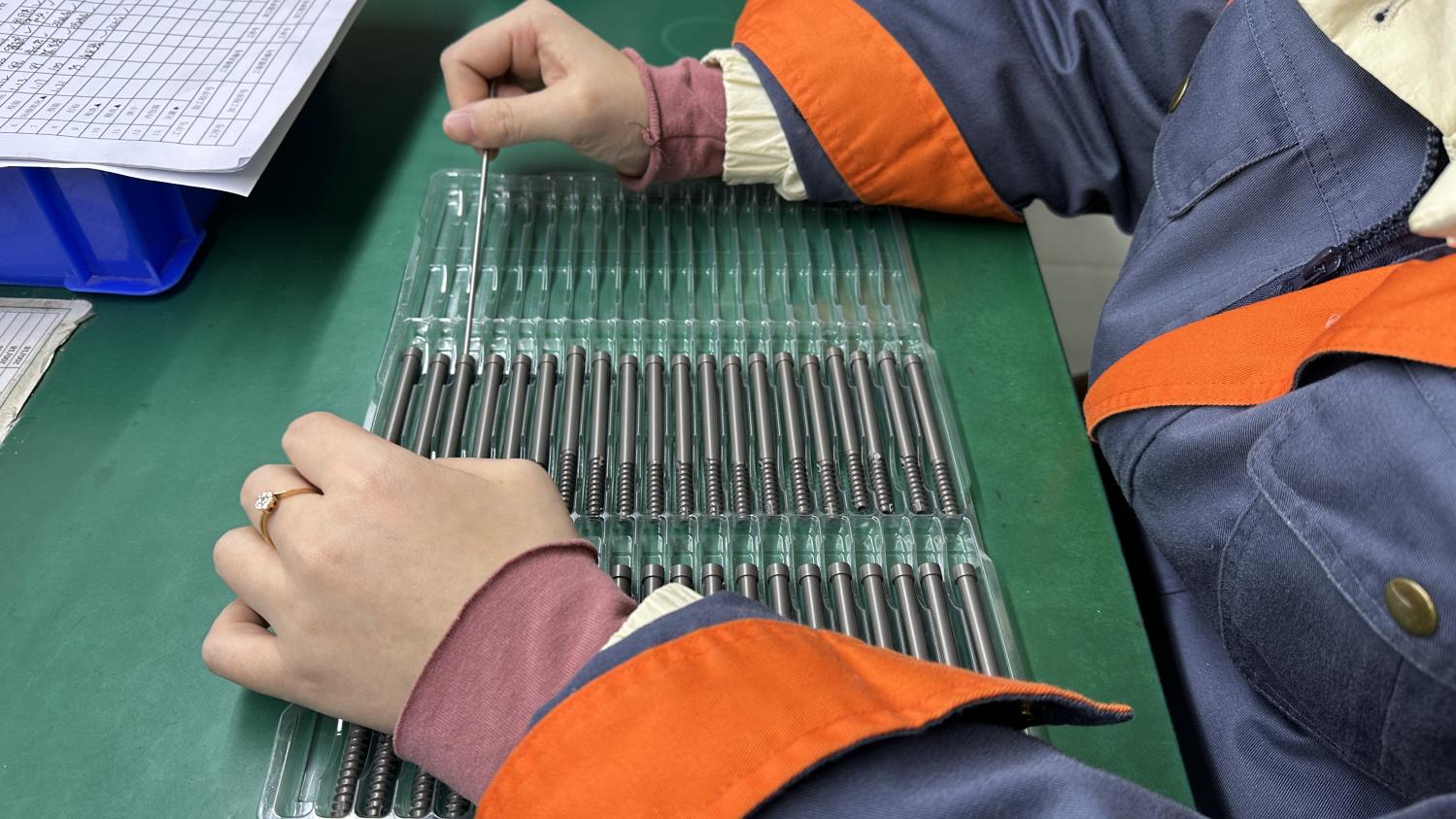
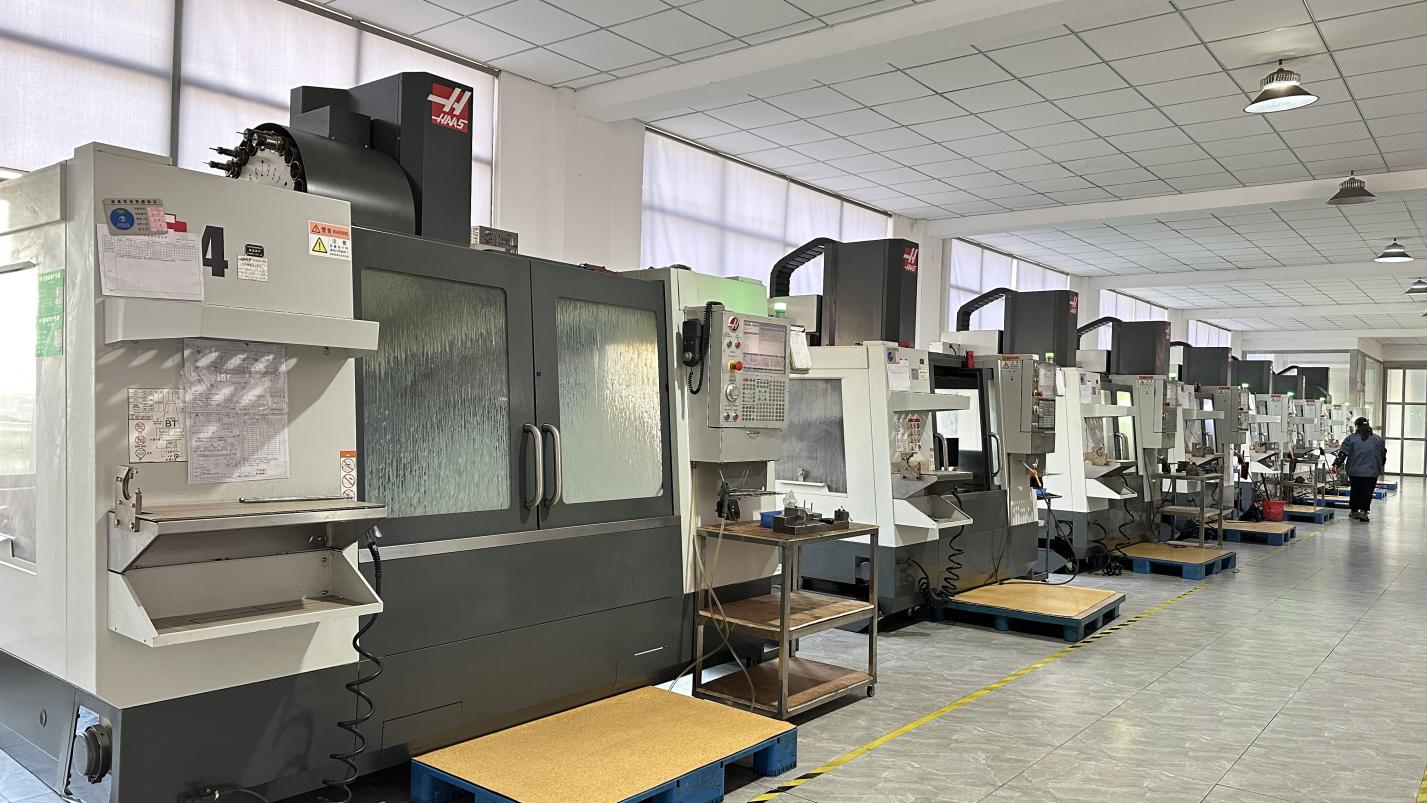
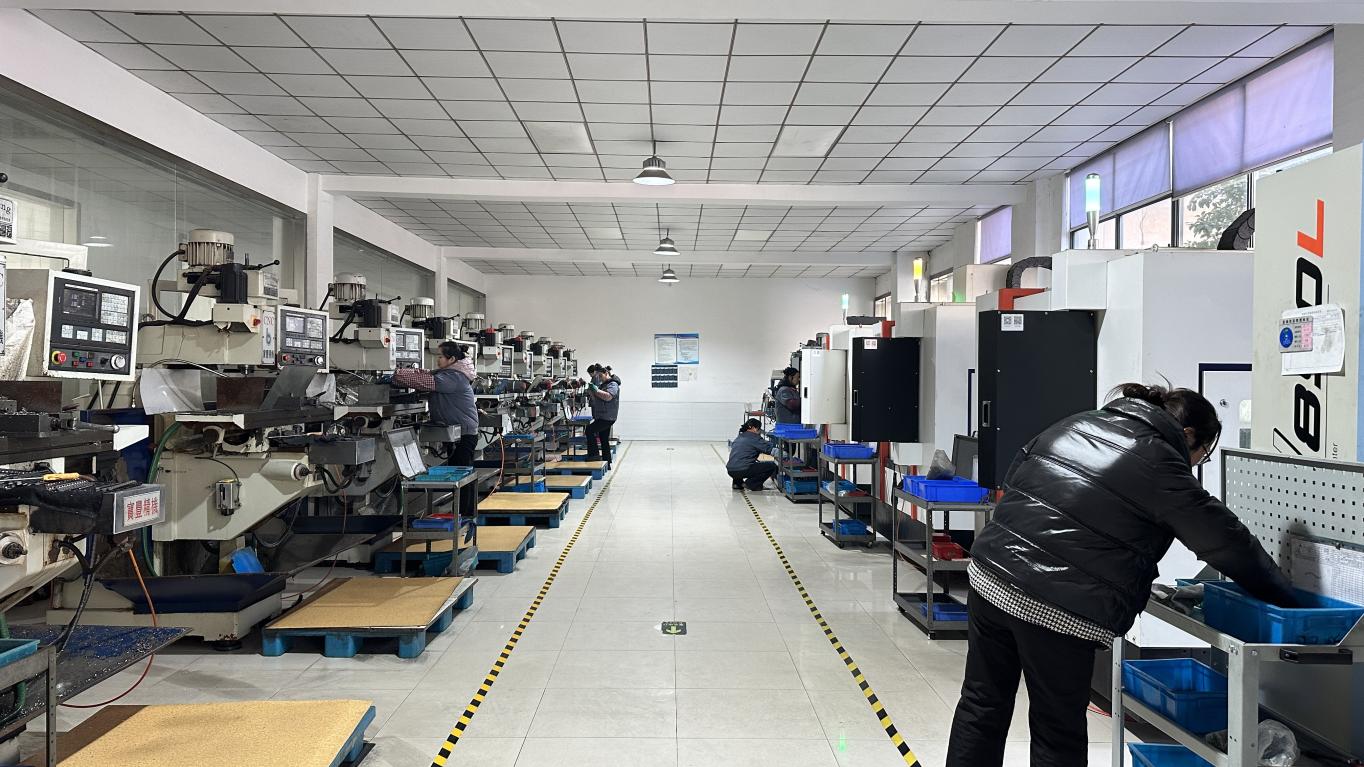
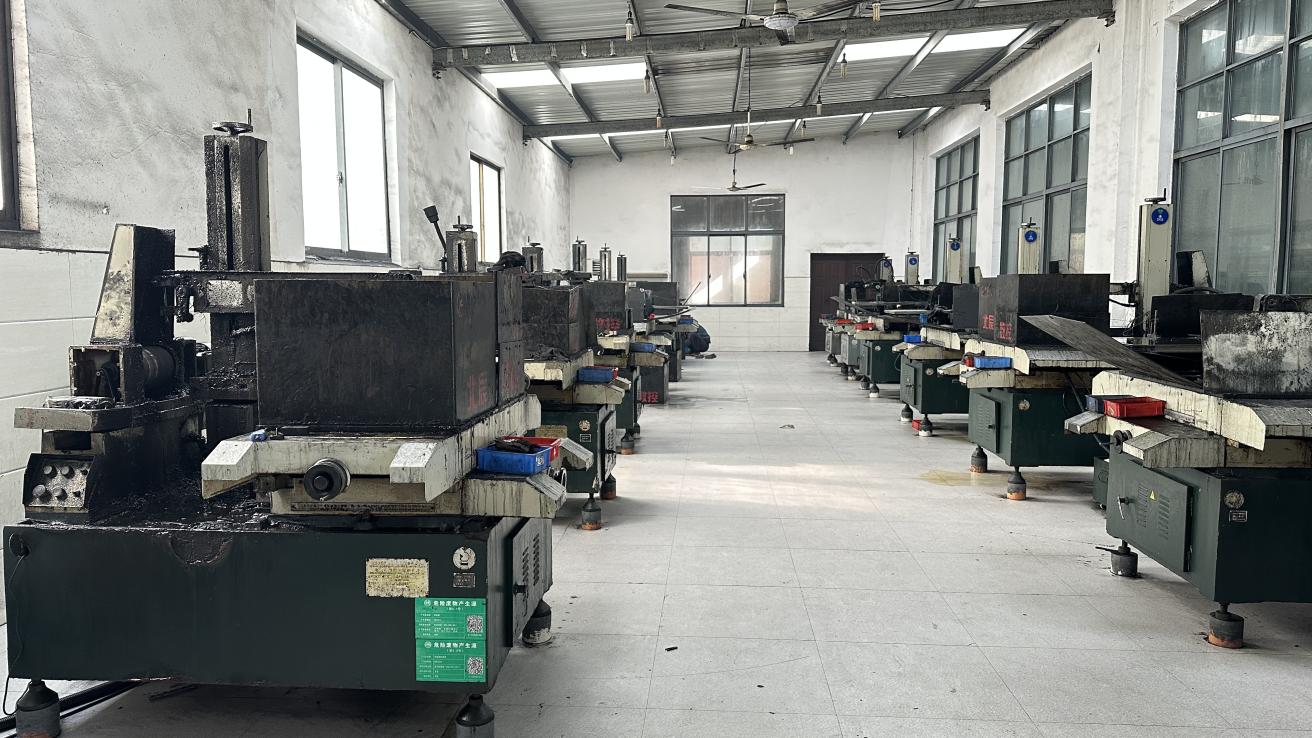
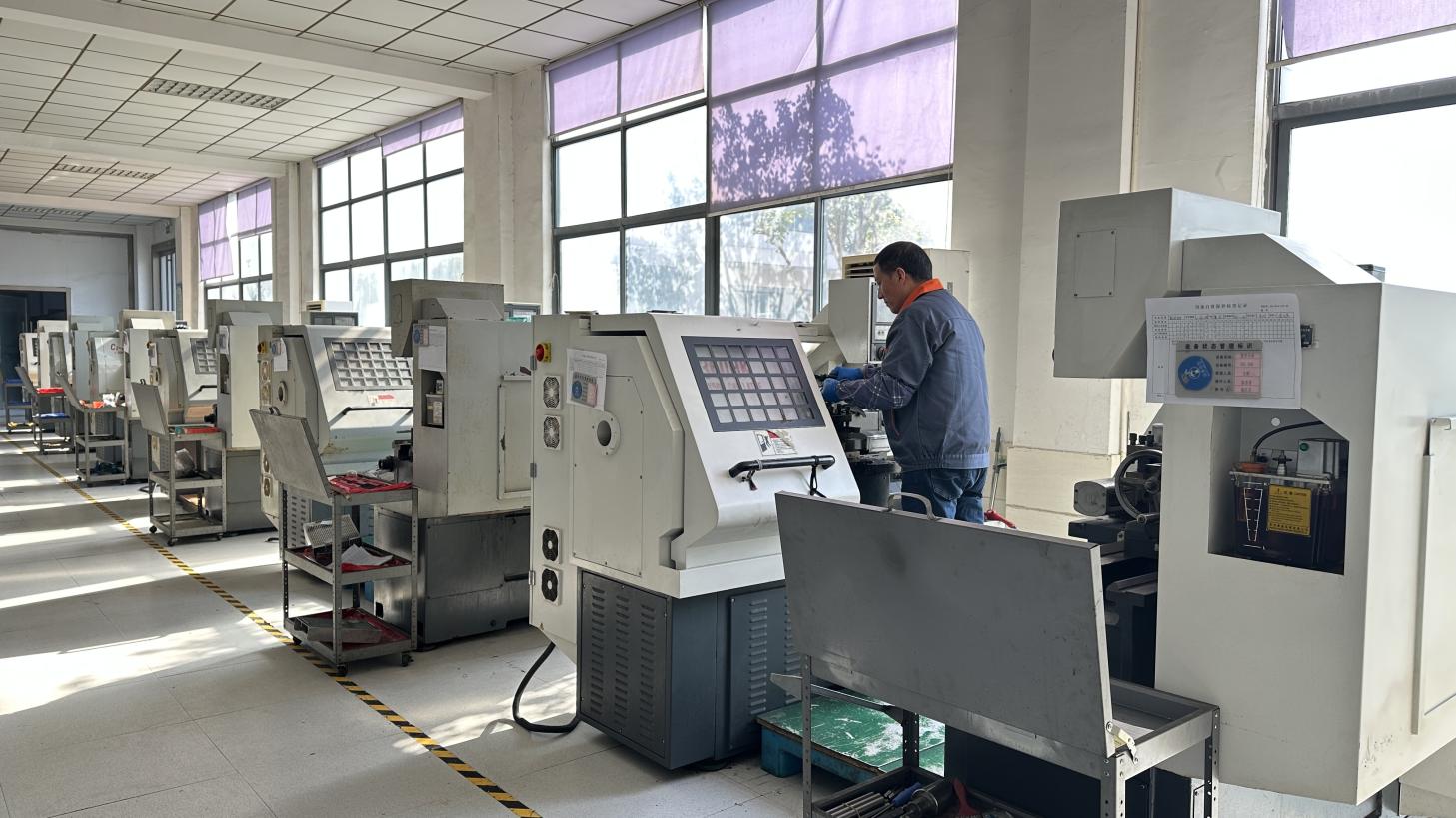

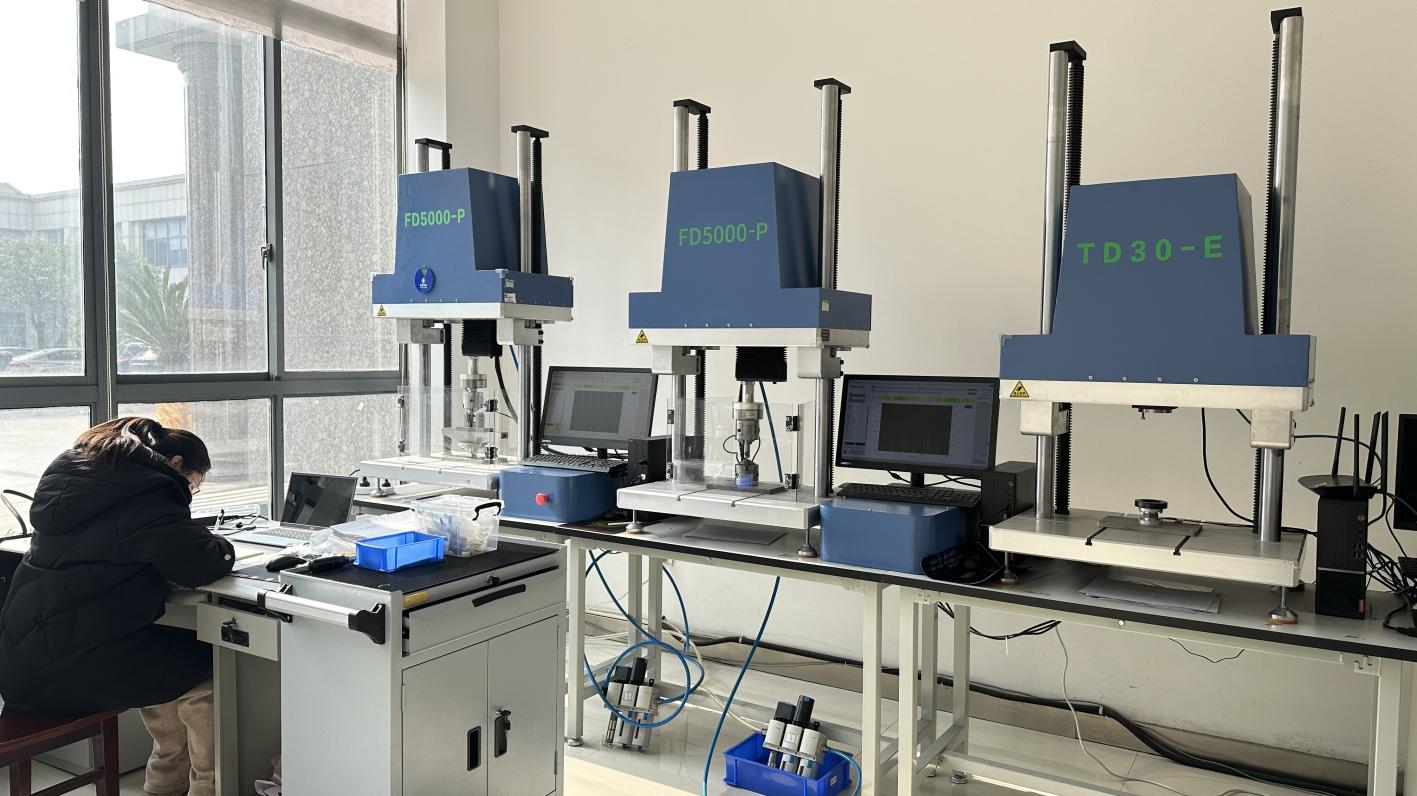
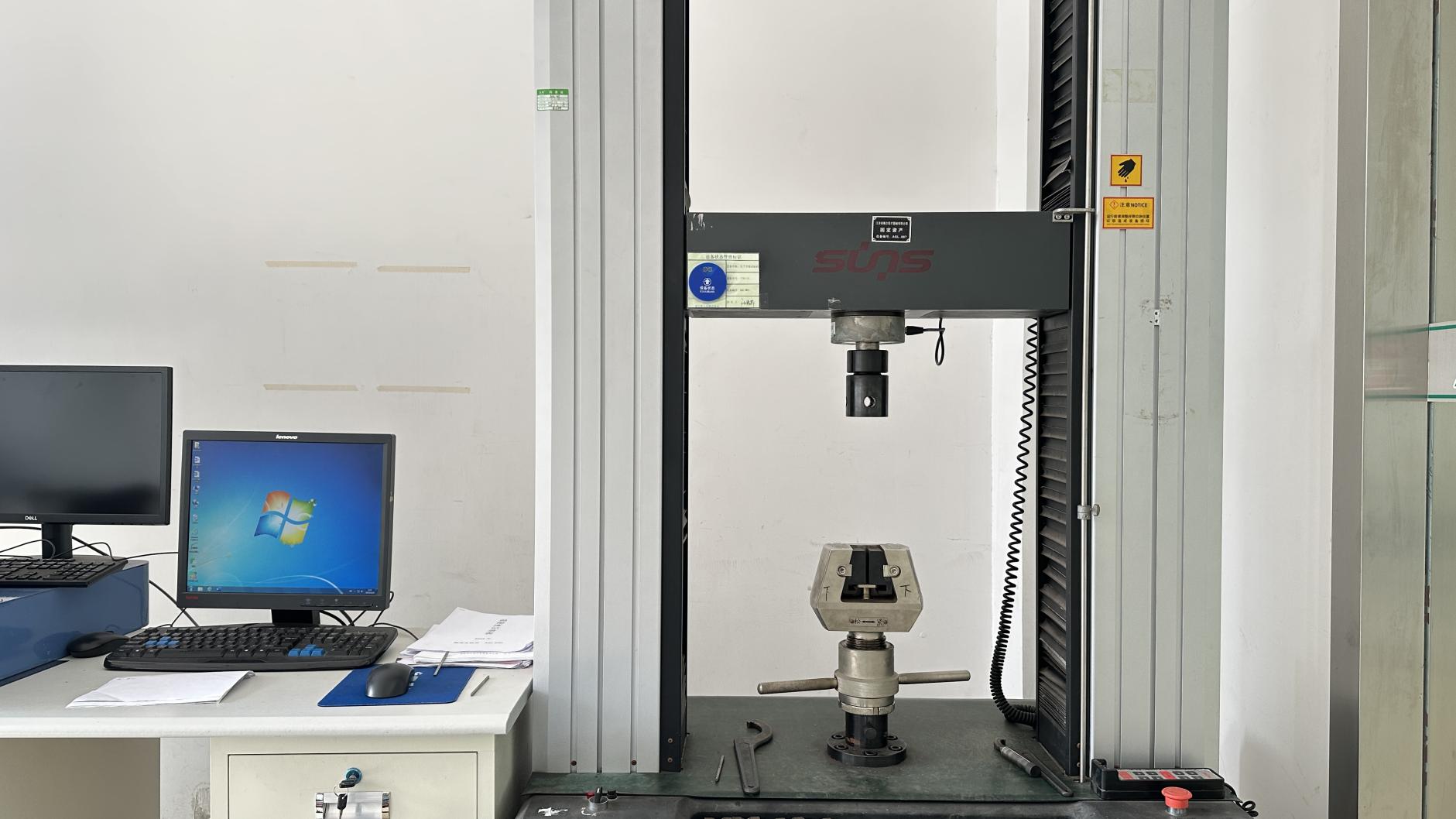
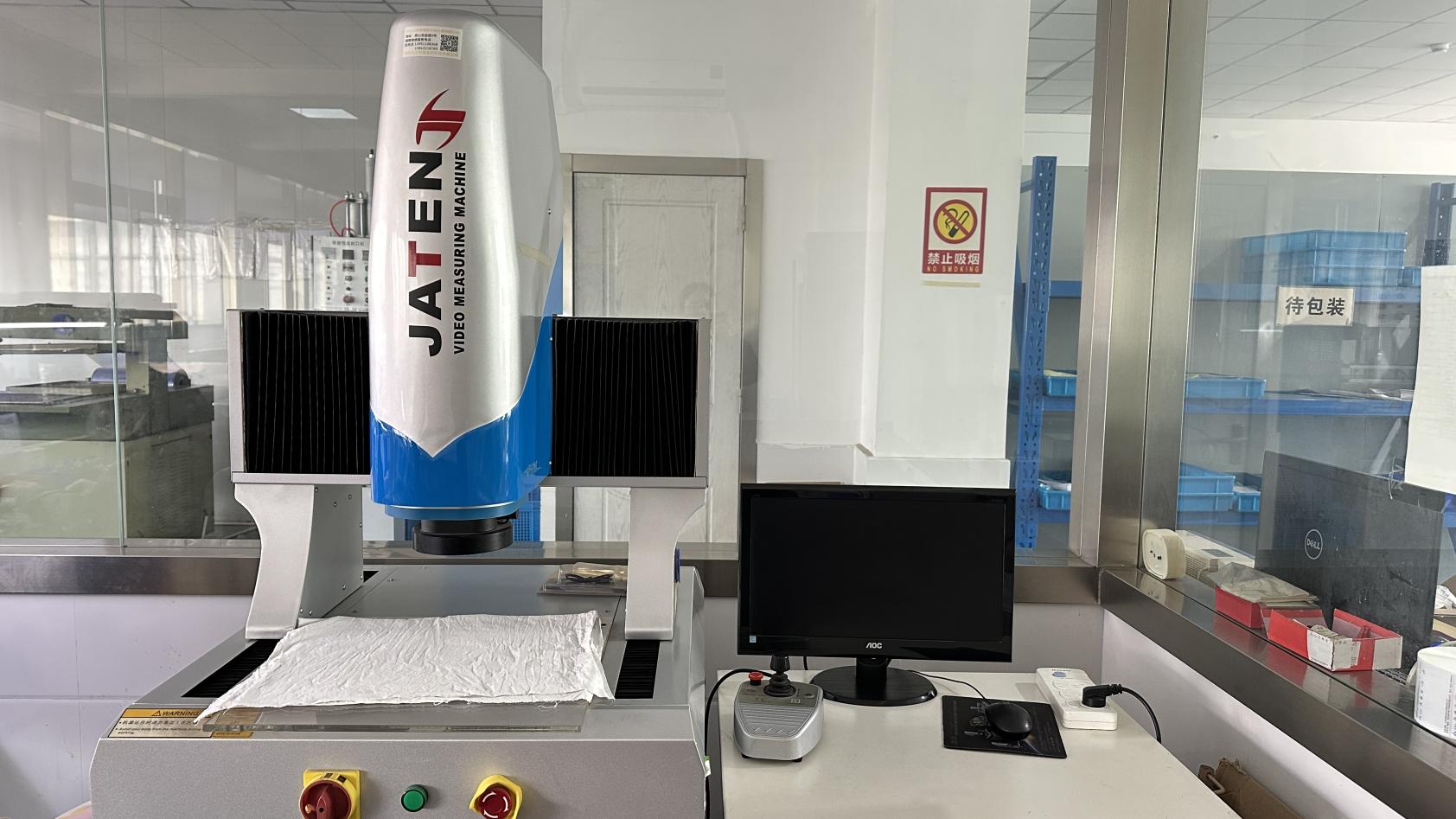
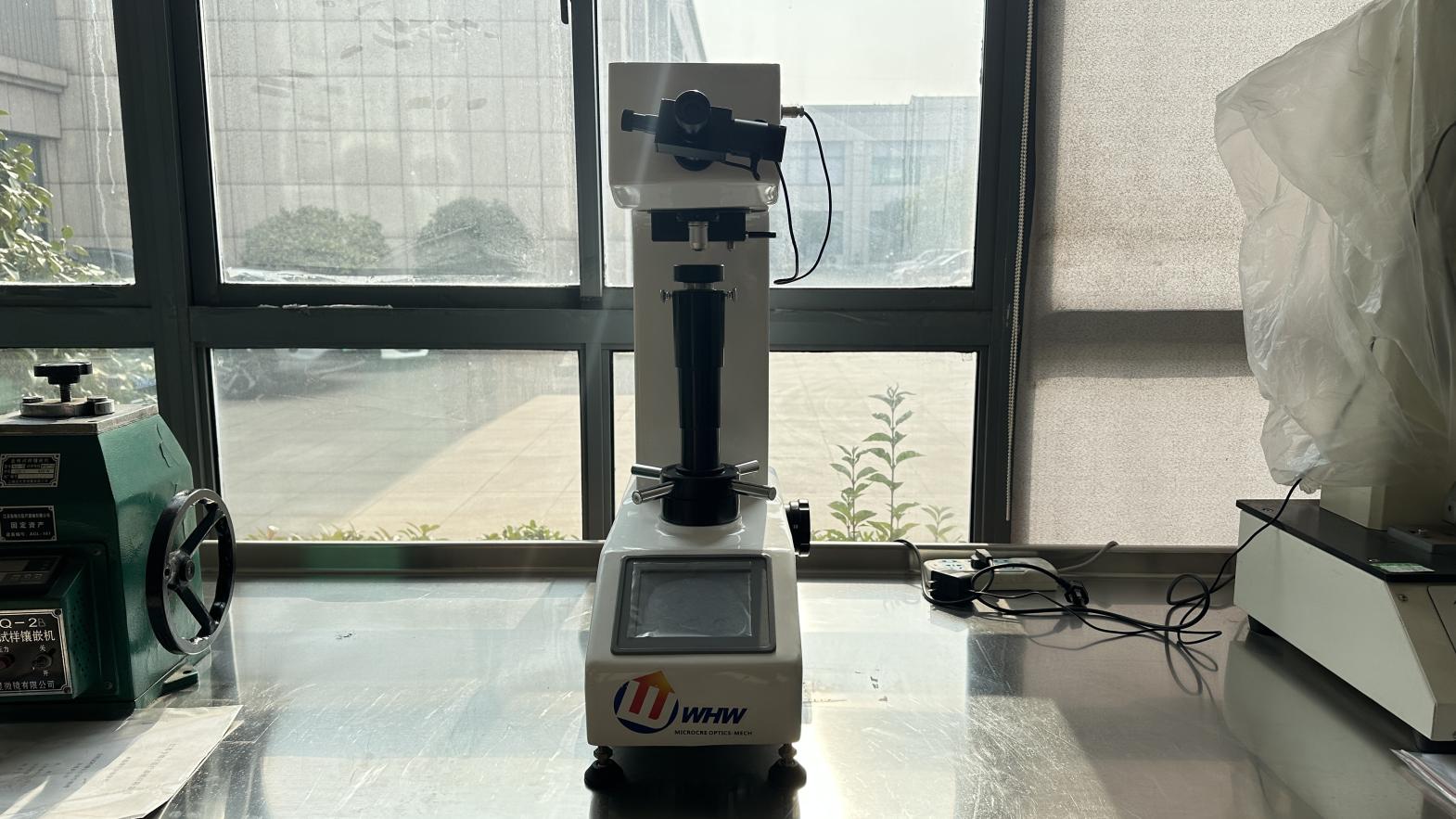
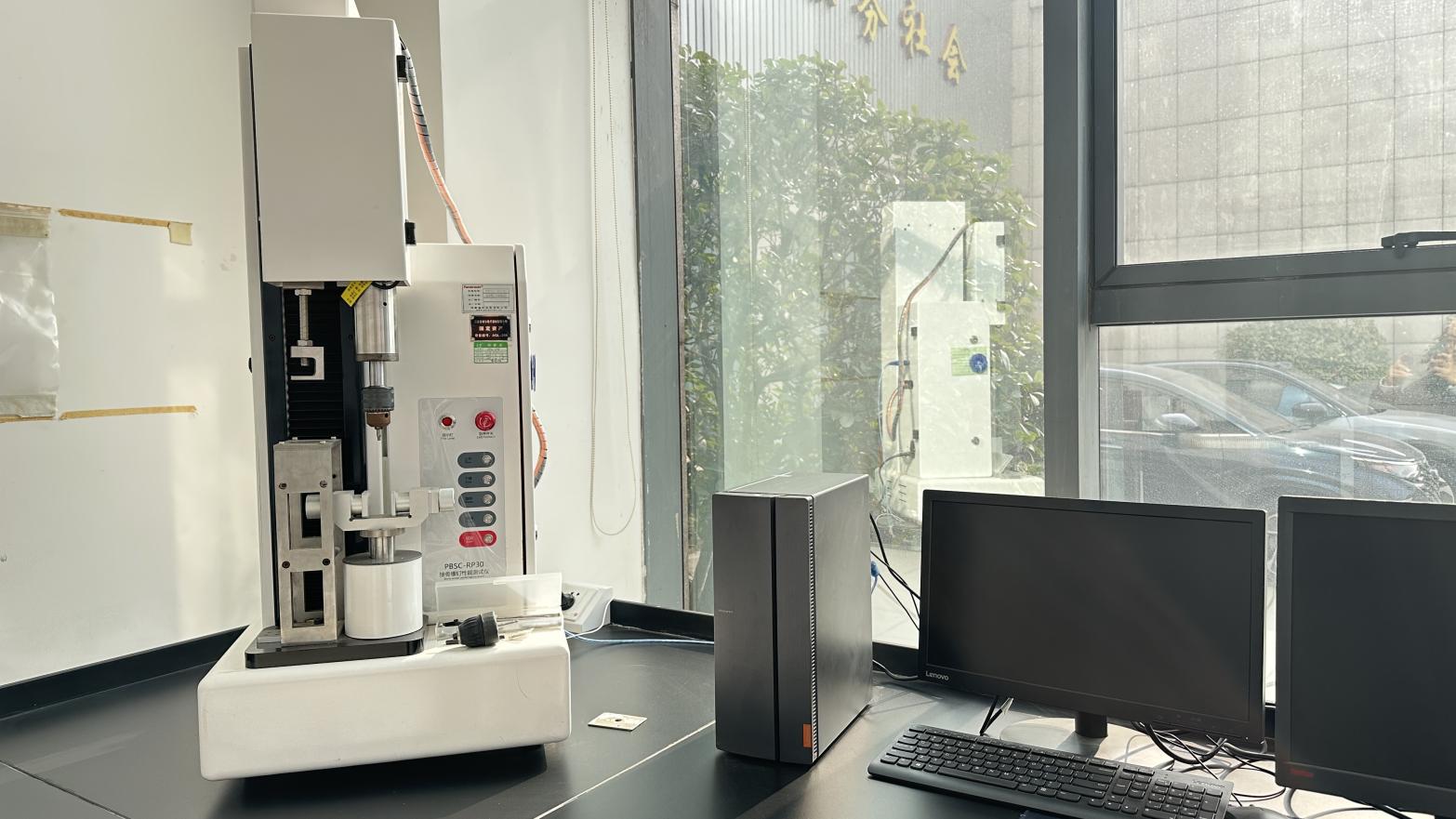
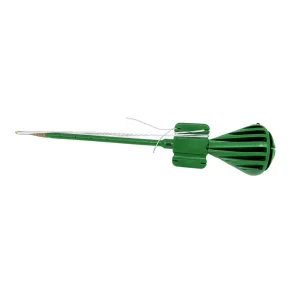
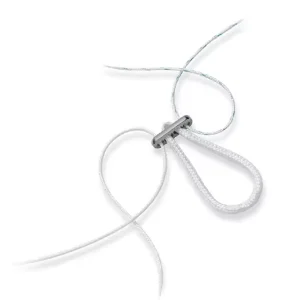
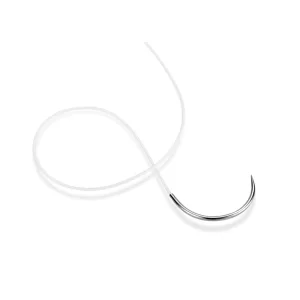
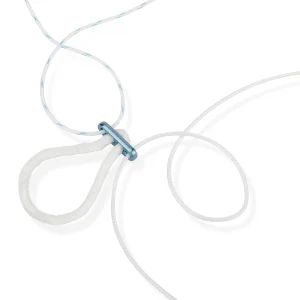
Medisplint’s development path focuses on improving the biomechanics at the bone-tendon interface. Our anchor systems utilize biocompatible PEEK-OPTIMA® and medical-grade Titanium Alloy (Ti-6Al-4V ELI), which are selected to balance high pullout strength with minimal tissue reaction. Ultra-High-Molecular-Weight Polyethylene (UHMWPE) braided sutures are integrated to distribute loads evenly, reducing the risk of tendon cut-through during early mobilization phases.
| Implant Material Type | Tensile Strength (MPa) | Elastic Modulus (GPa) | Primary Clinical Indication |
|---|---|---|---|
| PEEK (Polyetheretherketone) | 90 - 100 | 3.5 - 4.0 | Knotless Rotator Cuff & Labral Repair |
| Titanium Alloy (Ti-6Al-4V) | 860 - 900 | 110 - 115 | ACL/PCL Reconstructive Suspensory Fixation |
| UHMWPE Braided Suture | > 3000 | 100 - 120 | High-Tension Soft Tissue Approximation |
Medisplint's sports medicine implants are designed for a range of arthroscopic and open reconstructive procedures:
A structured co-development workflow ensuring compliance and efficiency from design to global distribution.
Expert answers addressing materials, regulatory pathways, and OEM capabilities for global orthopedic device distribution.
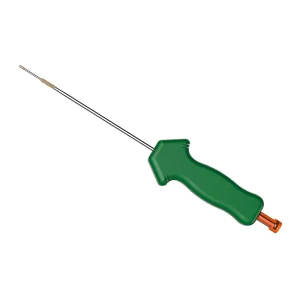
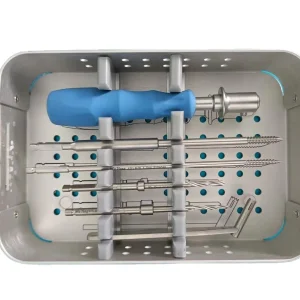
Explore our full range of CE-certified anchors, bioabsorbable sutures, and specialized instrumentation sets.