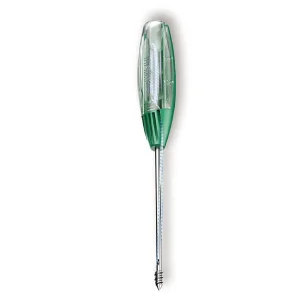
Medisplint
Medisplint
Medisplint
High-precision arthroscopy reconstruction devices customized for orthopedic surgical demands in Santiago and across Chile.
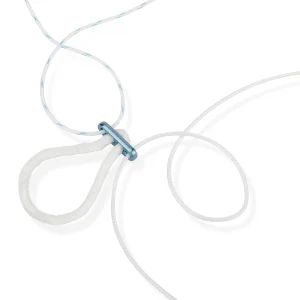
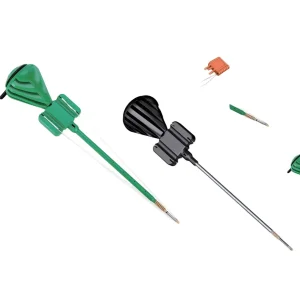
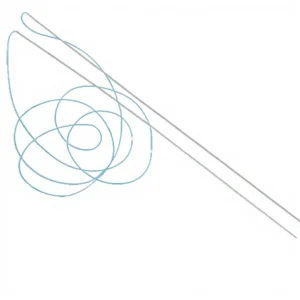
Chile has long stood as a highly advanced healthcare market within South America. The country features a dual-system model consisting of a public insurance scheme administered by FONASA (Fondo Nacional de Salud) and private health insurers known as Isapres. Orthopedic care, particularly sports medicine and arthroscopy, has expanded rapidly across leading Chilean facilities such as Clínica Alemana, Red de Salud UC CHRISTUS, Clínica Las Condes, and regional public hospitals operated under the Chilean Ministry of Health (MINSAL).
As physical fitness, professional sports leagues, and active lifestyles gain popularity throughout Santiago, Valparaíso, and Concepción, the clinical load for ligament reconstructions (ACL/PCL), meniscus sutures, rotator cuff repairs, and ankle stabilization surgeries (such as ATFL repair) has surged. Consequently, purchasing managers and clinical directors face the ongoing challenge of sourcing high-quality implants that meet stringent clinical efficacy standards while managing procurement costs under hospital budgets.
Traditionally, the Chilean market relied heavily on imports from expensive multinational brands based in North America and Western Europe. However, global supply chains have shifted. Chilean distributors and medical consortia are increasingly turning to dedicated manufacturers like Medisplint Orthopedic Instruments Co., Ltd., who offer identical clinical performance, CE certification, and ISO 13485 alignment at a much lower cost. Sourcing directly from an established factory helps Chilean importers eliminate distributor markups and secure custom OEM/ODM solutions tailored to South American surgical techniques.
In sports medicine, surgical success depends entirely on the mechanical reliability of implants and instrumentation. When reconstructing ligaments or repairing joint capsules, surgeons require specific biomechanical performance values. The table below outlines the core product classes, material designs, and primary clinical indications required by international sports medicine importers:
| Product Category | Primary Materials | Mechanical Properties | Common Clinical Applications |
|---|---|---|---|
| Suture Anchors (Threaded) | PEEK, Titanium Alloy, Biocomposite | Pull-out force > 220N, high torque resistance | Rotator cuff repair, Bankart repair, SLAP lesions |
| Knotless Anchors | PEEK, Poly-L-co-D,L-lactide (PLDLA) | Low-profile joint preservation, tension control | Knee and shoulder reconstruction, instability repairs |
| Adjustable/Fixed Loop Plates | Titanium Plate + UHMWPE Suture | Minimal displacement under cyclic load | Cruciate ligament (ACL/PCL) femoral fixation |
| Meniscal Repair Kits | Medical-grade PEEK, USP sutures | All-inside and inside-out flex delivery | Meniscus tear stabilization, revision surgery |
Selecting implant materials is critical to biological healing. While titanium implants provide unmatched strength and excellent imaging visibility, PEEK (Polyether ether ketone) offers an elastic modulus similar to human cortical bone. This reduces stress shielding and eliminates metal-related artifacts during postoperative MRI scans.
Additionally, biocomposite implants composed of PLDLA and tricalcium phosphate (TCP) are gaining traction in Chile. These materials are gradually absorbed by the body, allowing bone to grow back into the site. Medisplint leverages these material options to ensure orthopedic surgeons can choose the best solution for each patient's age, bone density, and recovery timeline.
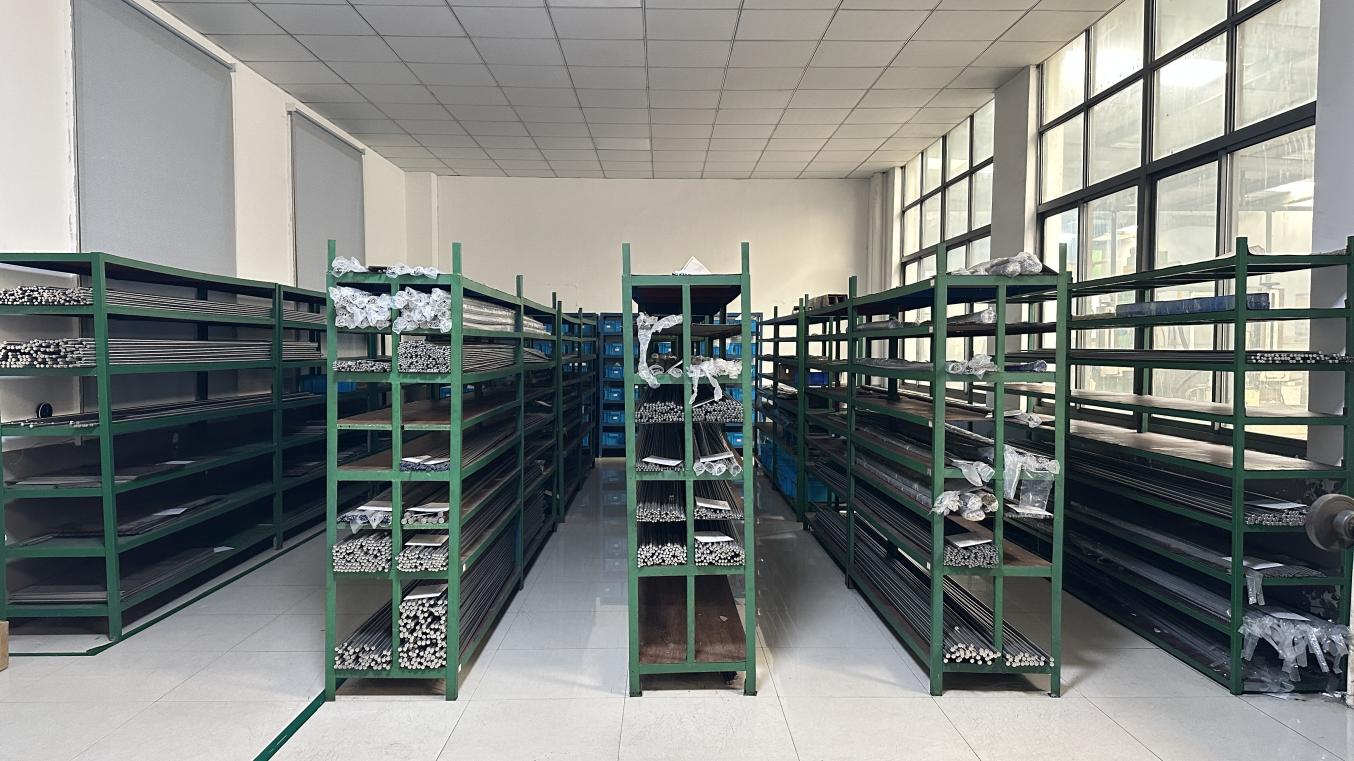
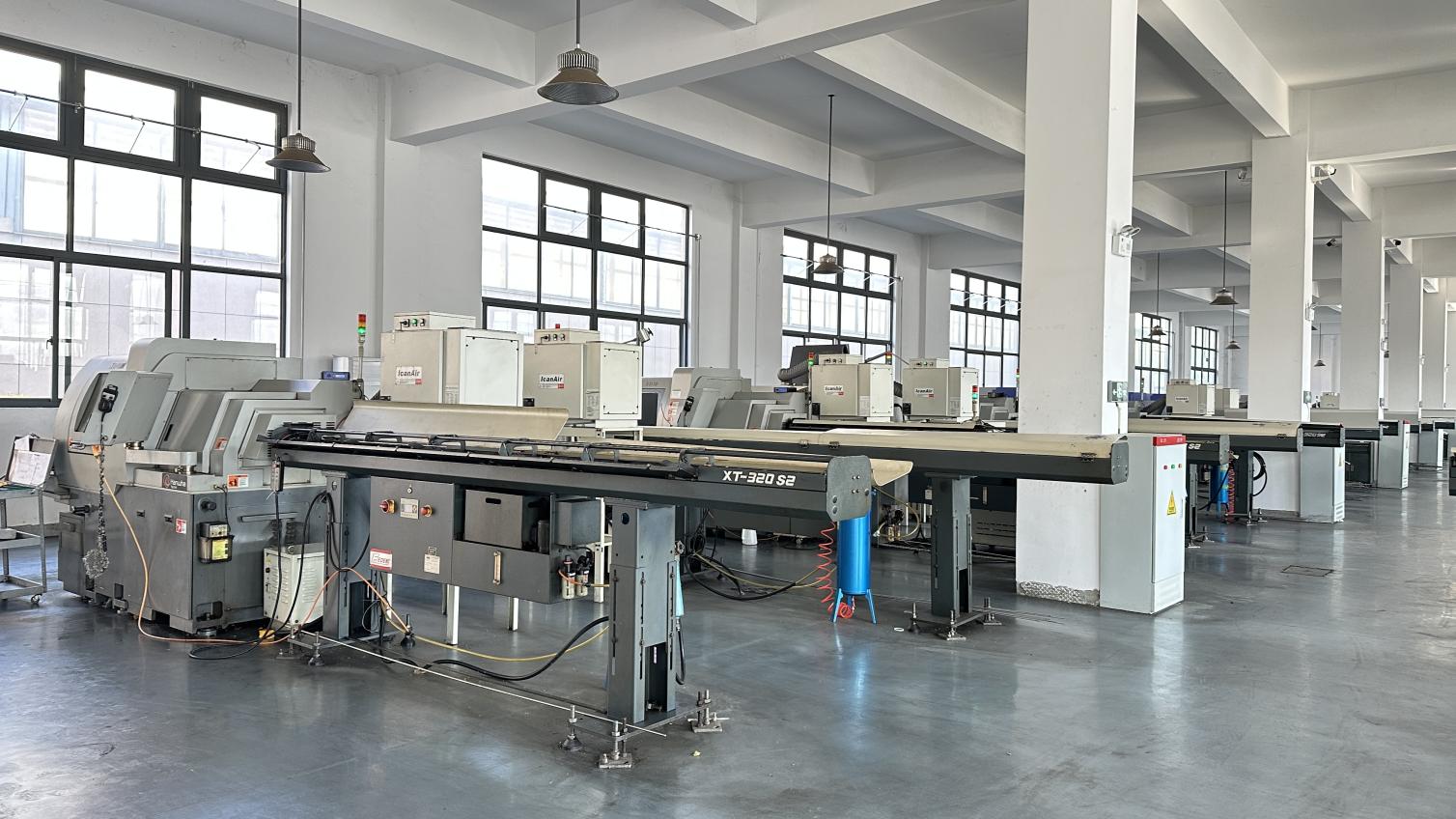
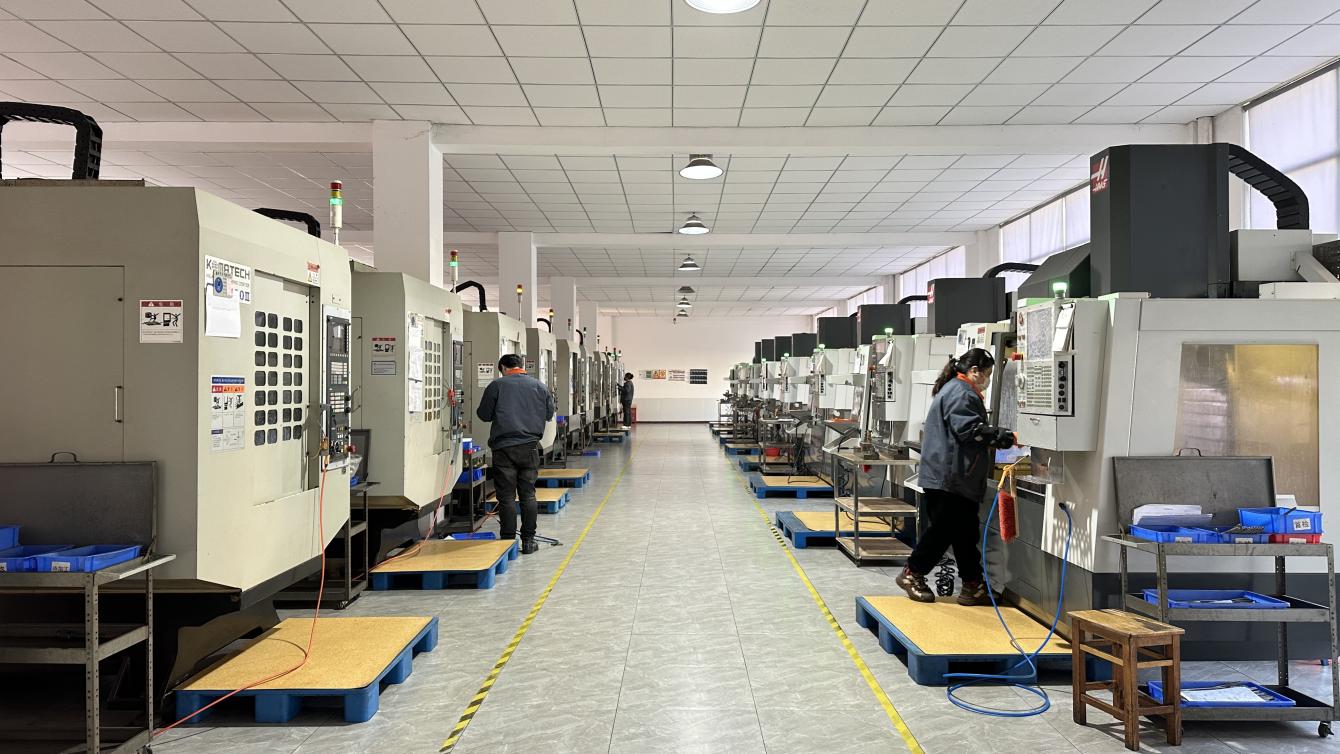
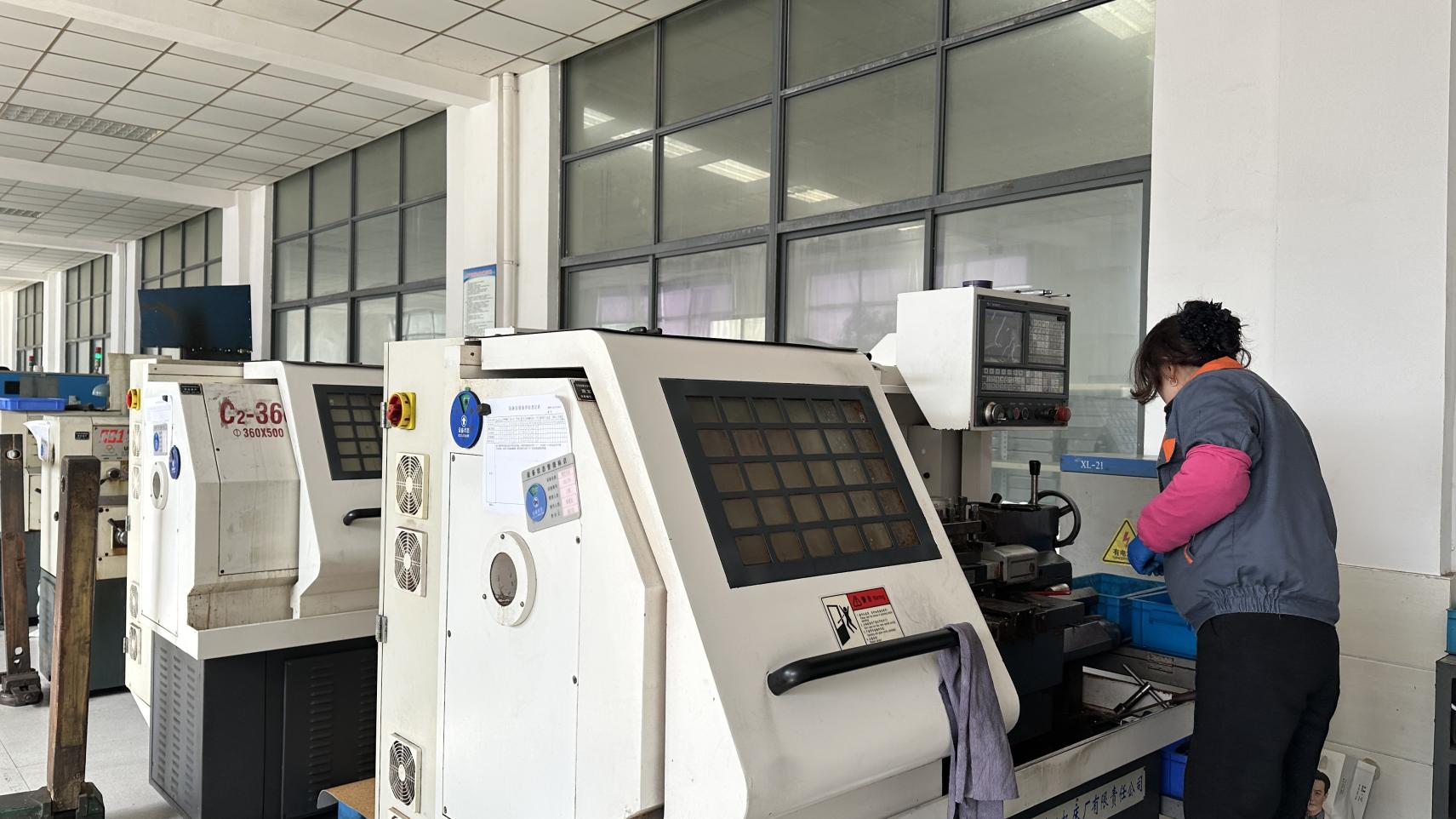
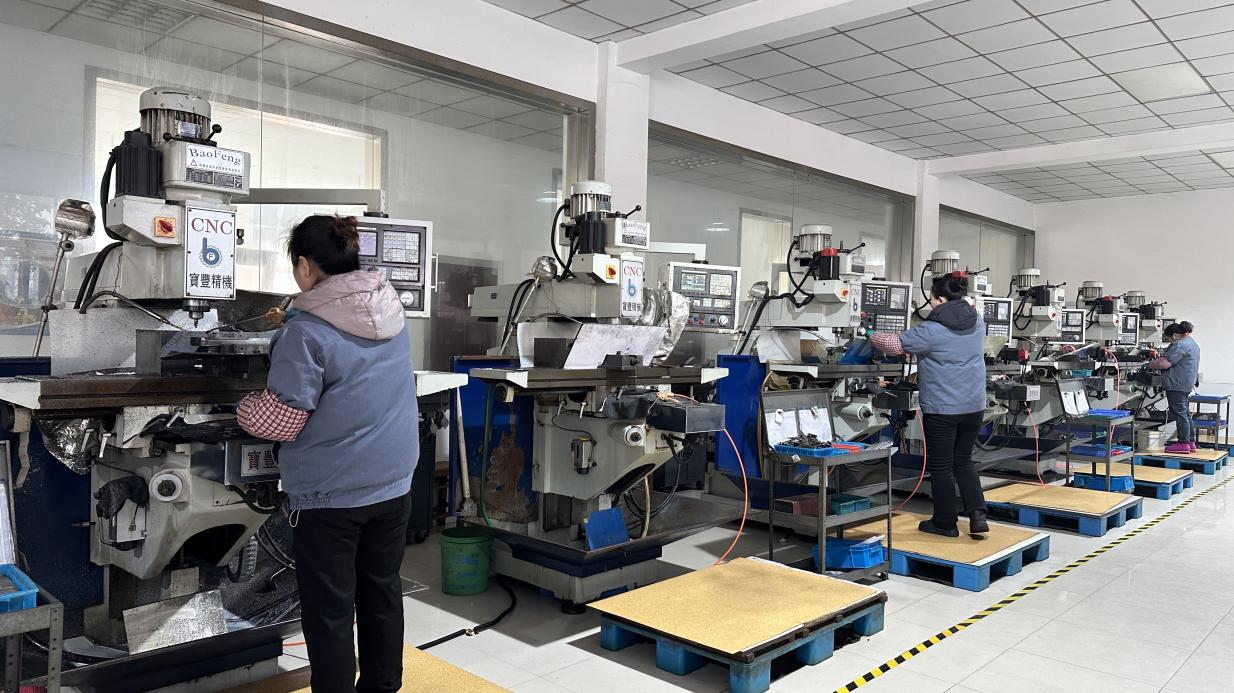
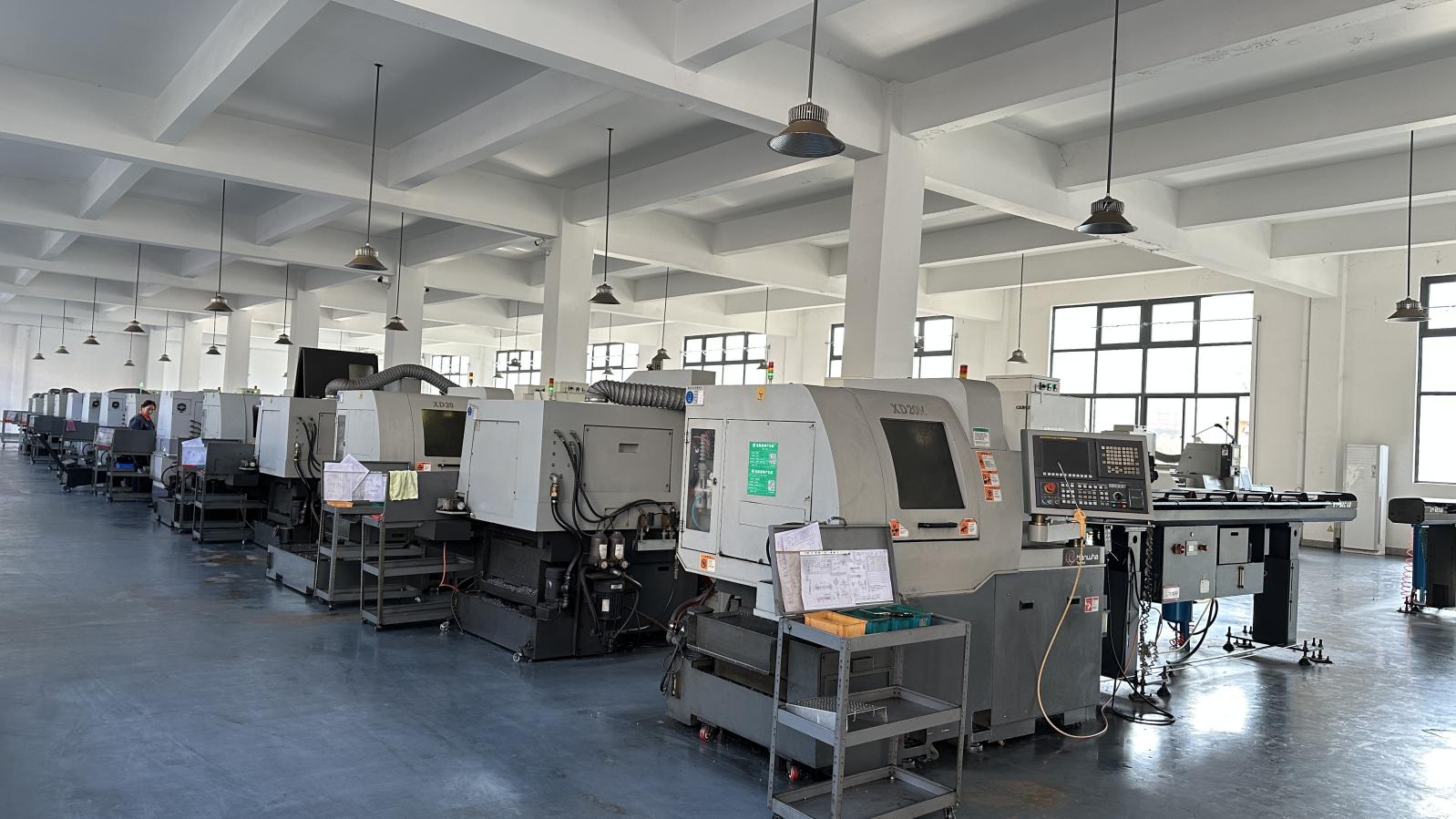
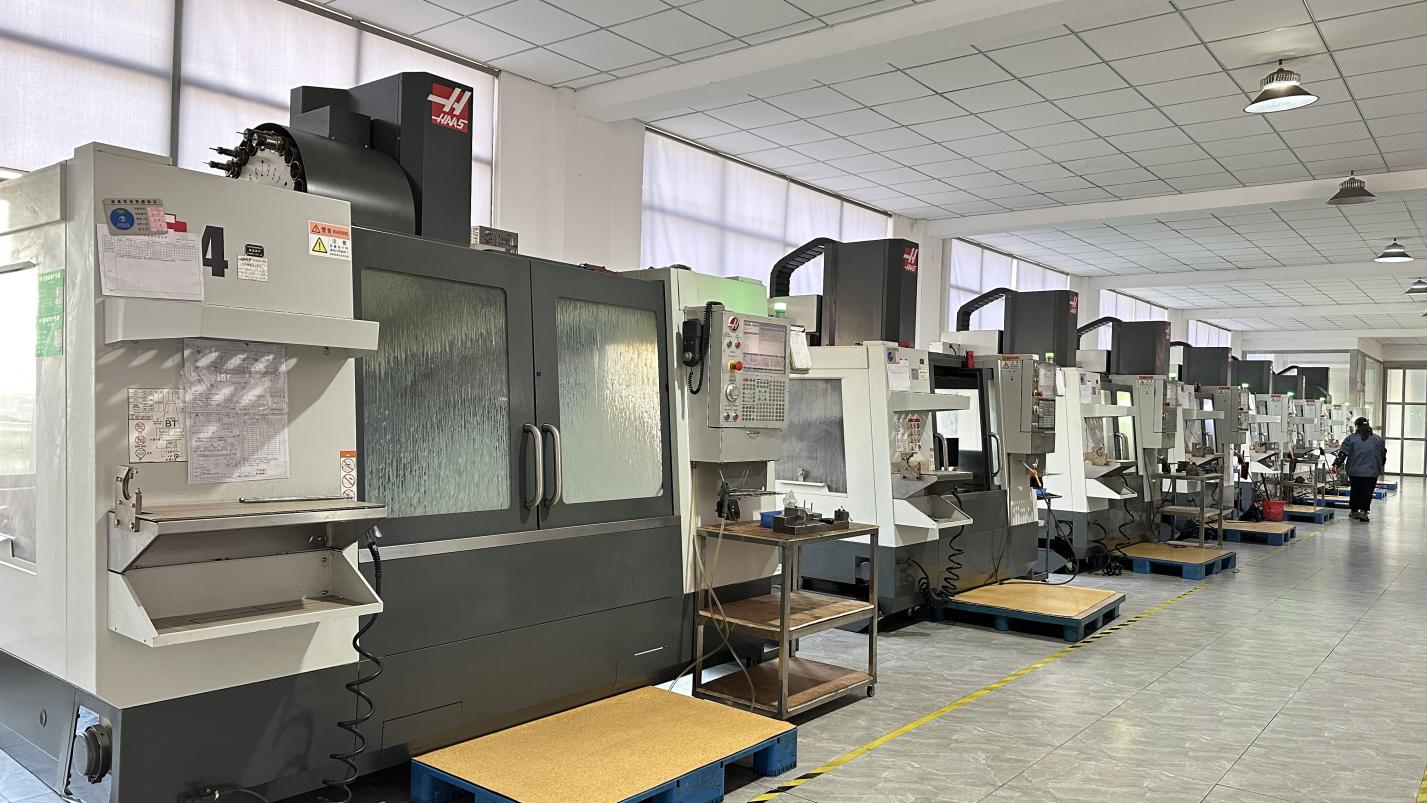
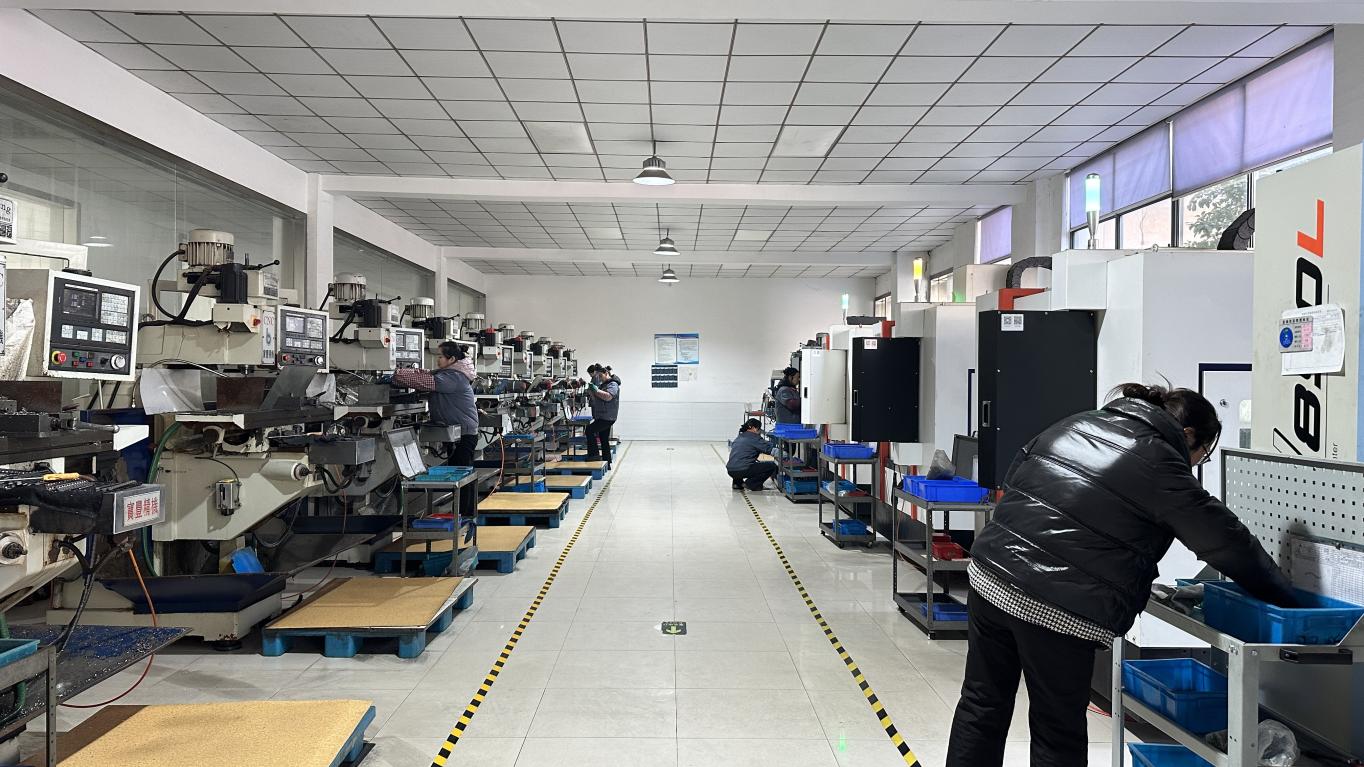
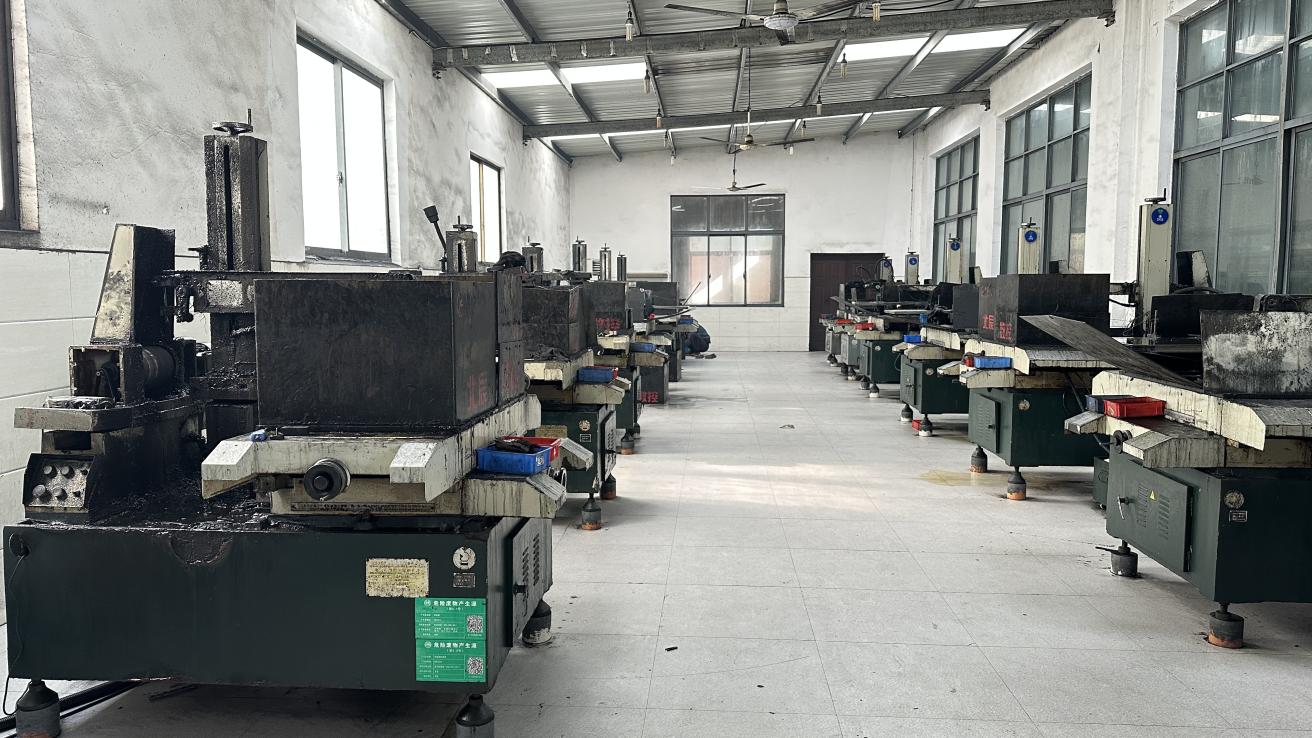
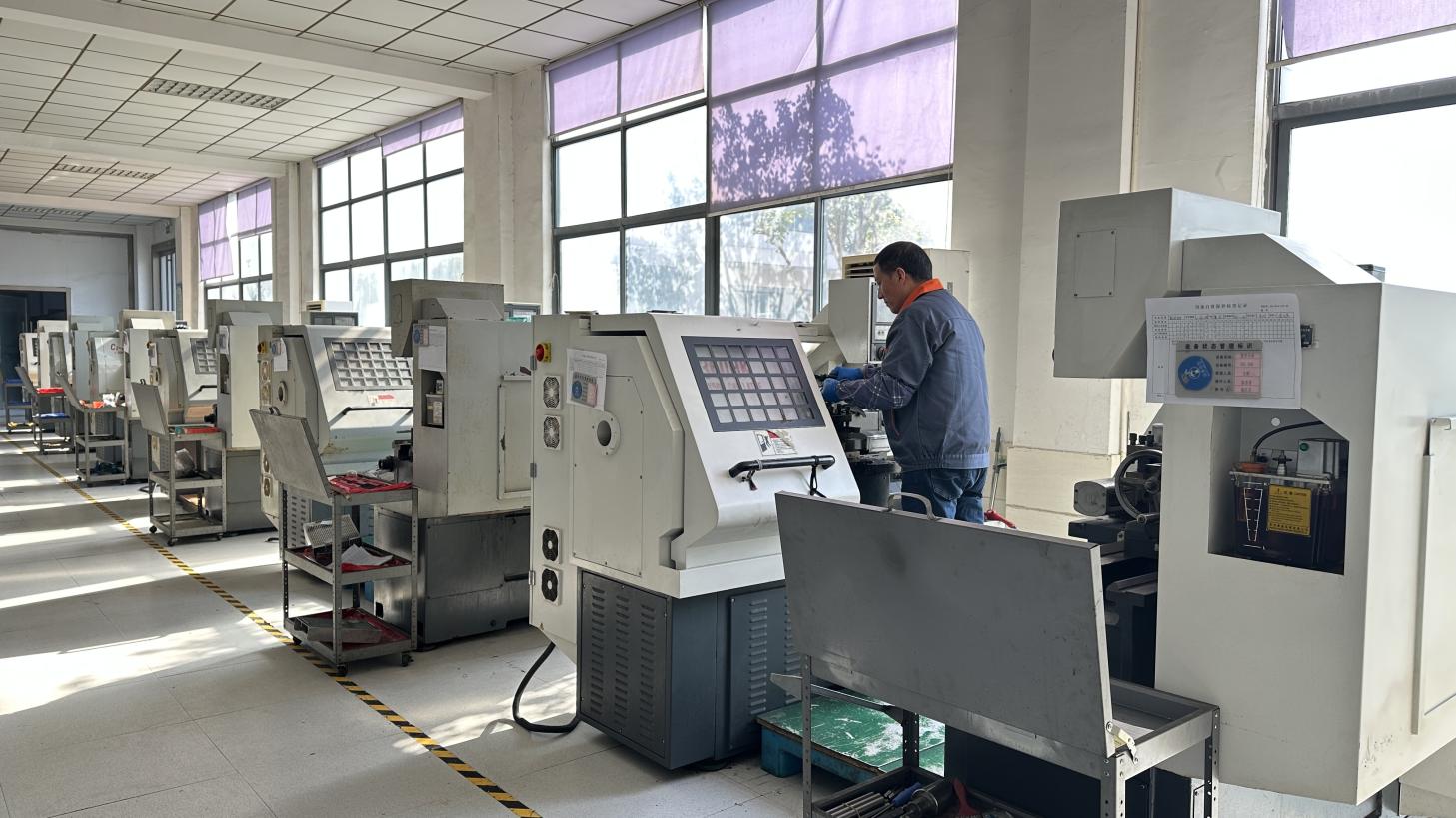
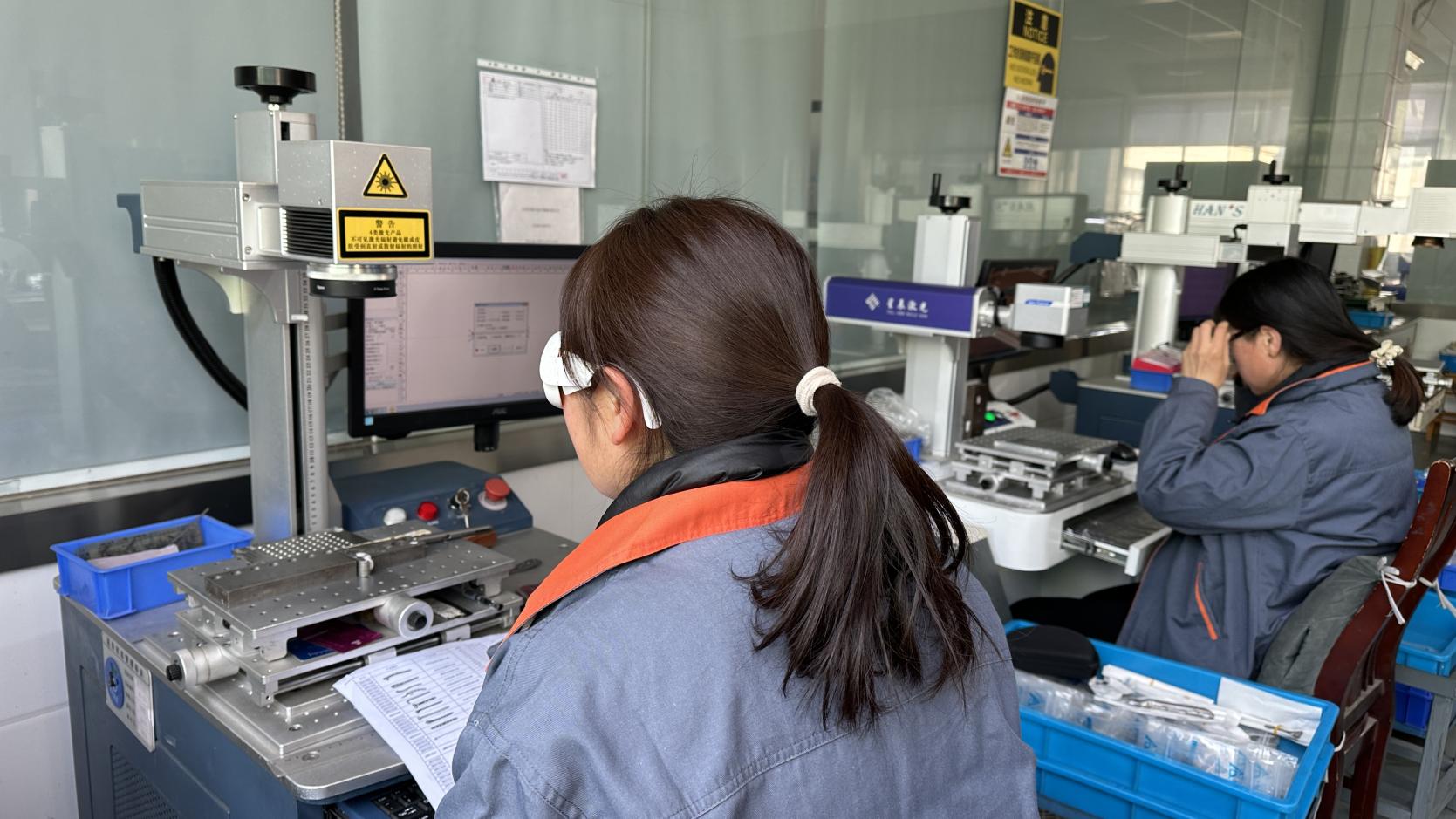
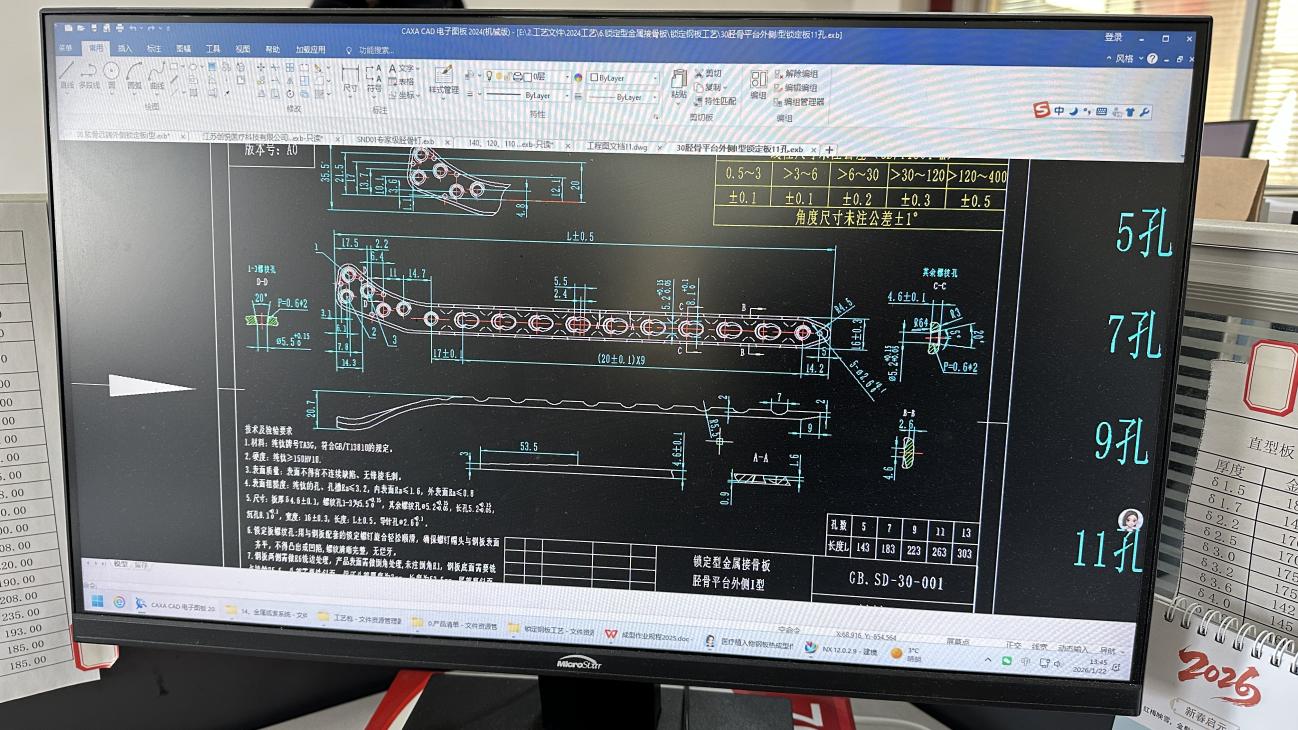
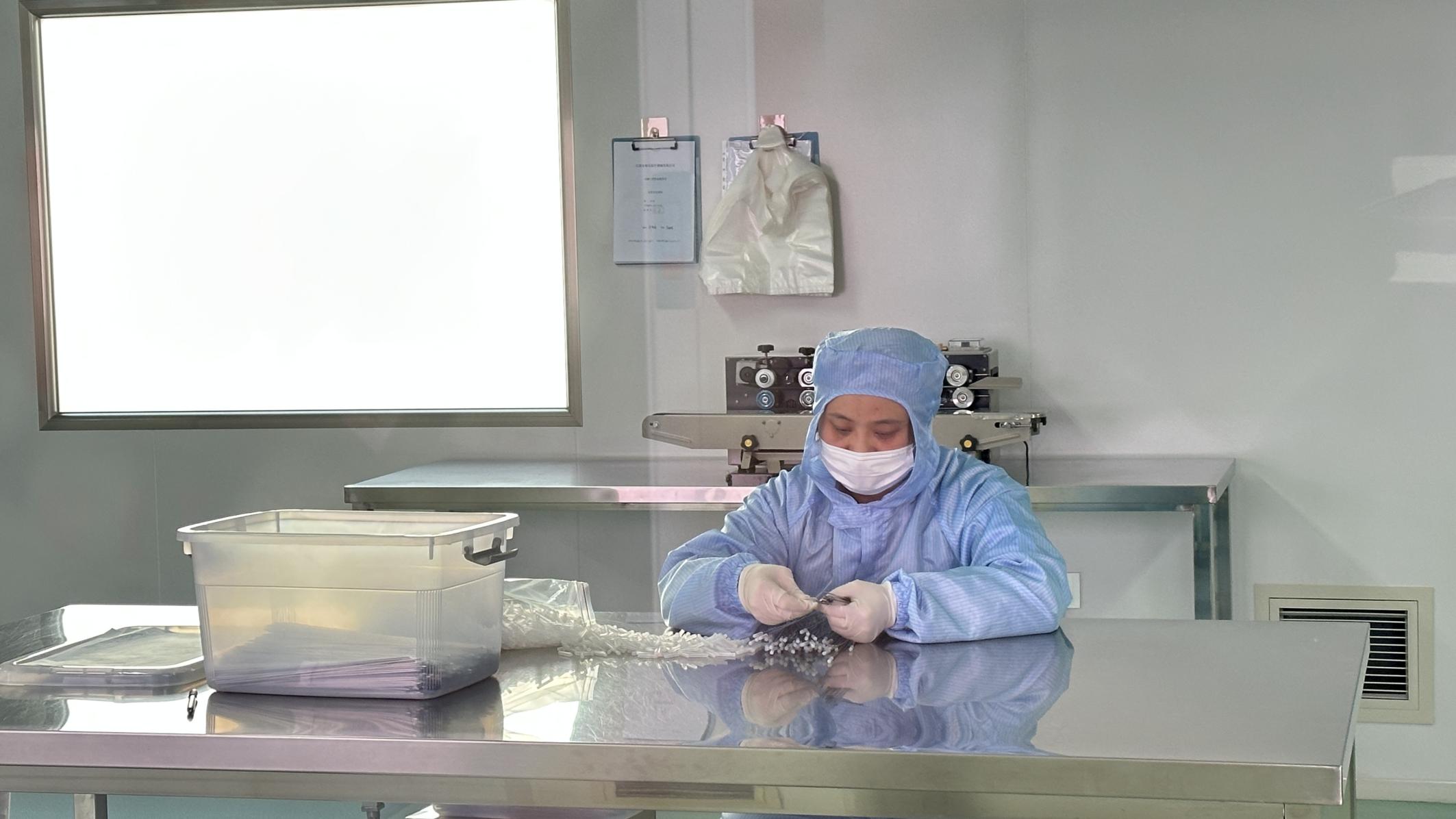
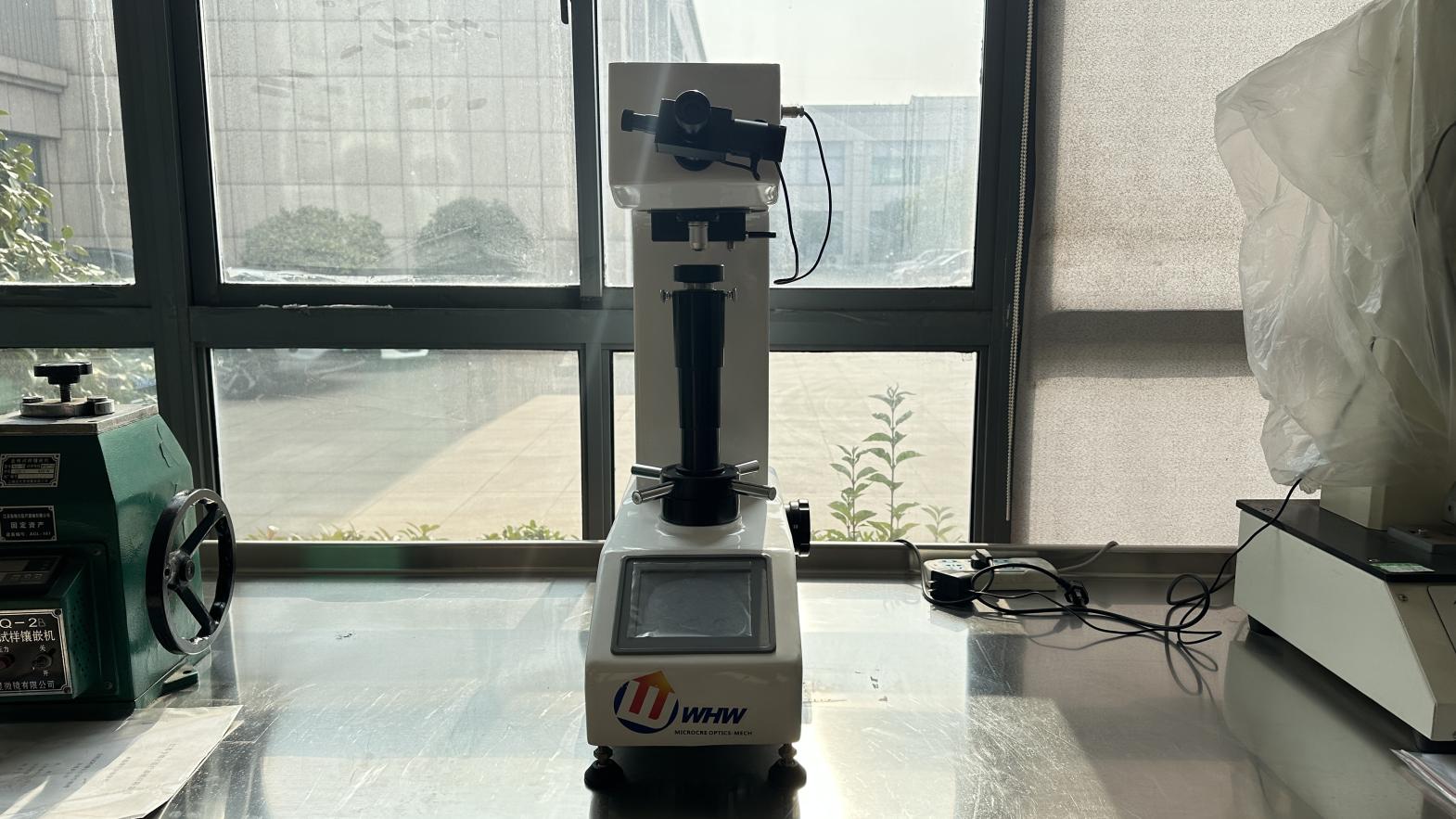
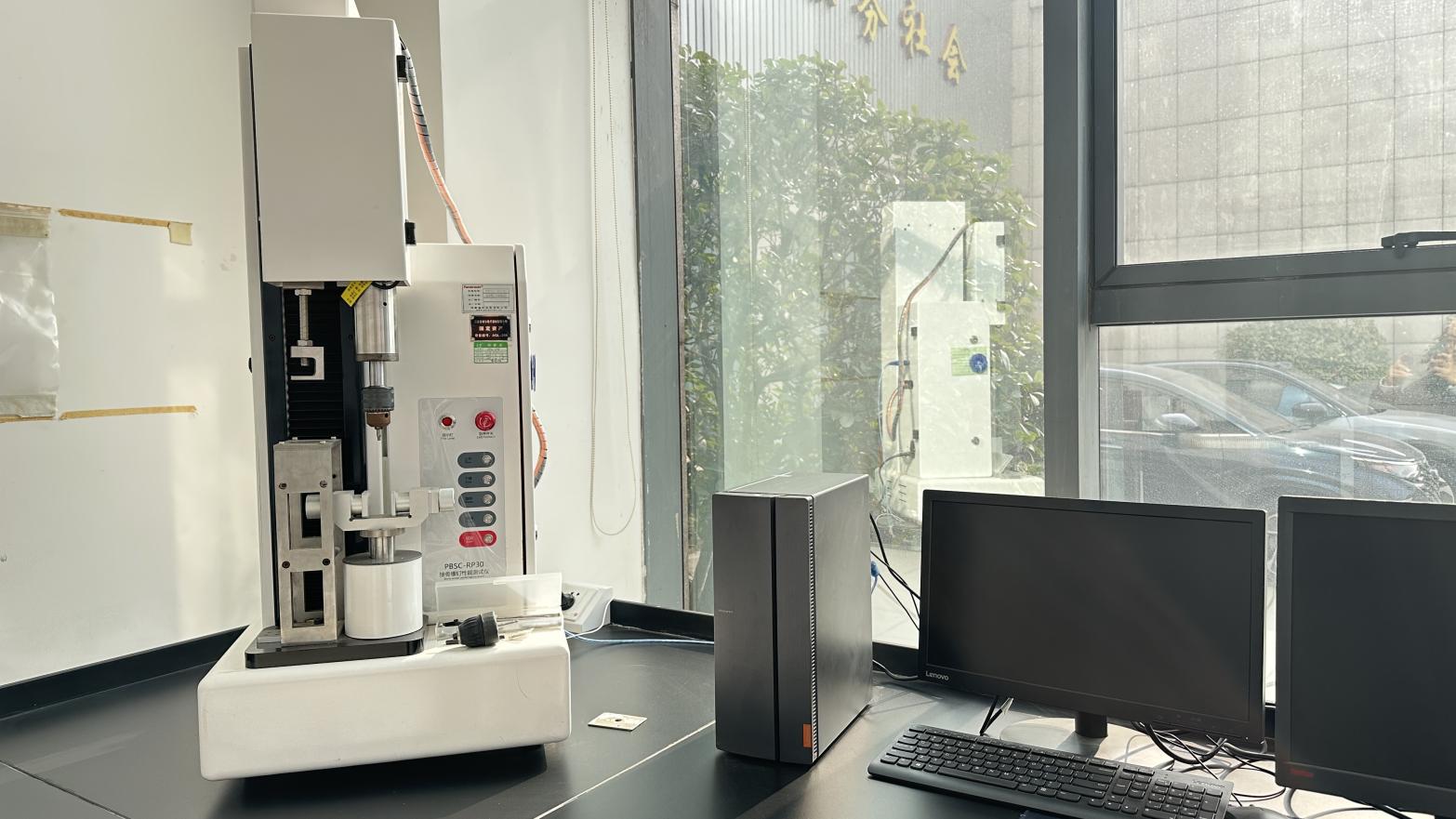
Under our 18,500㎡ facility, Medisplint integrates CNC precision machining, raw material slitting, and exhaustive lab testing to deliver Class II & Class III clinical products.
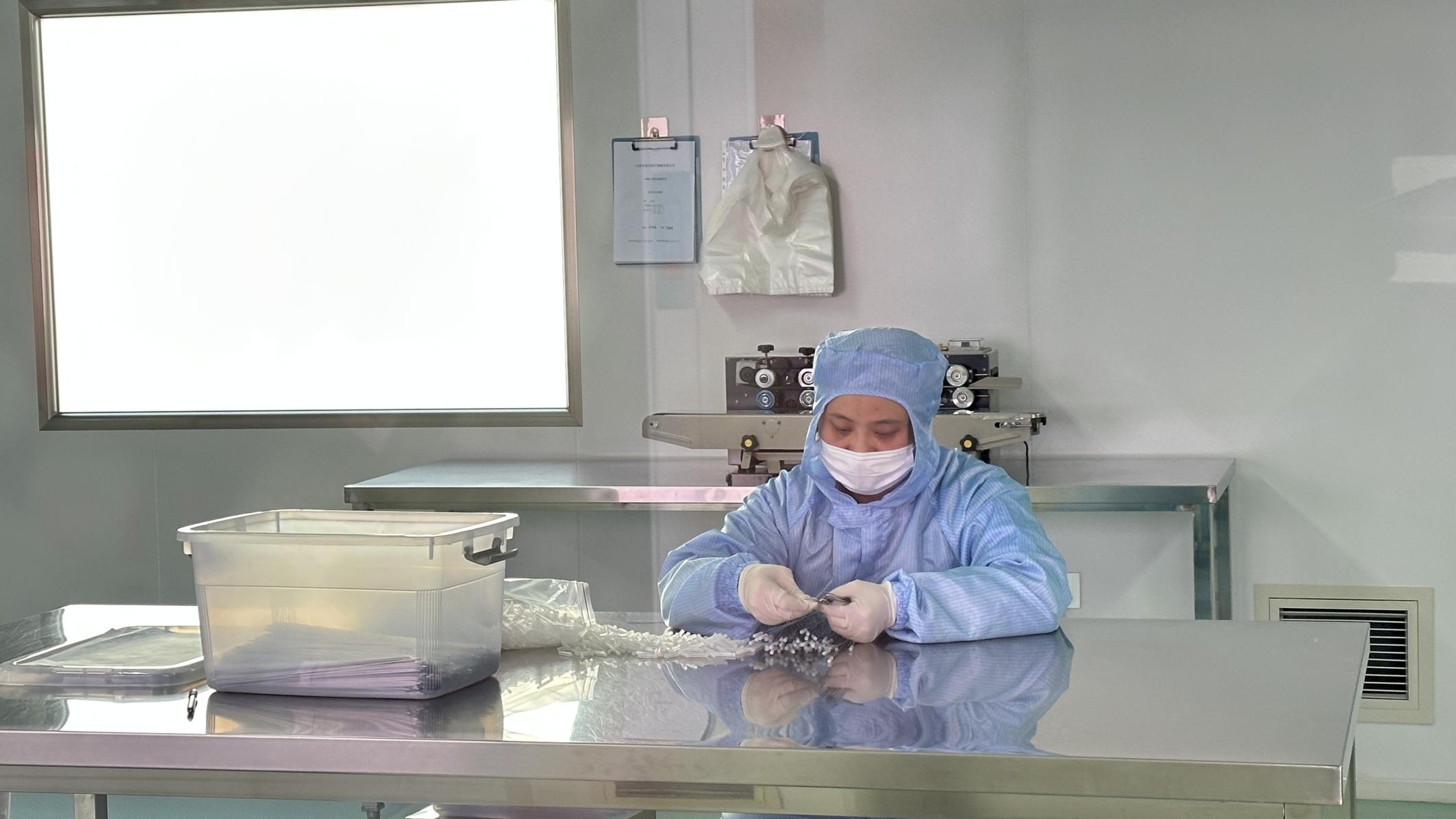
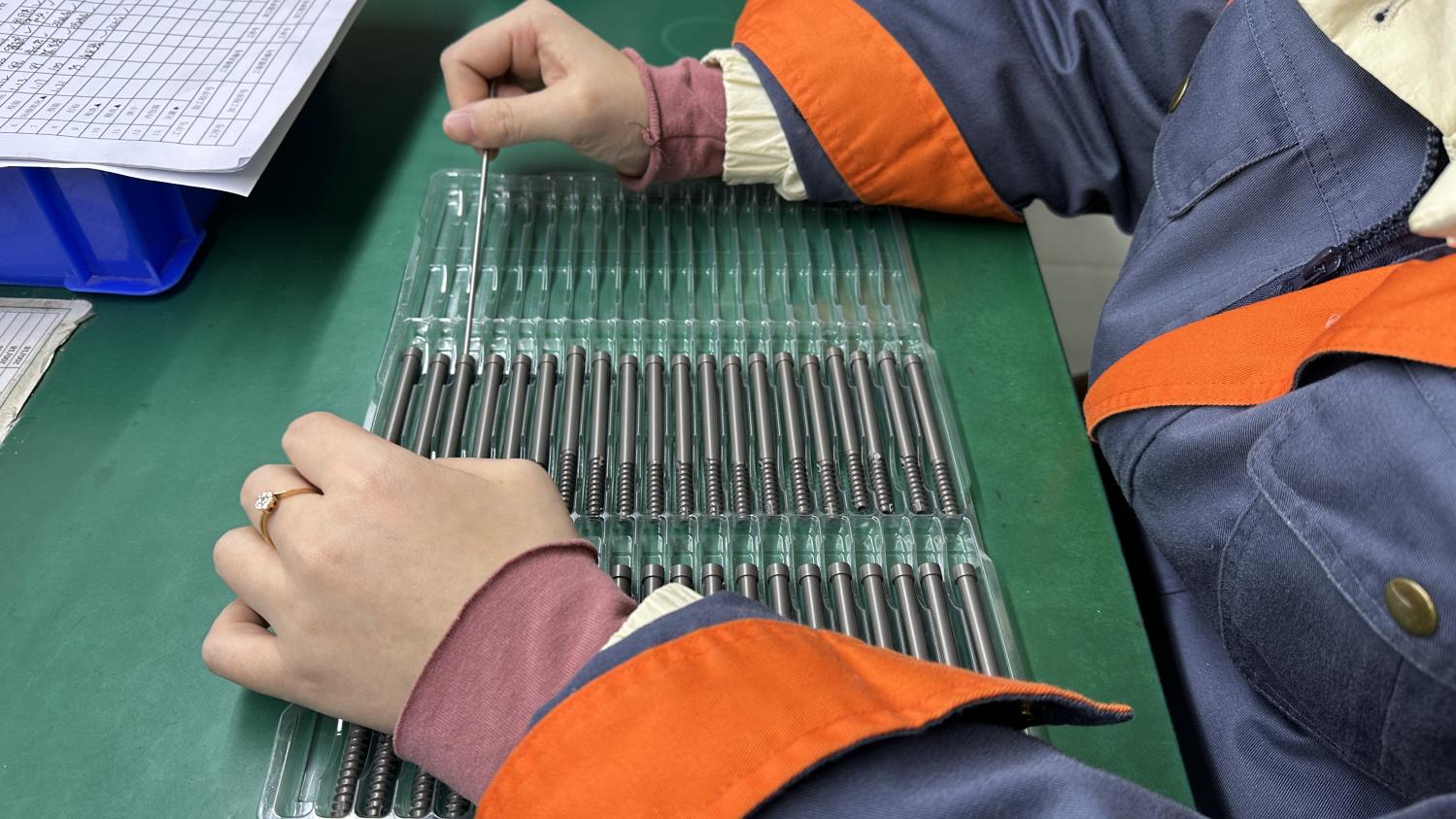
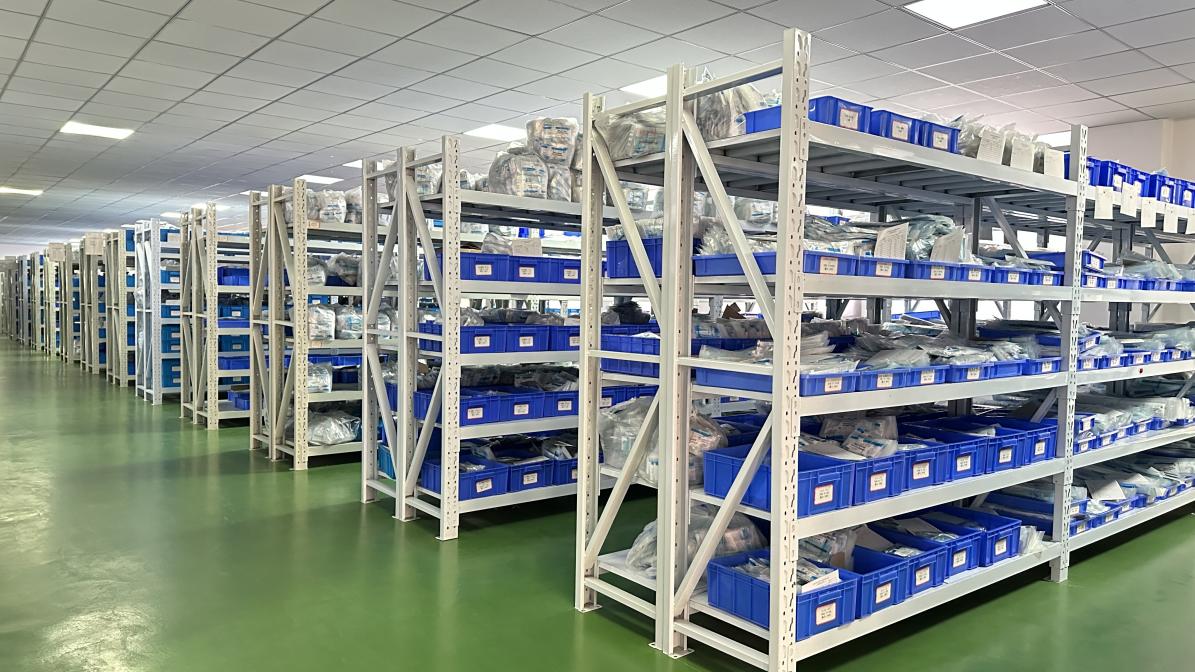
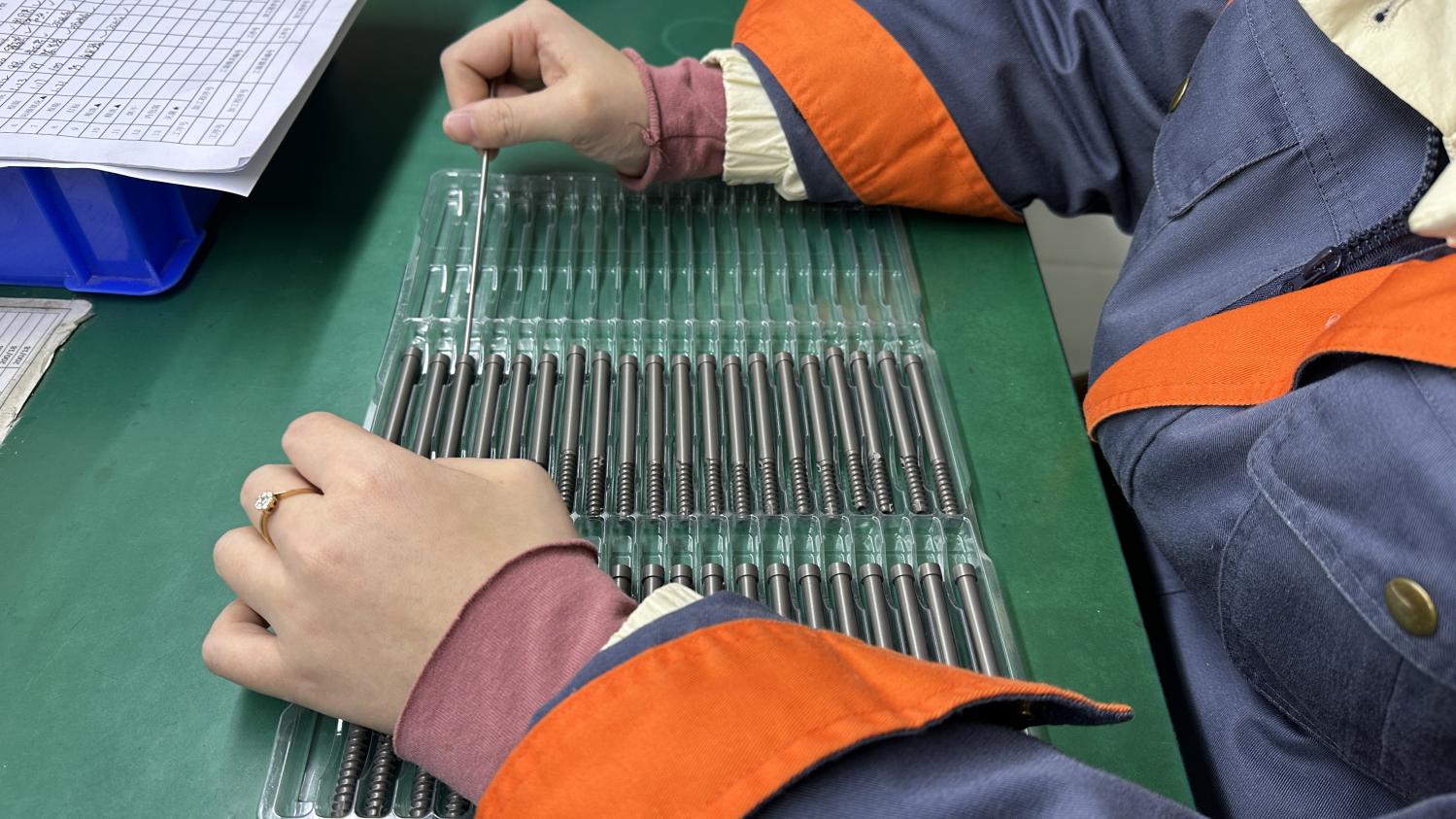
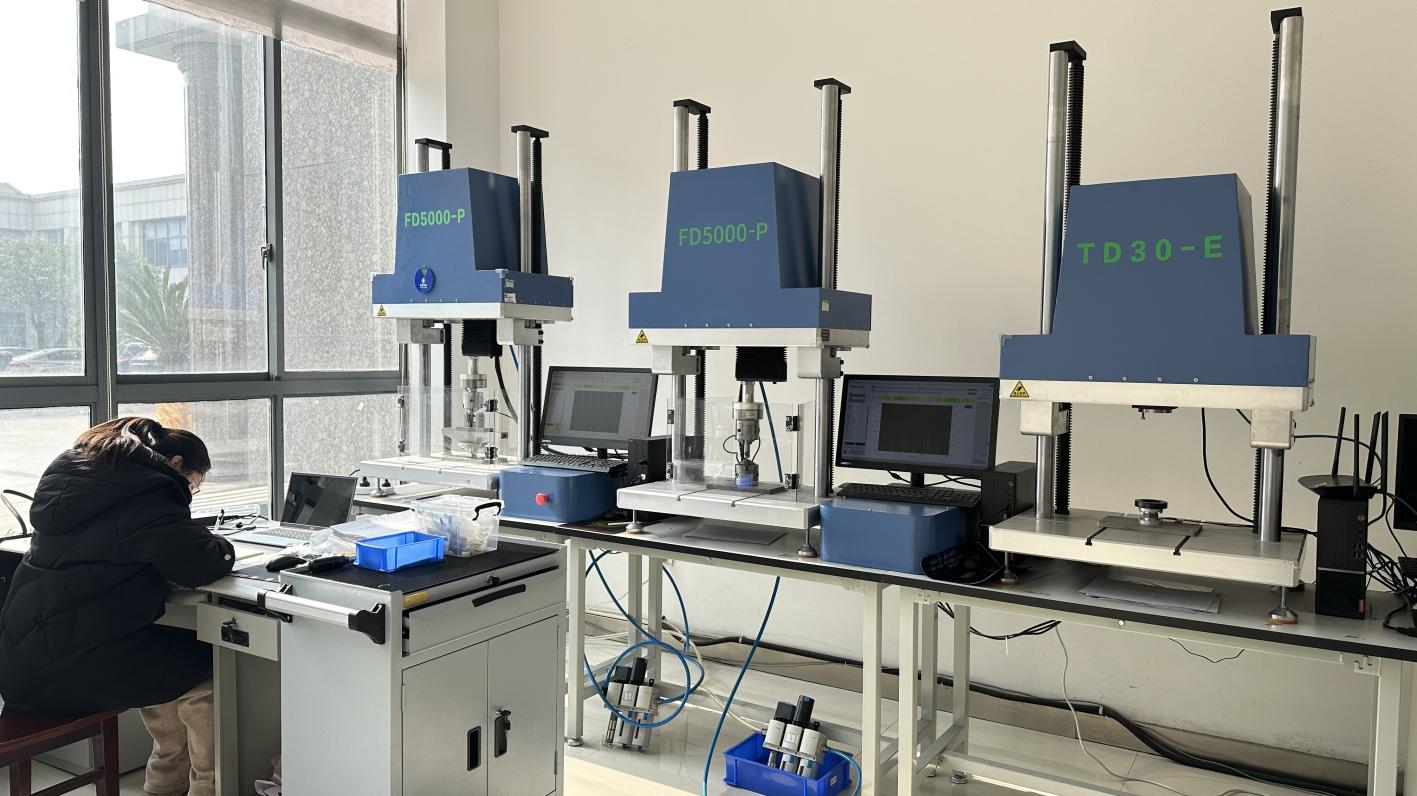
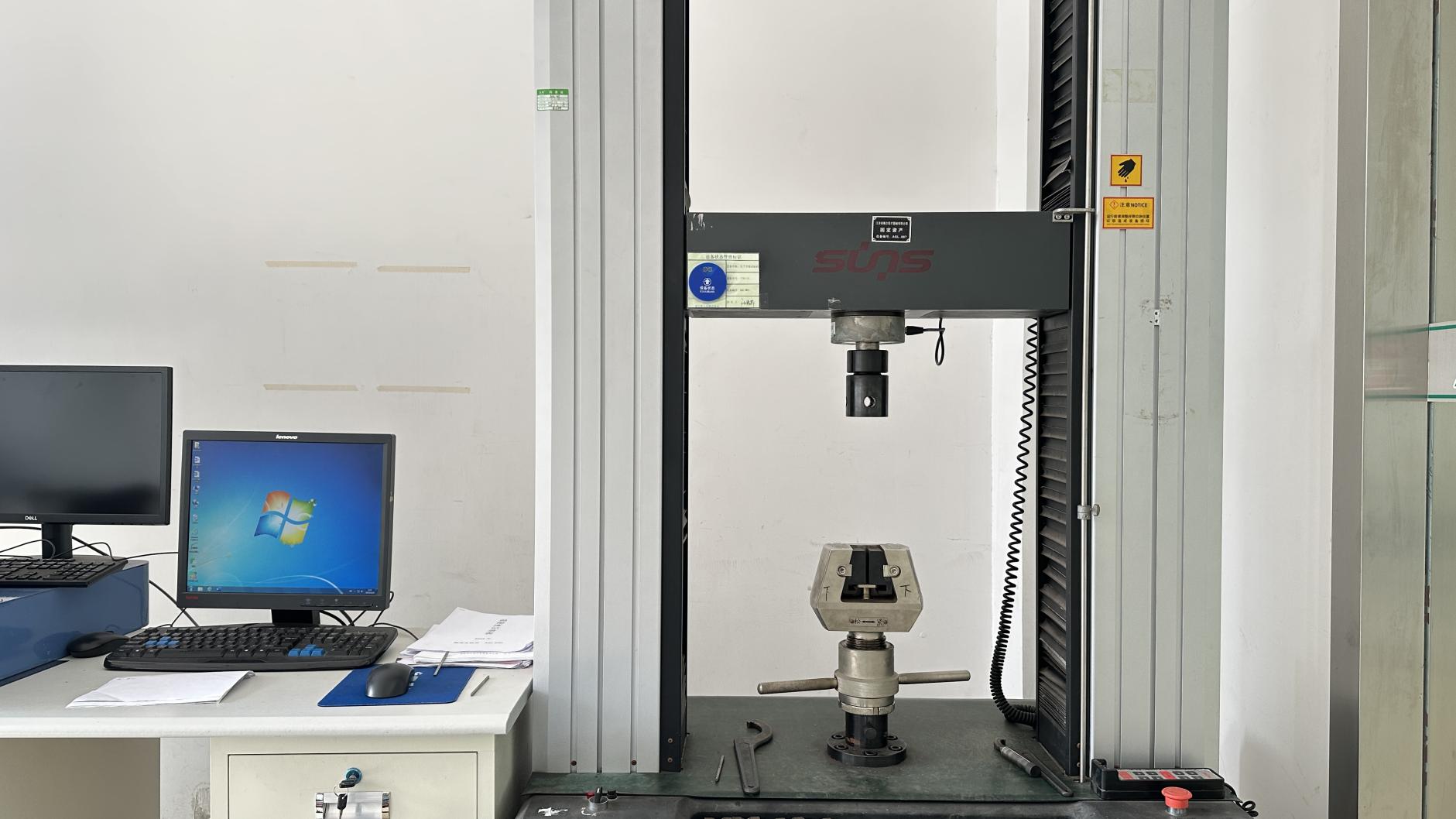
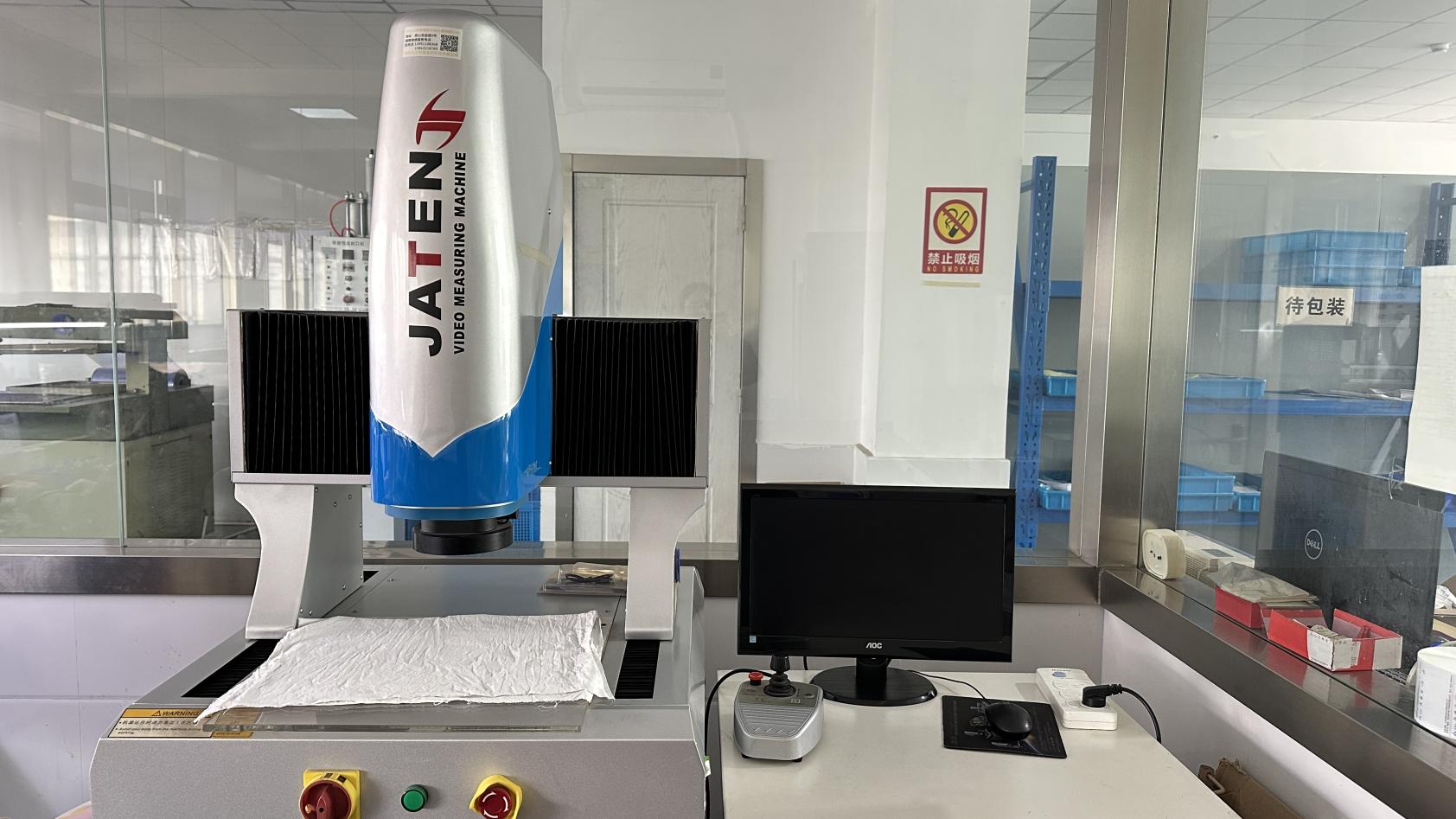
Safety and quality control form the foundation of Medisplint's operations. Our production facilities include ISO-certified cleanrooms, advanced Swiss-type longitudinal CNC turning centers, and wire-cut EDM machinery. This infrastructure allows us to manufacture complex geometries, including self-tapping orthopedic anchor threads and ultra-thin titanium loops, to exact tolerances. Our quality control department is staffed by 42 dedicated inspectors who manage testing across every stage of the manufacturing workflow:

Importing medical devices into Chile requires compliance with the rules set by the Instituto de Salud Pública de Chile (ISP). Under current regulations, sterile implants like suture anchors, non-absorbable sutures, and bone screws must be registered or formally declared prior to customs clearance.
To streamline this pathway for Chilean importers, Medisplint maintains a comprehensive dossier of certifications:
Additionally, the China-Chile Free Trade Agreement (FTA) provides major tariff benefits for imports. By providing a valid Form F Certificate of Origin, Chilean importers can secure duty-free or significantly reduced tariff entry at major customs points like Valparaíso, San Antonio, and Santiago International Airport. This makes partnering directly with Medisplint highly cost-effective compared to importing from regions without active trade pacts.
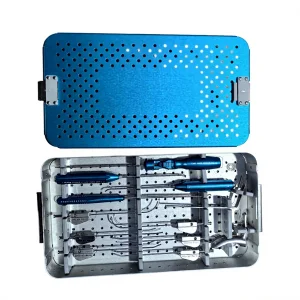
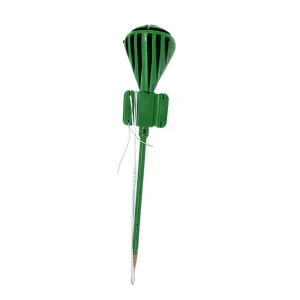
Select from our certified implants and specialized instruments designed for ligament repair, meniscus repair, and bone fixation.
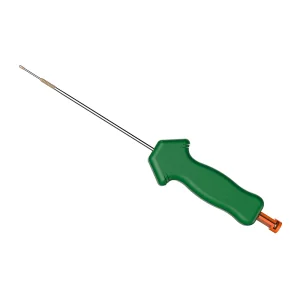
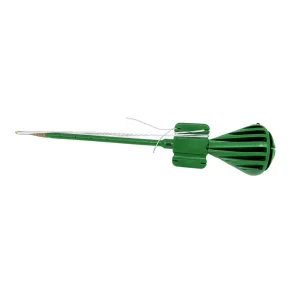
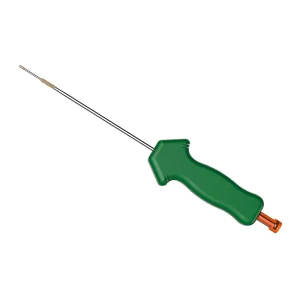
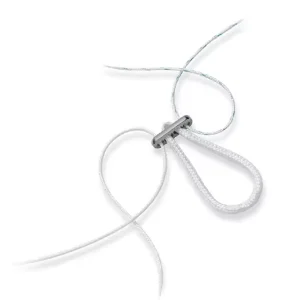

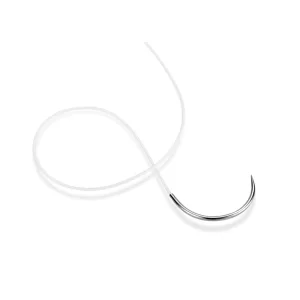
The sports medicine field continues to evolve rapidly. As surgeons strive to improve healing times and patient outcomes, the design of orthopedic implants is shifting focus. Medisplint's research and development team, consisting of 85 engineering and development specialists, operates along a structured technical roadmap designed to support this evolution:
Improving PEEK-OPTIMA formulations to optimize cell attachment and enhance early bone-implant integration.
Employing proprietary UHMWPE braid structures to increase overall tensile load limits and reduce knot slippage.
Developing low-profile adjustable button loop plates designed to prevent tissue impingement in ACL repairs.
Furthermore, our custom R&D processes allow us to offer OEM/ODM services tailored to the specific anatomical preferences of Latin American orthopedic surgeons. Whether adapting a custom bone-screw thread depth or designing specialized ergonomic drivers for small-joint repair systems, Medisplint provides a reliable, collaborative partnership from initial prototype to final sterilization and delivery.
Key information regarding importation, quality compliance, and custom capabilities for Chilean importers.
Discuss your volume purchasing, OEM packaging, or technical specification needs with our team of medical device engineers today.
Send Inquiry Now