Medisplint
Medisplint
Medisplint
Optimized for Boston's leading biomedical networks and level-1 trauma wards. Discover our premium external fixation configurations, compatible with standard instrumentation.
In the highly demanding field of orthopedic trauma surgery, external fixation remains a cornerstone intervention for complex compound fractures, polytrauma stabilization, non-unions, and pediatric limb reconstruction. For Boston—historically and presently recognized as the absolute epicenter of global healthcare innovation, medical residency excellence, and biotechnology research—the requirements for orthopedic implants are among the most stringent in the world.
Boston's academic medical complexes, including Massachusetts General Hospital (MGH), Brigham and Women's Hospital, Boston Medical Center, and Tufts Medical Center, dictate national and global standards for patient care. Within these institutions, orthopedic surgeons require devices that offer extreme modularity, rapid application times, and structural predictability. External fixation frames must interface seamlessly with dynamic clinical environments—from the emergency room resuscitations to intraoperative adjustments, and finally, through months of outpatient rehabilitation.
Furthermore, Boston's position within Massachusetts' life sciences cluster drives a relentless push toward material integration, biocompatibility validation, and compliance with the FDA's strict regulatory pathways. An external fixator supplier targeting this market cannot merely offer hardware; they must deliver absolute material certification, mechanical testing transparency, and structural equivalence to premium systems like the Hoffmann configuration.
On a macro scale, the global orthopedic external fixation market is expanding rapidly due to two primary catalysts: an aging global demographic susceptible to fragility fractures, and the rising incidence of high-energy motor vehicle trauma in industrializing nations. As clinical research shifts toward micro-motion and dynamically controlled axial compression for accelerated bone healing, fixators have transitioned from passive rigid frames to active, biocompatible biological interfaces. Today's market demands lightweight materials—such as carbon fiber composite rods that offer complete radiolucency under intraoperative fluoroscopy—and high-grade titanium pins (Ti-6Al-4V ELI) that minimize tract infections and soft-tissue irritation.
How does a Chinese advanced manufacturer like Medisplint Orthopedic Instruments Co., Ltd. serve the high-expectation Boston marketplace while maintaining structural superiority and cost-efficiency?
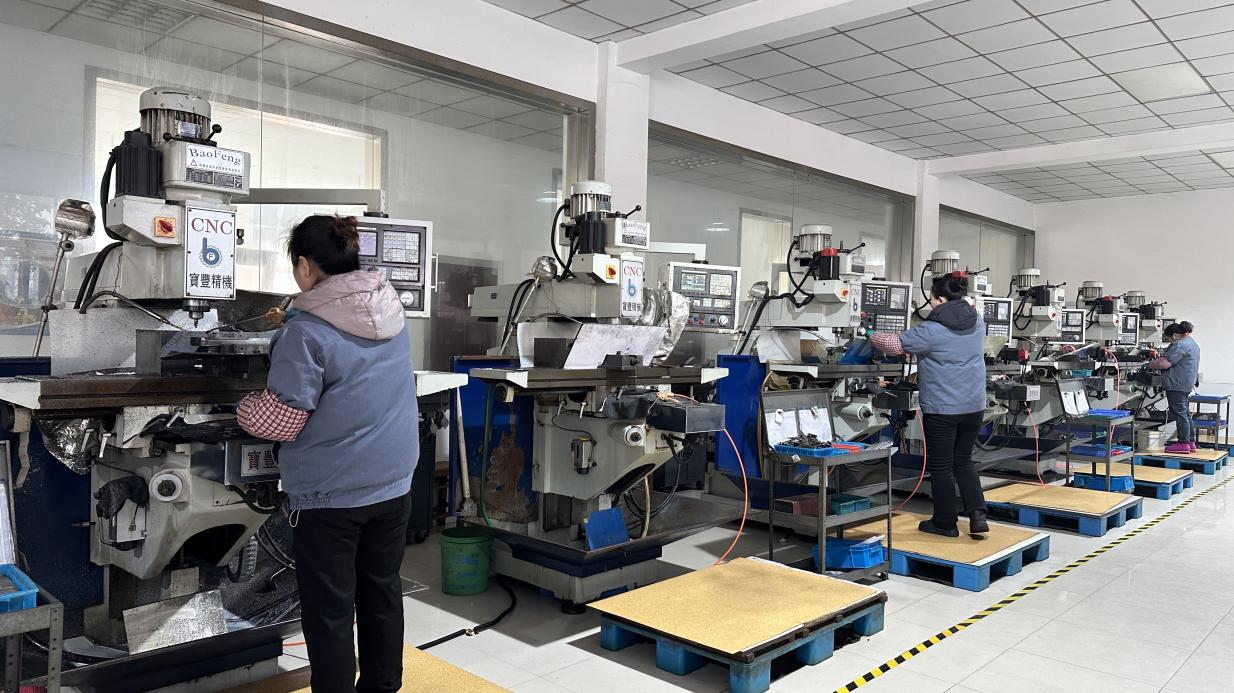
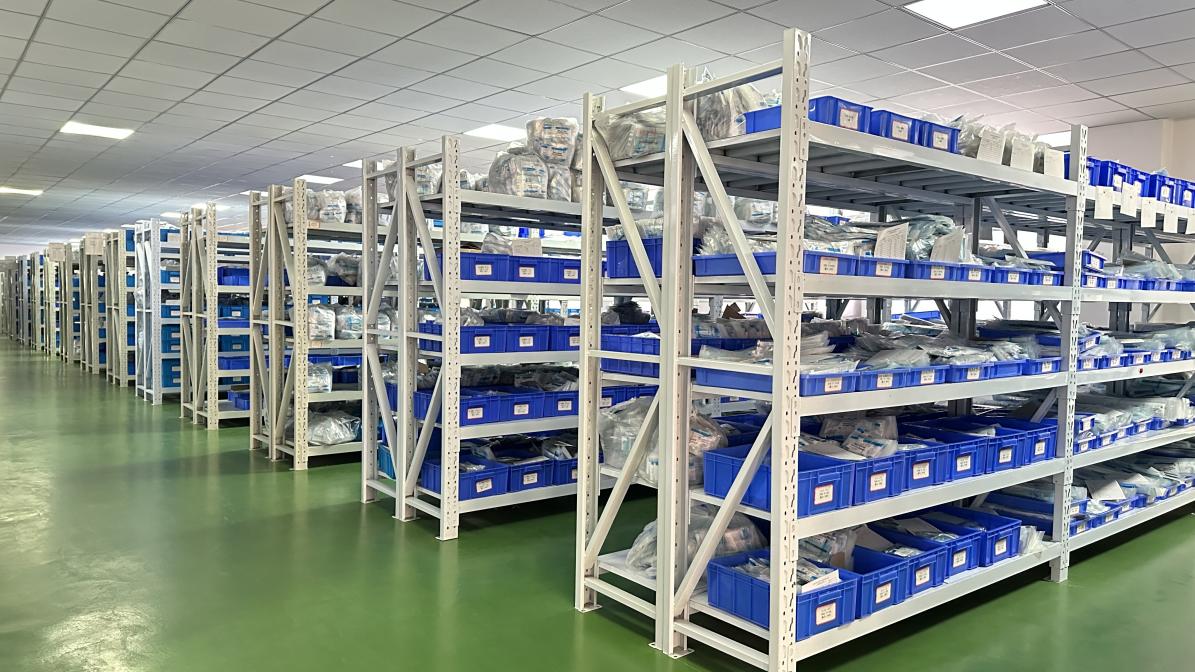
Founded in 2016, Medisplint has leveraged the rapid industrial clustering of Jiangsu's medical valley to construct an 18,500㎡ facility entirely dedicated to orthopedic implant and instrumentation excellence. The key to our success is structured around three main vectors:
Medisplint Orthopedic Instruments Co., Ltd. stands as a professional manufacturer specializing in orthopedic implants, fixation systems, and surgical instruments for trauma, spine, and joint reconstruction.
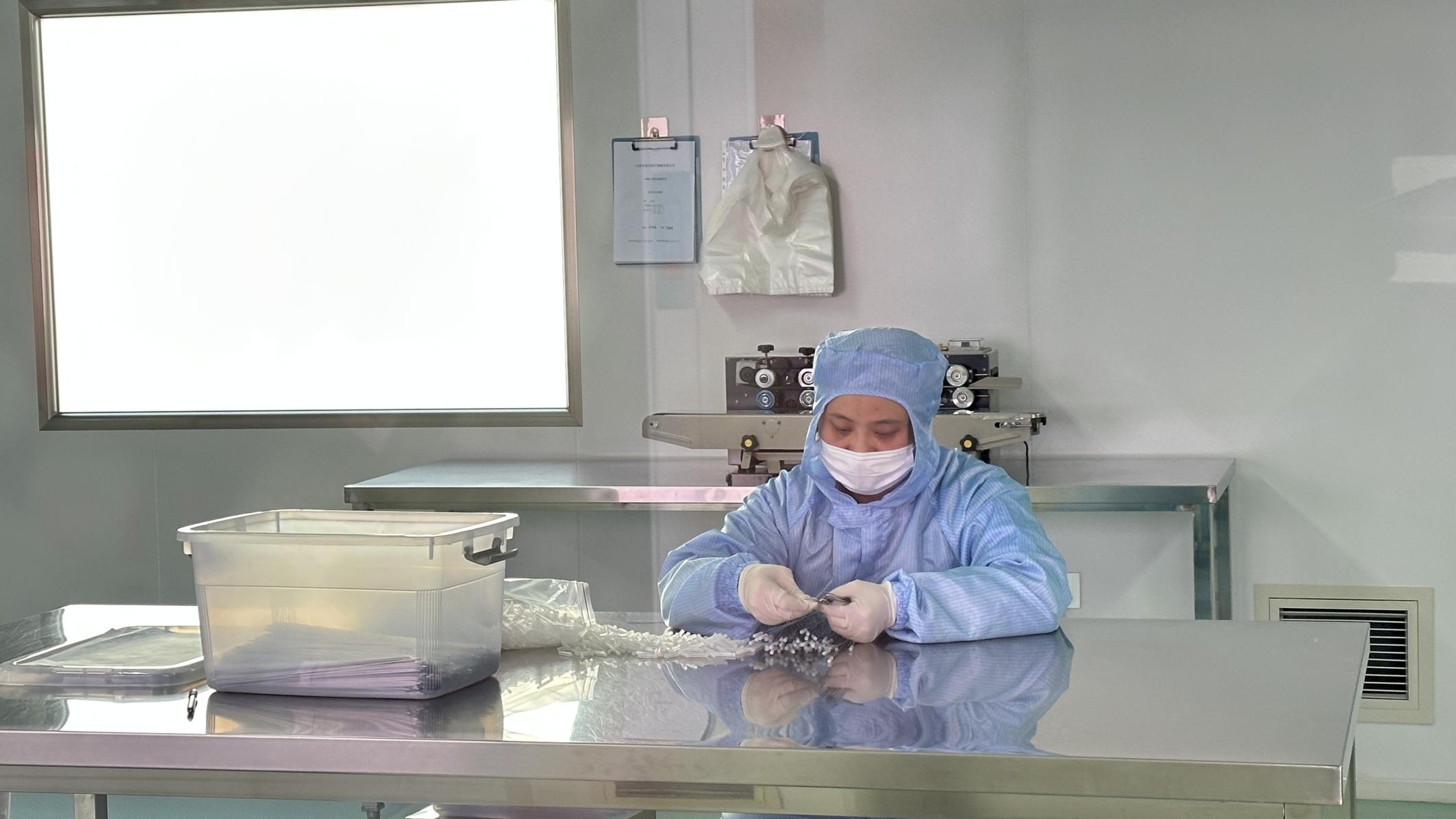
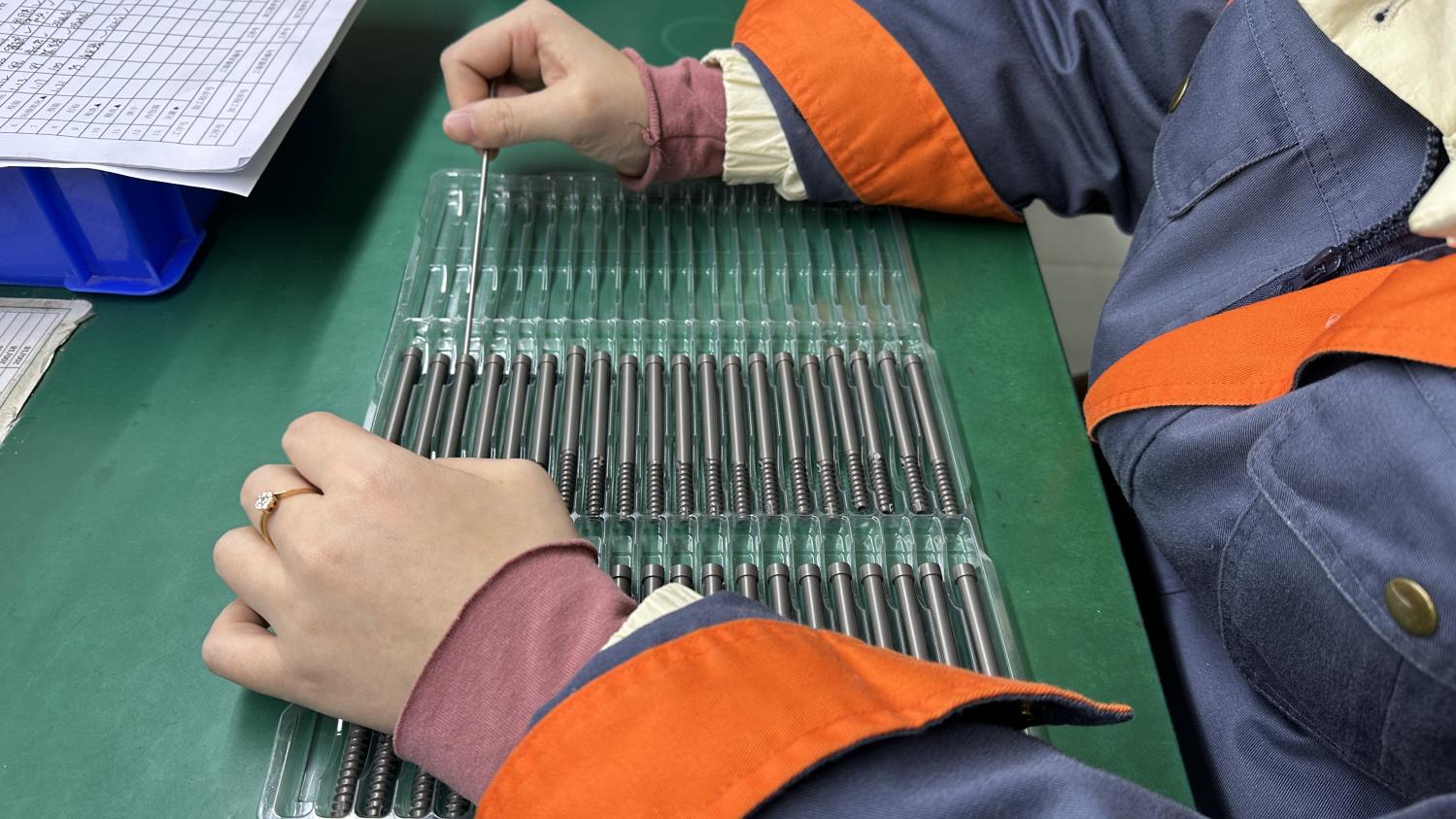
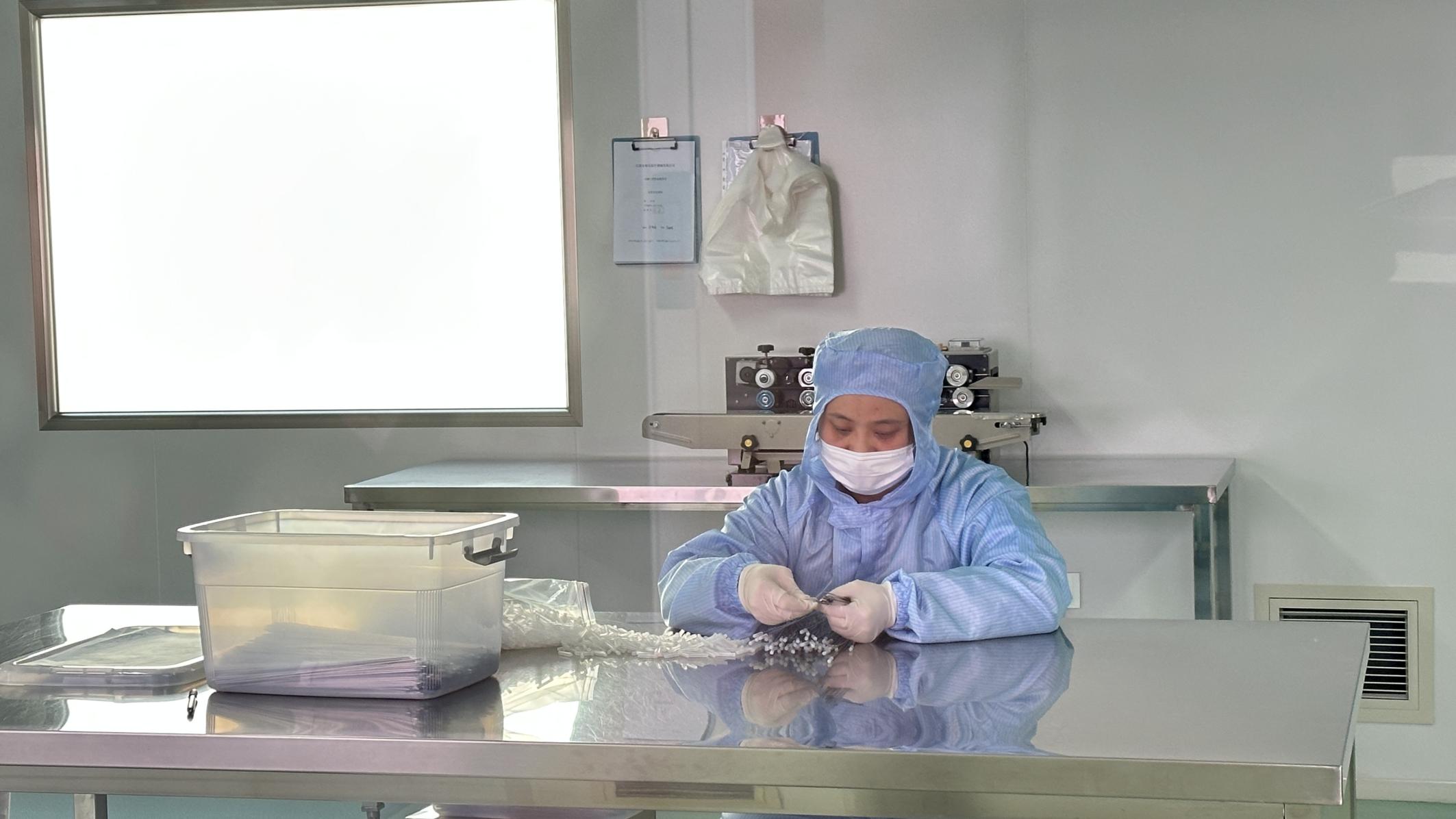
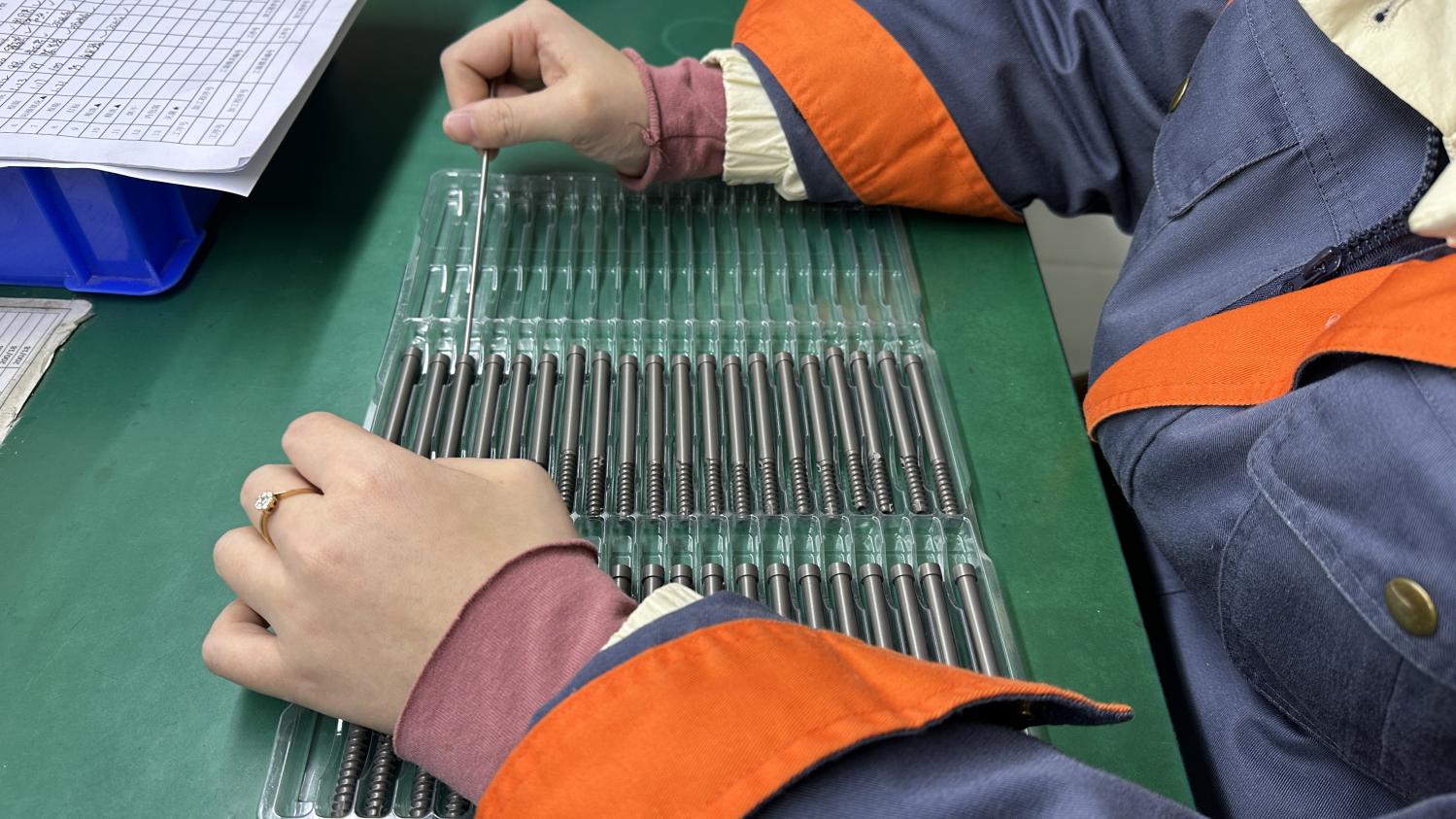
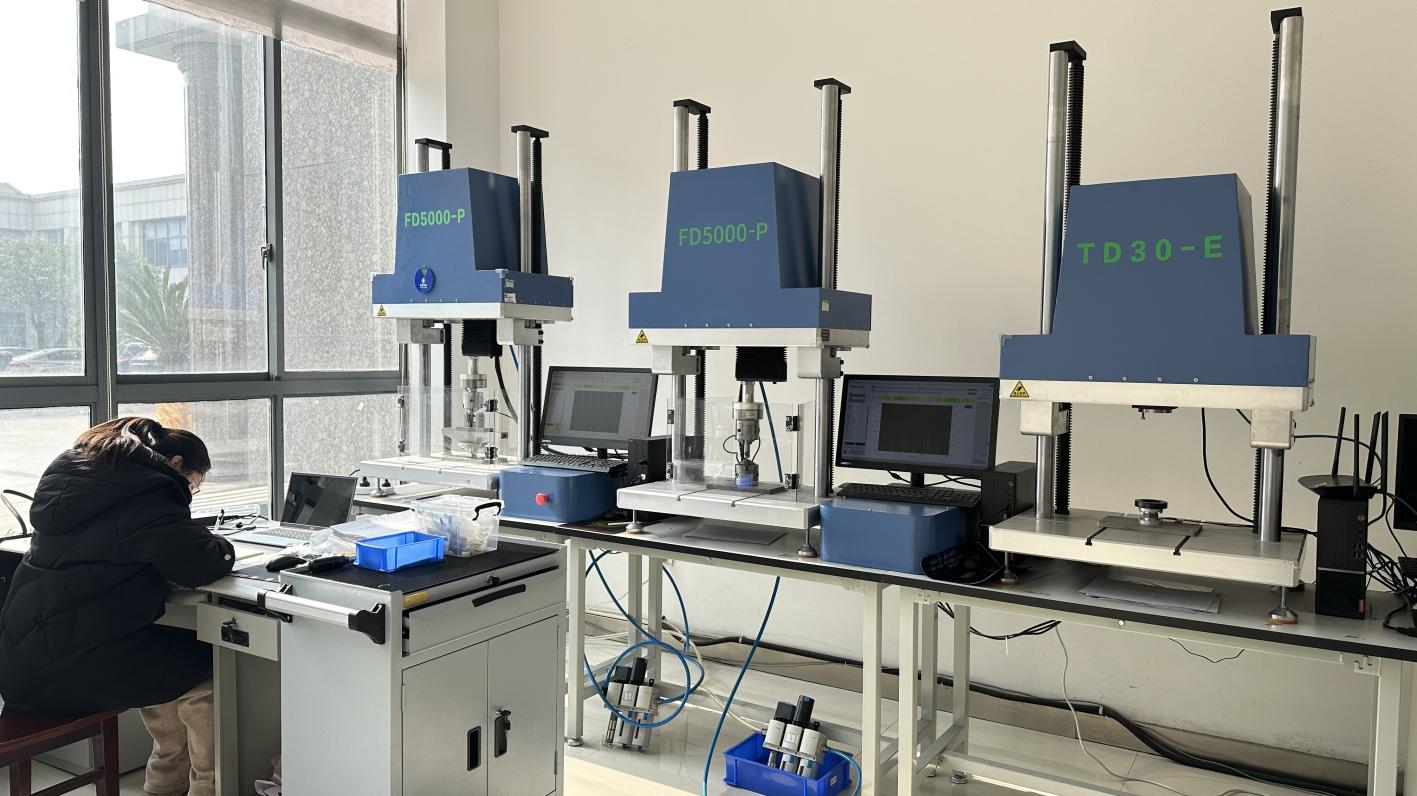
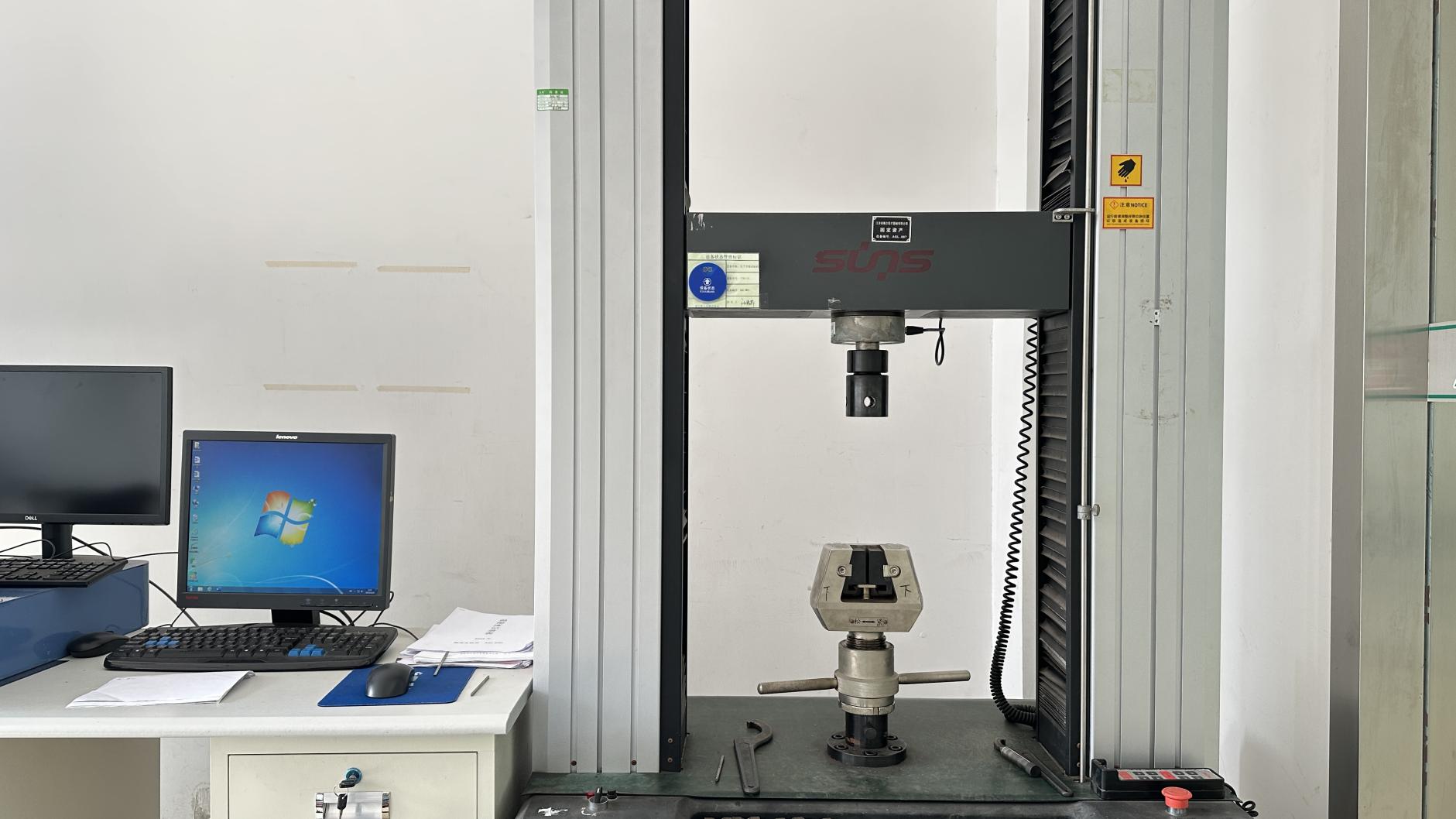
With an annual export revenue of approximately USD 12 million and over 10 years of overall industry experience, we are certified to ISO 13485 and CE standards. Our specialized Quality Control department boasts 42 dedicated inspectors implementing incoming material inspection, IPQC, FQC, and third-party laboratory verification.
Our robust R&D team consists of 85 engineering and development specialists, providing customizable private labeling, OEM/ODM solutions, and rapid prototyping capabilities.
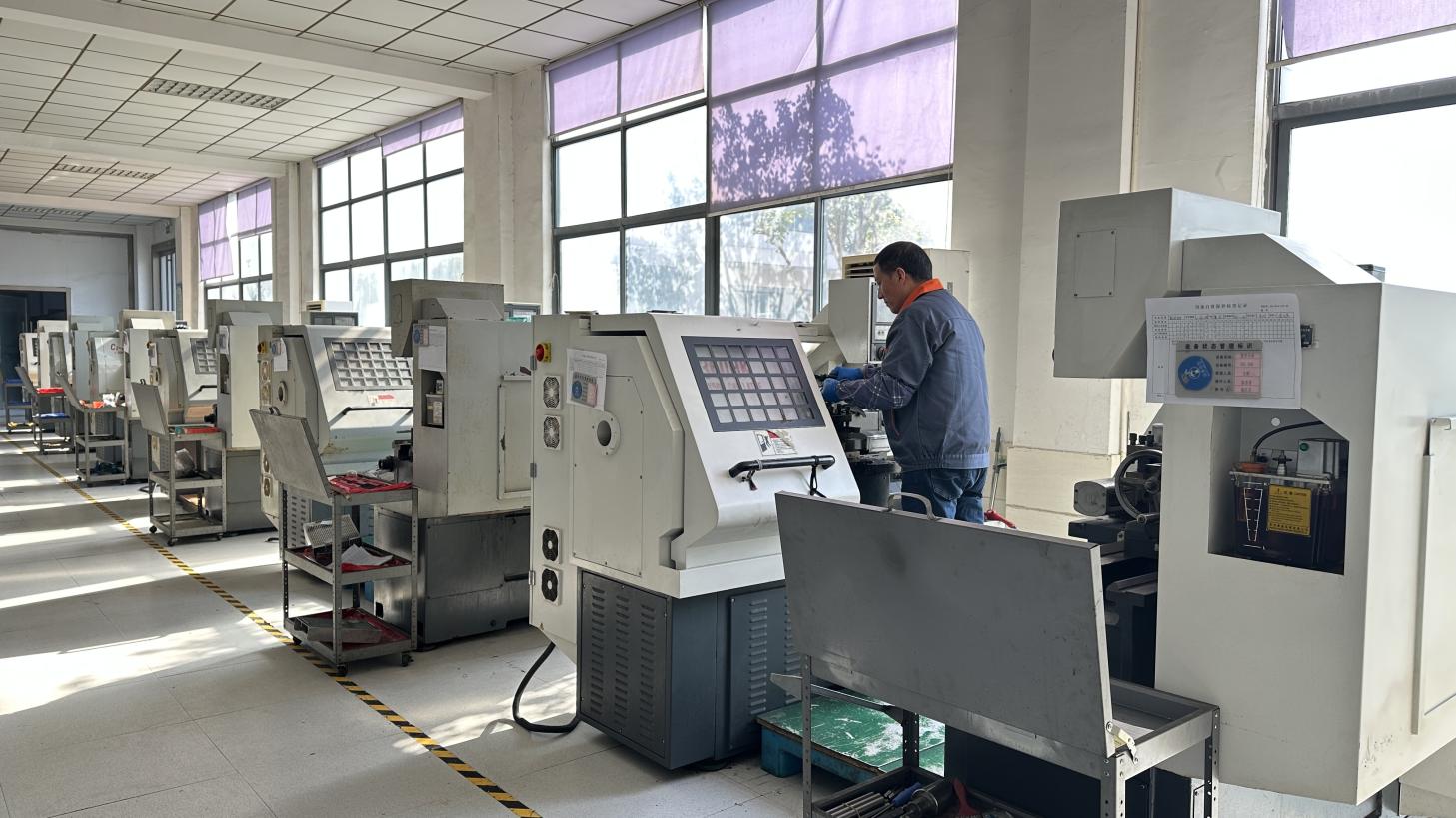
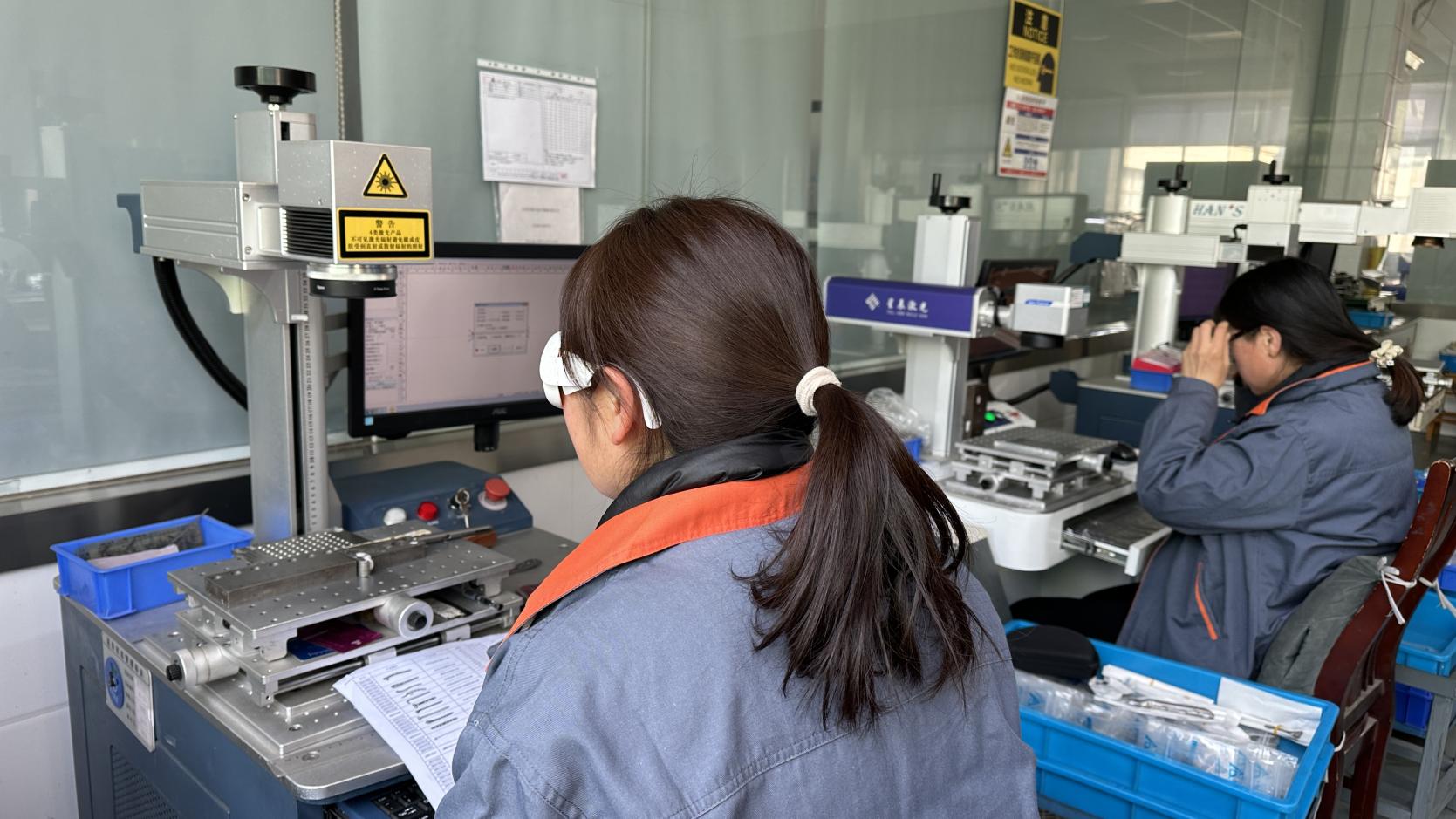
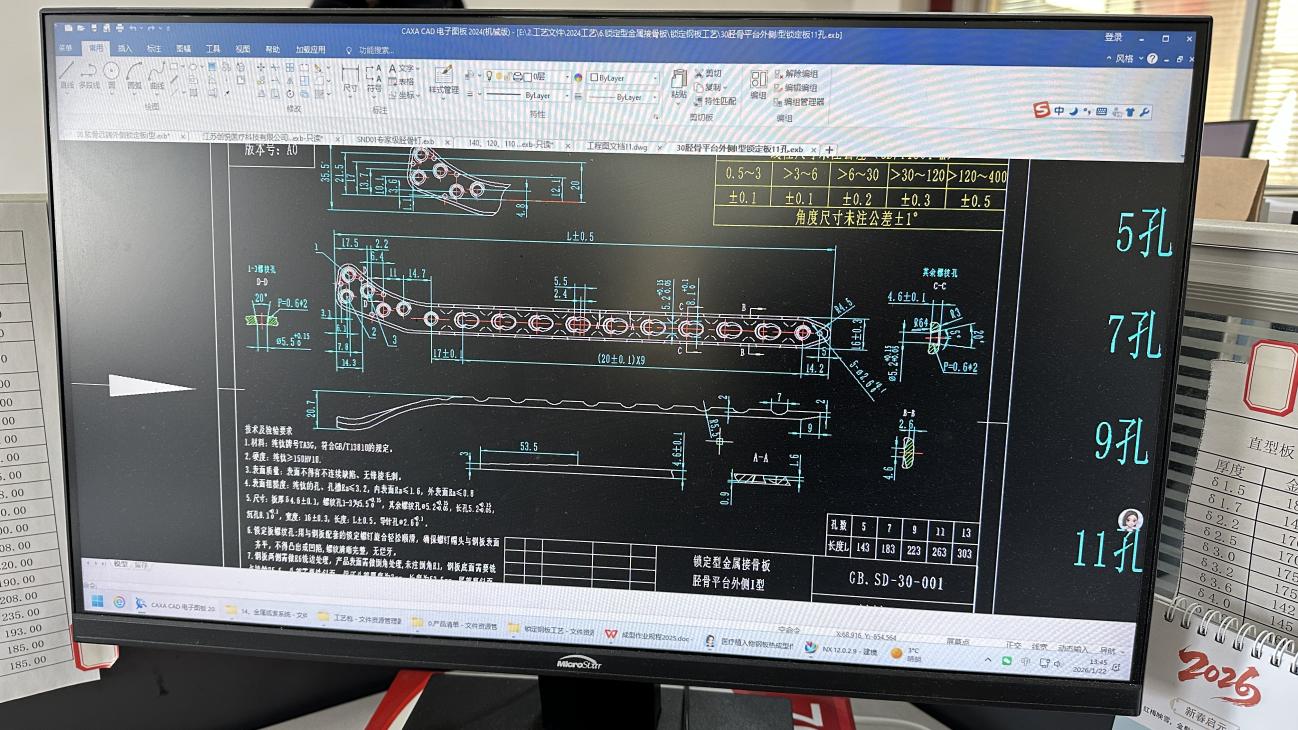
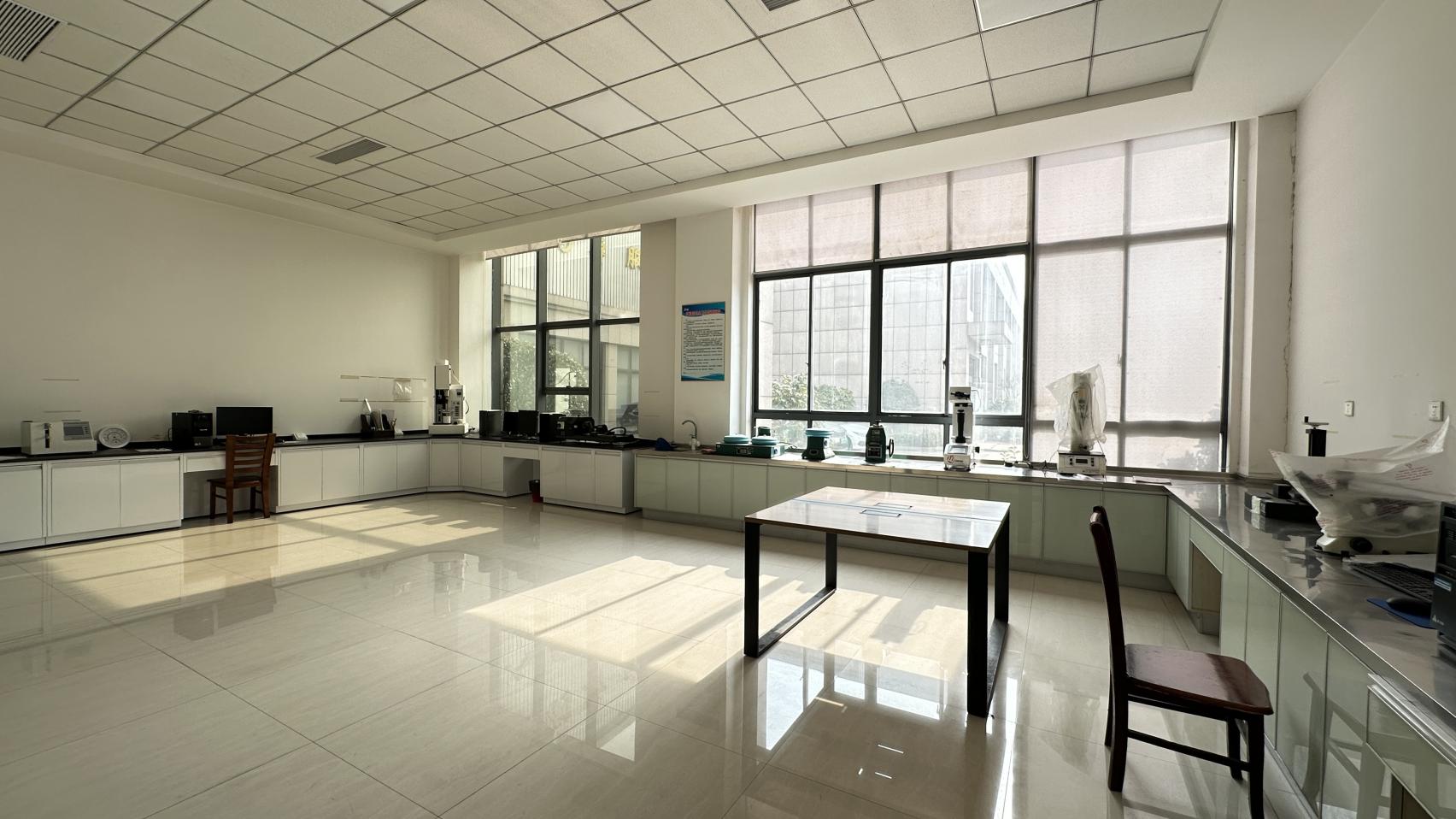
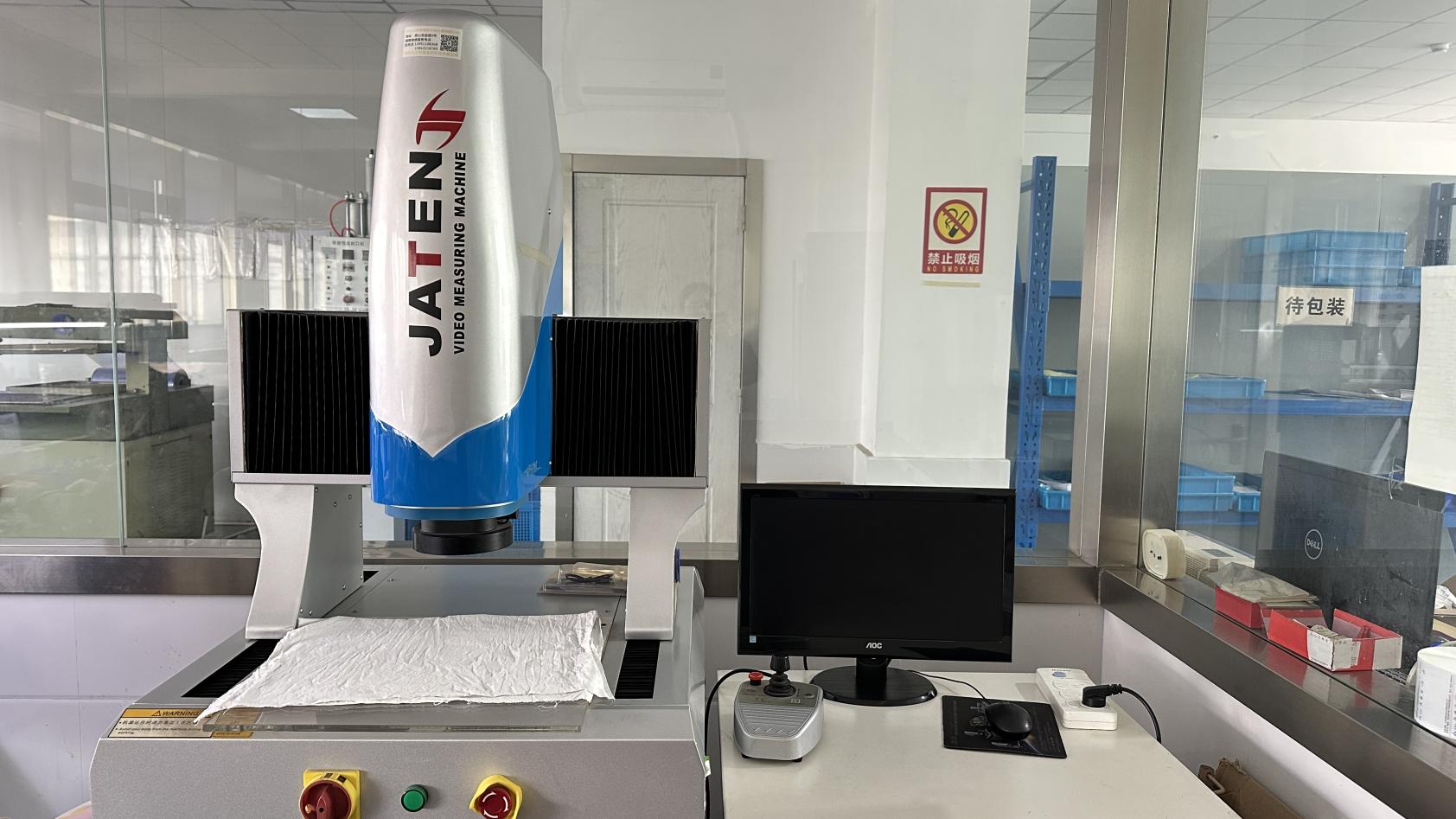
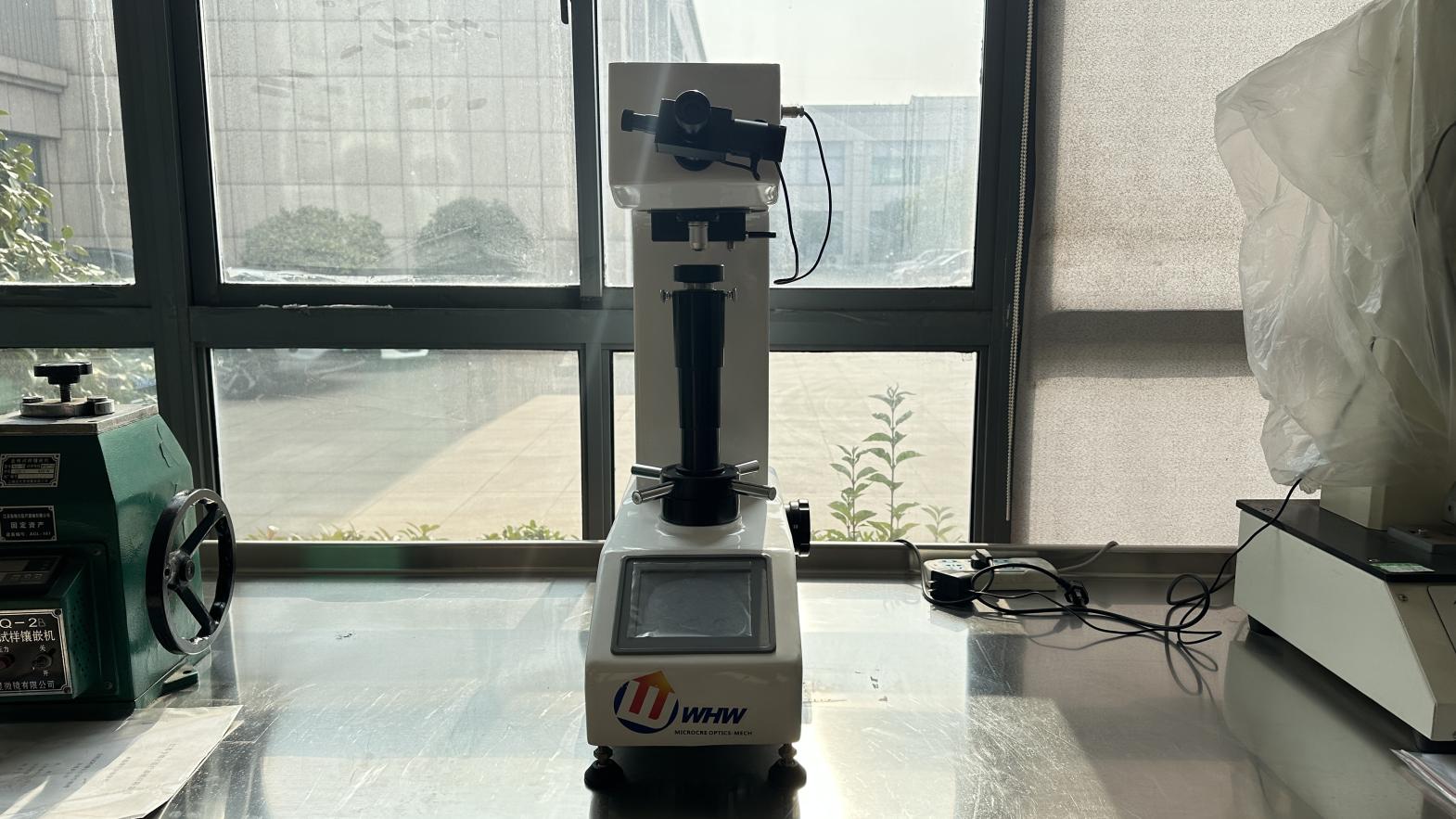
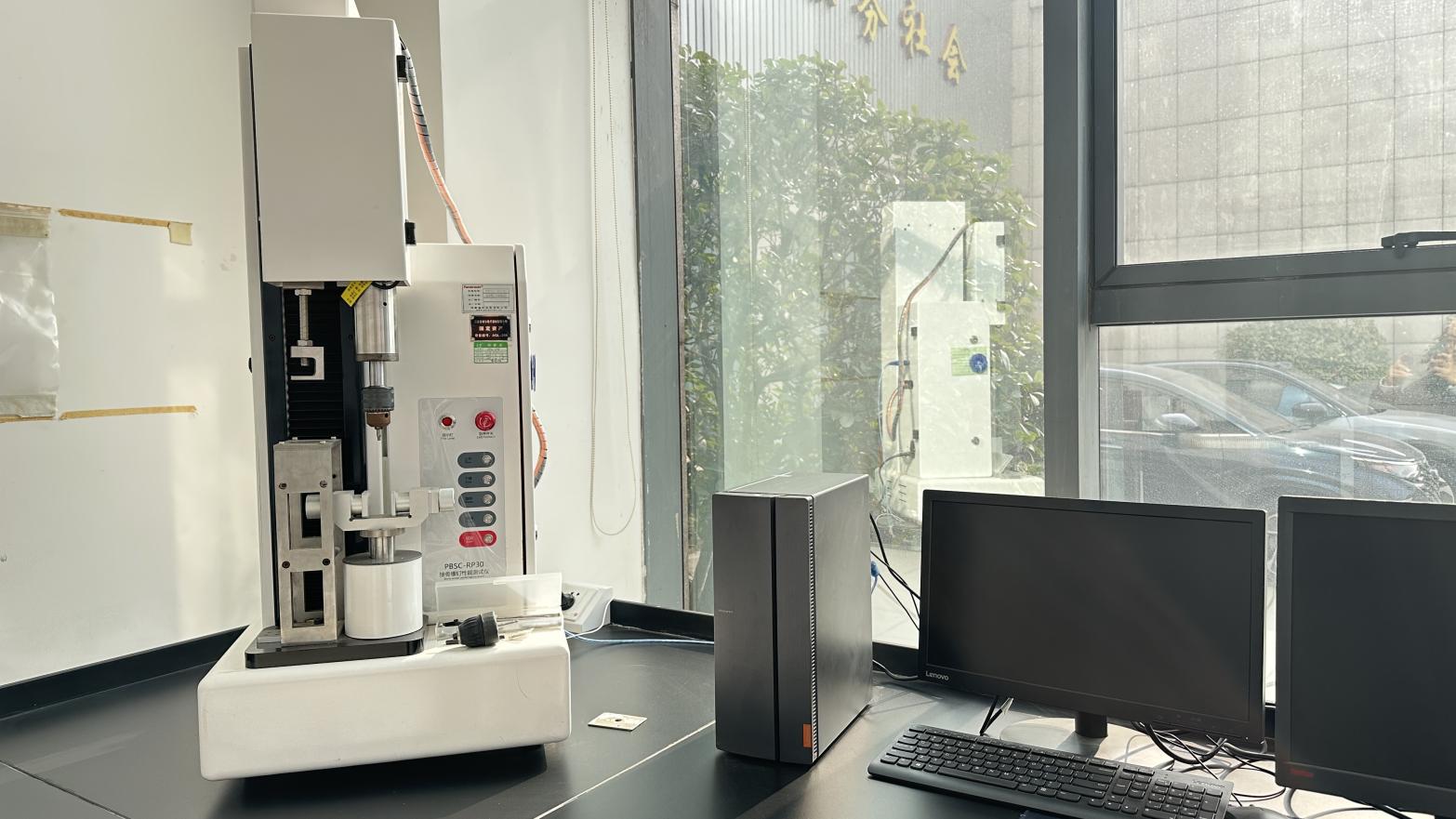
Explore our end-to-end manufacturing workflow, featuring certified testing equipment, clinical design labs, and industrial CNC machinery.
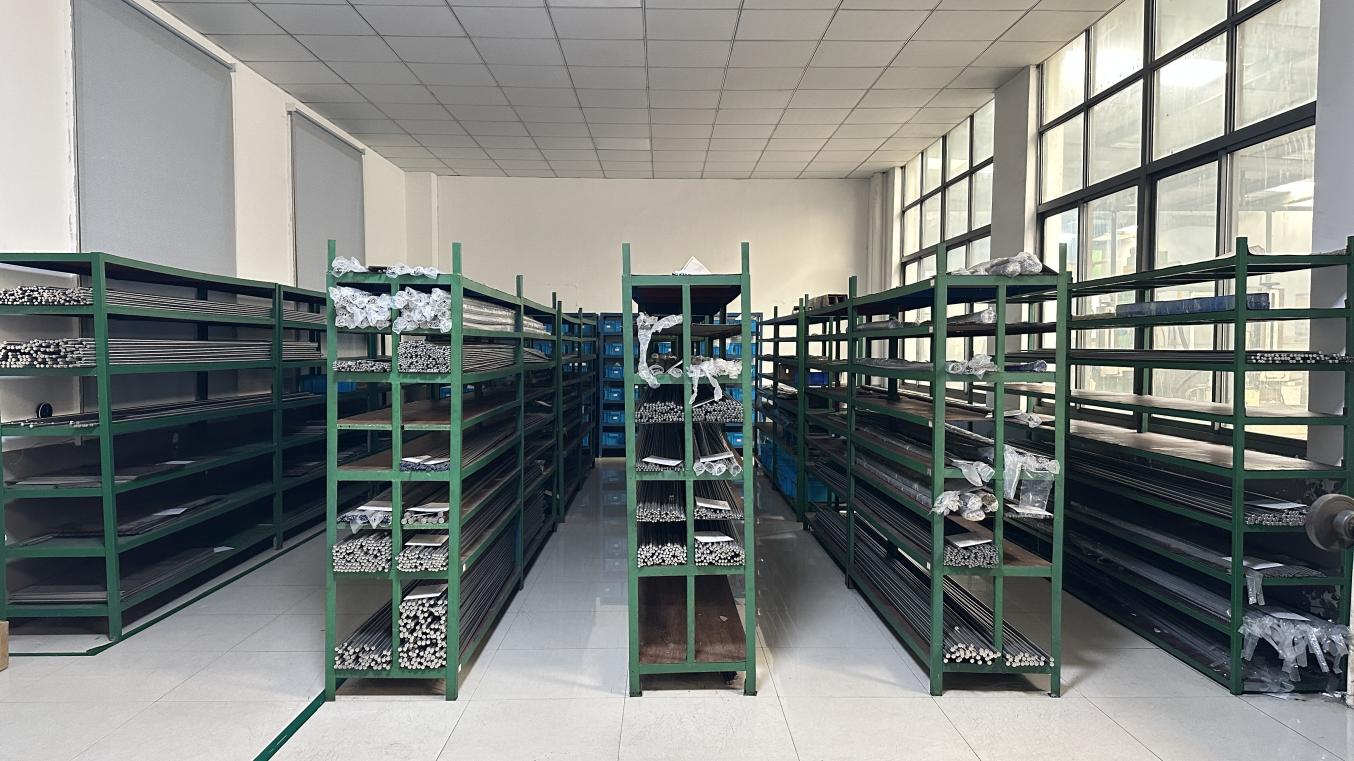
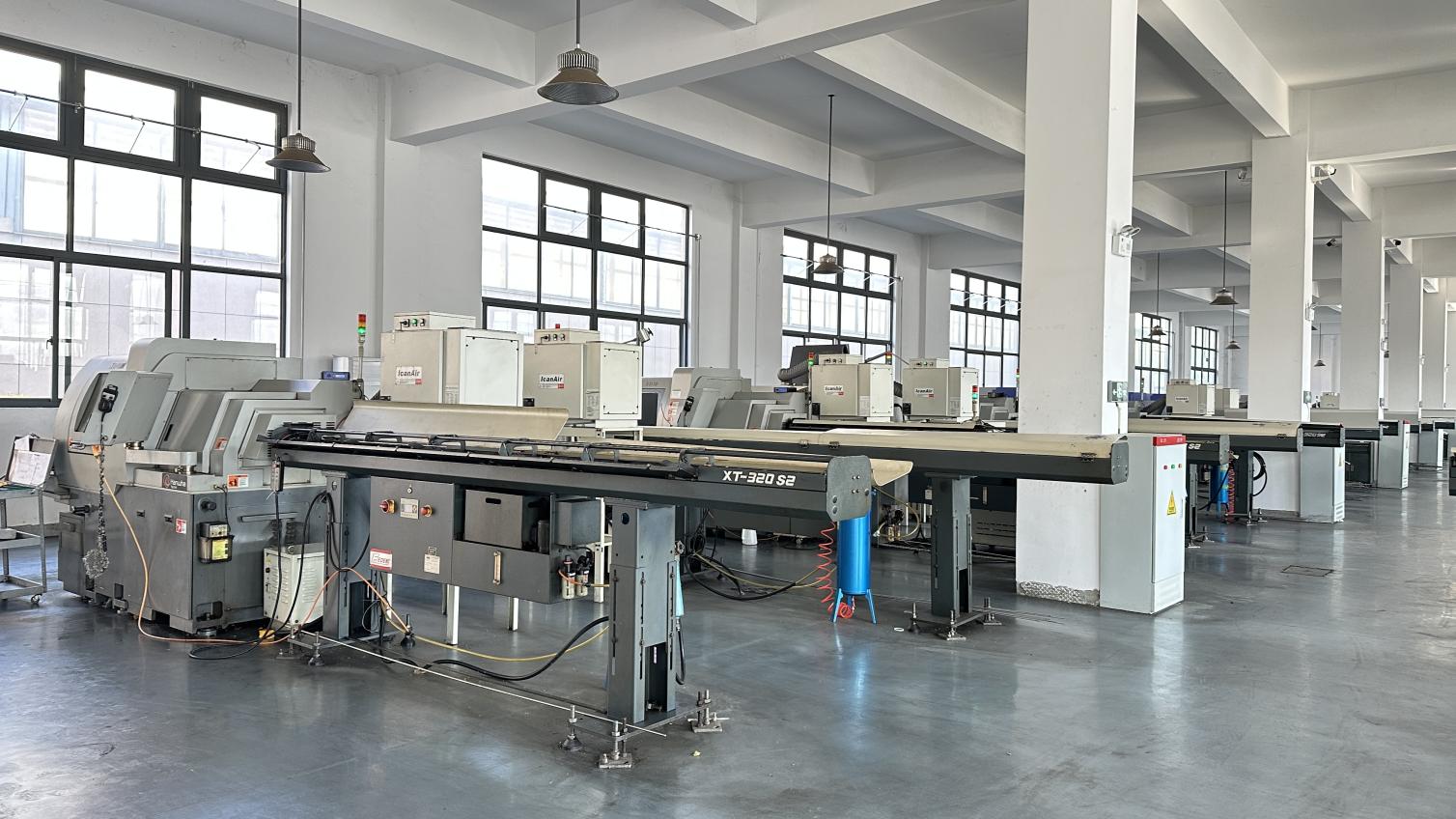
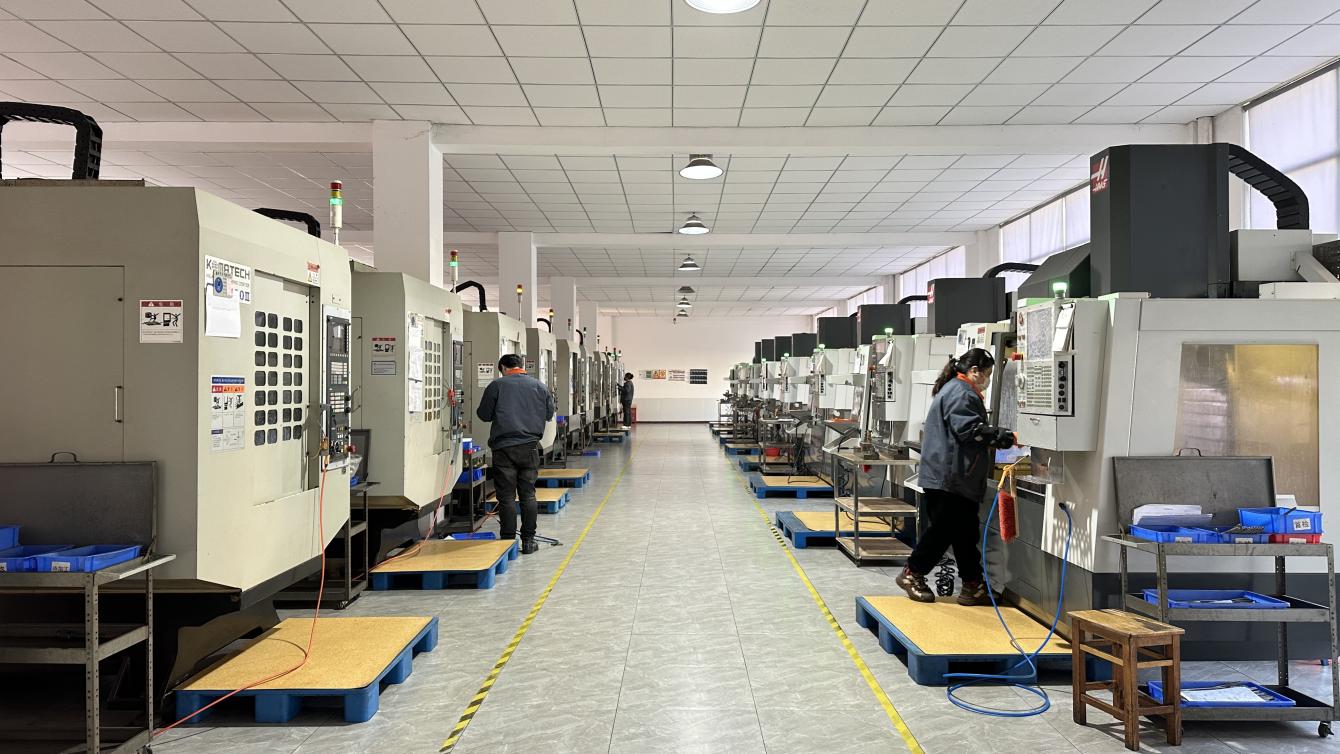
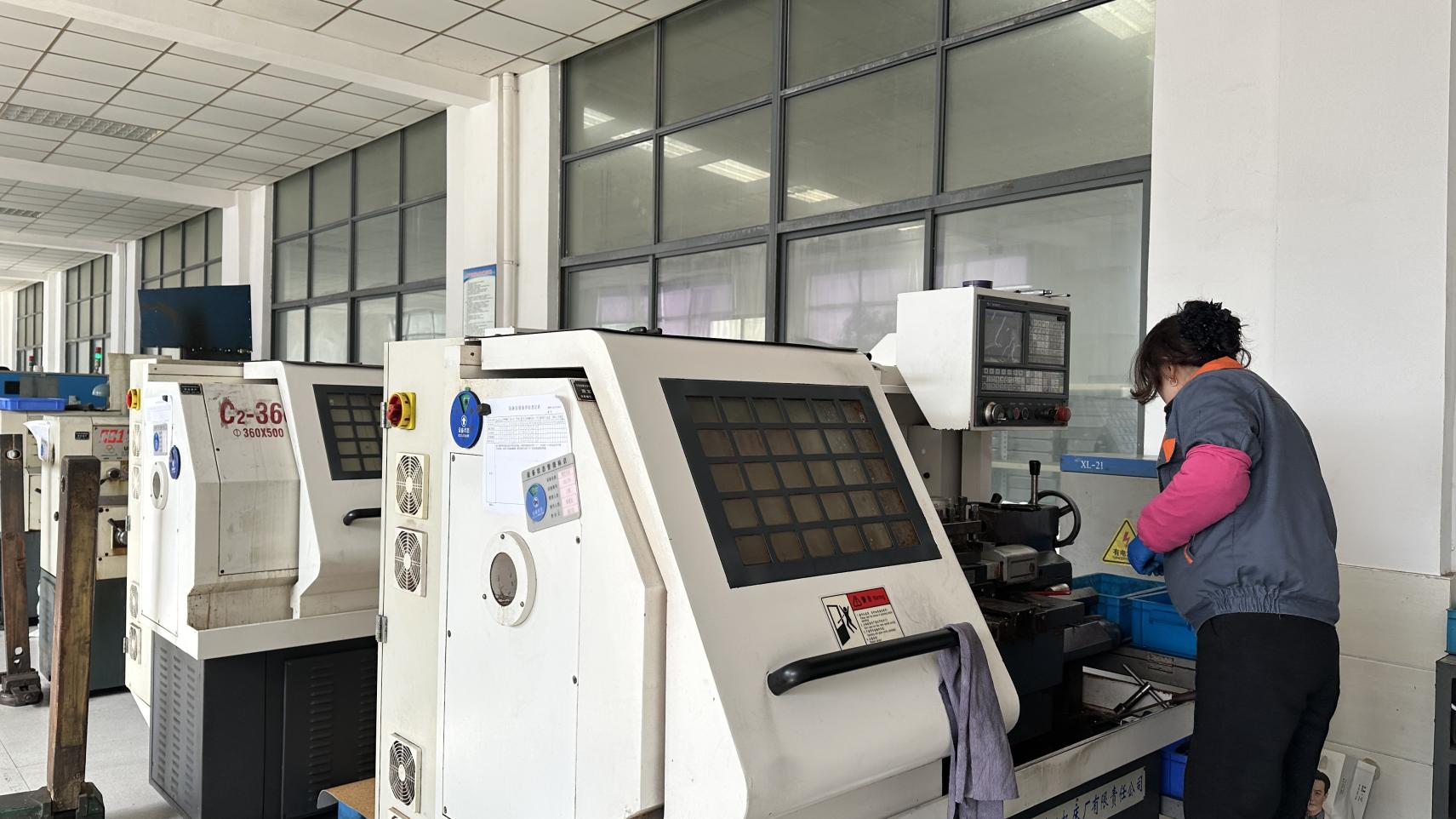
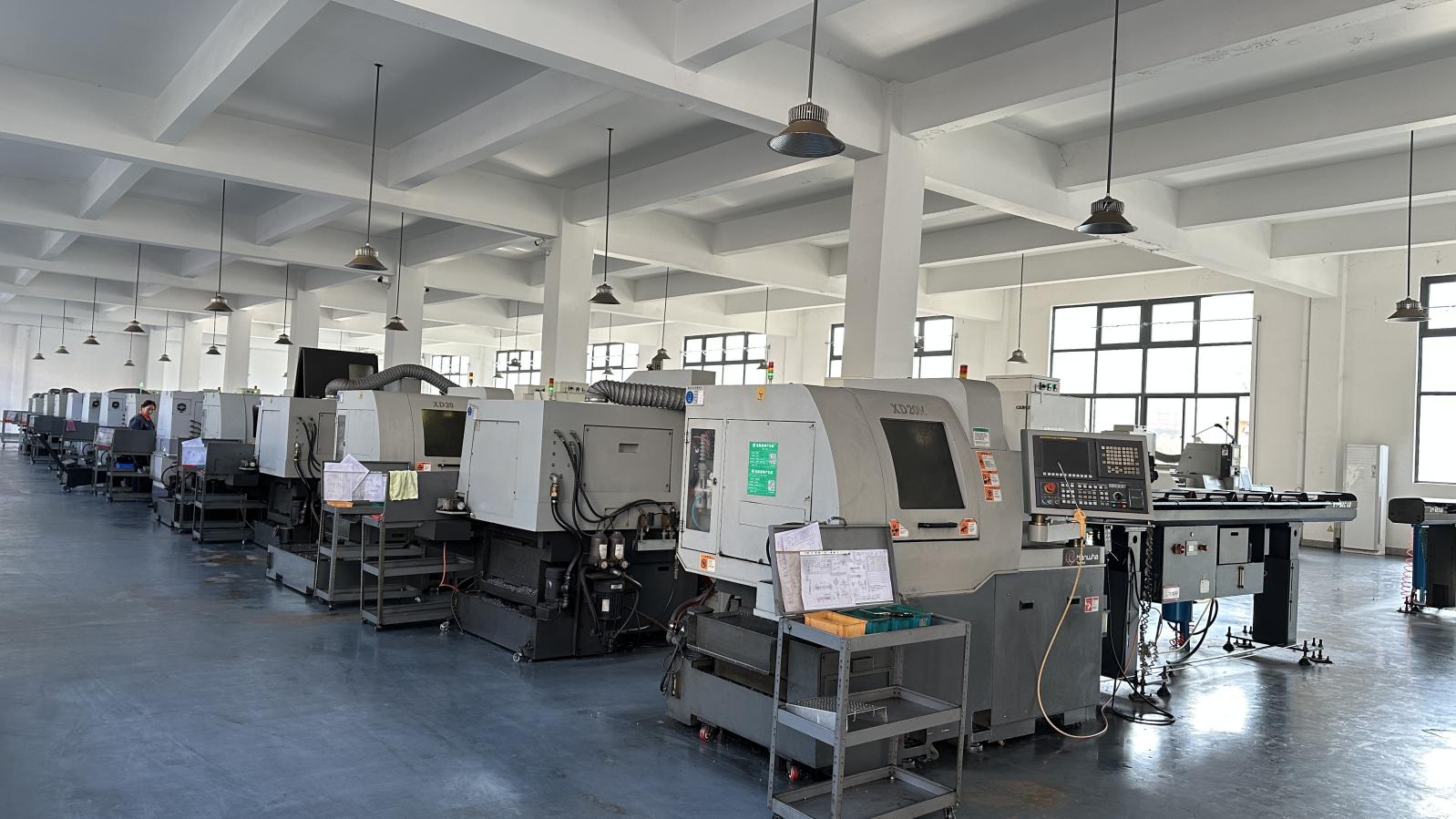
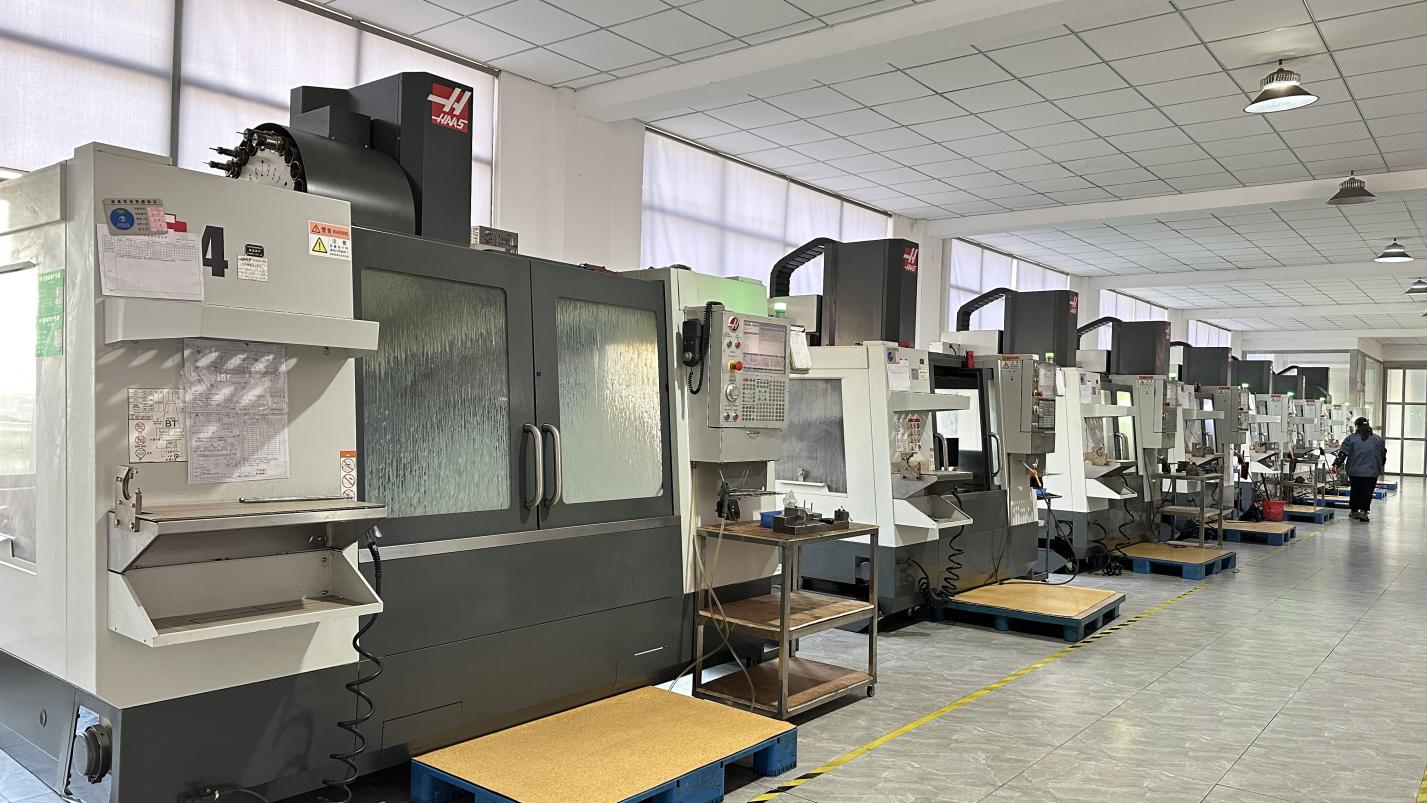
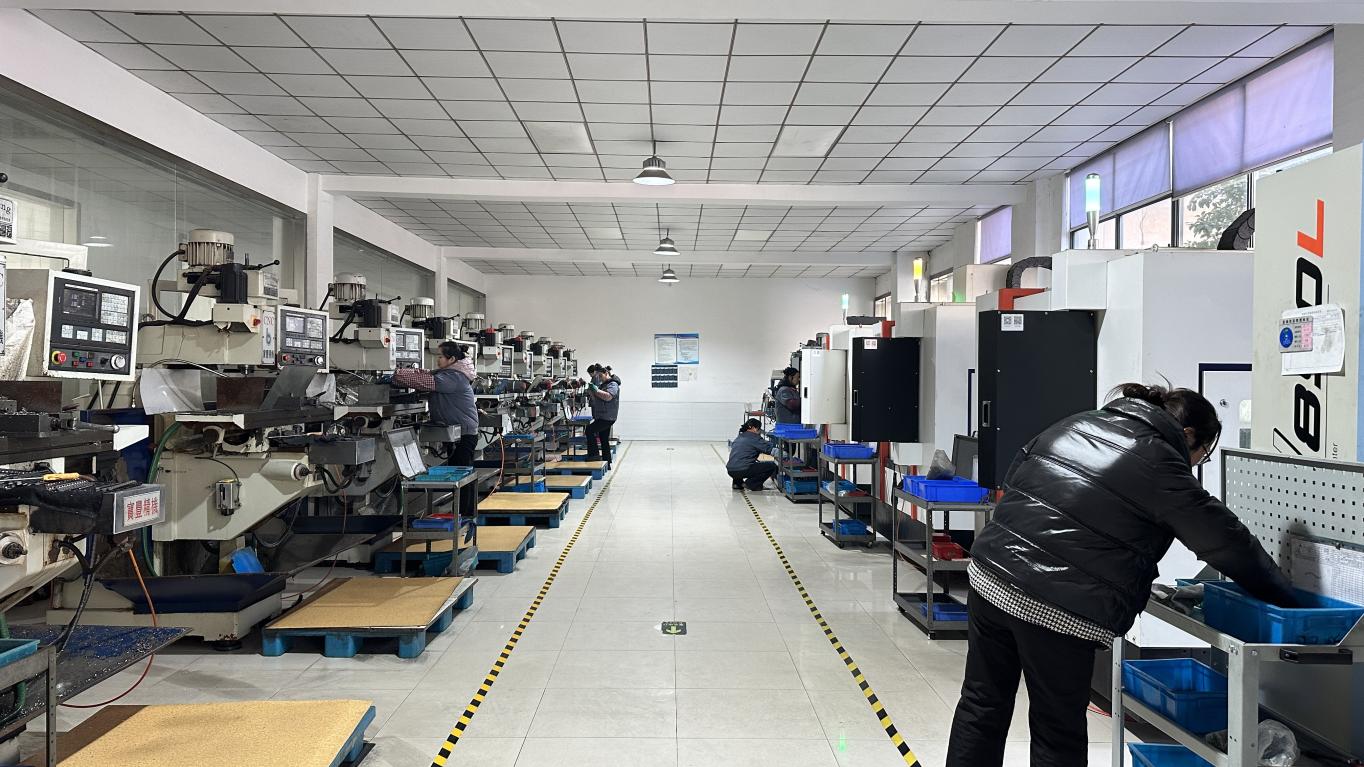
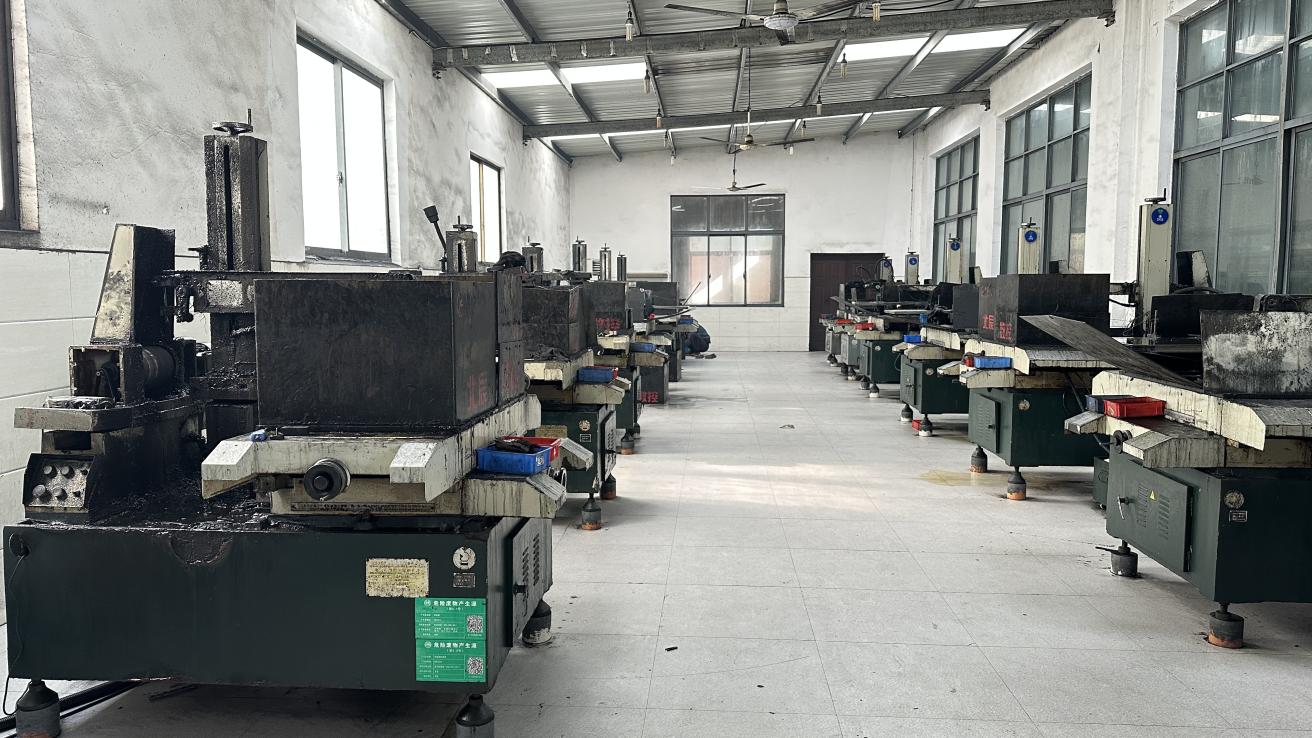
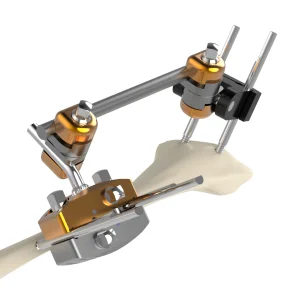
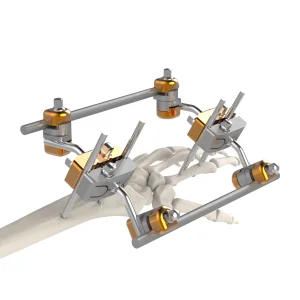
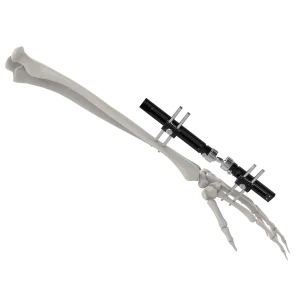
Our external fixation assemblies are engineered for immediate stabilization in critical trauma scenarios:
The field of external fixation is adapting to incorporate smart diagnostics and advanced materials. Medisplint's R&D pipeline is aligned with global developmental trends:
Clinical Efficacy Statement: "External fixation systems are no longer regarded as static temporary splints. They are dynamic mechanical systems that manage structural forces. Our engineering matches and exceeds ASTM F136 titanium and ISO 5832-3 compliance criteria, ensuring structural reliability under extreme clinical conditions."
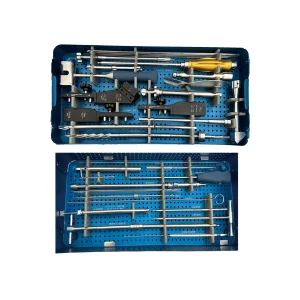
Fully cataloged surgical trauma instruments, spinal components, and specialized orthopedic tools. Manufactured to international standards and compatible with modern surgical protocols.