Medisplint
Medisplint
Medisplint
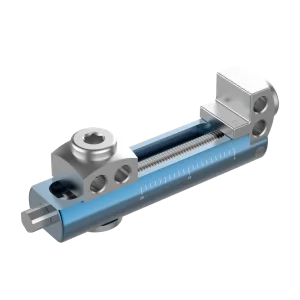
Engineered for rigid stability, modular flexibility, and quick-frame constructs to support trauma surgery in Egyptian medical centers.
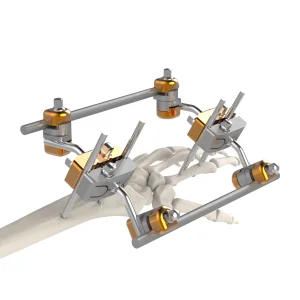
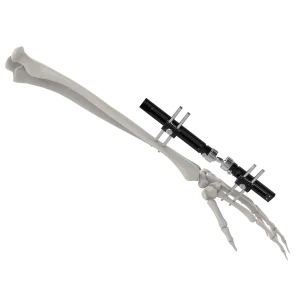
Egypt represents one of the fastest-growing healthcare sectors in the Middle East and North Africa (MENA) region. Driven by rapid urbanization, expanding transportation networks, and a large population exceeding 100 million, the demand for trauma care solutions is rising. Road traffic accidents, industrial construction injuries, and domestic fractures keep trauma centers under constant pressure. To address this, the Egyptian Ministry of Health, along with key institutions like the Egyptian Unified Procurement Authority (UPA) and the Egyptian Drug Authority (EDA), has emphasized upgrading the quality and availability of orthopedic implants.
External fixation remains the standard first-line treatment for complex open fractures, non-unions, and limb-lengthening procedures. For hospitals under the General Authority for Healthcare (GAHC) and university clinical centers, external fixators must adapt to various bone anatomies, from metacarpal fragments to femoral shafts. High compatibility with existing international instrumentation sets, such as Hoffmann-compatible layouts, helps clinical teams adopt new systems without steep learning curves.
Dedicated to manufacturing medical devices with rigorous quality testing and global compliance.
Medisplint Orthopedic Instruments Co., Ltd. is a manufacturer specializing in orthopedic implants, fixation systems, and surgical instruments for trauma, spine, and joint reconstruction. The company's facilities support integrated production, assembly, and quality control operations.
Operating under quality assurance systems including ISO 13485 certification and CE compliance, Medisplint employs inspection methods that span incoming material inspection, in-process quality control (IPQC), final product inspection (FQC), and third-party laboratory testing. The R&D division has approximately 85 engineering and development specialists, enabling options for private labeling, design modifications, and full OEM/ODM solutions to meet the specific requirements of the Egyptian market.
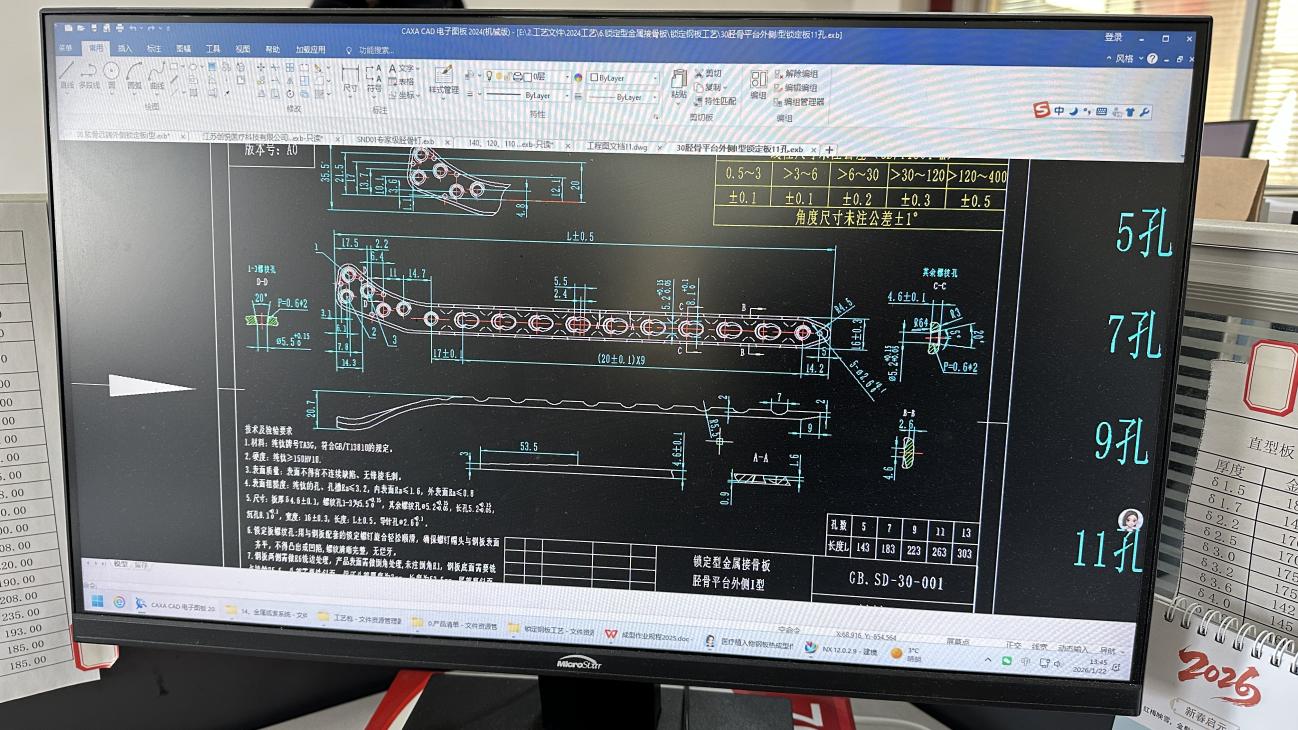
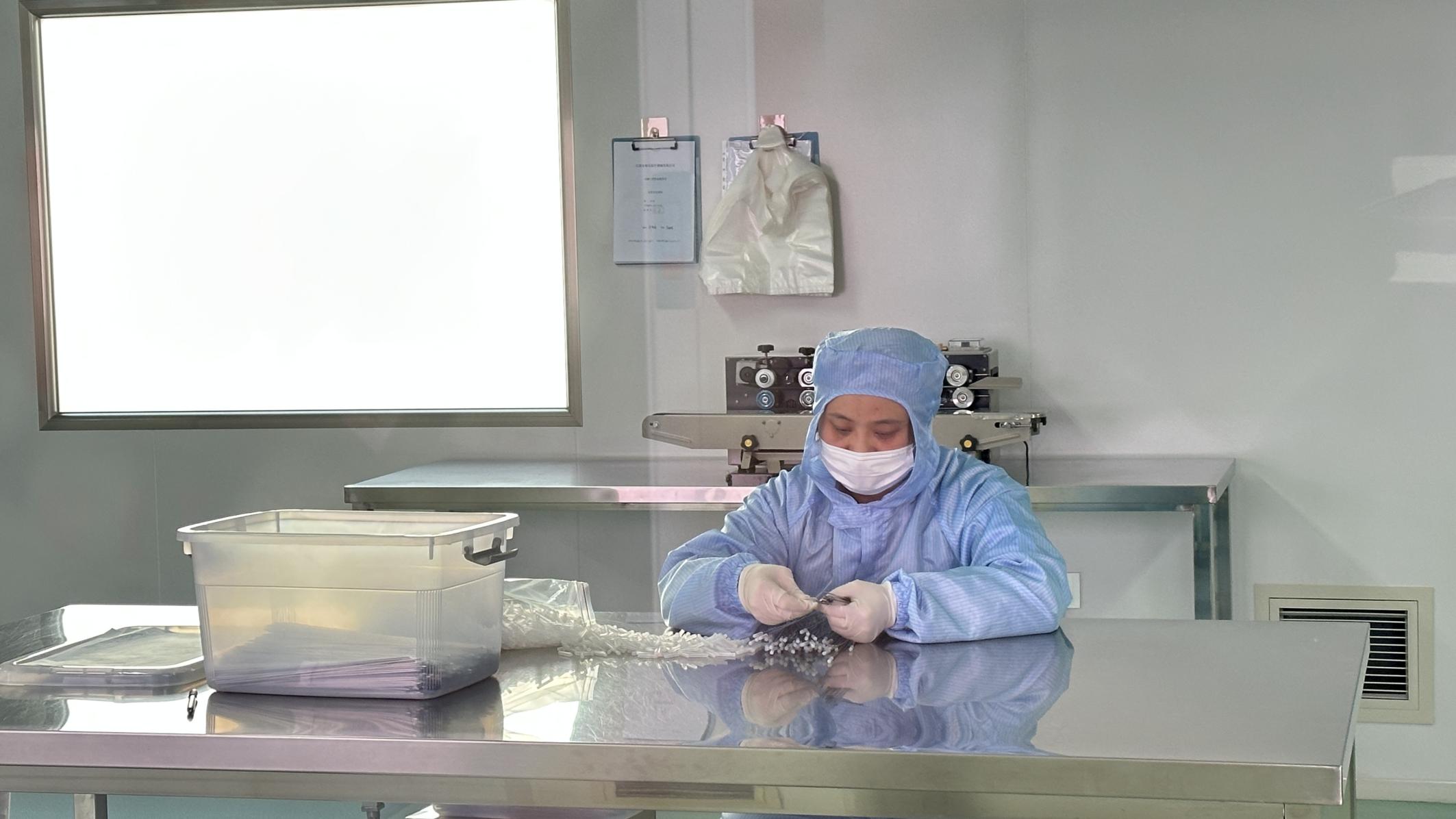
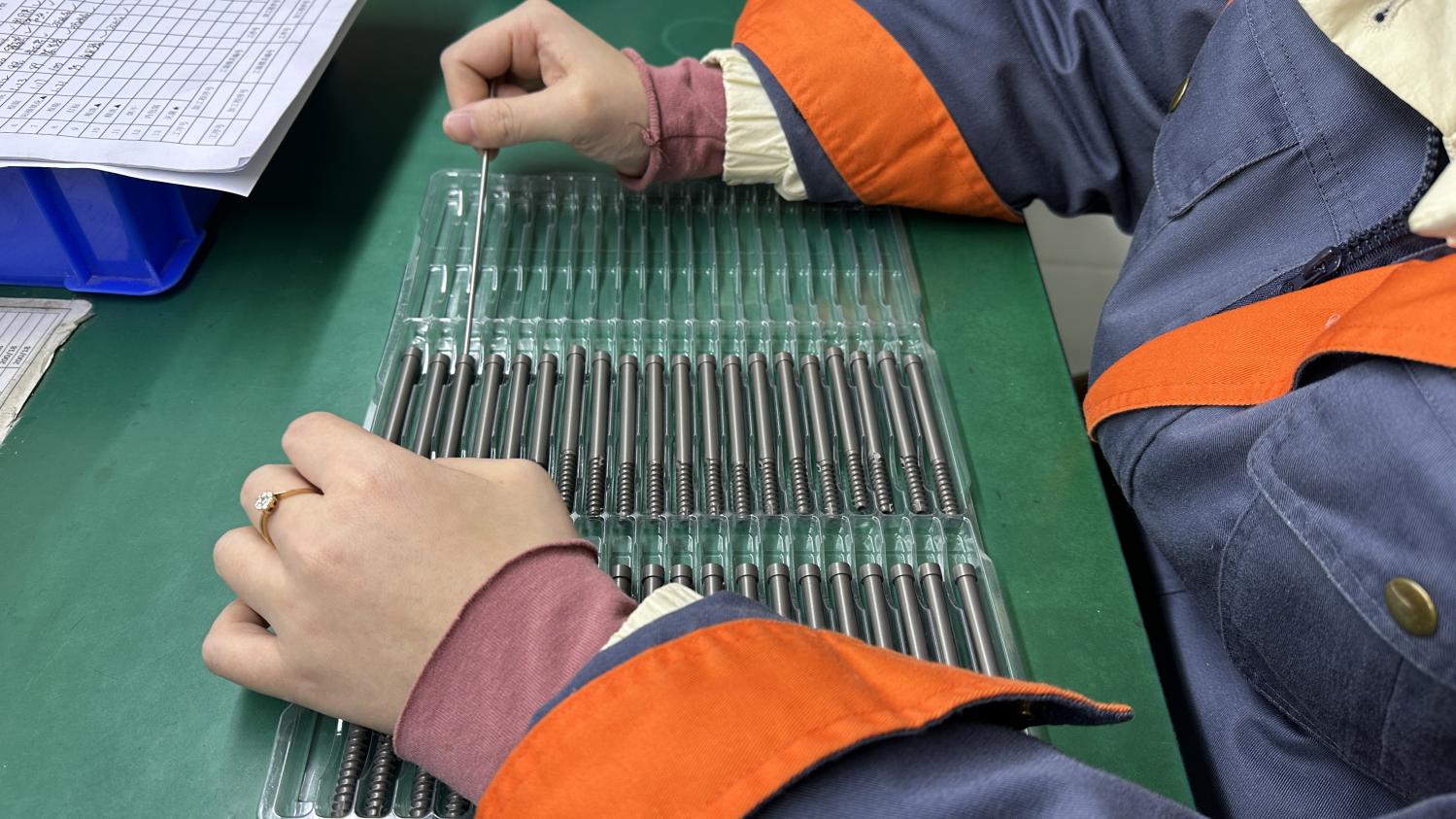
Inside our automated facility: Raw materials undergo CNC machining, laser marking, and mechanical stress testing to ensure reliable implant performance.
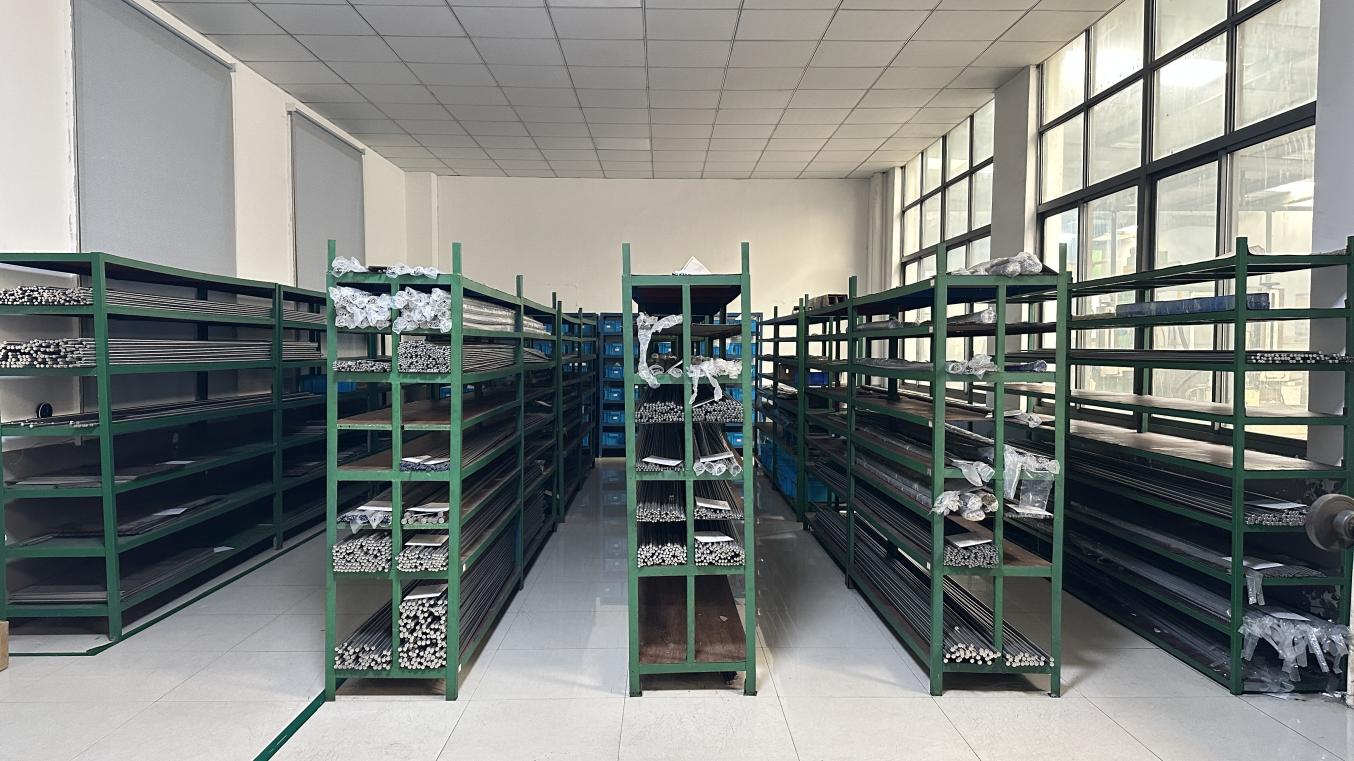
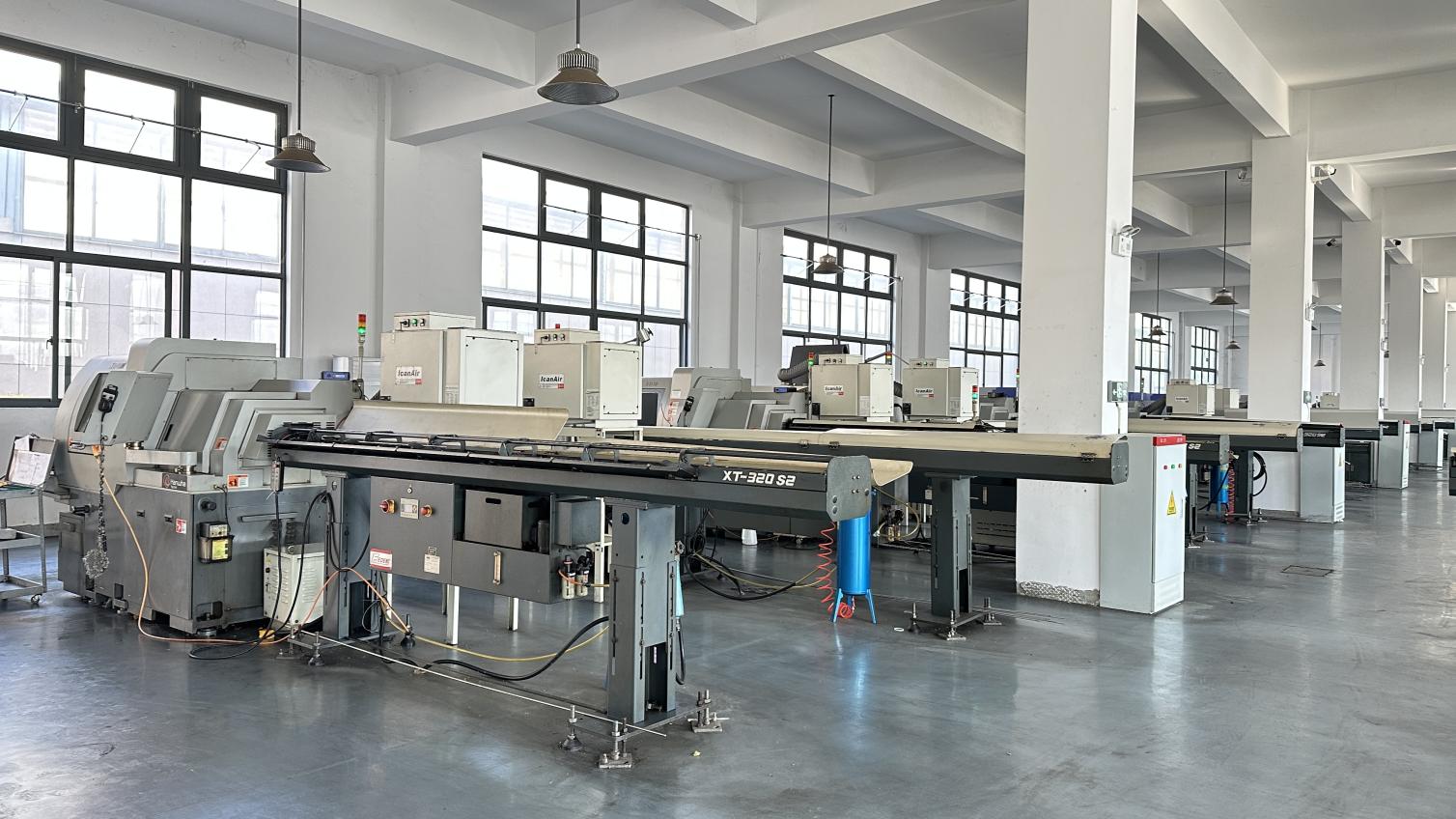
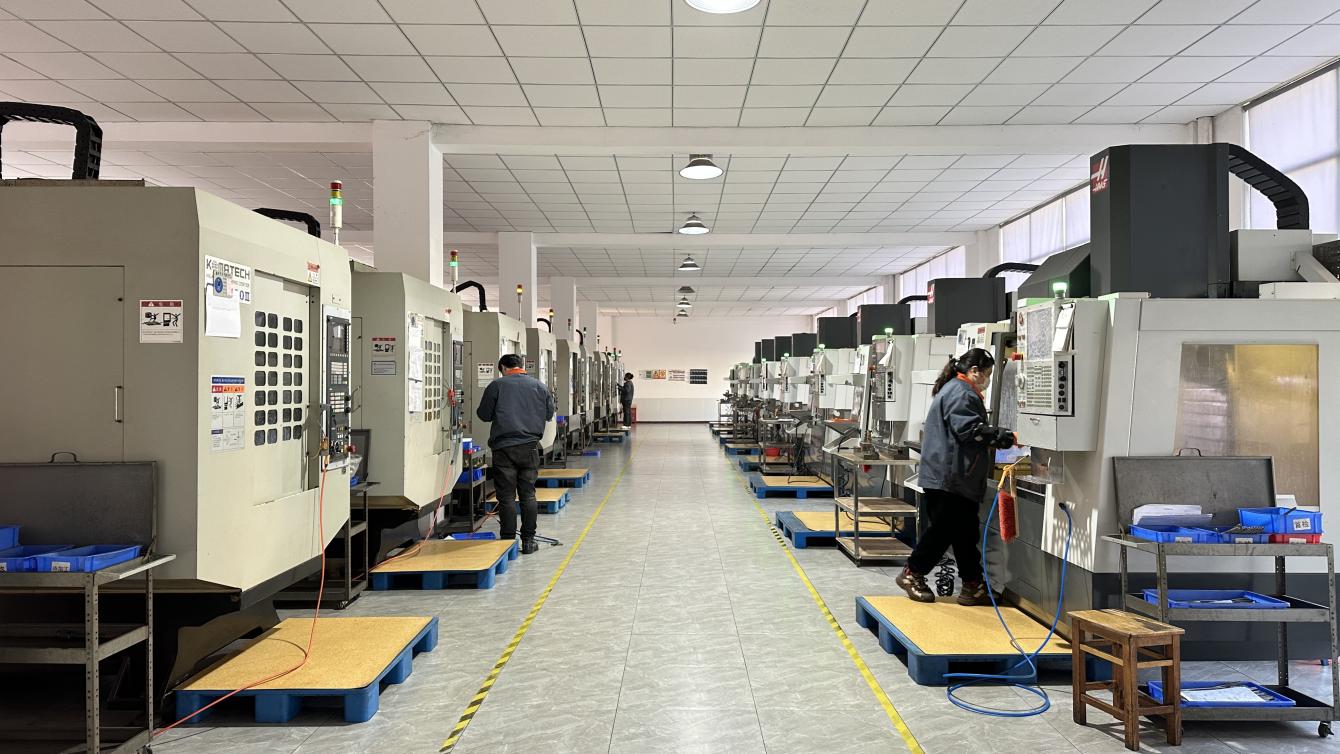
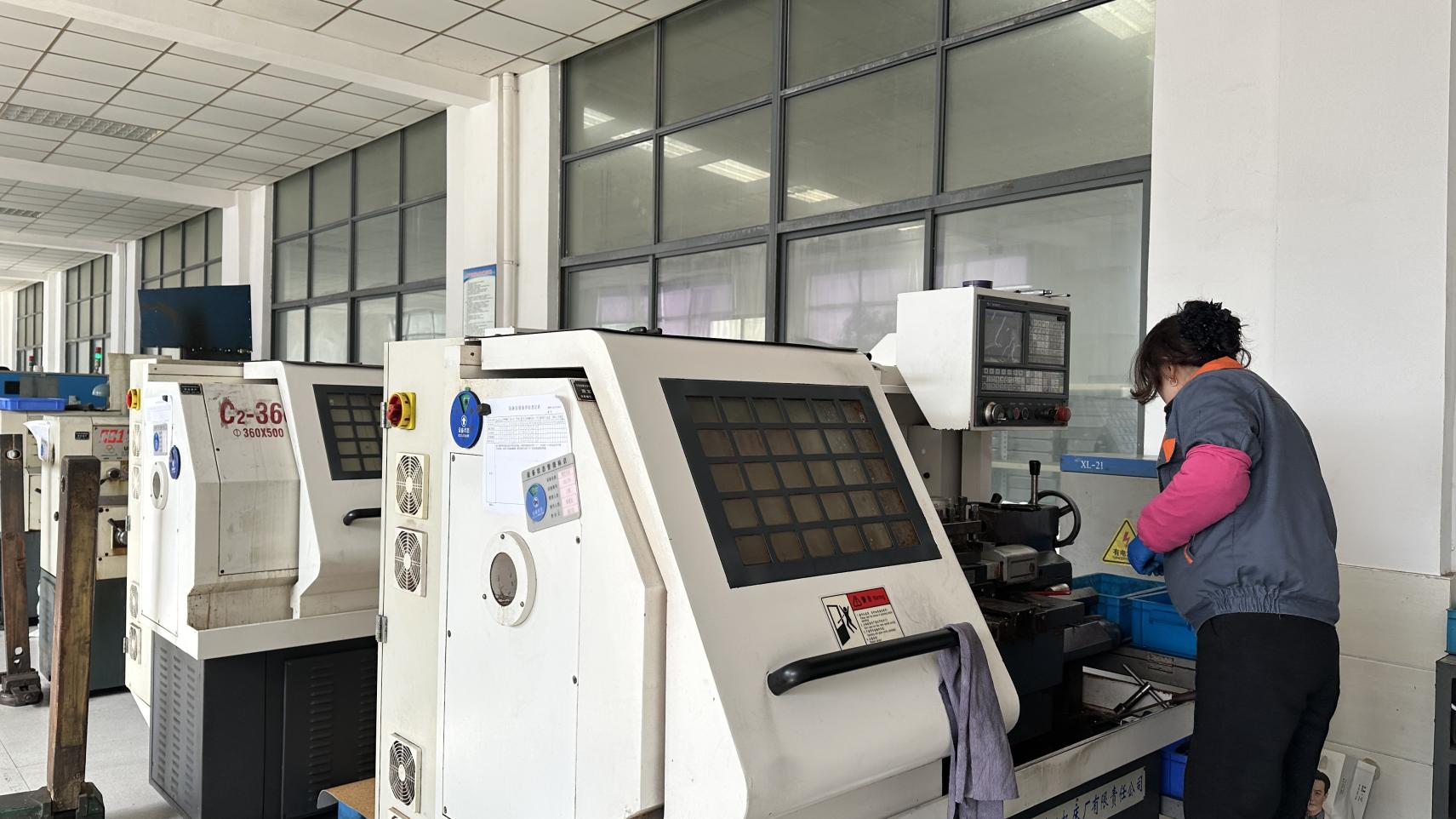
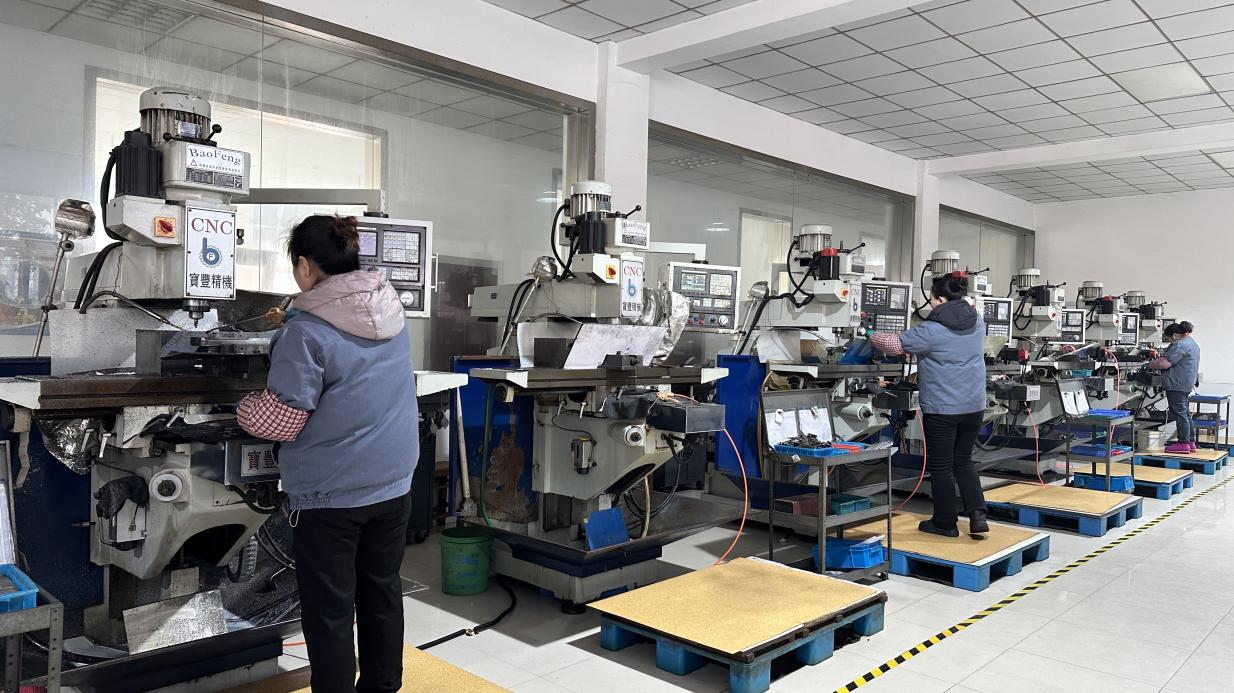
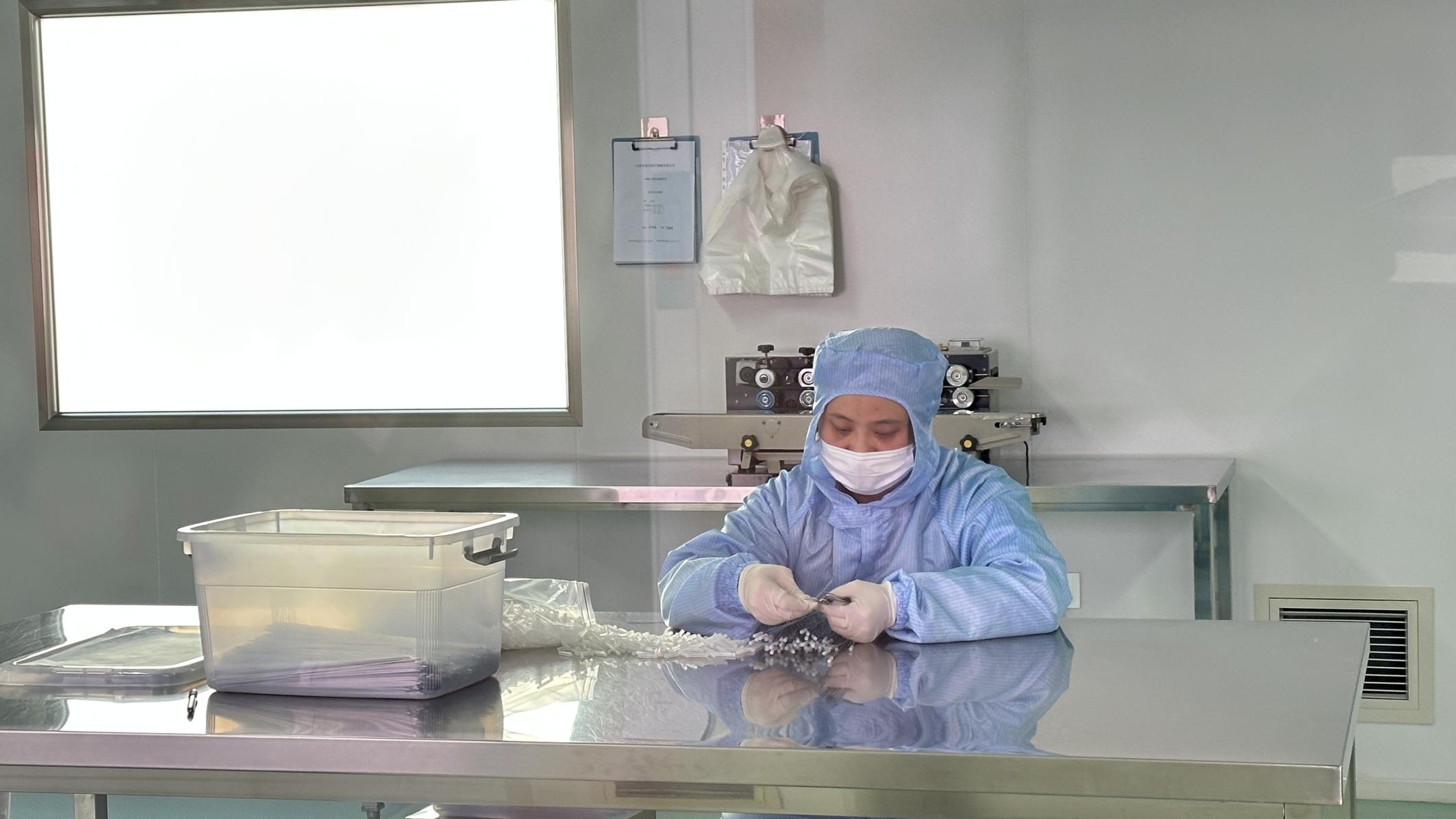
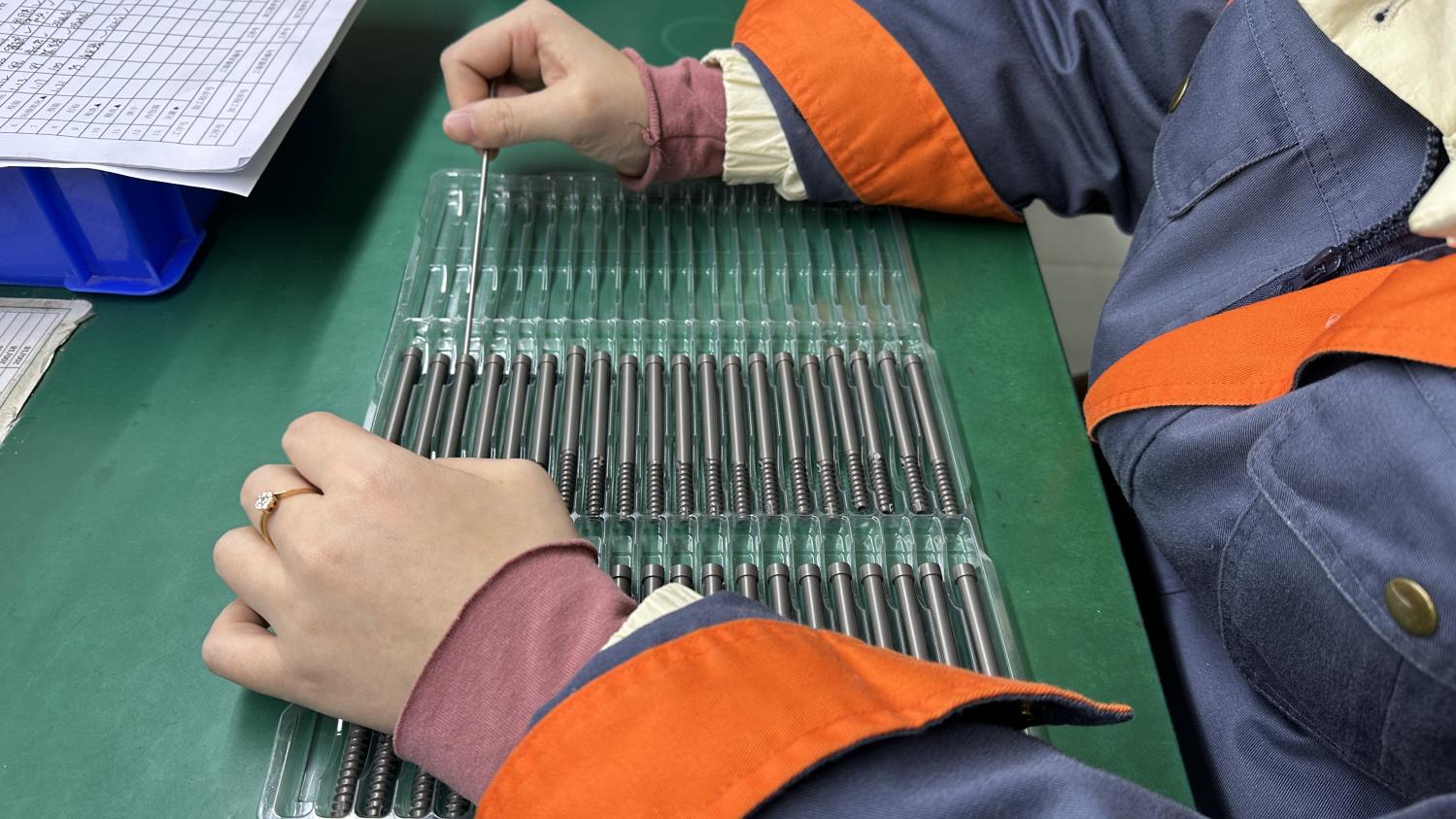
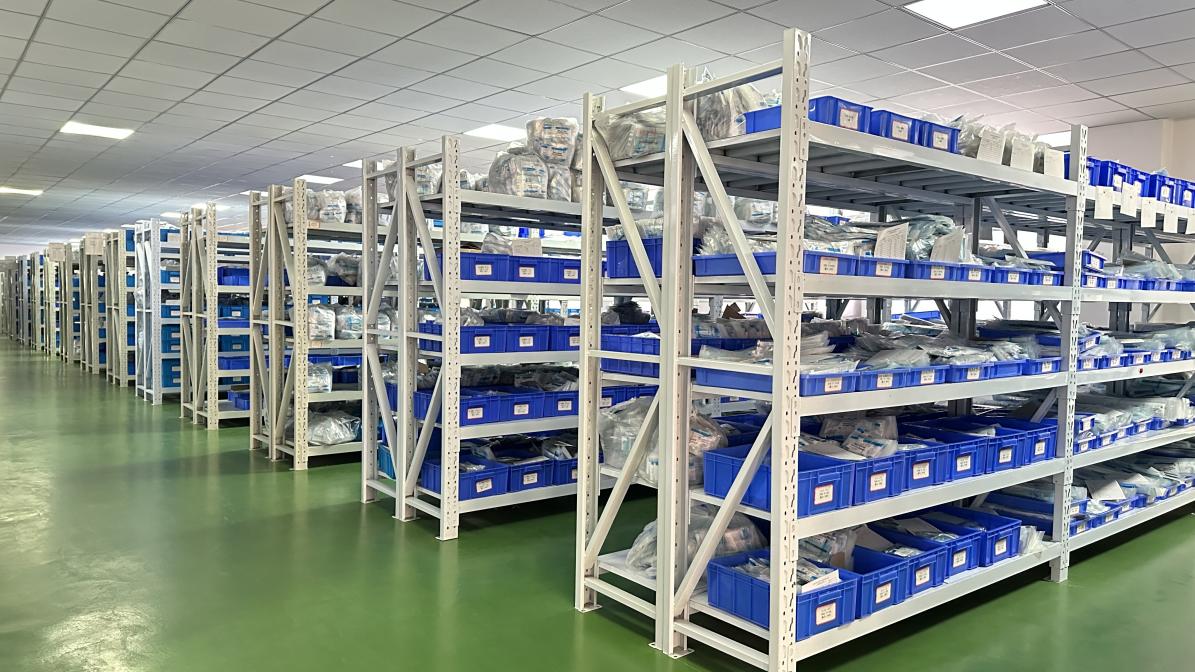
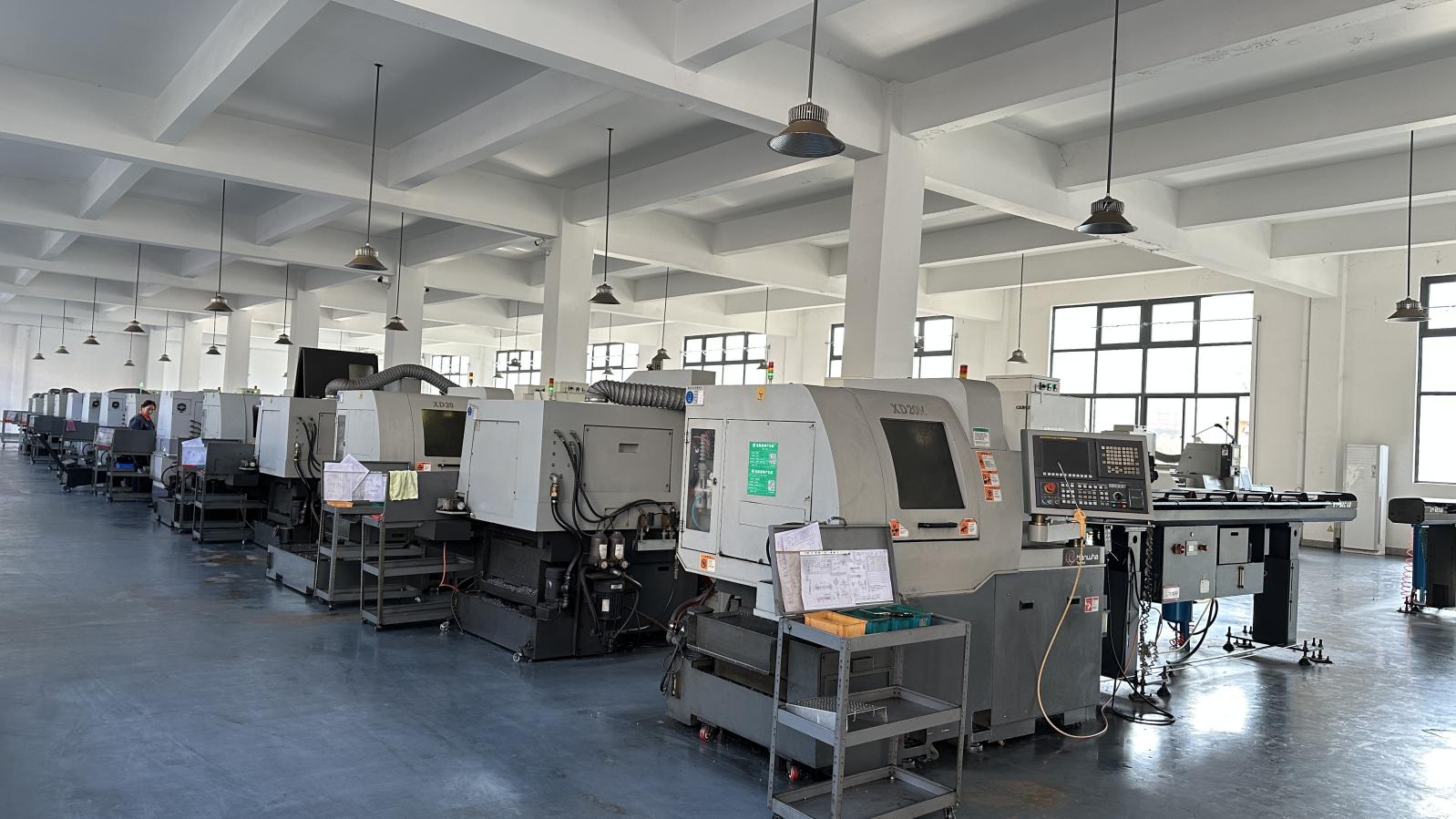
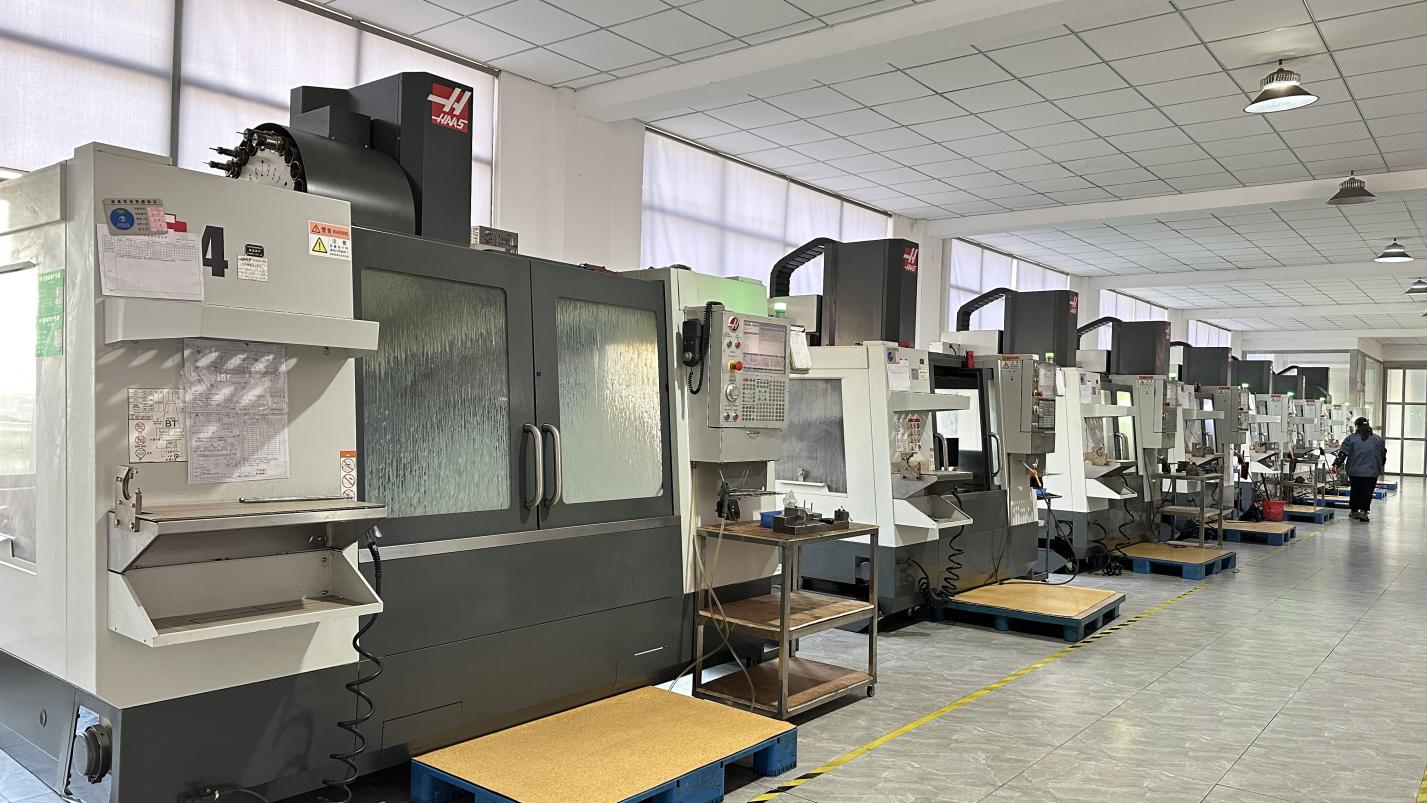
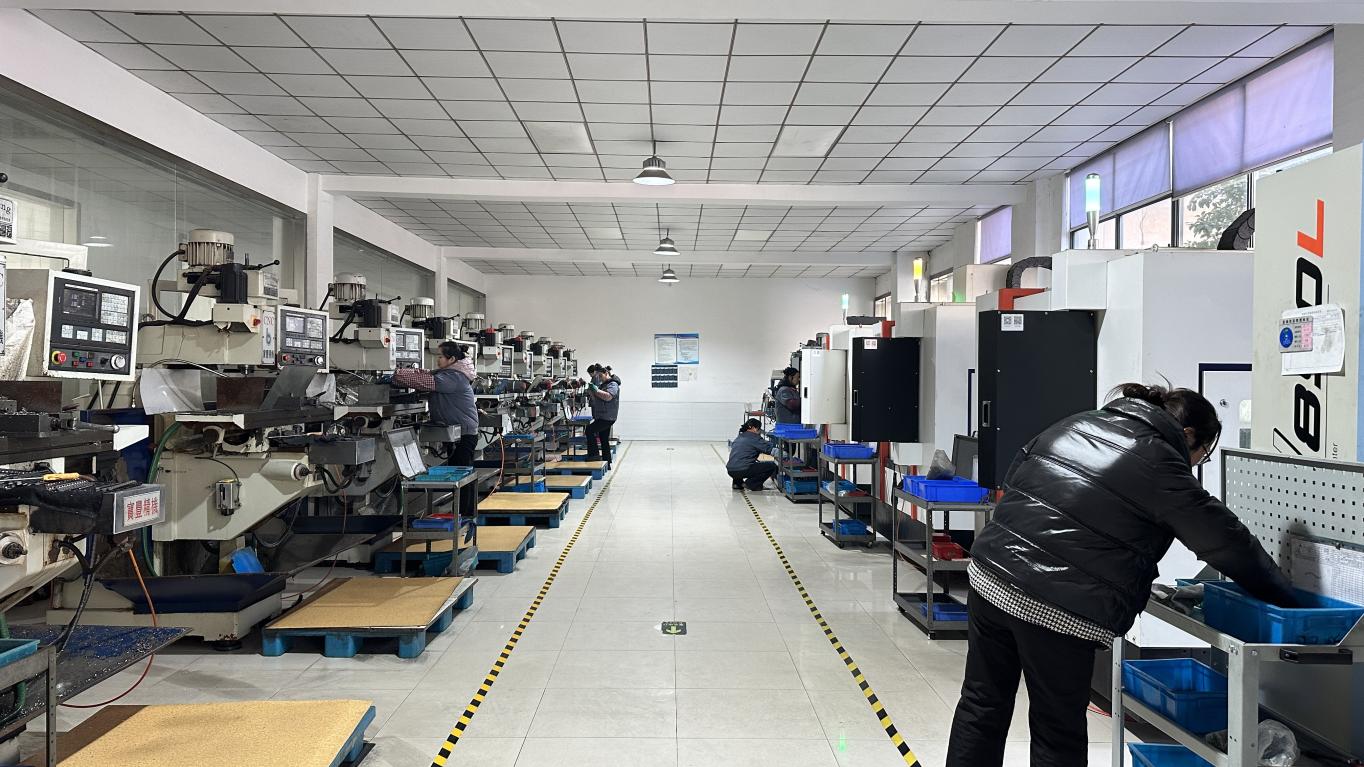
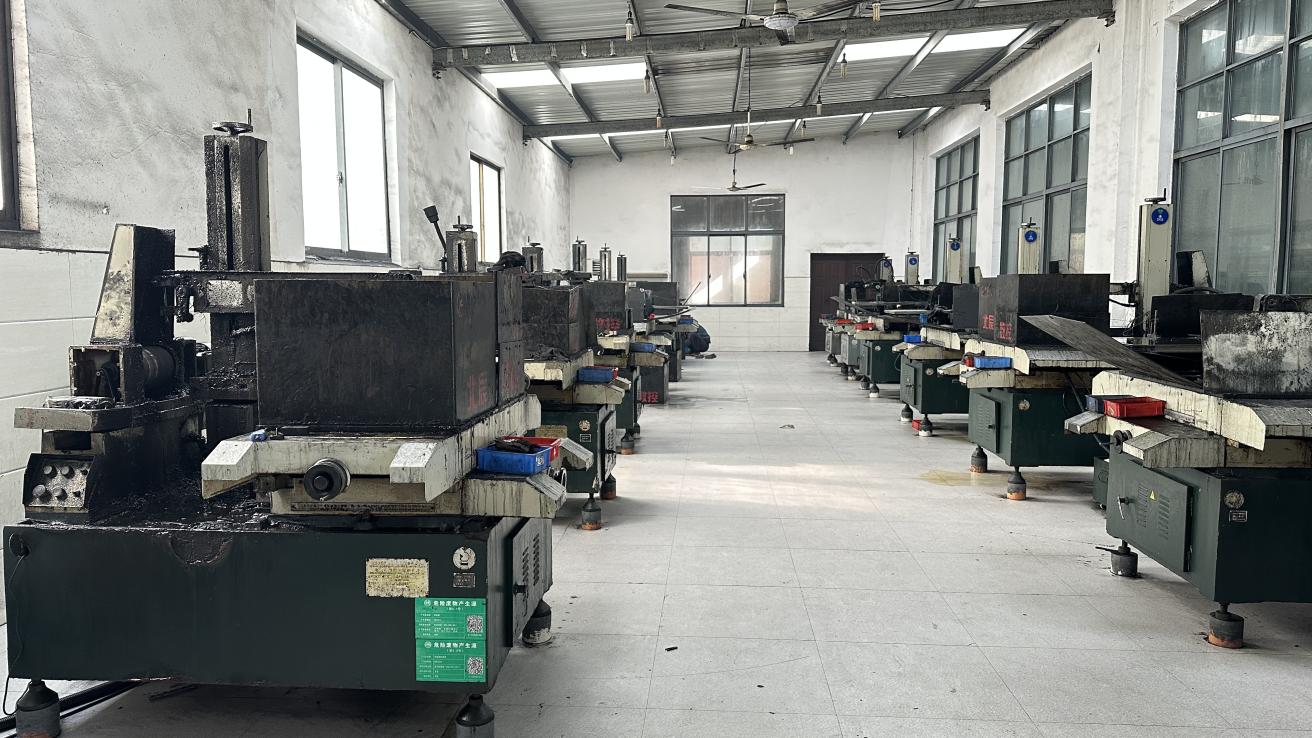
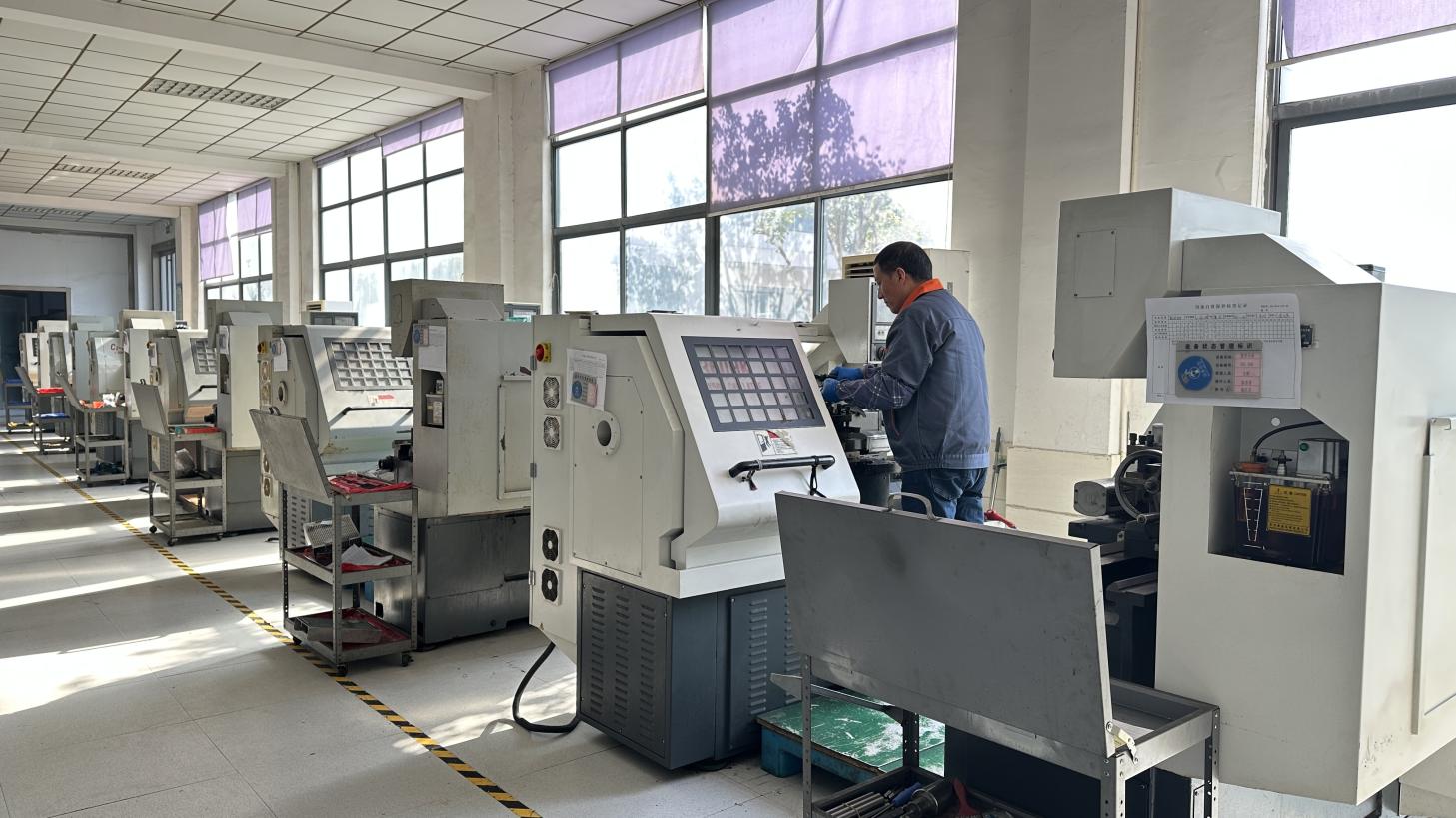
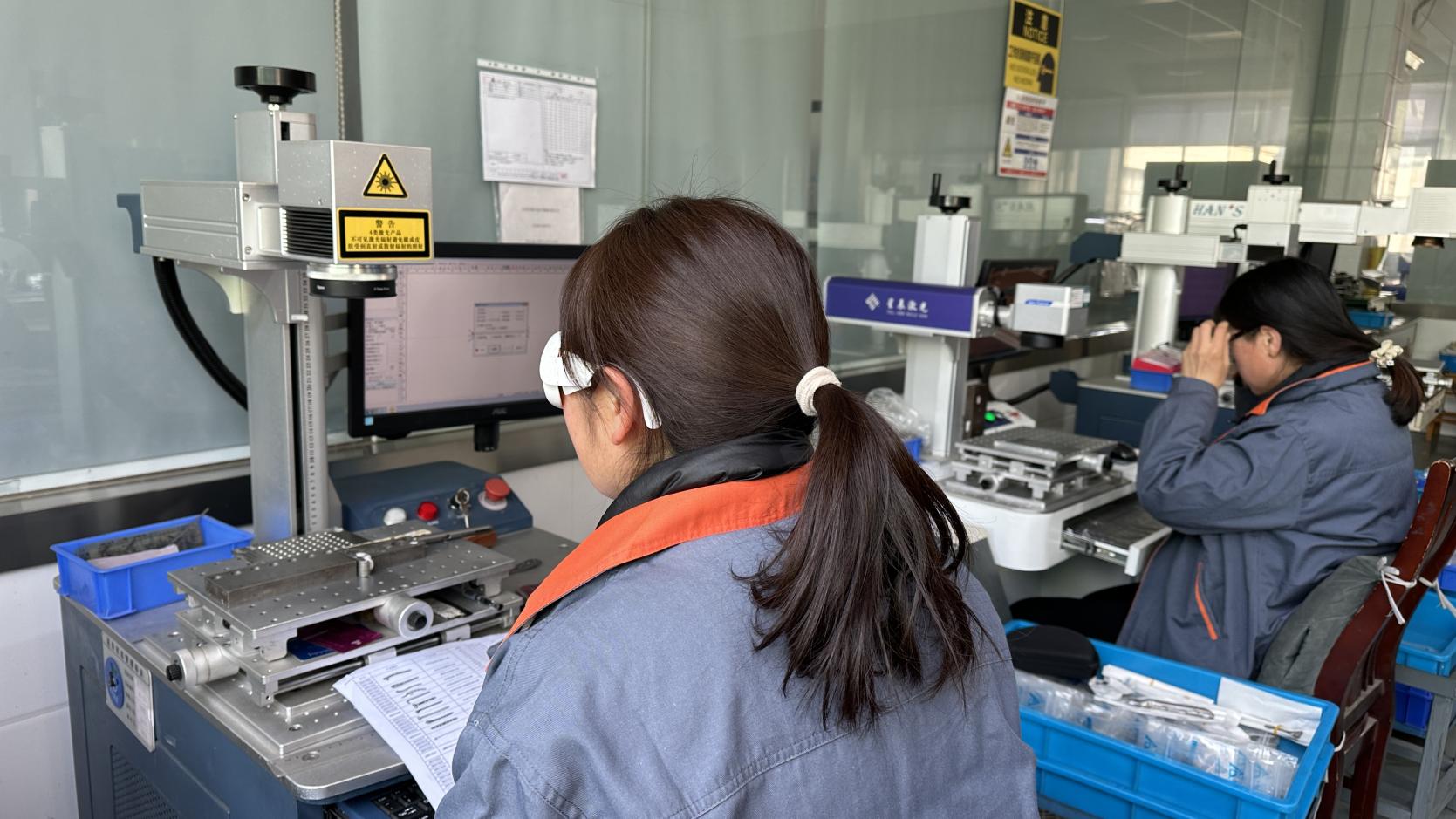
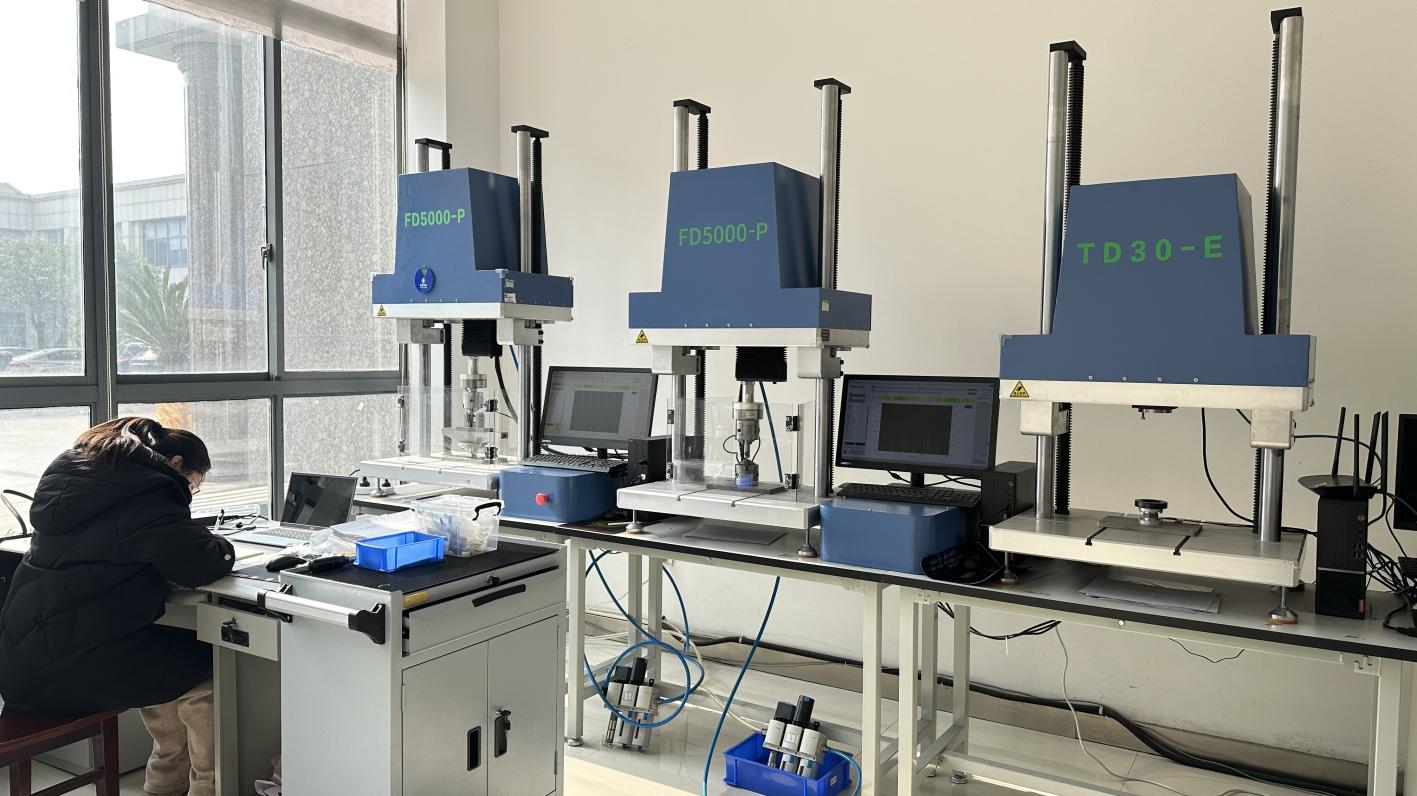
Mechanical validation and inspection equipment ensuring each implant meets required engineering tolerances.

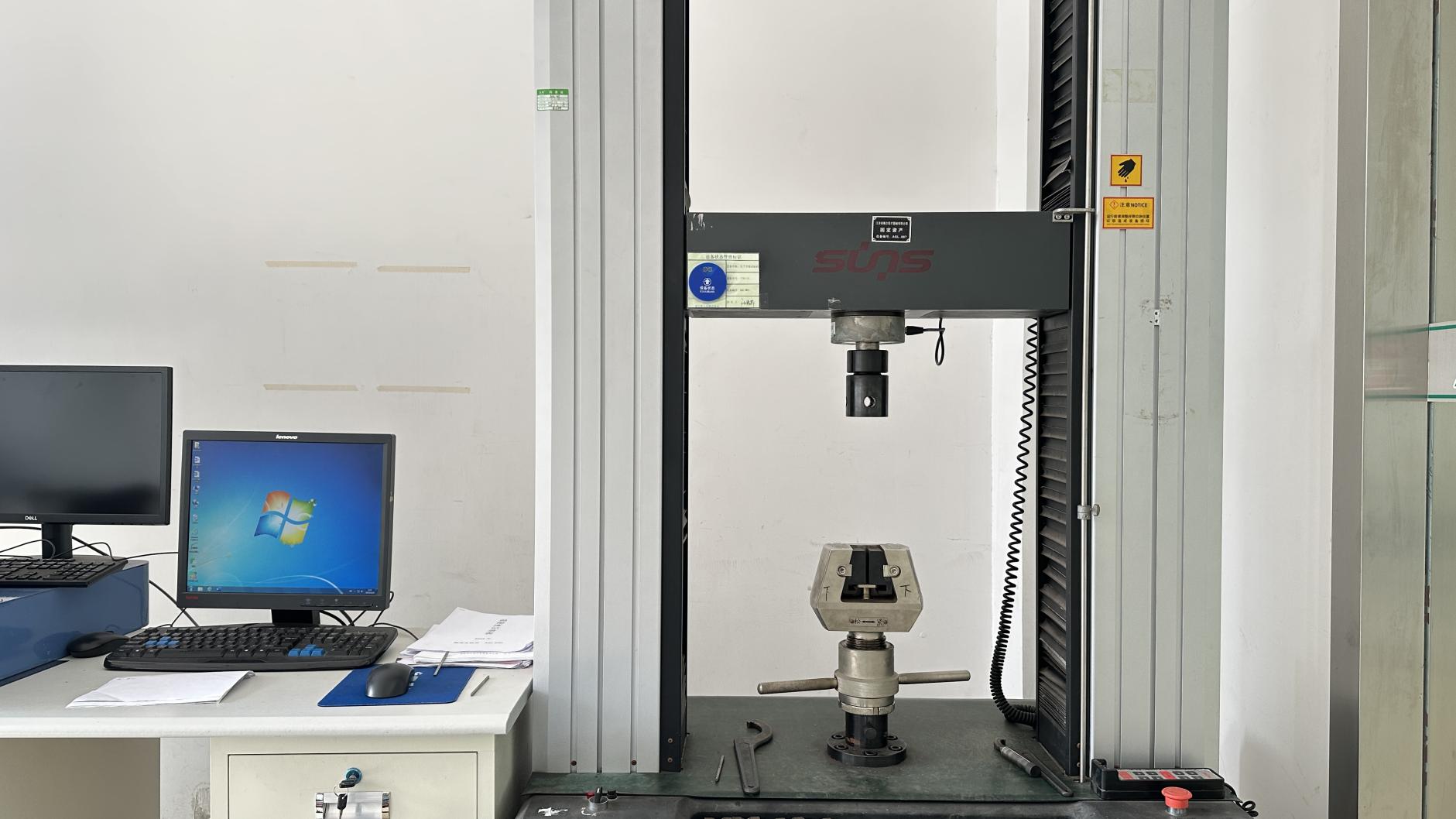
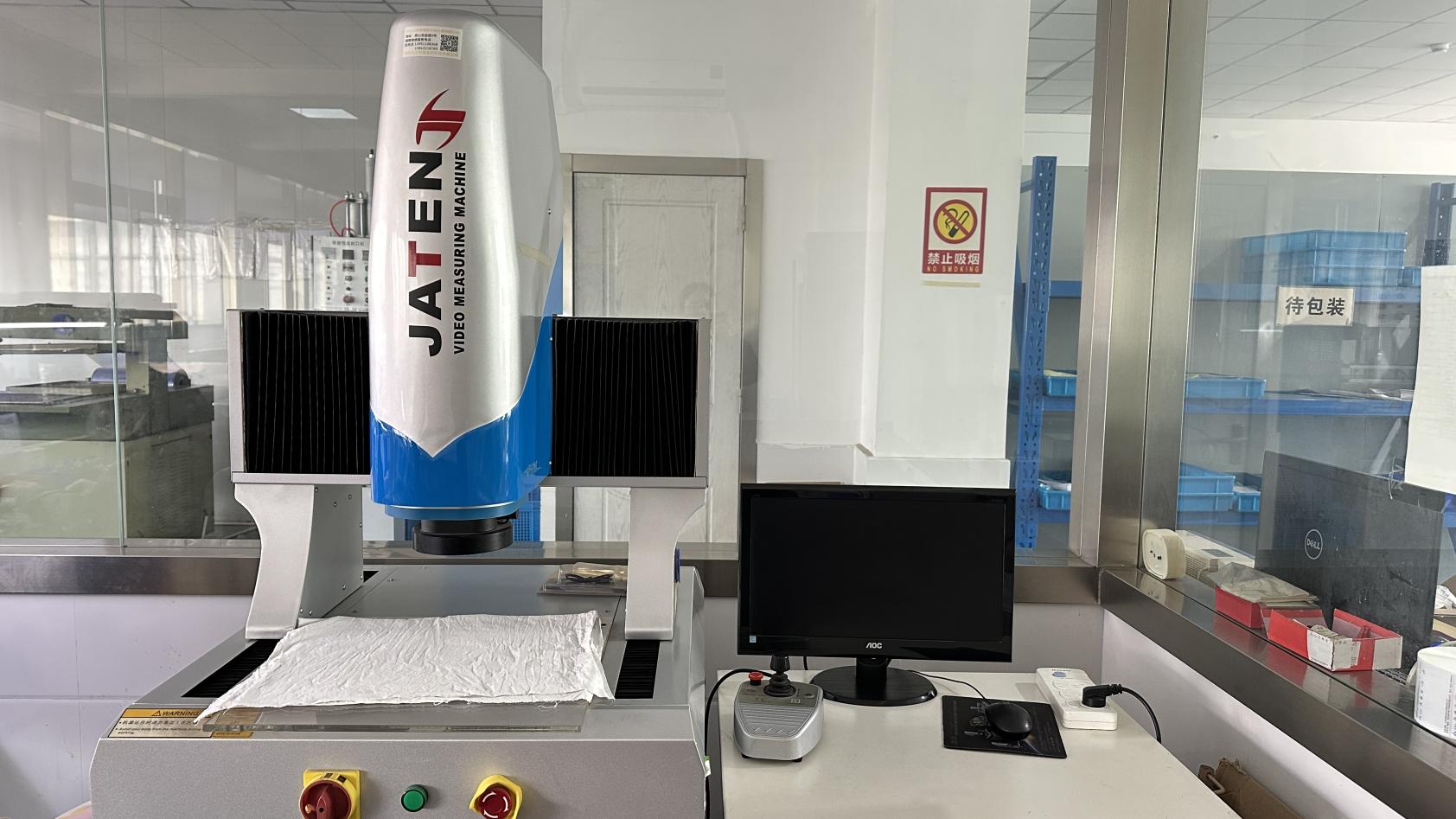
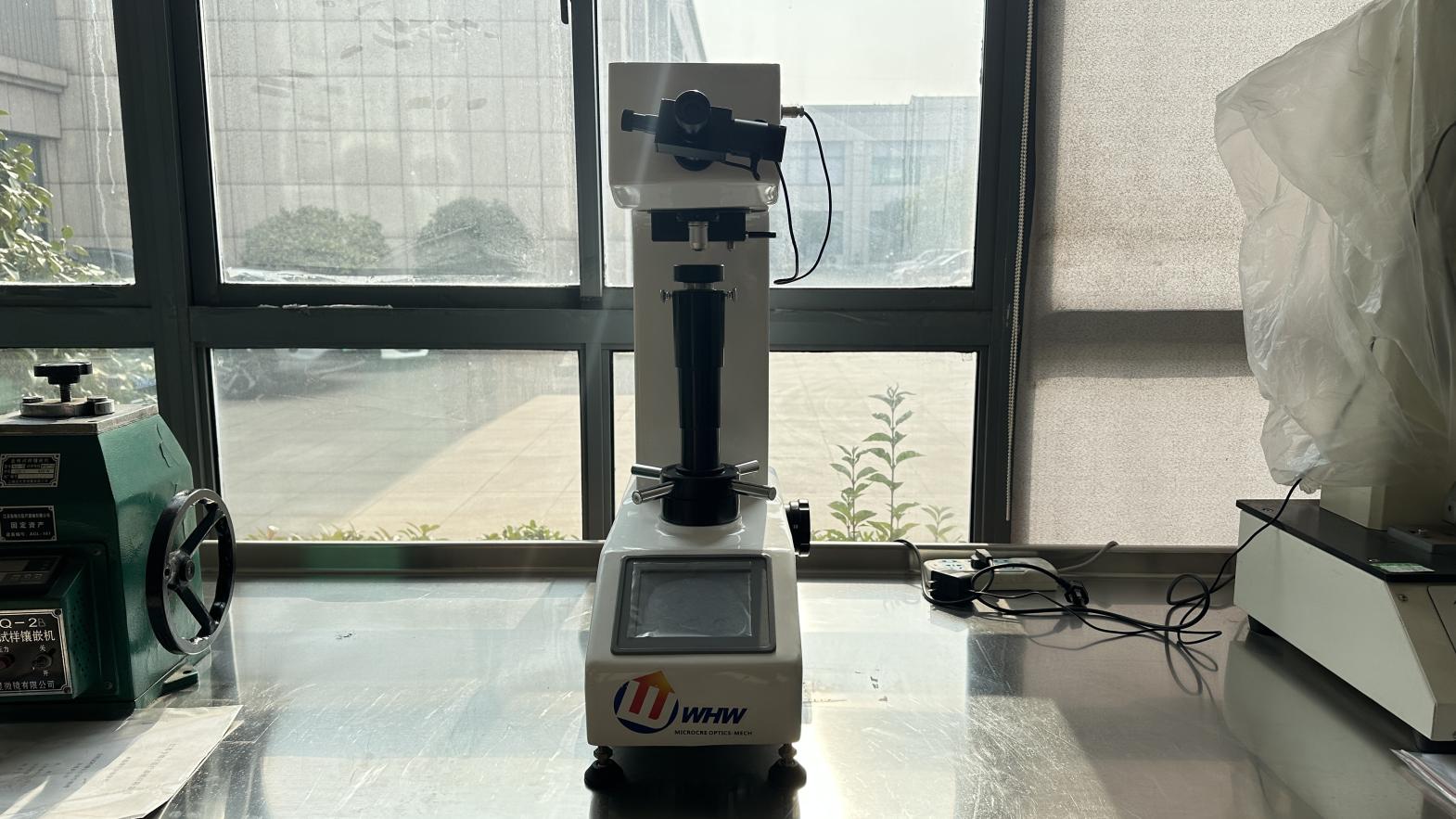
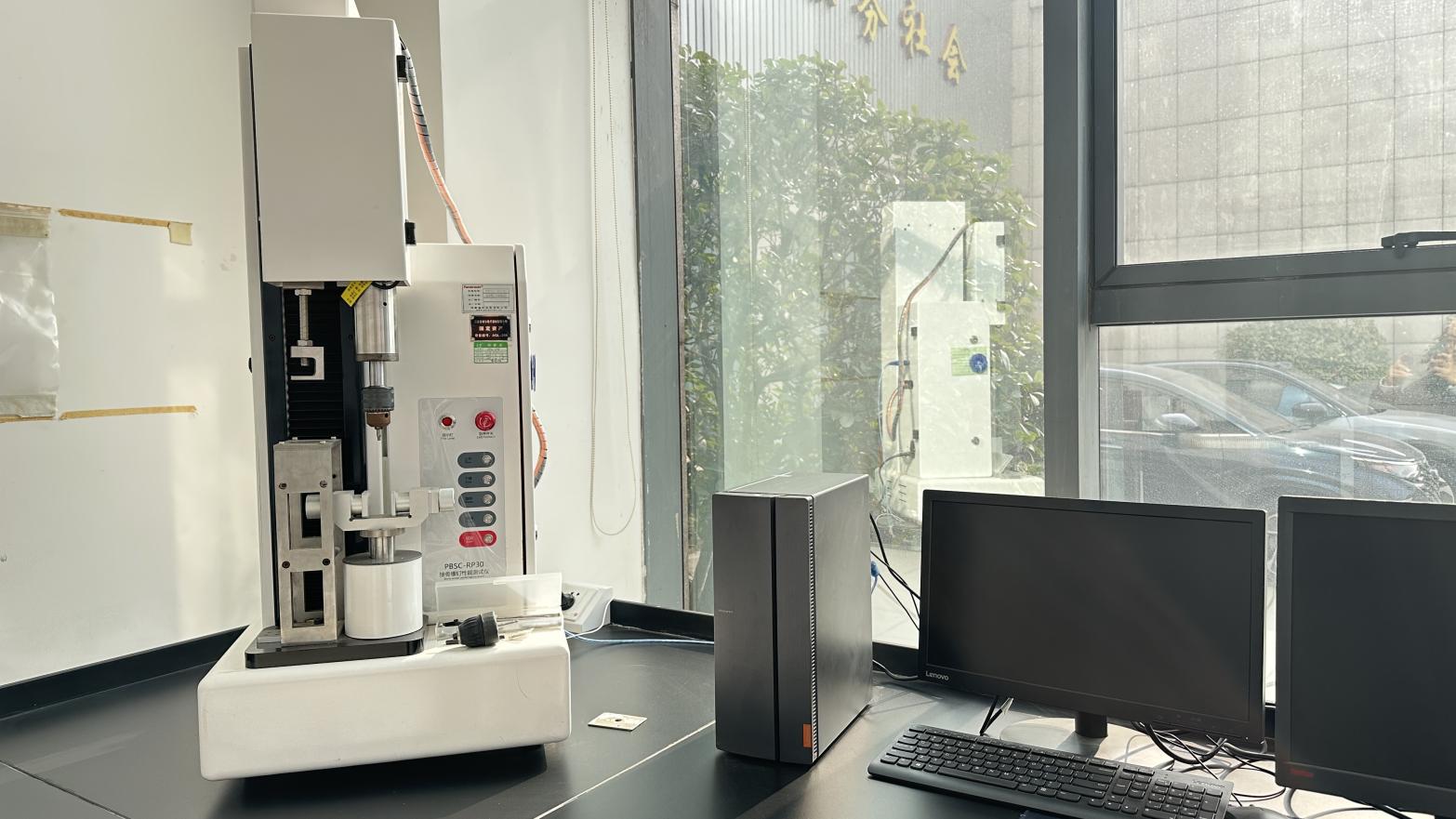
Ensuring structural integrity, ease of clinical manipulation, and reduced risk of pin-tract infection.
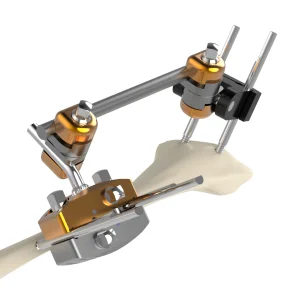
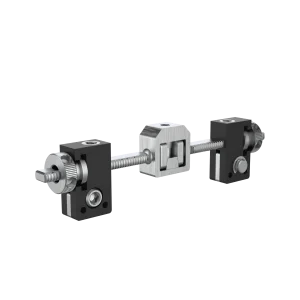
Modern external fixation relies on rapid assembly and intraoperative flexibility. Our standard Hoffmann-compatible coupling systems allow multi-planar pin insertion while providing structural stability. The clamp mechanisms accept both 11mm carbon fiber rods and stainless steel bars, permitting adjustments during post-operative rehabilitation.
The micro-grooved jaws of our clamps reduce slippage under load, preserving alignment in comminuted and high-energy diaphyseal fractures.
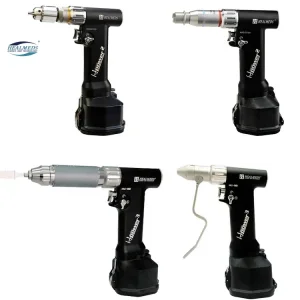
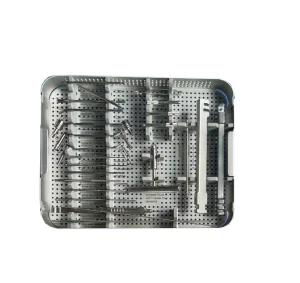
High-durability power tools, revision systems, and orthopedic hand tools designed for long-term clinical utility.
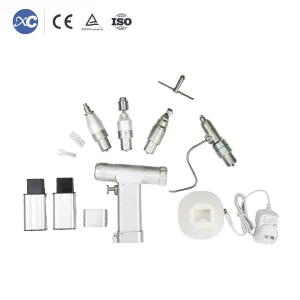
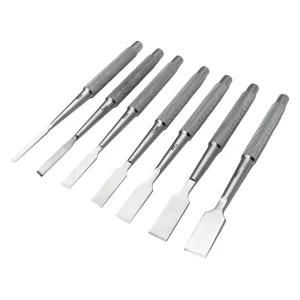
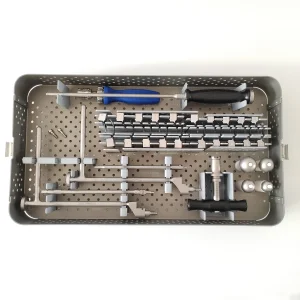
Procuring orthopedic medical devices in Egypt involves navigating specific regulatory processes and logistical setups. To build a reliable supply channel, distributors and hospital systems must manage regulatory approvals, import protocols, and shipping timelines effectively.
The Egyptian Drug Authority (EDA) enforces strict guidelines for medical devices. Importers must supply complete technical documentation, including FSC (Free Sale Certificate), ISO 13485 certification, CE Certificates of Conformity, and device bio-compatibility studies. Our regulatory affairs team assists local distributors in compiling compliant registration files.
Public health tenders in Egypt require high product traceability and technical dossiers. We supply customized tender support packets, detailing manufacturing standards, material compositions, and validation reports to ensure bid compliance.
To prevent delays at ports in Alexandria or Port Said, shipping invoices, bills of lading, and certificates of origin must be aligned. We coordinate shipping protocols under pre-advised HS code listings to facilitate customs clearance.
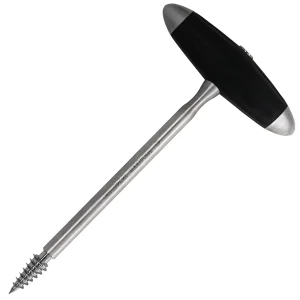
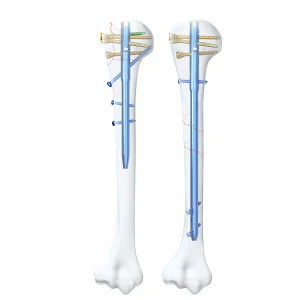
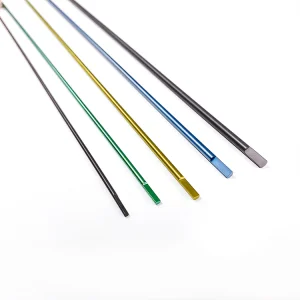
Trauma-focused locking plates, intramedullary nails, and manual extraction tools built to meet international operating room standards.
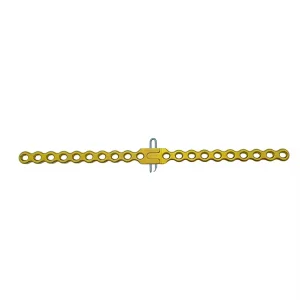
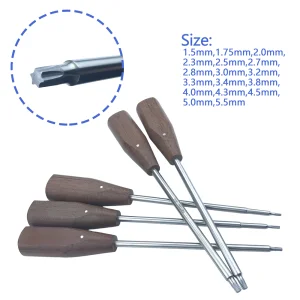
Technical details regarding regulatory standards, material specifications, and logistics for Egypt-based orthopedic suppliers.
Get technical spec sheets, product catalogs, and price lists for our FDA-compliant orthopedic fixation systems.
Send Inquiry Now