Medisplint
Medisplint
Medisplint
The global orthopedic market is witnessing a transition from conventional compression plates to locking plate technology. This shift is driven by a 5.8% CAGR in trauma-related surgeries and a growing geriatric population requiring implants that perform reliably in osteoporotic bone conditions.
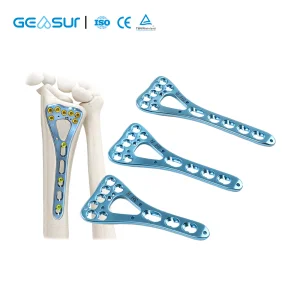
Locking plates act as "internal fixators," where the stability is achieved through the screw-plate interface rather than plate-to-bone friction. This preserves the periosteal blood supply, significantly accelerating the biological healing process compared to traditional methods.
Compliance with MDR (EU) and FDA (USA) is no longer optional. As a leading China exporter, we emphasize ISO 13485:2016 certification and rigorous post-market surveillance to ensure every implant meets the highest safety thresholds for clinical use.
SQM Facility Area
Annual Export Revenue
Supply Chain Partners
R&D Engineering Specialists
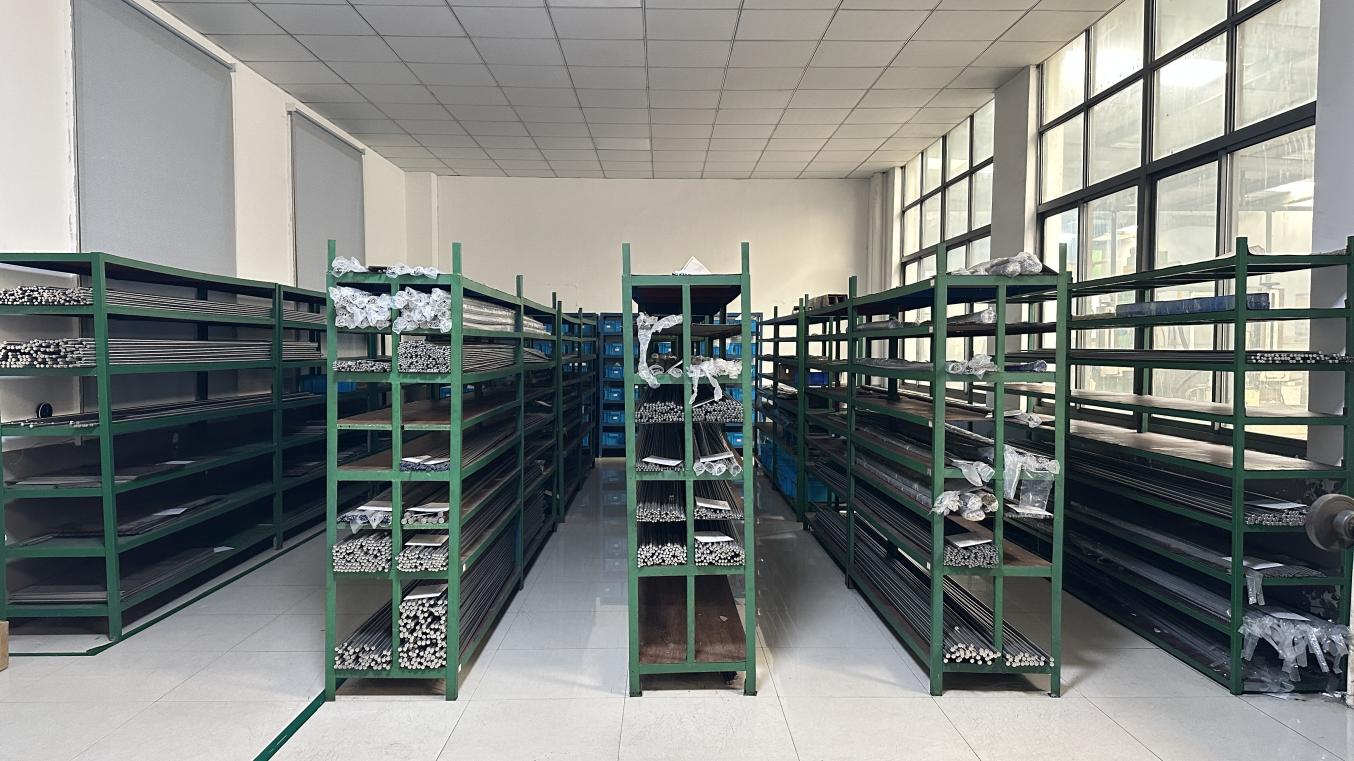
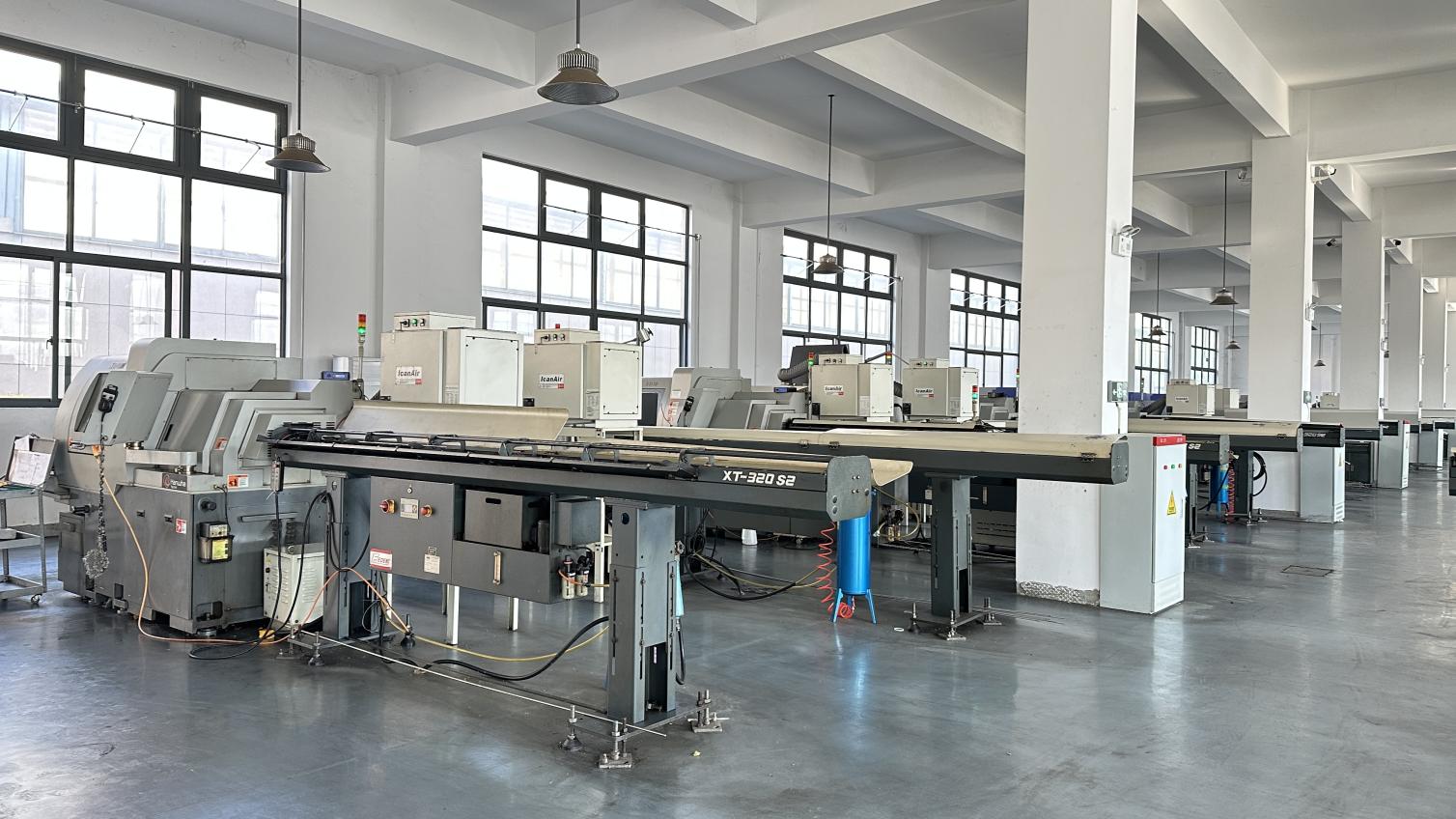
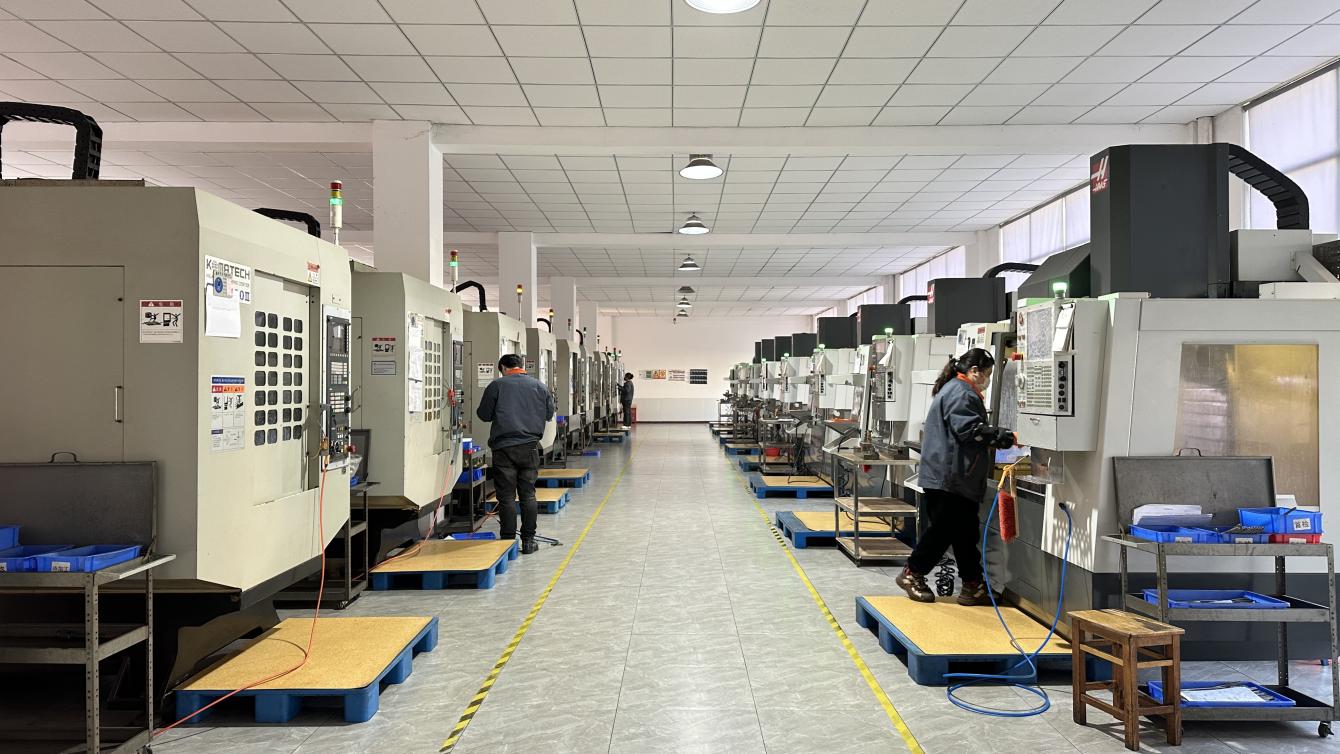
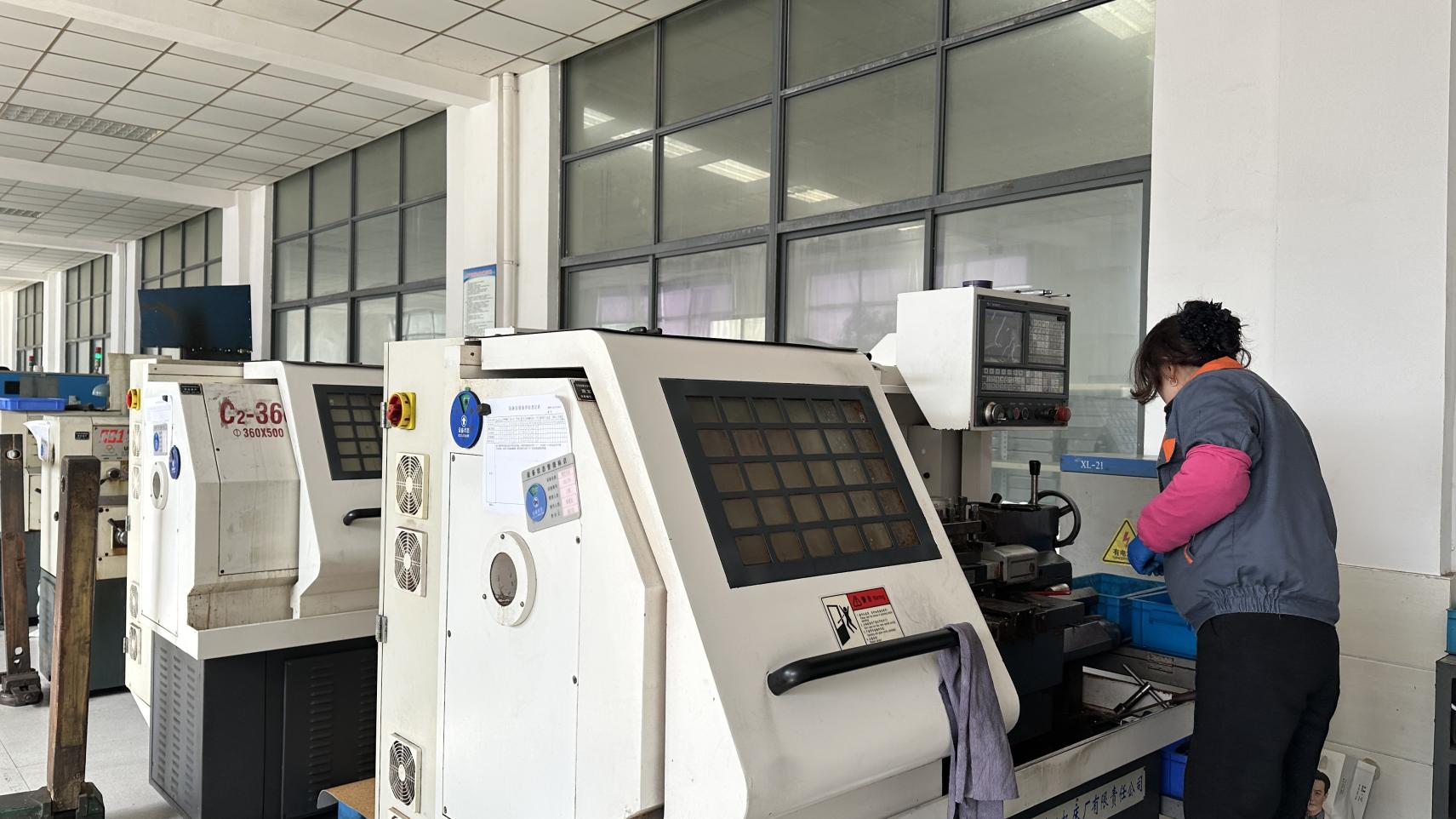
Medisplint Orthopedic Instruments Co., Ltd. is a professional manufacturer specializing in orthopedic implants, fixation systems, and surgical instruments for trauma, spine, and joint reconstruction.
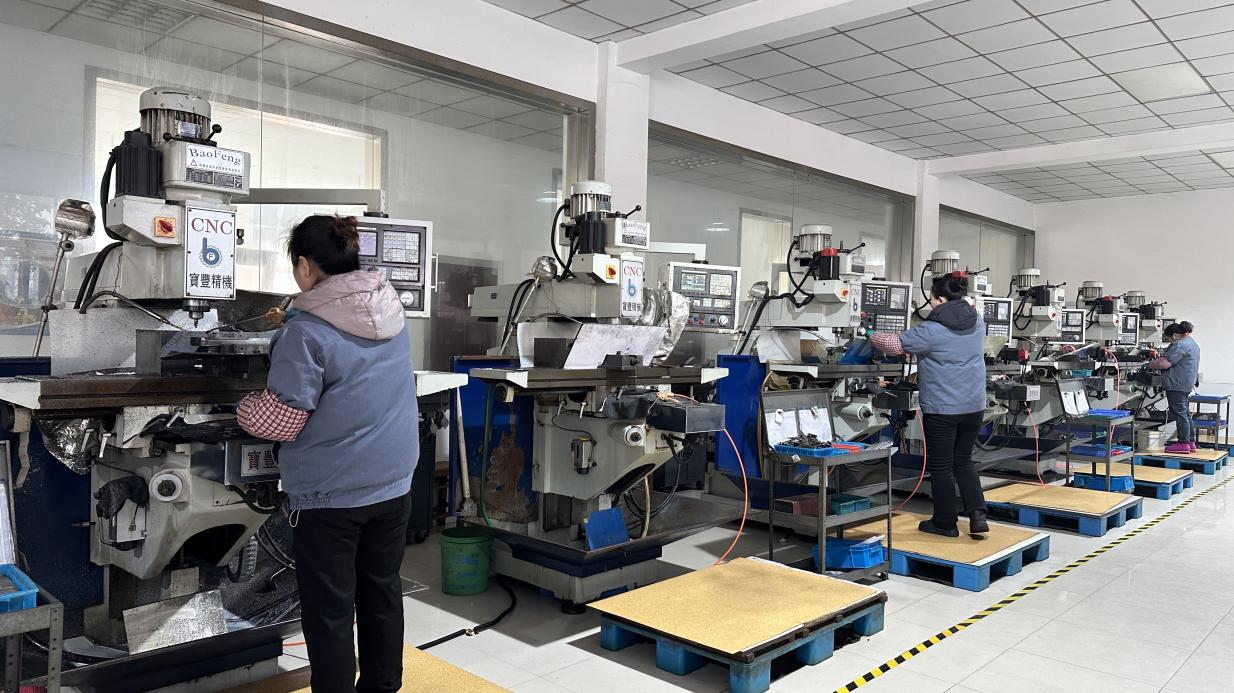
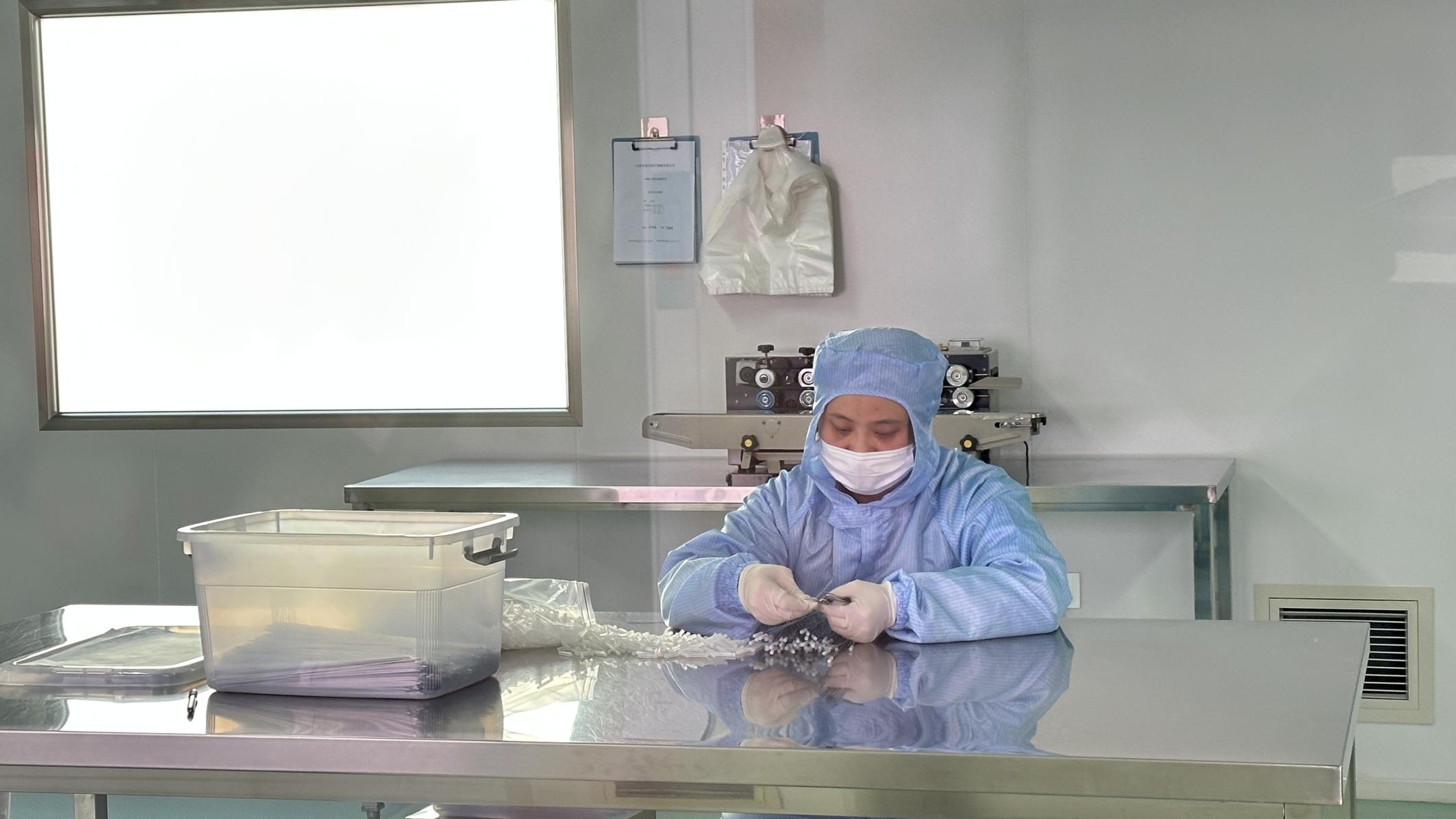
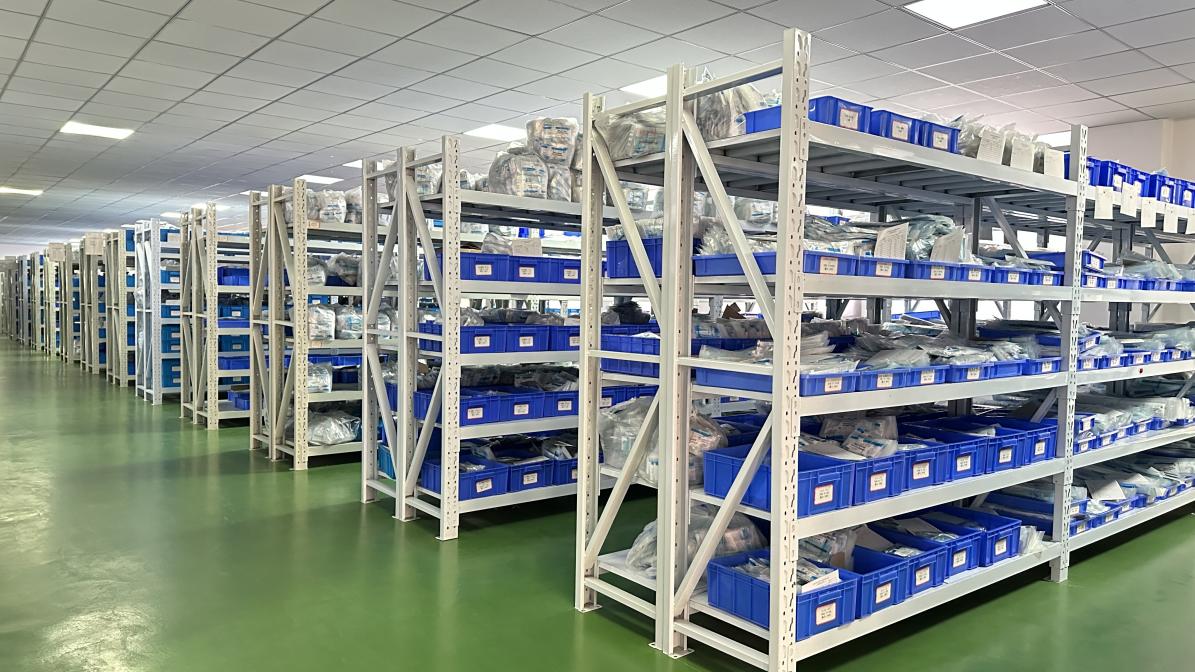
Founded in 2016, the company has developed steadily with a strong focus on innovation and international expansion. The facility supports integrated production, assembly, and quality control operations under strict quality assurance systems including ISO 13485 certification and CE compliance.
With over 7 years of export experience and 10 years of overall industry experience, Medisplint primarily serves markets in Europe, Southeast Asia, the Middle East, and South America. Its main customer types include hospitals, orthopedic distributors, surgical centers, and OEM/ODM partners.
In the past year, the company launched 68 new products, reflecting its continuous commitment to innovation and advancement in orthopedic solutions.
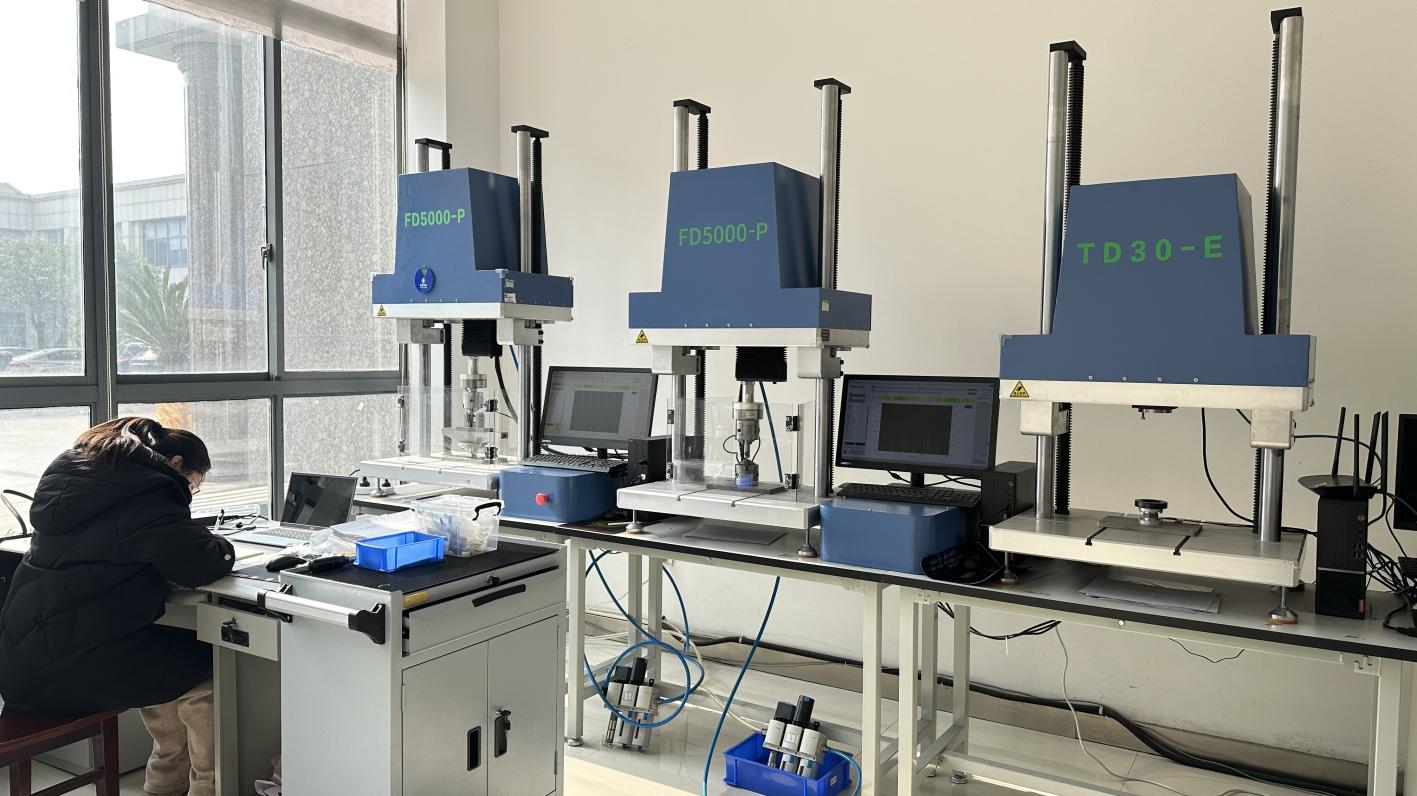
Fatigue Tester
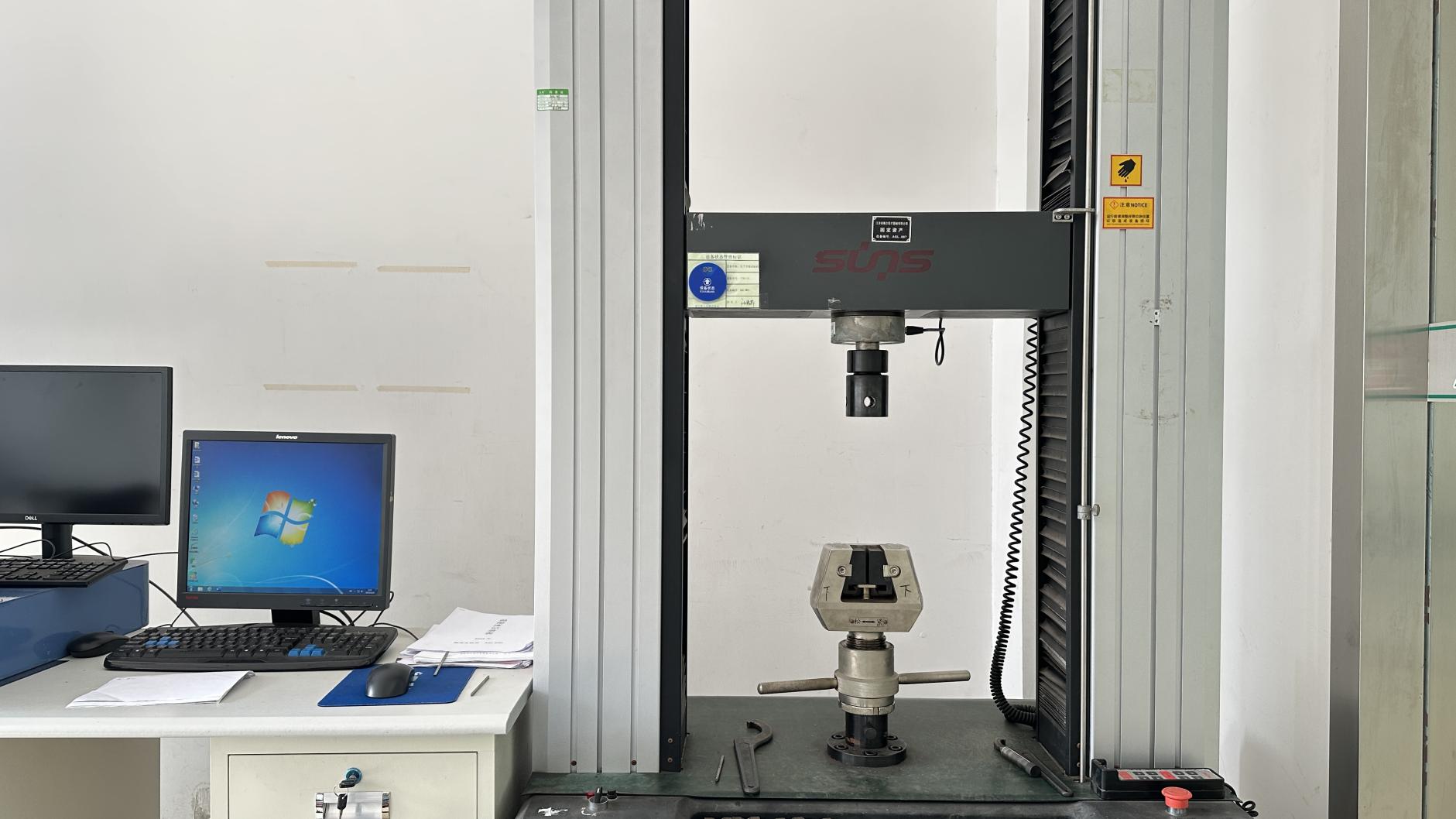
Tensile Tester
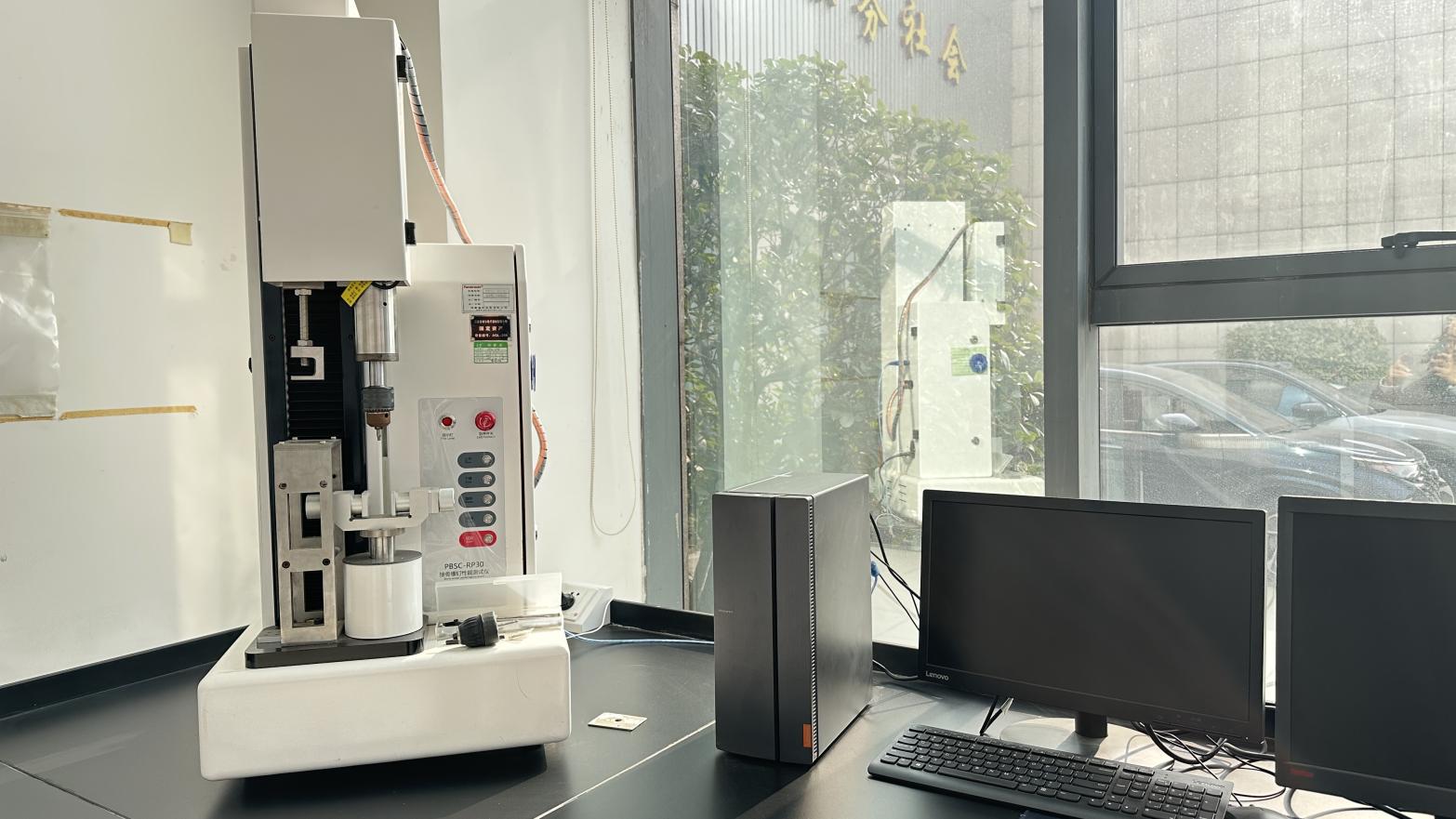
Bone Screw Performance Tester
Integration of Hydroxyapatite (HA) and antimicrobial coatings on titanium surfaces to enhance osseointegration and reduce infection risks.
Scaling Patient-Specific Implants (PSI) using SLM (Selective Laser Melting) for complex anatomical reconstructions in oncology and trauma.
Development of sensor-embedded plates to monitor real-time bone healing and load distribution, transmitting data to orthopedic surgeons.
A: Most premium manufacturers use Medical Grade Titanium Alloy (Ti-6Al-4V ELI) or Stainless Steel (316LVM). Titanium is preferred for its biocompatibility and lower modulus of elasticity, which reduces "stress shielding" effects.
A: Unlike DCPs, locking plates do not require the plate to be compressed against the bone to achieve stability. This creates a "bridging" effect that protects the blood supply, making them superior for comminuted fractures.
A: Yes, we provide full regulatory support including ISO 13485, CE certificates, Free Sale Certificates (FSC), and detailed technical files required for MOH (Ministry of Health) registration in various regions.
A: For private labeling (OEM), lead times typically range from 4-6 weeks. Full ODM design projects, involving 3D modeling and fatigue testing, may take 3-6 months depending on regulatory requirements.