🔬
1. Clinical Biomechanics & Sourcing Dynamics of Hybrid External Fixators
In modern orthopedic traumatology, periarticular fractures—specifically those affecting the distal tibia (pilon fractures) and the proximal tibia (tibial plateau fractures)—present complex surgical challenges. Traditional internal fixation protocols, such as open reduction and internal fixation (ORIF), often entail extensive soft-tissue dissection, increasing the risk of wound dehiscence, necrosis, and deep surgical site infections.
Key Engineering Metric: Hybrid external fixators optimize structural biomechanics by combining the high axial stiffness of circular rings (utilizing tensioned Kirschner wires in epiphyseal regions) with the torsional stability of unilateral bar systems (using Schanz screws in the diaphyseal shaft).
This mechanical combination creates a transitional stiffness gradient that protects delicate soft tissues while promoting secondary bone healing through micromotion. The tensioned K-wires (typically tensioned to 100–130 kg depending on wire diameter) provide multiplanar stability in short articular fragments where space for traditional screws is highly restricted.
📈
2. Market Growth Trends and Technological Developments
The global orthopedic external fixation market is experiencing a significant shift driven by technological innovations. Key trends shaping the industry include:
- Radiolucent Carbon Fiber Components: Traditional stainless-steel rings are increasingly replaced by high-performance carbon fiber composites. Carbon fiber rings and rods offer superior radiolucency, allowing surgeons to obtain unobstructed fluoroscopic imaging intraoperatively and clear radiographic assessment during outpatient healing phases.
- Computer-Assisted Hexapod Systems: Hexapod ring configurations, combined with specialized software, allow for precise, multi-axial deformity correction. The integration of hybrid fixator frames with digital planning software enables treatment of complex malunions and nonunions with sub-millimeter precision.
- Antibacterial Coating Technologies: Pin-tract infection remains a common complication of external fixation. Leading manufacturers are investing in silver-nanoparticle, chlorhexidine, and hydroxyapatite coatings for Schanz pins to reduce bacterial colonization and promote stable osseointegration.
- PEEK and Advanced Materials: Polyetheretherketone (PEEK) is being used in connection clamps and pin holders, providing high strength, structural damping, and corrosion resistance under biological environments.
🌐
3. Global Procurement Requirements and Sourcing Strategies
Procurement departments of tier-1 trauma centers and medical device distributors analyze suppliers using rigorous criteria. Key purchasing requirements include:
- Compliance with Strict Quality Frameworks: Suppliers must maintain certified quality management systems under ISO 13485. For premium markets, CE marking (under MDR 2017/745) and FDA clearance are essential requirements.
- Biocompatible Material Standards: Raw materials must conform to ASTM or ISO standards. Grade 5 Titanium (Ti-6Al-4V ELI conforming to ASTM F136) and medical-grade Stainless Steel (conforming to ASTM F138) are required to ensure fatigue strength and prevent in-vivo corrosion.
- Instrumentation Completeness and Usability: A fixator system is only as good as its instrumentation. Sourcing agents prioritize suppliers providing comprehensive surgical kits with calibrated wire tensioners, quick-connect drill guides, and modular wrench sets.
🏢
4. Profile of the Premier Supplier: Medisplint Orthopedic Instruments Co., Ltd.
Medisplint Orthopedic Instruments Co., Ltd. is a specialized manufacturer of orthopedic implants, external fixation systems, and surgical instruments for trauma, spine, and joint reconstruction.
18,500㎡
Production Facility
$12M+
Annual Export Revenue
42
Dedicated QC Inspectors
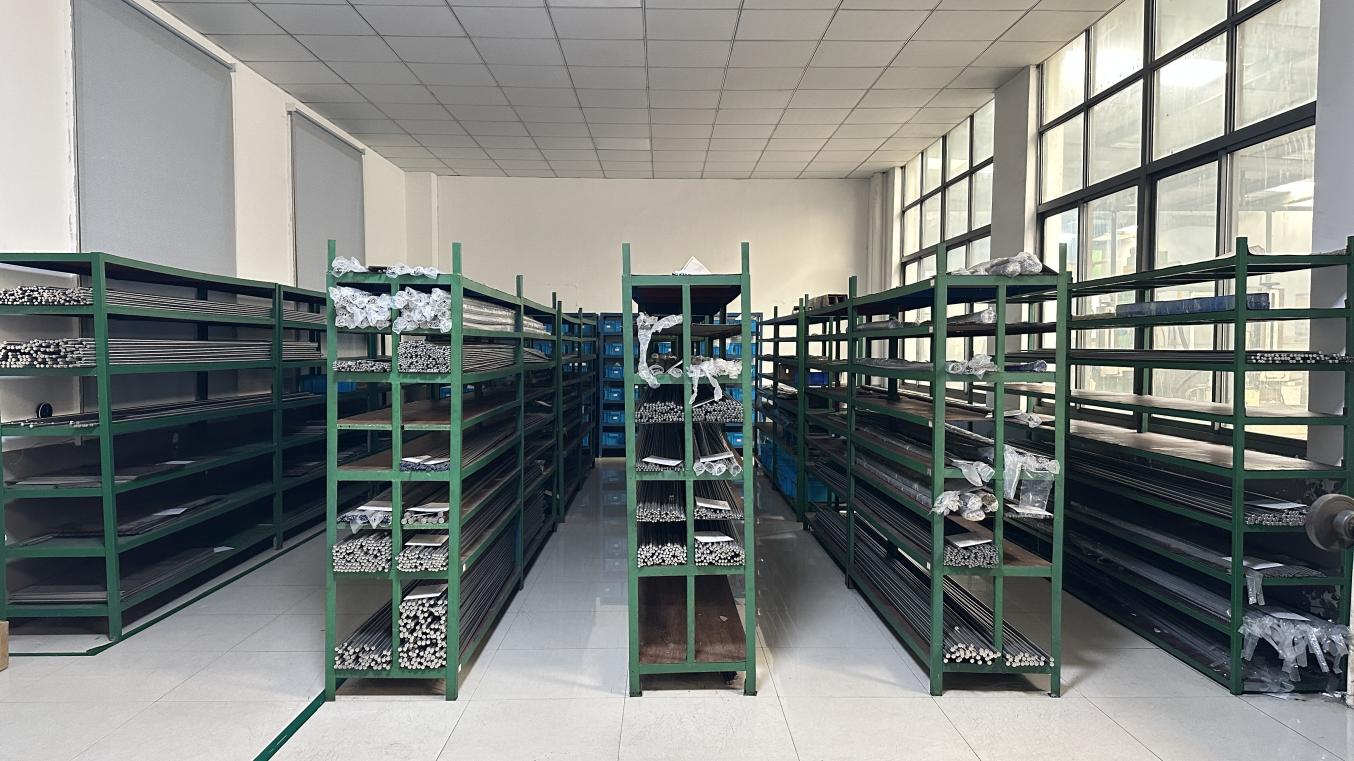
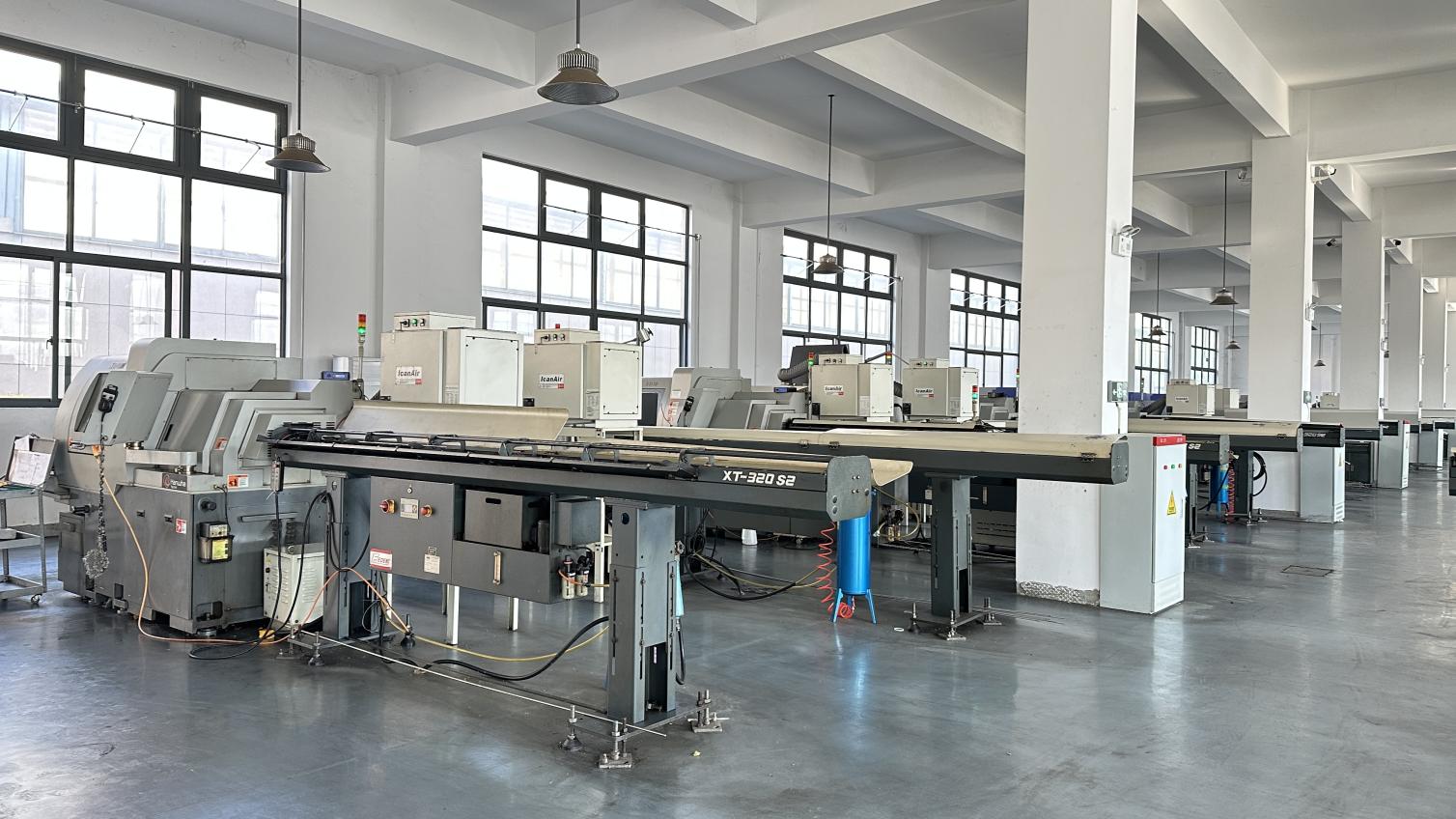
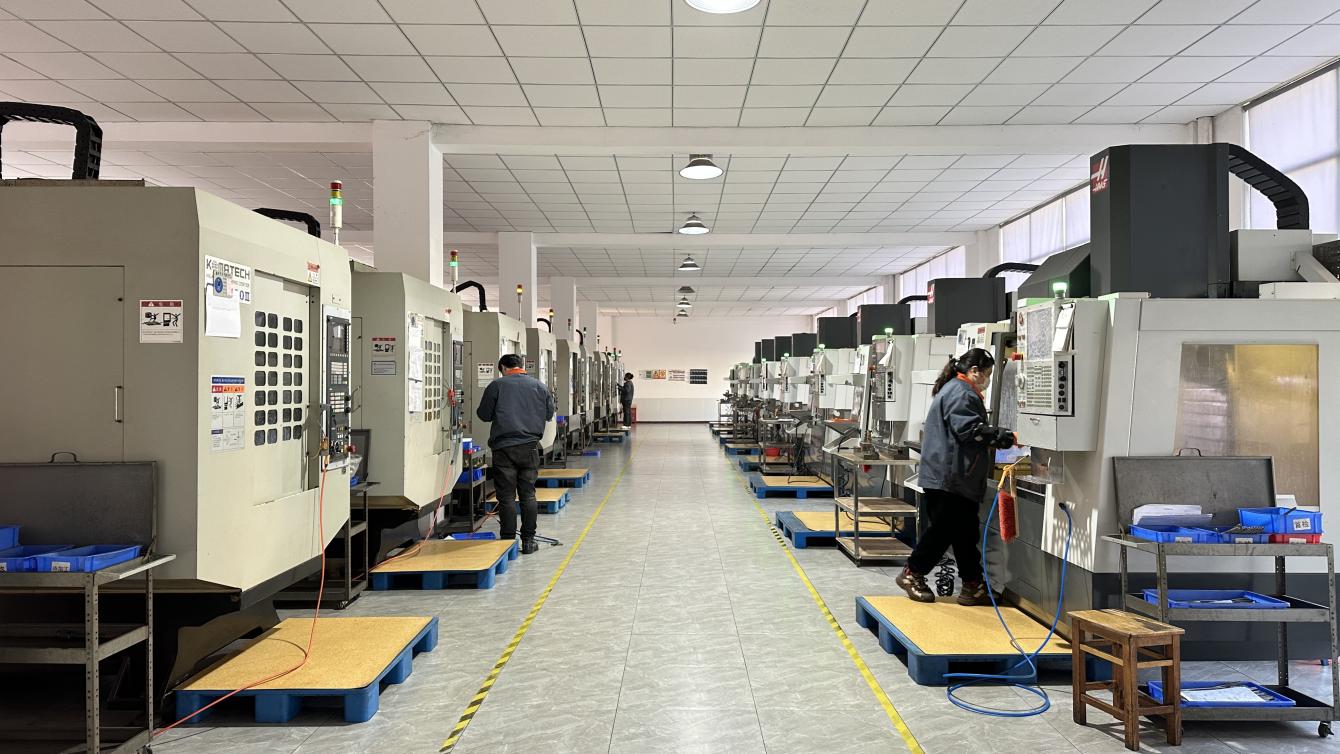
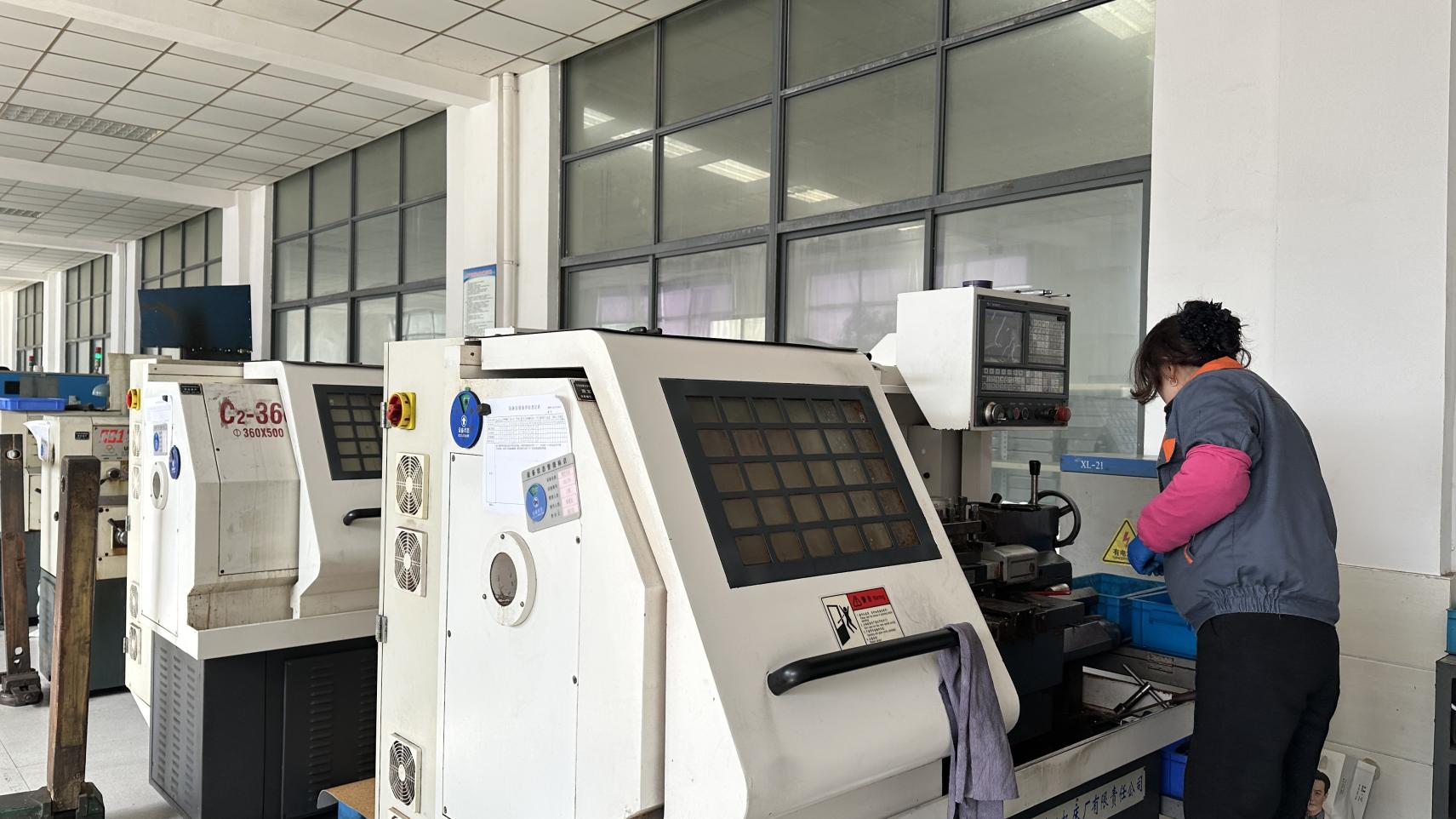
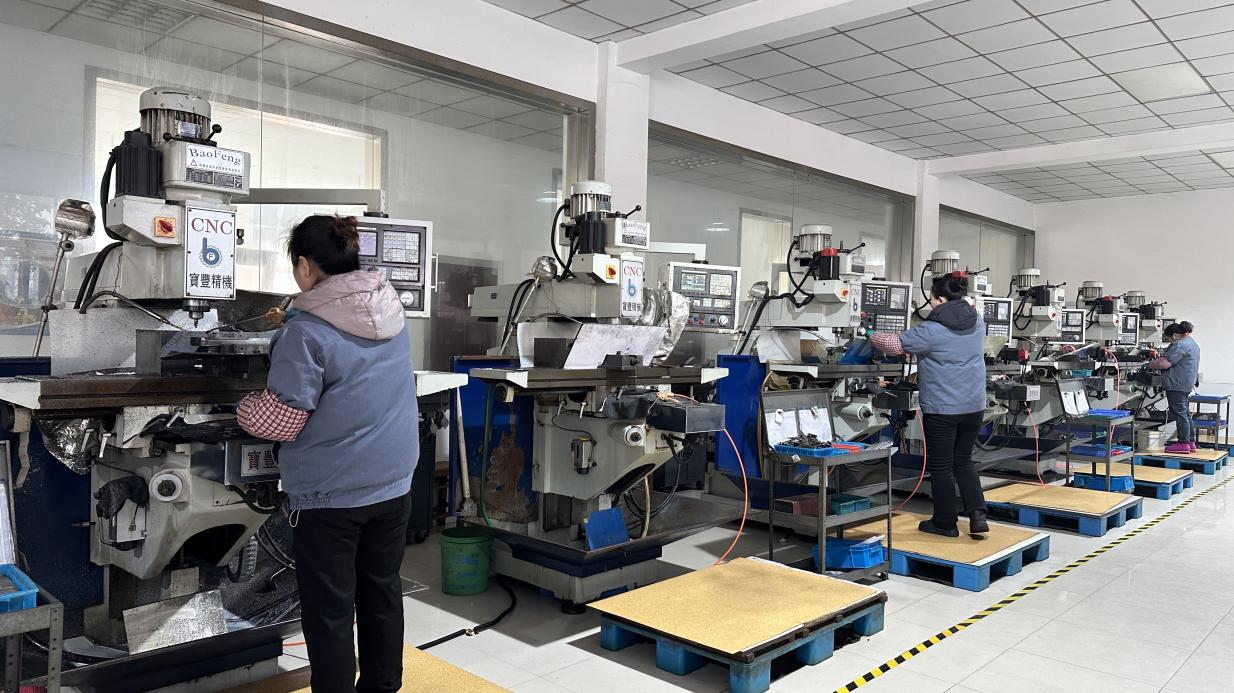
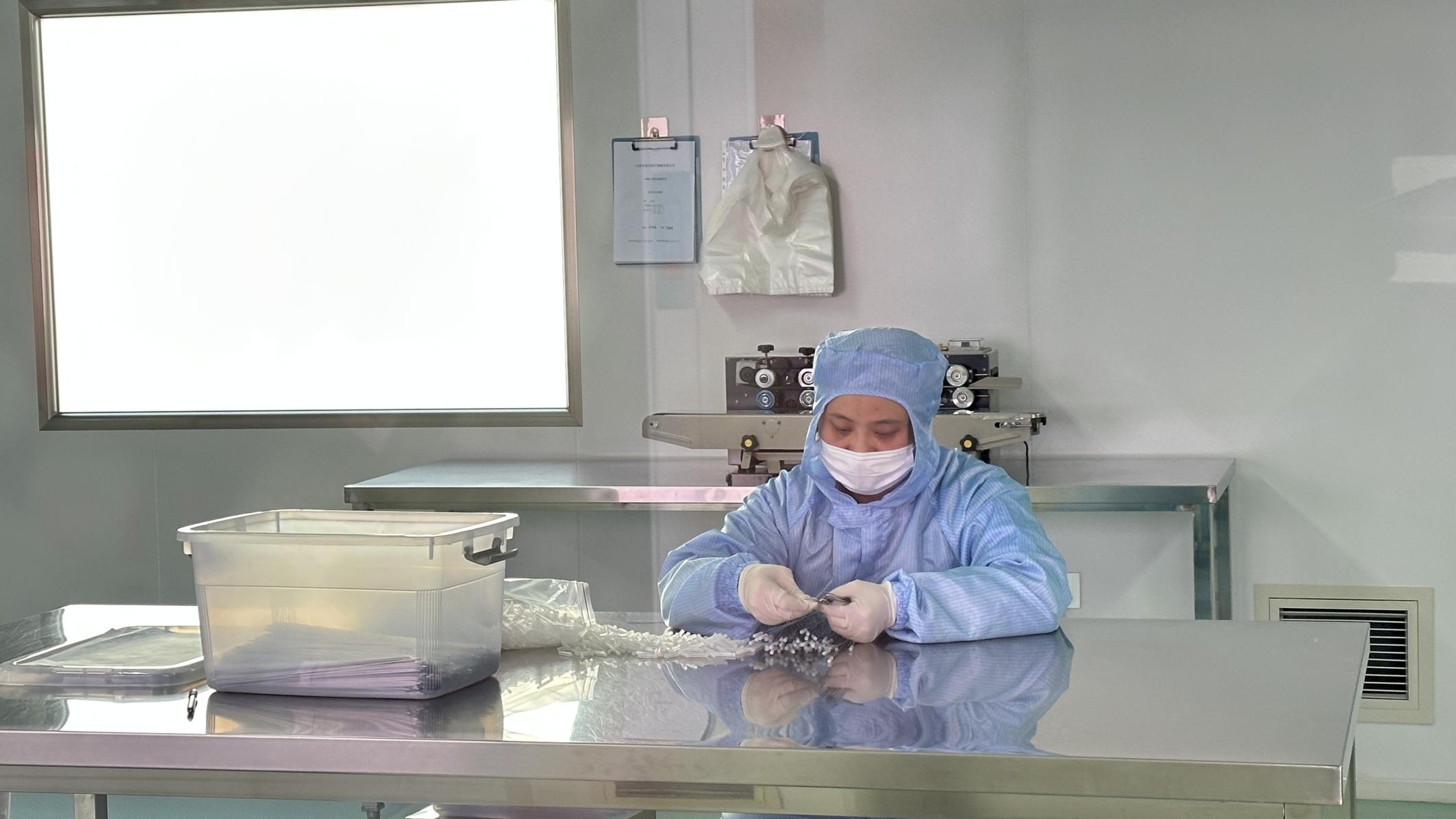
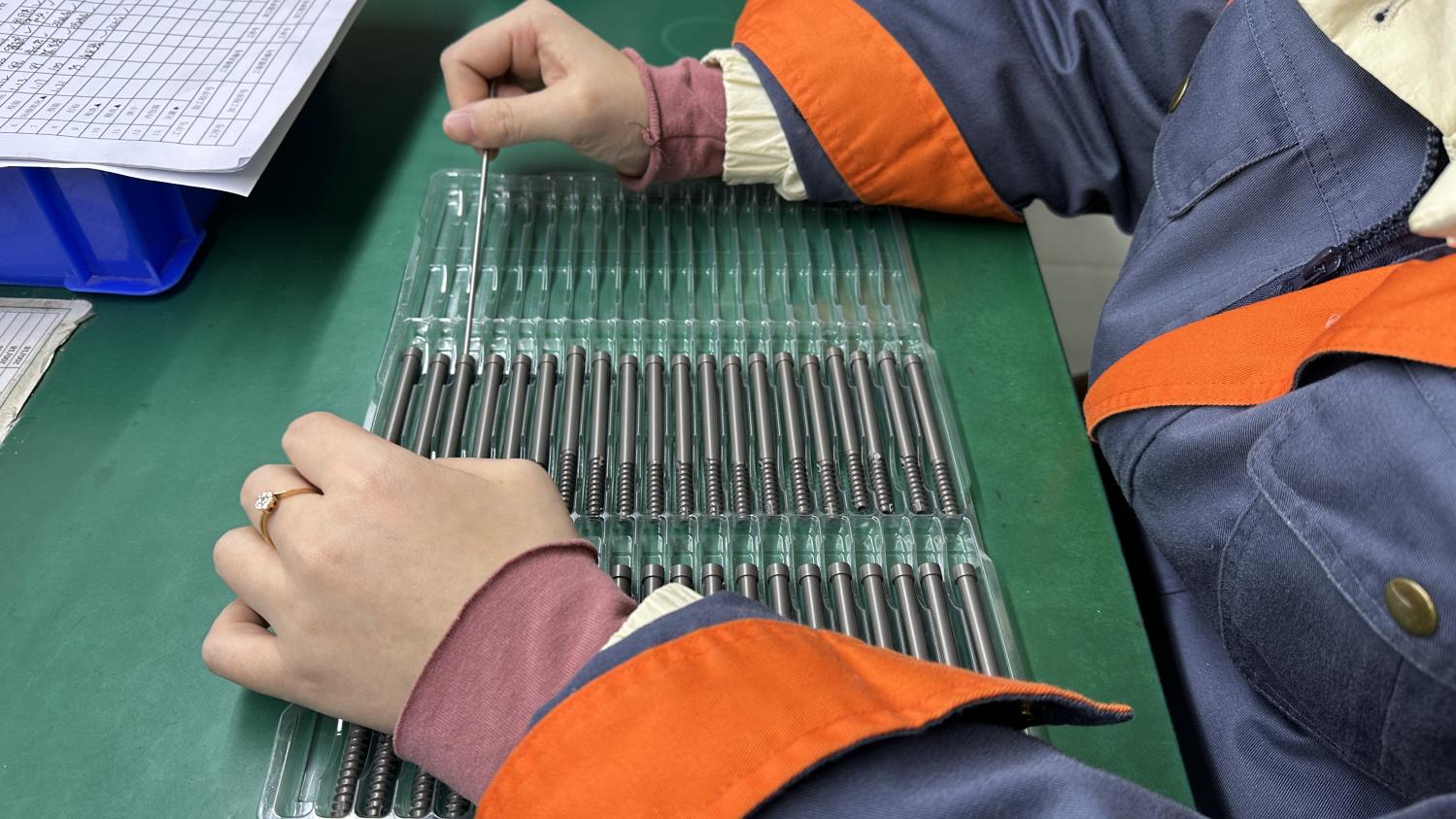
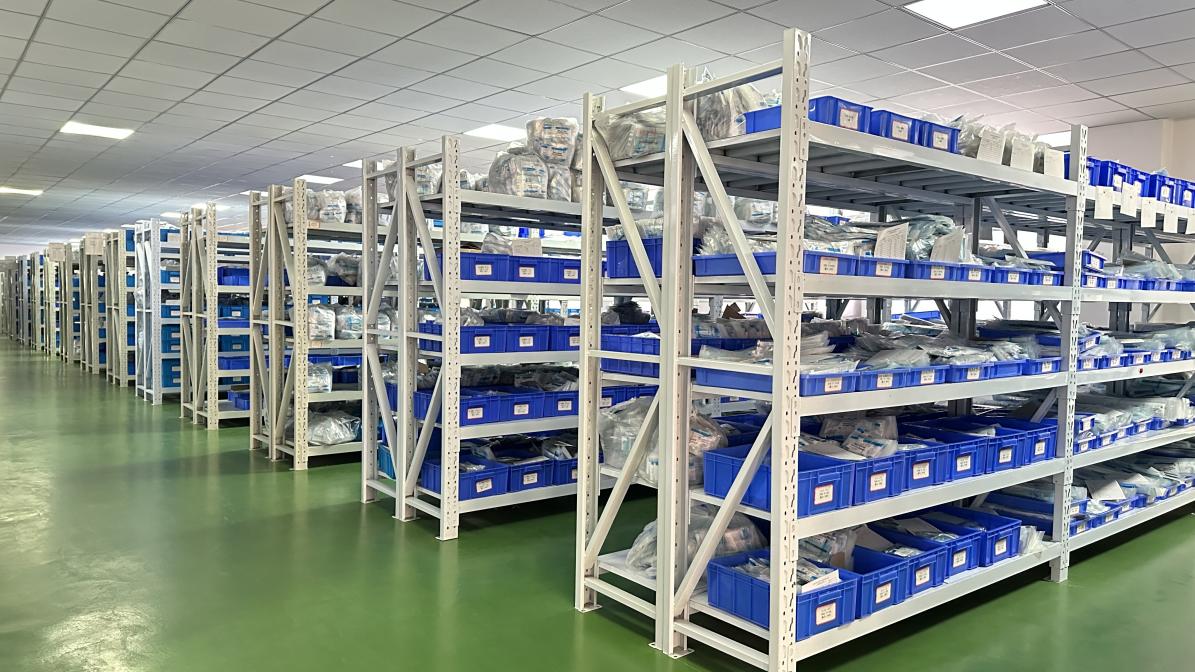
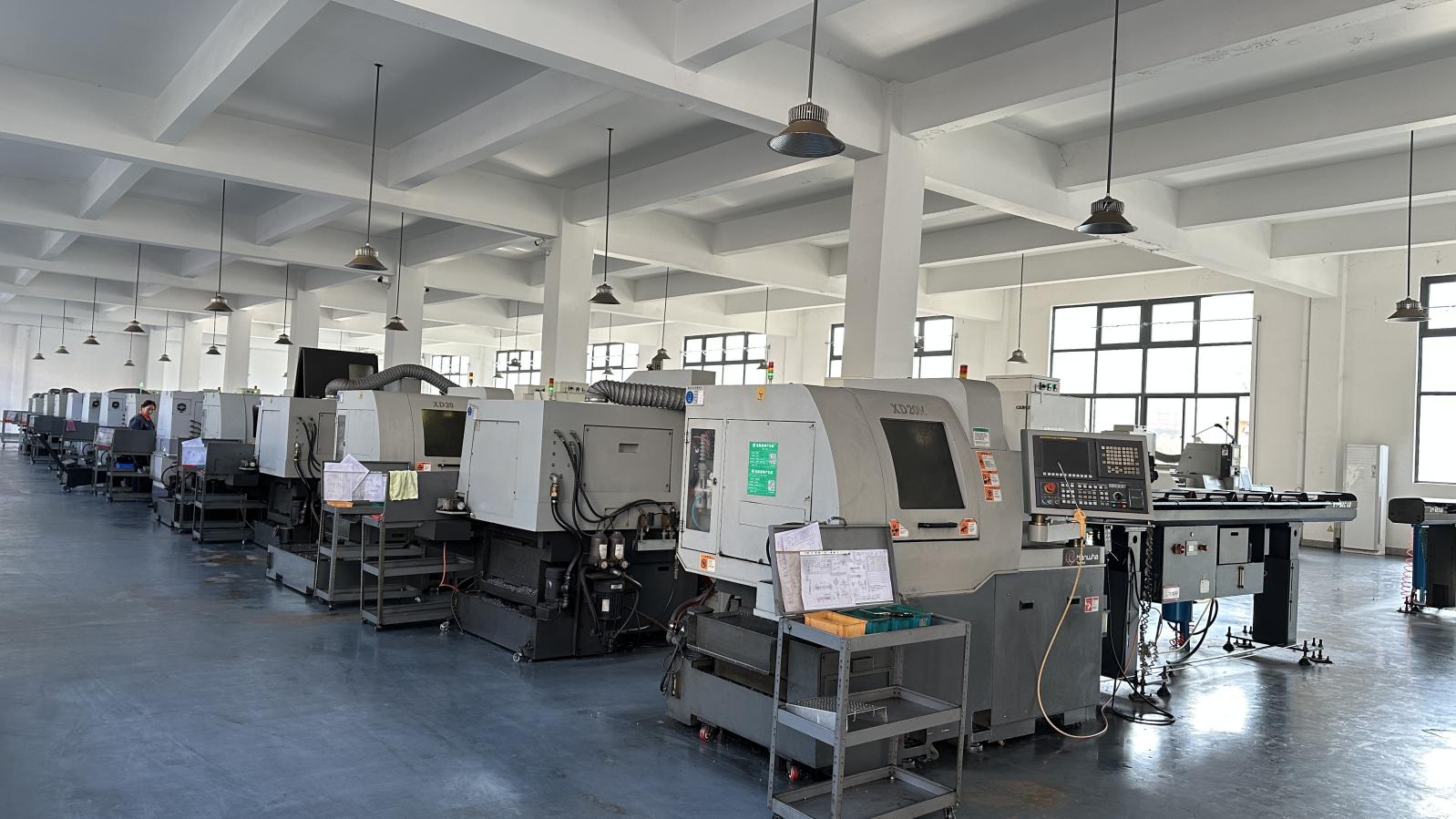
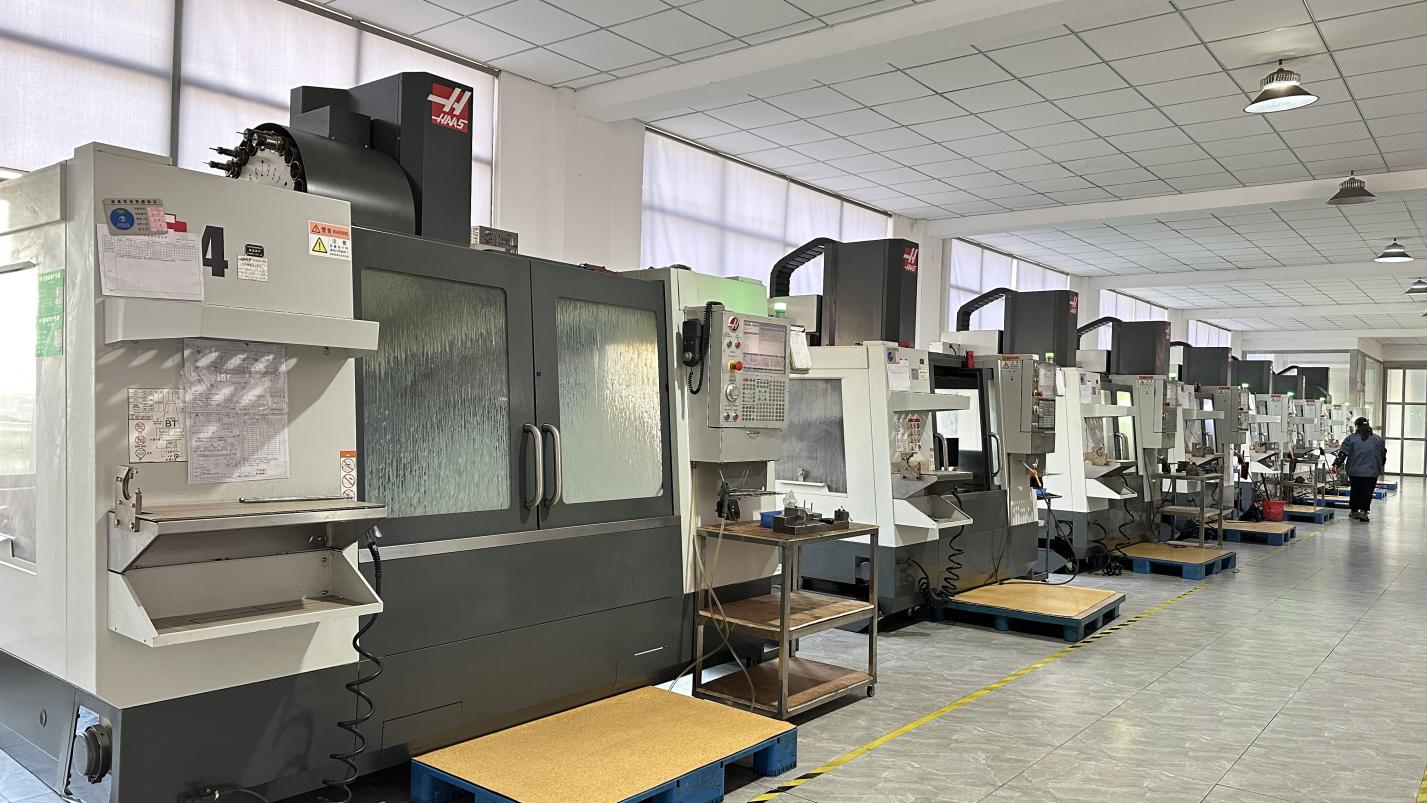
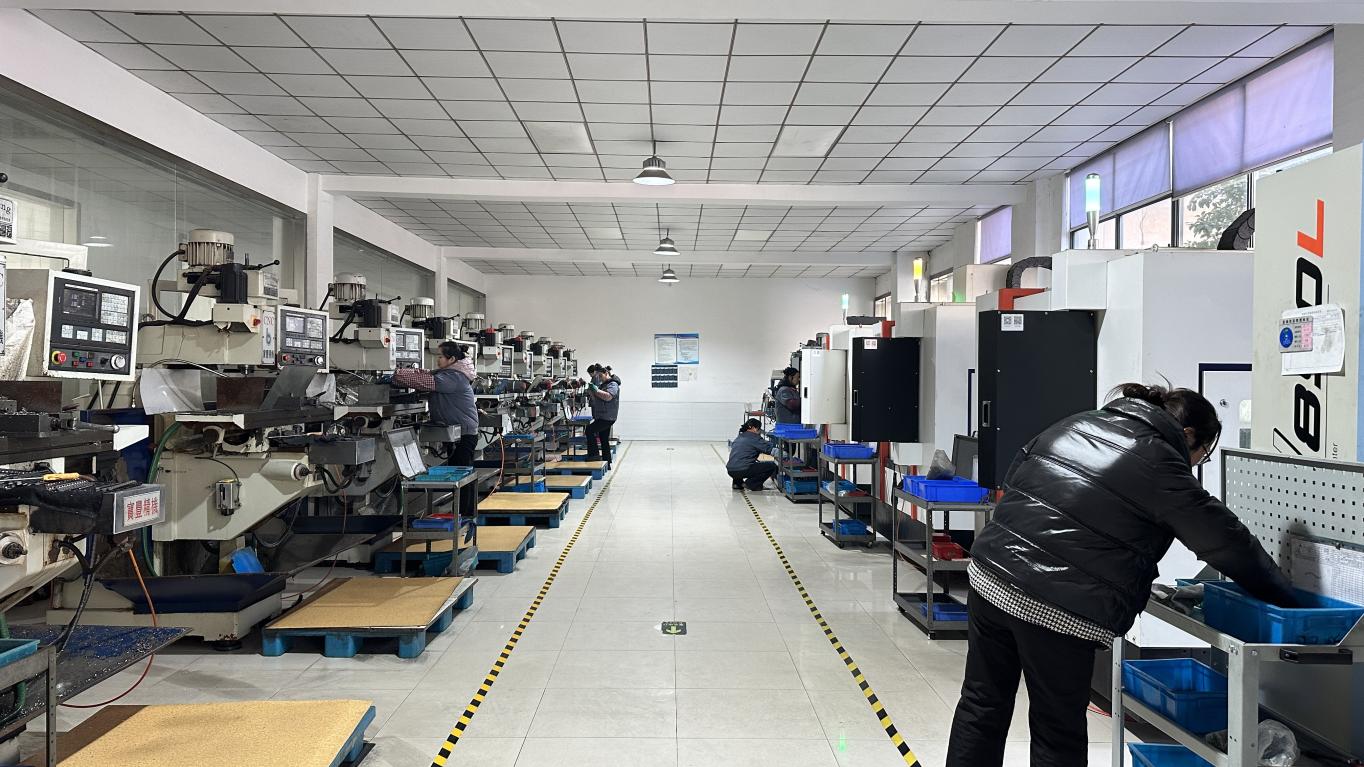
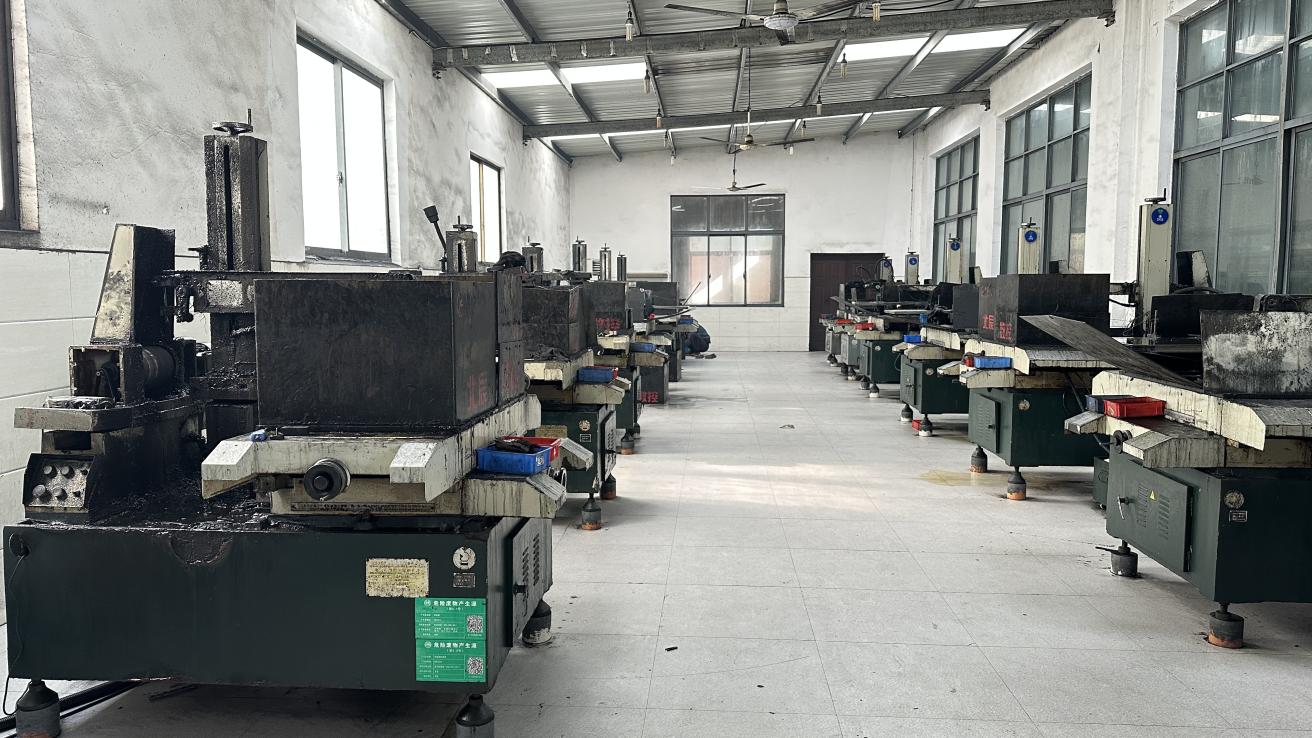
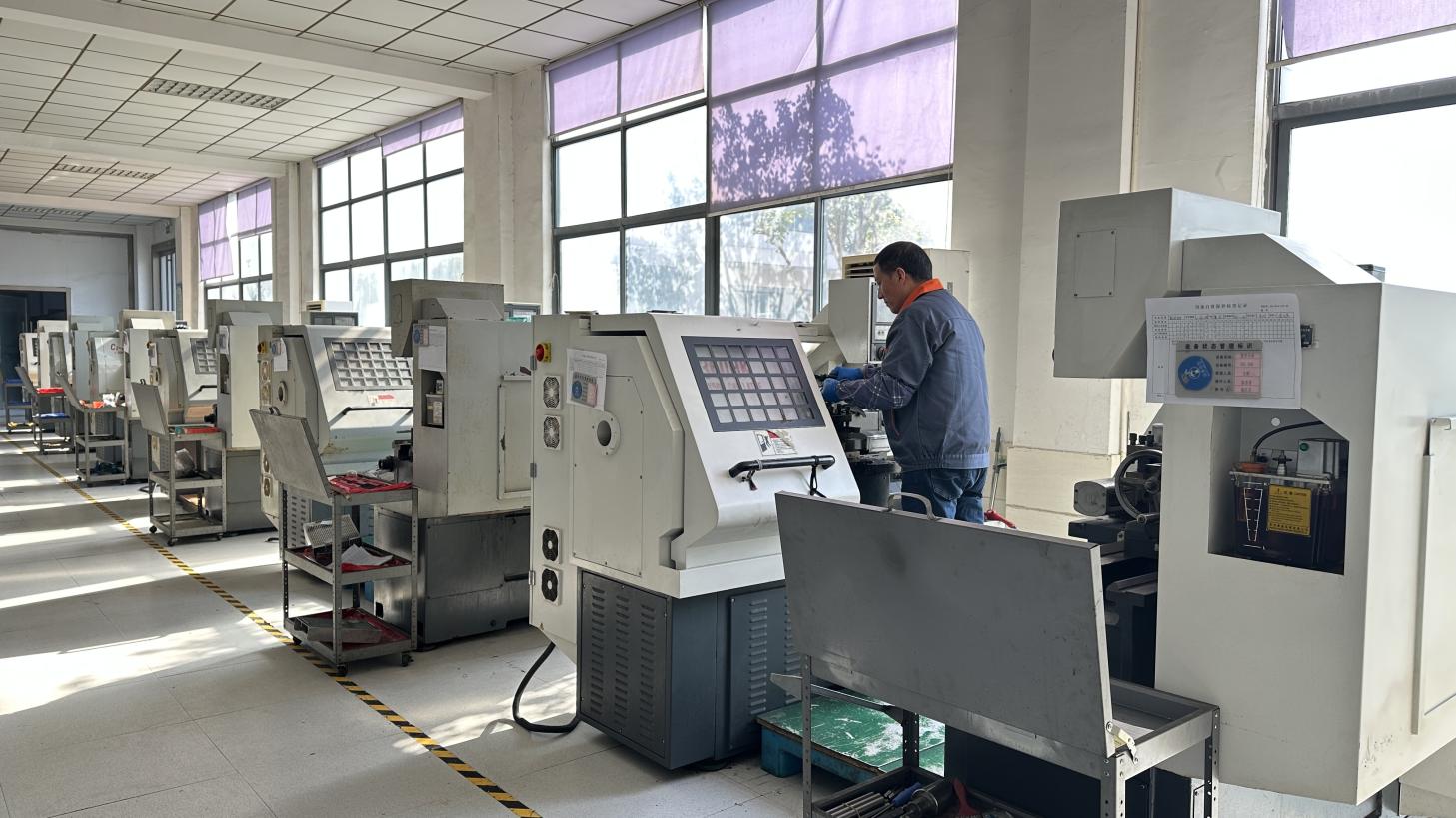
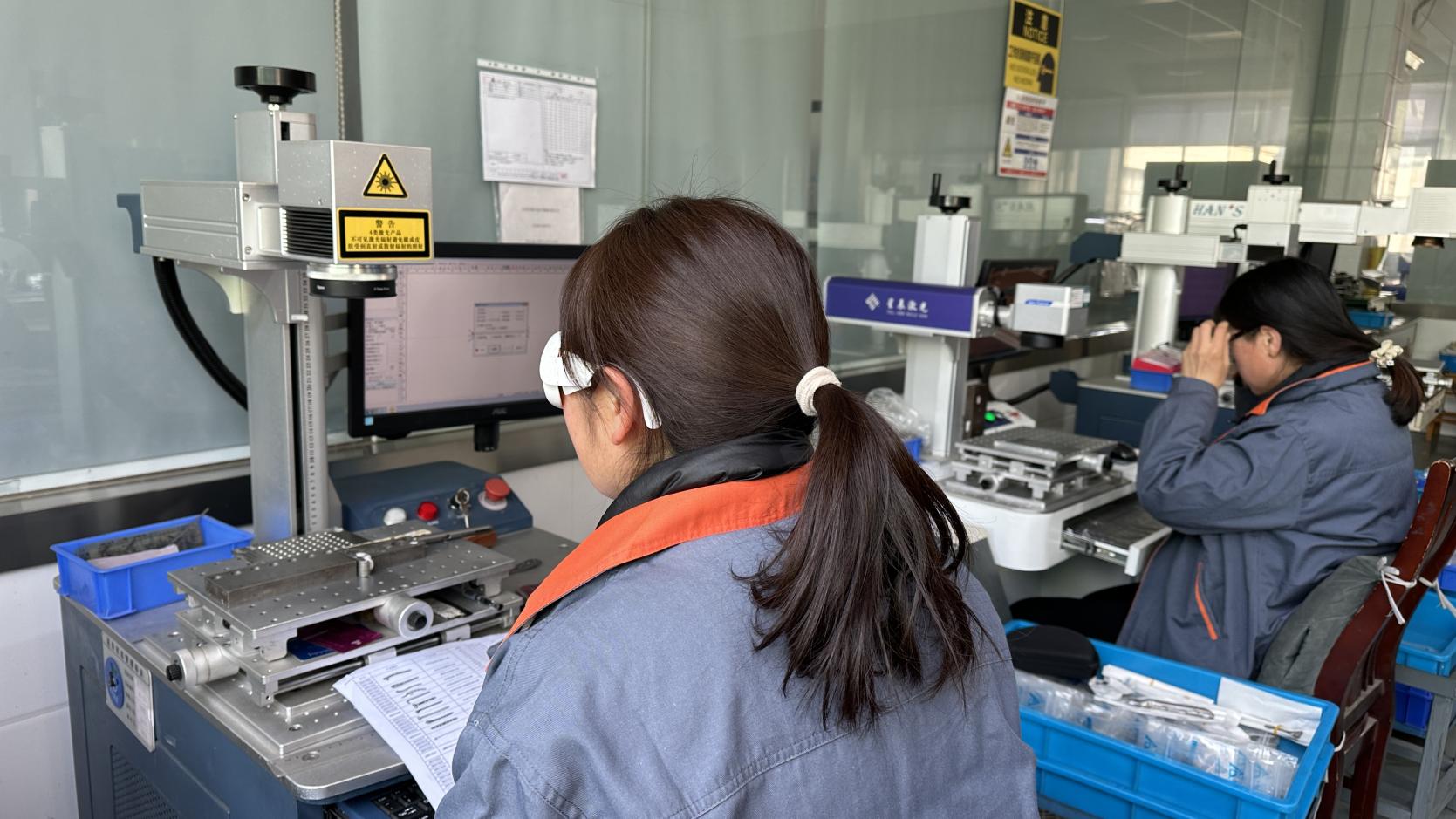
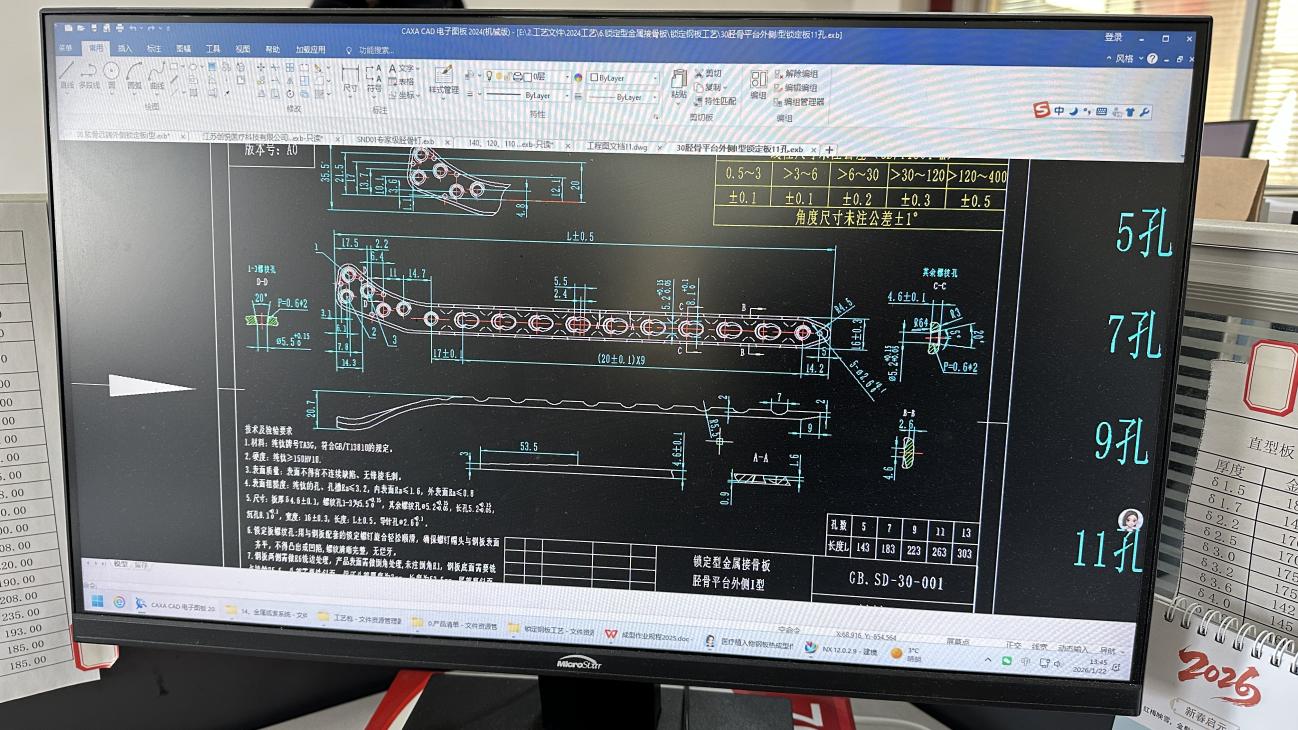
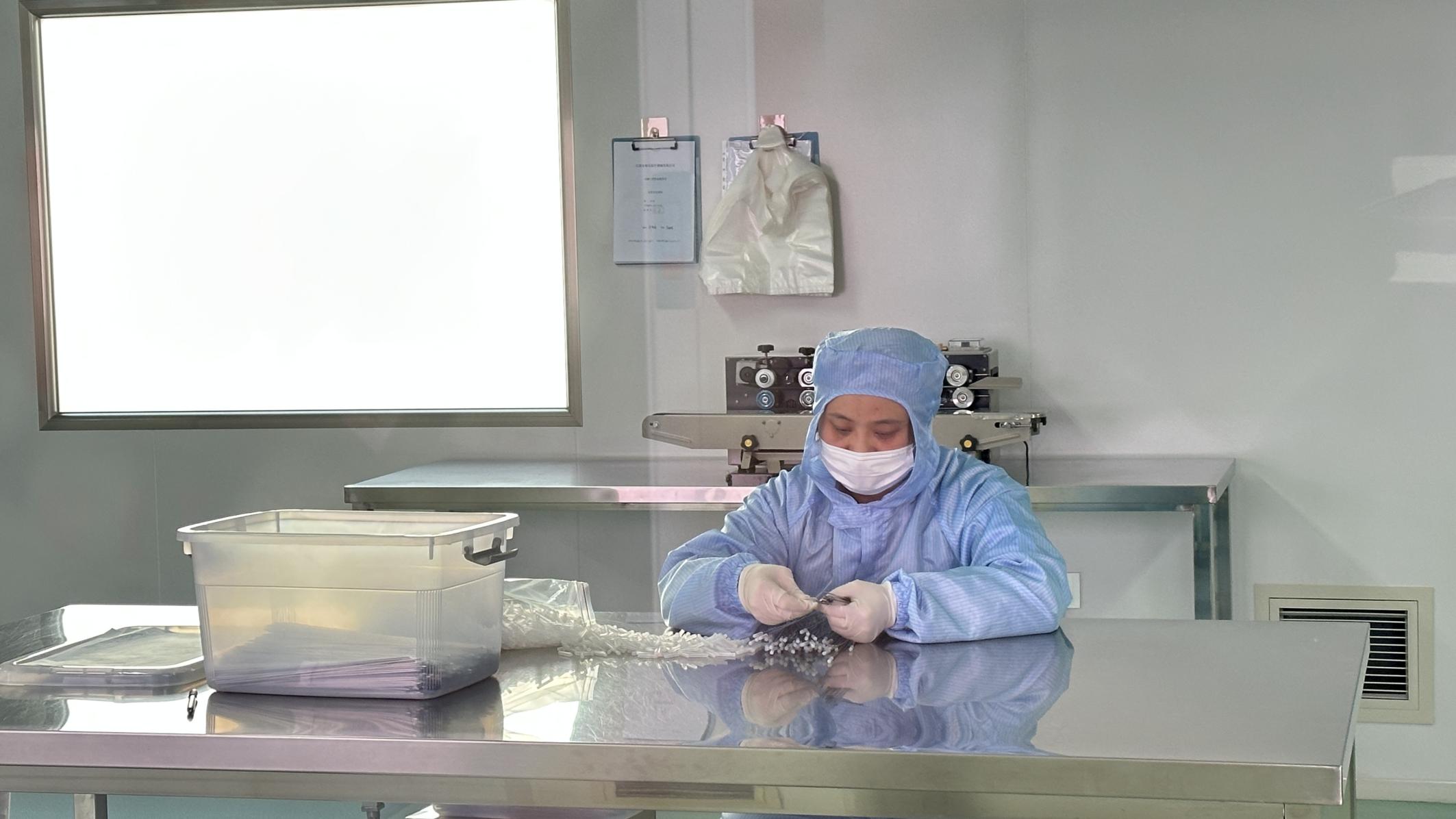
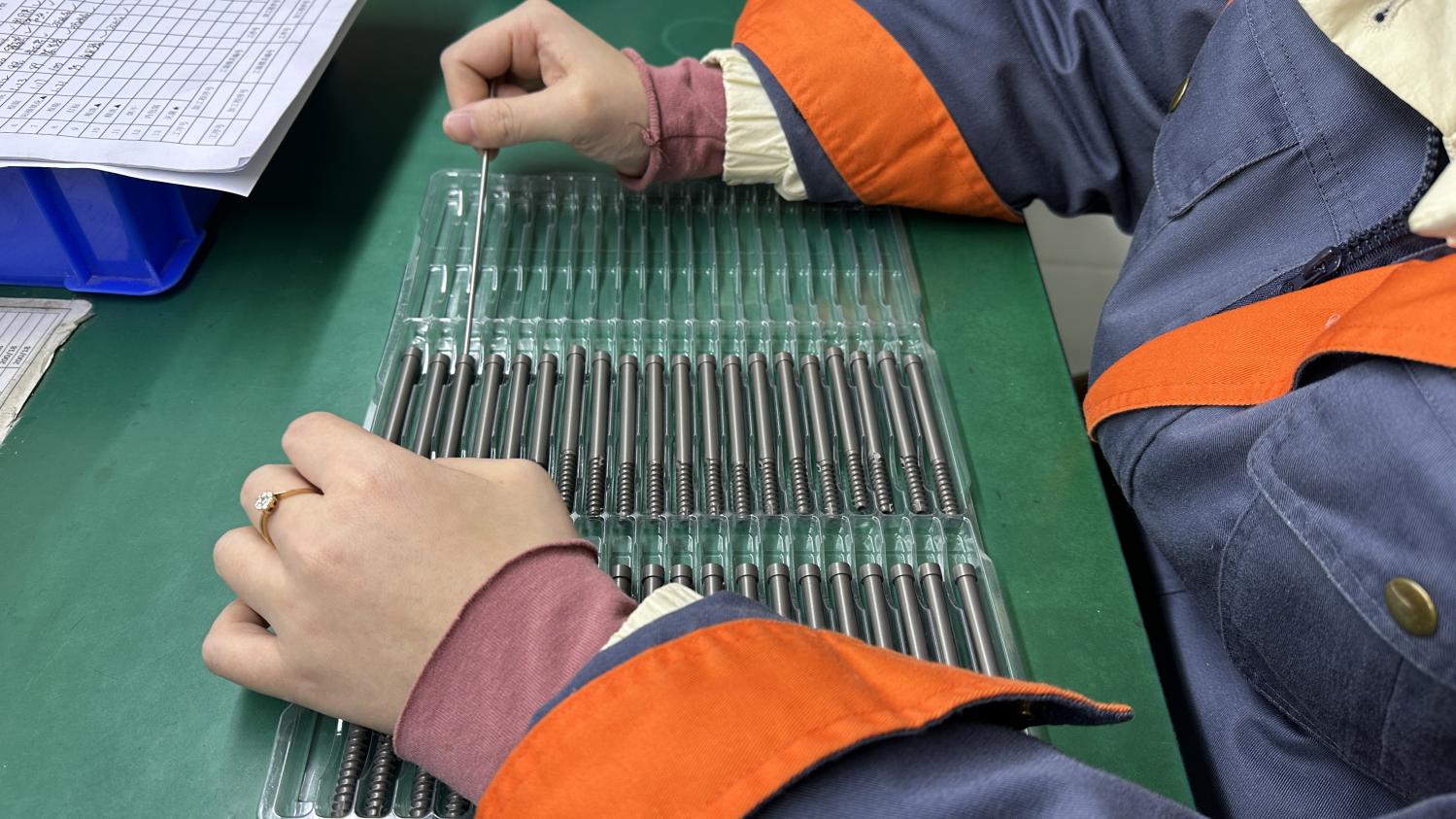
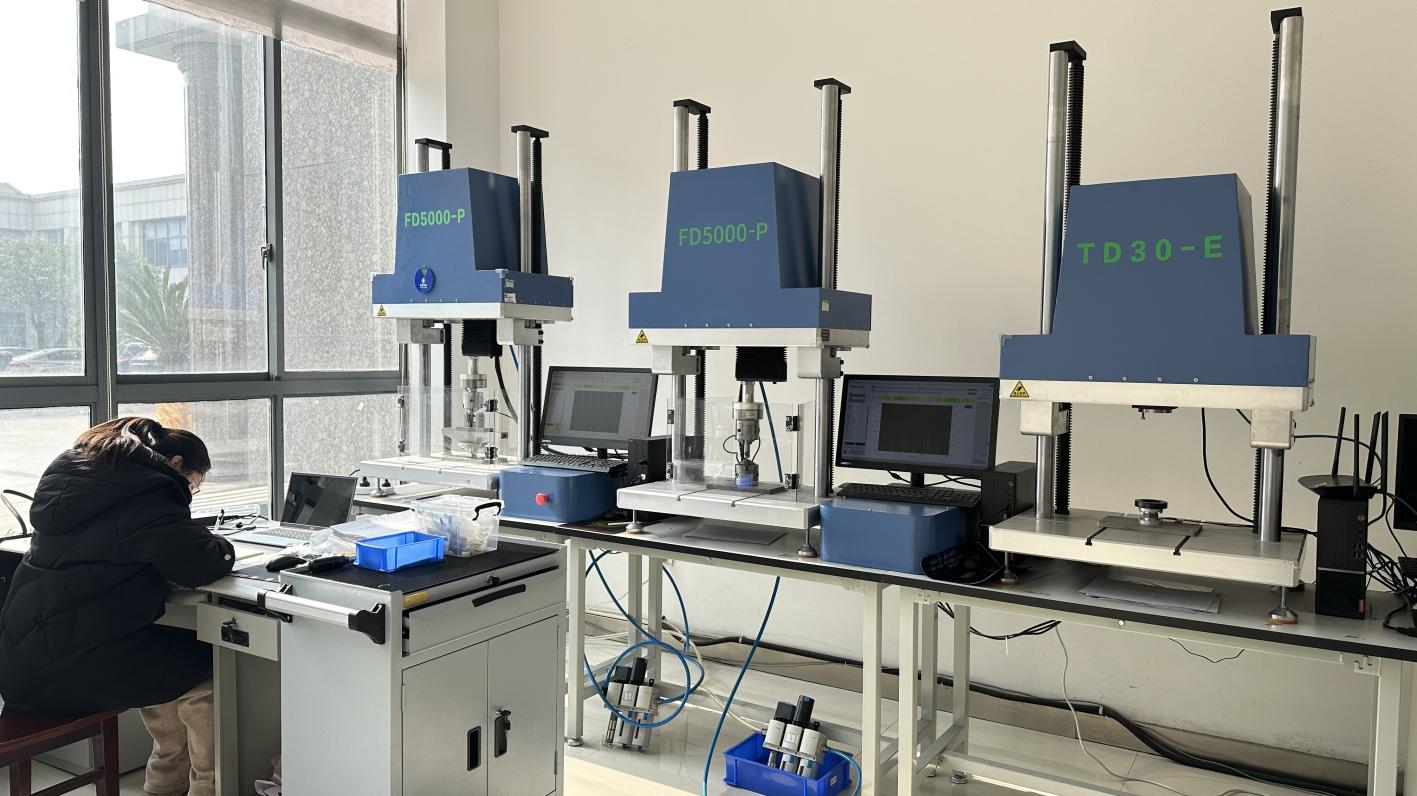
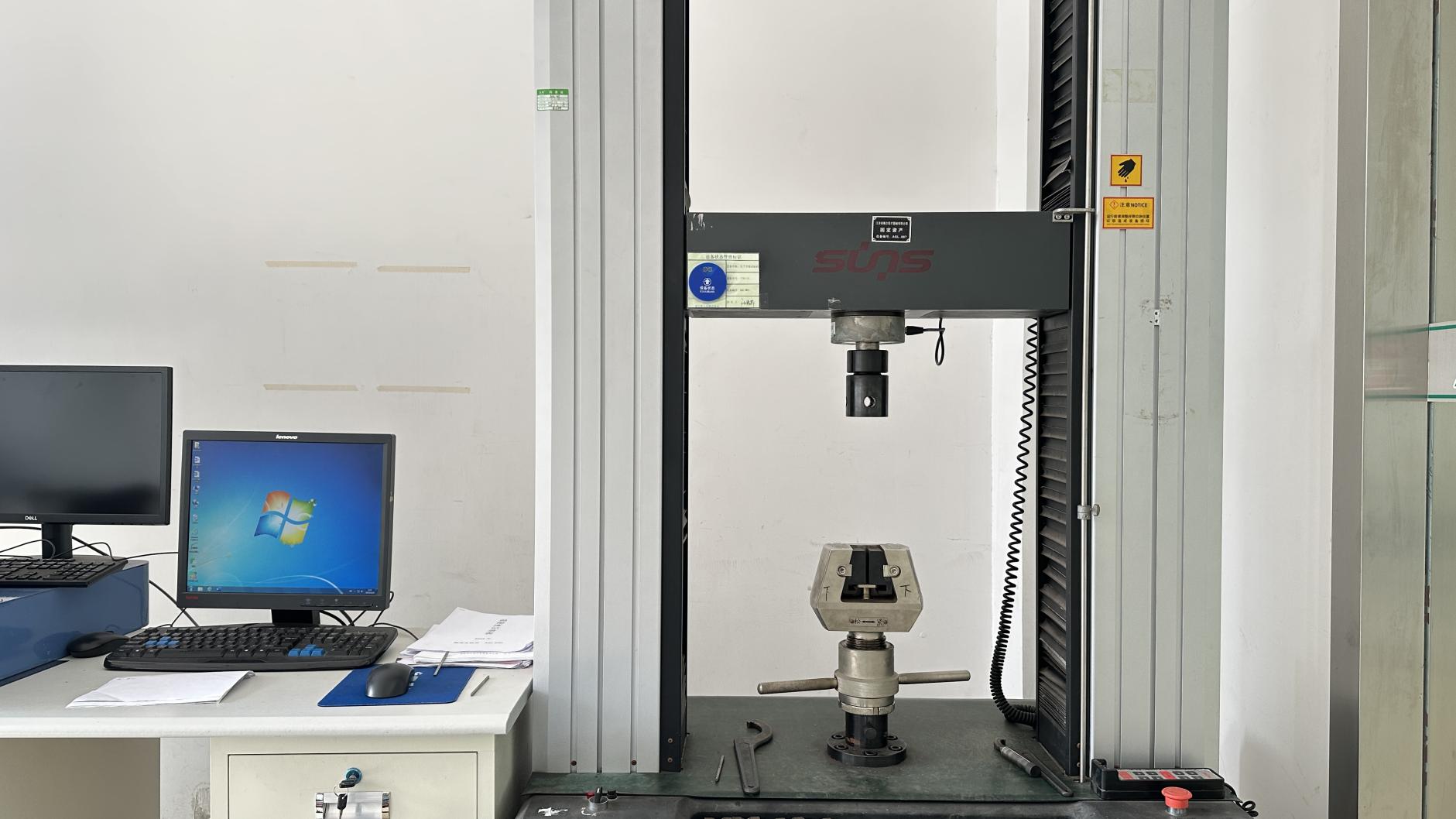
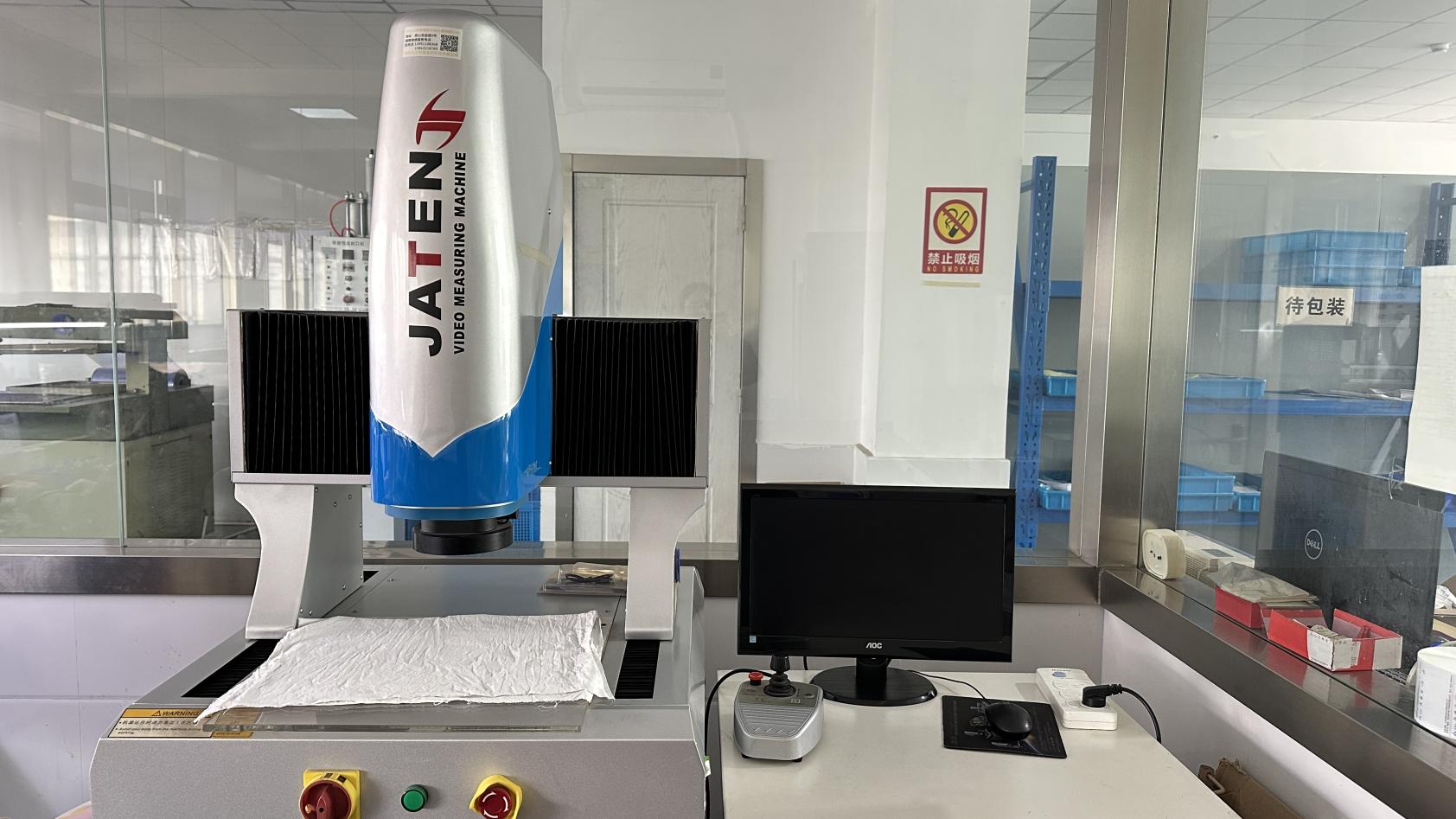
Founded in 2016, Medisplint has developed a global footprint with over 7 years of dedicated export experience. Operating a state-of-the-art facility covering 18,500 square meters, the company integrates design, slitting, CNC machining, laser marking, and sterile packaging under one roof. Its quality control department executes rigorous quality inspection workflows comprising incoming material testing, In-Process Quality Control (IPQC), Final Quality Control (FQC), and exhaustive mechanical testing in its internal laboratory.
🏢
5. Directory of the Top 10 Hybrid External Fixator Manufacturers
Selecting the correct OEM/ODM partner or supplier requires analyzing engineering capabilities, quality controls, and capacity. Below is an evaluation of the top ten global entities:
Leader in OEM
Medisplint Orthopedics
Established Chinese manufacturer specializing in modular hybrid frames, trauma instrument sets, and carbon-fiber rings. Highly customizable solutions.
- ISO 13485 & CE Compliant
- Carbon-Fiber & Titanium components
- Full OEM / Private Label services
- In-house biomechanical testing lab
Global Player
DePuy Synthes (J&J)
A division of Johnson & Johnson, DePuy Synthes offers the Maxframe Multi-Axial Correction System alongside standard hybrid components.
- Comprehensive trauma portfolios
- Advanced spatial software integration
- Global clinical support network
Innovation Leader
Stryker Corporation
Stryker's Hoffmann 3 system offers ease of assembly through modular snap-fit connections and radiolucent carbon fiber rods.
- Hoffmann Frame Technologies
- Apex self-drilling pin systems
- Excellent mechanical performance
Clinical Grade
Smith & Nephew
Pioneered the Taylor Spatial Frame (TSF), a hybrid hexapod external fixator utilizing the Ilizarov method with computer-assisted planning.
- TSF Software Suite
- Hydroxypatite coated pins
- Strong history in osteotaxis
Industry Standard
Orthofix Medical Inc.
Features the Galaxy Fixation system, designed for rapid articulation and hybrid combinations in severe high-energy trauma cases.
- Modular clamp mechanisms
- Excellent ankle/wrist modular kits
- FDA and CE approved platforms
European Quality
B. Braun (Aesculap)
German engineering offering the Aesculap External Fixator line, highly valued for mechanical reliability and precision design.
- High-grade titanium constructs
- Refined instrumentation trays
- Strict European standard validation
Precision Specialist
Zimmer Biomet
Offers the XtraFix External Fixation System, delivering a low-profile construct and modular options to minimize assembly steps.
- Single-clamp multipin capability
- Compact, lightweight designs
- Broad distribution channel
Trauma Specialist
Medartis AG
Swiss precision manufacturer focused on low-profile hardware and highly precise fixator clamps for small bones and hybrid applications.
- Extremely low profile clamps
- Highly biocompatible materials
- Surgical precision mechanics
Asia Pacific Leader
Canwell Medical
A large-scale medical device manufacturer in China, producing orthopedic implants, trauma plates, and hybrid external fixator systems.
- ISO 13485 and CE certified
- Integrated C-Arm imaging compatible
- High manufacturing volume capacity
Emerging Innovator
Geasure Medical
Specializing in titanium alloy pediatric and adult hybrid systems, spinal constructs, and thoracoplasty plate designs.
- High-purity raw materials
- ISO compliant fatigue profiles
- Custom layout design options
🛠️
6. Technical Roadmap: The Evolution of Hybrid External Fixators
The mechanical design of hybrid external fixators is evolving towards digitized, smart, and patient-specific configurations:
- Phase 1 (Classic Analogue): Simple connection joints, stainless steel rings, manual K-wire tensioning using spring scales. High construct weight and limited postoperative adjustments.
- Phase 2 (Modern Modular): Introduction of carbon fiber rings, quick-snap plastic/aluminum alloy clamps, and color-coded components to streamline surgical assembly.
- Phase 3 (Digitized Hexapod / Software Integration): Use of spatial frame algorithms. Surgeons input deformity vectors online to receive daily strut-adjustment protocols.
- Phase 4 (Smart Fixators - Near Future): Integration of strain gauges and micro-sensors within carbon-fiber rods. These sensors measure real-time dynamic load-bearing, wireless transmitting healing metrics directly to clinicians.
🛡️
7. Regulatory Compliance & Quality Assurance Testing
Quality control of hybrid external fixator systems requires strict adherence to international testing methodologies:
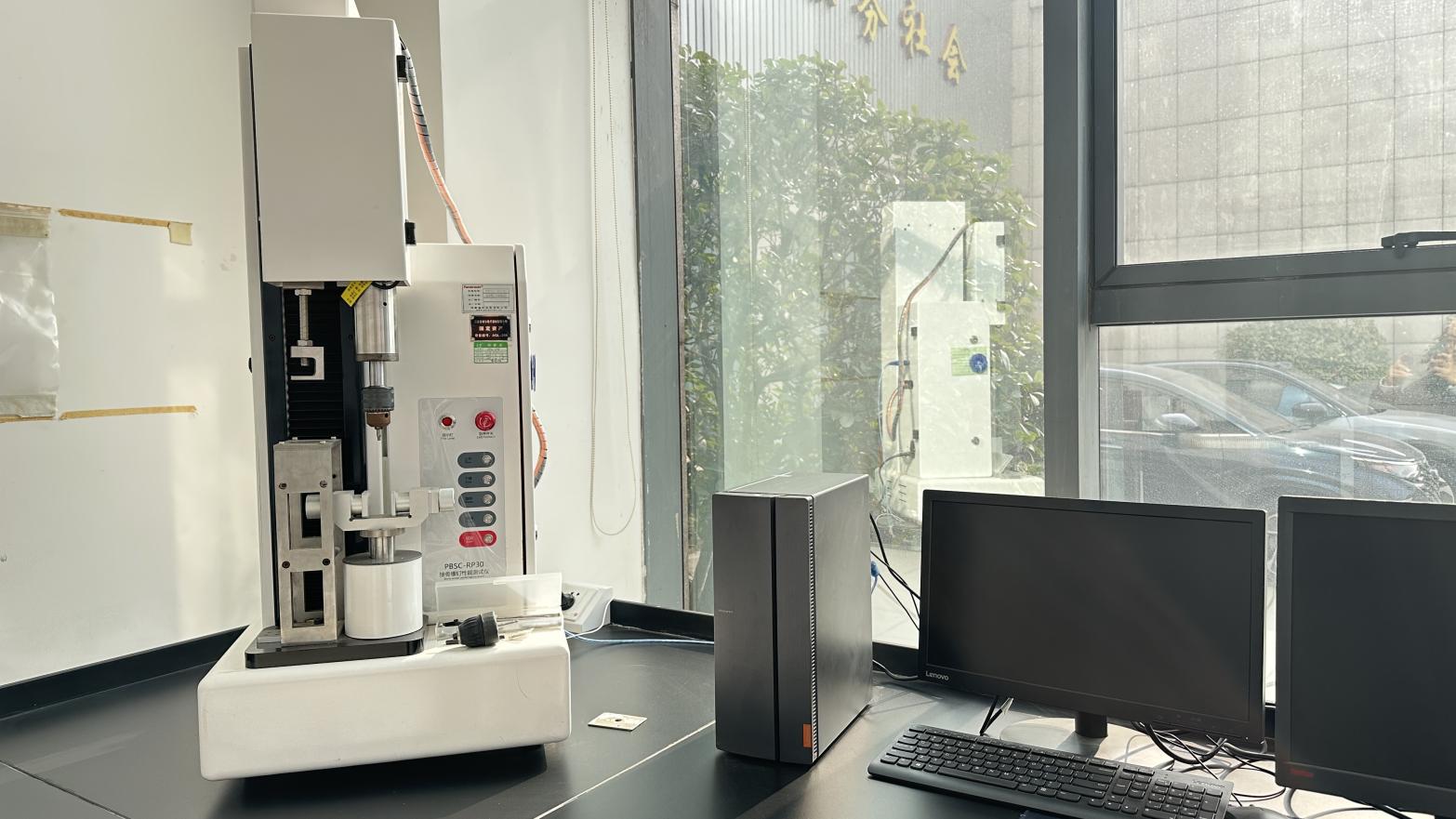
- Dynamic Fatigue Testing (ASTM F1541): Evaluates the mechanical integrity of the complete construct, subjecting clamps and rings to cyclic axial, torsional, and bending loads up to 1 million cycles to map fatigue boundaries.
- Wire Tension Retention Testing: Measures the rate of tension relaxation in Kirschner wires under constant load to ensure that bone fragments remain aligned over extended recovery periods.
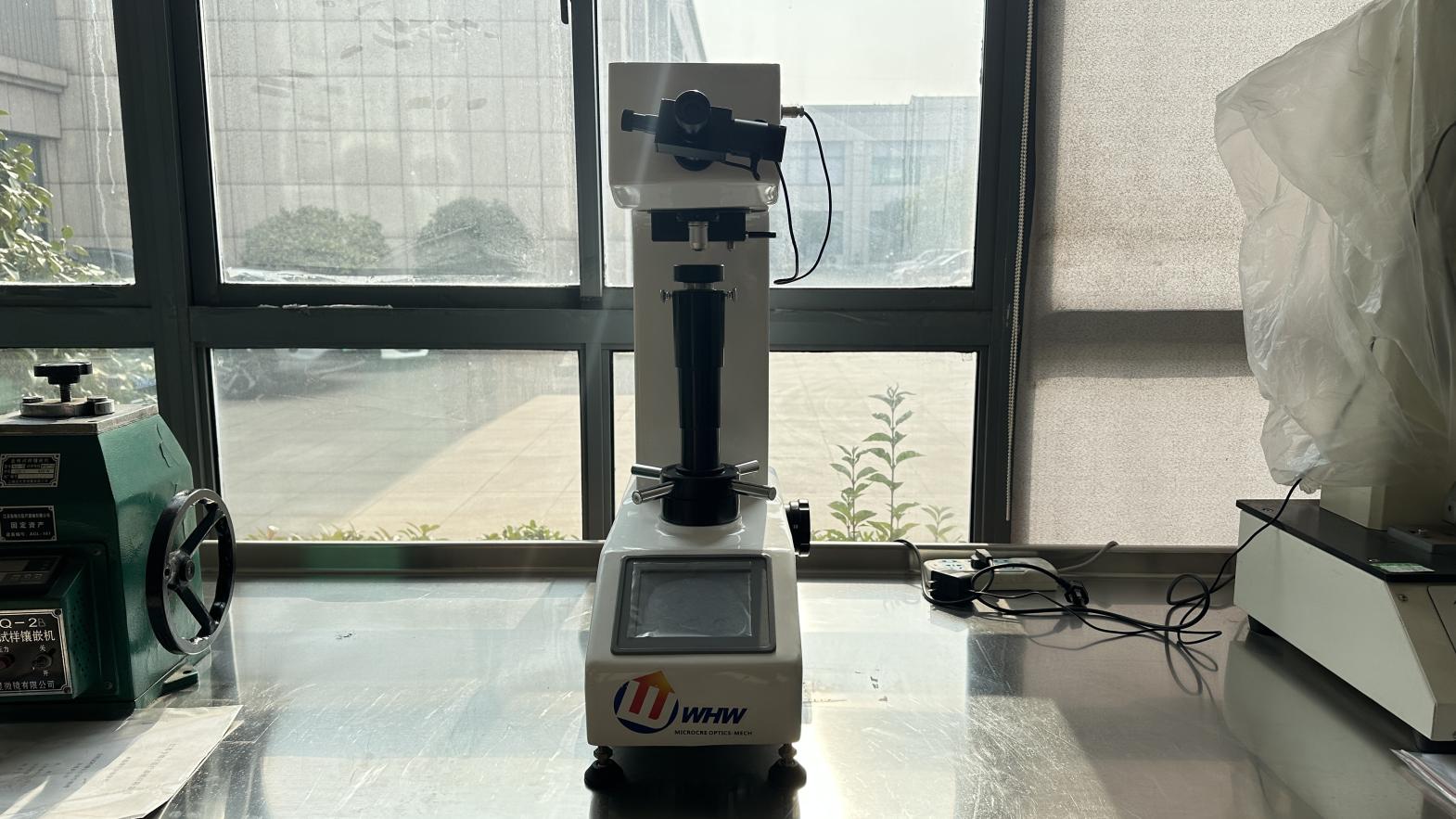
- Hardness Testing (Vickers/Rockwell): Performed on clamps, pins, and connection bolts to prevent thread deformation during high-torque tightening.
- Material Purity Verification: Spectrographic analysis verifies that titanium alloy elements meet biocompatibility criteria, preventing metallosis or implant rejection.
What are the mechanical advantages of a hybrid external fixator over a pure unilateral system?
Hybrid systems use tensioned wires in circular rings to manage periarticular/epiphyseal bone fragments with high density. These wires provide stable, multi-planar fixation in small fragments without stripping the soft tissue, whereas unilateral systems require longer Schanz screws that may compromise articular surfaces or struggle to hold small bone fragments.
What material standards are required for K-wires and pins?
Kirschner wires and Schanz pins must meet biocompatibility standards, commonly Grade 5 Titanium (Ti-6Al-4V ELI conforming to ASTM F136) or implant-grade Stainless Steel (conforming to ASTM F138). Titanium offers superior biocompatibility and a lower modulus of elasticity, while stainless steel provides higher shear strength and stiffness.
How does carbon fiber benefit hybrid fixator frames?
Carbon fiber composites offer high strength-to-weight ratios and are radiolucent. Radiolucency allows surgeons to obtain clear X-ray and fluoroscopic views during and after surgery, ensuring accurate monitoring of fracture healing and joint alignment.
What certification is necessary for importing hybrid external fixators?
Import regulations require the manufacturer to maintain ISO 13485 certification for medical device quality management. For distribution in Europe, CE marking (under the European Medical Device Regulation MDR 2017/745) is mandatory. For the United States, FDA 510(k) clearance is required.
 Medisplint