Medisplint
Medisplint
Medisplint
Engineered to work seamlessly with advanced reconstruction components and joint assemblies.
An authoritative analysis of zirconia-toughened alumina (ZTA), micro-wear patterns, and mechanical integrity limits in joint reconstruction.
In total hip arthroplasty (THA), the search for the optimal bearing surface is dictated by tribology—the study of friction, wear, and lubrication. Historically, metal-on-polyethylene (MoP) interfaces suffered from high volume wear rates, generating billions of sub-micron polyethylene particles annually. This induced macrophage activation, chronic osteolysis, and eventual aseptic loosening of the implant. The introduction of pure alumina ceramic heads provided an ultra-low wear alternative, but initial iterations suffered from catastrophic in vivo fractures due to inherent material brittleness.
Modern joint reconstruction relies heavily on composite ceramics, specifically Zirconia-Toughened Alumina (ZTA). ZTA combines the extreme hardness and chemical stability of high-purity alumina with the transformation-toughening properties of yttria-stabilized tetragonal zirconia polycrystals (Y-TZP). When a micro-crack begins to propagate within a ZTA head, the local stress field triggers a phase transformation of nearby zirconia particles from a metastable tetragonal phase to a stable monoclinic phase. This transformation is accompanied by a localized 4% volume expansion, which effectively clamps the crack tip shut. This process—known as stress-induced transformation toughening—dramatically increases the burst strength and fracture toughness of the ceramic femoral head, virtually eliminating the risk of sudden implant failure.
Current clinical trajectories show a distinct shift toward larger femoral head sizes (32mm, 36mm, and even 40mm). Larger heads provide a wider range of motion, reducing the risk of impingement against the acetabular rim. More importantly, they significantly increase the jump distance—the lateral displacement of the head required to induce dislocation. Historically, larger metallic heads increased wear rates proportionally. However, the superior tribological properties and hydrodynamic lubrication profile of modern ZTA ceramics allow surgeons to utilize these larger diameters safely, optimizing both joint stability and bearing longevity.
An expert benchmarking of the world’s leading manufacturers, detailing proprietary material systems, quality compliance, and market share.
The global benchmark in bioceramics. Famous for their BIOLOX® delta matrix material, which commands the largest global market share in clinical joint bearing components.
Pioneers in high-purity alumina ceramics and silicon nitride solutions. Known for extreme manufacturing precision and extensive R&D in biomaterial interfaces.
A highly integrated manufacturer of orthopedic implants, revision tools, and traumatology kits. Offers excellent quality control and custom-designed revision surgical instruments.
A market leader in total joint arthroplasty. Provides high-end modular ceramic femoral heads optimized for their proprietary stem taper technologies.
Integrates advanced ceramic materials with their patented design architectures, offering long-term stability and high wear resistance under severe load conditions.
Features unique advanced bearing materials such as OXINIUM (Oxidized Zirconium), blending metal fracture resistance with ceramic surface wear attributes.
A division of Johnson & Johnson. Offers highly comprehensive joint systems utilizing ceramic bearings integrated with advanced porous cup fixations.
Highly respected European brand offering Ceramys® materials with high zirconia ratios, ensuring structural integrity and long-term chemical durability.
A rapidly expanding global provider. Delivers high-precision femoral heads and instrumentation with excellent international quality approvals.
Dominates orthopedic distribution across South America, providing robust ceramic head solutions matched with reliable implant systems.
Industrial excellence in advanced orthopedic implants, fixation systems, and joint reconstruction accessories.
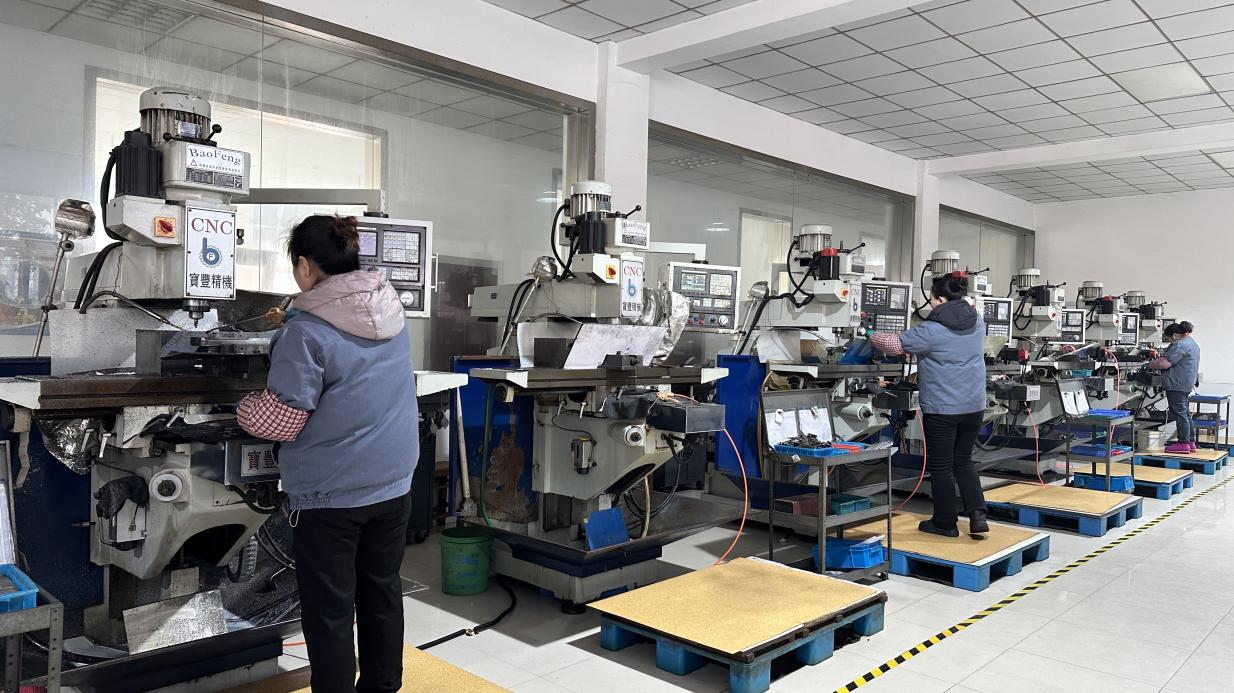
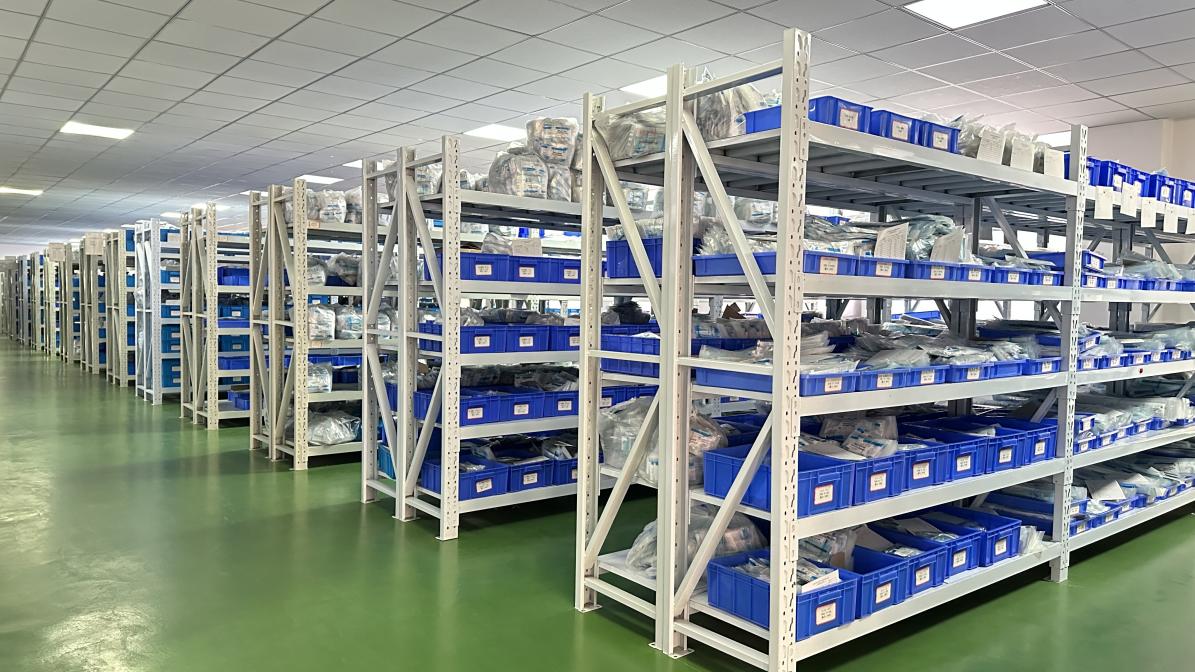
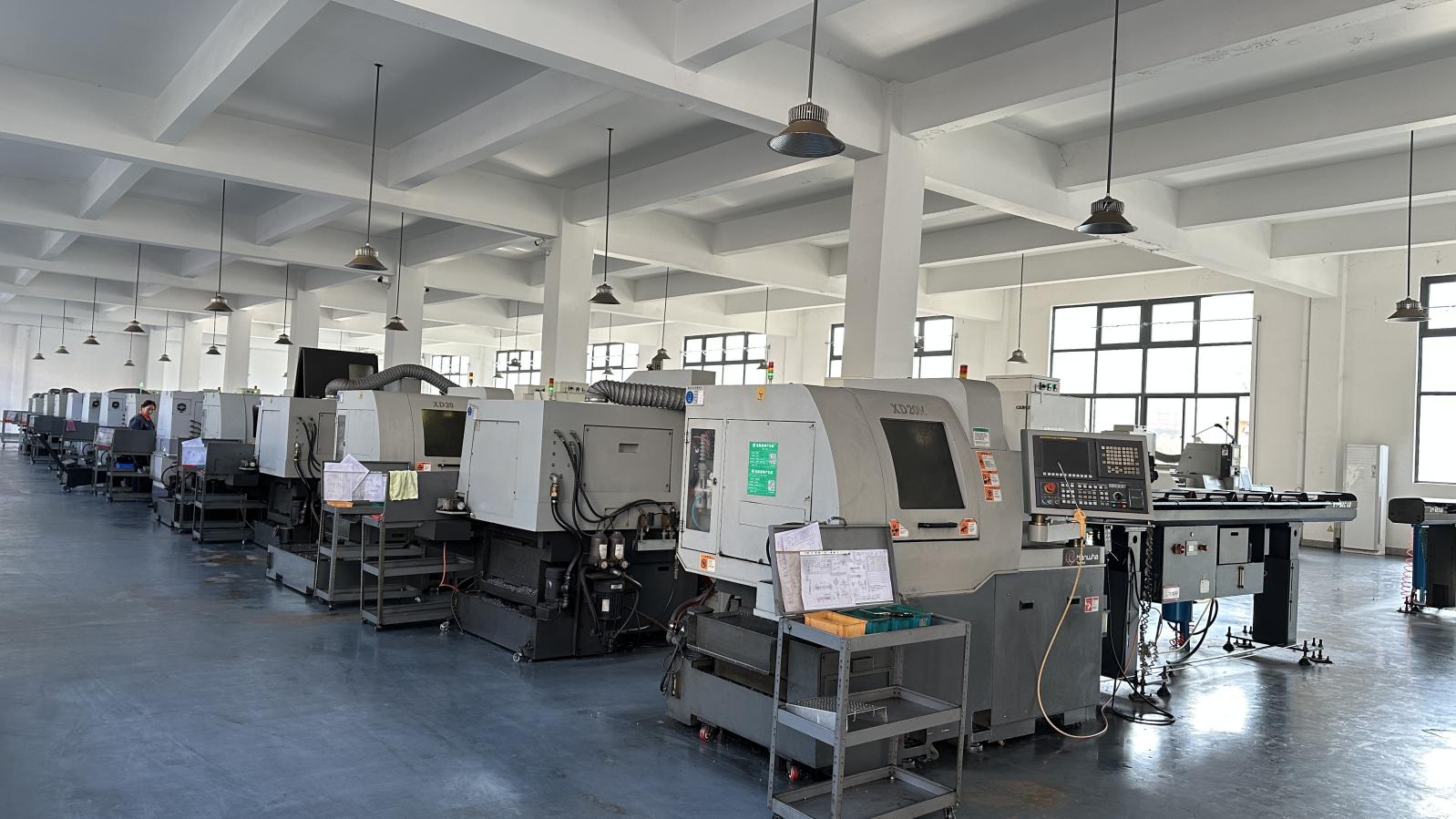
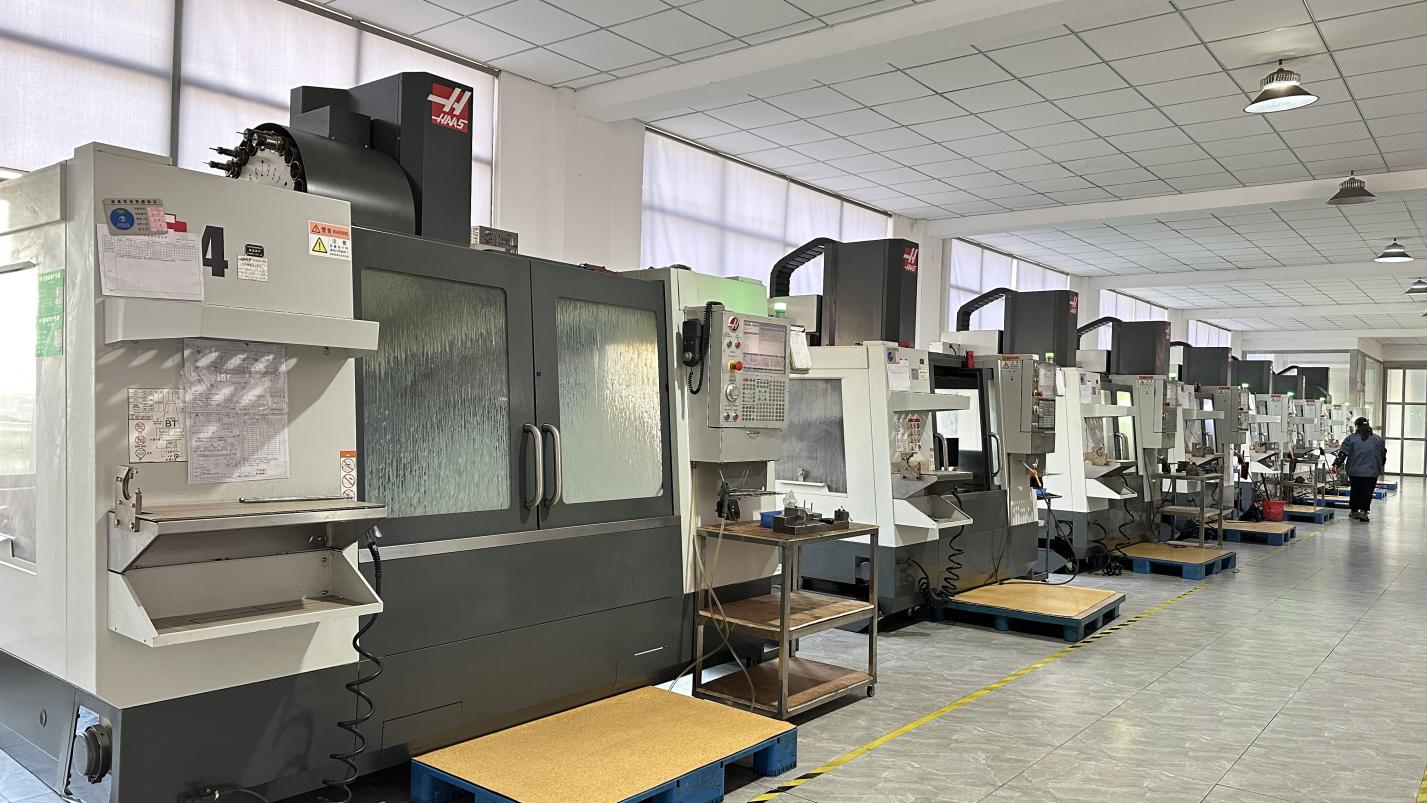
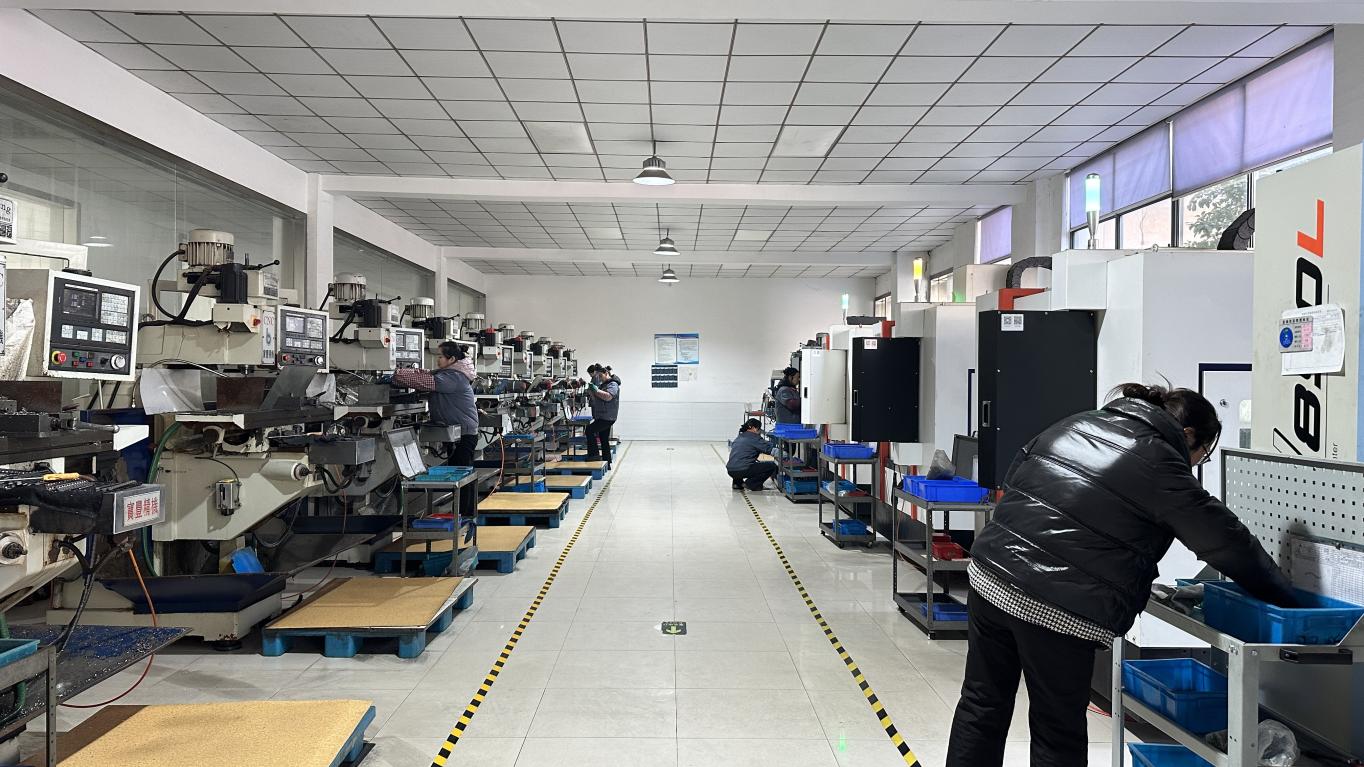
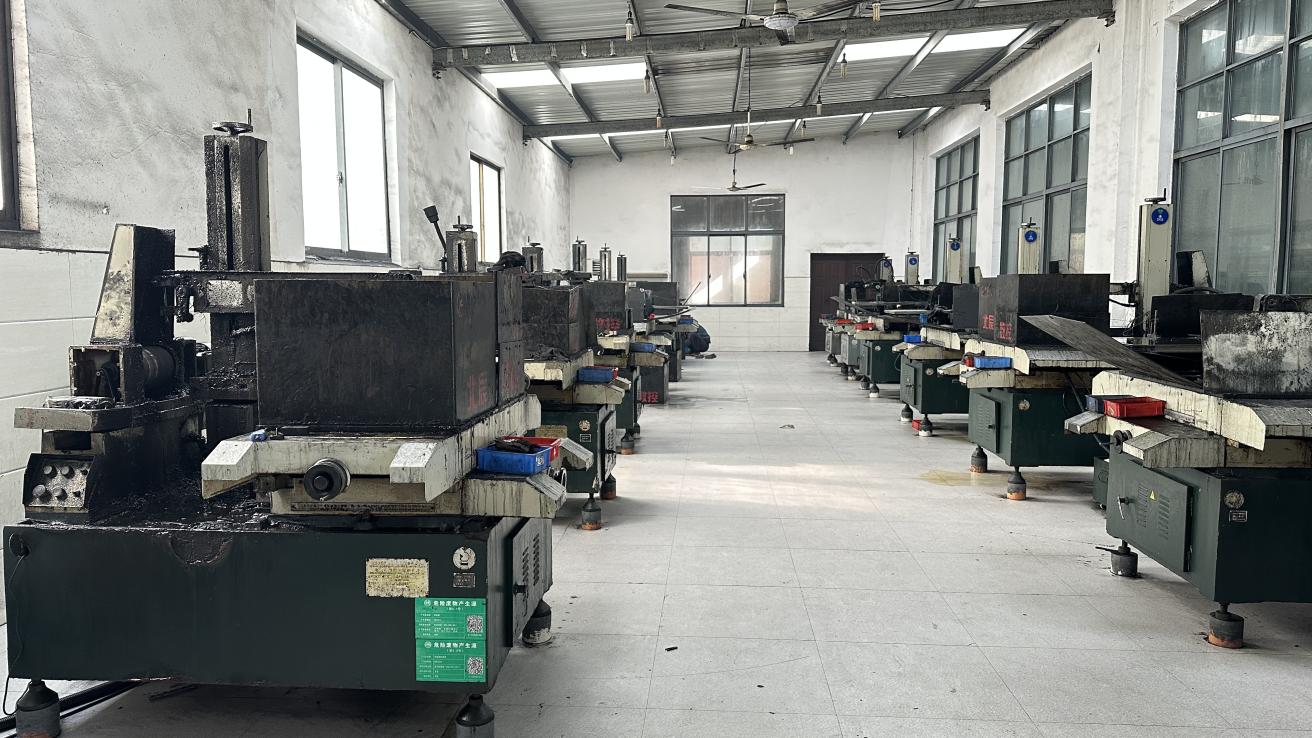
Medisplint Orthopedic Instruments Co., Ltd. is a professional manufacturer specializing in orthopedic implants, fixation systems, and surgical instruments for trauma, spine, and joint reconstruction. Founded in 2016, the company has developed steadily with a strong focus on innovation and international expansion. The facility covers approximately 18,500㎡, supporting integrated production, assembly, and quality control operations.
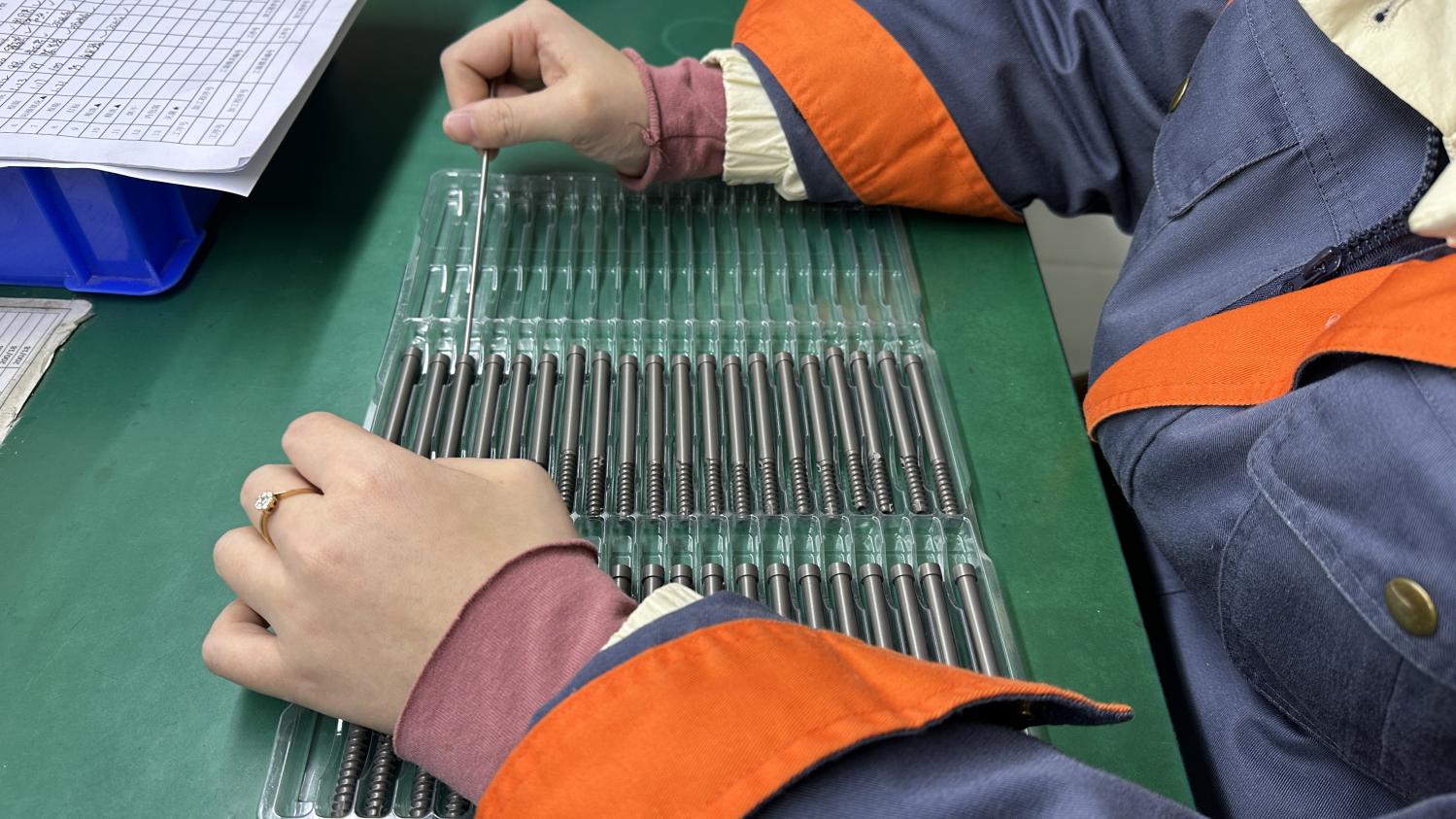
Medisplint reports an annual export revenue of around USD 12 million, with over 7 years of export experience and 10 years of overall industry experience in orthopedic medical device manufacturing. The company operates under strict quality assurance systems including ISO 13485 certification and CE compliance. Quality inspection methods include incoming material inspection, in-process quality control (IPQC), final product inspection (FQC), and third-party laboratory testing.
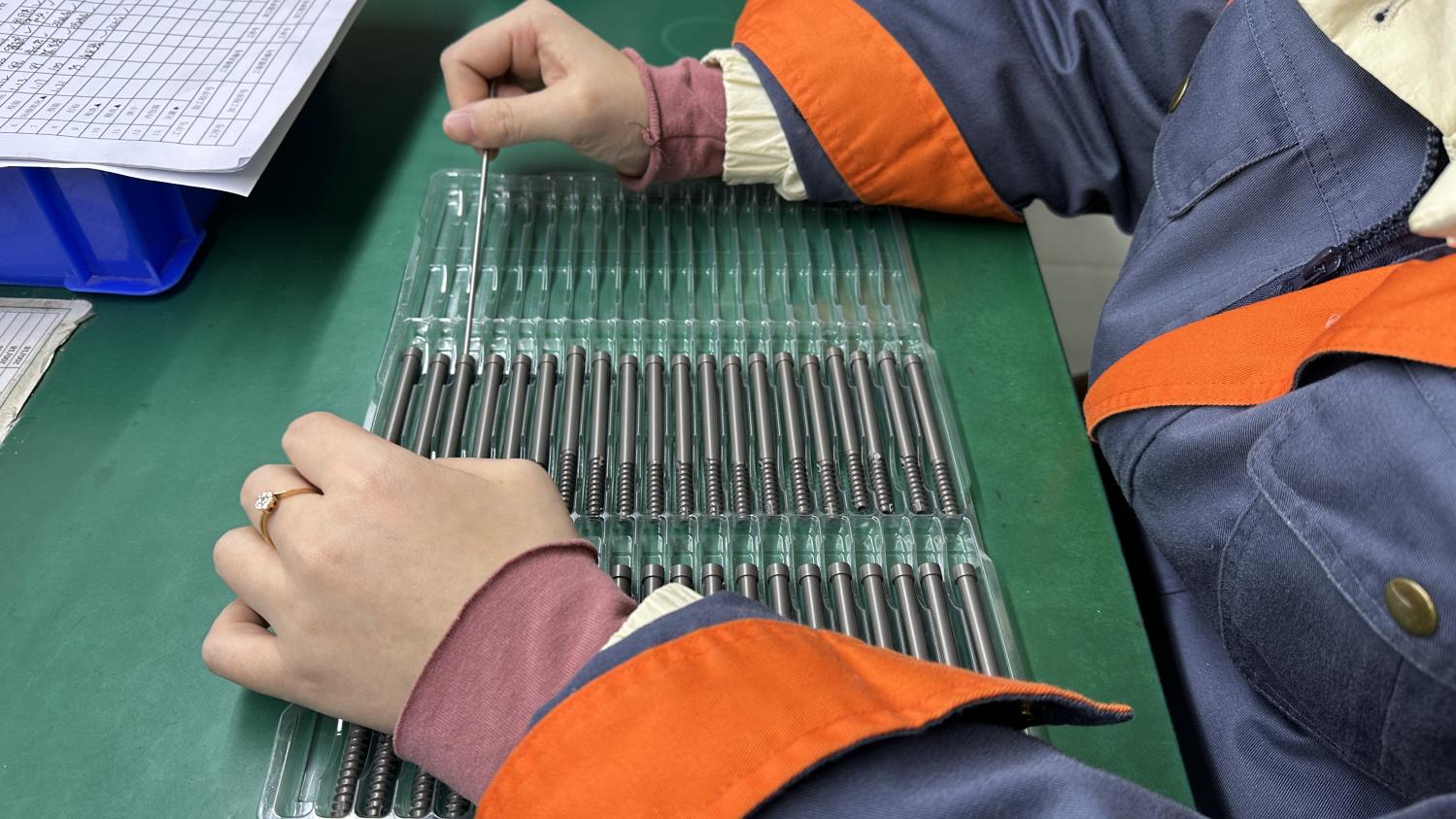
The quality control department consists of 42 dedicated inspectors ensuring product safety, precision, and compliance with international standards. With a strong global trade background, Medisplint primarily serves markets in Europe, Southeast Asia, the Middle East, and South America. The company collaborates with over 1,200 supply chain partners, supporting stable production capacity and flexible sourcing strategies. Its main customer types include hospitals, orthopedic distributors, surgical centers, and OEM/ODM partners.
Medisplint maintains strong R&D capabilities with approximately 85 engineering and development specialists, offering customization options such as private labeling, design modification, and full OEM/ODM solutions. In the past year, the company launched 68 new products, reflecting its continuous commitment to innovation and advancement in orthopedic solutions.
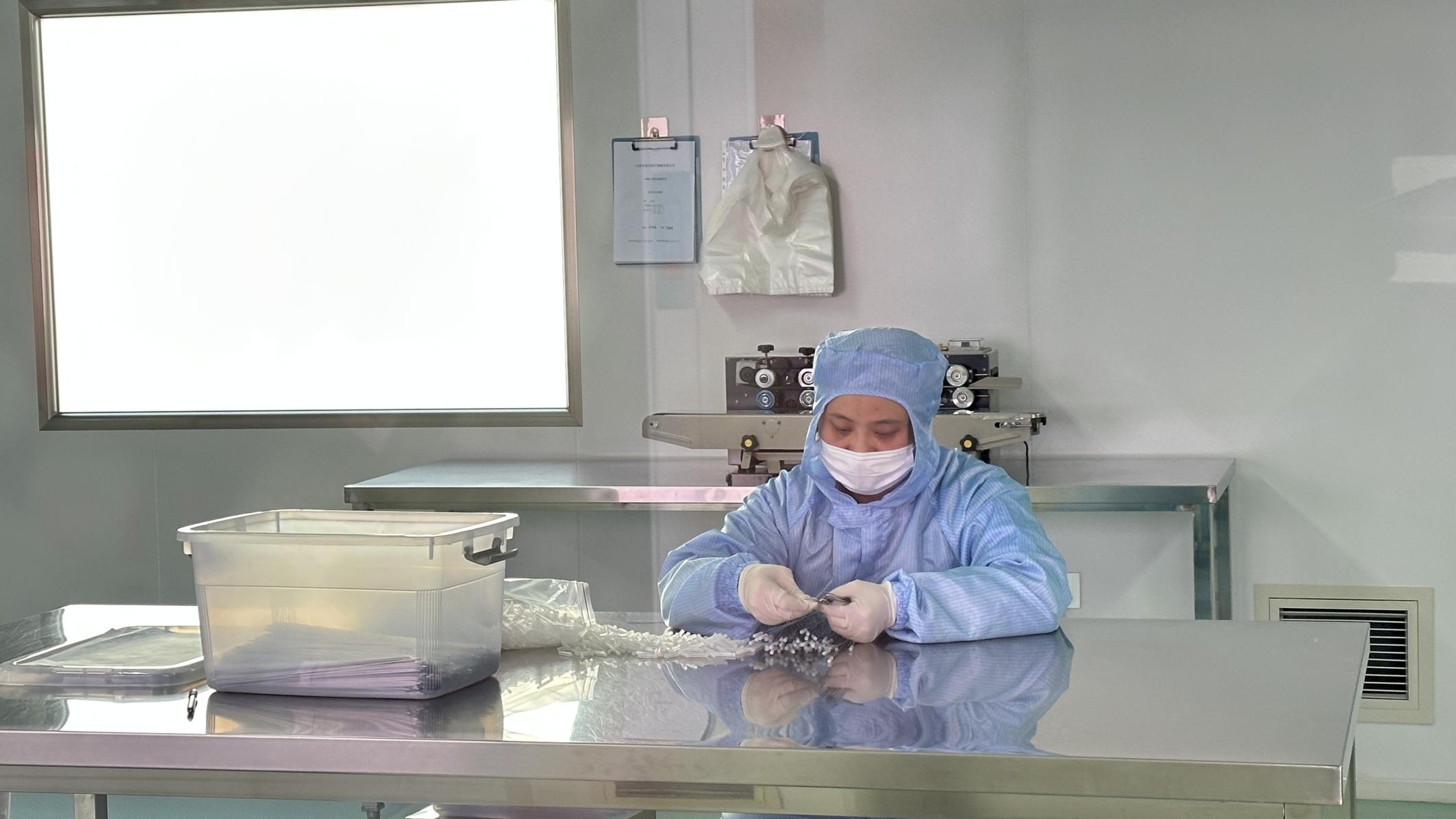
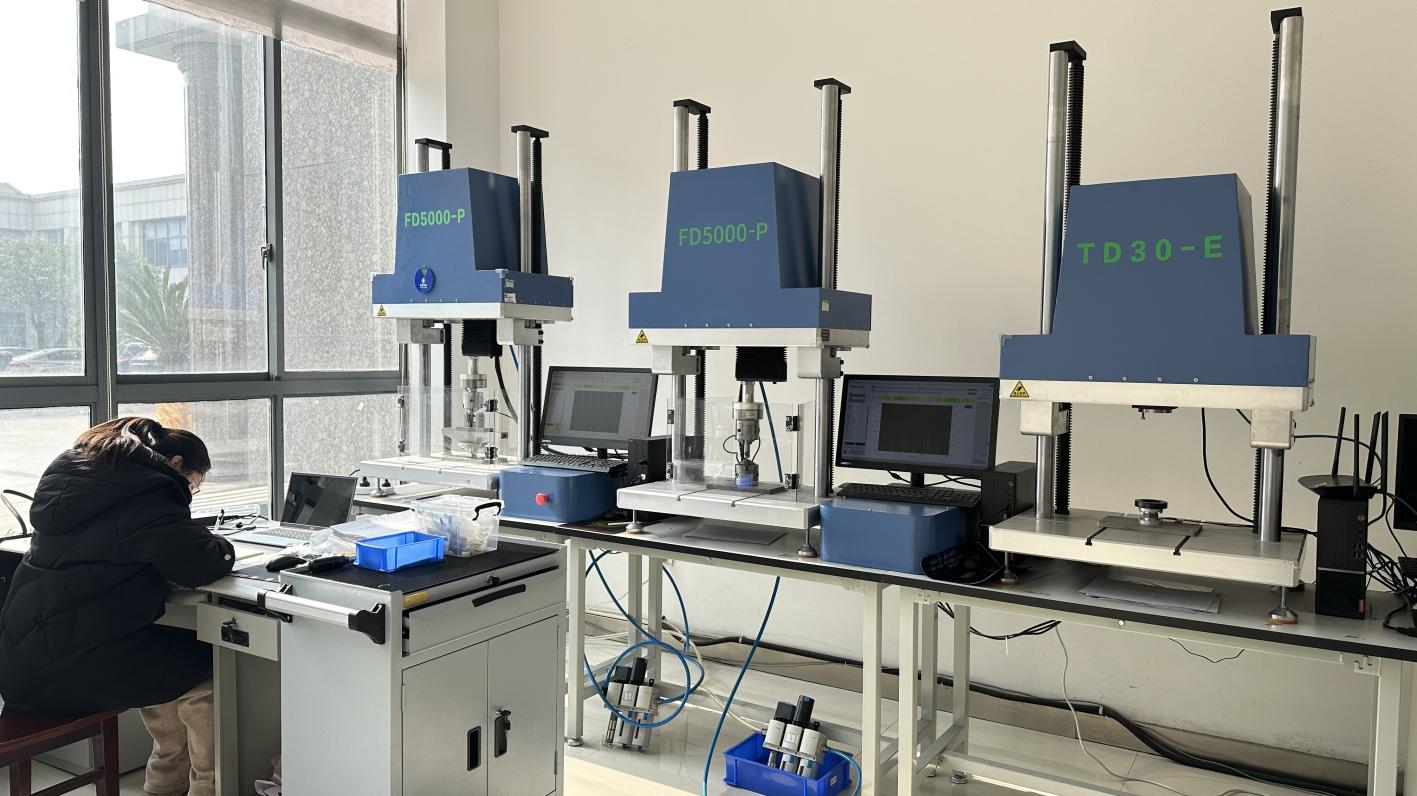
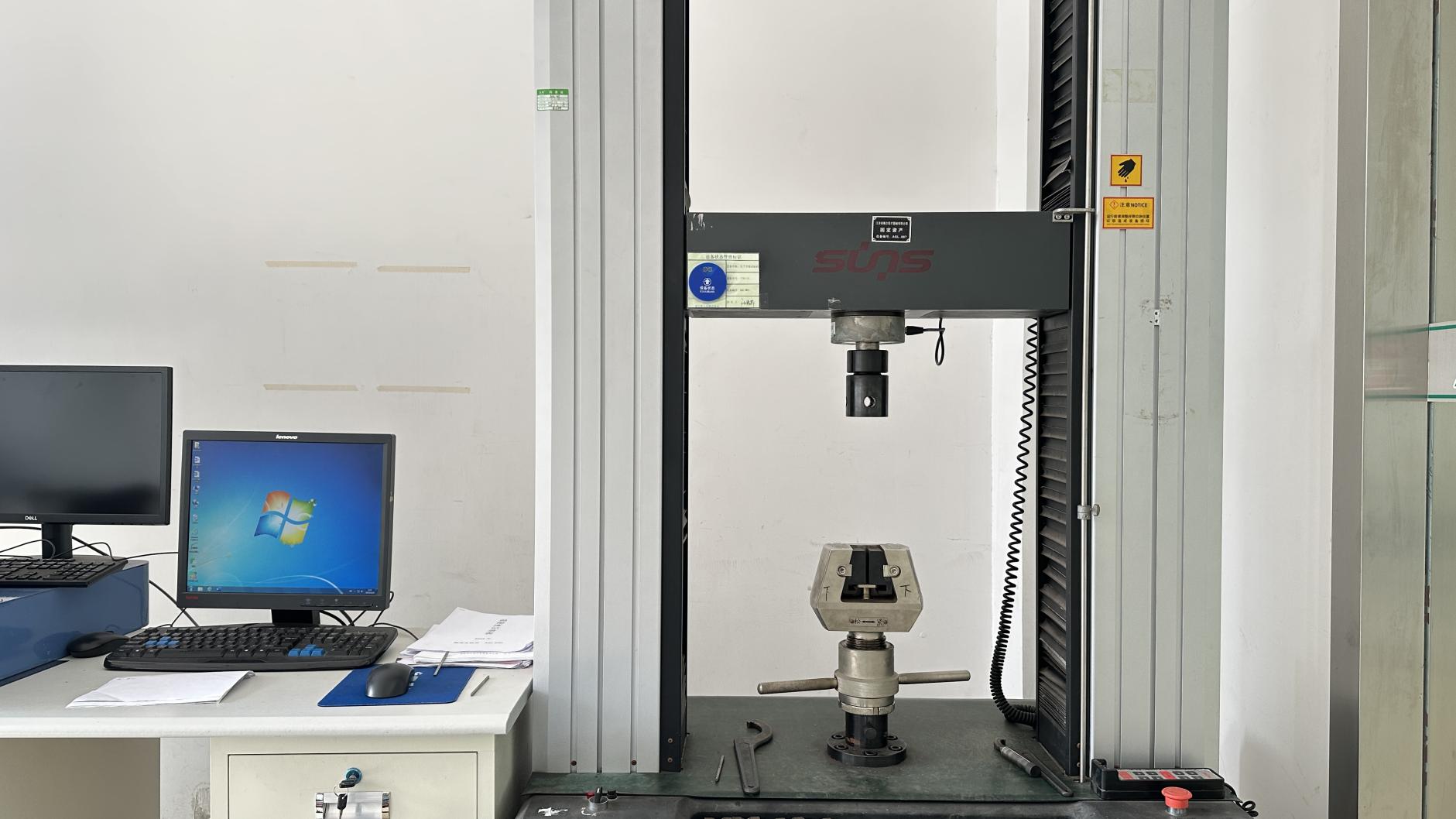
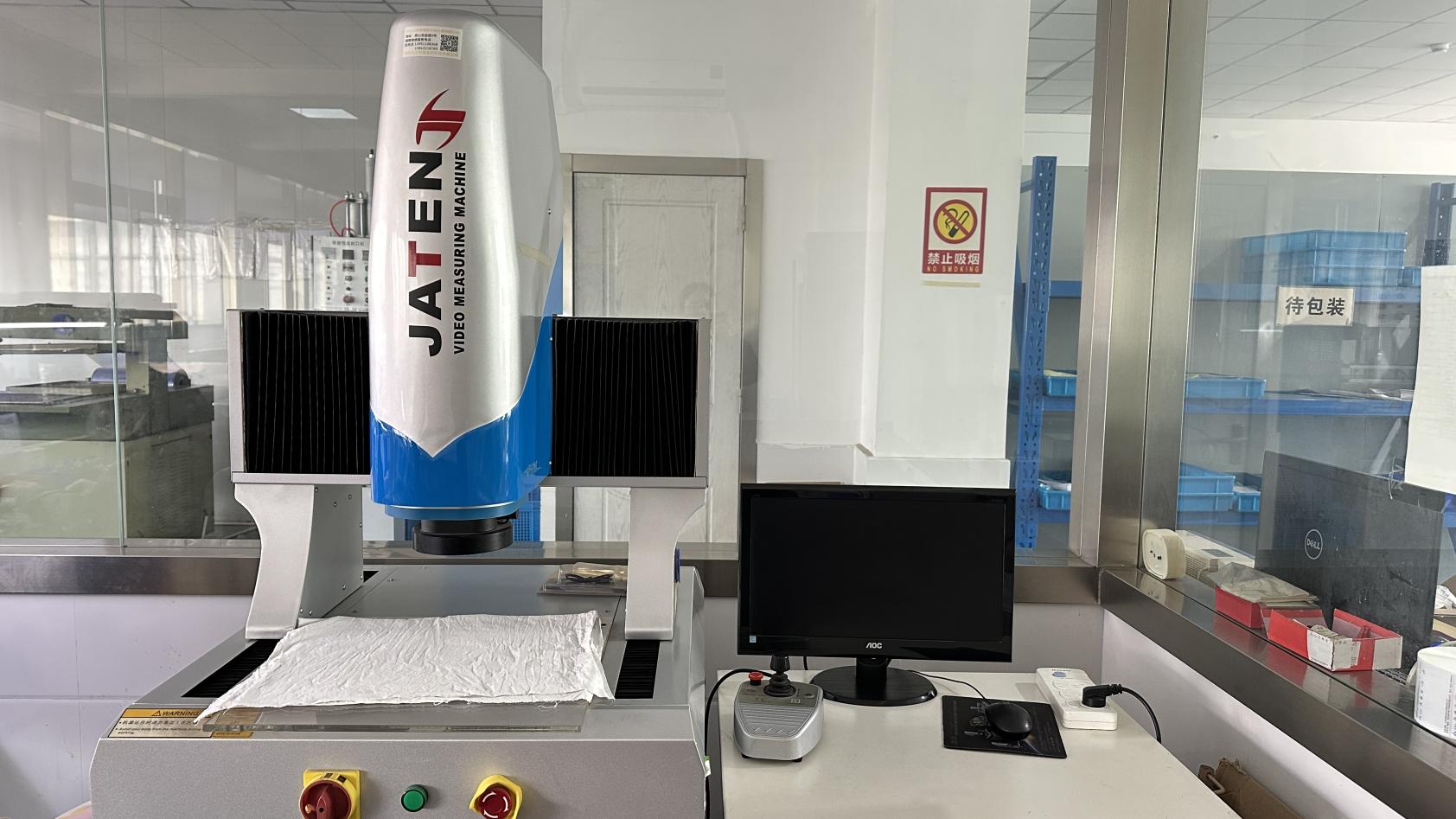
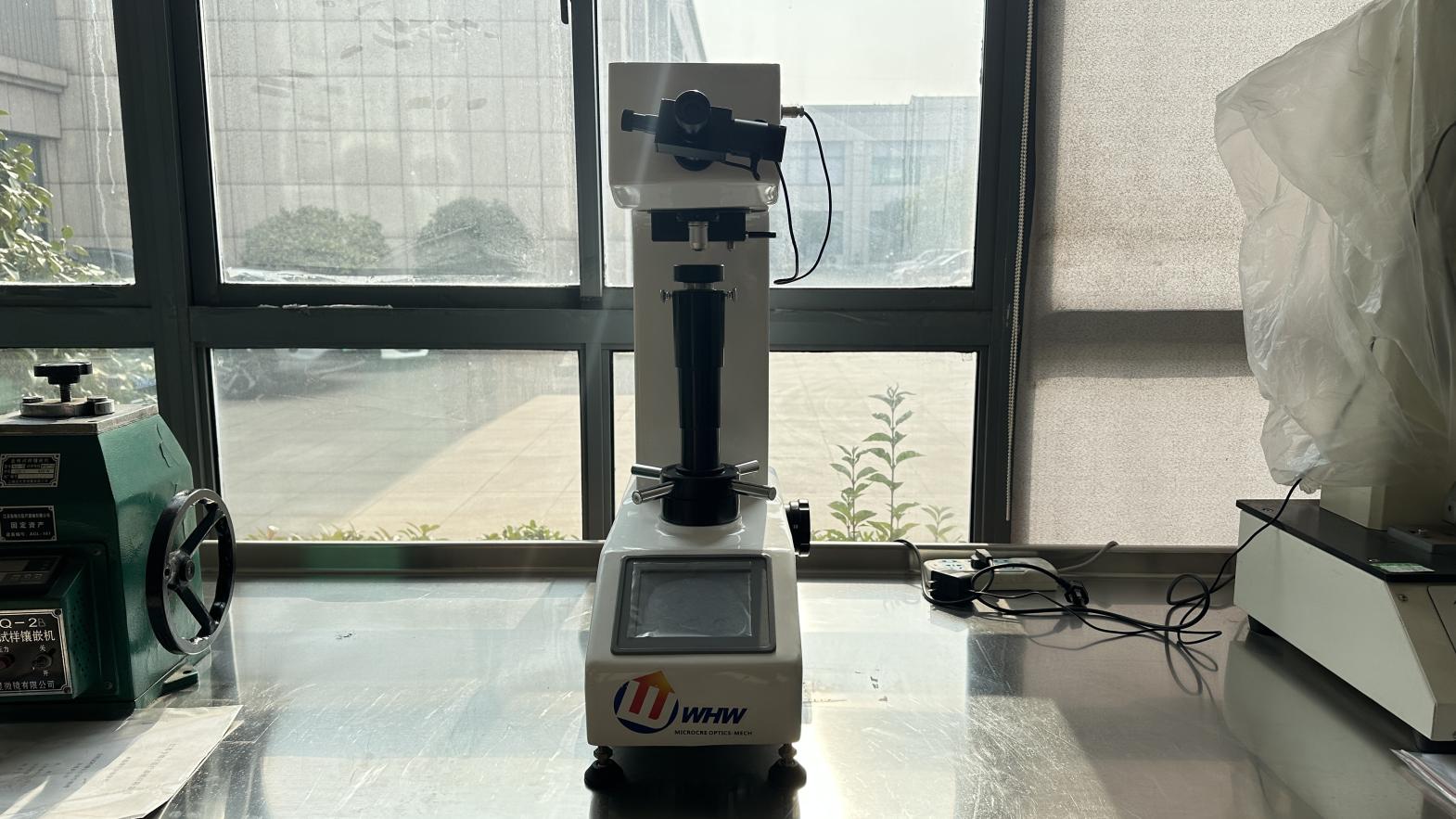
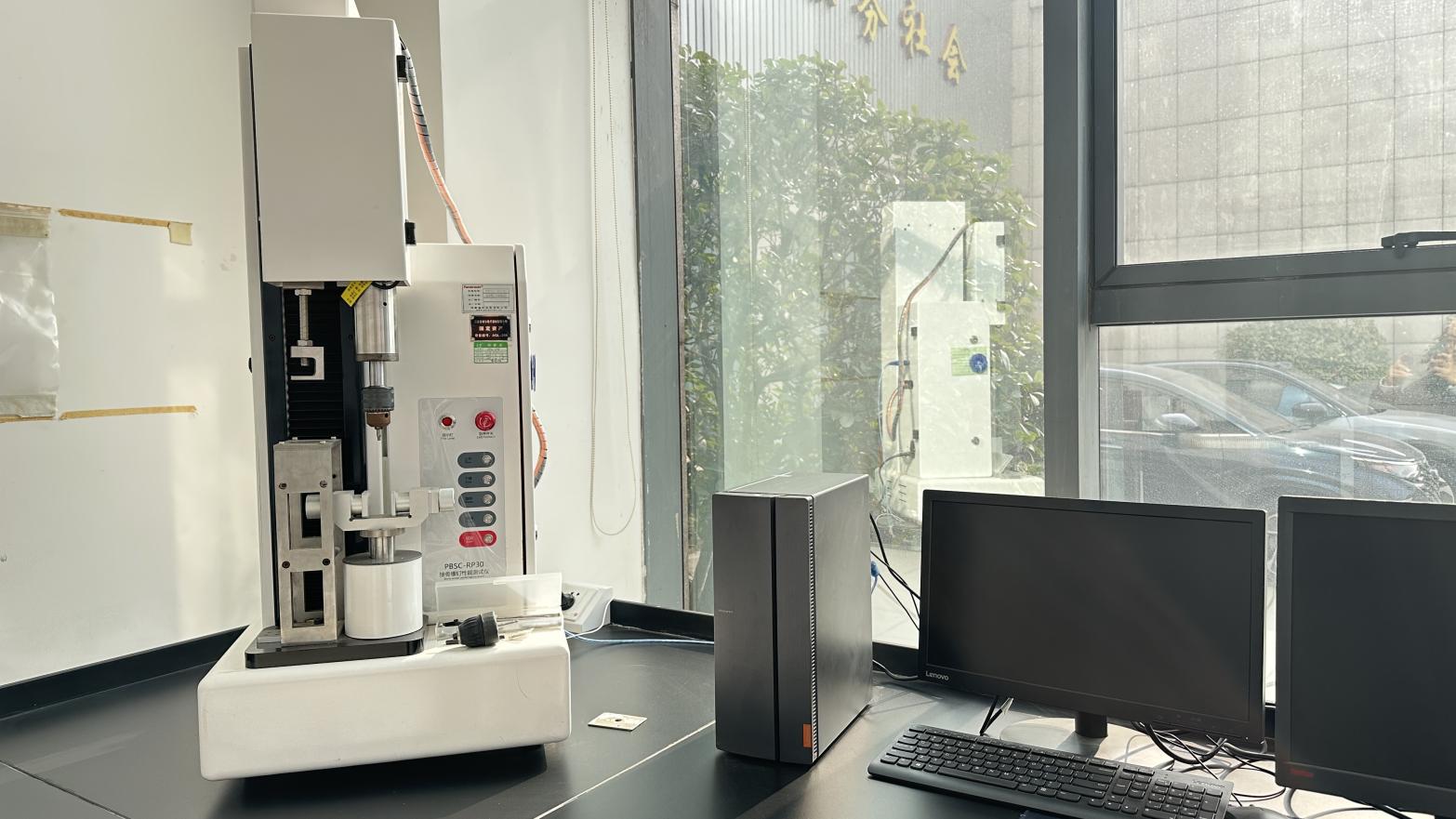
A visual tour of our production workflow, quality checkpoints, and advanced fatigue-testing laboratories.
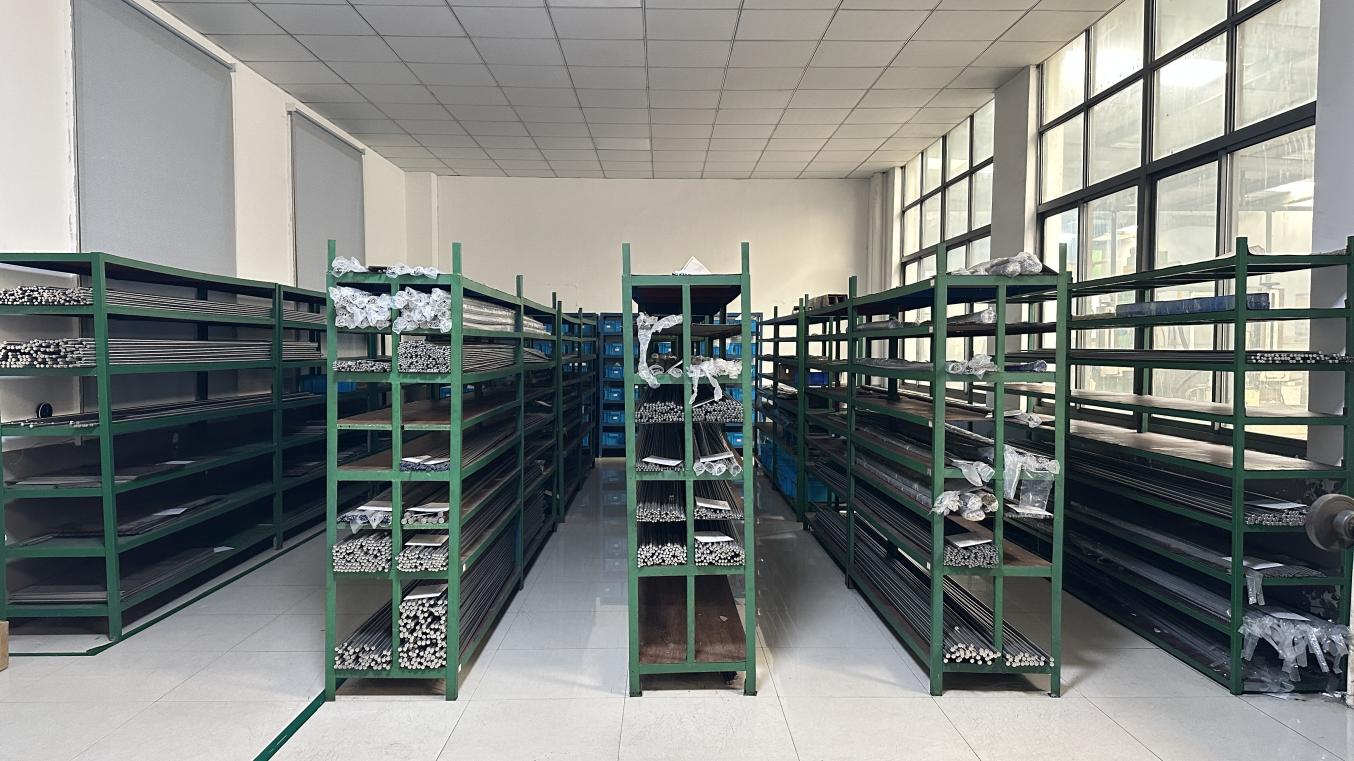
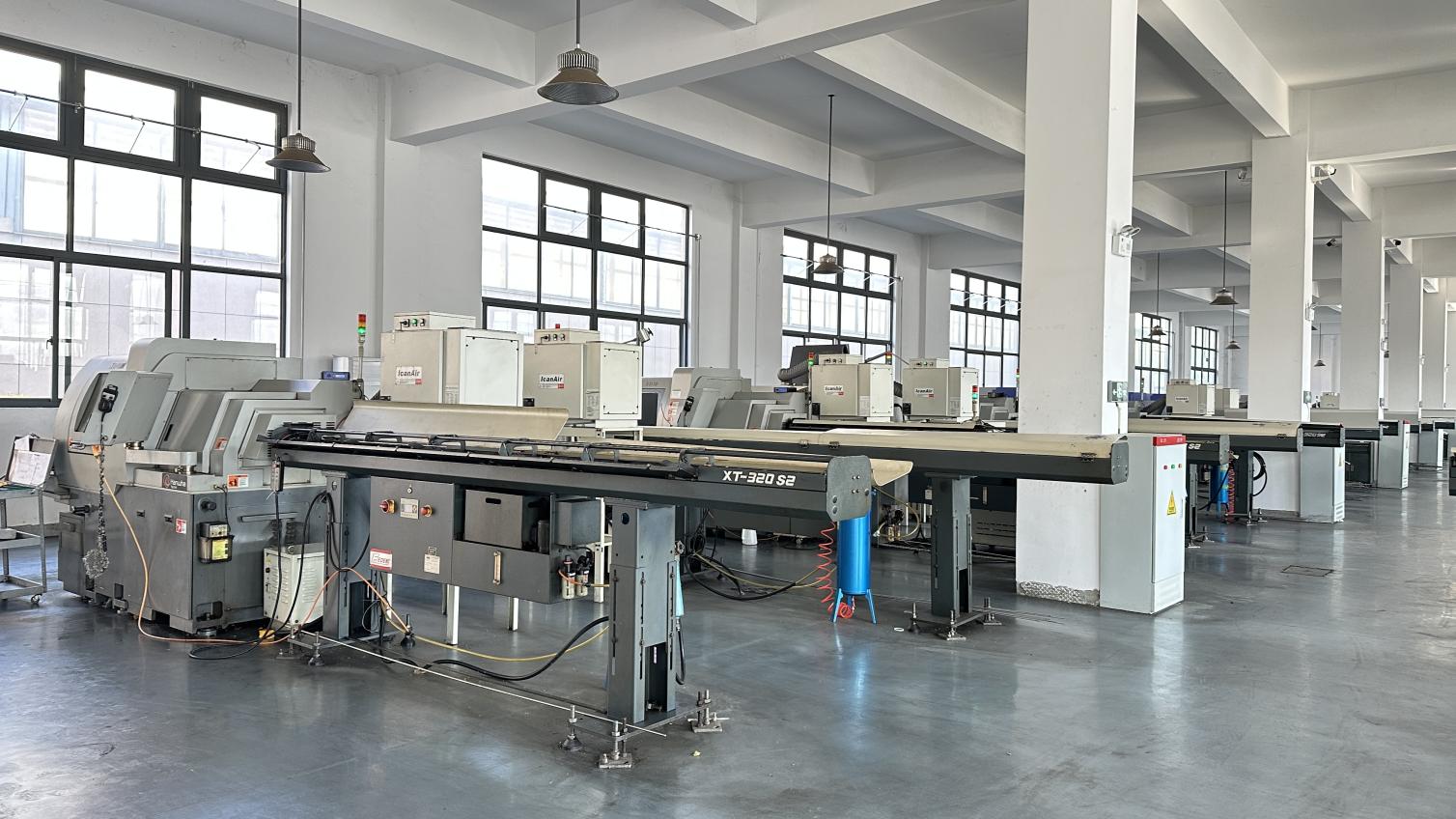
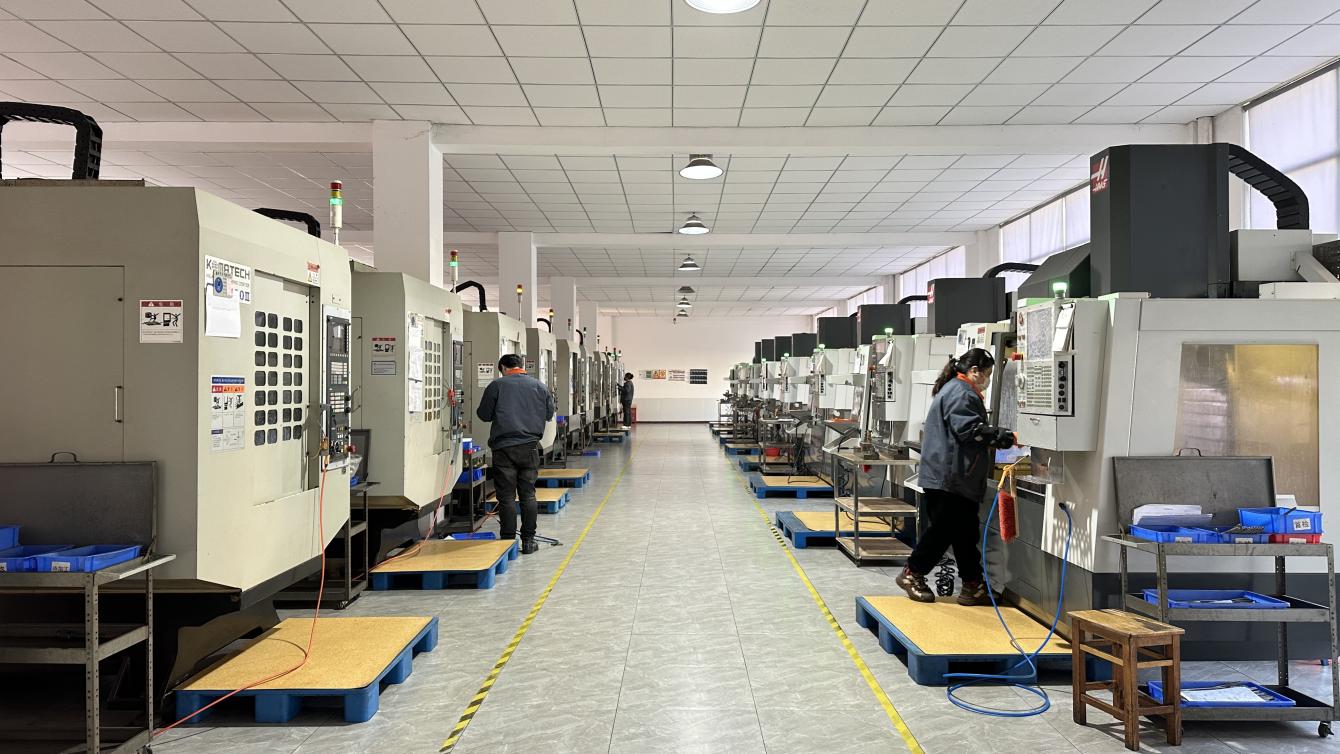
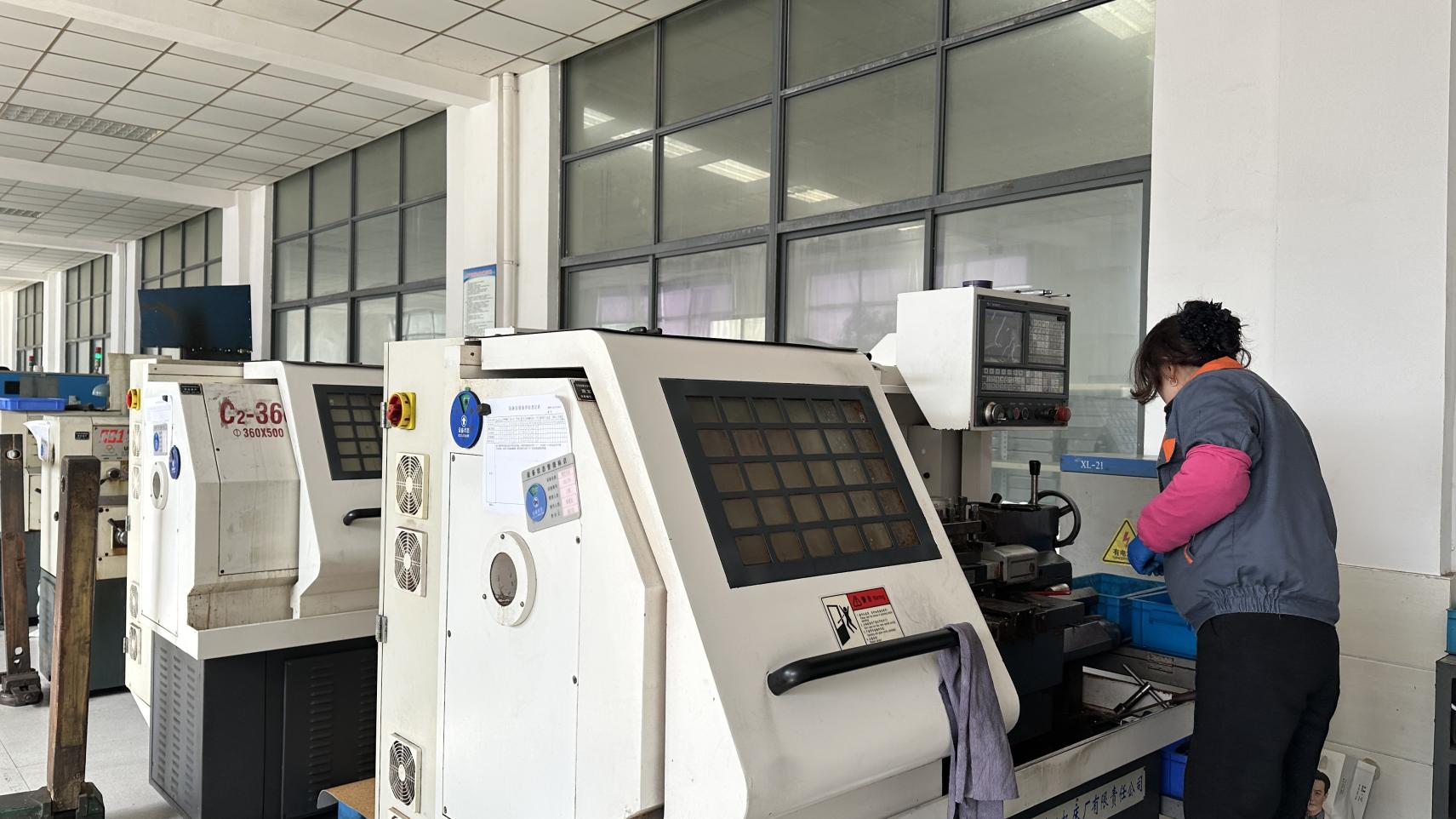
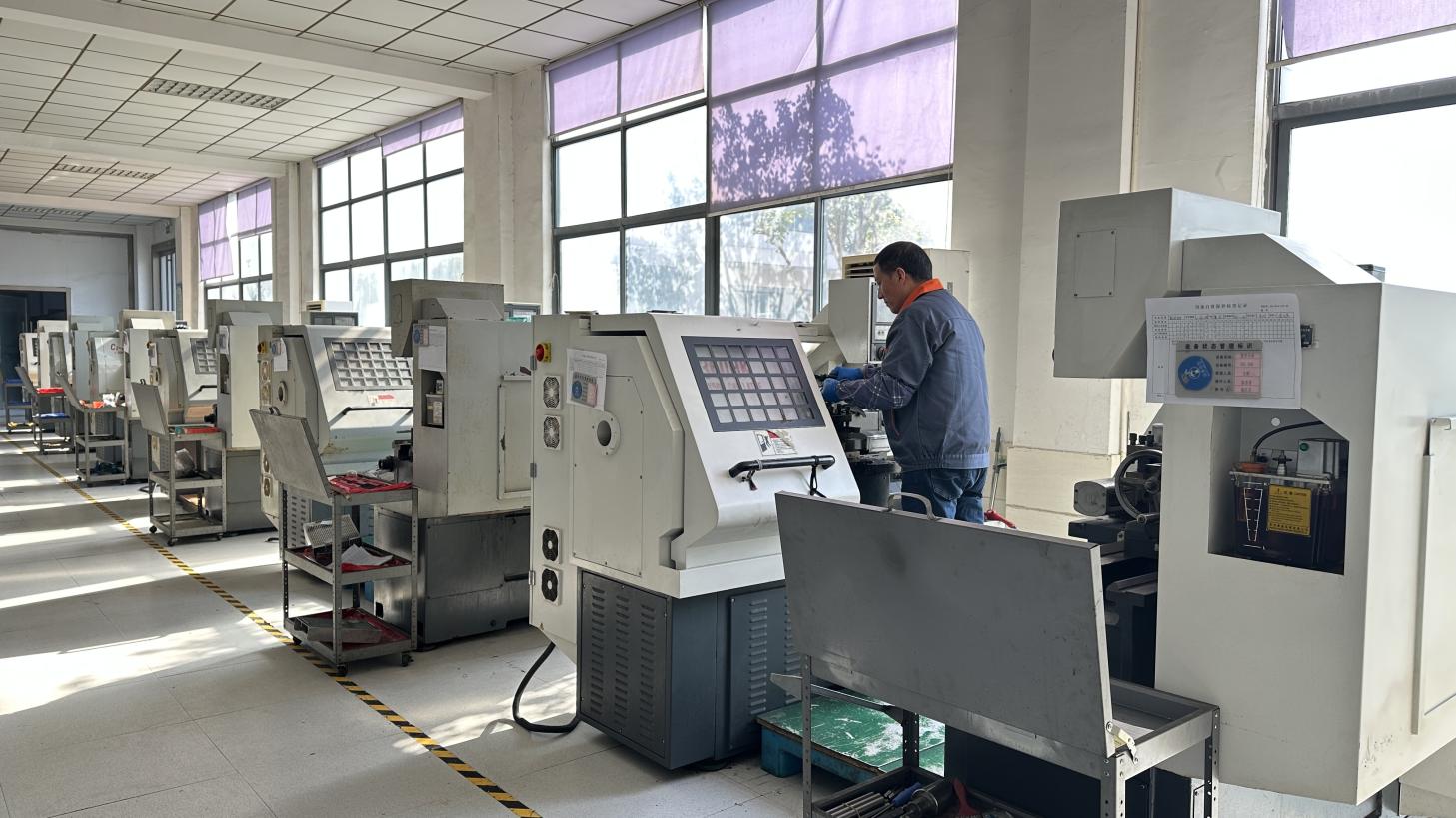
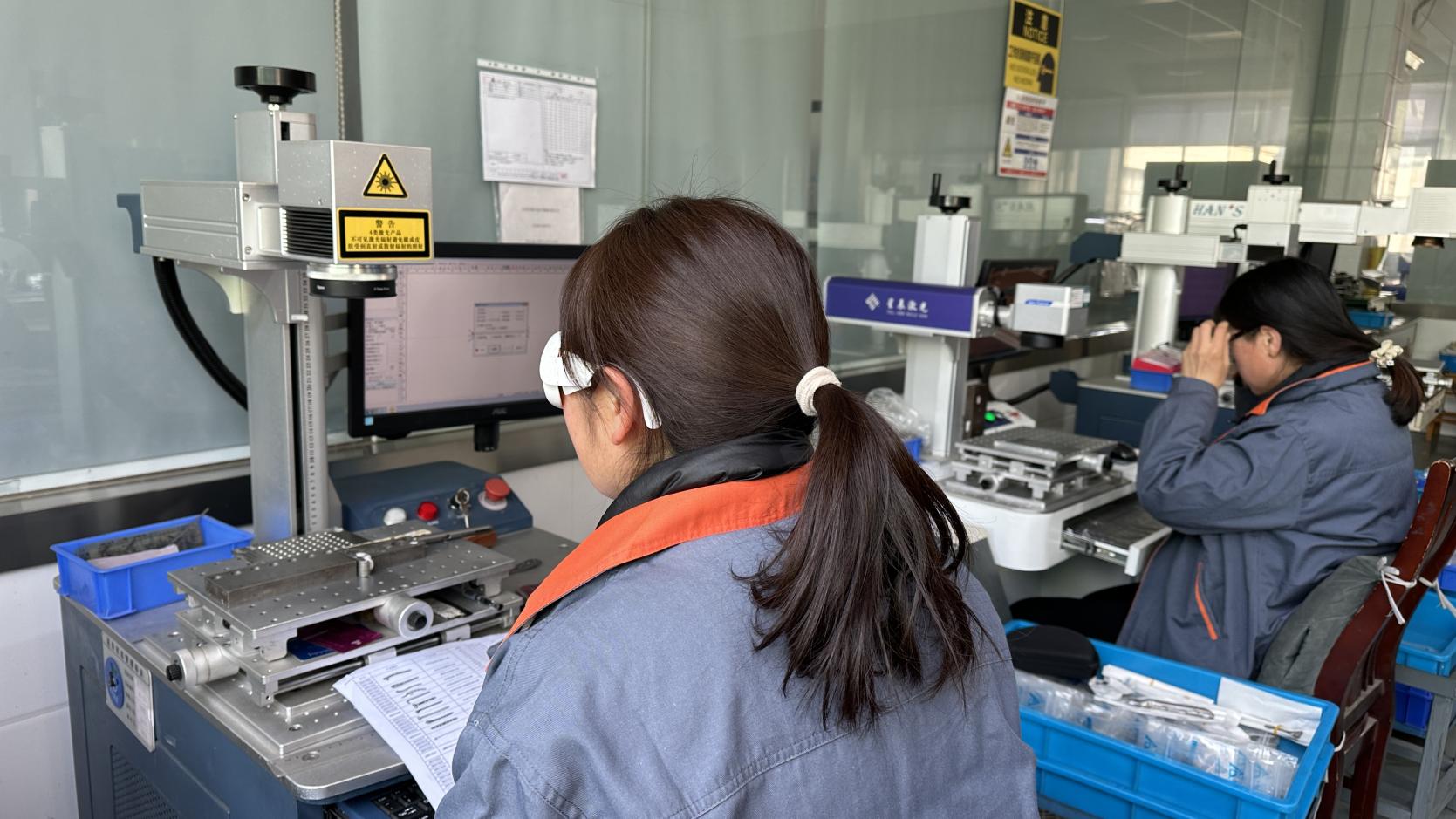
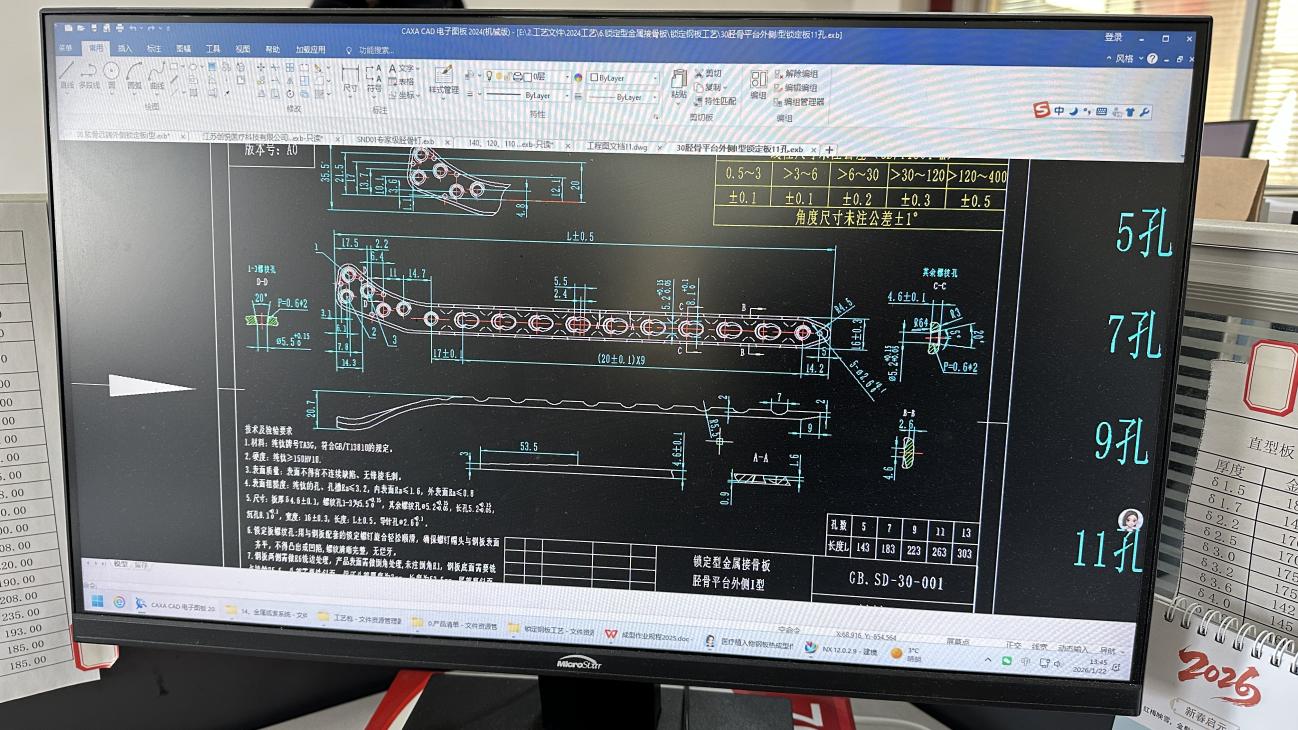

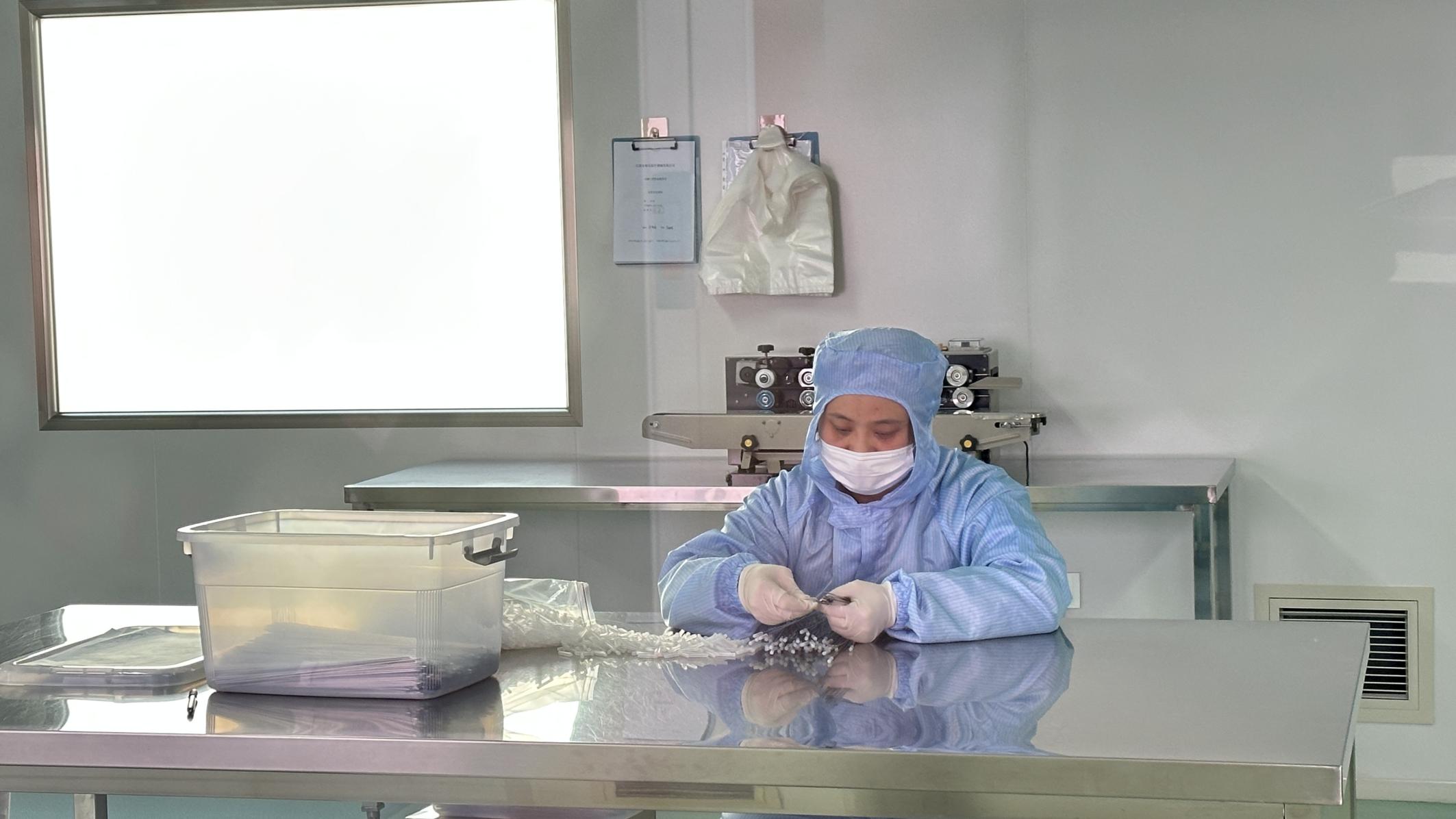
Decisive parameters for sourcing directors, clinical evaluation committees, and regulatory compliance units.
Purchasing departments inside hospital groups or orthopedics OEMs face complex challenges when sourcing joint components. The stakes are immense: sub-par manufacturing can lead to early component failure, regulatory sanctions, or catastrophic litigation. The following procurement pillars ensure that your supply chains are secure, trace-compliant, and optimized for clinical success:
Ensure that all sourced components adhere to ISO 6474-2 (standards for high-purity alumina-based composite materials). The burst strength of any batch of ceramic heads must be verified under uniform compression testing, mimicking physiological peak loads. Standard ZTA heads must show zero failure rates under dynamic fatigue testing up to 10 million cycles under loads exceeding 14 kN.
Femoral head-to-stem tapers are prone to galvanic and fretting corrosion if the taper angles do not align with micro-radian precision. B2B buyers must demand coordinate measuring machine (CMM) certificates showing deviation values of less than 1 micrometer. Modern tapers like 12/14, V40, or Eurotaper must be verified dynamically using matching titanium-alloy or cobalt-chromium stems.
Regulatory frameworks such as the EU Medical Device Regulation (MDR 2017/745) demand full Unique Device Identification (UDI) tracking. A reliable OEM/ODM partner must apply non-destructive laser markings specifying batch numbers, material configurations, and design codes. Sterile packaging must be processed inside certified Class 100 (ISO Class 5) cleanrooms, utilizing validated Gamma Irradiation or Ethylene Oxide (EtO) cycles with verified sterility assurance levels (SAL) of 10^-6.
Resolving high-intent queries concerning bio-tribological wear, taper configurations, and revision logistics.
ZTA features a mechanism called transformation toughening. The inclusion of metastable zirconia crystals prevents micro-crack propagation by undergoing a local phase transformation that expands and compresses the crack. This yields superior fracture resistance and mechanical reliability compared to standard alumina, while maintaining identical ultra-low wear rates.
A taper mismatch leads to localized stress concentrations along the trunnion interface. If the angle of the head taper does not match the stem trunnion with sub-micron accuracy, it initiates hoop stresses that can lead to catastrophic cracking of the ceramic material or accelerate fretting and corrosion of the underlying metal stem.
In the early days of pure alumina heads, fracture rates were as high as 0.1%. With modern fourth-generation ZTA composite ceramics (like BIOLOX® delta and equivalent systems), the fracture rate has dropped below 0.001% (less than 1 in 100,000 surgeries), making them highly reliable options for active patients.
Medisplint utilizes advanced coordinate measuring machines (CMM) and two-dimensional optical measuring scanners. Their laboratory contains specialized testing rigs for hardness (Vickers), fatigue, and tensile strength, guaranteeing that all custom instrumentation meets or exceeds standard ISO tolerances prior to distribution.
Most ceramic hip heads are validated for Ethylene Oxide (EtO) sterilization or Gamma Irradiation. They must be enclosed in double Tyvek barrier pouches within cleanrooms to maintain a sterile barrier. Steam autoclaving is typically restricted to reusable surgical instruments and trials, as repeated high-temperature moisture exposure can theoretically induce hydrothermal degradation in certain older zirconia alloys.
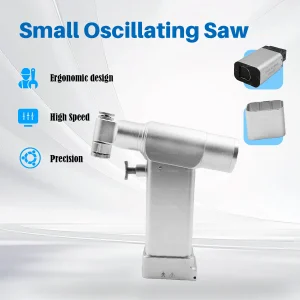
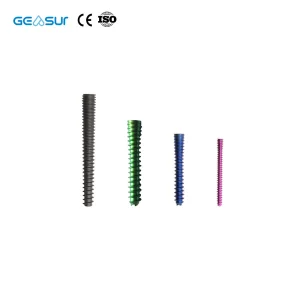
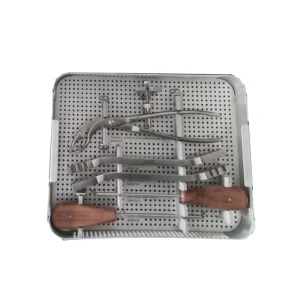
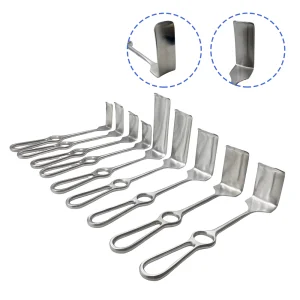
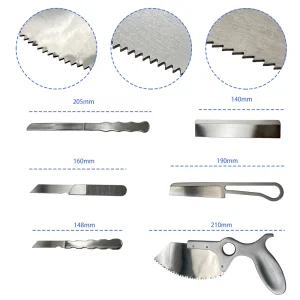
Explore our line of trauma screws, revision saws, and custom instruments configured to ensure clinical accuracy.