Medisplint
Medisplint
Medisplint
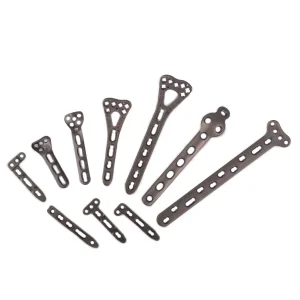
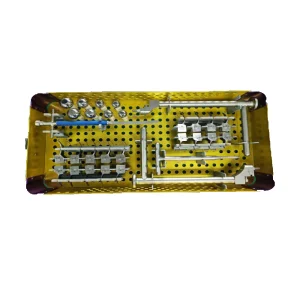
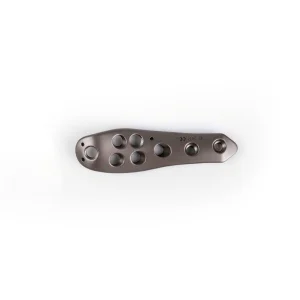
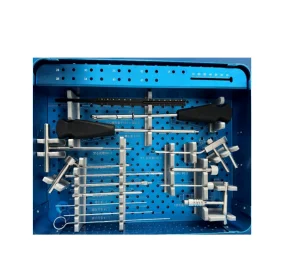
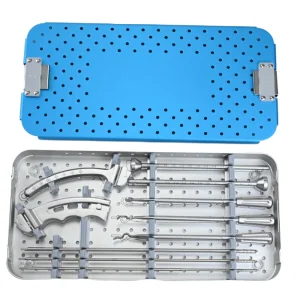
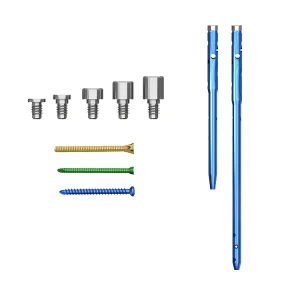
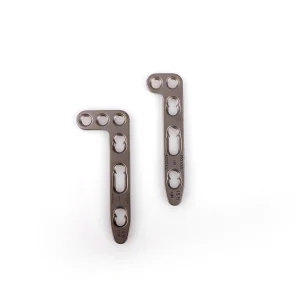
Explore our elite portfolio of surgical hardware, including fixation screws, locking plates, and custom instrument kits designed for high-performance surgical applications.
An in-depth analysis of clinical requirements, mechanical design, and production workflows in the manufacture of Distal Radius external stabilization systems.
Modern wrist external fixators utilize a modular bridge design that effectively absorbs axial load while maintaining ligamentotaxis. By bypassing the articular cartilage in unstable distal radius fractures, our systems minimize wrist stiffness and maintain precise joint alignment during the bone healing cycle.
We leverage high-strength Grade 5 Titanium Alloy (Ti-6Al-4V ELI) and medical-grade Carbon Fiber. This optimal material selection achieves high radiolucency, allowing orthopedic surgeons to perform unobstructed intraoperative fluoroscopy checks on anatomical reduction.
Equipped with specialized ball-joint mechanism hinges, our unilateral fixator components support multi-directional reduction. Surgeons can independently customize translation, distraction, and rotation without losing primary bone stability, optimizing patient-specific post-traumatic therapy.
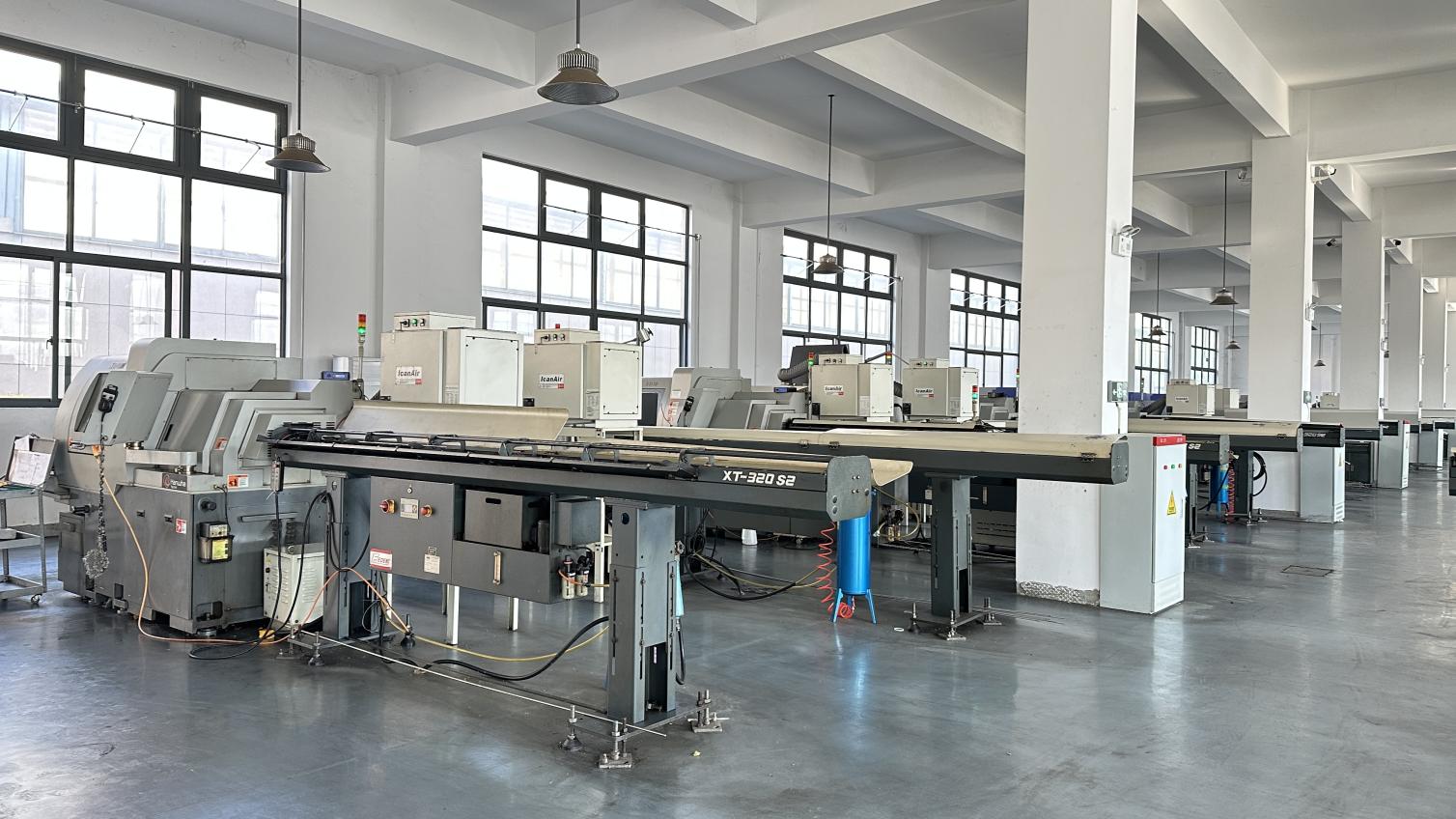
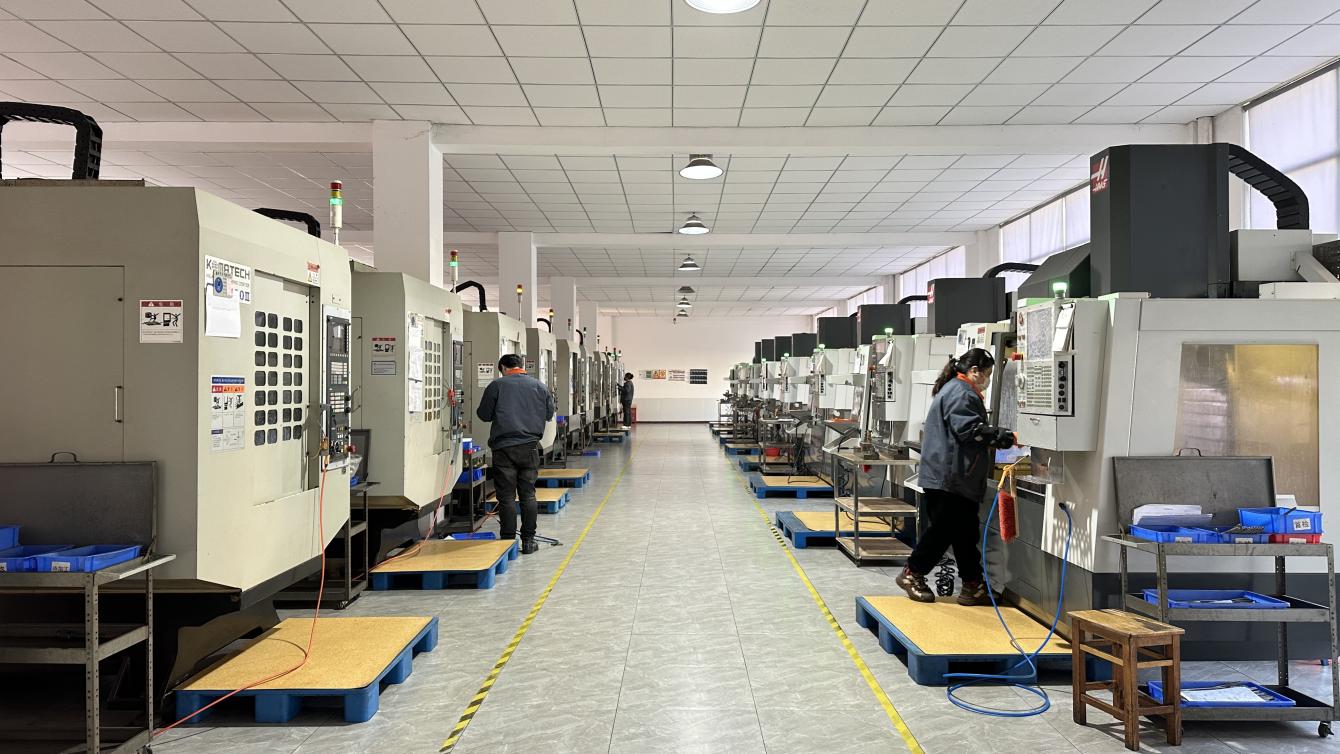
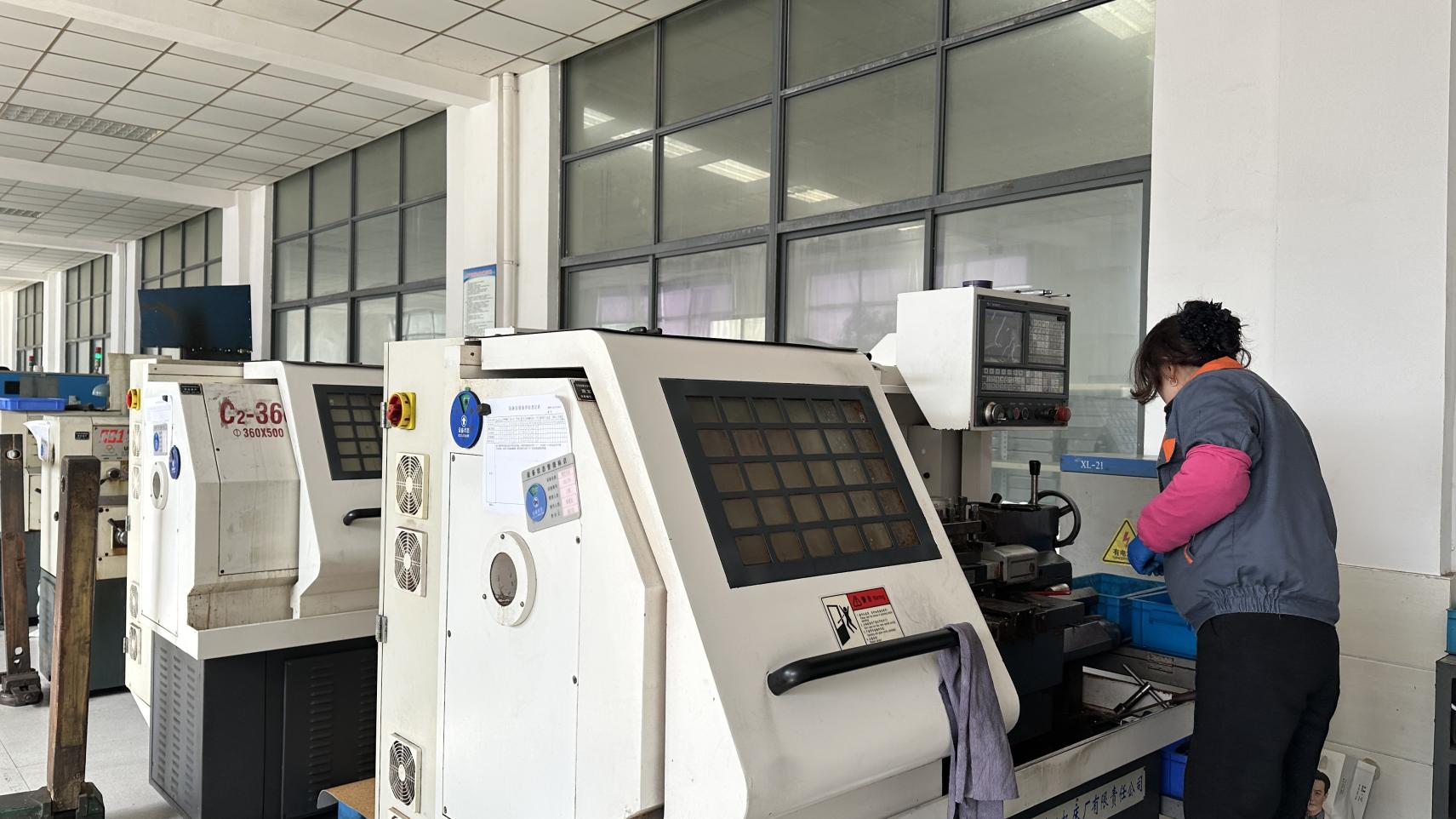
How Medisplint leverages vertically integrated manufacturing, material clusters, and advanced CNC tooling to deliver cost-efficiency and supply chain resilience.
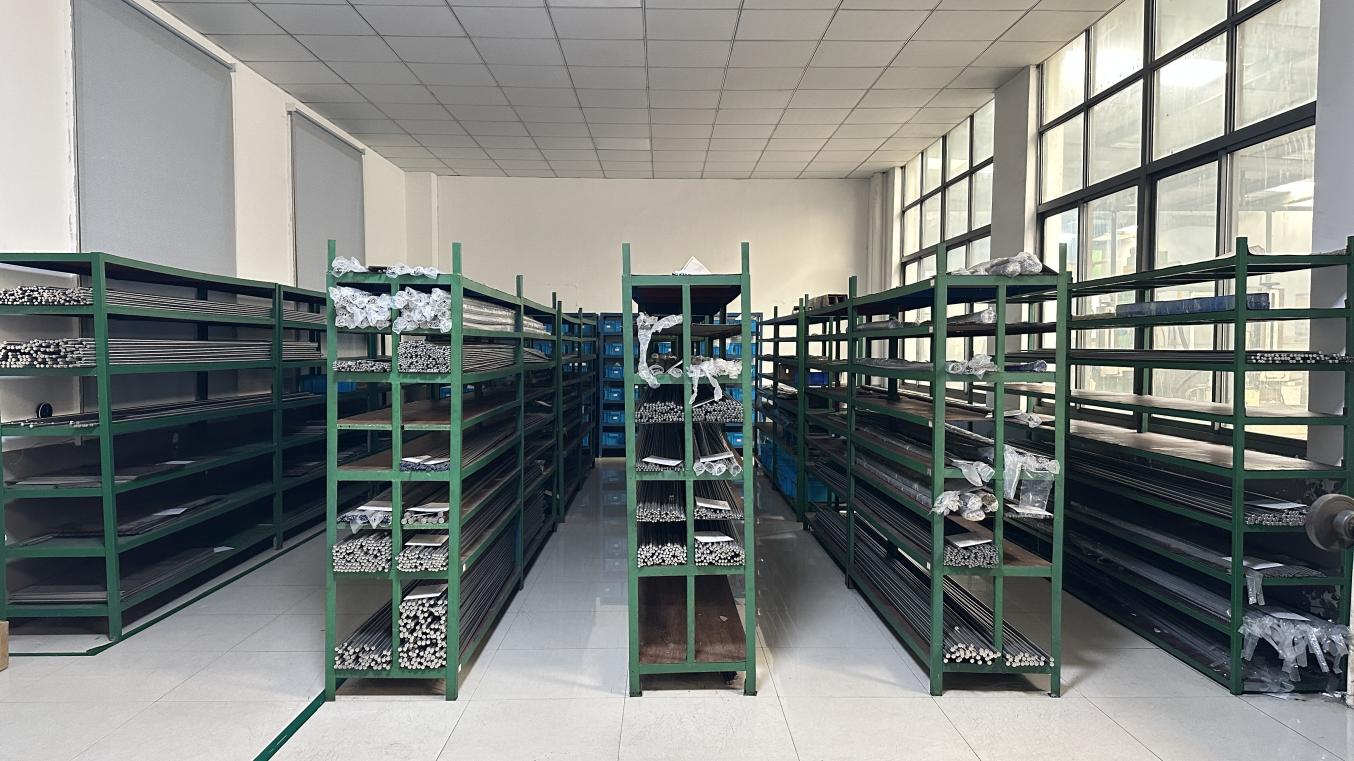
Located in China's premier medical device cluster, we maintain direct partnerships with over 1,200 verified raw material and treatment vendors. This geographical consolidation minimizes logistic friction, stabilizes pricing fluctuations, and guarantees a continuous flow of raw medical titanium and surgical stainless steel.
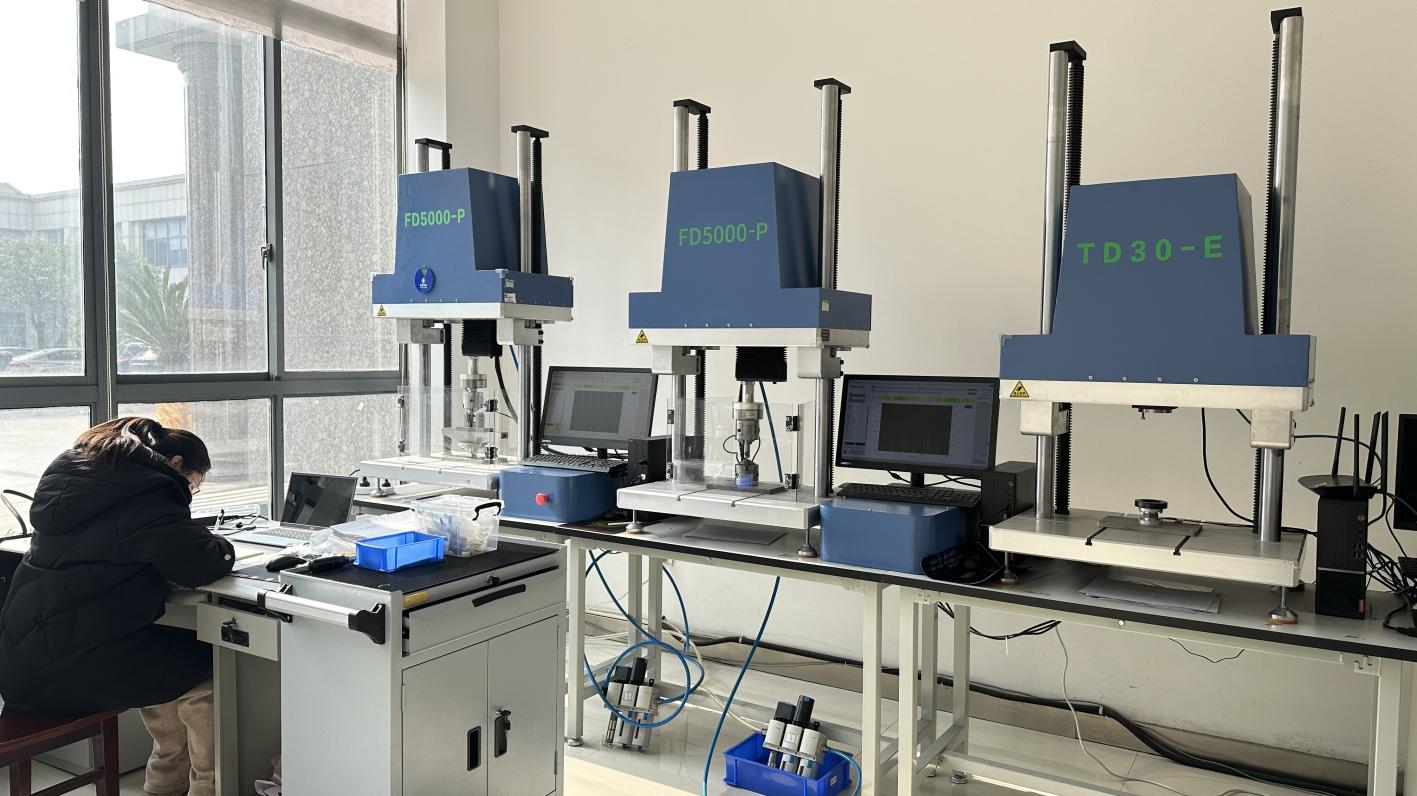
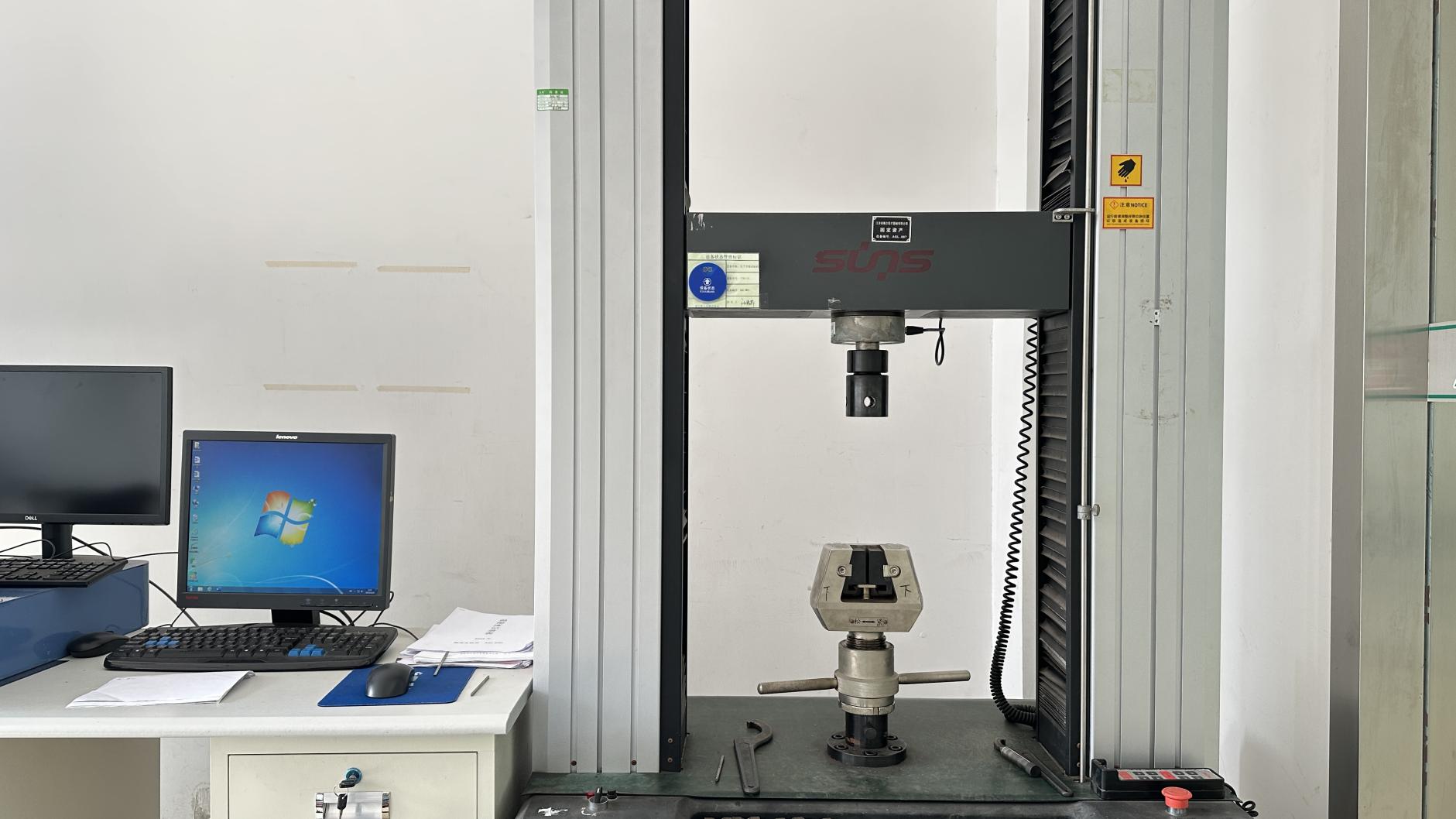
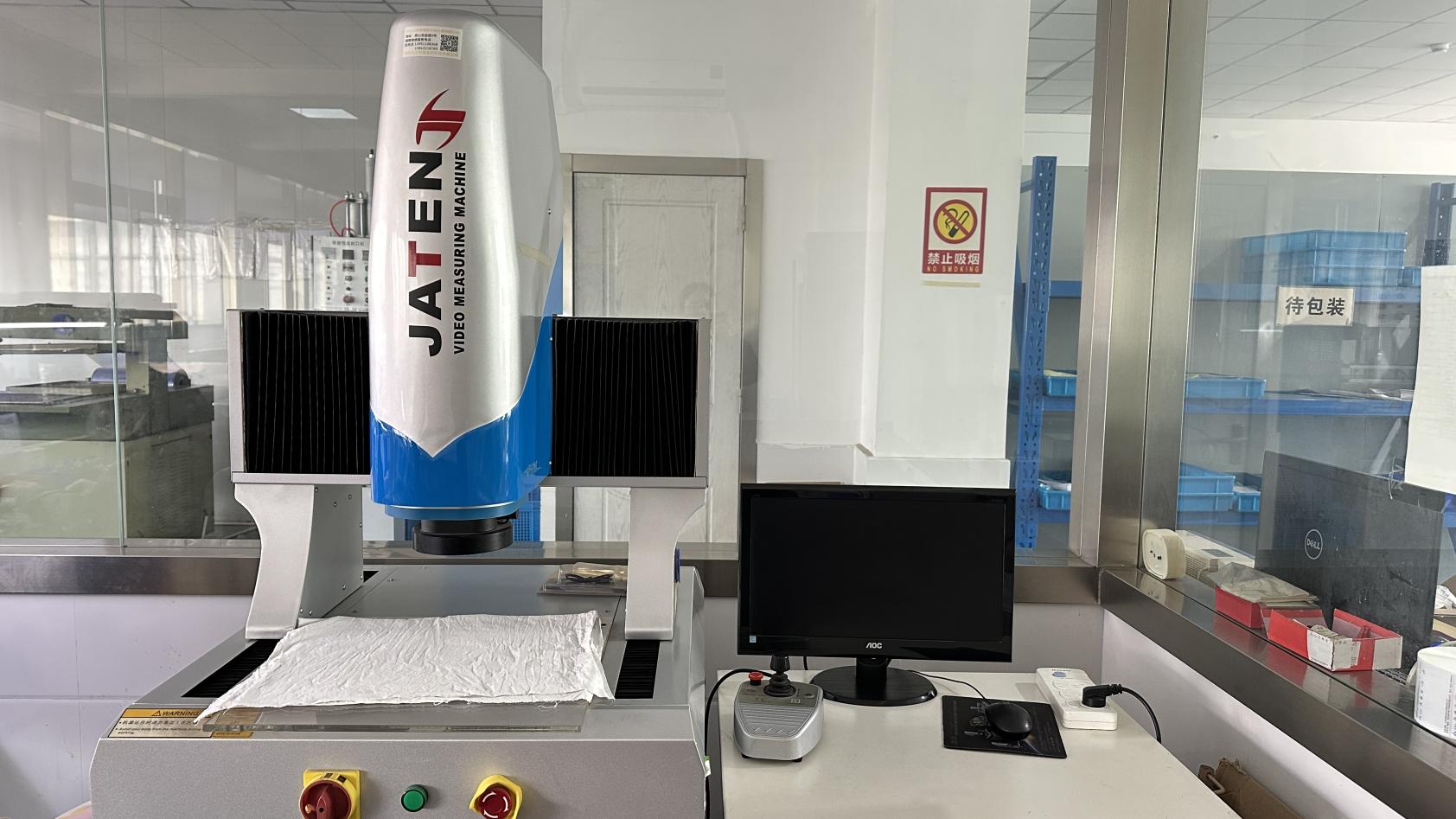
Our QA team features 42 dedicated quality inspectors executing critical procedures: Incoming Inspection (IQC), In-Process Control (IPQC), and Final Quality Control (FQC) alongside independent third-party laboratory verification. Testing parameters include fatigue lifecycle, mechanical tensile thresholds, and biometric safety compliance.
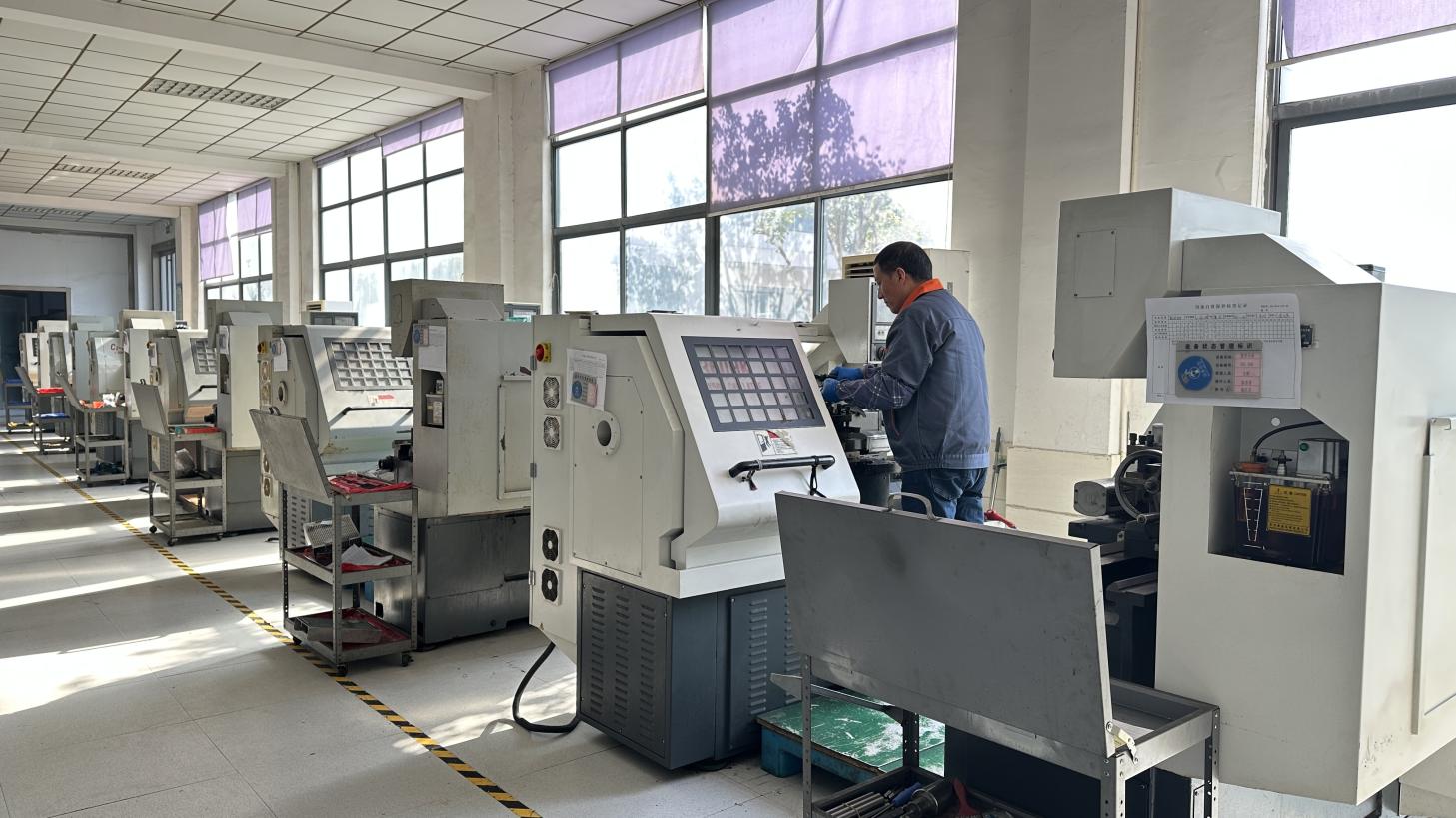
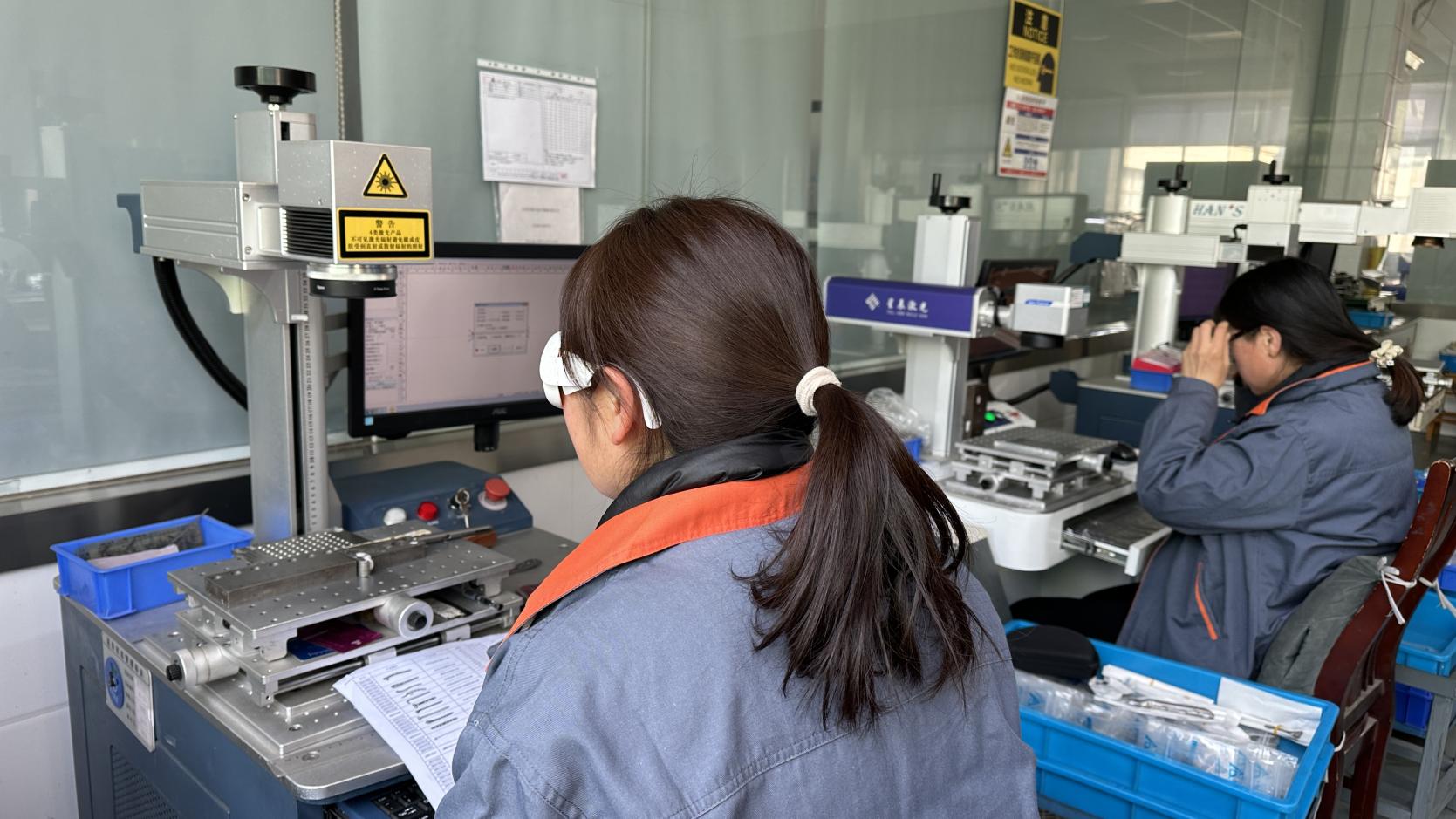
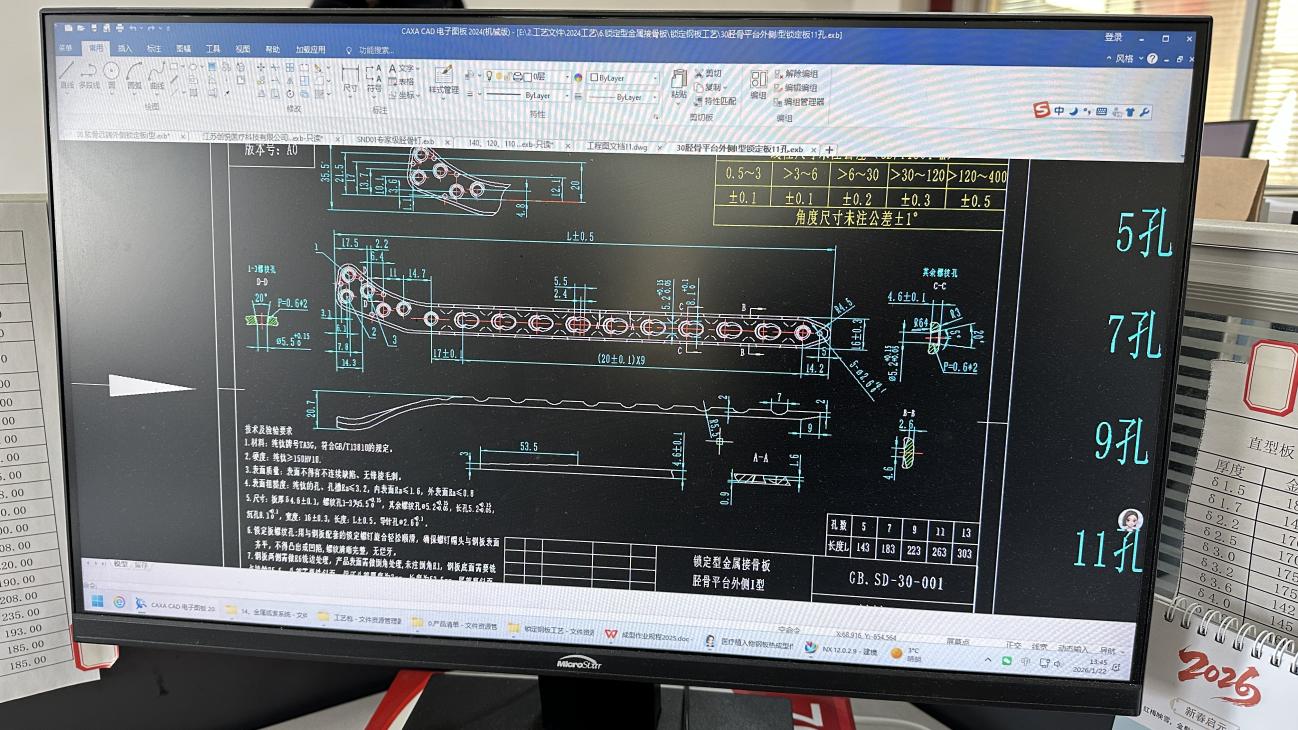
Driven by 85 engineering and development specialists, we launched 68 new orthopedic innovations last year. From bespoke private labeling (laser-marking design logo) to custom surgical kit layout modifications, we rapidly adjust system dimensions to comply with regional clinical preferences.
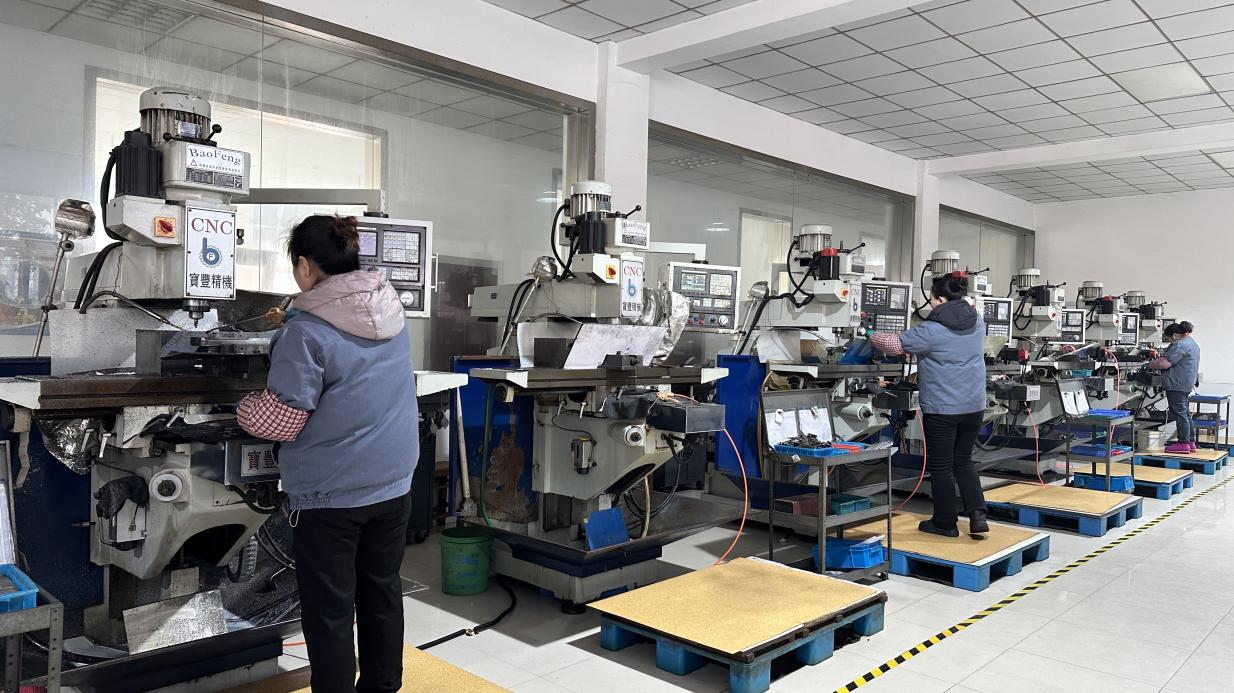
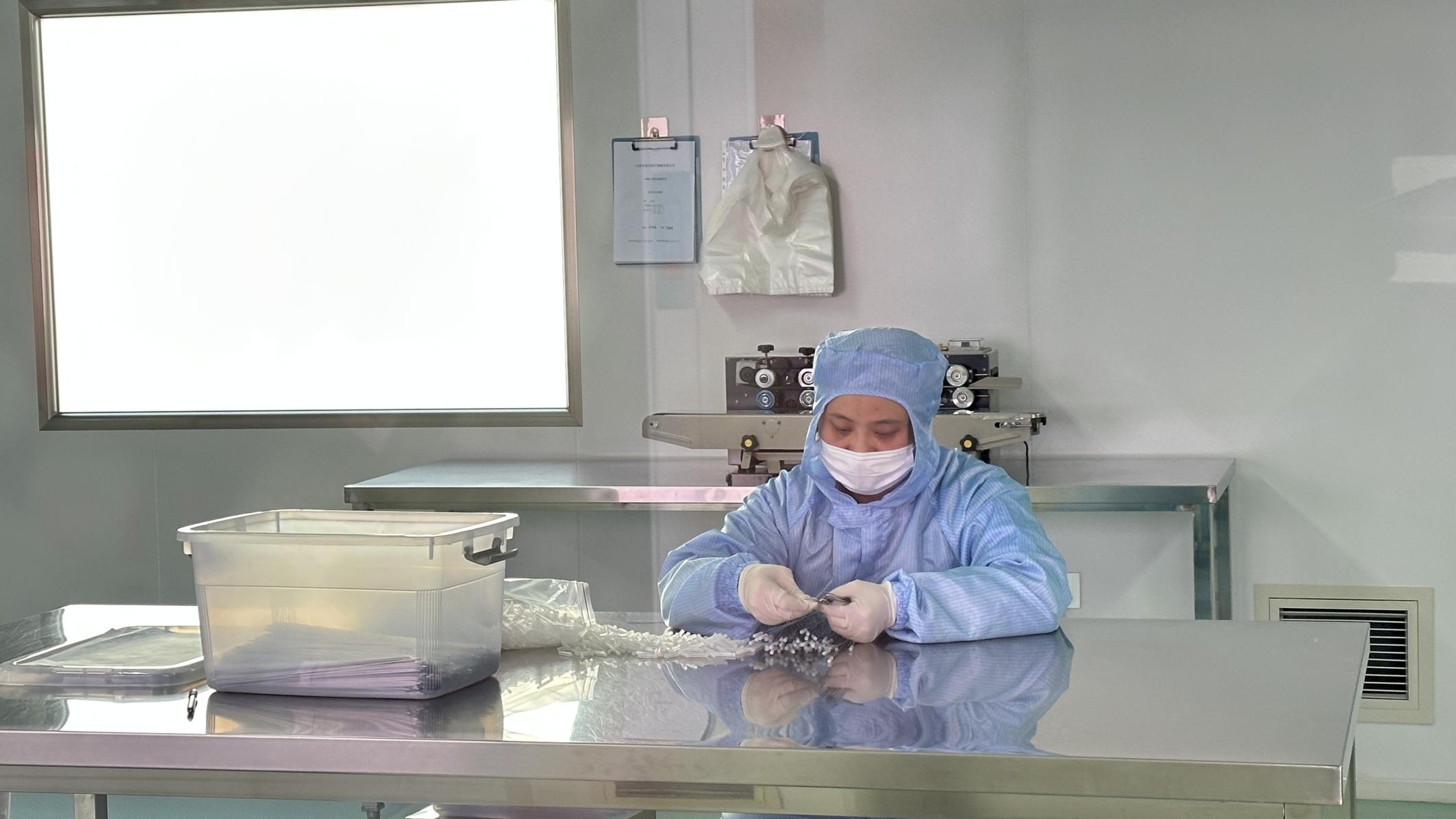
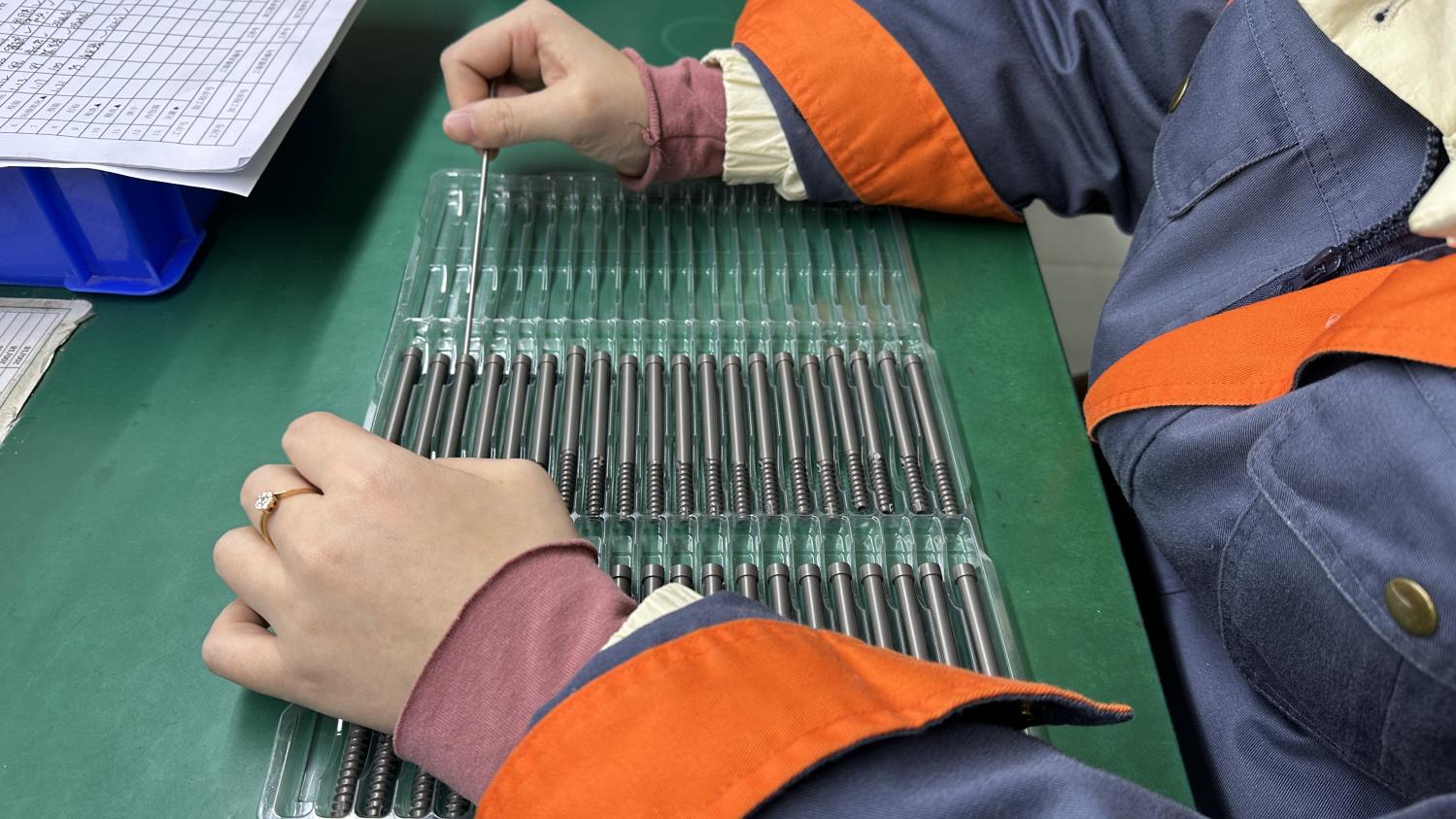
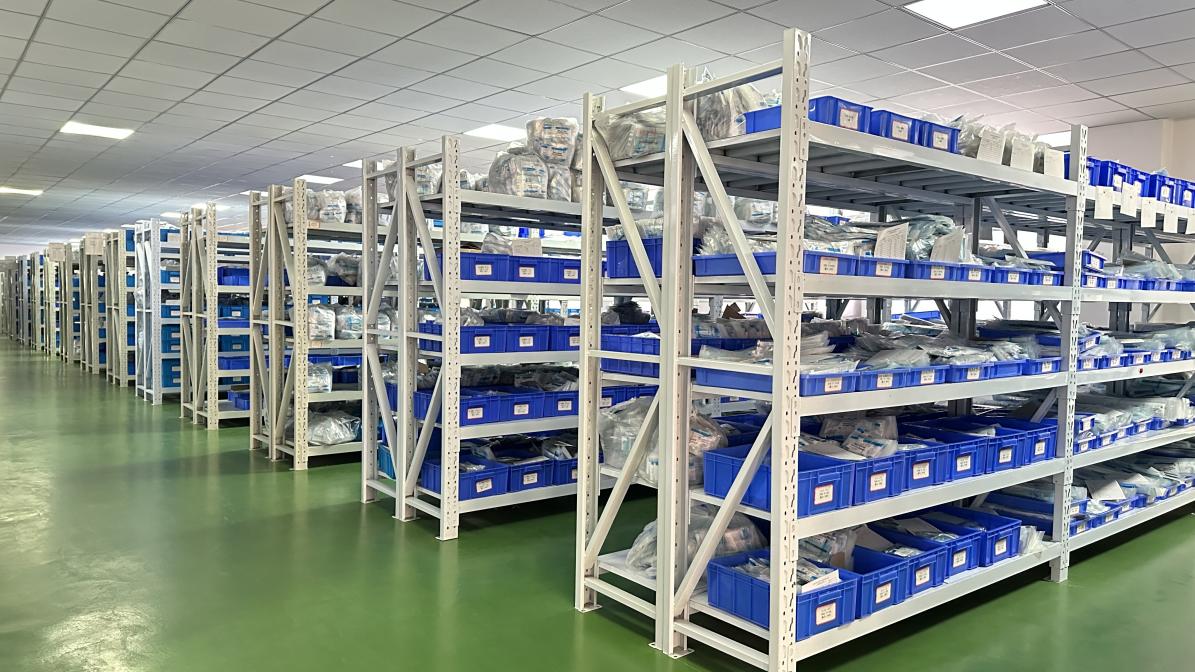
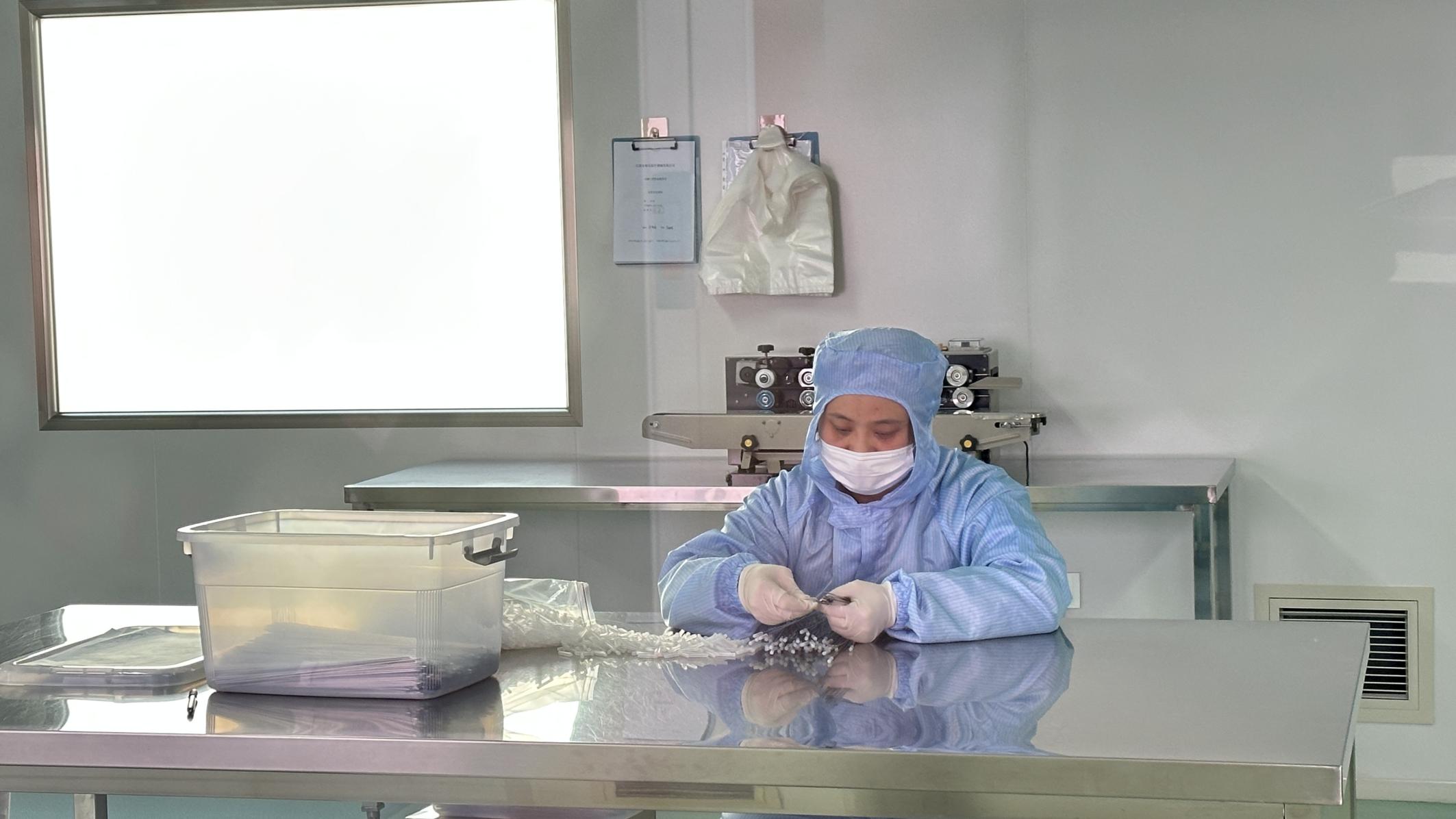
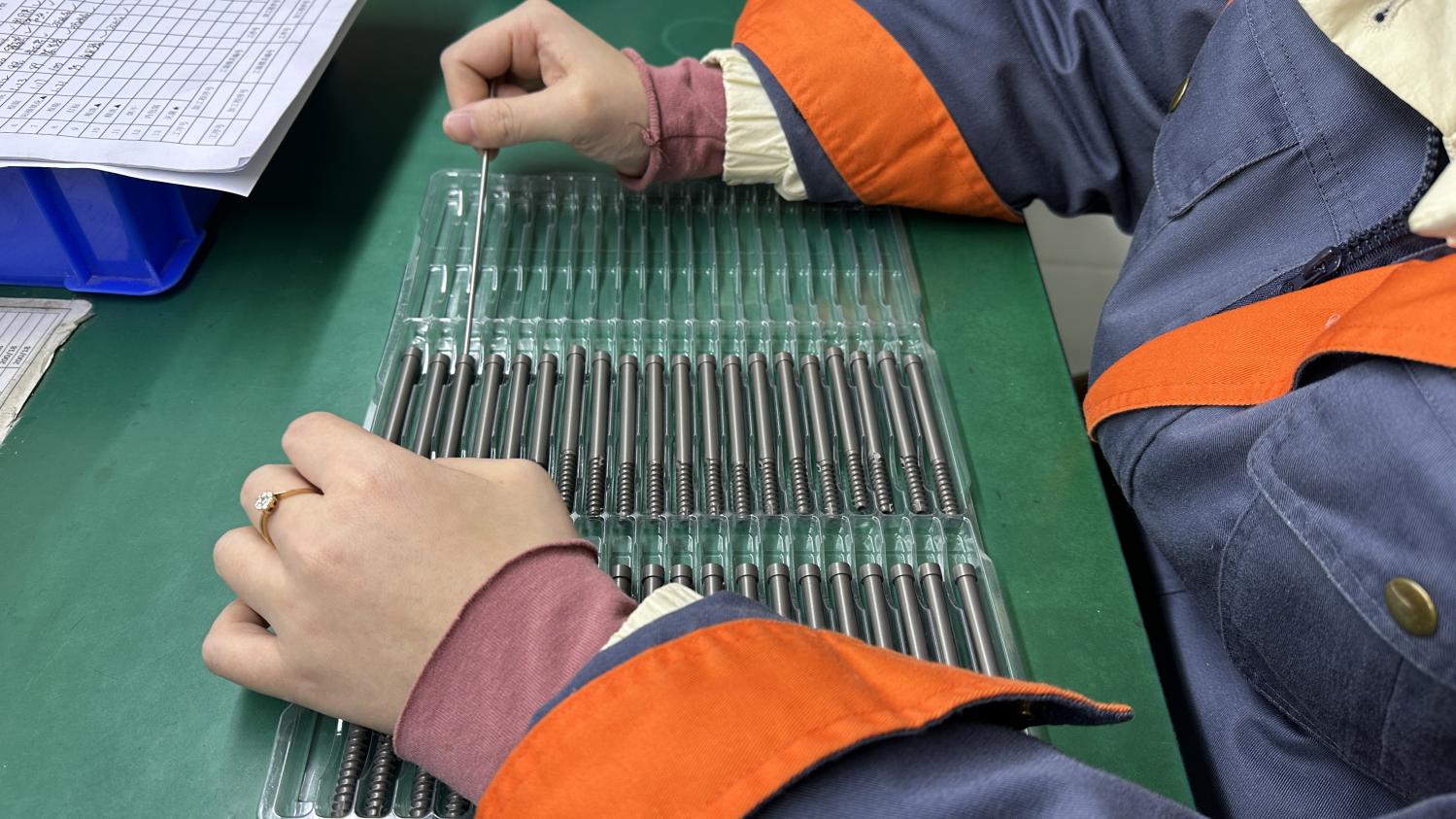
Transparent display of our ISO-certified production lines, featuring raw material control, multi-axis CNC milling, quality verification, and dynamic testing labs.
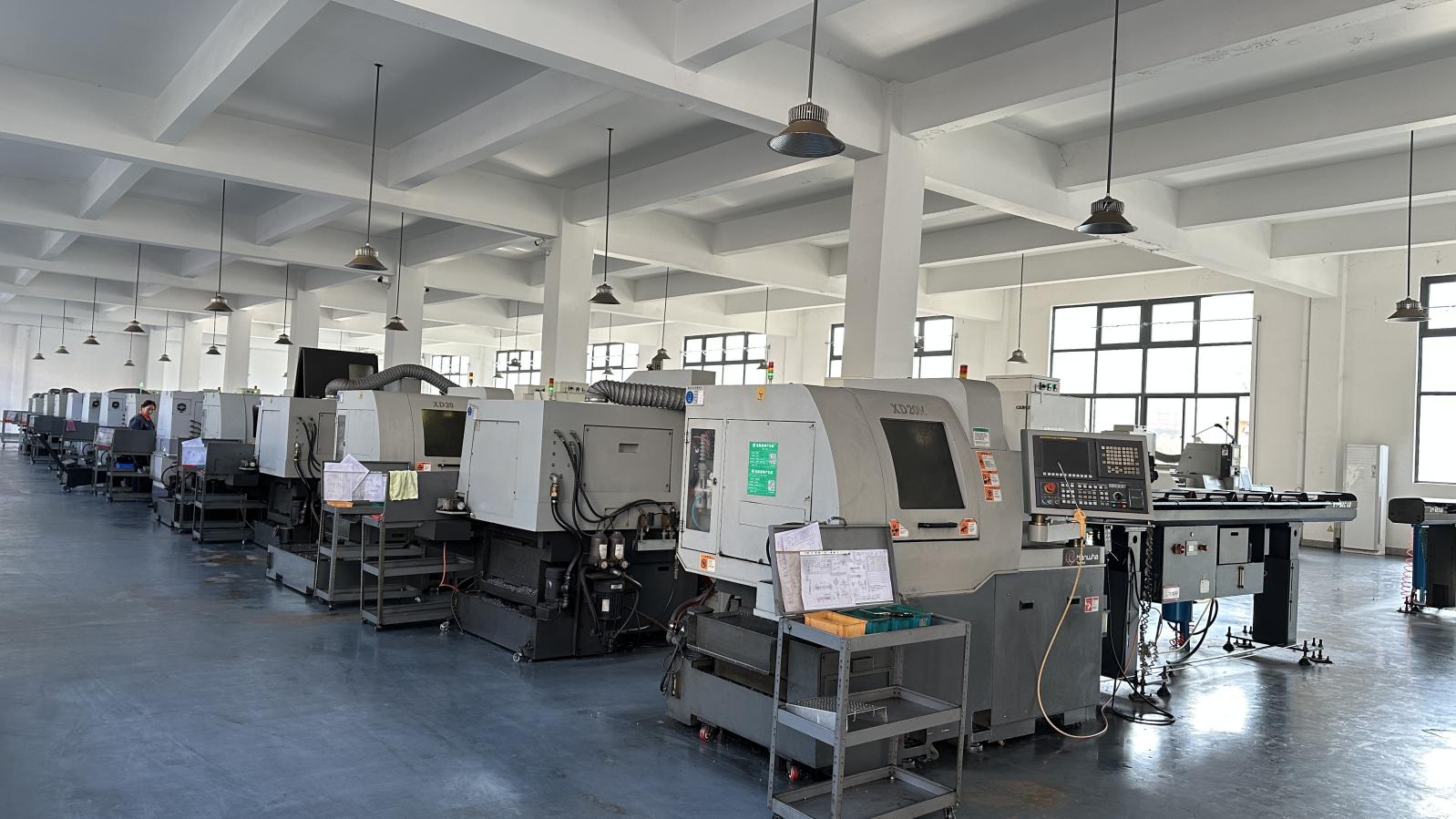
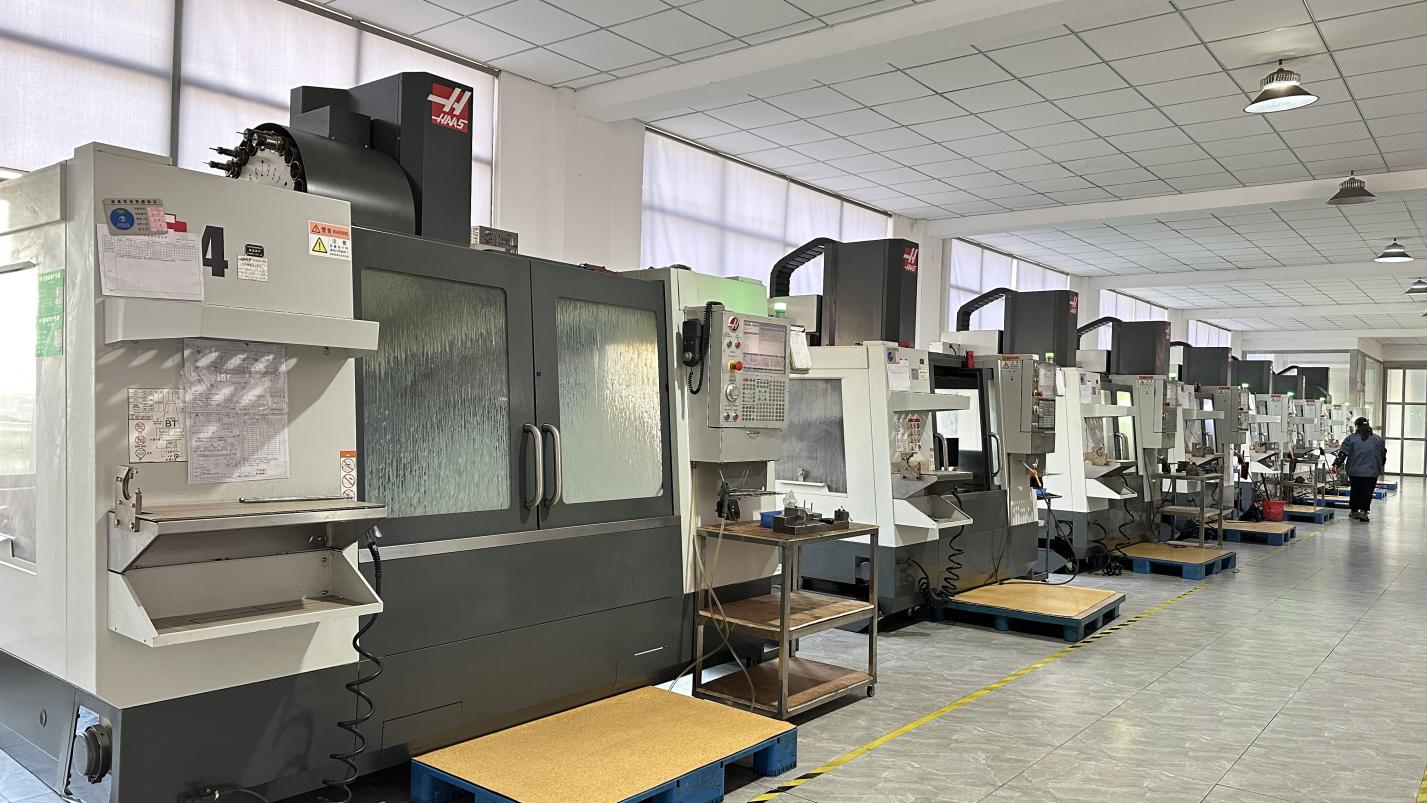
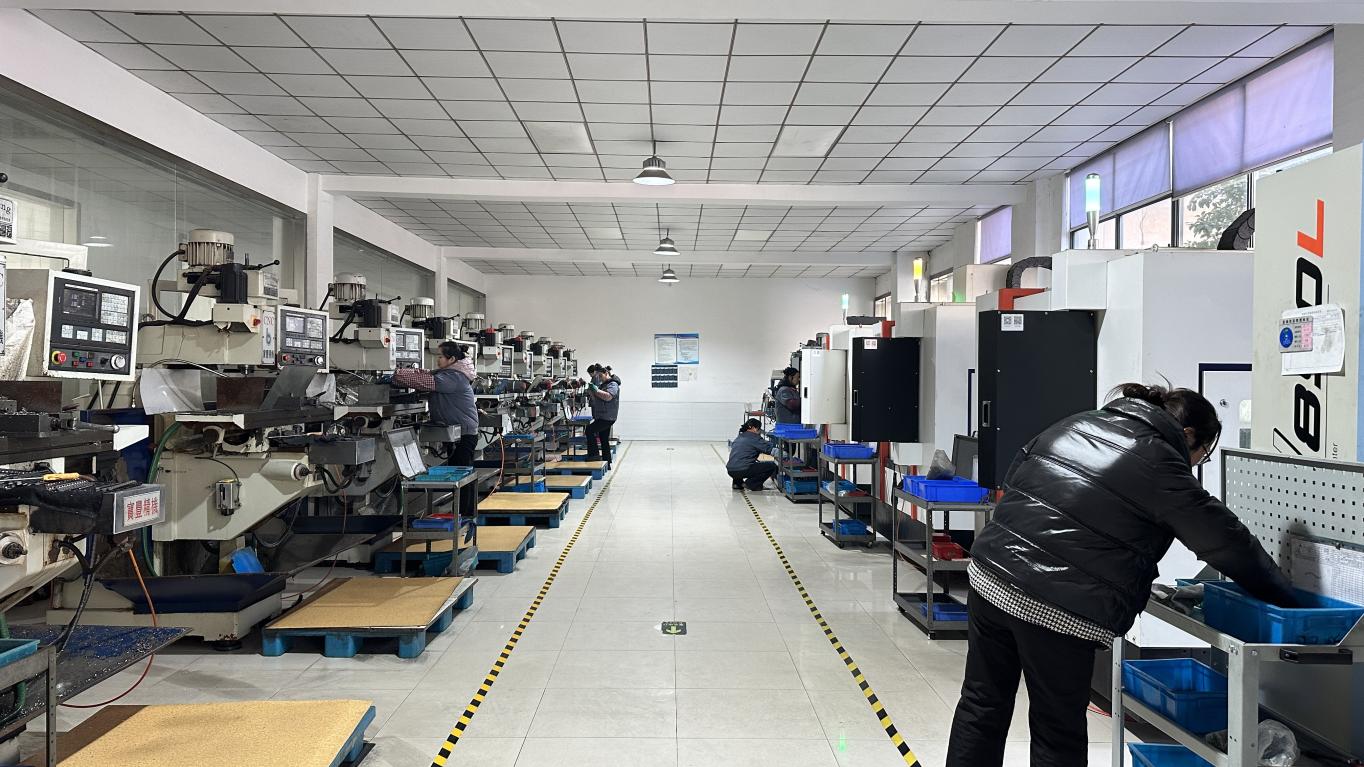
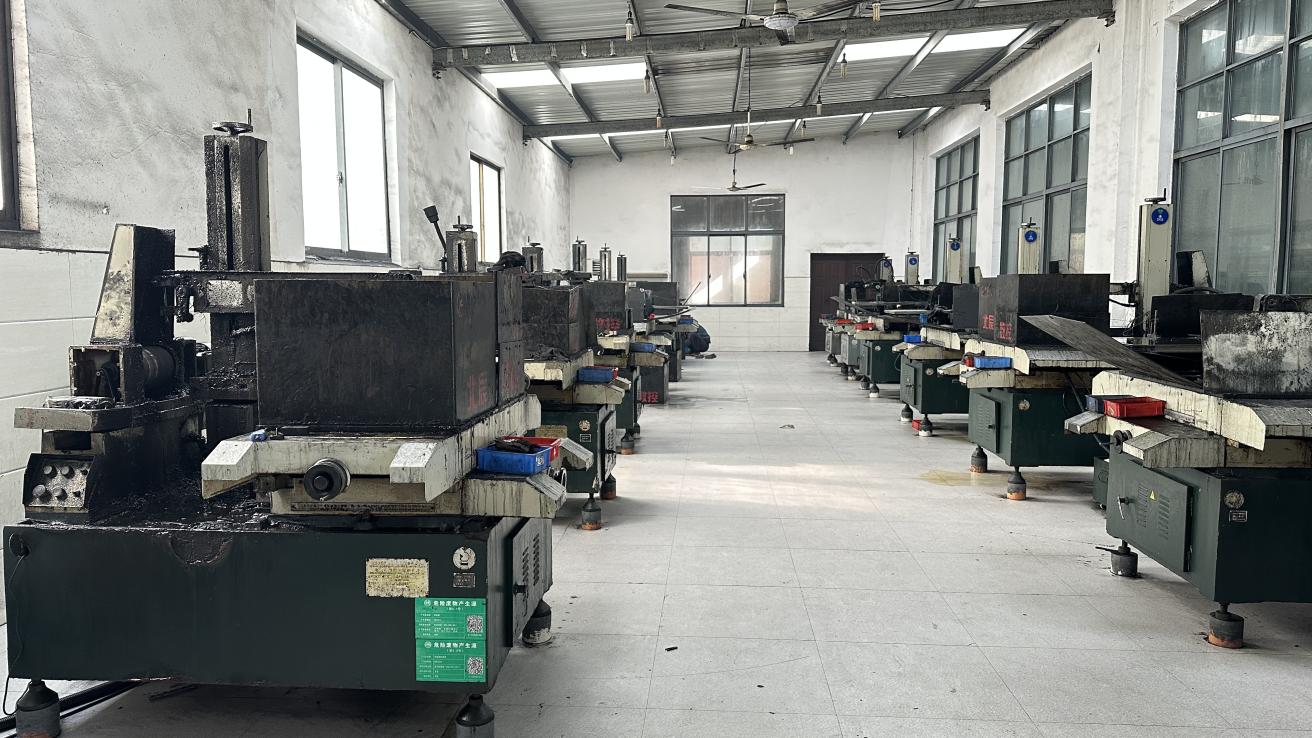

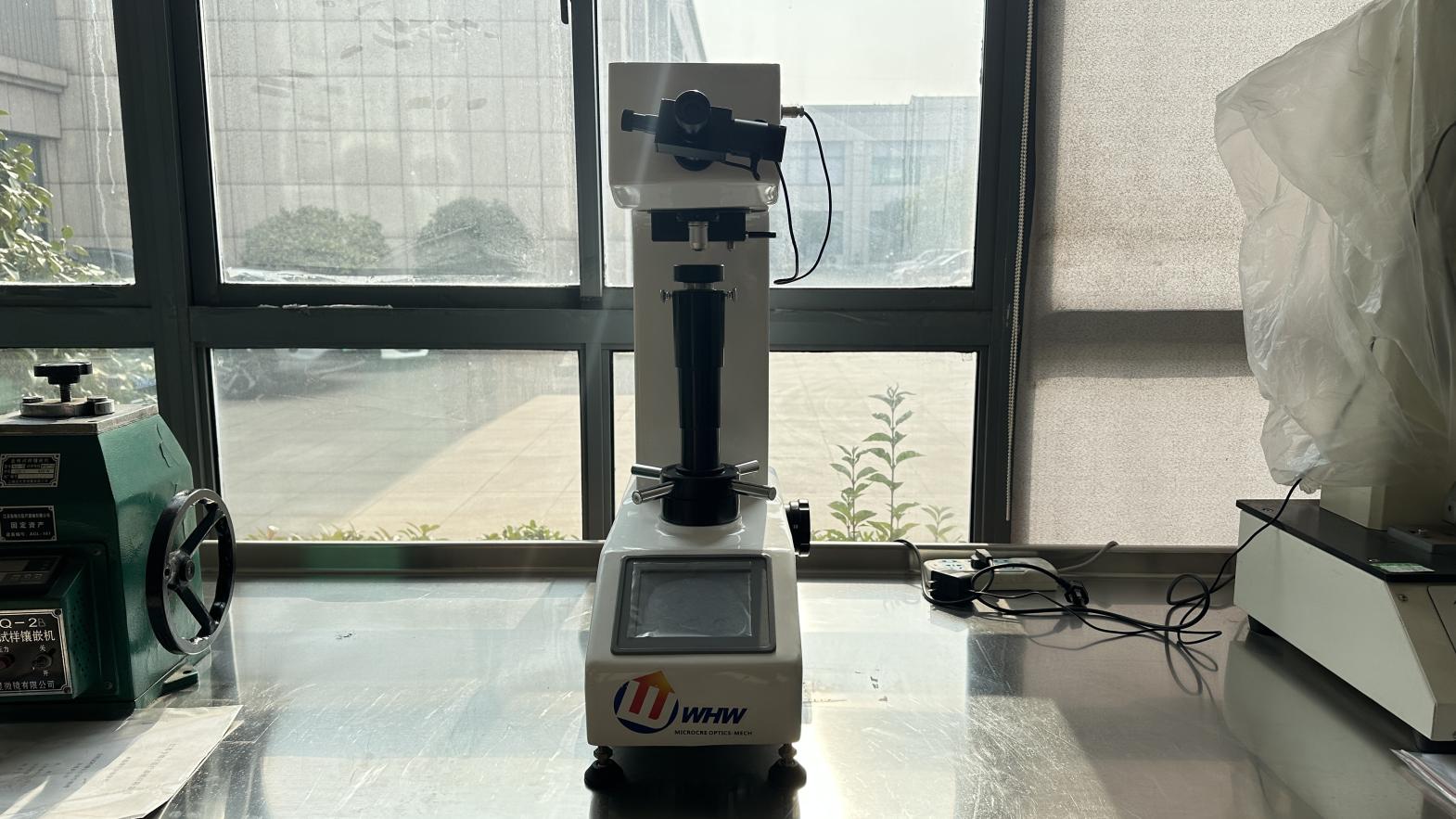
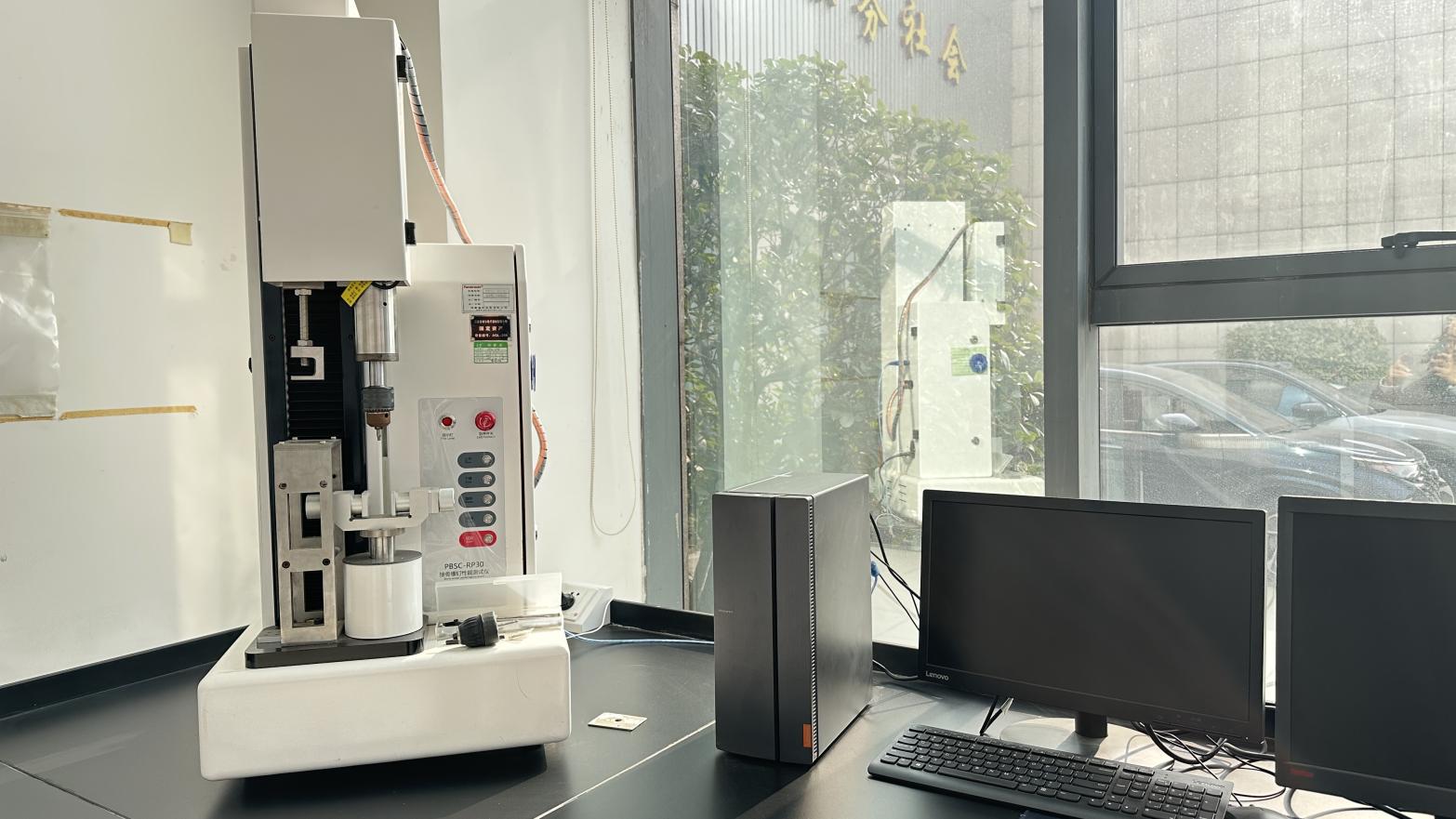
Empowering healthcare distribution networks with certified traceability, technical training materials, and custom import clearances.
Medisplint maintains a strict Quality Management System (QMS) compliant with ISO 13485:2016 and European Union CE Certification. Our products are fully traceable from raw titanium ingot melt lots down to individual sterile blister packages.
We provide comprehensive registration dossiers (technical files, clinical evaluation summaries, and biocompatibility studies according to ISO 10993) to facilitate rapid authorization with local ministries of health, including FDA registrations, SFDA clearances, and local MOH approvals.
To ensure patient safety and correct anatomical placement of external fixators, we provide clinical training dummy models, detailed surgical guides, and virtual webinars for local hospital staffs, surgeons, and distributor sales executives.
Analyzing market trends toward dynamic external fixation, non-bridging frames, and patient-centric customized hardware.
There is a substantial global transition toward dynamic external fixators that allow controlled micromotion across the fracture gap. This approach stimulates natural callus formation and accelerates union, reducing the overall healing period compared to traditional rigid designs.
Non-bridging fixators, which fixate pins directly into the distal fracture fragment, are increasingly preferred for extra-articular fractures. They allow early joint motion, resulting in significantly lower post-operative stiffness rates.
Modern clinical centers demand materials with minimized scatter on CT and MRI images. The integration of advanced carbon-fiber rods and lightweight polyetheretherketone (PEEK) elements ensures crystal-clear imaging during postoperative healing assessments.
Answers to critical questions asked by orthopedic distributors, purchasing managers, and clinical representatives.
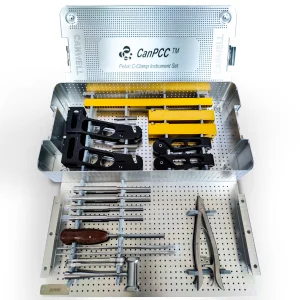
Discover additional clinical solutions, featuring anatomical locking plates, specialized joint reconstruction instruments, and pelvic clamps.