Medisplint Medisplint

China Wholesale Tibial Locking Plates Manufacturer & Factory

High-Precision Orthopedic Implants, Trauma Fixation Systems & Comprehensive OEM/ODM Solutions

Global Market & Engineering Analysis: Tibial Locking Plates

Tibial fractures represent one of the most common long-bone injuries encountered in modern trauma orthopedics. Managing these fractures requires implants that balance structural rigidity with anatomical conformity. Traditional fixation mechanisms, which relied heavily on plate-to-bone compression, often compromised periosteal perfusion, resulting in delayed healing or nonunion. The development of Tibial Locking Plates revolutionized this landscape by operating on the "internal fixator" principle.

Globally, the demand for tibial locking plates is growing due to rising rates of high-energy motor vehicle accidents, dynamic sports injuries, and geriatric osteoporotic fractures. Locking technology provides significant biomechanical stability, particularly in osteopenic bone, where traditional screws are prone to stripping. By locking the screw head into the plate thread, the construct transforms into a single load-sharing unit that resists angular deviation under physiological weight-bearing forces.

From an industrial perspective, manufacturing these medical devices requires strict material selection and high machining precision. The biological environment demands pure biomaterials, primarily Grade 5 Titanium Alloy (Ti-6Al-4V ELI) or high-grade 316L Stainless Steel. The implants must undergo rigorous surface finishing—such as type II anodization for titanium—to prevent galvanic corrosion and optimize biocompatibility.

Medisplint Orthopedic Instruments Co., Ltd.

Medisplint Orthopedic Instruments Co., Ltd. is a leading manufacturer specializing in orthopedic implants, fixation systems, and surgical instruments for trauma, spine, and joint reconstruction. Founded in 2016, the company has developed steadily with a strong focus on scientific innovation, regulatory compliance, and global trade expansion.

Our manufacturing facility spans over 18,500 square meters, housing state-of-the-art production halls, class 100,000 cleanrooms, and testing laboratories. With a dedicated focus on R&D, we employ 85 engineering and development specialists, introducing 68 new products in the past year alone. Our annual export revenue has crossed USD 12 million, serving clients across Europe, Southeast Asia, the Middle East, and South America.

18,500m²
Production Area
10+ Yrs
Industry Experience
42
Quality Inspectors
85
R&D Specialists

Operating under strict Quality Management Systems, Medisplint is ISO 13485 certified and CE compliant. Every batch of implants is traceable back to the raw material ingot, ensuring absolute clinical safety and regulatory conformity for global healthcare institutions.

Advanced Manufacturing Flow & Production Capability

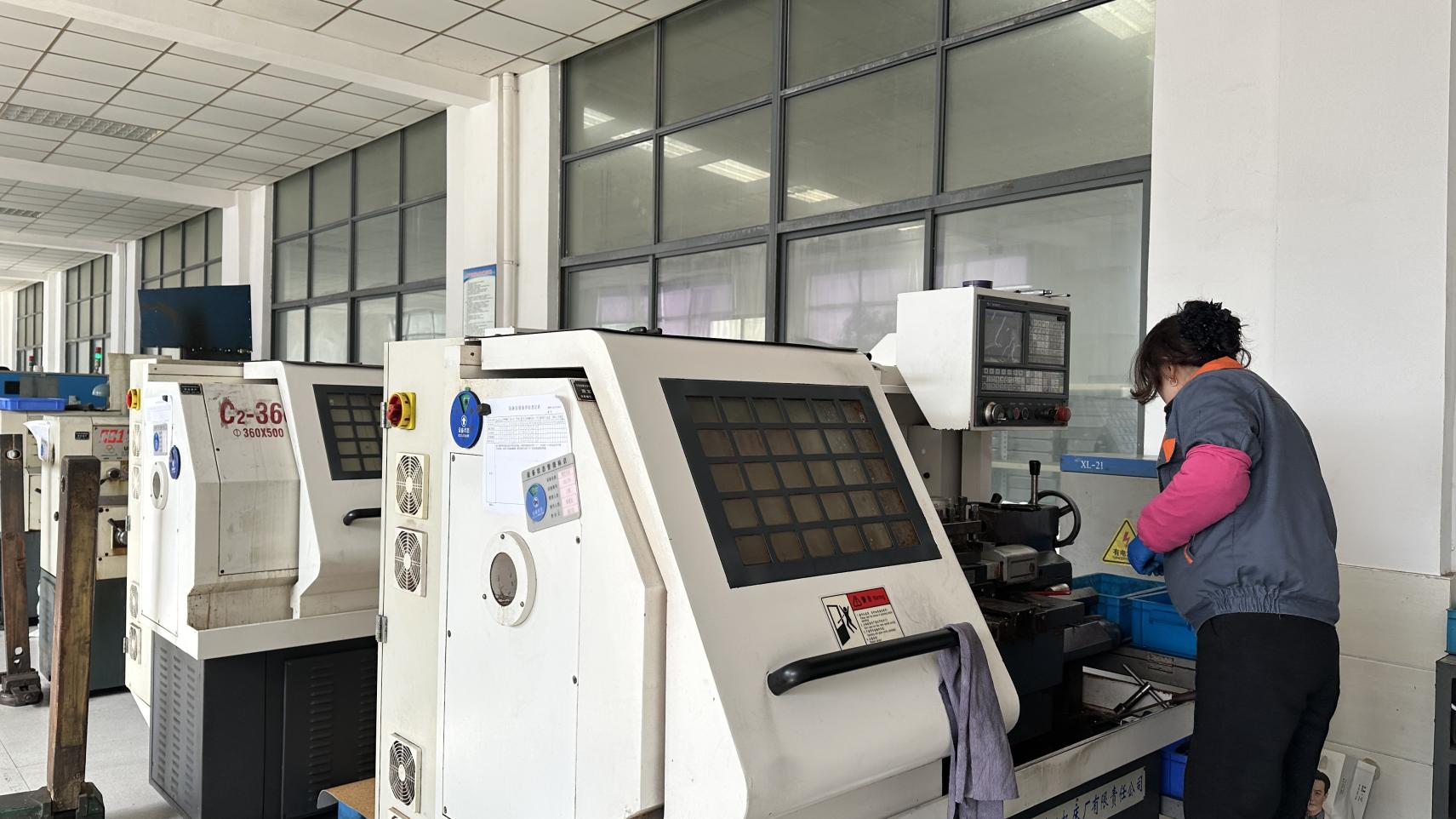
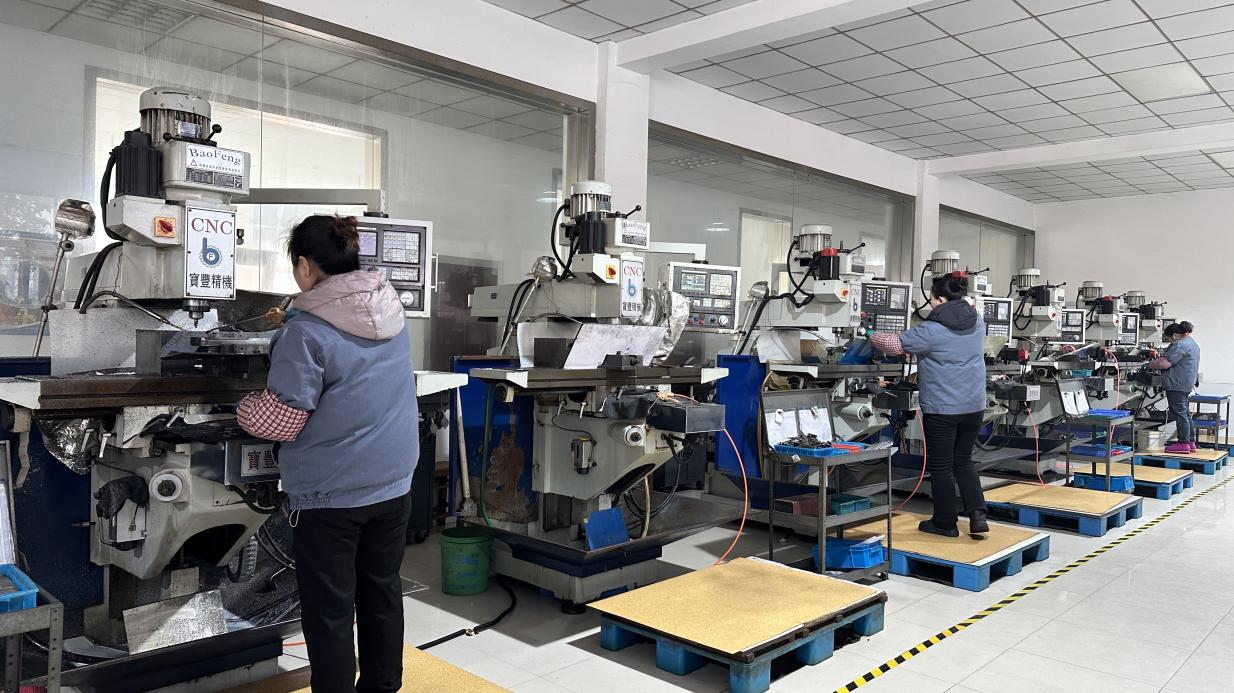
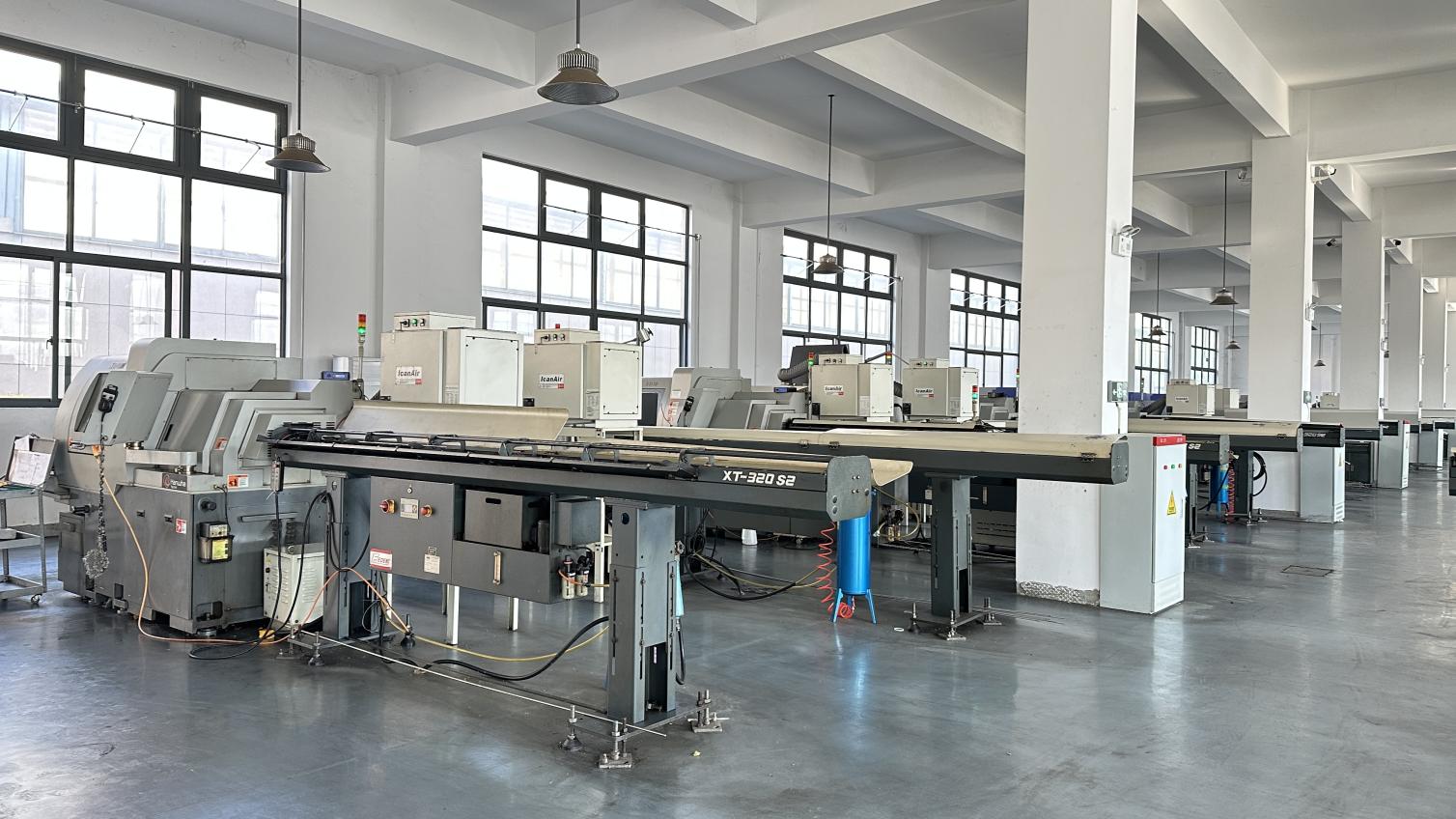
Our vertically integrated production processes utilize CNC machining centers, wire-cutting systems, and advanced milling machinery to transform certified medical-grade raw materials into finished osteosynthesis implants.
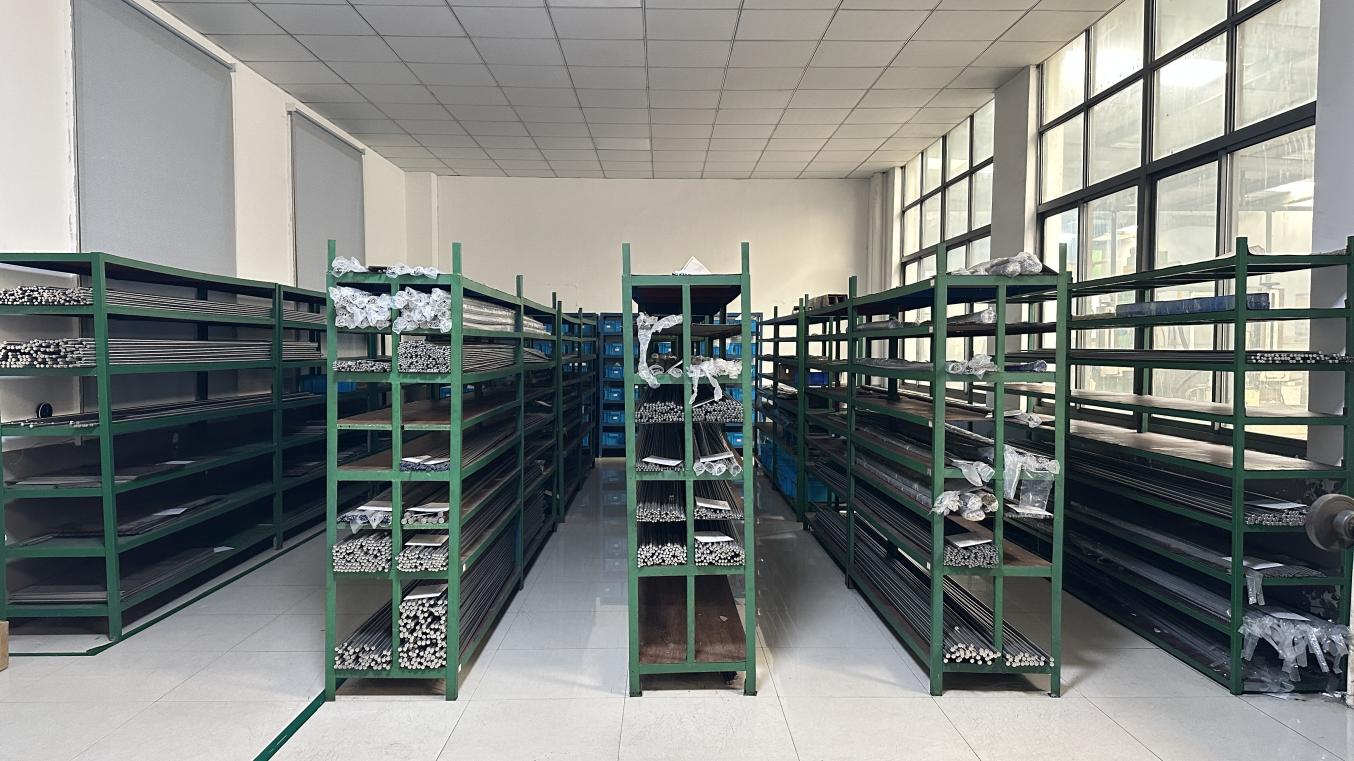
Raw Materials Control
Raw Materials Inspection
Slitting Process
Slitting
CNC Machining
CNC Machining
Machining Operations
Machining
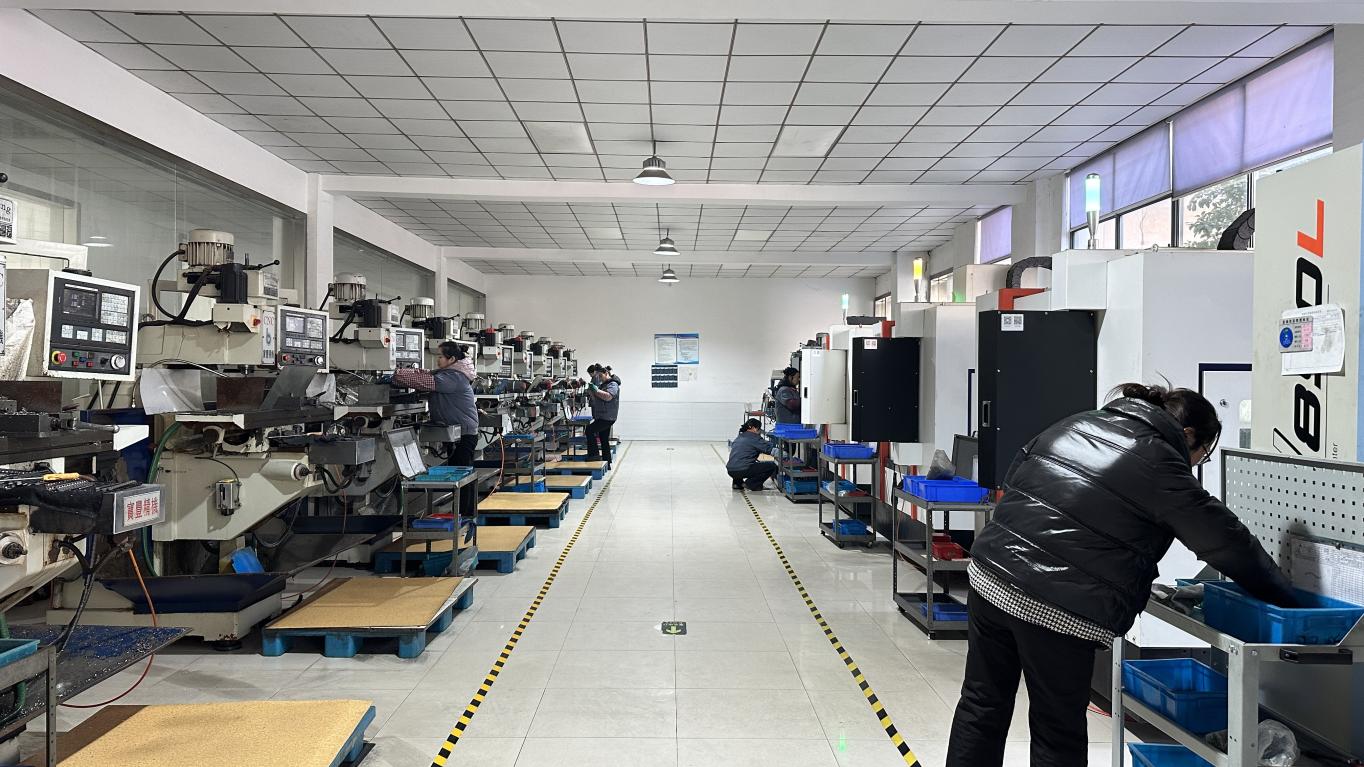
Milling Process
Milling
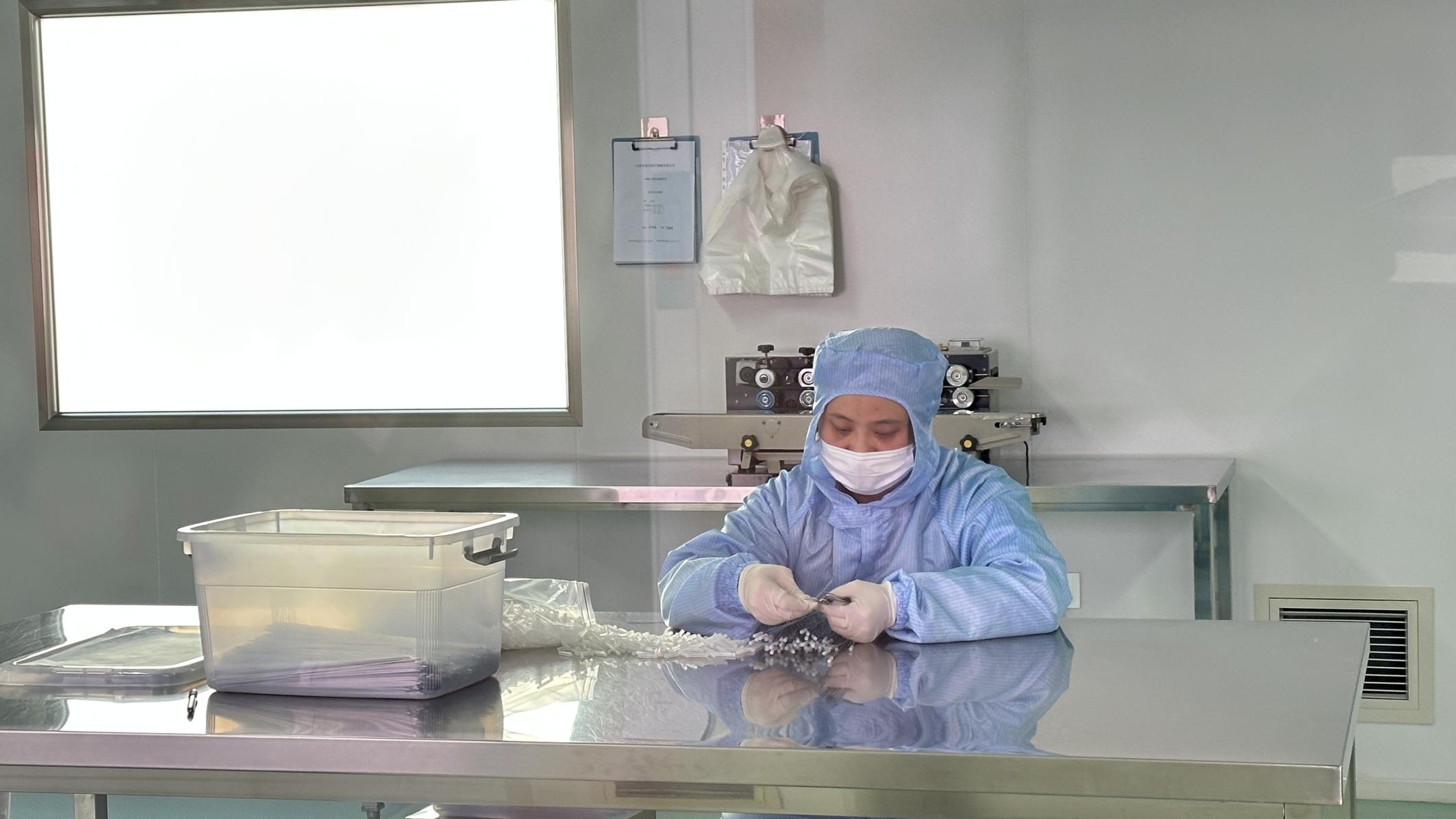
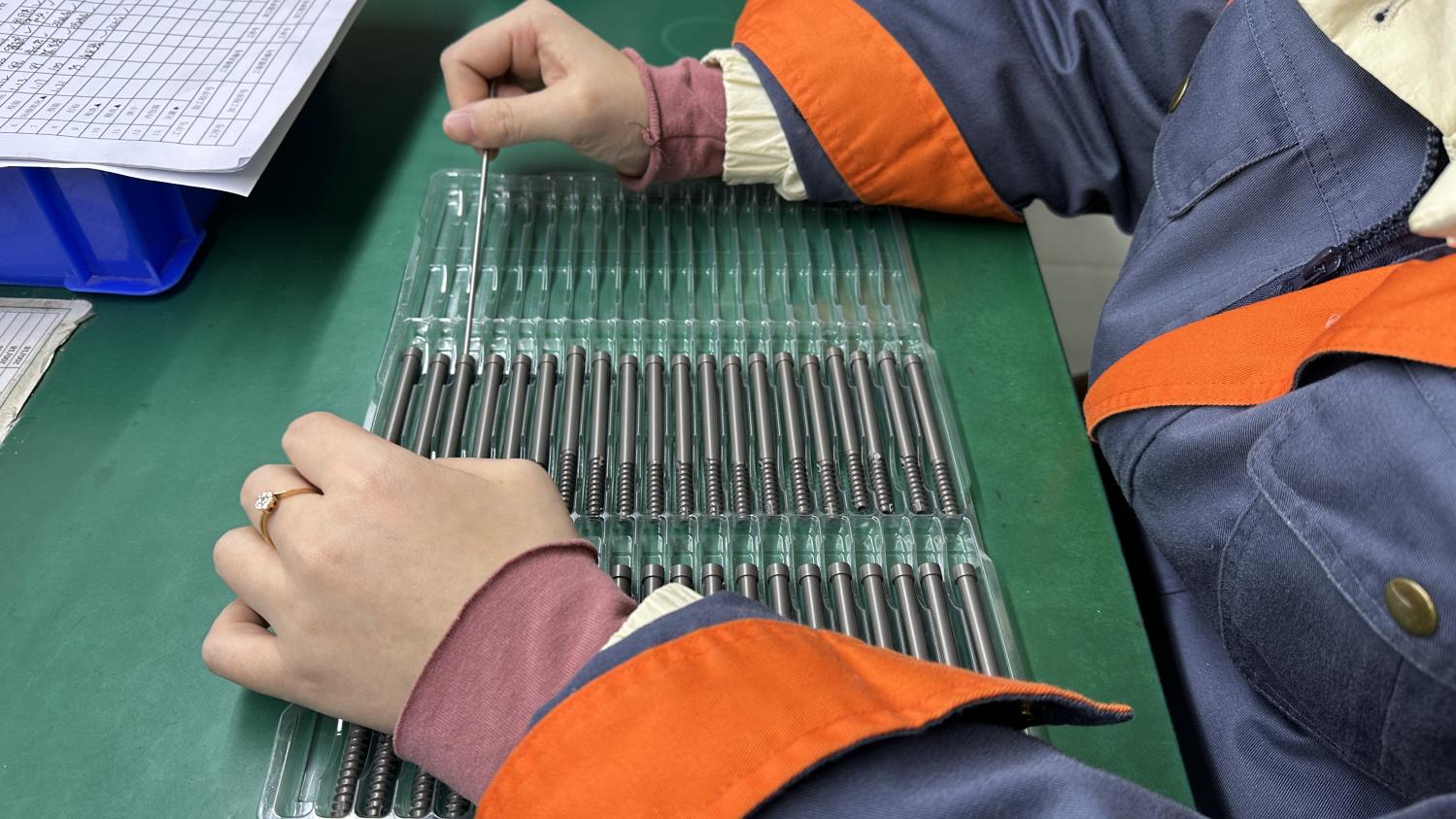
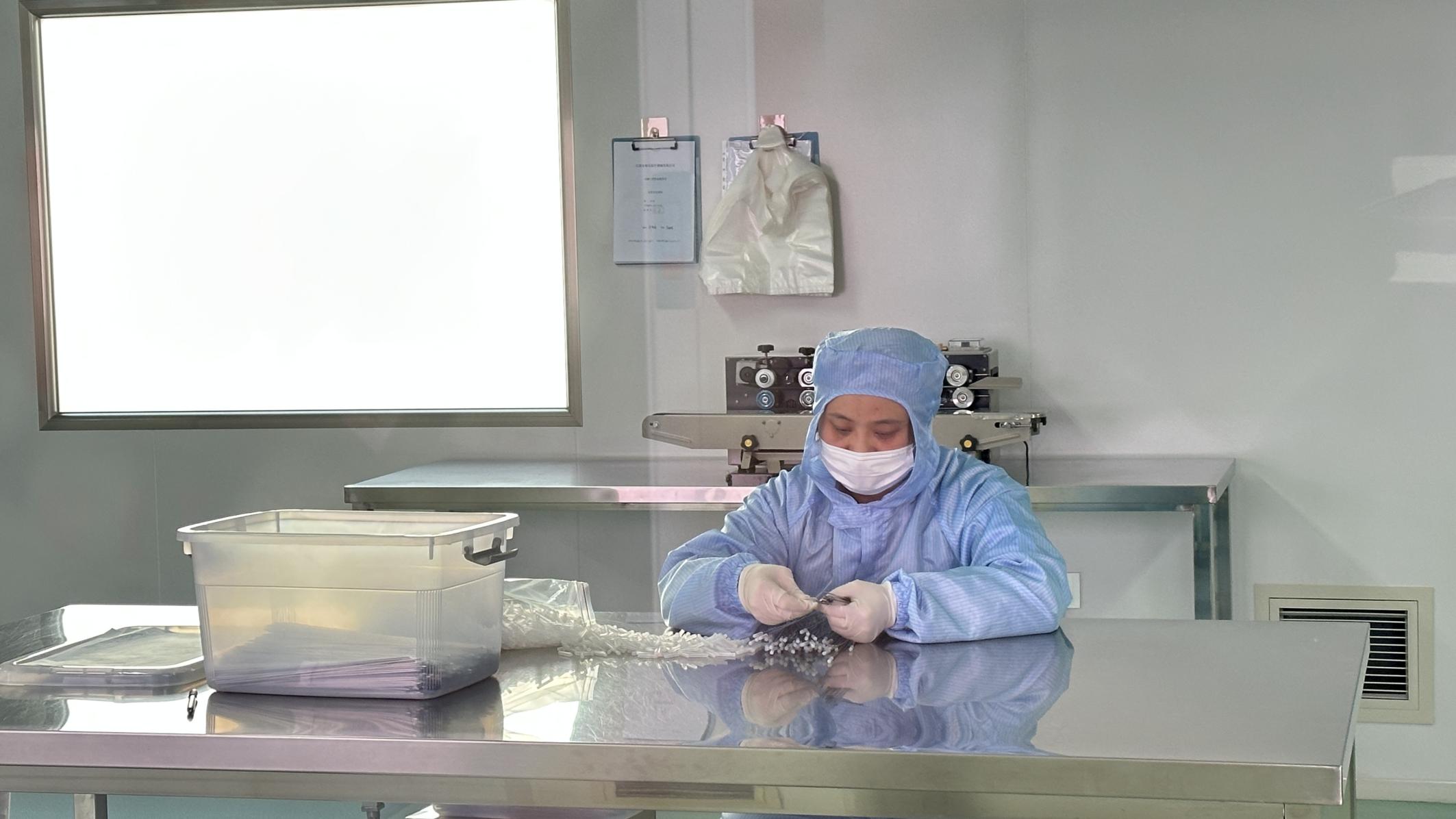
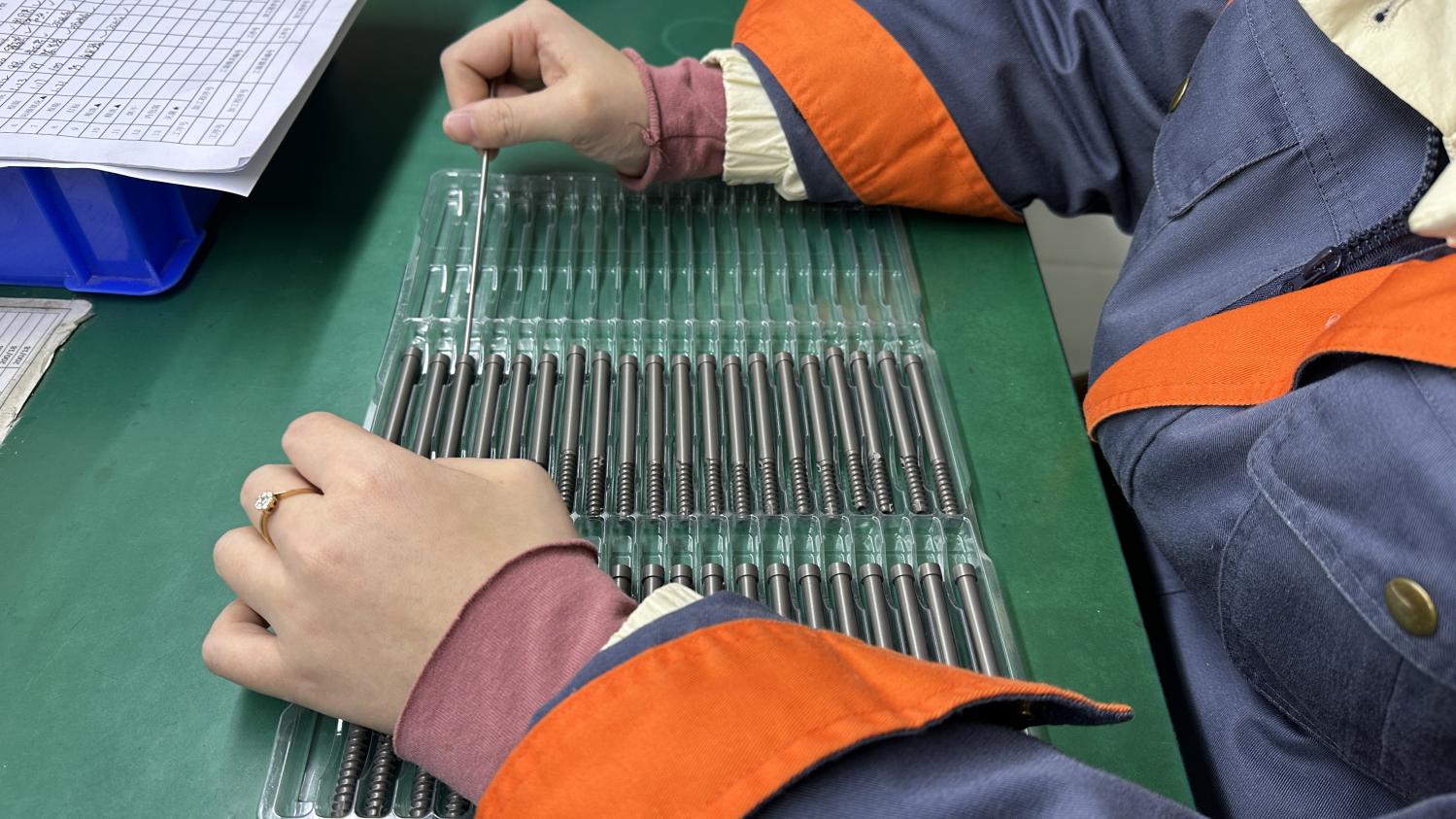
First Stage Inspection & Packing
Inspection and Packing
Secondary Inspection & Packing
Inspection and Packing
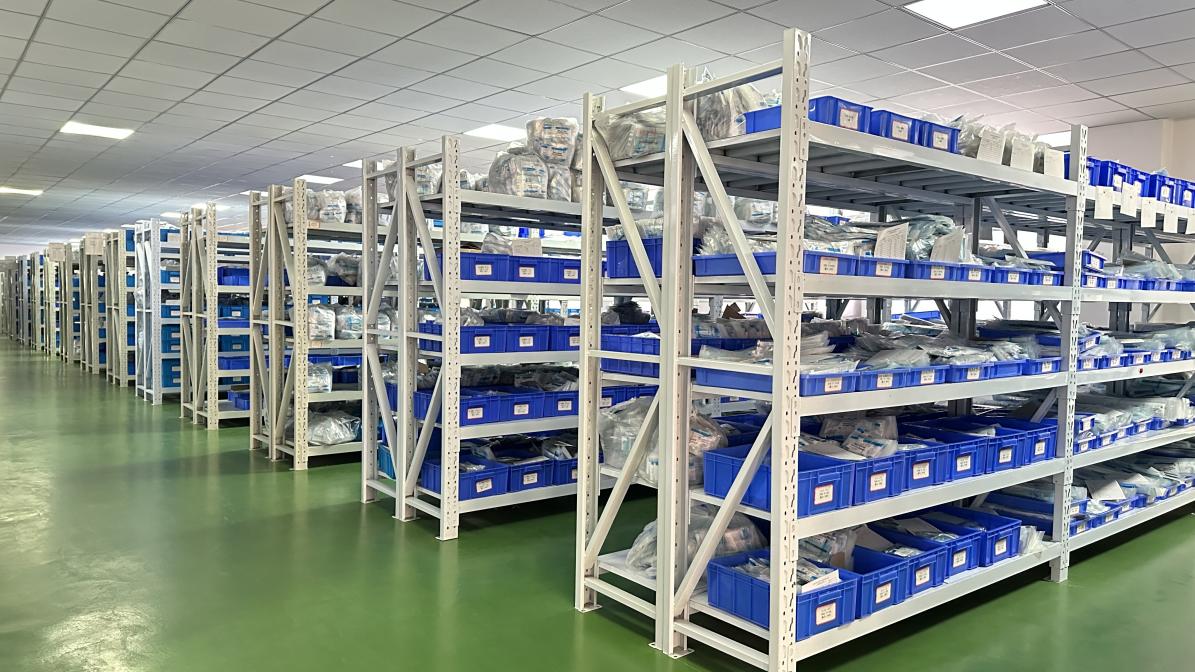
Finished Goods Warehouse
Warehouse

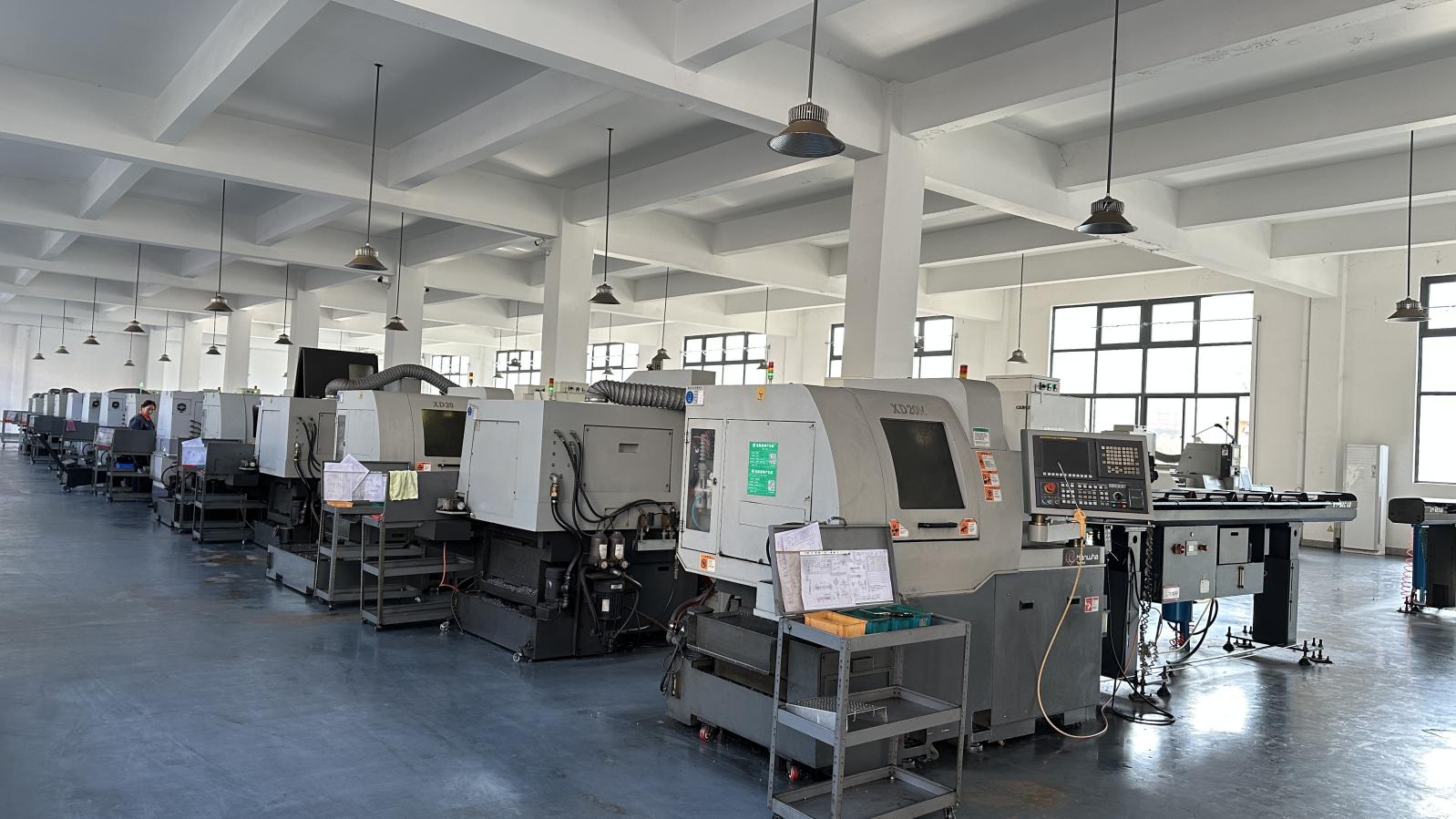
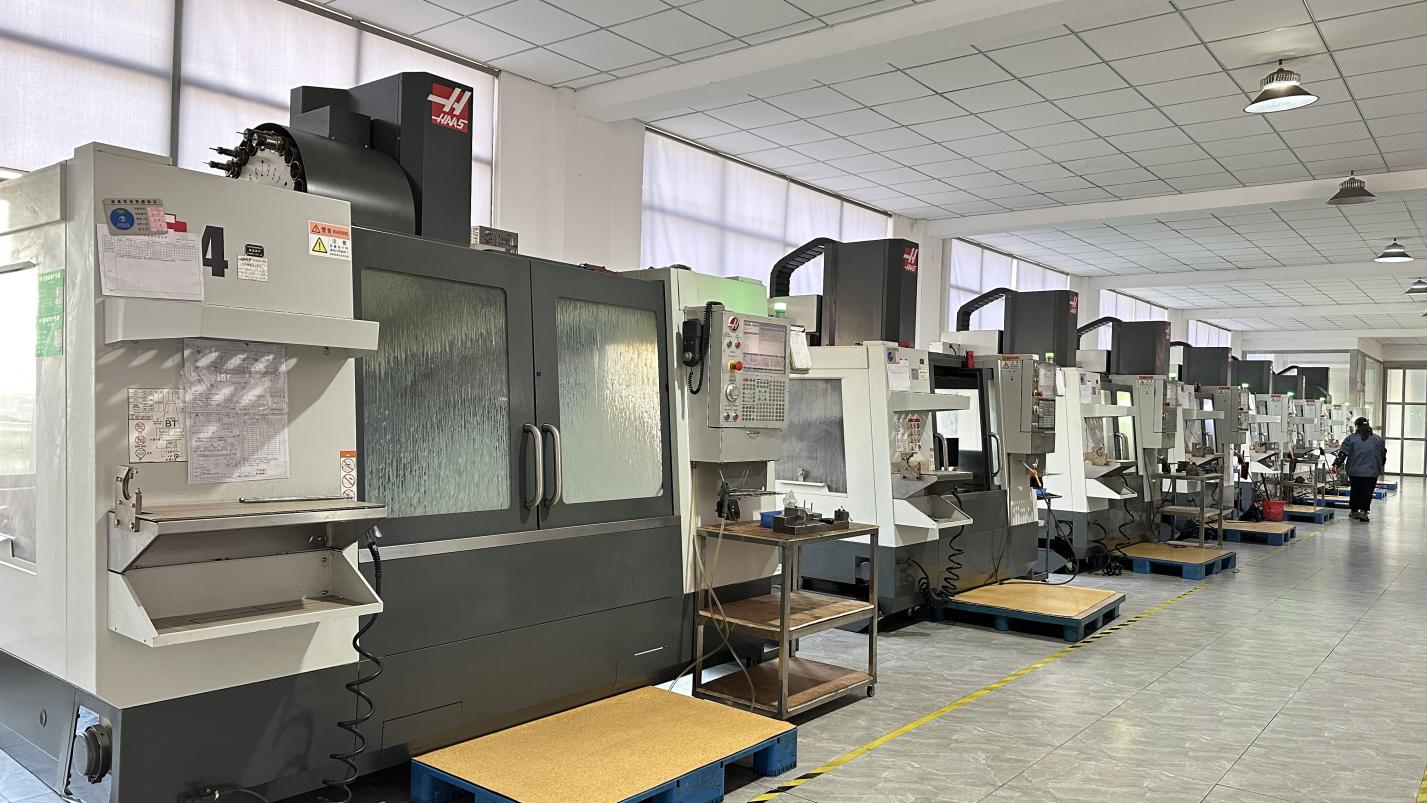
Advanced Heavy Machinery and CNC Center

Precision is critical for load-bearing bone plates and lock screws. Our shop floor is equipped with state-of-the-art Japanese and European multi-axis CNC lathes and milling machines that maintain tolerances within ±0.005mm.
Slitting Machine
Slitting Machine
CNC Machining Center
CNC Milling Machine
CNC Milling Machine
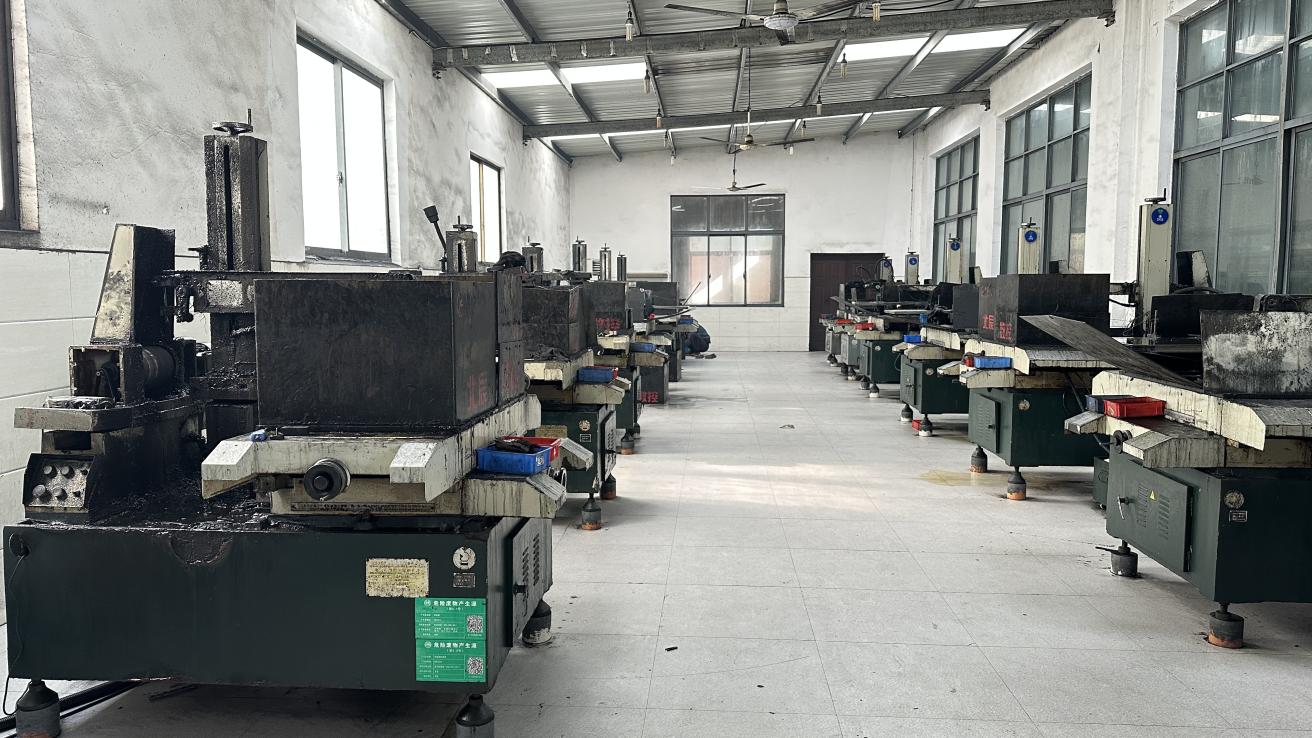
Wire Cutting Machine
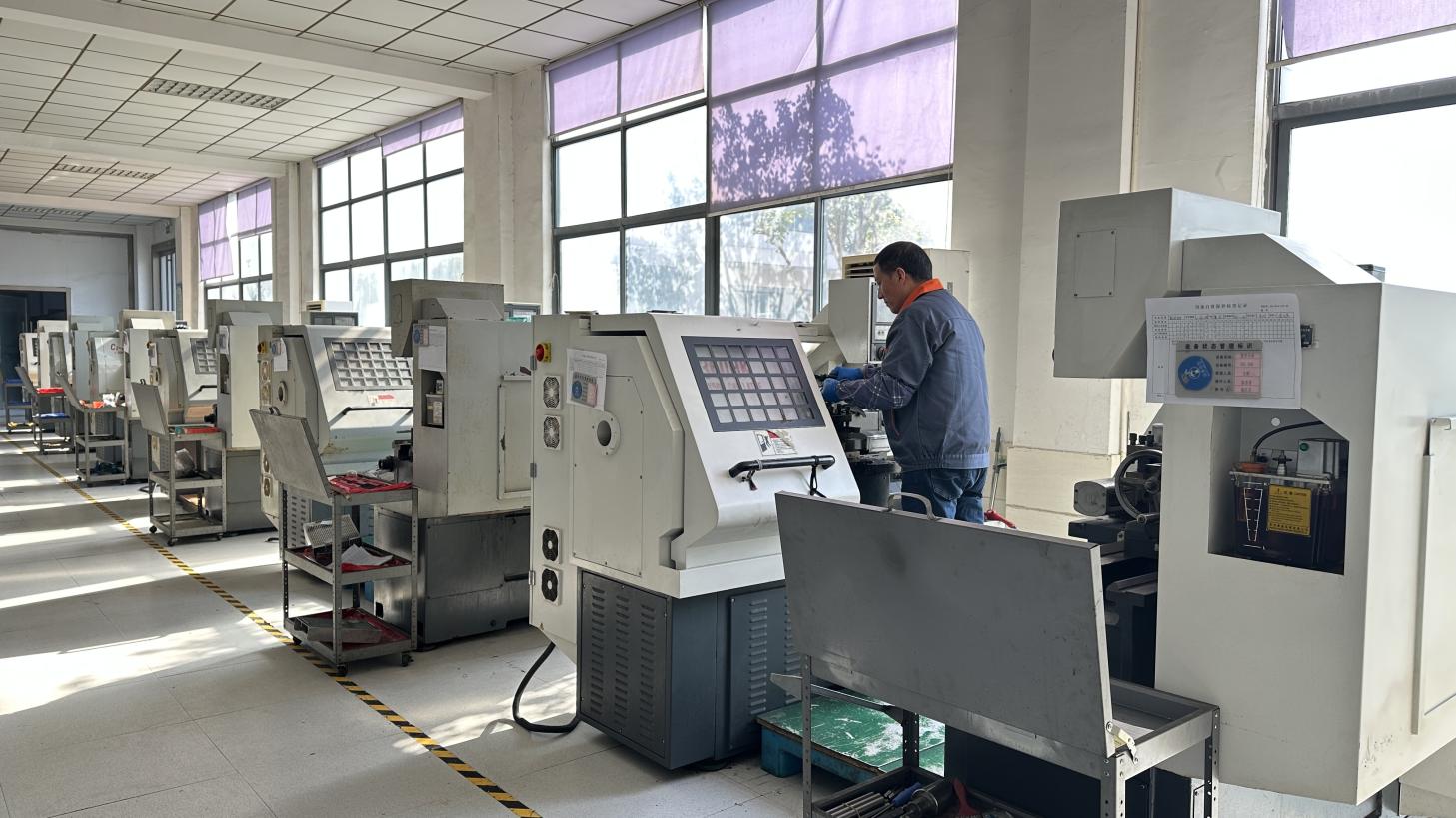
CNC Lathe
CNC Lathe
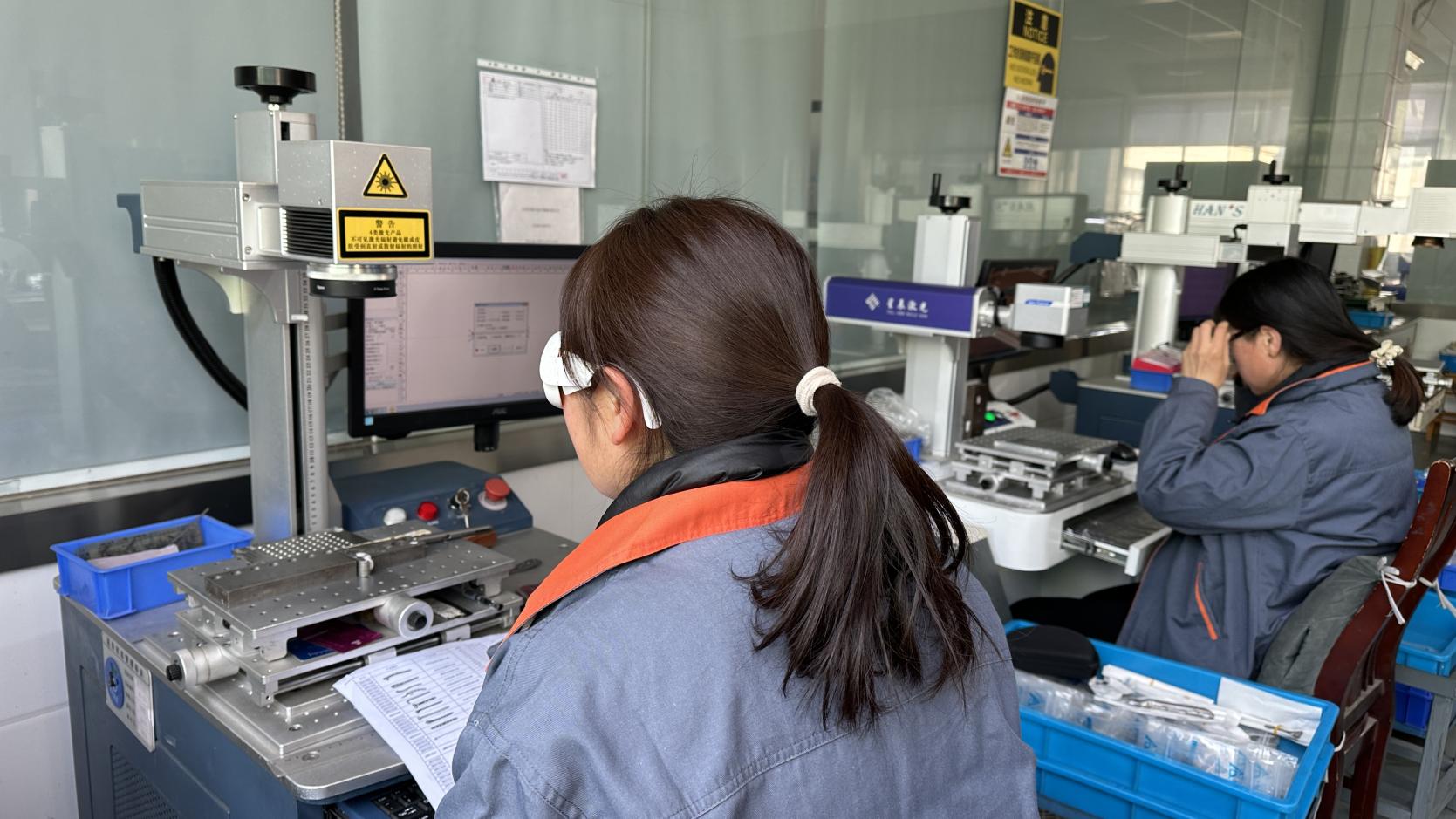
Laser Marking Machine

E-E-A-T Quality Labs & Mechanical Testing Facilities

To ensure high standards of orthopedic efficacy, Medisplint runs a fully integrated, accredited testing lab. Our implants undergo strenuous fatigue, tensile, hardness, and torque testing before sterilization packaging and global shipping.
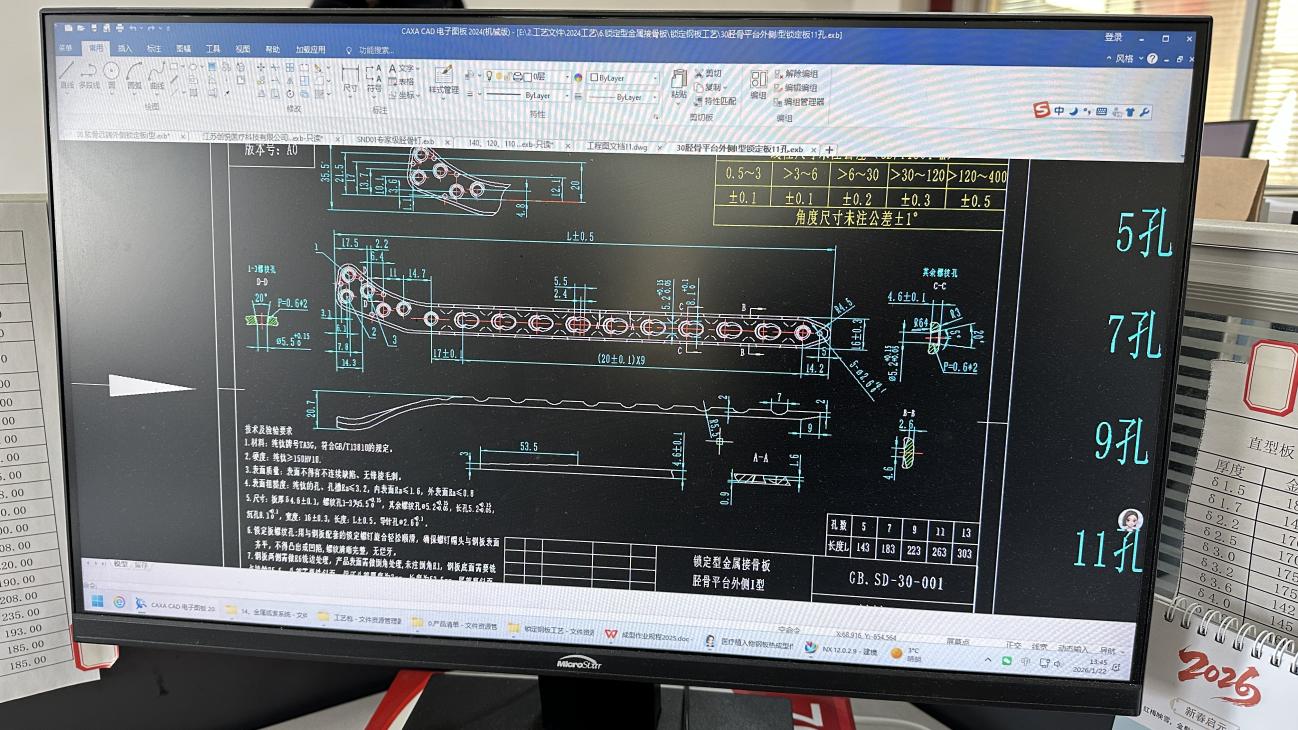

Computer-Aided CAD/CAM Design
Design & Simulation
Chemical and Biological Testing Lab
Chemical/Biological Lab
Physical Dimension Inspection
Metrology & Dimension Inspection
Optical Surface Profiler Inspection
Surface Roughness Inspection
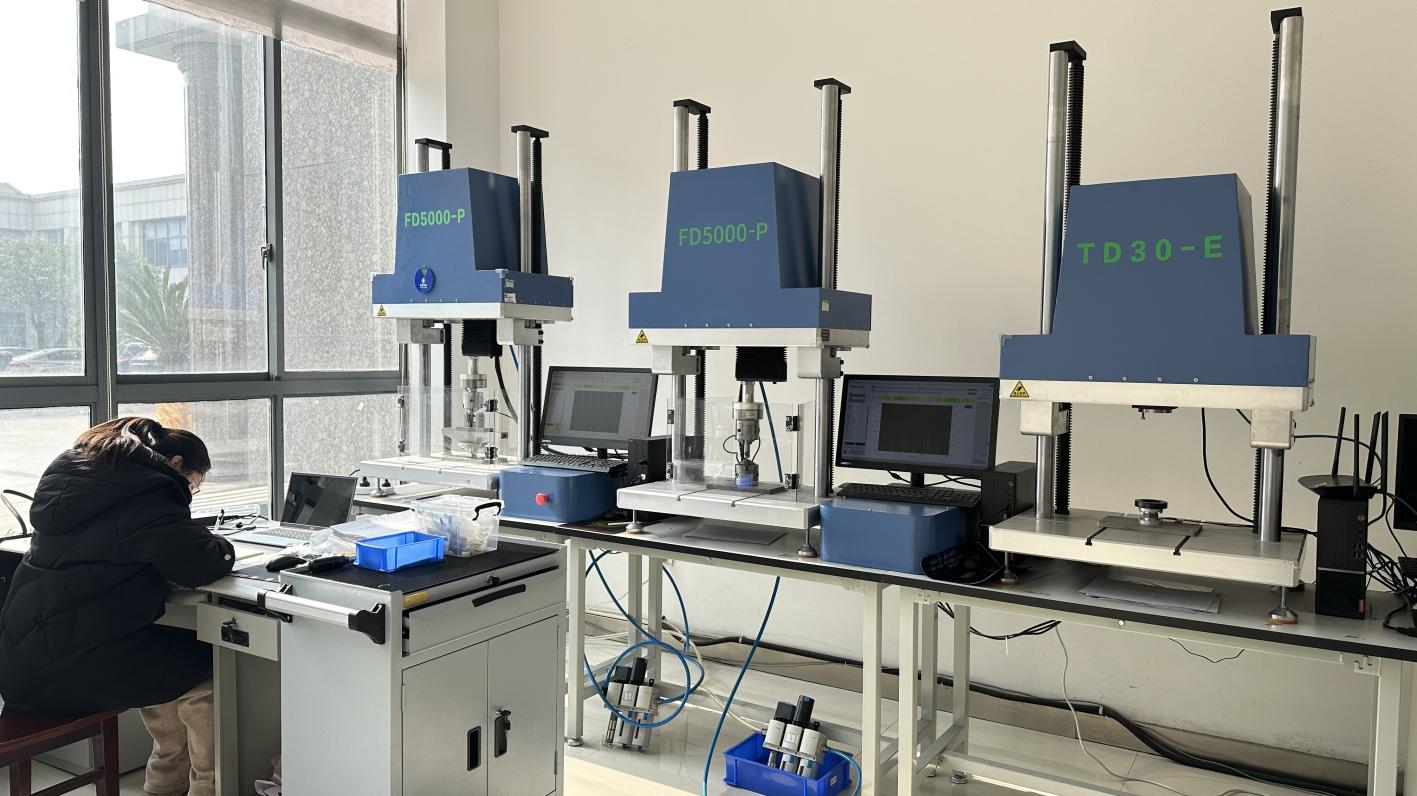
Fatigue Testing Machine
Dynamic Cyclic Fatigue Tester
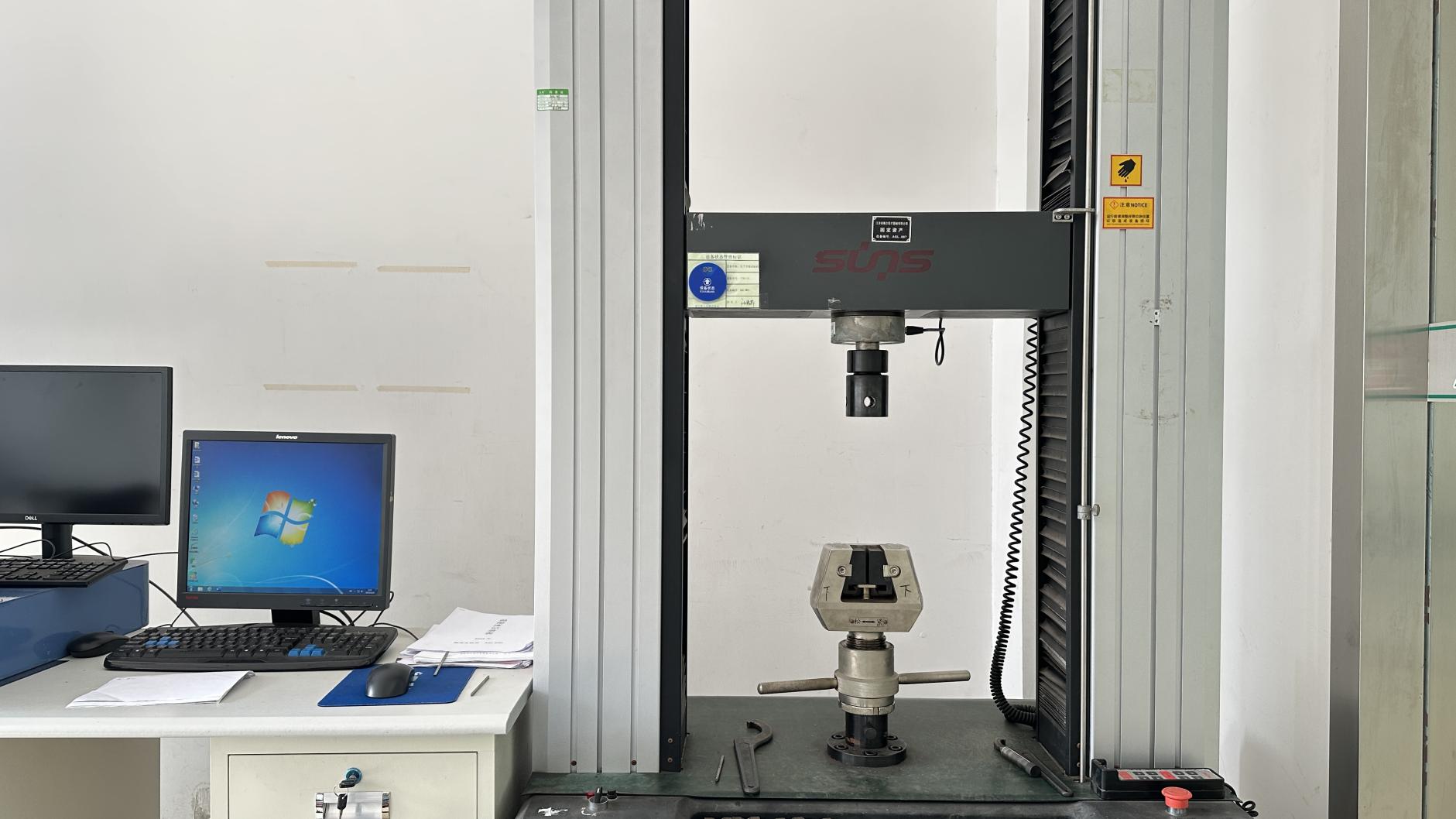
Tensile Strength Testing Machine
Tensile & Yield Tester
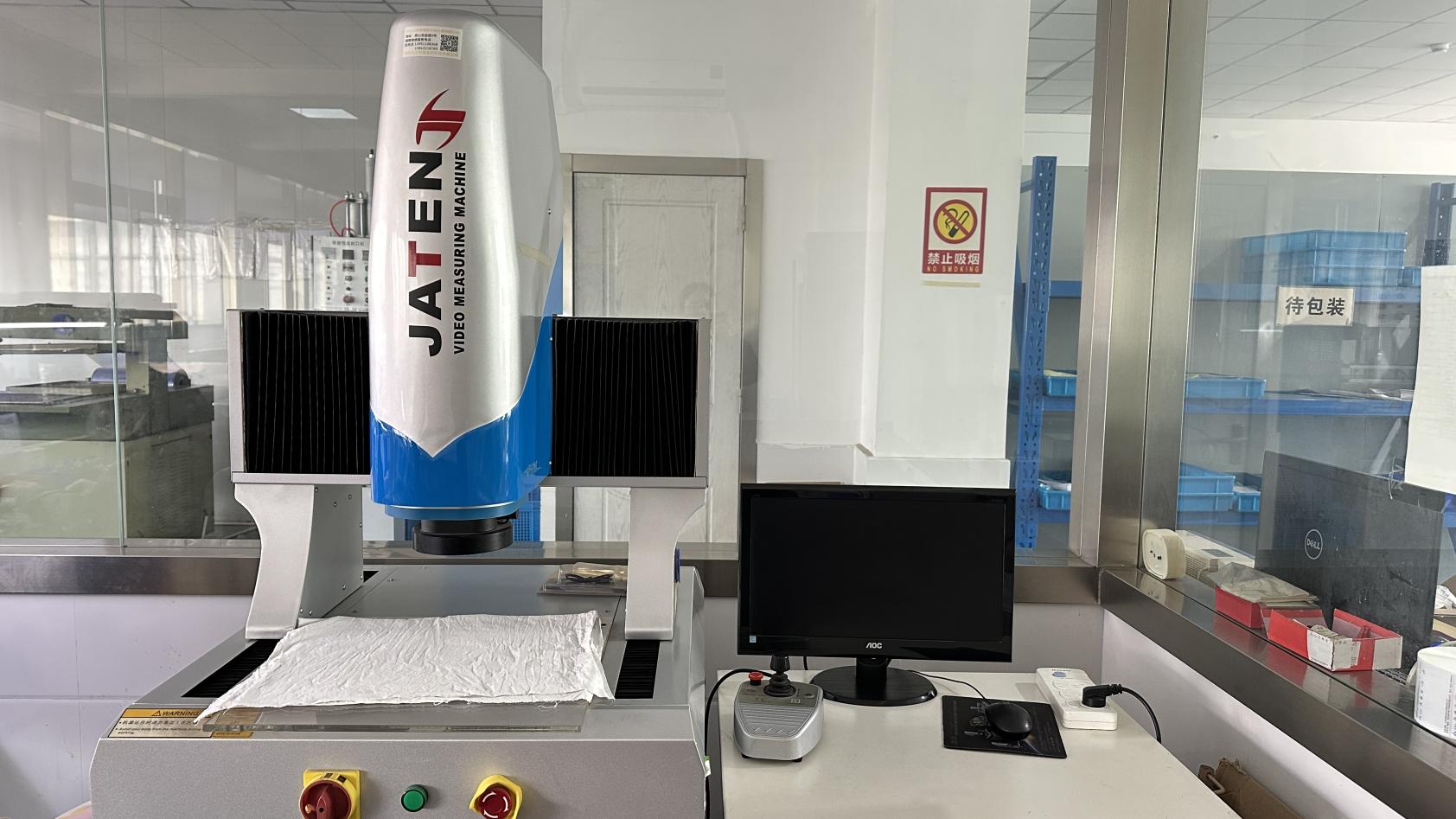
Two Dimensional Optical Measuring System
2D Optical Measurement
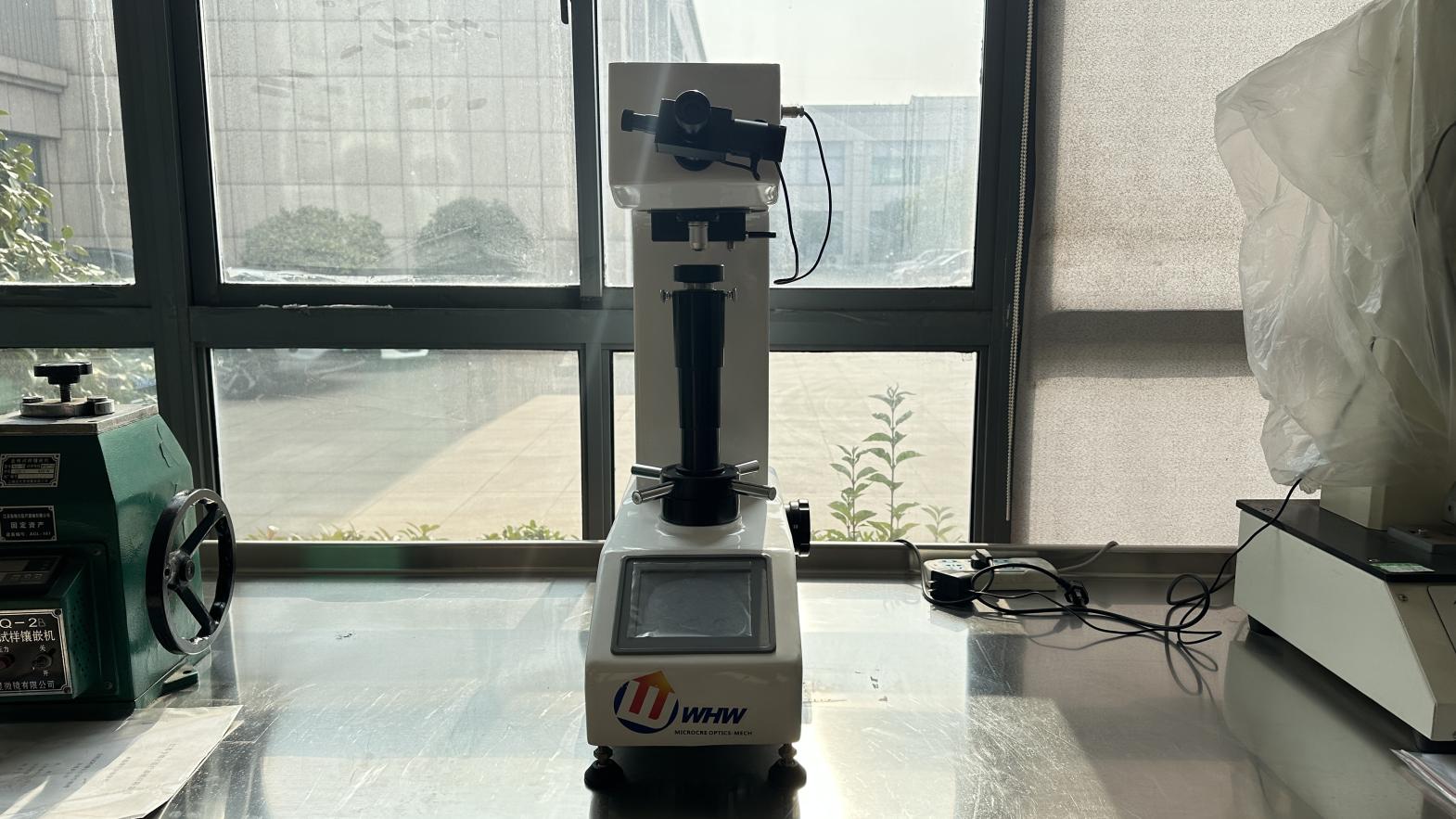
Vickers/Rockwell Hardness Tester
Hardness Tester
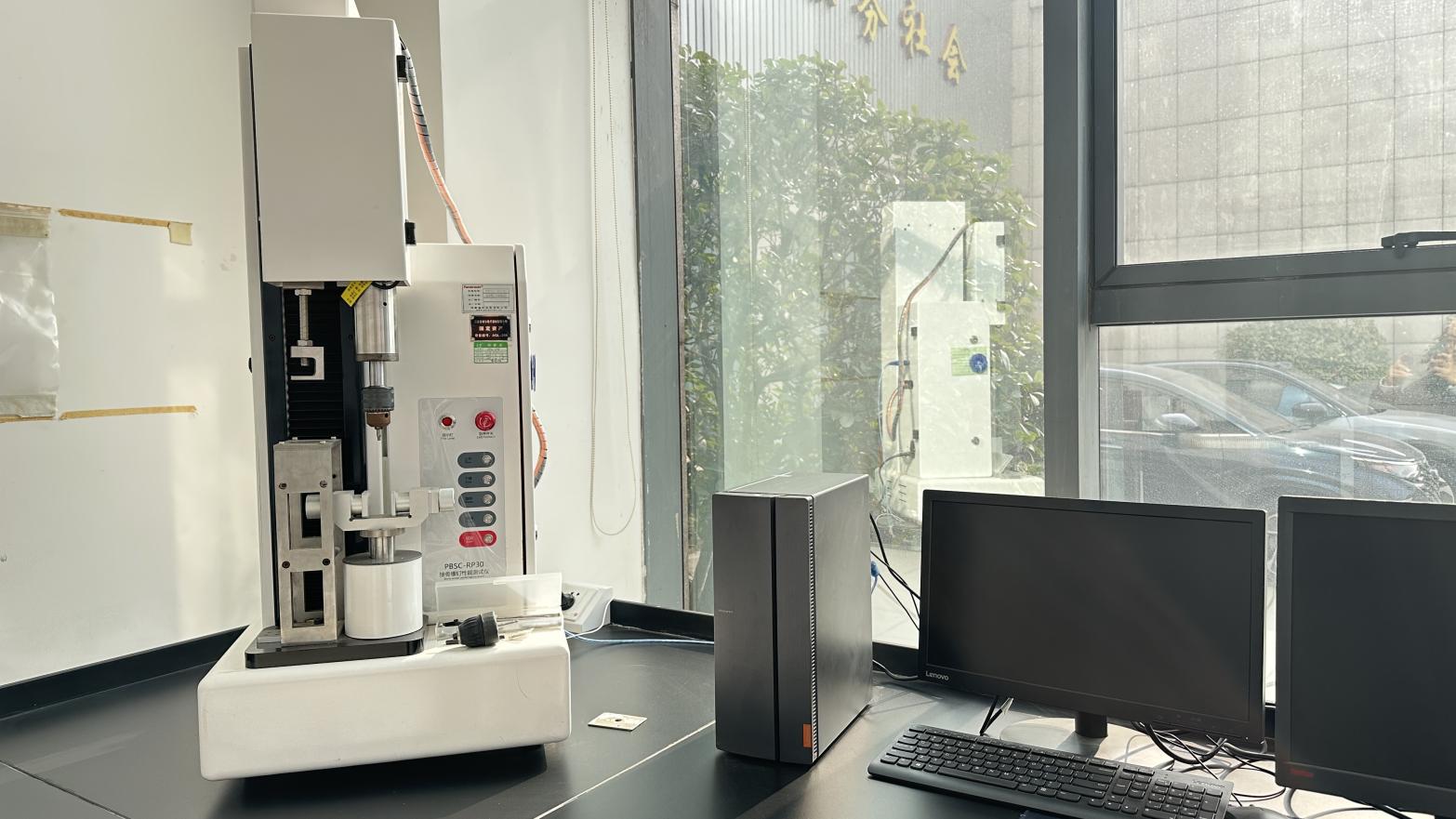
Bone Screw Performance Testing Machine
Bone Screw Performance Tester

Key Industrial Advantages & Localized Clinical Scenarios

Sourcing medical devices globally requires a deep analysis of manufacturing efficiency, raw material supply chains, and engineering capabilities. Understanding how these factors impact clinical efficacy is essential for selecting a long-term supply partner.

Advanced China Factory Efficiency

By leveraging localized vertical integration, China-based manufacturers reduce supply chain fragmentation. At Medisplint, raw material processing, multi-axis CNC milling, electro-chemical polishing, cleanroom packaging, and sterile barrier testing are executed under one unified quality management system, reducing lead times and ensuring consistent product quality.

Precision Anodization & Biocompatibility

Our titanium plates undergo Type II electrochemical anodization. This creates a uniform titanium dioxide layer that enhances corrosion resistance, reduces tissue adhesion, and prevents metal ion release in vivo, improving clinical outcomes.

Anatomical & Dynamic Pre-contouring

Our locking plates are anatomically pre-shaped to match the contours of the proximal, distal, and shaft regions of the tibia. This minimizes intraoperative bending, shortens surgical times, and reduces internal stress concentrations that can lead to construct fatigue.

Biomechanics of Tibial Fixation: Proximal, Shaft, and Distal

The human tibia experiences complex multi-directional load configurations during movement. Understanding these forces guides our structural engineering designs:

  • Proximal Tibia: Proximal fractures often involve articular depression and comminution. Our proximal tibial locking plates feature diverging locking screw configurations that form a stable raft under the subchondral bone, preventing collapse under axial load.
  • Tibial Shaft: Diaphyseal fractures are susceptible to torsional shear forces. Our design utilizes locking compression combi-holes, allowing surgeons to choose between compression for primary bone healing or rigid angular locking for secondary osteosynthesis.
  • Distal Tibia: The thin soft-tissue envelope of the distal tibia makes it vulnerable to implant protrusion and wound complications. We design our distal medial tibial plates with ultra-low-profile edges to minimize mechanical irritation to surrounding tissues.

Global Procurement Strategies for Sourcing Directors

Procuring orthopedic implants involves managing complex regulatory requirements. Medisplint streamlines international sourcing by focusing on key operational parameters:

  • Regulatory Compliance: All manufactured implants meet CE and ISO 13485 standards. Device Master Files (DMF) are maintained to support regional registrations with ministries of health worldwide.
  • Material Traceability: Every production batch is delivered with full material test certificates (MTC) verifying chemical and physical composition, ensuring clinical compliance.
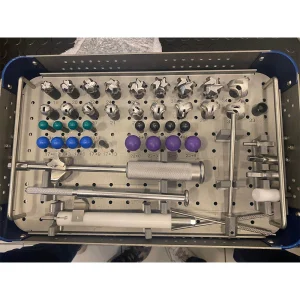
  • Custom OEM/ODM Solutions: Backed by 85 R&D specialists, we provide custom configuration options, including custom color-coding, logo engraving, and specialized surgical instrument kit packaging.

Deep Industry Technical Q&A

Expert answers to technical, mechanical, and logistical questions regarding the manufacturing and distribution of tibial locking plates.

Q1: What raw material grades does Medisplint use for Tibial Locking Plates, and what are their mechanical advantages?
We primarily use medical-grade Ti-6Al-4V ELI (Grade 5, ASTM F136) titanium alloy and high-grade 316L (ASTM F138) stainless steel. Titanium alloy provides a superior strength-to-weight ratio, high fatigue limits, and a lower elastic modulus that is closer to human bone, which helps minimize stress shielding. Stainless steel is often preferred for complex trauma reconstructions where maximum construct stiffness and ductility are required for intraoperative contouring.
Q2: How do your combi-holes facilitate dynamic axial compression and locking?
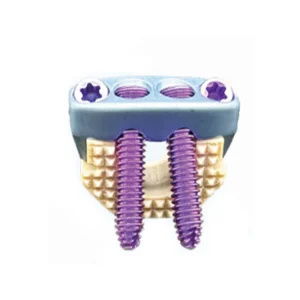
Our combi-holes feature a dual-geometry design. One half of the hole is threaded to accept locking screws, providing fixed-angle construct stability. The other half is shaped like a dynamic compression plate (DCP) hole, allowing standard cortex screws to slide and create dynamic compression across the fracture gap. This design gives trauma surgeons intraoperative flexibility.
Q3: How does Medisplint ensure fatigue resistance in load-bearing implants?
Our quality testing laboratory uses dynamic cyclic fatigue testing machines to evaluate implants under simulated load cycles. This testing follows ASTM F382 standards, subjecting plates to over 1,000,000 load cycles at high stress levels. This ensures our implants can withstand physiological loading until full clinical union is achieved.
Q4: What is the standard lead time for OEM/ODM orders of Tibial Locking Plate systems?
Standard OEM production runs are typically completed within 35 to 45 days. This timeline includes CAD/CAM design approval, CNC manufacturing, mechanical testing, anodization, and sterile barrier packaging. Lead times for standardized catalog items are shorter, depending on inventory availability at our main warehouse.
Q5: How does Medisplint support regulatory compliance and local registration processes for distributors?
Our regulatory team provides comprehensive documentation support. We supply complete Technical Files, including ISO 13485 and CE certificates, raw material trace reports, biocompatibility documentation (ISO 10993), and sterilization validation reports. This documentation helps distributors navigate local medical device registration requirements.