Medisplint
Medisplint
Medisplint
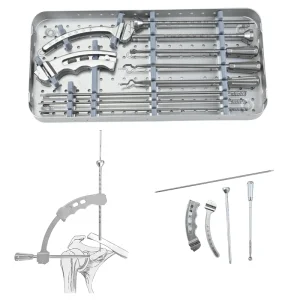
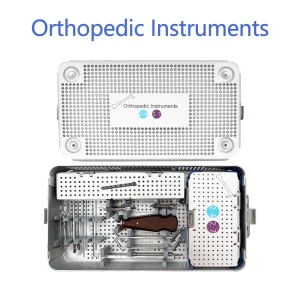
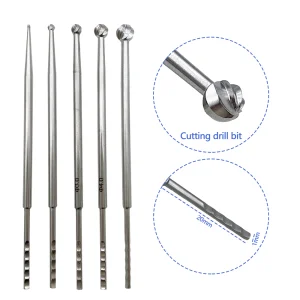
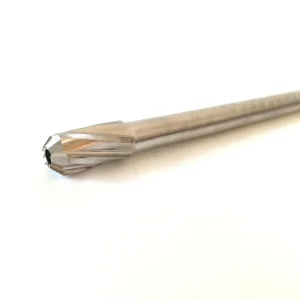
Explore our cutting-edge orthopedic drills, trauma plating systems, and specialized spinal instrument solutions designed for global surgical environments.
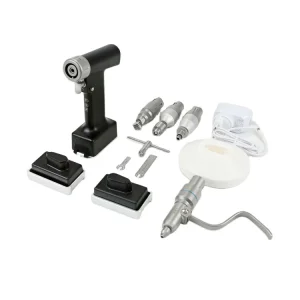
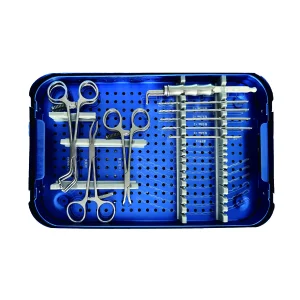
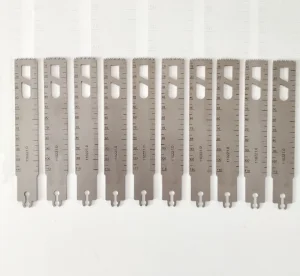
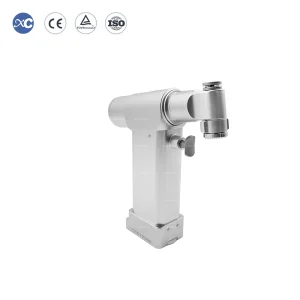
Strategic numbers demonstrating our capacity, export history, and engineering reliability in spine instrument manufacturing.
As the backbone of orthopedic surgery, Spine Instrument Sets require micro-millimeter precision. The global orthopedic spine devices market size is projected to grow from USD 10.2 billion to USD 14.5 billion by 2030. This expansion is driven by the growing incidence of spinal conditions and the rise of minimally invasive spine surgeries (MISS). Medisplint Orthopedic Instruments Co., Ltd. leverages a DECADE of manufacturing pedigree to deliver medical-grade precision to distributors, medical centers, and surgical teams worldwide.
Worldwide healthcare facilities face the twin challenge of optimizing operational expenditure while elevating the standard of surgical care. Spine surgery demands highly reliable, sterile-compatible, and ergonomically balanced tool sets. From posterior cervical laminoplasty to Oblique Lumbar Interbody Fusion (OLIF), surgical execution is inextricably linked to the tactile feedback and reliability of the spinal instruments. Over the last decade, Chinese medical manufacturing has moved from low-cost replicate production to top-tier CNC-machined innovation, positioning factories like Medisplint at the vanguard of the global OEM/ODM orthopedic market.
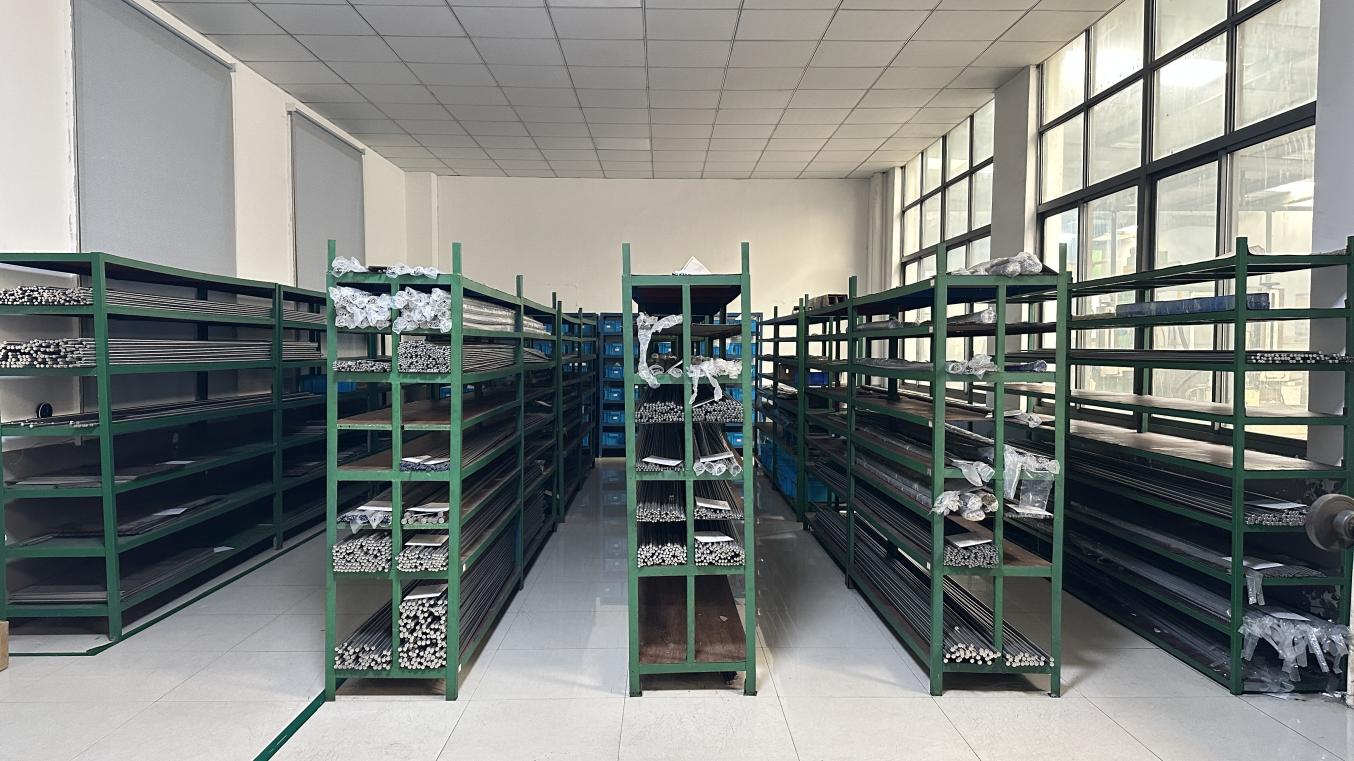
Spinal instruments undergo extensive cyclical stress, repetitive autoclave sterilization, and exposure to corrosive biochemical fluids. Medisplint leverages aerospace-grade Ti-6Al-4V ELI (Grade 5 Titanium) and surgical-grade stainless steels (such as SUS 440C and SUS 630). These materials offer exceptional strength-to-weight ratios, bio-inert properties, and high fatigue resistance. By preventing micro-cracking and material degradation, our instruments ensure surgical consistency across hundreds of cycles.
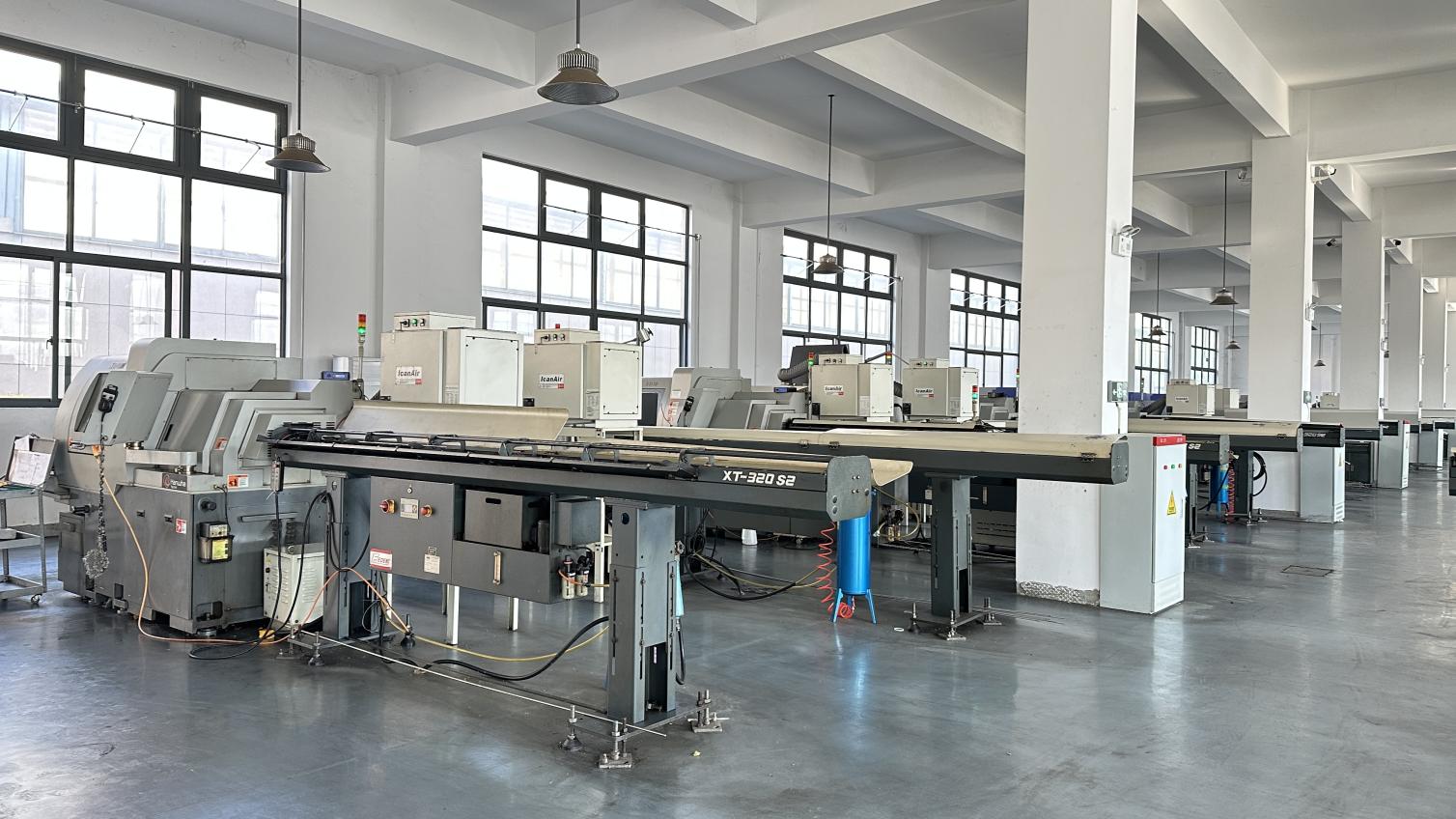
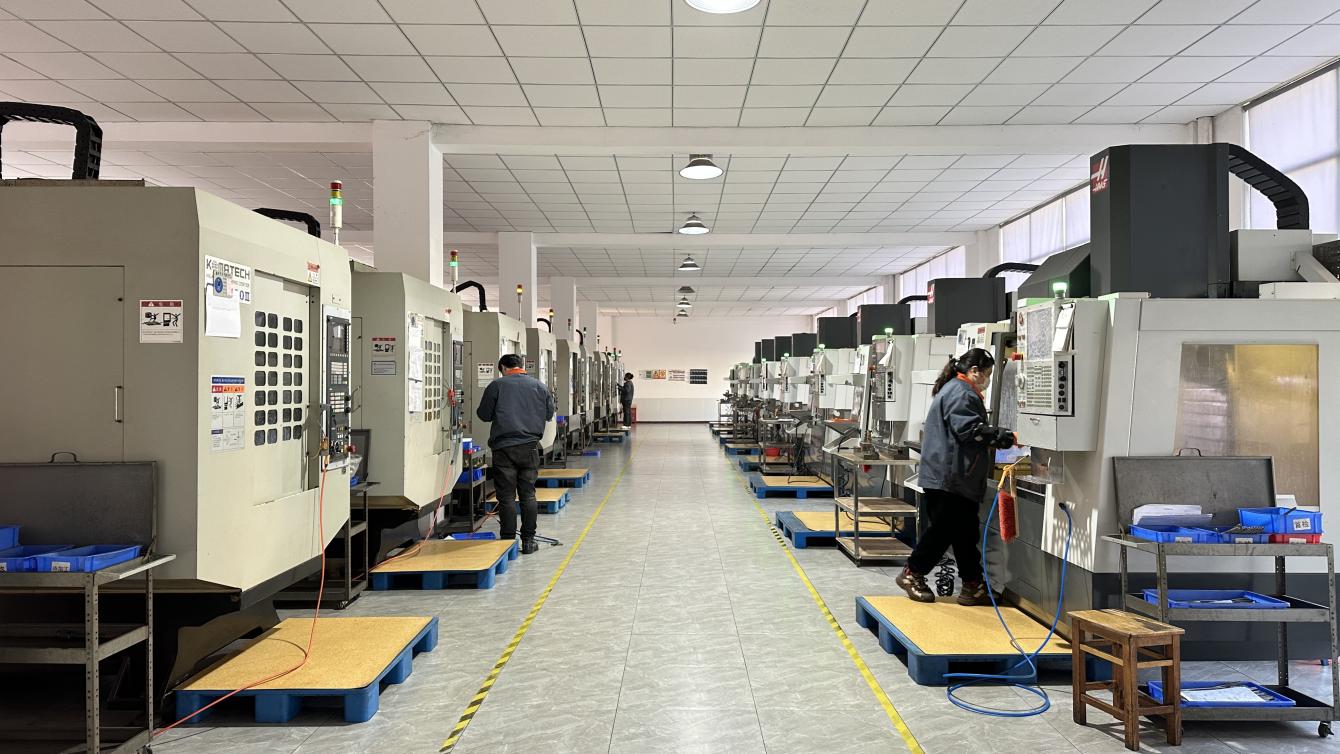
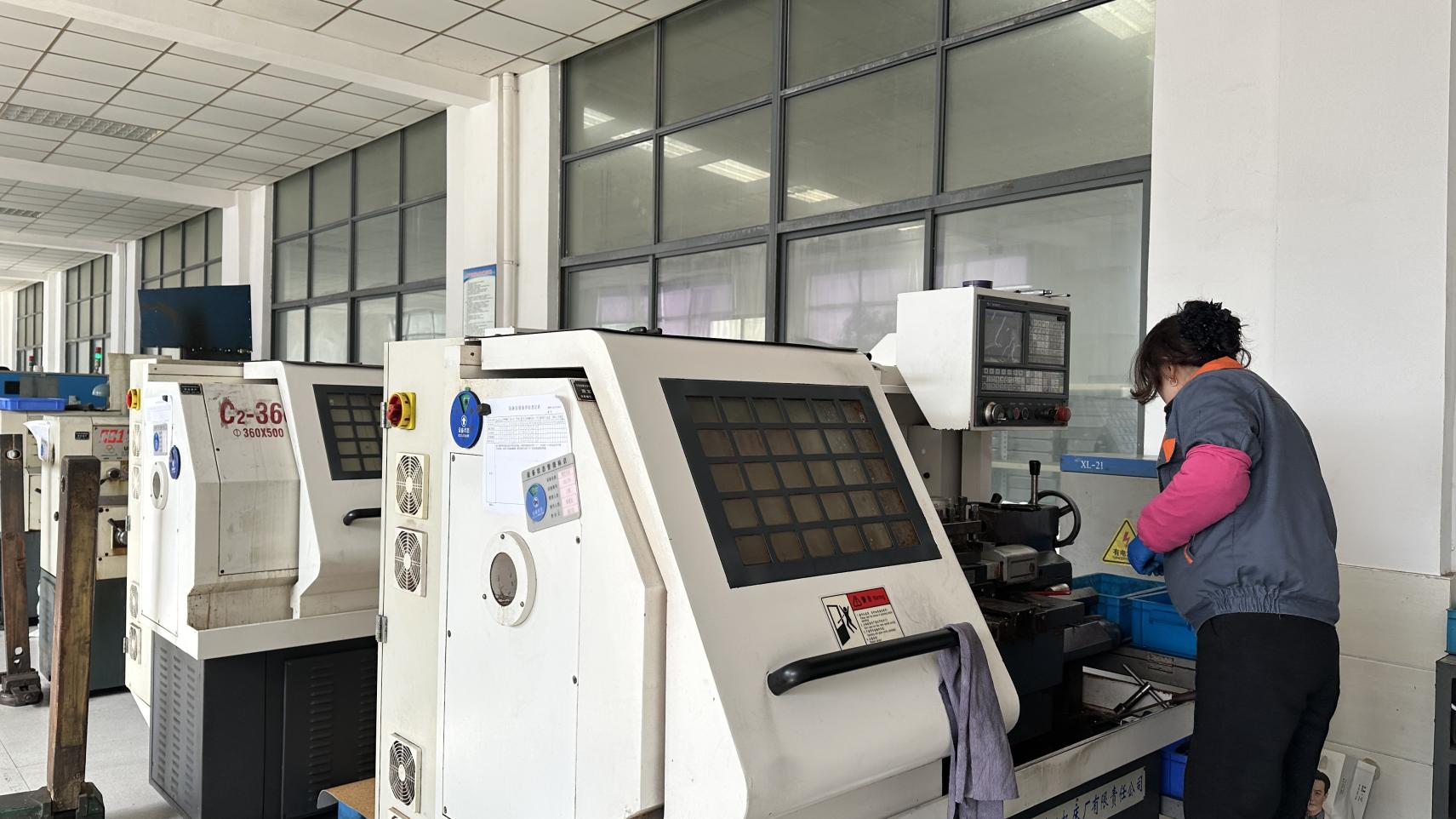
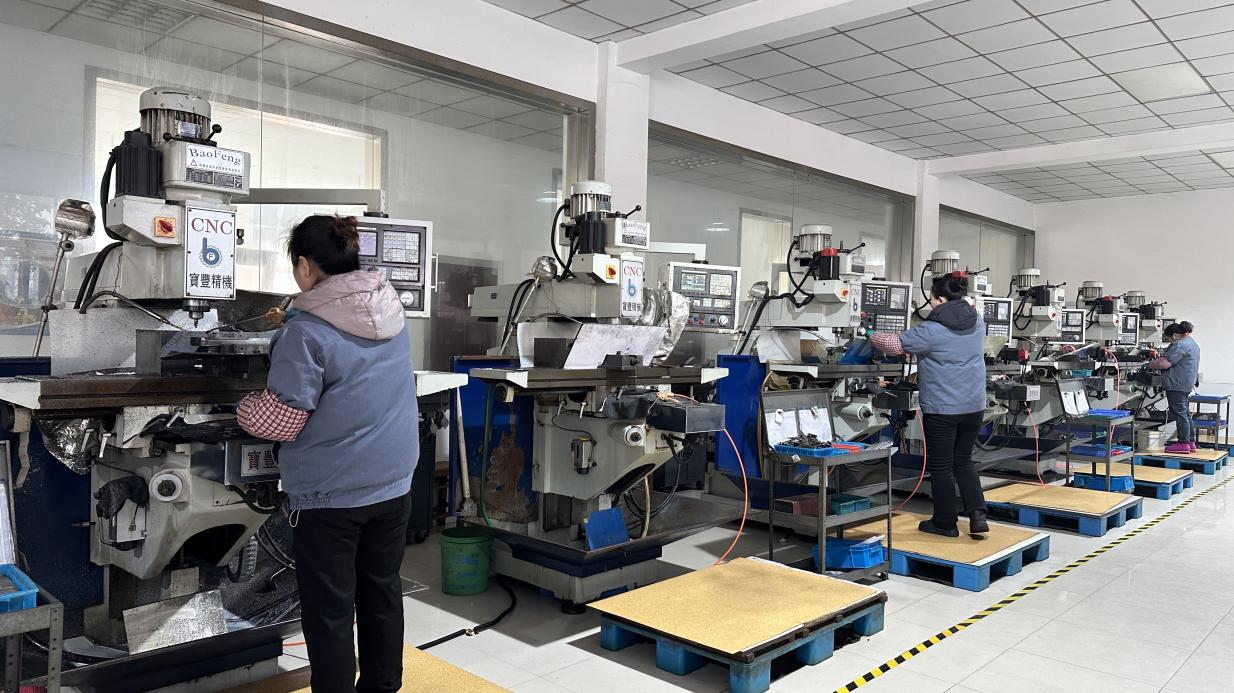
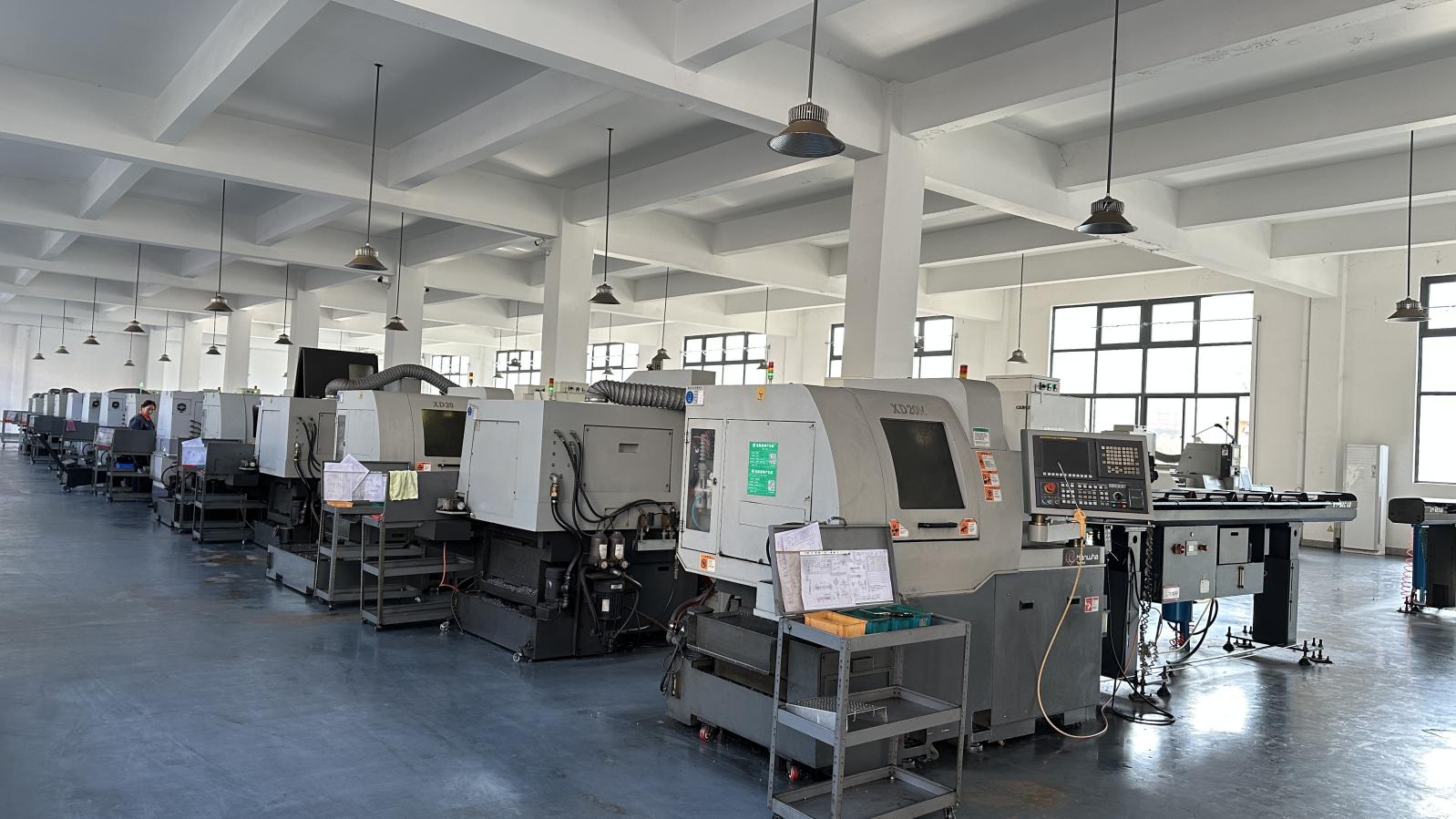
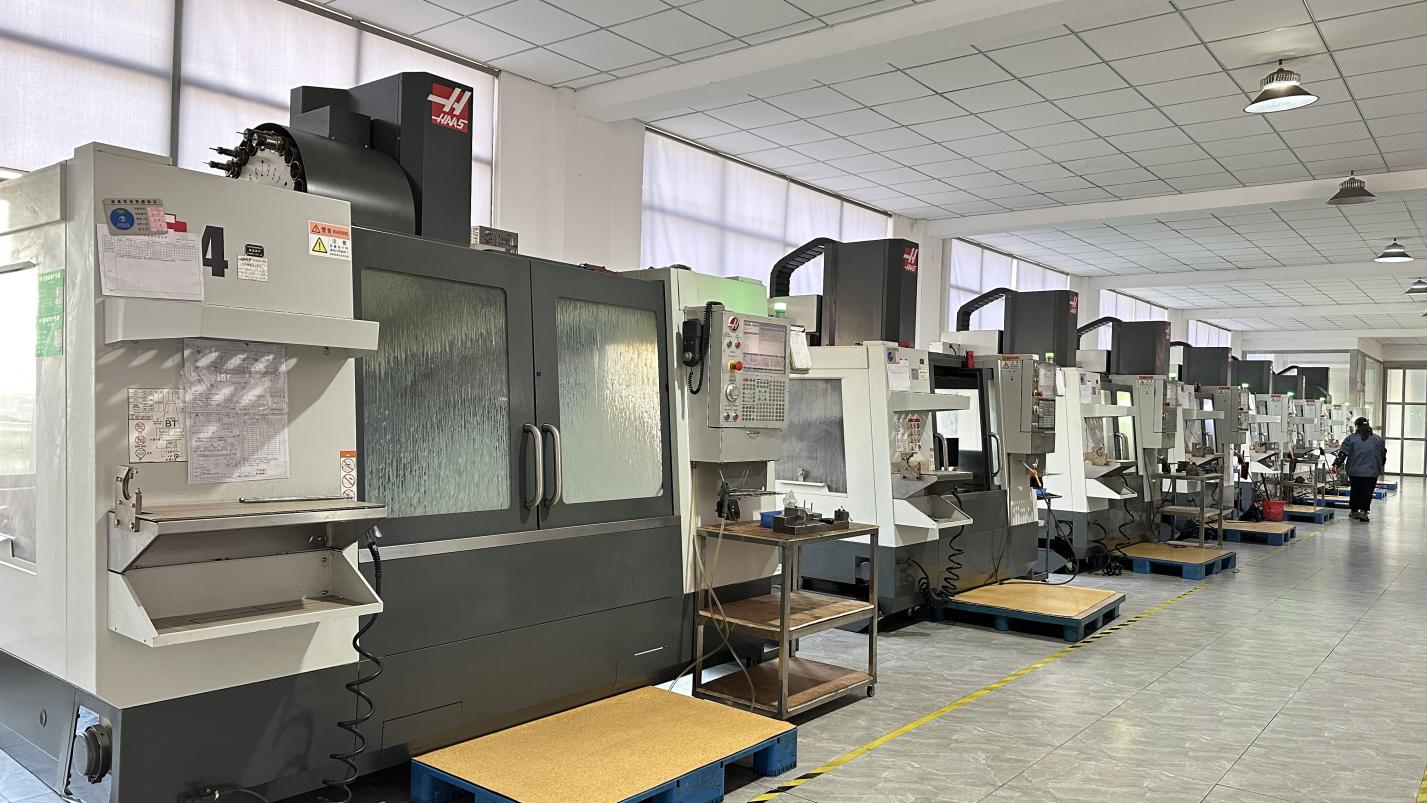
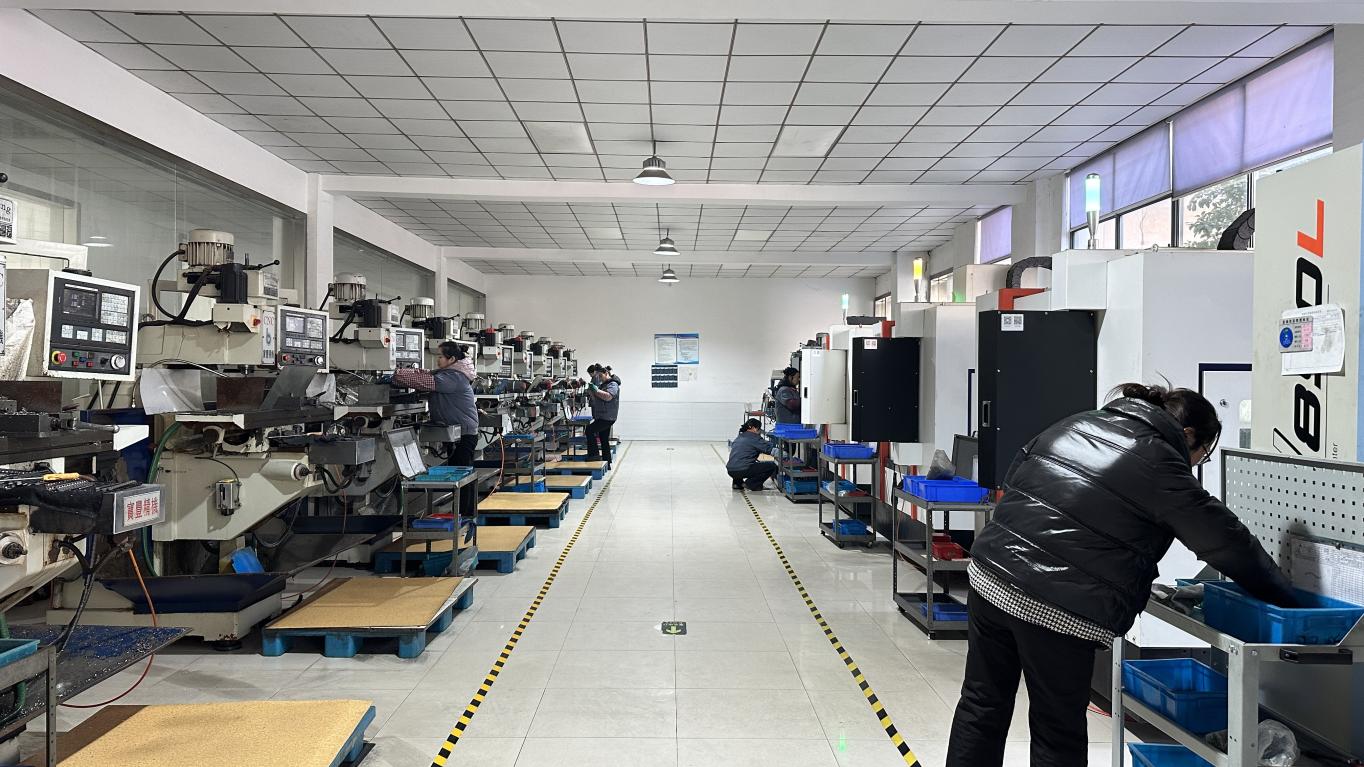
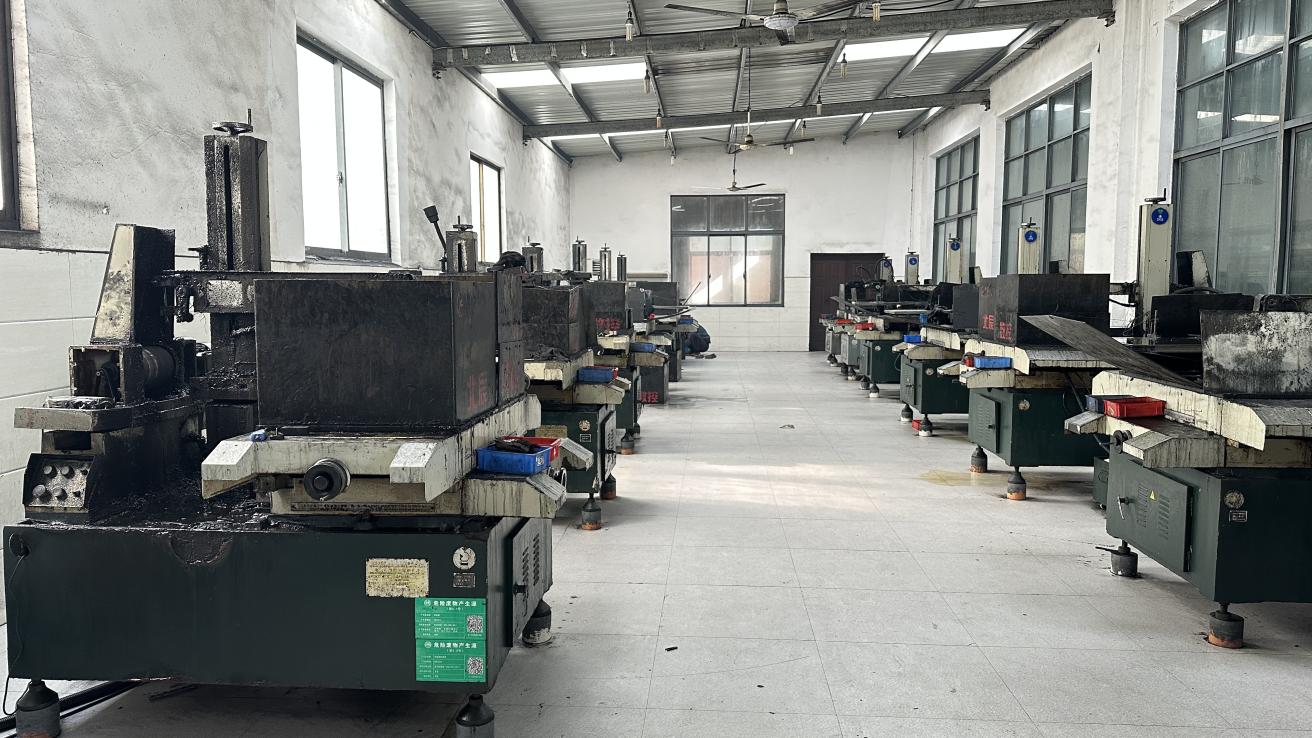
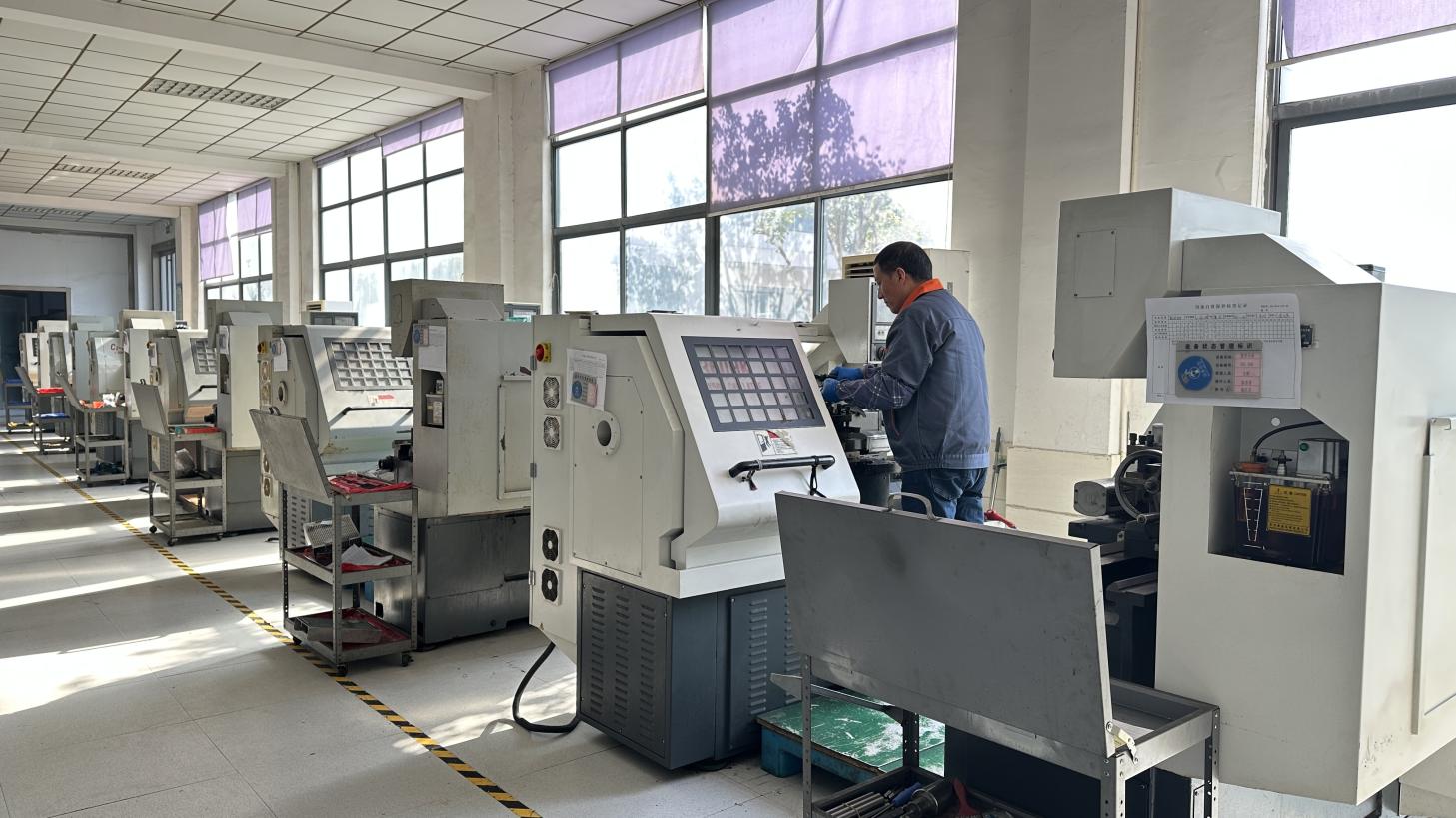
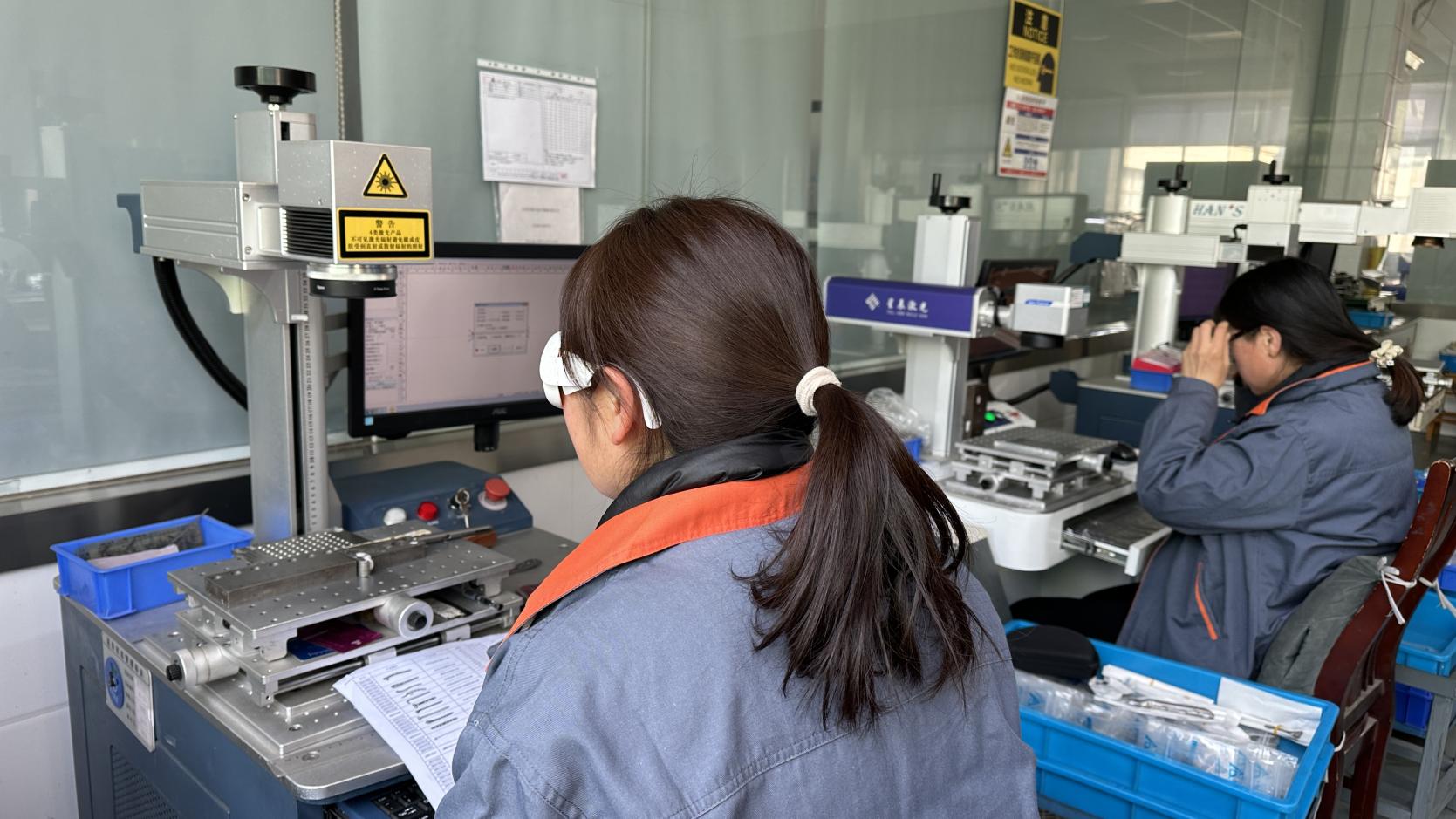
Global medical buyers frequently query: Why purchase spine instruments directly from Chinese factories? The answer lies in structural synergy. The Chinese medical device industrial parks integrate the entire production chain. At Medisplint, raw material processing, multi-axis CNC milling, laser-guided marking, cleanroom packing, and mechanical fatigue validation are centralized within our 18,500㎡ facility. This localized integration drops the production lead times by 35% compared to Western counterpart foundries, allowing hospitals to access cost-effective, custom-engineered tools without compromising quality.
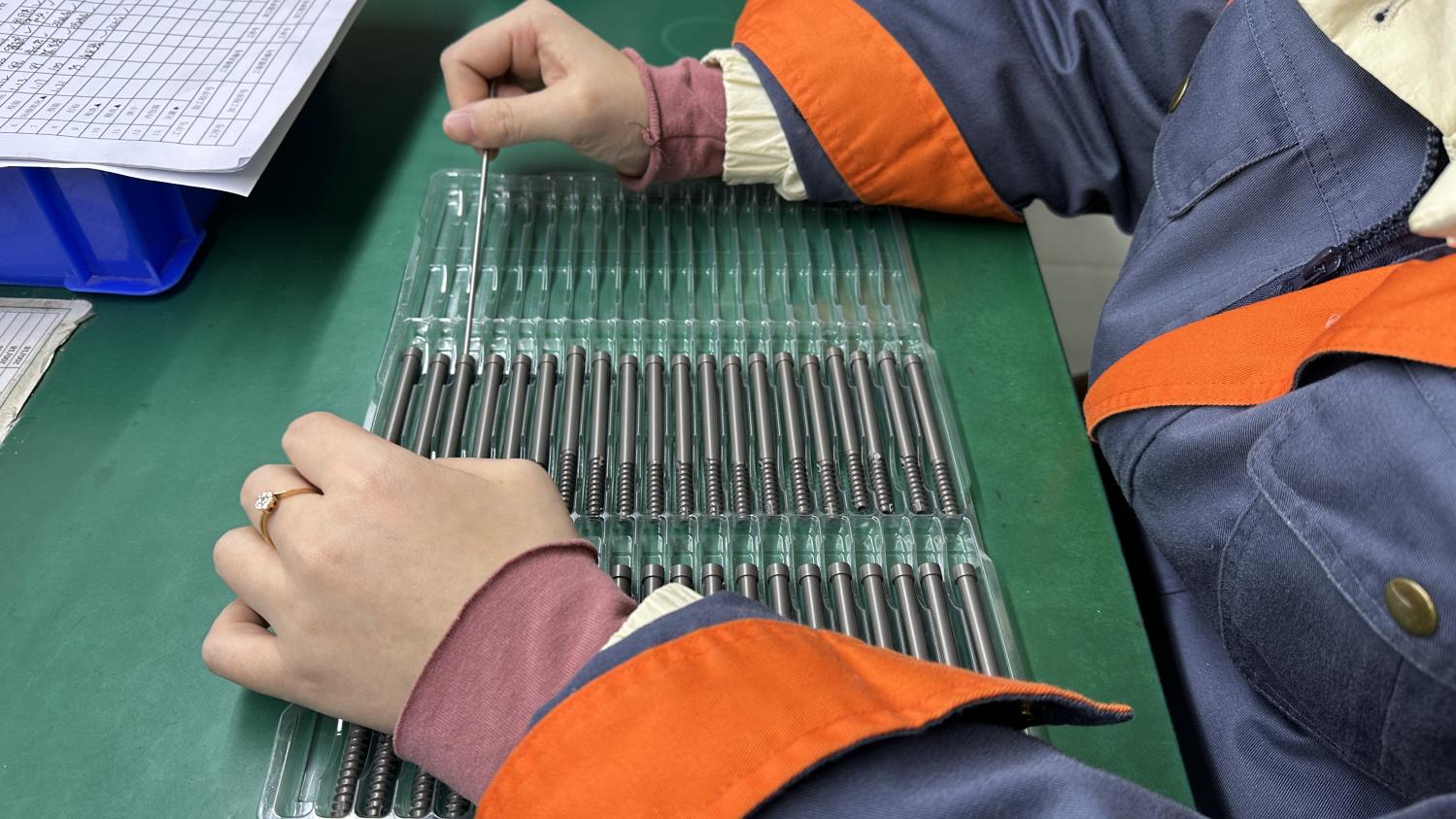
For spinal implants and Class I/II/III surgical instruments, safety is paramount. Our Quality Control department houses 42 accredited inspectors executing an end-to-end QC regimen: incoming material spectroscopic evaluation, in-process IPQC dimension verification via 2D measuring machines, and final FQC tensile strength analysis. Medisplint maintains full traceability, offering complete certification datasets (ISO 13485, CE) for hassle-free regulatory approvals in the European Union, Latin America, and Southeast Asia.
A concise technical reference for Medisplint's spine and orthopedic instrument capabilities.
Compliance Note: All implants manufactured by Medisplint strictly align with ASTM F136 and ISO 5832-3 standards for surgical fixation systems.
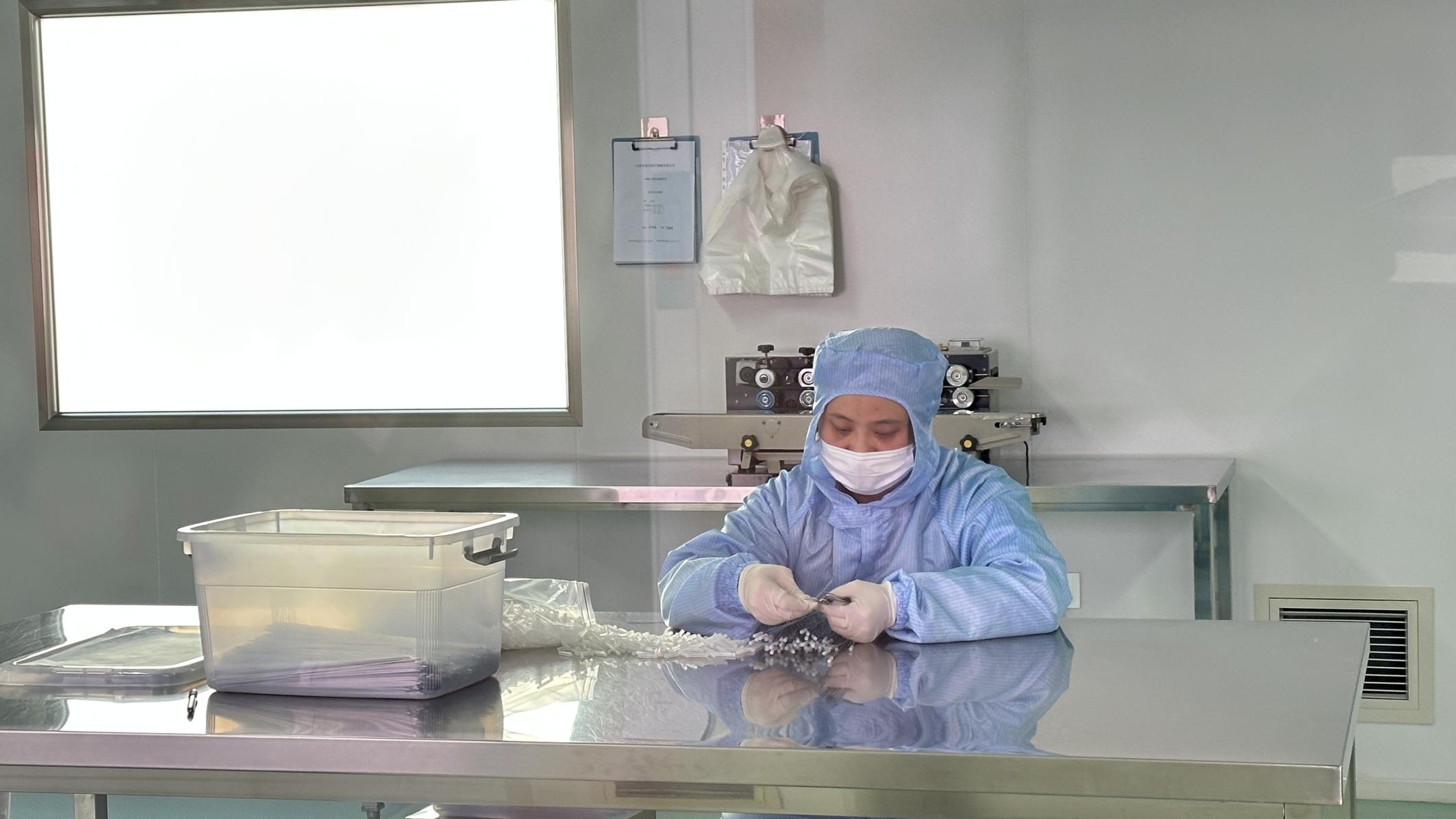
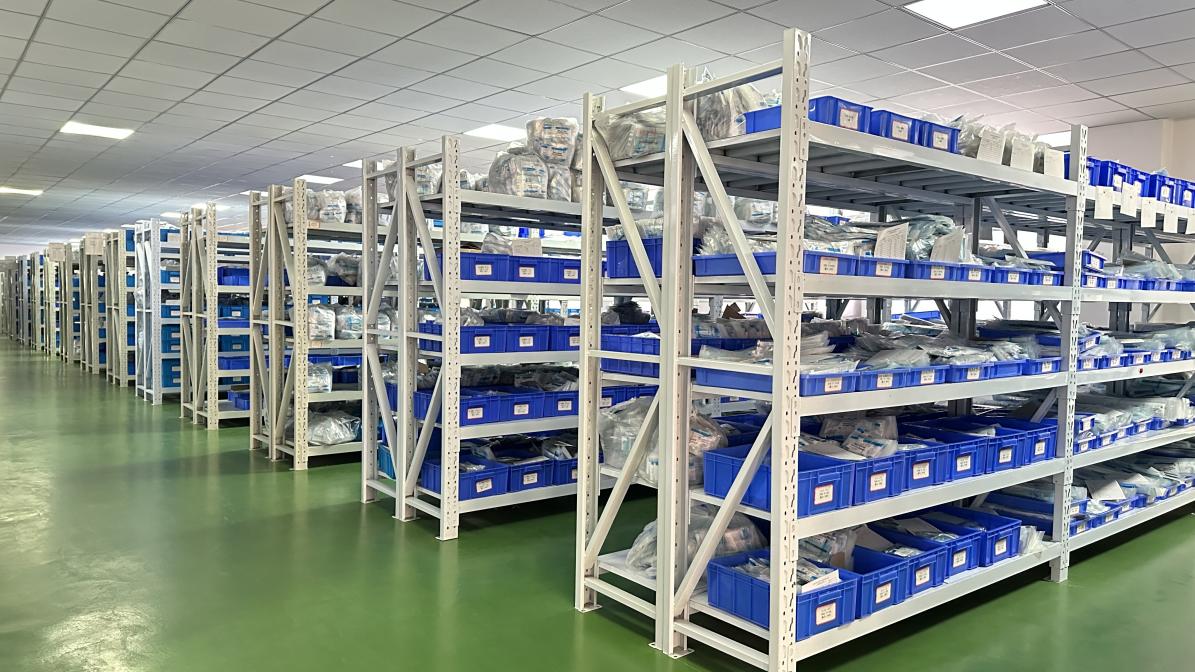
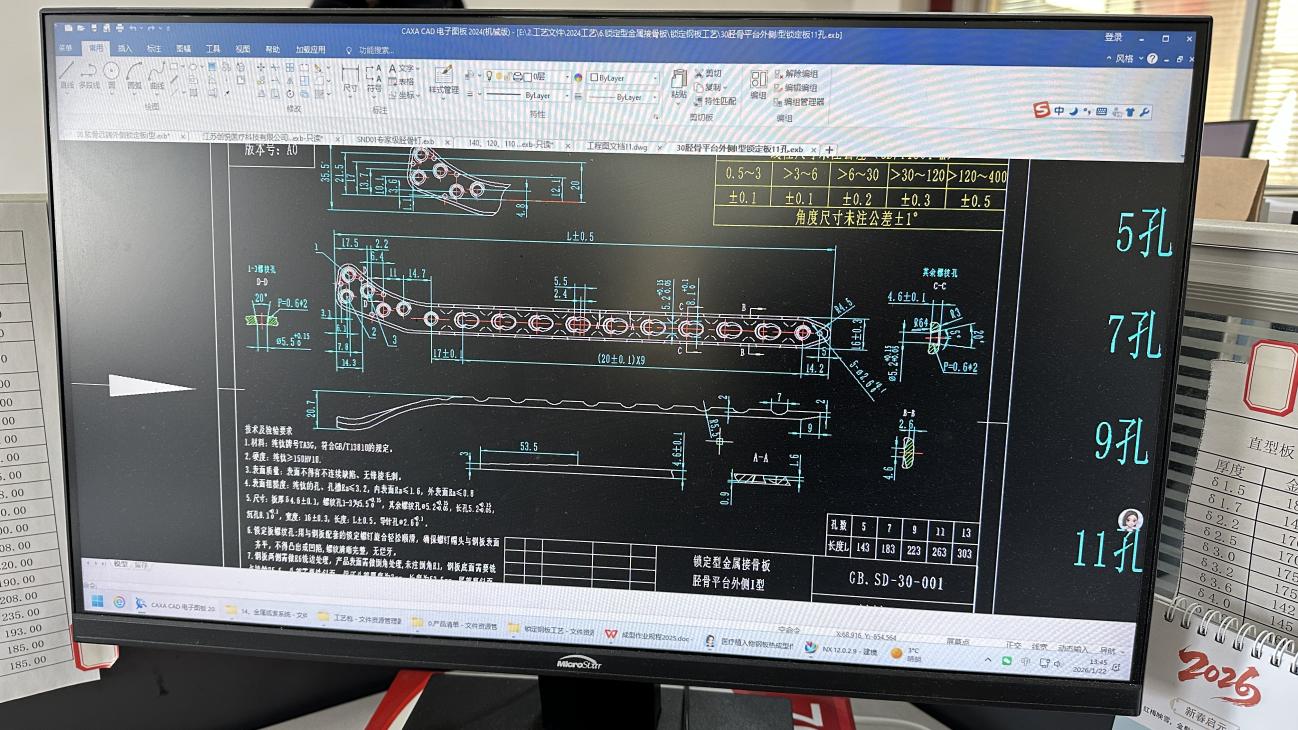
A step-by-step visual exploration of how raw metals are processed, shaped, and completed inside Medisplint's modern facility.
How Medisplint's specialized instrument sets are deployed across diverse surgical conditions and anatomical sectors.
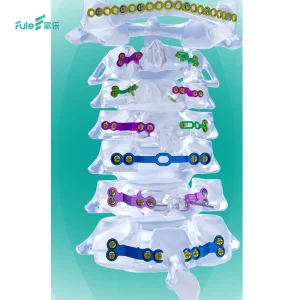
Utilized in complex cervical stabilization surgeries (ACDF, laminoplasty) where sub-millimeter plate contouring and anatomical screw positioning are vital. Our instrument sets offer specialized stabilizers and torque-limiting drivers to minimize cortical damage.
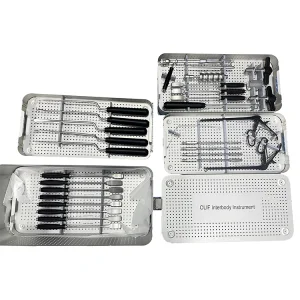
OLIF procedures require specialized, extra-long angled distractors, trial interbody spacers, and bone curettes that allow retroperitoneal surgical trajectories without disturbing local nerves and major vascular networks.
With veterinary medicine scaling in sophistication, compact spinal plating sets, small bone drills, and veterinary micro-oscillating saws allow orthopedic surgeons to treat fractures and spinal herniation in canine and feline patients.
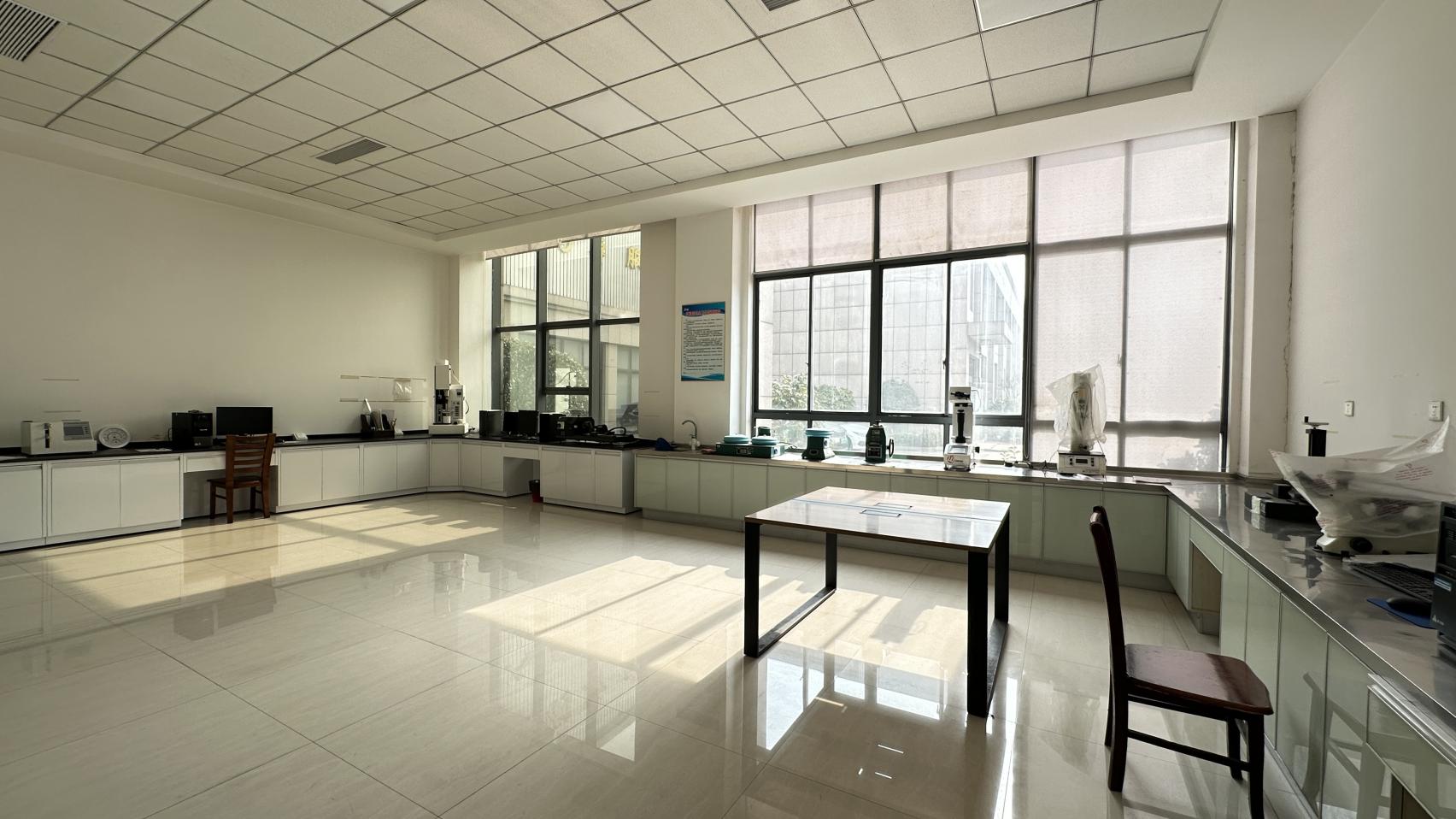
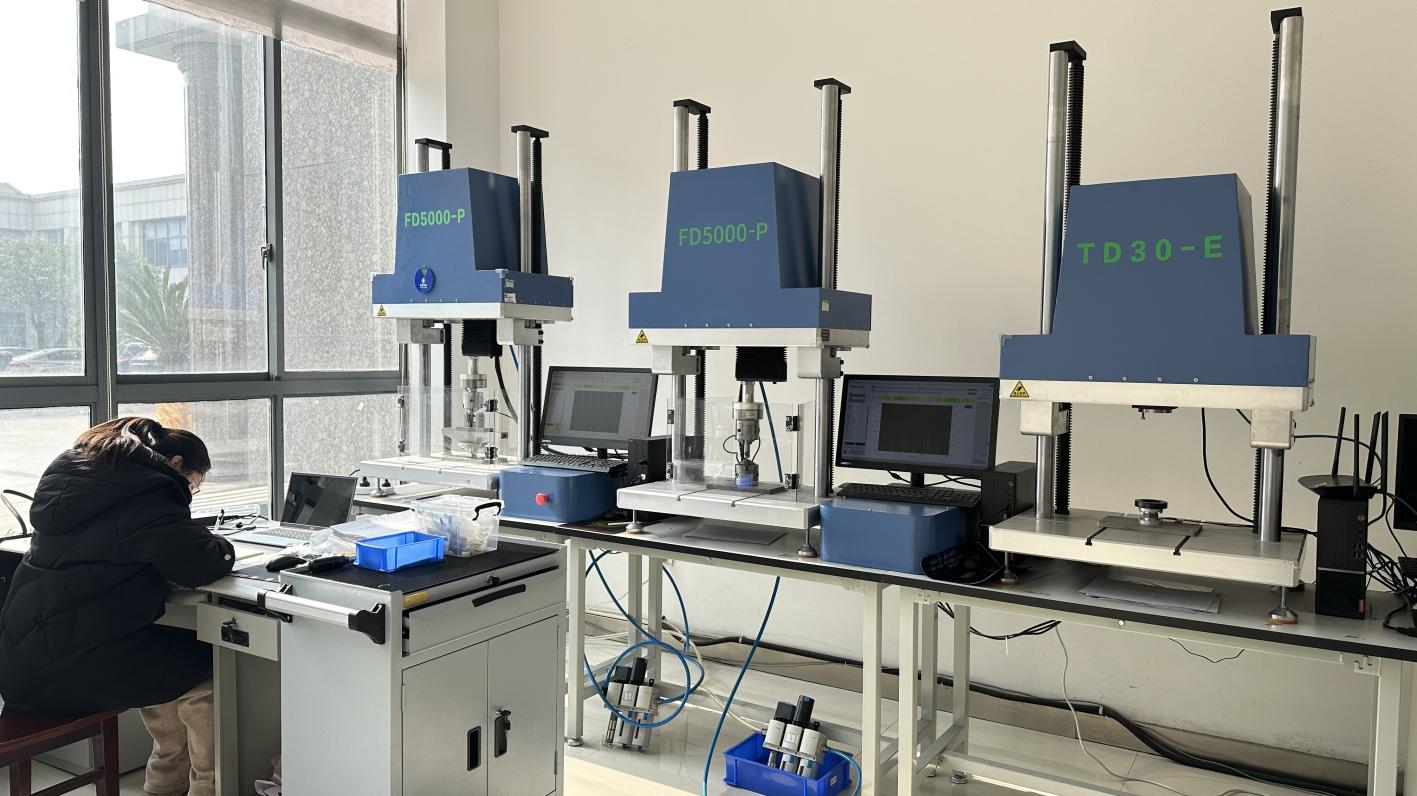
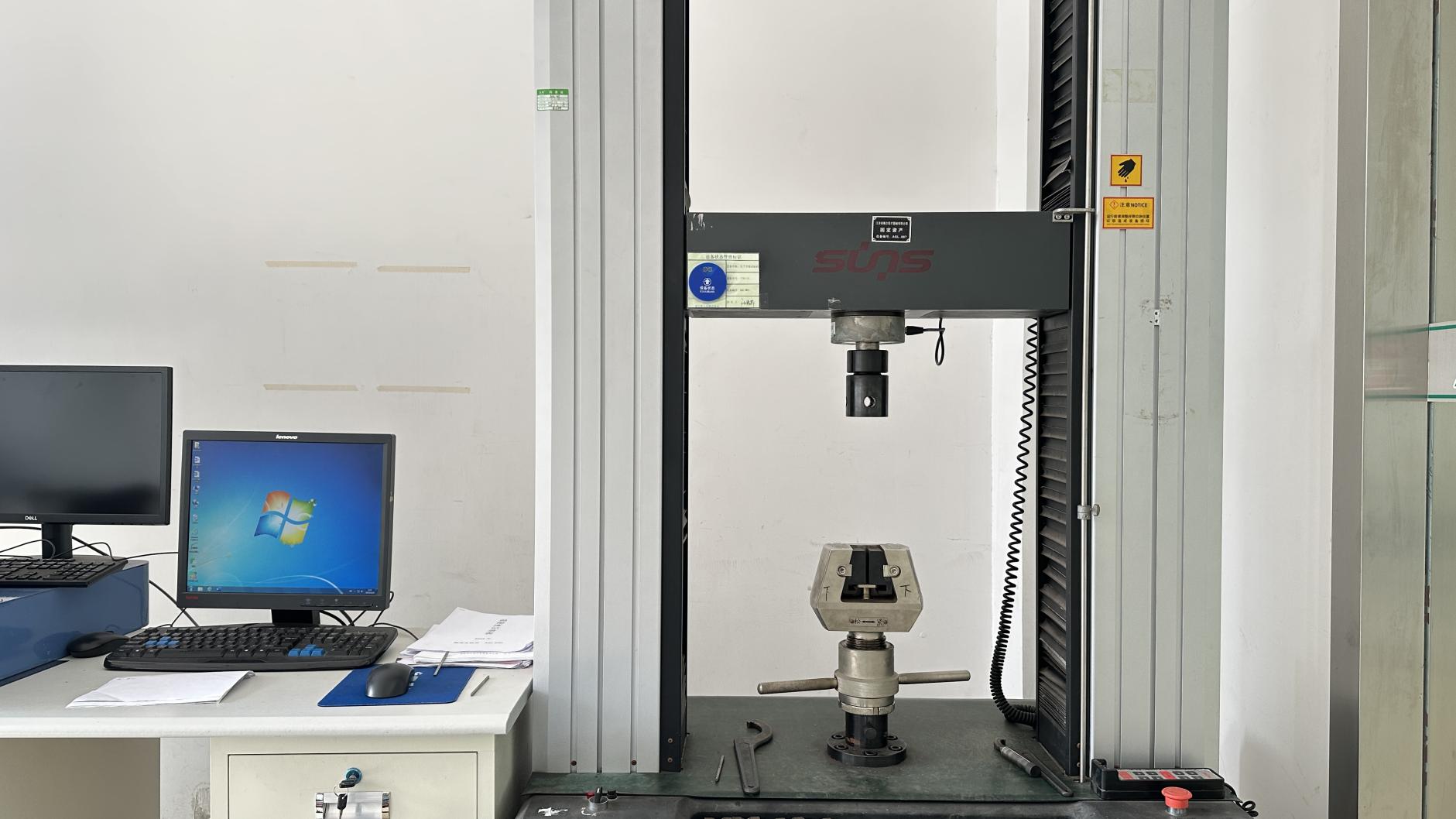
Proof of reliability: Our in-house research laboratory is outfitted with international-standard mechanical testing apparatus.
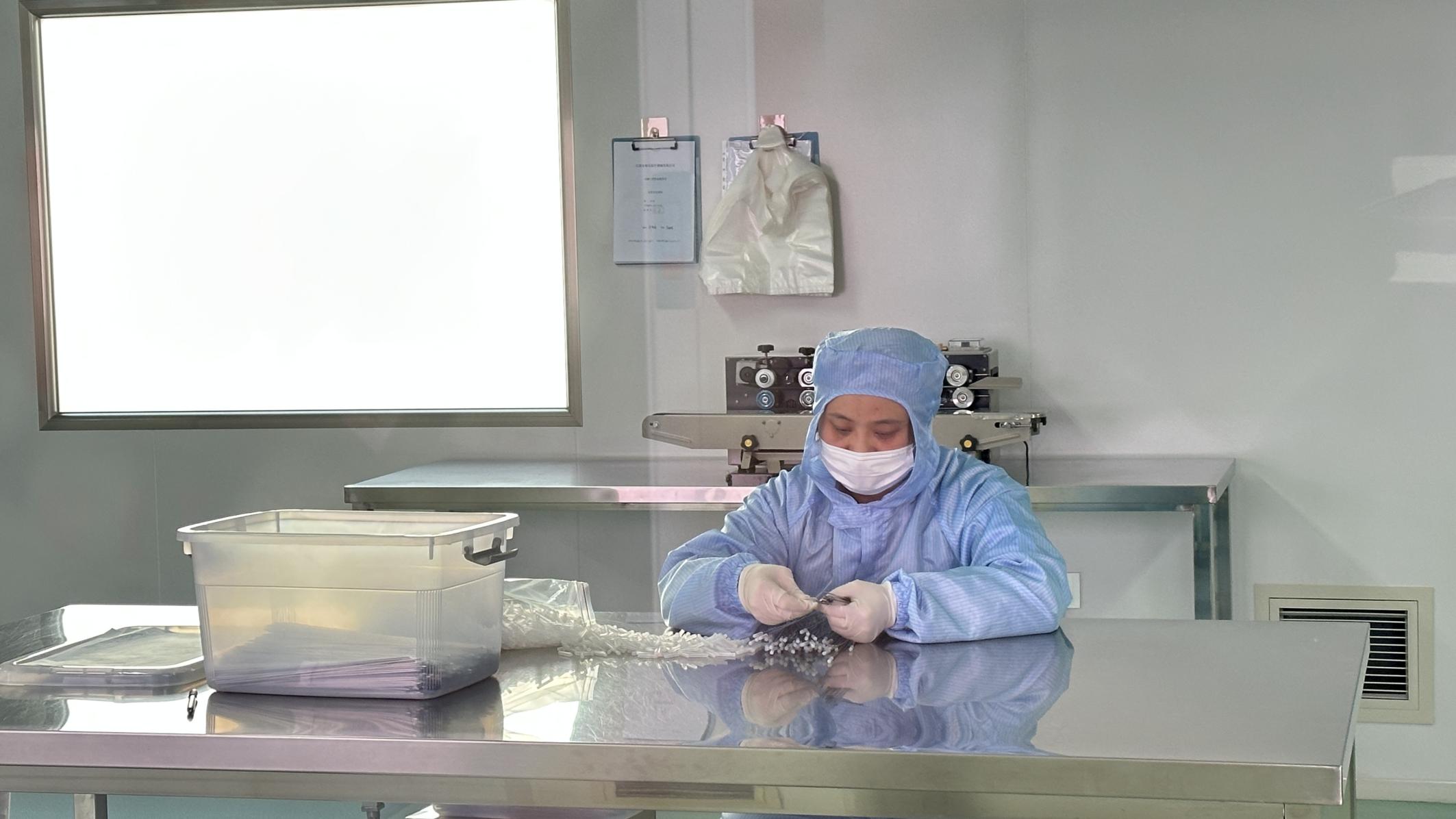
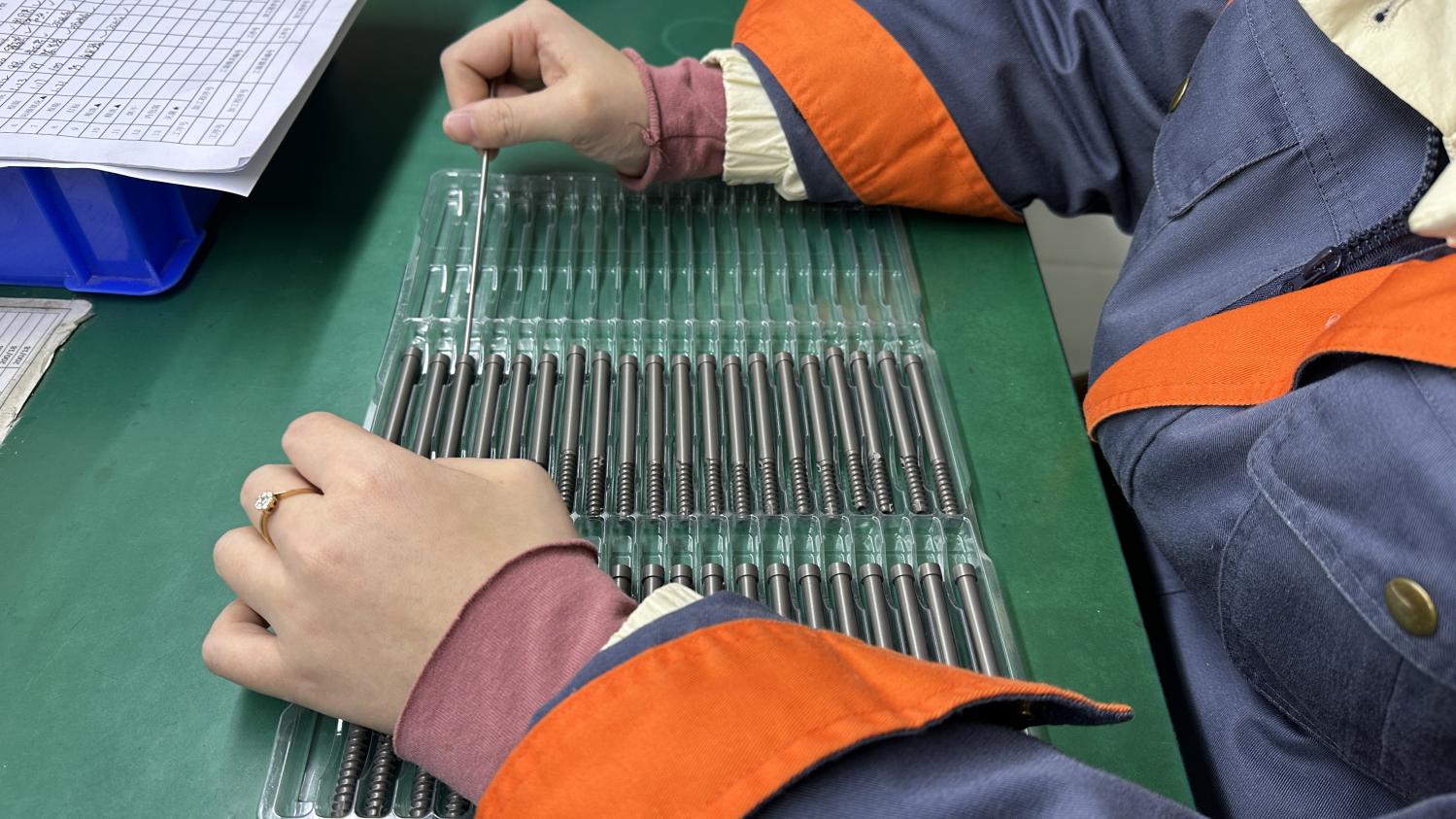
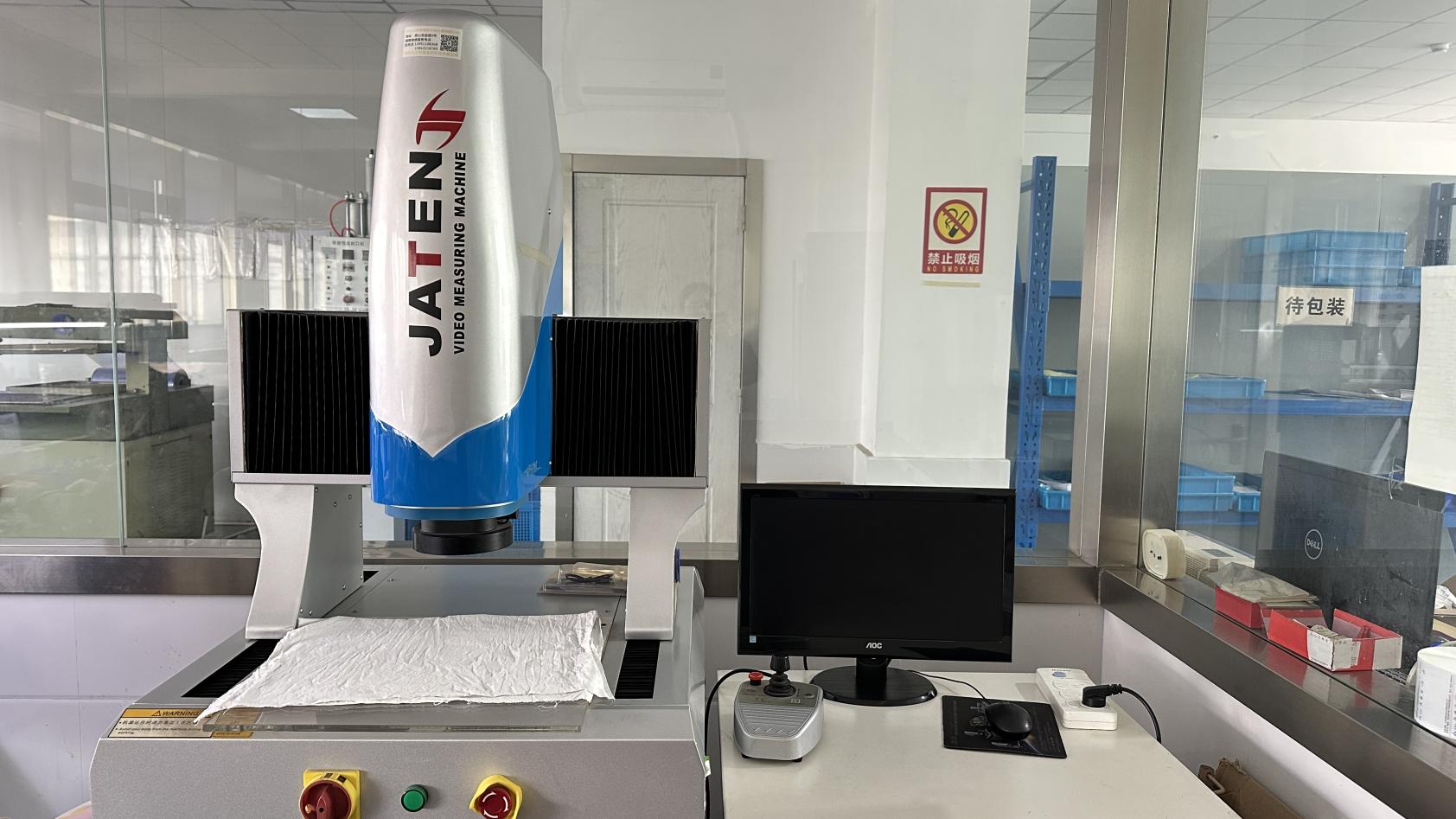
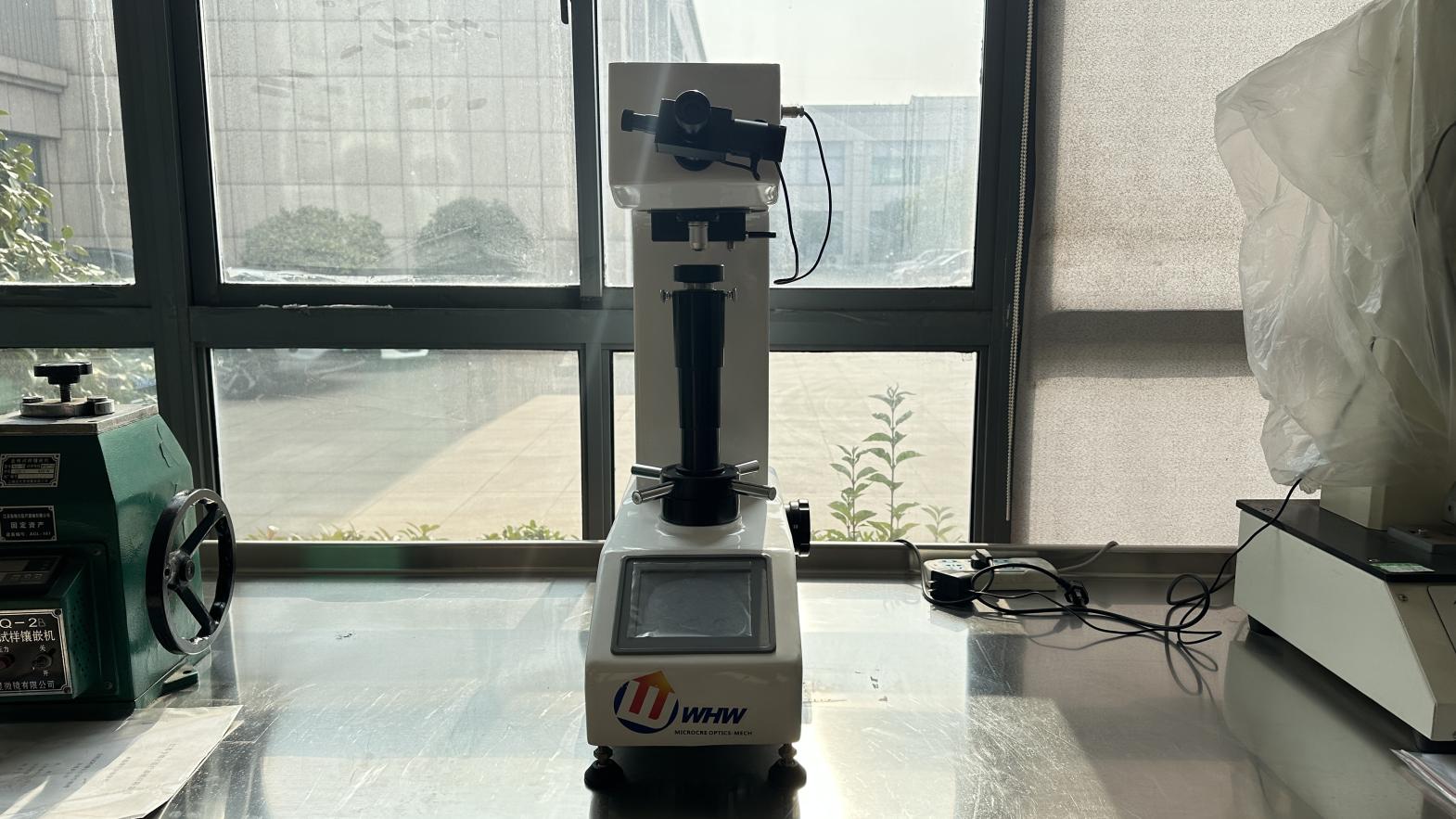
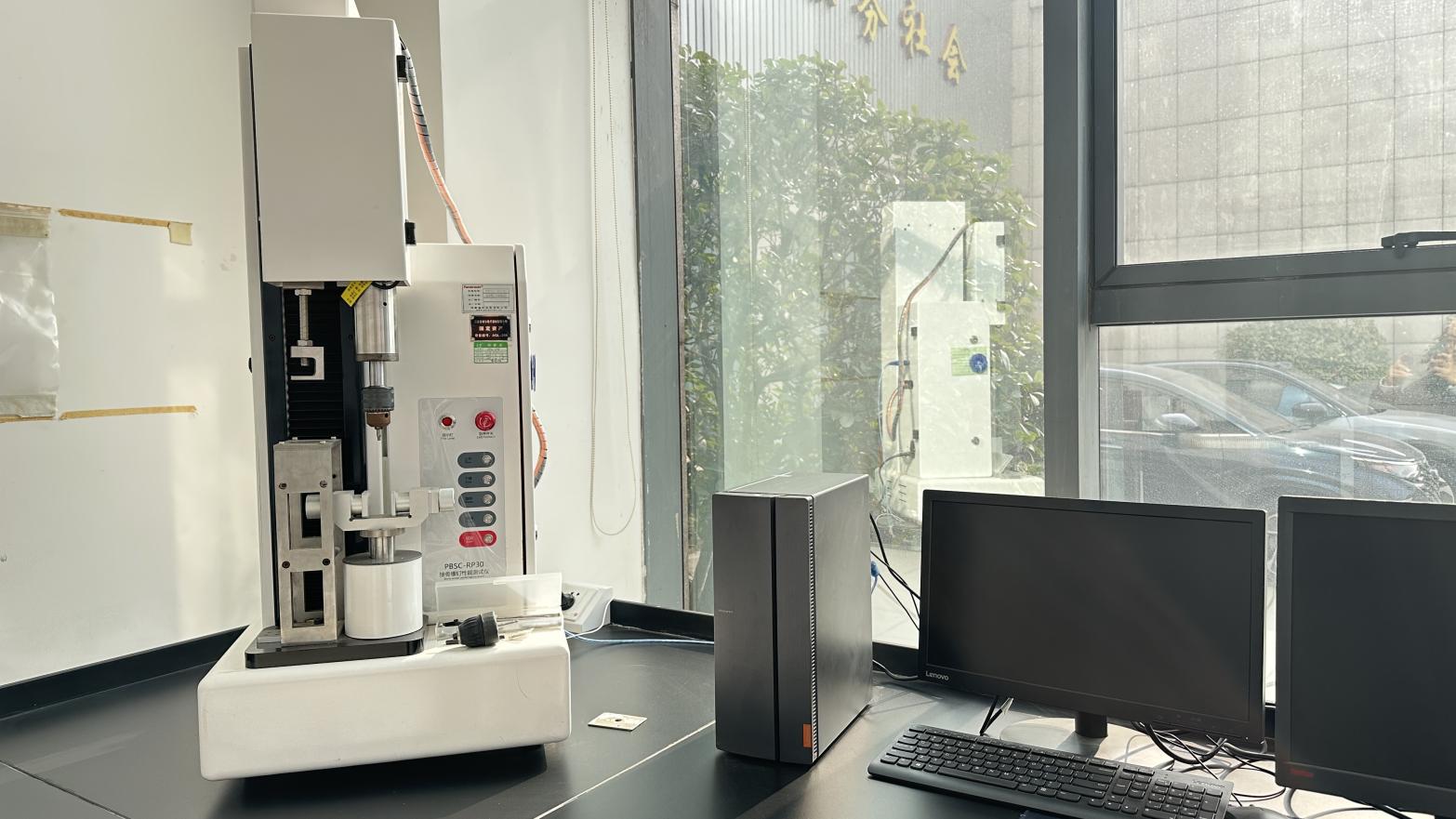
As the orthopedics sector transitions into the era of computerized surgery, several hardware trends are reshaping procurement decisions. Foremost is the demand for Robotic-Compatible Navigation Instruments. Next-generation spine instrument sets now incorporate navigation arrays and fiducial markers that communicate in real-time with optical surgical camera feeds, increasing pedicle screw placement precision to over 99%.
Additionally, Patient-Specific Instruments (PSI) generated from preoperative CT scans are shifting the paradigm from rigid instrument sets to custom surgical guides. Medisplint's R&D team works with carbon fiber-reinforced PEEK composites and advanced surface treatment technologies like anodic oxidation and physical vapor deposition (PVD). These advancements improve wear resistance and provide clear, color-coded identification inside the operating room, optimizing surgical workflow and patient safety.
Addressing core regulatory, shipping, and custom-manufacturing concerns for international medical device buyers.
Our production facilities operate under a certified ISO 13485 Medical Devices Quality Management System. Our major spine surgery systems hold CE Mark compliance, meeting the essential safety and performance requirements for distribution across European, South American, and Middle Eastern markets. For specific regulatory file submissions (such as FDA 510k or Class III registration), our technical team provides full documentation support, including raw material certifications, biocompatibility studies, and mechanical validation test reports.
We primarily utilize high-strength, biomedical grade materials. For implants (such as pedicle screws and cervical plates), we use Ti-6Al-4V ELI (Grade 5 Titanium) conforming to ASTM F136 specifications. For surgical instruments, we use corrosion-resistant stainless steels like SUS 630 (17-4 PH) and SUS 440C to ensure lasting sharpness and structural integrity through repeated autoclaving cycles. We also utilize premium biocompatible polymers like PEEK (Polyetheretherketone) for interbody cages.
Yes. Our in-house R&D department houses 85 engineering and development specialists. We provide complete customization services, including private labeling, modification of handle ergonomics, custom tray layouts, and complete OEM/ODM production according to your CAD drawings or physical design prototypes. Last year alone, our facility successfully introduced 68 new custom products for our global distribution partners.
Every batch of spinal implants and instruments is subjected to comprehensive mechanical validation. Our lab is equipped with Cyclic Fatigue Testers, Tensile Strength Testers, and Bone Screw Performance Testing systems. This allows us to verify torsional yield strength, pull-out force, and structural durability under simulated in-vivo physiological conditions, ensuring our instruments prevent intraoperative failures.
For standard wholesale catalog products, our MOQ ranges from 5 to 10 sets depending on complexity. For customized OEM designs, the typical MOQ is 50 to 100 sets. Production lead times generally average 30 to 45 days after deposit verification and final drawing approval. This is made possible by our integration with over 1,200 supply chain partners in China's medical device manufacturing sector.
Our instruments are typically shipped non-sterile, packaged in specialized sterilization trays and double-layer protective boxing. They are fully validated for autoclave sterilization (134°C / 273°F for 4 to 18 minutes depending on clinical protocol). For specialized implant components, we can supply pre-sterilized packaging utilizing Gamma irradiation or EO (Ethylene Oxide) gas sterilization, executed inside our Class 100,000 cleanroom facility.
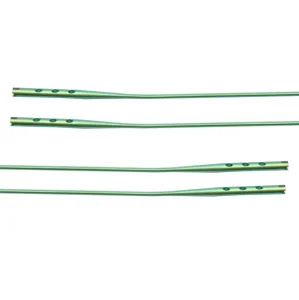
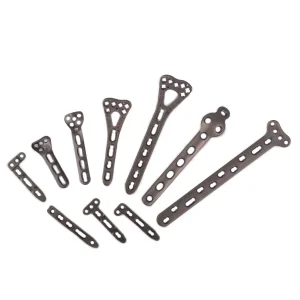
Complete your medical procurement list with our high-grade titanium plates, joint reconstruction kits, and high-precision spinal fixation components.