Medisplint Medisplint

⚡ China Wholesale Femoral Locking Plates Factories & Supplier

Deep Engineering Insights, Global OEM/ODM Capabilities, and Regulatory Excellence from Medisplint Orthopedic Instruments

📊 Executive Whitepaper: Femoral Locking Plates in Modern Trauma Reconstruction

Understanding mechanical principles, manufacturing standards, and supply chain strategies for global healthcare buyers.

18,500㎡
Production Facility
$12M+
Annual Exports
42
QC Inspectors
85+
R&D Engineers

1. Biomechanics and Engineering of Femoral Locking Plates

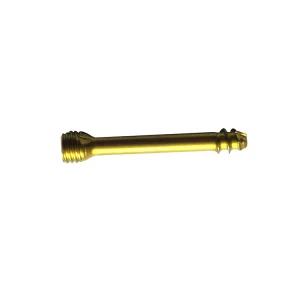
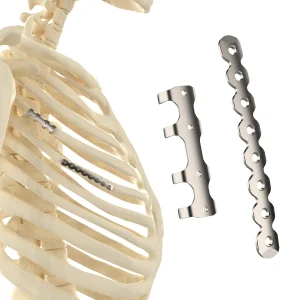
Femoral locking plates represent a critical leap forward in internal fixation technology. Unlike conventional dynamic compression plates, which rely on plate-to-bone friction for stability, locking plates function as fixed-angle internal fixators. The threaded heads of the locking screws engage directly with the matching threads inside the plate's screw holes, locking the components securely together.

This biomechanical design is essential for femoral fractures. The femur is subject to immense axial load and torsional forces. The locking interface converts the shear stress along the bone surface into axial load across the construct's longitudinal axis. This mechanism limits bone damage by preserving the periosteal blood supply, reducing the rate of localized bone necrosis and screw loosening, especially in osteoporotic bone structures.

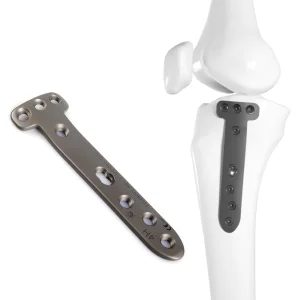
Clinical Focus: In distal femoral fractures, the articular contouring of anatomical plates is crucial. The pre-contoured design helps surgeons restore the anatomical joint alignment of the condyles without intraoperative plate bending, minimizing stress concentration points that lead to implant fatigue failures.

2. China Factory Supply Chain Advantages & Cost Control

Operating out of our 18,500㎡ manufacturing facility, Medisplint utilizes China's robust industrial ecosystem to deliver premium implants cost-effectively.

  • Raw Material Control: We source medical-grade Grade 5 Titanium (Ti6Al4V ELI) and titanium alloys conforming to ISO 5832-3. We work with established metallurgical suppliers to verify material properties before production begins.
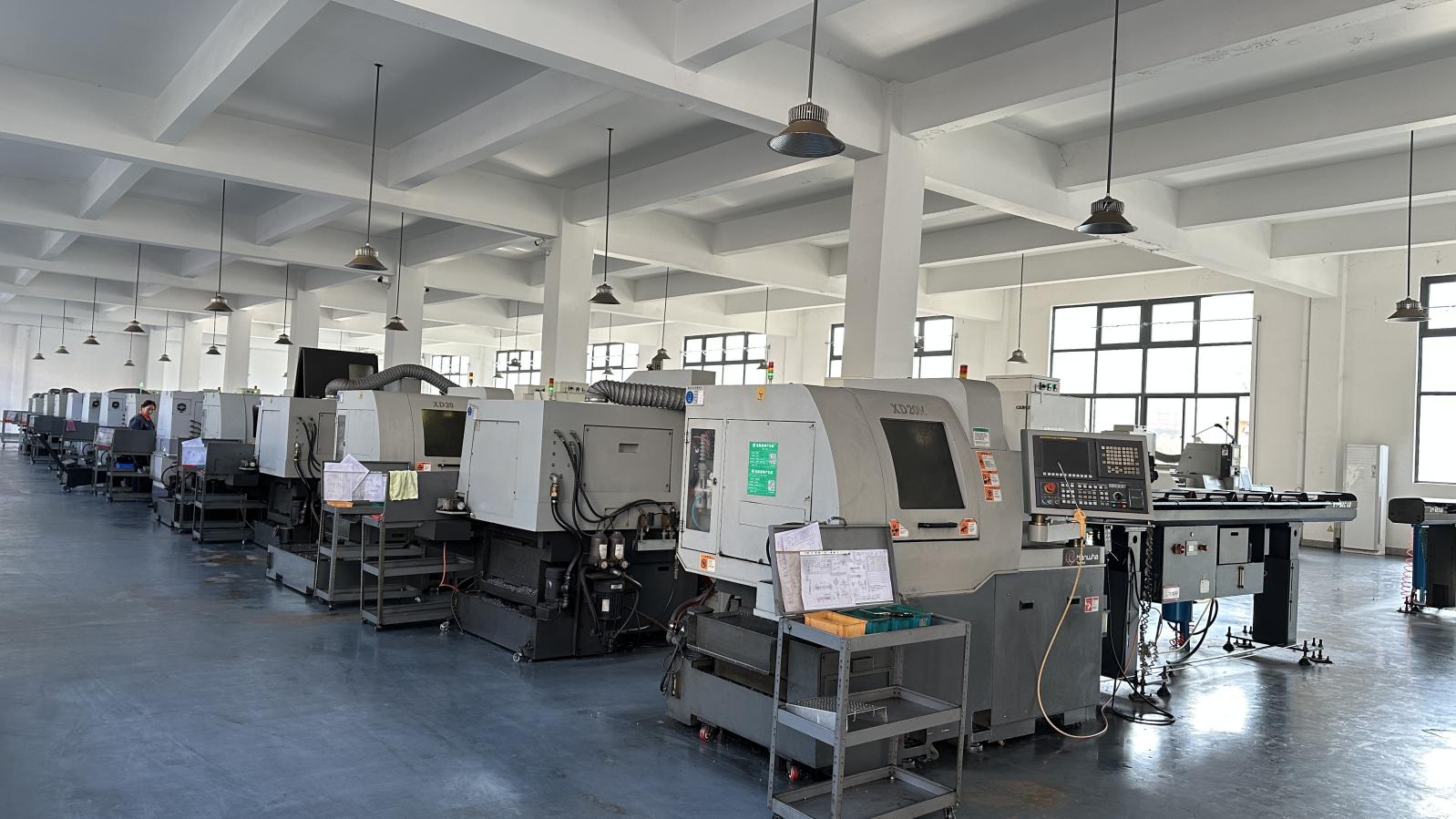
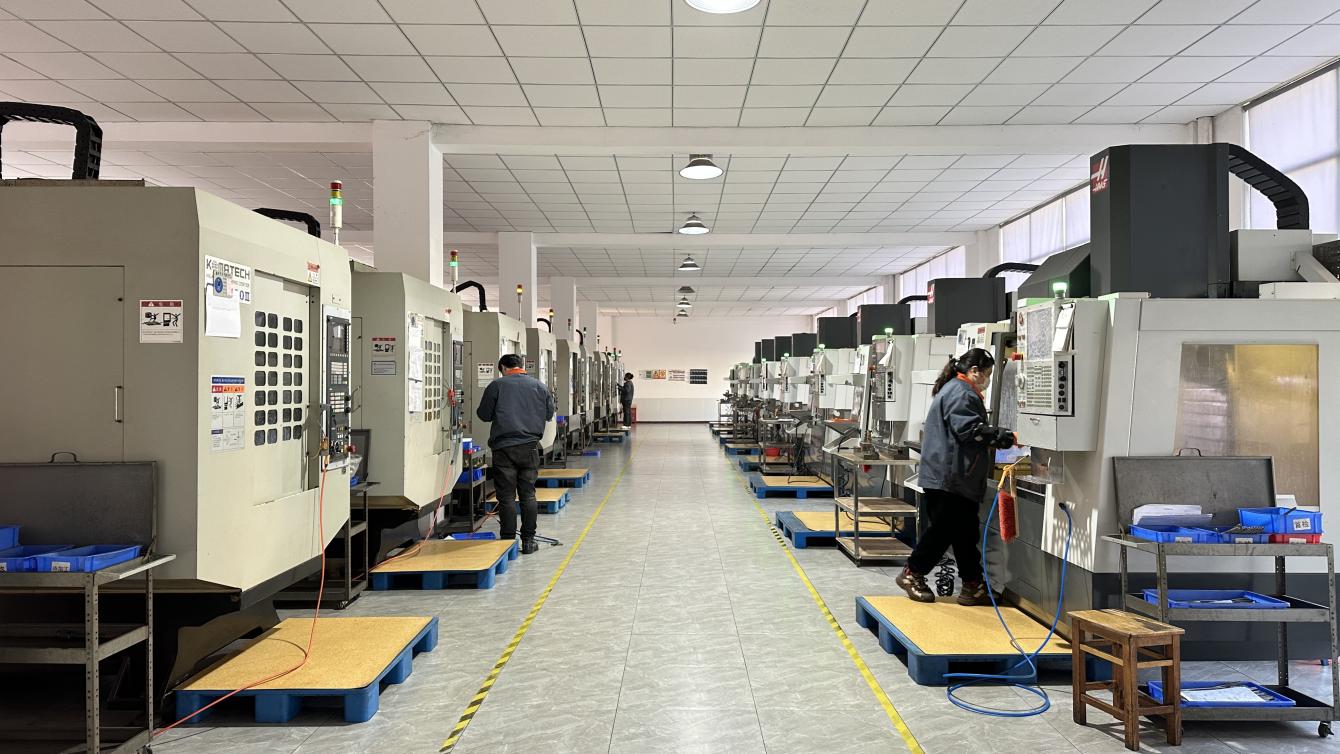
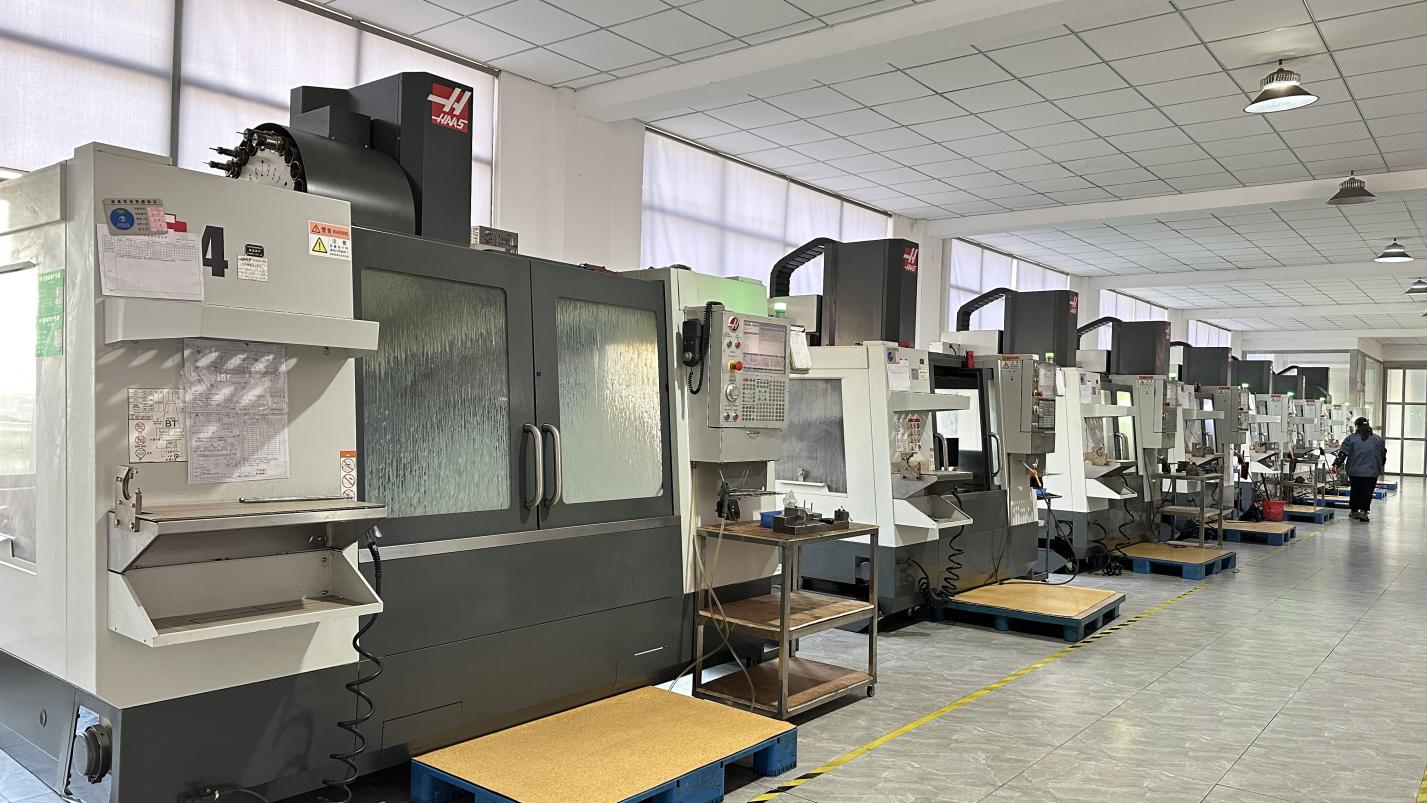
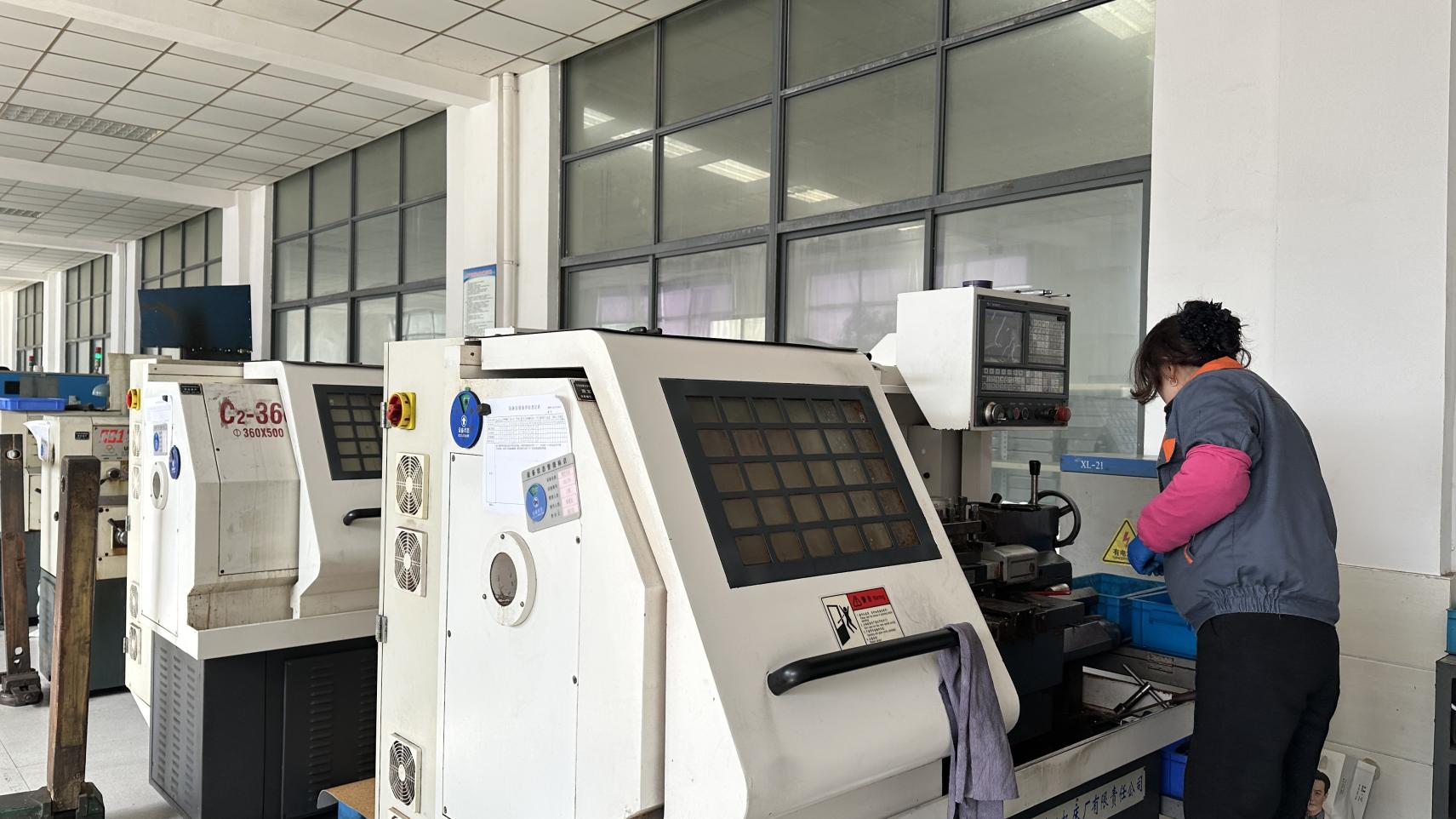
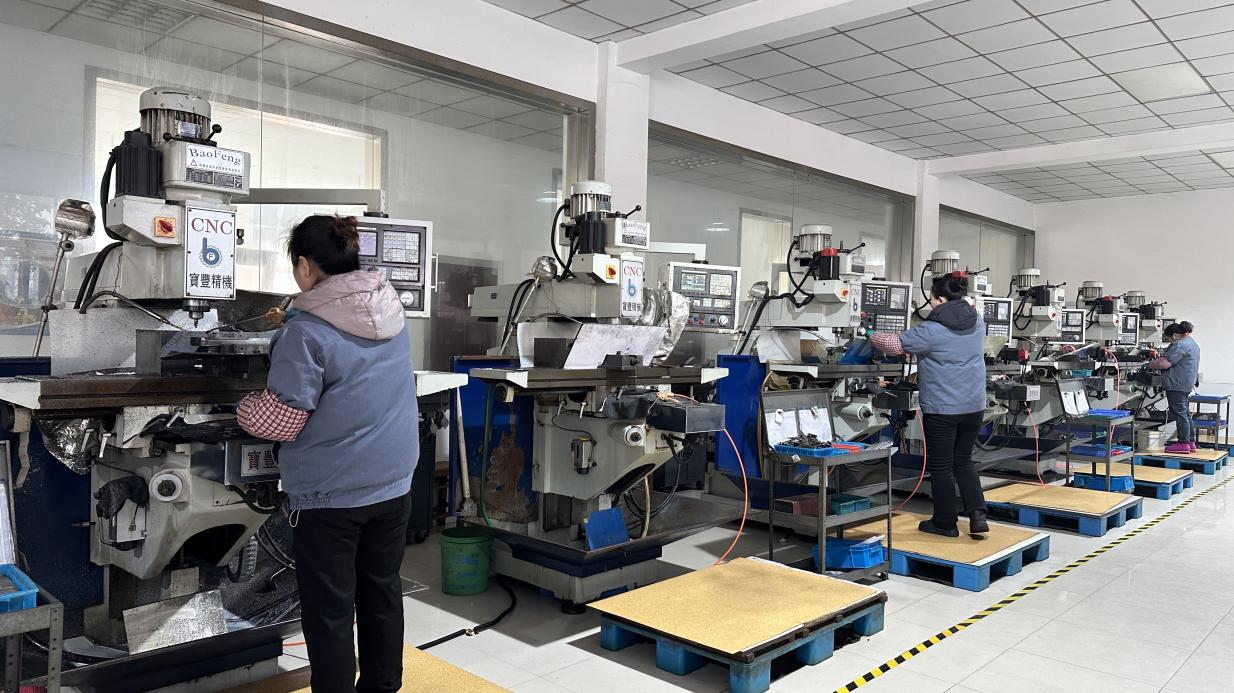
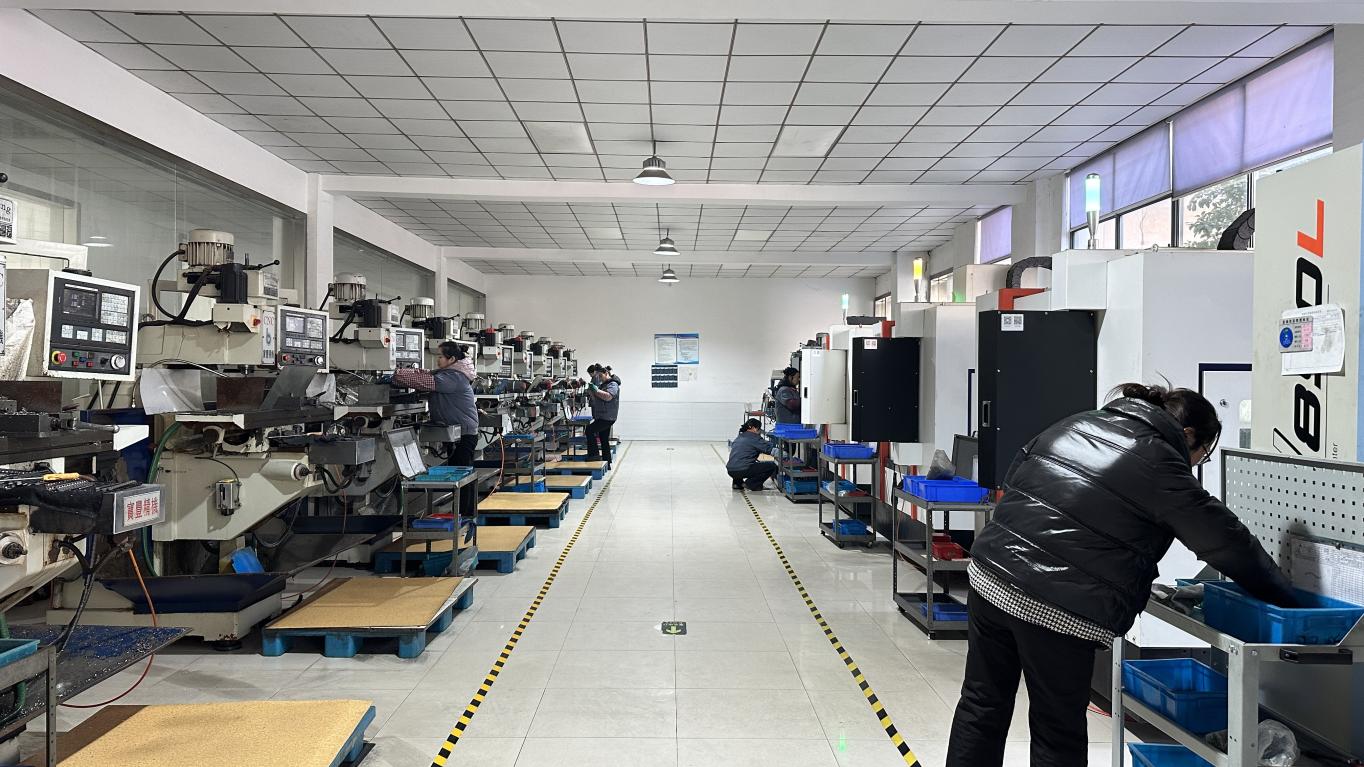
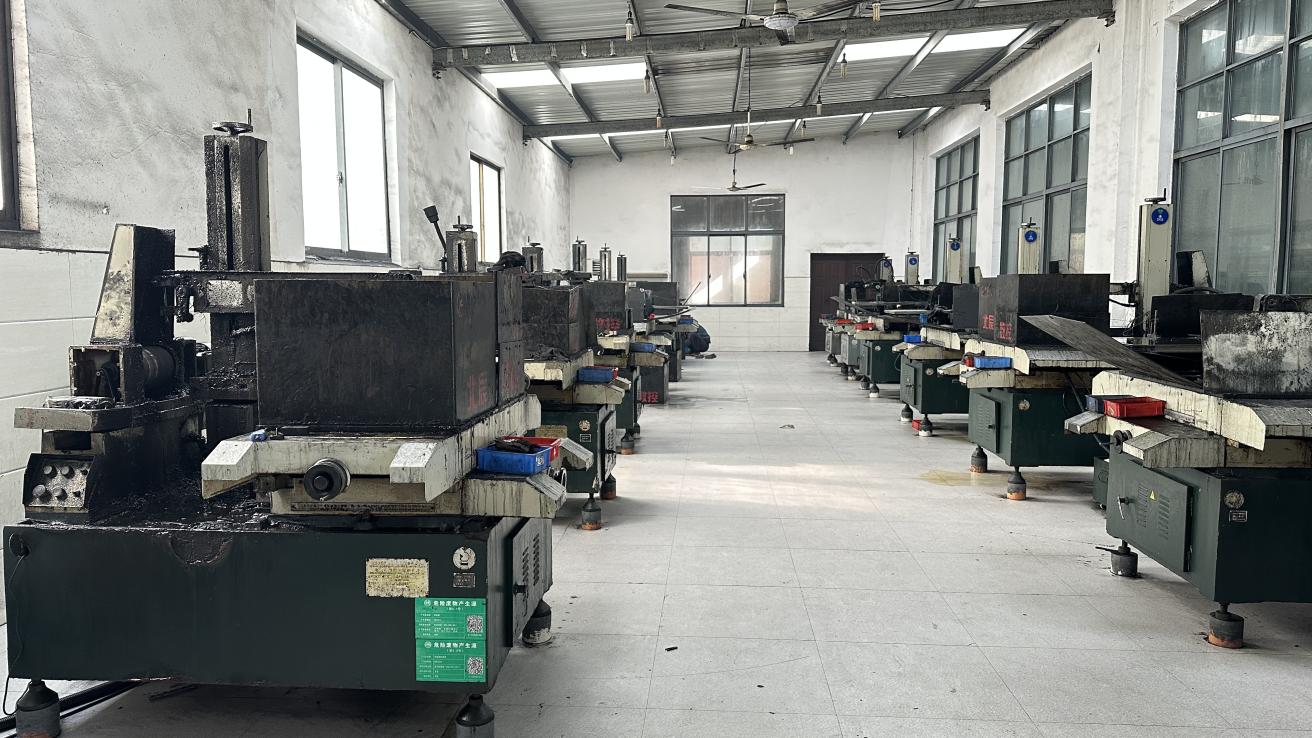
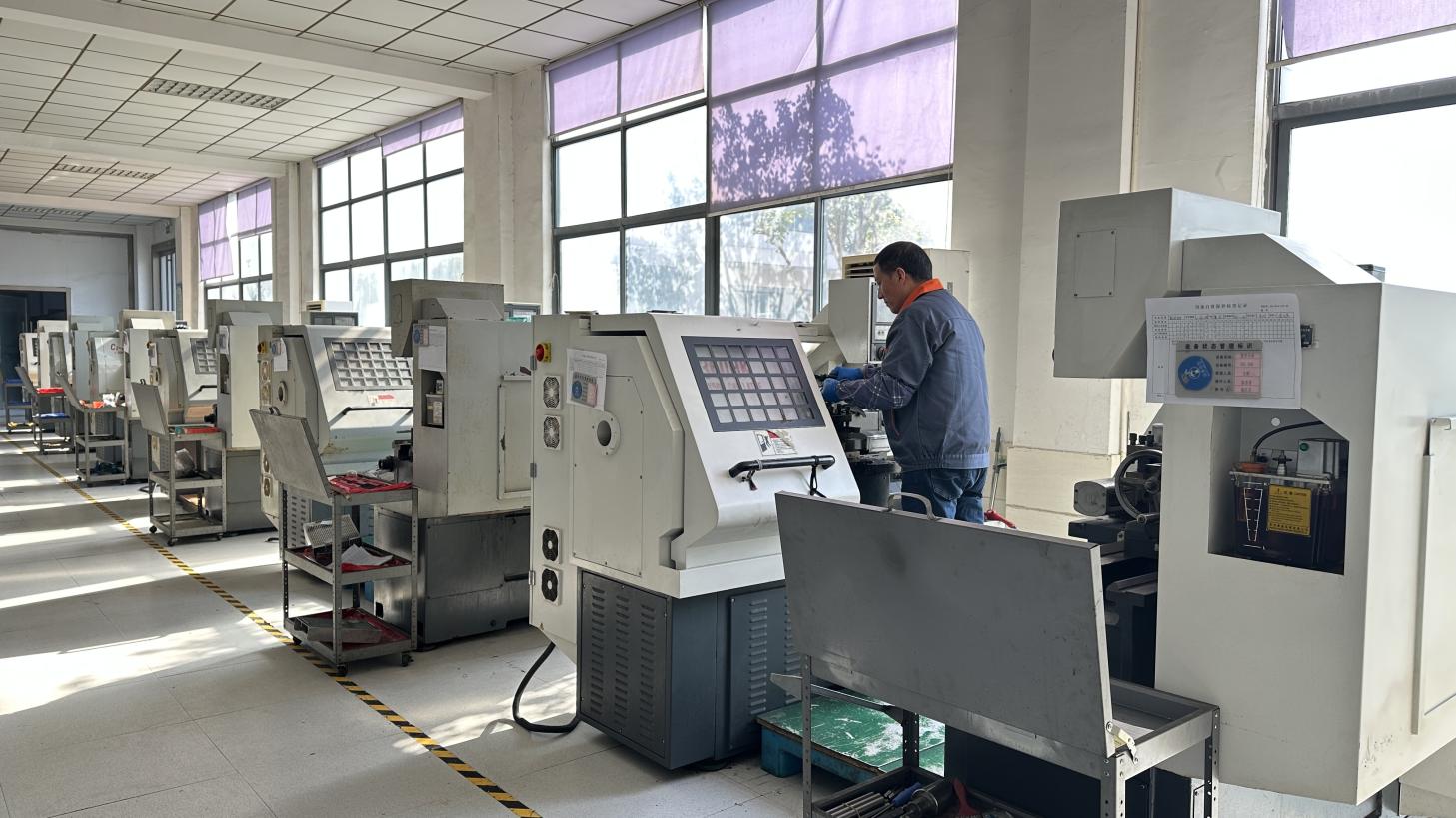
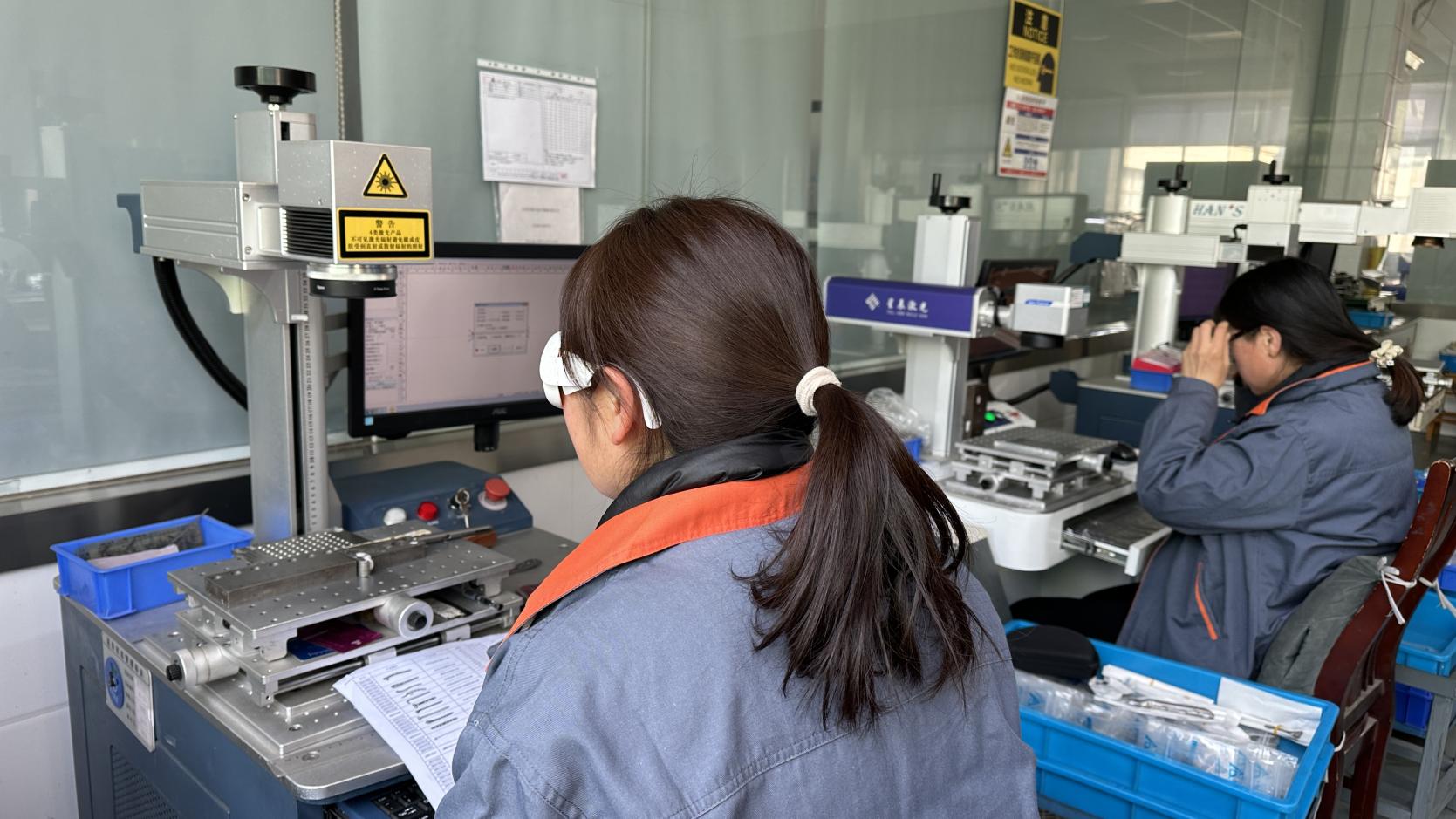
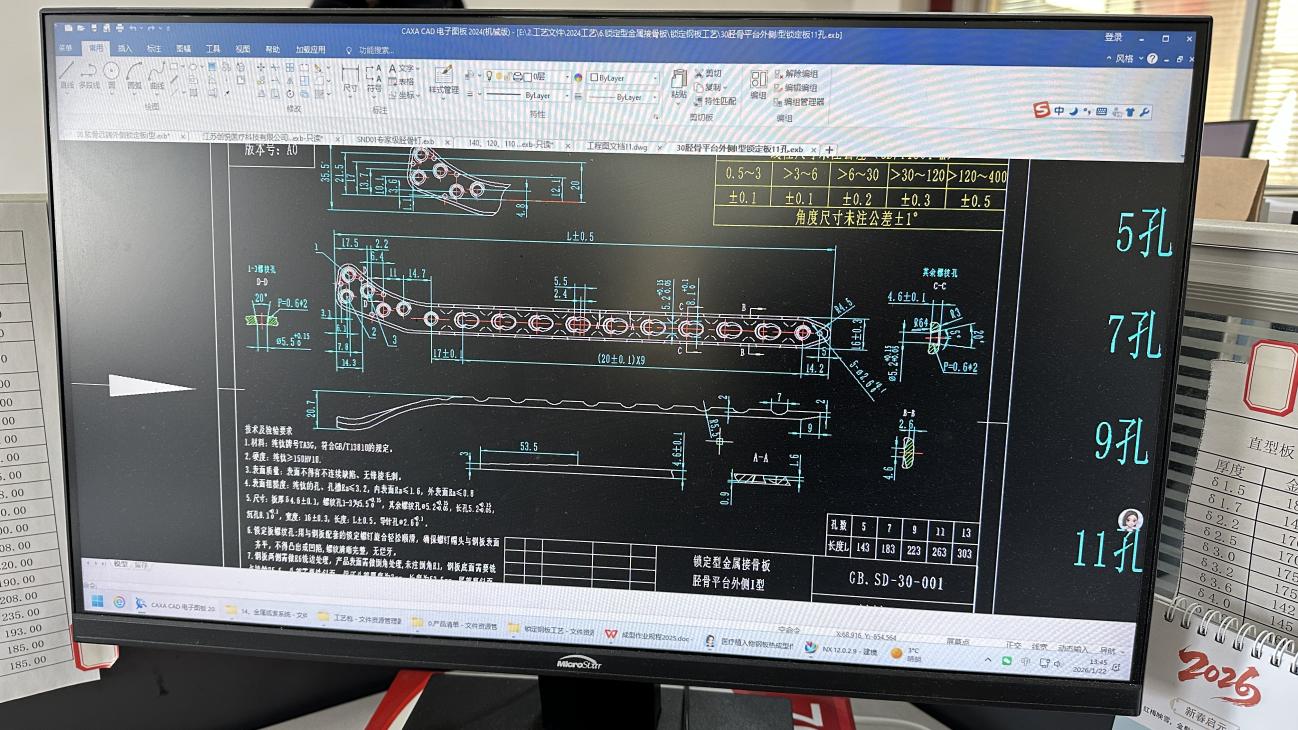
  • Precision Manufacturing: Our facility features advanced multi-axis CNC machining centers, wire-cutting machines, and milling systems. By automating high-tolerance tool paths, we keep manufacturing variations under 10 microns.
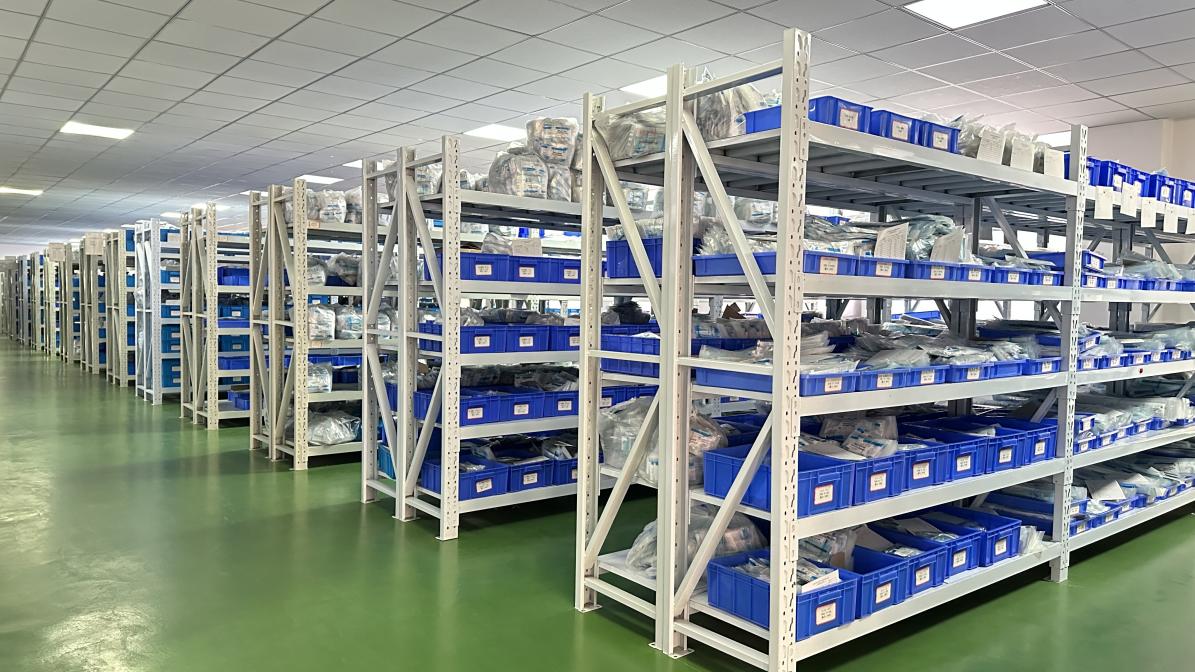
  • Integrated Logistics: Located near major shipping hubs, we streamline raw material procurement and international shipping, helping to protect buyers from supply chain disruptions.

3. Global Procurement Demands: Compliance & Localized Support

Procurement professionals must navigate stringent regulatory requirements when sourcing orthopedic implants. Medisplint is committed to helping clients meet these standards.

Our facility operates under an ISO 13485 certified quality management system. From incoming raw materials to final packaging, every batch is fully traceable. We provide comprehensive documentation, including material test certificates, biocompatibility analyses, and CE certificates, to facilitate registration with regional ministries of health.

4. Customization and Dynamic R&D Capabilities

Our engineering team consists of 85 specialists dedicated to product development and custom design adjustments. Last year alone, Medisplint launched 68 new products to meet shifting market demands.

Through our OEM and ODM services, we adapt plate configurations to match specific anatomical trends, provide custom brand packaging, and develop tailored surgical instrument kits. Working with 3D CAD modeling and finite element analysis (FEA), we can quickly validate prototype designs to match our clients' unique clinical and market requirements.

🔬 Medisplint Overview

Founded in 2016, Medisplint Orthopedic Instruments Co., Ltd. has developed into a reliable manufacturing partner for trauma, spinal, and joint reconstruction systems.

  • 10 Years Industry Experience
  • 7+ Years Export Experience
  • Over 1,200 Supply Chain Partners
  • Markets: Europe, SE Asia, Middle East, South America

Quality Protocols

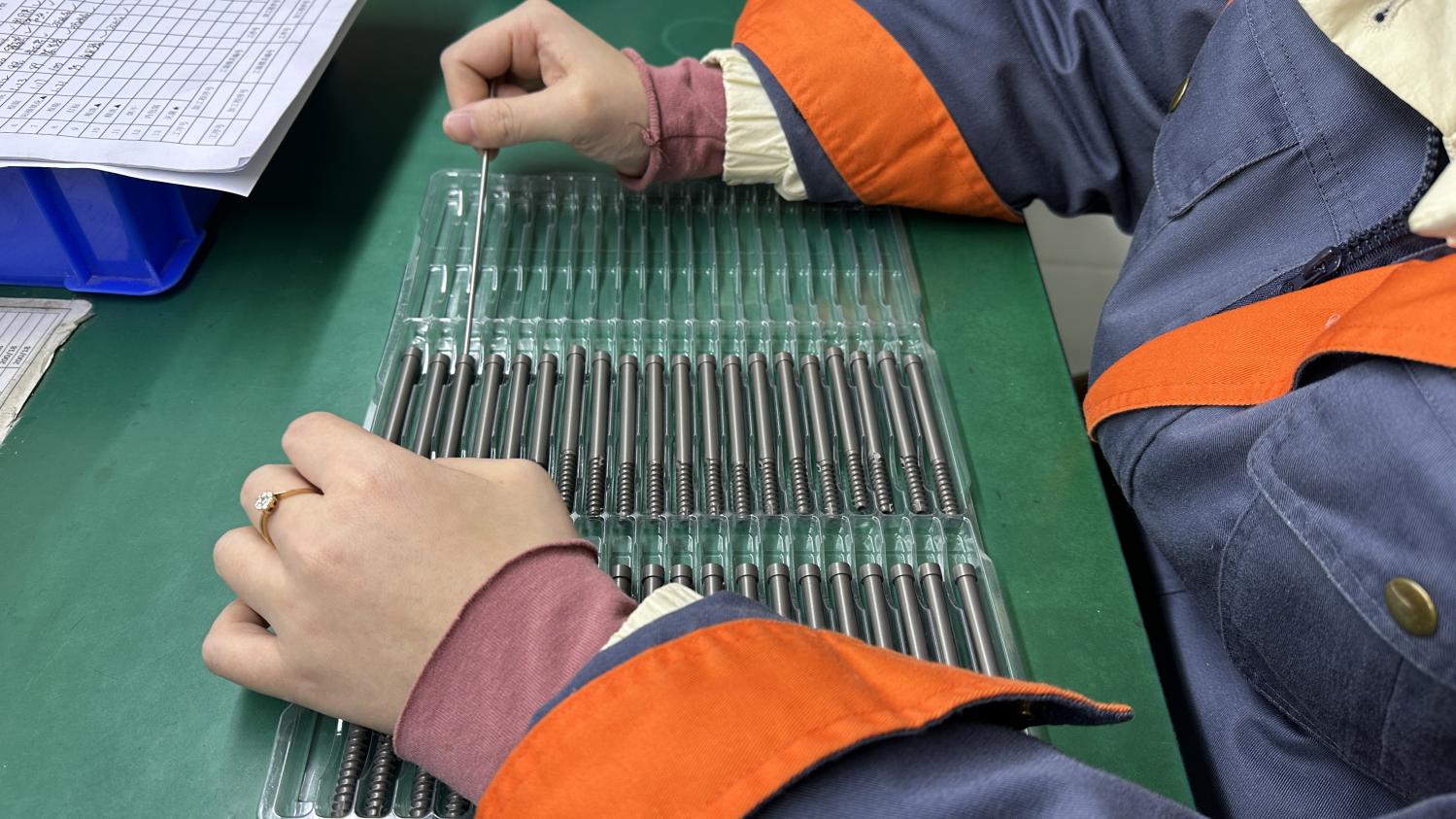
IPQC: In-process control monitors tolerances in real-time during machining.

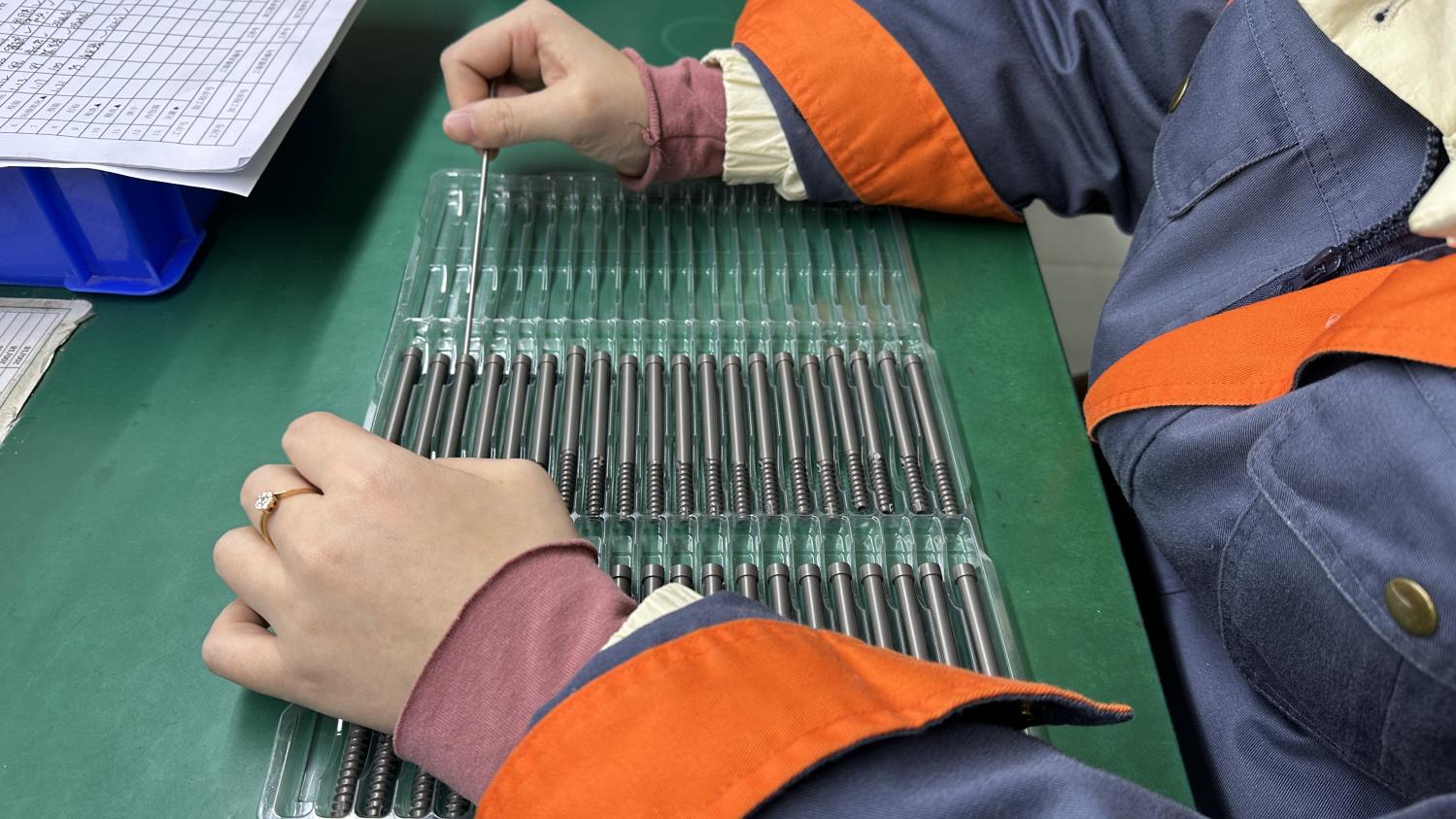
FQC: Final inspection verifies surface quality and dimensions before packaging.

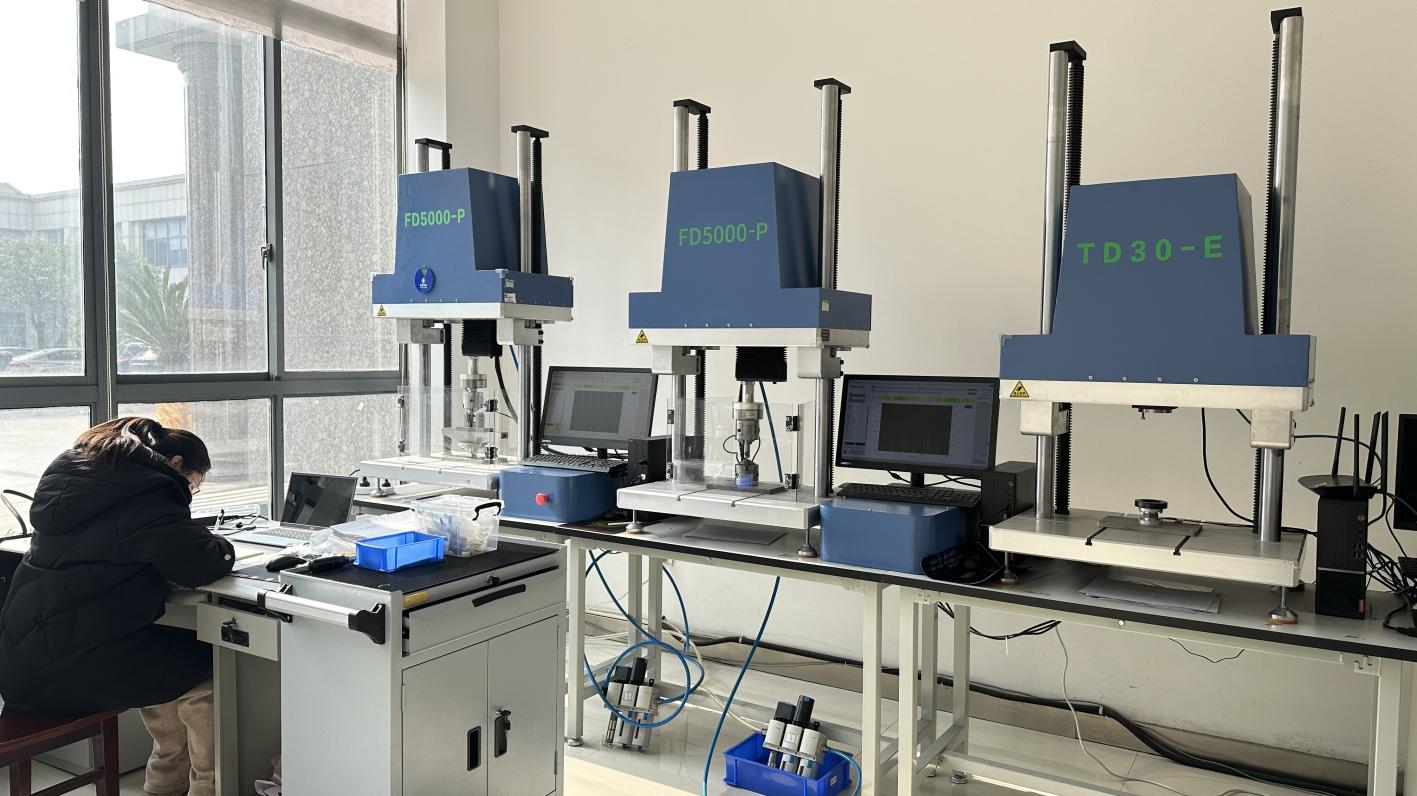
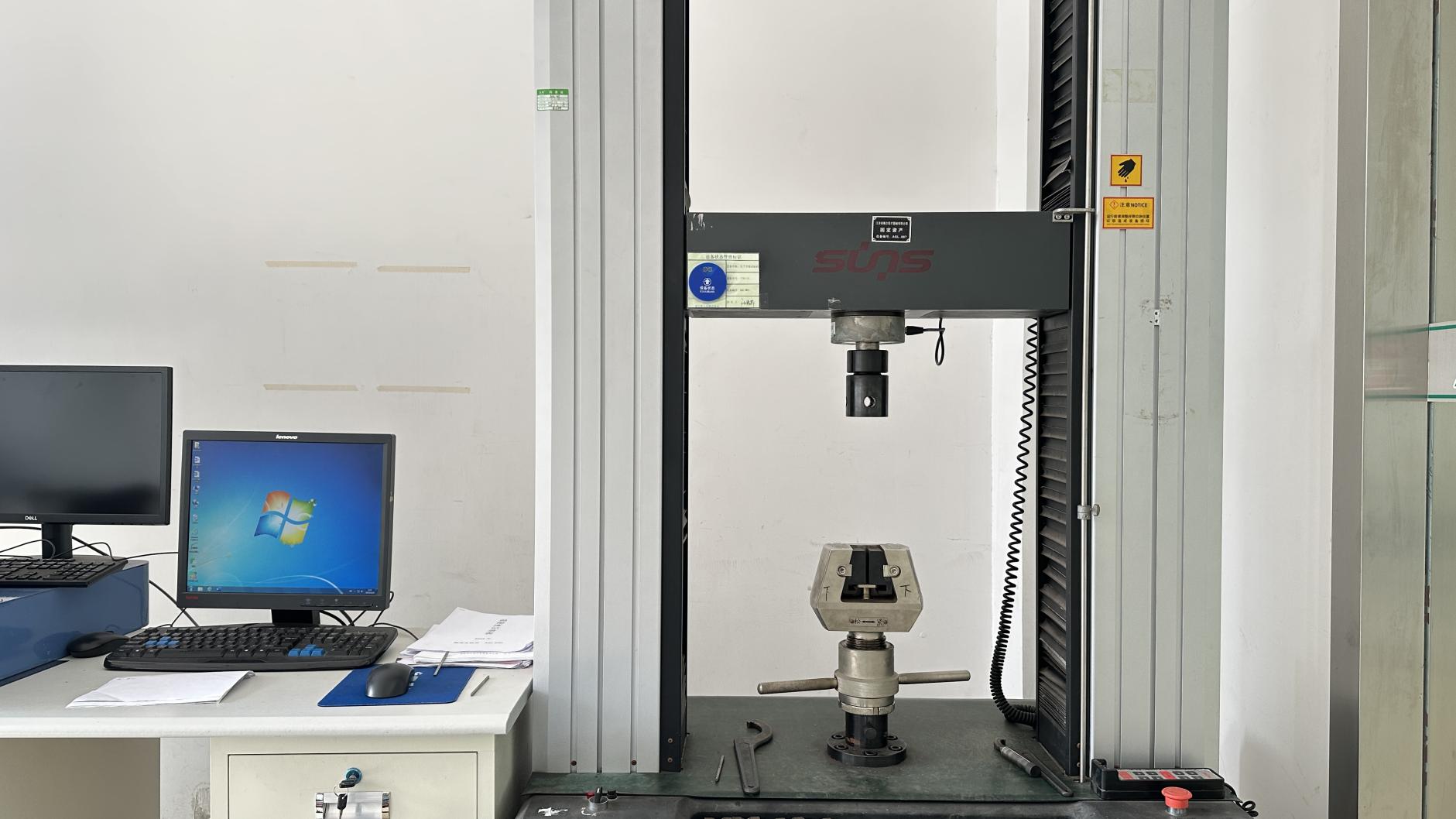
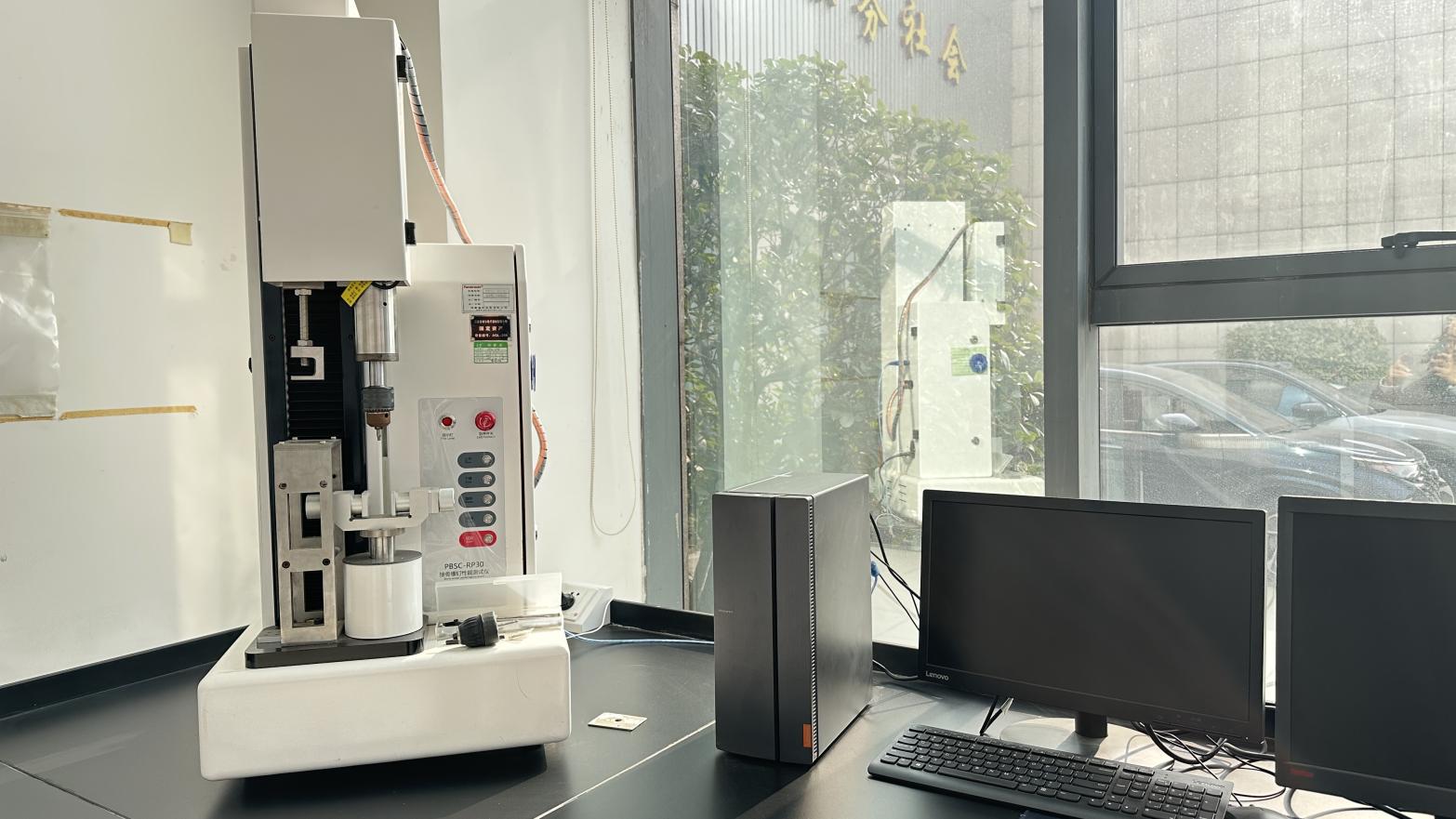
Testing: Routine fatigue and tensile tests evaluate long-term mechanical safety.

⚙️ Factory Tour: Production & Quality Testing Labs

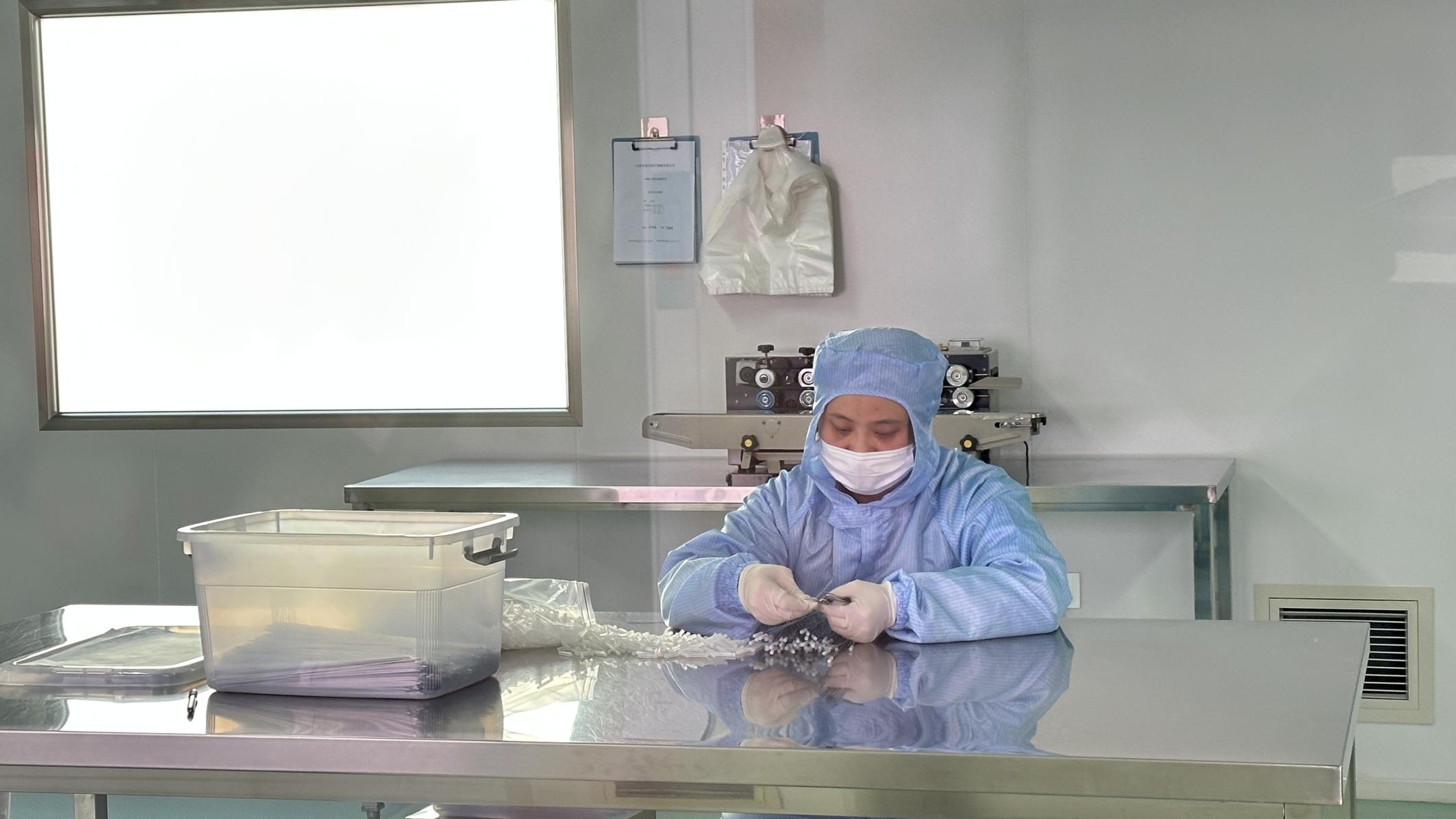
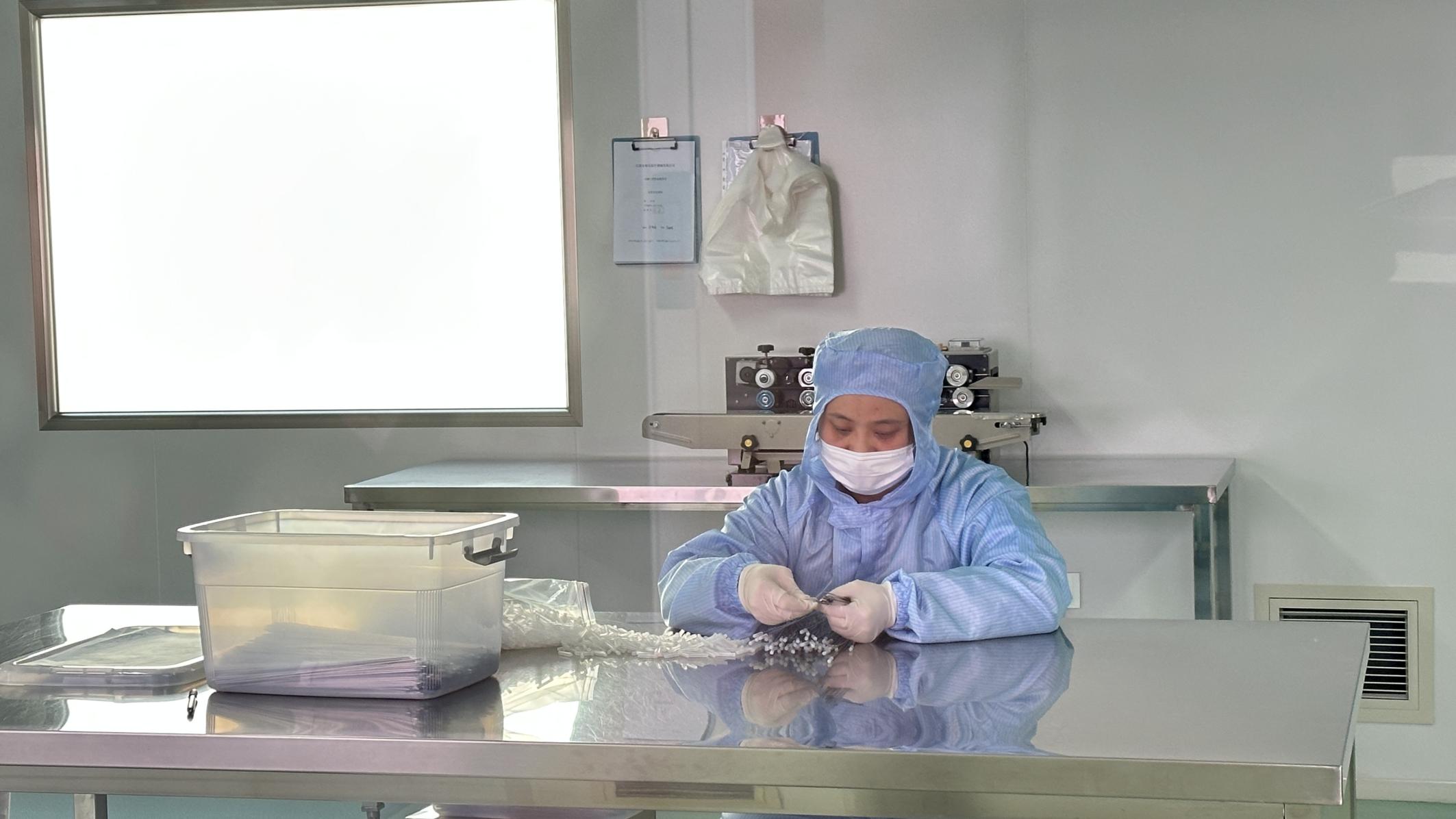
Step inside Medisplint’s ISO 13485 facility, showcasing advanced machining systems and laboratory testing equipment.
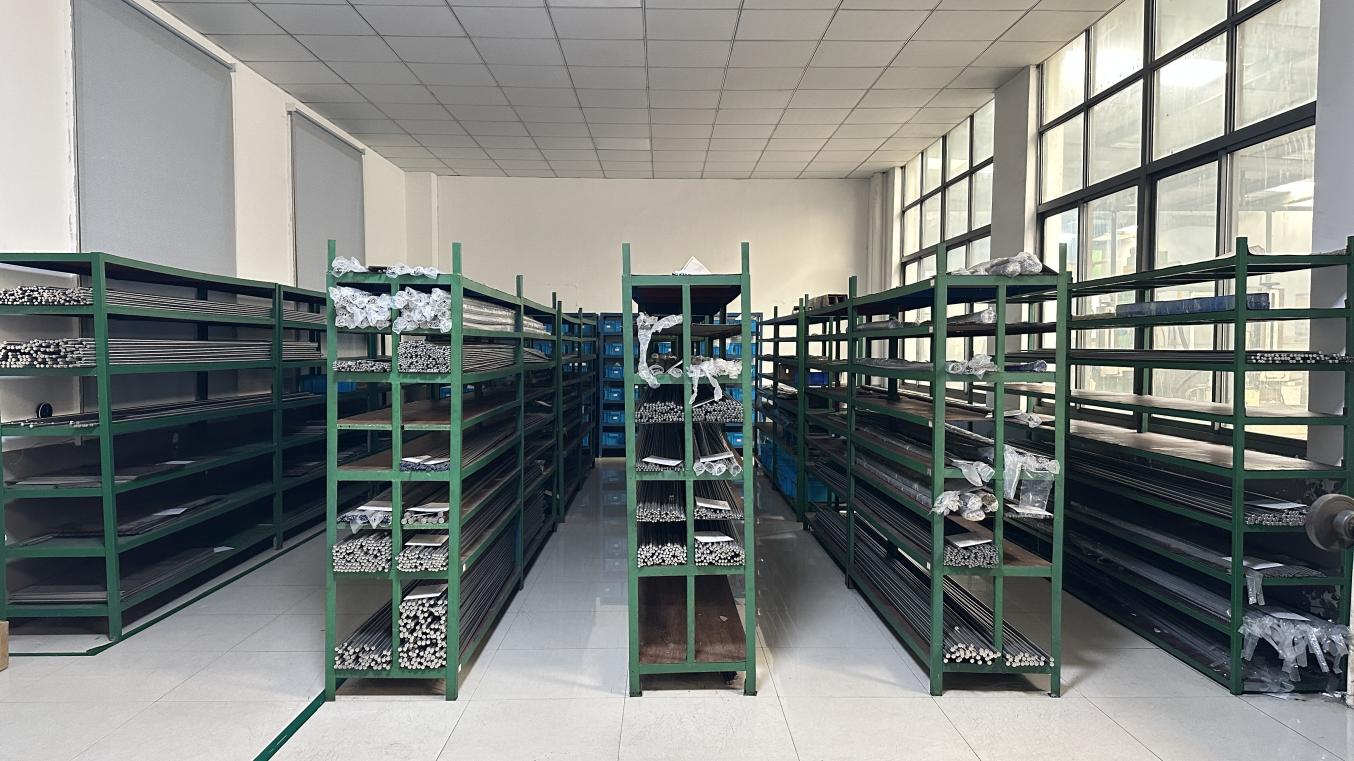
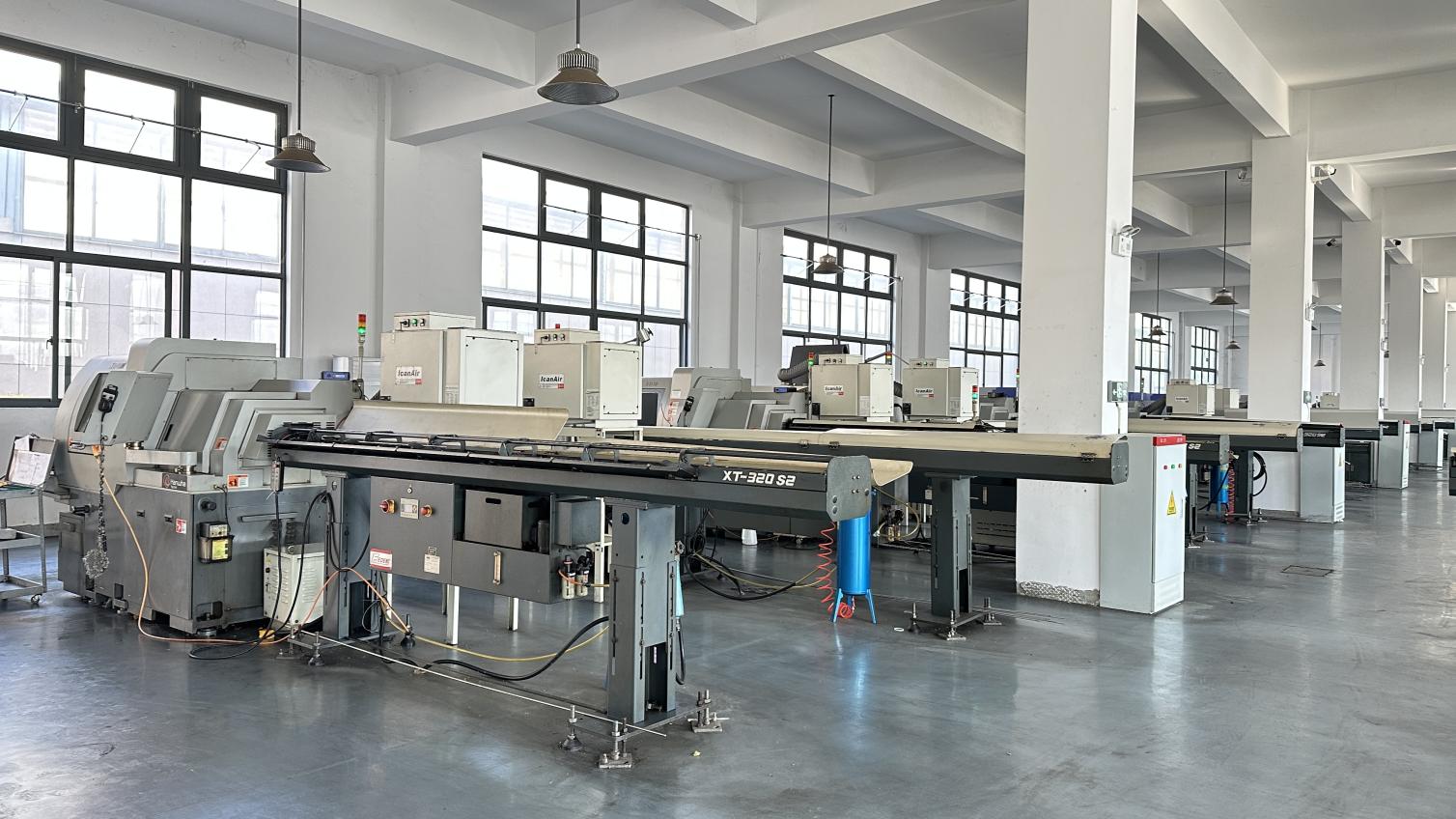
I. Machining & Production Flow

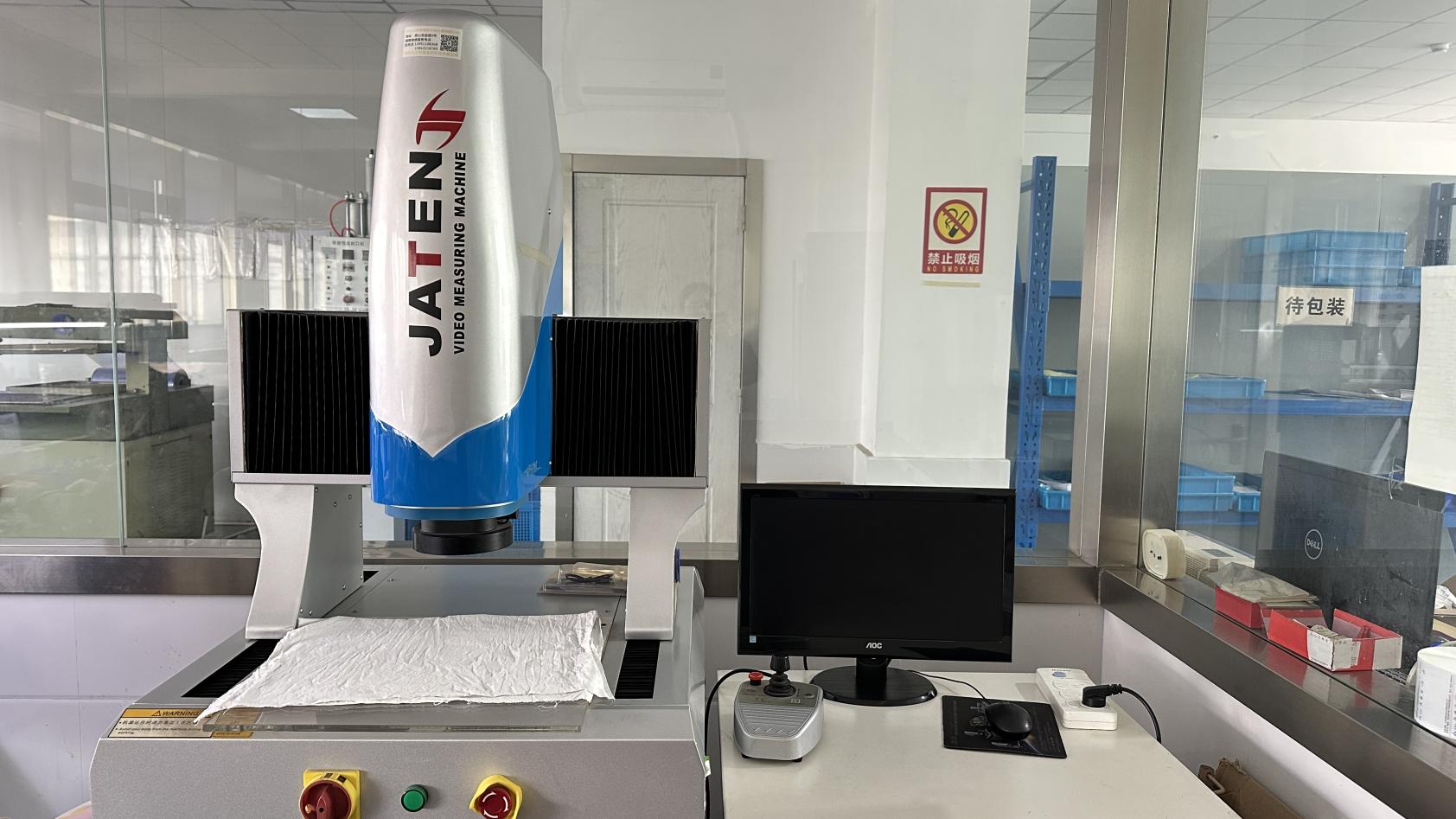
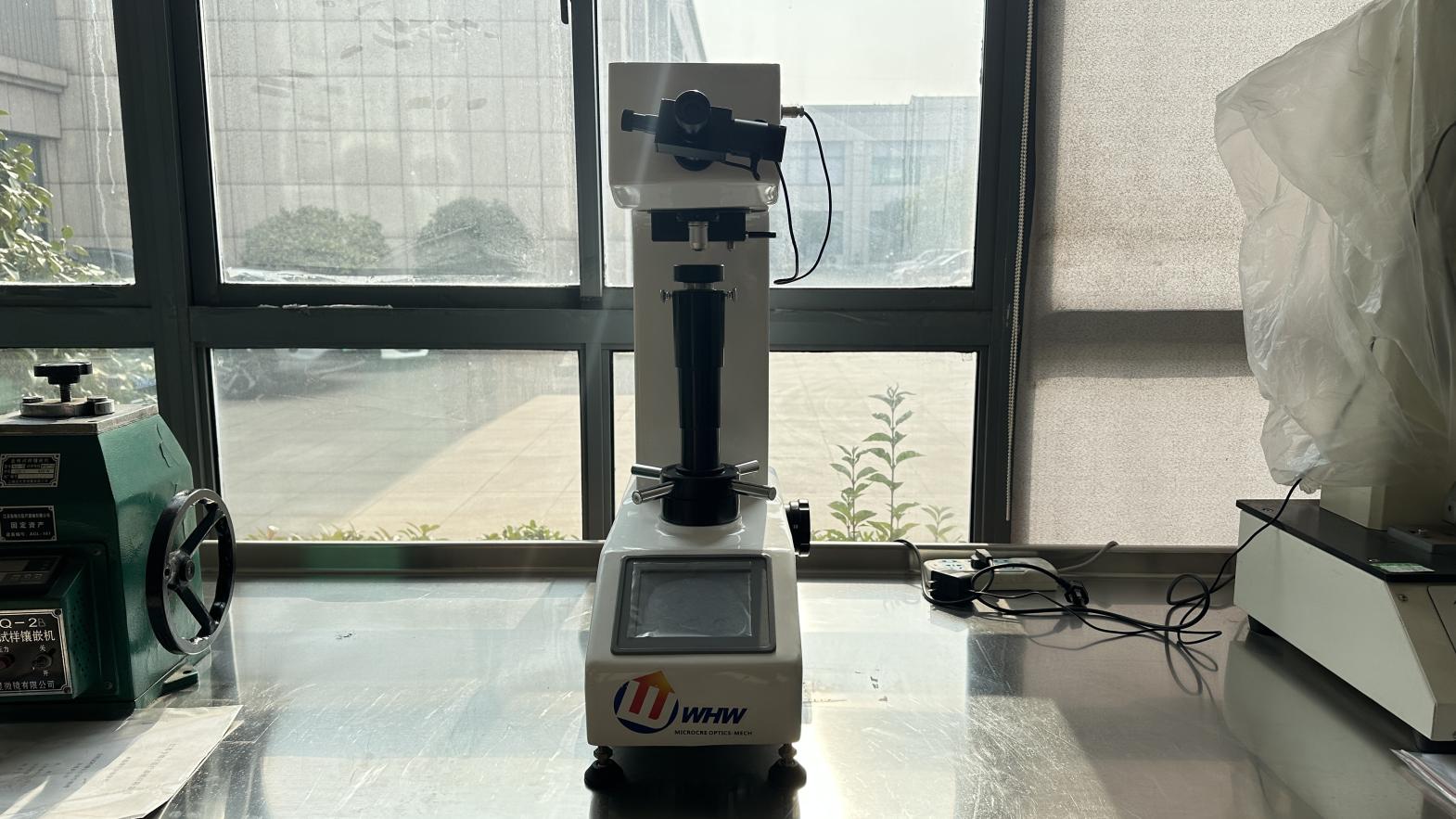
II. Engineering Lab & Inspection Systems

5. Technical Evolution in Trauma Fixation

The orthopedic trauma sector is shifting toward anatomical plate geometries and low-profile designs that minimize soft-tissue irritation. Conventional plating systems required extensive muscle stripping and manual adjustments. Today's locking compression plates are designed using average anatomical databases, reducing the need for intraoperative modification and shortening overall surgery times.

Additionally, surface modification technologies, including anodization, have become standard practice. Anodized surfaces help build a stable titanium oxide layer that increases corrosion resistance and reduces metal ion release, supporting better biological integration with the surrounding tissue.

6. Localized Clinical Applications and Scenarios

Our locking implants are engineered to perform across diverse clinical scenarios:

  • Geriatric Fracture Fixation: The fixed-angle stability of locking screw constructs provides secure fixation in soft or osteoporotic bone, reducing the risk of implant migration or collapse.
  • High-Energy Metaphyseal Trauma: Multi-fragmented fractures require careful bridge plating. Our locking plate designs help surgeons span comminuted zones while maintaining proper axial alignment.
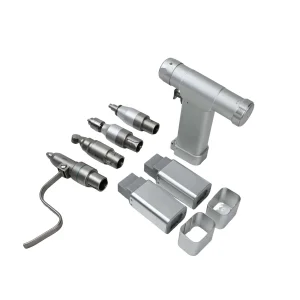
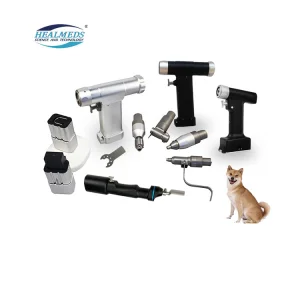
  • Veterinary Traumatology: We design specialized veterinary-grade mini locking systems and AO-compatible instrumentation to support precise anatomical reconstruction in companion animals and equine cases.

💬 Deep B2B Sourcing FAQ

Detailed answers regarding technical specifications, ordering procedures, and regulatory compliance for global buyers.

What raw material grades are used in your femoral locking plates?
We use Grade 5 titanium alloy (Ti6Al4V ELI) conforming to the ASTM F136 and ISO 5832-3 specifications. For specific trauma product lines, we also offer medical-grade 316L stainless steel (ISO 5832-1) based on regional surgical preferences.
How does Medisplint ensure dimensional consistency across batches?
Our CNC centers run automated tool-path configurations that control machining tolerances within a +/- 0.01mm margin. Every batch is evaluated with 2D coordinate-measuring systems, optical comparators, and automated thread gauges before moving to the cleaning stage.
Can you provide the documents required for regional regulatory registration?
Yes. We regularly supply distributors and importers with comprehensive regulatory support files. This includes ISO 13485 certifications, CE compliance declarations, raw material mill test reports, and sterilization validation documents.
What are your typical OEM/ODM product development timelines?
Once design requirements are confirmed, our engineering department can produce CAD models within 5 working days. Physical prototypes are typically manufactured and ready for mechanical verification testing within 3 to 4 weeks.
How are the implants packaged and sterilized?
We offer our implants in both sterile and non-sterile packaging. Sterile products are packed in medical-grade Tyvek pouches under Class 10,000 cleanroom conditions and sterilized via EO or Gamma irradiation. Non-sterile products are supplied in protective, batch-labeled packaging intended for autoclave sterilization at the hospital level.