Medisplint
Medisplint
Medisplint
High-performance cervical and pedicle fixation implants optimized for Saudi Arabian surgical centers
A comparative overview of market growth, clinical demand vectors, and supply chain paradigms
The Kingdom of Saudi Arabia (KSA) is undergoing an unprecedented modernization of its healthcare infrastructure under the steering of Saudi Vision 2030. With the progressive privatization of healthcare systems and centralized procurement overseen by NUPCO (National Unified Procurement Company), Saudi hospitals demand high-specification spine instrumentation. The local market for spinal implants is driven by two main factors:
For international supply networks, adhering to the Saudi Food and Drug Authority (SFDA) registration criteria is paramount. Success depends on providing medical devices made from high-strength bio-alloys that guarantee postoperative stability and minimize revision rates.
Advanced Facility Area
Medical Quality Certified
Annual Export Value
R&D Engineers
Global procurement specialists are shifting away from high-priced legacy brands. Instead, they are choosing manufacturers that offer direct sourcing with equal or better mechanical performance, complete traceability, and reliable production capacity.
Advanced surgical centers are adopting Minimally Invasive Spine Surgery (MISS) systems. These techniques preserve paraspinal musculature, reduce intraoperative blood loss, and shorten recovery times.
Biomedical titanium alloys (Grade 5 ELI, ASTM F136) remain the gold standard due to their outstanding osseointegration, fatigue resistance, and modulus of elasticity close to human cortical bone.
Saudi distributors and hospital groups need secure supply chains. They require direct-from-factory partners who can prevent clinical inventory shortages and offer flexible OEM/ODM options.
Over a decade of clinical-grade manufacturing, driving down procurement costs without compromising quality
Founded in 2016, Medisplint Orthopedic Instruments Co., Ltd. has established itself as an innovative manufacturer of orthopedic implants, fixation systems, and specialized instruments for trauma, joint, and spinal surgeries. Our modern facility covers 18,500 square meters, hosting advanced CNC machining lines, cleanroom packaging systems, and extensive testing laboratories.
To achieve high fatigue limit thresholds and precise dimensional tolerances on complex surgical screws, we use a fully integrated, closed-loop production workflow. Every stage is monitored by our team of 42 dedicated quality inspectors.
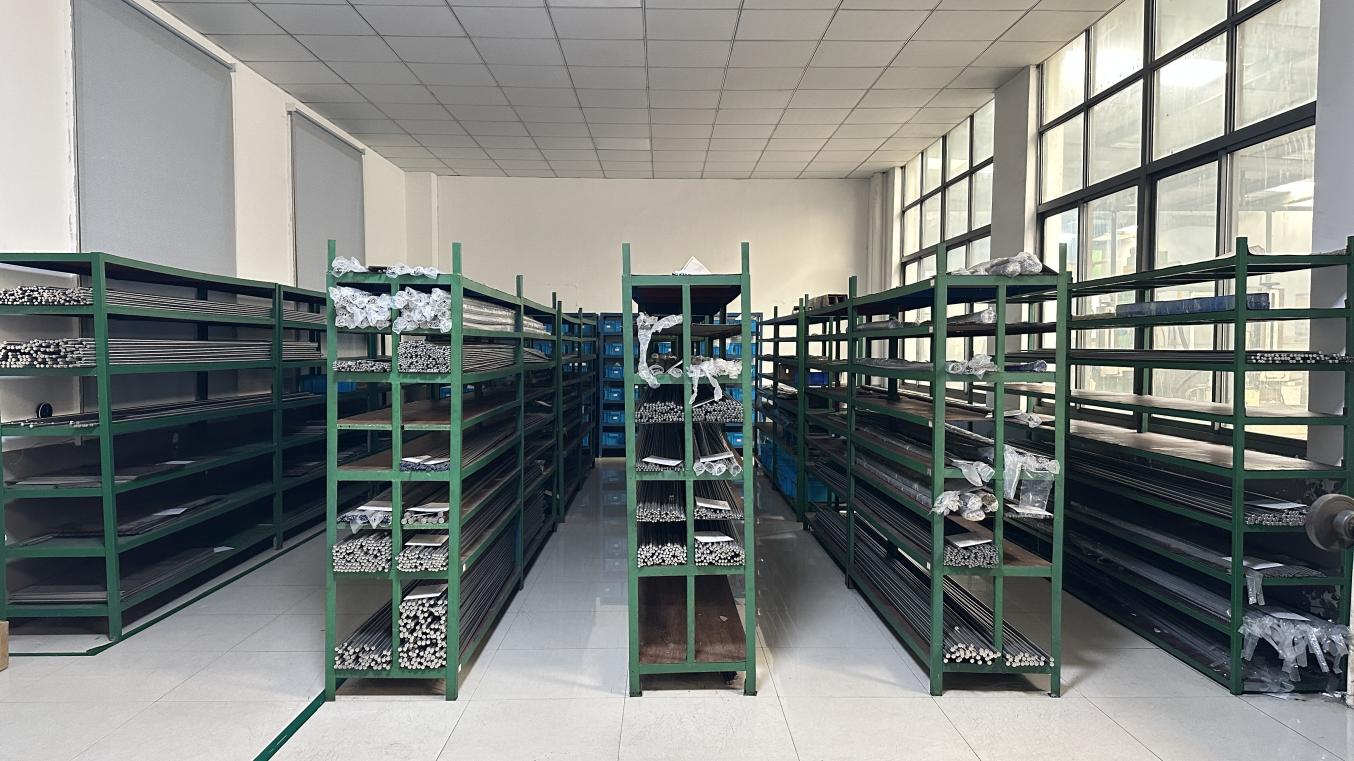
Raw Materials
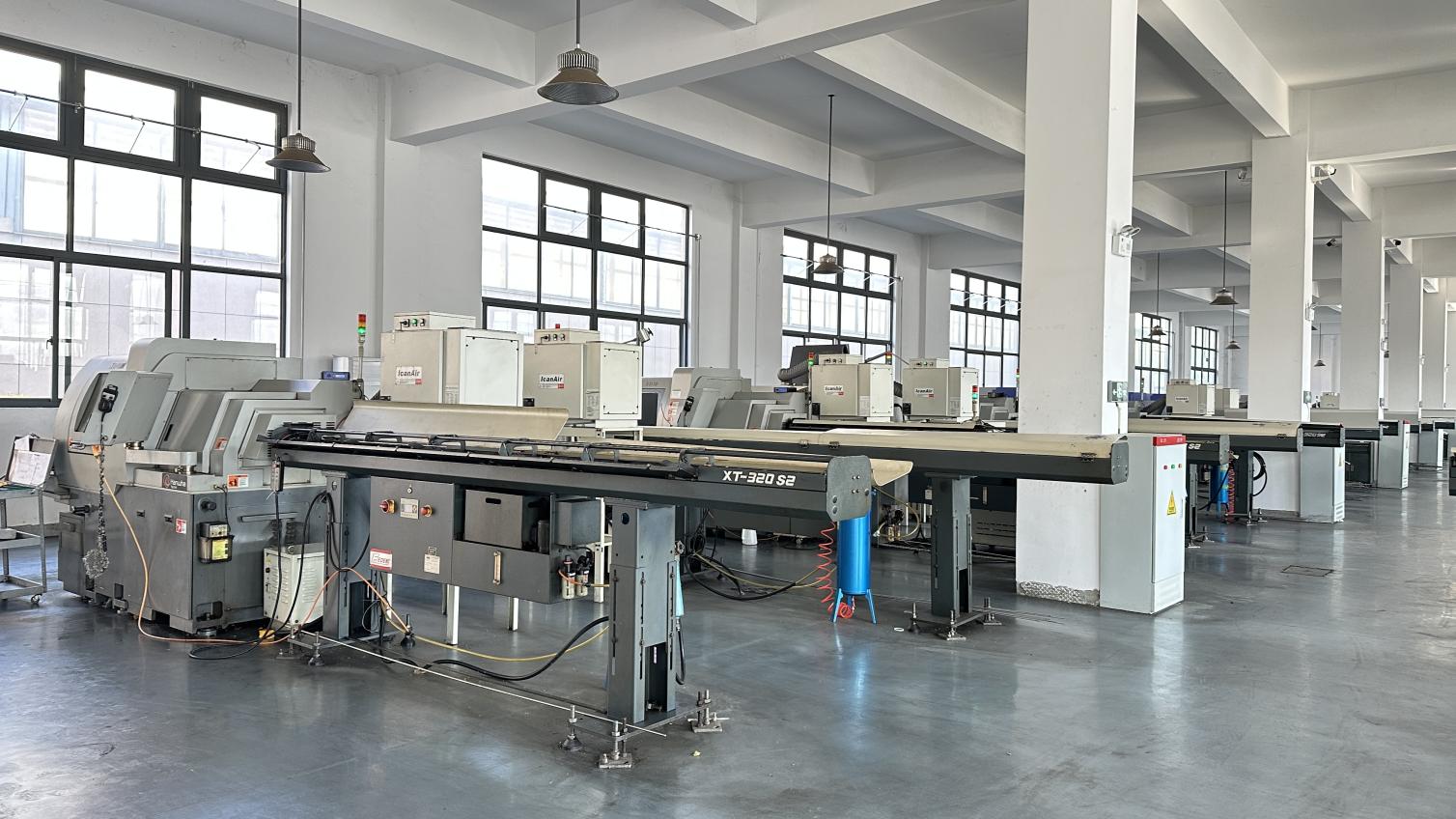
Slitting
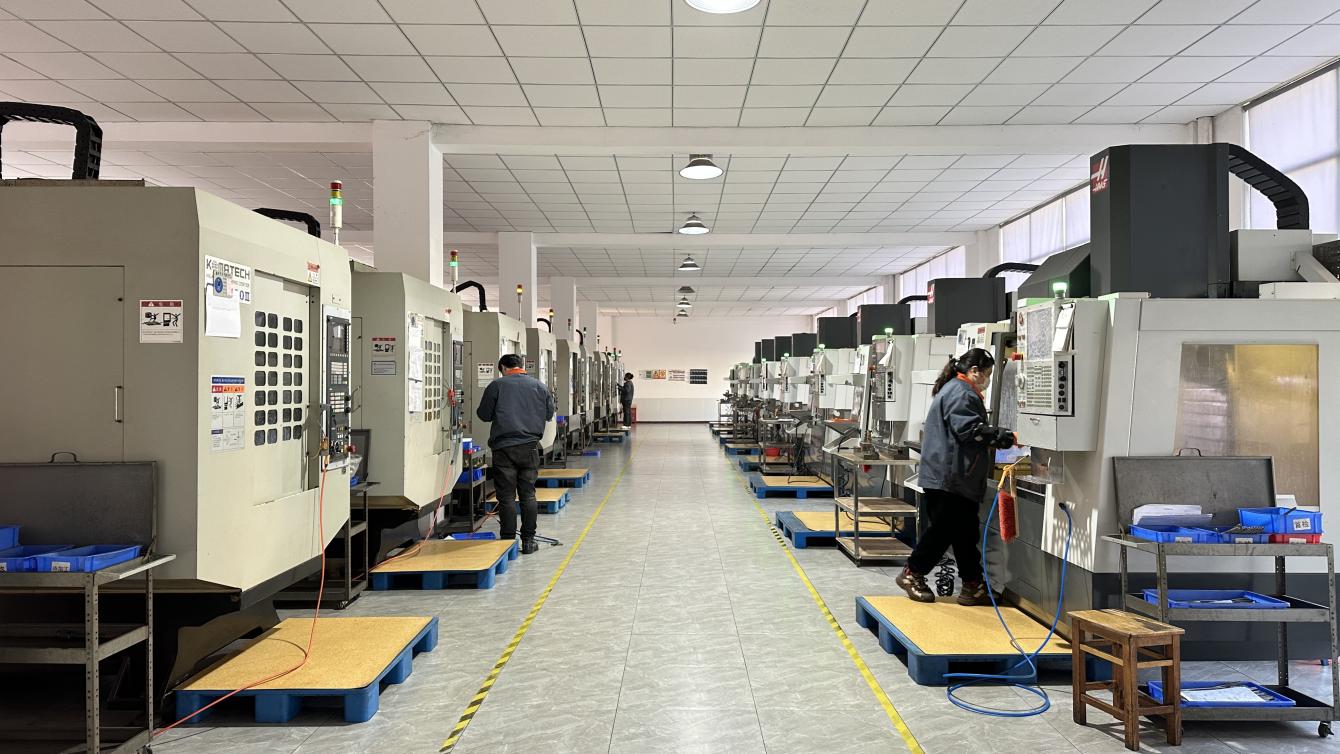
CNC Machining
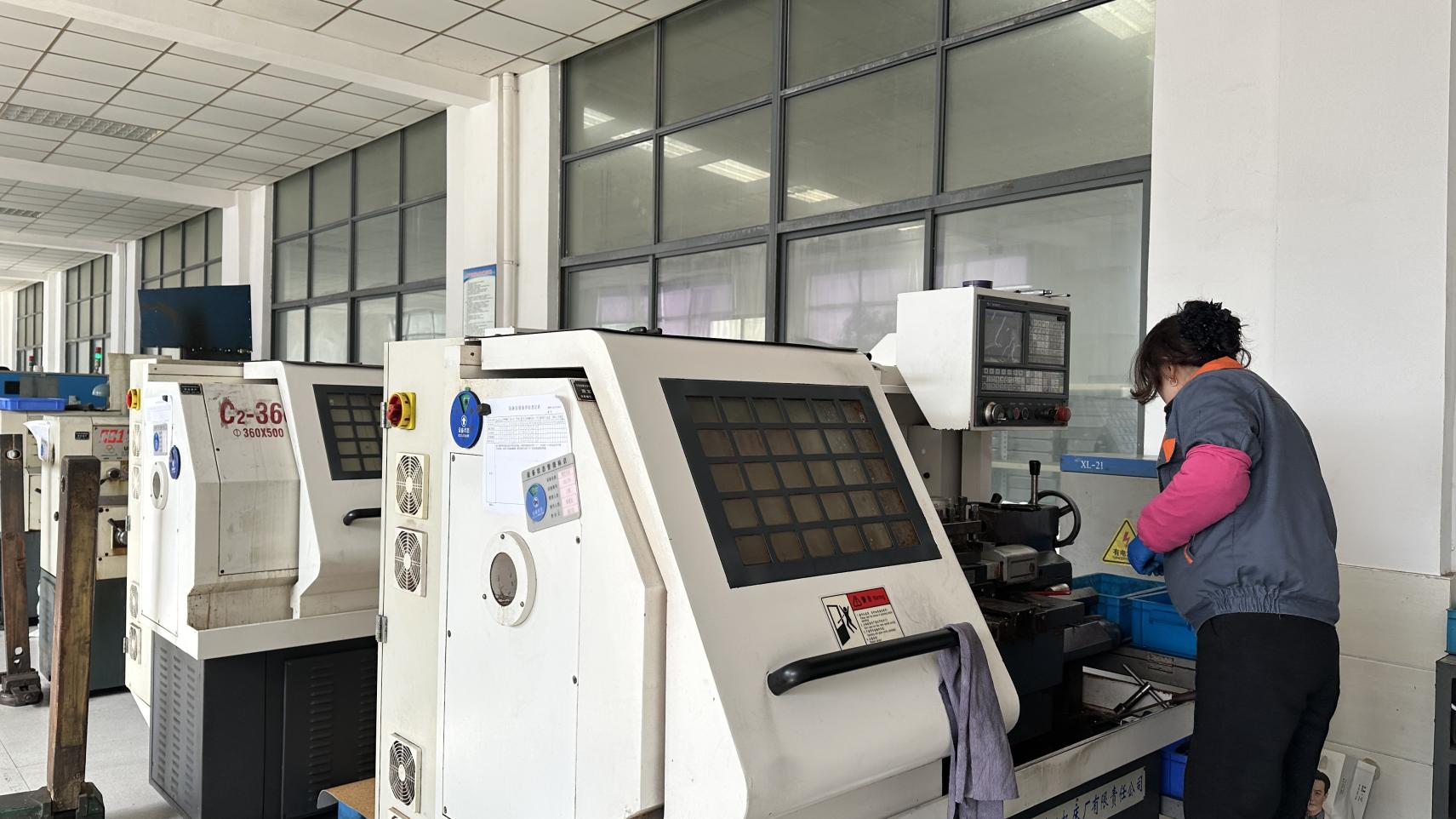
Machining
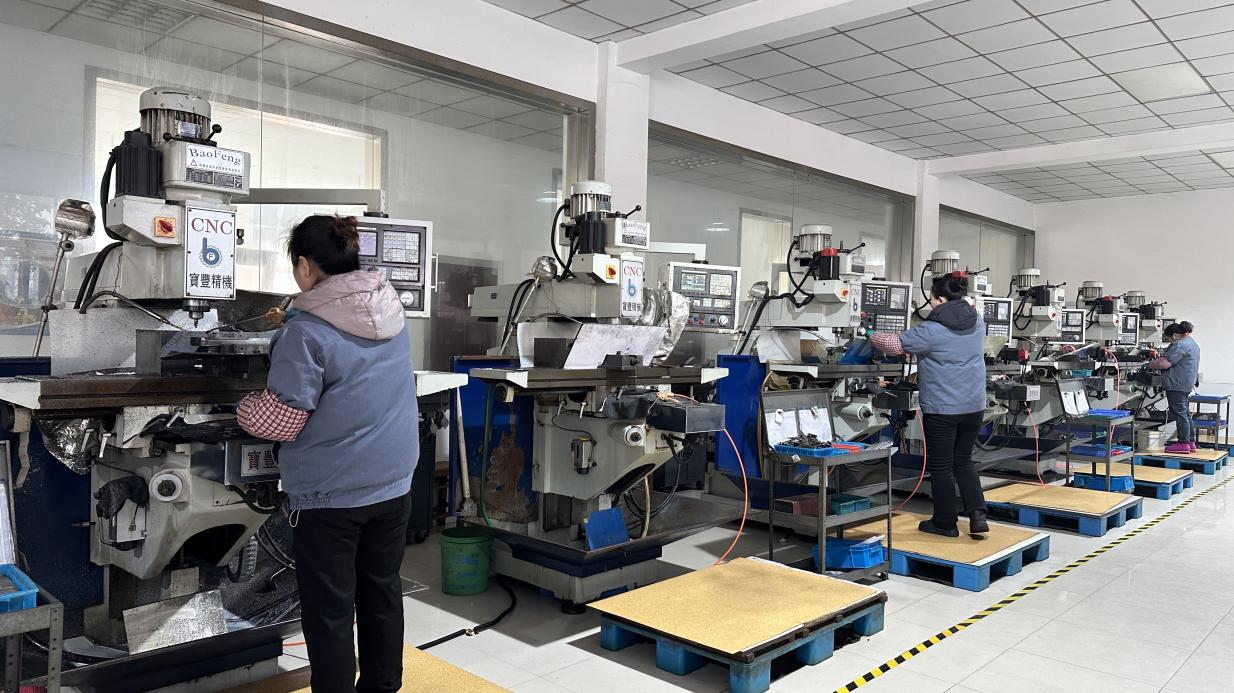
Milling
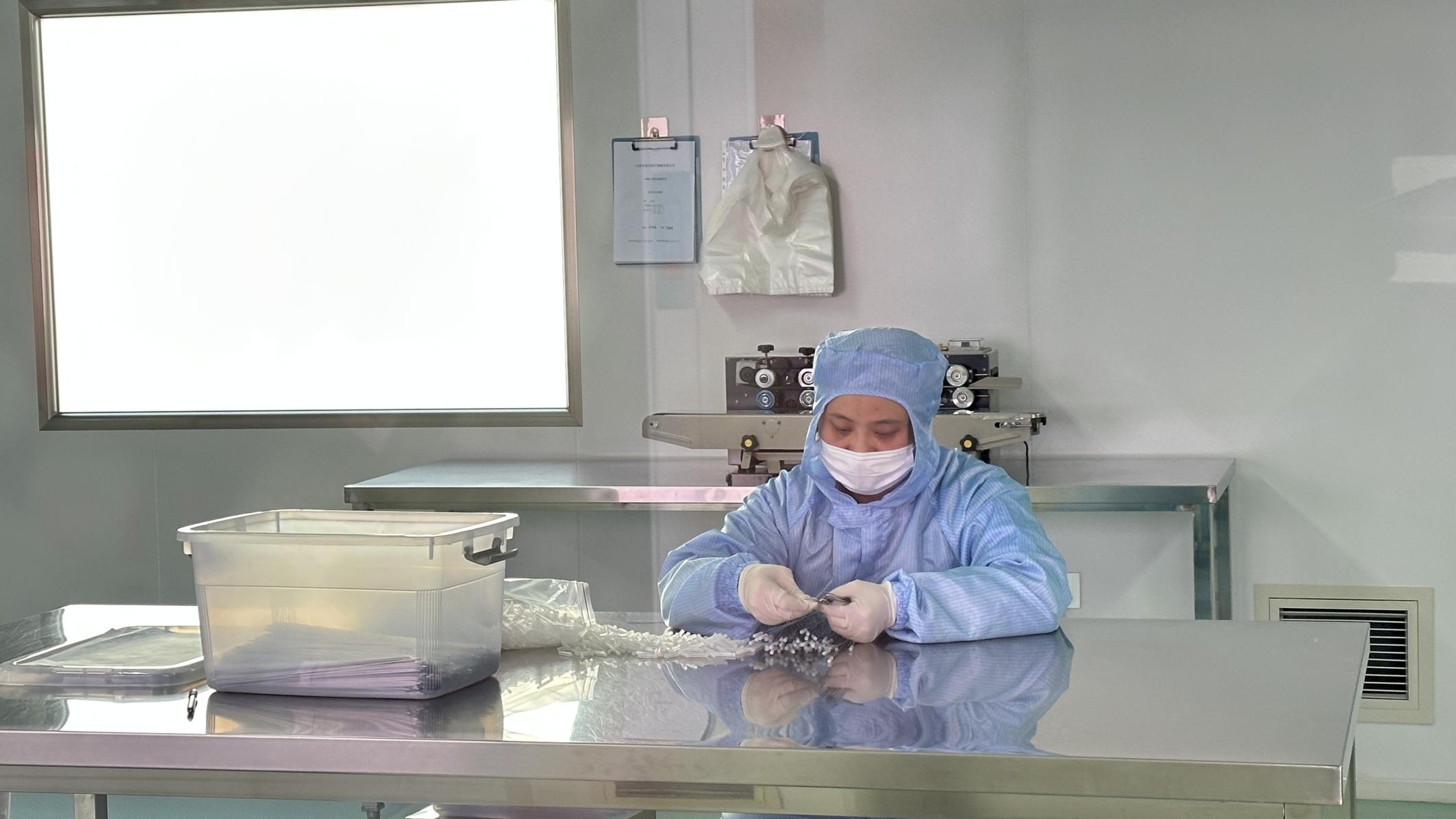
Inspection & Packing
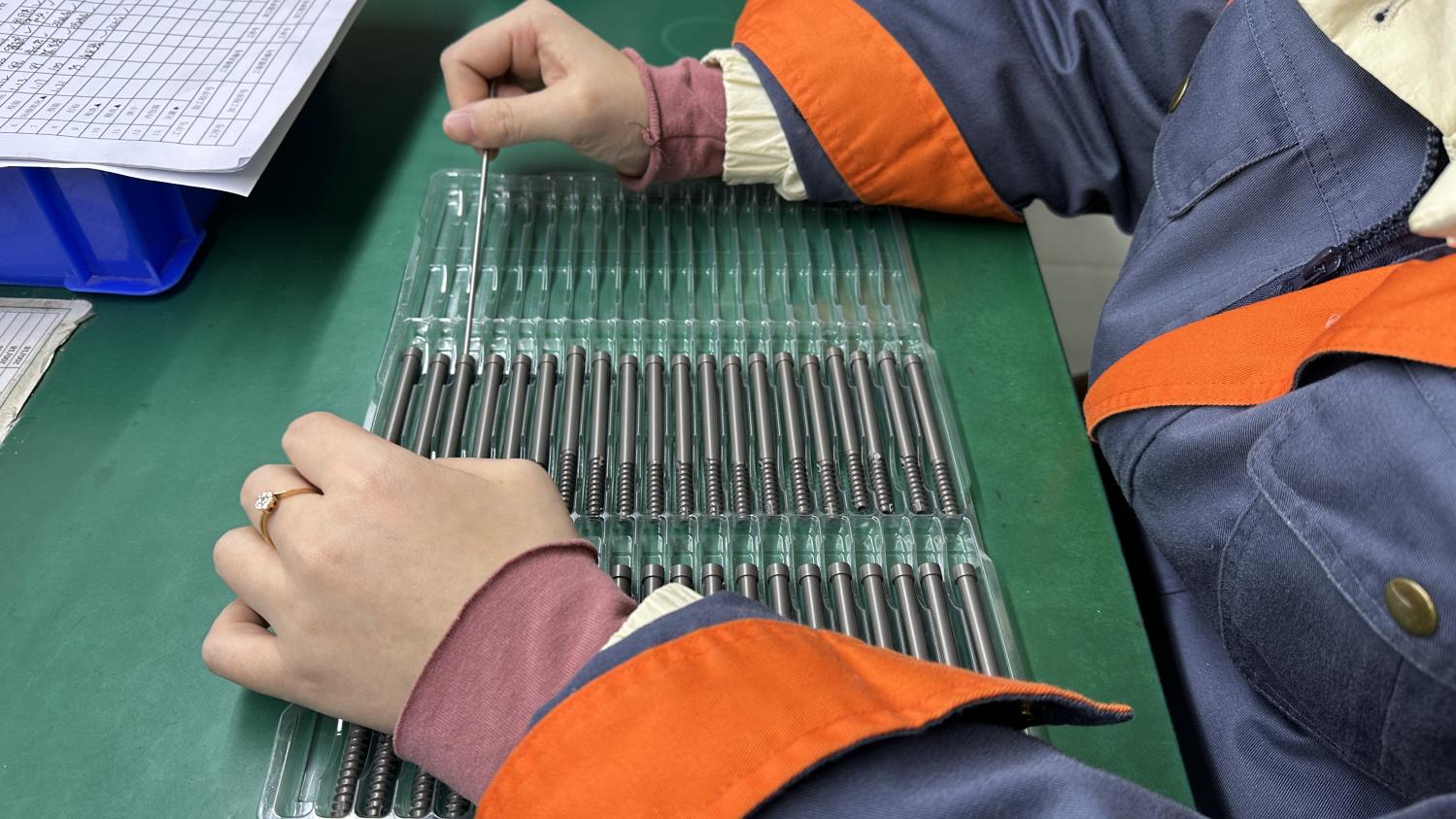
Inspection & Packing
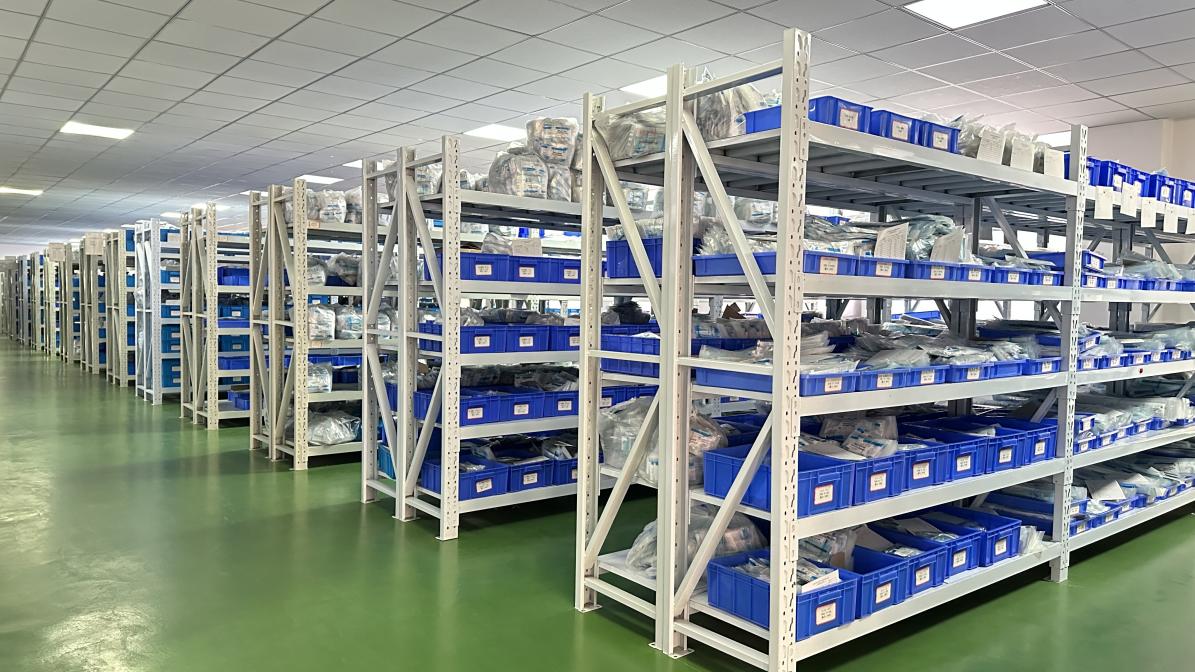
Warehouse
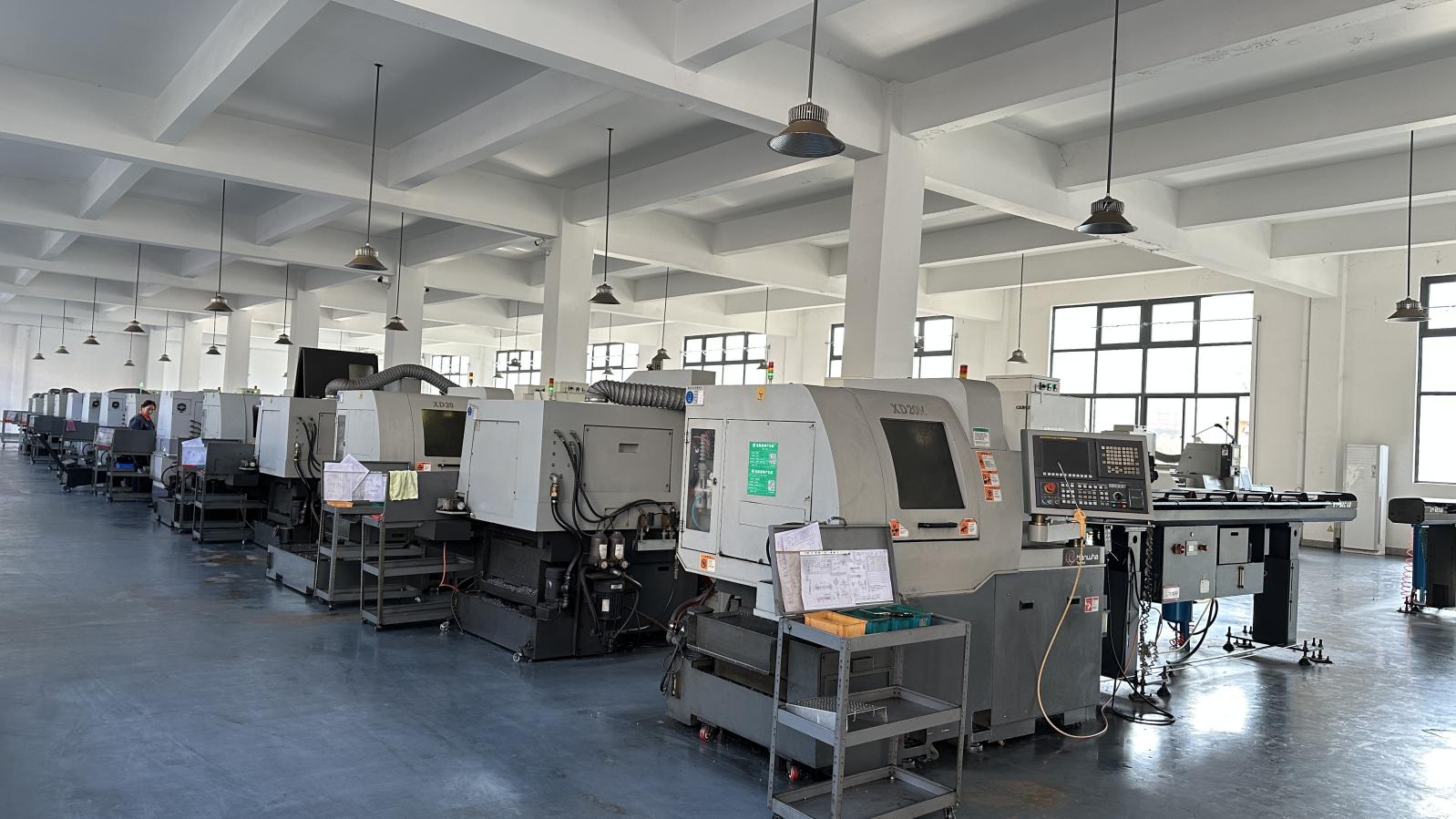
Slitting Machine
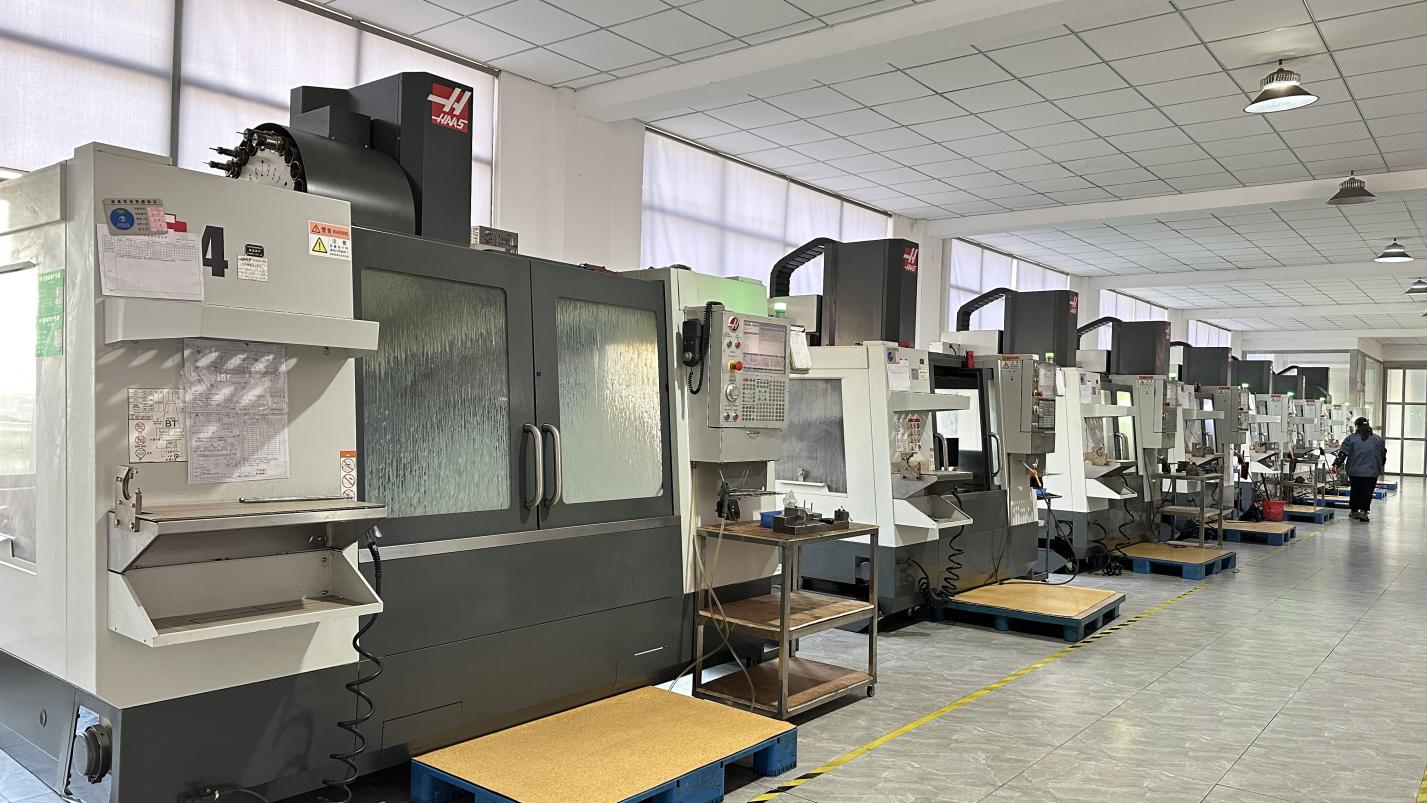
CNC Machining Center
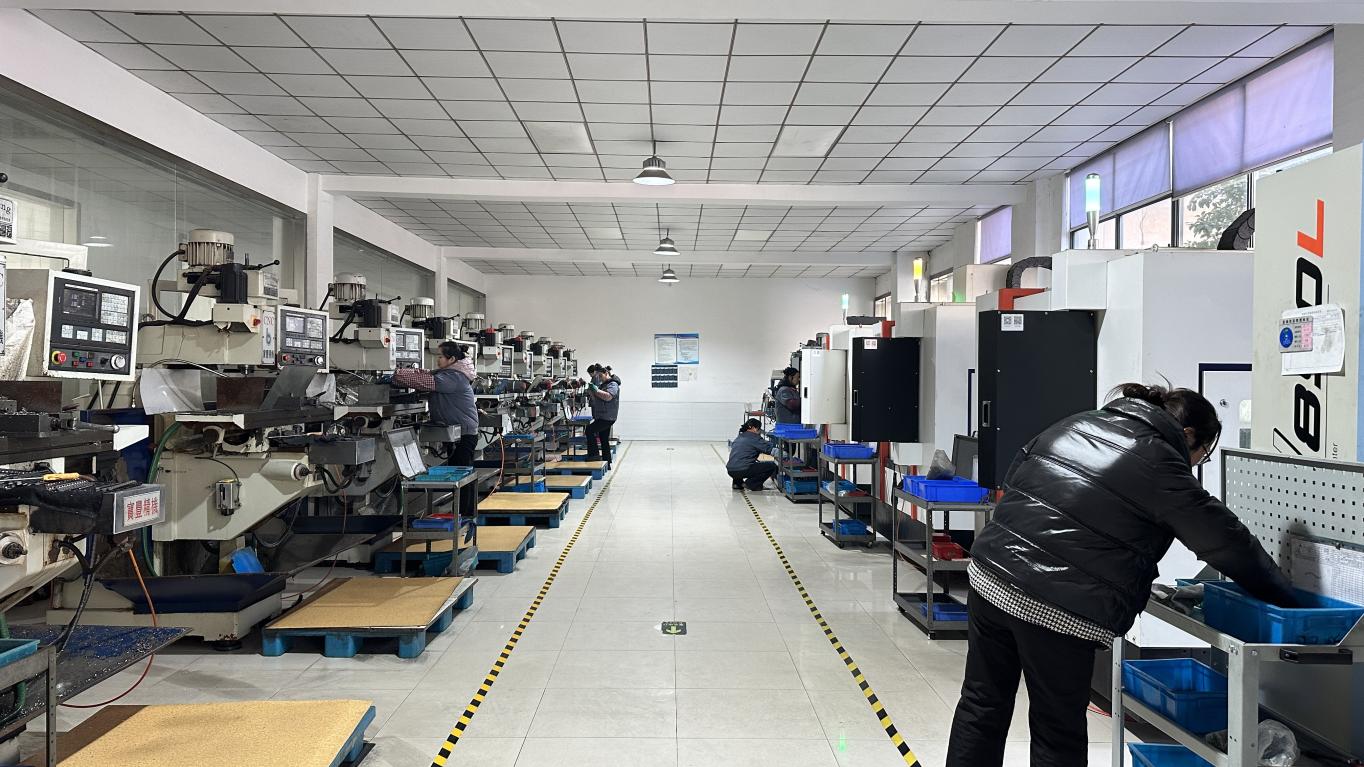
CNC Milling Machine
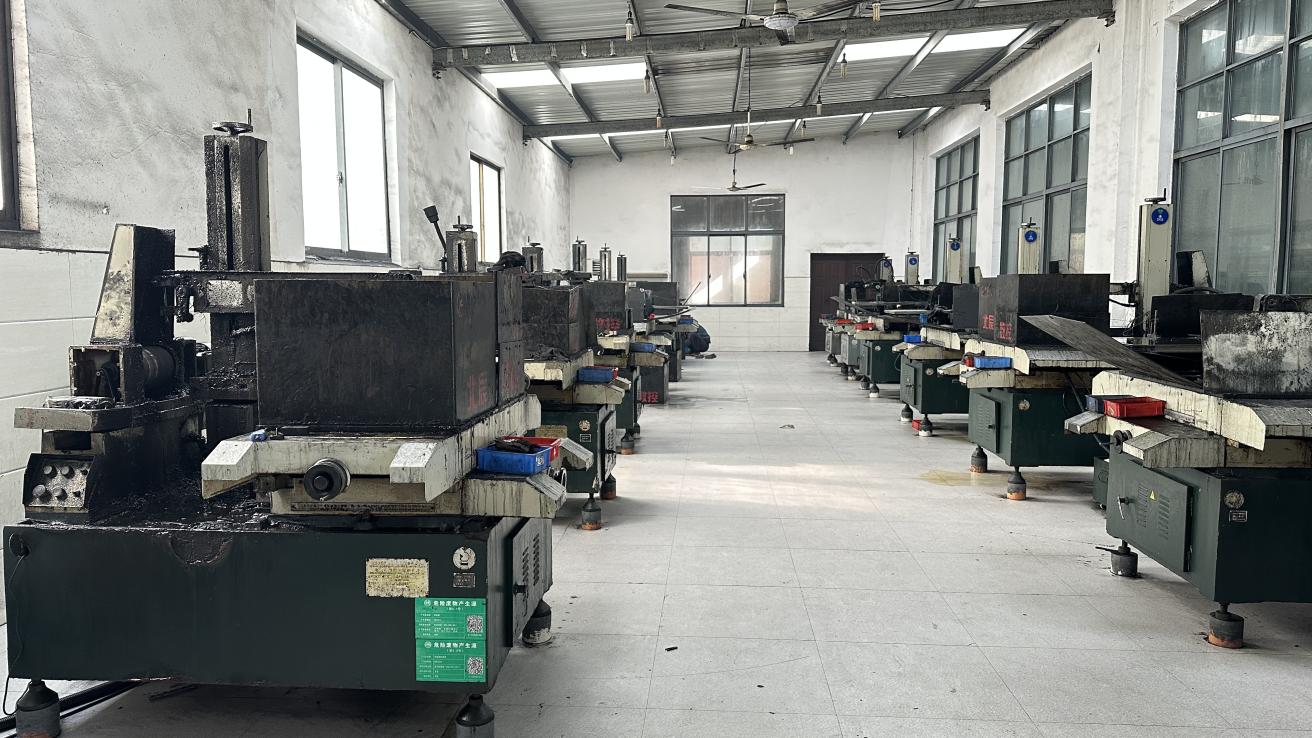
Wire Cutting Machine
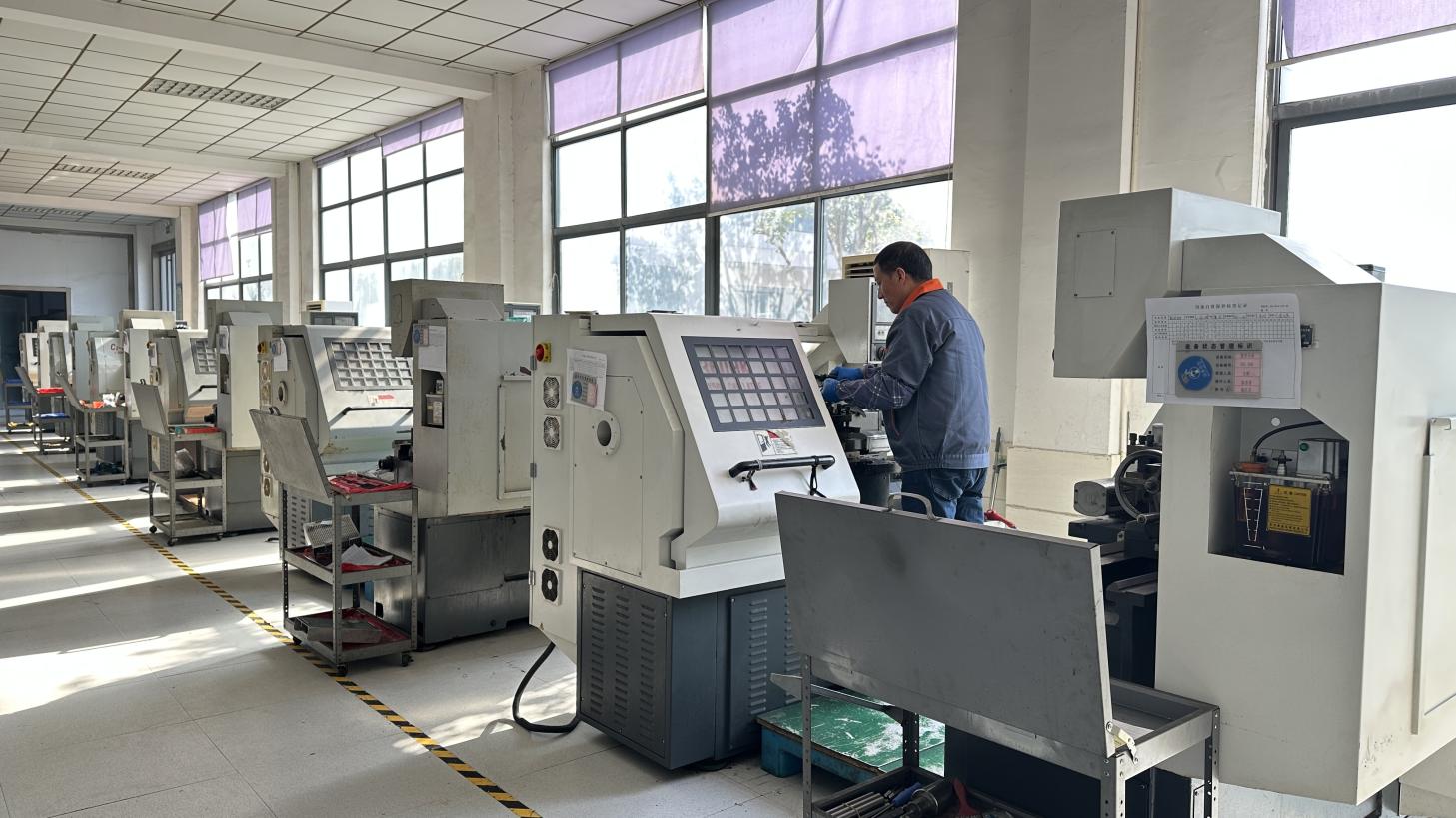
CNC Lathe
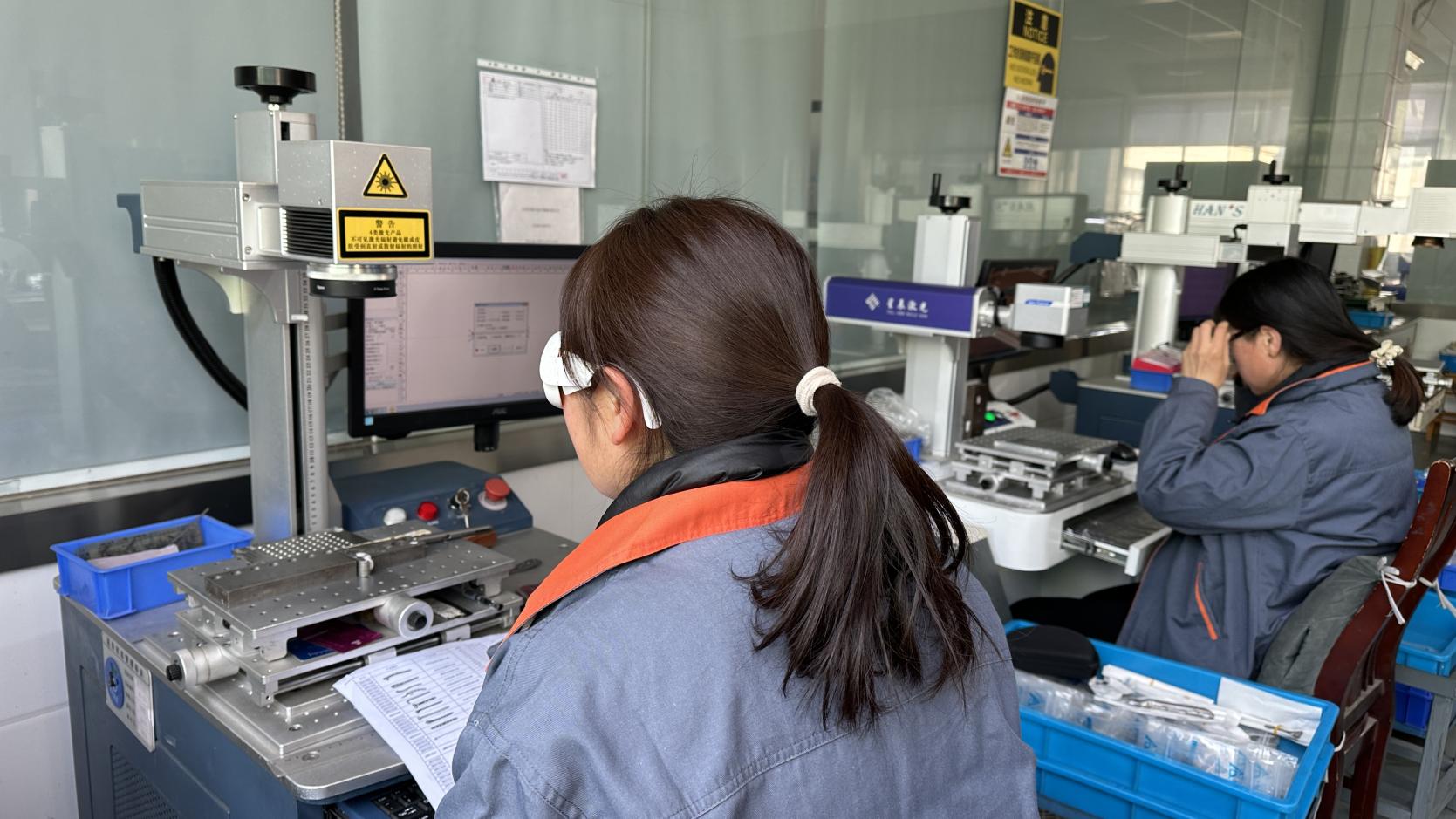
Laser Marking
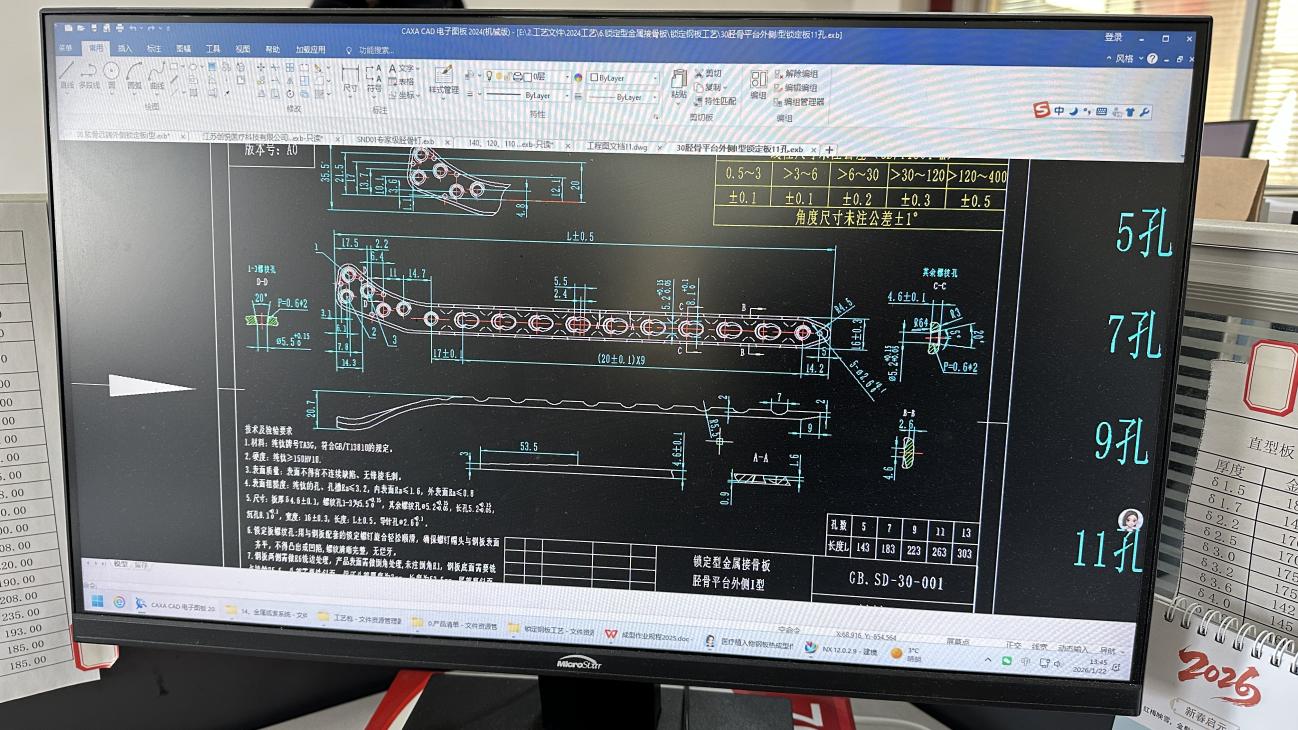
Design

Lab Testing
The Chinese orthopedic supply chain offers substantial cost and technical advantages for international partners. Medisplint leverages these efficiencies to benefit our customers:
Exacting laboratory protocols to ensure implant longevity, load-bearing safety, and biological stability
Spinal implants are subject to repetitive cyclic loading within the human body. To ensure patient safety, Medisplint enforces testing protocols that meet ASTM and ISO standards (such as ASTM F1717 for spinal implant constructs). Our in-house testing lab evaluates the mechanical limits of every batch before shipment.
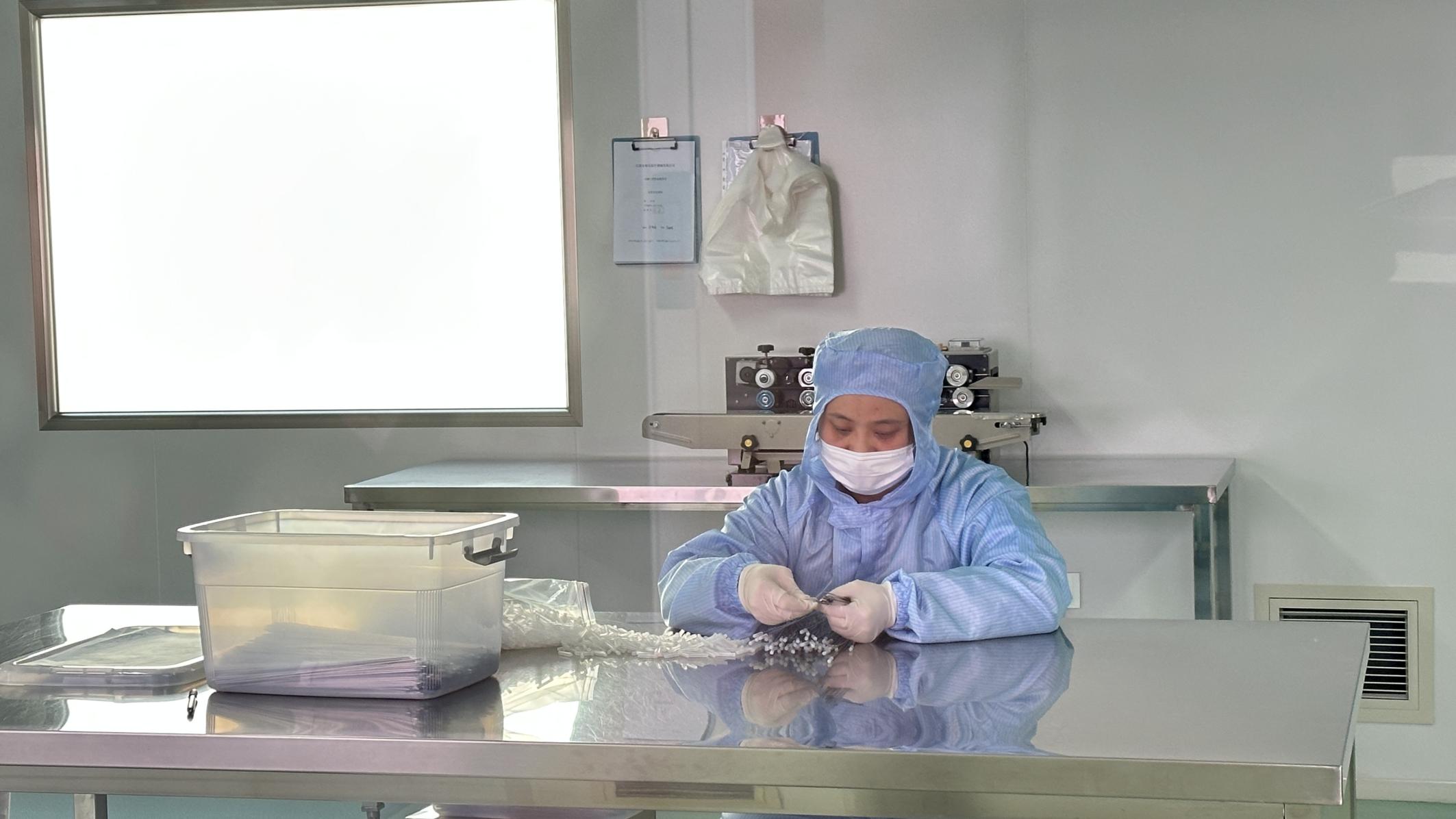
Optical Inspection
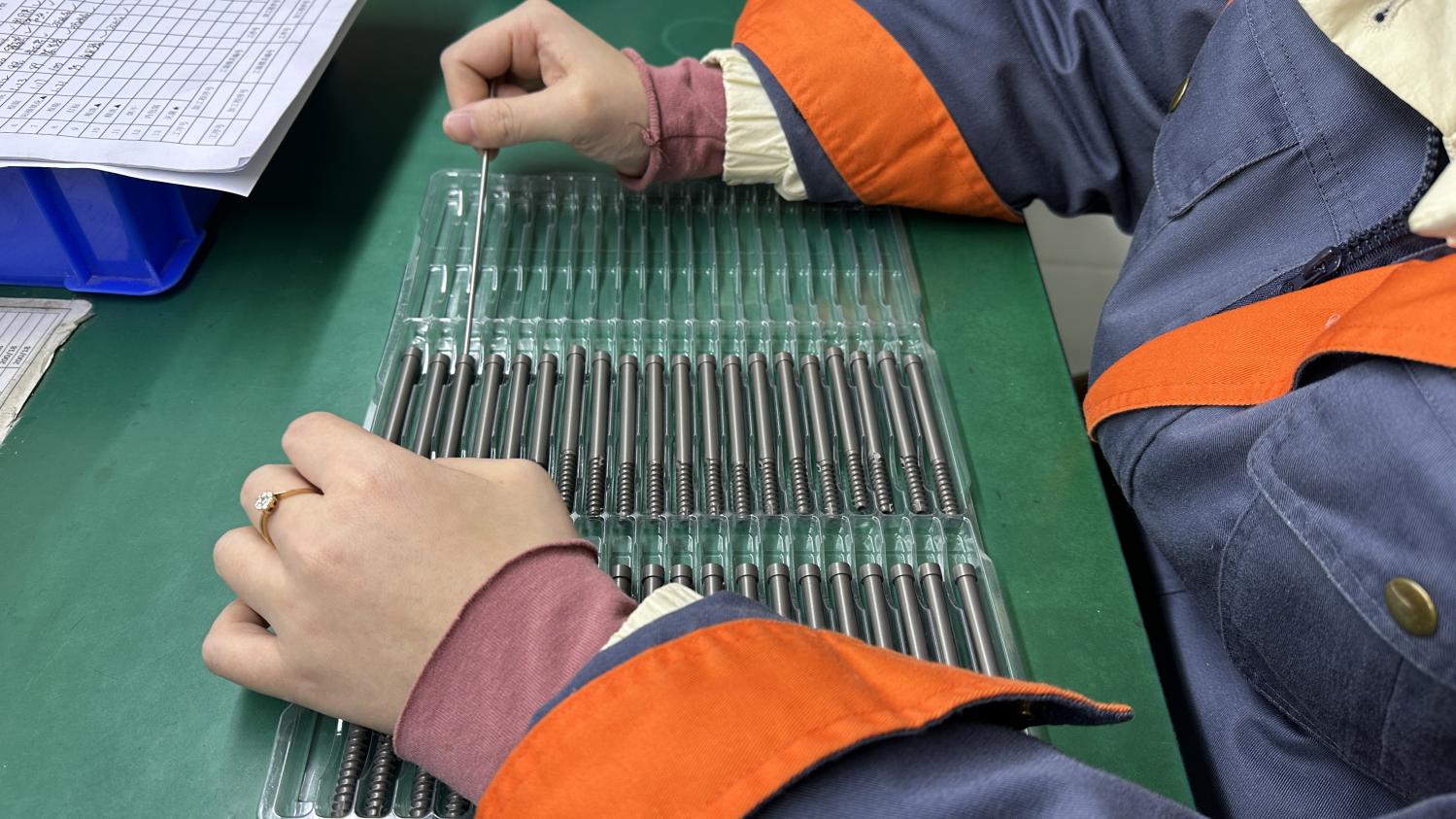
Metrology Control
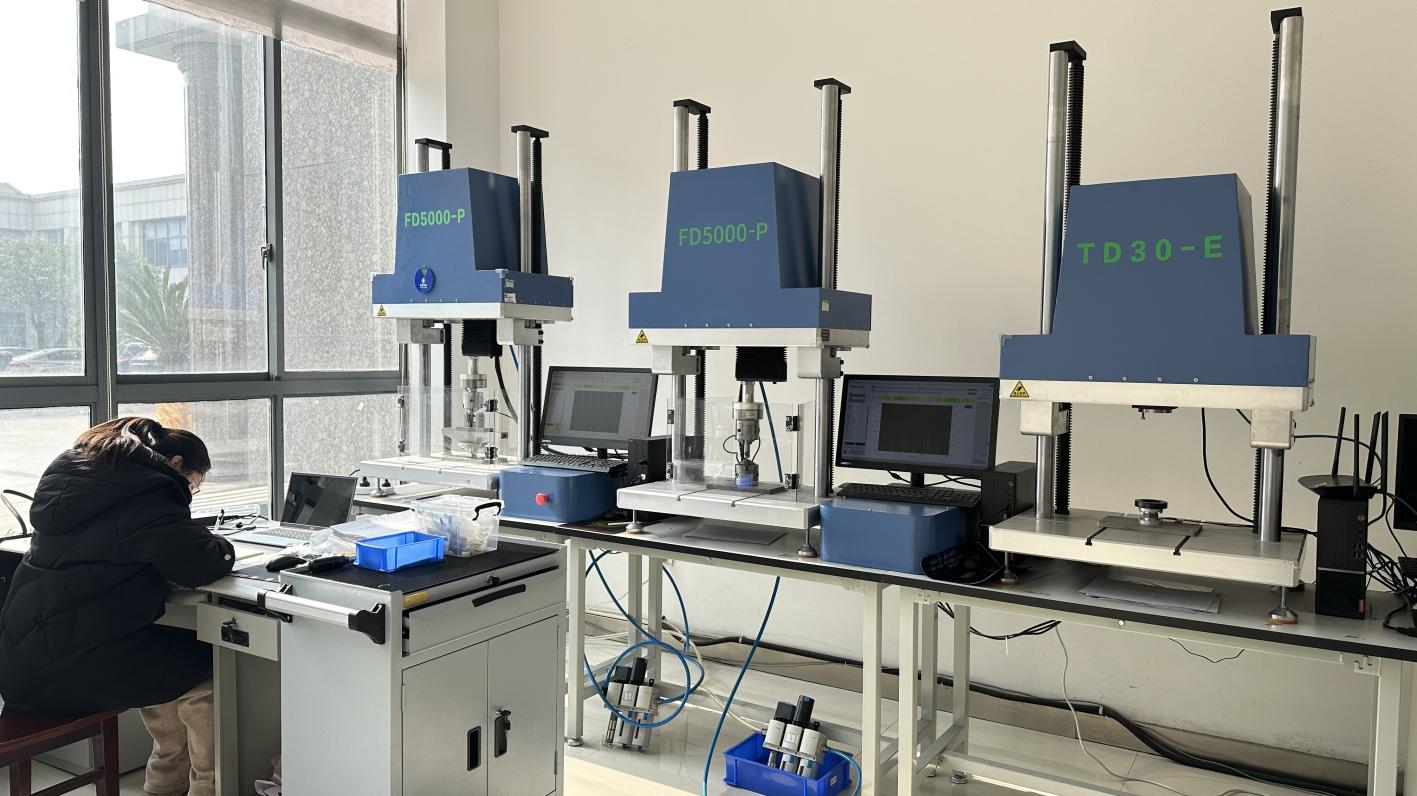
Fatigue Tester
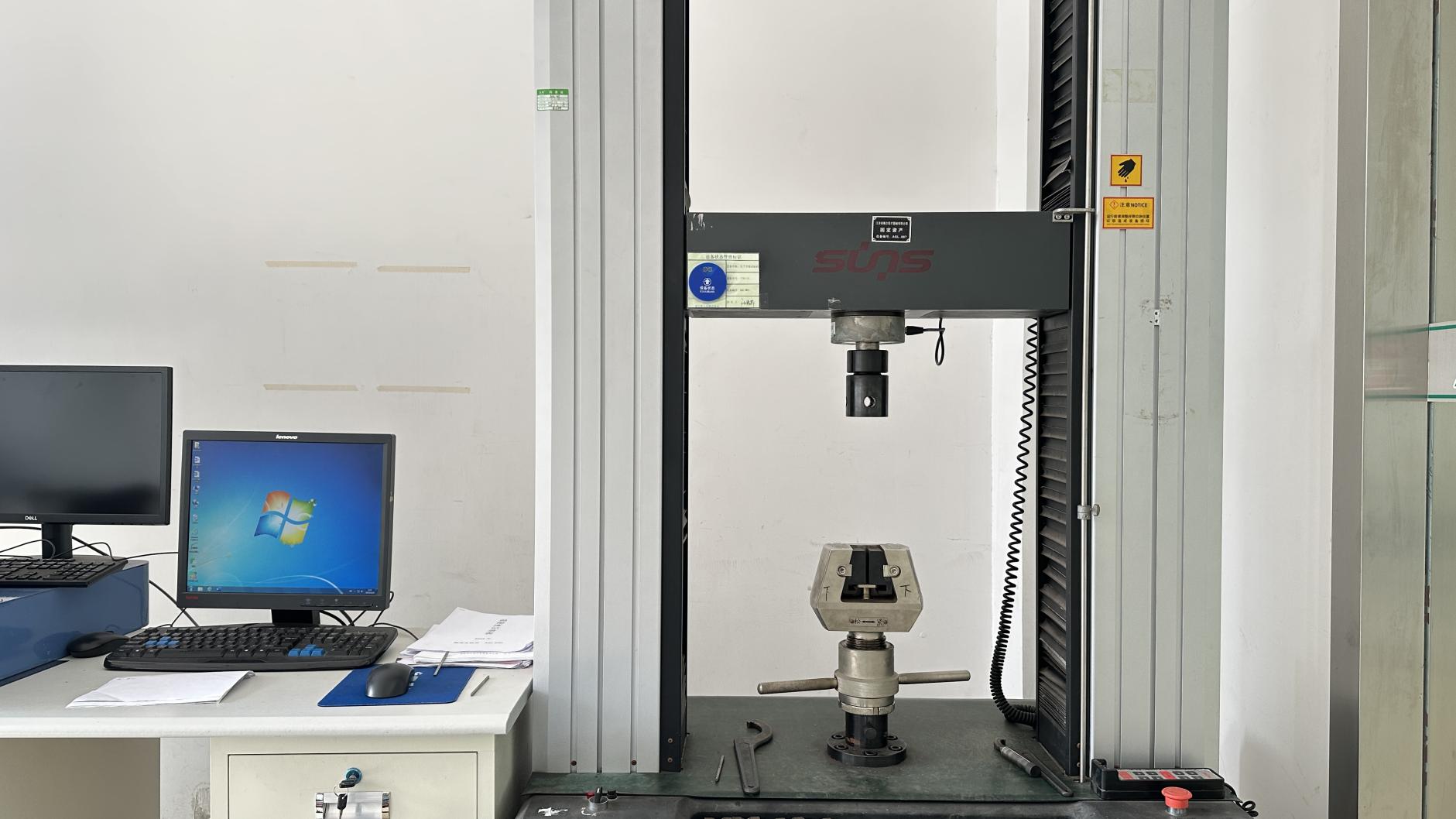
Tensile Tester
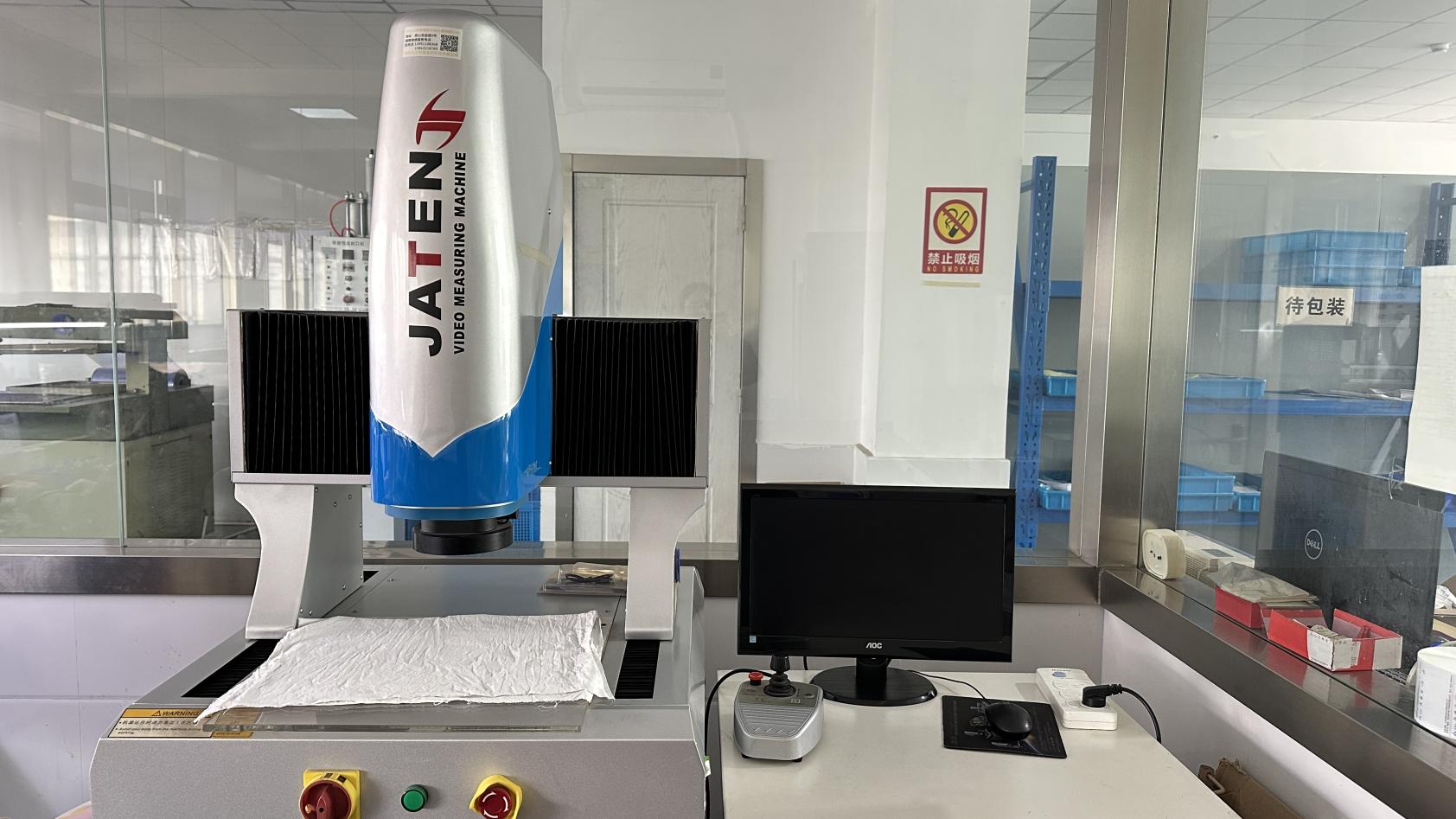
2D Measuring Instrument
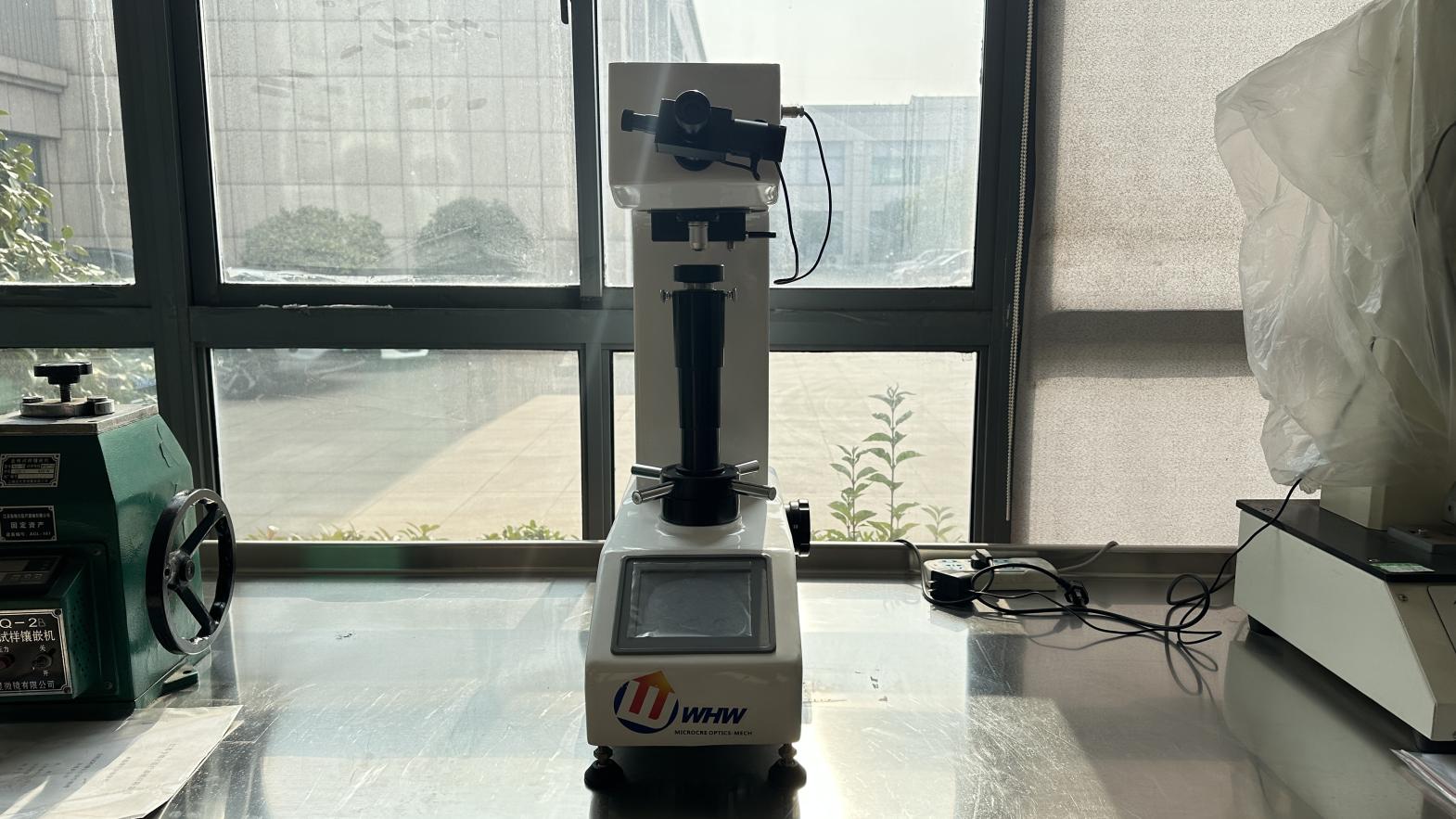
Hardness Tester
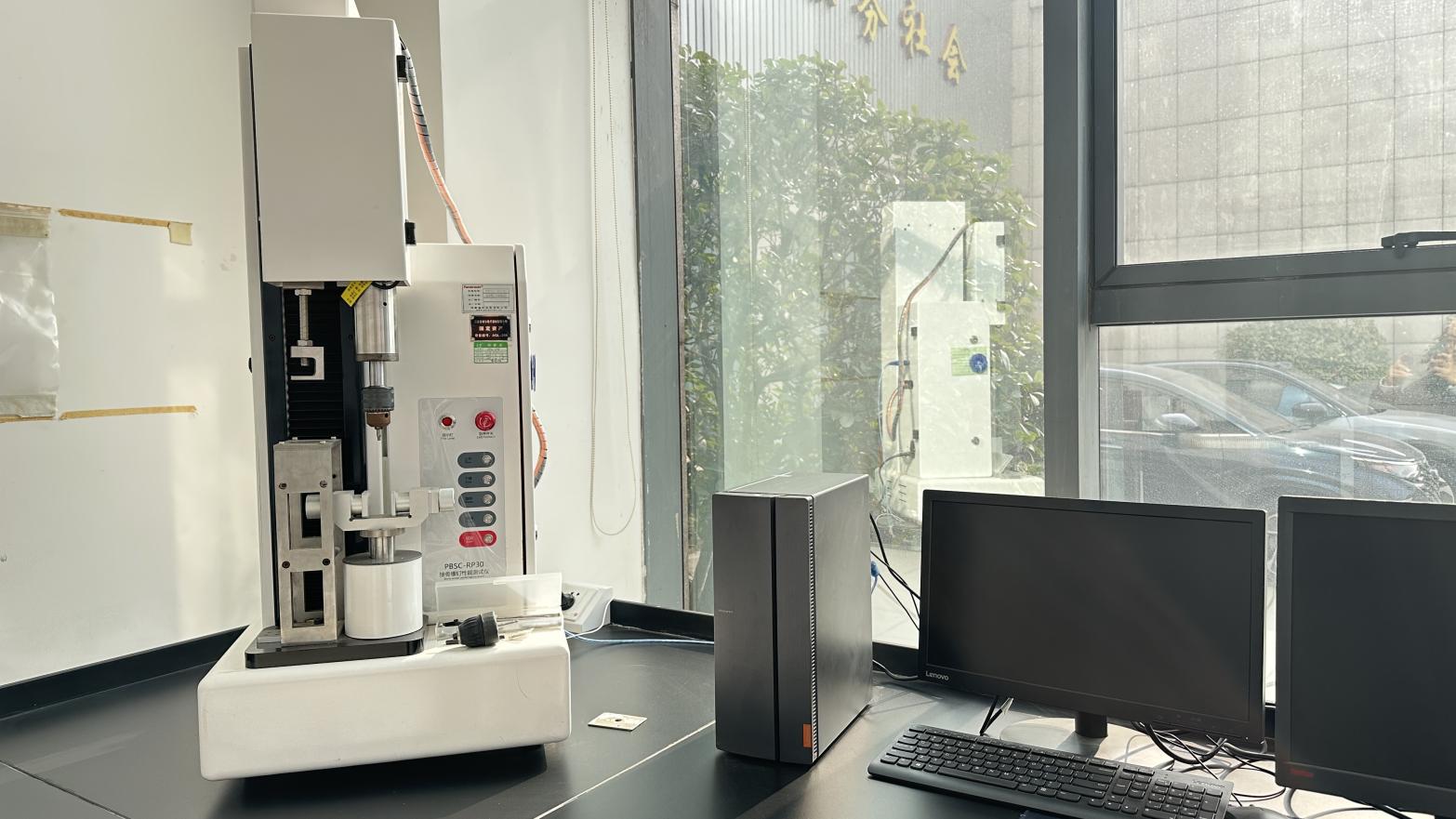
Bone Screw Performance Tester
| Evaluation Parameter | Applicable Standards | Test Objective | Clinical Relevance |
|---|---|---|---|
| Static Compression & Bending | ASTM F1717 / F2193 | Determines yield load, ultimate displacement, and bending stiffness. | Prevents implant deformation during high postoperative structural loads. |
| Dynamic Fatigue Endurance | ASTM F1717 | Evaluates construct integrity over 5 million cycles at 5Hz frequency. | Protects against long-term fatigue fracture before solid fusion occurs. |
| Screw Torsional Properties | ASTM F543 | Measures torsional yield strength and insertion torque. | Prevents screw head shear during insertion into dense bone. |
| Pull-Out Resistance | ASTM F543 | Measures force required to extract the screw from polyurethane foam. | Ensures stable anchorage in osteoporotic or compromised bone tissue. |
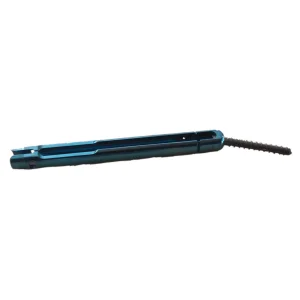
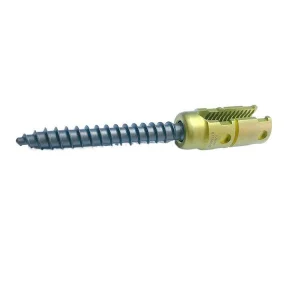
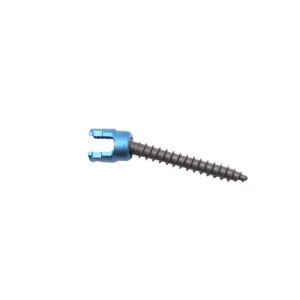
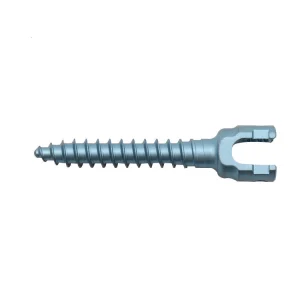
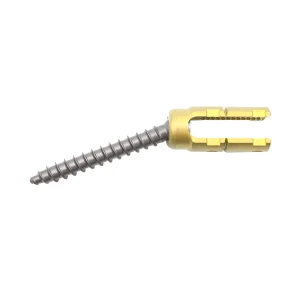
Engineered for posterior internal fixation across complex orthopedic and trauma applications
Navigating compliance, tender requirements, and quality parameters in institutional sourcing
Procuring surgical implants for KSA hospital chains requires managing both technical requirements and strict regulatory processes. B2B buyers should evaluate manufacturers against several key criteria:
Before spinal hardware can enter clinical use, it must be cleared by the Saudi Food and Drug Authority (SFDA). Medisplint supports distributors by providing comprehensive technical dossiers, including raw material certificates (Grade 5 ELI), biocompatibility profiles (ISO 10993 series), cleanroom sterility validation, and clinical evaluation summaries.
Modern clinics prefer implants manufactured from high-purity medical-grade titanium (ASTM F136). This grade offers excellent tissue compatibility, reduces the risk of local implant rejection, and maintains mechanical performance under continuous spinal load.
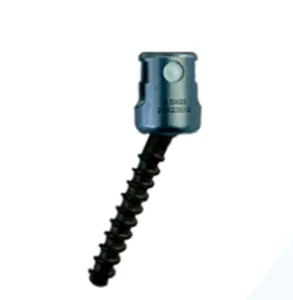
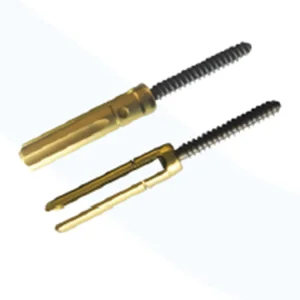
Every single implant must have full traceability back to its raw material heat batch. Each pedicle screw and fixation rod from Medisplint is laser-marked with a unique product code and batch identifier. This simplifies inventory audits and ensures compliance with global medical tracking standards.
Hospital networks cannot afford scheduling delays in their surgical theaters. Medisplint's 18,500㎡ facility and partnerships with 1,200 supply chain providers enable stable production volumes. This helps minimize shipping delays and prevent inventory shortages.
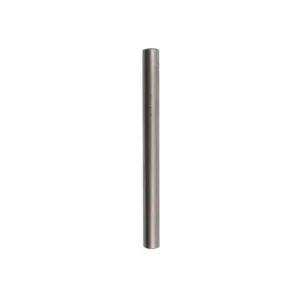
Durable spinal rods, connector systems, and specialized titanium alloy constructs
Essential insights for medical distributors, importers, and surgeons in the Middle East
Contact our technical sales team for regional pricing, SFDA registration support dossiers, and detailed product catalogs.