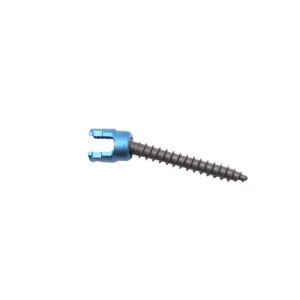
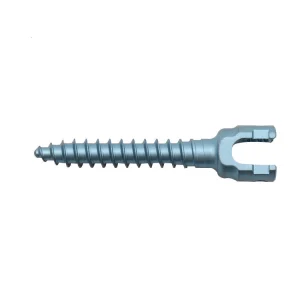
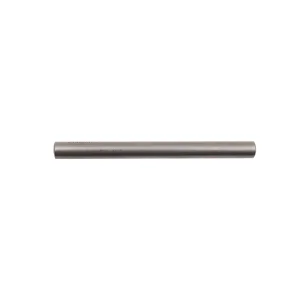
Medisplint
Medisplint
Medisplint
Direct manufacturer-to-distributor supply chains bypassing intermediary markups for hospitals in SoCal.
Los Angeles represents one of the most demanding, advanced, and highly saturated orthopedic and spinal surgery markets globally. Home to world-renowned research medical centers, major multi-hospital networks (including UCLA Health, Cedars-Sinai Medical Center, and Keck Medicine of USC), and hundreds of outpatient Ambulatory Surgery Centers (ASCs), the Southern California region dictates international trends in surgical instrument adoption. Locally, the paradigm has shifted dramatically toward minimally invasive spine surgery (MISS) protocols and outpatient spinal fusion procedures.
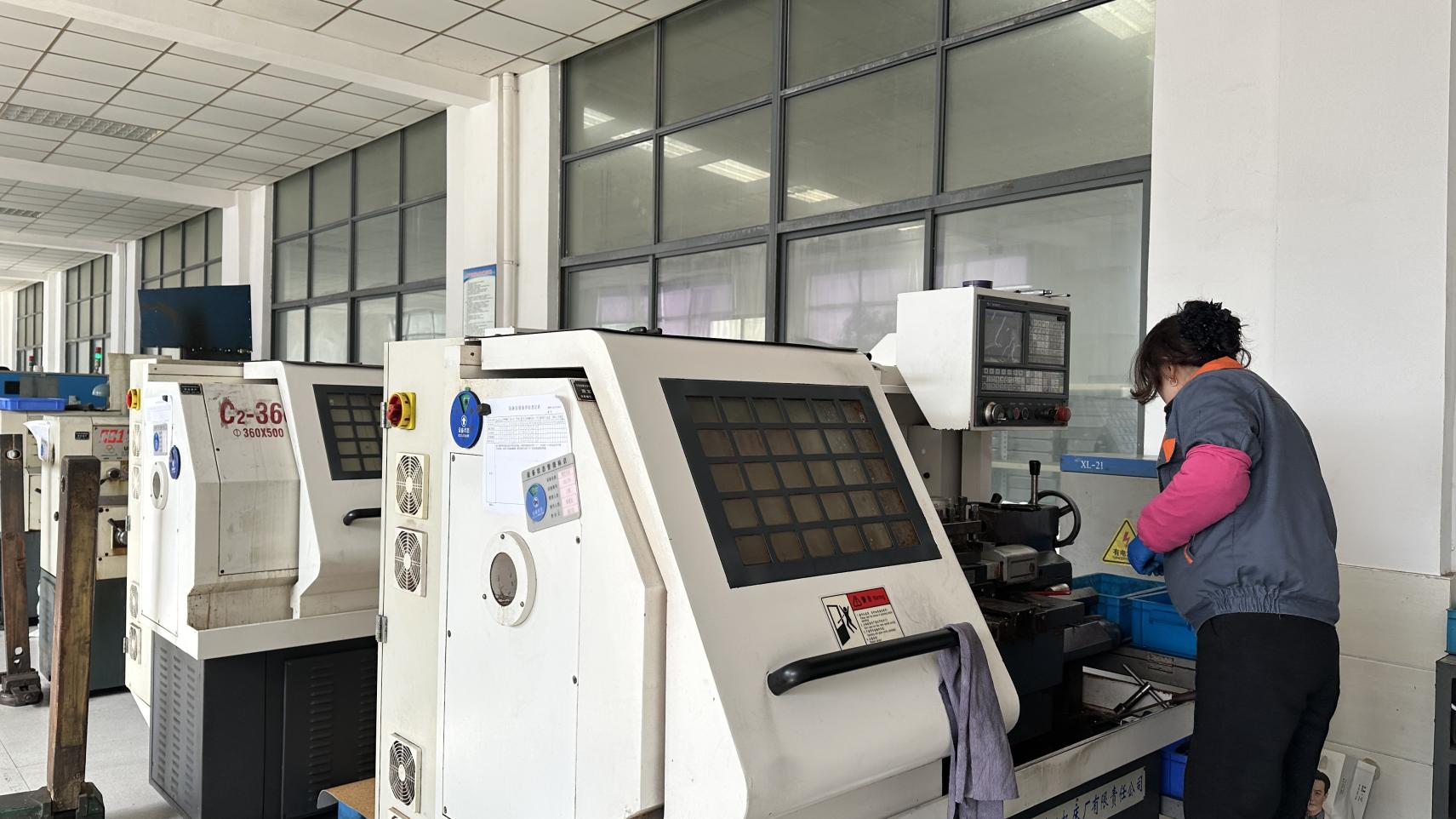
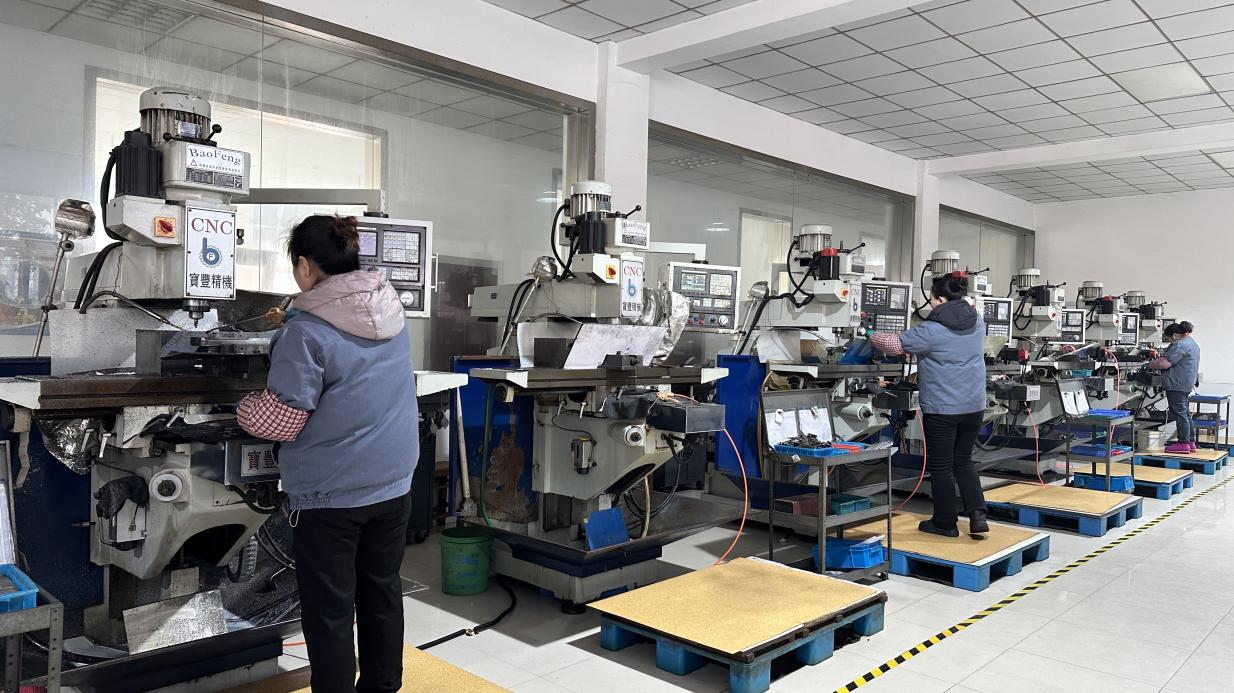
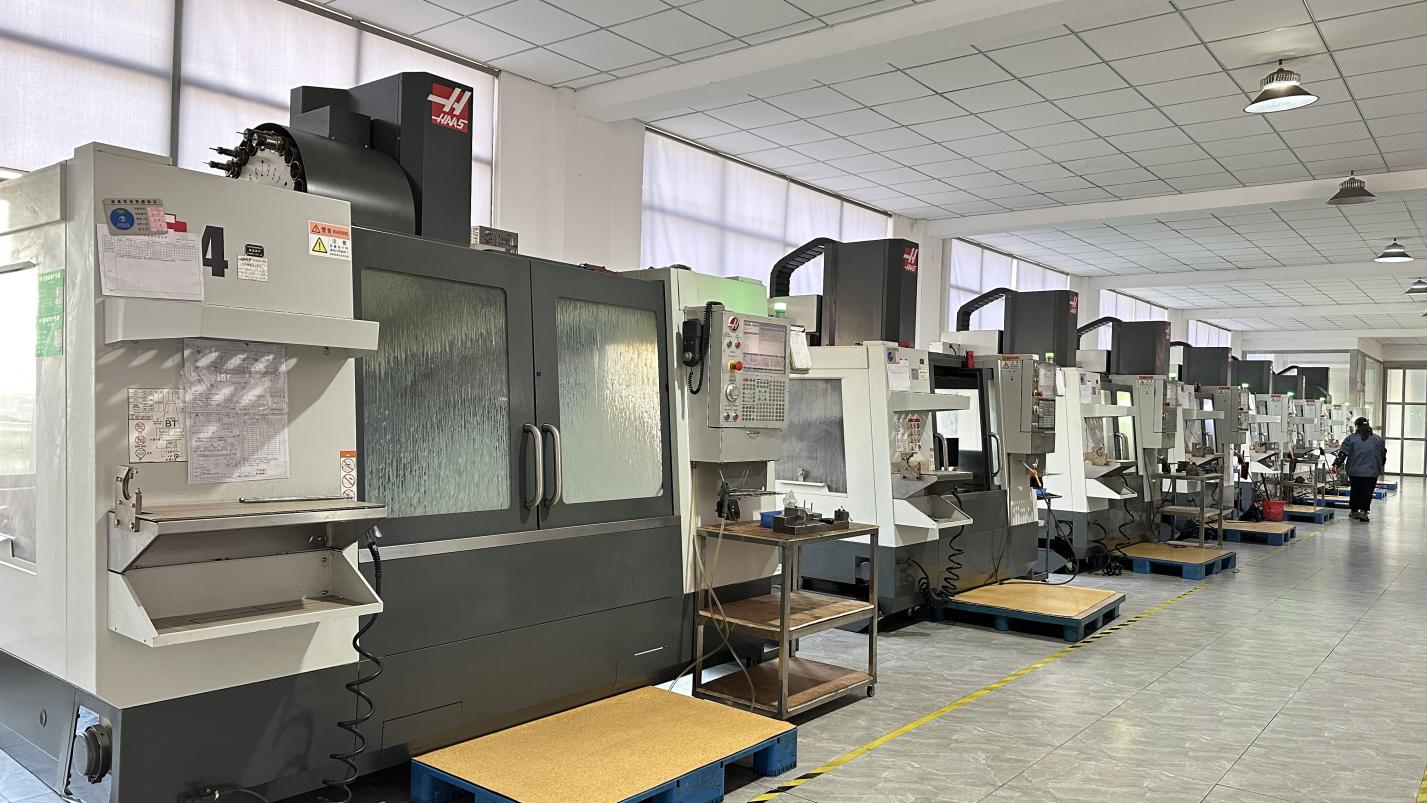
For medical device distributors and sourcing managers based in Los Angeles, securing a reliable, cost-efficient, and highly compliant manufacturer is paramount. Standard implant costs in the United States have consistently escalated, forcing purchasing groups to seek direct OEM and ODM partnerships that conform to rigorous FDA guidelines while offering significant unit-cost relief. By utilizing advanced metallurgy, automated CNC machining, and rigorous mechanical fatigue testing, strategic offshore manufacturers deliver implant solutions that rival or exceed national domestic brands.
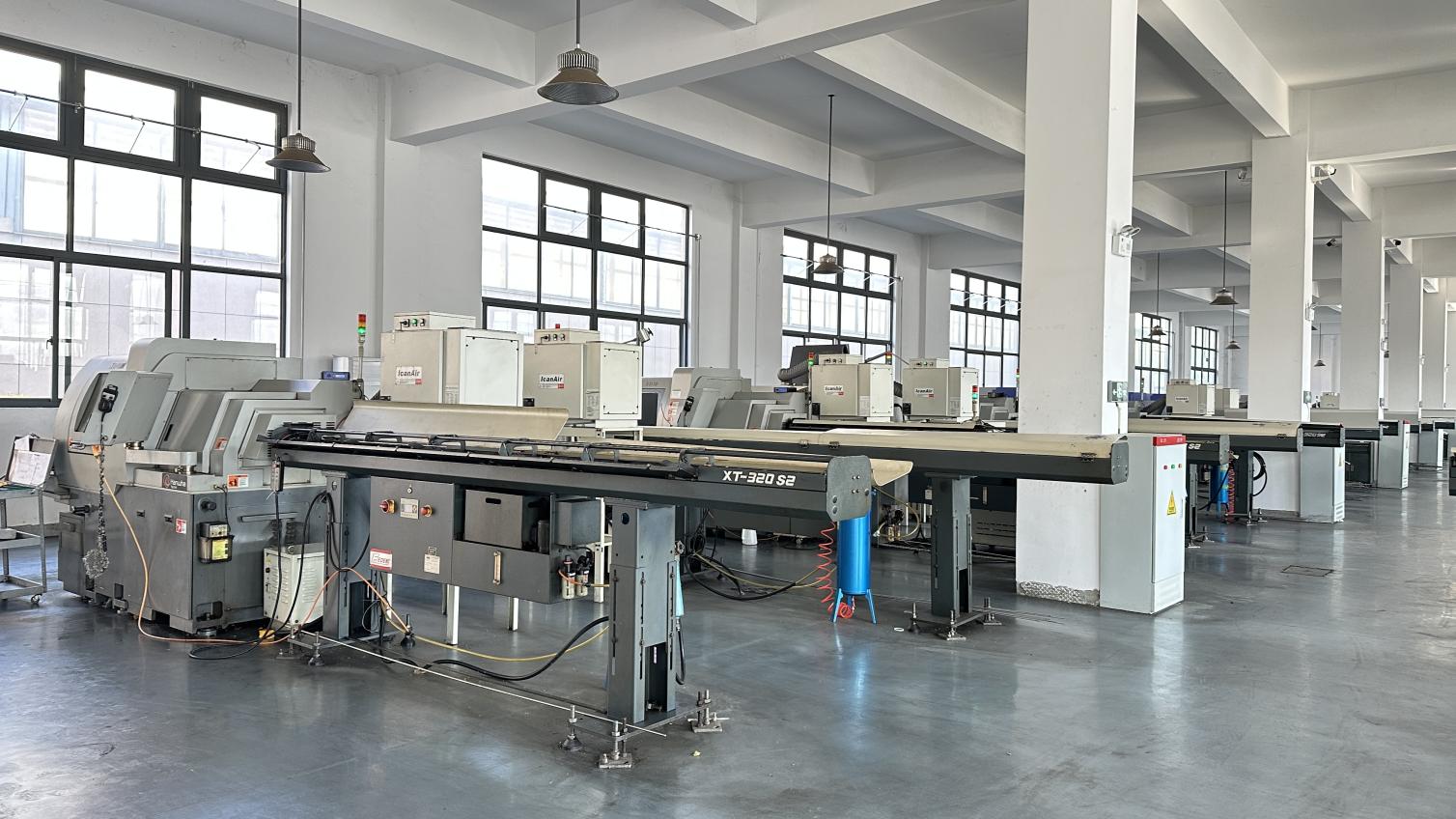
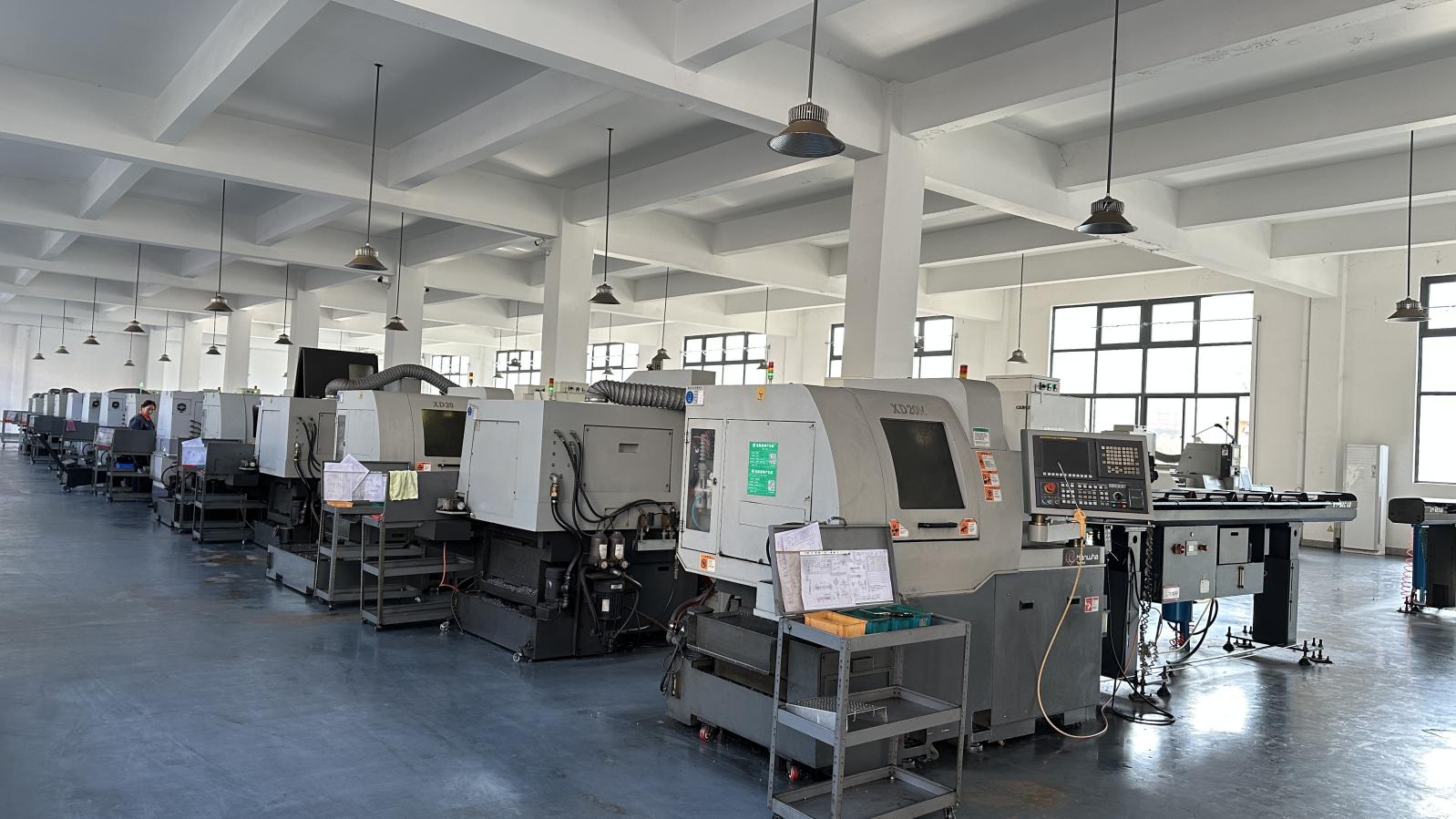
On a macro scale, the global spinal implants market is projected to reach over USD 10 billion by 2028, propelled by aging demographics and the expansion of degenerative disc disease treatments. High-precision manufacturing has migrated to specialized orthopedic industrial zones worldwide, where state-of-the-art factories employ high-speed Swiss-type longitudinal CNC lathes, automated wire-cutting machinery, and laser markers. These facilities operates under stringent Quality Management Systems compliant with ISO 13485 and CE standards.
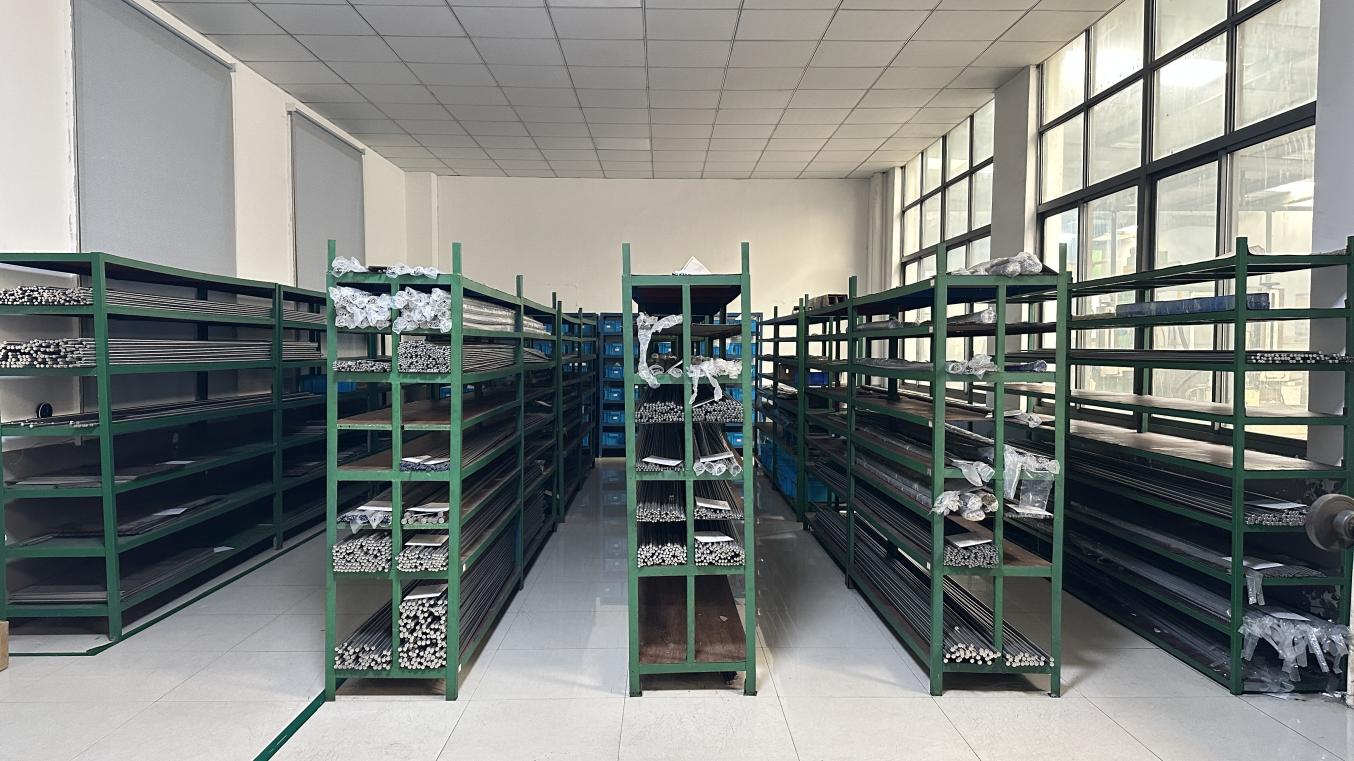
Integrating offshore manufacturing with Los Angeles distribution networks requires absolute adherence to raw material traceability (typically medical-grade Titanium Alloy Ti-6Al-4V ELI or PEEK biomaterials) and verified mechanical testing reports (ASTM F1717 / ASTM F2193 for static and dynamic fatigue properties). The modern supply chain strategy involves dual-sourcing: local warehousing and custom quick-turn prototyping in the United States, backed by large-scale production runs from verified global manufacturing hubs to ensure stability and robust margins.
A premium global manufacturer specializing in orthopedic implants, fixation systems, and surgical instruments.
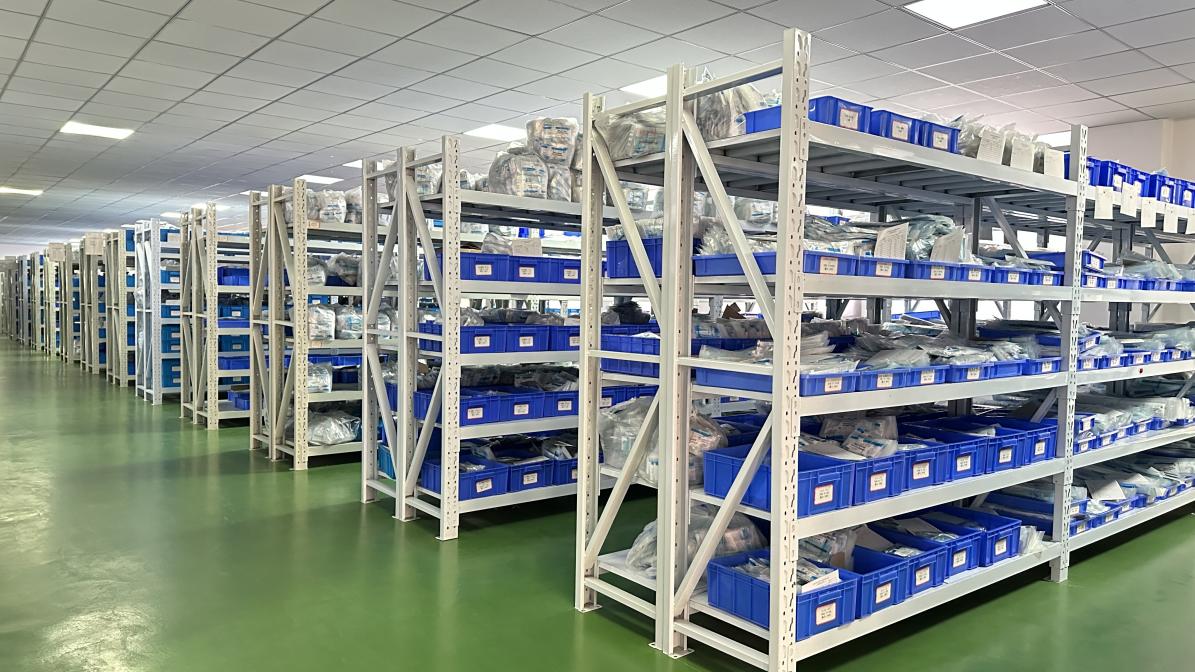
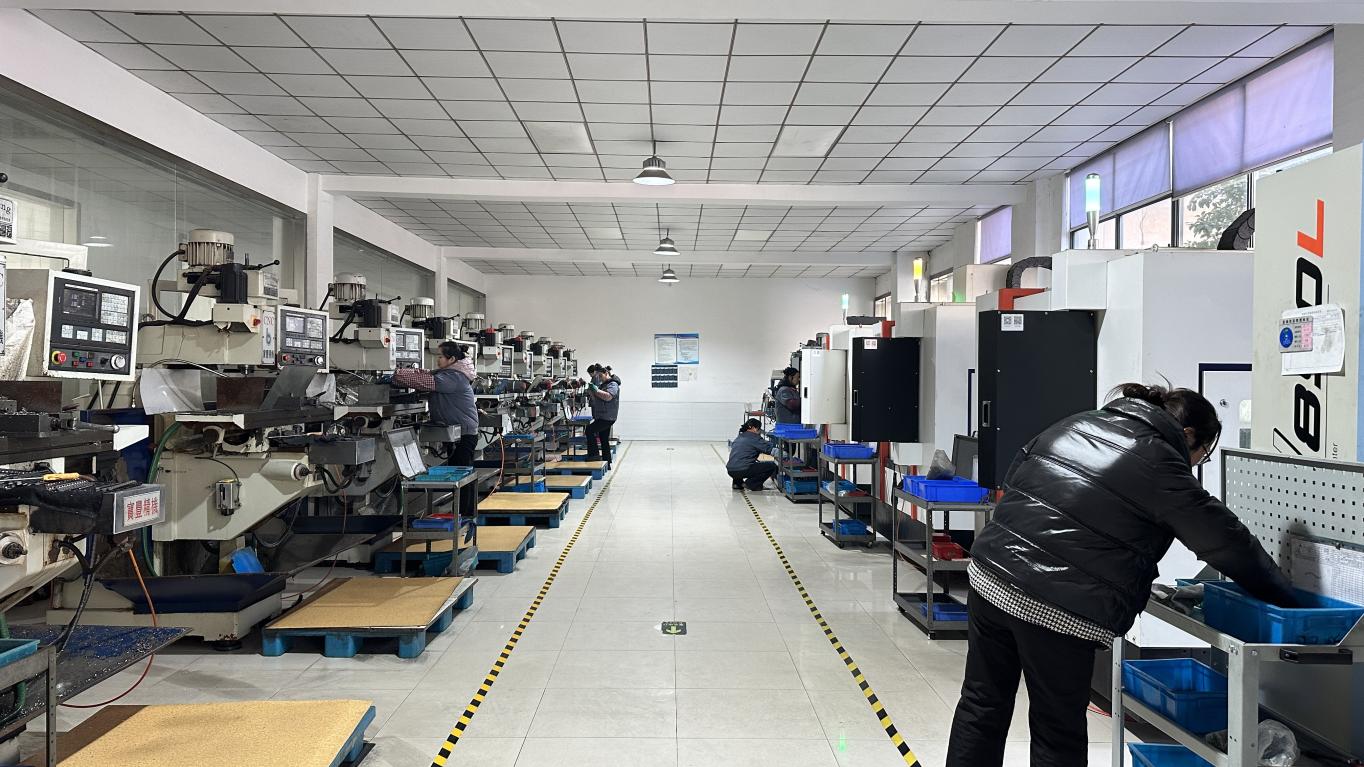
Founded in 2016, Medisplint has developed steadily with a strong focus on clinical innovation, engineering precision, and international expansion. Our manufacturing facility covers approximately 18,500 square meters, supporting fully integrated production, assembly, and comprehensive quality control operations.
With over 10 years of overall industry experience in orthopedic medical device manufacturing and 7 years of global export track record, we report an annual export revenue of approximately USD 12 million. We actively support medical device distributors, hospitals, surgical centers, and OEM/ODM partners in major markets including North America, Europe, Southeast Asia, the Middle East, and South America.
Medisplint maintains powerful R&D capabilities with a dedicated team of approximately 85 engineering and development specialists. We introduced 68 new orthopedic and spinal products in the past year alone, highlighting our agility and alignment with modern clinical advancements.
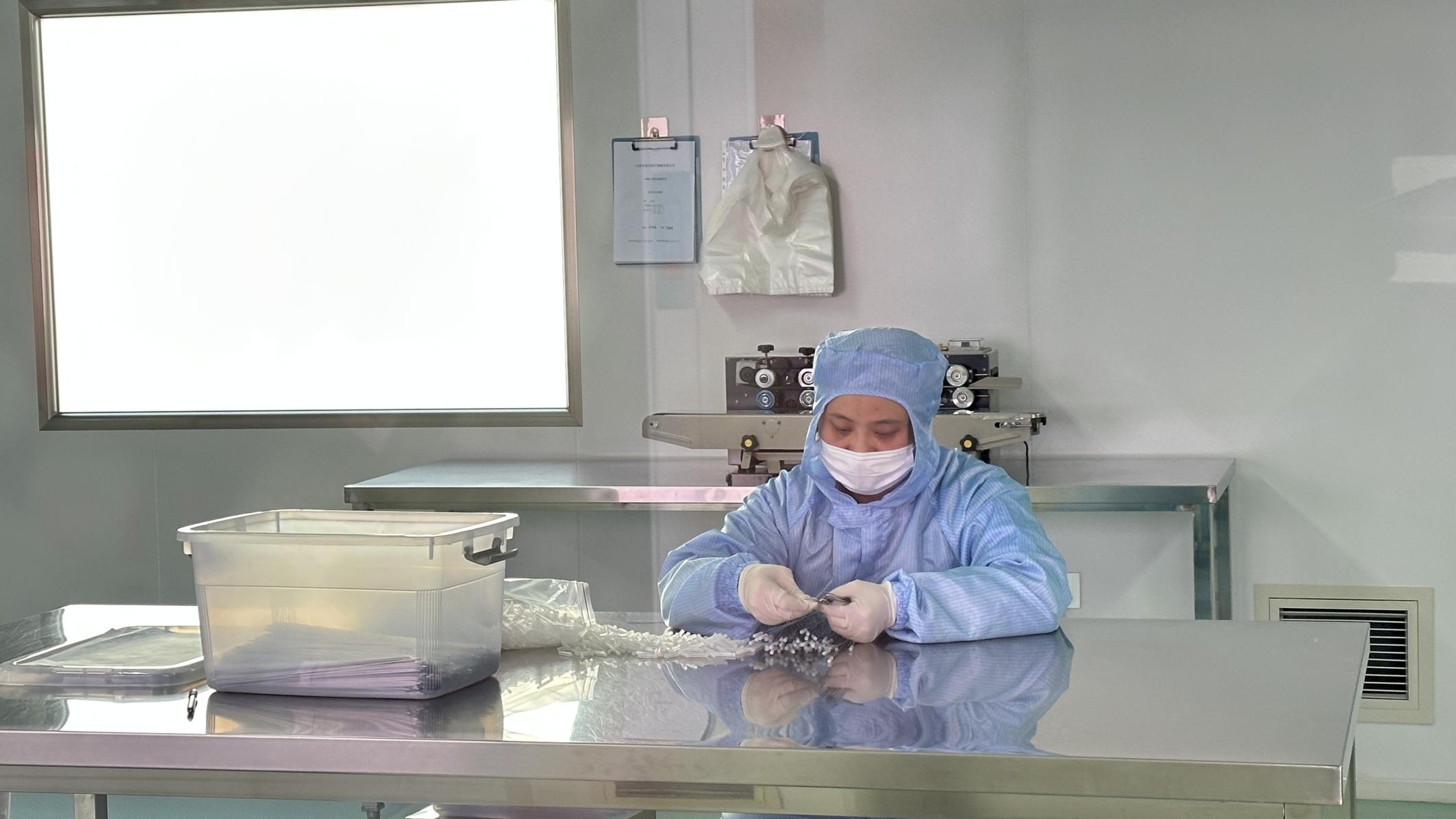
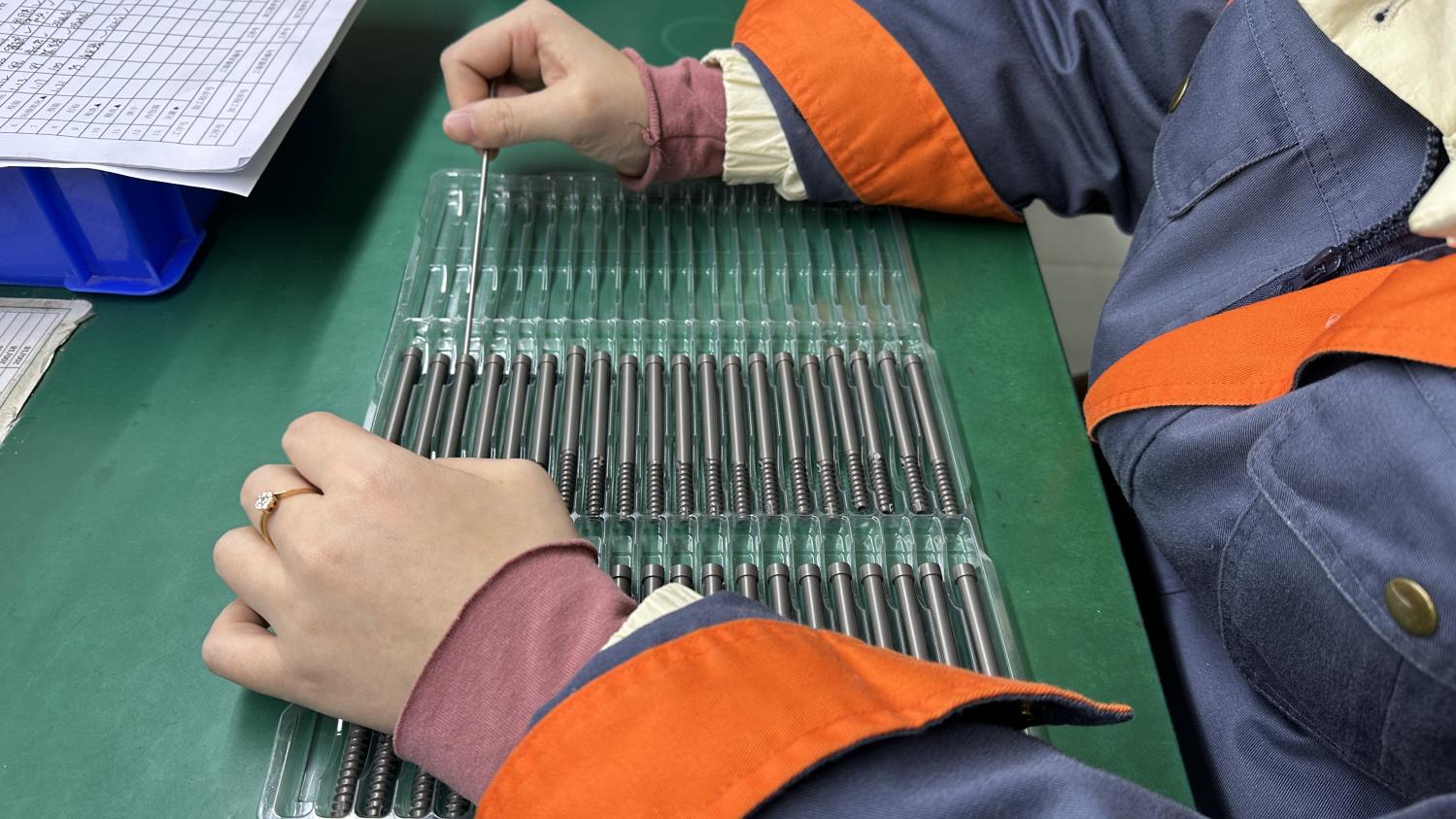
Full traceability from raw medical-grade metals to final sterile packaging and mechanical verification.
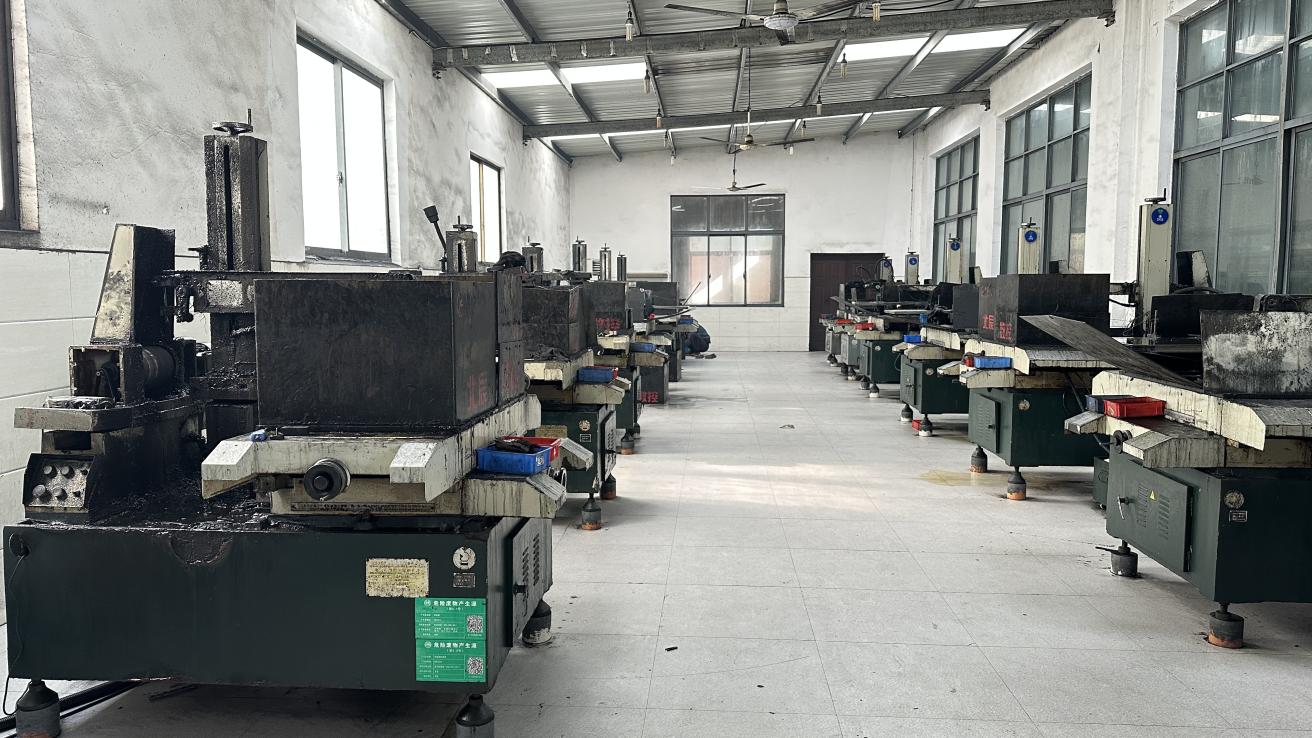
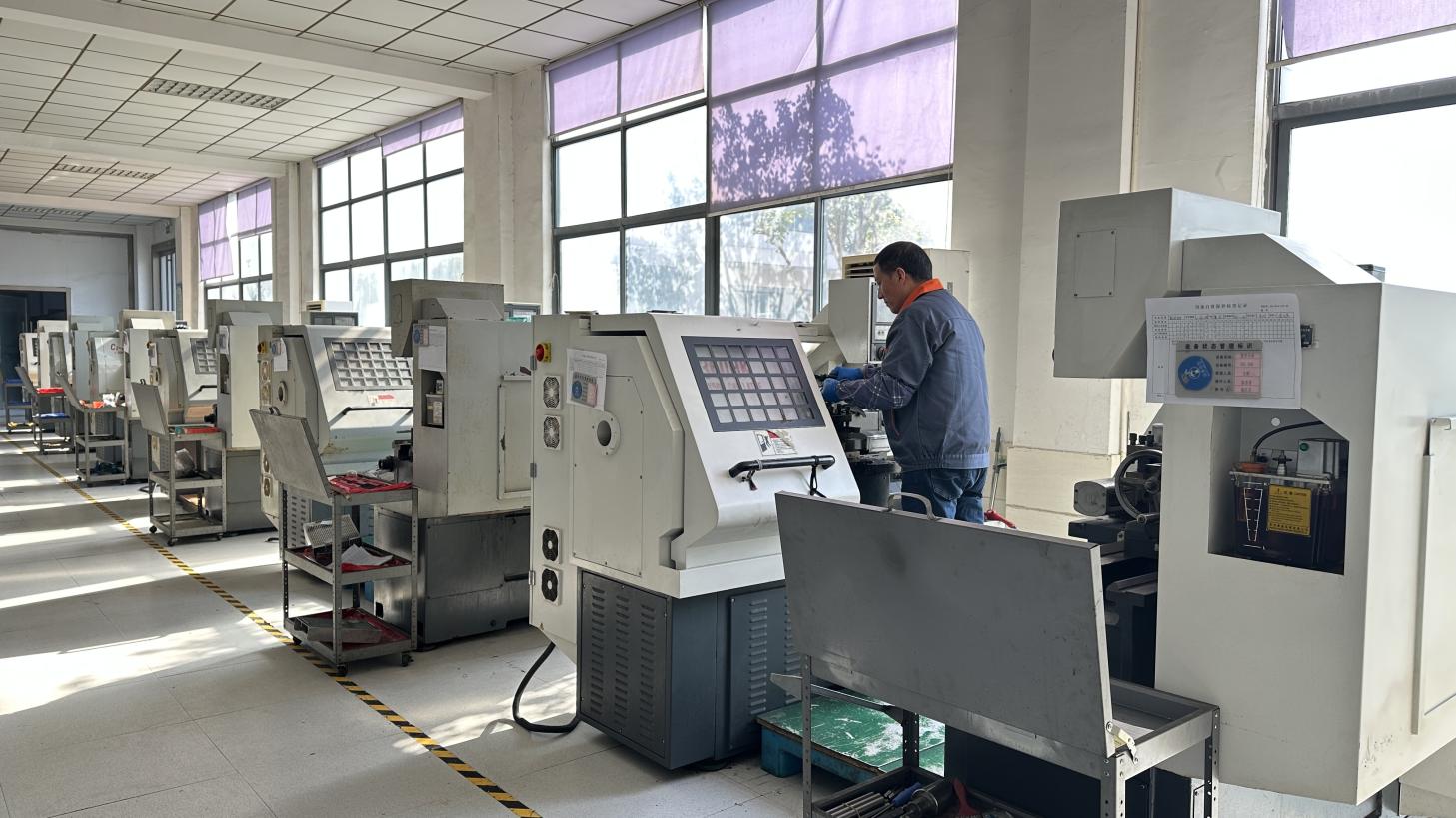
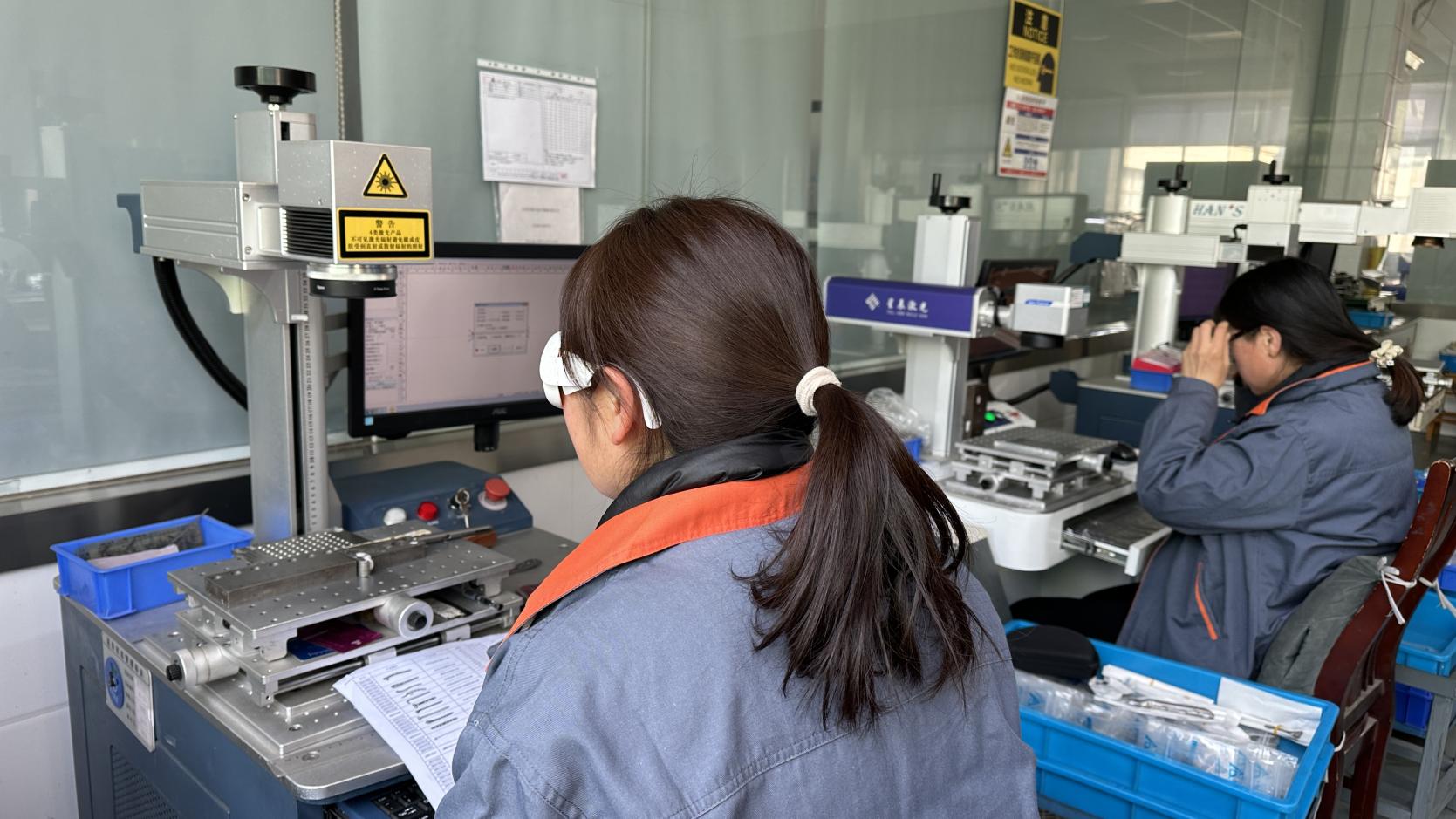
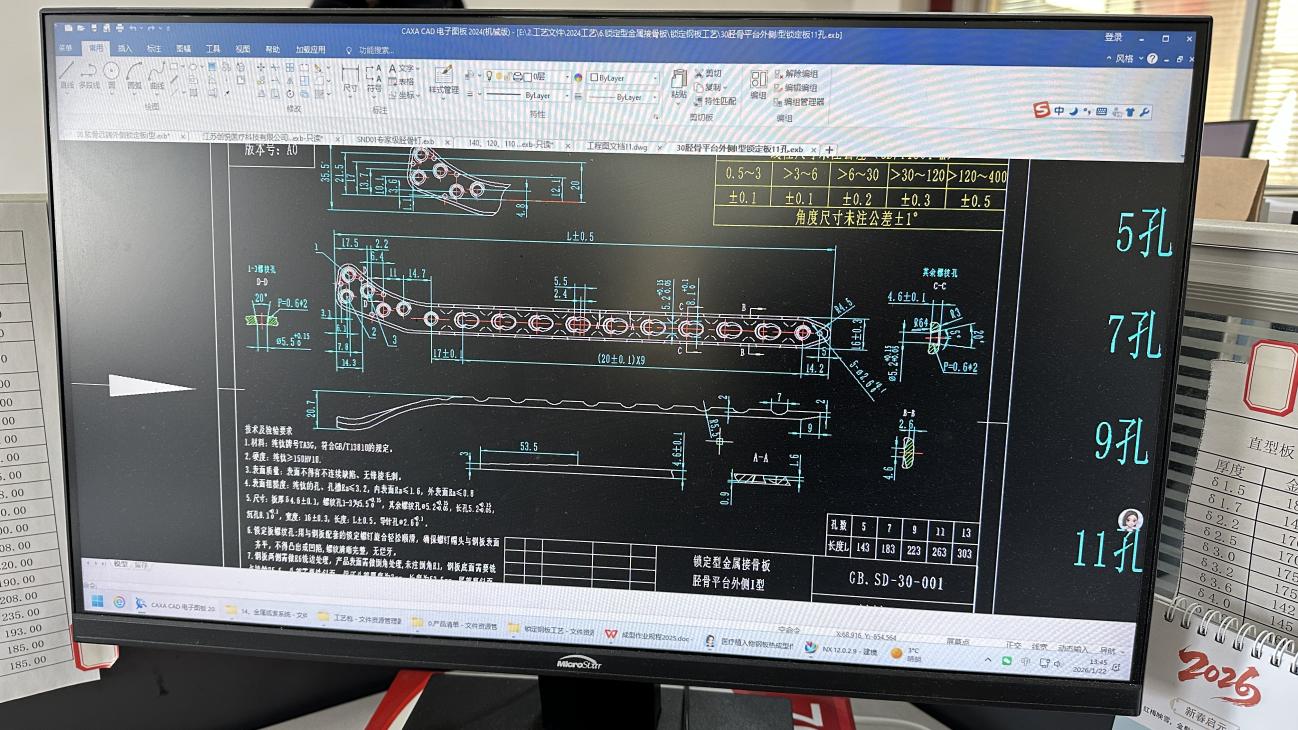

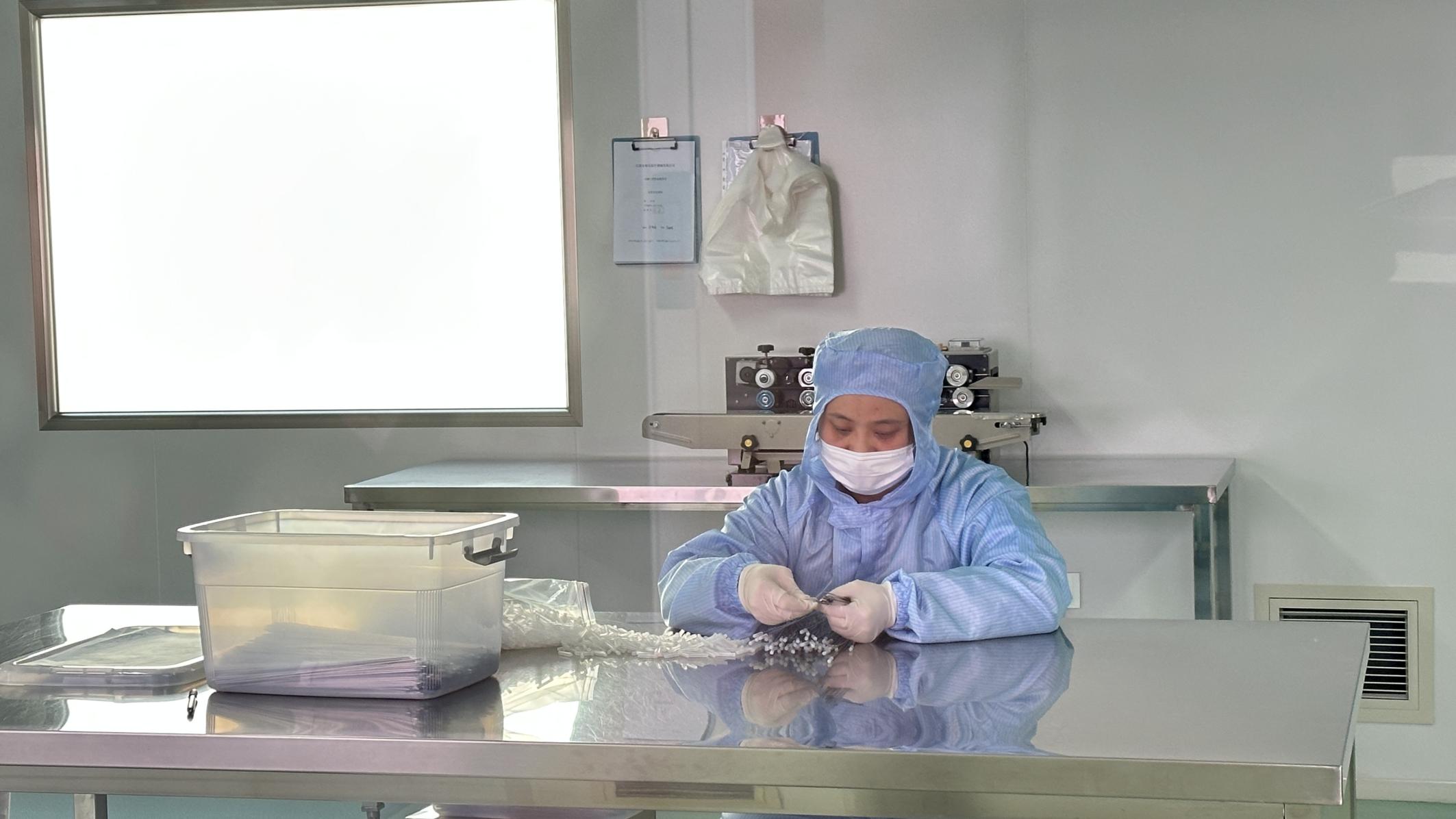
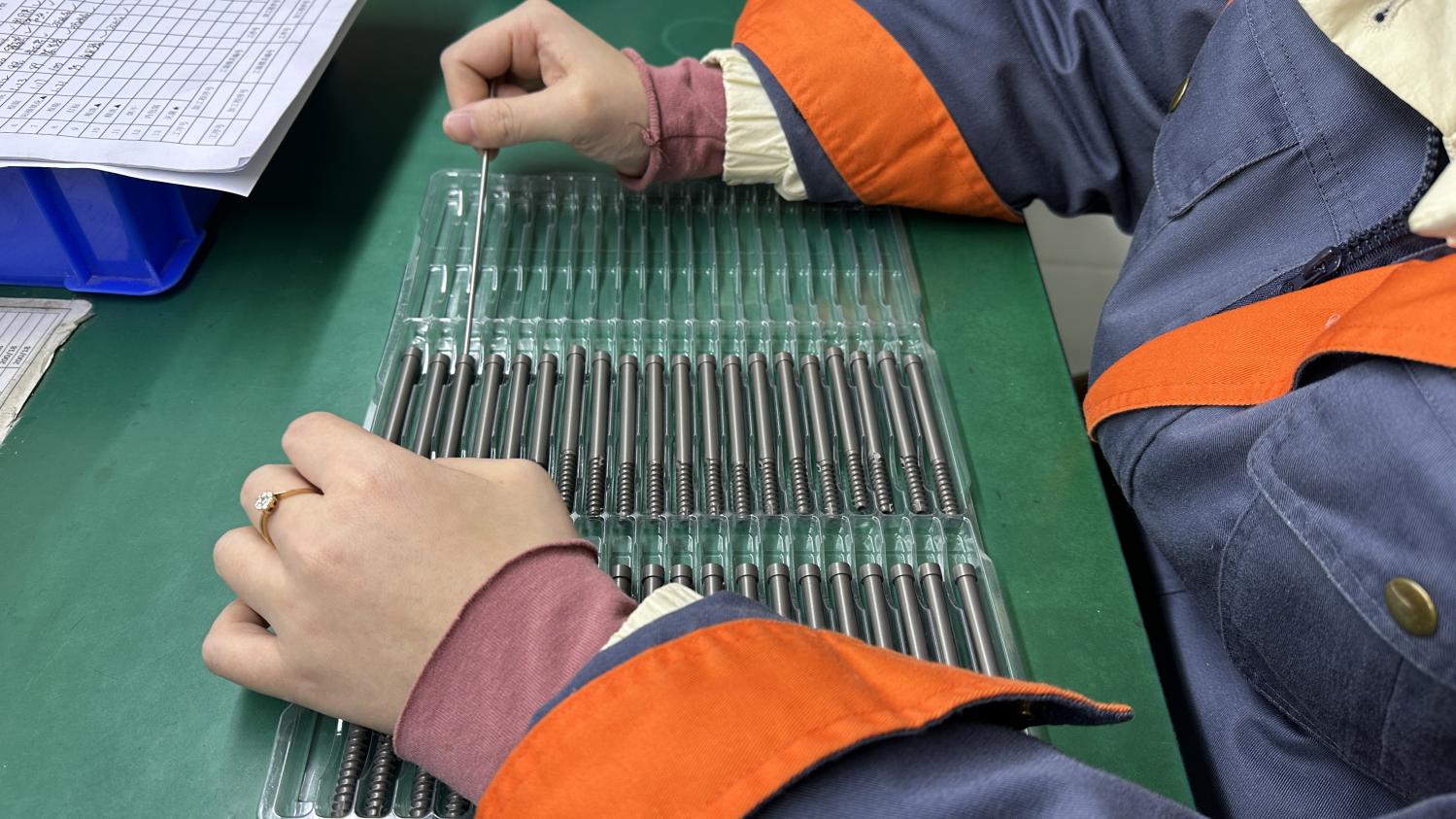
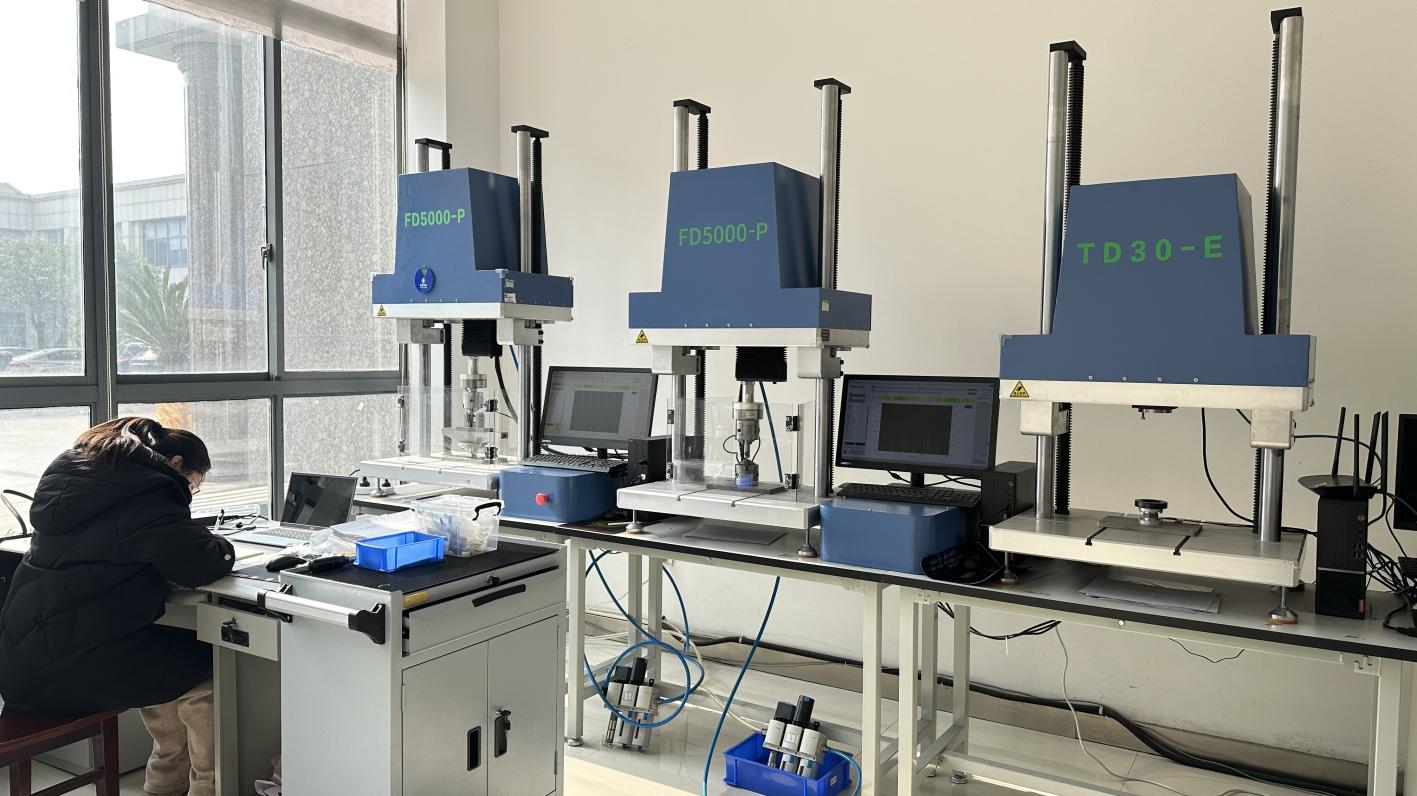
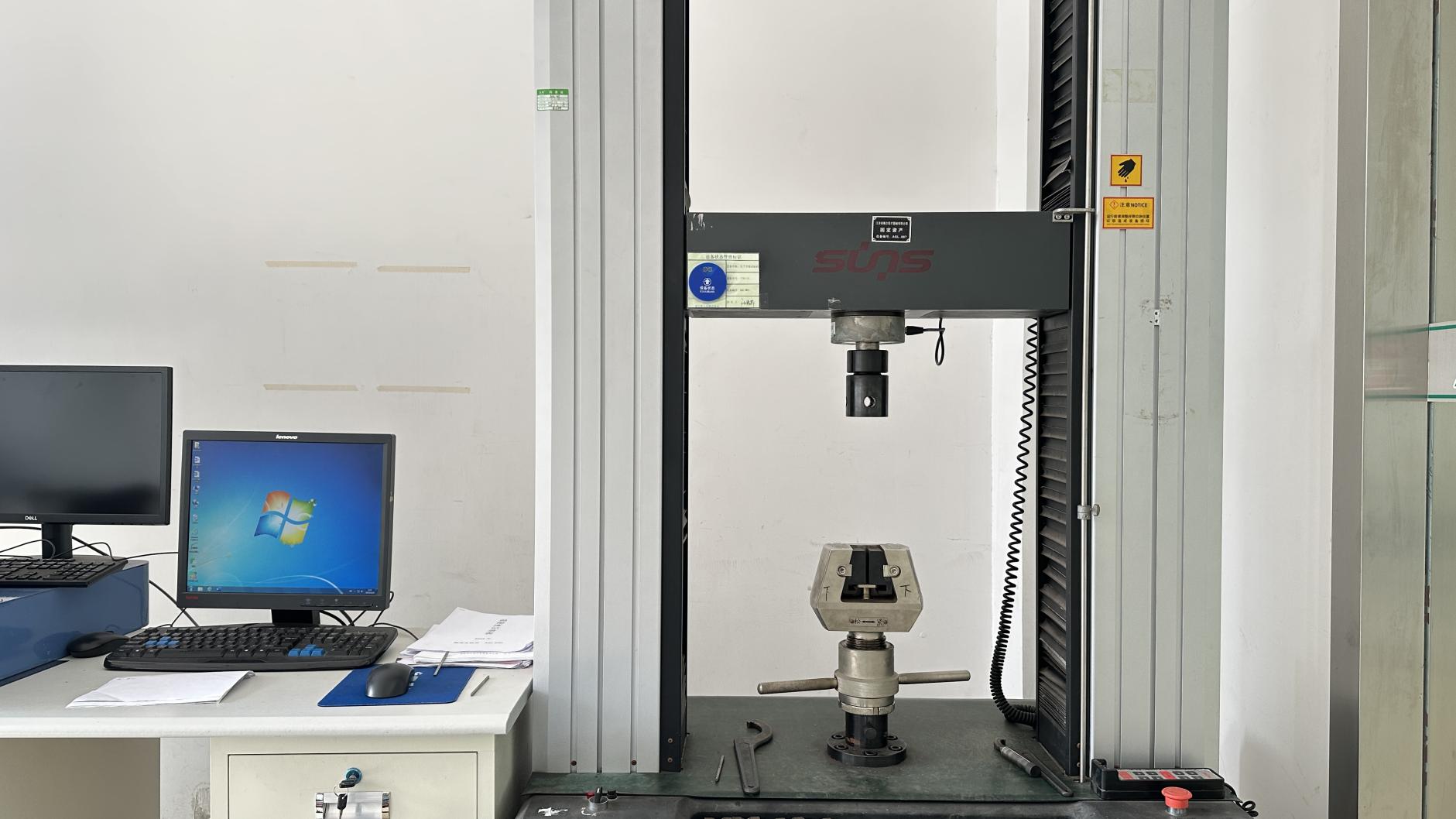
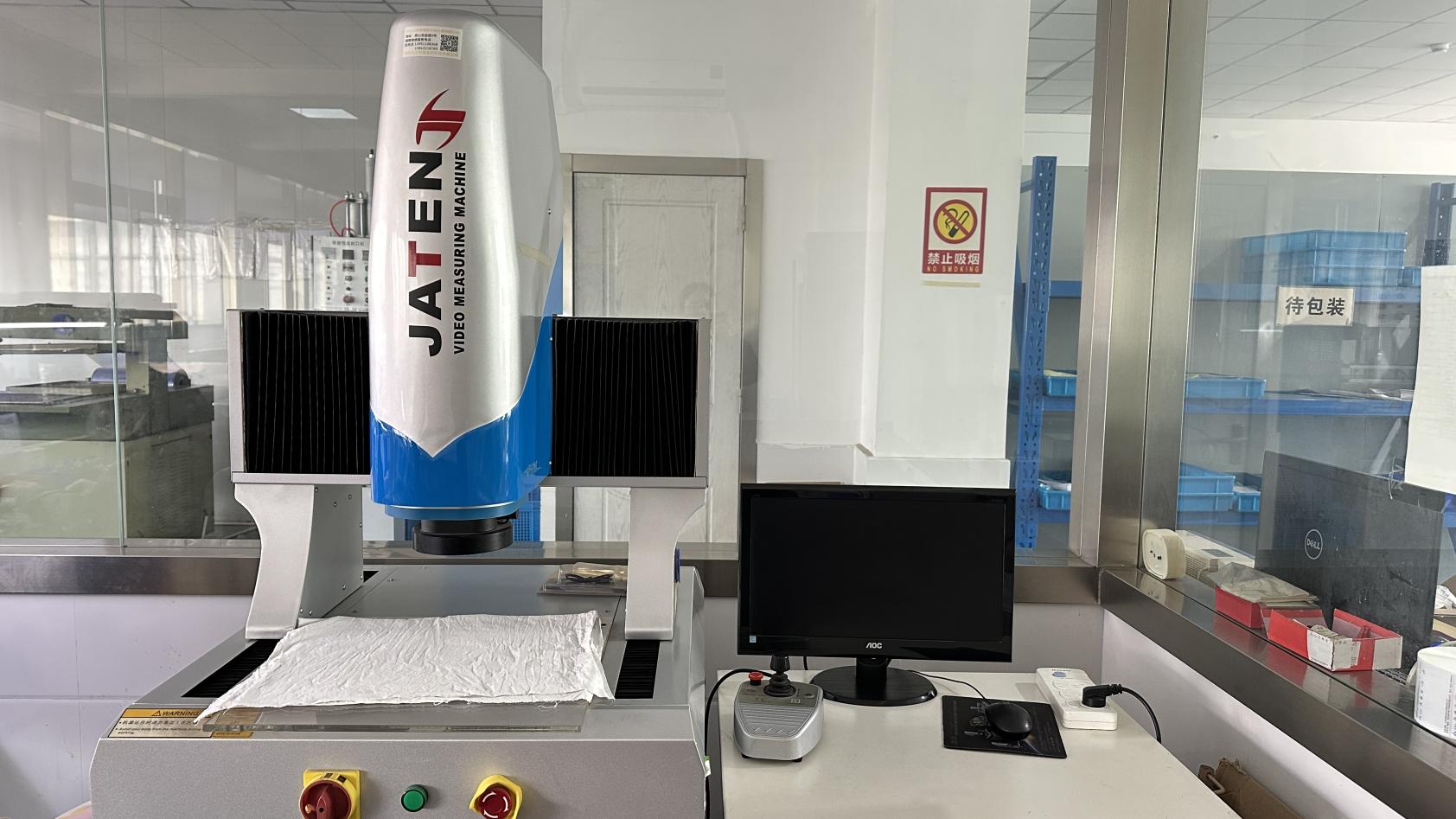
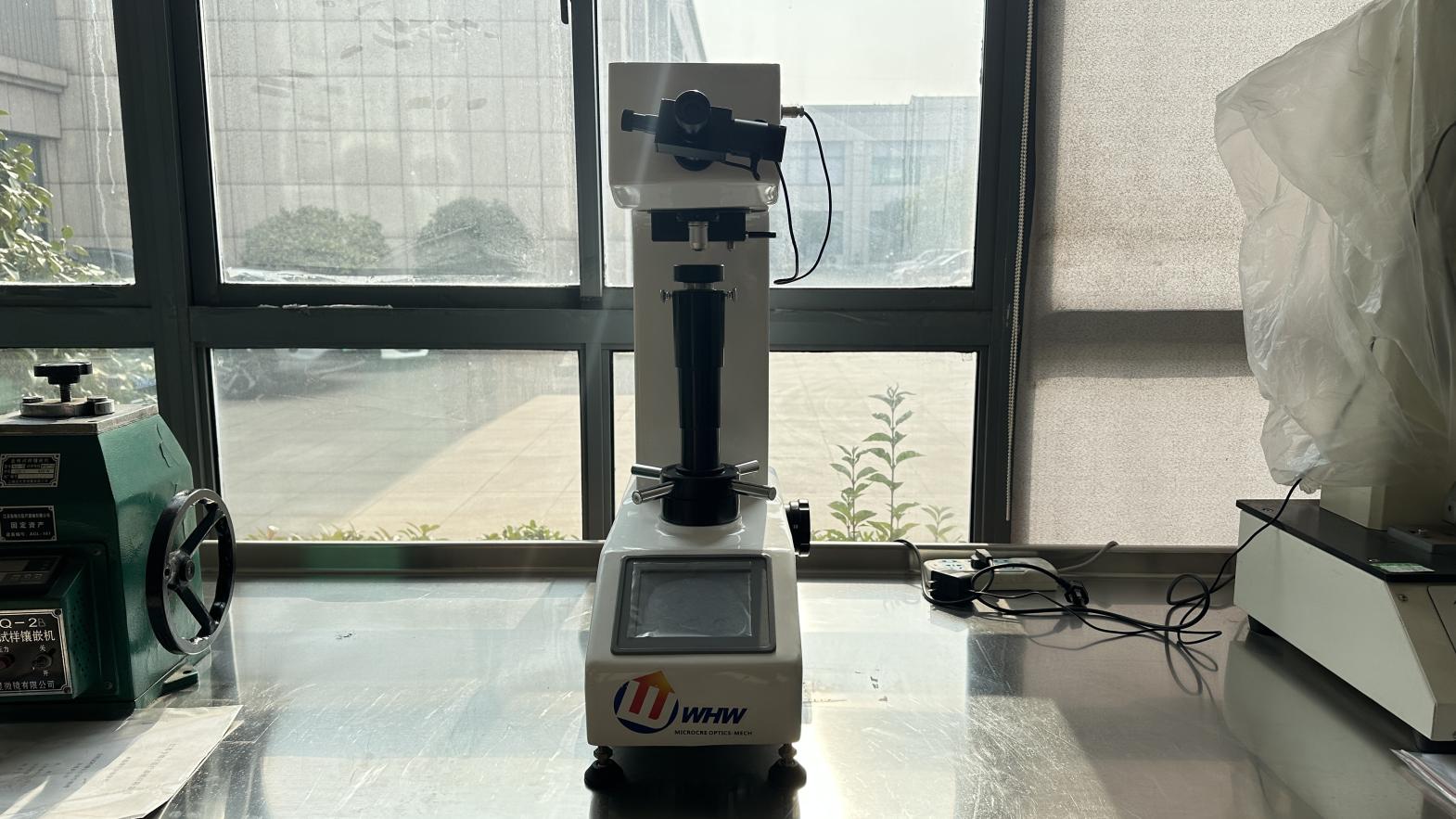
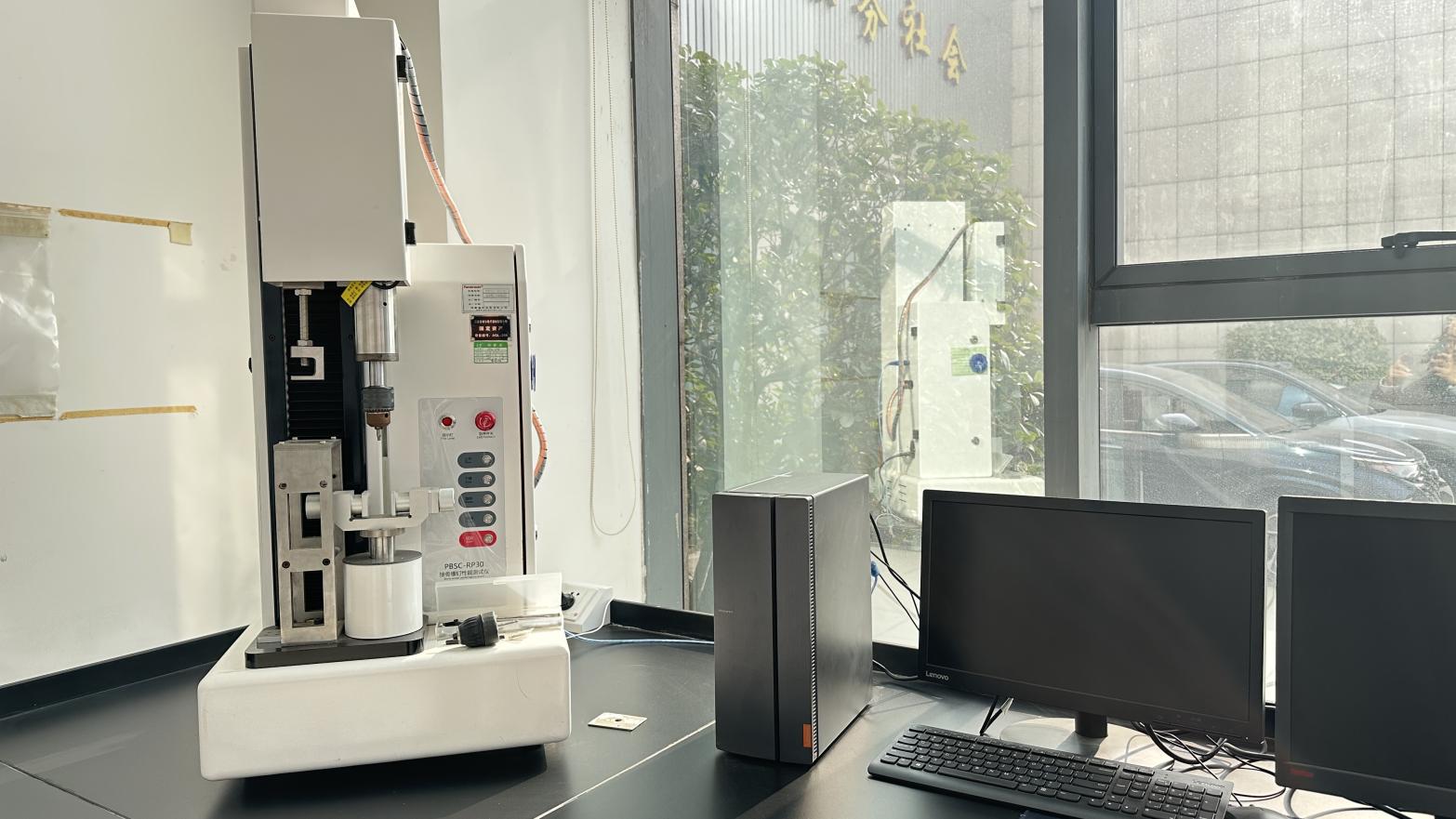
Optimized with advanced load-sharing mechanics to support anatomical alignment and rapid bone graft fusion.
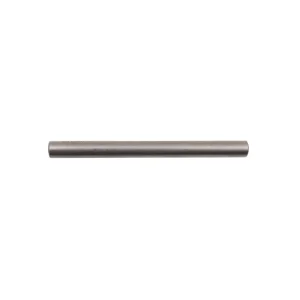
The progression of spinal implant technology revolves around maximizing biocompatibility and biomechanical integration. The industry benchmark remains grade 5 Titanium Alloy (Ti-6Al-4V ELI) because of its exceptional strength-to-weight ratio and low module of elasticity relative to cortical bone. However, to accelerate osseointegration, Medisplint employs modern surface modifications. This includes sandblasting and acid etching (SLA) or plasma-spraying techniques to create micro- and nano-porosities on the screws and rods. These nano-textures mimic native bone morphology, promoting osteoblast adhesion and proliferation directly to the implant surface, thereby minimizing mechanical loosening rates over time.
Furthermore, in interbody spacers, PEEK (Polyetheretherketone) remains highly utilized due to its radiolucency and elastic modulus similar to human bone. The engineering roadmap actively combines PEEK with a titanium plasma coating, combining the structural and imaging benefits of PEEK with the osteoconductive advantages of titanium.
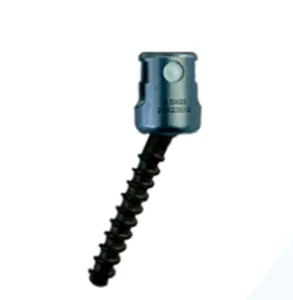
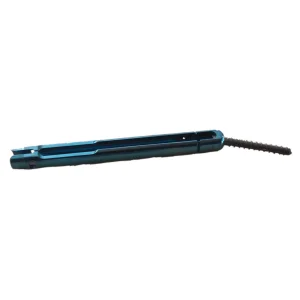
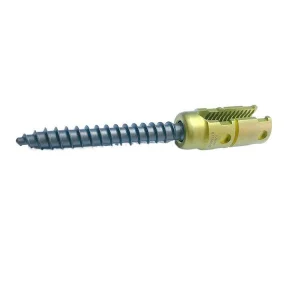
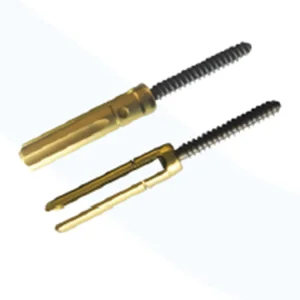
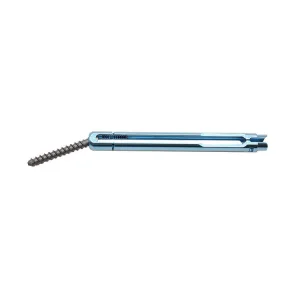
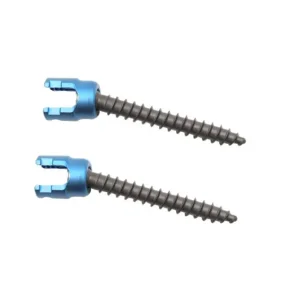
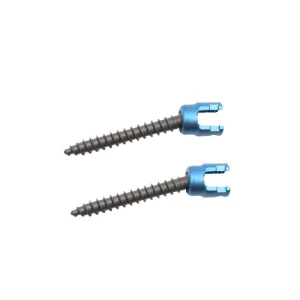
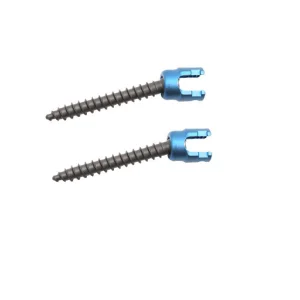
Modern clinical practice in major Los Angeles medical centers is rapidly transitioning toward outpatient micro-discectomies, transforaminal lumbar interbody fusions (TLIF), and extreme lateral lumbar interbody fusions (XLIF). These protocols demand MIS implants. Standard open-back surgeries require large muscle dissections, causing significant post-operative pain and longer hospitalization. Medisplint's MIS Pedicle Screw systems utilize self-tapping threads and extended-tab percutaneous screw designs. These configurations allow surgeons to pass rods percutaneously through minimal skin incisions, protecting the surrounding soft tissue, minimizing intraoperative blood loss, and lowering surgical site infection (SSI) risk.
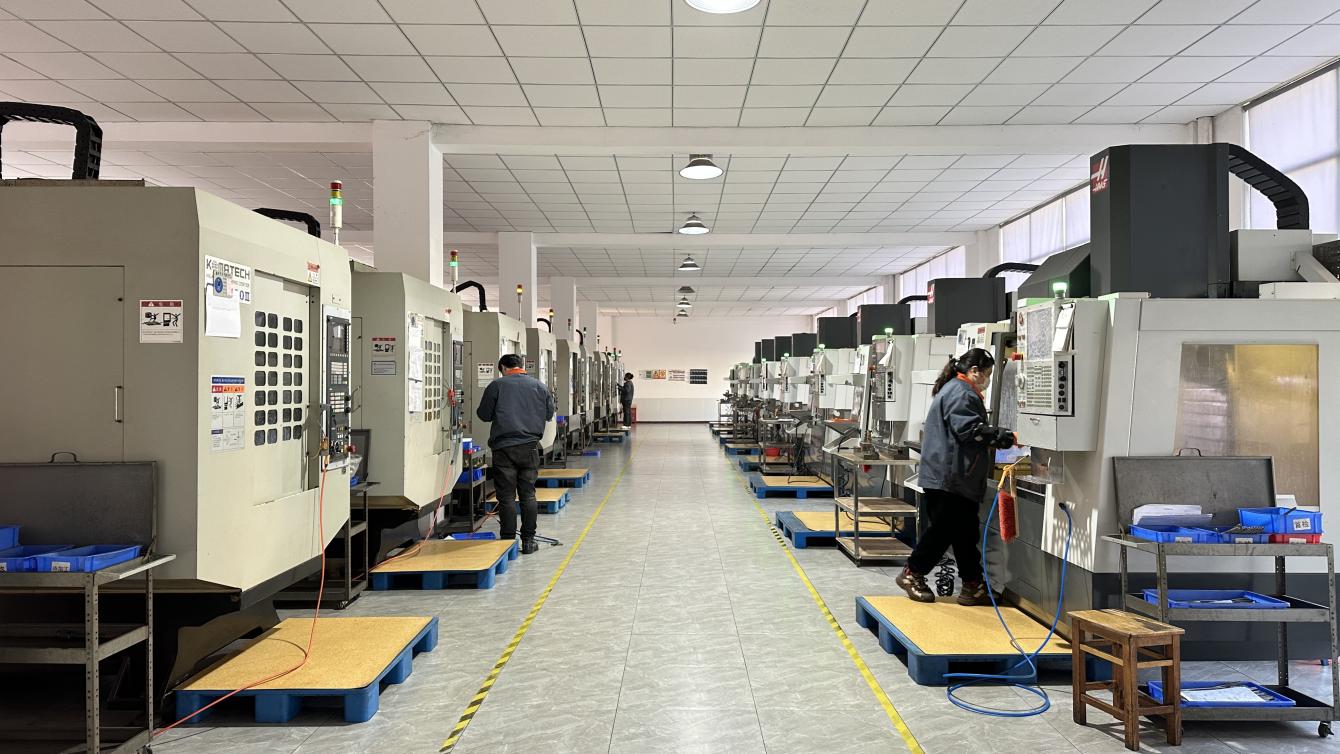
Looking to the next decade, spinal surgeries will be navigated and robotic-assisted. Implants must feature high dimensional accuracy to integrate seamlessly with optical and electromagnetic navigation systems. Standard tolerances in our CNC milling centers are held to under 5 microns. This level of precision guarantees that the robotic driver interfaces perfectly with the implant head without slipping, reducing surgical time and eliminating hardware stripping during torque application.
Full clinical compatibility across lumbar, thoracic, and cervical posterior approaches.
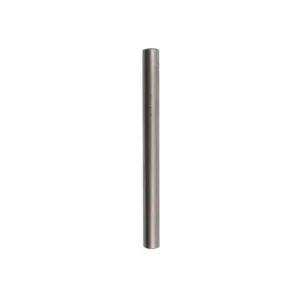
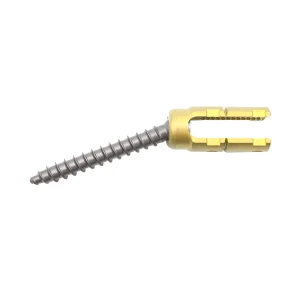
Ensuring continuous inventory flow and compliance for surgical suppliers and hospital networks.
Navigating FDA 510(k) clearances, CE markings under MDR, and local registrations. We provide raw material mill sheets, biocompatibility testing data (ISO 10993), and mechanical test protocols (ASTM F1717) to expedite local market approval processes.
For specialized surgeon networks in Southern California wanting proprietary features. Our CAD/CAM engineers customize thread pitches, polyaxial neck angulations, and ergonomic handles. Prototype turnarounds occur inside 4 weeks.
We work with medical distributors to coordinate drop-shipping and bulk imports. Our sterile/non-sterile packaging meets UDI (Unique Device Identification) barcoding standards, permitting seamless integration into hospital ERP software.
Technical details and sourcing answers for medical procurement officers.