Medisplint
Medisplint
Medisplint
Advanced titanium implants designed for rigid clinical performance in Hungarian medical centers and clinics.
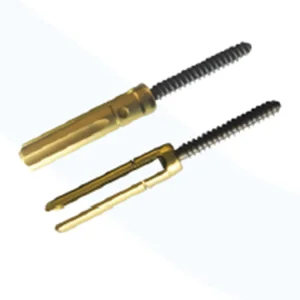
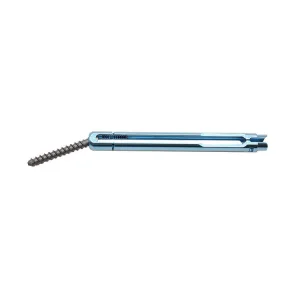
Hungary's orthopedic and spinal implant market operates under a centralized procurement structure overseen by the National Health Insurance Fund (NEAK - Nemzeti Egészségbiztosítási Alapkezelő) and the National Institute of Pharmacy and Nutrition (OGYÉI). Hungarian clinical institutions demand high-quality, biologically stable spinal fusion and fixation components due to rising patient counts, an aging population, and Budapest's emergence as a Central-European center for specialized medical tourism.
For distributors and hospitals in major clinical centers like Semmelweis University (Budapest), the University of Debrecen, the University of Pécs, and the University of Szeged, securing regulatory compliance, continuous supply, and high mechanical performance is paramount. Distributors require partners capable of navigating both the public tender systems and private clinical procurement needs by supplying CE-certified spinal hardware without supply chain interruptions.
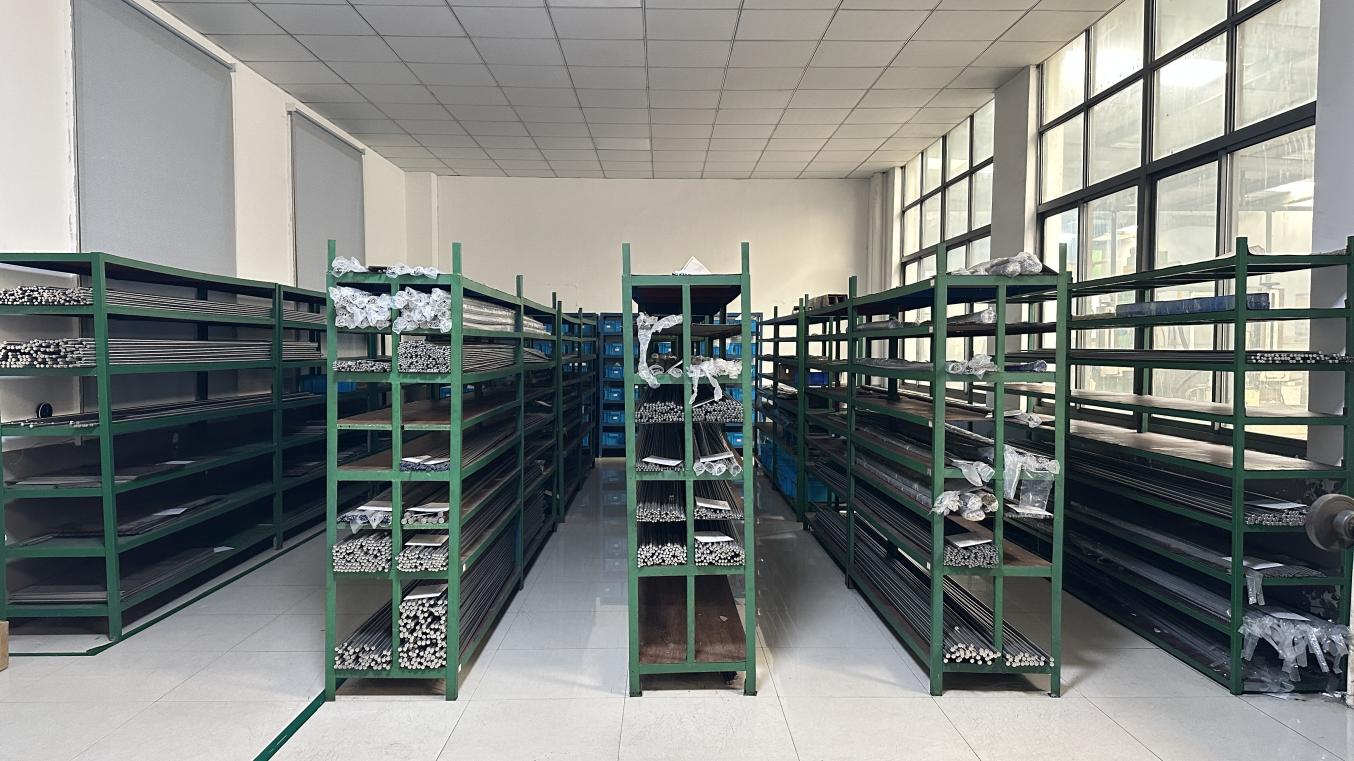
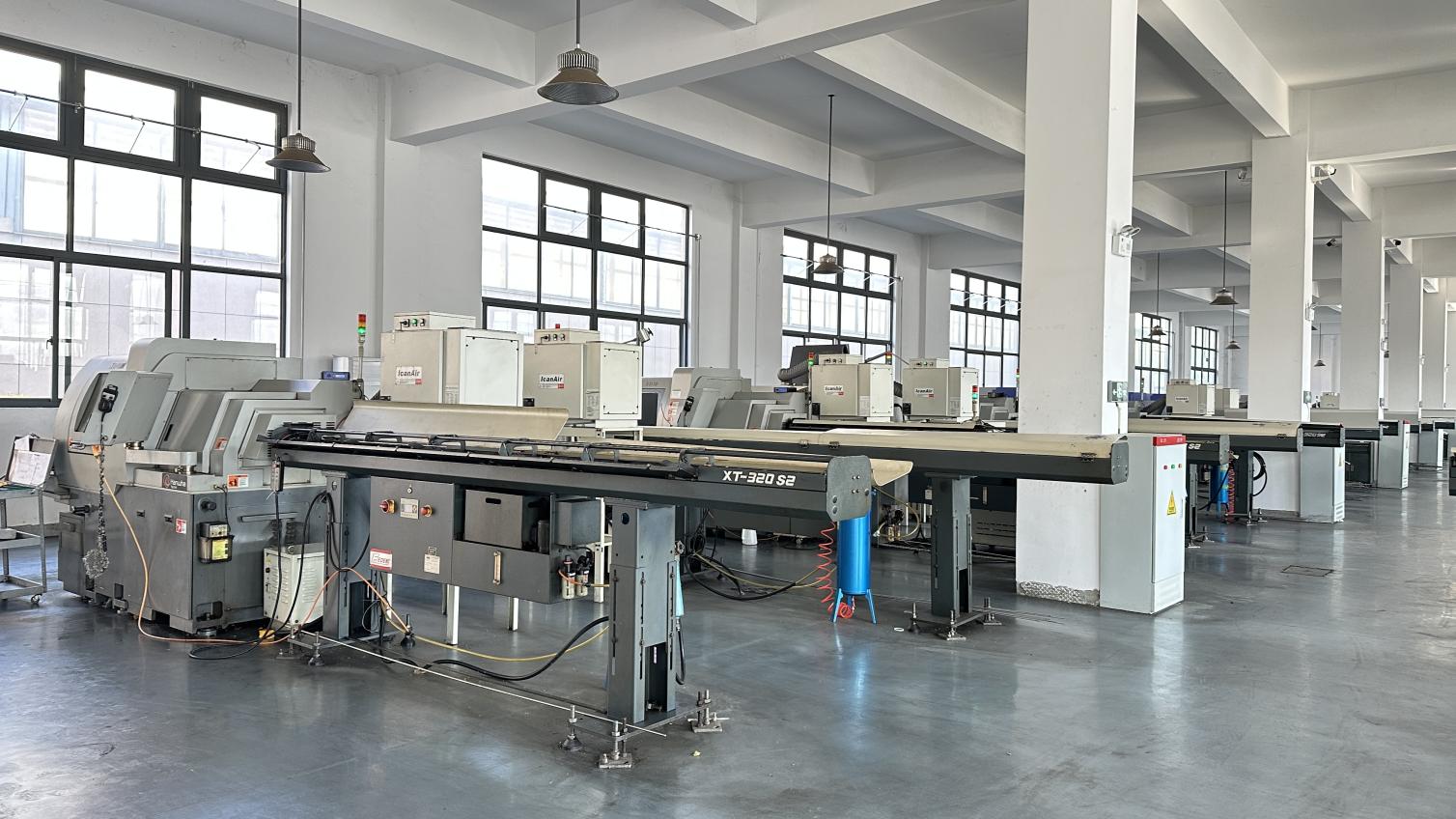
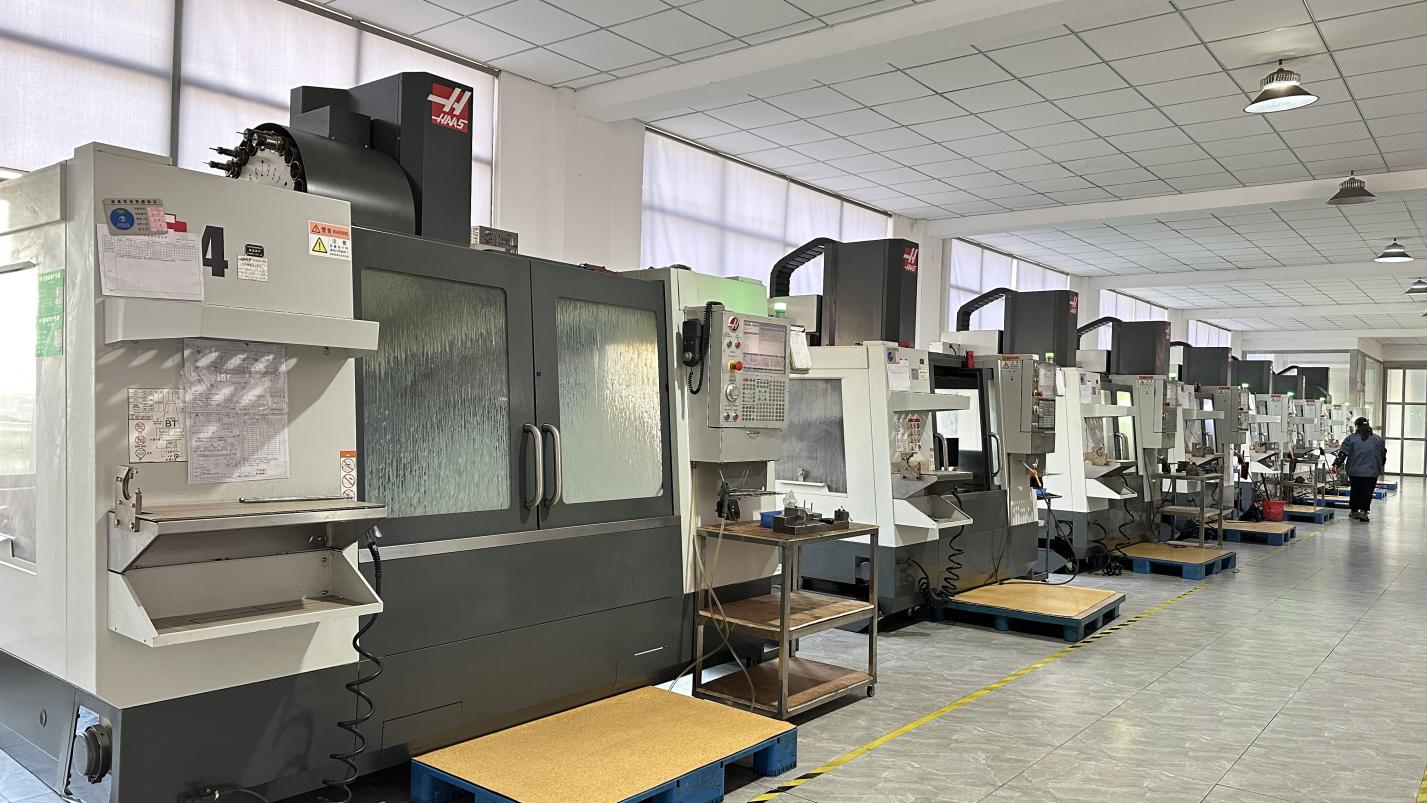
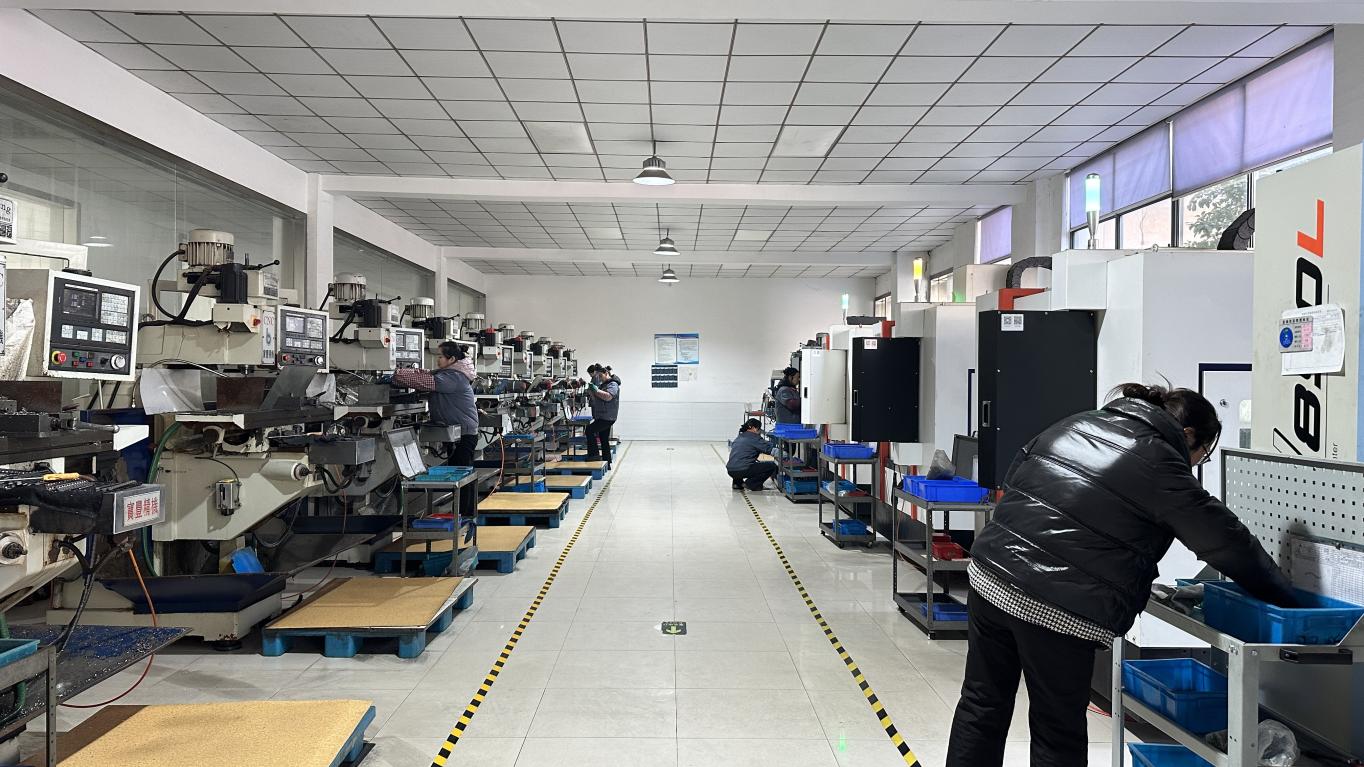
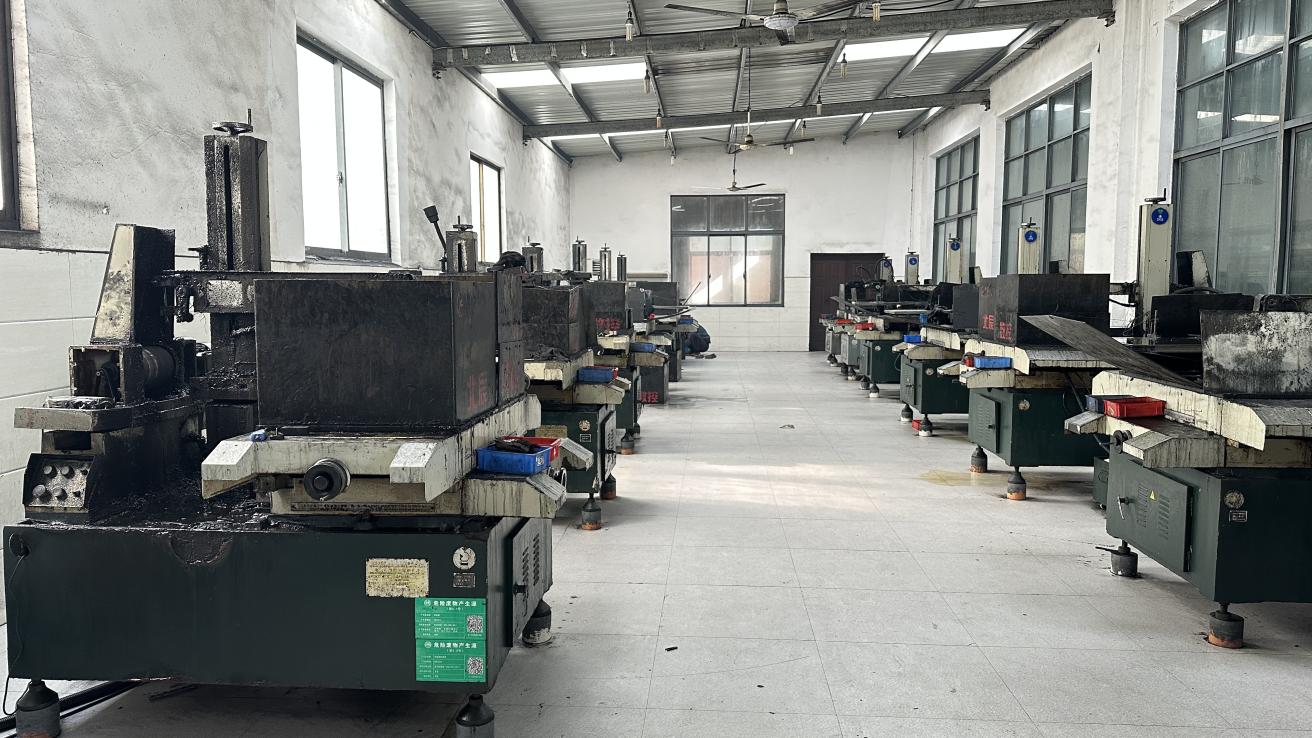
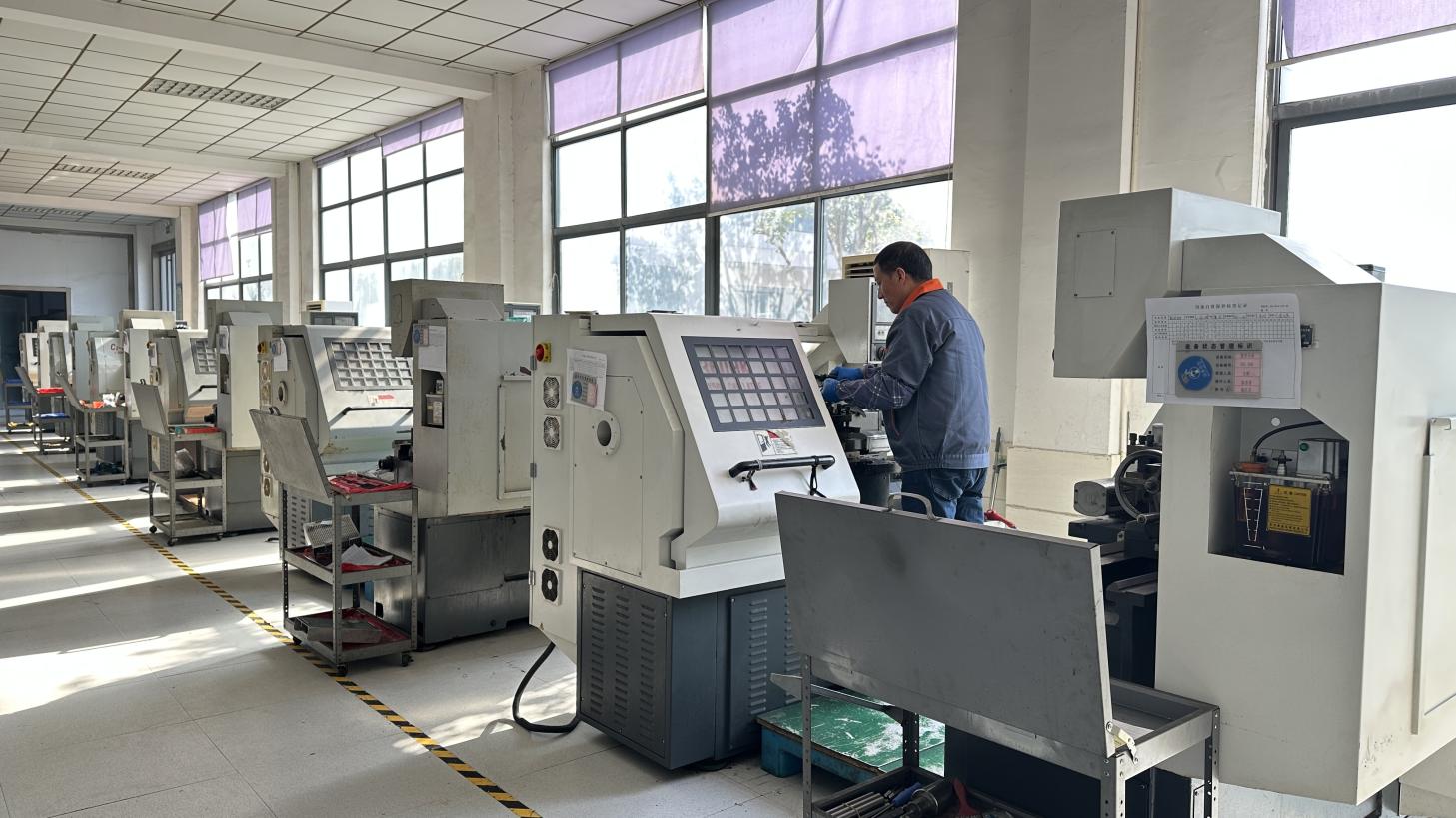
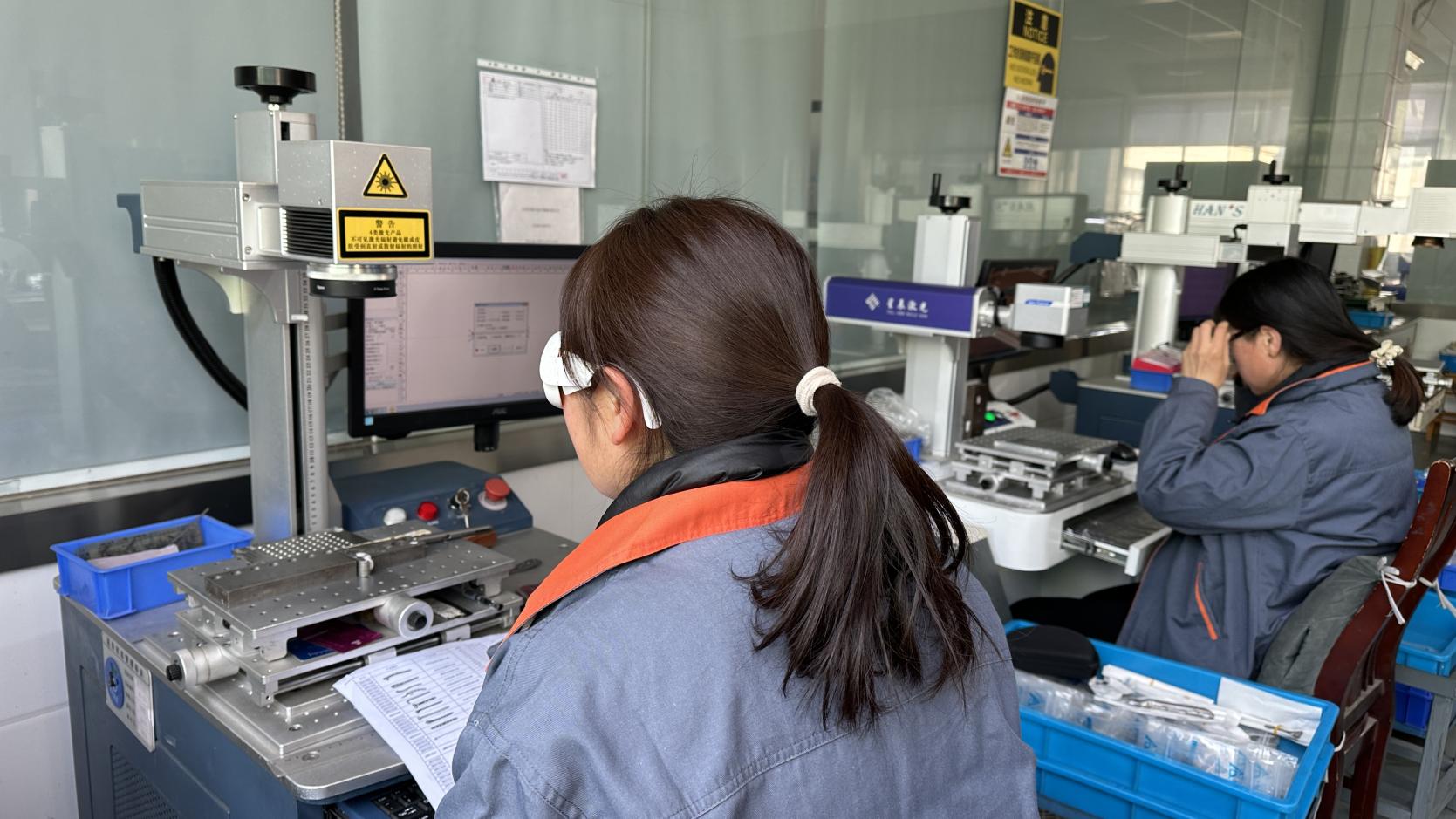
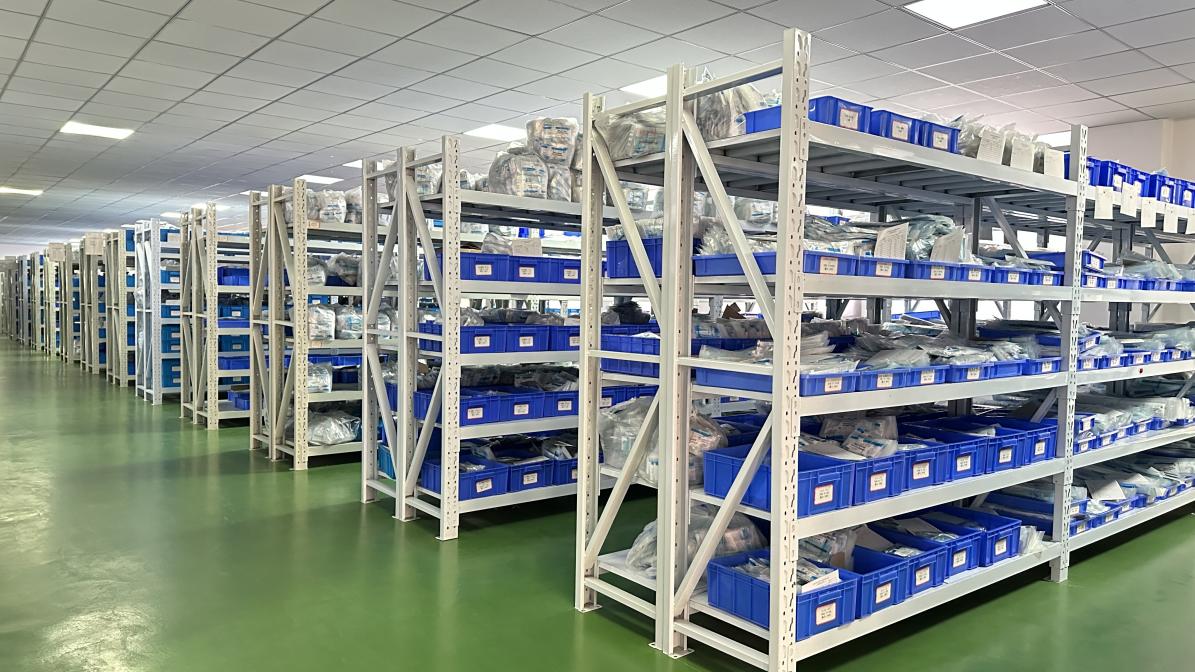
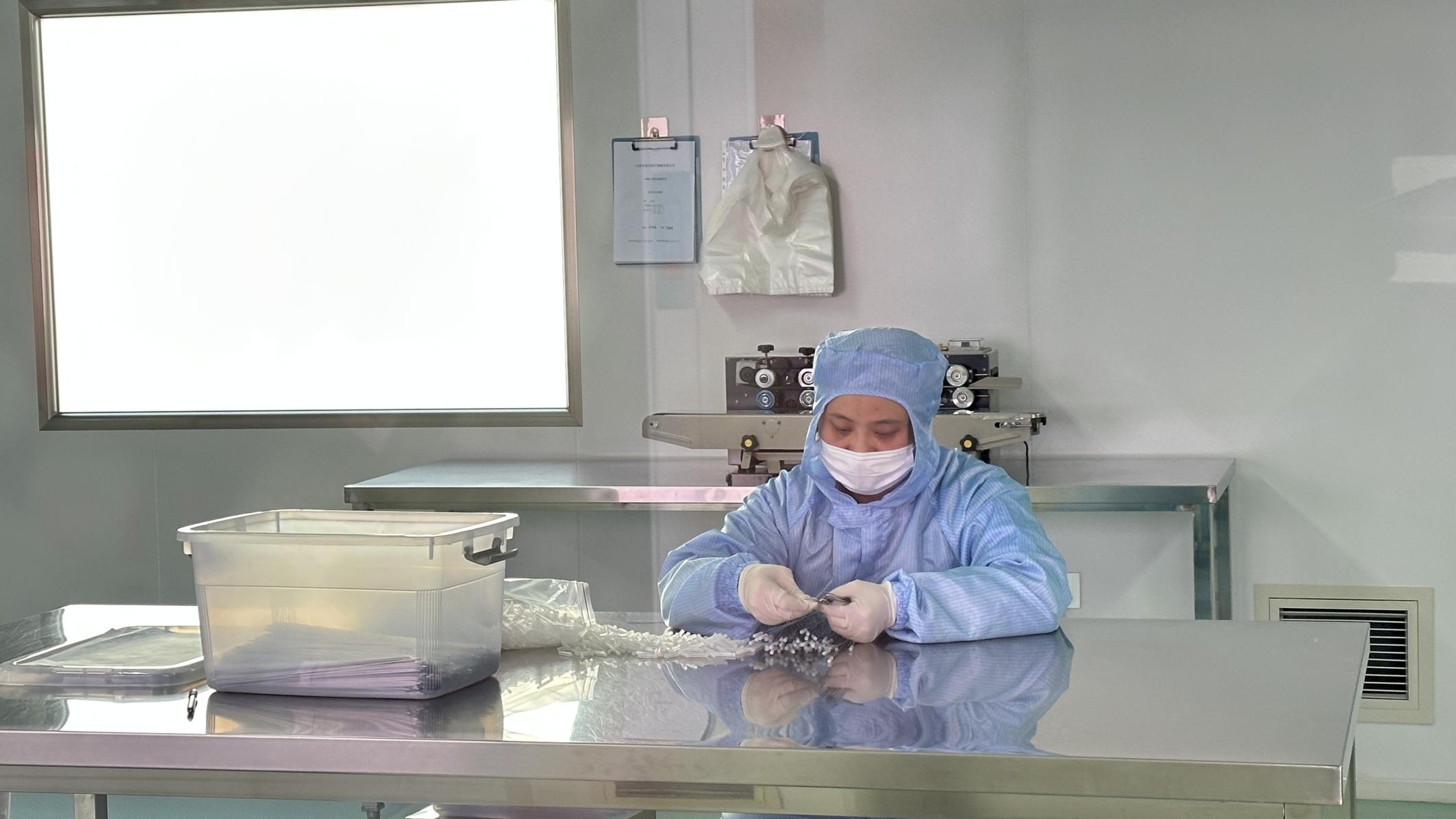
An inside look at our 18,500㎡ facility, supporting professional orthopedic device production from raw material to clinical inspection.
Founded in 2016, Medisplint Orthopedic Instruments Co., Ltd. has established a global footprint as a specialized manufacturer of orthopedic implants, fixation systems, and surgical tools. Our plant features dynamic processing equipment, including high-precision Swiss-type CNC lathes, longitudinal machining centers, and wire cutting units. Supported by 85 engineering and development specialists, we consistently refine our methods to match contemporary biomechanical trends in spinal surgery, launching 68 new products in the past year alone.
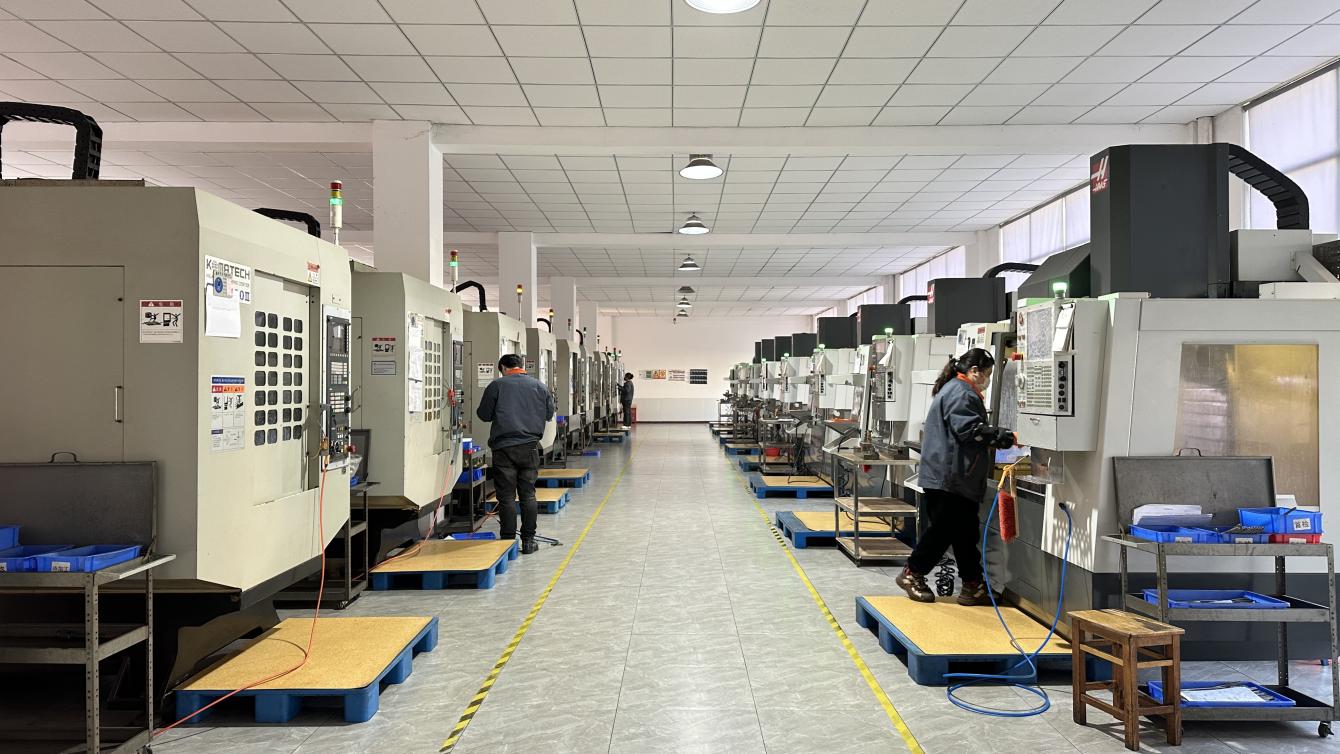
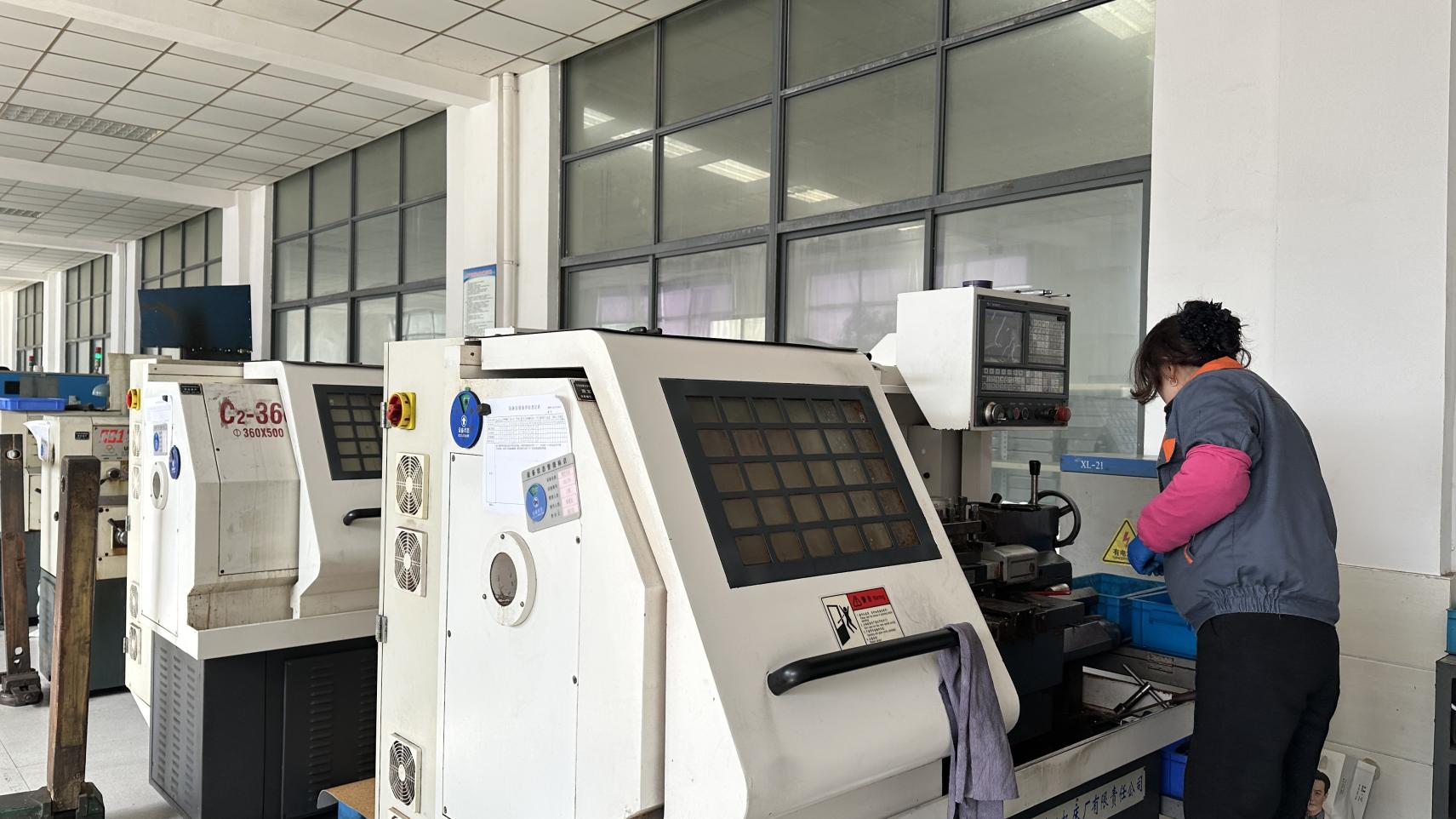
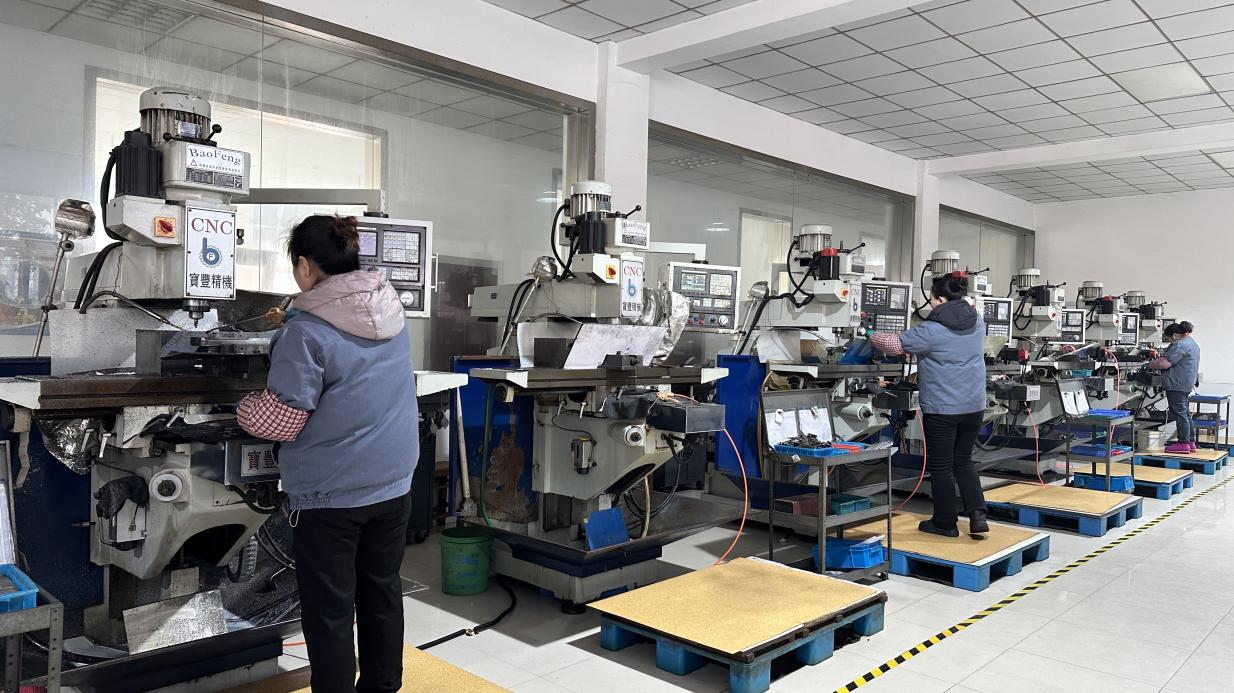
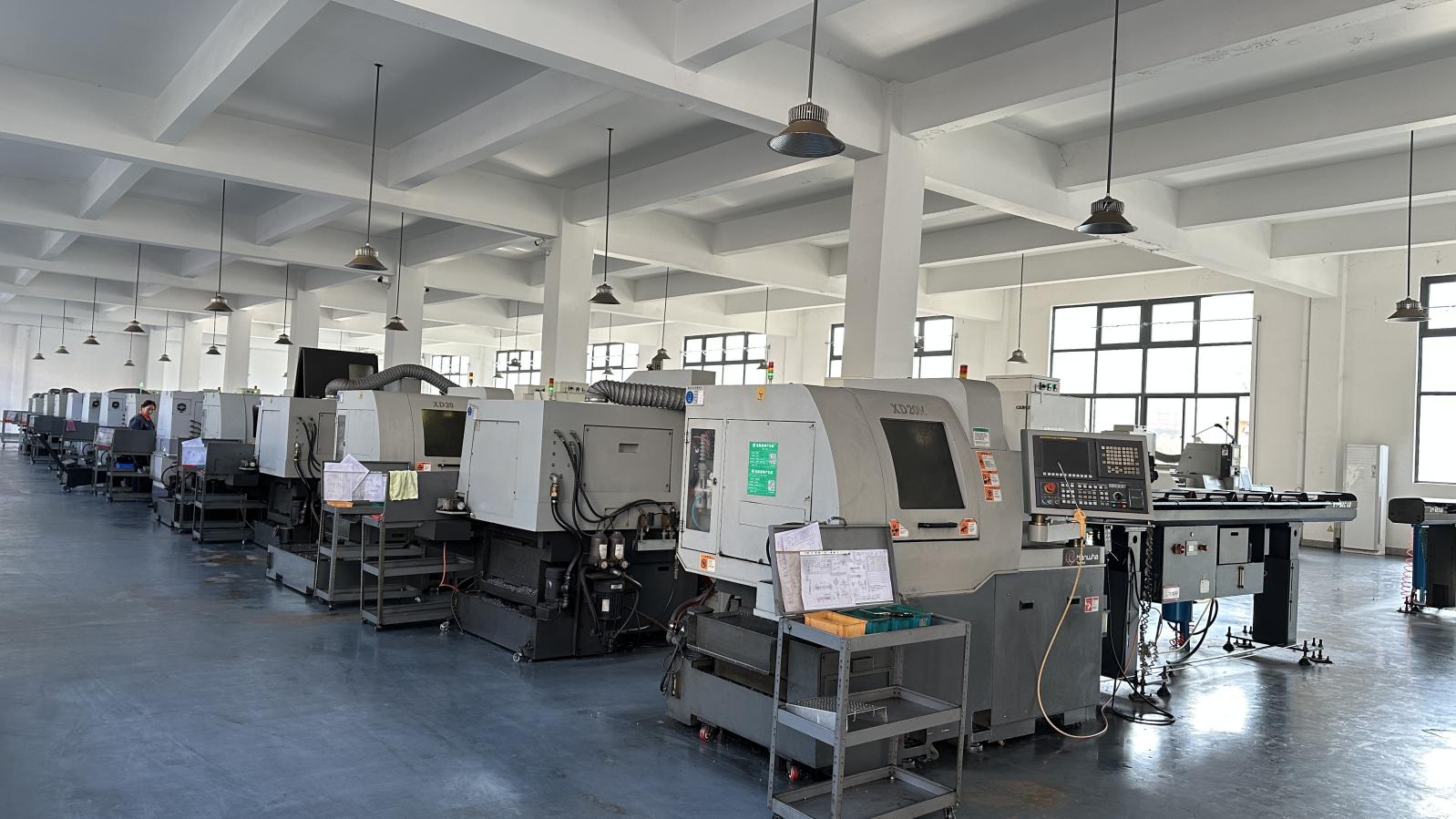
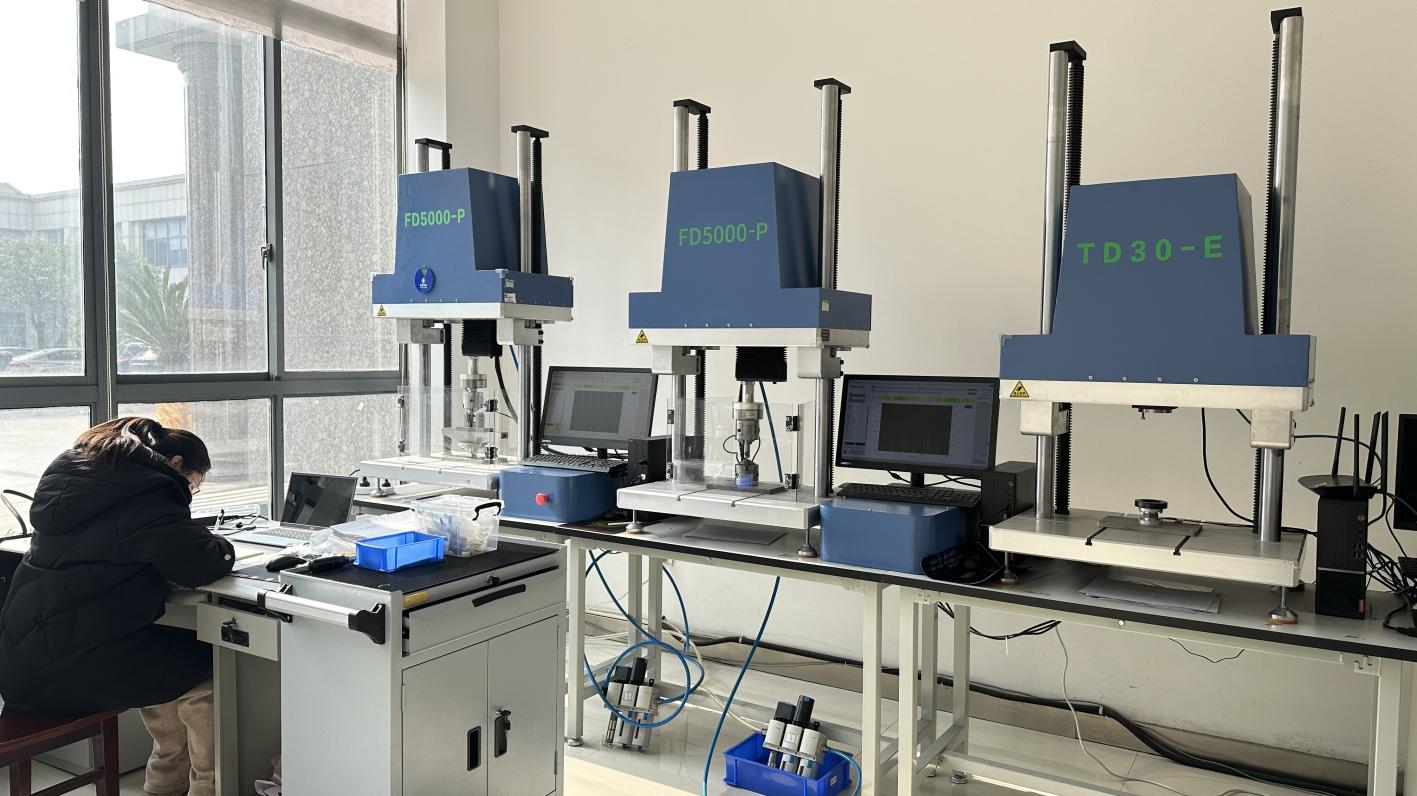
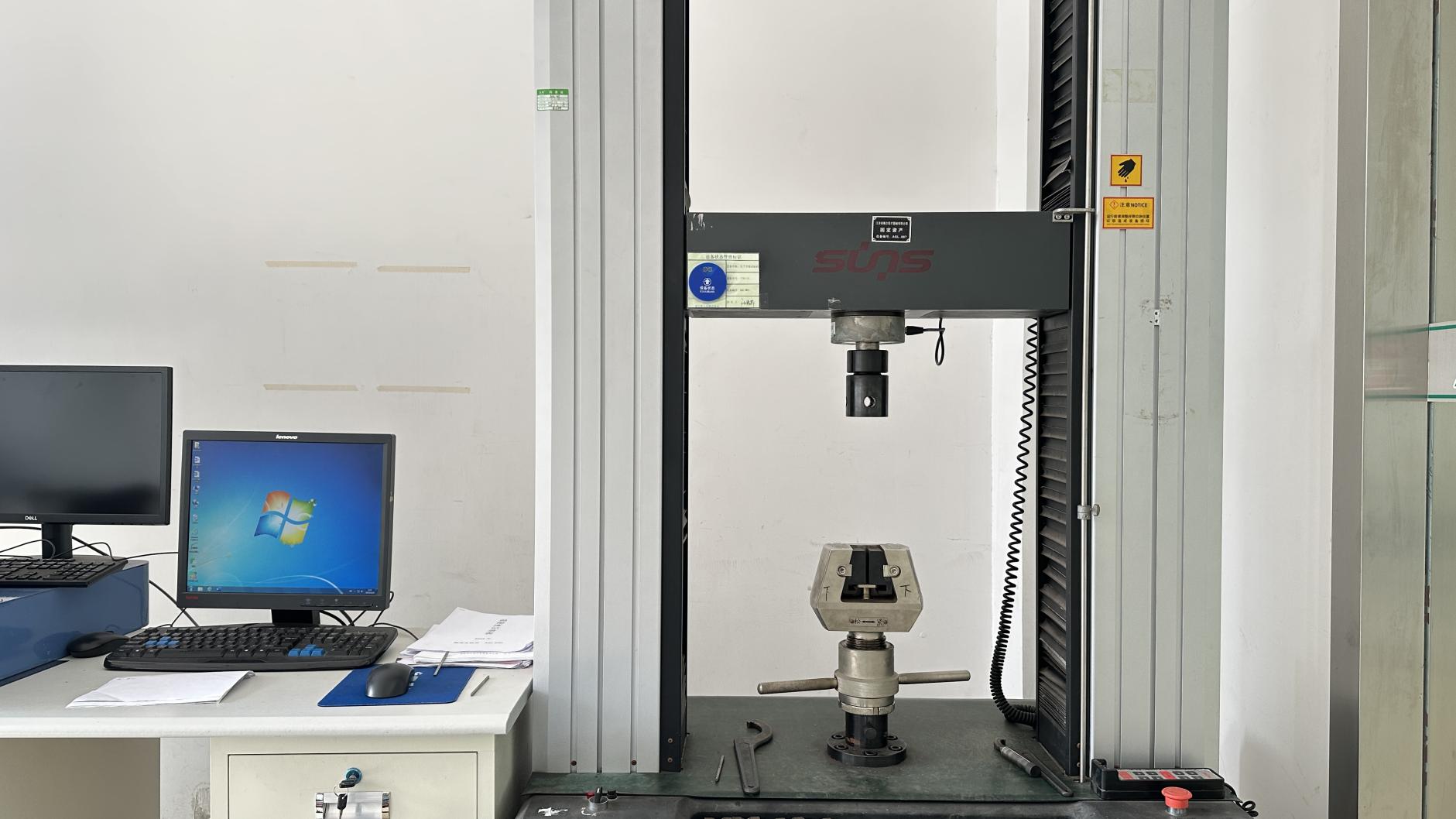
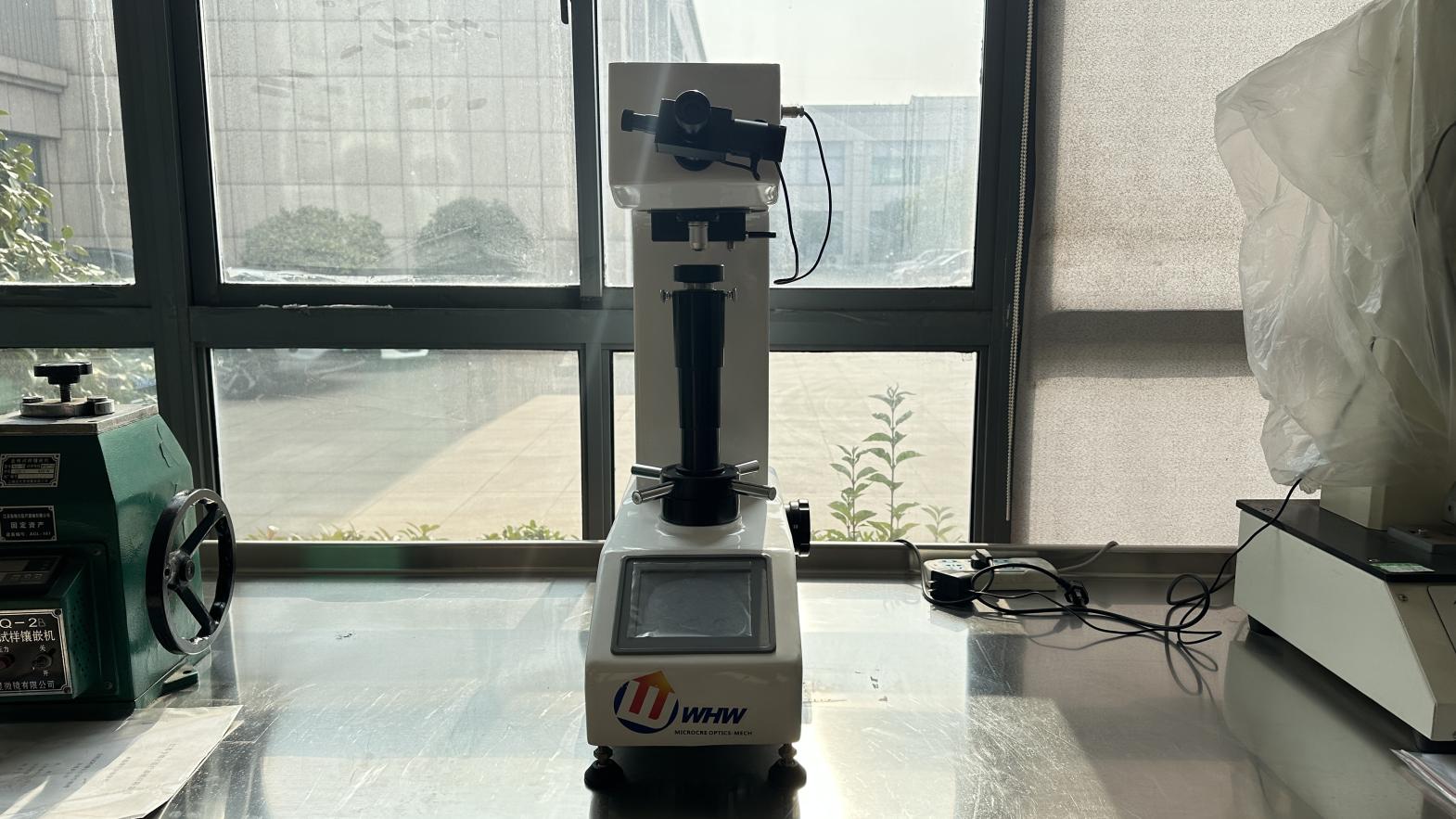
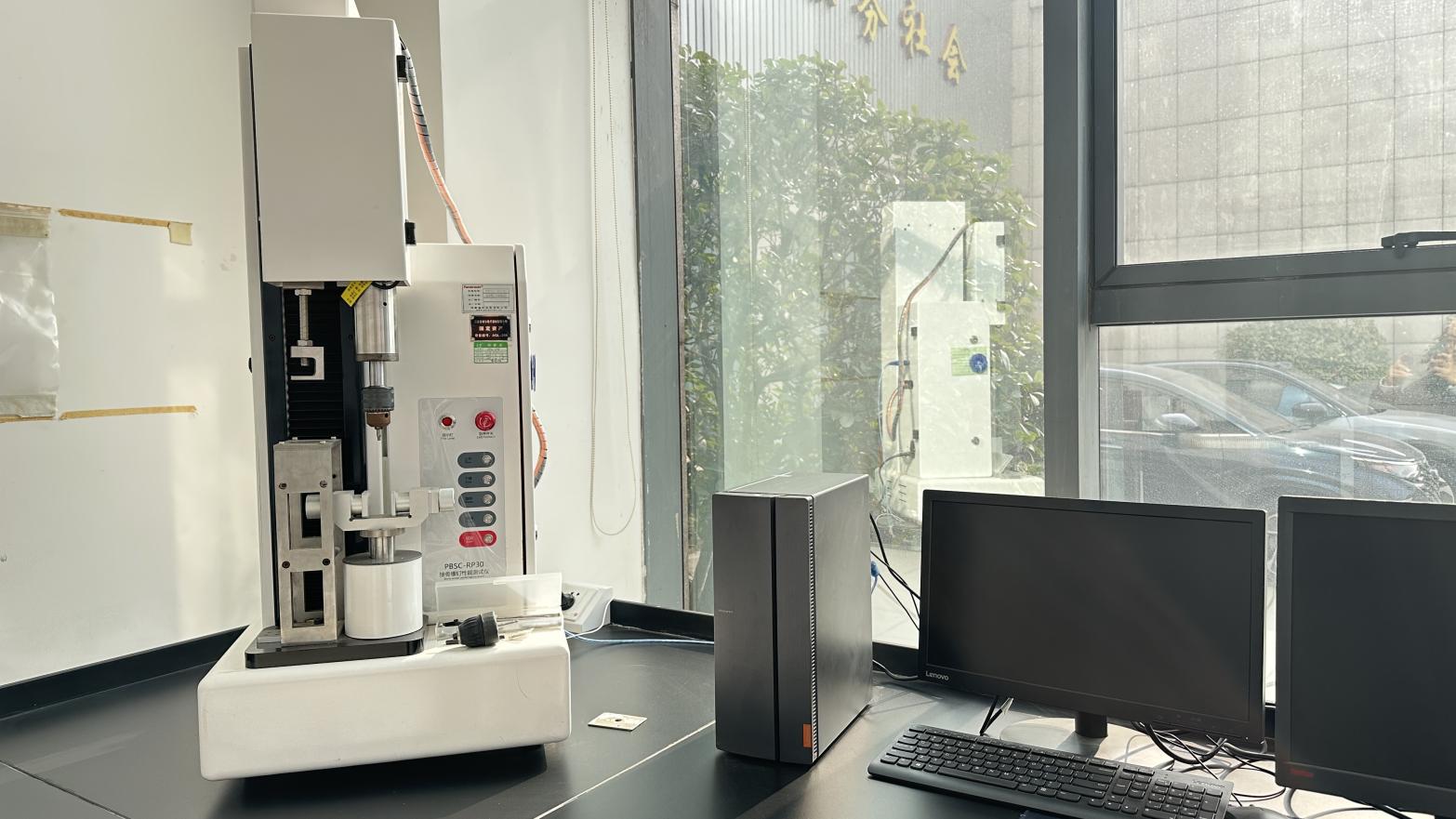
Ensuring fatigue, pull-out, and mechanical safety limits align with international ASTM and ISO specifications.
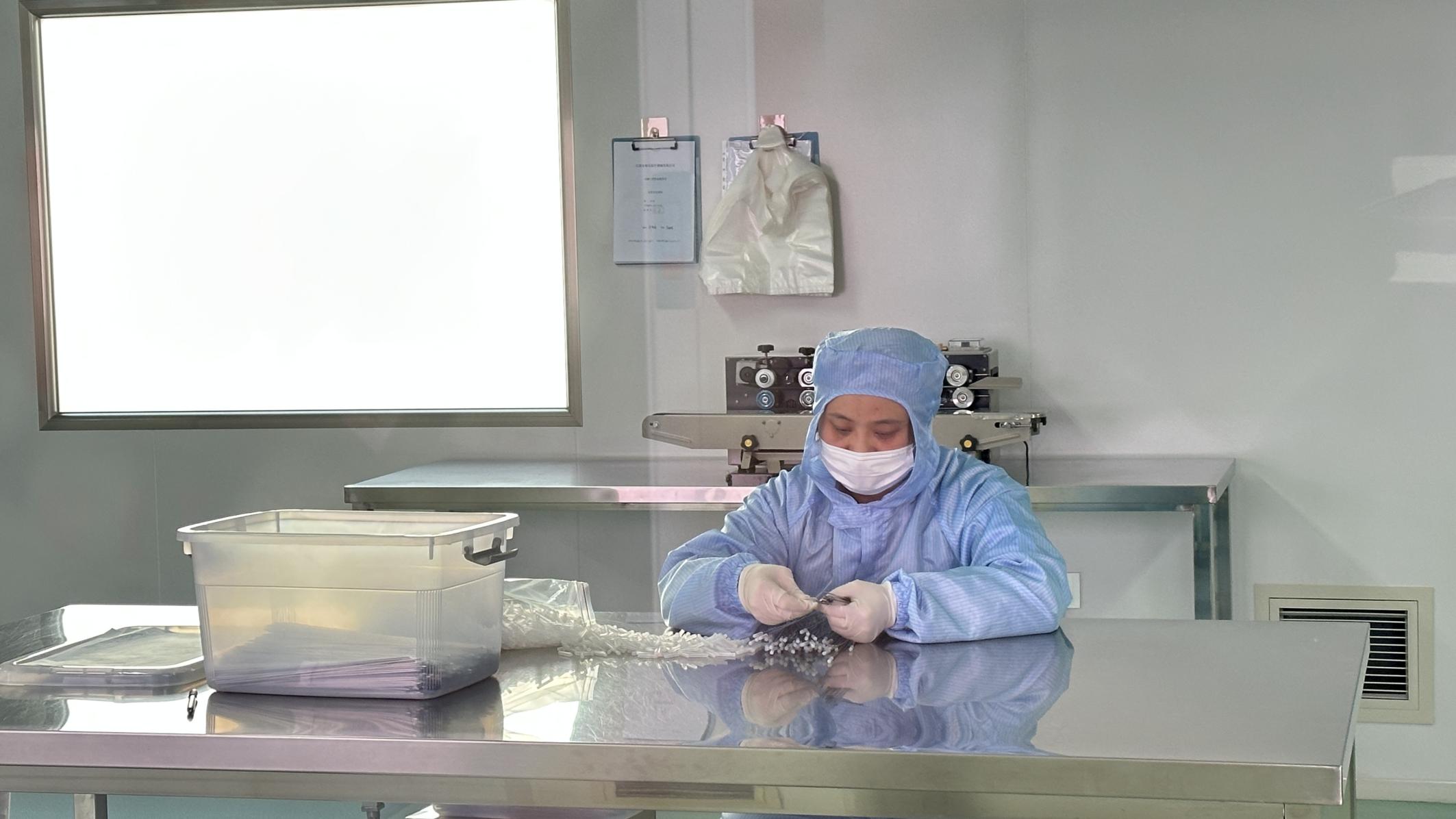
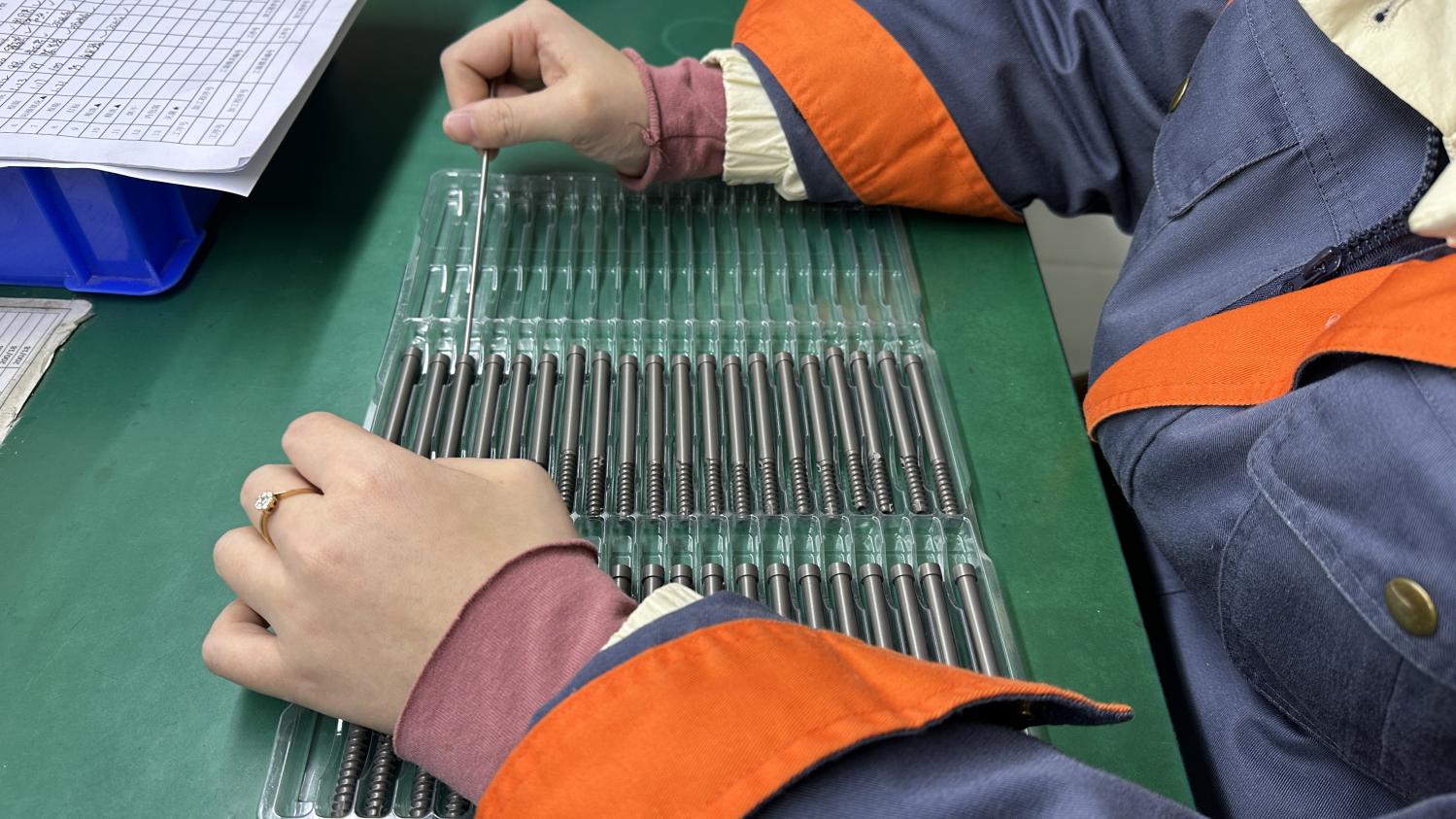
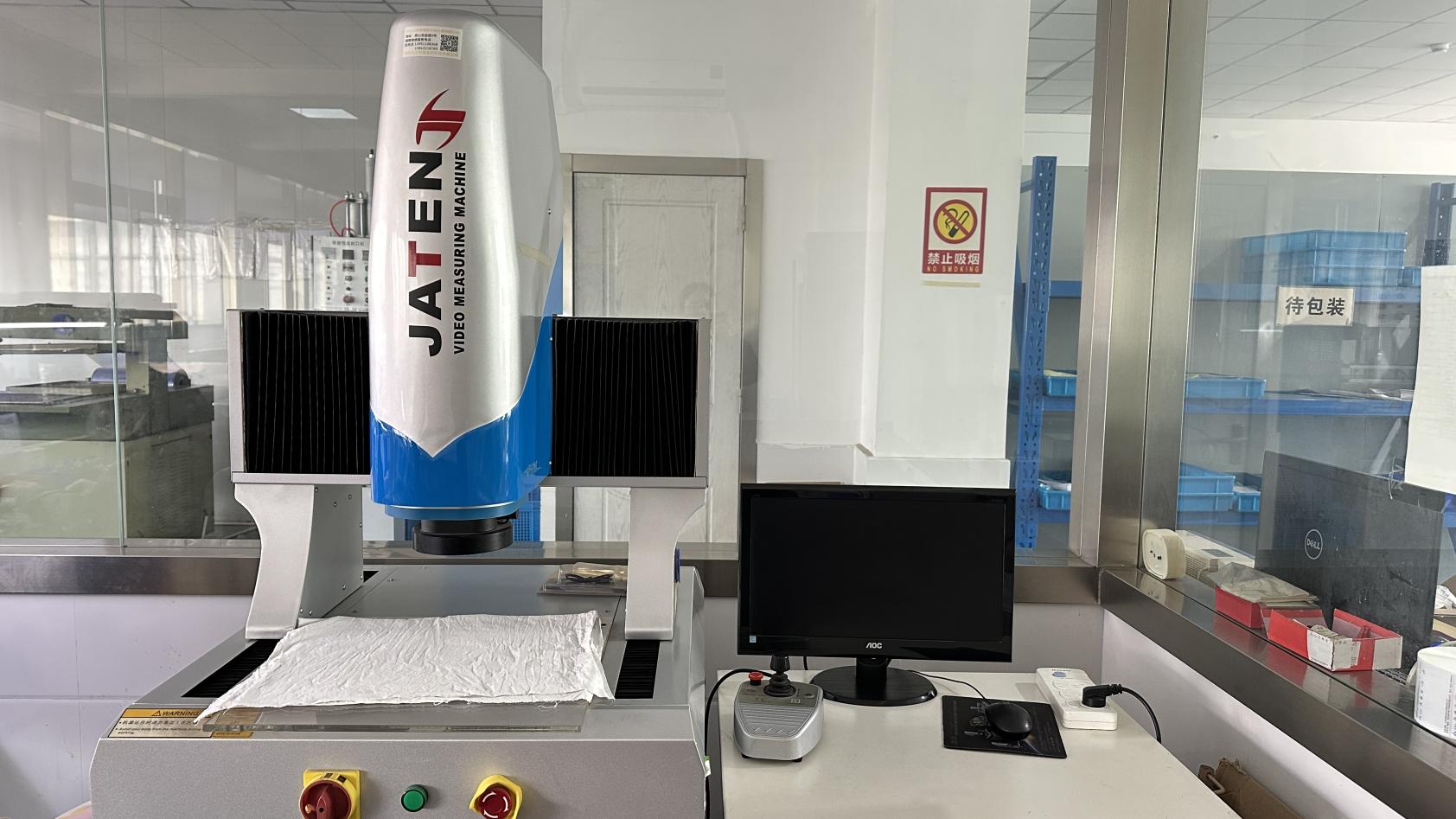
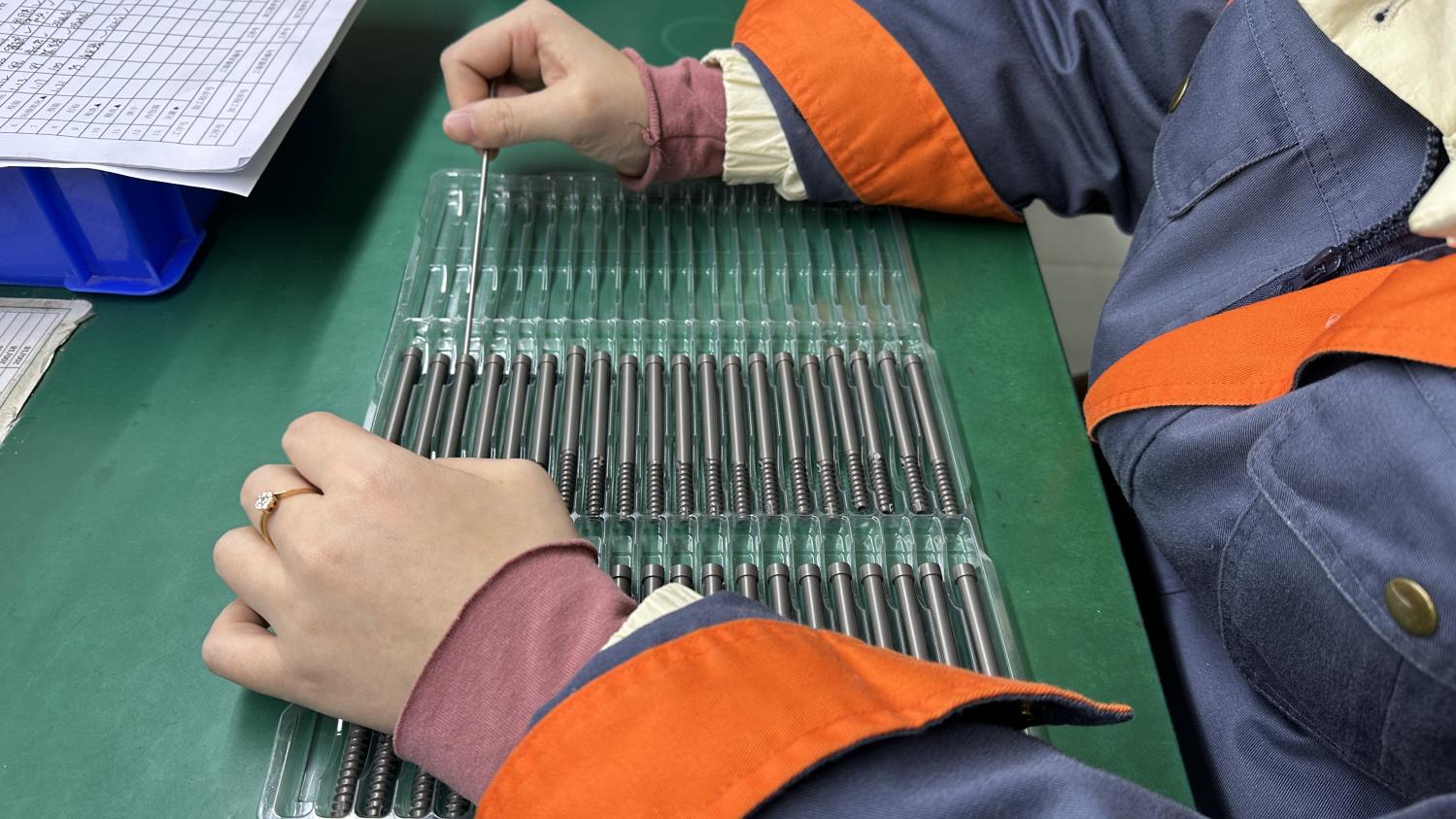
A spinal screw or rod failure can lead to revision surgery and patient risk. At Medisplint, quality assurance is integrated into every phase of manufacturing. Our quality control department is staffed by 42 inspectors executing Incoming Quality Control (IQC), In-Process Quality Control (IPQC), and Final Quality Control (FQC).
Our verification processes utilize dedicated lab instruments designed to evaluate structural integrity and fatigue limits. This testing helps guarantee that when products arrive in Hungary, they meet the stringent biological and physical safety requirements expected by OGYÉI and local clinical practitioners.

A technical guide on importing orthopedic medical devices from China into the EU market.
Importing Class IIb and Class III orthopedic hardware into Hungary requires a reliable logistics setup. The cargo hub at Budapest Ferenc Liszt International Airport (BUD Cargo City) handles direct air freight shipments from major Chinese logistical corridors. Additionally, block trains traveling along the Silk Road route provide overland logistics options to Central Europe. For medical supply distributors, we provide complete compliance documentation, including international commercial invoices, detailed packing lists, certificates of origin, CE declarations of conformity, and ISO 13485 registration records. This documentation supports smooth customs clearance through EU customs entry points and ensures local compliance with Hungarian health regulations.
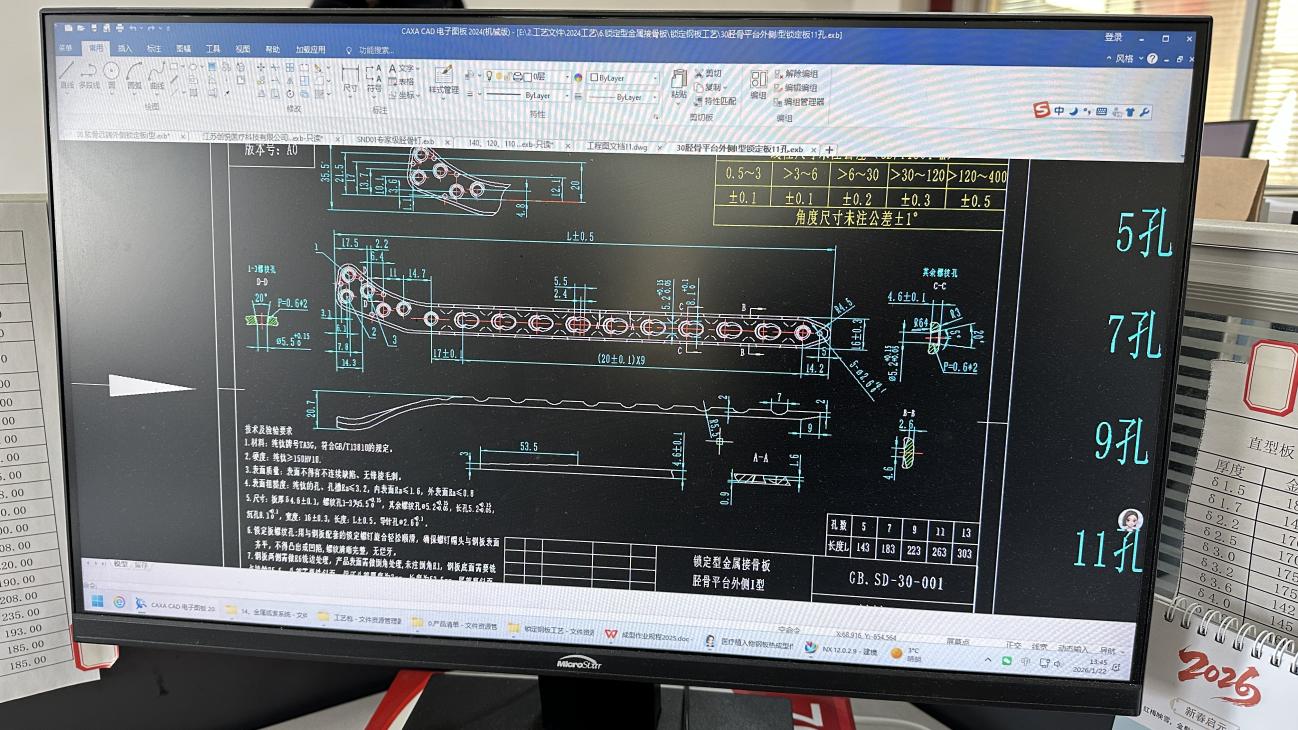
The regulatory transition from the MDD to the EU Medical Device Regulation (MDR 2017/745) introduced stricter clinical evaluation protocols, post-market clinical follow-up (PMCF) expectations, and UDI identification requirements. Medisplint manufactures all orthopedic hardware in compliance with ISO 13485:2016 quality management standards. To register our products under the Hungarian National Institute of Pharmacy and Nutrition (OGYÉI) database, we provide local distributors with comprehensive product documentation, including biocompatibility reports (ISO 10993), raw material analysis sheets, and structural test results. This extensive technical documentation supports a streamlined registration process for local public tenders and clinical evaluations.
Sourcing spinal fixation systems from Medisplint provides a practical balance of advanced manufacturing and cost efficiency. Our integrated supply chain collaborates with over 1,200 raw material and tooling partners. This integration allows us to procure medical-grade titanium alloy (Ti-6Al-4V ELI) at scale, reducing raw material costs. Additionally, by automating our CNC processes and keeping our tooling design and manufacturing in-house, we can optimize production runs. This efficiency enables us to offer competitive pricing to Hungarian distributors, helping them present value-driven proposals for national public health tenders.
Through our dedicated R&D engineering department, Medisplint offers custom manufacturing services (OEM/ODM) to meet specific surgical and anatomic requirements. Our customization capabilities include:
Evaluating clinical applications for Medisplint fixation systems across Hungarian hospital departments.
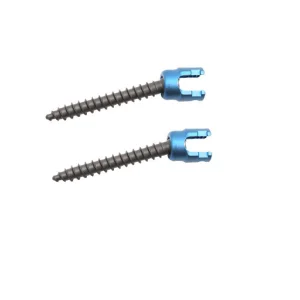
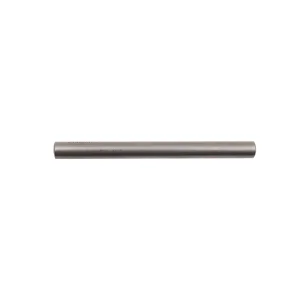
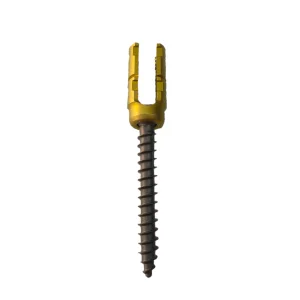
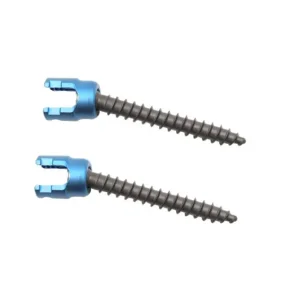
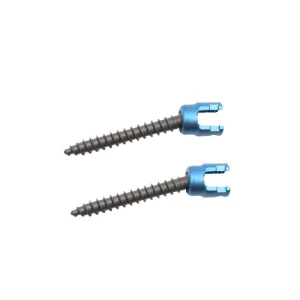
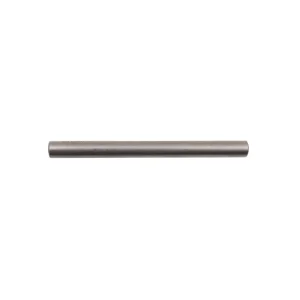
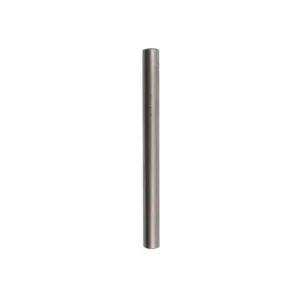
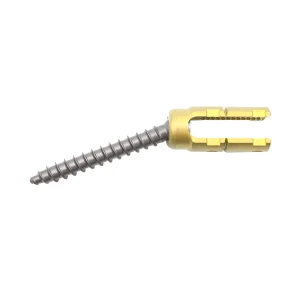
Applying polyaxial pedicle screws and straight rods (6.0 system) to provide mechanical stabilization during interbody fusion procedures. This setup helps prevent micromotion, supports bone fusion, and contributes to patient recovery in lumbar spinal stenosis cases.
Providing rigid thoracic-lumbar fixation systems for acute spinal fractures, dislocation stabilization, and deformity correction. The high pull-out resistance of our self-tapping thread designs helps secure long-segment constructs under high mechanical stress.
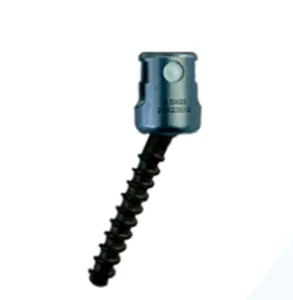
Utilizing cannulated, percutaneous pedicle screws designed for minimal muscle disruption. These components feature narrow profiles and dedicated alignment guides, supporting efficient workflows in modern spine care centers.
Essential technical, regulatory, and logistics answers for procurement specialists in Hungary.
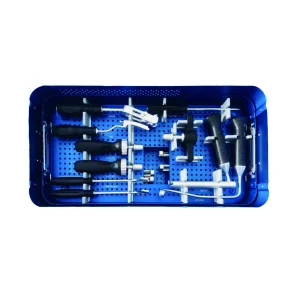
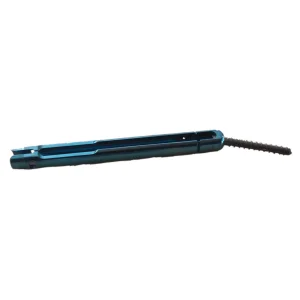
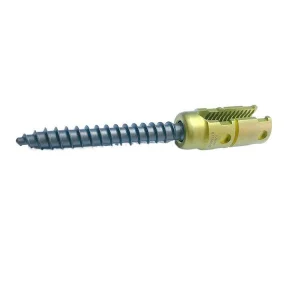
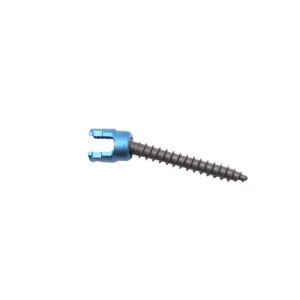
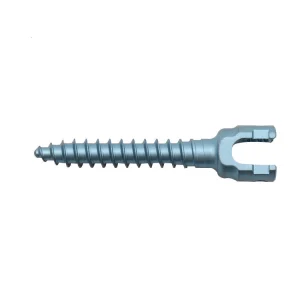
Explore our full selection of pedicle screw assemblies, rods, and posterior fixation sets available for Hungarian hospital procurement.
Collaborate with Medisplint for competitive wholesale pricing, ISO 13485-certified quality, and customized manufacturing services.
Send Inquiry Now