Medisplint
Medisplint
Medisplint
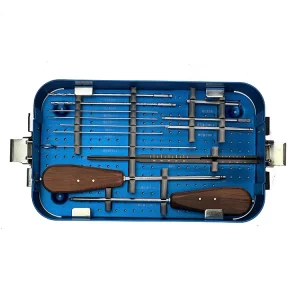
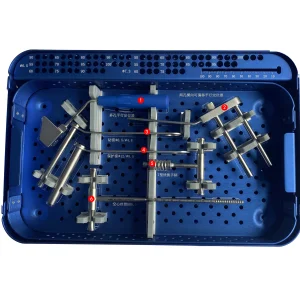
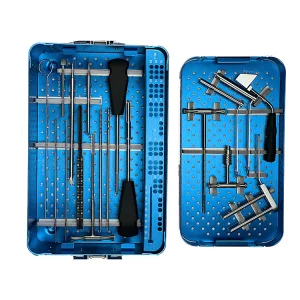
Advanced spine reconstruction kits, cannulated screw setups, and customized titanium alloy implant systems engineered for regional hospital purchasing agents.
Advanced Production Site
QA/QC Inspection Engineers
Annual International Export
Dedicated R&D Professionals
The Île-de-France region, anchored by the Assistance Publique - Hôpitaux de Paris (AP-HP)—the largest public hospital system in Europe—functions as a leading global cluster for complex arthroplasty, polytrauma management, and spine surgery. Facilities such as Hôpital Pitié-Salpêtrière and Hôpital Européen Georges-Pompidou require surgical equipment that meets strict clinical requirements. High patient volumes and advanced surgical techniques demand instruments that offer exceptional durability, precise ergonomics, and long-term biological safety.
To supply this market, manufacturers must strictly adhere to the transition from the Medical Device Directive (MDD) to the European Union Medical Devices Regulation (EU MDR 2017/745). This regulatory framework enforces strict rules on raw material traceability, clinical evaluation reports, and post-market clinical follow-up (PMCF) tracking. In France, the national regulatory authority, ANSM (Agence Nationale de Sécurité du Médicament et des Produits de Santé), strictly monitors the market entry of orthopedic devices. Under these rules, surgical tools used for osteosynthesis and implant placement must meet rigorous standards for cleaning, sterilization validation, and raw material composition.
As a global partner, Medisplint Orthopedic Instruments aligns its production processes with these strict regulatory expectations. We provide titanium alloys and stainless steel instruments that undergo rigorous surface finishing and biomechanical testing, ensuring reliable integration into the surgical workflows of Paris clinics.
Every instrument and fixation implant supplied to Paris medical centers meets the following performance criteria:
Providing custom OEM/ODM development and reliable supply chains to support European distributors and hospitals.
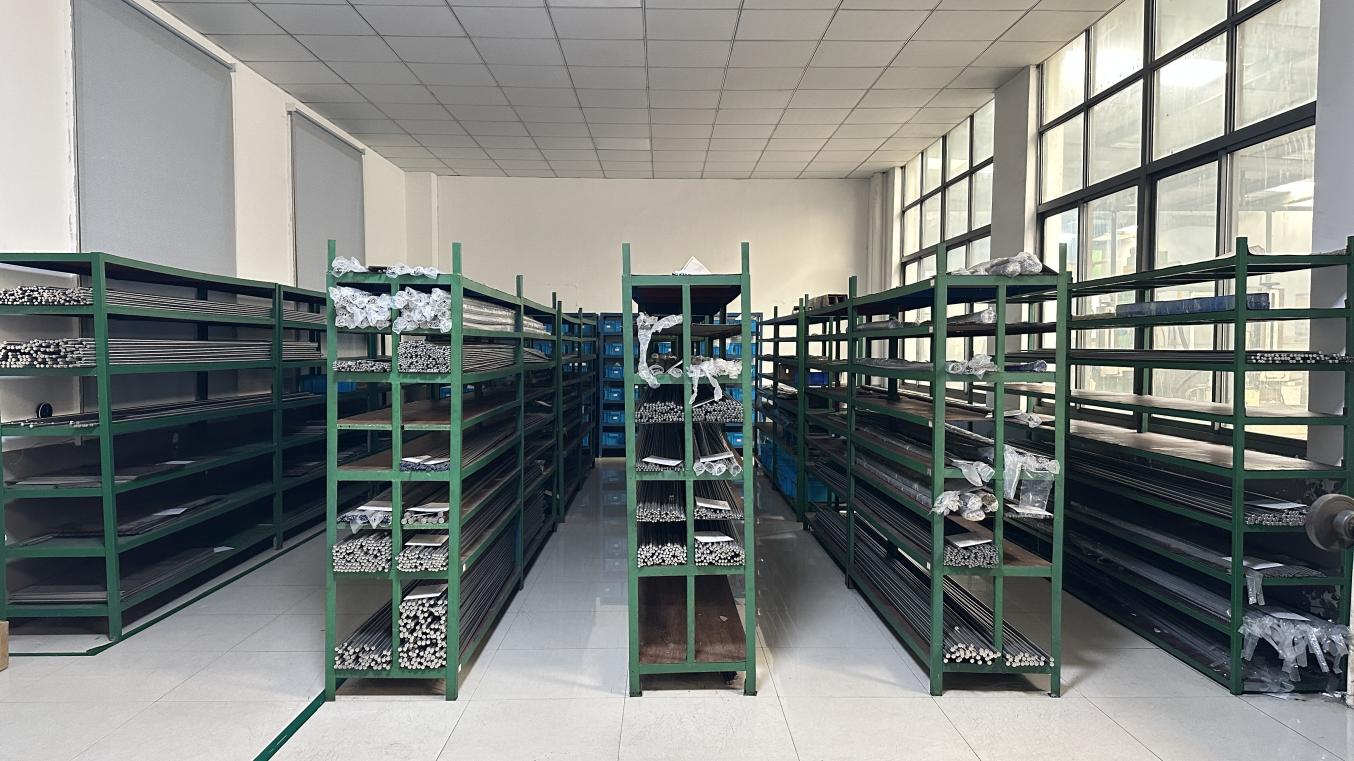
Fluctuations in specialty metal markets can lead to supply delays for orthopedic implants. Medisplint mitigates these risks through partnerships with over 1,200 supply chain associates, maintaining raw material reserves of medical-grade titanium and surgical stainless steel to support uninterrupted production.
French orthopedic surgeons often require customized instruments designed for specific patient anatomies or minimally invasive surgical (MIS) approaches. Backed by 85 R&D specialists, we provide custom design modifications, rapid prototype generation, and private labeling services.
Our quality department employs 42 professional inspectors who monitor production across all stages. Using incoming material analysis, in-process control (IPQC), final inspection (FQC), and third-party laboratory tests, we ensure that every batch meets international safety standards.
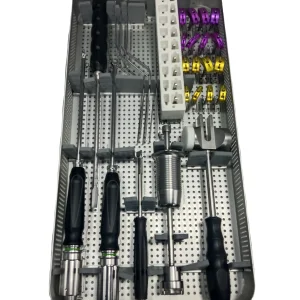
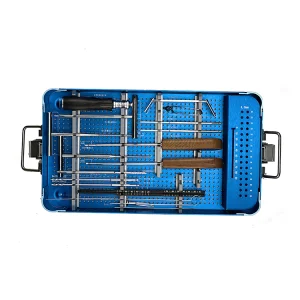
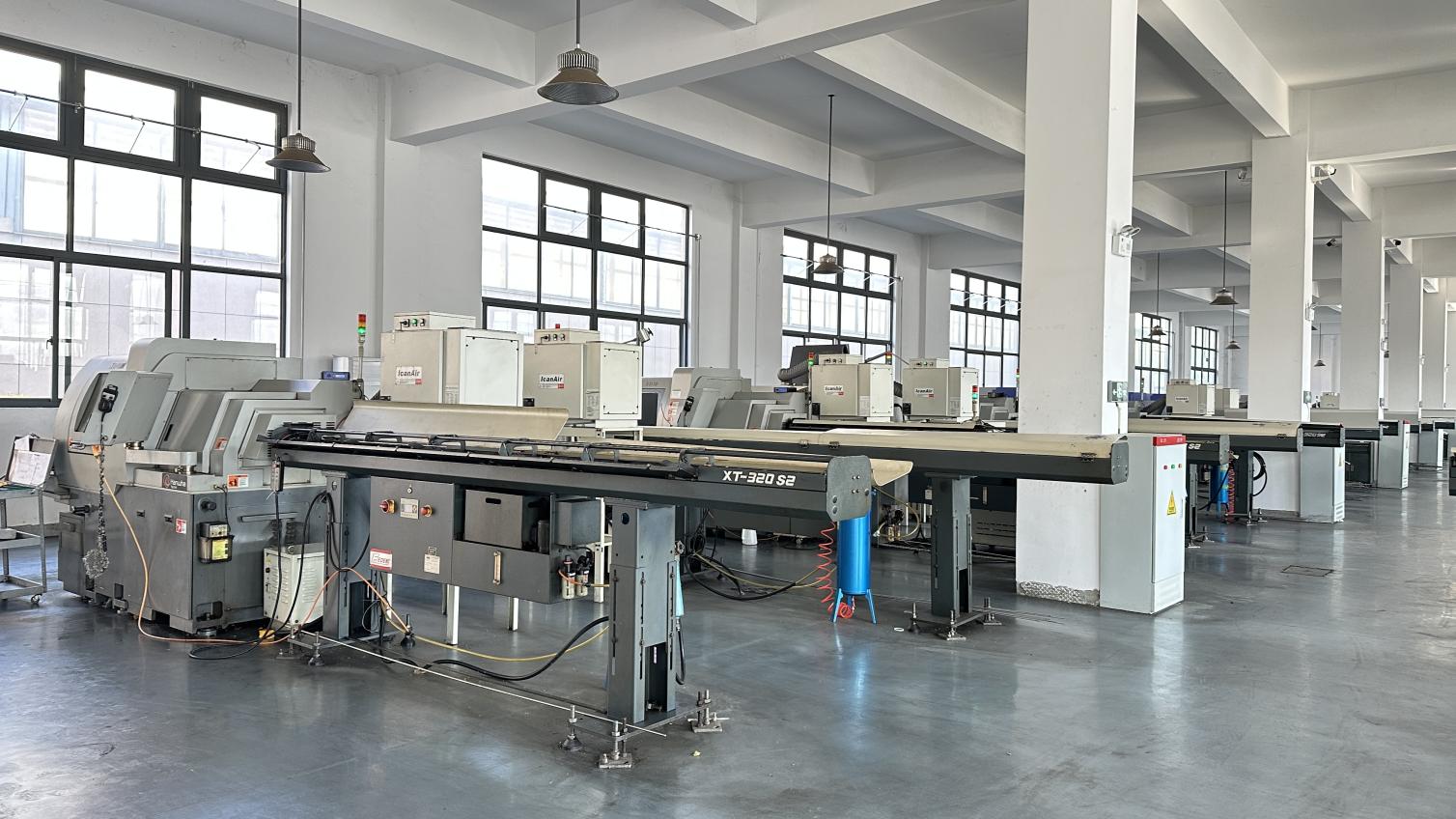
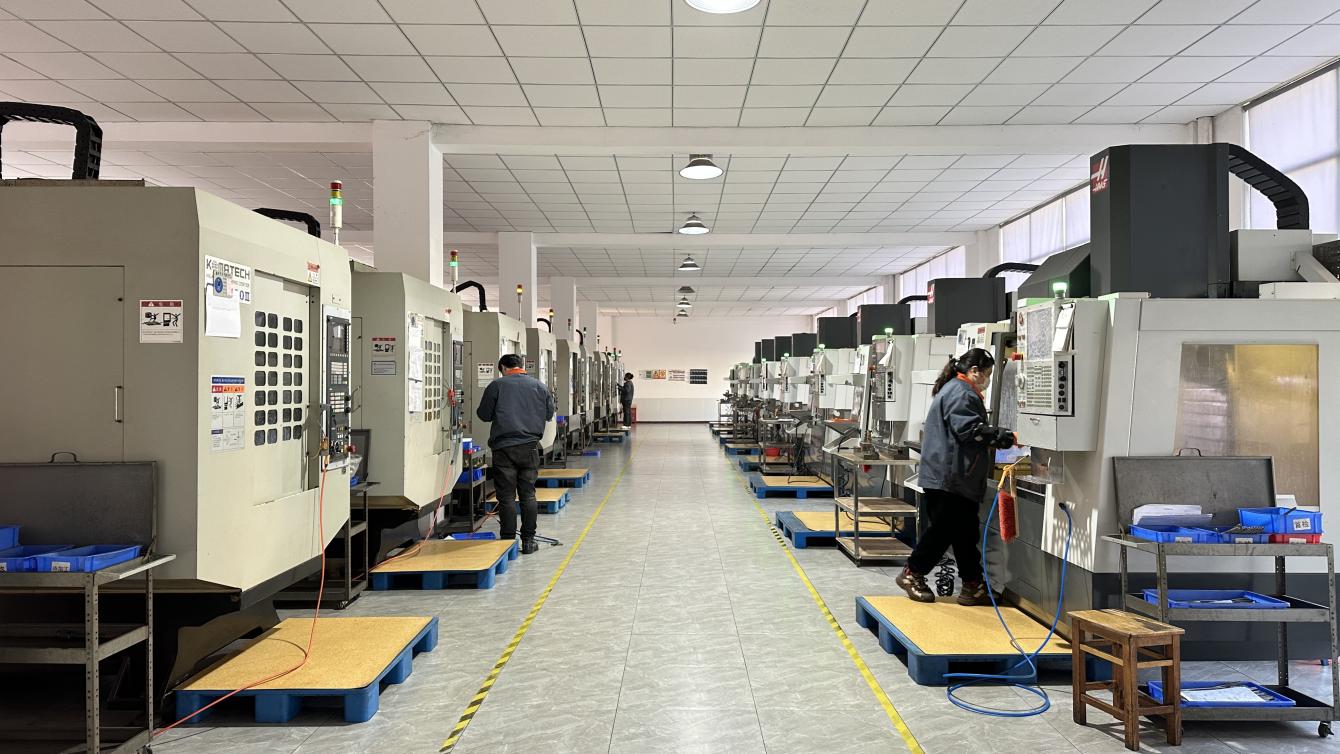
A detailed view of our production and quality control workflows within our ISO 13485-certified facility.
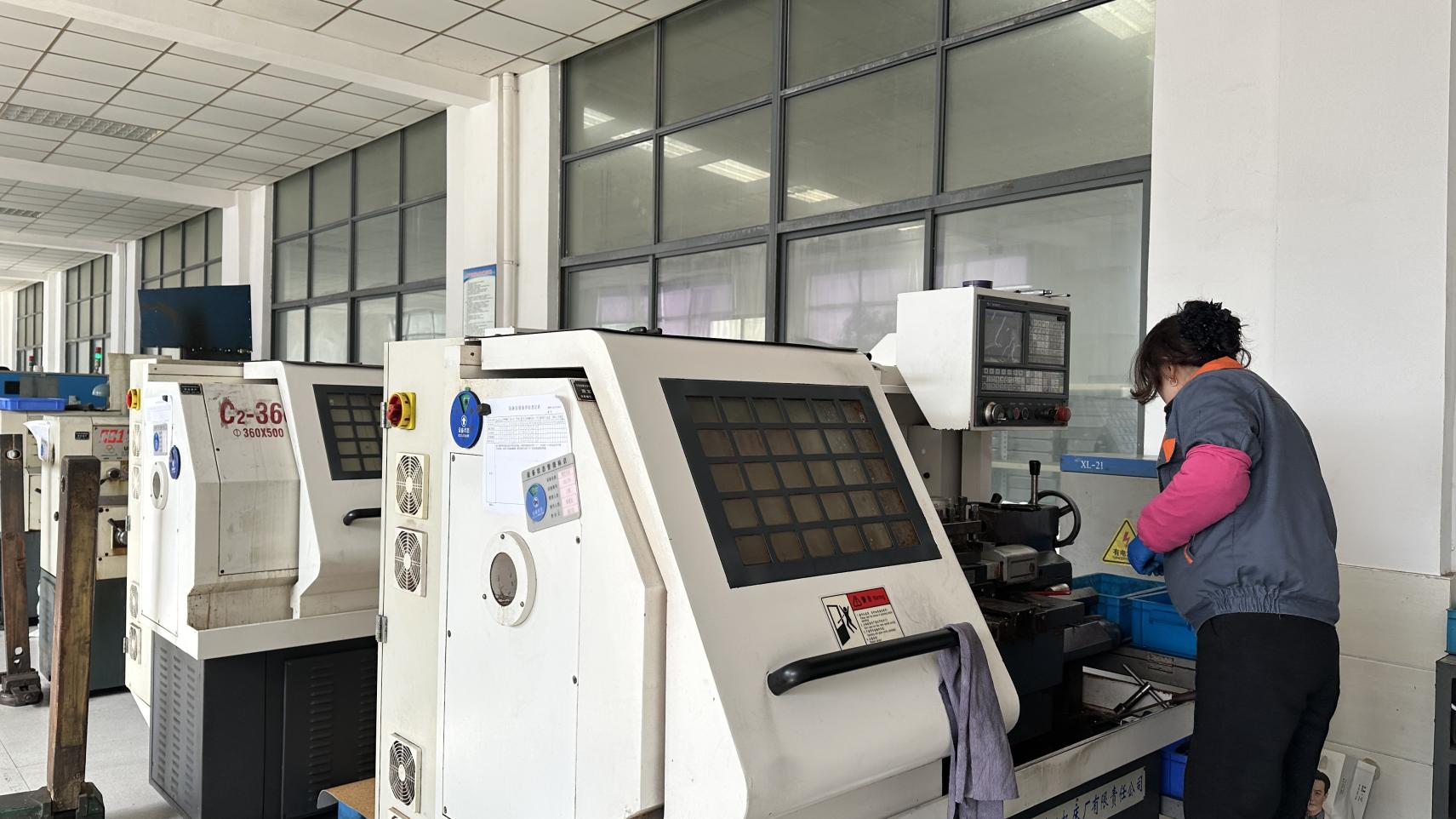
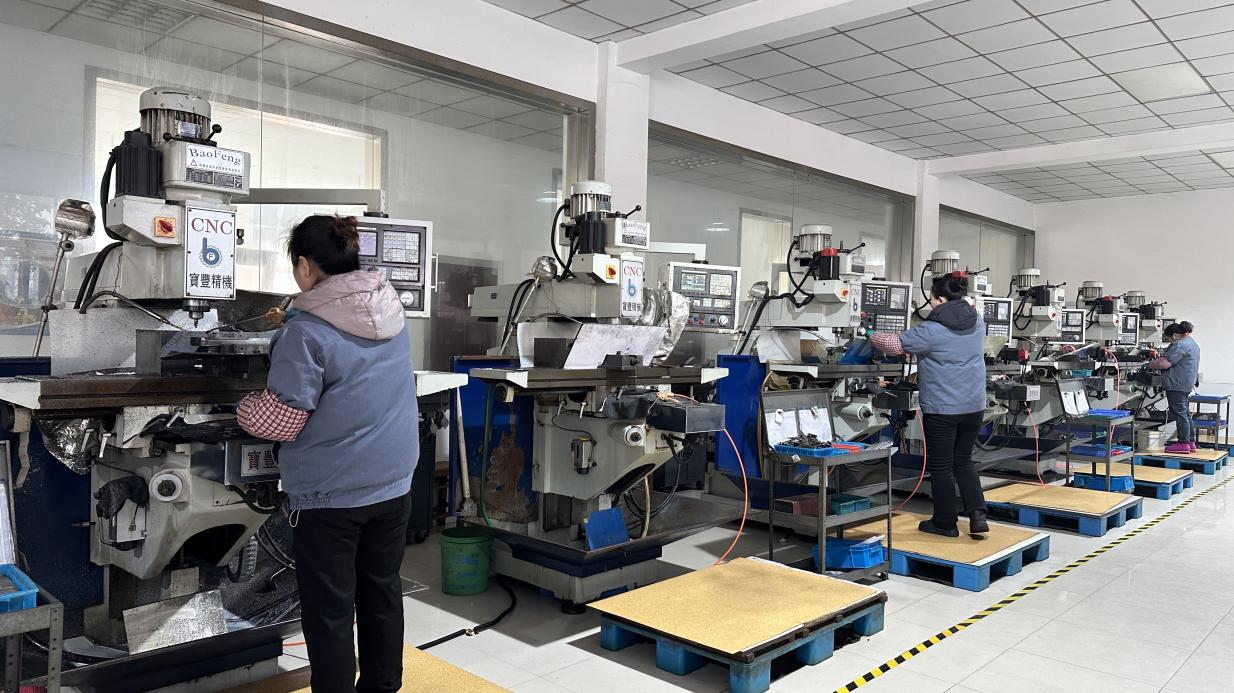
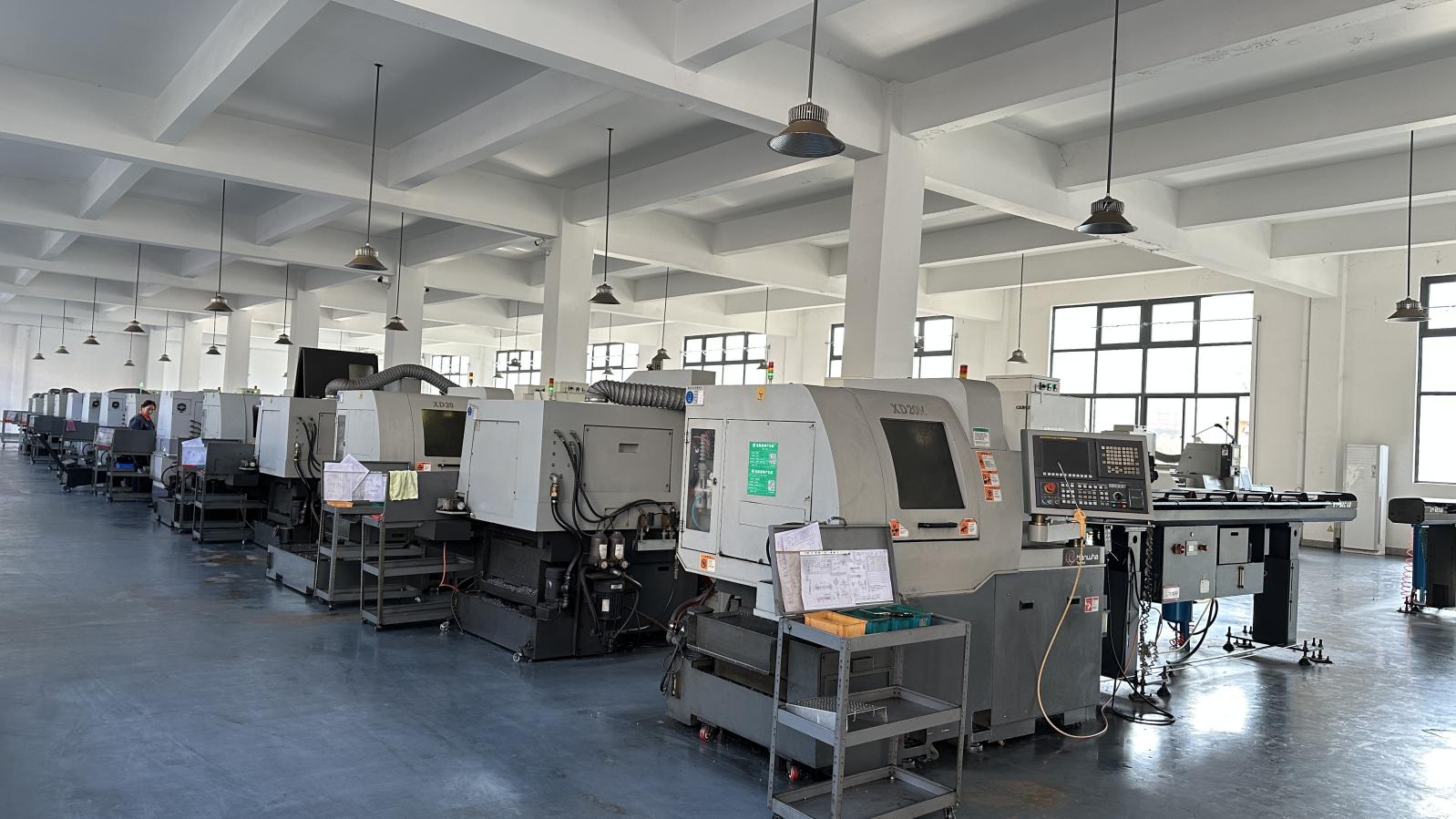
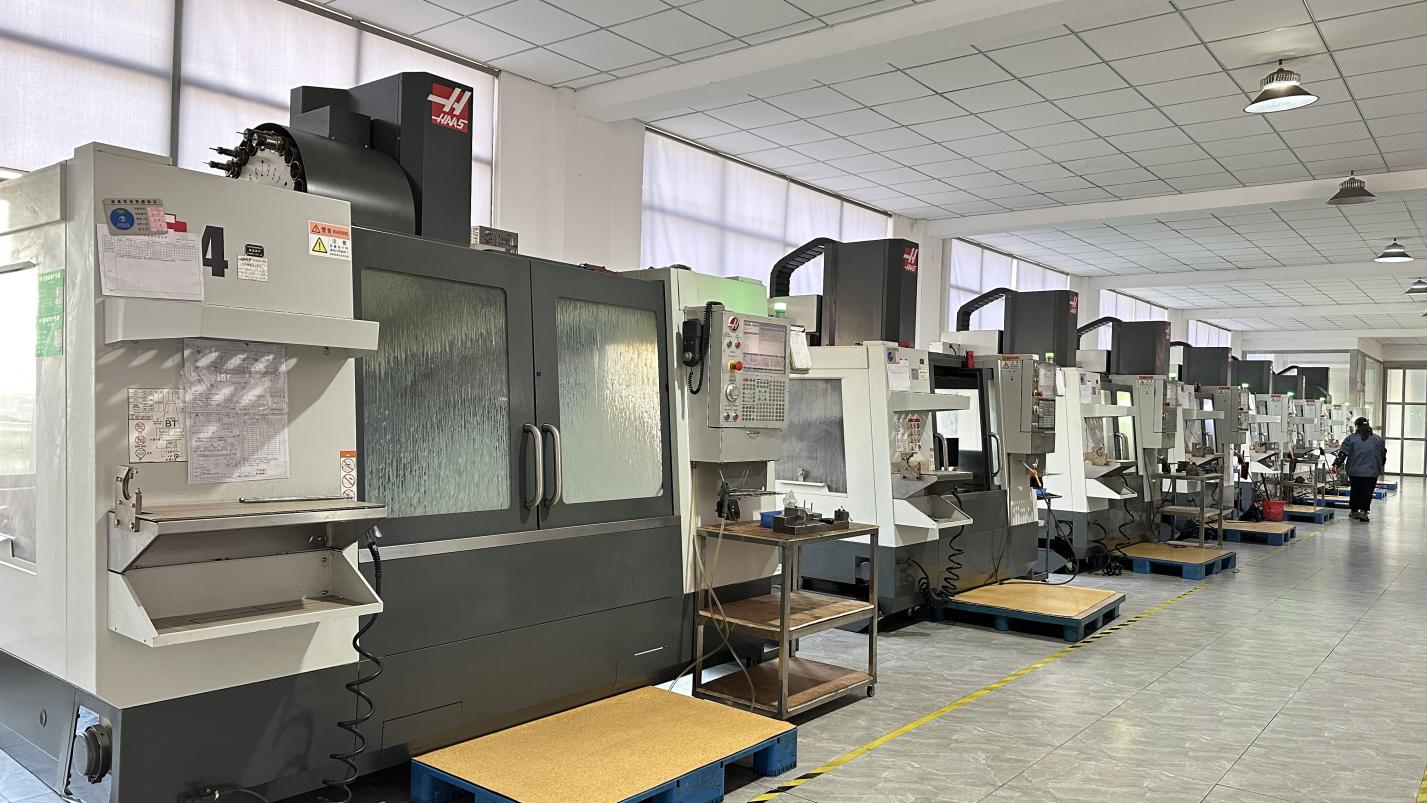
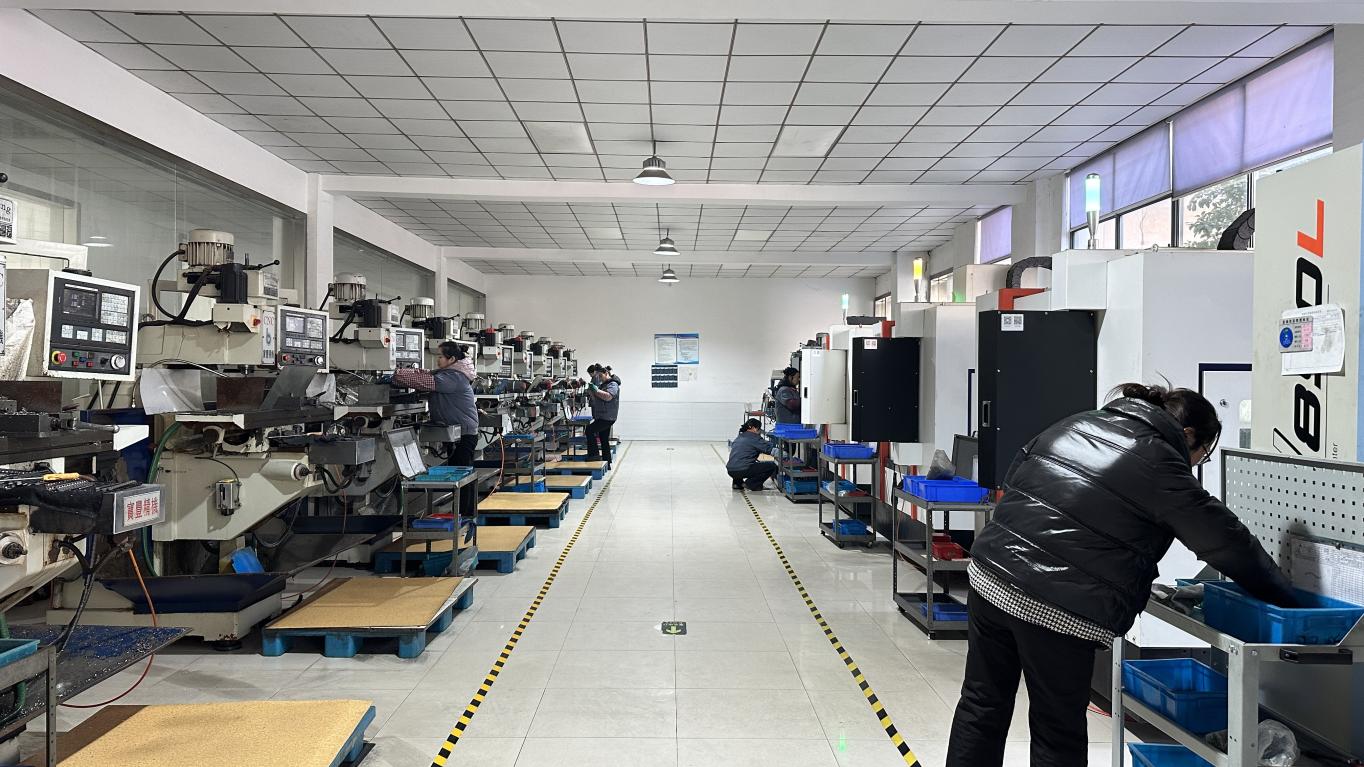
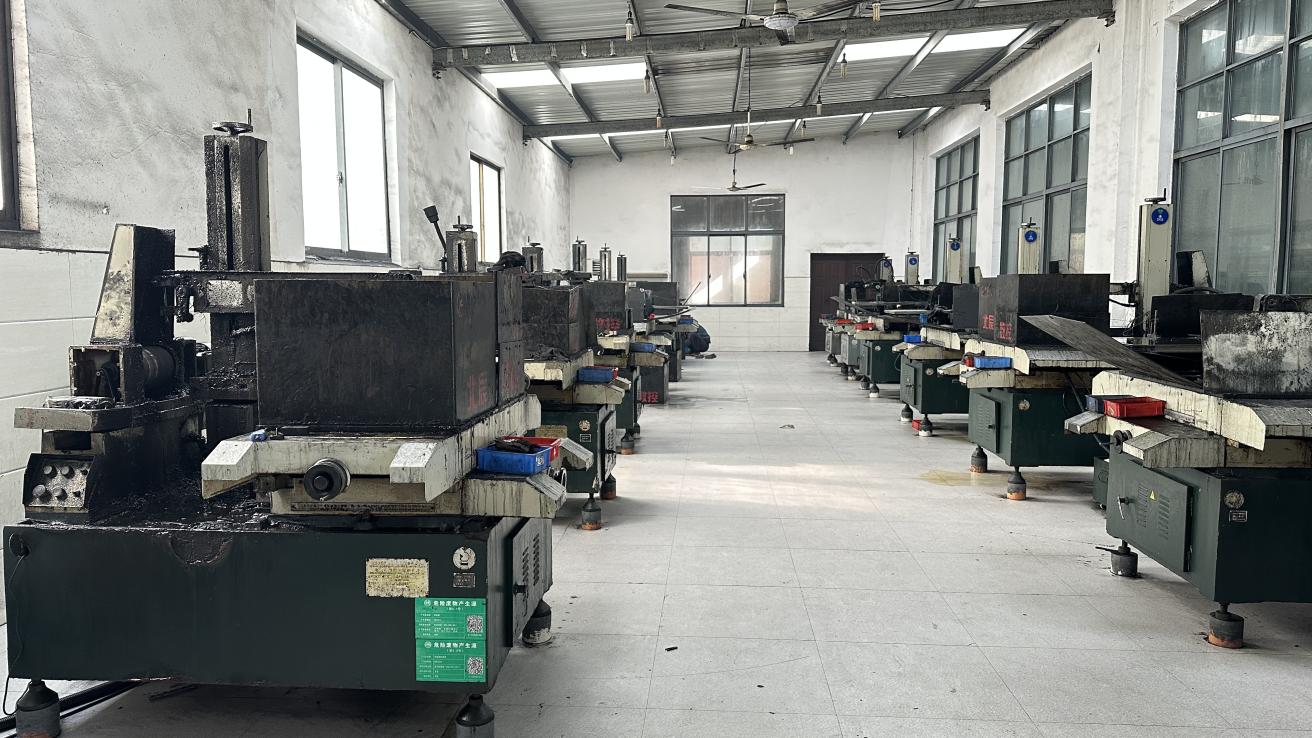
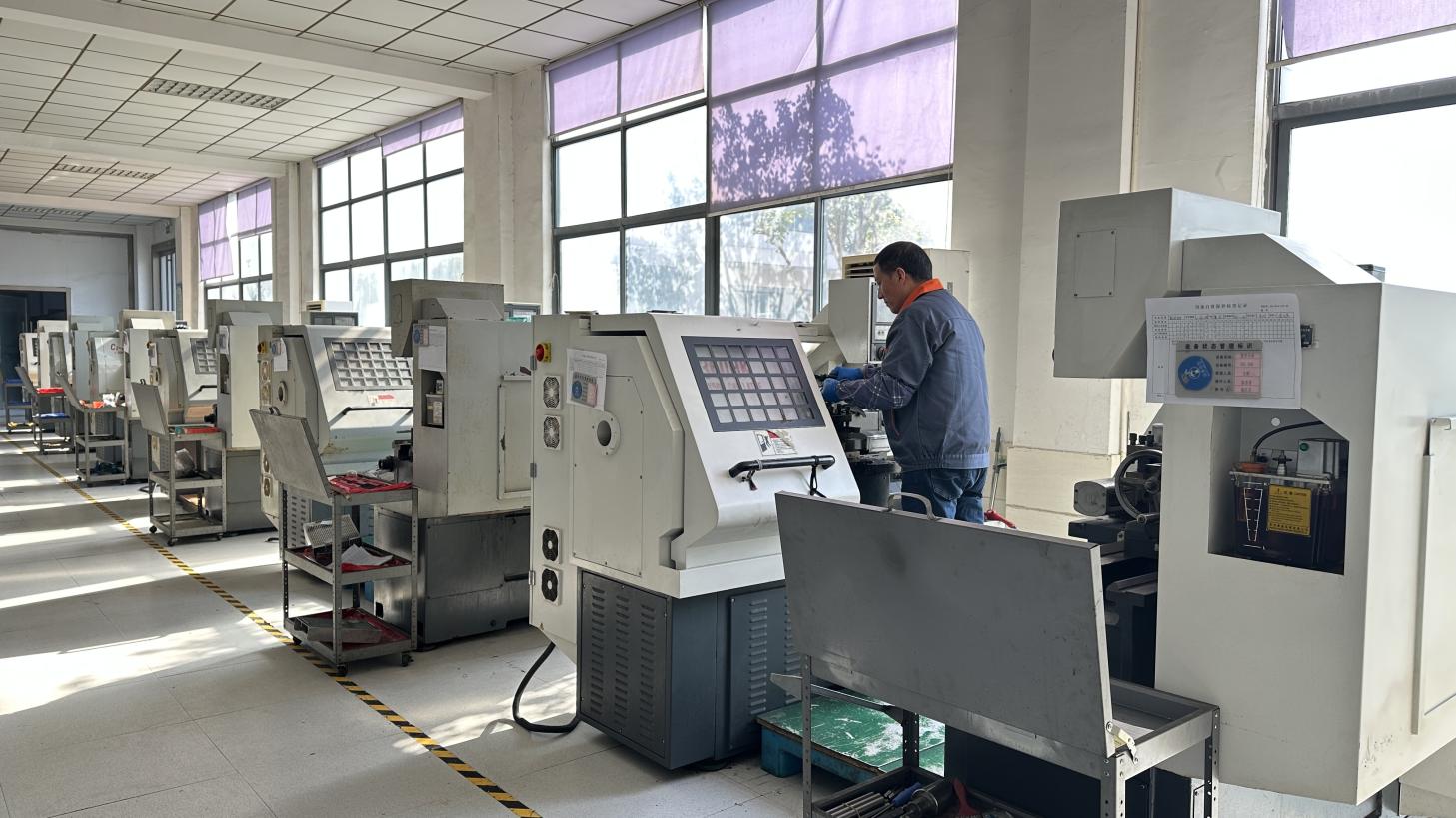
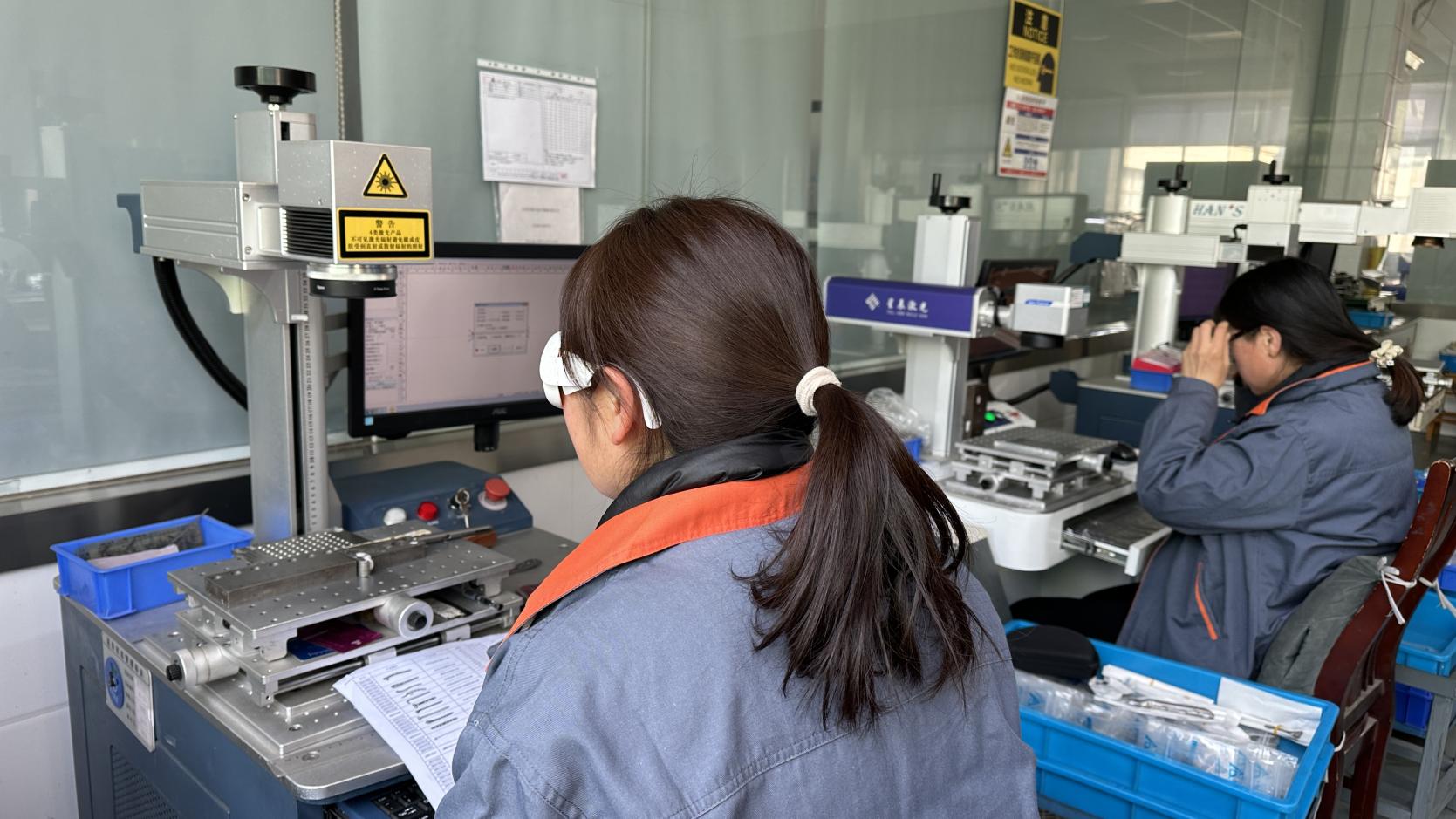
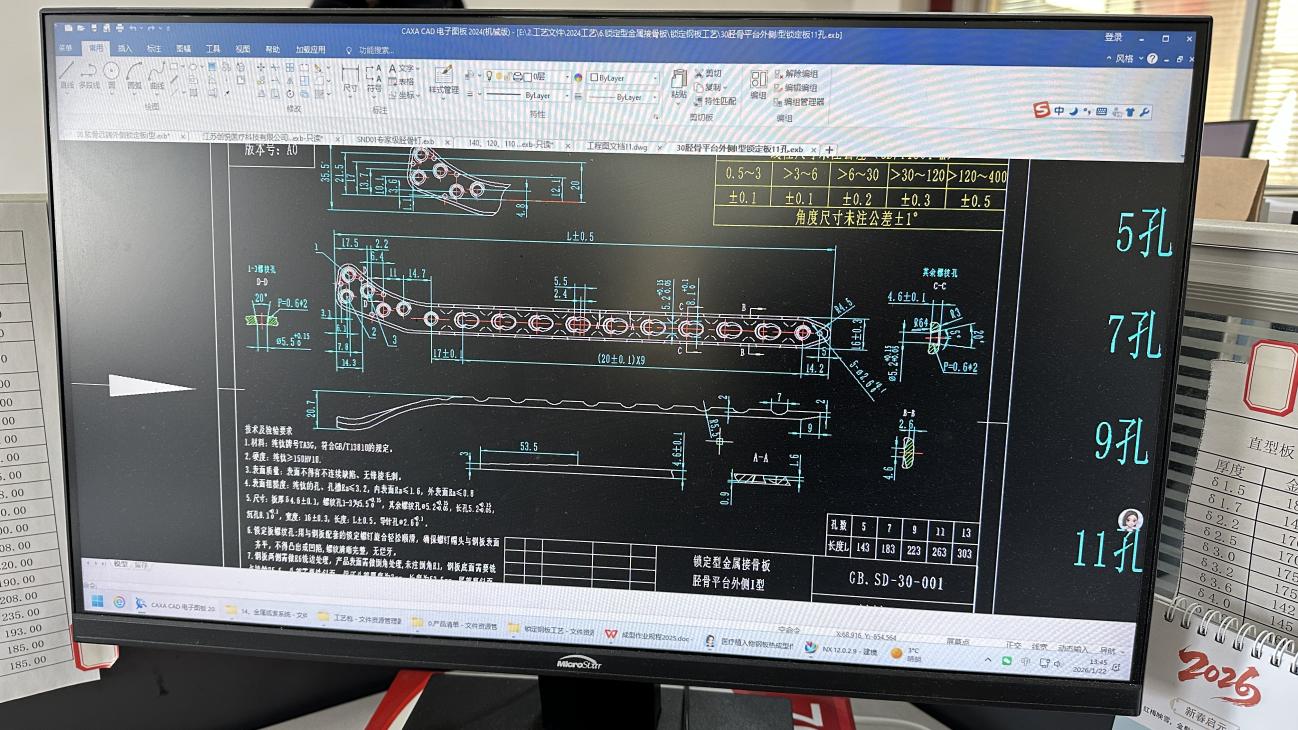
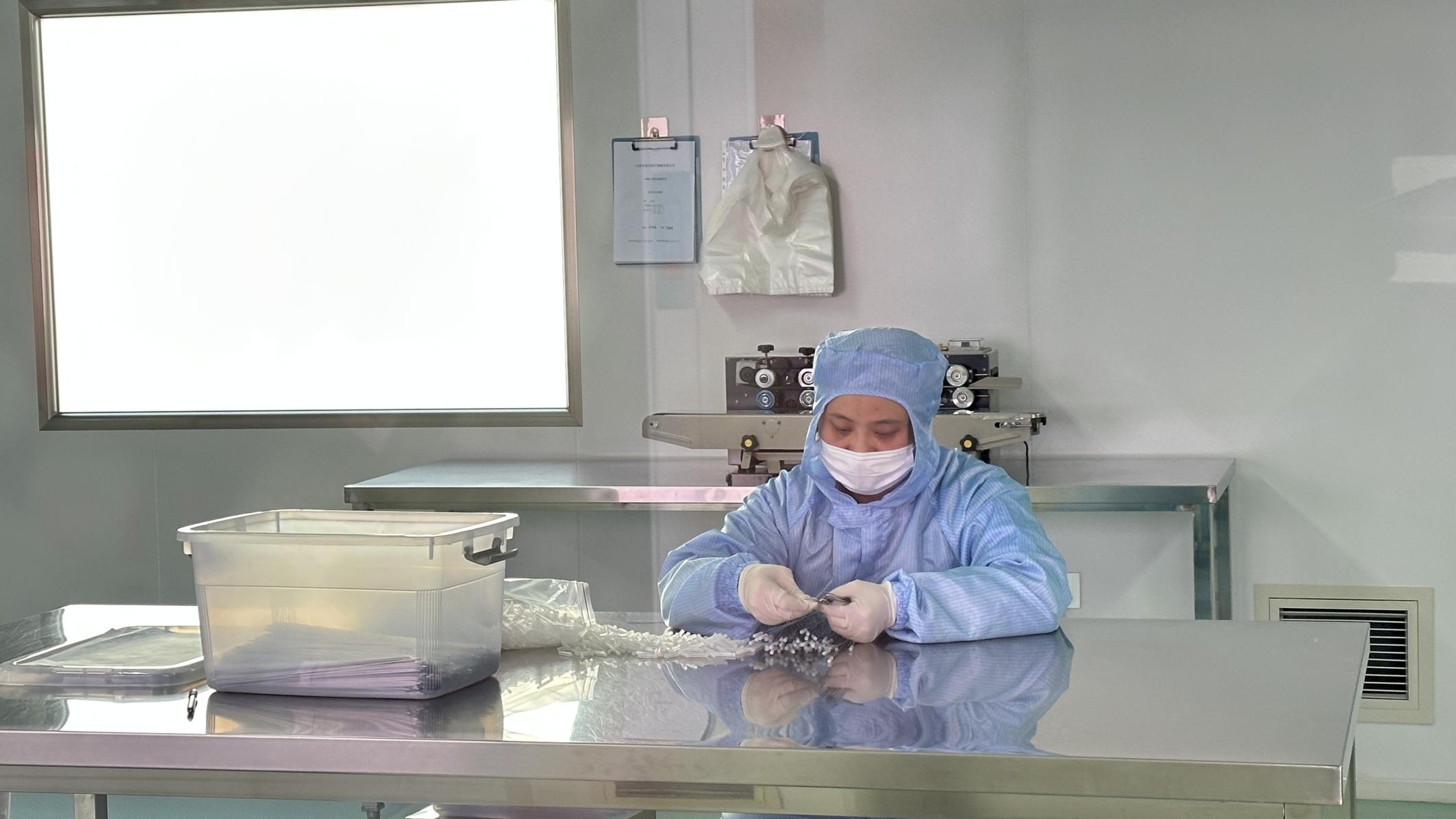
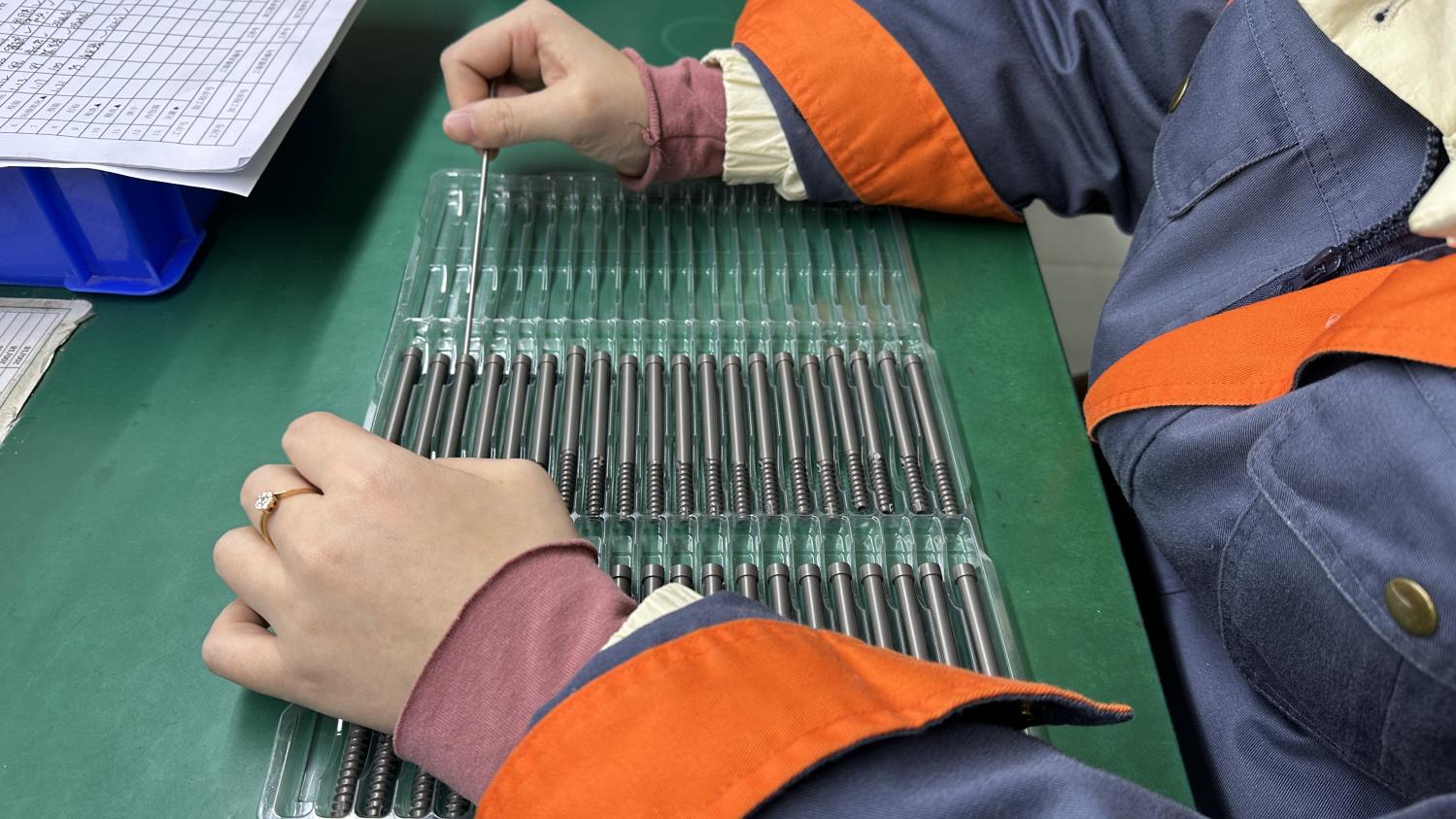
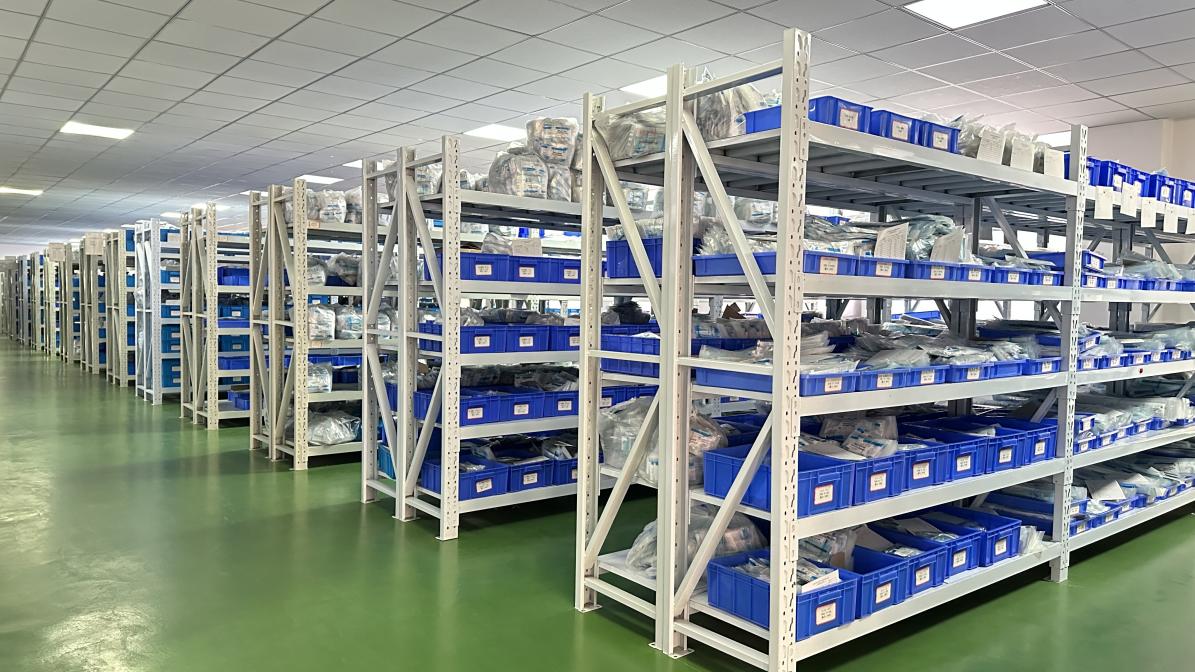

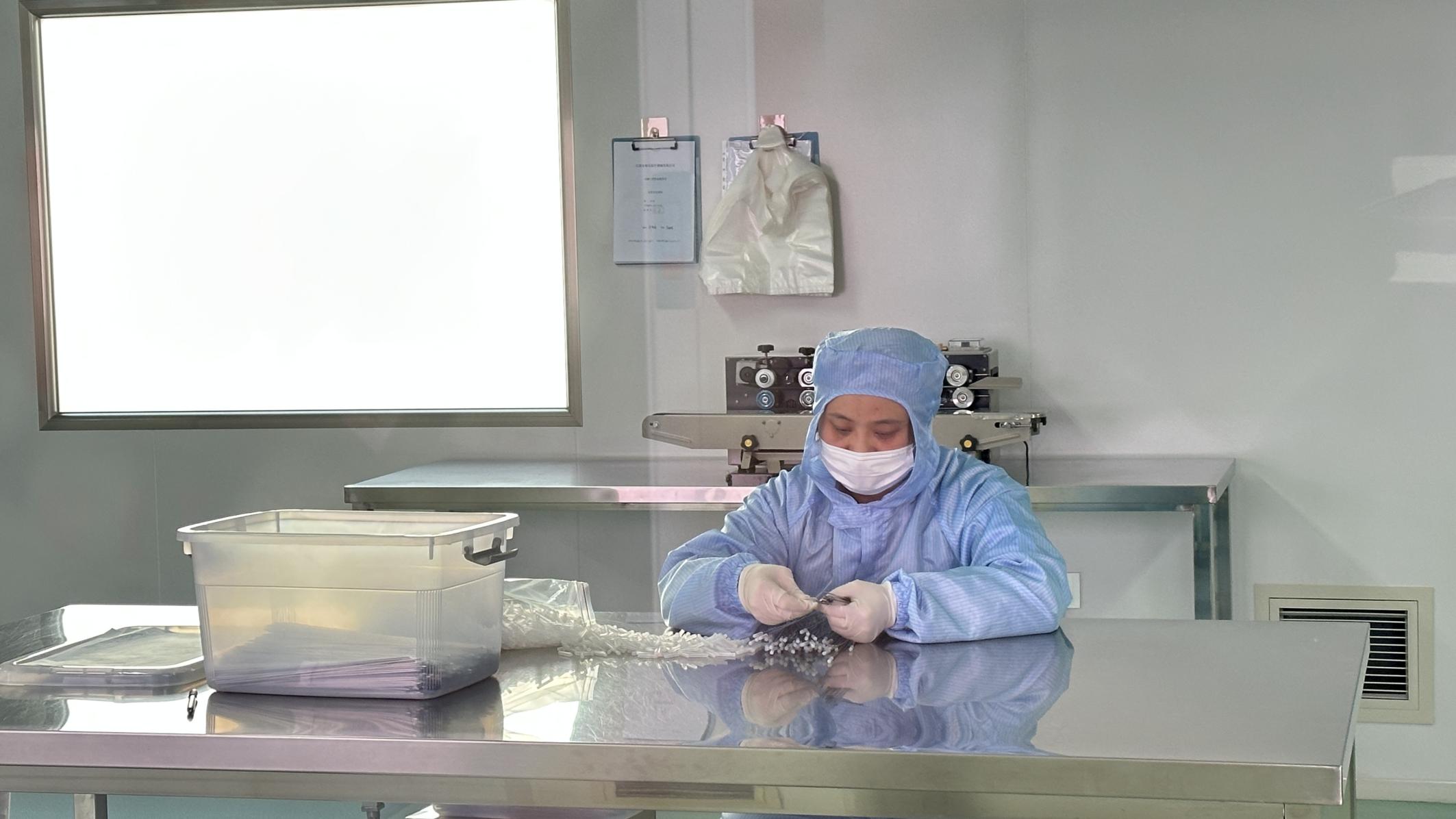
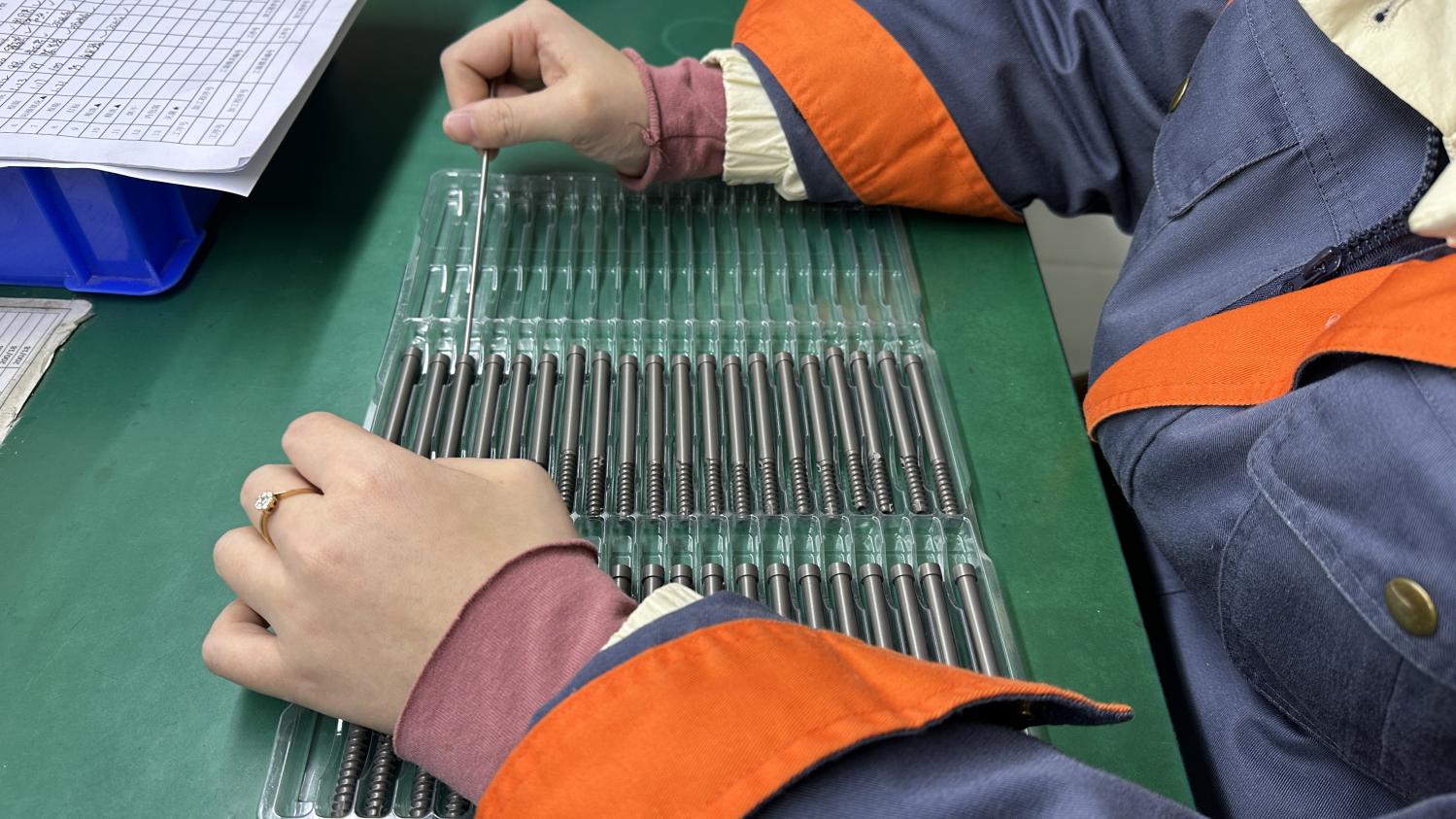
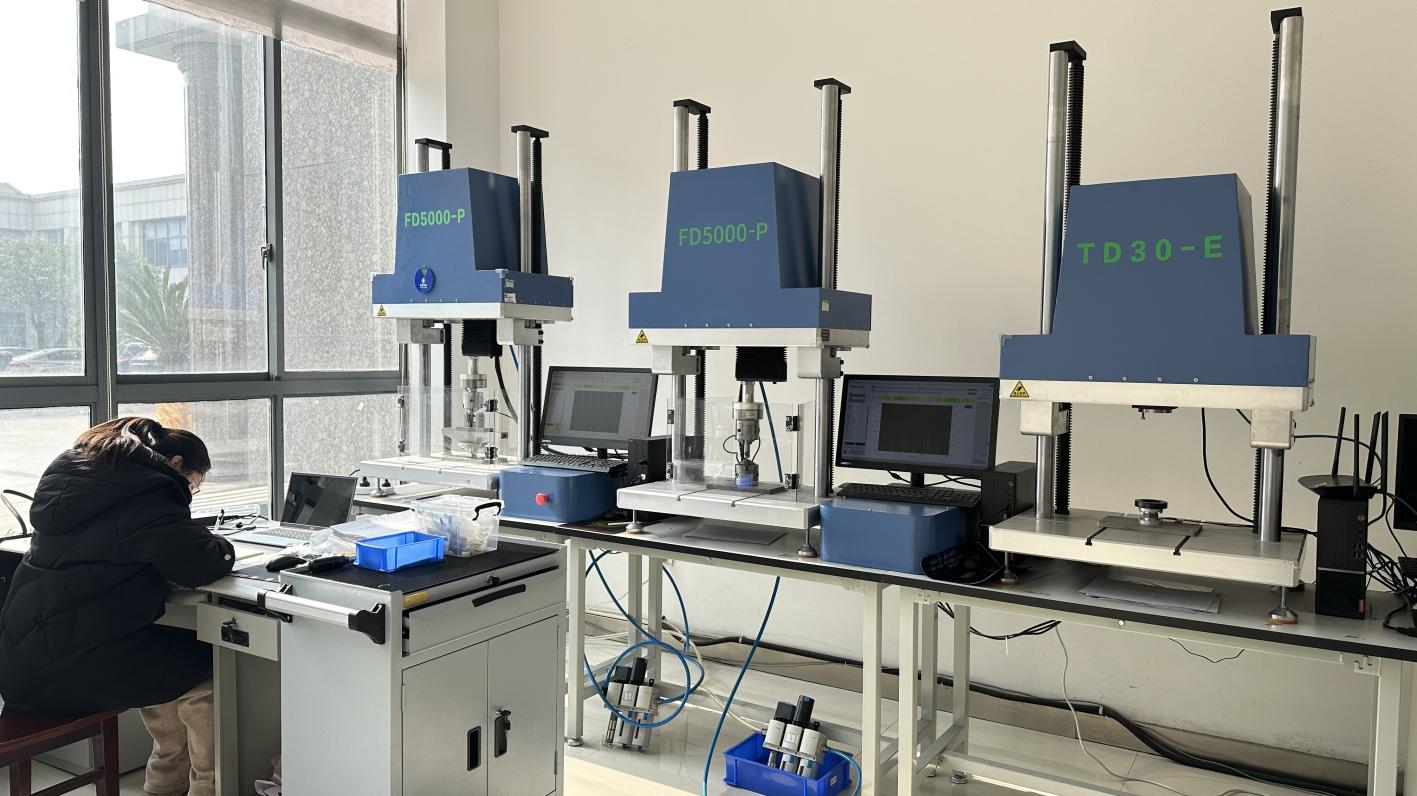
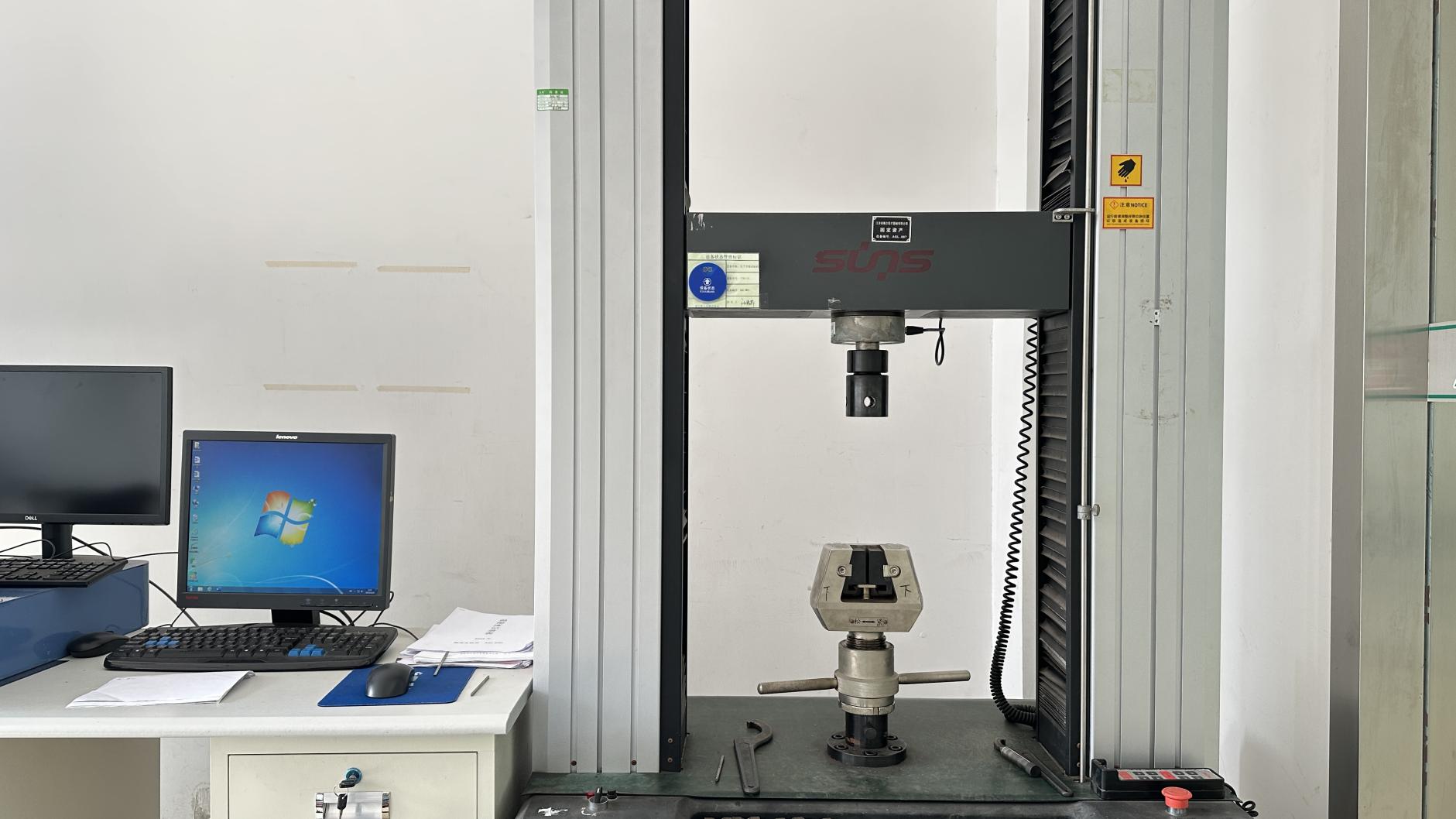
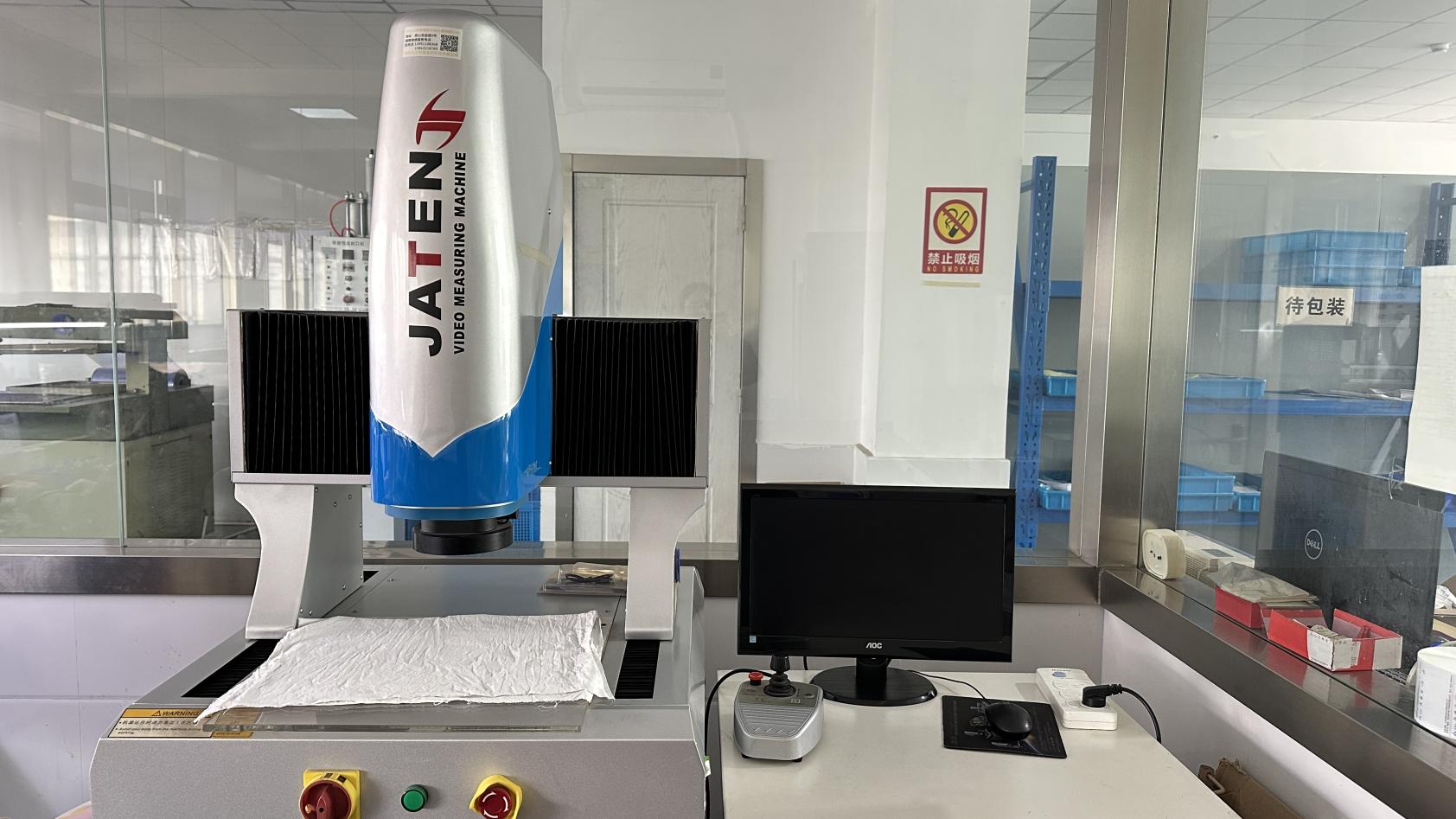
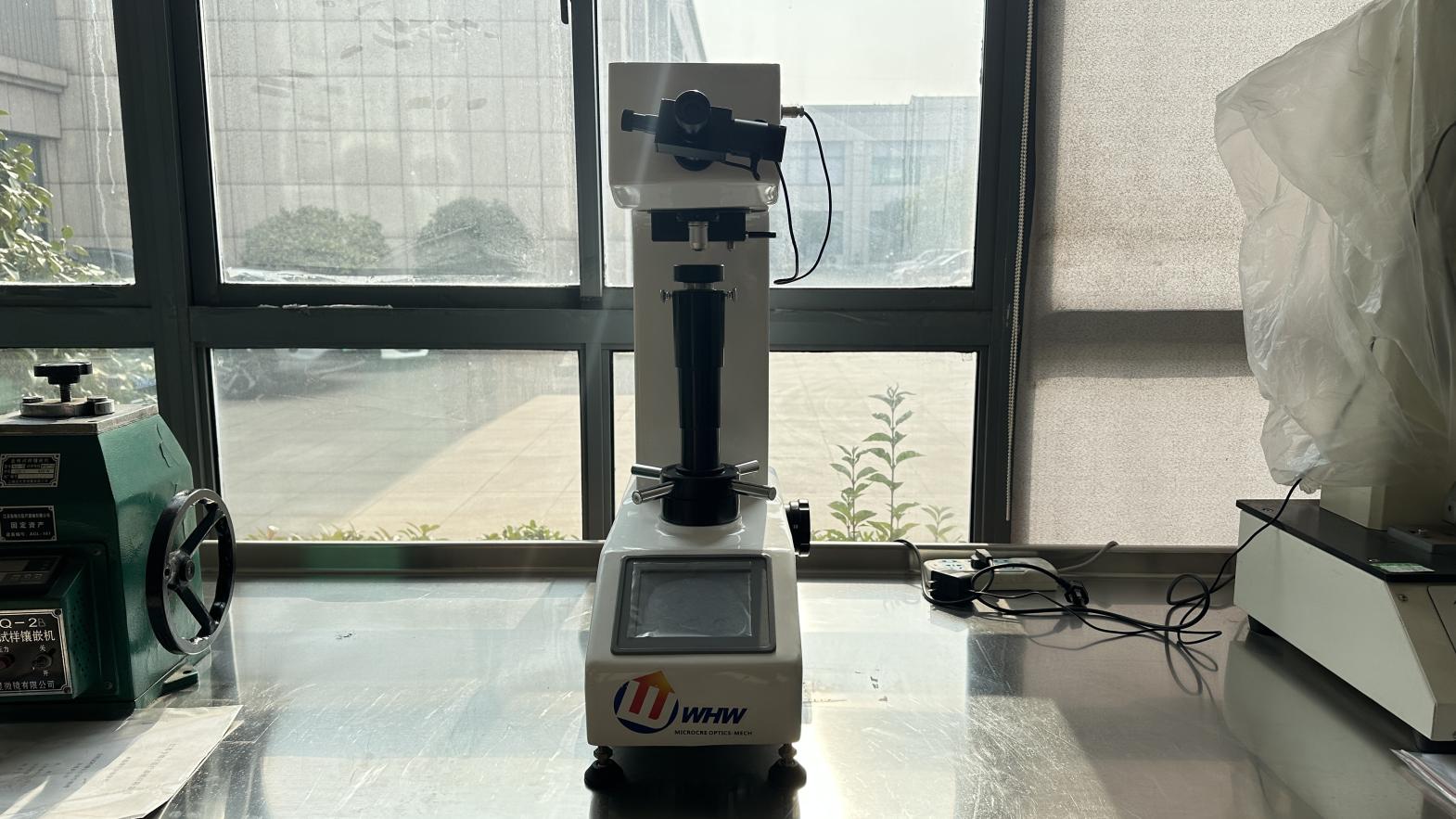
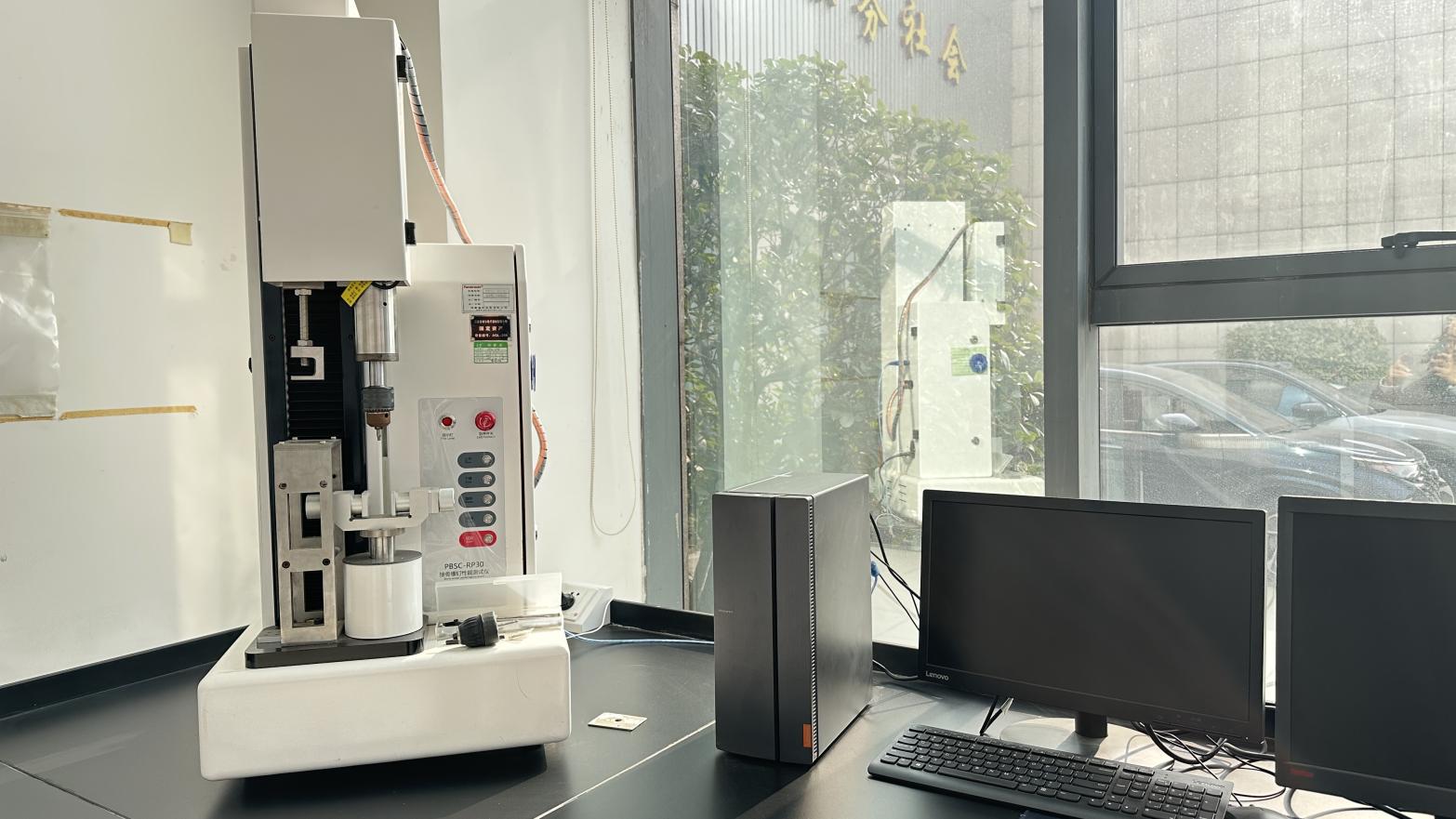
The field of orthopedic implants is shifting toward materials and structures that improve osseointegration and reduce infection risks. At Medisplint, our development strategy focuses on advancing bio-material coatings and high-precision manufacturing methods to meet these evolving clinical needs.
Conventional solid titanium implants provide high mechanical strength but can sometimes lead to stress shielding. Our R&D team is developing porous titanium structures that mimic human cancellous bone. These lattice designs, manufactured using Selective Laser Melting (SLM), help lower the implant’s modulus of elasticity while supporting bone ingrowth, contributing to more stable, long-term biological fixation.
For spinal applications, Polyetheretherketone (PEEK) cages remain a standard due to their radiolucent properties. To improve their biological integration, we apply thin titanium coatings to PEEK surfaces. This combination maintains the elastic modulus of PEEK while leveraging the biocompatibility of titanium to support cell attachment and bone fusion.
Answers to common questions regarding European medical regulations, production capacity, sterilization protocols, and logistics.
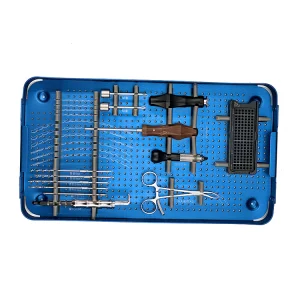
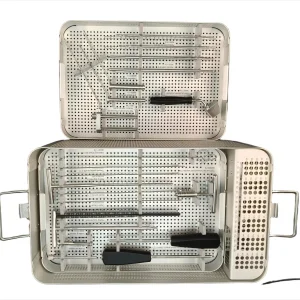
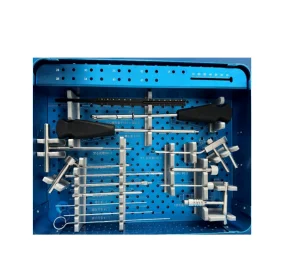
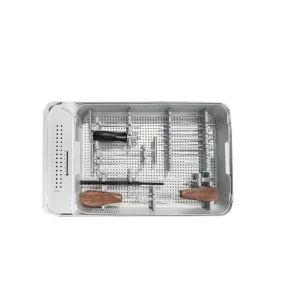
Precision-engineered bone screws, compression sets, and trauma plate systems designed to meet international surgical standards.
Request technical specifications, material safety datasheets, or discuss custom OEM/ODM development projects with our engineering team.
Send Inquiry Now