Medisplint
Medisplint
Medisplint
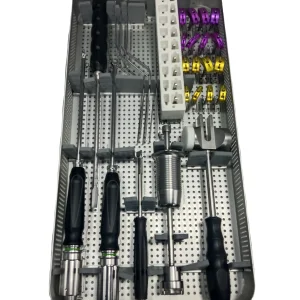
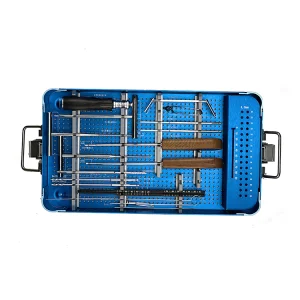
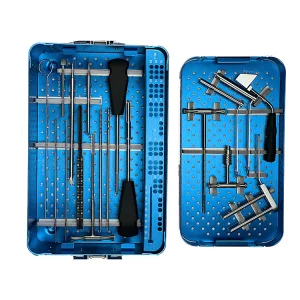
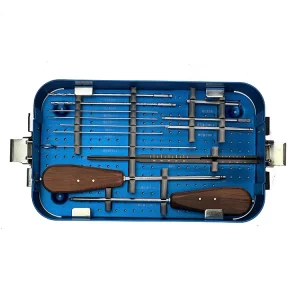
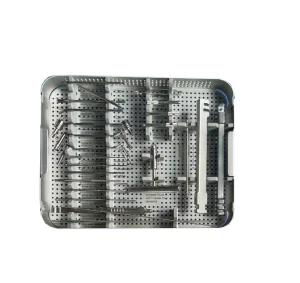
New Zealand's public healthcare infrastructure is undergoing a historic consolidation. The transition from individual District Health Boards (DHBs) to a single centralized body, Te Whatu Ora (Health New Zealand), has profoundly shifted the medical procurement dynamics. Procurement is no longer fragmented; it is now driven by strict requirements for standardization, absolute fiscal transparency, and long-term device durability. Coupled with the private surgical networks such as Southern Cross Healthcare, the New Zealand market demands orthopedic instruments that deliver consistent performance under high surgical throughput.
Furthermore, New Zealand's regulatory environment, governed by Medsafe, enforces mandatory registration of medical devices in the WAND (Web Assisted Notification of Devices) database. Distributors and manufacturing partners must supply comprehensive technical files demonstrating conformance to international benchmarks, specifically ISO 13485 and CE / FDA clearances. Our implants and instruments undergo stringent validations, ensuring compliance with New Zealand's patient-safety standards and minimizing import and clinical adoption friction.
Clinical data highlights two primary drivers of orthopedic surgeries in New Zealand. First, the rapidly aging population has led to a rise in age-related degenerative joint diseases and spinal pathologies, driving up demand for elective arthroplasty and spinal stabilization kits (such as TLIF/PLIF configurations). Second, New Zealand's vibrant adventure tourism and outdoor lifestyle result in a high per-capita incidence of complex musculoskeletal trauma. This requires hospitals to maintain constant access to trauma fixation instruments, headless compression screws, and external fixators.
Procuring surgical kits that feature modularity, biocompatible titanium alloy structures, and lifelong physical durability is crucial for NZ hospital managers. The ability to source premium Class III spinal tools and trauma instruments directly from verified manufacturers reduces cost-per-procedure metrics while maintaining clinical outcomes.
New Zealand's geographical isolation exposes its healthcare supply chains to high shipping costs and extended lead times. Medisplint addresses this challenge by combining Industry 4.0 manufacturing processes with redundant logistical pipelines. Through our established partnerships with global courier networks, we guarantee rapid delivery of specialized trauma and spinal kits, matching the lead times of domestic suppliers while providing significant cost-to-quality advantages.
The global orthopedic instrument market has transitioned from a standard product catalog model to highly custom, patient-specific surgical options. Leading medical device distributors are increasingly seeking OEM/ODM partnerships to manufacture custom instrument trays, specialty cannulated screw systems, and specialized retractors. These tools must fit the precise ergonomic preferences of localized surgical teams.
Our dedicated R&D department, consisting of over 85 engineering and development specialists, works directly with clinical experts to refine instrument designs. Whether adjusting the handle material of a spinal driver for better tactile feedback or modifying a rib bone plate for specific trauma applications, our manufacturing capabilities allow us to rapidly prototype and scale custom solutions.
At Medisplint, the manufacturing of orthopedic surgical devices is built on advanced technology, material science, and rigorous quality control. Our facility utilizes high-precision CNC multi-axis milling, Swiss-type lathe machining, and automated slitting processes to achieve component tolerances of ±0.005mm. This precision prevents play in assembly interfaces, reduces surgical error rates, and ensures seamless coupling of screws and plates.
We source raw materials—primarily medical-grade titanium alloys (Ti-6Al-4V ELI) and PEEK polymers—exclusively from validated suppliers. Each batch undergoes chemical composition verification and mechanical stress testing. Our quality control team of 42 specialists utilizes advanced testing equipment, including fatigue testers, tensile testers, and two-dimensional optical measuring machines, to guarantee the clinical safety and long-term reliability of every instrument.
Every orthopedic implant and instrument undergoes a documented journey from raw titanium stock to the final sterile-ready package. Here is a look inside our ISO 13485 facility.
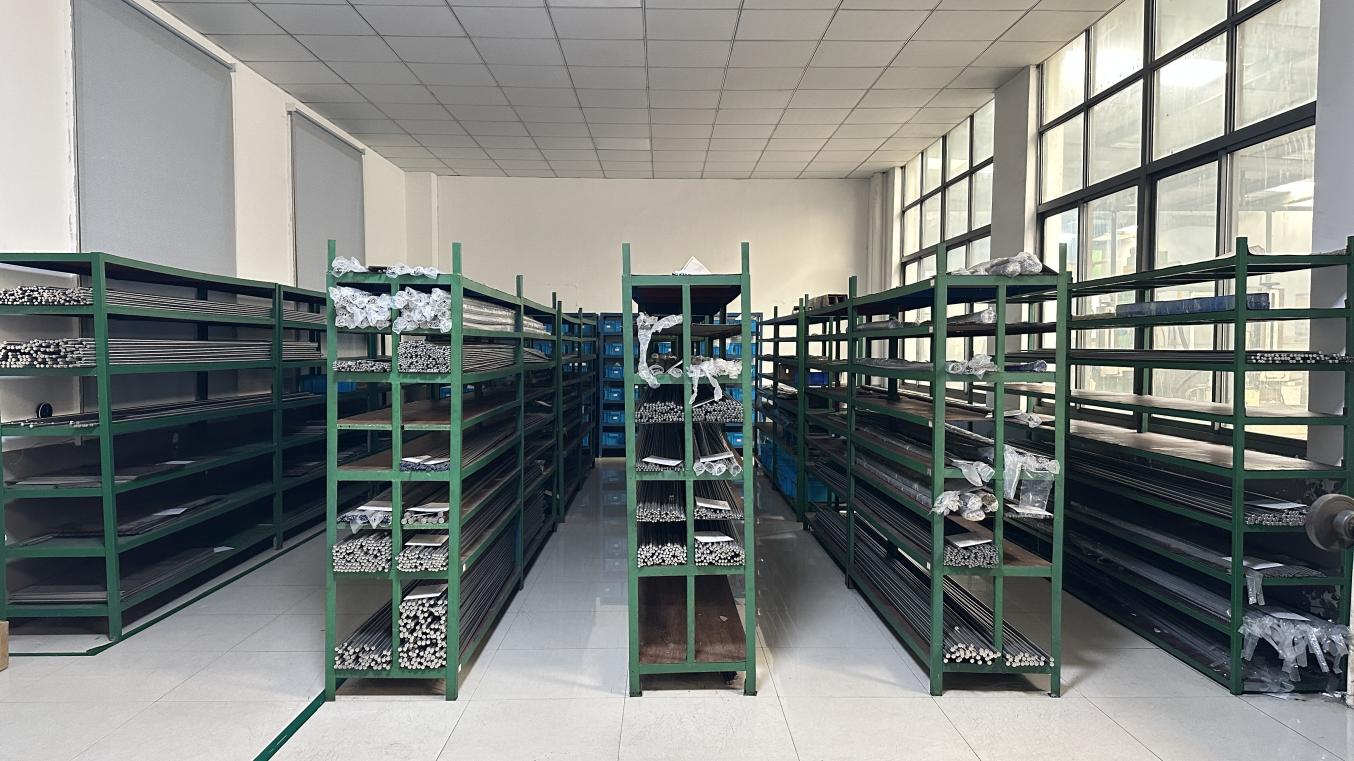
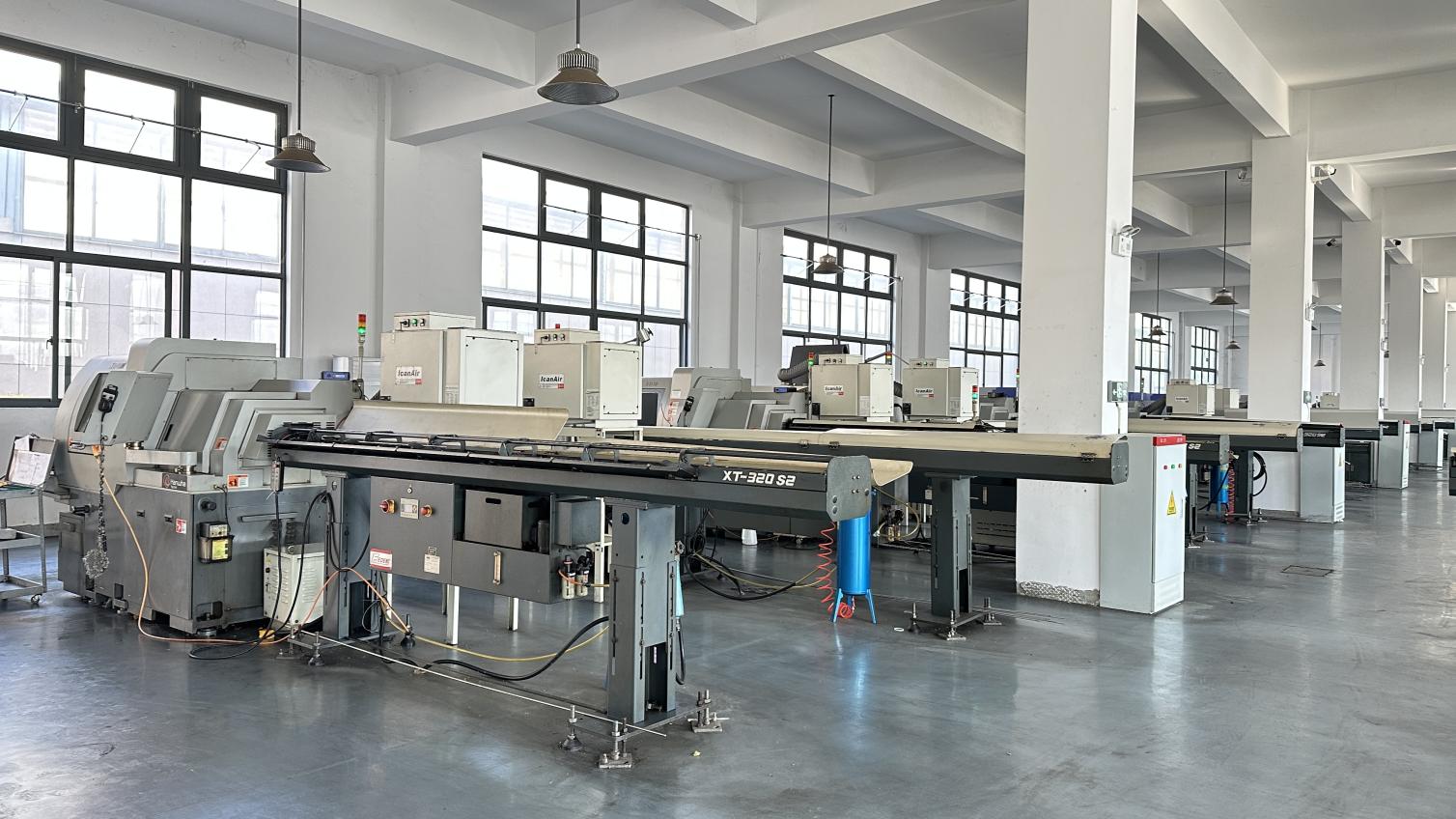
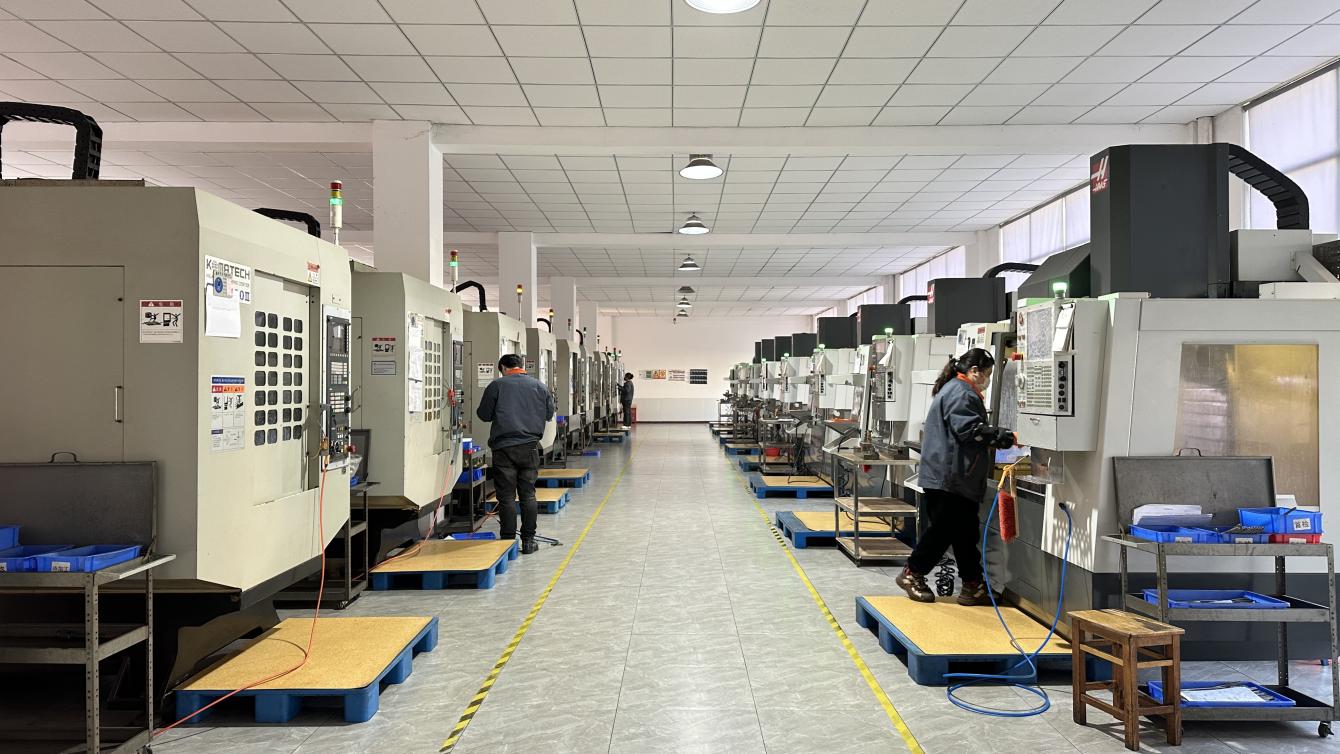
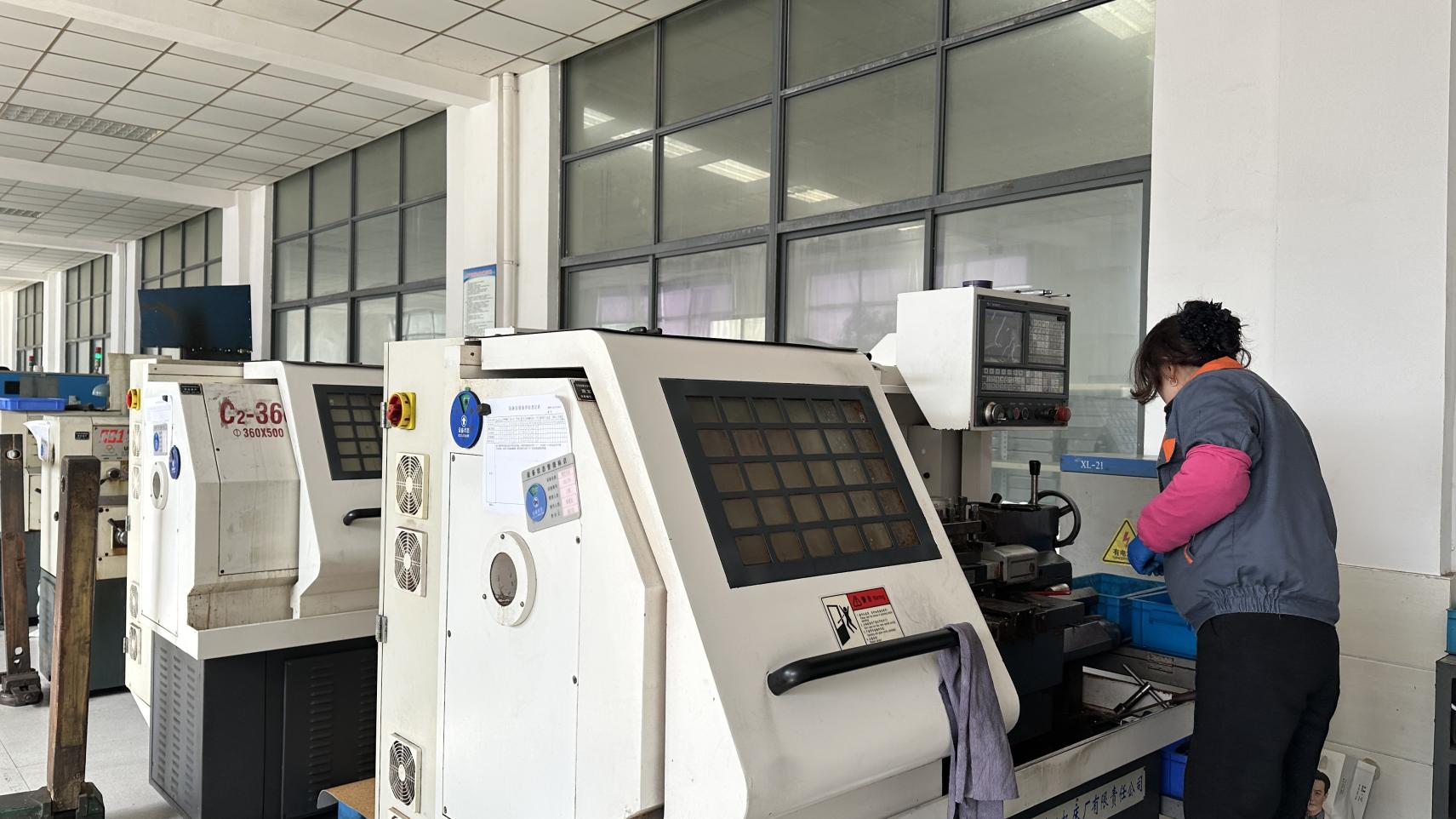
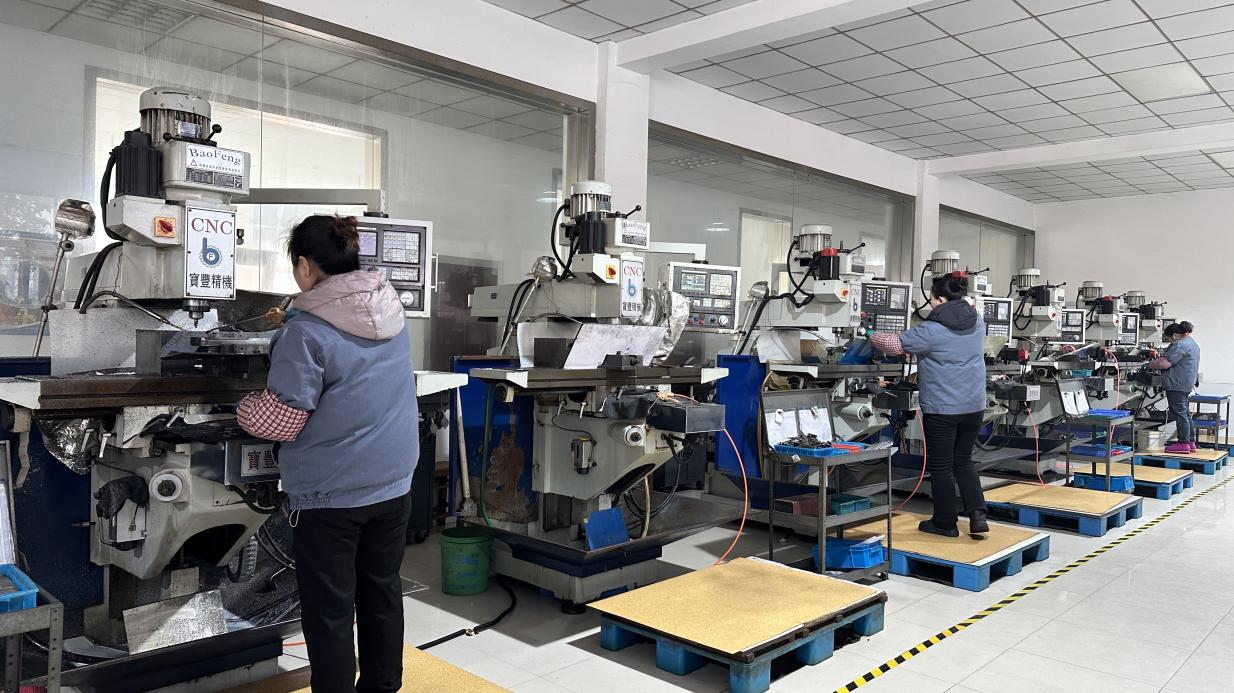
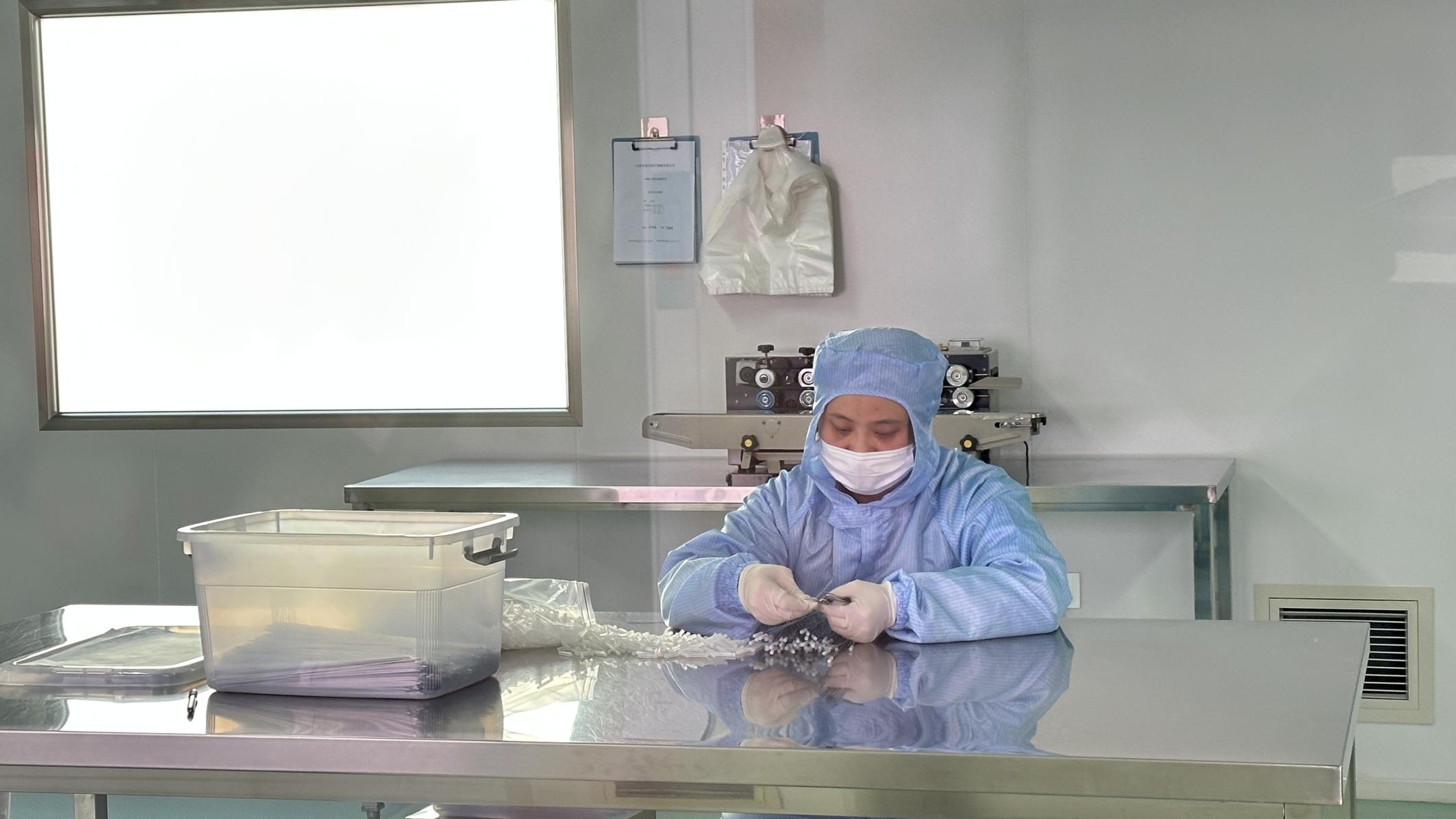
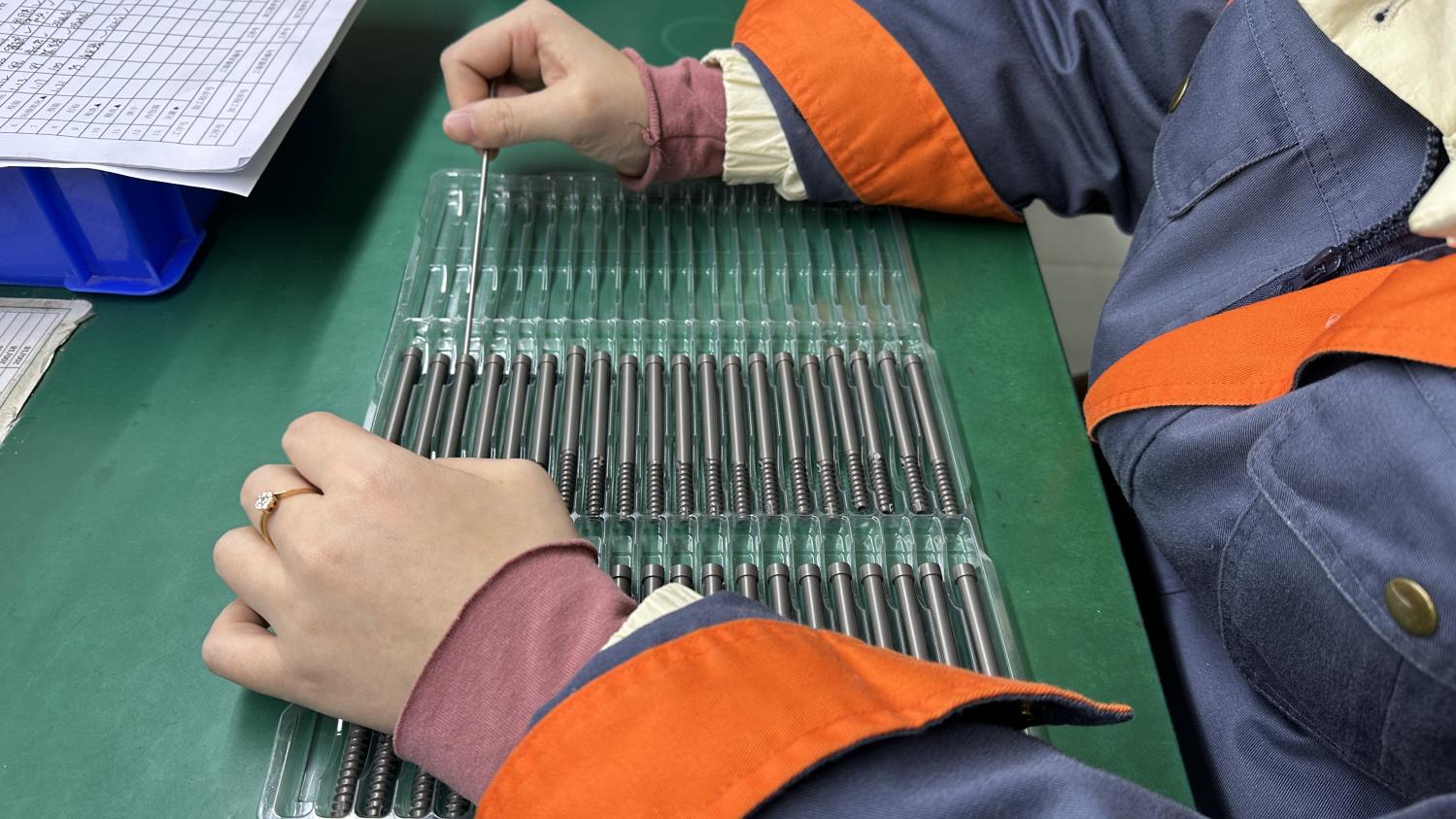
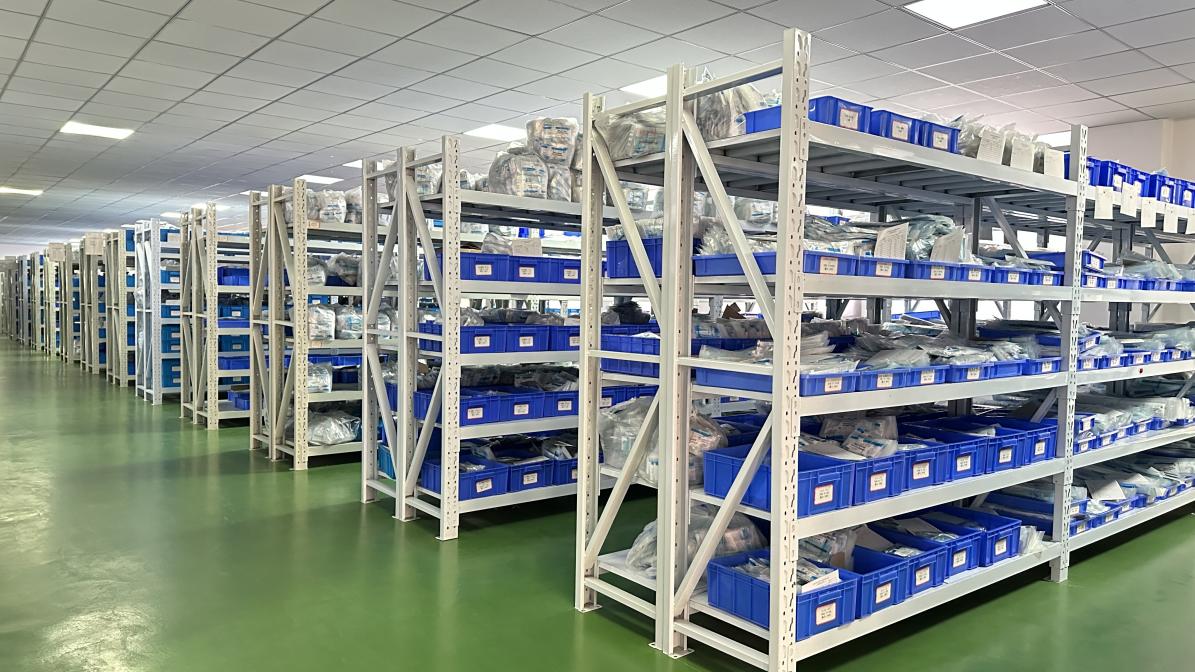
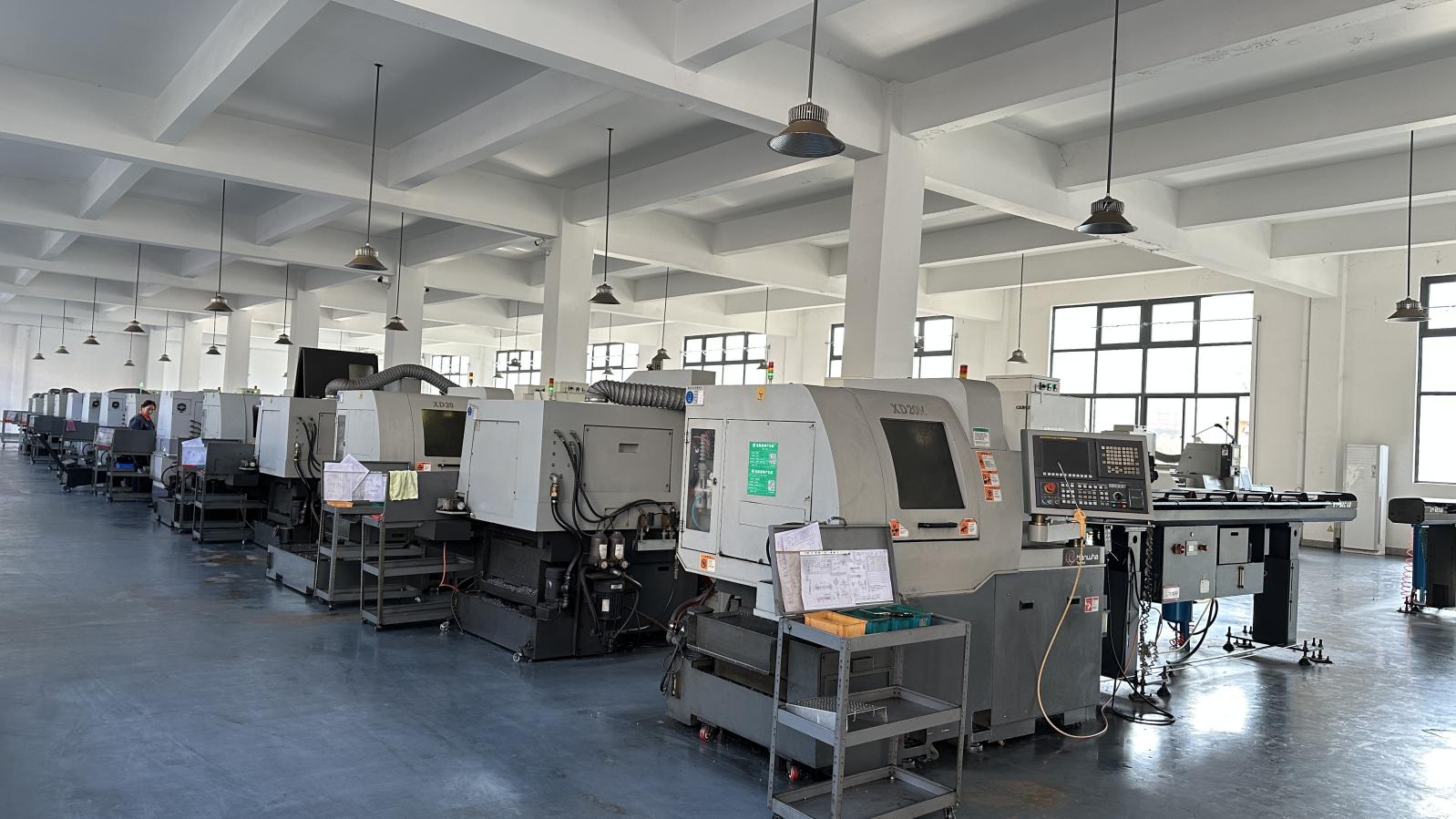
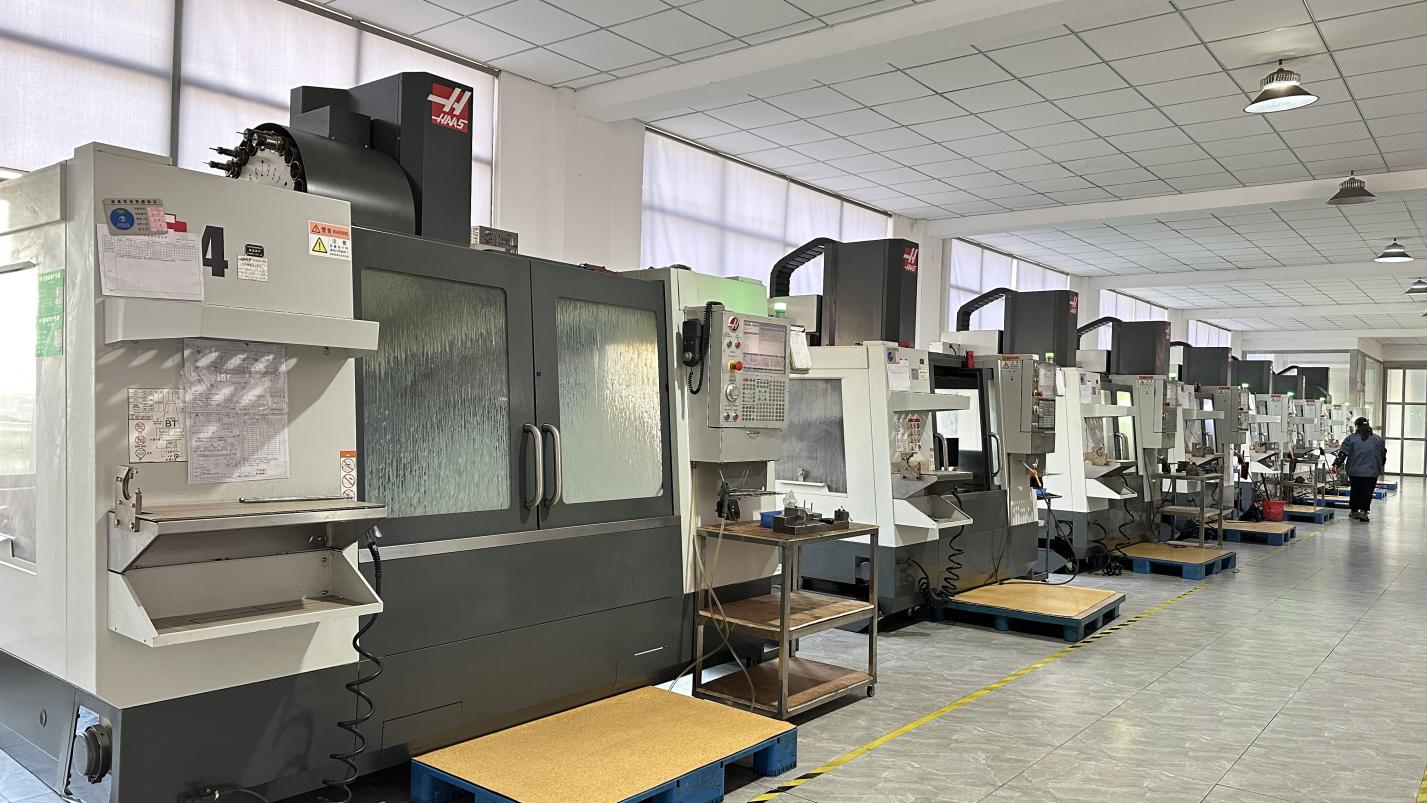
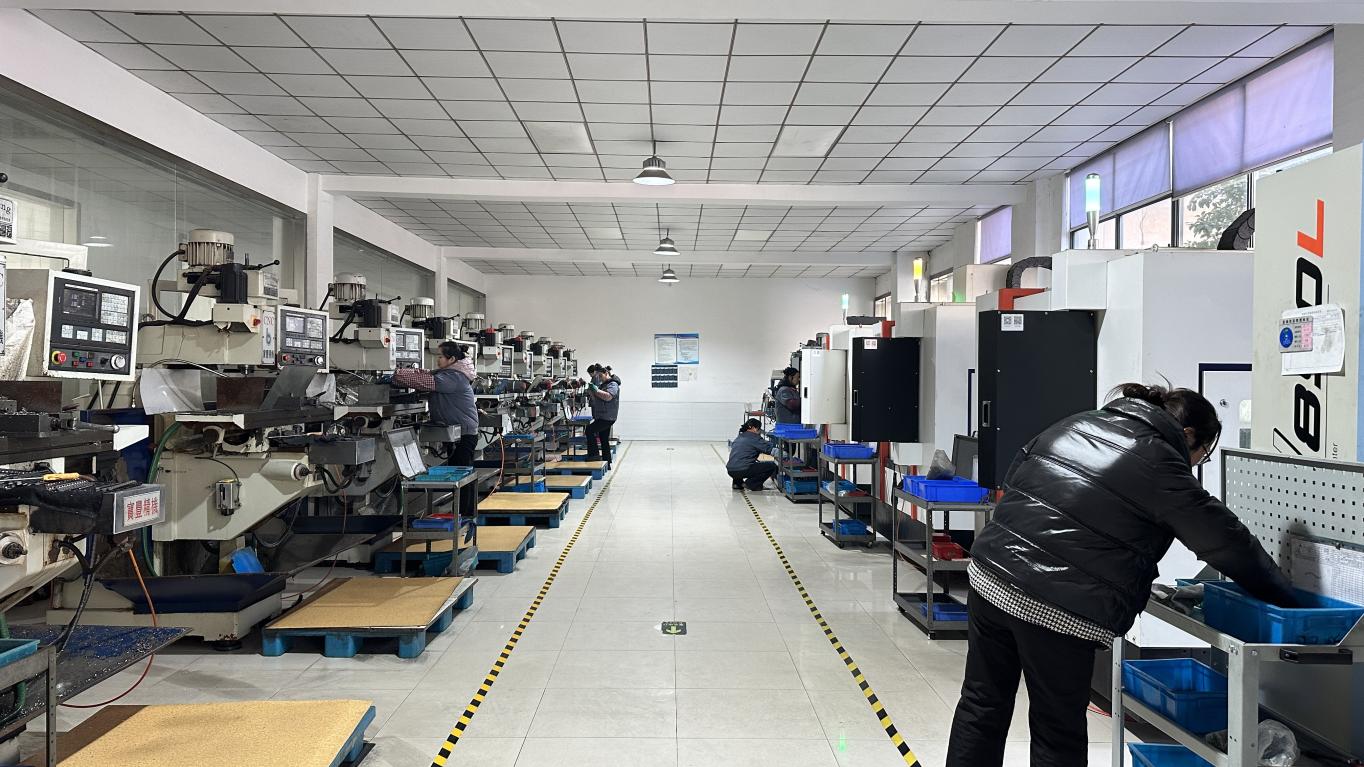
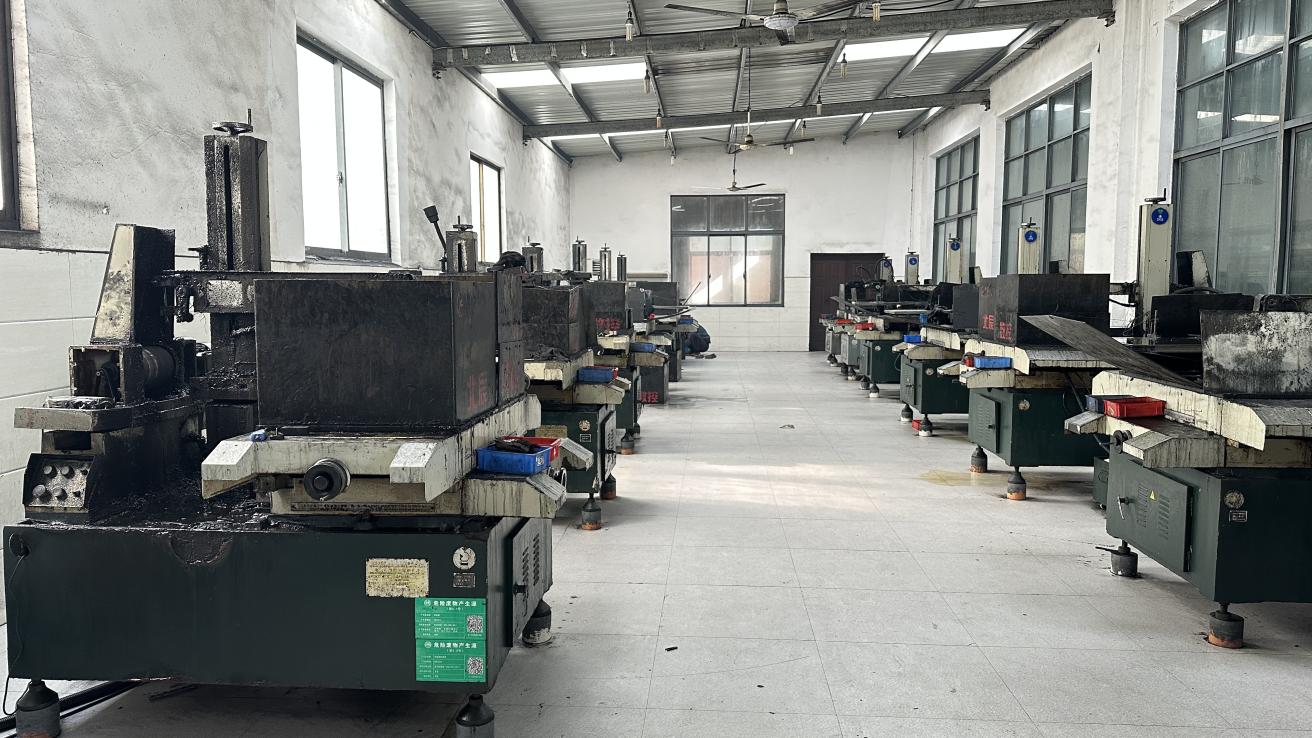
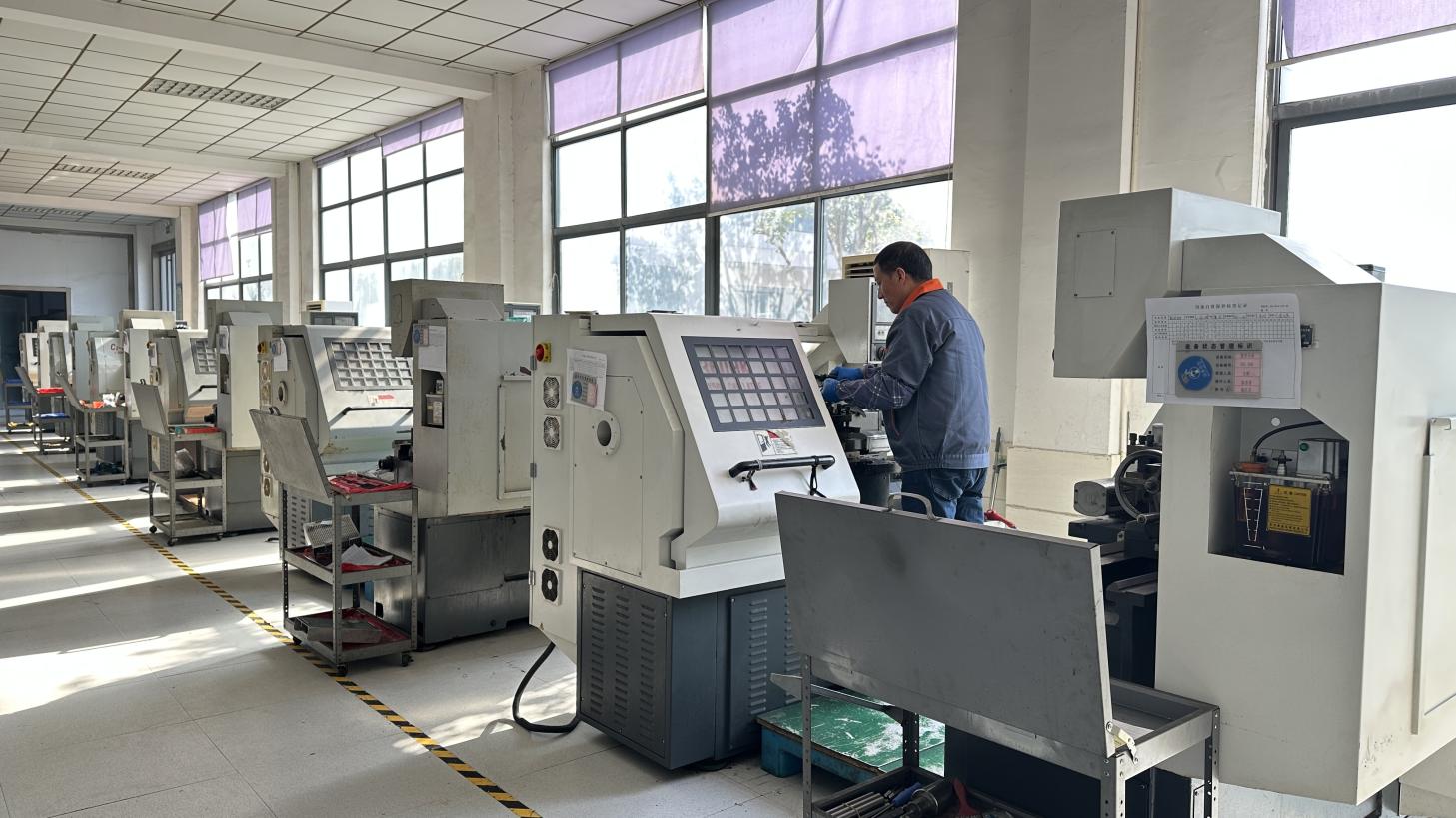
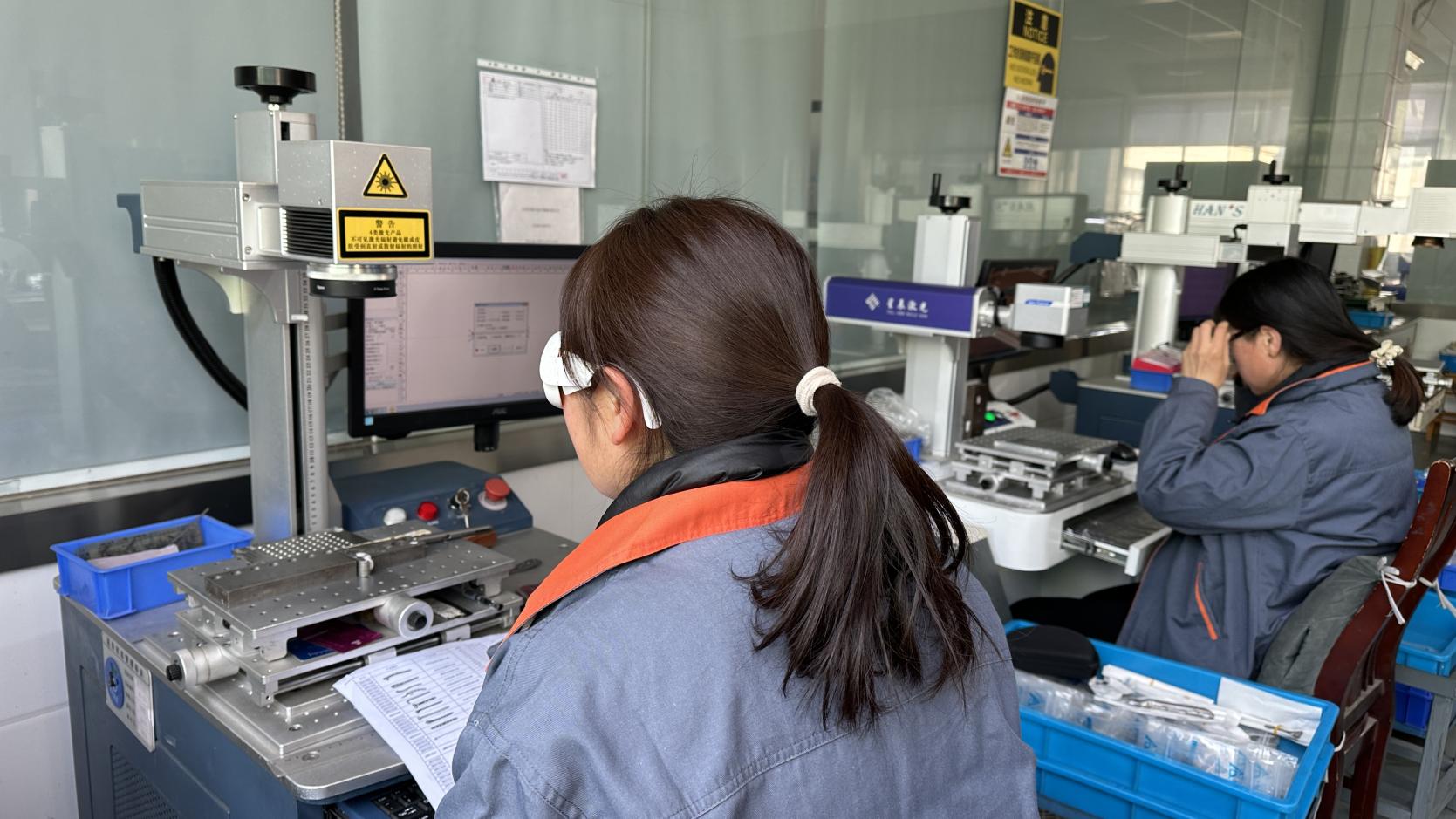
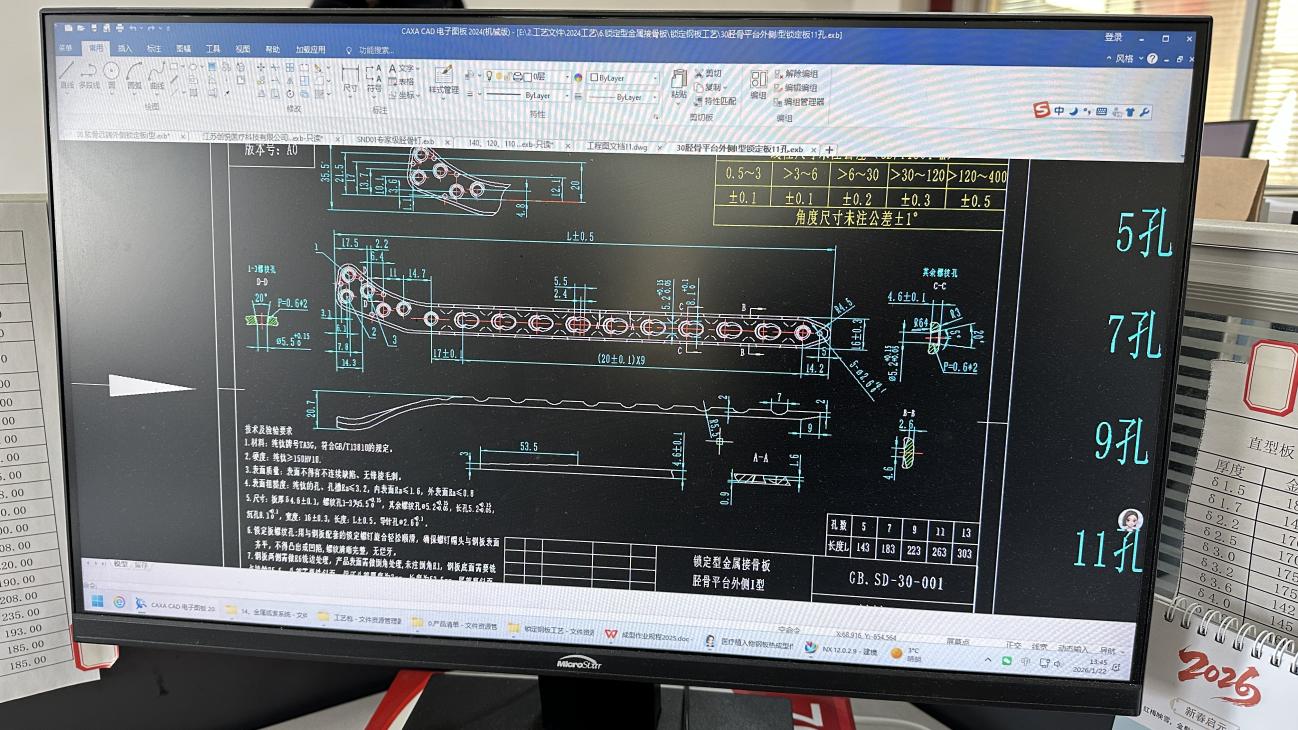

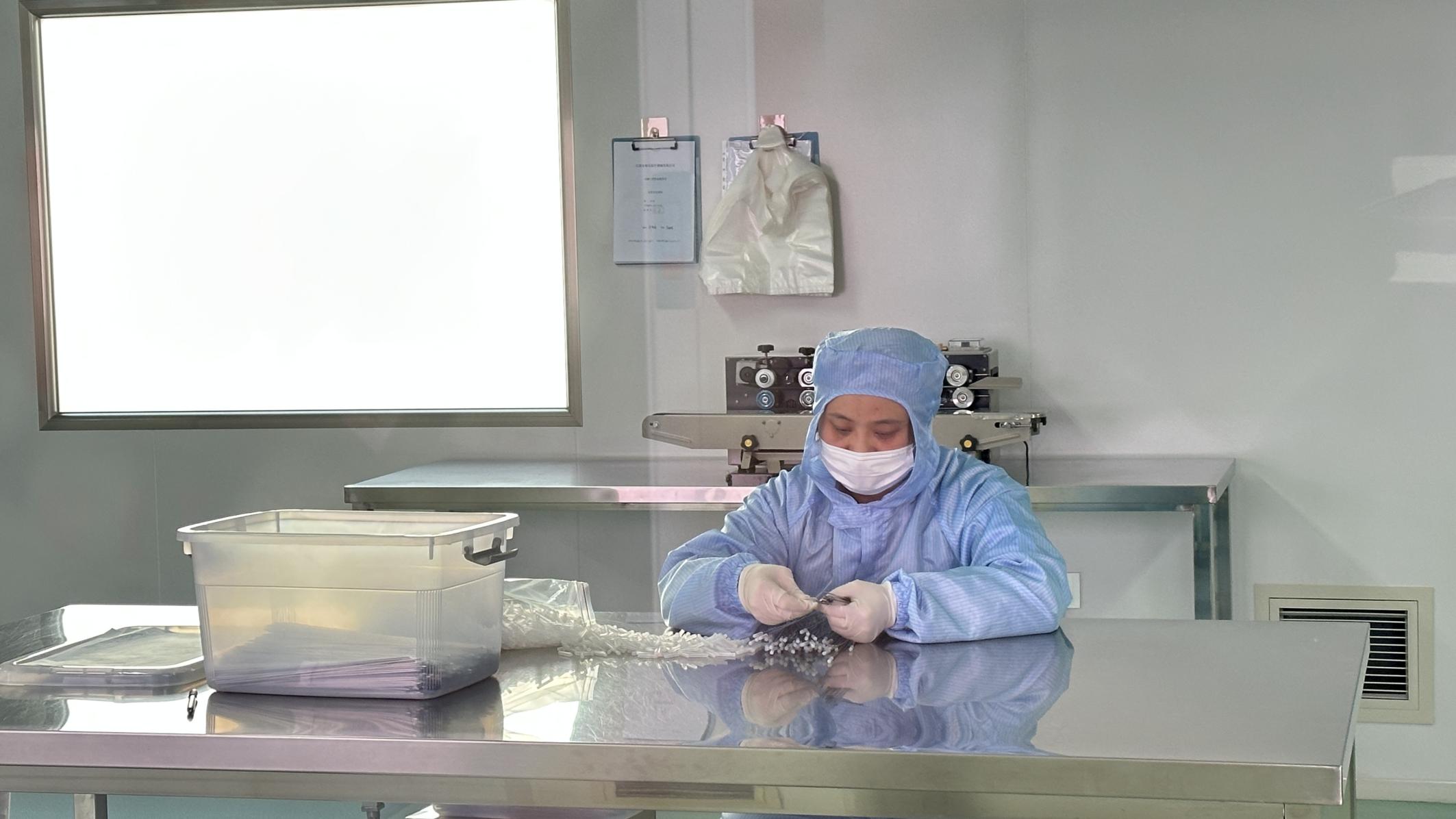
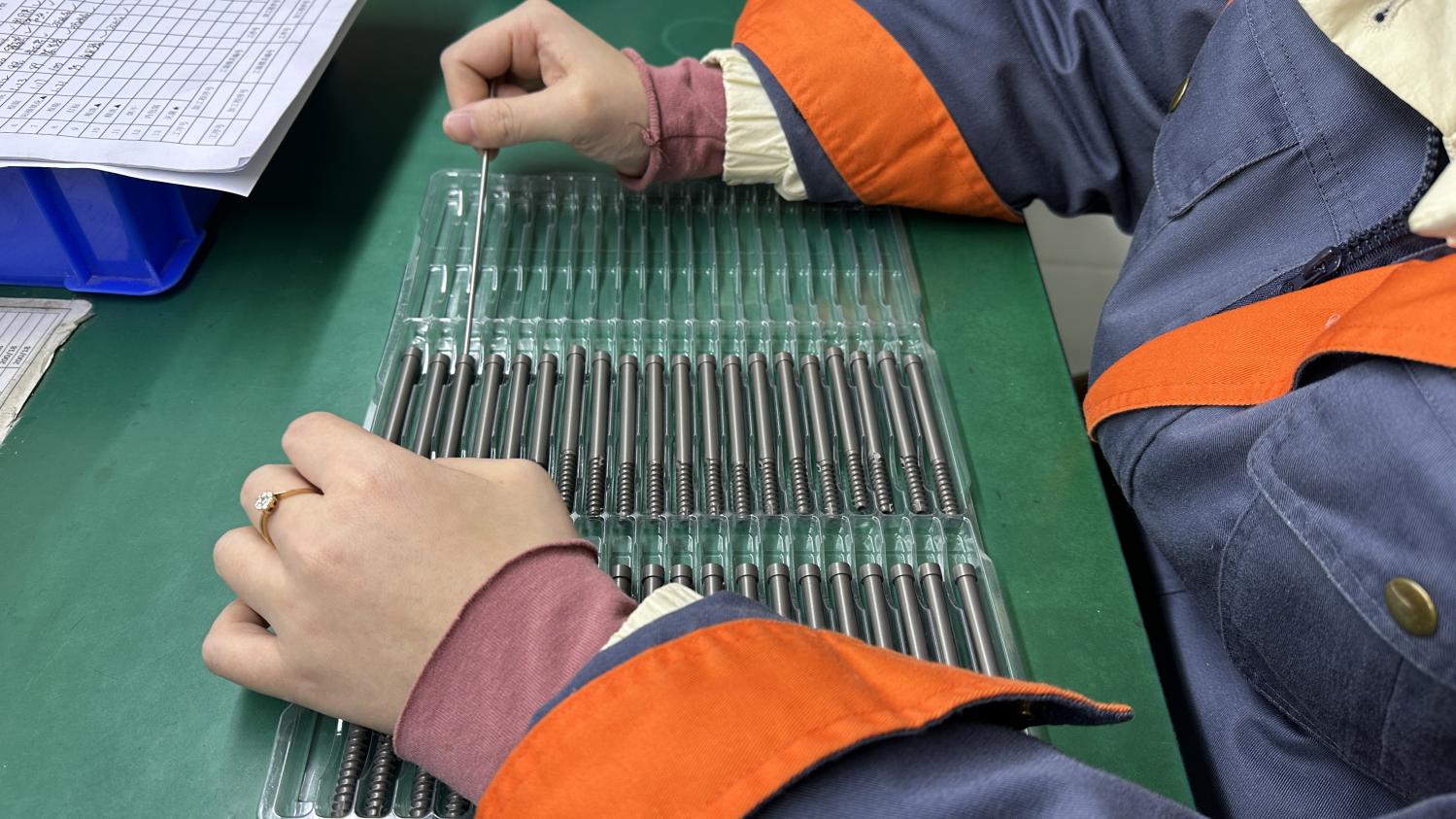
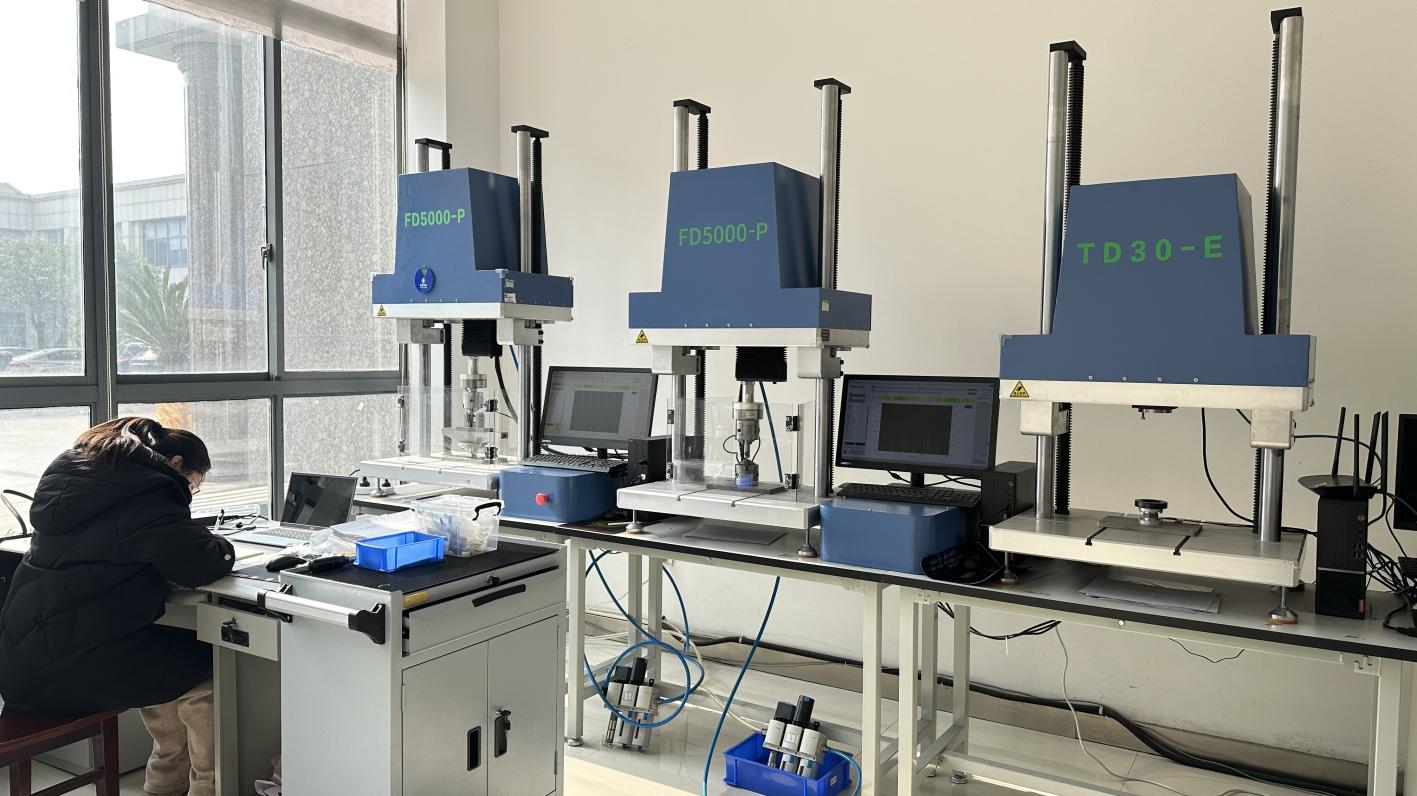
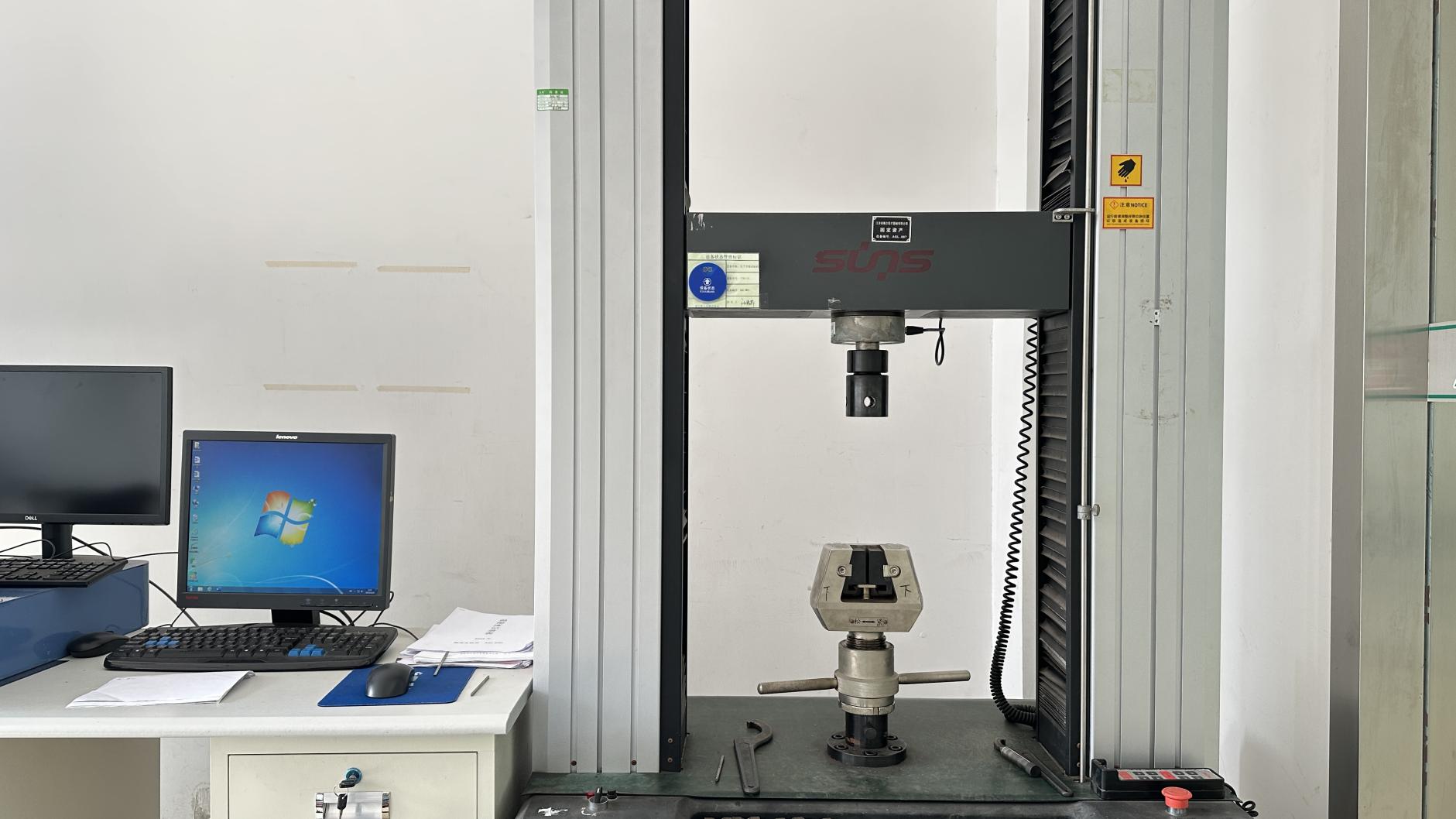
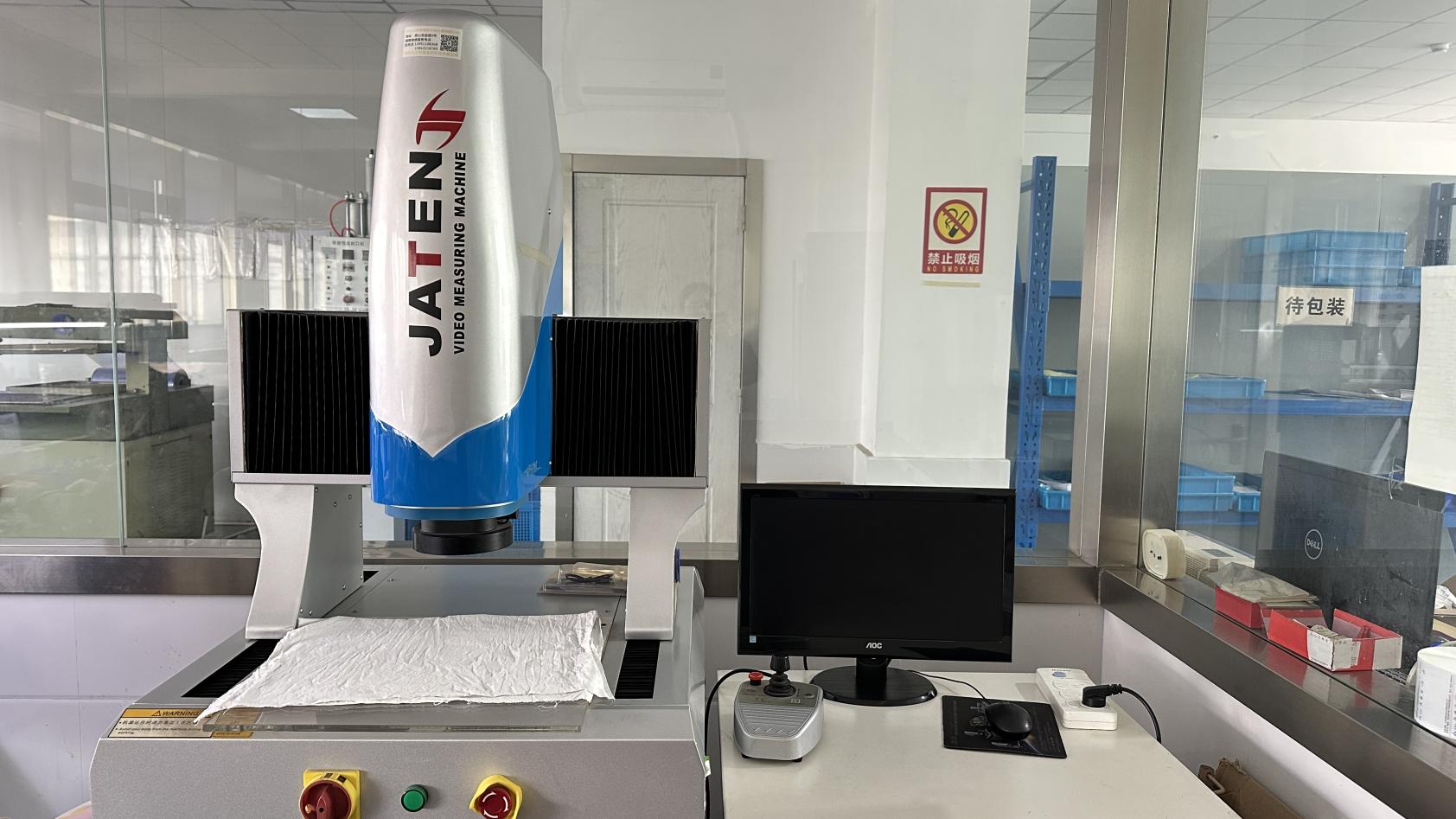
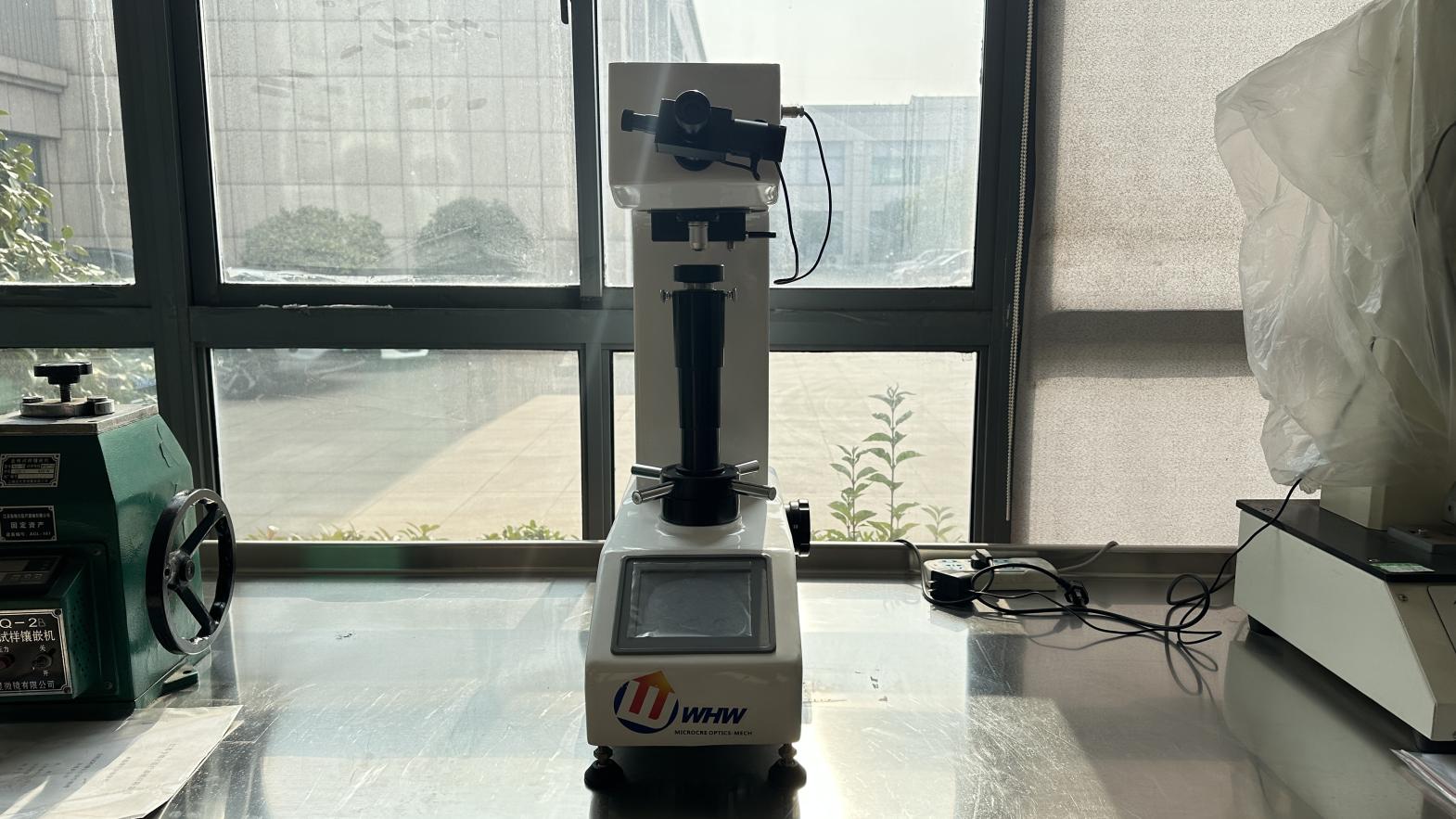
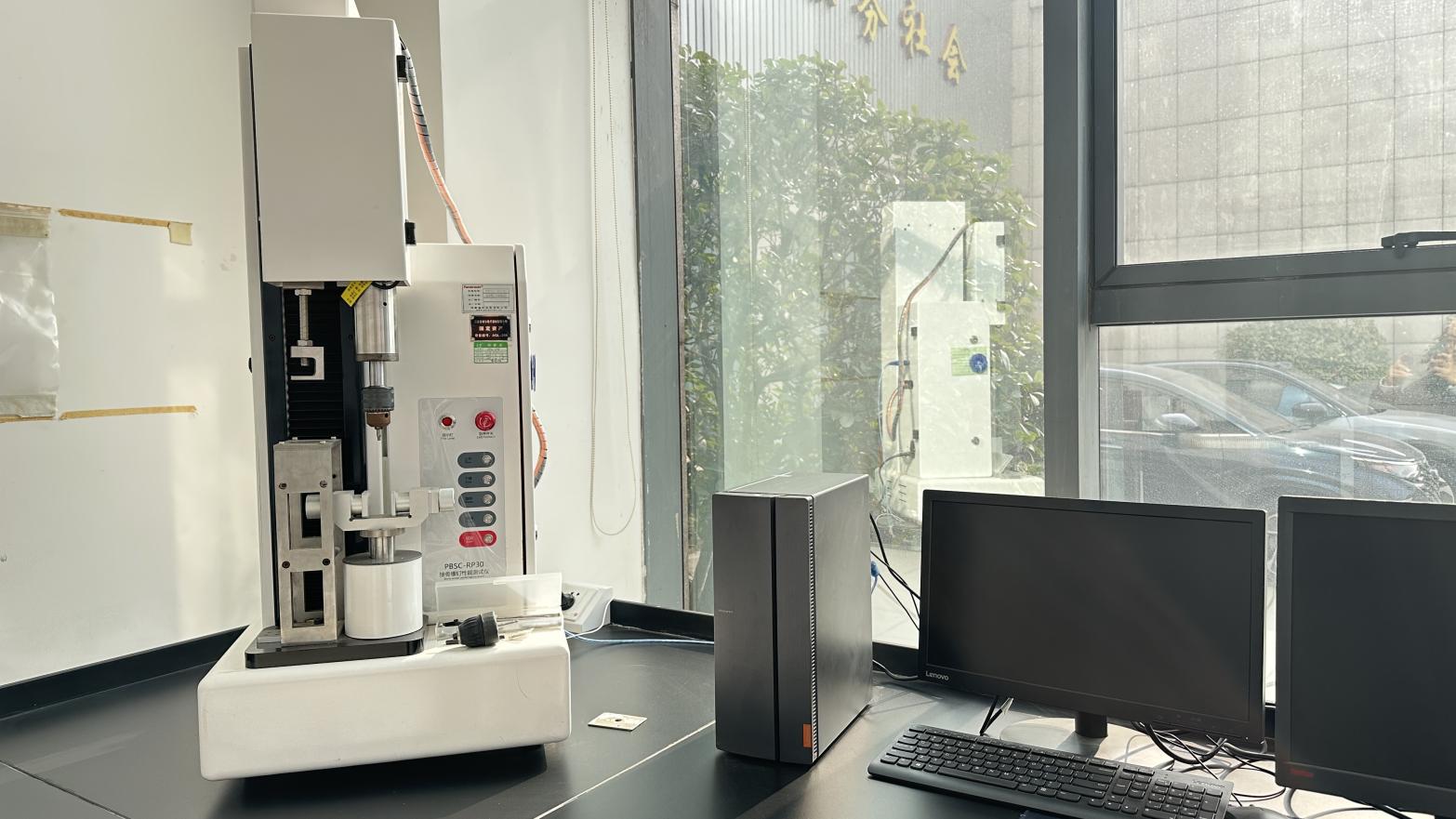
Every production run complies with global orthopedic standards, facilitating seamless registration processes in the Medsafe WAND database.
Our team of 85+ engineers specializes in translating surgical insights into high-precision, customized orthopedic instruments and implants.
Partnering with over 1,200 supply chain specialists enables us to maintain raw material reserves, ensuring price stability and reliable lead times.
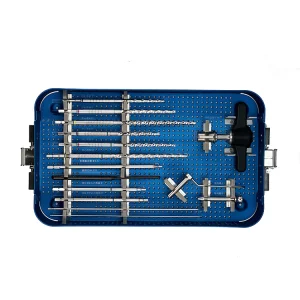
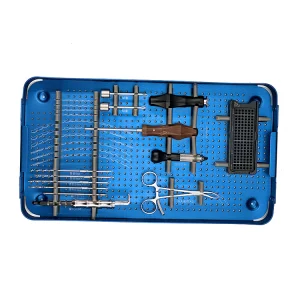
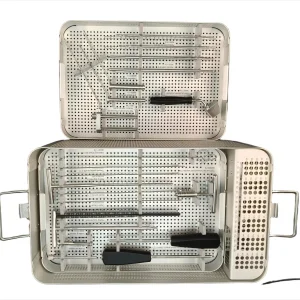
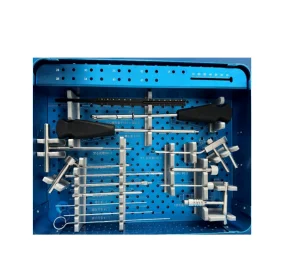
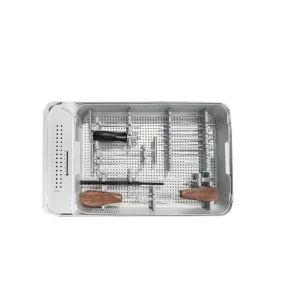
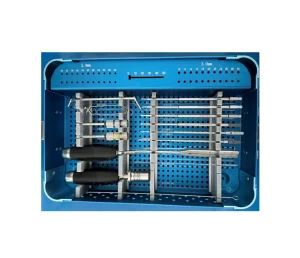
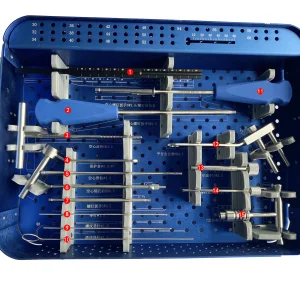
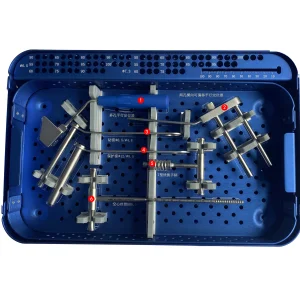
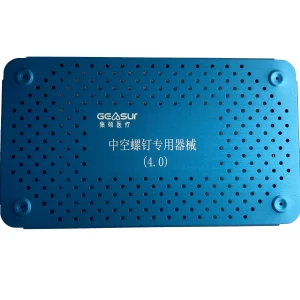
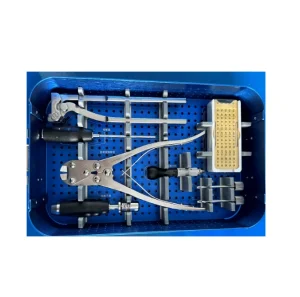
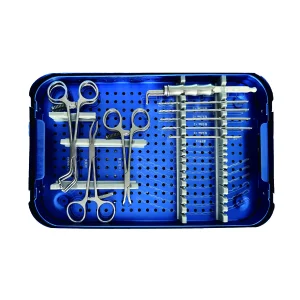
In major clinical settings such as Auckland City Hospital and Christchurch Hospital, our external fixators and trauma instrument sets are engineered for rapid stabilization in emergency operations.
For cervical fusion, discectomies, and degenerative disc diseases, our titanium intervertebral disc tools and TLIF/PLIF cages provide structural support and facilitate long-term bone fusion.
Our modular, steam-sterilizable instrument trays are optimized for clinical facilities throughout Northland, Taranaki, and Southland, simplifying inventory management and lowering sterilization costs.
We manufacture our orthopedic implants using premium materials, including medical-grade titanium alloy (Ti-6Al-4V ELI) and PEEK polymers. These materials are sourced from validated suppliers, ensuring biocompatibility, corrosion resistance, and high fatigue strength under physiological loading.
Yes, all Medisplint products are manufactured in an ISO 13485 certified facility and carry CE validation. We supply comprehensive technical documentation, raw material mill certificates, and validation reports to help our New Zealand distributors complete WAND database registrations.
Standard custom design and manufacturing timelines typically range from 4 to 6 weeks. This includes 3D CAD design approval, structural prototyping, mechanical fatigue testing, and final CNC production. Standard catalog items can be dispatched within 7-14 working days.
Our quality assurance laboratory features dedicated mechanical fatigue testing equipment. Spinal implants undergo cyclic compression and shear testing up to 5 million cycles, simulating dynamic, long-term spinal load conditions prior to market release.
Partner with Medisplint to secure premium surgical instruments and titanium implants. Receive a detailed quotation tailored for New Zealand clinical facilities.
Send Inquiry Now