 Medisplint
Medisplint
Medisplint
High-precision instrumentation designed to withstand extreme mechanical stress and assist orthopedic surgeons in complex procedures.
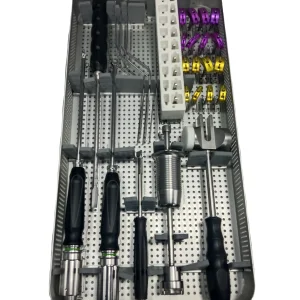
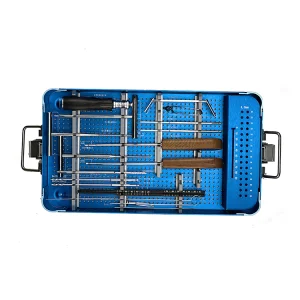
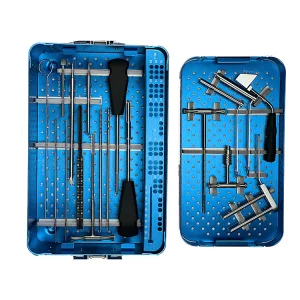
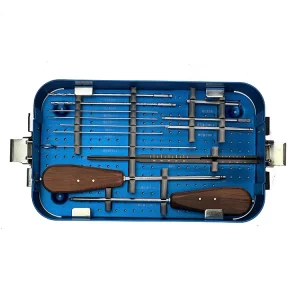
The healthcare infrastructure of Metro Manila is undergoing a rapid modernization cycle. As the economic core of the Philippines, the National Capital Region (NCR) hosts the country's most critical medical institutions, both public and private, including the Philippine General Hospital (PGH), St. Luke's Medical Center, Makati Medical Center, and the Philippine Orthopedic Center (POC). With a growing population, an aging demographic curve, and a persistent rise in motor vehicle accident-related trauma, the demand for highly reliable, precision-engineered orthopedic implants and surgical instrument sets has escalated exponentially.
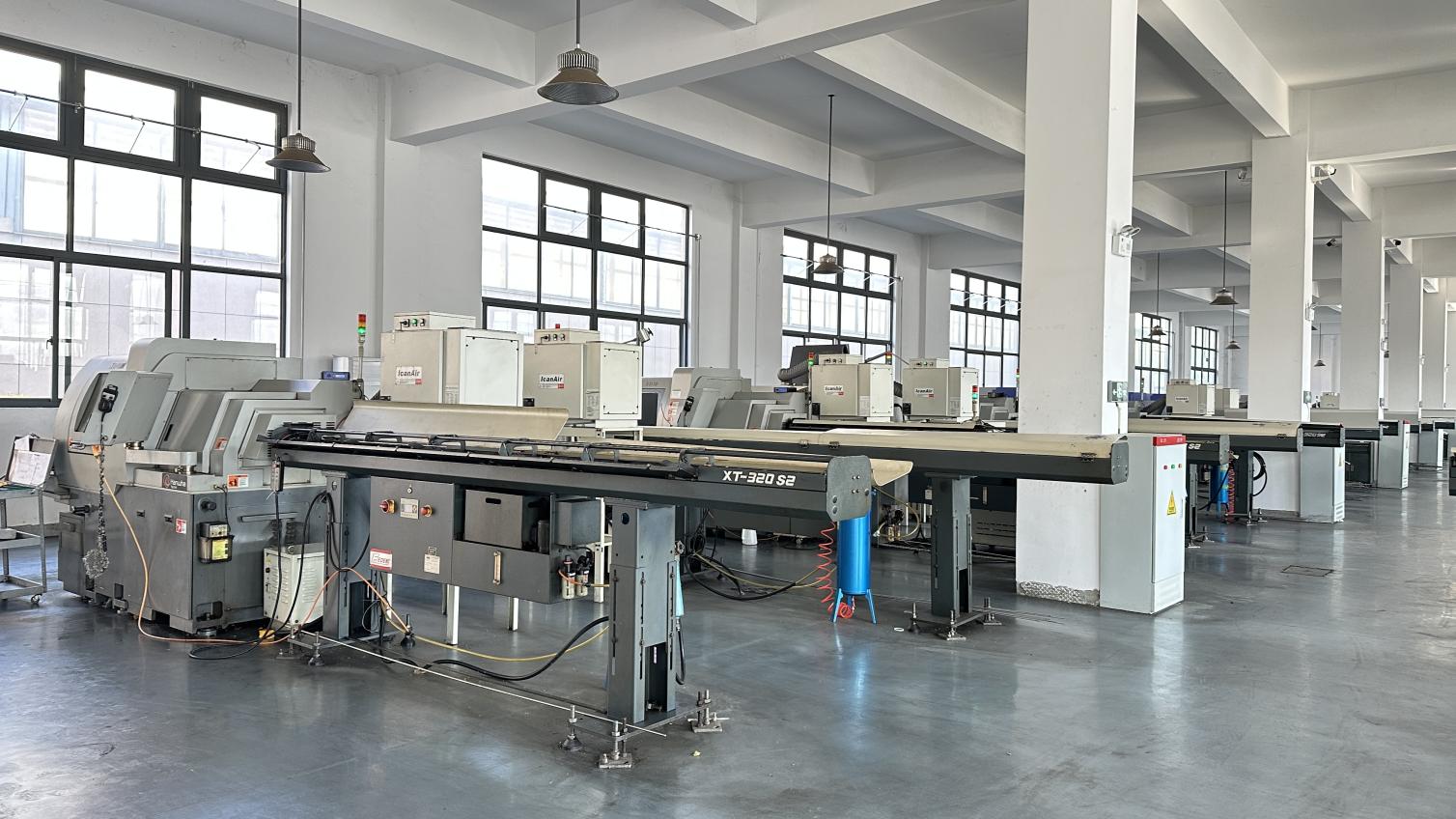
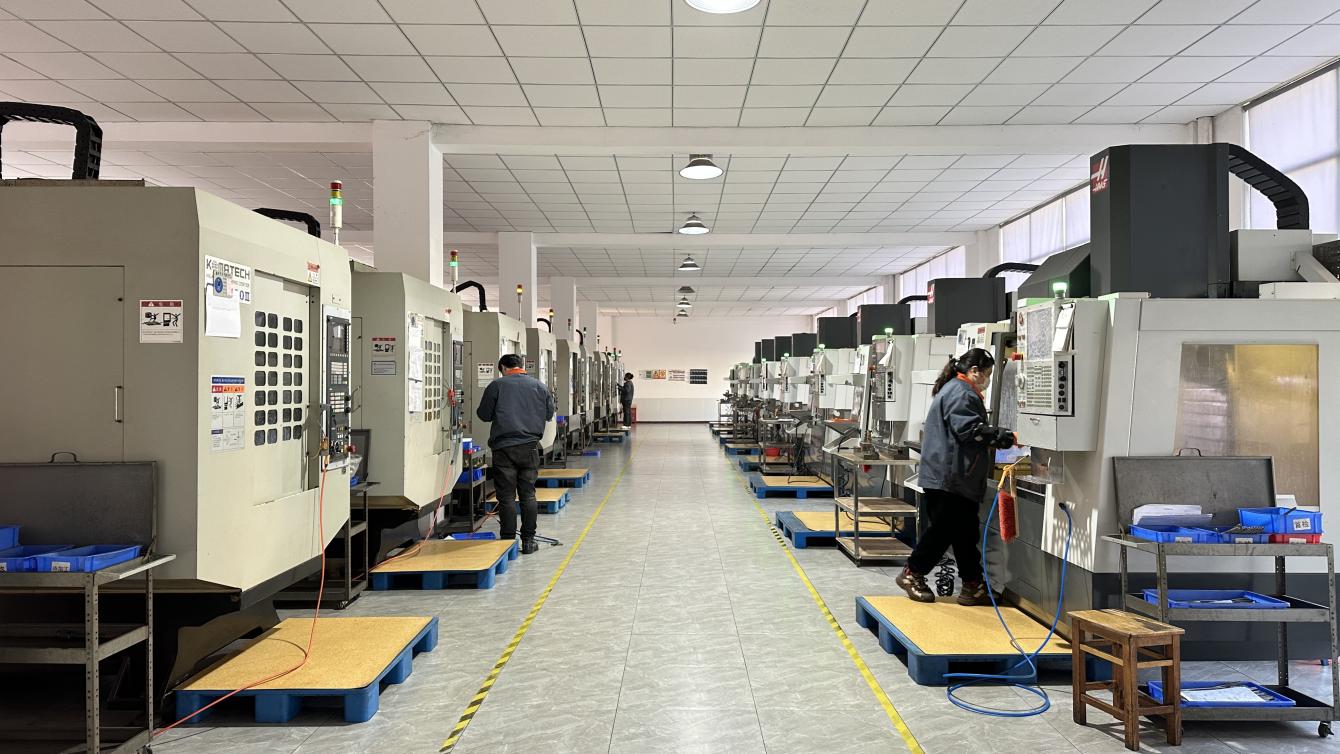
Historically, medical sourcing in the Philippines relied heavily on Western multinational brands. However, cost constraints, rigid distribution systems, and prolonged supply chain lead times have prompted procurement directors and private hospital consortia to seek direct factory partnerships with certified manufacturers in China. This transition is not merely based on pricing; it is driven by technological maturity. Modern Chinese factories, such as Medisplint Orthopedic Instruments Co., Ltd., operate with high-precision CNC multi-axis machines, advanced mechanical testing facilities, and international compliance structures that match or exceed traditional Western manufacturing standards.
In Metro Manila, orthopedic distributors face a unique set of logistics and regulatory challenges. The Food and Drug Administration (FDA) of the Philippines, under the Department of Health (DOH), enforces stringent guidelines on the importation and registration of medical devices under the Center for Device Regulation, Radiation Health, and Research (CDRRHR). Any imported orthopedic implant—such as titanium hollow screws, cannulated nail kits, or spinal cage systems—must possess clear traceability, ISO 13485 documentation, and conformity declarations.
Furthermore, Manila's port congestion and complex customs clearing procedures necessitate structured, highly organized logistics pipelines. Suppliers who cannot provide comprehensive documentation, certified sterilization-ready packaging, and swift container-load delivery schedules often cause critical shortages in operating rooms. To bypass intermediaries, local medical exporters and distributors in Manila are prioritizing direct-to-factory channels. This allows them to secure customized surgical instrument sets tailored to the specific anatomical and surgical practice habits of Filipino orthopedists.
Founded in 2016, Medisplint has emerged as a premier engineering-driven manufacturer specializing in orthopedic implants, fixation systems, and high-performance surgical instrument kits for trauma, spinal reconstructive surgery, and joint replacement.
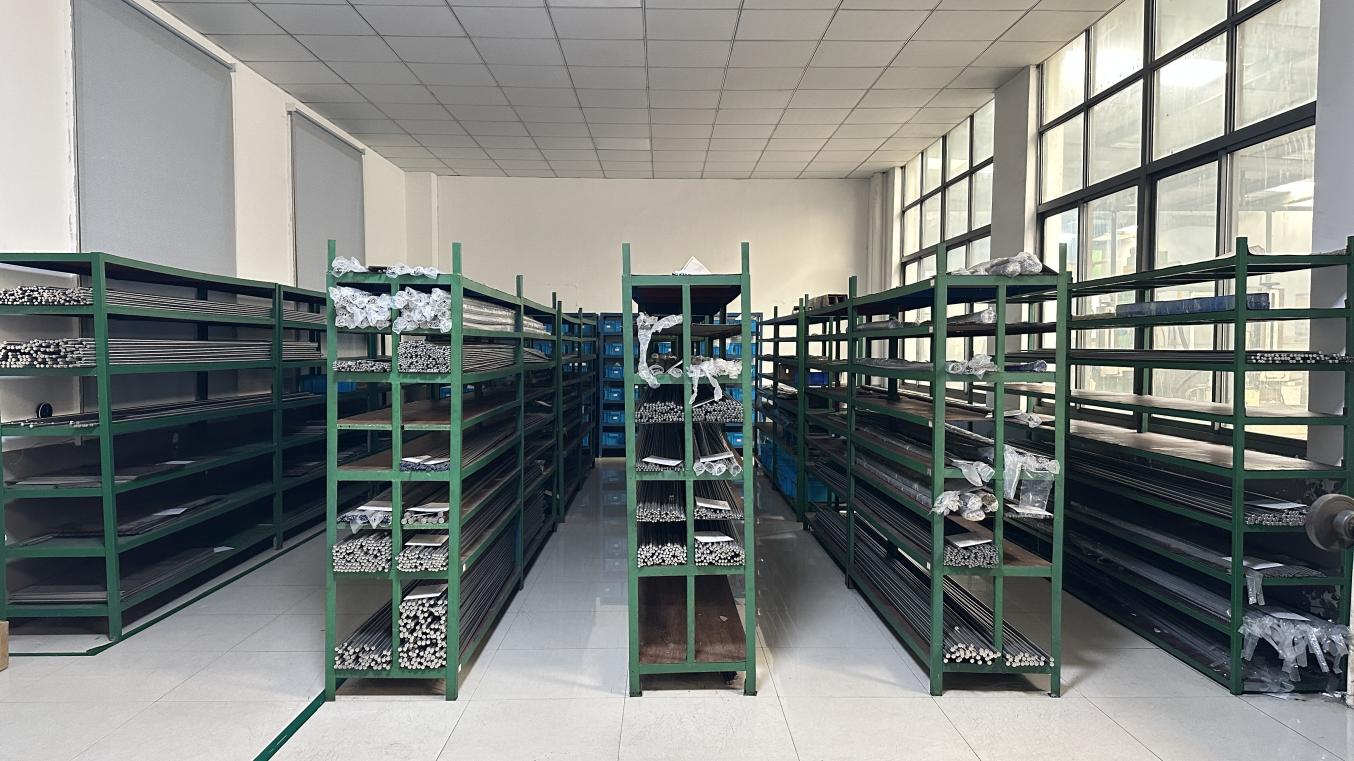
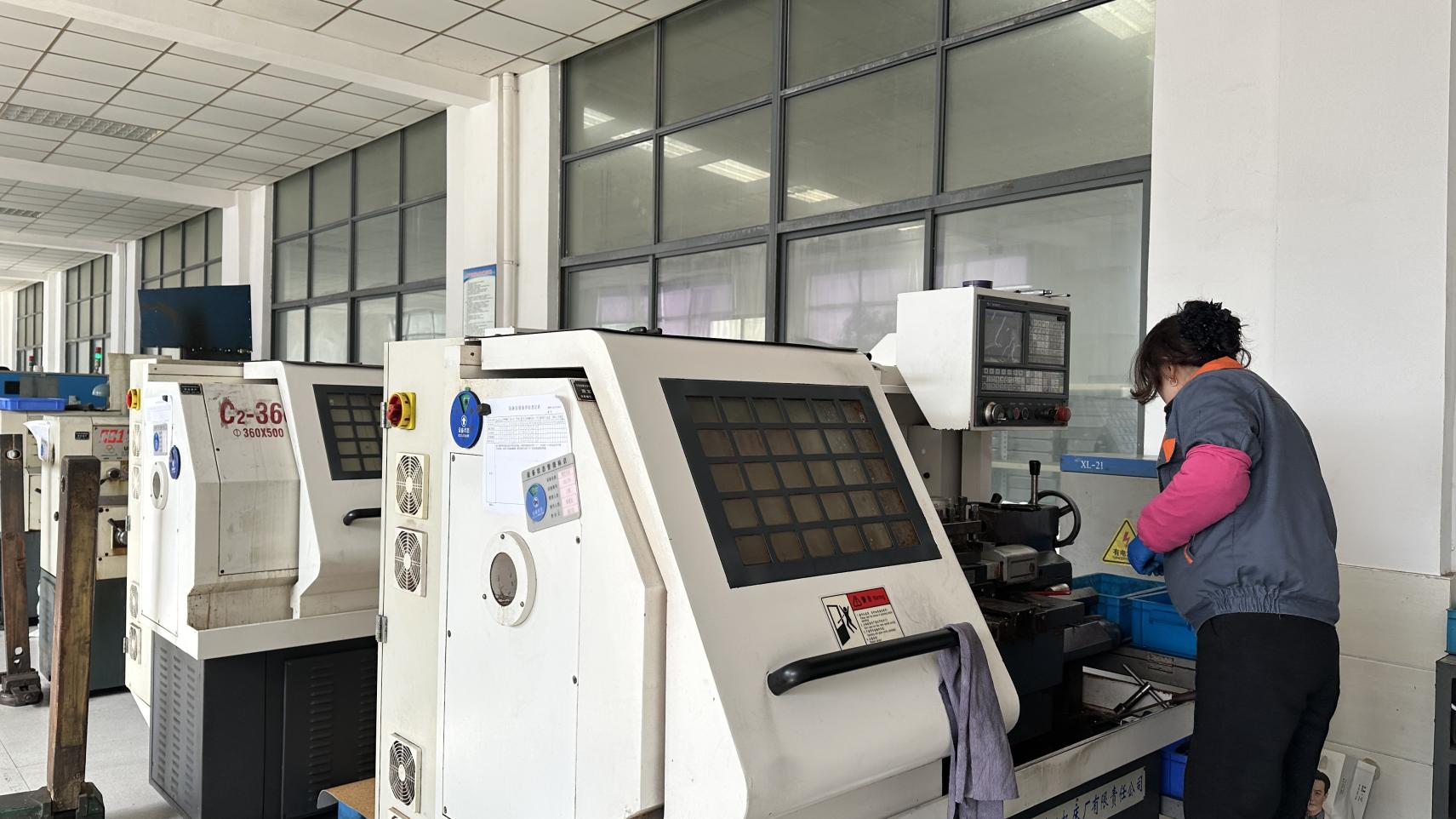
Our 18,500m² state-of-the-art facility integrates advanced materials processing, cleanroom assembly, and multi-stage quality control. We supply over 1,200 global partners, providing hospitals, local distributors, and OEM/ODM clients with clinical-grade equipment that ensures predictable surgical outcomes.
A transparent look inside our raw materials yard, CNC machining centers, and finished product inspection pipelines.
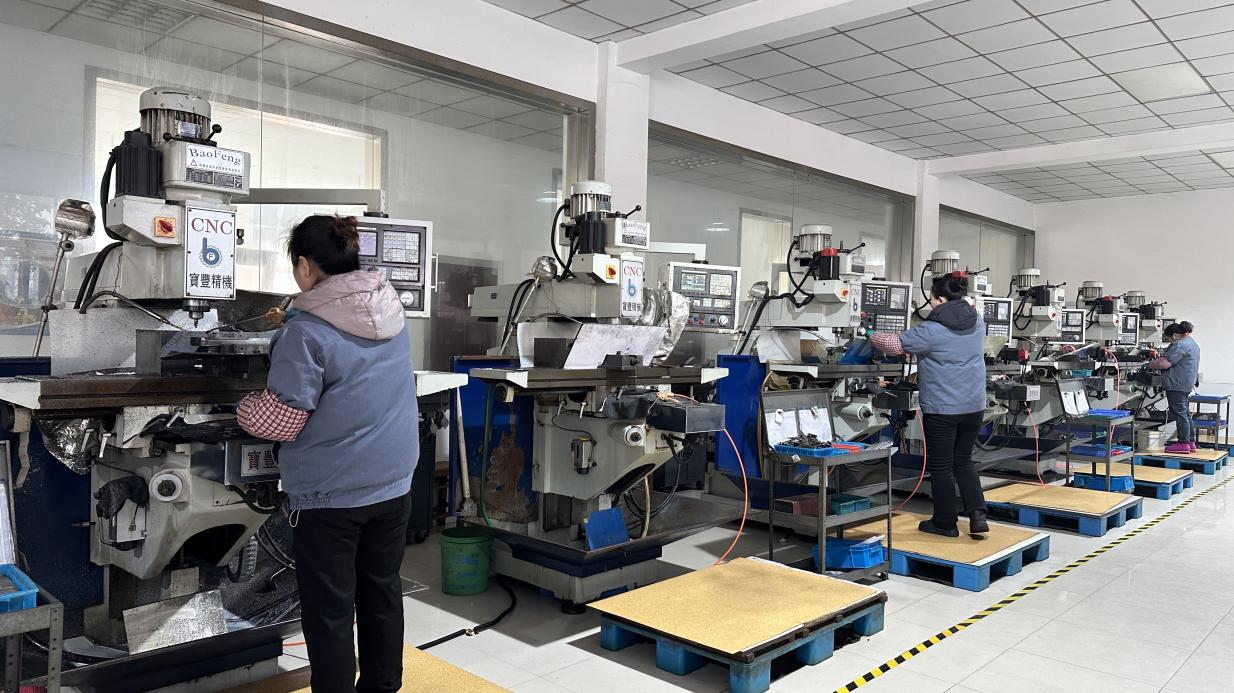
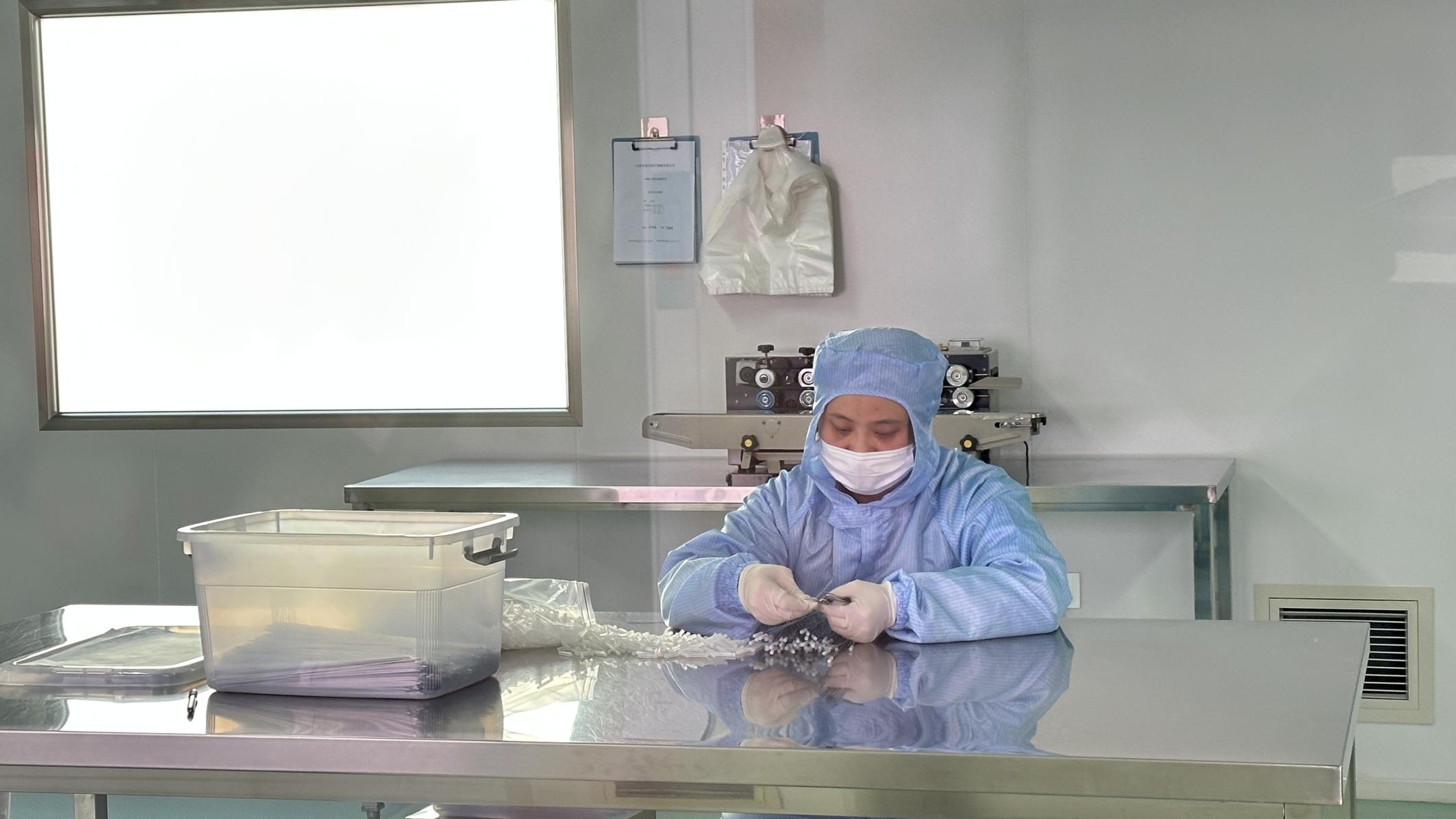
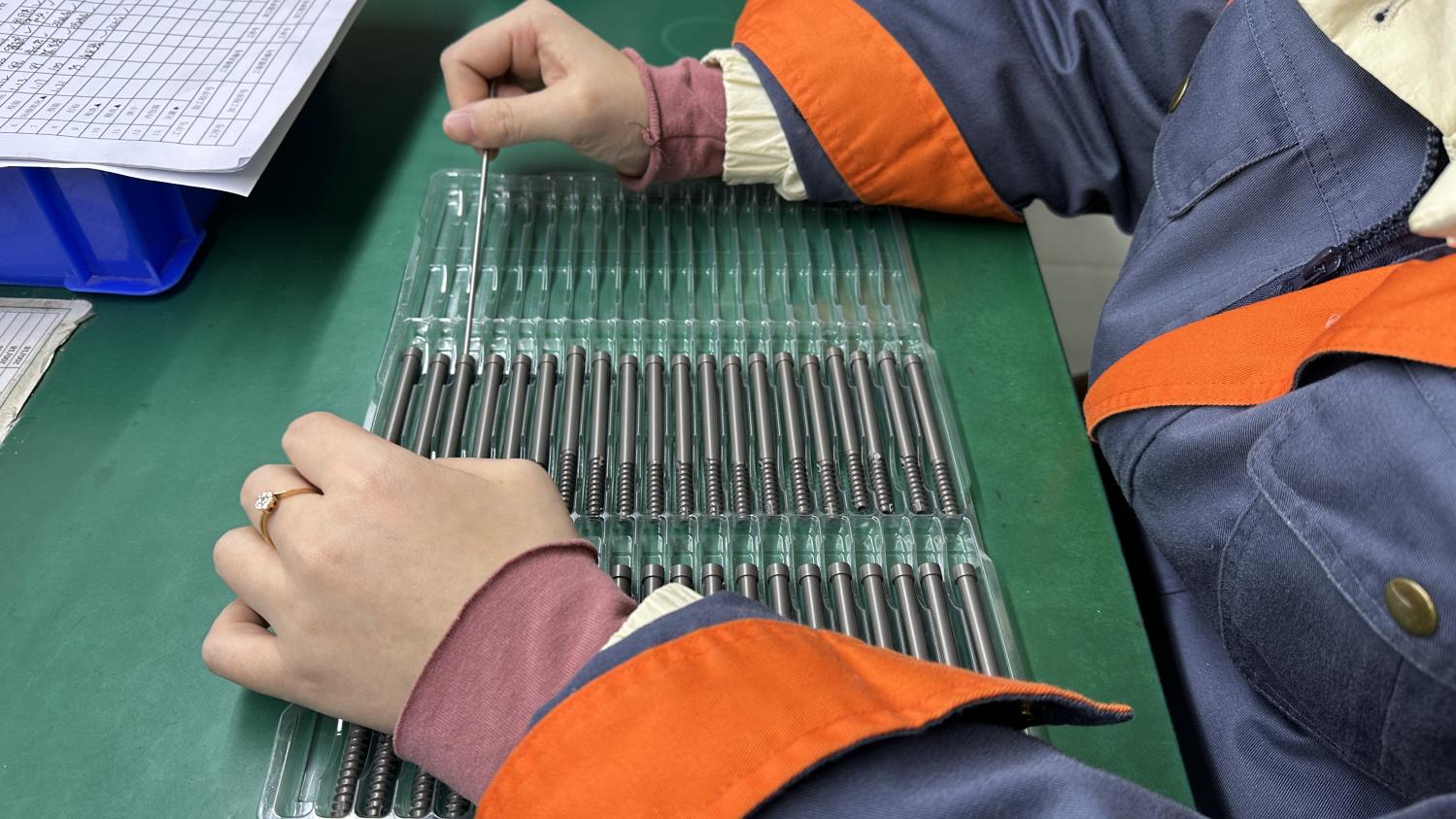
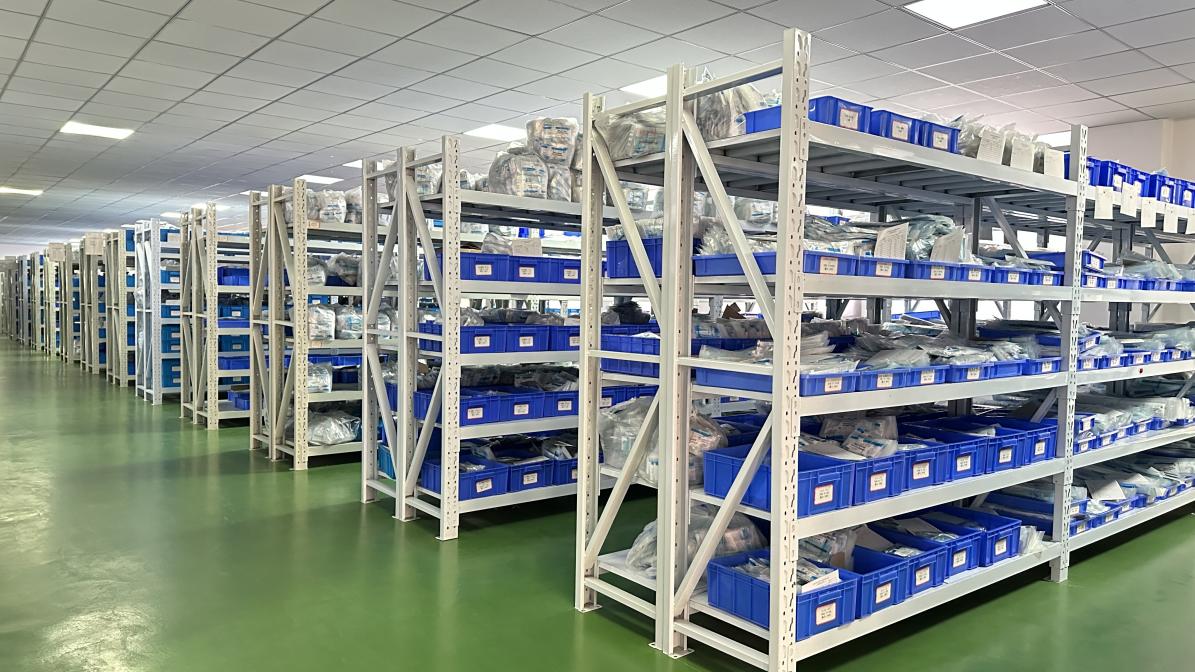
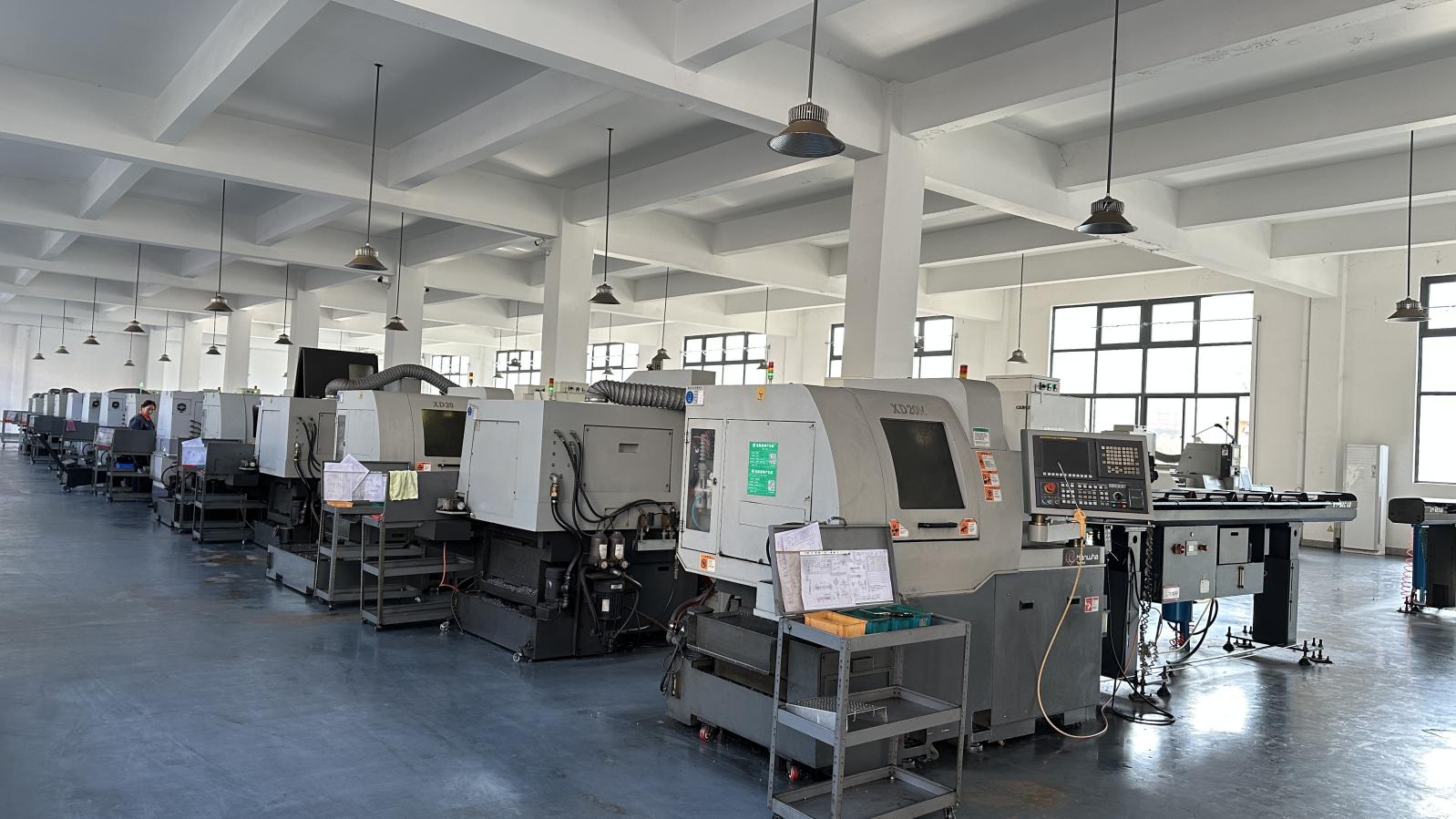
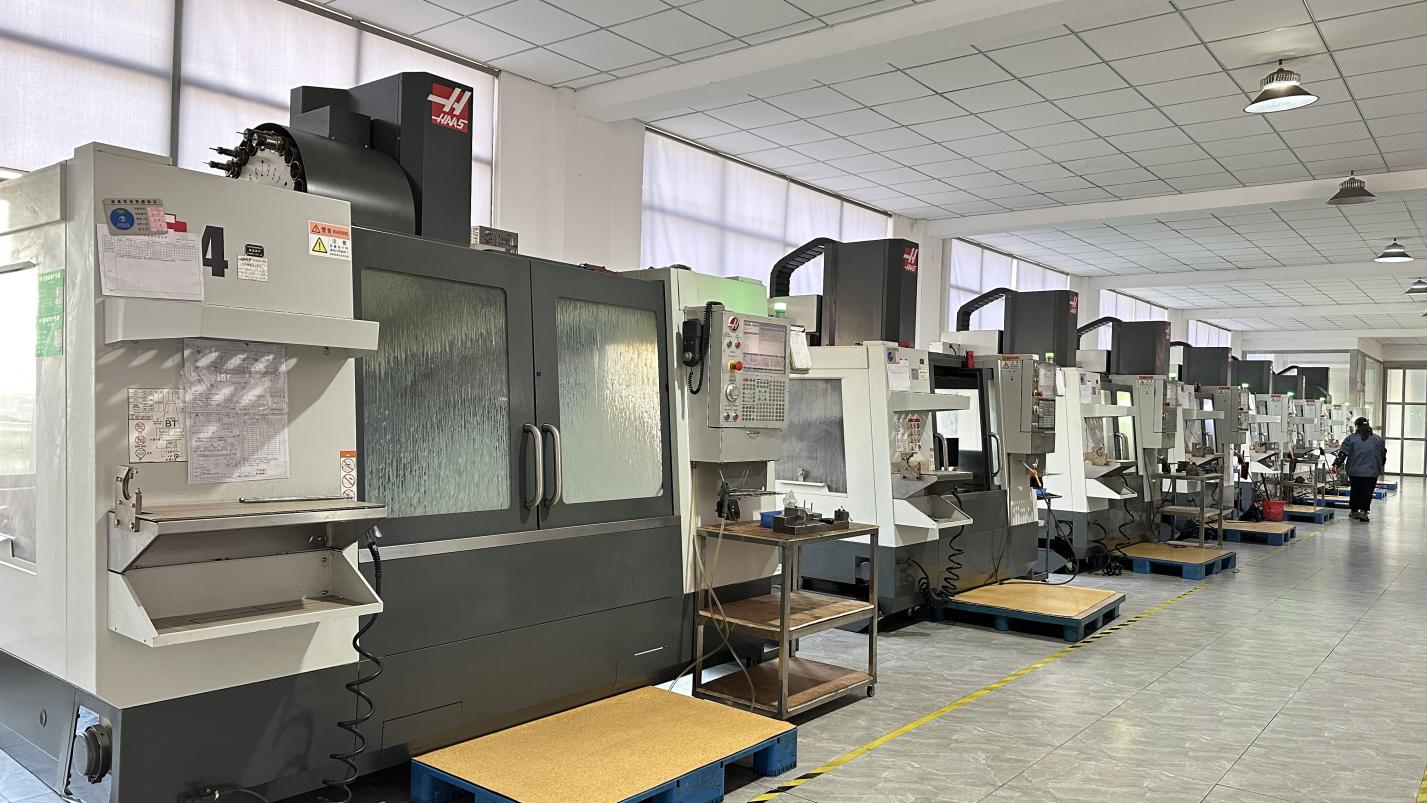
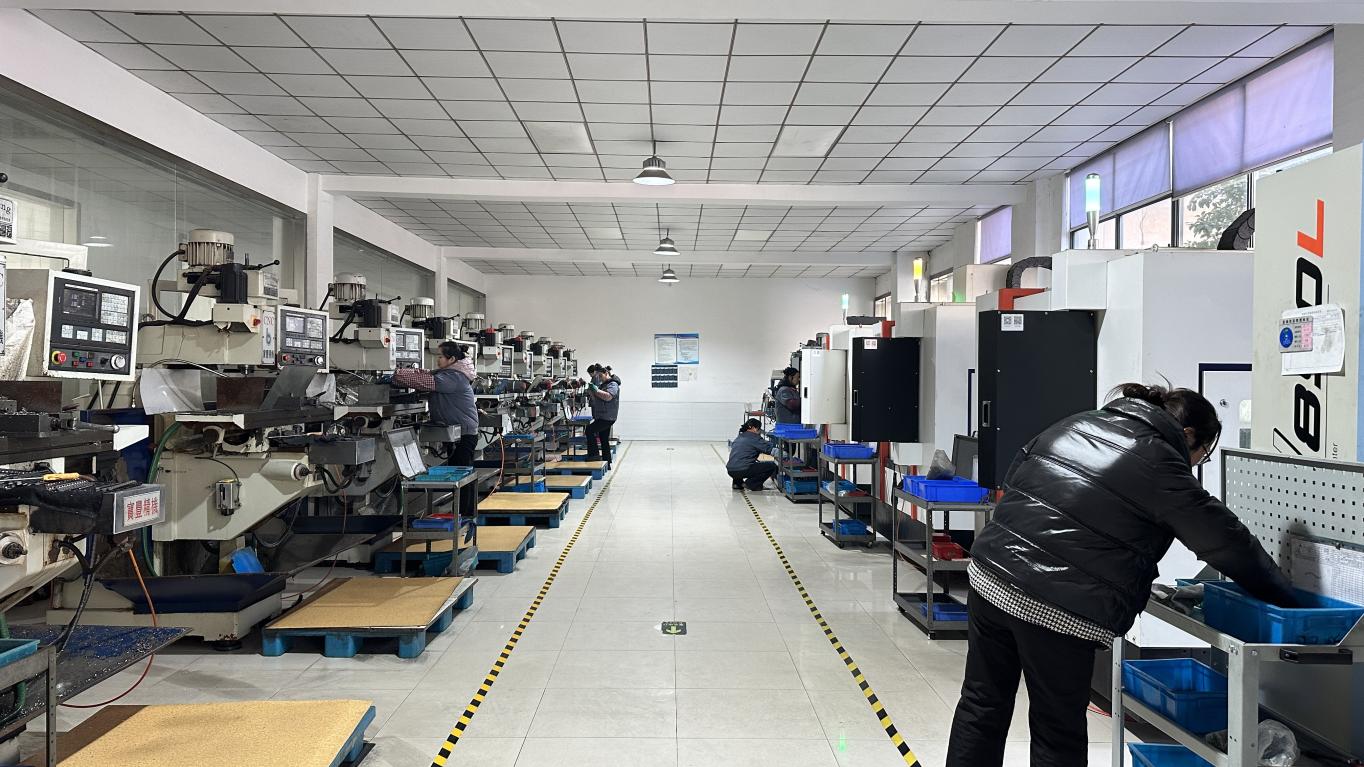
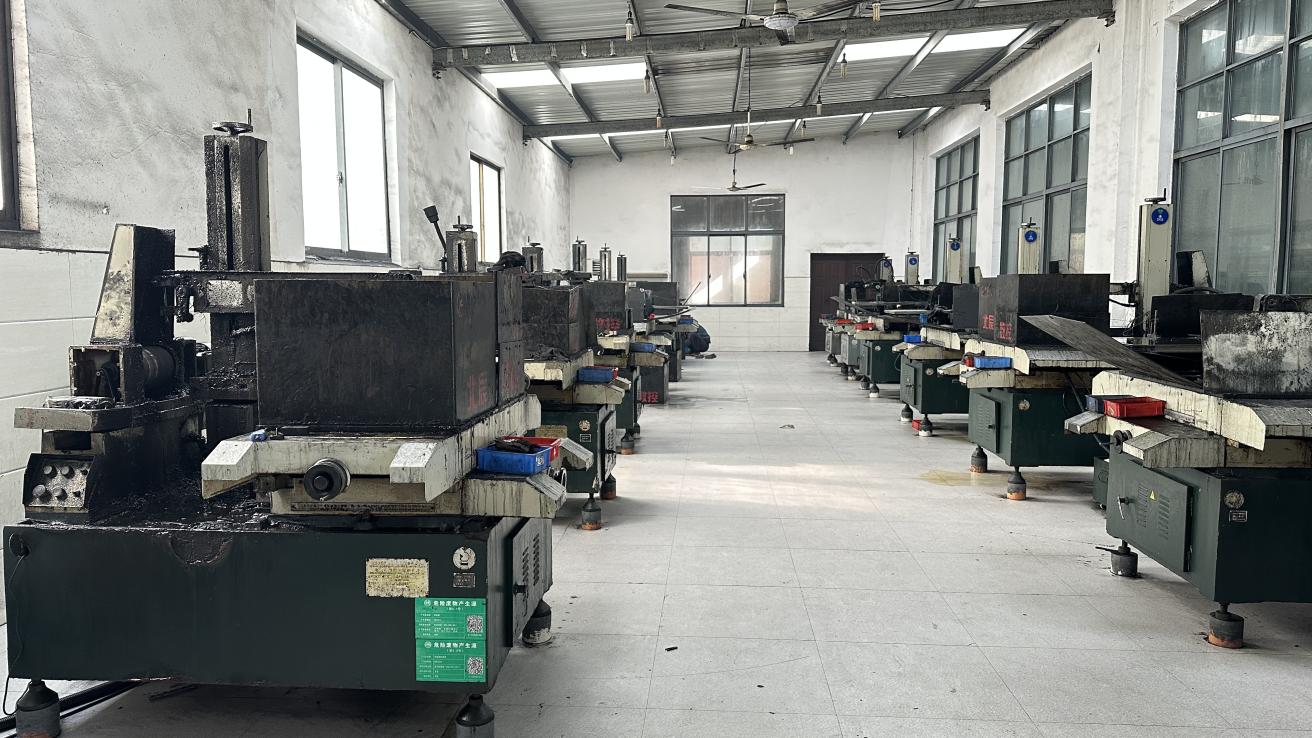
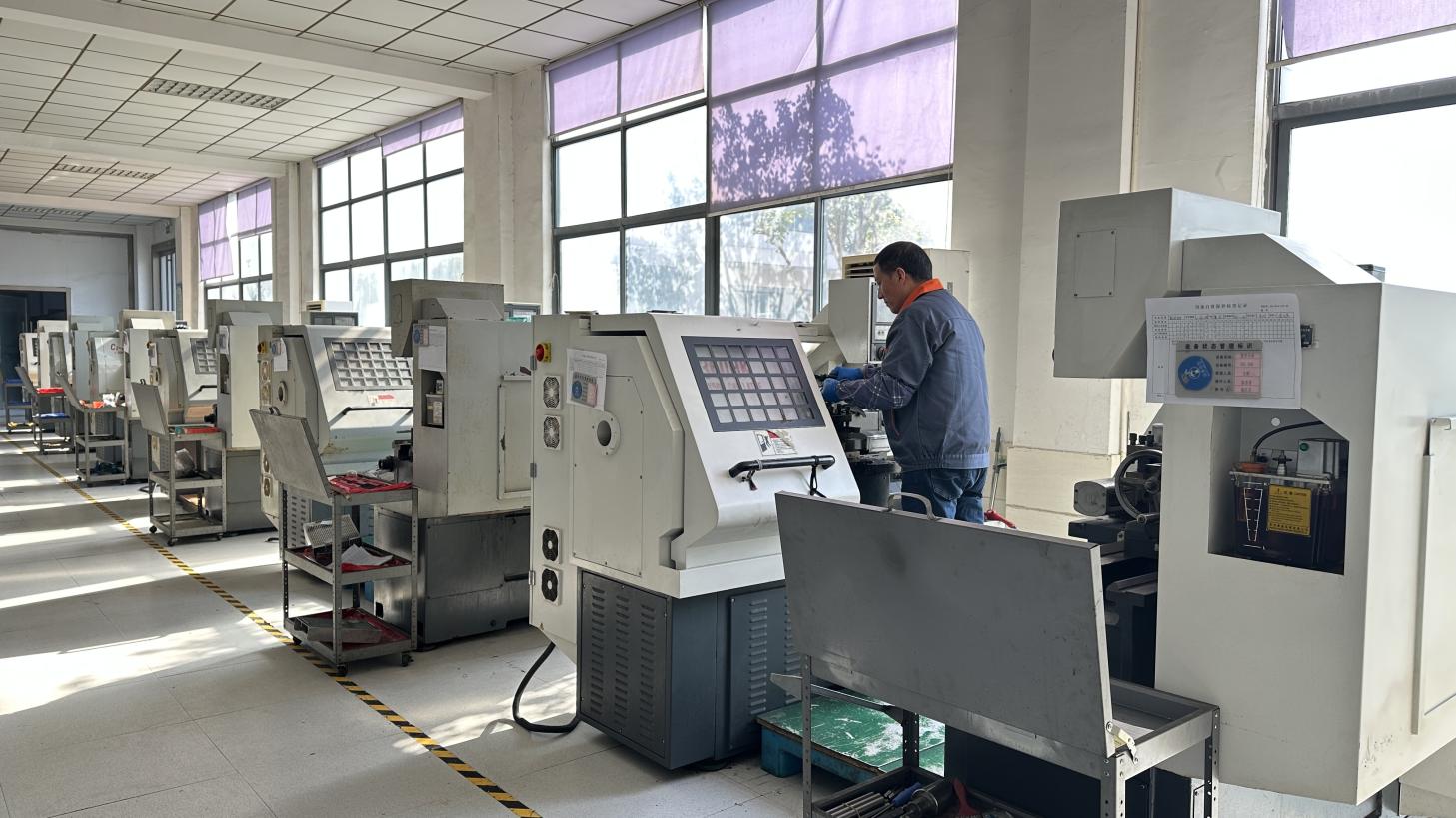
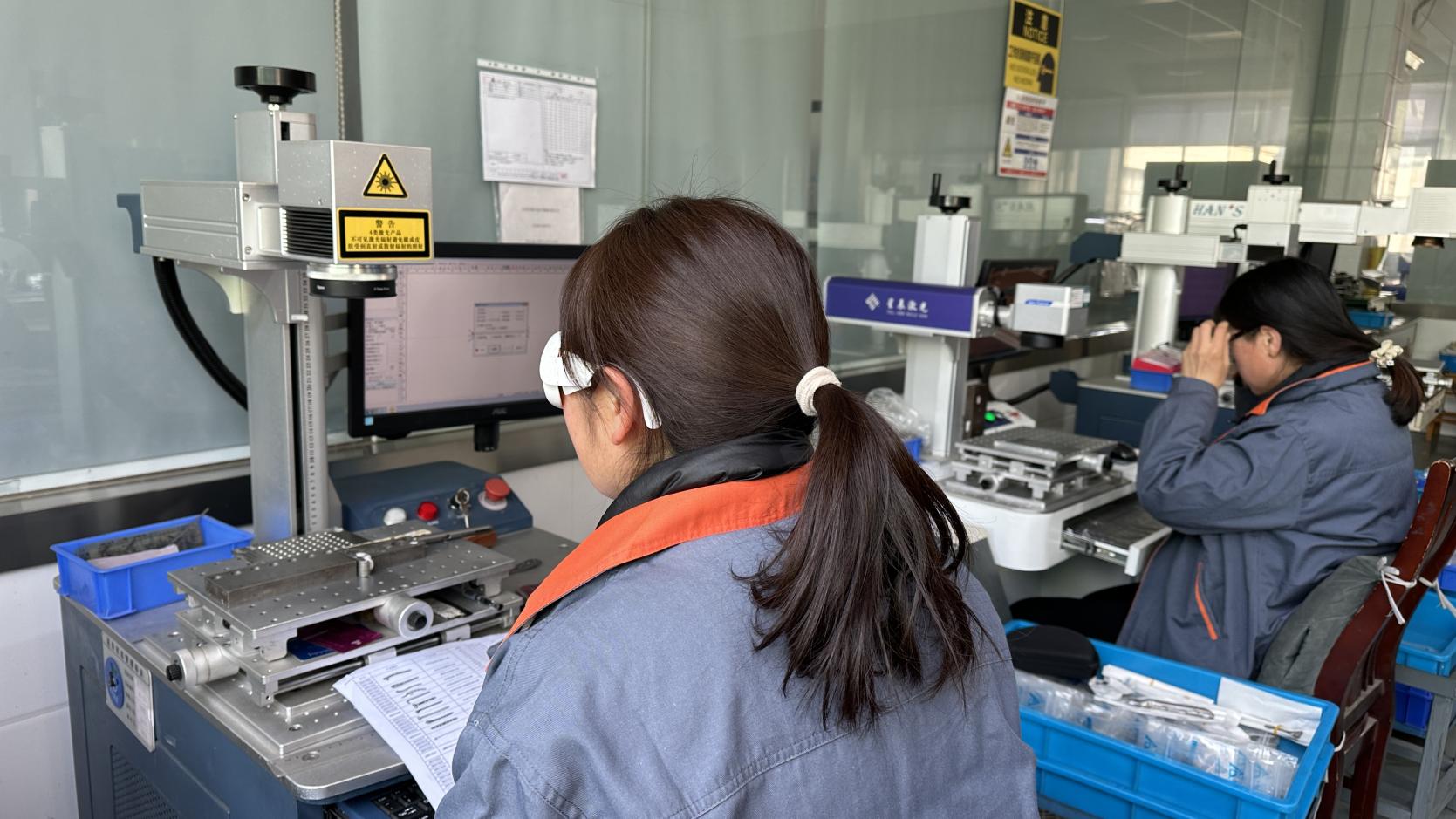
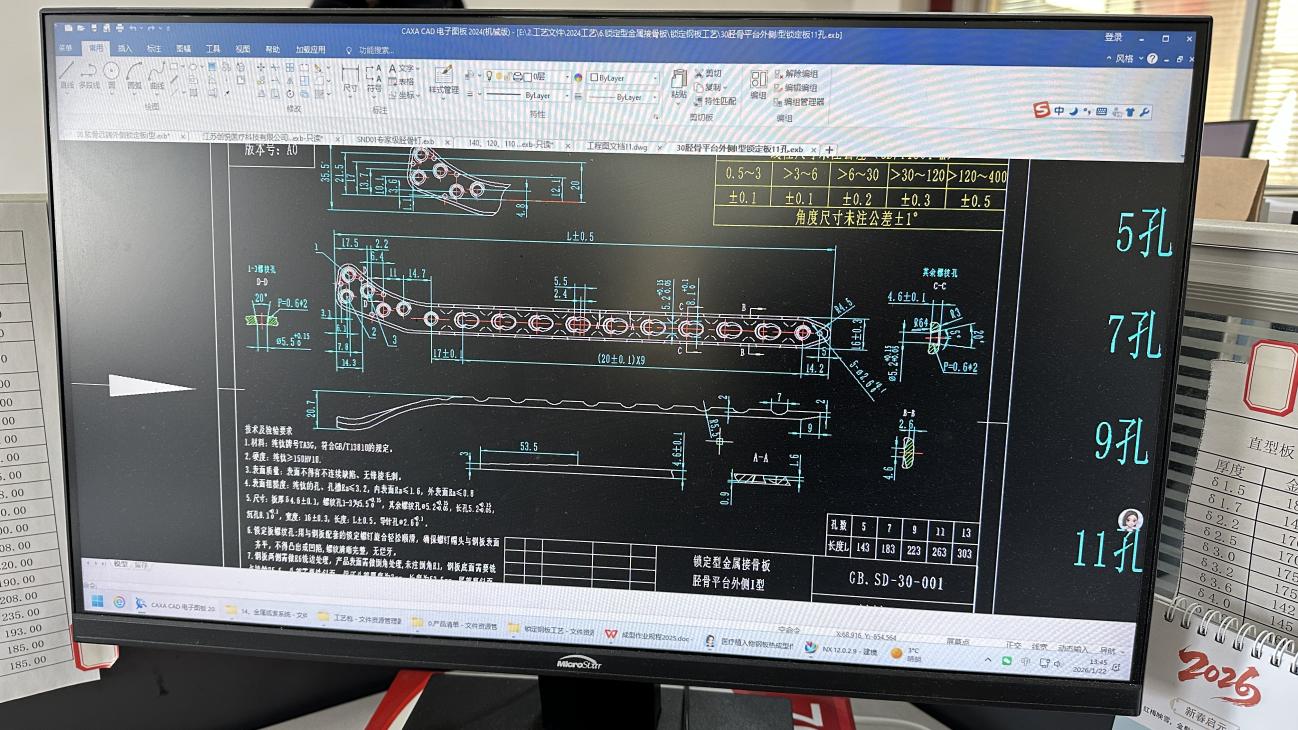

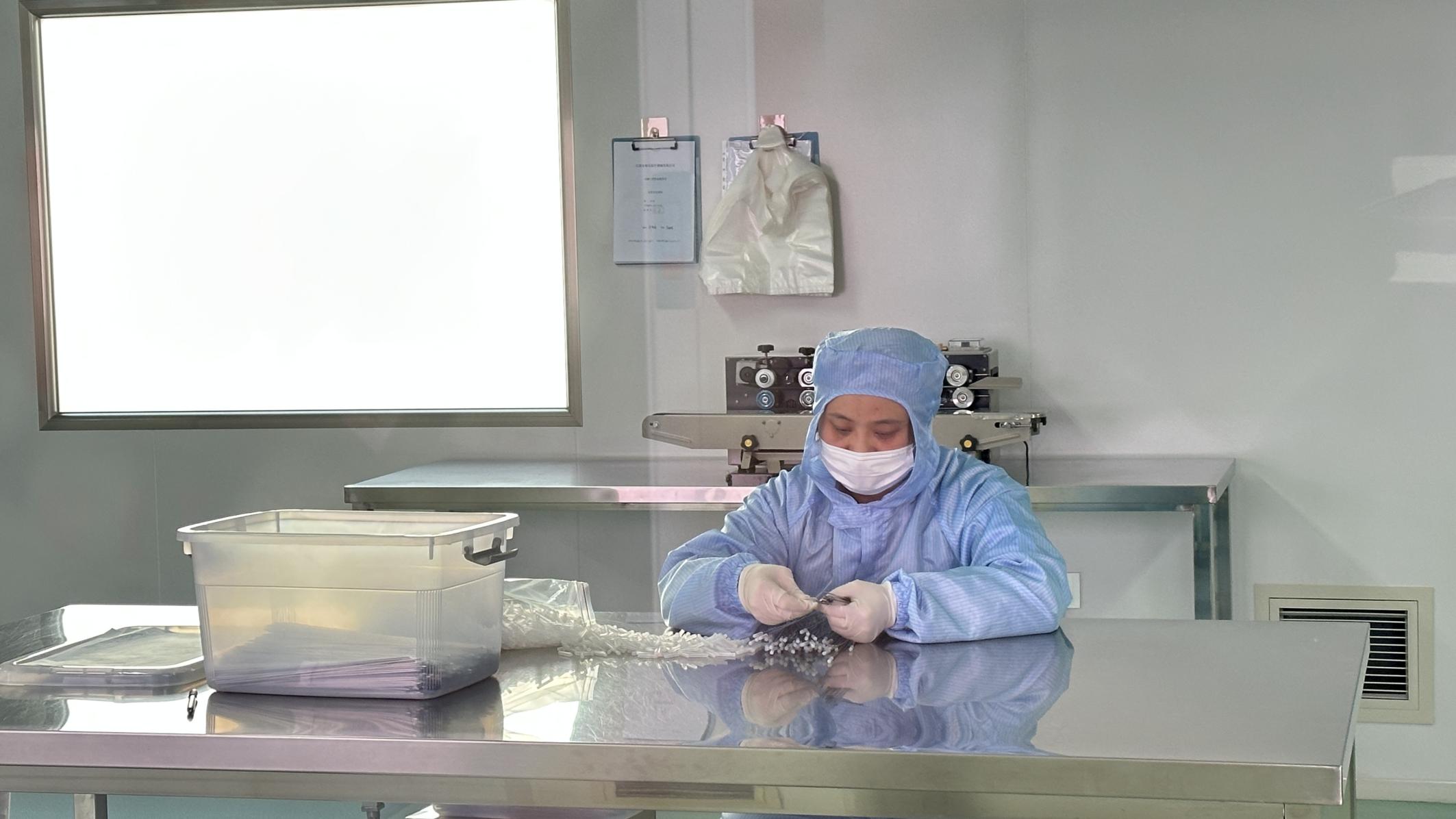
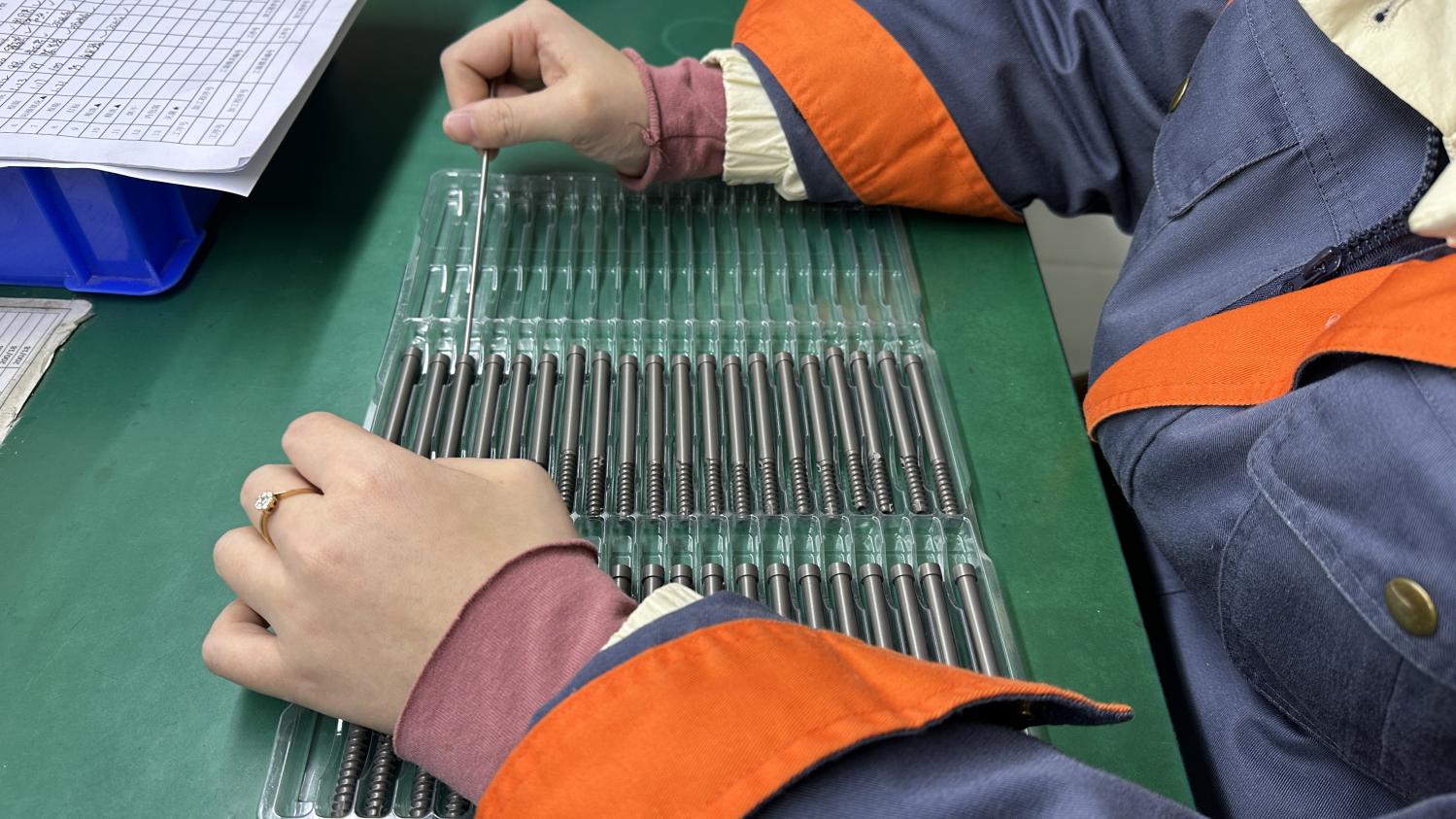
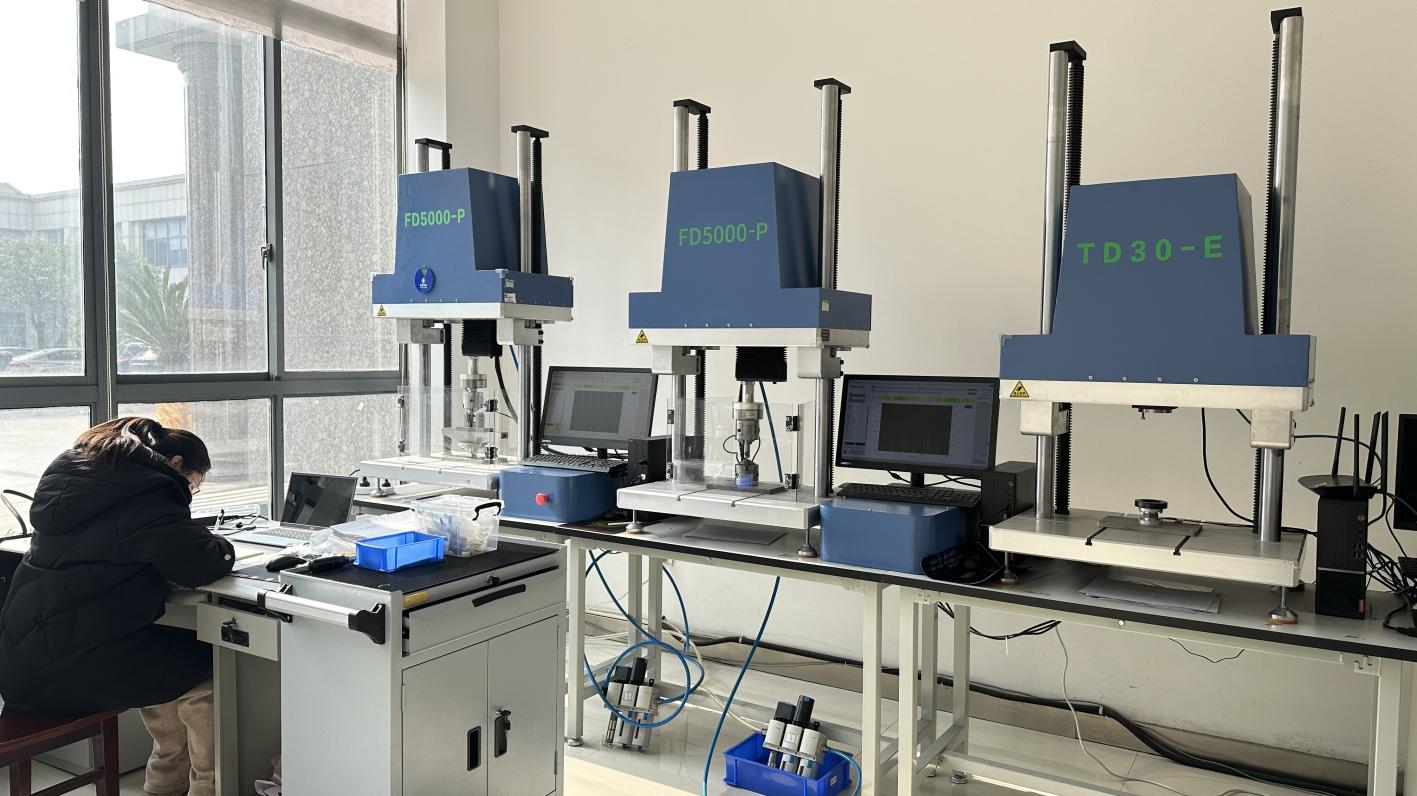
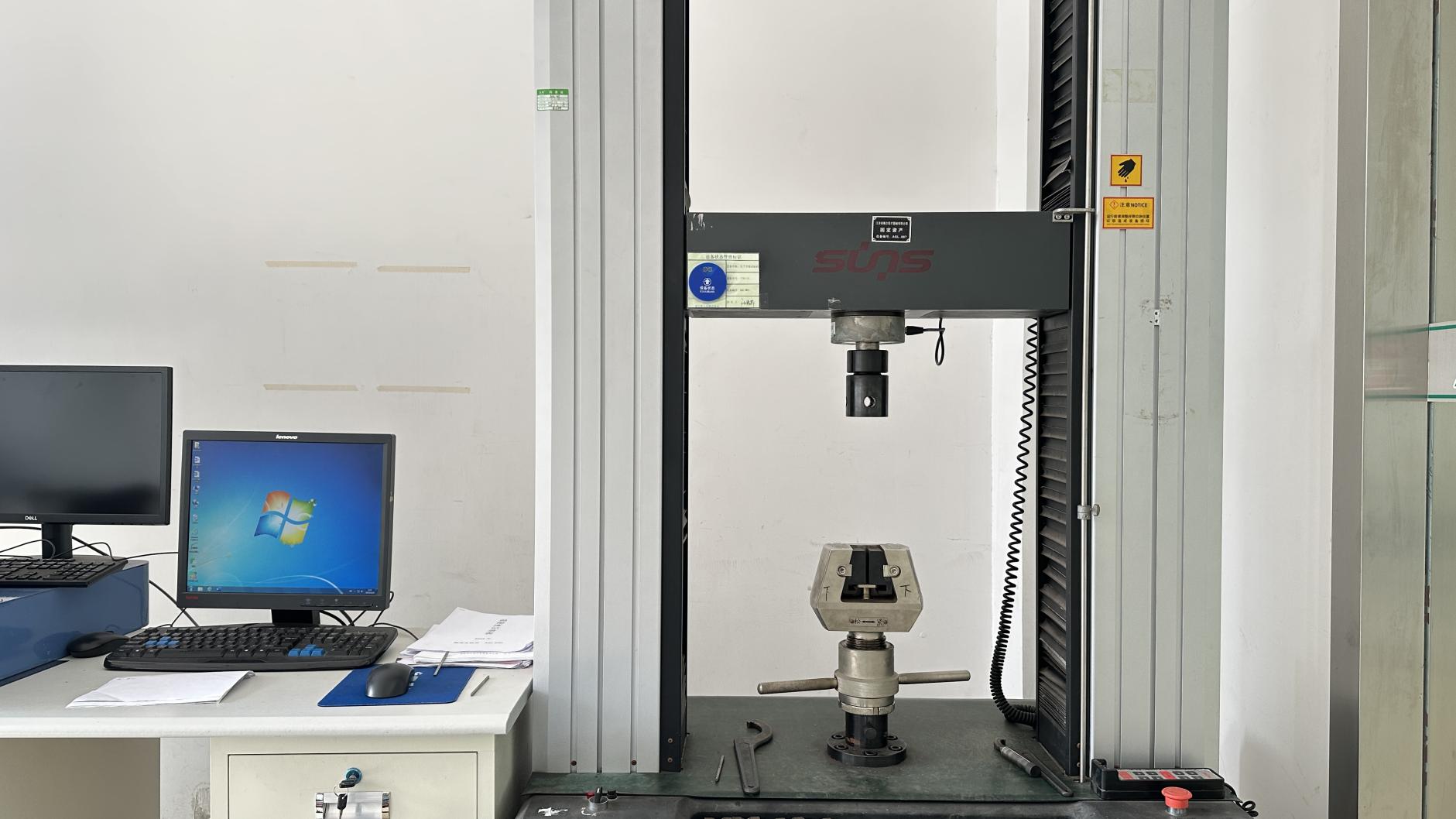
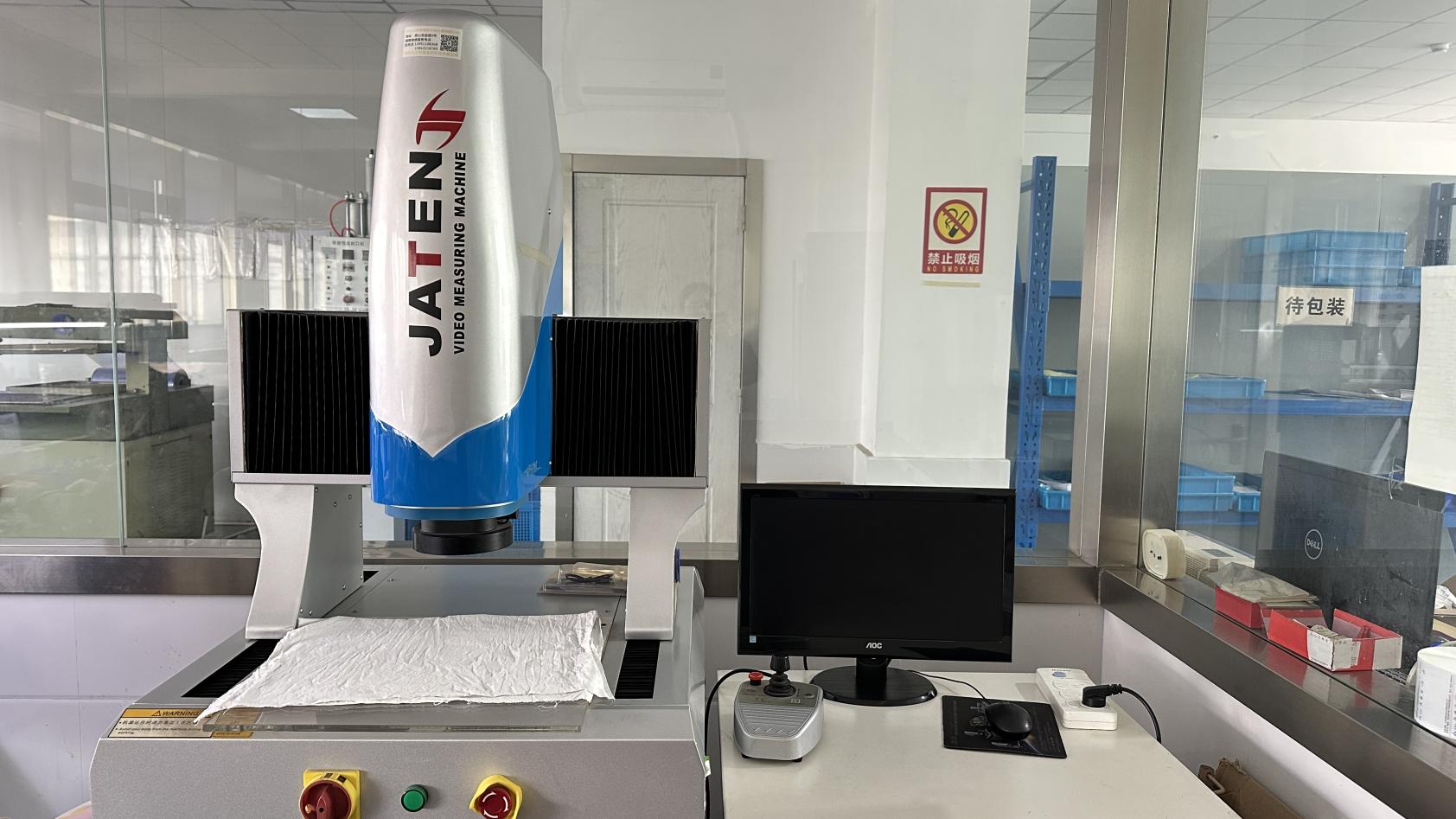
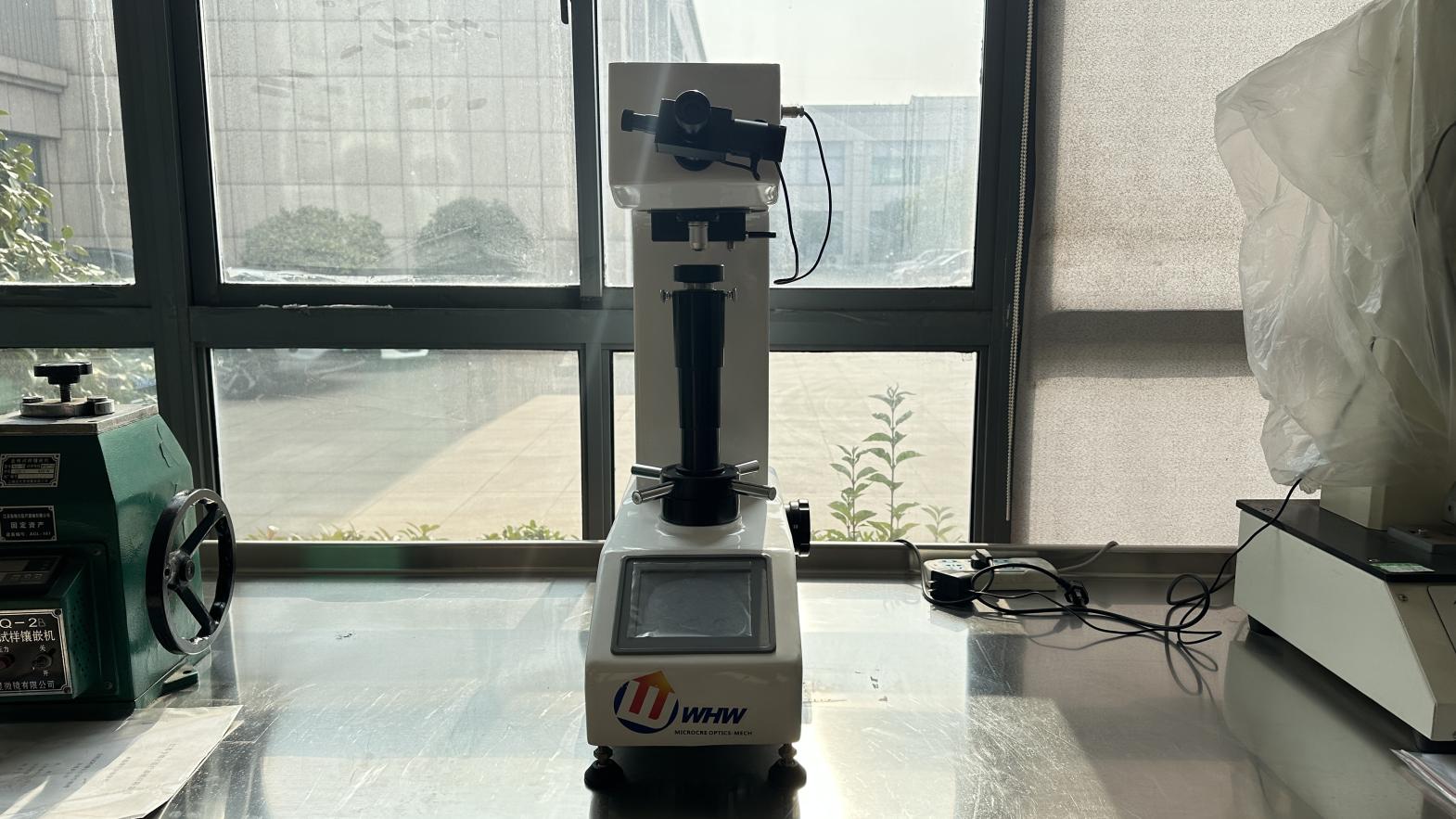
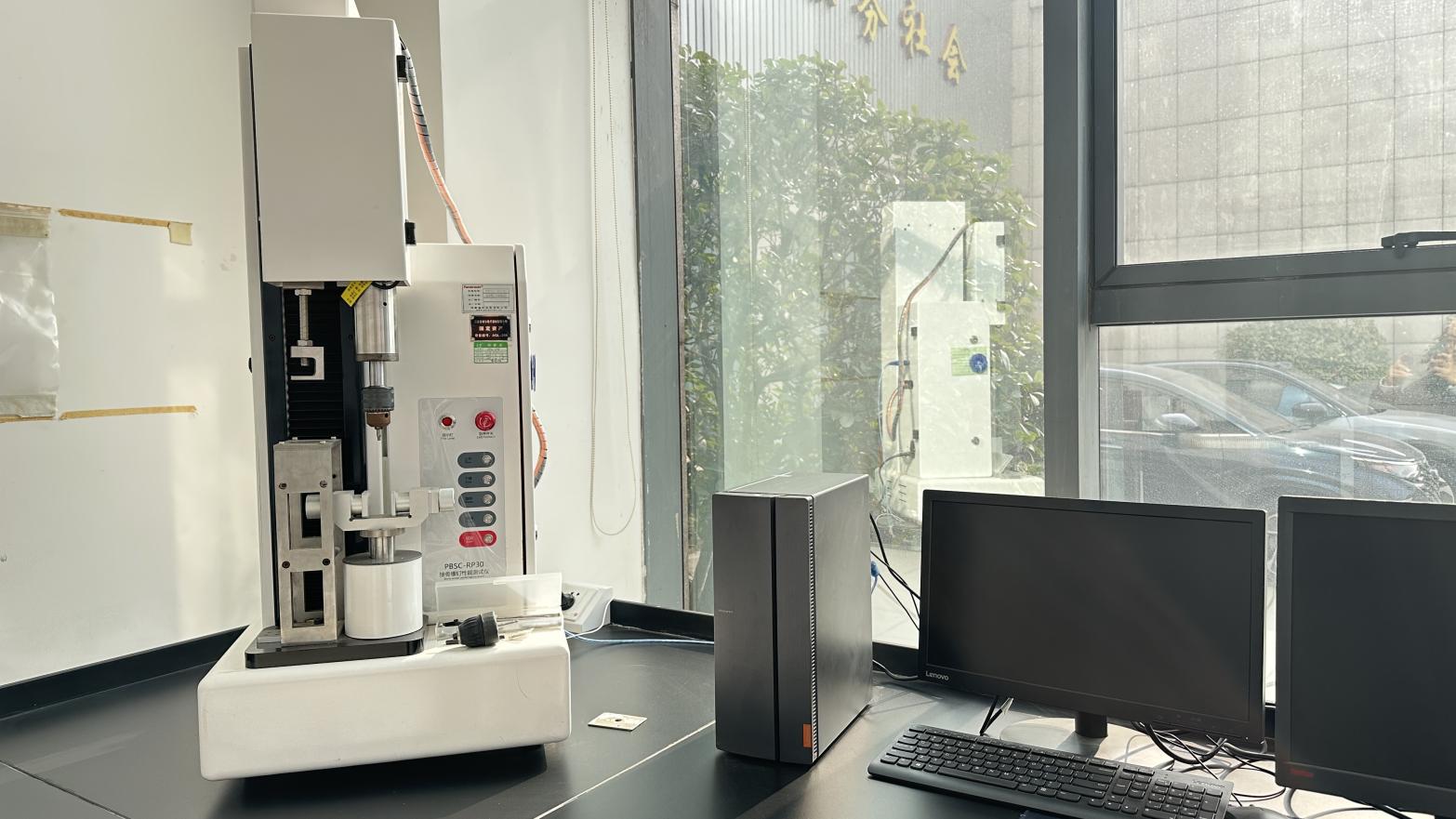
Medical instruments must adapt to localized surgical habits and operating environments. In the Philippines, orthopedic specialists face a high volume of trauma cases related to vehicular collisions and industrial injuries. This requires highly efficient instrument sets that speed up surgical access and minimize intraoperative time.
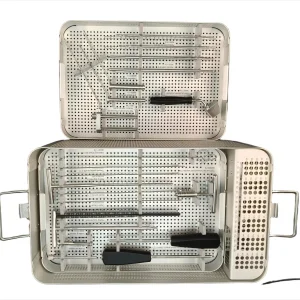
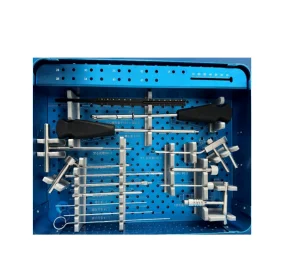
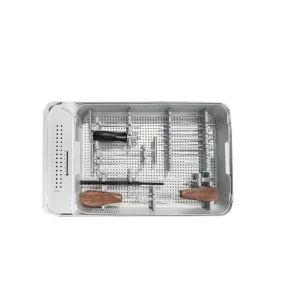
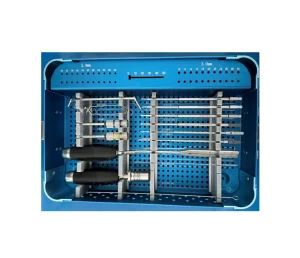
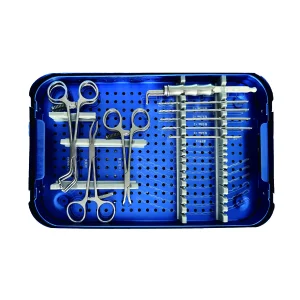
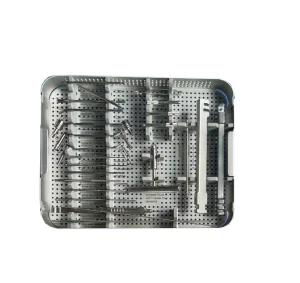
Our custom-made Titanium TLIF/PLIF instrument sets provide surgical centers with exact screw insertion depth calibration and tactile feedback, critical for treating degenerative disk diseases in Manila's major public hospitals.
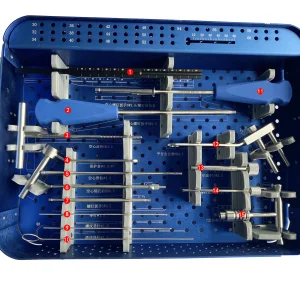
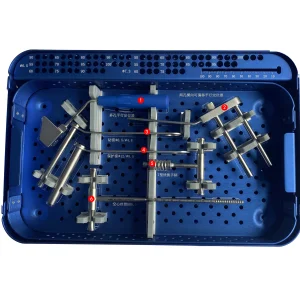
Precision-cannulated screw sets and locking rib plates provide anatomically pre-contoured fixation for complex thoracic and long bone fractures, optimizing healing times and reducing secondary revision operations.
Specialized Herbert screw instrument sets provide the fine micro-torque controls necessary for scaphoid and osteochondral fractures, serving micro-surgery units throughout Metro Manila.
The core of Medisplint's technical success is our strict material selection and advanced processing technologies. All implantable plates and screws are constructed using Medical-Grade Titanium Alloy (Ti-6Al-4V ELI) conforming to ASTM F136 or biocompatible polyetheretherketone (PEEK-OPTIMA). These materials are chosen for their excellent strength-to-weight ratio, fatigue resistance, and magnetic resonance imaging (MRI) compatibility.
Our instruments utilize high-grade Martensitic Stainless Steels (such as AISI 420 or 630) that undergo a specialized vacuum heat-treatment cycle. This process maximizes corrosion resistance and retains cutting-edge sharpness through hundreds of high-temperature autoclave sterilization cycles (typically 134°C at 2.1 bar). The surface finish is meticulously managed via electrochemical polishing or titanium nitride (TiN) coating, reducing surface friction and glare under strong operating room lamps.
By bypassing regional trading agents and dealing directly with Medisplint's manufacturing hub in China, medical importers and hospital groups in Manila secure a highly resilient supply chain. Our raw material supply is secured through strategic partnerships with premium domestic and international steel/titanium suppliers, ensuring stable inventory even during global logistics bottlenecks.
For custom orthopedic instrumentation design (OEM/ODM), our engineering group of over 85 specialists utilizes rapid 3D CAD modeling and integrated CNC programming (CAM). This allows us to transition from a surgeon's concept sketch to physical stainless steel or titanium prototypes within weeks. In-house mechanical validation—including static axial tensile, dynamic bending fatigue, and screw torque tests—guarantees that every new instrument configuration complies fully with ASTM and ISO biomechanical safety requirements before shipping to Manila.
We understand that entering the Philippines' healthcare market requires exhaustive regulatory support. Medisplint is fully certified under the ISO 13485 Quality Management System for Medical Devices and maintains active CE compliance certifications.
To assist Manila-based medical importers in obtaining their License to Operate (LTO) and Certificate of Medical Device Registration (CMDR) from the Philippines Food and Drug Administration (FDA), we supply:
Our dedicated regulatory department works hand-in-hand with local Manila registrants to review and compile dossier submissions, preventing administrative delays and ensuring smooth customs clearance through the Bureau of Customs (BOC).
Expert answers regarding our manufacturing standards, custom capabilities, and shipping processes for the Philippines.
Browse our complete range of trauma, spinal reconstruction, and external fixation instruments. Direct factory pricing for volume orders.
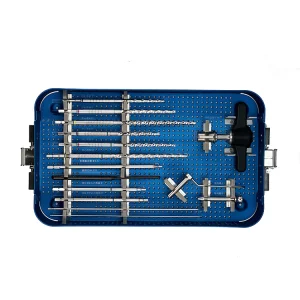
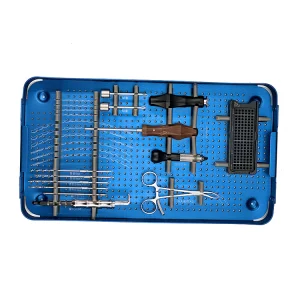
Establish a direct factory pipeline to supply your medical distribution network or private hospital groups across Manila, Quezon City, and the wider Luzon region. Get the documentation, high-grade biocompatible materials, and customization you require.