Medisplint
Medisplint
Medisplint
Immediate-sourcing surgical implants featuring self-tapping capabilities and premium titanium alloy compositions, tailored for South Korea's clinical standards.
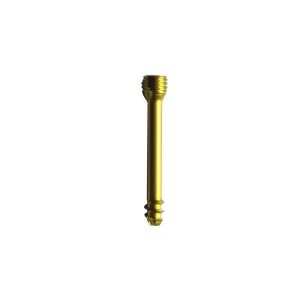
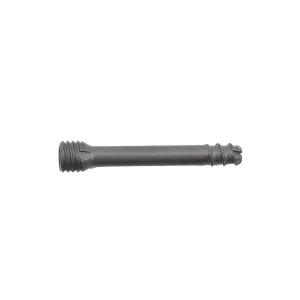
South Korea is transitioning rapidly into a super-aged society, with individuals aged 65 and above expected to constitute over 20% of the national population. This profound demographic shift has triggered a dramatic surge in age-associated musculoskeletal pathologies, particularly osteoporotic fractures, neck-of-femur fractures, and degenerative joint diseases. Consequently, Korean medical centers require highly reliable internal fixation solutions to ensure rapid rehabilitation and stable osteosynthesis.
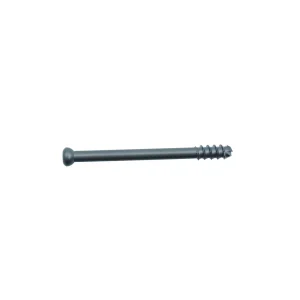
Medical procurement in leading Korean hospitals—such as Asan Medical Center, Samsung Medical Center, and Severance Hospital—imposes strict technical demands. Sourcing managers demand implant designs that demonstrate superior mechanical integration, micro-scale accuracy, and high biocompatibility. Cannulated screws, offering hollow-core guidance for precise insertion, have become key components in trauma protocols across the peninsula.
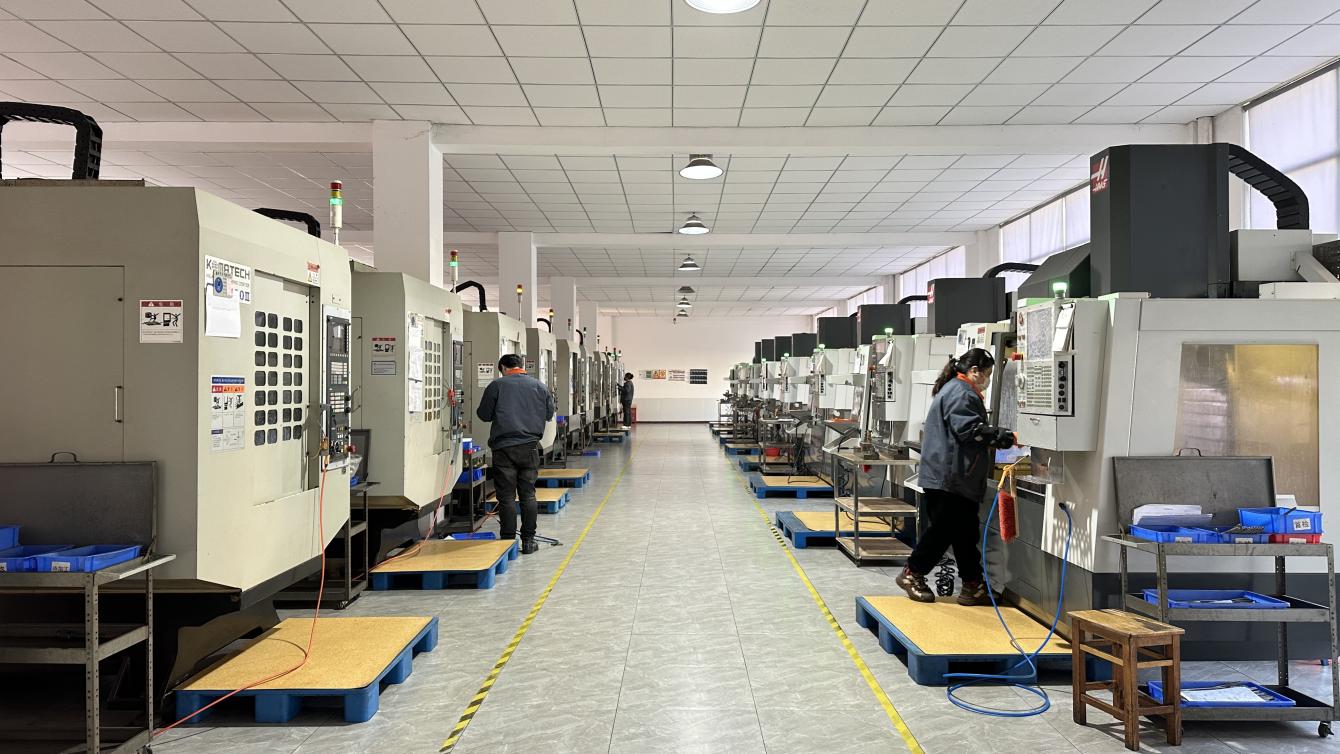
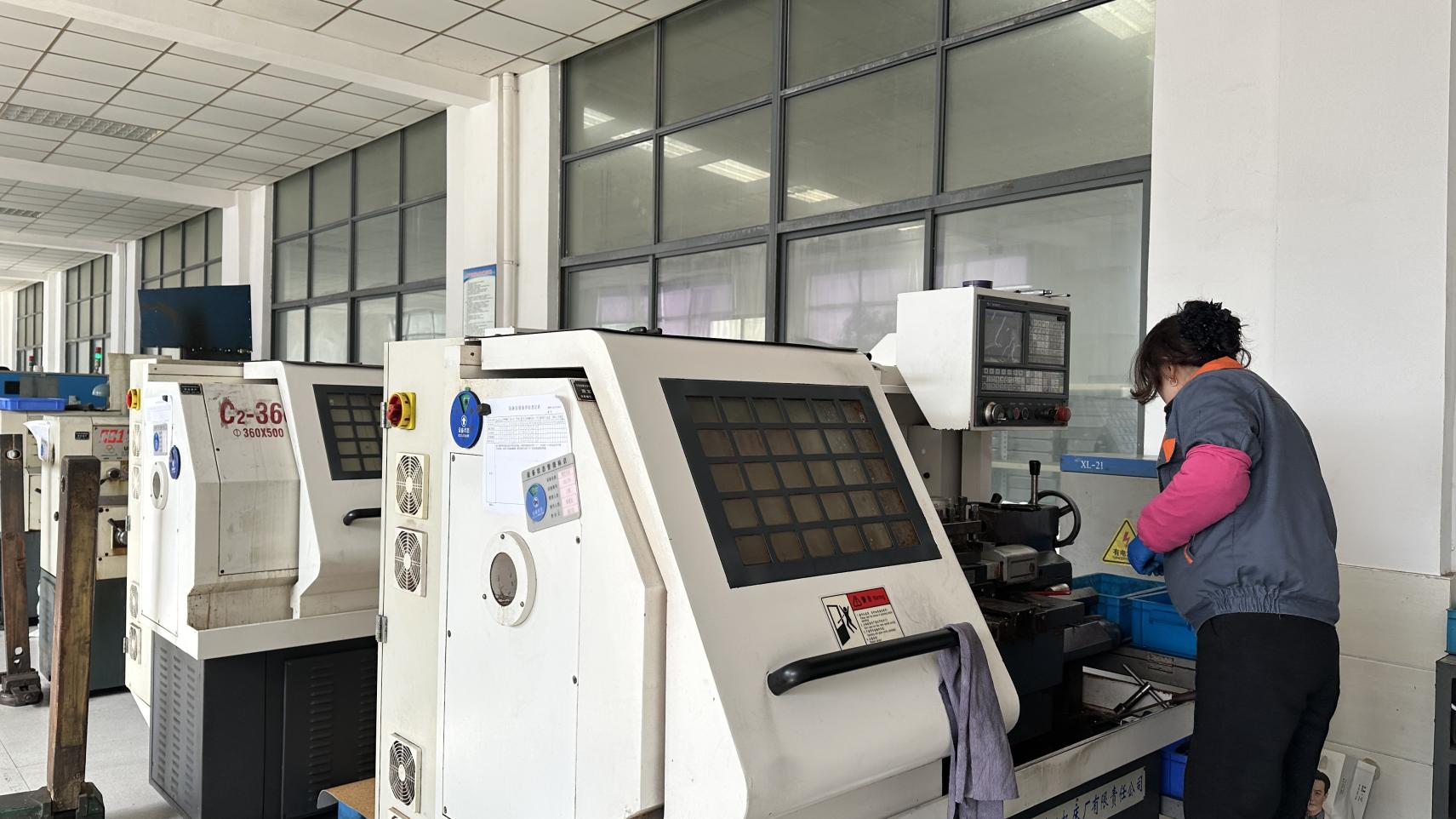
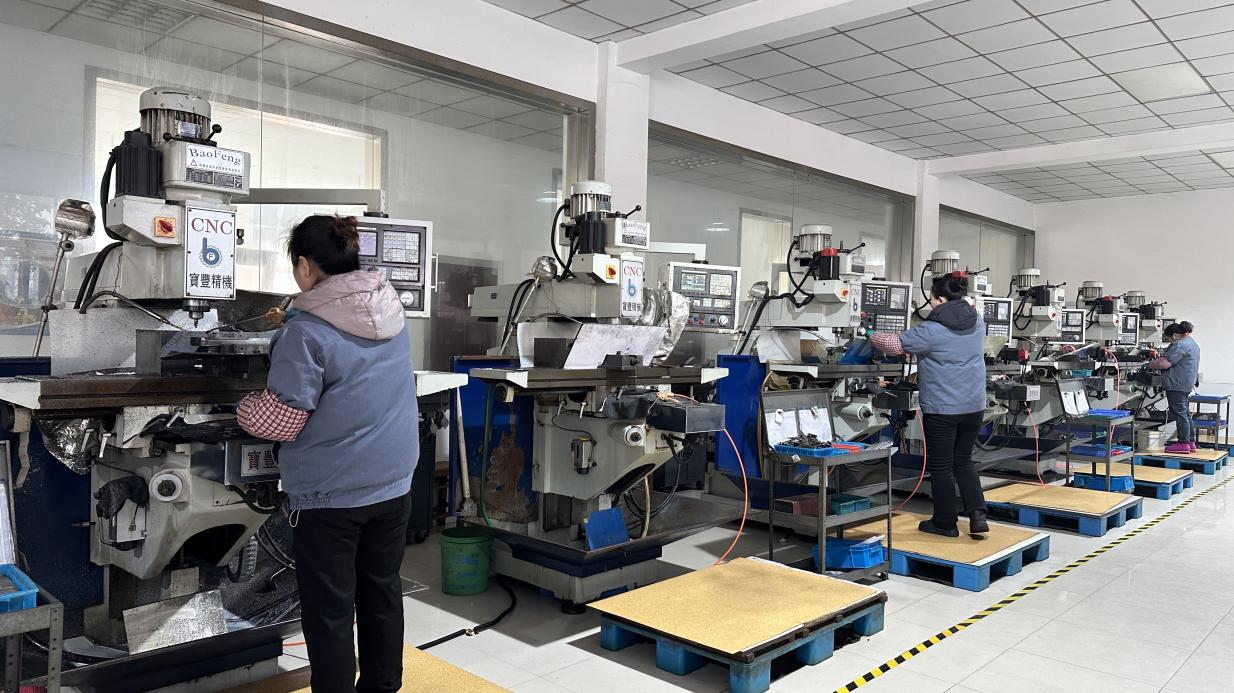
Founded in 2016, Medisplint is a leading professional manufacturer specializing in orthopedic implants, trauma fixation systems, and high-performance surgical instruments. Spanning an 18,500m² state-of-the-art facility, we operate integrated production lines ensuring total control over the manufacturing lifecycle.
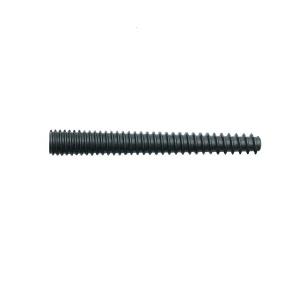
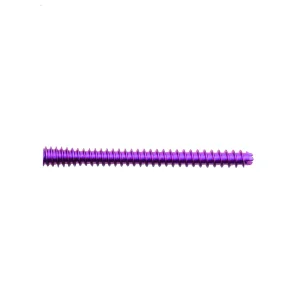
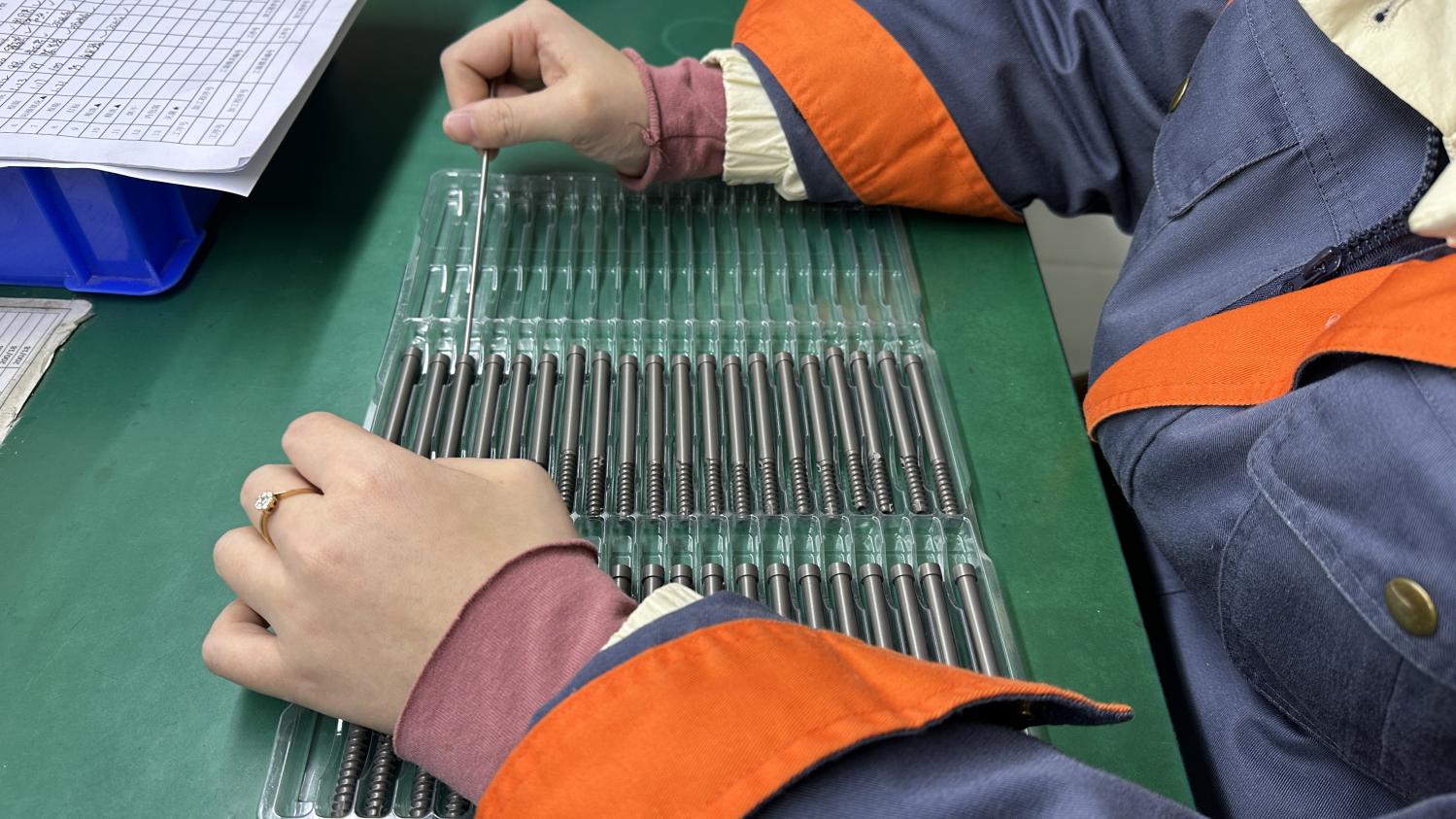
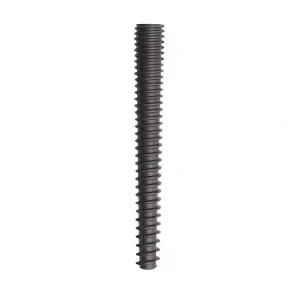
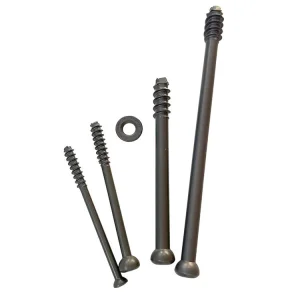
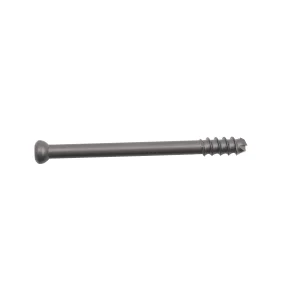
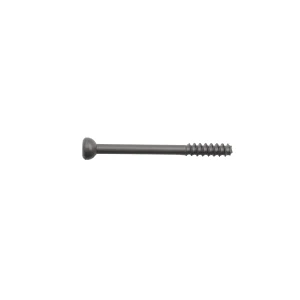
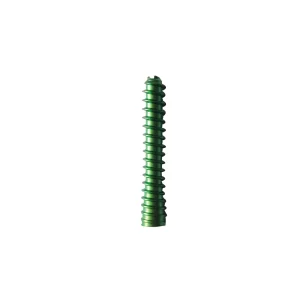
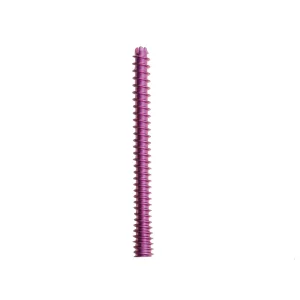
Surgical success in fracture fixation relies heavily on the mechanical engineering of implant interfaces. Medisplint's cannulated screws are manufactured with precise thread-pitch ratios to maximize pull-out strength while minimizing bone damage during insertion. The hollow core allows surgeons to guide the screw along a pre-positioned K-wire, ensuring surgical accuracy in minimally invasive procedures.
| Screw Type / Thread Diameter | Material Standard | Thread Configuration | Common Surgical Applications | Compatible Guide-Wire |
|---|---|---|---|---|
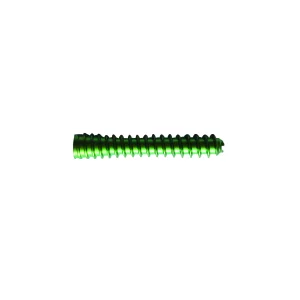
| 2.4mm / 3.0mm Herbert Type | Ti-6Al-4V ELI (ASTM F136) | Headless, Dual-Pitch Compression | Scaphoid, Metatarsal & Hand Fractures | 0.8mm - 1.1mm K-wire |
| 3.5mm / 4.0mm Medium Cannulated | Ti-6Al-4V ELI (ISO 5832-3) | Partially Threaded / Fully Threaded | Malleolar, Tibial Plateau & Talus Fractures | 1.2mm - 1.6mm K-wire |
| 6.5mm / 7.3mm Large Cannulated | Ti-6Al-4V ELI (ASTM F136) | 16mm / 32mm Thread Options | Femoral Neck Fractures, Spondylolisthesis | 2.0mm - 3.2mm K-wire |
Our screws utilize variable pitch threading. By incorporating a wider thread pitch at the tip and a finer pitch near the head (in headless designs), the screw creates progressive compression across the fracture gap during rotation. This mechanism forces the bone fragments together, accelerating callogenesis.
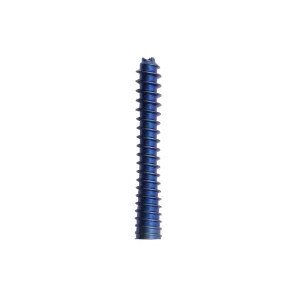
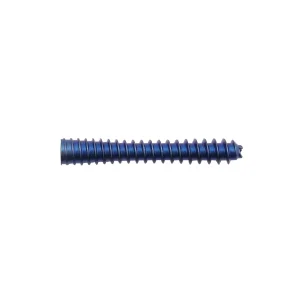
Furthermore, our surface treatments include Type II anodization, creating an oxide layer that increases wear resistance and reduces metal ion release. A color-coded anodization scheme is applied to help surgical staff distinguish implant diameters rapidly in highly stressful operating room environments.
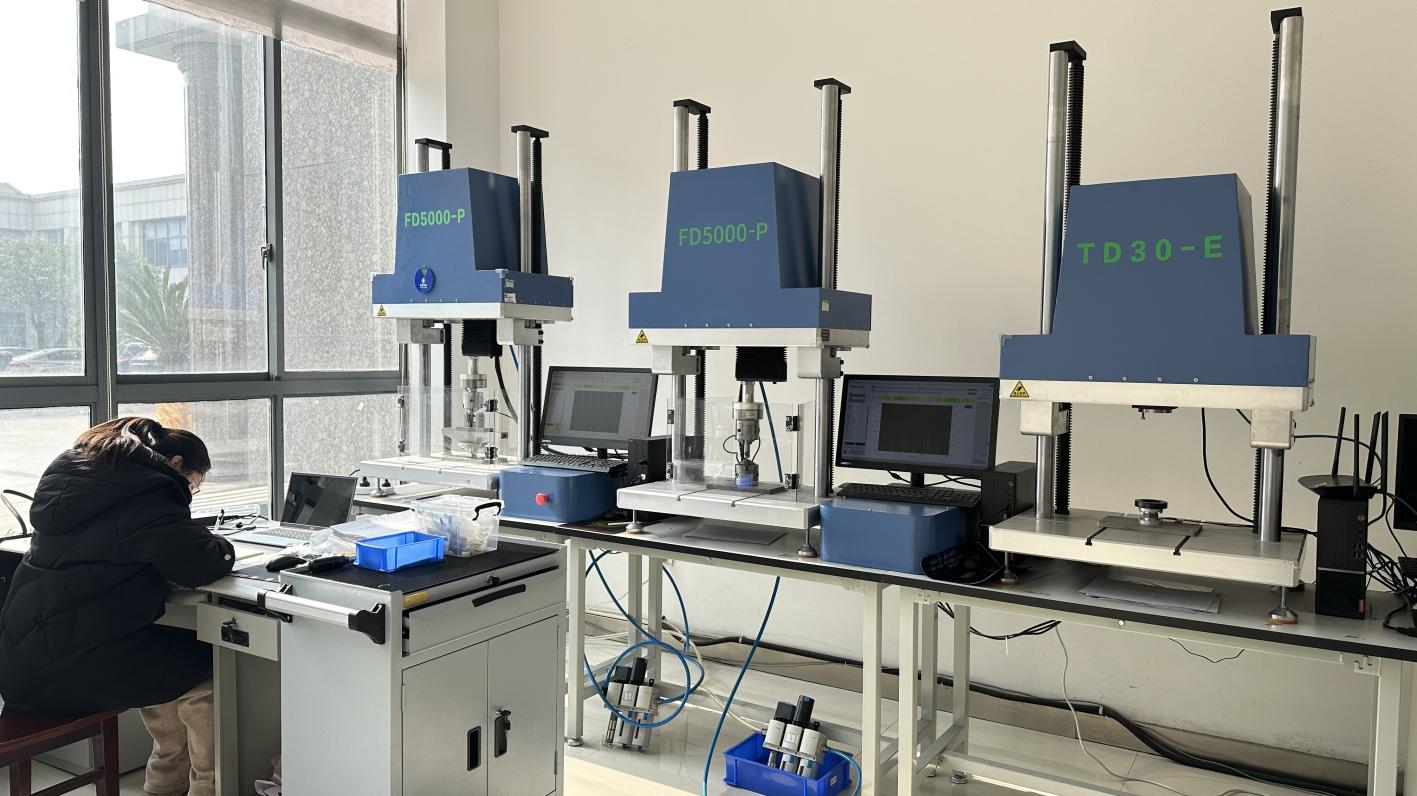
Every batch of Medisplint Cannulated Screws undergoes rigorous validation protocols conforming to ASTM F543, the standard specification and test methods for metallic medical bone screws. Testing criteria includes:
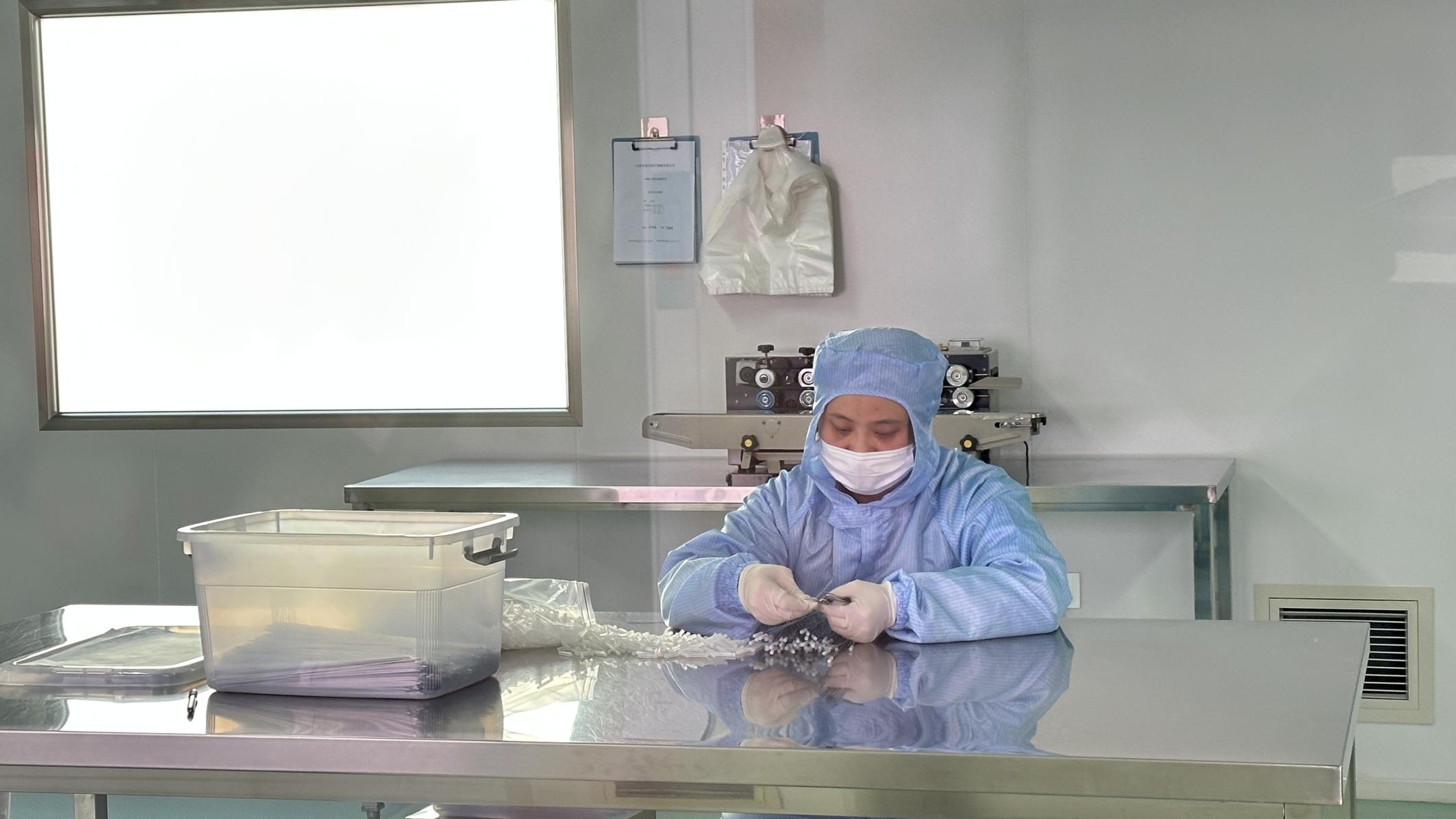
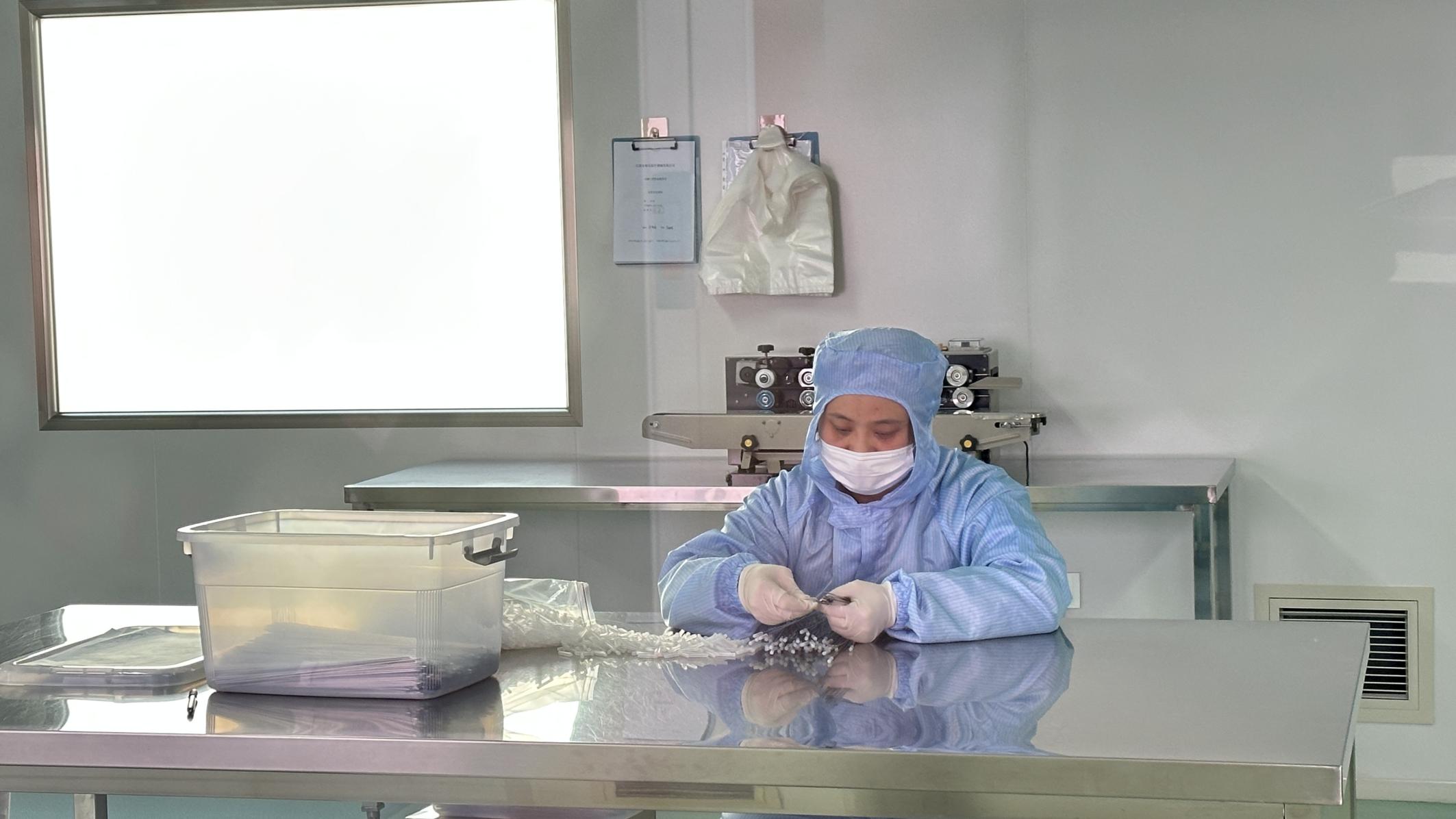
Take an inside look at our 18,500㎡ facility, where raw medical titanium undergoes precision processing through CNC centers, wire-cutting machines, and cleanrooms before final shipment to Korea.
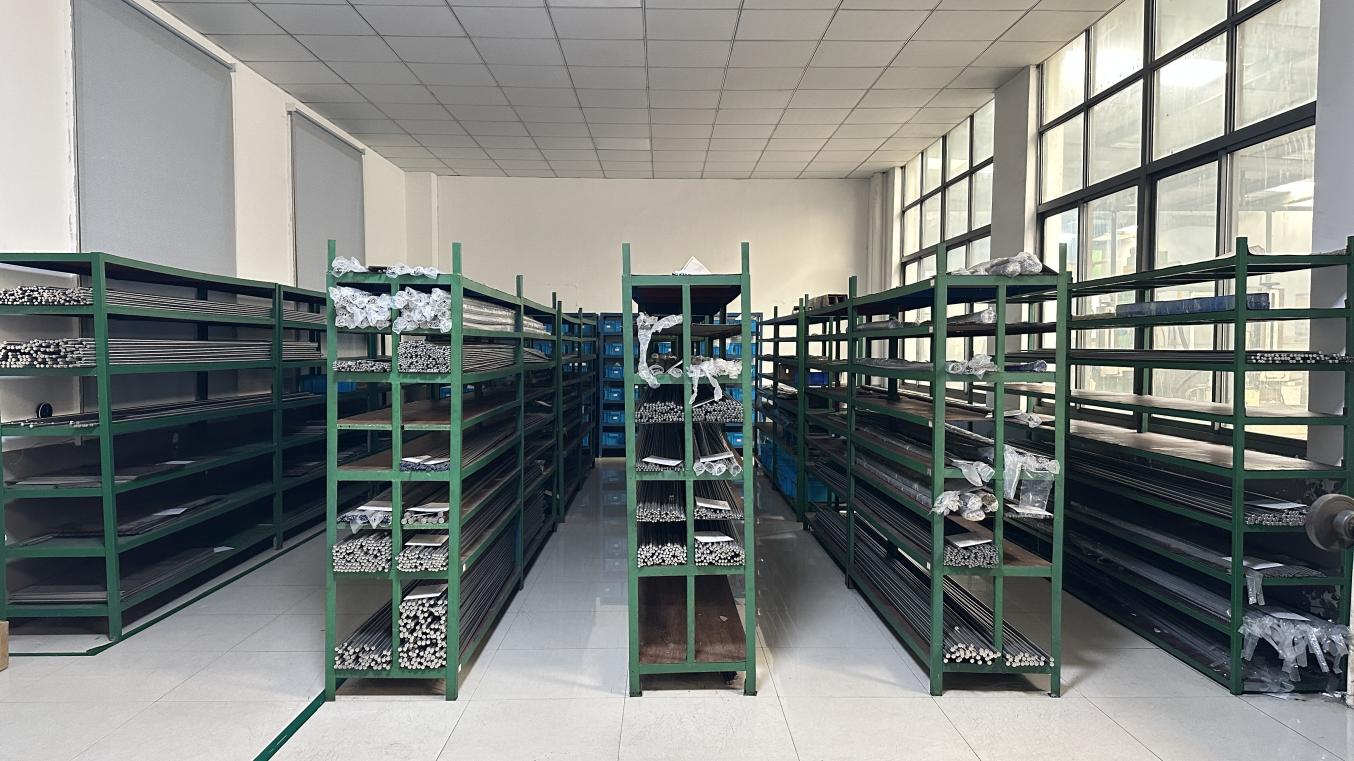
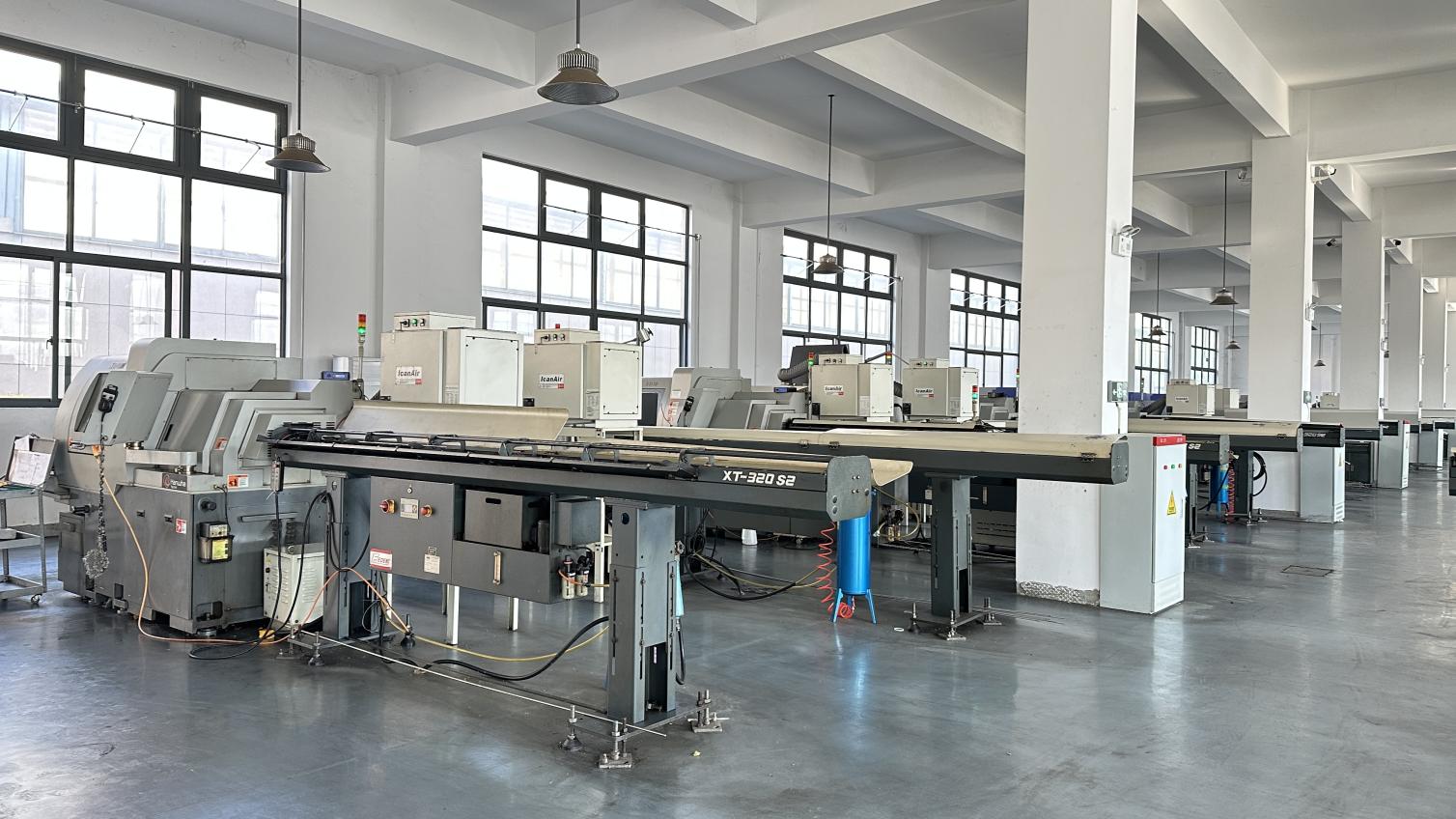
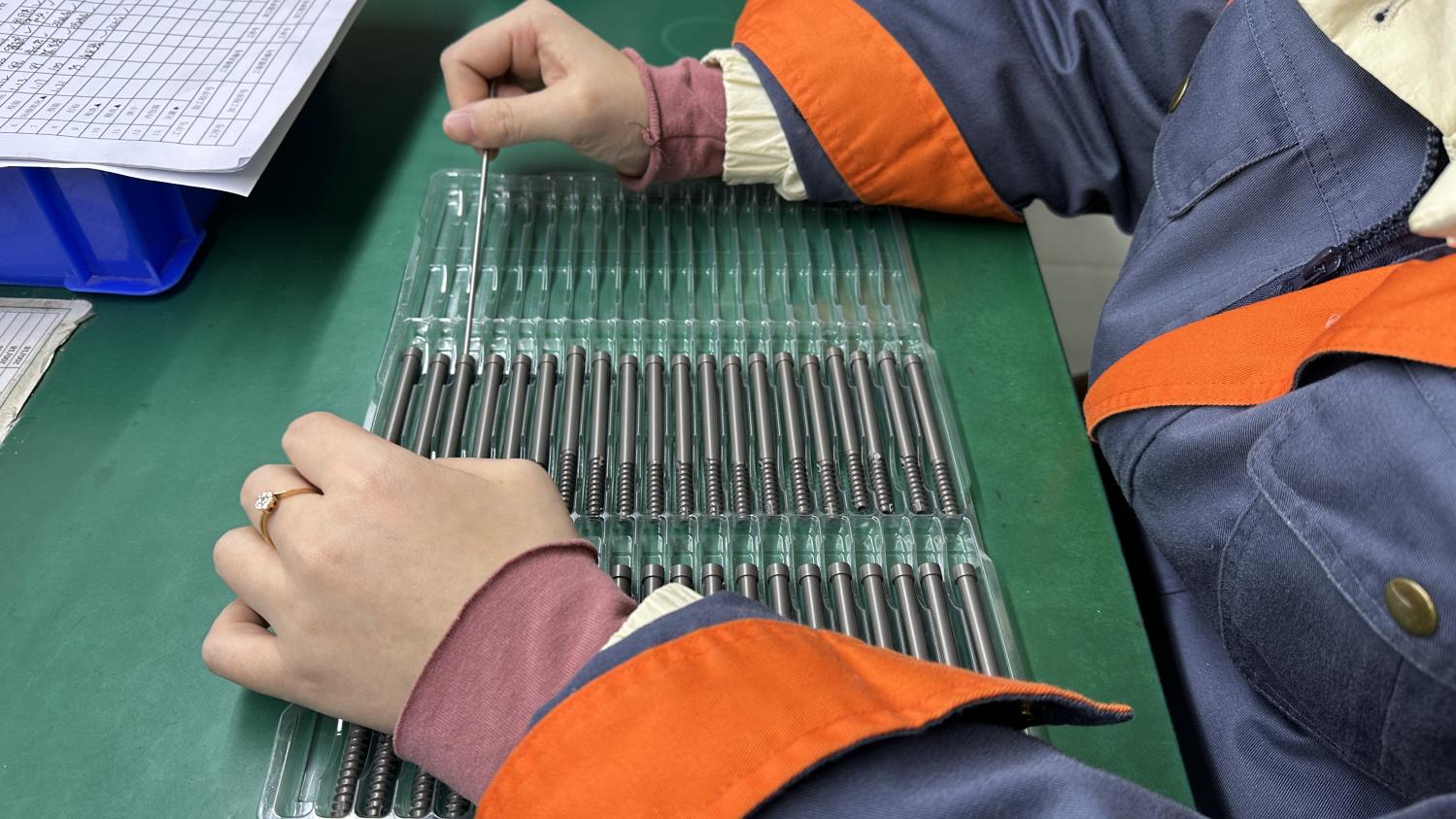
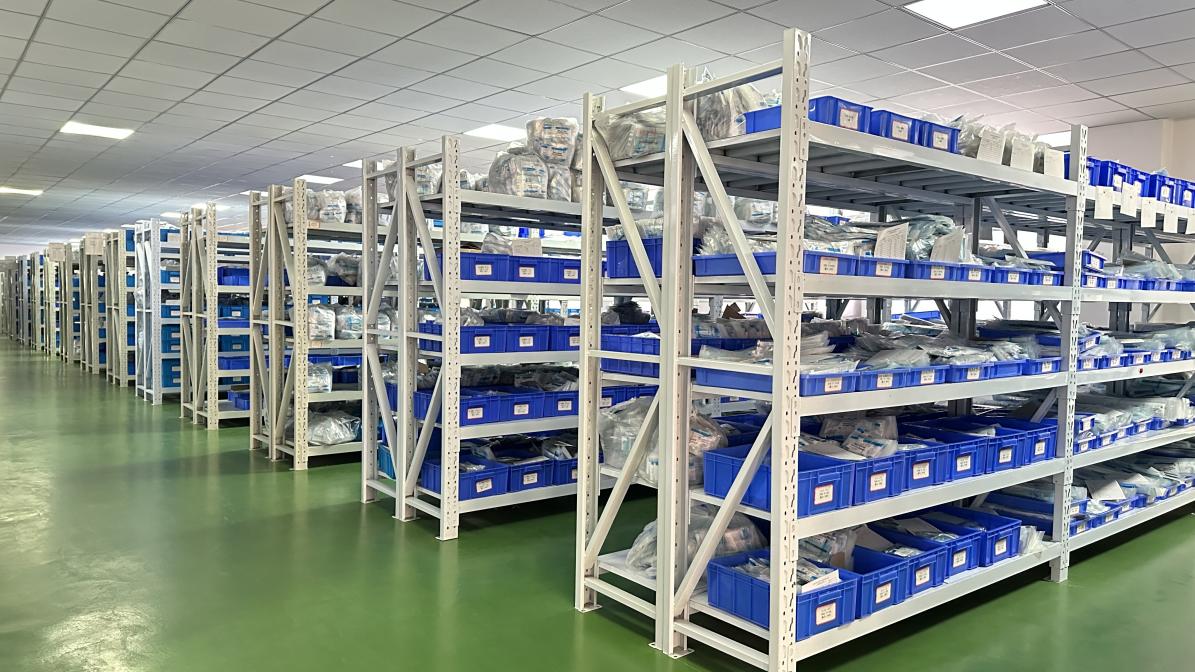
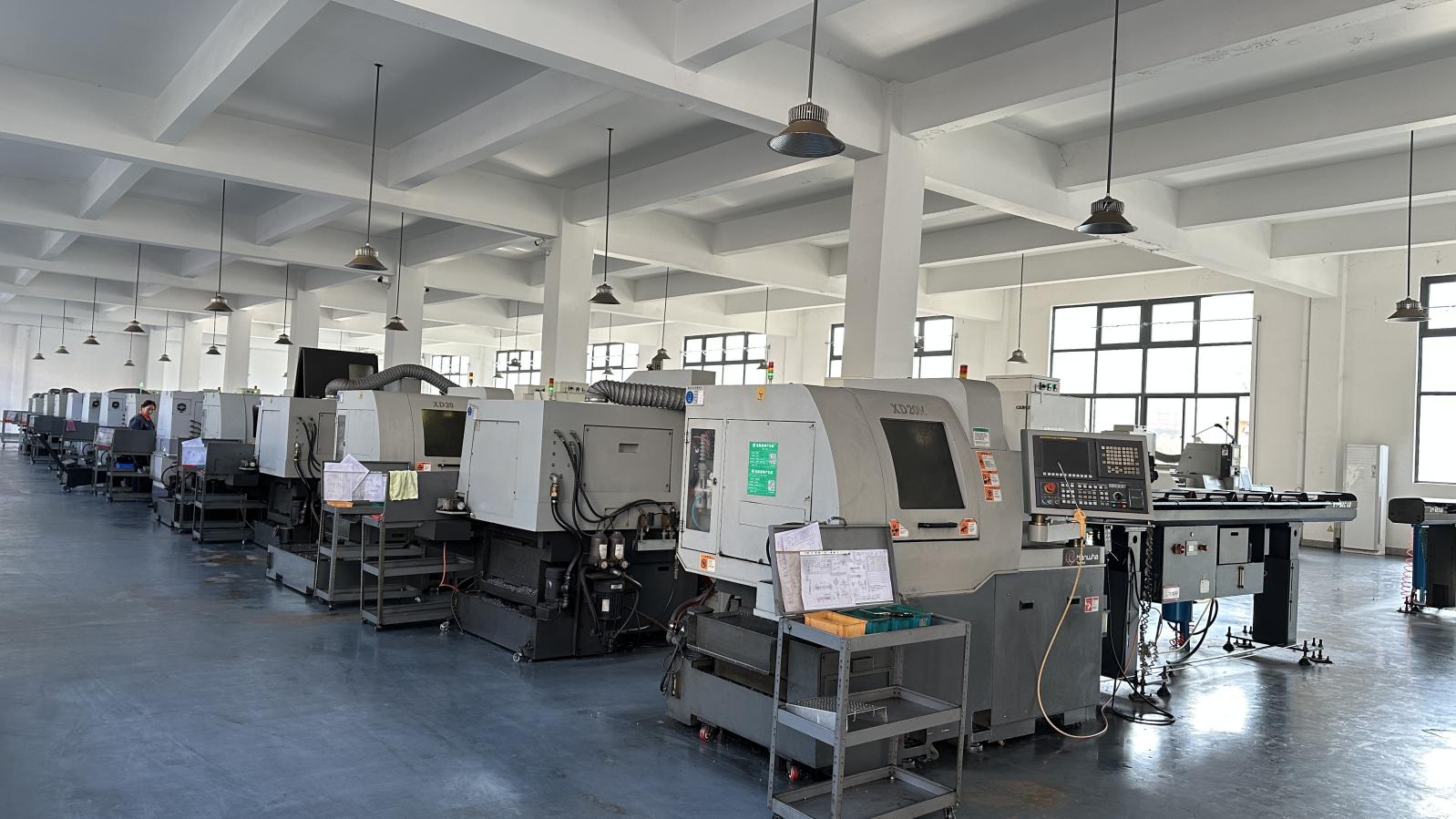
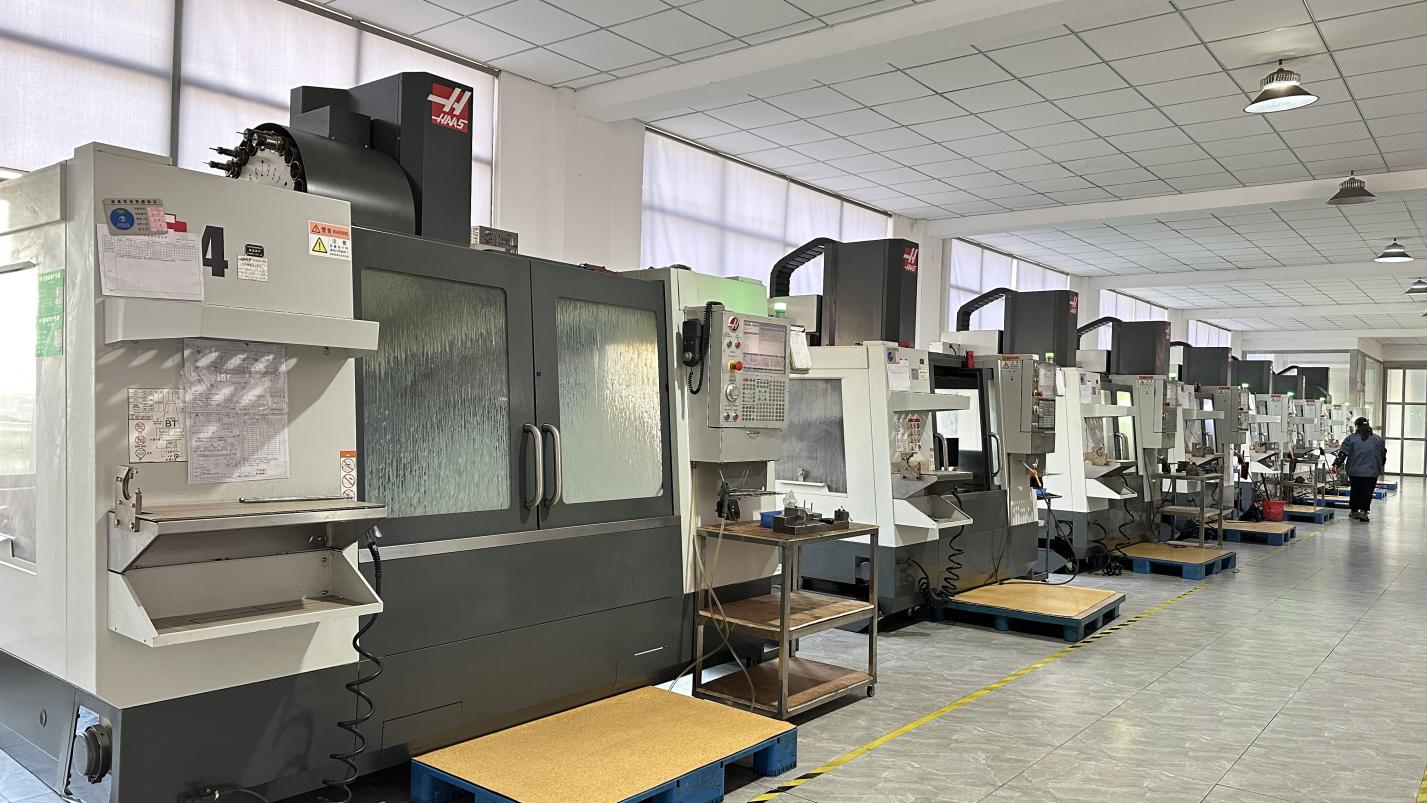
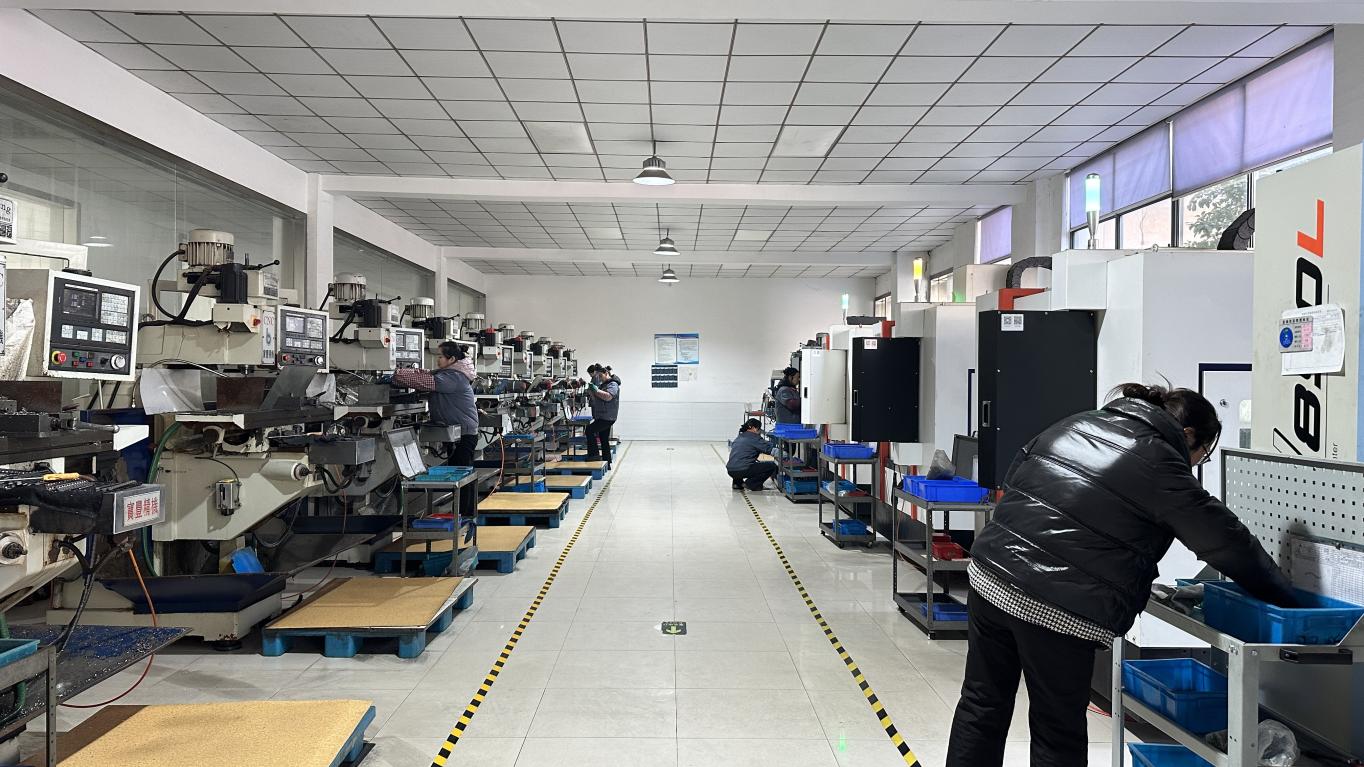
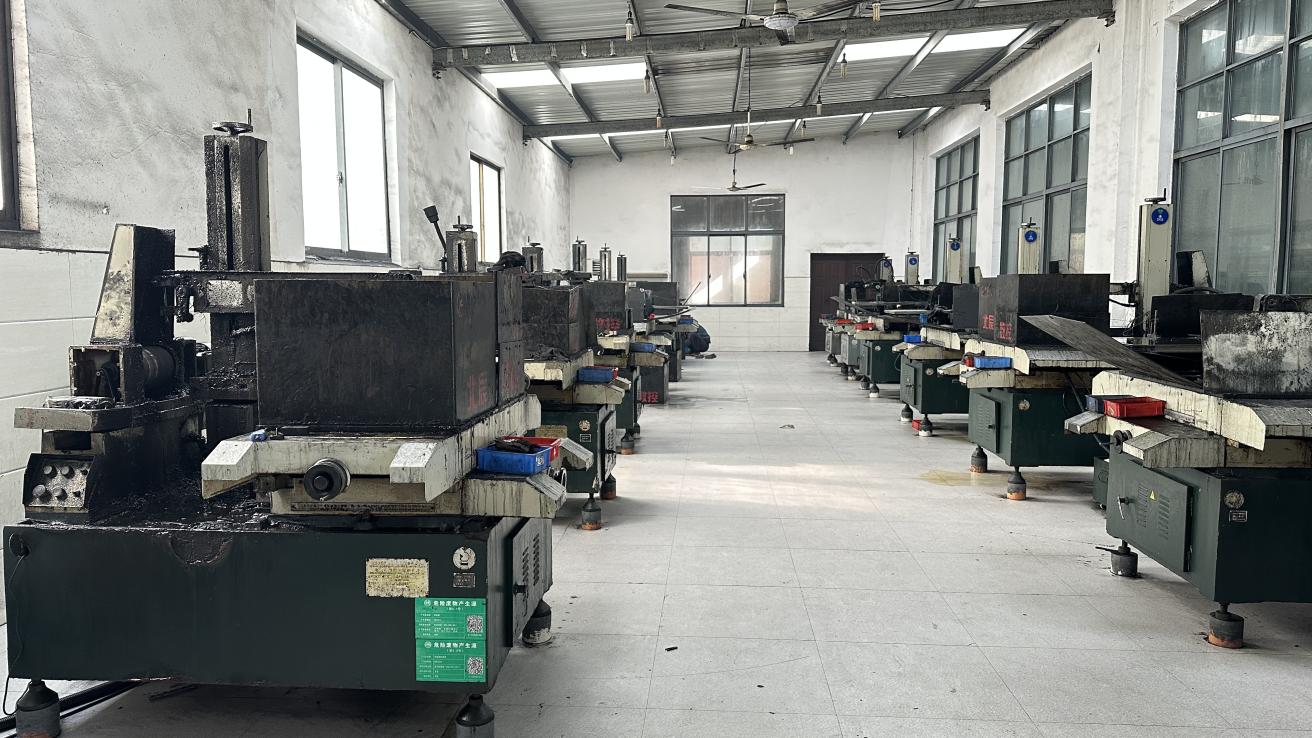
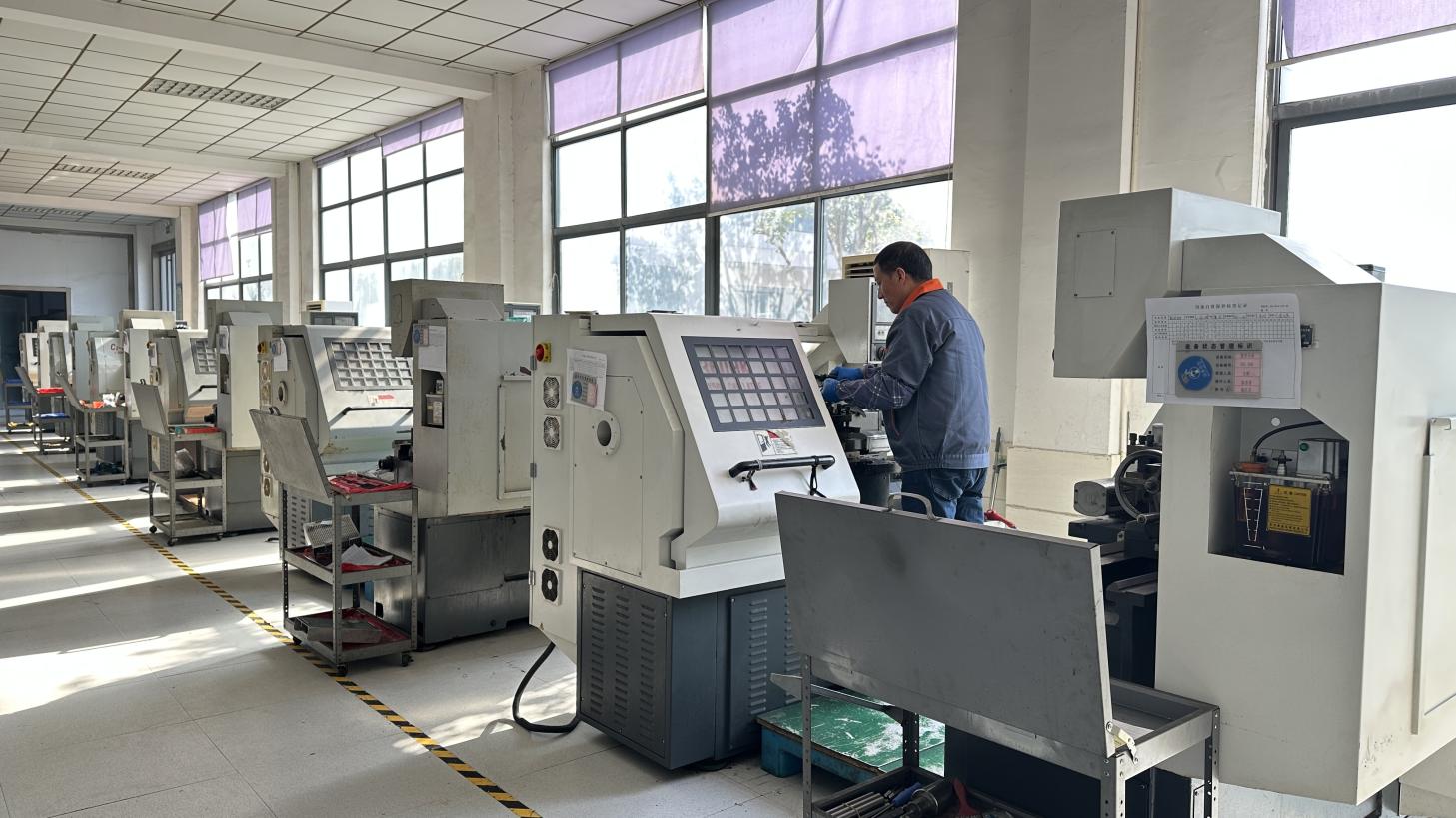
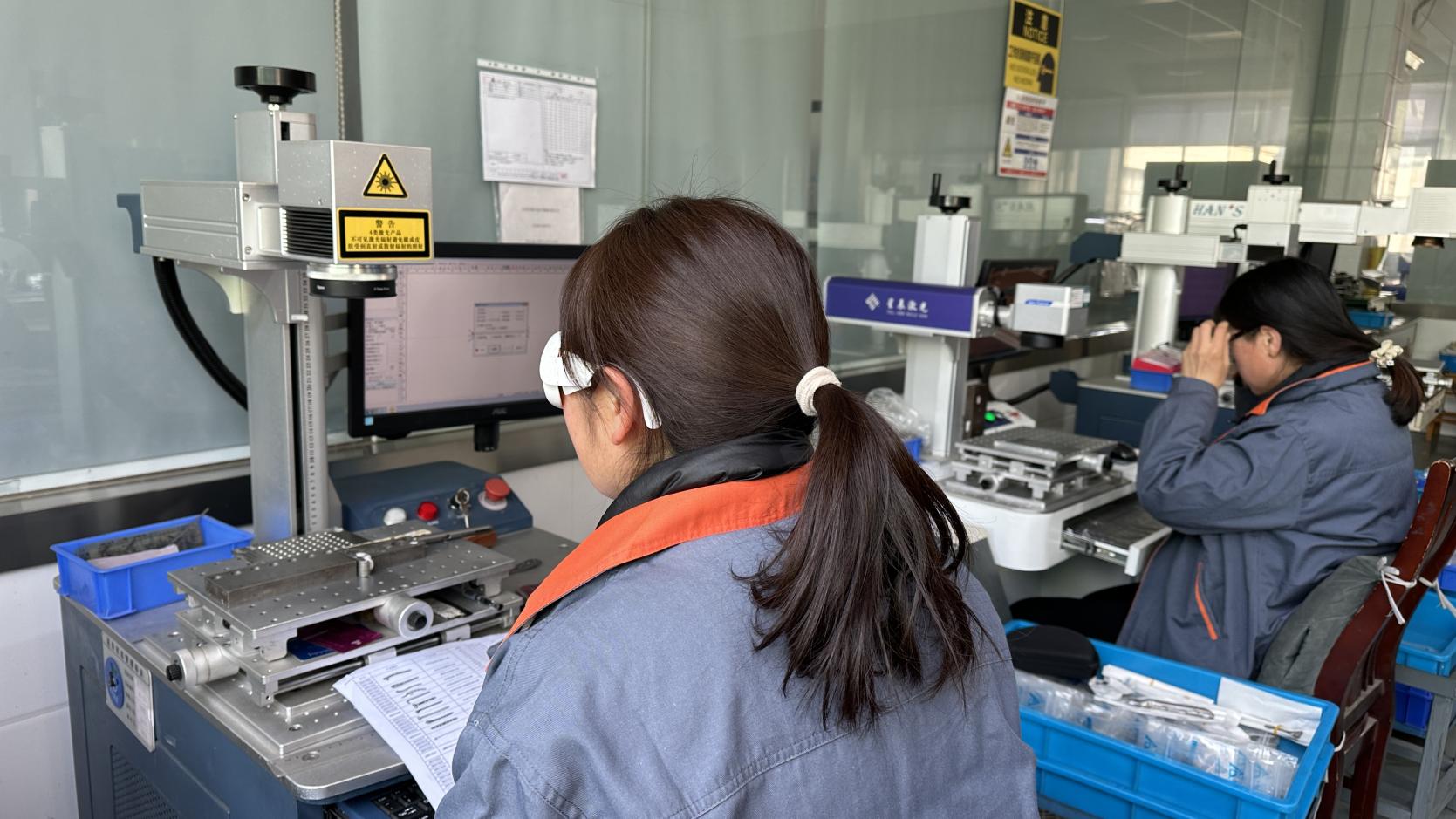
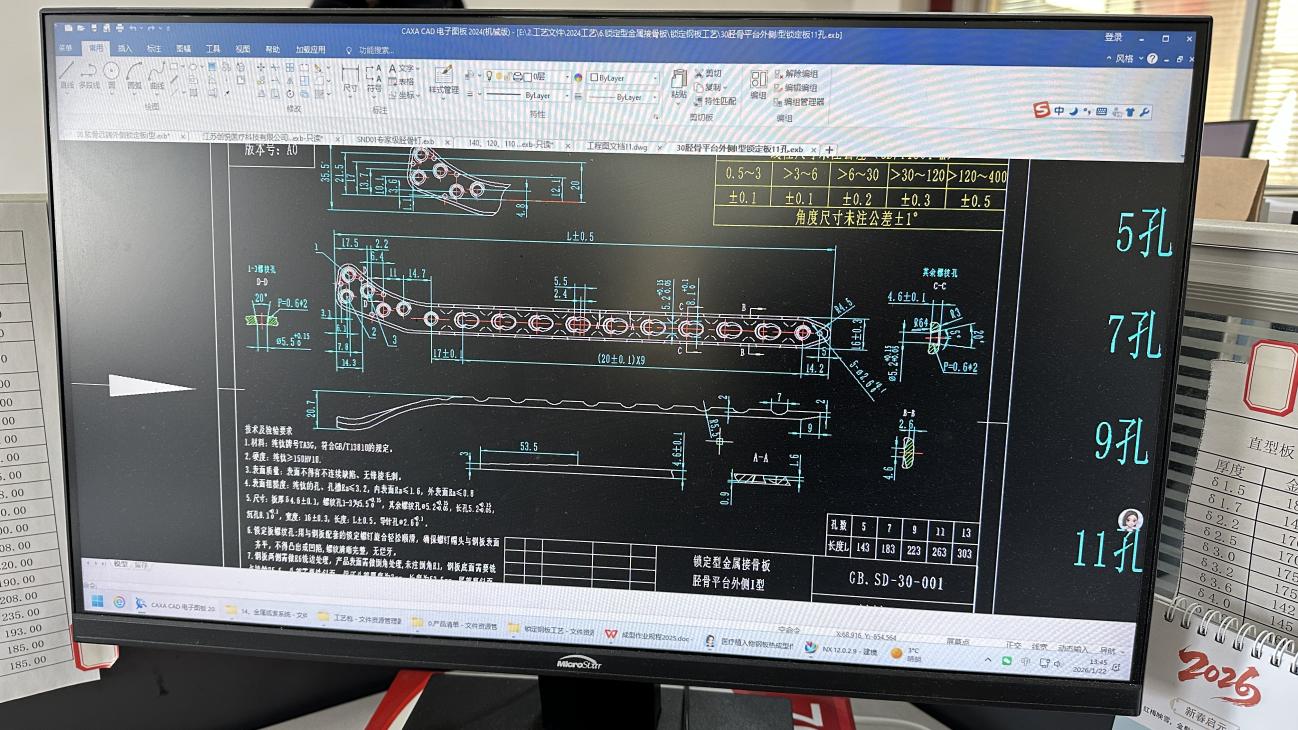

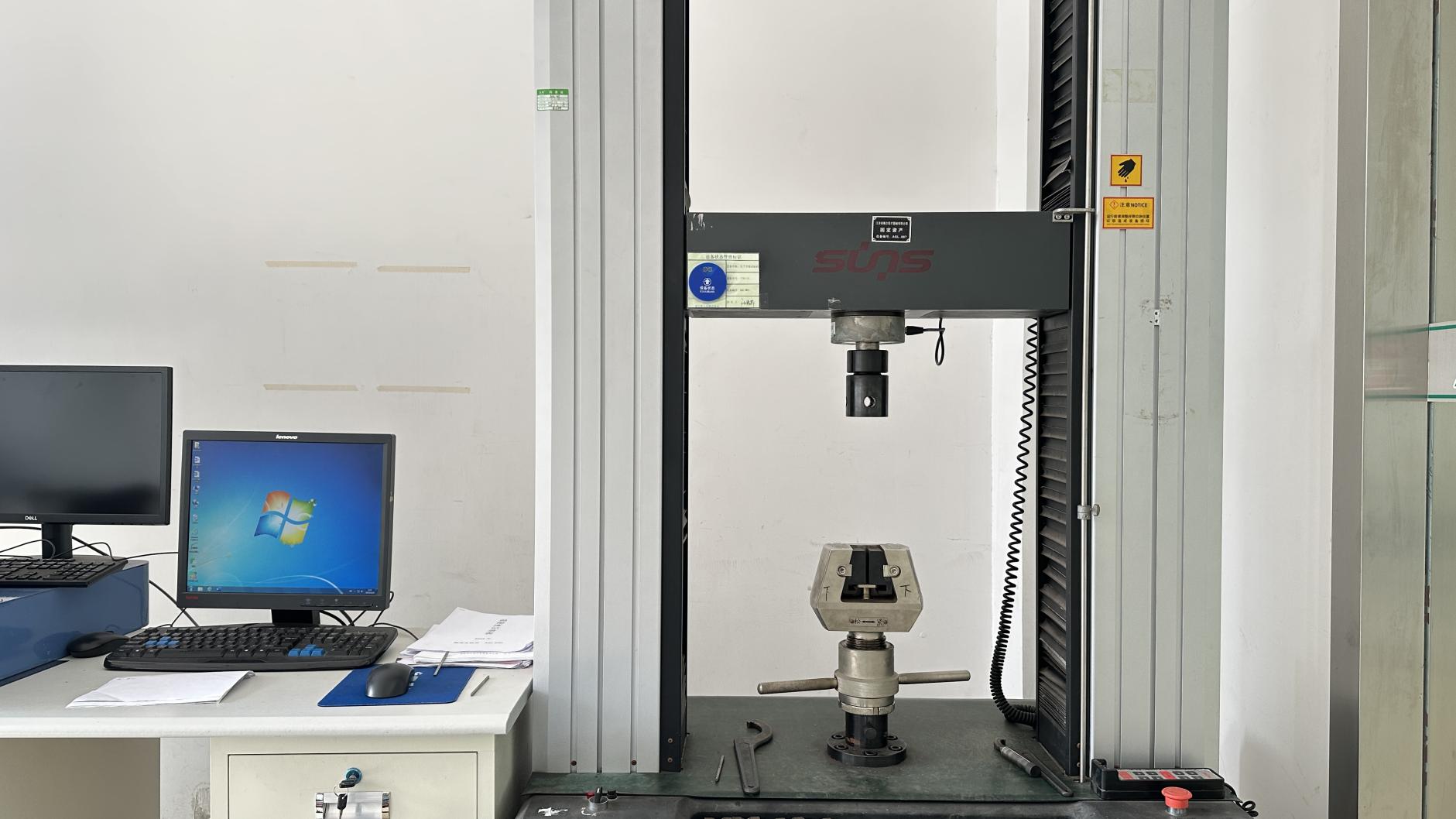
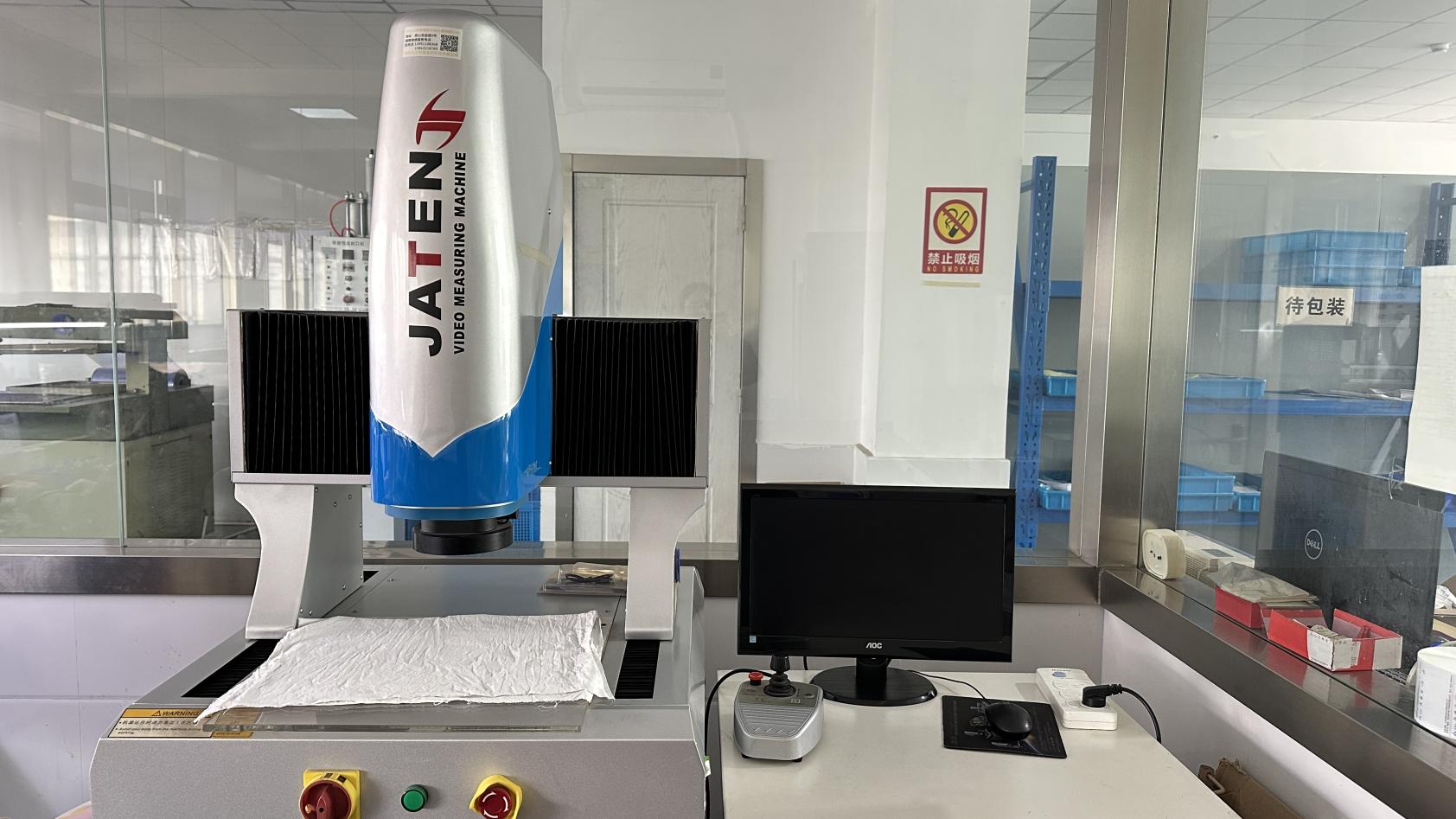
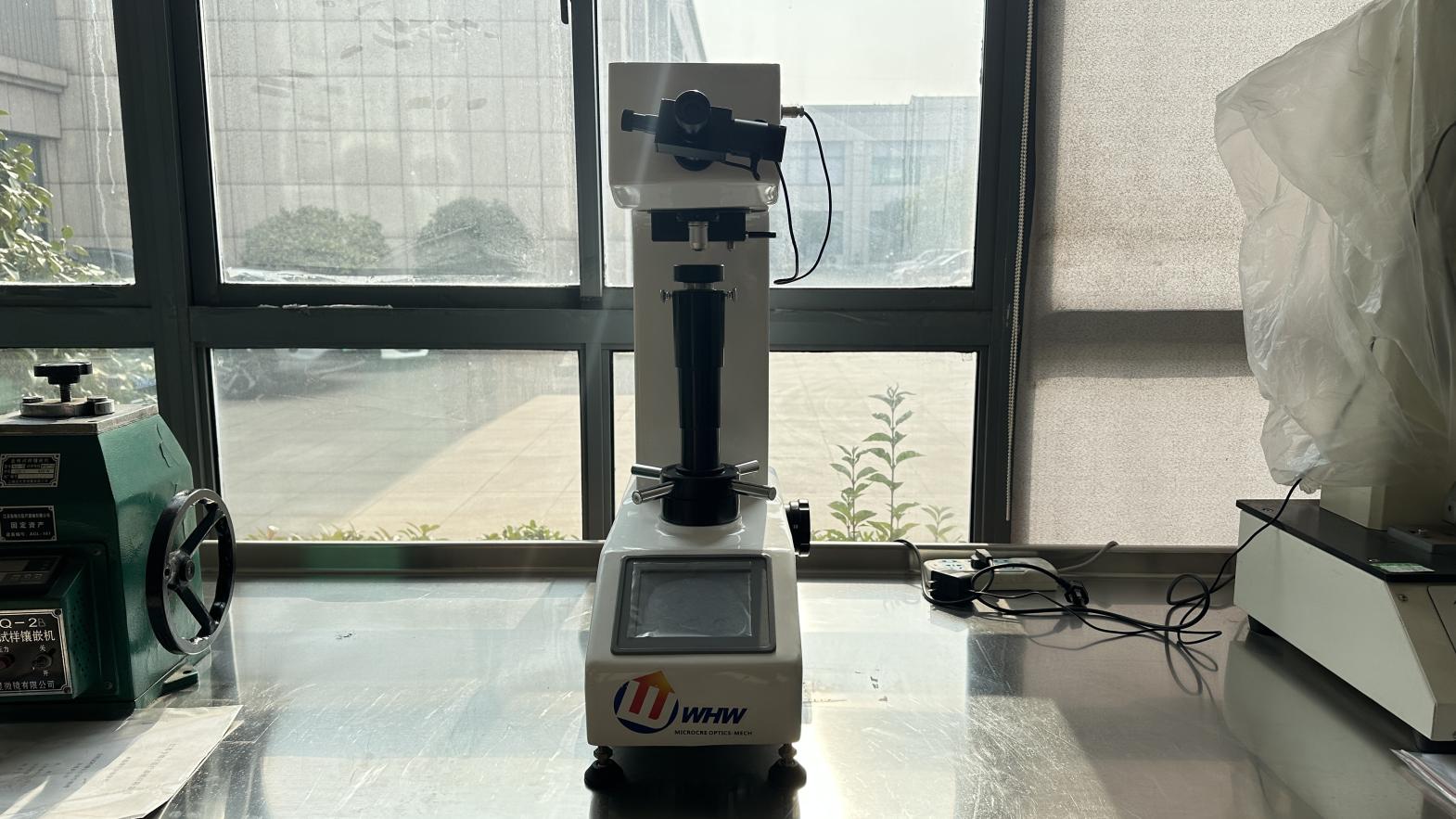
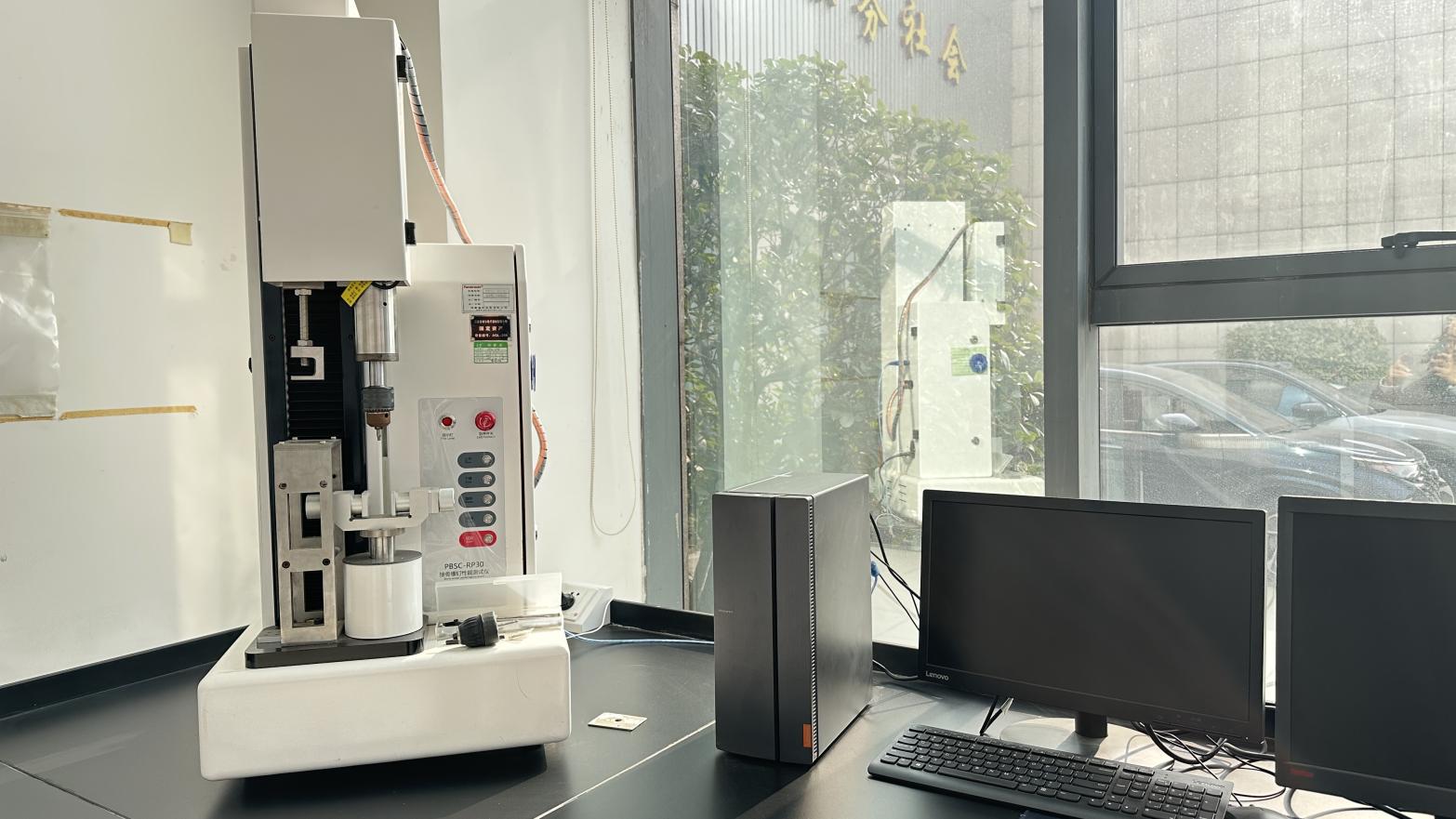
For Korean medical distribution networks and purchasing organizations, managing multiple supply endpoints poses significant quality risks and administrative burdens. Medisplint offers a comprehensive OEM/ODM solution that simplifies procurement by providing complete trauma kits, plate systems, and associated instrumentation from a single, fully certified source.
We understand that anatomical profiles vary, and pediatric or reconstructive surgeries require highly specialized dimensional configurations. Our engineering team, consisting of 85 development specialists, can rapidly translate design blueprints into operational G-code, delivering customized implant prototypes within short lead times.
Located strategically close to key transport infrastructure, Medisplint handles clearance logistics to streamline transit times to South Korea. Routine air-freight deliveries to Incheon International Airport are scheduled and cleared efficiently, reducing supply chain delays for our Korean distribution partners.
Entering the South Korean medical device market requires strict compliance with regulations enforced by the Ministry of Food and Drug Safety (MFDS). Orthopedic implants, such as internal compression and cannulated bone screws, are designated as Class II or Class III medical devices depending on body contact duration and design profile. Sourcing from an undocumented manufacturing facility can lead to regulatory delays or customs refusal.
Medisplint supports local importers throughout the MFDS product approval pipeline. We provide comprehensive documentation packages designed to simplify the evaluation process:
Ensure your supplier meets these basic requirements before finalizing importation shipments:
Step 1: Confirm material traceability back to the raw titanium ingot source.
Step 2: Check cleaning processes to avoid biological residue on implant surfaces.
Step 3: Ensure technical drawings detail thread depth and cannulation concentricity.
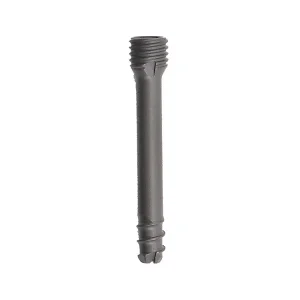
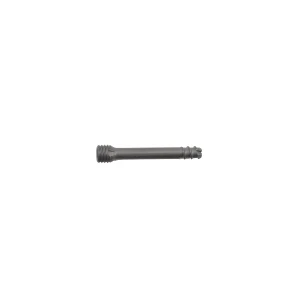
Explore our comprehensive catalog of CE-compliant orthopedic trauma screws, including specialized headless, countersunk, and large-diameter hip fixation solutions.
The field of osteosynthesis implants is evolving rapidly to improve clinical outcomes and simplify postoperative recovery. Our R&D division, comprising 85 dedicated engineers, continuously monitors emerging surgical techniques and material sciences. By planning our development cycles around future healthcare demands, we ensure that Korean medical distributors receive advanced implant designs.
Secondary surgeries to retrieve metallic hardware pose additional infection risks, psychological stress, and financial burdens for patients. Medisplint is researching bioabsorbable magnesium alloys (Mg-Zn-Ca). These alloys degrade at a controlled rate, allowing natural bone tissue to replace the implant during the healing process, eliminating the need for removal surgeries.
Traditional manufacturing creates solid structures that can lead to stress shielding. By integrating metal 3D printing (Direct Metal Laser Sintering), we are designing implants with porous titanium structures that mimic human trabecular bone, encouraging rapid bone ingrowth and integration.
We use Ti-6Al-4V ELI (Extra Low Interstitial) titanium alloy, conforming strictly to ASTM F136 and ISO 5832-3 standards. This medical-grade material provides high fatigue strength, excellent corrosion resistance, and high biocompatibility, making it suitable for long-term clinical implantation. Every batch of raw materials is fully traceable and accompanied by Mill Test Certificates (MTC).
Medisplint supports the MFDS registration process by providing complete technical documentation. We supply technical files, ISO 13485:2016 quality management system documentation, biocompatibility testing reports (conforming to ISO 10993 guidelines), and sterilization validation certificates. Our regulatory affairs team collaborates with your local representative (License Holder) to ensure a smooth submission process.
Standard partially threaded cannulated screws generate compression through a smooth shaft and a threaded tip, pulling the distal fragment toward the screw head. Herbert-type screws are headless and feature threads of different pitches at each end. The pitch differential draws the bone fragments together, making them suitable for areas with minimal soft-tissue coverage, such as intra-articular fractures (e.g., scaphoid fractures).
We offer both non-sterile bulk packaging and sterile packaging solutions. Our cleanrooms operate under Class 100,000 (ISO Class 7/8) environmental controls, where implants undergo automated ultrasonic cleaning to remove manufacturing residues. Sterile items are packaged in medical-grade Tyvek pouches and sterilized via Ethylene Oxide (EO) or Gamma irradiation, ensuring a Sterility Assurance Level (SAL) of 10^-6.
For standard in-stock inventory items, shipping processing takes 3–7 business days. Custom OEM/ODM orders require 30–45 days depending on design complexity. Shipments are typically dispatched via express air freight (DHL/FedEx/TNT) directly to Incheon International Airport (ICN) or by sea freight for larger orders, ensuring reliable delivery timelines.