Medisplint
Medisplint
Medisplint
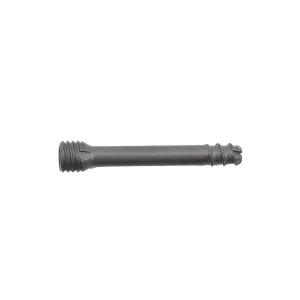
High-precision internal fixation solutions. These medical-grade titanium implants are optimized for compression osteosynthesis in trauma configurations within the Russian Federation.
A deep dive into clinical registration, localized surgical requirements, and raw material procurement structures for clinical operations in the Russian Federation.
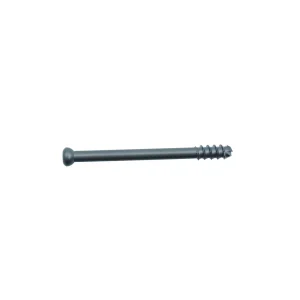
Moscow serves as the epicenter of advanced orthopedic surgery, trauma intervention, and skeletal reconstruction in Eastern Europe. Leading facilities such as the Cito Priorov National Medical Research Center of Traumatology and Orthopedics, Sklifosovsky Research Institute of Emergency Medicine, and major municipal clinical hospitals (GKB) perform thousands of osteosynthesis procedures daily. Fractures of the femoral neck, patella, calcaneus, and distal hand/foot joints dictate a massive, steady requirement for cannulated and headless compression bone screws.
Modern clinical practices in Moscow prioritize minimally invasive surgery (MIS). Cannulated screws permit precise positioning via a guide wire, minimizing periosteal stripping, preserving local blood supply, and significantly lowering post-operative recovery timelines. To meet these demands, the local healthcare administration dictates strict compliance protocols regarding bio-compatibility, biomechanical fatigue life, and dimensional tolerances.
Current geopolitical dynamics and local regulatory patterns emphasize secure supply chains. Moscow's medical device distributors are shifting search parameters toward reliable global manufacturers who offer OEM/ODM customization and can present documentation that simplifies local registration (Roszdravnadzor registration certificate requirements). Key supply corridors must provide technical files, ISO 13485 quality credentials, and test reports showing compliance with standard ASTM F136 specifications.
By bypassing standard brokers, direct partnerships between Moscow distributors and specialized Chinese factories ensure stable delivery paths, consistent product markings, and specialized sterile or non-sterile packaging options. Access to reliable manufacturing plants mitigates sudden market deficits, stabilizing surgical material supplies for municipal tenders.
For implants deployed in major orthopedic centers, titanium purity defines long-term structural reliability. Medisplint utilizes extra-low interstitial (ELI) Grade 23 Titanium. Compared to standard Grade 5, Grade 23 offers superior damage tolerance, enhanced fatigue strength, and optimized biocompatibility, which drastically reduces the risk of stress shielding or micro-fracture under cyclic loads.
Leveraging state-of-the-art Swiss CNC machining centers and testing laboratories to supply high-demand medical markets worldwide.
Founded in 2016, Medisplint Orthopedic Instruments Co., Ltd. has established itself as an authoritative manufacturer of trauma implants, joint prosthetics, and spinal fixation elements. Operating under strict ISO 13485 and CE compliance, we deliver reliable orthopedic equipment to hospitals, specialized distributors, and surgical centers globally, including the Russian Federation, Europe, South America, and the Middle East.
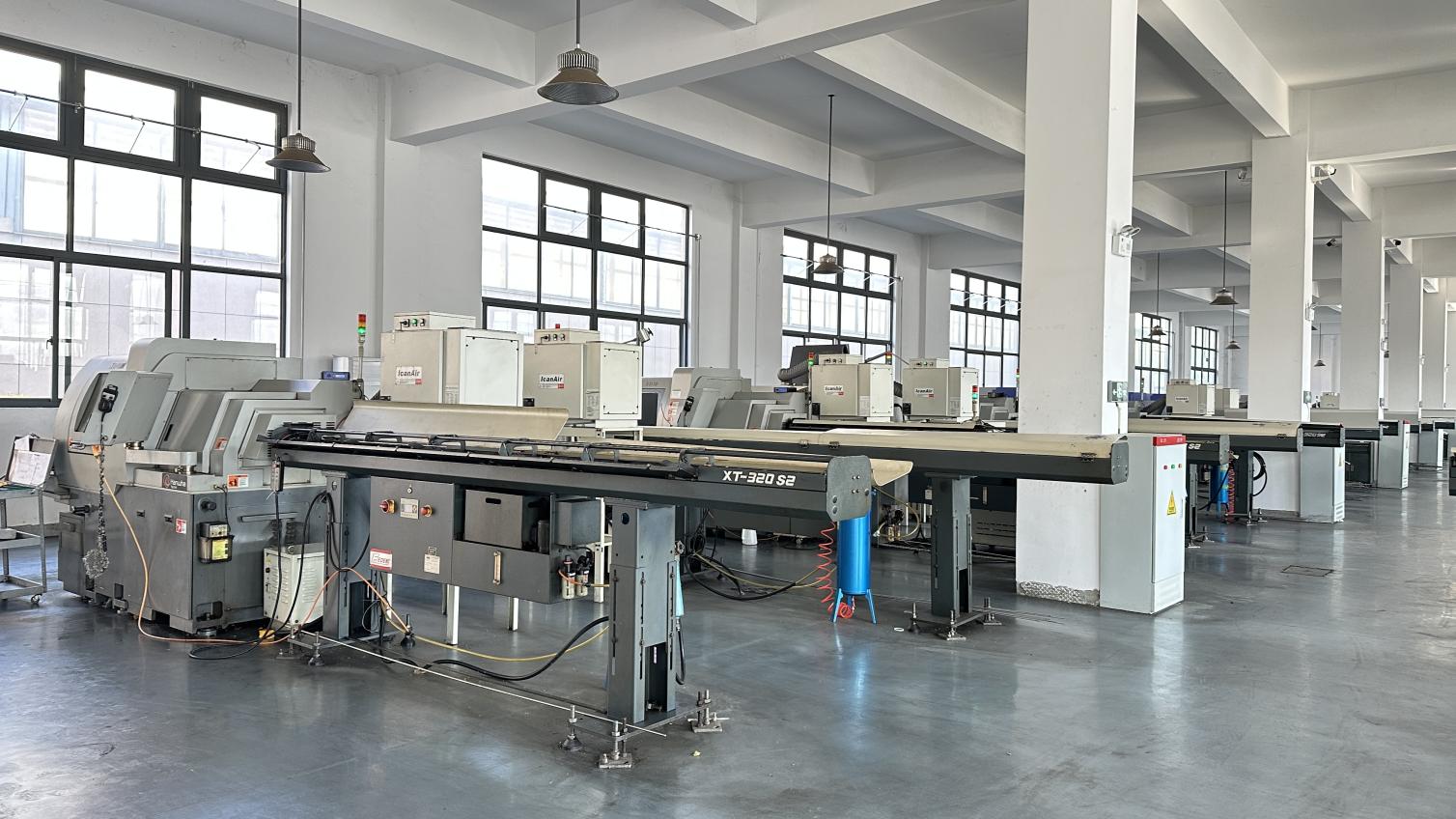
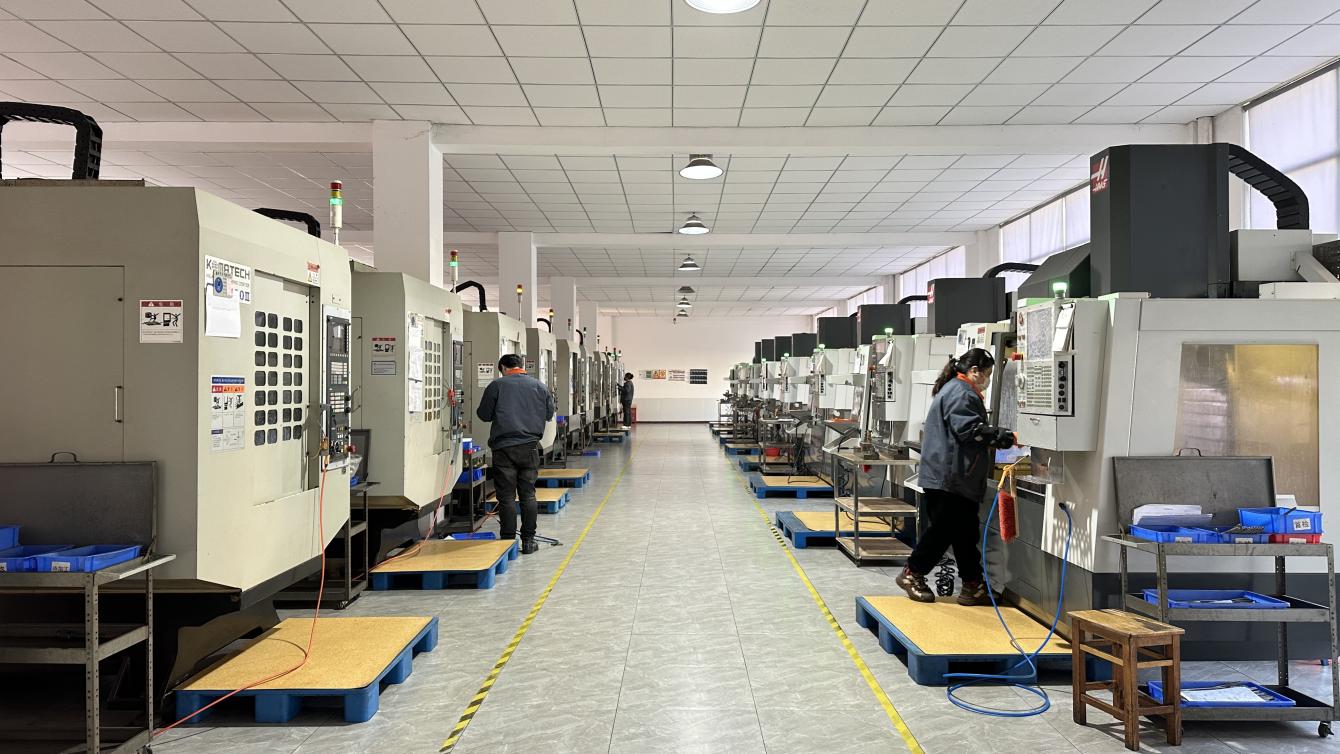
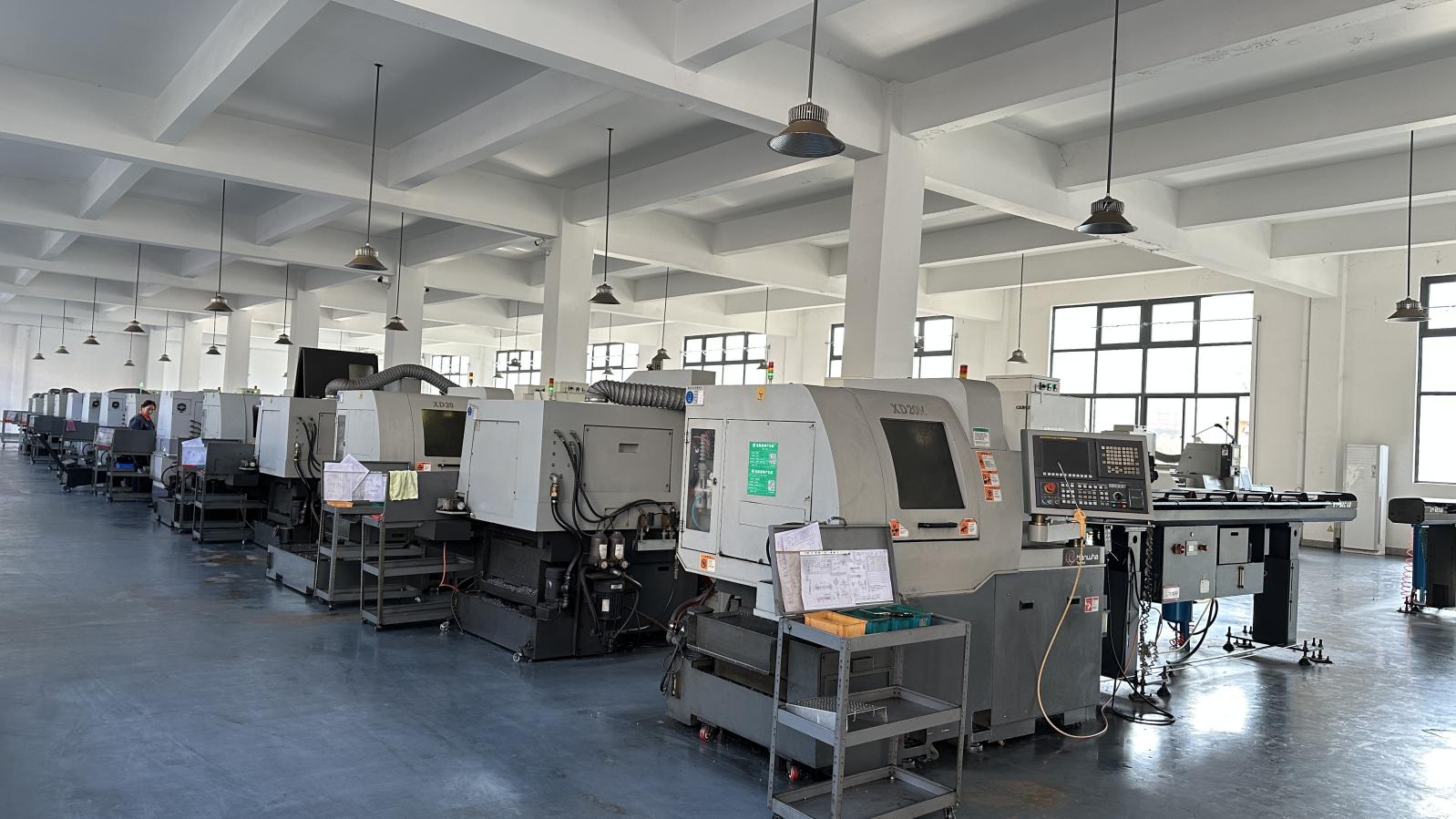
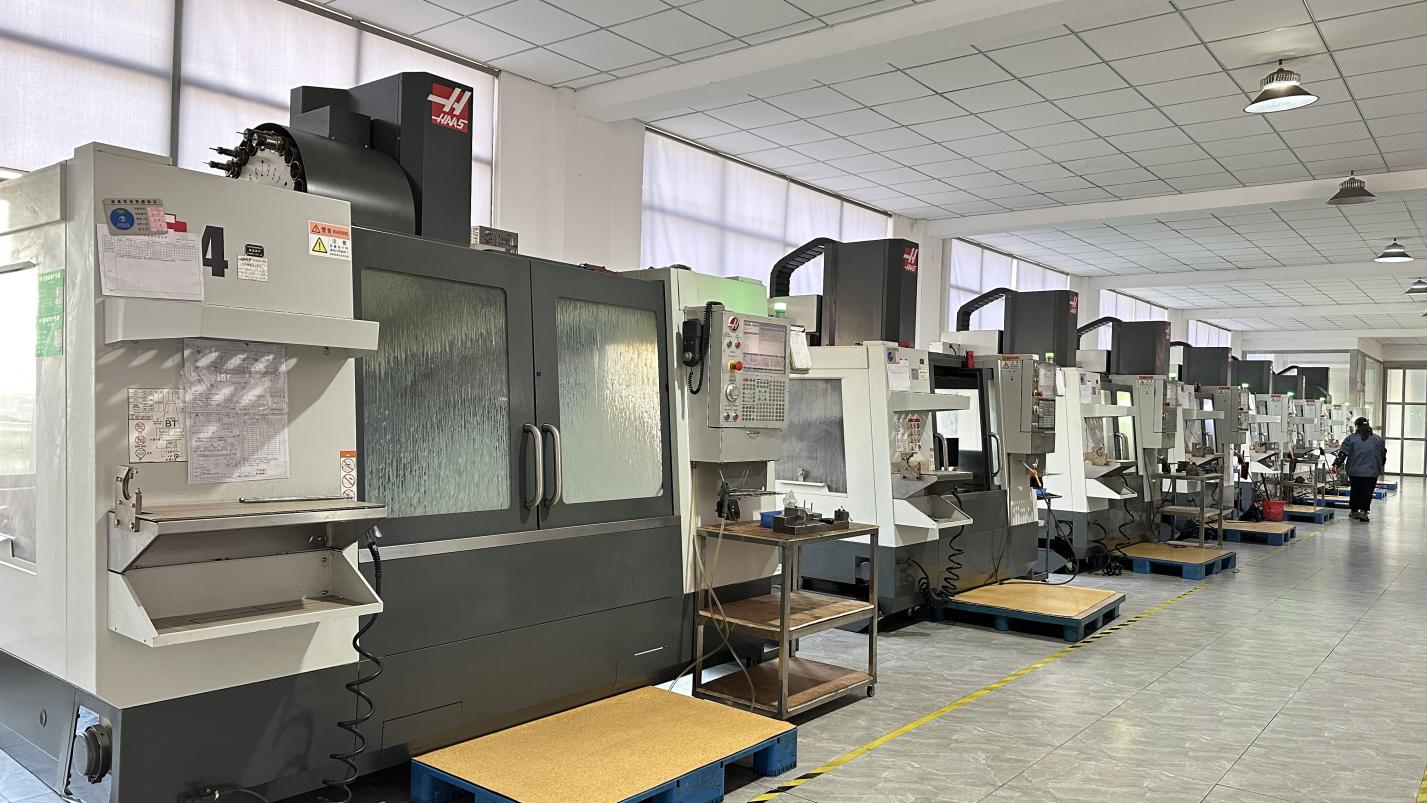
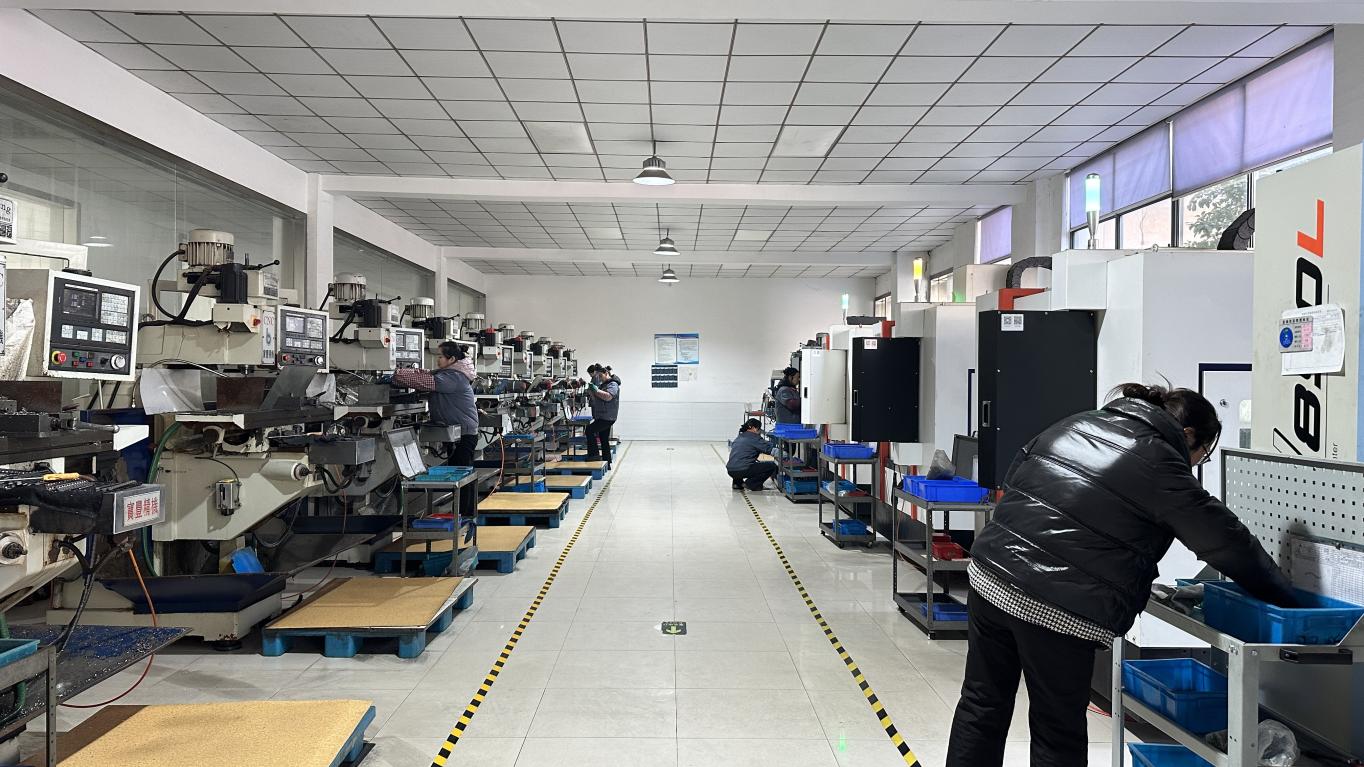
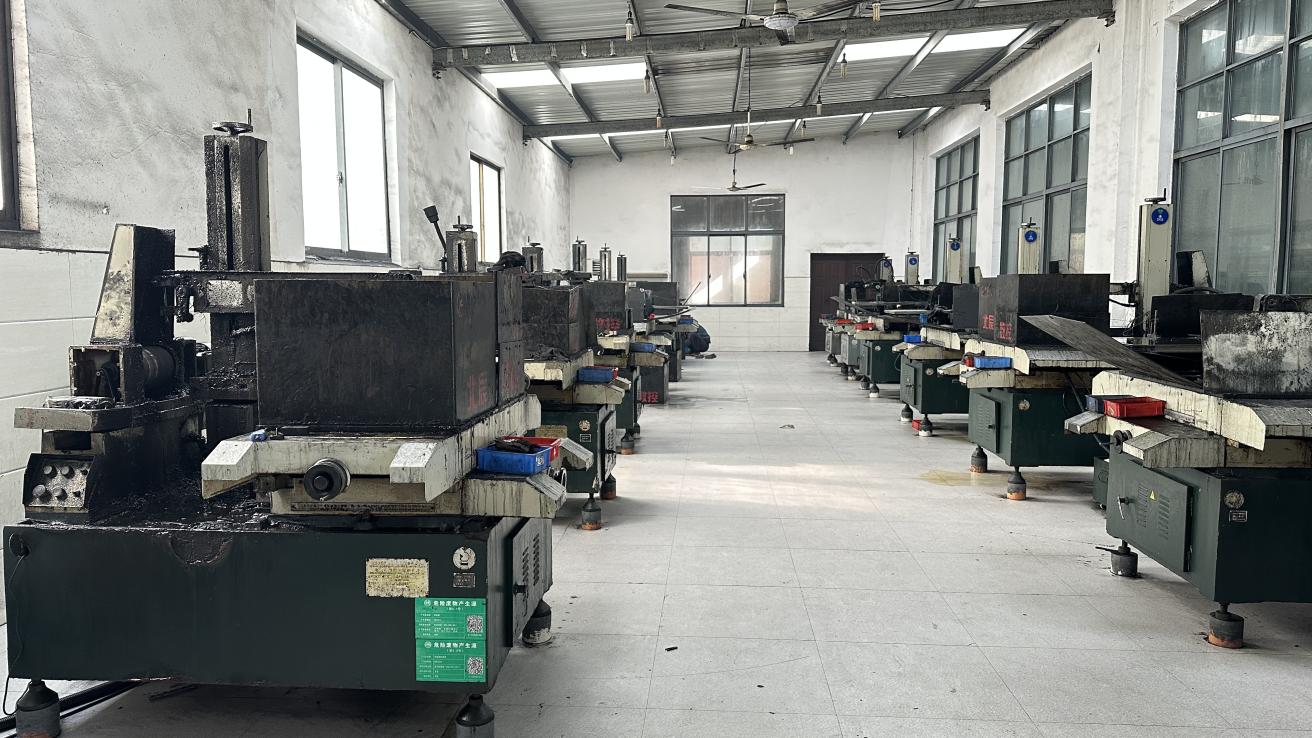
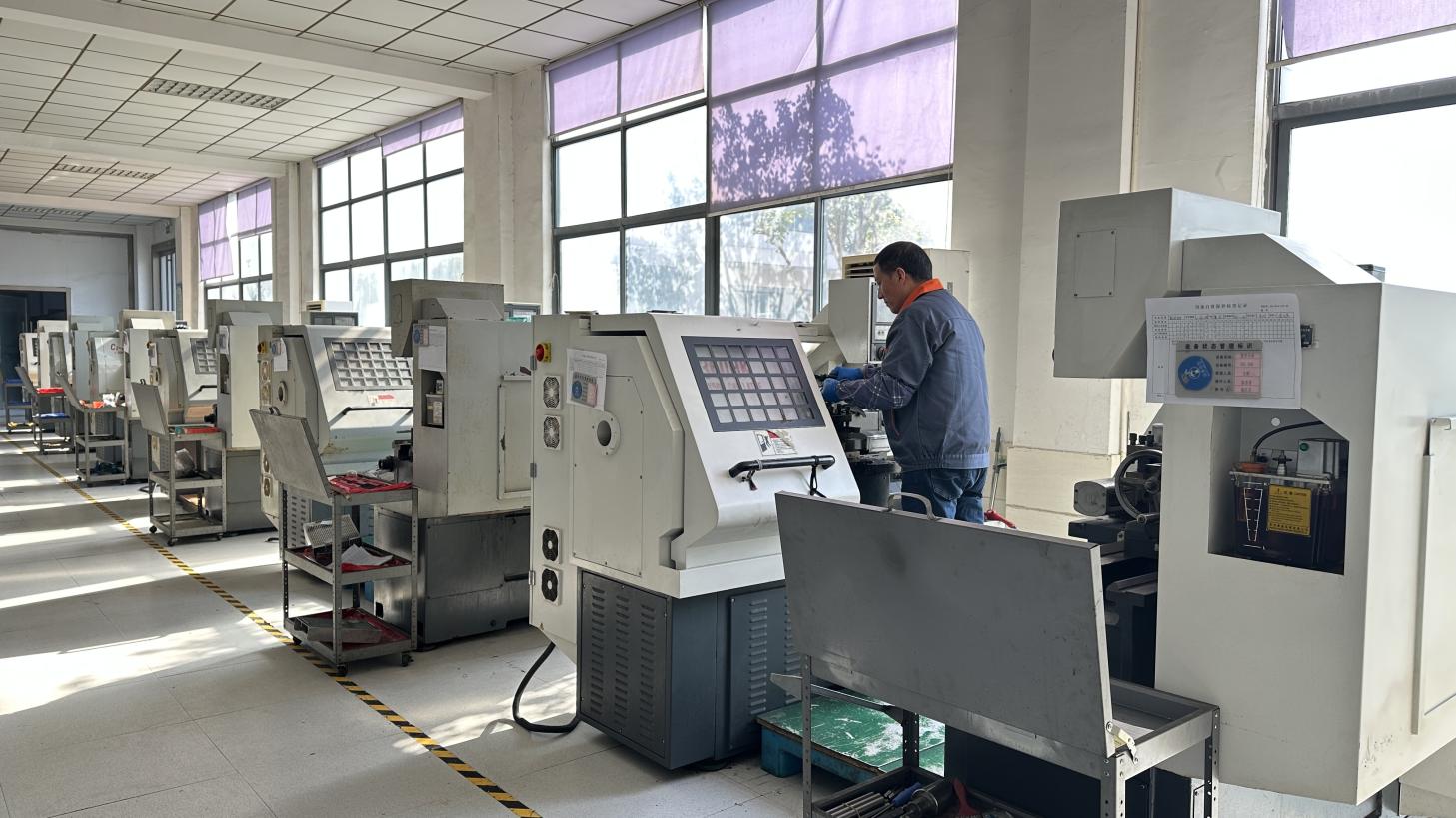
Our workshop houses high-precision citizen slitting and CNC milling machines that maintain dimensional accuracy within tolerances of ±0.01mm. This guarantees concentricity of the hollow inner guide-wire channel, preventing drill-bit deflection during surgical insertion.
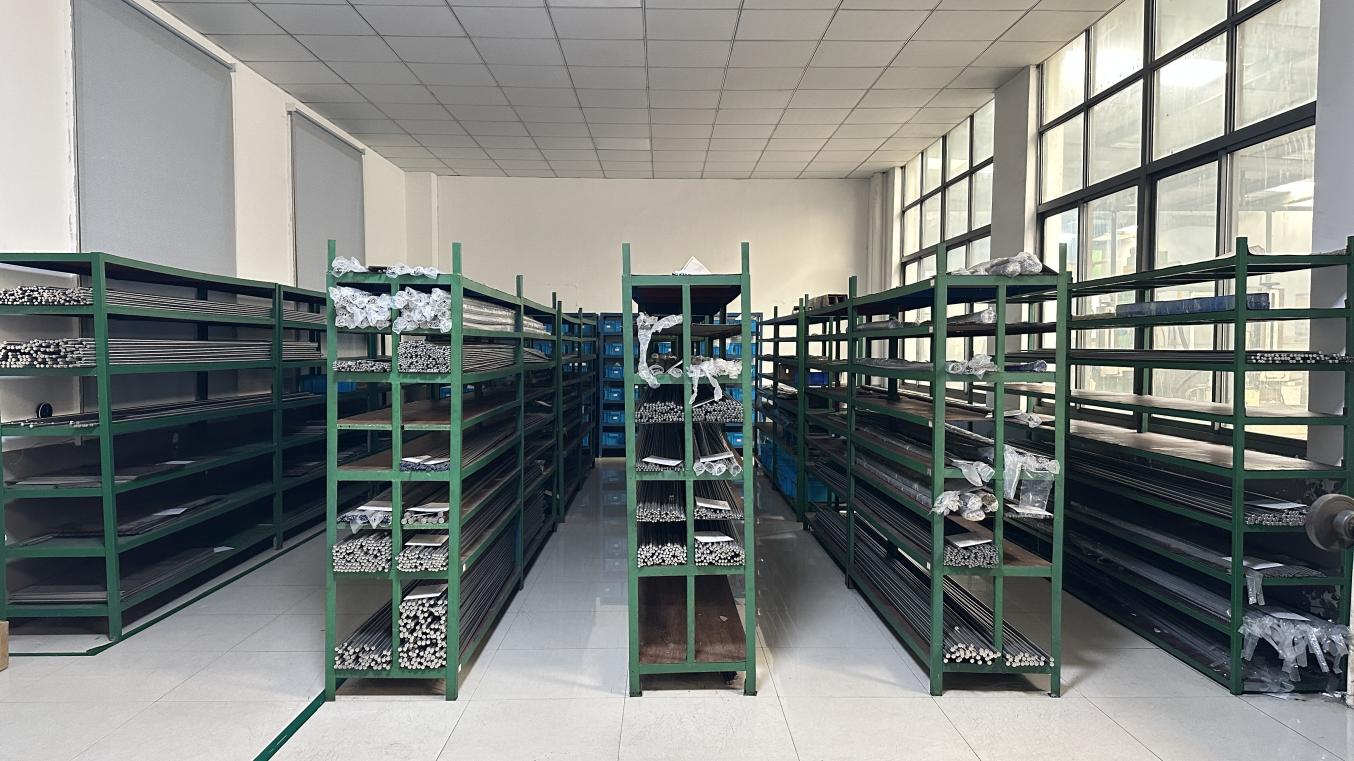
Our quality department runs fatigue testers, tensile testers, two-dimensional measuring instruments, and hardness testers to verify torque capacity, shear-stress thresholds, and pull-out resistance prior to batch release.
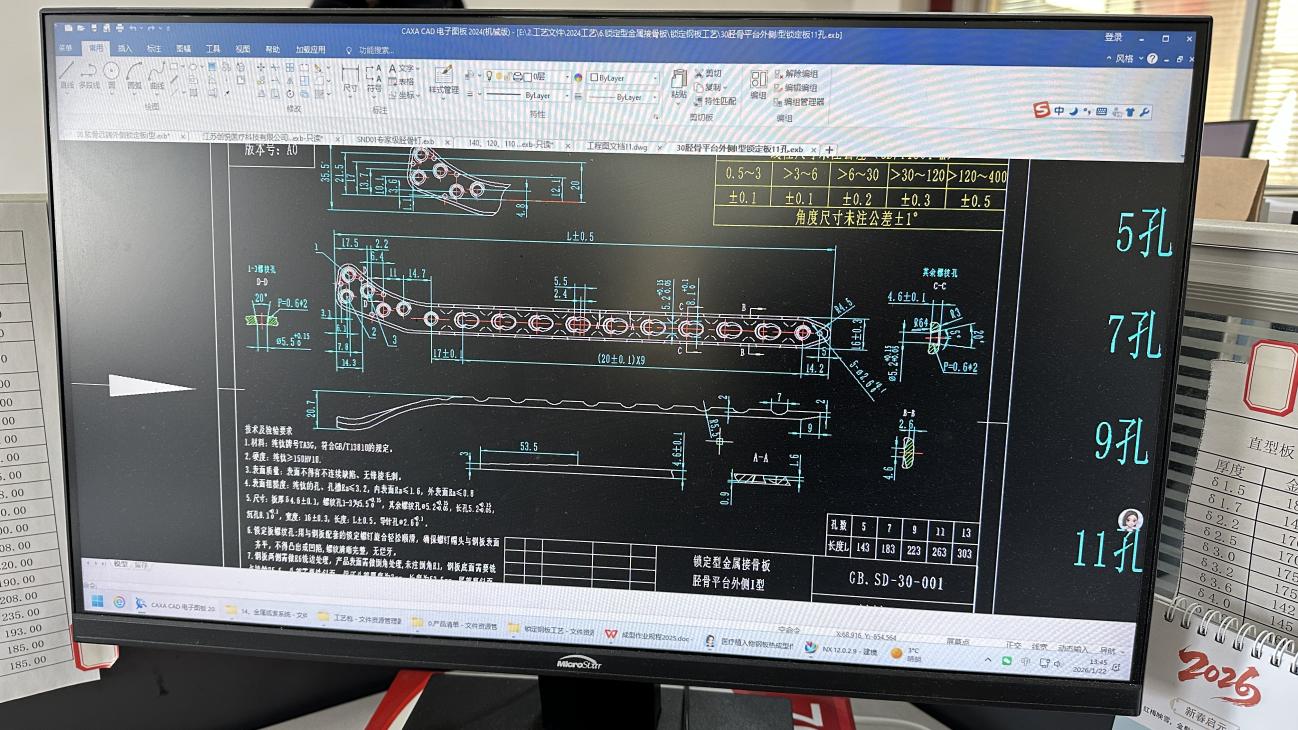
With an R&D force of 85 specialists, we support private labeling, custom thread-pitch design, self-tapping and self-drilling modifications, and rapid development of custom surgical instrument sets.
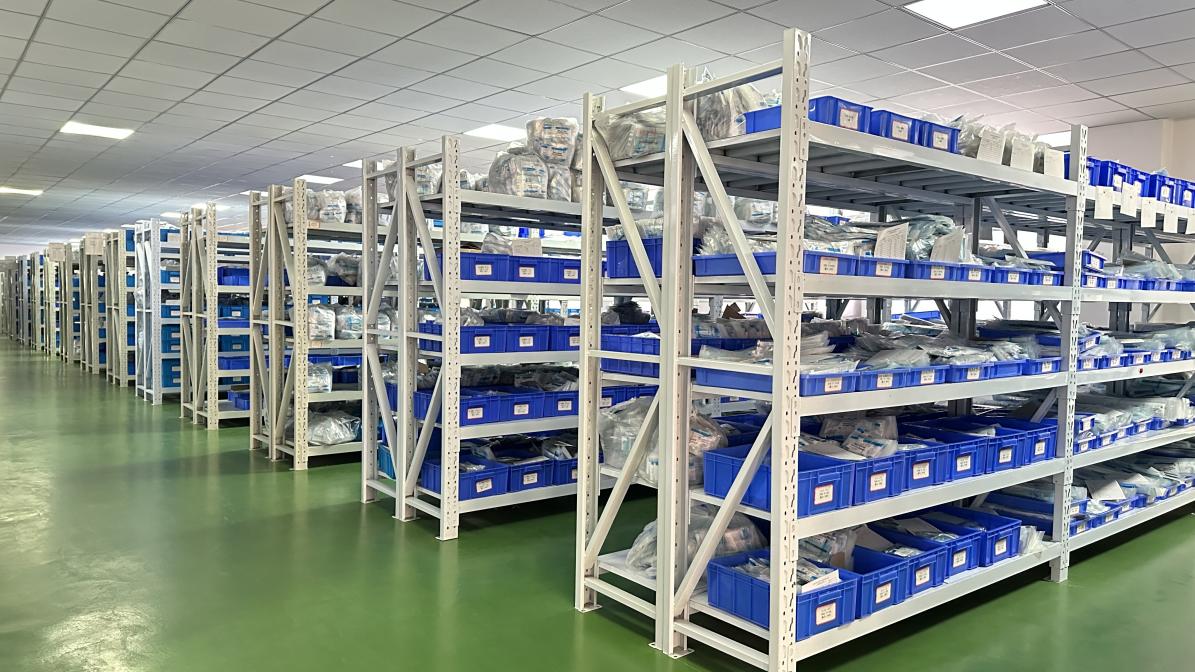
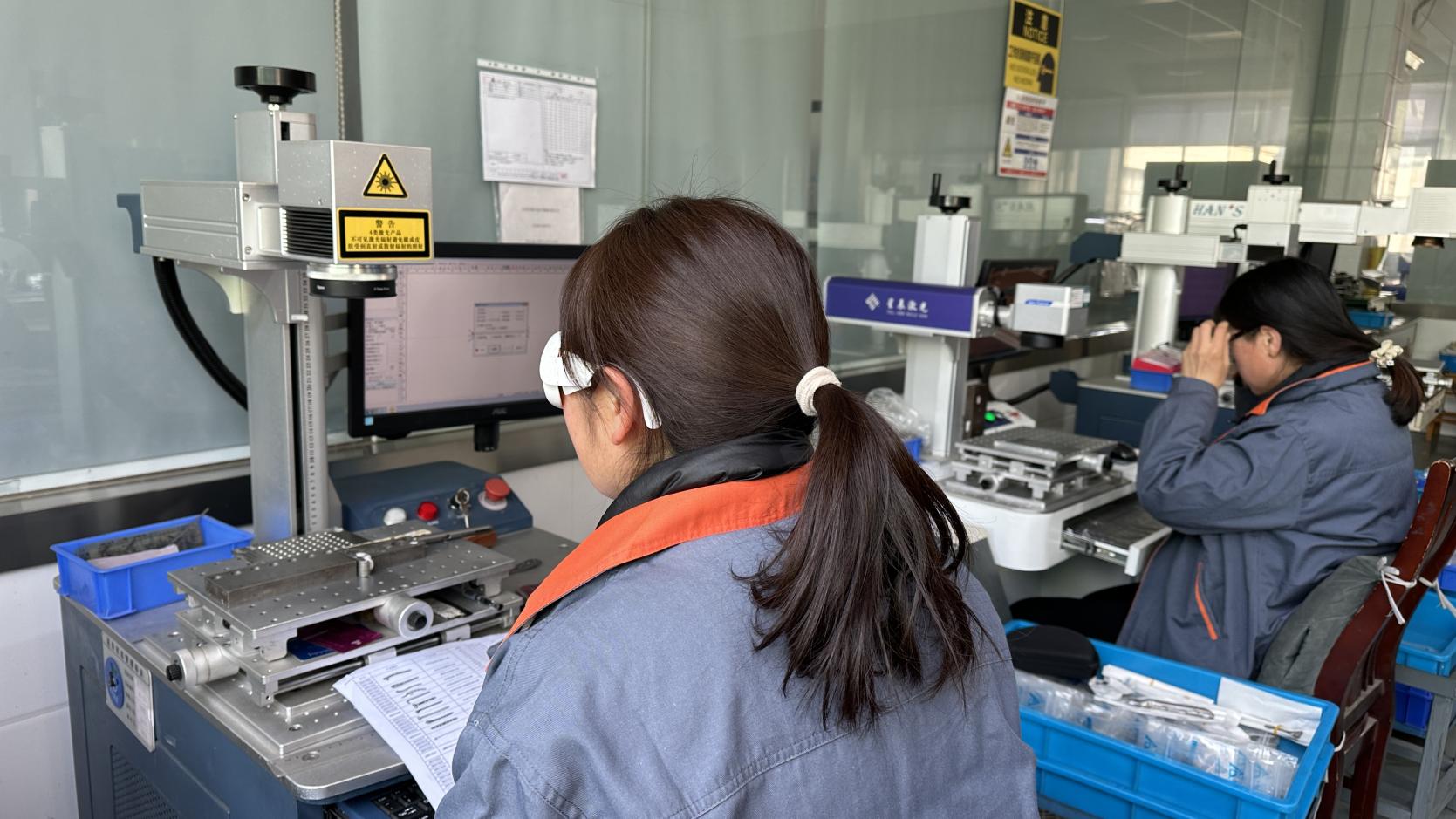
Transparent visualization of our manufacturing chain, proving commitment to Class III medical implant production integrity.
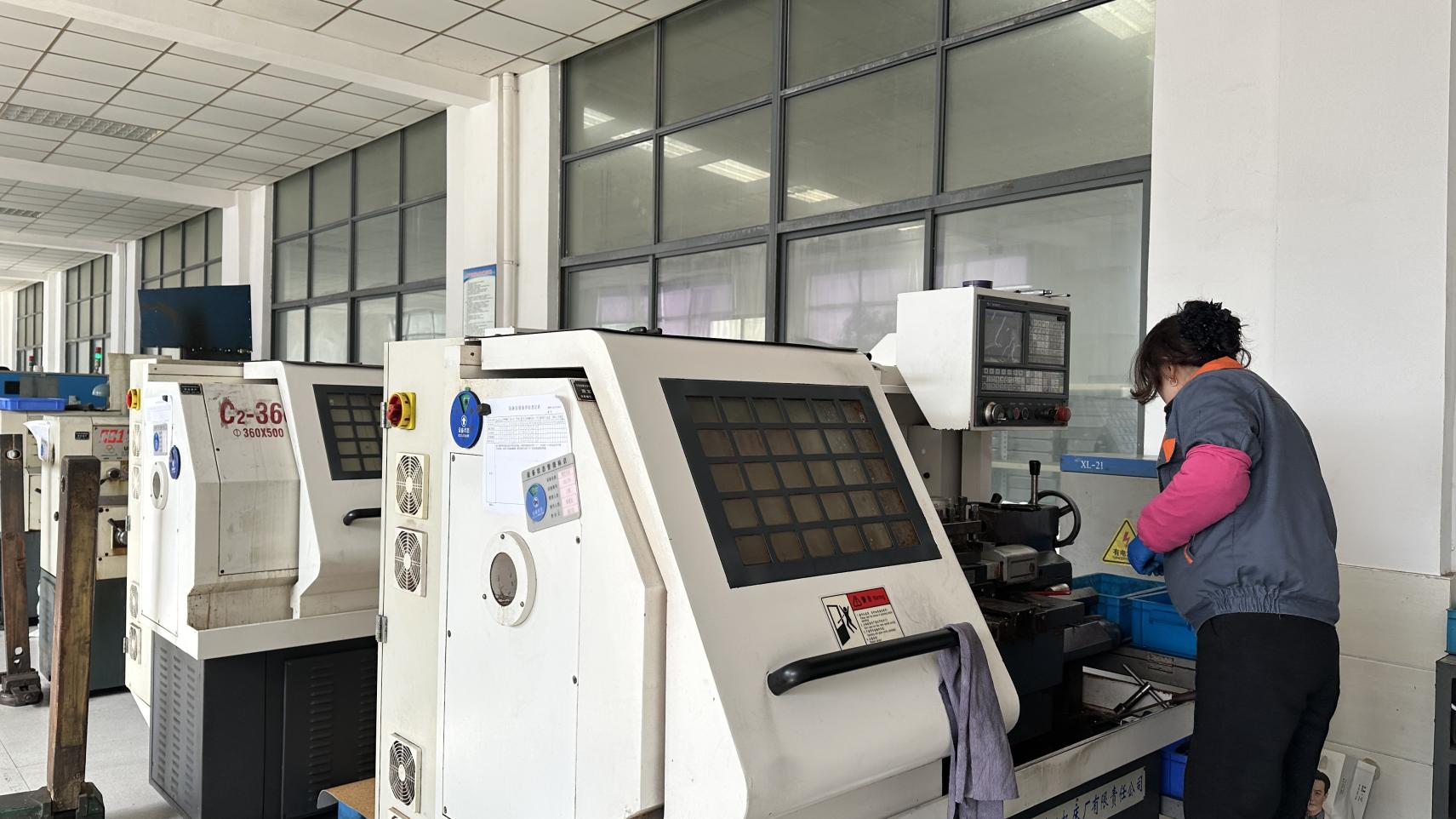
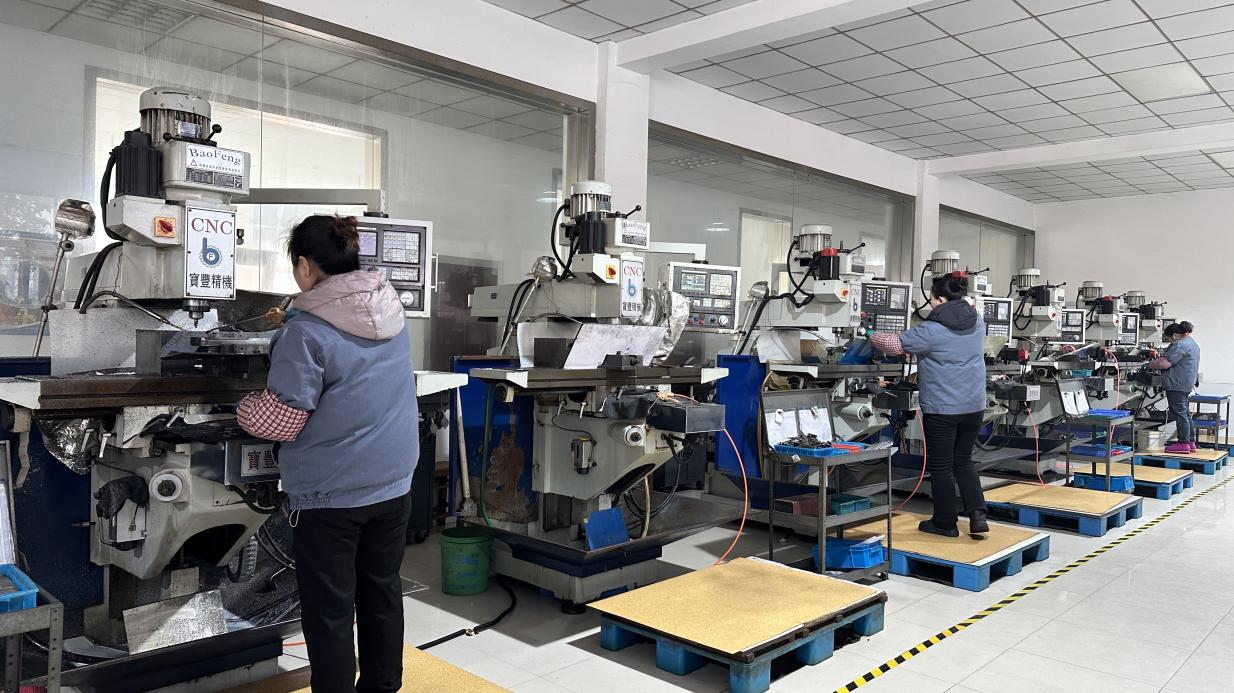
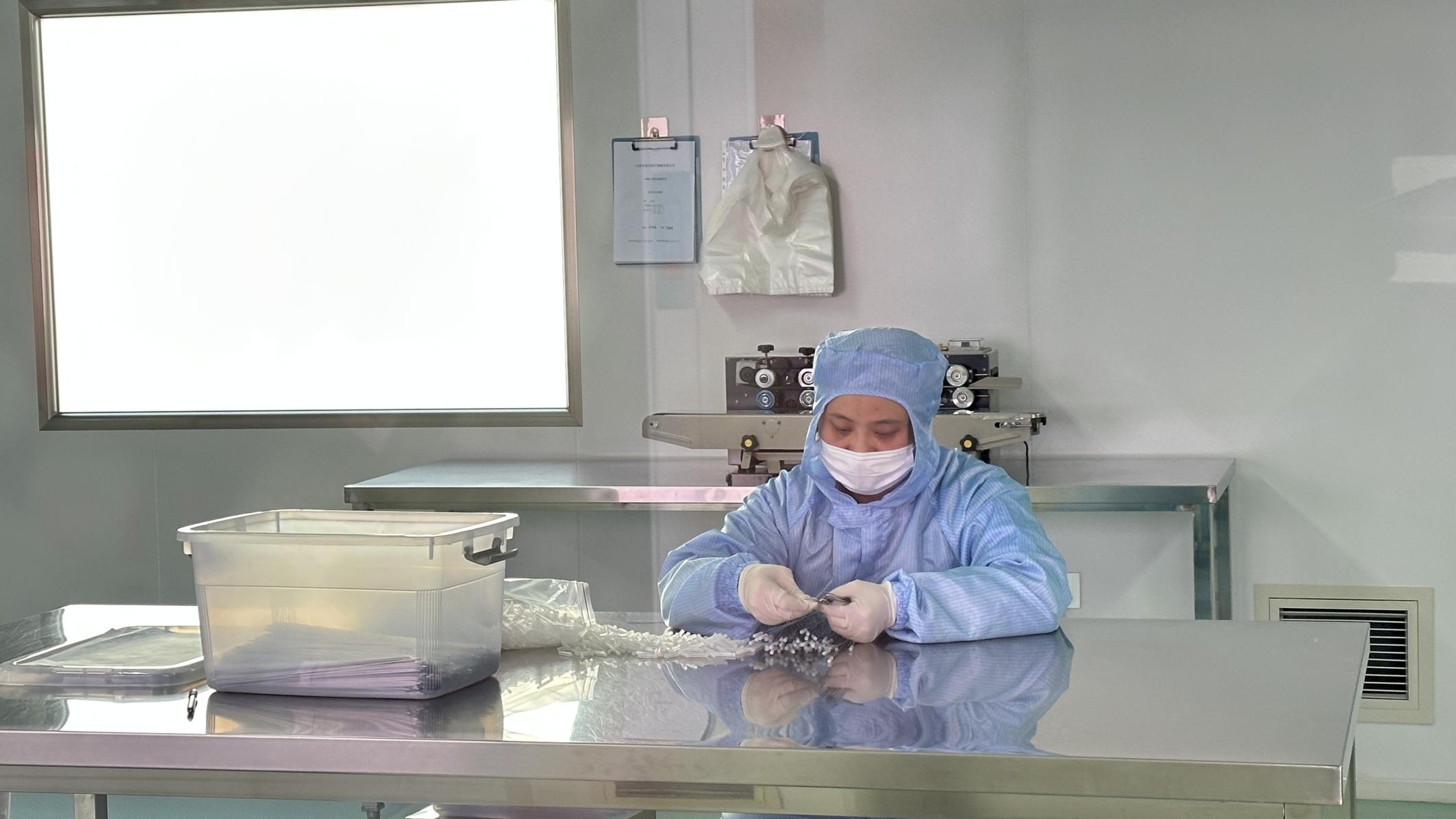
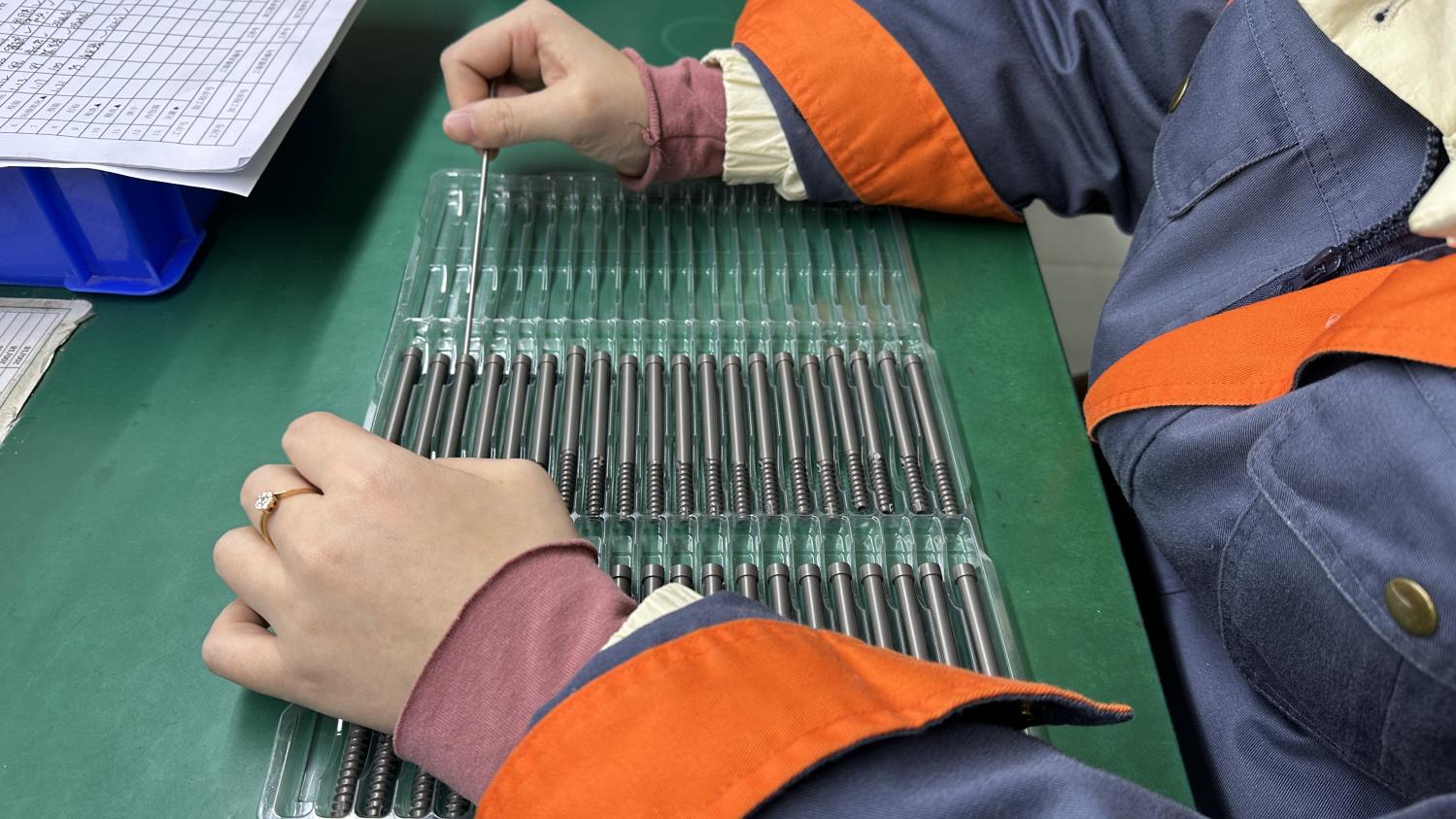

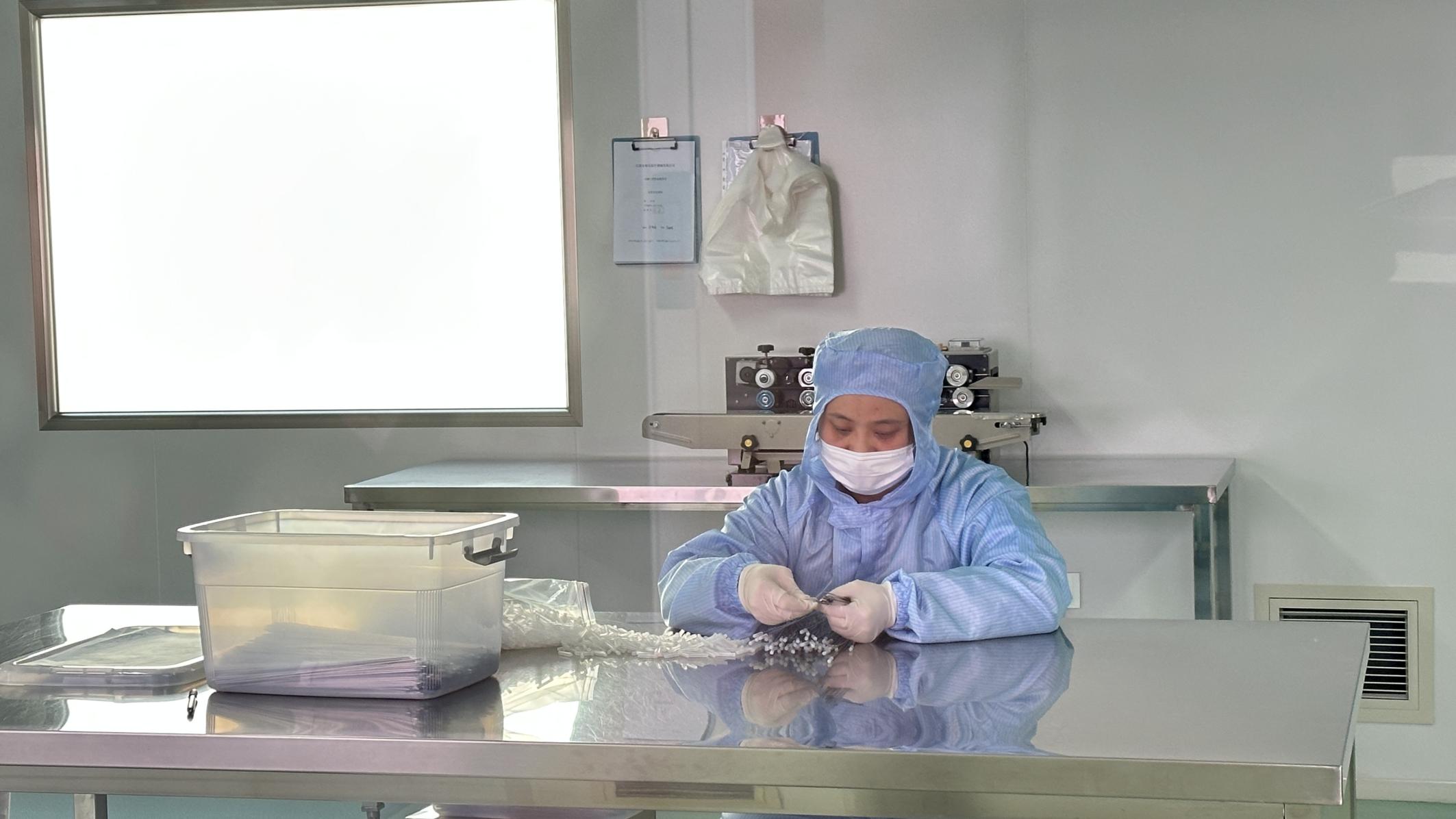
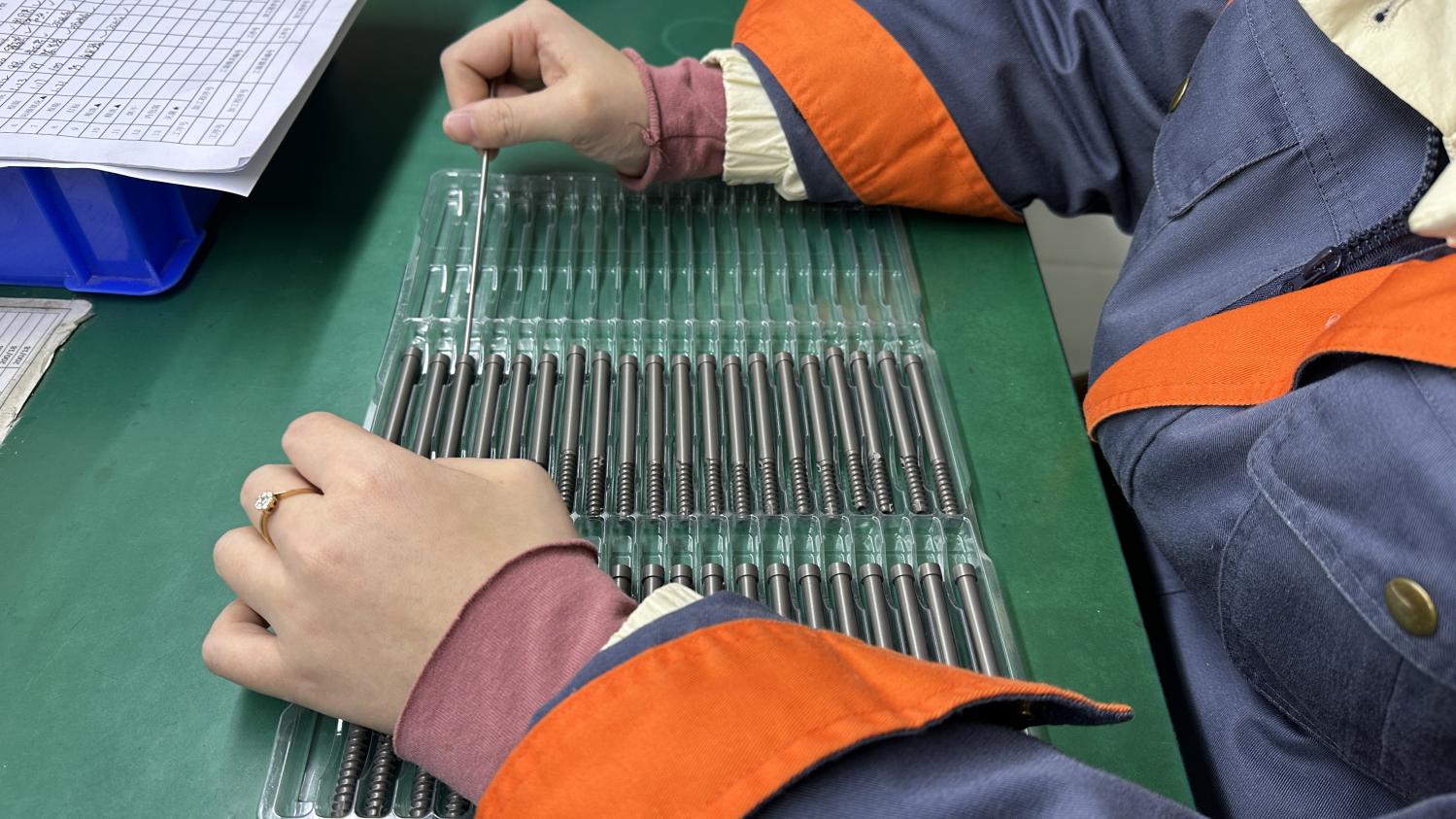
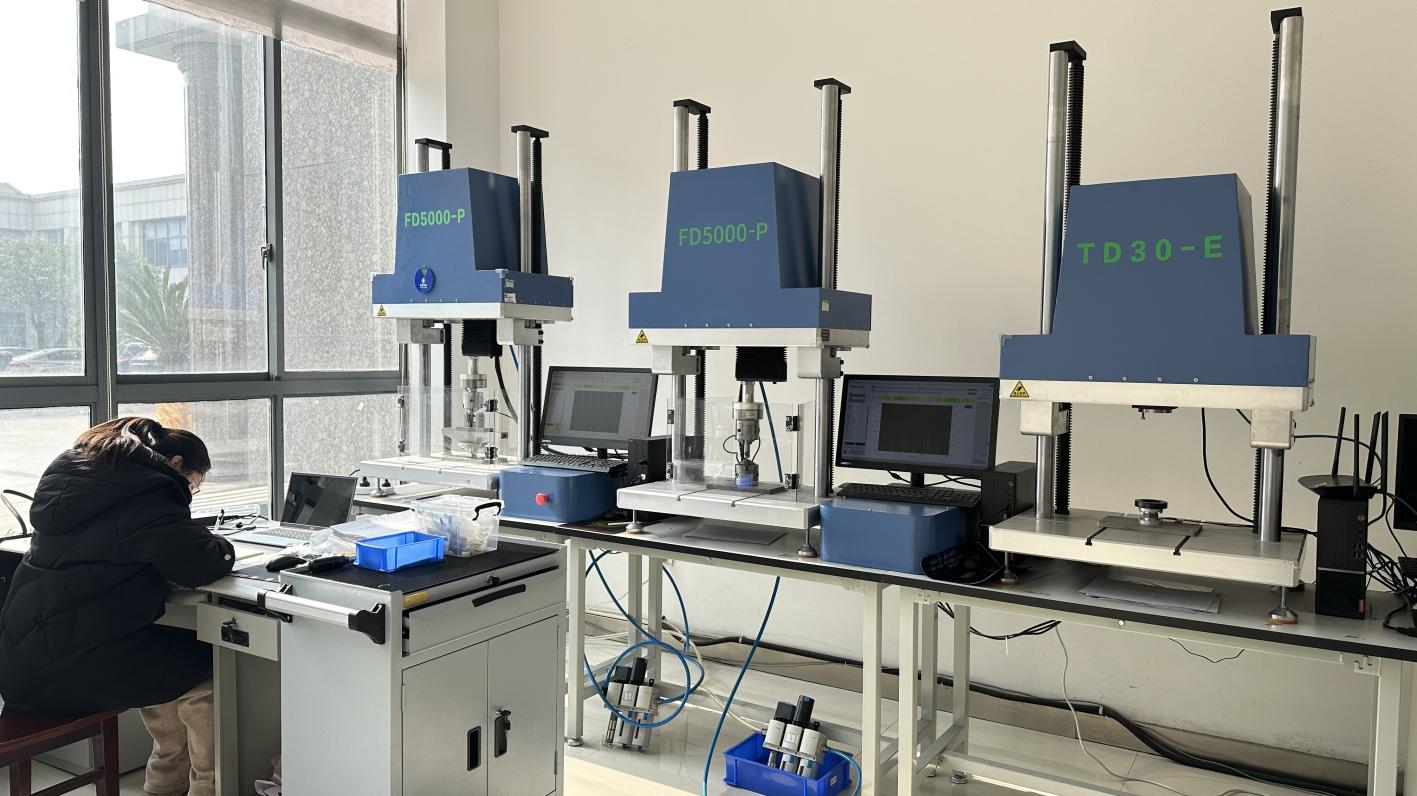
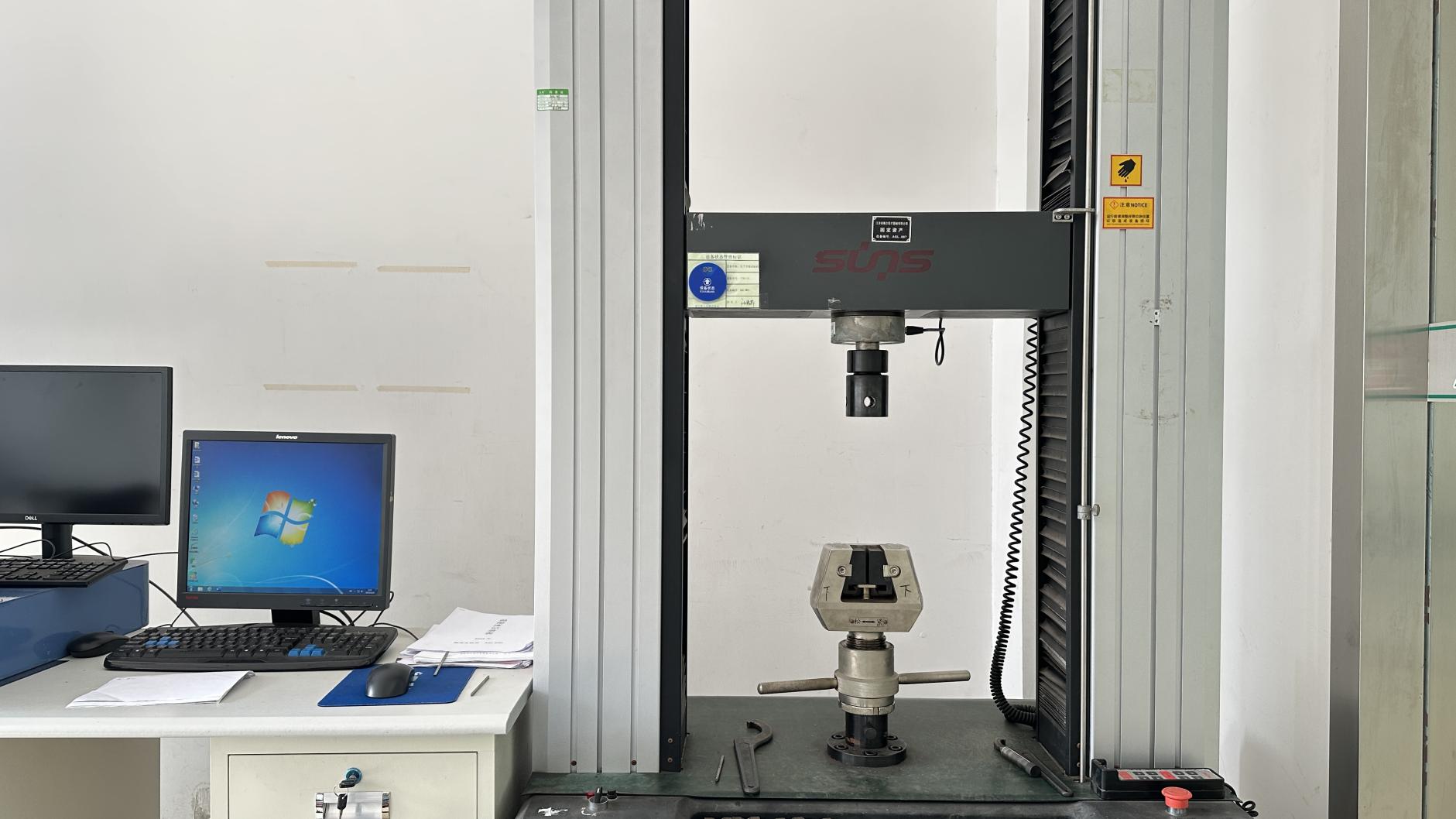
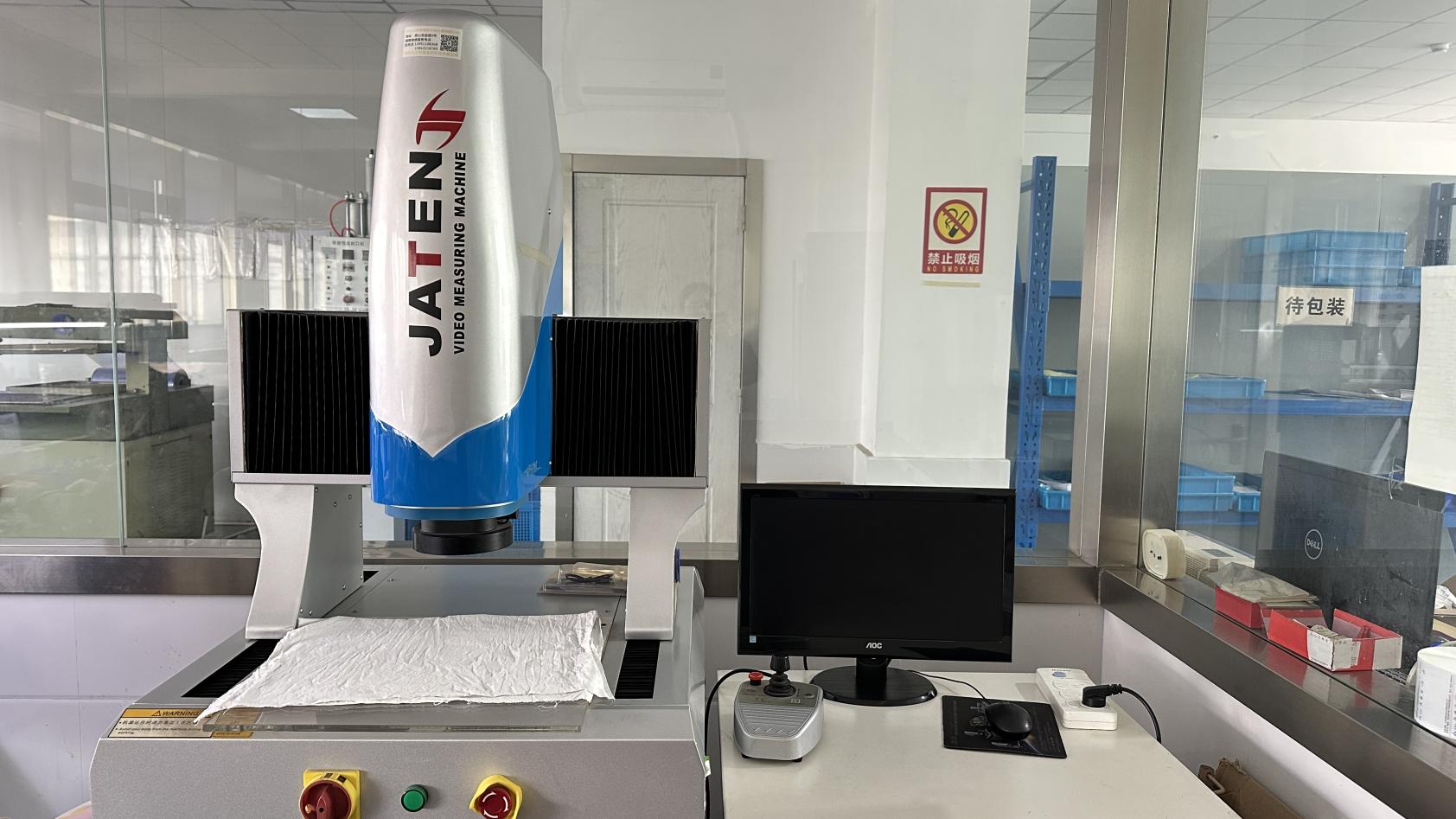
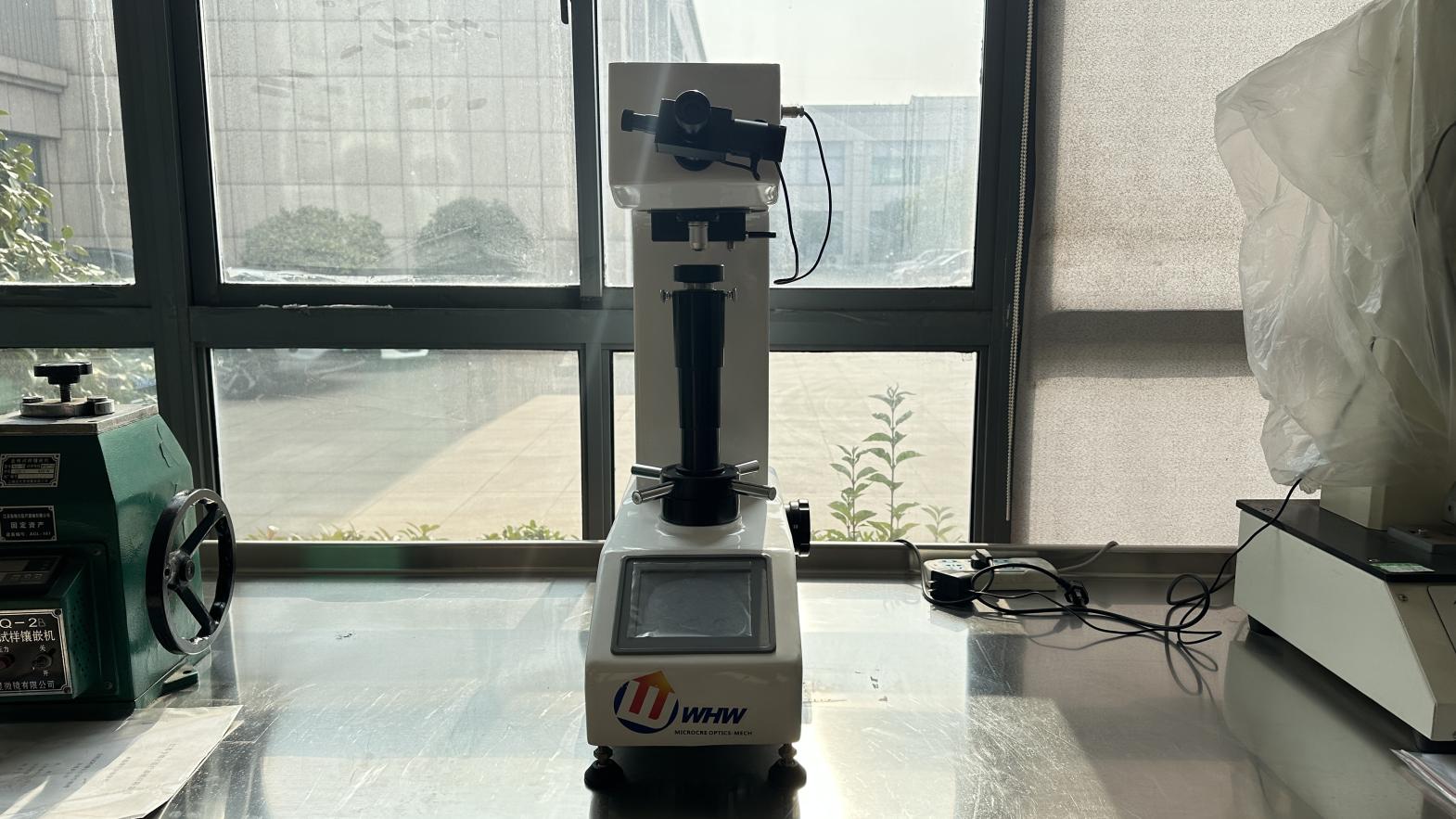
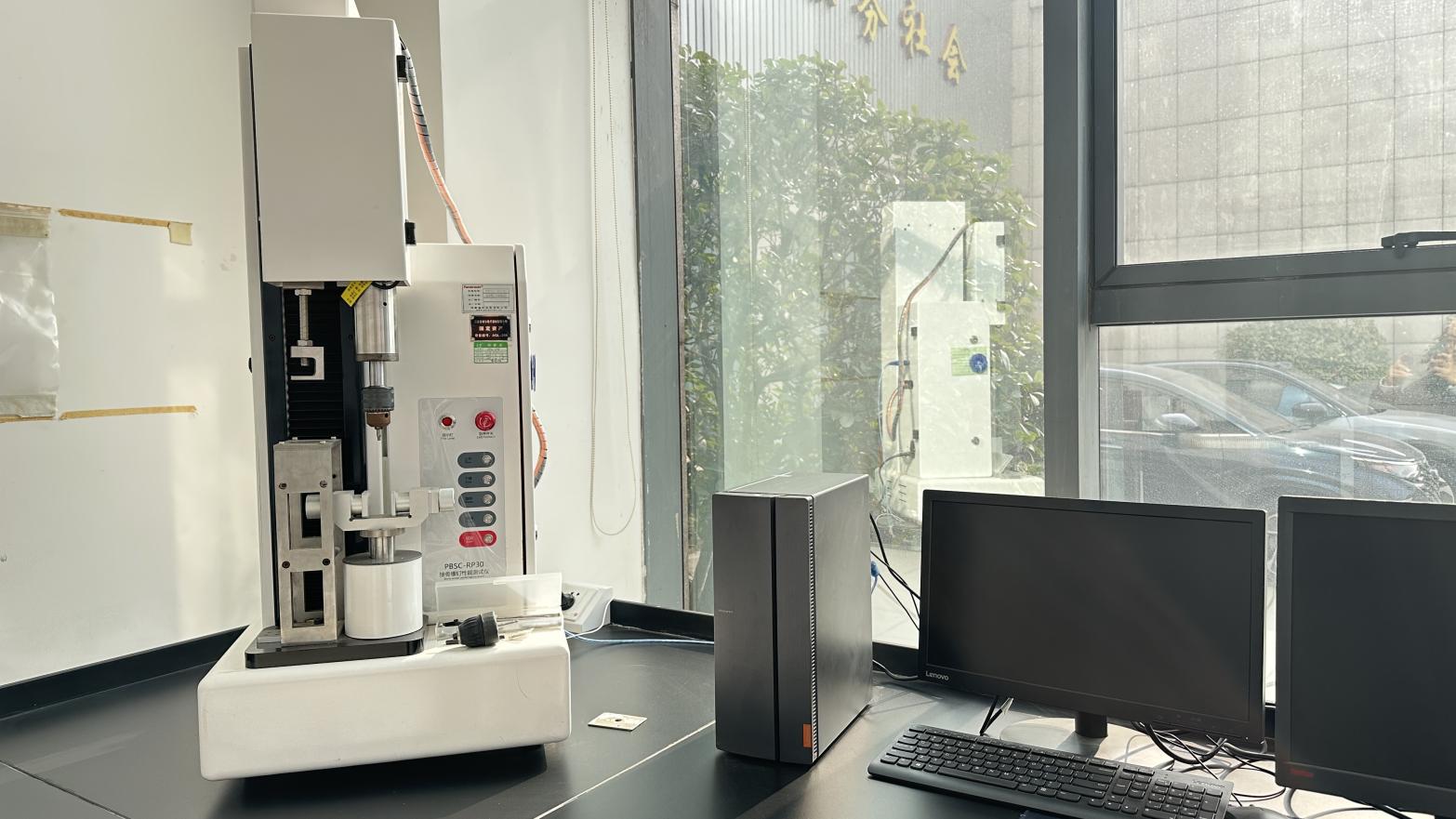
Detailed structural features engineered to enhance interfragmentary compression and ensure stable internal fixation.
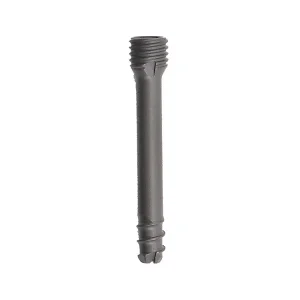
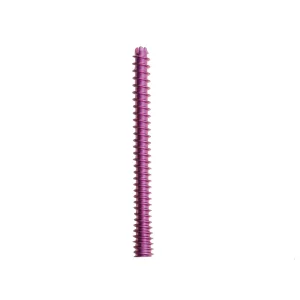
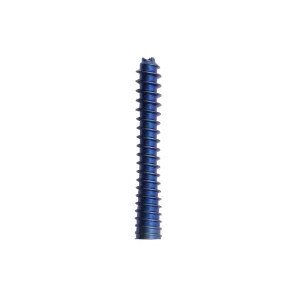
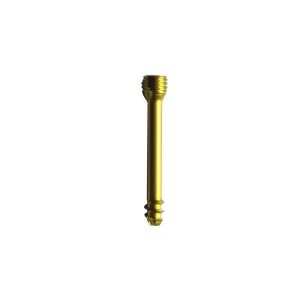
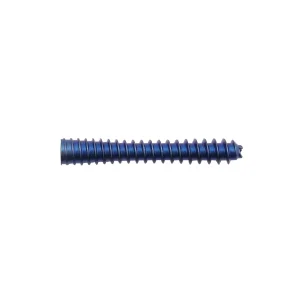
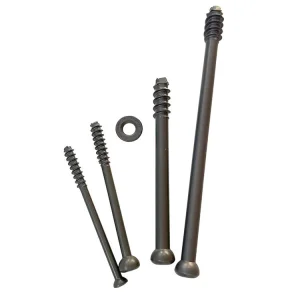
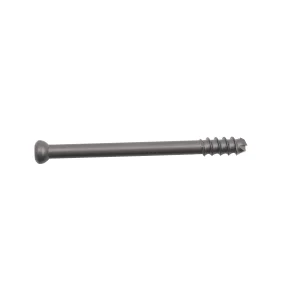
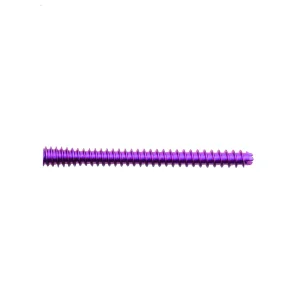
Cannulated bone screws are designed with a hollow central shaft to slide over a pre-drilled guide wire. This allows orthopedists to confirm correct alignment via fluoroscopy before inserting the screw, saving valuable time in emergency surgery rooms. Below is the mechanical breakdown of how these implants work:
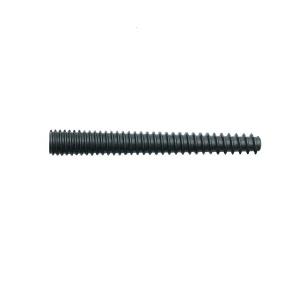
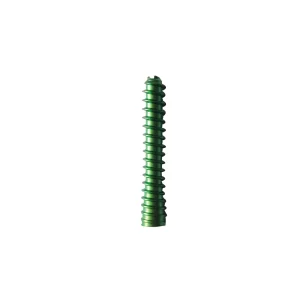
By modifying the thread pitch between the lead (distal) and trailing (proximal) sections of headless compression screws (Herbert-style), the screw advances faster at the tip than at the head. This differential rate draws bone fragments together, creating strong compression without relying on a wide screw head that could irritate soft tissue or damage cartilage.
Medisplint screws feature a specialized reverse-cutting flute at the tip. This allows the screw to cut its own thread path as it advances, reducing bone thermal necrosis. The geometry of the flutes is optimized to clear debris, lowering the torque needed to seat the screw and reducing the risk of strip-out.
Technical and regulatory answers for hospital purchasing departments and medical device importers in Moscow.
Select from our comprehensive list of clinical implants designed for diverse orthopedic configurations. Direct factory prices are available for qualified distributors.
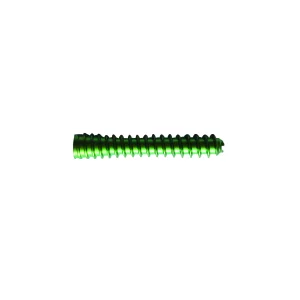
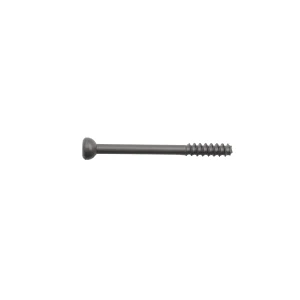
Partner with a specialized medical manufacturer. We supply premium titanium implants designed to meet surgical requirements in Moscow and international markets.
Send Inquiry Now