Medisplint Medisplint

Cannulated Screws Manufacturers & Exporters for the Kazakhstan Market

Advanced Clinical-Grade Osteosynthesis Solutions & Orthopedic Trauma Implants Designed for Kazakh Medical Institutions

Send Inquiry Now

The Orthopedic Trauma & Cannulated Screws Landscape in Kazakhstan

Kazakhstan's healthcare system is undergoing a major structural transformation driven by the national "Salamatty Qazaqstan" modernization roadmap and significant investments in rural and urban clinical infrastructures. As the largest economy in Central Asia, the demand for sophisticated, clinical-grade medical implants is rising rapidly. Trauma surgery, particularly osteosynthesis, represents a crucial segment of this development.

The geographical and economic profile of Kazakhstan dictates a high demand for specialized orthopedic implants. With intensive heavy industries—ranging from the massive coal mines in Karaganda to the metallurgical complexes in Pavlodar and oil fields in Atyrau—occupational injuries, combined with high-velocity transit accidents on extensive highway networks connecting Almaty and Astana, present complex polytrauma cases daily. Furthermore, extreme sub-zero winter temperatures generate a seasonal surge in osteoporotic slips, falls, and articular fractures among the elderly population.

For these clinical applications, Cannulated Screws have become the primary implant choice. By allowing precise guide-wire guided insertion, these hollow fixation systems minimize tissue damage, shorten operating times, and ensure highly anatomical reduction of intra-articular fractures. Kazakh clinical buyers, distributors, and governmental tender networks (such as SK-Pharmacy) look closely at regulatory compliance, mechanical performance, biological safety, and cost efficiency.

Strict Quality Standards and Registration (NDDA Compliance)

Importing medical implants into Kazakhstan requires compliance with the National Center for Expertise of Medicines and Medical Devices (NDDA). A critical bottleneck for foreign manufacturers is establishing proof of bio-safety and structural longevity. By offering comprehensive CE certification, ISO 13485 quality systems, and complete metallurgy verification (ASTM F136/ISO 5832-3 grade titanium), Medisplint simplifies the local regulatory process. This enables Kazakh medical distributors to secure import permits and tender bids quickly.

18,500㎡
Production Facility
$12M+
Annual Export Revenue
42
Dedicated QC Inspectors
1,200+
Supply Chain Partners

Specialized Compression & Headless Hollow Fixation

Engineered to provide stable compression, reduction of soft tissue irritation, and reliable articular reconstruction.
Global Orthopedic Trends: Materials science & Mechanical Performance

The global orthopedic implant sector is moving rapidly toward high-performance materials and advanced surface finishes that support osteointegration and reduce infection risk. Today, the standard for internal fracture fixation has shifted from traditional stainless steel to Ti-6Al-4V ELI (Extra Low Interstitial), a medical titanium alloy known for its biocompatibility, corrosion resistance, and low modulus of elasticity—which closely matches human cortical bone and prevents stress shielding.

Modern implant designs focus on two primary geometries:

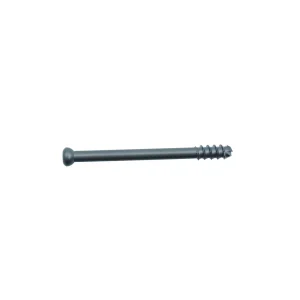
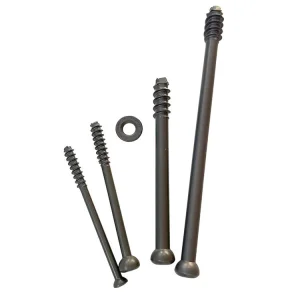
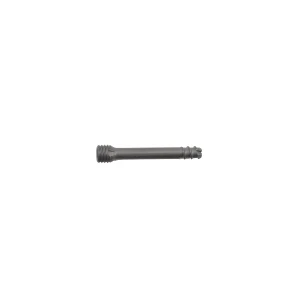
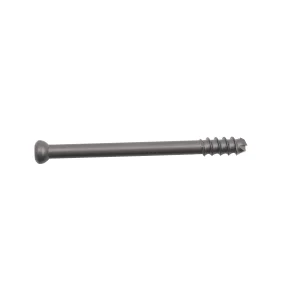
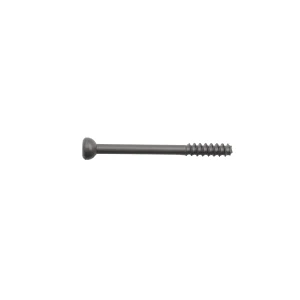
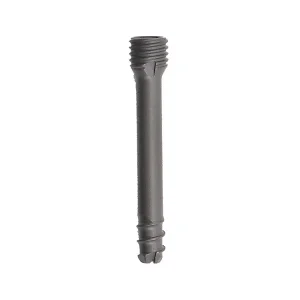
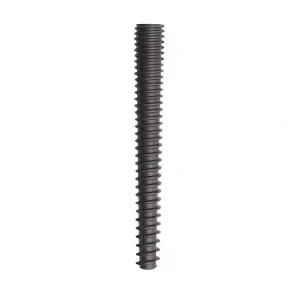
  • Standard Headed Cannulated Screws: Known for superior pull-out strength, these screws are widely used in distal femur, proximal tibia, and calcaneus fractures. They offer excellent temporary or permanent interfragmentary compression.
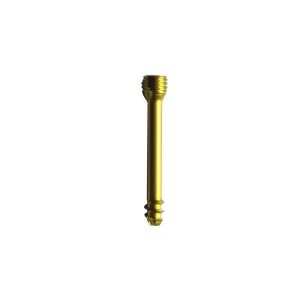
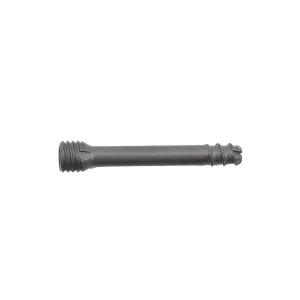
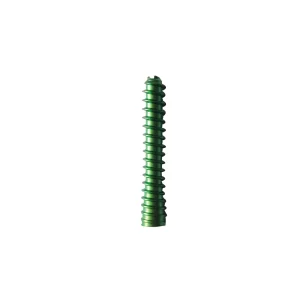
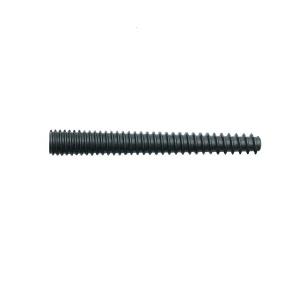
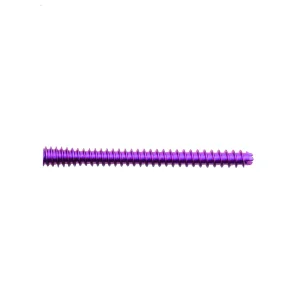
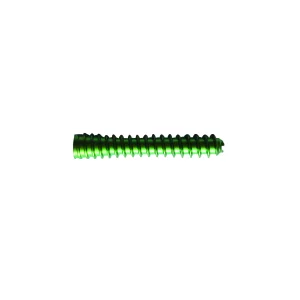
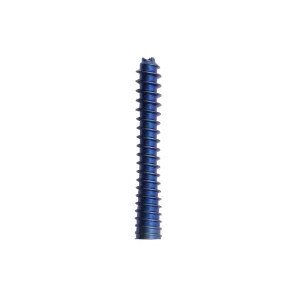
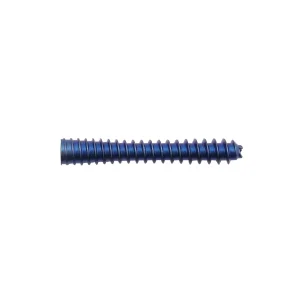
  • Headless Compression Screws (HCS): Also known as Herbert screws, these feature threads with different pitches at the proximal and distal ends. This design pulls bone fragments together while burying the screw head below the articular surface. This is critical for preventing tendon irritation in scaphoid, osteochondral, and radial head fractures.

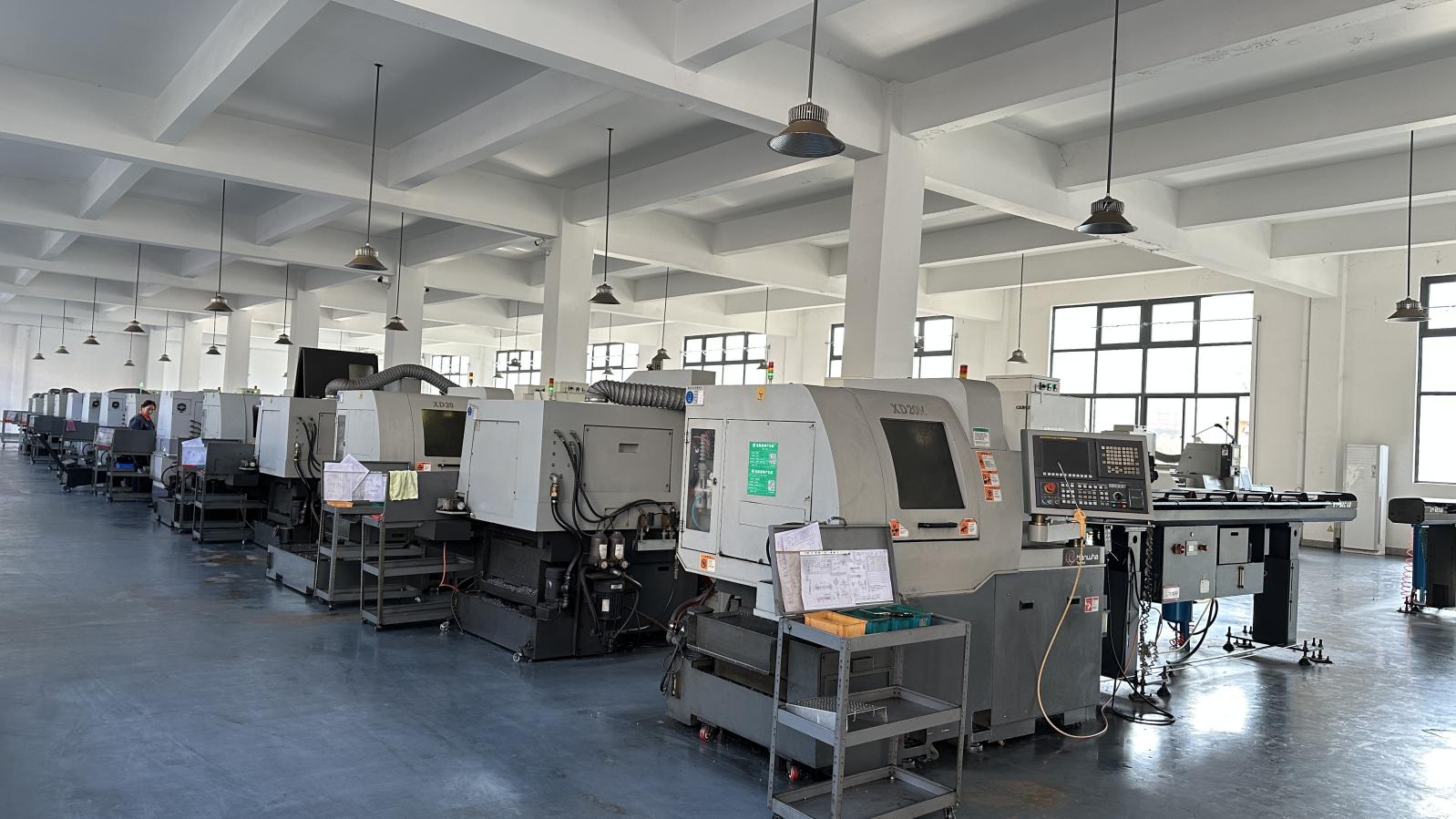
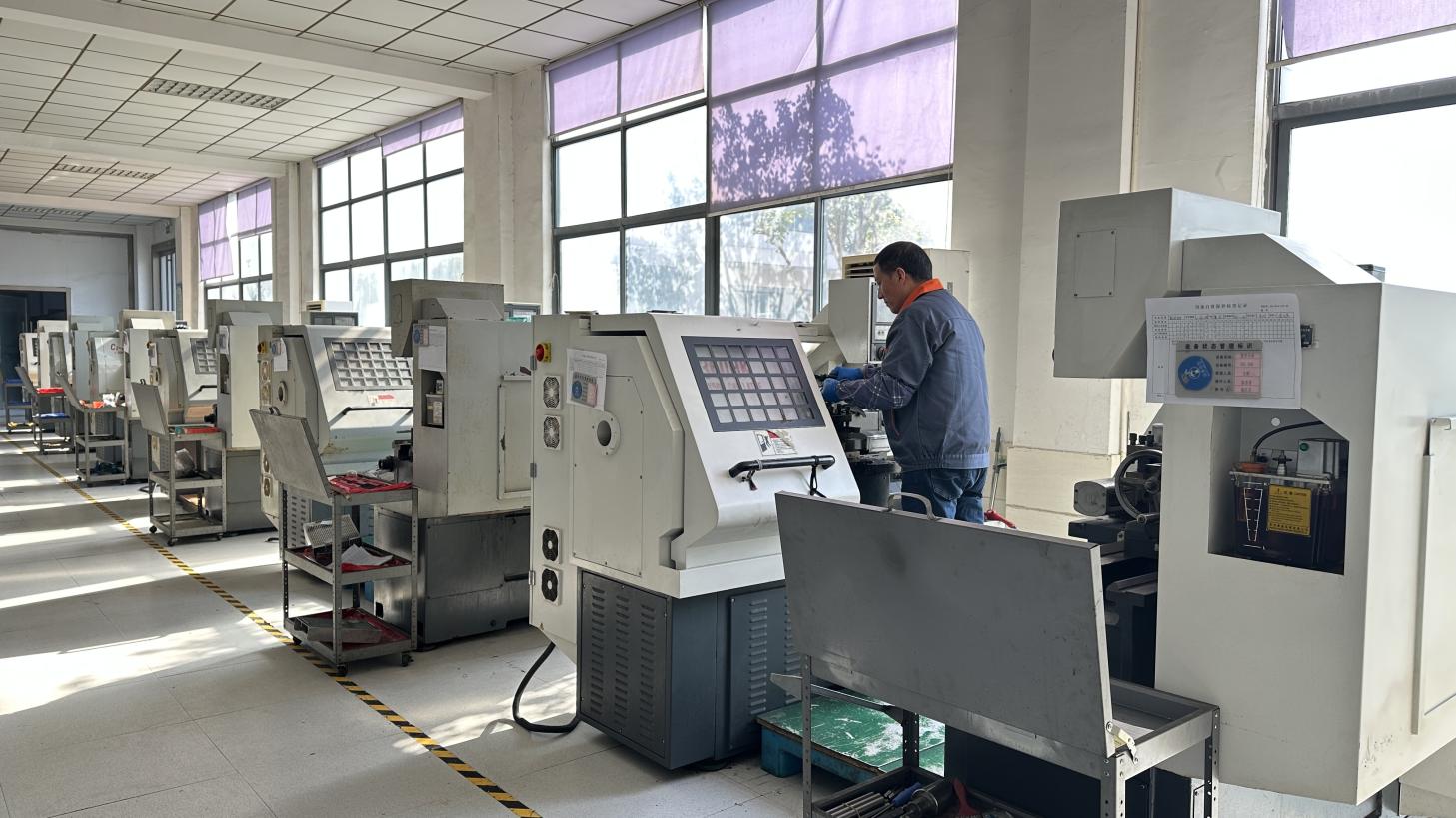
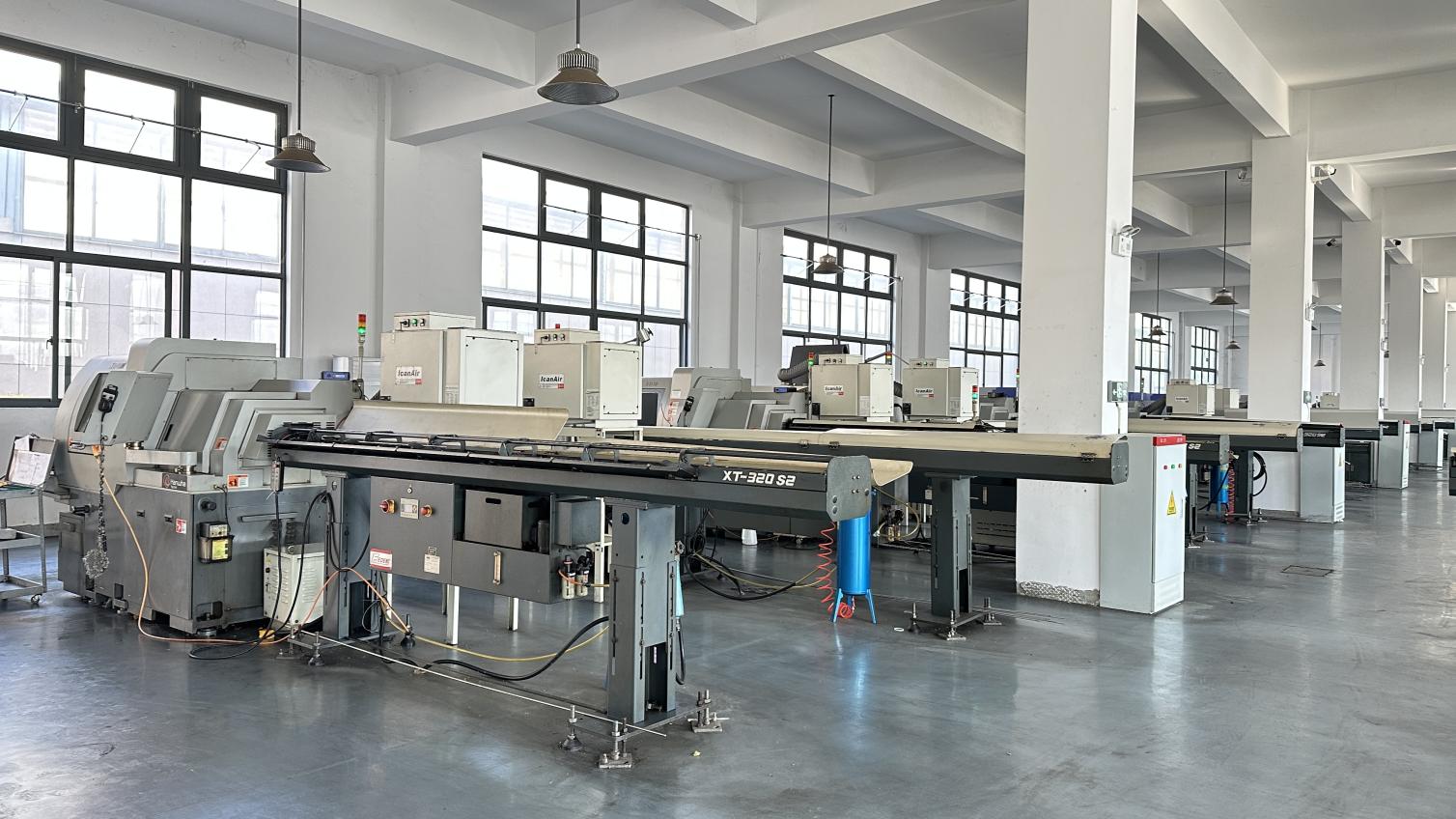
At Medisplint, our production line uses state-of-the-art Swiss-type CNC sliding head lathes. This machinery maintains tight dimensional tolerances within ±5 microns, which is crucial for drilling the central guide cannula. A precise, centered cannula prevents guidewire binding and ensures consistent torque during insertion, saving critical minutes in the operating room.

Smart Factory & Quality Control Ecosystem

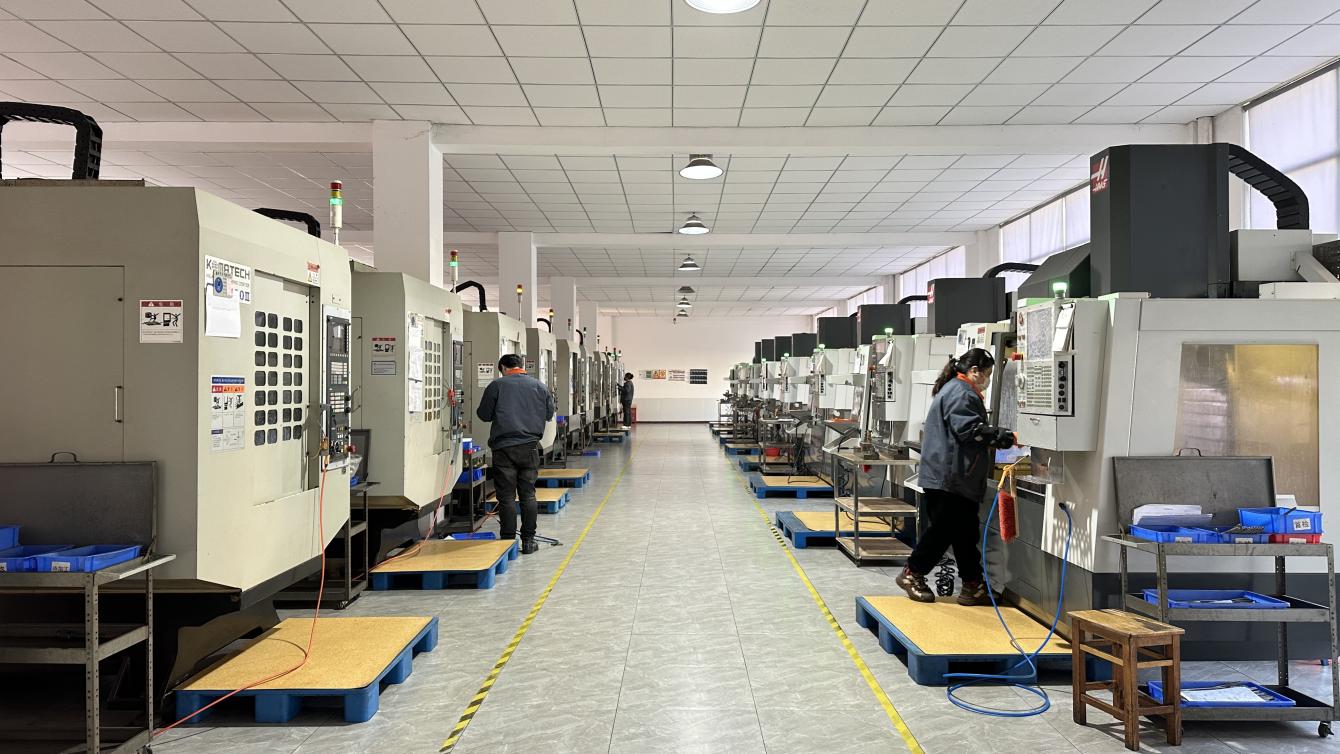
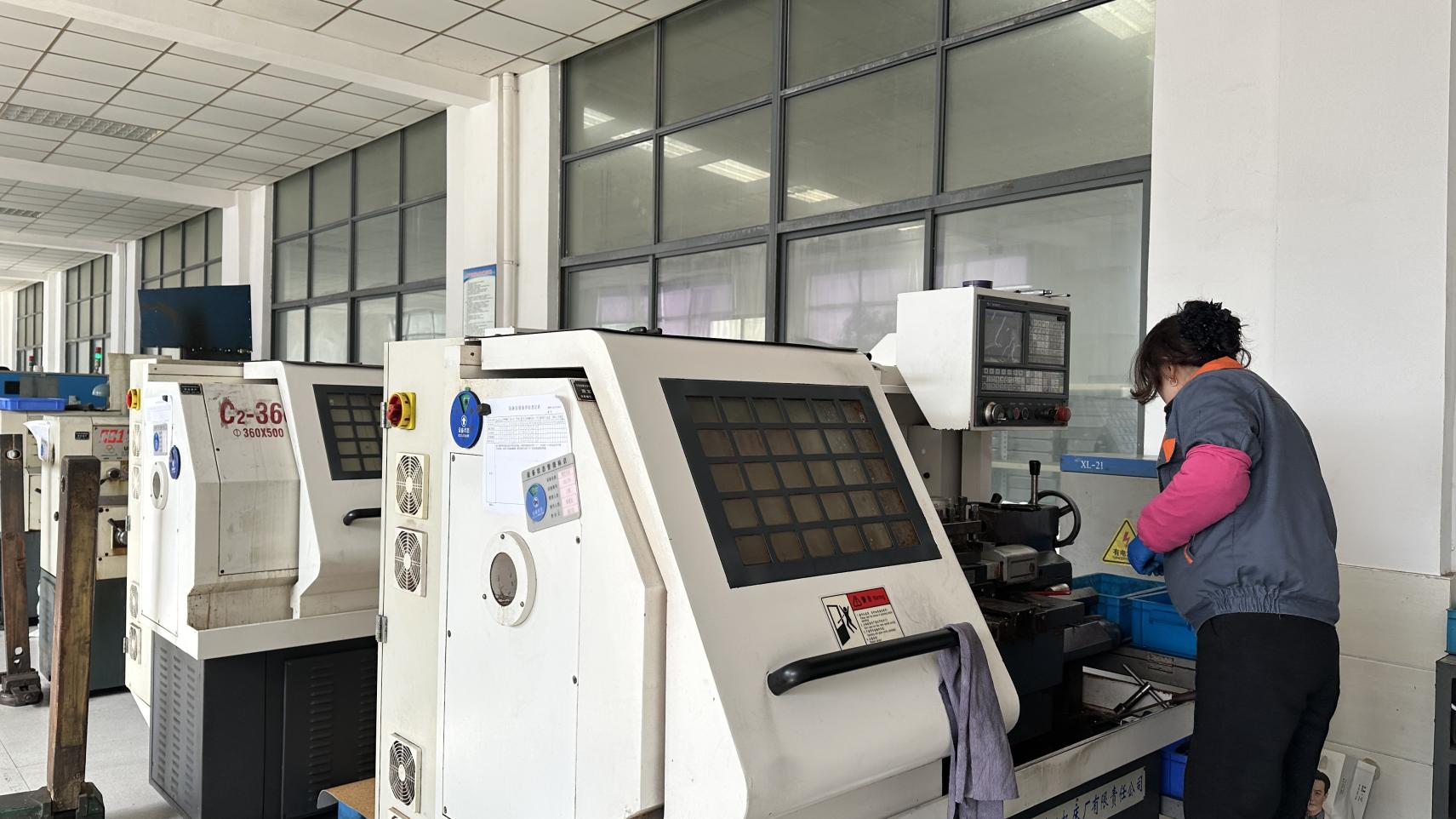
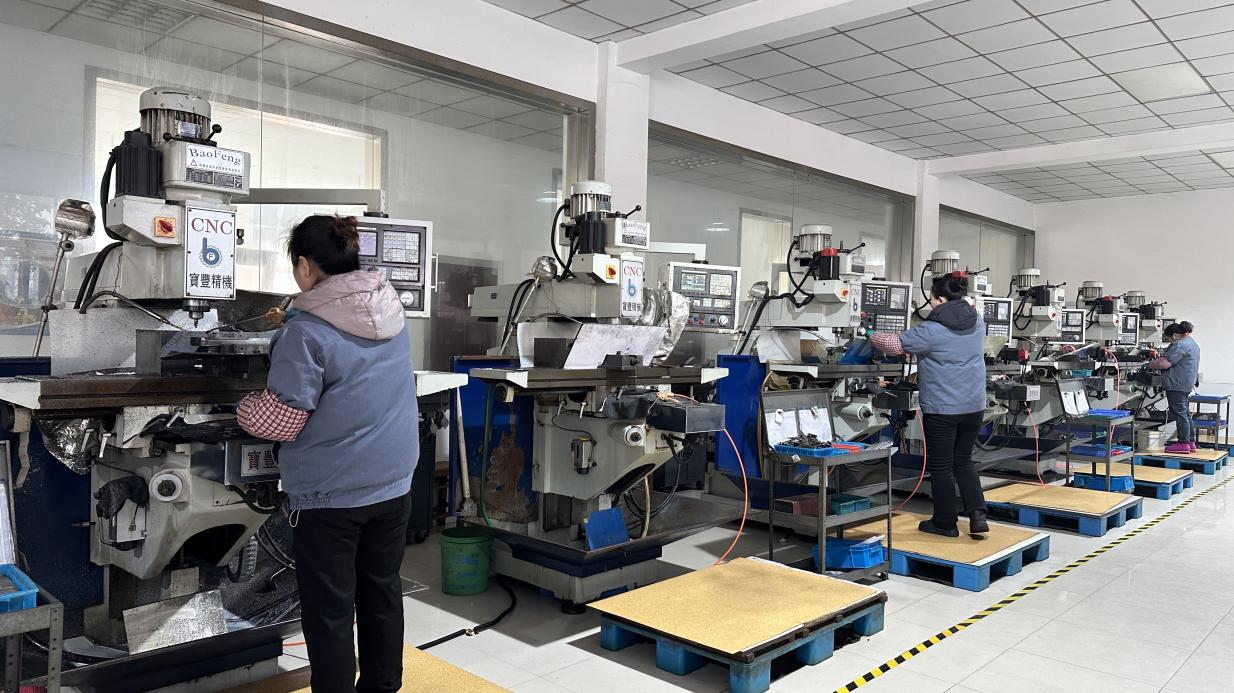
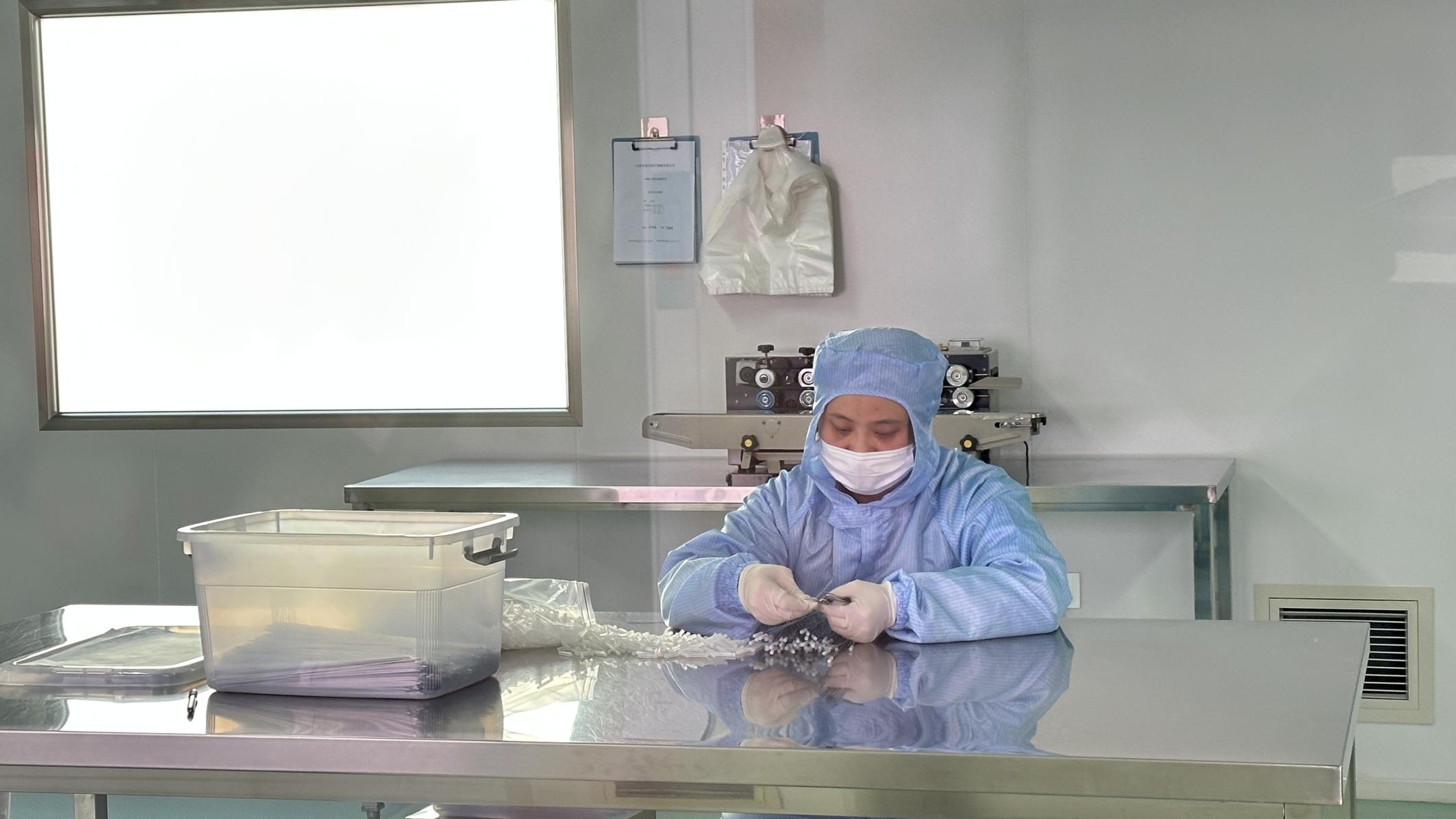
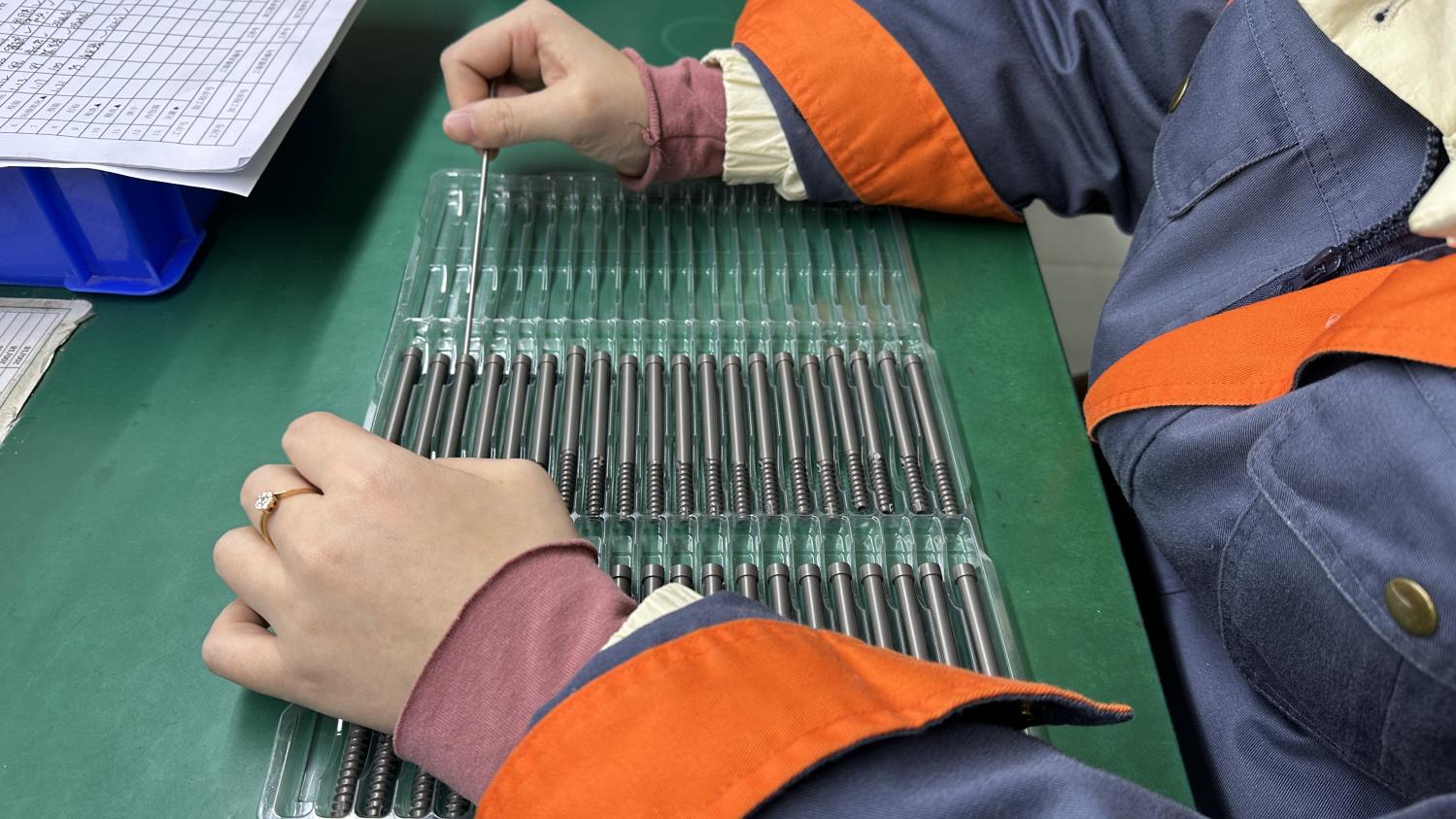
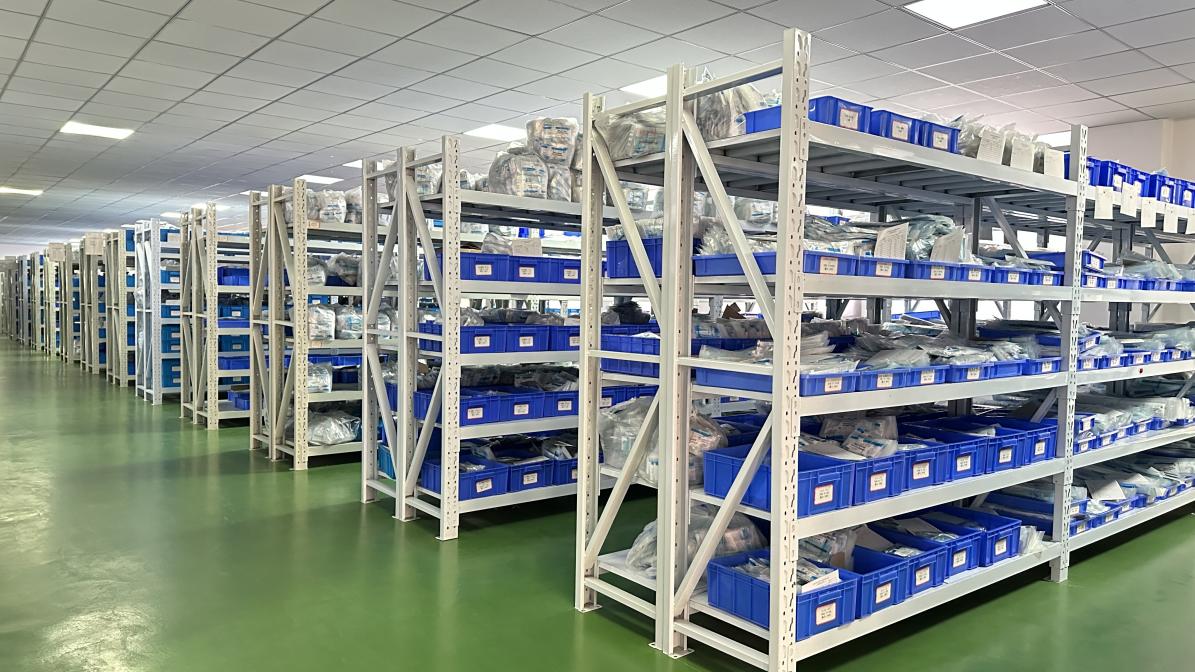
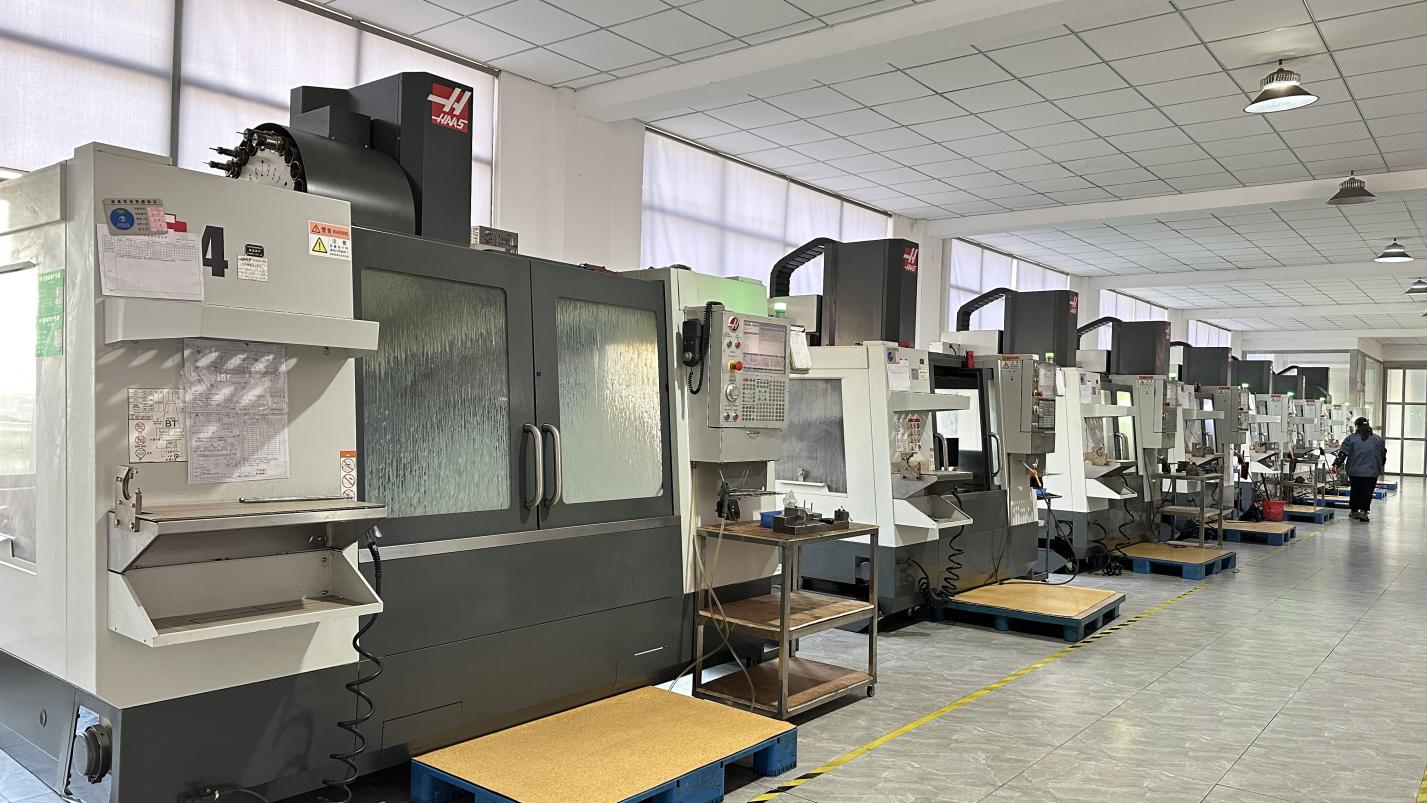
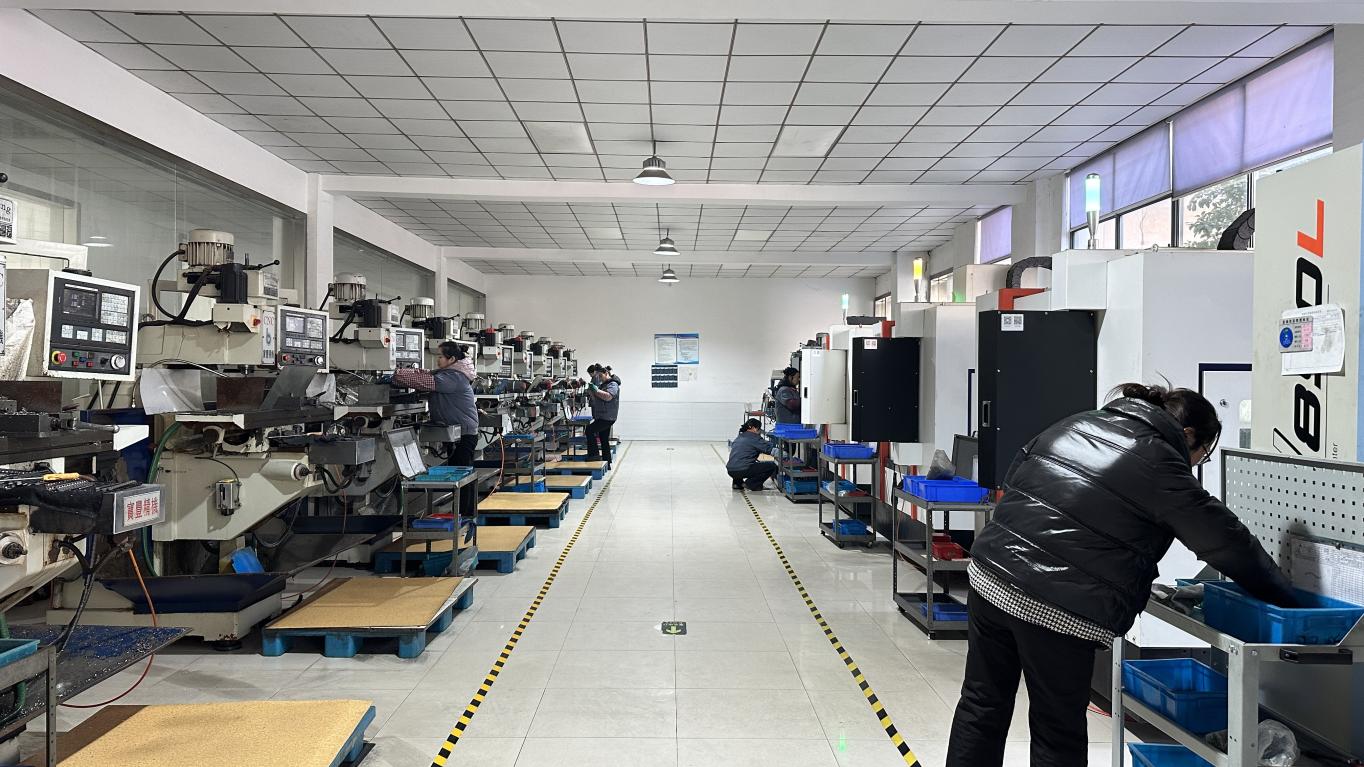
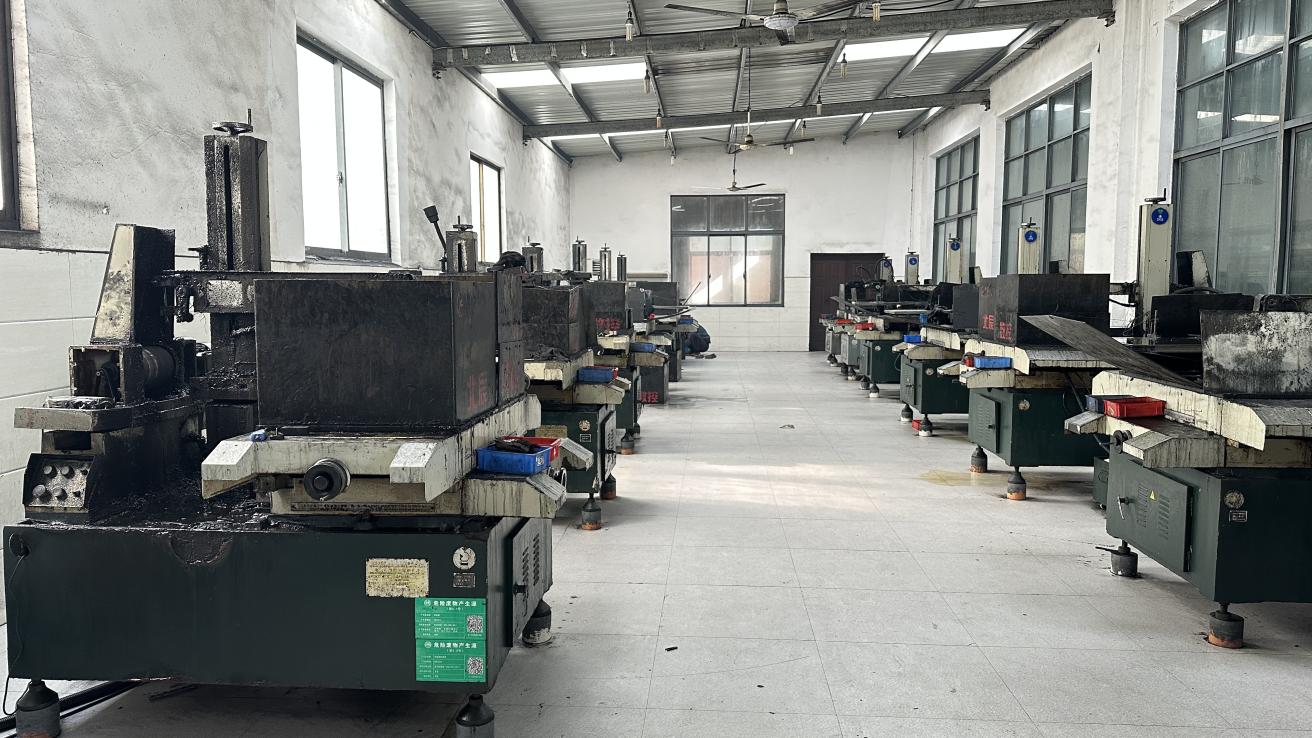
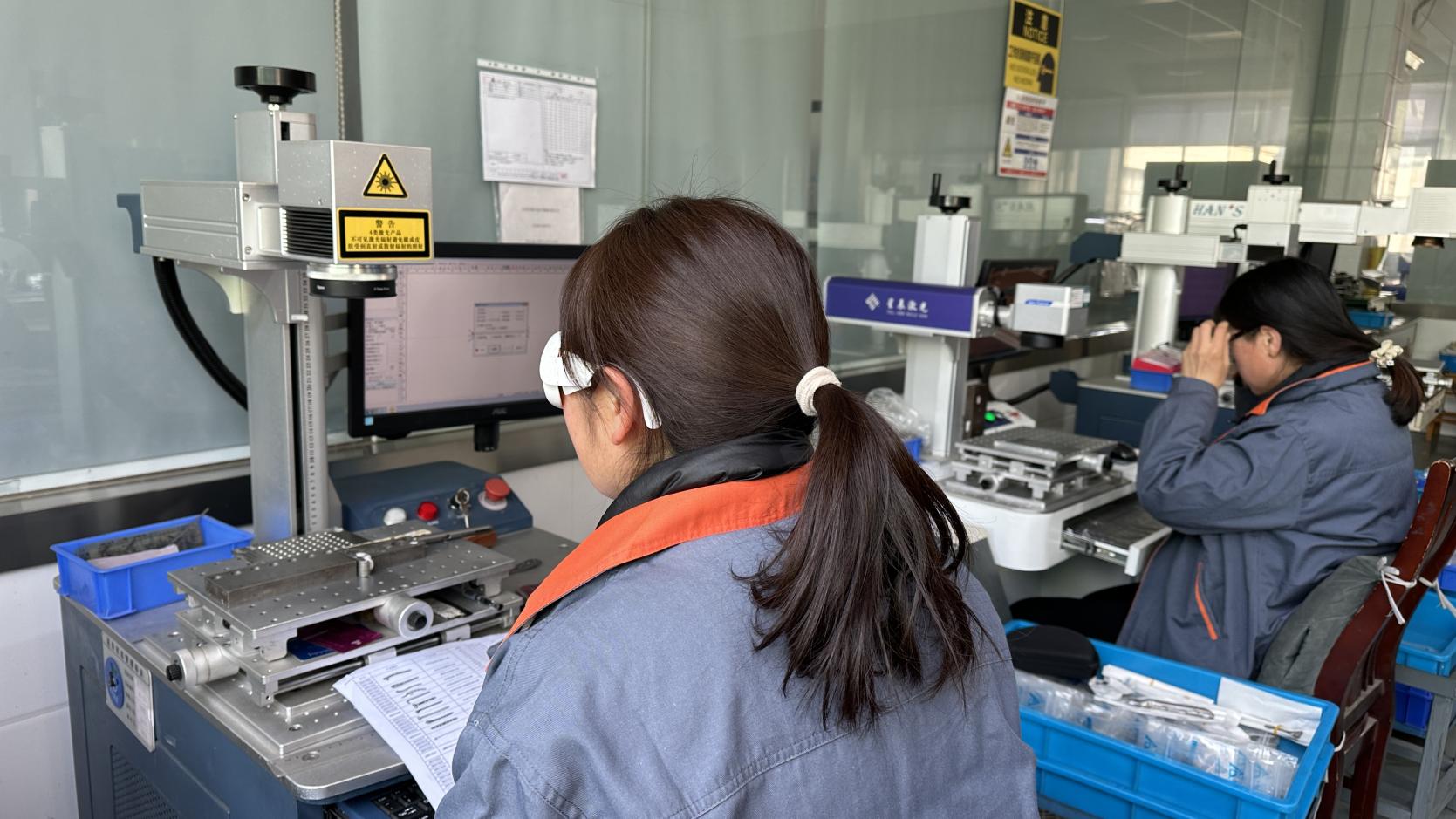
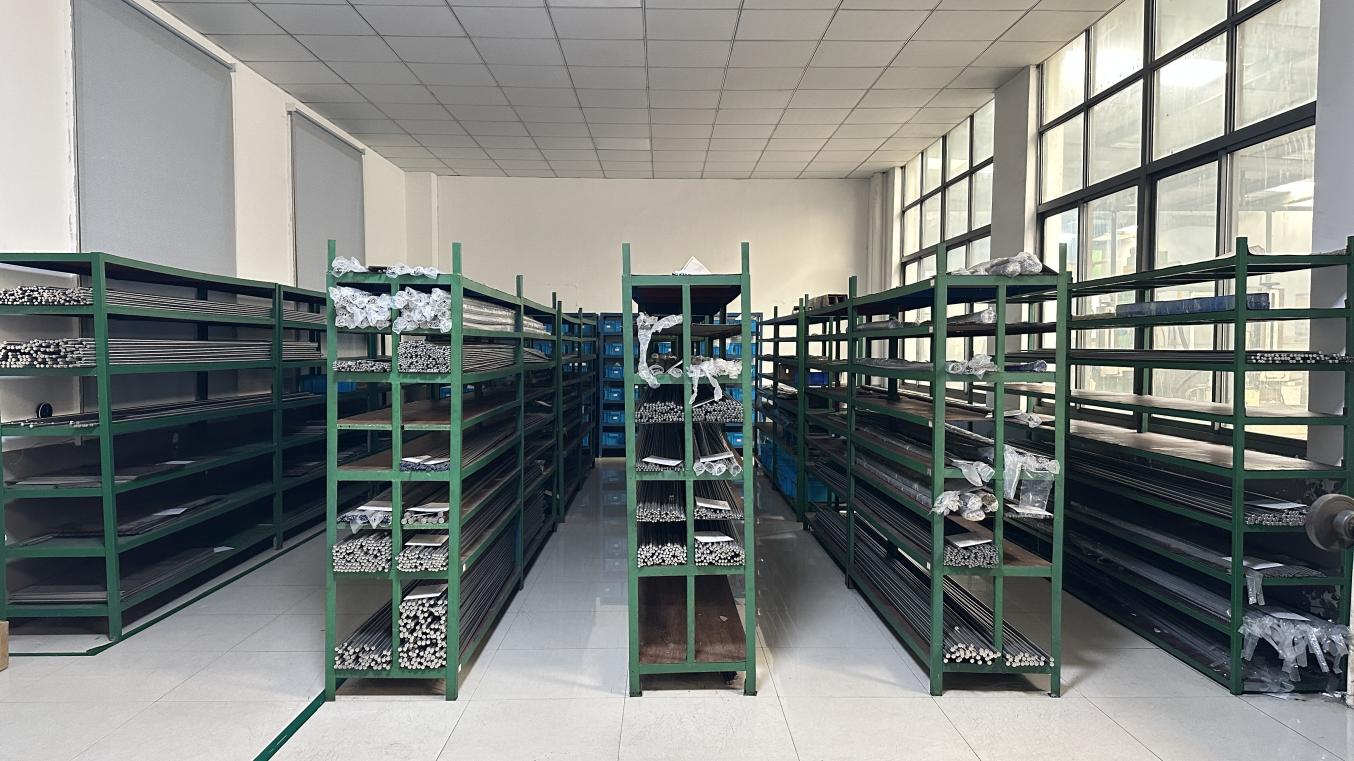
Take a closer look at Medisplint's 18,500㎡ facility, where advanced machinery, strict quality inspection, and custom design processes work together to produce reliable orthopedic implants.
Raw Materials
Raw Materials
Slitting
Slitting Process
CNC Machining
CNC Machining
Machining
Precision Machining
Milling
Milling Process
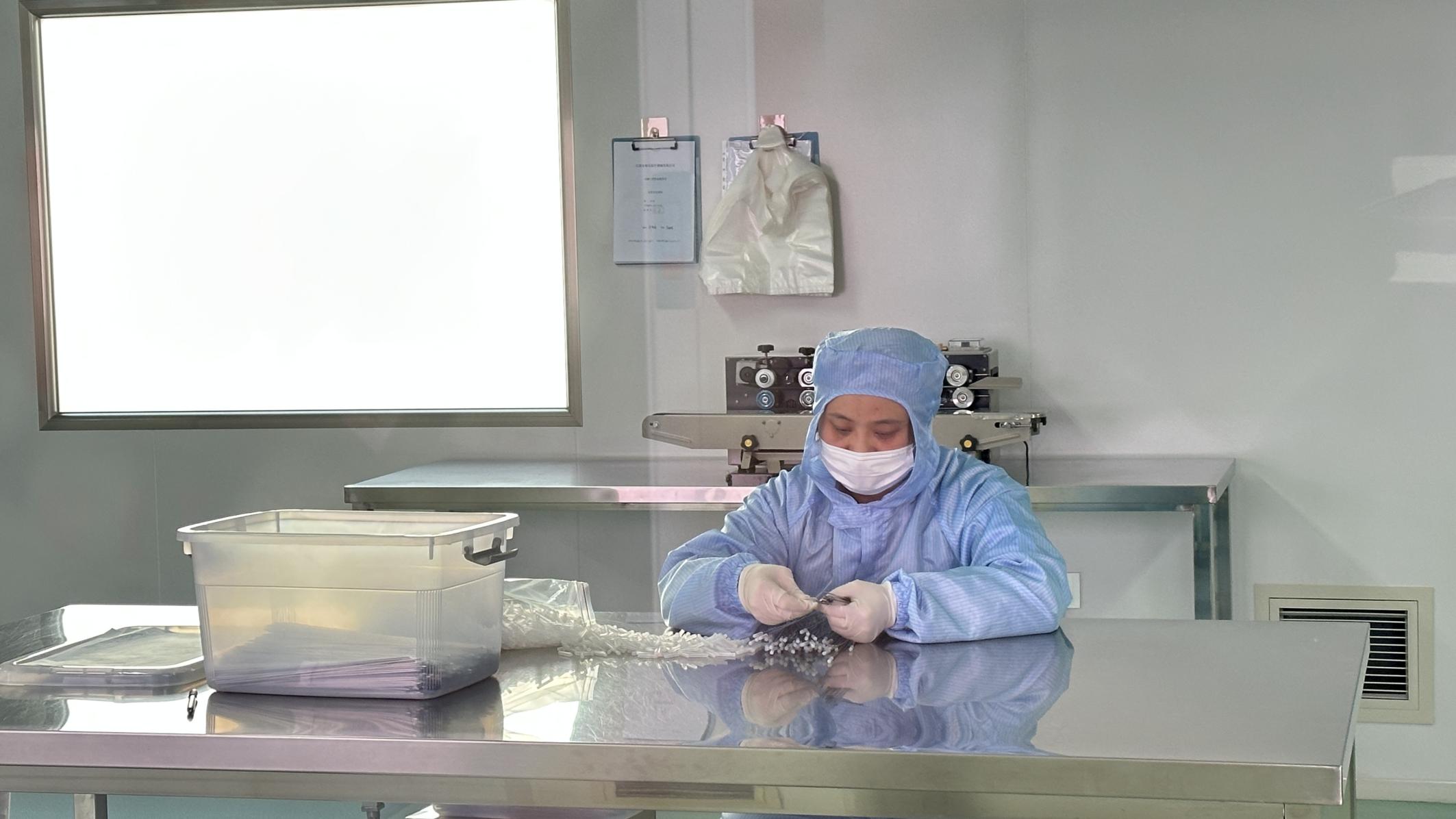
Inspection and Packing
Inspection & Packing
Inspection and Packing
Cleanroom Assembly
Warehouse
Finished Goods Warehouse
Slitting Machine
Automated Slitting Machine
CNC Machining Center
CNC Milling Machine
CNC Milling Machine
Wire Cutting Machine
CNC Lathe
Precision CNC Lathe
Laser Marking Machine
Laser Marking & Traceability
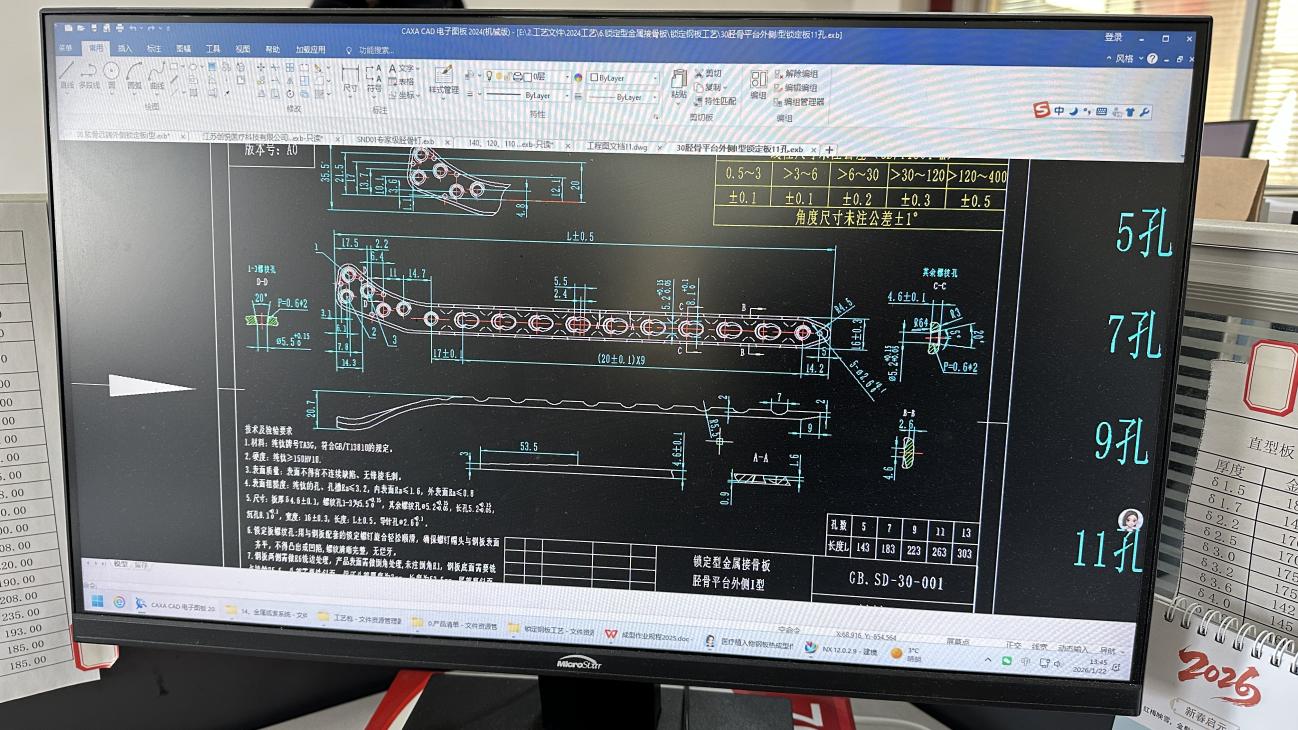
Design
R&D and CAD Design
Lab
Chemical/Biological Lab
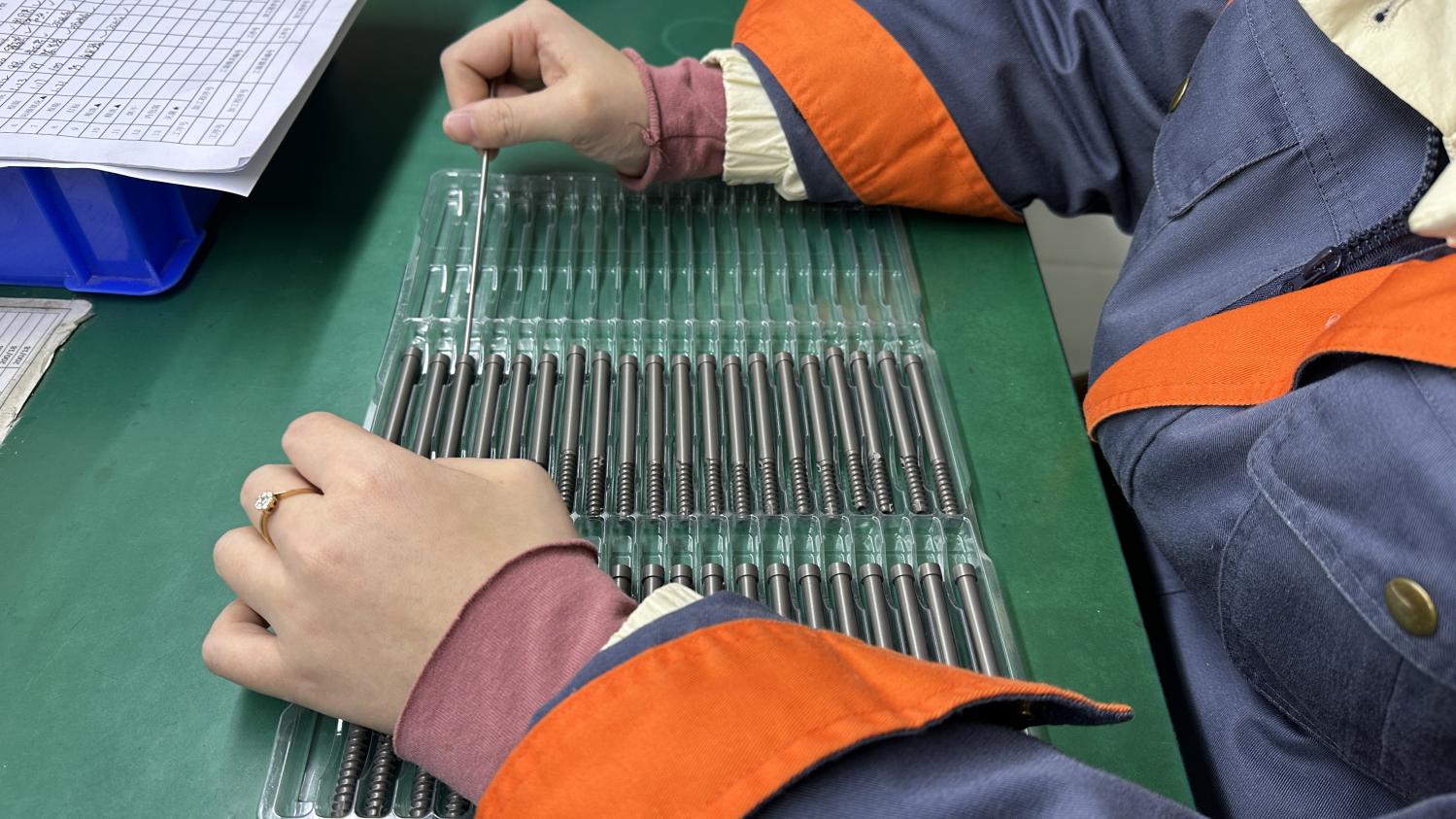
Inspection
Microscopic Surface Control
Inspection
Final Dimensional QC
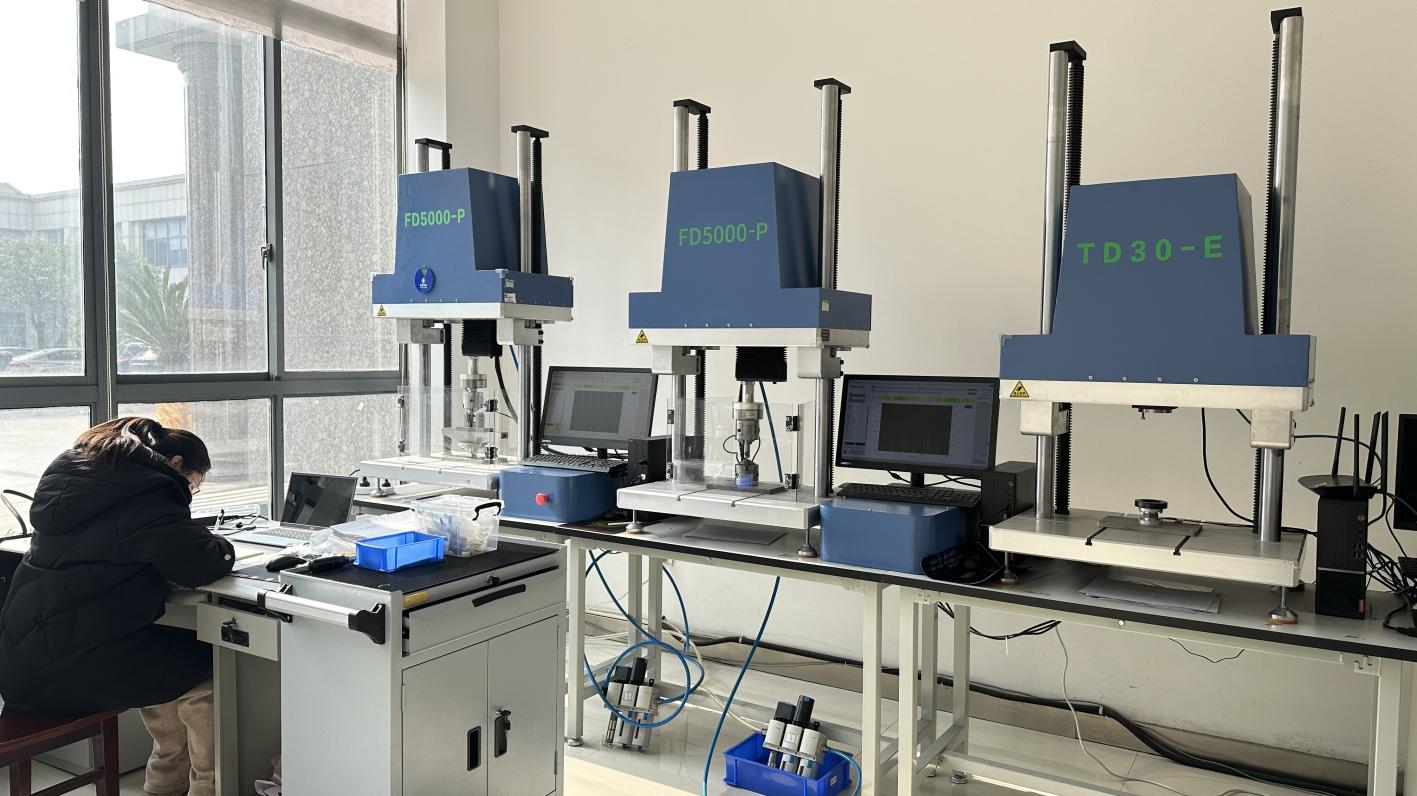
Fatigue Tester
Mechanical Fatigue Tester
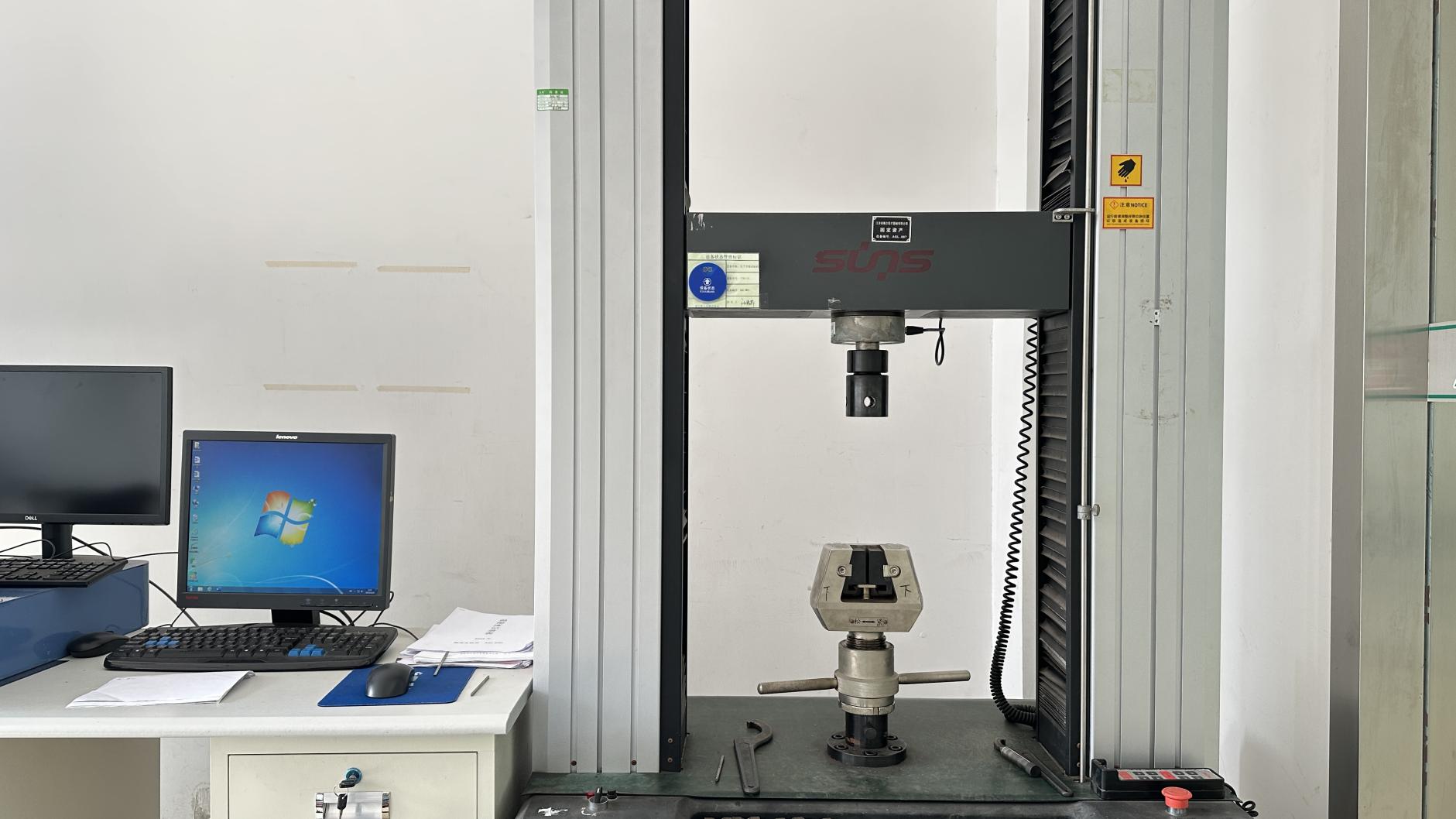
Tensile Tester
Tensile strength Tester
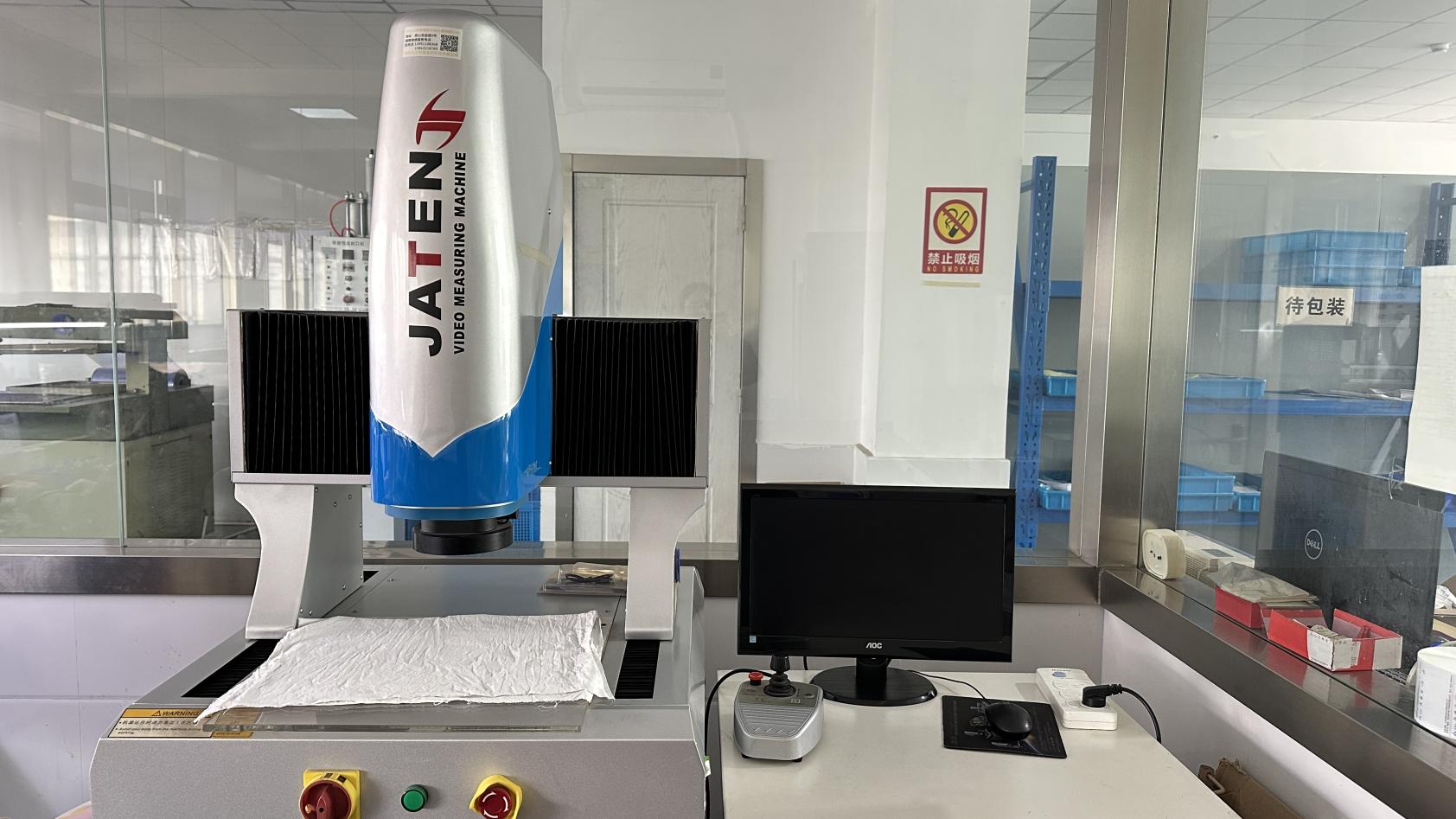
Two Dimensional Measuring Instrument
2D Image Measurement
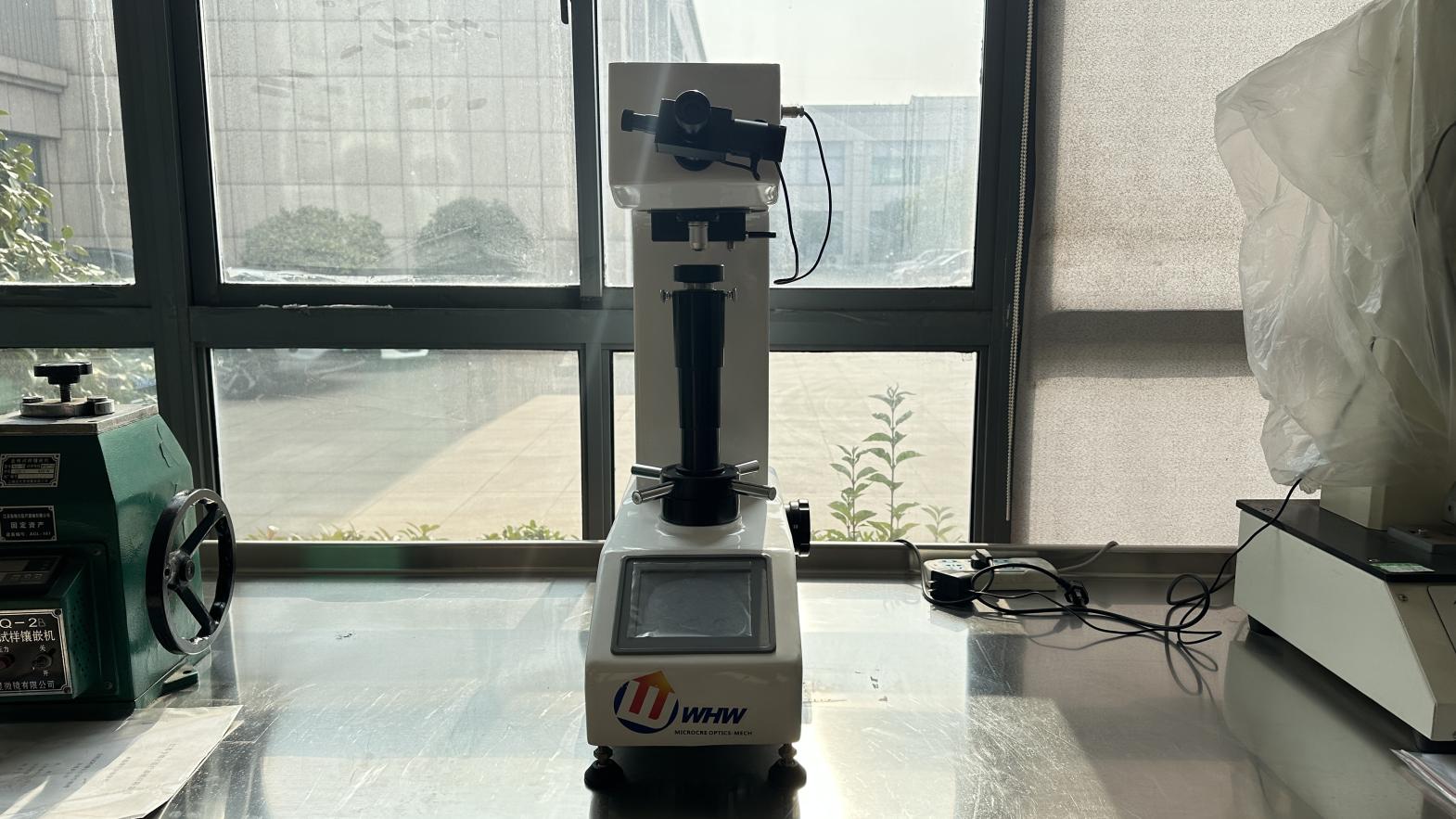
Hardness Tester
Micro-Vickers Hardness Tester
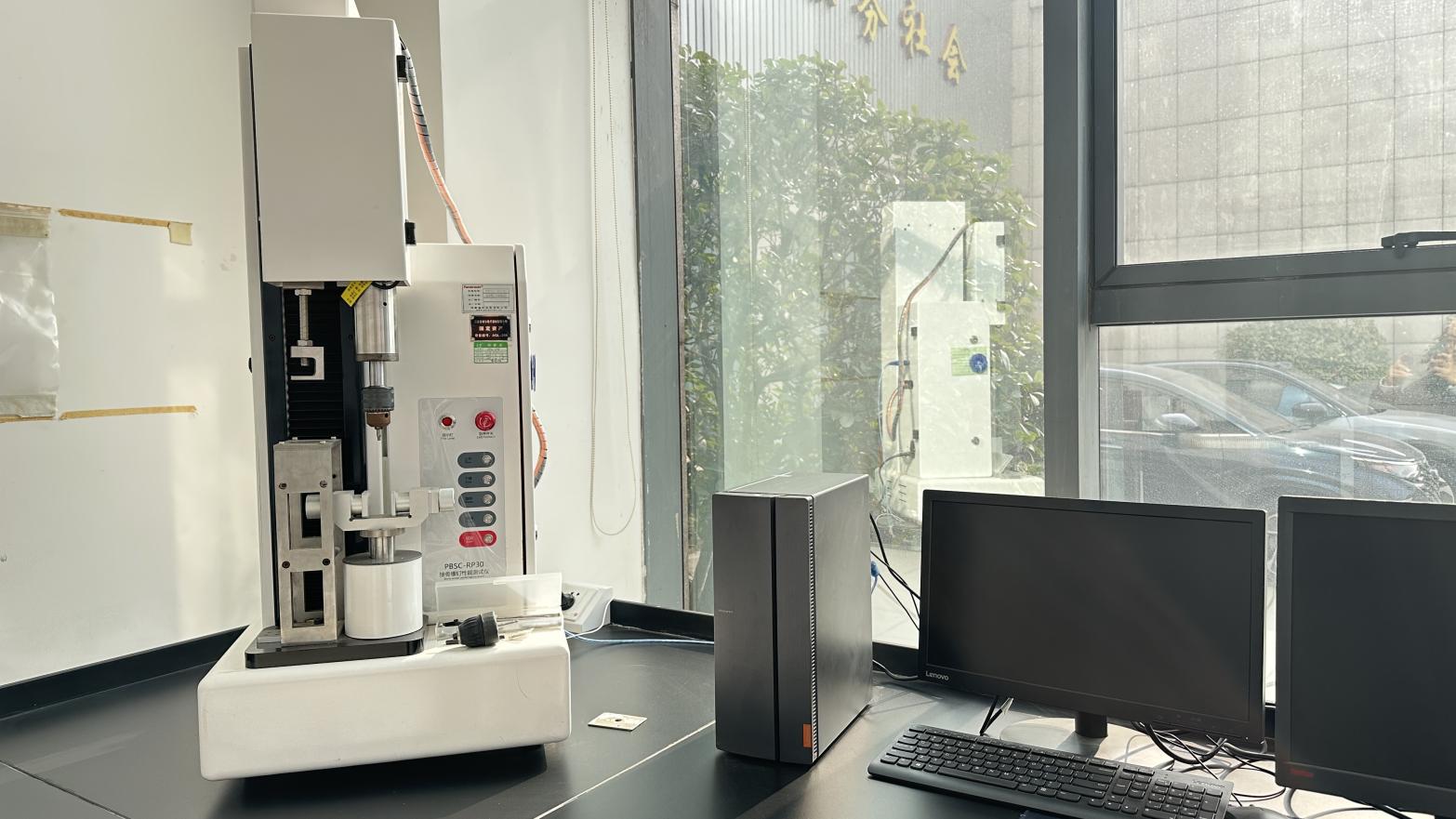
Bone Screw Performance Tester
Torsional & Pull-out Performance Tester

Technical Roadmap & Innovation Pathways (2025-2030)

At Medisplint, innovation is an ongoing process. Working closely with trauma units and university teaching hospitals in Almaty and Karaganda, our R&D roadmap is focused on improving surgical ergonomics and patient outcomes.

2025
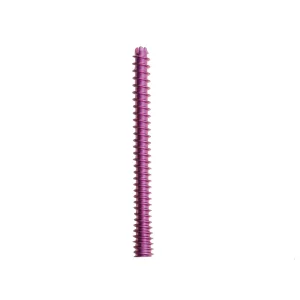
Anodic Oxidation & Color Coding
Standardizing medical anodized coatings (pink, blue, gold) across all screw lines. This enables immediate diameter verification during rapid-response trauma surgeries.
2027
Bioabsorbable Magnesium Alloys
Developing magnesium alloy screws designed for pediatric and hand surgeries. These implants dissolve safely in the body, eliminating the need for a second extraction procedure.
2030
Patient-Specific 3D Implant Customization
Integrating CT/MRI scan data directly into our CNC processing queue. This will allow the production of patient-specific customized titanium implants for complex reconstructions.

Macro Industry Solutions for Central Asian Distributors

Logistics to landlocked Central Asian countries can be complex. Medisplint supports distributors in Kazakhstan through optimized rail freight routing via the China-Europe Land Bridge. By handling custom clearing documentation and offering consolidated shipping for both titanium plates and cannulated screw sets, we help reduce transit times and landed costs for our partners.

Regulatory, Tech & Commercial FAQs for Kazakhstan Buyers

Expert answers addressing import regulations, material safety, quality control standards, and procurement processes.

Q1: What certifications do Medisplint cannulated screws hold for import into Kazakhstan?
Medisplint orthopedic implants are manufactured in compliance with international standards, holding ISO 13485 certification and complete CE compliance. We provide all necessary documentation—such as Certificates of Conformity, Material Analysis Reports, and Sterilization Validation files—required by the National Center for Expertise of Medicines and Medical Devices (NDDA) in Kazakhstan.
Q2: Can Medisplint customize cannulated screws for OEM/ODM partners in Kazakhstan?
Yes. Supported by 85 R&D specialists, Medisplint offers full customization services. This includes custom dimensions, pitch changes, specific drill tip geometries, and private labeling. We also customize matching surgical instruments and sterilization boxes to meet the requirements of your hospital tenders.
Q3: Why is Titanium Ti-6Al-4V ELI preferred for cannulated screws over stainless steel?
Ti-6Al-4V ELI titanium alloy provides superior biocompatibility and a lower elastic modulus than stainless steel, reducing stress shielding on healing bones. It is highly resistant to corrosion and is safe for long-term implantation, which is particularly beneficial for patients recovering in the cold climates of northern Kazakhstan.
Q4: What is the typical transit timeline and method for shipping to Almaty or Astana?
We utilize direct rail freight networks via the China-Kazakhstan transit hubs (Urumqi/Khorgos to Almaty) and air freight routes for urgent orders. Standard sea-to-rail transit takes approximately 15-22 days, while expedited air shipping takes 4-7 business days to reach major airports in Almaty or Astana.
Q5: How does Medisplint ensure the mechanical reliability of hollow cannulated screws?
Our quality control department uses advanced testing equipment, including Fatigue Testers, Tensile Testers, and Torsional Bone Screw Performance Testers. Every production run undergoes strict inspection for wall thickness consistency and central alignment of the guidewire cannula. This prevents screw shear and deformation during high-torque insertion.

Partner with a Leading Orthopedic Implant Manufacturer

Expand your distribution network in Central Asia. Contact our clinical implant specialists today to receive bulk pricing, technical catalogs, and verification samples.

Send Inquiry Now