Medisplint Medisplint

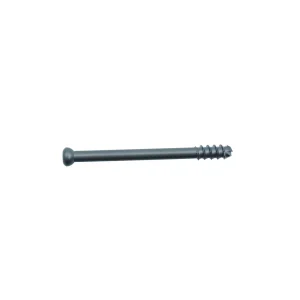
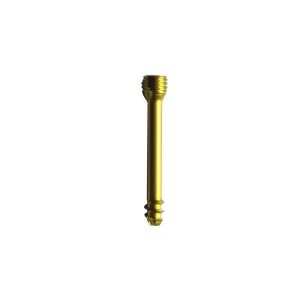
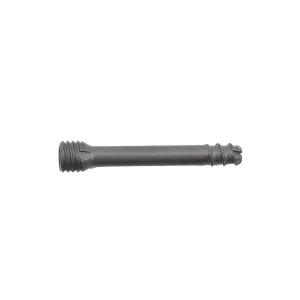
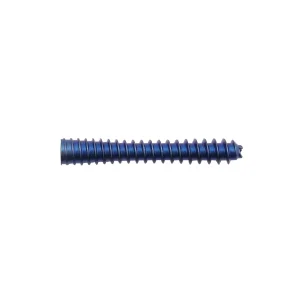
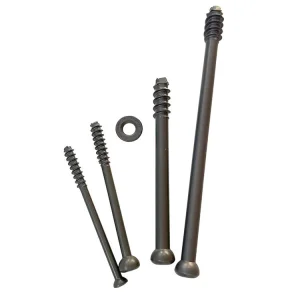
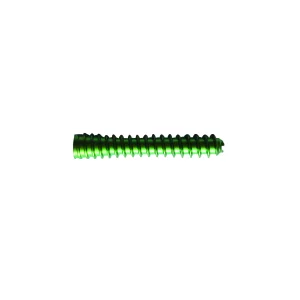
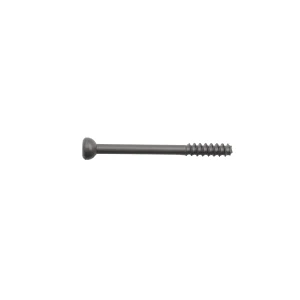
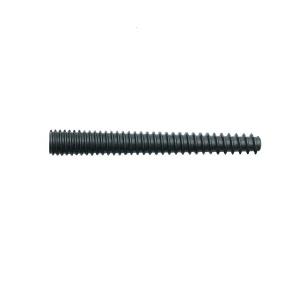
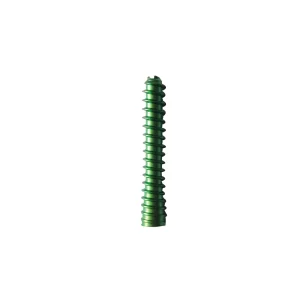
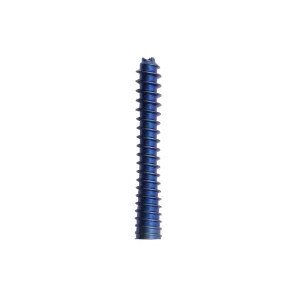
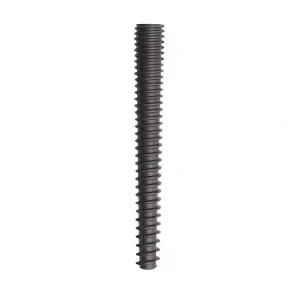
Cannulated Screws Manufacturer & Supplier serving the Sweden market

EU MDR Compliant Titanium Trauma Implants, Precision-Engineered for Swedish Healthcare Standards

Swedish Orthopedic Trauma Demands & Industrial Standards

Sweden maintains one of the most advanced healthcare infrastructures globally, monitored stringently by Läkemedelsverket (The Swedish Medical Products Agency) and coordinated with regional hubs such as Region Stockholm, Region Västra Götaland, and Region Skåne. As the Nordic region deals with an demographic profile characterized by an aging population, the clinical burden of osteoporosis-related fractures—particularly femoral neck fractures, distal radius fractures, and ankle subluxations—has scaled substantially.

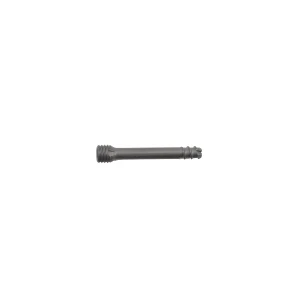
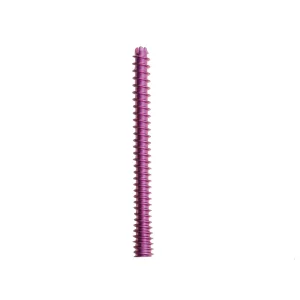
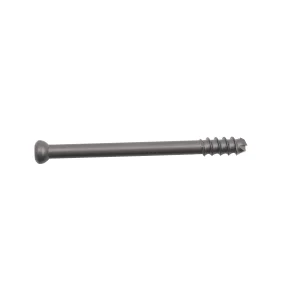
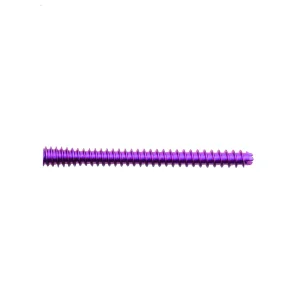
Sweden's medical purchasing paradigm focuses heavily on quality-adjusted life years (QALYs) and reducing intraoperative times. The demand for cannulated compression screws has transitioned from general surgical screws to patient-specific, micro-machined titanium alloy (Ti-6Al-4V ELI) structures. Swedish orthopedic departments prioritize implants that integrate seamlessly with guide wires to ensure high accuracy in minimally invasive surgeries (MIS).

Key Market Driver: Swedish national registries like the Swedish Fracture Register (Svenska Frakturregistret) emphasize reducing revision rates. Thus, cannulated screws supplied to this market must demonstrate superior pull-out strength, bio-compatibility, and thread geometries that prevent bone stripping.

Global Procurement Challenges & Supply Chain Risk Mitigation

For hospital networks, B2B distributors, and OEM buyers operating in Sweden, sourcing orthopedic implants from global manufacturers involves navigations of regulatory pipelines, logistics checkpoints, and technical standards. Key procurement needs include:

  • Regulatory Security: Strict compliance with the European Medical Device Regulation (EU MDR 2017/745), ensuring that all CE certificates are current and backed by robust clinical evidence portfolios.
  • Material Traceability: Zero-tolerance policy for impurity in raw materials. Every production batch of Ti-6Al-4V ELI or Grade 5 Titanium must possess verified mill test certificates.
  • Customization & Agility: The capability to adapt thread lengths, pitch, and headless configurations (e.g., Herbert design) to match specific regional anatomy patterns.

Medisplint At A Glance

Partnering with over 1,200 supply chain specialists globally to deliver unmatched clinical precision.

Founded: 2016
Facility Size: 18,500 ㎡
Export Value: USD 12 Million
QC Inspectors: 42 Personnel
Compliance: ISO 13485, CE (MDR)
Inquire for Sweden Pricing

Engineered For Clinical Excellence

Leveraging high-end manufacturing lines and strict QA protocols to guarantee zero-defect clinical implants.

10+
Years Industry Experience
18,500㎡
Advanced Production Facility
42
Professional QC Inspectors
68+
New Products Launched Annually

Our End-to-End Manufacturing Integration

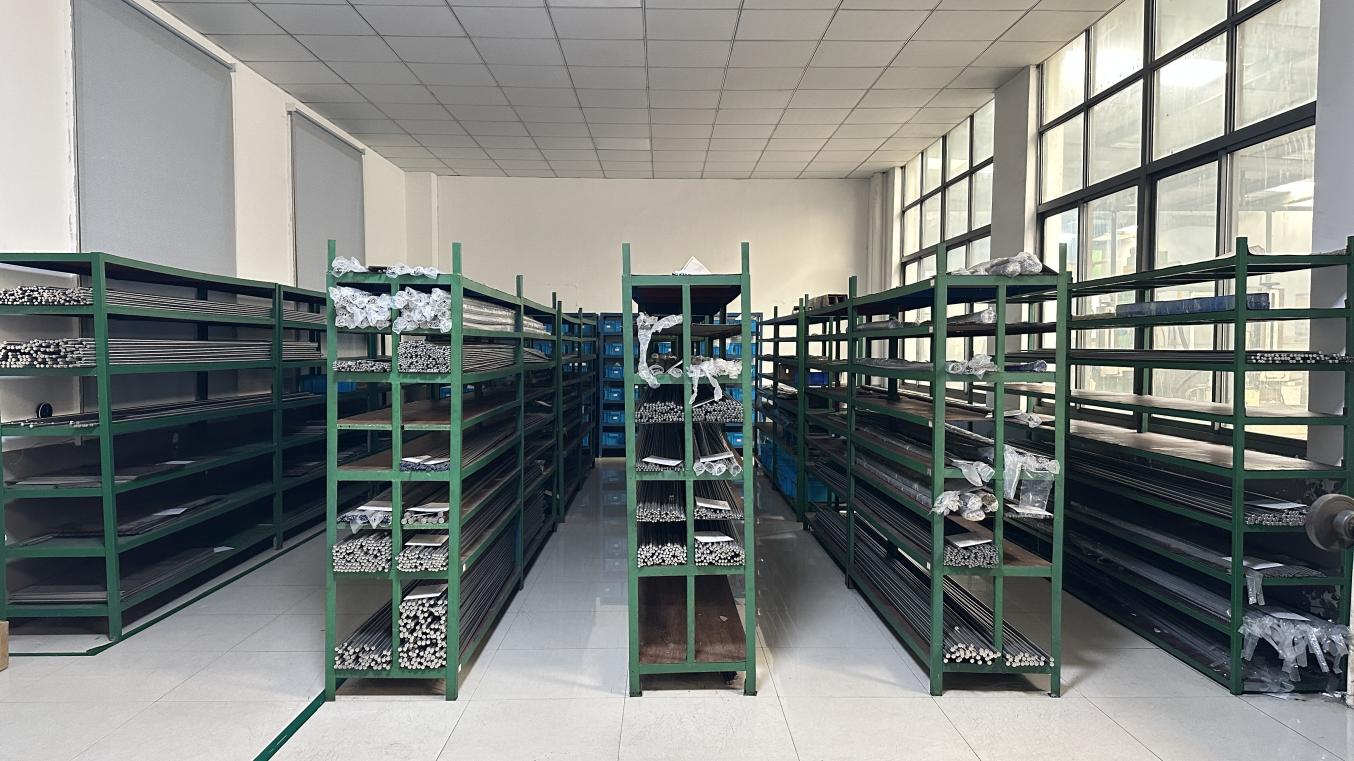
From aerospace-grade raw titanium to Class III sterile implants, view our certified manufacturing line.
Raw Materials
Raw Materials
Slitting Process
Slitting Process
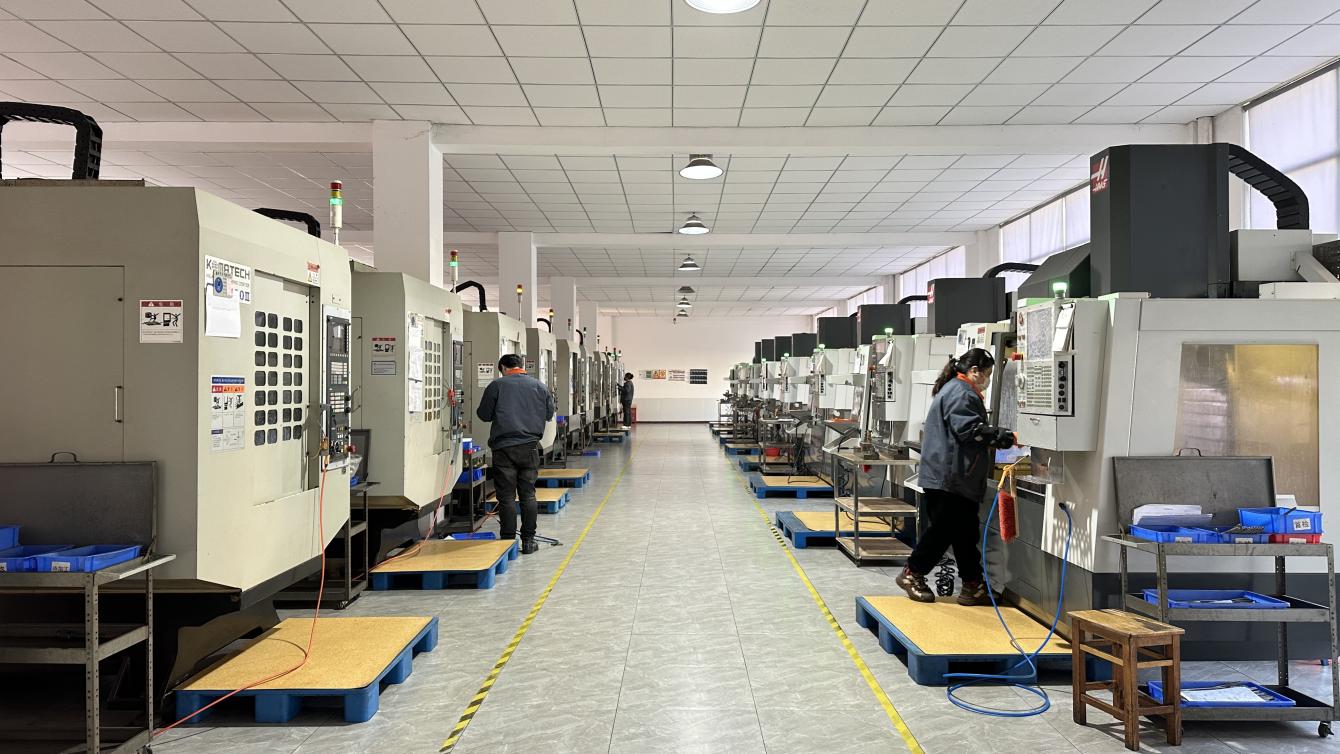
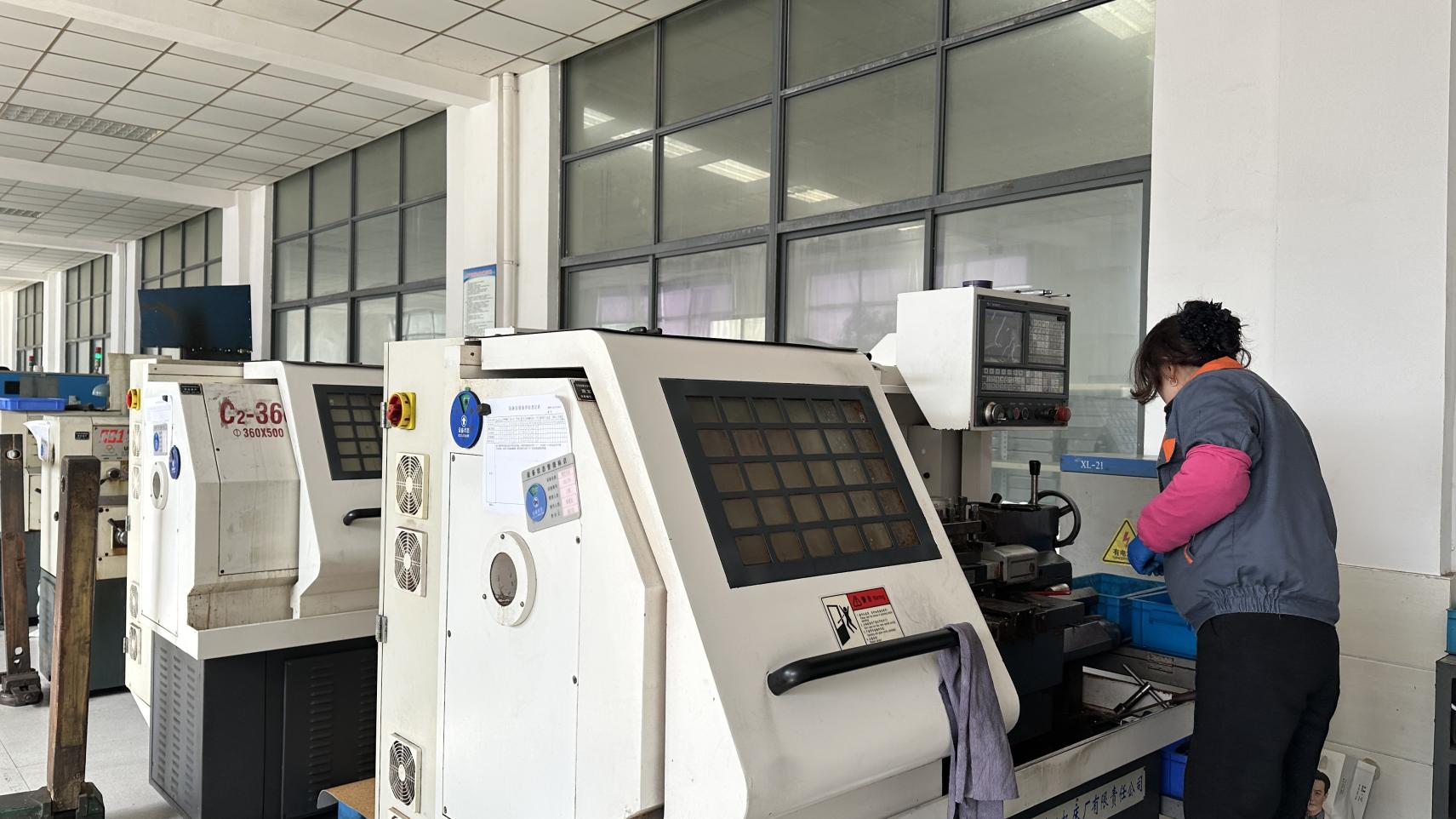
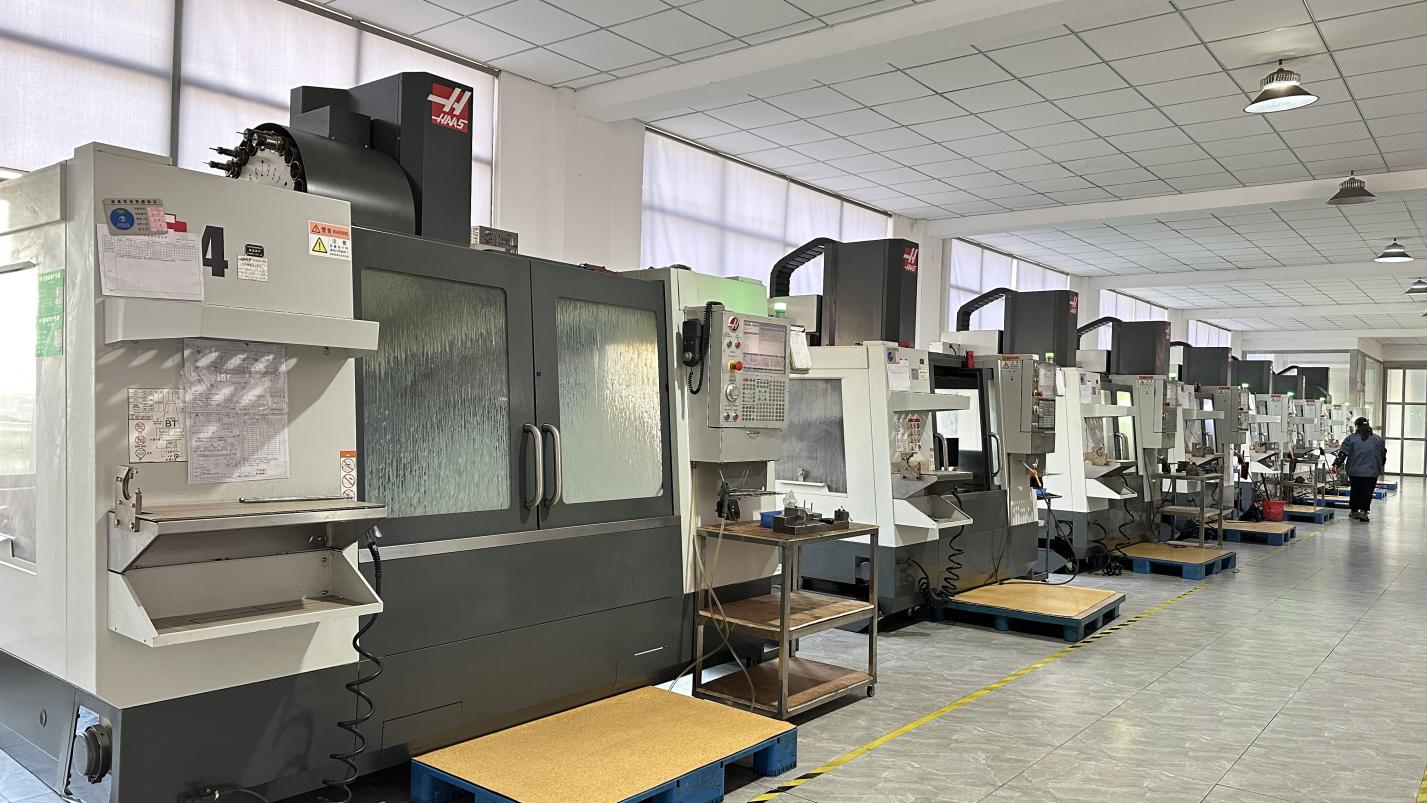
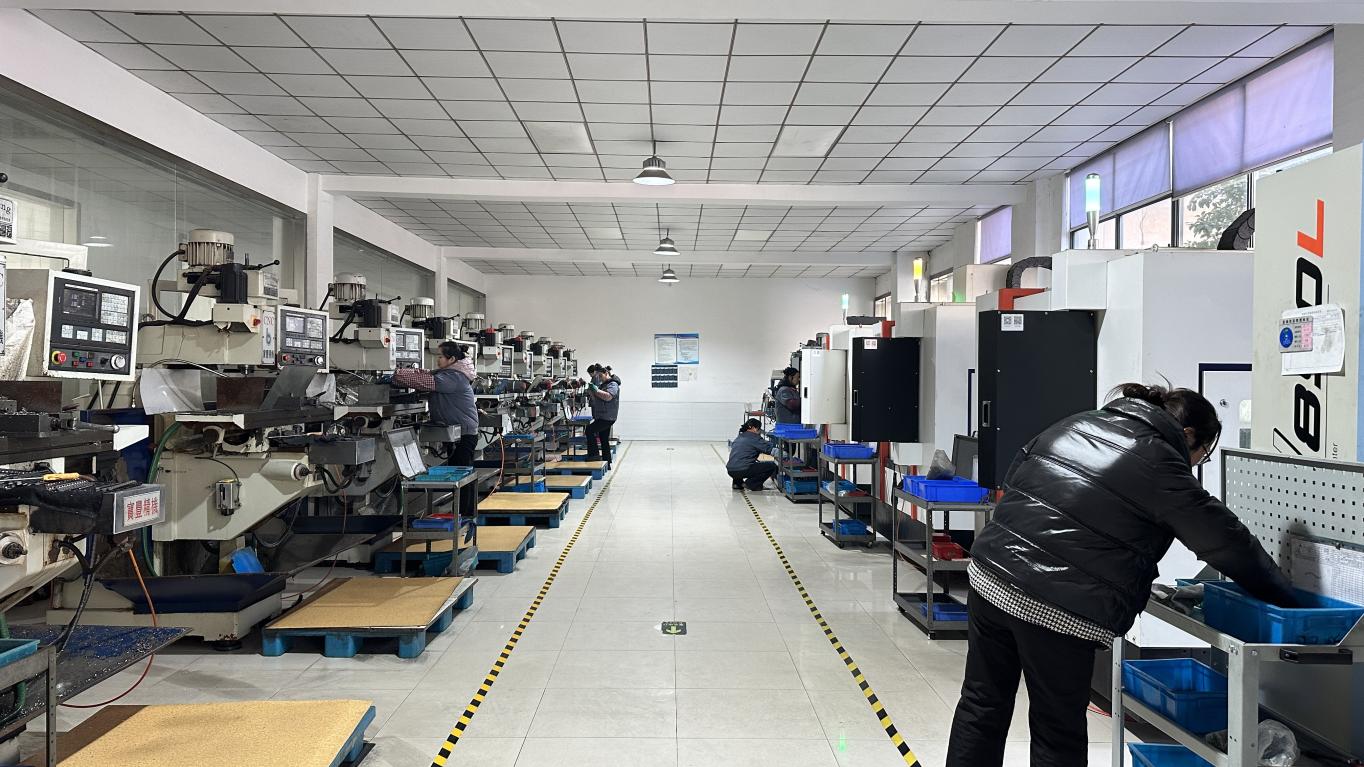
CNC Machining
CNC Machining
Machining Operations
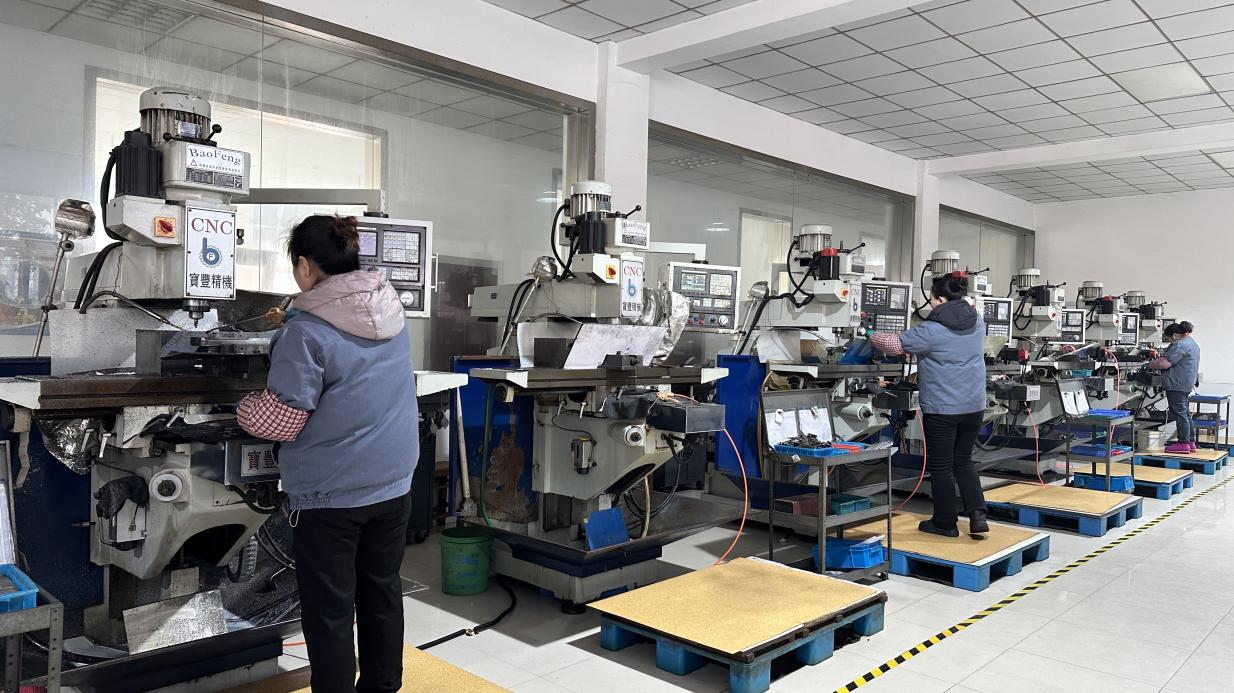
Milling Center
Milling Center
Slitting Machine
Slitting Machine
CNC Machining Center
CNC Milling Machine
CNC Milling Machine
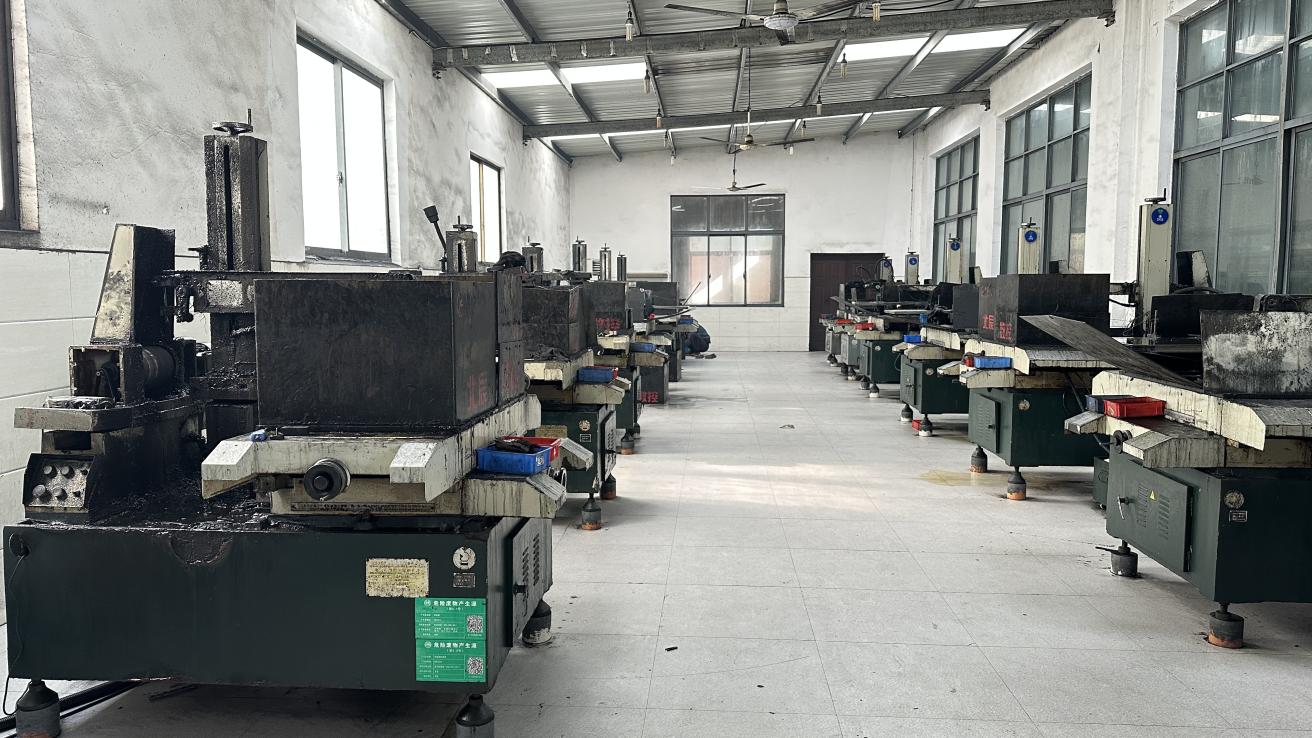
Wire Cutting Machine
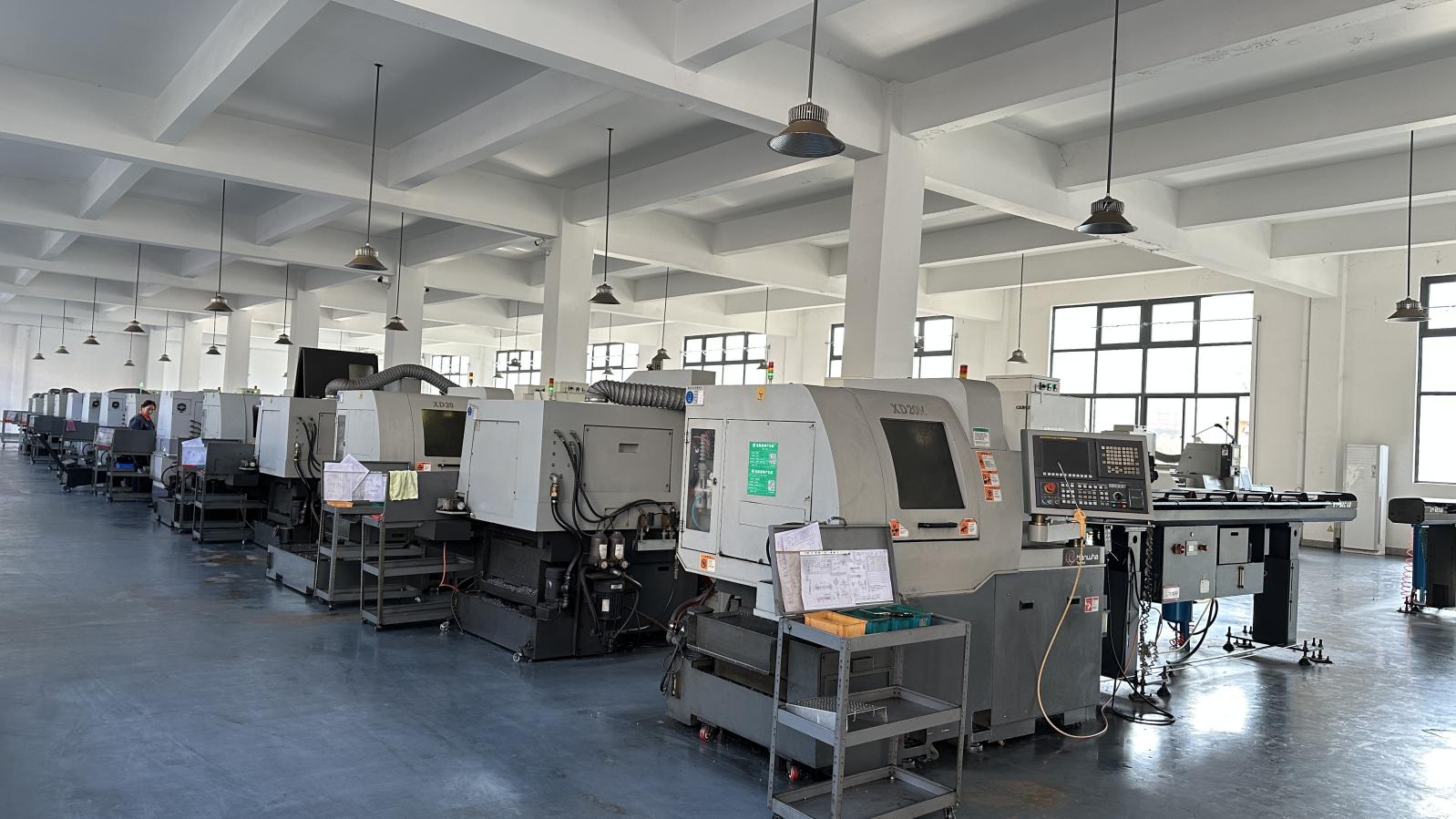
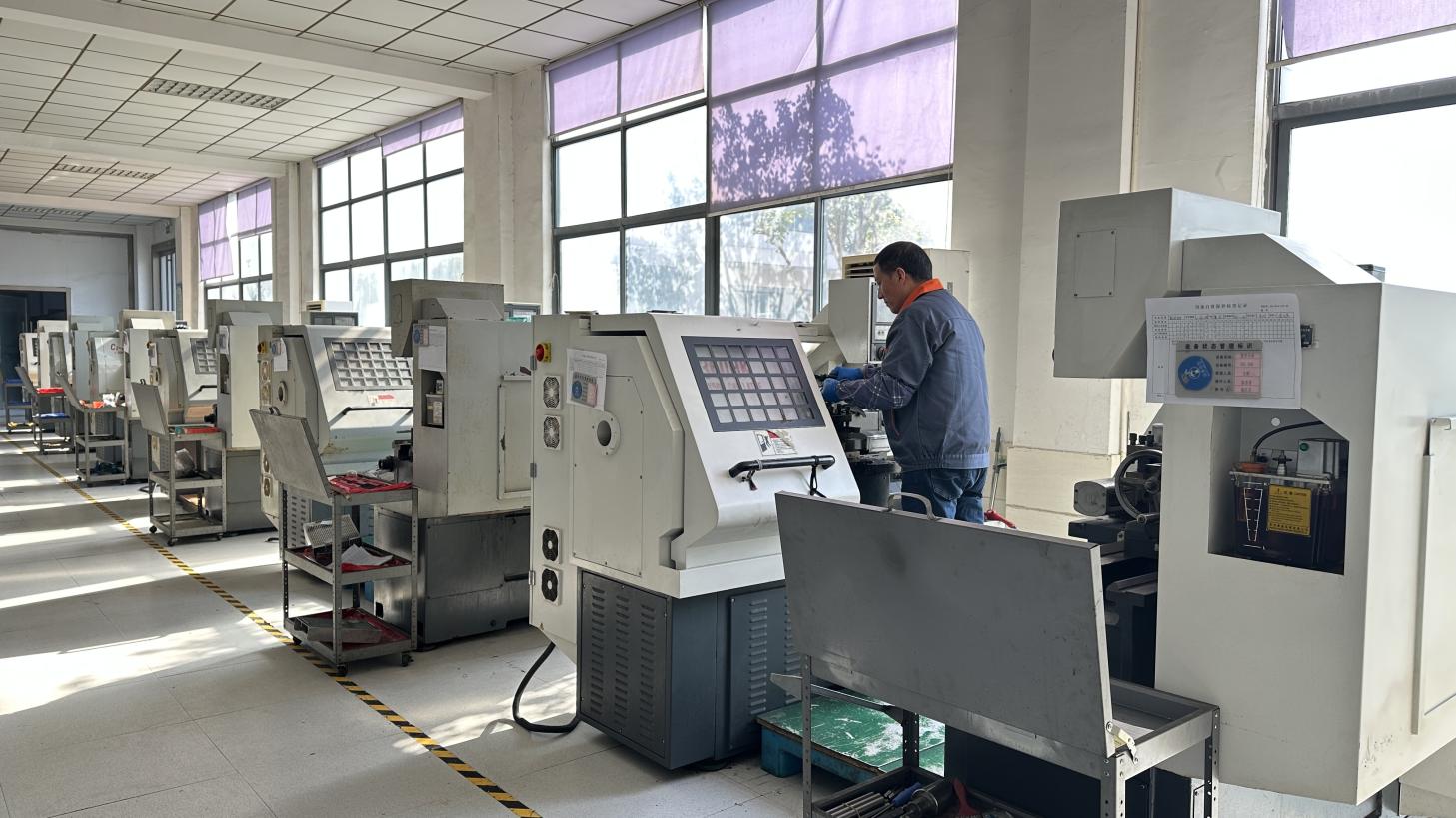
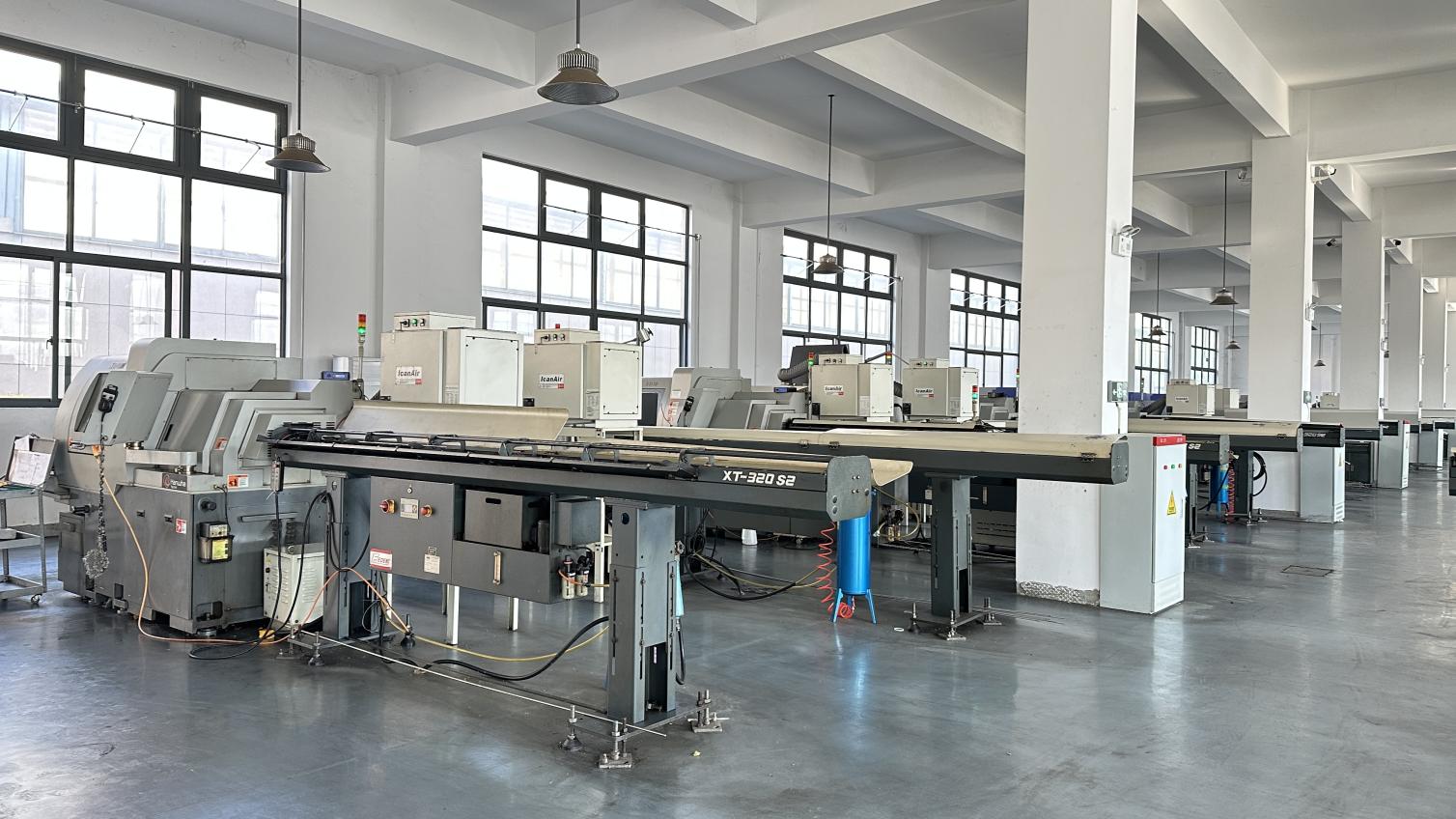
Precision CNC Lathe
Precision CNC Lathe
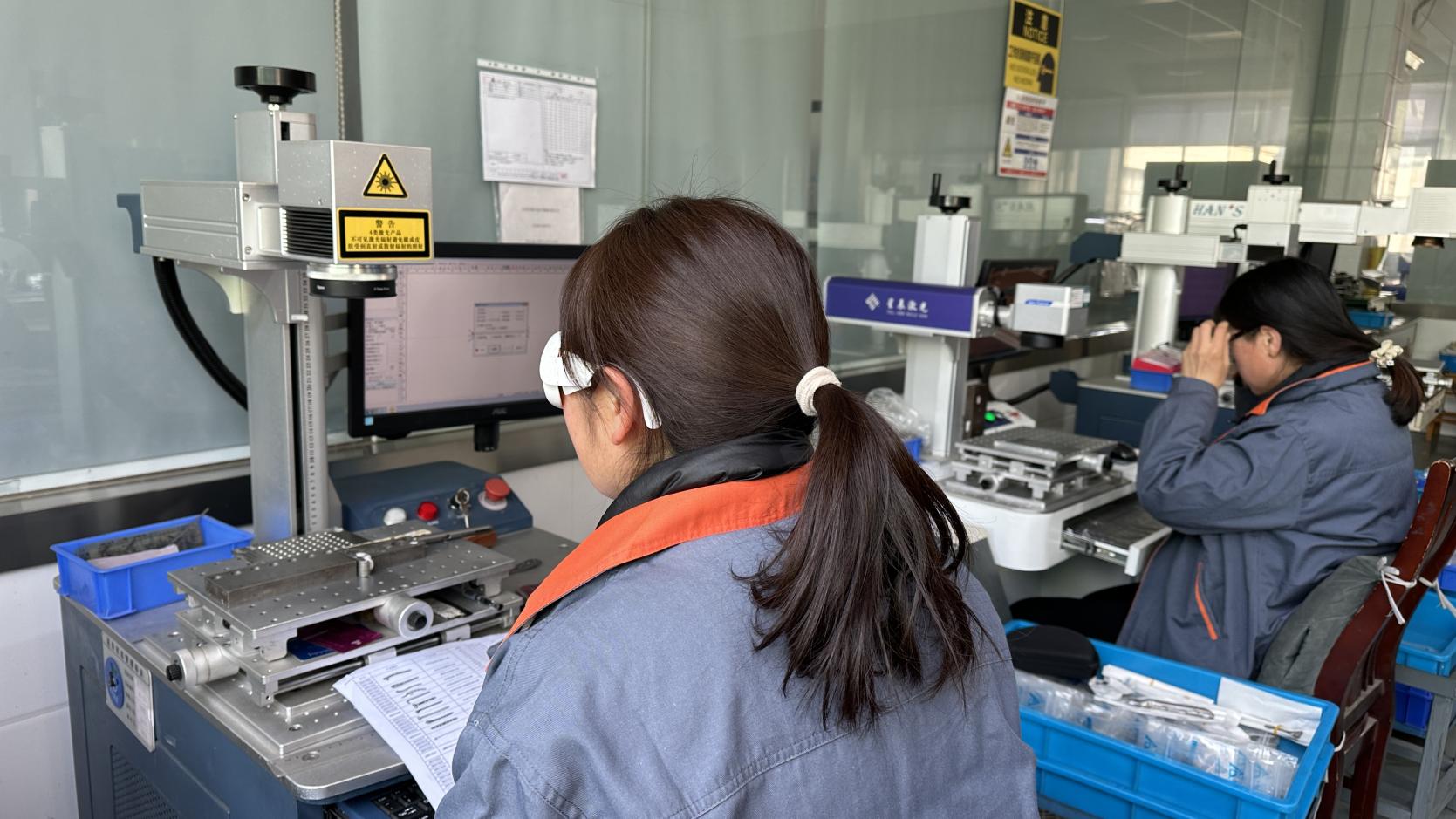
Laser Marking Machine
CAD/CAM Design Station

Technical Verification Suite

All materials are subjected to fatigue and chemical profiling in our state-of-the-art laboratory before sterilization and packaging.

Dynamic Testing

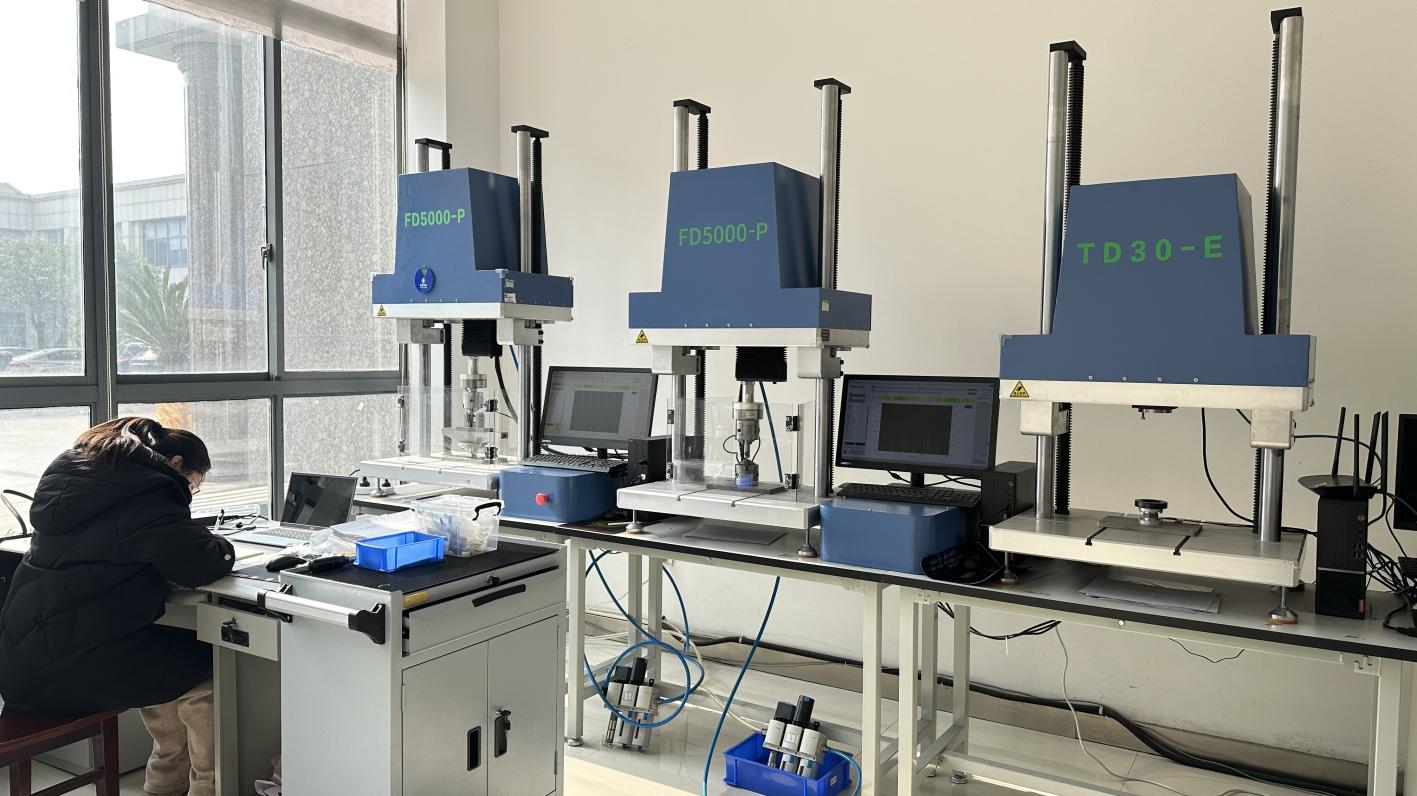
Evaluated under simulated physiological loading profiles up to 1,000,000 cycles.

Surface Profiling

Type II Anodization options for friction minimization and osseointegration acceleration.

Dimensional Verifications

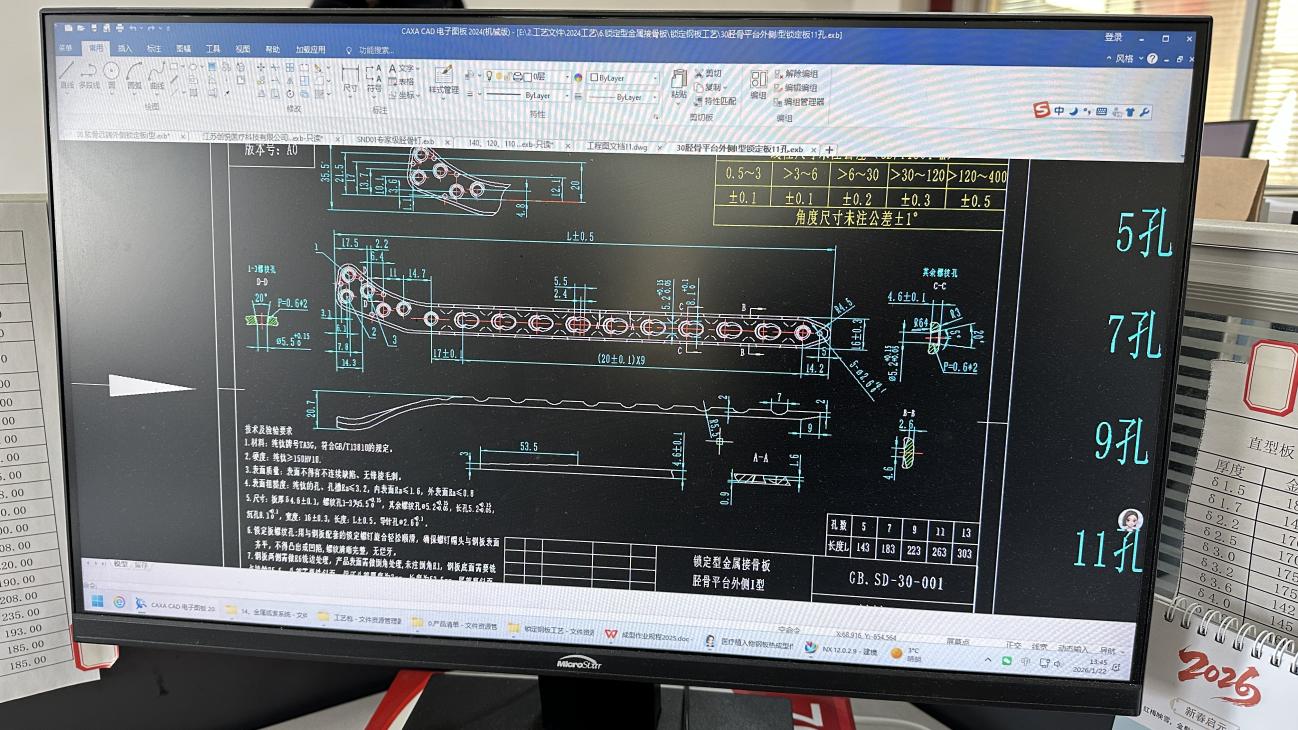
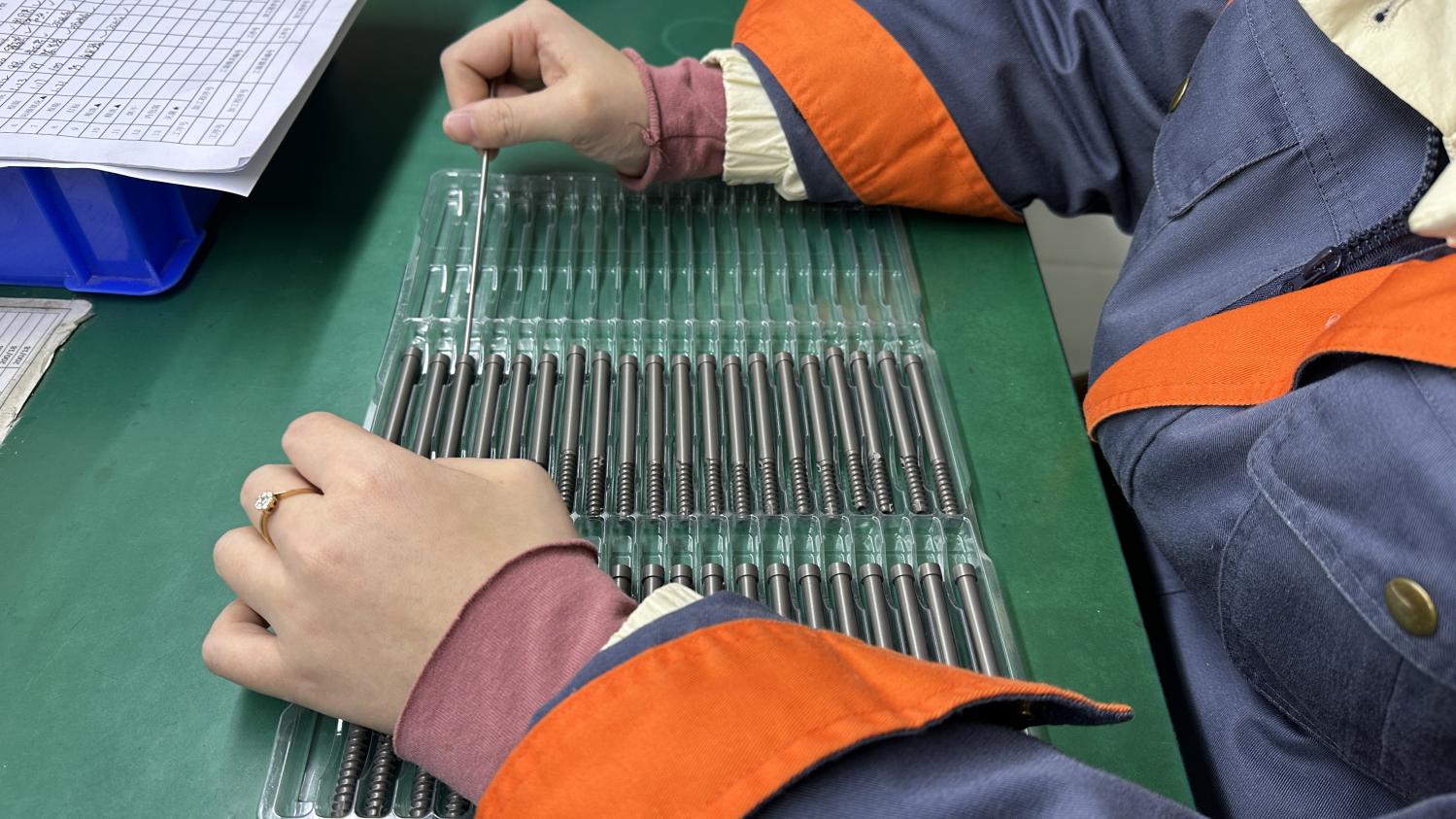
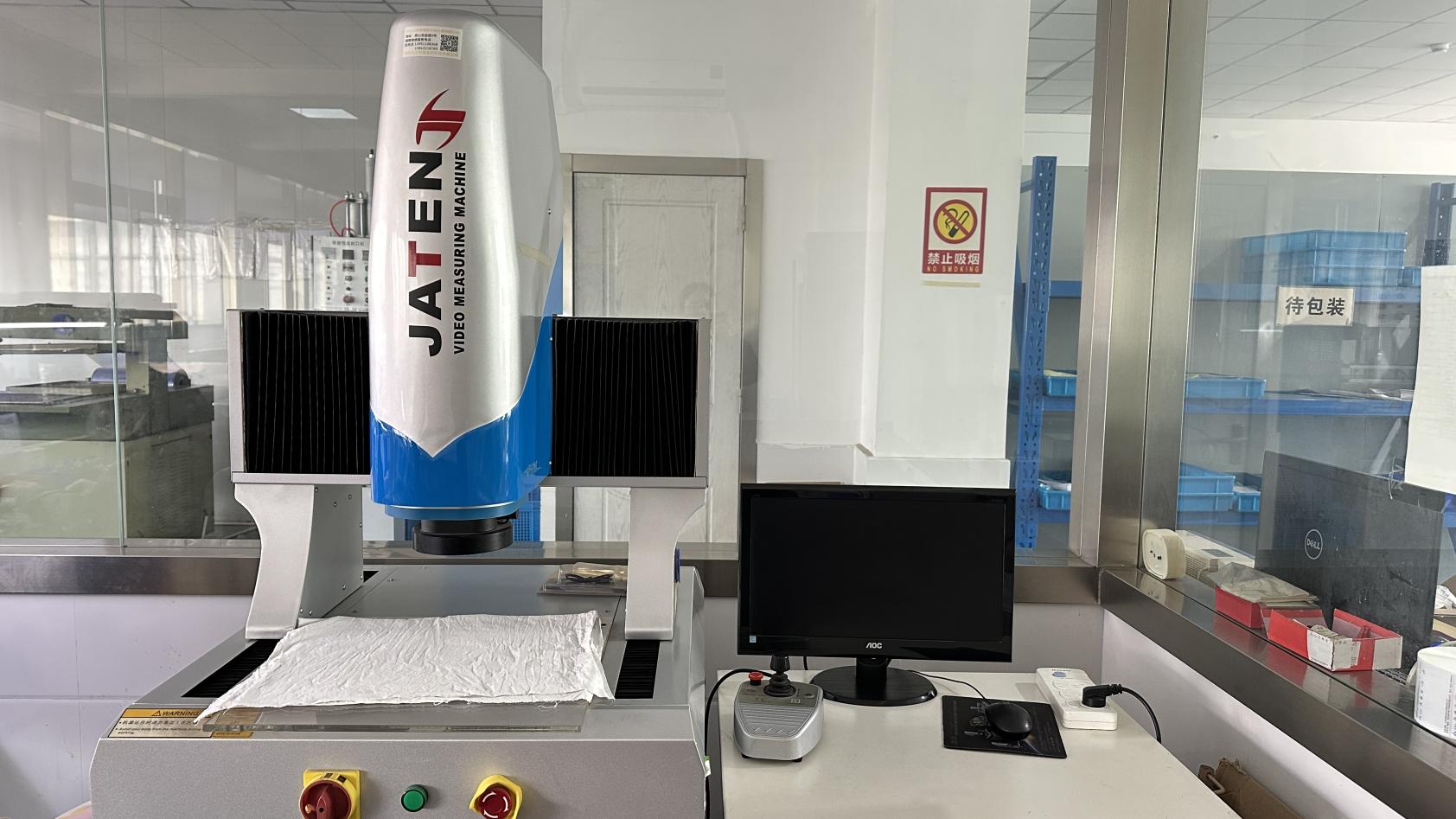
High-resolution optical comparators check pitch tolerance limits down to ±0.01mm.

Technical Roadmap & Surgical Innovation Portfolio

The progression of trauma implants centers on structural optimization and bioactive interfaces. Medisplint's R&D department, comprising 85 engineering specialists, actively collaborates with surgical research teams in Northern Europe to design next-generation cannulated screw matrices.

Our forward-looking development roadmap centers on the following vectors:

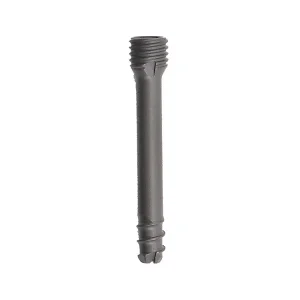
  • Tapered Core Architectures: Optimizing the transition zone between the threaded and unthreaded segments of our compression screws to distribute mechanical stresses more evenly across osteoporotic margins.
  • Advanced Bioabsorbable Polymers: Developing bioresorbable magnesium-alloy cannulated elements that gradually transfer mechanical loads to the healing bone structure, eliminating secondary hardware removal procedures.
  • Sterile Single-Use Delivery Kits: Adapting to Sweden’s strict OR protocol demands by manufacturing ready-to-use, sterile-packaged procedure kits containing both the screws and the corresponding disposable drills/guide wires.

Rigorous Inspection & Quality Verification Lab

No implant exits our factory without thorough physical, mechanical, and fatigue testing.

Testing Lab
Testing Lab
Dimensional Inspection
Quality Verification
Fatigue Tester
Fatigue Tester
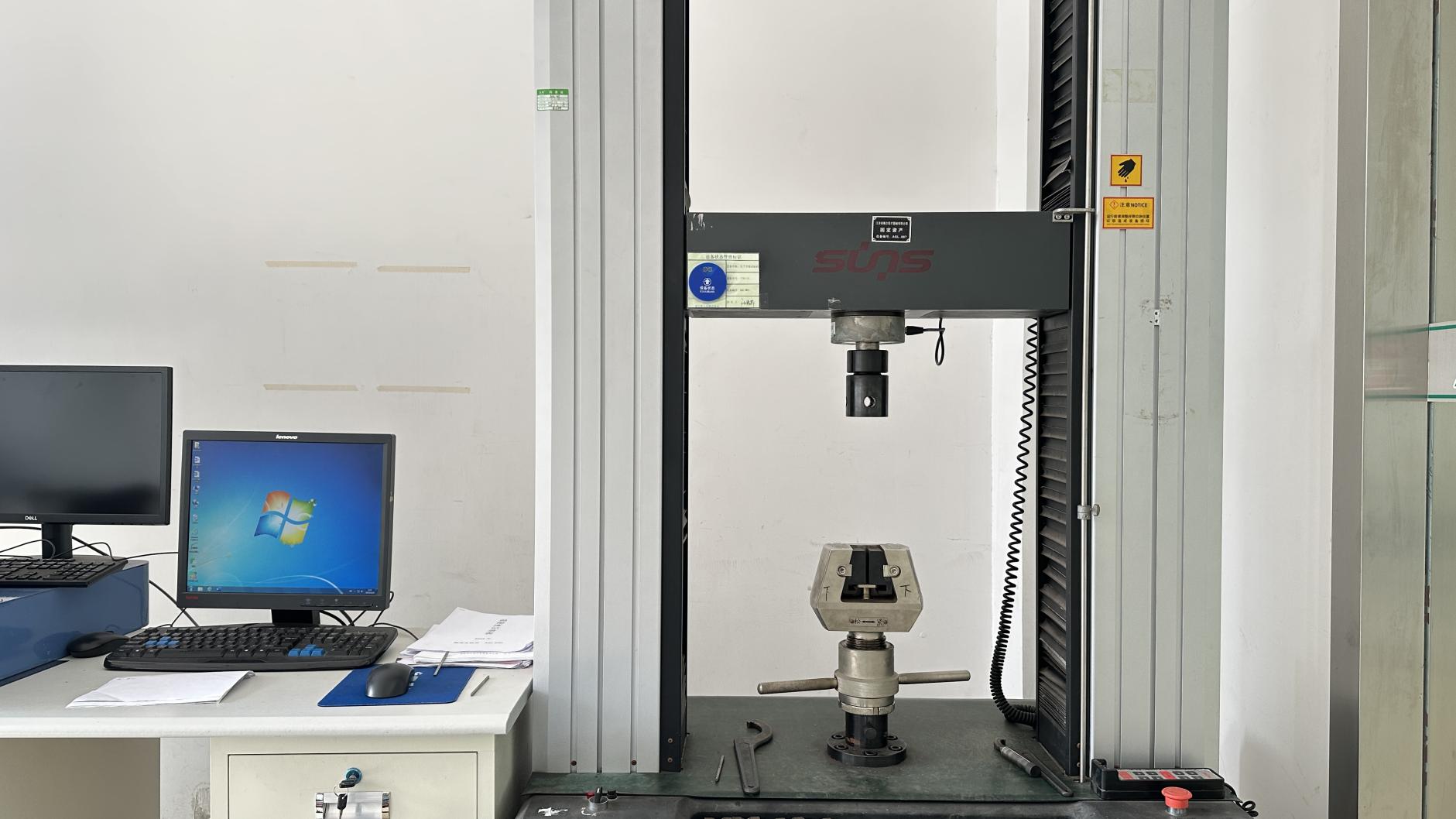
Tensile Tester
Tensile Tester
Two Dimensional Measuring Instrument
Two Dimensional Measure
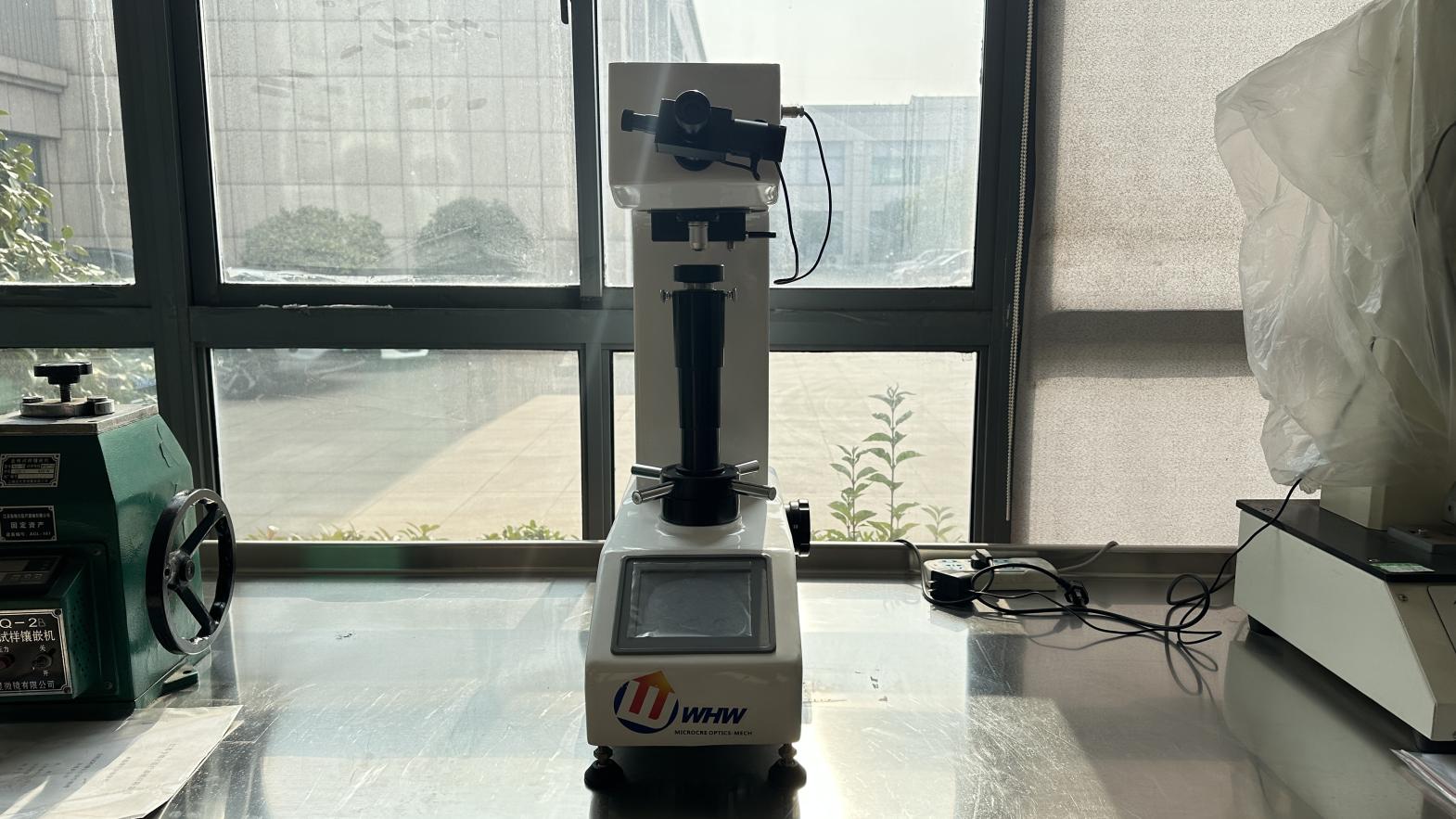
Hardness Tester
Hardness Tester
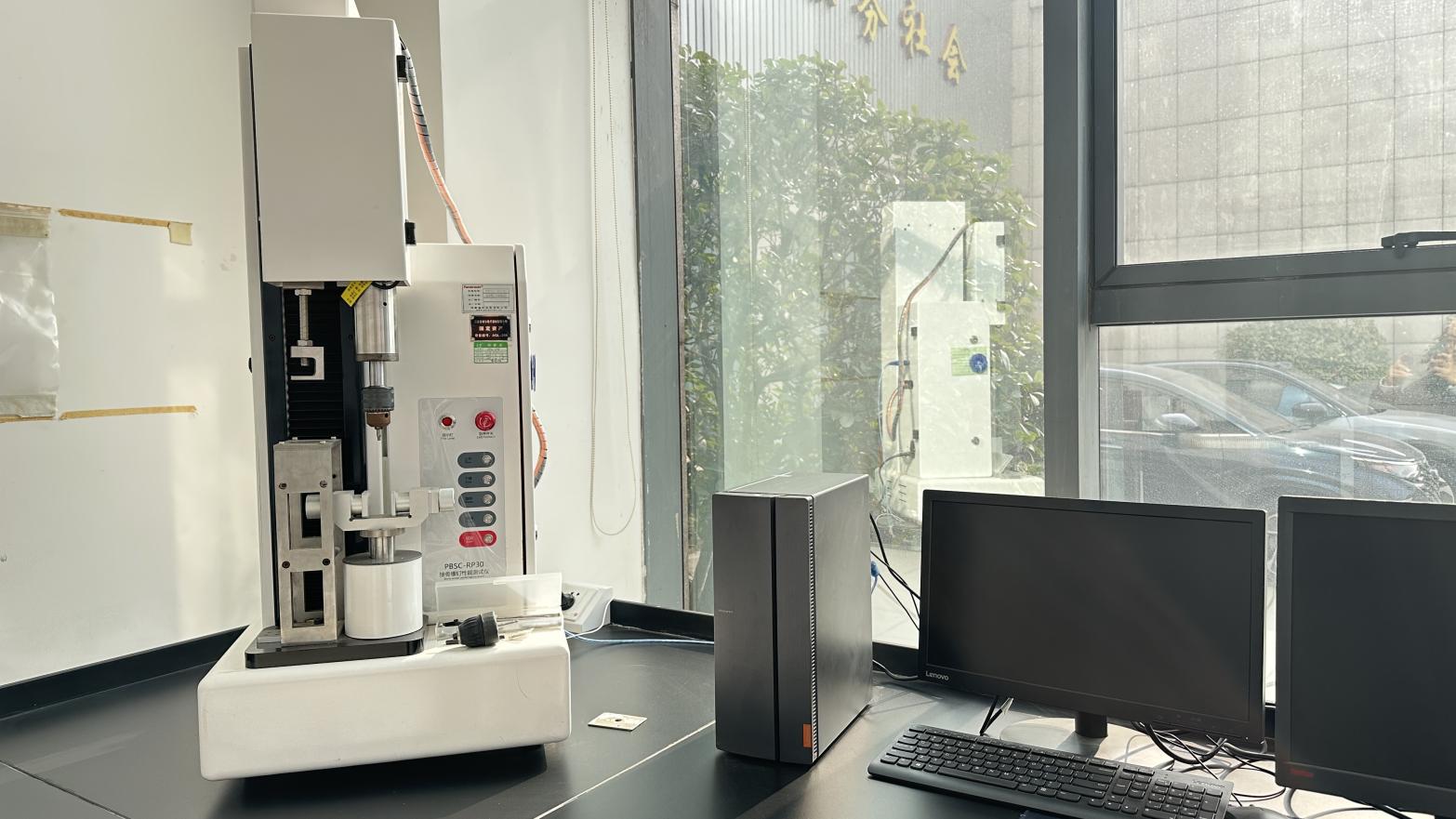
Bone Screw Performance Tester
Performance Tester
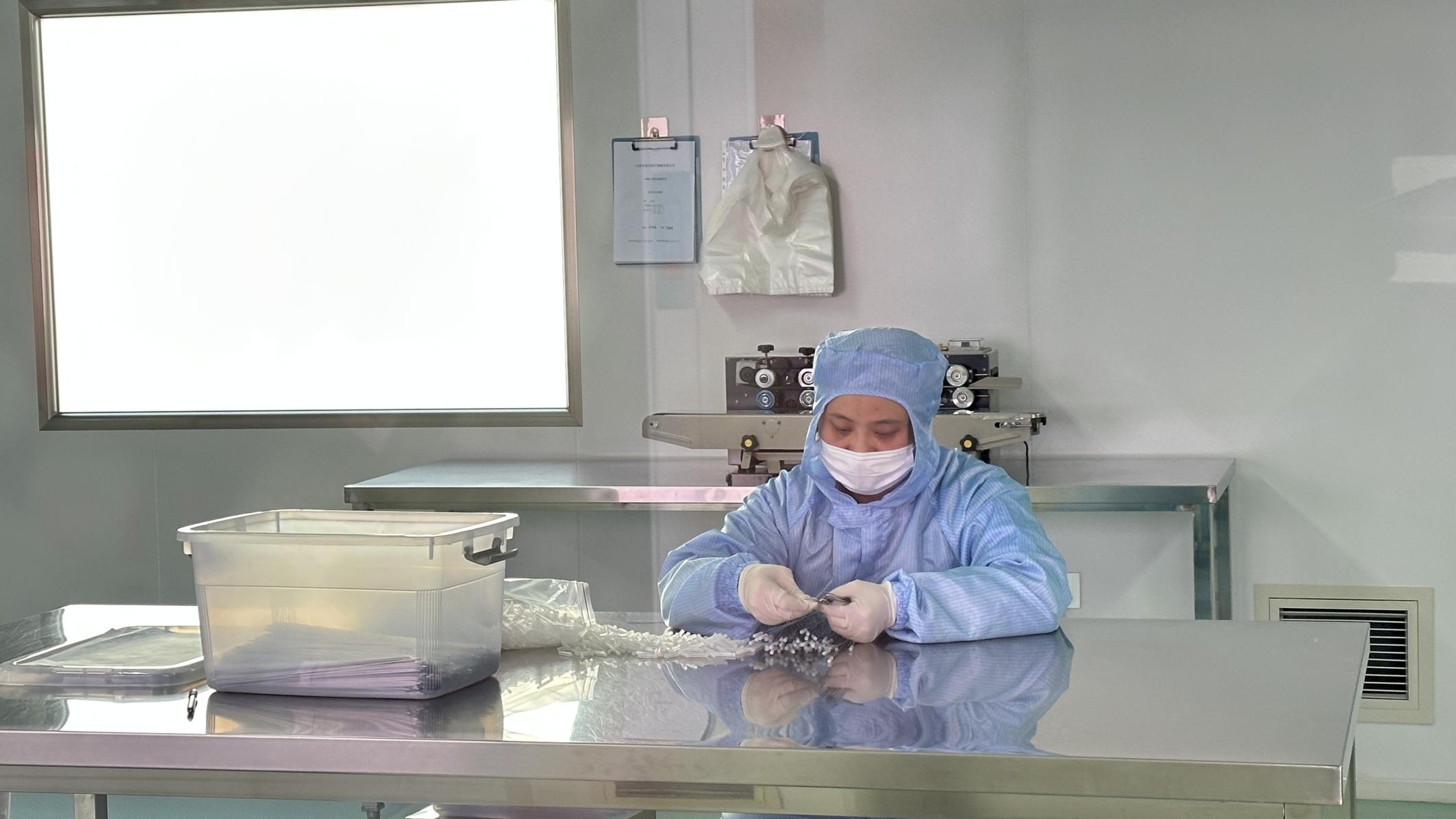
Inspection and Packing Room
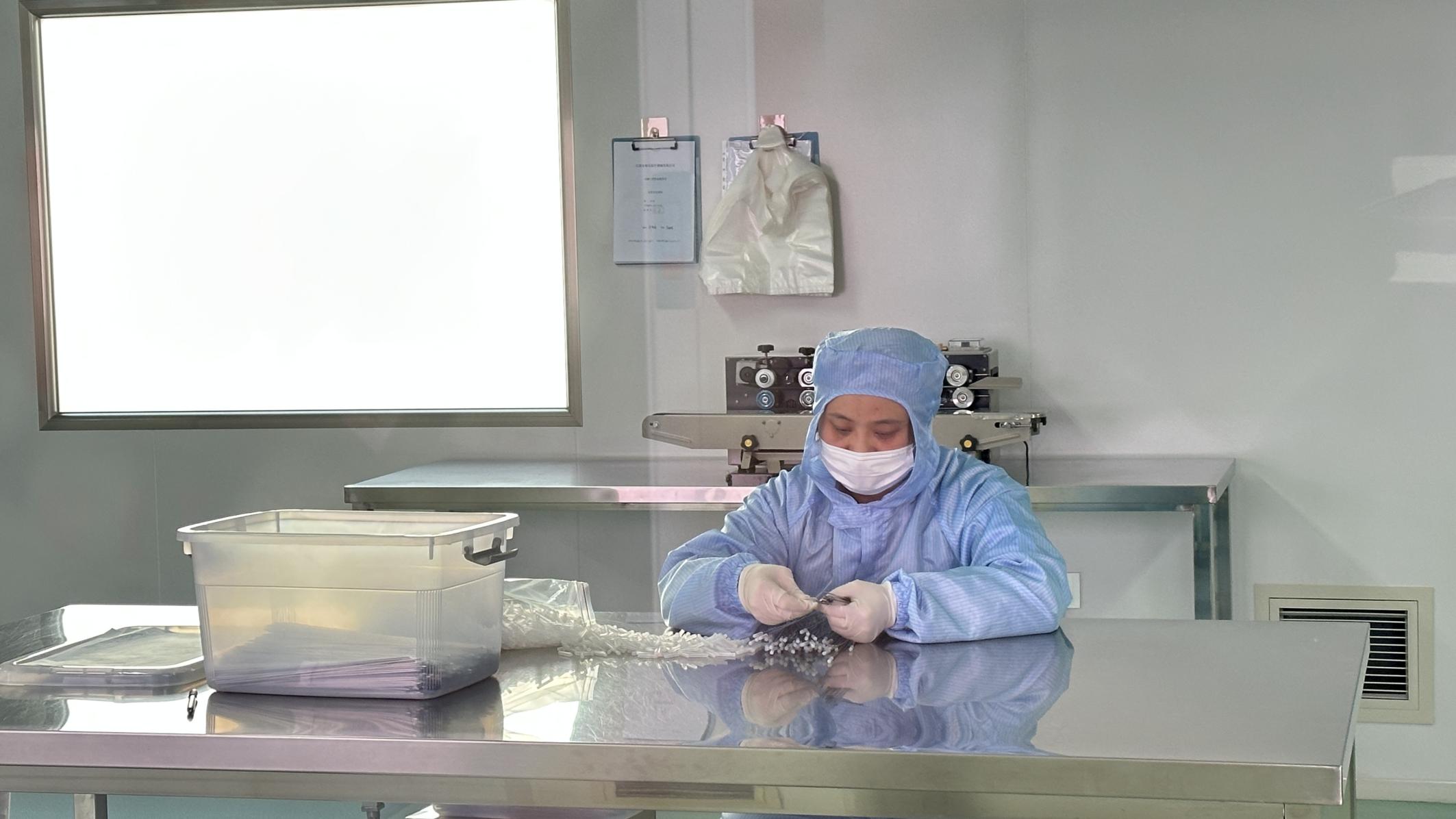
Class 100,000 Inspection & Packing Cleanroom
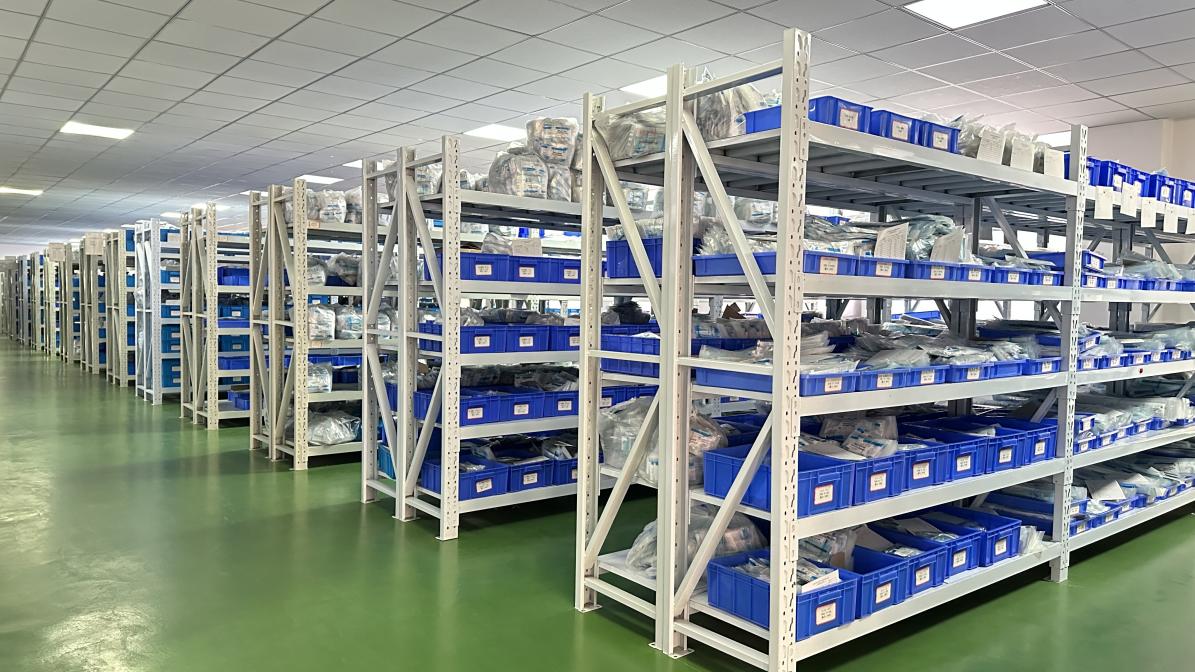
Finished Warehouse
Logistics & Finished Warehouse

Technical & Clinical Q&A

Addressing the core technical specifications and regulatory concerns of Swedish clinicians and buyers.

Q1: Do your Cannulated Screws comply fully with the European Union Medical Device Regulation (EU MDR 2017/745)?
Yes, our complete range of trauma implants, including all titanium cannulated bone fixation screws, are CE compliant and conform to ISO 13485 quality systems. We maintain comprehensive technical documentation to facilitate seamless registration and procurement operations across hospital groups in Sweden.
Q2: What grade of titanium alloy is utilized in the production process?
We exclusively use Ti-6Al-4V ELI (Extra Low Interstitial) conforming to ASTM F136 standards. This grade provides exceptional biocompatibility, fatigue strength, and corrosion resistance compared to standard Grade 5 titanium, minimizing the risk of stress shielding.
Q3: Can Medisplint accommodate customized thread depths and pitch requirements for Swedish OEMs?
Absolutely. With an active engineering team of 85 developers, we provide full OEM and ODM services. This includes modifying thread profiles, self-tapping features, headless compression parameters, and manufacturing custom driver connections (e.g., Hexagonal or Torx/Star profiles).
Q4: How does Medisplint prevent screw breakage and guide wire binding?
We utilize high-precision Swiss-type CNC slitting and milling machinery to maintain concentricity between the outer thread and the inner cannulation hole (tolerance < 0.02 mm). This precise geometry prevents guide wire binding and ensures uniform stress distribution along the screw shaft during insertion.

Ready to Elevate Your Orthopedic Supply Chain in Sweden?

Get in touch with our European support team. We provide tailored quotations, technical catalogs, and sterilization certification records to qualified clinical distributors.