Medisplint
Medisplint
Medisplint
Highly demanded osteosynthesis implants engineered for immediate procurement and surgical integration in Danish regional healthcare trusts.
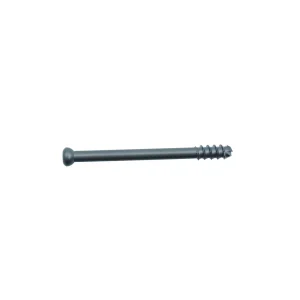
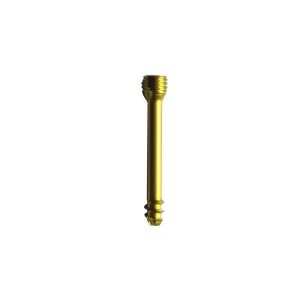
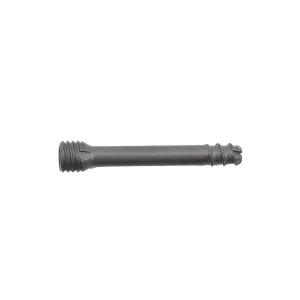
The Danish healthcare system is globally recognized for its uncompromising safety requirements, technology integration, and consolidated public procurement processes operated by Amgros and regional healthcare authorities. For medical distributors and surgical centers from Copenhagen (Region Hovedstaden) to Aarhus (Region Midtjylland), the selection of osteosynthesis implants—specifically cannulated compression screws—is governed by stringent clinical performance indexes and strict regulatory compliance.
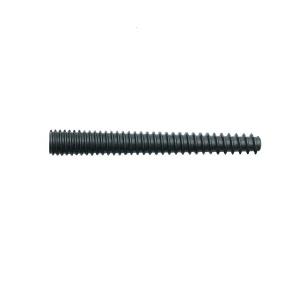
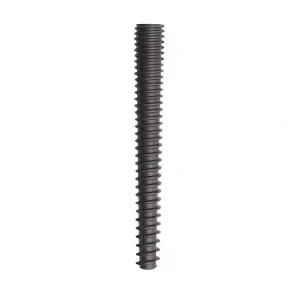
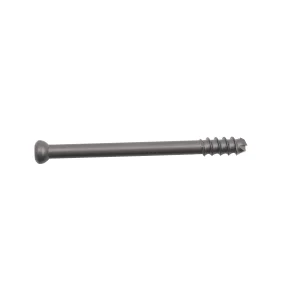
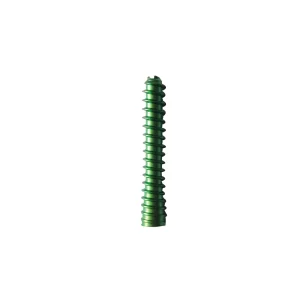
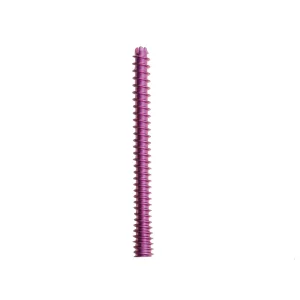
Cannulated screws play a vital role in minimally invasive trauma surgery, particularly in joint reconstruction, femoral neck fracture fixations, and small bone fusions. Because Danish clinical protocols prioritize rapid mobilization and minimized patient hospital stays, the mechanical reliability and anatomical compatibility of these hollow implants must meet exceptional standards. Low friction coefficients, optimal thread pitch configurations, and raw materials that prevent bone necrosis are critical factors that orthopedic procurement boards evaluate.
Danish orthopedic clinics require implants designed to mitigate risk in osteoporotic bone. The integration of dual-lead threads, self-tapping features, and precise guide wire cannulation diameters reduces OR time (Operating Room time) and minimizes soft-tissue disruption during fluoroscopy-guided insertions.
For medical device implants, material safety is paramount. Our manufacturing processes utilize Titanium Alloy Grade 5 ELI (Ti-6Al-4V Extra Low Interstitials) and medical-grade stainless steel to ensure maximum fatigue strength and biocompatibility. The ELI variant offers improved fracture toughness and superior resistance to cyclic loading, which is imperative for load-bearing cannulated screws used in hip fracture fixations (e.g., 6.5mm and 7.3mm screws).
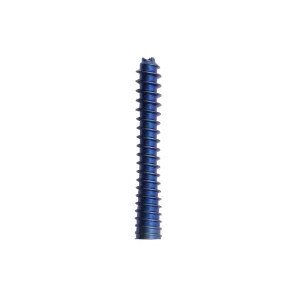
Furthermore, the surface finishing is critical. Through electrochemical anodization processes, our implants establish a stable titanium oxide passivation layer, preventing ion release in biological environments and promoting bone integration. This matches the standard required by major Danish clinical university centers such as Rigshospitalet and Aarhus University Hospital.
Why medical device distributors across the European Union and Scandinavia select Medisplint as their reliable manufacturing partner.
State-of-the-art Swiss-type CNC automatic lathes ensure tolerance levels within +/- 0.005mm for guide-wire channels and thread pitches.
Fully compliant with EU MDR 2017/745 regulatory guidelines, providing complete traceability from raw ingots to sterile packs.
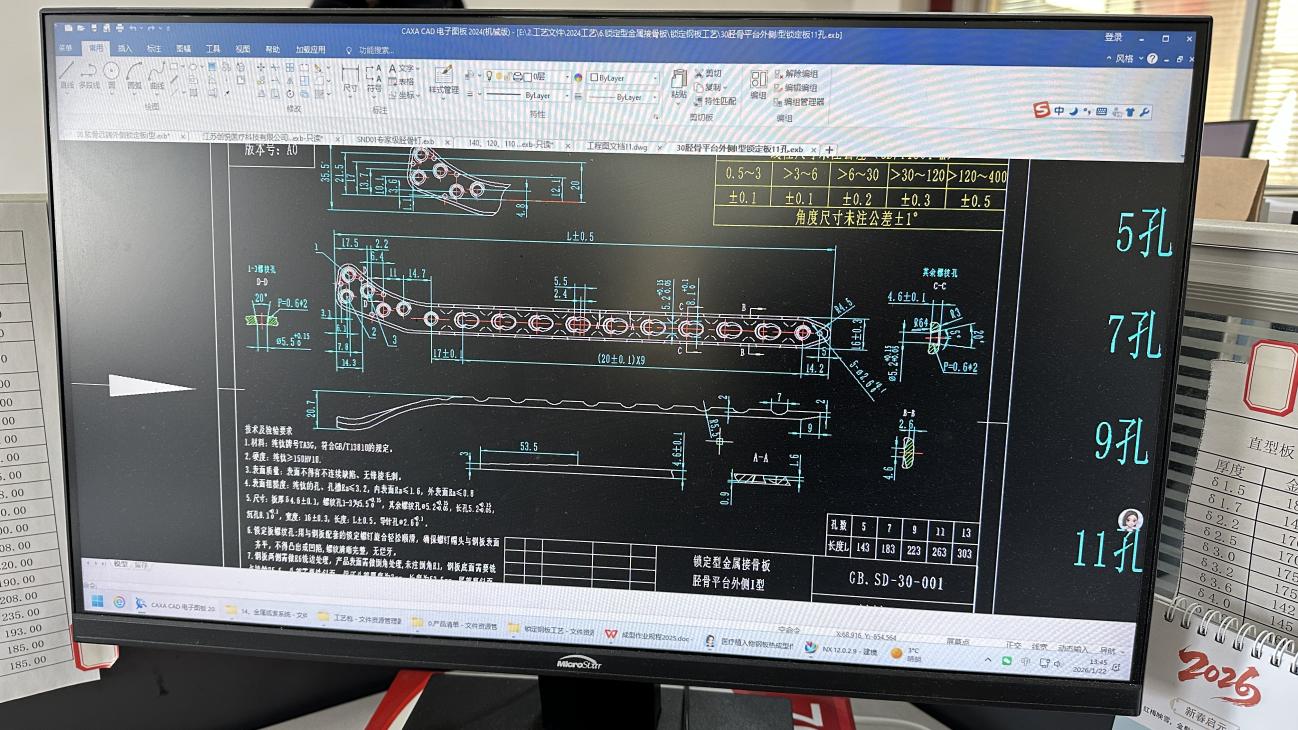
With 85 R&D engineering specialists, we turn custom orthopedics requirements and dimensions into surgical-grade prototypes within 25 days.
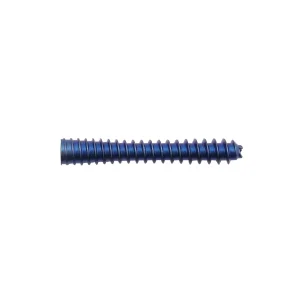
Premium options for delicate articular reconstruction and compression osteosynthesis.
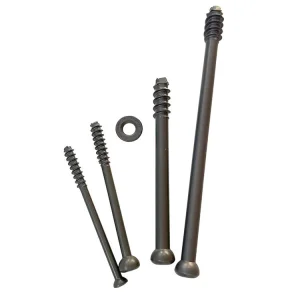
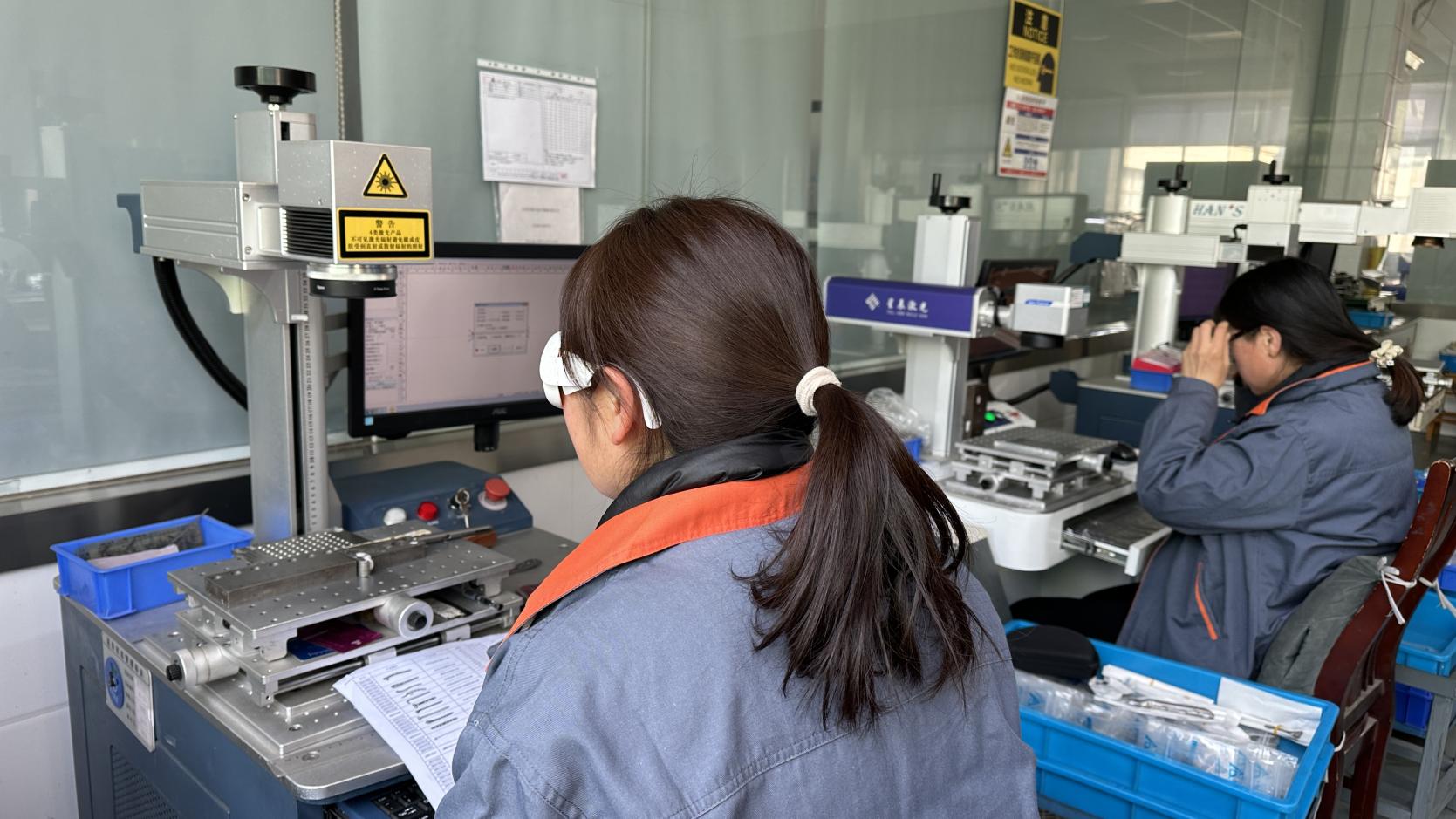
A closer look at Medisplint's ISO-certified production lines, raw material storage, mechanical stress-testing labs, and final cleanroom inspection.
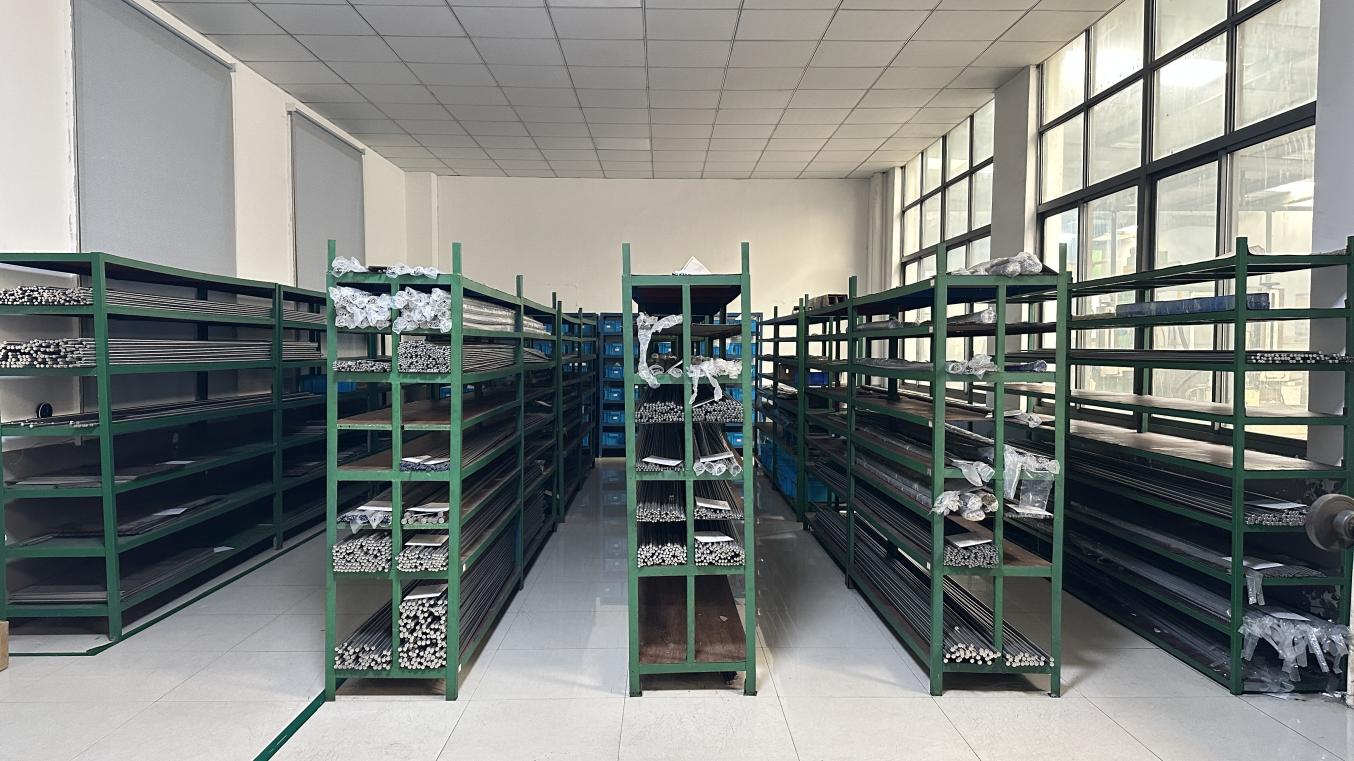
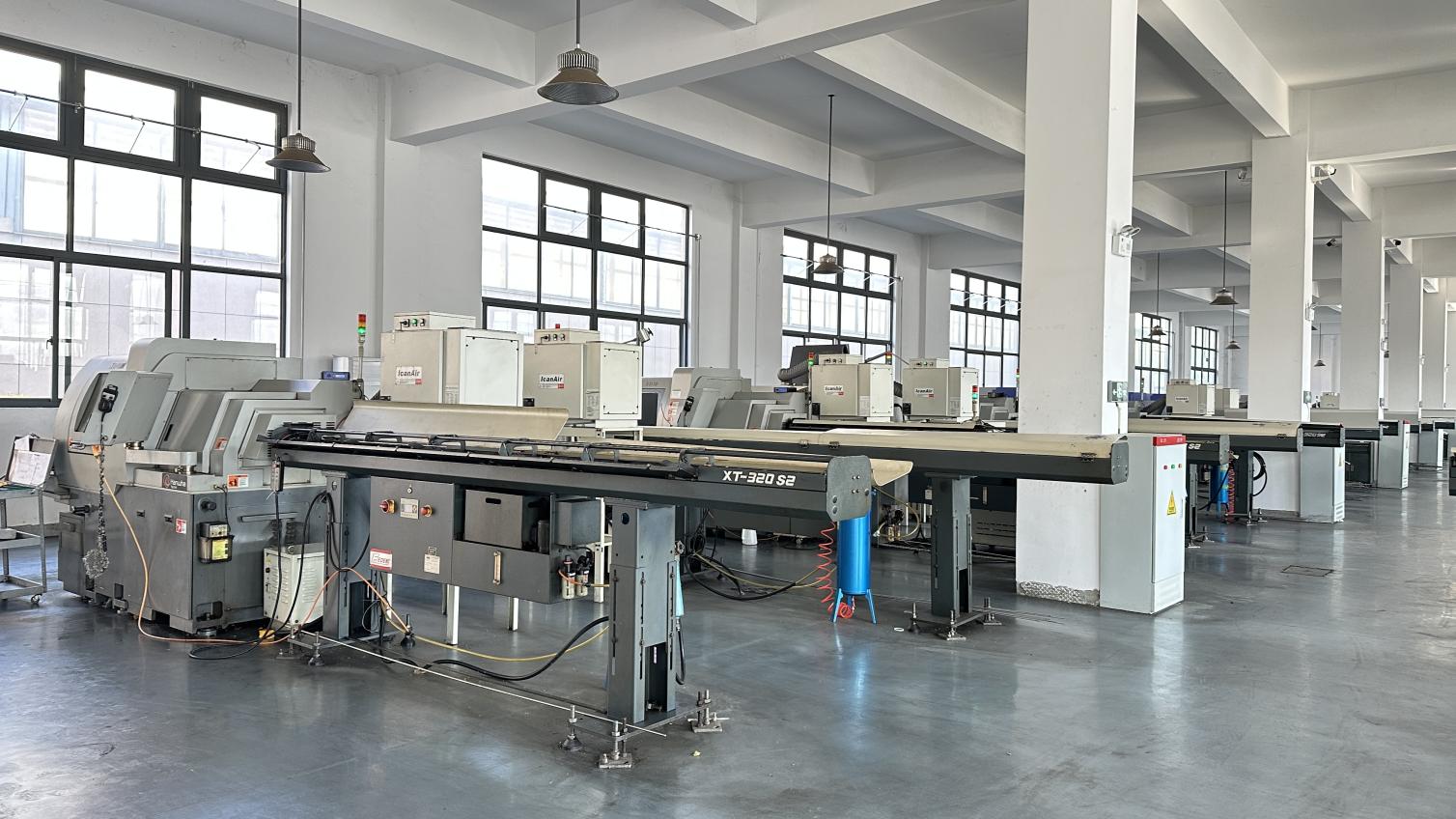
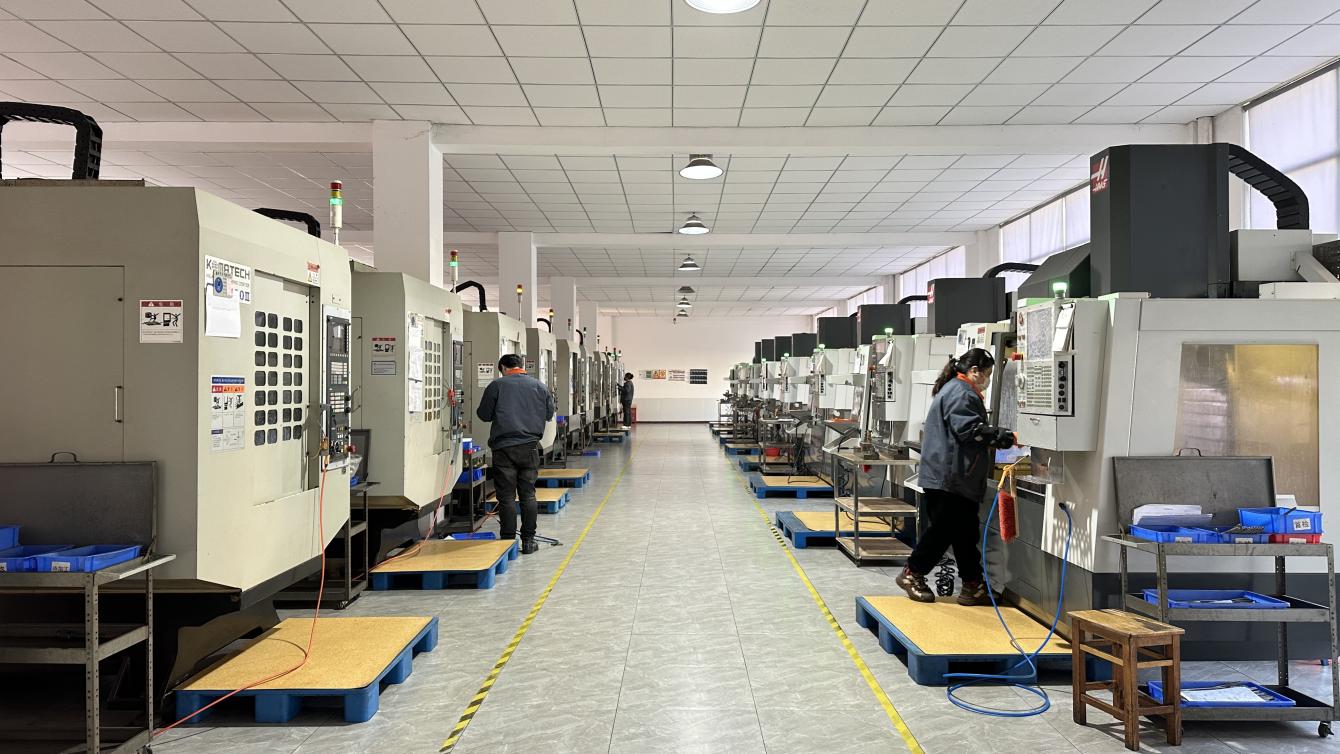
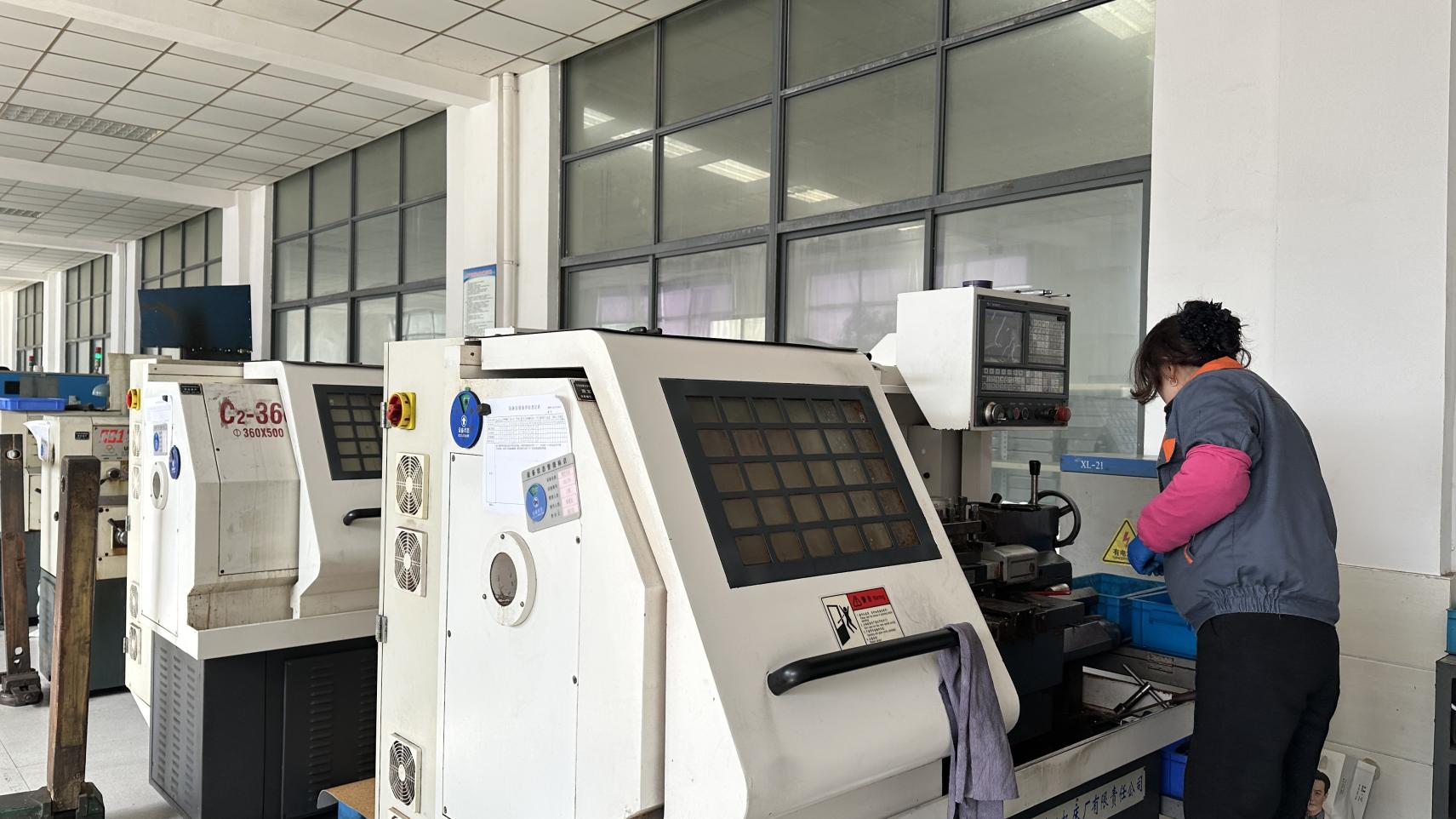
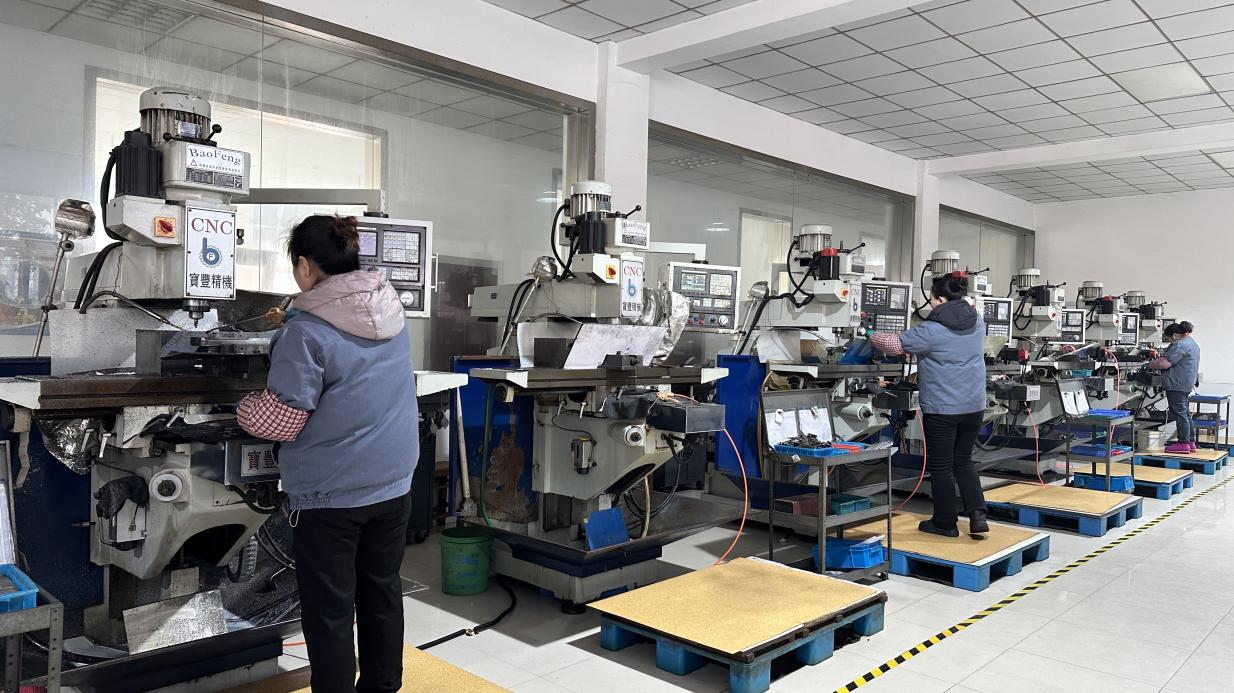
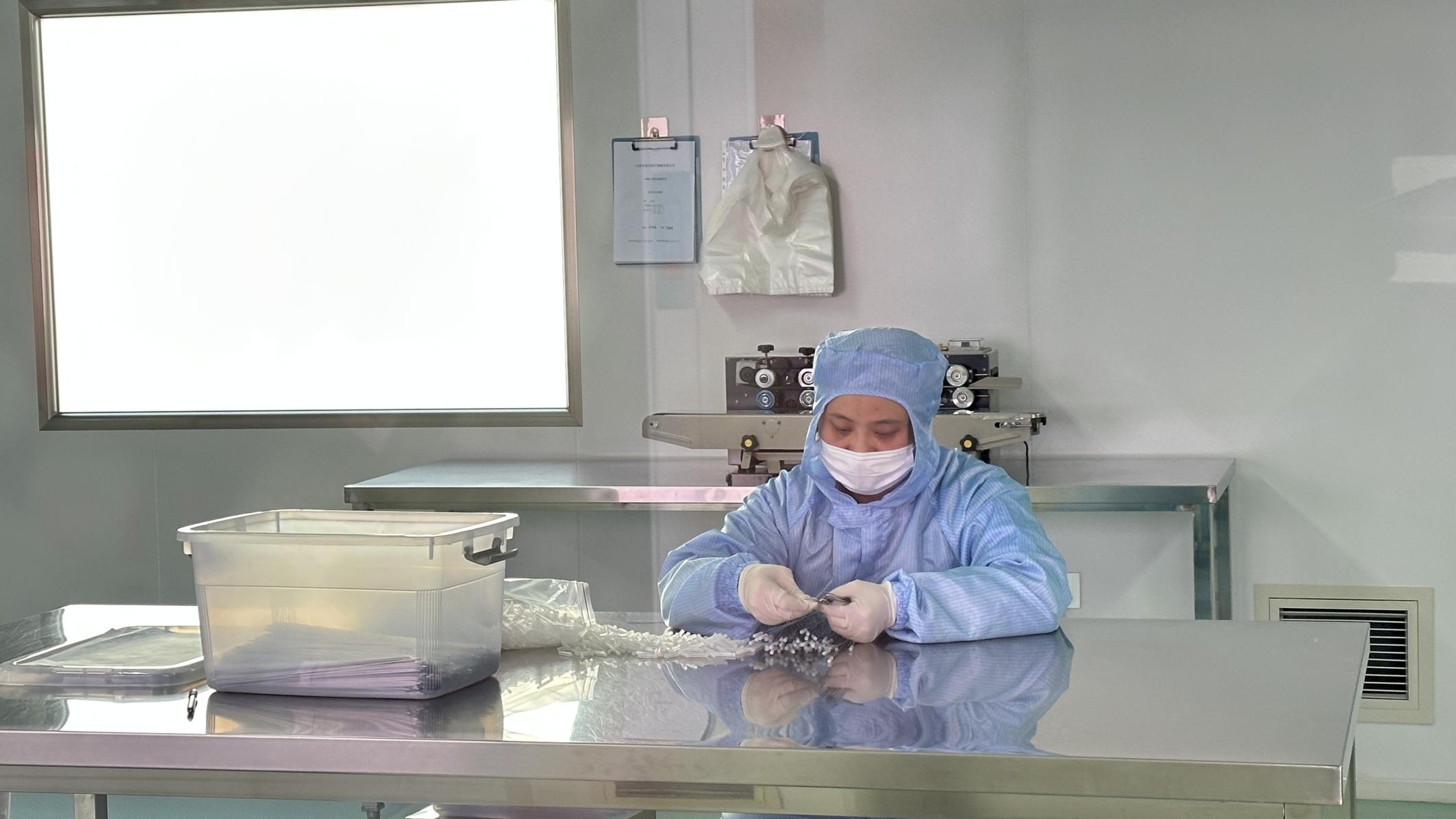
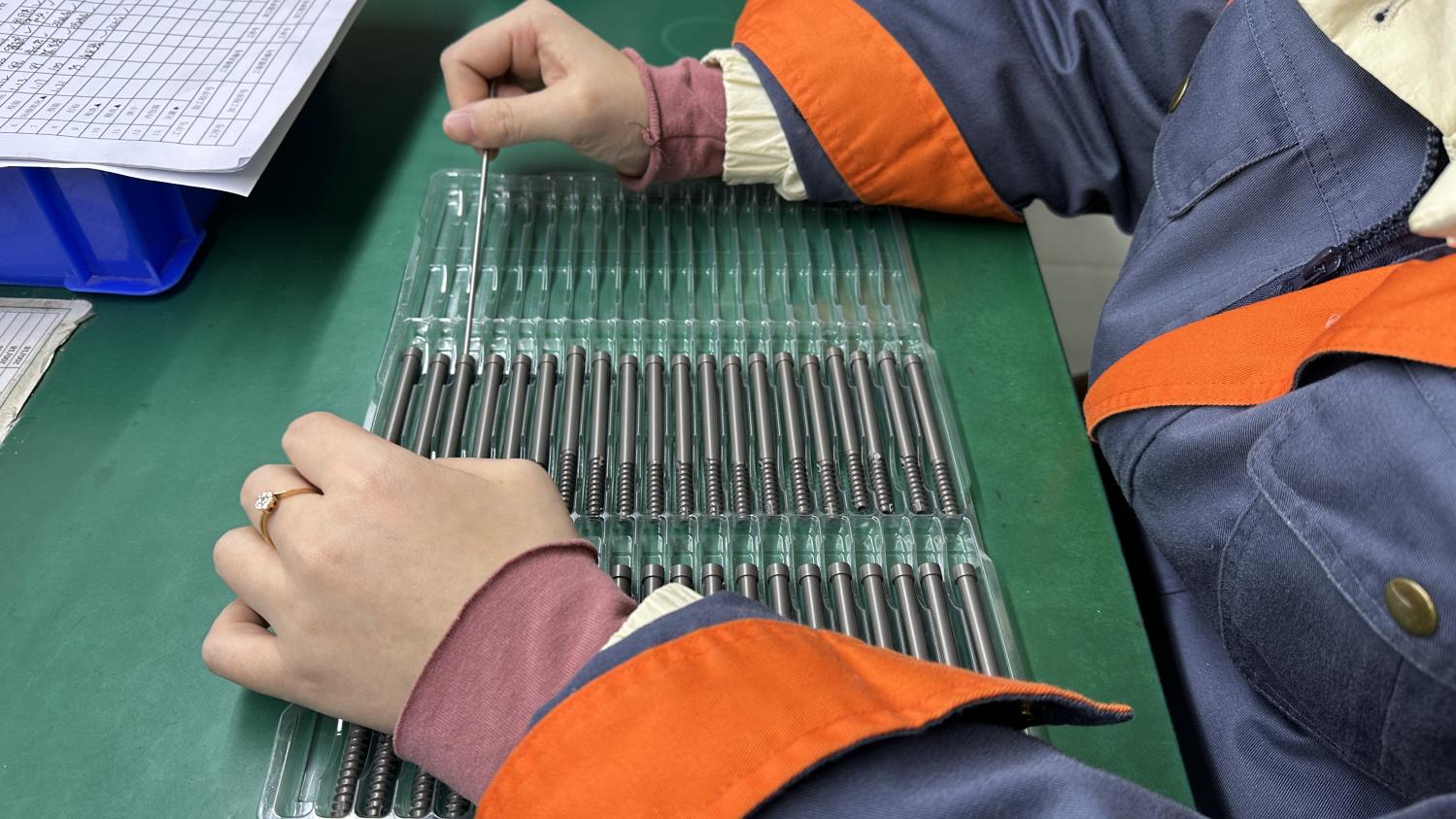
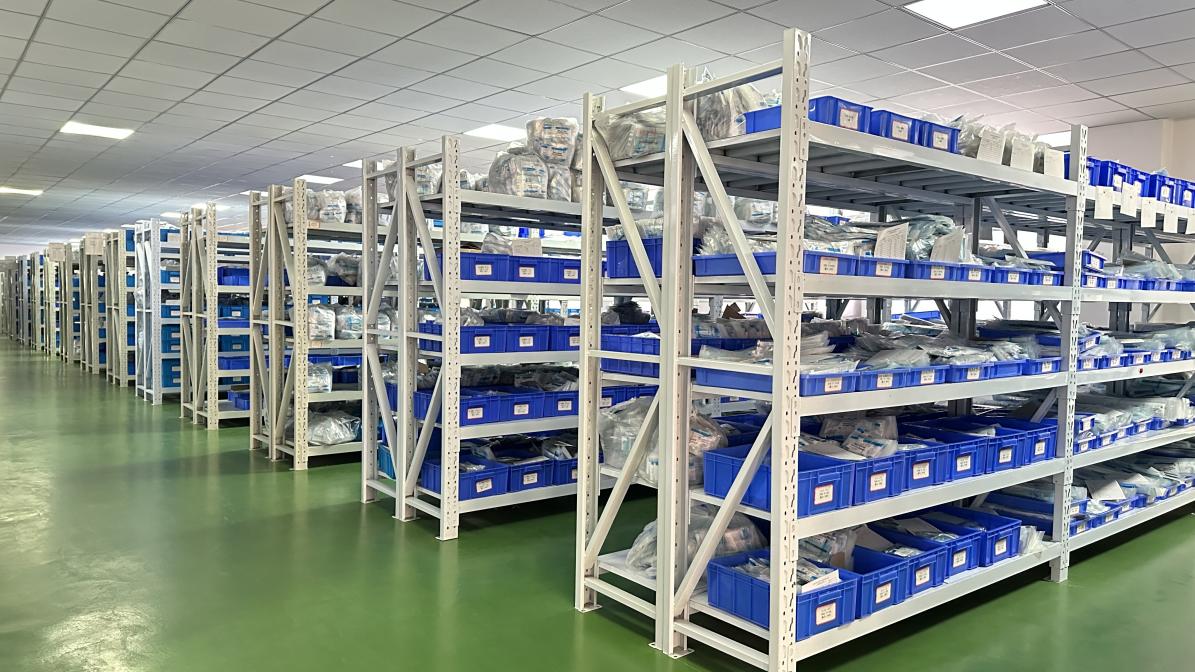
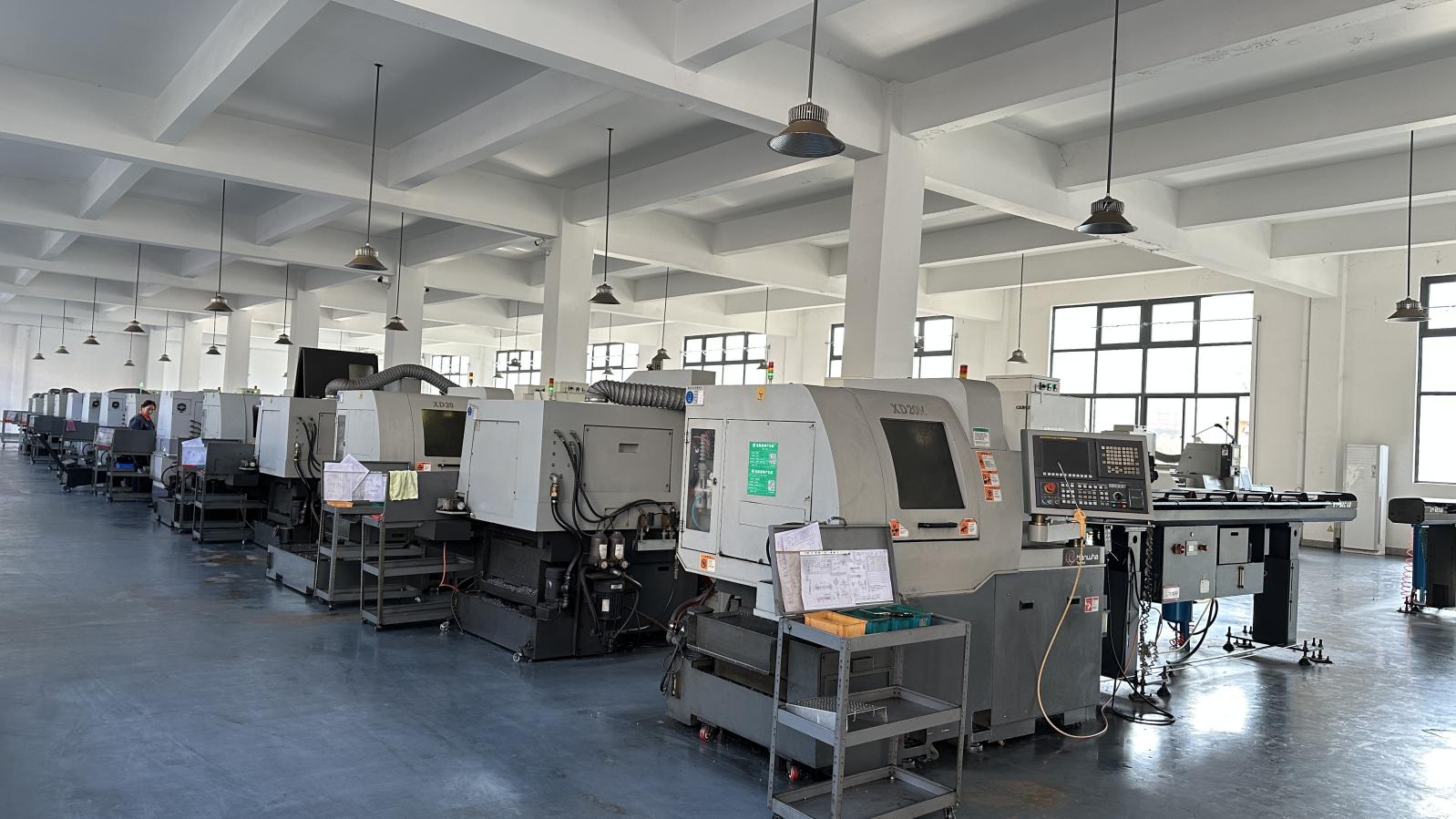
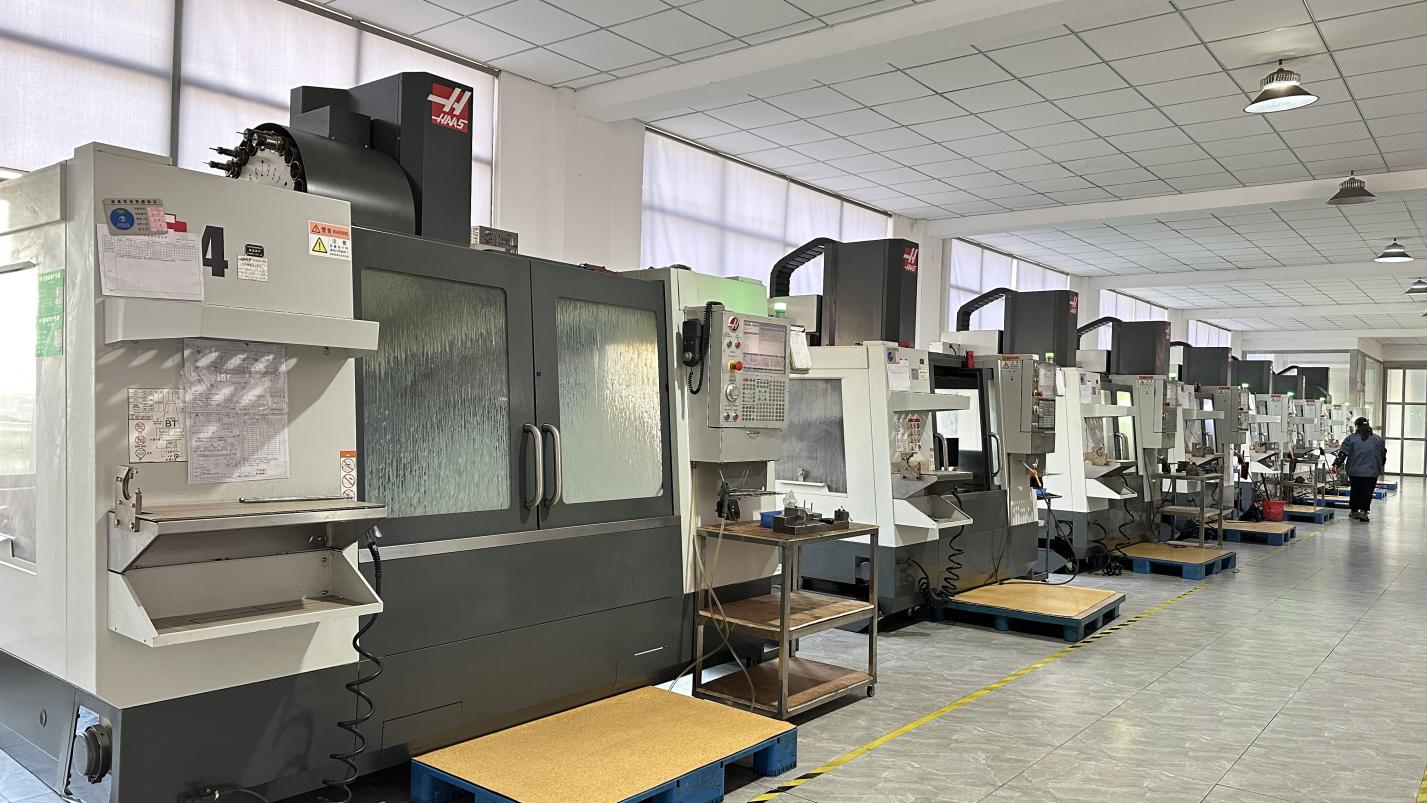
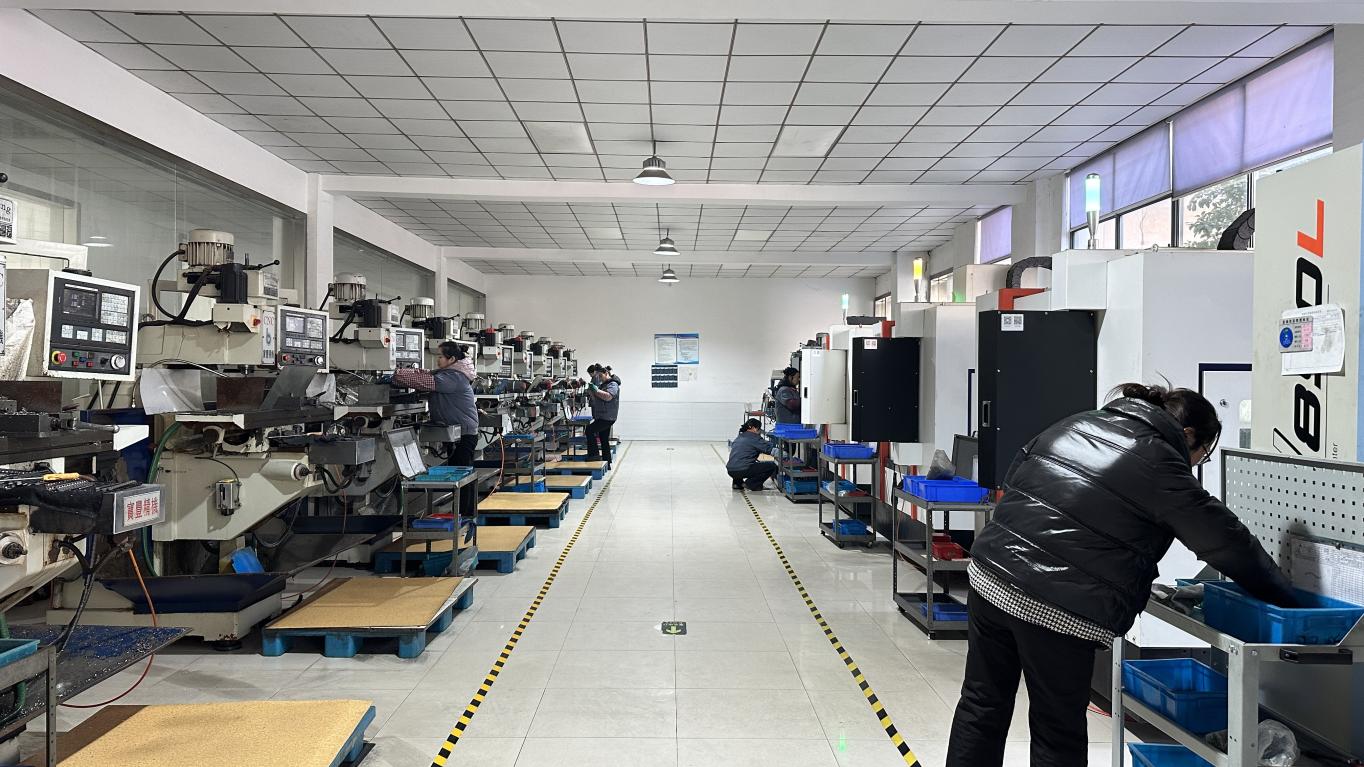
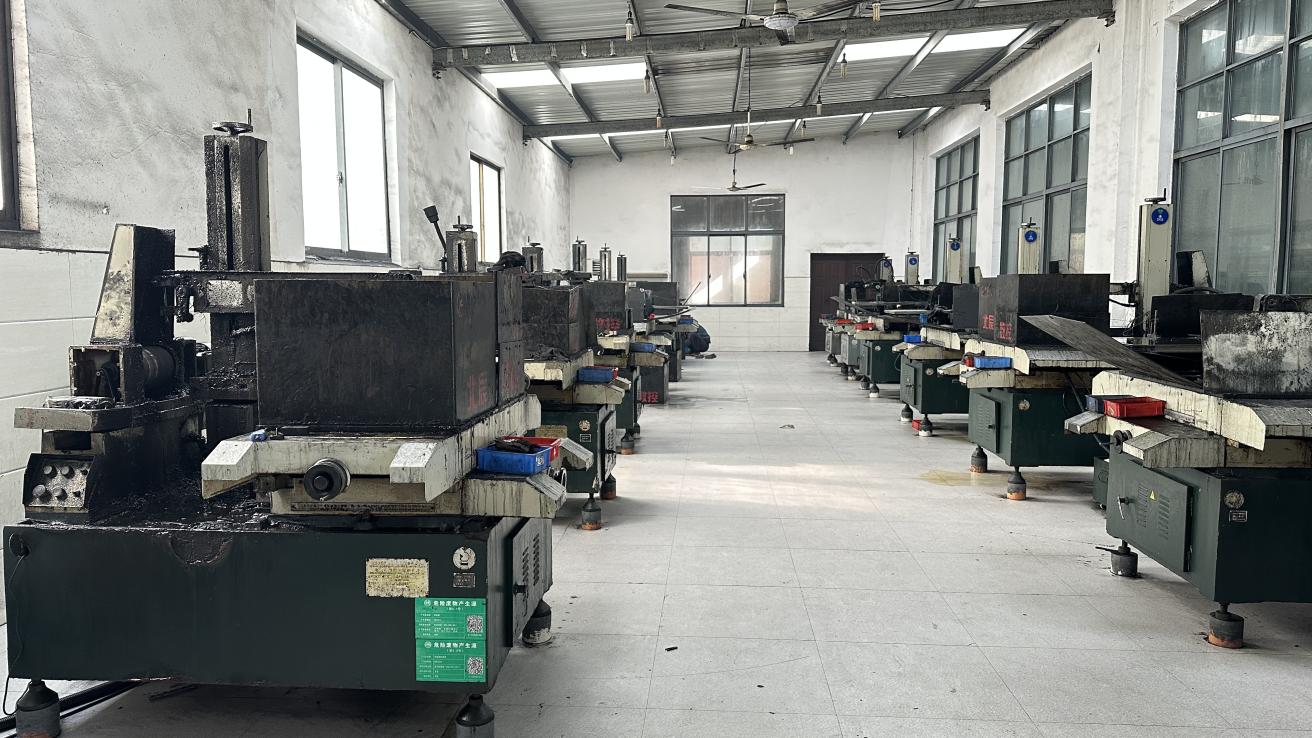
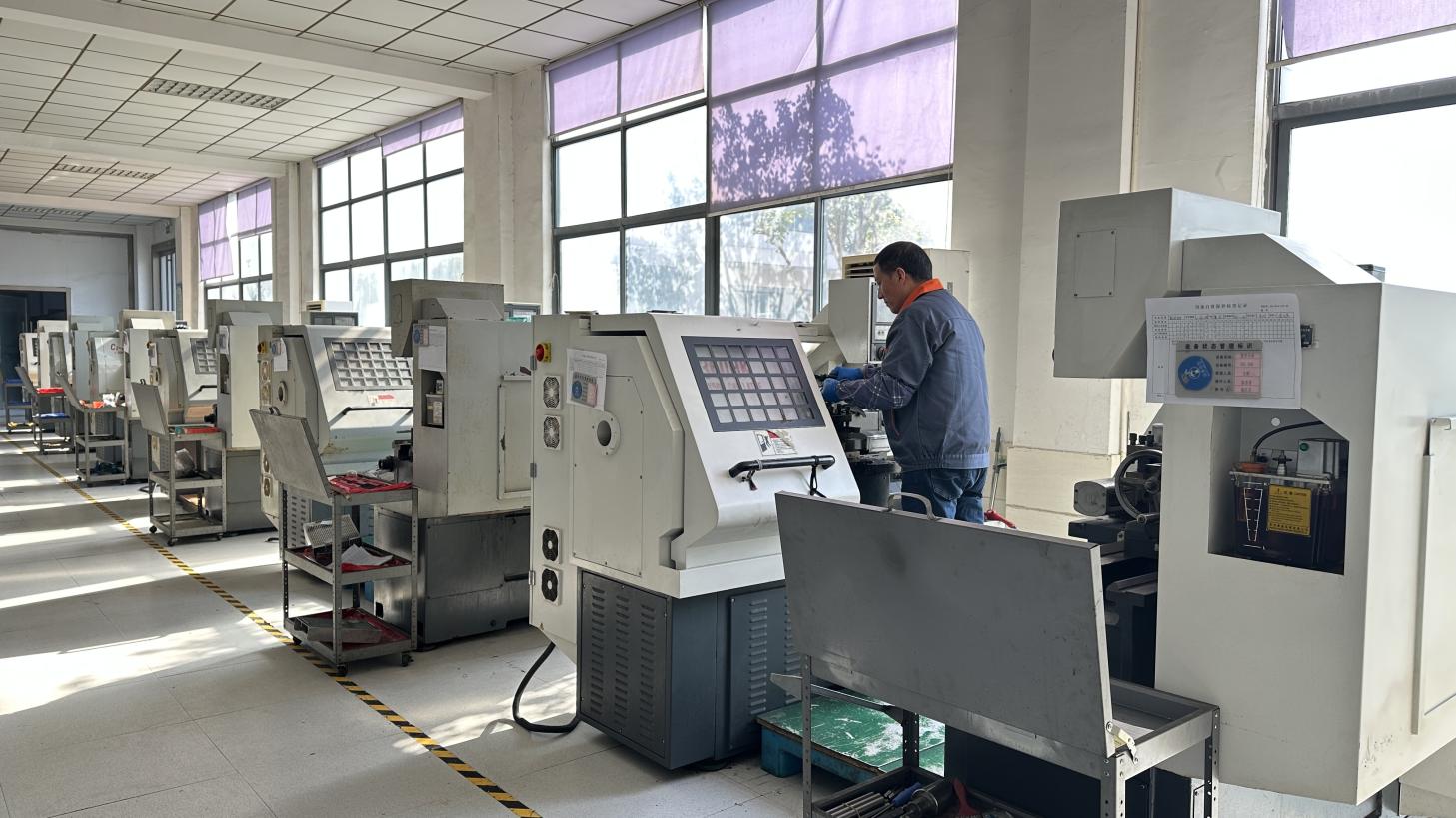

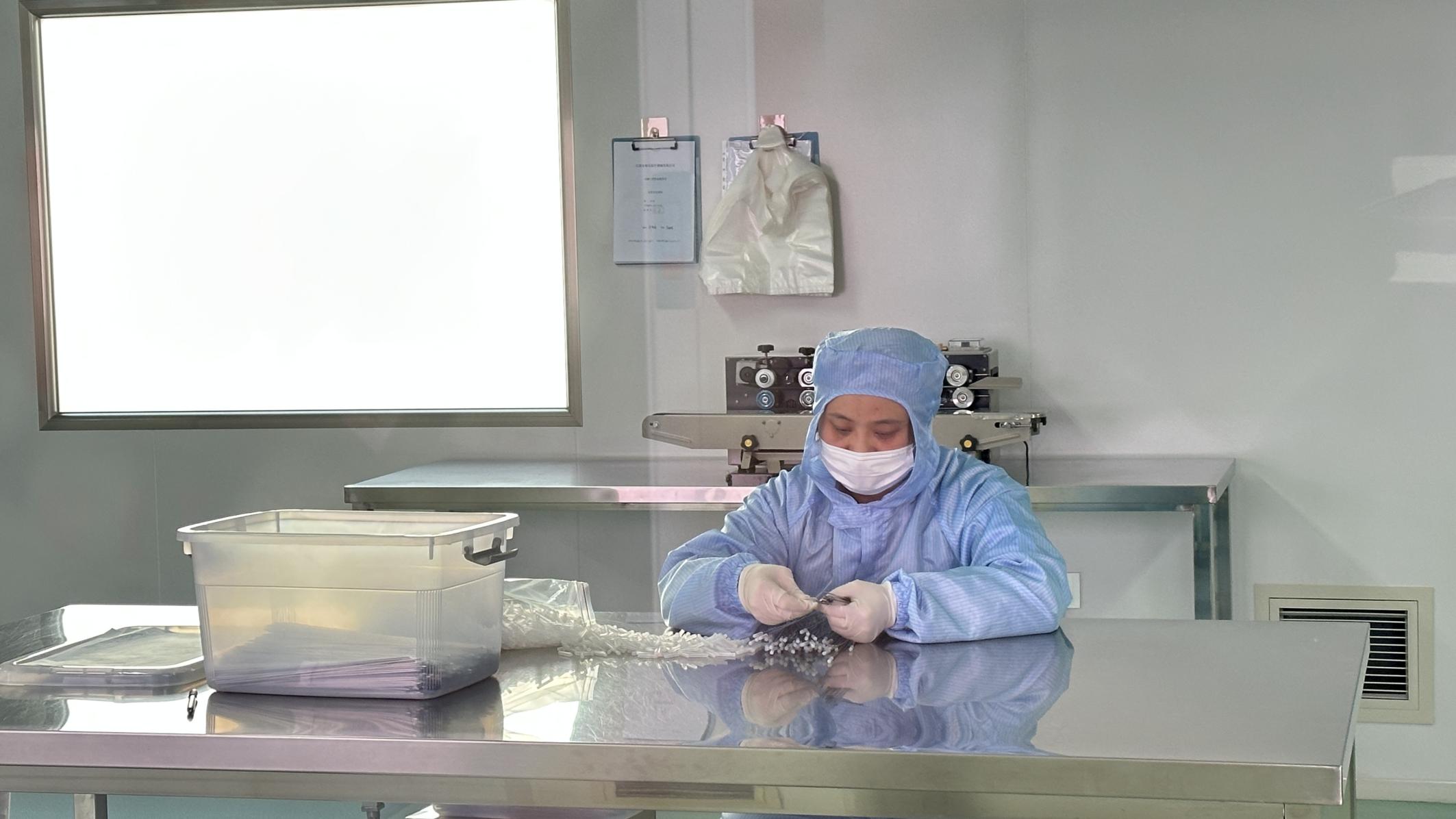
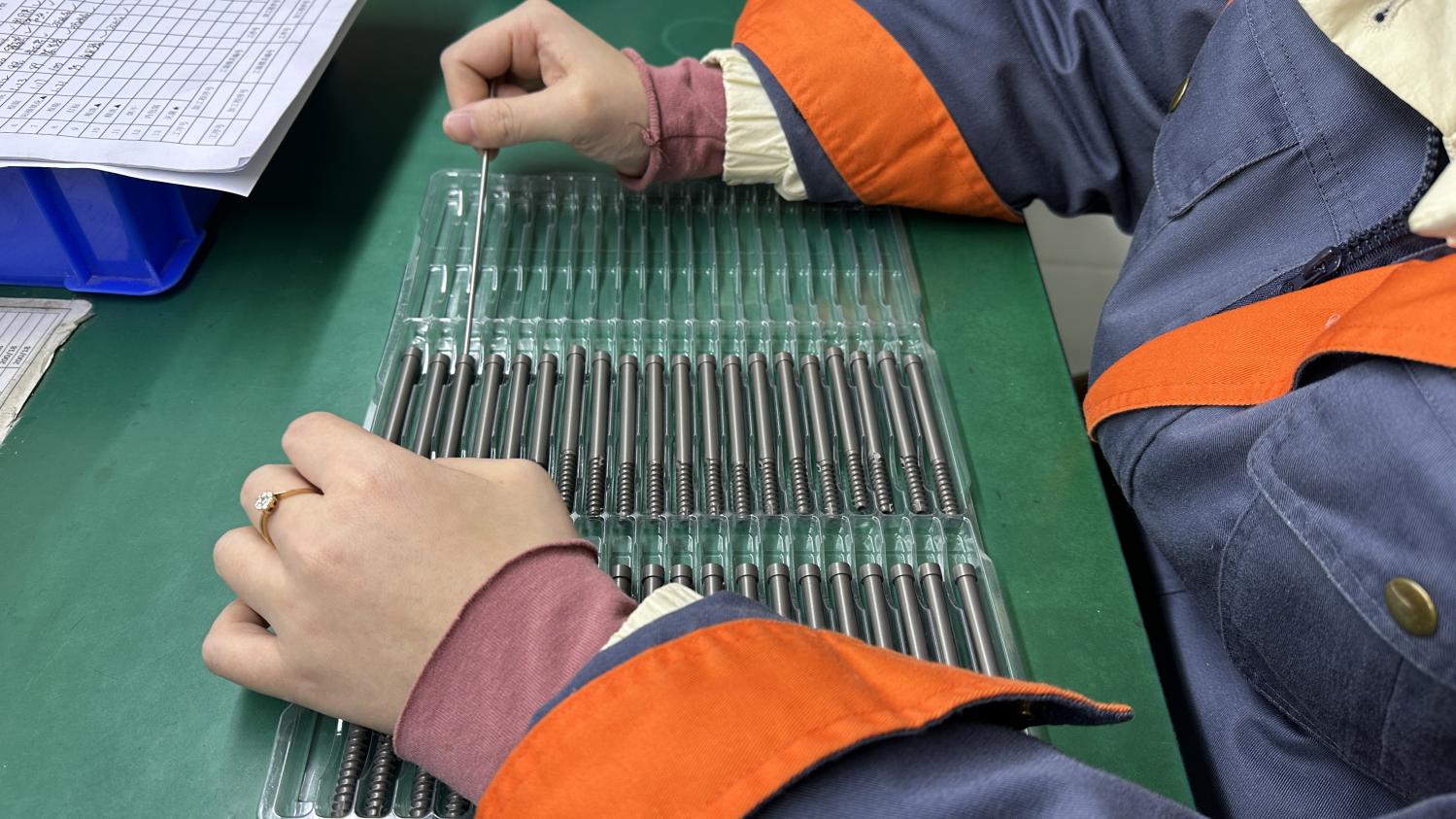
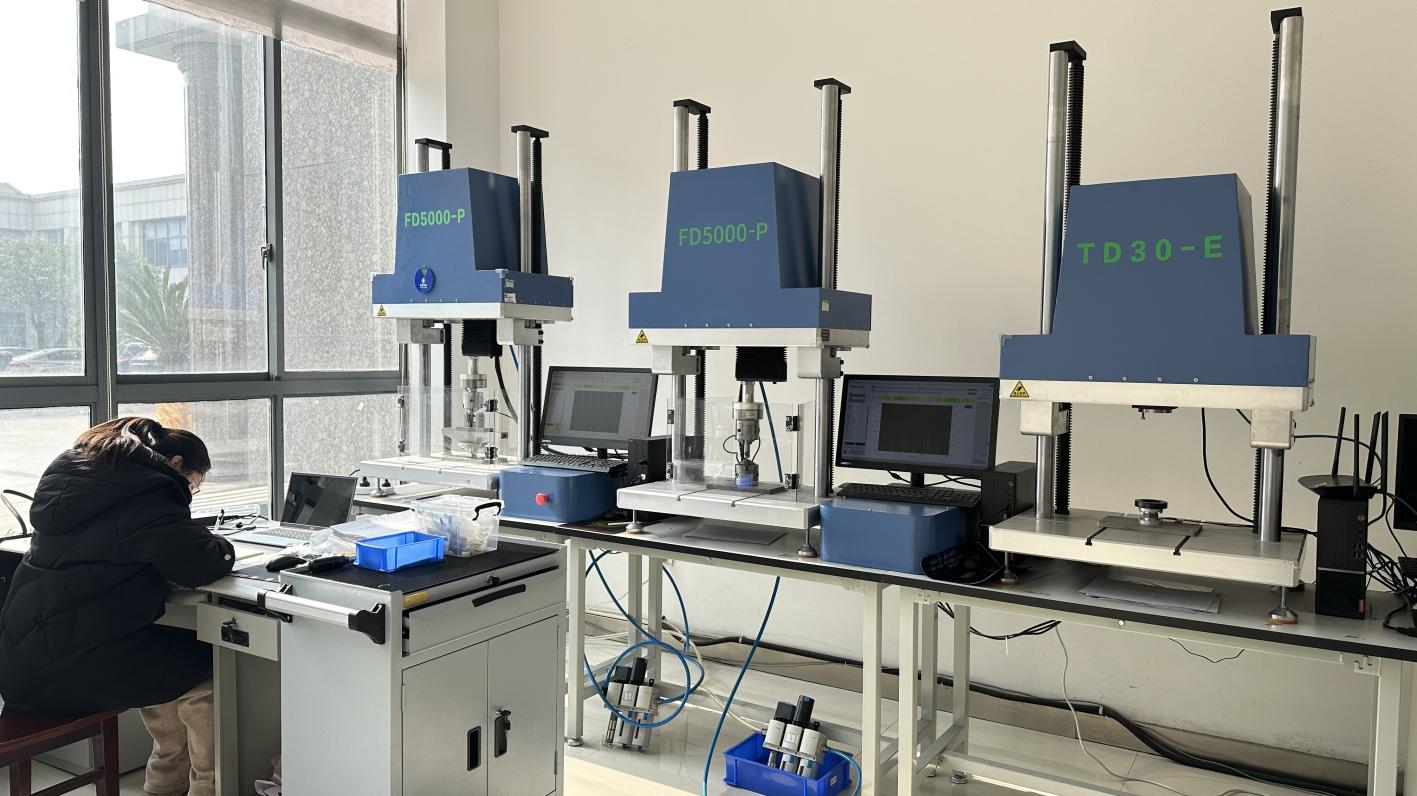
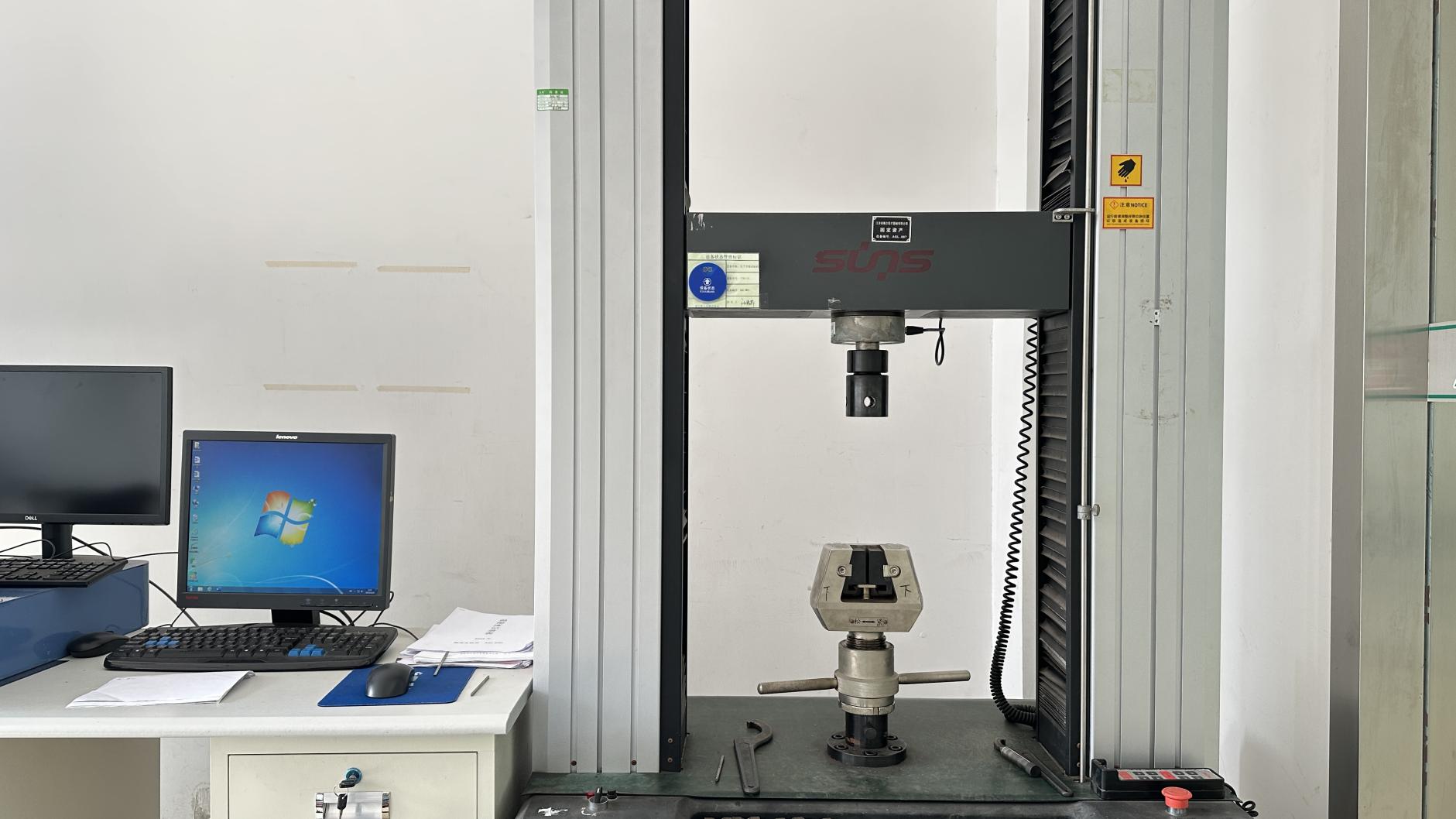
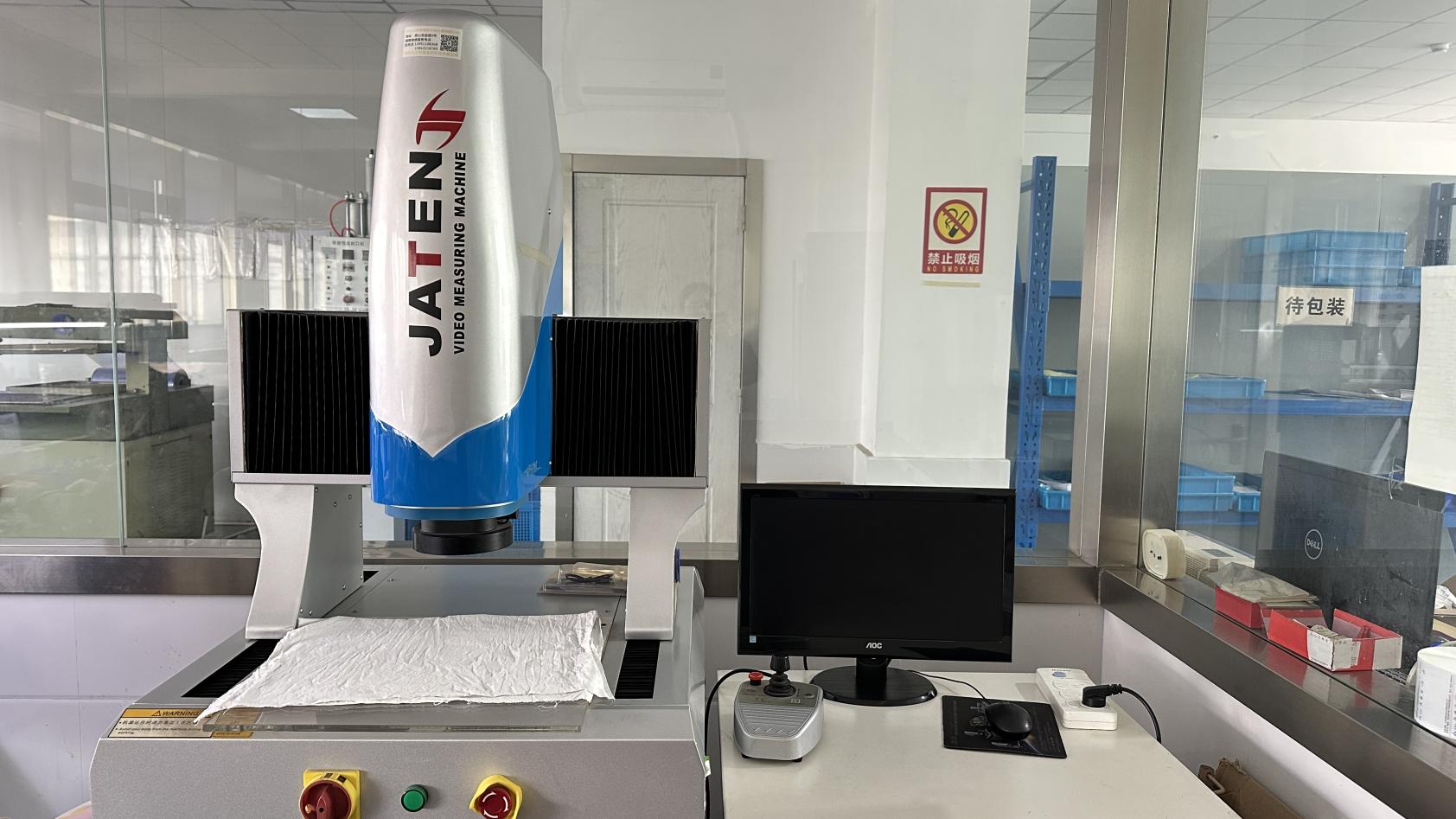
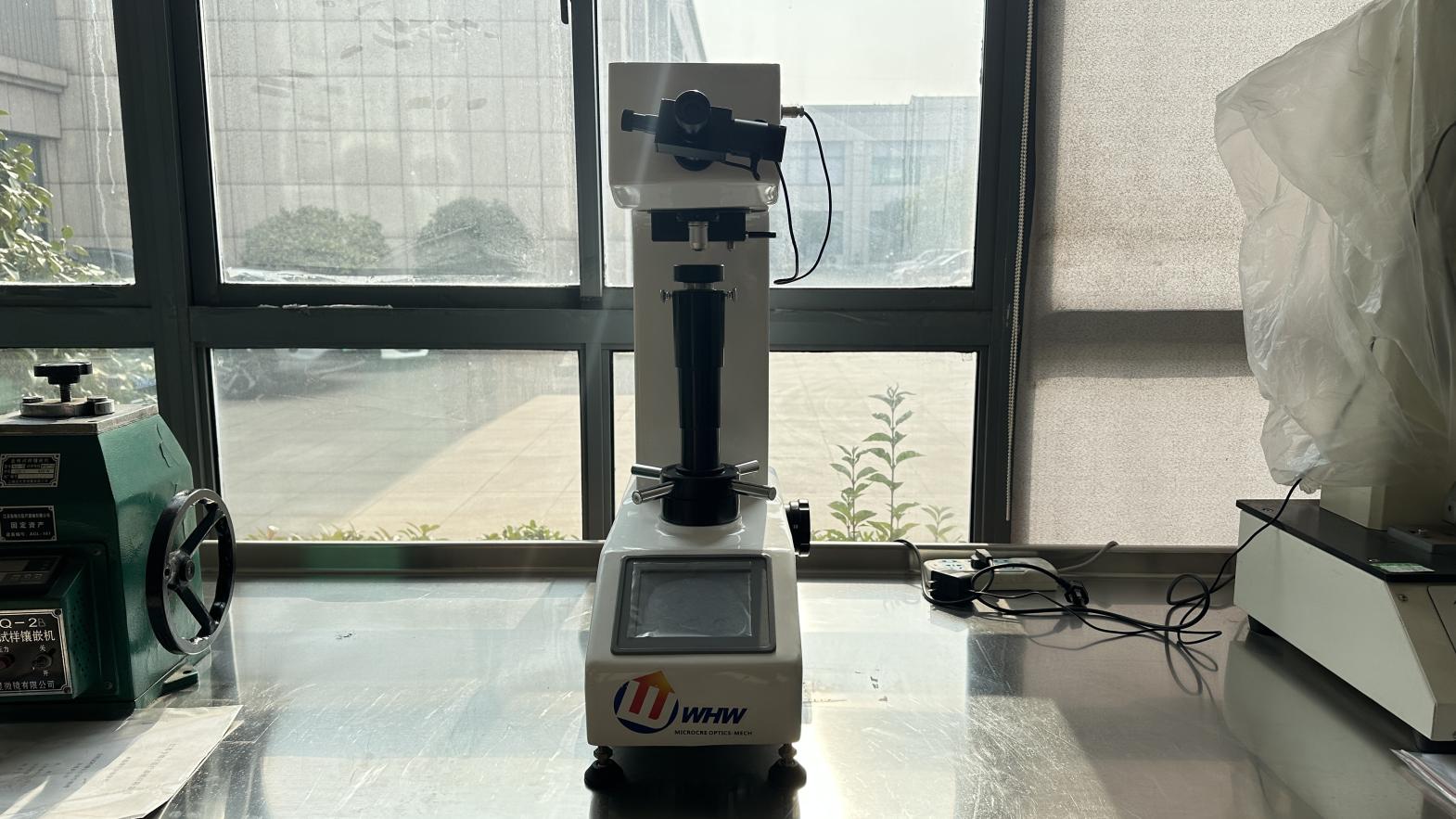
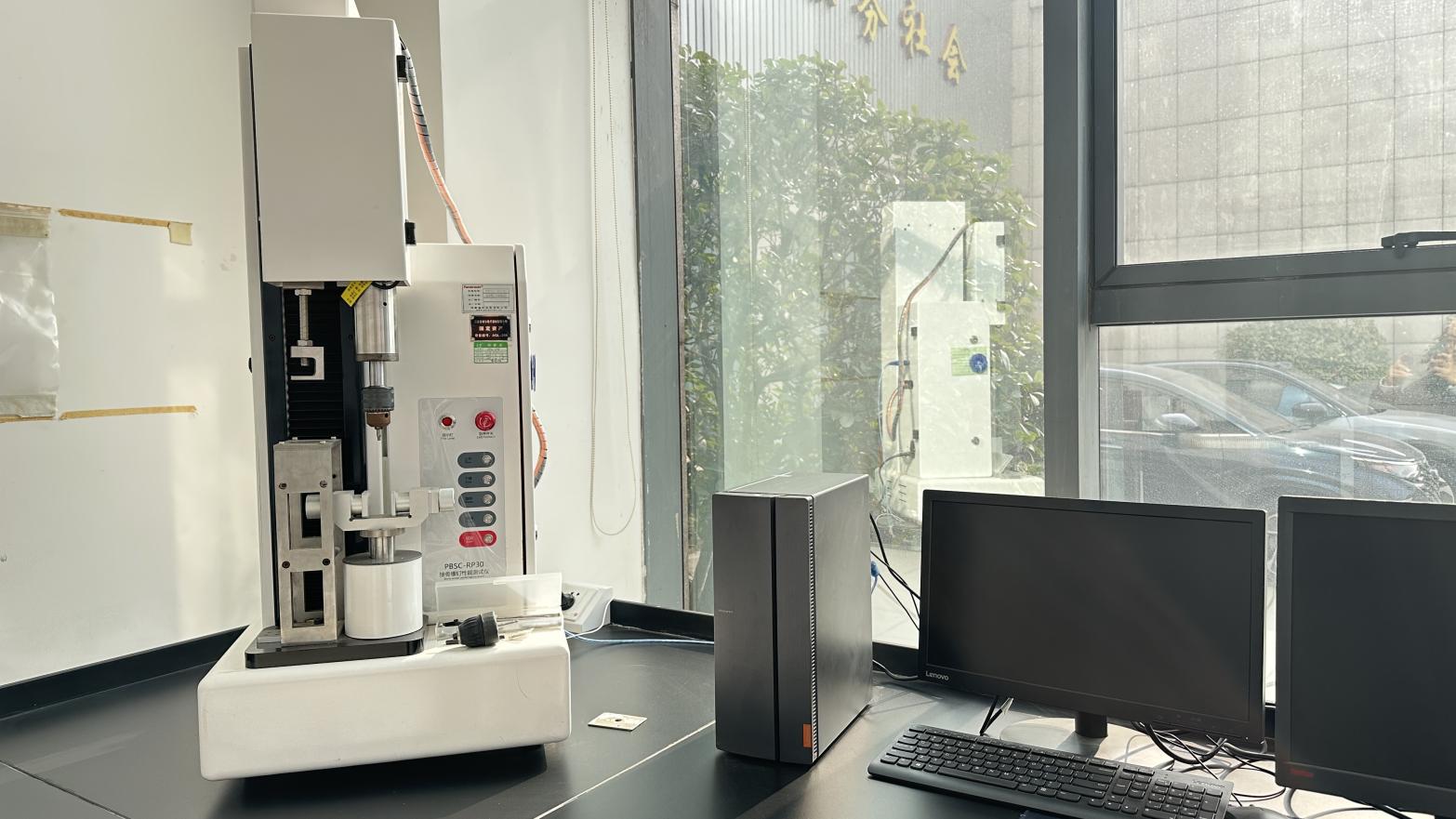
Collaborating with an established Chinese orthopedic manufacturer like Medisplint offers substantial strategic and competitive advantages to Northern European distributors. While European local suppliers struggle with surging energy tariffs and protracted raw material delivery schedules, our facility maintains a consolidated ecosystem with over 1,200 specialized supply chain partners.
This integrated approach ensures a steady, uninterrupted flow of high-purity medical titanium and immediate access to specialized surface treatment chemicals. The clinical and commercial advantages of sourcing from our plant include:
Entering the Nordic medical market demands full compliance with the European Medical Device Regulation (EU MDR). Our technical teams support Danish importers throughout the registration process, offering full technical dossiers, CE certification, clinical evaluation studies, and biocompatibility evaluations conforming to ISO 10993 standards.
Each batch of cannulated screws is marked with a laser-etched Unique Device Identification (UDI) code, enabling clinical groups to perform comprehensive tracking through electronic health records—a core requirement of Denmark's digital-first healthcare system.
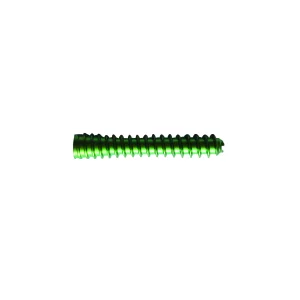
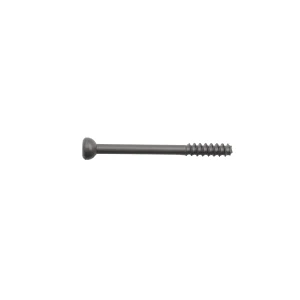
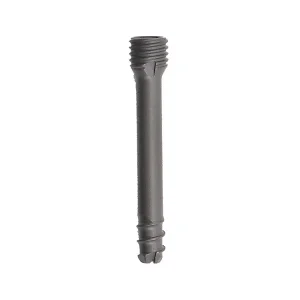
A broad range of titanium bone implants, compressive headless screws, and dedicated sterilization sets configured for Danish medical tenders.
Tracing Medisplint's evolution into a key supplier of precision trauma devices for international markets.
Common inquiries from Danish procurement professionals, medical distributors, and surgical centers.