Medisplint Medisplint

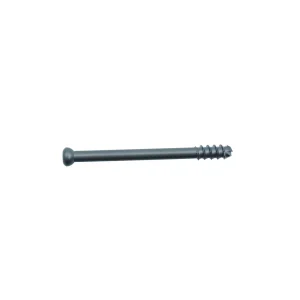
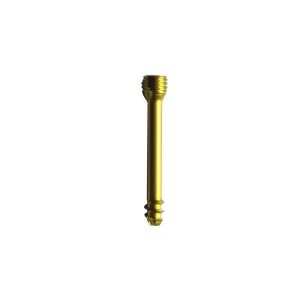
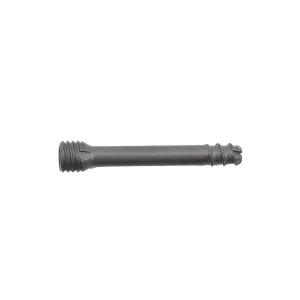
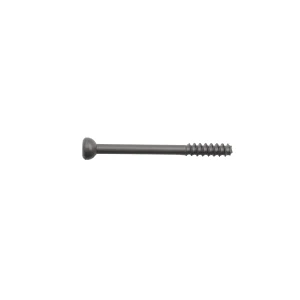
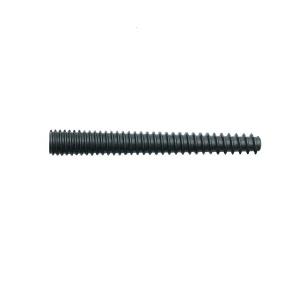
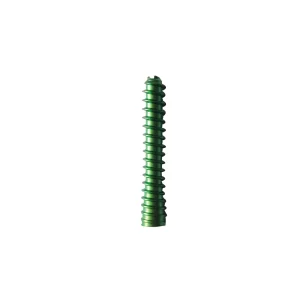
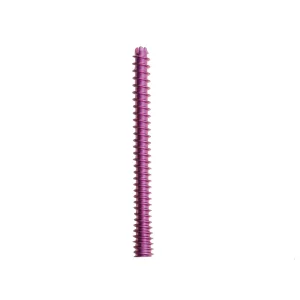
Cannulated Screws Factory & Exporter serving the Istanbul market

Premium Medical-Grade Titanium Orthopedic Cannulated & Headless Compression Fixation Systems for Hospitals and Distributors Across Istanbul and Turkey.

Send Inquiry Now

The Istanbul Orthopedic & Trauma Implants Market Dynamics

Istanbul represents Turkey’s largest medical nexus, housing more than 200 public and private hospitals, including prestigious university hospital complexes and world-renowned private networks such as Acıbadem Healthcare Group, Memorial Health Group, and Medical Park. The city has emerged as a premier global hub for medical tourism, attracting thousands of patients from Europe, Central Asia, and the Middle East for advanced orthopedic surgeries, complex trauma reconstructions, and sports medicine.

This high patient volume drives a significant demand for CE-certified, ISO 13485 compliant Class III medical implants, specifically cannulated bone screws and compression systems. Given the stringent regulations enforced by the Turkish Medicines and Medical Devices Agency (TİTCK) through the National Product Tracking System (UTS), local distributors and health administrators seek manufacturing partners who can provide clinical-grade documentation, absolute traceabilities of titanium raw materials (such as Grade 5 ELI Titanium / Ti-6Al-4V), and robust delivery channels.

Information Gain Insight: Our manufacturing facility integrates Swiss-type CNC precision machining with ISO Class 7 cleanroom packaging to satisfy UTS requirements directly. This ensures that every cannulated screw exported to Turkey passes import clearance effortlessly, supporting quick clinical deployments.

Global Orthopedic Screws Industry Status & Trends

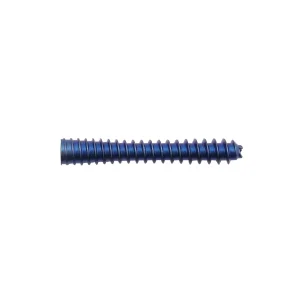
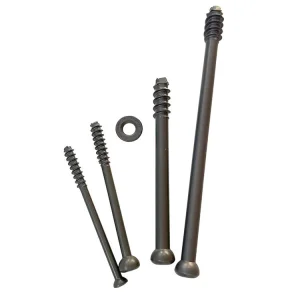
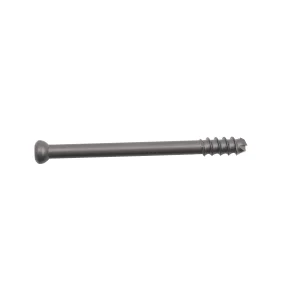
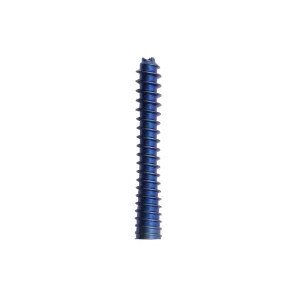
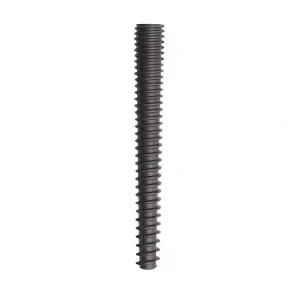
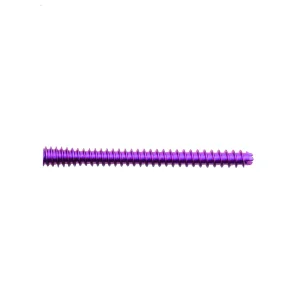
The global orthopedic bone screw market is experiencing an transition towards minimally invasive surgery (MIS). Cannulated screws allow surgeons to achieve high precision by inserting a guide wire (usually Kirschner wire) first, then sliding the hollow screw over the wire to achieve compression precisely at the fracture site.

Key global trends shaping this sector include:

  • Bio-absorbable Alloys: Research into magnesium alloy formulations that gradually degrade inside the body to avoid a secondary implant removal procedure.
  • Additively Manufactured Porous Implants: High-precision 3D printing of titanium screws to enhance bone growth integration.
  • Surface Innovations: Applying Hydroxyapatite (HA) or anodized surface finishes to prevent bacterial adhesion and decrease surgical site infections (SSIs).

Medisplint Engineering Competence & Capacity

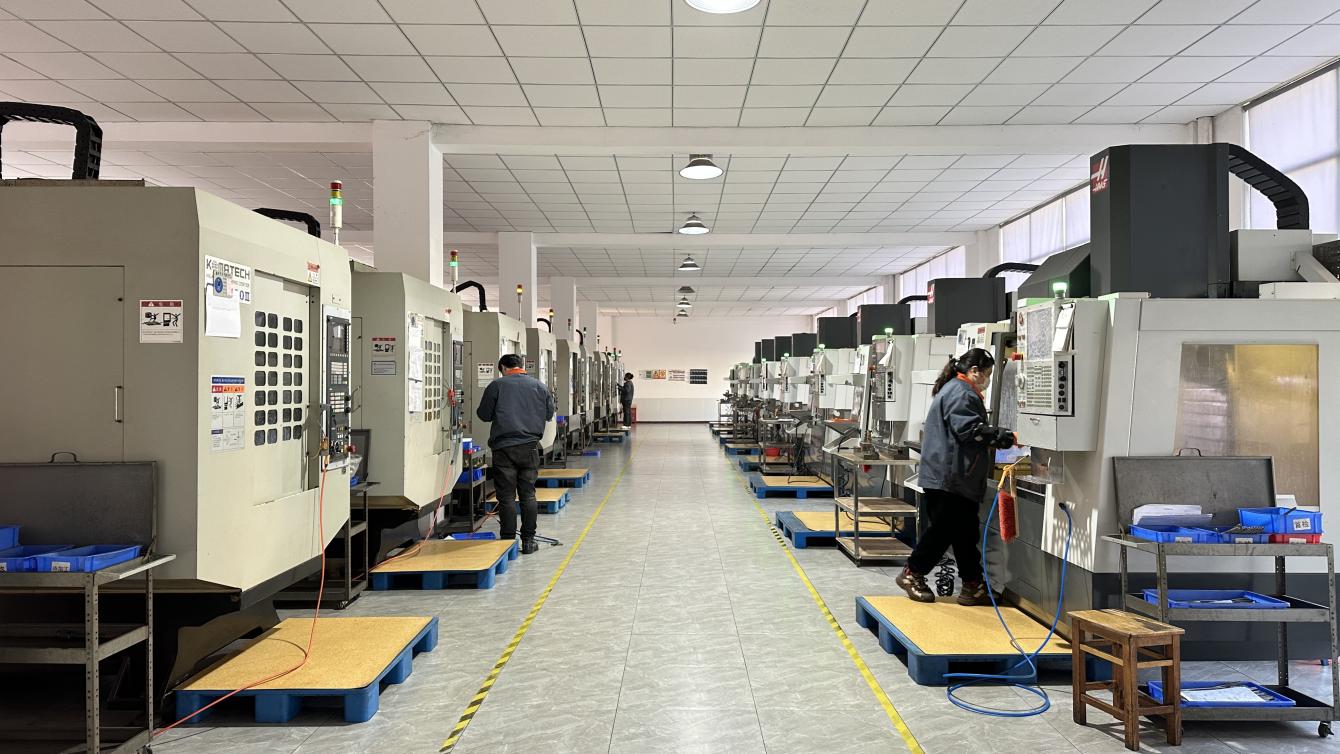
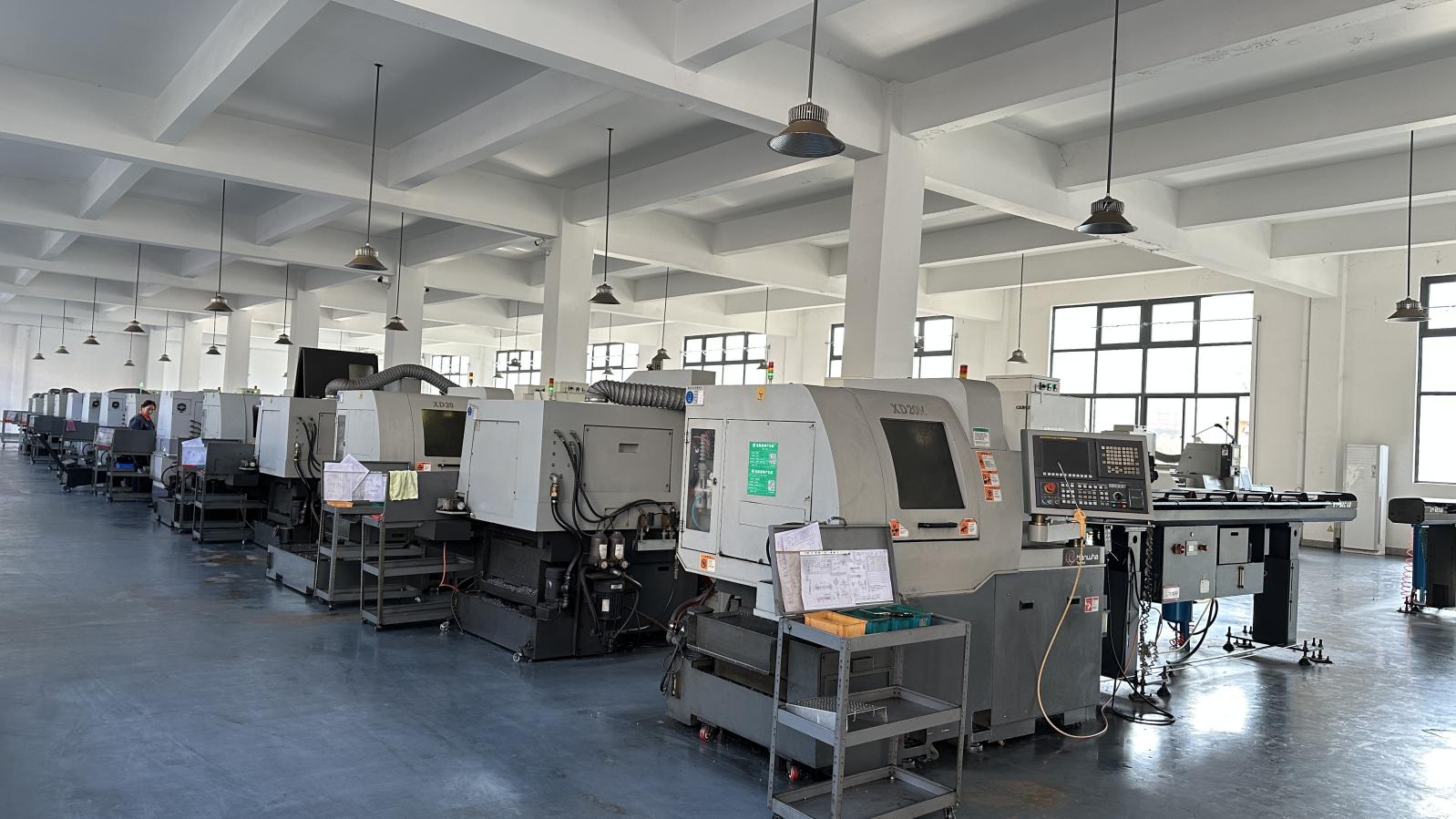
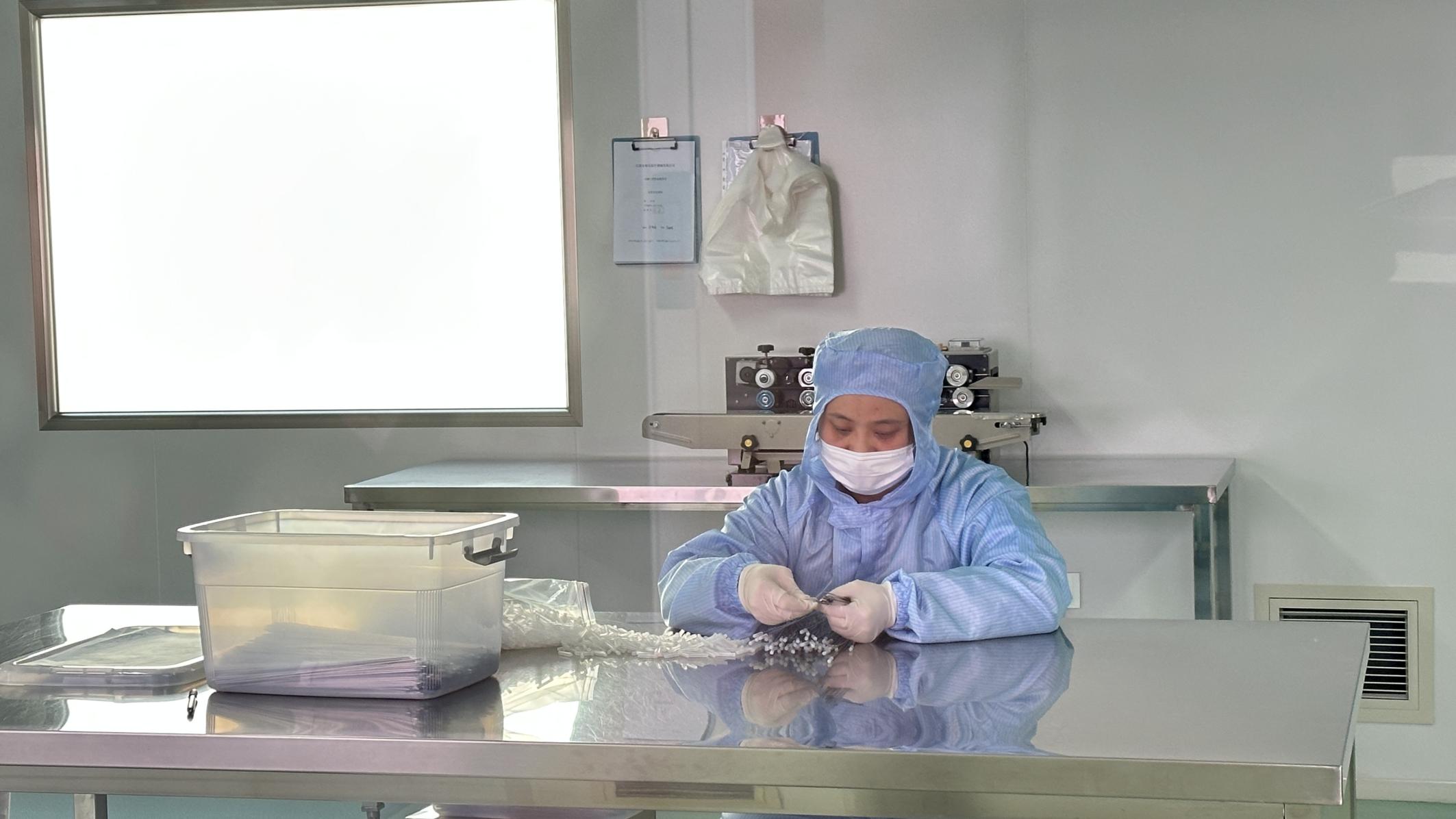
Medisplint Orthopedic Instruments Co., Ltd. is a specialized, ISO 13485 certified manufacturer focusing on advanced trauma and joint reconstruction solutions. Established in 2016, our production facilities and testing labs cover 18,500㎡, running over 50 Swiss-type CNC lathes and multi-axis milling systems.

2016
Year Established
18,500㎡
Manufacturing Facility
$12M+
Annual Export Value
42
QC Inspection Experts

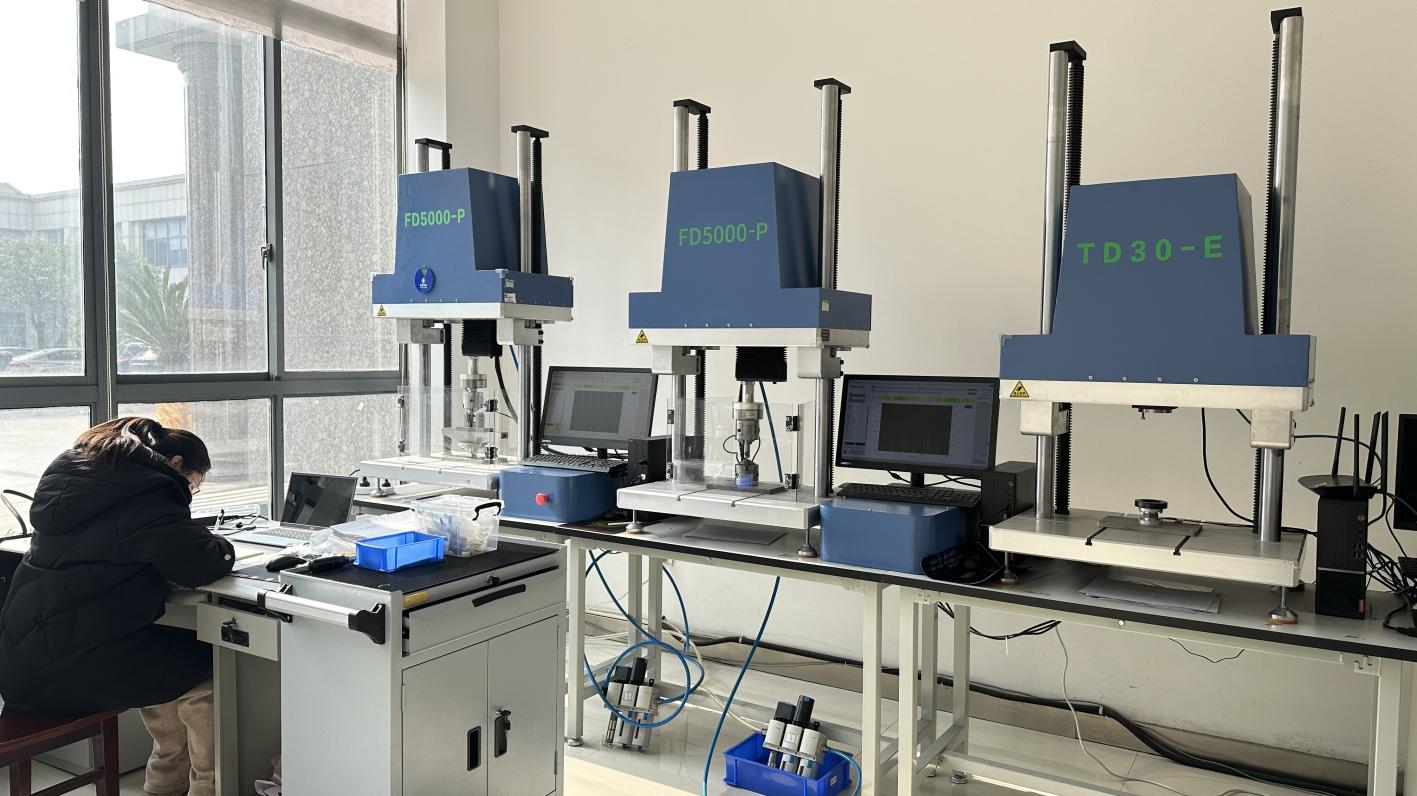
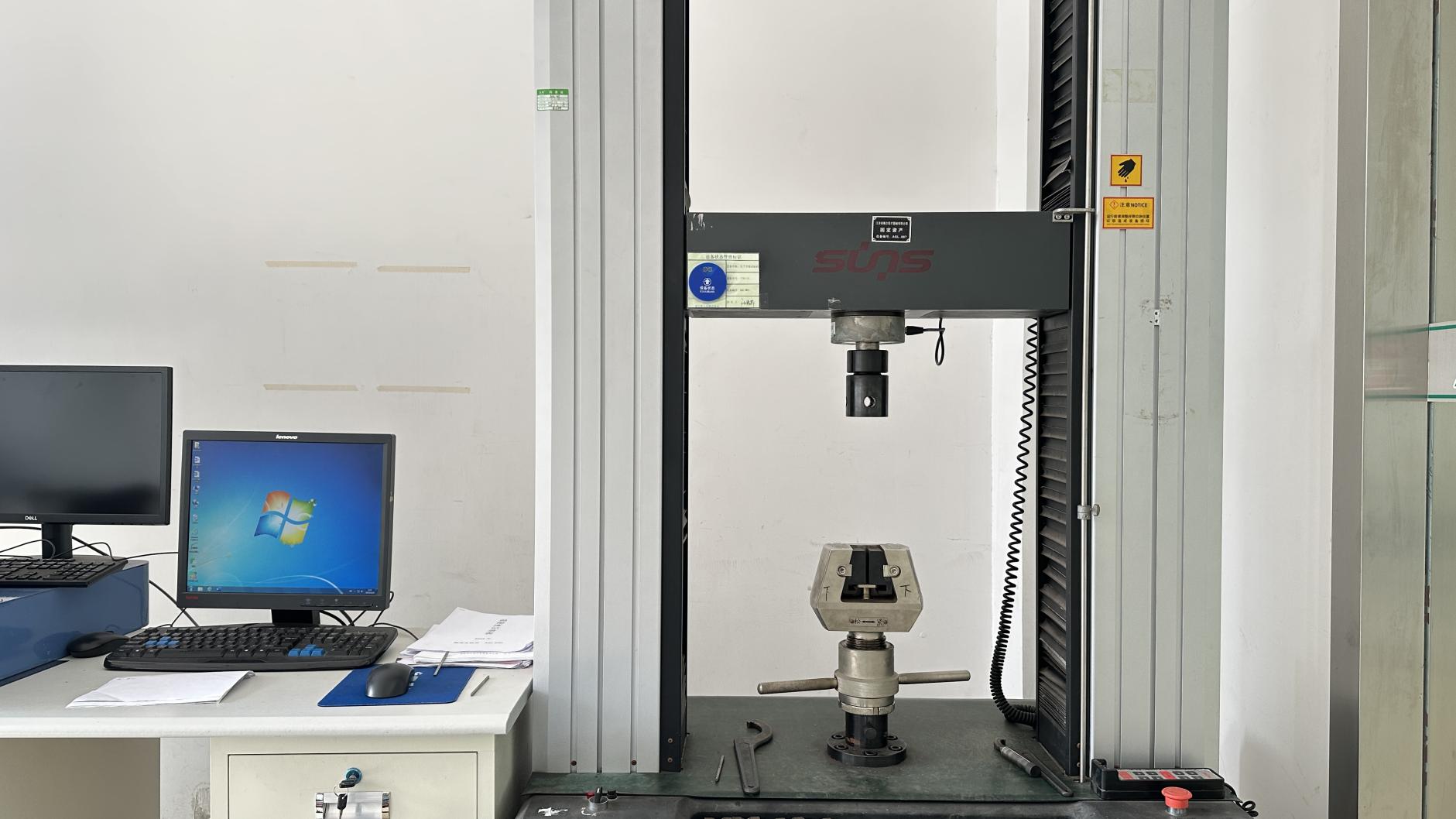
To guarantee the mechanical reliability of our surgical implants under heavy anatomical loads, Medisplint operates dedicated laboratory test suites. We perform fatigue, pull-out, and torsion tests using calibrated instrumentation on every production batch.

Real-World Production, Machining & Testing Workflows

Below is our step-by-step production flow, representing our industrial transparency, high technological control, and commitment to the E-E-A-T guideline.
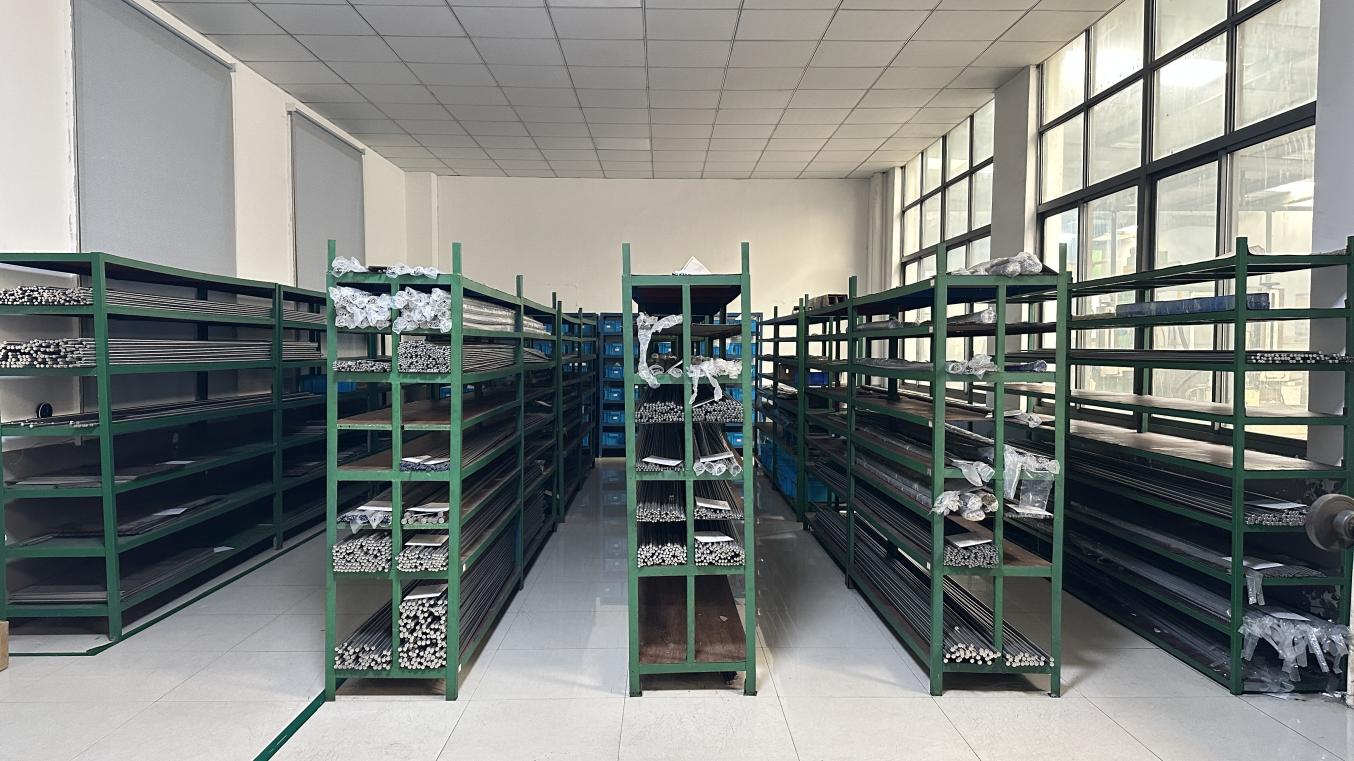
Raw Materials Incoming Inspection
1. Raw Materials Inspection
Titanium Rod Slitting
2. Rod Slitting Process
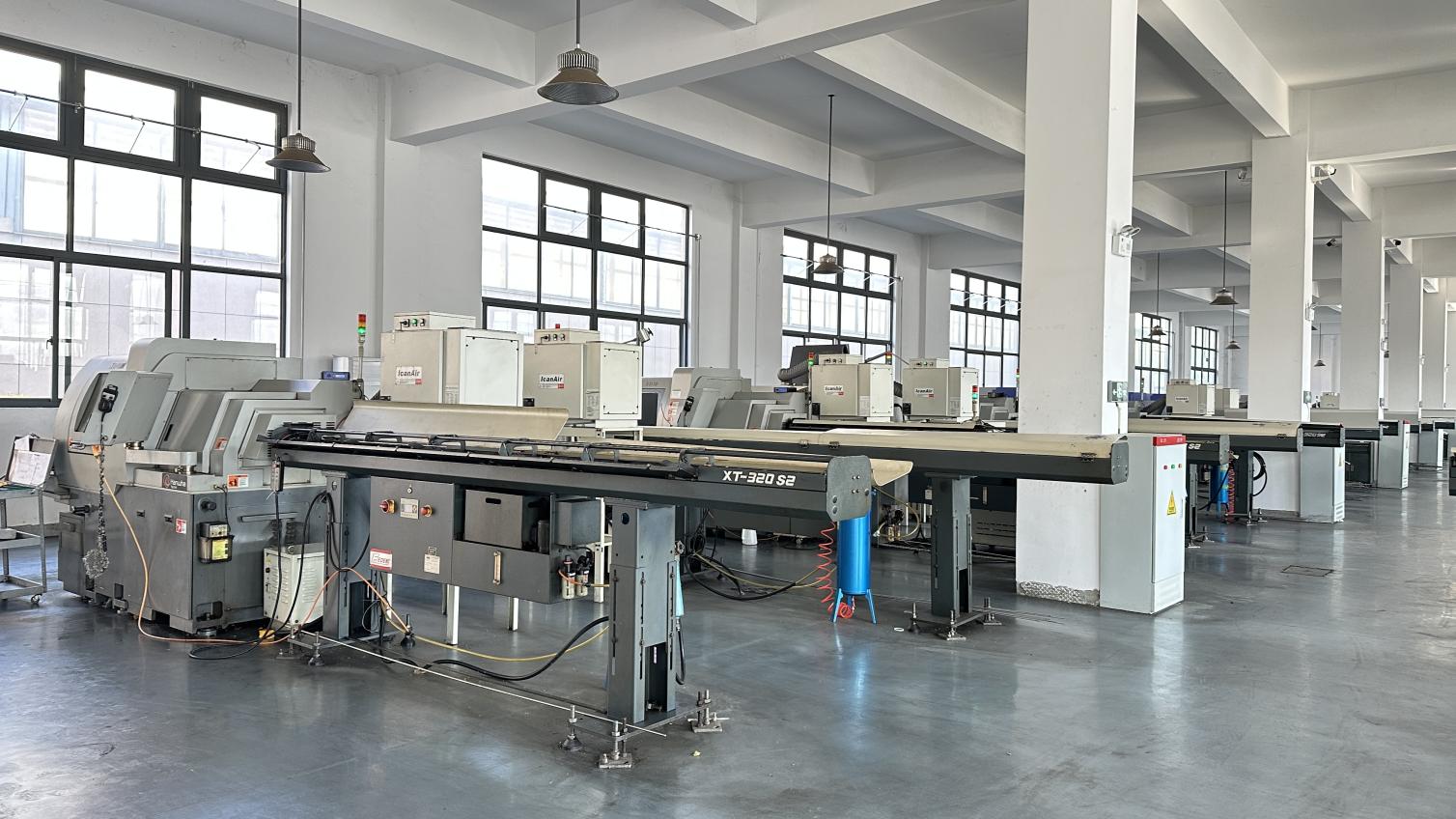
High Precision CNC Machining
3. CNC Machining
Secondary Machining
4. Precision Machining
Head Fluting Milling
5. Flute Milling
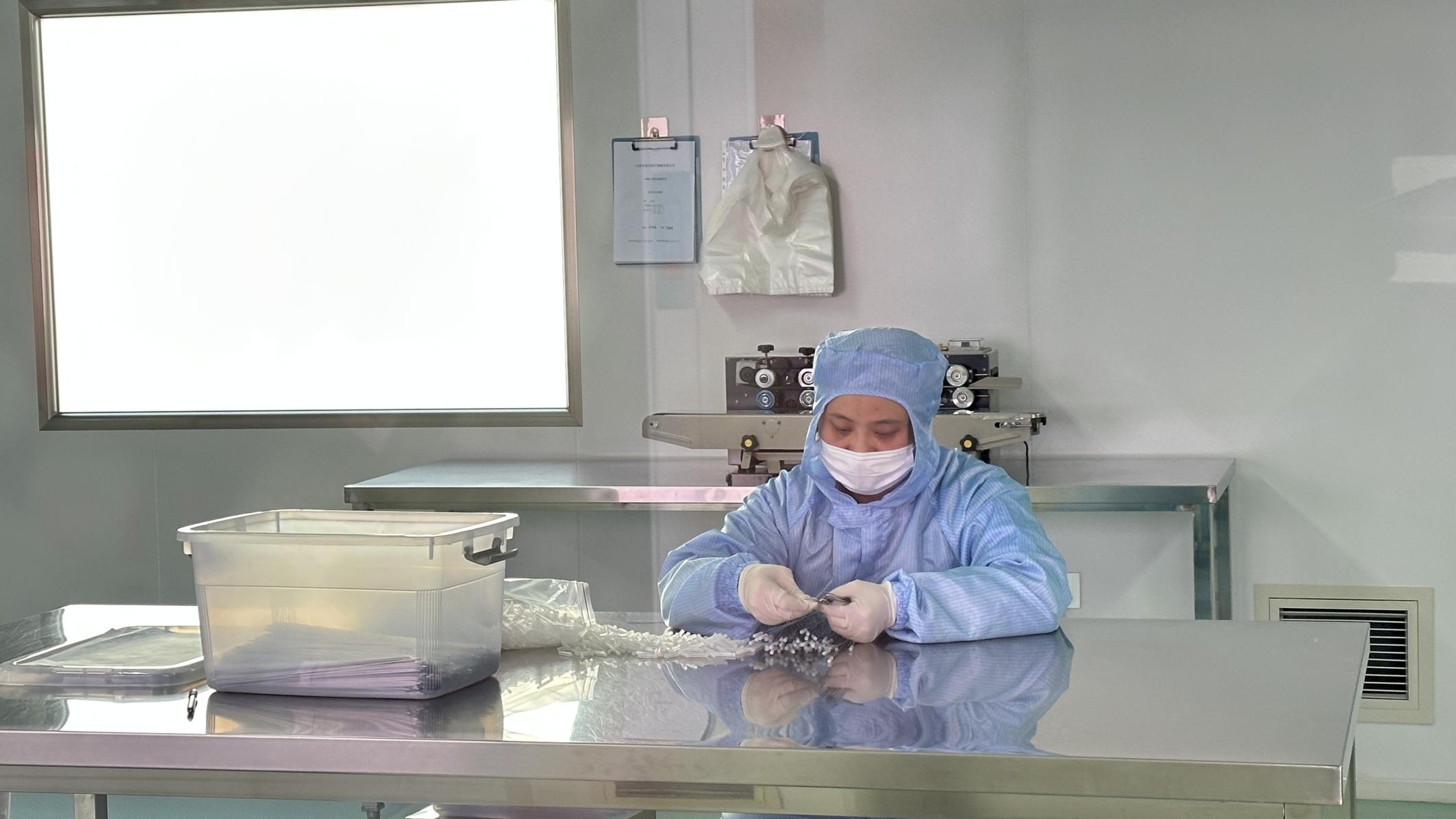
Initial Inspection & Packing
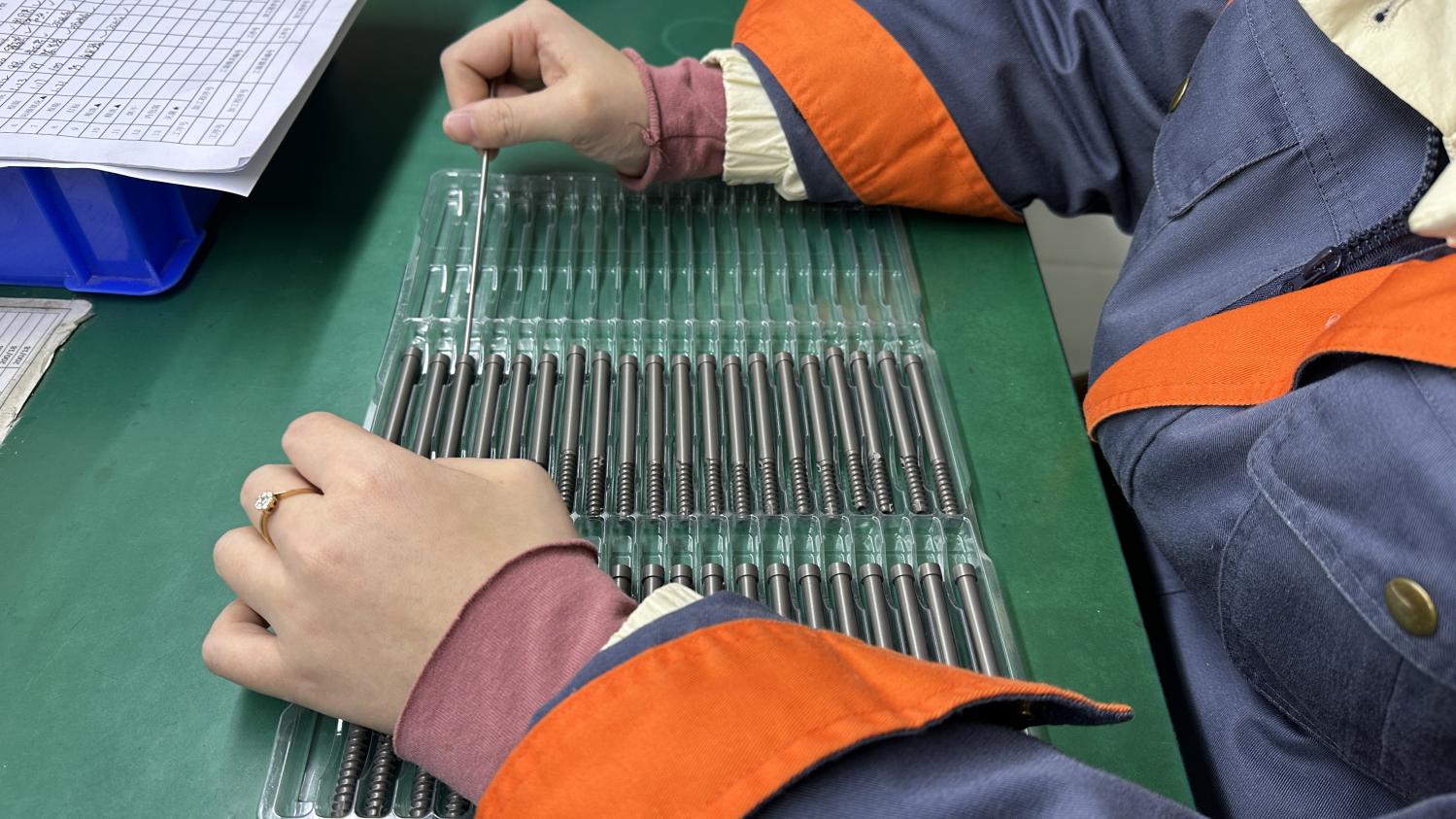
6. Initial Inspection
FQC Inspection and Packing
7. FQC & Packing
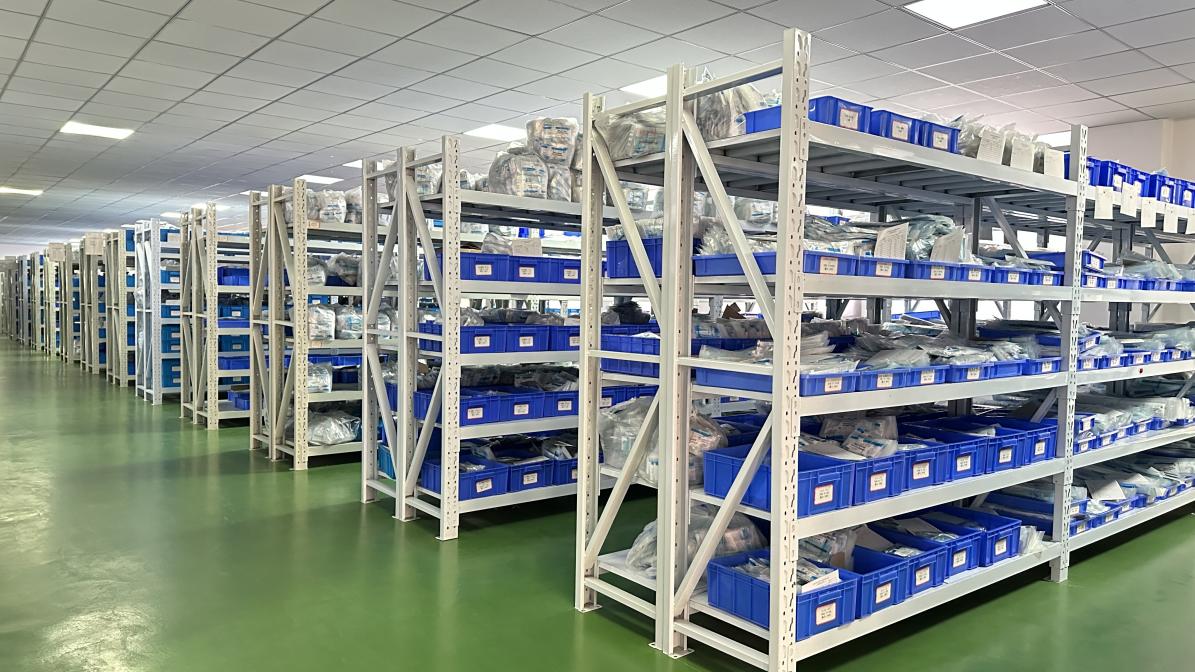
Finished Goods Warehouse
8. Logistics Warehouse
Slitting Machine Workstation
9. Slitting Machine
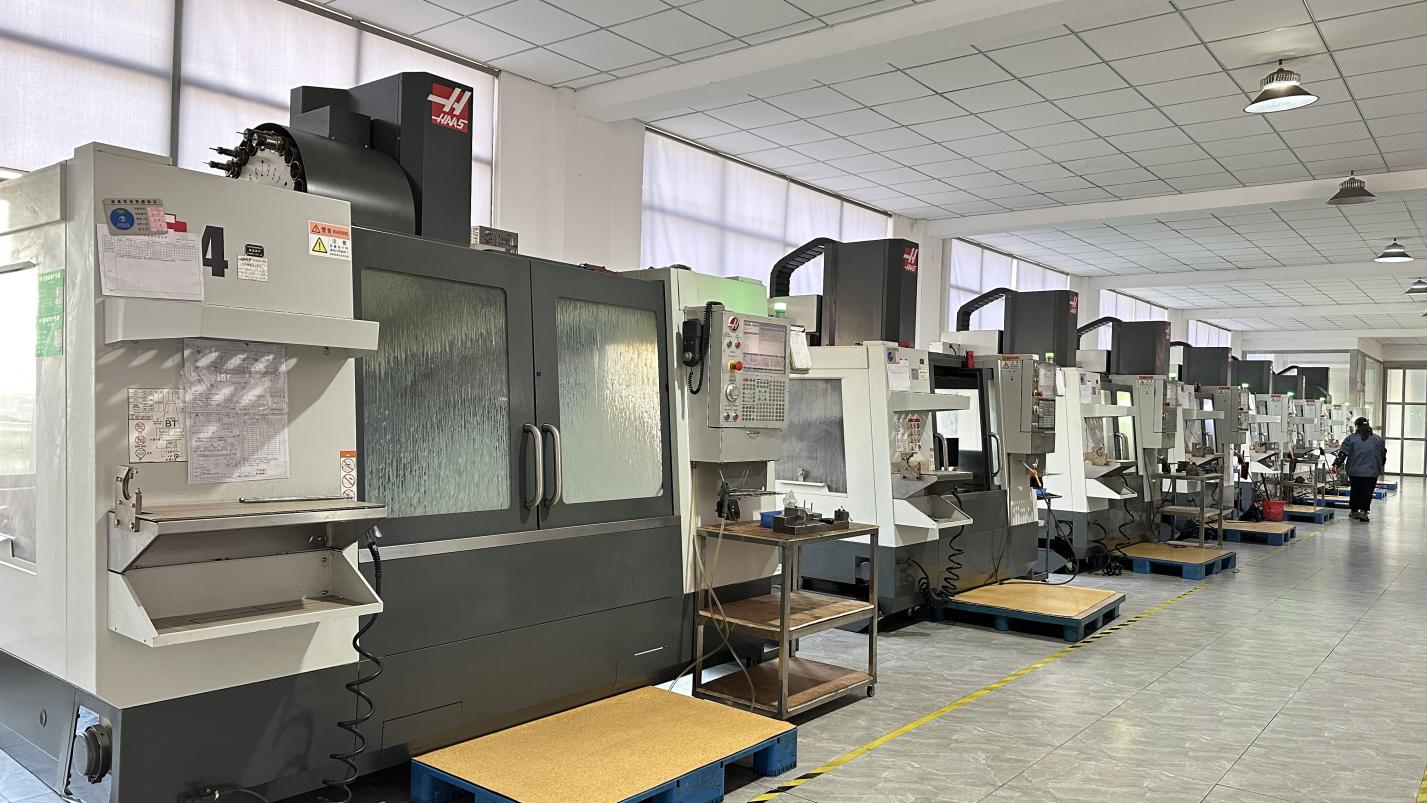
CNC Machining Center
10. CNC Machining Center
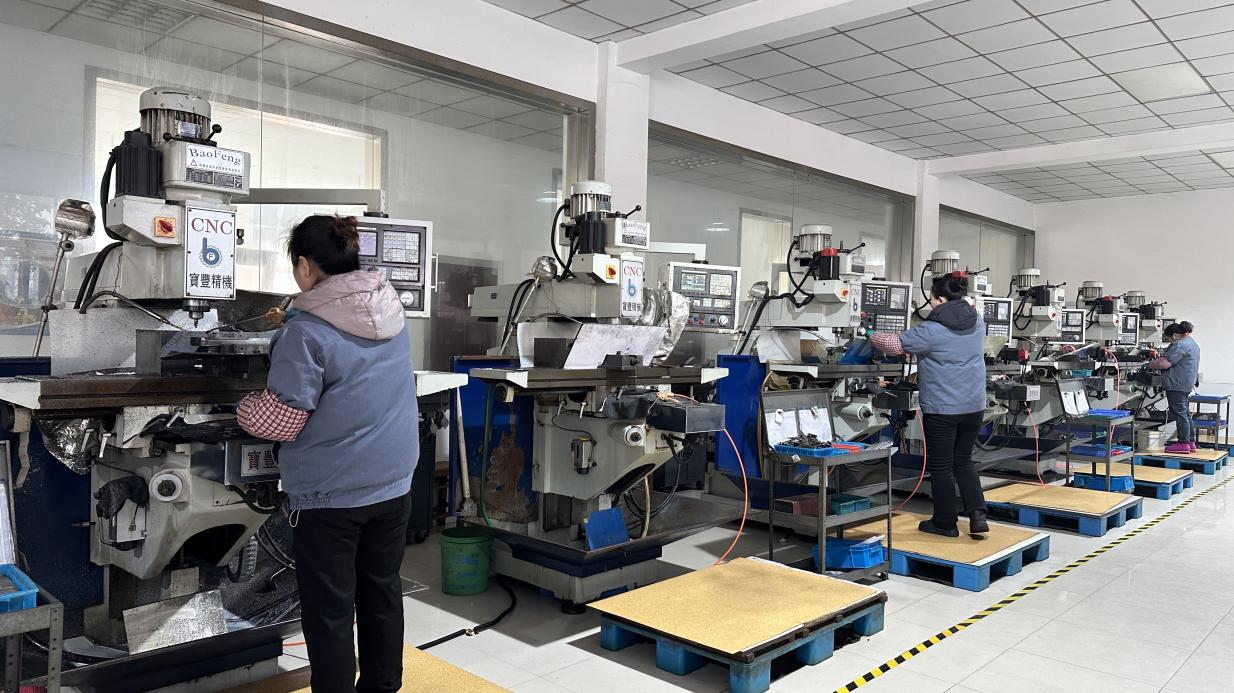
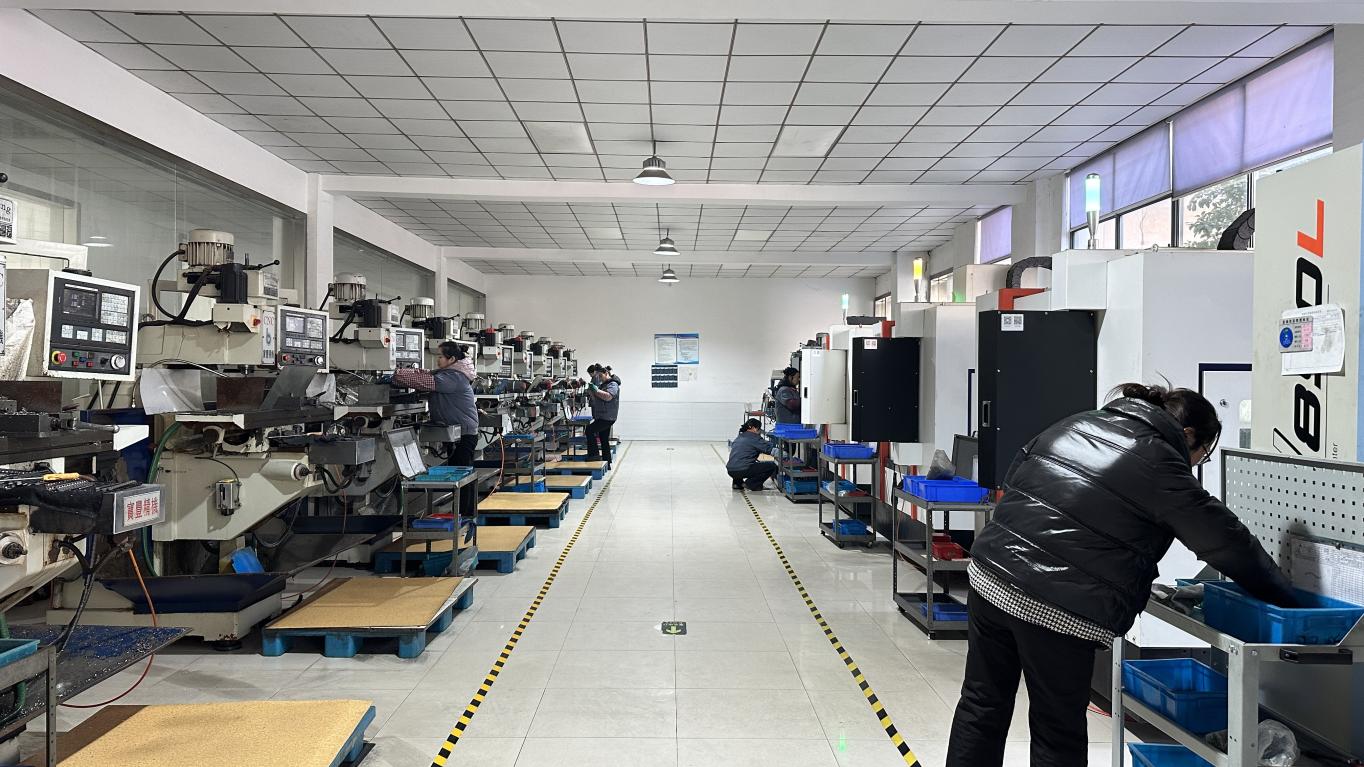
CNC Milling Machine
11. CNC Milling Machine
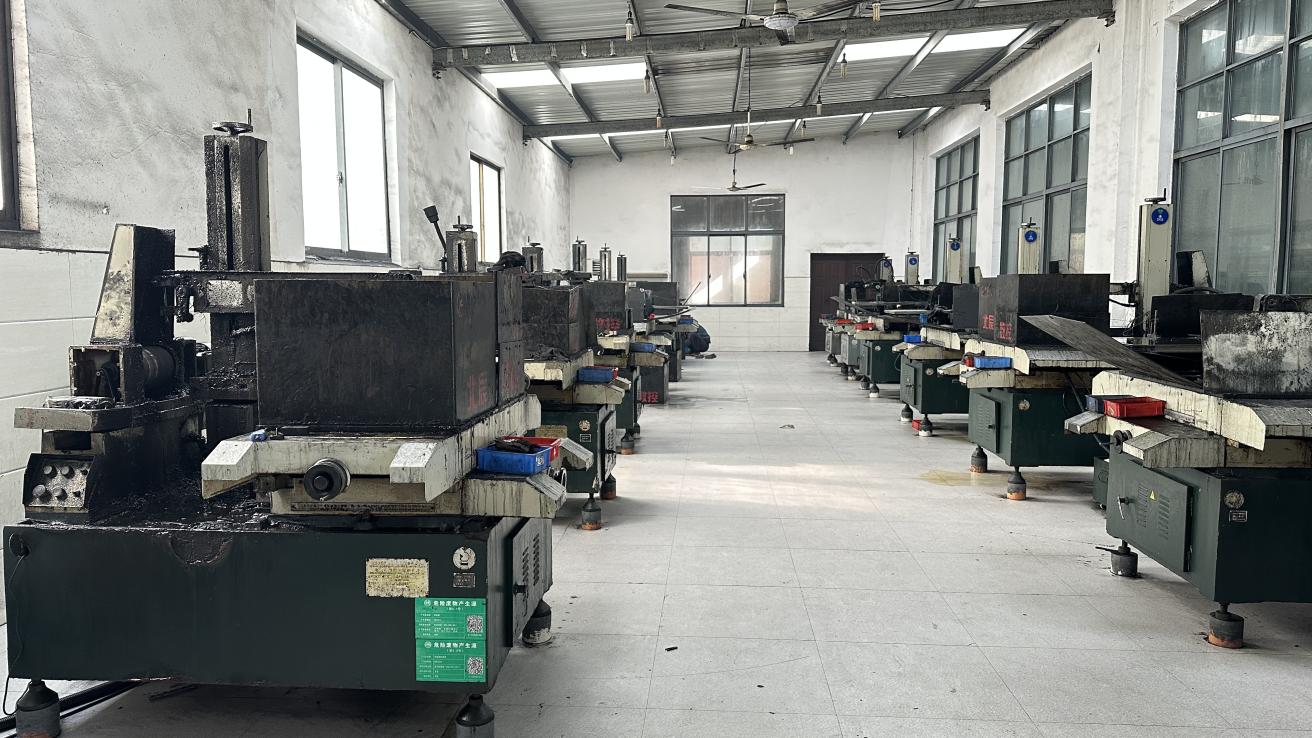
Wire Cutting Machine for Instruments
12. Wire Cutting Machine
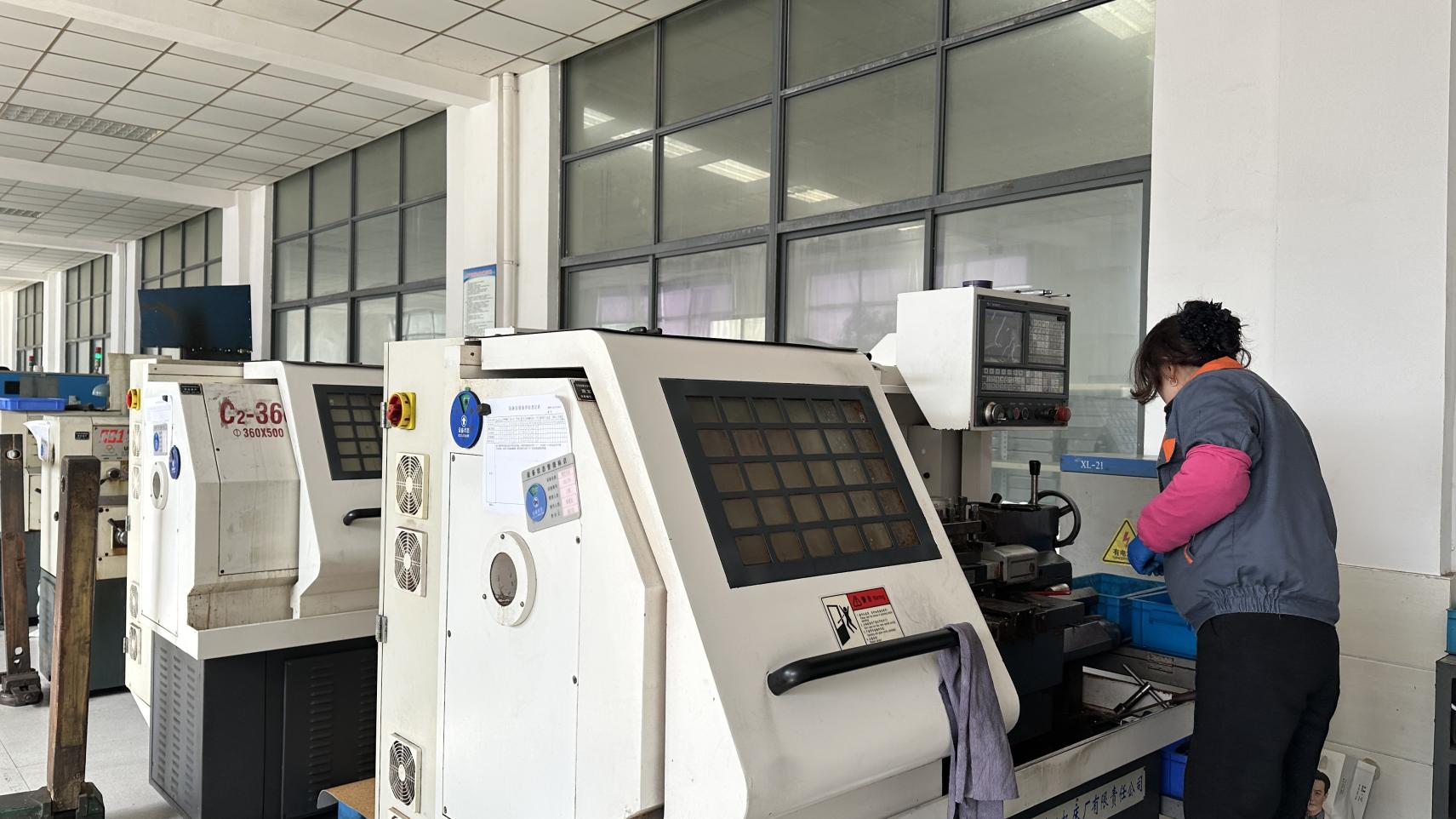
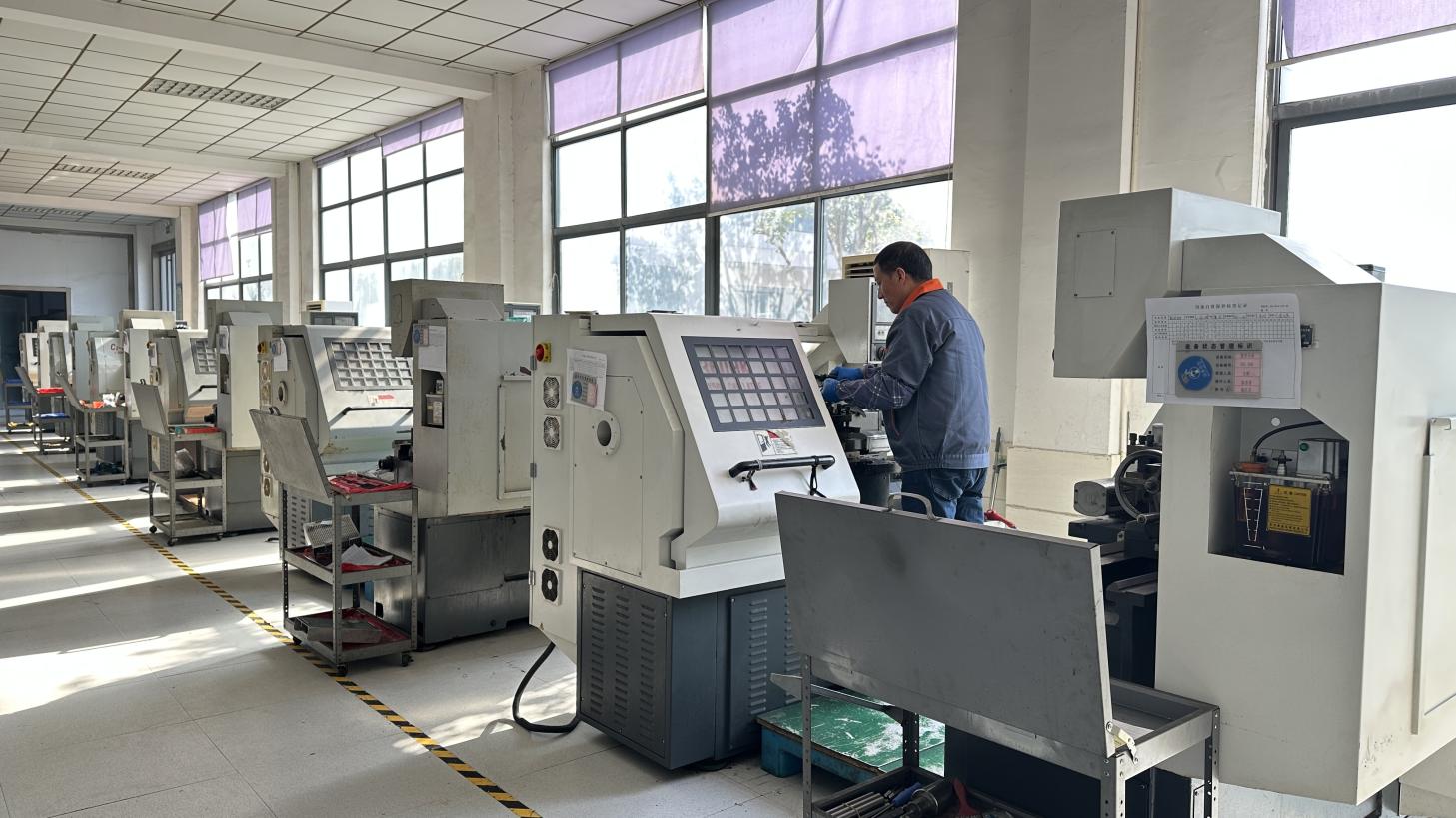
CNC Lathe Machining
13. CNC Lathe
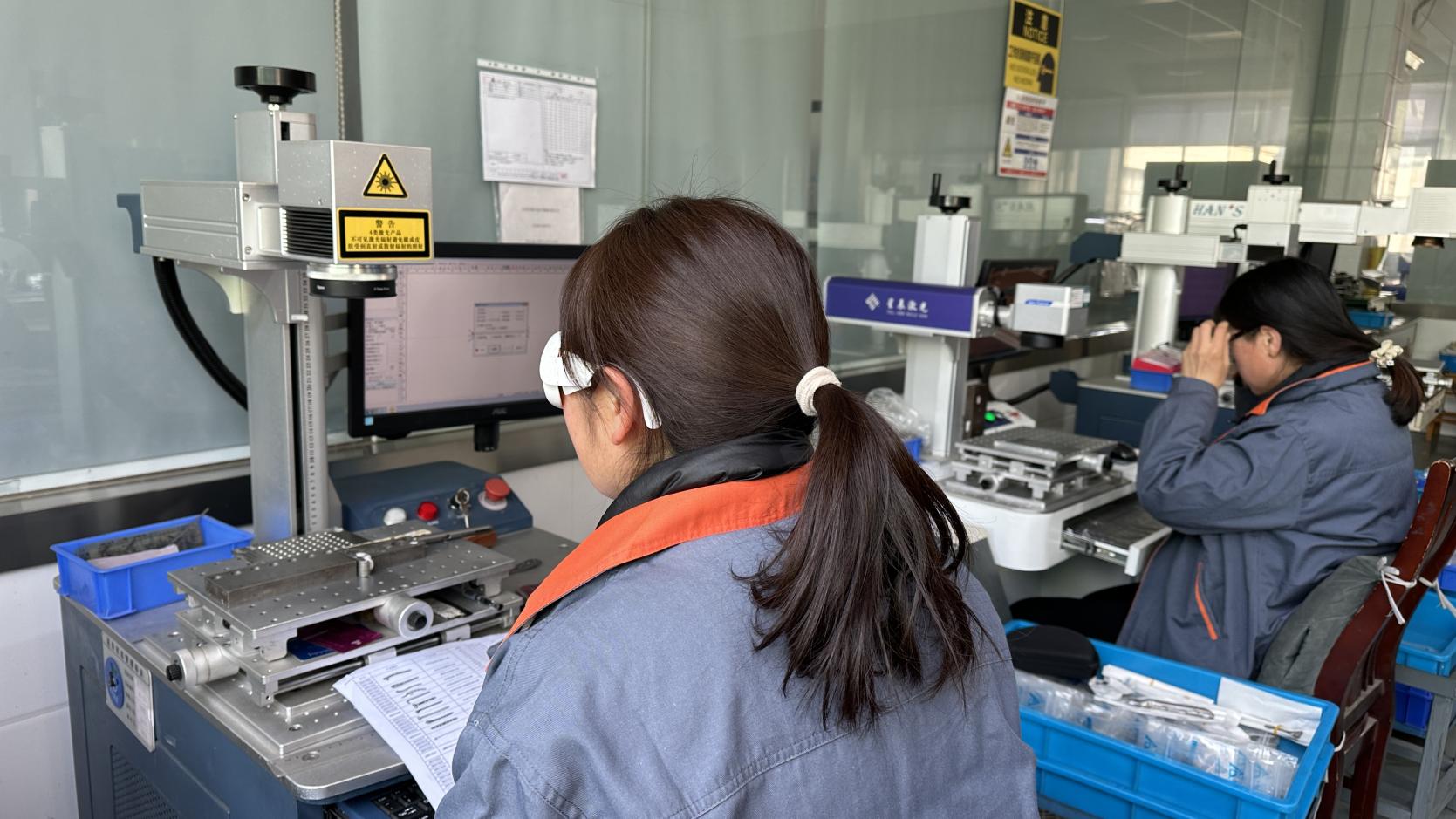
Laser Marking Machine UDI tracking
14. Laser Marking & UDI
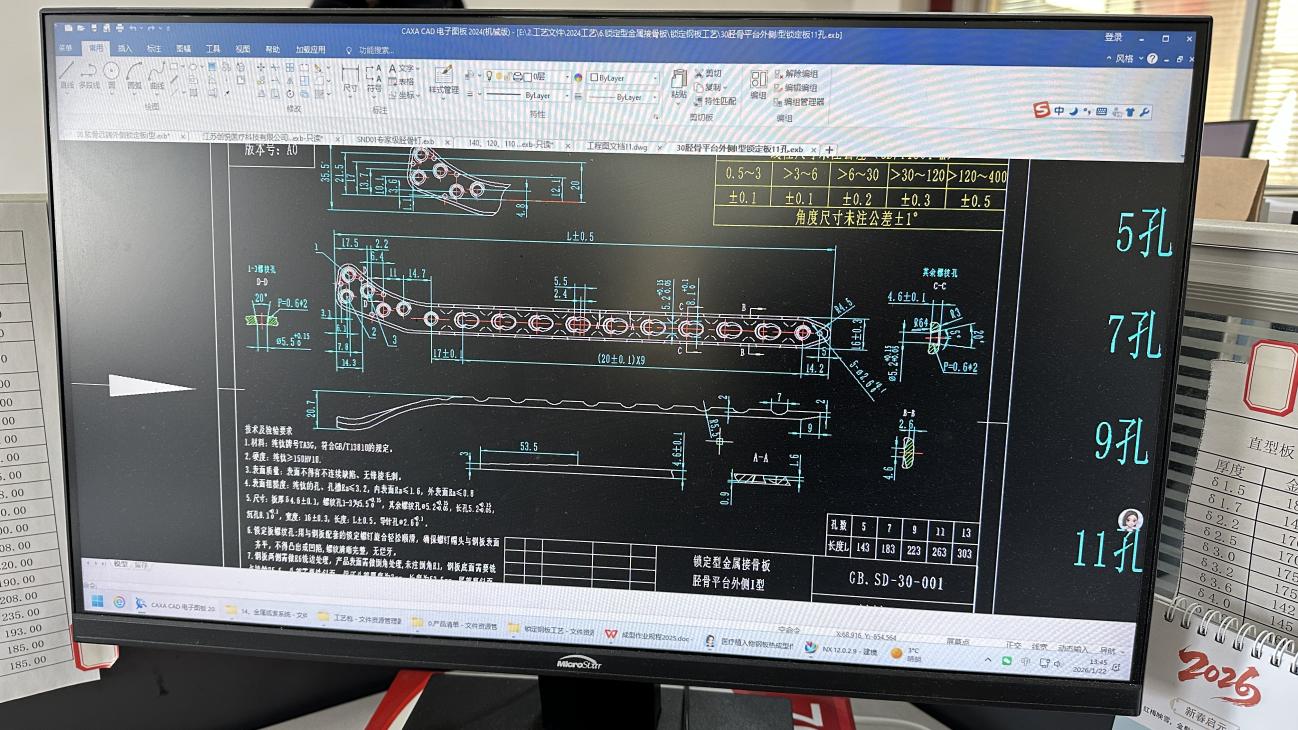
CAD/CAM Design Department
15. Design & CAD/CAM
R&D Testing Laboratory
16. Testing Laboratory
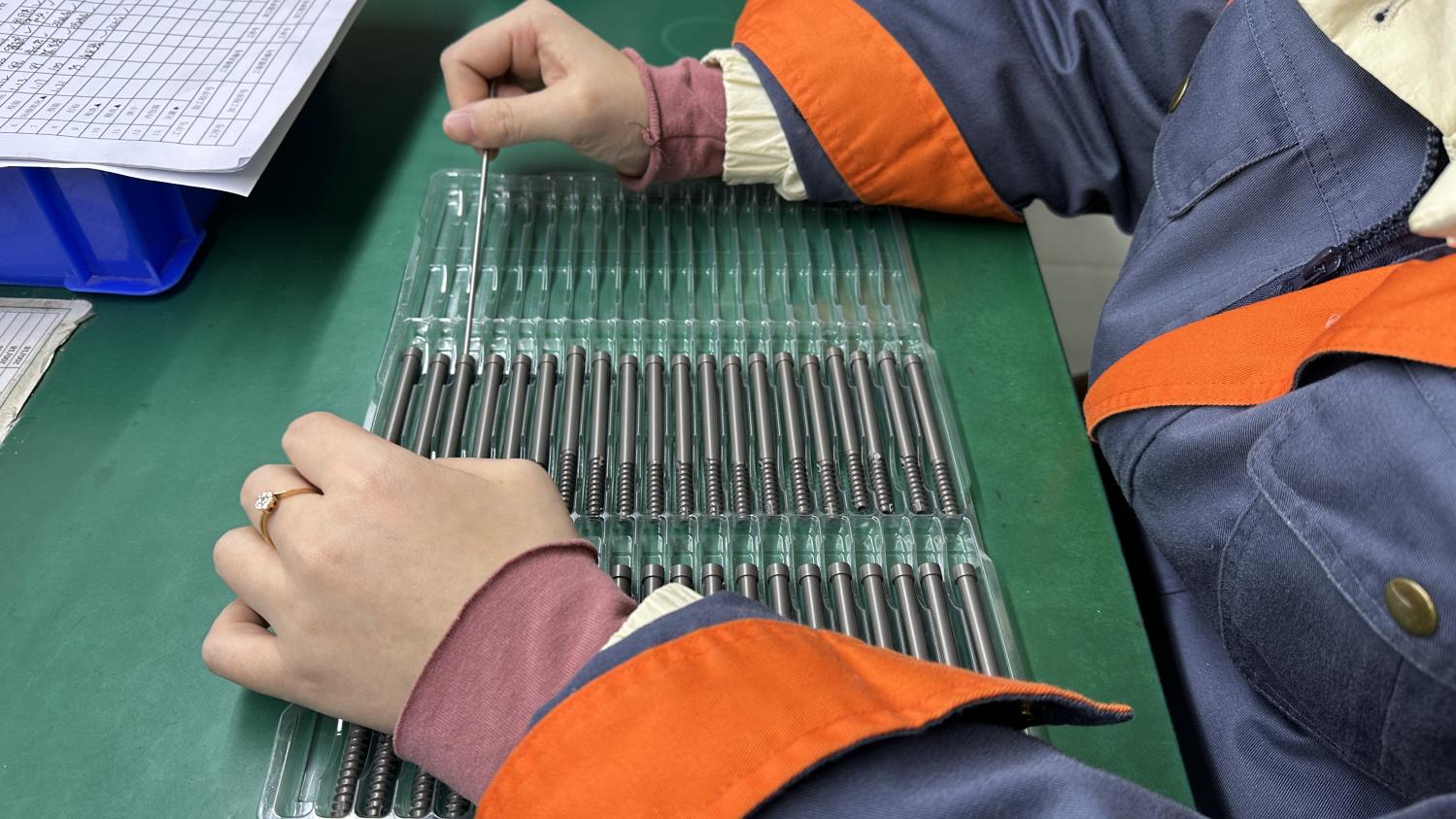
Visual Defect Inspection
17. QA Inspection
Microscopic Cleanliness Control
18. Cleanliness Verification
Fatigue Testing Equipment
19. Fatigue Tester
Tensile Strength Testing
20. Tensile Tester
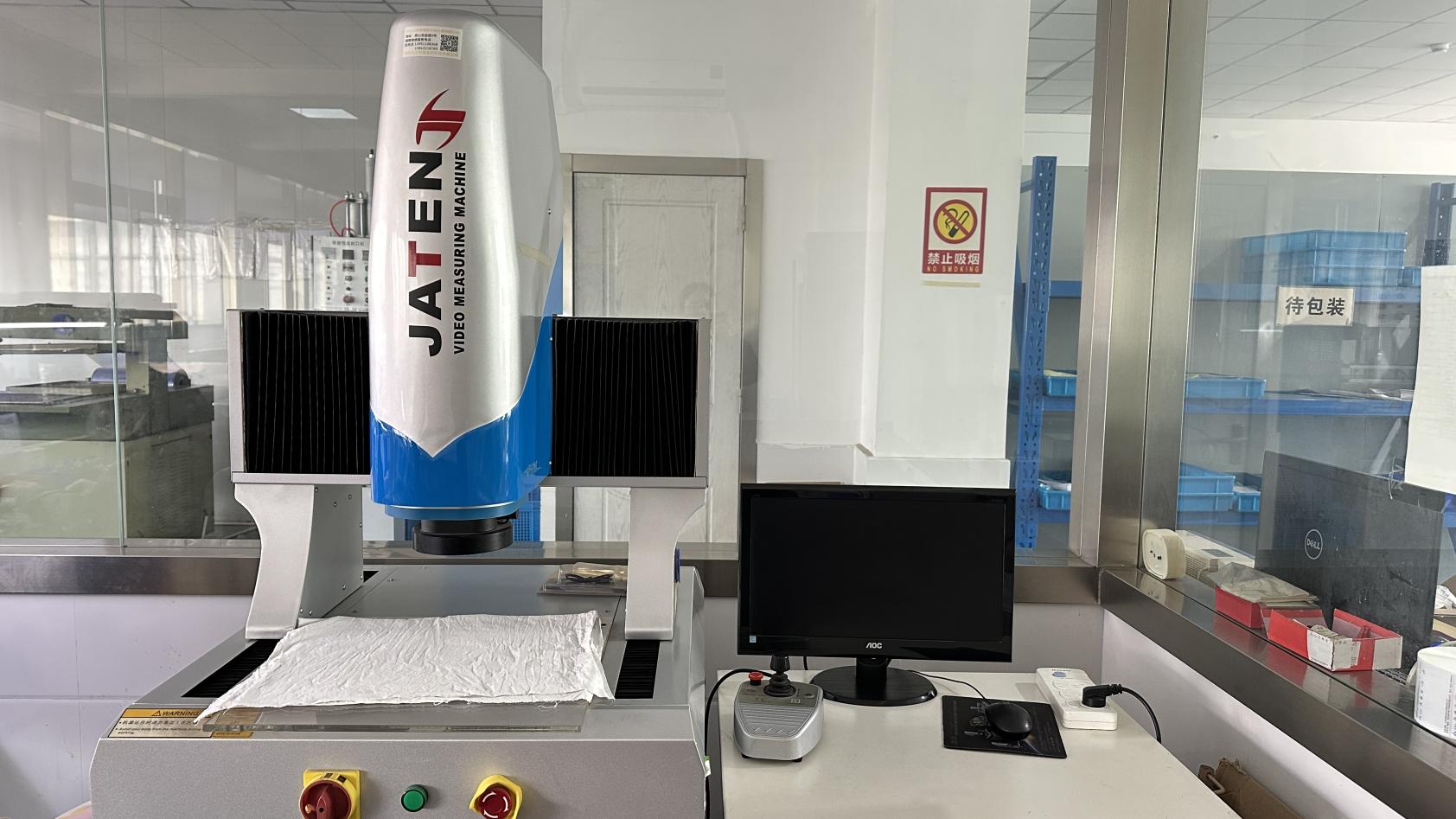
2D Coordinate Measuring Instrument
21. 2D Measuring Instrument
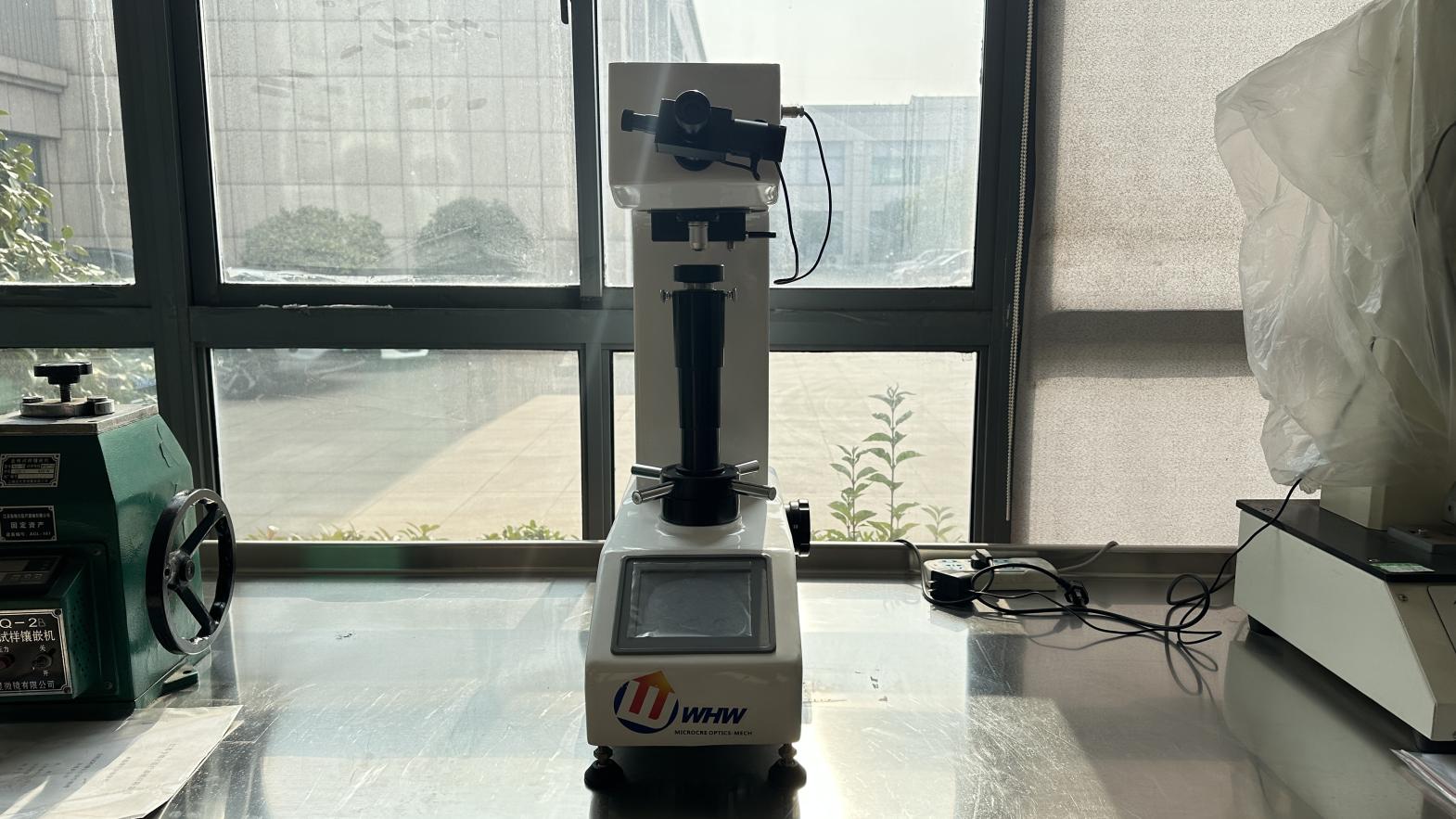
Vickers/Rockwell Hardness Tester
22. Hardness Tester
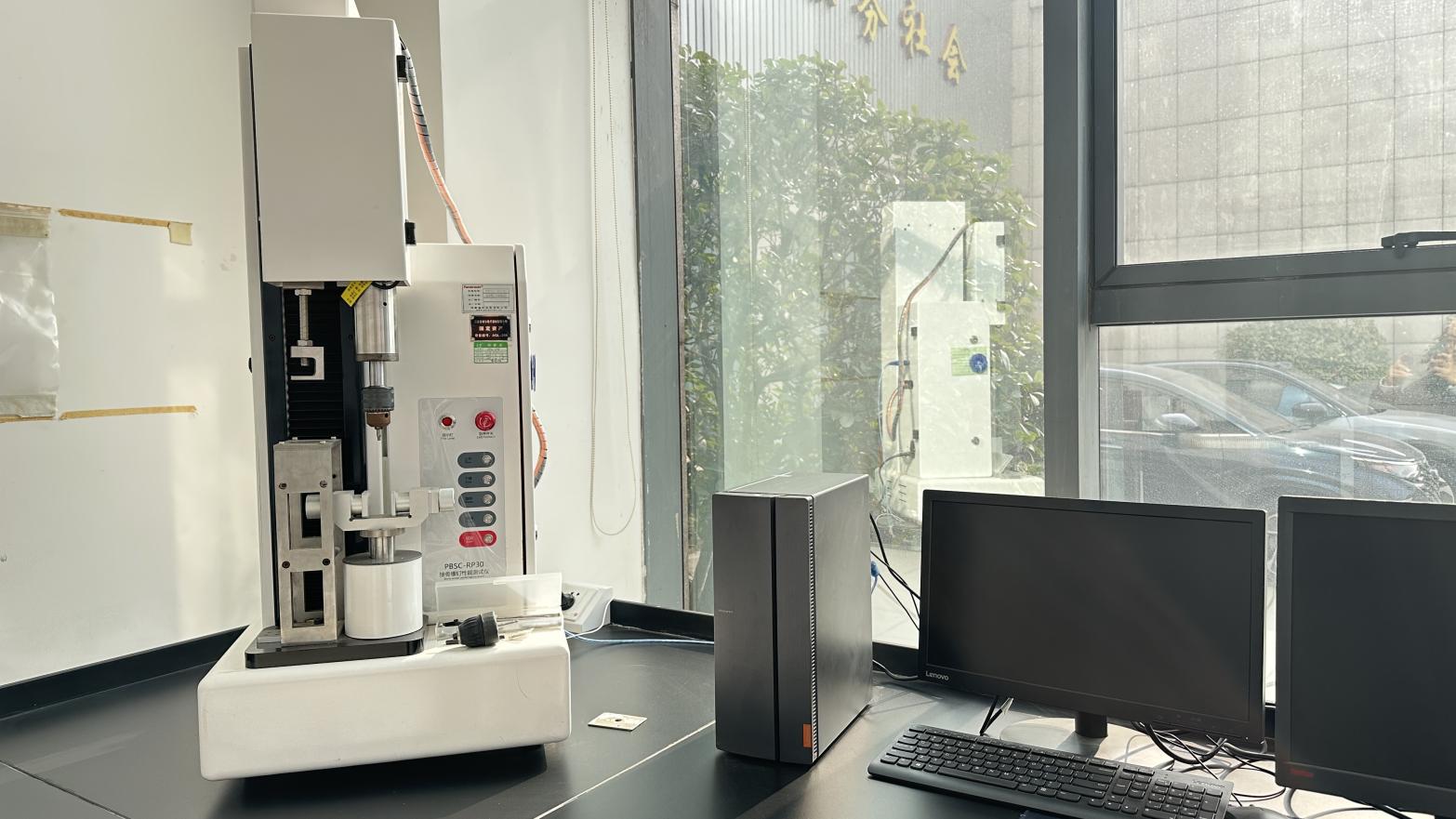
Biomechanical Bone Screw Performance Tester
23. Specialized Bone Screw Biomechanical Performance Testing Center

Technical Roadmap & Quality Assurance Systems

Manufacturing clinical bone screws requires precise engineering. At Medisplint, the manufacturing process is regulated by advanced quality control systems.

1. Clean Raw Materials Verification

We source our raw titanium exclusively from certified medical-grade suppliers. Every rod is verified using optical emission spectrometers (OES) to check chemical composition limits (e.g., keeping iron content < 0.25% and oxygen < 0.13% to meet ASTM F136 requirements).

2. Precision Thread & Cannulation Machining

A high-speed gun-drilling process creates the inner cannula. Concentricity is kept within ± 0.02 mm to prevent guide-wire binding. Thread profiles are generated through thread-rolling rather than cutting to maximize mechanical fatigue resistance.

3. Complete Validation Testing

In our testing lab, we subject screws to test conditions resembling real-world biomechanical challenges:

  • Torsion Testing (ASTM F543): Ensures the drive socket doesn't strip under peak insertion torque.
  • Axial Pull-out Resistance: Validates thread grip and retention force in polyurethane synthetic bone blocks.
  • Microscopic Inspection: Eliminates burrs and manufacturing residues from inside the cannula.
Macro Solutions for Distributors: We provide custom labeling, localized laser marking (for surgical kit organization), sterile protective blister packaging, and full documentation to support Turkish UTS submissions.

Clinical & Procurement FAQs

Key answers to mechanical, biocompatibility, and logistics questions commonly asked by orthopedic surgeons and purchasing departments.

Why is Ti-6Al-4V ELI (Grade 5) preferred over standard titanium alloys?
Ti-6Al-4V ELI (Extra Low Interstitial) contains reduced levels of oxygen, nitrogen, and carbon. This chemical modification increases ductility and fracture toughness, reducing risk of implant failure under high cyclic stresses inside the human body.
What is the surgical advantage of a headless compression screw design?
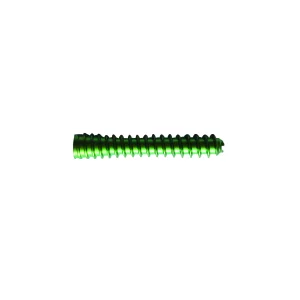
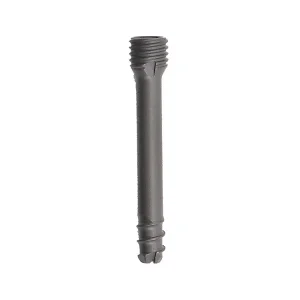
Headless screws (such as Herbert type) sink completely below the bone surface. This prevents hardware irritation of surrounding tendons and soft tissues, which is highly beneficial when stabilizing intra-articular fractures in the hand, wrist, or foot.
How does Medisplint support the Turkish UTS registration process?
We provide all necessary technical documentation, including ISO 13485 certificates, CE declarations of conformity, biocompatibility reports (ISO 10993), and raw material certificates. We also structure UDI barcodes to match the TİTCK UTS portal requirements.
What is the standard lead time for shipping to Istanbul?
For standard orthopedic trauma screw designs, order processing takes 15–20 working days. Air transport transit to Istanbul Airport (IST) takes 3–5 days, providing quick supply chain responses.

Partner with an ISO 13485 Certified Factory

Get access to direct-from-factory pricing, customized sizing schemes, and reliable regulatory support for the Turkish orthopedic market.

Send Inquiry Now