Medisplint
Medisplint
Medisplint
Explore our premium select range of orthopaedic trauma, spine, joint reconstruction systems, and specialized surgical equipment.
Medisplint Orthopedic Instruments Co., Ltd. is a world-class professional manufacturer specializing in orthopedic implants, fixation systems, and surgical instruments for trauma, spine, and joint reconstruction.
Founded in 2016, we have established a strong baseline of clinical safety, production innovation, and international market penetration. Our high-tech manufacturing plant covers approximately 18,500m², integrating end-to-end production, sterile assembly, and extreme-precision quality control operations under one roof.
Analyzing key macroeconomic vectors, demographic shifts, and regional drivers shaping the shoulder arthroplasty landscape.
The demand for Total Shoulder Arthroplasty (TSA) and Reverse Shoulder Arthroplasty (RSA) is rising. Driven by aging populations, osteoarthritis prevalence, and active lifestyle wear, global procedures are projected to grow at a CAGR of 6.8% over the next decade.
Reverse shoulder prostheses have captured over 65% of the global market. They provide biomechanical advantages in patients with rotator cuff deficiencies by leveraging the deltoid muscle as the primary driver for shoulder articulation.
Navigating strict pathways like Class III medical device CE MDR and FDA 510(k) is vital for developers. Medisplint leverages certifications and clinical data to enable smooth market entry for distributors worldwide.
Visualizing our precision manufacturing cycle, utilizing modern CNC machining, advanced material science, and quality assurance.
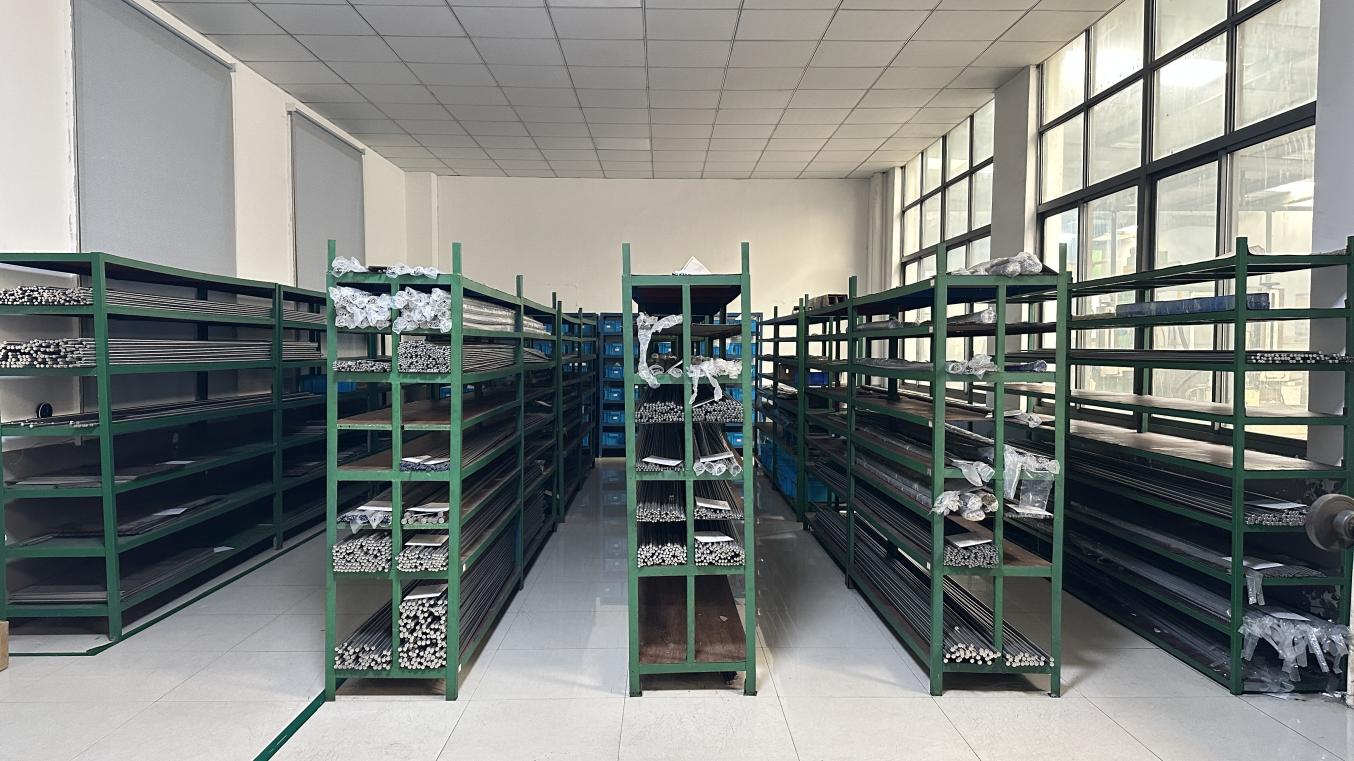
Imported medical-grade Titanium Alloys (Ti6Al4V ELI) and PEEK materials verified through chemical spectrum analysis.
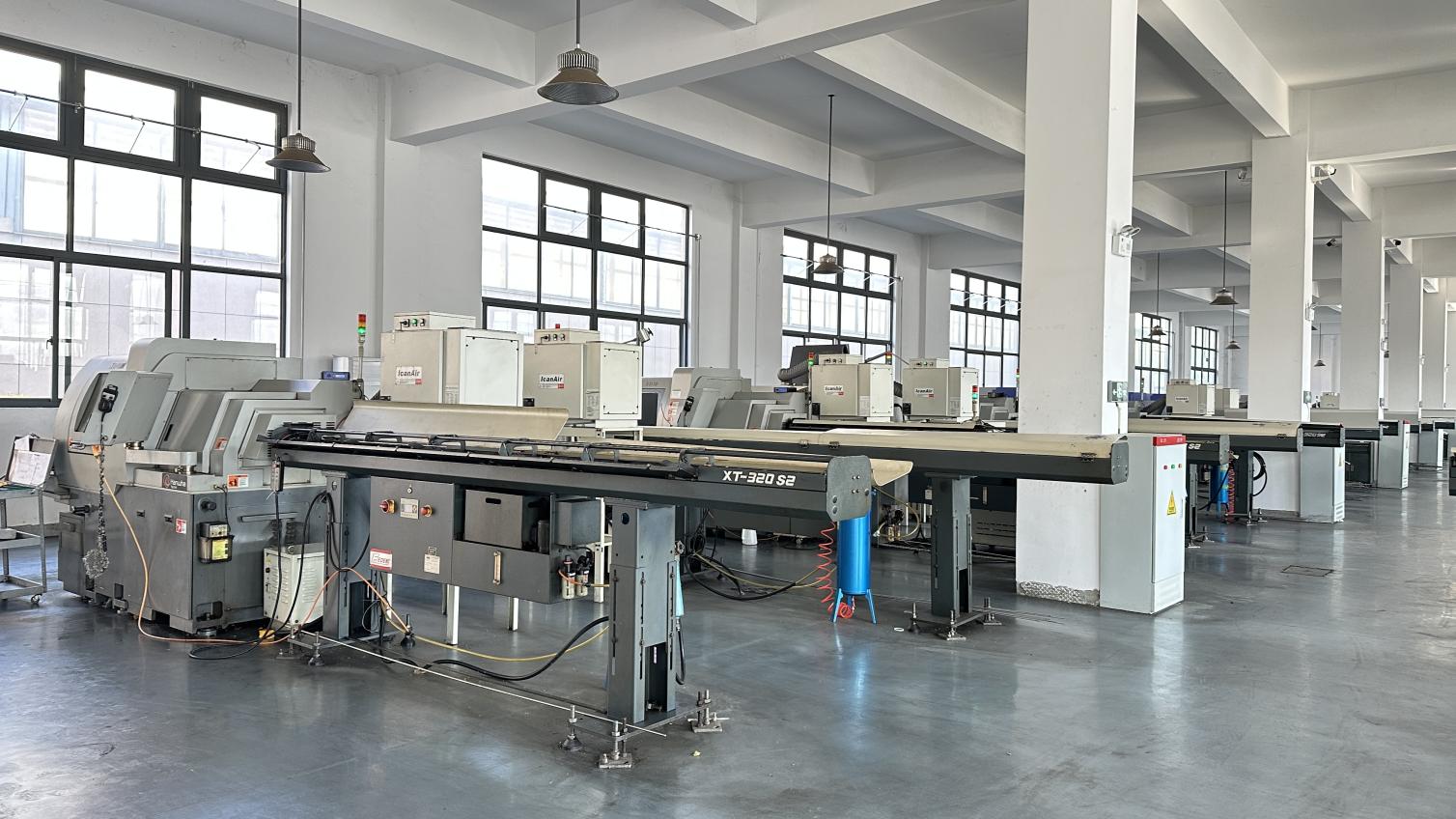
Material bars are sliced to precise pre-machining dimensions using heavy-duty, clean-lubricated sawing systems.
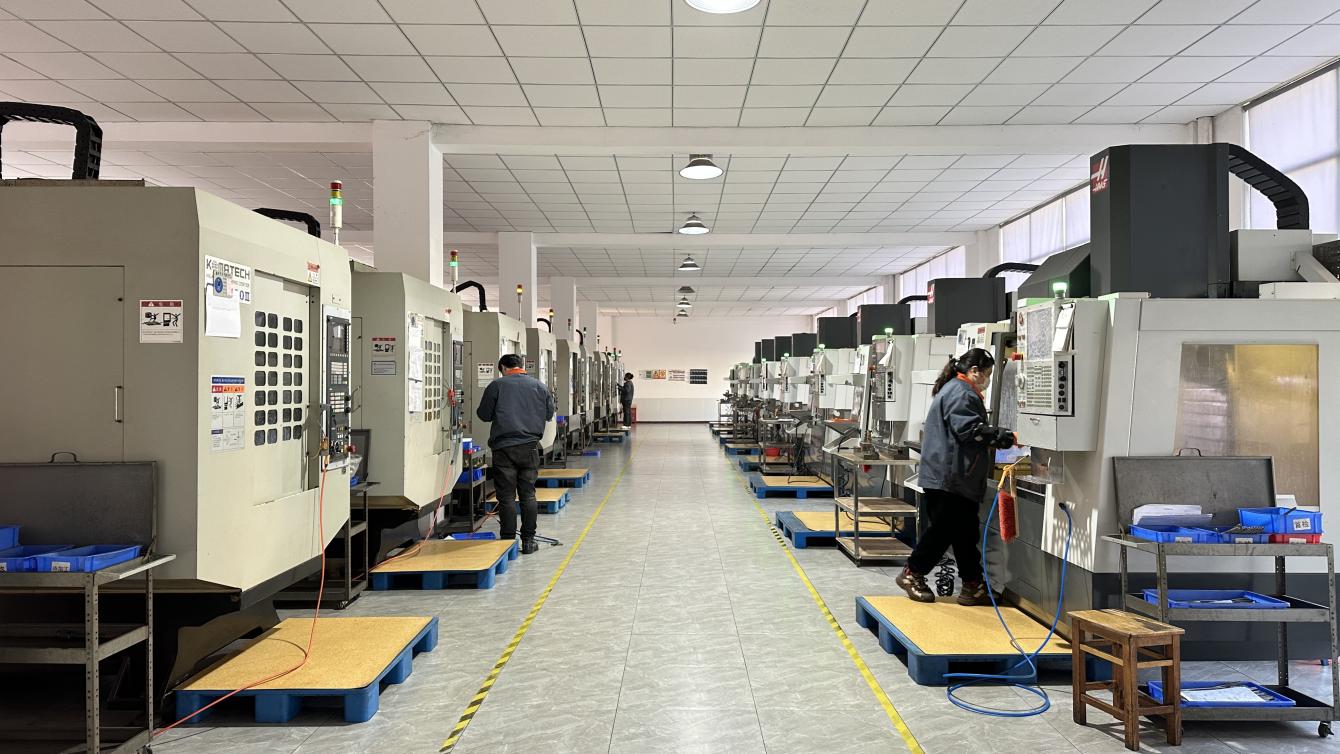
Multi-axis computerized numeric machining guarantees micron-level geometric accuracy for joint surfaces.
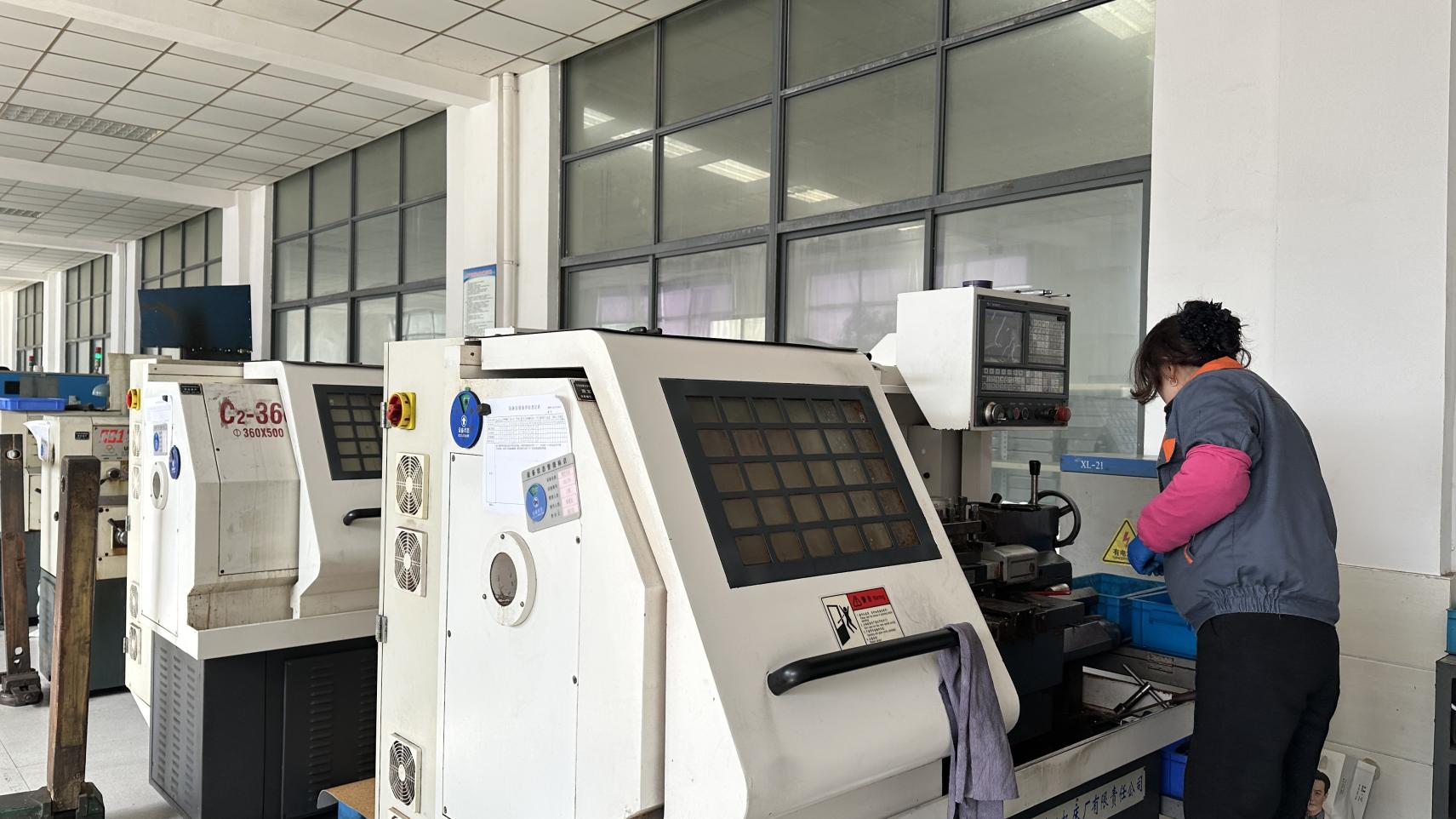
Secondary micro-machining and lathe turning ensure secure threading and taper configurations for modular stems.
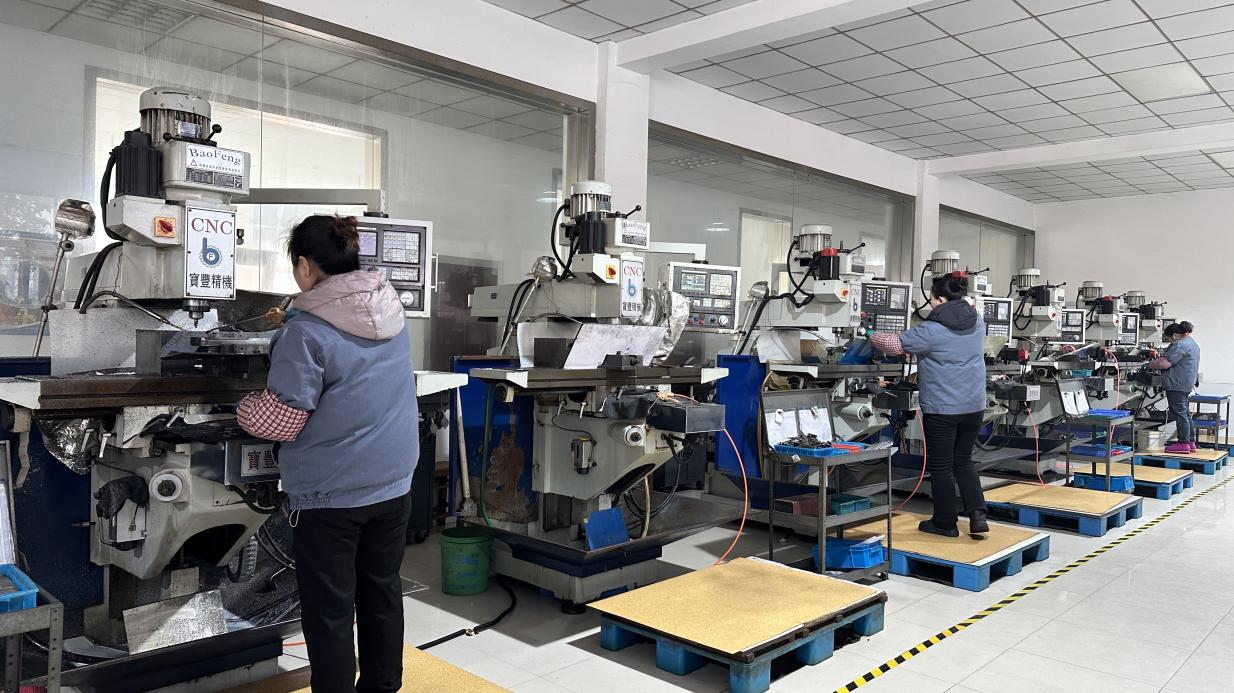
High-precision milling paths sculpt complex contours, anatomical anchor tabs, and porous fixation grids.
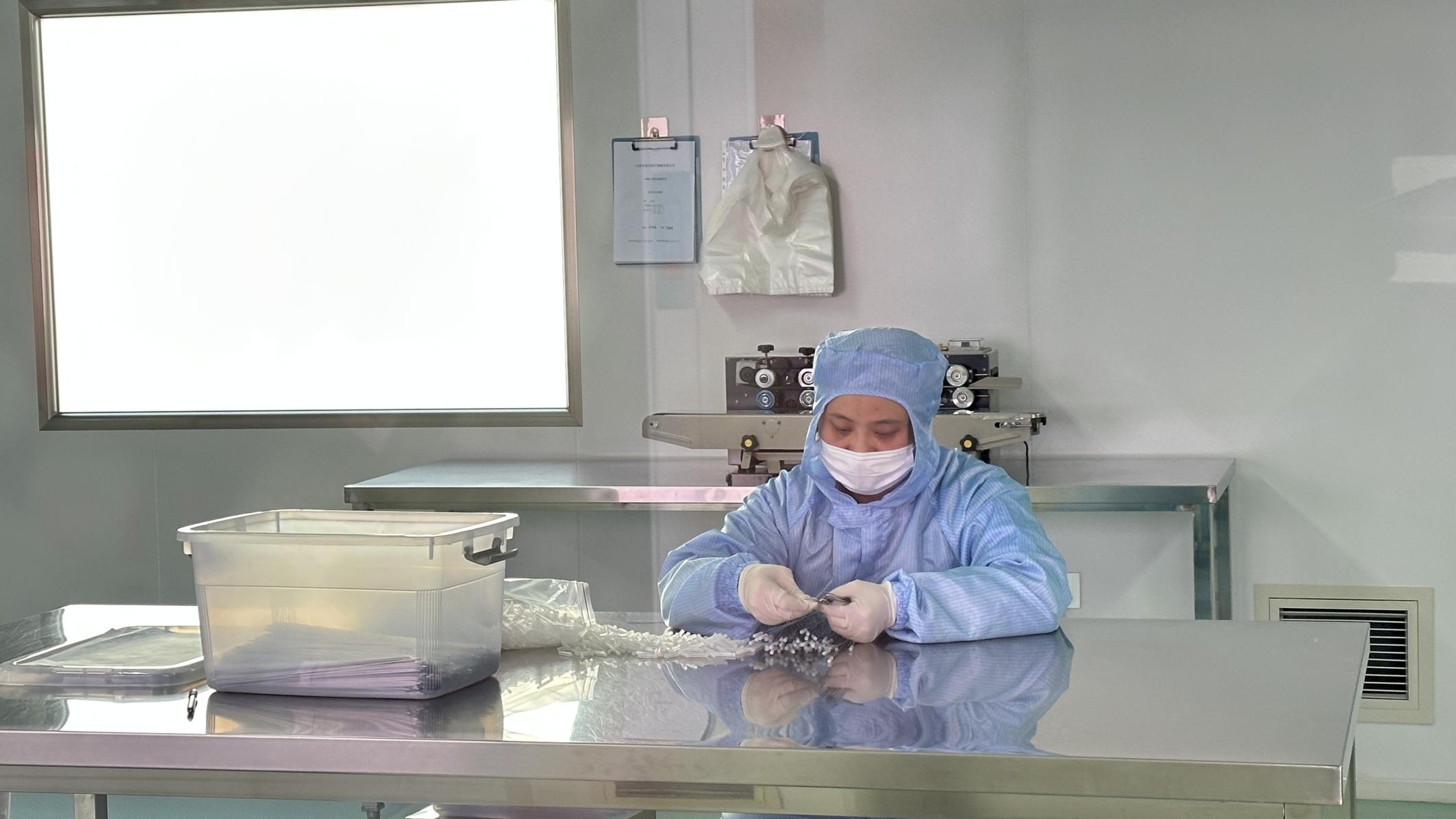
Every component undergoes physical checks and cleaning stages to eliminate surface particles and lubricants.
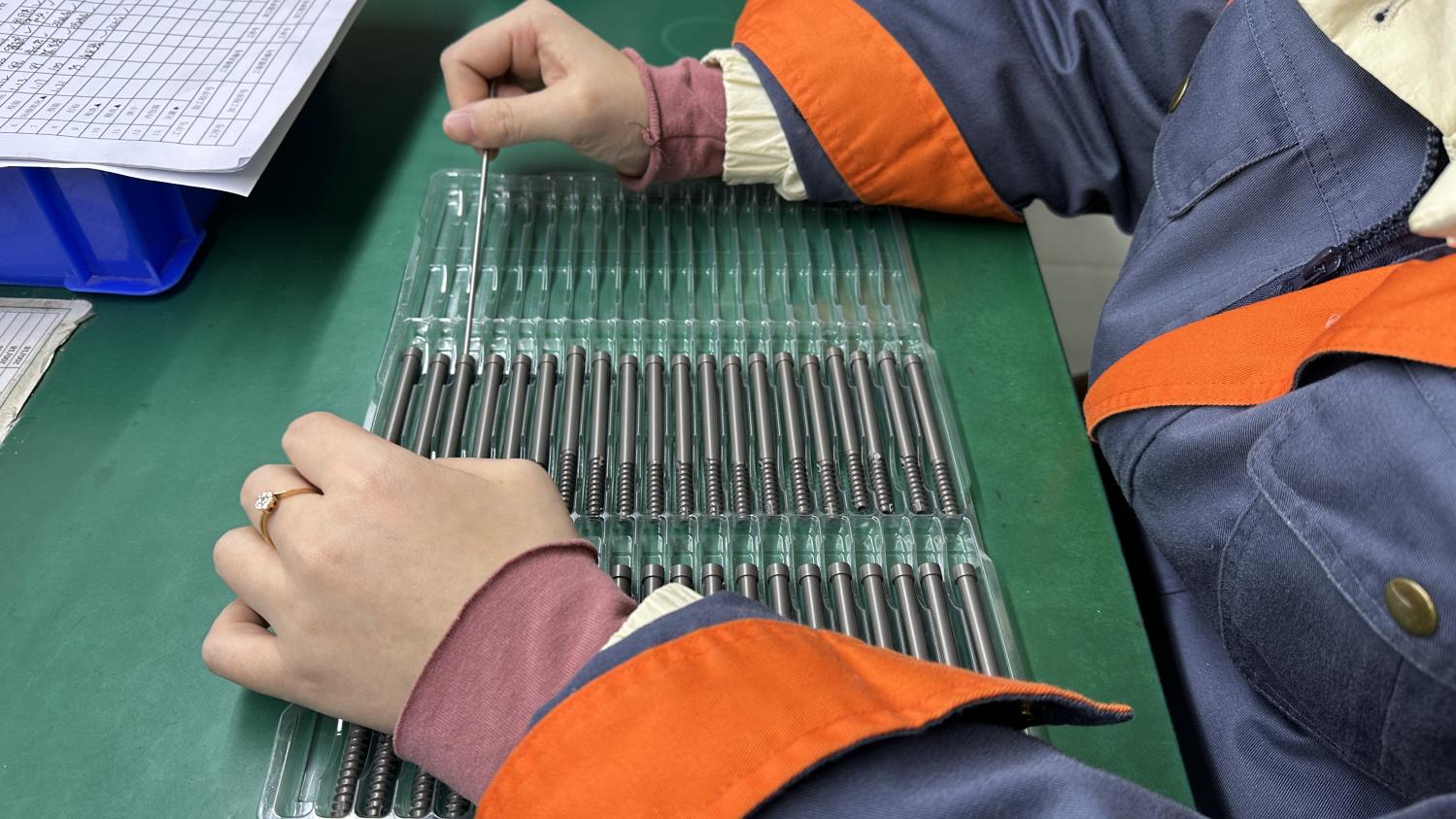
Conducted in ISO Class 7 cleanrooms using dual-layer sterile barrier systems prior to gamma irradiation.
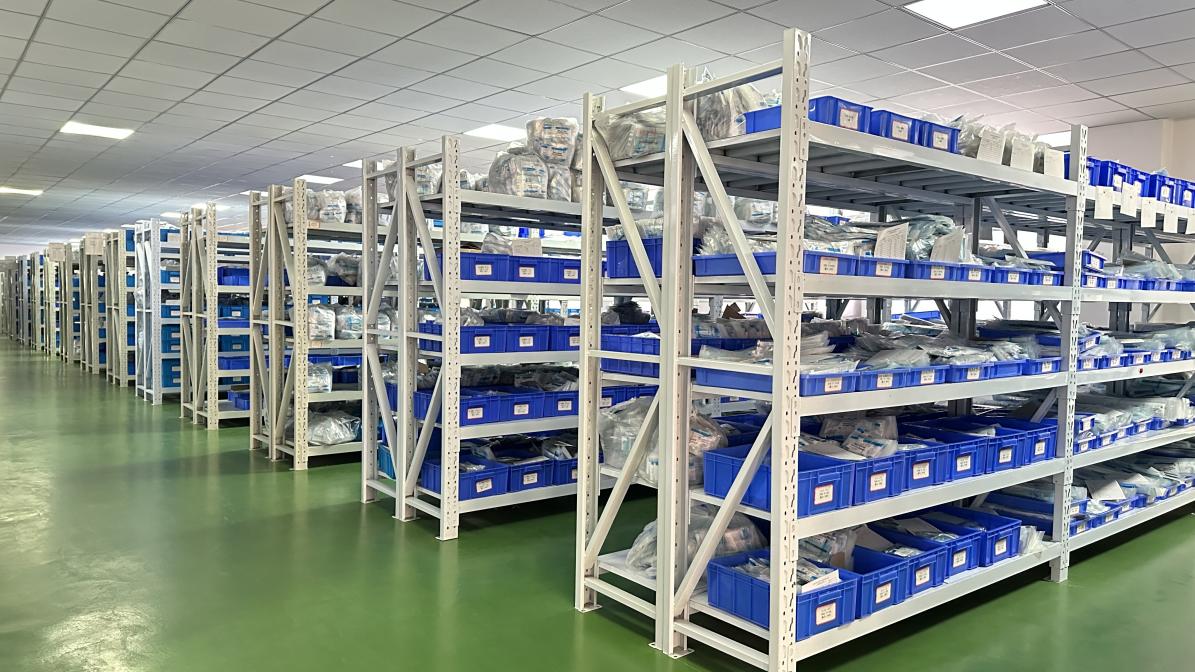
Smart inventory tracking with real-time temperature and humidity control, organized for fast global dispatch.
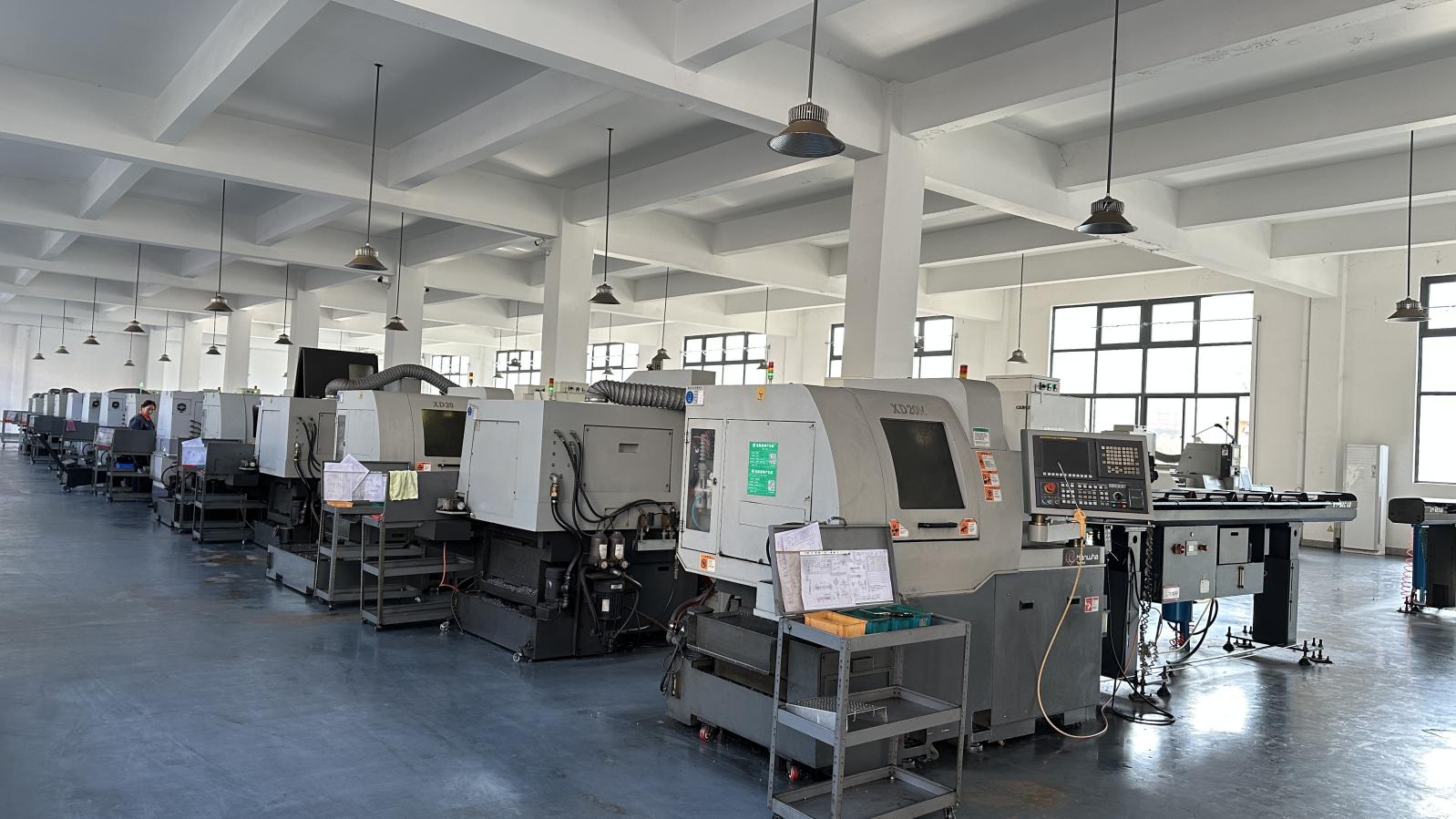
Automated high-speed stock rod slicing and division.
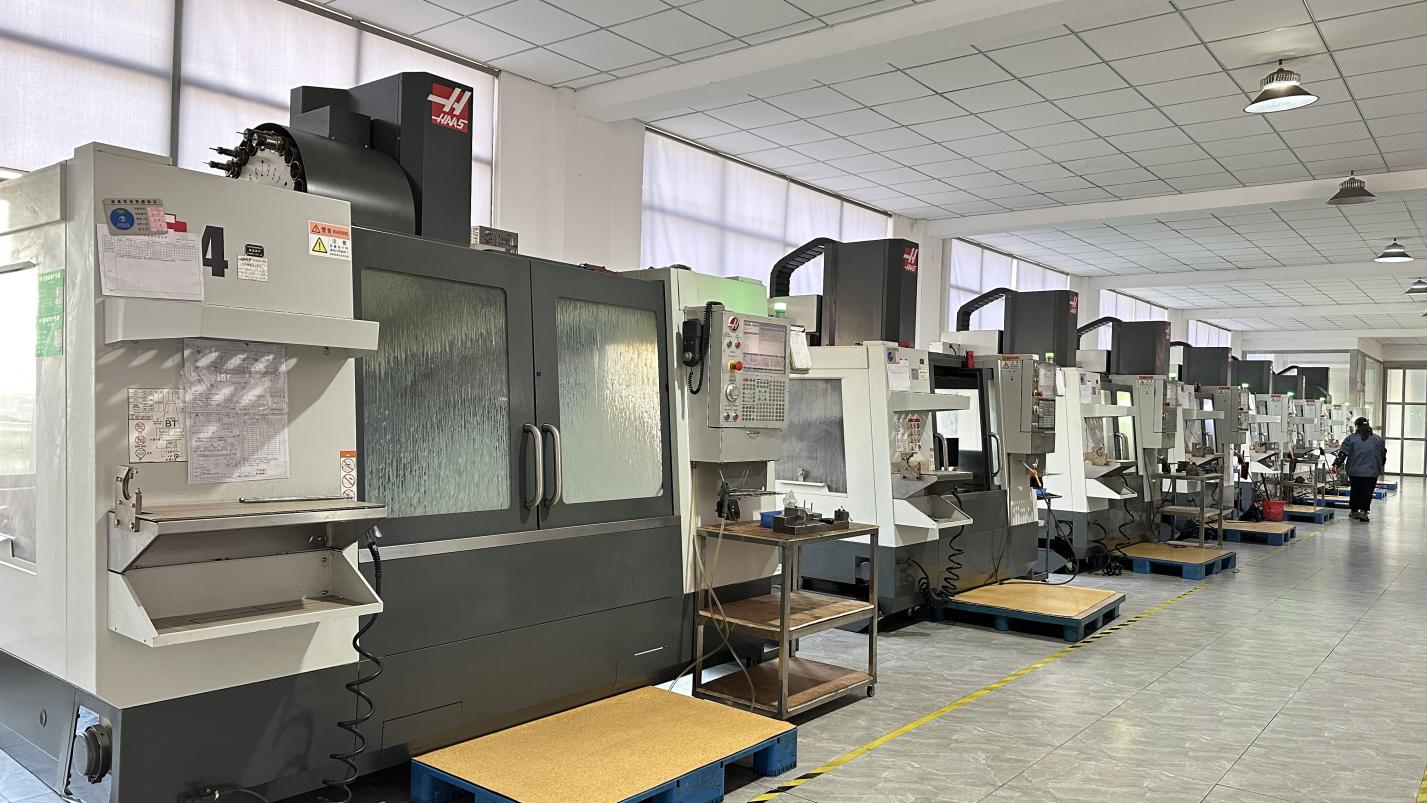
High-axis mechanical carving for complex orthopaedic profiles.
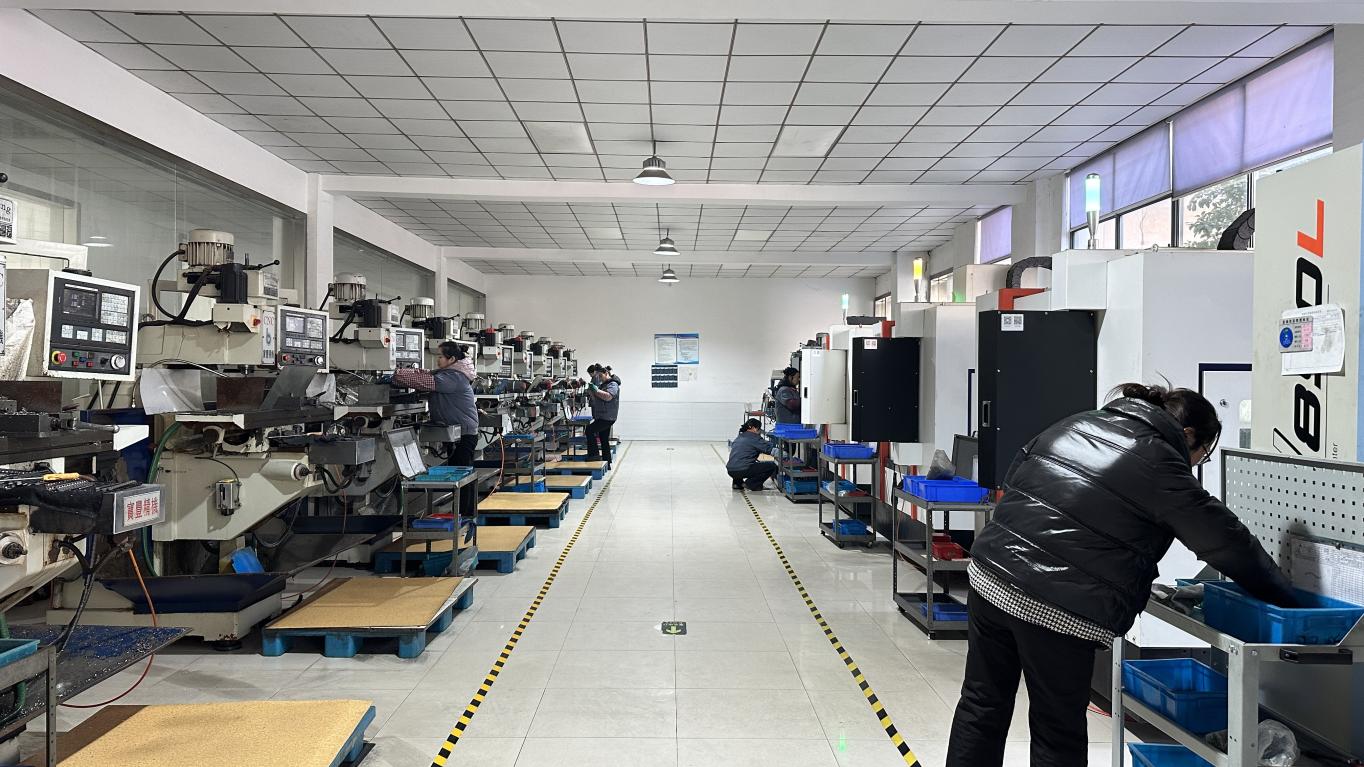
Precision articular surface polishing and locking socket configuration.
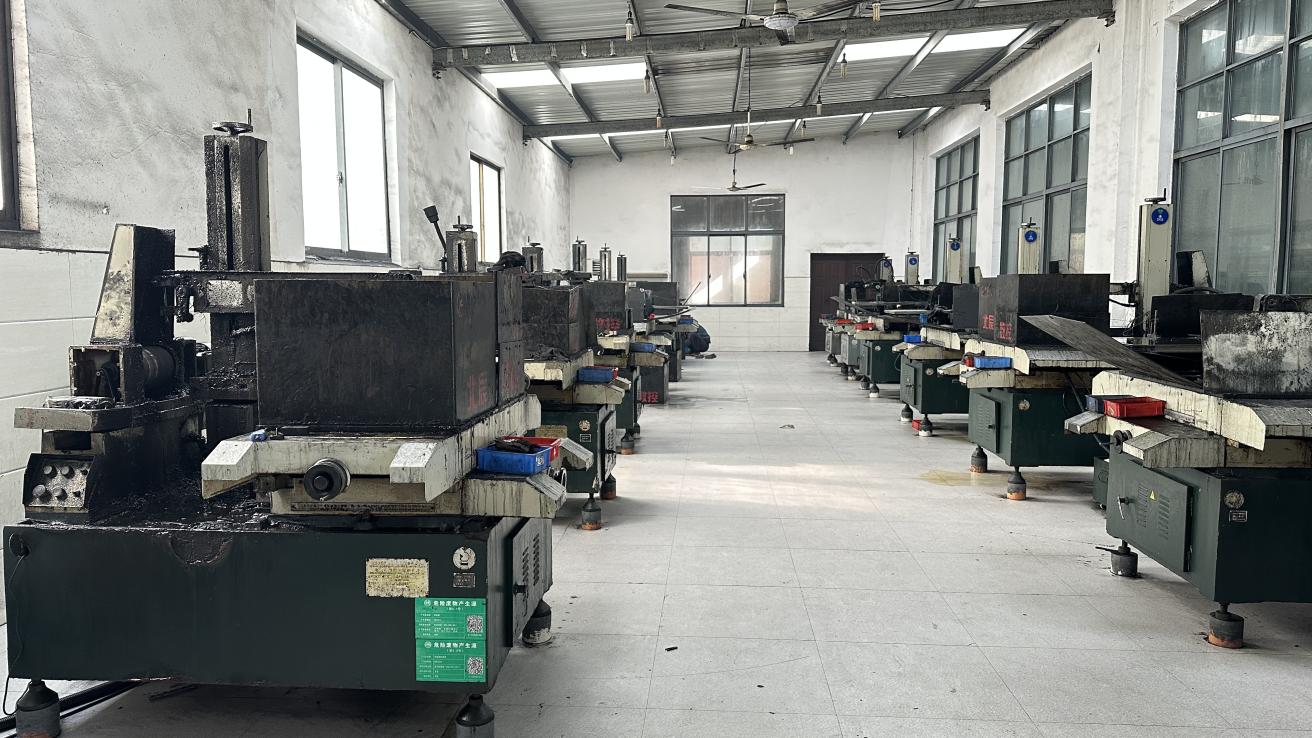
Ultra-thin gap and groove profiling using high-precision electrical discharges.
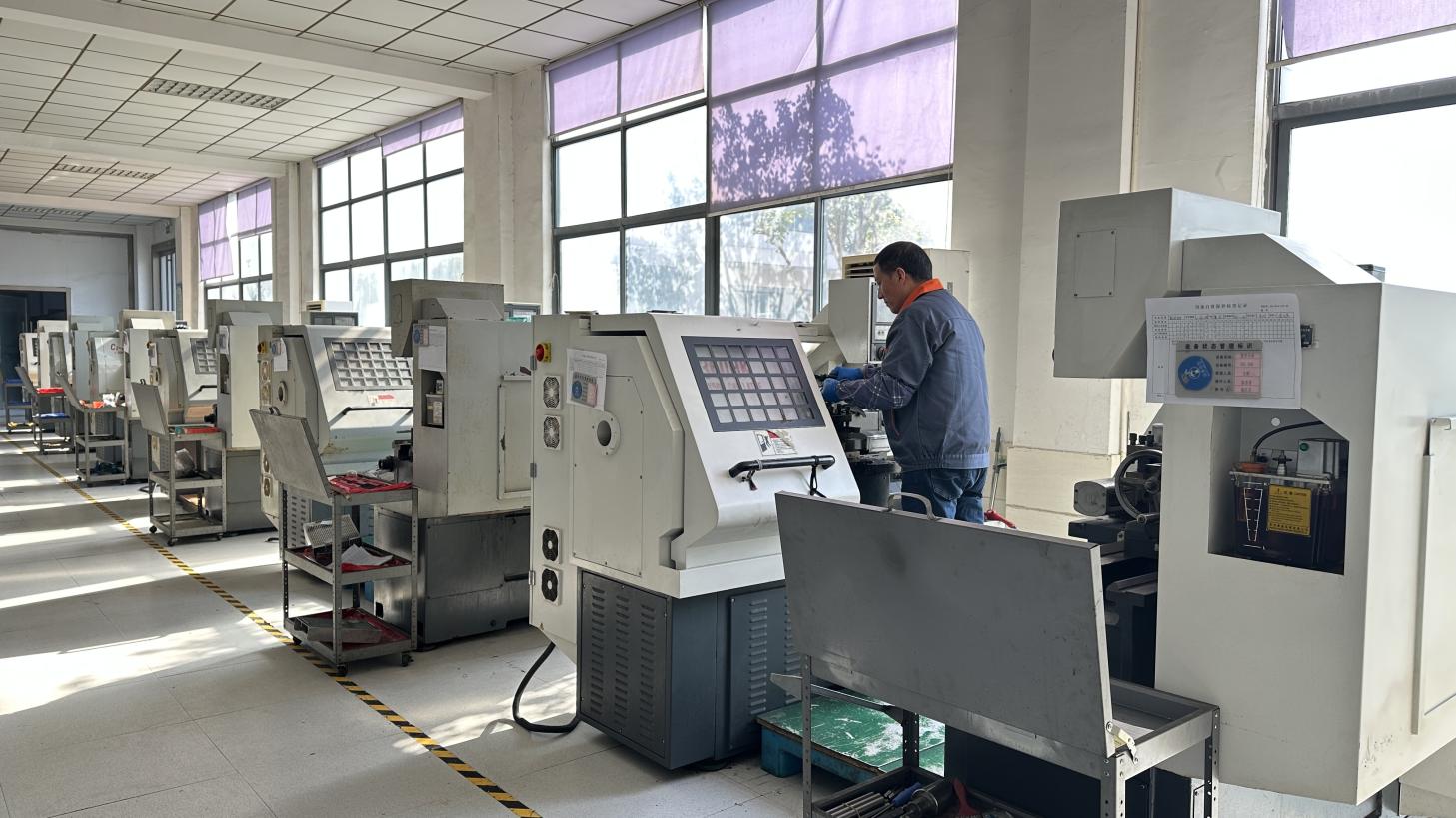
Rotational symetry turning for cortical locking pins and stems.
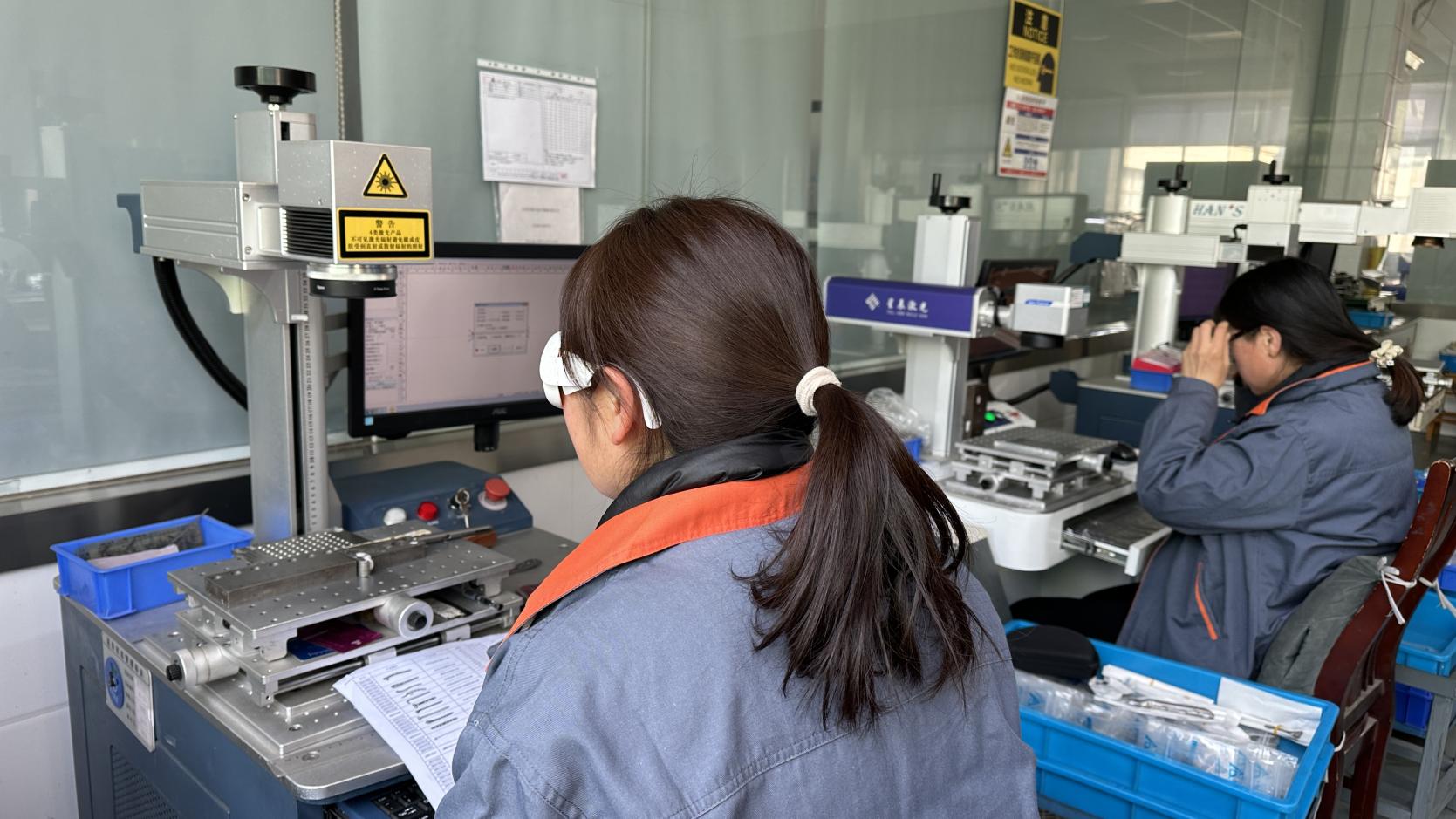
UDI permanent laser etching ensuring traceabilty per MDR regulations.
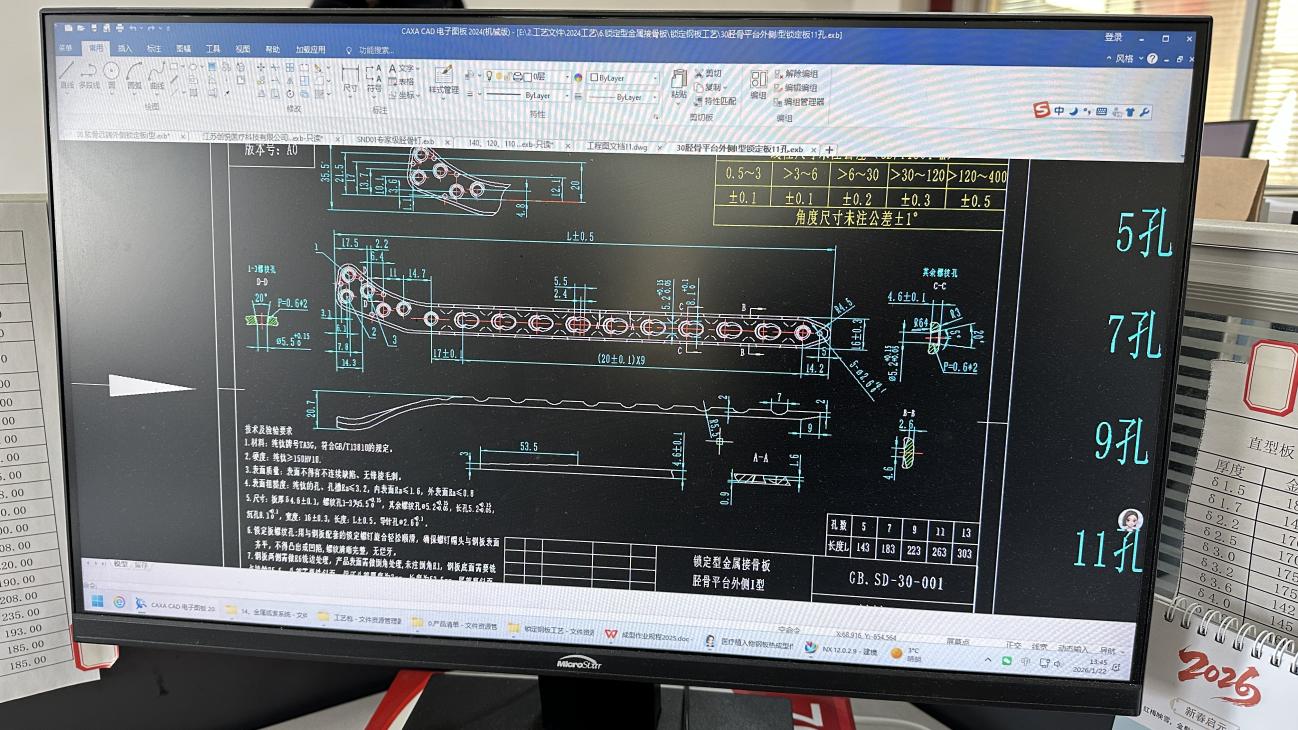
Simulation-based finite element analysis (FEA) for mechanical validation.
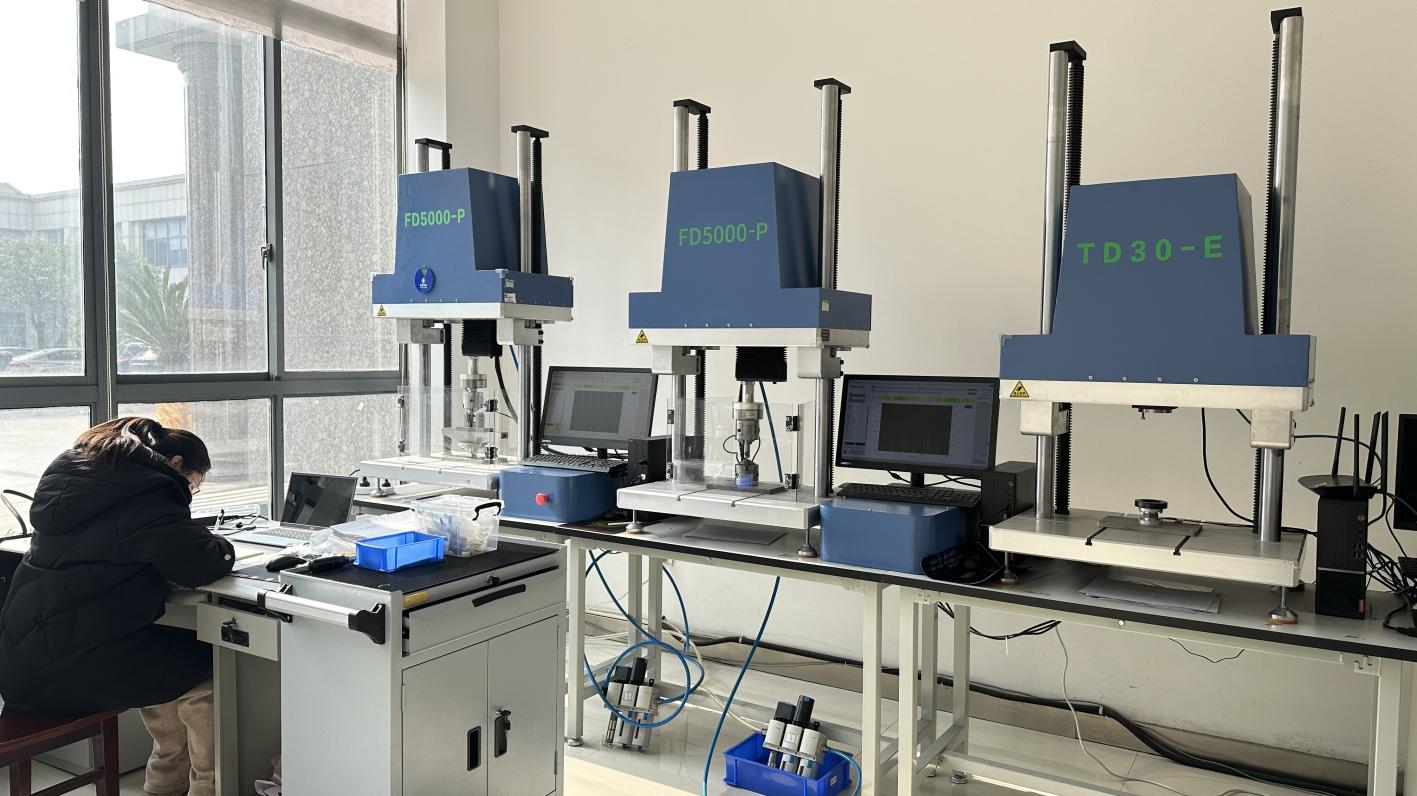
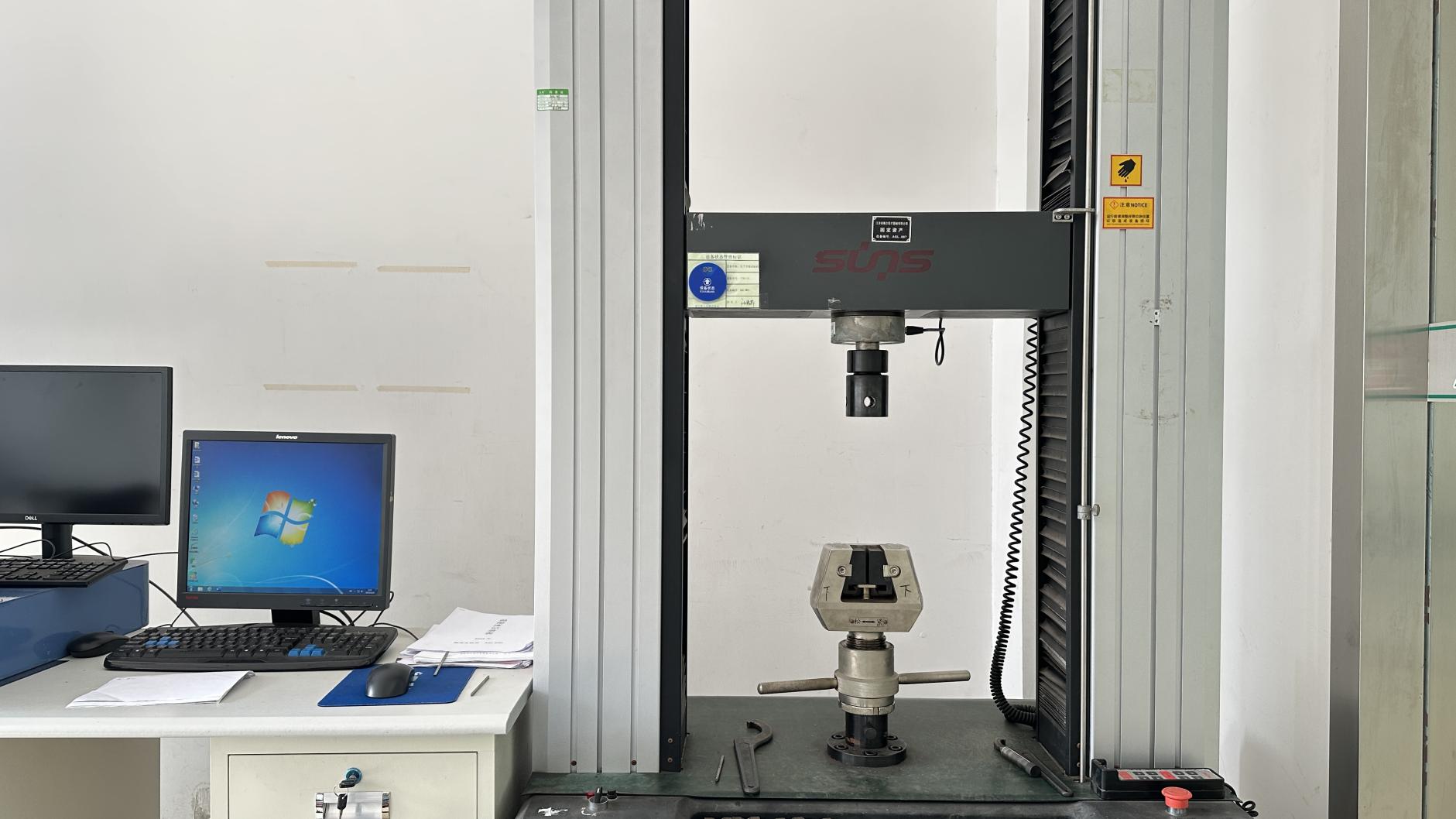
Behind every Medisplint implant is a rigorous validation process, managed by 42 inspectors utilizing advanced testing technology.

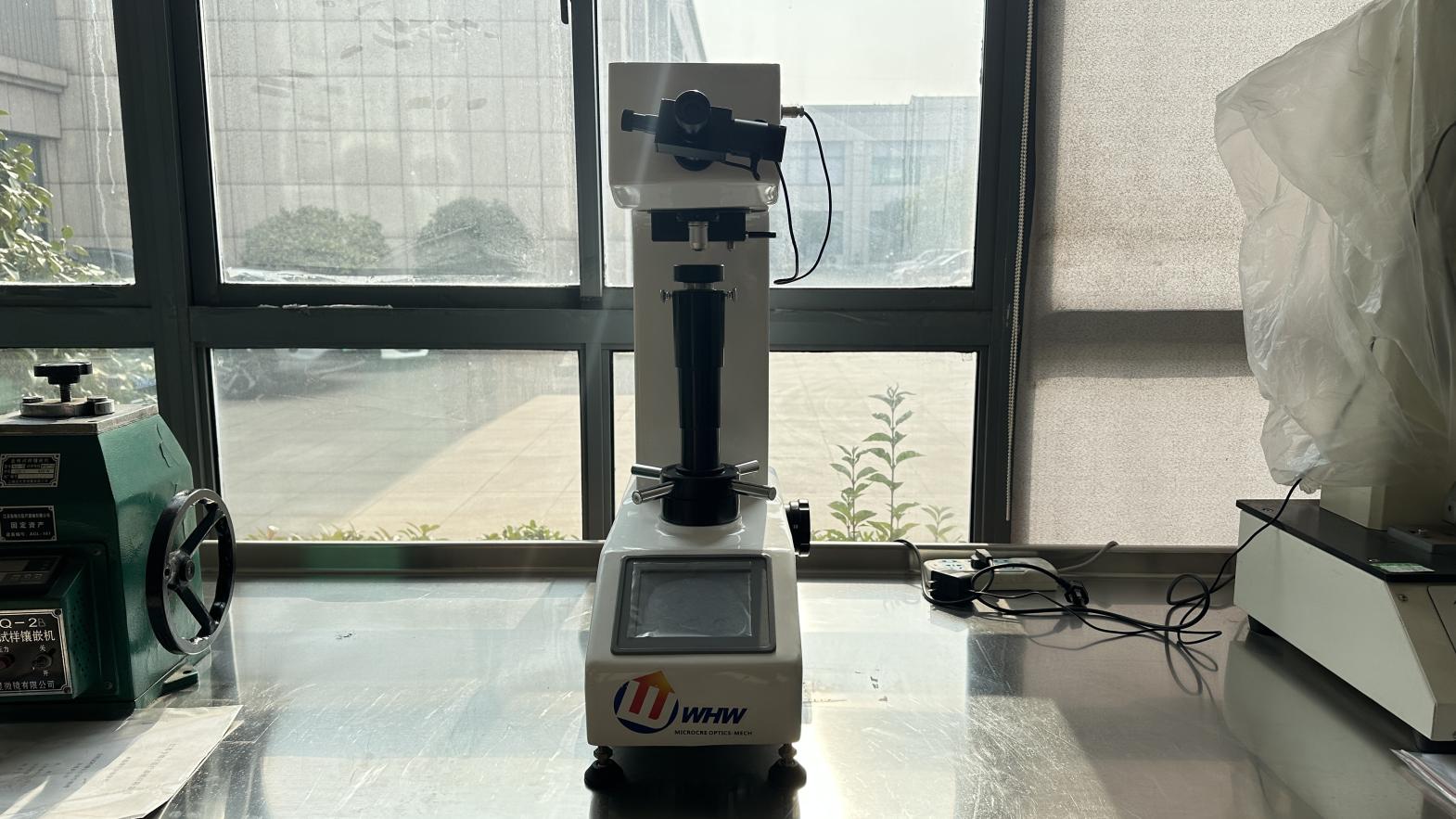
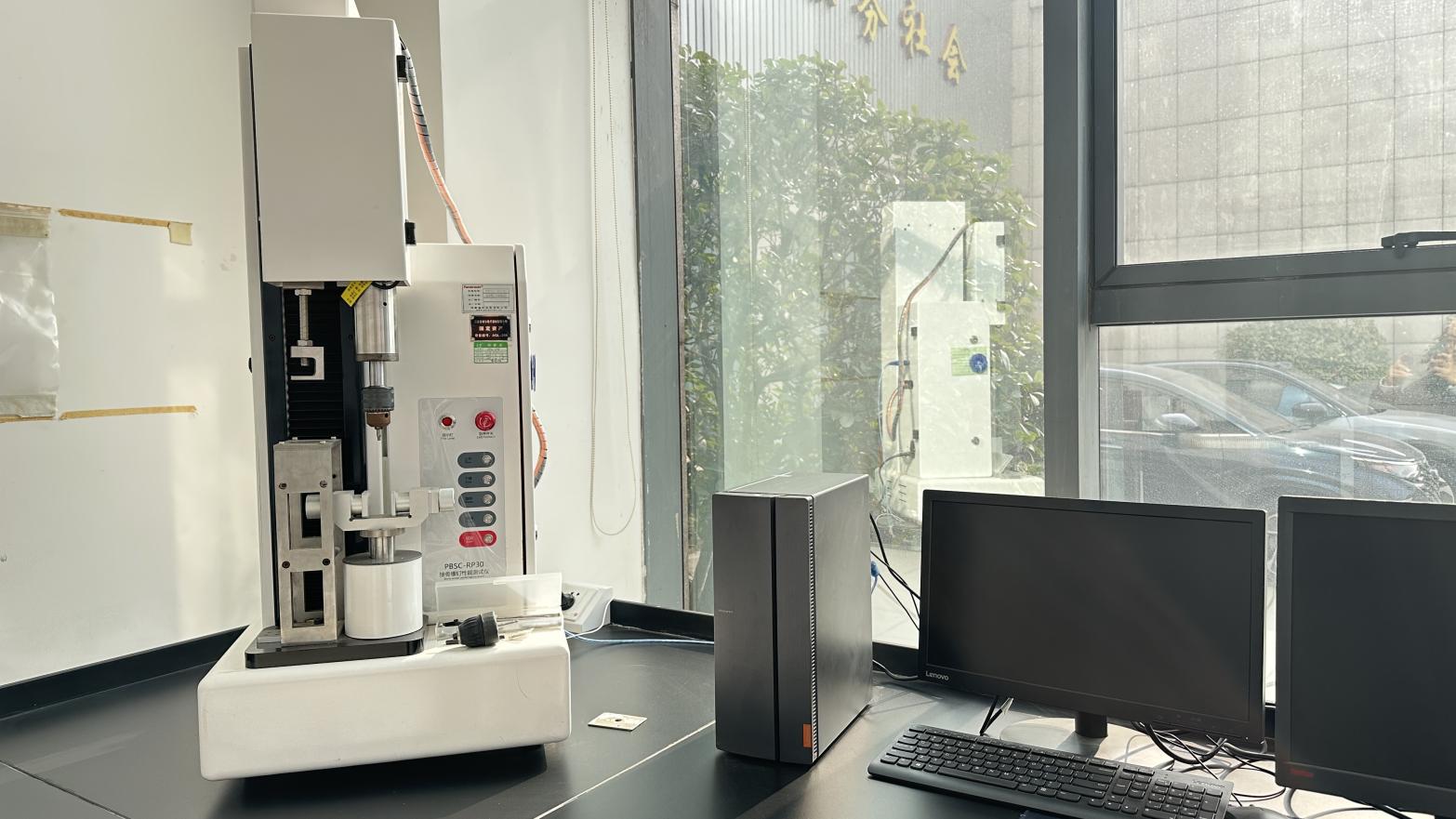
Equipped with ISO-accredited testing instruments that evaluate fatigue, tensile strength, hardness, and wear performance under physiological simulations.
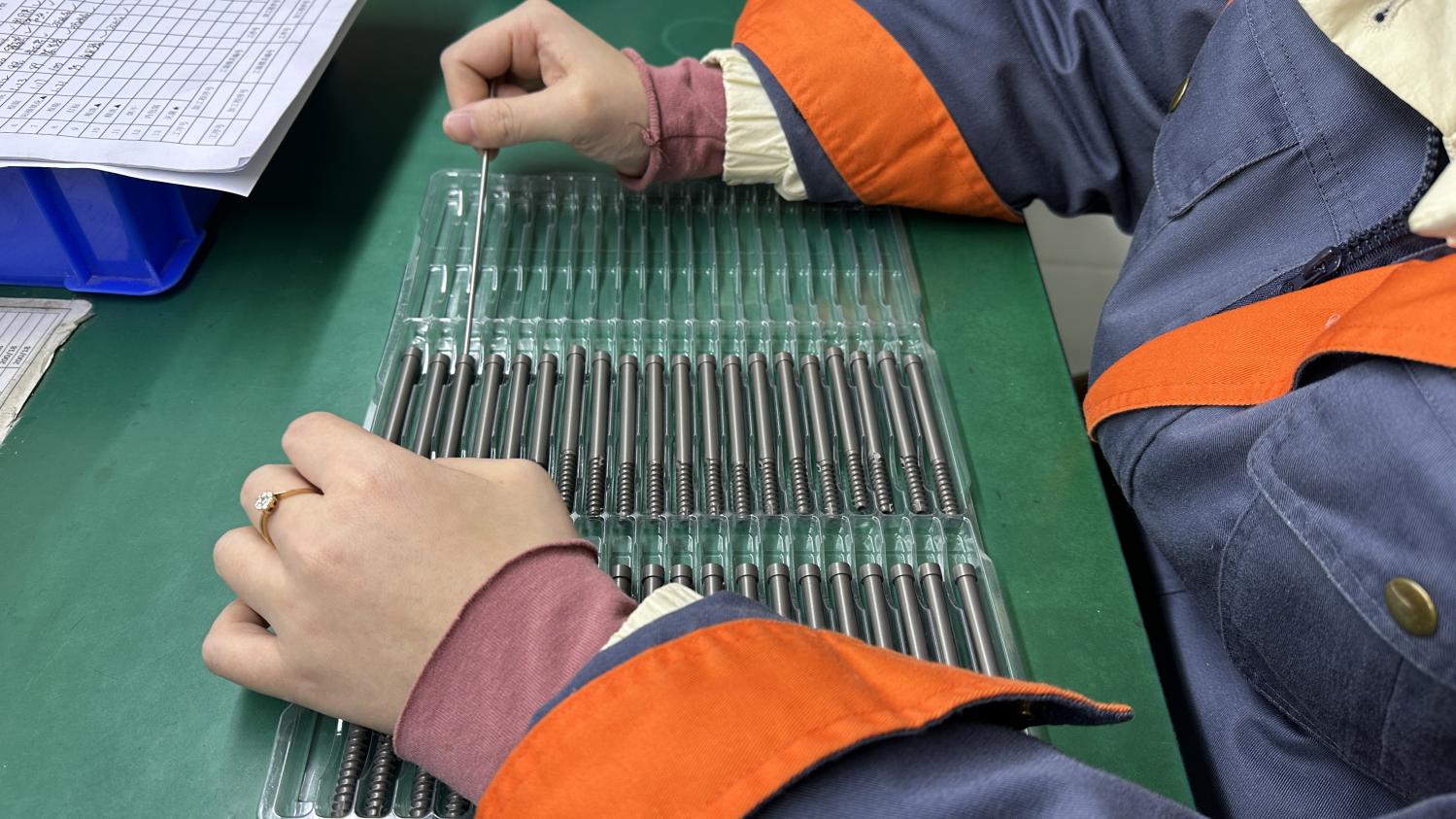
Optical sorting and manual micrometer measurements check critical tolerances at multiple steps during production to prevent deviations.
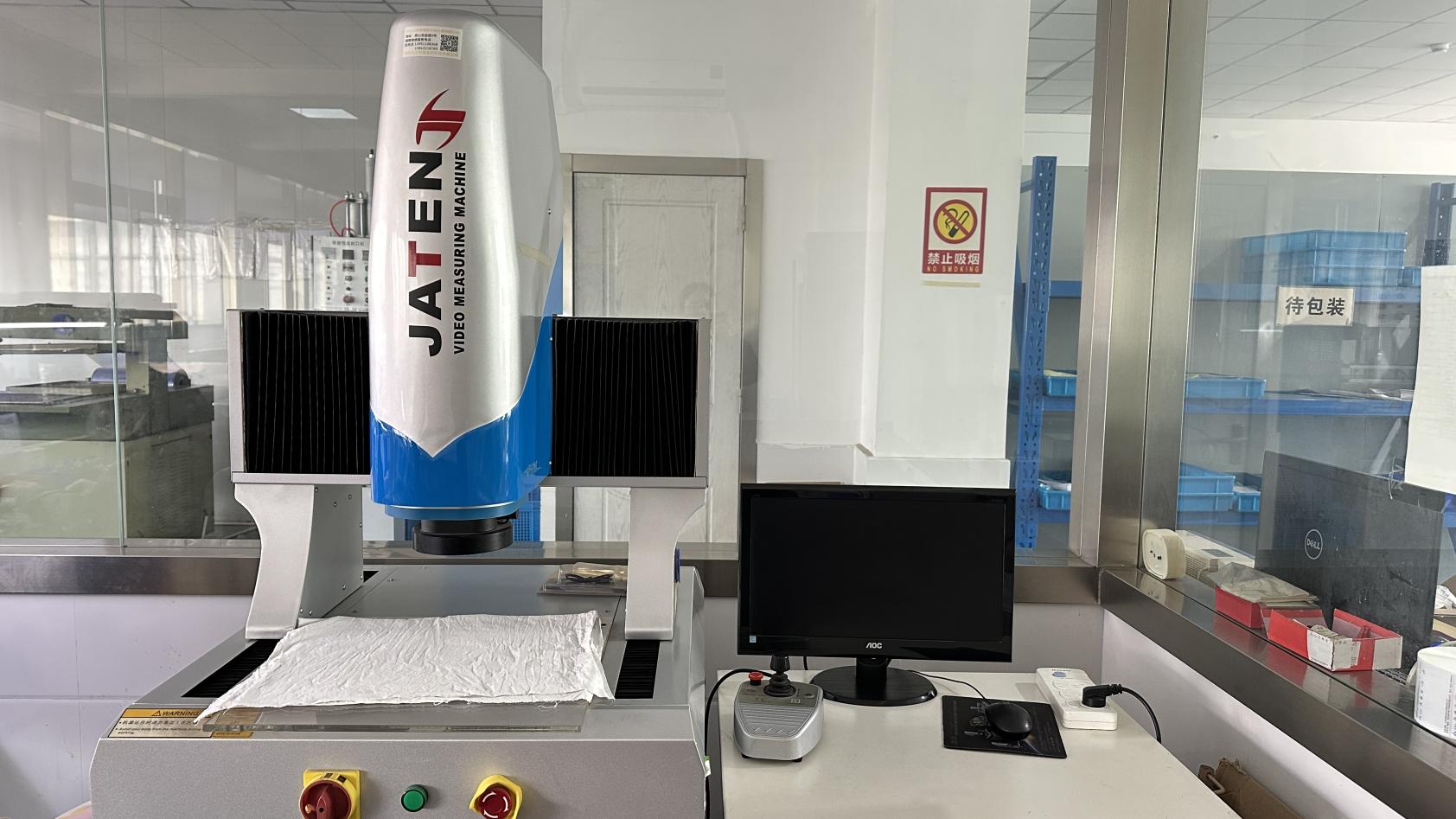
Verifies the geometry of threads and taper angles by projecting high-magnification profiles onto digital measurement screens.
The orthopedic reconstructive landscape is shifting rapidly. The integration of Additive Manufacturing (3D Metal Printing) allows factories to produce complex trabecular surface structures that simulate native bone density.
Additionally, the growth of computer-assisted surgery (CAS) and customized surgical guides highlights the need for modular, universal prosthesis stems. These options accommodate complex anatomies and address bone loss in revision surgeries.
Different markets present varying clinical needs. For example, Western markets with higher aging rates show strong demand for Reverse Shoulder Arthroplasty (RSA) to treat rotator cuff arthropathy.
Meanwhile, developing healthcare networks focus heavily on robust, cost-efficient, and easy-to-use anatomical implant systems. Medisplint addresses these regional requirements through customizable product sizes and adaptable surgical tool kits.
Our technical blueprint aims to improve patient outcomes while simplifying surgical steps. Key initiatives include:
Medisplint simplifies supply chains, optimizes logistics, and provides complete OEM/ODM options for orthopaedic suppliers.
With a team of 85 R&D specialists, we provide private labeling, design modifications, and full manufacturing support to convert sketches into finished, registered medical implants.
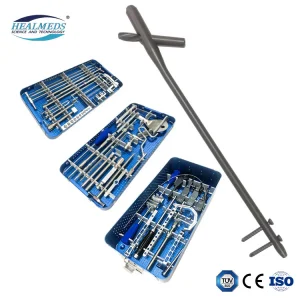
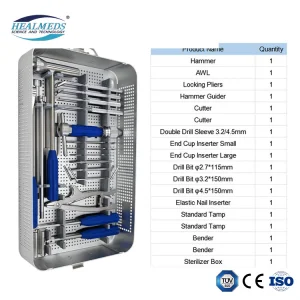
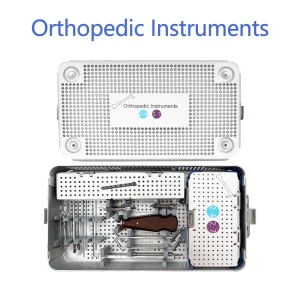
We manufacture both the implant components and their matching surgical tool trays. This ensures seamless fit, reliable sterilization, and straightforward intraoperative steps.
Working with over 1,200 supply chain partners, we secure high-grade raw materials and ensure consistent production capacity to prevent delays in clinical schedules.
Complete surgical systems featuring robust design, precise fit, and certified quality controls.
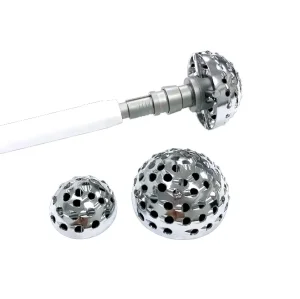
Hip Replacement Surgery Use Hip Replacement Broach Acetabular Reamer Cups
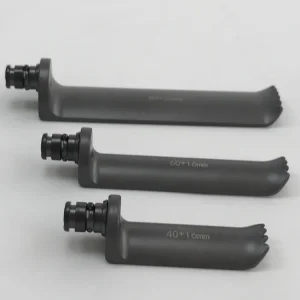
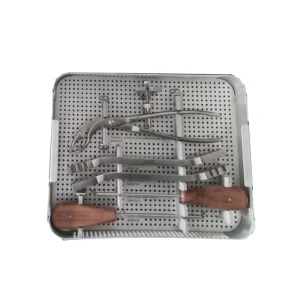
Orthopedic Surgical Instruments MIS Retractor Set Mis Retractor System
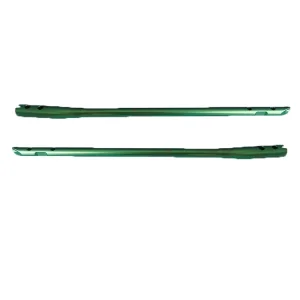
Geasure Orthopedic Trauma Intramedullary Nail Retrograde Femoral Nail for Hospital Use
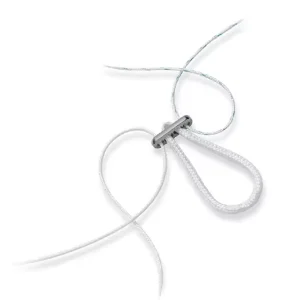
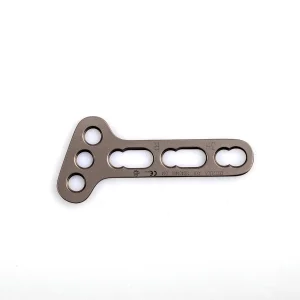
Knee Lock Titanium Plate Buckle Strap Tab Fixed Length Belt Loop Reconstruction Medical Consumable
Detailed insights on design standards, clinical considerations, manufacturing steps, and distribution requirements.
An anatomical total shoulder replacement recreates normal shoulder anatomy: a metal ball replaces the humeral head, and a polyethylene cup replaces the glenoid socket. This requires an intact, functional rotator cuff.
In contrast, a Reverse Shoulder Arthroplasty (RSA) switches the positions: a glenosphere ball is attached to the glenoid, and a socket cup is fixed to the upper humerus. This design allows the deltoid muscle to control the arm, making it effective for patients with severe rotator cuff damage or bone loss.
We manufacture implants using medical-grade Titanium Alloy (Ti6Al4V ELI) and Ultra-High-Molecular-Weight Polyethylene (UHMWPE).
Biocompatibility is verified through strict compliance with ISO 10993 standards. This includes material testing, mechanical fatigue evaluation, and chemical analysis of raw stocks to ensure safety in long-term implants.
We provide complete OEM/ODM solutions, customized sizing configurations, and private label services.
Additionally, we supply custom surgical tool trays, comprehensive product documentation (including CE, ISO 13485, and traceability details), and reliable shipping schedules to help distributors manage regulatory steps and import processes.
Our quality department utilizes 42 dedicated inspectors monitoring several check points: incoming raw material verification, in-process control (IPQC), final dimension checking via coordinate measuring machines (CMM), and regular third-party laboratory tests.
This ensures every implant meets tight tolerances for taper connections, surface roughness, and thread pitch.
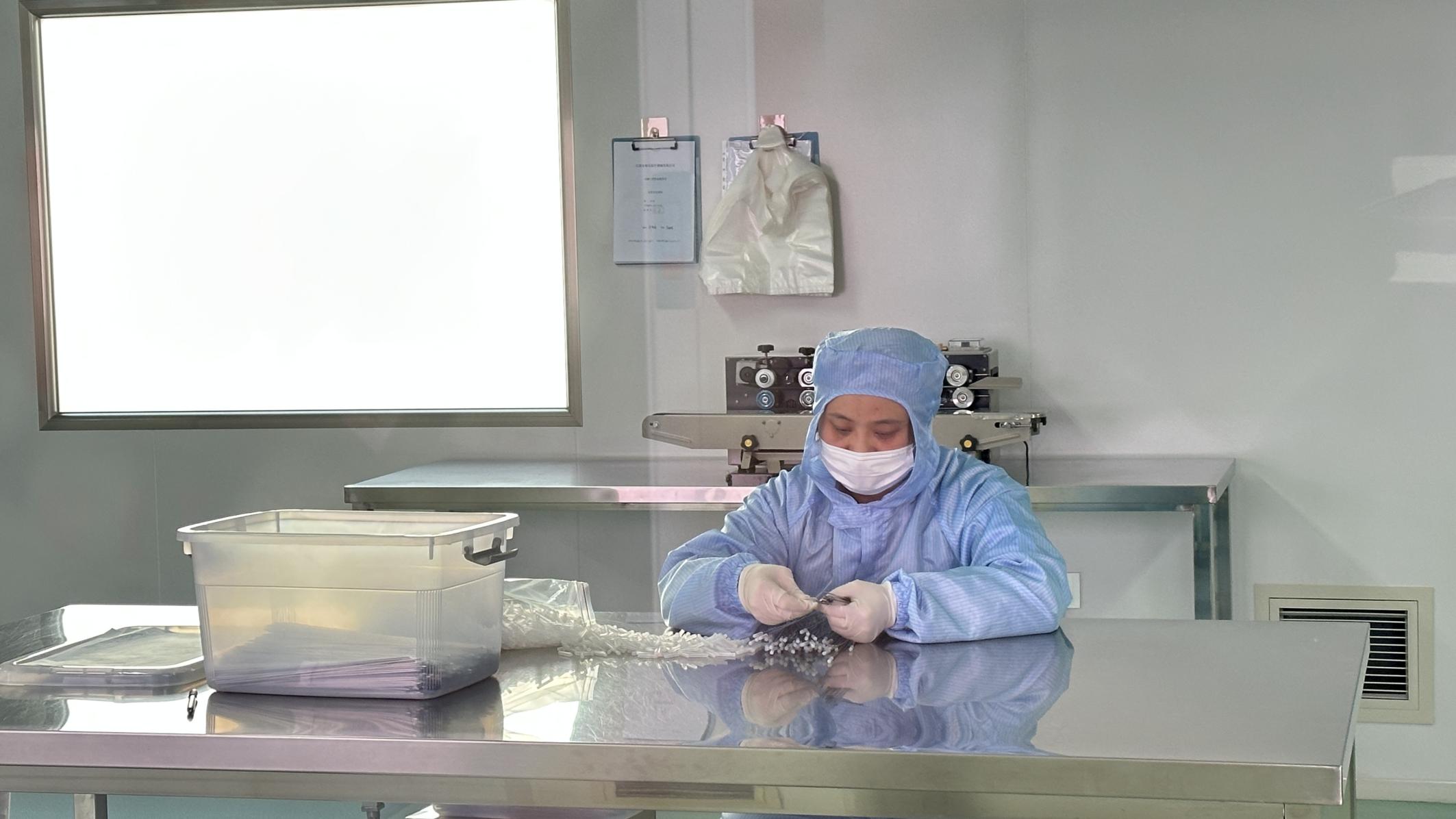
Implants are cleaned, assembled, and double-packaged in ISO Class 7 cleanrooms using medical-grade Tyvek pouches.
Sterilization is completed via validated Gamma Irradiation or Ethylene Oxide (EtO) systems. When stored correctly, they maintain a sterile shelf-life of 5 years, complete with clear trace indicators and barcode markers.