Medisplint
Medisplint
Medisplint
Precision-engineered clinical components & instrument sets conforming to global regulatory metrics
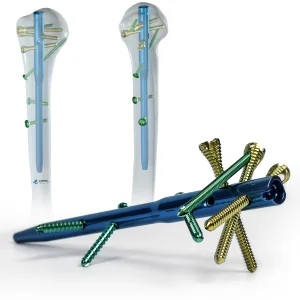
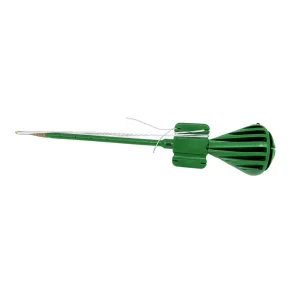
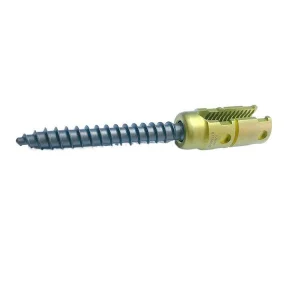
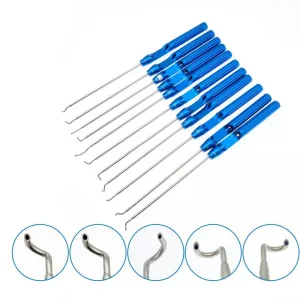
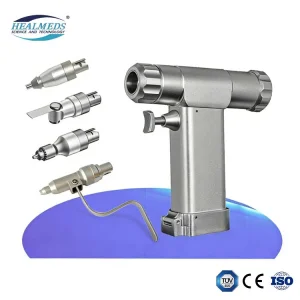
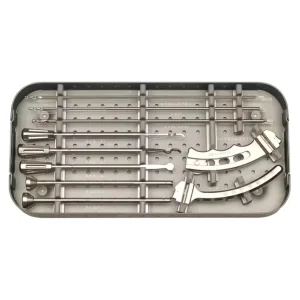
Medisplint Orthopedic Instruments Co., Ltd. represents the absolute state-of-the-art in the engineering and production of orthopedic implants, joint reconstruction assemblies, sports medicine fixation elements, and high-tolerance surgical instrumentation systems. Established in 2016, our manufacturing footprint is driven by clinical excellence, regulatory compliance, and localized logistical support.
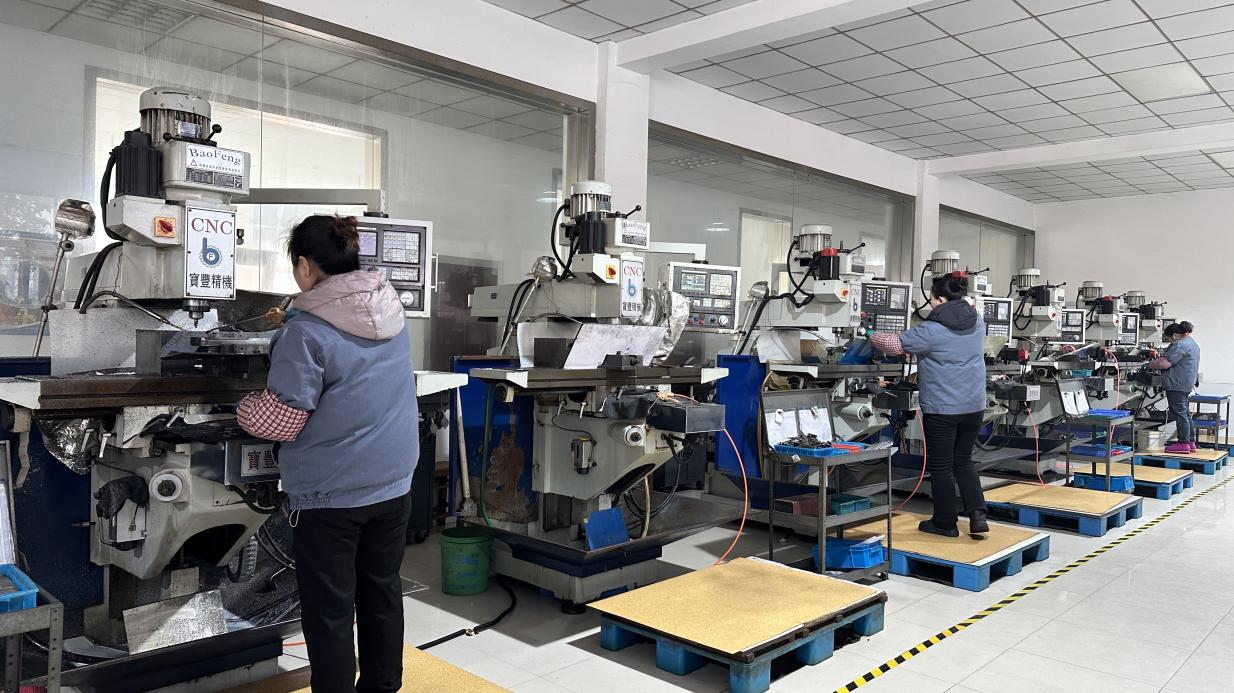
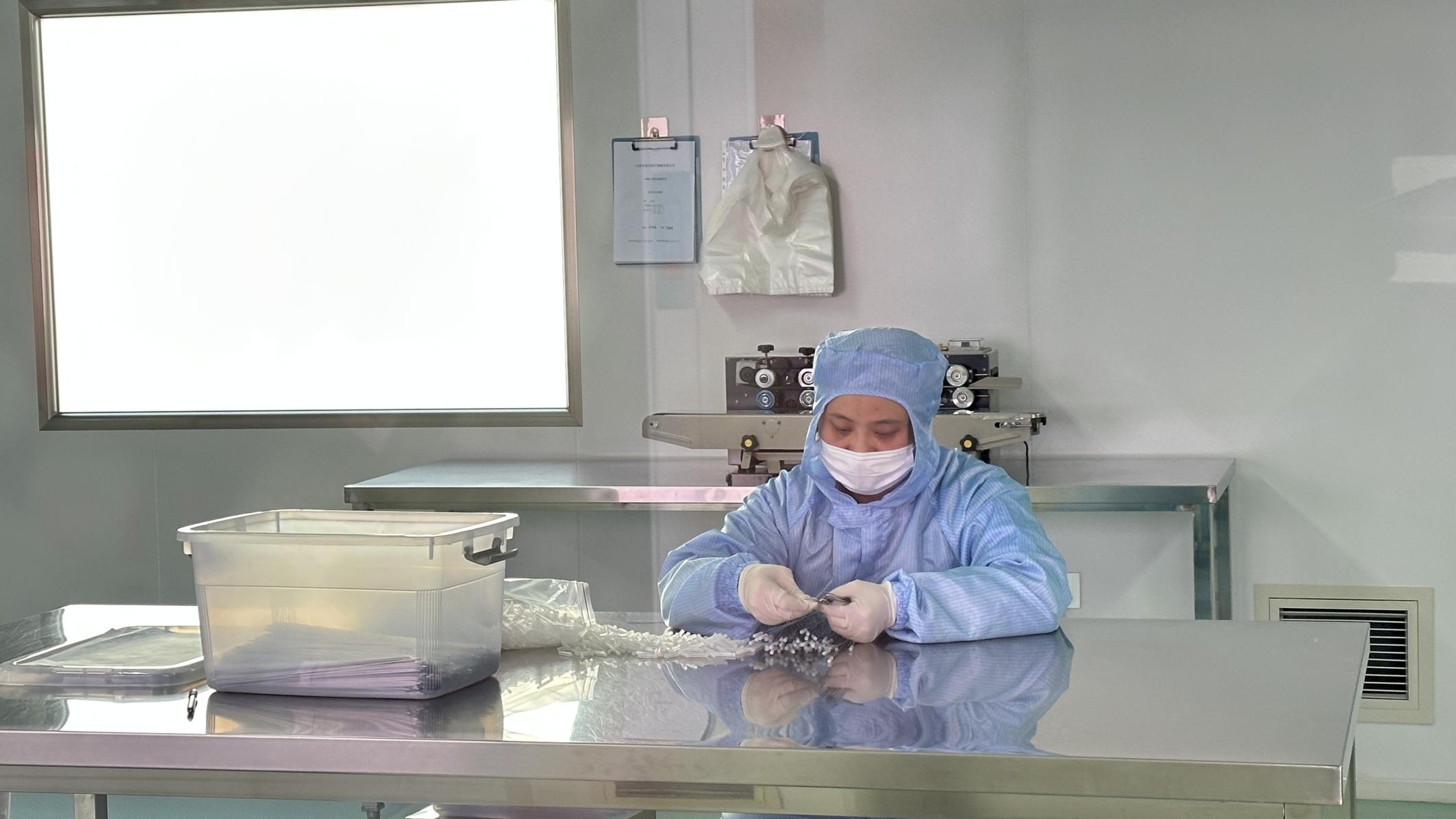
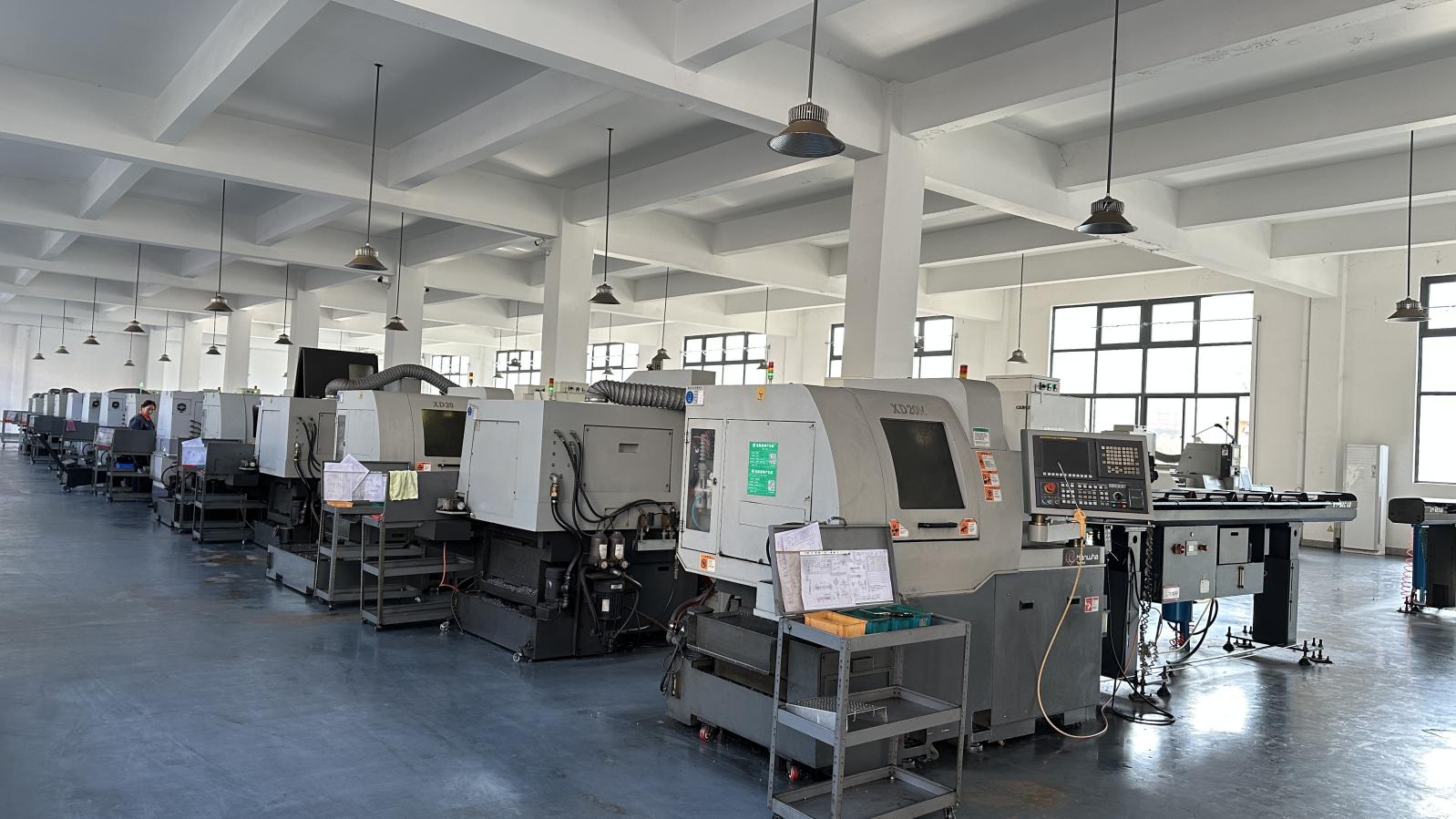
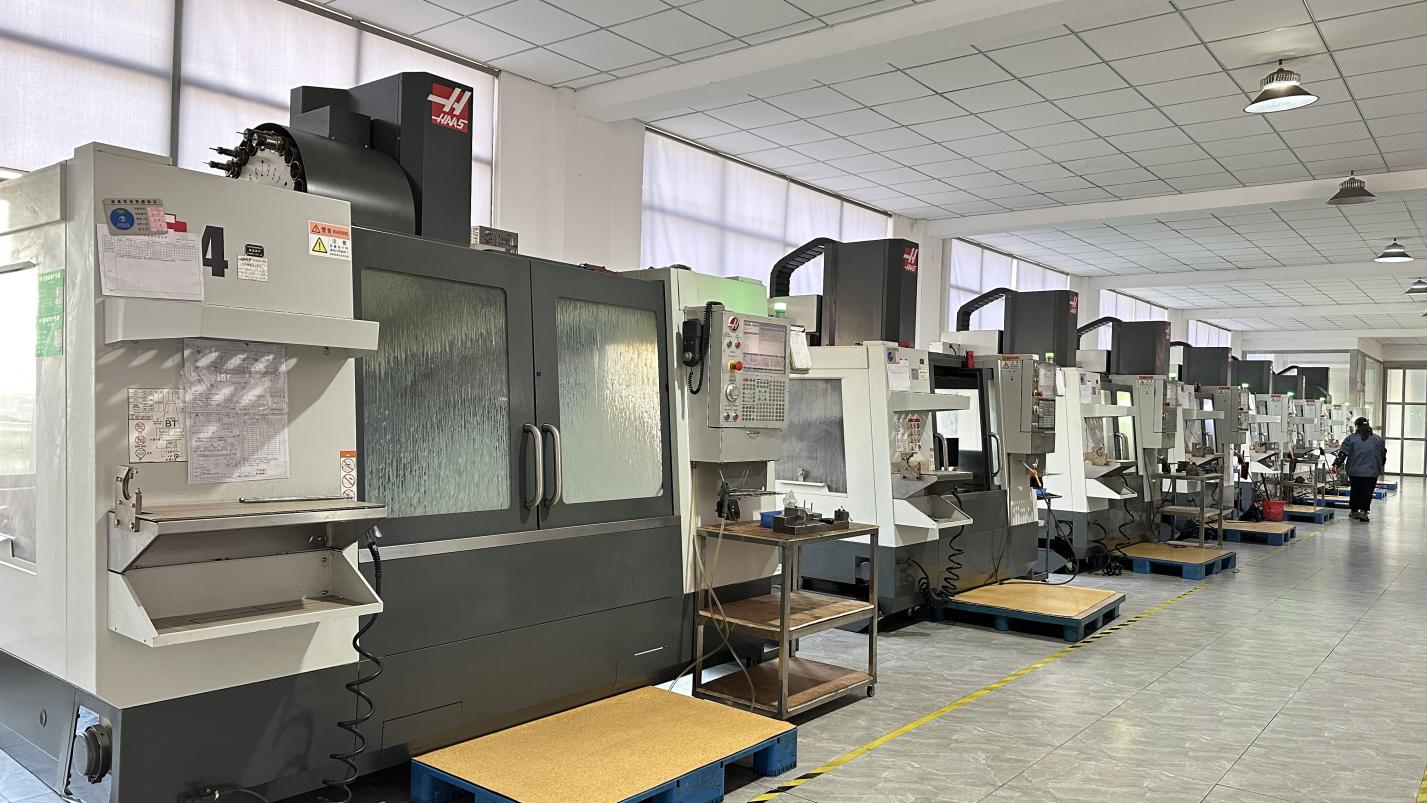
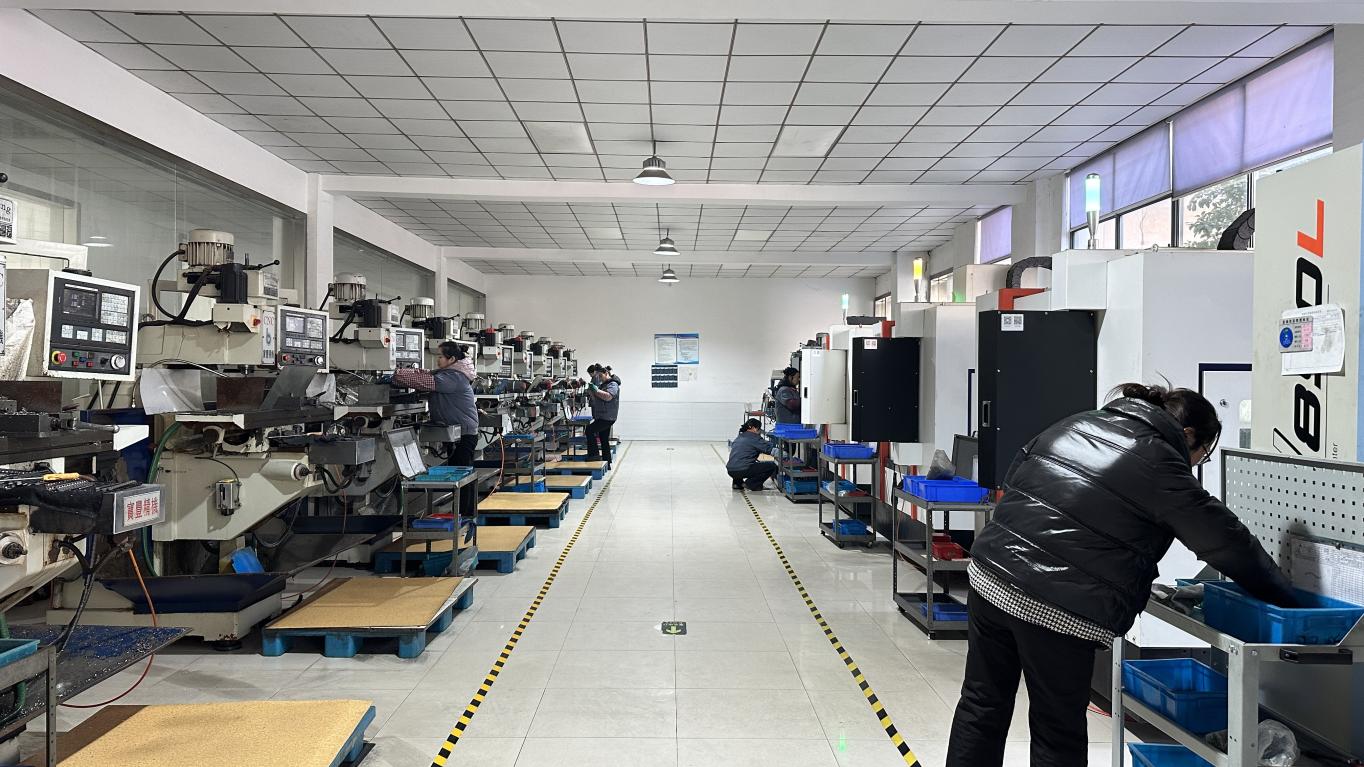
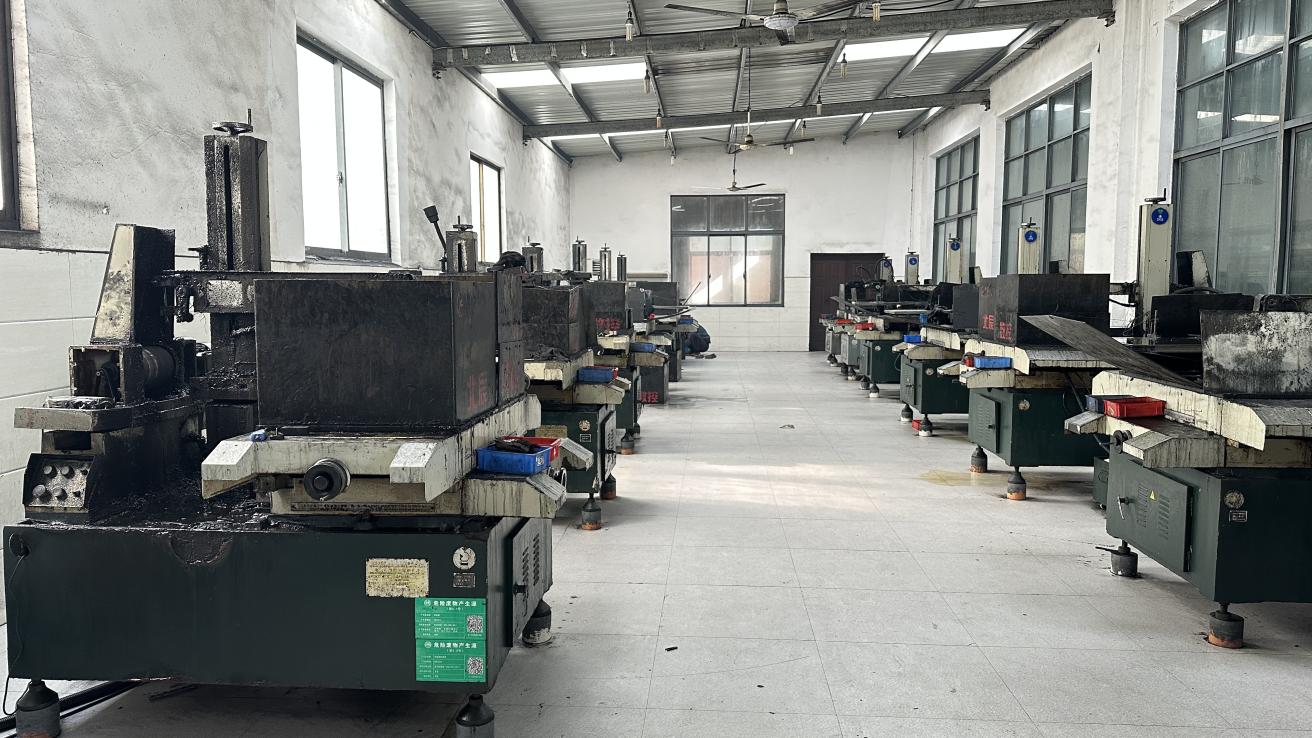
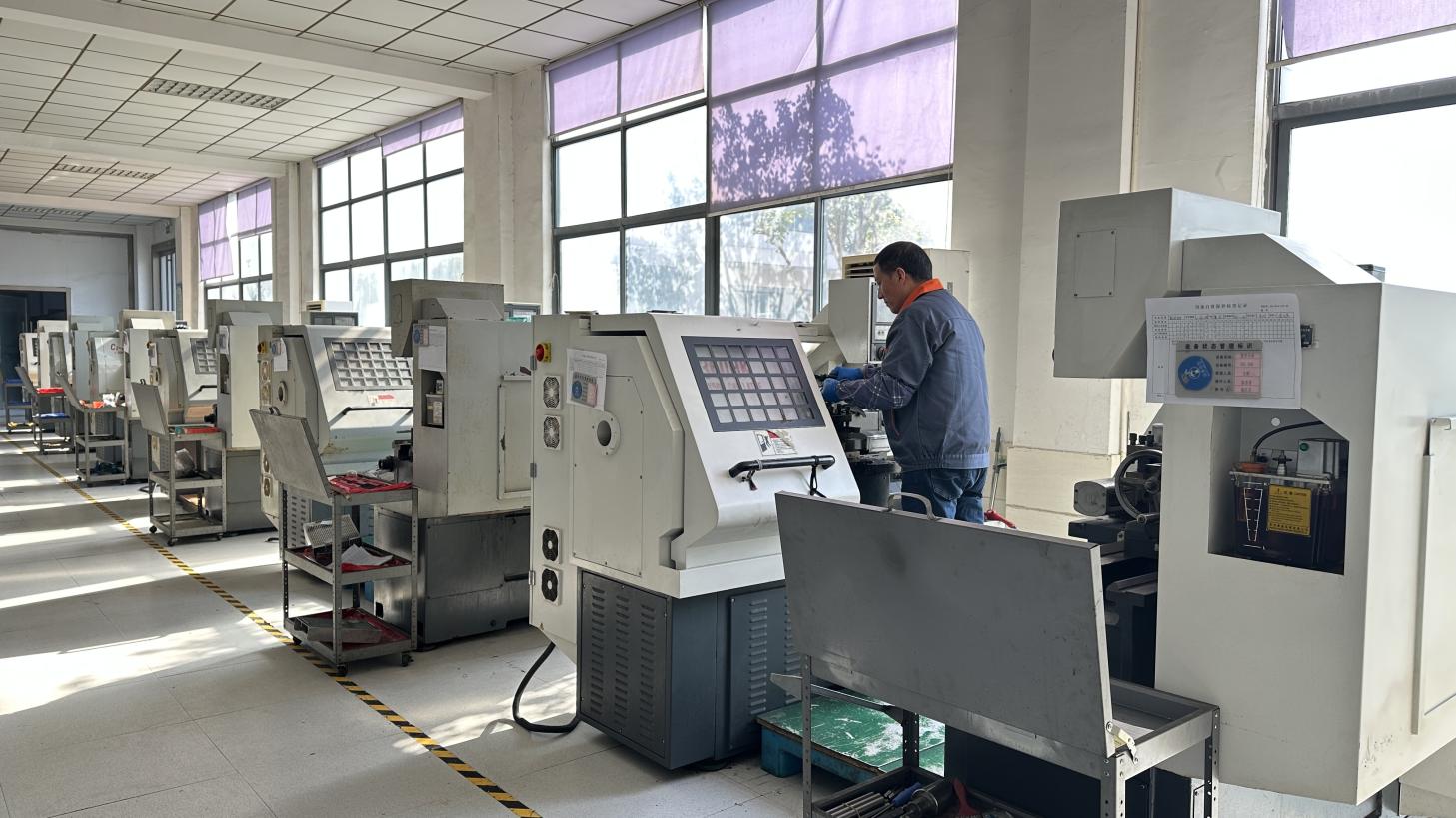
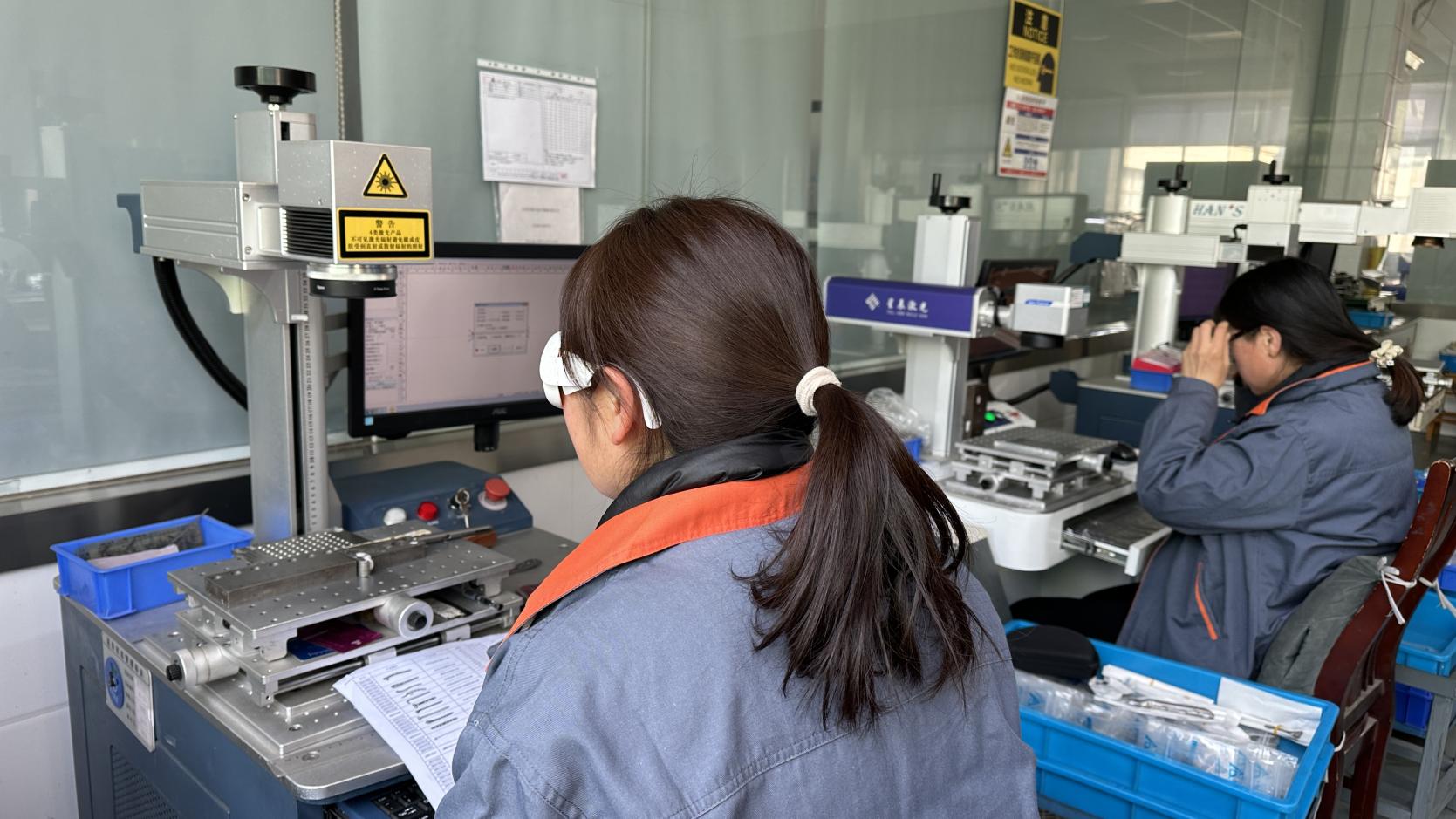
Operating out of an expansive, fully optimized 18,500m² manufacturing plant, Medisplint integrates advanced CNC Swiss machining, metallurgical analysis, and cleanroom packaging facilities. We support medical device supply chains across Europe, Southeast Asia, the Middle East, and South America, partnering with over 1,200 distributors, hospitals, and OEM/ODM clients.
Navigating the biomechanical shift toward ultra-precise implantable fixations
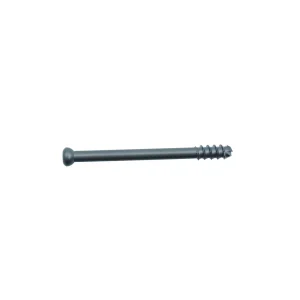
In modern reconstruction procedures—such as anterior and posterior cruciate ligament (ACL/PCL) interventions—the choice of fixation device determines post-operative stability, graft integration, and long-term joint function. Titanium interference screws engineered from Ti-6Al-4V ELI (Grade 23) provide the ultimate threshold of initial pull-out strength, ensuring rigid approximation of bone-tendon-bone (BTB) or soft-tissue autografts/allografts within the femoral and tibial tunnels.
Unlike biodegradable polymers which may carry risk of localized inflammatory reactions and premature degradation, titanium implants maintain consistent mechanical stability. This rigidity prevents graft slippage during the critical initial phases of ligamentization.
The surgical efficacy of a titanium interference screw is governed by its pitch profile, thread depth, and outer diameter contouring. Our manufacturing framework optimizes the screw profile to minimize graft laceration while maximizing thread purchase inside the osseous tunnel.
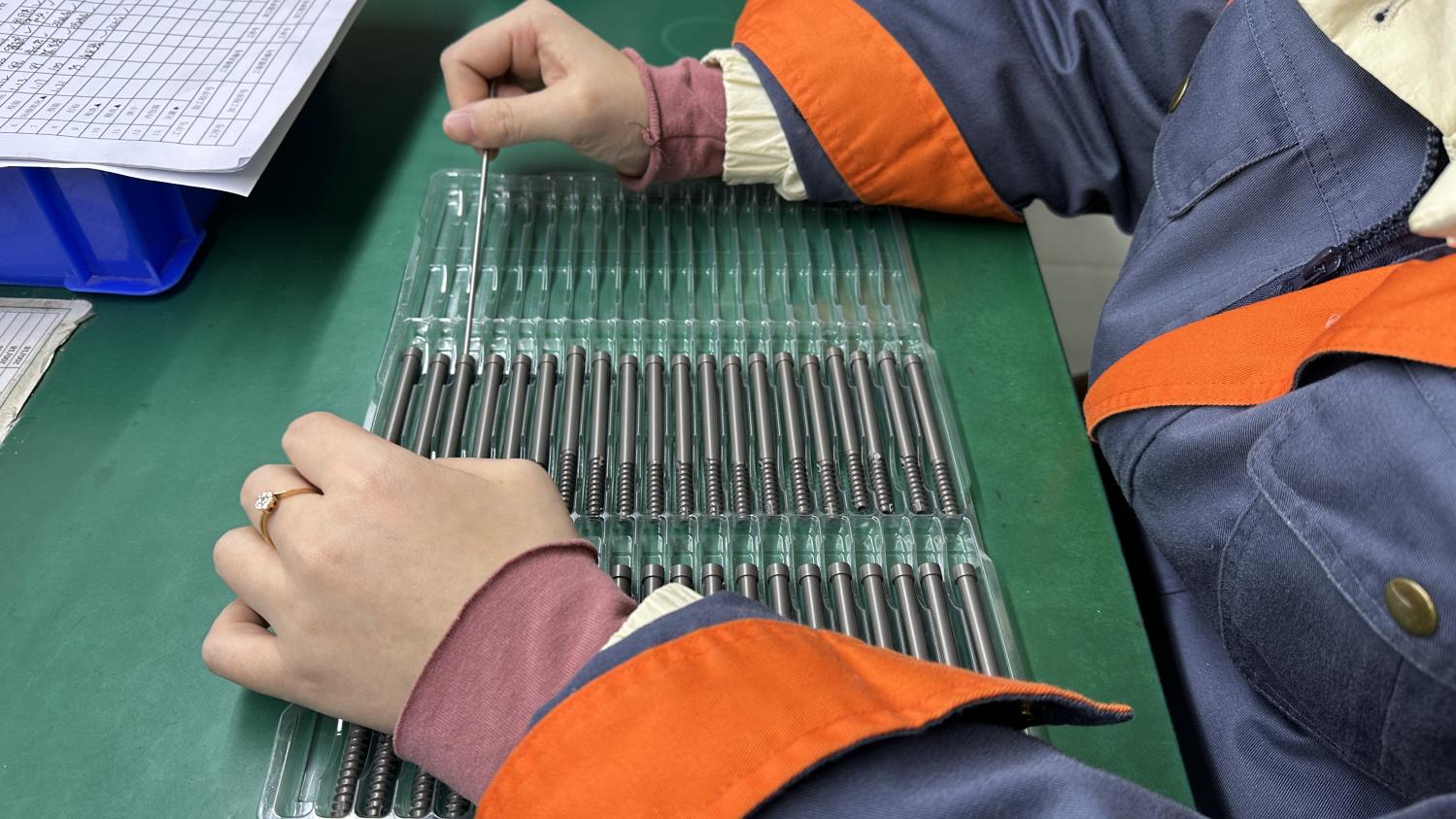
Engineered with deep, flat-head driving sockets (such as star or hexagonal drives) and a fully cannulated design, these screws allow for precise guidewire alignment. This design reduces insertion torque peaks, preventing micro-fractures in the surrounding cancellous bone structure.
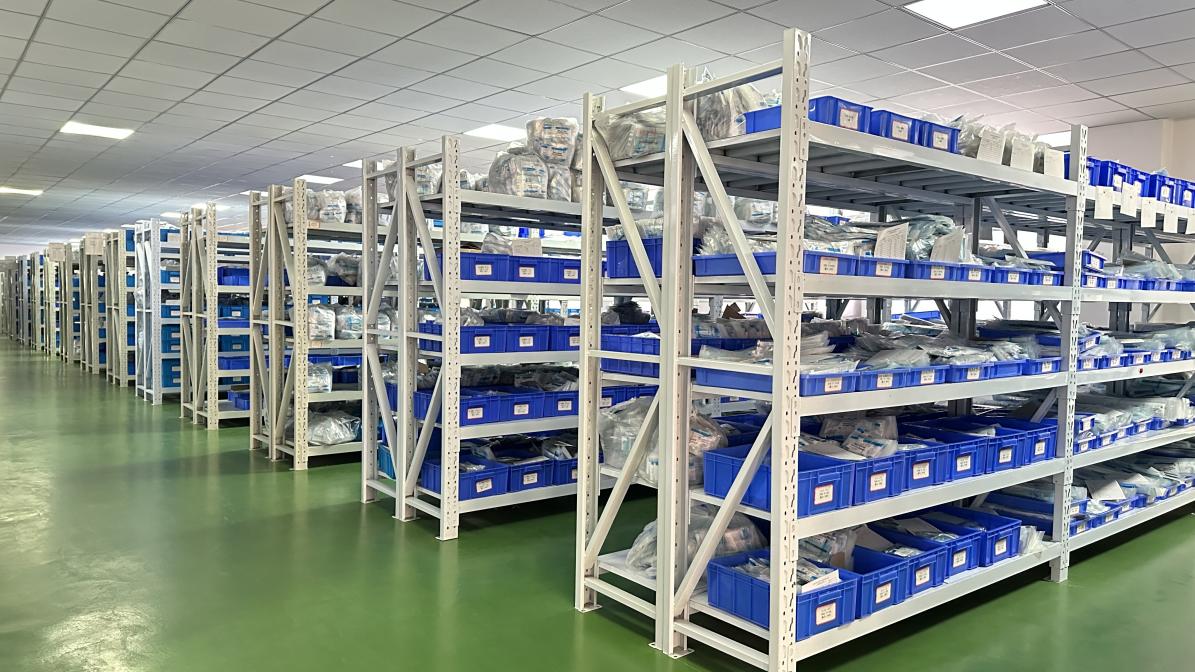
A look inside our 18,500m² medical manufacturing facility
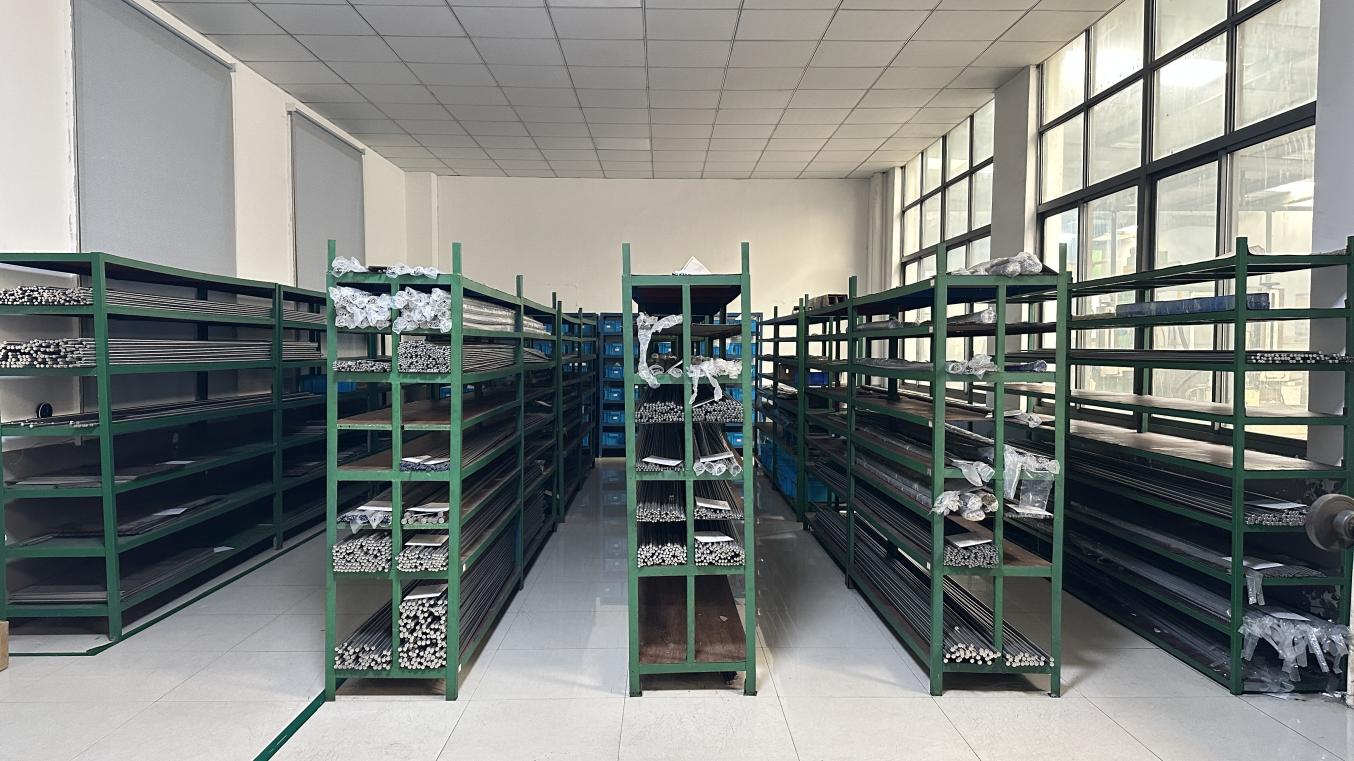
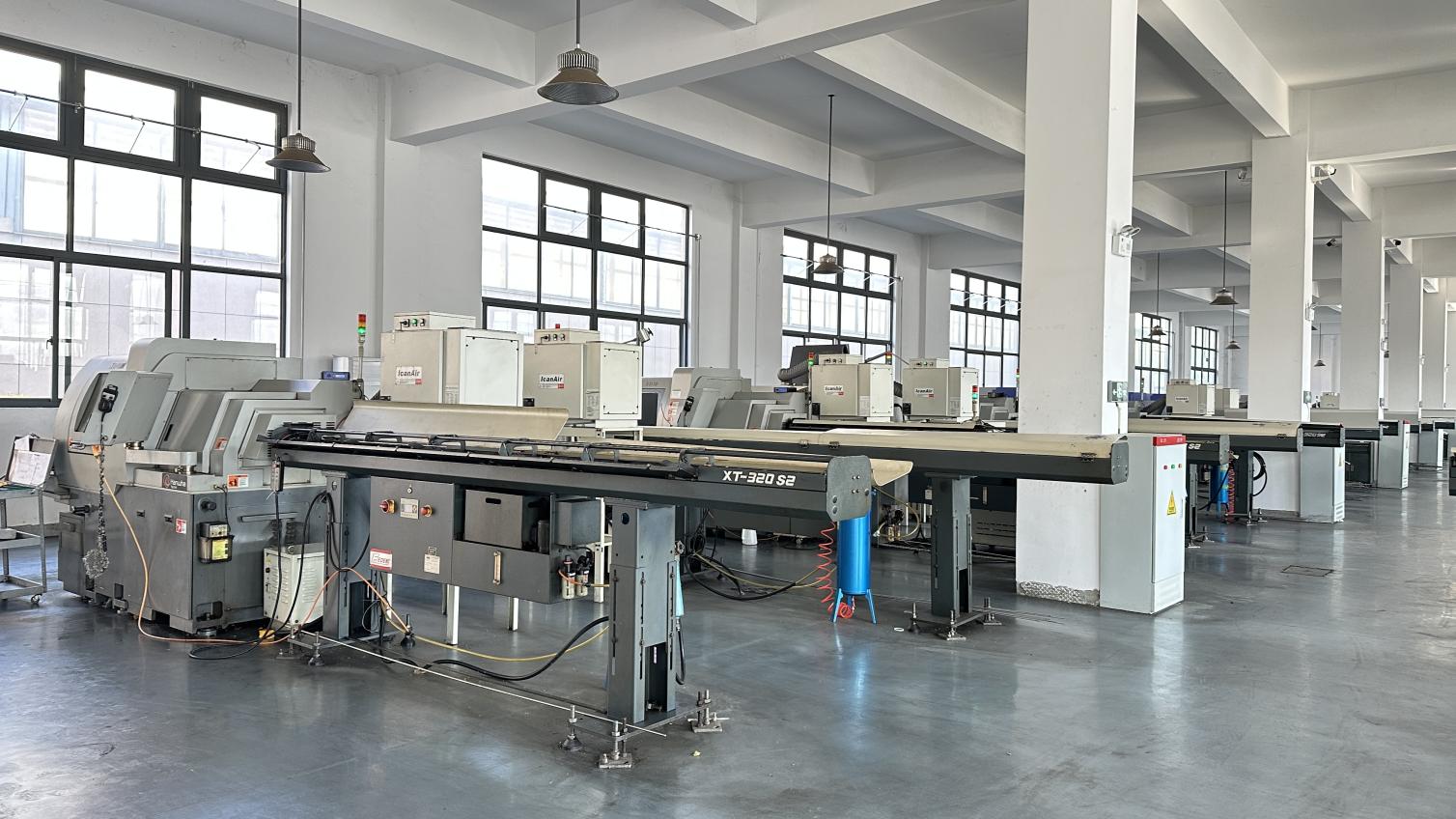
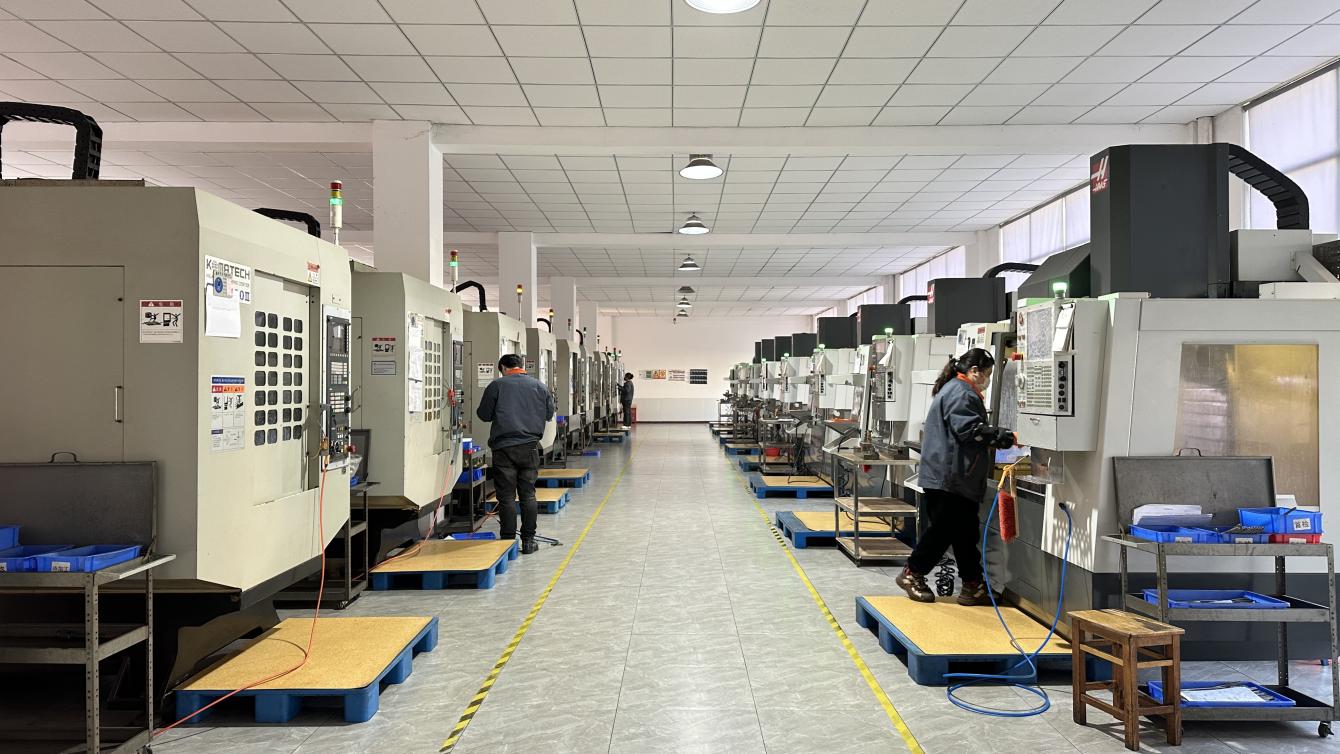
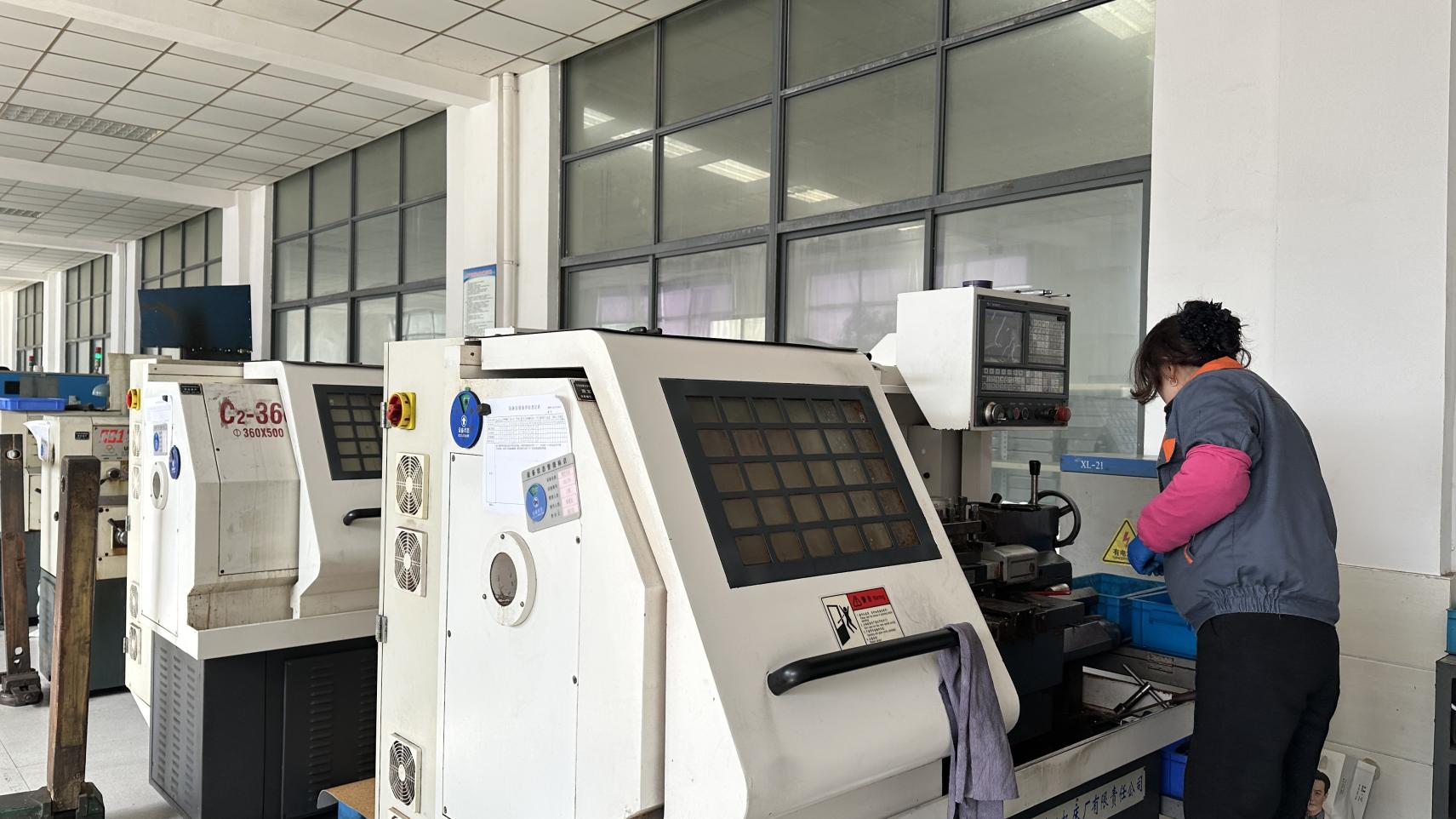
Addressing supply chain stability, regulatory compliance, and clinical applications
As international medical regulatory regimes transition from the MDD to the more stringent Medical Device Regulation (MDR 2017/745) in Europe, alongside equivalent FDA 510(k) clearances in North America, hospitals and clinical buyers face critical sourcing hurdles. Medisplint addresses these supply challenges by providing fully certified, traceable implants.
With our network of over 1,200 supply chain partners, we ensure that raw titanium stocks conform strictly to ISO 5832-3 standards. This guarantees complete chemical composition homogeneity, structural integrity, and clinical reliability across all production runs.
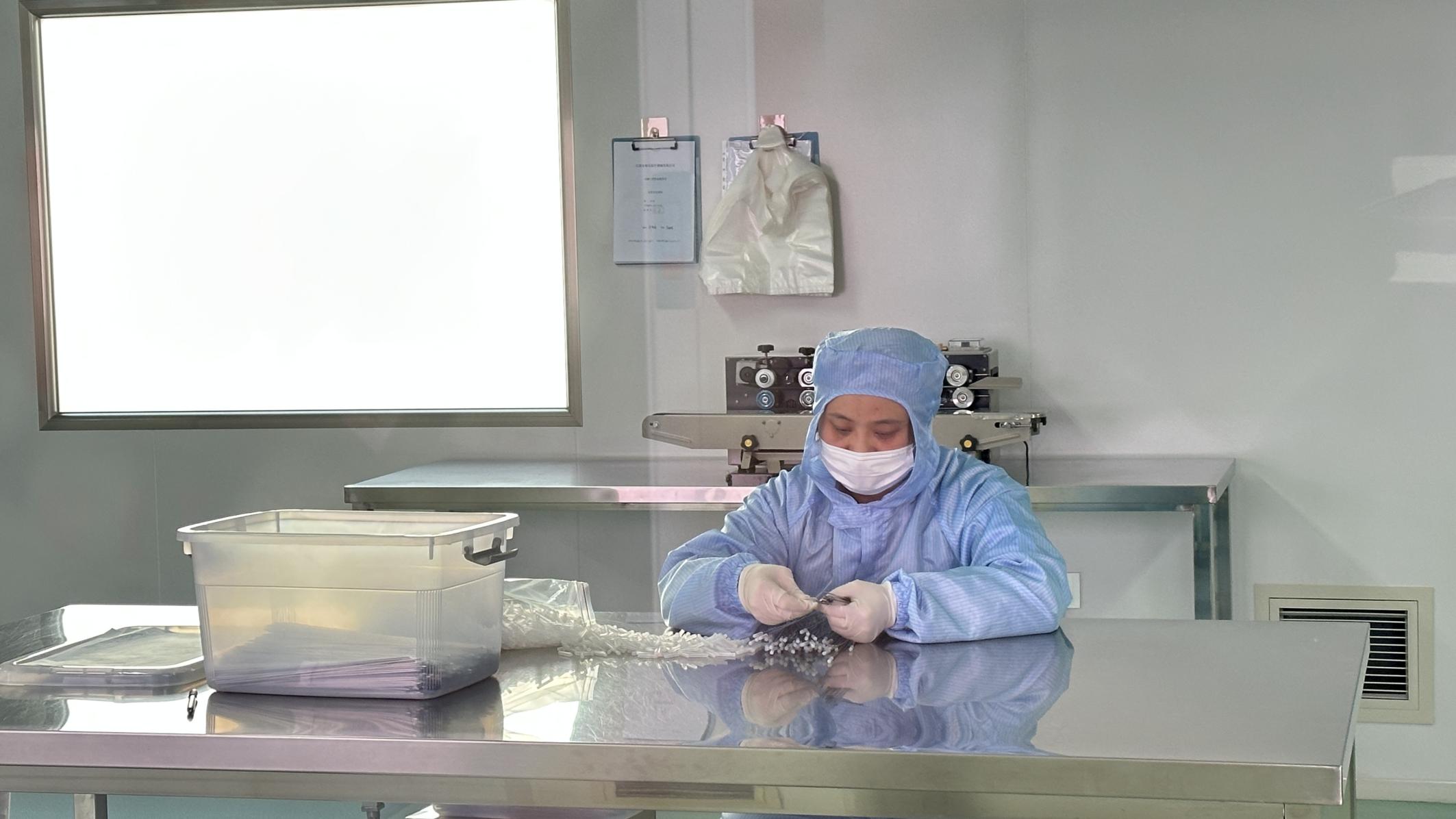
To achieve international compliance across diverse regulatory zones, Medisplint maintains a dual quality framework. Our ISO 13485:2016 management system governs every phase, from raw titanium slitting and multi-axis CNC machining to cleaning, passivating, and packaging in ISO Class 7 cleanrooms.
Every product batch is accompanied by comprehensive documentation: material certificates (chemical heat analysis), mechanical performance metrics (torque, yield strength), and sterilization validations. This documentation ensures streamlined customs clearance and regulatory compliance for distributors worldwide.
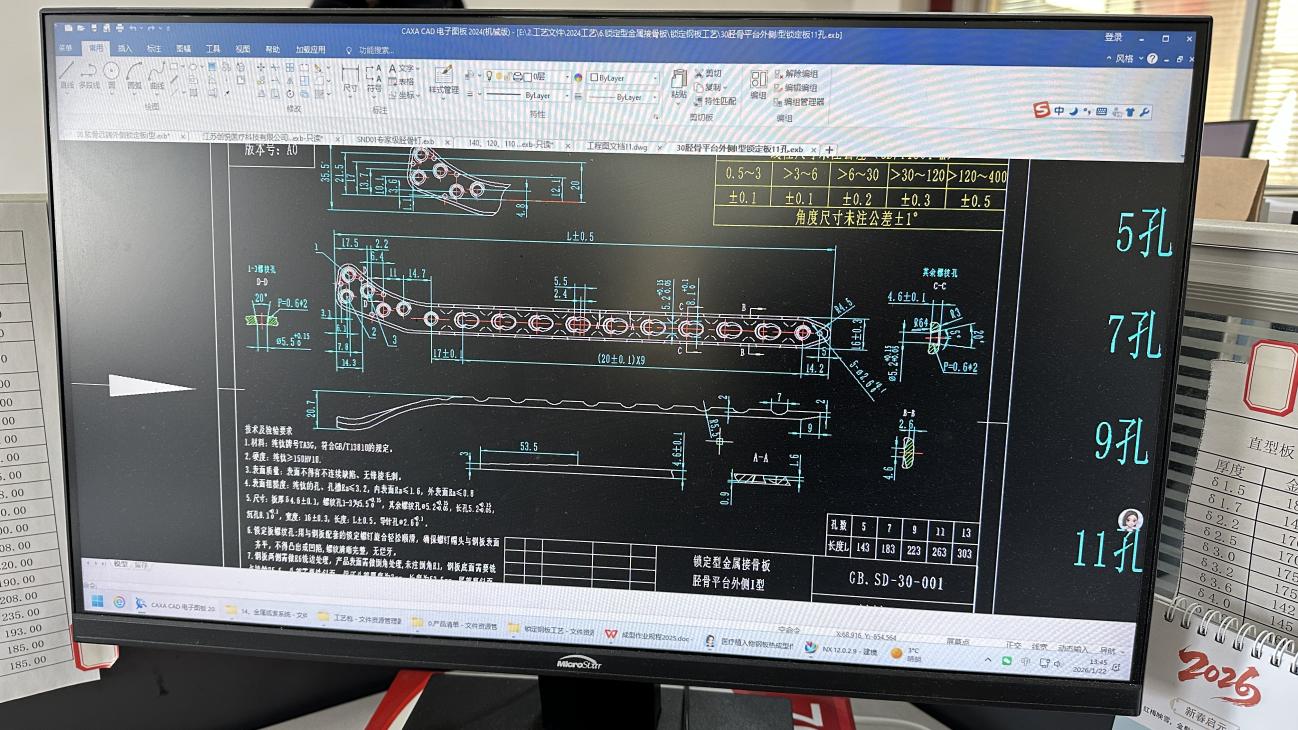
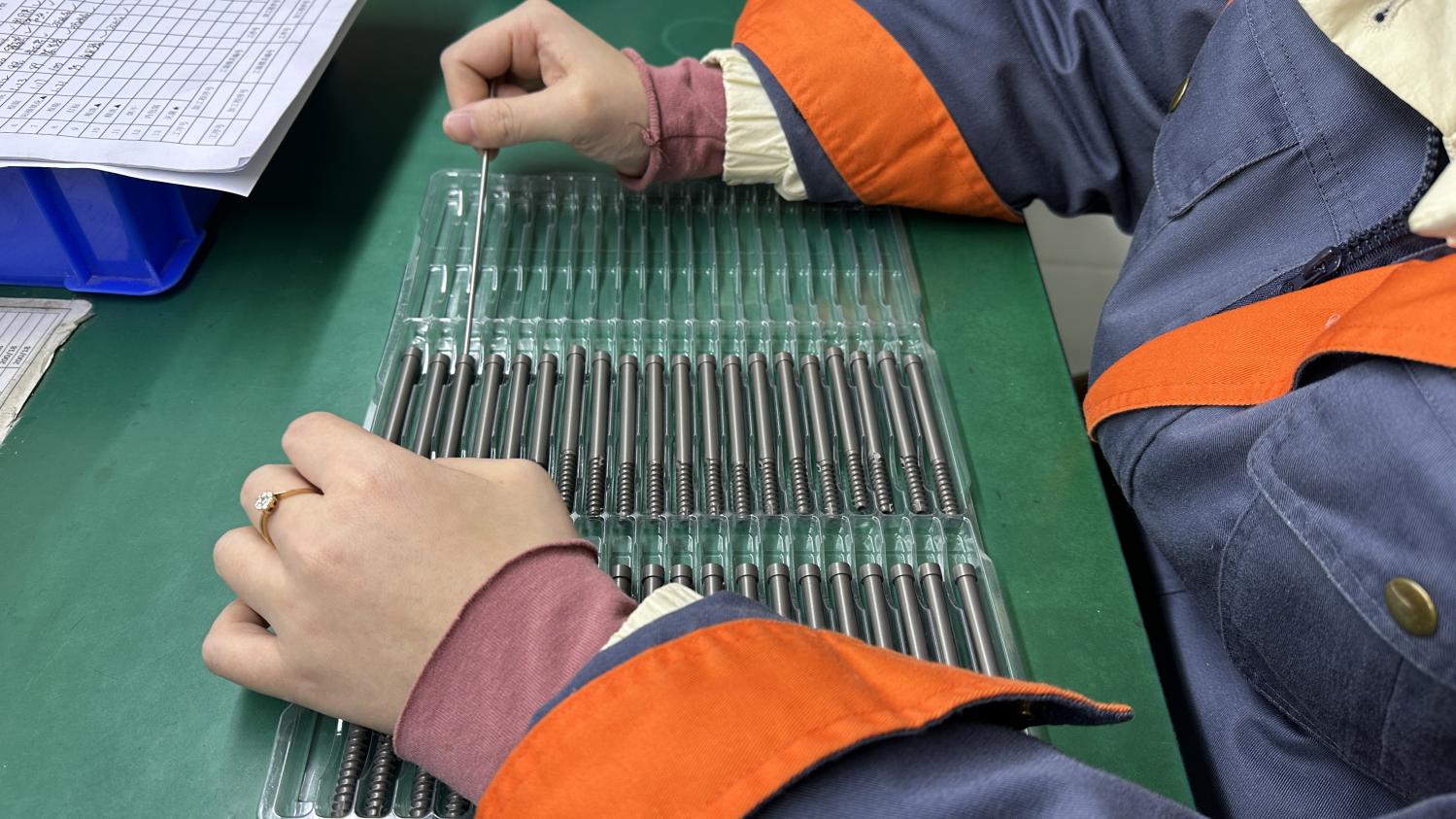
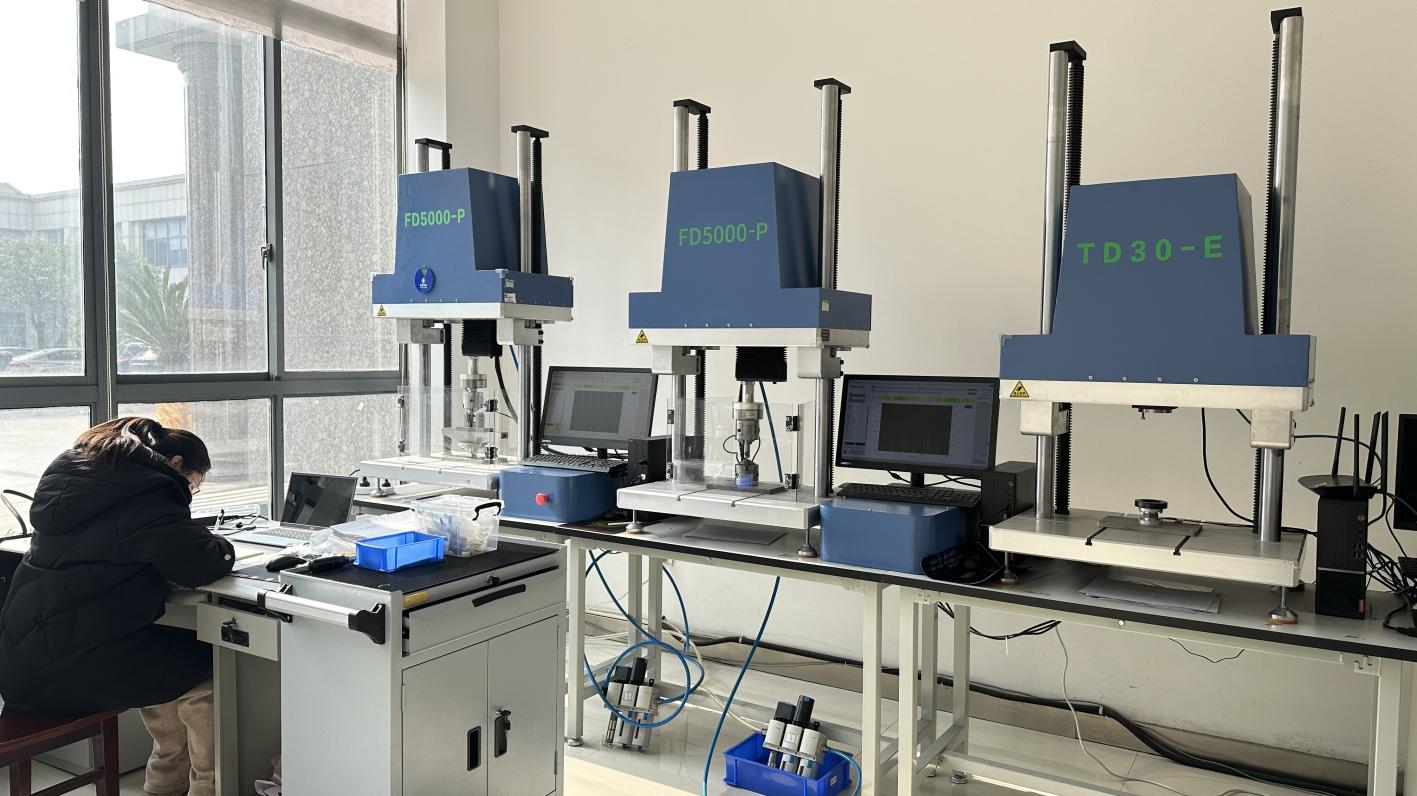
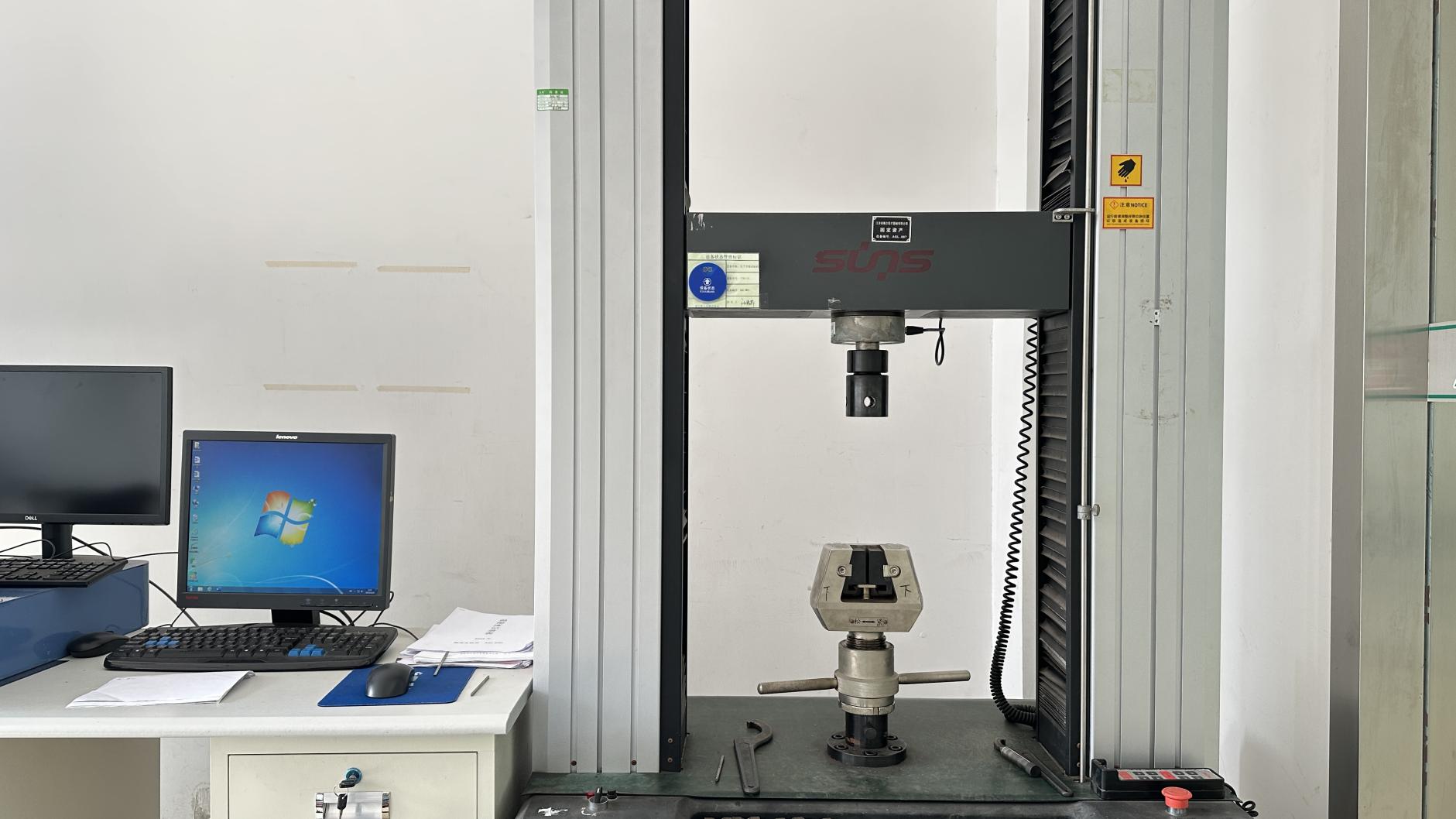
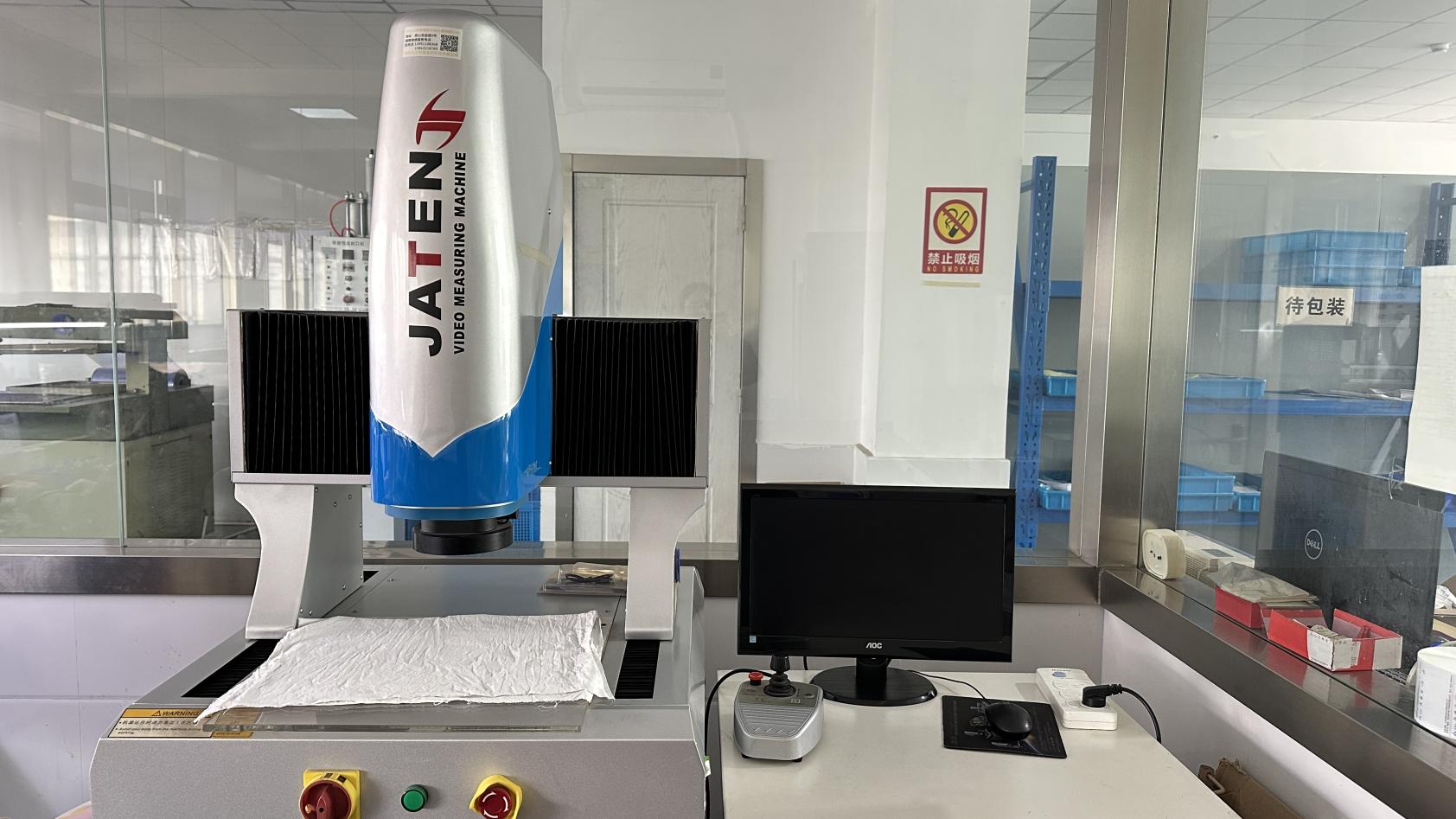
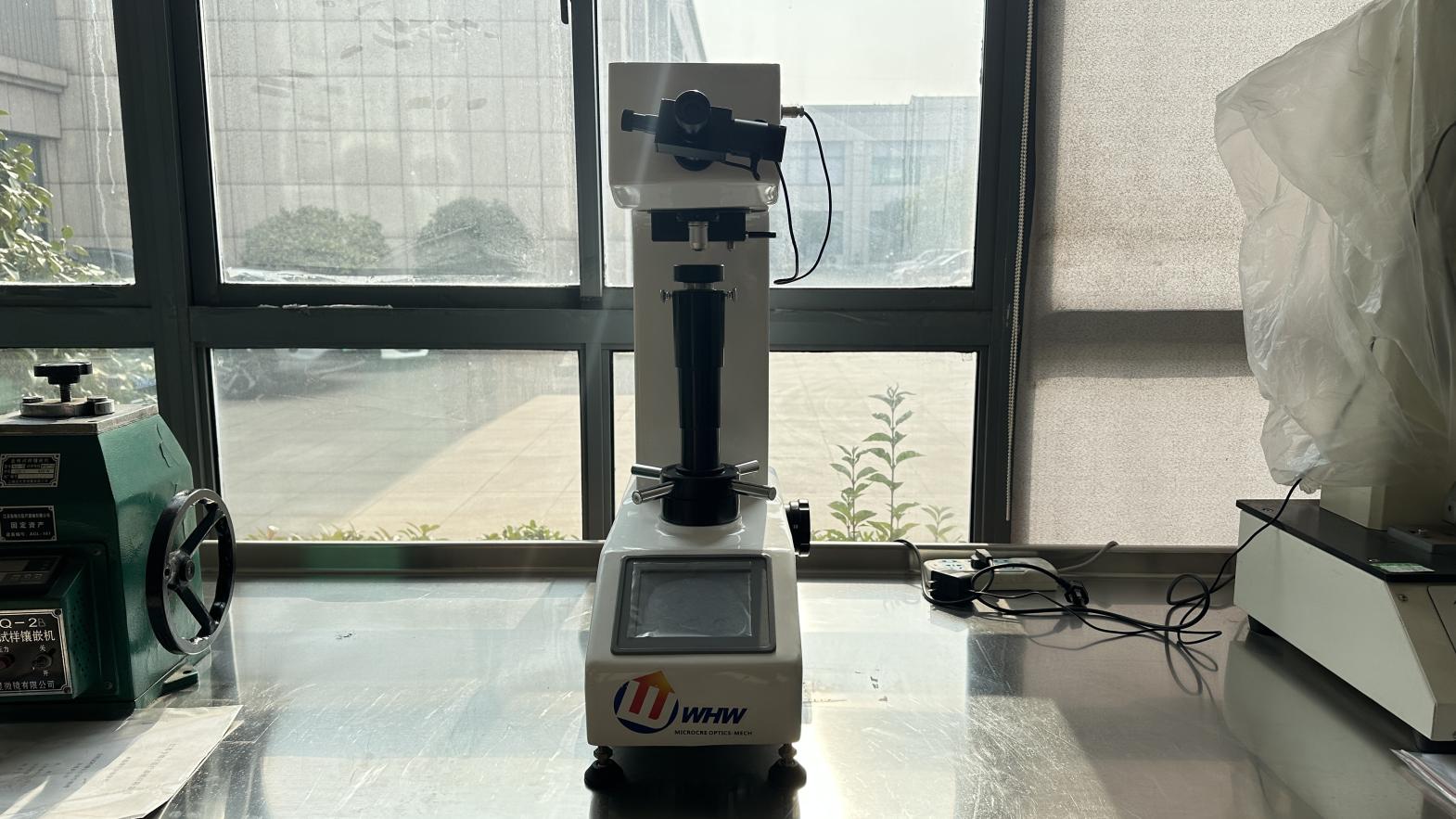
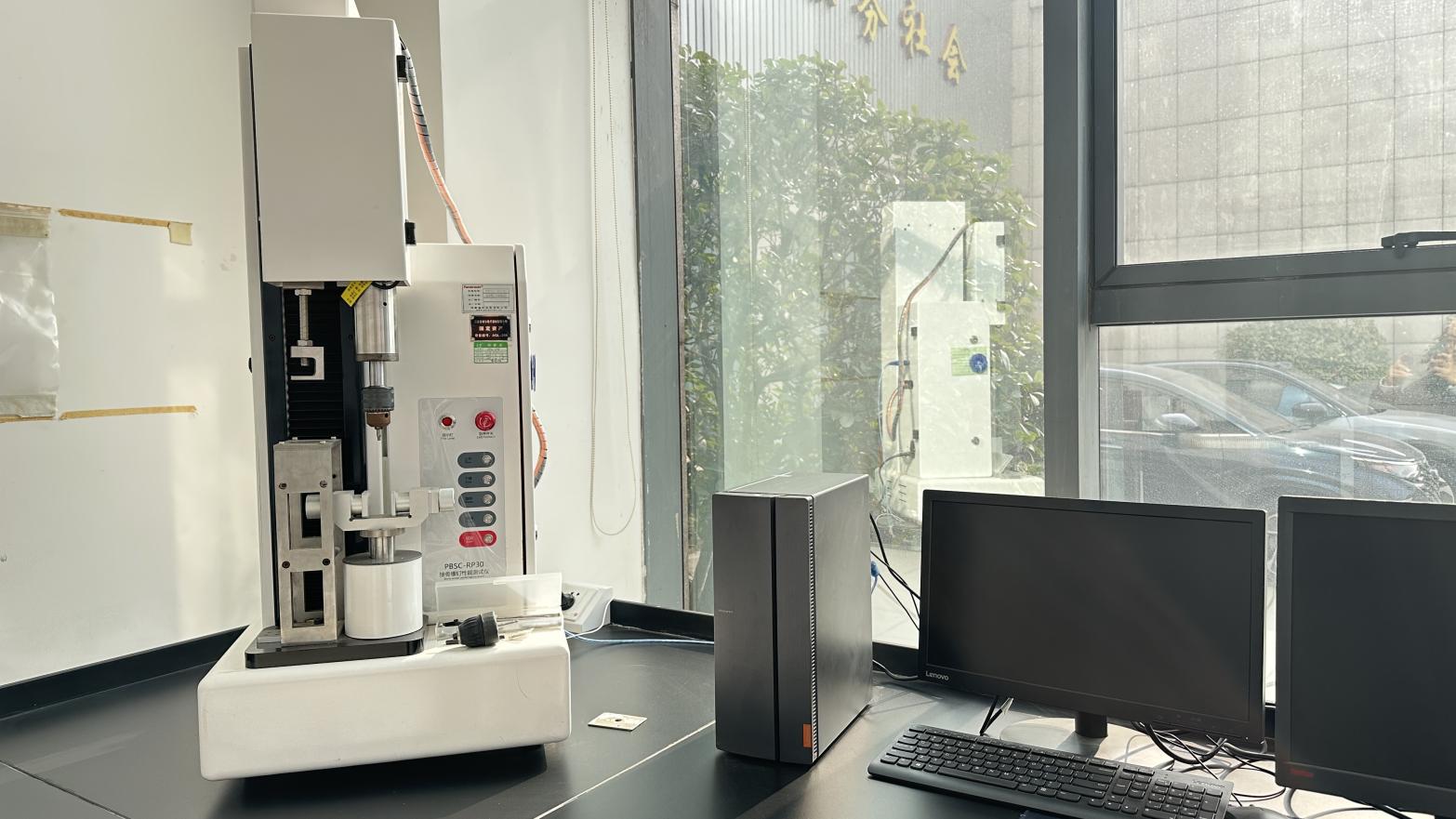
Validating biomechanical performance, fatigue limits, and dimensional tolerances

Developing next-generation surface modifications and bioactive fixation profiles
The future of orthopedic hardware lies in enhancing osseointegration at the implant-bone interface. While traditional sand-blasted or acid-etched titanium surfaces provide stable mechanical friction, Medisplint's R&D department is actively exploring bioactive coatings.
By utilizing anodization to create nanostructured titanium dioxide ($TiO_2$) nanotube surfaces, we can promote rapid mineral deposition. These advanced surfaces accelerate osteoblast differentiation and speed up bone ingrowth, leading to shorter recovery times for reconstruction patients.
Alongside traditional titanium alloy milling, advanced material hybridizations are reshaping sports medicine. PEEK (polyetheretherketone) provides an elastic modulus close to that of cortical bone, reducing stress shielding.
However, for applications requiring high primary stability, titanium remains the clinical gold standard. Our technical roadmap bridges these two paradigms by integrating micro-milled titanium anchor configurations with high-performance PEEK components, providing surgeons with the optimal balance of mechanical strength and biological compatibility.
Answering key questions from clinical procurement managers, orthopedists, and global distributors
Explore our extensive range of high-tolerance surgical tools and orthopedic implant systems