Medisplint
Medisplint
Medisplint
Innovative surgical tools, locking plates, and intramedullary nail systems for clinical use
An in-depth review of biomechanics, internal fixation design, and regulatory requirements
Femoral intramedullary (IM) nails represent the global gold standard for the internal fixation of femoral shaft fractures, subtrochanteric fractures, and certain ipsilateral femoral neck/shaft combinations. Acting as an load-sharing device, the intramedullary nail is positioned closer to the mechanical axis of the femur than lateral locking plates. This reduces the bending moment experienced by the implant, minimizes the risk of fatigue failure, and allows for early post-operative weight-bearing. The biological advantage of IM nailing lies in its relative stability, which promotes secondary bone healing through callus formation while preserving the periosteal blood supply via a minimally invasive insertion technique.
The selection of raw materials is critical to the clinical longevity of femoral intramedullary nails. Leading manufacturers primarily utilize medical-grade titanium alloy (Ti-6Al-4V ELI, ASTM F136) or ultra-high strength stainless steel (316LVM, ASTM F138). Titanium alloys are highly favored due to their superior biocompatibility, excellent corrosion resistance, and lower modulus of elasticity (closer to that of cortical bone), which mitigates stress shielding. For complex reconstruction and high-demand applications, advanced alloy modifications are processed through precise thermomechanical treatments to increase fatigue limit and tensile strength.
Surgical intent dictates the geometry of the IM nail. Antegrade nails are designed with proximal helical angles and curves optimized for insertion via the piriformis fossa or the greater trochanter. Retrograde nails, conversely, feature a distal configuration optimized for trans-articular entry via the femoral intercondylar notch. Both methodologies demand exact curvature matching (often specified by a radius of curvature between 1.5 to 2.0 meters) to avoid anterior cortical impingement or distal femoral perforation.
Established in 2016, Medisplint Orthopedic Instruments Co., Ltd. has rapidly emerged as a premier manufacturer specializing in high-precision orthopedic implants, internal fixation systems, and specialized surgical instrumentation. Our state-of-the-art facility covers approximately 18,500 square meters, integrating advanced design modeling, manufacturing, sterilization, and rigorous quality verification protocols.
With over a decade of domain expertise and an established global trade presence, Medisplint reports an annual export volume of USD 12 million. Our implants serve critical trauma, spine, and joint reconstruction needs across major healthcare markets in Europe, Southeast Asia, the Middle East, and South America.
Our core technical strength lies in our robust R&D division, featuring 85 experienced bio-engineers and clinical consultants. By launching 68 new medical instruments and implant variants annually, Medisplint continues to drive innovation in load-bearing implants and complex fracture fixations.
We provide full-spectrum contract manufacturing services to global orthopedic brands:
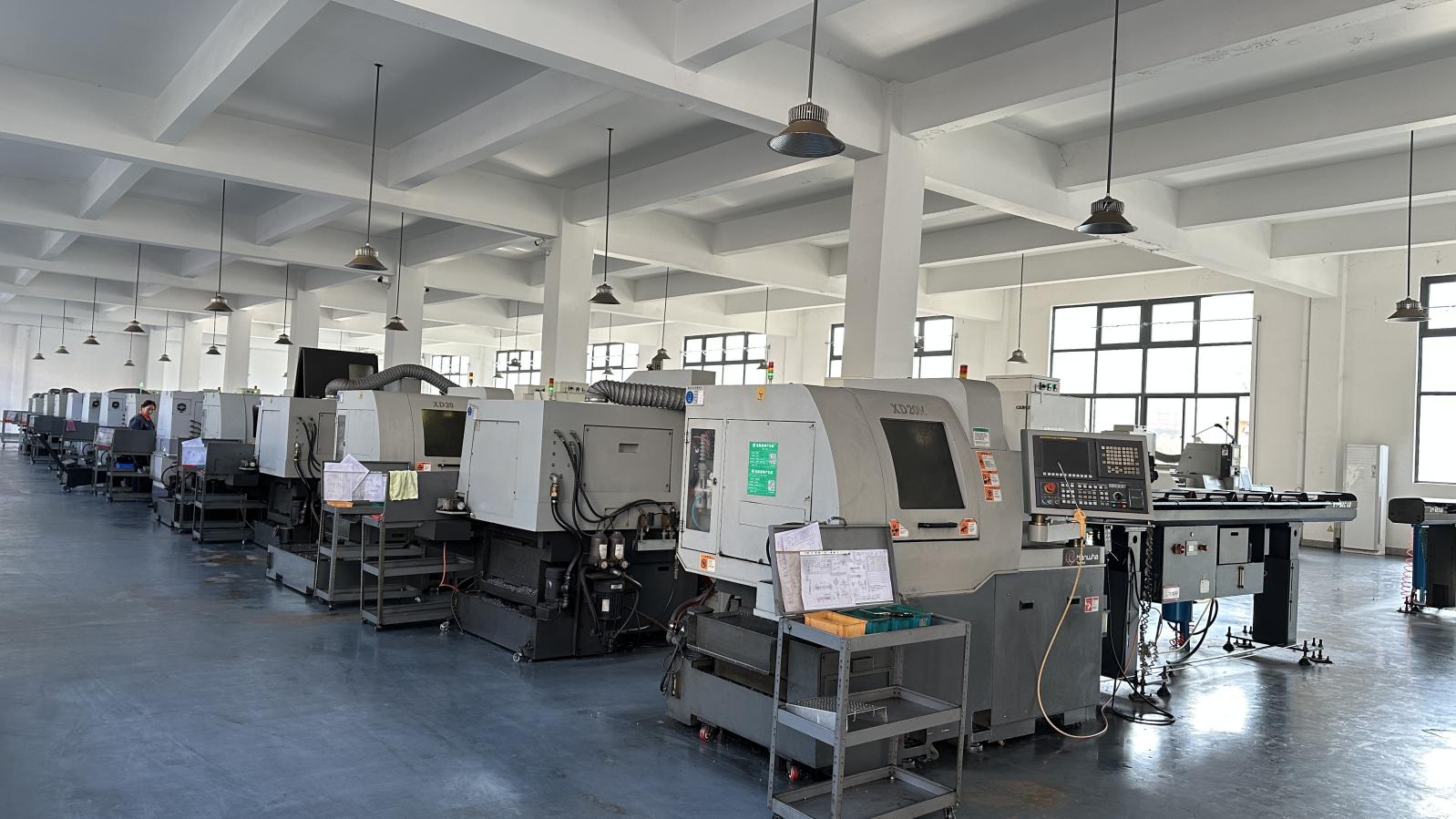
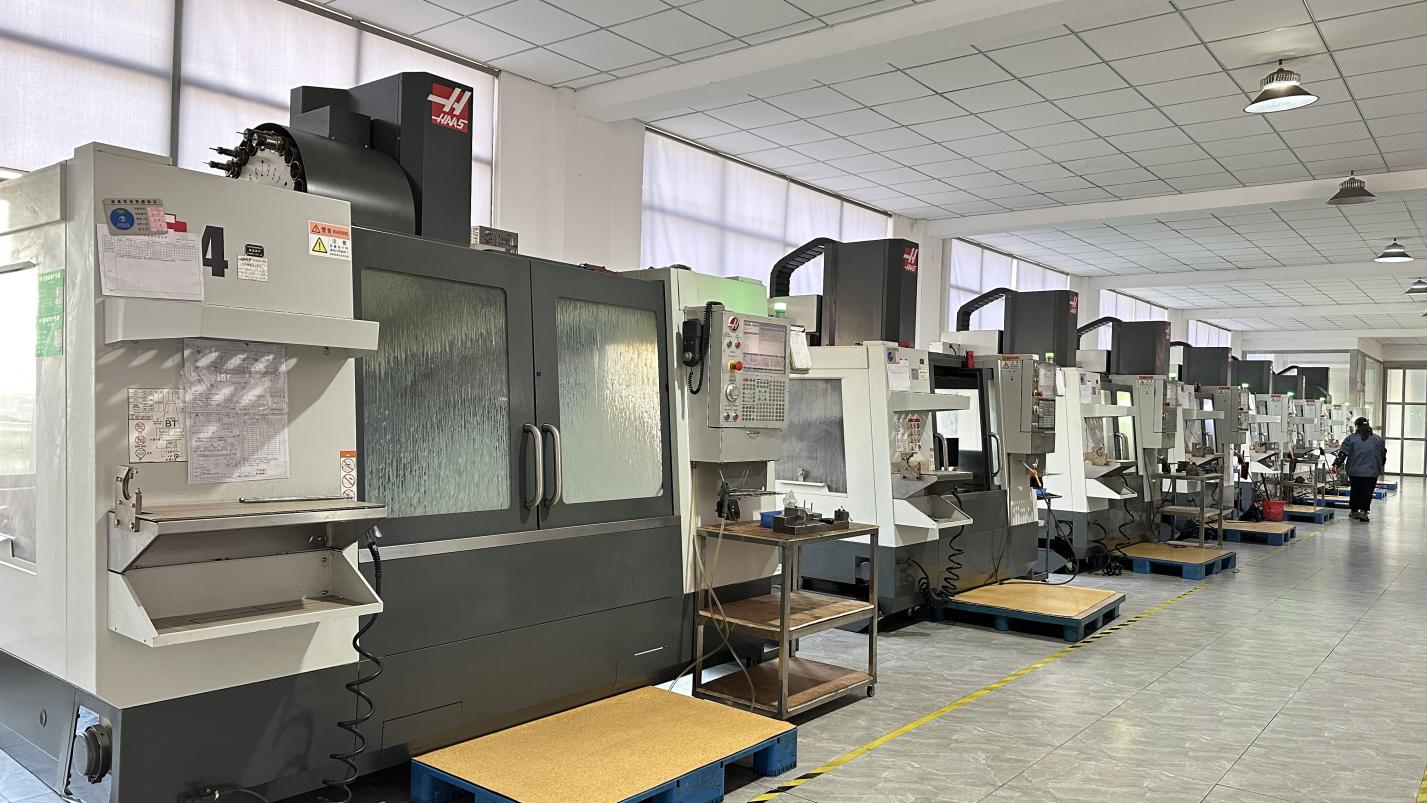
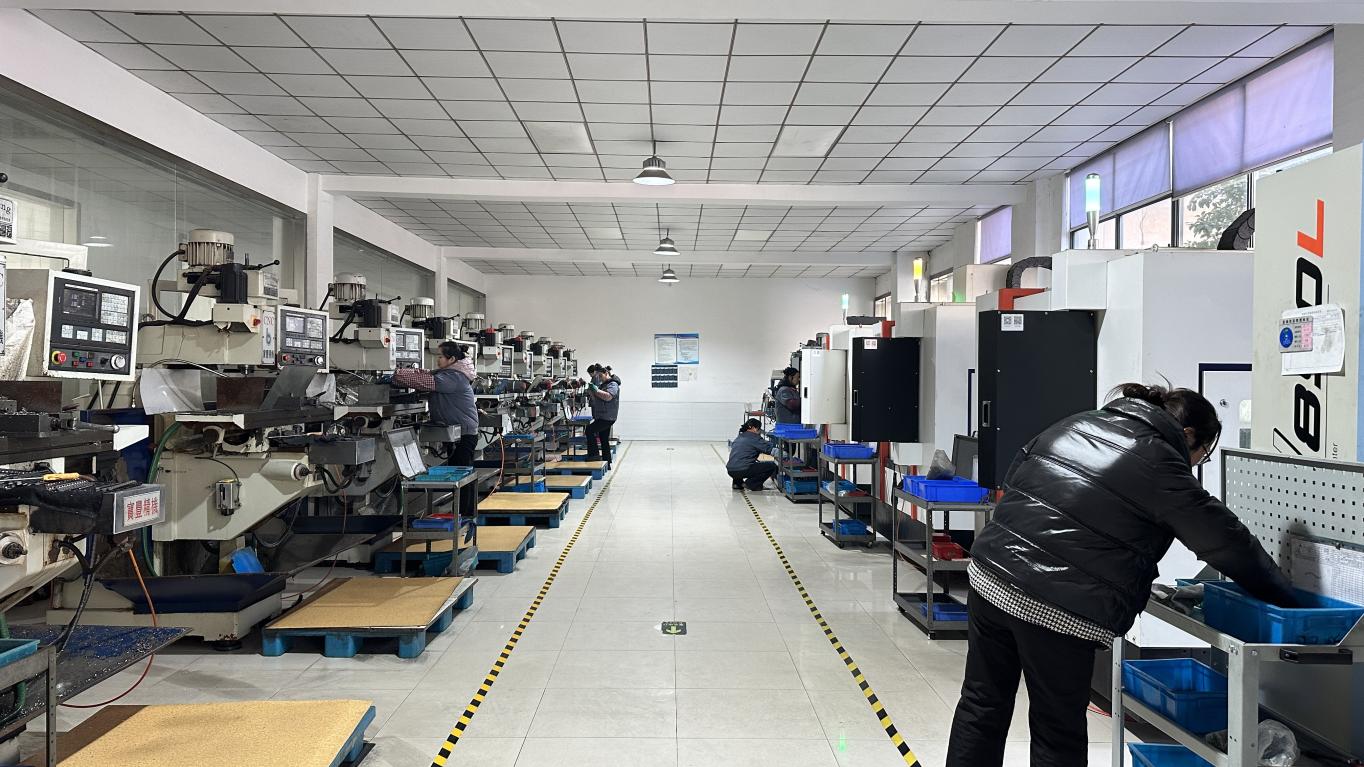
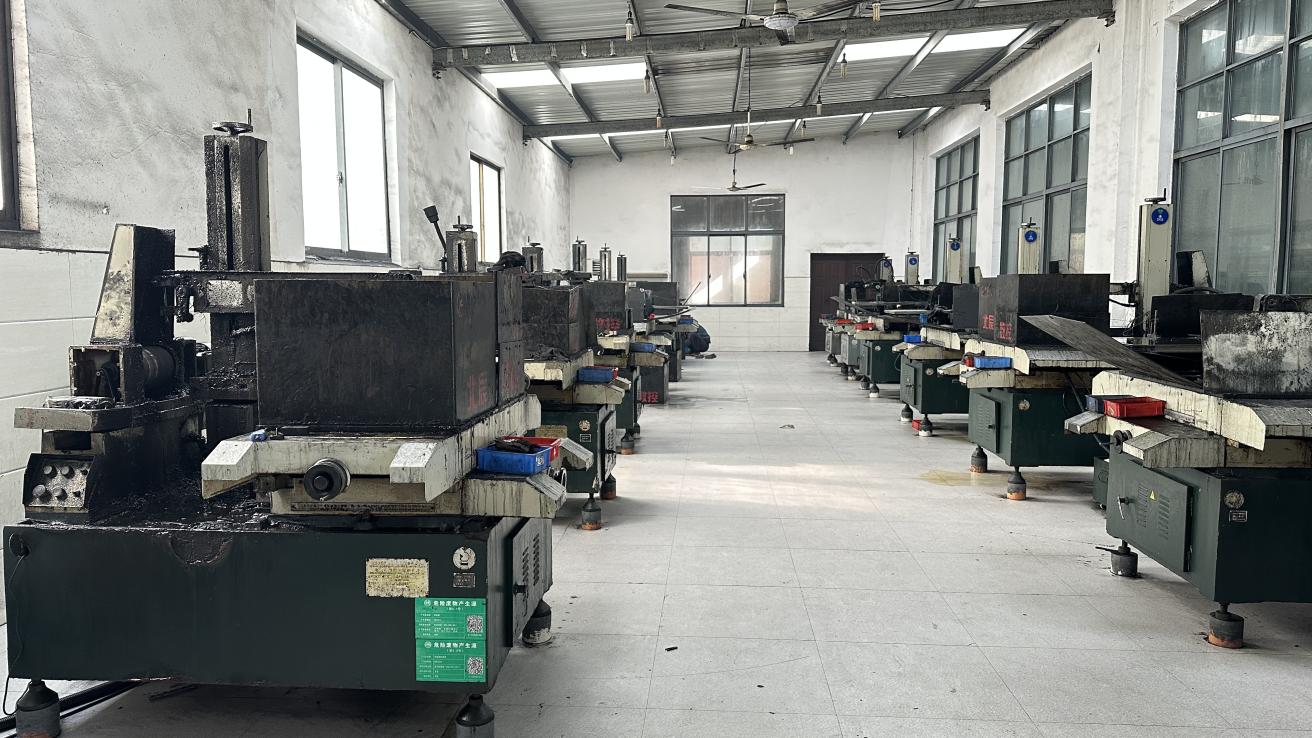
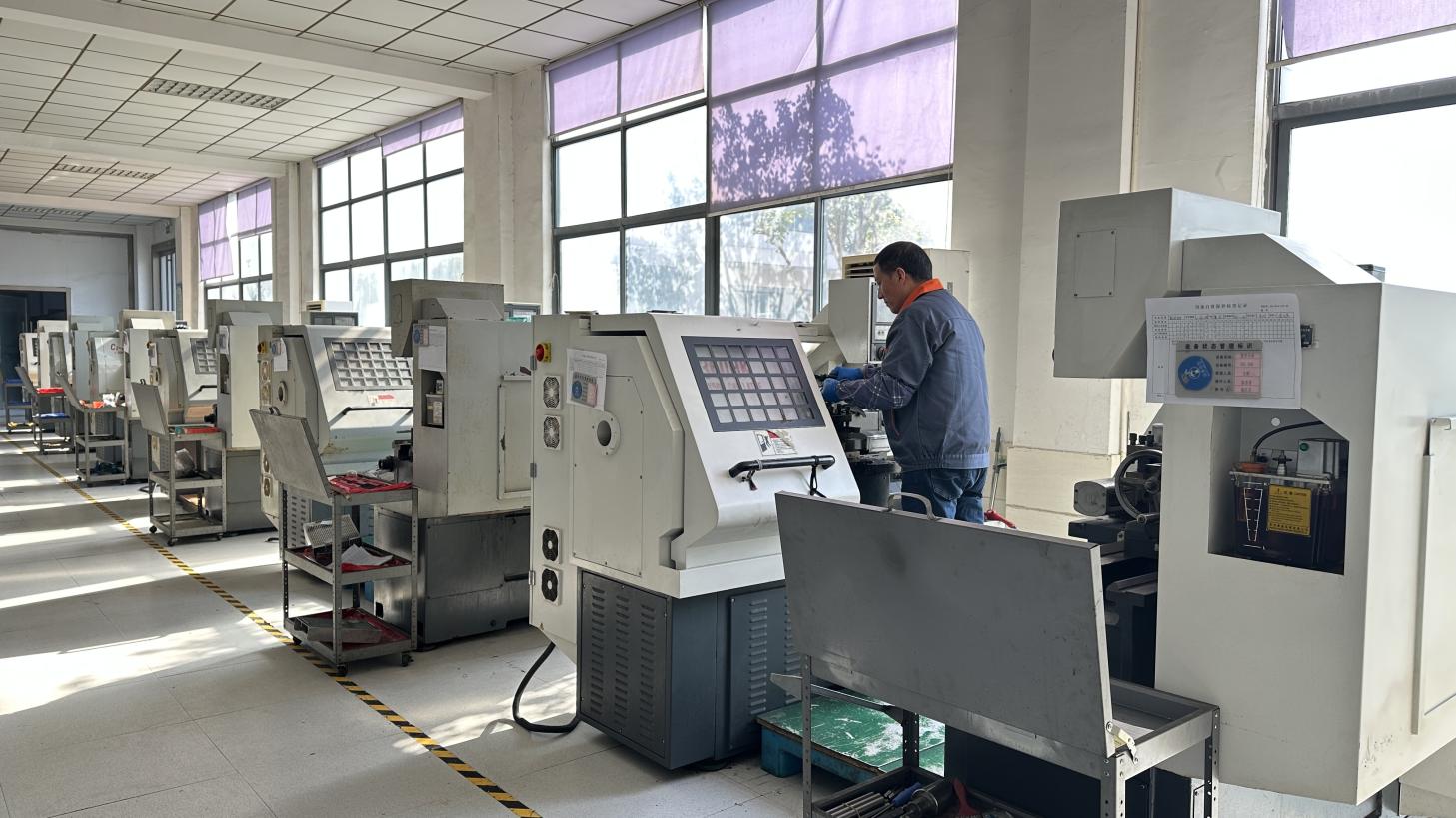
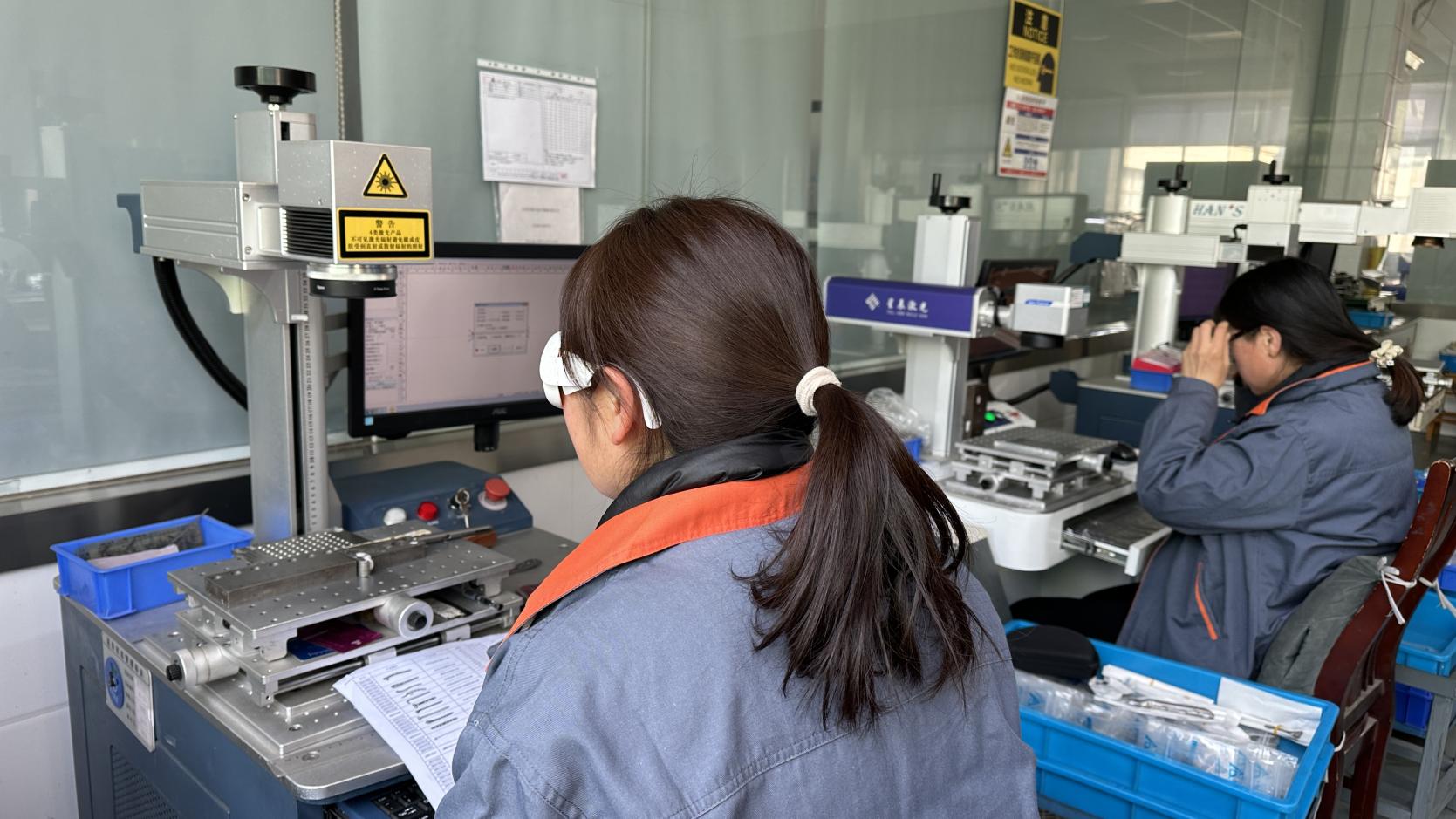
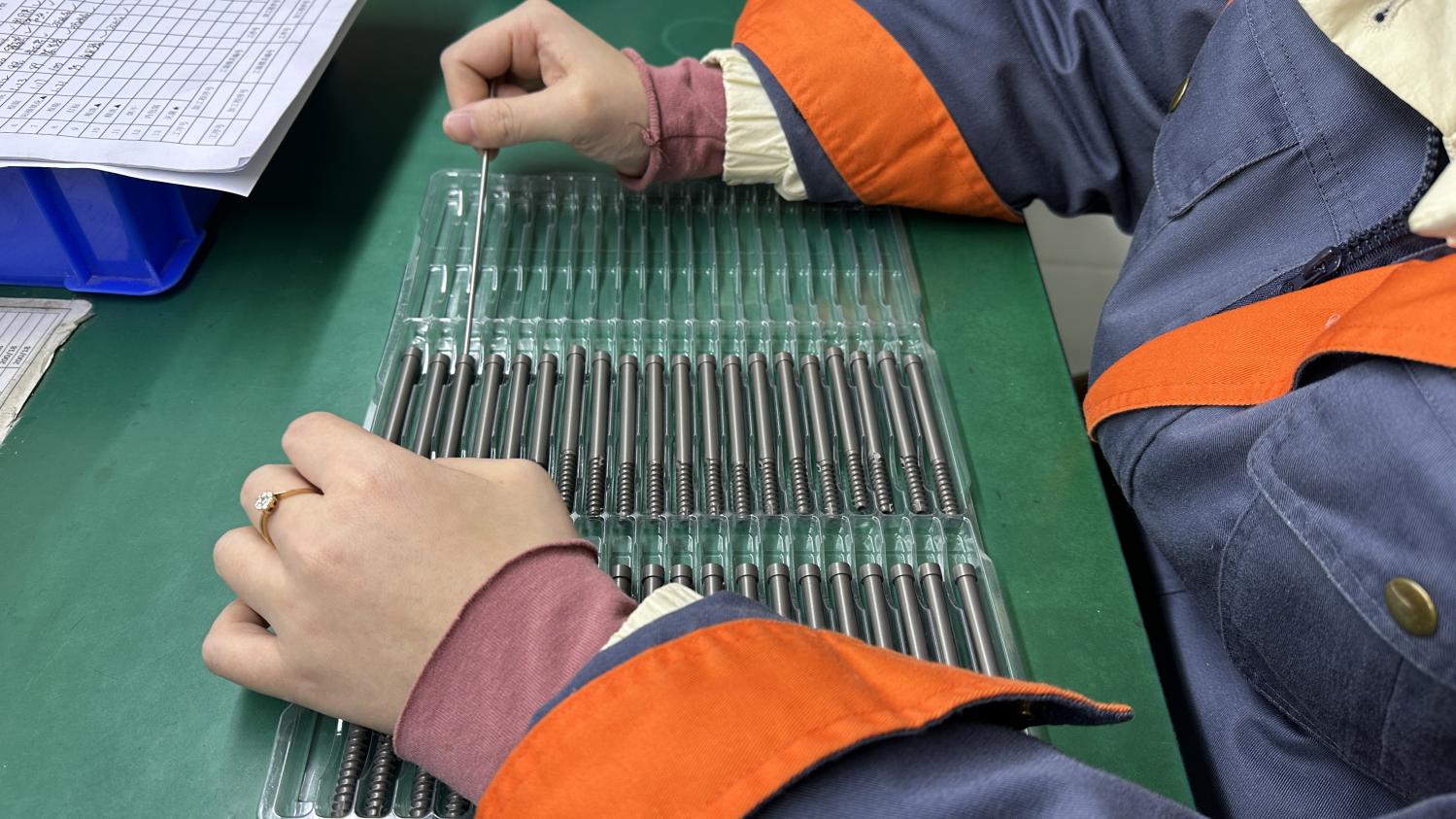
Take an inside look at our advanced production lines, CNC machining centers, and raw material processing
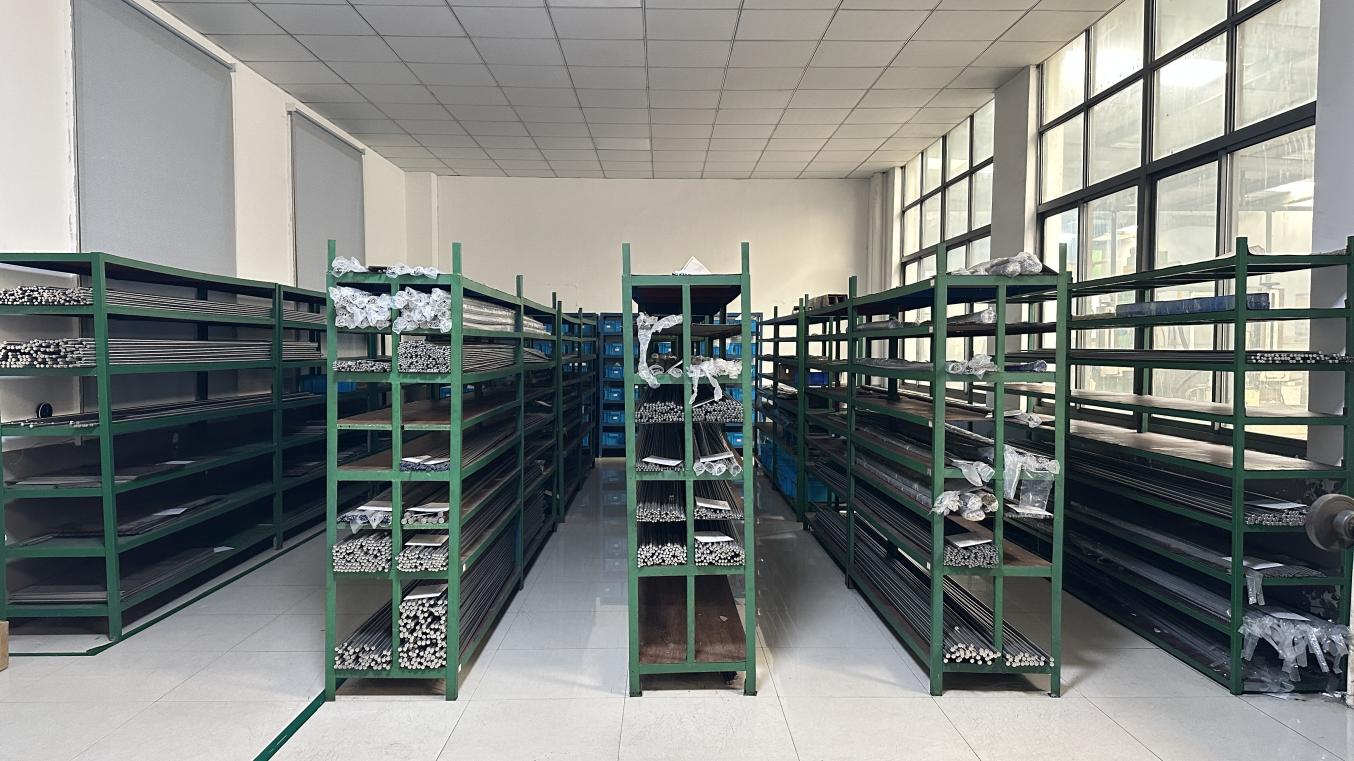
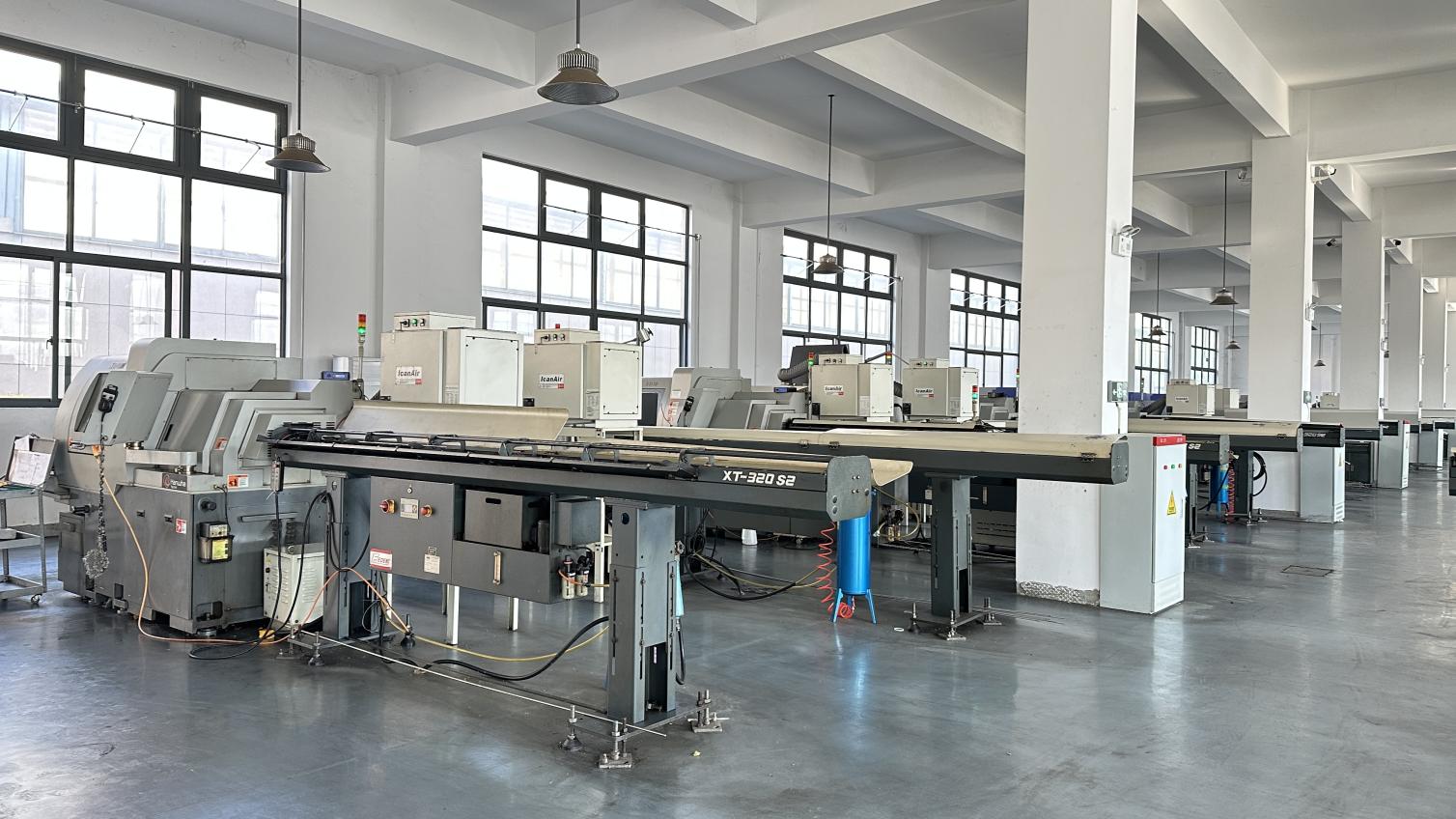
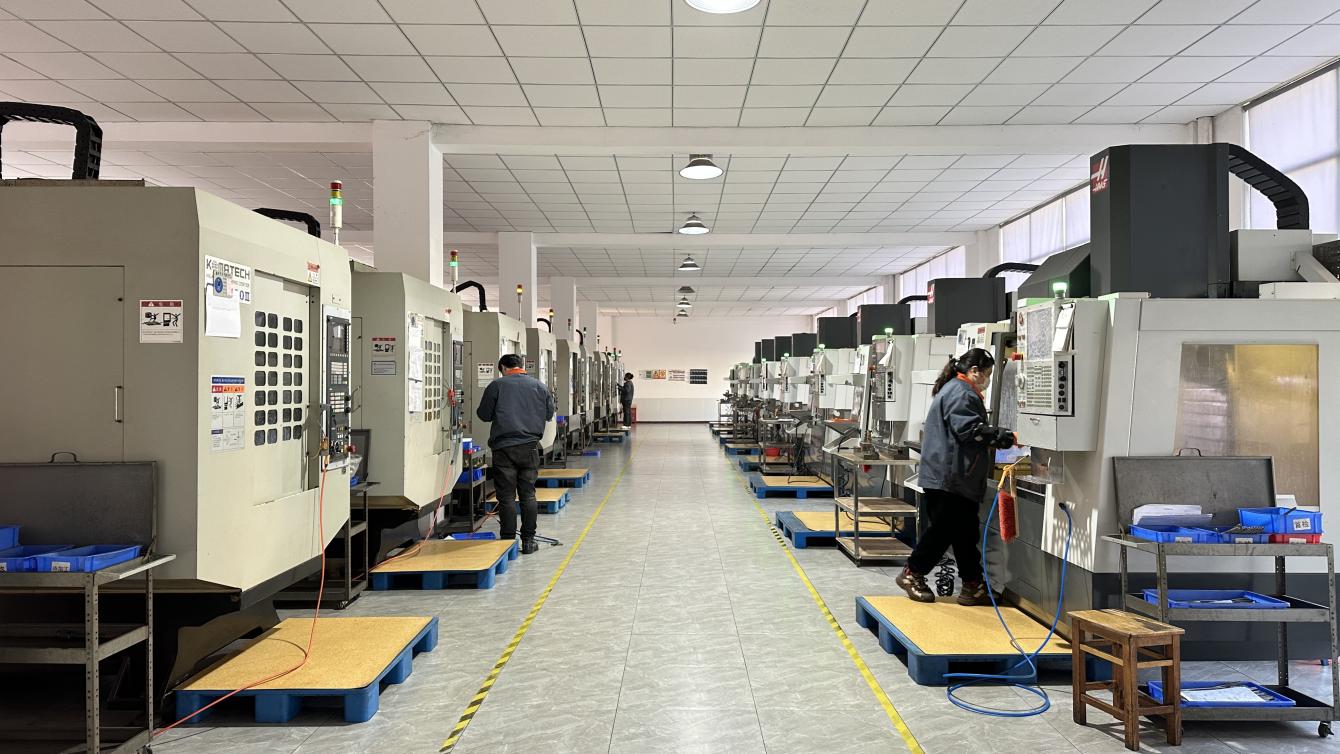
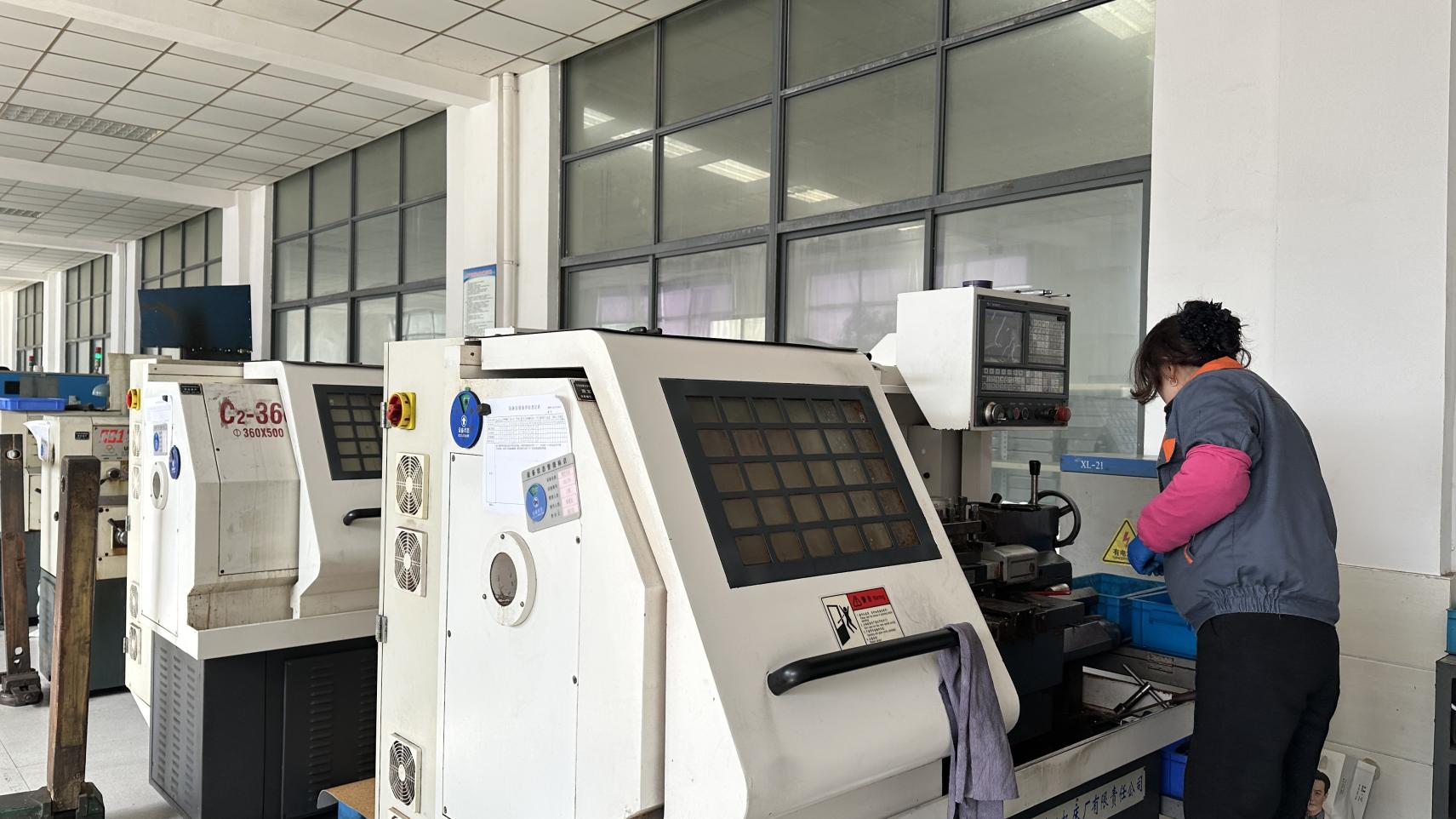
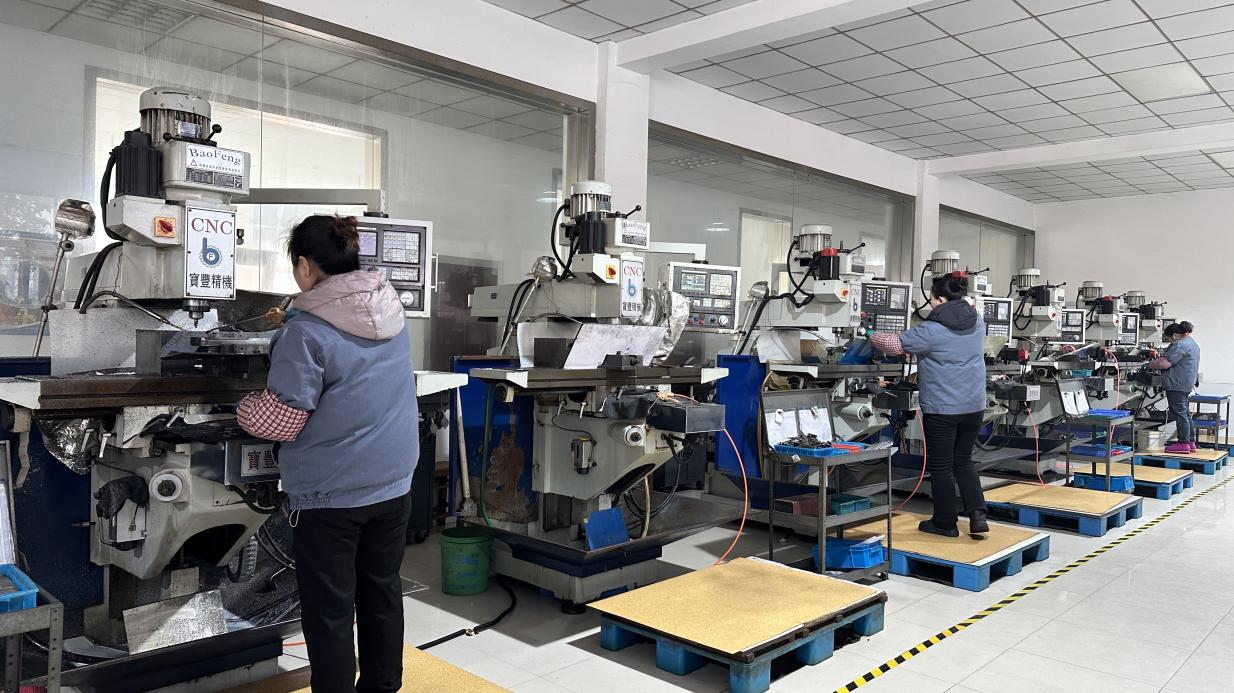
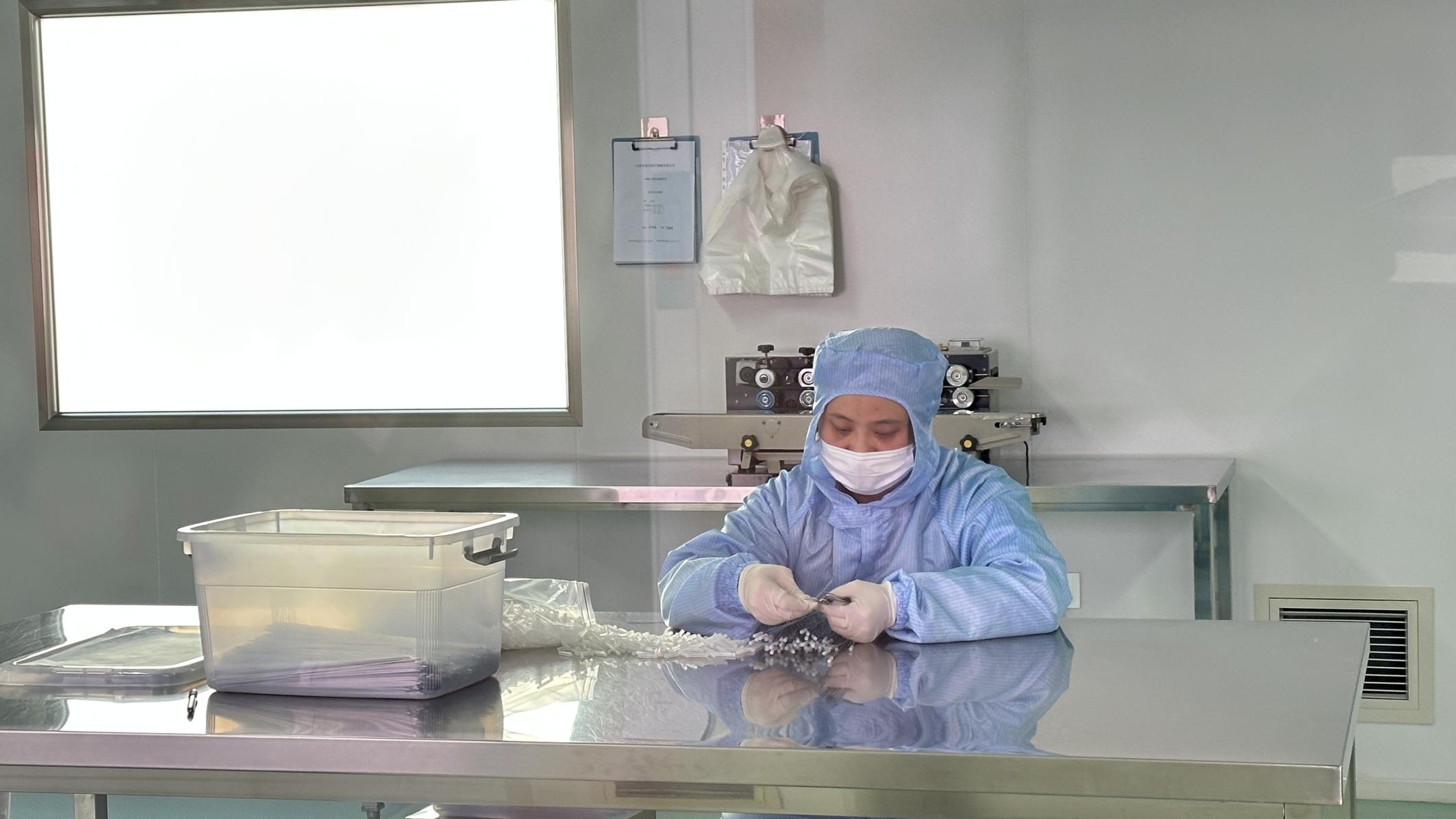
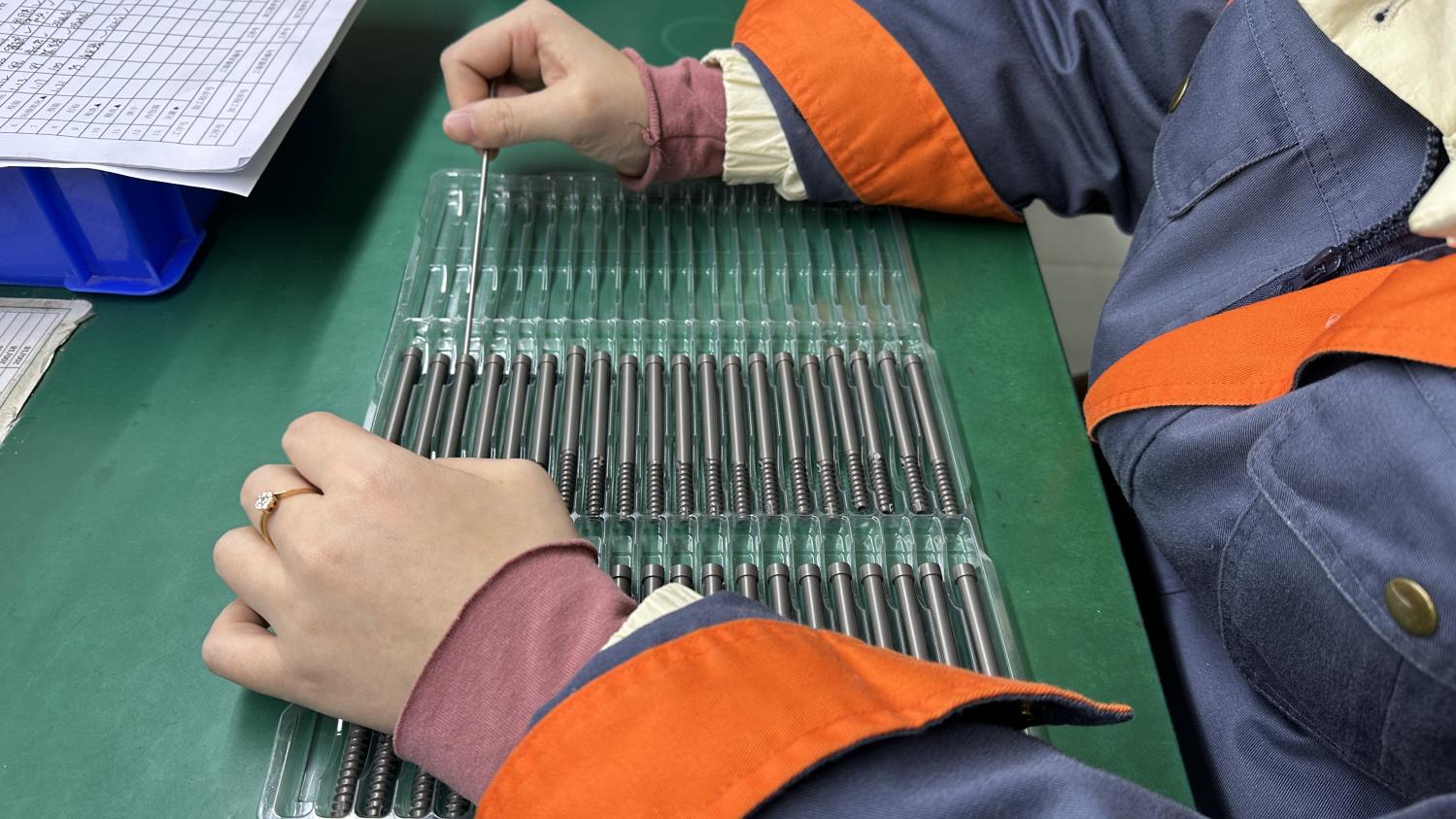
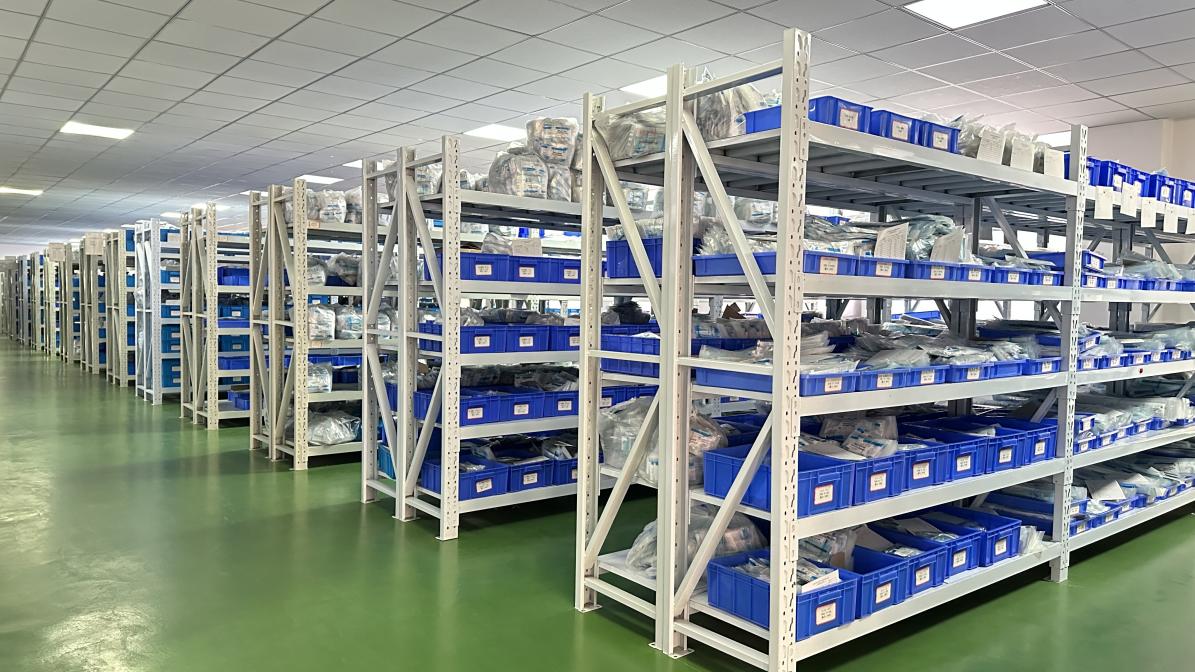
Utilizing high-end longitudinal lathes, swiss-type milling machinery, and fiber marking systems
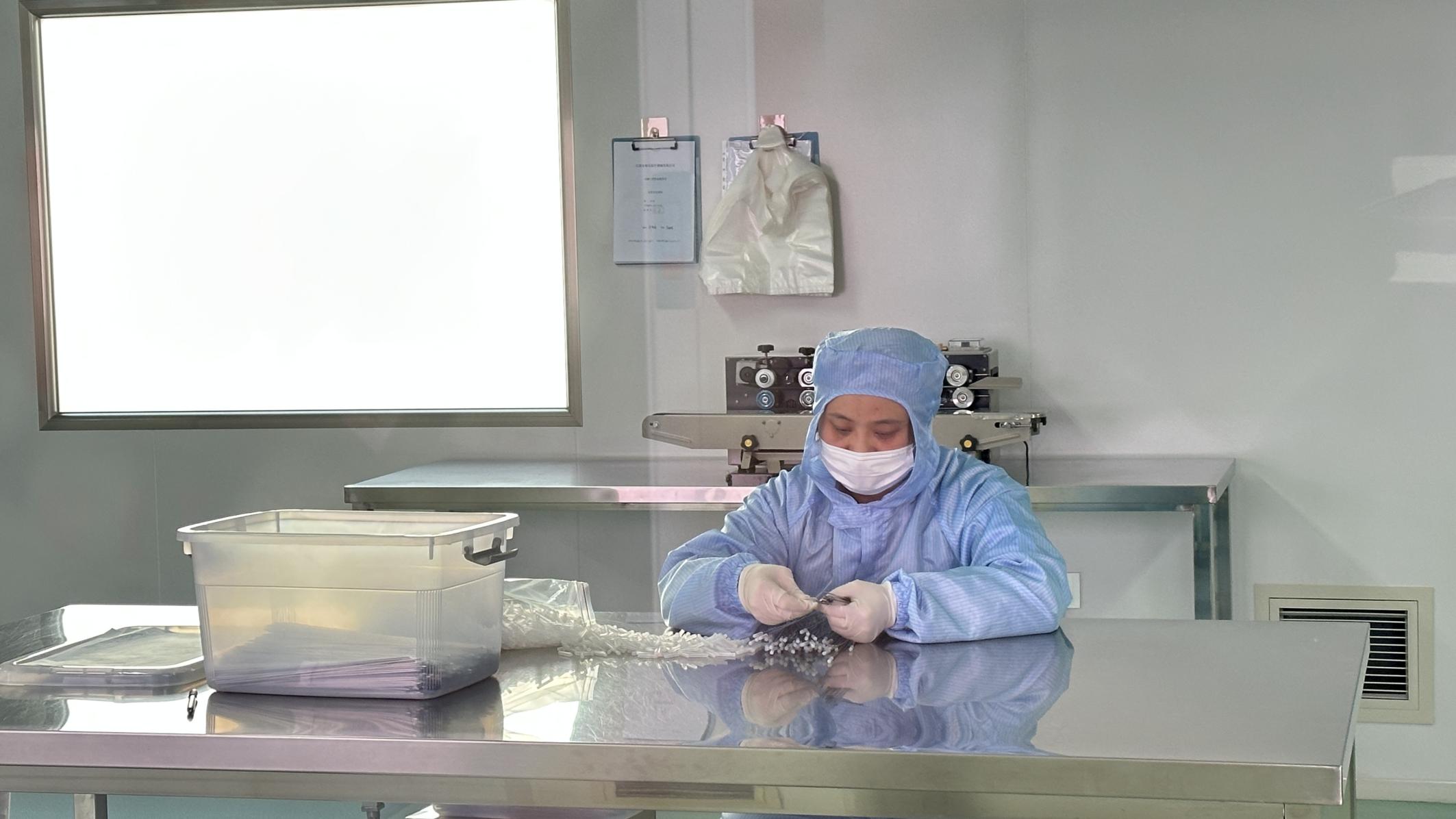
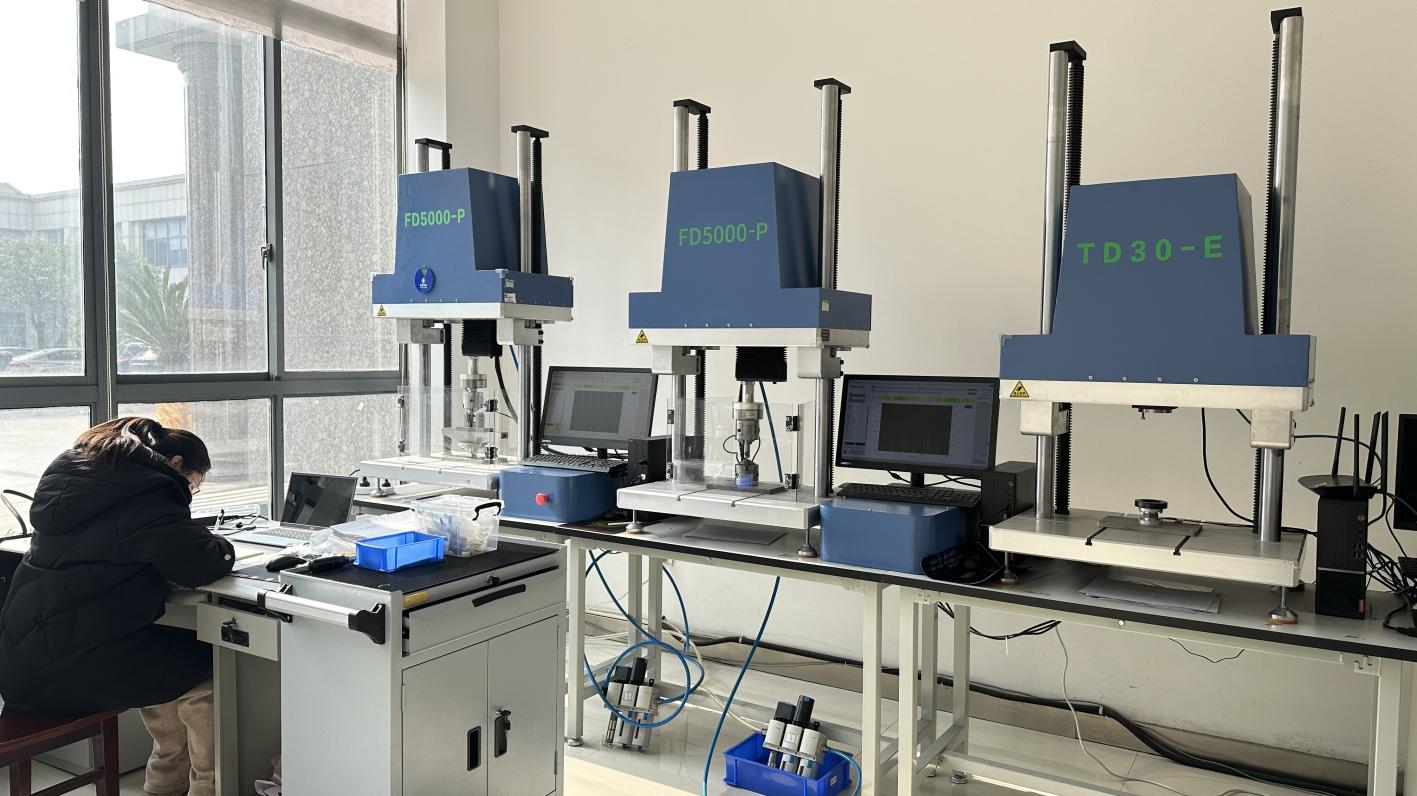
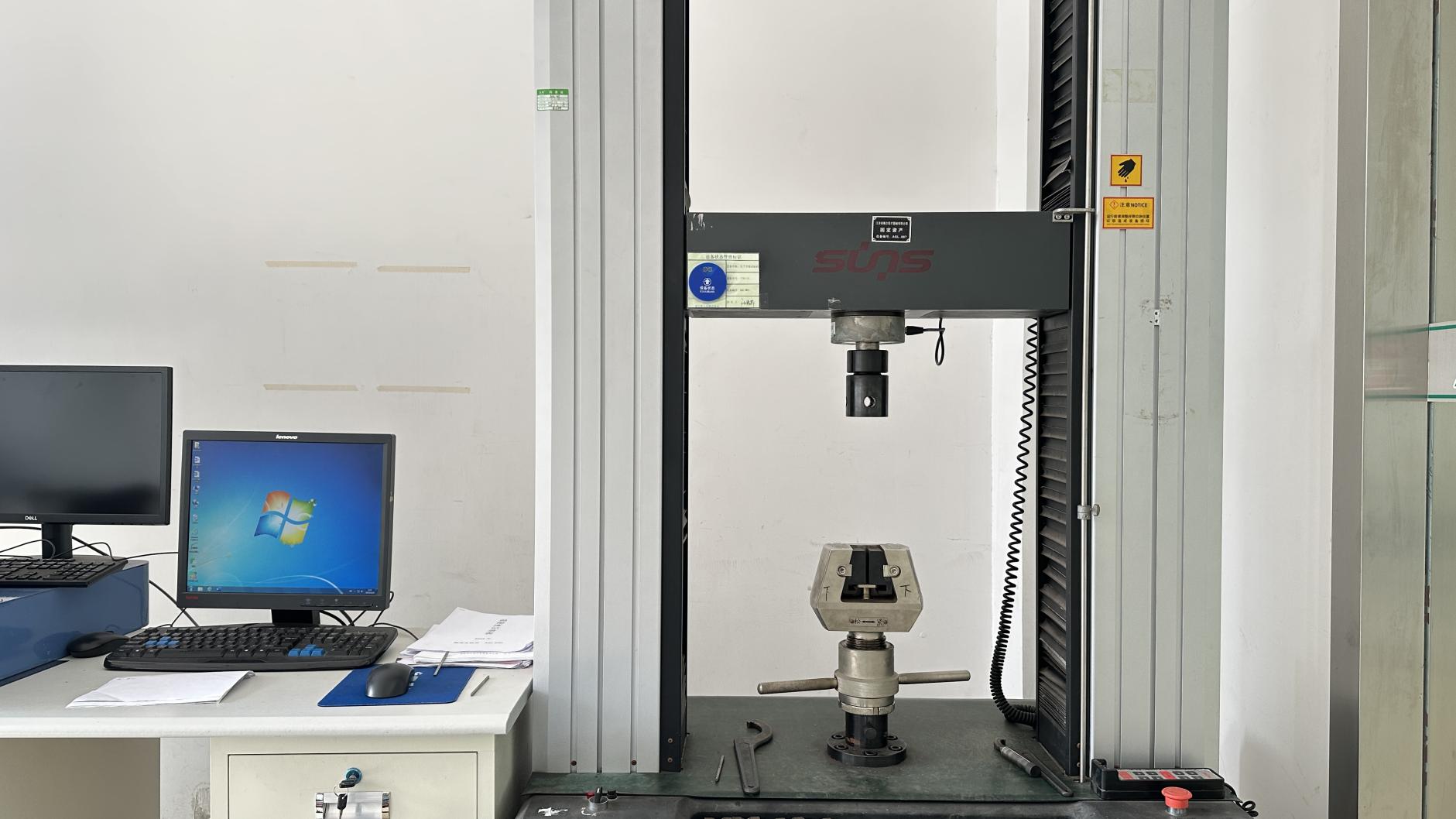
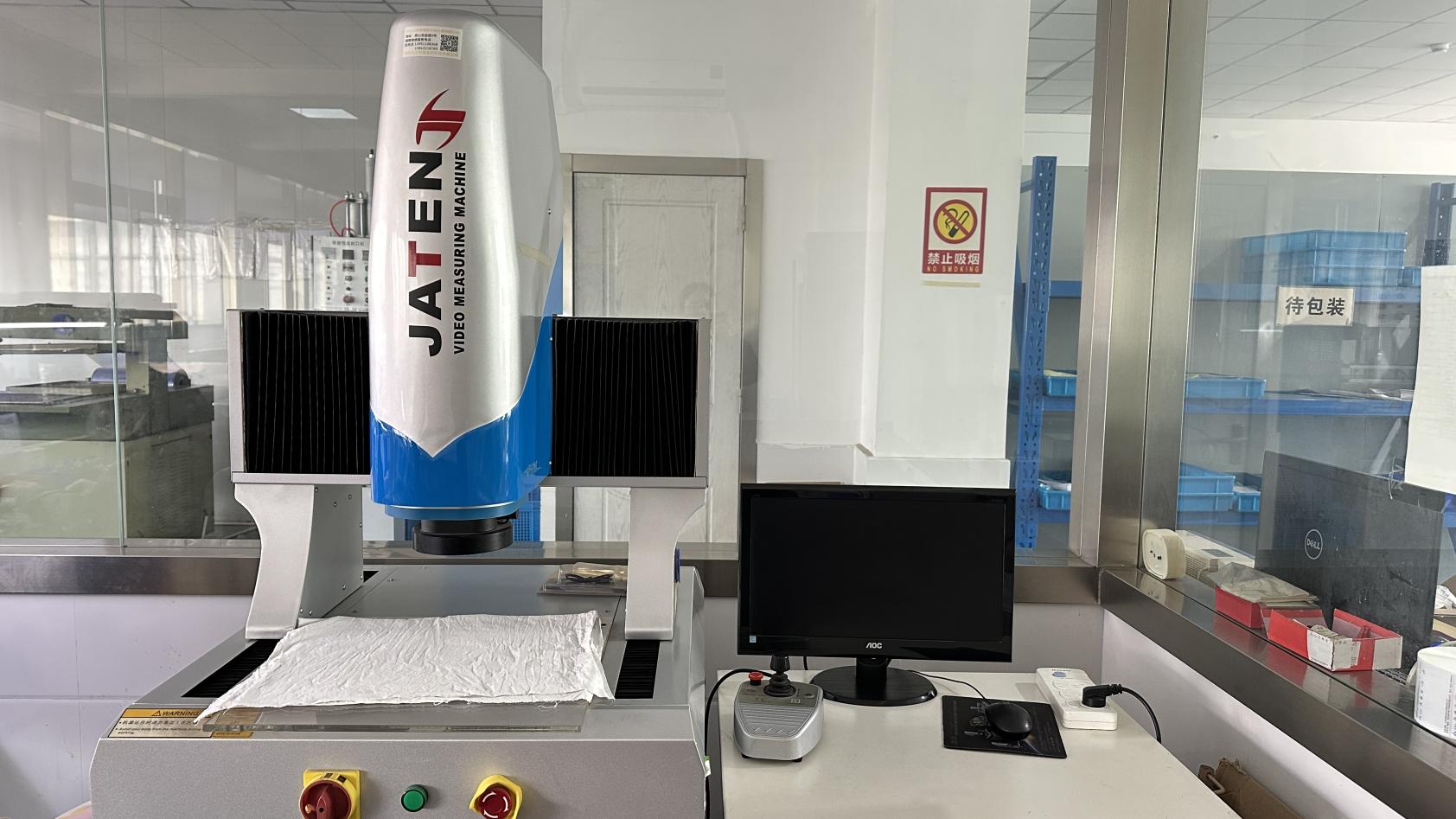
Verifying structural limits and clinical integrity under ASTM and ISO testing guidelines
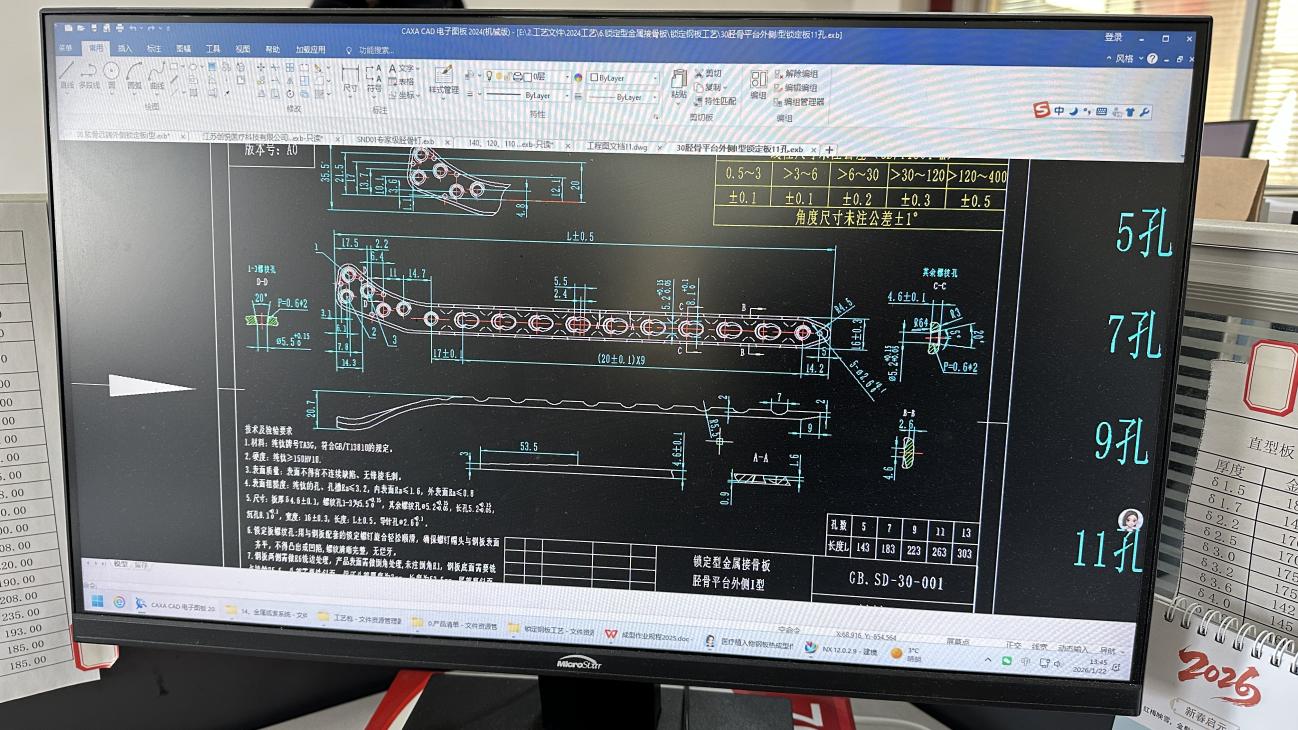

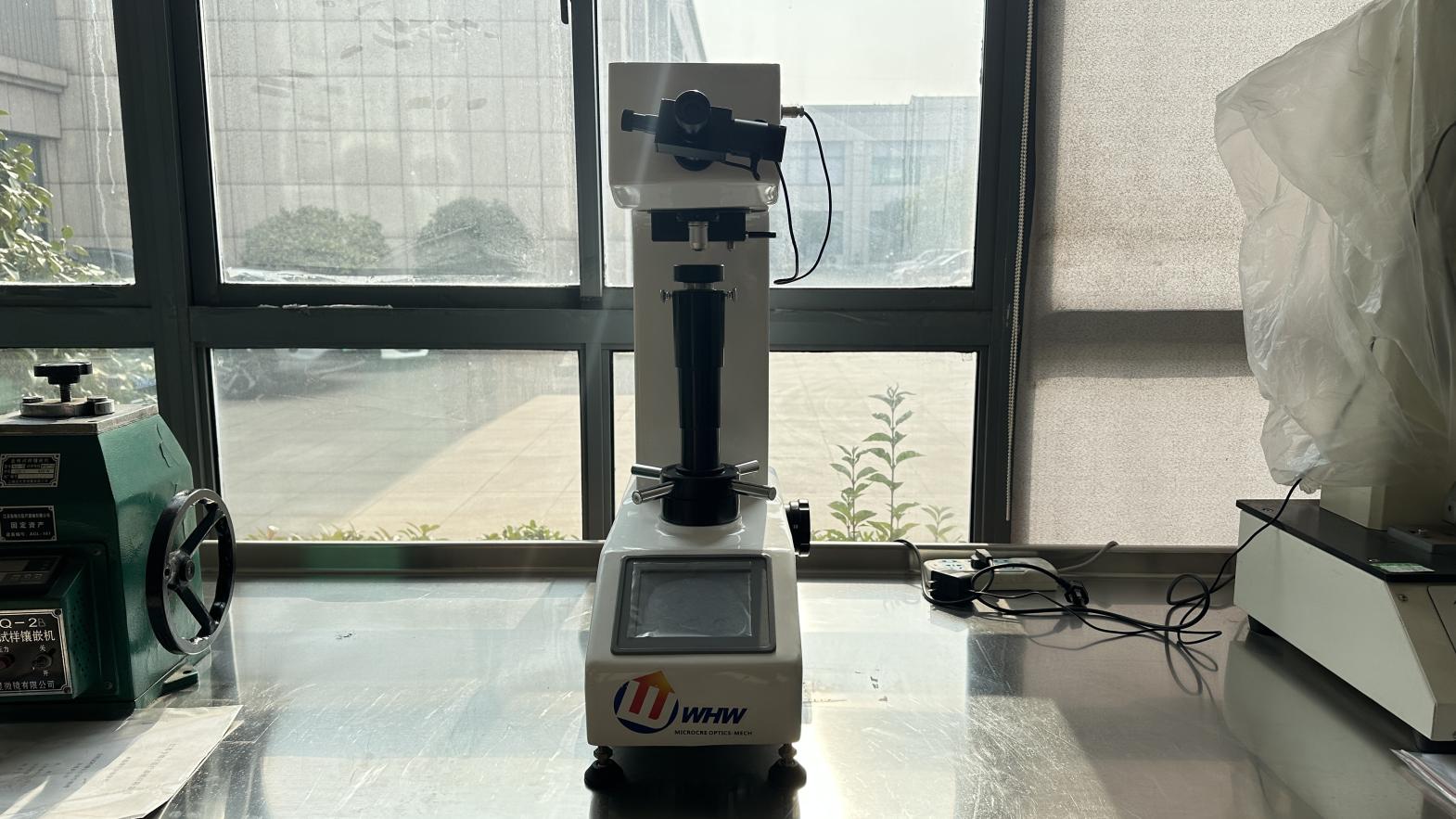
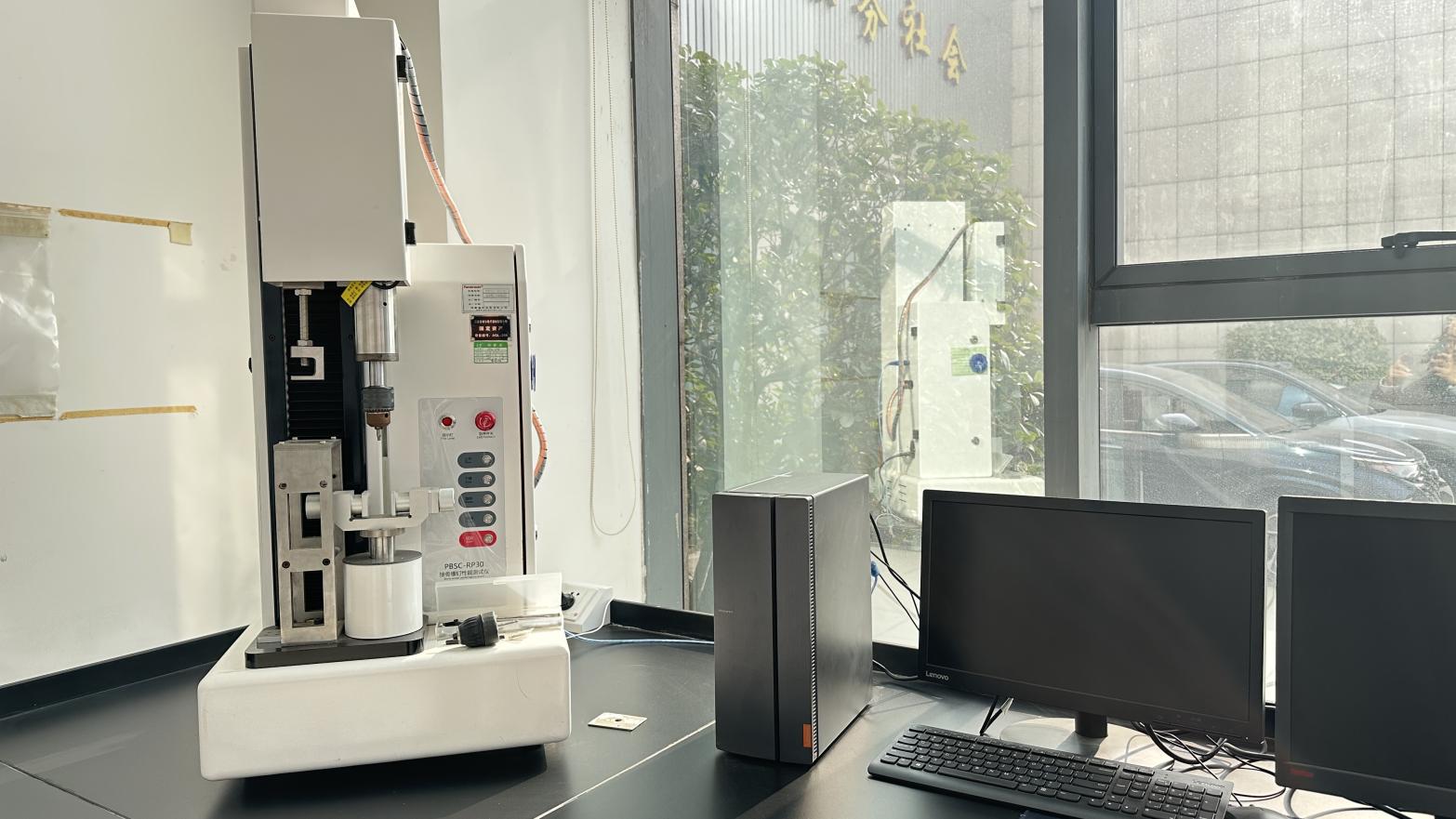
Analyzing precision engineering, supply-chain synergy, and global market positioning
Over the past decade, the global medical device landscape has shifted. Chinese orthopedic manufacturers have transitioned from low-cost providers to pioneers in precision medical engineering. This transformation is driven by several key factors:
The manufacturing process of a femoral intramedullary nail involves rigorous quality checks at every stage. Quality assurance departments utilize statistical process control (SPC) and real-time monitoring to inspect critical parameters:
Tailored logistics, procurement security, and technical alignment for major medical brands
Compliance with ISO 13485, CE, and FDA guidelines, backed by comprehensive documentation, risk management assessments, and technical files for audit readiness.
Co-development of implants and surgical instruments, optimized for local patient anatomy and specific clinical preferences.
Structured procurement frameworks, localized warehouse buffers, and raw material safety stock minimize lead times during supply chain disruptions.
Adapting orthopedic trauma platforms to meet diverse clinical and economic environments
In high-income health systems, operating room efficiency is a primary driver. Procurement departments focus on sterile, single-use, pre-packaged implant kits and customizable surgical targeting instrumentation. Medisplint's customizable instrument sets offer carbon-fiber targeting arms and radiolucent guides to reduce intraoperative fluoroscopy time, minimizing radiation exposure for surgical teams.
For large-scale public tenders in Latin America, Southeast Asia, and Africa, cost efficiency must be balanced with reliable implant safety. In these regions, hospitals rely on versatile, multi-purpose femoral intramedullary nail systems that can handle both antegrade and retrograde approaches. Universal locking screw configurations reduce the inventory footprint, lowering sterilization overhead and processing costs.
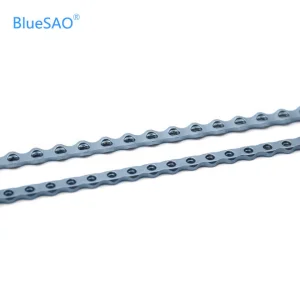
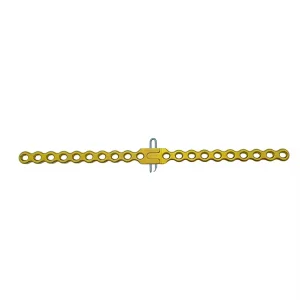
Veterinary orthopedics requires downscaled locking configurations, specialized anatomical curvatures, and smaller instrumentation footprints. Miniature interlocking systems, such as the *PRCL locking plates* and smaller intramedullary pins, provide mechanical stabilization for large canine and feline bone structures, facilitating fast rehabilitation.
The convergence of digital orthopedic workflows, surface modification, and smart biomaterials
The field of orthopedic trauma is transitioning from mechanical stabilization to biological enhancement. Future developments in femoral intramedullary nail technology focus on accelerating fracture healing and reducing post-operative complications:
Direct technical answers addressing the key concerns of distributors, hospitals, and regulatory officers
Reputable factories provide ISO 13485 certification, CE (MDR) compliance documentation, and mill test certificates for medical titanium (ASTM F136) or stainless steel (ASTM F138). OEMs also offer FDA 510(k) numbers to support distribution in North America.
Stress shielding is minimized by using medical-grade Titanium Alloys (Ti-6Al-4V ELI). Titanium features an elastic modulus of ~110 GPa, which is much closer to human cortical bone (~15-30 GPa) than stainless steel (~200 GPa). This helps transmit physiological loads through the healing callus rather than bypassing it.
Reamed nailing involves widening the medullary canal, allowing for the insertion of larger, stronger diameter nails with larger locking screws to provide superior biomechanical stability. Unreamed nailing preserves the endosteal blood supply, reducing surgical time and systemic embolization risks at the cost of using a smaller nail diameter.
Intramedullary nails feature both static round holes for axial/rotational stability and oblong dynamic slots. Dynamic slots allow controlled axial compression of the fracture during weight-bearing, which helps stimulate secondary bone healing in delayed union cases.
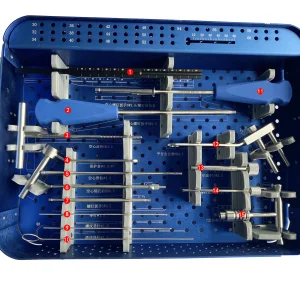
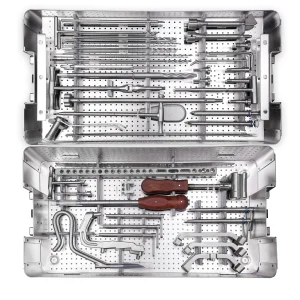
Yes. OEM/ODM manufacturers can customize instrument cases, target guides, driver sizes (e.g., hexagonal, star drive), and implant parameters. This ensures compatibility with existing hospital setups and surgical preferences.
Explore our advanced surgical sets, specialized bone screws, and veterinary solutions