Medisplint
Medisplint
Medisplint
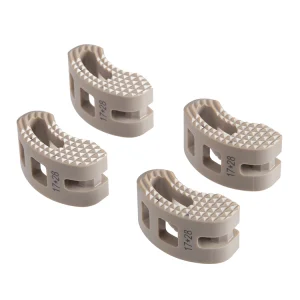
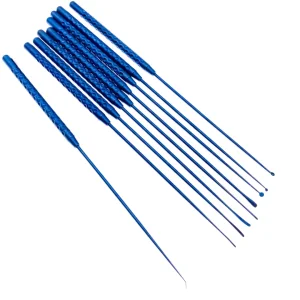
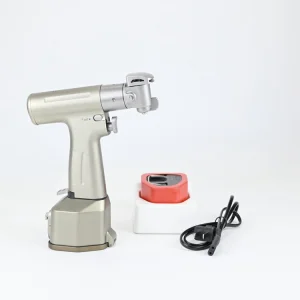
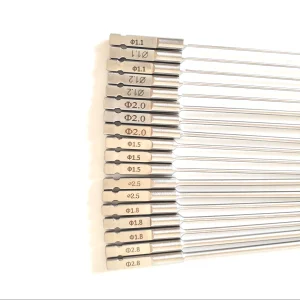
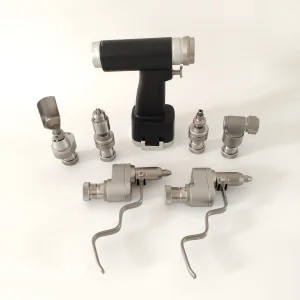
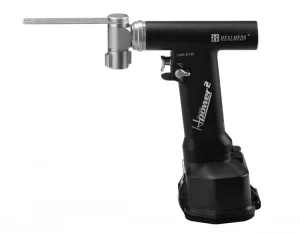
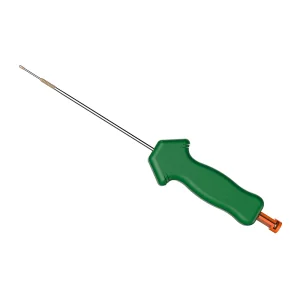
Medisplint Orthopedic Instruments Co., Ltd. is a premier manufacturing pioneer specializing in trauma, spinal, and joint reconstruction technologies, driving therapeutic innovation since 2016.
From our state-of-the-art facility covering 18,500 square meters, Medisplint Orthopedic Instruments Co., Ltd. delivers high-precision clinical implants and surgical instruments. Certified under ISO 13485 and adhering to strict CE compliance, our operations span from premium titanium raw materials processing to advanced cleanroom packaging. We combine a decade of industry expertise with an agile research and development team that introduced 68 new orthopedic solutions in the last calendar year alone.
Serving hospital networks, specialized surgical centers, and prominent orthopedic distributors across Europe, Southeast Asia, the Middle East, and South America, we understand the logistical and clinical requirements of long-term B2B procurement. By maintaining a robust network of over 1,200 supply chain partners, we ensure material traceability, continuous delivery timelines, and customized private labeling (OEM/ODM) to meet localized market regulations.
Total Hip Arthroplasty (THA) has transitioned significantly from polymethyl methacrylate (PMMA) cemented components to cementless hip prosthesis. Modern orthopedics prefers cementless options because they offer long-term implant survival, especially in active and younger patients. In this clinical configuration, the femoral stem and acetabular cup rely on mechanical press-fit (primary stability) followed by biological osseointegration (secondary stability). Achieving these goals requires precise manufacturing tolerances, biocompatible metallurgy, and specialized surface technologies.
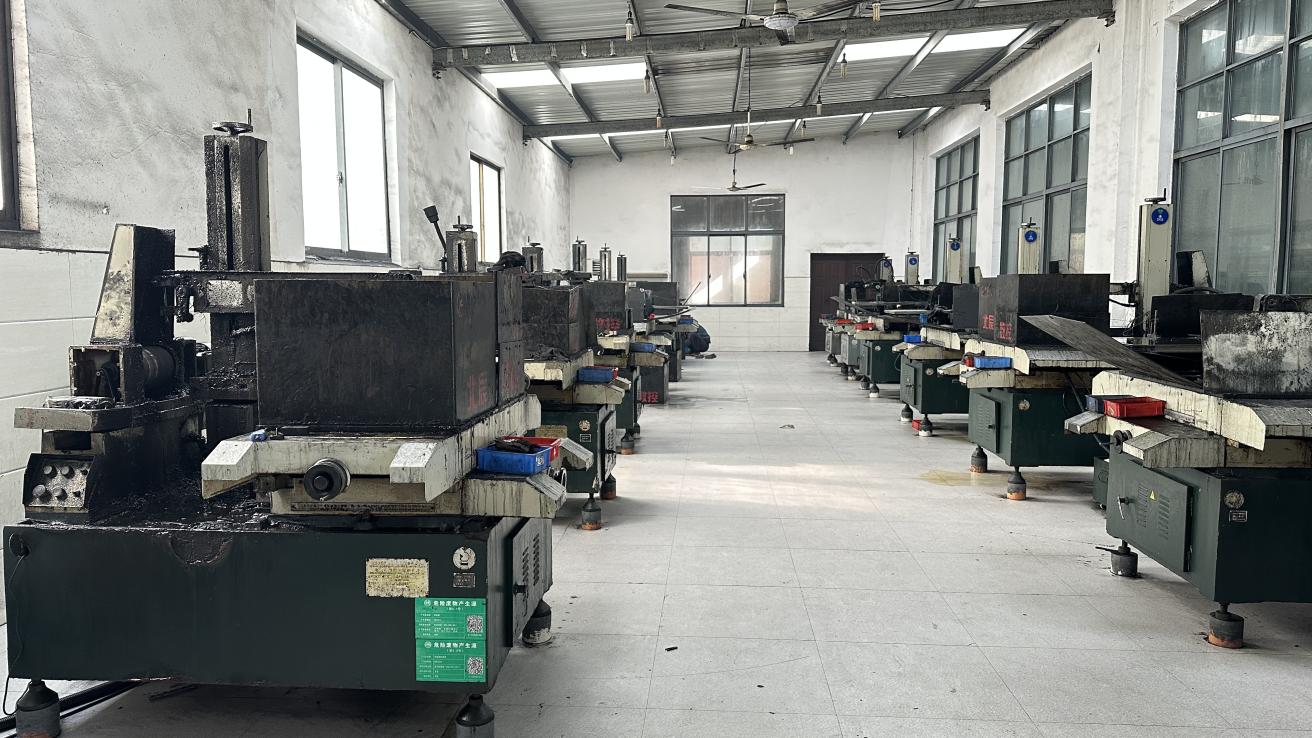
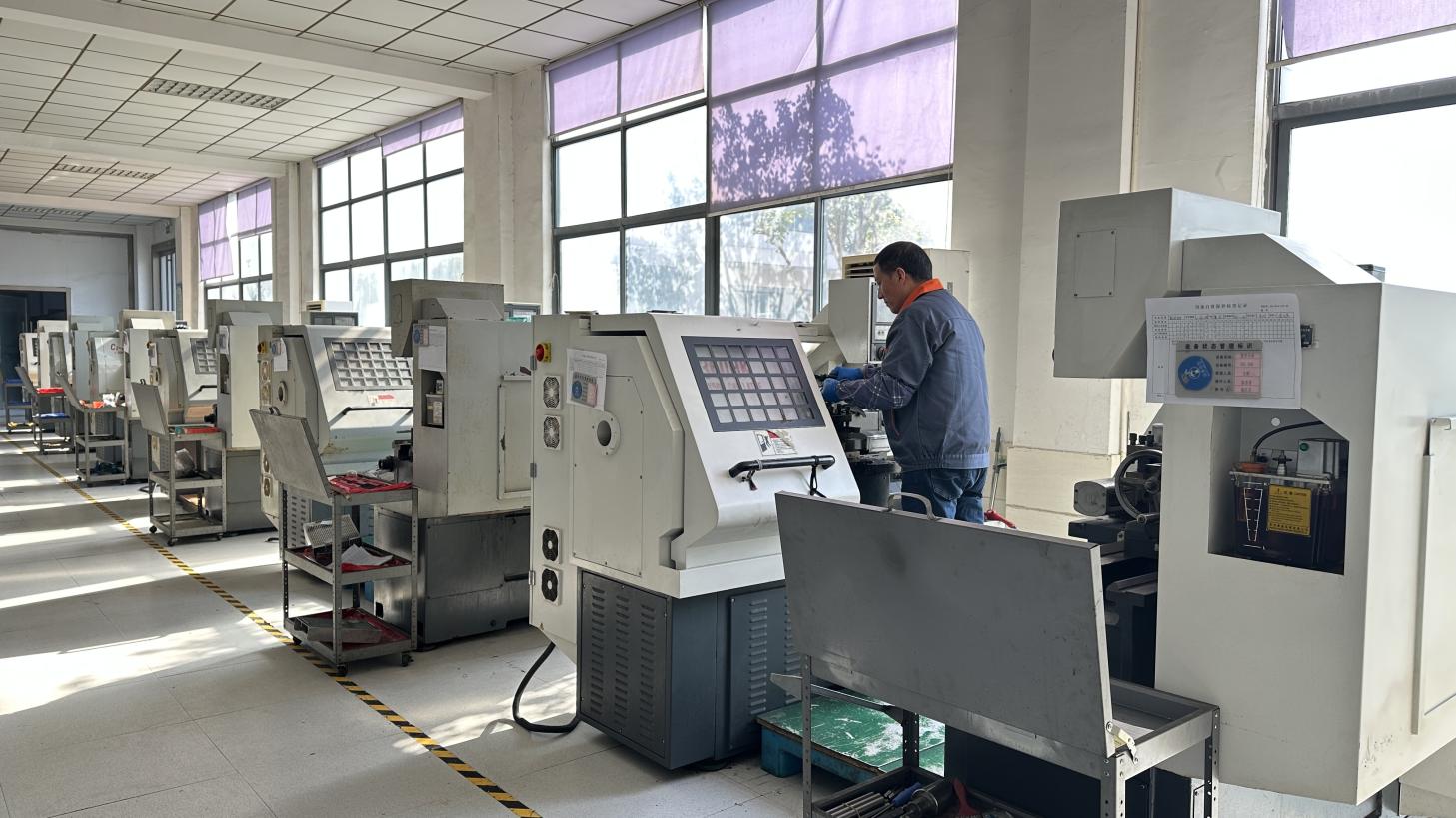
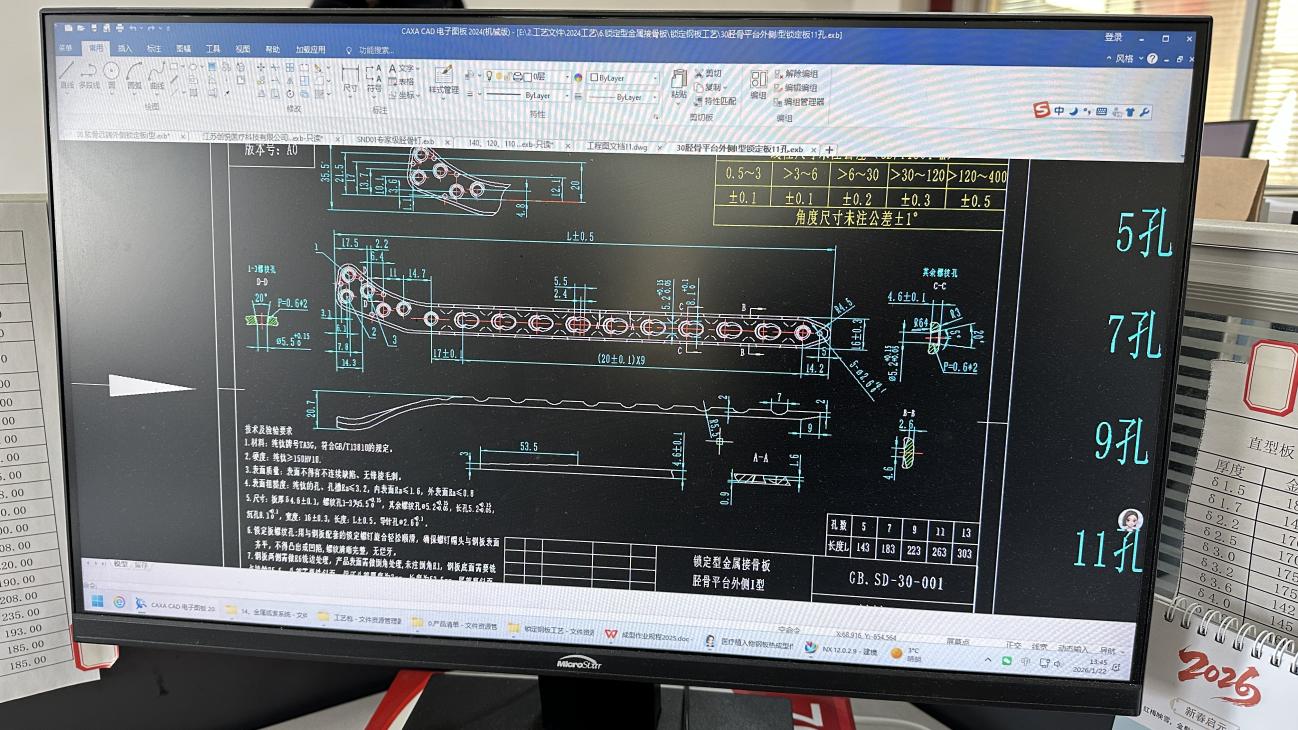
Primary stability prevents micro-motion at the bone-implant interface. Instability exceeding 150 microns hinders osteoblast migration, leading to fibrous tissue encapsulation instead of direct bone apposition. To ensure a tight mechanical press-fit, Medisplint implements precise taper geometries (e.g., standard 12/14 tapers) and anatomical wedge profile geometries. CNC milling and wire cutting machines ensure these designs match current surgical instruments, helping surgeons achieve predictable friction-based stabilization.
Secondary stability relies on the patient's bone growing into the implant surface. This process depends on the implant's surface topography. Medical-grade titanium alloy (Ti-6Al-4V ELI) is treated with highly porous structures or plasma-sprayed Hydroxyapatite (HA) coatings. These coatings mimic natural bone minerals, prompting osteoblasts to lay down new bone matrix in the pores. The resulting biological bond distributes mechanical stress evenly, extending the implant's lifespan.
As an established exporter of orthopedic systems, Medisplint uses advanced surface modifications to optimize clinical outcomes. Below is an engineering overview of the primary coatings used in modern cementless femoral stems and acetabular components:
Creates a rough, porous layer that increases contact surface area by up to 200%. Pore sizes between 100 to 400 microns allow optimal capillary infiltration and osteon formation.
A bioactive calcium phosphate ceramic with high crystallinity. It accelerates early bone healing, sealing the bone-prosthesis boundary to prevent wear debris migration.
Combines a strong, rough titanium sub-layer with a bioactive HA outer layer. This approach ensures reliable primary stability and accelerates bone integration.
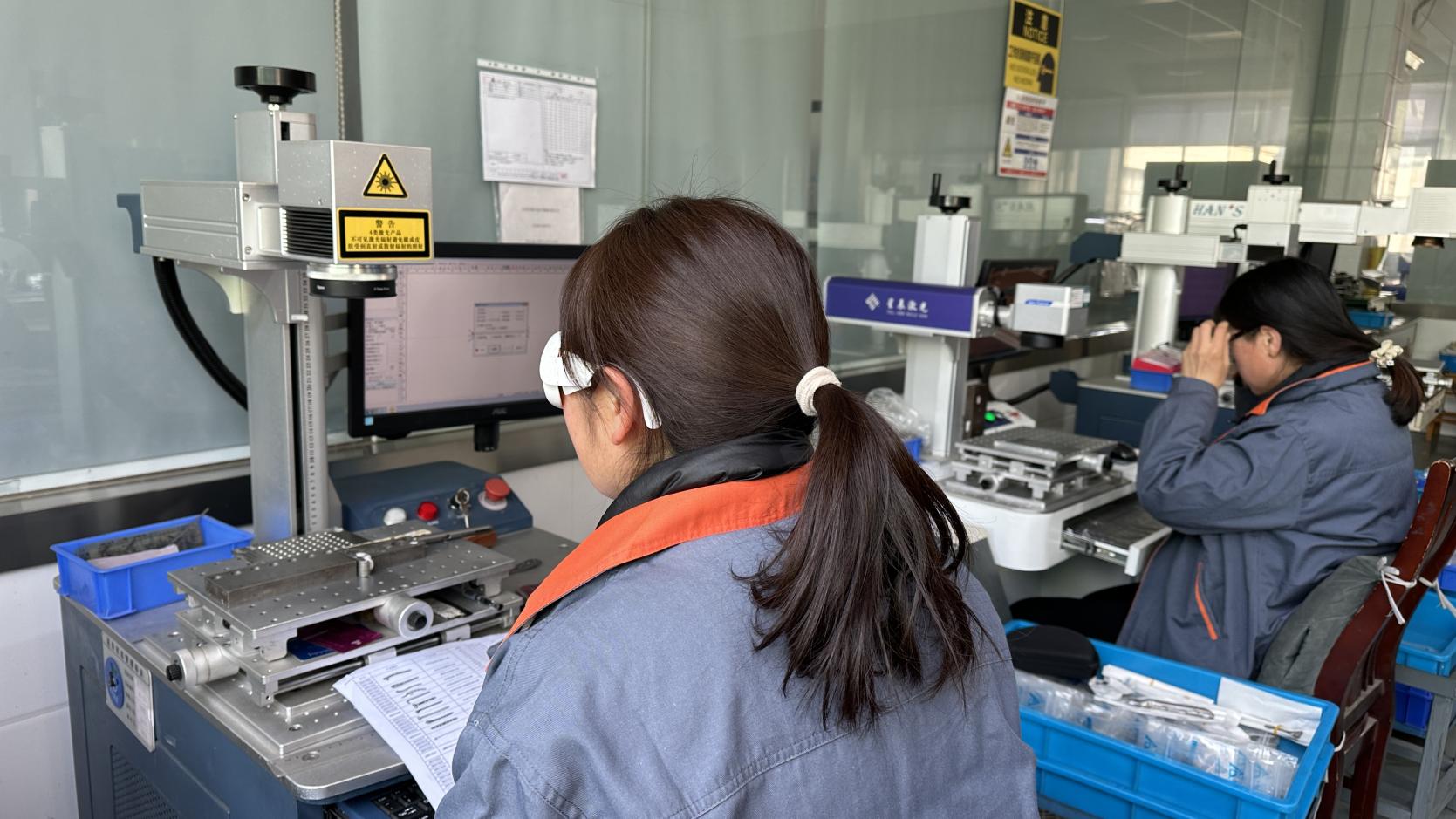
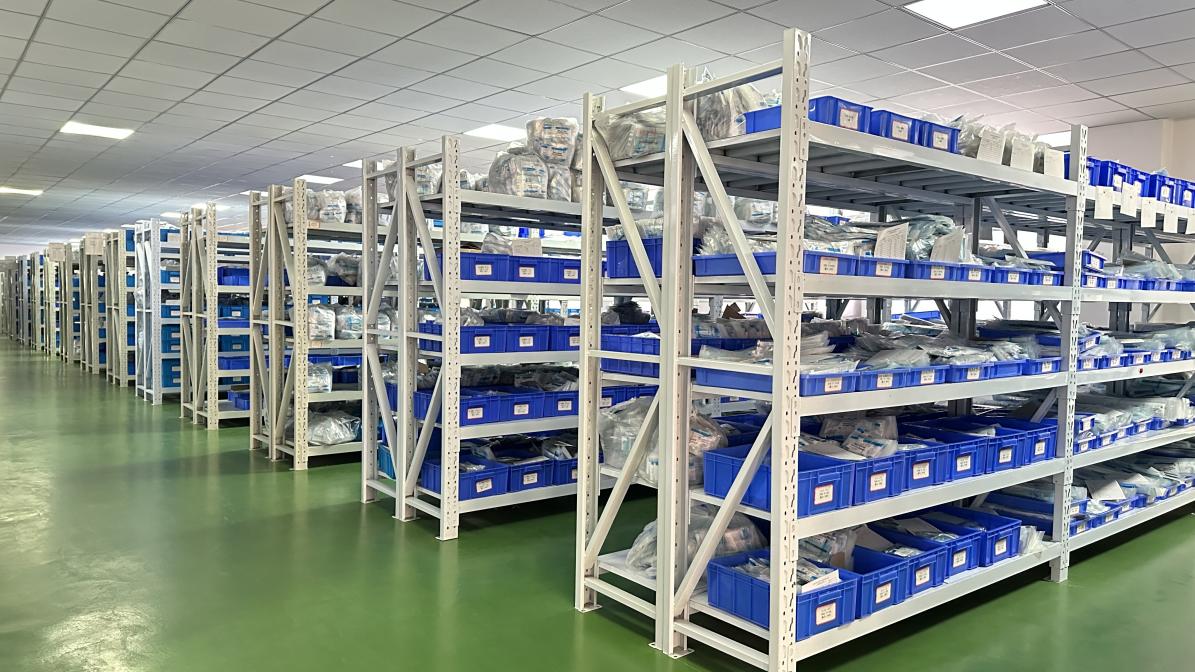
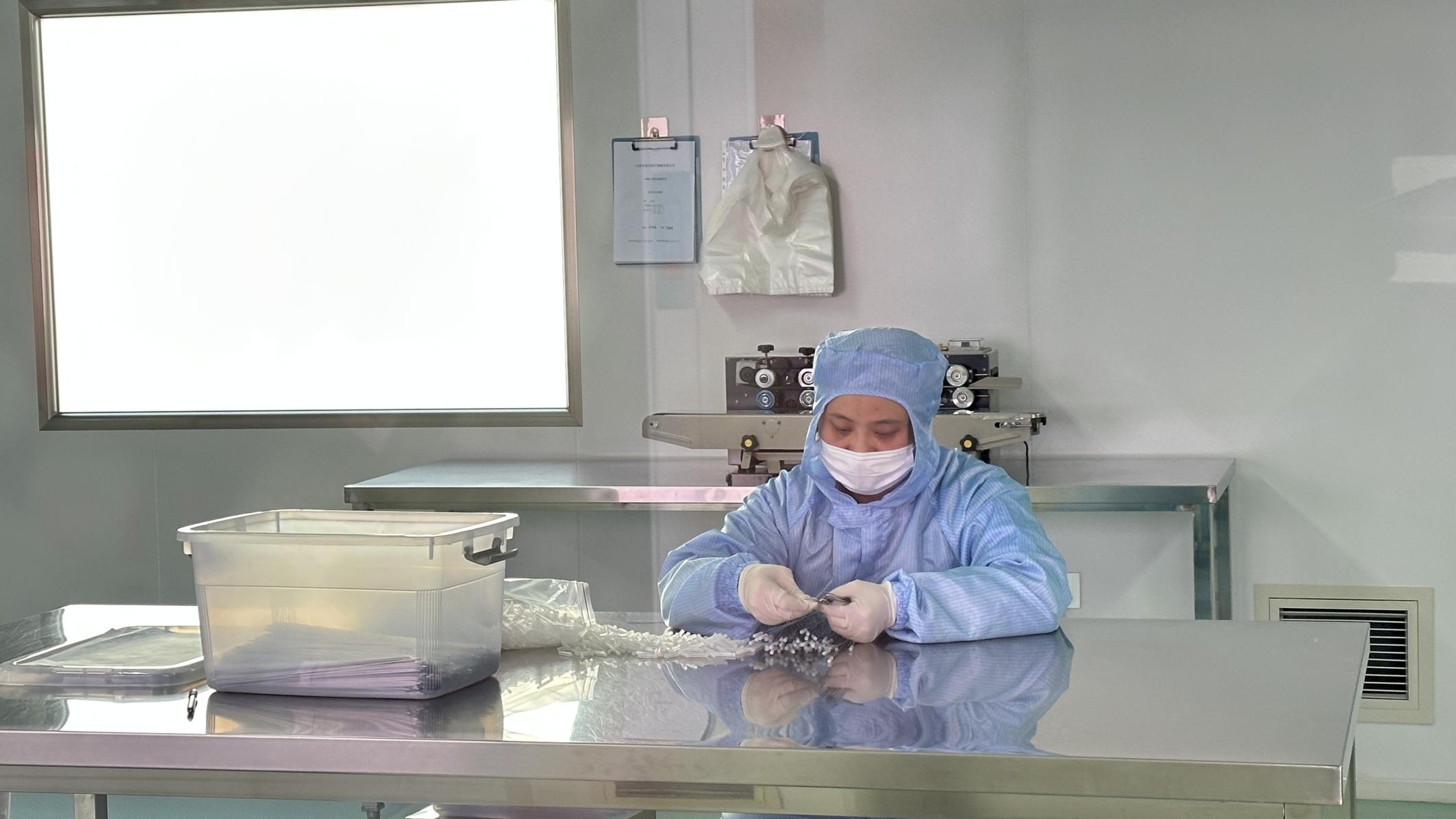
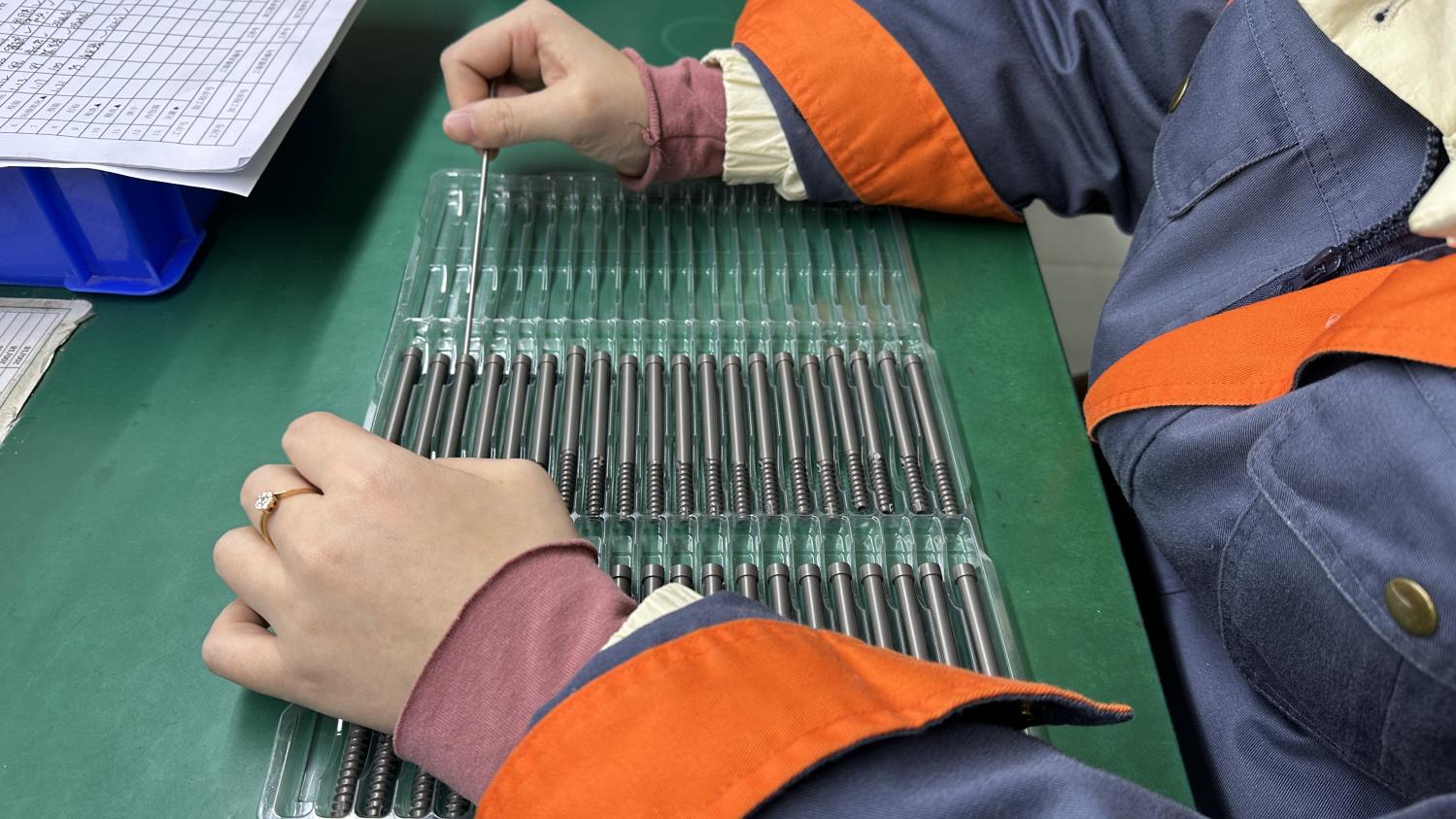
Our production processes comply with strict medical manufacturing standards. Explore the workflow steps that turn raw materials into clinical-grade orthopedic implants:
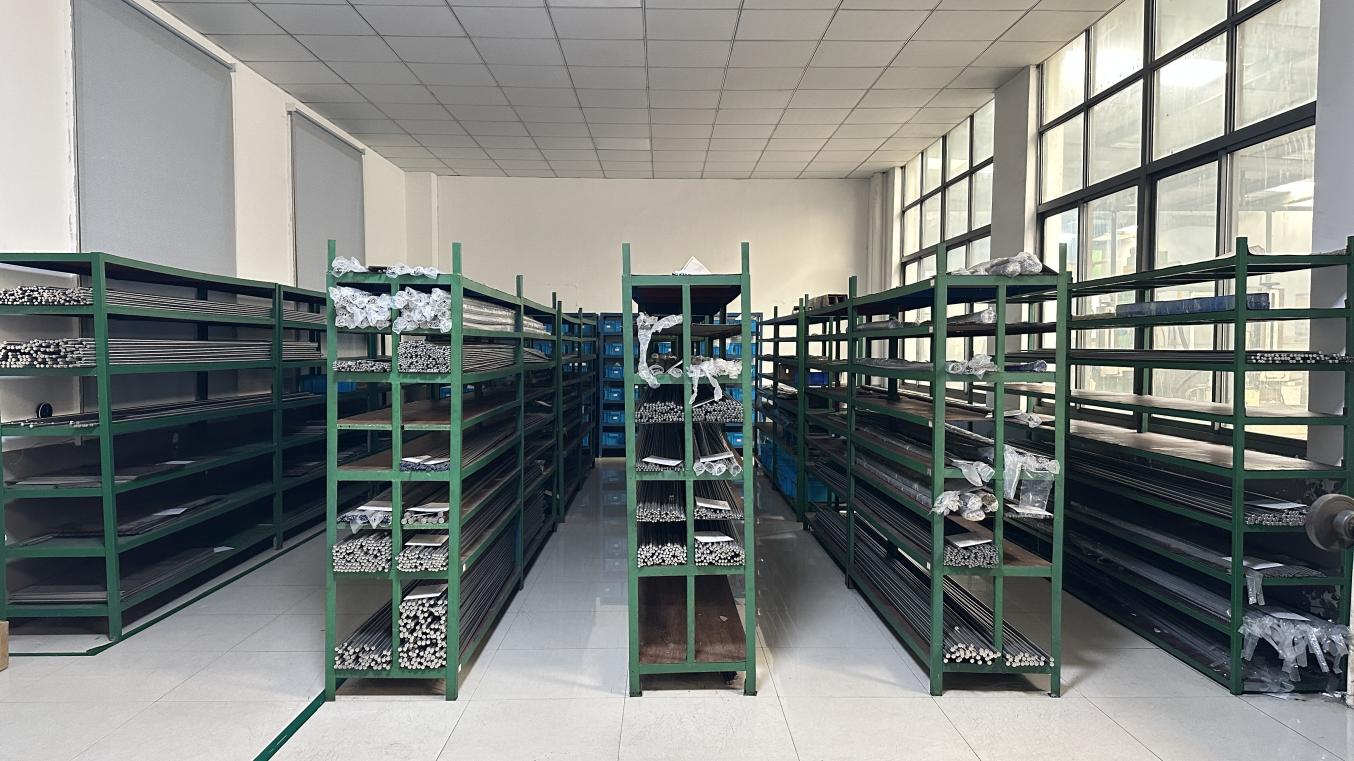
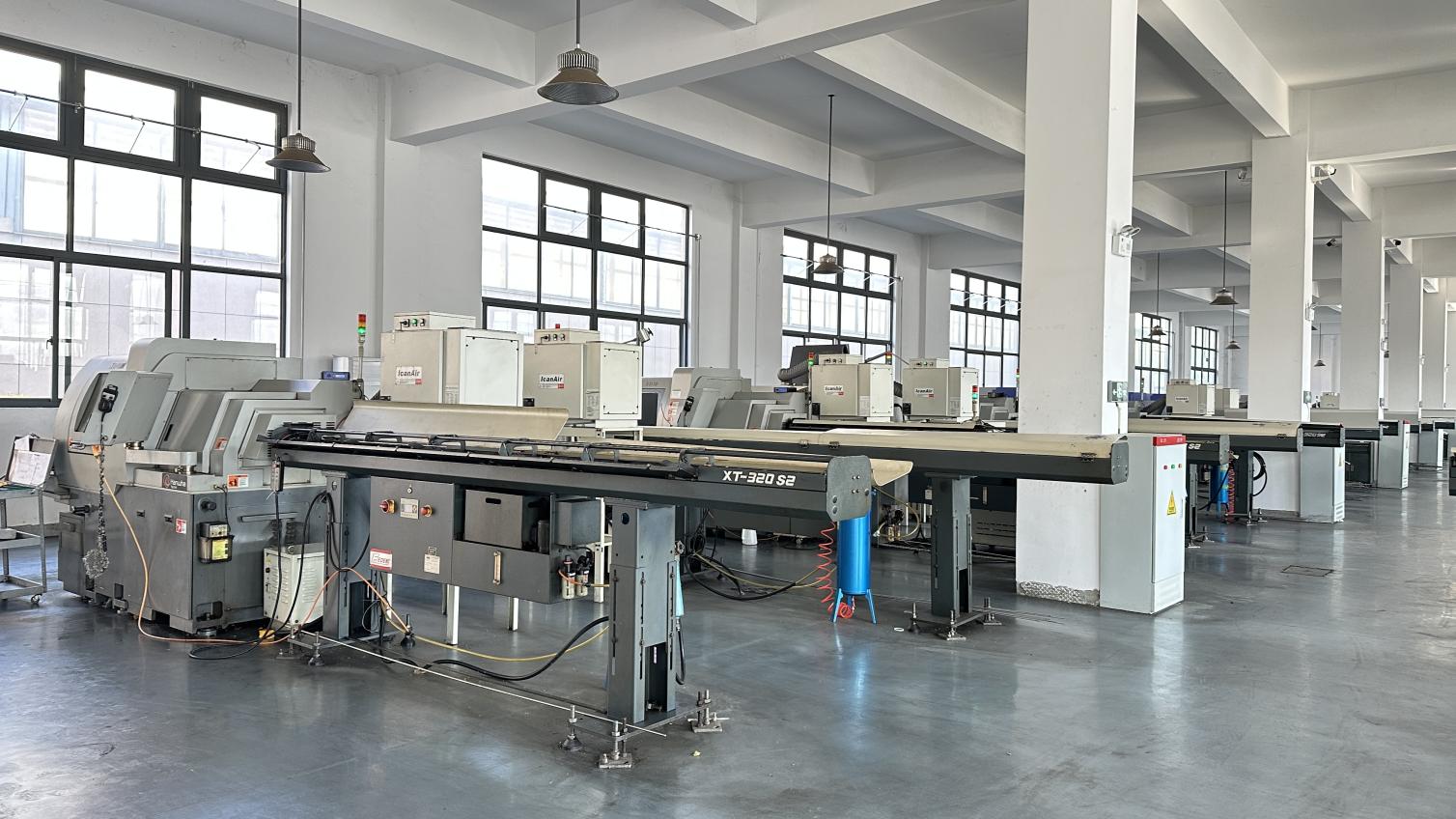
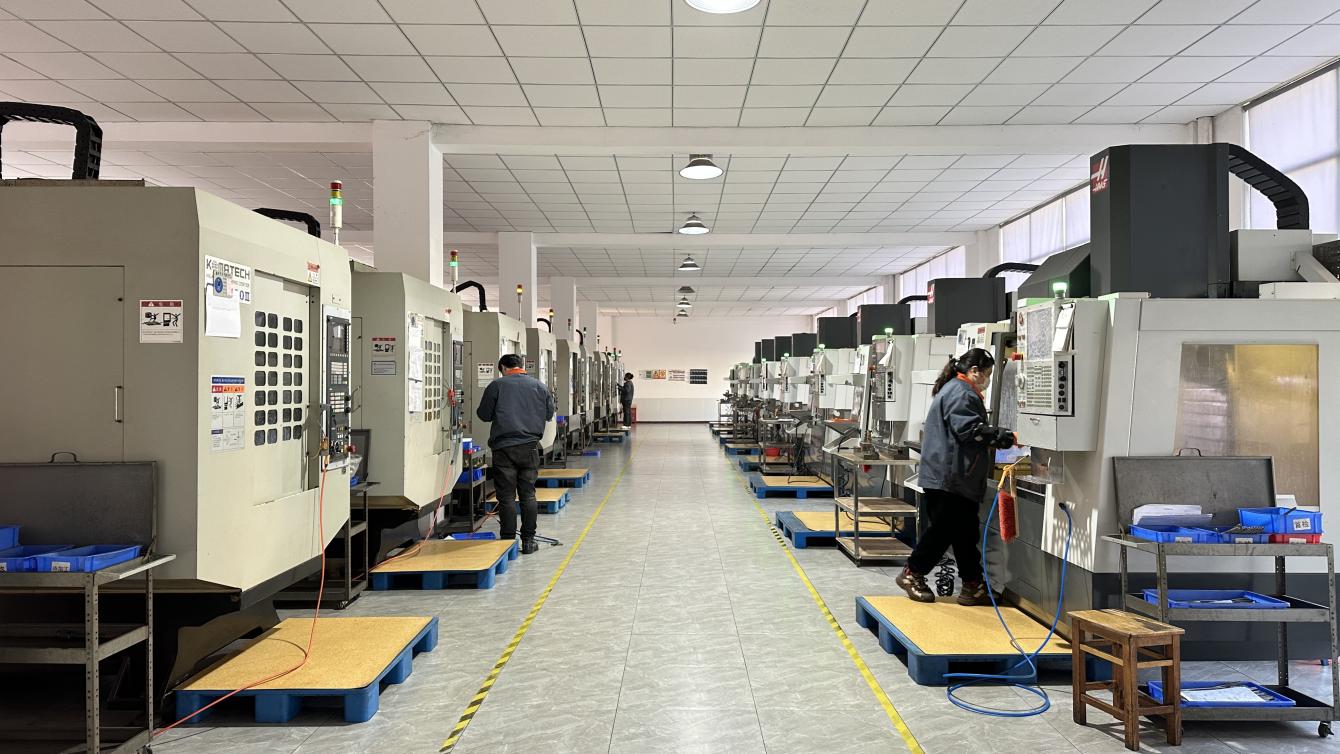
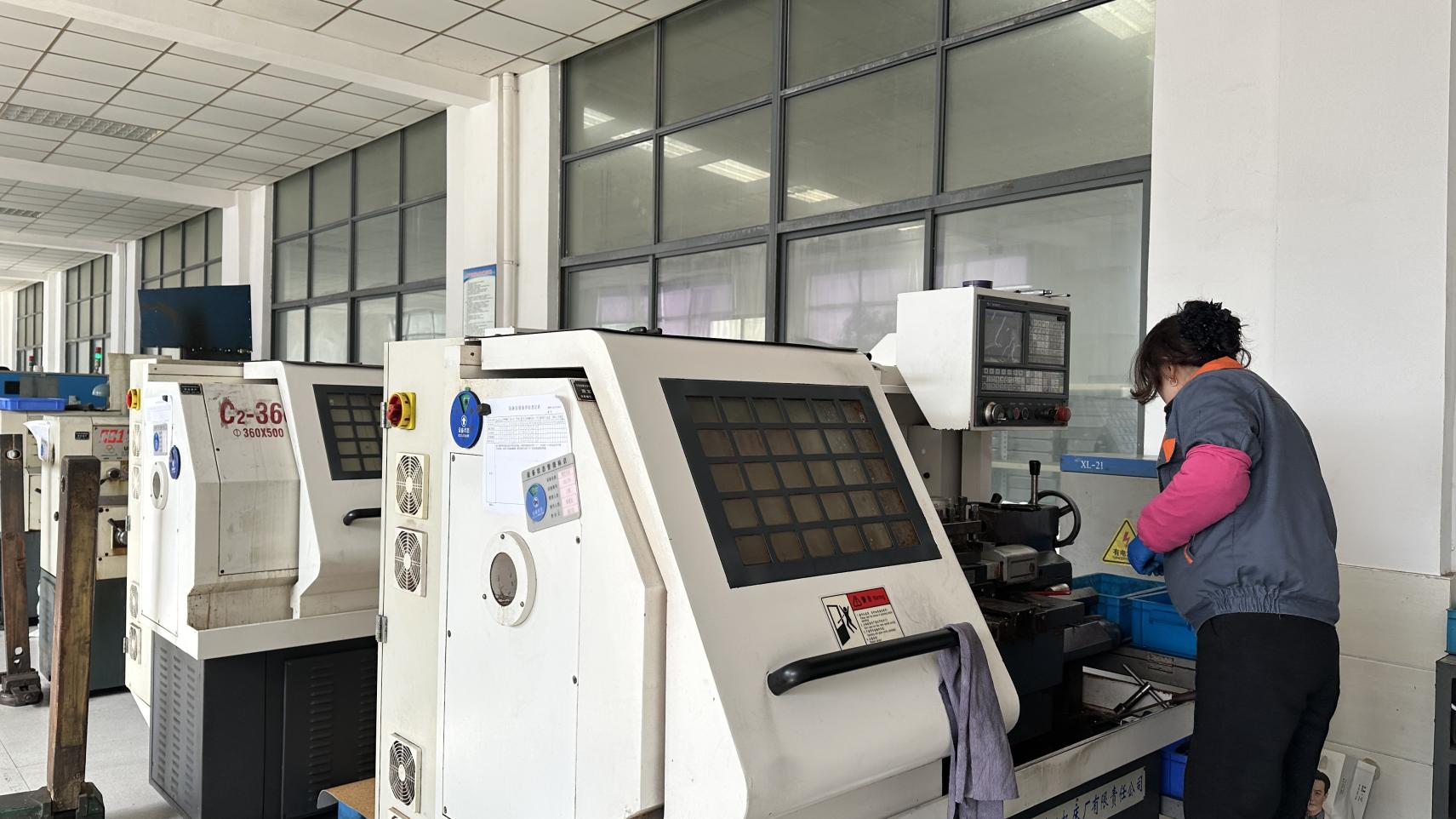
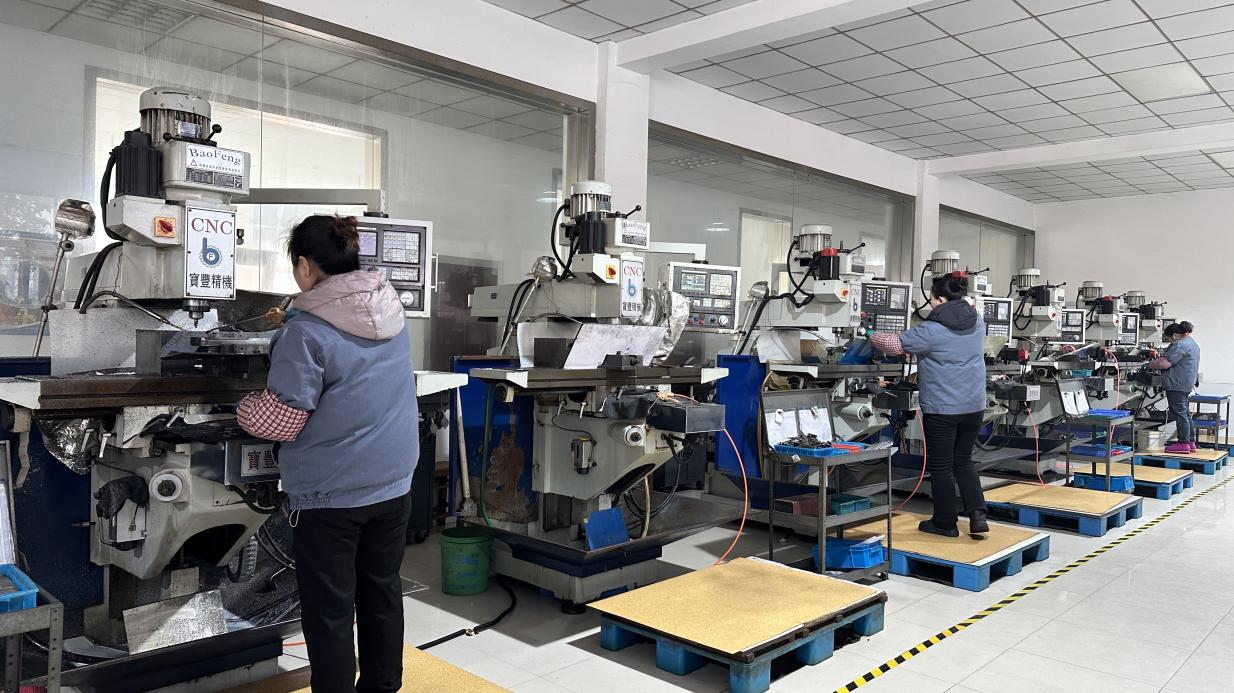
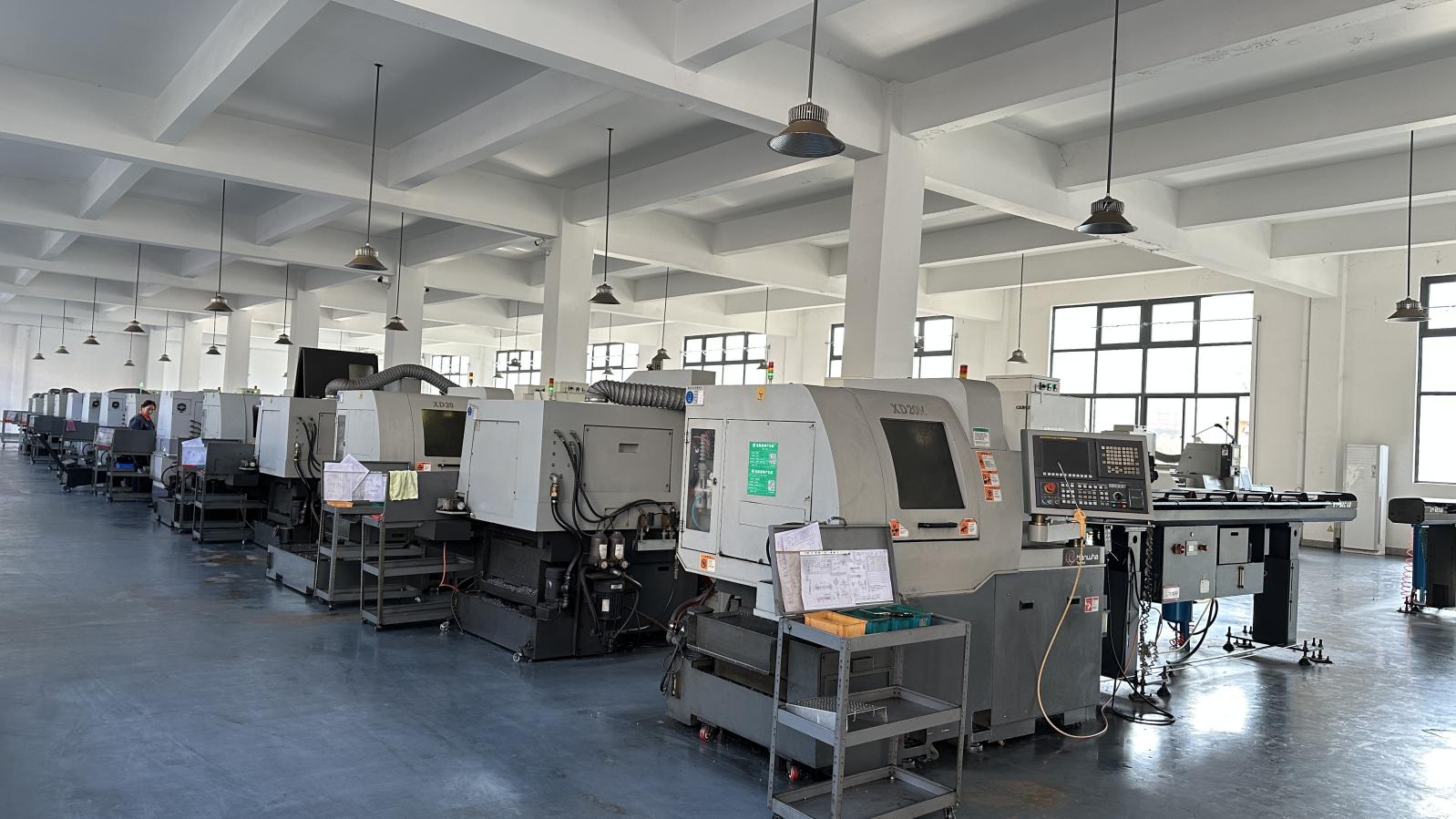
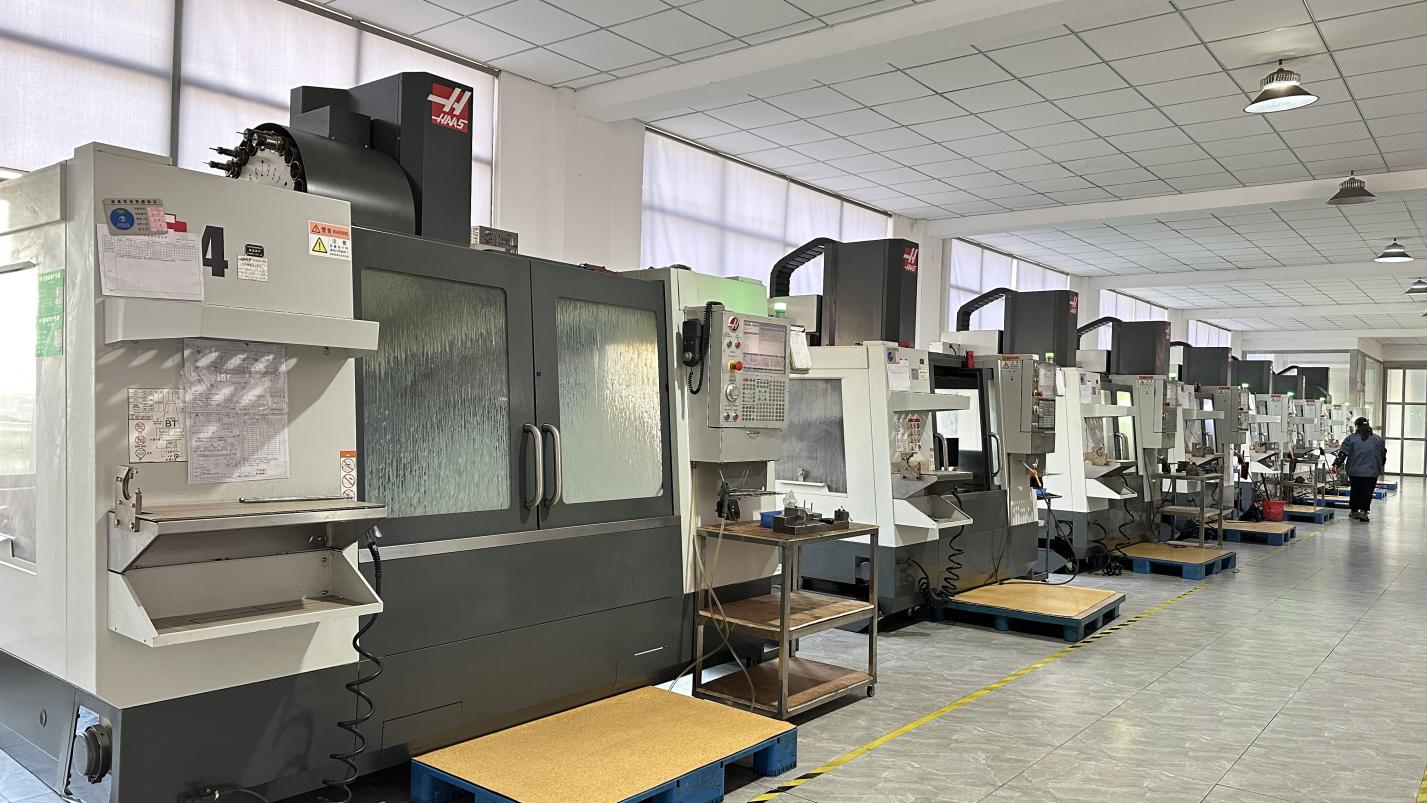
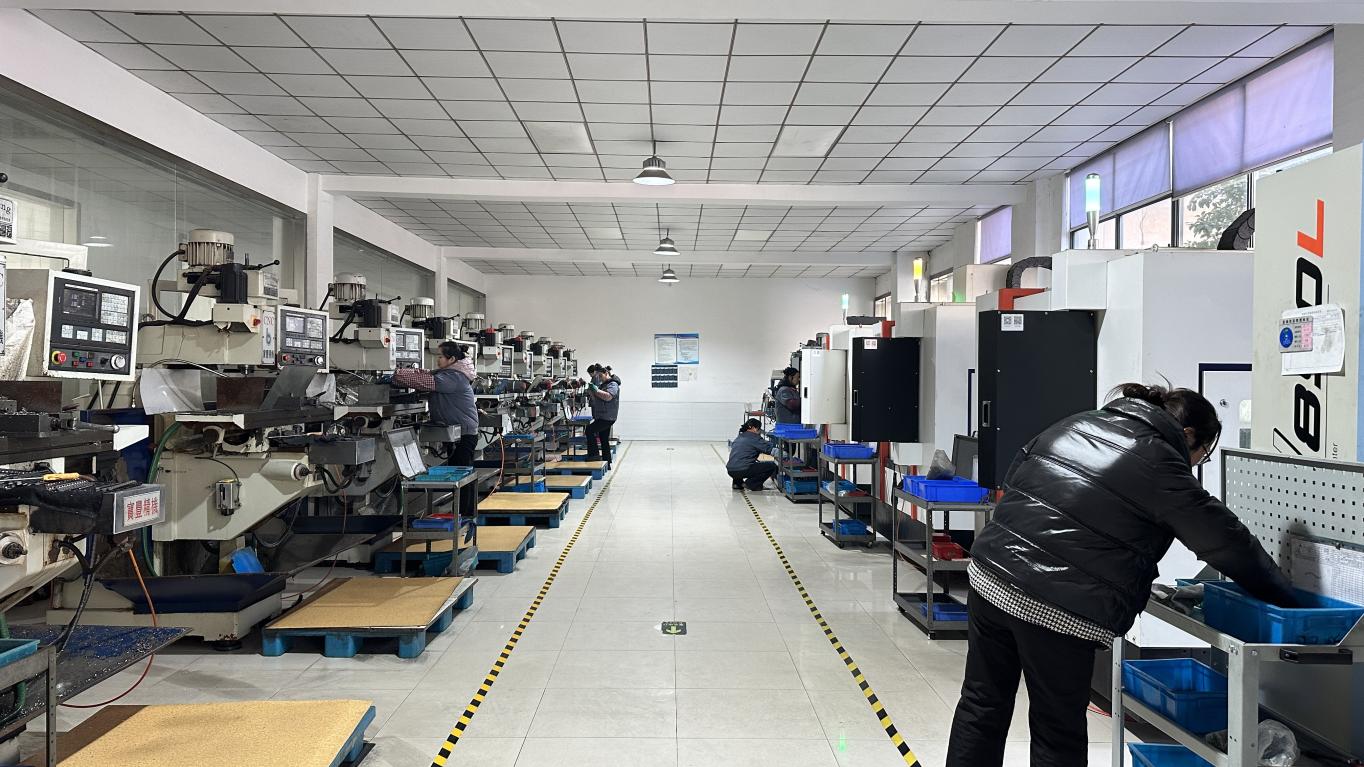
Sourcing clinical orthopedic implants requires balancing regulatory compliance, production capacity, and strict quality control.
Procurement teams face significant challenges in the medical implant market:
Medisplint simplifies the procurement process for international distributors and hospital networks:
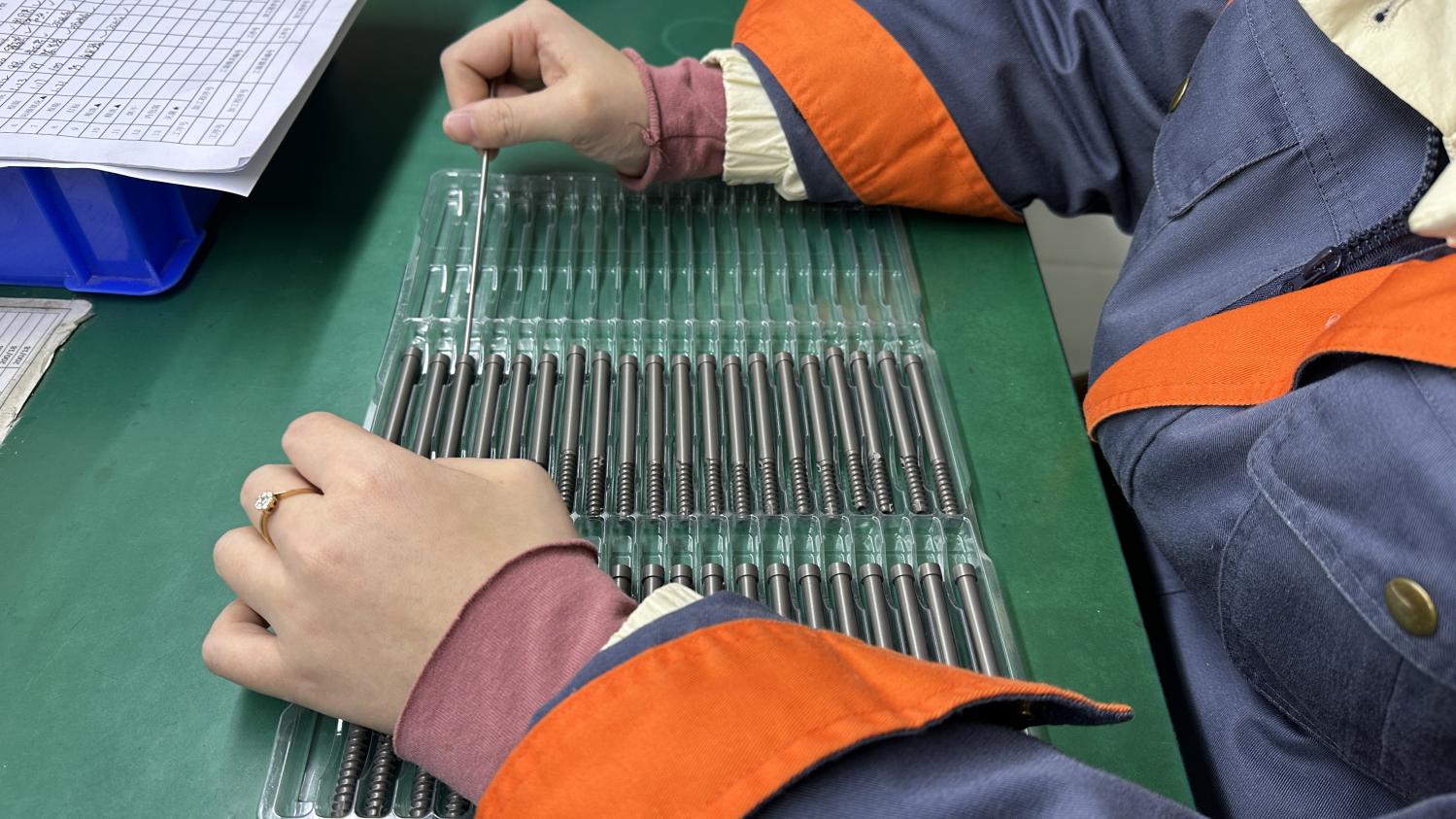
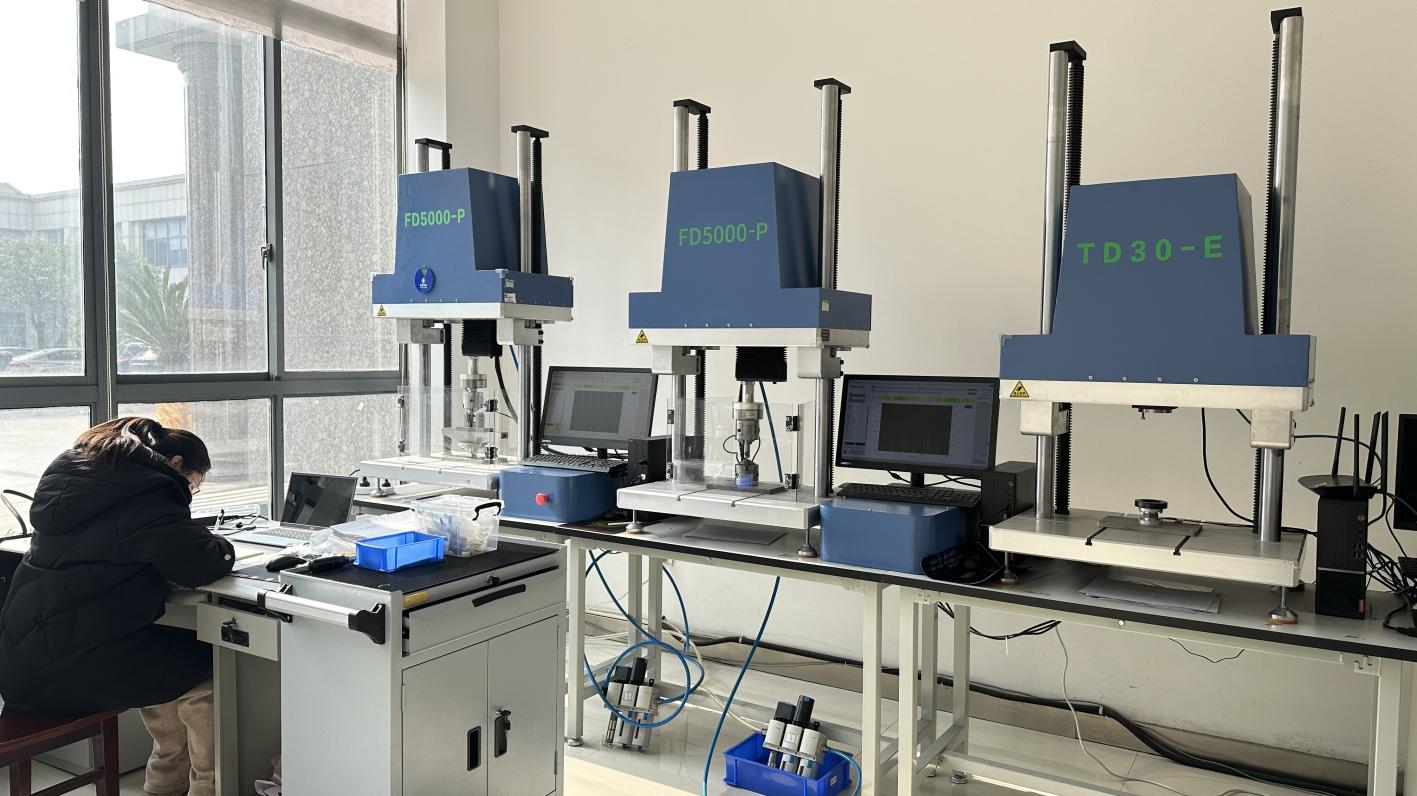
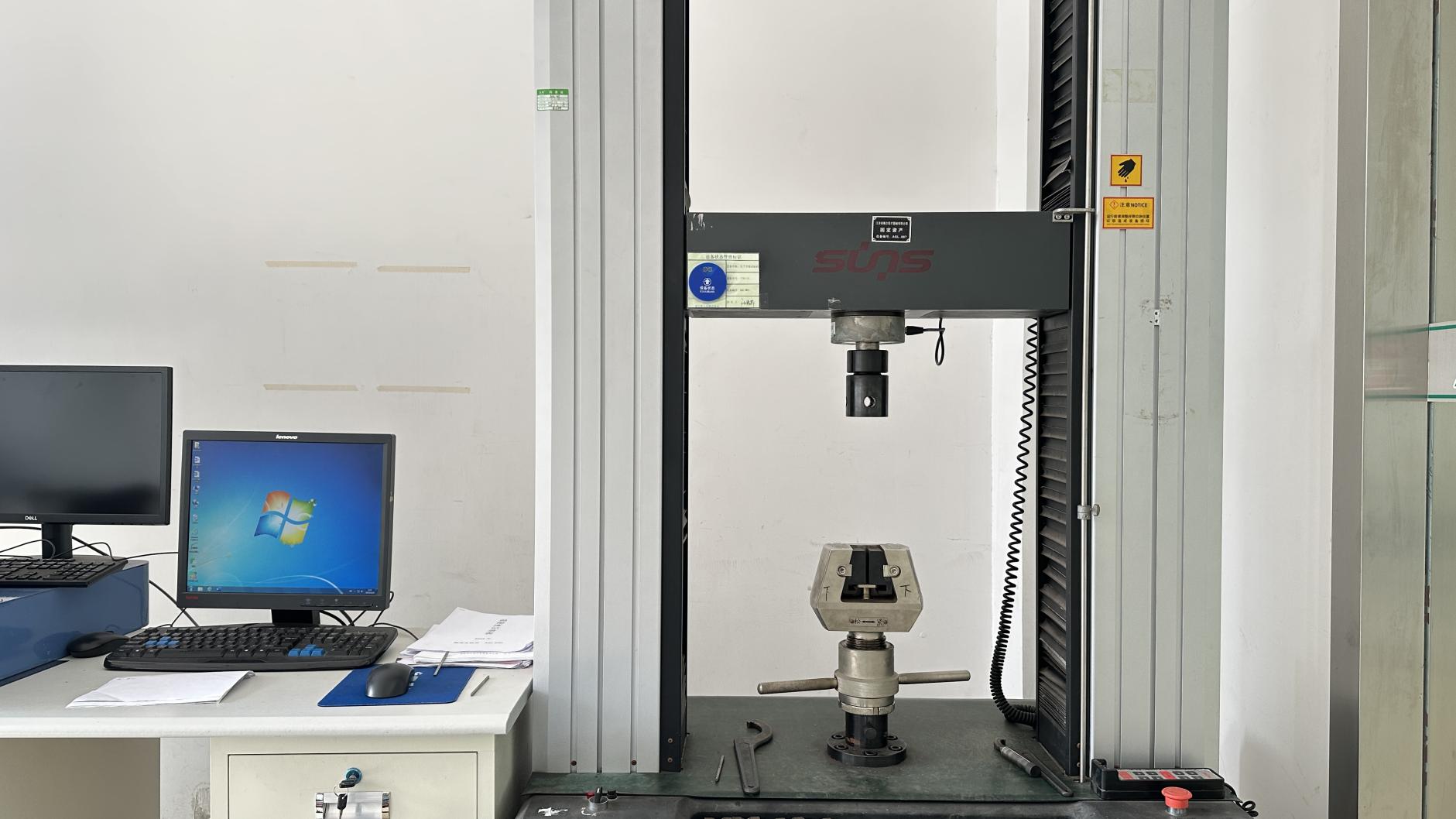
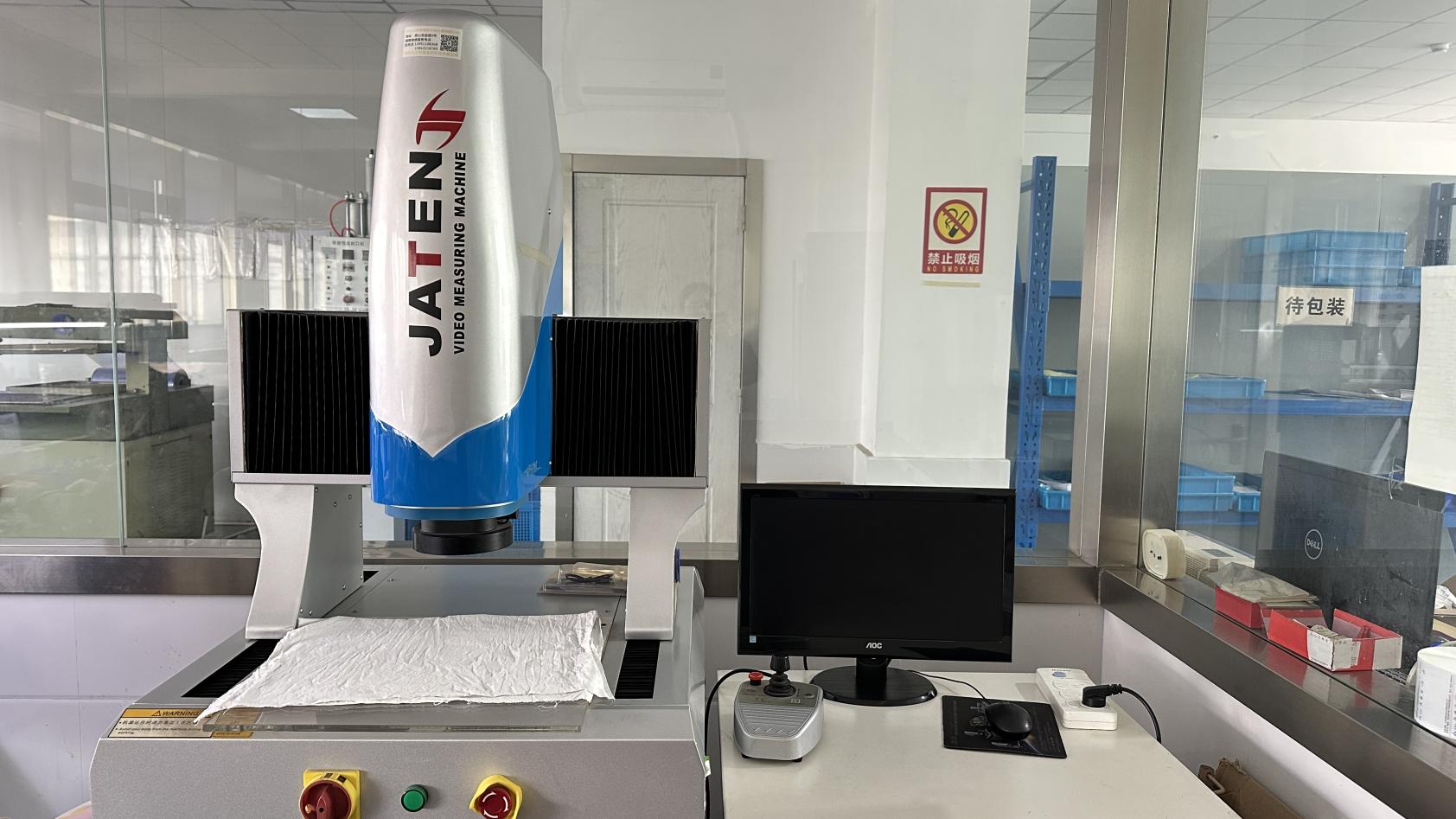
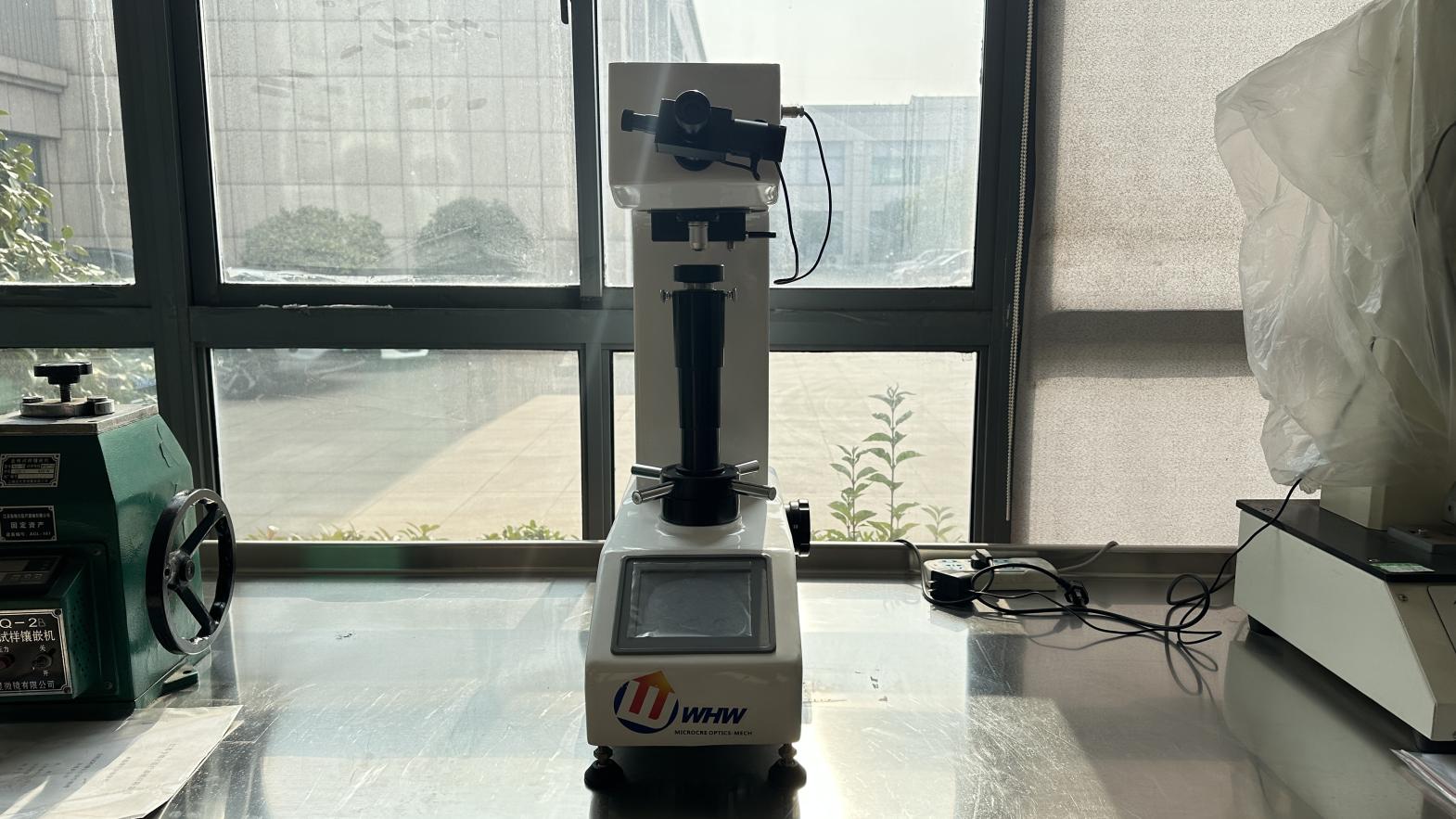
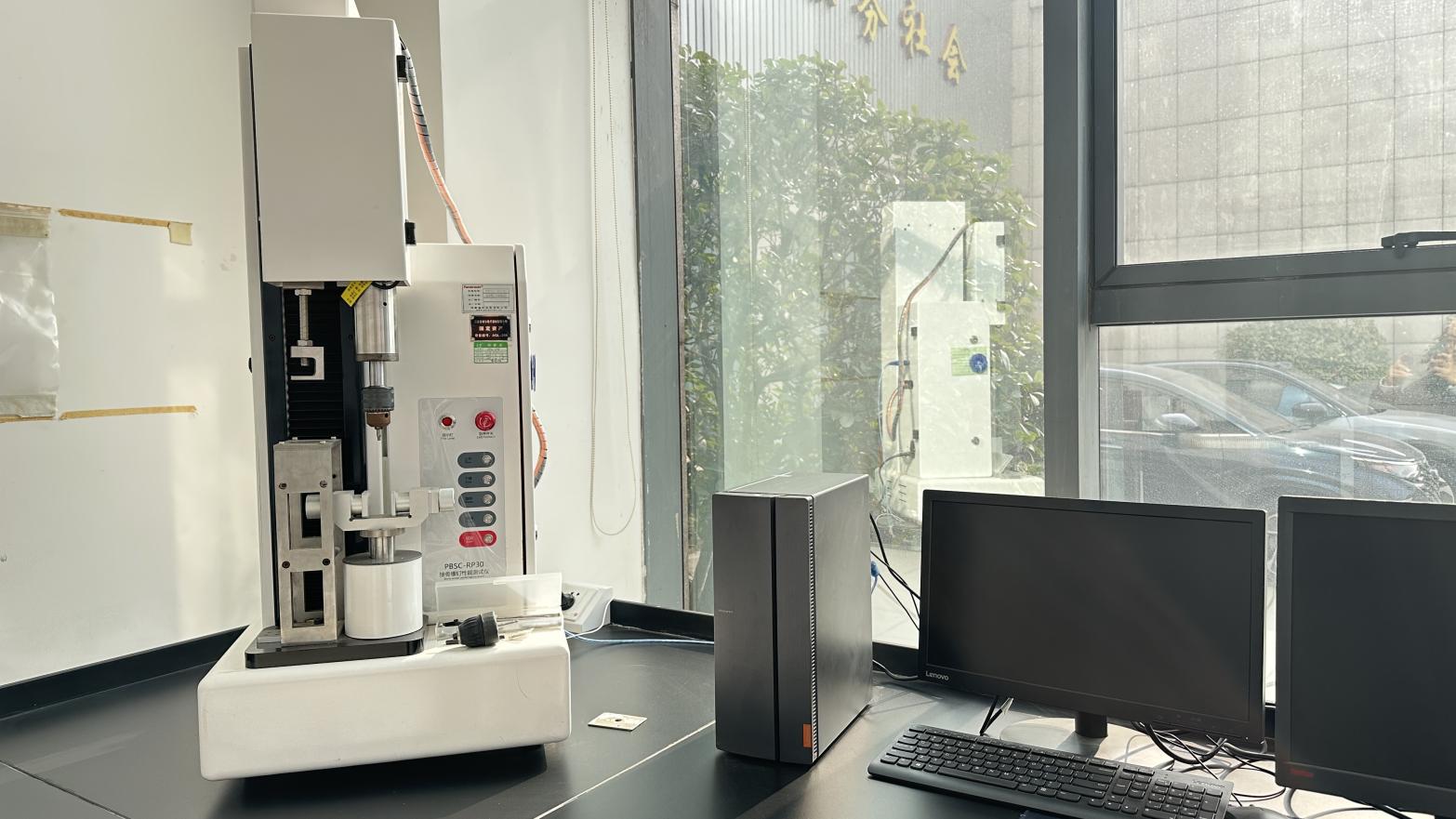
Our dedicated testing labs evaluate structural integrity and verify mechanical properties under simulated physiological conditions.

Joint reconstruction technologies continue to evolve. Medisplint is aligned with these developments, incorporating new technologies into our product line.
We are integrating electron beam melting (EBM) and direct metal laser sintering (DMLS) to build complex porous structures that mimic natural trabecular bone, accelerating osseointegration.
We are studying silver-doped hydroxyapatite and local drug-delivery options to lower infection rates after surgery without affecting bone integration.
We are developing new beta-titanium formulations to reduce stiffness, minimizing stress shielding and helping preserve long-term bone density.
We use patient CT data and custom surgical software to create personalized implants and surgical guides for high-accuracy placement.
Detailed answers regarding regulatory compliance, customization capabilities, and manufacturing standards for global purchasers.