Medisplint
The Clinical Significance and Evolution of Bipolar Hip Arthroplasty
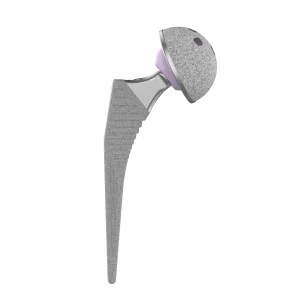
Bipolar hip arthroplasty stands as a cornerstone in modern orthopedic trauma care, specifically designed to address displaced intracapsular femoral neck fractures in elderly and low-demand patient demographics. Unlike unipolar prostheses, the bipolar hip system features a secondary bearing interface: an inner metal or ceramic head that rotates within an outer polyethylene-lined metallic shell. This dual-deflection articulation minimizes shear stresses on the native acetabular articular cartilage, drastically reducing the rates of acetabular erosion, protrusio acetabuli, and postoperative groin pain.
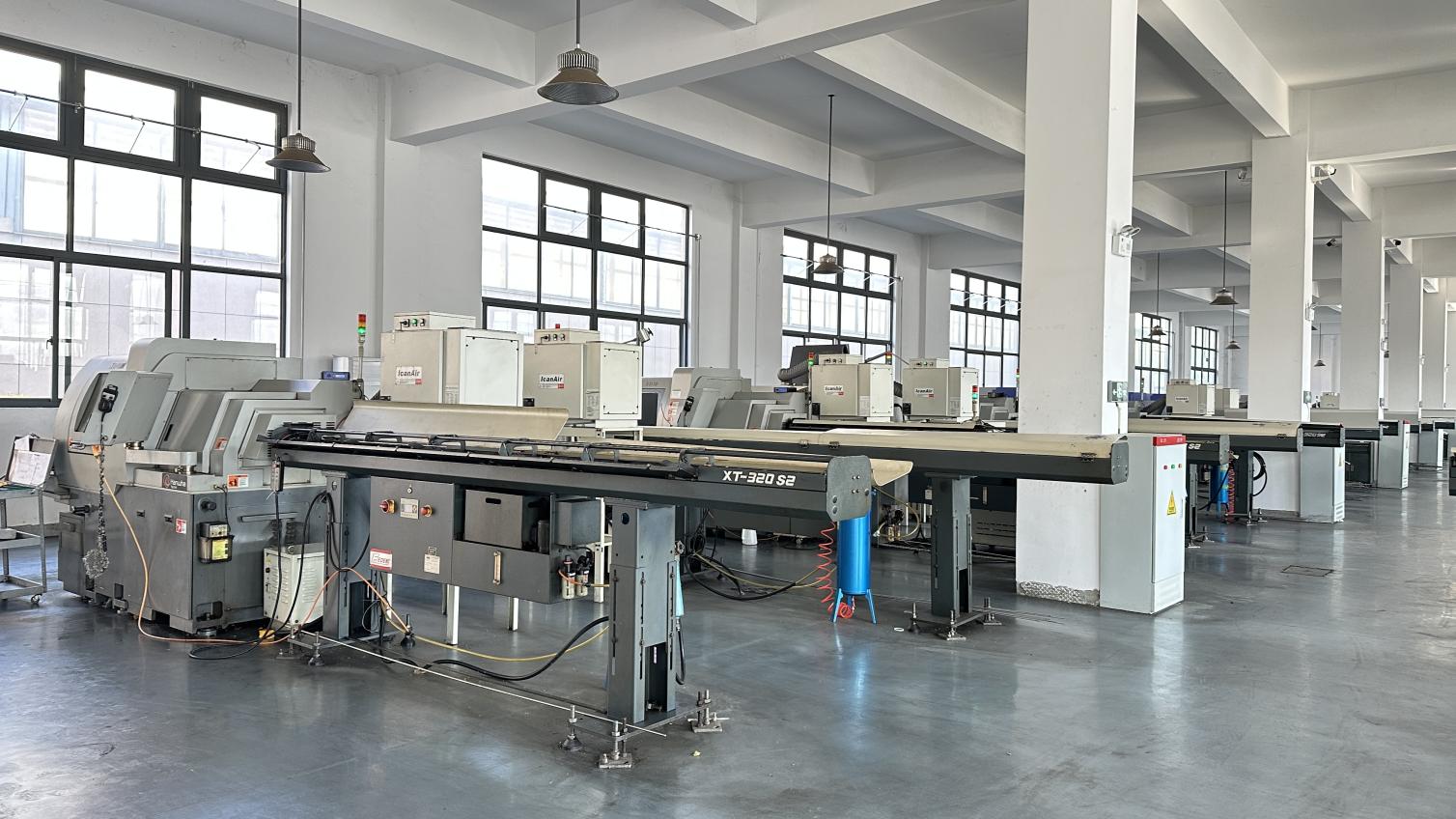
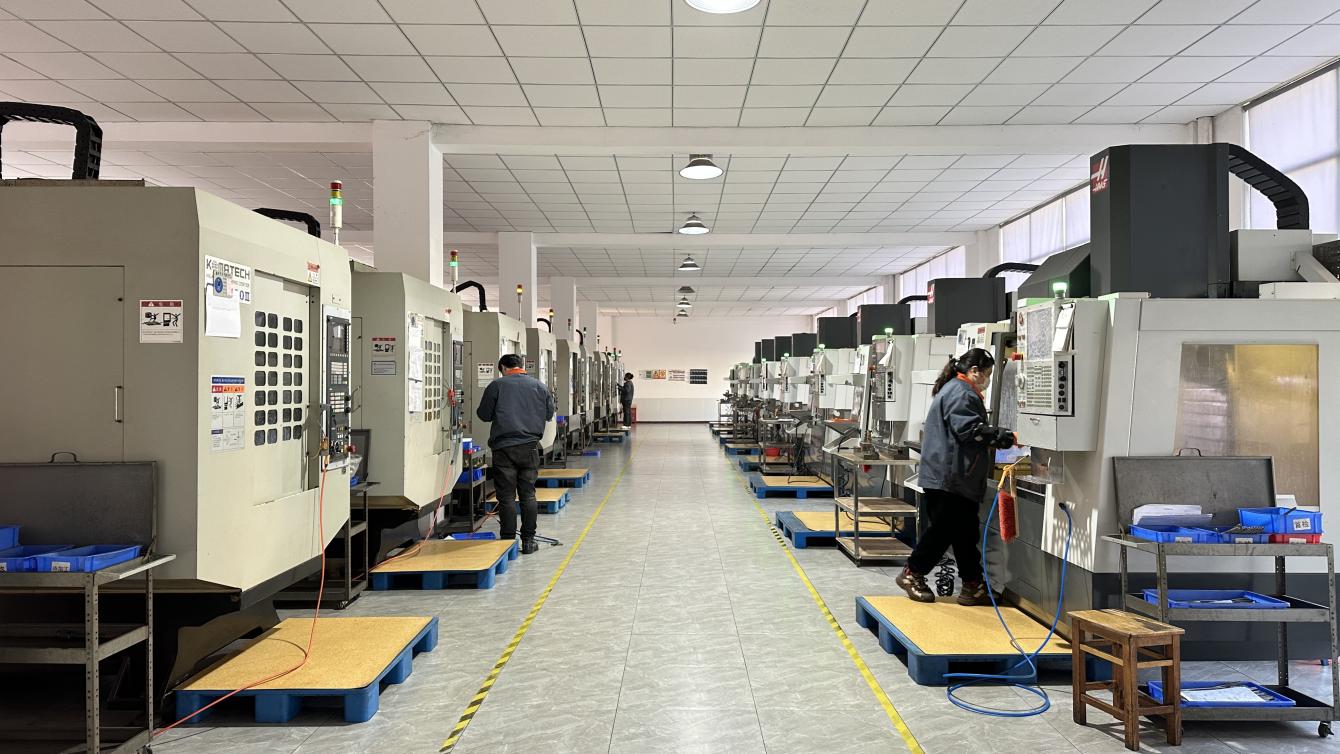
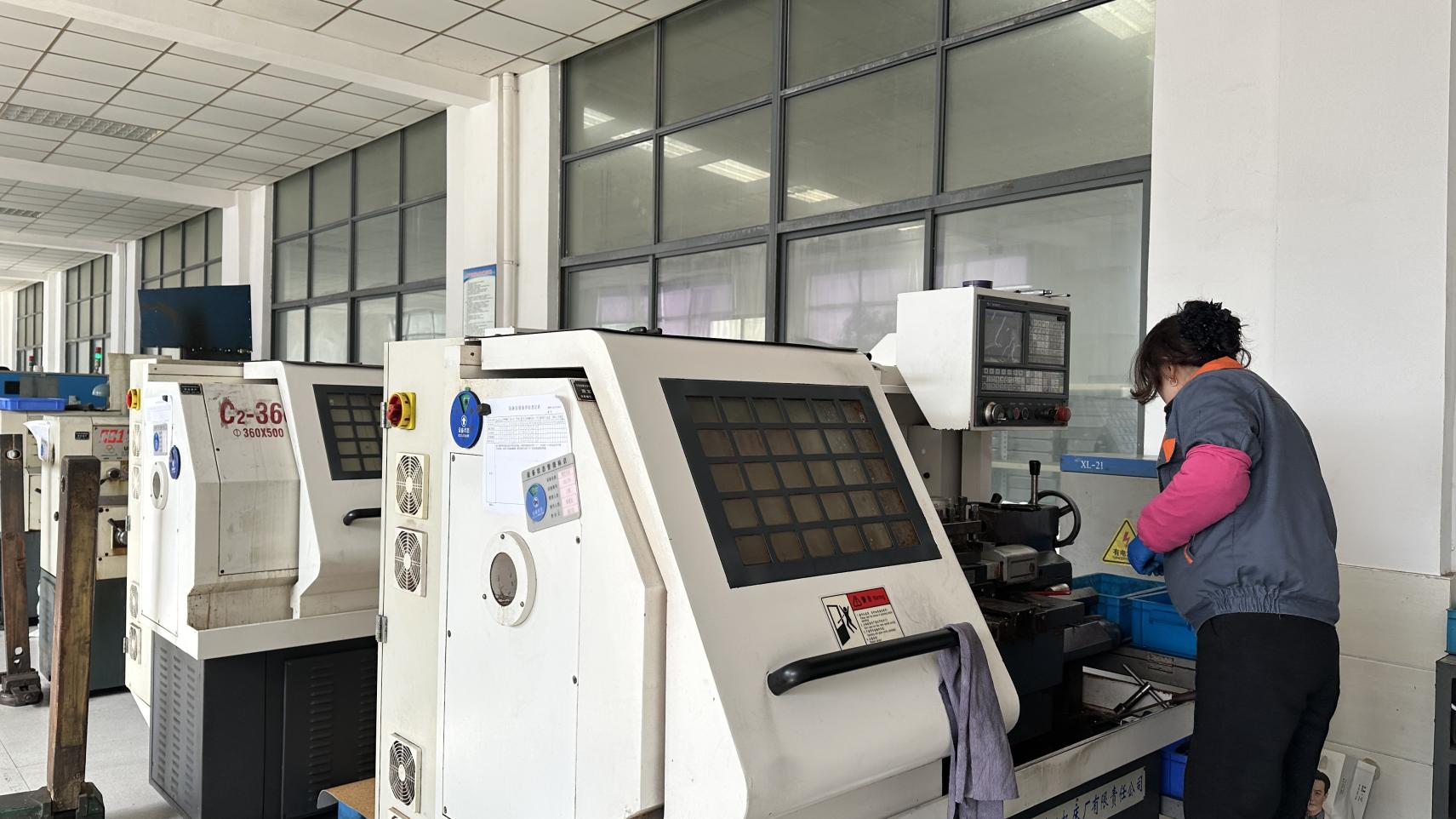
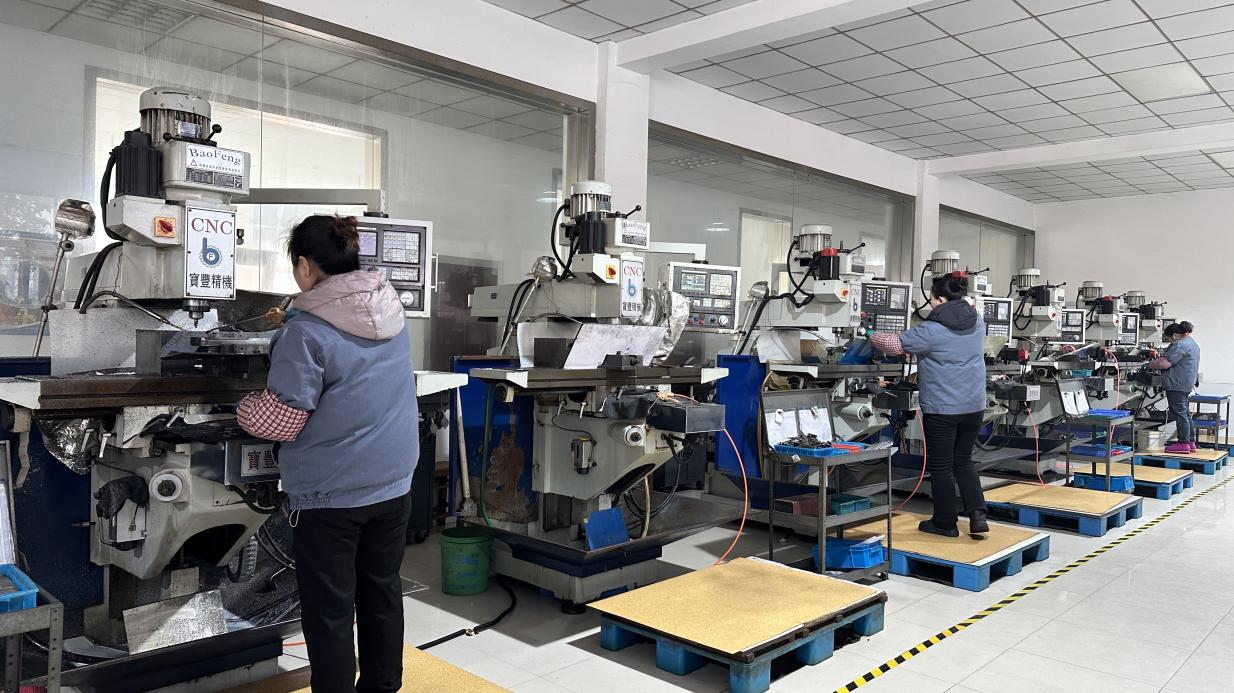
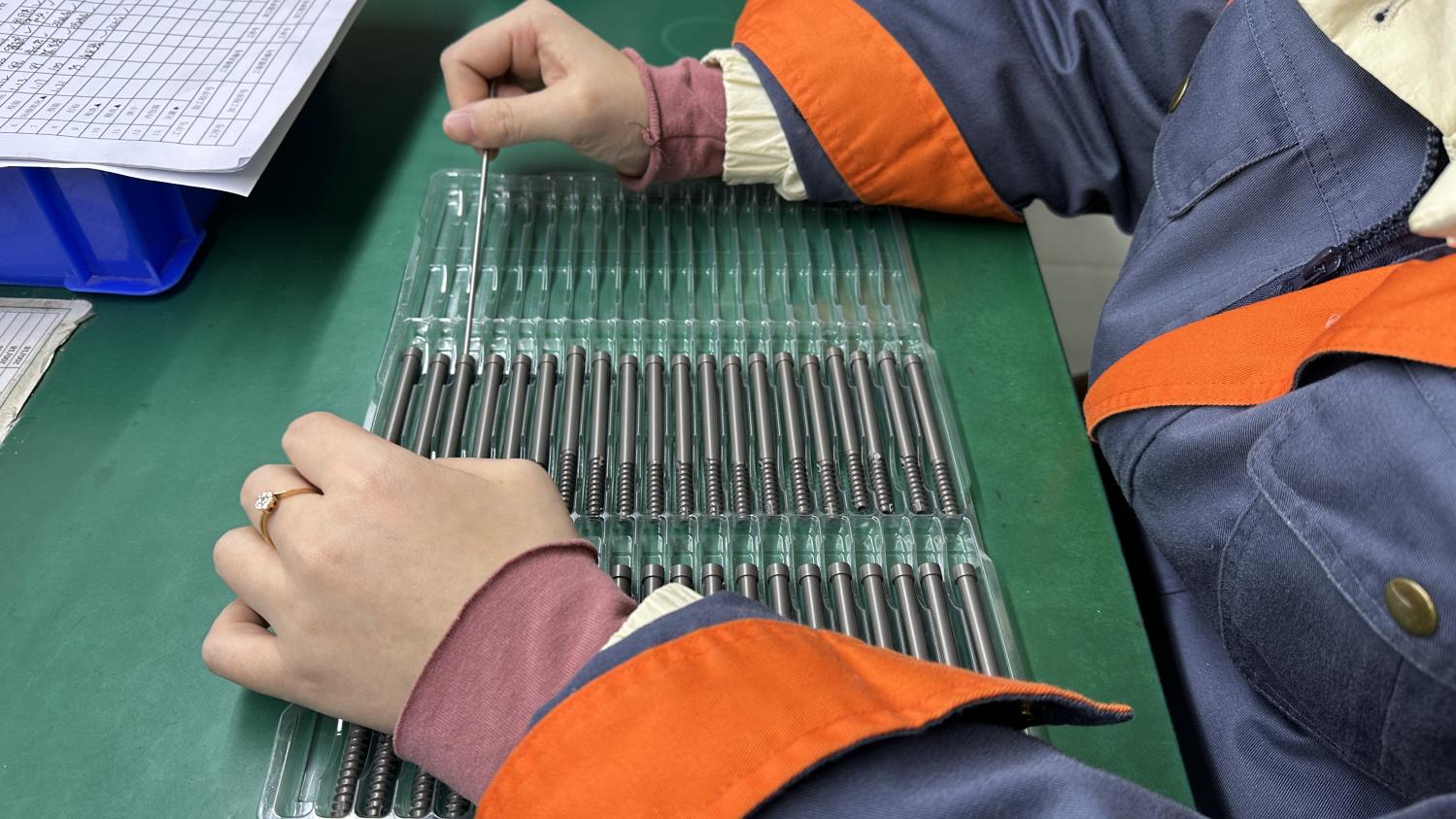
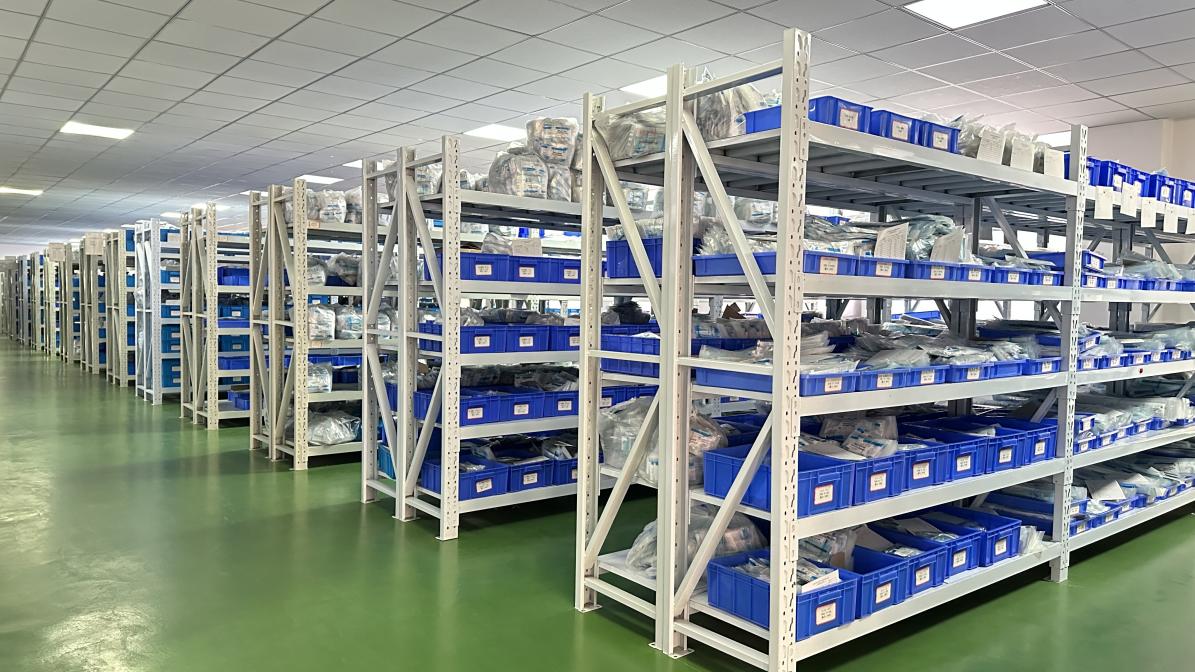
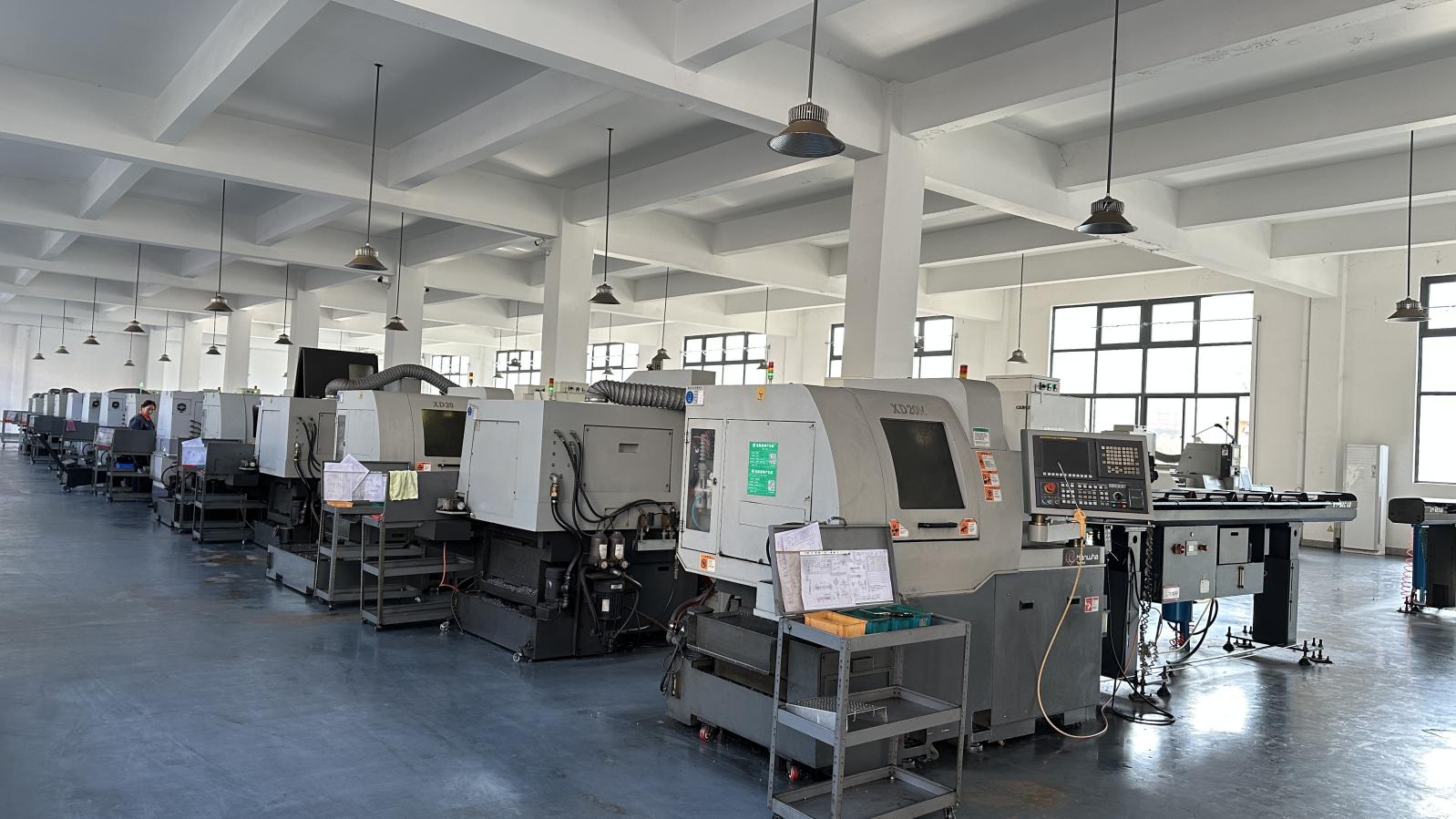
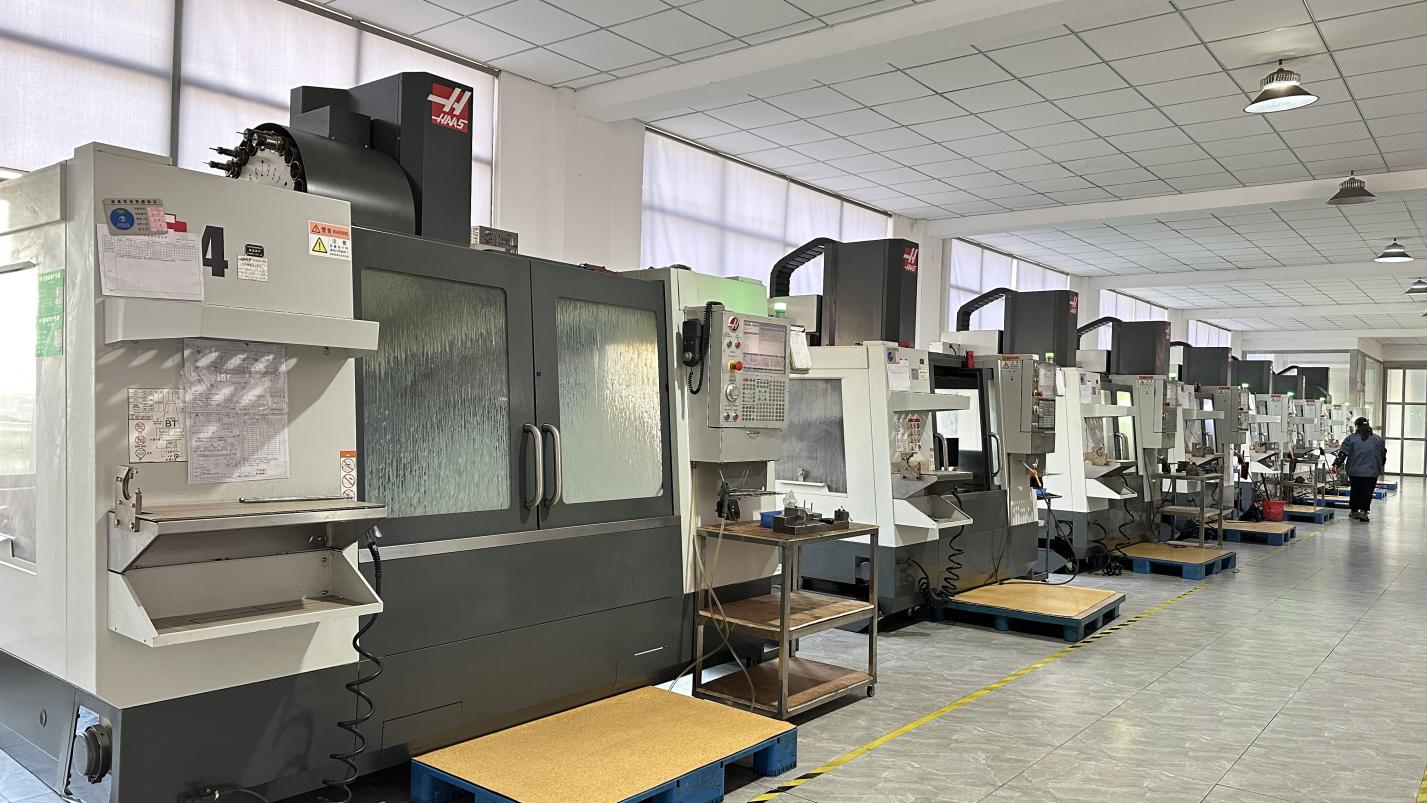
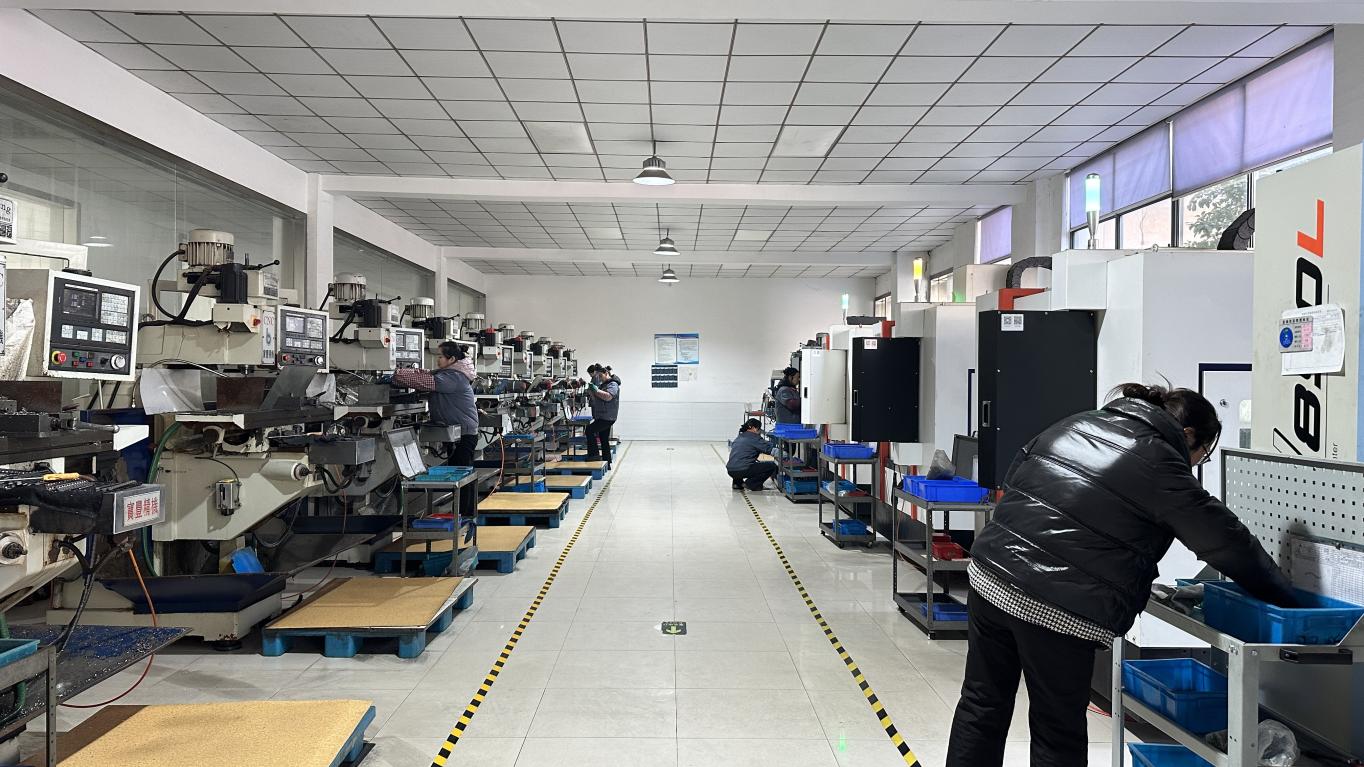
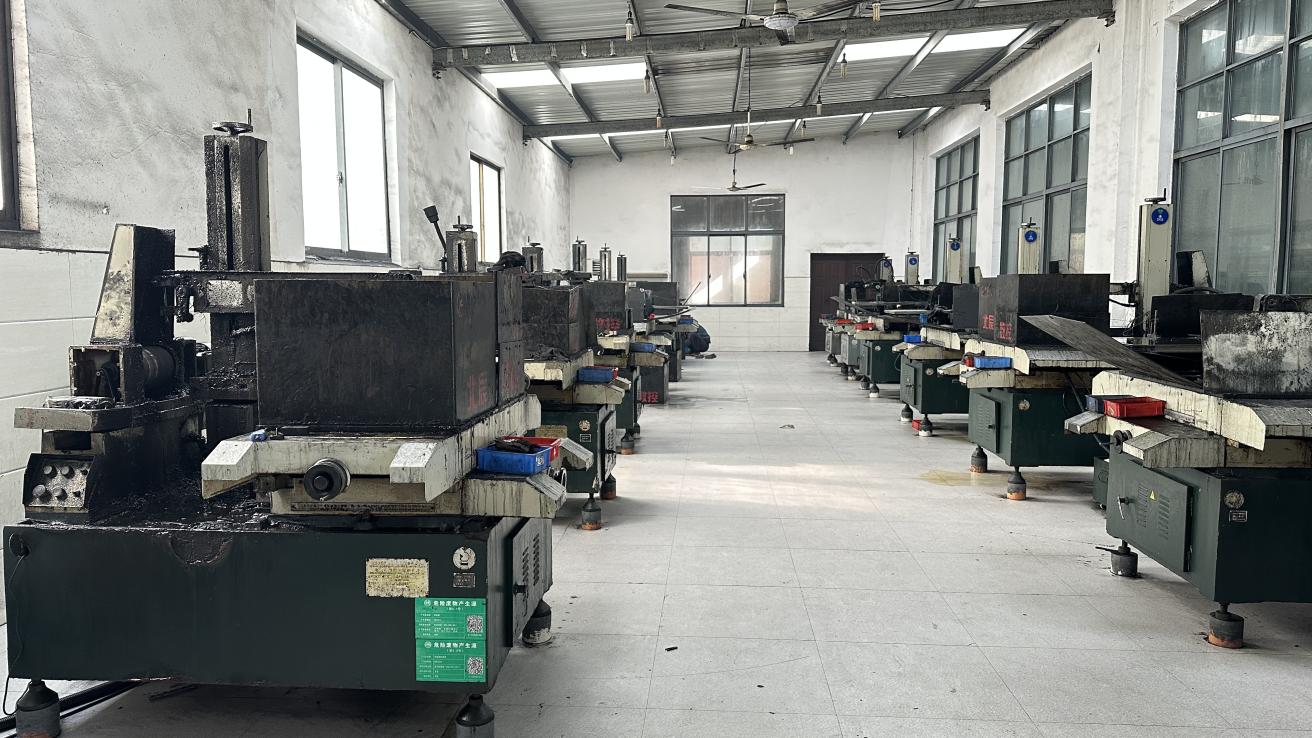
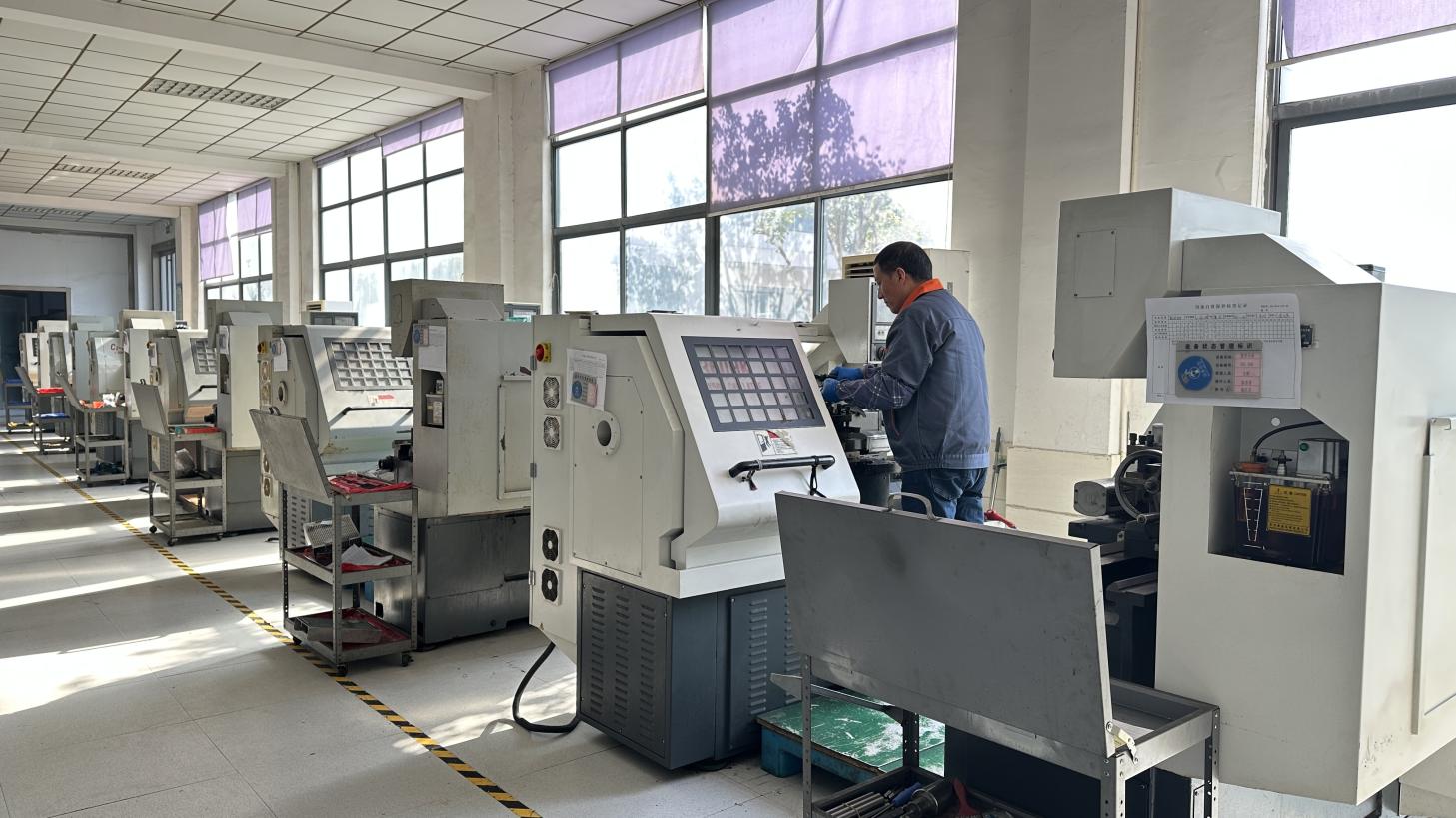
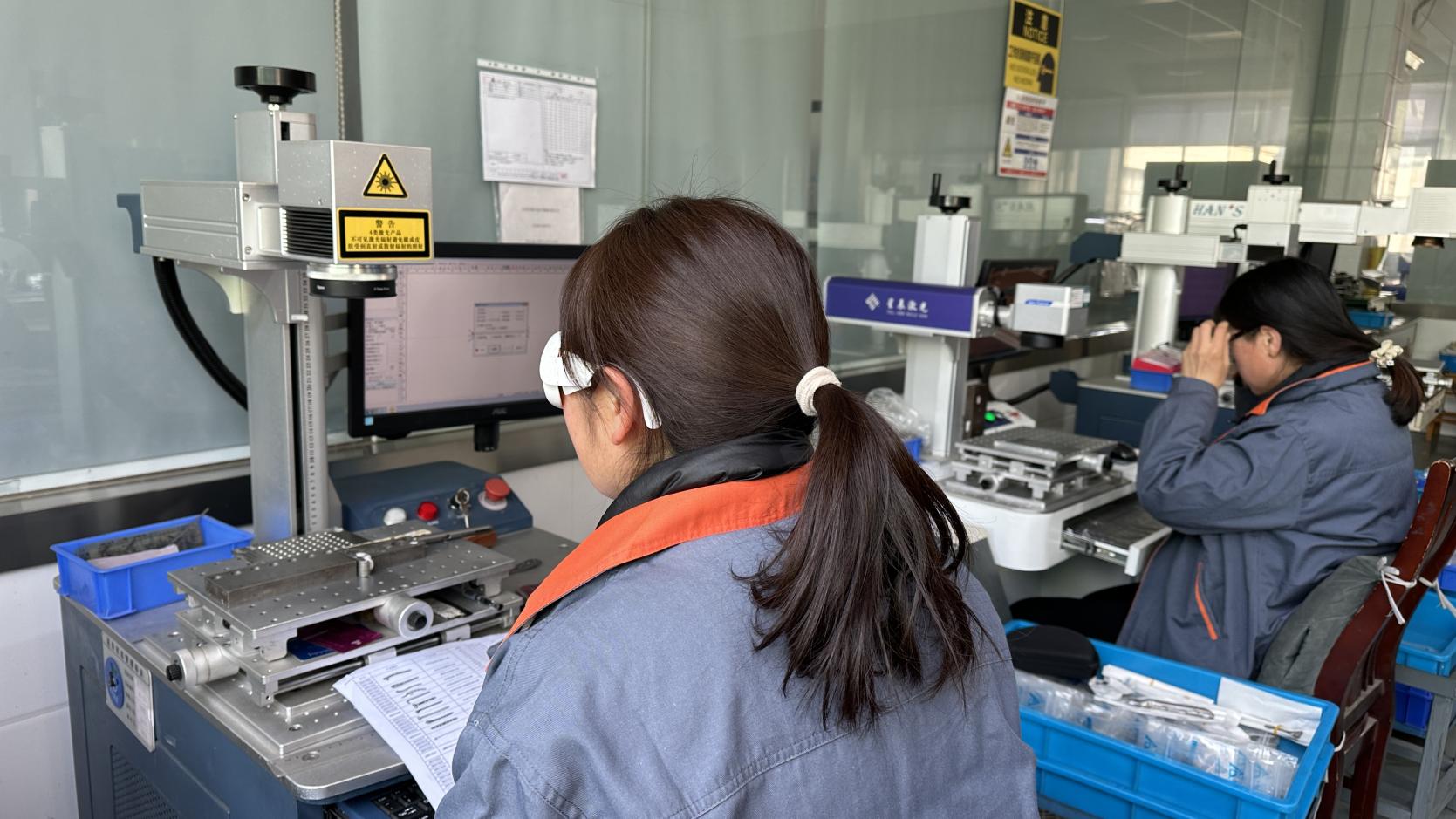
For hospitals, orthopedic distributors, and global procurement departments, finding a reliable, certified factory that can produce high-tolerance joint replacements is critical. The interface tolerances between the femoral stem, modular head, UHMWPE (Ultra-High-Molecular-Weight Polyethylene) liner, and outer metallic shell must be within micron ranges. Any surface variance can lead to early polyethylene wear, osteolysis, and eventual implant failure, requiring complex revision surgery.
Key Structural Highlights:
• Dual-mobility mechanisms reduce friction against native acetabular cavities.
• Biocompatible substrates like Ti-6Al-4V ELI and Cast CoCrMo maximize fatigue life.
• Plasma sprayed Hydroxyapatite (HA) or titanium porous coatings enhance proximal osseointegration.